Archive

Tag Archives: snapshots

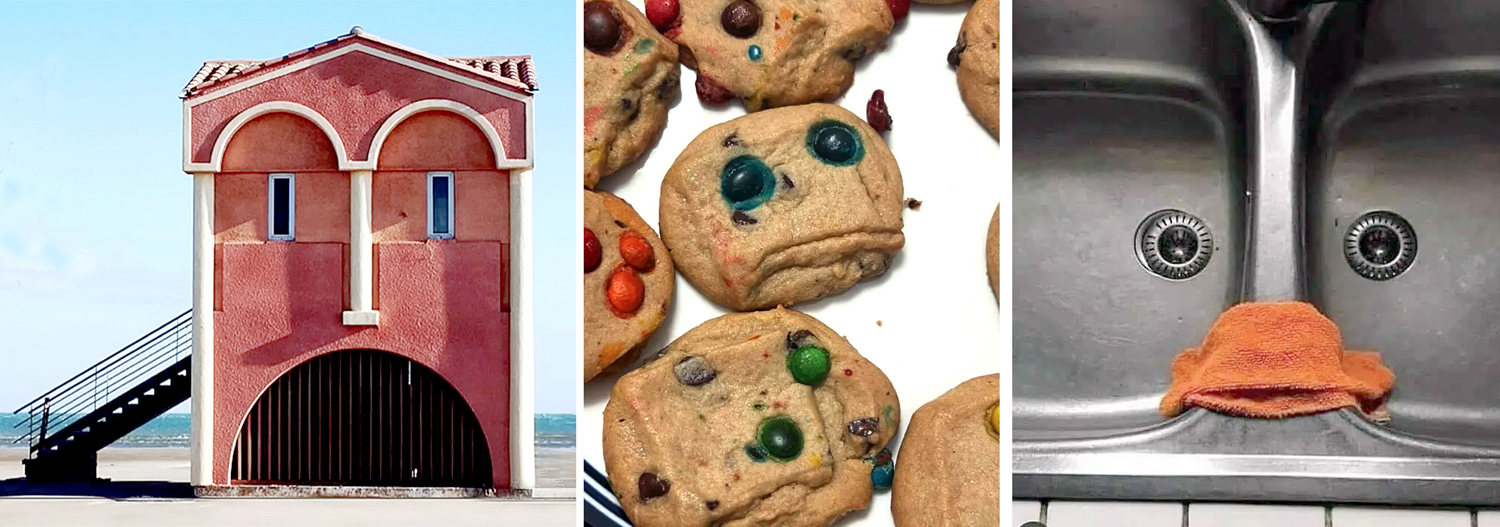
Deep in your brain, at the back of your skull, lie two small bits of matter, each about the size of a pencil eraser, buried roughly equally in each of the two hemispheres of your brain. Their job is to recognize faces. Called the fusiform face area, it is such a hard-working little department, it will sometimes see faces where there are none. 
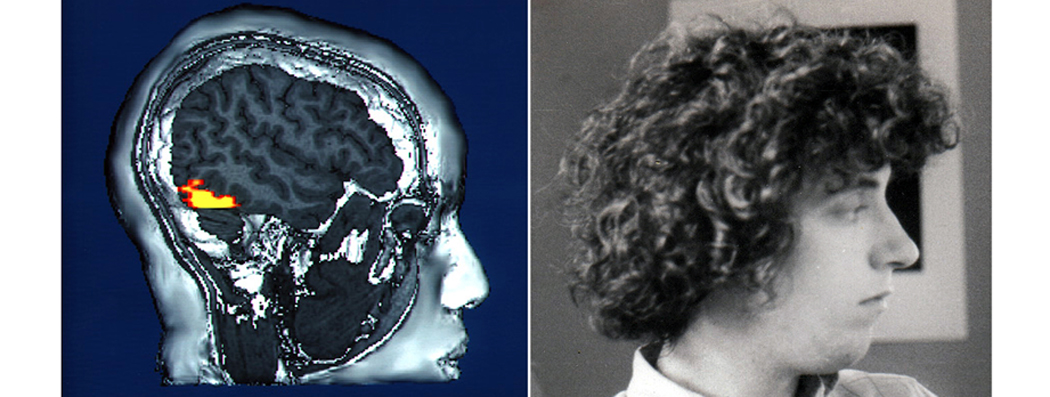
Faces are so important for the survival of the species, that as soon as a newborn can focus — not even focus, but begin to do so — it can make out faces from other shapes, and by three days old, it can recognize its mother’s face. 

And through life, the human face remains one of the most engaging visual forms we know. And it is why it is the most frequent subject for art. It covers everything from family snapshots to emojis to political cartoons to the formal portrait. And the portrait has settled in to be one of the conventional genres of art, along with landscape, still life, nude, and abstraction. 
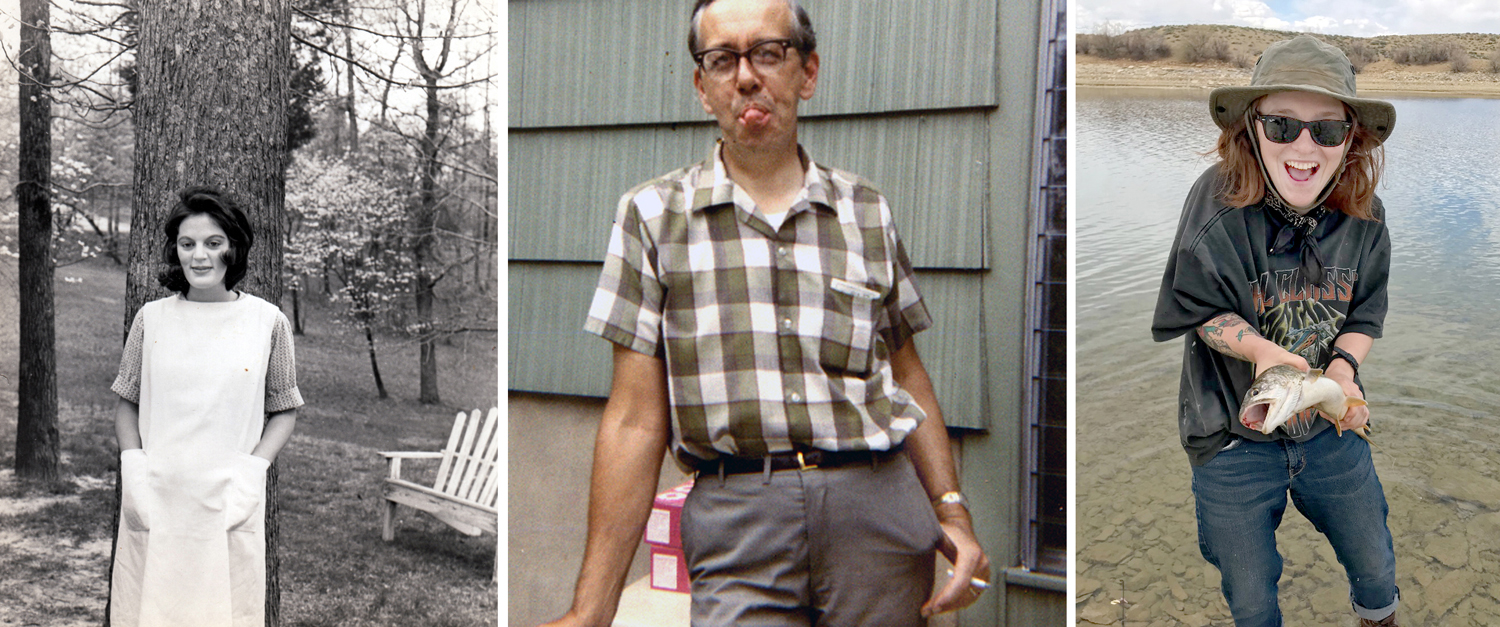
But not all images are the same, or made with the same intent. There are, by my calculation, four overarching categories of pictures of people. The family snaps are the most common. Most of us have a shoebox filled with old pictures, some going back as far as the late 19th century. 
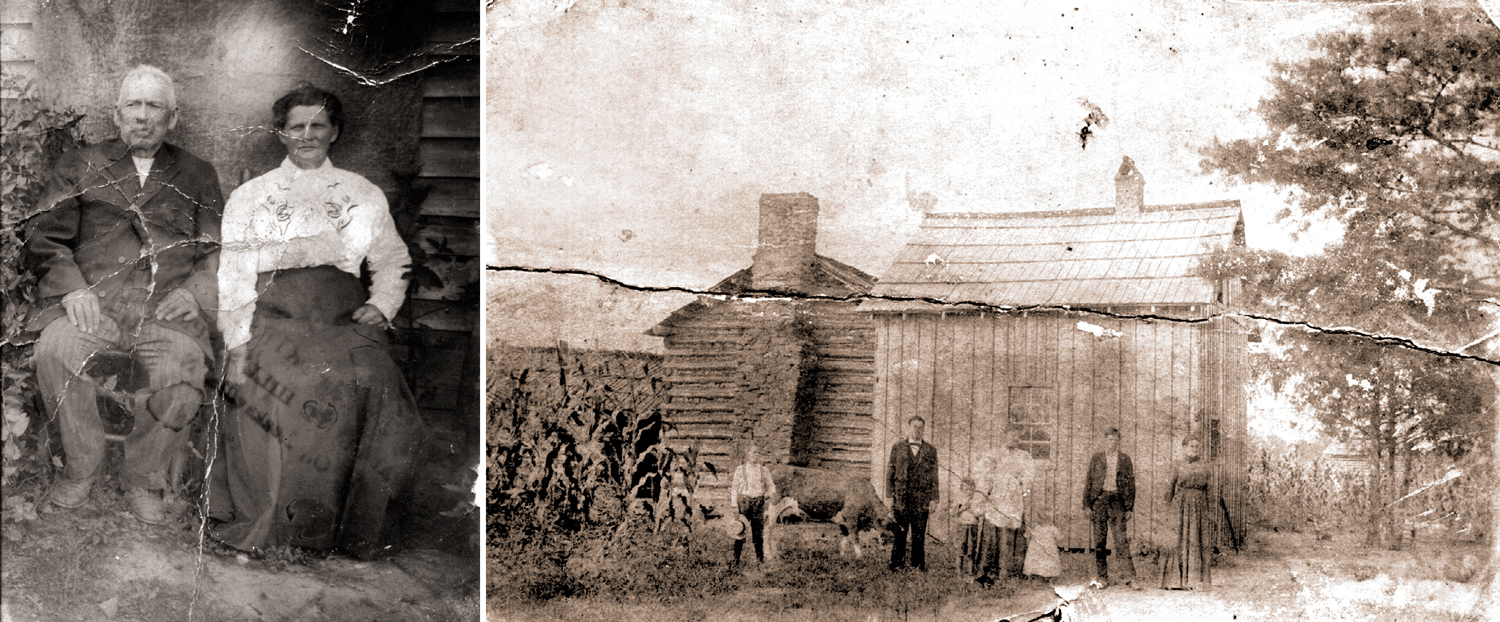
Rowan Steele and family, Sandy Ridge, N.C. ca. 1890

Nowadays, most family pictures exchange the shoebox for the cellphone and cloud. But still, a ton of pictures, most of little significance to anyone but family. 

The second group are the more formal photos, like school pictures, wedding photos, or those grinning Olan Mills family shots, as stiff as plywood and just as expressive. Those, usually in Sunday best, with billboard smiles, is how you would prefer people to see you. 
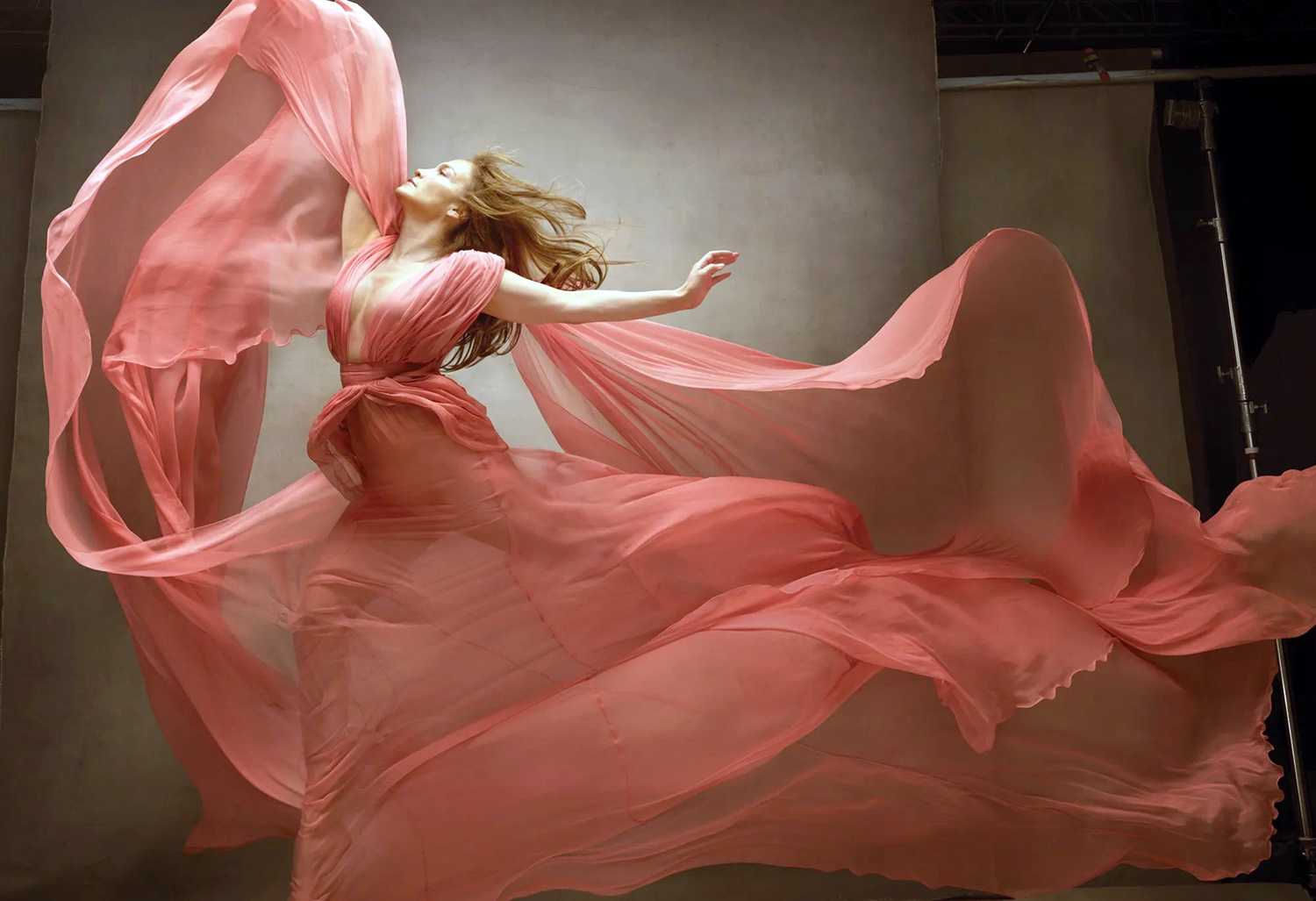
Jennifer Lopez by Annie Leibovitz

Then, there are the celebrity portraits, by the likes of Annie Leibovitz or Harry Borden. These are made when an actor or author has some new project to sell, and they need a clever image for the cover of Rolling Stone magazine or Vanity Fair. Or the cover of a band’s new CD. In a sense, these are not pictures of people but rather portraits of brands. They are selling us something. 

I don’t want to demean these pictures. The photographers who make such images can be tremendously talented, and their work is often memorable. But they are not usually true portraits, but rather, a form of marketing. 
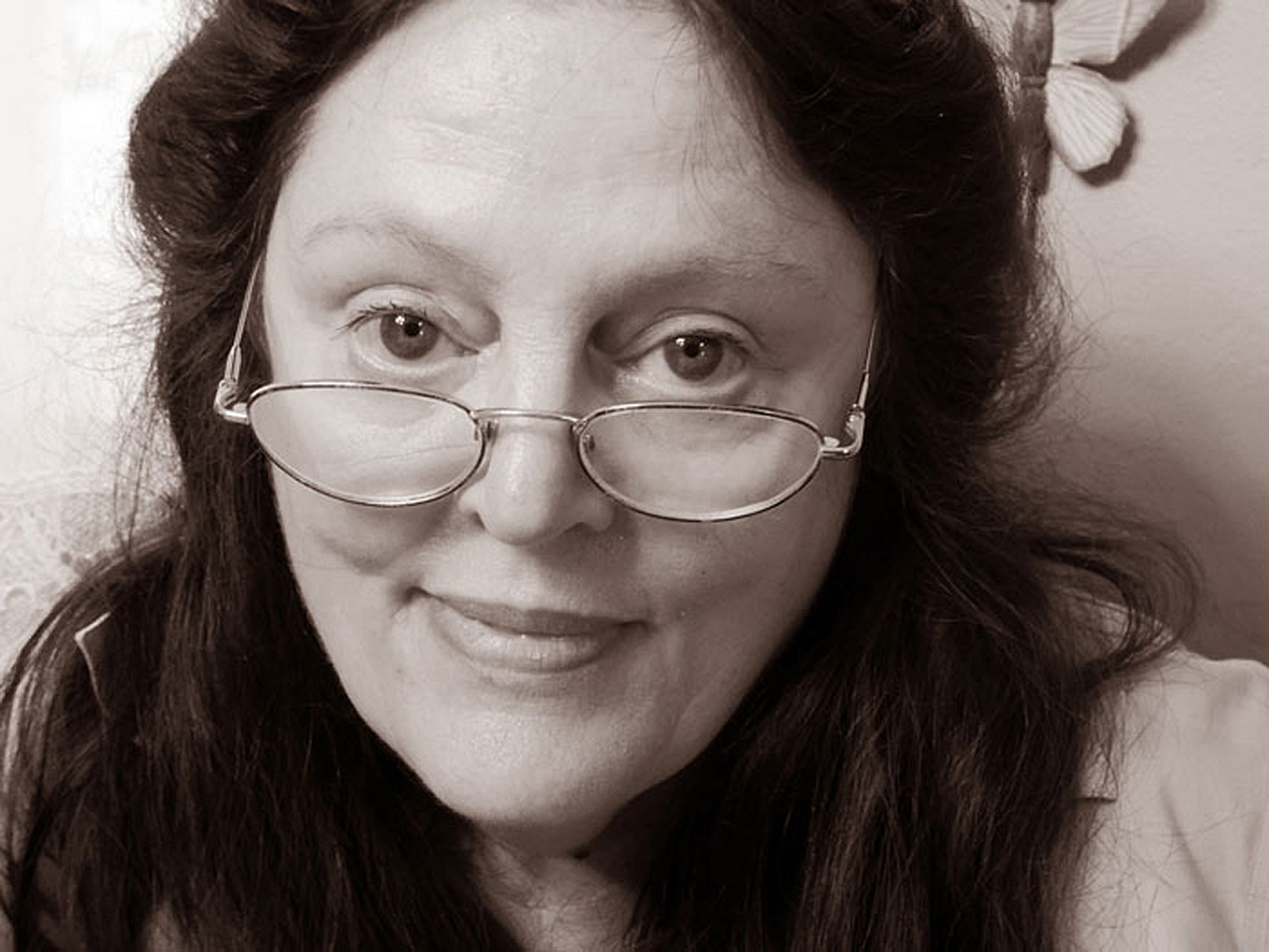
Carole Steele

Finally, there are the portraits I am writing about, images that attempt to capture something genuine about the sitter. To tell you something about the actual person. It is in their eyes; their ancient glittering eyes. 
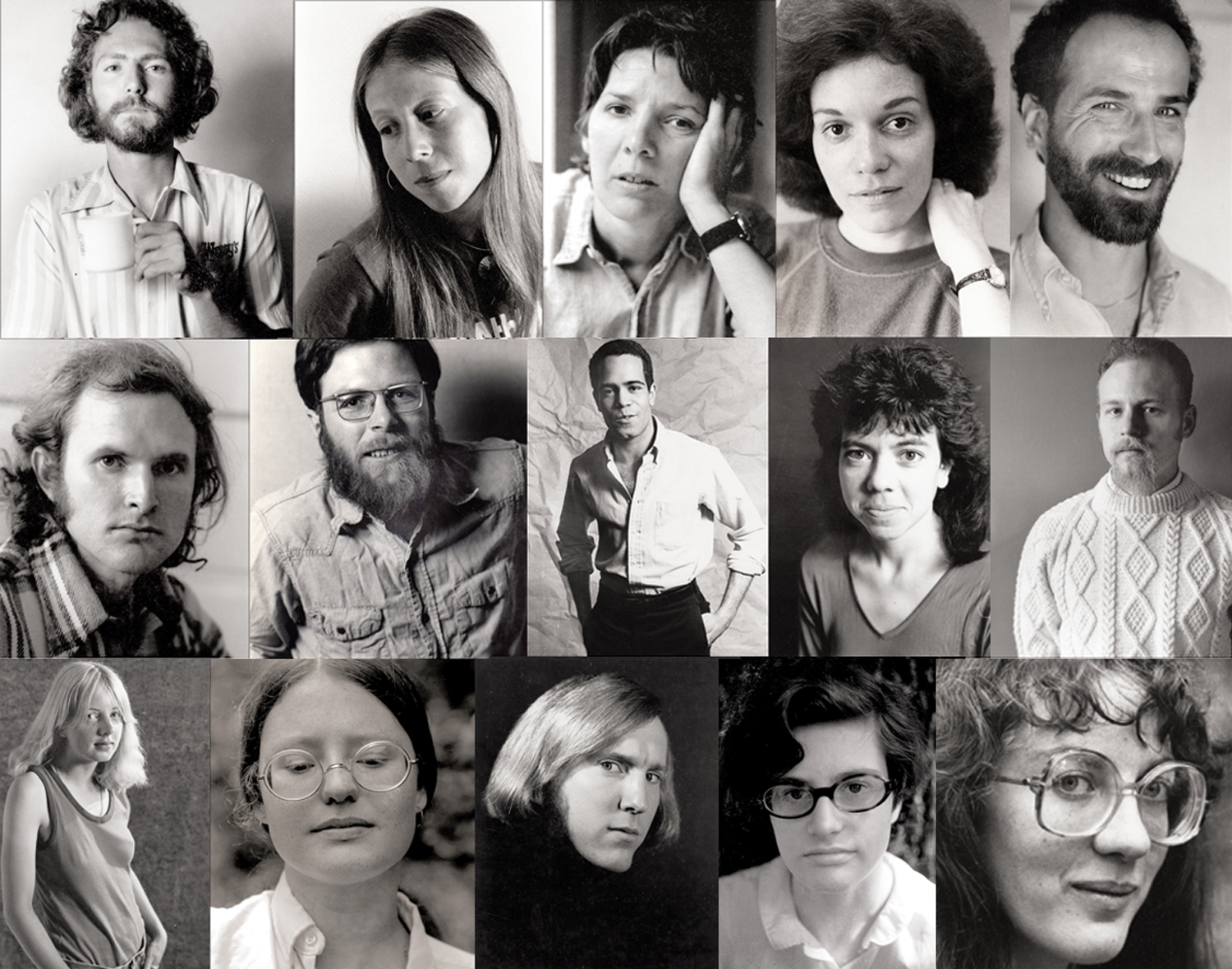
I have been making such pictures for more than 50 years, beginning back in the 1970s, when I worked at a camera store in Greensboro, N.C. I photographed like a demon, making records of friends, family and colleagues. At our home, I had one wall of the dining room covered with something like 30 or 40 photographs, held to the wall with small bits of masking tape on their backs. Some of these may have simply been snapshots of friends, but most were attempts at capturing something real or genuine about those subjects. 
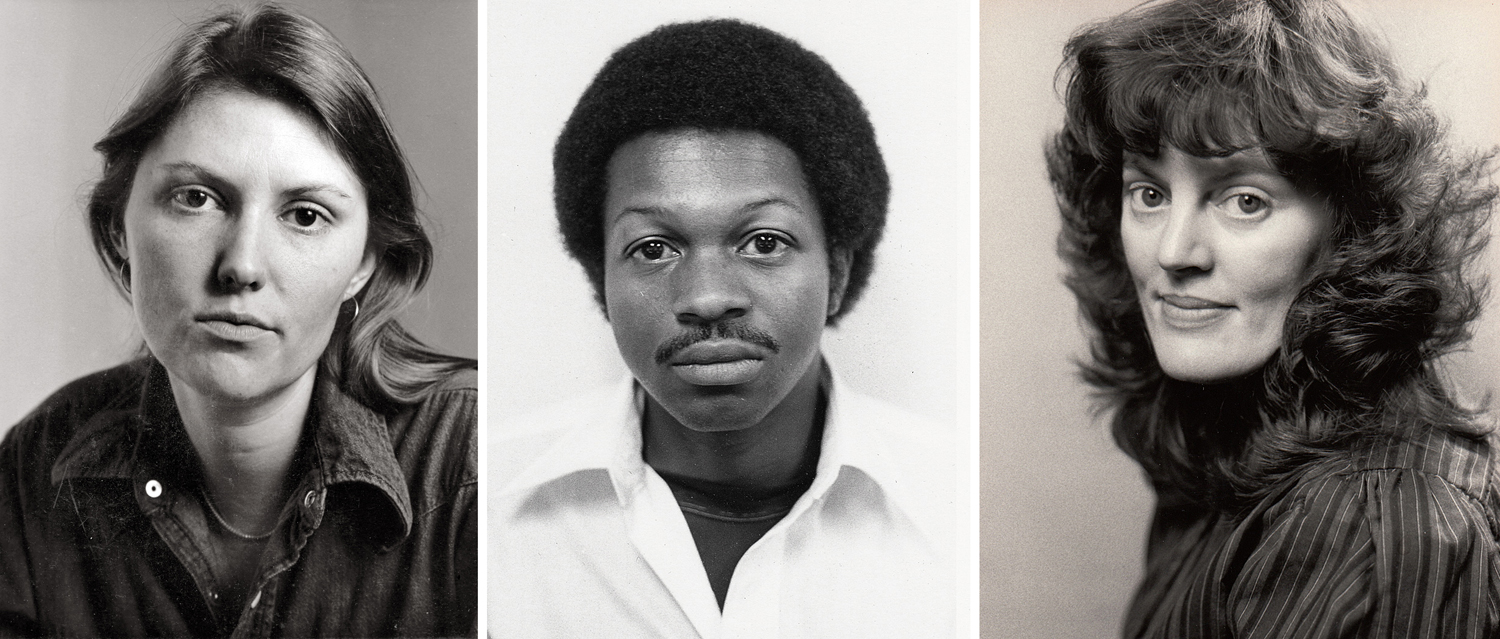
Judy Crawford; Ron Pierce; Carole Steele

What most of the images shared were their eyes. I usually tried to get my subjects to look directly into the camera, forcing the viewer to make eye contact and creating a psychological bond with the sitter. Judy Crawford had eyes that were pools of infinite sadness. As Cicero wrote, “The face is a picture of the mind with the eyes as its interpreter.” There is intelligence shining from some, caring and feeling in some, suspicion or cynicism in others. The eyes have it. 

I am now too long in the tooth to mount any more gallery shows, or attempt to publish a book, but I thought I might use this blog to present a sampling of the portraits I have made over the years. Indulge me. 
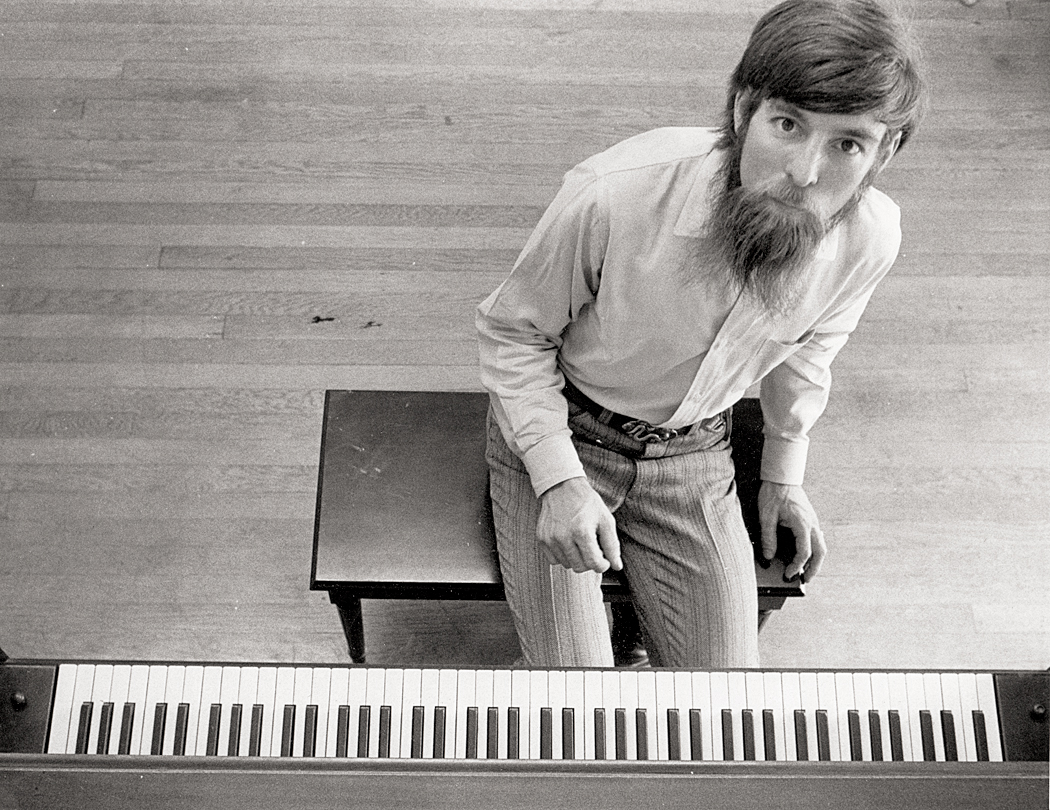
Aimee Groulx

One of the first portraits I still show is of artist Aimee Groulx, who ran the Groulx School of Art in Greensboro, N.C. Actually, his wife, Adele, ran it. Aimee was the kind of free spirit who could not likely run a bath, let alone a business. I taught at the school briefly. Aimee always dotted the “X” at the end of his name when signing anything. “To prevent forgeries,” he said. 
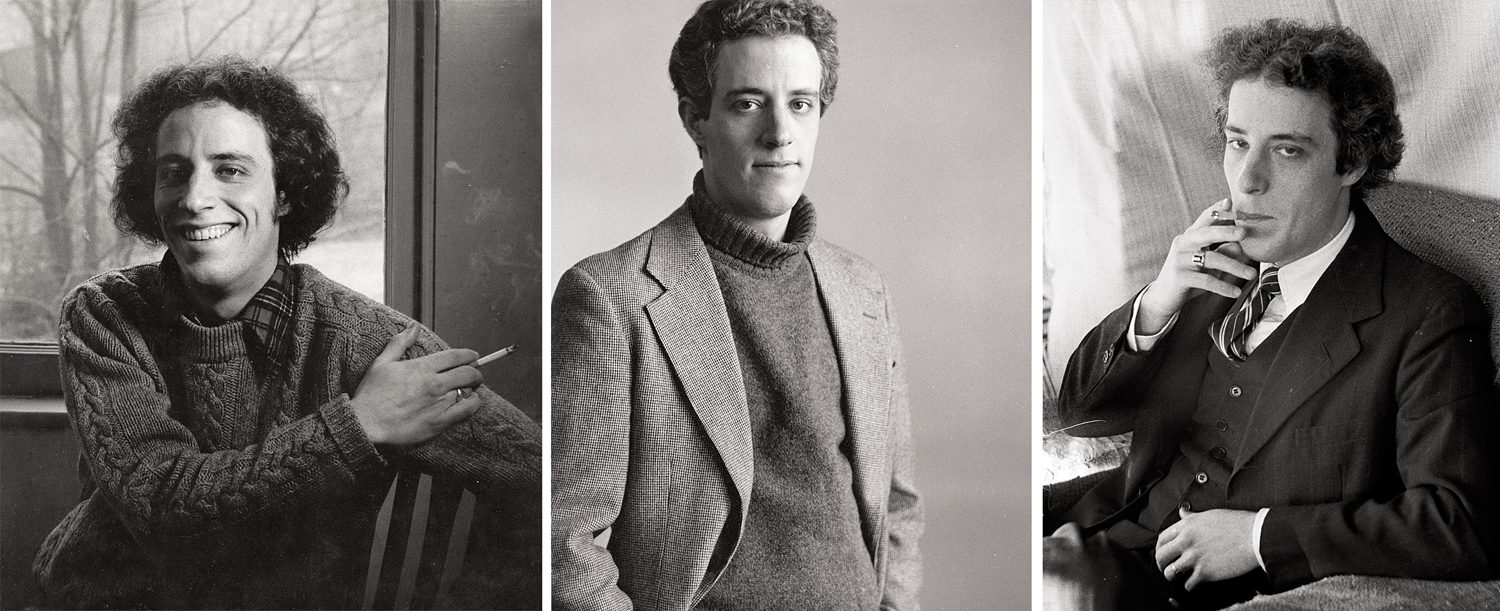
Hank Hackett

Henry Parrish Lippincott Hackett was born to a mainline Philadelphia Quaker family and was great grandnephew to artist Maxfield Parrish. He was one of my closest friends from college. He was a frequent toker, and once I worried he might be doing too much weed. He assured me he had cut way down. “Only four or five joints a day,” he said. Once, he came to our home, a little bleary, and sat on the floor and said with complete earnestness, “Y’know, I feel more like I do now than I did when I came in.” 
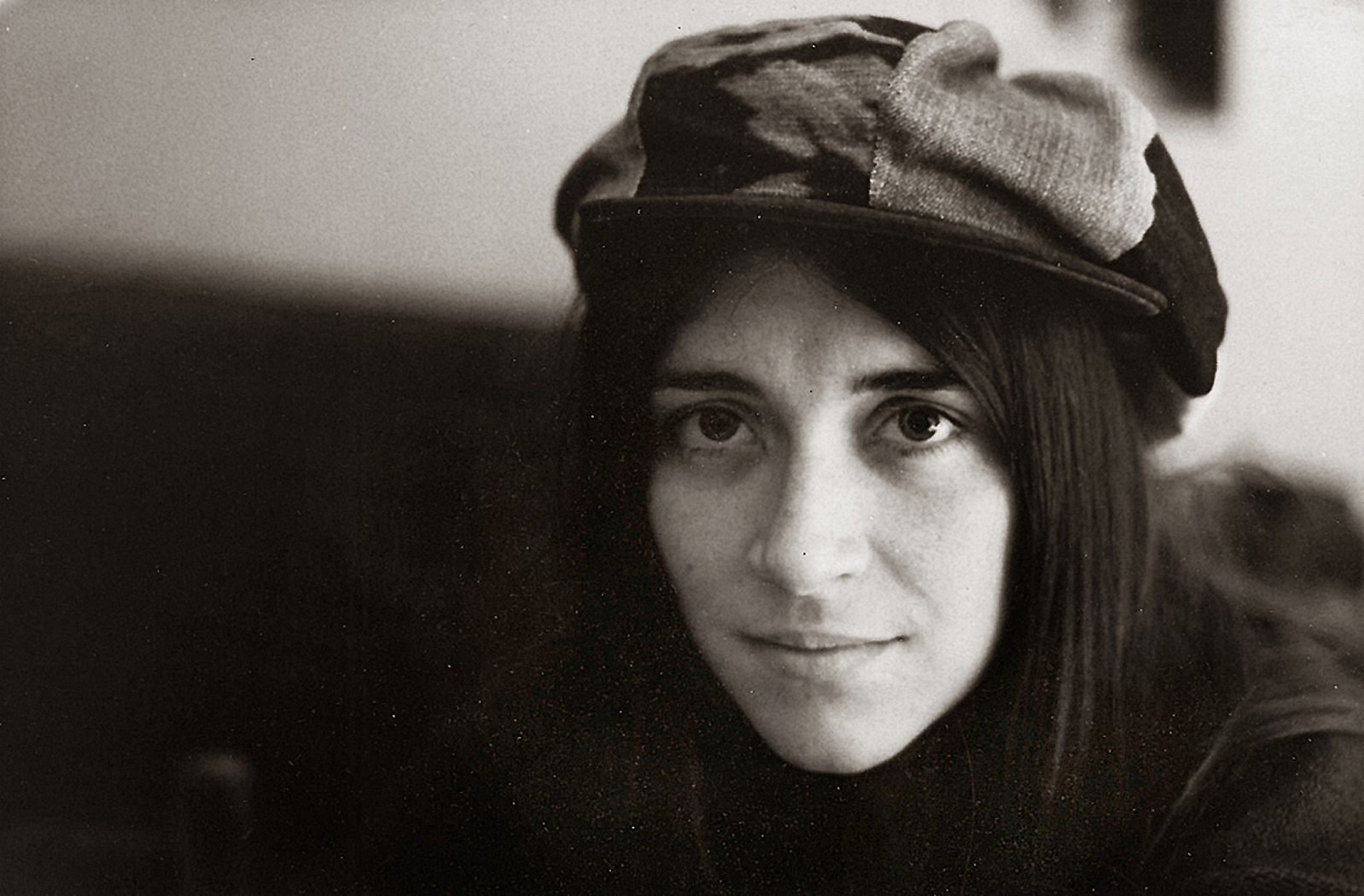
Kacey Lamb

Kacey Lamb always refused to be photographed. By anyone. Maybe she was shy, or maybe she just thought it made her seem more mysterious. One day, when her husband, Larry, was out of town, she took revenge for being left alone by letting me take her picture. “Only one,” she insisted. One click of the shutter, one negative. 
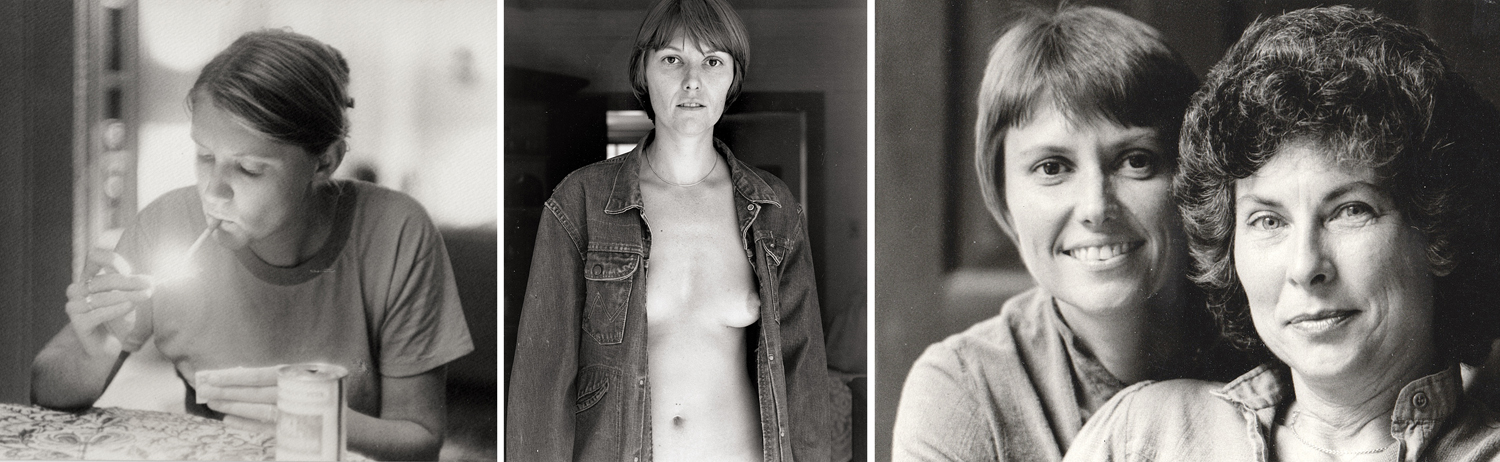
Judy Crawford; Judy with her friend, Minnie

Judy Bryson Crawford was one of the most beautiful beings ever, both outside and inside, and spoke with an engaging drawl from the Blue Ridge Mountains. I first met her in the early 1970s when she lived on Cedar Street in Greensboro, N.C. with Junie Norfleet and Dara Llewellyn. Together they were known as “The Girls,” and their house was a meeting place for many of the more creative-minded young people of the city. She later moved back to her home near Balsam, N.C., just under the shadow of Waterrock Knob.

In 2003, in Phoenix, working at my newspaper, I scrolled the Associated Press wires and accidentally came across her obituary. It was one of the saddest days of my life. She was 56. 
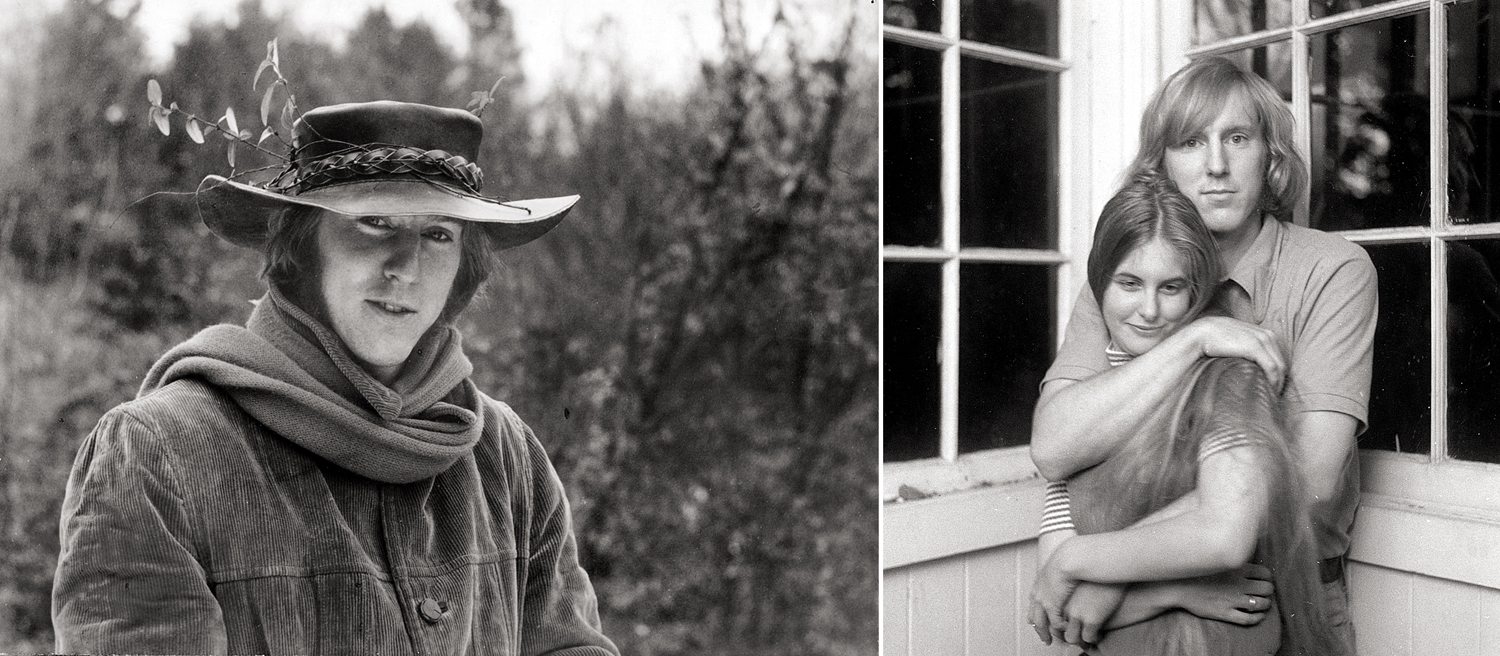
Alexander and Mary Lou Barker

When I was a freshman in college, a rangy young man knocked on my dorm door, hearing that I was listening to a Beethoven quartet on my portable phonograph. We shared a passion for classical music and became lifelong best friends. About once a year Sandro and I drove to the Outer Banks to camp, usually in the winter, when the beaches weren’t crowded. He later married another Guilford alum, Mary Lou Hinton, and eventually moved to the Maine coast. There, always athletically inclined, he took up crosscountry skiing and especially loved skiing uphill.
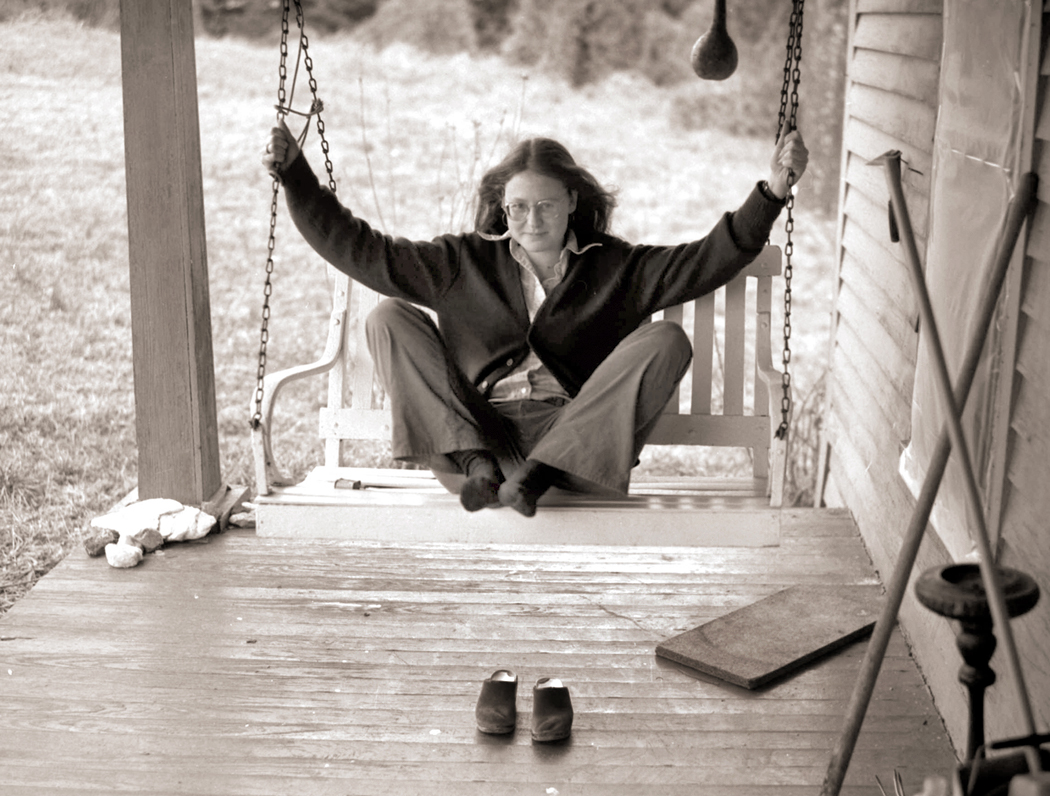
Sharon Vernon

Sharon Vernon was my unofficial wife for seven years in the 1970s. She had red hair that shone the sun like copper. We saved money for a year so that we could take the next year off work to hike the Appalachian Trail to Maine. We got as far as northern Virginia when she sat down beside the trail and announced, “I’m not taking another step.” We were worn out, and destination hiking can be more tedious than it promises, always looking for the next trail marker and the next lean-to to spend the night. Little time to soak in the glories of nature. So, instead, we spent the rest of the year traveling around the Northeast by car. 
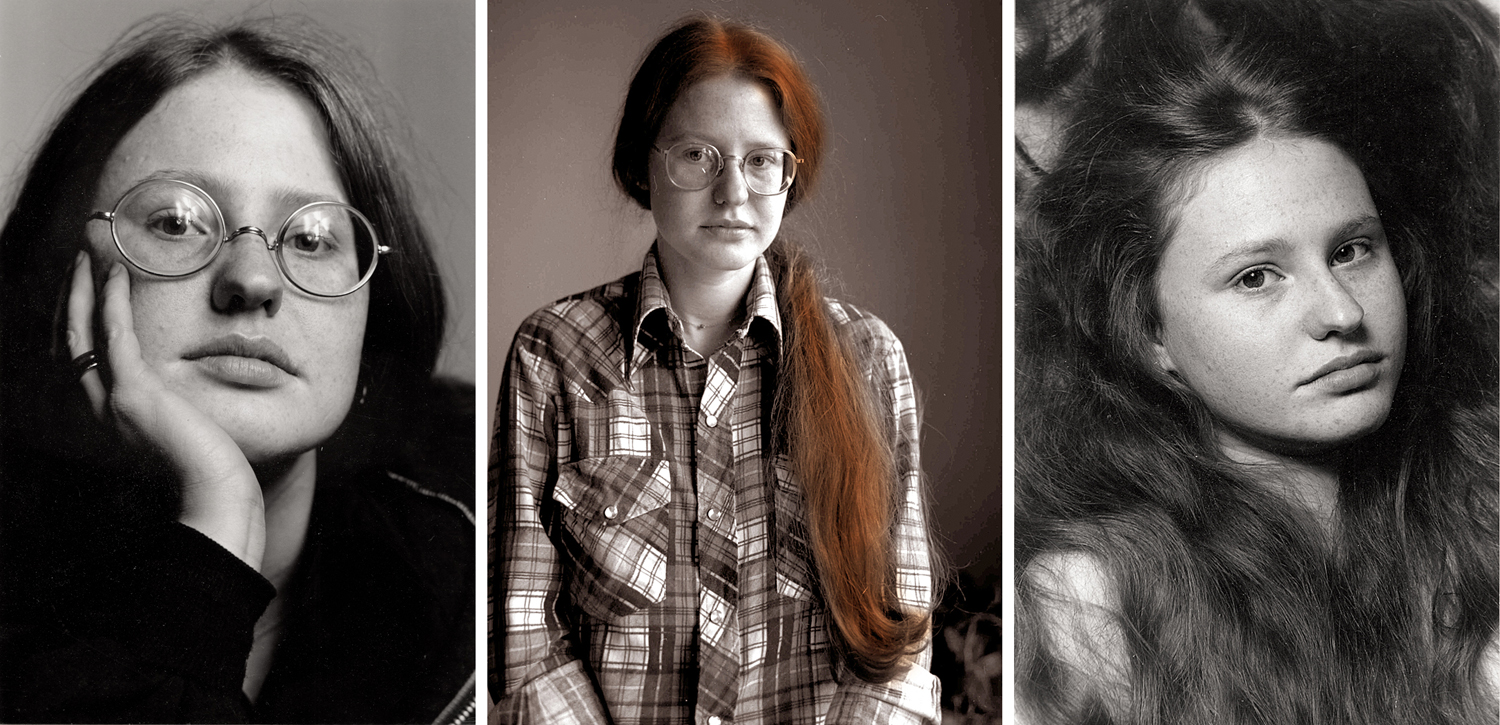
I intended to spend the rest of my life with her, but she decided otherwise, and we split in 1978. I took the train across the country to Seattle. 
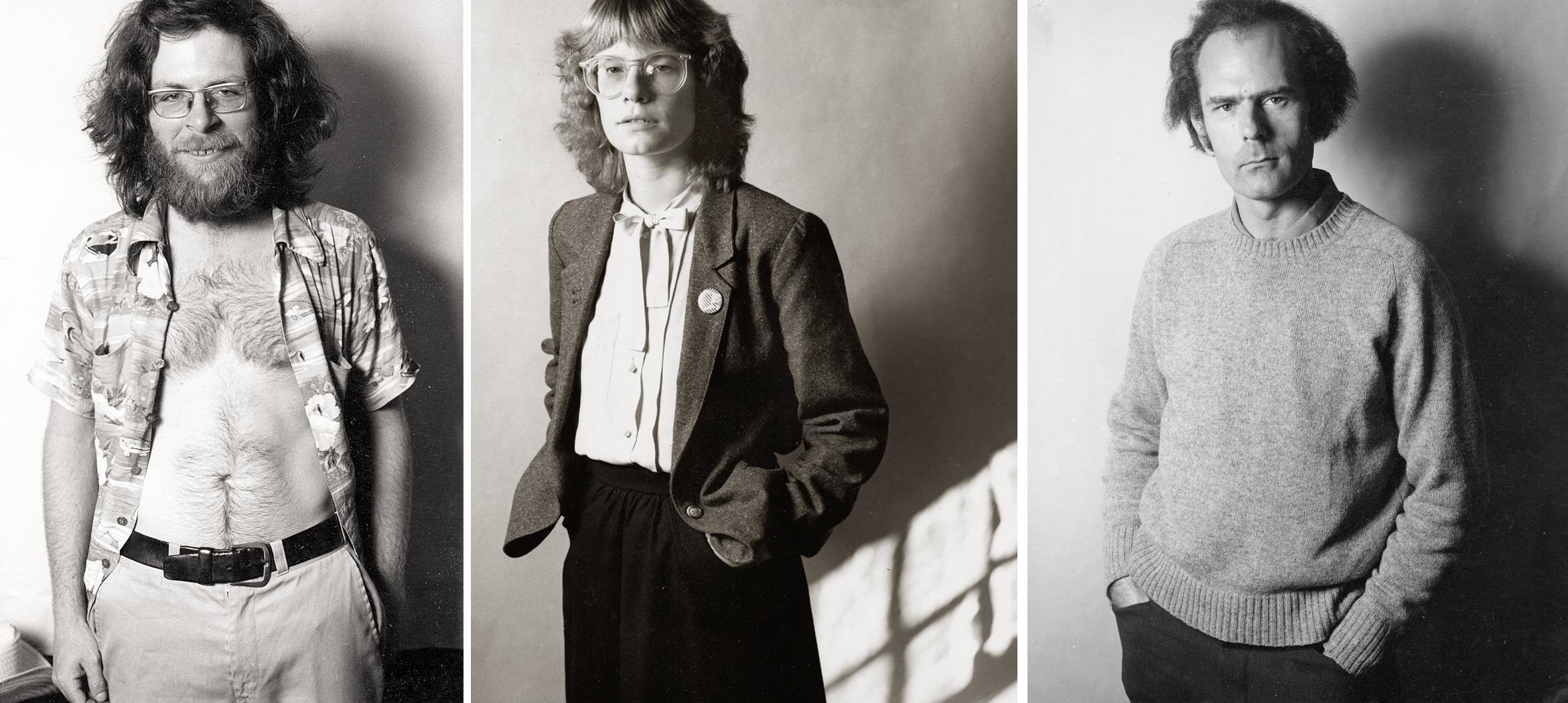
Doug Nufer; Linda Olson; Ken Baker

In Seattle, I moved into a house with “The World’s Most Obscene Man,” Doug Nufer, and two lesbian doctors known as Cam and Clink. The house sat across the street from the Woodland Park Zoo, where I wound up working. 

He was a Bucky, which meant he was a bicycle delivery guy, taking mostly legal papers from law firm to law firm, pedaling roughly 50 miles a day up and down the hills of the Emerald City. His Bucky handle was Banana. 

He had previously been writing porno novels (Sixty-Nine In-Laws was his magnum opus), but now writes avant-garde novels, including one that never uses any word more than once. Unreadable, but that never seemed the point. It is often that way with the avant-garde. 

Linda Olson was my girlfriend’s roommate and a deltiologist, or collector of vintage post cards. For years after I left Seattle, we would mail each other tacky post cards we found. Ken Baker was a zookeeper, one of many I got to know there. When zoo management sent out a memo requiring keepers to wash their hands after visiting the bathroom, he got miffed. “Do they even know what zookeepers do? I wash my hands before going.” 
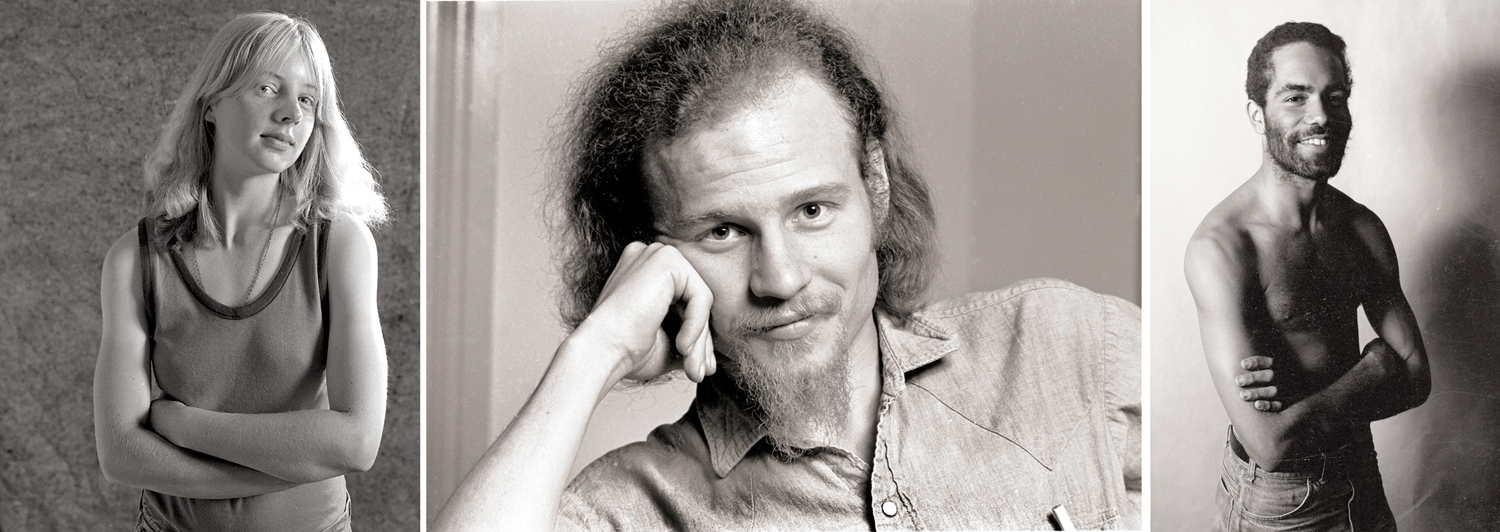
Alice Gilliam; Bill Marshak; Colin Murray

Before I had a straight girlfriend in Seattle, I dated gay Alice, a Bucky like Doug, and we went out together often, and to symphony concerts. She had once been a violinist in a touring Christian orchestra. Marshak was a grad student in Chinese studies, and it was always fun to go to a Chinese restaurant with him and order off-menu, while he chatted with the waiter. Colin (pronounced like Colin Powell) was briefly a housemate and wanted to be a male model, asking me to make some audition shots for him. He never seemed to grasp the irony that his boyfriend’s name was Dick.
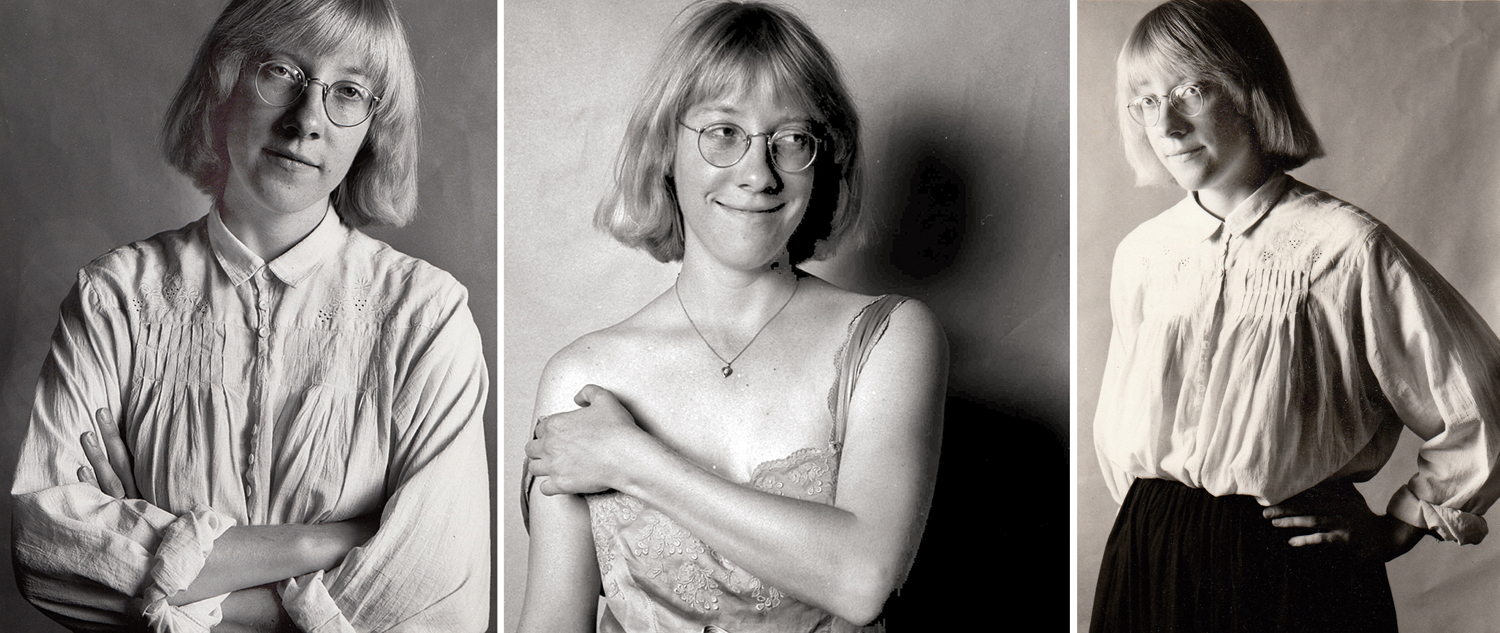
Robin Reid

Robin Reid was a zookeeper in the Childrens’ Zoo at Woodland Park. Her hair was blonder than the sun. I fell wildly crazy about her. She was bright and lively, and had been a professional swing dancer at a local hotel. I was hooked, but I found out months later that she was not. “It’s all just hormones,” she said. When she dumped me, I was heartsick and decided to move back East. 
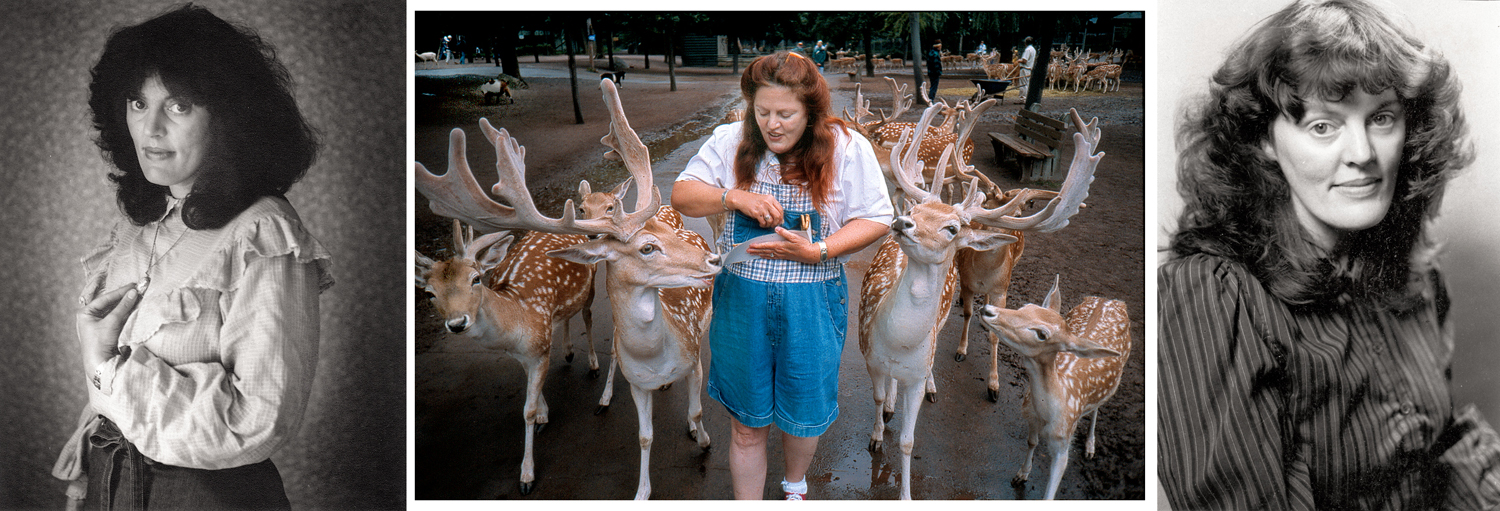
Carole Steele

After a few years of sulking, I was invited by the ex-wife of an old friend to visit her in the North Carolina mountains. We soon married and lived together for 35 years, until her death nine years ago. There has been a hole in the universe since then. Carole was the warmest person I ever knew, and also the smartest. She did not think outside the box; for Carole, there was no box. Widely known to friends as “Queen of the Universe,” she prompted me to everything that made me better. 
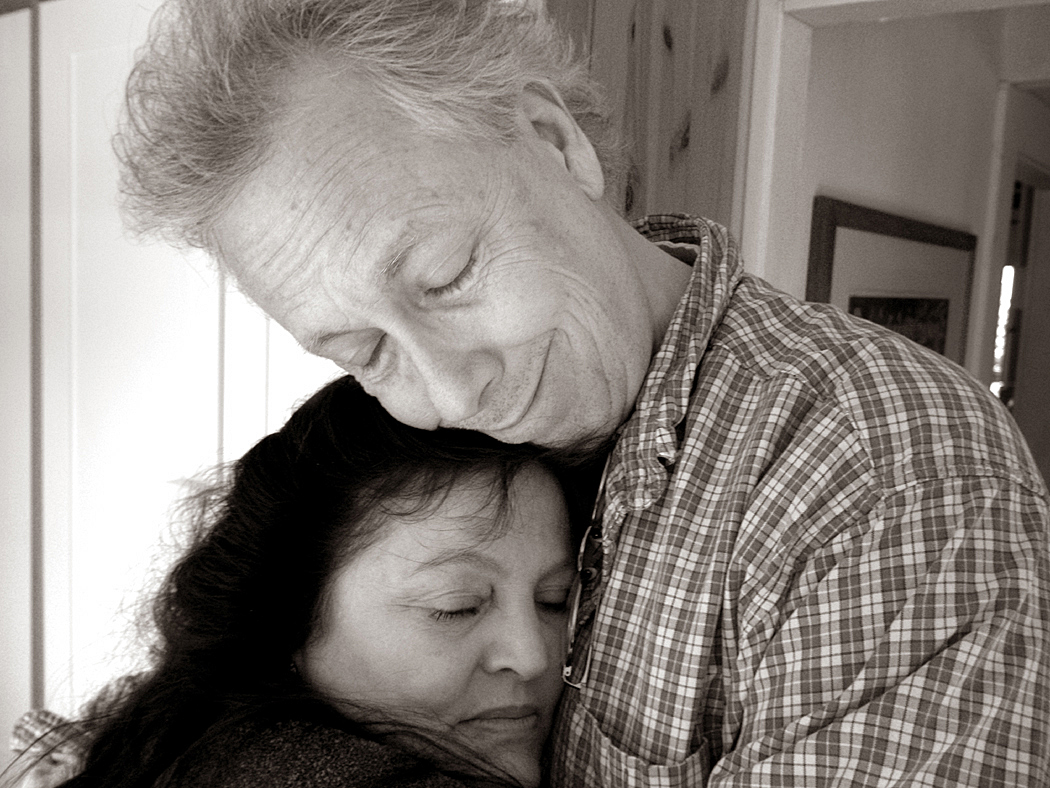
Craig and Carole

Eventually, I found some work as adjunct faculty at the same school where my brother, Craig, taught, in Virginia Beach, Va. Carole became an art teacher with the Norfolk school system. I have boxes of 5X7 prints of demonstration prints I made during my six years teaching, many of them from portrait class. 
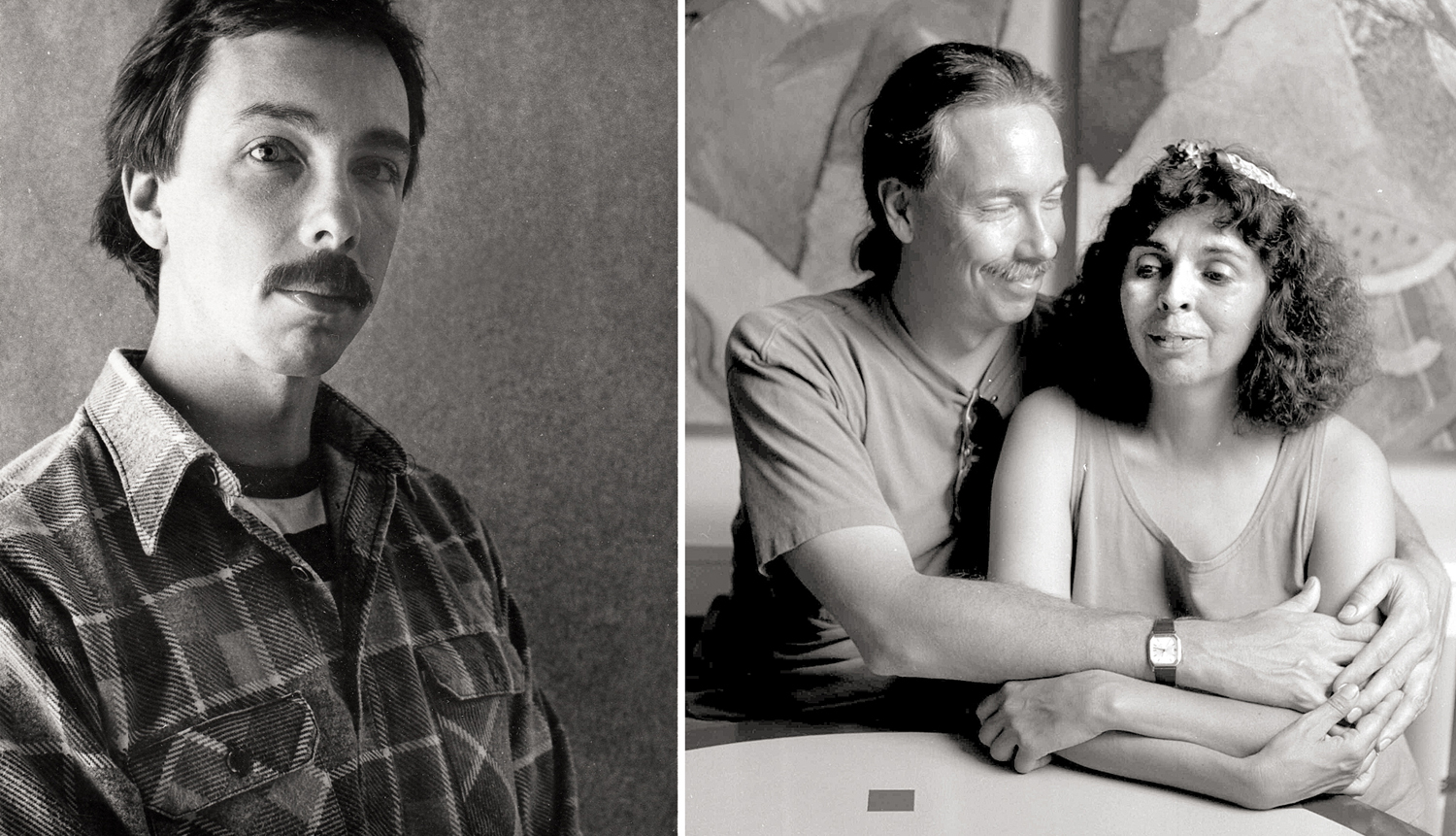
Craig Nilsen and his wife, Terry

Craig is my brother, and the human being I am closest to. He is an artist, painter and printmaker, and taught full-time at the same school. He got me my job. He is now retired in the Virginia mountains with his wife, Terry. Brothers, like sisters, can have an almost mystical bond that can’t be explained. Perhaps it is shared DNA, or shared experience. 
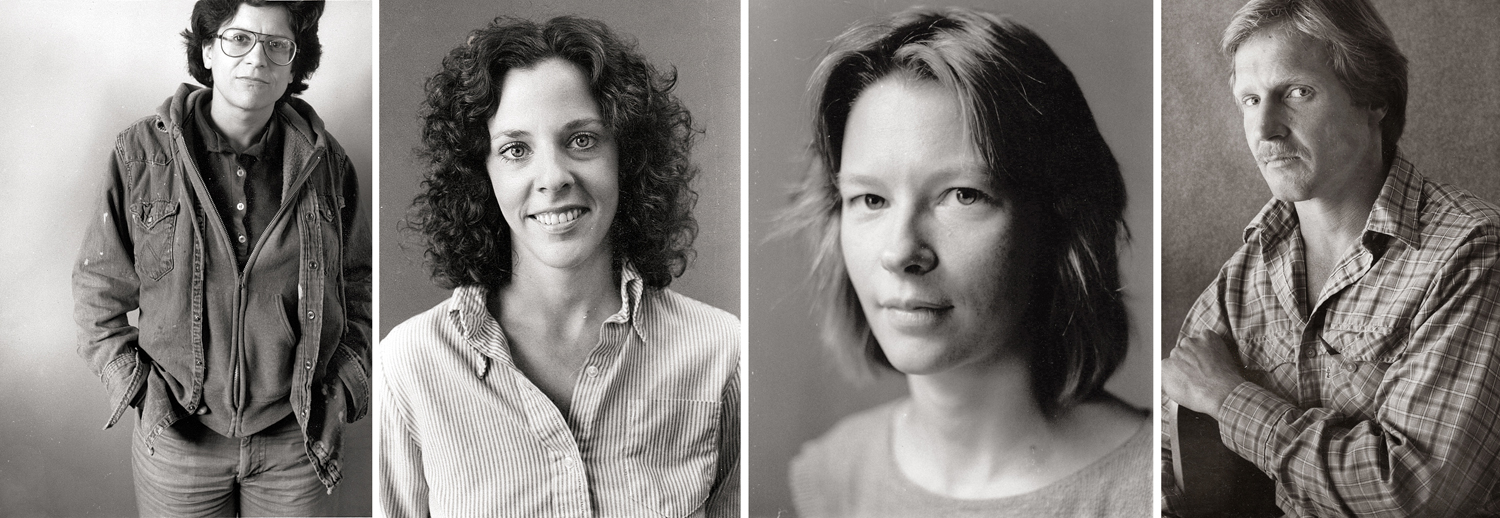
Anne Iott; Pam Lassiter; Eva Dixon; Steve Wolf

Anne Iott was department head at the school, and bent rules to hire me, and allowed me to teach more hours of class than was technically legal. Her support was enormous, and she arranged for me to begin writing art criticism of the local Norfolk daily newspaper. She and the art staff, including Craig, and painting teacher Steve Wolf, would often have potluck dinners together. Those gatherings could get boisterous. Steve was a body builder and could consume huge amounts of food at a sitting, and once got thrown out of an all-you-can-eat seafood restaurant. Pam Lassiter was ceramics teacher. Eva Dixon was briefly Craig’s amour. She told him she had always wanted to ride an elephant, and so he entered and won a contest when the Barnum and Bailey circus came to town, and gave her his seat on the beast for the parade. 
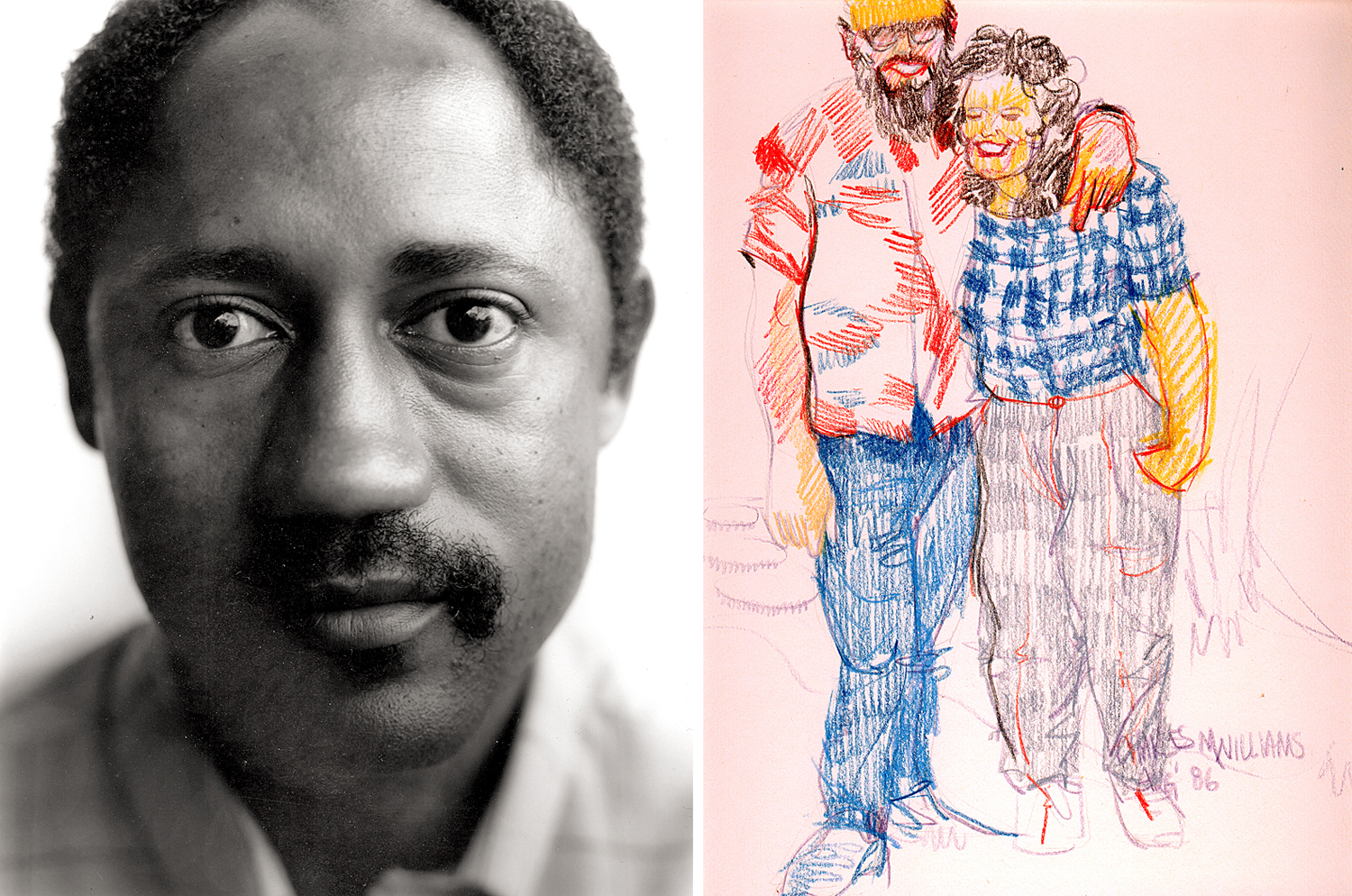
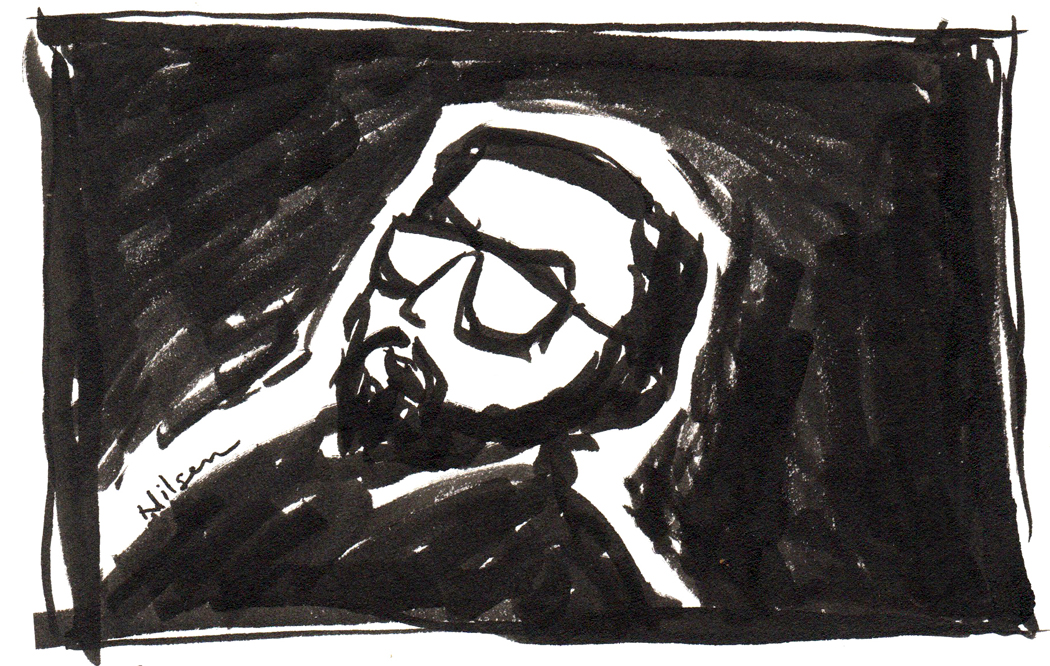
Charles Williams; and his sketch of Carole and me

Carole’s boss in the Norfolk school system was dating artist Charles Williams, and we became friends. I photographed him, trying to get as close as I could, framing just his face and eyes. He, in turn, made a quick sketch of Carole and me. 
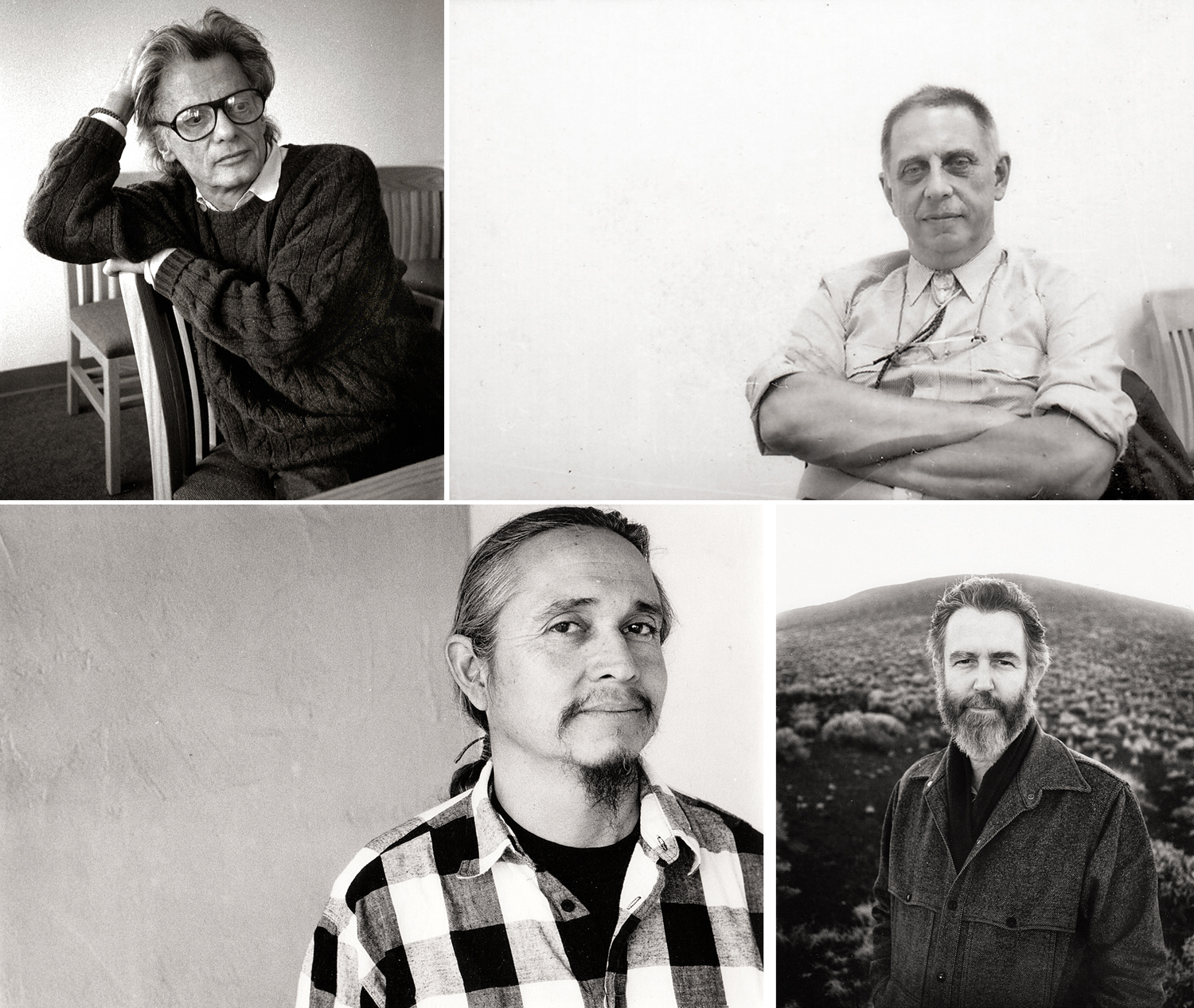
Richard Avedon; Lee Friedlander; Bob Haozous; James Turrell

Carole’s boss moved to Arizona and offered Carole a job there, and so in 1987, we moved to Phoenix, where I got a job writing for The Arizona Republic, mostly as art critic. I have made fewer photographs since then, but I did make my own photos for most of my interviews. I talked to a lot of artists, famous and not. Lee Friedlander was as matter of fact as his pictures. Bob Haozous, son of famous Apache artist Allan Houser, seemed suspicious of whitey critic; James Turrell took me up to the top of the volcano he was modifying outside Flagstaff. I once spent 24 hours in one of his skyspaces to watch it change with the light. There were many others I met and interviewed. 

When I reviewed Richard Avedon’s retrospective at the Whitney in New York, he sent me a note of thanks.  “Not all the New York critics were so kind,” he wrote. And when he came to Phoenix in 1994 to photograph boxer Oscar de la Hoya for The New Yorker, we went out to lunch. Sitting across the table, enjoying the Salvadoran food, he said, “In a sense, I am writing my autobiography through other people’s faces.” 

I suppose that is my excuse for this blog entry. 
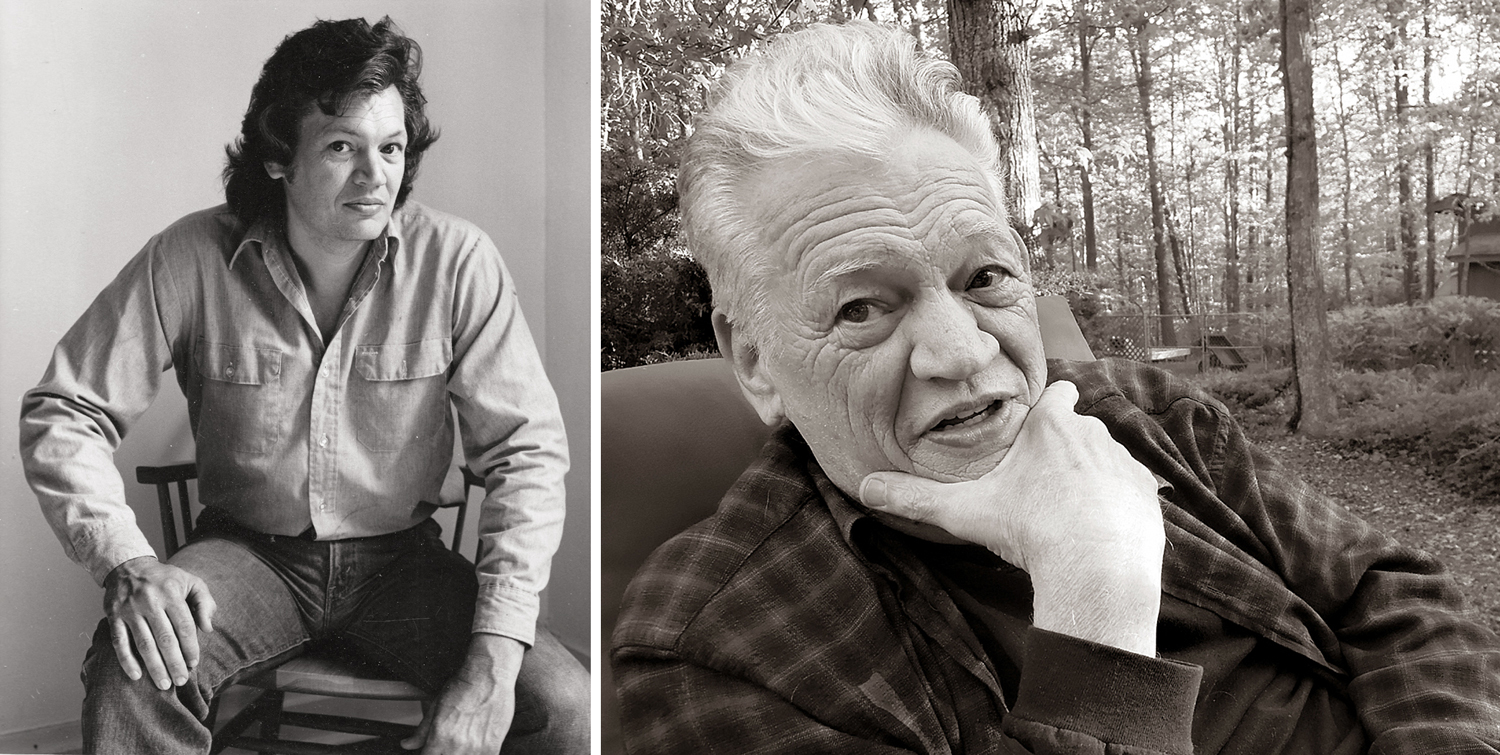
Mel Steele

Over the years, my style has changed. Less formal, more relaxed. I photographed my brother-in-law Mel Steele in the 1980s, when he was a motorcyle-racing, gun-shooting, goat-raising artist, whose work sold in the thousands as prints. He grew older; I grew older. His country-nostalgia rural scenes became serious abstract paintings — among my favorite in the world — and my goal of being the next Avedon or Penn dwindled down to trying just to be honest and real. Mel turns 87 in October. He has slowed down, no longer rides motorbikes, and I have slowed down, writing less and making fewer images. 

And the effect on my being part of an inseparable bond with Carole, led me to pay way more attention to the interactions between people, and the number of dual portraits increased. 
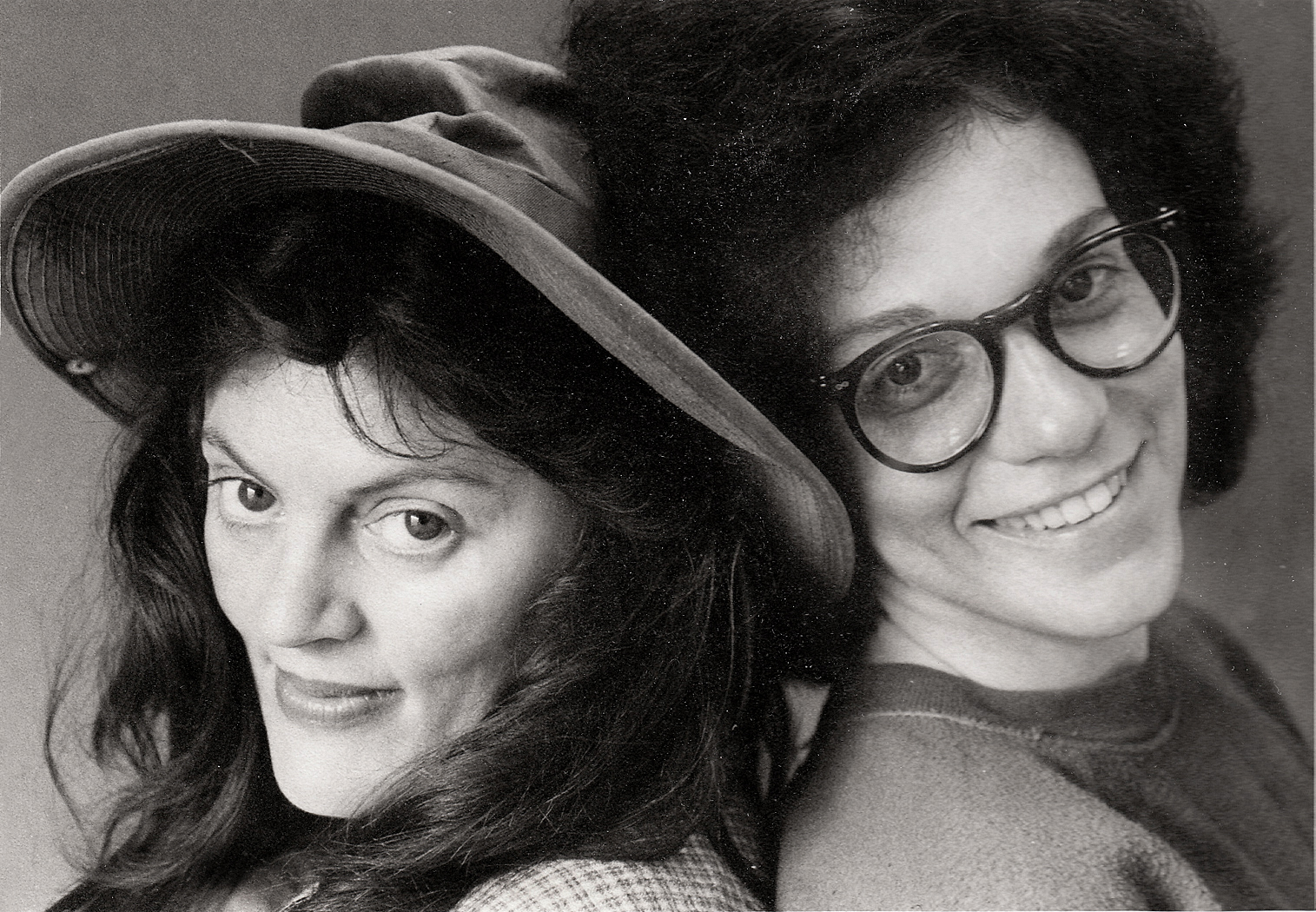
Carole and Julie Ross 

The interaction between people is the essential valence of existence. It breaks the dam of isolation and opens the world up. Carole broke me open. 
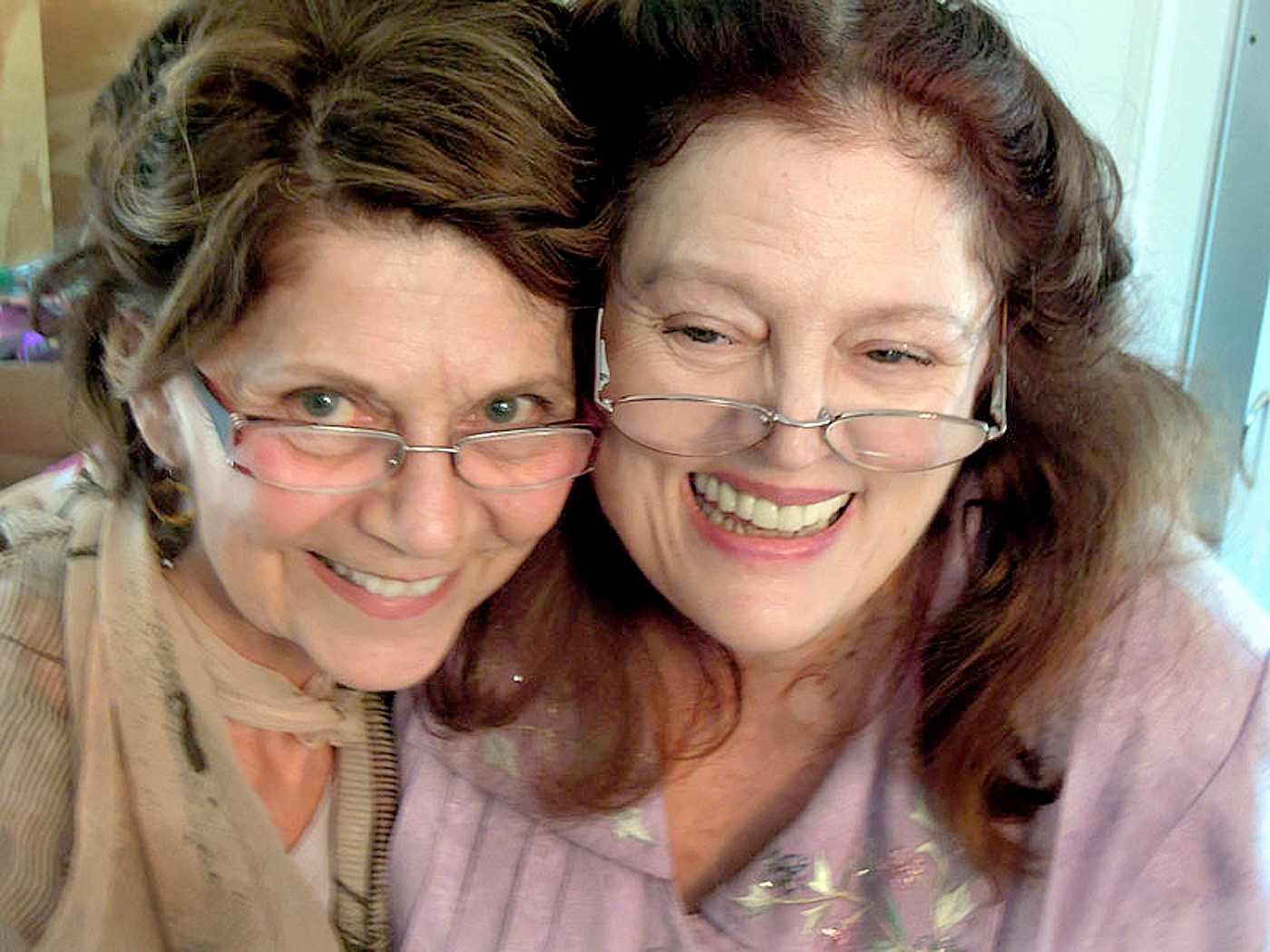
Carole and Ruth Haggerty

When Carole was a little girl, Ruth was her best friend, living across the street. They lost touch for most of their lives, but became reacquainted something like 60 years later. But you can see in their eyes the connection had never fully been lost. 
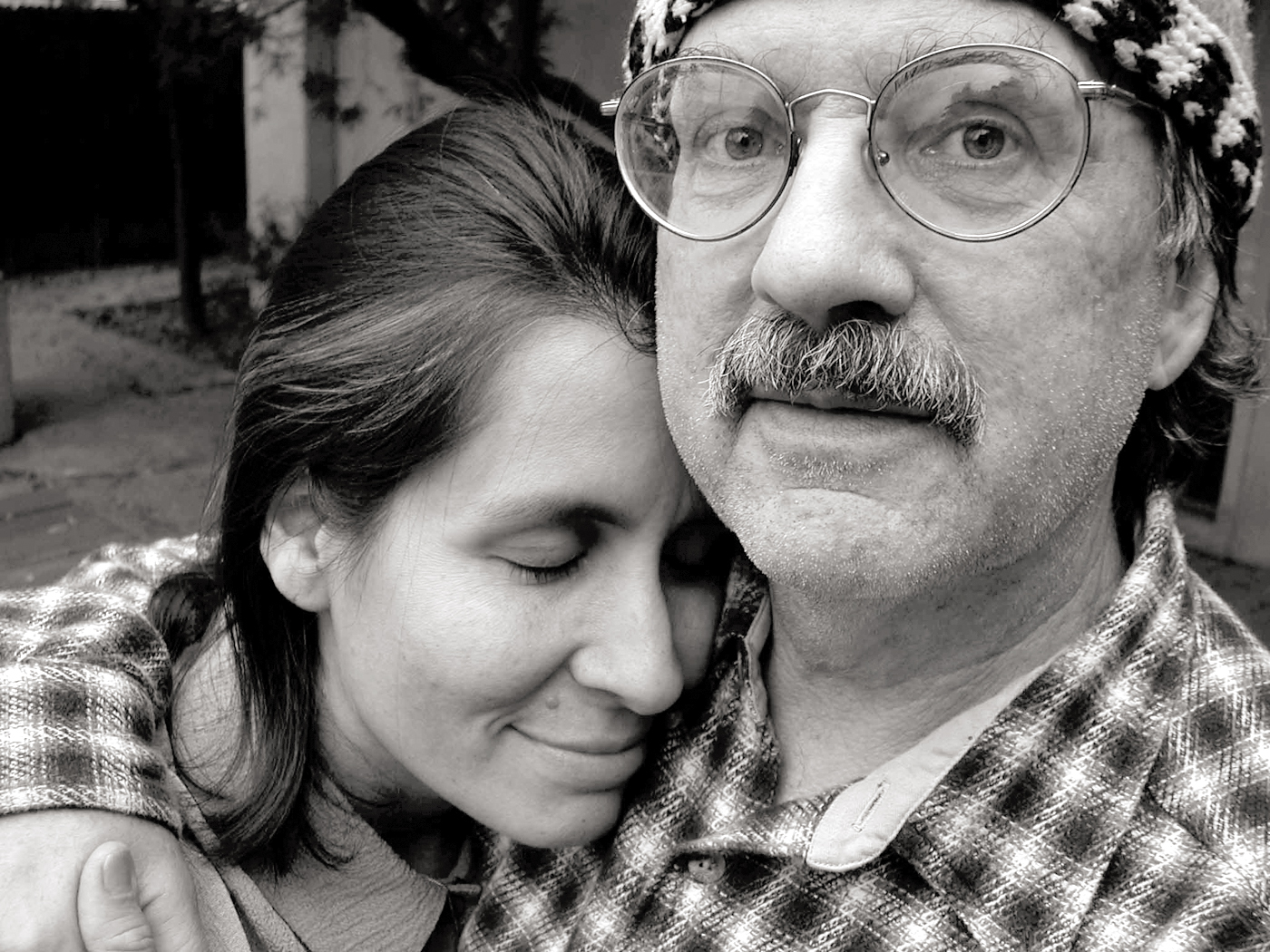
Curtis Beckman and Isabel Fierros

I saw that warmth and connection in our friends Curtis and Isabel. I believe, but can’t prove, that my own age, my own intense partnership with Carole, softened me, made me more open, aware of others and their richness and complexity. 
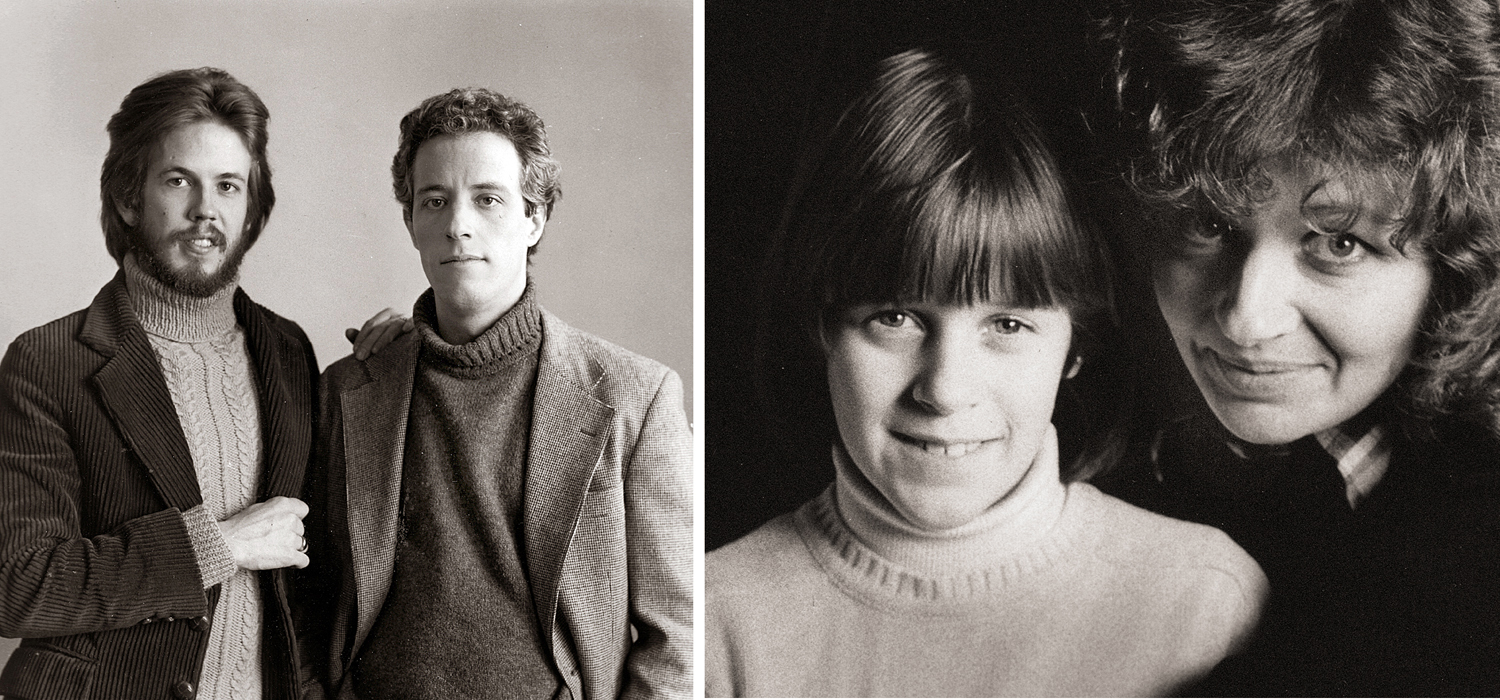
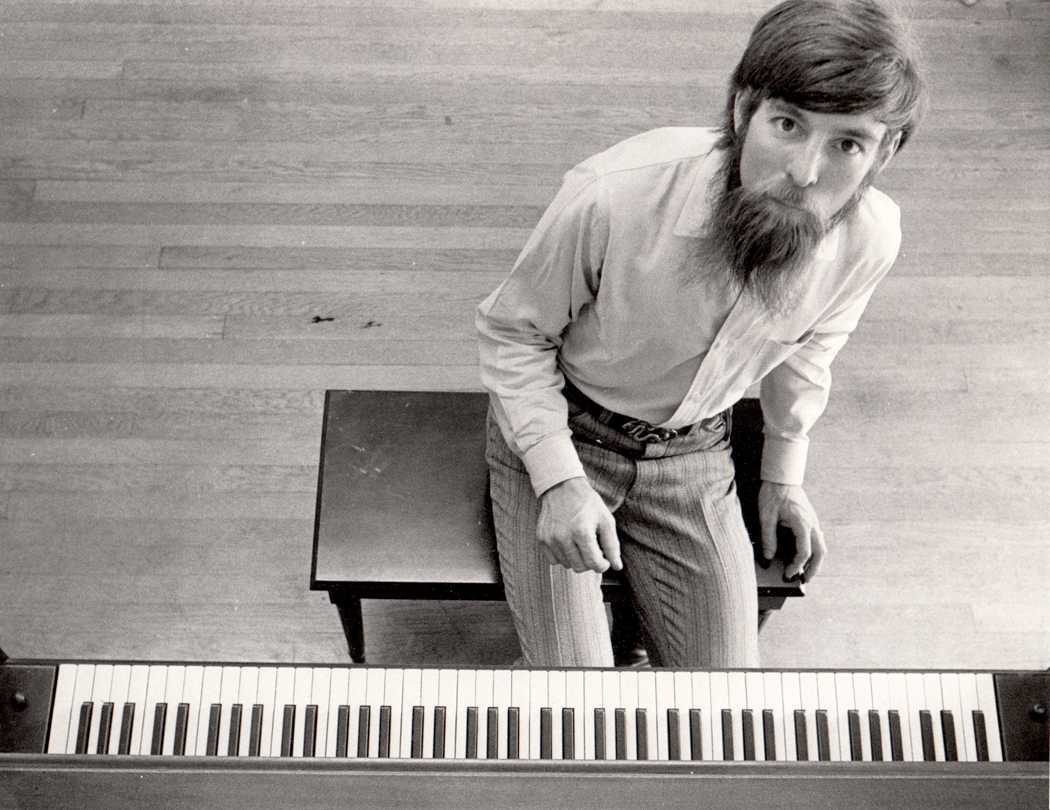
Rob Lehman and Hank Hackett; Ursula McLaughlin and her daughter, Mia

As I look back through this sampling of portraits over 50 years, I see that those pairs have always been there. Hank and Rob from the ’70s; Ursula and her daughter from the ’80s. 
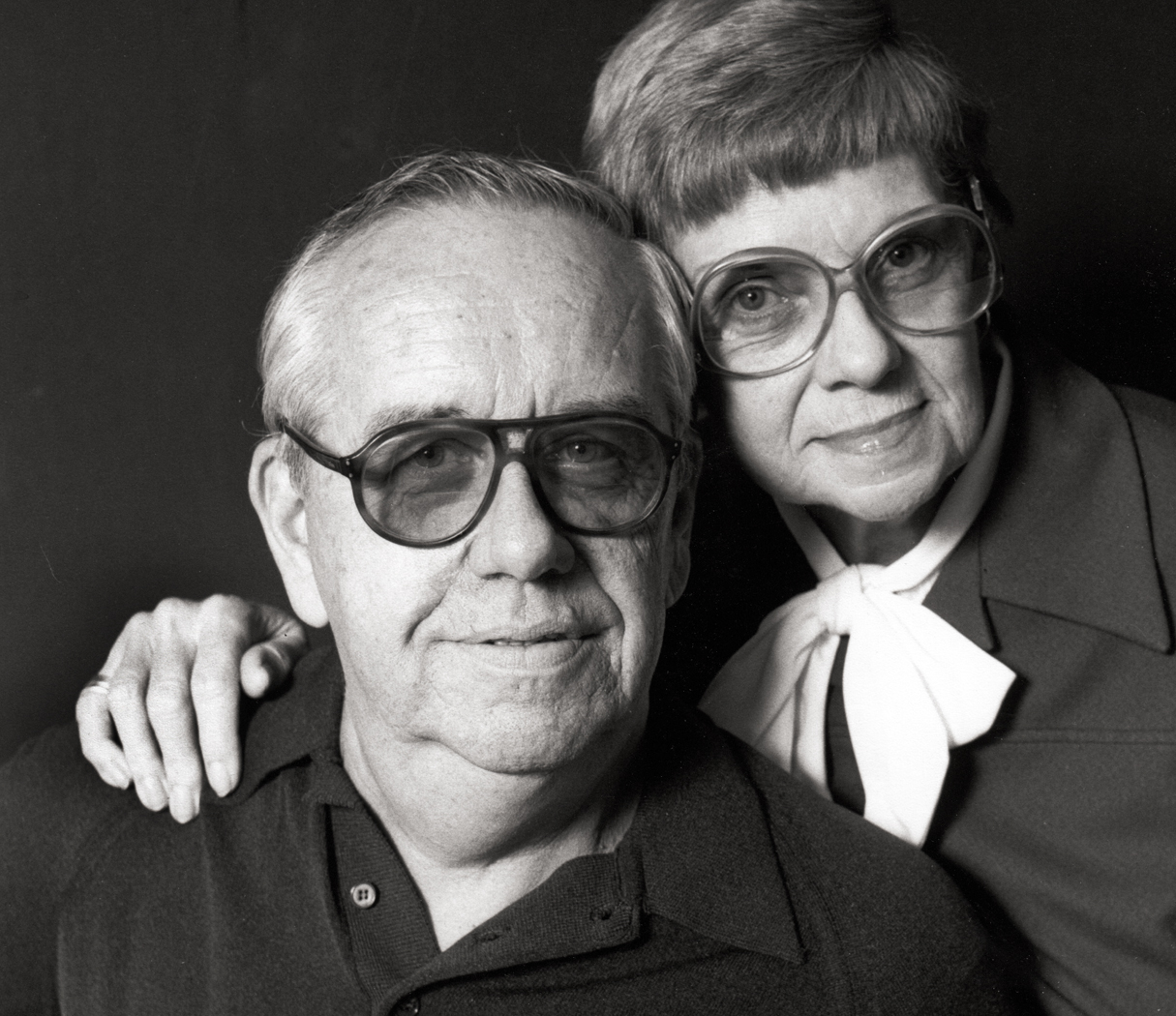
John and Alice Nilsen

And when I revisited a photograph I made many decades ago of my parents, John and Alice, I recognized something I didn’t see when I first took the photo. It’s in their eyes.

Click on any image to enlarge

I sit across the table from my brother at the seafood restaurant in Virginia and he doodles on a napkin with a Sharpie.

My brother is an artist — primarily a printmaker, but more recently a painter. And while he isn’t terribly prolific, he is constantly drawing. His mind is always coming up with visual ideas and he jots them down. Most never go anywhere, but he just cannot stop himself from playing. It is his way of processing experience: What he sees he transforms.

Lee Friedlander

It reminds me of the photographer Lee Friedlander, who describes his addiction to making photographs as “pecking.” Like a hen darting at cracked corn on the ground, he clicks his camera — peck, peck, peck. Some of the results of his pecking turn into finished photographs he displays in galleries and publishes in books. But there is an improvisatory quality to his work that comes — like a jazz musician woodshedding — from constantly working his instrument.

Among the images caught by pecking, Friedlander will periodically find something he hadn’t considered before, and thus his body of work takes a new direction, constantly refreshing his art.

In part, the importance of this kind of sketching is that it is not art — or rather, not meant as art. It is more the flexing of an esthetic muscle. One can become intellectually paralyzed if all you aim at is writing deathless prose, or painting the museum masterpiece, or composing the next Eroica. Not everything needs to be The Brothers Karamazov. There is great value in just pecking. It keeps your senses alive.

Mel Steele

I periodically visit my brother-in-law, Mel Steele, who is also an artist, a very accomplished artist who regularly sells his paintings to clients both private and corporate.

I often spend a portion of my time doodling — pecking — with my tiny point-and-shoot digital camera. We would sit on their patio talking about the things one yammers on about with one’s relations — old times, where former acquaintances have gone, the horror of recent politics, the joys of fishing — and I would distractedly point my camera around me at the things one seldom notices.

I wasn’t thinking of making art. I barely paid attention to what I was doing with the camera, but I pecked. The result is a kind of notebook of the things we lived among, seen in some different way, so as to lift them from their context, to suck them out of the everydayness they languish in.

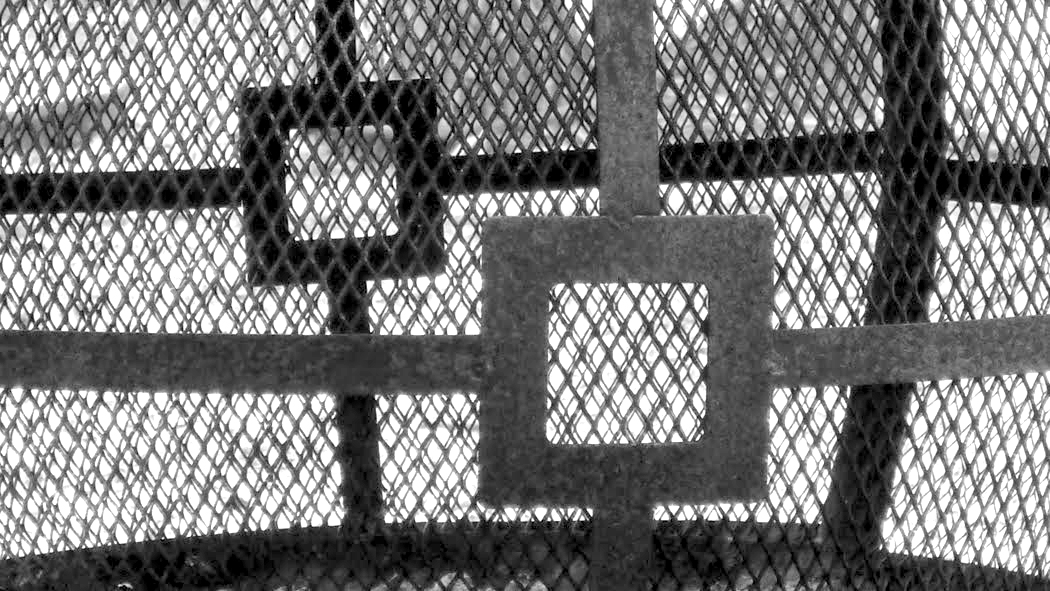
 It reminded me of an assignment I used to give my photography students, some 35 years ago, when I taught the subject at the same school where my brother also taught. “Make a photograph of something so I cannot tell what it is.” I made sure they understood I didn’t mean to make it out of focus or poorly run through the darkroom, but to find something we see everyday, but pay so little attention to, that when faced with its presence, we might be baffled until that moment when, the proud student, having fooled us all, tells us what we’re looking at and we all let out a gasp of breath and say, “Of course, now I see it.”

Try it: 

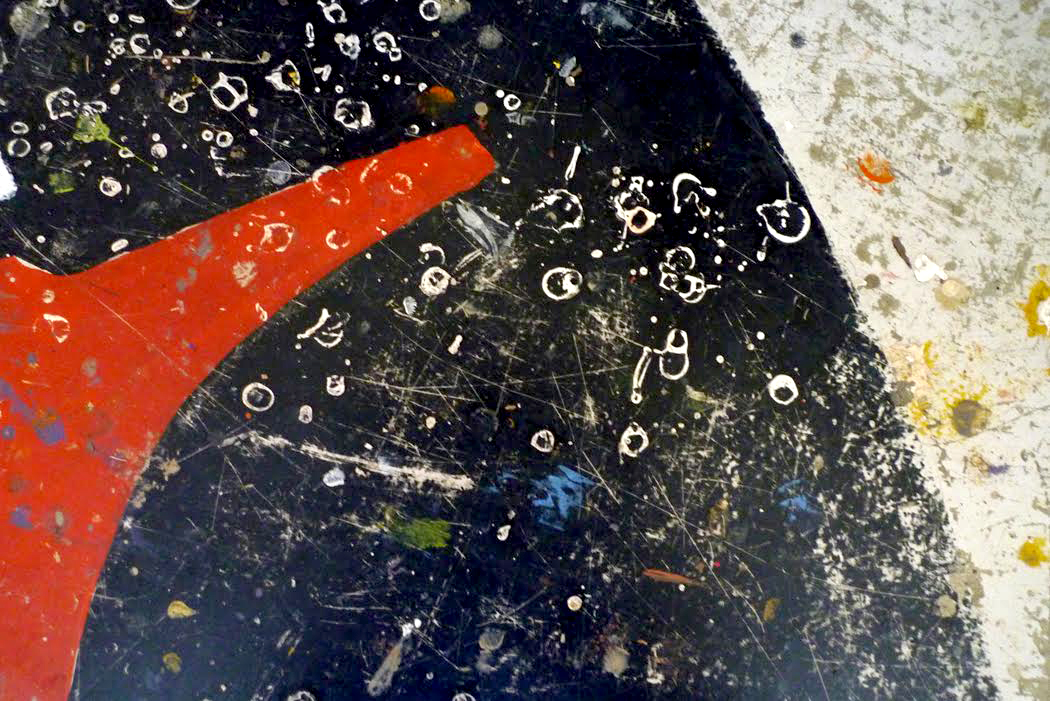
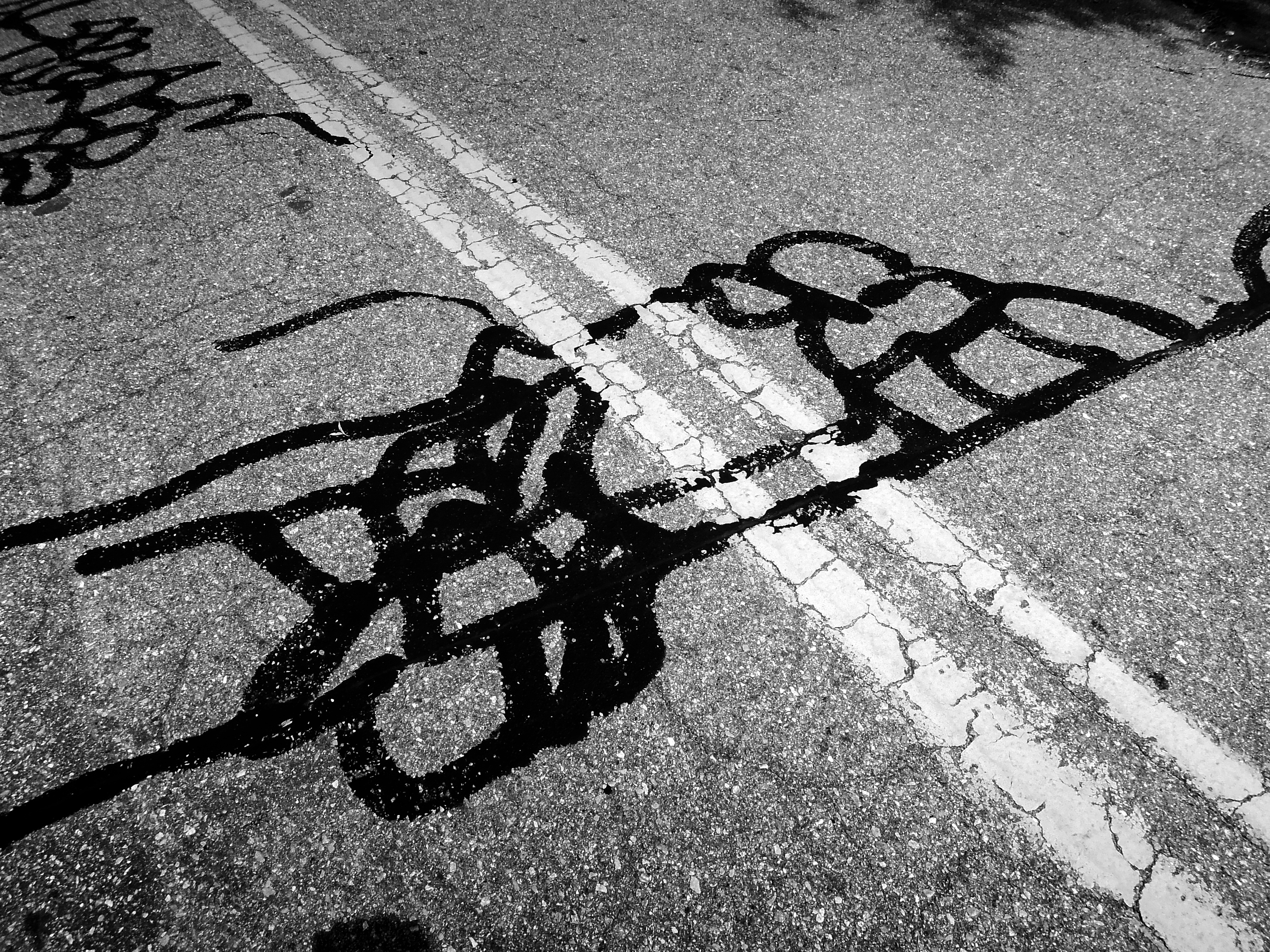
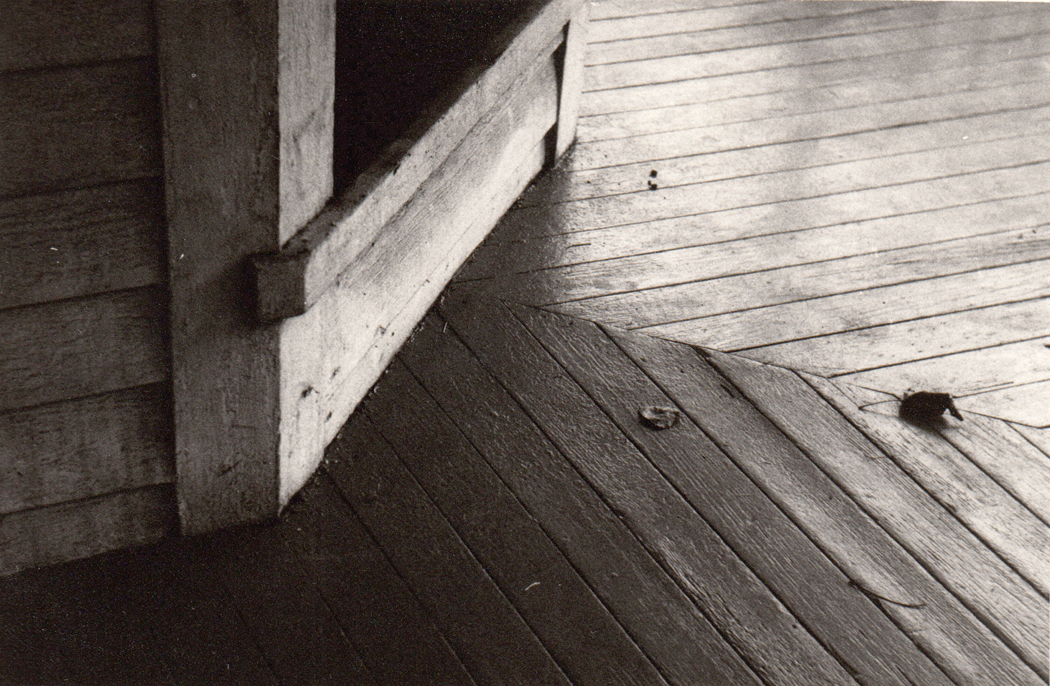
Quiz photo No. 1 (Answers at the end of story)

These pecked pictures are mostly details. 

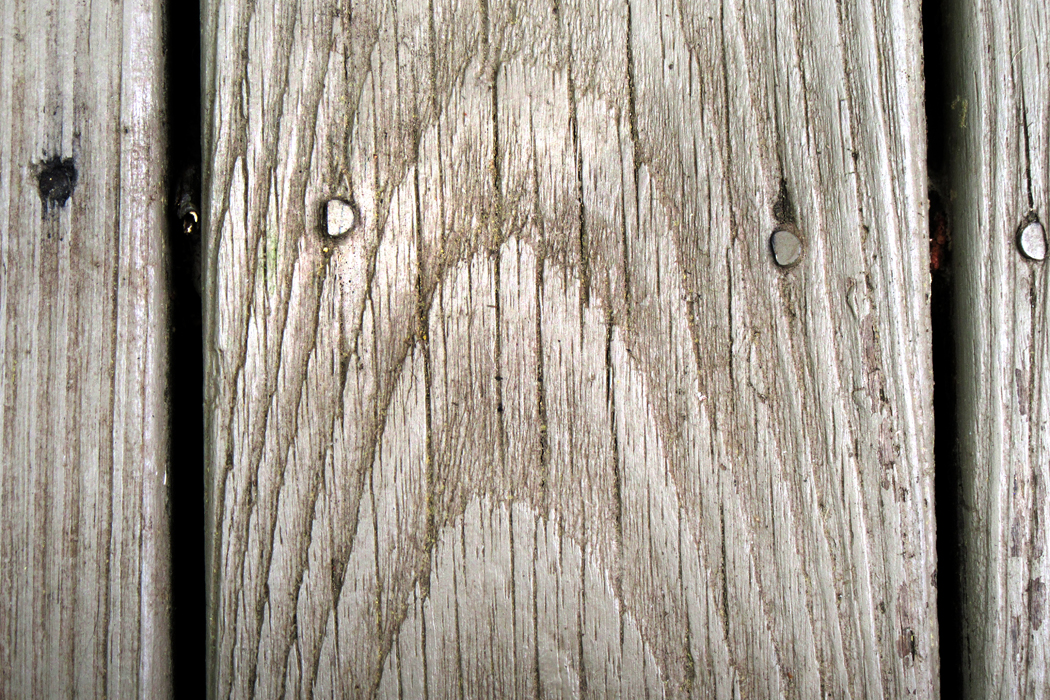
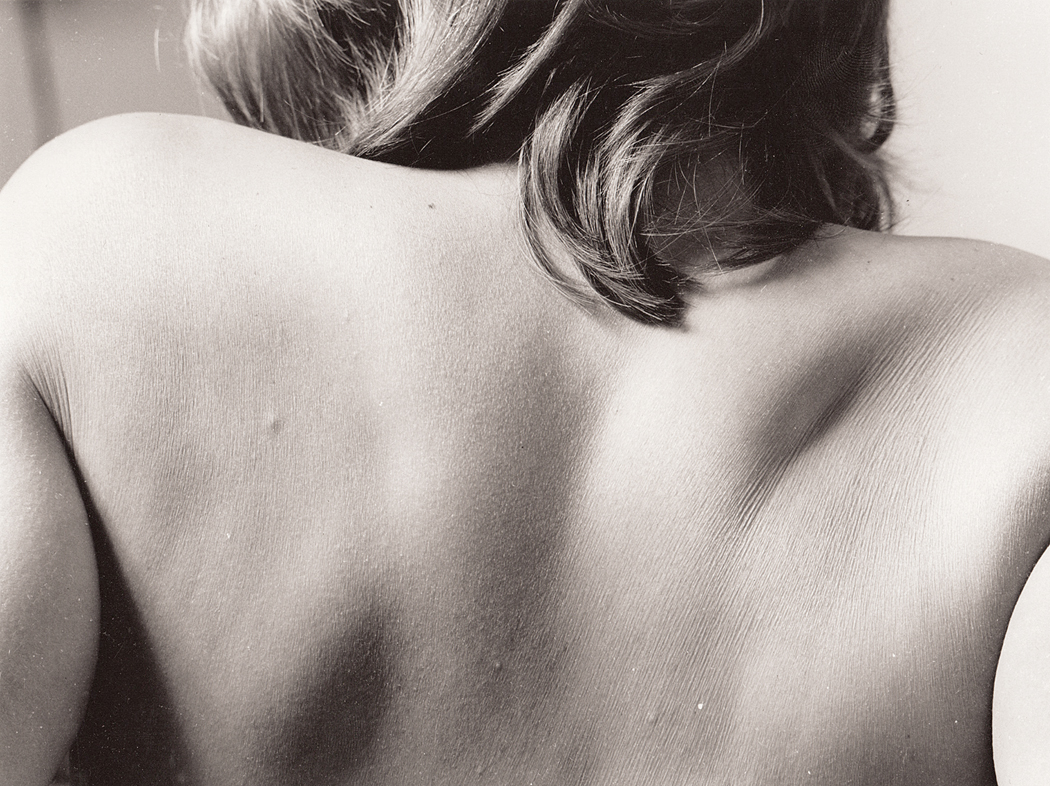
Quiz photo No. 2

They are not the grand view or the concatenated whole, but the tiny bits out of which the larger scene is built. 

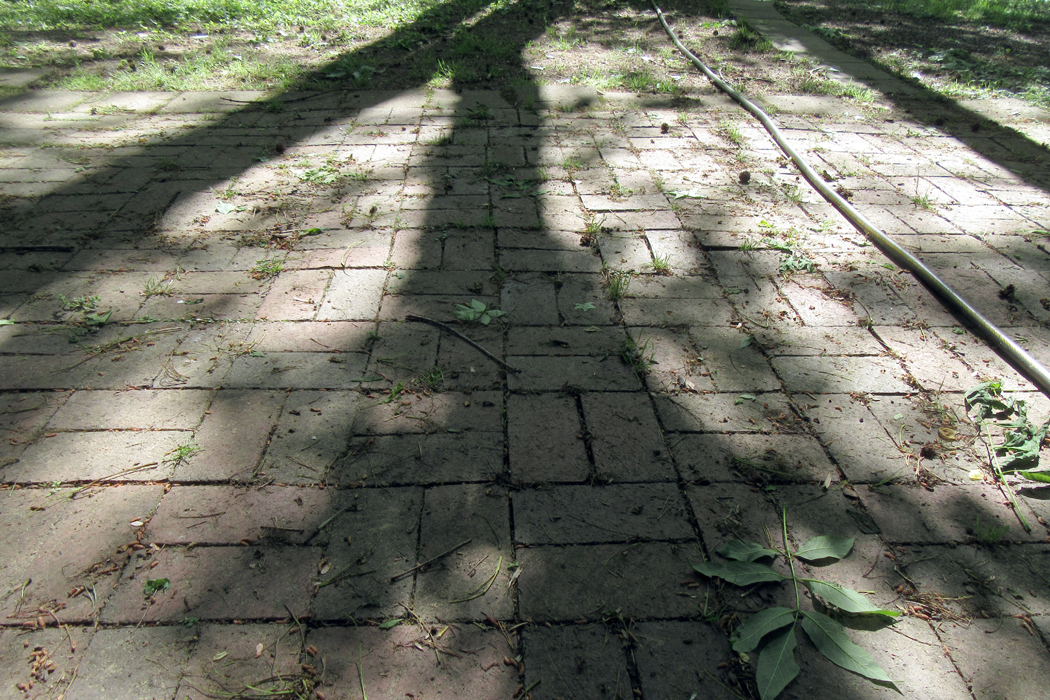
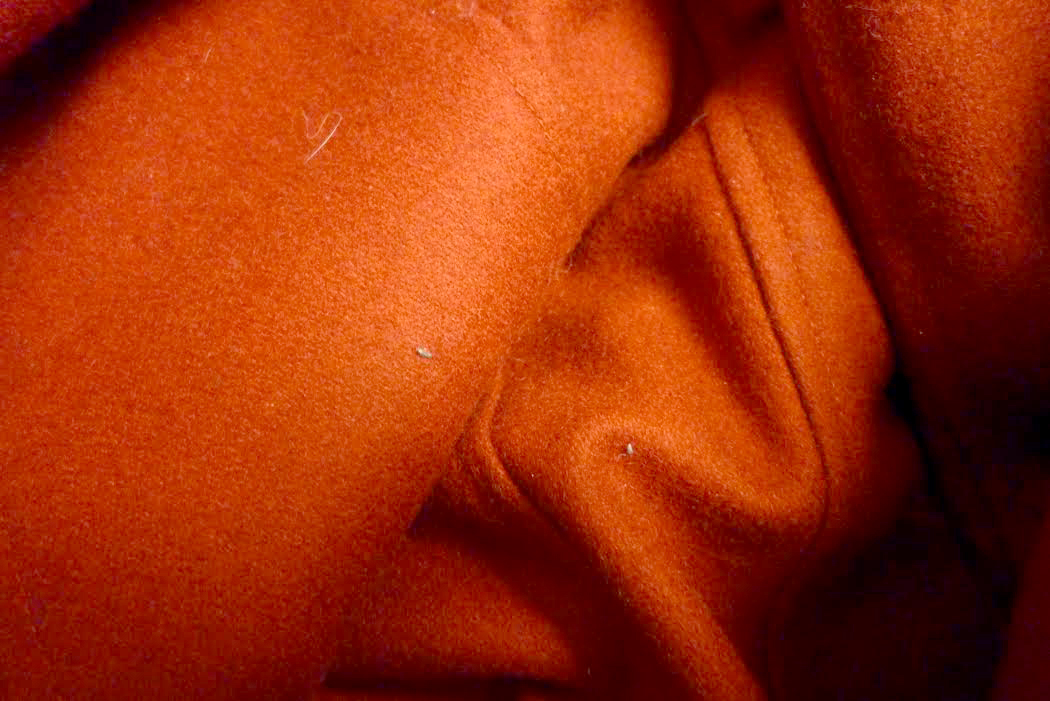
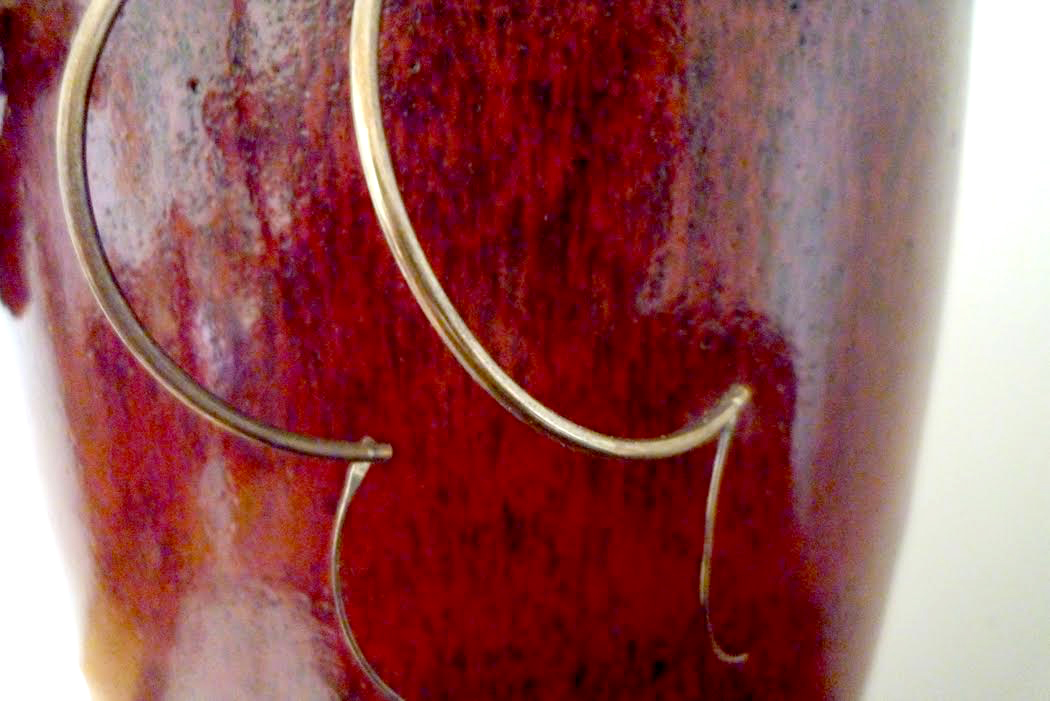
Quiz photo No. 3

Most of us pay attention only to the whole, when we pay attention at all; for most Americans — maybe most humans anywhere — only use their eyes for useful things. They see the road they drive on, the cloud that tells them it will rain, the house, the car, closet. But every house has a door, and every door a door-handle; every car has tires and every tire a tread and each tread is made up of an intricate series of rubber squiggles and dents. Attention must be paid.

Aime Groulx

Many years before, when I taught photography at a private art school in Greensboro, N.C., the artist Aime Groulx, who ran the school, made a photograph he called Doorknob to the Doors of Perception. I still have my copy. It was his version of “pecking.” 

Doorknob to the Doors of Perception

Paying attention to the details means being able to see the whole more acutely, more vividly. The generalized view is the unconsidered view. When you see a house, you are seeing an “it.” When you notice the details, they provide the character of the house and it warms, has personality and becomes a Buberesque “thou.” The “thou” is a different way of addressing the world and one that makes not only the world more alive, but the seer also.

(It doesn’t hurt that isolating detail makes it more necessary to create a design. You can make a photo of a house and just plop it in the middle of the frame and we can all say, “Yes, that’s a house,” and let the naming of it be the end-all. But if you find the tiny bits, they have to organize them in the frame to make something interesting enough to warrant looking at.)

Side panels of a pickup truck

Sectioning out a detail not only makes you look more closely, but forces your viewer to look more closely, too. Puzzling out what he sees without the plethora of context makes him hone in on its shape, color, and texture. It is a forced look, not a casual one.

So, when I gave my students that assignment, it wasn’t just to be clever, but to make them pay attention to the minutiae that are the bricks of the visual world they inhabit. And paying attention is a form of reverence.

The mental view of the world is telescopic. It zooms from the blue watery globe in the blackness of space, down to the map of the U.S., to your state, to your city — each step focusing on closer detail — and then to your street, to your house, to the room you are sitting in to the armrest you are tapping your fingers on, to the hairs on your knuckles. Always more detail. 

Turn from the tapping hand to the floor and see the woodgrain in the flooring, or the ceiling and see the cobweb you had not noticed before. The clothes you are wearing has a texture and a color. The wrinkles in the shirt of blouse are replications of the drapery in Greek sculpture. 

Each of these details is a microcosm, worth looking at — it is your world, after all. What did William Blake write? “To see the world in a blade of grass. And heaven in a wild flower. To hold infinity in the palm of your hand. And eternity in an hour.” 

Or, as he scribbled in annotation to the pages of Joshua Reynolds’ Discourses, “To generalize is to be an idiot. To particularize is alone the distinction of merit.”  

The general is the world of politicians and businessmen, of carnival barkers and evangelists. Dogma, ideology, commercial advertisement, are founded on generalizations, while what genuinely matters in our lives is the particular. It is generalizations that permit the destruction of Bamiyan Buddha statues, the bombing of synagogues, mosques and Sikh temples. The stoning of homosexuals. It is generalizations that lurk behind the Shoah. It was generalization that justified the enslavement of a race of people. 

To know any individual is to know the stereotype is a lie. The world, and its peoples, are infinitely complex and varied. So much so, that no broad statement can ever be anything but a lie. And so, there is actually a moral level to this paying of attention to detail, to the minutiae, to the individual. 

And so, you peck. Finding this bit or that bit, that shape, that texture, that precise color. This is the context of your life. 

You can focus your attention on color. How much yellow is in your field of view at this moment. Look around. Single it out. Or blue. How many different blues can you spot right now? Paying attention is being alive; paying attention is reverence. Attention must be paid. 

Duck eggs

Your life is not made up of the broad swathes, but of the minute details, and when we pay too much attention to the big picture, we are likely to miss the particles that give that picture its character. 

And when you come to make your art, write your novel, dance your dance, that detail means there is a truth to what you do, a reality behind the fantasy that gives it depth and meaning. 

Exercise makes your muscles strong. Pecking keeps your senses alive and alert. Peck Peck Peck

Click on any image to enlarge

Answers to quiz: No. 1 — the twill of denim jeans; No. 2 — dried coffee stains on a white table top; No. 3 — garden hose on patio tiles. 

“Which way to Millinocket?”

“Don’tcha move a goddamn inch.” 

Maine jokes — an acquired taste, perhaps. So many of them are built on city slickers asking for directions. “You can’t get there from here.” (Say it with the accent: “You cahn’t get they-ah from hee-ah.”) Lost travelers always seem to find farmers willing to guide them: “First, you drive up a mile, mile-and-a-half maybe, and turn left where the old church used to be.” 

“Used to be.” It is a familiar refrain in the more rural and forgotten areas of the state, and along the coast north of Acadia National Park, where few out-of-staters are likely to venture — an area known as “Down East.” 

There is much that “used to be” in Sullivan, Maine, a small community on Taunton Bay about 15 miles beyond where the tourists turn off U.S. 1 to Mt. Desert Island and Acadia. With a population of about 1200 spread over half a dozen townlets between Hancock and Gouldsboro, it has been home to my best friends from college for about 30 years. Over that time I have visited them often. 

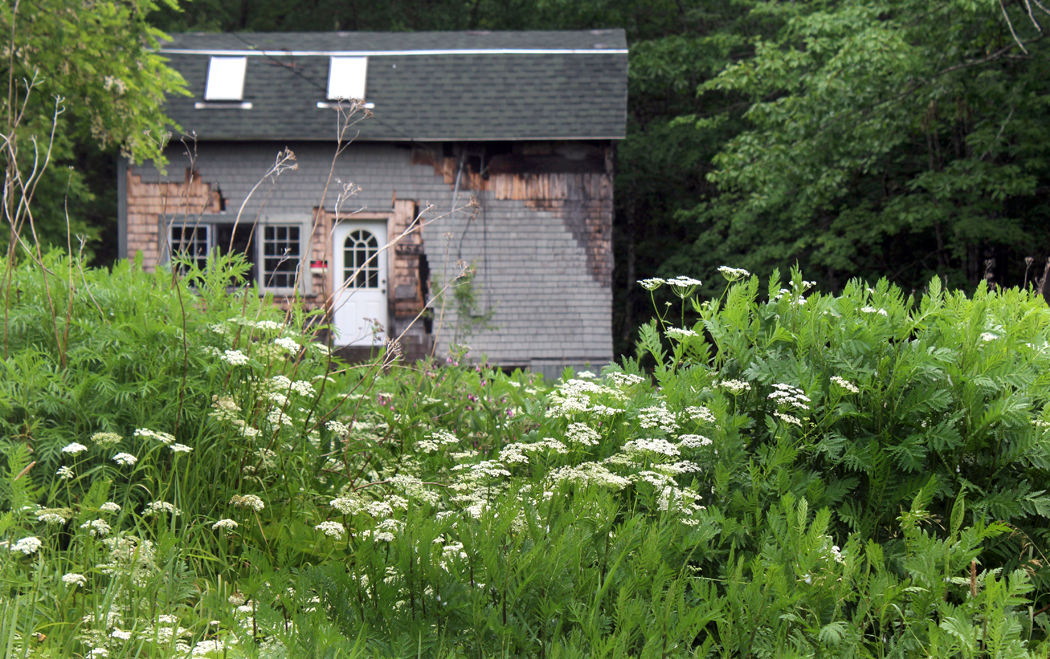
They have an old farmhouse (I call it a farmhouse, although there is no farm) in North Sullivan along the road that parallels Taunton and Hog bays. Like much in the town, it is weathered and steeped in character. 

Sullivan has changed over those decades, although you might not notice it if it were your first visit. It still looks quaint, as if it were some Down-East Brigadoon. But there are many things that “used to be.” 

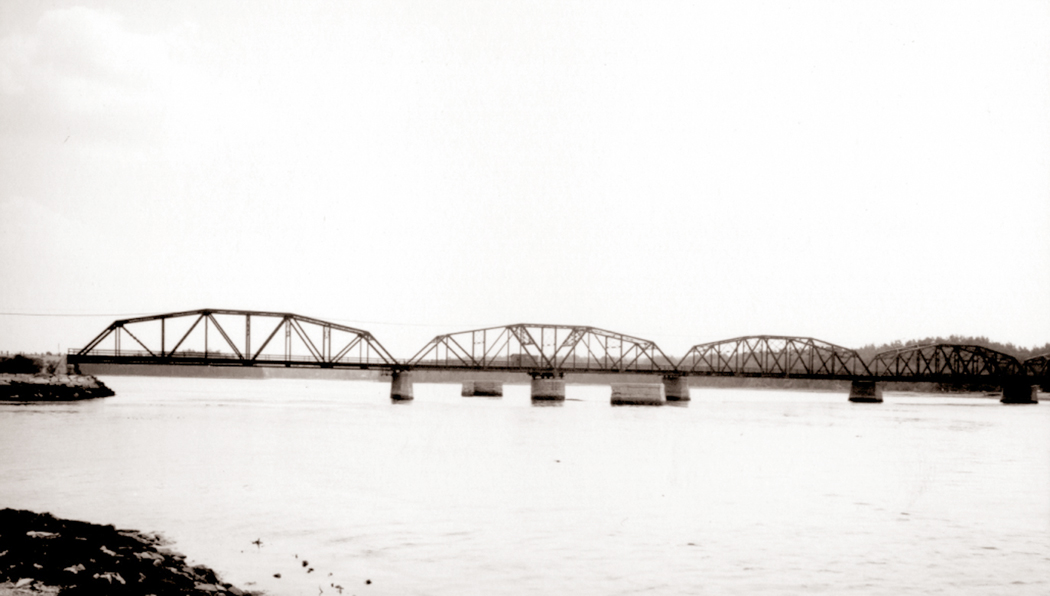
The Singing Bridge

For me, the most notable is the loss of the singing bridge from Hancock to Sullivan over the narrows between Frenchman’s and Taunton bays. The old bridge had a steel mesh roadway and every time a car ran over it, it roared like a banshee. That steel-truss bridge was replaced in 1999 by the “silent bridge,” made from prosaic concrete. 

Taunton Bay

The singing bridge was opened in 1926, replacing, after many years, the original wooden toll bridge that was washed away by winter ice a few years after it opened in the 1820s. Between bridges, a ferry ran from south shore to north — a flat boat that held one carriage at a time and charged a dime for a crossing. The Waukeag Ferry went out of business when the singing bridge opened. 

Stuffy

You get attached to something and then, it’s gone. When we first started going up to Sullivan, there was, just across the bridge, a small, wooden roadside ice cream stand called “Stuffy’s,” which also sold lobster rolls and the best lobster bisque I ever ate. We went back there for lunch many times. Of course, it is now gone. 

Abandoned quarry

So are the granite quarries that used to support the town, and so are the silver mines that made the town viable in the first place. 

According to A Gazetteer of the State of Maine, published in 1886, “There are now eleven incorporated companies owning mines in the town, most or all of them being operated. Work has been done also in five or more unincorporated mines. There has been completed in the vicinity a concentrating mill and smelting works for reducing silver ore.

“On the various streams there are two saw-mills, two stave mills, one shingle-mill, and one grist-mill. … A steamboat touches at Sullivan Falls three times a week.”

All gone. 

The Native American name for the area was Waukeag. It was first settled by the French in the early 1700s, but was given to English-speaking settlers by the colonial government of Massachusetts in 1761, when it was called New Bristol. It was incorporated in 1789 under the name of Sullivan, one of the original settlers. At the time of the Revolutionary War, there were just 20 families in town. By 1870, the population was 796. In 1880 it was 1,023. It is not much bigger than that now. 

Schoodic Mountain

As you drive north on U.S. 1 through Sullivan, you can often spot Frenchman’s Bay to your right, a vast tidal flat at low tide, a lake at full. In the distance to the south you can see Cadillac Mountain and Mt. Desert Island. Just north of the highway is Schoodic Mountain, 1,069 feet high, and Tunk Lake, where Rear Admiral Richard Byrd used to have a vacation home. 

On the peninsula just south is Sorrento, a resort town a bit more upscale than Sullivan. 

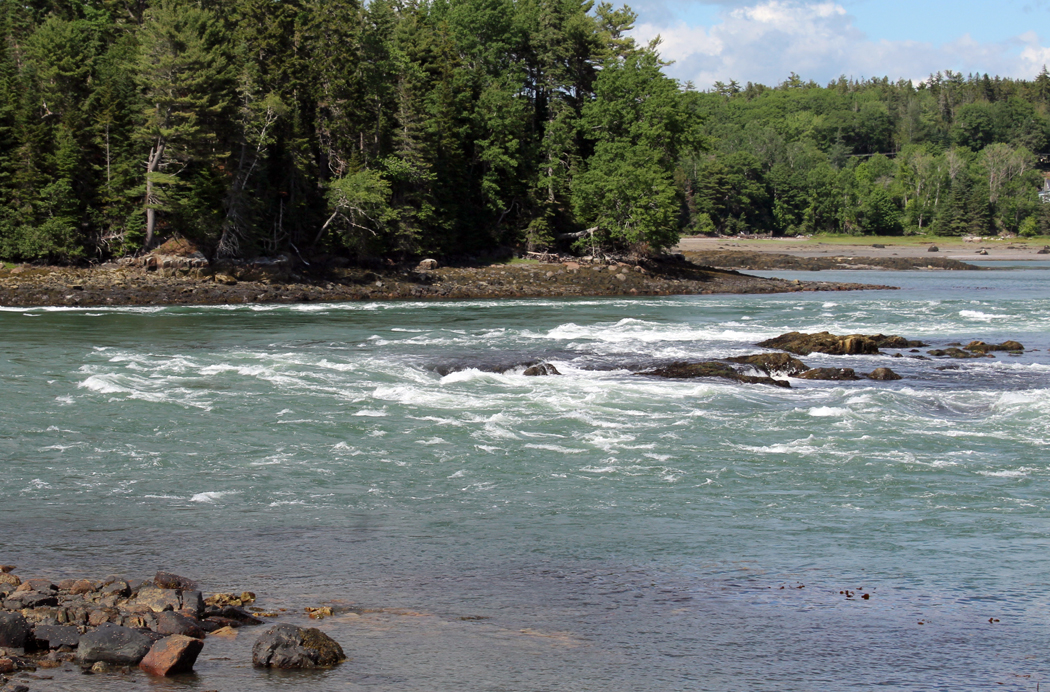
Reversing Falls

And at the mouth of the inlet, where Taunton Bay dwindles to the narrows that used to be called Sullivan River and opens onto Frenchman’s Bay, the tide creates what is known as a “reversing falls,” where the rising tide creates a dangerous rapids heading into Taunton Bay, and with a falling tide, creates the same rapids in the opposite direction. The current is fierce, up to 13 knots. 

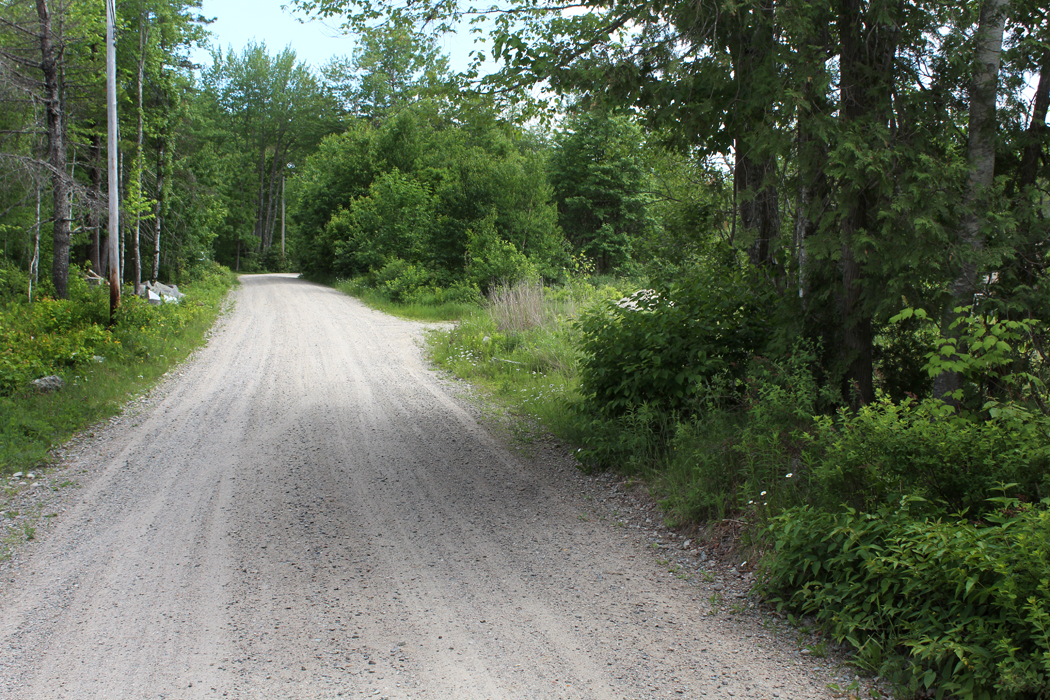
But it is Taunton Bay Road that is what I am most interested in. Just after the silent bridge, there is a left turn that takes you through West and North Sullivan along the eastern shore of Taunton Bay. It continues out of town along Hog Bay and into Franklin. The road is beaded with old homes, usually clapboard with front porches and foundations or stoops made from granite once quarried locally. 

Across the water, Taunton Bay opens up into Egypt Bay and the town of Egypt, made famous — or notorious — by Carolyn Chute’s 1994  book, The Beans of Egypt, Maine. 

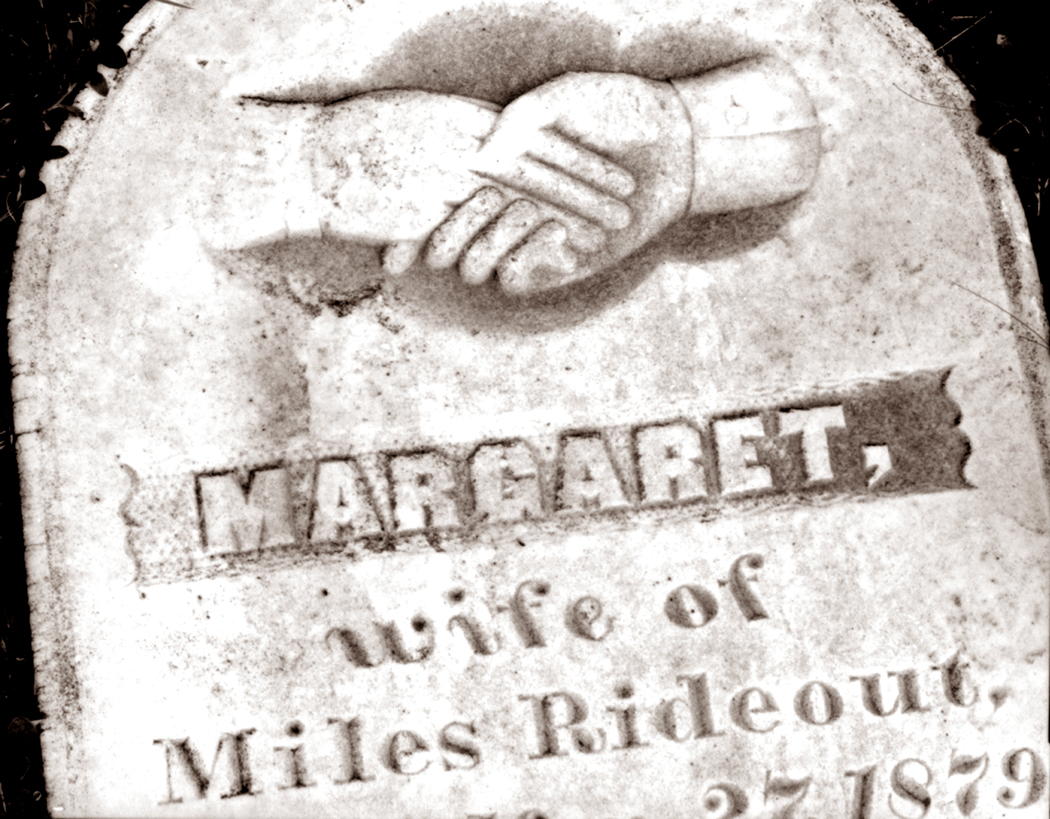
Among other losses in Sullivan are Jerry’s Hardware and, while Gordon’s Wharf is still extant, the busy fishing business is gone. There are a few family cemeteries, an art studio where stone sculpture is made, and a ceramic studio. 


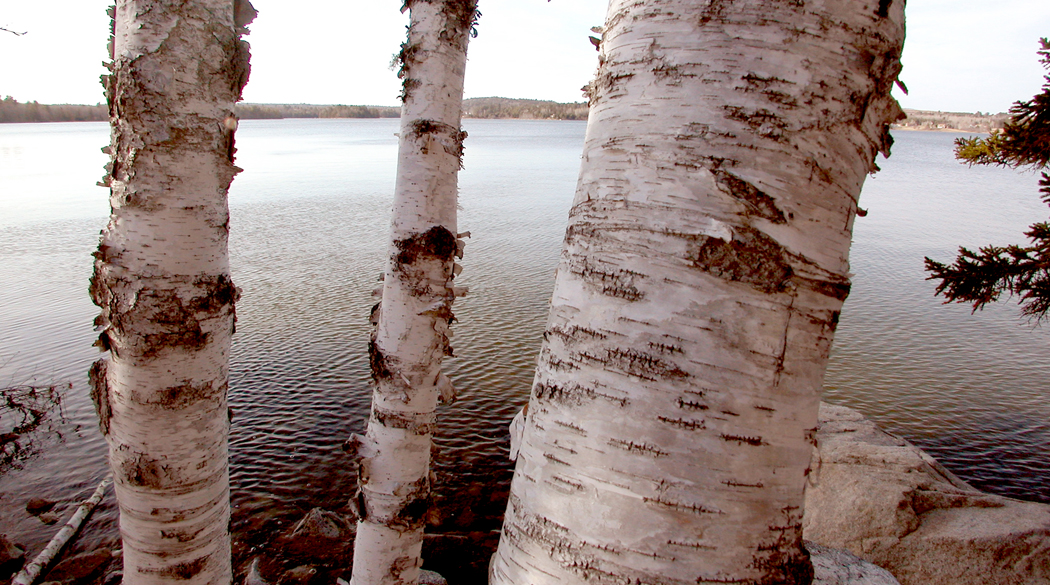
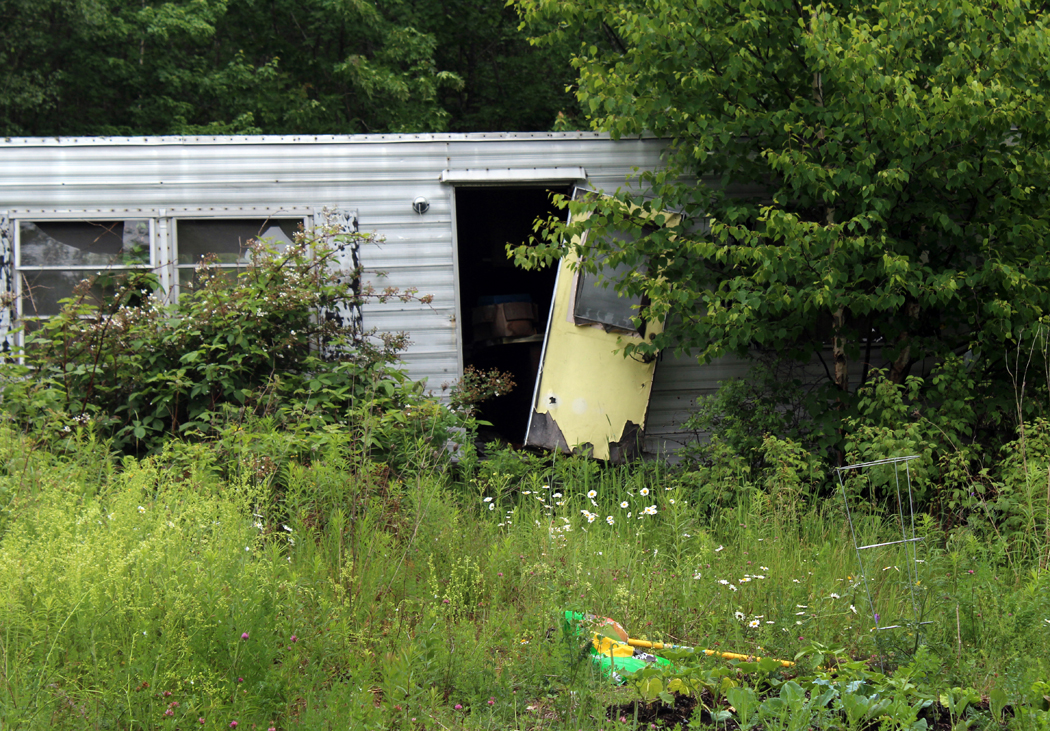
This last time I visited, I attempted to make a “portrait” of this end of Sullivan, the way Alfred Stieglitz made a portrait of Georgia O’Keeffe — hundreds of photos that I hoped would, in aggregate, give a sense of the place. I can only share a tiny fraction here. You can find a more detailed portrait of a single house at (link here). 

There are three reasons to photograph something you care about. First, simply to capture it so as to possess it, for the sake of memory, the way you keep old snapshots of family birthdays and vacations. Second is to create art, that is, to make an image out of shapes and colors in a design that has graphic interest. But third is to see.

We look over so much at every minute of every day, but seldom see it. Looking closely, paying attention to details, absorbing character, seeing relationships — these things come with seeing with purpose. Seeing is engaging. Engaging is being alive. 

Wandering through Sullivan, I wanted to gather albumblätter  for my scrapbook; I also wanted to make something that might be, in its tiny way, considered art; but most of all, I wanted to use my camera as a way of focusing my sometimes wayward attention on something I want to know more deeply.  It is a way of expressing affection. Photographing, done this way, is a means of caring.

To collect snaps, or to frame art are fine in themselves, but using the lens to focus the mind and heart is infinitely more rewarding. It creates meaning.

Click on any image to enlarge

humboldt redwoodsAt a pull-off along the Highway of the Giants in the Redwoods of Northern California a lumbering, topheavy RV pulled to the side of the road and stopped. Its driver got out, walked to a spot about 25 feet behind the vehicle, raised his camera, snapped one picture, got back in and drove off.

I’d seen many people line the wife and kids up against a scenic backdrop, or ask Aunt Emily to smile in front of the Grand Canyon, but this was the first time I’d seen anyone take a picture of his truck.

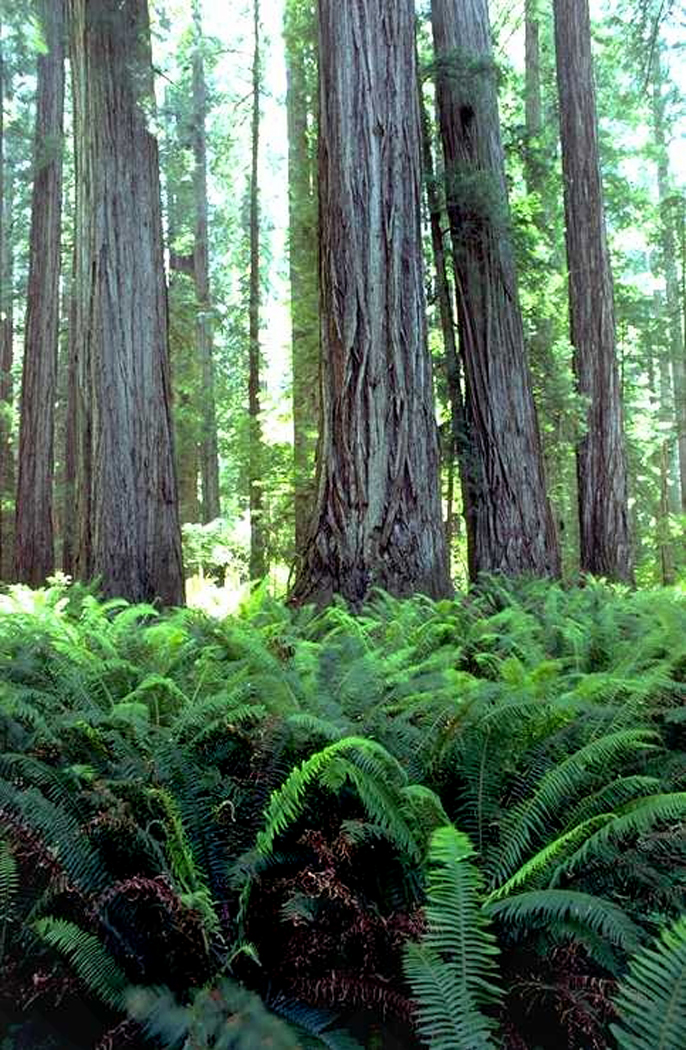
In a way, it made sense. The redwoods are notoriously difficult to photograph. They seem like they’d make wonderful subjects: They are green, tall, impressive and make their own weather. But they only grow in the lowlands and river bottoms and are surrounded by dense hills. There is no way to step back and get them all in perspective. Heck, there is no way to step back and get them all in the viewfinder. One has to be satisfied with bits and chunks of tree trunk surrounded by ferny growth.redwood ferns vertical

And even that is disappointing photographically. I set up my camera at an especially impressive trunk, maybe 15 feet in diameter, covered in green moss. In front of it were the biggest ferns I had ever seen in my life, with fronds that were six feet long. I looked at them carefully in my viewfinder, with my camera set on a tripod. I groaned. Since everything was of the same immense scale, the picture looked like an ordinary patch of ferns in front of an ordinary tree.

The only solution is to put something whose size you know in front of the tree, something like the wife and kids — or your RV.

As an aside, I want to mention the obsessive proclivity of the West Coast states for naming every Department of Transportation speed bump in memory of someone. The Muriel O. Ponsler Memorial Wayside was little more than a widening in the road so cars could pull over and see the ocean. There is the Joseph and Zipporah Russ Memorial Grove in the redwoods. The habit is essentially harmless, but it helps if you pay attention to the name you are commemorating. We soon passed over a bridge named for Elmer Hurlbutt. The Hurlbutt Bridge: Someone was asleep at the switch when that got named.zion tourists
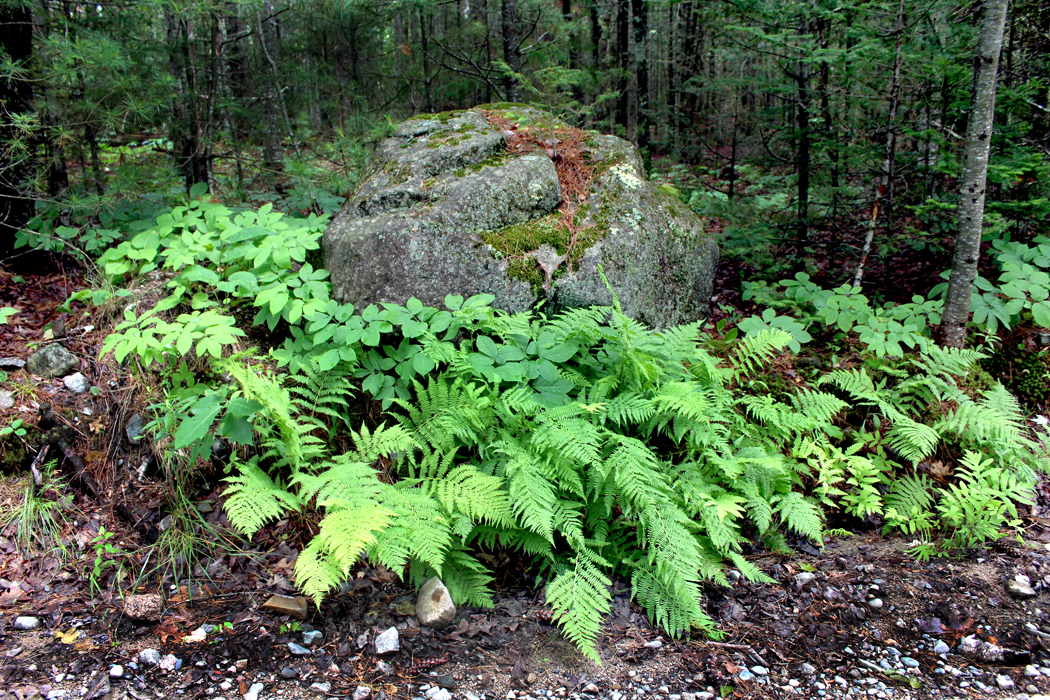
But what I meant to talk about when I started writing this column was why people make photographs when traveling. The answer seems simple at first: They make pictures to help them remember the trip, or so they can show their friends that they were, in fact, to the redwoods or the Grand Canyon.

But after years of watching people raise their Nikons to their eyes, I am not so certain anymore that the pictures are always aids to memory.

Because the pictures are made so offhandedly, and their makers so quickly jump back in their RVs and drive off to the next natural wonder, I believe they must use the photographs instead as a substitute for memory.

Instead of really experiencing the woods, with its dripping humidity and spongy forest floor, its green smells and muffled silence, they use the camera to arrest a slice of vision that they can take home and dissect, using the image rather than the trees as their primary experience of the redwoods.

It may be that we have become so acculturated to the television reality that the aromatic reality of primary experience no longer retains its validity. It must be transmuted into a Kodak moment — metamorphosed from sense experience to media experience — before it is taken seriously.

But, more likely, people have always done the same, zooming past the magic to chalk up another name on their life list of scenic destinations.

In 1937, long before television became the central fact of American life, photographer Edward Weston was using his huge, cumbersome 8-by-10 camera to photograph Zabriskie Point in Death Valley. A car pulled up with three German couples, among them were six cameras — “One woman had none, but one man had two.”

“The five enthusiasts lined up, focussed on the same view, decided on the exposure, made the picture. Four of them lined up at the other side of the turnaround, made a second picture in unison. Then they climbed back in the car and drove away.”