Archive

Tag Archives: surrealism

In a recent piece on this blog, I mentioned that Pablo Picasso, while he was undoubtedly a great artist, might not be a particularly good painter. That is, his craftsmanship over the years could be quite indifferent. Inventive, no question, but seldom painstaking over execution. I wrote a fuller explanation of this in an essay I wrote in 2023 for the Spirit of the Senses salon website and I thought this might be a good time to reproduce that post for a wider audience. 
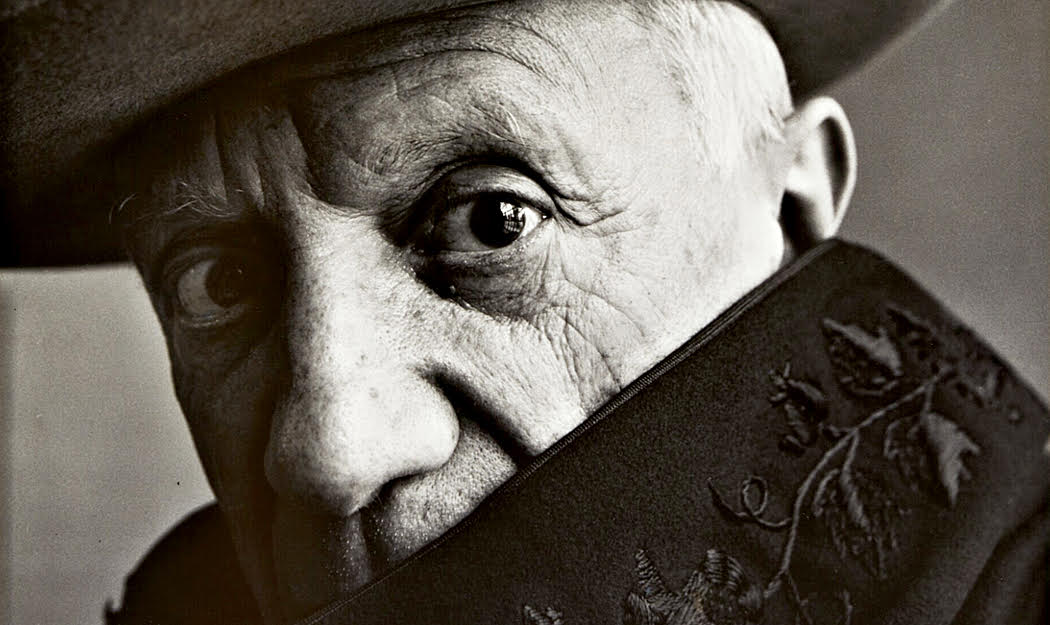
Pablo Diego José Francisco de Paula Juan Nepomuceno María de los Remedios Cipriano de la Santísima Trinidad Ruiz y Picasso was a very impatient man, perhaps because his name takes so long to say or write.

I say he was impatient on the evidence of his paintings. I certainly never met the man. But I have seen a boatload of his paintings in person and hundreds in reproduction, and they all tell me he didn’t have the patience to spend time on their finishing touches.

Don’t misunderstand: Pablo Picasso was a great artist, and for many reasons. But he was not what I would call a great painter. Let’s take a look.

There was a time when many thought that Picasso’s art was a hoax. You know, the “My kid could paint better than that,” and serious-minded critics would say, “First, you have to be able to master the techniques before you can experiment with abstraction.” (Yeah, this was a while ago).

But then, some of the young Picasso’s art, from his adolescence, began showing up and it was clear that he had been a masterful draftsman and could draw and paint as realistically as anyone.
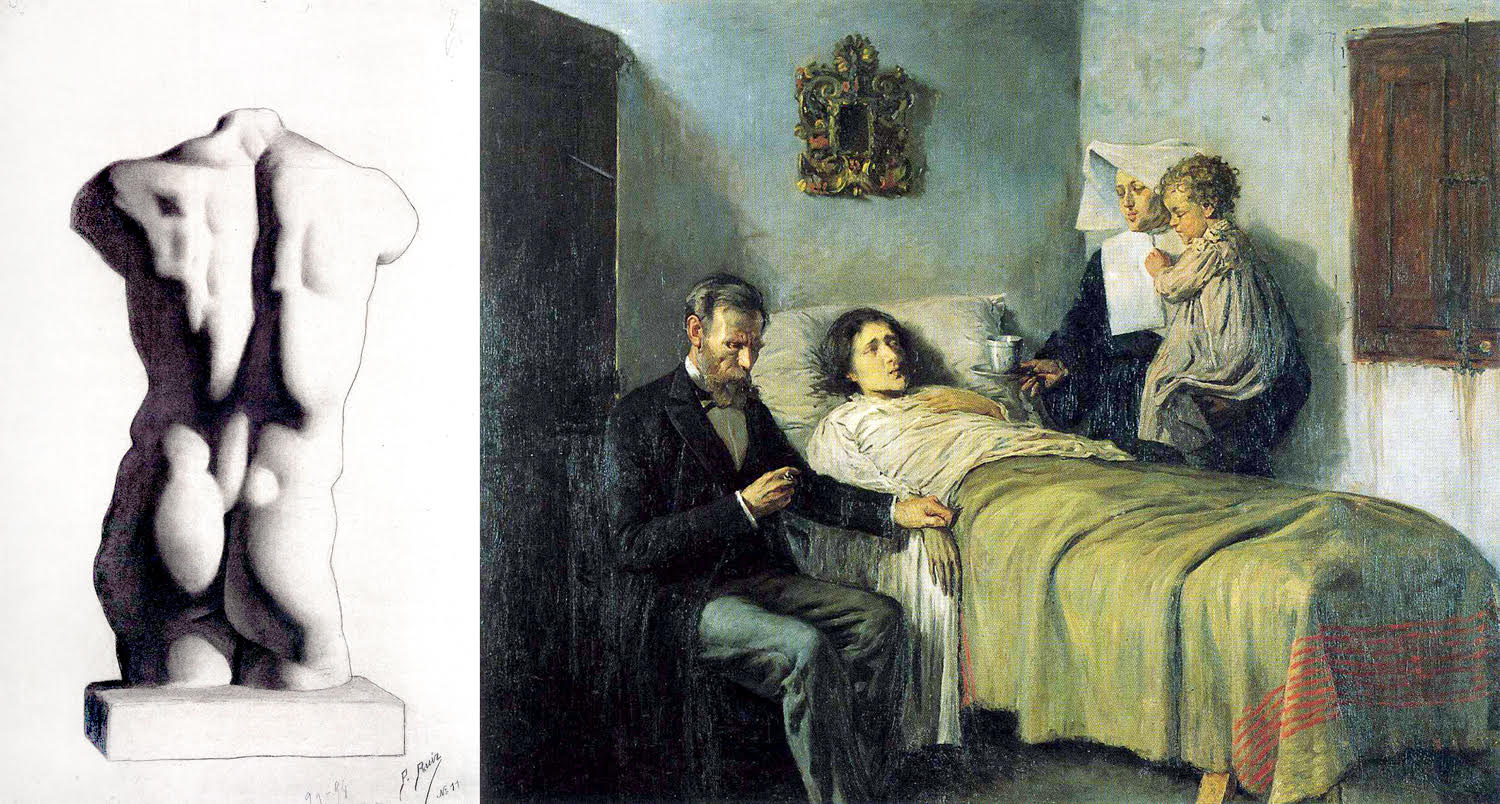
He could pump out an academic figure study like an Old Master. And he could put on canvas as realistic a painting as you could wish. Just look at some of these, from 1893, when the artist was 12, and 1896. It is clear he could do anything. But he didn’t: By the turn of the century, he had been taken with more modern trends in art, from Impressionism to Post-Impressionism, to Fauvism and Expressionism. His style loosened and the works became sketchier.

This evolution of style was characteristic not only of Picasso, but of other artists, writers and poets. There had been Impressionism and Post-Impressionism, Van Gogh, Gauguin, Cezanne — all with different styles.

By the middle of the last century (that’s the 20th, remember), Modernism had not only established itself, but become entrenched. Its hagiography had been codified and the heads of its various branches were Igor Stravinsky in music, James Joyce in prose, Ezra Pound in verse, and Picasso on canvas.

These were hardly the only names in the mix, and they may not even have been the best artists working, but they became the names we all knew. They are the names in the anthologies and textbooks.

And they all burned through styles. Stravinsky went from late Romantic chromaticism, to a savage primitivism, to Neo-Classicism and finally to his version of 12-tone serialism. Joyce from some of the most beautiful, clear prose in The Dubliners to the stream-of-conscious jumble in Ulysses and into the paronomastic almost-abstract gibberish of Finnegans Wake. Pound began with highly poeticized Edwardian prettiness to a hard-edged sarcasm and into his own form of pan-linguistic word salad.

Most serious artists go through stylistic growth from early to late periods, but Modernism seems less like organic growth and more like a conscious seeking-out of something new, something that would get attention. Pound’s battle cry was, “Make it new!” Where style had been a function of personality, it became a “brand” and ever newer versions were sought, like updating your car every few years.

I’m being too harsh here, but to make a point. Picasso kept evolving, from that early Expressionism
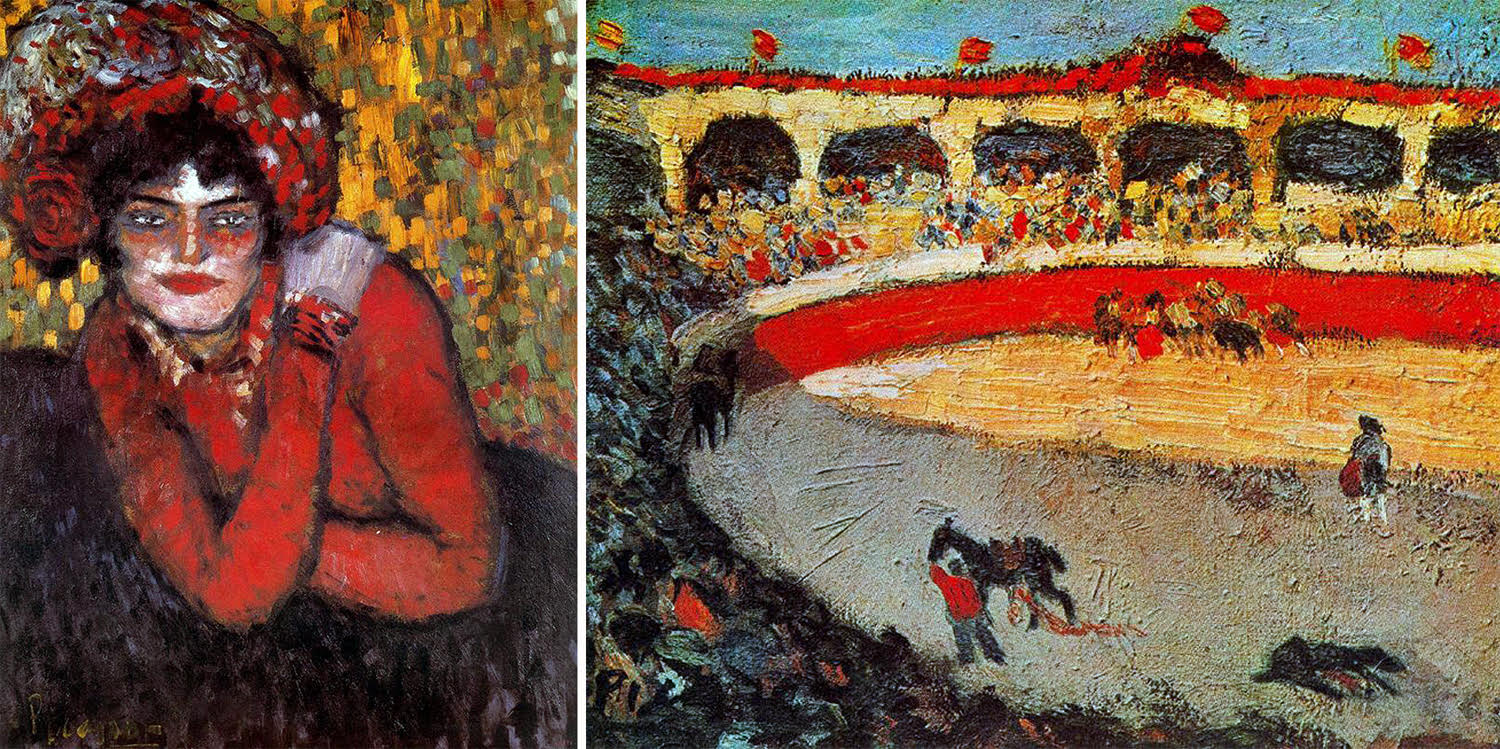
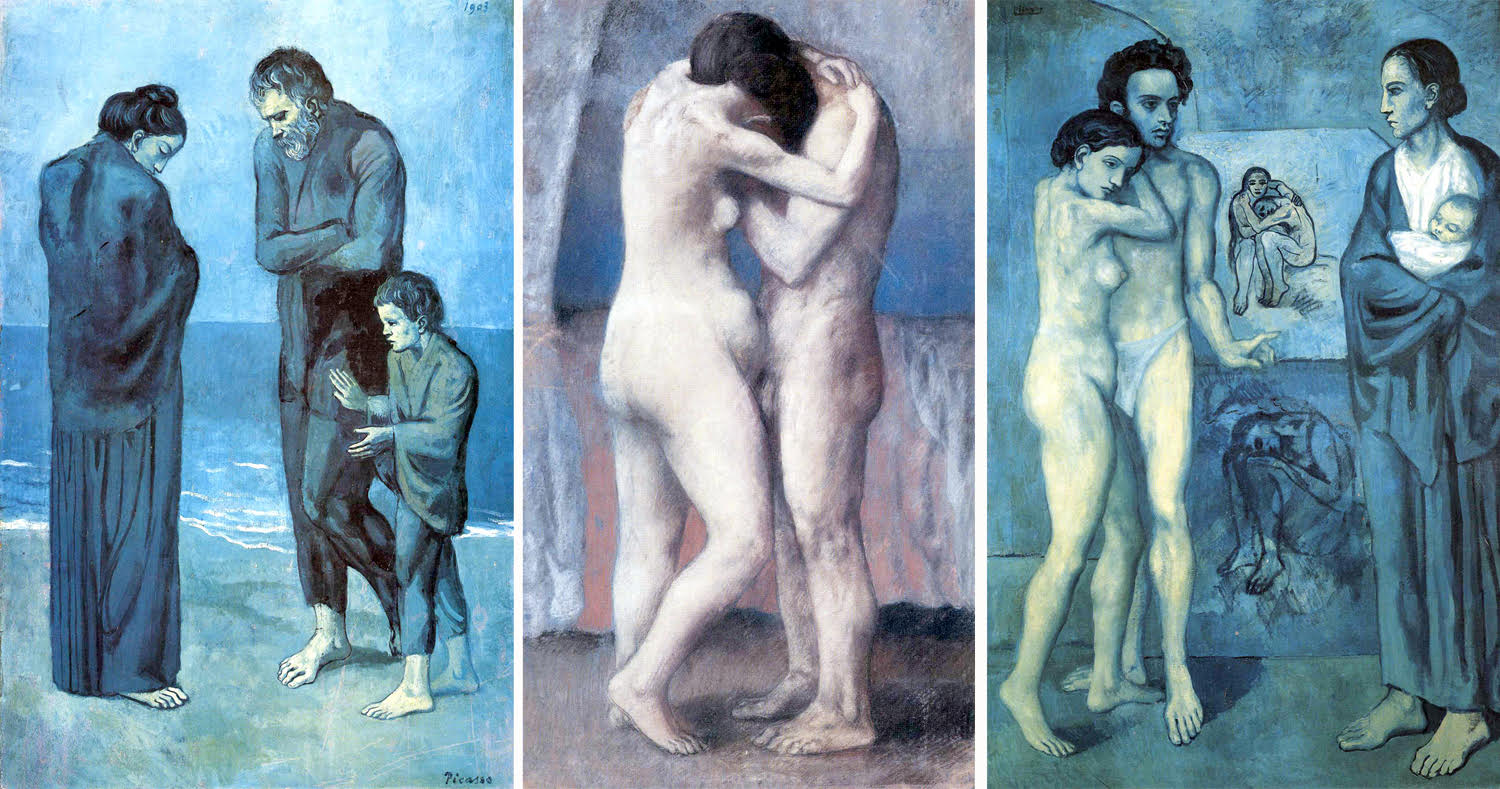
To the famous “Blue Period”
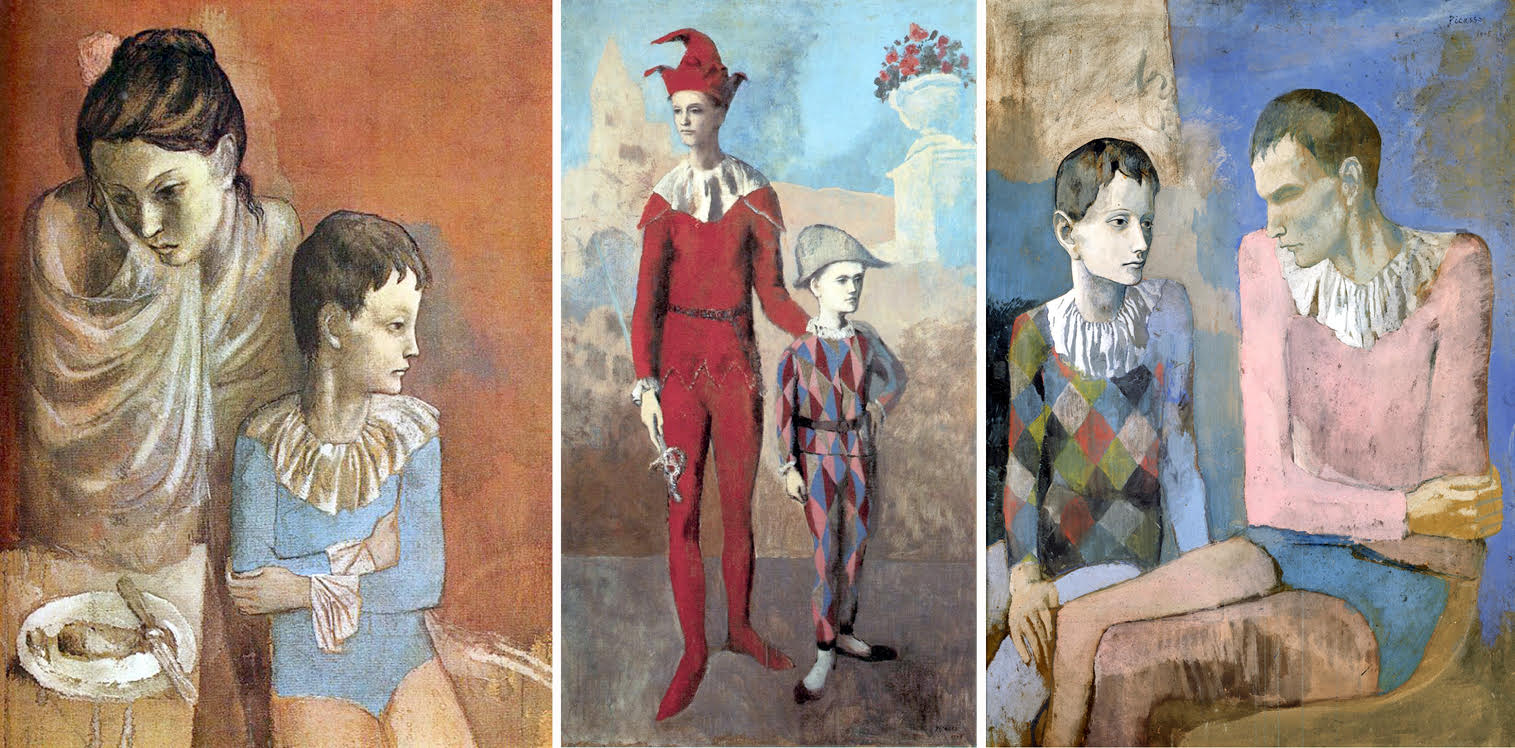
Through a subsequent “Rose Period”
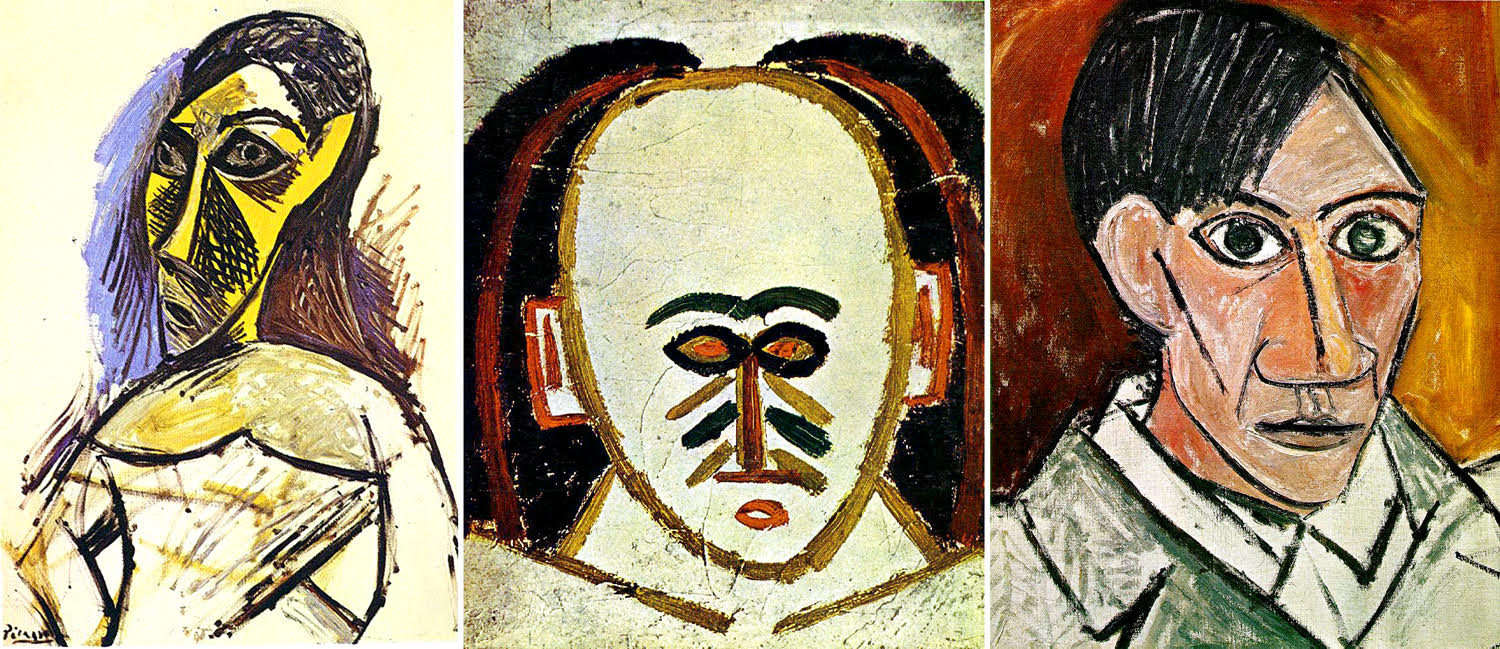
to African primitivism,
to analytic Cubism,
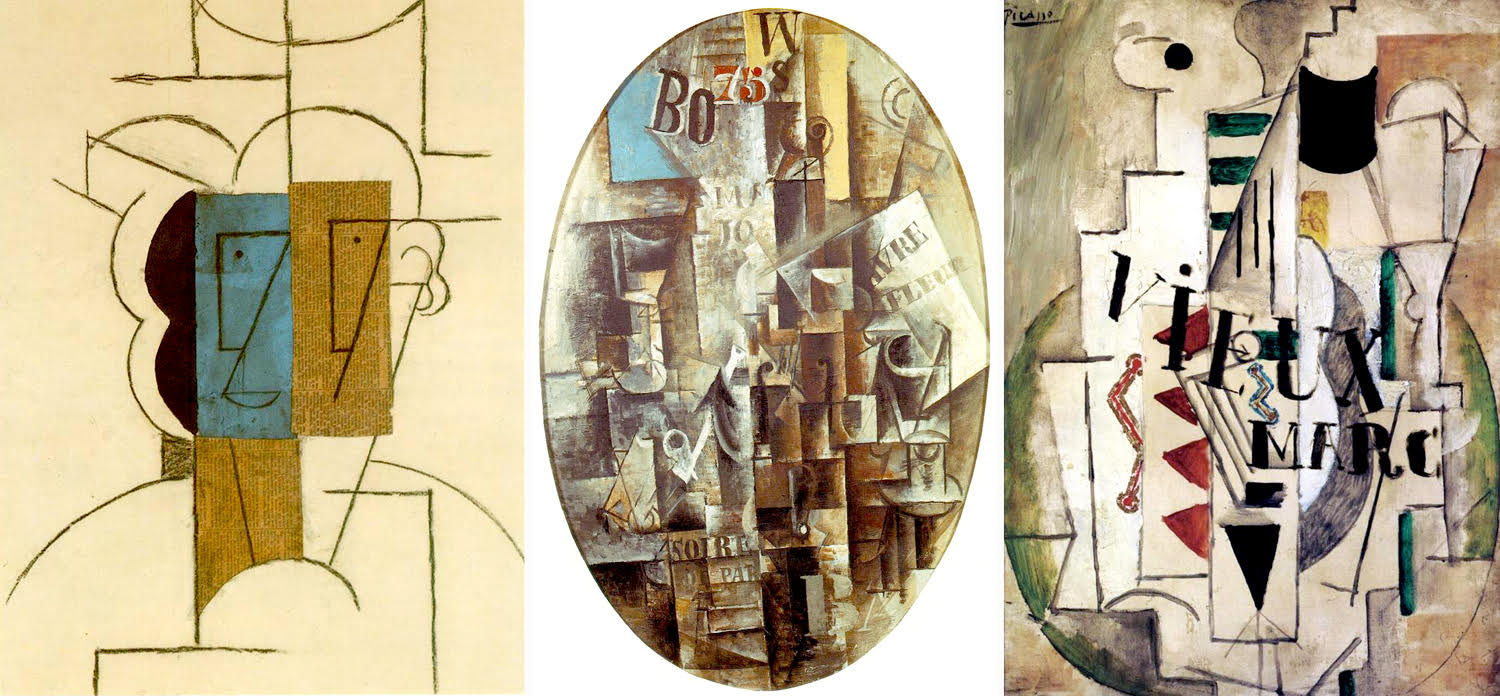
to Synthetic Cubism,
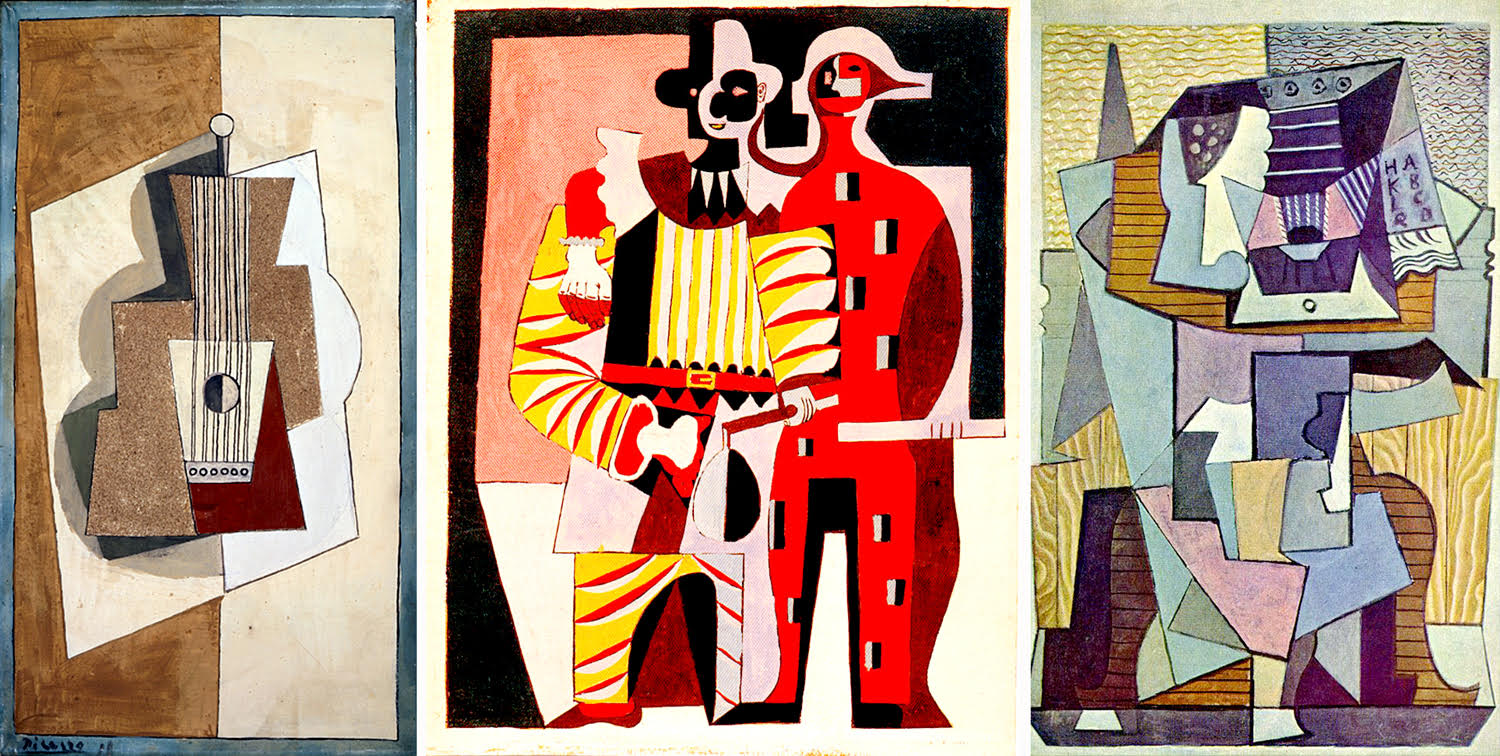
to Surrealism
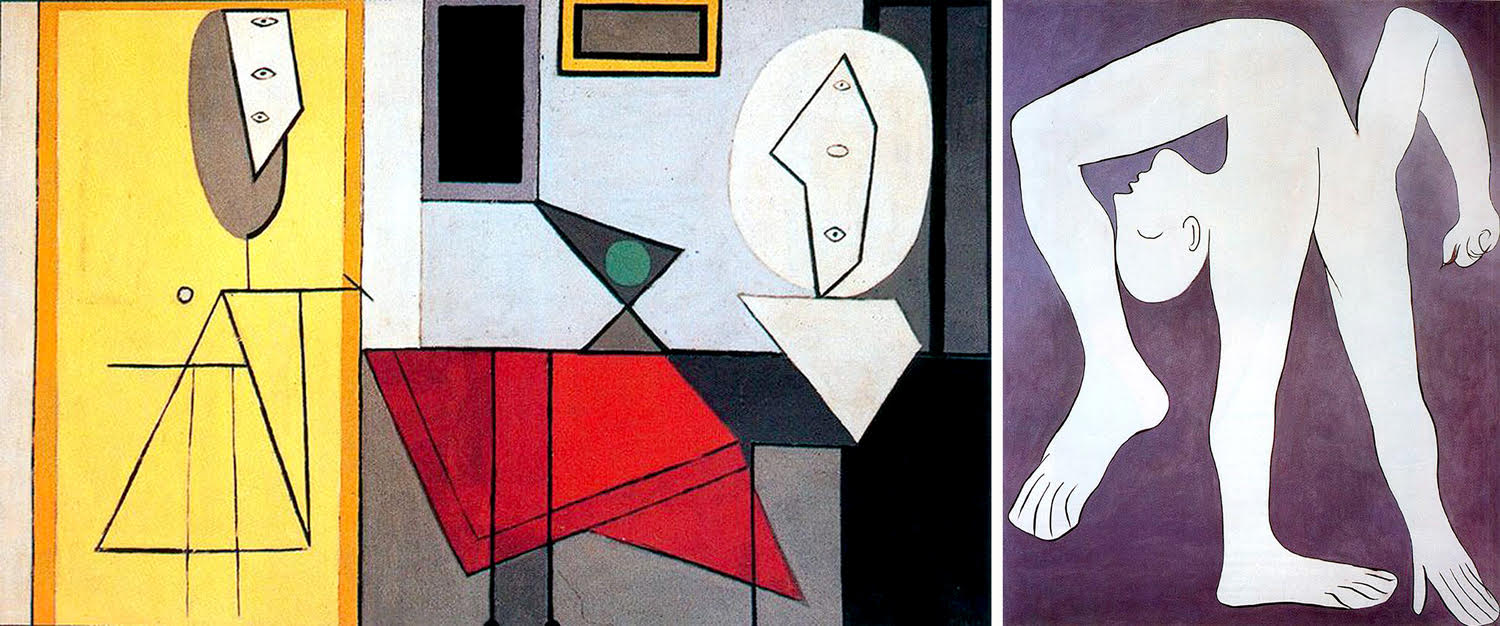
and Neo-Classicism
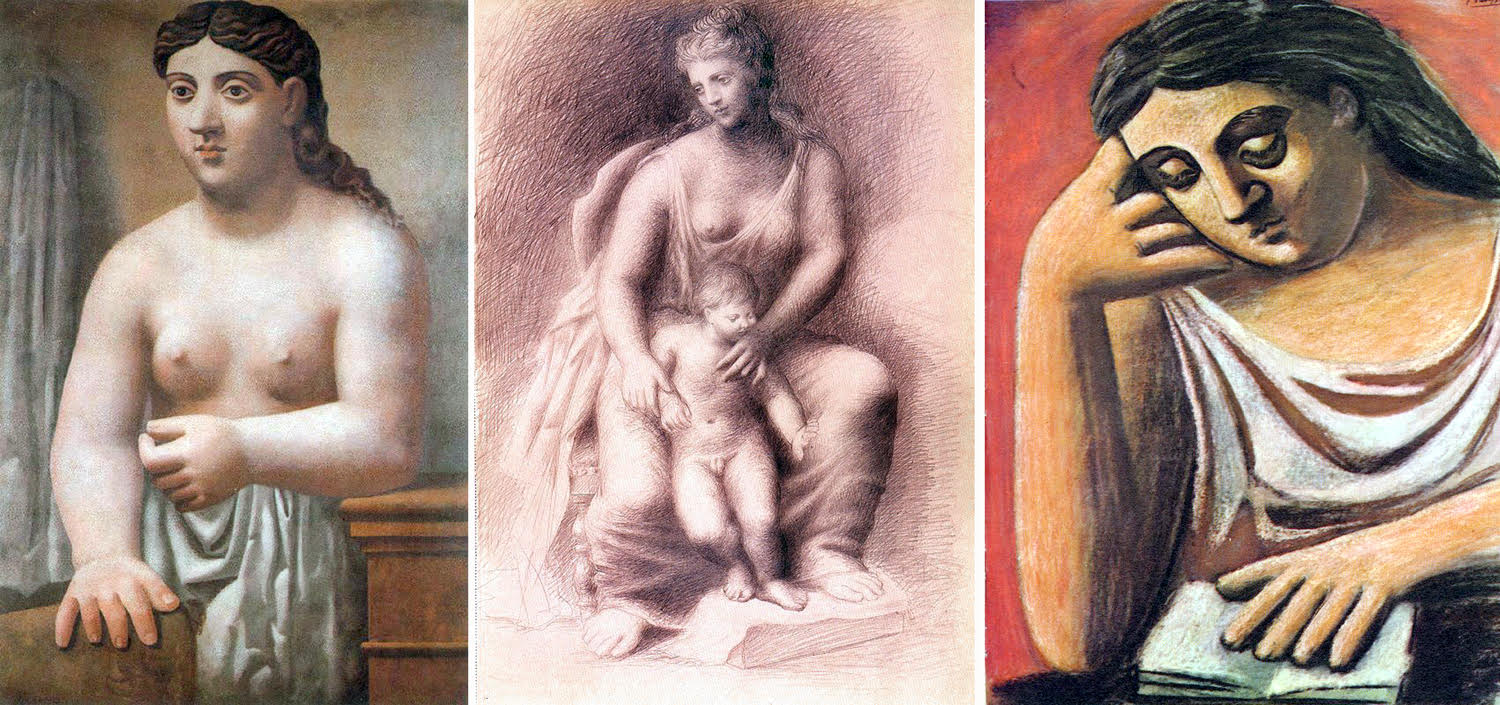
Then a brief period in the mid 1920s of what might look like a return to a kind of realism
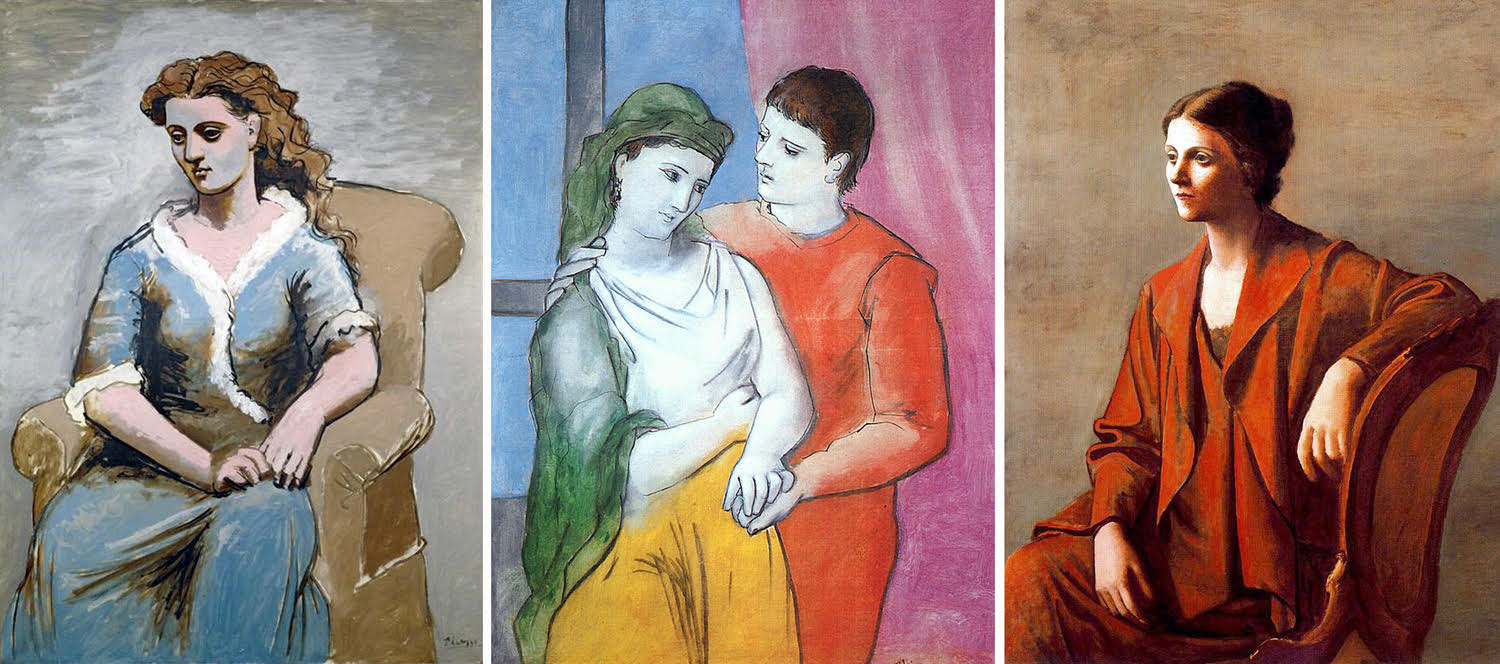
and then, into what can only be termed Picasso-ism — his playful mix of everything and anything, usually turned out in a few hours and often rather haphazard.
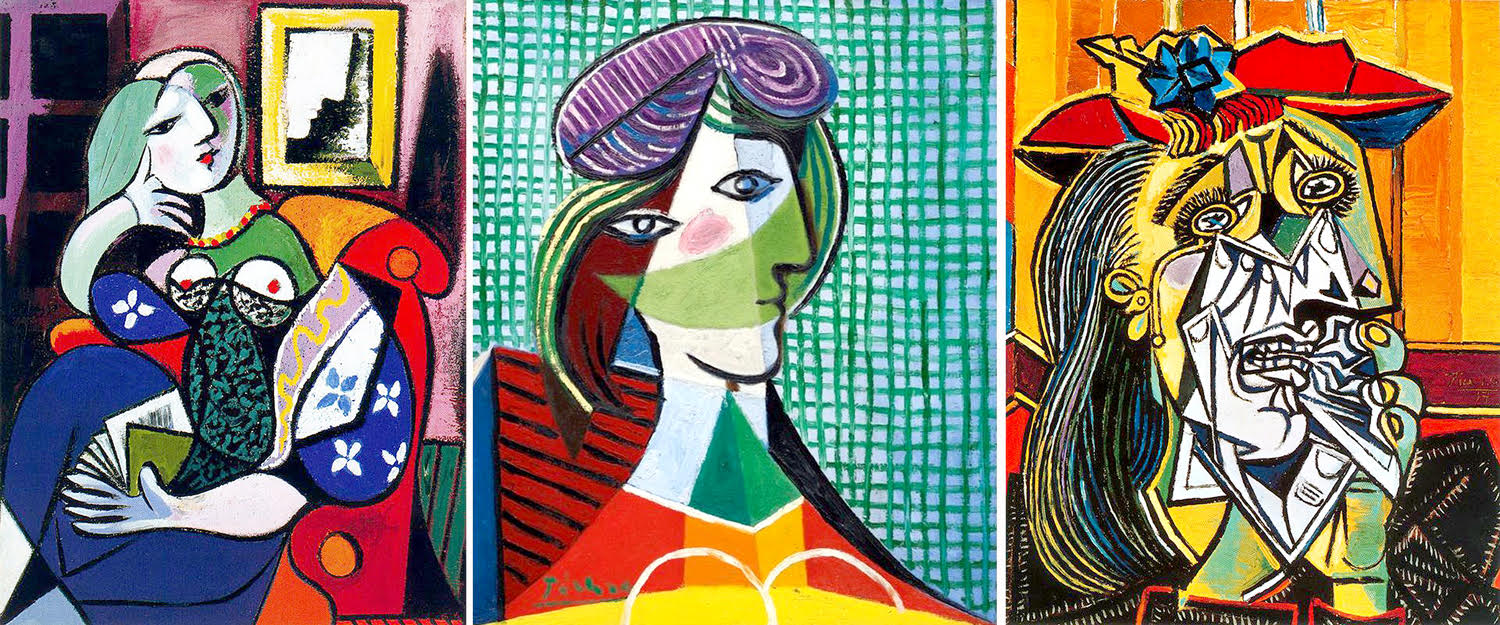
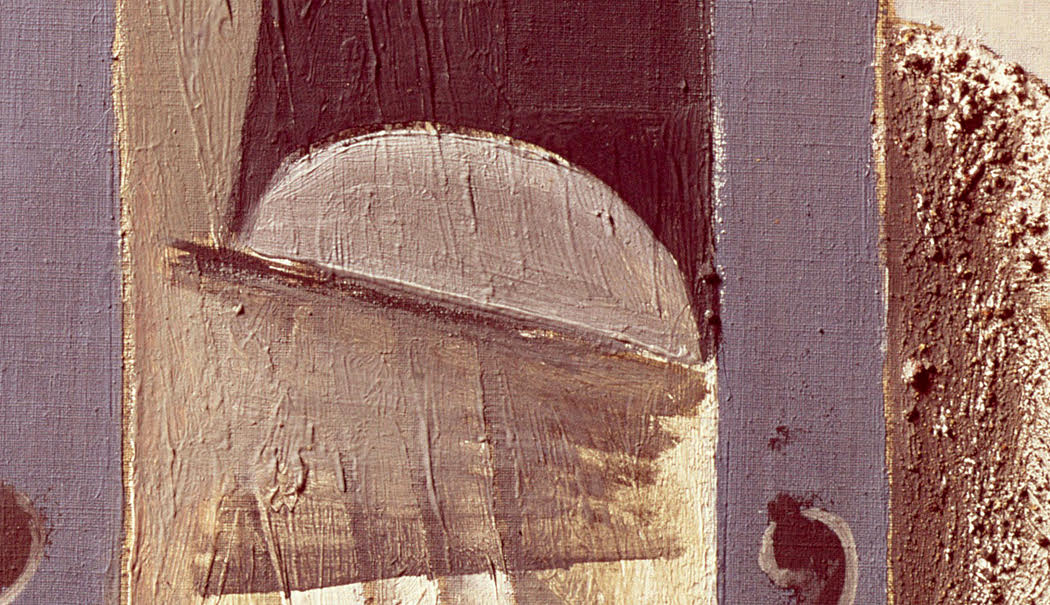
And this gets to my main point: That Picasso was an epically inventive visual artist, clever in the first degree. But from his earliest work onward, was always rather indifferent about the craft of painting. His application of paint to canvas was often sloppy; parts of many paintings were essentially unfinished; many are more caricature than character; even his color choice often seems unconsidered — any red might do, any green, any blue. His art is one of suggestion rather than observation.
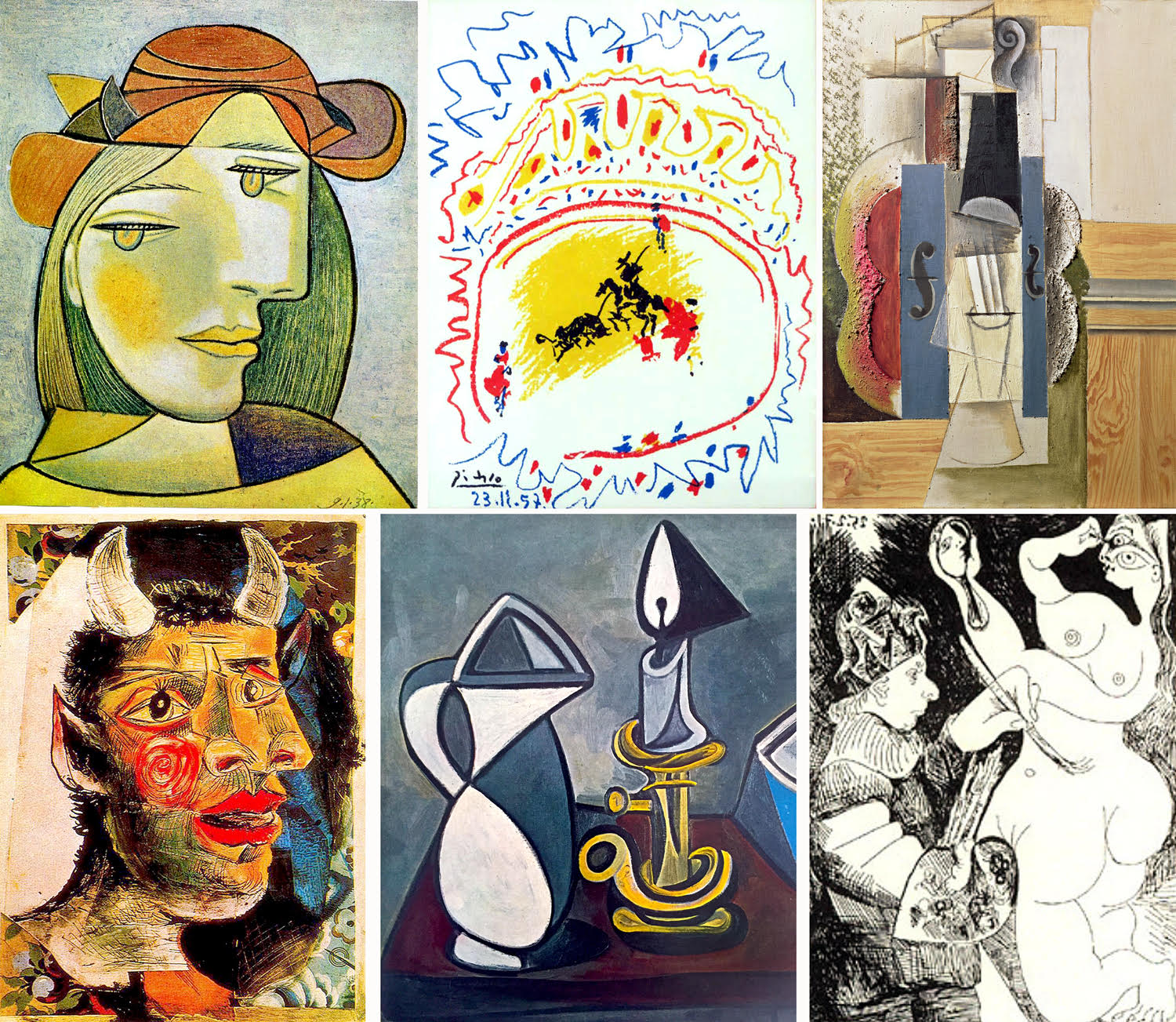
This was typical of his approach in other ways. Where most artists use their work to react to life and the world, Picasso seemed always more interested in cultural tropes. That is, he picked on several archetypes — or stereotypes — and re-imagined them over and over. These are themes straight from his brain, without recourse to the actual world.

There were bulls and bullfights; Harlequin and Pulcinello; circus performers; the down-and-out; birds; women, both as portrait and as nude; satyrs, fauns and demons; still lifes; and over and over: the artist and his model.
He drew these subjects from his mind, not his eye. And the goal seems to have been to get them down as fast as possible and to get on to the next canvas. During the Renaissance, an artist might work on a painting for a month, polishing it to a perfect finish; Picasso seems to have been more likely to complete several paintings in a day.
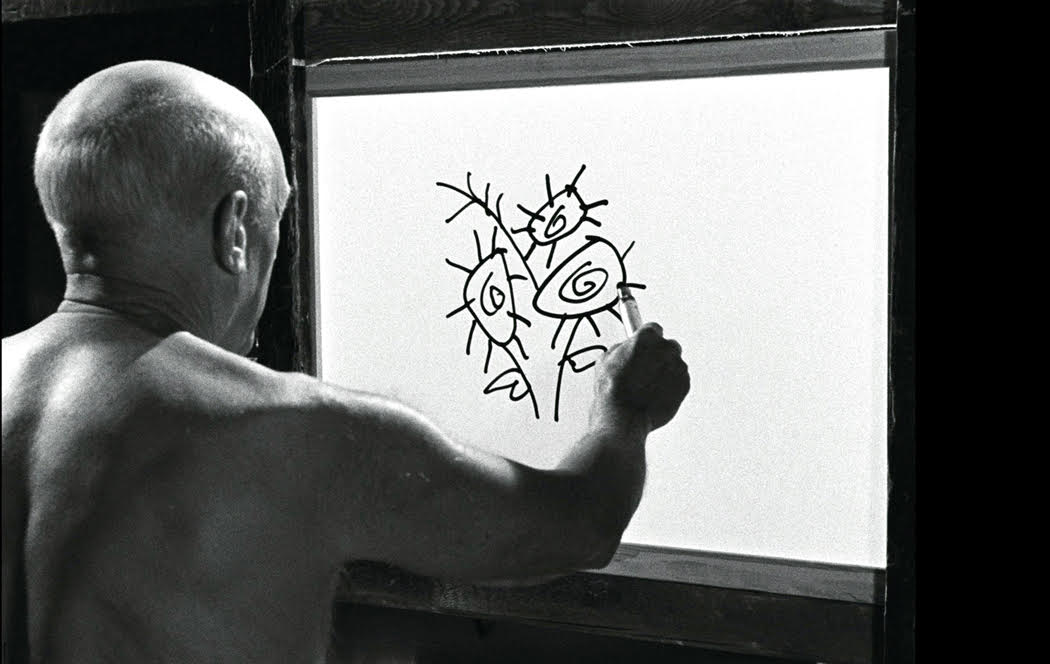
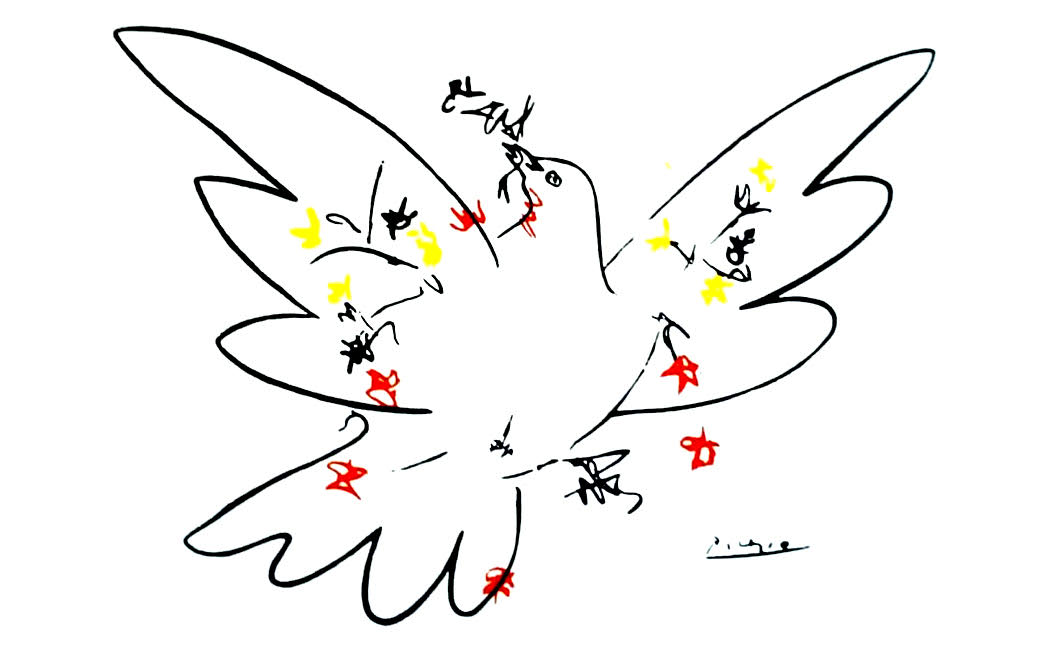
You can see how fast he works (and how fast his mind could work) in the 1956 film by director Henri-Georges Clouzot, The Mystery of Picasso, in which, over the course of its 75 minutes, the shirtless Picasso completes 20 drawings and paintings. Of course, most of these are merely sketches, but you can see how fast his brain is functioning — and how diagrammatic his take on the visual world really is. He is not capturing the way the world looks, but rather creating hieroglyphs to be read, the way his dove is a symbol for “peace.” Or the stick-figure man or woman on restroom doors.
The one time he made the effort, worked over many preliminary sketches and worked his canvas to a fine finish, he produced what is probably the most important, most powerful painting of the century — his 1937 Guernica, about the bombing of the Basque city by Nazi planes supporting the Fascist forces of Francisco Franco. The giant painting —roughly 12 feet by 25 feet — hung for many years at the Museum of Modern Art in New York, as, under the will of the artist, it could not be returned to Spain until the reestablishment of democracy. It finally went home to Madrid in 1981.
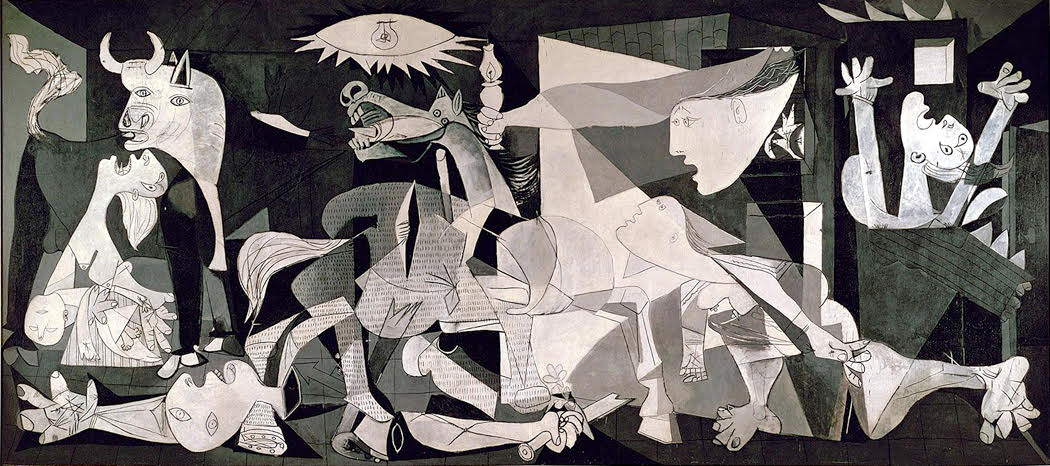
I saw the painting many times when I was a young man, living just outside New York, and visiting MoMA as often as I could. It anchored one end of the museum and you could see it as soon as you got out of the elevator on the second floor, the focus of the whole museum.

I’m not saying that we would have been better off if Picasso had spent more time on fewer paintings — his prodigious energy is largely why we honor him. But what can’t be ignored is that his work is often slapdash, sometimes not much more than a doodle.

When I was young, and for the first three-quarters of the 20th Century, Picasso was a colossus, almost universally acclaimed as the era’s greatest artist — the Muhammad Ali of the paintbrush — but in recent years, his primacy has receded. Partly because the adrenalin rush of Modernism has petered out; partly because the art market has become so much more simply part of the financial world, more interested in investment and less in the actual art; and perhaps most of all because Picasso, the man, has been revealed as such a misogynist pig. He was a very unpleasant man.
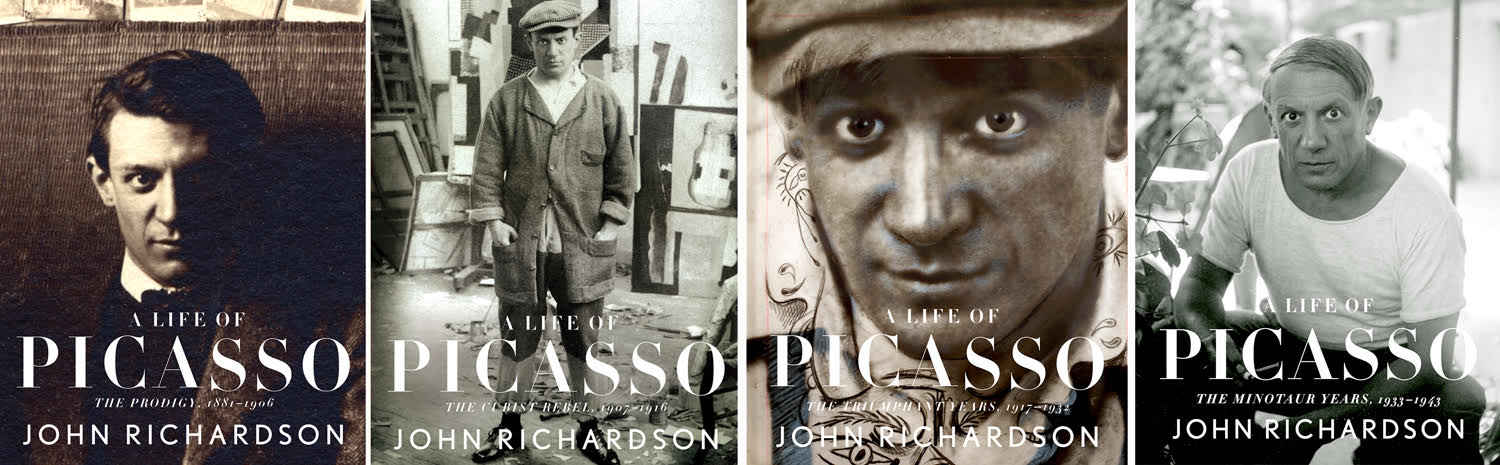
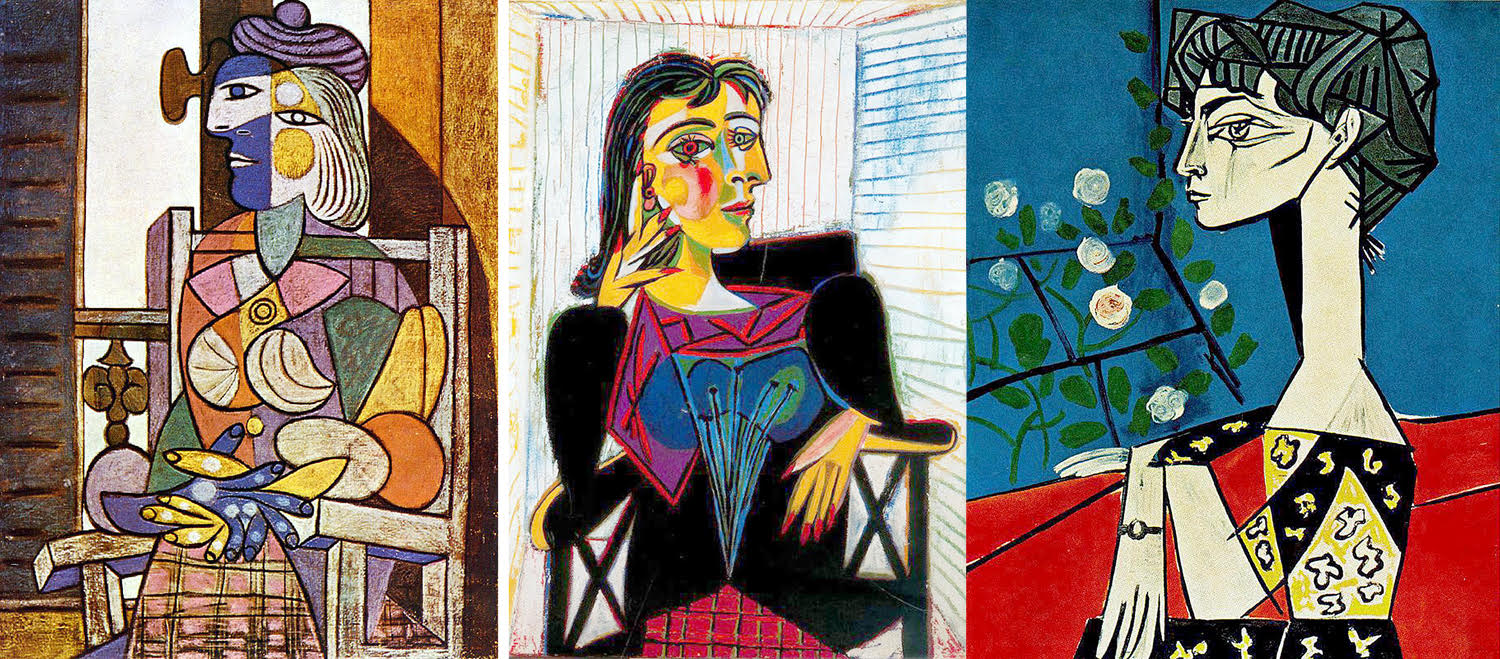
Since the publication of the four-volume biography by John Richardson, it has been clear what a self-serving, self-promoting, egotist he was. He went through wives and mistresses, using them and often abusing them. Once we thought of him as the great stud of art, now more like a frat boy with little care for the women in his life. Fernande Olivier, Olga Khokhlova, Marie-Thérèse Walter, Dora Maar, Françoise Gilot, Jacqueline Roque — there and gone.
Then, there was the semi-criminal past, selling fraudulent or stolen art, and footsying with the Nazis in occupied wartime France. In our current more censorious age, we more likely to knock the laurels off the heads of our writers, artists, filmmakers and actors — Did they diddle underage girls? Did they coddle to dictators? Did they steal the credit due to women? Were their intentions less than pure?
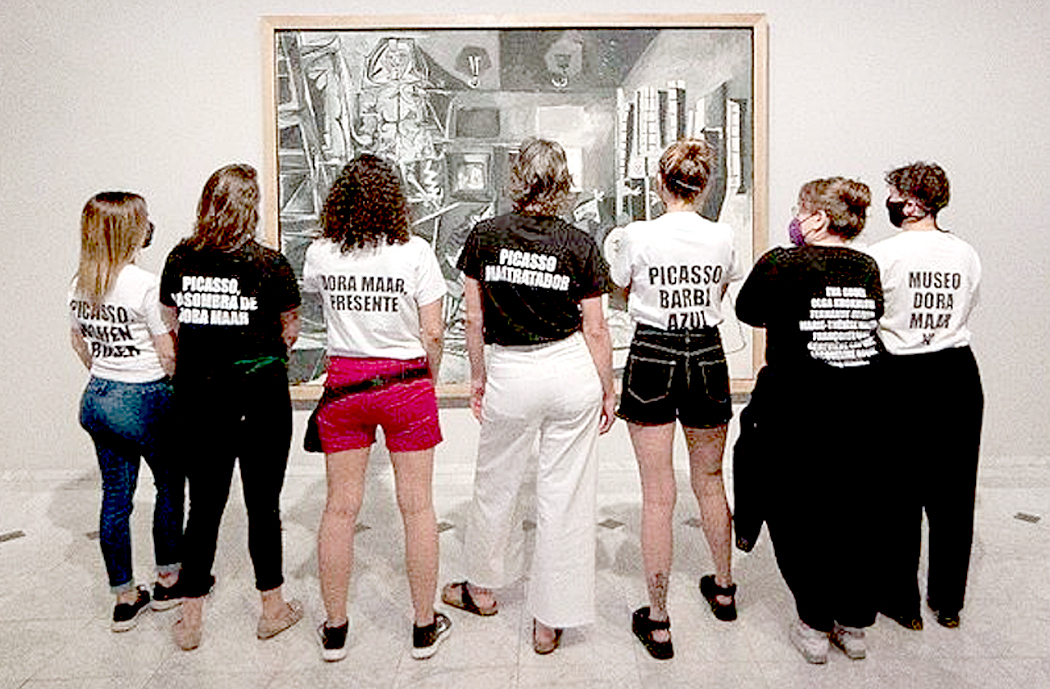
If we give in to these worries, we will have to strike from the record much of our cultural heritage. Artists are just as human as the rest of us.

And so, I forgive the genius his sins — they are past and he is dead — and honor the art. But I cannot ever not notice that for all his brilliance, Picasso was an indifferent craftsman. When I look at his work, I see the careless brushwork, the muddy colors, the repetitive subject matter.

My own youthful enthusiasm for Picasso has aged into a mature appreciation for his accomplishments. However diminished he is in the public eye, he is still the dominant artistic name from the first half of the 20th century.

Click on any image to enlarge

walrus and carpenter

“I read your blog about Surrealism,” said Stuart. He had come back through town on his way home.

“It reminded me of the garage band I was in.”

“You were in a band? I didn’t know you played music,” I said.

“I never played an instrument,” he said. “I was the roadie.”

“Roadie for a garage band? Did you tour?

“Heck no. It was high school. My job was to bring the Cokes.”

“No beer?”

“I said it was high school. Drinking age was 21 back then, besides, when you’re high on weed, you want something sweet.”

It turns out, they played not in a garage, but in the basement of the home where the lead guitarist lived with his parents.

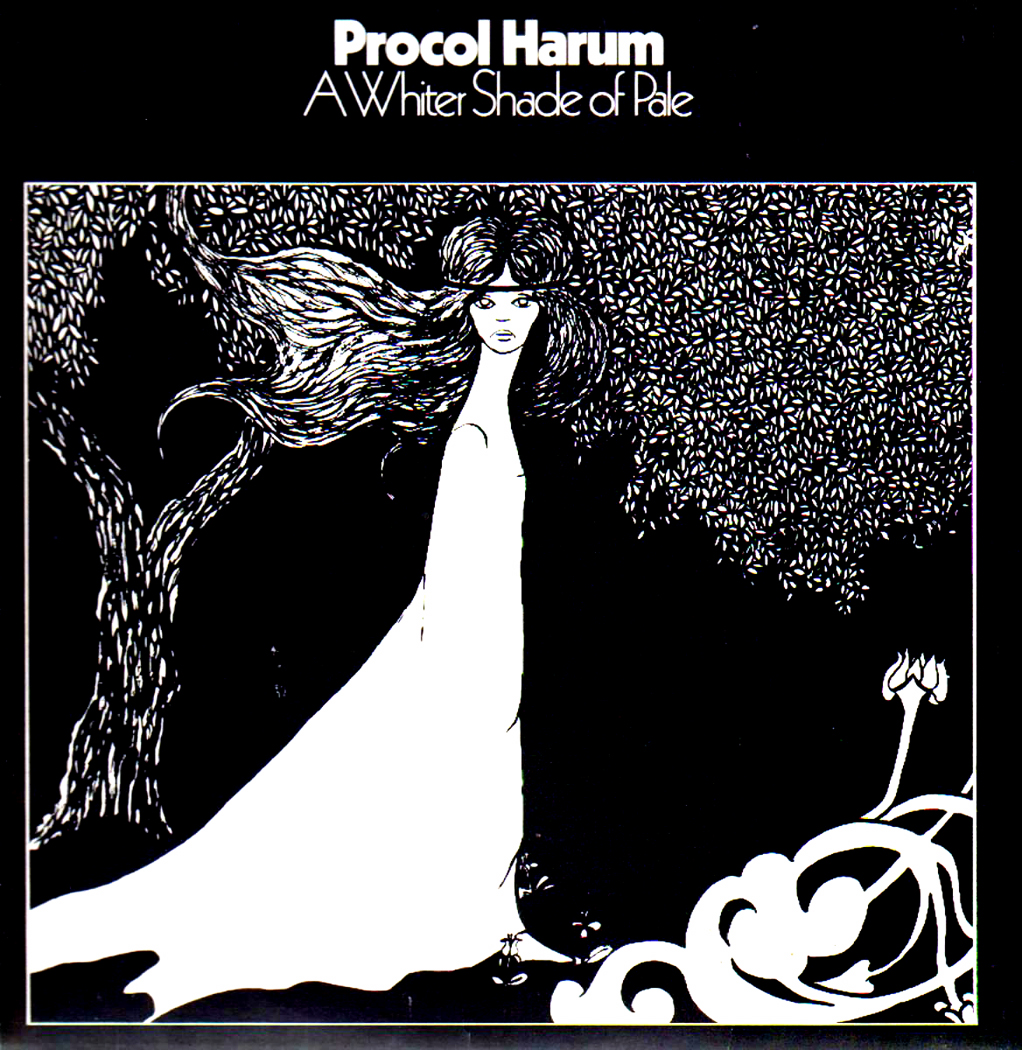
“We played very low volume, sometimes without even plugging in,” he said. “We didn’t want to disturb Sal’s folks. But that’s not why I brought it up. It’s because of our name.procol harem cover

“You wrote about rock bands using Surrealism. This was 1967 and we listened to Jefferson Airplane, the Grateful Dead, Country Joe and the Fish, Procol Harem, the Velvet Underground — it was a whole list of Surrealist wordplay.

“I remember a whole subcategory of culinary surrealism,” I said. “Moby Grape, The Electric Prune, Strawberry Alarmclock.”

“And those were just the big ones. Don’t forget the Chocolate Watchband, the Peanutbutter Conspiracy and Ultimate Spinach. And I guess we could put Captain Beefheart on that list, too.

“There was the Bonzo Dog Doo-Dah Band — bet you don’t remember them — Blossom Toes, Bubble Puppy, Pearls Before Swine, 13th Floor Elevators, the Lovin’ Spoonful, the Stone Poneys and the Monkees — not that we listened the them. Nobody did; they were too popular.”

“And your band? What did you call yourselves?”

“Well, at first we were the Buddha Fumes, but later that year, we decided that was too simple, so we changed to Unlit Booth/Breakfast Out of Context. We thought it was a great name.”

“Maybe a little unwieldy.”

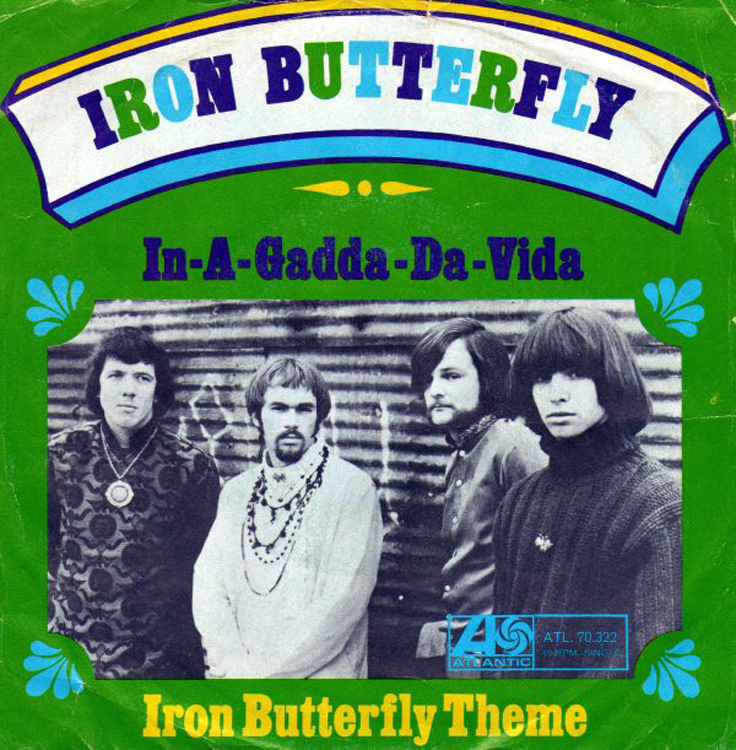
“Yeah, but we really got on a kick with the slash. We made up albums we were going to record, all with great two-part names, like ‘Sudden Eyes/Velcro Sunrise’ and ‘Burlap Lapels/Unexpected Lady.’ Inagaddadavida single

“I became more involved in the band our senior year and wrote lyrics for our songs. Mostly they were covers of our favorite bands, but with my new words. It’s how I became a writer, I think. I wrote a song about my dog based on Iron Butterfly’s In-A-Gadda-Da-Vida with the words, ‘Ah, we gotta go feed her.’ And we did. Feed her, that is.

“We broke up after graduation. We all went to different schools, except Sal, that is. He got a job.

“But this is all prelude to this list.”

“What list is that?”

“Well, back then, we made up a list of possible names for the band, and it follows exactly what you said in the piece about Surrealism. We had all these great concepts built out of wild juxtapositions, like taking a dictionary and running it through a blender. Of course, we never heard of Surrealism then. We just knew this stuff was cool.silvertone guitars

“I found this list in an old folder from that time.”

And he pulled out a folded sheet of lined yellow legal paper, brittle at the edges, with about 20 or 25 names on it, written in faded violet ink, obviously from a fountain pen (“really, a cartridge pen,” Stuart said). The ink was illegible in a couple of places where spills had made the color spread into a bright blot. I recognized the handwriting as Stuart’s from the many letters he has written me over the years. His high-school cursive was much neater, though, than the scrawl that has evolved.

“Wax Monkeys,” it began.

“Xenon Aftertaste”

Buddha Fumes, Sudden Monkey, Jalapeno Fistula, Orlando Death Car, Sequined Monotreme. The list continued: Fog Hammer.

“There was a fraudulent PR company called ‘Frog Hammer’ in Slings and Arrows,” I said. “You know, the Canadian miniseries about actors.”

“Don’t know it,” Stuart said. “But frog hammer just makes me think of a squashed schoolroom dissection. Fog Hammer is more genuinely surreal. Soft and hard at the same time, dense and vaporous.”poster 1967

He’s probably right. The list went on:

Spit Wax

Able-bodied Saints

Red Suits and Whispers

Sound Midden

Ear Stubble

Leatherette Wilderness

Snarling Confessor

Audible Hernia

Slice of Breath

Waking the Badger

Fraternal Animism

Painted Snakes

Money Under the Hood

Ashcan libertine

Pineapple Fuqua

Gruntbunnies

“Wait,” I said. “Isn’t Pineapple Fuqua a real person? Didn’t we know him when we were kids?”

“Yeah, ‘Few-Kway.’ Ran the service station. Good name, though.

“Any of them you wanna use, go ahead,” Stuart said. “I don’t mind.”

"Object" by Meret Oppenheim, 1936

“Object” by Meret Oppenheim, 1936

Most art movements come and go. Surrealism came and stayed.

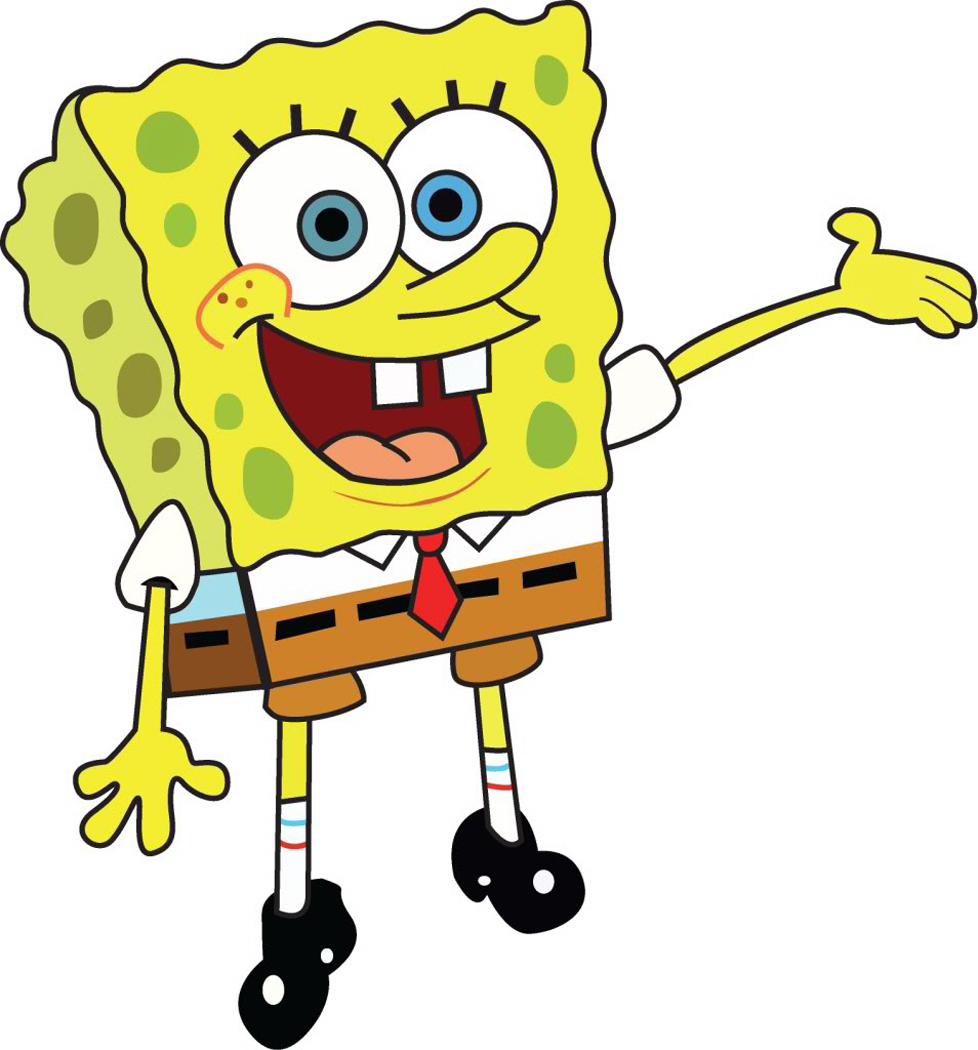
spongebobThat may be unfortunate: After all, Surrealism is not everyone’s cup of fur. But if you look around, you will see that Surrealism has become an entrenched part of American culture. It’s everywhere from pop music to TV sitcoms. It’s so pervasive, sometimes you may not even recognize it as it passes by.

SpongeBob SquarePants, for instance. Salvador Dali would have loved it.

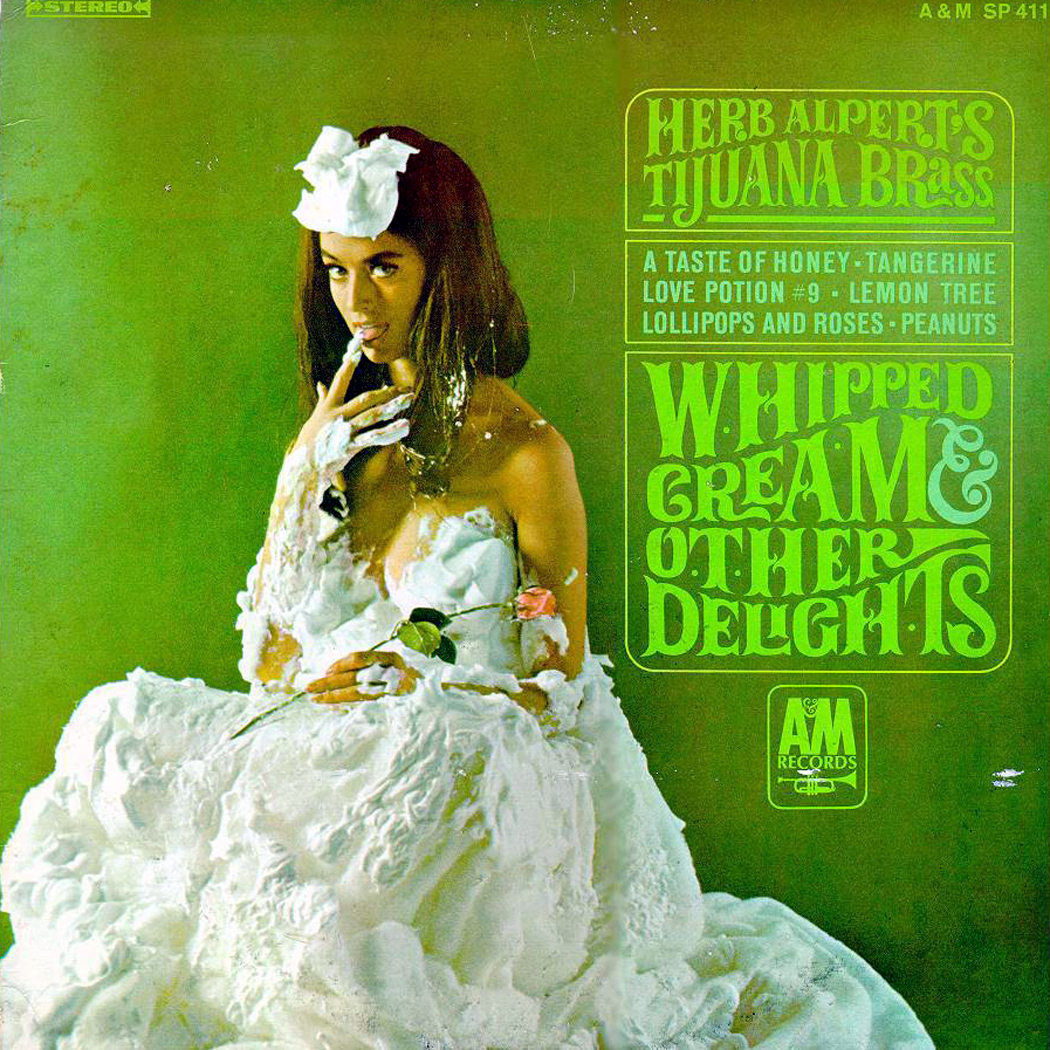
Surrealism’s love of the weird, the incongruent and the unspeakable fuels a good deal of our popular culture. Consider such band names as Flaming Lips, Insane Clown Posse, Def Leppard, Nine Inch Nails, Guns n’ Roses.herb alpert

But it’s not just music: Only a culture that thrives on a constant diet of Surrealism could line up to buy Thai pizza or Mock Hawaiian Chile. Or be able to follow Robin Williams’ unconnected segues, or recognize the world of Bill Griffith’s Zippy the Pinhead.

It’s everywhere: Michael Jackson was a walking frappe of the surreal.

Sometimes it even happens by accident: In the old Hayden Planetarium in New York, before it was torn down to make way for the new Rose Center, there was a lit sign by the staircase that read: “Solar System and Rest Rooms.”solar system and rest rooms

Of course, Surrealism didn’t enter this country on a pop-culture visa; it got here as an ambassador of French high culture.

Surrealism began in Paris in 1924 with Andre Breton’s Surrealist Manifesto, an unreadable piece of bureaucratic writing that set forth the principles of the school. It was yet one more attempt at epater le bourgeois. But it was also a utopian art-and-political movement meant to liberate all humanity, to free civilization from its deadening habits.

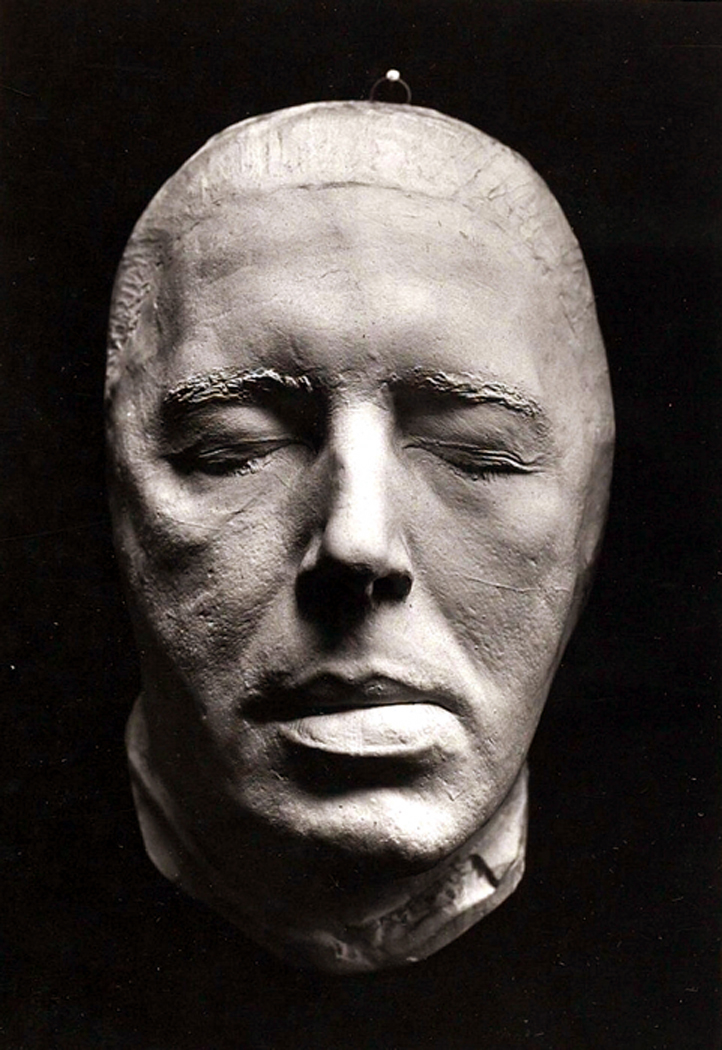
Andre Breton death mask

Andre Breton death mask

Primarily, Breton wanted to free the mind from the shackles of logic, to use the imagination as freely as children or madmen, with no constraints of taste or taboo.

He believed that the unconscious mind was somehow more honest than the conscious mind, and to tap into that lower, darker level of the psyche, he prescribed dream imagery, Freudian symbolism, automatic writing and random juxtaposition.

The Surrealists took as their motto a phrase from the 19th century French poet Lautreamont, “As beautiful as the chance encounter, on an operating table, of a sewing machine and an umbrella.”

Thus was ushered in the era of droopy watches and steam locomotives chugging out of the fireplace.

The number of artists who signed on was impressive — even Picasso himself, at least tangentially.

By Australian artist Manfred Olsen, detail

By Australian artist Manfred Olsen, detail

But one can’t talk about Surrealism as a single thing, because it was not. There were as many types of Surrealism as there were Surrealist artists. And there were an army of them. Their general was Breton, who attempted to maintain control of his theory but was, in truth, herding cats. Everyone had his own version of Surrealism. Dali leapt into sexual fetishism; Ernst into automatism. Joan Miro imitated children’s art; Man Ray made clever and useless objects.

And just as French couture shows up in New York department-store knock-offs, Surrealism crossed the Atlantic, so in the 1930s and ’40s, American artists who wished to remain au courant picked up the mantra.

"Oedipus Rex" by Max Ernst, 1922

“Oedipus Rex” by Max Ernst, 1922

The ’40s also saw many of the European Surrealists cross the Atlantic to escape the war. Dali came over. Tanguy came over. Ernst even settled in Arizona. Dali became a celebrity; he starred in Life magazine.

Salvador Dali

Salvador Dali

Surrealism began its metamorphosis into mass culture.

Dali’s particular style of Surrealism became the public model for the movement and was imitated by some artists, including Federico Castellon, Reuben Kadish, Harold Lehman, Helen Lundeberg.

Flat horizons, empty spaces, body parts, puppets, shadows, eggs, skeletons — a whole retinue of increasingly tired Surrealist iconography. In America, that iconography persists aggressively in the form of tattoo and prison art, and the work of untold high school students.

But this wasn’t the end: Two more generations of Surrealism in America followed.

"Monogram" by Robert Rauschenberg

“Monogram” by Robert Rauschenberg

First came Pop Art, which often had a Surreal component — Robert Rauschenberg’s Monogram, for instance, with its stuffed goat wearing a rubber tire cummerbund, or Claes Oldenburg’s soft sculpture. Even Andy Warhol’s color-quilt celebrity portraits have a Surrealist edge.

And then came psychedelia. It is through the drug-and-rock culture of the late 1960s that modern pop culture gets its Surreal DNA. Grateful Dead, Iron Butterfly, psychedelic posters, LSD and flower power.psychedelic poster

“I don’t take drugs,” Dali said. “I am drugs.” That was the difference.

But to truly understand what the excitement was all about, you must understand something about art in general: One of its main duties is to refresh our perceptions. We live lives of deadening habit — driving the same commuter route daily, watching the same TV shows, ritualizing our political life so that it becomes no more thought through than a slogan on a T-shirt. Habit is the great deadener of life. Art always needs to show us something that wakes us up, makes us see the world again as if for the first time. This is what Breton meant by Surrealism. He means to grab us by the lapels and make us see the world as miraculous.

“The marvelous is always beautiful, anything marvelous is beautiful,” he said, “in fact, only the marvelous is beautiful.”