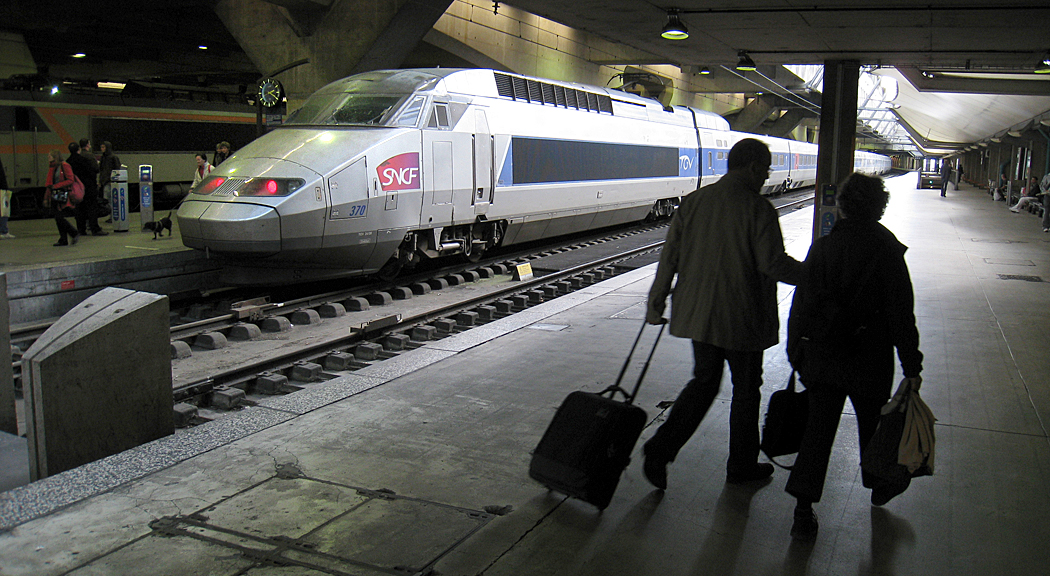
I can’t be everywhere. But I want to be.
I have lived all around the United States, but no matter where I’ve staked my claim, I wanted to travel elsewhere. When I was a teacher, my wife (also a teacher) and I had all summer long to travel. Later, as a writer in Arizona, I wrote hundreds of travel stories for my newspaper. I’ve been to three continents, seen more than seven seas, been to all but one state (Hawaii) and to all Canadian provinces and territories (save Nunavut, Labrador and Prince Edward Island). From Hudson Bay in the north to the Cape of Good Hope in the south, travel has been a source of experience, growth, joy, and enlightenment.
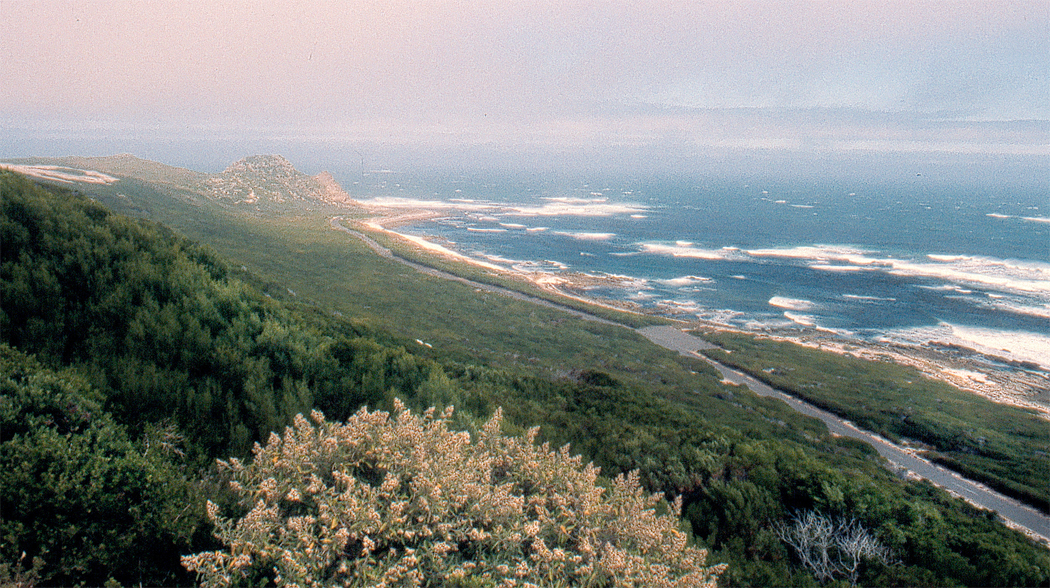
Cape of Good Hope, South Africa
Travel dissipates provincialism, fosters tolerance, expands awareness, and perhaps most importantly, keeps one alive, awake and engaged.
But I can’t be everywhere. And now that I am 75 with wobbly knees and the straitened pocketbook of a retiree, travel has become difficult. Long hours driving are too exhausting, and the last time I flew anywhere, I thought it would kill me (I’m six-foot-four and the airplane seats keep getting more and more squeezed: On the last flight, I had to angle my legs out into the aisle — and then the passenger in front of me decided to recline his seat. And that doesn’t even account for the madness of gate hopping at a sprawling hub-airport.)

When I was a kid, my parents made sure that my brothers and I were exposed to travel and they spent many summer vacations taking us to places, such as Niagara Falls or Washington, D.C. And when at home, in the 1950s, I’d watch whatever travel shows turned up on TV. There were a few: Bold Journey, Kingdom of the Sea, I Search for Adventure. Col. John D. Craig, John Stephenson and Jack Douglas hosted these shows, made mostly of home movies of travelers, and with lots of South Sea islands and exotic tribes. I ate them up.
And so, television provided a surrogate for travel. And I continued to watch any travelogue I could find, up through Michael Palin and Tony Bourdain. (Food and cooking shows were often just as much about travel and culture as about frying or simmering.)

Now that YouTube has elbowed its way past TV, it has its own brand of travel, and one variety I have found absolutely riveting are the many — hundreds, really — postings of train journeys, filmed from the front window of a locomotive cab. These videos usually run anywhere from about a half hour to up to 9 hours, and typically run unedited, showing the view from the front of a train as it crosses huge swaths of countryside.

Scottish Highlands
You learn a huge amount about nations from such trips. Normal travel shows tend to focus on the highlights and the cities. But the train, running, say, from Nice to Paris, shows you the land that tourists pay little attention to. And yet, it is those long “flyover” miles that can speak most eloquently about a nation’s character.
Admittedly, no one is likely to watch a three-hour uninterrupted window view, which can become monotonous, but I put the video on while I do other things and keep track of the voyage, the same way you might read a book on a real train trip and glance out the window from time to time to see how the countryside had changed.
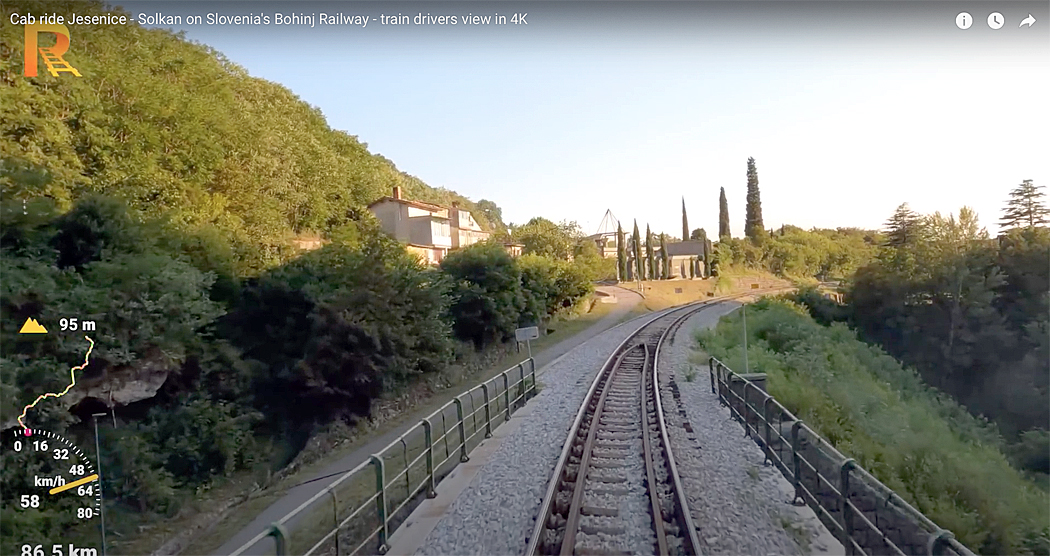
Slovenia
Nevertheless, I find myself hypnotized, wanting to see what is just around the next bend, and that often keeps me watching for hours.
These videos vary in quality from fuzzy, low-resolution and often shaky, hand-held images, to the highest quality HD productions, sometimes sponsored by the nation itself, or the rail line. But always, they take me traveling when I cannot leave the house.
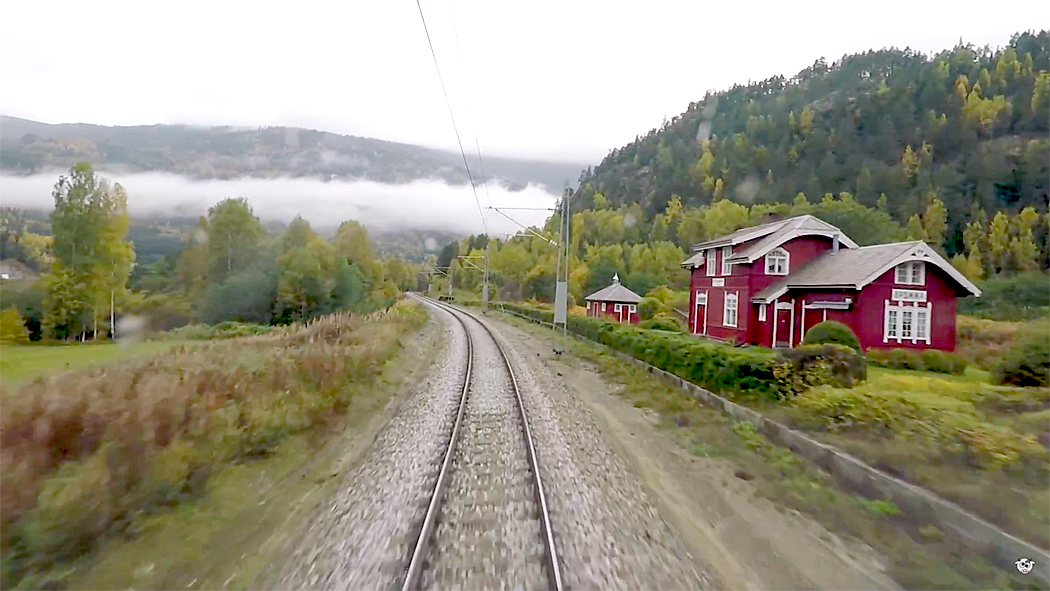
Norway
They come from almost everywhere, with the three biggest sources being Switzerland, Norway and Japan. But I’ve found train trips in New Zealand,

New Zealand
Siberia,

Siberia
Montenegro, Which turns out to be one of the most beautiful countries I’ve never actually visited.
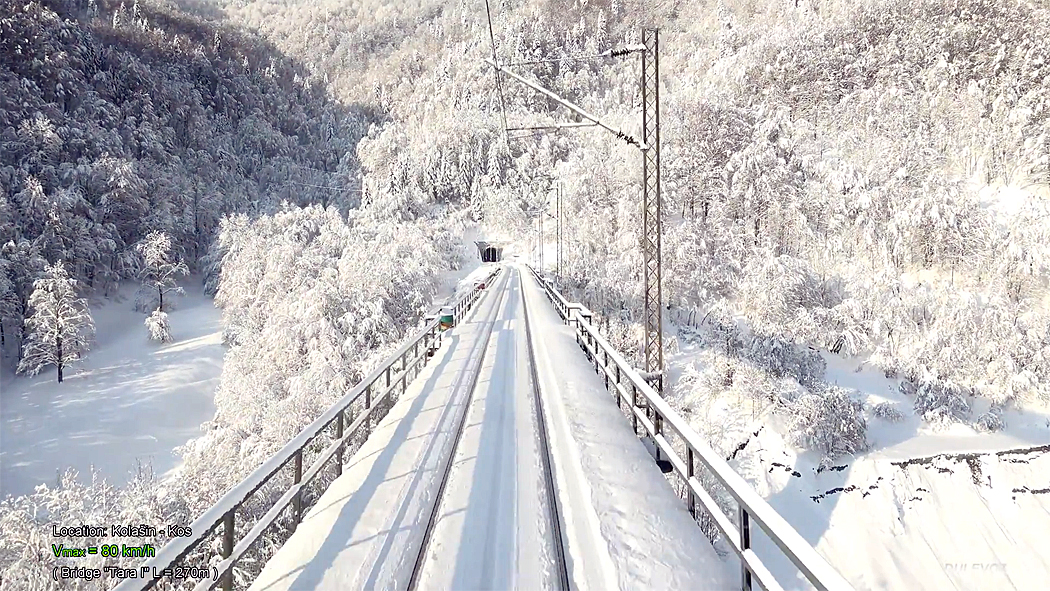
Montenegro
and “the mountains of the Netherlands” (Yes, I’m not making that one up).
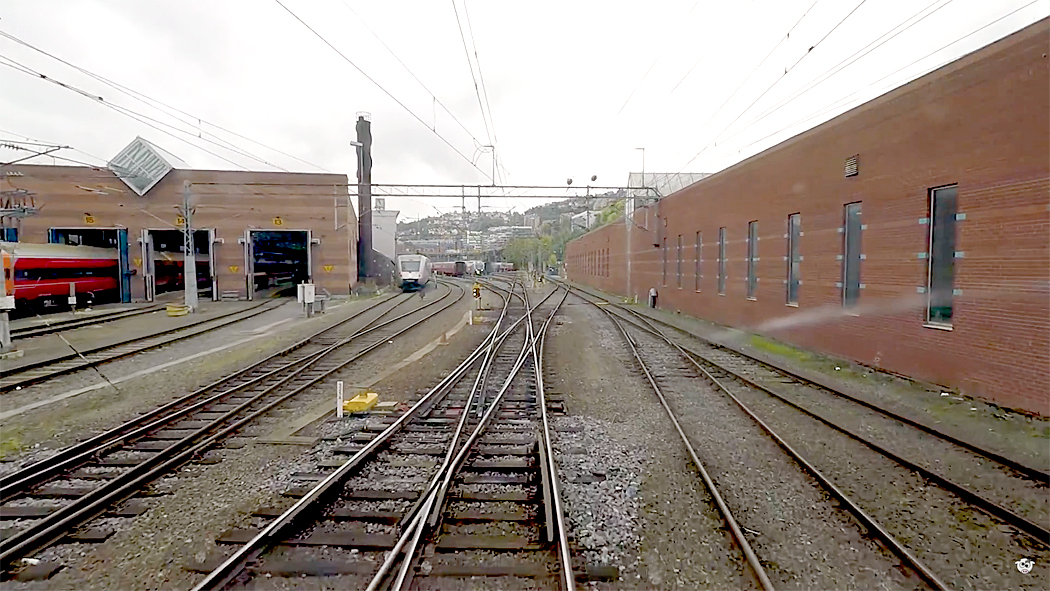
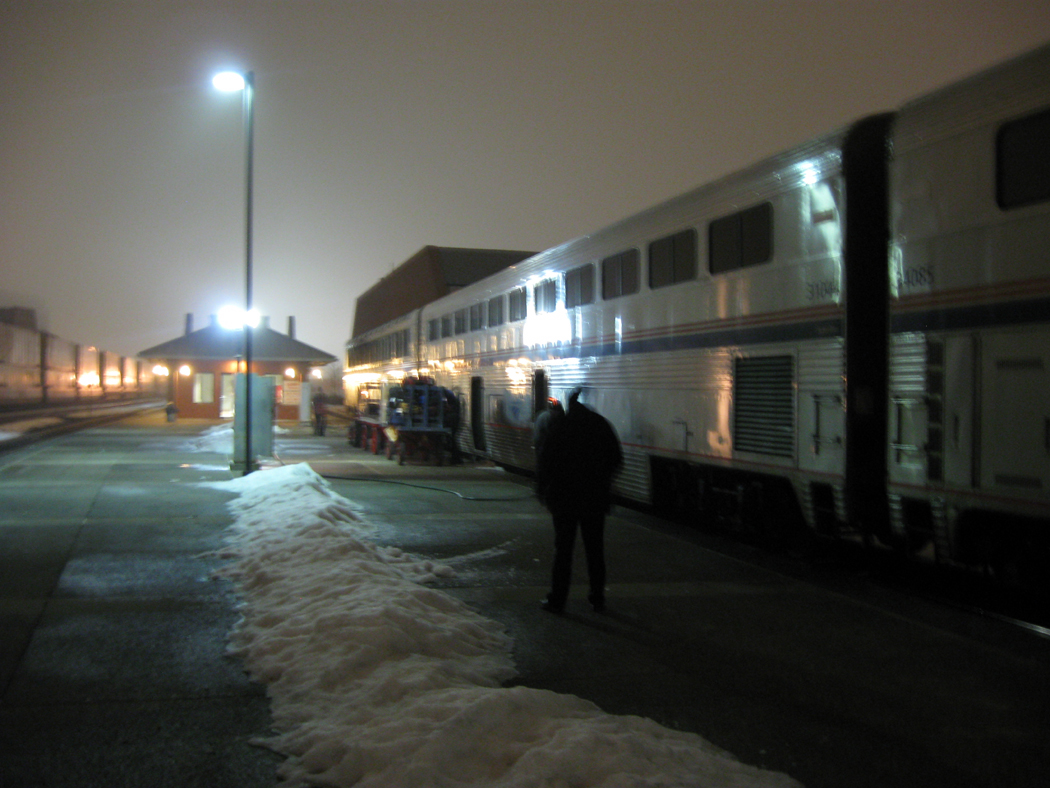
Train yard in Oslo
Norway comes to us by a YouTuber going under the rubric RailCowGirl. She is a train driver and has uploaded more than a hundred train trips, seen through her windscreen. (A second train driver has also posted videos, under the name “GingerRail.” It’s worth checking those out, too.) They cover many seasons and weathers, and while many of them are of the same trip from Bergen to Oslo, there are also excursions to other sites, including the Arctic Circle. Following the seasons alone is often simply beautiful. A few run over the mountains in a snowstorm with the rails completely hidden under the white. Wind blows, window-wipers try to keep the view clear, the snow comes swirling down, although “down” might be wrong to describe horizontal weather.

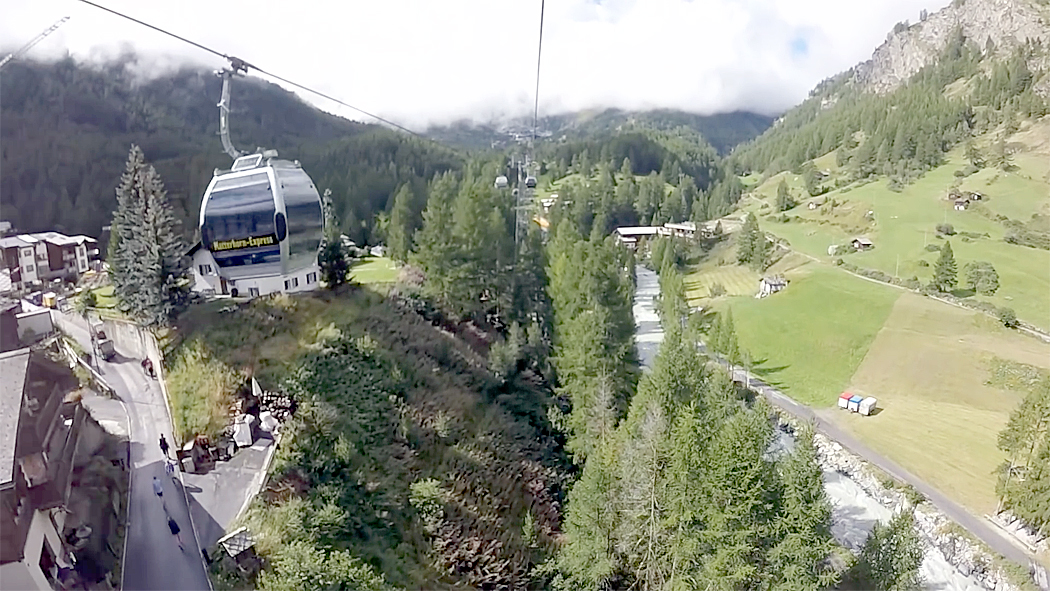
The Switzerland videos focus primarily on the Alps and mountain landscapes. There are also several city tram videos, and at least one I’ve found taken from an aerial tramway (It’s stunning).
The winner, though, as far as I’m concerned, is Japan. I’ve learned more about Japanese geography from these videos than from almost any other source. We tend to think of Japan as an urban nation, with 14 million people scrunched into a city of blaring neon lights, loud traffic, and a million tiny ramen shops and pachinko parlors. But take one of these train trips out of the city and you discover that the vast majority of Japan is both rural and mountainous.
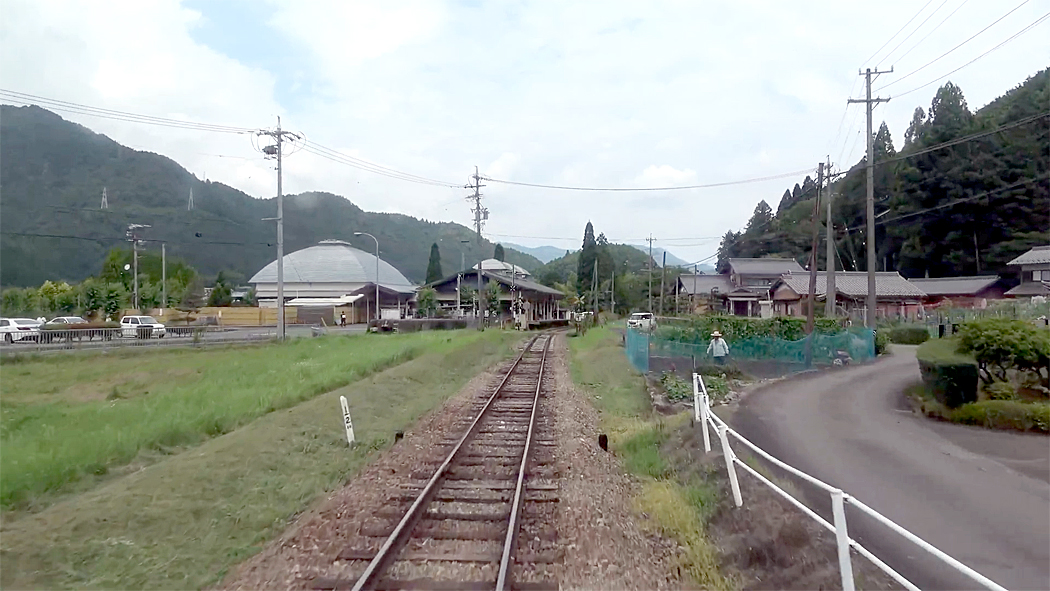
A special aspect of the Japanese videos is found in the many local regional trips on diesel-powered one-car trains that go from countryside community to to other countrysides, on old, squeaky tracks through the backcountry of Japan, into mountain valley villages and riverside towns. They travel at a slower pace and you can see so much to the right and left of the tracks — the farmland, the houses and architecture, the local businesses and the people, often waving at the train as it passes.

Other Japanese videos do go through cities, and often from one jammed up urban center to another, with lots of rural clean air between them. There is a fastidiousness to most of the Japanese train videos that vies with the commercial professionalism in the Swiss films.
I often choose a Japanese trip above any other for its beauty and peacefulness. It’s just amazing watching a trip through the springtime with all the cherry trees in bloom.
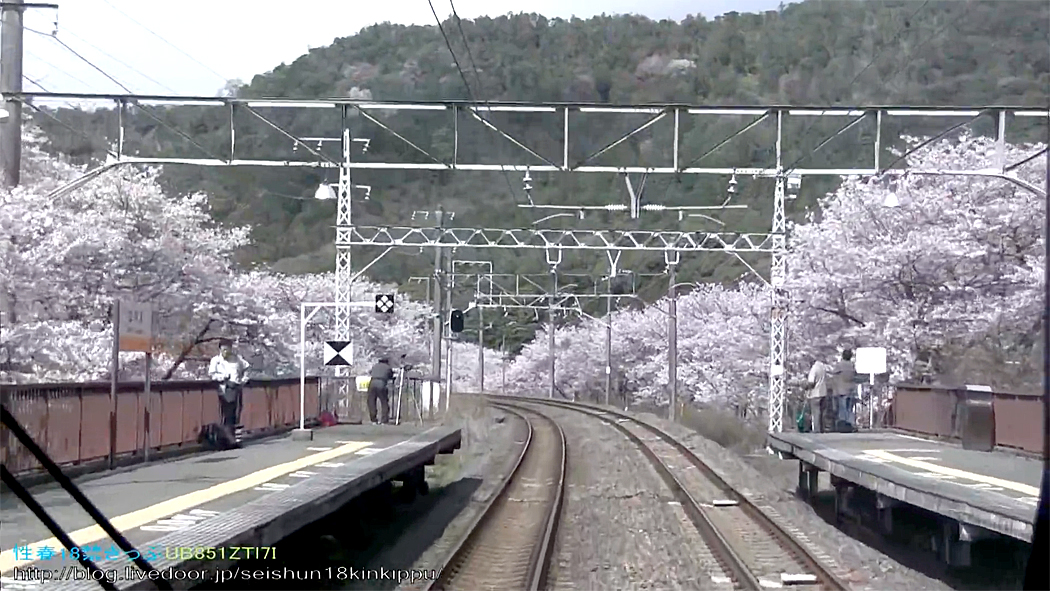
In contrast to the tidiness of the Japanese videos, those from Eastern Europe and Russia often show us overgrown tracks, decaying railway stations, abandoned rolling stock, and an industrial landscape with no environmental concern evident. The rural trips are nevertheless often beautiful, even if weeds are growing in the rail ties.
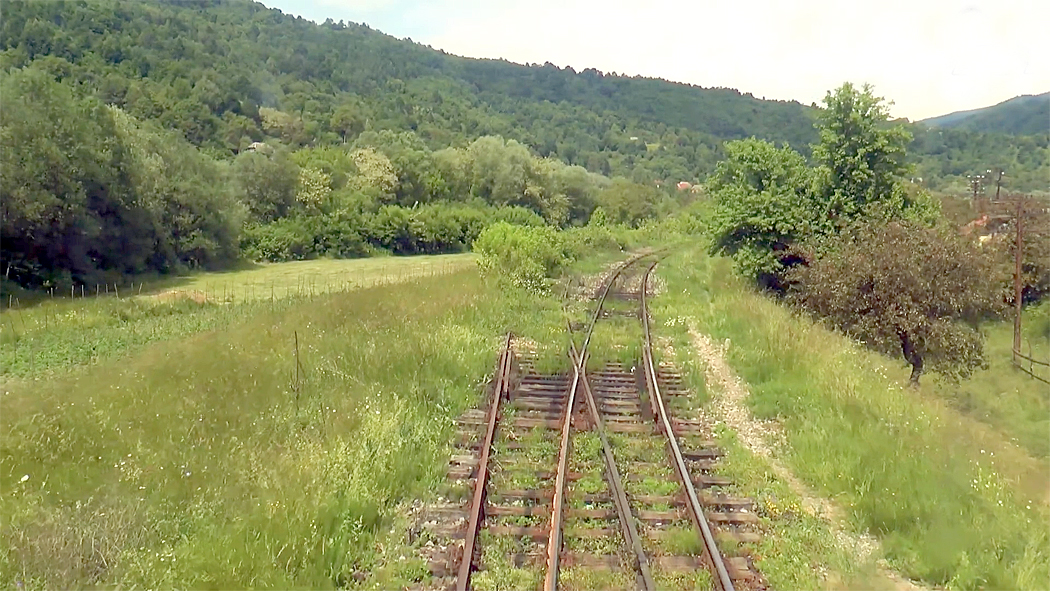
Romania
You can take the jungle ride from Peru’s Machu Picchu down to the flatlands.

A trip to New Zealand

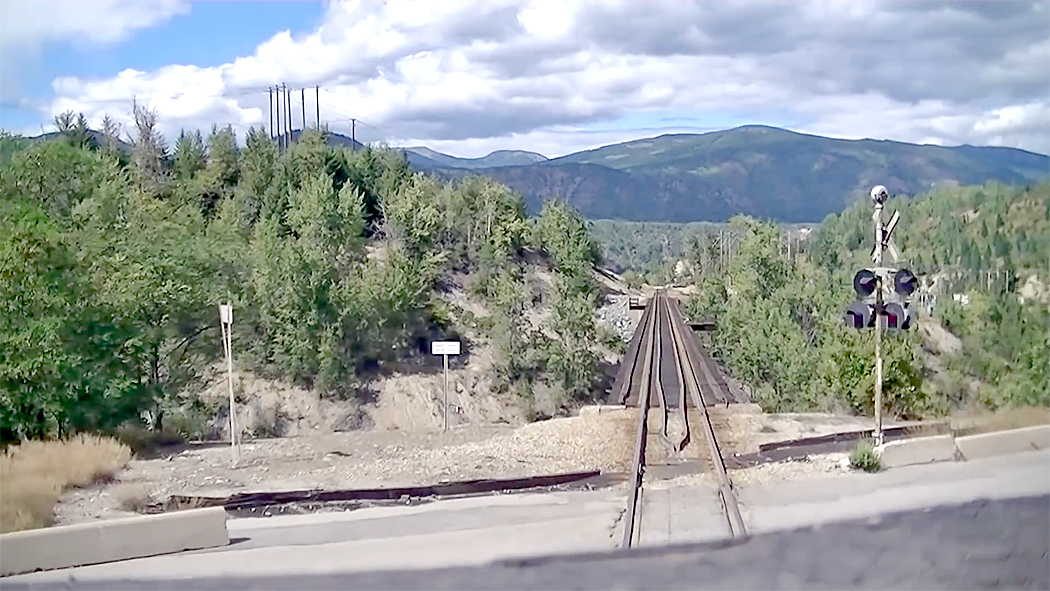
British Columbia’s Kootenay River Valley
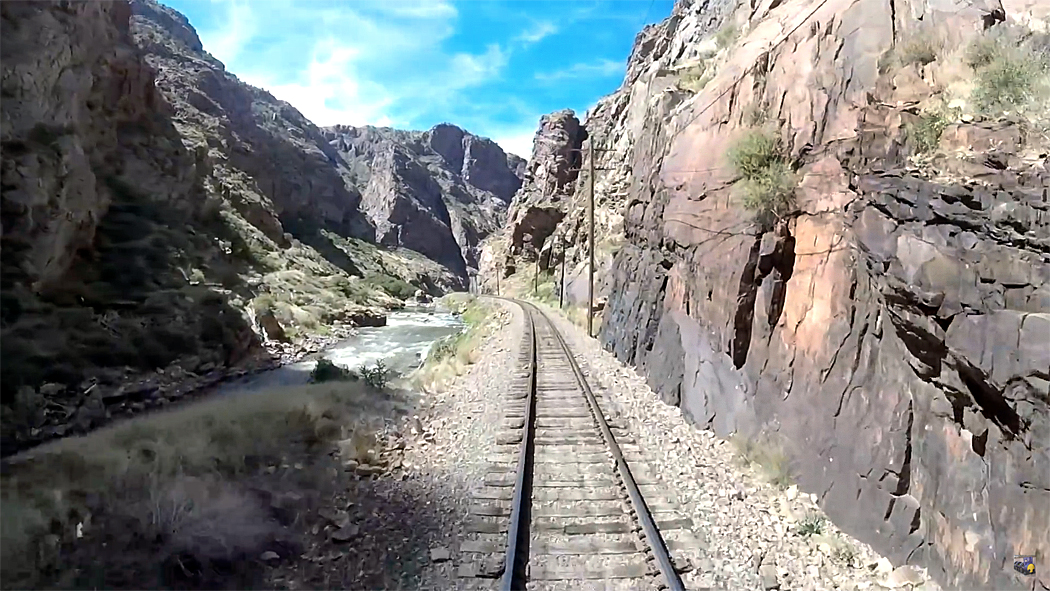
Colorado’s Royal Gorge
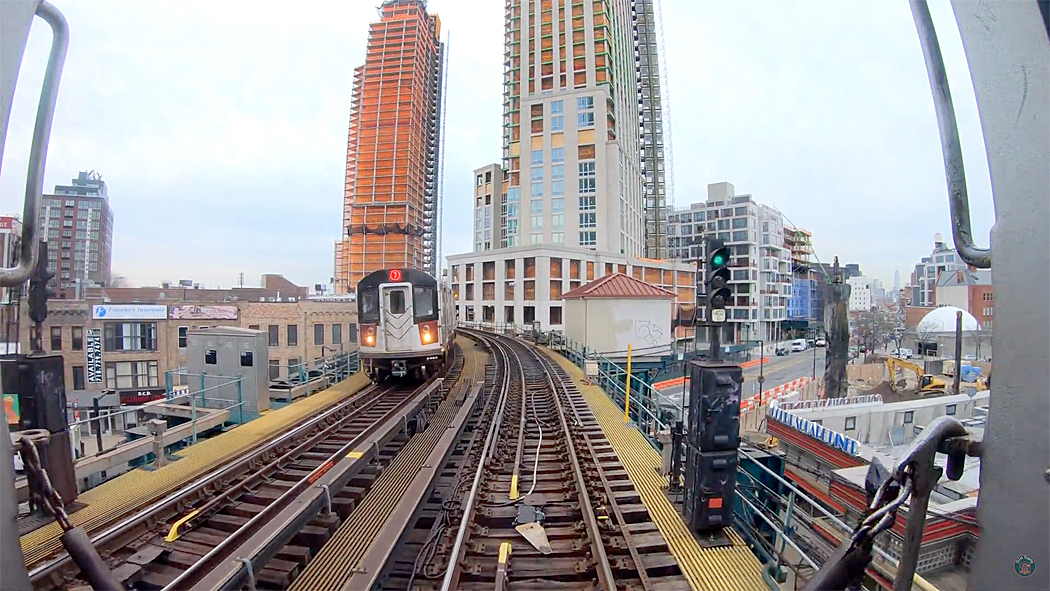
Through Queens on New York’s elevated subway
Singapore,
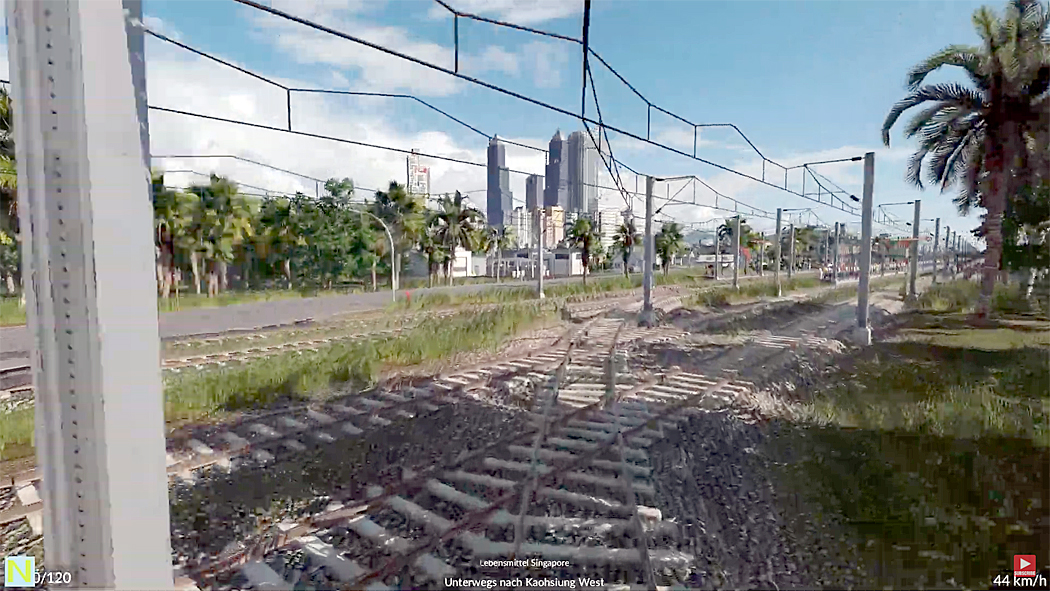
Taiwan
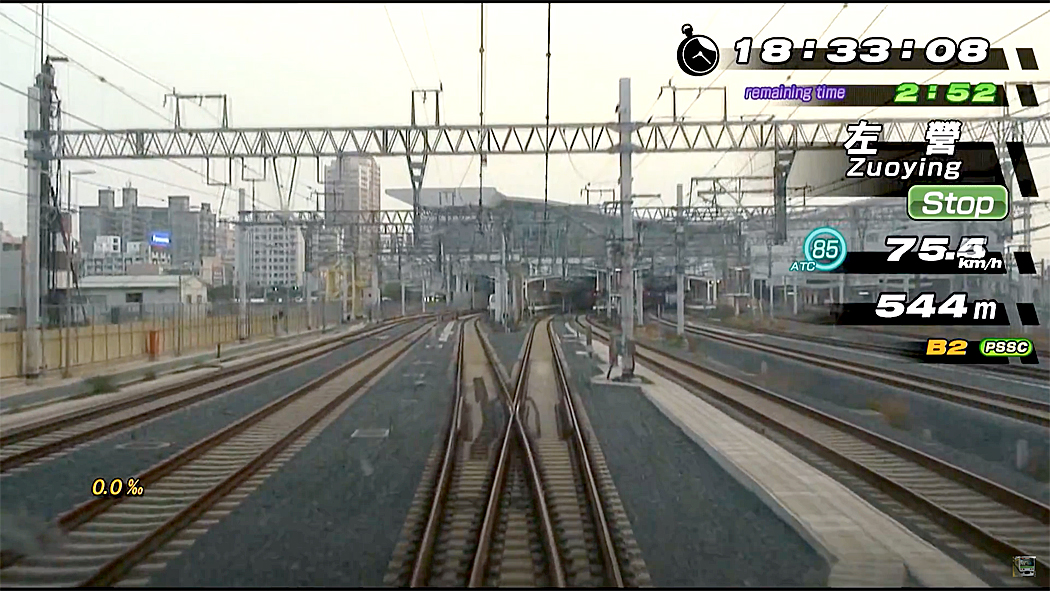
Thailand

Multiple trips through Vietnam go from crowded hovels in the back streets
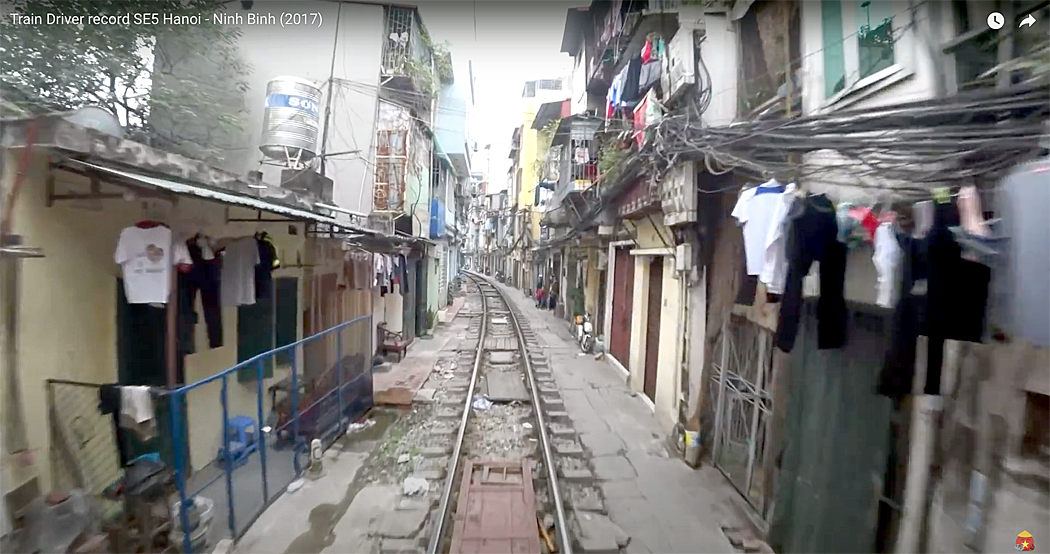
To beautiful pastoral countryside
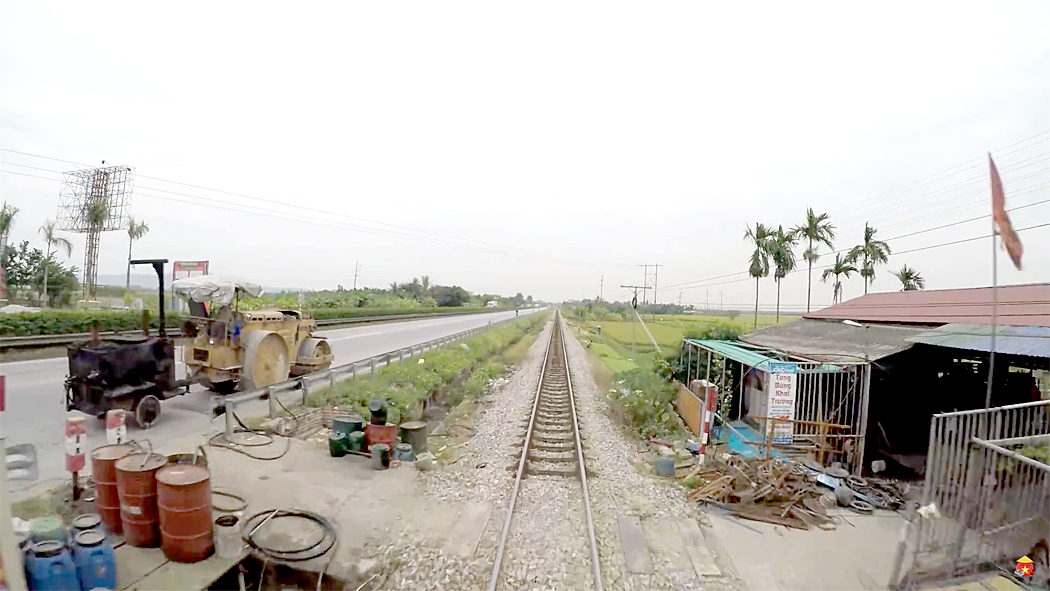
You can get a very wide picture of a country from multiple of these train journeys.
For railfans, there are tons of tunnels
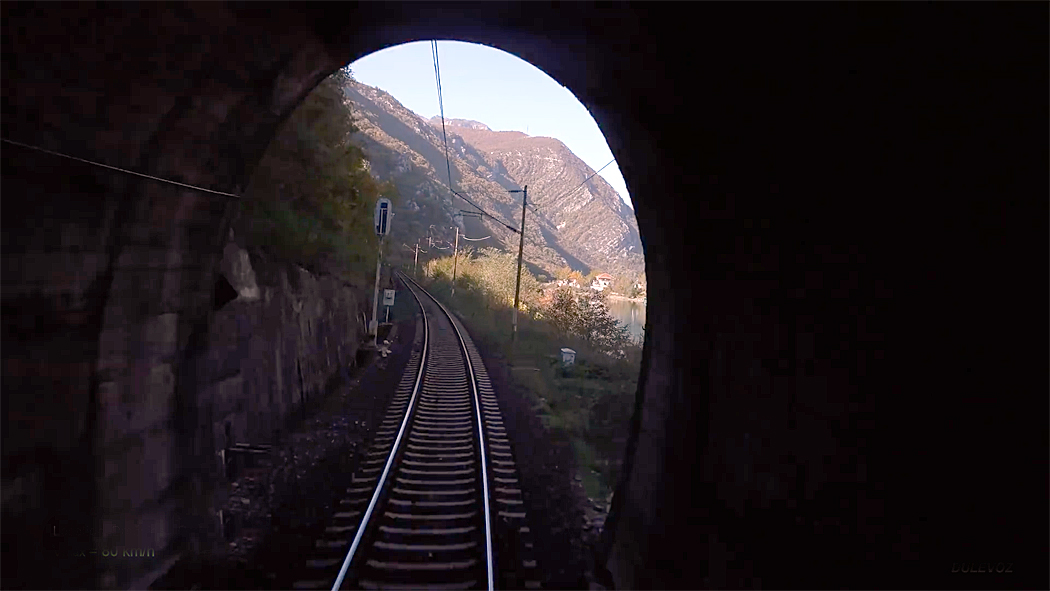
Bosnia
And bridges
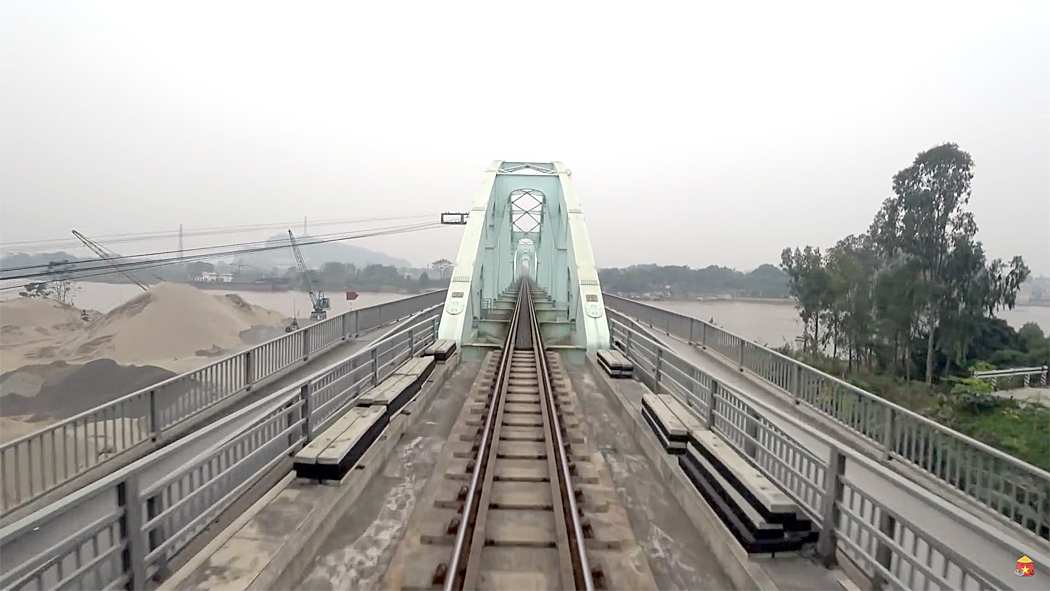
Vietnam
And views of locomotive controls
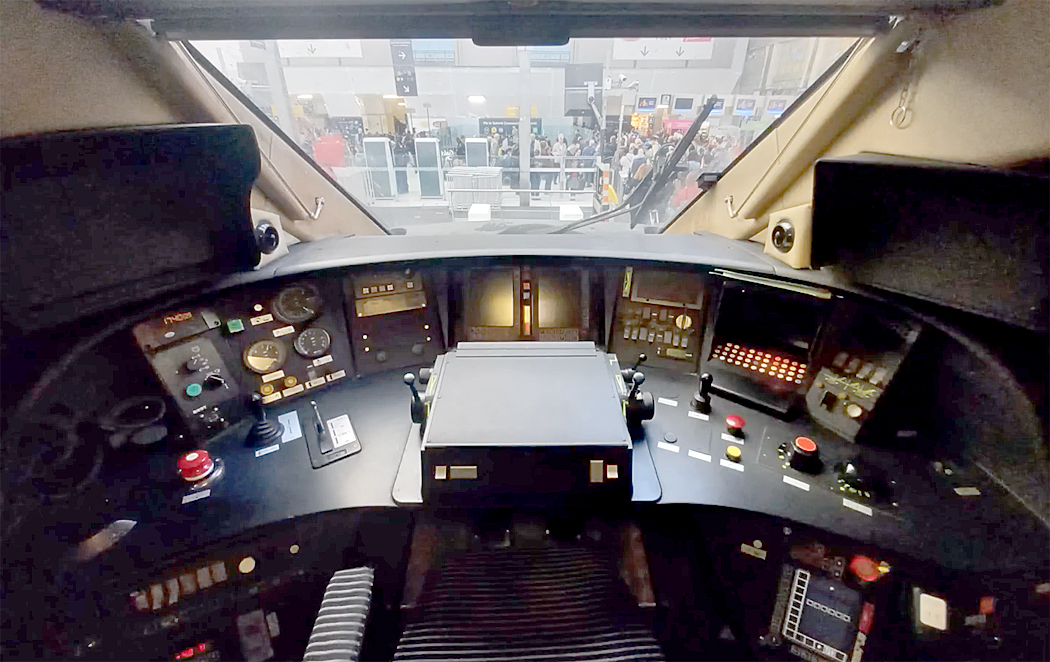
French train from Nice to Paris
RailCowGirl often begins her videos with her engine in a yard and we watch as she inspects it before boarding, drives it through the yard to pick up passenger cars, and brings it into the station, before taking off on the journey. It is fascinating for anyone interested in railroads and rail procedures.
Not everyone has the patience for a four-hour stare out the front window of a train, but for those who do, there is a world to learn.
I’ve concentrated on train travel. But there are also many videos of boat and ship travel, and a great series of British intercity bus trips.
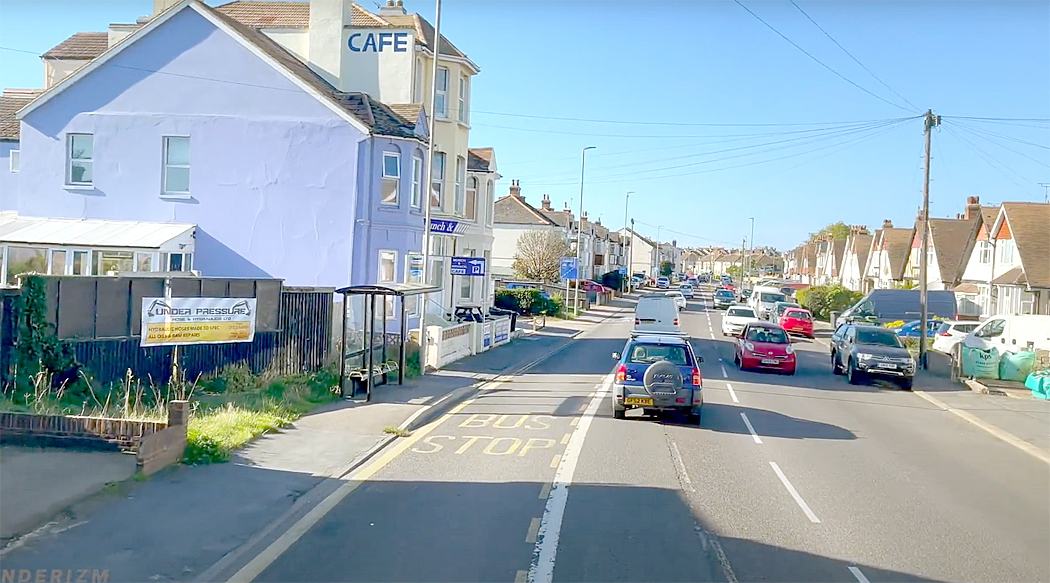
A number of Americans have posted “dashcam” footage of road travel, including at least one running for 9 hours using time-lapse photography to squeeze in some 3000 miles of driving.
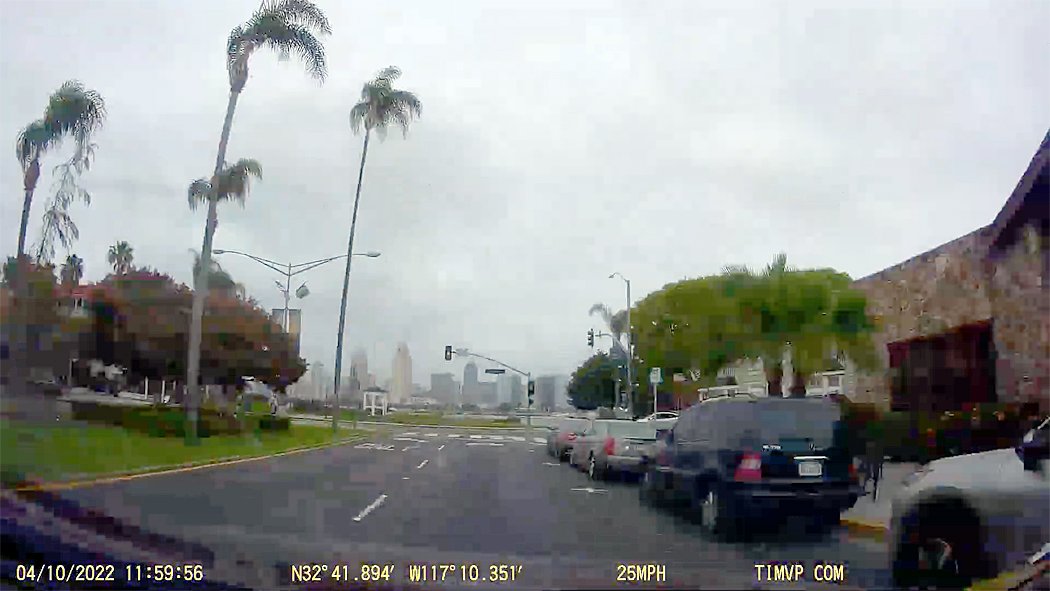
Watching these over the years I have supplemented my own travel across portions of the globe, and gotten an overpowering sense of the roundness, smallness, and the continuity and kinship of the world.
Click any image to enlarge


 Richard Nilsen