Archive

Tag Archives: trees

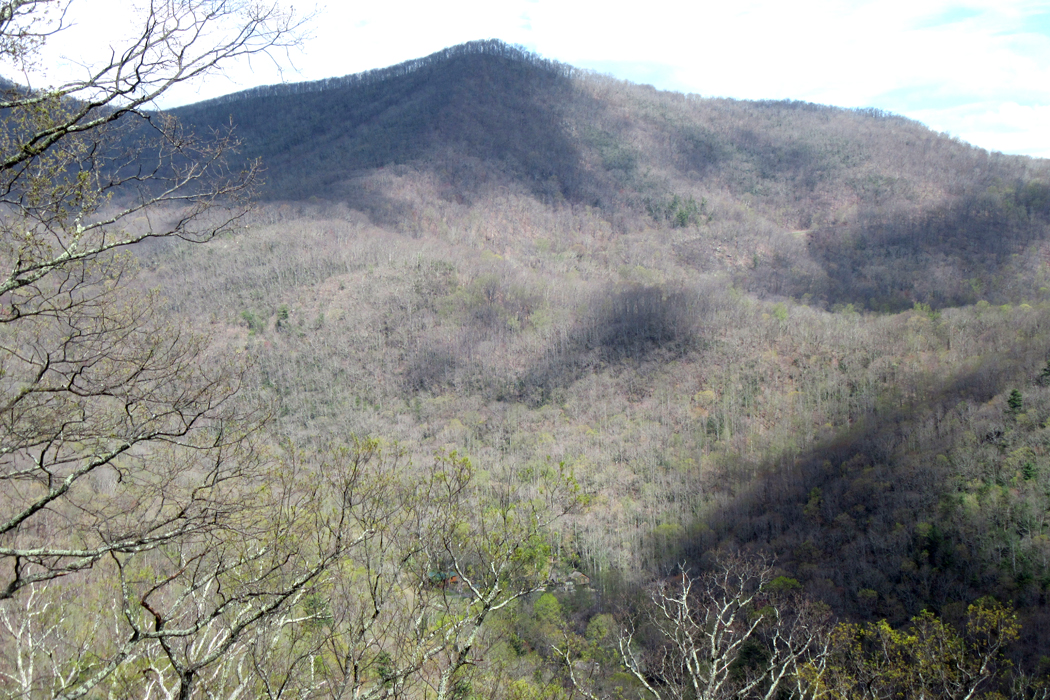
It was 74 degrees today in the Blue Ridge Mountains and spring is edging its way in. There is still some cold weather coming — Monday night is predicted to drop to the mid-20s. But the signs of shifting seasons  are all over. 

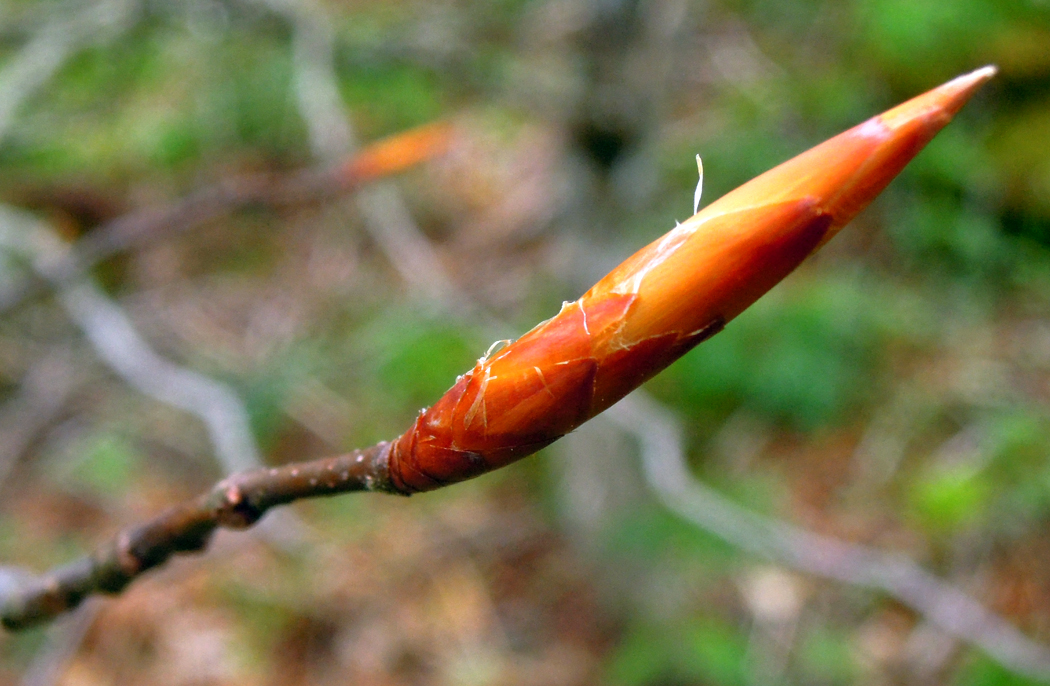
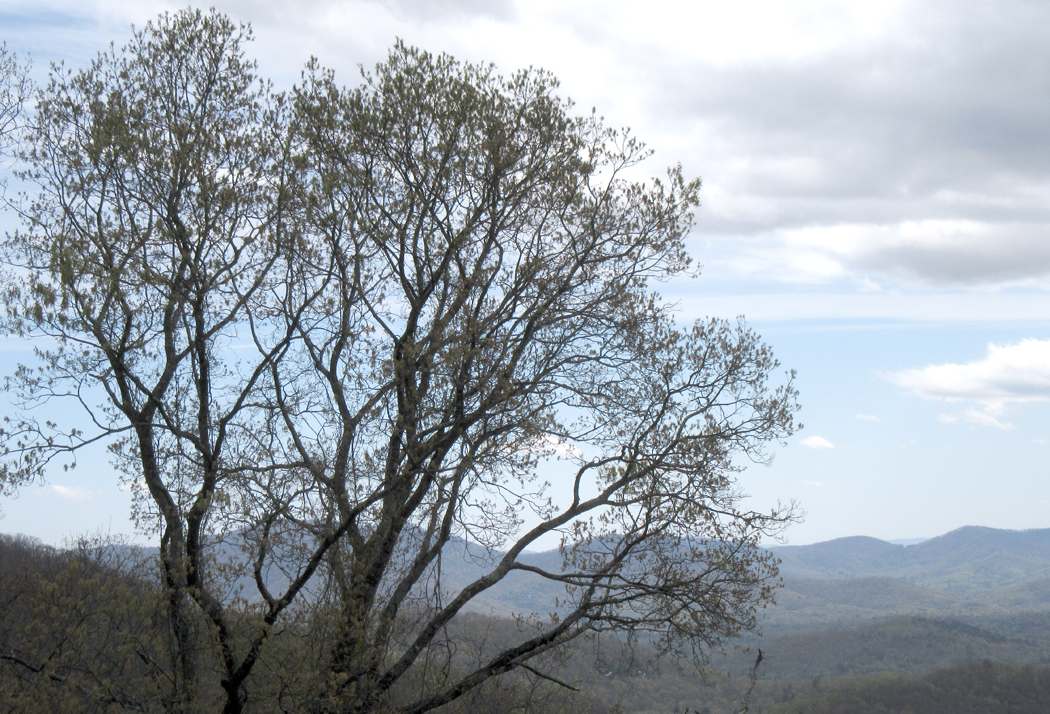
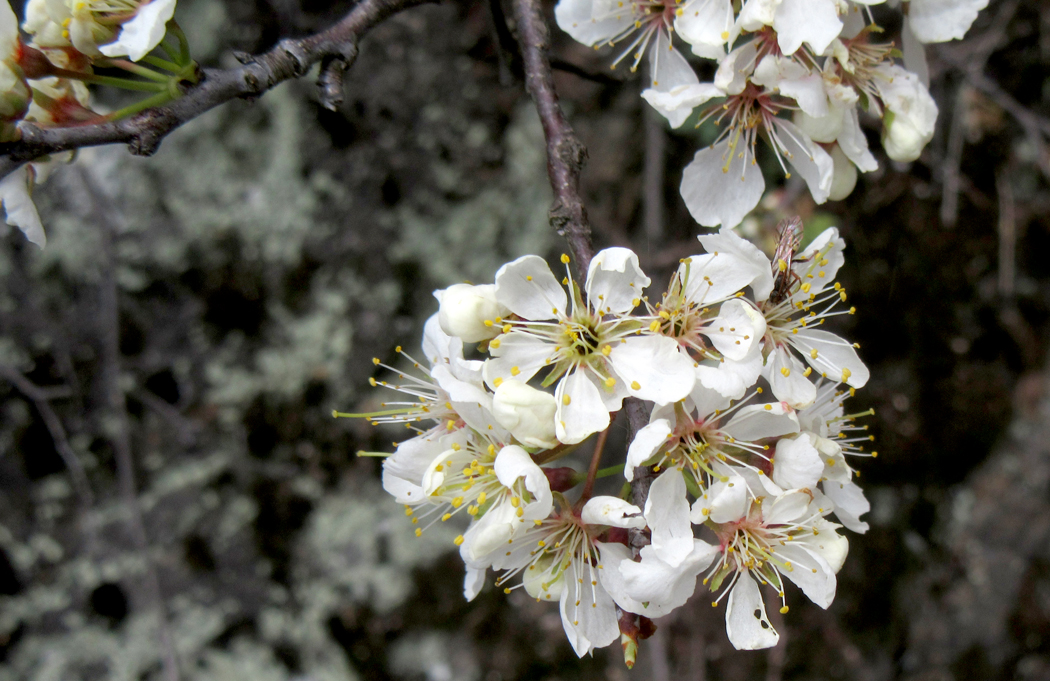
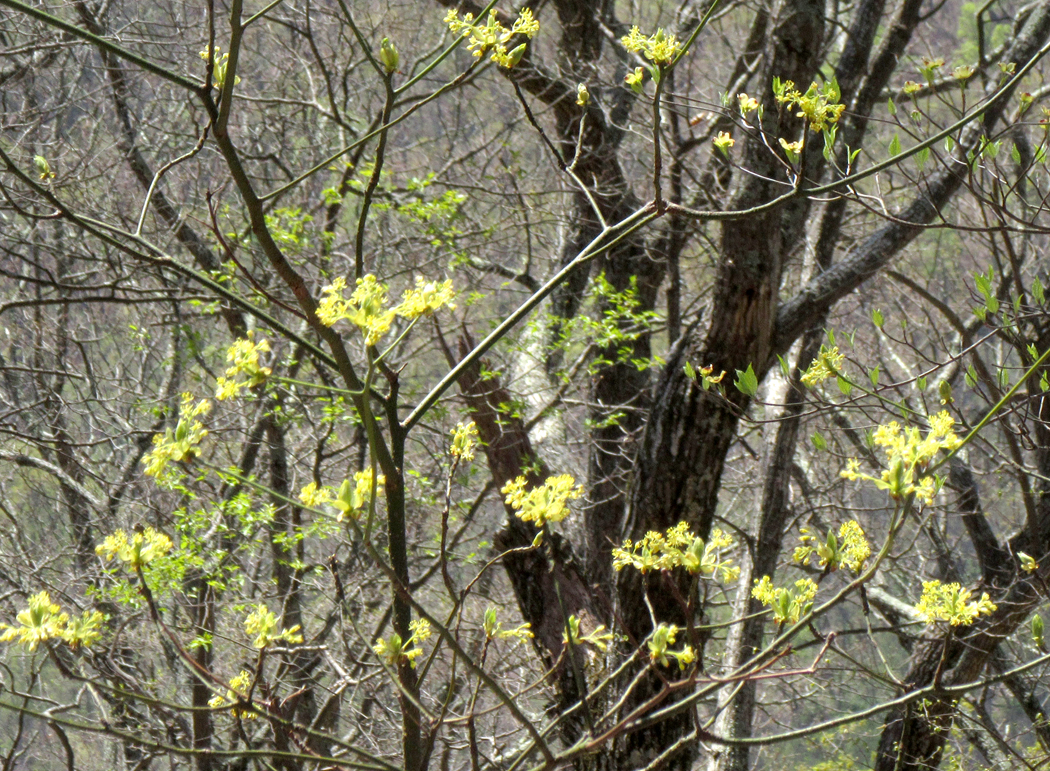
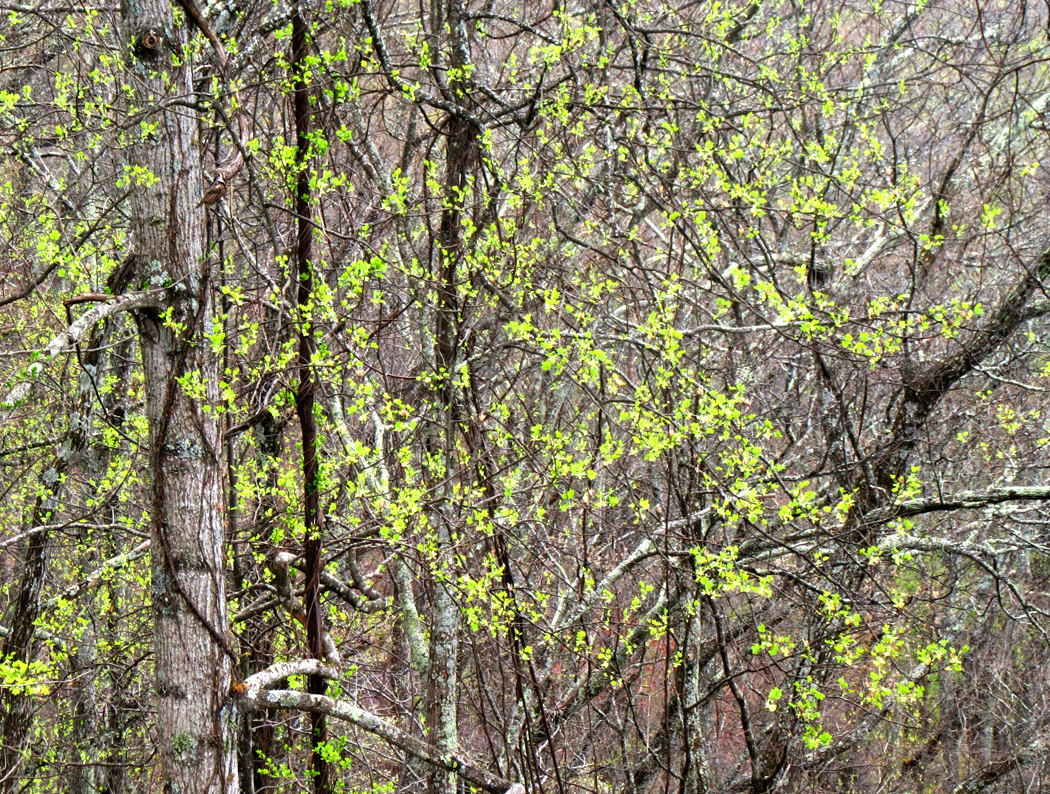
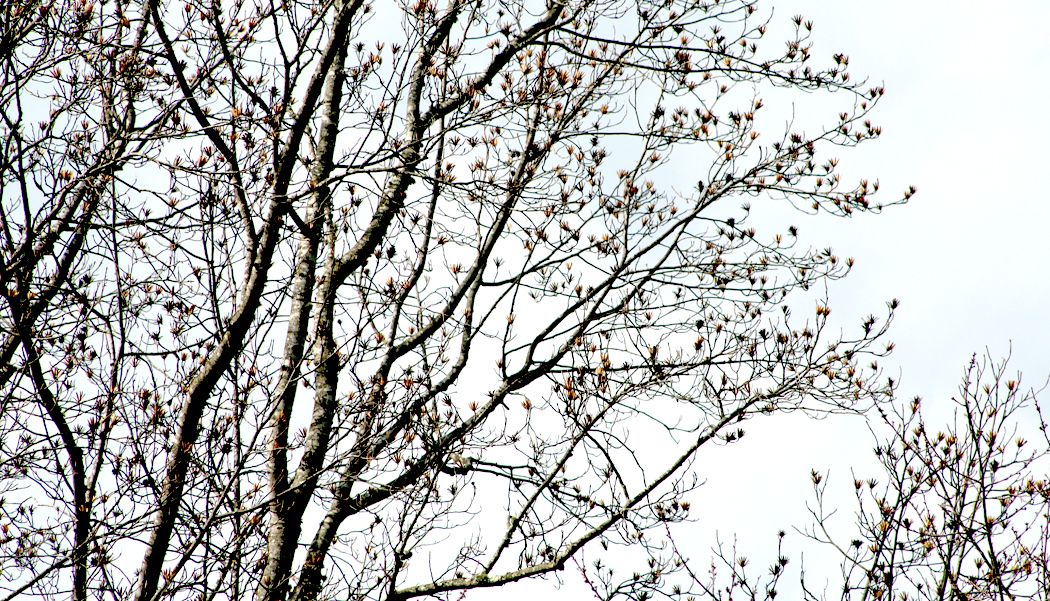
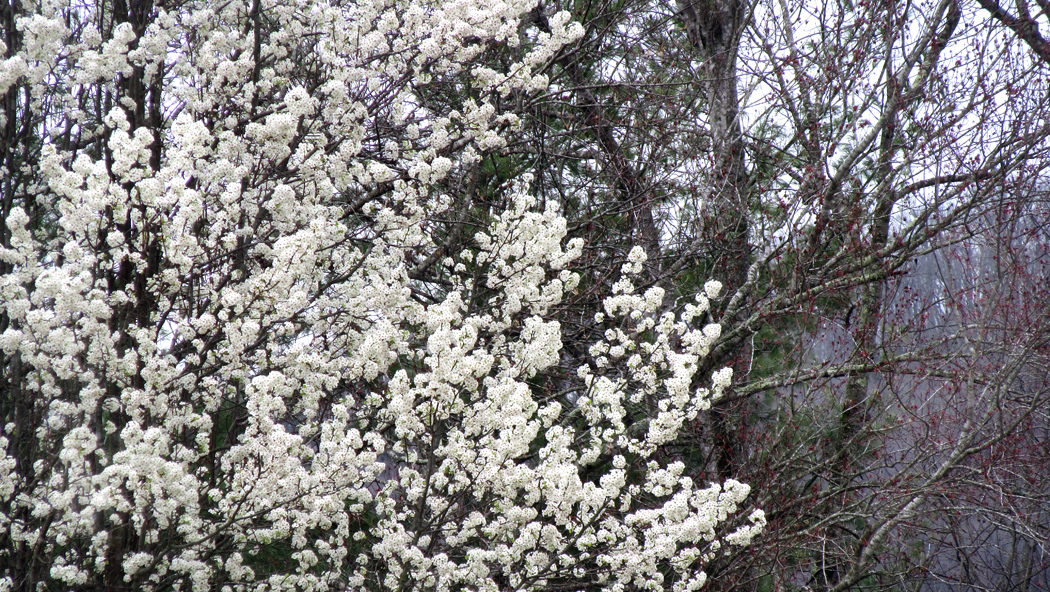
The daffodils have popped, the Bradford Pears are white lace, and the empty winter tree branches are feathering out with buds. 

According to the calendar, the new year begins mid-winter, but in practical terms it is the reawakening of nature that lets us know that we can all start over again. The year circles around to the beginning and we can put our overcoats back into the closet. 

It is a comforting thought, but the fact is, the recurrence of spring sits in equipoise with the hurtling forward of age. The trees come alive again, but I only get older. 

I have seen 76 springs, and when I was a boy, each season lasted years. Summer vacation seemed endless and the next school year might as well begin in a science-fiction future, eons away. As a grown-up, the year passed by almost unnoticed. Winter just meant sloppy roads; summer just meant sweat and iced tea. I went to my job every day, no matter. 

But I am old now, and the season change has yet another meaning. 

One of the impenetrable facts of being 76 years old, even in decently good health, is that I have a limited number of springs ahead of me. 

I have to face the possibility that this one now could be the last; there is no counting on next year or the year after that. 

It’s not that I am anxious over the likelihood of my existence being cut short, after all, over eight decades, from 1948 to now, it has been a long and I hope fruitful life. 

But the uncertainty of future springs makes this one more necessary. I am paying attention more than ever before, and although I have always enjoyed the spring, it feels closer to the bone this year. 

I don’t want to miss a moment of it. 

Click on any image to enlarge
Sometimes, while driving through a neighborhood, I will see an old person, a retiree, sitting in a chair on the front porch, or in the driveway, just watching the traffic go by. It’s become a meme, much like the “Get off my lawn,” thing that shows up in single-panel cartoons. 

I have to admit, I am of that age, although I don’t find traffic that interesting. 

But after several years of being partially house-bound by the Covid virus, and at times suffering from cabin fever — to say nothing of the fatigue that comes with hours staring into an iPad screen checking out the news or watching cat videos — I have discovered the pleasures of sitting quietly in my back yard. It gets me out of the house and it reacquaints me with what I jokingly call “reality.” That is, the sense that there is a world without electromagnetic signals commandeering my attention, a world that has been there always, before my greatest-grandparent was born, and will be there when all the power grids in the world are rusting back into the soil. 

I can sit there for half-an-hour at a time, maybe 40 minutes, without thinking about anything and just watching this tiny bit of the world as it moves in the breeze, as the cardinals and mockingbirds swoop across it into the low tree branches, as a white butterfly flits over the irises and a rabbit lopes across the bit of lawn. 

Occasionally, there is a groundhog who will waddle into the yard, get about halfway across before noticing me sitting there; stare at me for two or three seconds before turning back and returning to where he came from. 

This morning a bumble-bee dive-bombed me briefly. I don’t think he was attacking me; more likely he didn’t even recognize I was there. 

After a morning of staring at a computer screen, or watching an iPad, it is important to move to somewhere so my eyes can refocus at a distance, perhaps to infinity. I watch the clouds and notice which direction they travel. I listen to the birds nattering, or hear the neighbor on the next block mowing the lawn. An airplane may cut across the blankness leaving a contrail, and dropping a rumbling jet sound that always seems to be coming from some distance behind where you see the plane. 

It may seem to some, in the rush of civilization, that nothing is happening, that sitting quietly and watching is the very definition of boring. But for me, it is not. Something is always happening. It may be subtle, but it is happening. The leaves wiggle, the sky shifts from sunlight to shadow as the clouds pass, a mockingbird lights on the top of the shed and repeats his mantra over and over; he seems to notice that I’m there, but perhaps I am no different to him from the patio furniture. 

But I have noticed, over the weeks I have been doing this, at least three psychological states I have found myself in. 

First, if I am distracted by other thoughts, or if I am not really paying attention, my relationship with the yard is that I am looking at nature, almost as if I was still staring at my computer screen. I may notice things, may enjoy what I see, but it is quite separate from me and is, as I look, clearly something in front of me. 

There is nothing wrong with this, but it isn’t why I go out each day and sit there. I consider it a failure when I can’t get to the second state. 

That second state is when I feel not that I am looking at nature, but rather I am in nature. That is, it is all around me, and what is more it exists behind as well as in front. It extends into the air and to the clouds; I become aware of the soil under me, the weeds to the right and the undergrowth beneath the tree branches. 

To be in Nature is to be taken away from the self and redeposited into the wider world. I can easily lose myself in this state and that is when the watching becomes something more. I can feel the space around me expanding to the rest of the earth and sky and my bit in it, however tiny, is plugged in. I feel alive in a live world. 

These two states of mind depend primarily on my mood. If I am tired or distracted, I cannot reach the higher state; it just doesn’t come. But when I can silence my brain for a bit, it is like the coupling of a locomotive to a train. There is a click and it all becomes connected. 

It is the same state you enter when you are absorbed in a book and the room you are in disappears because you are so focused. 

But I said there is a third state, and that comes only with something like grace. It is when I neither look at nature nor feel in nature, but rather am nature. 

The barriers between me and the rest of the world, even the universe, vanish and I realize that I am part of it all. No. I don’t realize it. It just is. The very idea of realizing, or thinking, ceases to have meaning. If I look at the rabbit, I know he looks at me, too. No, again. It isn’t a question of knowing. We look at each other. A recognition. The metabolism that takes place in the cells of my meat is the same as that in the green iris leaf. The motion of the clouds across the blue is the motion of my blood through my arteries and veins. “For every atom belonging to me as good belongs to you.”

I disappear, except that I don’t. In fact, I am more present. It becomes one thing, and it is not that I am a part of the one thing, but that it is just one thing. 

That is, of course, a truism. Even Miss America might say the same thing through a Pepsodent smile. But just saying, or knowing it is not what I’m talking about. It is not knowledge I mean; it is the experience. I sit there in the back yard and it just is.

This cannot happen every time I sit in the back yard. And it isn’t necessary to have a back yard. It is just, as I say, a kind of state of grace, psychologically. 

What is required is receptivity, an openness without expectation. Paying attention. 

As I get closer and closer to the point when every atom belonging to me will belong again to the soil, I remember the lines in Thomas, that “it will not come by expectation, but it is all around us and we do not see it.” 

But once in a while, the veil is lifted and we can see. It is not what we see but that we see.


Like most everyone else, I have been bunker hunkering, like some 1920’s gangster, holed up in a house, fearful of each approaching human. And like most everyone else, a bit of cabin fever intrudes. I peek out the window and see a yard across the street with a Bradford pear tree like a snowstorm of white, and the lawn is beginning to get unkempt. The temperature has moderated and the sky is filled with crisp, dry air. And so, I have to get out. 

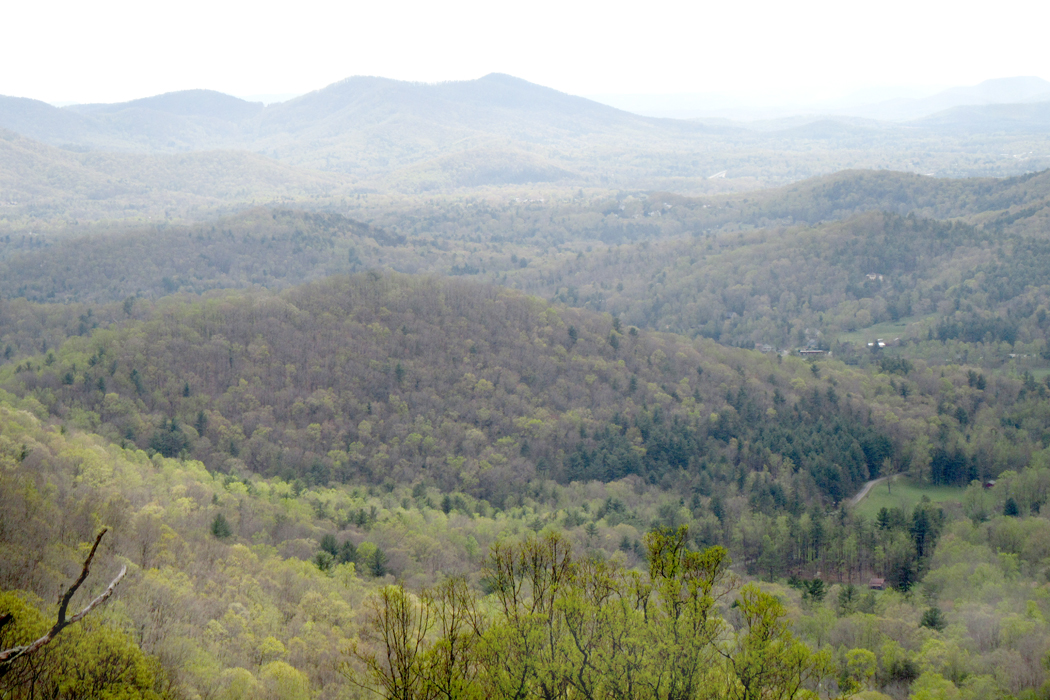
For me, the best solution is to drive up the Blue Ridge Parkway. Its entrance is only a few hundred yards from my house. I can stay sealed up in the car but find a place where the horizon is still marked by the distance where the curvature of the earth bends the rest down and away from my sight. When you are stuck at home, it is easy to think of the planet as consisting of four walls; things are cubicular and static. But get out into the mountains, up high where you see for such a length, and you are again standing on the apex of a globe. Everything falls away from you, both geographically and emotionally. Anxiety thins. 

This century has redefined nature. In the 19th century of Thoreau and Emerson, nature was green and pleasant. To Emerson, nature was the outer manifestation of deity. Earlier, to Wordsworth, “There was a time when meadow, grove, and stream,/ The earth, and every common sight,/ To me did seem/ Appareled in celestial light.”

To Byron nature was so vast not even humankind could mar it. Our century has proven him wrong. For us, nature can no longer be the birds and beasties, the green leaves and burbling streams, the sky above and the soil below. We have filled the oceans — where Byron said man’s control “stopped with the shore” — with tangles of plastic waste the size of islands. In our cities, we have turned the transparent air into murk. We have left our rivers thick with the runoff of pigpens. 

The television nature programs I grew up with, that showed us the wildebeest swarming on the veldt and the flying squirrel gliding from tree to tree, have turned into chronicles of rapine and threatened extinction. Those documentaries are now alarums to wake the public to what it is losing. 

The Antarctic ice is thinning, the oceans are swelling, the bees are coughing and the once myriad cod have turned into shriveling shoals. It is hard to think of nature the way I did when I was young. 

“There hath past away a glory from the earth.” 

When I was in my 20s (which was 50 years ago), I was a bird watcher, a hiker, a camper, an amateur astronomer and a gardener. I knew the name of every tree and wildflower or weed. I had an almost mythic connection to the earth: It glowed every day, like a van Gogh painting, buzzing and whirling. Every bush was the burning bush. A surge of brain chemicals blasted my emotions. I was giddy. Now, half a century later, it is not now as it hath been of yore. “Whither is fled the visionary gleam?” “At length the Man perceives it die away,/ And fade into the light of common day.”

Career and responsibilities, the vicissitudes of living, the betrayals of love and the deaths of those we loved, have all risen to take too much space in our journals. And so, in my senescence I have drawn away from what we used to call nature, and that selfsame nature has itself decayed and left me. 

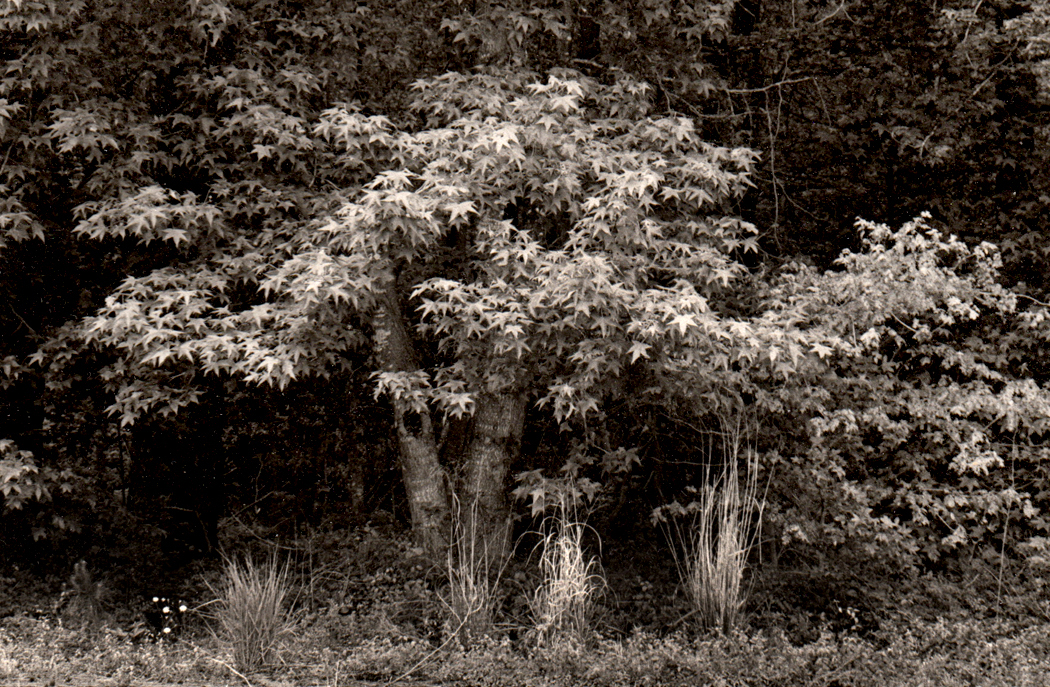
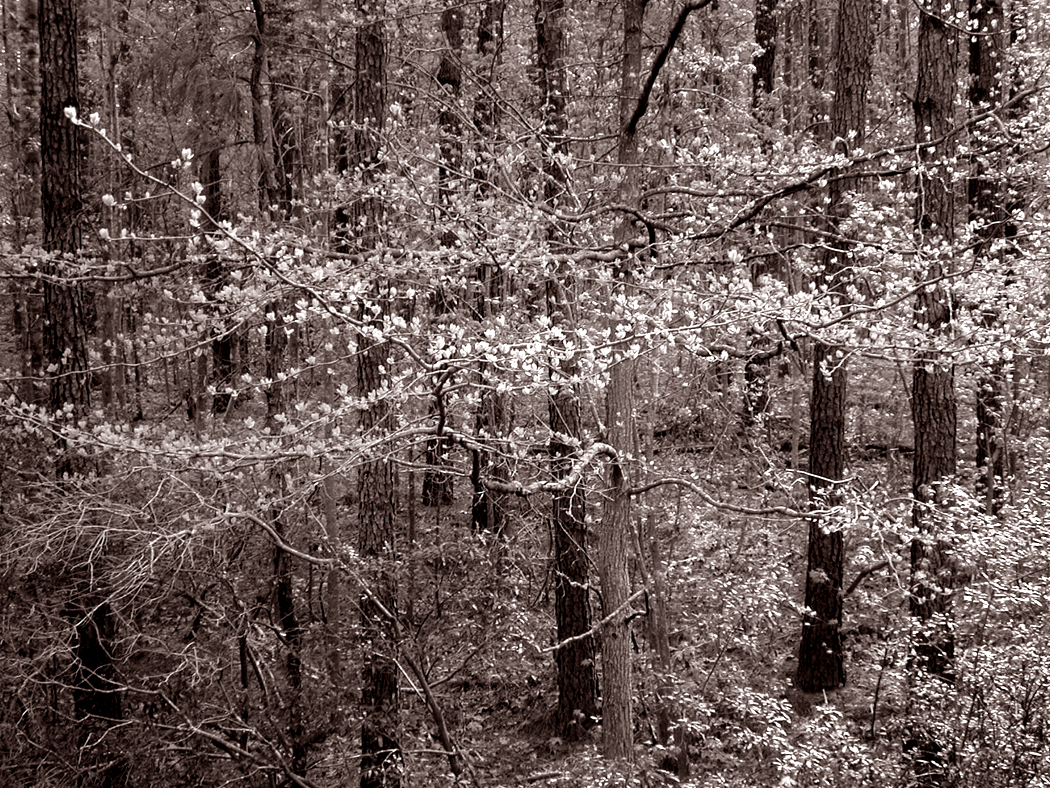
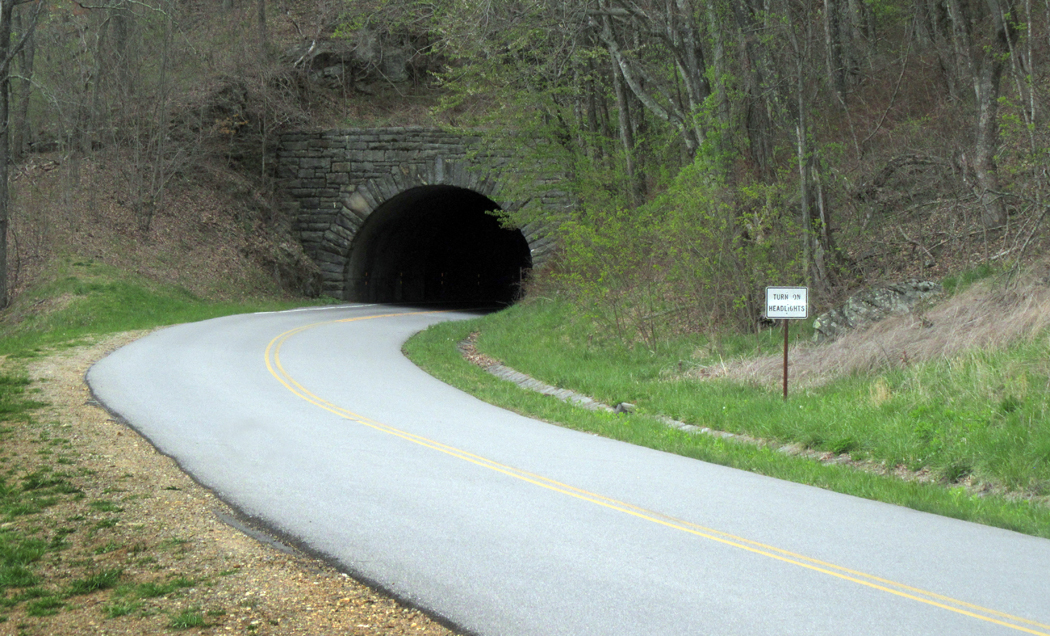
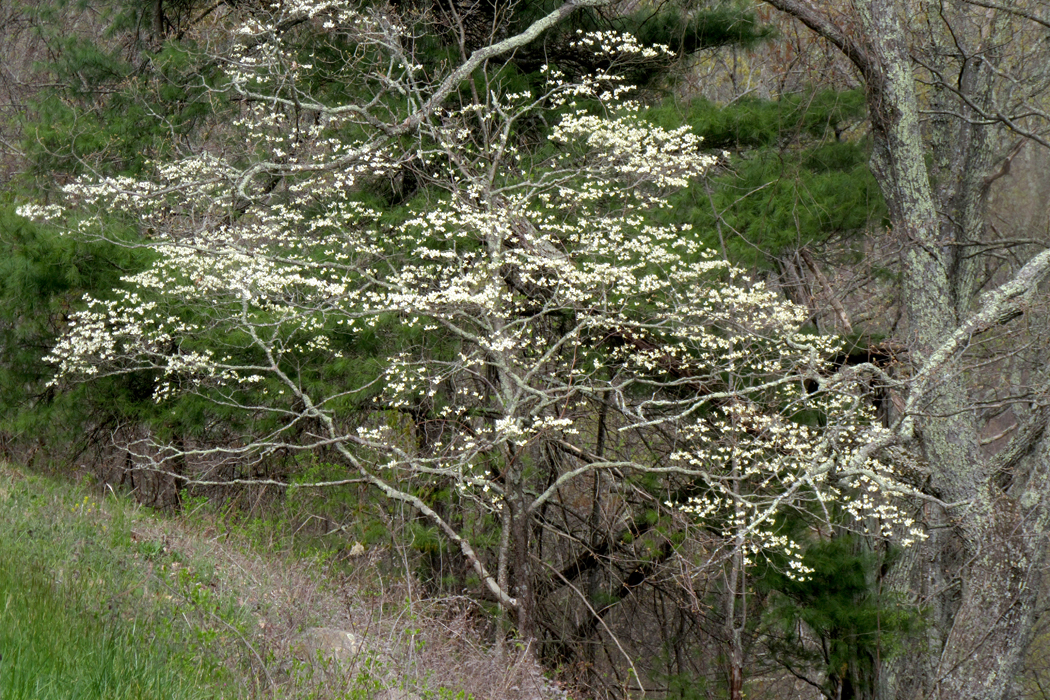
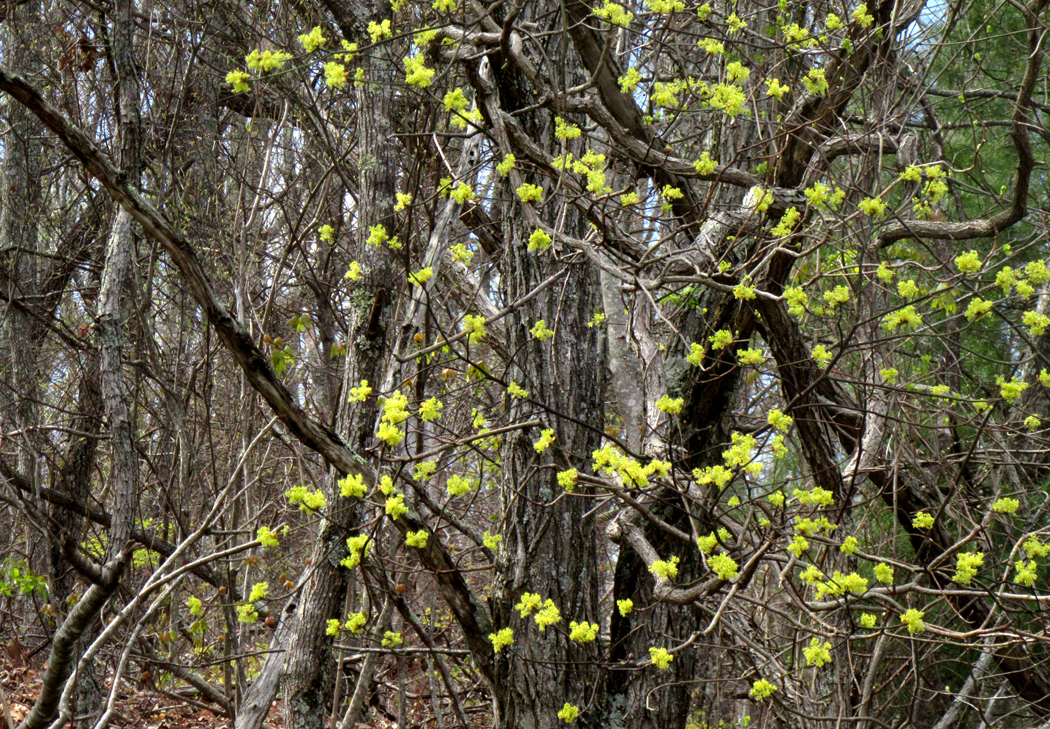
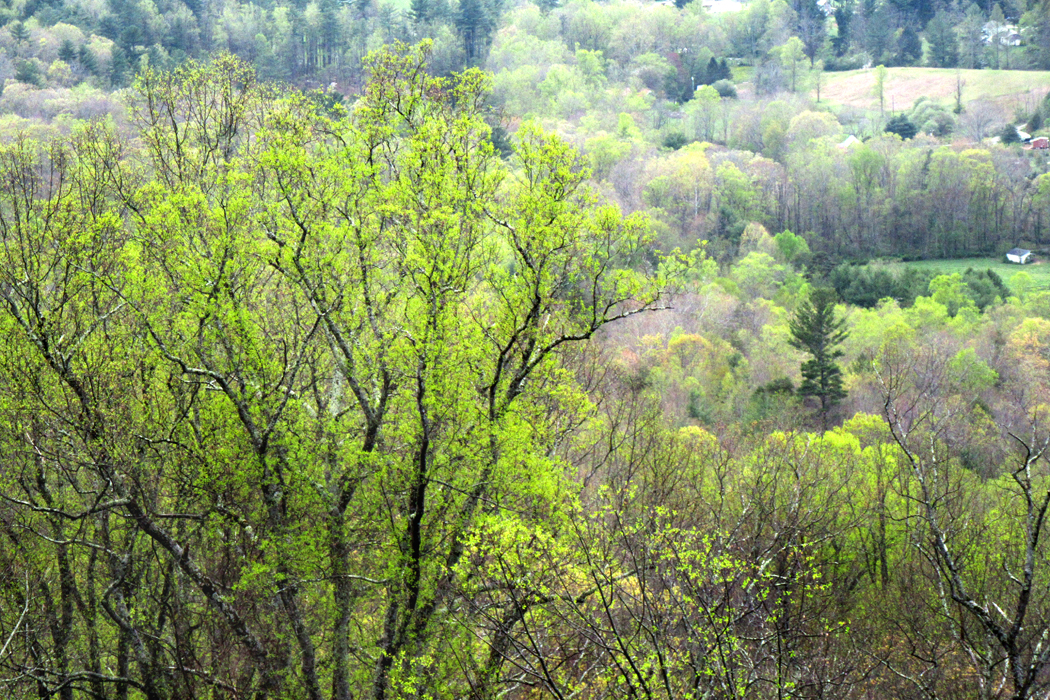
But not completely. I drive up the road into the hills, through the tunnels, into the high country where the sun shines and the wind blows the shadows of clouds across the flanks of the peaks. It is April and the dogwoods become galaxies of stars against the darker, still-leafless trees behind them. When I look down at the valleys, I see in the lower elevations the bright young leaves swelling from the buds. It is certainly beautiful, but it isn’t just beauty that makes this important. 

We are facing a new virus and most of us, and especially those of us on the shorter end of life’s measuring stick, feel an immediate threat. We may die. We always knew that, but now we can almost touch it and taste it on our fingertips. It is not theoretical. 

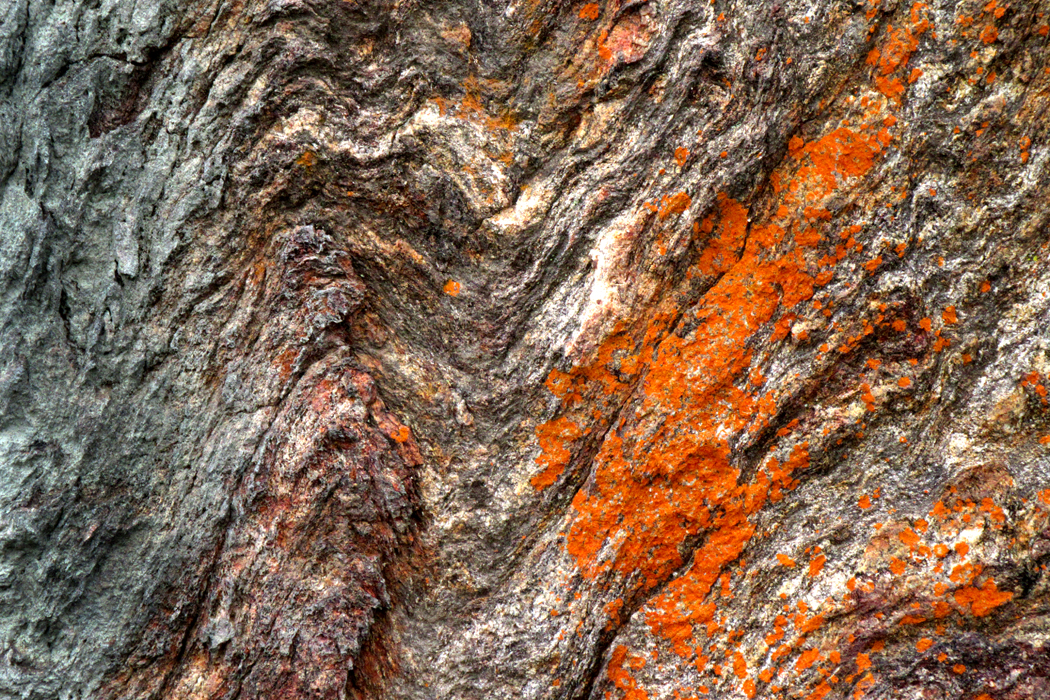
And so, I get out of my car in a roadside pullout and look down from the mountain into the woods beside the road and see the fresh buds and the tree branches that sway and the shoots springing tip first through the forest litter and I know that it is another spring, my seventy-second, and one more of millions that make a wake behind the present going back before there was any consciousness to know it. On the uphill side of the road there are stony outcroppings and those folded strata tell me of eons of continuity. 

I have heard, as you have, poets and essayists talk about the importance of nature, and I have at times winced at what seemed to me the perfervid sentimentality of such bromides. After all, everyone knows, or else, should know, that if nothing drastic is done, we’re all going to hell and taking the world with us. The news is 24 hours a day bad, or at least the talking heads tell us so. Over and over. 

But when I go to the woods, it is quiet except for the “small fowls that make melody and sleep all night with open eye.” And the hurly-burly slows and I am forced to know that there is a rhythm that is not that of CNN, that whether it is plague or influenza or corona virus, we have inhaled and exhaled this pestilence before, that the world endures, with me or without me. My frame of reference, like my horizon, expands.

So, it isn’t the simple beauty of the natural world that does me needed good. Gustav Mahler’s Third Symphony has six movements and they include such titles as “What the Flowers in the Meadow Tell Me,” “What the Animals in the Forest Tell Me,” and ends with “What Love Tells Me.” And what they all join to say is a harmony and a flow. And so, as I drive along the Parkway, I listen to that music on the CD player and the outside and inside, the world and my thoughts and feelings, all twine together into a singularity, mind as mirror to the world, and world as mirror to mind. Pan awakes, Summer marches in. 

Click any image to enlarge

I don’t know if it is just me, or my generation — a cohort of Baby Boomers who once felt, or more precisely, knew they could change the world for the better (sigh). 

Or perhaps it is some random mutation of the Protestant work ethic. I think of stately plump Buck Mulligan telling Stephen Dedalus, “You have the cursed Jesuit strain in you, only it’s injected the wrong way.” Only, in my case, it is a dour Lutheranism, a faith I have never believed in nor practiced, yet discover somehow in my Scandinavian blood, where it lingers and makes me feel that if I am not working, not producing, I am not making quitrent on my existence. 

It is not simply a compulsion to work, but a crippling sense of guilt if I do not. The joke is that I am fully aware in my rational mind that there is no reason to feel this way. I am 71 and no one will threaten me with a cat-o-nine-tails if I don’t pull my oar till I drop dead. I worked steadily during my working years, and even after I retired, I managed to pump out more than 500 essays on this blog in just a few years. 

When I was employed, even on my vacations I managed to squeeze out travel stories for my newspaper. I was writing all the time, and making the photographs to accompany those stories. “Your business is producing; your business is producing,” a tiny Stalinist voice is grinding in my subconscious. 

So, even now, five years on from my paycheck, when I go visiting out of town, I am compelled to spend at least a portion of my time on one project or another. Several of these projects have been displayed on this blog over the years. One such project was to photograph nothing but circles; another to photograph ceilings and floors; another to document every house on a given street. 

Well, I am just back from visiting my brother- and sister-in-law. I drive three hours from Asheville to Reidsville, N.C., several times a year to spend a few days with them. He is an artist of some reputation; she keeps him in line. And this time I managed to work on three different ongoing art projects. 

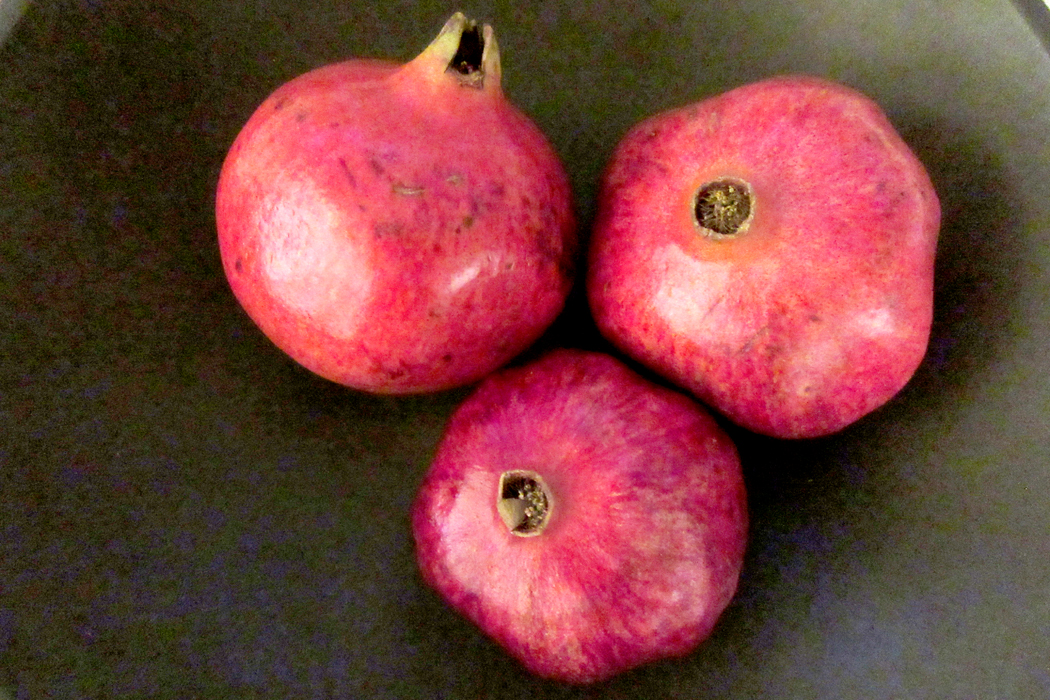
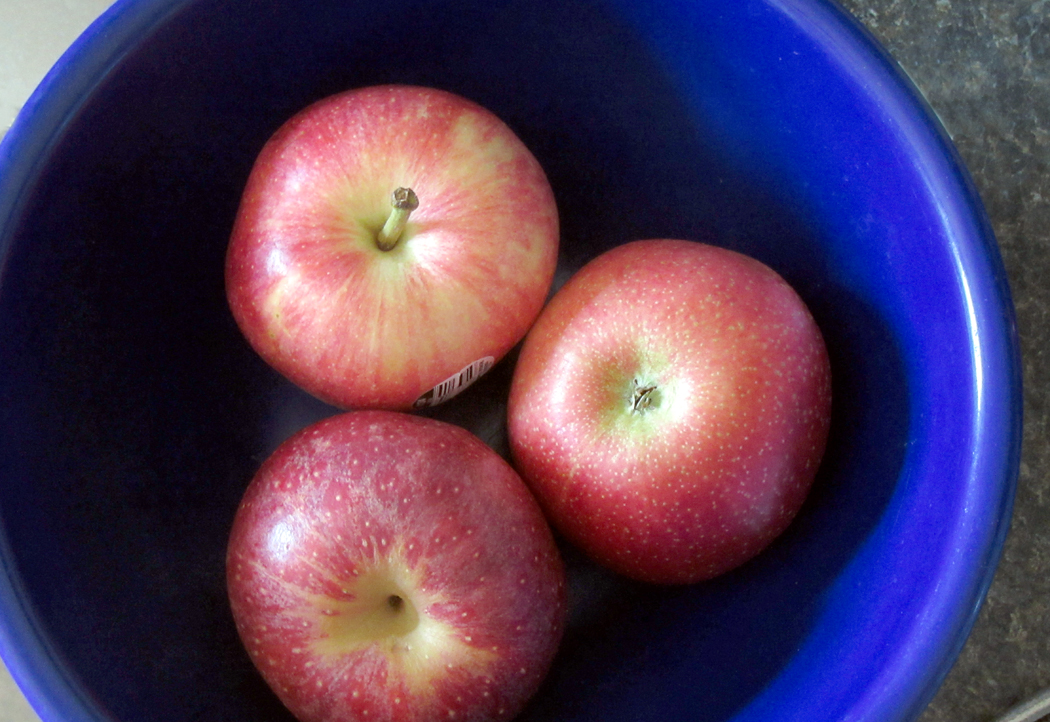
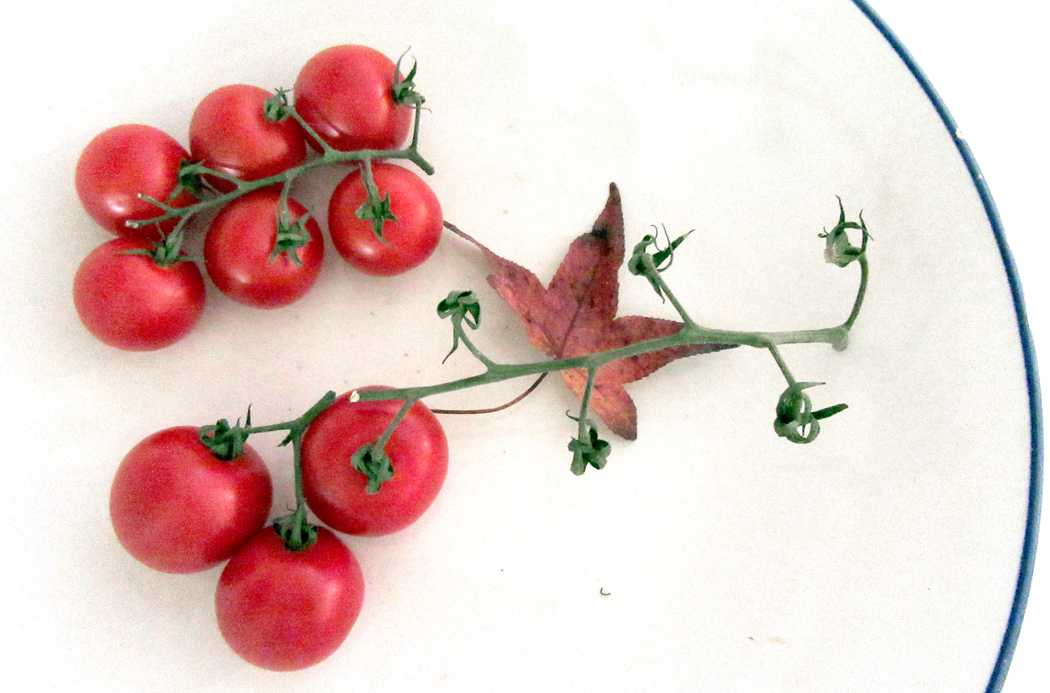
The first I’ll mention is a series of images of fruits and vegetables in bowls. A bit of the round rim usually crosses and edge of the frame. I love the organic and geometric shapes interacting. 

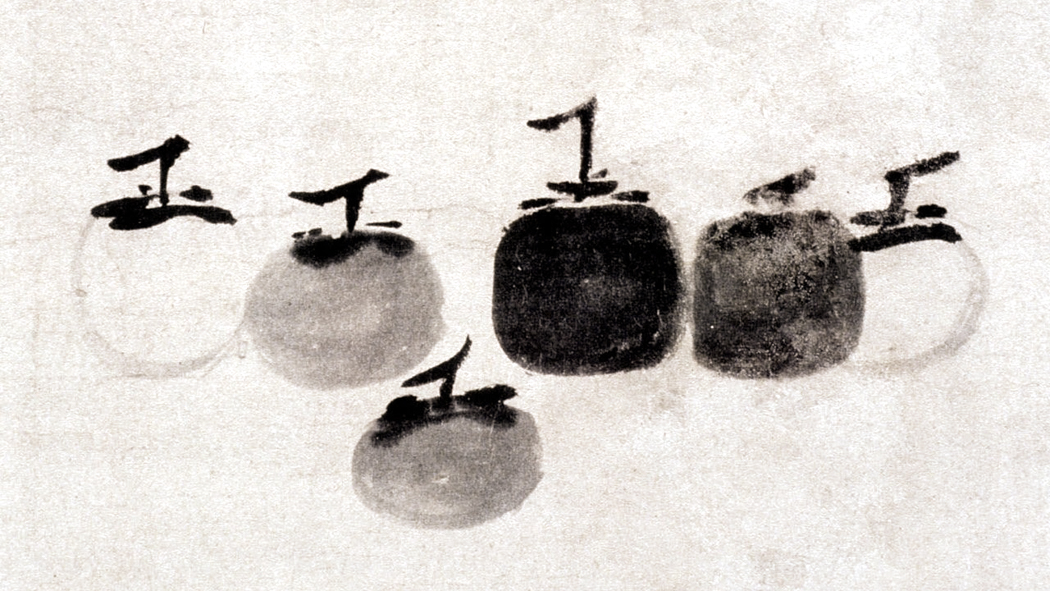
I am also responding to a famous sumi-e Zen painting by the 13th century Chinese artist Mu-Chi, in which he lines up six persimmons and cleverly evades the monotony of an even number of fruits by making three groups, of one persimmon, of two, and of three. I have always loved this painting.

There is no way I can ever match it. But I have my own interest in the roundness, the ripeness and the color of fruits and vegetables. 

There is a one-off I made this trip. Looking out the window in my bedroom and seeing the branches through the Venetian blinds, I was reminded of a three-part Japanese shoji screen. 

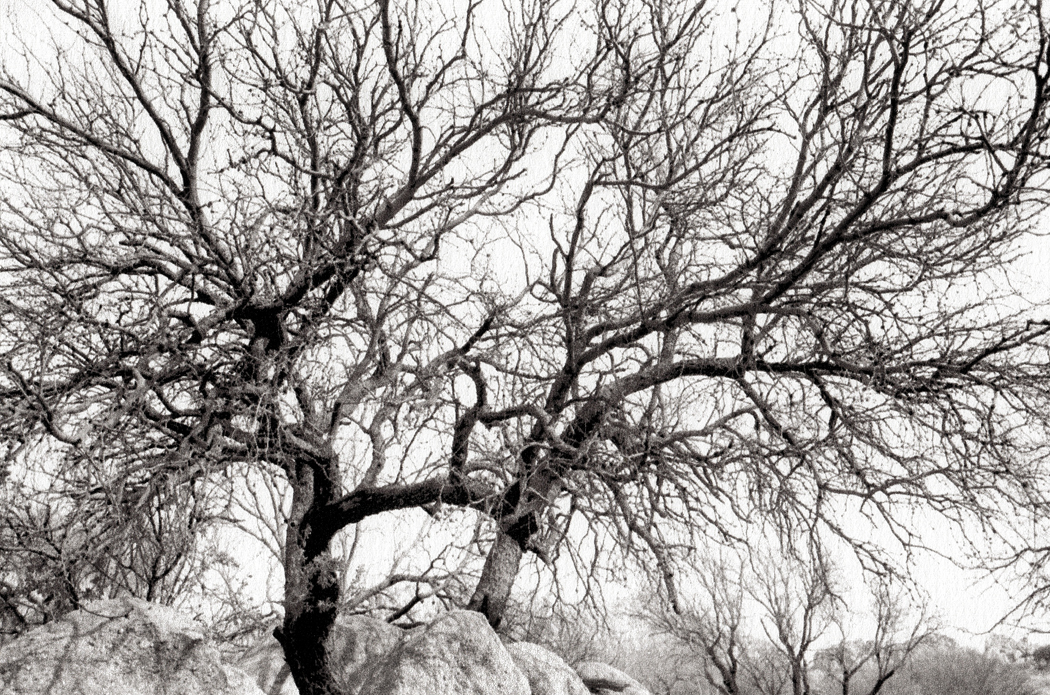
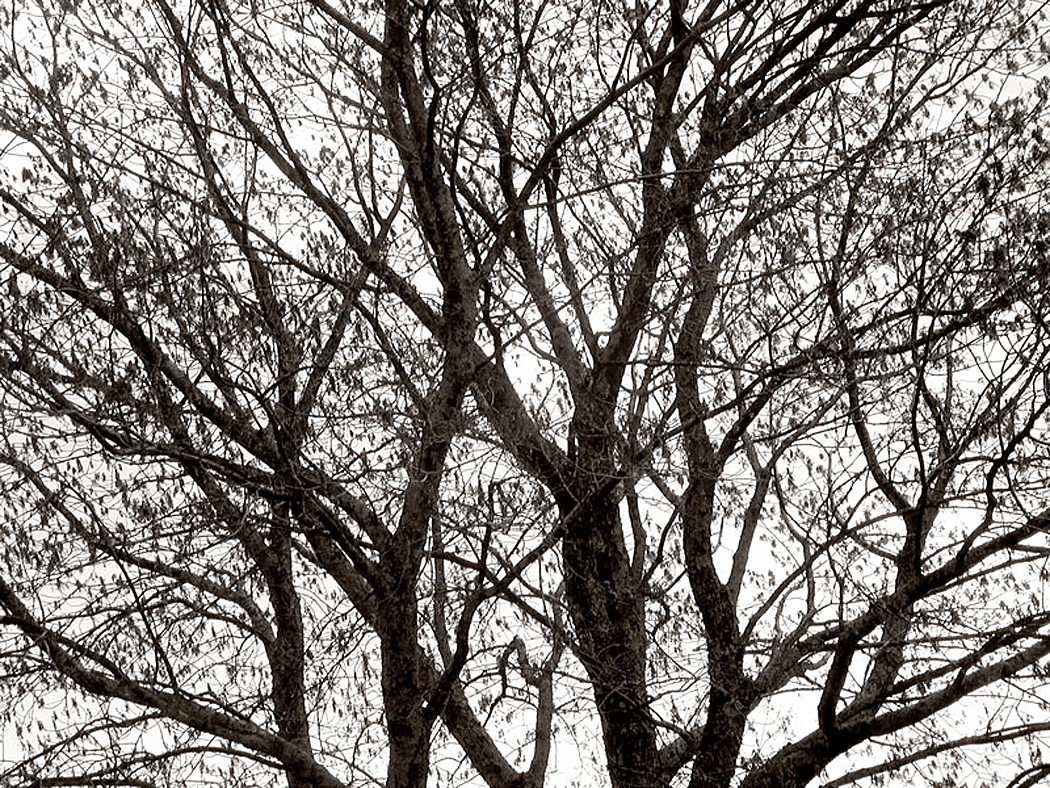
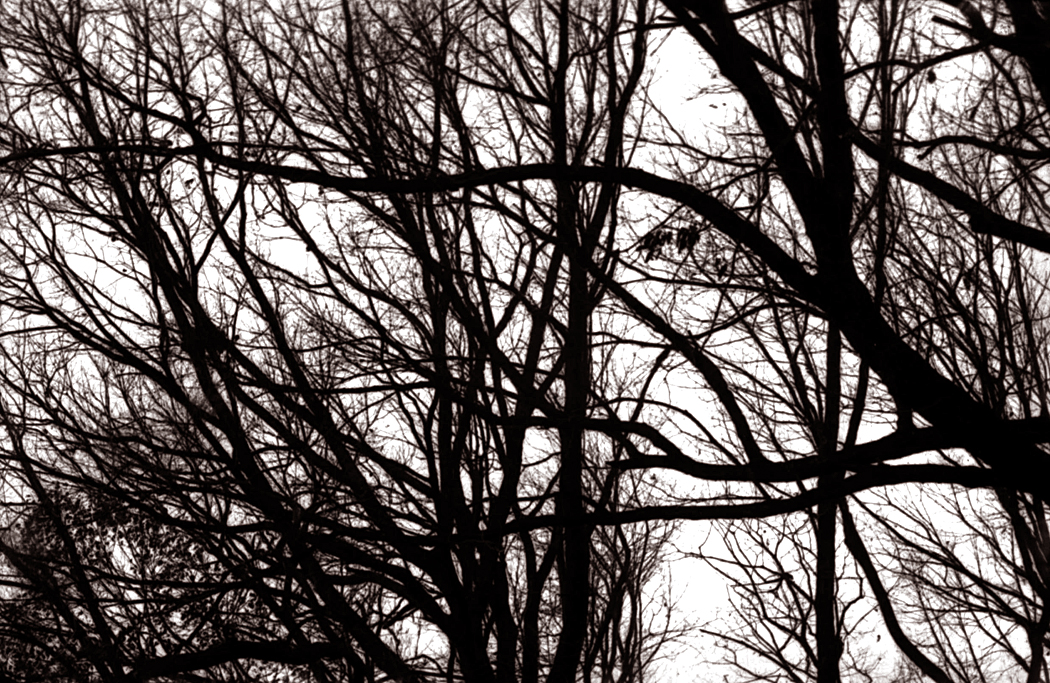
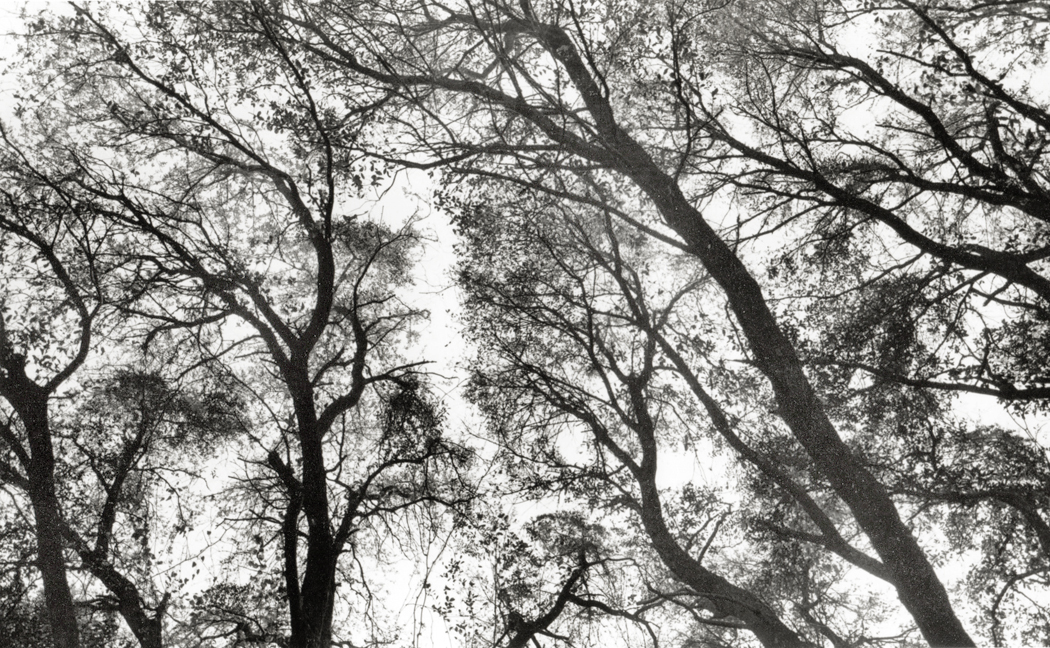
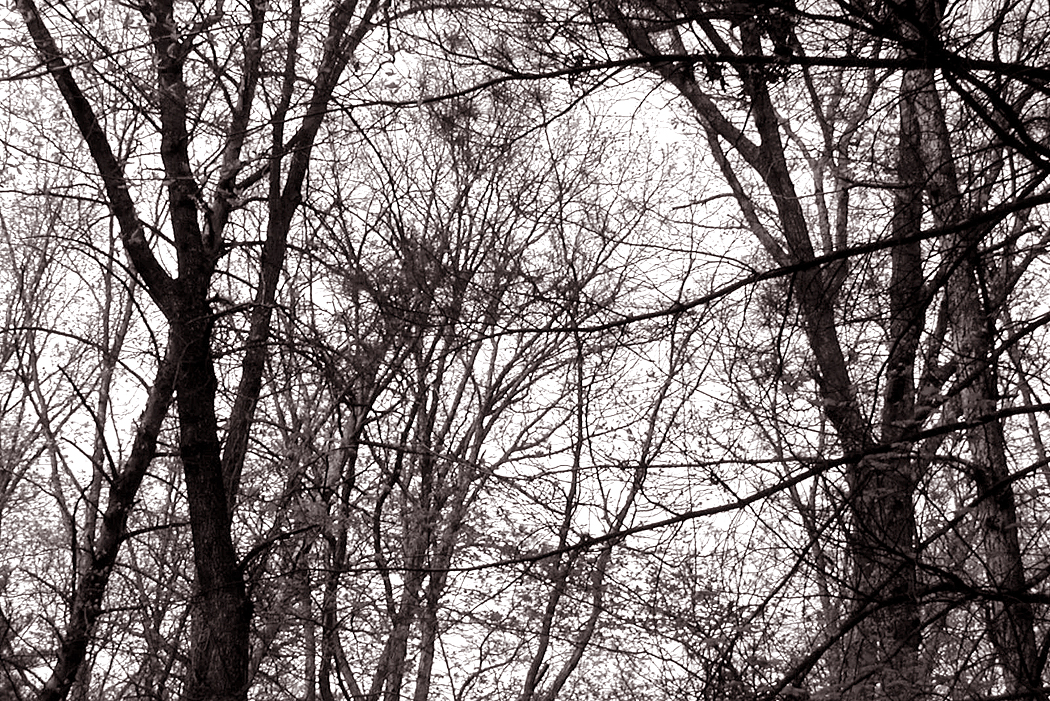
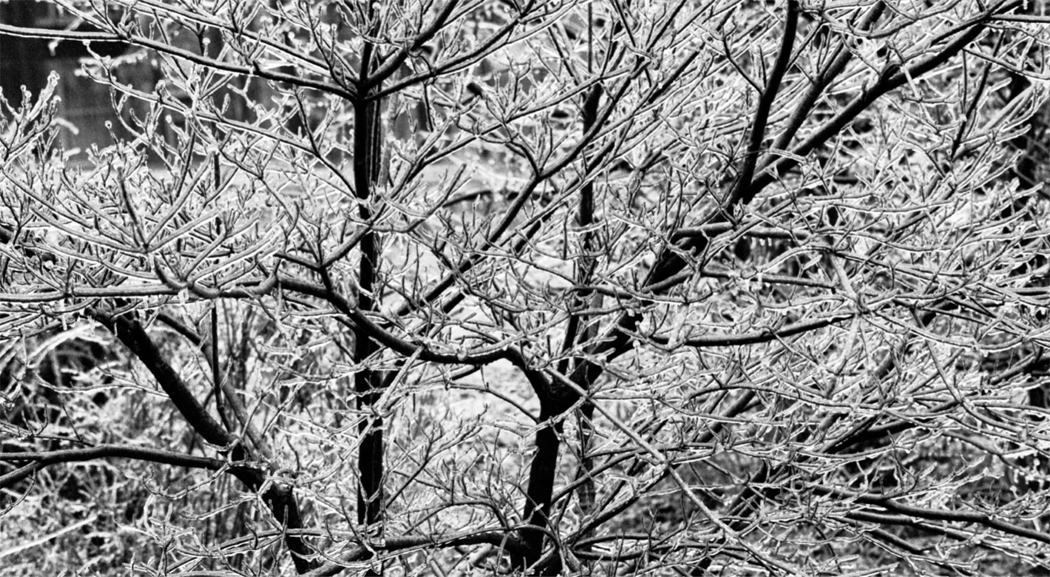
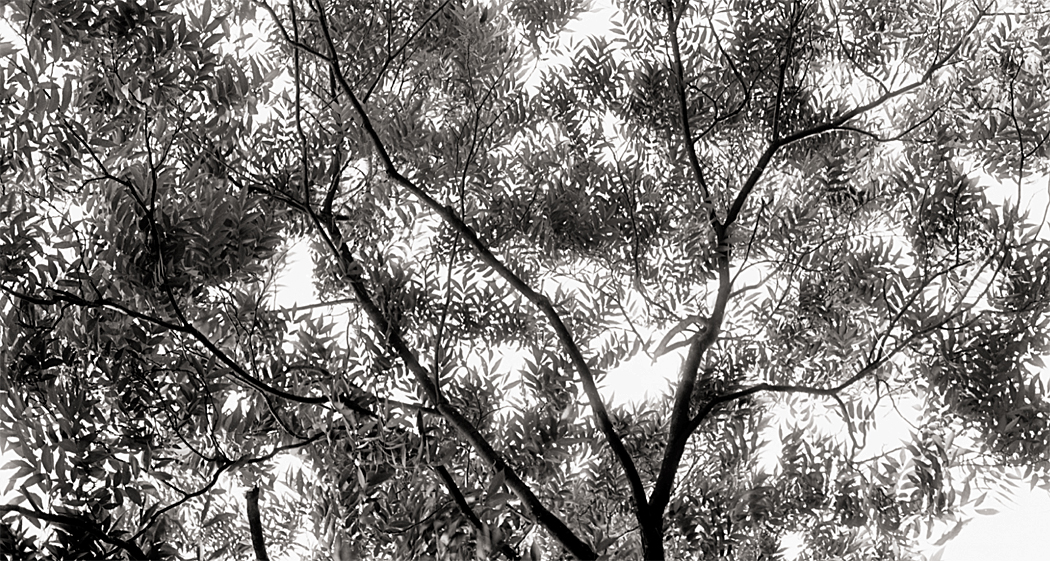
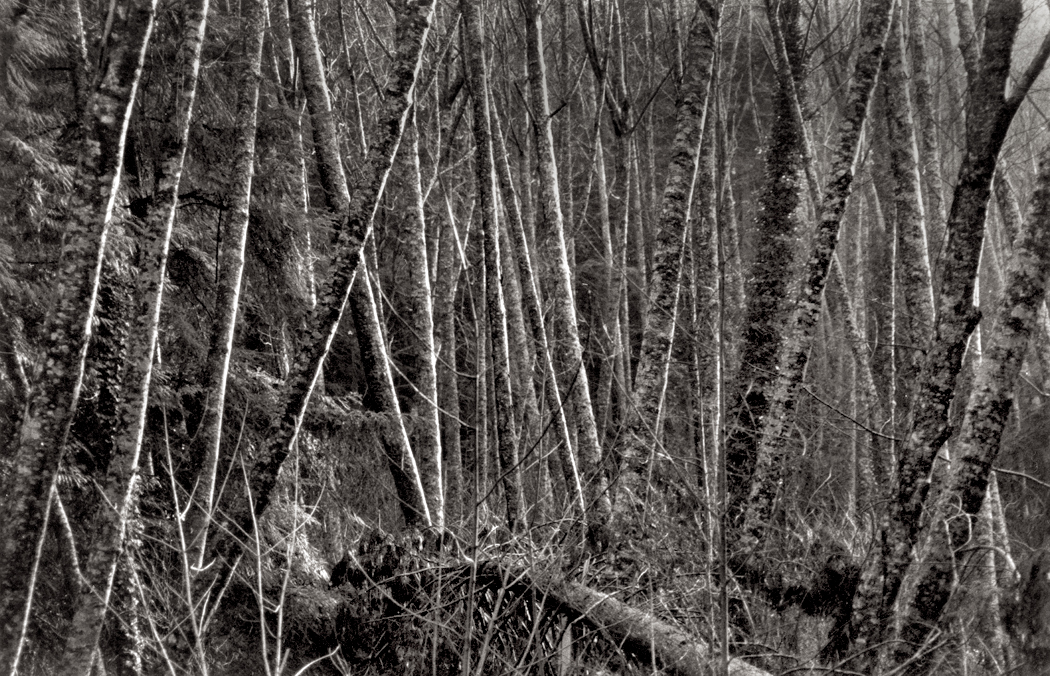
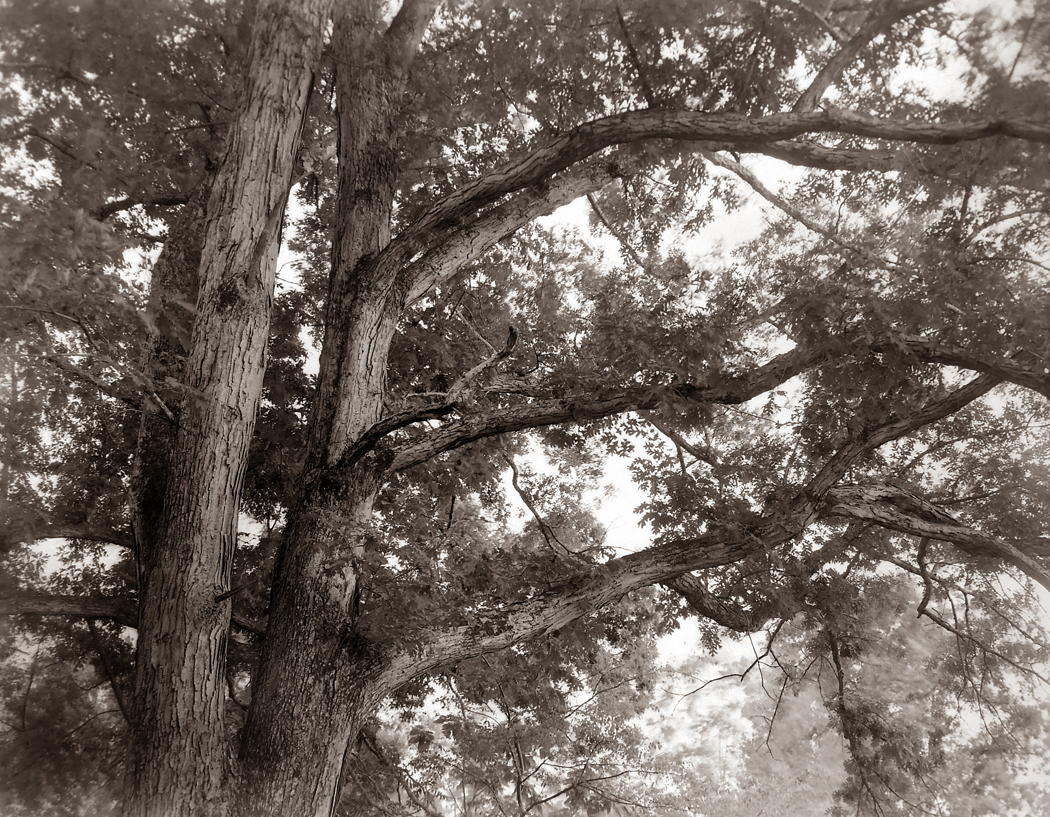
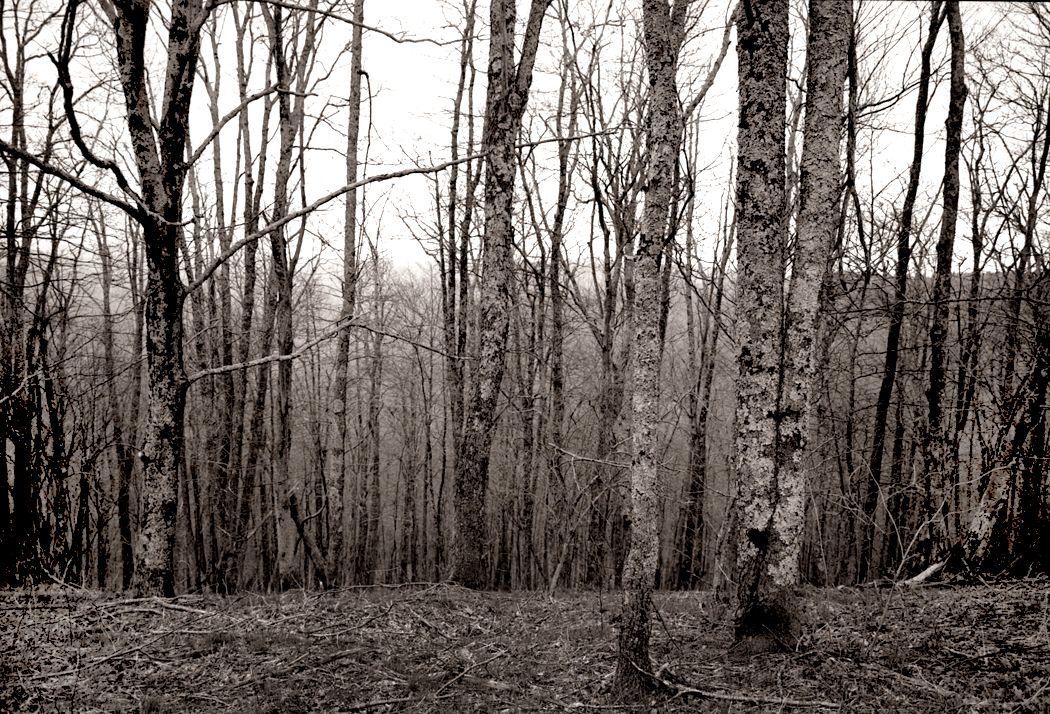
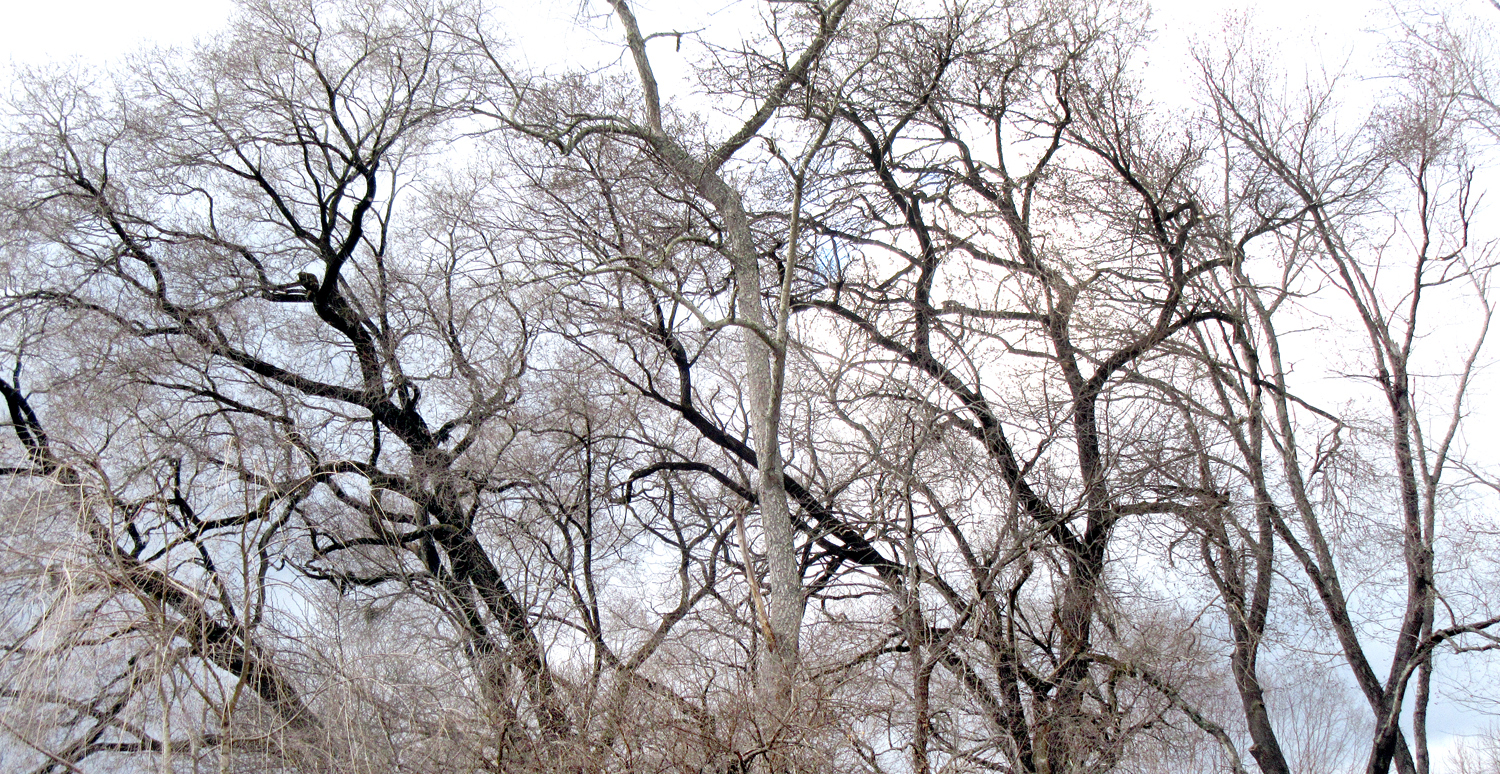
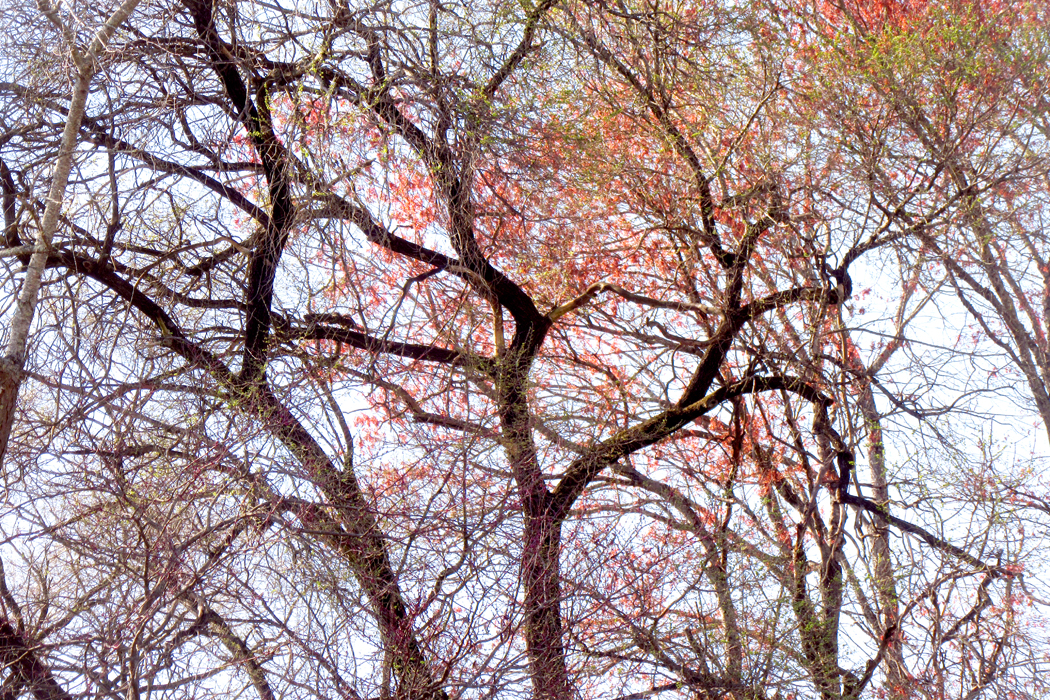
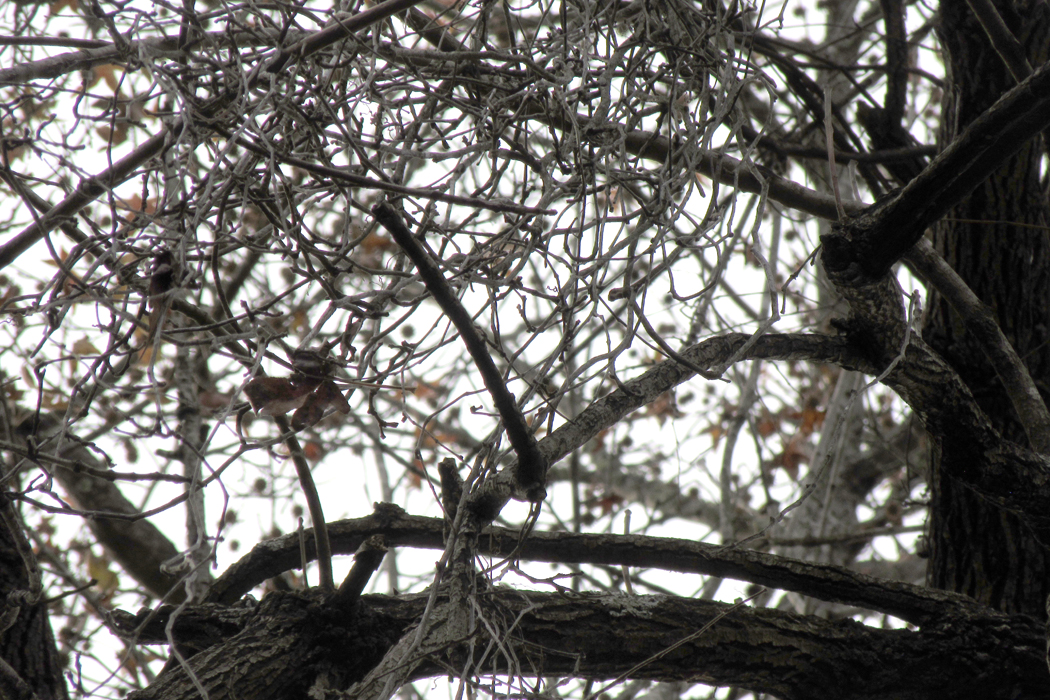
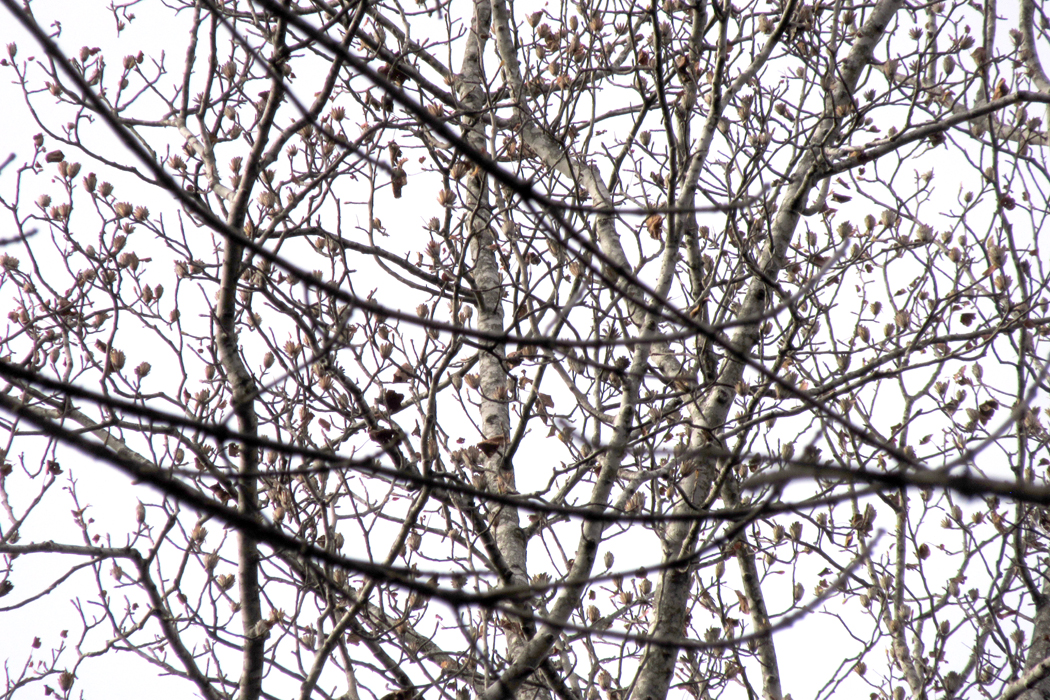
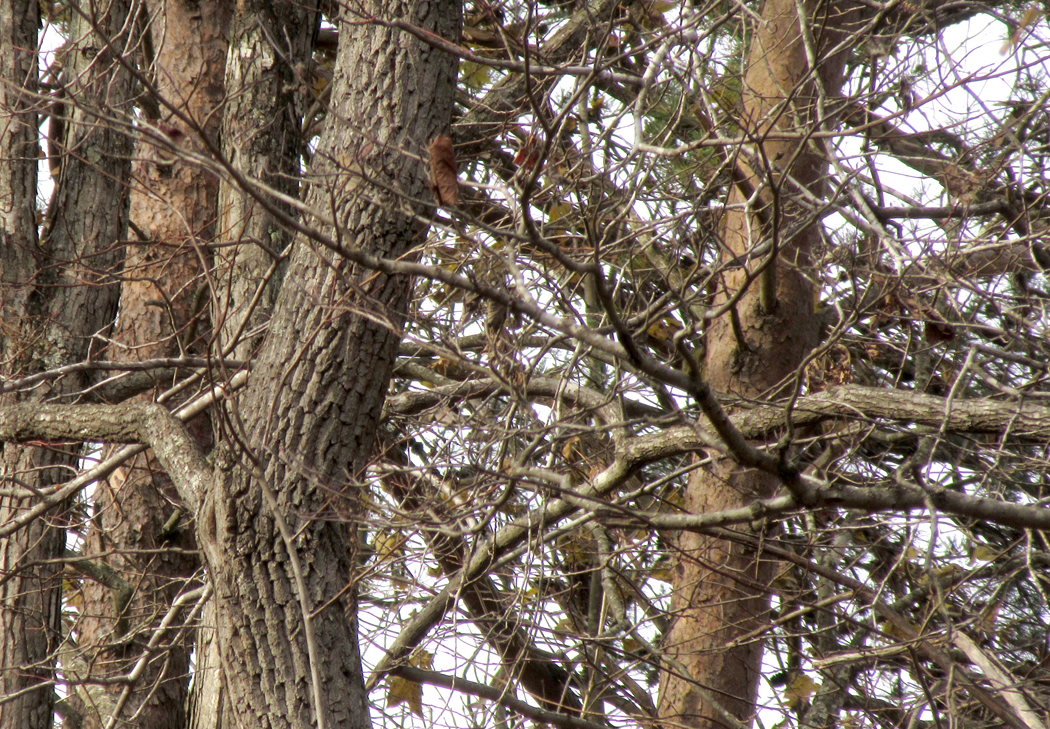
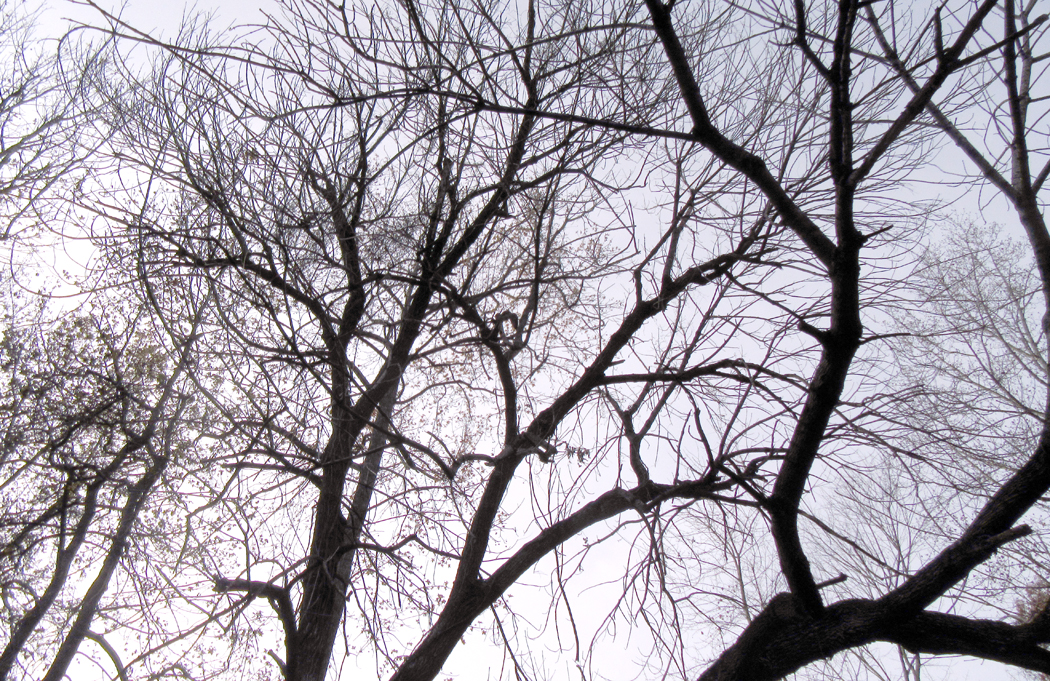
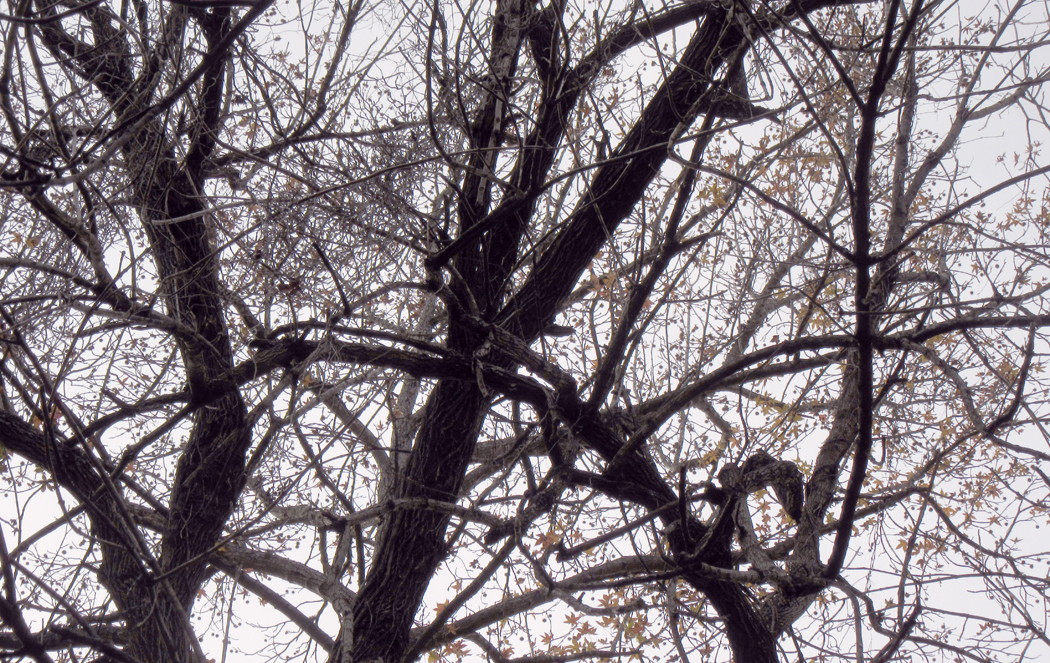
The second project is a continuation of a lifelong fascination with the complex, ungovernable patterns of tree branches in the winter. I always think of them as a metaphor of the tangle of axons and dendrites in the human brain. The macro mimics the micro. 

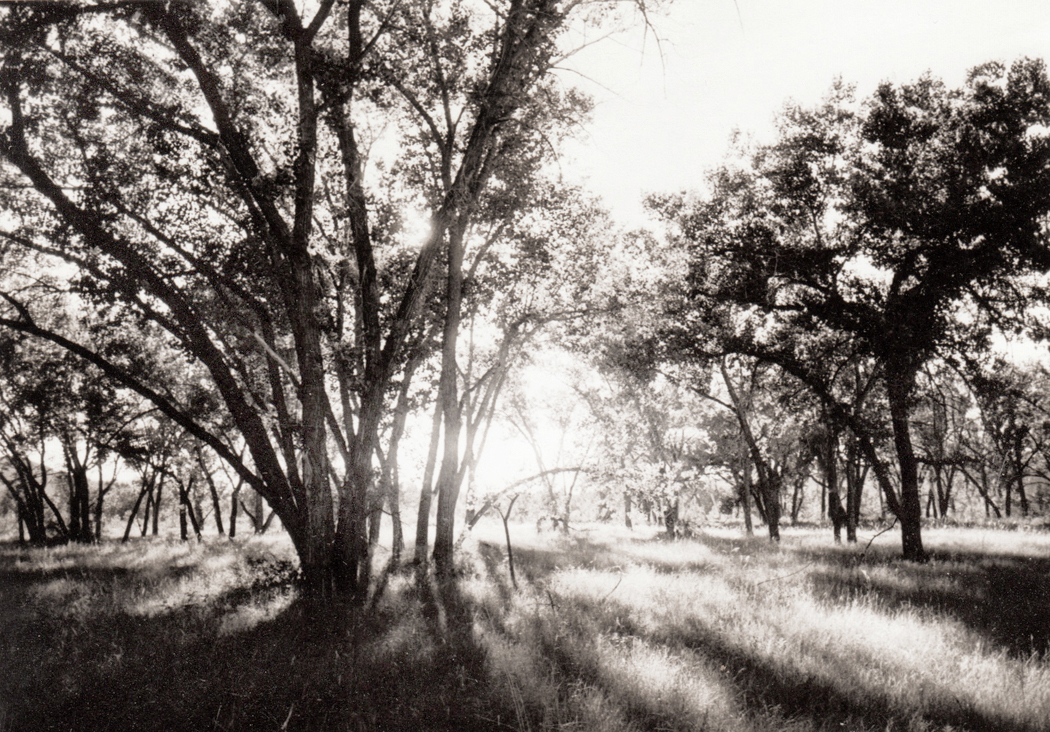
It is a series I have called “tree nudes,” and I feel toward the rough bark, the curves in the tree trunks, the graceful dance of the end-twigs in a breeze as a similar kind of sensuousness you find in a classic nude painting or photograph. 

I made my first tree nudes at least 50 years ago and my solander boxes are filled with old silver prints I made from that point until I gave up chemical photography and took up digital. Now my hard drive is silting up with jpeg tree nudes. 

I used always to photograph in black and white and tree nudes are a perfect subject. The trees are usually rather color-drained in the winter and their silhouettes are perfect for a monochrome. But I have also discovered the magnificently subtle colors that can be found in a completely grey image. Grey is never just neutral; it always hints at something on the color wheel. 

In my senescence I have discovered color. I never thought to think in chroma, perhaps because color film, whether Kodachrome, Ektachrome, Fujichrome, or Agfacolor, was always such a poor conveyer of color. A Kodachrome image looks jammed with Kodachrome colors, not the colors of the world. And transparencies never printed out well enough to make a satisfyingly crisp picture. Even Cibachrome looks always like a Cibachrome. 

But, for some reason, my own sensitivity to color has rejuvenated and I find myself seeking out images that work best in color, and I like the look of digital color, which I can control so much better, thanks to Photoshop, than I used to be able to control the color of a transparency or a print from color negative film. 

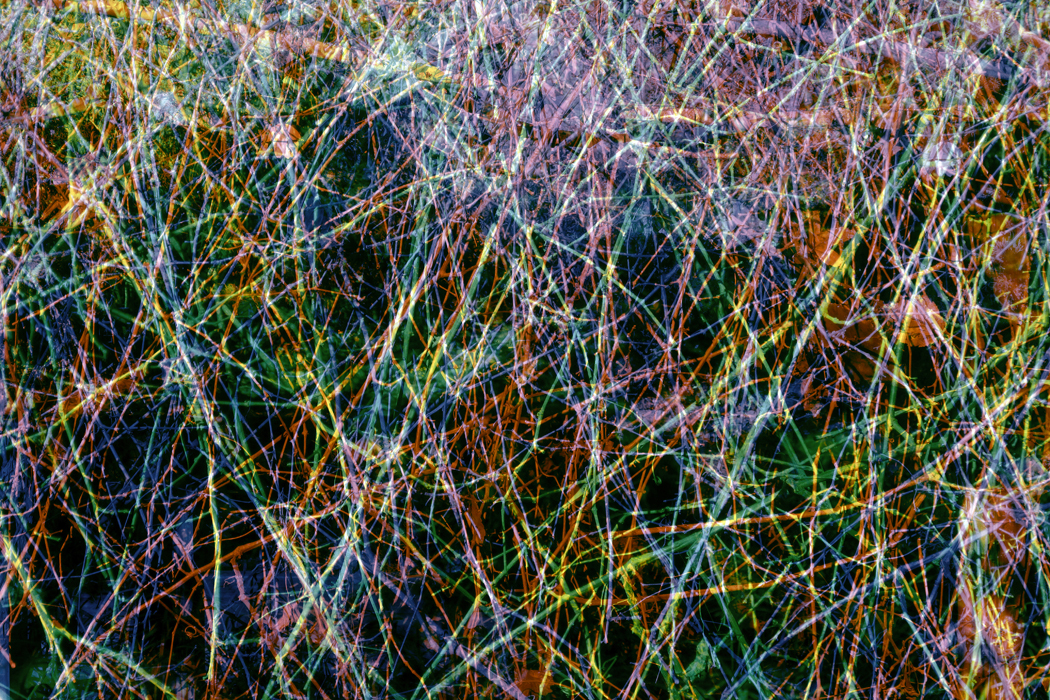
Almost all my art has been unmanipulated. I am not a fan of solarization, double exposures or all those godawful “filters” that Photoshop provides. But I did make one experiment this trip. 

The tree nudes were inspired, perhaps, when I was a teenager visiting the Museum of Modern Art in Manahattan — I lived just across the George Washington Bridge in New Jersey — and I came to love the great Jackson Pollock hanging there. The business of the paint drips was the first neuronal metaphor I was aware of. 

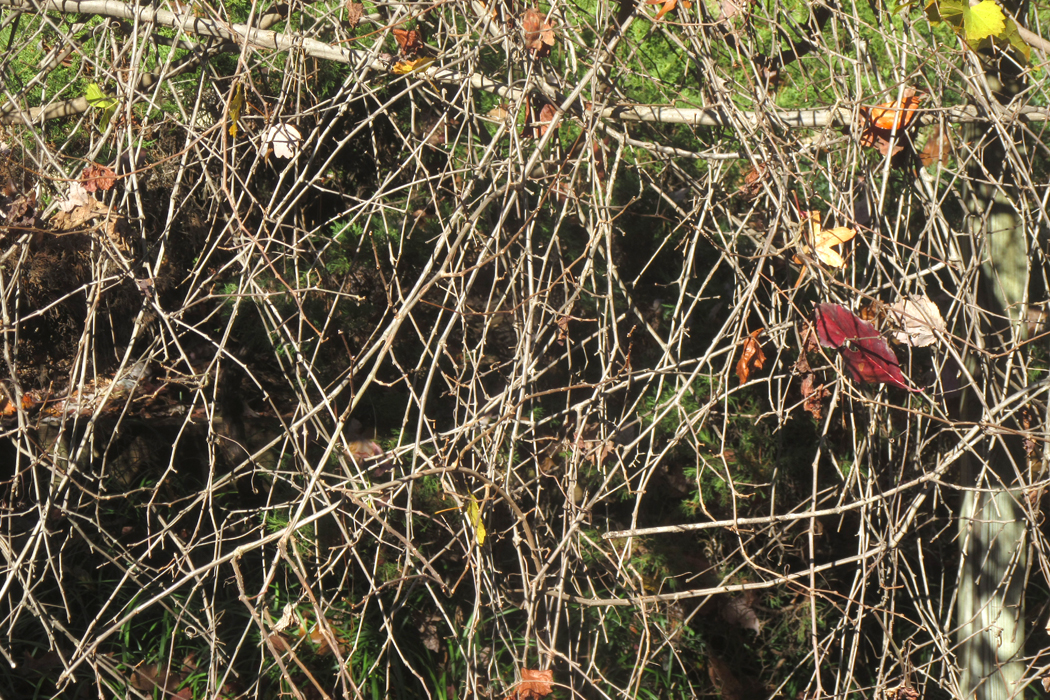
So while in Reidsville, I made three photographs of some vines out the front door. Here’s one of them as an example:

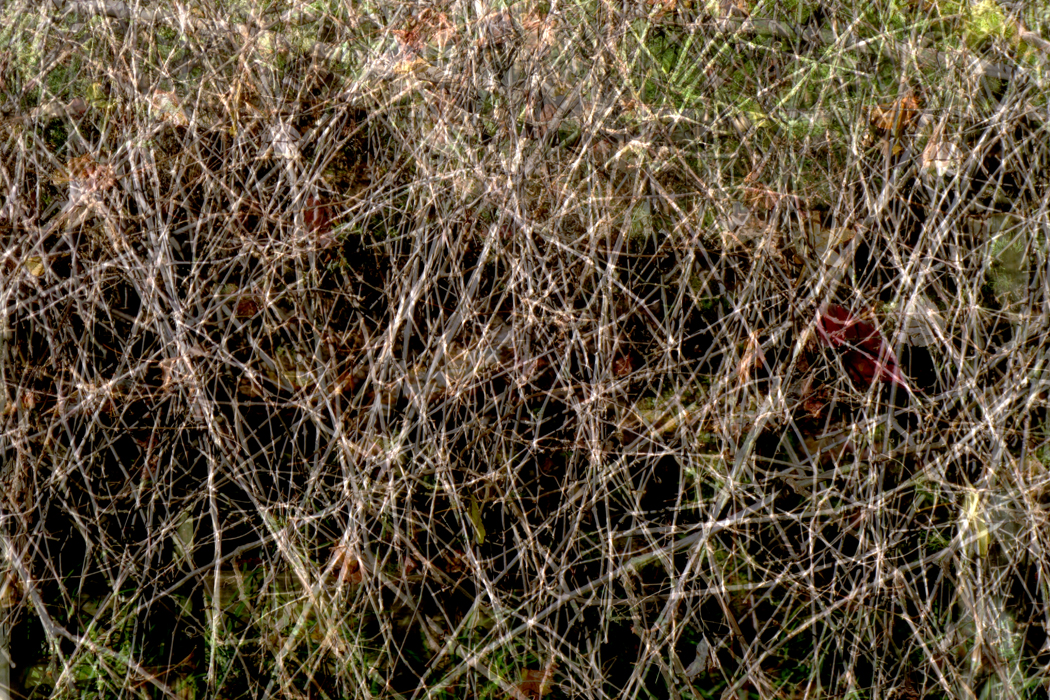
I then edited the three images, lightening them up, and layering them one atop the other. The result is my simulacrum of a Pollock, only with the lines and shapes of nature. 

I made a second version in which I tinted one of the images yellow, a second one cyan, and the third magenta, so they might make a color version of the monster I had created. 

Finally, I had my third project this trip. I sought out the older parts of Reidsville and made a series of images of post-industrial Piedmont. For those images, I will wait for the next posting. 

Click on any image to enlarge

Not every life-changing event happens on the road to Damascus: a blinding light, knocked to the ground, twitching galvanically. The death, the religious conversion, the falling in love. But there are smaller turnings also, often dozens of them in a life, perhaps passed unnoticed at the time, but nudging our lives on a slightly new heading. “As the twig is bent, so is the tree inclined.” The butterfly in Brazil. These are also life-changing. 

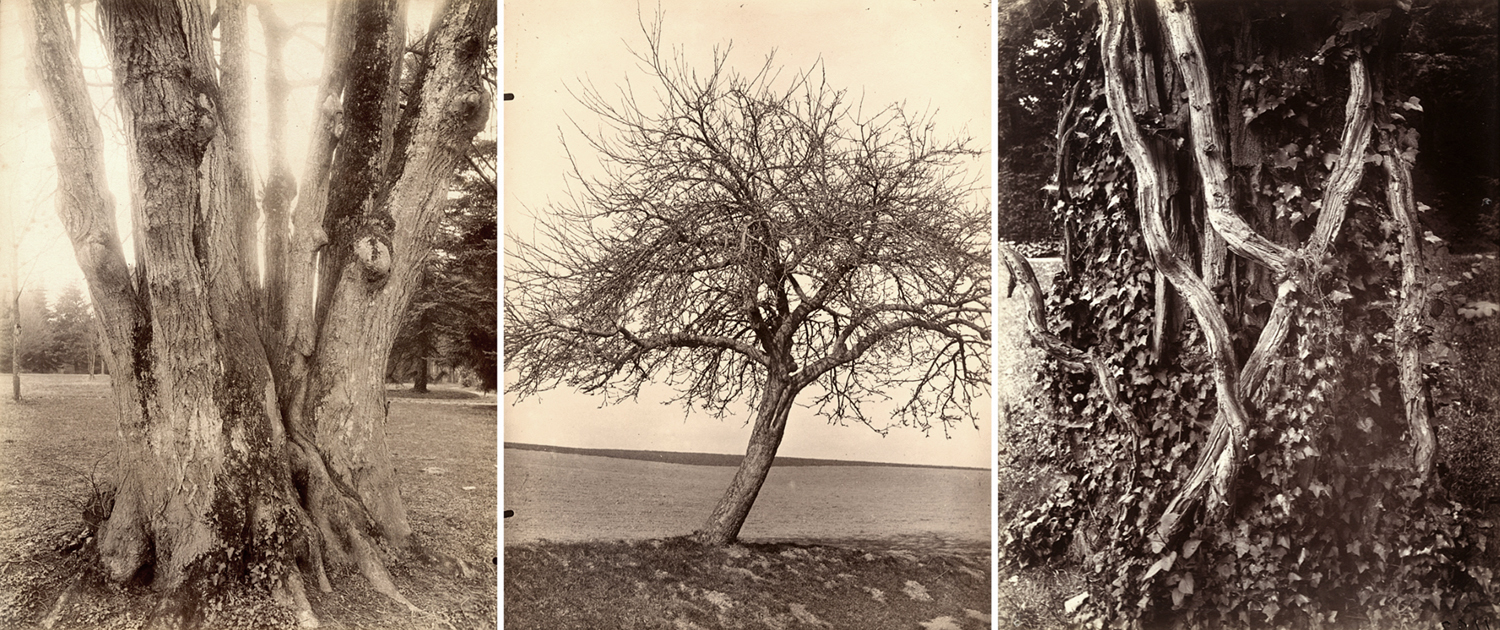
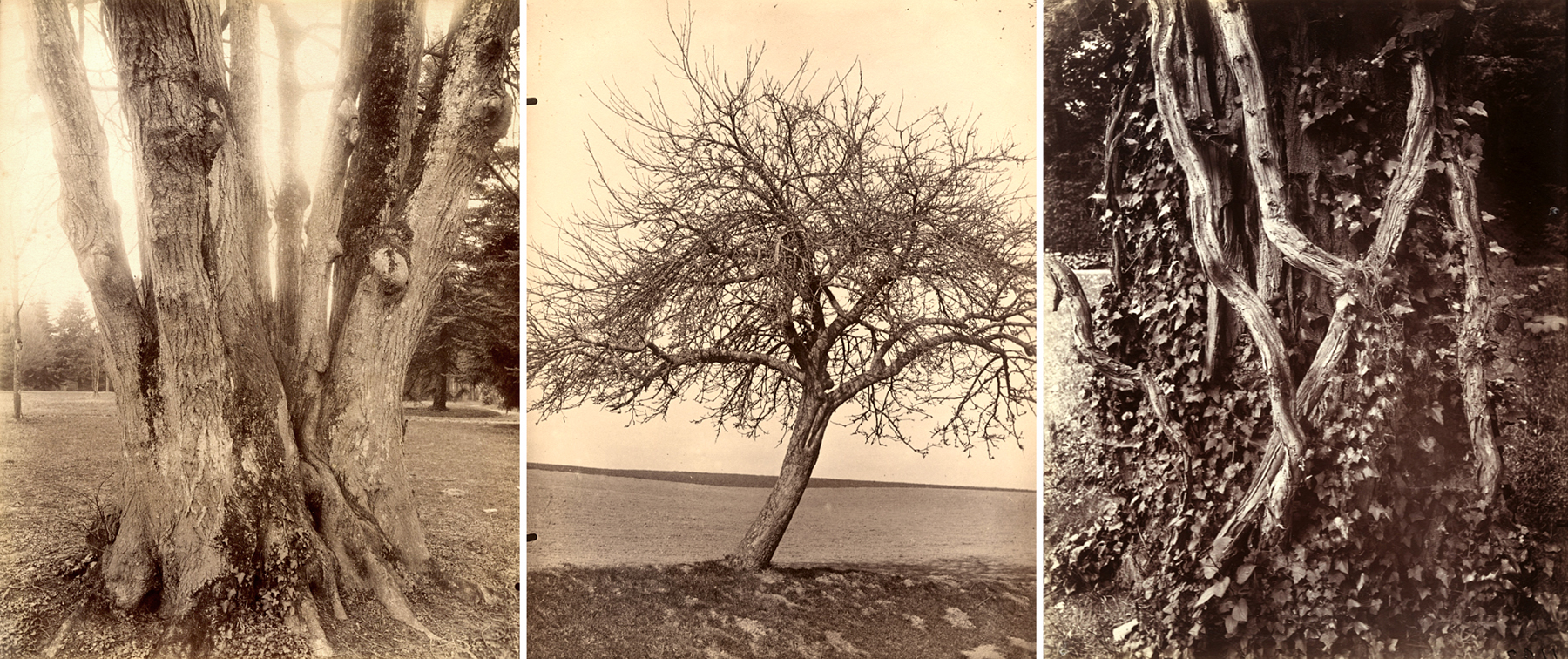
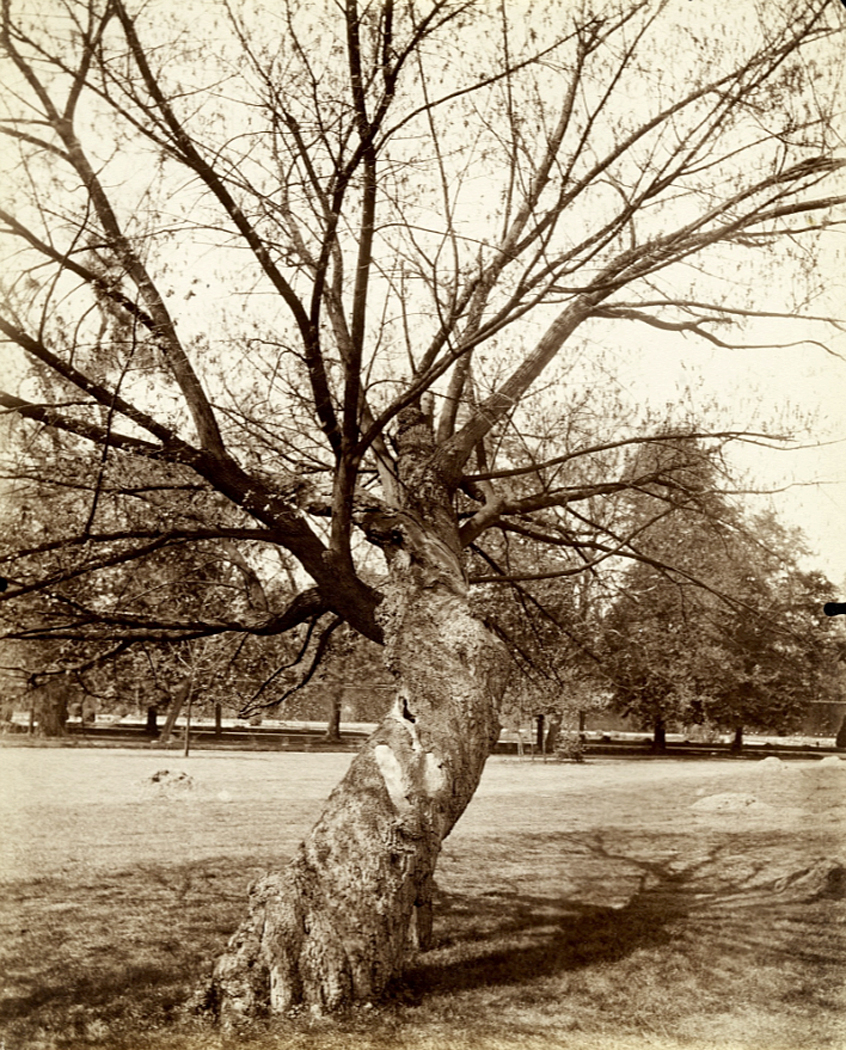
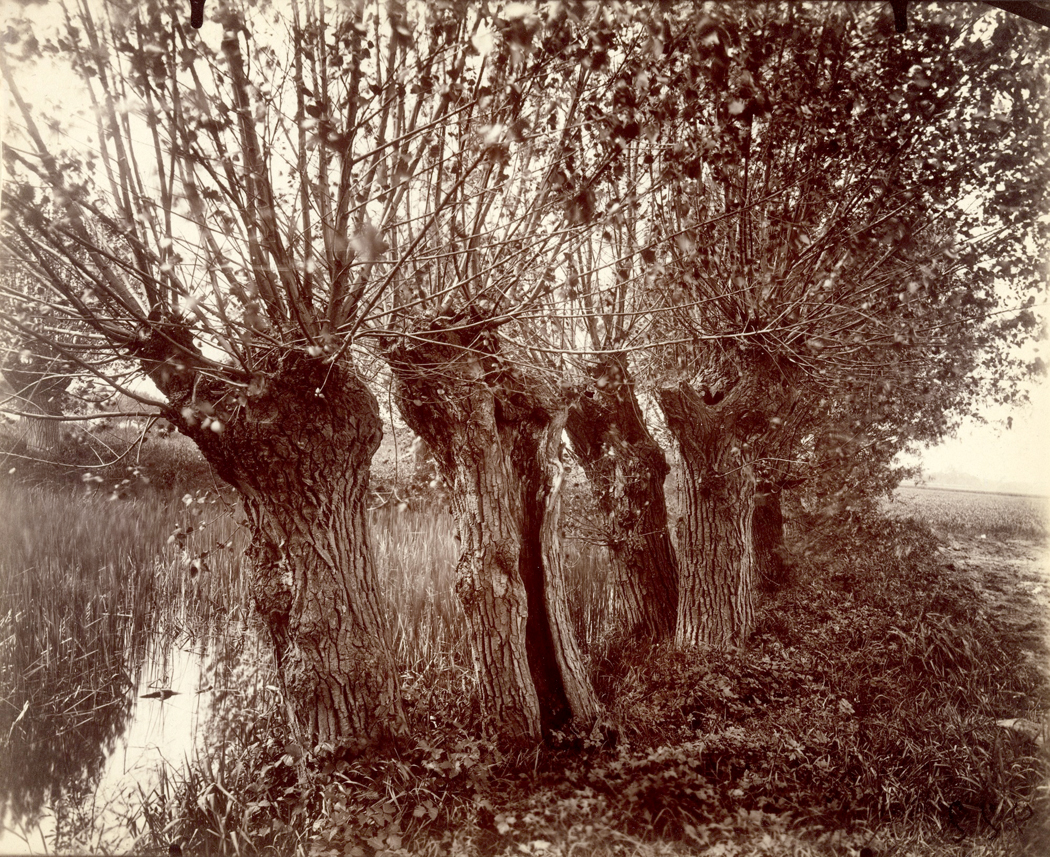
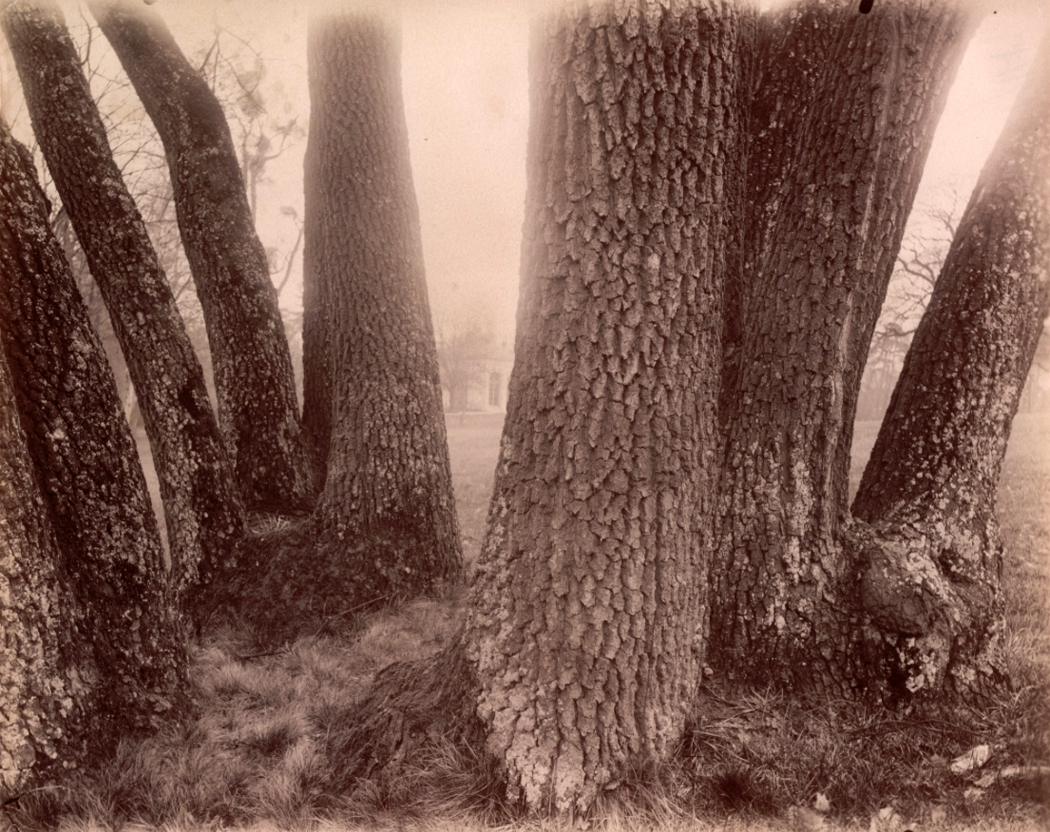
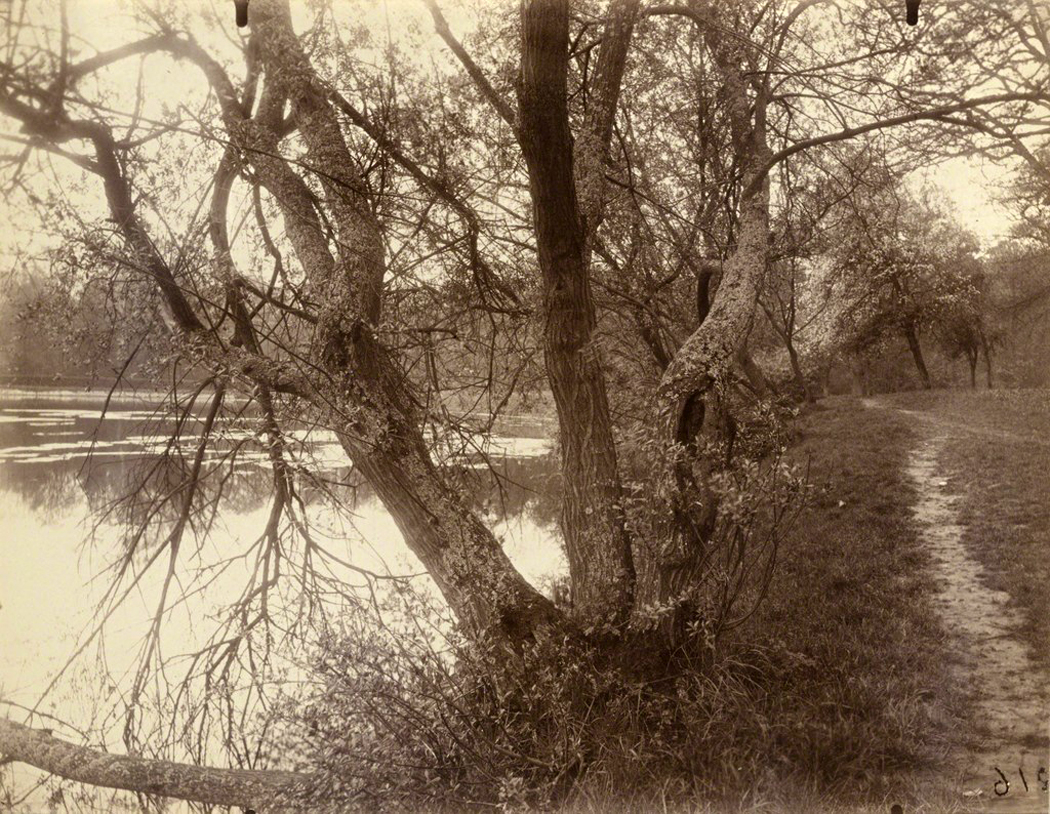
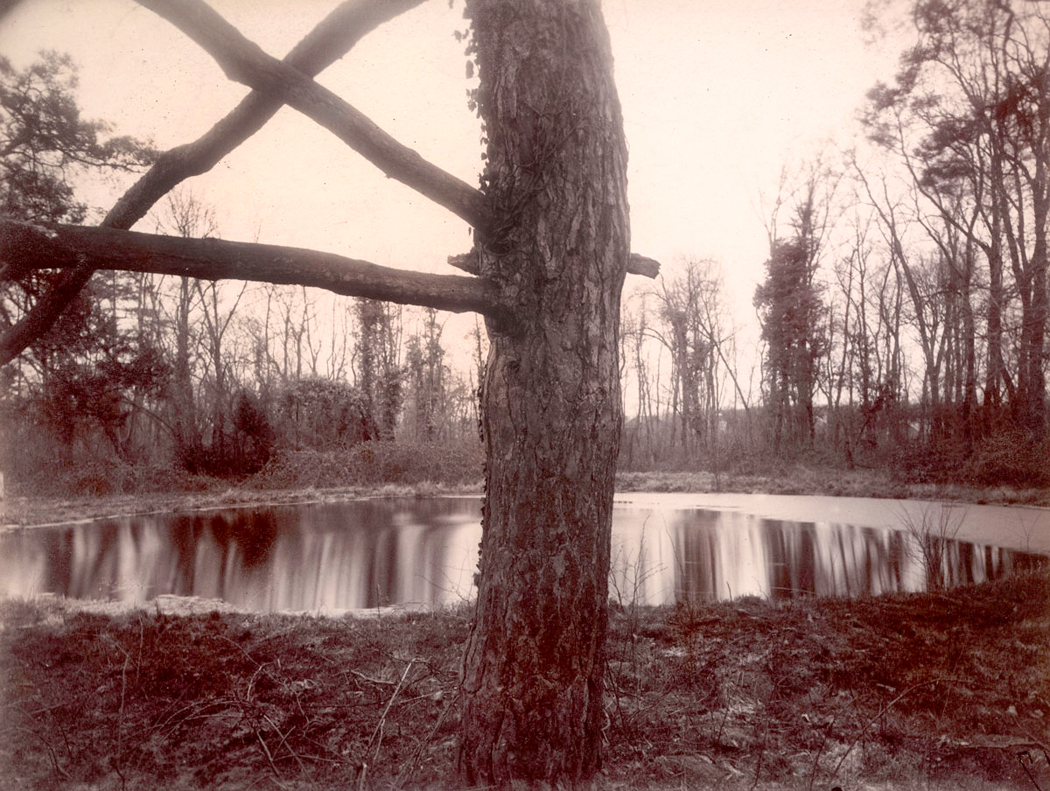
In the summer of 1972, the Museum of Modern Art in New York mounted a small exhibition in its downstairs gallery, behind glass doors. “Atget’s Trees” put together 50 photographs by the French artist Jean-Eugène-Auguste Atget (1857-1927). Lined up on the wall in a darkened space, with brilliant track lighting that made each photograph gleam like a jewel, the photographs made my heart jump and my eyes happy. (That kind of lighting is now largely verboten in museums, as they adhere to a strict limit of only so much illumination to protect sensitive materials from light damage. Silver-image black and white photographs are largely immune to such light damage, so the restriction on lighting seems shortsighted and misguided; it dulls the brilliance.)

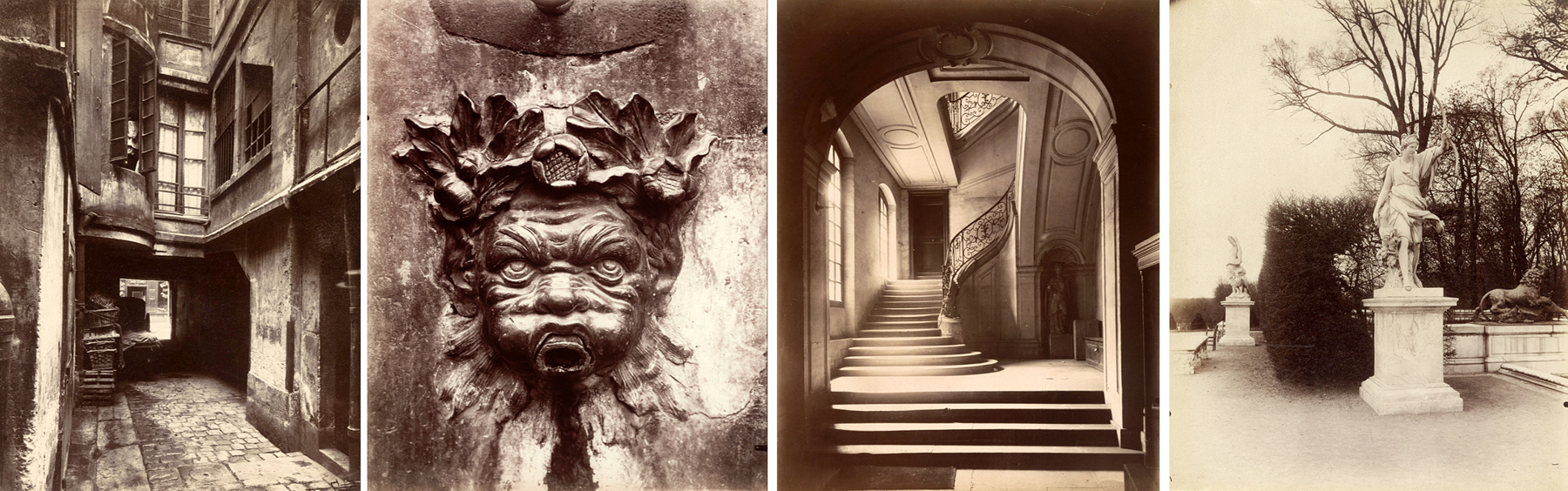
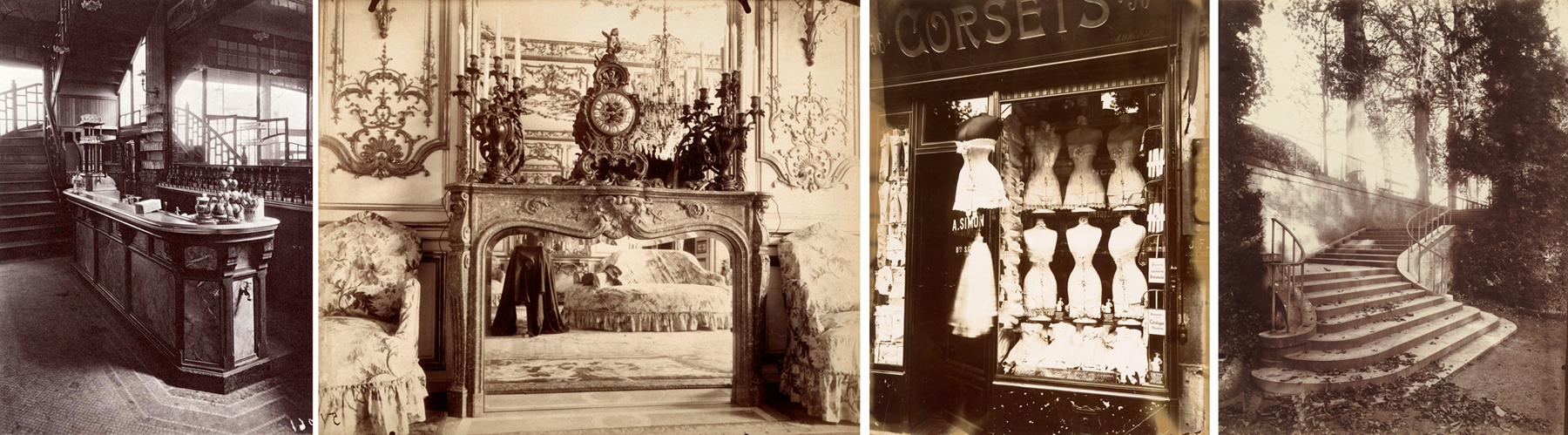
Atget (At-zhay) was an odd little man who taught himself photography in order to document art, architecture and decor that was disappearing as Paris and France entered the modern world. Originally, beginning in 1890, his work was meant for painters, architects and stage designers to provide models for their work, and he sold his pictures to them. But he seems to have become more and more interested in the details of his city for their own sake. He took thousands, maybe tens of thousands of negatives. Many were sold to various institutions interested in historic preservation, such as the Bibliothèque Historique de la Ville de Paris. 

In 1925, he met American photographer Berenice Abbott, who began buying his photographs and collecting negatives. In 1968, she sold her collection to MOMA, from which the “Atget: Trees” show was developed. 

The majority of Atget’s subjects were buildings, statues, door knockers, gardens and street scenes. No detail was too humble for his attention. There are photographs of doors, photos of stairways, photos of balconies and railings, of fireplaces, of courtyards and alleyways. His curiosity was omnivorous and ravenous. 

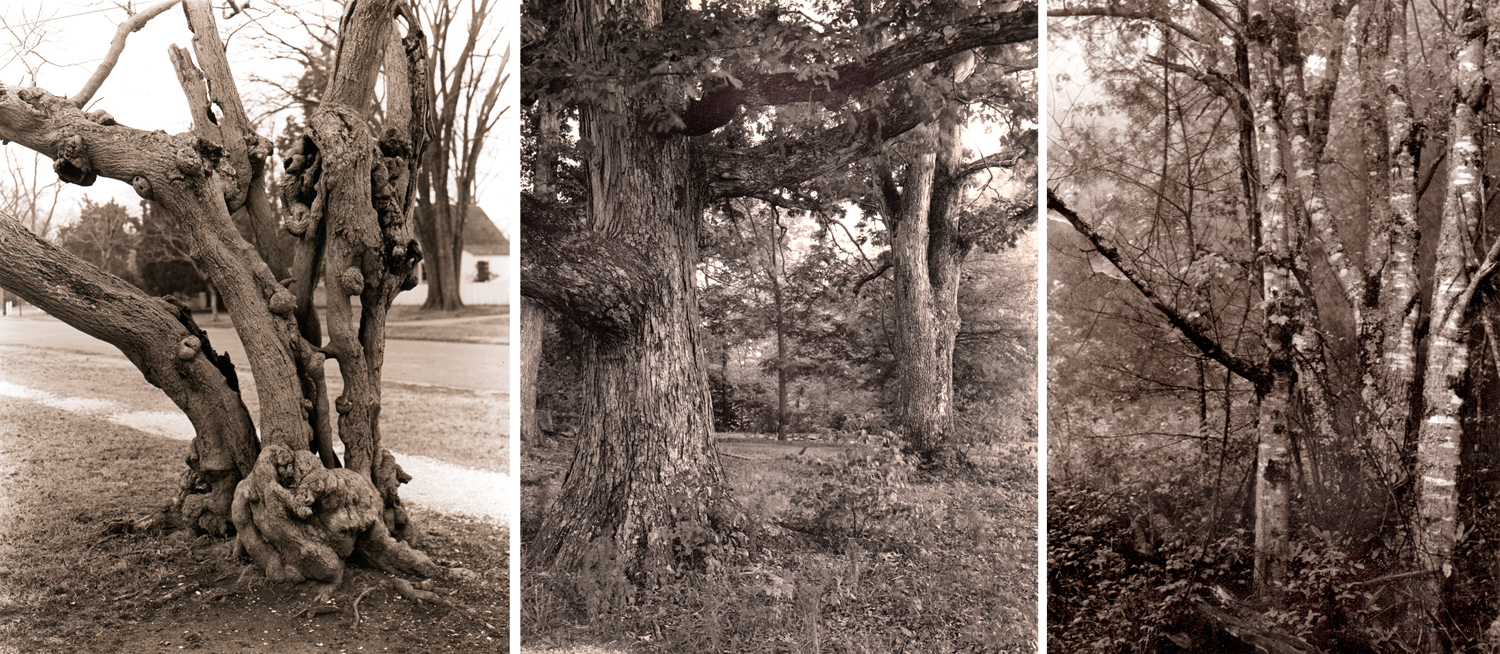
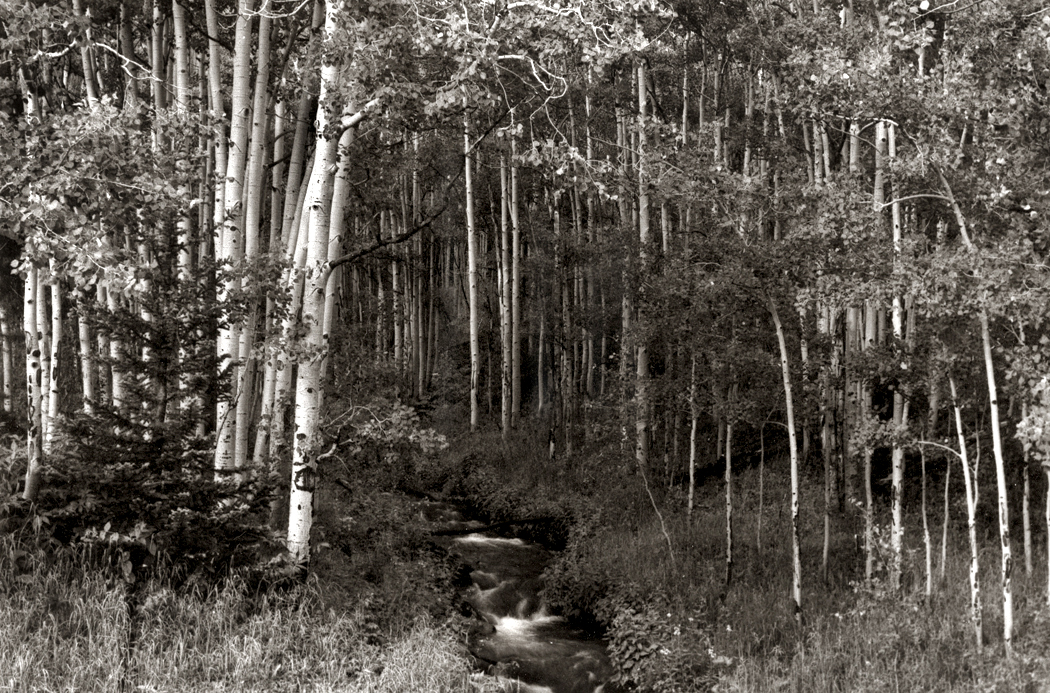
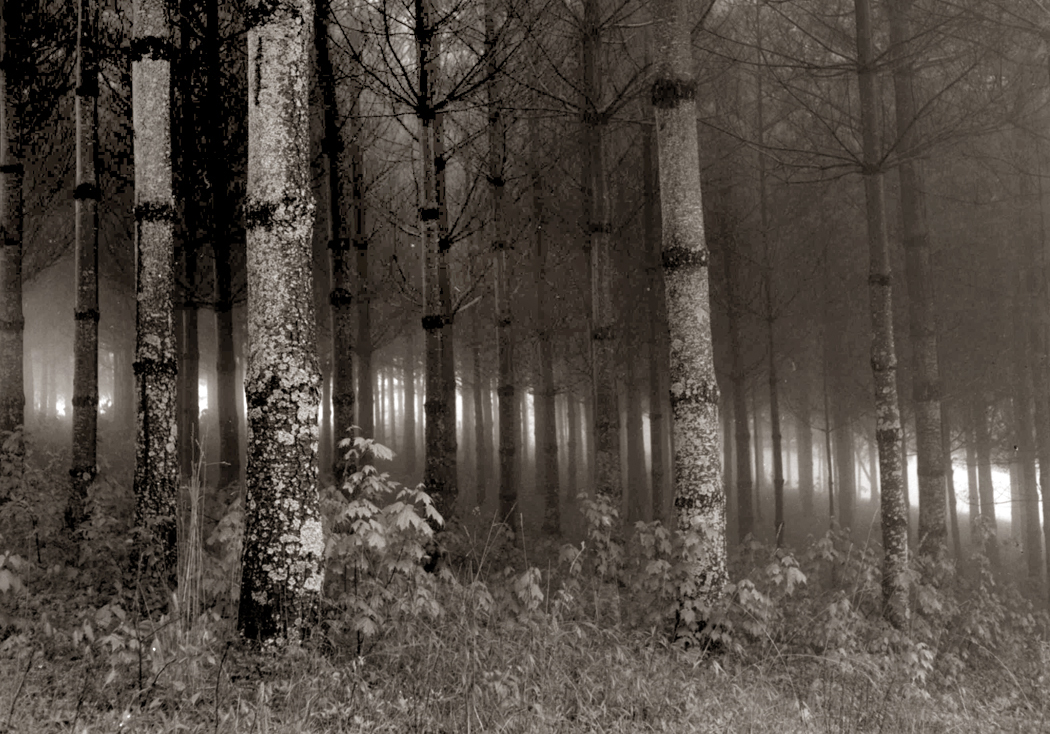
But through all, there was one subject he came back to over and over: trees. Most were in parks, like Saint-Cloud or Sceaux; some were at Versailles; others simply out in the countryside. He seems especially taken with ragged bark and gnarly roots. Often, he has photographed the same tree over and over, from very slightly different angles, or in different seasons. There is something sensuous in the growth and surface of trees that excited his artistic libido. 

Atget’s equipment and technique were already antique when he began, using an old bellows camera and large negatives, printing them on albumen paper and toning them with gold chloride. This gave his images a sheen (from the egg white) and rich, chocolatey tone (from the gold) that, in the right light, makes them jump from the frame with gem-like luster. 
And there I was, in 1972, ripe for the message they were giving me. 
You have to remember that 50 years ago, the art world — and especially the world of photography — was deeply buried in a type of snooty puritanism. We were taught you never “crop” your images, but framed them precisely in the viewfinder. Anything else was “sloppy” and perverted the natural uses of the camera. You must used archival paper and processing. Frames must be neutral, matting must be white or ivory.

And most of all, you were made aware that a photograph was all about photography. Art about art. Subject matter hardly mattered; it merely provided an armature on which to make your statement about the nature of photography and art. 

This was the art world the late Tom Wolfe railed against in his book, The Painted Word, where the deacons of art criticism slapped their hands down on a kind of outstretched bible of certainty: A painting must be flat, it must not mix genres, it must investigate the possibilities of paint and never, ever “illustrate” a story or event. Hellfire and brimstone of a different sect.  

This was the heyday of Ansel Adams and his Zone System of photographic exposure and development, to carefully control the results, which were by necessity “previsualized,” i.e., you were to know before you snapped the shutter, exactly what the end result would be, including its printed size and what sort of paper you would print it on. God, it was constricting. What a constipated way of approaching art. 

And here was Atget before my eyes, messy, uncoordinated, obsessive and obviously fascinated with the things of this world. 

Not that it made a dent in the attitude of exhibit curator John Szarkowski, one of the deacons of that puritan orthodoxy. Szarkowski was Director of Photography at MOMA from 1962 to 1991, and one of the most influential voices of the time. He performed many miracles for photography as an art at a time when the status of photos was still doubted in some corners of the art establishment. But he also issued some very dubious edicts. 

About the “Atget: Trees” exhibit, he wrote in a wall label for the show, “On the basis of a small and heterogeneous collection, the quality of effortless poise that identifies Atget’s work might easily be read as naivete. A study of his repeated investigation of the same or similar subjects, on the other hand, suggests a conscious and sophisticated concern with the ultimately formal problems of picture making. 

“Atget was acutely aware of the literally infinite number of images that are potential in a given ‘subject,’ and he knew also that none of them was true, in the sense that it shared a privileged identity with the object photographed. The subtle variations in framing included here among the six plates of the Beech Tree, St. Cloud, for example, make it clear that Atget did not confuse the subject with the object. He understood that the true subject is defined by (and is identical with) the picture.” 

That is art gobbledy-gook for, “Don’t think Atget was a bumpkin. No, he knew that the real subject of a photograph is the photograph itself, and the finished print, given to us, is the only actual goal of taking the thing in the first place.” (I especially note the condescending quotation marks around “subject.”)

And that, my friends, is a complete misreading of Atget and his art. 

What I came to realize, adoring those luscious trees on the wall of 53rd Street, was that what mattered was not the print, but the attention that Atget gave the world he loved. That, in fact, the subject does matter, and the photographer’s engagement with it was the photograph’s raison d’etre. The photo was merely a lasting and sharable byproduct of the artist’s attention. 

Atget was an indifferent craftsman. His photographs are often poorly exposed, a bit out of focus, show effects of lens flare from an uncoated lens; the prints are sometimes poorly processed and some are fading, or picking up spots and stains. In a Postmodern world, all these things might have been consciously introduced to make us aware of process in privilege over subject matter. But Atget was no such. The power of his work, and its attractiveness is in its naivete — or rather, its directness. Art theory cannot touch it, cannot sully it or soil it. 

Soaking in the MOMA show, I fell in love with Atget’s art, but even more, I learned to mistrust the vox auctoritate. Just because a respected and learned expert speaks ex cathedra does not mean he is right. After all, a scholar is shooting in the dark, just as we all are. Just as Atget engaged with the things he loved, I tried my best to engage with his photographs and not be led into believing orthodoxies that had little to do with what I actually saw. 

And this visit to 53rd Street also freed me to loosen my own approach to the camera and use it to engage with the things I love.

I have had many such life-changing encounters, small but meaningful. This was just one of them. 

Click any image to enlarge