Archive

Tag Archives: william carlos williams

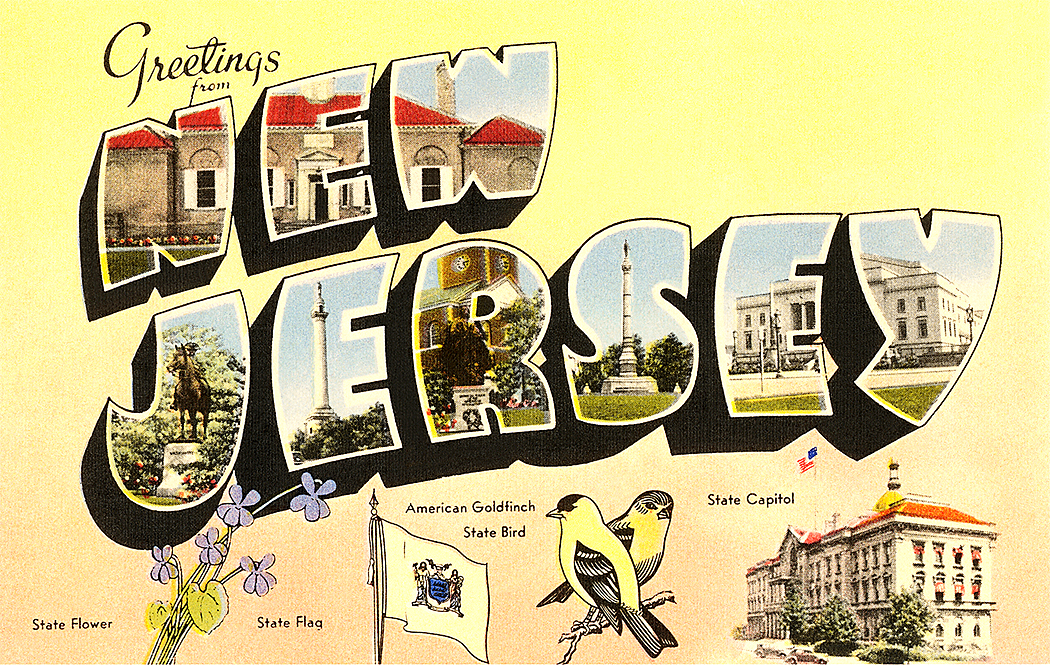
I was born in the upper right corner of New Jersey, just to the west of the Hudson River and a few miles south of the New York state line and the Rockland State Hospital, an asylum famous for once housing Allen Ginsberg and Carl Solomon.

That corner of the map is Bergen County, the most populous county in the state and where I spent the first 17 years of my life, before I managed to escape. It is unrelentingly suburban and, to my young sensibility, numbingly banal. In my senescence, six decades later, I have moderated my disdain and now recognize it as my hatchery — and a part of my psyche that I cannot ever fully extirpate. Like Quentin Compson speaking about his native Mississippi, I can say of my own native state, “I don’t hate it. I don’t. I don’t hate it.” 

The Hackensack River

Bergen County is split by two rivers, the Hackensack and the Passaic. The later forms part of the western border of the county and the Hackensack ran through the town where I was raised and drained, finally, into Newark Bay to the south, between Newark and Jersey City, two old cities that show their age. 

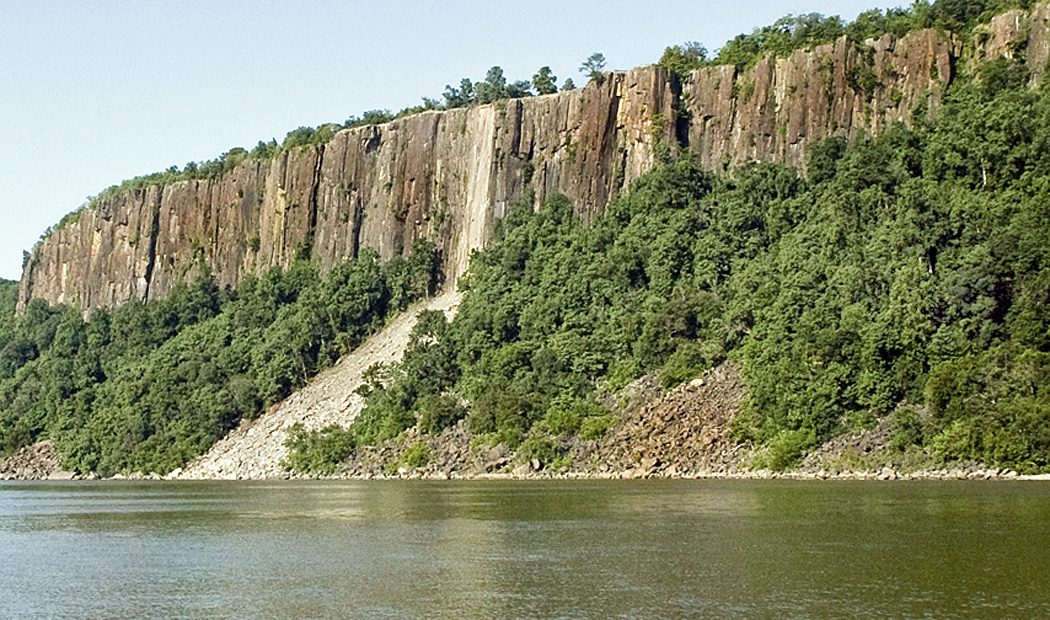
To the east of the Hackensack, the land rises abruptly until it reaches an edge high above the Hudson River, called the Palisades, a 20-mile long series of basalt cliffs that rise to 500 feet above the water. This bit of America, from Paterson to Manhattan is the landscape of my Umwelt — etched into my psyche. 
Since I grew up there and knew no better, I assumed that all rivers must be as wide as the Hudson, and when I first came South to go to college, was less than impressed with what passes for a river there. The Deep River, near my Guilford College, I could have jumped across. That’s not a river, that’s a brook (or, in Southern parlance, a creek). 


But the Hudson was noble, wide and impressive. Historically, it ran through the home land of the Lenape Indians and the county is filled with towns and rivers given versions of their Indian names, including my home town, Old Tappan, which was named for the Tappan tribe of Lenape people, which may mean “cold water.” All of New Jersey and parts of Pennsylvania, Delaware and New York were originally Lenape lands. 

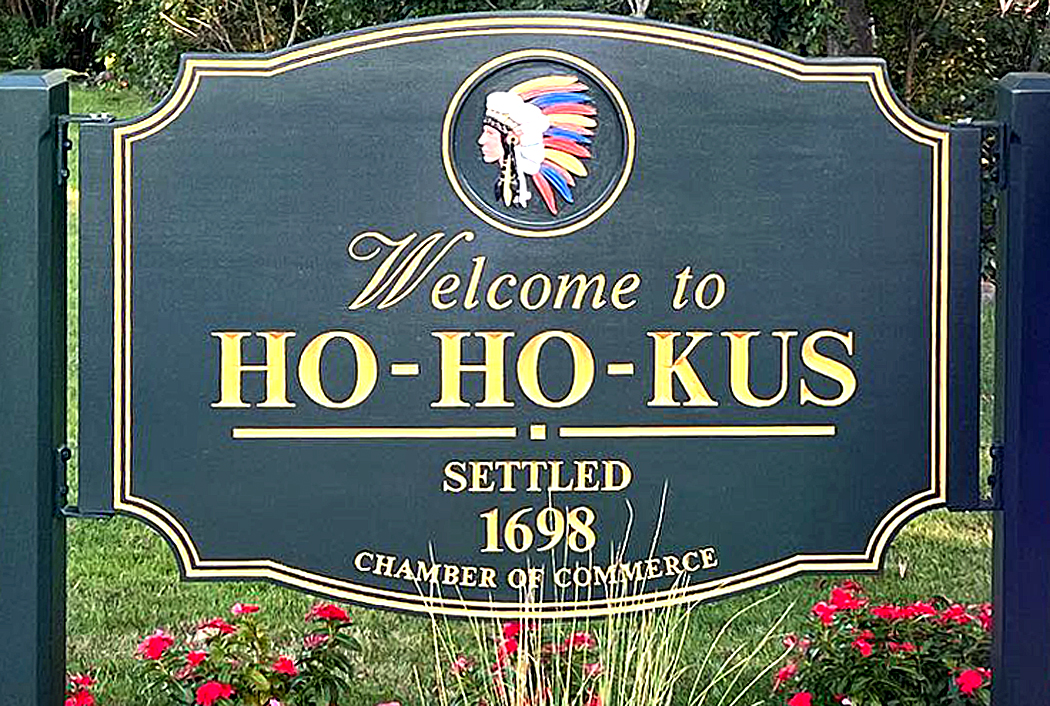
Other Bergen County Native American names, however twisted by the ears of the early colonists, include: Hackensack; Ho-Ho-Kus; Mahwah Moonachie; Paramus; Teaneck; and Wyckoff. 
Names can get quite twisted. In central Jersey the name of Cheesequake was originally the Lenape name Chiskhakink, which meant “cleared land.” Other New Jersey names, some harder to pronounce than others, at least for non-native Jerseyites, include Hoboken, Hopatcong, Manahawkin, Mantoloking, Metuchen, Neshanic, Netcong, Pahaquarry, Parsippany, Pequannock, Piscataway, Ramapo, Secaucus, Squankum, Succasunna, Weehawken, Wickatunk. And that doesn’t count the lakes, rivers and creeks: Absecon; Assunpink; Assiscunk; Hakihokake; Hockhockson; Kittatinny; Luppatatong; Machesautauxen; Metedeconk; Muksukemuk; Musconetcong; Picatinny; Pohandusing; Rancocas; Shabakunk; Waackaack; Wawayanda; Wickecheoke — and that’s about 10 percent of the list. I believe I’ve heard my cat say “Waackaack” at times. 

If you’re from there, these names roll easily off the tongue, if not, well — I once heard a newscaster pronounce Parsippany as “par-suh-PAN-ee.” 

Then, there’s Kinderkamack Road, which sounds like it should be among the many Dutch names in the area, but is really a version of the Lenape for “Place of the Ceremonial Dance.” But you would be forgiven for mistaking it. After the Native Americans came the Dutch, with their own names for things, such as Kill van Kull, Polifly, Paulus Hook, Schraalenburgh, and Tenafly. 

There’s a lot of history in New Jersey, although most Jerseyites pay little attention to it. Not only Native American and Dutch history, but New Jersey was once a slave state. My county, Bergen, was the largest holder of enslaved people in New Jersey, with 20 percent of its population in bondage in 1800. New Jersey was the last of the Northern states to outlaw slavery. At the end of the Civil War, there were about a dozen slaves still owned in the state, eventually freed by the 13th Amendment. By the way, the state voted against Abraham Lincoln both in 1860 and in 1864. 

When my father was clearing land in our back yard in Old Tappan, he dug up an old brick foundation that a local historian identified as the remains of an 18th century slave quarters. 
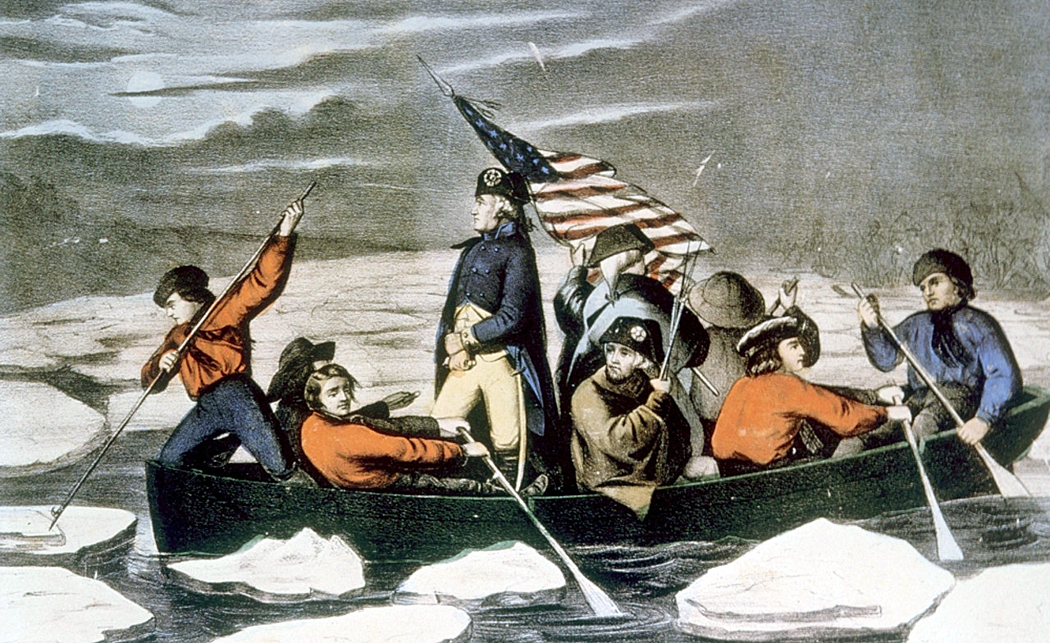
The stony ground of the state has seen a lot of history. One of the most famous and consequential battles of the Revolutionary War was fought in Jersey, as George Washington crossed the Delaware River in the winter of 1776 and surprised British forces at Trenton. He did it again a year later. 

During the Gilded Age, New Jersey was a comfortable home for corporate monopolies. Before being broken up by the Sherman Anti-Trust Act in 1911, Standard Oil of New Jersey had controlled nearly 90 percent of refined oil in the United States. 

Oh, New Jersey. Wikipedia lists more than 50 New Jersey politicians convicted of crimes and corruption, most famously in recent years, Sen. Bob Menendez, who was found guilty of taking bribes after investigators found Menendez had illegally received a Mercedes-Benz car, 13 gold bars, and $486,461 in cash.
The Chin

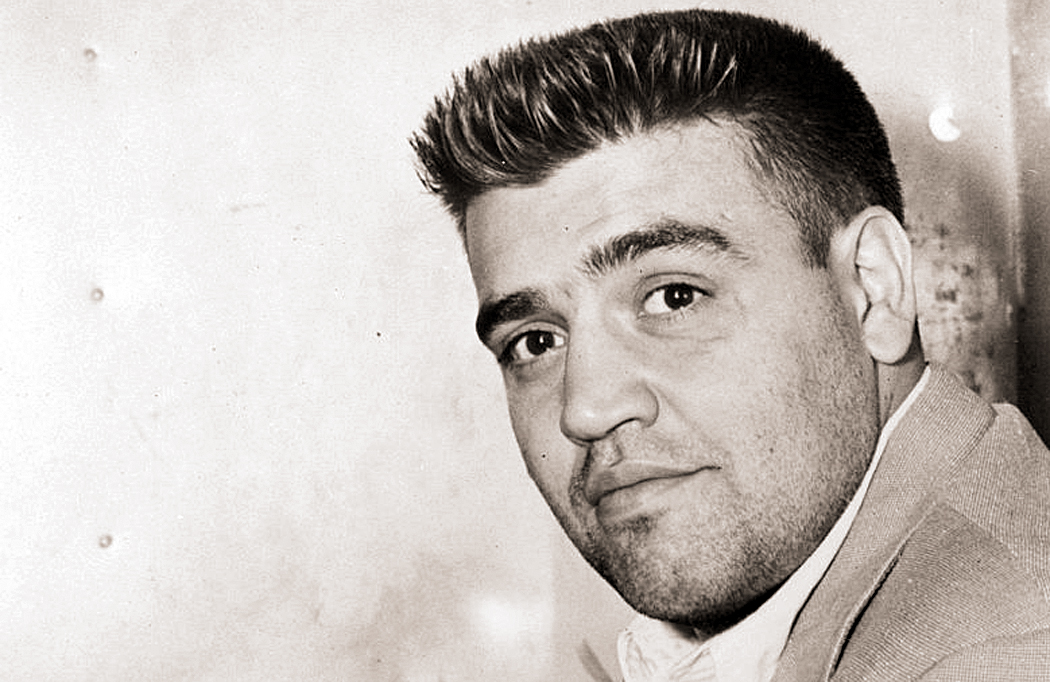
In my own home town of Old Tappan, Mafia boss Vincent “The Chin” Gigante had a house a little more than a hundred yards from where I grew up. I didn’t know that at the time, but imagine my surprise when, at college in 1970, I turned on the radio one morning and heard the NPR announcer say that the entire police force of Old Tappan had been arrested for taking cash from Gigante’s wife, Olympia. 

Other high points in New Jersey history: 

It was the home, in Menlo Park, to Thomas Edison’s research laboratory, later moved to West Orange. 

New Jersey was the first state to ratify Prohibition.

In 1927, the Holland Tunnel connected NJ to Manhattan, followed by the George Washington Bridge in 1931 and the Lincoln Tunnel in 1937. 

In 1932, the baby of Charles Lindbergh and Anne Morrow was kidnapped from their home in Hopewell, NJ., and later found dead. A nation-wide manhunt eventually led to the arrest two years later of Bruno  Hauptmann, who was convicted of and executed for the crime. 

The dirigible airship Hindenburg, a German Zeppelin, exploded in flames upon landing at Lakehurst Naval Air Station in 1937, killing 13 passengers and 22 crewmen. “Oh, the humanity!” 

In the infamous Mercury Theatre War of the Worlds radio broadcast of 1938, Orson Welles claimed that Martians had landed in Grovers Mill, NJ. 

And on Sept. 23, 1949, Bruce Springsteen was born, in Long Branch, on the Jersey shore.

The state tends to get divided into three parts, Northern Jersey, Central and South Jerseys. The north is all suburbs of New York City; the south is oriented to Philadelphia and Central Jersey is orphaned between.
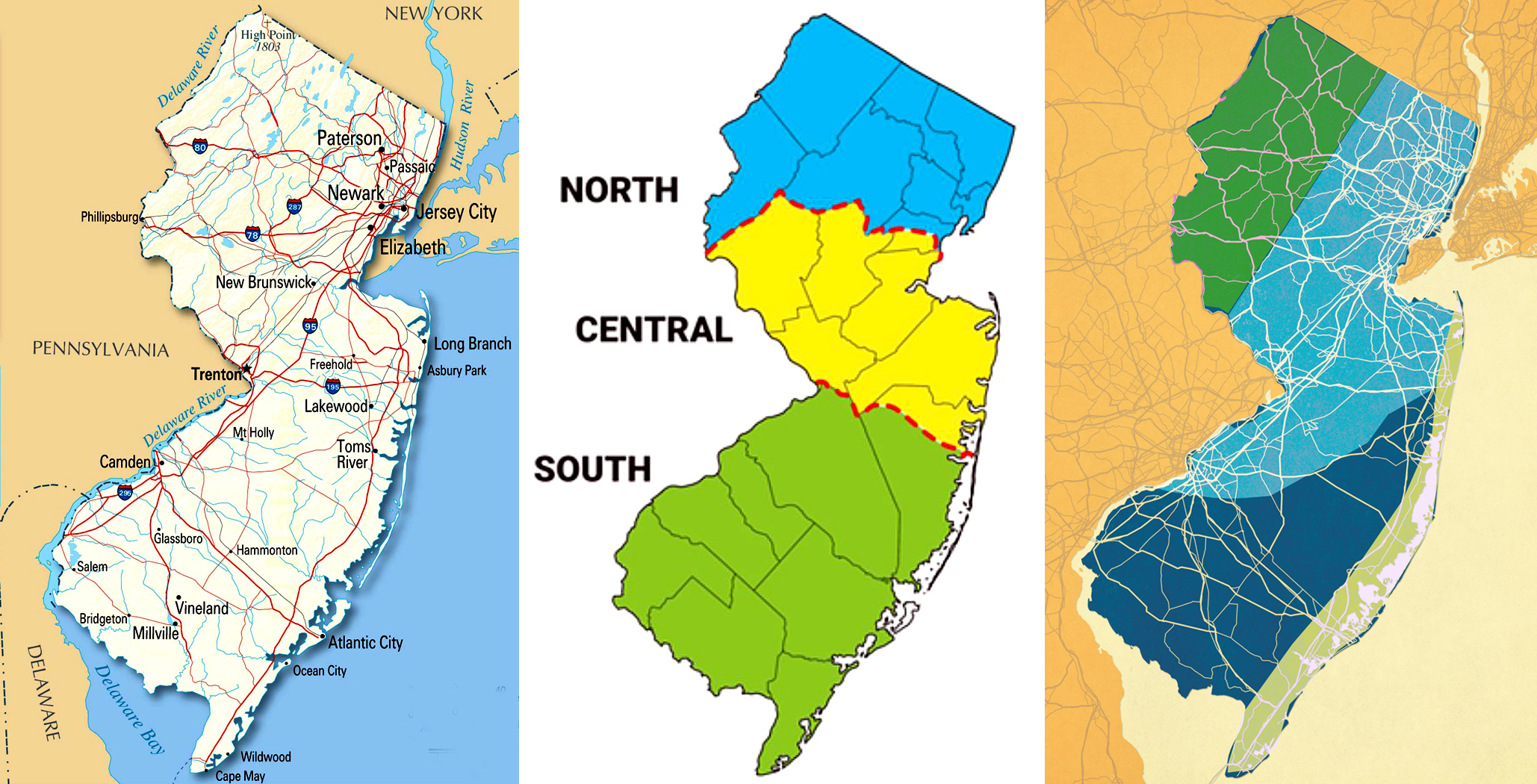
 But really, there is another way of splitting up the map that is more reflective of the cultural realities. There is suburban and industrial New Jersey, which is a ribbon running from the northeastern part of the state and cuts diagonally across to the southwest, near Philly. This includes not only my Bergen County, but also Newark, Trenton, Camden, and the Oranges — pronounced locally as Onch, East Onch, South Onch, and West Onch. There is no Nawt Onch. 
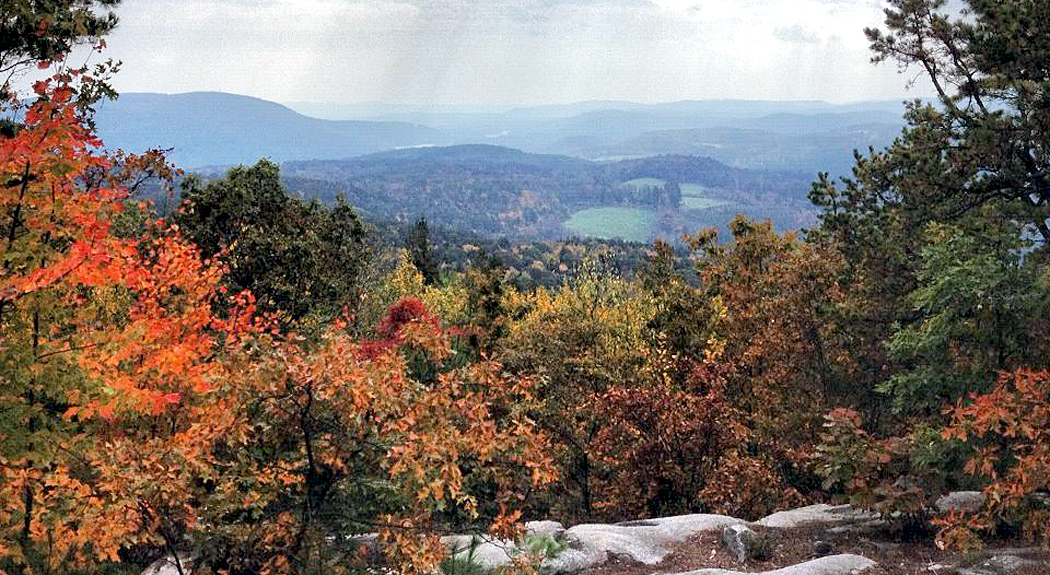
The second part might be considered Appalachian New Jersey and is in the northwest, largely rural and wooded, with the Kittatinny Mountains and the Delaware Water Gap. My summer Boy Scout camp was there, where I was first camper and later camp counselor. 

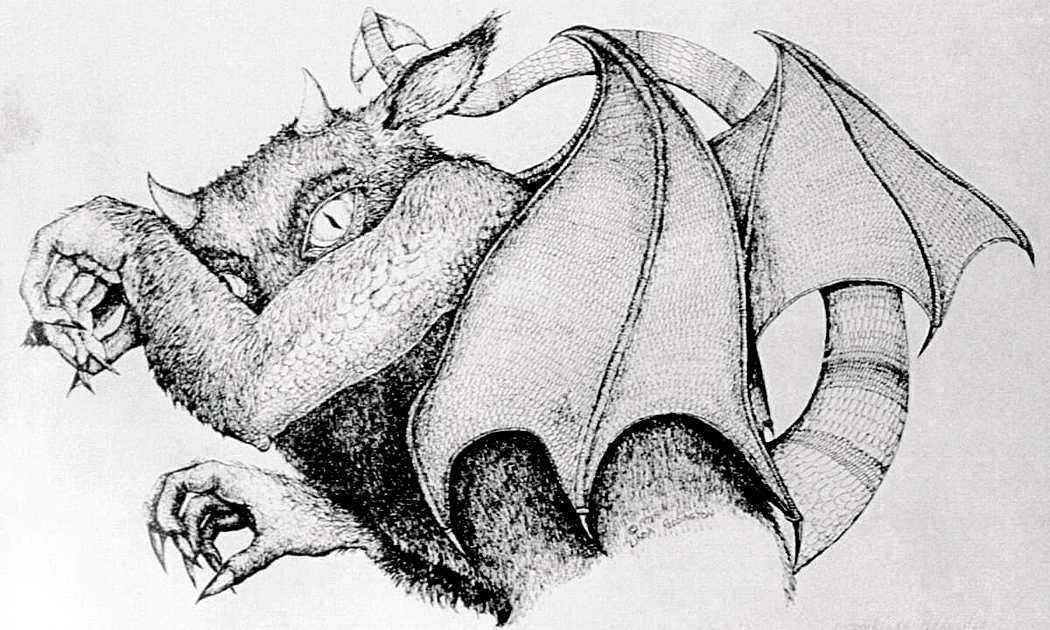
The third part of the state might be called Confederate New Jersey, technically below the Mason-Dixon Line and composed of farm land, swamps and the infamous Pine Barrens, supposed home to the Jersey Devil, a legendary flying demon, said to have been born in 1735 as the 13th child of local woman Deborah Leeds. The child, though born normally. immediately grew wings, tail, and claws and flew out to the Pine Barrens, where, like Big Foot, it is occasionally claimed to have been spotted. 
South Jerseyites can even speak with a drawl, separating them culturally from those farther north. The familiar Joisey accent has a pronounced rising “dawg” while in the south, they are closer to a descending “doag.” (The North Jersey accent is quite distinct. We once had a plumber come to fix our “terlet.”)
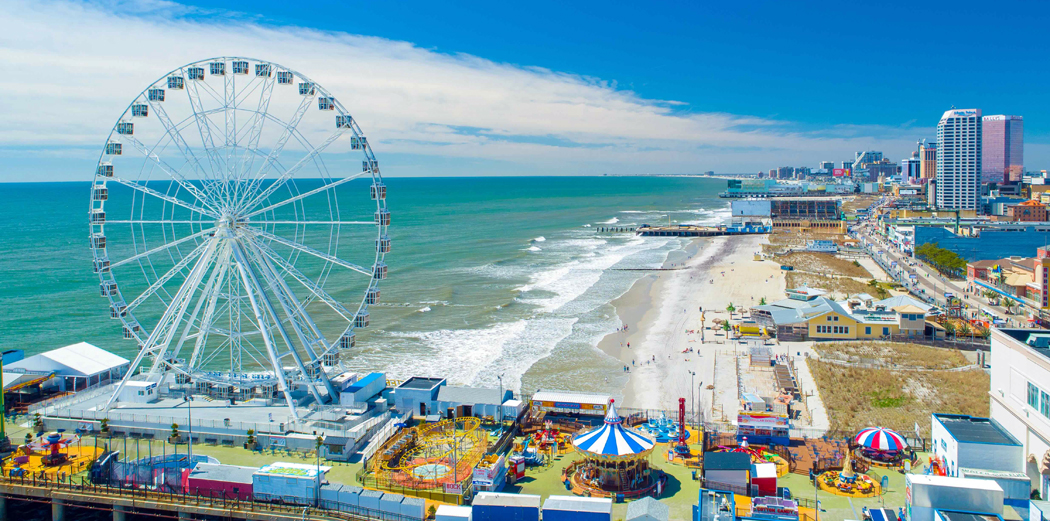
There is a fourth important component to the state. Some consider it part of South Jersey, but it is distinct enough — and famous enough — to warrant its own regional name. It runs down the eastern margin of the state, from Sandy Hook to Cape May and it is the Jersey Shore. It is not like any other section of the state and has gained notoriety for the empty-brained drunkenness and pointlessness of the MTV “reality” television program. The less said, the better. 

The broad stripe that runs diagonally down the center of the state is the heart of what people think of as being New Jersey. Bergen, Hudson, Essex, Union, Middlesex, Mercer, Burlington, Camden and Gloucester counties and parts of others, are both the suburban and industrial centers of the state, and the source of most of the enduring cliches. 
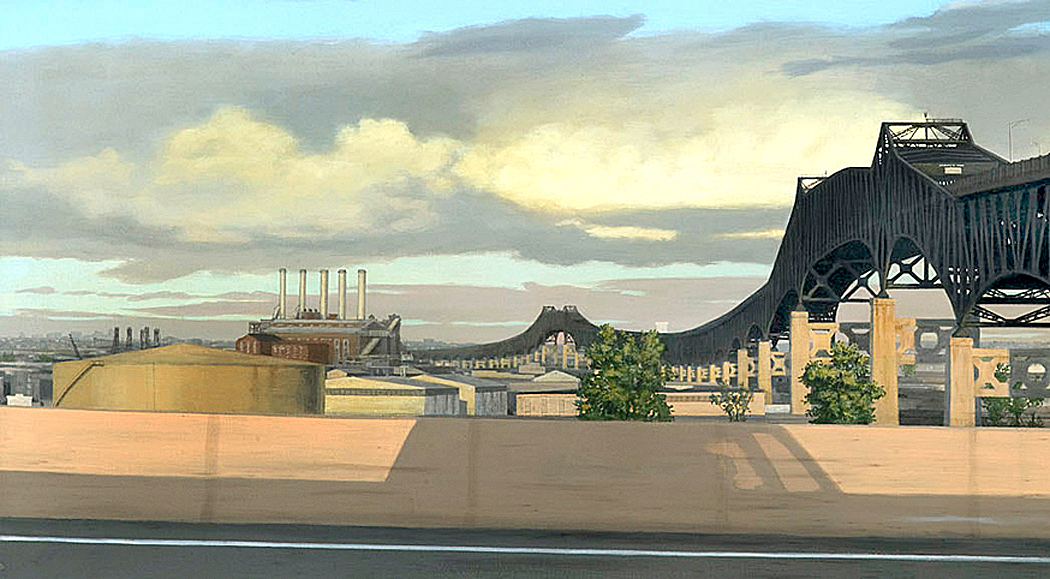
But it is the center filet that has all the housing developments, mcmansions, oil refineries and chemical plants — to say nothing of the Pulaski Skyway and the single most trenchant metaphor for the state: The NJ Turnpike. (“Where do you live?” “Exit Four.”)

   When I left New Jersey as a teenager headed off to college in North Carolina, I shook the dust off my sandals and said good riddance. I despised the bourgeois banality of it all and couldn’t wait to get to the “real” stuff that higher education would show me: art and poetry and music, and — well, beer and sex. But over the years I came to realize both that New Jersey was not exceptional in its inanity — that was everywhere — and also more importantly, I had to accept that New Jersey had built my insides.
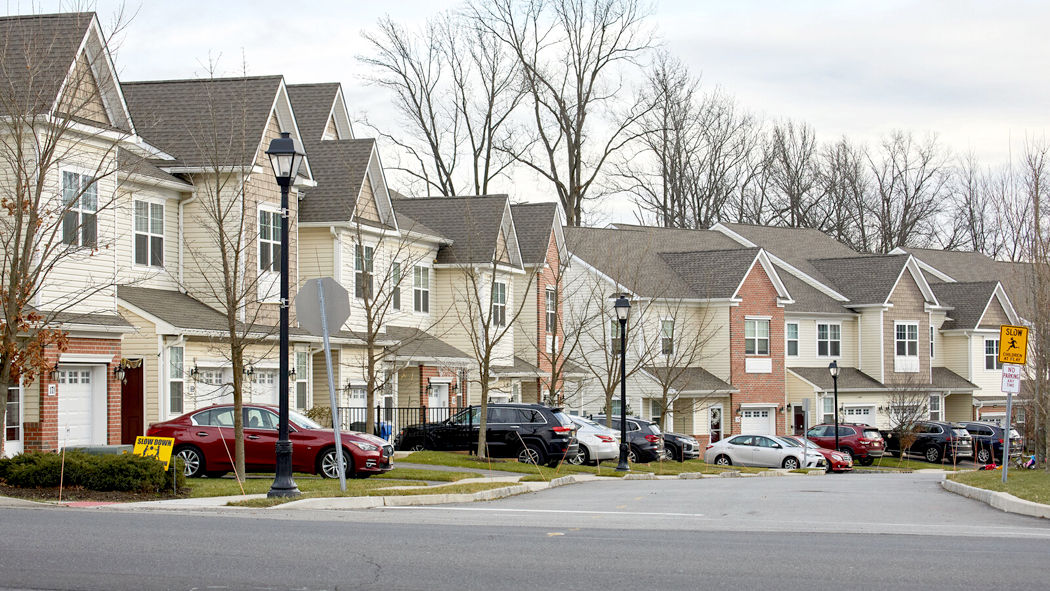
The pace, the smells, the population density, the architectural styles, the speech, the ethnic and religious diversity I had known had all become the universal norms by which I judged the world. 

It came as a shock, for instance, that there were so many churches and so few synagogues in the South. In Old Tappan, there was one Protestant church and one Catholic church and the nearest synagogue was in Closter. Here in my neighborhood in Asheville, there are three churches all in walking distance. Oy. 

The Trinity Reformed Church in Old Tappan was presided over by the soft-spoken Louis Springsteen whose basic message to the congregation was that good is better than evil because it’s nicer. No brimstone, no hellfire. My Catholic friends went to St. Pius X at the other end of Cripplebush Road. Some of them went to parochial school and were taught by nuns. It was all just normal, and built that normal into me. Religion made no more difference to me or my friends than hair color or freckles. 

I remember my father, raised in Cliffside Park, NJ, telling us that when he was drafted at the beginning of World War II and shipped off to Camp Wheeler in Georgia, he was shocked to find out the camp was segregated. The idea had never occurred to him. 

And when I was at college a group of us decided to crash a Ku Klux Klan meeting in Liberty, NC, where the main speaker was the sheriff of Forsyth County, and I was surprised to find out that among the enemies they despised were not just Black folk, but Catholics and Methodists as well. Huh? Humanity never seemed such a narrow concept where I came from. 

My Boy Scout troop was presided over by Paul Weinstein and his two assistants, Vern Riportella and Arch Curry. Basically, one of each. 

It all, good and bad, became the unexamined bedrock of my personality. I remain somehow in New Jersey, even though I haven’t lived there in 60 years. 
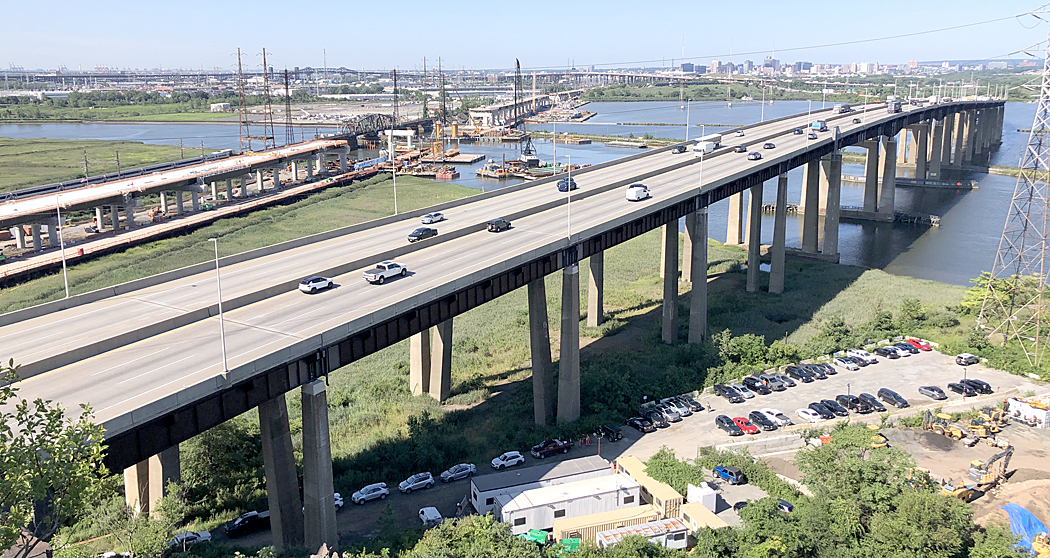
The highways I knew in Paramus seemed the normal highways; the shopping malls the size of Delaware were the norms; the traffic was normal; the oil refineries burning off their excess in the night sky was normal; the bus service, the delicatessens, the pizza, were all the baselines I took elsewhere with me. 

I mean, come on — you call that a pastrami sandwich? 

And New Jersey set the inner tick-tock of my sense of time, a quicker pace. As I’ve aged, the clock has slowed a bit, and living in the South for the majority of my life has moderated the tempo, but it still moves too fast for some. My Anne complains that I talk too fast, according to her North Carolina metronome. 

Perhaps it is because my New Jersey innards prompts me more to favor efficiency than courtliness. 

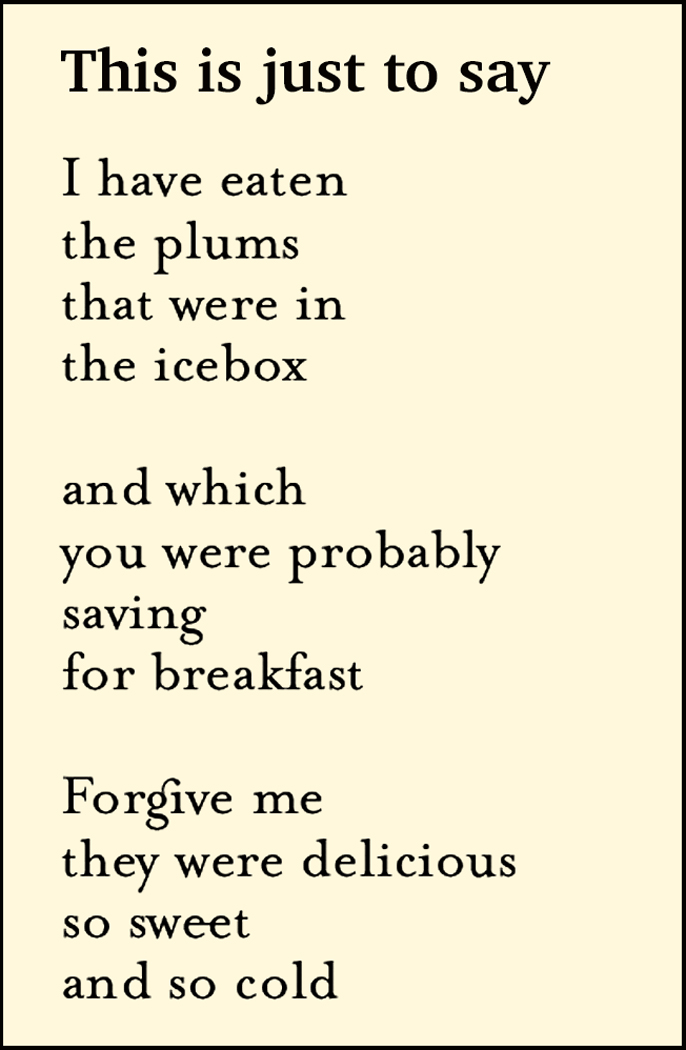
And while I grew up thinking of my home state as intellectually stultified, I have to grant that there are random points of light. I hesitate to include James Fenimore Cooper among them, after reading Mark Twain’s “Fenimore Cooper’s Literary Offenses” — “Cooper has scored 114 offenses against literary art out of a possible 115. It breaks the record.” — but New Jersey was also the adopted home of Walt Whitman and the very subject and marrow of the poems of William Carlos Williams. There were also Stephen Crane, John Ciardi, Joyce Kilmer, Philip Roth, Amira Baraka (aka LeRoi Jones), George R.R. Martin, to say nothing of the Ginsbergs, père et fils. The Jersey Shore town of Long Branch alone has given us Springsteen, Norman Mailer, Robert Pinsky, and Dorothy Parker. 

Springsteen, Pinsky, Mailer, Parker

New Jersey gave birth to, or was home to George Antheil, Gerard Schwarz, Astrid Varnay, Eileen Farrell, Dorothy Kirsten, Jerome Hines, Sherrill Milnes, Michael Tree, Stephen Paulus, Judith LeClair, and one-third of the Beaux Arts Trio. And that’s not even counting Count Basie or Frank Sinatra. 
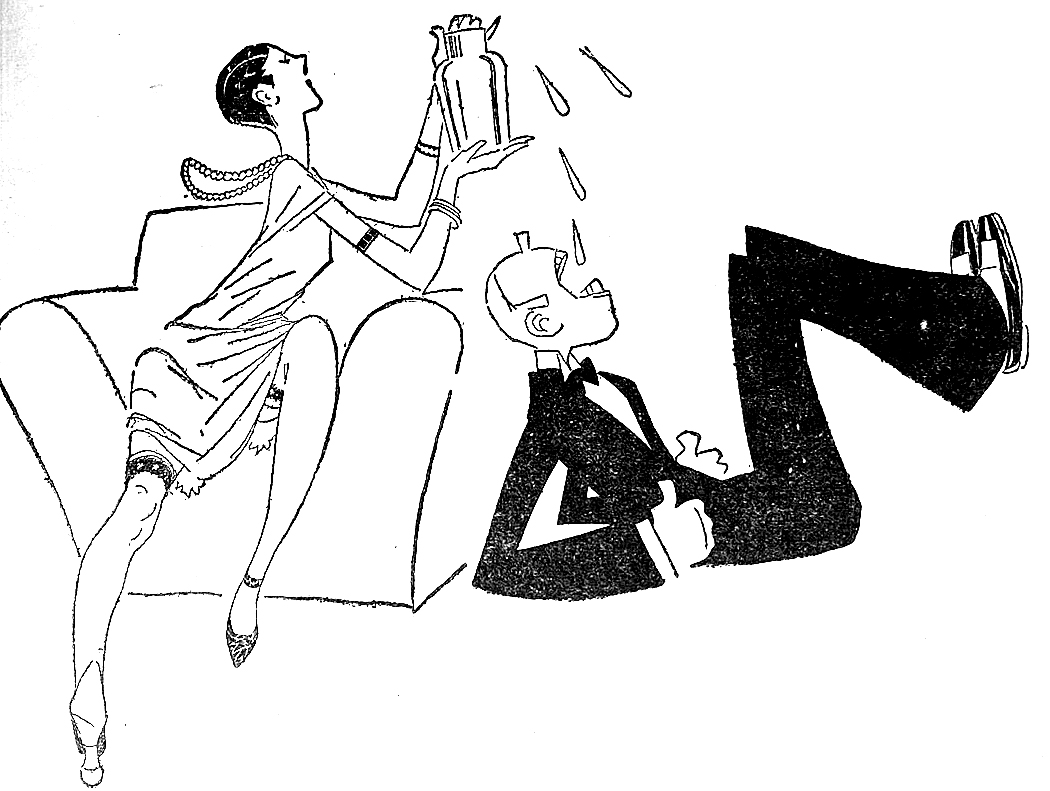
And visual artists: Charles Addams, John Held Jr., George Platt Lynes, Robert Smithson, Reginald Marsh, George Segal, Tony Smith, Irving Penn, Marion Post Walcott, Cindy Sherman, George Tice, and, most famously, Alfred Stieglitz.   
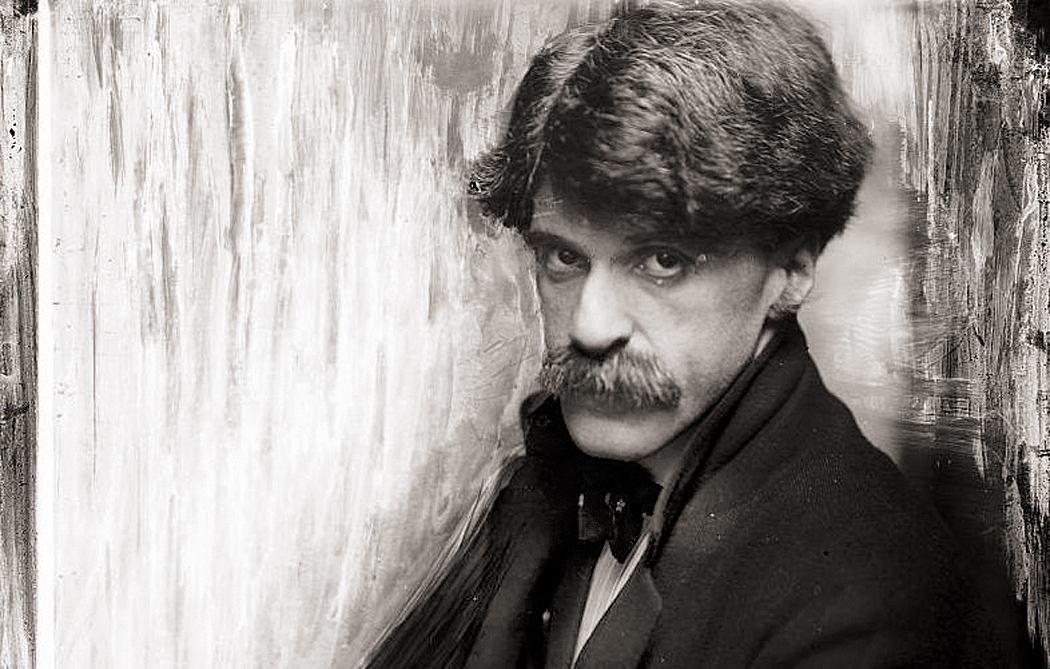
So, there is a serious element in the state, past the saltwater taffy, Miss America contests and Giants football in the Meadowlands. I’ve read work by all the authors, listened to music by all the singers and instrumentalists, either live or on recordings, and seen and often written about the visual artists. I hope that has also seeped in to the brainbox. 

After all, maybe I don’t despise New Jersey like I used to, and perhaps I am not alone in having ambivalent feelings about the places that gave us birth and nurtured us. After all, Henry Thoreau complained about the torpor of Concord farmers and townspeople at a time when that village was also home to Emerson, Hawthorne and the Alcotts. Hmm. Might make for a good sonata.
I was an English major, and how anyone can survive that is a miracle. It is only through love that I have survived: love of the language I speak and write, a love that was nearly extirpated by those who explain literature and write the prefaces to anthologies. The experts, that is. 

It was nurtured, however, by many a teacher and professor, who also love the language and its productions. I don’t remember ever having an English teacher who propounded such gobbledygook as the professional explainer class regularly emits. (This, by disclaimer, is a class of which I was once a member, having made my living as a critic.)

I tried my best to write clear prose with understandable ideas, but my fellow guild members too often do the opposite. They can take something so simple and direct, so unimpeachably beautiful and clear, and turn it into a tangled knot of impenetrable theory, catching the flying sparrow in the fine mesh net of academic verbiage. I was, more particularly, an art critic, and I always said that I couldn’t read art criticism, that doing so was like eating an old mattress. 

It is the same for much buncombe written about literature and poetry. Something that should be read for pleasure, understanding or solace turns into a midterm exam, the kind that you have in your recurring dreams when you discover you aren’t wearing any pants. 

I am pretty sure such explainers are cases of arrested development, stuck in the sorrowful stage of the sophomore. The memory of having been once a sophomore myself gives me pause. There was a time when I, like so many other young minds, sought to “decode” a poem, finding the hidden meaning in the symbols therein. As if a poem required an enigma machine to untangle its “true”meaning, found in footnotes at the bottom of the page. 

Is Billy Budd a Christ figure? A victim of patriarchy or capitalist oppression. Perhaps he is a Marxist hero. Maybe, he is just a handsome sailor, like Melville tells us. What we are meant to glean from the story’s reading is inherent in the story itself. 

As Archibald McLeish put it: “A poem must not mean but be.” 

Any good work of literature explains itself, if we are willing to listen, to pay attention and to stay within the work and not require a university seminar to unpack. All this comes to mind because of a short discussion recently about an eight-line poem by William Carlos Williams. And a comment by critic Dave Wolverton who wrote: “The poem was meant to be appreciated only by a chosen literary elite, only by those who were educated, those who had learned the back story…” 

Such ideas raise the hackles. 

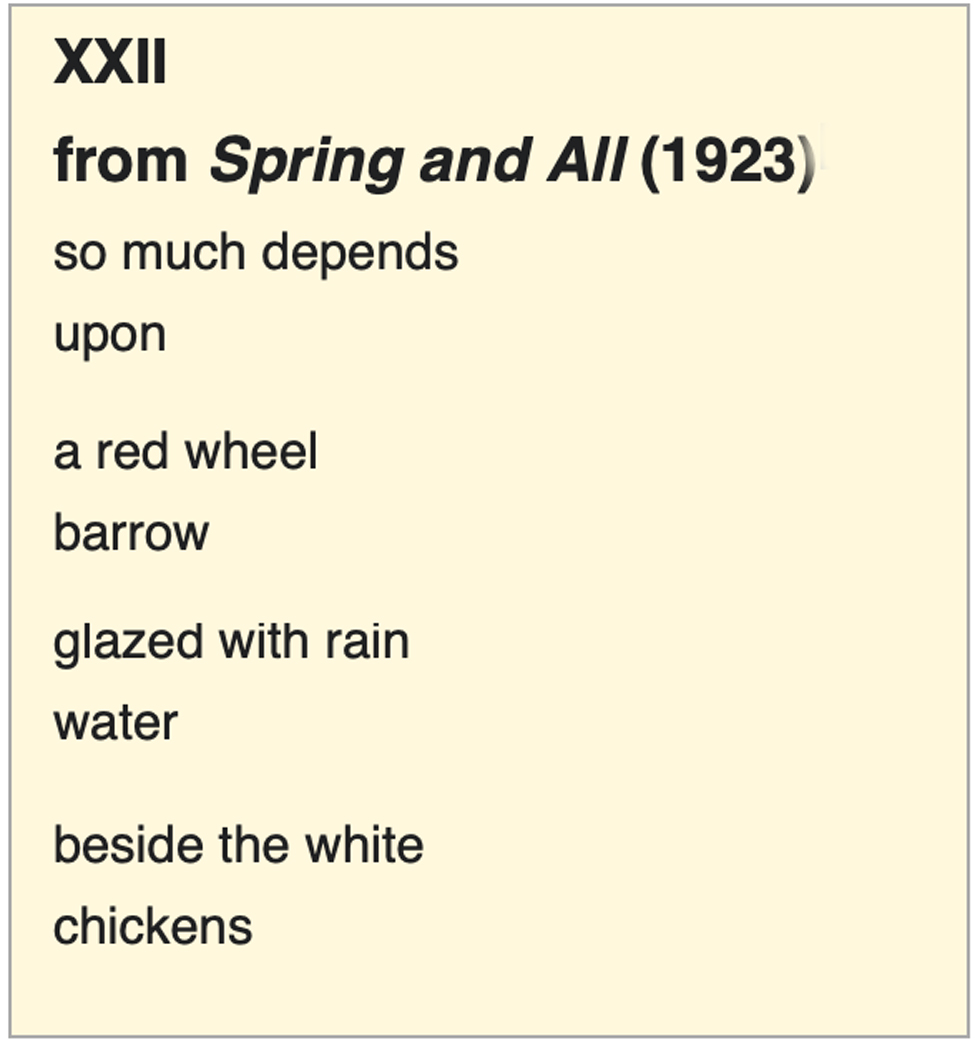
The poem in question couldn’t be simpler, more complete, more self-explanatory, but no, Mr. Wolverton tells us we need to take a secret decoder ring to it, to find out what it is “really” about. 

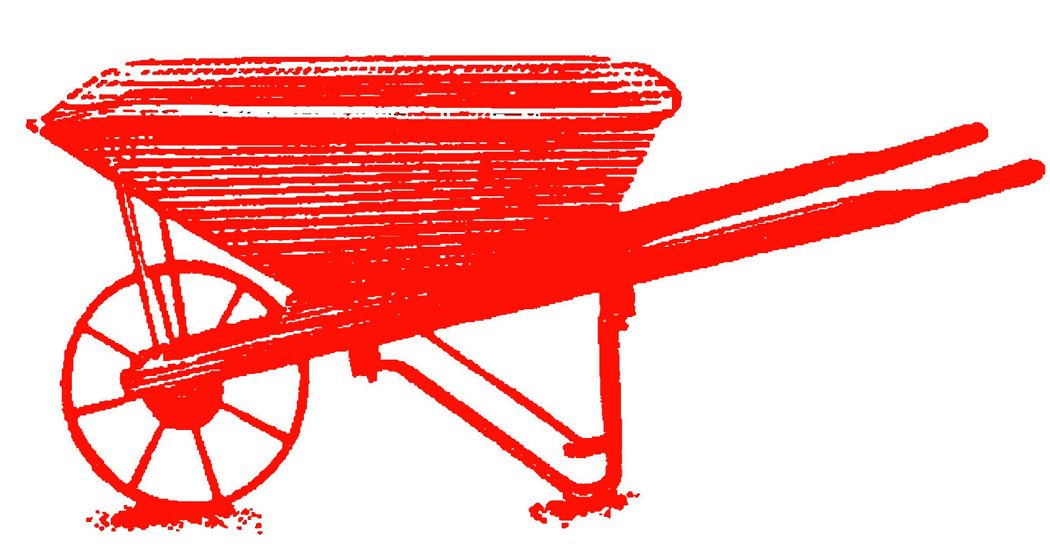
The back story he refers to is of the poet-physician, who was attending the hospital bedside of a dying young girl and happened to look out the window to see a red wheelbarrow and some chickens. First problem: Williams was a doctor in Rutherford, New Jersey, where it is quite unlikely to find chickens outside a hospital window. More likely a traffic jam. 

Second problem is that despite the widespread retelling of this dying-girl tale, Williams himself tells us the genesis of the poem. It “sprang from affection for an old Negro named Marshall. He had been a fisherman, caught porgies off Gloucester. He used to tell me how he had to work in the cold in freezing weather, standing ankle deep in cracked ice packing down the fish. He said he didn’t feel cold. He never felt cold in his life until just recently. I liked that man, and his son Milton almost as much. In his back yard I saw the red wheelbarrow surrounded by the white chickens. I suppose my affection for the old man somehow got into the writing.”

It was first published in 1923, and one head-scratching comment I found suggested the poem was a comment on women getting the vote. How the critic got there from the contents of the poem, I leave to you and perhaps your bong. 

Another sees it as a celebration of the proletariat. This is the kind of stuff that turns high-school students away from poetry and literature and toward auto repair. 

To wit: “The wheelbarrow is an enduring and universal tool, used by people for thousands of years. It is most commonly associated with farming and construction—arguably, the foundation upon which civilization is built. In the poem, the wheelbarrow and its surrounding environment could also nod specifically towards agricultural workers and rural communities. As such, the poem’s contemplation of the wheelbarrow can be read as a meditation on the link between humanity and the natural world—as well as an assertion of the importance of respecting the latter.”

Where is that assertion? Show me the line. 

Elsewhere: “By extension, the wheelbarrow here might be taken to represent the value of the working class. This class — the people actually performing said manual labor, such as farmers, miners, construction workers, etc. — is often stereotyped as being unskilled and unintelligent. Physical work, in general, is often misclassified as ‘lowly’ or ‘simple,’ which ignores the complexity that goes into planting, pollinating, etc. Seeing as this work is often undervalued despite its importance to human survival, the attention given to the wheelbarrow (and, through it, the people who use wheelbarrows) could act as a subtle acknowledgement and celebration of the working class.”

Where do manual laborers spend their time “pollinating?” Et cetera. 

It might be noted that none of any of that shows up in the 16 plain words that comprise the poem. What there is, is a red wheelbarrow and some chickens. They are not symbols, they do not require a gloss. They are, in fact, a wheelbarrow and chickens. It is the ability to see them as just that that is the gift of the poem. They have been separated out of the rest of existence and shown to us as something worthy to be noticed. 

My acquaintance was remembering a common friend who had recently died, who had introduced him to the poem.  

“With my spotty poetry background, I’d never read this gemlike summing up of the power of first impressions. We were probably talking about things that seized our imaginations when we were very young.”

I always took it not as about first impressions, but about the importance of noticing, i.e., paying attention, even to the things you ignore in quotidian life. Paying attention is, for me, tantamount to being alive — I mean really alive, as opposed to merely existing. That is what so much depends on. 

It is also the importance of the senses, as opposed to rationality. So much of what we think is merely done in linguistic categories. House, bird, horse. We tend to value logic and think it is what we hold in opposition to irrationality. But logic has its own pitfalls: It is also thinking in linguistic categories, and so much of what is “logical” is only so in words. Zeno’s paradox never actually prevents Achilles from overtaking the tortoise in a single step. 

As Stephen Fry says over and over, the counter position to superstition and irrationality is not logic, but empiricism. Empiricism is paying attention. In that sense, so much depends on that red wheelbarrow. Without it, Galileo is put under house arrest. In this sense, paying attention and sense data are a bundle, inseparable. 

Paying attention to our senses — looking carefully, hearing intently, touching, tasting, smelling — is also the key factor in squeezing the most enjoyment out of this brief moment we spend on the planet (seeming briefer with each birthday). In Keat’s words: “seen of none save him whose strenuous tongue/ can burst joy’s grape against his palate fine.” 

So much depends… 

I am in love with the things of this world. I love the colors, the textures, the shapes, the light and shadow, the sounds and smells, even the tastes of things around me. And I feel it is a love requited. At least, my love has paid me back with profound pleasure.

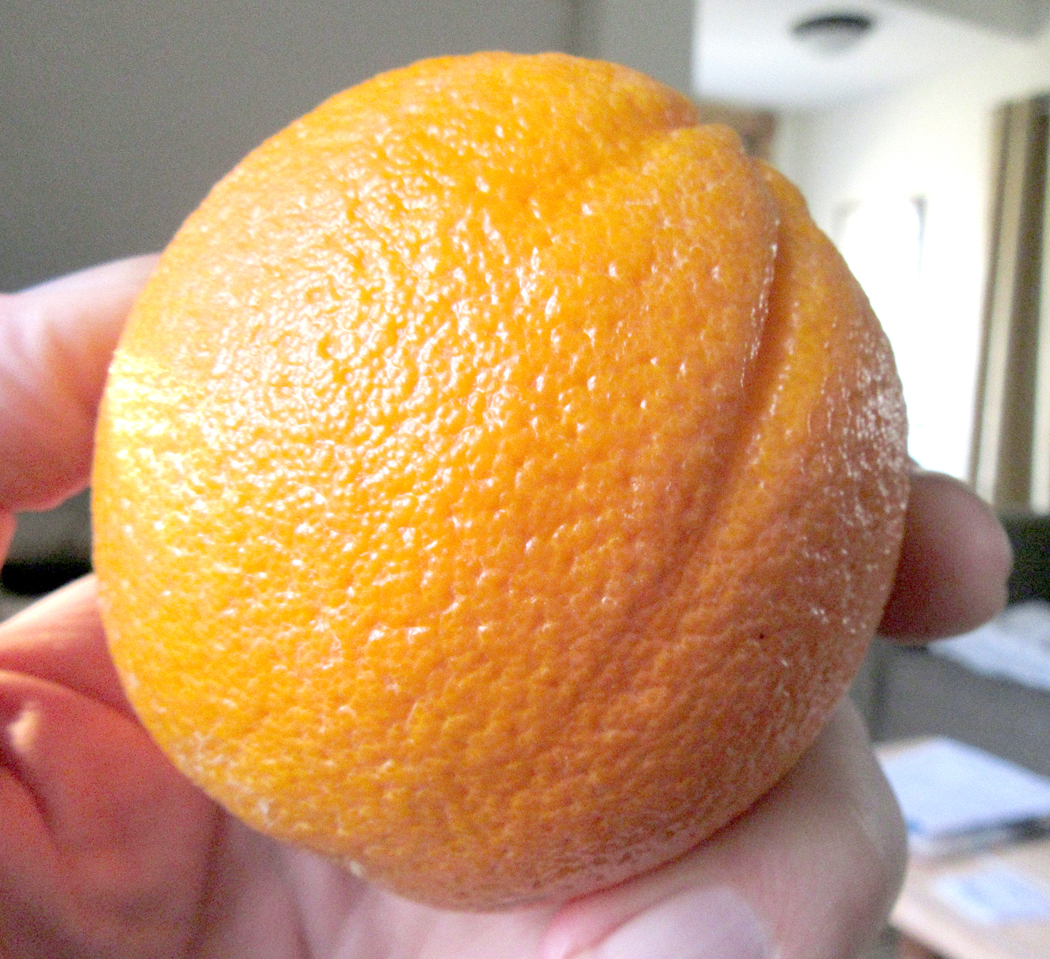
The world I love has heft. It thumps when you give it a smart fillip. You rub you fingers over its rind and it gives a little, but pushes back. The rind is pebbly, like the surface of an orange. It is physical and present. It surrounds me like an amnion and I am comfortable in its presence. 

But don’t think I am talking only about sunsets and rainbows. I love equally such things as discarded hubcaps and old, torn shirts. The feel of linen, the sound of traffic, the look of the palimpsest of graffiti on the sides of a subway car. 

You can dismiss me as a sensualist, but I maintain that the world apprehended through the senses is the utmost proof of being alive, Descartes be damned. When I mash potatoes in the pot with butter, salt and a bit of cream, I feel the resistance of the tubers, the thickness of the pulp, the stickiness of the mash on the sides of the pot. I know at such moments that I am living in a world, a world full of the things I love. 

(This issue is separate from the question of people I love. The primary importance of that goes without saying.)

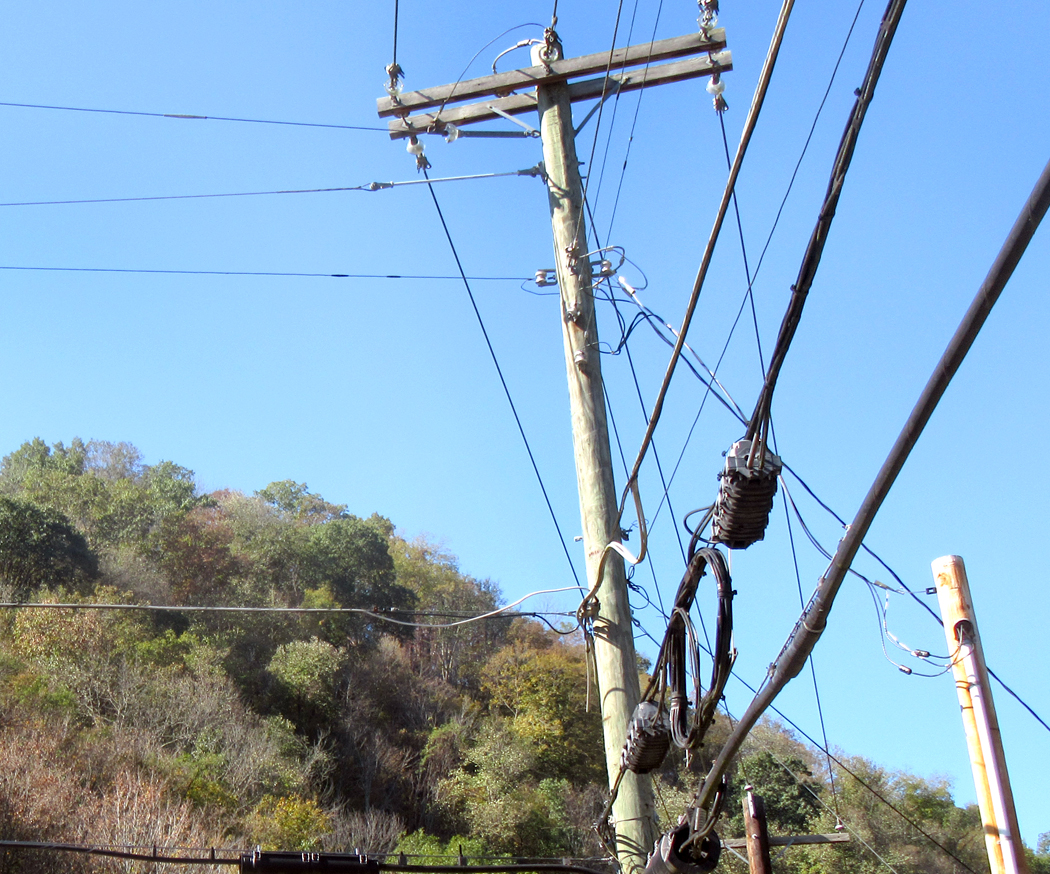
There are two larger points I want to make about this. The first is that the world is largely abrasive and difficult. There are wars, famines, drug cartels, disease, deadly parasites, jealousies, greed, death and the deaths of those we love. In other words, there is plenty in the world to level us. But even in the face of all this, people find ways to discover moments of pleasure, even joy. Children and grandchildren, friendships — sometimes even spouses — are, perhaps the primary sources, but there are also quiet moments where you find an attractively colored stone or the birds in the power lines looking like minims and quavers on a music staff. 

The world gives us these things and we are offered the opportunity to observe them and find beauty, pleasure and enjoyment. Given the misery around us, such bits are essential. 

I cannot claim to have suffered much in life, although it feels as if I have, but the pleasure of things gives me great comfort. 

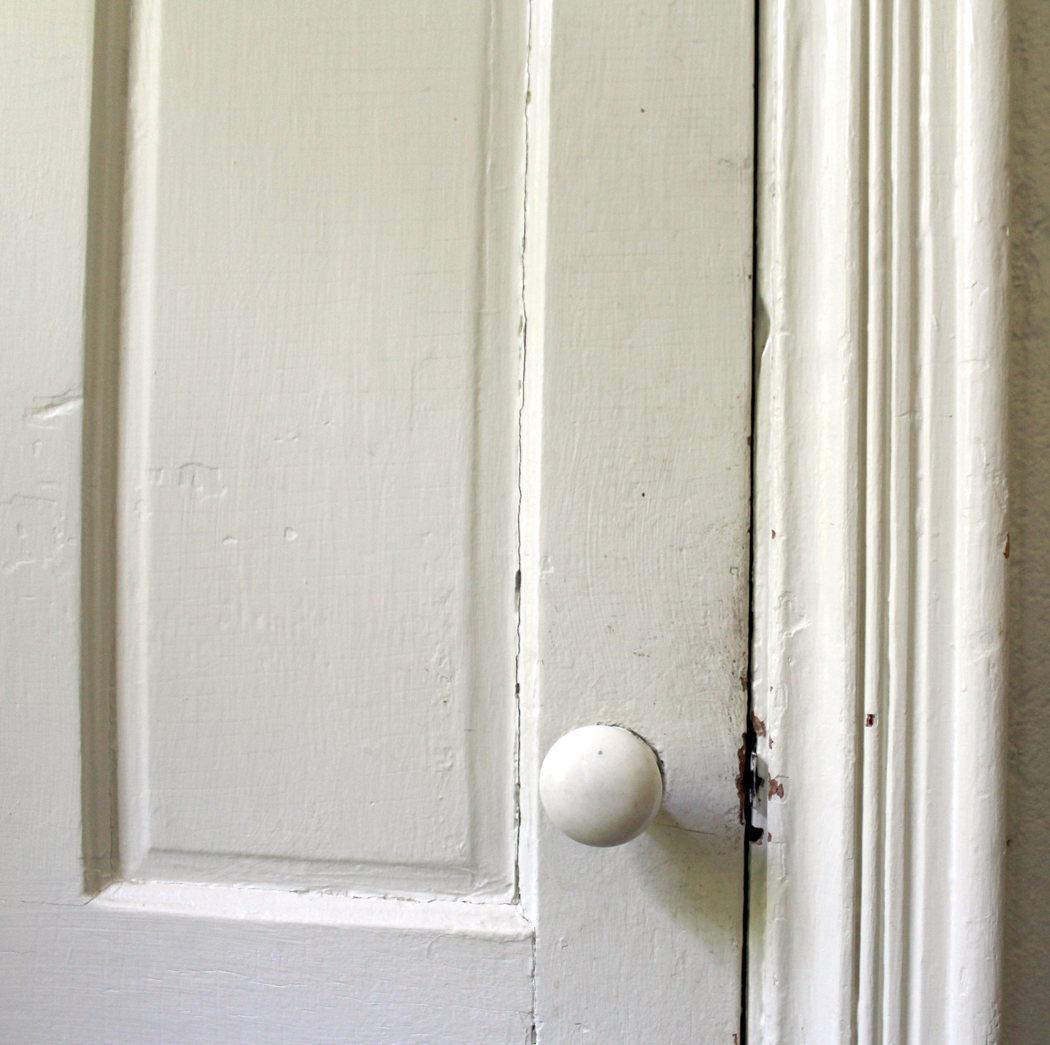
But more, the awareness of the physical existence of our surroundings can make us more immediately aware of being alive. So much of our daily routine is autonomic, barely observed in the passing. But a keen attention paid to the rocks, weeds, doorknobs, faucet handles, cloud patterns, colors of the cars that pass us on the road, dust on the sills, make us recognize that we are living parts of a whole. A stone set in a bezel. 

Paying attention fills our selves and enlarges us. This is more than mere pleasure, but the pleasure is central. It is the reason to pay attention in the first place. 

It also anchors us in physical reality, or at least our perception of it. If we are open to the things of this world, we are less likely to careen off into various ideological morasses and delusional idealisms. Such are the stuff of words and schema. But the solid world of apples, bottles, pork chops, gudgeons and pintles tethers us to the earth. 

There are those who get their satisfaction from ideas, doctrine or ideology, but those are pleasures of the mind, divorced from the muddy, sun-spattered physical world. Words are fine things, but they are always abstracted, like a picture of the world rather than a garden. Framed rather than expansive. 

And so, I have to laugh every time I hear of Americans as being “materialists,” when the average citizen barely pays attention to the material world, but rather to ideas about the material world — ideas such as status, acquisition or wealth. These are not material values, but, in a sense, spiritual values. If we were truly materialistic, we would never tolerate walnut-woodgrain plastic. 

No, the physical composition of their existence is simply not a high priority for most Americans. When we say Americans “worship the almighty dollar,” we aren’t saying that they value material objects over spiritual ones, but rather that they place worth on one set of spiritual values instead of another, more worthy set.

Money, after all, isn’t a physical object. It isn’t material. It is no more physical than an inch or a pound. It is a measuring item, to measure wealth.

Real wealth is the possession of useful or meaningful things. To own land, or to grow 40 acres of artichokes is to possess wealth. You can eat artichokes; you can’t eat money.

Money cannot be worn, it cannot be used to build with. It must be translated back from its symbolic existence to a material existence by spending it.

I’m not saying that money isn’t nice to have around. But that it is a mental construct, not a physical reality. (This is becoming ever clearer as we give up carrying cash and instead spend immaterial sums by the passing of a plastic card through a reader.) If we want wealth, it isn’t because sewn together, dollar bills make a nice quilt.

Even the things Americans spend their money on tend to be owned for spiritual rather than physical reasons. If we want to own a BMW or a Lexus, it isn’t because these are better cars than a Honda or a Ford — though they may be (I’m not convinced) — but because they are status symbols that let other Americans know where we rank on the totem pole.

Armani suits and Gucci bags are not something most Americans really enjoy on a physical level. They are the civilized equivalent of the eagle feathers the chief wears, or the lion-ruff anklets worn by the Zulu leader: They confer prestige and denote status.

These are spiritual values, albeit of questionable worth.

As a matter of fact, America would be a whole lot better off if it were more materialistic. The planet is bursting with stuff: It all has a texture, a feel, a smell, a taste, a sound. If we were materialistic, we would be aware of how much richness the material existence affords, and we would revel in it. We would be mad — as Walt Whitman says — for us to be in contact with it.

And what is more, the deeper we involve ourselves in the physical world, the more spiritualized we would become — that worthy spirituality. It is because we are so un-materialistic that our environment suffers so. We don’t value the physical world we live in. It doesn’t bother us that there are fewer birds singing in the morning, or that codfish are disappearing.

In part, this is a remnant of the contempus mundi that was fostered under Medieval Christianity. It is that suspicion of the physical world that the Old World monks felt would seduce them from the righteousness of prayer and ritual.

We have inherited the contempt, but without the prayer. It leaves us in a hollow place.

As an adult I have come not to trust anyone who doesn’t love the physical world.

I don’t trust such a person to make policy choices about oil drilling or lawn seeding. I cannot imagine how it is possible not to fall in love with the things of this world, but I see just that happening all the time.

(I find it amusing that Republicans and Communists are indistinguishable in their belief that the central truth of existence is economic.) 

I pick up the lump of spring earth and squeeze it in my fist to judge whether it is time to plant my potatoes. I listen for the birds globing and twisting in murmuration as they rise from the trees in the morning. I look for the light caught in the cholla spines and the twill in my gabardine. There is velvet in heavy cream and scratchiness in wool blankets.

The physical sensations make us more aware, more awake. The love of the physical world keeps us from becoming dullards. Living in a world of symbol and status dulls us. At its worst, it leads to ideology, and all ideology is a straitjacket, suitable only for a common form of madness.

It is what Carlos Williams means when he says that “So much depends on a red wheelbarrow glazed with rainwater beside the white chickens.” So much depends. As he wrote in Patterson: “No ideas but in things.”

Yes, I am in love with the things of this world. I lament having eventually to leave it all behind, but am grateful for the years I am alive.

Click on any image to enlarge