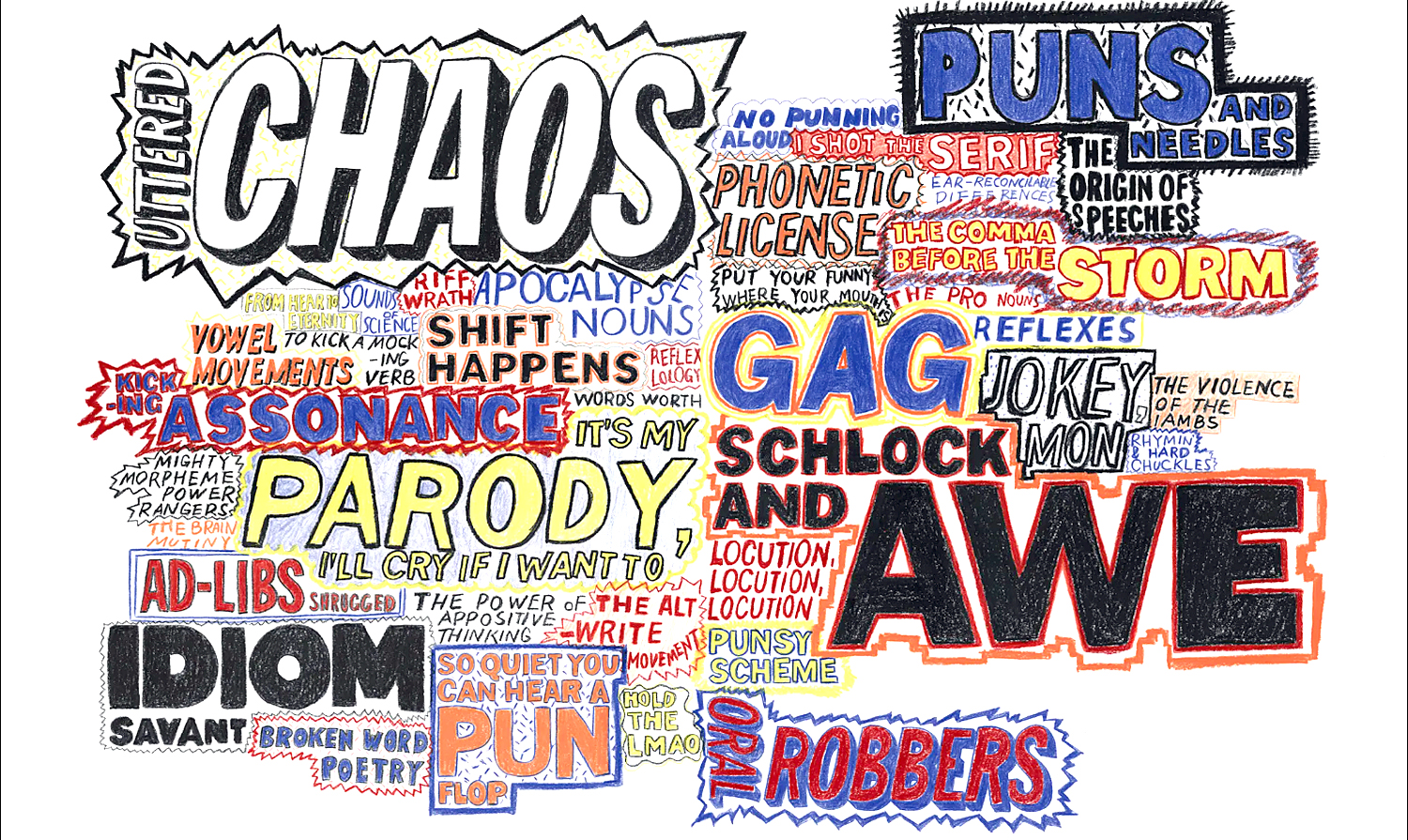
The perpetual face-off between writers and editors can frustrate both sides. I remember well once at my newspaper when a copy editor questioned my use of the word “paradiddle.” It didn’t exist, he insisted. I had thought it a perfectly normal word; it is a kind of drum beat. He wanted me to change it. This was fairly unusual; copy editors are usually right, and have an almost preternatural sensitivity to words and usage. But I showed him my word in the dictionary and he was abashed. Paradiddle made it into print.
But this became a kind of grudge I held (in a mild way — the copy desk saved my bacon many a time, so it was more a slight nettle than a grudge). And so, for the next six months, I got my own back by including in every story I wrote, a word I made up. To quote Captain Renault in Casablanca, “It is a little game we play.”
These were not outrageous words. Some were onomatopoetic, like the Batman “Groink!” or “Shwak!” Others were neologisms derived from Latin or Greek, and therefore easy to parse. Others were verbs in noun clothing, or common words with new prefixes or suffixes. And for six months, not a single one of them was questioned by the copy desk. Perhaps they just thought if they didn’t poke at me, I would leave them alone.
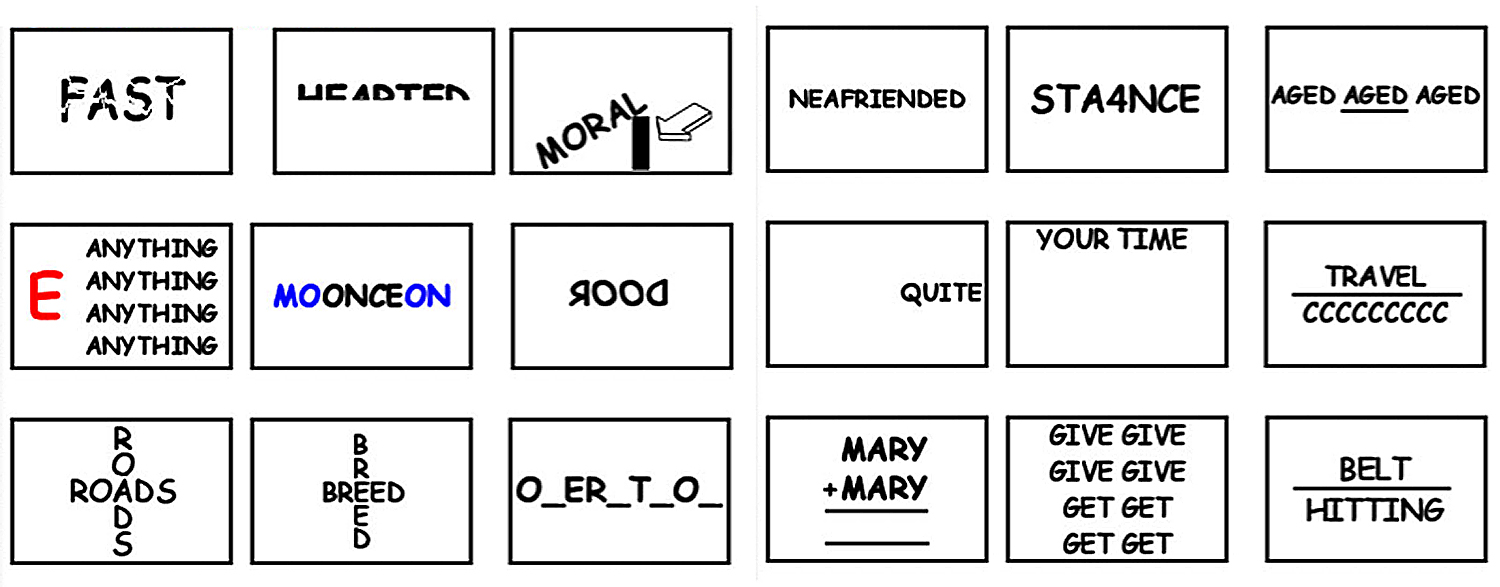
Writers (and editors) live in a world of words. We have all been English majors, came to love language and have developed a word trove far in excess of that of the standard math major or the athlete. We have absorbed most words, including the shibboleth words of numbers or sports. Words B Us.
This starts at a very early age. In second grade, when we were given vocabulary lists to memorize, I loved soaking them in. And when asked to write sentences using the new words, I tasked myself with using them all up in as few sentences as possible. When I could combine all 10 of them in a single sentence, it was the jackpot. It was a game and fun to play.
Words are things and English majors like to move them around, rearrange them, misspell them, invent new malapropisms. The wordplay involves mondegreens, eggcorns, puns, spoonerisms and other fun ways to mangle the mother tongue. They are terms used for language mistakes, but what do you call them when you commit them on purpose?
I have been doing this for as long as I can remember, or, as I usually say, “marimba.” As my newspaper’s classical music critic, I frequently attended concerts by the “sympathy orchestra.” I used these terms so often, I had to be careful when speaking to more sober-minded audiences.
I make “chilled grease” sandwiches, and oyster stew becomes “moister stew.” Lasagne becomes “la zagnee,” or “lazza gonya.” (Yes, I know this can become quite annoying.)
In college, a friend had scribbled on the side of his refrigerator a shopping list:
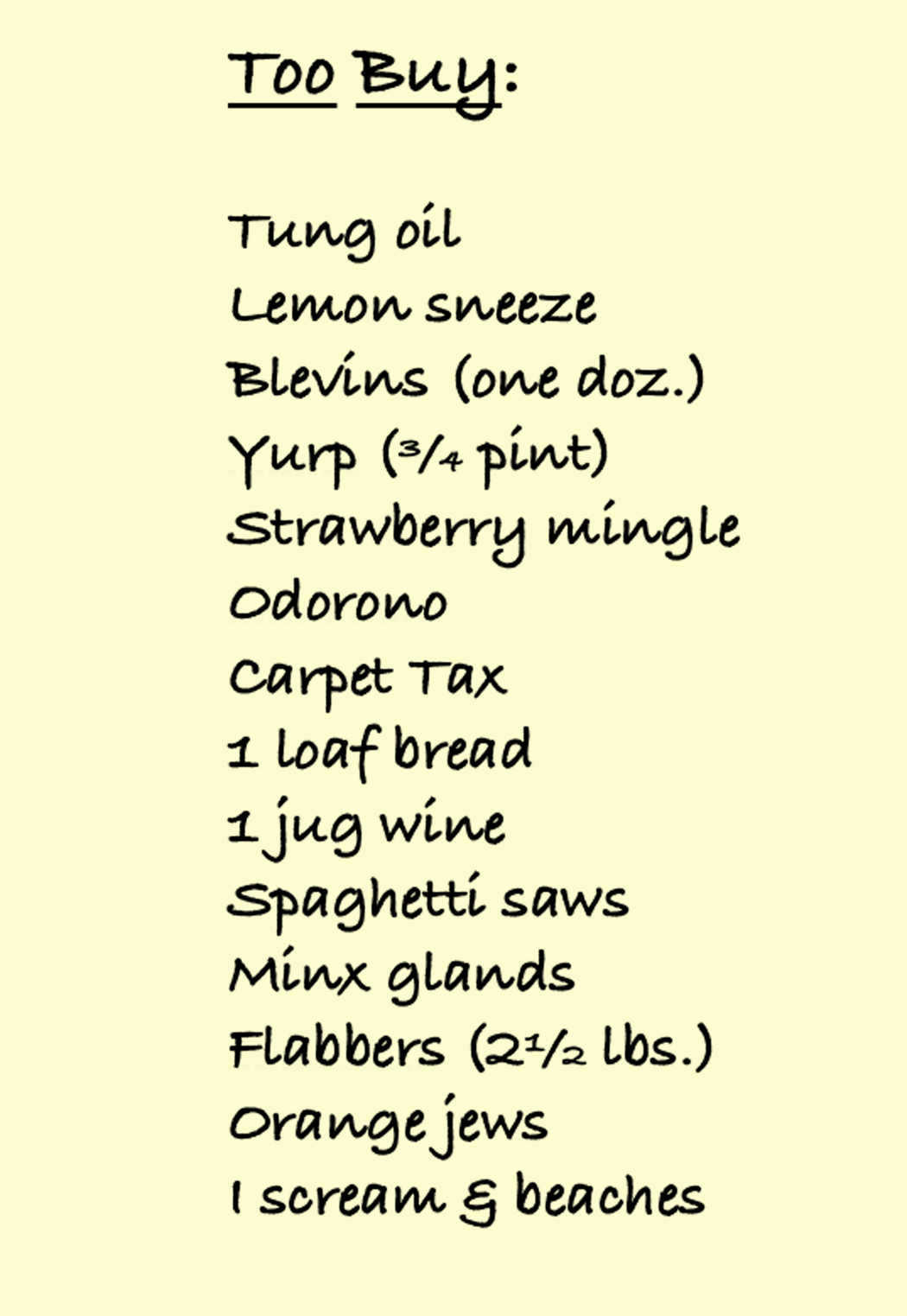
I have since embroidered that original list with a few extra items, including sesame kagels, cabbage-liver paste, and dishlicking washwood.
I have since then always referred to my “Chopin Liszt” and I carry around a notebook in my back pocket for random notes, and my weekly Chopin Liszt, and often mess around with the items.
Among these are: munchworms; scream cheese; switch cheese; mouse wash; shower kraut; permission cheese. Sour cream becomes “hour scream;” dill pickles turns into “pill dickles;” ginger ale becomes “Injure jail;” and toilet paper (i.e., loo roll) becomes “Lou Rawls.” In a nod to Homer Simpson, avocado becomes “avamocado.”
Perhaps this keeps my list safe from prying eyes. Ground beef is “bound grief;” chicken legs is “lickin’ chegs;” and there are “corn flecks;” “tumble fish;” “ravilowly;” and “bisgetti sores.”
All this just to amuse myself. It isn’t really to entertain the public, just my own list in my own back pocket when I grocery shopping. Shake the phonemes around and make surprising combinations.
I imagine those with different talents play games in their own disciplines. There must be fun things to do with numbers — different ways of thinking about them. I have always insisted that one plus one equals three: There is the one thing, the other thing, and the two things together — three things.
And historians can play with their counterfactuals. I imagine lawyers can work some fairly dirty jokes into their depositions. What is the Dirac Sea but some physicists having fun with quantum mechanics.
The world would be a very dreary place with no play. Even for grown-ups. Especially for grown-ups.

