Archive

Tag Archives: world war ii

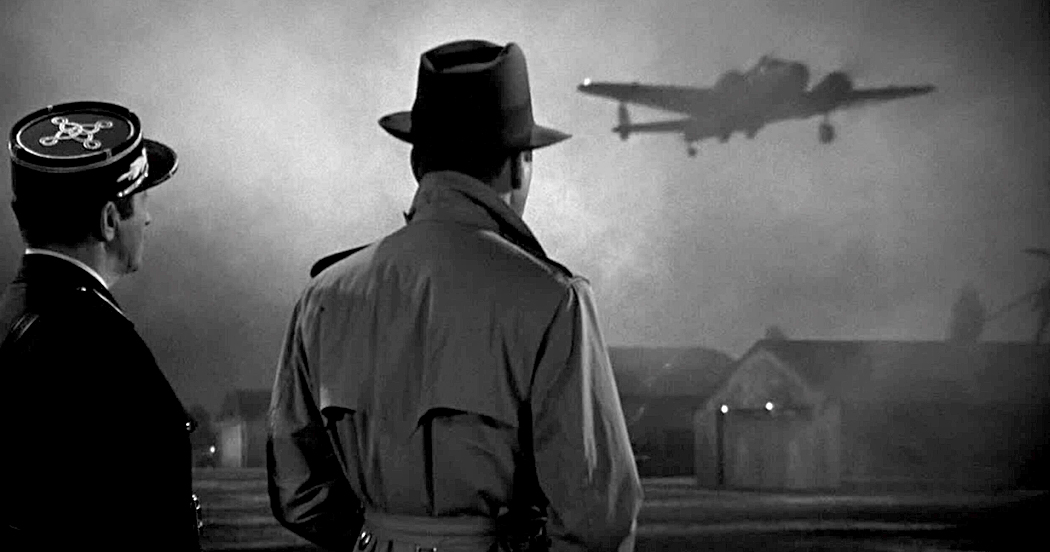
Casablanca is one of the best loved films ever to come out of the Hollywood studio machine, but it is hardly the story that makes it so. After all, the basic plot is “boy loses girl,” “boy finds girl” and “boy loses girl again.” A pretty thin thread to hang an epic on, even if the boy and girl are Humphrey Bogart and Ingrid Bergman. 

And the movie’s success is especially surprising considering what a mess its making was, well-documented in several books: many rewrites; a team of script doctors; and an ending that wasn’t known or decided upon until the last moment. And that is beside the fact that most of the plot details were simply not believable, or had no basis in historical fact. In other words, pure succotash. 

The love story may have been enough to make Casablanca a successful run-of-the-mill studio release in 1942 — after all, Warner Brothers churned them out by the bucketload — but the film has a secret ingredient that lifts it up to a classic. And sometimes, they barely spoke English. 
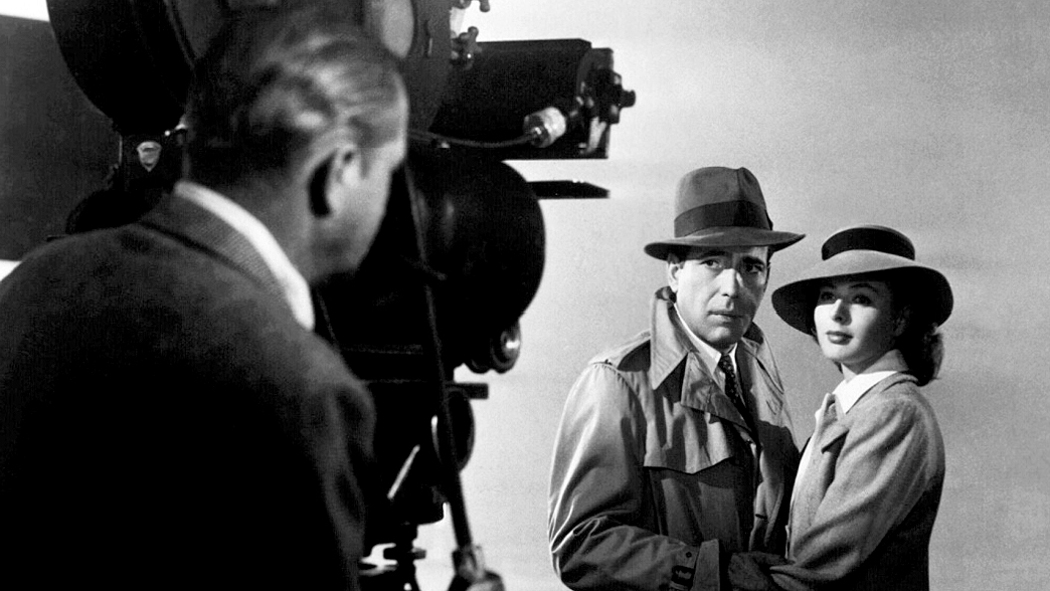
The love story may be the mortar that holds the story together, but it is the hundred extras, with their vivid vignettes, that are the bricks that form the substance and power of the movie. And those bit parts, most played by actual refugees from the war and from the Nazis, breathe actual life into the film. 

Each goes by so fast, you may not notice how many of them there are. Between each scene that advances the plot, there are interlarded brief glimpses into the lives of those made stateless, seeking a way to escape the horrors of war and fascism. The complete cast list on IMDb of those uncredited actors is a hundred names long, and most of those were actual refugees, making scant living in Hollywood. 

In fact, of the credited actors at the top of the cast, only three were born in America, and of the three primary characters, only Bogart, who was born in New York City in 1899. Down the roster, you have Dooley Wilson, born in Texas in 1886; and Joy Page, who also happened to be the step-daughter of Warner studio head, Jack Warner (she played the Bulgarian refugee, Annina, who almost gives herself to police chief Louis in order to save her husband). 

Let’s go down the list. Not all of them fled Nazis, but all were caught up in the turmoil in Europe.  
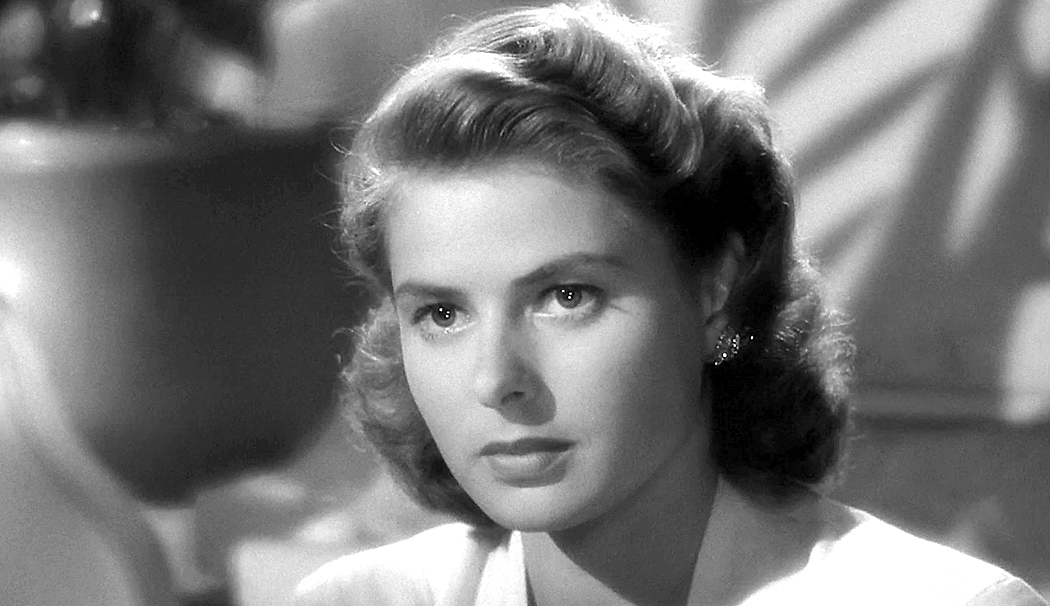
Ingrid Bergman (Ilse Lund) — Born in Stockholm in 1915 to a German mother, she spent summers as a child in Germany. In 1938, she made a film for the German movie conglomerate, UFA. But she said, “I saw very quickly that if you were anybody at all in films, you had to be a member of the Nazi party.” She never worked in Germany again. 
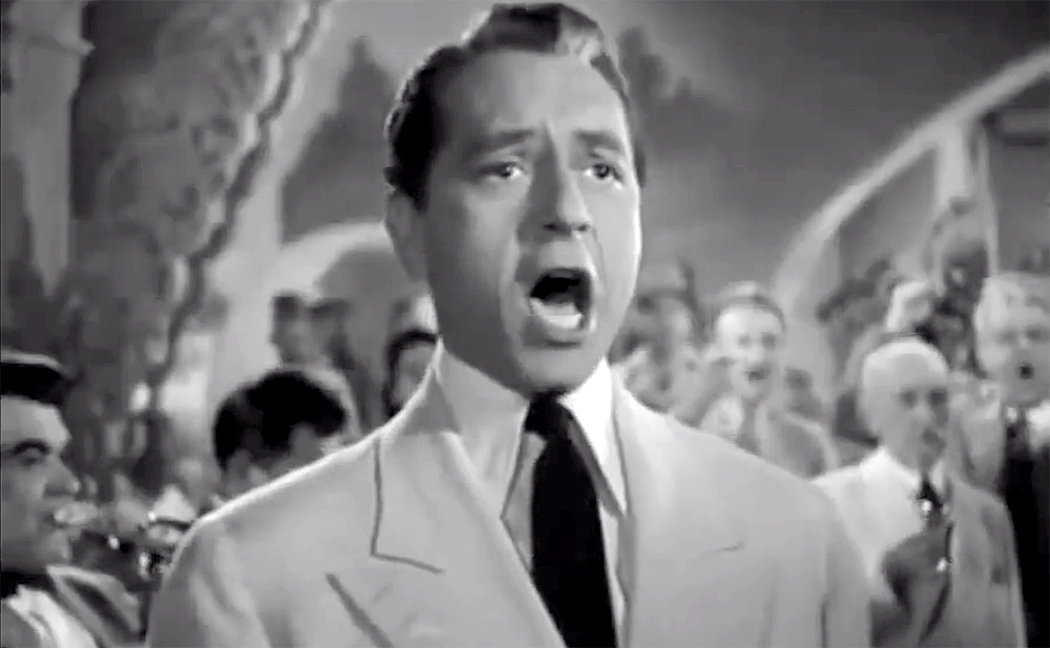
Paul Henreid (Victor Laszlo) — Born in 1908 as Georg Julius Freiherr von Hernreid, Ritter von Wasel-Waldingau in Trieste, which at the time was part of the Austro-Hungarian Empire. His father was born a Jew, but converted to Catholicism in 1904 to avoid the anti-Semitism in Austria. Henreid was nevertheless persecuted as Jew by the Nazis after the Anschluss, and his application to work in the German film industry was rejected personally by Joseph Goebbels. 

When he helped a Jewish comedian escape from Germany in 1938, he was declared an “official enemy of the Third Reich” and his assets were confiscated. He then escaped to England and then to Hollywood in 1940. 
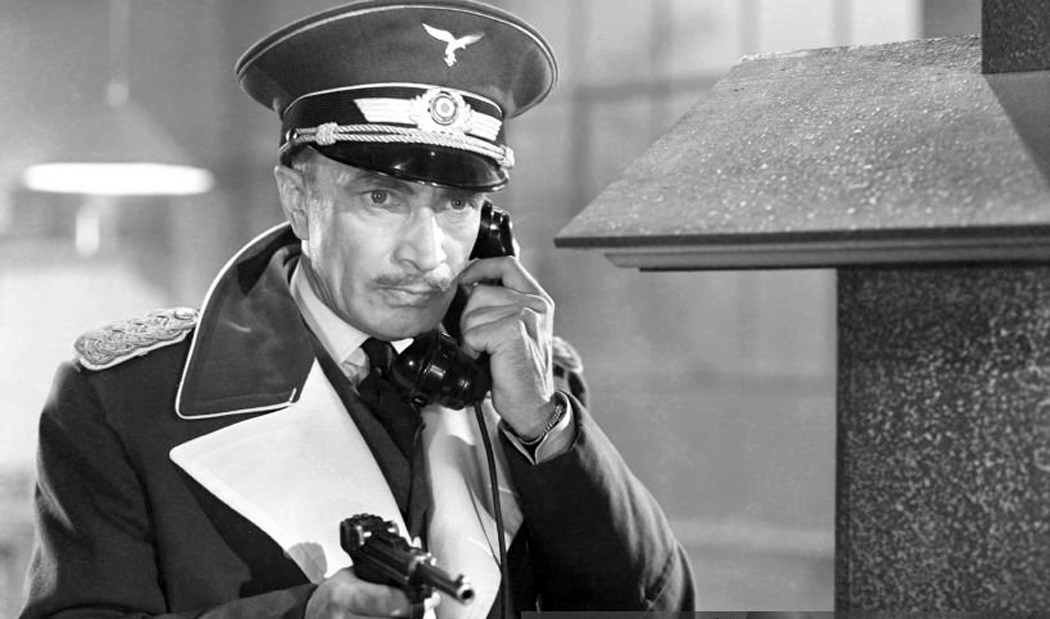
Conrad Veidt (Major Heinrich Strasser) — Veidt, born in 1893 in Berlin, had a long, successful career in German silent films (famously playing Cesare the somnambulist in The Cabinet of Dr. Caligari in 1920), but when the Nazis came to power, like all German actors, he was required to fill out a “racial questionnaire” and declared himself a Jew, although he wasn’t, but his wife, Ilona Prager, was. He smuggled his in-laws from Austria to neutral Switzerland, and even helped his former wife, Radke, and their daughter escape. He also got out, first moving, to England in 1939 and to the US in 1941. 

A staunch anti-Nazi, he wound up playing many Nazis in American movies, although his contract stipulated that he would only do so if they were villains. Veidt said it was ironic that he was praised for playing “the kind of character who had force him to leave his homeland.”
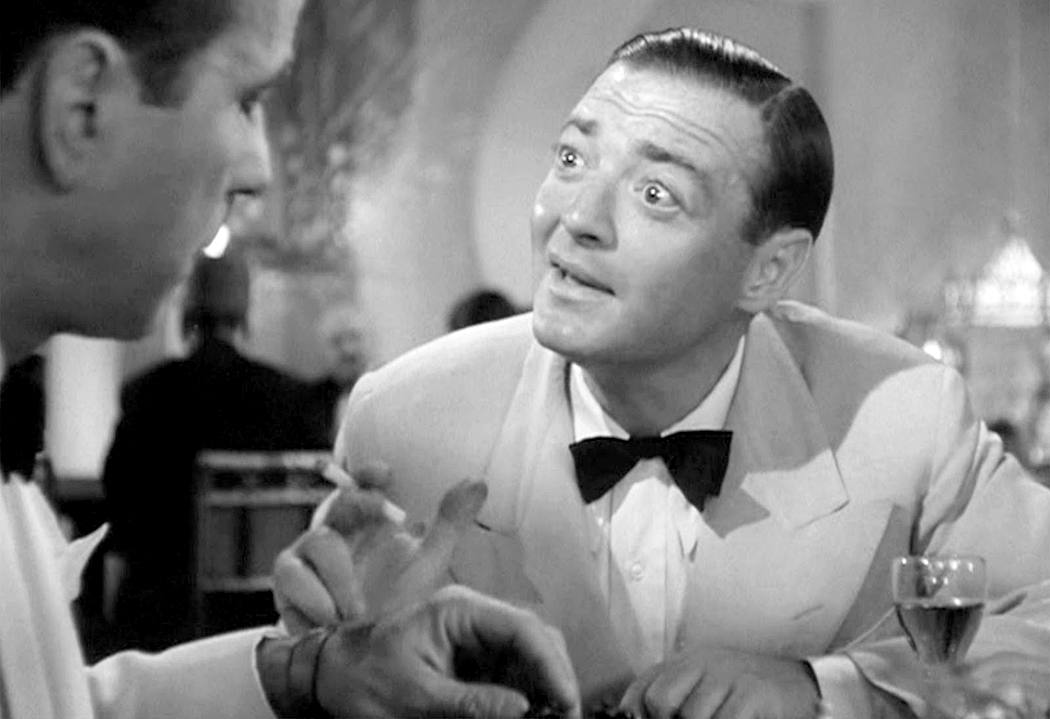
“You know, Rick, I have many a friend in Casablanca, but somehow, just because you despise me, you are the only one I trust.”

Peter Lorre (Signor Ugarte) — Hungarian Lorre was born Laszlo Lowenstein in what is now part of Slovakia in 1904 (many borders have changed). He had been a very successful actor in German films — playing child murderer Hans Beckert in 1931 in Fritz Lang’s M, a film the Nazis later condemned and they even used a clip of Lorre in the propaganda film The Eternal Jew, implying that Beckert was typical of Jews. 

Lorre’s parents were German-speaking Jews (his mother died in 1908). The actor left for Paris in 1933, later moving first to London and in 1935, to Hollywood. 
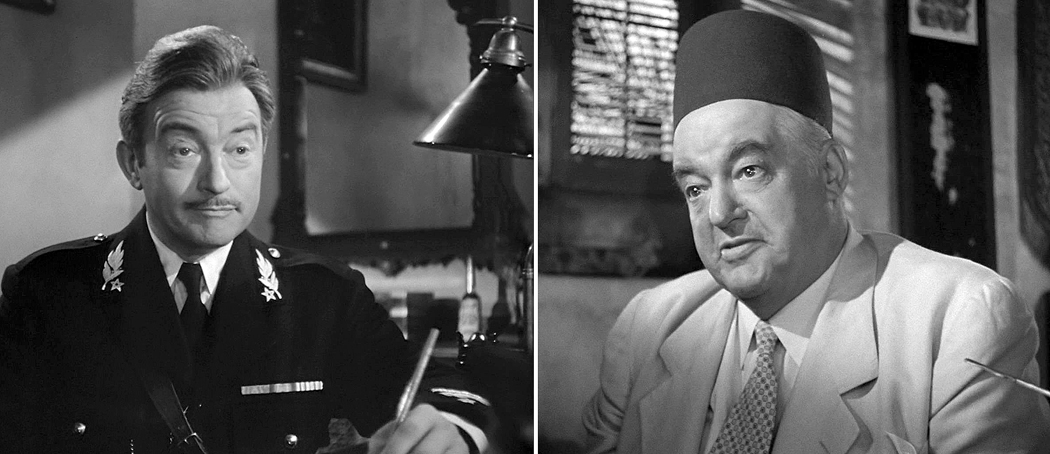
Claude Rains (Captain Renault) was born in London in 1889 and moved to the US in 1912; and Sydney Greenstreet (Signor Ferrari) was born in Kent, England in 1879, the son of a tanner, and began working for Warner Brothers in 1941.

So, the rise of Hitler and Nazism affected the majority of the above-the-line cast of Casablanca, but it is the character actors and the extras where the story really plays out. Most of these were not even part of the source material for the movie.
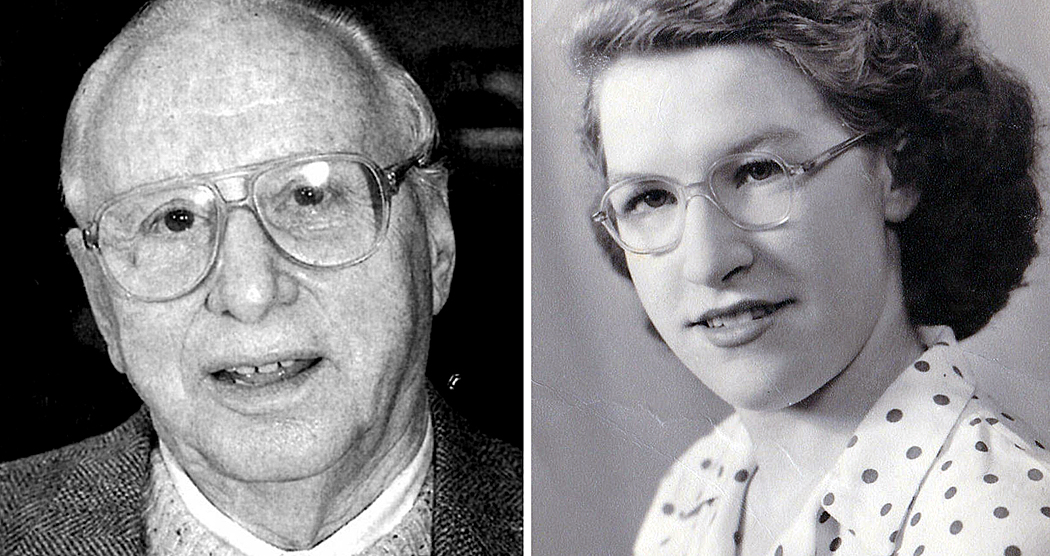
In 1940, writers Murray Burnett and Joan Alison wrote an anti-Nazi play called Everybody Comes to Rick’s, about the cafe owner in Morocco helping a Czech resistance fighter escape, with “Lois,” the woman Rick, the cafe owner, is in love with. That play, unproduced, was bought by Warner Brothers and handed over to studio screenwriters, who buffed it up, rewrote dialog and dithered over its ending. First Casey Robinson (writer on Captain Blood) worked over the play, beefing up the romantic plot of Rick and Ilse; then Howard Koch (writer on The Sea Hawk), worked on the politics; and twin-brother writers, Julius and Philip Epstein, script doctors punched up dialog and restructured the plot (together they had brightened up the banter in The Man Who Came to Dinner). 
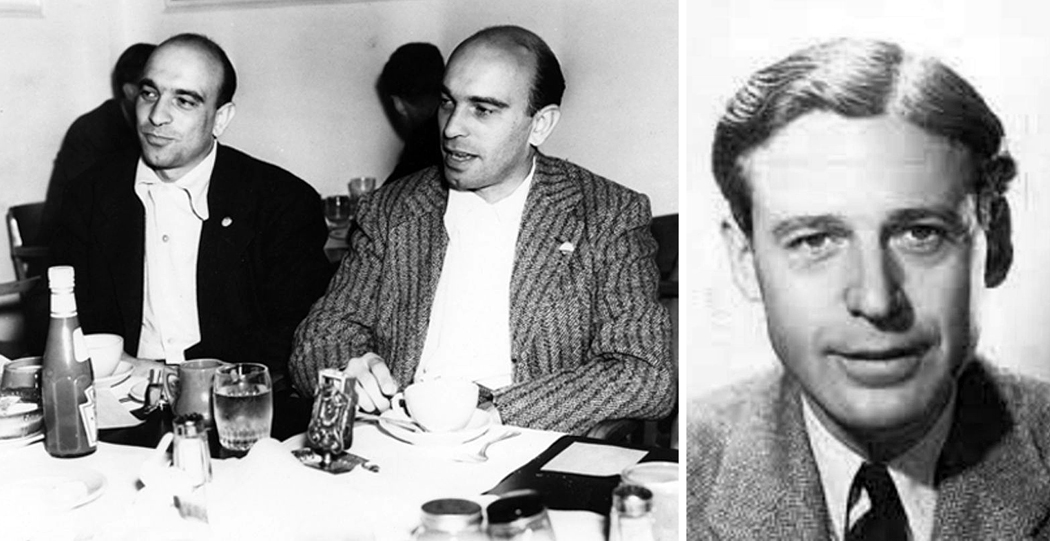
Koch and the Epsteins won the Oscar as Casablanca’s screenwriters; Burnett, Alison, and Robinson were nowhere to be mentioned. 

The original play was compelling enough finally to be successfully produced in London in 1991, and it provided what Koch called “the spine” of the movie, but it is the dozens of brief details that make so much of the film memorable, beginning near the opening, when a middle class English couple (Gerald Oliver Smith and Norma Varden, both British) are interrupted by a thin, nervous pickpocket (Curt Bois). 

“I beg of you, Monsieur, watch yourself. Be on guard. This place is full of vultures, vultures everywhere, everywhere.” A moment later, the Englishman says, “Oh, how silly of me. I’ve left my wallet at the hotel.” 

The scene takes only seconds on screen, but sets the tone for irony, cynicism and dark comedy. Bois was a Jew born in Berlin, who escaped Germany in 1934, after the rise of Hitler. 

(To understand what the Epsteins gave the movie, the original script has Bois saying only, “M’sieur, I beg of you, watch yourself. Take care. Be on guard.”)

Such slight moments, throughout the movie, keep every second alive and vivid. And most play out with actors who have fled Europe. Such as:

Melie Chang, Torben Meyer and Trude Berliner

Trude Berliner — born 1903 in Berlin. Jewish. Left Europe in 1933 when Nazis came to power. In the film, she portrayed a woman playing baccarat with a Dutch banker, played by Torben Meyer, Danish, born 1884, who came to the US in 1927. In one scene, she asks Carl, the waiter, “Will you ask Rick if he will have a drink with us?” “Madame, he never drinks with customers. Never. I have never seen it.” When Meyer say he runs “the second largest banking house in Amsterdam” “Second largest?” says Carl. “That wouldn’t impress Rick. The leading banker in Amsterdam is now the pastry chef in our kitchen.”
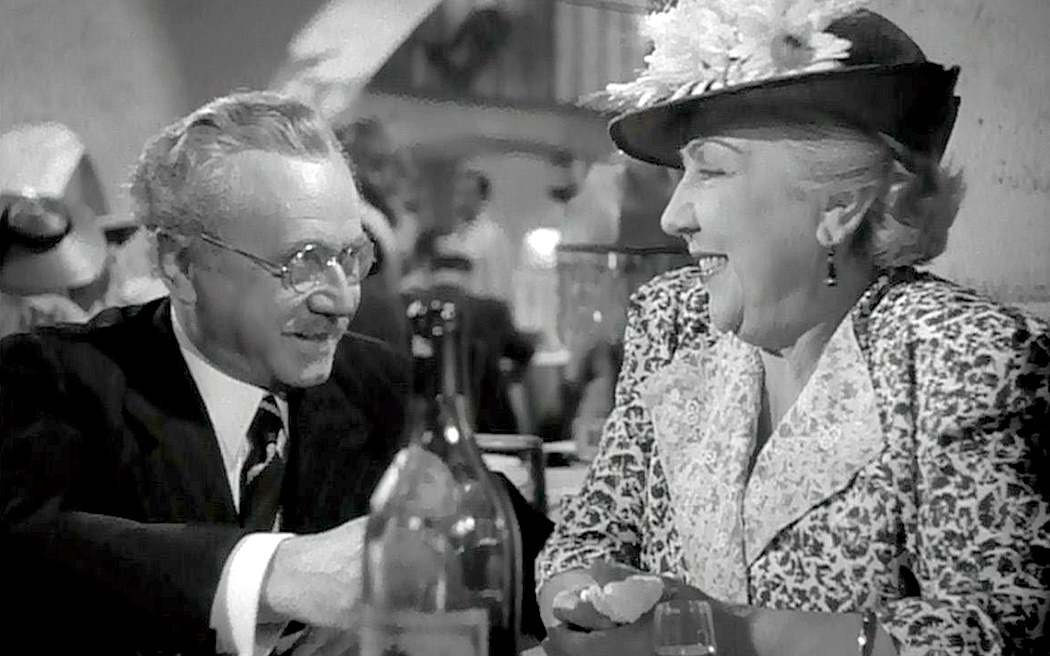
Then, there’s the sweet old couple who are learning English for their trip to America. “Liebchen, sweetheart, what watch?” “Ten watch.” “Such much?” They are:

Ilka Grünig — Jewish actress from Vienna, born 1876. Left Germany in 1938 after the Nazis came to power. and:

Ludwig Stössel — Born 1883 in Leika, Hungary (now Lockenhaus, Austria. I mentioned borders changed a lot) After the Anschluss, Stössell was imprisoned several times but was able to escape Vienna and get to Paris, and then to London.
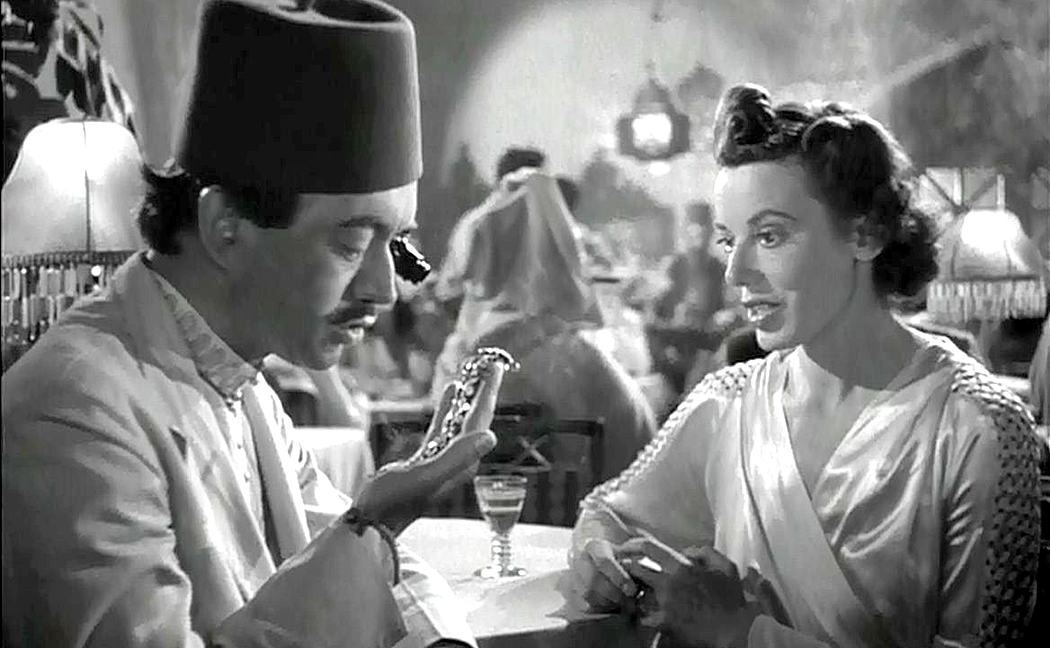
And the woman who “has to sell her diamonds,” Lotte Palfi Andor, born 1903 in Bochum, Germany, a Jewish stage actress who had to flee in 1934 with her husband, Victor Palfi, after the Nazis came to power. Offered a small amount for her jewels, she asks, “But can’t you make it just a little, more? Please?” The buyer says, “Sorry, but diamonds are a drug on the market. Everybody sells diamonds. There are diamonds everywhere.”

Marcel Dalio, born in Paris in 1899 as Marcel Benoir Blauschild, had featured in two of the greatest films ever made, Rules of the Game and The Grand Illusion, for Jean Renoir. He was born to Romanian-Jewish immigrants and left Paris in 1940, ahead of the invading German army, reached Lisbon, went to Chile, to Mexico, to Canada and finally to Hollywood, where he found small roles, such as Emil the Croupier in Casablanca. In occupied France, his face was used on posters as a representative of “a typical Jew.” All other members of Dalio’s family died in Nazi concentration camps.

After the Bulgarian youth wins twice at the roulette, betting on the same number, Rick asks Emil, “How we doing tonight.” The surprised croupier answers, “Well, a couple of thousand less than I thought there would be.” 

The youth was played by Helmut Dantine, born 1918 in Vienna. When he was 19, after the Anschluss, he was rounded up with hundreds of opponents of the Third Reich and sent to a Nazi concentration camp. He parents bought his release and sent him to California, where he made a living playing Nazis in various movies. 
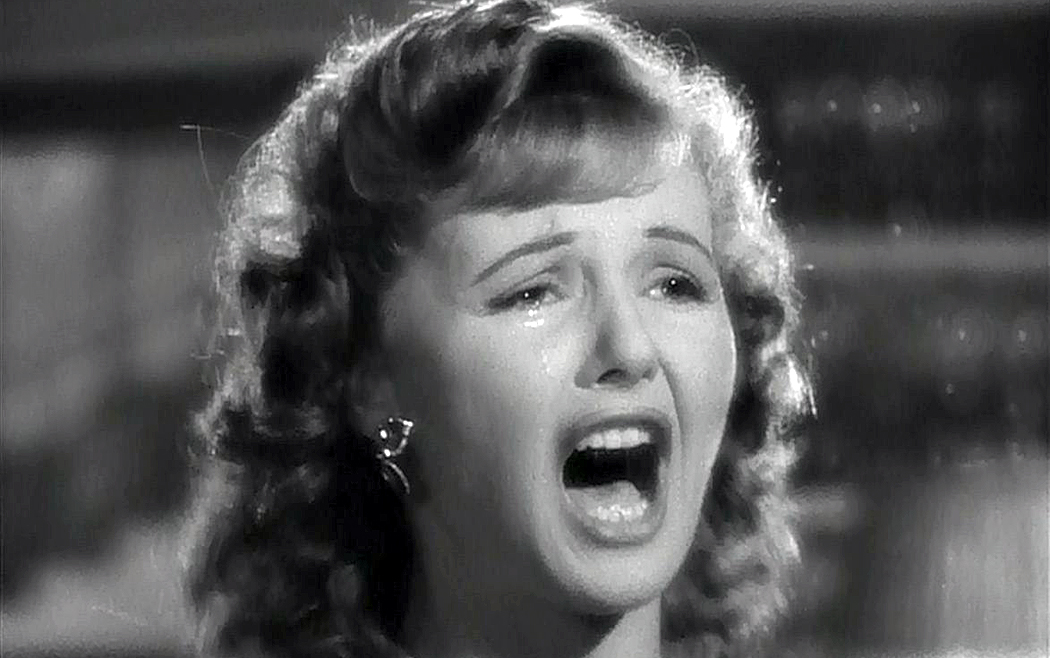
Madeleine Lebeau played Bogart’s discarded girlfriend, Yvonne. “Where were you last night?” she asks Rick. “That’s so long ago, I don’t remember.” “Will I see you tonight?” “I never make plans that far ahead.” 

Lebeau married Marcel Dalio in 1939 and the both had to flee Paris ahead of the German advance. Her best moment in the movie is when the French sing La Marseillaise against the Germans singing Die Wacht am Rhein. Many of the actors in the scene were real-life refugees from Europe, and Lebeau ends with “Vive la France! Vive la democratie!” with tears in her eyes. “They’re not tears of glycerin shed by an actress,” recalled Leslie Epstein, son of the screenwriter. “The tears in her eyes are real.” Another actor noticed everyone was crying: “I suddenly realized they were all real refugees.”
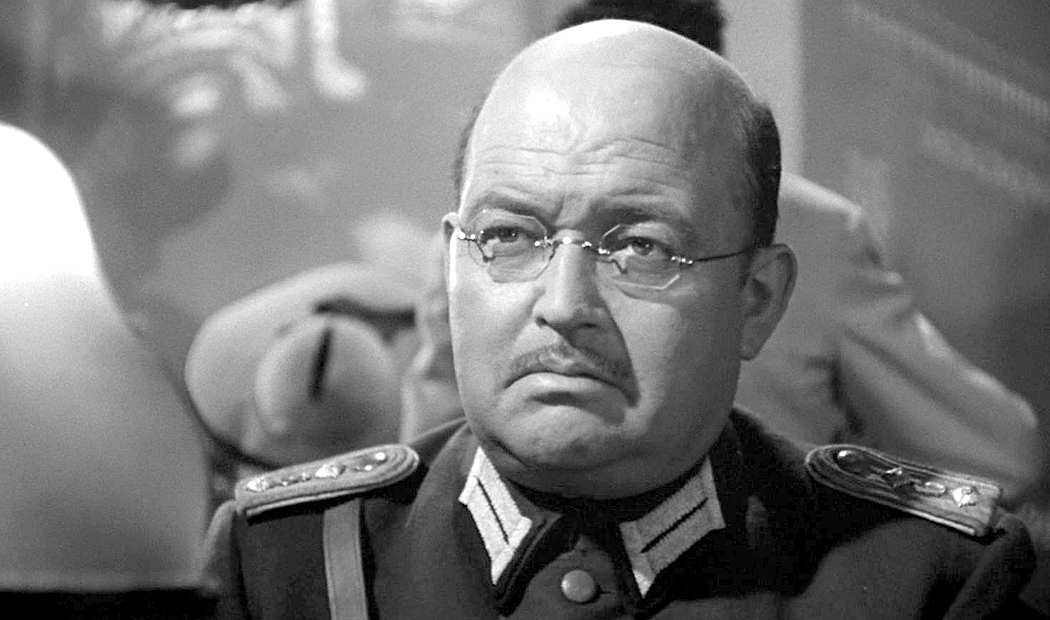
Richard Ryen was born Richard Anton Robert Felix Revy in Hungary (now Croatia) in 1885 and worked as an actor in Germany and became a well-respected stage director at the Munich Kammerspiele (Munich Chamber Theater). He was expelled by the Nazis and emigrated to Hollywood, where he made a living playing Nazis. In Casablanca, he follows behind Major Strasser like a puppydog. 

Louis V. Arco was born in 1899 in Baden bei Wien, in Austria Hungary as Lutz Altschul. He escaped to America after the Anschluss. Near the beginning of Casablanca, he is looking very depressed and has one line: “Waiting, waiting, waiting. …I’ll never get out of here. …I’ll die in Casablanca.”
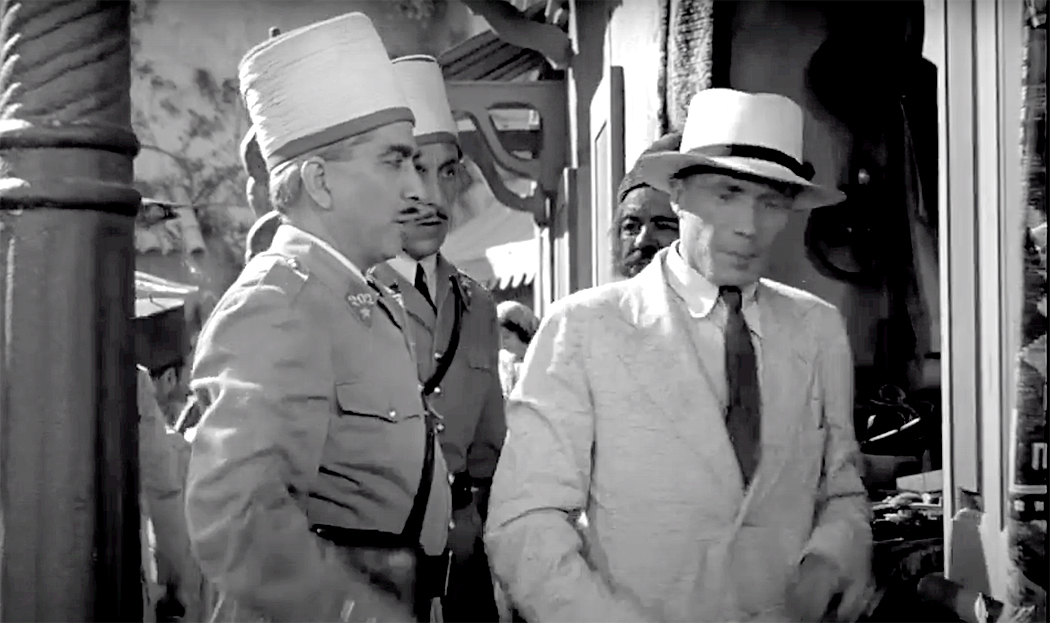
Wolfgang Zilzer was a special case. He was born in 1901 in Cincinnati, Ohio to touring German film actor, Max Zilzer and moved with his family back to Germany in 1905. The young Zilzer worked for UFA before the war, but after Hitler’s rise to power, he fled to France. He returned briefly to Germany in 1935, but then applied for a visa to emigrate to the US, only then realizing he was already a US citizen. In Hollywood, he made several anti-Nazi pictures with Ernst Lubitsch, but used a pseudonym to protect his father, still in Germany. Zilzer married German Jewish actress Lotte Palfi. In Casablanca, Zilzer played a man without a passport who is shot by the police at the beginning of the film.
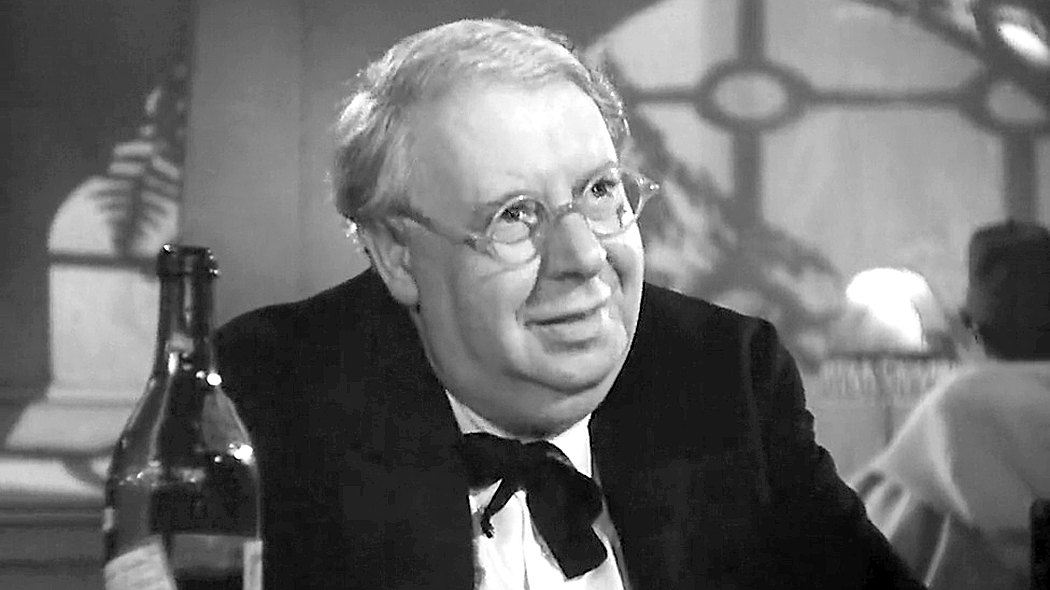
Probably the best known of the emigres was S.Z. Sakall, born in 1883 in Budapest to a Jewish family, and known by everyone as Cuddles. He played the head waiter Carl. “Carl, see that Major Strasser gets a good table, one close to the ladies.” “I have already given him the best, knowing he is German and would take it anyway.” 

Sakall was a familiar character actor in Hollywood in the ’40s and ’50s appearing in scores of films as kindly European uncles and befuddled shopkeepers. He escaped the Nazis in 1940 and moved to Hollywood. Sakall’s three sisters and his wife’s brother and sister all died in Nazi concentration camps. 

Hans Heinrich von Twarkowski was born in 1898 in Stettin, Pomerania, in Germany (now Szczecin, Poland). He escaped Germany as a homosexual, threatened by the Nazis, and like so many refugees, ended ironically playing Nazis in the movies. 
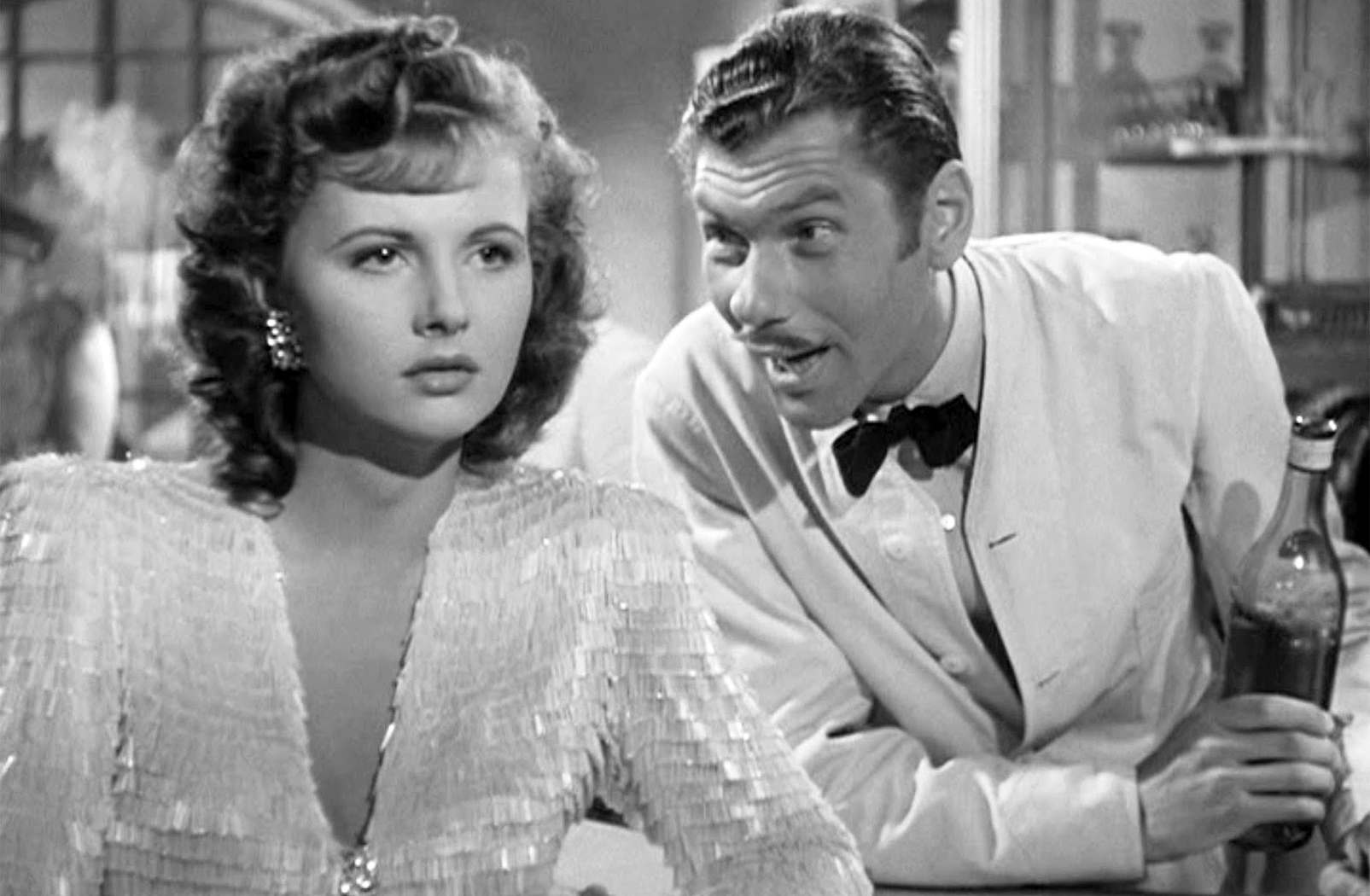
Not all the actors escaped the Nazis. Some fled Stalin’s Soviet Union, such as Leonid Kinskey, born 1903 in St. Petersburg. He fled first to Germany in 1921 and then came to the U.S. in 1924. He played the bartender Sascha in Casablanca. “Sascha, she’s had enough.” “I love you, but he pays me.”

Gregory Gaye was also born in St. Petersburg, in 1900, and had been a cadet in the Imperial Russian navy. He fled the USSR in 1923, and worked as an actor in Europe and Asia before moving America. In Casablanca, he played an official in Hitler’s Reichsbank and tries to enter the back-room casino in Rick’s cafe, but is stopped by Abdul (Dan Seymour). He tells Rick, “I have been in every gambling room between Honolulu and Berlin, and if you think I’m going to be kept out of a saloon like this, you’re very much mistaken.” Rick tells him, “Your cash is good at the bar.” He responds, “What? Do you know who I am?” To which Rick replies, “I do, you’re lucky the bar is open to you.” Gaye angrily responds, “This is outrageous! I shall report it to the Angriff” and storms away. (The Angriff was the official Nazi propaganda newspaper.) 

They weren’t all Germans or Jews, but some 34 different nationalities were found in the cast and crew of Casablanca, including Hungarian-born director Michael Curtiz, who worked as a film director for UFA in Germany before moving to America in 1926; and English-born film editor Owen Marks who came to the US in 1928 (and won an Oscar for Casablanca); and Carl Jules Weyl, born in Stuttgart, German and was the art director; and composer Max Steiner, born in Vienna and naturalized as an American citizen in 1920. 

John Qualen, who played Berger the jewelry-selling Norwegian resistance member was born in Vancouver; Frank Puglia, the Moroccan rug merchant was born in Sicily; Nino Bellini, who played a gendarme, was from Venice, Italy.
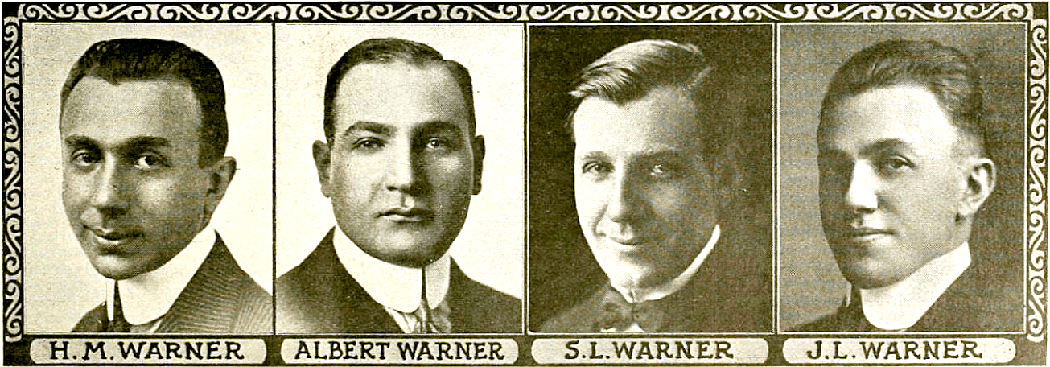
And, of course, the studio heads, the Warner brothers, Harry, Albert, Sam and Jack, born in Poland and victims of vicious anti-Semitism there, who came basically penniless to the US and built up one of the largest movie studios, and notably the first to make films about the dangers of Nazism, which, in the 1930s was not a popular position. 

Charles Lindbergh at America First Rally in Fort Wayne, Indiana

An overwhelming majority of Americans opposed the resettling of Jewish refugees; hundreds of thousands of people were turned away in the 1930s. As late as 1939, 20,000 American Nazis held a rally in Madison Square Garden in New York. And America aviation hero Charles Lindbergh headed the isolationist America First movement. Father Charles Coughlin and industrialist Henry Ford preached rabid anti-Semitism and praised Adolf Hitler. 

In 1932, Joseph Breen, soon to become head of the Production Code Administration (PCA), the censorship arm of the Motion Picture Producers and Distributors of America, called Jews “the scum of the scum of the earth” and “dirty lice.” Breen would soon be charged with enforcing a ban on anti-Nazi films in Hollywood between 1934 and 1941, at the behest of Joseph Goebbels, by way of the Nazi consul in Los Angeles, Georg Gyssling.
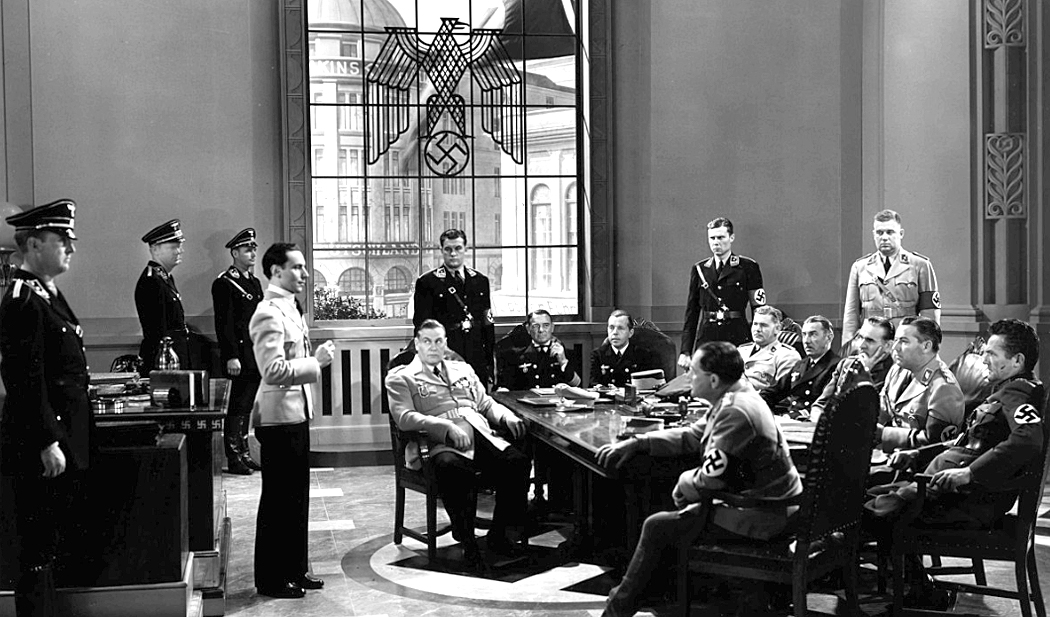
“Confessions of a Nazi Spy,” 1939 Warner Bros.

While most of the studio heads complied with the ban, which also strongly discouraged the production of films about Jewish subjects or featuring Jewish actors, the Warner brothers did their best to fight back. The studio ended all business relations with Germany in 1934, and even a year earlier had made fun of Hitler as an incompetent ruler in an animated film. The Warners were the only studio heads to support the 1936-created Anti-Nazi League, and most notably, made the 1939 film, Confessions of a Nazi Spy, based on a real-life espionage case and starring Edward G. Robinson (born Emanuel Goldenberg in 1893 to a Yiddish-speaking Jewish family in Bucharest, Romania). 

The film defied the PCA ban on films attacking foreign leaders, but Jack Warner said, “It is time America woke up to the fact that Nazi spies are operating within our borders. Our picture will tell the truth — all of it.” Confessions predated the later Chaplin film, The Great Dictator and the Three Stooges short, You Nazty Spy!, both released in 1940. 
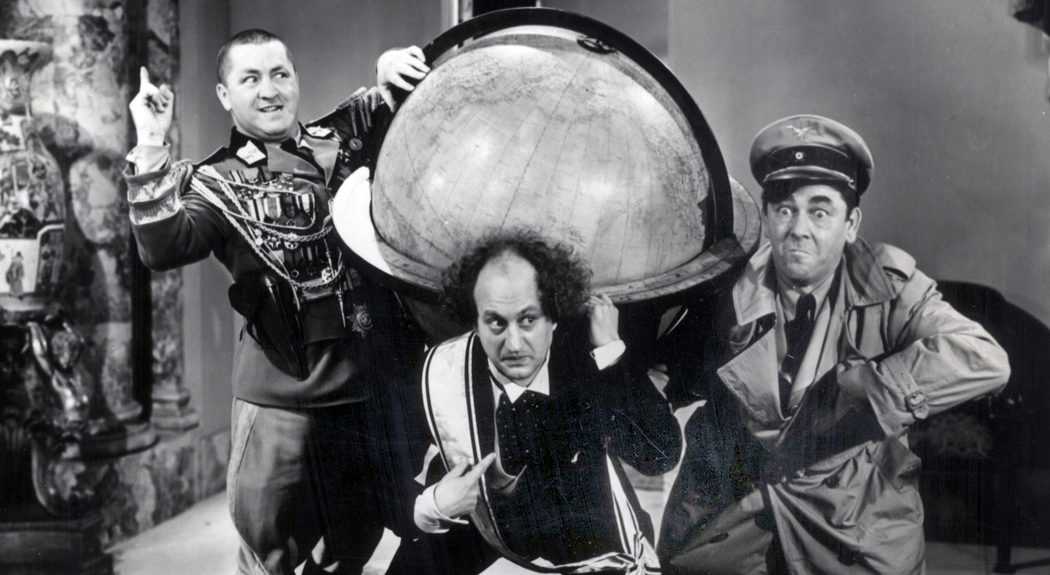
So, Casablanca has a studio history behind it. 

Later, in the 1950s, when McCarthyism threatened America with its own brand of fascism, many Hollywood notables were called to inform on their colleagues. The Epstein twins were reported to the House Un-American Activities Committee and were quizzed if they had ever been members of a “subversive organization,” and they answered, “Yes. Warner Brothers.” 

Envoi

Thanks to its many screenwriters, and especially the Epstein brothers, Casablanca is famously quotable from first to last. We all have our favorites. The American Film Institute, which publishes lists of greatest films and greatest performances, put out a list of the “Top 100 Quotes from American Cinema” and Casablanca takes six of the spots, twice as many as second place — a tie between Gone With the Wind and The Wizard of Oz.

No. 5 “Here’s looking at you, kid.”

No. 20 “Louis, I think this is the beginning of a beautiful friendship.”

No. 28 “Play it, Sam. Play As Time Goes By.”

No. 32 “Round up the usual suspects.”

No. 43 “We’ll always have Paris.”

No. 67 “Of all the gin joints in all the towns in all the world, she walks into mine.”


hitler stalin say hi

firesign theatreAll of us grow as we age; some more than others. Things we thought simple and obvious when we were children turn out to be infinitely complex. Judgments we handed down when we were innocent later turn out to be self-righteous piffle. Uncles we thought were hilarious when we were 6, when we are 15 turn out to be insufferable. If you live long enough, your life gives proof to the Firesign Theatre dictum: “Everything you know is wrong.”

This is the evolution of — what? Of an understanding. A widening of the historical record. I’m using the Second World War as my exemplar. I have been aware of it from my earliest childhood, but my understanding of it has changed radically over the decades.

I was born just after the war ended, and it was an immediate presence in those years. My childhood featured the shabby remainders of that war gotten from the proliferation of war surplus stores. We all played war, and the nerdier kids were condemned to play Japs and Krauts, while the alpha kids were Americans. I envied my friends who had helmet liners, machetes, canteens or drilled and emptied hand grenades to play with.

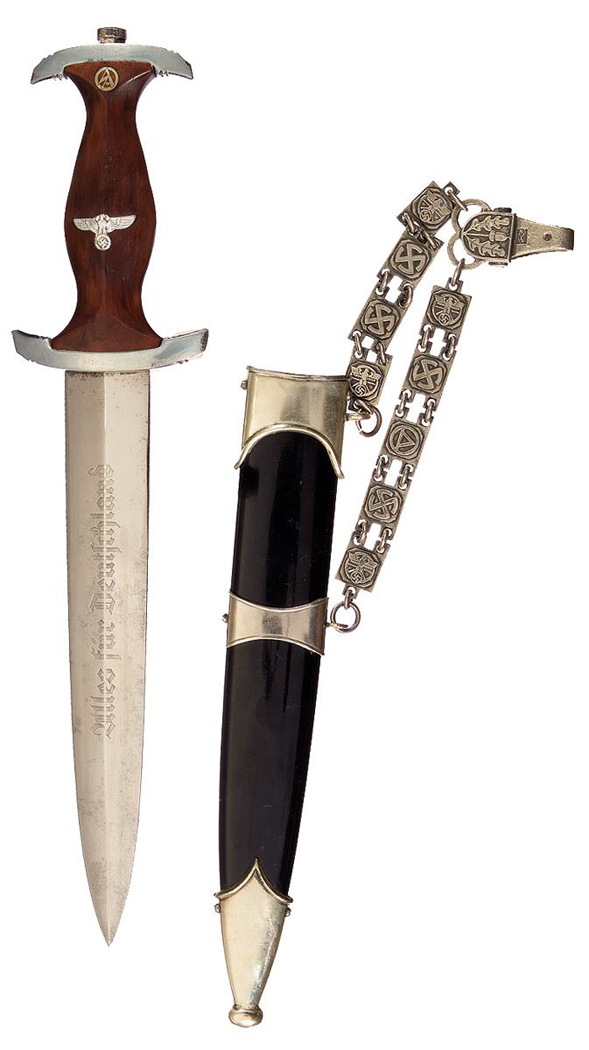
daggerMy father saw France and Czechoslovakia in that war, although he downplayed his part in it. He had several war souvenirs that were kept in the basement: a German helmet, an SS dagger, pair of binoculars, a Walther PPK pistol. I was fascinated by them, and pulled them out to play with. (When he found out I had been playing “war” with the PPK, he immediately took it and sold it to get it out of the house). These things were catnip to a little boy.

This was the early 1950s, and I learned about World War II through movies shown on television. This was the war of John Wayne and William Bendix. The Americans were the heroes; the Japanese and the Germans were the villains. It was an easy call; there were the good guys and the bad guys.

The version of Hitler that shows up in these films is insubstantial. When mentioned at all, he is satirized as a clown with a funny mustache, but most often the Nazis are an undifferentiated enemy with nefarious aims. Little distinction is made between Germans and Nazis. We argued over which way the swastika bent, and whether they were “knot-sees” or “nah-zees.”

guadalcanal diary bendix

When the German war aims are mentioned, it was that they sought “world domination.” When the movie is set in the Pacific, the Japanese war aims were never mentioned at all: They were just evil and our enemy.

There were documentaries, also. On TV, there was also the resonant voice of Leonard Graves and the music of Richard Rodgers on Victory at Sea, and a Saturday morning filler program produced by the Army called The Big Picture. Both fed a version of the war that was about the United States defeating its enemies.

dead bodies at Nordhausen

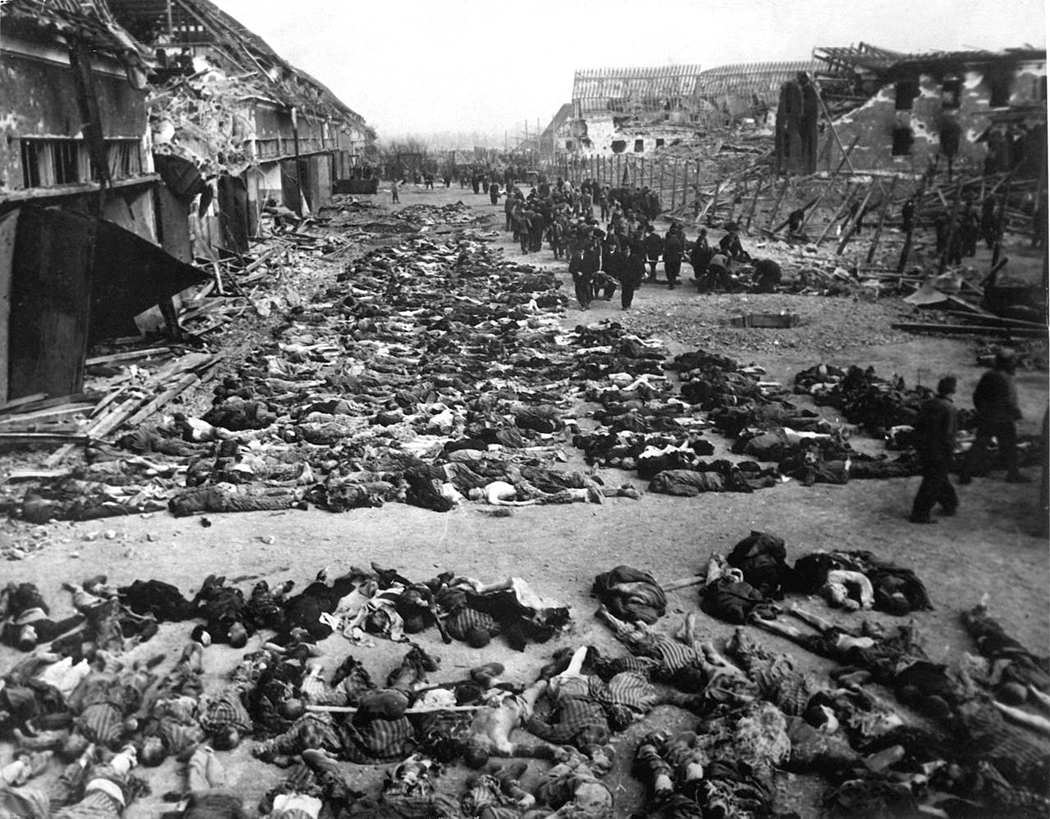
It was in those Army documentaries that I first saw images of the liberated concentration camps when I was a boy. I was horrified — and fascinated — by those piles of dead naked bodies bulldozed into mass graves by the American soldiers, and the spindly, glaze-eyed skeleton-survivors. I don’t know how these images affected others, but in my tiny 6-year-old brain, they were the fountainhead of moral development: Those images are indelible; I can draw them up in my mind anytime. Nothing from my childhood has such potent emotional power as the memory of those films. But the Holocaust was a separate issue, barely related in my boyish brain with the war my father had fought. Only later, did the Holocaust become central to my understanding of the war, of Nazism, of Hitler.

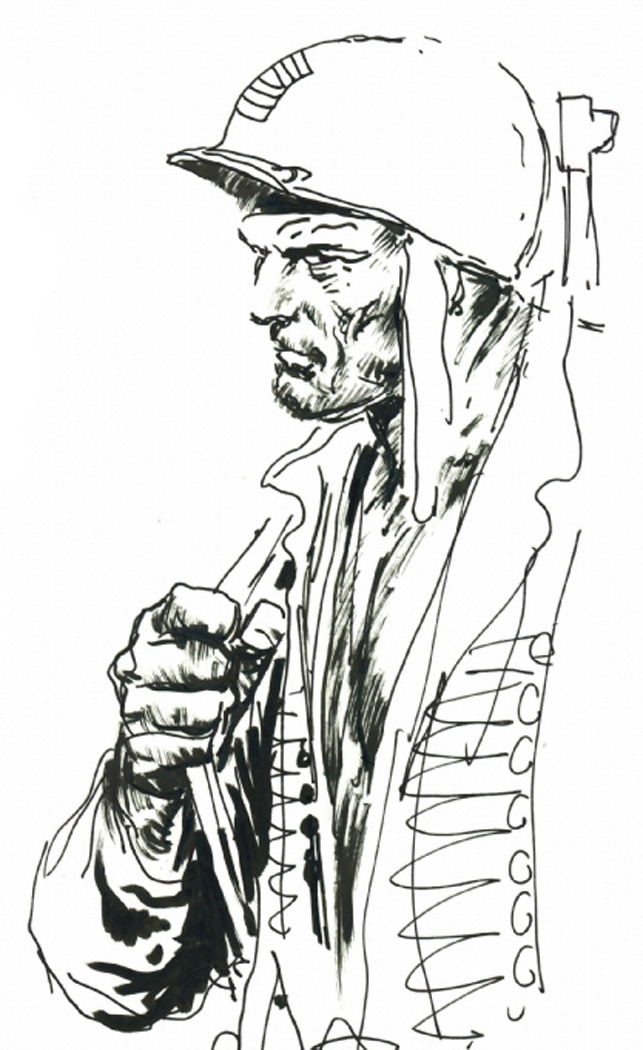
sgt rockBy the time I was in the seventh grade, my interest in the war had changed: In typical adolescent (male) fashion, I became hypnotized by the machinery and regalia of the war. I learned the names of each type of Panzer tank, fighter plane, each sort of submarine and corvette, destroyer and cruiser. I drew them endlessly in stereotyped scenes learned from primarily from Sergeant Rock comic books.

By then, I was also becoming aware of the centrality of Auschwitz. But German anti-semitism made no more emotional sense to me than the “world domination dictator” image of Hitler. I grew up in northern New Jersey and my Boy Scout troop leader was Mr. Weinstein. I knew many Jewish people and I could not see any difference between them and the Italians, Irish, Germans or South African families sprinkled through the suburban neighborhoods. Anti-semitism seemed no more possible than men in the moon.

The version of the war that persists in the American imagination is the one in which Americans, with a little help from England, beat back Hitler and won the war.  D-Day was the turning point. There was a niggling awareness that there might also be some fighting on the eastern front, and that somehow the Soviet Union was our ally in the war, despite their being “godless communists.”

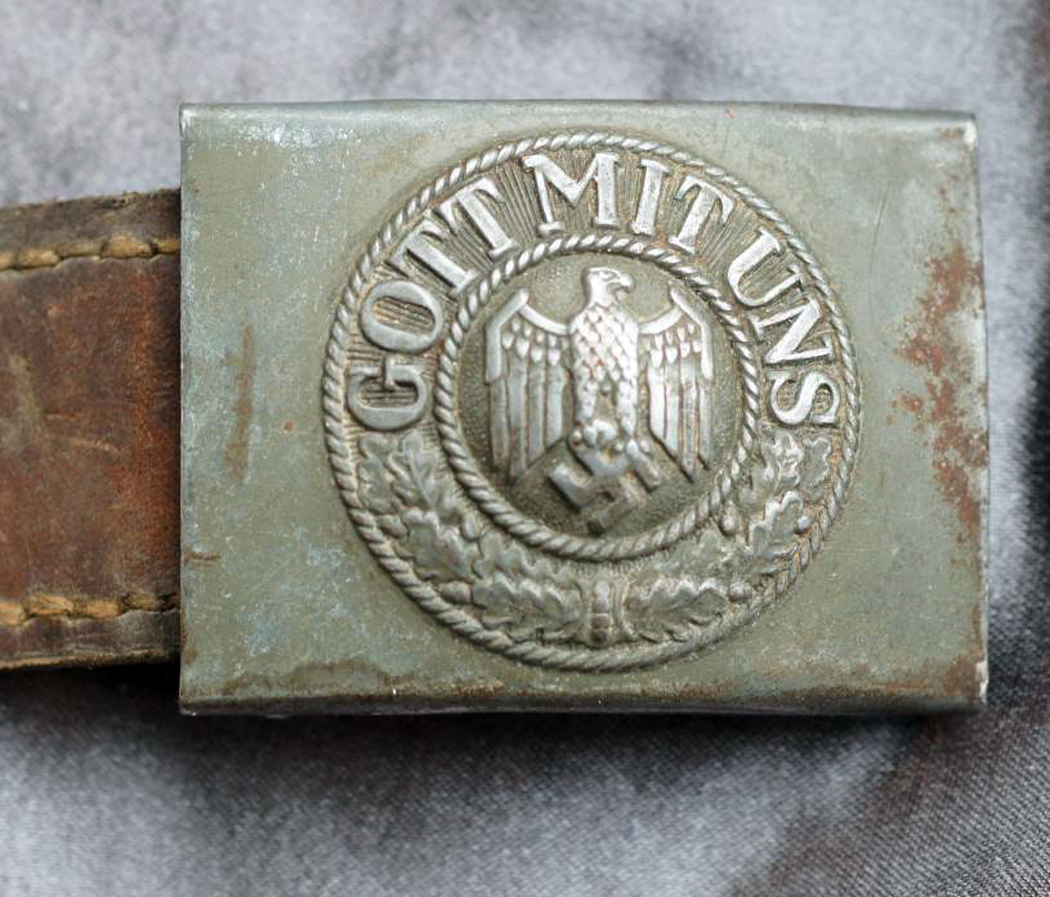
belt buckleThis version was filled with stories of American heroism in the war. We won, it was implied, because democracy always wins. It was our system vs. their system, and ours was more virtuous. After all, God was on our side (despite the Wehrmacht beltbuckles that read “Gott mit uns.”)

I had read a good deal about the war and had finally come to the conclusion that perhaps D-Day was not the central turning point of the war and that perhaps the conflict with the Soviets was a bigger deal than the war in France. (This is not to diminish the efforts of the Allied soldiers in western Europe, but to recognize the balance of the death and fighting was in the east).

I began to see World War II as the “Great Patriotic War,” a war primarily between Germany and the Soviet Union, with the Western Allies as a sort of sideshow. All those riveting TV documentaries about D-Day and the retro-movie version of the war in Saving Private Ryan seemed like empty chauvinism. How many Americans died in the war? About 400,000, which is a staggering number until you compare it with the number of Soviet forces killed: 10 million. If you add in the civilian war deaths, the number rises to  27 million. That is nearly 14 percent of their total population. In the U.S., that percentage is less than one-third of one percent. (Again, I don’t mean to diminish the enormity of the American suffering or the part played by our soldiers, but to put it into the larger context of the war horror).

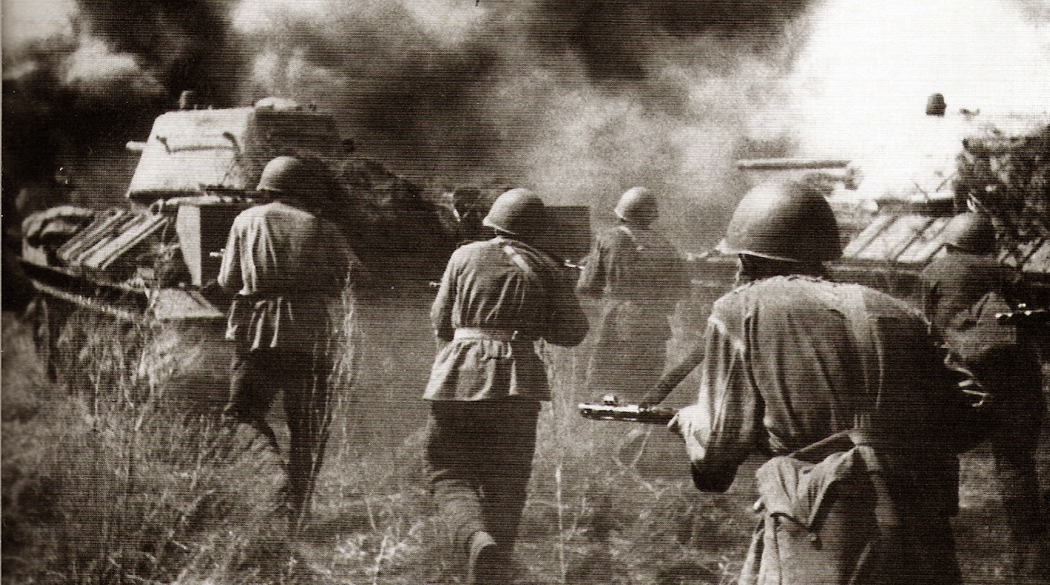
Kursk

Kursk

On D-Day, American deaths were about 2,500, roughly the same number as died in the World Trade Center on Sept. 11, 2001 (and roughly the same number who were killed in the attack on Pearl Harbor Dec. 7, 1941), but consider the battle of Kursk in the Soviet Union, when some 10,000 Germans were killed and the Soviet deaths estimated at three times that. Or the Battle of Stalingrad, which admittedly continued over several months, but wound up with nearly 2 million casualties. If there was a turning point in the war, it was Stalingrad, not D-Day. Germany never recovered.

Stalingrad

Stalingrad

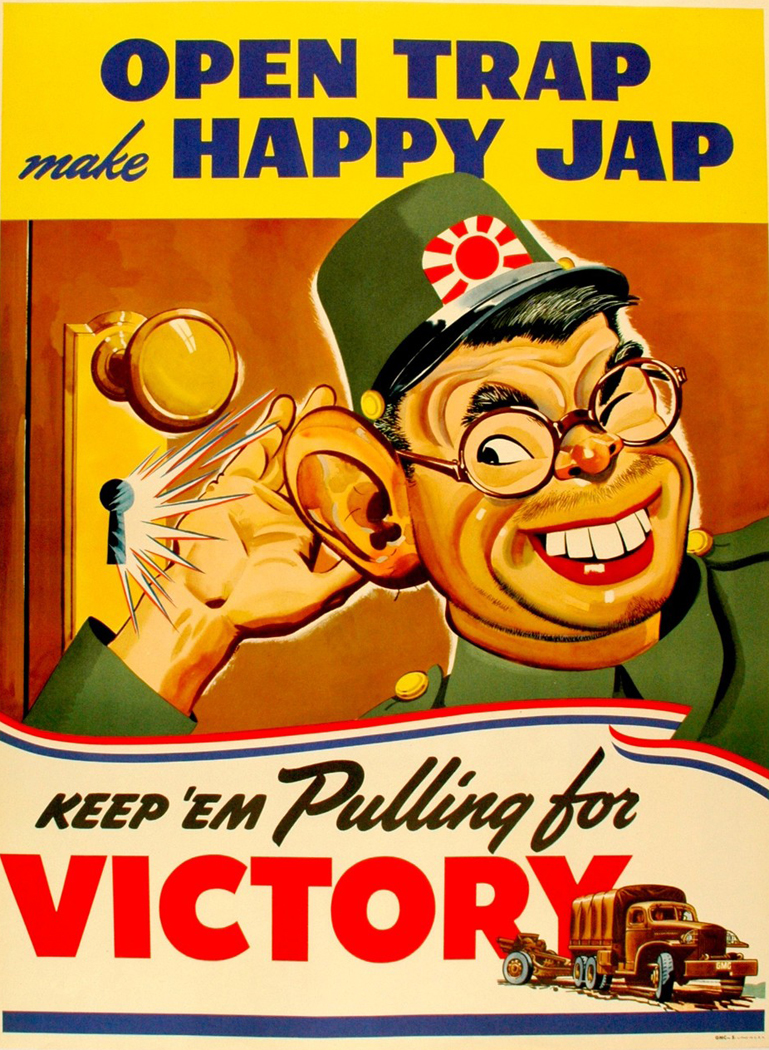
japanese stereotype 2Forgotten in all of this is Japan. When I was a child, it was clear that the Japanese were treacherous people who designed the deaths of Americans, presumably for irrational reasons. They were a crazed nation of  squint-eyed, buck-toothed people insanely loyal to an emperor.

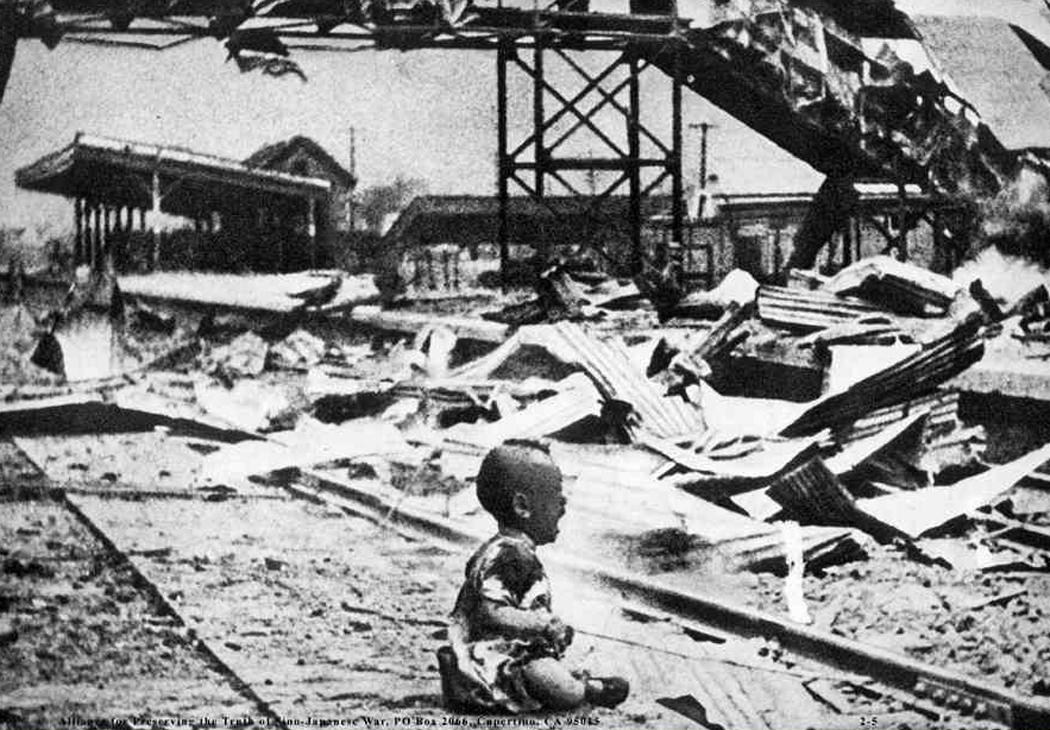
World War II was in most books a single entity with combat theaters in Europe and in the Pacific. But at some point, I came to understand that there were really two unrelated wars being fought concurrently, or rather that the two wars overlapped. The European war began in 1939, if you were Polish, 1941 if you were Russian (June 22) or American (Dec. 7). But the Pacific war had begun in 1931 with the Japanese invasion of Manchuria and turned into the so-called Second Sino-Japanese War beginning in 1937. Just as in Europe, where we glory over D-Day and forget the millions who died in Eastern Europe, so in the Pacific, we remember Iwo Jima and Guadalcanal and tend to forget that the real misery was felt in China, where the war death estimates run from 10 million to 25 million. (It should also be remembered that until Pearl Harbor, Germany and the Soviet Union both allied themselves with the Chinese against the Japanese.)

rape of nanking baby

But the one question I could never quite answer to my satisfaction, the issue I could not quite understand was: What were the goals of the Axis powers? What did they hope to accomplish?

warner bros hitlerThe standard answer was: World domination. Hitler wanted to invade Europe to achieve power. Why he might want to conquer France was a mystery. Why he bombed London never made sense. And that was just the Germans. The Italians hardly entered the equation. They were an afterthought. And finally, it was never clear what sort of domination the Japanese might be after.

In the Warner Brothers cartoons I was weened on, Hitler, Tojo and Mussolini were three comic villains with the same aim: world domination. (No one asked if they had accomplished this goal, whether they would turn their rifles on each other).

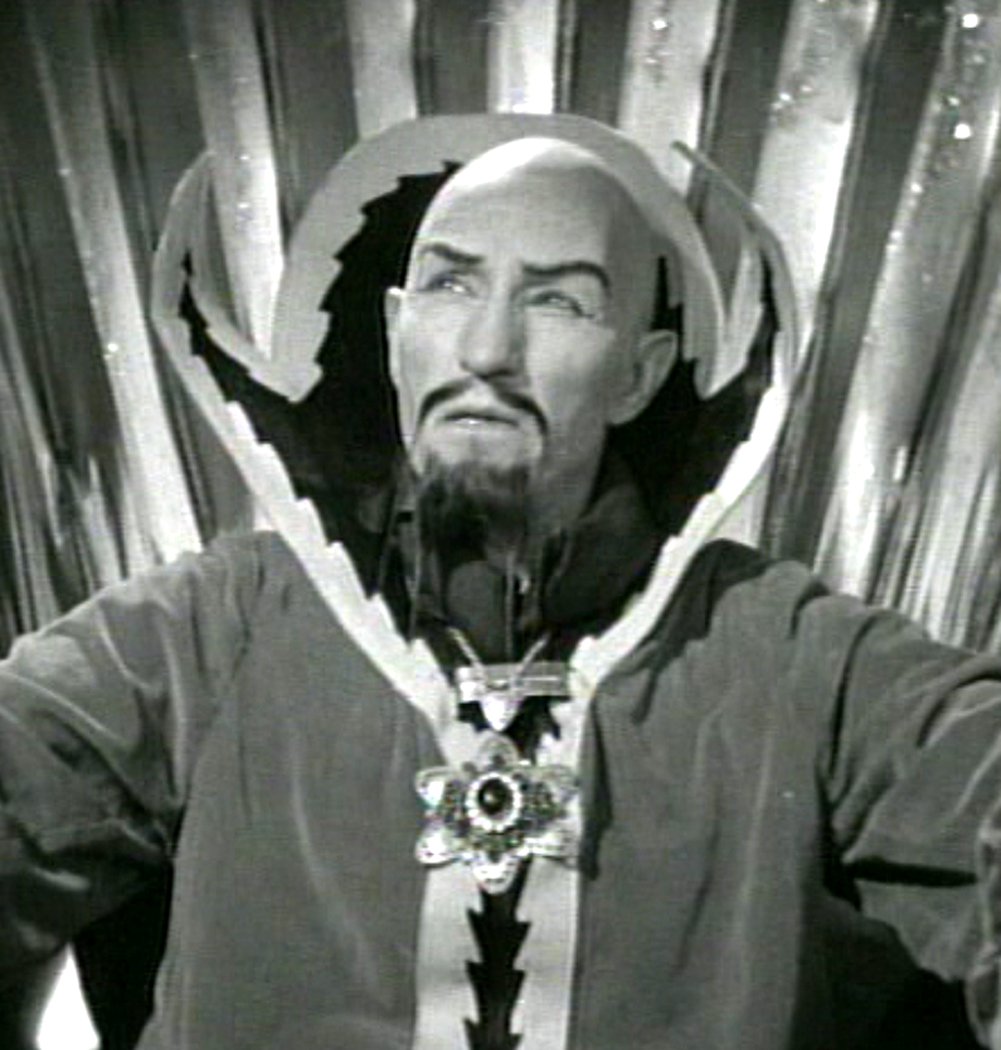
Ming the Merciless

Ming the Merciless

Hitler was, in this view, hardly different from the nefarious Fu Manchu or Dr. Mabuse or Ming the Merciless. Why any nation would bend to the will of such a madman was an enigma.

Wars are political and economic. We remember them militarily, but they are gestated through power and money. Now that I am an old man, I no longer see World War II as the “Good War” — the American version — or the “Great Patriotic War” — the Russian version — but rather as The War between Hitler and Stalin over Poland.

Poland has rolled around eastern Europe for centuries, expanding and shrinking, becoming an empire and disappearing altogether. You could make an animated map showing how over time Poland moved east, then north, then west like a ball of mercury on a plate, then evaporated like a dried-up puddle. In western Europe, nationality conveniently tends to follow ethnicity. France is filled with the French, the Netherlands are filled with the Dutch. But throughout eastern Europe, ethnicities are scattered like confetti. There were Germans in Poland, Poles in Ukraine, Lithuanians in Poland, Russians in Lithuania, and Jews all over. It made national borders more arbitrary than they are in the west. Much of Hitler’s plan before the war broke out in earnest concerned bringing ethnic Germans together under one nation-state. Hence the Anschluss and the annexation of the Sudetenland in Czechoslovakia. His ostensible aims were to “protect” the German people from persecution by non-Germans. The Nazi slogan was “Ein Volk, ein Reich, ein Führer” — One people, one country, one leader.einvolk einreich einfuhrer

Ein Volk” — this was a nearly mystical idea of race and genetics. Hitler believed in two things that were current in his age. One was Social Darwinism, that competition was not only between individuals, not only between species, but between “races,” or genetic bloodlines. His Germanic race was in competition with all other races, and only the strong would survive. Second, he believed in a neo-Malthusian sense that as population increased, food production would begin to fail. And, as Germany industrialized, fewer people were producing food, and less land was given to farming. These two things were behind his announced need for “Lebensraum” — living room. He proposed not only to aggregate the Deutsche Volk under one political system, but also to annex new farmland to Germany and repopulate that land with German farmers.

In this, one ventures to say, he was little different from American Manifest Destiny in the 19th century. As we proposed forced migration of Native Americans and to appropriate their lands, so Hitler proposed to move Poles and other non-German people out of his section of Poland and repatriate a growing population of Germans into it.

He faced two international political problems with this plan. The Soviet Union would likely object, and the allied forces of western Europe had a treaty to defend the independence of Poland.

Molotov and Ribbentrop

Molotov and Ribbentrop

To eliminate those problems, he made a pact with Stalin — the Molotov-Ribbentrop non-aggression pact — which freed him up, he expected, to face the armies of France and England that intended to protect the sovereignty of Poland.

In reality, there was an unpublished portion of the Molotov-Ribbentrop Pact that split Poland in two, with one half going to Hitler, and the remains going to Stalin.

So, when Hitler invaded Poland on Sept. 1, 1939, he planned also to turn his Blitzkrieg on France, which he neutered in 1940, taking over most of western Europe save Great Britain and the neutral countries of Spain, Switzerland and Sweden. This meant he thought he no longer had to worry about a two-front war. In this sense, the whole war in western Europe was a sideshow to the real carnage.

When the forced immigration of Poles, Jews and other non-Germans proved problematic, and after Hitler decided Blitzkrieg could bring him not only Poland, but also most of the European territory of the Soviet Union, he invaded eastern Poland (by then, a part of the Soviet Union) and headed for Moscow.

A separate industry developed to deal with the displaced peoples, which, by Hitler’s racial thinking were Untermensch, or lesser humans, and with his own propaganda blaming Jews for the loss of the First World War, and the “Jewish Bolshevism” of Communist Russia, his Nazi planners came up with a “final solution” for what to do with all those unwanted people. Six million Jews were exterminated over the course of the war, mostly from 1942 to the end of the war. But also nearly 2 million ethnic Poles, 3 million Ukrainian and other non-Jewish victims.

liberated prisoners at Ebensee 1945
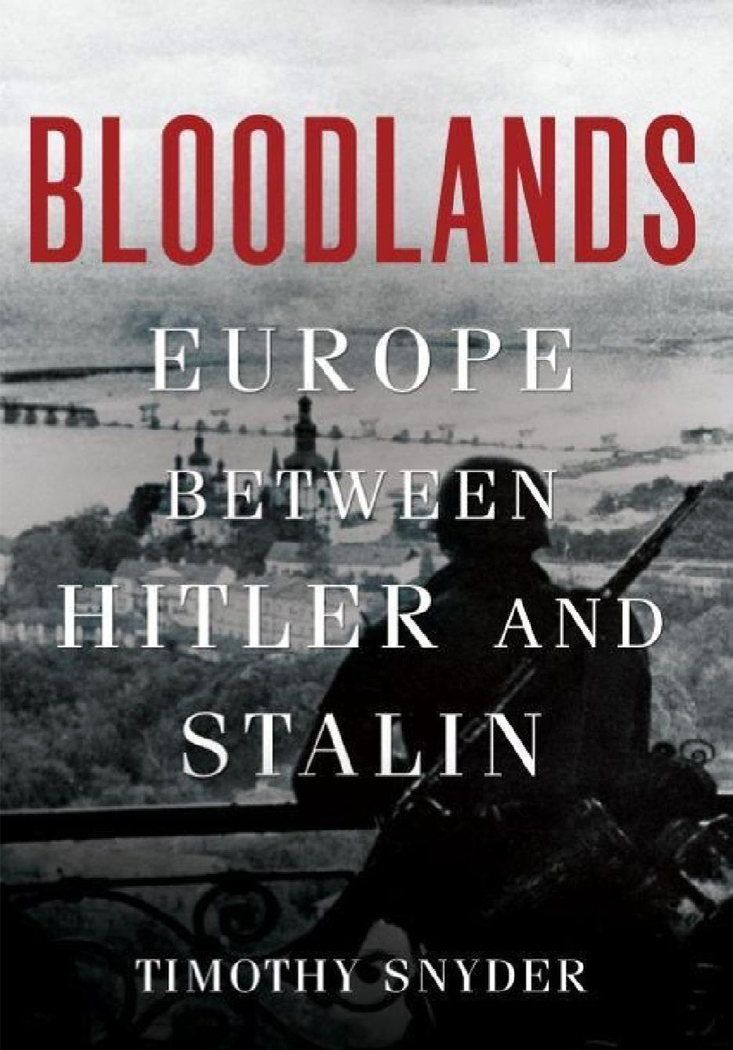
bloodlands cover(Timothy Snyder’s 2010 book, Bloodlands, covers all the deaths in the tragic lands between Germany and Russia from the 1930s through 1945, including the Holodomor — the deliberate starvation of between 3 and 7 million Ukrainians by Stalin’s order. In all, between Hitler and Stalin, Snyder estimates that some 14 million non-combatants were murdered for political reasons between 1933 and 1945. The numbers are all estimates; the death was so pervasive, accurate records for most deaths were impossible. And these 14 million were all separate from the military deaths of the war.)

What I have written here is an obviously very simplified version of things. Almost every sentence here could be expanded into a book. I have left out many important things (not the least of which is the bifurcation of Europe after World War I into camps espousing Communism and camps promoting Fascism. For a time in the 1930s, it even looked as if America was going to have to choose between them).

MBDRUOF EC010This is a lot of words, all to show the slow development of ideas about the war, from childish to mature, from simple and unexamined to complex and nuanced. The case I am trying to make is that this is true not simply for my pathetic little understanding of World War II, but that this kind of growing complexity is symptomatic of getting older, seeing more of the world, and tying it all together.

I could have chosen almost any subject and gone on at length about how my understanding has changed, widened, saddened. For, if there is anything that results from broader experience — which is what getting old gives you, want it nor not — is the sad truth expressed in Jean Renoir’s 1939 film, Rules of the Game, spoken by Octave (played by Renoir himself): “You see, in this world, there is one awful thing, and that is that everyone has his reasons.”

treblinka sign

I’m wearing a virtual foam collar around my brain stem, suffering from a kind of whiplash, having finished one book, so devastating and depressing, and having begun another so invigorating and life-affirming — really, brain-affirming — that my poor psyche feels like Faye Dunaway in Chinatown, slapped back and forth by Jack Nicholson.

I recommend both.

The first is a recounting of the inhumanity humanity deals to itself; it is a tale of humankind seen not as individuals, but as an aggregate of categories. The second is a memoir of humans seen as individuals, with all their flaws and foibles. It is the macro view vs. the micro view.

The most distressing thing is that we all have to live in both worlds; we have our families and friends, but we also cannot escape the things our governments, our religions and our employers do in our name.

bloodlandsThe first book is Bloodlands, by Timothy Snyder, which recasts the central story of World War II — really from 1933 to 1948 — in a way which finally makes sense to me, and is a needed antidote for all the triumphalist D-Day feel-goodism you are weighed down by in endless TV documentaries about the war.

We are too often deluded into thinking that World War II was a time in which America waged a “good war” against Nazism and won. I had always found this view indefensible, simple minded and ultimately jingoistic. The U.S. certainly had its part to play — and I don’t mean to denigrate the sacrifice of our soldiers, sailors and those on the homefront —  but when I looked at the figures, it was hard to reconcile the idea that we were the major player when our war dead totaled half a million but the Soviet Union’s dead exceeded 12 million. Either they were terrible soldiers and ours were magnificently efficient, or the real war was not in Normandy, but in the Eastern Front.

But even my own prejudice about the war really being between Germany and Russia turns out to be a gross simplification.

The book is an accounting of all the dying that took place in the shifting-border areas between Germany and Russia — the areas that were sometimes Poland, sometimes Ukraine, Belarus and parts of the Baltic states, Romania and Hungary — death caused by the political choices and policies first of Stalin in the Soviet Union and then Hitler in Germany.Jew_Killings_in_Ivangorod_(1942)

By the accounting of the author, they are culpable in the deaths of 14 million civilians. This is above and beyond the military deaths caused by the war itself. This was the deliberate starvation of Ukrainian farmers in the 1933, the “Great Terror” of 1938, in which Stalin wiped out his political enemies, rivals and phantoms of his paranoia, followed by the mass shootings in occupied Poland from 1939 to 1941, the starvation policy used by the Germans on 3.1 million Soviet prisoners of war and the intended extermination of Jews by Germans from 1941 to 1945. It is a dismal story of humanity’s inhumanity. These were not accidental deaths, but deaths of central planning and political purpose.

The overwhelming bulk of death during those years took place between the so-called Molotov-Ribbentrop line that divided pre-war Poland in half, and the eastern borders of Ukraine and Belarus.

Snyder footnotes the exact counts, often village by village, with anecdotal horror stories of those shot, burned, gassed and garroted. One hardly turns the pages without choking and weeping.

From Snyder’s view, the war in Europe was not merely one between Nazi Germany and the Communist Soviet Union, but rather one in which Hitler and Stalin colluded in first wiping Poland off the map, splitting it between them in 1939 (the aforesaid Molotov-Ribbentrop line), and then, when Hitler’s plan to evict all the Poles and Jews from what was formerly western Poland got bogged down in difficulty (the plan to deport them all to the east, vaguely somewhere in the Soviet Union, perhaps Kazakhstan was nixed by Stalin), it turned into a plan to murder them all.

It should be noted that in Russia, the official dates of World War II are 1941 to 1945. They don’t acknowledge the invasion of Poland by Germany on Sept. 1, 1939 as the start of the war, because they were equally culpable in that dissolution of the state of Poland. But they start the conflict in 1941, when Hitler invaded the Soviet Union. Except, of course, that Hitler didn’t first invade the Soviet Union. He invaded what used to be eastern Poland, on the other side of the Molotov-Ribbentrop line, but had since been declared to be part of the Soviet Union — the formerly Polish part. For Stalin it made no difference that this was formerly Poland; now it was de facto part of his Soviet Union.

When Hitler’s army failed to take Moscow quickly, as his Blitzkrieg model had planned, the war turned into a protracted and mass slaughter of German and Soviet armies.

While we in the West call World War II “the good war,” in Russia they remember it as the Great Patriotic War, but in reality the whole thing should be called the Soviet-German war over the dismemberment of Poland.

To that bloody conflict, D-Day, Sicily, North Africa, Dunkirk, the Battle of Brittain were all basically a side-show. Our propaganda portrayed Hitler as seeking “world domination,” but that was never more than a comic-book arch-villain sort of plot. France and England were brought into the war because they had a defense treaty with Poland. Hitler would have preferred to avoid war with England and France. His beef was with Stalin over the land he wanted in Poland for German expansion — primarily to provide farming land and food for an expanding and industrialized Germany. Having to deal with England and France in the west was a pesky bother to him.

(The war in the Pacific, which happened concurrently, can be seen as primarily a separate war, beginning with Japanese invasions of Manchuria and China in the 1930s and ending after the war in Europe. The Pacific war was essentially America’s war, unlike the war in Europe.)

Back to the book: What makes it so dismal is not just the magnitude of the statistics — how many million shot in the back of the head here, so many million run through the death camps there — but the documented stories of individual deaths, or whole villages prisoned in churches that were then burned down, or men required to dig pits the length of two football fields, and then told to lie down in the graves, where they were shot, and layered like lasagne with another pile of bodies, shot, and another, and another, then covered up with dirt.

One fears turning the page in Bloodlands to find more starvation, more cold-blooded planning of mass murder, more mothers torn from their babies, more husbands worked to death in labor camps, while their parents were shipped off to Treblinka or Chelmno.

We too often think of the concentration camps as the place of the Holocaust, but Snyder makes clear that as many Jews were killed by bullets as by gas, and that the version of camp death we most often think of — say Auschwitz or Buchenwald — were not actually death camps, but rather holding camps in which death was a too-common byproduct. The real death camps were small facilities with no barracks, just changing rooms. The victims arrived by train, stripped of clothing and possessions and were herded directly into gas chambers where internal combustion engines piped carbon monoxide in, killing all in about 20 minutes of terror, and then the corpses were carried out an burned in huge pyres, kept fired up like so many charcoal grills. Treblinka was built exclusively to empty out the Warsaw ghetto. When that was accomplished, Treblinka was closed down. The extermination camp at Chelmno did the same thing for the Jews of the Lodz ghetto. The industrialized purposefulness of such factories is all the more chilling. deportation to treblinka 1942

We tend to think of Hitler’s atrocities as being 6 million Jews killed in the Holocaust. And in terms of ethnic cleansing, it is one of the most ghastly in human history, but the suffering was also spread out in the period Snyder covers, from so-called kulaks in Ukraine to Polish officers massacred after the division of Poland in 1939, to dissidents and potential dissidents in the Soviet Union. Some 60 million people died in those years from political violence, less than half of them were military. That was 3 percent of the world’s population at the time.

One of the arguments one hears from the so-called Holocaust deniers, is that the Shoah was simply too vast to be believed. No humans could possibly have exterminated that many people in that short a time. Yes, they say, Hitler had anti-Semitic policies and maybe a few were killed, but the vast numbers were not believable. One has to laugh at this argument, not only in the face of Snyder’s careful accounting, but in the long view of history, and the slaughter of conquered peoples from the dawn of time. The Holocaust was not a singular event, but something like the standard order of things. This is what people do to each other, over and over and over. One must remember the wholesale extermination of city populations by Genghis Khan, the pyramids of skulls of Tamerlane. The slaughter of Cathars in the 13th century, or earlier, of the Wu Hu in China in the Fourth Century. One voice echoes through history: Carthago delenda est. So, ethnic cleansing continues in our own time, whether in Rwanda or Sudan or Cambodia.

I have gone on is rather more length than I had intended. The book is overwhelming, the pessimism it engenders is oppressive. I do not hope for a brighter future; I cannot knowing the lessons of history.

But I can put the book down when finished, and pick up another, one that gives me as much pleasure as Bloodlands gives me pain.

And here’s where the whiplash may hit you, too.

trilogyBecause the next tome I picked up was H.L. Mencken’s three autobiographical books, published as a single volume by the Library of America. I cannot convey to you quite the pleasure to be had by reading Mencken. His writing is full of the vigor and intellectual energy of a man in love with life and in love with the way language can convey that love.

It is not that everything is wonderful in Mencken’s life, but rather that the failings of human existence — seen as the acts of individuals, rather than classes of people — are at bottom so entertaining.

It is particularly his volume on his early newspaper work that fills me with joy. Newspaper Days covers the years from about 1899 to 1906, and lets me know that journalism hadn’t changed much from his day to mine (that it is now nearly extinct is another sorrow I feel).

Just as I dreaded each new chapter in Bloodlands, I check to see how many more pages I have left of Mencken and dread instead the final page, when my pleasure will come to its end. Prejudices

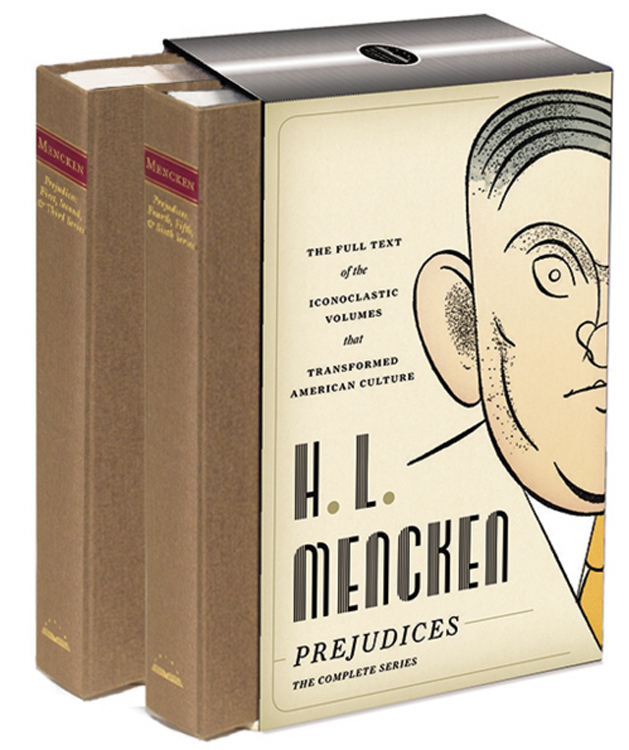
The Library of America had previously published his six series of  Prejudices, which were collected essays, always a joy to read, even when what he says might be outrageous and, well, prejudiced. At bottom, Mencken is clear-eyed and unbowed, and we value his fellowship, even in print, as we might value it sitting on a barstool next to him, sharing banter over a foamy beer. You might not agree with Mencken’s opinions, but they were always magnificently expressed, in a kind of journalistic language raised to the level of poetry.

I have his three volume The American Language, which is about as entertaining a scholarly book as you could find. Thorough, amused and amusing, it is indispensable.

The best way I can convey to you the qualities of Mencken’s writing, and of his mind, is to quote him. Here is a section from Newspaper Days, in which he talks about the artists employed back at the turn of the century to illustrate newspaper stories, before the days when photographs could be easily reproduced. As editor, he had to deal with their eccentricities.

After a few anecdotes about artists getting themselves into trouble and drink, he reminds us that:

“The cops of those days, in so far as they were aware of artists at all, accepted them at their own valuation, and thus regarded them with suspicion. If they were not actually on the level of water-front crimps, dope-pedlars and piano-players in houses of shame, they at least belonged somewhere south of sporty doctors, professional bondsmen and handbooks [obsolete slang clarification: bookies]. This attitude once cost an artist of my acquaintance his liberty for three weeks, though he was innocent of any misdemeanor. On a cold Winter night he and his girl lifted four or five ash-boxes, made a roaring wood-fire in the fireplace of his fourth-floor studio, and settled down to listen to a phonograph, then a novelty in the world. The glare of the blaze, shinning red through the cobwebbed windows, led a rookie cop to assume that the house was afire, and he turned in an alarm. When the firemen came roaring up, only to discover that the fire was in a fireplace, the poor cop sought to cover his chagrin by collaring the artist, and charging him with contributing to the delinquency of a minor. There was, of course, no truth in this, for the lady was nearly forty years old and had served at least two terms in a reformatory for soliciting on the street, but the lieutenant at the station-house, on learning that the culprit was an artist, ordered him locked up for investigation and he had been in the cooler three weeks before his girl managed to round up a committee of social-minded saloonkeepers to demand his release. The cops finally let him go with a warning, and for the rest of that Winter no artist in Baltimore dared to make a fire.”

mencken 3The book moves forward with speed and irony, full of vivid expressions and entertaining stories. Mencken recalls cops and judges, editors and pressmen, drummers for patent medicines and press agents of dubious veracity, kindly murderers and scapegrace yobs of all descriptions, many of which Mencken counted as his special angels of the kind of humanity he most valued. He detested all cant and corporate or governmental doublethink, and anyone who would put life into a file cabinet alphabetically.

It is the pleasure of coming across his book after reading Bloodlands that restores the oxygen to a world otherwise noisome with the mephitic stench of death. And reminds us that it is a grace that we live in a world of individuals rather than in the statistical world of categories and proscription lists. Grace is what keeps us alive.

frim suit

T. Baxter Frim rode to work on the subway each day, wearing a blue suit so dark it might as well have been black.

It was a heavy, wool suit, with stripes barely visible, and a vest with a watch pocket. He did not own a pocket watch; he would have thought it an affectation. The suit smelled in the rain, but he kept it neatly pressed, with  cuffs.

You might think he was reflexively conservative, but along with the suit, he never wore a hat. And this was five years before Kennedy’s hatless inauguration. Frim was ahead of the world on this one issue.

But this is not a story about the suit, but about a man who would choose to wear such a suit.

Born in Quidney, Vermont, he was trained as an accountant, but found his life’s work as an actuary for the New Haven and Manhattan Indemnity Corporation. When he was 45, he started writing poetry.

It was an unusual avocation for an actuary, perhaps, but none of his coworkers knew about it. The only one who did was his wife, Marie, and she didn’t think about it much.

He had a few pieces published, in “Garden Monthly,” the “National P.T.A. Journal,” the “Melville, Alabama, Weekly Star,” “American Steel Smelting News” and his hometown newspaper, the “Quidney, Vermont, Record.”

Other than that, he had a shoebox full of rejection notices. He kept it in the bottom of his bedroom clothes closet, and popped a new slip in every second or third month.

His life, such as it was, was happy enough. He laughed reasonably often, had a ready pun on occasion, and genuinely loved his wife. His coworkers liked him and he rose steadily, but not spectacularly, at the firm. At the age of 52, he had his own office and a secretary, who we’ll call Hazel.

Everyone who knew him called him Ted. His first name was actually Theophrastus, but Ted seemed to work better.

It was a Monday morning and Ted was crumpling paper and throwing it over his shoulder. One after the other, the rubbish collected on the floor behind his chair.

He started writing again, and wadded up the paper once more.

“It reads like it was written by a committee,” he said to himself.

He was writing his resume.

Since he had turned 50, he had felt the intestinal rumblings of hormonal change in his body. He told himself it was nothing, the way one might say, “It’s only the house settling.” Harry wanted to get out of his job, although he wasn’t sure what he wanted.

He also knew that if he ever wrote the resume the way he wanted it, he probably wouldn’t mail it anywhere.

Ted had felt something like this once before, and quashed the feeling by joining the Army. It was just before Pearl Harbor. He thought a tour in the military might show him a wider corner of the world. The recruiting officer had promised that the Army had need of accountants.

But, instead, they made him a quartermaster and sent him to Kansas.

Just before he left Vermont, he married Marie. They had met at a party at school, and he saw her at the edge of the room, with eyes like a cow’s, looking ready to drip tears. He thought she looked ineffably beautiful.

She was, in fact, in the middle of a trauma that tested everything she had been brought up to believe. She had followed her high-school sweetheart to college when he received a football scholarship. He was the star quarterback and he squired Marie around until their second year, when he came out of the closet.

“I’m queer,” he told her.

“Take some Bromo Seltzer,” she replied.

When he made her understand what he meant, she refused to believe it. She followed him around, trying to figure out how to cure him, and at the very moment Ted had spotted her at the edge of the party, she had spotted her man in a dark corner with his arms around the neck of a young sociology instructor. She could taste the metal of electricity in her tongue, and there was a ringing in her ears.

By the end of the year, she had married Ted and one of her first letters to him in Kansas said, “Great news — I’m in the family way.”

In Kansas, Ted discovered something: a 33 percent markup over wholesale made the wholesale a 25 percent discount. There was never any actual difference in the cost, but it could be like looking into opposite ends of a pair of binoculars. And it meant that when he wrote up his reports, he could use whichever figure, higher or lower, made his case sound better.

Ted had few illusions about the Army.

The Army confirmed Ted’s realism by awarding him a medal for his cost-cutting bookkeeping methods. But it didn’t hurt, he knew, that he was able to supply a certain colonel with his favorite scotch.

(Ted really got the medal, though he never knew it, for running one of the less corrupt units in the war. Officially, though, his medal was for bookkeeping.)

When the war was over, Ted was honorably discharged and returned to see his daughter and wife and take a job at NHMI Corp.

By way of footnote, his daughter will have an interesting life, herself. When she is 16, she will move in with an unpublished novelist who will never be published. At 18, she will get religion and become Presbyterian. That will last a year until she decides to go to vocational school and learn library science. By the time she is 24, she will be running the San Diego city library and all its branches. At 40, she will suffer a one-year marriage to an undertaker. At 52, she will move in with an unsellable painter, also 52. They will live happily for several years. There will be no grandchildren for Ted and Marie.

Meanwhile, T. Baxter Frim rode the subway every day down to 59th Street and walk crosstown to the office. During his lunch hour, he would eat a roast beef sandwich on a kaiser roll, drink a pint of milk and scribble verses on the back of bits of waste paper.

There are stories of businessmen making good in the poetry world, men who rose to vice president in charge of new accounts while transforming the course of English-language poetry at the same time. Ted was not one of them. His knowledge of literature, and his abilities were modest. He liked the verse of Eugene Field and Ella Wheeler Willcox. His own work tended to be sentimental and sincere, and nothing made him happier than to come across a clever rhyme.

It isn’t everyone, after all, who needs to be Ezra Pound or T.S. Eliot. Not every artist needs to be Picasso, not every musician needs to be Horowitz. There is pleasure enough in small things, performing the rituals of art and poetry, and partaking, in a tiny way, of the giant river of art. The writing was the most satisfying part of Ted’s life, aside from his love for wife and daughter.

And who is to judge Ted’s talent? Perhaps there is more honor in trying than in succeeding. Certainly, there is more satisfaction in the writing than in the having written. If it was a private pleasure, not shared with the larger reading audience, so be it.

At night, after dinner, while the rest of the family watched Red Skelton or Dinah Shore on the Emerson, Ted would transcribe his lunchtime verse and rewrite it, editing it and honing it to the best of his modest abilities.

Marie knew he wrote, but she never bothered him about it, and had never read any of it. He never offered it.

So, when he died, she was surprised by his will.

He had left a condition.

Ted had followed the normal procedures for a will. He left his estate, such as it was, to his wife, with a nice, honorable portion for his daughter.

But he had left the condition.

To quote the document verbatim, it read, “Before the aforementioned party of the first part may have possession of any of the worldly goods left by the party of the deceased part, she will have to arrange for and complete the process of the publication of all the extant rejection notices received by T. Baxter Frim during his long and industrious reign as the laureate of Quidney.”

Her lawyer told her that it wouldn’t take much to fulfill this codicil. That a small run by a vanity press would easily fulfill the requirements, and then she could take possession of the bequest.

But Marie wanted to do right by her late husband, and took the shoebox around from publisher to publisher. No one would take her seriously. Just when she thought she would have to rely on a vanity press, she got a phone call from Viking. An editor there had thought about the problem and believed he had an idea.

The editor organized the contents of the shoebox and later that year, Viking published a volume titled, “The Poet’s Alienation.” It was subtitled, “The Exploring Years, 1946-1965.”

There wasn’t much hope for the book, but Marie was clear for the money.

Then Tom Wolfe reviewed the slender volume in the “New York Review of Books.” He called it “a reflection of our age,” and sales skyrocketed.

All the college professors were discussing a newly found creative genius. The public demanded T.’s earlier writings.

Then came, “The Rainbow’s Eye,” the complete poetry of T. Baxter Frim. With it, “The Collected Letters of Baxter Frim.” Several biographies, ranging from the cheap paperback, “The Passion and the Poet,” to Dr. Everett Bonamy’s expensive hardcover, “T. Baxter Frim and the Contemporary Poetic Situation.”

Marie had many invitations to interviews for famous magazines. Even Ed Murrow called. But she refused all such requests and accidentally created a legend.

She was headlined in all the articles written about her as “the mysterious devoted martyr to the poet’s art.”

Just before she died, three years ago, Marie Frim stipulated in her will that the manuscript of the biography she had written of her late husband should be  burned. She figured that would ensure its publication. It became an instant success and sat on the “New York Times” bestseller list for 28 weeks.

And T. Baxter Frim’s daughter donated his blue wool suit to the Library of Congress.