When I was a kid, most things in the world just were. Everything was normal, even if it wasn’t. People lived in houses, roads were paved, families had a mom and dad. And, for a kid, parents were just parents; I never gave much thought to why they did what they did. It wasn’t even that if they did something, they must have had a reason. They just did things. They were Mom and Dad, and as children, me and my brothers just followed along. As a child, the world is a given.
It’s hard to recall that state of affairs, when things happened because they happened. That they might have done things for the abstract good of their children never dawned on me. Of course, now that I am old, I look back and realize how much they did for us, things they didn’t have to do, or things they probably would have preferred to do some other way, including some other things they might have wanted to do with their sparse vacation time.
Gettysburg, Pennsylvania
But one of the things they did for us was travel. When we had our summer school vacations, Mom would pore over various brochures, magazine articles, and roadmaps and carefully plan routes to drive and sites to take in, and then, when it came time, we would load up the car and take off. We went to Washington D.C., to Niagara Falls, to Fort Ticonderoga, to Gettysburg — and many spots in between. Only later did I come to understand there was a purpose to these vacation trips. they chose these things to expose their children to history, geography, politics and to let us see what was possible outside suburban New Jersey. Travel was part of our education.
Back when they were children, they didn’t get to travel. They both grew up in northern New Jersey and neither had more than a high school education. Dad’s family was heavily religious and didn’t approve of having fun, and Mom had to raise her two younger siblings after her father died when she was still in grade school and her mother had to find work in New York City. And so, the worlds they grew up in were limited.
German gun, Omaha Beach, Normandy, France
But when my father was drafted in 1940, he was sent to Camp Wheeler in segregated Georgia. He didn’t talk much about his army life, but he did express shock at discovering the pervasiveness of racial discrimination. And then he was sent overseas after D-Day to France, Czechoslovakia and Germany and found that other peoples had various ways of making a decent life. His horizons were involuntarily expanded.
When they got married, shortly after the war, they felt it was important to broaden their children’s horizons, too, and to make sure we got the best educations. There was never any question that their kids would go to college. (I was told that when I entered second grade, I asked if that meant I could go to college “next year?”) Education was Priority One. Travel was a component of that.
Kristiansand, Norway
Later, when I was in high school, they made it possible for me to go to Europe, accompanying my immigrant grandmother to her birthplace in Norway, and to take a bus tour through France, Germany, the Netherlands, Belgium and Luxembourg. A few years later, my younger brother, Craig, was sent off on a similar trip.
Mark Twain famously said that “Travel is fatal to prejudice, bigotry, and narrow-mindedness, and many of our people need it sorely on these accounts. Broad, wholesome, charitable views of men and things cannot be acquired by vegetating in one little corner of the earth all one’s lifetime.”
The vast bulk of the MAGA world, it seems to me, is made up of those who have never ventured far from their birthplace. If they had seen how others live, they would not accept the lies.
Cairo, Illinois
Travel, then, has pretty much always been an essential part of my life, and having become an adult — at least as quantified in years accrued on the planet — I have continued the habit instilled by my parents. Education wasn’t only in books; I read Huckleberry Finn, of course, but I’ve also been to Mark Twain’s childhood hometown of Hannibal, Mo., and to what remains of Cairo, Ill. I’ve driven along the entire length of the Mississippi River, from Lake Itasca, Minn., to the Venice Marina where the road ends in Louisiana.
Vancouver Island, British Columbia
It is rare to mention a place I haven’t been in the continental United States or provincial Canada. Big Sur; Mt. Katahdin; the Everglades; El Paso;, the Union Pacific Bailey Train Yard in North Platte, Neb.; Hudson Bay; Halifax, Nova Scotia; the Tehachapi Loop in California; the Sturgis Rally in South Dakota; even Glacier Bay in Alaska.
Glacier Bay, Alaska
Believe me, I can be quite irritating, when someone mentions some far-off place and I chime in, “Oh, yeah, I’ve been there. Had a great Po Boy sandwich in a little shack along the road in Pecan Island.” Which is a tiny community along the southernmost road in Louisiana. Or “Abiquiú? Yes, we visited Georgia O’Keeffe’s place there.” I am slowly learning to keep my yap shut.
Red Mesa, Navajo Reservation, Arizona
I’ve been to every state except Hawaii, and most of them many times, and every province in Canada, save only Prince Edward Island and Newfoundland. I’ve lived in four corners of the continental states, growing up in the Northeast, moving to the American South, then to Seattle in the Northwest, and spending 25 years as a writer in the Southwest. Each move gave me a chance to explore all the territory nearby, often in some detail (There’s hardly a square meter of Arizona that I haven’t been to. Go ahead, name something obscure: Ajo? Red Mesa? Tumacacori? Freedonia? Gadsden? Quartzsite? Check, check, check, check, check and check.)
Cape of Good Hope, South Africa
I’ve been to the Cape of Good Hope in South Africa and to Marylebone Road in London; I’ve been to the Chartres Cathedral, and to the bull ring in Arles, in Provence. My late wife and I went back to France many times, and drove to all six corners of “The Hexagon.”
And so, yes, I’ve been to the D-Day beaches at Normandy and to the bomb craters still evident in Verdun, to the cave art along the Vézère Valley, to the paleolithic menhirs and dolmens near Locmariaquer.
Dolmen, Locmariaquer, Brittany, France
I’ve visited the Museum of Questionable Medical Devices, the Museum of Jurassic Technology and the Hammer Museum of Haines, Alaska.
And it has all been an education. I certainly learned that the omelet I get at Denny’s is a pale mutilation of the rich, creamy offering you can find at any neighborhood cafe in Paris.
O’Keeffe Country, New Mexico
Of course, I’ve also learned how little of the world I’ve actually seen. I have so much of the non-European inflected planet yet to see, although, at my age, it’s almost certain I will never get to Japan or the Seychelles or Samoa. Just as, no matter how many books I’ve read, there is always a hundred times more books I will never get to read, and not enough time left even to put a dent in that list. I keep trying.
Windsor Ruins, Mississippi
And so, in addition to bragging about all the places I’ve been, I am shamed by all those places I have not gone to, just as all the art I haven’t seen, all the books I haven’t read, all the music I have never heard. But I think that it is only because of all I have read, seen, and heard, that I know enough to feel the gaping holes in my education.
My Uncle Stanley had an ambition in life to own a Weimaraner hound. I was only a boy at the time and didn’t quite understand the appeal of such a dog, but for the IBM typewriter technician he was, living in New Jersey in the 1960s, I imagine it had something of the attraction a solid gold toilet had for Elvis Presley. The rest of us had dogs that we lucked into, finding a stray, or getting a mutt from the dog pound. But the Weimaraner was a pricey breed and my uncle wanted one. He finally got one. It was a nice dog, but for me, that’s just what it was — a dog.
Many, I think, have some similar focus in their lives, some object that signifies arrival, or a sense of completeness in life. Most items hold that position only for as long as they are unachieved. Yet there remains a pride in the achievement, even if the reward is rather less than anticipated.
I think of those who have yearned to own a Cadillac. They may live in a mobile home and work as janitor in the local factory, but if they can park a Caddy out front, it will show they aren’t complete failures.
As in the familiar song, St. James Infirmary: When I die, “Put a twenty-dollar gold piece on my watch chain,/ So the boys’ll know that I died standin’ pat.”
The idea of getting that bit you believe you want or need is common. Perhaps it is a $300 Wüsthof chef knife; or a Rolex watch; or a bespoke suit from Hong Kong. Whatever is your icon of either quality or status or style, it chases you through life until you can finally afford it. I certainly have felt it. When I was young, it was a Nikon camera, then a Leica and then a Hasselblad. I finally got each and while I wasn’t disappointed — they are all as good as their reputations — they never quite made that great a difference in the photographs I made.
I imagine that if the People’s Republic of China ever finally get their hands on Taiwan, it will not prove to be quite so satisfying a triumph as they had imagined.
I never chased a particular car or watch, but there are books I longed for. I have managed to get some of them; others still elude me. But here are the big three I lusted after for years.
The Times Comprehensive Atlas of the World
Beginning in the third grade, I loved maps. And what I loved more than any were the big maps in the classroom that were pulled down like a windowshade, and were richly colored in thick inks — not halftone dots: The green was dark green ink, not a mix of yellow and cyan dots. Mountain regions were a rich chestnut brown. Those maps were beautiful. They may have been out of date even in my childhood, but I didn’t love them for their accuracy, but as art.
Years later, I found something very similar in older editions of the Goode’s School Atlas, where the maps were created using wood engravings, so there were straight-line cross-hatchings for shadings, and again, multi-colored inks for the printing. I saw them as art books. I found a few in old, musty used book stores and I still treasure them.
The very first puzzle pieces I remember, as far back as infancy, were map puzzles, where each U.S. state was a single piece. I took apart and redid that states puzzle hundreds of times, even as, in my infant-tongue the states were Uncle Homer and Miss Thompson.
Later, as a young man, newly empowered with a car and an income, I began traveling, and to aid that travel, I had a Rand McNally Road Atlas. I have updated them every other year or so, but I also acquired vintage versions from 1935 and 1942, which are things of beauty of their own, in two-color printing, with most roads in dark blue and highways in red. I treasure the old ones, while the newer, full-color maps are merely disposable useful tools.
But, out there on the horizon, was the Times Comprehensive Atlas of The World, published in constantly updated editions from 1895 through its 16th edition in 2023. By 1959, the Midcentury Edition of the atlas was a five-volume elephant folio edition measuring 12-by-19-inches. It was the Cadillac of world atlases and it was way out of my price range when I was young. I did manage to get the single volume 10th edition, picked up used.
It was a large, handsome volume. The maps were halftones, so, not as esthetically distinct as the Goode’s, but still, it was by all counts the best atlas on the market. Unfortunately, when I retired, I had to sell off about 75 percent of my library to make the move across the country from Phoenix to North Carolina, and the Times atlas was one of the casualties. Kept the Goode’s, though.
The Encyclopedia Brittanica
By the time I was in sixth grade, I wanted to learn everything. I was young enough still to think that possible. And where would I find all this knowledge? I’d read the encyclopedia.
My neighbors had an old Compton’s Picture Encyclopedia, from the 1930s, which they gave us, and I read it over and over, with its streamlined steam trains, autogyros and biplanes. But even as a kid, I knew the books were out of date. A wonderful long entry on “The Great War,” but, although I was reading it in 1953 or so, less than 10 years after WWII, there was no mention of any of it.
My mother wanted to help, and so, she began buying the promotional supermarket offering Funk and Wagnalls, one per week, for 99 cents each, until we had the full set, cheaply printed and bound. I used them for years to write theme papers for school. But I always knew that they weren’t the “real thing.” For that I needed the Britannica, which was way outside my family’s budget.
I continued lusting for my own Encyclopedia Britannica, all through college, the jobs that followed and into my years at the newspaper in Arizona, when I finally got a set at Bookman’s, a used book store in Mesa. But my enthusiasm was tempered by the fact that the set I got was not the traditional Britannica, but the combined “micropædia” and “macropædia,” in which the entries were divided into the more popular entries, in shorter, easier to read versions — the micropædia — and the more in-depth entries in the rest of the volumes. It felt like a dumbed-down, even trendy version of what I truly wanted. I wanted the Belmondo Breathless and got the Richard Gere Breathless.
Years later, I came across the revised 14th edition, in 24 volumes and its leathery maroon covers and thistle logo, and managed to buy it. This was the real thing, at last. The pride of my collection.
At Bookman’s, I later also found a facsimile version of the original three-volume Encyclopædia Britannica, from 1768. The replica was quite convincing, even including (imitation) foxing on some of the pages. More interesting was evidence that the 18th century project engaged the enthusiasm of its makers early on, and then rather petered out. The first volume covers the letters “A” and “B.” The second includes “C” through “L.” And the third and slimmest volume gets to cover everything else to the letter “Zed.” The facsimile edition was published in 1971.
Then, of course, the internet came along, with its Wikipedia. The Britannica sat on the shelf as a kind of trophy, but largely unused. And when we moved, it was one of the casualties. So long in the getting, so short in the forgetting.
The Oxford English Dictionary
But the real prize, the one thing that I lusted for more than any other, was the Oxford English Dictionary, the 20 volume final word on the English language.
I was a long-time reader of dictionaries. From second-grade on, I loved learning vocabulary. From 8th grade on, I loved learning the etymologies of words, and how they could change meaning over time. The OED contained all that information. Entries were long, involved and gave dozens, maybe scores, of citations, each dated and quoted. A simple word with multiple meanings, such as “set,” went on for pages, and required 60,000 words to describe some 580 senses. The whole of the dictionary was 21,730 pages and 59 million words covering more than 300,000 entries. It was heaven. It was also pricey. The set could sell from $1500 to $2000, depending on where you bought it.
The full OED is still my unicorn. I have never found an affordable used set. But, in the 1970s, the Oxford Press put out a 2-volume Compact Edition, with every four pages of the original OED shrunk photomechanically down to quarter-size and printed four original pages squeezed into each single page of the edition, which required the use of a magnifying glass (included) to be able to read it. The Compact Edition was offered at rock-bottom price as a promotion through a book club, and I signed on, and got my copy.
It is very hard to read, even with the magnifying glass, and the volumes were big and bulky and uncomfortable to use, but at least I owned a version of the OED. This was as close as I got to Nirvana.
I still have the Compact Edition, occupying the upper shelf of a coat closet. I haven’t dragged it out in years, but I still have it, a reminder of those things I once thought would change my life forever. Perhaps they did.
So, what did you always want and did or didn’t finally achieve?
The venerable writer John McPhee wrote a short, episodic memoir for the May 20, 2024 edition of The New Yorker, and in it he discussed proofreading. The piece hit home with me.
I began my career at The Arizona Republic as a copy editor, which is not exactly the same thing as a proofreader, but many of the duties overlap, and many of the headaches are the same.
A proofreader, by and large, works for a book publisher and will double check the galley proofs of a work for typos and grammatical errors. The work has already been typeset and a version has been printed, which is what the proofreader goes over.
A copy editor works for a magazine or newspaper and is usually one of a team of such editors, who read stories before they are typeset and check not only spelling and grammar, but factual material and legal issues, to say nothing of that great bugbear, the math. English majors are not generally the greatest when dealing with statistics, percentages, fractions — or for that matter, addition or subtraction.
Arizona Republic staff, ca. 1990
In a newspaper the size of The Republic, a reporter turns in a story (usually assigned by the section editor) and that editor then reads it through to make sure all the necessary parts are included, and that the presentation flows in a sensible manner. Section editors are very busy people, dealing with personnel issues (reporters can be quite prissy); planning issues (what will we write about on July 4 this year); remembering what has been covered in the past, so we don’t duplicate what has been done; dealing with upper management (most of whom have never actually worked as reporters) and who have “ideas” that are often goofy and unworkable; and, god help them, they attend meetings. They cannot waste their time over tiny details. Bigger fish to fry.
Once the section editor has OKed a piece it goes on to the copy editors, those troglodyte minions hunched over their desks, who then nitpick the story, not only for spelling and style — the Associated Press stylebook can be quite idiosyncratic and counterintuitive — but also for missing bits or mis-used vocabulary, and double-checking names and addresses. A copy editor is a rare beast, expected to know not only how to spell “accommodate,” but also who succeeded Charles V in the Holy Roman Empire (Ferdinand I, by the way).
The copy editor then hands the story over to the Slot. (I love the more arcane features of any specialized vocation). The Slot is the boss of the copy desk. In the old days, before computers, copy editors traditionally sat around the edge of a circular or oblong desk with a “slot” in the center where the head copy editor sat, collecting the stories from the ring of hobbits surrounding him. He gave the stories a final read-through, catching anything the previous readers may have missed. Later the story would be given a headline by a copy editor and that headline given a final OK by the Slot. Only then would the story be typeset.
That means a typical newspaper story is read at least four times before it is printed. Nevertheless, there will always be mistakes. Consider The New York Times. Every typo that gets through generates angry letters-to-the-editor demanding “Don’t you people have proof-readers?” Well, we have copy editors. And why don’t you try to publish a newspaper every day with more words in it than the Bible and see how “perfect” you are? Typos happen. “The best laid schemes o’ Mice an’ Men Gang aft agley.”
When I was first hired as a troglodyte minion, I had no experience in journalism (or very little, having spent time in the trenches of a weekly Black newspaper in Greensboro, N.C., which was a very different experience from a big-city daily) and didn’t fully understand what my job entailed. I thought I was supposed to make a reporter’s writing better, and so I habitually re-wrote stories, often shifting paragraphs around wholesale, altering words and word order, and cutting superfluous verbiage. That I wasn’t caught earlier and corrected tells me I must have been making the stories better.
There was one particular movie critic who had some serious difficulty with her mother tongue and wrote long, run-on sentences, some of which may have been missing verbs in them, or full of unsupported claims easily debunked. (I hear an echo of her style in the speeches of Donald Trump). I regularly rewrote her movie reviews from top to bottom, attempting to make English out of them.
One day, I was a bit fed up, and e-messaged the section editor that the critic’s review was gibberish and I included the phrase, “typewriters of the gods.” Unfortunately the reviewer was standing over the desk of the section editor and saw my sarcastic description and became outraged. I had to apologize to the movie critic and stop rewriting her work.
Lucky for me, the fact that I could make stories better brought me to the attention of the section chiefs and I was promoted off the copy desk and into a position as a writer — specifically, I became the art critic (and travel writer, and dance critic and architecture critic, and classical music critic, and anything else I thought of). I’m sure the other copy editors and the Slot were delighted to see the back of me.
That is, until they had to tackle copy editing my stories. I had a few idiosyncrasies of my own.
Here I must make a distinction between a reporter and a writer. I was never a reporter, and was never very good at that part of the job. Reporters are interested primarily in collecting information and fact. Some of them can write a coherent sentence, but that is definitely subordinate to their ability to ferret out essential facts and relate them to other facts. A reporter who is also a good writer is a wonder to behold. (In the famous team of Carl Bernstein and Bob Woodward, the latter was a great reporter and mediocre wordsmith — as his later books demonstrate. Bernstein was a stylish writer. Together they functioned as a whole).
I was, however, a writer, which meant that my primary talent and purpose was to put words into an order that was pleasant to read. I love words. From the second grade on, I collected a vocabulary at least twice as large as the average literate reader, and what is more, I loved to employ that vocabulary. Words, words, words.
And so, when my stories passed through the section editor and got to the copy desk, the minions were oft perplexed by what I had written. Not that their vocabularies were any smaller than mine, but that such words were hardly ever printed in a newspaper. I once used “paradiddle” in a review and the signal went up from the copy desk to the section editor, who came to me. We hashed it out. I proved to her that the word was, indeed, in the dictionary, and the word descended back down the food chain to the copy desk and the word was let alone.
But this led to a bit of a prank on my part. For a period of about six months (I don’t remember too clearly exactly, back in the Pleistocene when this occurred) I included at least one made-up word in every story I wrote. It was a little game we played. These words were always understandable in context, and were often something onomatopoetic and meant to be mildly comic (“He went kerflurfing around,” or “She tried to swallow what he said, but ended up gaggifying on the obvious lies”). For those six months, a compliant copy desk let me get away with every one of them. Every. Single. One. Copy editors, despite their terrifying reputation, can be flexible. Or at least they threw up their hands and got on to more important matters.
I will be forever grateful to my editors, who basically let me get away with murder, and the copy desk at The Arizona Republic, for allowing me to write the way I wanted (and pretty much the only way I knew how). Editors, of both stripes, will always be my heroes.
John McPhee
Back to John McPhee. He describes the difficulty of spotting typos. Of course most are easily caught. But often the eye scans over familiar phrases so quickly that mistakes become invisible. In a recent blog, I wrote about Salman Rushdie’s newest book, Knife, and I had its subtitle as “Meditations After and Attempted Murder.” I reread my blog entries at least three times before posting them, in order to catch those little buggers that attempt to sneak through. But I missed the “and” apparently because, as part of a phrase that we use many times a day, the eye reads the shape of the phrase rather than the individual words and letters.
There is a common saying amongst writers: “Everyone needs a copy editor,” and when I retired from The Republic, I lost the use, aid, and salvation of a copy desk. I had to rely on myself and my re- and re-reading my copy. But typos still get through. And on the day after I post something new, I will sometimes get an e-mail from my sister-in-law pointing out a goof. She let me know about my Rushdie “and,” and I went back into the text and corrected it (something not possible after a newspaper is printed and delivered). She has saved my mistakes many, many times, and has become my de-facto copy editor.
But my training as both writer and copy editor have stood me well. Unlike so many other blog posters, I double check all name spellings and addresses, my math and my facts. I am quite punctilious about grammar and usage. And even though it is no longer required, I am so used to having AP style drilled into me, I tend to fall in line like an obedient recruit.
In his story, McPhee details trouble he has had with book covers that sometimes misrepresented his content. And that hit me right in the whammy. One of the worst experiences I ever had with the management class came when I went to South Africa in the 1980s. Apartheid there was beginning to falter, but was still the law. I noticed that racial laws were taken very seriously in the Afrikaner portions of the country, but quite relaxed in the English-speaking sections.
And I wrote a long cover piece for the Sunday editorial section of the paper about the character of the Afrikaner and the racial tensions I found in Pretoria, Johannesburg and Cape Town. The Afrikaner tended to be bull-headed, bigoted and unreflective. And I wrote my piece about that (and the fascist uniformed storm troopers that I witnessed threaten the customers at a bar in Nelspruit). The difference between the northern and eastern half of South Africa and its southern and western half, was like two different countries.
As I was leaving the office on Friday evening, I saw the layout for the section cover and my story, and the editor had found the perfect illustration for my story — a large belly-proud Afrikaner farmer standing behind his plow, wiping the sweat from his brow and looking self-satisfied and as unmovable as a Green Bay defensive tackle. No one was going to tell him what to do. “Great,” I thought. “Perfect image.”
But when I got my paper on Sunday, the photo wasn’t there, being replaced by a large Black woman waiting dejectedly at a bus station, with her baggage and duffle. My heart sank.
When I got back to the office on Monday, I asked. “Howard,” was the reply. Earlier in this blog, I mentioned management, with which the writer class is in never-ending enmity. Howard Finberg had been brought to the paper to oversee a redesign of The Republic’s look — its typeface choices, its column width, its use of photos and its logos — and somehow managed to weasel his way permanently into the power structure. He was one of those alpha-males who will throw his weight around even when he doesn’t know or understand diddly. I will never forgive him.
He had seen the layout of my story and decided that the big Afrikaner, as white as any redneck, simply “didn’t say Africa.” And so he found the old Black woman that he thought would convey the sense of the continent. Never mind that my story was particularly about white South Africa. Never mind that he hadn’t taken the time to actually read the story. That kind of superficial marketing mentality always drives me nuts, but it ruined a perfectly good page for me. Did I say, I will never forgive him?
It reminds me of one more thing about management. In the early 2000s, when The Republic had been taken over by the Gannett newspaper chain, management posted all over our office, on all floors, a “mission statement.” It was written in pure managament-ese (which I call “manglish”) and was so diffuse and meaningless, full of “synergies” and “goals” and “leverage” that I said, “If I wrote like that, I’d be out of a job.”
How can those in charge of journalism be so out of touch with the language which is a newspaper’s bread and butter?
These people live in a very different world — a different planet — from you and me. I imagine them, sent by Douglas Adams, on the space ship, packed off with the phone sanitizers, management consultants, and marketing executives, sent to a tiny forgotten corner of the universe where they can do less harm.
One final indignity they have perpetrated: They have eliminated copy editors as an unnecessary cost. When I retired from the newspaper, reporters were asked to show their work to another writer and have them check the work. A profession is dying and the lights are winking out all over Journalandia.
Of all the pop psychology detritus that litters our culture, none bothers me more than the fatuous idea of “closure.” People talk about it as if it were not only a real thing, but an obvious one. But “closure” is a purely literary concept, ill suited to describe the actual events of our lives.
By “literary,” I mean that it fulfills the esthetic necessity we humans feel to round out a story. A story must have a beginning, a middle, and an end (“but not necessarily in that order,” said French filmmaker Jean-Luc Godard). For each of us, our “life story” is a kind of proto-fiction we create from the remembered episodes of our lives. We are, of course, the hero of our own life story, and the supporting characters all fit into a tidy plot.
But, of course, actual life is not like that. Rather it is a bee-swarm of interconnecting and interacting prismatic moments seen from the billion points of view of a riotously populated planet. There is no story, only buzzing activity. Eight billion points of view — and that is only counting the human ones. One assumes animals and even plants have their own points of view and no narrative can begin to encompass it all. It is all simply churn.
Of course, there are anecdotes, which are meant to be stories, and end, usually, with a punchline. Like a joke, they are self-contained. But our lives are not anecdotes, and tragedies, traumas, loss, are not self-contained. There is no punchline.
So, there is a smugness in the very idea that we can write “fin” at the completion of a story arc and pretend it means something real. It is just a structure imposed from outside.
In his recent book, Knife: Meditations After an Attempted Murder, author Salman Rushdie notes the meaninglessness of the concept of “closure.” After he was attacked by a would-be assassin in 2022, he came desperately close to death, but ultimately survived. The thought that he might face his attacker in court might bring some sort of closure is dismissed. He went through medical procedures and therapy, and even the writing of the book. “These things did not give me ‘closure,’ whatever that was, if it was even possible to find such a thing.” The thought of confronting his attacker in court became less and less meaningful.
Writers, in general, are put off by such lazy ideas as “closure.” Their job is to find words for actual experience, words that will convey something of the vivid actuality of events. Emily Bernard, author of Black is the Body was also the victim of a knife attack, and her book is a 218-page attempt to come to terms with her trauma: The book opens up a life in connection with the whole world. She never uses the word “closure.”
Both Bernard and Rushdie to their utmost to describe their attacks with verbal precision and without common bromides. It is what all serious writers attempt, with greater or lesser success. It is easy to fall into patterns of thought, cultural assumption, cliches. It is much harder to express experience directly, unfiltered.
The need to organize and structure experience is deeply embedded in the human experience. And art, whether literary, musical, cinematic or visual, requires structure. It is why we have sonnets and sonata-form, why we have frames around pictures, why we have three-act plays.
The fundamental structure of art is the exposition, the development, and the denouement. Stasis; destablization; reestablishment of order. It is the rock on which literature and art is founded. When we read an autobiography, there is the same tripartite form: early life; the rise to success with its impediments and challenges; and finally, the look back at “what we have learned.”
We read history books the same way, as if U.S. history ended with the signing of the Constitution, or with Appomattox, or the Civil Rights movement, or the election of Reagan. But history is a continuum, not a self-contained narrative. Books have to have a satisfying end, but life cannot.
Most of us have suffered some trauma in our lives. It could be minor, or it could be life-changing. Most often it is the death of someone we love. It could be a medical issue, or a divorce. We are wrenched from the calm and dropped into a turmoil. It can leave us shattered.
And the story-making gene kicks in and we see this disruption as the core of a story. We were in steady state, then we are torn apart, and finally we “find closure.” Or not. Really no, never. That is only for the story. The telling, not the experience.
In truth, the trauma is really one more blow, one more scar on the skin added to the older ones, one more knot on the string. We will all have suffered before, although the sharpness may have faded; we will all suffer again.
Closure is a lie. All there really is is endurance. As Rushdie put it, “Time might not heal all wounds, but it deadened the pain.” We carry all our wounds with us, adding the new on top of the old and partly obscuring what is buried.
There are myriad pop psychology tropes. They are like gnats flying around our heads. Each is a simplifying lie, a fabricated story attempting to gather into a comprehensible and digestible knot the infinite threads of a life.
I have written many times before about the conflation of language and experience, and how we tend to believe that language is a one-to-one mirror of reality, when the truth is that language is a parallel universe. It has its own structure and rules — the three-act play — while those of non-verbal life are quite other. And we will argue — even go to war — over differences that only matter in language (what is your name for the deity?)
Most of philosophy is now really just a branch of philology — it is about words and symbols. But while thoughtful people complain about the insular direction that philosophy has taken, it has really always been thus. Plato is never about reality: It is about language. His ideal bed is merely about the definition of the word, “bed.” As if existence were truly nouns and verbs — bits taken out of context and defined narrowly. Very like the question of whether something is a particle or a wave, when in truth, it is both. Only the observation (the definition) will harness it in one form or the other. It is all churn. πάντα χωρεῖ
A story attempts to make sense of the senseless. I’m not sure life would be possible without stories, from the earliest etiology of creation myth to the modern Big Bang. All those things that surpass understanding can only be comprehended in metaphorical form, i.e., the story.
But stories also come in forms that are complex or simple, and are true or patently silly. My beef with “closure” is that it isn’t a story that reflects reality, but a lie. A complacent lie.
Like most of popular psychology, it takes an idea that may have some germ of truth and husks away all the complex “but-ifs” and solidifies it into a commonly held bromide. It is psychobabble.
That is a word, invented by writer Richard Dean Rosen in 1975, which he defines as “a set of repetitive verbal formalities that kills off the very spontaneity, candor, and understanding it pretends to promote. It’s an idiom that reduces psychological insight to a collection of standardized observations that provides a frozen lexicon to deal with an infinite variety of problems.”
And afternoon TV shows, self-help books and videos, and newspaper advice columns are loaded with it. It is so ubiquitous that the general populace assume it must be legitimate. We toss around words such as co-dependent, denial, dysfunctional, empowerment, holistic, synergy, mindfulness, as though they are actually more than buzz words and platitudes. Such words short-circuit more meaningful understanding. Or a recognition that there may be no understanding to be had.
(In 1990, Canadian psychologist B.L. Beyerstein coined the word “neurobabble” as an extension of psychobabble, in which research in neuroscience enters the popular culture poorly understood, with such buzz words as neuroplasticity, Venus and Mars gender differences, the 10-percent-of-the-brain myth, and right- and left-brain oversimplifications.)
As a writer (albeit with no great claim to importance), I know how often I struggle to find the right word, phrase or metaphor to reach a level of precision that I don’t find embarrassing, cheap, or an easy deflection. Trying to find the best expression for something distinct, complex and personal — to try to be honest — is work.
This is true in all the arts: trying to find just the right brown by mixing pigments,; or the right note in a song that is surprising enough to be interesting, but still makes sense in the harmony you are writing in; or giving a character in a play an action that rings true. We are so mired in habits of thought, of culture, that finding that exactitude is flying through flak.
Recently, Turner Classic Movies ran a cheesy science-fiction film I had never seen before. I grew up on bad sci-fi movies from the 1950s and always enjoyed them, in the uncritical way a 9-year-old watches movies on television: Quality never entered the picture. At that age, oblivious there even was such a thing. It wiggled on the screen; I watched.
But this film was released in 1968, too late for me. When I had gone off to college, the only films I watched were snooty art films. And so I never got to see The Green Slime. Now, here it was, and it was prodigiously awful. Actor Robert Horton fights an alien invasion of tentacled, red-eyed monsters.
Everything about The Green Slime was awful: the acting, the lighting, the set design, the special effects — and, of course, the science. Or lack of it. There was the garish color of sets and costumes and the over-use of the zoom lens, the way of made-for-TV movies of the era. I have outgrown my open-hearted love of bad science fiction. I stared in wonder at the horribleness I was seeing on the TV screen.
And it was the acting, more than anything, that appalled me. Why were these actors so stiff, wooden, even laughable? And something I guess I had always known, but never really thought about jumped to mind: Actors are at the mercy of writers. The dialog in Green Slime was stupid, awkward and wooden.
There is some dialog so leaden, so unsayable, that even Olivier can’t bring it off. Robert Horton, while no Olivier, was perfectly fine on Wagon Train, but here he looked like he was lip-synching in a foreign tongue.
“Wait a minute — are you telling me that this thing ‘reproduced’ itself inside the decontamination chamber? And, as we stepped up the current, it just … it just grew?”
I remember, years ago, thinking that Robert Armstrong was a stiff. I had only seen him in King Kong and thought he was a wooden plug of an actor (not as bad, perhaps as Bruce Cabot, but still bad. But years later, I’d seen him in other films where he was just fine. Even in Son of Kong, he was decent. But no one, absolutely no one can pull off a line like “Some big, hardboiled egg gets a look at a pretty face and bang, he cracks up and goes sappy!”
Even in a famous movie, clunky dialog can make an otherwise fine actor look lame. Alec Guinness and James Earl Jones may be able to pull off the unspeakable dialog of the original Star Wars, but for years, I thought Mark Hamill was a cardboard cut-out. It was only when seeing him in other projects I realized that Hamill could actually act. I had a similarly low opinion of Harrison Ford because of what he was forced to mouth in those three early franchise films. George Lucas did them no favors.
There is certainly a range of talent in movies and some genuinely untalented actors who got their parts by flashy looks or sleeping with the producer. But I have come to the opinion that most (certainly not all) actors in Hollywood films are genuinely talented. Perhaps limited, but talented, and given a good script and a helpful director, can do fine work.
One thinks of Lon Chaney Jr., who is wooden, at best, as the Wolfman. But he is heartbreaking as Lenny in Of Mice and Men — perhaps the only chance he ever got to show off what he was actually capable of.
“Lon Chaney was a stiff, but he had Lenny to redeem him,” said my brother Craig, when we discussed this question. Craig can be even more critical than me.
He continued, “I’ve been trying to think of the worst actors ever — someone who has never said a word like a human being. There are a lot of people who got into a movie because they were famous for something else (Kareem Abdul-Jabbar, Joe Louis, Audie Murphy) so it’s hard to judge them fairly as actors, like you can’t criticize a pet dog for barking the national anthem but not hitting the high notes. But even Johnny Weissmuller was pretty effective in the first Tarzan; Elvis had Jailhouse Rock where he actually played a character; and Madonna can point to Desperately Seeking Susan without shame. (Everything else, shameful. There just isn’t enough shame in the world anymore.)
“There are any number of old cowboy stars who couldn’t speak a believable line of dialog and that can’t be totally blamed on the writing. (Gabby Hayes rose above it.) There are bad actors who still had some life and energy about them that made them fun to watch. Colin Clive was silly, and he made me giggle, so he was entertaining. And Robert Armstrong. But there’s just no excuse for Bruce Cabot.
“I’ve never actually seen a Steven Seagal movie,” Craig said, “but I know enough to say with conviction that he should have been drowned as a baby.”
I said Craig can be tougher than me, but here, I have to concur.
“It’s probably not fair to pick out silent movie actors for being silly and over the top, but there is Douglas Fairbanks to prove you can be silent and great.”
Silent acting was a whole different thing, and hard to judge nowadays. As different from modern film acting as film acting is from acting live on stage. The styles don’t often translate. John Barrymore was the most acclaimed Shakespearean actor in America in the early years of the 20th century, but his style on celluloid came across as pure ham. (Yes, he was often parodying himself on purpose, but that doesn’t gainsay what I am saying about acting styles).
Every once in a while, I see some poor slob I always thought was a horrible actor suddenly give an outstanding performance. Perhaps we have underestimated the importance of the casting director. A well-placed actor in a particular part can be surprising perfection. There is creativity in some casting offices that is itself an artform. You find the right look, voice, or body language, and a minor part becomes memorable. Some actors are wonderful in a limited range of roles. I can’t imagine Elisha Cook as a superhero, but he is perfect as a gunsel.
And Weissmuller was the perfect Tarzan before his clumsy line reading became obvious in the Jungle Jim series. I am reminded of Dianne Wiest in Bullets Over Broadway: “No, no, don’t speak. Don’t speak. Please don’t speak. Please don’t speak.”
Keep in mind, actors are subject to so many things that aren’t in their control. In addition to good writing, they need a sympathetic director, decent lighting, thoughtful editing, even good costume design. Filmmaking is collaborative and it isn’t always the actor’s fault if he comes across like a Madame Tussaud waxwork. I’ve even seen Charlton Heston be good.
In reality, I think of film actors much as major league ballplayers. The worst baseball player on a major league team may be batting under the Mendoza line, and even leading the league in fielding errors, but in comparison with any other ballplayers, from college level to minor leagues, he is superhumanly talented. Even Bob Uecker managed to hit a home run off Sandy Koufax. I doubt any of us could have done that. And so, we have to know who we’re comparing them to.
I saw a quote from Pia Zadora the other day (she just turned 70) and with justifiable humility, she said, “I am often compared to Meryl Streep, as in ‘Pia Zadora is no Meryl Streep.’” Still, compared to you or me, she is Bob Uecker.
I have had to reassess my judgment of many actors. I had always thought of John Wayne as a movie star and not an actor. But I have to admit, part of my dislike of his acting was disgust over his despicable political beliefs. And I thought of him as the “cowboys and Indians” stereotype.
But I have now looked at some of his films with a clearer eye, and realize that, yes, most of his films never asked anything more from him than to be John Wayne — essentially occupying a John Wayne puppet suit — but that when tasked by someone such as John Ford or Howard Hawks, he could actually inhabit a character. “Who knew the son-of-a-bitch could actually act!” Ford himself exclaimed.
But there it is, in The Searchers, She Wore a Yellow Ribbon, Red River, The Quiet Man, Rio Bravo, The Shootist. Those were all true characterizations. (Does all that cancel out The Alamo or The Conqueror or The War Wagon, or balance all the undistinguished Westerns he made? We each have to judge for ourselves).
Even in his early Monogram oaters, playing Singing Sandy, he brought a naturalness to his presence that is still exceptional in the genre (and researching Wayne, my gasts were flabbered at how good looking he was as a young man. So handsome he was almost pretty. And that hip-swinging gait that predates Marilyn Monroe. “It’s like Jell-O on springs.” It seems notable that so much feminine could become the model of such lumpen masculinity.)
And even great actors have turned in half-ass performances, or appeared in turkeys. In Jaws: The Revenge, Michael Caine has to utter things like, “Remind to tell you about the time I took 100 nuns to Nairobi!” Caine famously said, “I have never seen the film, but by all accounts it was terrible. However I have seen the house that it built, and it is terrific.”
Even Olivier had his Clash of the Titans.
Actors have to work, and they don’t always get to choose. “An actor who is not working is not an actor,” said Christopher Walken. The more talented actors sometimes get to be picky, but the mid-range actor, talented though he or she may be, sometimes just needs the paycheck.
I sometimes think of all the jobbing actors, the character actors of the 1930s, working from picture to picture, or the familiar names on TV series from the ’50s and ’60s — the Royal Danos, the John Andersons, the Denver Pyles, dressed as a grizzled prospector for a week on one show, going home at night for dinner and watching Jack Benny on the tube, and then driving back to the set the next morning and getting back into those duds. And then, next week dressing as a banker for another show, putting together a string of jobs to make a living. And all of them complete professionals, knowing what they are doing and giving the show what it needs. A huge amount of talent without ever having their names above the title.
Royal Dano times four
And so, I feel pity for those actors of equal talent who never broke through, or who were stuck in badly-written movies and couldn’t show off their chops. When I watch reruns of old episodic TV, I pay a good deal more attention than I ever did when I was young, to all the parts that go into making such a show. I notice the lighting, the editing, the directing, and most of all, the writing. The writing seems to separate, more than anything else, the good series from the mediocre ones. And how grateful those working actors must feel when they get a script that gives them a chance to shine.
Is just being alive enough? It is a question I have been facing, with continued difficulty, ever since I retired a dozen years ago after 25 years as a newspaper writer.
For all those years, and for the many years before, I held jobs that contributed, in some way — often small, even negligible — to the business of society. I had a sense of being productive. This is not to make any major claim about how important my production was. It was admittedly quite minor. But it was a contribution.
Doing so was a part of my sense of self, that being a productive member of society was not merely a way of occupying my time, but was actually a moral duty. If I were slacking off, I would be harming my society. And even worse, harming my immortal soul (something I don’t actually believe in).
This is not something I thought much about on a conscious level. In fact, when I do think about it, I realize it’s quite silly. Society gets along quite well without my input. But it is buried deep down somewhere in my psyche that I must be productive.
The opposite of being productive is being lazy. And I can’t help but feel that laziness is a moral failing. I have tried to excavate my brain to discover where this sense comes from and I cannot be sure.
The easy answer comes up, “Protestant work ethic,” and it is true that I was raised in such an environment. But religion has never played an important part of my life. As I have said before, I have no religion; I’m not even an atheist.
But somehow, I seem to have been injected with this guilt about not always doing something. Making something; teaching something; selling something; performing something.
It is true that my grandparents, on both sides of the family were quite religious. My father’s parents were even infected with a kind of Lutheran religious mania. They went to church three times a week, prayed constantly, and when they were young, before World War II, my father and his siblings were not allowed to listen to the radio, to music or to dance. In fact, this church-craziness led my father to promise never to inflict this kind of joyless religion on his children.
And so, although we all went to church on Christmas and Easter, it was only to make my mother’s mother happy. She was religious in a more normal way, and was always kind and loving. But I and my two brothers managed to escape our childhoods without any religious sentiment at all.
Or so it seems. While I have no supernatural beliefs — the whole idea of a god or gods seems pointless — something of the culture seems to have leaked in.
For all of my 25 years at the newspaper, I averaged about three stories per week. I always felt as if I were slacking off and that I should be writing more. My editors constantly told me I was the most productive member of the features staff. But it never felt that way. Even on vacations, I took daily notes before going to bed, and used those notes to write travel stories for the paper when I got back to the office.
Before I retired, I used the computerized data base to check on my output and discovered I had written something like 3 million words during my tenure. If an average novel is about 90,000 words, it means I wrote the equivalent of more than 30 novels in that time. My last project for the paper was a 40,000 word history of architecture in Phoenix.
And so, when I left my job, it was like stepping off a moving bus, racing to a halt and trying to keep my balance.
My colleagues at the paper bought me a blog site as a retirement gift, and I began writing for it instead of the newspaper. At first, I was writing an average of three blog posts per week, unchanged from my time at work.
I have slowed down greatly since then, and am now aiming for about three posts a month. I don’t always make that many. But I have written more than 750 blog entries in the 12 years since I left the newspaper. which is still more than one a week. And I also write a monthly essay for the online journal of the Spirit of the Senses salon group of Phoenix. That’s an additional 103 essays, each averaging about 1500 words. Blog and journal, it all adds up to about an additional million and a half words written since giving up employment. Old writers never really retire, they just stop getting paid.
And none of this is paid work. I write because I cannot not write. When I am not blogging, I am writing e-mails. Old-fashioned e-mails that are more like actual letters than the quick one- or two-sentence blips that constitute most e-mails. Scribble, scribble, scribble, eh, Mr. Nilsen?
But that all brings me back to my original concern: Is just being alive enough? Can I in good conscience spend an hour or two sitting in my back yard and listening to the dozens of birds chattering on, watching the clouds form and reform as they sail across the sky dome, enjoying the random swaying of the tallest tree branches in the intermittent wind? Thinking unconnected thoughts and once in a while noticing that I am breathing?
In 1662, Lutheran composer Franz Joachim Burmeister wrote a hymn titled Es ist genug (“It is enough”) that Johann Sebastian Bach later wrote into one of his more famous cantatas. It is notable for including a tritone in its melody. And, in 1935 Alban Berg incorporated it in his violin concerto, written “in memory of an angel” after the death of 18-year-old Manon Gropius, daughter of Alma Mahler. It is one of the most heartbreakingly beautiful musical compositions of the 20th century. Es ist genug.
I remember reading that in India, the idealized life is understood to be a youth of play, and adulthood of work and an old age of seeking spiritual truths. That one is meant to lay down one’s tools and contemplate what it has all been about. And I take some comfort in the possibility that, at the age of 76, it is now my job no longer to produce, but to absorb all those things that were irrelevant to a normally productive life. To notice my own breathing; to feel the air on my skin; to recognize my tiny spot at the axis of my own infinitesimal consciousness in an expansive cosmos. To attempt to simply exist and to feel the existence as it passes.
Over the past dozen years, since my retirement, I have written and posted some 730 blog entries. But I have started many more than that. Some just get forgotten when something more urgent appears; some end short because nothing longer needs to be said. Some just led nowhere. Others began as lists, but ended as lists, unfilled by full sentences. And still more still wait to be written.
The odd thing, to me, is that there is always something new to write about. With 75 years of life packed into this aging piece of meat, there are endless stories, bits, adventures, ideas, experiences, disappointments and discoveries to draw upon. The well keeps refilling.
But here are a few fragments that never filled out beyond their early inspiration. Maybe I will get around to it, sometime.
What is it that women see in men? Because I am a man, I know what men see in women, but I have a hard time reversing the equation.
I am not here talking of sex or the ardor of the loins — understanding is not required for that; it is simple, direct action — but the desire of women to share company with men. What is the reward for that? Women are so much more interesting, and interested in such a variety of vital issues. Men seem interested only in sports and politics, neither of which carry much import in the lives we live. As I used to say, “Politics answers no question worth asking.”
____________
2. I was a writer for many years, making my living from putting words against words, hoping to find the best way to express something I hoped would be genuine.
Recently, my old employer, Gannett, made a new hire, and announced it in such a clot of management-buzz that I got a bad case of hiccups. Newspapers used to have editors, now, with middle management bloated beyond belief, while laying off reporters, photographers and copy editors, what they have is a “Chief Content Officer.”
The announcement came with a gnat-swarm of buzz words, which may mean something to other management types, but not anything penetrable by actual human beings:
“ ‘We are thrilled to welcome Kristin to Team Gannett to champion innovative storytelling opportunities and develop strategic content initiatives to expand our audience and drive growth,’ Reed said in a Monday news release.”
“Strategic content initiatives?” You would think that those people who run a newspaper would have some sensitivity to language. If I had written prose like that, I would have been out of a job.
3. The glory that was Greece and the grandeur that was Rome. Or maybe not so much.
We owe a great deal to ancient Greece. At least, we pay lip service to our debt of democracy, philosophy, literature, science and not least, saving European culture from being overrun by that of Persia. But there are a host of words that describe the part of ancient Greece we would rather forget: Misogyny, xenophobia, pedophilia — come to us dressed in Greek etymology, and descend to us from Greek ideas and practice. We need to address some of the less attractive legacies of that Golden Age.
Such as patriarchy, idealism, imperialism, colonialism, religious intolerance, cults, ethnocentrism, slavery. To say nothing of understanding sex as an exercise in dominance. And while we may think of Plato as the source of all philosophy, remember that he despised democracy and was an ardent believer in totalitarianism.
____________
4. Columbus Day is a month away. I expect more anti-Columbus newspaper columns, art, a few tracts and manifestoes and perhaps a new opera. Much current art that tries to be political is really just polemical. To espouse any ideology is to strip life of its complexity. Yes, Columbus was a bad man and the evils he brought with him are real. But instead of preaching to us self-righteously, there are real problems to be discussed, such questions as, “What is in the nature of humans that causes territorial expansion, that causes them to make invisible the people they subjugate, that causes them to divide the world into Them and Us? Why does the boundary of ‘us’ expand and shrink periodically? Why is a world once headed in the direction of one-world nationhood, where the ‘tribe’ is humanity — why is that world now constricting so that nationhood is more tightly defined by blood, so that Serb kills Croat, Azerbaijani kills Armenian? The ethnic separatism that is emerging worldwide is, I believe, a source of exactly the same intolerance that the European West has for so many centuries visited on the rest of the world. Will it devolve to the point that Chiricahua despises Mescalero, or Venetian rises to kill Neopolitan? At what point does a coalition of interests grow from our recognition of our shared humanity?”
Questions such as these are avoided by nearly all political diatribes, whose authors prefer to point fingers and whine like grade-school tattle-tales. If a short perusal of the history of the world teaches us anything, it teaches us that war, inhumanity, violence, intolerance are universal. It isn’t only the Hebrews with their God-ordained genocide of Moabites and Amonites; it isn’t only the Pol Pot regime in Cambodia; it isn’t only Hitler killing Jews and homosexuals; it isn’t only Japan subjugating Manchuria; it isn’t only Custer at Sand Creek; it isn’t only the Hopi at Awatovi.
No one gets off the hook. Native Americans are no more righteous in this than anyone else, from Inca to Aztec to Lakota. If artists and writers chose to look a little closer, they could use Columbus as a metaphor for something richer, profounder, truer. They could have seen that Columbus was not sui generis, but rather representative of the species.
As it is, they came off sounding self-righteous. And no one self-righteous ever has much self-knowledge.
____________
5. Stasis is the enemy. Or rather, because stasis is utterly impossible, the idea of stasis is the enemy. It is the fatal stumbling block of every religion, political philosophy and marriage that has ever existed. Over and over, hundreds, thousands, millions of people die because someone promised them that if we only do things my way, everything will be forever hunky peachy.
It is the lie behind the “original intent” argument espoused by some Supreme Court justices, and behind the infantile promises of politicians — most on the right, these days — that their policies will “finally” fix things and make them good forever. (In the past, it was the left and Marxism that promised a final end of historical change. It is not the sides one takes, but the phantom of permanence).
The problem is that stasis is always temporary, which makes it not stasis. I.e., stasis is a pipe dream.
____________
6. In America, “no” has become a dirty word. Americans like the positive attitude, the gung-ho approach to things. We feel actual moral disapproval of the word “no.”
It can make your life easier and simpler. It can shake a load of guilt off your back. Although people talk of simplifying their lives, you can never simplify by doing something, you can simplify only by not doing something. Just say no. It is the yang to “yes’s” yin, and the universe cannot function without both.
“Yes” is kind of namby-pamby. “Yes” doesn’t want to hurt anyone’s feelings. “Yes” is go-along to get along.
“No” is emphatic, direct, take-no-prisoners. “No” means no. Every change and improvement in life, every revolution begins with a “no.”
In some way, every important historical development starts with somebody or some group saying no. Dissatisfaction, after all, is the great inspirer of humanity. If we were all duck happy all the time, nothing would ever get done.
7. I am 75 and am near death (Oh, I’m generally fine, but old and weak) and I think about non-being quite a lot, but not with fear, but a kind of objective interest in the whole idea of no longer hearing birds or feeling the breeze on my skin. Death seems to me a natural “rounding off” of a life and not something that I need to hold in my mouth like a tough crust of bread.
I saw Carole take her last breath. I felt her turn instantly cool to my touch, like I was touching unfired clay. She ceased being. It was uncanny. My grief was incalculable — and it still is, although worn down — but it felt as inevitable or as natural as the coming of winter. I know the same awaits me — “To die — to sleep no more.” No dreams. Nothing.
I didn’t sense a spirit or soul leaving her body, just her body ceasing to produce her being, like a light bulb blown out. We don’t ask a burnt-out lightbulb “where did the light go?” It ceases being generated.
____________
8. One of my problems with Rilke is that I have no use for categorizing angels and animals. Angels don’t exist — not even as metaphors for me — and I accept that I, as a human being, am an animal. I am not so fast to accept that no animals know they are going to die. We have no evidence for that assumption. Perhaps they do; perhaps they don’t. I suspect that some, such as porpoises or whales, may very well have some concept of death. I remember when we human beings were so sure that what separated us from the beasts was tool-making. Ah, but then we discovered how many other animals forge tools.
9. It has seemed to me that part of the German soul is to speak in general and categorical terms, in ideas, rather than in things. It leads to mistaking words for reality. Logic has its own logic, but it is not the logic of the world. (Whole rafts of philosophy, including my hated Plato, only seem to work in words. You can prove with logic that Achilles can never catch the tortoise, but that ain’t how it works in reality.)
But I fear that they are much more about language than about experience. And that is my problem in a nutshell. I made my living with language, and I love words to distraction, but the older I get the more I am convinced that language is merely a parallel universe, with an order and meaning of its own, roughly mirroring the world, but never actually connecting, never touching the pulse of reality. I know, it’s all we have, but I still counsel wariness.
10. “These fragments I have shored against my ruins.” Why write at all? It is a question I have wrestled with all my life. Do I have anything worth saying to be value to anyone else? Dr. Johnson said that “nobody but a blockhead ever wrote except for money.” Well, I’m a blockhead: I no longer get paid to string words together. But it doesn’t seem to come as a choice. Some may choose to write; I write with the same volition as I breathe.
Early in my life, words were thin and sparse; it seemed as if there were a lack of hydrostatic pressure from within: I needed to fill myself first. But after living a certain time, the inside pressure grew and it had to come out. It became a fountain I could not stop if I had wanted to. And the well was constantly recharged.
Now I am old, and travel becomes difficult, habits become settled, reading more and more becomes re-reading. In retirement I can no longer afford to attend concerts, plays and dance the way I used to. The incoming has slowed, and I suppose the outflow has dwindled in response, but the backpressure is still there. Hoping to cease not till death.
For 25 years, working at the newspaper, I had a holy scripture. It was my bible. And it was just as strict and just as puzzling as Leviticus or Deuteronomy. It told me how to spell certain words, how to punctuate, how to think. It told me, for instance, that “baby sitter” is two words, but that “baby-sitting” requires a hyphen. It told me that third-graders were not students, but instead, they were “pupils.” And that in street addresses, it was required to abbreviate “Street” as “St.” but ordered me never to shorten “Road” to “Rd.” Never.
It was the Associated Press Stylebook, and the version that first guided my work was the 1988 edition. In it were many notable proscriptions and admonitions. I was not to spell “gray” as “grey.” Unless it was in “greyhound.” That the past tense of “dive” should be “dived” and not “dove.” That donuts didn’t exist; they were “doughnuts.”
There could be no 12 a.m. or 12 p.m. They were “midnight” and “noon,” although which was which was entirely the problem with the “a.m.-p.m.” formulations. (Is 12 a.m. noon or midnight?) Noon is technically neither morning nor afternoon, but the non-existent mini-instant between the two.
“Last Tuesday” should be the “past Tuesday,” unless, of course, time ended and it really was the last one.
These and many other formulations became second-nature to anyone working in journalism. Some of these may have changed since 1988 — usage changes and the AP takes that into account, even if ever so slowly: They are always playing catch-up. (“Ketchup,” by the way should never be “catchup” or “catsup.”)
Even a decade after retiring, I still have lodged in the noggin all these rules and prescriptions and when writing this blog, I tend naturally to notice whether I’ve put my period inside or outside the close-parenthesis, depending on whether the parenthetical remarks are inside a longer sentence, or in a separate sentence of its own. Anyone who has written for a newspaper will likely have the same grammatical Jiminy Cricket whispering in his ear to get it right.
Yet, I grew up spelling “grey” with an “e.” And some of the rules in the stylebook seemed so arbitrary. With my Norwegian background and its Germanic language, I always favored butting words into each other rather than separating them as two words, or with a hyphen. What could be wrong with “babysitter?” It seemed natural.
But I was disabused by my copy desk chief, who explained to me — the way a patient adult has to explain to a toddler having a tantrum — that the point of AP style was never to enforce a “correct” English style, but merely to make sure that we didn’t see on the same page one column with a “grey” and another with a “gray.” “It’s so we don’t look like idiots,” he said. It was not to choose the “right” style, but to choose a consistent one. And AP style was what newspapers everywhere agreed would be the version to provide that.
Still, there were times that the Stylebook asked us to do patently dumb things that would, indeed, make us look like idiots. In Arizona, where I was working, Mexican food was really good — and really Mexican (not just Taco Bell) — remember this was 1988 before Mexican supplanted Italian or Chinese as the foreign cuisine of choice — and we knew the differences among the many types of chile peppers — jalapeño, chipotle, anchos, etc. — but the Associated Press was telling us we should spell the word as “chili.” We would have looked like fools to our readers, who knew better. So, our management slyly gave us permission to overrule the stylebook and spell the word as it should be. “Chile.” The AP Stylebook eventually caught up with us, and now allows “chile” to describe the capsicum peppers.
Most recently, AP relented on “pupil” and “student,” so first-graders are permitted to be students. It is a slow process.
Much of the stylebook does concern itself with correct grammar and proper spelling, just to make sure we writers didn’t accidentally write “discrete” when we meant “discreet,” or forget how many double letters you have in “accommodate.” But most of the important issues concern just how our newspaper would deal with the fuzziness of certain locutions. Is a minister “Rev. So-and-So” or “the Rev. So-and-So?” Can we use “CIA” in a story without having to first explain it as the Central Intelligence Agency?
I thought that non-journalist readers might enjoy a little peek into the old stylebook for a few of my favorite choice entries, starting with the letter “A.” These are all directly from the 1988 edition of the AP Stylebook.
A
A.D. Acceptable in all references for anno Domini: in the year of the Lord. Because the full phrase would read in the year of the Lord 96, the abbreviation A.D. goes before the figure for the year: A.D. 96. Do not write: The fourth century A.D.The fourth century is sufficient. If A.D. is not specified with a year, the year is presumed to be A.D.
Fromaddresses Spell out and capitalize First through Ninth when used as street names; use figures with two letters for 10th and above 7 Fifth Ave., 100 21st St., 600 K St. N.W. Do not abbreviate if the number is omitted: East 42nd Street, K Street Northwest.
all right (adv.) Never alright. Hyphenate only if used colloquially as a compound modifier: He is an all-right guy.
ampersand (&) Use the ampersand when it is part of a company’s formal name: Baltimore & Ohio Railroad, Newport News Shipbuilding & Dry Dock Co. The ampersand should not otherwise be used in place of and.
ax Not axe. The verb forms: ax, axed, axing.
B
baloney Foolish or exaggerated talk. The sausage or luncheon meat is bologna.
barbecue Not barbeque or Bar-B-Q.
brussels sprouts
C
collide, collision Two objects must be in motion before they can collide. An automobile cannot collide with a utility pole, for example.
CompriseComprise means to contain, to include all or embrace. It is best used only in the active voice, followed by a direct object: The United States comprises 50 states. The jury comprises five men and seven women. Never use comprised of.
controversial An overused word; avoid it.
crawfish Not crayfish. An exception to the Webster’s New World based on the dominant spelling in Louisiana, where it is a popular delicacy.
cupful, cupfuls Not cupsful.
D
decades Use Arabic figures to indicate decades of history. Use an apostrophe to indicate numerals that are left out; show plural by adding the letter s: the 1890s, the ’90s, the Gay ’90s, the 1920s, the mid-1930s.
demolish, destroy Both mean to do away with something completely. Something cannot be partially demolished or destroyed. It is redundant to say totally demolished or totally destroyed.
different Takes the preposition from, not than.
doughnut Not donut.
E
engine, motor An engine develops its own power, usually through internal combustion or the pressure of air, steam or water passing over vanes attached to a wheel: an airplane engine, an automobile engine, a jet engine, a missile engine, a steam engine, a turbine engine. A motor receives power from an outside source: an electric motor, a hydraulic motor.
en route Always two words.
ensure, insure Use ensure to mean guarantee: Steps were taken to ensure accuracy. Use insure for references to insurance: The policy insures his life.
even-steven Not even-stephen.
F
Fannie Mae See Federal National Mortgage Association.
Fannie May A trademark for a brand of candy.
farther, furtherFarther refers to physical distance: He walked farther into the woods. Further refers to an extension of time or degree: She will look further into the mystery.
fulsome It means disgustingly excessive. Do not use to mean lavish, profuse.
[“F” is also home to a host of confused pairs and the stylebook makes sure we understand the usage difference between “fewer” and “less;” “figuratively” and “literally;” and “flaunt” and “flout;” and “flounder” and “founder;” and “forgo” and “forego.” It is a minefield of potential oopses.]
G
gamut, gantlet, gauntlet A gamut is a scale or notes of any complete range or extent. A gantlet is a flogging ordeal, literally or figuratively. A gauntlet is a glove. To throw down the gauntlet means to issue a challenge. To take up the gauntlet means to accept a challenge.
ghetto, ghettos Do not use indiscriminately as a synonym for the sections of cities inhabited by minorities or the poor. Ghetto has a connotation that government decree has forced people to live in a certain area. In most cases, section, district, slum, area or quarter is the more accurate word. Sometimes a place name alone has connotations that make it best: Harlem, Watts.
girl Applicable until 18th birthday is reached. Use woman or young woman afterward.
glamour One of the few our endings still used in American writing. But the adjective is glamorous.
go-go [This was the 1988 edition, after all.]
grisly, grizzlyGrisly is horrifying, repugnant. Grizzly means grayish or is a short for for grizzly bear.
gypsy, gypsies Capitalize references to the wandering Caucasoid people found throughout the world. Lowercase when used generically to mean one who is constantly on the move: I plan to become a gypsy. She hailed a gypsy cab.
H
half-mast, half-staff On ships and at naval stations ashore, flags are flown at half-mast. Elsewhere ashore, flags are flown at half-staff.
hang, hanged, hung One hangs a picture, a criminal or oneself. For the past tense or the passive, use hanged when referring to executions or suicides, hung for other actions.
hangar, hanger A hangar is a building. A hanger is used for clothes.
hurricane Capitalize hurricane when it is part of the name that weather forecasters assign to a storm: Hurricane Hazel. But use it and its — not she, her or hers — in pronoun references. And do not use the presence of a woman’s name as an excuse to attribute sexist images of women’s behavior to a storm, for example such sentences as: The fickle Hazel teased the Louisiana coast.
I
imply, infer Writers or speakers imply in the words they use. A listener or reader infers something from the words.
injuries They are suffered or sustained, not received.
innocent Use innocent, rather than not guilty, in describing a defendant’s plea or a jury’s verdict, to guard against the word not being dropped inadvertently.
J
jargon The special vocabulary and idioms of a particular class or occupational group. In general, avoid jargon. When it is appropriate in a special context, include an explanation of any words likely to be unfamiliar to most readers. See dialect.
junior, senior Abbreviate as Jr. and Sr. only with full names of persons or animals. Do not precede by a comma: Joseph P. Kennedy Jr. The notation II or 2nd may be used if it is the individual’s preference. Note, however, that II and 2nd are not necessarily the equivalent of junior — they often are used by a grandson or nephew. If necessary to distinguish between father and son in second reference, use the elder Smith or the younger Smith.
K
ketchup Not catchup or catsup.
K mart No hyphen, lowercase m. Headquarters is in Troy, Mich.
L
lady Do not use as a synonym for woman. Lady may be used when it is a courtesy title or when a specific reference to fine manners is appropriate without patronizing overtones.
late Do not use it to describe someone’s actions while alive. Wrong: Only the late senator opposed this bill. (He was not dead at that time.)
lectern, podium, pulpit, rostrum A speaker stands behind a lectern, on a podium or rostrum, or in the pulpit.
M
malarkey Not malarky.
May Day, maydayMay Day is May 1, often observed as a festive or political holiday. Mayday is the international distress signal, from the French m’aidez, meaning “help me.”
milquetoast Not milk toast when referring to a shrinking, apologetic person. Derived from Caspar Milquetoast, a character in a comic strip by H.T. Webster.
minus sign Use a hyphen not a dash, but use the word minus if there is any danger of confusion. Use a word, not a minus sign to indicate temperatures below zero: minus 10 or 5 below zero.
mishap A minor misfortune. People are not killed in mishaps.
N
Negro Use black or Negro, as appropriate in the context, for both men and women. Do not use Negress.
No. Use as the abbreviation for number in conjunction with a figure to indicate position or rank. No. 1 man, No. 3 choice. Do not use in street addresses, with this exception: No. 10 Downing St., the residence of Britain’s prime minister. Do not use in the names of schools: Public School 19.
non-controversial All issues are controversial. A non-controversial issue is impossible. A controversial issue is redundant.
O
Fromobscenities, profanities, vulgarities Do not use them in stories unless they are part of direct quotations and there is a compelling reason for them. … In reporting profanity that normally would use the words damn or god, lowercase god and use the following forms: damn, damn it, goddamn it. No not, however, change the offending words to euphemisms. Do not, for example change damn it to darn it. … If a full quote that contains profanity, obscenity or vulgarity cannot be dropped but there is no compelling reason for the offensive language, replace letters of an offensive word with a hyphen. The word damn, for example, would become d – – – or – – – –.
OK, OK’s, OK’ing, OKs Do not use okay.
opossum The only North American marsupial. No apostrophe is needed to indicate missing letters in a phrase such as playing possum.
P
palate, palette, palletPalate is the roof of the mouth. A palette is an artist’s paint board. A pallet is a bed.
pantsuit Not pants suit.
poetic license It is valid for poetry, not news or feature stories.
pom-pom, pomponPom-pom is sometimes used to describe a rapid-firing automatic weapon. Define the word if it must be used. A pompon is a large ball of crepe paper or fluffed cloth, often waved by cheerleaders or used atop a hat. It is also a flower that appears on some varieties of chrysanthemums.
FromPrison, jail Do not use the two words interchangeably. … Prison is a generic term that may be applied to the maximum security institutions often known as penitentiaries and to the medium security facilities often called correctional institutions or reformatories. All such facilities confine people serving sentences for felonies. A jail is a facility normally used to confine people serving sentences for misdemeanors, people awaiting trial or sentencing on either felony or misdemeanor charges, and people confined for civil matters such as failure to pay alimony and other types of contempt of court.
punctuation Think of it as a courtesy to your readers, designed to help them understand a story. Inevitably, a mandate of this scope involves gray areas. For this reason, the punctuation entries in this book refer to guidelines rather than rules. Guidelines should not be treated casually, however.
R
raised, reared Only humans may be reared. Any living thing, including humans may be raised.
ranges The form: $12 million to $14 million. Not: $12 to $14 million.
ravage, ravishTo ravage is to wreak great destruction or devastation: Union troops ravaged Atlanta. To ravish is to abduct, rape or carry away with emotion: Soldiers ravished the women. Although both words connote an element of violence, they are not interchangeable. Buildings and towns cannot be ravished.
reluctant, reticentReluctant means unwilling to act: He is reluctant to enter the primary. Reticent means unwilling to speak: The candidate’s husband is reticent.
restaurateur No n. Not restauranteur.
S
Saint John The spelling for the city in New Brunswick. To distinguish it from St. John’s, Newfoundland.
San‘a It’s NOT an apostrophe in the Yemen capital’s name. It’s a reverse apostrophe, or a single opening quotation mark.
Satan But lowercase devil and satanic.
sex changes Follow these guidelines in using proper names or personal pronouns when referring to an individual who has had a sex-change operation: If the reference is to an action before the operation, use the proper name and gender of the individual at that time. If the reference is to an action after the operation, use the new proper name and gender. For example: Dr. Richard Raskind was a first-rate amateur tennis player. He won several tournaments. Ten years later, when Dr. Renee Richards applied to play in tournaments, many women players objected on the ground that she was the former Richard Raskind, who had undergone a sex-change operation. Miss Richards said she was entitled to compete as a woman.
Solid South Those Southern states traditionally regarded as supporters of the Democratic Party.
SOS The distress signal. S.O.S (no final period) is a trademark for a brand of soap pad.
St. John’s The city in the Canadian province of Newfoundland. Not to be confused with Saint John, New Brunswick.
straight-laced, strait-laced Use straight-laced for someone strict or severe in behavior or moral views. Reserve strait-laced for the notion of confinement, as in a corset.
straitjacket Not straight-jacket.
T
teen, teen-ager (n.) teen-age (adj.) Do not use teen-aged.
that, which, who, whom (pronouns) Use who and whom in referring to people and to animals with a name. John Jones is the man who helped me. See the who, whom entry. Use that and which in referring to inanimate objects and to animals without a name.
Truman, Harry S. With a period after the initial. Truman once said there was no need for the period because the S did not stand for a name. Asked in the early 1960s about his preference, he replied, “It makes no difference to me.” AP style has called for the period since that time.
tsar Use czar.
U
UFO, UFOs Acceptable in all references for unidentified flying object(s).
Uncle Tom A term of contempt applied to a black person, taken from the main character in Harriet Beecher Stowe’s novel “Uncle Tom’s Cabin.” It describes the practice of kowtowing to whites to curry favor. Do not apply it to an individual. It carries potentially libelous connotations of having sold one’s convictions for money, prestige or political influence.
unique It means one of a kind. Do not describe something as rather unique or most unique.
United Rubber, Cork, Linoleum and Plastic Workers of America The shortened forms of United Rubber Workers and United Rubber Workers union are acceptable in all references. Capitalize Rubber Workers in references to the union or its members. Use rubber workers, lowercase, in generic references to workers in the rubber industry. Headquarters is in Akron, Ohio.
United States Spell out when used as a noun. Use U.S. (no space) only as an adjective.
V
versus Abbreviate as vs. in all uses.
Vietnam Not Viet Nam.
volatile Something which evaporates rapidly. It may or may not be explosive.
W
war horse, warhorse Two words for a horse used in battle. One word for a veteran of many battles: He is a political warhorse.
whereabouts Takes a singular verb: His whereabouts is a mystery.
whiskey, whiskeys Use the spelling whisky only in conjunction with Scotch.
X Y Z
X-ray (n., v. and adj.) Use for both the photographic process and the radiation particles themselves.
yam Botanically, yams and sweet potatoes are not related, although several varieties of moist-fleshed sweet potatoes are popularly called yams in some parts of the United States.
youth Applicable to boys and girls from age 13 until 18th birthday. Use man or woman for individuals 18 and older.
ZIP codes Use all-caps ZIP for Zone Improvement Program, but always lowercase the word code. Run the five digits together without a comma, and do not pt a comma between the state name and the ZIP code: New York, N.Y. 10020.
Those of us who have written professionally have all faced editors. There are those who despise those who have that power over them, and those of us who welcome their help. I was lucky: I always had supportive editors, whose work always only made my prose better.
But I also feel sympathy for them, as a whole, for having to put up with my tendencies. I wrote for a newspaper, where the ideal prose is that which disappears, is clear as spring water, and is aimed at a readership that wants to get the information it needs in as short and pithy a means as possible. Short sentences; short paragraphs; direct communication.
Unfortunately, that was not what I usually did. I wasn’t a trained journalist and I never quite caught the knack. I loved the words as much as the matter they conveyed. Subordinate clauses, parenthetical asides, amplifying sidenotes — these were what I loved, and what I plopped down, like a dead fish, on the desk of my poor editors. I’m sure I used more em-dashes and semicolons than the entire rest of the writing staff combined. My sympathetic editors let me get away with it — usually.
My ideal writers, those whose works I loved to read — and the operative word is “love” — are those who expatiate, amplify, pile up metaphors and imagery, i.e., whose prose was tasty and rich. Authors who one reads less for the plot or subject and more for the glory of the words themselves. Melville, Thoreau, Gibbon, Laurence Sterne. Words to gobble up and savor over the palate.
I wrote about this in a previous blog, where I described the kind of writing I enjoyed:
“My ideal can be found in the long serpentine railways of words shunted hither and thither over dependent clauses, parenthetical remarks, explanatory discursions and descriptive ambiguities; sentences such as those found in the word-rich 18th century publishing world of Fielding, Sterne, Addison, Steele, or Boswell, and perhaps most gratifyingly in the grand, gravid, orotund sentences of Edward Gibbon, whose work I turn to not so much for information about the grandeur that was Rome, but for the pure sensuous pleasure to be had from those accretive tunes built from the pile of ideas and imagery (to say nothing of ironic asides), and peppered liberally with the notations of colons, semicolons, dashes and inverted commas.”
One sentence; 114 words; 14 commas; a semicolon; a parenthesis; a hyphen; and the supporting gravy of digression. Sentences such as that must have provided my editors with reason enough to keep a sixpack of Pepto-Bismol in their desk drawers.
The fact is, writers tend to be those who hone their text down to the essentials, like Hemingway, or those who pile it on with a rich depth of detail, like Faulkner. They are perhaps the exempla of the two tendencies.
In 1937, F. Scott Fitzgerald wrote a letter to his sometime friend, Thomas Wolfe, urging Wolfe to prune his prose down to essentials, cut back on some of that overwhelming exuberance, and advocating for Flaubert’s laconic supremacy over the wordier Emile Zola. Wolfe wrote back, in a bit of understandable pique: “Flaubert me no Flauberts, Bovary me no Bovarys. Zola me no Zolas. And exuberance me no exuberances.”
Wolfe argued: “I have mentioned Don Quixote and Pickwick and The Brothers Karamazov and Tristram Shandy to you in contrast to The Silver Spoon or The White Monkey as examples of books that have become ‘immortal’ and that boil and pour. Just remember that although in your opinion Madame Bovary may be a great book, Tristram Shandy is indubitably a great book, and that it is great for quite different reasons. It is great because it boils and pours — for the unselected quality of its selection. You say that the great writer like Flaubert has consciously left out the stuff that Bill or Joe will come along presently and put in. Well, don’t forget, Scott, that a great writer is not only a leaver-outer but also a putter-inner, and that Shakespeare and Cervantes and Dostoevsky were great putter-inners — greater putter-inners, in fact, than taker-outers and will be remembered for what they put in — remembered, I venture to say, as long as Monsieur Flaubert will be remembered for what he left out.”
Yeah — Take that! (The Silver Spoon and The White Monkey are two of the three books in the John Galsworthy trilogy, aka The Forsyth Saga, along with Swan Song.)
Wolfe knew who he was and what he wanted to do, and yes, his editor, Maxwell Perkins (also Hemingway’s editor at Scribners) did manage to trim some 90,000 words out of Wolfe’s first novel, Look Homeward Angel, which first came to his desk at 330,000 words. And Wolfe did complain constantly about Perkins’ blue pencil, eventually leaving Scribners because of it. And yes, Perkins’ work immeasurably helped Wolfe become a great writer.
In his letter to Fitzgerald, Wolfe painted a wonderful caricature of how the public pictured Wolfe as an author:
“The little fellows who don’t know may picture a man as a great ‘exuberant’ six-foot-six clodhopper straight out of nature who bites off half a plug of apple tobacco, tilts the corn liquor jug and lets half of it gurgle down his throat, wipes off his mouth with the back of one hairy paw, jumps three feet in the air and clacks his heels together four times before he hits the floor again and yells ‘Whoopee, boys I’m a rootin, tootin, shootin son of a gun from Buncombe County — out of my way now, here I come!’ — and then wads up three-hundred thousand words or so, hurls it back at a blank page, puts covers on it and says ‘Here’s my book!’ Now Scott, the boys who write book reviews in New York may think it’s done that way; but the man who wrote Tender Is the Night knows better. You know you never did it that way, you know I never did, you know no one else who ever wrote a line worth reading ever did. So don’t give me any of your guff, young fellow.”
As an experiment, I thought I might take a famous bit of “putter-inner” prose and give it the Flaubert treatment. Herman Melville writes a prose as fertile as anyone ever planted on a page, with excursions, explosions, eructations and effusions all over the place. It is, of course, what makes Melville Melville, and why anyone reads all that stuff about harpoons and try pots. The exuberance of the words piled onto the page is what makes the book such fun to read.
And so, I imagined the opening paragraph of the first chapter, “Loomings,” and took my pencil to it.
As it was written:
“Call me Ishmael. Some years ago — never mind how long precisely- having little or no money in my purse, and nothing particular to interest me on shore, I thought I would sail about a little and see the watery part of the world. It is a way I have of driving off the spleen and regulating the circulation. Whenever I find myself growing grim about the mouth; whenever it is a damp, drizzly November in my soul; whenever I find myself involuntarily pausing before coffin warehouses, and bringing up the rear of every funeral I meet; and especially whenever my hypos get such an upper hand of me, that it requires a strong moral principle to prevent me from deliberately stepping into the street, and methodically knocking people’s hats off — then, I account it high time to get to sea as soon as I can. This is my substitute for pistol and ball. With a philosophical flourish Cato throws himself upon his sword; I quietly take to the ship. There is nothing surprising in this. If they but knew it, almost all men in their degree, some time or other, cherish very nearly the same feelings towards the ocean with me.”
I love that paragraph. Full to overflowing; images piled on images. A great introduction to our narrator, whose personality becomes the substance of the book. But, I thought, what if a gimlet-eyed editor from a harried city newsroom saw that coming across his desk, what would he do to it. Take out all the hoopde-doo. Just the facts, ma’am.
“Call me Ishmael. Some years ago having little in my purse, I thought I would sail and see part of the world. Whenever I find myself growing grim about the mouth I account it high time to get to sea as soon as I can. There is nothing surprising in this. Almost all men cherish the same feelings towards the ocean with me.”
See how much more efficient it becomes. Gets straight to the point.
But really, if he wasn’t on deadline, he might well send it back for rewrite. I which case, we could turn it into right perfect journalese:
“My name is Ishmael. A few years ago, when I was broke, I decided to go to sea. Whenever I’m down, I do that. I believe that most of us feel the same about the sea.”
And really, do we need that last sentence? Out it goes. Editorializing.
I believe that most of us feel the same about the sea.
It always reminds me of Woody Allen describing how his mother used to “run the chicken through the deflavorizing machine.” The value is weighted heavily upon the words, rather than the mere story. The flavor.
I look back now on my 25 years as a critic with The Arizona Republic in Phoenix and feel tremendous gratitude to the many editors who put up with me, let me write what I wanted to, and mostly let me write it the way I was constitutionally built for, and often let me use a vocabulary beyond what was found in McGuffey’s Sixth Eclectic Reader. I wouldn’t have had a career without them.
There were a lot of pleasures to working for a newspaper before the imposition of austerity that followed corporate buy-outs. The earlier parts of my career in the Features Department with The Arizona Republic in Phoenix, Ariz., came with great joys.
Before being eaten up by Gannett, The Republic was almost a kind of loony bin of great eccentrics, not all of whom were constitutionally suited to journalism. Those days, it was fun to come to work. When Gannett took over, it imposed greater professionalism in the staff, but the paper lost a good deal of personality. Those who went through those years with me will know who I’m talking about, even without my naming names. But there was a TV writer who tried to build himself a “private sanctum” in the open office space, made out of a wall of bricks of old VHS review tapes. There was a society columnist who refused to double-check the spelling of names in his copy. A movie critic who could write a sentence as long as a city bus without ever using an actual verb. She was also famous for not wearing underwear.
I could go on. There was the travel writer who once wrote that in Mexico City there had been a politician “assassinated next to the statue commemorating the event.” And a naive advice columnist whose world-view could make a Hallmark card seem cynical. The book editor seemed to hate the world. The history columnist was famous for tall-tales.
And let’s not forget the copy editor who robbed a bank and tried to escape on a bicycle.
There were quite a few solid, hardworking reporters. Not everyone was quite so out-there. But let’s just say that there was a tolerance for idiosyncrasy, without which I would never have been hired.
The newspaper had a private park, called the “Ranch,” where employees could go for picnics and Fourth-of-July fireworks. The managing editor was best known for stopping by your desk on your birthday to offer greetings.
What can I say? Just a few months before I was hired, the publisher of the paper resigned in disgrace when it was revealed that his fabulous military career as a Korean War pilot (he was often photographed in uniform with his medals) was, in fact, fabulous. It was a fable he made up.
And so, this was an environment in which I could thrive. And for 25 years, I did, even through corporate de-flavorization and a raft of changing publishers, executive editors, editors-in-chief and various industry hot-shots brought in to spiffy up the joint. I was providentially lucky in always having an excellent editor immediately in charge of me, who nurtured me and helped my copy whenever it needed it.
(It has been my experience that in almost any institution, the higher in management you climb, the less in touch you are with the actual process of your business. The mid-level people keep things functioning, while upper management keeps coming up with “great ideas” that only bollix things up. Very like the difference between sergeants and colonels.)
The staff I first worked with, with all their wonderful weirdnesses, slowly left the business, replaced with better-trained, but less colorful staffers, still interesting, still unusual by civilian standards, but not certifiable. The paper became better and more professional. And then, it became corporate. When The Republic, and the afternoon Phoenix Gazette, were family-owned by the Pulliams, we heard often of our “responsibility to our readers.” When Gannett bought the paper out, we heard instead of our “responsibility to our shareholders.” Everything changed.
And this was before the internet killed newspapers everywhere. Now things are much worse. When I first worked for The Republic, there was a staff of more than 500. Now, 10 years after my retirement and decimated by corporate restructuring and vain attempts to figure out digital journalism, the staff is under 150. I retired just in time.
Looking back, though, I realize that every job I’ve ever had has had its share of oddballs.
The first job I had, in my senior year at college, was on the groundskeeping team at school. It was full of eccentrics, mostly Quakers fulfilling their alternative service as conscientious objectors during the Vietnam war. One day, Bruce Piephoff and I were trimming the hedges at the front gate and he lit up a joint and offered me one. Traffic streamed in front of us, but he didn’t seem to mind. A few years later, Piephoff robbed a restaurant, grabbing everything he could from the till and then walking up the street throwing the cash at anyone he passed. He seems to have done well since then, now a singer and recording artist.
Later, I worked at a camera store. My manager was Bill Stanley, who looked rather like Groucho in his You Bet Your Life days. Stanley chewed on a cigar all day, turning it into a spatulate goo. He had an improvisatory relation with the English language. When an obnoxious customer began spouting stupid opinions, Stanley yelled at him, “You talk like a man with a paper asshole.” When someone asked about the big boss, Stanley told her, “He came through here like a breeze out of bats.” Every day there were new words in new orders.
When I worked at the Black weekly newspaper, the editor was a drunk named Mike Feeney, who had once worked at the New York Times and I would see him daily sitting at his desk surrounded by a dozen half-finished paper cups of coffee, some growing mold, and he would be filling out the Times crossword puzzle, in ink! And he would finish it before ever getting to the “down” clues. He gave me my first lessons as a reporter. “What reporting is,” he said, “is that you call up the widow and you say, ‘My condolences, I’m sorry that your husband has died, but why did you shoot him?’”
The zoo in Seattle was also full of crazies. There was Bike Lady, Wolf Man, Gorilla Lady. And the kindly old relief keeper, Bill Cowell. One day, the place was full of kids running around screaming, spilling soda pop and popcorn, and Bill leaned over to me, “Don’tcha just wanna run them over?”
And I finally got to be a teacher, in the art department of a two-year college. The art staff was especially close, and we had dinner together about once a week. There were some great parties. A Thanksgiving with a contest to make sculpture out of food. The winner was an outhouse made from cornbread, with a graham cracker door and a half a hard-boiled egg as a privy seat. I made a roast chicken in the form of Jackie Gleason, with a pear attached as his head. Another time the drawing teacher, Steve Wolf helped us put on a shadow-puppet show. He had us falling on the floor with the most obscene performance he called, “The Ballerina and the Dog.”
And so, I suppose I have always worked with a class of people outside the normal order. So, when I was hired by the Features editor at The Republic and he was wearing Japanese sandals, it hardly registered with me. Mike McKay gave me my first real job in newspapers.
But, oh, how I loved my years there. Newspapers everywhere were profit-rich and the paper was willing to send reporters all over to cover stories. I benefited by getting to travel across the country, and even the world.
I was primarily an art critic — and ran immediately afoul of the local cowboy artist fans when I reviewed the annual Cowboy Artists of America exhibition and sale at the Phoenix Art Museum. It was one of the major events on the social calendar, when all the Texas oil millionaires would descend on Phoenix to buy up pictures of cowboys and Indians.
The event was an institution in the city, but I wasn’t having any of it. I wrote a fairly unfriendly review of the art and got instant pushback. I wrote, among other things, “It’s time, Phoenix, to hang up your cap pistols. It’s time to grow up and leave behind these adolescent fantasies.” And, “their work is just, well, maybe a few steps above black velvet Elvis paintings.” I was hanged in effigy by Western Horseman magazine. It was great fun.
But my portfolio expanded, and by the end of my sojourn in the desert, I was also dance critic, classical music critic and architecture critic — one of the last things I did was complete a 40,000 word history of Phoenix architecture. I also became back-up critic for theater and film. And I wrote hundreds of travel stories.
The paper sent me to Boston, New York, Chicago, Miami, San Francisco, Reno, and almost once a year, to Los Angeles. I covered major art exhibits by Van Gogh, Cezanne, Audubon, Jackson Pollock, among others.
Because Frank Lloyd Wright had a Scottsdale connection, I wrote about him often and got to travel to and write about many of his most famous buildings, including Taliesin in Wisconsin and Falling Water in Pennsylvania.
Pacific Coast Highway
But the best were the travel stories, as when they let me take 10 days to drive up the Pacific Coast Highway from Tijuana to Vancouver, or another time when I also drove from Mexico to Canada, but along the Hundredth Meridian in the center of the continent — and then down the Mississippi River from Lake Itasca in Minnesota to the Gulf of Mexico. Over several different trips, I cobbled together a series of stories about the Appalachian Mountains from Alabama to the Gaspé Peninsula.
Mississippi River near Cairo, Ill.
I had assignments that let me cover all the national parks in Utah, and several excursions to every corner of Arizona. In 1988, I went to South Africa for the paper.
Indian Ocean, Durban, South Africa
Of course, when Gannett took over, the travel miles shrunk to near zero. They didn’t want to pay for anything they didn’t absolutely have to.
I left in 2012. The handwriting was on the wall. Thoughtful pieces about art and culture were no longer wanted. We were asked to provide “listicles,” such as “Top 5 things to this weekend.” After I left, I heard from former colleagues how the photography staff was let go, the copy editors were fired — how can you run a newspaper with no copy editors? They are the heart of a newspaper. They saved my butt I don’t know how many times. But no, they are all gone.
It was a sweet spot I was lucky to have landed on, to be able to observe the old “Front Page” days in their waning glory, and leave when everything was drowning in corporatism. I have often said that if Gannett thought they could make more money running parking garages, they would turn The Republic building into one.
When I left, a group of colleagues bought and gave me a blog site. I’ve been writing on it ever since — now just under 700 entries — and it proves what I have always said, writers never really retire, they just stop getting paid for it.

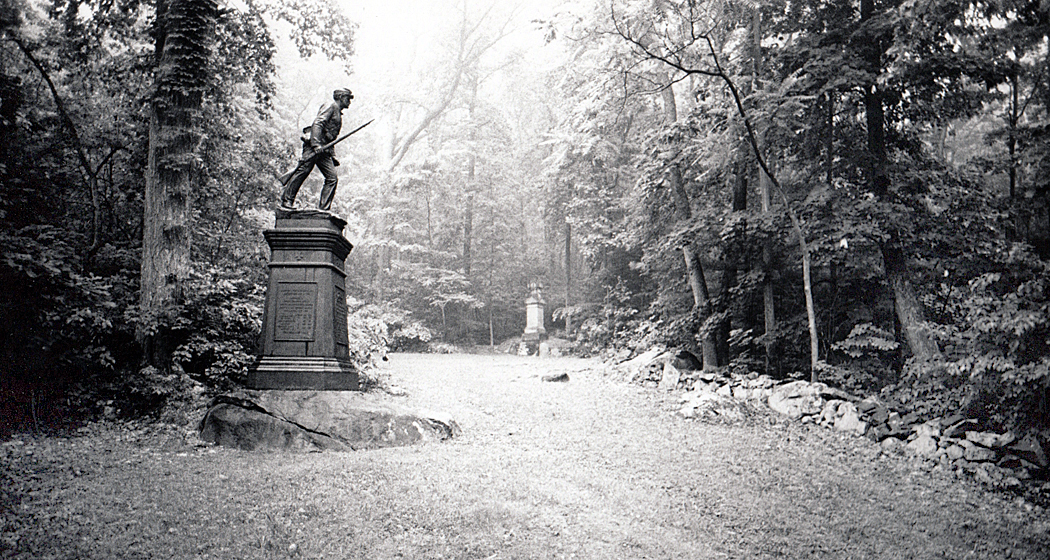

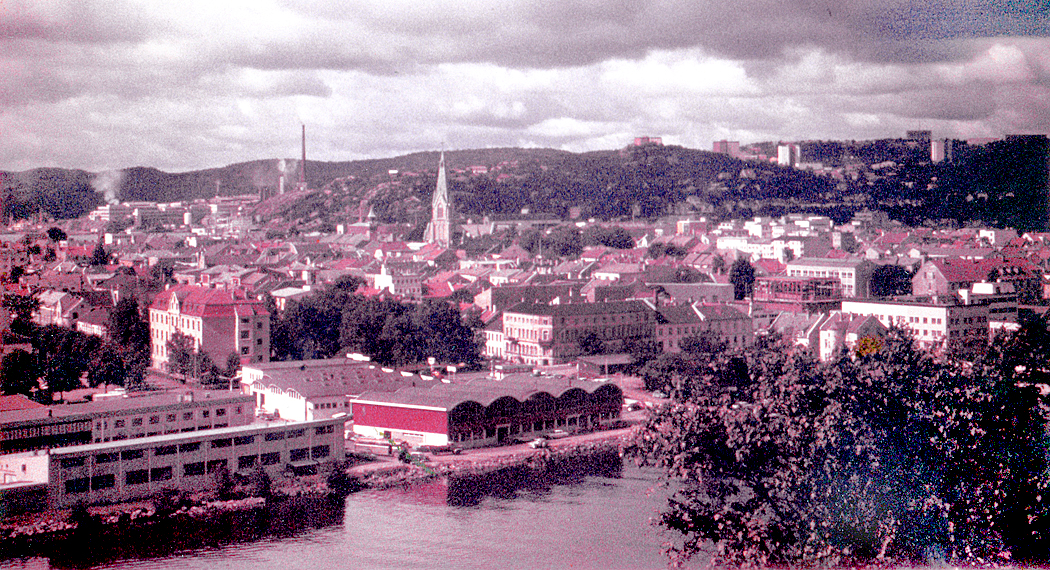
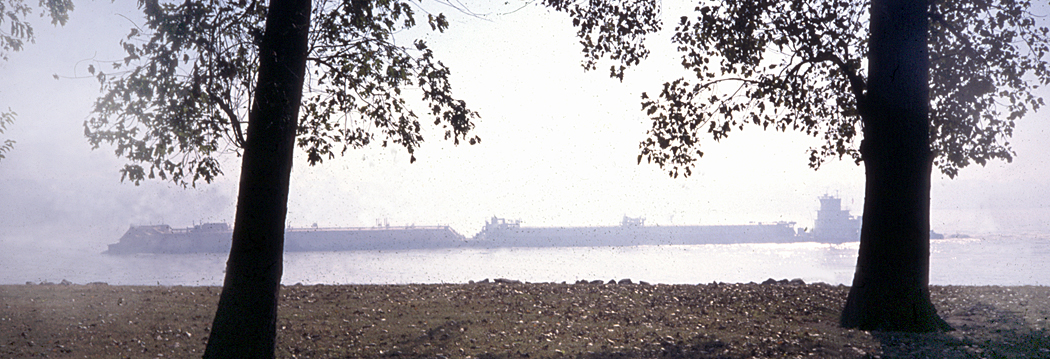
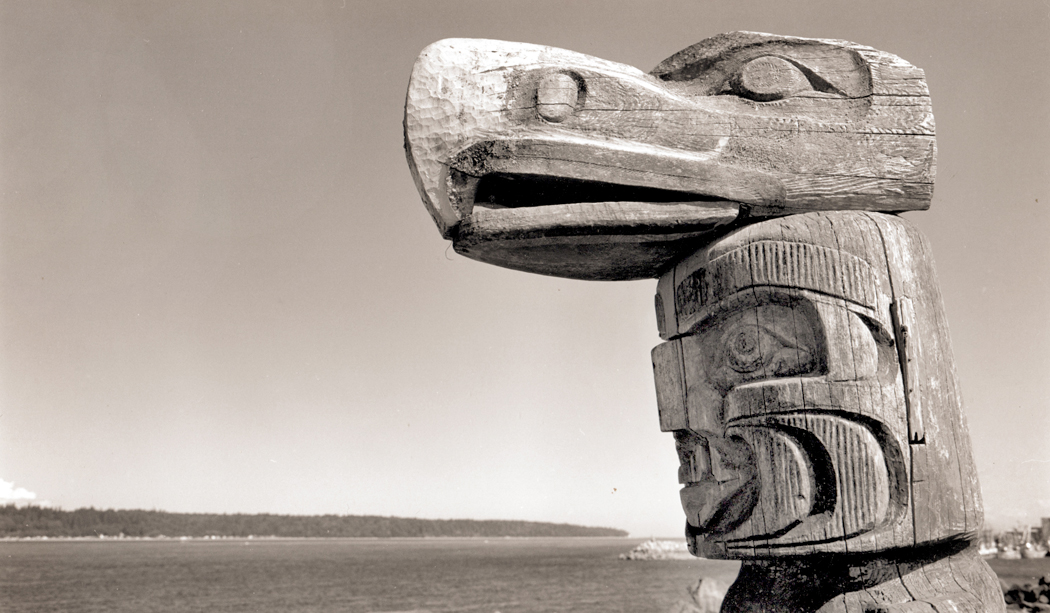
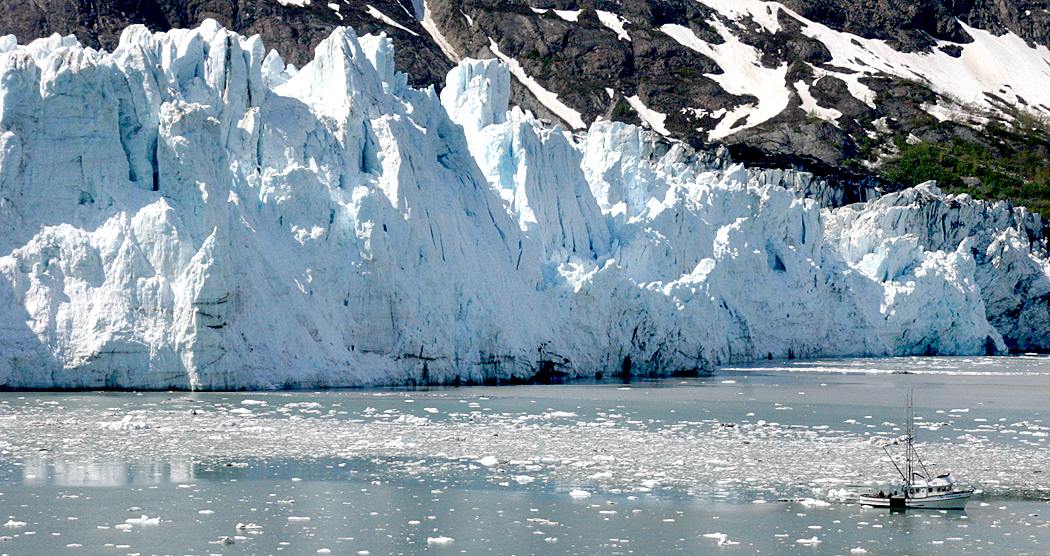




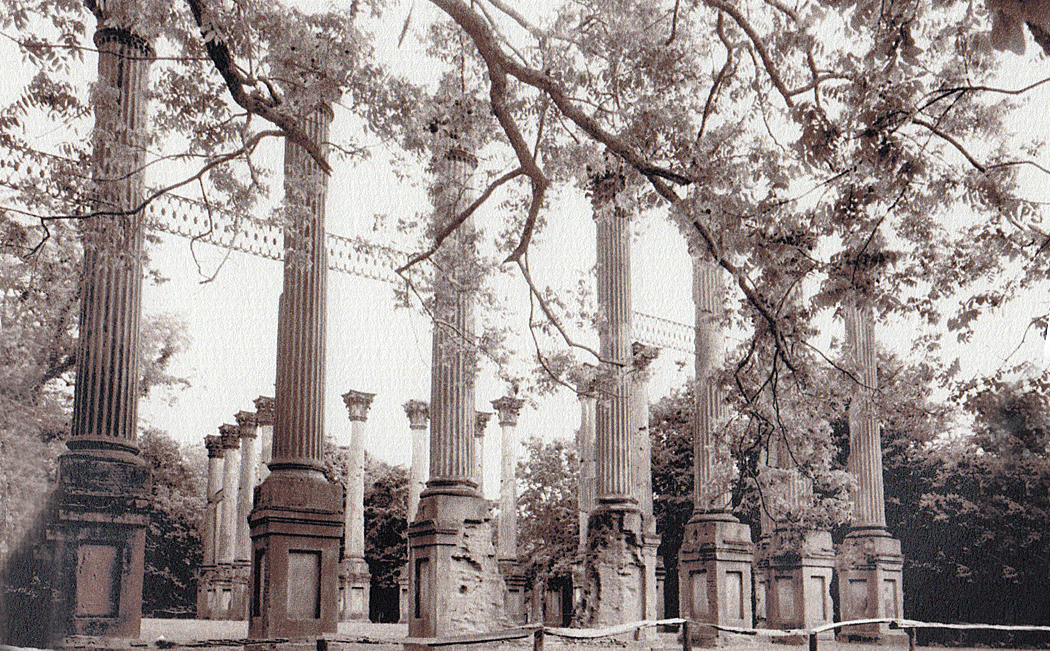




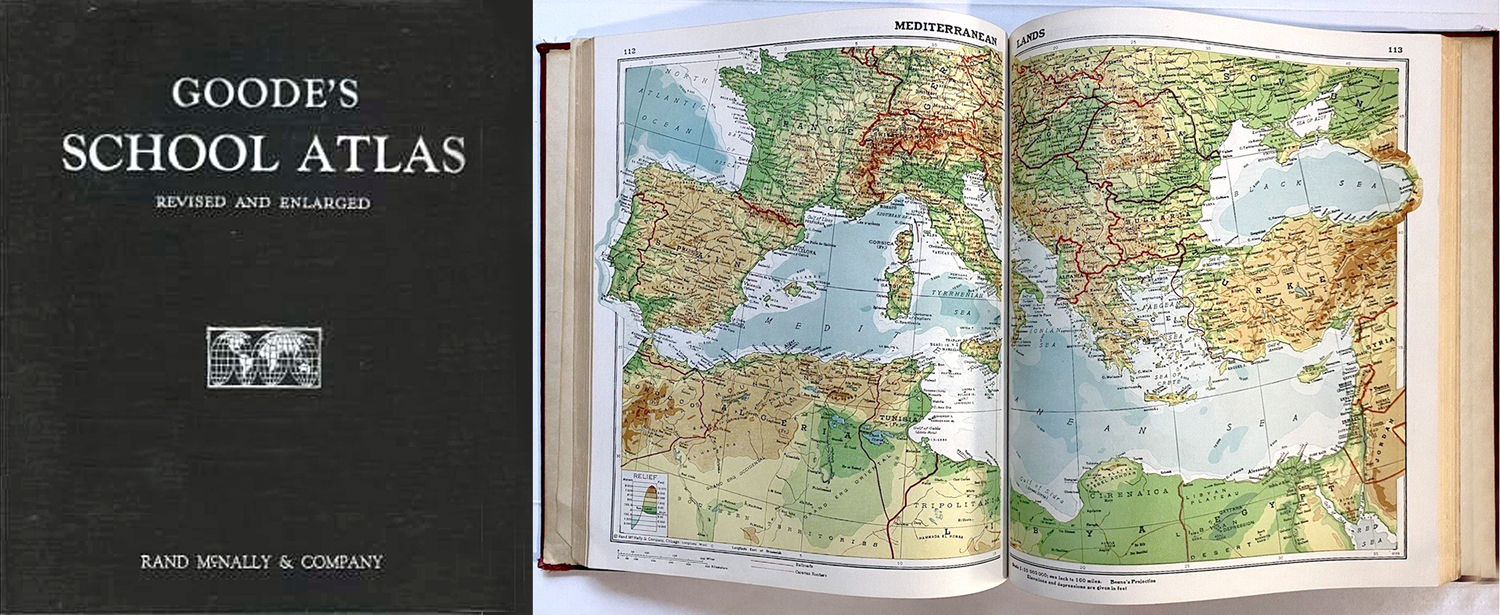


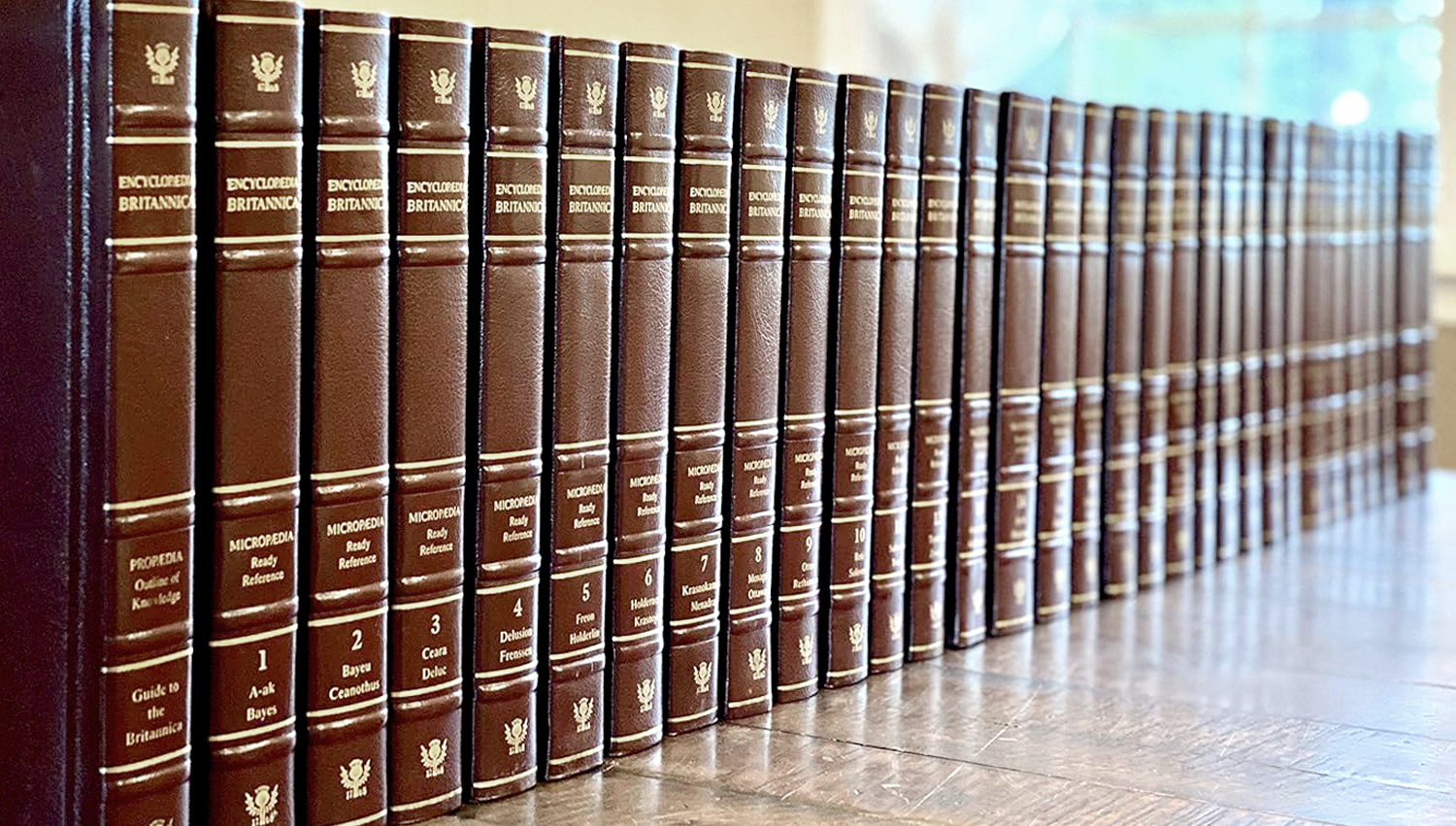
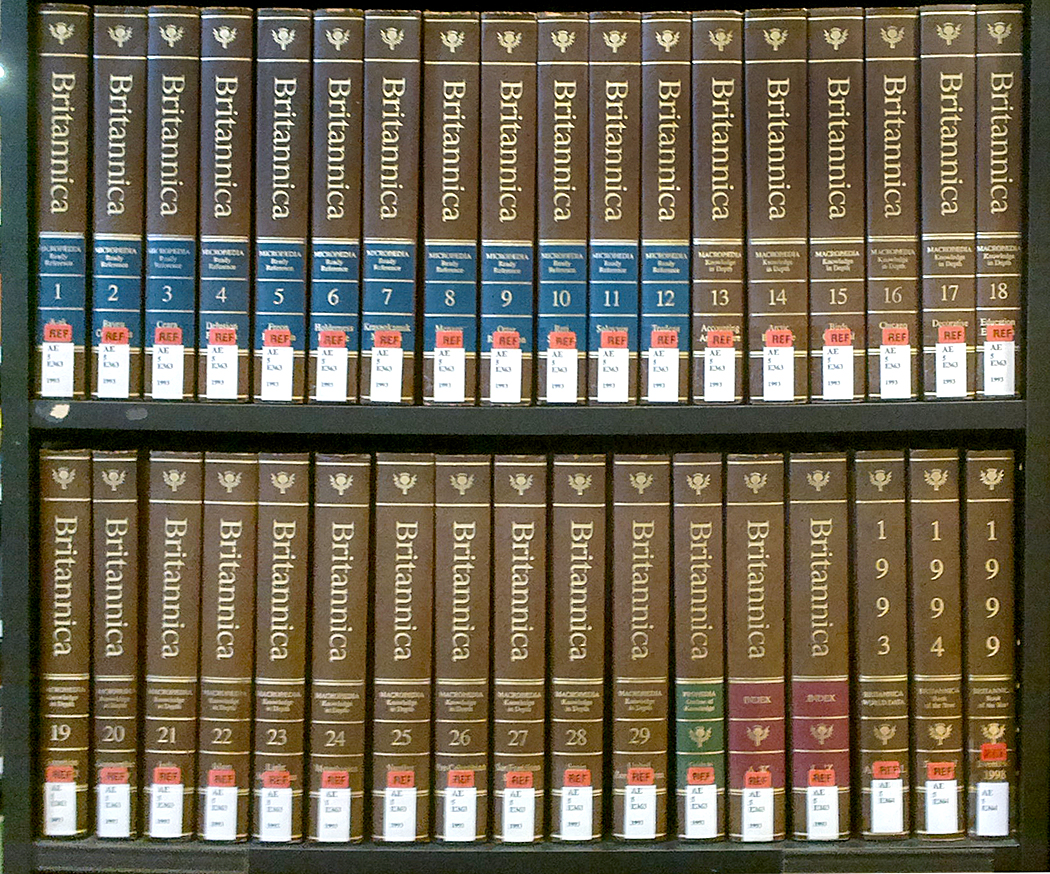
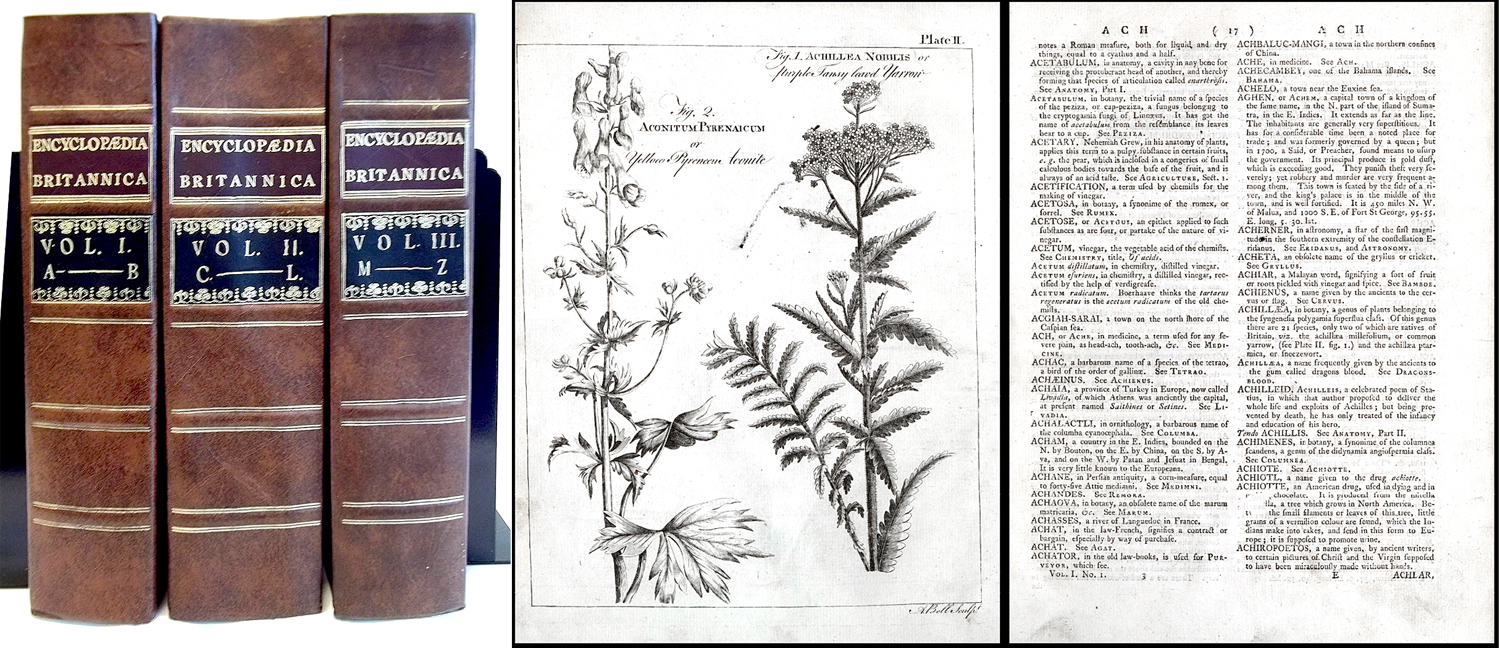
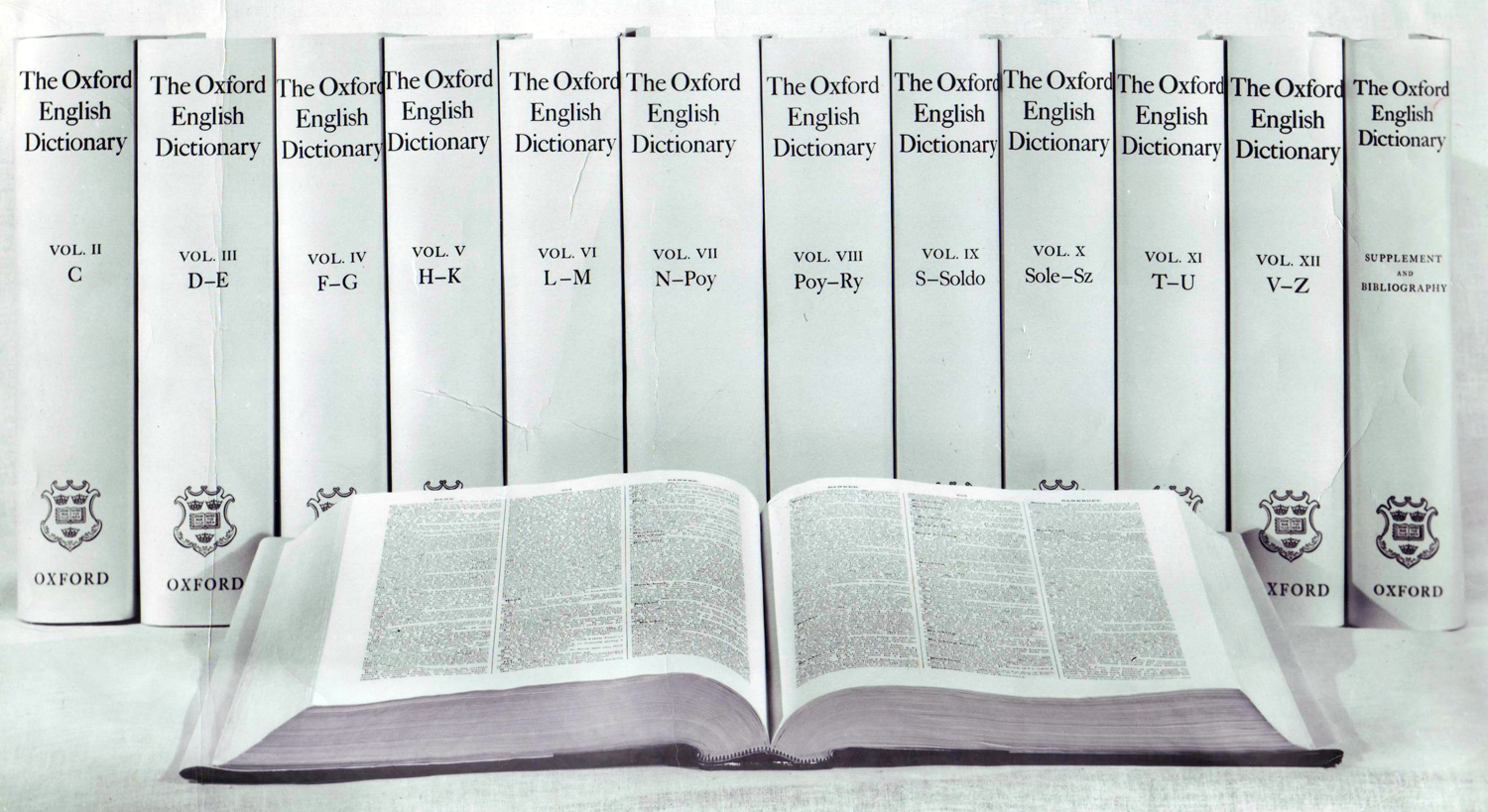

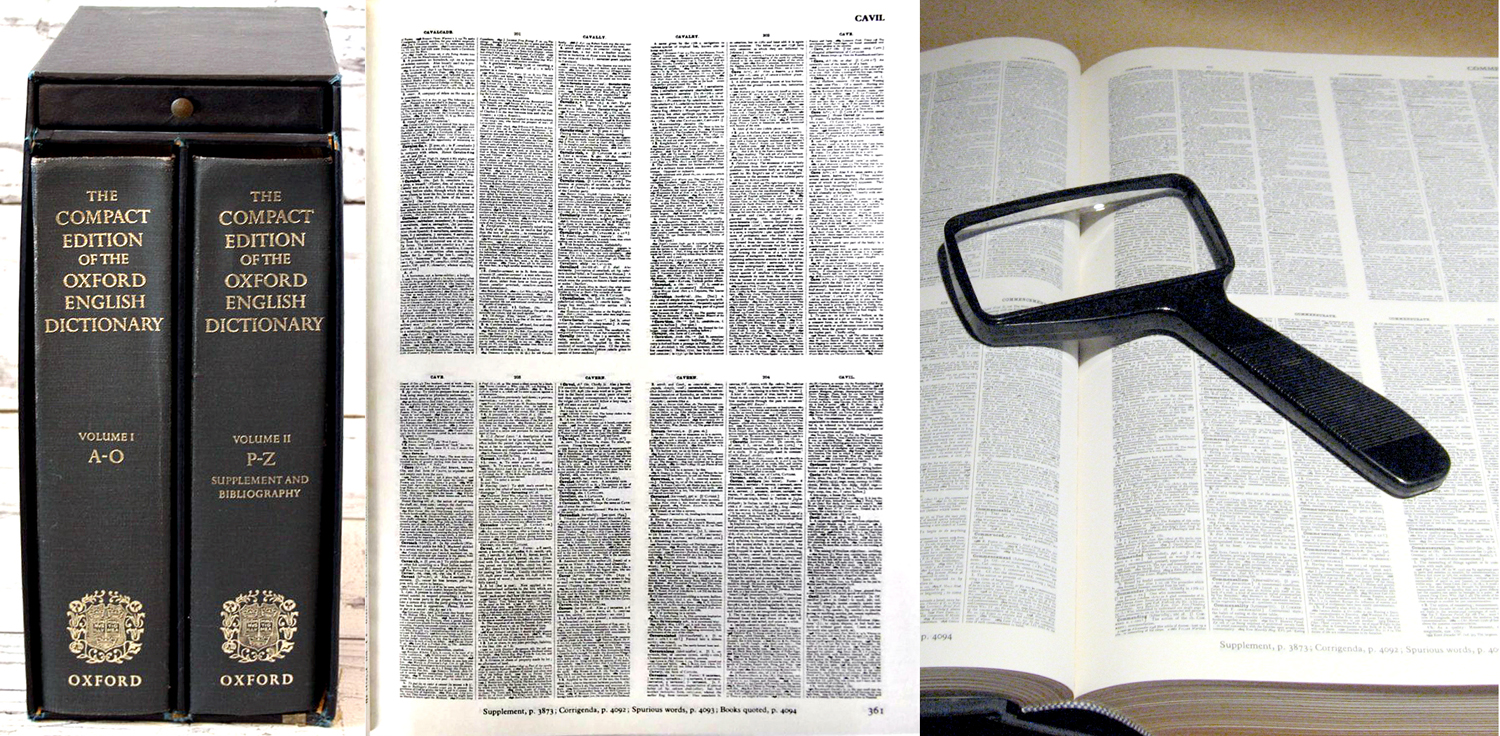


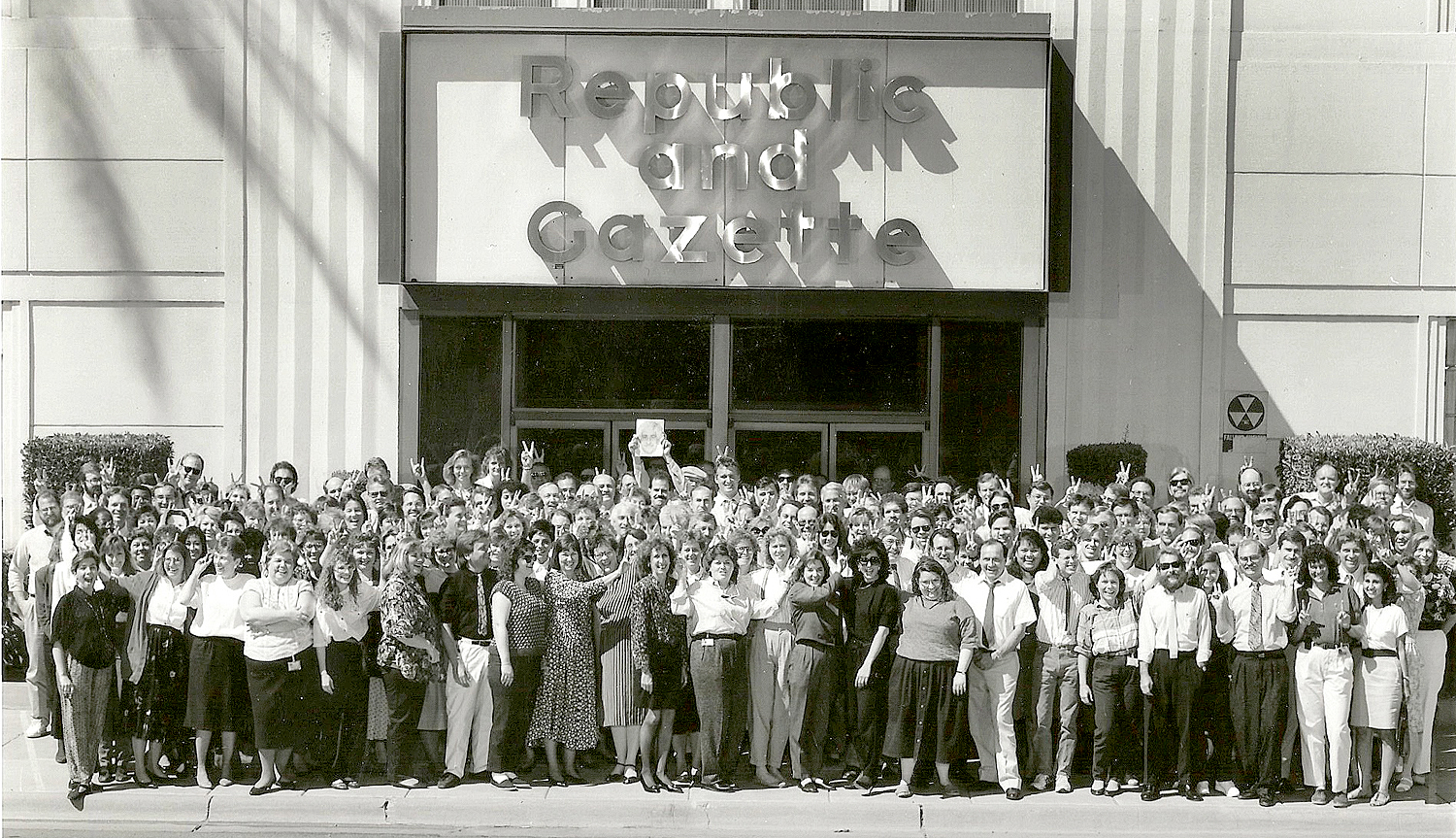

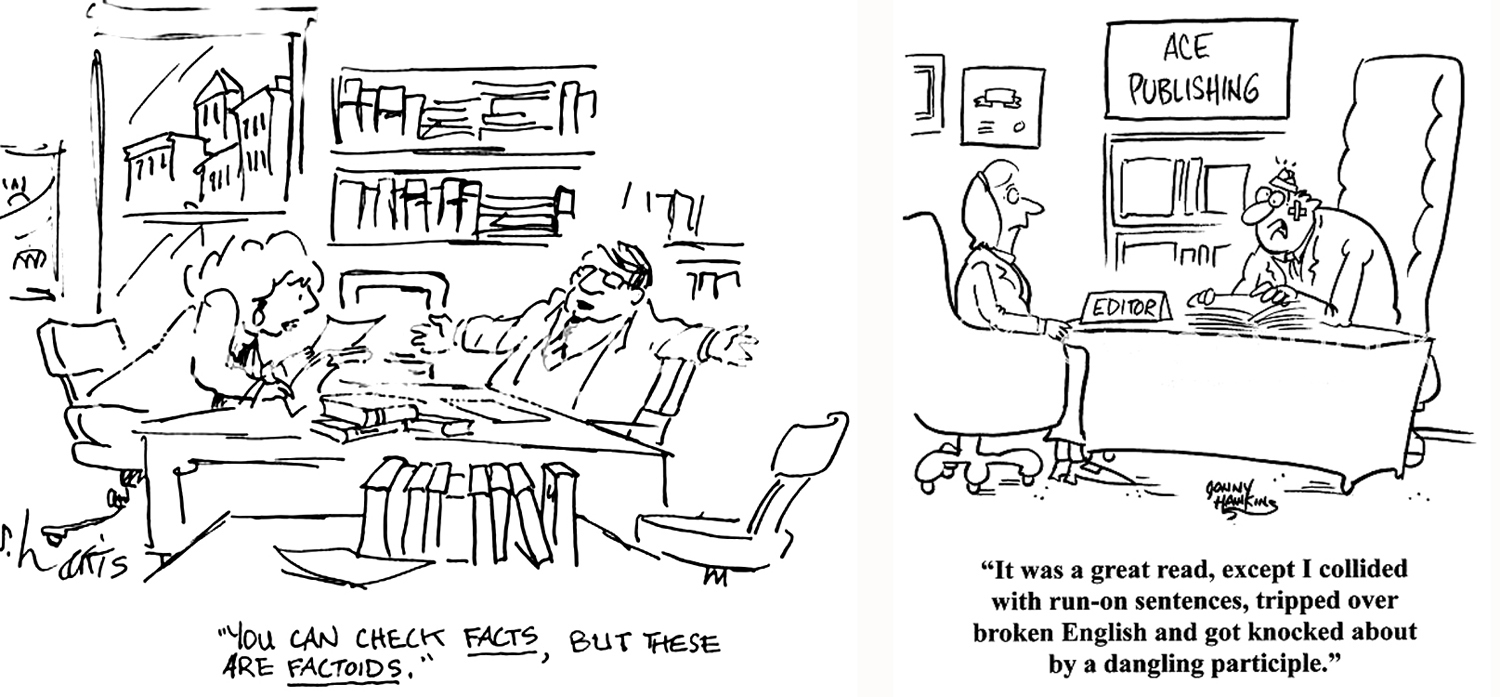

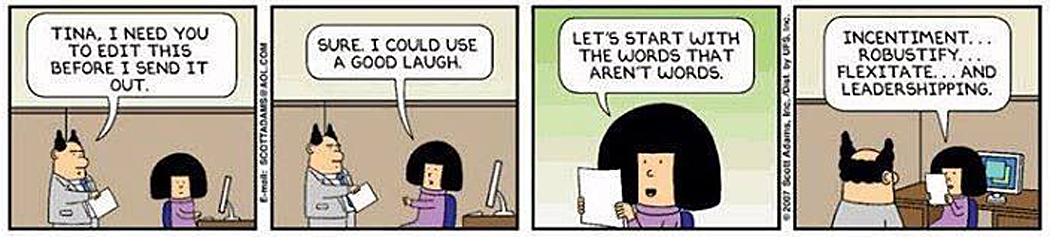


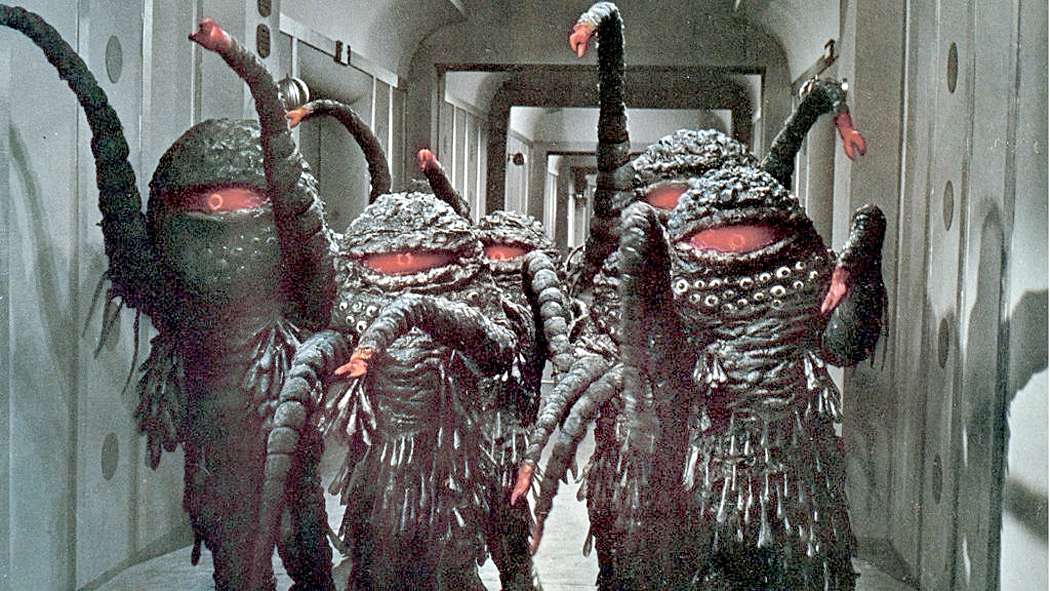


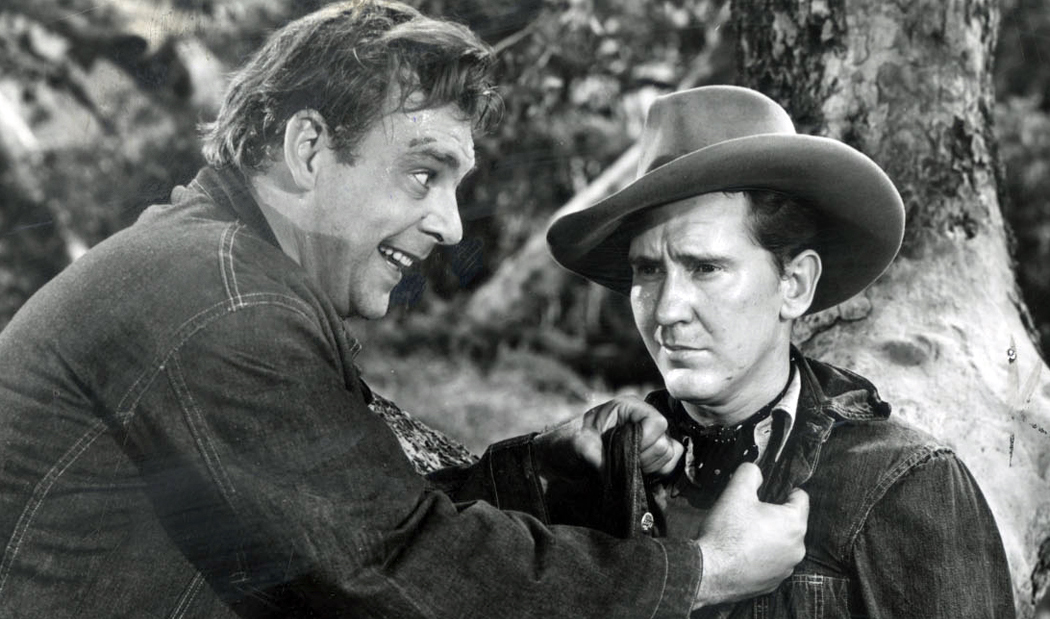

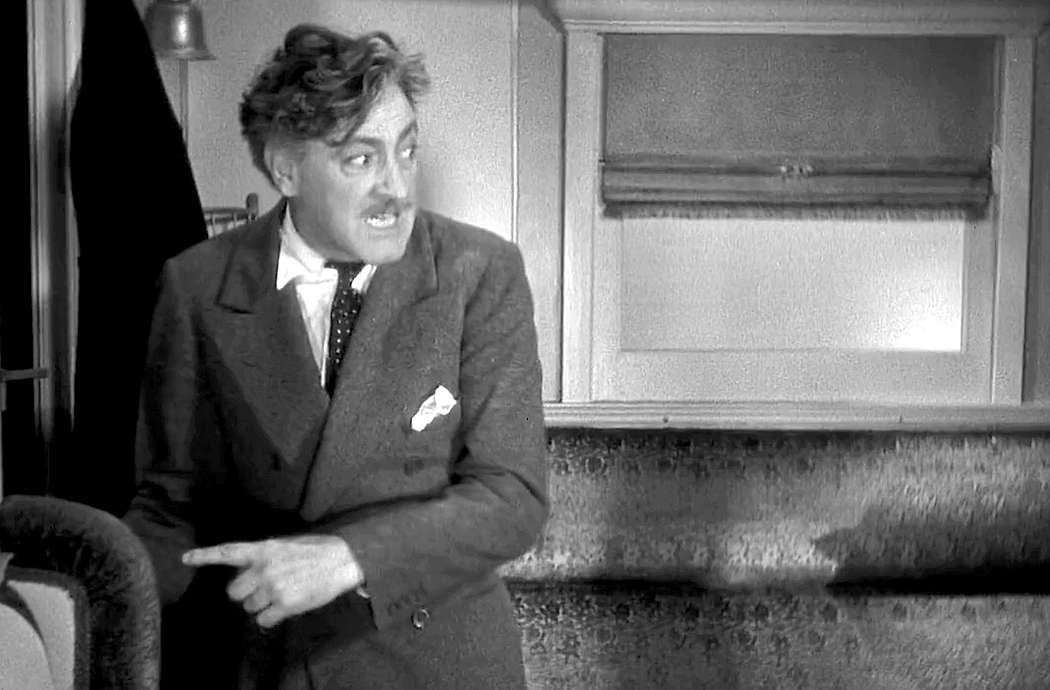





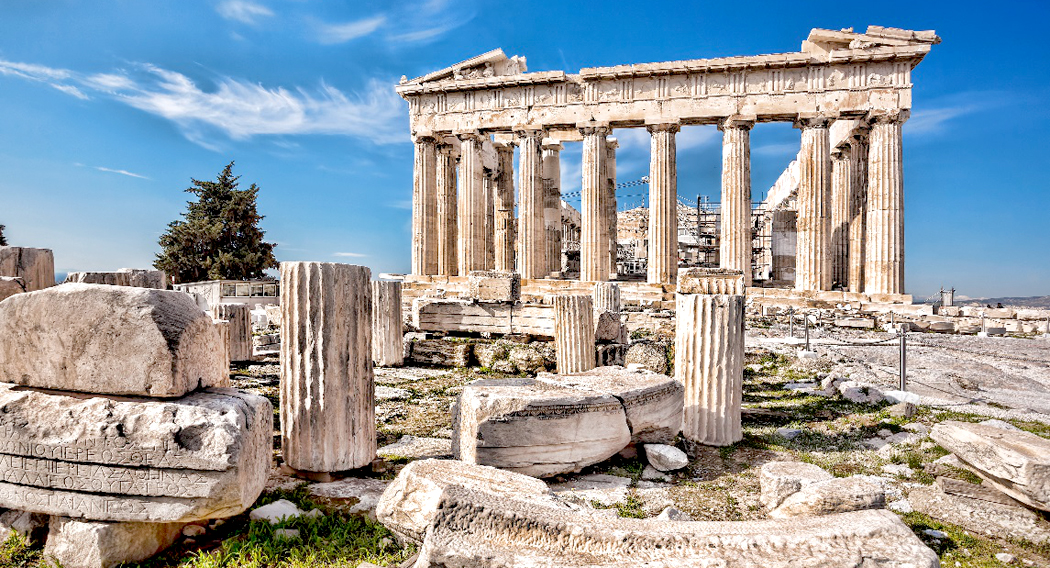




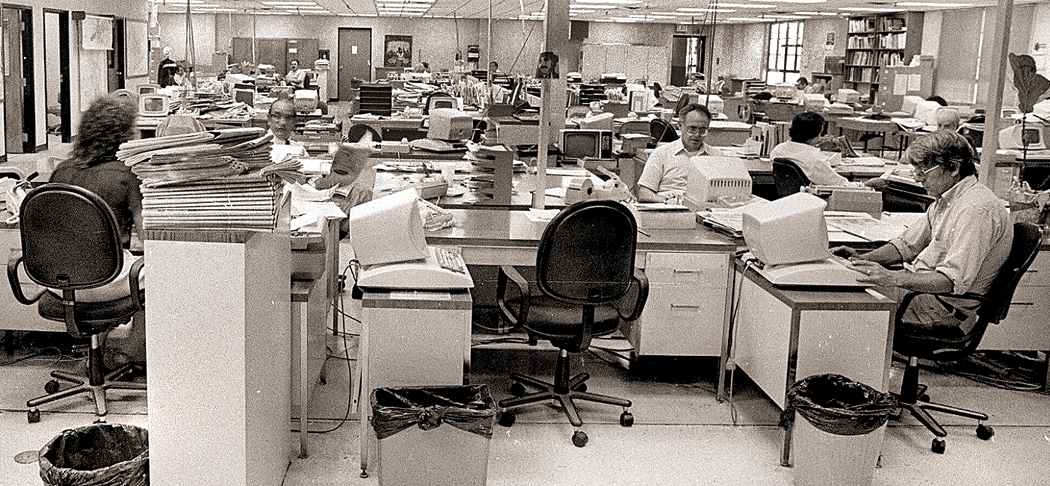
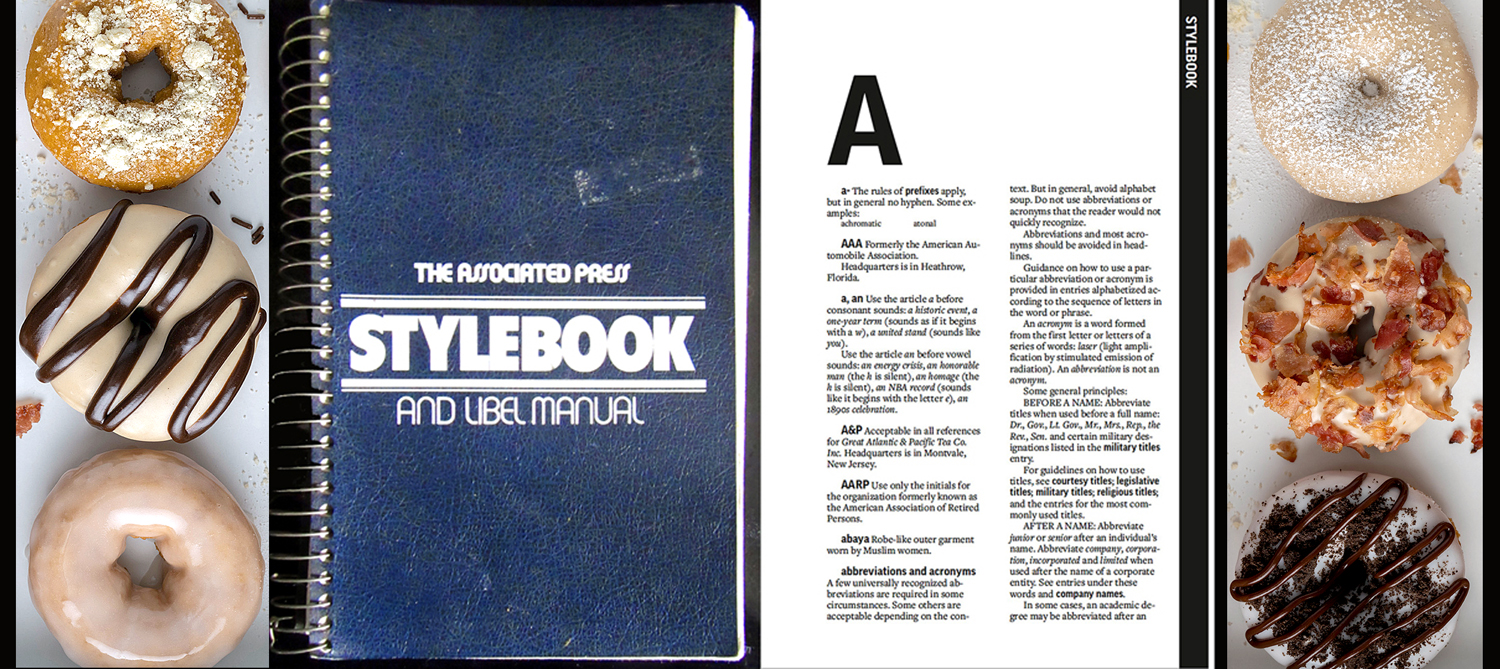
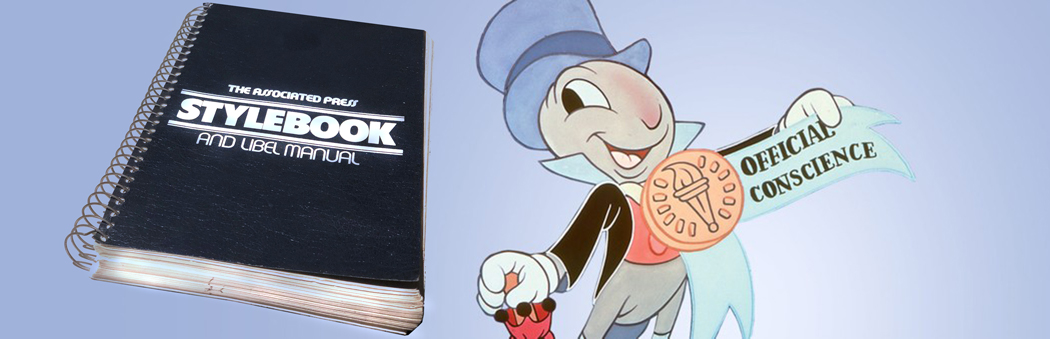
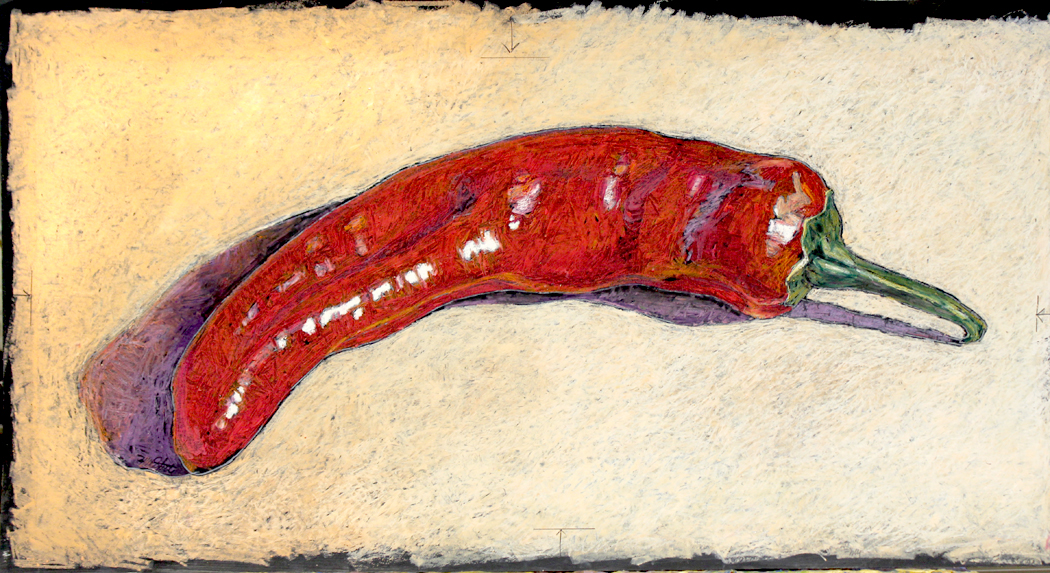
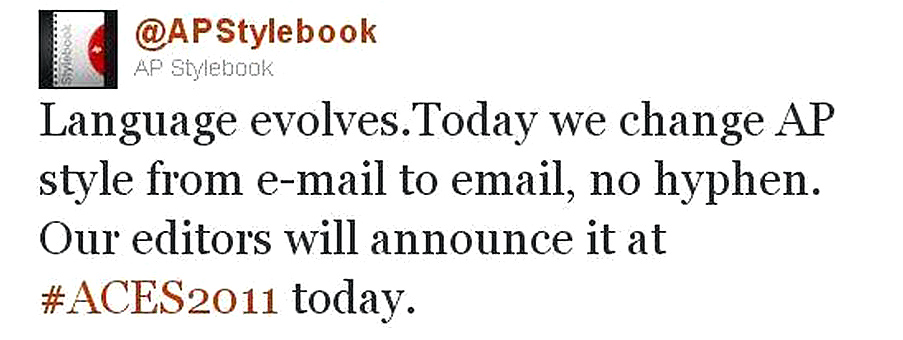
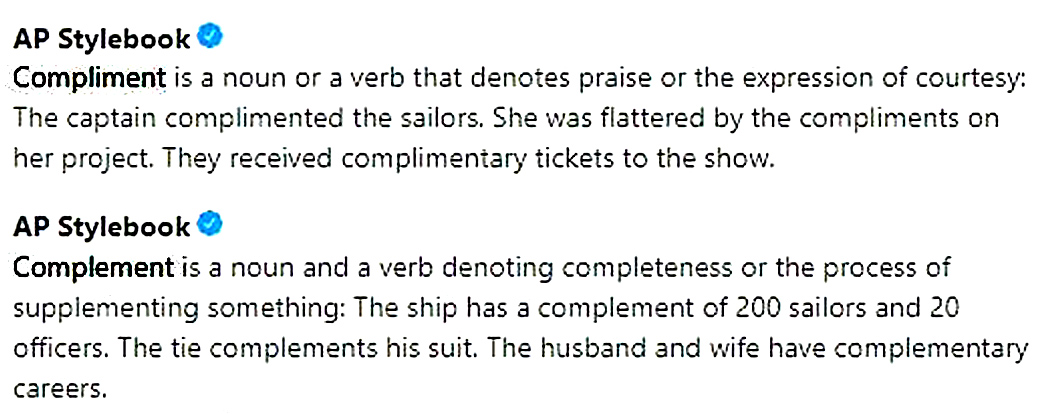
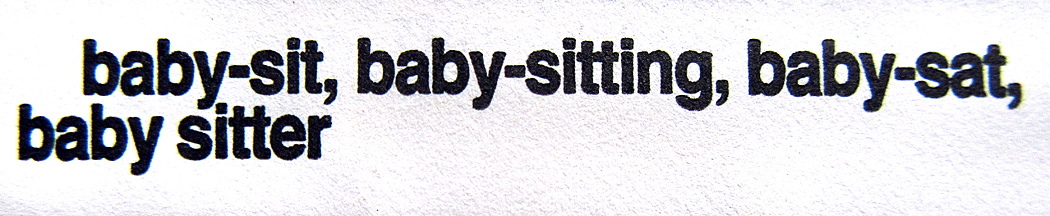
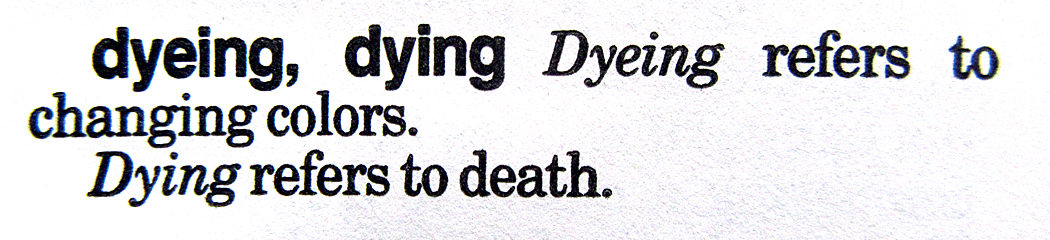
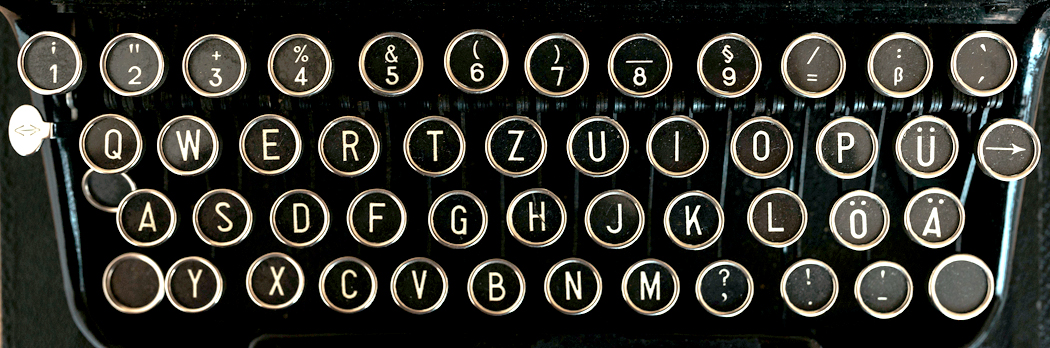
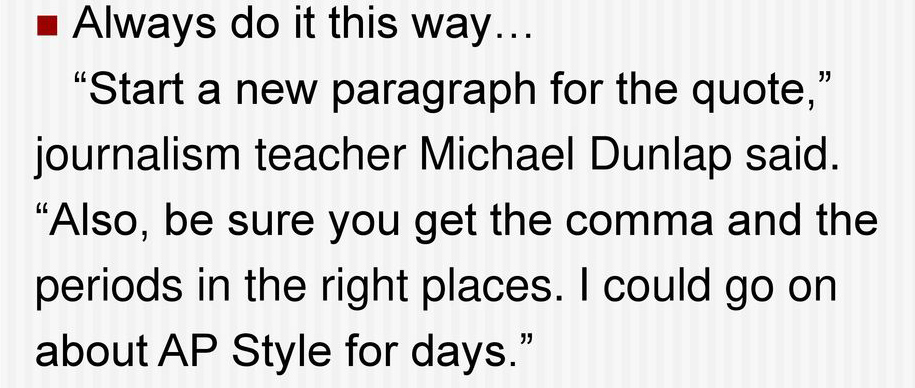
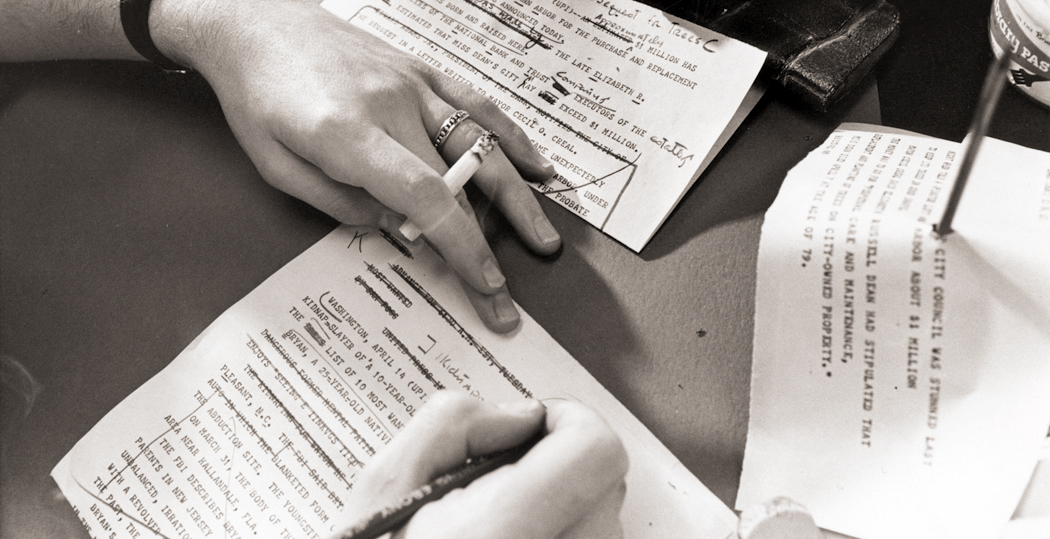




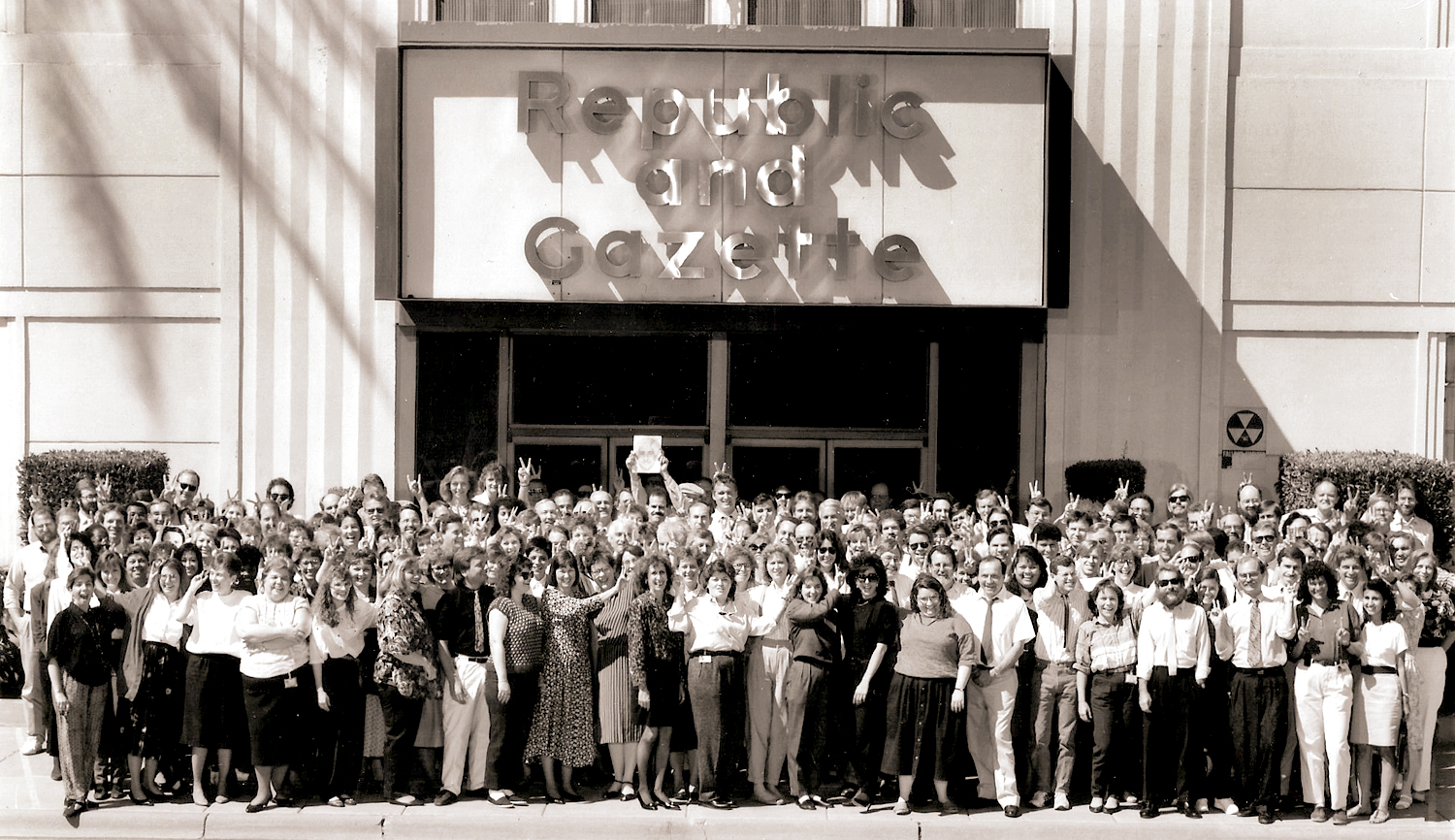
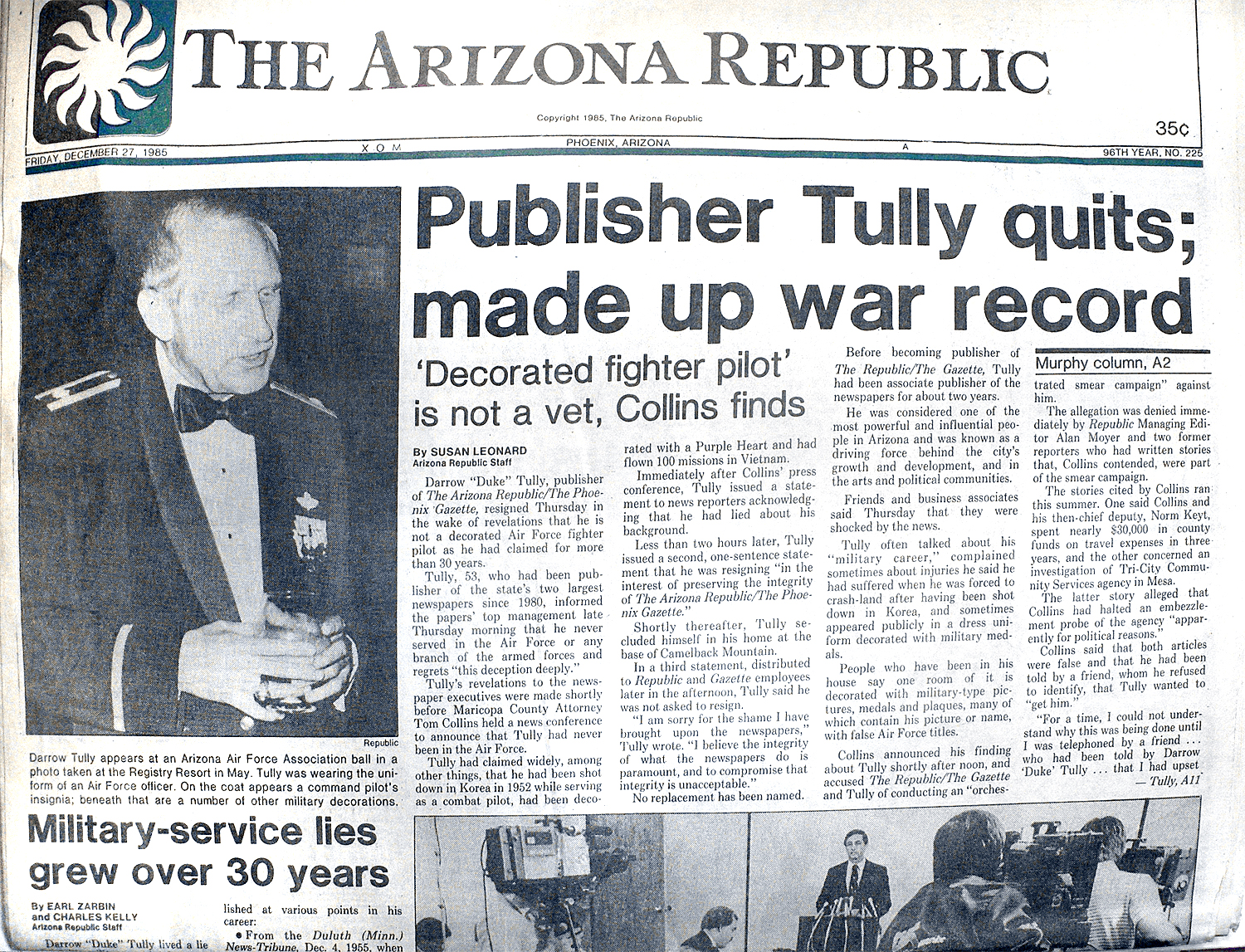


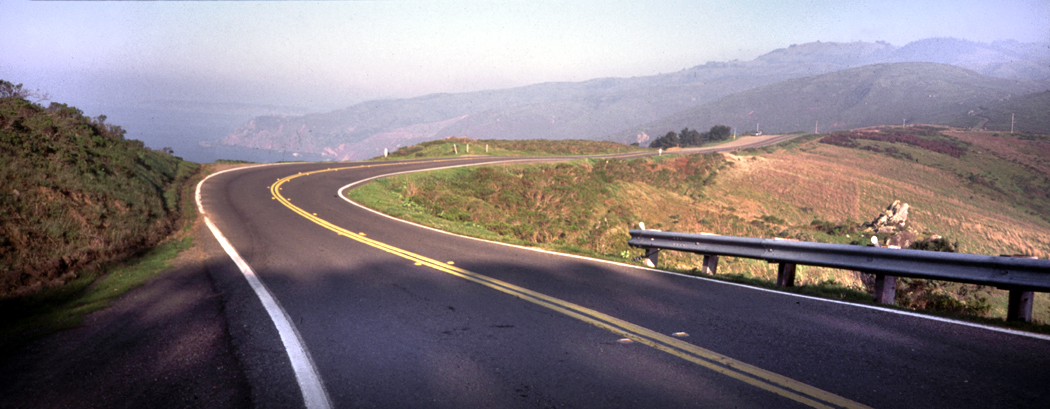
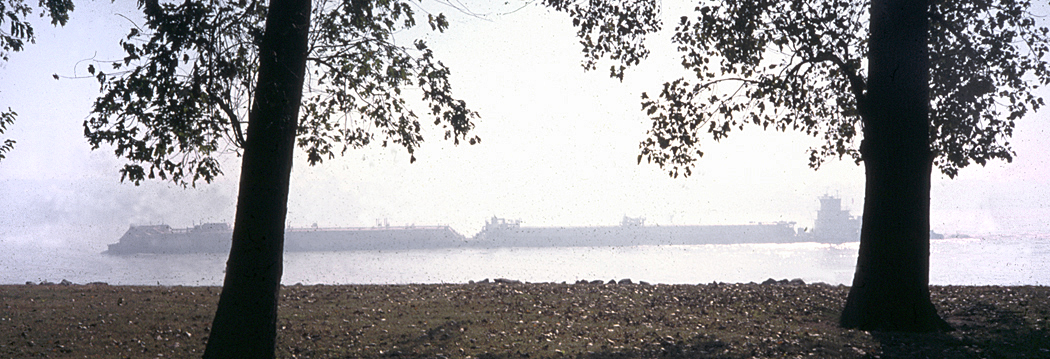

 Richard Nilsen