Archive

Author Archives: Richard Nilsen

Chihuly 2

I am of two minds about Dale Chihuly, and I cannot imagine any thoughtful person being otherwise.

The stunning array of gorgeous glass is certainly the most interesting work in the medium done in a long time. The Chihuly name on a piece of glass is blue-chip all the way.

Yet, one cannot get past the sense that the name on the glass is less a signature than a brand name.

There are those who call the Seattle artist the “Liberace of glass.” He is a huge crowd pleaser — perhaps his work is too pretty. Chihuly 6

In addition, he’s everywhere, doing scores of museum and gallery shows each year. His studio produces so much work that critics consider it an industrial production line rather than an artist’s studio.

And, detractors point out, he hasn’t made much of anything himself since 1979. Since then, almost everything that has been sold with his name on it has been created by his hundreds of staffers. Worse, Chihuly is a tireless self-promoter. His genius is as much in marketing as it is in aesthetics.

Several Web sites are dedicated to dissing Chihuly, including one that avers it’s “OK to hate Dale Chihuly.”

It isn’t just that his studio produces so much in his name; it’s a veritable factory. It isn’t just that the glass sometimes is too pretty.

Take a look at it as it is displayed at any museum. The installations makes them look more like a showroom than a gallery. All that dramatic lighting and black background sets off one’s instinct to look for price tags and bar codes. Chihuly 11

So, looking at a Seaform, it might come from the show window at Tiffany, with all that glistening light and black background. I look for a salesman sizing me — and my bank account — up.

It isn’t that the work isn’t stunning in its effect, but that the effect is a little too slick.

Although Chihuly calls the show “Installations,” these are not installations as the art world usually means the term. These are rather settings for jewels, meant to show them off.chihuly installation

In most art-world installations, the individual pieces are subordinated to the meaning of the larger assembly. In Chihuly’s installations, the individual pieces are glorified by the presentation. They are set off heroically, like a protagonist in Italian opera hogging the spotlight.

But for all that, the problem with dismissing Chihuly because of his marketing and production strategies is that the argument ignores the art itself, which is hard to dismiss.

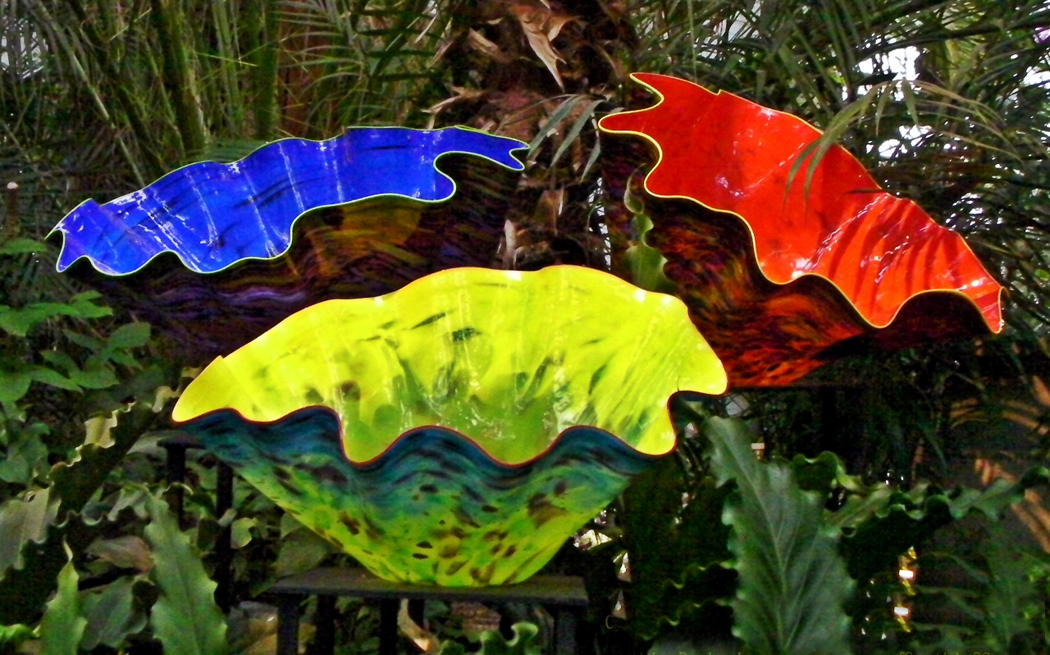
Even if you’re skeptical, the work itself is dazzling, really dazzling. Chihuly 10

Eminent art writer Barbara Rose puts it directly: “Chihuly has literally changed the definition of glass.”

Chihuly was born in 1941 in Tacoma, Wash., and began working with glass 20 years later. After school at the University of Washington, he did graduate work at the Rhode Island School of Design and won a Fulbright Fellowship to study glass in Venice.

In 1976, he lost his left eye in an automobile accident in England — his eye patch is his trademark — and the following year, he became head of the sculpture department at the Rhode Island school. Chihuly portrait

With his shock of wild hair and his eye patch over a face that looks like a caricature, he could be the Quasimodo of art glass.

All along, he continued to win awards and place work in major museums. Today, there is hardly a museum, major or minor, that doesn’t own Chihuly’s work.

In 1983, Chihuly moved to Seattle, where his studio grew to the point that it is a major industry, nearly as well known as Boeing or Microsoft.

On the way, he raised glass from a craft to a fine art. Chihuly certainly has pretensions of fine art. This glass is not meant to be seen as merely craft.

The difference between fine art and craft is metaphor. Fine art functions because of its metaphor; craft survives happily without it. Chihuly has consciously developed the metaphorical side of the glass.

There are organic shapes, there are womblike baskets with “baby” baskets inside, there are anemones and jellyfish, all in bright colors with brilliant accents. Chihuly 8

At their best, the metaphor resonates, as with the odd squid tentacles and octopus arms of his chandeliers, or the beautiful crimson grass stalks of Red Reeds.chihuly painting

The least effective works are his paintings, which strike one as nothing more than abstract LeRoy Neimans in glitter paint.

Like I said, I’m of two minds about Chihuly, and I cannot imagine any thoughtful person being otherwise.

gould goldbergs

Periodically the publishing world throws out a book put together by a critic or writer listing the “best of” or “greatest” and then lists books, recordings, movies, DVDs, TV shows or places to visit. The lists are always a great way to start off a conversation, even if they are always flawed, biased and at best partial.

So it is with Tom Moon’s book, 1,000 Recordings to Hear Before You Die (Workman, $19.95).bookpix

I can’t comment on most of his selections, although it would be hard to quarrel with the idea that you should be familiar with Miles Davis’ Bitches Brew  or Jimi Hendrix’s  Are You Experienced.  To say nothing of Duke Ellington’s  Blanton-Webster Band  or Ray Charles’  Modern Sounds in Country and Western.

These are all recordings that anyone with a musical curiosity should know, and probably love. And Moon has a thousand of ’em.

But Moon chooses to include classical music in his selections, too, and there he really seems to miss the boat. It is clear that he is a part-timer when it comes to Bach, Bartok  and Boccherini.

It isn’t that the music he chooses is wrong: You can’t really argue that anyone who loves music should have listened to Beethoven’s symphonies or Bach’s keyboard music. But while his popular and jazz albums recognize truly great performances, his choices for the classical selections are      invariably bland and middle-of-the-road. Safe. Boring, even.

The title of the books is “recordings to hear before you die,” and should be recordings that you grab someone by the lapels over and say, with scary enthusiasm in your eyes, “You gotta hear this!”

That won’t always be the best performance, in classical music, but rather the most grabbing, the one that says something new or different, that makes you rethink the music, or just sit up and take notice.

And the classical catalog is full of such recordings: Not just for classical music snobs, but for anyone who cares deeply about music in general, whether their favorite is Led Zeppelin  or Public Enemy.  These are performances that have appeal outside their narrow intended audiences.

So here are 25 classical recordings you have to hear before you die.


gould1. Bach, Goldberg Variations, Glenn Gould, piano  – The 1955 performance by the strange Canadian pianist turned classical music world on its head, with playing faster and slower than anyone else, and with an extraterrestrial energy and clarity that has never been matched, even by Gould’s second recording, from 1981.


2. Tchaikovsky, Symphony No. 6 “Pathetique,” New York Philharmonic, Leonard Bernstein, cond.  – The hyper-emotional Pathetique normally takes 45 minutes to play. Bernstein’s later recording (on DG) takes an hour and wrings from the music the deepest tragedy, perfect accompaniment for a suicide.


3. Mozart, Piano Sonatas, Mikhail Pletnev, pianist – Wolfgang’s piano sonatas are normally thought of as his “B” material; not under the hands of crazy Russian genius Mikhail Pletnev. He plays them like his life depends on them – the greatest recording of these works ever.


celi4. Bruckner, Symphony No. 4, Munich Philharmonic, Sergiu Celibidache, cond. –  Playing something slowly doesn’t always add weight, but here Bruckner’s most accessible symphony is played with the slow, careful intensity you might expect from someone defusing a bomb.


5. Mahler, Symphony No. 4, Concertgebouw Orchestra, Willem Mengelberg, cond. – Mahler was always over the top, even though many modern conductors rein him in. Mengelberg knew Mahler, heard him conduct, and gives us echt-Mahler, full of its requisite retardandos and portamentos. This is how Mahler is supposed to be played.


6. Wagner, Tristan und Isolde, Philharmonia Orchestra and soloists, Wilhelm Furtwangler, cond.  – Don’t be afraid of Wagner. If you like Lord of the Rings,  Wagner is just the same thing with tunes. With Kirsten Flagstad and Ludwig Suthaus,  this is the Tristan for the ages.


casals7. Bach, Brandenburg Concertos, Marlboro Festival Orchestra, Pablo Casals, cond.  – Politically incorrect performances of Bach’s essential concertos, meaty, expressive, lush, vibrant – and a slap in the face to those who believe there is only one right way to perform Bach.


8. Bach, Suites for Unaccompanied Cello, Pablo Casals, cello  – Casals singlehandedly resurrected these profound works, where Bach made the single instrument as rich and varied as a full orchestra. He plays them as if he were alone in the universe. Only Casals could do that.


9. Beethoven, Diabelli Variations, Uri Caine, piano, with Concerto Koln  – Postmodern Beethoven, with the 33 variations Beethoven wrote turned into marches, show tunes and fireworks. Not for the faint of heart, but explains to a new generation why Beethoven is worth knowing about.


10. Schulz-Evler, Arabesques on Johann Strauss II’s “Blue Danube Waltz,” Josef Lhevinne, piano  – The great show-off piece played as no one else has ever managed: You swear on your grandmother’s babushka that there are at least two pianists working up a sweat, maybe three. This is what a virtuoso is.


shostie11. Shostakovich, Symphony No. 7, Chicago Symphony, Leonard Bernstein, cond.  – Lenny finds the core of this long, often-derided masterpiece, that can turn into shlock in lesser hands. This is one of the most glorious orchestral recordings ever made, blazing with brass and passion.


12. Vivaldi, The Four Seasons, Concentus Musicus Wien, Alice Harnoncourt, violin, Nikolaus Harnoncourt, cond.  – Unconventional approach to familiar music turns these little concertos into tone pictures: Vivaldi meant them to create sound images, and here, you hear the dogs barking and the rain falling.


13. Barber, Adagio for Strings, Los Angeles Philharmonic, Leonard Bernstein, cond.  – There are people who cannot listen to Samuel Barber’s mournful, tragic piece without breaking into uncontrollable sobs, and Bernstein seemed to feel a special connection to the music, which he plays for all he is worth.


kissin14. Chopin, Piano Concertos, Evgeny Kissin, piano, Moscow Philharmonic, Dmitri Katayenko, cond.  – Wunderkind Kissin was only 12  when he recorded these, but it would be hard to find anyone who has better captured the verve and spirit of these Chopin concertos. This is magic.


15. Chopin, Nocturnes, Maurizio Pollini, piano  – Pollini finds more pith and mettle in these nocturnes, usually played to bring out their dreaminess. For Pollini, one of the superstars of the piano, they have more shadow and threat, things lurking behind corners, and military bands playing in the distance.


gabrieli16. Gabrielli, The Antiphonal Music of Gabrieli, various performers  – The assembled brass sections of the Chicago, Philadelphia and Cleveland orchestras play the glorious music of the Gabrielis the way it must sound in Heaven. This is virtuoso brass playing from a legendary album. You gotta hear this!


17. Brahms, piano music, selections, Glenn Gould, piano  – Thought he could only play Bach? Gould was at heart a romantic, and his Brahms is subtler, more nuanced, more beautiful than anyone else’s. This playing comes as a complete surprise, and utter joy.


rachmaninoff18. Rachmaninoff, A Window in Time, piano music, selections, Serge Rachmaninoff, piano  – The dour Russian was one of the greatest pianists of the century, but his electric recordings are dulled by scratches and boom. These are digitally enhanced Duo-Art  piano rolls, played on a Yamaha Synclavier,  that brings back the luster to his piano.


19. Chopin, Sonata No.2 “Funeral March,” Serge Rachmaninoff, piano  – Or you could try the thing itself, un-reconstructed. Rachmaninoff’s take on the familiar sonata is so fresh, powerful and driven, you’ll be shocked to hear it again as if it were for the first time.


valentina20. Liszt, Virtuosa Valentina, piano selections, Valentina Lesitsa, piano – Franz Liszt  was a showman, who brought to piano the same sense of spectacle that Spielberg brings to the seashore; Valentina Lesitsa plays them that way, all out, thunder and cannon-shot, fireworks and passion.


21. Beethoven, Symphony No. 3, “Eroica,” Russian National Orchestra, Mikhail Pletnev, cond.  – Pletnev plays the Eroica like it means something, and replaces tunes and rhythms with the kind of persuasive rhetoric that starts nations marching.


22. Wagner, Liebestod, Vladimir Horowitz, piano  – Real virtuosity isn’t just lots of notes real fast, but rather total control of the piano and expression. In Horowitz’s final CD, The Last Recording,  made when the was 86,  the ol’ magician wrings thunder and tears out of the death of Isolde. It becomes our death, too.


tureck23. Bach, The Great Solo Works, Rosalyn Tureck, piano  – Too often we think of Bach as mathematical, but he was really a crazy Baroque composer, layering hysterical detail on detail. Tureck plays him that way with the Capriccio on the Departure of a Beloved Brother,  and the Italian Variations,  with notes sweeping in like a tidal surge.


24. Gershwin, Rhapsody in Blue, Los Angeles Philharmonic, Leonard Bernstein, piano and cond.  – Bernstein plays Gershwin’s familiar symphonic jazz almost as if it were Brahms, big, romantic, serious. This is not everyone’s cup of Gershwin, but you simply have to hear it.


25. Grieg, Peer Gynt Suite, Royal Philharmonic Orchestra, Thomas Beecham, cond.  – Peer Gynt? Seriously? Hall of the Mountain KingAnitra’s Dance? Beecham plays the music with such suave joy, and with not a single mote of condescension, and revivifies the old chestnut. You’ll tap your toes and sing in the shower.

blog danby mt road house

blog leaf iconWe have been away for a few weeks, neglecting the blog and visiting friends in Vermont, and the trip only reinforced for me one simple fact about the state. That is:

There are two Vermonts.

The first is populated by carpenters, insurance salesmen, teachers, store owners and truck drivers. It is spread out over the whole state in well-lived-in homes. The people go to work in the morning and come home to their families in the evening. They worry about money, about the kids, whether the alternator on the Ford needs replacing and if it’s going to be a hard winter. (It is).

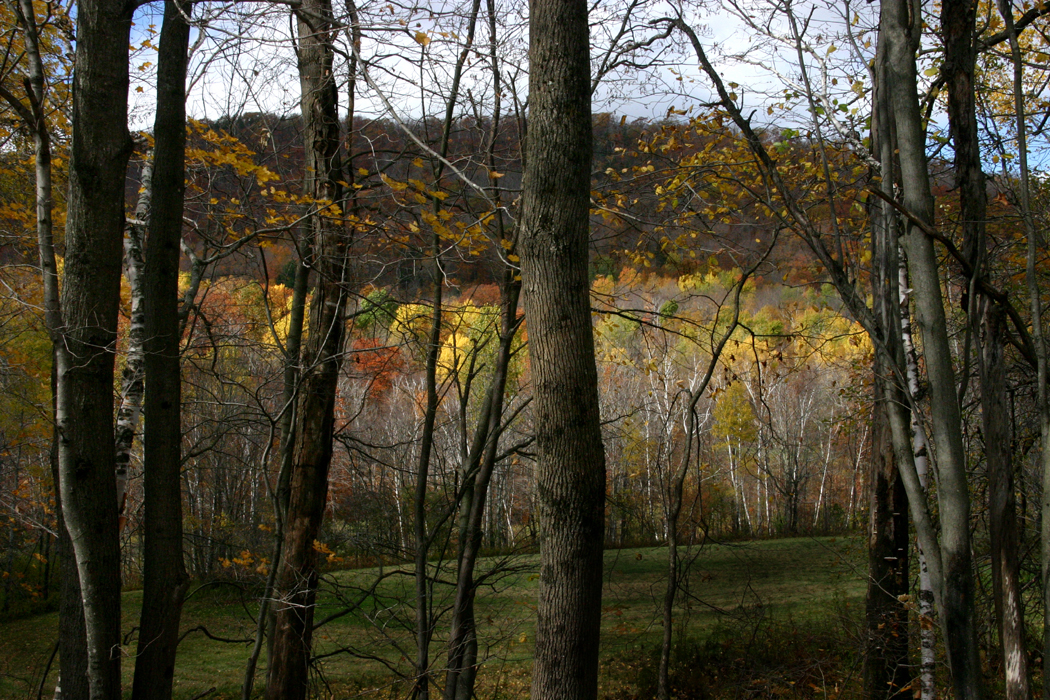
They live in one of the nation’s most beautiful states, covered with green trees on green mountains. Water rolls down rocks and courses through rivers. In the fall, it flames out like a bonfire. blog fall tree birchfire

But there is that other Vermont, too. And you run into it too often. It is concentrated in a few congested areas. It is a Vermont of shopping for souvenirs, a Vermont of “Old Country Stores” and “Village Inns.” It is a simulacrum of a Vermont that some people like to pretend once existed: It is now made manifest and you can buy maple syrup there, and cheese wheels — or miniature wheels, anyway, since no one really wants 10 or 20 pounds of cheddar stinking up the trunk of their car.blog weston store traffic

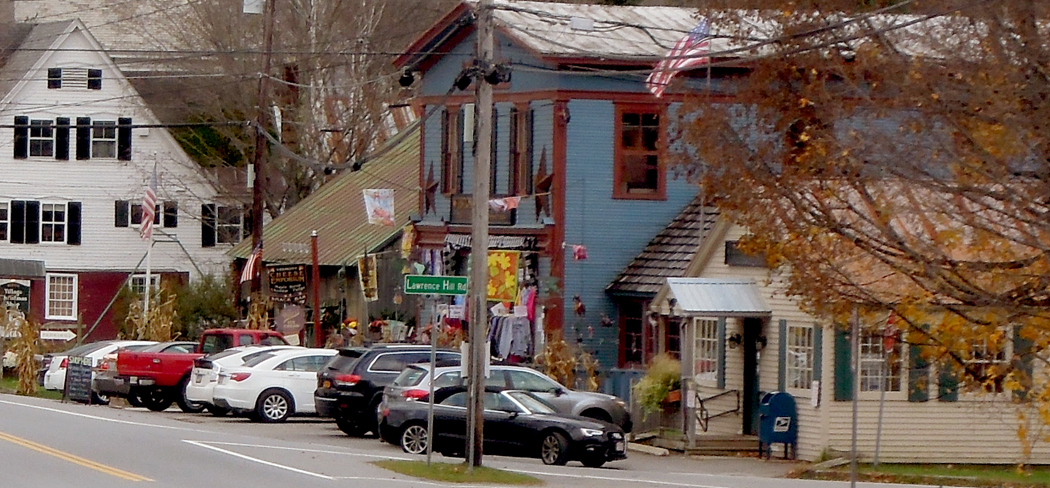
This second Vermont is a designer Vermont and they take Visa. You can see it in towns like Woodstock and Queechee, where parking is the first concern of town planning. The buildings all have glossy new coats of paint and you have to look close to see if it isn’t really vinyl siding.

This is a Disneyland version of New England: There is the tall-steepled church in the center of town, the old post office, town meeting hall and the old country store: Usually a half dozen of them, with large parking lots.

A sure indication you should avoid them: Stay away from anything with the words “old” and “country” blazoned on its front. Like the Old-Tyme Country Frozen Yogurt stand.

Take my word for it, no old-line Vermonter is going to do his shopping in a store where, when you open the front door, you are asphyxiated with the odor of potpourri.blog vt country store side

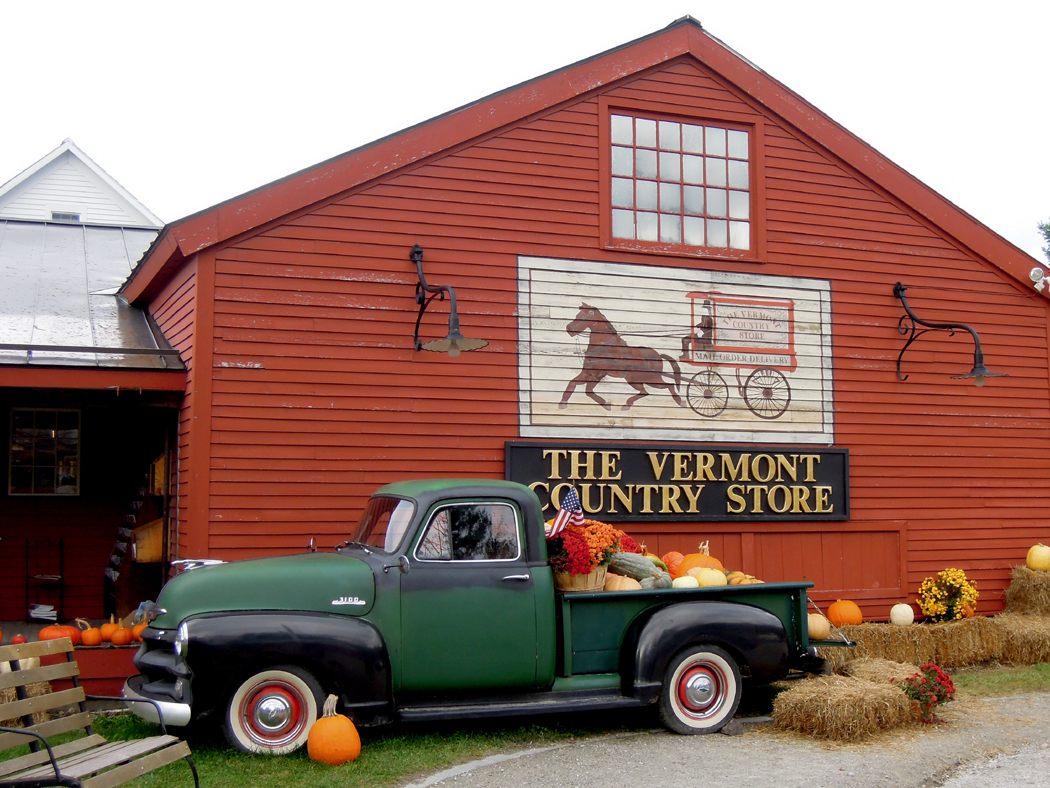
The Vermont Country Store in Weston is a wonderful place to spend money, if that is your idea of fun. But it is about as close to the community stores of Vermont’s past as the computer is to the abacus. It pretends to be one of those village dry goods stores, but inside, it spreads out the size of a Walmart. There are toys, candles, maple syrup in bottles shaped like maple leaves; there are sweaters, watch caps, rubber boots, all emblazoned with the logo of the store, or the iconic maple leaf, or something cute, like “Mom and Dad went to Vermont and all I got was this lousy T-shirt.”

And, of course, the “world’s greatest dad” coffee mug.

And everything for at least twice the price you could buy it elsewhere, if you even had the bad taste to want to buy such stuff.

And then, there are the shopping malls, with their factory outlet shops. I know when I want gourmet kitchen tools, Vermont is the first thing that pops into my mind. You can’t leave without an air-operated wine corker or a stainless-steel spaghetti spoon.blog stone wall

The great difference between the first and second Vermonts is that the first is nearly empty. You can drive for miles without bumping into any traffic more intense than a farm tractor pulling a hayrick into a field or a propane delivery truck pulling out of its lot.

But in the second Vermont, it is bumper to bumper with Volvos and Lexuses (or is that Lexi?) People leave their teeming cities behind for a relaxing vacation in rural villages teeming with city dwellers. There are kids with ice cream dripping on their Nikes, wives looking for the perfect butter mold — as if they ever made butter in their lives — and husbands trying on “I (heart) Vermont” ballcaps.

Those tourist towns want to pretend they are a remnant of a lost time. A time when all grandmothers made gingerbread and all schools had just one room; a time when life was simpler and boys pulled girls’ pigtails. And every bit of it a lie. blog tree break

I’m reminded of this once again, as we traveled to Vermont this month to visit friends who grew up there on what was once a farm but is now a group of sublots with new houses on them. She complains of the traffic on the gravel road in front of her house, when cars go by on the average of once every 35 minutes or so.

And it is autumn, and the hill opposite her house is electrified by birches and maples turned neon. And there is a dry, cold bite to the air. And we cannot help but think, this is as close to paradise as you can get on this planet. As long as you avoid the tourists.

hisitory mosaic

History is endlessly fascinating.

If I were restricted to one class of reading, history would be it. I am not alone. Whenever politicians are asked for their favorite books, they seem to be history and biography (even as you suspect that the list was actually compiled by an aide), and the busiest corners of used bookstores seem to be the history sections.

When I was a boy, devouring the school library, I avoided fiction. “I don’t want to read anything that isn’t true,” I told my parents — misunderstanding the nature of truth, as one is likely to do in the second grade.

History provides at least four important things for the growing brain. In order of ascending importance, they are:

Entertainment — A well-written history is fun to read. When you are reading Barbara Tuchman or Edward Gibbons, you are reading a page-turner. As one history lover has written on his Web page: “It’s not the facts or dates we want. We want, for a time, to be the person who rode out of Paris to go on a Crusade, and rode past serfs tilling the land, dressed in browns and blacks because they were forbidden to wear bright colors by law. We want to feel the pride of being French, thinking that we could defeat the German army because, we are French! But alas, the Germans crush us anyway. What did we feel then? Tuchman tells history as a story, and makes us feel the wonder of the connection we have with all the myriad, strange, and beautiful humans who have lived and died to bring us to where we are today.”

Guidance — Reading history shows you what other people have done when faced with situations similar to those you may find yourself facing. You can benefit by their mistakes as well as their successes. It is also useful to know history to recognize the prospects for current policy choices made for us by government. Should we get into this war?

Before entering Syria, we might want to re-read our Herodotus. We wish to god George W. Bush had read it before going into Iraq.

But you don’t have to go all the way back to the Persian Wars. You have a different view of it if you know the history of the division of the Mideast into mandates after World War I. If you want to really understand the recent presidential elections, you must know the organization of the Roman imperial and republican governments and the sway they held over this nation’s founding fathers. The roots are that deep.

The saddest truth of all — after Jean Renoir’s quote from Rules of the Game: “The awful thing about life is this: Everyone has his reasons” — is that, pace Santayana, it is not those who don’t learn from history who are condemned to repeat it; those who have learned their history are the ones who see it repeated endlessly. To those who know nothing of history, it’s brand spanking new each time it happens.

Humility — More important than reading popular histories, though, is attempting to do some actual history, yourself. Few people ever give much thought to what a historian does. I suppose if you asked the man on the street, he would say a historian reads a lot of books and then writes his own. But history is altogether more difficult and tenuous. For what is history? (I know Gibbon himself gives one answer: “little more than the register of the crimes, follies, and misfortunes of mankind.”) No, history is the tentative answer to the puzzle of missing parts. history tondo

A historian sifts through the extant records of a time long extinguished and attempts to piece them together in a way that makes convincing sense. He reads letters, court records, newspaper accounts, bank statements, weather records, church chronicles and royal edicts; he attempts to put them in chronological order and reconcile the inconsistencies; he has to weigh which records to trust and which to doubt; he has to be familiar with the biases of the times, to know what “code words” mean — and each age has its code words.

You can do some genuine history for yourself: Attempt to write the story of your grandparents, for instance, using your parents’ recollections, old family Bibles, family snapshots, birth and marriage certificates. You will be astonished at two things: how difficult it is to make it all coherent, and how fascinating it is to make the attempt. And that leads to the fourth and most important thing history can bring us.

Respect — If there is a single sin that is most widely committed by the public, it is that of presentism — the belief that people in the past thought and acted just as we would, only without the benefits of modern technology.

In fact, those in the past not only thought differently, they lived in a world differently defined: Things which were manifest to them are ignored by us; things we find self-evident, they never gave a thought to. What we learn is a different kind of humility. Not just the humility of the historian knowing what effort it takes to recreate the past, but the humility of knowing that there are other ways to organize and value the world than those we currently take for granted.

We wander into church in shorts and shirts; our grandparents wouldn’t have dared. They lived in a more formal world, in which the formality expressed respect. We live in a culture that values independence and individuality. Other cultures valued group cooperation more highly.

History shows us that we aren’t always “right” and the past isn’t always “wrong,” but that at all times, we are seeking to know and do what is real and just, but are blinded or frustrated by the biases of the day.

I’m not talking about excusing our slave-owning founding fathers but understanding how they believed the world to be organized by the divinity they believed in. Understanding is different from judging. If we recognize the sincerity of Thomas Jefferson, and not just the hypocrisy, we may allow the possibility that we, living now, may be just as guilty of another sin, which we ourselves cannot see clearly.

History makes us less self-righteous. And the less smug, the less likely we are to make evil on our fellow human beings. This is why the last aspect of reading history is the most important.

apple

If you could be anywhere at all on the planet at this moment, where would you choose? As for me, I have no hesitation: the Blue Ridge. 

If there is an Eden on this Earth, it must be among the Appalachian Mountains. More specifically, the section in North Carolina and Virginia. When I am away from it, I pine. 

This time of year, the black-eyed Susans and the ironweed play their orange and blue against each other, and the asters line the road cuts with yellow irises in their violet eyes. At the higher elevations, the bite of autumn is already on the dry grasses. blackeyedsusan1 copy

The smaller waterfalls have slowed with the drought of summer, and the green oak leaves have begun turning leathery. In my mind’s ear, I can hear the cicadas and redwings, the caw of a crow in the cornfield and the buzz of the distant chain saw cutting through the corpse of a tree downed in the last thunderstorm. OLYMPUS DIGITAL CAMERA

The Appalachians run more than 1,500 miles, from the Gaspe Peninsula in Quebec southwest to northern Alabama. The range is seldom more than 100 miles wide, and it is made up of a whole series of smaller ranges: among them the White Mountains, the Taconics, the Adirondacks, the Kittatinnies, the Blue Ridge, the Smokies, the Black and the Nantahala mountains. road up Mt. Mitchell

Each range is a pearl with its own colors and beauties, and the string that ties them all together is the Appalachian Trail, which wanders for 2,034 miles from Springer Mountain in Georgia to Mount Katahdin in Maine. 

The wilderness trail crosses 14 states, eight national forests and two national parks. It varies from just above sea level at the Bear Mountain Bridge in New York to 6,634 feet at Clingman’s Dome in the Smokies. 

Each year, hundreds of eager hikers attempt to walk the whole thing or large sections of it. It can take three to six months to do, depending on your speed and fitness. 

Some years ago, I was one of those eager hikers. I had saved my earnings for a year so I could afford to take six months off from work and hike from southern Virginia to Maine. OLYMPUS DIGITAL CAMERA

Large sums went into buying a lightweight backpack, tent and down sleeping bag. I learned to weigh the quarter-ounces when deciding which things were necessities and which I could do without. Even so, my pack weighed in at about 65 pounds, including the complete Milton I took with me. Necessities are necessities. 

It was early spring when I took off, and the spongy forest floor was covered in trilliums and geraniums. 

My goal each day was to make the seven or eight miles between the simple wooden shelters that were provided for sleeping. When I woke in the morning, the dew would drop from the trees like rain. 

In April and May, the trail was laced with rhododendron and azalea. Maypops were in flower down at my feet, and tulip-tree blossoms showed their rosy green over my head. flower - Catawba Rhododendron pistils

Early in the morning, the redheaded woodpecker rattled in the oaks and the phoebe tweeted his name 20 or 30 times a minute. 

But hiking does something to you. Physical exertion propels your appetite and lowers your standards: At lunch, a Slim Jim and a chunk of Velveeta tastes like ambrosia. And at an icy mountain spring, I would mix Tang in a tin cup and slurp it down like the finest German beer. dec016

I had little time to read Milton. 

And after a few weeks, I recognized that goal-oriented hiking was qualitatively different from a weekend hike or a day in the woods. Because I had to make a certain distance each day, the hike soon ceased being a celebration of nature and wilderness and became a dutiful trudge, watching for the paint blazes on trees or rocks that marked the trail, plopping one waffle-stomper down in front of the other, watching out for roots or stones that might twist an ankle. It became work. flower - fiddleheads2005

I took a day off here or there to enjoy the woods, but it didn’t blot out the need to make up miles. 

So I — in the greatest physical condition of my life — quit the trail before I even left Virginia and spent the rest of my six months traveling by other means. 

Many years later, I met and married my wife in the Blue Ridge and continued hiking smaller sections of the trail, among the magnolias and witch hazels, beech trees and hickories. 

And I’m there again as I write this.Blue Ridge horizon2 copy

Wrestling Sikeston, MO 1938

Stop calling it “pop culture.”

There was a time when we made the distinction between pop culture and high culture. The highbrows went to the symphony and the lowbrows went to the armory for professional wrestling. But there is no more high culture. It is defunct. We need to stop making a distinction that no longer exists.

It isn’t pop culture, it is just culture.

One of the problems is that we don’t really understand what culture is. Most people think of culture as synonymous with taste in entertainment. If some people are entertained by a Bartok string quartet, others are entertained by South Park. But neither the quartet nor the cartoon are culture: They are two tastes in entertainment.

Culture — real culture — is the software we run our society by. It is what we collectively believe is “true.” More it is the sum total of what we believe is true, turned into rules to operate by. At one time, we believed in a bearded sky-god who told us what was right and wrong. Some people still believe and they are now a “subculture” within the larger one. The larger culture now believes what it hears on Oprah or Jerry. We run our lives accordingly. We look for closure, we seek the inner Atilla the Hun and his management strategies. HHH with belt

Everything we do is based, at some level, upon culture. Whether we spank our children, allow divorce, execute criminals and outlaw abortion. It is all based on culture, and culture all based on what we collectively think is true. At a time such as now, what we believe is rather jumbled. It is not coherent or unified. Religion becomes a buffet menu of attractive options. There is not a single unified belief system. The closest thing we have is the widely held belief that all cultures should be respected. But such a belief, at its heart, acknowledges the absence of a single believable system.

So, the argument isn’t between so-called high culture and low culture. It’s all culture. But, much worse, what we’re developing is a system of two opposing cultures — two vision of what each side believes is “true.”

One side calls itself “conservative,” although that is really just a convenient handle — it isn’t really conservative. It is a primarily rural culture, insular and cut-off from the rest of the world and the time it lives in. And, what is more, happy to be so cut off. It eyes the rest of the world with suspicion, even hate. Like the dragon in his cave, with his arms circling his horde, and scowling at anything outside in the sunlight.

The other culture is more cosmopolitan, but not necessarily more intelligent. It tends to believe in the goodness of humanity and the brotherhood of man, forgetting that brotherhood is Cain and Abel. It is more open to progress, but doesn’t always recognize good progress from bad ideas.

If one side is hard and miserly, the other is soft and gushy.

A curse on both your houses.

(One is forced to accept that the ironbound statistical truth that fully half the American populace has an I.Q. below average. It takes only one person with an I.Q. only one point above average to join and make a majority in this so-called democracy. And if you’ve ever met anyone with an I.Q. of 100 — the midpoint and the average — you know that is no great shakes. Overall, humans are just dumb monkeys.)

Anyway, these are two immiscible cultures, and the fact that Congress seems unable to compromise derives from the two cultures, and not from mere policy disagreements. Two umwelts, two completely different understanding of the nature of the world.

And both sides claim pop culture: that messy, energetic, imbecilic, entertaining system of rock-and-roll politics and television theology. It’s just that on one side the television theology comes from Kenneth Copeland, and on the other side it comes from Oprah.

In Victorian times, the symphony and ballet were seen as truer than the dime novel and music-hall comedy. The hoity-toity ran society according to the standards they learned from Tennyson, Carlyle or John Ruskin. The hoi-polloi followed along, reading crime stories in the popular press or sentimental novels. Christopher Daniels flying leap

The new bifurcation of taste and culture is not so vertical. Instead, everything is horizontalized; nobody is any better (or in this view, smarter, or wiser, or more fitted to solve a problem) than anyone else.

The old bifurcation is dead. It was a legacy of those awful Victorians. The last vestige of it is the tails and white tie our symphony conductors wear, and the gowns and dinner jackets symphony patrons wear to the concert hall.

But let’s face it. The symphonies are all near bankruptcy all across the nation. Art museums attempt more and more dumbed-down populist exhibits, hoping to boost attendance.

In a way, they are both irrelevant to the new split.

So, roll over, Beethoven, and tell Tchaikovsky the news.

cicero 1

Has there ever been a time that wasn’t the worst of all times?

Now the Old White Guard of the Republican party tells us that we are descending ever further into moral and social hell with things such as same-sex marriage, sex-education in schools, fluoridation and the scientific conspiracy against Christmas, to say nothing of the fact that Obama is in the White House, plotting to destroy everything our Founding Fathers originally intended when they hashed out their famous Compromise of 1787.

This has been going on for a while. In 1995, Sen. Bob Dole complained that Hollywood is turning out ”nightmares of depravity,” citing such movies as Natural Born Killers and True Romance.

Yeah, they were the final trumpet of the Apocalypse. Or were they?

It’s just like a conservative to complain about culture and the press ”pimping and pandering for all degrees of vicious taste, and gorging with coined lies the most voracious maw.”

But Dole didn’t say that. Charles Dickens did, in 1842.

If there is one constant in civilization, it is that civilization seems perennially near death, and what is more, is being done in by barbarians.

”Past, and to come, seems best; things present, worst,” wrote Shakespeare in Henry IV, Part 2.

One of the most compelling myths of society was first given definitive form nearly 3,000 years ago by the Greek writer Hesiod, who postulated that humankind had fallen from the perfection of its ”Golden Age” through the lesser, but still great, ”Silver Age,” and into an era of flawed heroes known as the ”Bronze Age.” Current humanity, he said, lives in an ”Iron Age” where the decline of human values is nearly complete.

In its elaborated form, it is a humanistic version of the Christian Fall of Man.

We always think the past was better: more civil, more intelligent, with higher morals and without the problems that plague us now. Of course, it is pure fantasy.

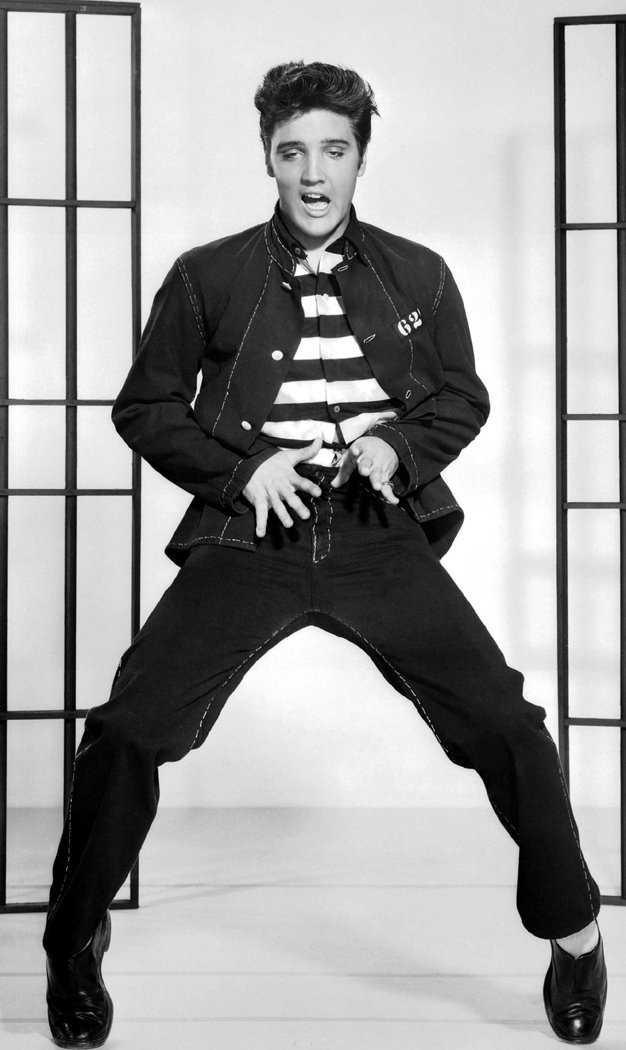
It is important to keep this in mind when thinking about the fogeys’ fusillades against Hollywood and American popular culture, which has always been one of the fountain-sources of increased tolerance and inclusivity. Elvis Presley Jailhouse Rock

Let’s not forget the hoopla that Elvis Presley caused when he first started gyrating before American teen-agers. The reaction of Rev. Carl Elgena of Des Moines, Iowa, was typical: ”The belief in unholy pleasures has sent the morals of our nation down to rock bottom, and the crowning addition to this day’s corruption is Elvis Presleyism.”

The good reverend averred that Presley ”is morally insane and by his actions, he’s leading other young people to the same end.”

Those other young people, of course, are now respectable grandparents, in their turn lamenting gagsta rap.

Rock and roll frequently took hits from the cultural Jeremiahs. They complained that when teen-agers did the twist, for instance, that they wiggled around ”like Hottentots” and never even made contact with their dance partners.

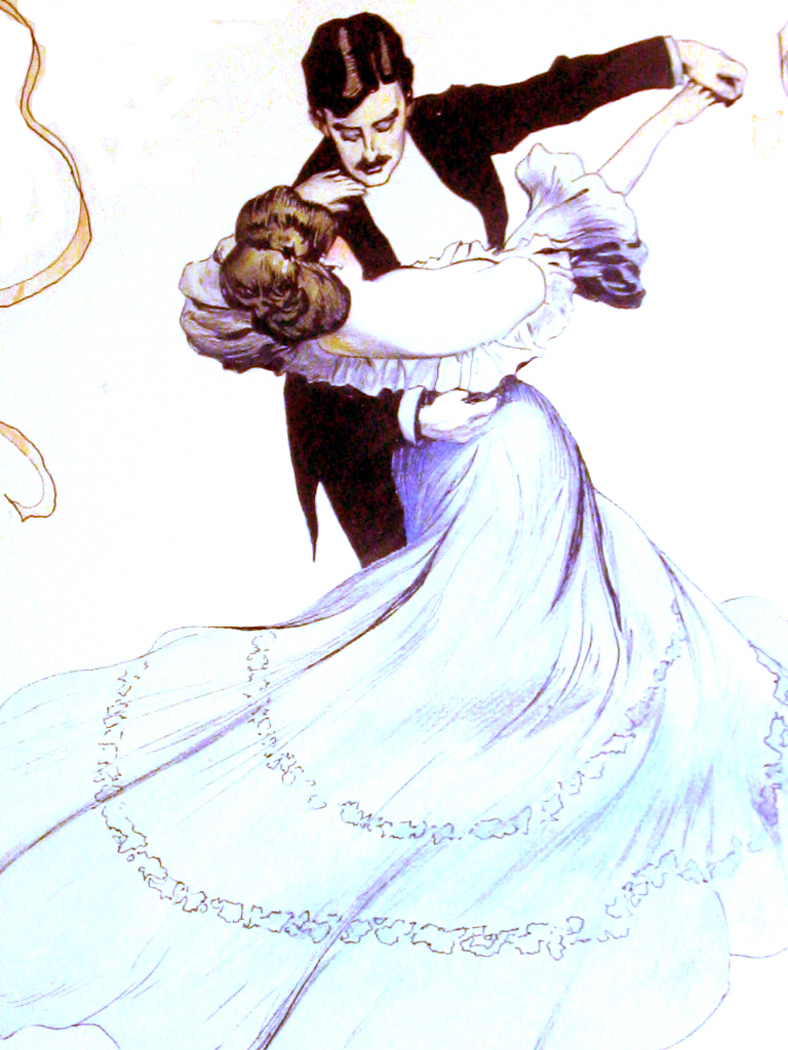
That was an amusing complaint, considering that in the 1800s, the waltz came under fire for the opposite reason. elegant waltz

When the waltz was turning into a craze in Europe, one critic complained of the ”erotic nature” of the dance and wrote, ”The dancers grasped the long dress of their partners so that it would not drag and be trodden upon, and lifted it high, holding them in this cloak which brought both bodies under one cover, as closely as possible against them and in this way, the whirling continued in the most indecent positions. … Now I understand very well why here and there in parts of Swabia and Switzerland the waltz has been prohibited.”

As early as 1797, Halle Salomo Jakob Wolf published a pamphlet titled Proof That Waltzing Is a Main Source of the Weakness of the Body and Mind of Our Generation.

And when the same spit-gargling critics picks on Hollywood, it also has a familiar ring.

In 1936, the Hearst chain of newspapers decried Mae West as a ”menace to the sacred institution of the family,” and added, ”is it not time for Congress to do something about Mae West?” Ads for West’s film Klondike Annie were refused in Hearst papers.

In the ’30s, a rage for moral uplift swept through Hollywood, and Will H. Hays was hired to enforce a studio ”production code” that would prevent immoral behavior from being shown in films. The missionary fervor was intense.

”The potentialities of motion pictures for moral influence and education are limitless,” Hays said. ”Therefore, its integrity should be protected as we protect the integrity of our children and our schools, and its quality developed as we develop the quality of our schools. … Above all is our duty to youth. We must have toward that sacred thing, the mind of a child, toward that clean and virgin thing, that unmarked slate, we must have toward that thing the same responsibility, the same care about the impression made upon it, that the best teacher or the best clergyman, the most inspired teacher of youth, would have.” samson lamarr

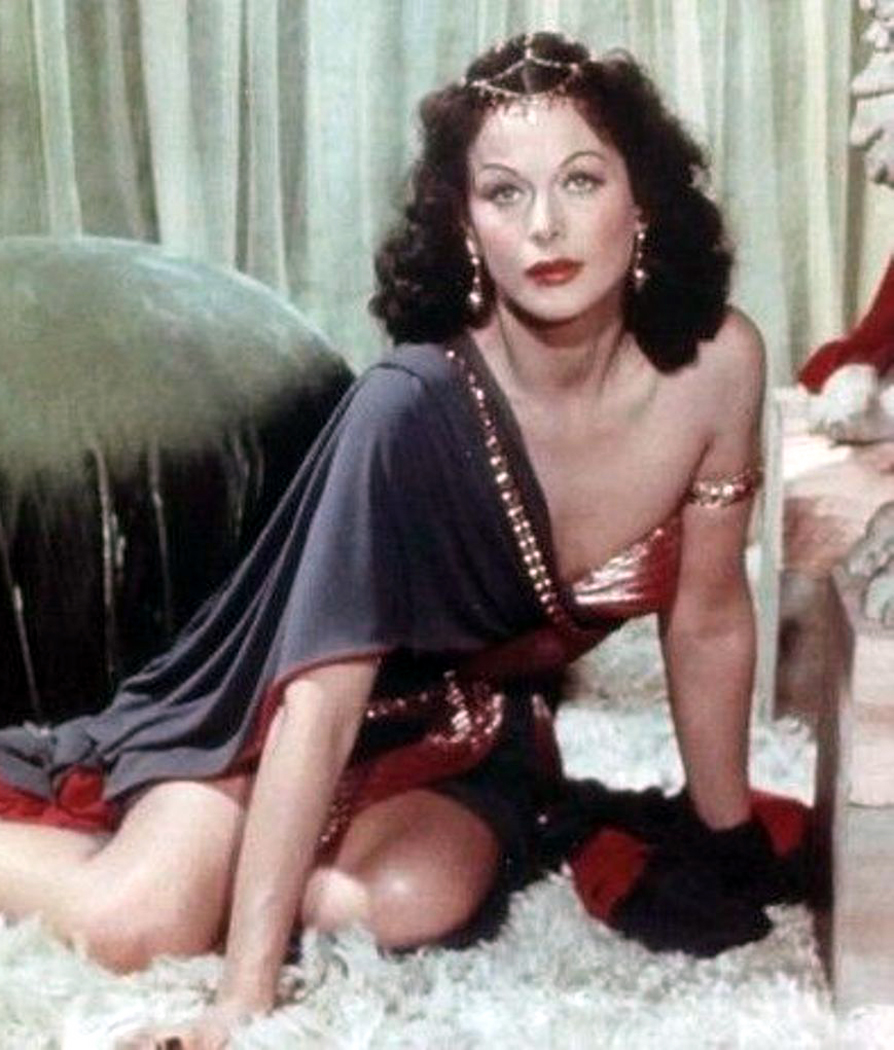
It should be noted that the Hays office didn’t prevent Cecil B. DeMille from filming biblical dancing girls and love affairs between Samsons and Delilahs.

Another great crusade to save America came in the early ’50s when Fredric Wertham published his book, Seduction of the Innocent, in which he took to task the comic-book industry for the miserable moral state of the youth of America.

For Wertham, comics caused sadism, masochism and masturbation. They were filled with homoeroticism, racism, fascism and sexism. And what is more, they caused dyslexia.

”To publish crime comics has nothing to do with civil liberties,” he wrote. ”It is a perversion of the idea of civil liberties.”

You find in many places the same sort of concern for the morals of art and its effect on the youth of a nation. It runs through Confucius. Plato would refuse artists a place in his perfect republic.

It is the charge brought by Miletus against Socrates as a ”corrupter of youth.”

It is the lament of Cicero, who wrote, ”O tempora, O mores” — ”O the times, the customs!”

As far back as the sixth century B.C., the Greek statesman Solon warned us, ”Poets tell many lies.”

And around 2000 B.C., one anonymous poet wrote:

”To whom can I speak today?

”Gentleness has perished

”And the violent man has come down on everyone.”

Society is always at its worst moment. And if conservatives wants to pretend that it is any different today, well, then, we remember some other words of Cicero:

”Old men are garrulous by nature.”

Cadillac Ranch

There must be something in the water in the Texas Panhandle.

Something must explain what I saw beside the road as I drove past Amarillo.

First came the Cadillac Ranch, a series of 10 Caddies buried front-end down in the dirt in a cornfield just west of Amarillo.

It is not an officially sanctioned tourist location, says the nice man at the tourist info stop. But it seems as if there is always someone there, gawking at the Texas equivalent of Stonehenge.

It was built in 1974 by a group of San Francisco architects who called themselves the Ant Farm and was bankrolled by Amarillo millionaire and TV station owner Stanley Marsh.

Marsh, known as something of an eccentric, believed in public art with a sense of humor. He has also been responsible for a farm-field-size ”soft pool table”; a monument at the ”Grave of the Unknown Pet”; and a wood-frame ”Boot Hill” to which hundreds of old boots have been nailed.

His most recent project has been a ”drive-by art gallery” called the Dynamite Museum.

”There’s something wrong with art in a museum,” he once said. ”First you’re photographed on a hidden camera when you walk in. You’re intimidated by docents. The art’s hanging in grand frames with scrolls with gold letters. Behold. Genuflect. Art needs to be hung under expressways and in grocery stores and bowling alleys.”

So, in 1974, he commissioned the Ant Farm to bury 10 Cadillacs — vintages 1949, ’52, ’54, ’56, ’57, ’58, ’59, ’60, ’62 and ’64 — grille down and tail fins flashing.

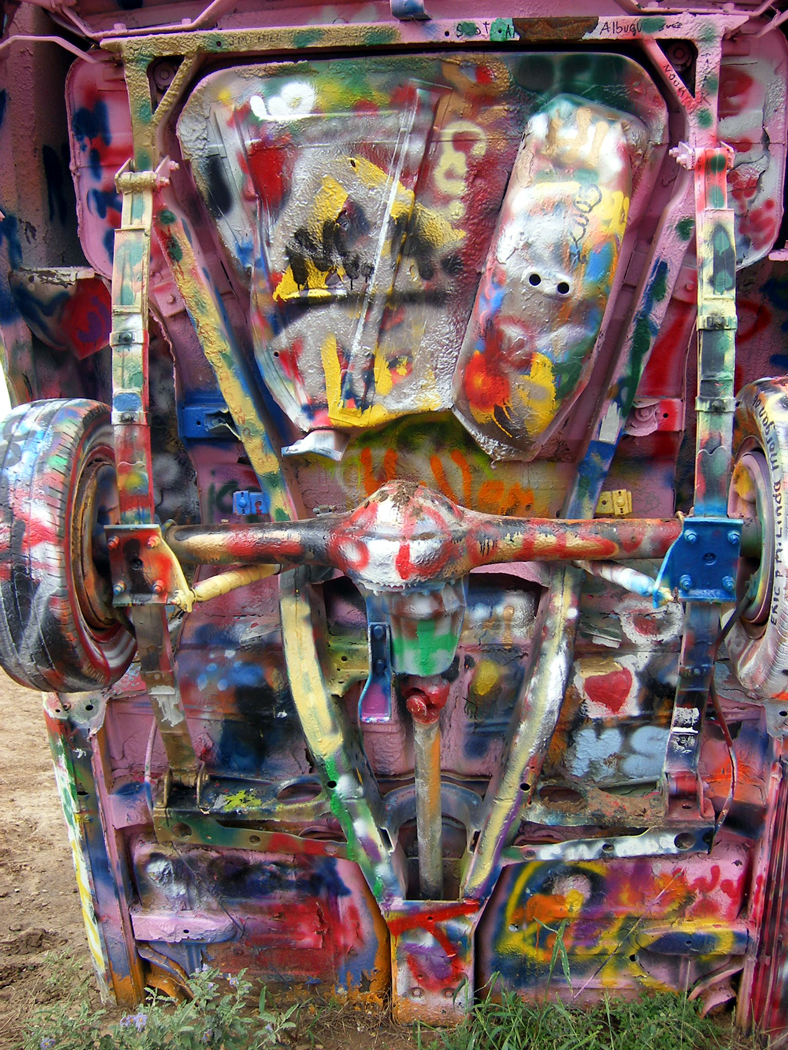
The cars are now pretty rusted out. There is no more window glass, no upholstery. Only the metal and most of the tires, which spin when a breeze catches them. The original Body-by-Fischer paint job has been superseded by layers of graffiti, all brightly colored, leaving the calling card of many of the monument’s visitors. Underside of Cadillac

There is surprisingly little obscenity. Almost all the writing is of the Kilroy sort, ”We passed through, these are our names and the towns we live in.” I spotted listings from Sierra Vista and Tempe, among the many from other states and countries.

The cars, which, despite the oft-repeated claim, the artists deny are set at the same angle as the side of Cheops’ pyramid, are at the end of a dirt path a 10th of a mile into a working cornfield. The green stalks are all around. In the shade of two of the angles, corn is growing between the axles.

The only ugly thing — as long as you don’t consider the whole thing ugly, as I know many people do — is the mess of spray-paint cans. Many are tossed into the passenger compartments and pile up next to where the steering wheels used to be, among some empty Budweiser cans. But even more of them litter the cornfields, tossed out there when they empty up.

I don’t know how the farmer feels about the mess, but I thought it went completely against the spirit of the monument, which is otherwise a collective paean to the American spirit of On-the-Roadness. Groom Texas cross

But, although the Cadillac Ranch is the most famous Amarillo monument, it isn’t the only one: On the eastern side of Amarillo, I spotted a huge white cross beside the interstate. It must have been a hundred feet tall and made out of what looked like aluminum siding. At least it had that flat, white paint job and siding grooves. It has smaller crosses on either side whose function is to hold up the spotlights that illuminate the thing at night.

I must admit, I felt something less than admiration for it, perhaps because the last time I saw a huge, illuminated cross, it was at a Ku Klux Klan meeting. It was also impressive, but it certainly stood for something I find less than admirable. Leaning water tower

And less than a mile to the east, Britten, Texas, has a roadside water tower set into the ground at something more believably like the Cheops angle. It nods over, like a drunk on his barstool. I can’t tell if the water tank on top is functional or not, but I rather doubt it. It seems more like another American eccentric creating a memorable roadside monument.

Books

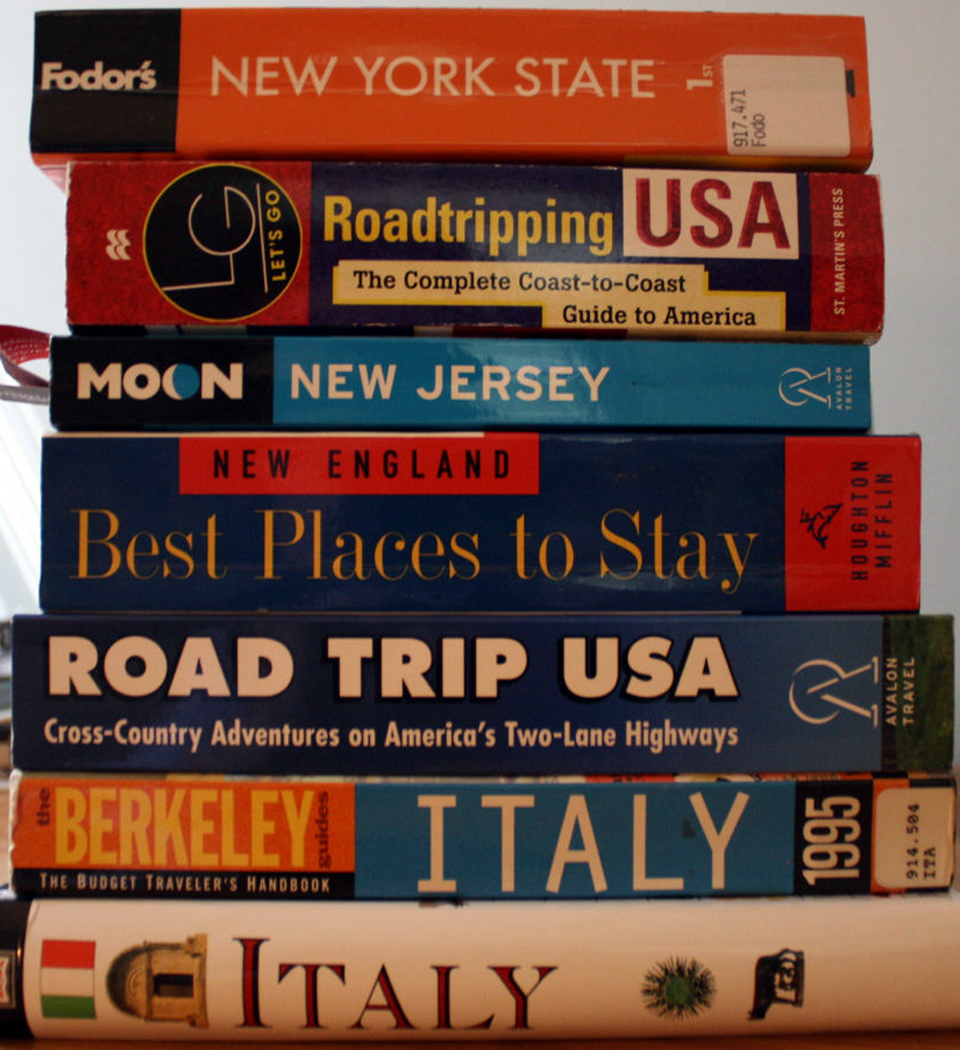
I love travel, and next to that, reading about it. But most of what I read leaves me flat; most travel writers upholster their pages with supposedly useful bits of information meant to lead me to a favorite hotel or a great nude beach where I can buy the killer margarita.

Most travel writing is in essence consumer news, and consumerism is both shallow and boring. That is not what I seek when I open up a book. I want to be transported to the place the author writes about; if I cannot afford the airfare, I want the words on the page to vanish, leaving me underneath the palm trees or on the mountain crest. I want to feel the moist tropical breeze on my cheek.

The best writing is not about four-star restaurants, but about the experience of the place, whether hotel or Irish bog. I have found that happens most often not in the works of so-called travel writers, but in the works of those who are writers first, travelers only by happenstance.

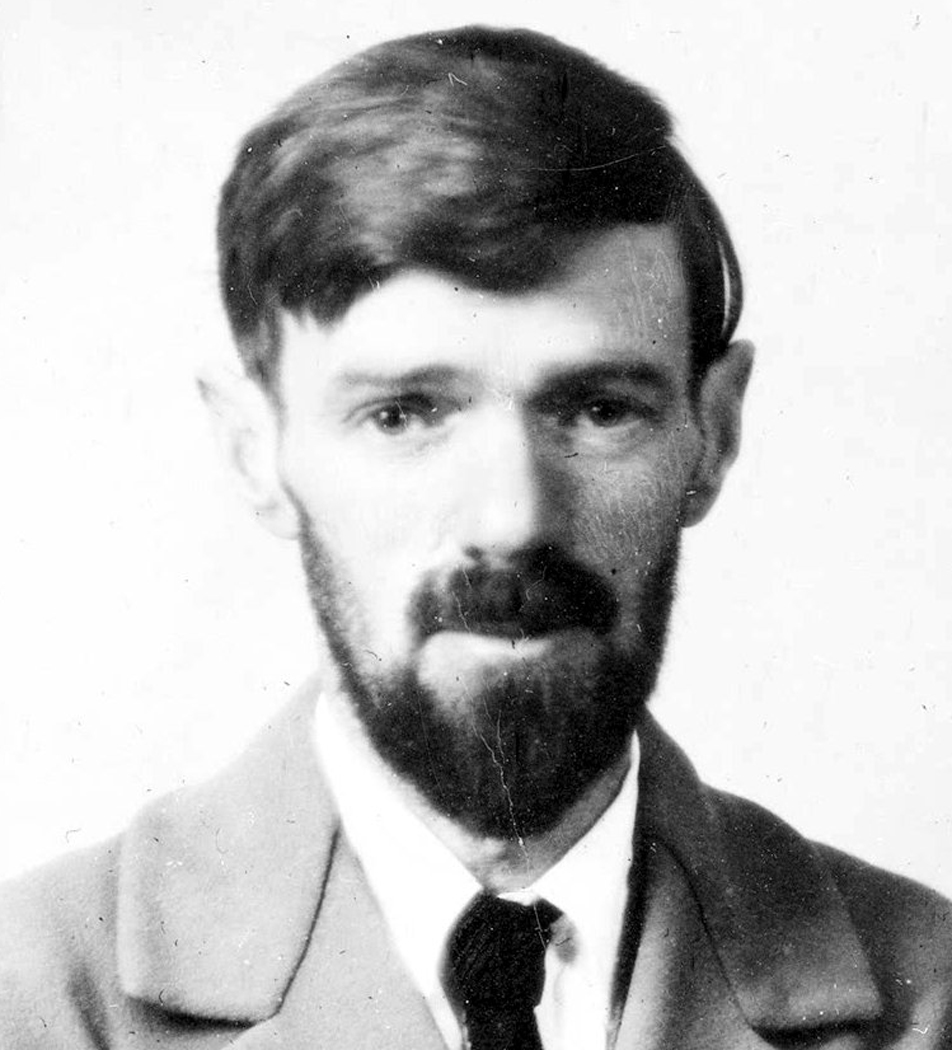
Lawrence

Lawrence

That is because, ultimately, the travel experience happens not on the ground, but in the head. It is the digestive sensibility of a great writer that can suck the marrow out of an experience and present it to us for our own understanding and enjoyment.

”One says Mexico: One means, after all, one little town away south in the Republic,” wrote D.H. Lawrence in Corasmin and the Parrots. ”And in this little town, one rather crumbly adobe house built round two sides of a garden patio; and of this house, one spot on the deep shady veranda facing inwards to the trees, where there are an onyx table and three rocking-chairs and one little wooden chair, a pot with carnations, and a person with a pen.”

Now that puts you in a place. And a very particular place, seen through very particular eyes.

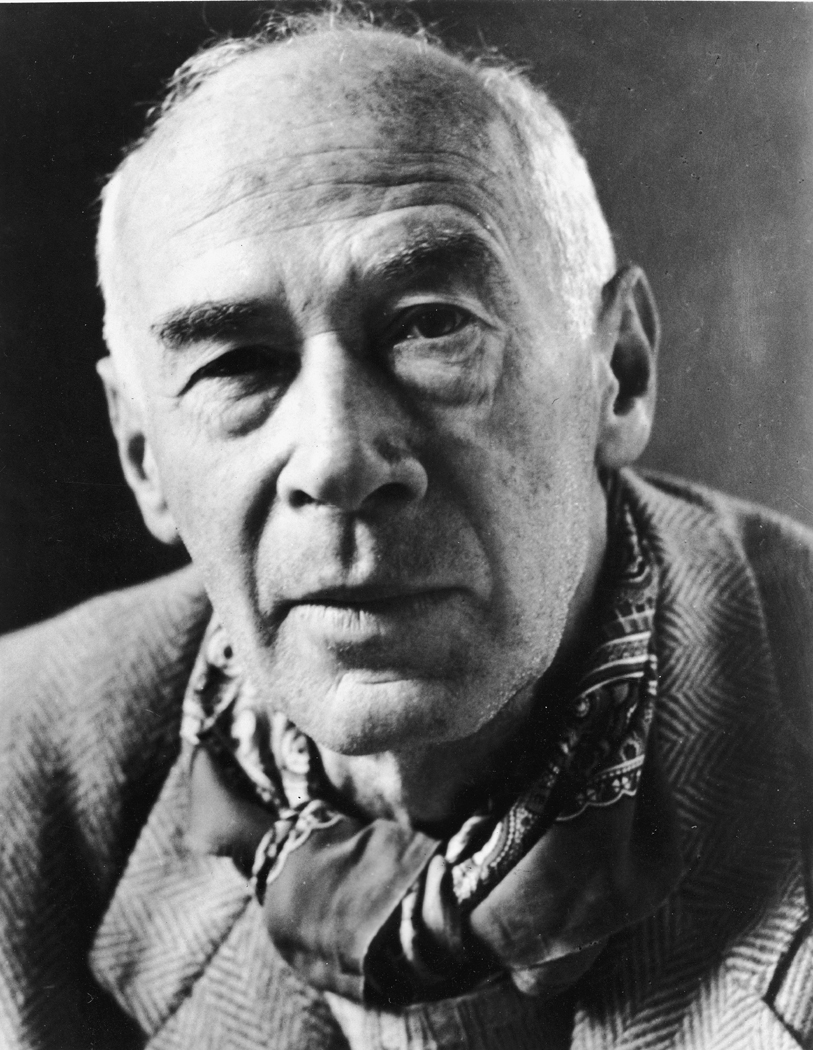
Miller

Miller

Henry Miller opens up his wonderful travel book, The Colossus of Maroussi, saying, ”I would never have gone to Greece had it not been for a girl named Betty Ryan who lived in the same house with me in Paris. One evening, over a glass of white wine, she began to talk of her experiences in roaming about the world. I always listened to her with great attention, not only because her experiences were strange, but because when she talked about her wanderings, she seemed to paint them: Everything she described remained in my head like finished canvases by a master. It was a peculiar conversation that evening: We began by talking about China and the Chinese language, which she had begun to study. Soon we were in North Africa, in the desert among people I had never heard of before. And then suddenly she was all alone, walking beside a river, and the light was intense and I was following her as best I could in the blinding sun, but she got lost and I found myself wandering about in a strange land listening to a language I had never heard before. She is not exactly a story teller, this girl, but she is an artist of some sort, because nobody has ever given me the ambience of a place so thoroughly as she did that of Greece.”

Miller then turns that favor over to us in his book. It is not just about a place, but about how a particular and intelligent sensibility interacts with a place.

Sometimes that happens in a novel, such as Jack Kerouac’s On the Road or Herman Melville’s Typee. These give us such a strong sense of being there that the plot sometimes seems little more than an excuse to travel to a new place to feel unfamiliar weather and sunlight.

But it is on their books specifically about travel that I mean to write. I’m sure you have your favorites, just as I have mine. Try some of these out next time you can’t afford two weeks in Tahiti:

1. Sea and Sardinia, by D.H. Lawrence. ”Comes over one an absolute necessity to move. And what is more, to move in some particular direction.” His other travel books are just as direct, just as full of the feeling of life and energy, populated with odd and compelling personalities. Mornings in Mexico, Twilight in Italy, Etruscan Places — if I were to name the single best travel writer, it would be Lawrence. colossus cover

2. The Colossus of Maroussi, by Henry Miller. Forget the four-letter Miller of the Paris gutter. His vision of Greece, uncorrupted by pious Classicism, is all about location, location, location. His American travel books, The Air-Conditioned Nightmare and Remember to Remember, are more episodic, but still among his best work.

3. The Encantadas, by Herman Melville. ”Take five-and-twenty heaps of cinders dumped here and there in an outside city lot; imagine some of them magnified into mountains, and the vacant lot the sea; and you will have a fit idea of the general aspect of the Encantadas, or Enchanted Isles.” Melville takes us to the Galapagos Islands and gives us all we know of them outside of Darwin.

4. The Narrow Road to the Deep North, by Matsuo Basho. The greatest writer of Japanese Haiku takes us on a walking tour of the northern portions of Edo-period Japan. ”Days and months are travelers of eternity. So are the years that pass by. Those who steer a boat across the sea, or drive a horse over the earth till they succumb to the weight of years, spend every minute of their lives traveling.”

5. The Desert, by John C. Van Dyke. One of the most peculiar books ever written, it is the love letter of an obsessed stalker to his beloved Southwest deserts. Written in 1901, it is full of the most effulgent language ever put to paper. And it would be pure breathless kitsch if every word weren’t the most truthful and accurate observation of the land.

”The reds are always salmon-colored, terra-cotta or Indian red; the greens are olive-hued, plum-colored, sage-green; the yellows are as pallid as the leaves of yellow roses. Fresh breaks in the wall of rock may show brighter colors that have not yet been weather-worn, or they may reveal the oxidation of various minerals. Often long strata and beds, and even whole mountain tops show blue and green with copper, or orange with iron, or purple with slates, or white with quartz. But the tones soon become subdued. A mountain wall may be dark red within, but it is weather-stained and lichen-covered without; long-reaching shafts of granite that loom upward from a peak may be yellow at heart but they are silver-gray on the surface. The colors have undergone years of ‘toning down’ until they blend and run together like the faded tints of an Eastern rug.”

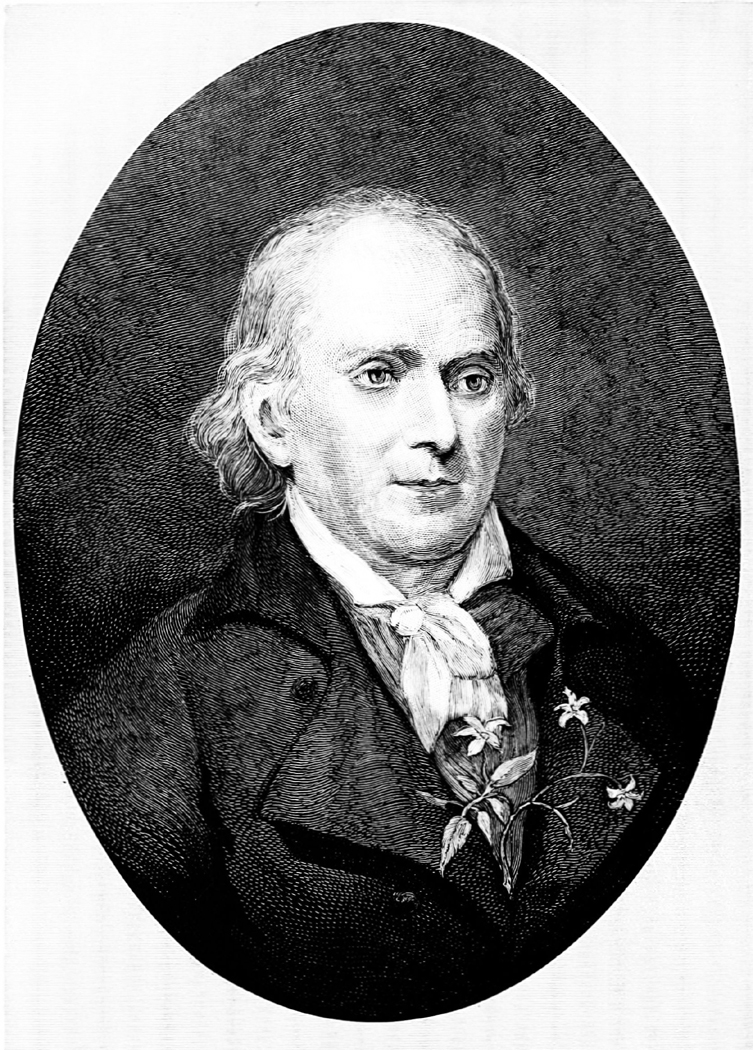
Bartram

Bartram

6. Travels, by William Bartram. The full title gives us the wonderful 18th-century flavor of the book: Travels through North and South Carolina, Georgia, East and West Florida, the Cherokee Country, the Extensive Territories of the Muscogulges, or the Creek Confederacy, and the Country of the Chactaws; Containing An Account of the Soil and Natural Productions of Those Regions, Together With Observations on the Manners of the Indians, Published in Philadelphia, 1791.

It is my favorite of any number of similar books that follow the author through what was at the time unknown and miraculous new territories. Jonathan Carver’s Travels through North America, from 1778, or William Dampier’s A New Voyage Around the World, from 1697, are full of ”travelers’ tales.”

Later, the journals of Lewis and Clark and of John James Audubon are full of the same sense of being there.

7. Life on the Mississippi, by Mark Twain. Such a classic, it hardly needs touting, but there is no more completely compelling vision of a river and the life that survives because of it.

8. California and the West, by Charis Wilson Weston. The reason most people pick up this book is for the historic photographs by Edward Weston. But the stories his wife, Charis, tells about their travels while making the photographs are a complete delight and present a picture of America between the wars with dusty roads, bad food and cheesy tourist traps.

9. Italian Journey, by Johann Wolfgang von Goethe. The great German writer and natural philosopher managed to get into the spirit of Europe’s sunny south by meeting a bunch of Germans in Rome and rhapsodizing about Classical civilization. It is a funny, moving and infectious memoir, and I can’t put it down.

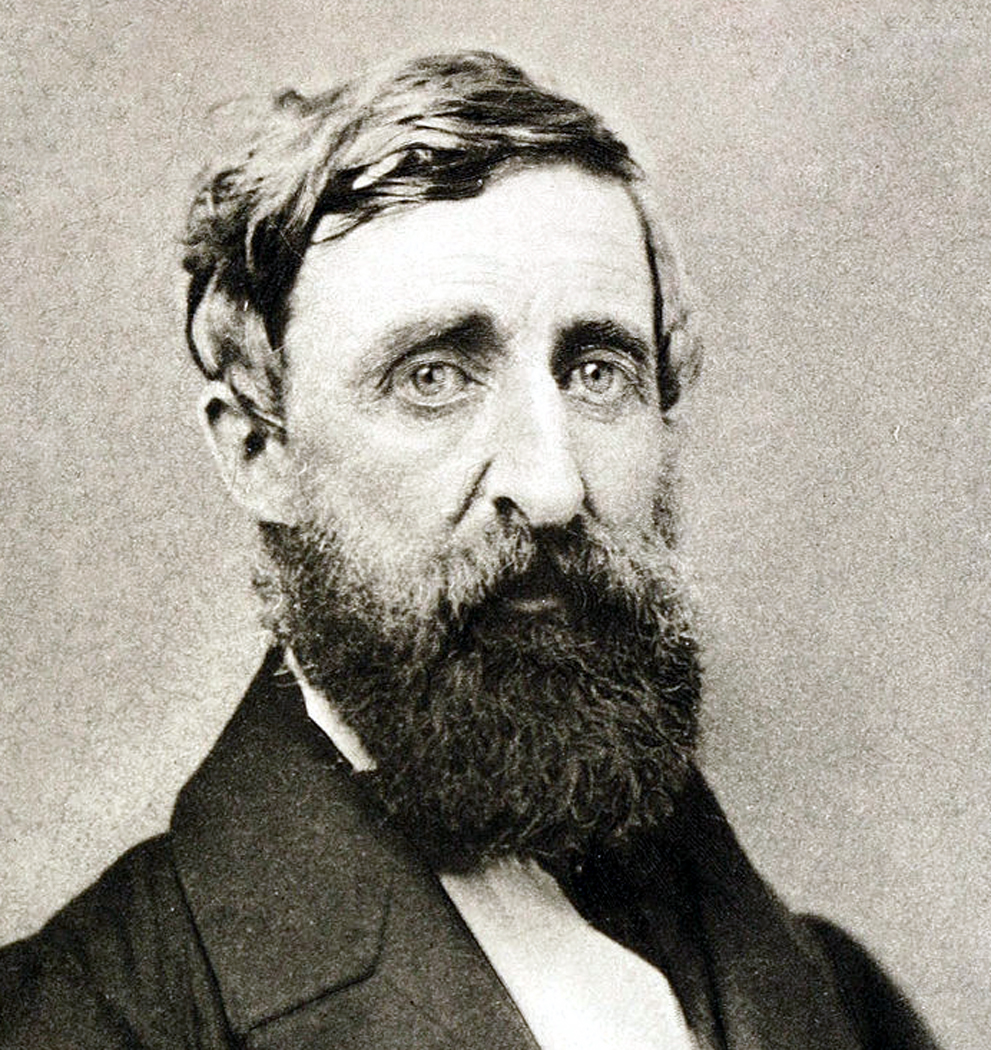
Thoreau

Thoreau


10. A Week on the Concord and Merrimack Rivers, by Henry David Thoreau. This is only one of several quirky and idiosyncratic travel books by the Transcendentalist author. You could as well choose The Maine Woods, Cape Cod or A Yankee in Canada. How idiosyncratic? ”I fear I have not got much to say about Canada, not having seen much; what I got by going to Canada was a cold,” he writes. He also lies. He has got much to write about Canada.

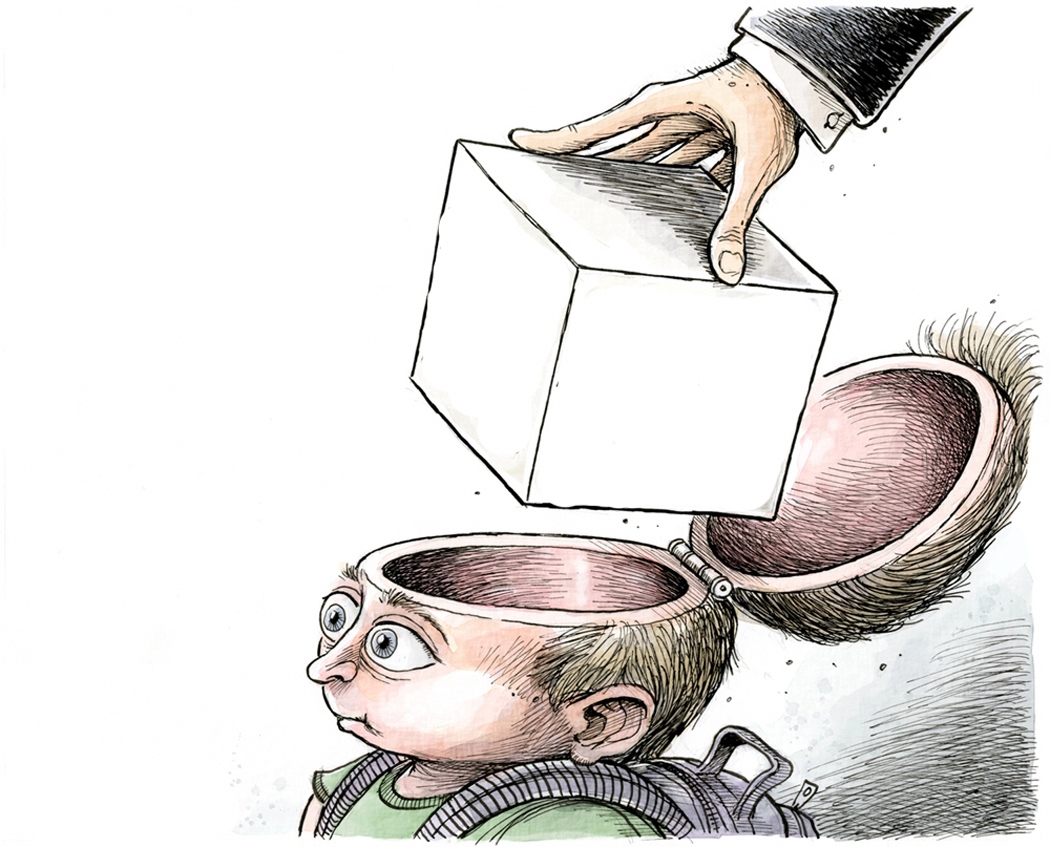
square into skull

If you want to be really smart, you have to learn to be stupid. 

Now, I don’t consider myself to be particularly intelligent, but I have noticed when other people are, there are a few things they have in common. One of them is the ability to be blunt pig-iron stupid. 

What I mean is that intelligence can best be found in ”volitional ignorance,” or a willed erasure of everything you know. I am certain of this: What you know prevents learning. 

People create for themselves a model of reality, or more accurately, many models. These models derive from experience. When anything new makes itself felt, it is immediately tested against the model most appropriate. 

If no model is right, the new fact can be dealt with in one of two ways. More commonly, it is squeezed into the model like a square peg hammered into a round hole. The new is shaved and jiggered until it conforms with what we already know. In the end, we have learned nothing; we may only have renamed what we already knew. Unless the square is a brownie and the round hole is a mouth. eating a brownie

But intelligence is what makes us throw out the old category rather than mangle the nonconforming fact. And those who are genuinely brilliant throw out the categories before even considering the new fact. This is what I mean by volitional ignorance. It forces us to reinvent the wheel every single time and is the only way to discover anything genuine about the problem of wheels. 

It means you accept the experience fresh and start for yourself rather than relying on the culturally accepted model. 

I was talking of this with someone recently and he said, ”You mean, like coloring outside the lines,” and because I am not particularly quick of mind, I agreed. 

This worried me later. For it is not like coloring outside the lines, not at all. When he said that, he was in fact squeezing my square peg into his mental round hole, translating what I was saying into something he already understood. 

We all do this constantly, and I am not criticizing him for it. I am frequently guilty of the same thing. In fact, we cannot do otherwise without becoming yammering idiots. A certain amount of structure is needed to function in our daily lives: We cannot question the egg at every breakfast. 

But still, intelligence is the ability to get past the quotidian. I call the ignorance ”volitional” because it is something I make a choice about. Those who have no choice and are forced to see everything fresh at every second of their lives are called schizophrenic; they cannot edit the information coming into their brains. 

Yet, we need to be able to allow ourselves to enter that state on cue if we are ever to learn anything new and genuine. 

Coloring outside the lines implies a disregard of the structure of the drawing we are coloring. Intelligence doesn’t mean the mere disregard of structure, but the discovery of yet another structure, as if, looking up at the night sky, we were able to ignore all the constellations and create new ones, entirely our own, and what is more, that the ones we create are better and truer than the old ones, just as the Big Dipper is easier to see than the Great Bear. 

There are also several other aspects of intelligence that need mentioning, I think, although they are all related. 

First is that intelligence can apprehend the similarities of disparate things. It recognizes in what way the horse is the same as the fork. It makes us transcend the accepted categories of things and redefine the categories. Perhaps, instead of thinking of the categories ”mammal” and ”silverware,” we might discover that through human history, both horse and fork have been used as parts of the common category ”tool.” 

Or we might compare four legs with four tines. 

I remember a segment on Sesame Street where they played the game, ”Three of these things are kind of the same,” where they show us four items and ask which doesn’t belong, and which three do belong. 

In this case, they had a red ball, a tomato, a green apple and a ruddy pear. Well, there are four different answers: The ball is different because it is inorganic; the pear is different because it is not round; the apple is different because it is not red; the tomato is different because it is soft. 

The ability to see multiple answers is another sign of intelligence. Intelligence is not afraid of ambiguity. 

And finally, intelligence understands things metaphorically, that is, it thinks in images and discovers in them reductions of complex thoughts in small, understandable packages that resonate emotionally. 

Einstein first discovered his theory of relativity not in a mathematical equation, but in a mental picture. It gave him the insight he needed to later forge the math proving his insight. But the picture came first. 

Speaking of one thing while meaning another is the heart of intelligence. This is not a game, merely substituting one thing for another as in a rebus, but rather it is the recognition that our vocabulary is limited by what we know already. When we confront something genuinely new, we cannot speak of it in language we already have, we must speak of what it is ”like.” 

As for instance: Human love is infinitely complex. When we feel it, we almost always decide the word ”love” is inadequate to describe what we feel. We can either do what Woody Allen does in one of his films, and try to invent a new word: ”I glom you, I snorfle you,” but such a course is meaningless to anyone else. 

Or we can make a metaphor and say, ”My love is like a red, red rose that’s newly sprung in June,” or ”Love is the valence of pheramones.” 

In each case, we are trying to convey something of the complexity and subtlety of what we feel, not allowing it to die the death of the normal, the bland, the banal. We are insisting that the particular emotion be understood and felt by the stranger to whom we are talking. We want exactness in our language, and we can reach it only through inexactness. Metaphor is the means of doing it. 

All our highest and best thoughts are metaphorical. All the most banal come straight from the dictionary. 

The more precise a word is, the less it describes. Meaning depends on ambiguity. 

Intelligence is the lightning bolt that arcs from one thought to another, fusing them together like glass. 

All intelligence is a form of recognition.