When you have ideas where your ears should be, you can be such a self-righteous moron. My Tchaikovsky problem is a case in point. I wasted years not listening to his music. What I thought closed my ears to what I might hear.
When I was a boy, longer ago than even your parents can remember, the music of Tchaikovsky was easy to love — all those sweeping tunes and swelling fiddles. His music was, in that antediluvian age, pretty well ubiquitous. Concert halls played his symphonies, pianists conquered the Soviet Union playing his piano concerto, and supermarkets offered LP specials for 49 cents with grocery purchases. And that is where I was first exposed to the Nutcracker Suite, played by an anonymous orchestra and conductor (Grieg’s Peer Gynt Suite was on the “B” side).
My parents bought successive volumes from the supermarket and I became exposed to “The World’s Greatest Music,” including Beethoven’s Fifth Symphony, the Brahms Second, the Sorcerer’s Apprentice and all of those now-familiar war horses a friend of mine used to call “The Loud Classics.”
A few years on, as puberty hit, it was music like Tchaikovsky’s that spoke to me, with its pile-driven emotional excess and immediacy. My insides swelled with powerful feelings. That sort of “heart-on-sleeve” thrum speaks to those newly activated hormones.
But then, unfortunately, I became smarter, learned more, read what critics had written. I discovered that such music was trivial, shallow, showy and unserious and learned how wrong I had been. My taste turned to Beethoven’s late quartets and Bach’s unaccompanied violin works. That was serious music.
This is something that happens to many of us when we are becoming adults and presume to take on more grown-up tastes, pretending to understand more than we actually can. Ideas about the music supersedes what we actually hear.
And so, for the next 40 years or so, I disdained listening to much Tchaikovsky. Occasionally I would spin the Pathetique on the record player. It, after all, had a second movement in 5/4 time. Like Dave Brubeck.
Looking back, I realize that the musical culture was traveling much the same route as I was taking. Music that had been pilloried for being too “modern” and “dissonant” became more mainstream. One could hear Bartok or Stravinsky in the concert halls, played alongside Beethoven and Sibelius. And musicians and conductors, grown up in the same era as I did, shared much of my taste. Tchaikovsky slowly became out of fashion. Astringent drowned out lush.
It was still played, of course, but less frequently, and by orchestras and conductors more simpatico with Modernist esthetics than the tired old Romanticism. Stravinsky had stated, in no uncertain terms “Music is, by its very nature, essentially powerless to express anything at all.” And Toscanini has said Beethoven’s Eroica was not about heroism, but about “E-flat.” (Neither man actually believed their own words, and their music and music-making prove that, but their words proved highly influential).
Toscanini also said, “Tradition is only the last bad performance.” But tradition is the very heart of any classical music — music handed down from one generation of masters to a younger generation. Whether it is Indian classical music, Japanese Noh flute playing, or Pablo Casals teaching Bernard Greenhouse (of the Beaux Arts Trio) and Greenhouse teaching Paul Katz, onetime cellist of the Cleveland Quartet) it is tradition that defines it.
Orchestras and conductors who had learned their art before the 20th century and continued the traditions up through, perhaps 1970 or so, had the music in their old bones, understood how it was meant to go, and how the musical arguments played out in the notes. But the older musicians died out and the younger generation taking charge had a more “objective” view of the music. A tradition was dying.
You can hear this by comparing any Tchaikovsky symphony recorded by Eugene Ormandy (1899-1985) or Yevgeny Mravinsky (1903-1988) with the same performed by Andris Nelsons (b. 1978) or Vladimir Jurowski (b. 1972). The younger players play the notes clearly and cleanly, even with excellent musicianship, but notes and music are different things. The younger generation grew up with Stravinsky or Prokofiev and had no problem with their complex scores. It was a shift in sensibilities. Younger musicians can breeze through Le Sacre du Printemps perfectly, while many old recordings show esteemed conductors fumbling through, missing accents and here and there. It’s a new tradition. (And I’m not even talking about “historically informed performance practice.”)
But in the 19th century music, the older conductors knew much the younger generation had no grasp of. They knew how the music “went.” What it was saying.
The true divide between the old and new were the World Wars and millions of dead. And especially after the genocide of the Second World War, it was no longer possible to believe in such old ideas as nobility or heroism. And music about such things no longer rang true. Listen to the version of Franz Liszt’s Les Preludes performed by Kurt Masur and the Leipzig Gewandhaus Orchestra, from 1978 and you hear all the notes, and certainly there is excitement. But listen then to the 1929 performance by the Amsterdam Concertgebouw and Willem Mengelberg, and you hear music that believes what it is saying. There is an earnestness to it, a fervor, that feels second-hand in the Masur recording. The difference between a hero and an actor playing a hero.
And so, I and the generations that grew up with me and after me no longer had the stomach to hear such “universal” emotions as Tchaikovsky tried to evoke in his music. Nothing universal could be trusted anymore, and the grand statements of fate and tradition were dumped.
I remember when teaching, a student pushed back on something I had said. “It’s all relative,” she said. “Nothing is true. It is your truth or my truth, but nothing is universally true.” It was a common belief for her generation. And given the “truths” espoused by various institutions that were shown to be mere self-serving hypocrisy after Watergate, after “I did not have sex with that woman,” and most of all, after Auschwitz, it was hard to fault her.
But I replied: “There is one truth that is universal. You will die. I will die. All living things will die.” That, I said, is the starting point for all art. After that, we look for anything else that we may make art from. Second truth follows from the first: The people you love will die, and many of those will die before you and you will suffer loss. How do you react to that loss? Yes, some Victorian pieties seem like sentimental claptrap to us now, but the impulse behind them is very real, and we can react to that reality.
And so, when I hear Tchaikovsky’s Pathetique, I feel deeply in my psyche the sense of death and loss inherent in the harmonies and melodies, and I am moved. Deeply moved. If the stylistic idiosyncrasies of his age are not ours, the underlying emotions are.
It is incumbent upon us, as listeners (and readers, and theater audiences) not to be deaf to the content of art. Yes, some music is meant only as divertissement, as Mozart serenades or Schubert ländler, but the more ambitious pieces — symphonies, operas, even ballets — are responses to the larger questions. Not only death or loss, but the subsequent propositions built from those original two: What is happiness, what is narrative, what is rhythm and physical movement and how does it all reflect the experience of being alive?
If you listen to Tchaikovsky’s music with ears instead of ideas, you hear not only emotions both bright and dark, but extraordinary melody and harmony, often rather advanced for its time, and unparalleled brilliance of orchestration.
Even so minor a piece as his Nutcracker ballet is built from absolute crystal gems of sound combinations. Pure genius.
The disdain so many now feel for the music of Tchaikovsky, or, for that matter, Rachmaninoff, or others of their era, is, as far as I am concerned, unearned, and merely an expression of ignorance. One should never cut oneself off from such delight, pleasure, and the emotions evoked. One should never close off one’s ears to music, or let ideas about the music take charge.
Frank Lloyd Wright was one of the greatest architects in history, and he’d tell you so, himself. The man in the cape and porkpie hat had an ego as big as any of his buildings, but as they say, if it’s true, it ain’t bragging.
It is so tempting to dismiss Wright. He was a monster of egotism. His taste could be appallingly bad. He spoke in egregious platitudes. He abandoned children and wives. He was arrested for violating the Mann Act. He made life a misery for almost everyone around him. And what is worse: His roofs leaked. For an architect, that may be the worst sin.
But no matter how irritating, Wright cannot be dismissed. It matters not that he insisted he was the greatest architect in American history. (“Why limit it to America?,” he then asked.) The fact remains that no architect of our time — and probably not of any other time — has had so fertile an imagination or produced so many outstanding buildings.
That is undoubtedly the most infuriating thing about Wright: He didn’t only talk the talk, he walked the walk.
“I hated him, of course,” said waspish architect Philip Johnson, “but that’s only normal when a man is so great.”
From his early Prairie Style homes near Chicago to his giant spiral Guggenheim Museum in New York, Wright kept inventing new ideas. “Why, I just shake the buildings out of my sleeves,” he once said.
The man is difficult to pin down because, not only did he change constantly over his 90-plus years of life, he also notoriously lied about everything. He was always making orotund pronouncements and declarations, but not a one of them stands without careful checking.
England has its eccentrics, its beekeeping vicars and parish historians, but America requires something more grandiose.
America has crackpots.
The crackpot differs from the mere eccentric in his missionary zeal, his transcendent ego, his absolute certainty and his touch of utopianism. From Henry Thoreau to Ezra Pound, from Charles Ives to Harry Partch, American art and culture have been defined by crackpots. Something in the American character warms to them. Something of the best of America can be found in them.
It is important to remember that. So much has been written and said about the architect, and with such reverence and hype. It is not that I mean to debunk Wright; he was a singular genius and must be recognized as such.
But he also was a true American crackpot, and we need to remember not only the dynamic imagination and idiosyncratic design, but also the odd geezer in the black cape and cane who wrote crank letters to the president. We need to remember the despotic man who installed glass bars instead of windows in his most famous industrial commission, Wisconsin’s Johnson Wax building, because he declared, “No one should have to look out at Racine.”
There are several things that join to make Wright’s work justifiably the most celebrated by any American architect. First among these was his uncanny sense of space.
What makes architecture work, and particularly Wright’s architecture, is the shape of its insides, the particular chunk of air it surrounds with walls. To experience architecture is to walk through it, sit down in it, see where the space seems to grow and shrink as you pass through.
So many of us live and work in simple boxlike rooms — little boxes inside bigger boxes — we don’t always remember that rooms don’t have to be that way. “Break the box,” was one of Wright’s war cries. And in his buildings, he constantly did just that. Instead of boxes of rooms off a hallway, Wright created vast open spaces, one room opening into another. In his own home, called Taliesin, in Wisconsin, you can stand in the center of the house and see out of it in all four directions.
Wright recreated for us that sense we had more easily when children that space can have emotional meaning, building “forts,” or climbing in tree houses of discovering caves in the hillsides. Adults can have those emotions, too. And great architecture can provide the adult emotions that are analogous to those childhood ones. I can write about thoe spaces and you can see pictures, but pictures of them don’t do it. You can only have those emotions when standing in those places.
Even with his earliest buildings, the Prairie style homes, he attempted to reduce the number of rooms and create large flowing spaces, part of which might serve as dining area and part as living room. They would be built at different levels and sometimes at different angles, all to obliterate the hated “‘box.” In his best buildings, you can feel as if you are standing outside when you are actually indoors, and indoors when you are out.
The second great strength of Wright’s work is its unceasing originality. Wright ideally approached each design as a completely new problem, to be solved in its unique way. This means that, unlike the work of his great contemporary Mies van der Rohe and his International style, there is not, after the Prairie style, a single “look” that can be identified as Wright’s. For Wright, “what we did yesterday, we won’t do today.”
Mies groused back, “You don’t start a new style each Monday.”
But because he did start out each Monday, Wright has given us a startling variety of invention. It is true that not all the work is of equal value, but it is hard to find another artist in any medium who so thoroughly reinvented himself with each idea.
I was architecture critic for most of my 25 years living in Phoenix, Ariz., where Wright had his second home and architecture school later in his life (Taliesin West in Scottsdale), and I was immersed in Wright hype and legend. I got to visit many of the most notable Wright buildings across the country, and I came to recognize and value his genius (there really is no other word for it), but I also came to know and loathe the man himself. I will try to do justice to both.
Architecture has four main components. First, there is the sculptural aspect, the shape a building cuts. It is what most people think of as architecture: the building as seen from the outside.
Second, there is the engineering. Wright was both an innovative engineer and an occasionally casual one. His innovations are myriad; his lapses legendary.
Third, there is the interior design aspect. Early in his career, Wright was especially good at this, and it is the part of his work that comes across best in photographs. The windows, the tables, the carpets he chose are beautiful, refined and subtle. Later in his career, his design became garish and loopy. But it is still what people know best.
But the fourth part of architecture is arguably the most important aesthetically. It is the essence of architecture: the emptiness inside. And Wright’s particular genius is his way with space, the way he orchestrates large and small spaces, to stimulate your emotions as only great art can.
Wright was especially concerned with how one room led to another, how a low ceiling makes you feel, or how nooks make magic. He called space “the invisible fountain from which all rhythms flow and through which they must pass.” These are things that cannot be conveyed in pictures; you have to be there, in the rooms, to sense their splendor.
It is like pictures and writings about Beethoven: No matter how good the text, it cannot tell you what the music sounds like. You have to experience it. So, photographs still cannot show its readers what truly made Wright the special case he was. No one invented interior space more creatively. Wright was not merely inventive, he was revolutionary. On the scale of Stravinsky, Picasso, Brecht or Eisenstein.
People easily mistake the outside of a building as its “architecture.” For most people, architecture is a kind of very large, inhabitable sculpture. And there is certainly that aspect to the art. We recognize the Chrysler Building immediately, or the U.N. Building, from their outsides. But how many people can say what the insides of these buildings look like?
Wright’s essential genius was not that of a sculptor. In fact, some of his buildings are almost ugly. No, his genius was for the empty space inside a building. He changed utterly and forever our idea of what an interior could be. Wright was a creator of empty spaces. Really interesting empty spaces. He approached a building with the air inside it as a kind of armature for the exterior.
He found 2,000 years of architecture in which square rooms inhabited square buildings, one set of cubes inside a larger one, and broke it open, breaking down walls and finding new ways of dividing the space enclosed by the exteriors.
Like Stravinsky or Picasso, Wright constantly changed styles, from the Prairie Style of his early residences to the “Planet Mongo” style he sometimes devolved into in his later years. But like Stravinsky and Picasso, the style itself was never the point. Stravinsky may rush from the lush Firebird to the astringent L’Histoire du Soldat, but underlying it all is an irony. You cannot imagine Stravinsky without the irony. Picasso has his plastic inventiveness — that shows through whether he’s doing Cubism or Neoclassicism.
And Wright always has his empty spaces. Every corner you turn brings a discovery: a room bigger or smaller than you expect, a space that stretches out in interesting ways, or closes you in and makes you cozy. You can like or dislike the decorative style in which Wright worked, but you cannot help but be astonished at the way he makes you feel inside a space.
He was born in Wisconsin in 1867 and began work in the Chicago area in the 1880s, soon becoming one of the most innovative and stylish architects working. His Prairie Style homes from the early 1900s became his signature look.
But by 1909, the 42-year-old wunderkind felt he was losing his grip on his work, “even interest in it,” he wrote. So he left his wife and six children and ran off to Europe with the wife of one of his clients. The scandal affected his practice, and Wright moved into a period of relative obscurity. He built his first Taliesin in 1911 as “a hope and a haven” for himself.
Many artists have written their autobiographies, but Frank Lloyd Wright built his. It sits near the top of a hill in southern Wisconsin near the town of Spring Green and looks out over farm fields and forests. Wright titled his architectural autobiography “Taliesin.” It was his home.
But three years later, that first house burned down in a tragedy of epic proportions when a workman went berserk, took an ax and slaughtered Wright’s mistress, two of her children and four other people, then set fire to the building. Wright was out of town at the time. The scandal was front page news across the country.
He rebuilt immediately. The blow left him numb, but, as he wrote, “There is release from anguish in action. Anguish would not leave Taliesin until action for renewal began. … Steadily, again, stone by stone, board by board Taliesin the II began to rise from the ashes of Taliesin the first.”
And so did Wright’s career. He took a new direction once more, a commission in Tokyo to build the Imperial Hotel, which opened in 1923.
In 1925, a second fire razed Taliesin. Again, he built it up, even using stones from the first two incarnations in the walls of the third.
He went on to design some of the landmark buildings of the century: the Johnson Wax Building in Wisconsin and Fallingwater, a summer home for the Kaufmann family, in Pennsylvania, and a long series of distinguished private and public buildings.
Many of the design and engineering innovations he used in those buildings had their “off-Broadway” run at Taliesin, as Wright built and rebuilt the house. By his own account Taliesin was never finished.
It is one of the most beautiful houses I’ve ever seen. Every angle and corner has something rich and meaningful to give up. One of the other party tricks Wright pulls on us is that, however stunning the living room is while you are standing in it, it is even more glorious when you sit down. Then, the long walls of windows become frames for the landscape outside. Standing, there is greenery, but no horizon; sitting, the horizon cuts halfway through the glass frame, making the windows like another spread-out Japanese screen.
The house is amazing. Wright always said he wanted to “break the box,” by which he meant he wanted to avoid the sense that each room had four walls and a door. So he opened up his house. It is rare to find a corner, for instance: When you approach what looks like a corner, it opens up to display some unexpected nook or hallway. So that, at dead-center of the house, you might almost be standing outdoors: There is a four-direction view.
At that point, standing in the hallway just where it opens into the den, you can look to the north through the living room and see the Wisconsin hillsides; then turn to the east and see more through that room’s glass walls; then turn south and peek through the distant windows of Wright’s office and bedroom, to see the hillside with the house called Tan-y-deri and the windmill that pumped the estate’s water; then, finally, turn west and see the top of Taliesin’s hillside and the garden and greenery surrounding the tea circle where Wright and his apprentices met for discussion.
Almost any room you enter will require you to duck and scrunch down as you worm through the hallway or entry or door and then feel the weight of the universe lifted from you as the room expands upon your entry. It is a party trick, no doubt, but one Wright plays with great relish and effect.
I could go on, waxing ecstatic over other Wright buildings I have visited, from Fallingwater in Pennsylvania to the Marin County Civic Center in San Rafael, California. I have always been astonished by what I saw. But there is the other Frank Lloyd Wright, the liar, cheater, fraudster and prophet of some of the worst developments in civic life.
The shopping mall concept, it can be argued, began with a government building by Wright. In 1957, the equivalent of a Steven Spielberg “mother ship” landed on a woody hillside in San Rafael, Calif. It was the Marin County Civic Center and, from the outside, it was one of Wright’s “Planet Mongo” designs — odd, ungainly and a model of kitsch.
But inside … inside it was truly original. It placed the county governmental offices several stories high along the outer walls of the complex, with balconies running the length of the building overlooking a pedestrian walking space. You could look down at the “storefront” offices and the ferns and plantings along the fountains and escalators.
When you visit the building, you can’t help but think: shopping mall. Brilliant, but I don’t know how grateful we should be for all the soulless malls we find filled with T.J. Maxes and Sbarros.
That Flash Gordon esthetic increasingly began to take over Wright’s design esthetic as he got older. In his early years, Wright was at the forefront of Modernism in architecture and his best work — those Prairie-style houses, the Johnson Wax building — have remained ever fresh and new. But in his senescence, many of his designs have become dated, like those futuristic book illustrations filled with dirigibles and autogiros.
Instead of modern, he became what might be called “modernistical.” As in his design for the First Christian Church in Phoenix, with its science-fiction spires and reptile-scale roof.
Then, there was Wright’s hatred of cities — an odd opinion for a builder of buildings. He called them “a persistent form of social disease,” and when asked in Pittsburgh what could be done to improve the city architecturally, he replied, “Tear it down.”
And he singled out New York for special opprobrium, biblical in its rancor. He compared it to Sodom and Gomorrah, complained that it was the city of Cain. He called it “a pig pile. A fibrous tumor. Is this city not Anti-Christ?” and said it was “a place fit for banking and prostitution and not much else.”
He once said the only logical place to build a skyscraper was in the desert, where the height could afford a view worth seeing. And he designed a skyscraper a mile high, never built, of course.
“Mile-high? Why stop there? Why not two miles, or even five miles, if need be?” he asked a friend. (The irony is that the Burj Khalifa, which is a quarter-mile high, was built in the desert, and although not designed by Wright, did borrow his plan for making the footprint of the building a triangle, giving it the stability of a tripod).
The fruit of this dislike was a vision of suburbia. Wright cannot exactly be said to have invented the suburban prototype Levittown, but he certainly predicted it in his 1932 plans for the fictional Broadacre City. Wright envisioned a sprawling suburbia, created out of minitowns, or self-contained neighborhoods, linked by automobile and tree-lined roadways.
If the thrust of American growth was upward, Wright cast his vote for outward. But we now live with the results of that thinking: It’s most extreme embodiment is Los Angeles, sprawling neighborhoods over an area the size of some Eastern states. It is Broadacre City metastasized.
Wright was as bad as Wagner when it comes to breaking up families. In the 1930s, the architect left his wife and six children and ran off to Europe with Mamah Cheney, who was the wife of one of his principal clients. Wright was notorious, at least in his younger years, for having the sexual morality of an alley cat.
He was a monster of self-regard. “Not only do I fully intend to be the greatest architect who has yet lived, but fully intend to be the greatest architect who will ever live. Yes, I intend to be the greatest architect of all time,” he wrote.
There is a famous TV interview with Mike Wallace, from 1953, where the man spouts off in the most irritatingly smug fashion, about his own greatness. When Wallace asks him if he said something about being the greatest architect of the 20th century, Wright answered, “You know, I may not have said it, but I may have felt it.” Actually, he did say it, many times. He also wanted to claim humility as one of his great virtues.
Much of the interview is a piling up of fatuous truisms and platitudes. “The answer is, within yourself.” That kind of thing, but spoken as if he were giving us pearls of wisdom from Zarathustra in his mountain cave. (The interview is available on YouTube.)
Nothing sums up his dabbling in fraud and mendacity as his involvement with the construction of the Arizona Biltmore Hotel in Phoenix. It was opened in 1929, designed by architect Albert Chase McArthur. Yet, tourists visiting Arizona are often told that the Arizona Biltmore was designed by Frank Lloyd Wright. It wasn’t, although, as we’ll see, Wright sometimes took credit.
There are two things to note about the resort and hotel. First is that Wright was given $10,000 as a license fee by McArthur, for permission to use the patented “textile-block” technique. Problem was, the patent wasn’t Wright’s. It was invented elsewhere by others. Wright had previously used the technique and found no reason to disabuse McArthur of the idea the technique was his to license. Wright was later sued by the true patent owners and had to pay up.
When McArthur contacted Wright about using the textile-block system, the Chicago architect telegraphed back that he would be there immediately, and in January 1928 he showed up at the door.
In another of the changing stories, Wright’s stay in Phoenix stretched out longer and longer. Early sources say Wright was here anywhere from a few weeks to a few months. A little bit later, Wright claimed he worked on the Biltmore for six months. And in a public speech made a few years before his death, he claimed, “I spent a whole year at it.”
In reality, the visit was probably less than a week, after which McArthur had had enough of the overbearing Wright and sent him packing.
“The contractor was complaining about his interference,” McArthur says, “and when Wright refused to pay his rent for the house he was living in, they came with the police and evicted him. Wright said, ‘I don’t have to pay rent; I’m Frank Lloyd Wright.’ ”
McArthur had previously worked for Wright in Chicago from 1909 to 1911, performing various jobs and soaking up the influences. He later set up a practice of his own there.
It is one of the marks of Wright’s tenacious mendacity that each time he later recalled McArthur, Wright’s memory of McArthur’s tenure with him got shorter, until, late in his career, Wright claimed that McArthur “had spent a few months” with him.
It is important to note this, because Wright’s lack of generosity to his fellow architect becomes a major part of the Biltmore story, and a contributor to the mythology.
Wright’s version of his participation in the design also changed over the years. Shortly after the hotel opened, he wrote a letter saying, “Albert McArthur is the architect of that building. All attempts to take the credit for that performance from him are gratuitous and beside the mark.”
In fact, Wright thought the hotel was a botch. He criticized the building as “even worse” than he had imagined. “Far from being a great work of art, (it is) lacking even the most primitive elements of good design.”
Yet, when the hotel became popular and its architecture praised, Wright changed his story. In his notoriously inaccurate and self-serving autobiography of 1943, he appears to see himself as the master architect working sub rosa for the “architect of record.”
And in a lecture in 1957, he answered a woman’s question by saying, “This lady wants to know if I designed the Arizona Biltmore hotel, and I did.”
Wright went on to tell the audience, “There was a young student of mine who had the commission. He never built anything but a house, so they sent for me to help out and I helped out. So that’s the Arizona Biltmore.” Of course, by that time, Albert Chase McArthur had been dead for six years and could hardly defend himself.
Mendacity the great speed bump of Wright’s personality: arrogant, often supercilious, egocentric and selfish. Wright could belittle those around him, fail to acknowledge their contributions, and he could be frustratingly patronizing. He lied, committed fraud, failed to pay bills. Biographers have been unraveling the lies he told about himself for years.
When Brendan Gill wrote his 1987 biography of Wright, Many Masks: A Life of Frank Lloyd Wright, he had to spend a good deal of his time debunking Wrightian lies. The architect used to tell the story that when his mother was pregnant with him, she had already decided he was going to be an architect and hung his nursery with engravings of English cathedrals cut from a magazine. Yet, the magazine engravings in question weren’t published until Wright was a teen-ager, and the tiny house they lived in at the time was too cramped to have a nursery.
He even lied about his name: He was born Frank Lincoln Wright.
He was a monster. We are unfortunately too familiar these days with the concept of the malignant narcissist. Yet, there is an important difference: Wright was also a genius.
When I go to any decent-size bookstore, I can find one or two books about any of the names you read about in architecture — Rem Koolhaas, Renzo Piano, Frank Gehry, Norman Foster — but there are two-and-a-half shelves on Wright, and he’s been dead for 65 years.
ENVOY
It has become common to conflate artists with their work. And artists are rarely angels. If we no longer watch Woody Allen movies, or appreciate Picasso’s paintings because their creators were fallible, even monstrous (Byron diddled his sister; Shelley had a things for underage girls; Wagner was a vicious anti-Semite) then we are likely to be required to excise more than half of all of the creations of civilization — maybe all of it, depending on where you draw the line.
Caravaggio was a murderer; Lewis Carroll enjoyed taking photographs of nude little girls; Samuel Taylor Coleridge and Hector Berlioz were drug fiends. They — and we — are all human and bundles of contradiction. For their crimes, we may prosecute them, as we do anyone else. For their simpler sins, we develop short memories. For what they have given us, we need to be grateful.
The Mona Lisa used to be a painting. Not any more. Now it’s a meme. Especially in the current climate of cellphones and online culture, the original has lost all relevance, and has been replaced by hundreds of refracted reflections.
For that matter, “meme” isn’t what it was, either. Now, a meme is pretty much anything that someone uploads — a picture with a clever caption; a funny picture; a political observation. If it gets noticed and reposted, either in its original form, or altered by the observer, it has become a meme. A meme is a cat hanging on to a clothesline or a quote from Mark Twain that he never actually said.
But that is not what I’m talking about here. A meme, as I’m using it, is its older meaning: a familiar image, saying, bit of music, or bit of art that has become so well known as to be instantly identifiable that it becomes a shorthand for whatever you wish it to be. The original needn’t be known for the meme to be understood. I’m sure there are people who believe the image of McCaulay Culkin holding the sides of his face in Home Alone is the original, not recognizing the reference to Edvard Munch’s The Scream. The original painting has receded and the pose itself is the referent.
Many of the most famous pieces of art have become memes: Grant Wood’s American Gothic; the Venus de Milo; Michelangelo’s Creation of Adam. You don’t need to explain the joke when you use them. If I made a parody of, say, Ingres’ Portrait of Monsieur Bertin, with Rupert Murdoch’s face replacing Bertin’s, I’m pretty sure I’d have to explain what I meant. But Liberty on the Barricades needs no such support. We know.
It isn’t just pictures that become memes. One of the oldest, going back to the Roman era, was a glyph sometimes called the Sator Square, an arrangement of letters (words) that reads the same top to bottom and side to side and even backwards. It has been found from ancient times into the Middle Ages. Its exact meaning and purpose are not clear. It sort of translates as “Farmer Arepo works with wheels.” Sort of. And during World War II, the little cartoon, “Kilroy was here” showed up all over the place. Memes come in all sorts of forms.
Literature can do it, too. You don’t have to know any Shakespeare at all to recognize “To be, or not to be.” It’s there in the atmosphere. Not that we need to know much, or even know correctly.
Getting it wrong is hardly a hindrance. How many people hear, “Romeo, Romeo, wherefore art thou Romeo,” and assume Juliet can’t find her beau? How many cartoons, comedy skits, movie bits are built from that misunderstanding? Where did Romeo go? “Wherefore” is simply too antique a term to be easily understood. And the following “Rose by any other name” is the sequent meme.
Even music can do this. “Da-da-da-DUMM” is known to those who have never, ever heard a symphony. It is a meme. The rest of Beethoven’s symphony might as well disappear.
And so it is with Leonardo’s Mona Lisa. It hardly matters who Lisa was, when it was painted, nor all that technical hoo-hah about the sfumato technique. The lady has transmigrated everywhere, known to everyone, pretty much around the world. Use her for whatever you wish. You can even mix memes.
In spending weeks immersed in the Mona Lisa, gathering what I needed for my previous blog entry on the painting, I found hundreds of memed parodies. Some too good to waste. And so, I wanted to post a followup with some of my favorite Mona Lisa knock-offs. (I just counted up the images I have collected, more than I could ever use, and discovered 443 jpegs. I get exhausted just thinking about it.)
The Mona Lisa is the subject of endless cartoons. Some make jokes about the famous smile
others to Leonardo himself…
The Mona Lisa can just be a stand-in for important art…
The New Yorker puts them on its cover…
In fact, lots of magazines have slapped our lady on their fronts.
Or made fun of her…
And she shows up on some magazines you might not expect…
That’s just a sampling. I got lots more, but we need to move on. Celebrities get the Mona Lisa treatment quite often.
Whoopie Goldberg, Marilyn Monroe, Taylor Swift
And that last one has had the treatment over and over. Whoda thunkit?
And you don’t have to be female…
Vin Diesel, Albert Einstein, Bill Murray
You can be a cartoon character…
Or a Disney character. They all run the the meme grinder…
And even more. Anyone remember Daria?
I found dozens of anime Mona Lisas…
Muppet Giocandas…
There are Mona Lisas with animals…
And with cats…
And Mona Lisas as animals…
And as cats…
She shows up frequently as graffiti…
And as Pop Art. How could she not?
Quite serious artists have used our lady as a model. The joke Mona Lisa by Marcel Duchamp, dating from 1919, gives her a mustache and the letters “LHOOQ,” which, pronounced in French sound the same as “Elle a chaud au cul,” or roughly, “She has a hot ass.”
By Robert Henri, Marcel Duchamp, and Fernando Botero
She comes in minimalist form, still easily identifiable…
And shows up on stamps, the side of a barn, and, of course, a port-a-potty…
And we’re just getting started with goofy. How about a balloon Mona Lisa, or reproduced on an Etch-a-Sketch or made out of Legos…
And if that isn’t enough, what about a Mona Lisa made from bacon; or a Mona Lisa Pizza; or one made from lentils…
Still further, one made from jelly beans. Or a pair of them in peanut butter and jelly.
Poet William Blake once wrote, “You never know what is enough until you know what is too much,” and you may very well feel we’ve long gone on too long with this. I get it. But even with all the images I’ve included, I have at least a hundred more that I’ve got left over, including Mona Lisa on coins…
And, suitable for a finale, a big pile of bones…
Originally, I planned to write a single blog entry about the Mona Lisa, but soon came to realize that if I were going to give any background information about the painting to explain all the memified hoopla, it would have to stretch into two halves. I’ve been going through and editing hundreds of images, and researching information about Leonardo and his art. I think I’m ready to give it a rest now for a while. I’m sure you are, too.
Is there a more over-hyped piece of art than the Mona Lisa? I don’t intend to demean Leonardo’s painting, but to question the PR. It’s an excellent painting, but I could name a hundred others as good or maybe better. Yet, this portrait of a middle-class Florentine woman is the most widely known painting in the world. At least, since 1911.
Leonardo da Vinci (1452-1519) was the prototype of the Renaissance Man. Initially a painter, he was also an inventor, scientist, sculptor and architect. But he was also a world-class procrastinator and leaver of unfinished works. His attention span could be intense, but often quite short.
He was born to an unmarried woman about 20 miles from Florence, Italy. His father was a local notary who married four times and sired at least 17 children, including our young Leo.
He studied painting as an assistant to Andrea del Verrocchio, but then made his living primarily as a military architect, working in turn for the Sforzas, the Medicis, and Borgias. In his spare time, he continued to take painting commissions (not all of which he ever finished) and working on various scientific and philosophic theories.
“Leonardo painting the Mona Lisa” by Cesare Maccari (1863) mistakenly has the left-handed artist painting right-handed
When he was 51, living back in Florence, he was commissioned to paint a portrait of Lisa Gherardini, who was married to Francesco di Bartolomeo del Giocondo. She married him in 1495, when she was 15 years old, which meant she was about 23 when Leonardo began painting her. (I say “began” because the painter never really finished the painting and never delivered it to its commissioner; he never received payment for the commission, either).
The painting has long been known, outside of the English-speaking world, as La Gioconda, or “the Cheerful Woman,” but was also just the feminine version of her married name, Lisa del Giocondo.
“Lady with an Ermine;” “Ginevra de’ Benci;” La Ferronnière”
Leonardo seemed to enjoy including puns in his portraits. La Gioconda comes from the Latin “jocundus,” which means agreeable or pleasant. Hence the mild smile. In his three other portraits of women, he does something similar. The Lady with an Ermine includes the beast because the ermine was a symbol of the Sforza family, and also because the sitter’s surname, Cecilia Gallerani — mistress of Ludovico Sforza — is a play on the ancient Greek name for an ermine, galê (γαλῆ). The portrait of Ginevra de’ Benci sets the sitter among Juniper plants. “Ginevra” is Italian for Juniper. And finally, La Belle Ferronnière, is an early portrait of Lucretia Crivelli, who was married to an ironmonger (“ferronnier”) and mistress of Francis I of France. In her portrait, she is also wearing a decorative headstrap known as a “ferronniere.”
The better known title, Mona Lisa, is her name, Lisa, and the honorific “Mona,” which is a contraction of “Ma Donna,” or “My Lady.” In Italian, it is there usually spelled “Monna,” and the painting as Monna Lisa. (Never “Mona,” because in various Italian dialects that is a slang word for a woman’s lady parts, and used as an insult for a stupid or obstructionist person, much as the C-word is used in British English, where it doesn’t bear quite the taboo status it has in the U.S.)
Leonardo seems to have worked on the portrait until 1506 and put it aside for a bigger commission, a mural commemorating the Battle of Anghieri — a mural he never finished, either. He kept the painting through several moves and took it to France with him in 1516, where he began working for King Francis I, primarily as a military engineer. The king bought the Mona Lisa, probably in 1518, and it wandered around various palaces after that, until after the Revolution when it found its way to Napoleon’s bedroom and then to the Louvre.
“Mona Lisa” and what it might look like under the darkened varnish
Or, at least, that’s the most likely story. There is an alternative version, in which the painting, of an unknown sitter, was commissioned by Giuliano de Medici in 1513 and was later confused for the Giocondo painting that was mentioned by historian Giorgio Vasari.
The problem is complicated by the fact there are two Mona Lisas, both generally accepted as by Leonardo — a second one that was in the possession of Leonardo’s assistant (and likely lover) Andrea Salai and catalogued after Leonardo’s death in 1519.
Making matters worse, there are at least three Mona Lisas that experts agree were made in Leonardo’s studio, at the same time, with the extras likely painted by either Leonardo himself or his assistant Salai.
Prado “Mona Lisa” before and after restoration
One of the supernumeraries is at the Prado in Madrid. It was discovered when a portrait of a lady, with a black background was cleaned in 2012 and the background of the famous Mona Lisa was uncovered. The previously ignored painting was then studied more closely and found to have been painted in Leonardo’s studio at the same time as the more famous painting.
“Isleworth Mona Lisa” and Louvre version compared
Another version, hidden in a Swiss bank vault until 2012, is the so-called Isleworth Mona Lisa, which was first discovered in 1913 and held in private hands since then. Originally brought to England from Italy in the 1780s by a Somerset nobleman named James Marwood and listed in his collection as “La Jaconde.”
Examined by hordes of connoisseurs, experts, scientists and historians, it has been confirmed as a Leonardo original, as an obvious copy, as the first true Mona Lisa, as a later copy by Leonardo himself, or by one of his assistants, and maybe with a few corrective brushstrokes by the master himself. In other words, it has been argued over constantly and no true consensus has been arrived at.
It differs from the Louvre painting by having a different background landscape, being painted on canvas and not on poplar board, showing an obviously younger subject, and having columns on each side of the image.
It does date from the right era, all are agreed, and may have come from Leonardo’s atelier. Since there is further confusion over the date of the initial painting — either begun in 1503, as per Vasari, or in 1513, as per Louis d’Aragon — perhaps the Isleworth Mona Lisa was painted first and years later, the Louvre painting was made; or perhaps the other way around. Not to dive too deep into the weeds here, but X-rays of the Louvre painting show considerable work, changes of pose and features, while the Isleworth painting seems to show very little, suggesting that the Louvre painting came first, with all the hedging and shifting, and the Isleworth version was a confident copy. Perhaps. Who knows?
It was not unusual, for Leonardo, or any other painter at the time, to make more than one version of a painting, so it is possible that both were made by our hero. Perhaps. Who knows?
Top row, L-R: two 16th c. copies; 2 18th c. copies, 1 19th c. copy; bottom row: copies with columns, various eras
We do know that the painting was copied many times over the centuries. Some copies have the columns, others do not. A sketch made by Raphael in about 1505 shows the columns, but perhaps Raphael painted it from memory, or from hearing a description. It is not a very faithful copy, either way.
There are also a series of nude Mona Lisas, seeming to emanate from Leonardo’s studio, perhaps by his students. There are at least six of them. Their grasp of female bodies seems somewhat sketchy, so they may have not been painted from life, but imagined by students less familiar with actual women. (Michelangelo had a similar problem with female nudes, often making them look like male body builders with odd lumps of fat on their chests). In fact, there is some speculation that the subject was not Lisa del Giocondo, but Leonardo’s assistant and gay lover Salai, painted as a woman. Mona Lisa in drag? Perhaps. Who knows? These paintings are usually titled Mona Vanna.
It is the Louvre Mona Lisa that has become the de facto true one, and has been copied, discussed, parodied and referenced endlessly. It is a fairly standard Renaissance-era portrait pose, three-quarter length. There are four aspects of the painting that stand out.
First, the eyes, which are said to “follow you around the room,” as if that were some magical power. Any face painted or photographed with its subject looking directly out will have eyes that seem to look at you, no matter what angle you stand in front of it. There is no trick to that. But in addition, our lady has no eyebrows and no eyelashes. Many of the copies do, and Vasari describes her eyebrows particularly, and so it is assumed they used to be there, but were accidentally wiped off during some previous cleaning of the painting.
Then, there is the mouth and its ambiguous smile. The Mona Lisa smile has been subject of innumerable New Yorker cartoons, popular songs and magazine ads. A slight upturn at the corners of the lips, described only by a tiny gradation in shading. This has also been lauded as a special and unique quality of Leonardo’s genius. Of course, many other paintings of the time display nuanced expressions also.
And there are the hands, gently overlapping in a demure pose meant to signify breeding and chastity. Although one critic, making an argument for the Isleworth Mona Lisa as the original, complained that the hands of the Louvre painting are “thick and bloated.” The eyes of the beholder, I guess.
Salient features of “La Gioconda”
Finally, there is the landscape behind the sitter. It has never been satisfactorily identified as a real location, and, of course, it doesn’t have to be. Fantasy landscapes abound in art history. But one theory, which I have long agreed with, is that it isn’t meant to be a real piece of geography at all, but is a tapestry on the wall behind La Gioconda.
When Leonardo painted the Mona Lisa, oil painting was still relatively new to Italy. It had been common in northern Europe for at least a century, but most Italian painters stuck with egg tempera. Leonardo was one of several who picked up the new technique, which allowed a more graceful shading of tones and colors.
You can see the difference if you compare Botticelli’s Venus with Leonardo’s Gioconda. Edges are clean and distinct with tempera, but less so with oil, and the particular technique Leonardo used, called “sfumato,” or as he described it: “without lines or borders, in the manner of smoke.”
It was shadows, he said, that build up volume and bring grace to faces. “The gracefulness of shadows, smoothly deprived of every sharp contour.”
In his studies of human perception, the scientist Leonardo had come to the conclusion that human vision is not the clear-edged thing that shows up in tempera, but something more soft-edged, and he sought to capture that in his work. There are few lines or edges in the Mona Lisa; it is mostly soft, in diffused light.
This is how important the Mona Lisa was at the Louvre in 1911
But back to 1911. I mentioned 1911 earlier. Before that year, the Mona Lisa was just one of a bunch of respected portraits of women in the Louvre. Most of them were Madonna and child paintings. Visitors to the museum were much more likely to line up to view the Venus de Milo or the barn-size expanse of Veronese’s Wedding at Cana (32 feet wide). Our Mona Lisa was just another frame among all others hanging on a gallery wall.
Then, on August 21, it wasn’t. Instead, there were four hooks where the painting had once been attached. The theft of the Mona Lisa became international news. Daring art theft!
The painter Louis Béroud had come to the museum that morning to paint a scene of the gallery, with its paintings, and reported to the guards that where the Mona Lisa should have been, there were only those hooks.
The guard assumed the painting had been removed by conservators to clean or photograph. But soon, when they went to check, it became apparent that the painting was gone. The museum was closed for a week while they searched high and low. No luck.
Vincenzo Peruggia mug shot
The painting was gone for more than two years. Turns out, it spent that time in the rented room of an Italian immigrant, hiding in a cupboard only two miles from the Louvre. Vincenzo Peruggia had been working as a glazier at the museum on and off, and felt, as an Italian patriot, he should return the patrimony of his native land. He grabbed the Mona Lisa primarily because his other targets were too large to smuggle out of the museum.
The police searched for the painting furiously, and many rumors abounded, leading to false leads.
Lloyd’s Weekly Newspaper reported how early interest was centered on Bordeaux, and indeed, Canadian newspaper the Ottawa Free Press on 26 August 1911 reported from Paris how “there appears to be no doubt here that Leonardo Da Vinci’s famous painting Mona Lisa, was taken to Bordeaux, whence it is feared it will be carried either to Spain or South America.” According to its account, a witness had seen a “stout man, carrying a large panel covered with a horse blanket, take the 7:47 express for Bordeaux on Monday morning,” soon after the Mona Lisa was taken.
Of course, that was fake news. But stories sold newspapers. One newspaper printed an “interview” with Mona Lisa. Another that fictional criminal Arsène Lupin must have done it. There were movies and popular songs about it. Over two years, hundreds of phony leads were sent to police.
Various people were arrested and released, including Pablo Picasso. Picasso, and his friend Guillaume Apollinaire had been dabbling in some minor fencing of stolen artwork. But they were soon cleared in the Mona Lisa heist.
French postcards: Where is she?
Actually, the painting didn’t leave Peruggia’s cupboard until he tried to sell it to the Uffizi Gallery in Florence, where he was arrested and served seven months in prison — a short term, since, in Italy, he was considered a patriot.
But the Mona Lisa was not one of the many “appropriated” artworks that have found their way into various museums around the world. It was sold quite legally to the French king 400 years previous. By 1914, it was returned to the Louvre.
Today, the painting is safely protected behind bullet-proof glass and a barrier, so that the closest anyone can get to it is some 10 feet away, and that only if they are lucky, seeing as how the painting attracts an average of 30,000 visitors a day — about the size of the crowd at an average major league baseball game. People are not there to see the painting, so much, as to be able to say they have seen it. There is little chance to study the vaunted brush work or sfumato.
The protection is certainly warranted. In 1956, it was attacked with acid and also with a rock thrown at it. In 1974, it was red paint. In 2009, a coffee cup. In 2022, a man in drag in a wheelchair threw a cake at it. And on January 28 this year, two members of the Riposte Alimentaire (foot retaliation) sprayed pumpkin soup at it, demanding sustainable farming. What the Mona Lisa has to do with farming is anyone’s guess.
This year it was decided to create a special gallery just for the Mona Lisa, in the museum basement, and to charge a special admission fee, and run controlled groups past the painting, in an attempt to systematize the current chaos. Whether this happens or not, we’ll have to wait to see.
The Mona Lisa is no longer just one painting in the Louvre. It has morphed from a painting into a meme.
I recently misplaced my camera on a trip. I don’t know where; I’ve checked and rechecked several places. So, it’s gone. These things happen.
Luckily, I have some older cameras stuck in a drawer and I pulled them out, went through an orgy of recharging all their batteries, and now have six working cameras, of various types and talents. Mostly, though, I was shocked to realize how many cameras I have bought and used over the years. Indeed, with all the newly recharged and working ones, the drawer also contained even older cameras that no longer can function at all — outdated technology. And all these were only the digital cameras. My history with the medium goes way back.
I have gone through scores of cameras over the years, including a bunch I had simply for the sake of collecting, including an old Kodak Medalist, the Super Ikonta B, and the Exa 1. I have bought at least a half-dozen Argus C3s — a camera built like a brick with a lens plonked on — that I habitually gave out to friends so they could make pictures for themselves.
But all that is just akin to collecting antiques. More immediately, it set me to thinking about a chronic disease I have suffered from through most of my life — a psychological problem. I have been a lifelong collector of cameras. But not just for the sake of collecting. It has been a lifetime of trading in what I had been using for what I believed would be a better tool. Of course, on the rational level, one knows perfectly well that the tool is only as good as the workman, and that a fancier camera isn’t going to make better photographs for me. Still, I constantly drooled over whatever was higher up on the photographic food chain.
And I started pretty low: When I was 10, I got a Kodak Hawkeye Brownie camera, a little plastic box with a tiny fixed lens. It used roll film and when I had shot my 12 pictures, I took the roll to the drugstore to have it developed and printed. What I got back were three-and-a-half inch, deckle-edged prints of fuzzy images with a tiny date printed in the margin. These were the standard family snapshots of the era — the late ’50s and early ’60s.
Then, over summer school vacation in 1965, I accompanied my grandmother on a trip across the Atlantic to visit her birth town in Norway, and I wanted a more “professional” kind of camera to take with me. This was truly the start of my neurosis. I visited the local camera store where the clerk — a doughy old smoker of smelly cigarettes — found me a used Praktica 35mm single lens reflex camera. This was the kind of camera with a flipping mirror behind the lens that popped up as you snapped the shutter button and exposed the film. Even then, most SLRs had a prism affixed so you could look through it to focus and frame. But my Praktica was of an older vintage. You had to hold the camera at chest level and look down into the ground glass viewfinder — a viewfinder exactly an inch by an inch-and-a-half, for a very tiny preview of what you were photographing. As you turned the knob to the next exposure, you also re-lowered your mirror.
In high school, I was a nerdy sort, and one of the AV team that set up projectors in classrooms for the teachers, or operated the reel-to-reel tape recorders. And I had a special job as the photographer for the school newspaper, and for that I had the school’s Crown Graphic — an old Graflex camera with the 4- by-5-inch plate holders. And I had access to the school darkroom, where I processed the giant negatives and made prints for the paper.
So, I knew I wanted a better camera for myself. My best friend had his own 35mm SLR, and it was a Miranda D. Oh, how I wanted one of my own, with its pentaprism on top, and a lever to advance the film instead of the windy-knob. I never got one. I couldn’t save up enough money.
But, with a trade-in of the old Praktica and some saved allowance cash, I could get a used Pentax Spotmatic, of the old, screw-mount lens variety. It got me through college. But there was always in the back of my mind this nagging need to have the best — the Nikon F, the top of the line in Single Lens Reflex technology. But they cost so much. I pined.
(I always seem to have had Pentaxes as a fallback. I’ve owned maybe a half dozen of them over the years and it was a Pentax that I took with me on our first trip through the West in 1981. A solid workmanlike camera.)
After I graduated, I got a job as a clerk in a camera store, working alongside a wizened old pro, who smoked (more accurately, chewed on) truly nasty cigars. And with my earnings, I was able to trade my Pentax in for the Nikon (used). You’d think that was enough. The prize with the Nikon came with the 55mm macro lens and the gorgeous 85mm long focus lens. Had to have those.
But I knew my photographic heroes worked with Leicas, and so, my heart was set on an ever-higher rung and I wanted, somehow to own a Leica. I magically came across an ancient Leica D, vintage 1937, being sold for a ridiculously cheap price (something like $50. The latest price for one on Ebay runs about $1500.) Mine came with the famed f/3.5 Elmar lens, and was an all-black model. I felt I had hit the jackpot.
The problem was such an old camera was missing some regular amenities, like a flash connection. And then one of our customers, a wealthy businessman who was a collector of Leicas, offered me a more modern Leica IIIf (“red dial,” ca. 1956) in an even trade for my old thing. It was chrome, not black, and had more shutter speeds and a flash connection. I took the deal.
The problem was that the then-current Leica was a bigger, better M3 Leica and I knew I had to have that. I also began collecting Leica accessories for my IIIf — telephoto and wide angle lenses, a light meter, a leather camera case — and I would have to give all them up for the upgrade.
And so, I upgraded. Then there was the M4, which was even better. Imagine how good my photos would be if only I had the Leica M4.
I had a new problem, however. The kind of photographs I wanted to make were highly detailed, sharply focused images, like those of Ansel Adams or Edward Weston, and the small, grainier 35 millimeter film I was using would never, ever achieve that look. I had to have a bigger negative.
And so began the climb up to the 120 film size with its two-and-a-quarter-inch square negatives. I got a Rolleicord, which was a highly respected twin-lens reflex camera (one lens above the other; one to focus with, one to make the image on the film). But, of course, the Rolliecord was the lower-price version of the even-better Rolleiflex. Huff and puff. More trading and I got the Rolleiflex with the f/2.8 lens. But while I got the bigger negatives, I had regressed to looking down to my waist into the ground glass on the top of the camera, where the mirror sent the image.
And so, the next insanity was to lust for the medium format SLR, and the top of the heap was the camera we all considered the BMW of cameras: The Hasselblad. This Swedish camera was what the Big Boys used. Avedon; Penn.
But by this time, I was no longer working at the camera store, and the Hasselblad cost as much as a Volkswagen (or it seemed like it). Eventually, I found a used one and felt I had reached the pinnacle. I owned a Hasselblad.
Unfortunately, just at that point, I went through the equivalent of a divorce, moved from North Carolina to Seattle, went unemployed for a bit and had to sell my Hasselblad. I went through some hard times, had to sell my darkroom equipment and was left with a series of Pentax cameras (newer vintage, with click-mounted lenses). My life was saved by meeting my second official wife (married for 35 years until her death seven years ago), moved to Phoenix and got my dream job writing for the daily newspaper and taking my own photos for my stories.
You would think that would be the end. But ye of little faith (or too much). The small 35mm camera was fine for my newspaper work, but for my personal photography, I began to think about large format cameras. Since using the 4X5 Graflex in high school, I had in mind to finally acquire a large-format field camera, and got a really nice Toyo, with the Super-Angulon lens that was my perfect idea of the perfect lens for the perfect camera. I dragged it around the desert to make landscapes.
But — you knew this was inevitable — Edward Weston used an even bigger camera, one using 8-by-10 inch film. This was truly a camera the size of a Volvo. It weighed as much as a set of barbells. I found an old, beat-up Deardorff with an uncoated lens and three film holders.
Of course, that is exactly when the photographic world went digital. And the whole stupid thing started all over again. I bought a 2-megapixel Nikon Coolpix 800. Which led to a 3.5-megapixel Coolpix 880, a Canon ELF (the size of a cigarette pack), and on it went. Manufacturers kept upping the megapixelage for sharper images at larger sizes, and I kept up with them.
I found what felt was the perfect camera, the Nikon Coolpix P300, with its 12.2 megapixels and a high-contrast black-and-white mode available, along with the ability to make panoramic images. I thought it was my final camera.
And it would have been, I believe, except that after several years, it stopped working. I needed to replace it but by then, it was no longer being made. I had to find something else. What I found was the Panasonic Lumix DMC-FV35 which was the smallest, flattest pocket-size camera I knew. It had an exceptionally wide lens and had a 10 megapixel sensor. I loved that camera. But then, for some reason, it developed a dark spot in the image, like a dust speck on the lens. But no matter how much I cleaned the lens, it wouldn’t go away. I bought the newer 12-megapixel Lumix DMC-FX 48, which was otherwise identical to its predecessor. It eventually got the spot, too.
I was taken by the idea that a larger sensor might improve the image (larger physically, not just in number of pixels), and bought the Olympus Pen E-PL1, a 12.2 megapixel box with interchangeable lenses. I also bought an Olympus fe 5020 point-and-shoot for my wife (also 12 megapixels, but about one-fifth the size).
I also needed a full-size SLR, and my old Canon EOS Rebel was quite outdated, and since my wife and I were taking a trip to Alaska, I decided to replace it with an improved model, with extra wide-angle and extra telephoto lenses to go along with it, and got the Canon T5, with its 18 megapixels. It is still my go-to camera for most important things.
And there it would have ended but for the my need for something smaller than the T5 or the Olympus Pen, something I could slide into my pocket. And so, I ended up with the Canon PowerShot SX610 HS (The names for camera models is just as insane as those for proprietary drugs). It was 20 megapixels. I say “was,” because that is the camera I lost. I hope that it will turn up some day.
When I was young, I thought that each time I upgraded my camera, my pictures would get better. And, you know, over the years, from 1965 to 2024, it was true that my pictures got better. Strangely, though, I now recognize that any improvement wasn’t because I got better cameras, but because, after tens of thousands of images, I became a better photographer, merely through practice. It never was the camera. (I’ve made some of my favorite images with a $10 Diana toy camera).
In fact, the fancier new model digital cameras get, the more bells and whistles, the less I want. If only I could find a point-and-shoot small enough for my pocket with a wide-angle lens (no zoom needed), and no extra “filters,” no face recognition, no video mode — just a very basic still camera — I would be very happy. I think.
Addendum: I know at least a couple of retired newspaper photographers who may recognize this pattern in themselves. I believe it is largely a male thing and extends well beyond merely photographic equipment. I know of men who start out with a Schwinn, have graduated to a VW Beetle, eventually to get a Ford Falcon station wagon (with a mattress in the back), to a Chevy, to a Honda, and on to a BMW and finally to owning two Porsches (one in the back yard for parts to keep the other one running.)
But it could be anything, from knives or guns, to audiophile stereo systems and expensive speakers. Since I do the cooking in the house, I have gone through something like it with cookware, finally owning top-of-the line skillets and mixing bowls.
Women may show a similar climb as they move on from husband No. 1, each time getting a better, more mature, responsible and thoughtful model, finally achieving what is usually called a “keeper.”
Is just being alive enough? It is a question I have been facing, with continued difficulty, ever since I retired a dozen years ago after 25 years as a newspaper writer.
For all those years, and for the many years before, I held jobs that contributed, in some way — often small, even negligible — to the business of society. I had a sense of being productive. This is not to make any major claim about how important my production was. It was admittedly quite minor. But it was a contribution.
Doing so was a part of my sense of self, that being a productive member of society was not merely a way of occupying my time, but was actually a moral duty. If I were slacking off, I would be harming my society. And even worse, harming my immortal soul (something I don’t actually believe in).
This is not something I thought much about on a conscious level. In fact, when I do think about it, I realize it’s quite silly. Society gets along quite well without my input. But it is buried deep down somewhere in my psyche that I must be productive.
The opposite of being productive is being lazy. And I can’t help but feel that laziness is a moral failing. I have tried to excavate my brain to discover where this sense comes from and I cannot be sure.
The easy answer comes up, “Protestant work ethic,” and it is true that I was raised in such an environment. But religion has never played an important part of my life. As I have said before, I have no religion; I’m not even an atheist.
But somehow, I seem to have been injected with this guilt about not always doing something. Making something; teaching something; selling something; performing something.
It is true that my grandparents, on both sides of the family were quite religious. My father’s parents were even infected with a kind of Lutheran religious mania. They went to church three times a week, prayed constantly, and when they were young, before World War II, my father and his siblings were not allowed to listen to the radio, to music or to dance. In fact, this church-craziness led my father to promise never to inflict this kind of joyless religion on his children.
And so, although we all went to church on Christmas and Easter, it was only to make my mother’s mother happy. She was religious in a more normal way, and was always kind and loving. But I and my two brothers managed to escape our childhoods without any religious sentiment at all.
Or so it seems. While I have no supernatural beliefs — the whole idea of a god or gods seems pointless — something of the culture seems to have leaked in.
For all of my 25 years at the newspaper, I averaged about three stories per week. I always felt as if I were slacking off and that I should be writing more. My editors constantly told me I was the most productive member of the features staff. But it never felt that way. Even on vacations, I took daily notes before going to bed, and used those notes to write travel stories for the paper when I got back to the office.
Before I retired, I used the computerized data base to check on my output and discovered I had written something like 3 million words during my tenure. If an average novel is about 90,000 words, it means I wrote the equivalent of more than 30 novels in that time. My last project for the paper was a 40,000 word history of architecture in Phoenix.
And so, when I left my job, it was like stepping off a moving bus, racing to a halt and trying to keep my balance.
My colleagues at the paper bought me a blog site as a retirement gift, and I began writing for it instead of the newspaper. At first, I was writing an average of three blog posts per week, unchanged from my time at work.
I have slowed down greatly since then, and am now aiming for about three posts a month. I don’t always make that many. But I have written more than 750 blog entries in the 12 years since I left the newspaper. which is still more than one a week. And I also write a monthly essay for the online journal of the Spirit of the Senses salon group of Phoenix. That’s an additional 103 essays, each averaging about 1500 words. Blog and journal, it all adds up to about an additional million and a half words written since giving up employment. Old writers never really retire, they just stop getting paid.
And none of this is paid work. I write because I cannot not write. When I am not blogging, I am writing e-mails. Old-fashioned e-mails that are more like actual letters than the quick one- or two-sentence blips that constitute most e-mails. Scribble, scribble, scribble, eh, Mr. Nilsen?
But that all brings me back to my original concern: Is just being alive enough? Can I in good conscience spend an hour or two sitting in my back yard and listening to the dozens of birds chattering on, watching the clouds form and reform as they sail across the sky dome, enjoying the random swaying of the tallest tree branches in the intermittent wind? Thinking unconnected thoughts and once in a while noticing that I am breathing?
In 1662, Lutheran composer Franz Joachim Burmeister wrote a hymn titled Es ist genug (“It is enough”) that Johann Sebastian Bach later wrote into one of his more famous cantatas. It is notable for including a tritone in its melody. And, in 1935 Alban Berg incorporated it in his violin concerto, written “in memory of an angel” after the death of 18-year-old Manon Gropius, daughter of Alma Mahler. It is one of the most heartbreakingly beautiful musical compositions of the 20th century. Es ist genug.
I remember reading that in India, the idealized life is understood to be a youth of play, and adulthood of work and an old age of seeking spiritual truths. That one is meant to lay down one’s tools and contemplate what it has all been about. And I take some comfort in the possibility that, at the age of 76, it is now my job no longer to produce, but to absorb all those things that were irrelevant to a normally productive life. To notice my own breathing; to feel the air on my skin; to recognize my tiny spot at the axis of my own infinitesimal consciousness in an expansive cosmos. To attempt to simply exist and to feel the existence as it passes.
I’ve been to the Louvre in Paris a number of times, but no matter how long I spend there, I never feel as if I’ve seen more than two percent of it. It is vast. It is the largest museum in the world, with 782,910 square feet of floor space (topping the No. 2 museum, St. Petersburg’s Hermitage, by more than 60,000 sq. feet) and a collection of more than 600,000 pieces.
It’s where you go to find the Mona Lisa, the Winged Victory of Samothrace and the Venus de Milo.
It’s one of the oldest museums around, but never seems quite finished. It began as a royal palace in the 12th century, and has been added on to, parts burned down, parts replaced, and even a glass pyramid added to the top.
When Louis XIV moved the court from the Louvre to Versailles in 1682, the building became a warehouse for kingly treasures and much of his art collection. in 1699, the first “open house,” or salon was held, and for a century, the royal academy of art was located there.
The French Revolution ended the monarchy, and all the art once owned by the king became public property, and in 1793, the new government decreed that the Louvre should be open to the citizens as a free art museum.
But soon after, the collection expanded exponentially, as Napoleon Bonaparte conquered half of the continent, and sent back to Paris a good deal of the art from conquered lands. He even had the museum renamed Musée Napoléon. That didn’t last, but neither did Napoleon.
Over the 19th century, the museum collection grew, from bequests, purchases and colonial expropriations. For a while, it included a whole section of Pre-Columbian art from the New World, but that spun out into its own museum, leaving the Louvre for the Musée d’Ethnographie du Trocadéro in 1887; in 1945, the Louvre’s extensive collections of Asian art were moved to the Guimet Museum; and by 1986, all the museum’s art made after 1848, including Impressionist and Modernist work, was transferred to the Musée d’Orsay, a refurbished railways station. It seemed the Louvre kept bursting its seams.
Then came François Mitterrand. Serving as French president from 1981-1995, Mitterrand conjured up the Grand Project to transform the cultural profile of Paris, with additional monuments, buildings, museums, and refurbishment of existing locations. Taxes were raised to accomplish this project, said to be on a scale that only Louis XIV had attempted.
Part of this plan was the Grand Louvre, to remodel and expand the museum, and to regularize (as much as possible) the maze and warren of galleries in the old accretion of palace rooms. The most visible of the changes was the addition of the glass pyramid in the center courtyard of the palace. It was designed by architect I.M. Pei and although it has long become part of the landscape of the museum, it still angers many of the country’s more conservative grouches. In 2017, The American Institute of Architects noted that the pyramid “now rivals the Eiffel Tower as one of France’s most recognizable architectural icons.”
The entire central underground of the courtyard was remodeled to create a new entrance, and to attempt to make sense of the confusion of corridors, rooms, staircases and doorways. It was completed in 1989.
Now, one cannot think of the Louvre without its pyramid, but speaking as a visitor, while the Hall Napoléon (the underground foyer) has made some sense of the confusion, I cannot honestly claim the chaos has been tamed. The museum remains a labyrinth and you can be easily lost.
And, unless you have budgeted a month or more to spelunk the entire museum, you will need to prioritize what you want to see in a visit — or two, or three.
Quick word: Forget the Mona Lisa. It’s a tiny little painting of little artistic note, buried under a Times Square-size crowd of tourists all wanting to see the “most famous painting in the world.” It is what good PR will get you. It may be a historically noteworthy piece as one of the very few paintings Leonardo completed, but there is much better to be seen in the museum. Don’t exhaust yourself in the mêlée.
Seek out the unusual, like Jan Provost’s Sacred Allegory, from about 1490, which I like to call “God’s Bowling Ball;” or The Ascension, by Hans Memling, from the same time, which shows Christ rising into heaven, but shows only his feet dangling from the clouds. There’s some quirky stuff on the walls of the Louvre.
One of the goals of the museum is to collect, preserve, and display the cultural history of the Western world. This is our art, the stuff we have made for more than 3,000 years, from Ancient Sumer and Egypt, through classical Greece and Rome, wizzing past the Middle Ages and brightening with the Renaissance and the centuries that followed. You get the whole panoply and see what tropes have persisted, the ideas that have evolved, the stuff of our psychic landscape.
(See how the fallen soldier in Jacques-Louis David’s Intervention of the Sabine Women echoes in Picasso’s Guernica. One way of looking at all cultural history is as an extended conversation between the present and the past. The reverberations are loud and clear.)
You can look at the paintings on the wall and see them for the beauty of their colors and brushwork, or the familiar (or not-so-familiar) stories they depict; or you can see them as the physical embodiment of the collective unconscious.
I have always been a museum-goer. From my earliest times as a boy going to the American Museum of Natural History in New York, through my days as an art critic, rambling through the art museums of the U.S. and abroad. There is little I get more pleasure from.
One soaks up the visual patterns, makes connections, recognizes the habits of humankind. Recognizes the shared humanity. The differences between me and Gilgamesh are merely surface tics. When I see the hand of the Roman emperor, it is my hand. I feel kinship with all those whose works and images appear in the galleries.
And so, if it is two percent of the Louvre I have managed to absorb, I know the rest is there, and that it is me, also.
At the bottom of every product entry on the Amazon webpage you will find customer reviews. Some are quite thoughtful, others merely complain that the package they got was dented. Too often, close reading shows that the review shown is for some other product altogether and simply slung in with the rest by someone — or some algorithm — that wasn’t paying close attention.
Check out Google’s list of restaurants near you and you will find any number of reviews by those who have eaten there, and often with an iPhone photo of their dinner plate. These range from “The worst scungilli I’ve ever tasted” to “The cleanest restroom I’ve had to use.” Again, perhaps with a photo.
My favorites are those where someone posts a four-star CD review with the words, “I haven’t heard this yet.”
More than ever, we are led to believe that “everyone’s a critic.” Opinions are like noses (I’m being polite): Everyone’s got one. But I spent 30 years of my life as a professional art critic, and it has always bothered me that the wider public seems to think that real criticism, by people who are actually paid to think about such things, is little more than “I liked it,” or “I didn’t like it.”
On such a level, yes, everyone’s opinion is valid. If you liked it, then to say so is an obvious truth. But that is not what a professional critic is paid to do.
Granted, there are some people out there with the title on the masthead who do little more than report their likes and dislikes. But the kind of criticism I’m talking about — and that I did my best to engage in — has very little to do with simple likes and dislikes.
I was paid, rather, for my range of knowledge about the subject, about the history of it, the variety of it, the consensus about it, and my ability to say something meaningful and coherent — and interesting — about it.
I was paid to explain what I was seeing, put it in context, say why it is important — or not — and, especially with new art, to attempt to unknot difficulties that may make understanding elusive. The art world is full of “elusive.”
I began as a freelance art critic with the Virginian-Pilot in Norfolk, Va. in the mid-1980s, and became staff critic with The Arizona Republic in Phoenix, Ariz., in 1987, where I worked for 25 years until I retired in 2012. By then, newspapers were in decline and few still had any critics on staff as layoffs became as regular as seasons. When I left, I was not replaced. All across the nation, critics are not being replaced; lights are blinking out all over the heavens. The loss is considerable.
I have continued to post about art on this blog. There was a long piece about Jacques-Louis David’s Death of Marat. Another on the long echoes from the pose of Giorgione’s Sleeping Venus. I wrote about photographers Nan Goldin and Garry Winogrand. Some of these have been the most frequently visited blog entries on my site.
Over those three decades in journalism, I covered an awful lot of art, both locally and nationally. Much of the art, I loved. Some not so much, and there were even shows of art I had little sympathy for. All of it, I tried to say something real about and meaningful. So, I feel I have established my bona fides to write about criticism.
My tastes didn’t stop me from recognizing quality or importance, even if it was art I didn’t much care for. And there was, correspondingly, art I knew wasn’t especially important that I really, really enjoyed. My likes and dislikes didn’t count much, and weren’t supposed to.
Let me give you some examples either way.
One of the very few times I had a contretemps with my editor was about a show at the Phoenix Art Museum of art by the so-called Mexican Muralists. I mentioned to my editor that I was thinking of giving the show a pass and she nearly bit my head off, making it absolutely clear that I wasn’t being paid not to write about an important show, or to care whether I liked the work. I knew this, of course, but I had to confess my lack of simpatico with the work. Of course, I wrote about it. Without expressing my own qualms.
In general, I have little love for art that is primarily propaganda, and that is just what the work of Diego Rivera or David Siqueiros is. There is good ol’ Karl Marx pointing the way to the future for the downtrodden campesinos. There are the peasants displaying solidarity by all wearing the exact same clothes and carrying the exact same weapons. For me, this is a big snooze.
And on top of that, the colors used favor rather dull browns and ochers. It just isn’t very inviting or attractive art. Nevertheless, the movement, from the 1920s through the 1940s, defines an era of Mexican culture, and was immensely important. And, moreover, some of the muralist art was clearly better than other, and it was my job to show that and explain why and how.
It should be pointed out that it isn’t Mexican art I have a problem with. I love the crazy work of Frida Kahlo; I wrote an appreciative review of Rufino Tamayo for ARTnews magazine. I enjoy the skeletons and calaveras of Jose Posada and the volcanic landscapes of Dr. Atl. And all that colonial-era art, and all the bright, colorful, energetic folk art.
It’s just the dreary, politically sentimentalized work of the muralists I dislike.
Let me give you some other examples. There is no question but that the pointillist works of Georges Seurat are masterpieces, and important in the history of art. But I find Sunday Afternoon on the Island of the Grandes Jattes a huge bore. Stiff and unyielding, all the life sucked out of what should be a bustling joy. It seems to me a painting made to justify a theory, and not something that had any more lively reason to burst out of his imagination.
And there is his older contemporary Camille Pissarro. I don’t dislike Pissarro’s painting, but it just seems a trifle dull. He is the painterly version of a composer who can write perfect fugues, knows voice-leading, and can orchestrate magnificently, and yet cannot write a tune I can whistle.
I’m specifically writing about art I have actually seen in person, and not just stuff I find in books or magazines. Reproduction cannot give anyone a clear idea of the art, its size, gloss, color. You can only get the iconography and some loose sense of everything else.
The necessity of seeing the art in person was brought home by Paul Cezanne. I never cared much for the work of Cezanne. But then, I spent some time with the actual work, and it exploded in my eye with form and color that just eludes reproduction. Now, Cezanne is one of my most loved artists and I kick myself for all those years when I paid him scarce attention. Those apples and pears — I want to lick the paint off the canvas.
Another confession: I never cared for Leonardo’s Mona Lisa. I’ve been to the Louvre now, several times, and in person, the Mona Lisa is no more exciting. It is a small, rather ordinary portrait. Yes, the sfumato technique is quite pretty, but the painting itself does not deserve the fame it seems to suffer.
On the other hand, I do love the same artist’s Ginevra de’ Benci, at the National Gallery in Washington, D.C. It has all the glow and spirit that poor Mona Lisa just doesn’t have.
But even Ginevra doesn’t draw the pleasure from me that I get from Raphael’s portrait of Baldassare Castiglione, one of the most perfect paintings I have ever seen.
Rembrandt saw the portrait, copied it in pen and ink, and later used it as inspiration for one of his self-portraits, now at the National Gallery in Washington. I love that one, too.
So, it is not that I hate great paintings and love minor ones. It is just a matter of taste. My taste drifts toward some and is left unmoved by other. But, as a critic, I certainly know the difference.
I have no issue with anyone liking or disliking any piece of art. Not everything has to appeal to everyone. If you think Damien Hirst’s pickled shark is disgusting, I have no issue with you. If you think the hands on Michelangelo’s David too large, and his privates too small, that’s fair. Even if you find yourself moved emotionally by the light inside the cottage of a work by Thomas Kinkade, I say, enjoy. But that doesn’t qualify you as a critic.
The art I love — and “love” is not too strong a word — includes some famous and important paintings. I grew up with Picasso’s Guernica when it was hanging at the Museum of Modern Art in New York. In my teen years, I visited MoMA often and thought I’d have Guernica to see for my lifetime. But it returned to Spain in 1981. Seeing it stretched across 25 feet of wallspace helped steer me into a life with art.
I loved seeing Jackson Pollock’s One Number 31, also at MoMA, back when abstract art was still seen with suspicion by the public. It hit me like a brick, and I loved its visual busy-ness and textural depth. It was a painting I could lose myself in.
In Boston, I finally saw Paul Gauguin’s Where Do We Come From? What Are We? Where Are We Going?, another panoramic picture. Unlike the Mona Lisa, it makes a stronger affect in person than reproduced.
At the National Gallery in Washington, there are a number of paintings I visit, as if on a pilgrimage. Perhaps the main one is Mary Queen of Heaven by the 15th-century Master of the St. Lucy Legend, an unknown artist (so many were anonymous back then) with a magical ability to create detailed fabric and rich color. It is not one of the superstars of the collection, but it is dear to me. It is 7 feet tall, and busy with detail. I love art that highlights texture and color, and am less drawn to iconography or storytelling for itself (such as features in propaganda). The virgin Mary means nothing to me religiously, but this painting I worship.
All the work of Claude Monet pleases me, but it is the large waterlilies that move me. When I finally got to see the group of them at the Orangerie in Paris, I had to sit down. Two oval rooms with walls banded with waterlilies. It was a holy place.
These are all works that both give me great pleasure, and are also historically important works, anthologized in any art history text.
Yet, some of the art that I love most and that gives me great pleasure is art not especially important, or at least not widely known. There are so-called “local artists” who never get the national reputation; there are artists I know personally and whose work speaks to me in part because I see their personalities so clearly in what they produce.
I love the art of Arizona’s Mayme Kratz. I’ve written about her work several times. Mostly, she finds discarded bits of the natural world — seeds, husks, birdnests, grains, twigs, shells — and embeds them in patterns in colored acrylic, finished with a fine sheen. They are intensely beautiful. Kratz makes a living from her work and has buyers and collectors, but I don’t know why she isn’t featured in galleries in New York or Berlin. Her work deserves to be.
Tucson painter Jim Waid has a growing reputation and has representation outside of Arizona. But his large canvases, electric with color and texture, were featured (during my time) primarily at one gallery in Scottsdale. As I wrote about him for the newspaper, “Is there any reason that David Hockney is ubiquitous and that Jim Waid is not? Waid is clearly as good a painter, and his canvases as original and distinctive, yet Hockney jet sets, and Waid paints in his studio in Tucson.” One of the highlights of my year was the annual Waid show at Riva Yares Gallery.
My brother, Craig Nilsen, is a painter and printmaker from Virginia. I have seen his work all his life and I cannot help but see him in the paintings so particularly and often heartbreakingly. He is now retired, as I am, and I am lucky to own quite a few of his pieces. I love them all.
And finally, my brother-in-law Mel Steele, who has a pretty good reputation in North Carolina, although not always for his best work. He made his living for years selling prints of North Carolina rural scenes. But his real work has always been his abstractions, layers of shapes and colors, creating virtual depth and space on the canvas. I am not alone in enjoying his art, but I feel my life would be much less rich without it.
And so, I feel as if my immersion in art has two channels: One is the official one, where I write for a public and attempt to be somewhat objective; and a second which is what I feel most emotionally connected with.
There are many other examples of work I feel deep in my bones, but I can’t catalog them all. What I can say, is that a life immersed in paintings, as in music, dance, film, theater, architecture and literature, is a life more deeply connected with being human. I am grateful for having been able to make a living writing about it all.
Some years ago, there was an unusual installation at the Scottsdale Museum of Contemporary Art. It was a 34-minute video by Mungo Thompson titled The American Desert (for Chuck Jones) and consisted of altered clips from old Warner Brothers Roadrunner cartoons, with the protagonists filtered out, leaving a series of edited backdrops of the American Southwest, with mesas, buttes, canyons and cliffs.
Screen grabs of Mungo Thompson’s “The American Desert (for Chuck Jones)
The video loop (it played continuously) showed me the landscape I knew so well, but translated into cartoon visuals, with all the shapes, colors and weirdness I loved from the Colorado Plateau — Monument Valley, Canyonlands National Park, Capitol Reef NP and Arches NP, the Navajo and Hopi reservations — simplified and turned into theatrical backdrops.
That region has served its term many times over more than a century, as backdrop for drama, from early silent Westerns (The Vanishing American, 1925), through classic John Ford films (beginning with Stagecoach, 1939), and most recently in the Coen Brothers’ Ballad of Buster Scruggs. The Southwest is photogenic, if nothing else.
But the Warner Bros.-Chuck Jones animation presented a stripped-down, diagrammatic version of the landscape that gave us the essentials only — the rocks, cactus, roads and precipices.
Warner Brothers, already famous for its Bugs Bunny and Daffy Duck cartoons, tried something new in 1949, with the first of its series of Roadrunner cartoons, Fast and Furry-ous, with characters created by writer Michael Maltese and drawn by Chuck Jones.
Michael Maltese (l.), Chuck Jones (r.) and their star (c.)
The seven-minute short was a series of attempts by a hungry coyote (originally named “Don Coyote” after Don Quixote) to capture and dine on a roadrunner (given spurious scientific names in the cartoons, such as “Disappearialis Quickius,” although in the natural world, Geococcyx Californianus). The Coyote comes up with an endless series of Rube Goldberg contraptions to catch the bird, who perpetually escapes usually leaving the coyote blown up by dynamite or falling to a sodden crash at the bottom of a canyon.
For 49 animated cartoons, the formula never really changed, each film just a catalog of gags with the same outcome. And after Warner Brothers closed down their animation studio in 1963, Jones took his Roadrunner into various newer permutations, both in theaters and on TV, never varying the formula, but later adding a sheepdog, or Bugs Bunny into the works — even a baby roadrunner and coyote.
The formula never changed, but the desert did. Several background designers worked on the films. The earlier ones, by Robert Gribbroek, were more realistic, but as time went on the landscape, designed by Maurice Noble, became both more abstract and more surreal.
Roadrunner landscape, early (l.) and late (r.)
But, to be honest, how can you really make such a landscape more abstract or more surreal than the actual thing. The Southwest, and particularly the Colorado Plateau of northern Arizona and southern and central Utah, is a wonderland of geoforms, with buttes rising up and canyons dropping down. And in the popular mind, they have become a generic version of the American West, the place setting for countless cavalry-and-Indians movies, and endless TV series.
The idea of a cartoonish Southwest landscape goes back before the Roadrunner. Beginning in 1913 and continuing until his death in 1944, cartoonist George Herriman filled Hearst newspapers with Krazy Kat comic strips, set in a bizarro world Coconino County, the original of which sits in northern Arizona.
Although now famous, the Krazy Kat cartoon strips were not terribly popular when they first ran. They were too weird for popular tastes. Only because the big boss, Hearst himself, loved them, they continued until Herriman’s death. But since then, Krazy has become a cult favorite.
Of course, just like the Roadrunner cartoons, they never changed. Gender-fluid Krazy is in love with Ignatz the mouse, who hurls bricks at the cat and is punished or admonished by Offissa Pup, the doggy policeman of Coconino County. A thousand changes are rung on the formula.
And behind them, the surreal landscape that was a stylized version of the Four Corners region, a landscape Herriman himself came to love through many visits to the Kayenta area just south of Monument Valley.
But, it should be noted that Herriman wasn’t the first cartoonist to fall in love with the Western landscape. It is often stated that the first cartoon strip ever created was The Yellow Kid, by Richard Outcault, which ran in the Pulitzer and later Hearst papers at the end of the 19th century. But the prize for being first has an equal claimant in Jimmy Swinnerton (1875-1974), who began producing the Little Bears strip for the San Francisco Examiner a few years earlier than The Yellow Kid.
Panel from Swinnerton comic strip, with Hopi kachinas
Like Herriman, the California-born Swinnerton loved the American West. When diagnosed with tuberculosis, he moved to Arizona. In 1922, he began a cartoon strip for Good Housekeeping magazine, titled Canyon Kiddies, about Navajo children and life in the Four Corners region. Each was a series of pictures with rhyming verse underneath.
In one, he almost predicts the Roadrunner cartoons, as a coyote eyes a rabbit (instead of a roadrunner) but asks, “It’s simply terrible to have a meal/ That can run much faster than yourself.”
Swinnerton was also a serious painter, and from the 1920s on, made many landscapes of the West. They were more realistic than his comic-strip landscapes, but were still a kind of stripped-down style that borrowed from the popular Art Deco esthetic of the times.
That style has proved durable over the decades. There are artists who prefer a more detailed, more photographic style, but many others seem to have realized that a smoothed-out, simplified version of the landscape was perhaps more expressive. They emphasized tones and colors above detail.
Maynard Dixon
Among the first serious artists who adopted the style was Maynard Dixon (1875-1946). Born in California, he later lived, and died, in Arizona.
Dixon began as an illustrator and painter of a kind of generic California Impressionism, but his career hit its stride with the landscape of the West, and a more Modernist approach.
What was a distinct style with Dixon later became a common vision for painters of the West. Simplified mesas and buttes, huge clouds above a low horizon, and dusty pastel colors.
Maynard Dixon
With Georgia O’Keeffe, geology turns almost to biology, as her many paintings of New Mexico seem almost like bulging muscles and twisting torsos.
Of all the artists working in this style, no one did more to make the style personal. You can spot an O’Keeffe from the other side of the room. Who knew that the most stubbornly cussed Modernist painter of the Southwest could share so much with Roadrunner cartoons?
What all these artists have in common is the reduction of sharp detail and an emphasis on color and general form. The desert Southwest surely demands such.
As the turn-of-the-20th-century art critic John C. Van Dyke wrote in his book, The Desert (1902): “Painters for years have been trying to put it upon canvas — this landscape of color, light, and air, with form almost obliterated, merely suggested, given only as a hint of the mysterious. Men like Corot and Monet have told us, again and again, that in painting, clearly delineated forms of mountains, valleys, trees, and rivers, kill the fine color-sentiment of the picture.”
Van Dyke continues: “The great struggle of the modern landscapist is to get on with the least possible form and to suggest everything by tones of color, shades of light, drifts of air. Why? Because these are the most sensuous qualities in nature and in art. The landscape that is the simplest in form and the finest in color is by all odds the most beautiful.”
Dixon (l.) and O’Keeffe (r.)
In my years as an art critic in Arizona, I knew many artists who found the color more important than the texture. The Art Deco style of Dixon or (more idiosyncratically) O’Keeffe proved to be infinitely malleable for their work.
Many more recent artists have adopted and adapted this style for their landscapes of the Southwest.
Dennis Ziemienski (l.), Martin Sabransky (c.), and David Jonason (r.)
There is a thriving market for Western paintings. (I had to deal with quite a bit of it during my stretch as art critic in Arizona, where a kitschy version, called “Cowboy Art,” was popular in toney art galleries. These artworks, filled with bronco busters and noble Indians, were often painted with considerable technical skill, but very little originality — they were really more merchandise than art).
But among the kitsch are quite a number of landscape artists, including Brett Allen Johnson …
G. Russell Case …
Gary Ernest Smith, who usually paints more Midwestern scenes, but occasionally gives a go at the Southwest …
And Doug West, whose work is often done in silkscreen, or mimics the silkscreen style, which is the simplified color-and-shape taken to extremes.
If you think we have wandered too far from the Roadrunner cartoons, they consider at least this one painting by Carol Bold:
Roadrunner cartoon (l.) and Carol Bold (r.)
But there are two artists I want to mention in particular, both of whom I knew back when I kept track of all the art being made in Arizona.
The first is Ed Mell, who began his career painting fancy cars as a commercial illustrator. Not finding personal satisfaction as a New York advertising artist, he took a job teaching on the Hopi Indian Reservation and rediscovered the landscape of the Colorado Plateau.
His early works tended to be influenced by Maynard Dixon, but as his career progressed, his painting tended to combine the Art Deco with a kind of Cubism, to what one might call “Cubist Deco.” More like the stylized landscape of the cartoons.
That Cubist Deco has made it to other artists, as well, including the above-mentioned David Jonason …
The other artist I want to bring up is Bill Schenck, who has also given us work in the Deco style …
But has also branched out into what can only be called a “paint-by-numbers” esthetic. It gives a hard edge to the otherwise more Impressionistic styles of his contemporaries.
The style has also been mixed with the techniques of Bob Ross, to make a kind of “furniture store” art. One example shows up as a background to MSNBC security analyst Frank Figliuzzi. It is a painting by gallery-owner and artist Diana Madaras.
And I couldn’t end this study without mentioning the Roadrunner esthetic of Wes Anderson’s Asteroid City.
He even has a few appearances of a roadrunner, just to let you know, wink-wink.
I collected more than 200 images for this essay, and I had to leave out so many that I wanted to include. But there is only so much space, and so much attention willing to be subjected to this rabbit hole.
But I did want to end with one final road runner, set in the landscape we’ve been discussing.
Recently I posted a piece about the history of naturalist illustration. It was a subject so huge — and with so many gorgeous images, that I could not begin to include some of my favorite things from the thousands of images I collected.
For instance, I had to rule out all of the non-Western art, and some of my favorite non-scientific animal art. And so, I felt I should write a follow-up piece for a few of the leftovers.
Most of the art I covered was meant to illustrate botanical collections in an era when new plants were constantly being added to the list of recognized species, and were meant to accompany scientific books written by specialists.
From “Plantae Asiaticae Rariores” of Nathaniel Wallich
For instance, there was Nathaniel Wallich, the Danish-born botanist who collected plants in India and published his Plantae Asiaticae Rariores in three volumes from 1830 to 1833, with illustrations by a half-dozen artists, both Indian and European.
From “Treasury of Nature,” Albertus Seba
The collection I missed most in the earlier essay was Albertus Seba (1665-1736). His interest was less scientific and more one of abject curiosity. He collected tons of oddities from around the world in his “curiosity cabinet,” and in 1734 published his Locupletissimi Rerum Naturalium Thesauri Accurata Descriptio et Iconibus Artificiosissimus Expressio per Universam Physices Historiam (“A Careful Description and Exceedingly Artistic Expression in Pictures of the Exceedingly Rich Treasury of Nature Throughout the Entire History of Natural Science,” illustrated from beginning to end with engraved plates.
Crab from Albertus Seba
The original 4-volume publication included 445 illustrations and Seba’s collecting helped Carl von Linne in his binomial classification system.
But, there are tons of bird, plant, and animal pictures meant for the general public, mostly throughout the 19th century.
Wood engravings of plants
Unfortunately, most of those artists worked anonymously, pumping out pictures for books, magazines and posters. Animals, especially those of exotic locales, were always popular pictures with the public. And most of those were made in the process called wood engraving — a bit like woodcuts, but made with a burin on the end-grain of dense hardwoods and printed very like a copper plate engraving.
Wood engravings of animals
The best-known wood engravings were probably the book illustrations of Gustave Doré. But the technique was nearly ubiquitous in the Victorian era.
From “A History of British Birds” by William Yarrell
Wood engravings occasionally accompanied serious scientific work, also, such as those in A History of British Birds, published in 1843 by William Yarrell (1784-1856). Its wood-engraving illustrations were carried out by two artists, Alexander Fussell and John Thompson.
Such art is meant primarily to identify plants and animals, but sometimes an artist’s intent is merely to look closely at and study his subject. And, as with the botanical illustration, to separate the subject from its context to better see it on its own.
Drawings by Leonardo da Vinci
Artists have always done this, often in sketches, sometimes as studies for larger, more serious and integrated paintings, sometimes purely for its own sake. Leonardo drew lots of them.
Drawings by John Ruskin
And it was the very point that critic John Ruskin made in Victorian times for the art of drawing: He felt that sketching forced close observation and that essence was found in detail. He aimed his eye at plants, birds, even rock formations, to come to know them better.
Drawings by Ruskin
The most significant class of nature art left out of my original essay are the many kachō-e prints and paintings by Japanese artists, ranging from the 17th century to the 20th. I was sorry to leave them out.
Masayoshi, “Gray Thrush”
Kachō-e are so-called “bird and flower” pictures, although the subjects include fish and insects, too. Their ancestry runs back to huaniaochua (“bird and flower” paintings) popular in Chinese beginning in the Tang dynasty (AD 618-907).
The work influenced much of art throughout Asia, and came to Japan, popularized by translations of the Chinese classic instruction book, Manual of the Mustard Seed Garden, published in parts from 1679 to 1701. The final chapters instruct how to best paint huaniaochua-style art.
Pages from “Manual of the Mustard Seed Garden”
The Chinese influence was felt all through the continent, not only in Japan and Korea, but as far west as Persia, where it inspired the golomorgh (“Bird and Tree”) paintings popular in the Safavid period (1501-1736).
Golomorgh art
In Islamic art, the paintings take on an allegorical bent, with the birds (sometimes butterflies) standing in for the lover and the flower for the beloved.
But by far the biggest influence was in Japanese art, and the popular ukiyo-e style, mostly woodblock prints made from the 18th through the early 20th century. Ukiyo-e (“Pictures of the floating world”) were popular images of famous actors, courtesans, historical figures, landscapes, genre scenes — and nature. The nature genre was called kachō-e, or “bird and flower pictures.”
One of the early masters of the form was Kitagawa Utamaro (1753-1806). He published a Book of Birds ca. 1790 (the dating is often uncertain, as records were not always kept, and popular books were published and republished, often with new plates, or new cuttings of old designs — precise dating can be guesswork).
Each image was matched to poetry, written in elegant calligraphy on the empty parts of the image. For this one, named for the mejiro, or Japanese White-Eye (on the left) and the enaga or Long-Tailed Tit (on the right) has two poems. The first: “Pushed out of his honey-filled nest following a fight, the white-eyes bird seems not to mind at all,” while the other says “Come and let yourself be mine; For us the nights will be as long as the tit’s tail.”
Utamaro followed with a Picture Book of Selected Insects, about the same time, which showed dragonflies, beetles, bees, grasshoppers and other buggy life on beautifully drawn leaves and flowers. When Viking Press published a beautiful facsimile edition of the book in 1984, they must have worried about the title, so they renamed it Songs of the Garden. Much more attractive.
In the west, the two most famous ukiyo-e artists are Hokusai and Hiroshige, near contemporaries. They both made kachō-e prints.
Katsushika Hokusai (1760-1849) called himself “Old Man Mad with Painting,” and worked in every conceivable genre. He was a one-man image factory. His curiosity spanned everything he could come in contact with. He even experimented with linear perspective after coming in contact with European art.
Hokusai manga
In his sketchbook, or manga, he made pictures of everything he saw. The black-and-white drawings were made into woodblock prints. He tried just about everything. (Most famous, of course, for his “Great Wave off Kanagawa,” which has been reproduced endlessly.)
There is a proverbial saying in Japan: “Hokusai is the greater artist, but I love Hiroshige more.” It is hard not to be entranced by the atmospheric and almost Impressionistic work of Utagawa Hiroshige (1797-1858). Known for his landscape images, he also made a pile of bird-and-flower prints. Most often in the elongated vertical format known as hosoban.
There are so many of them, it is hard to choose just a few examples.
But he also published several books of fish and sea creatures, a “small” book of fish and a “large” book, each titled as such. I cannot help but post as many of Hiroshige’s images as I can. They are so seductive and beautiful.
It is usually said — by snooty connoisseurs — that ukiyo-e standards began to decline in the 19th century and the genre ended by the 20th. But instead, I believe it simply changed with the exposure of Japanese artists to the rest of the world with the Meiji Restoration (1868). Where once Japan’s culture was insulated from the outside, it now opened its arms to new influences.
Hiroshige and Van Gogh
(The artistic fertilization went in both directions, as ukiyo-e art began arriving in Europe and artists such as Van Gogh were blown away by the freshness and style of the Japanese prints.)
And kachō-e changed from a popular and demotic art form to one created by new designers who saw themselves less as craftsmen and more as western-style “artists.” The esthetic, called shinsaku-hanga, became more refined, if less adventurous. It was a retrospective art, honoring the masters and styles of the past.
Birds by Kono Bairei
And artists such as Kono Bairei (1844-1895) continued the birds-and-flowers tradition, but with a turn to more naturalistic drawing, albeit in a stylized setting.
Bairei fish
He also took on fish.
The work of Imao Kainen (1845-1924) maintains that almost-western realism in highly decorative compositions.
By Imao Kainen
The most famous of the shinsaku-hanga artists was probably Ohara Koson (1877-1945). He was a teacher at the Tokyo School of Fine Arts, and met American scholar Ernest Fenollosa, who encouraged him to export his bird prints to America. His work now sits in most American art museum collections.
By Ohara Koson
It wasn’t only Van Gogh who responded to the Japanese style. One of my favorite and largely unknown illustrators of natural history was Charles Philip Hexom (1884-1959). He was a teacher at Luther College in Dacorah, Iowa, and made many cover illustrations for Nature Magazine from the 1920s into the early ’50s.
The use of flat outlining and spot-color were common to both ukiyo-e and Hexom’s covers.
I don’t know why the work of Charles Hexom hasn’t been collected and published in a book. He seems to have been forgotten. He deserves to be remembered.
Beatrix Potter watercolors
Nature art may be a sub-genre in the world of fine art, but it is a fertile one. One finds captivating and beautiful illustration everywhere. Beatrix Potter (1866-1943) before she became a children’s author, used her drawing talent to study nature. She became an expert on mushrooms and fungi. One of her admirers was the Pre-Raphaelite artist Sir John Everett Millais, who told her: “Plenty of people can draw, but you have observation.”
Again, I have left out so much. So, just as a little P.S. to this tiny essay, I want to mention the early paintings of my brother-in-law Mel Steele, who could paint rings around anyone even as a boy and moved on to bigger things and a long career.
And my own minor essay into the field as a photographer. I found that I could put live flowers on my flatbed scanner and get beautiful prints that could be reproduced in fine detail at almost any size.
Friesia, iris and daffodils
I have made many photographs of flowers, birds and insects, not so much to create art as to focus my attention on the world around me. Paying attention is, I believe, the prime directive for life.


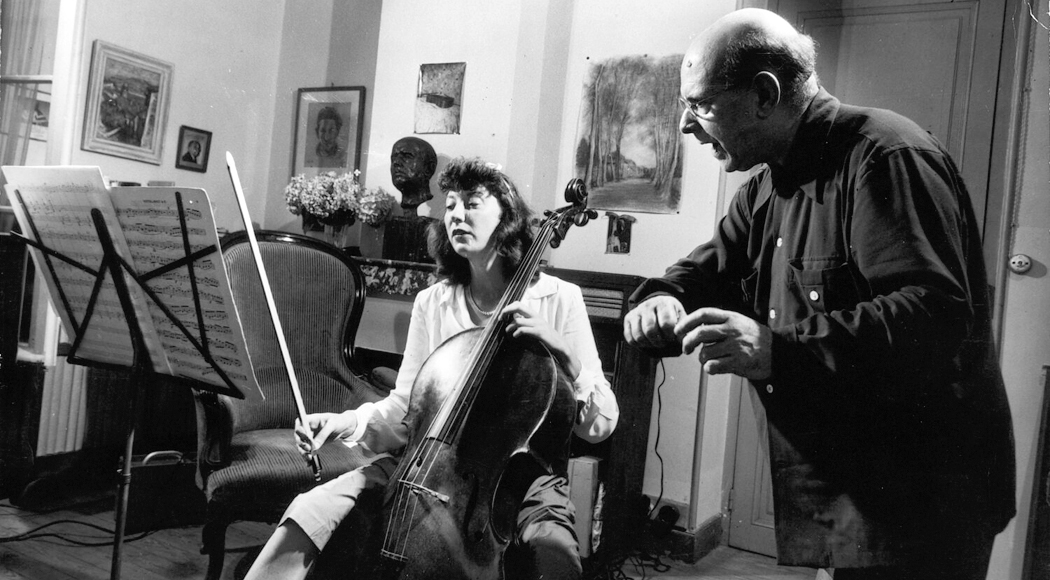
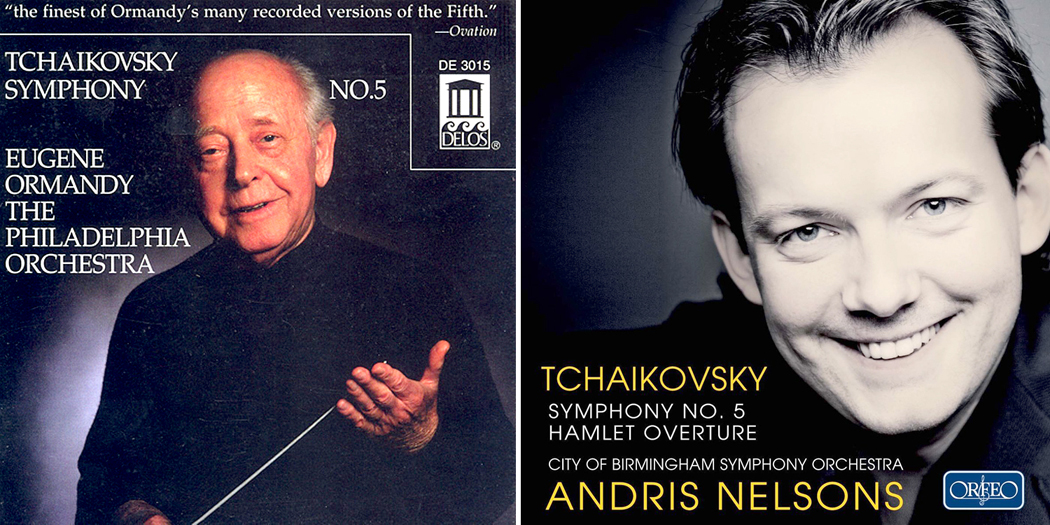

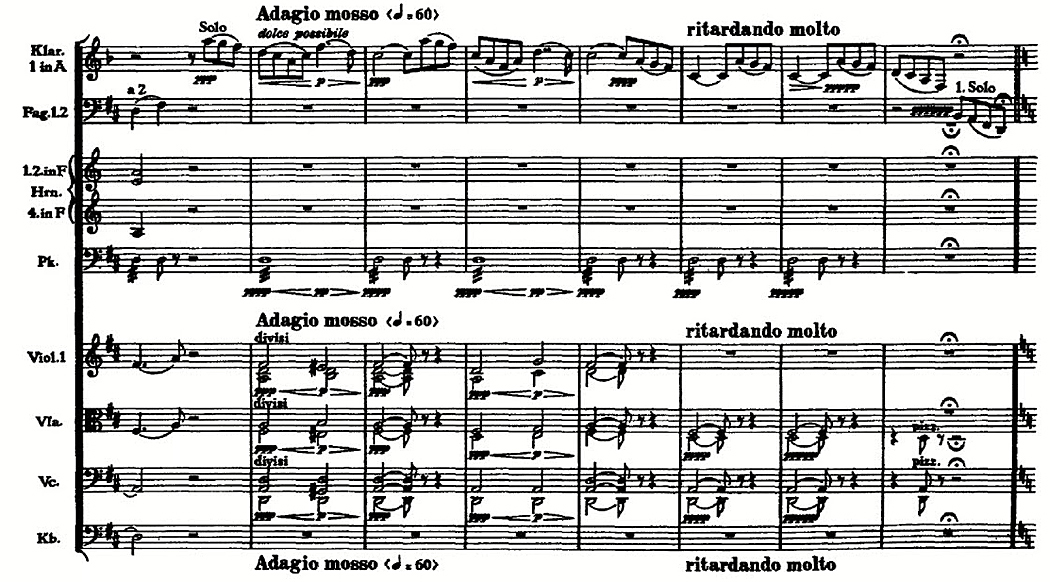
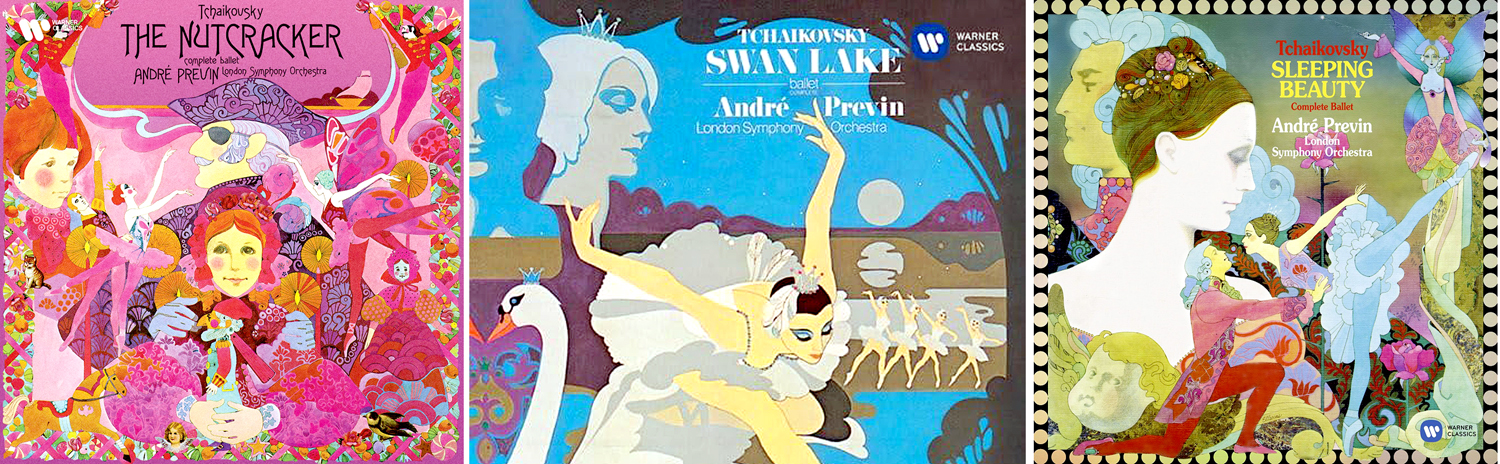


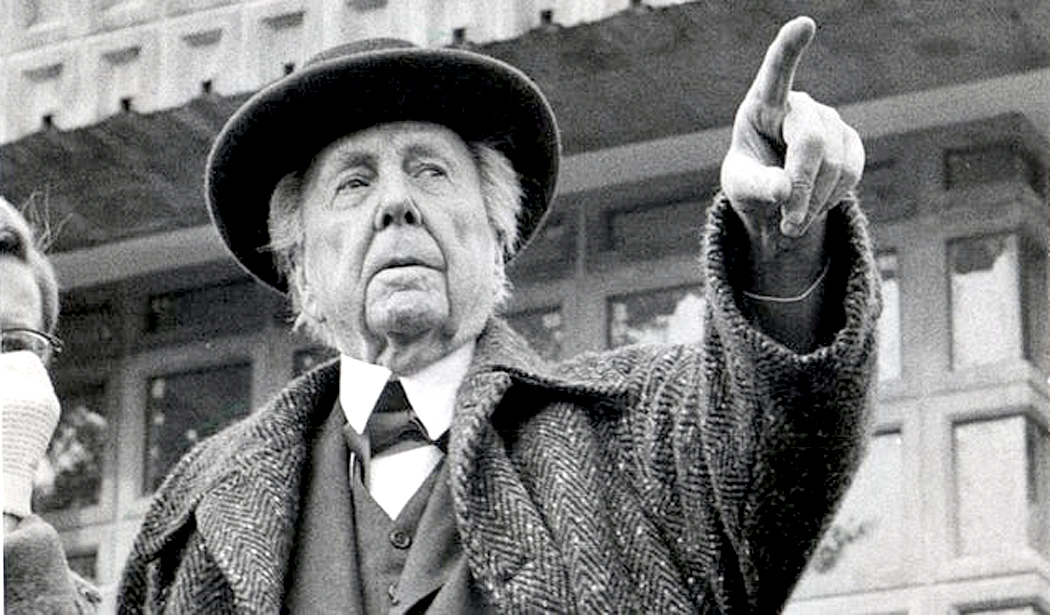



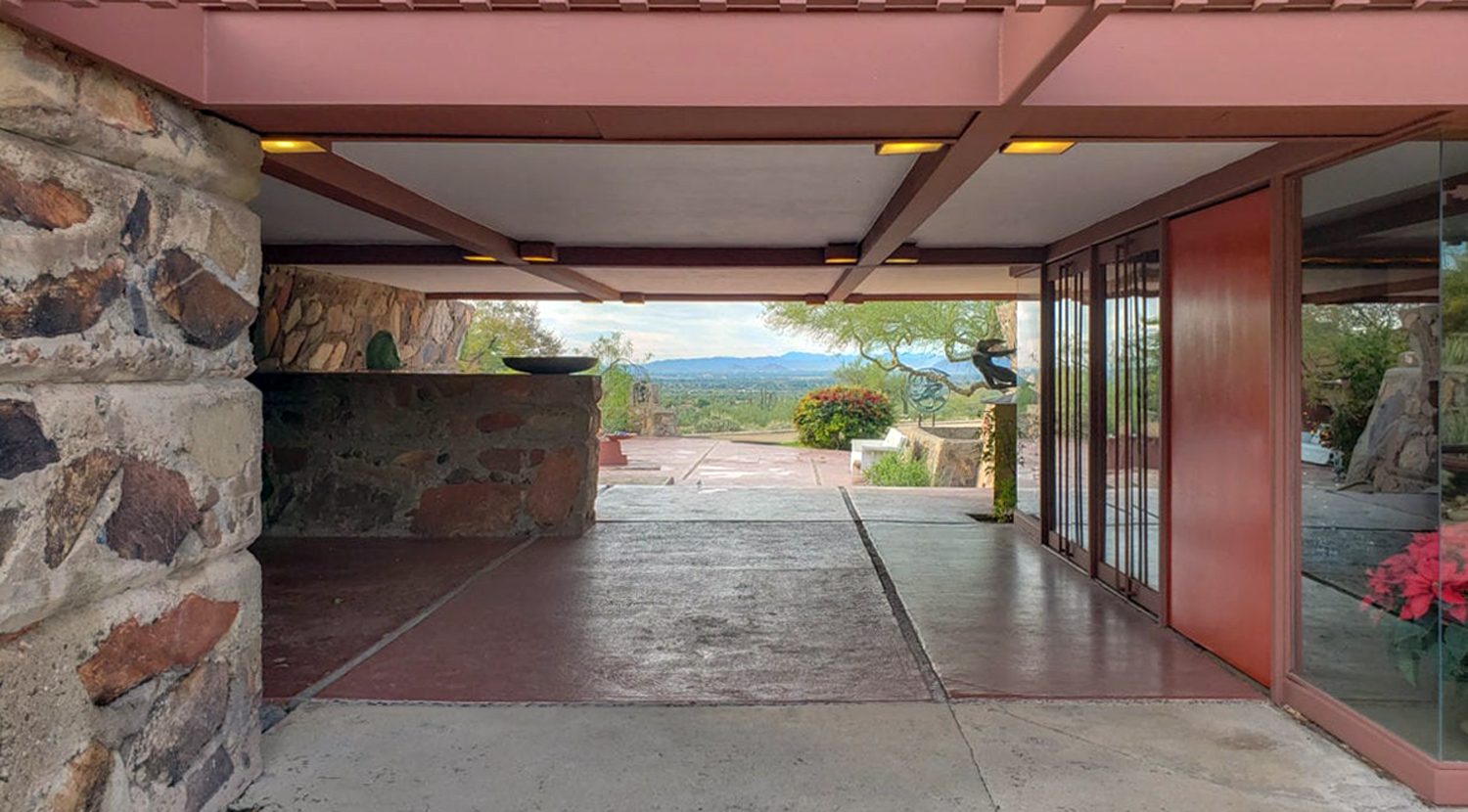

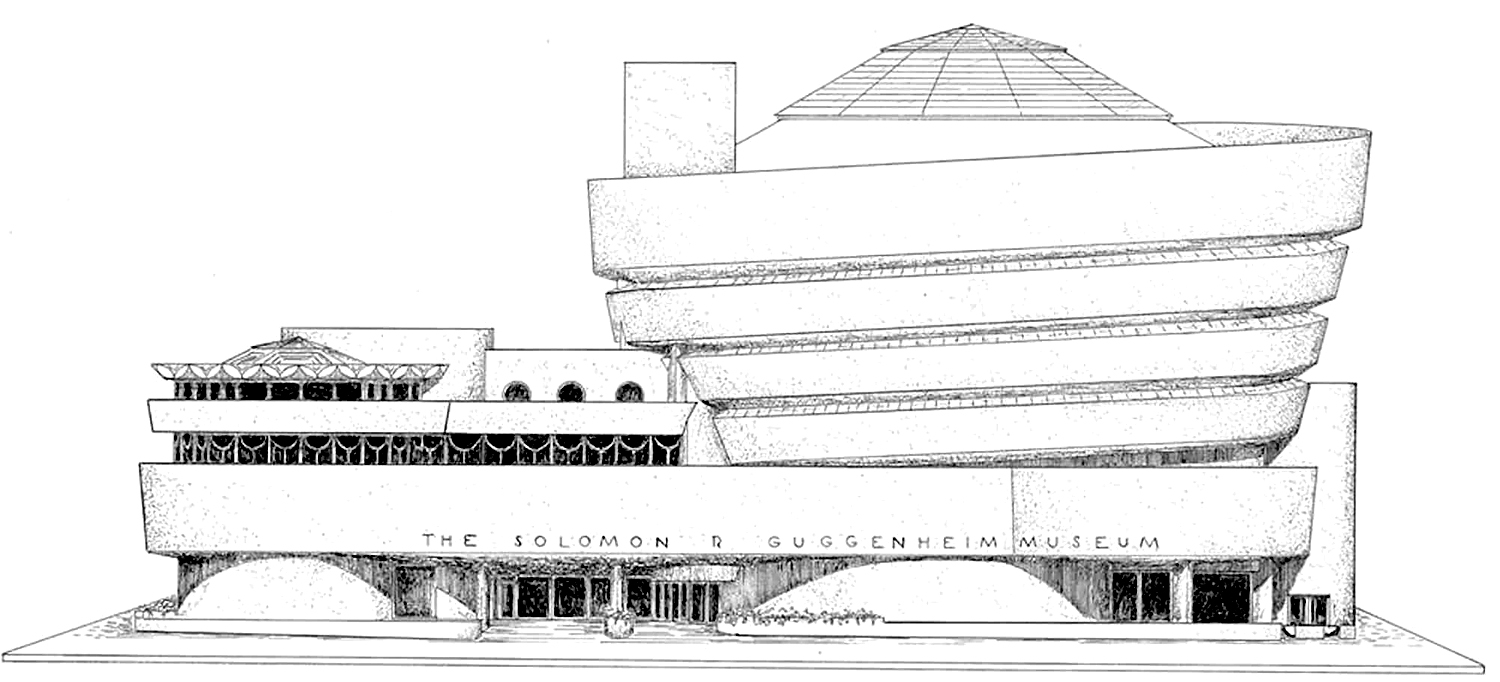


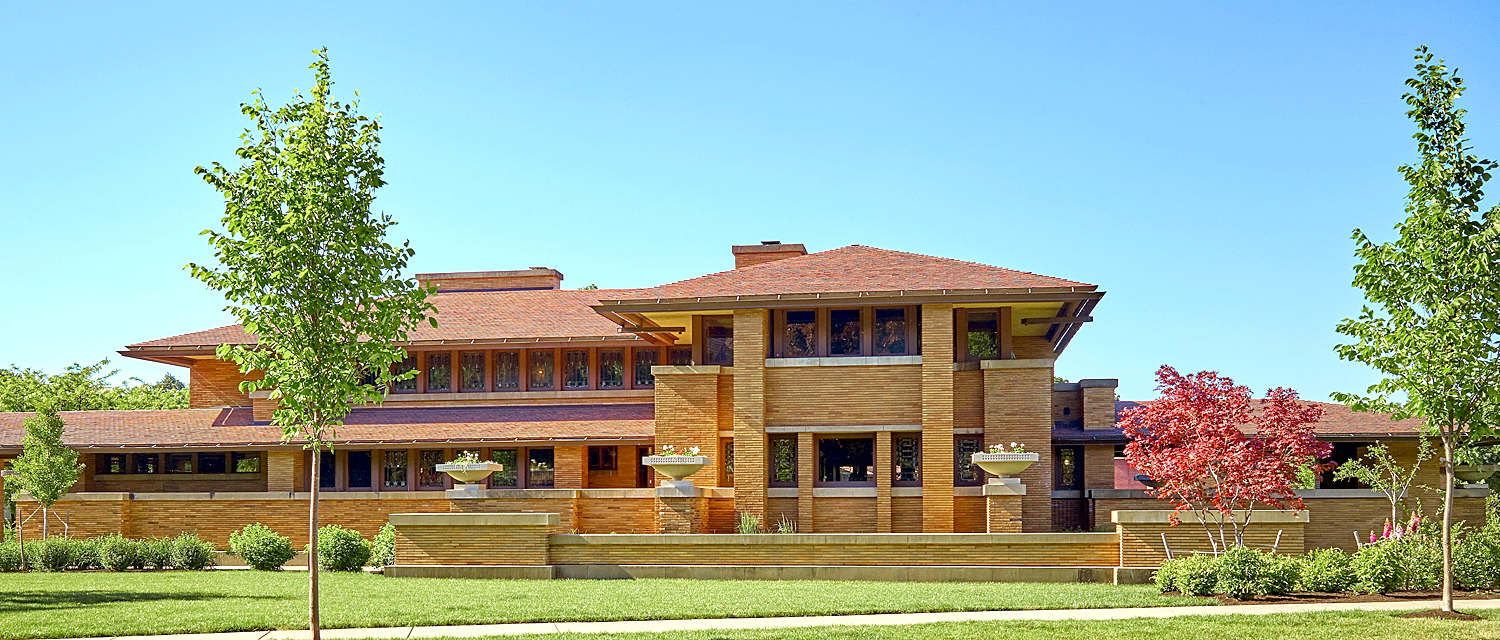
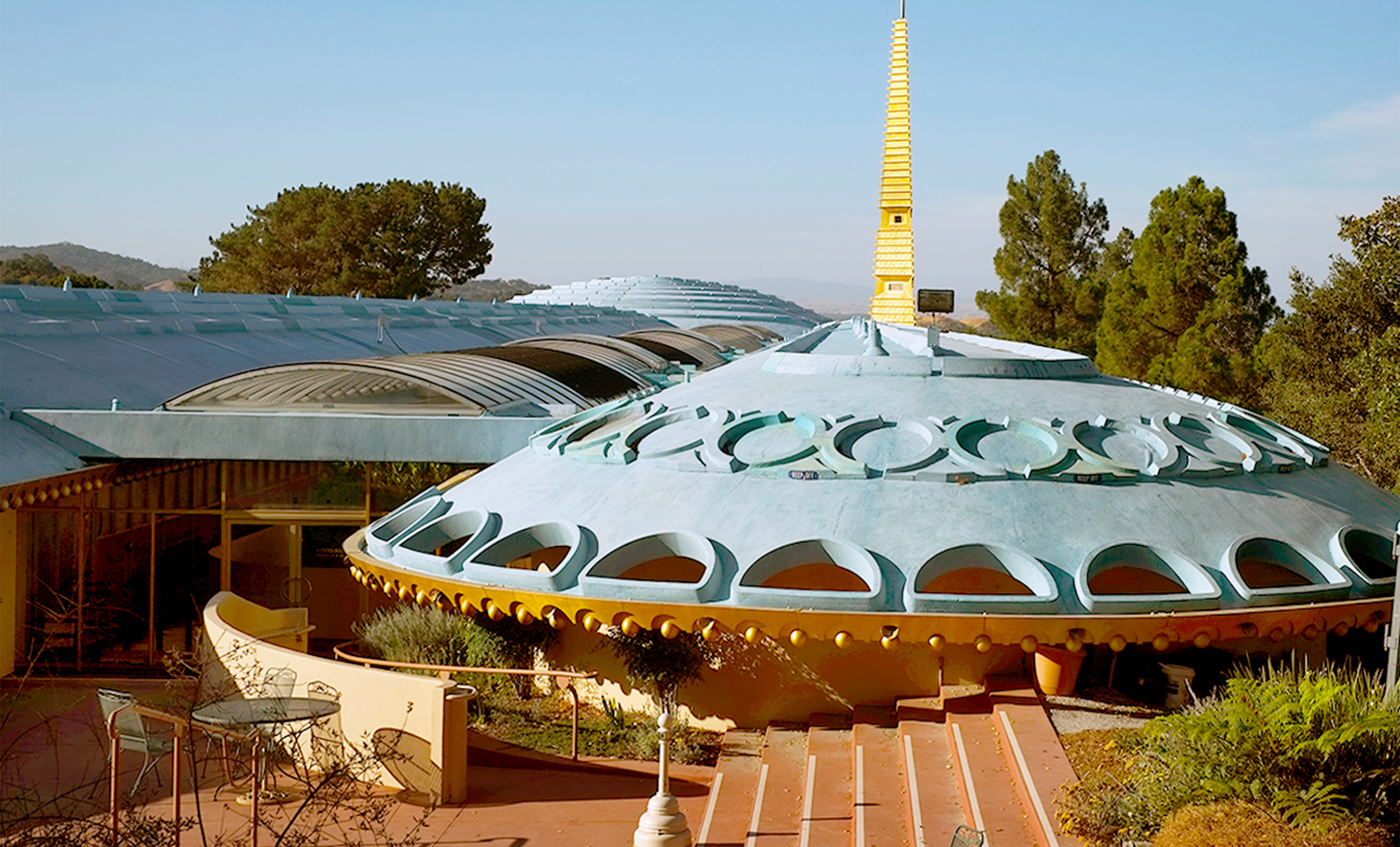
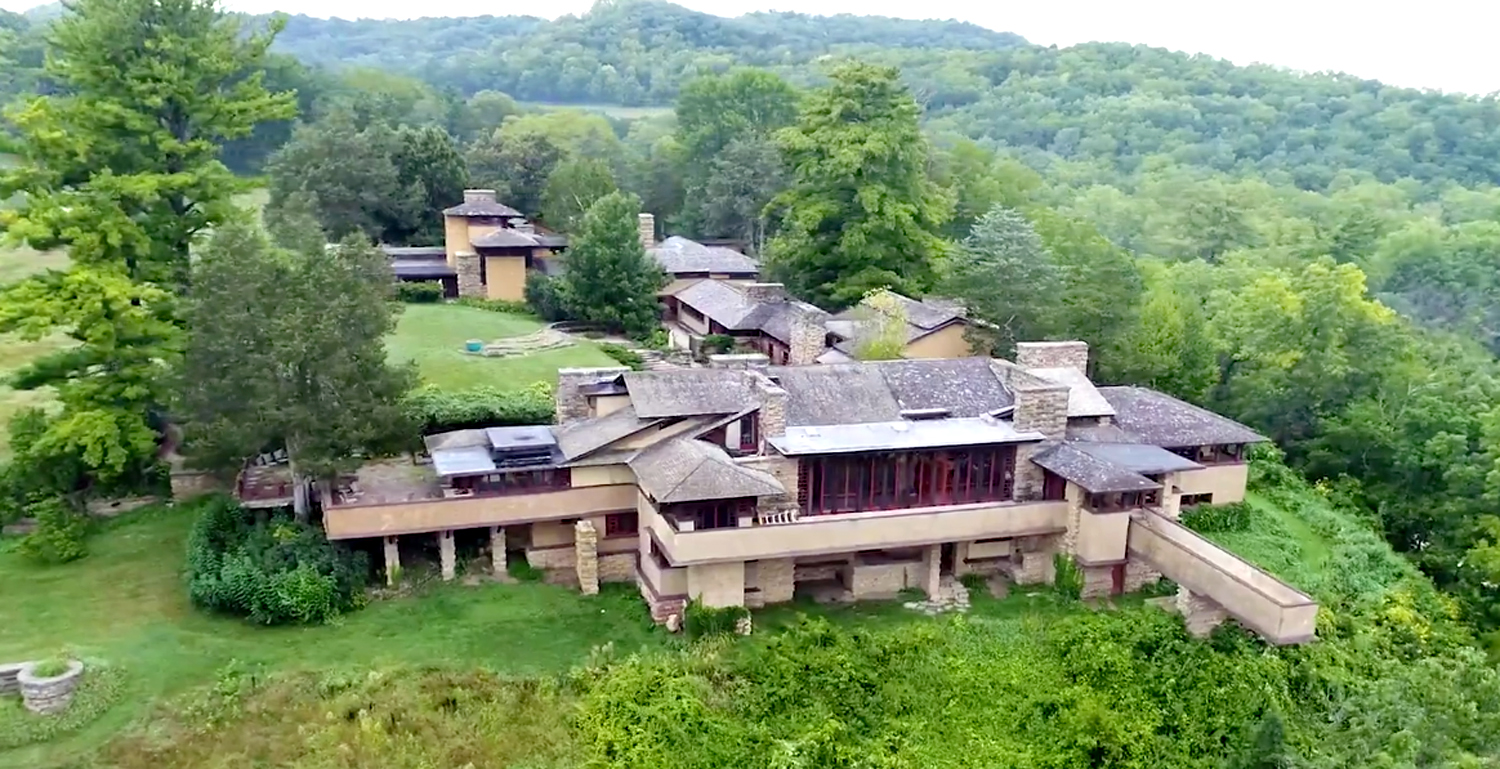




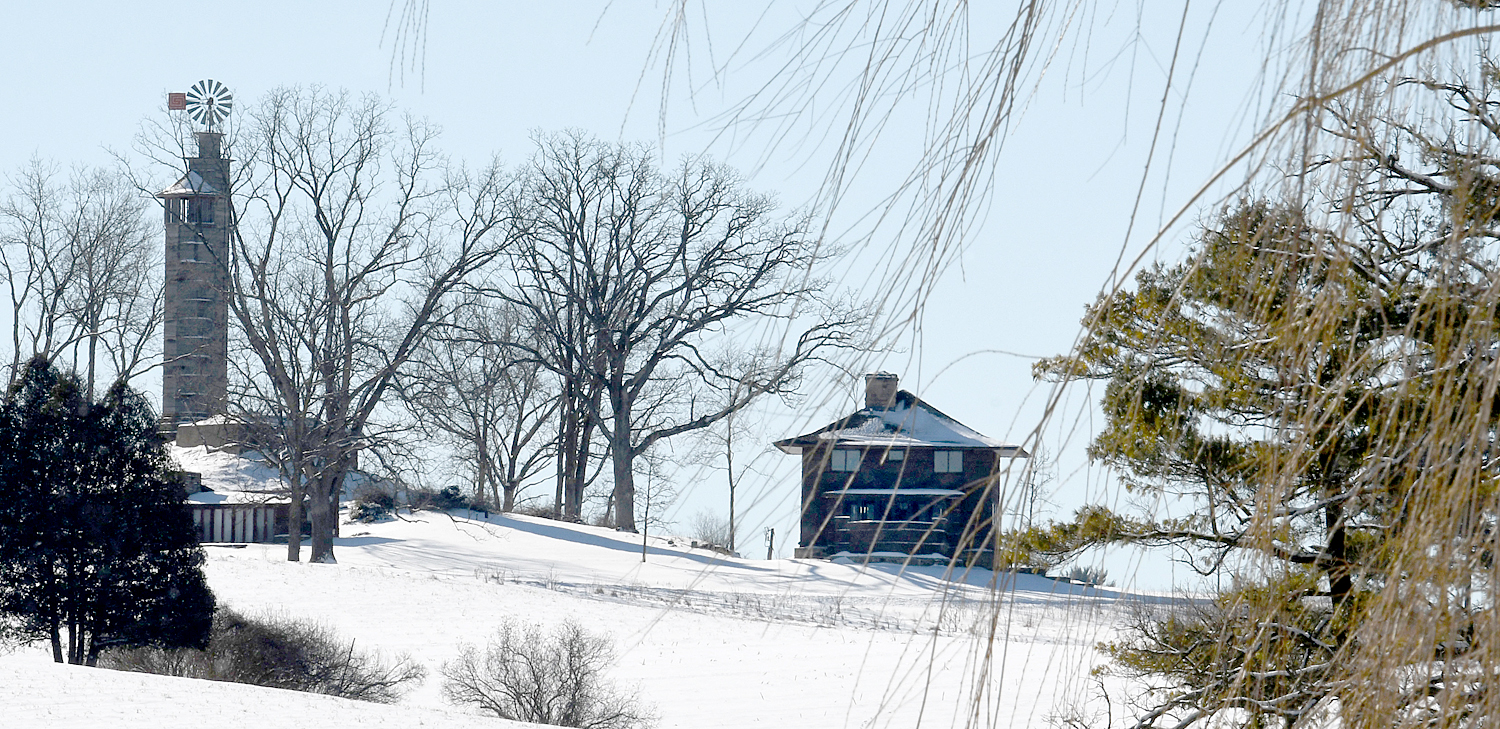



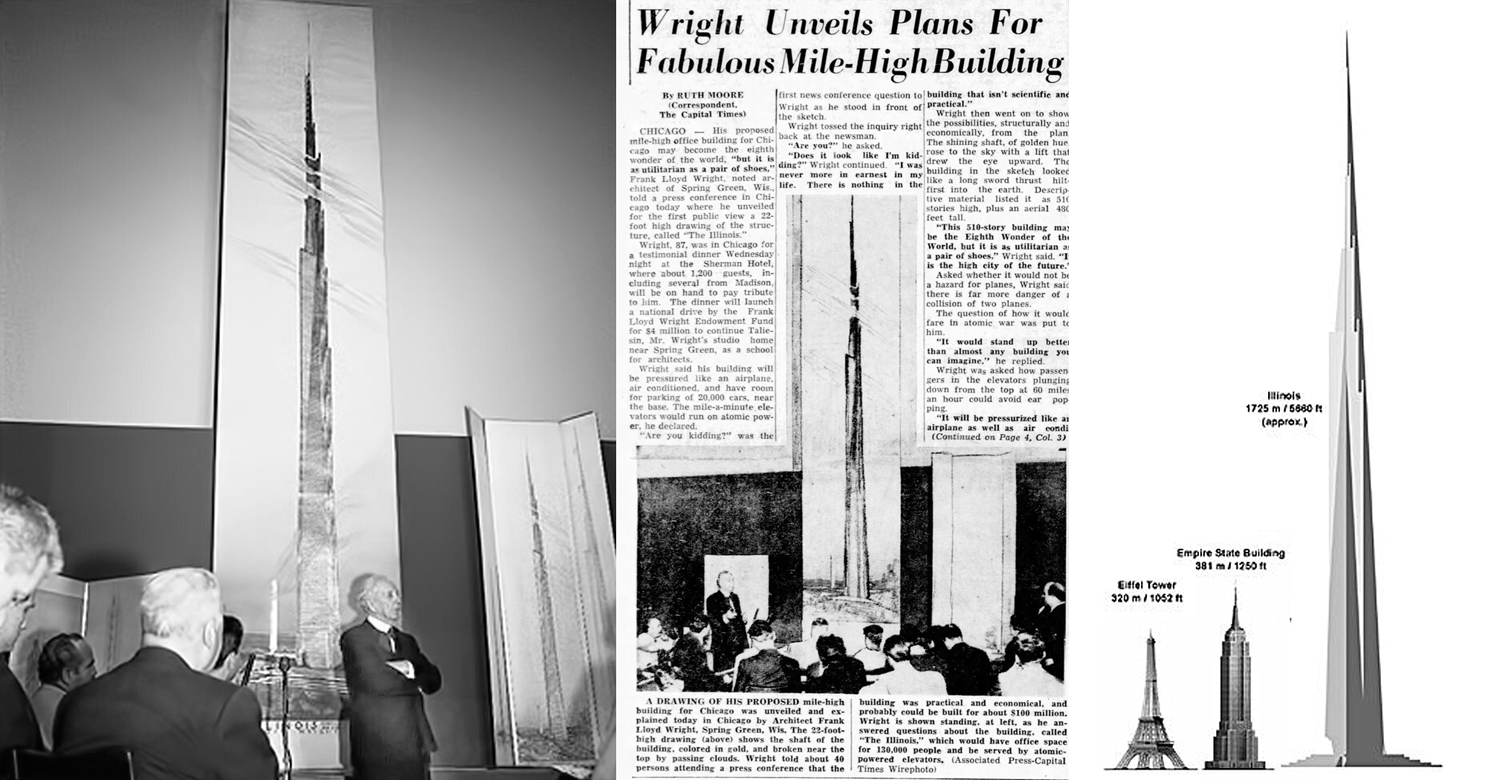
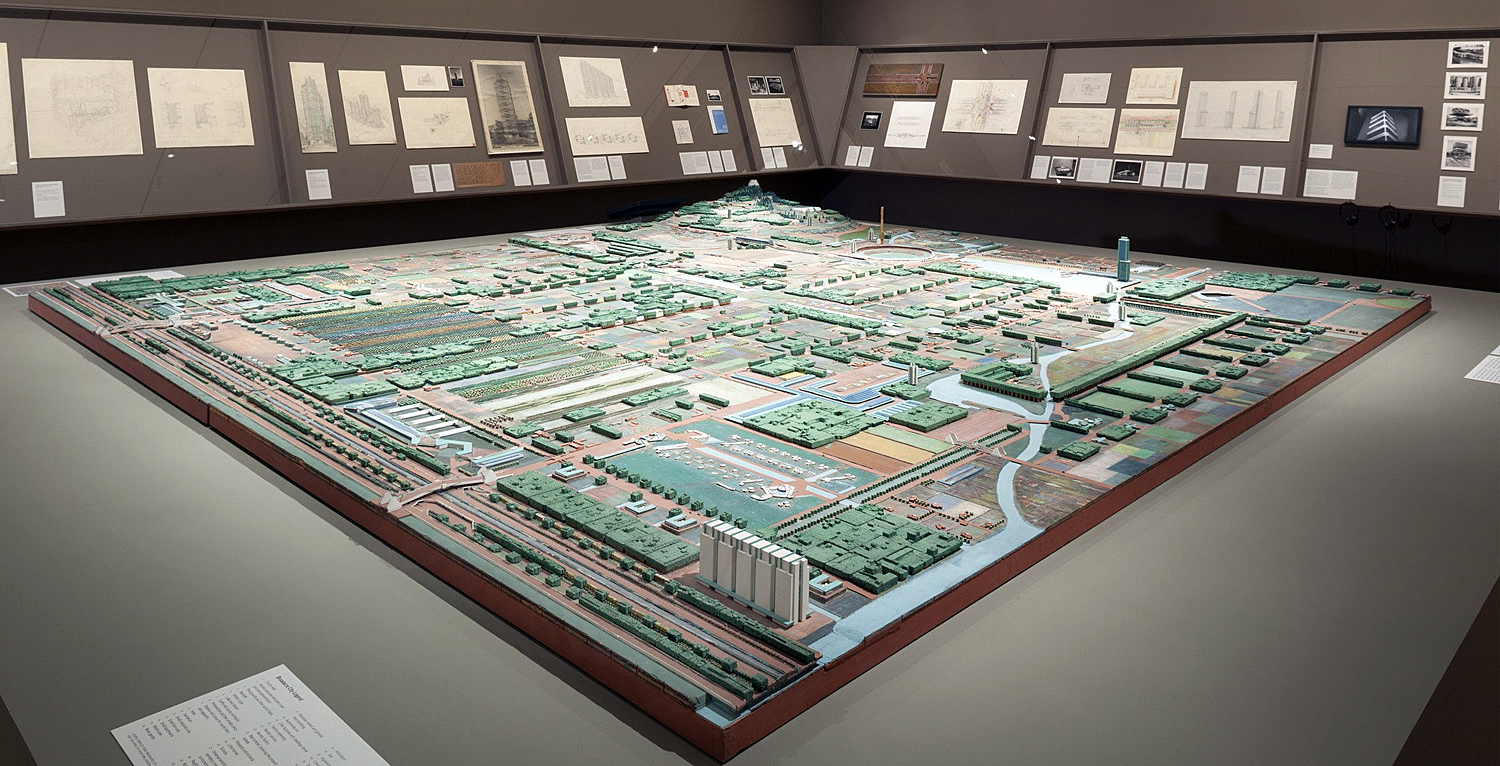

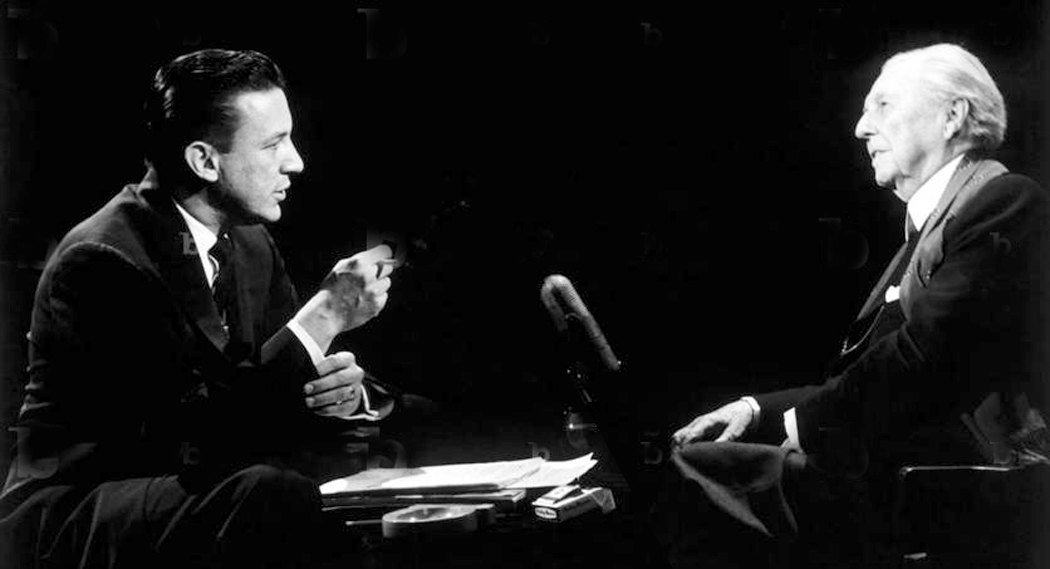
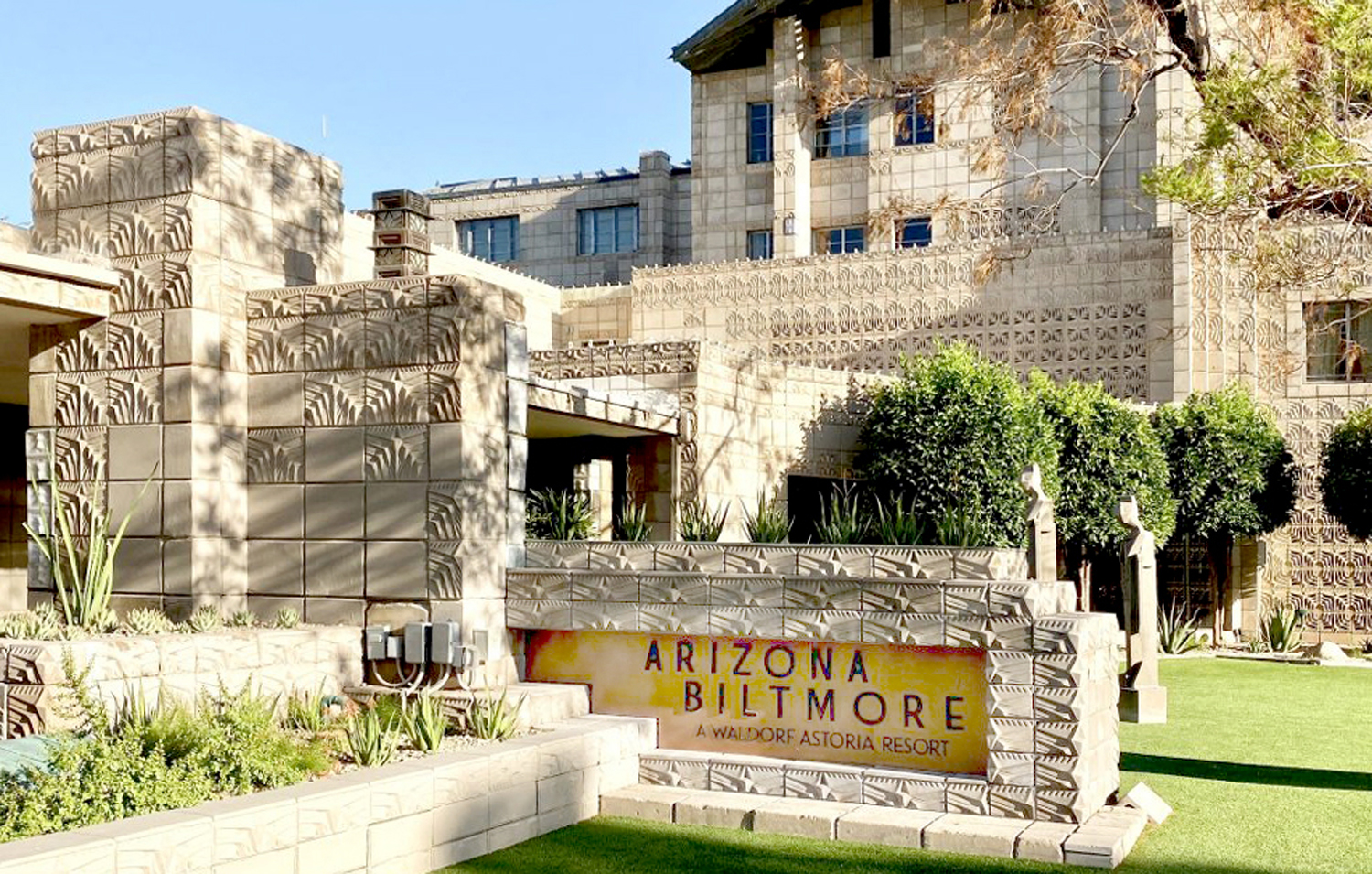


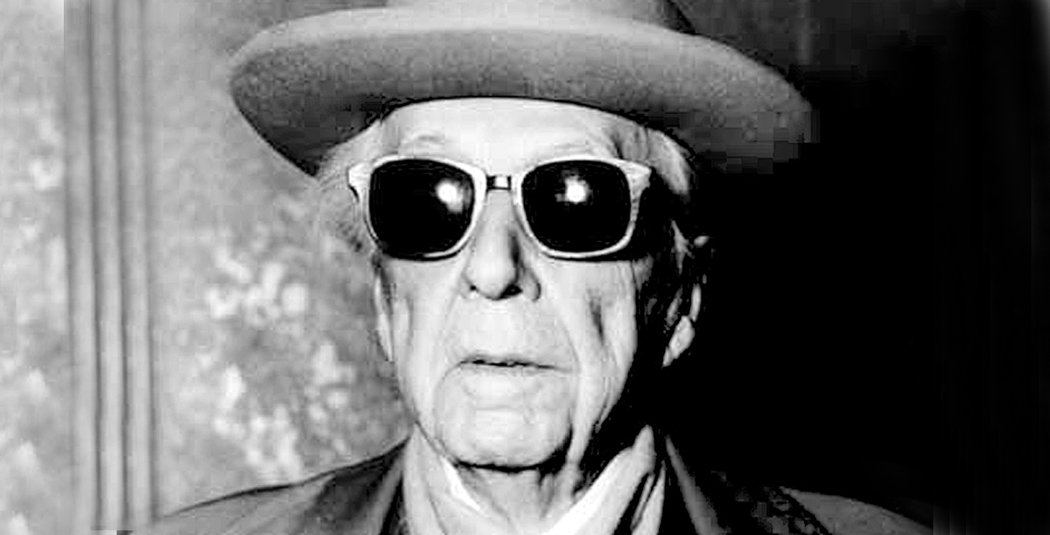





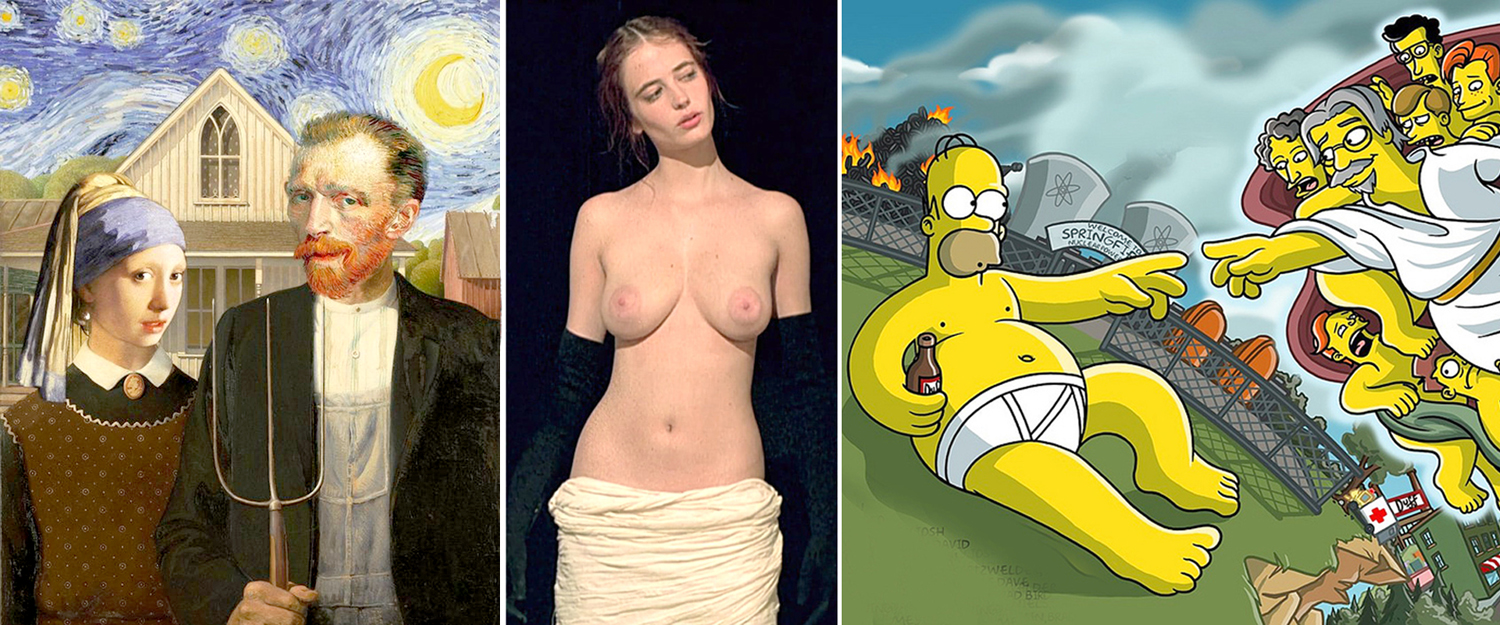
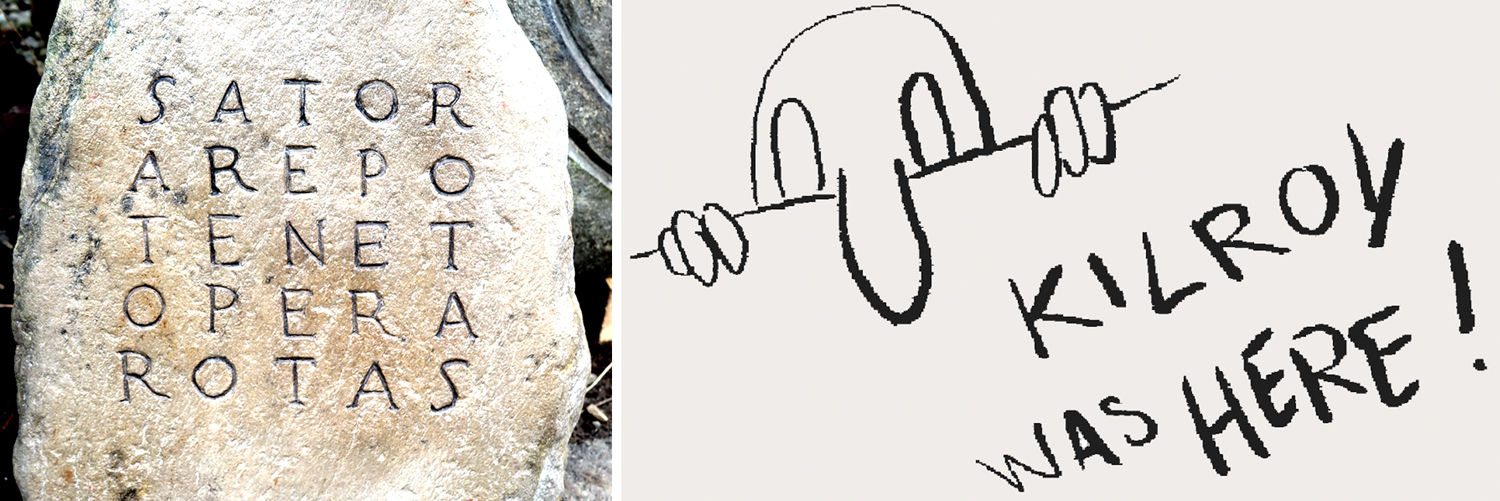
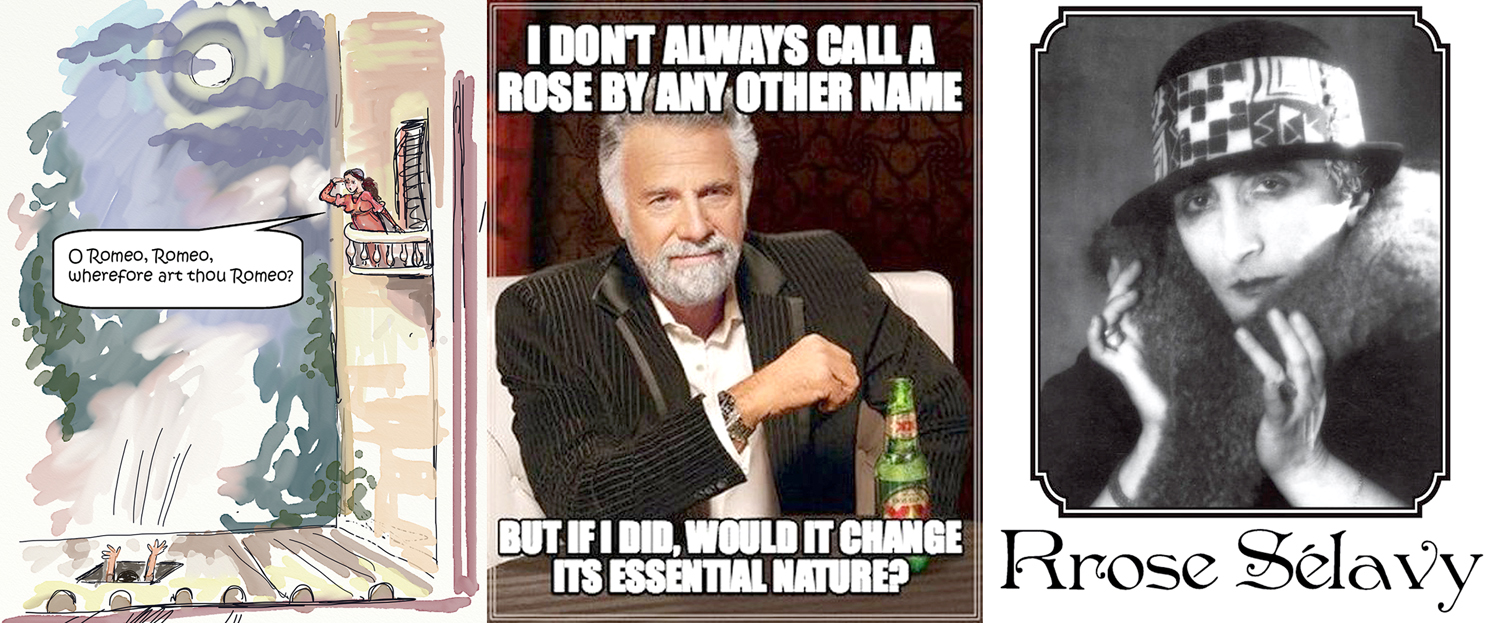


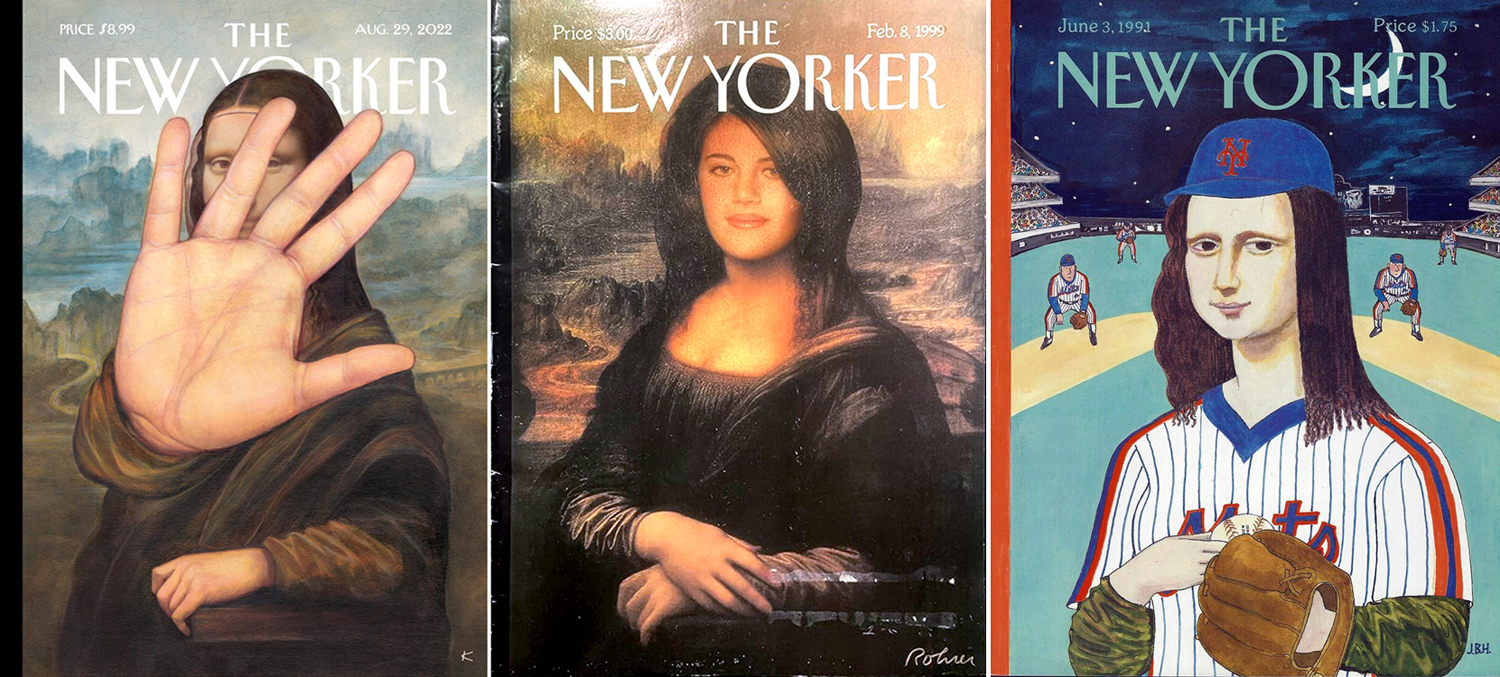
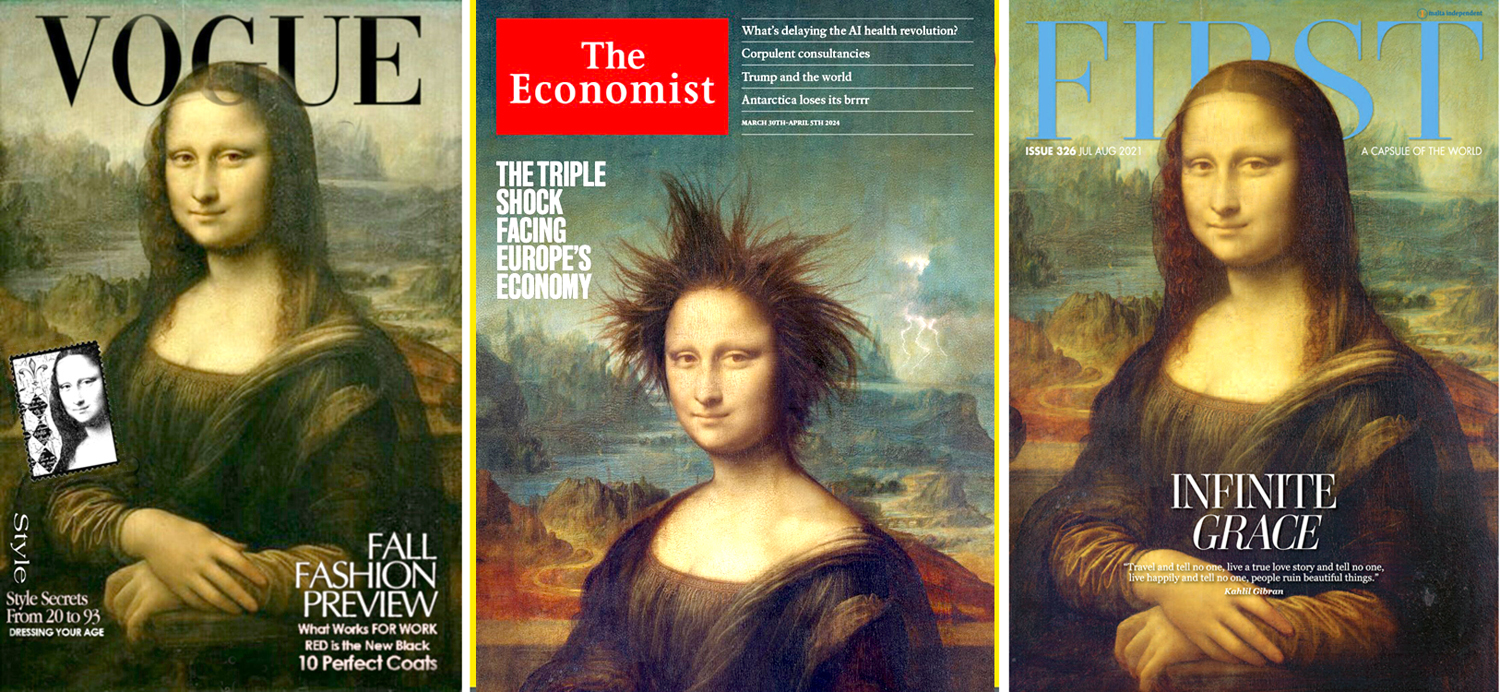


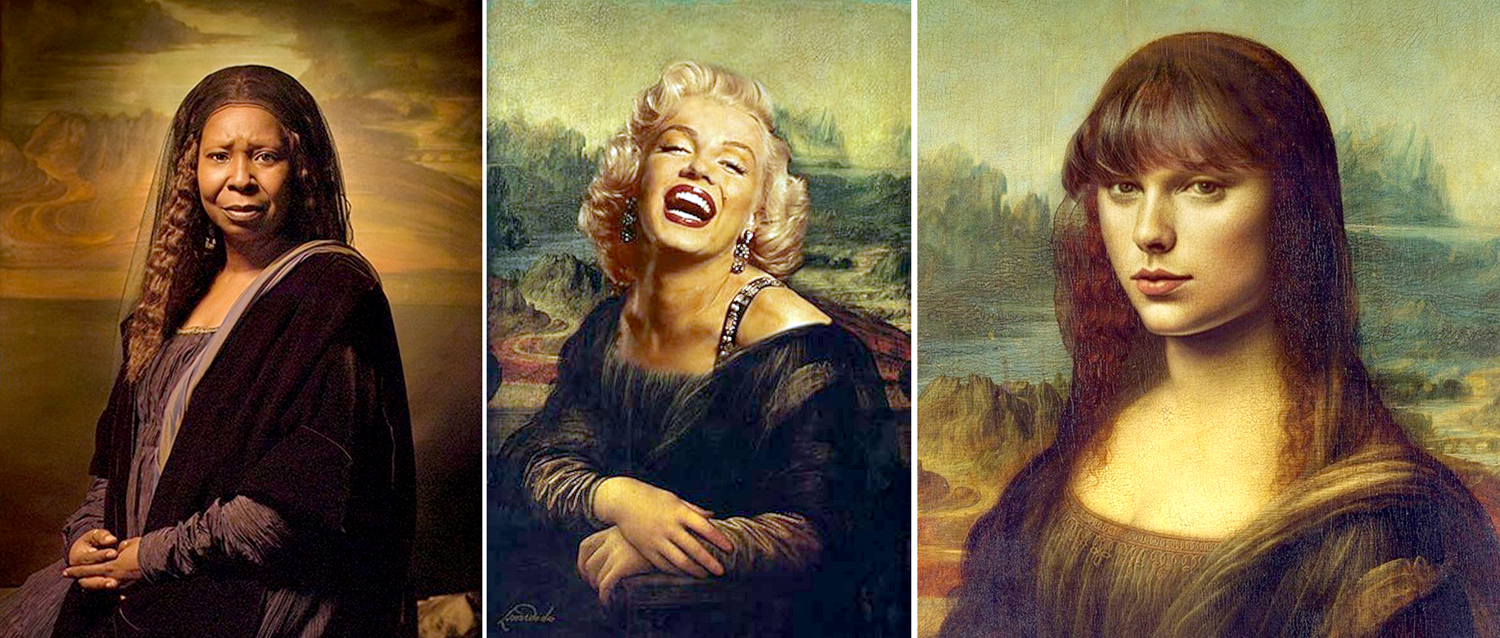
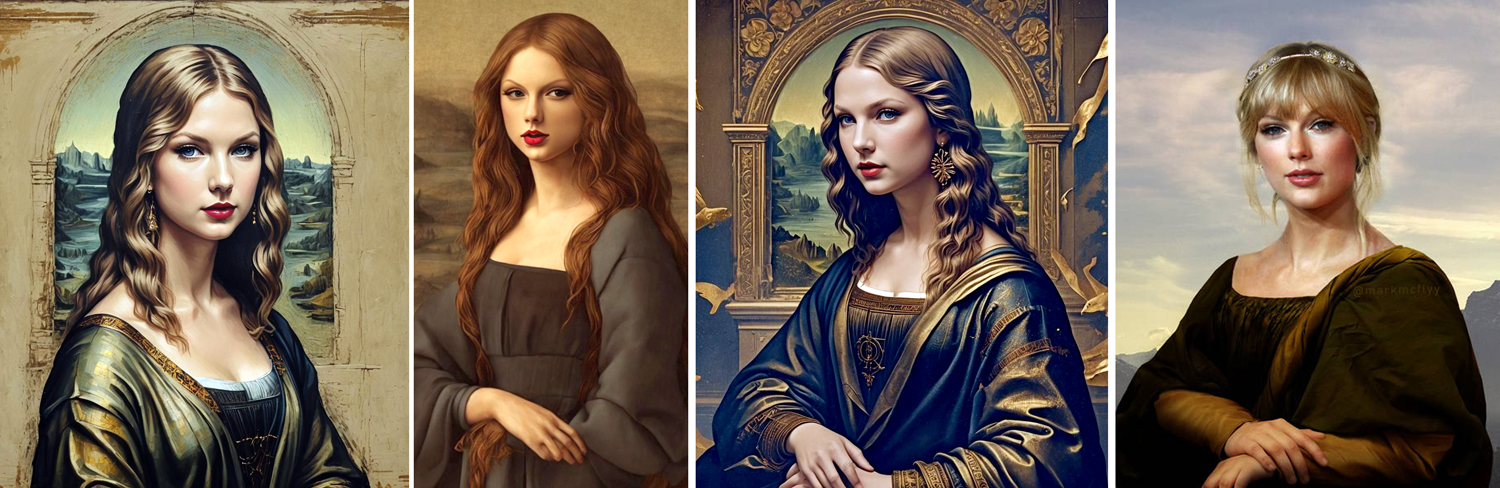
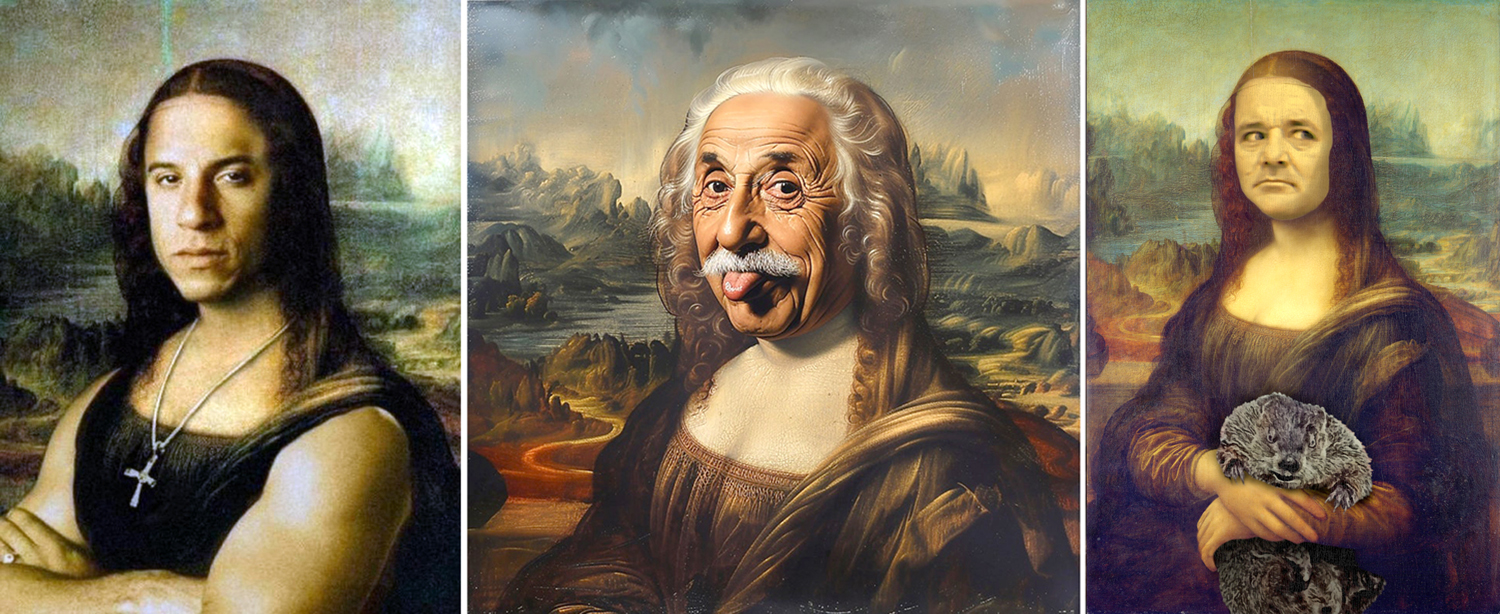
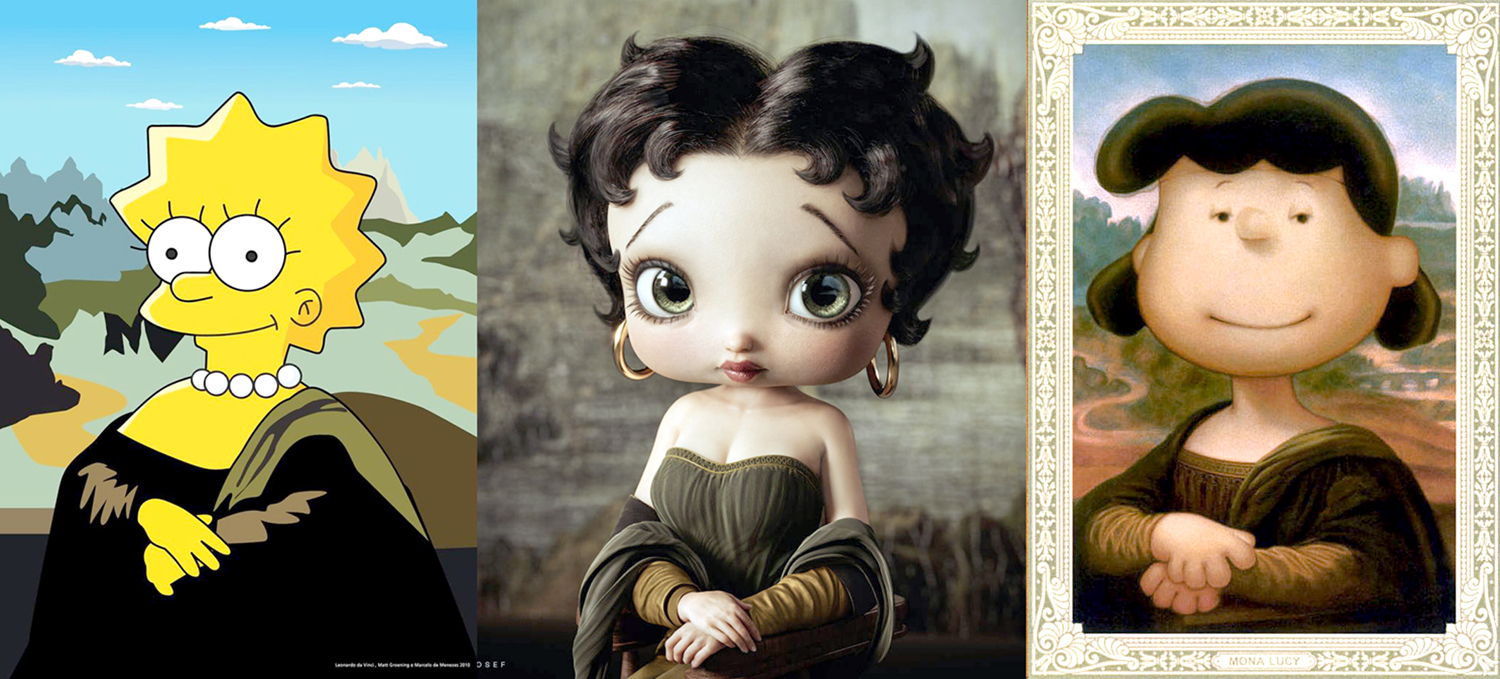
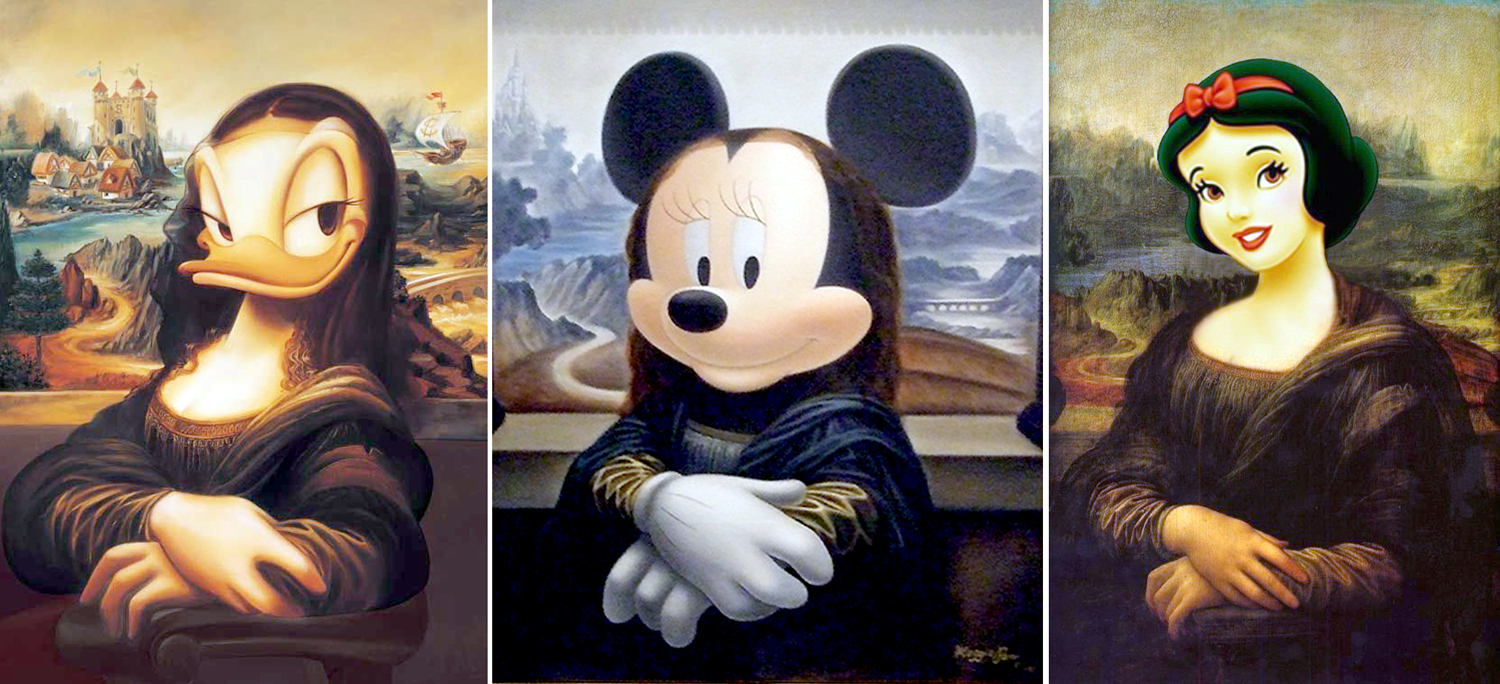

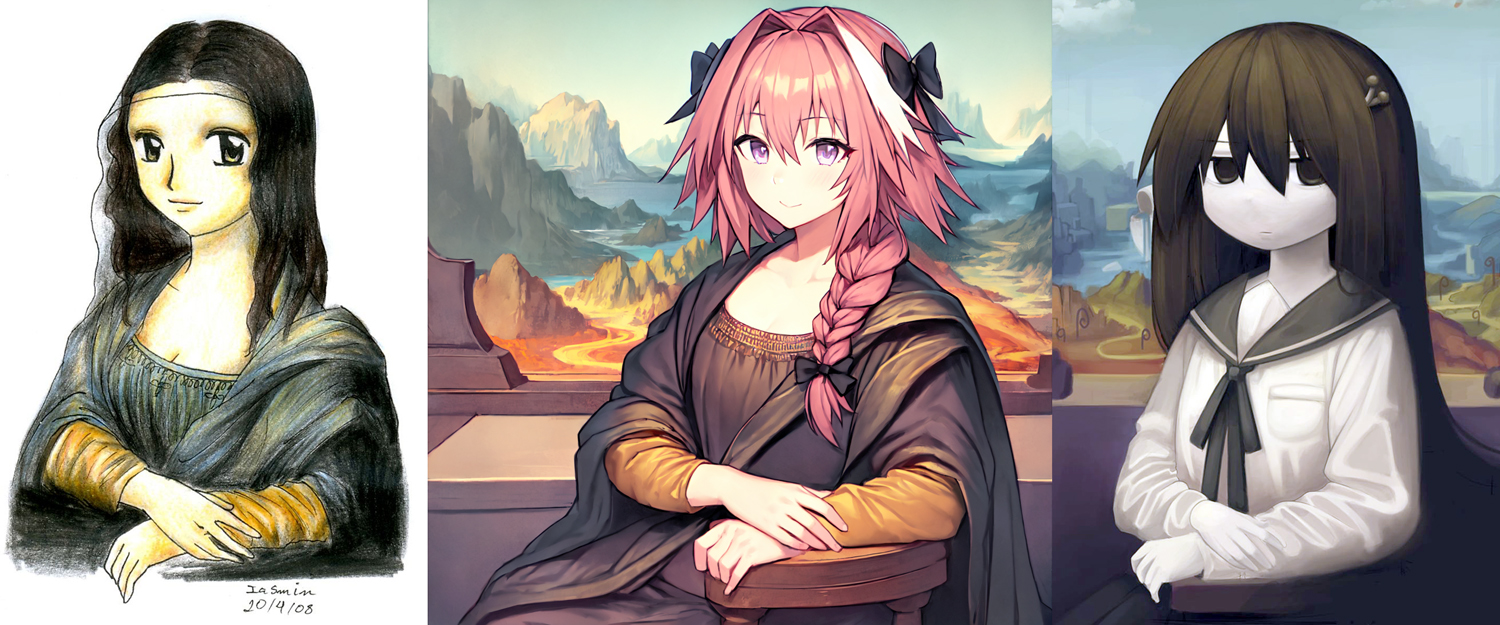
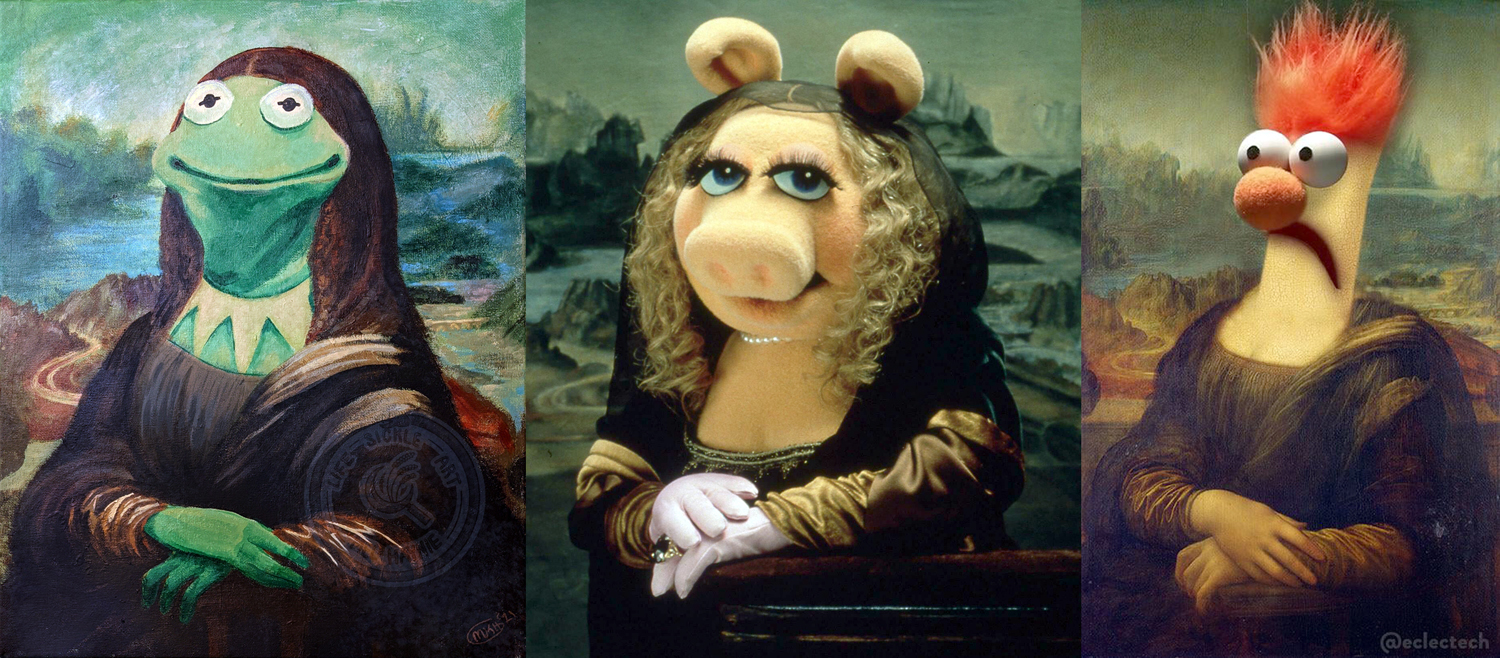
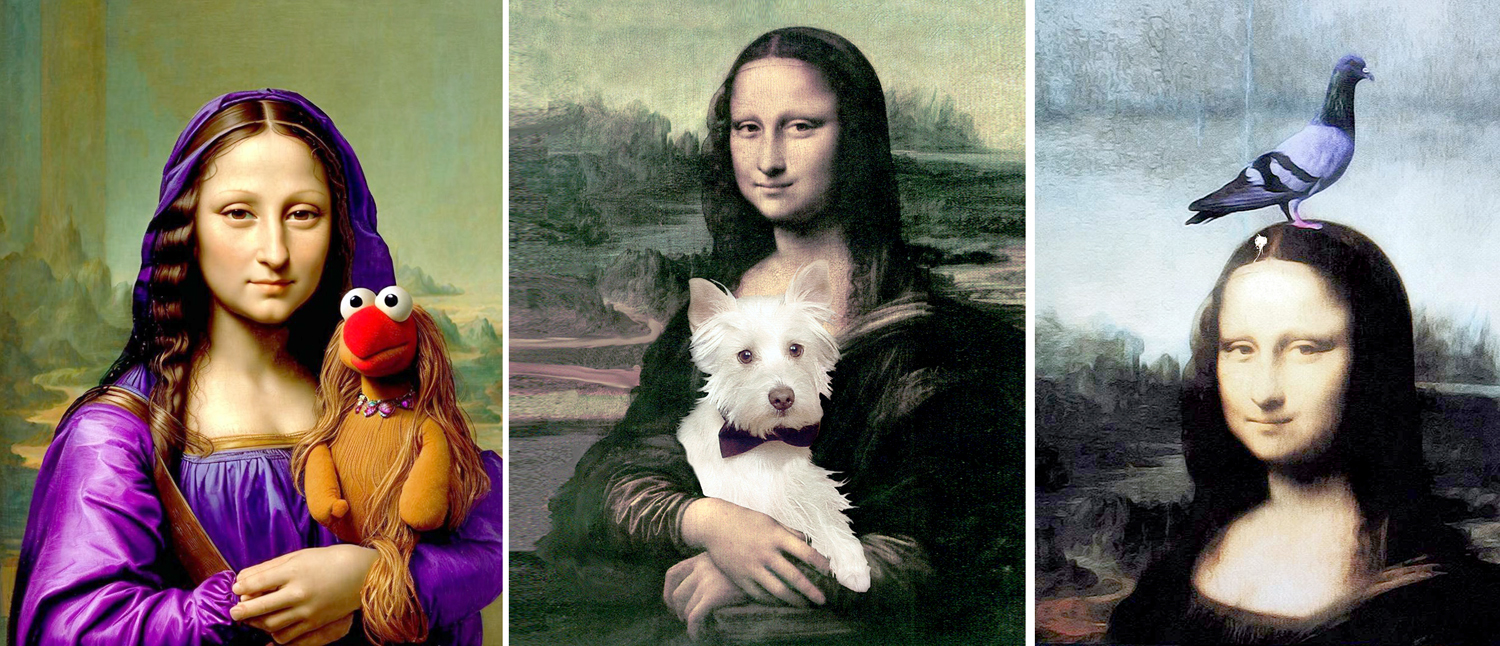
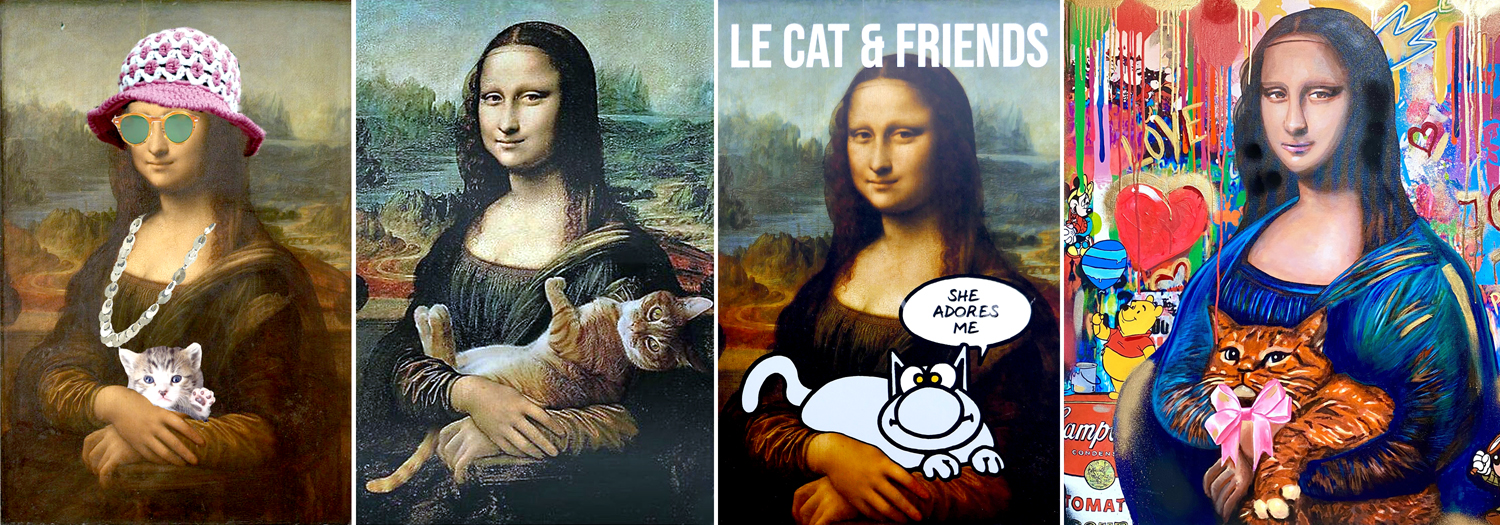

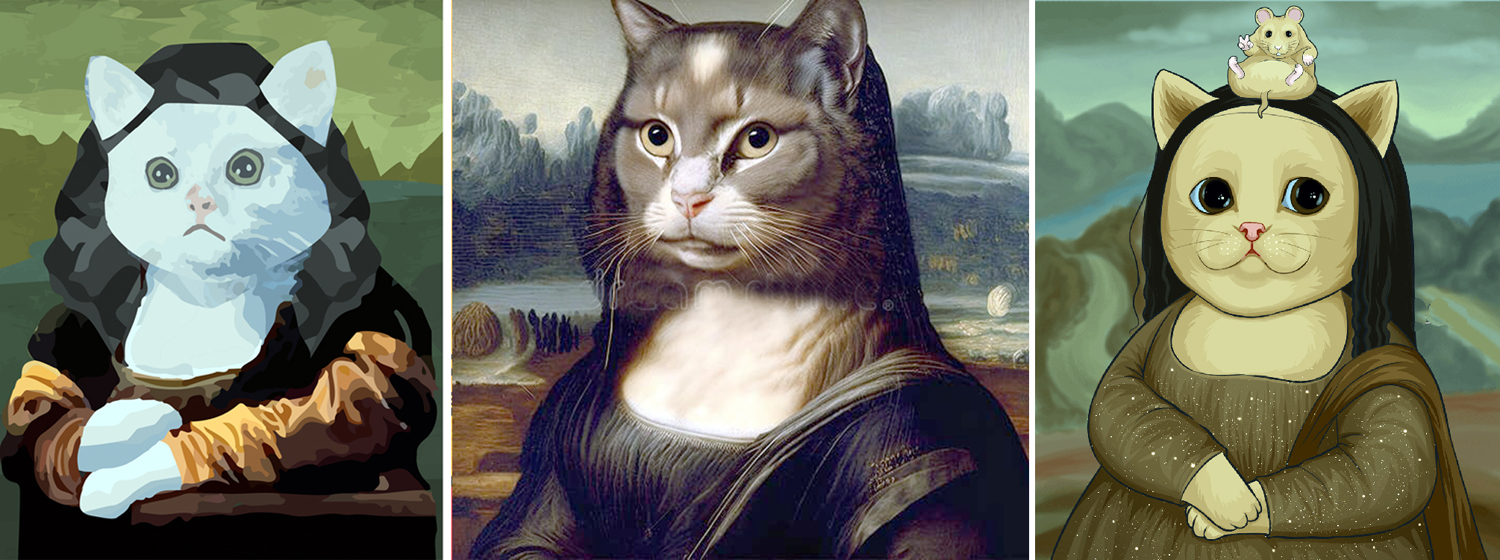


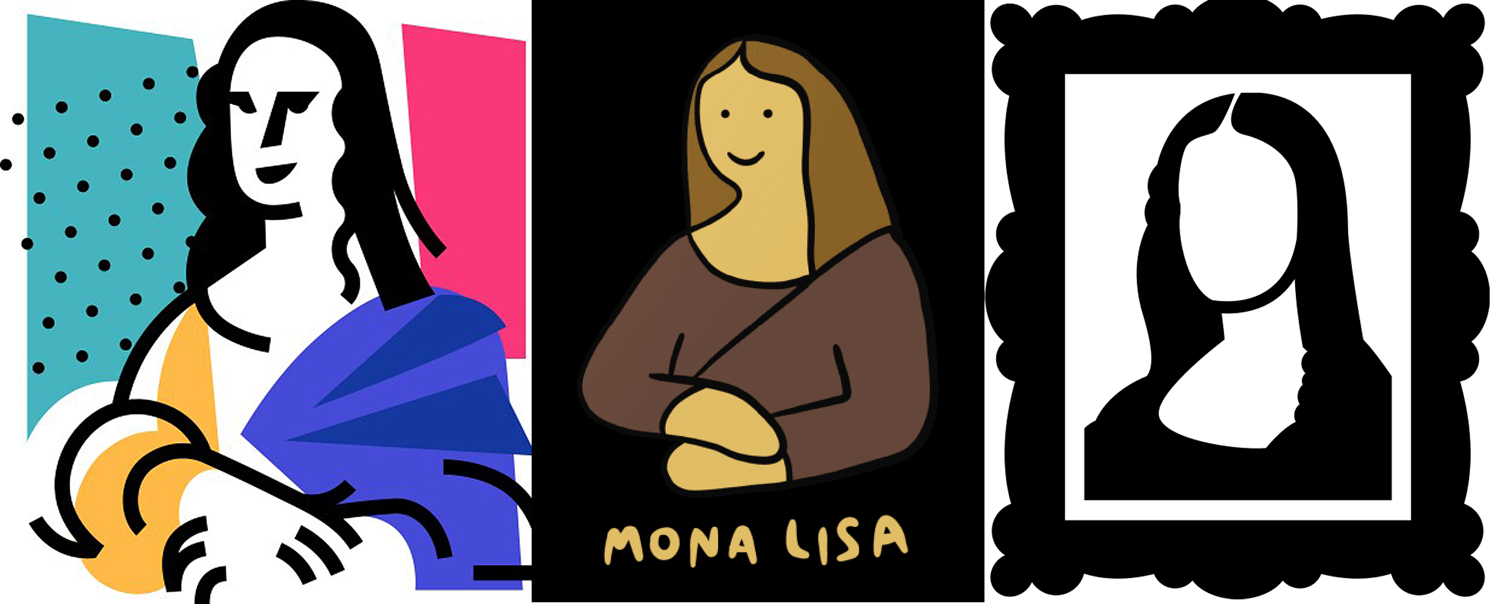
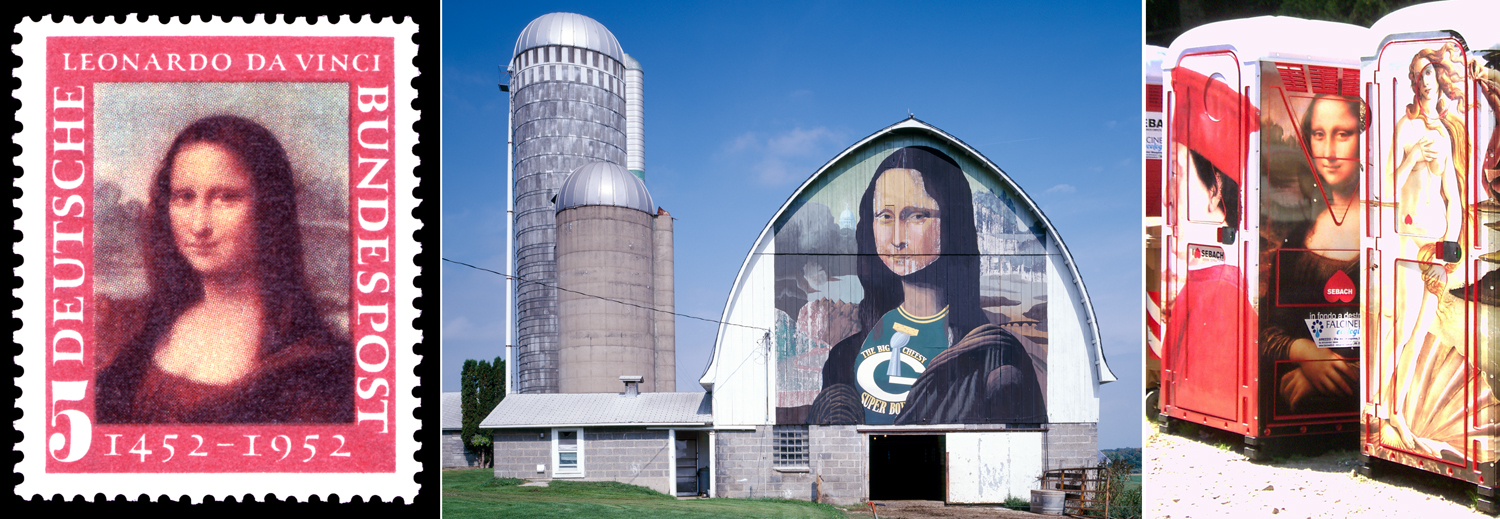
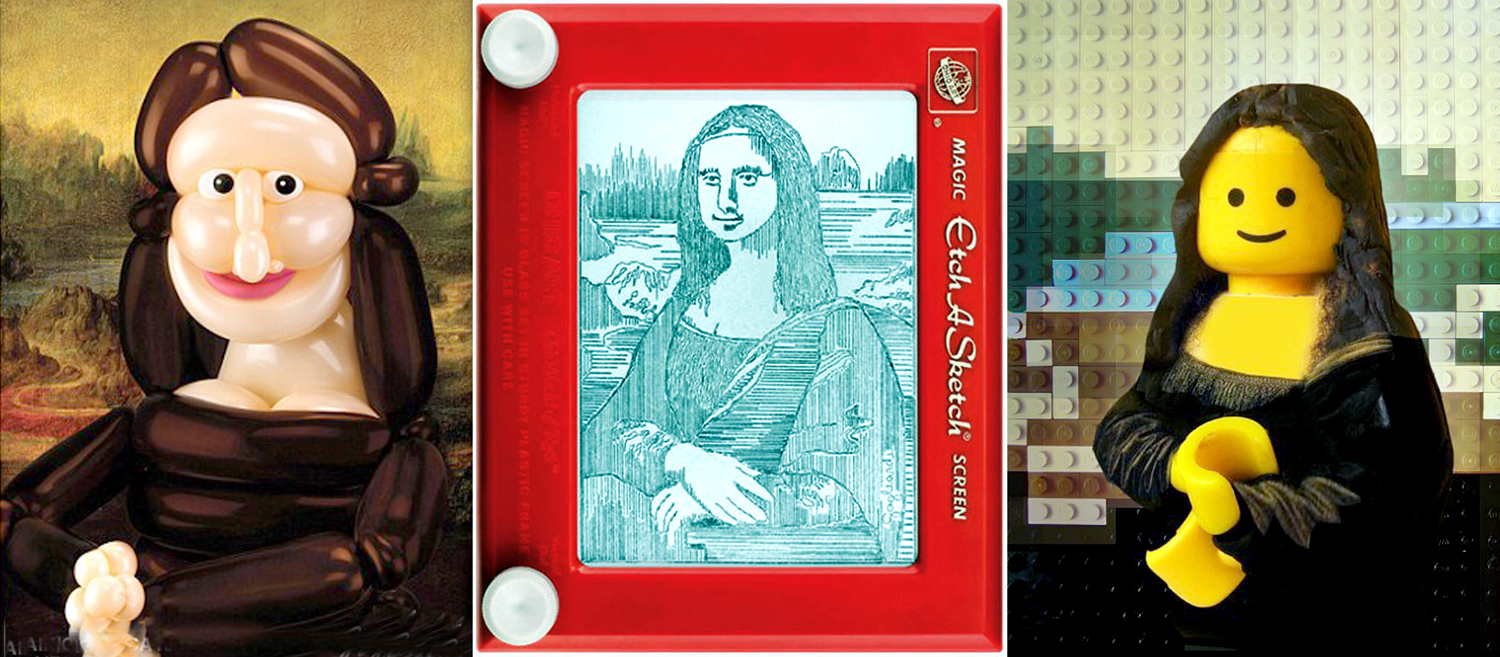


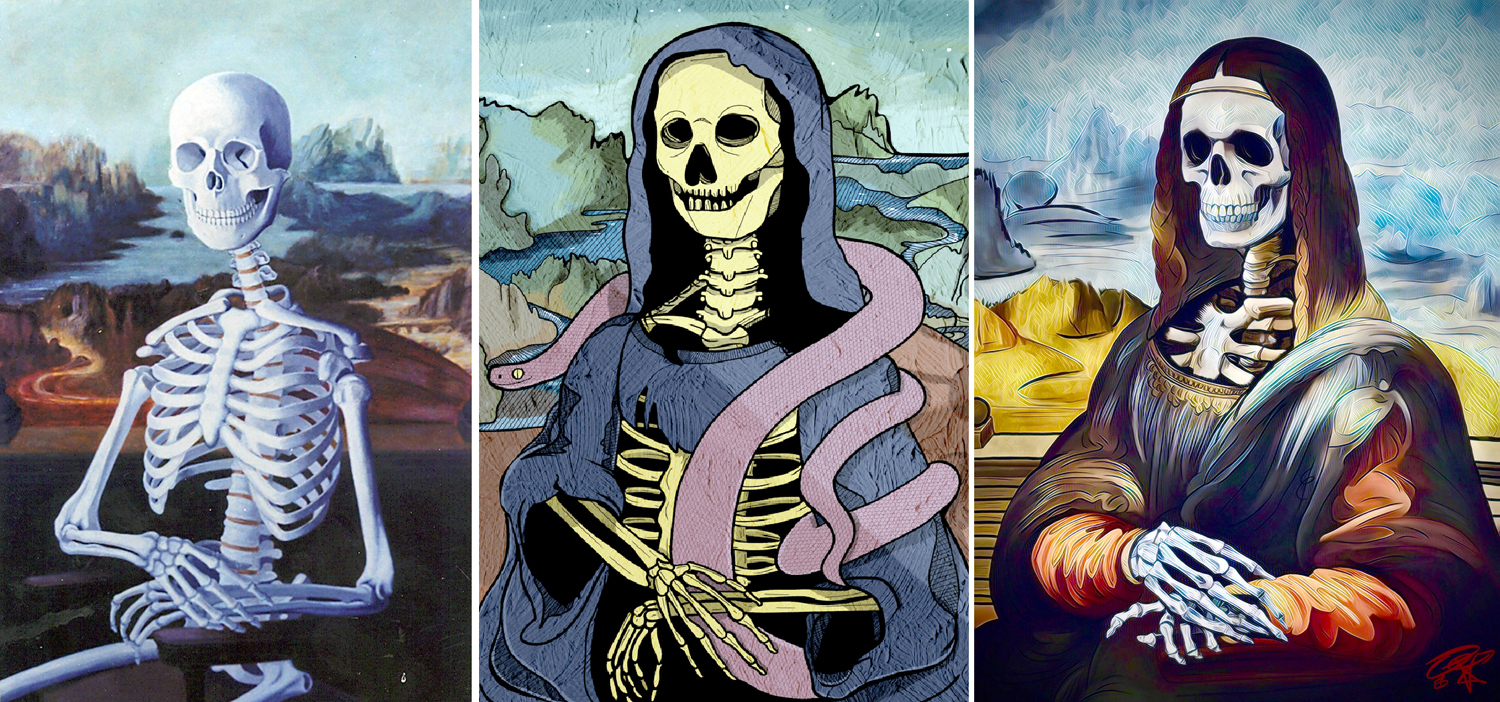


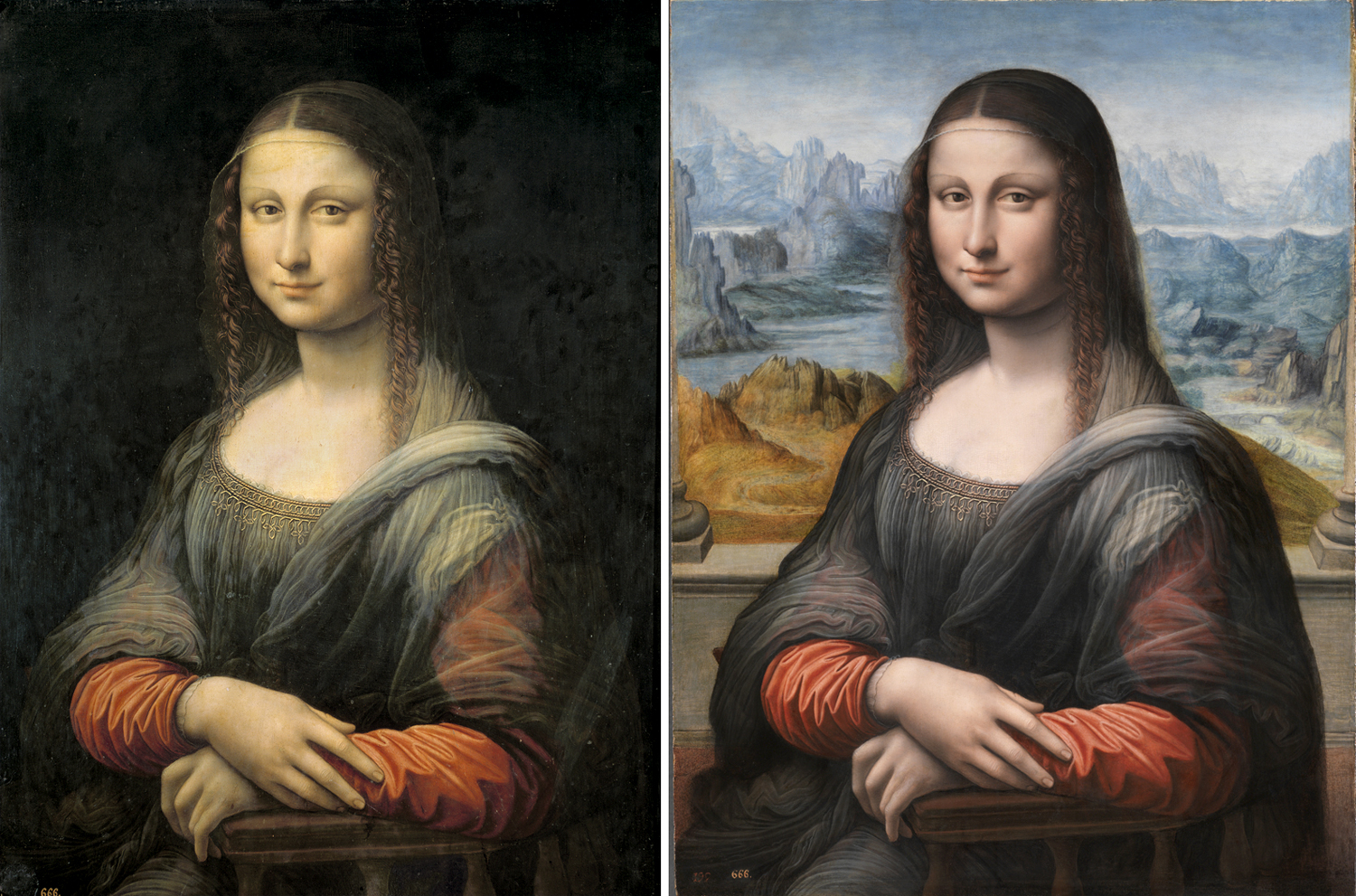


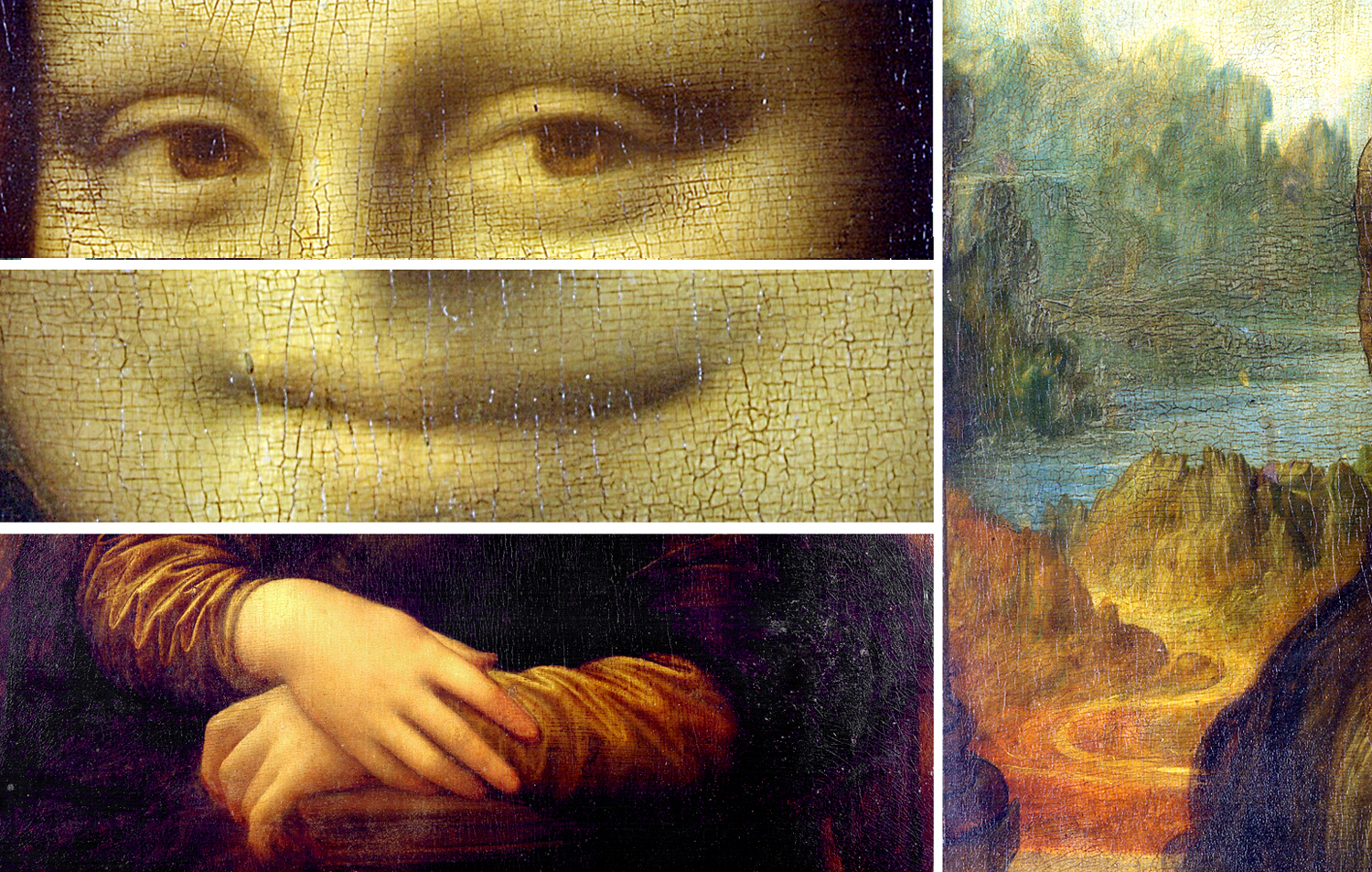
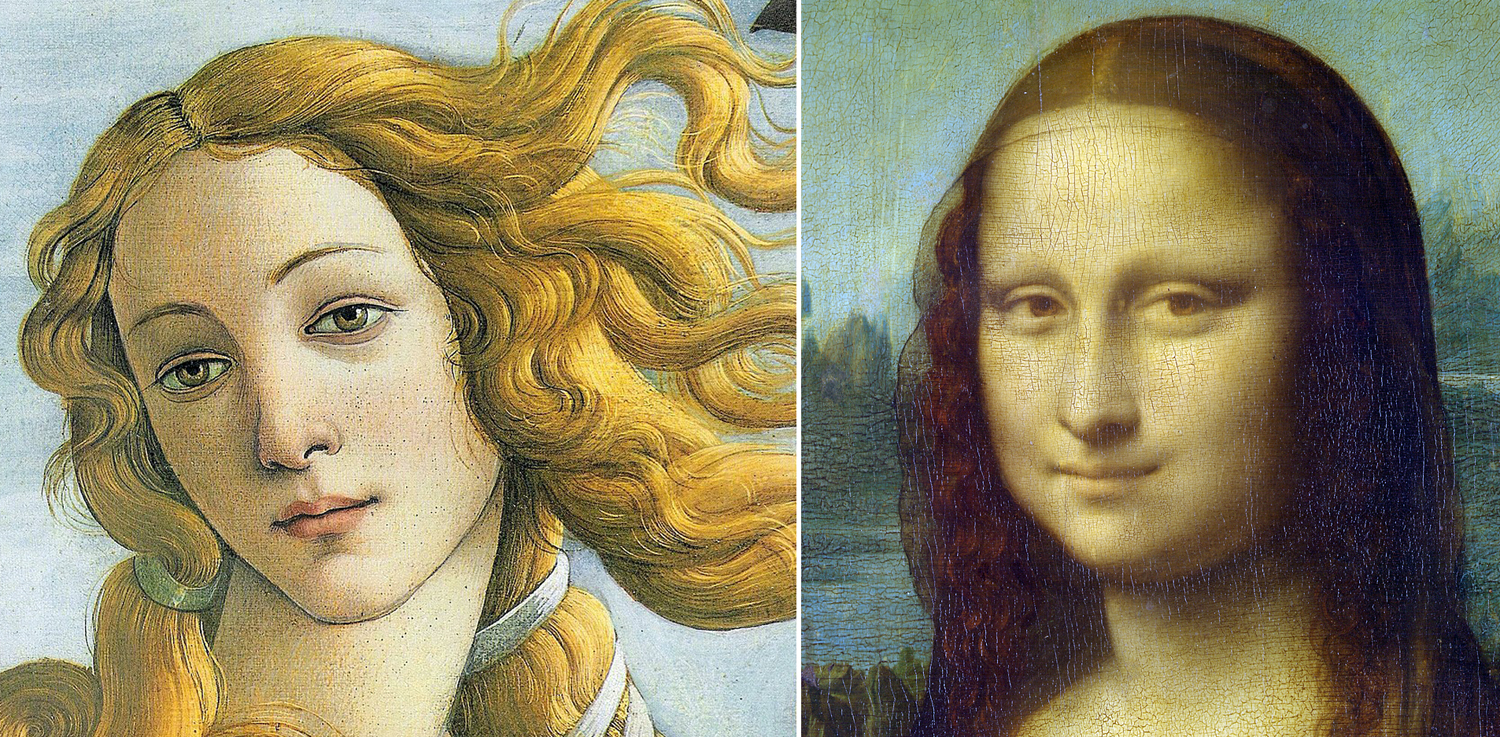

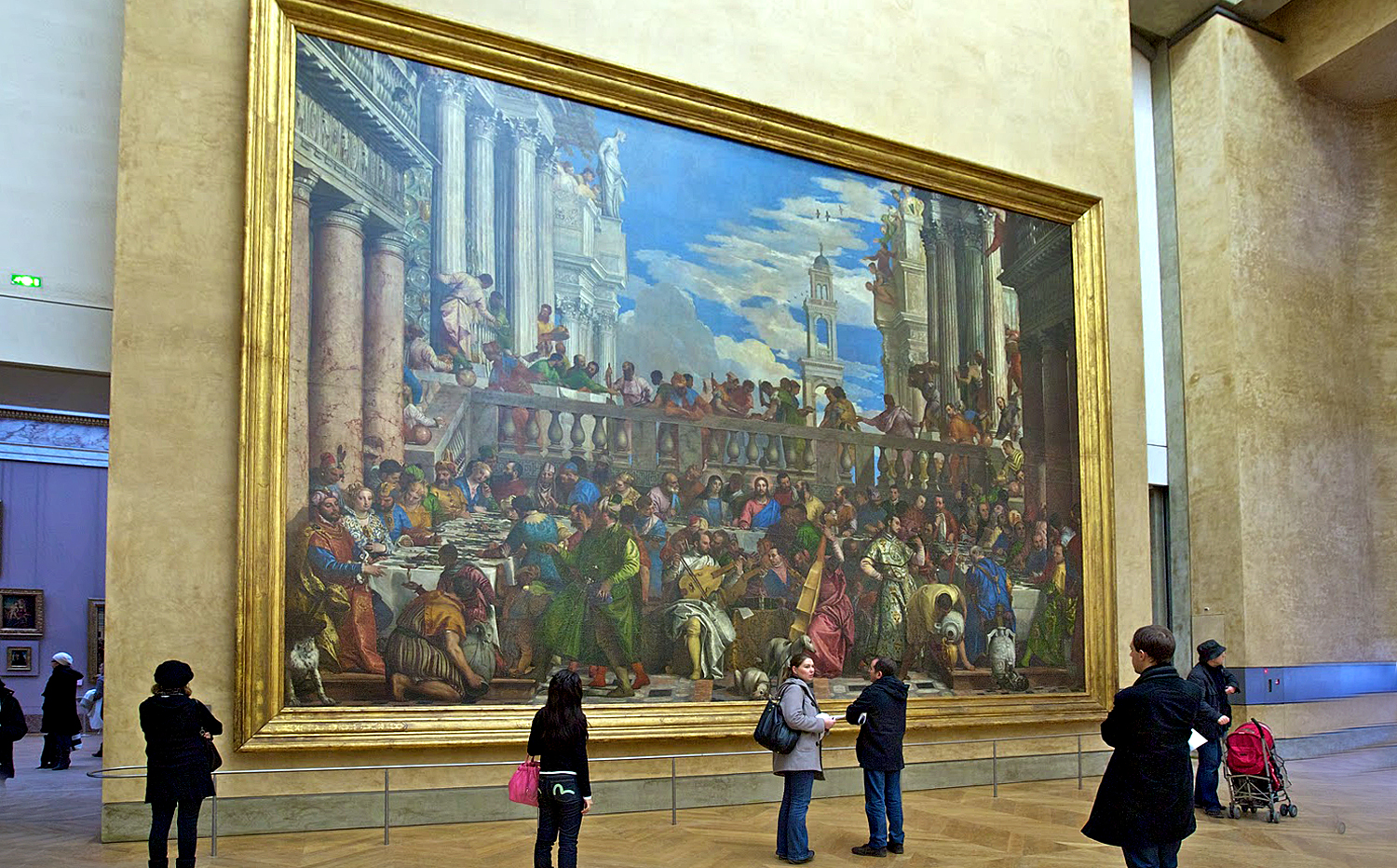
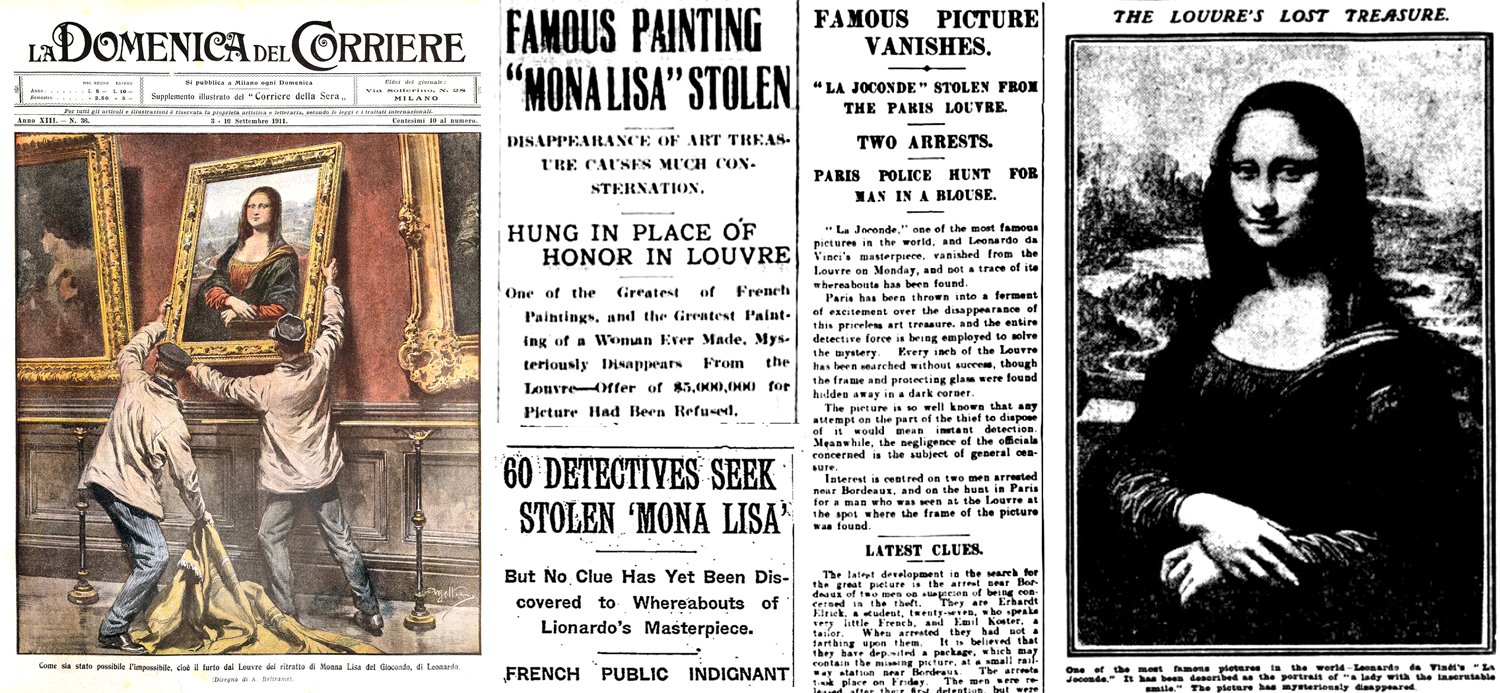
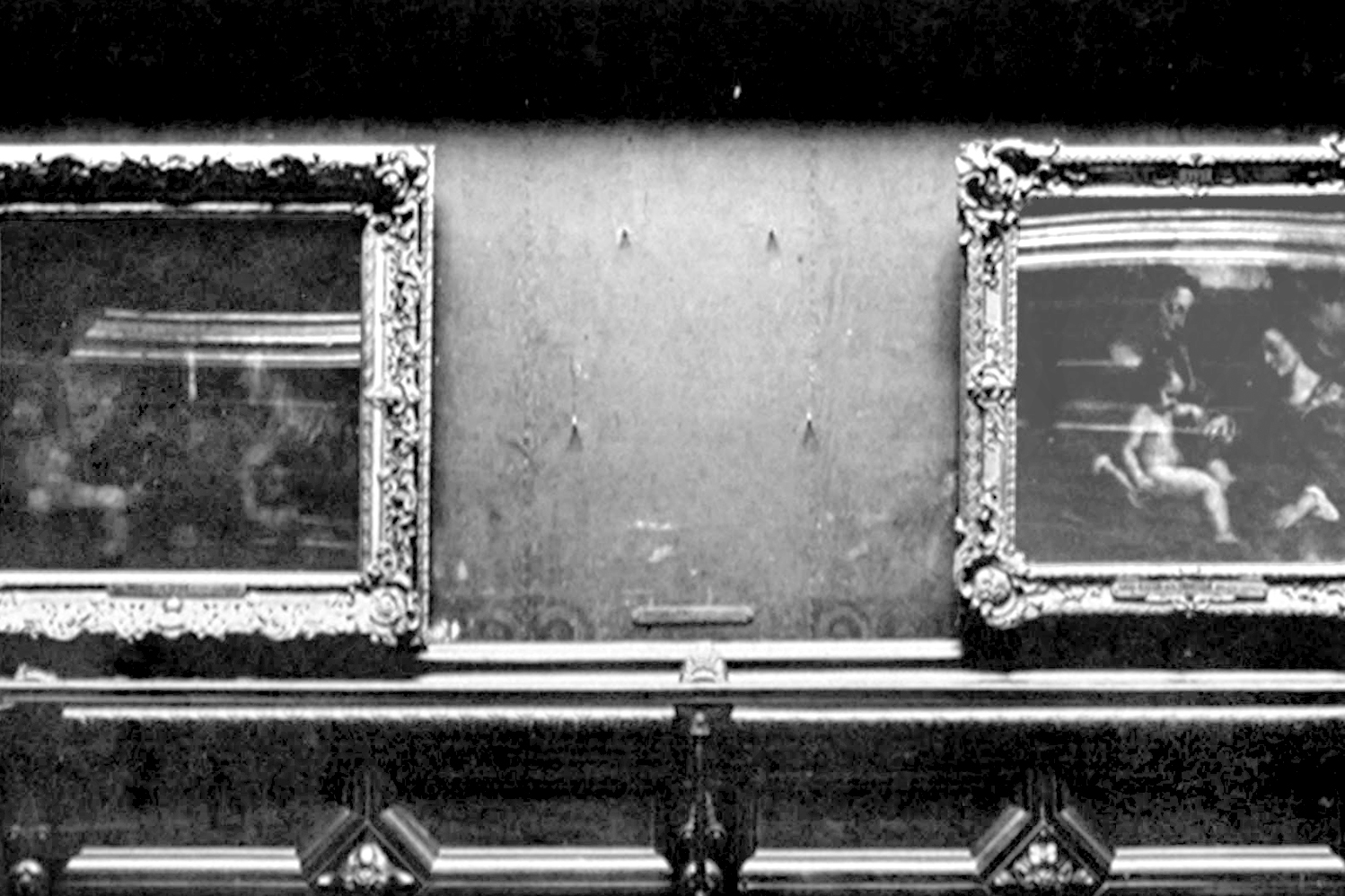

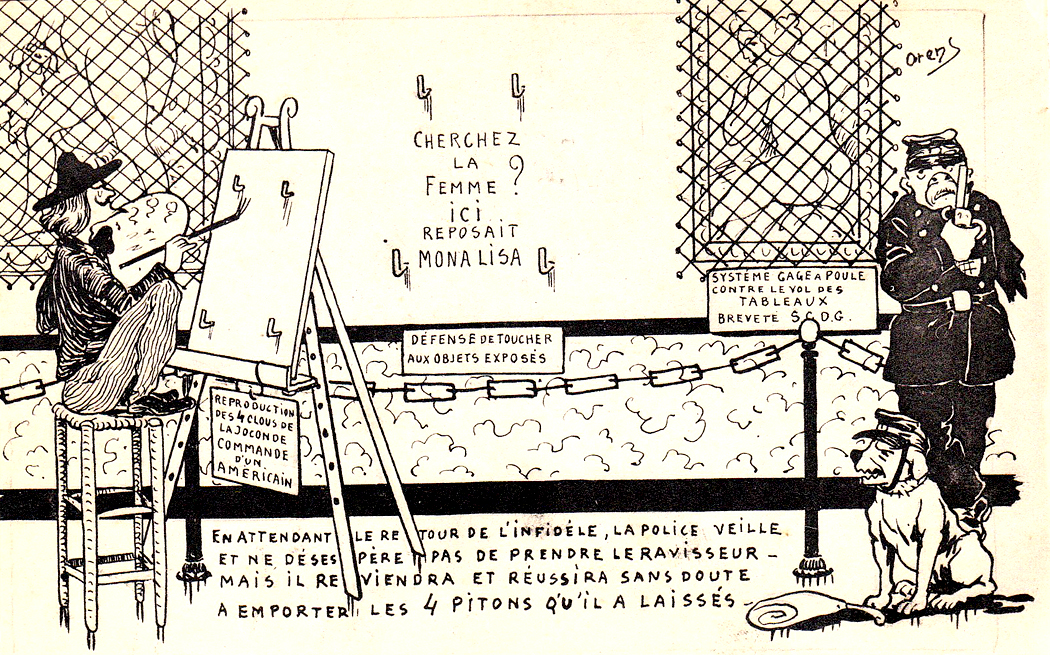

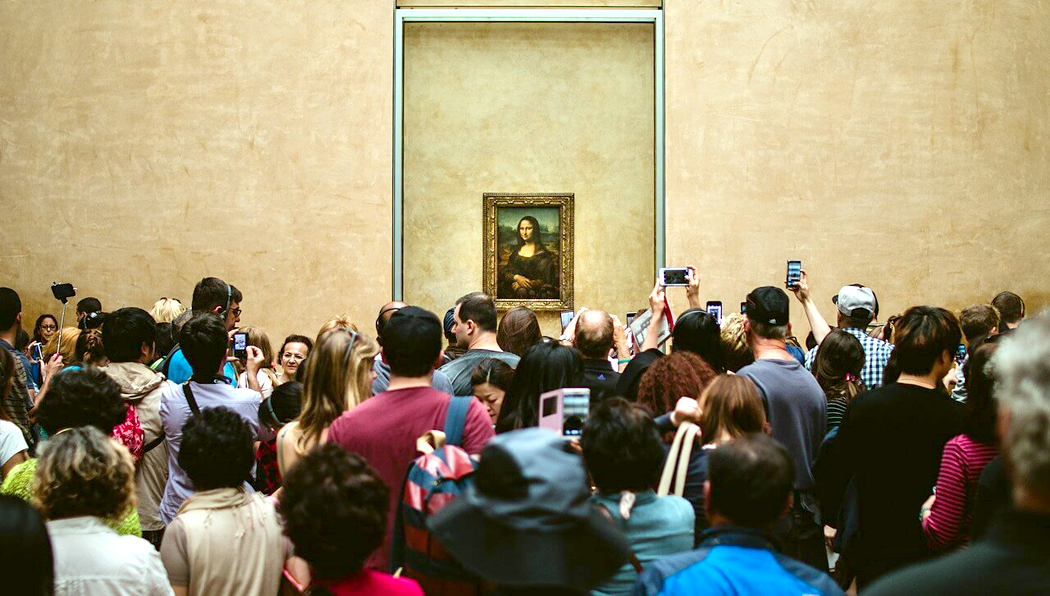
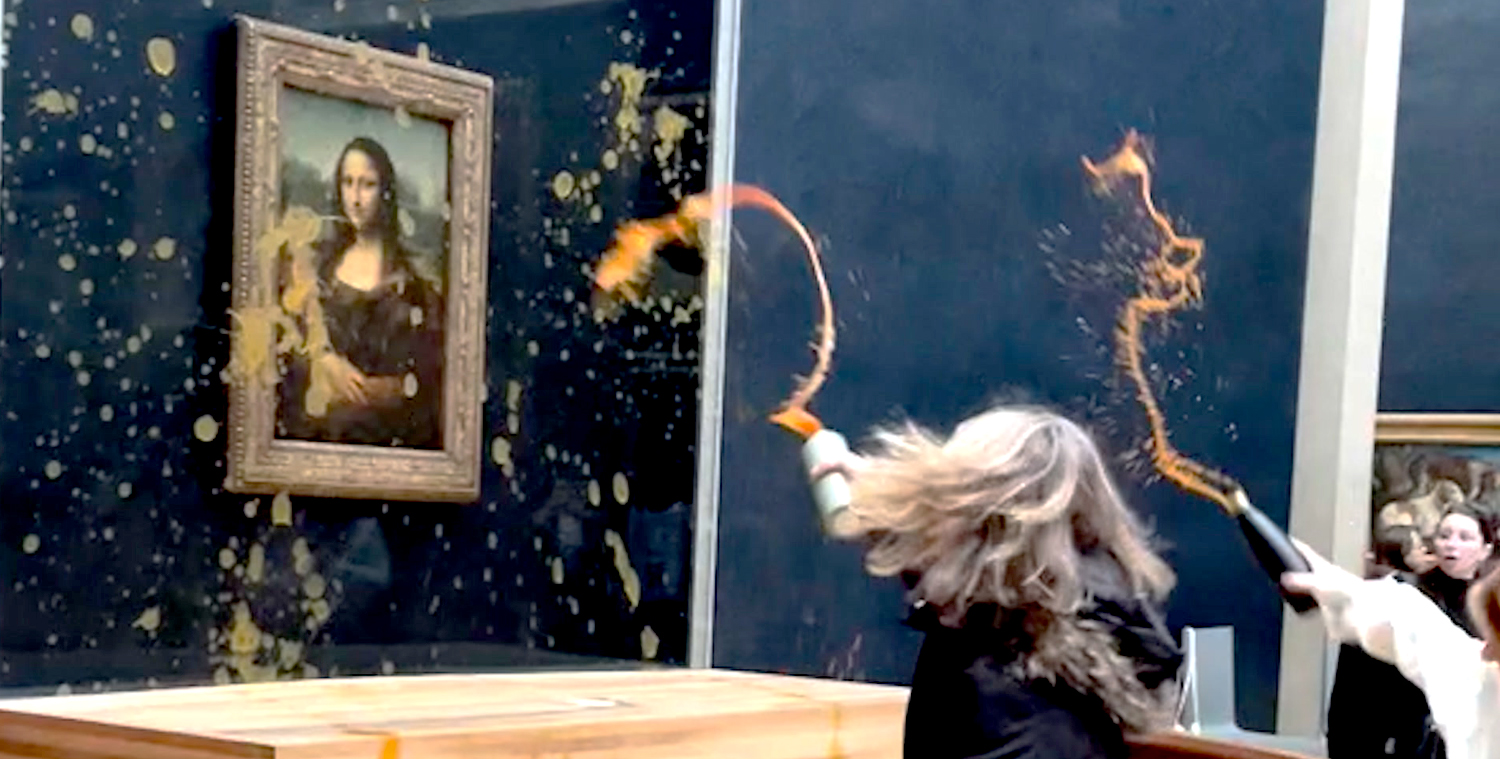


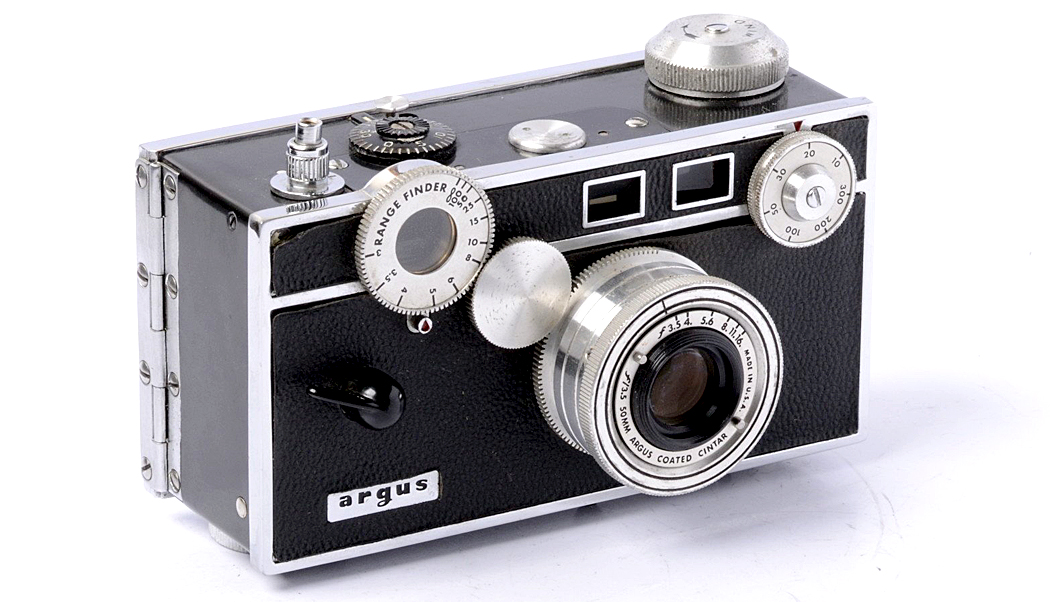
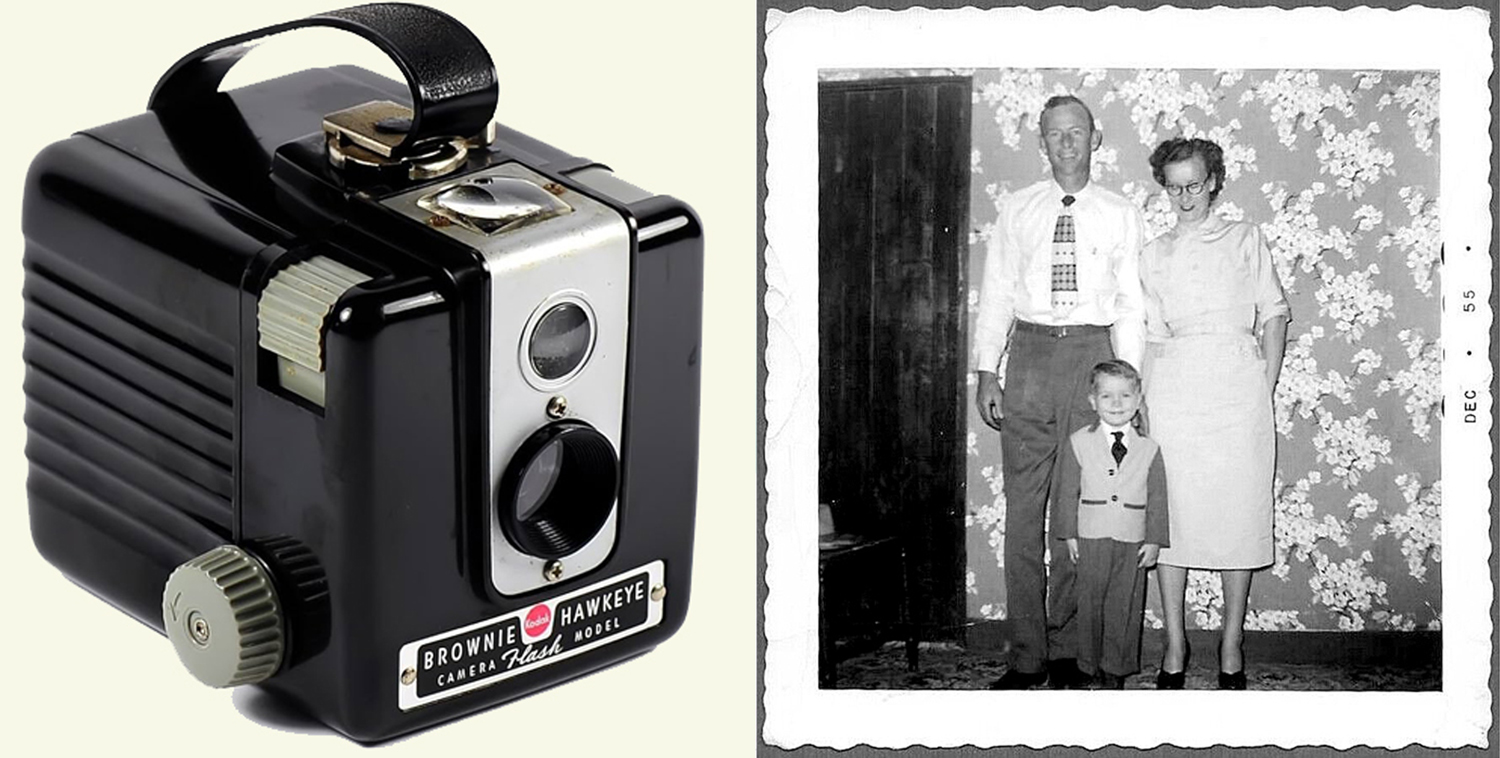

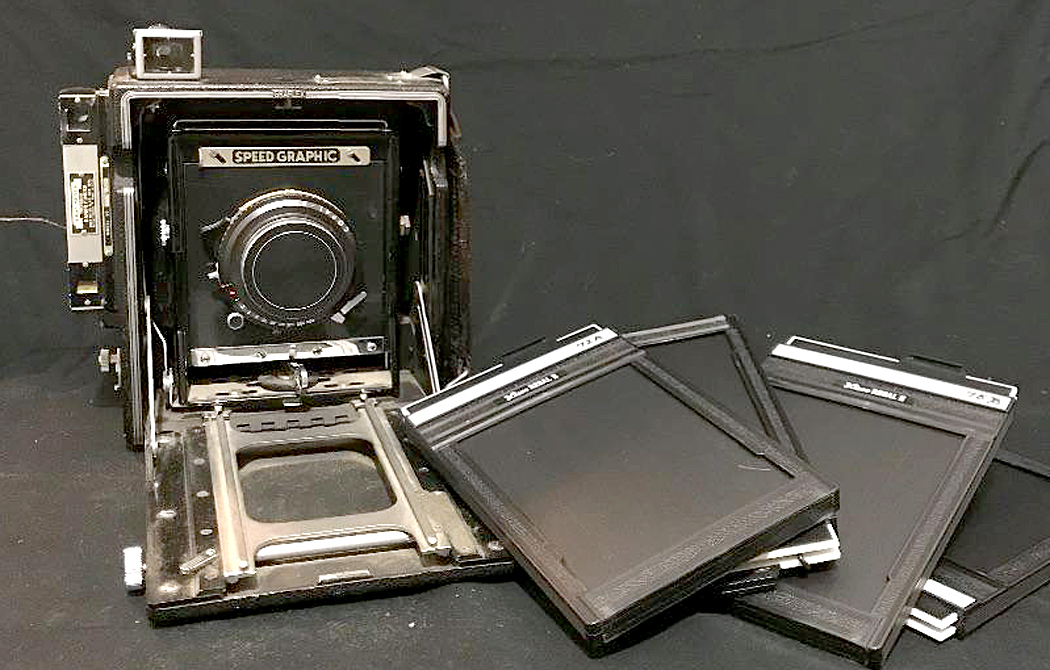



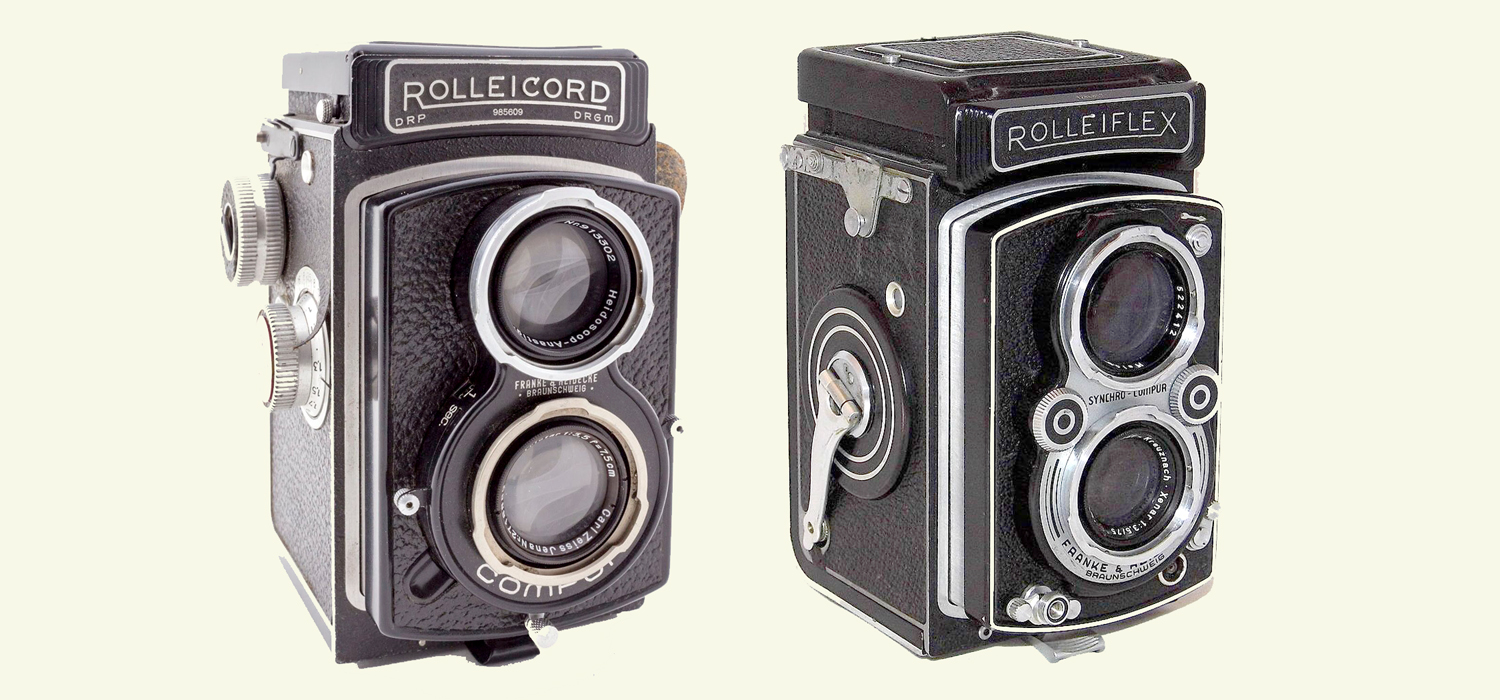

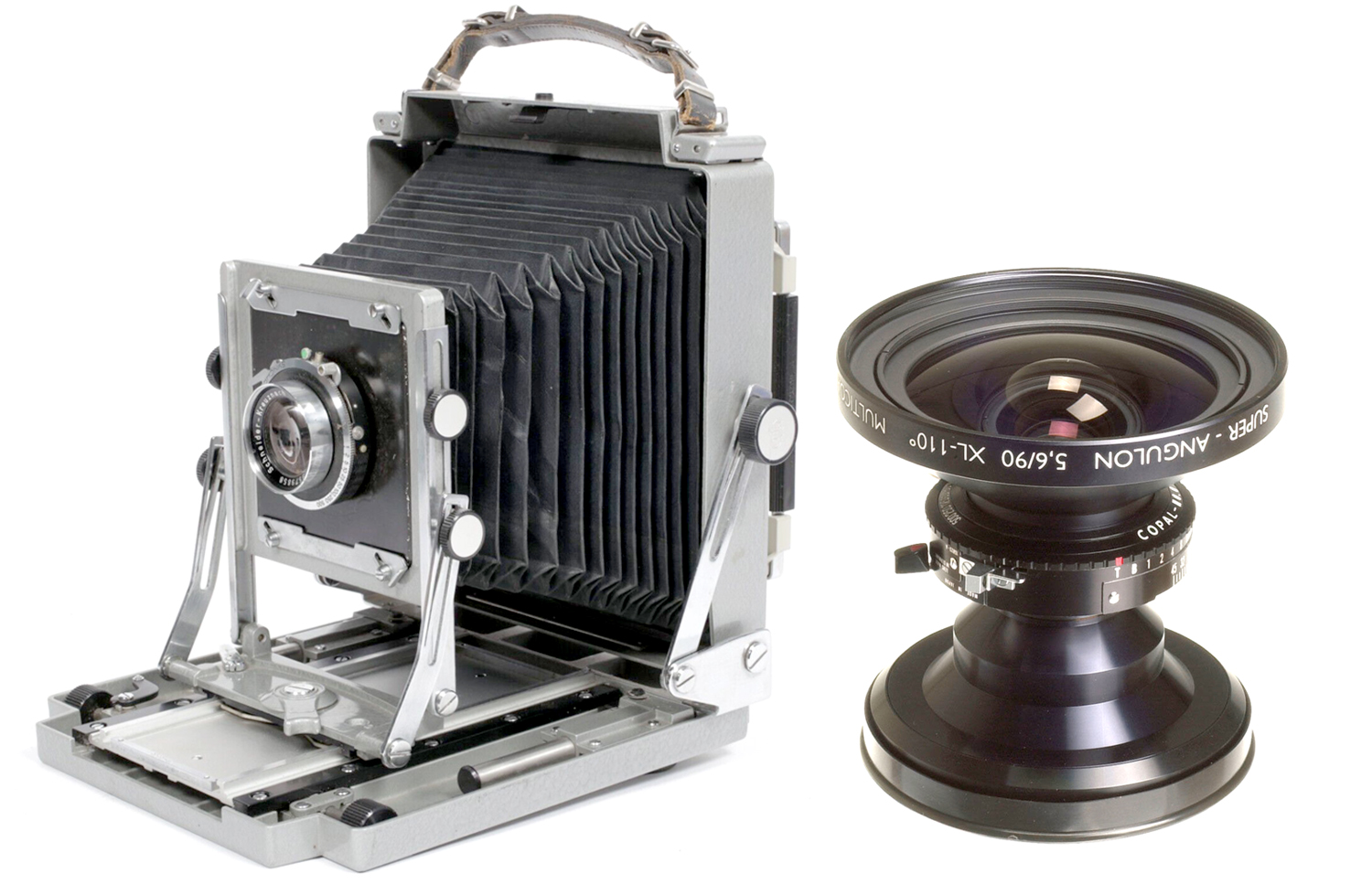
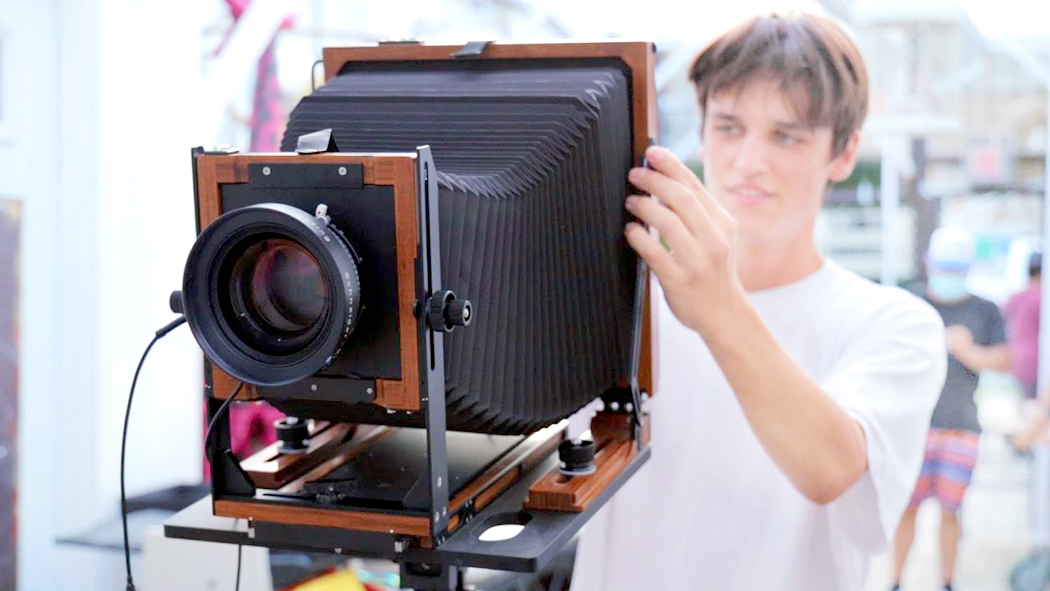




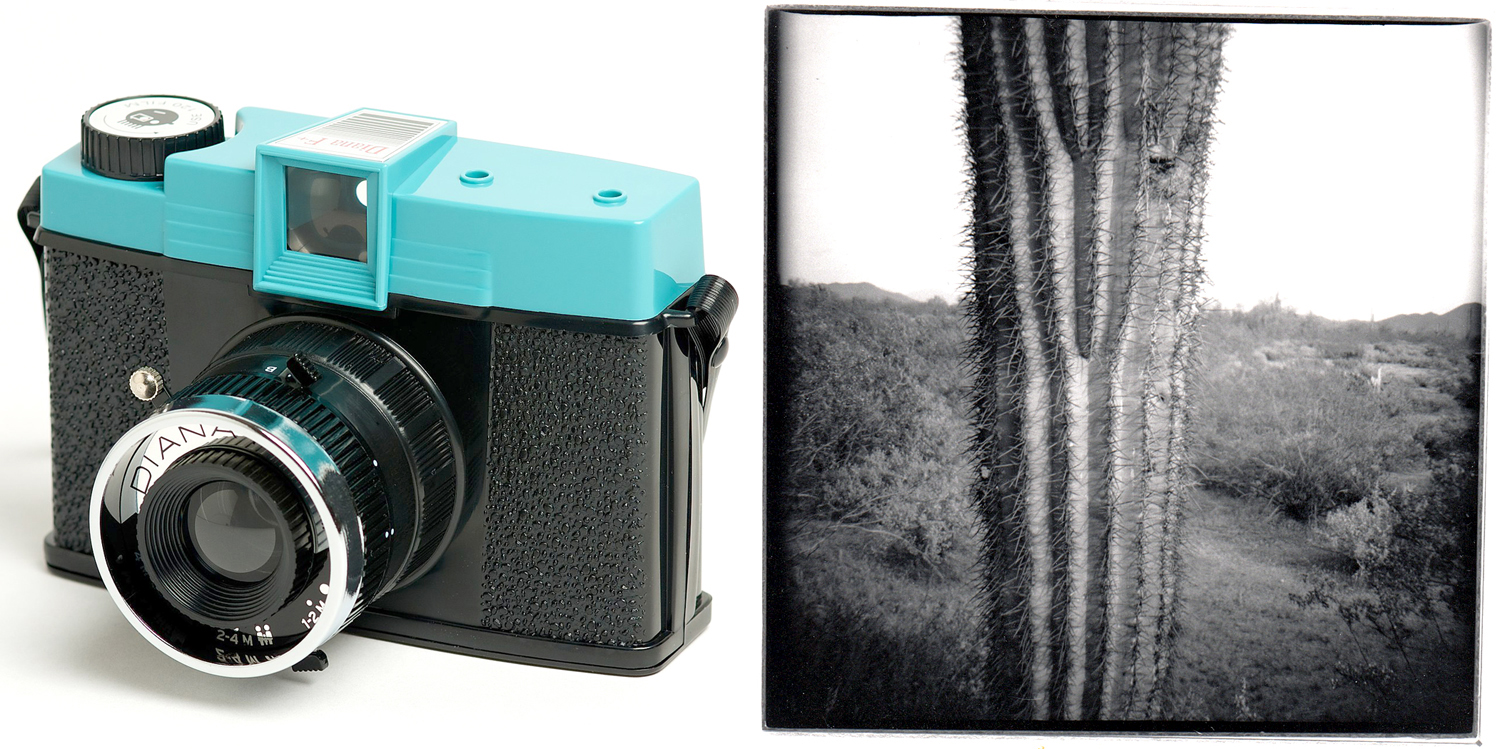



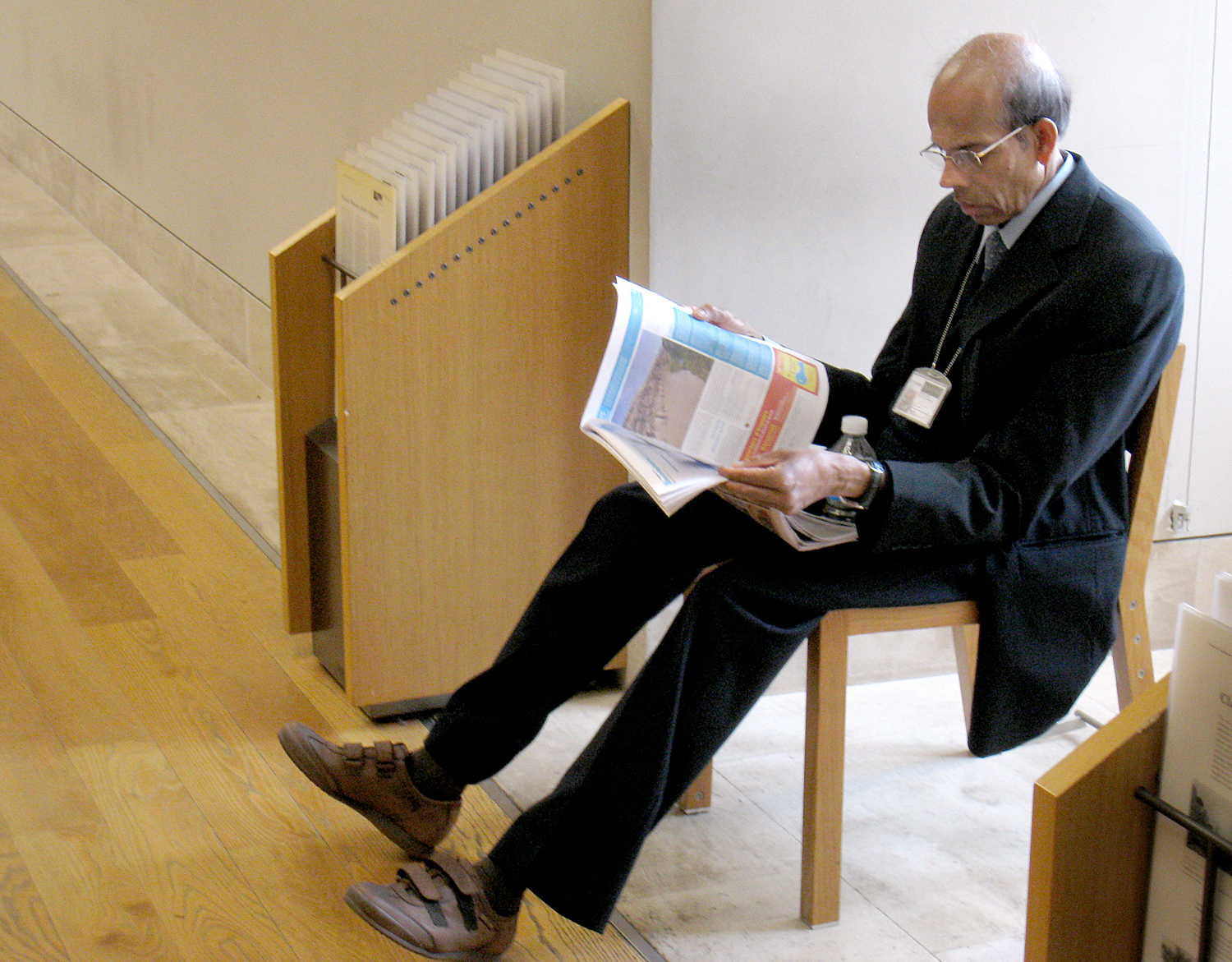
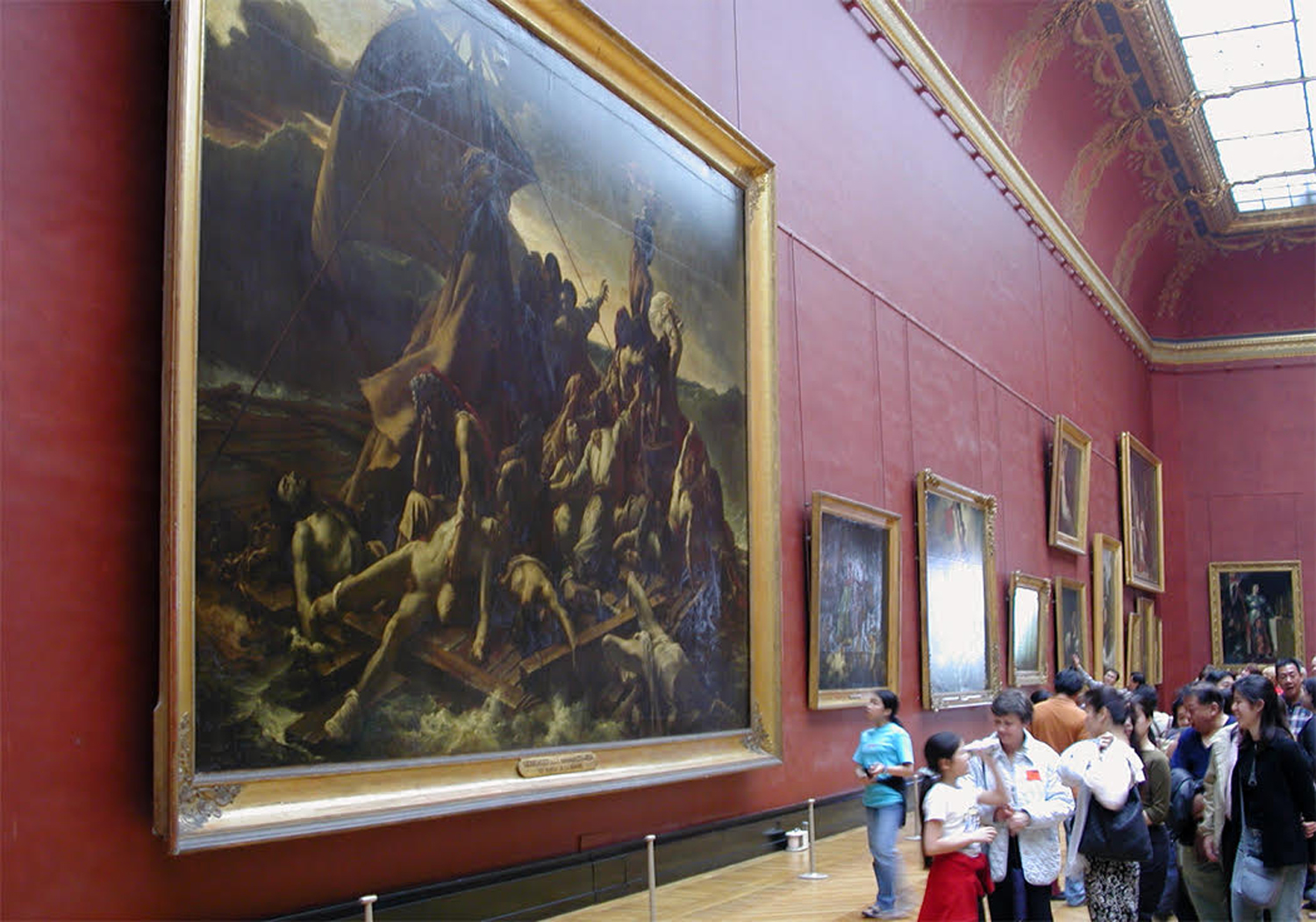

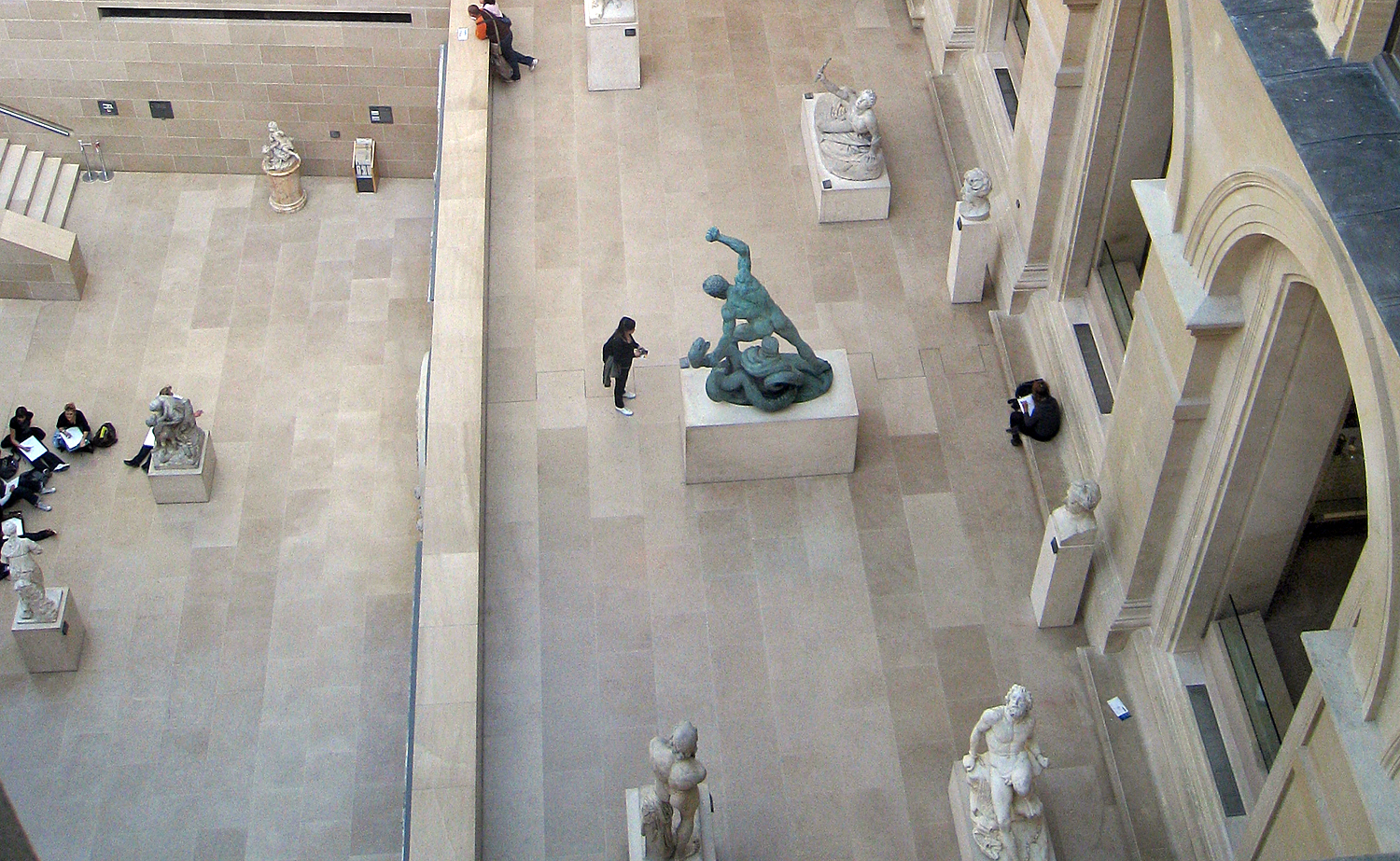
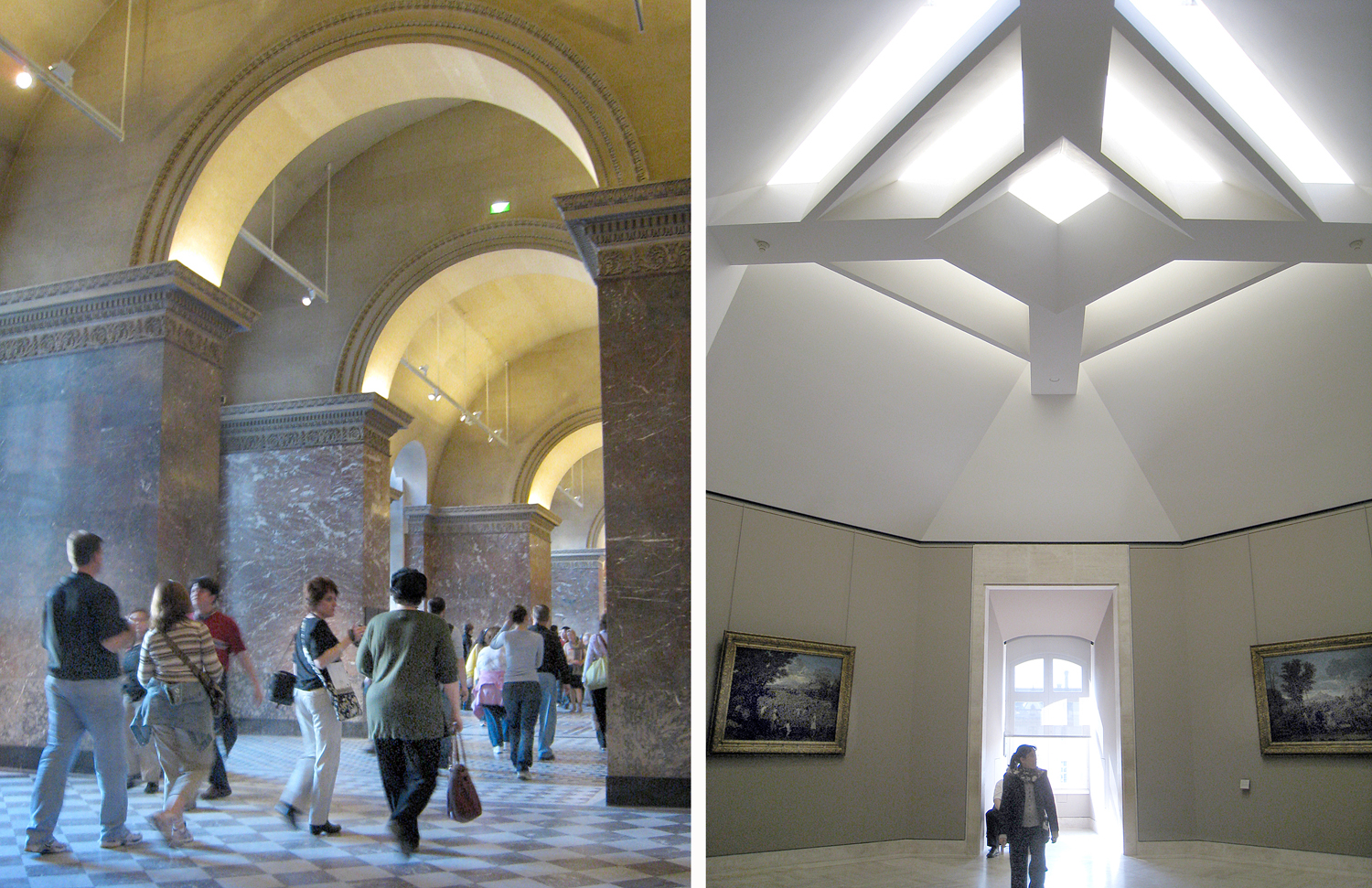
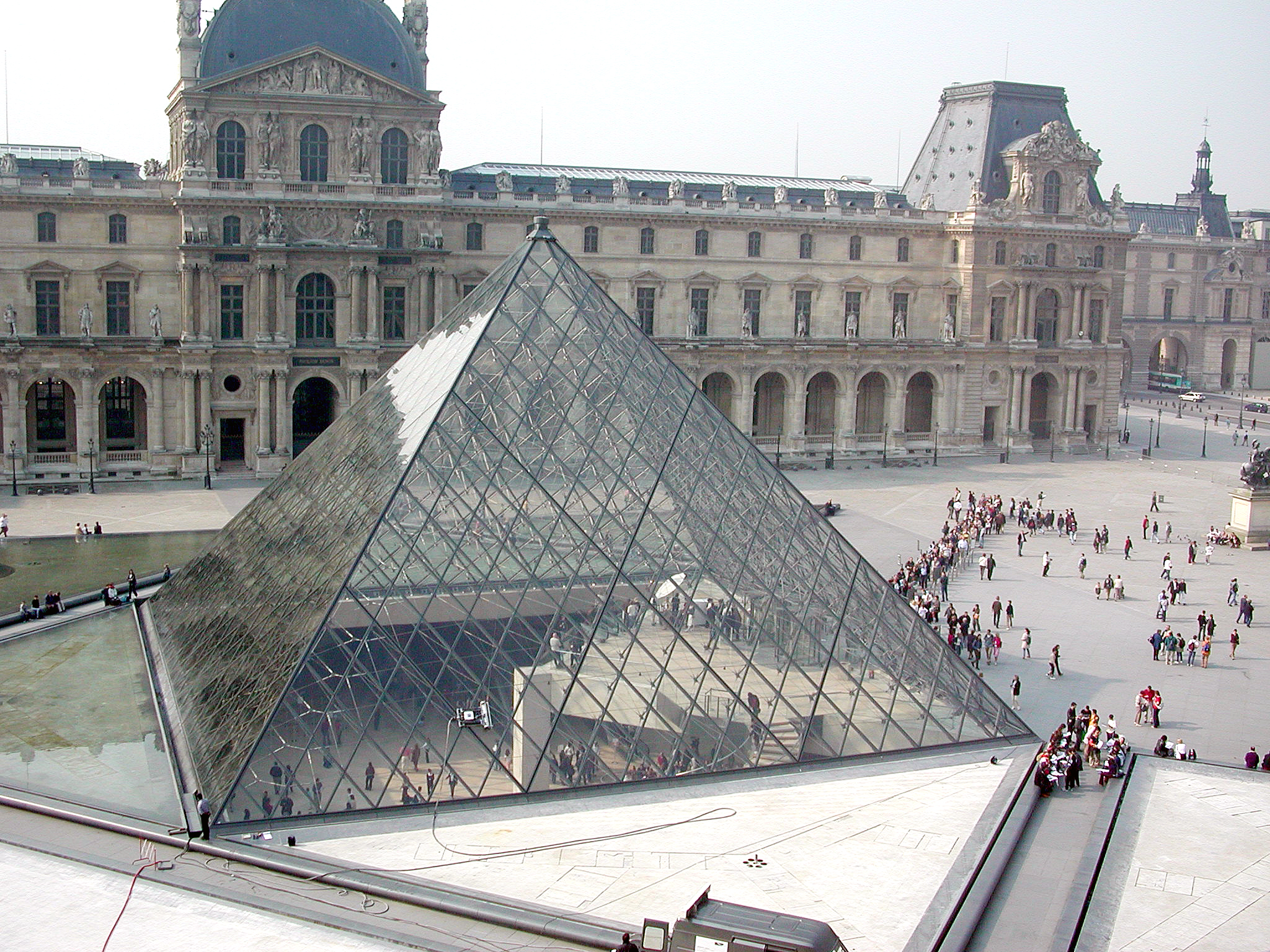
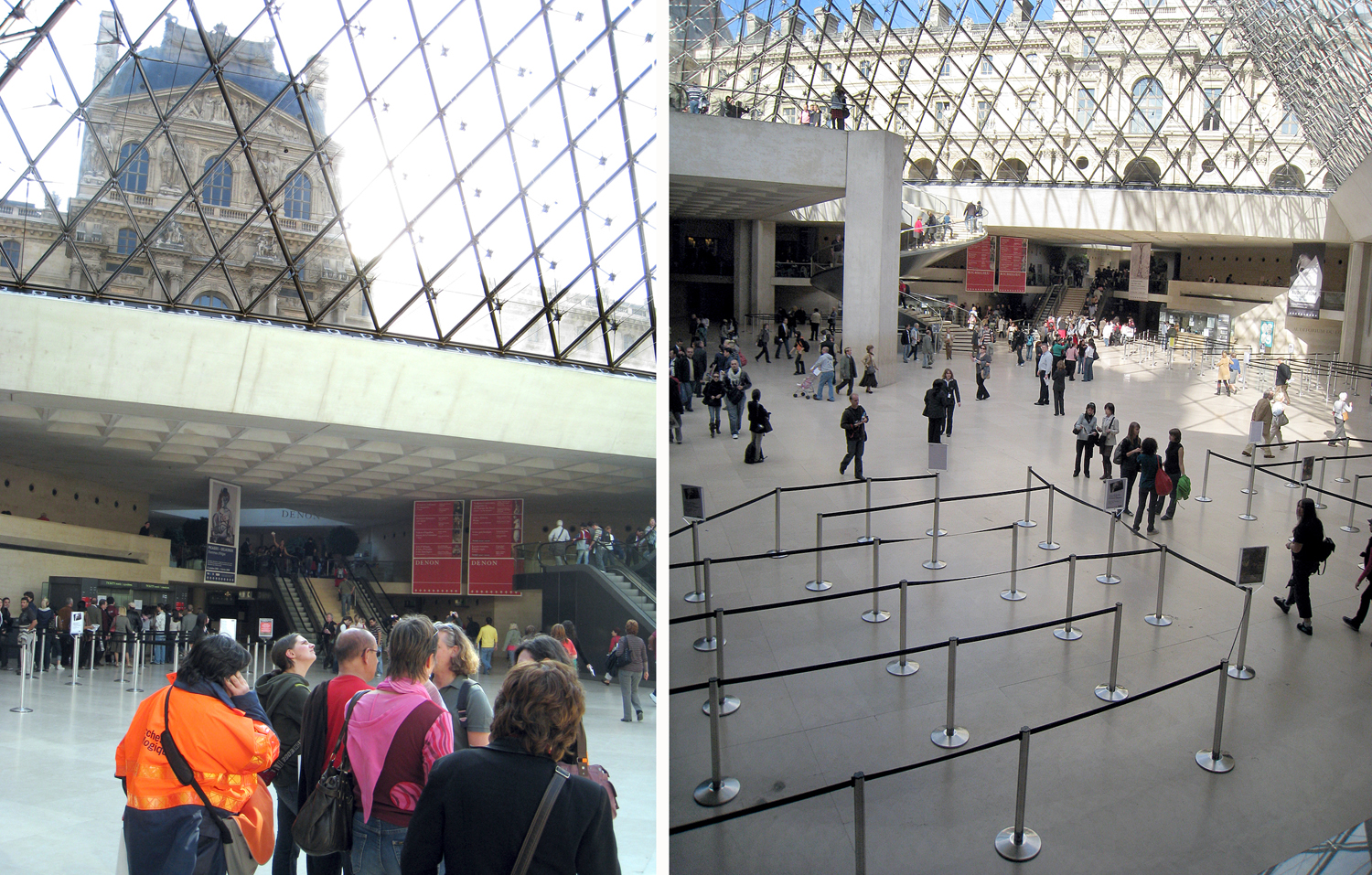
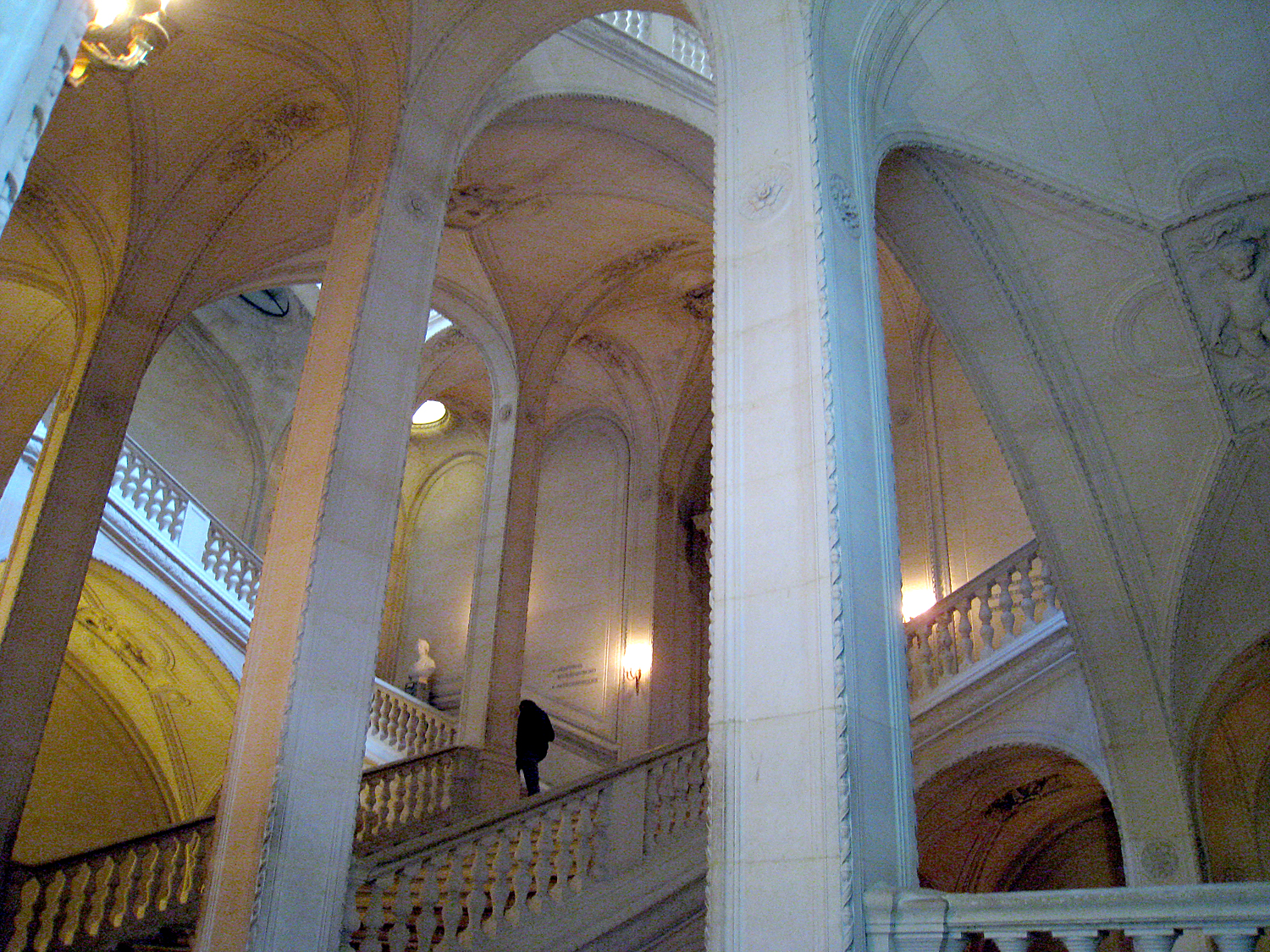


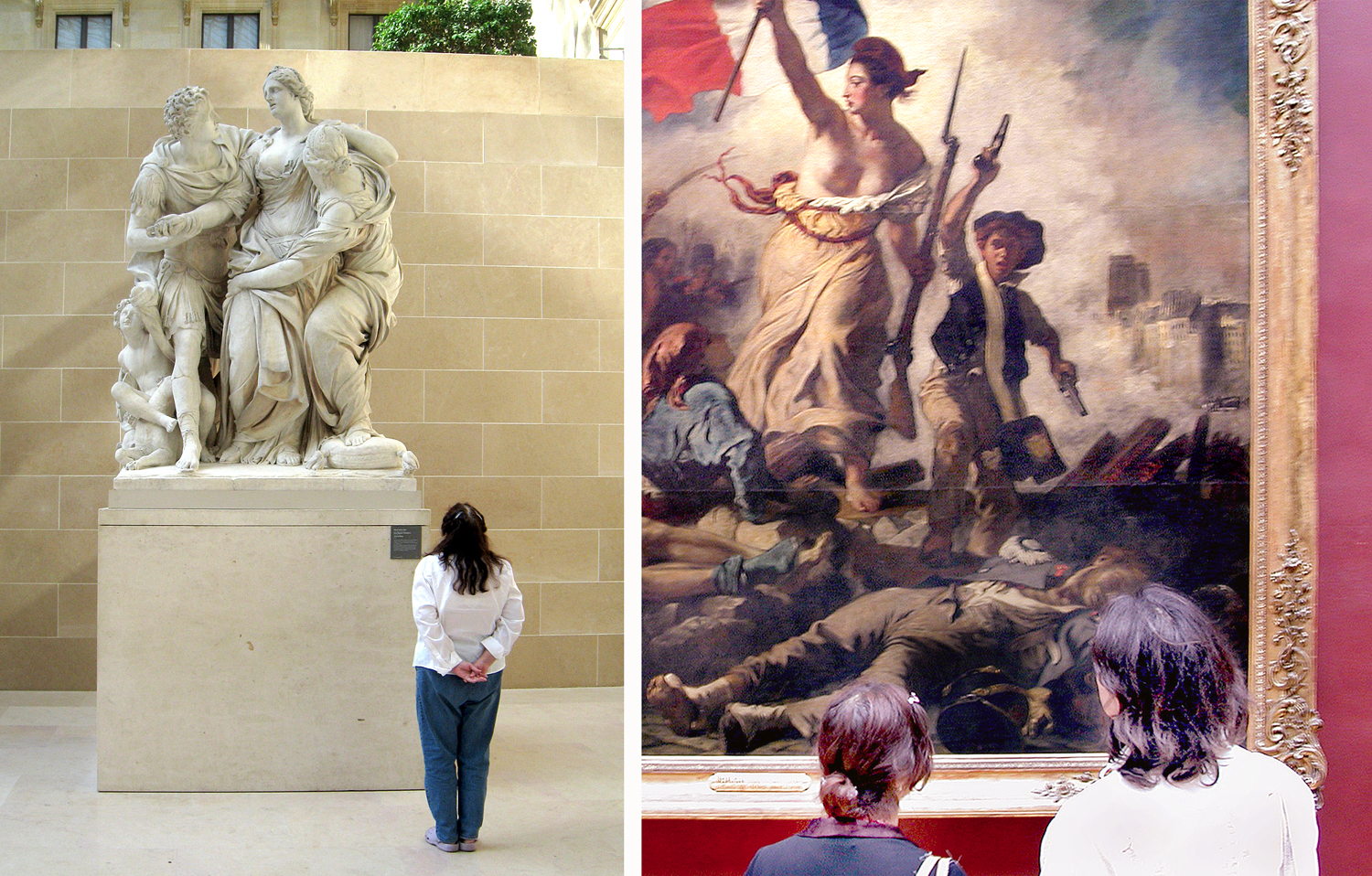




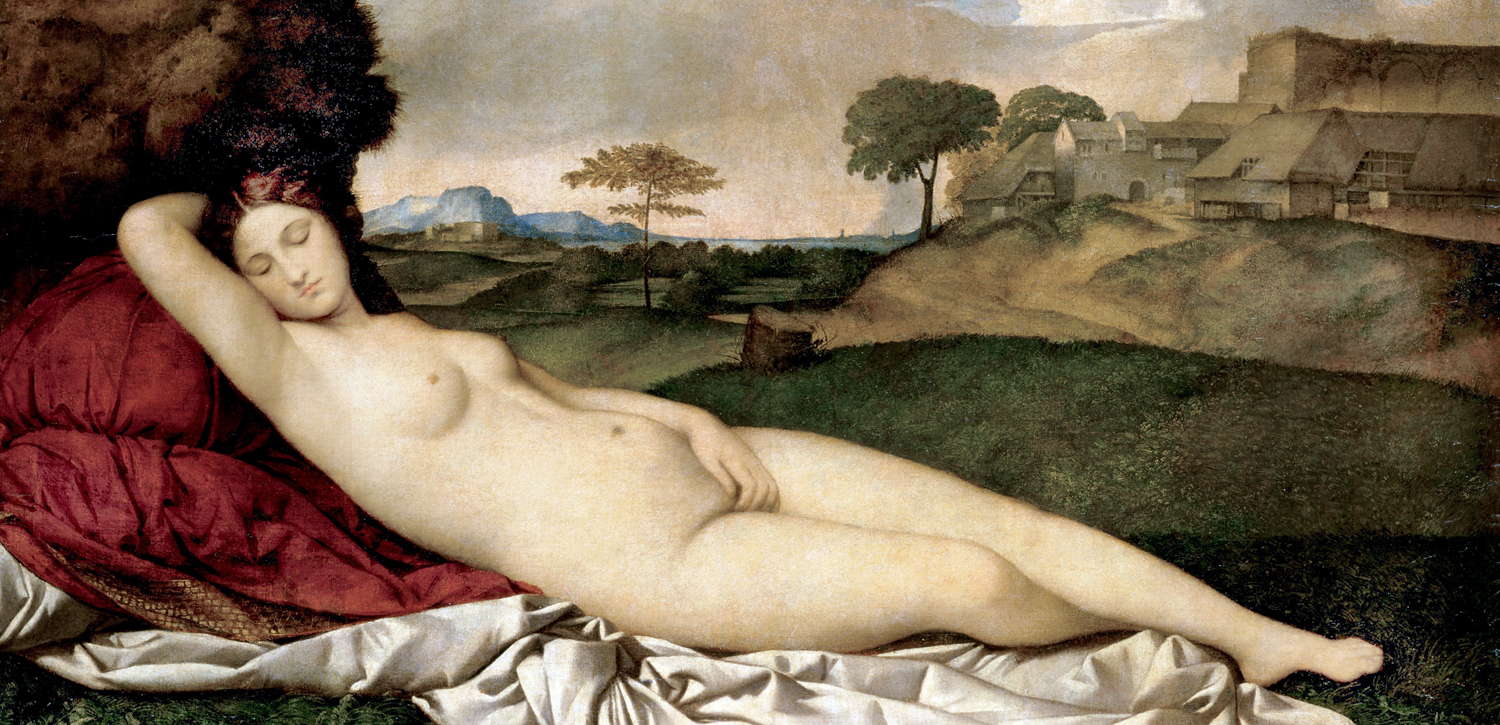


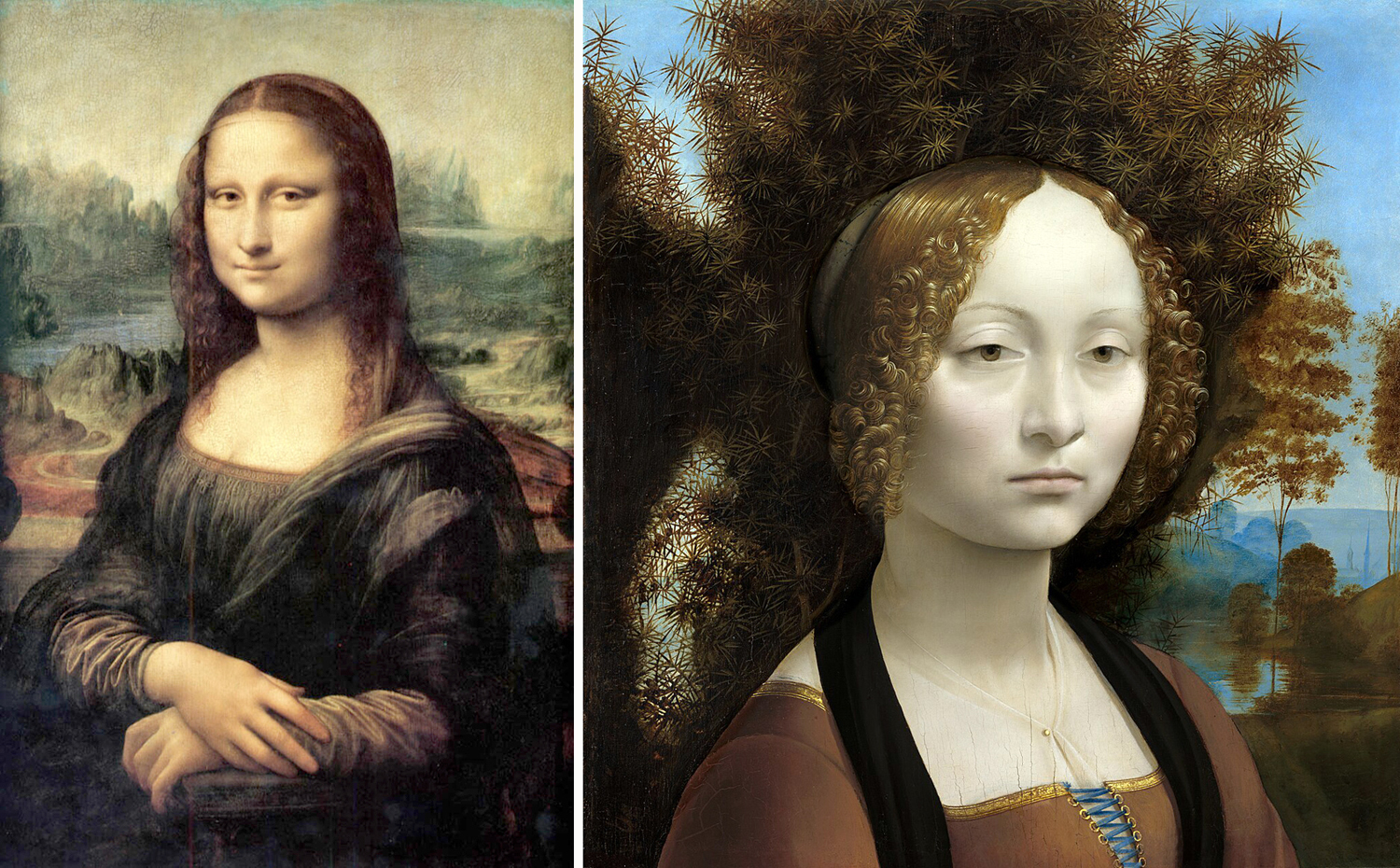



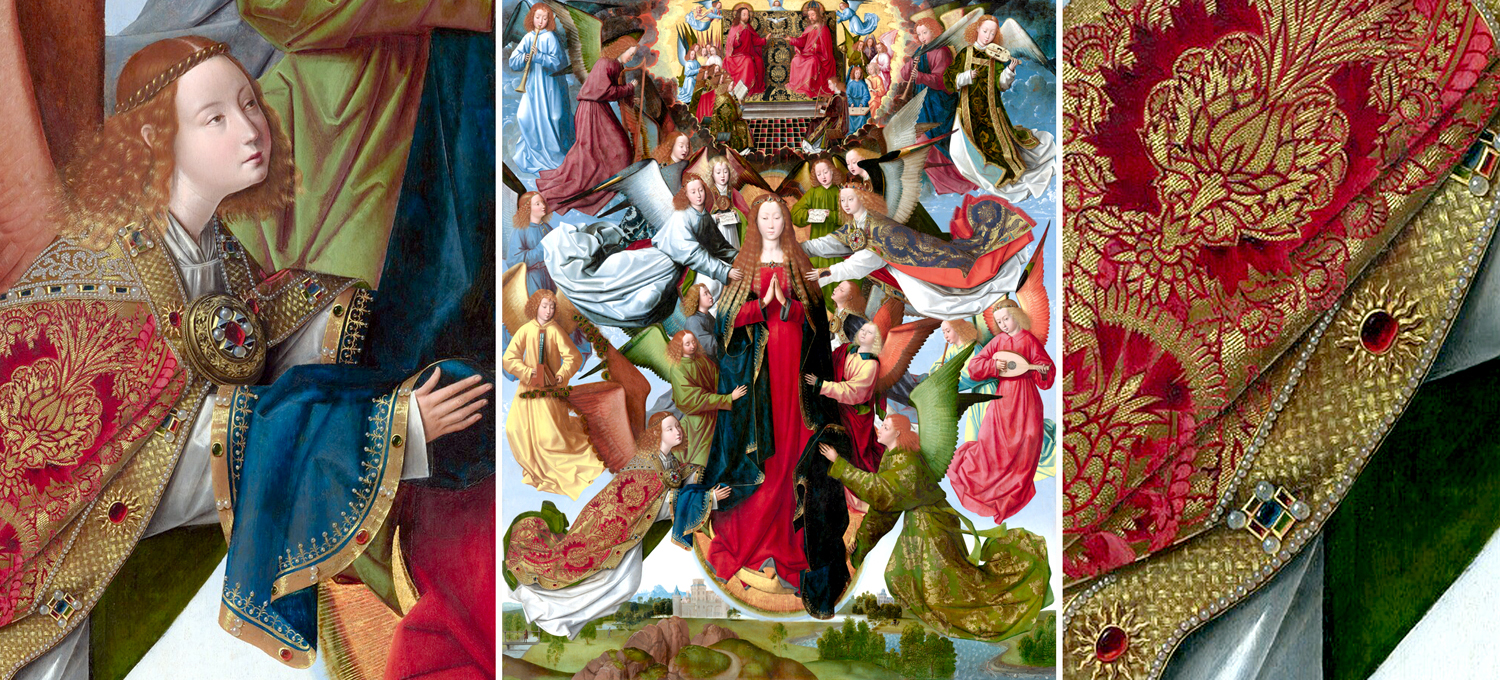
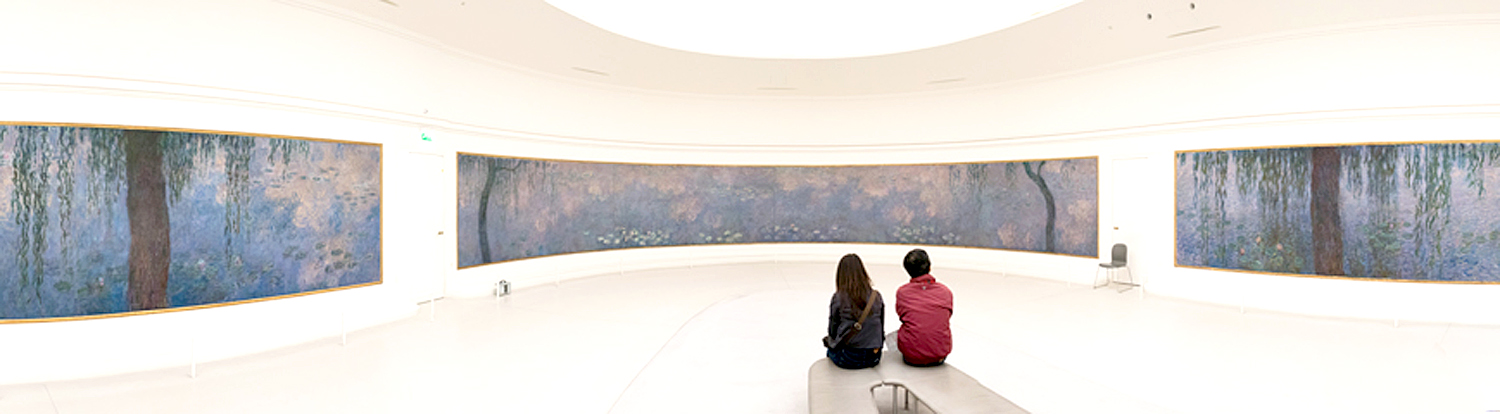

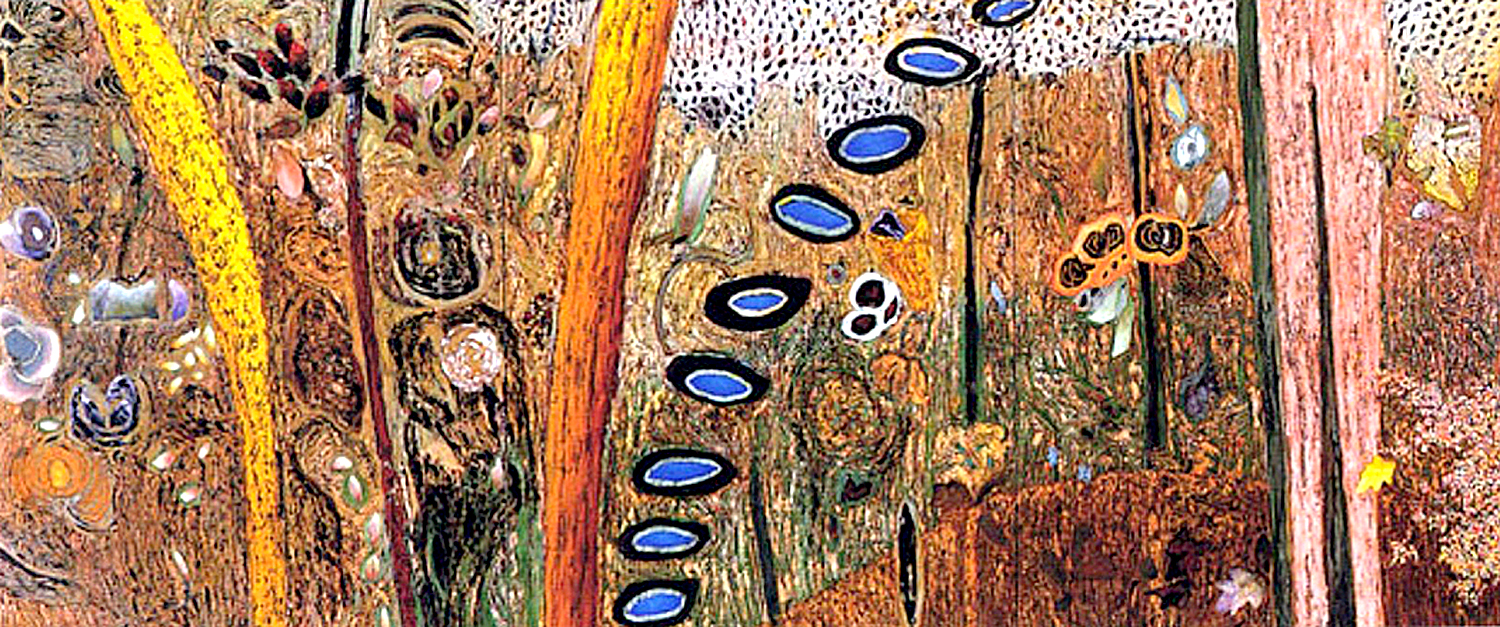
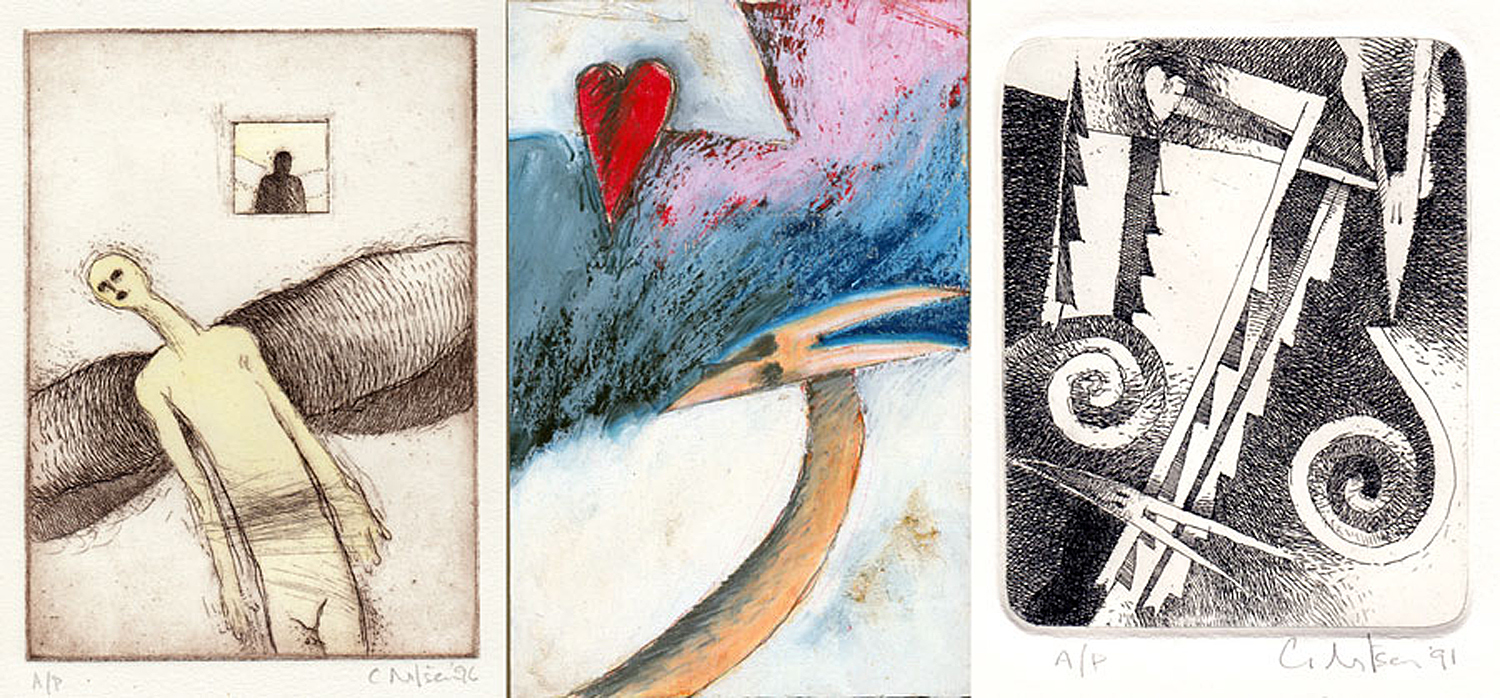

















 Richard Nilsen