Archive

Tag Archives: fashion

When Wolfgang Mozart was three, he was already picking out notes on a keyboard. His father recognized the potential earnings potential and trotted young Wolfie around as a prodigy, showing off to wealthy patrons for their gratuities. I’m no Mozart, and my talent was of an infinitely smaller order, but I remember when I was three and my father showed me off, too. 

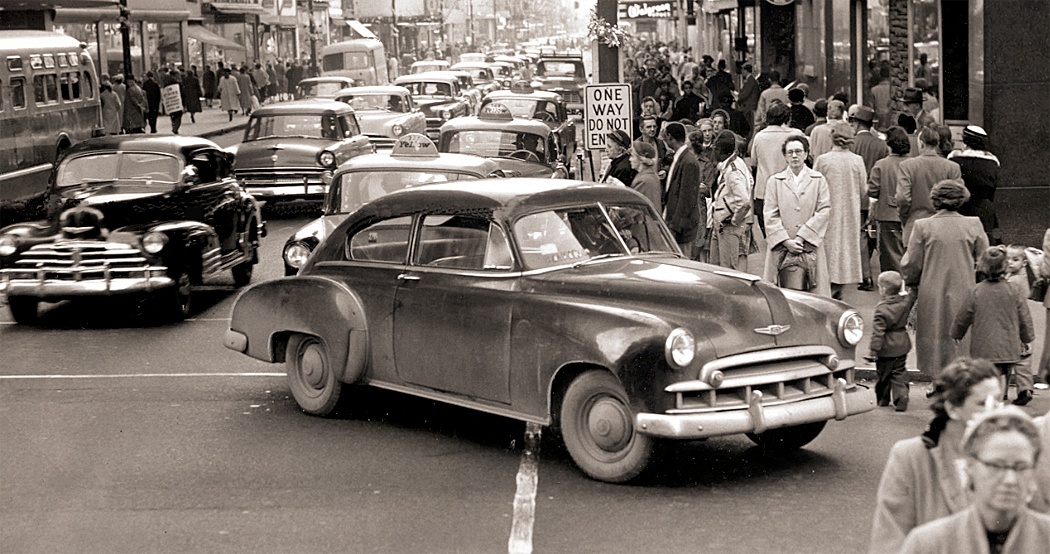
At that tender age, I had learned to recognize all the cars that passed on the street in front of our house in Teaneck, N.J. I would sit on the front stoop and call out names as they drove by. That would have been in 1951, and the cars were quite distinct. There were Packards and DeSotos; there were Mercuries and Studebakers — each with their characteristic shapes, grills, ornaments and sizes. 
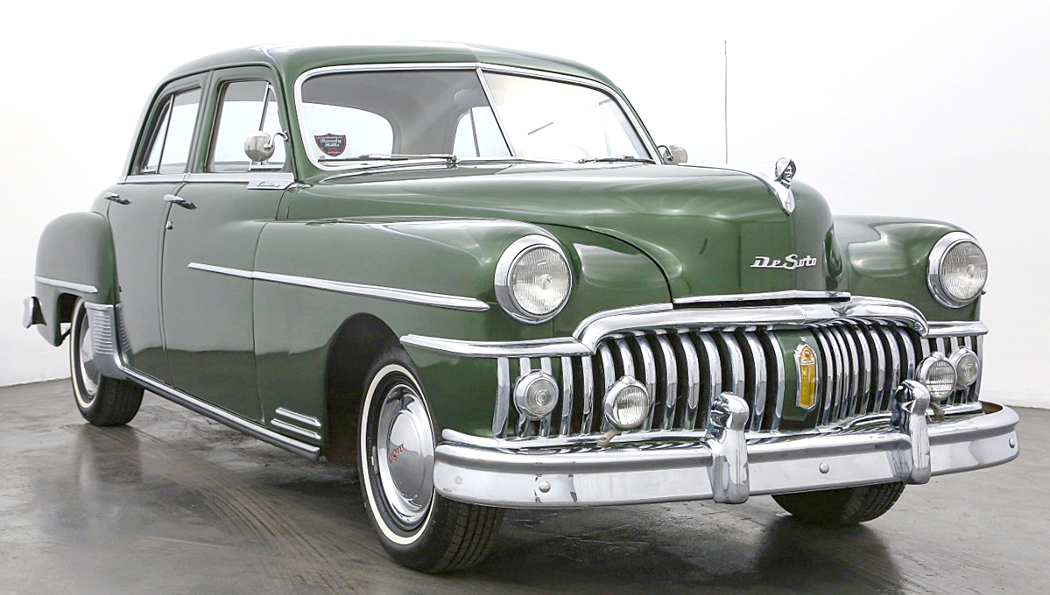
DeSoto

It was only a few years since the war ended, and many older cars remained on the road, like the LaSalles or the pre-war Fords. Our next door neighbor even had a car with a rumble seat. (They were comically called “mother-in-law seats,” although I can’t believe many could had clambered up to get in.)

1939 Plymouth with rumble seat

At three, I knew the Pontiac had three chrome stripes on its hood; the Buick had its portholes; the Ford had its bullet-grill; the Hudson seemed as broad as the river I thought it was named for. Many station wagons had wood paneling. I had them all down pat. 
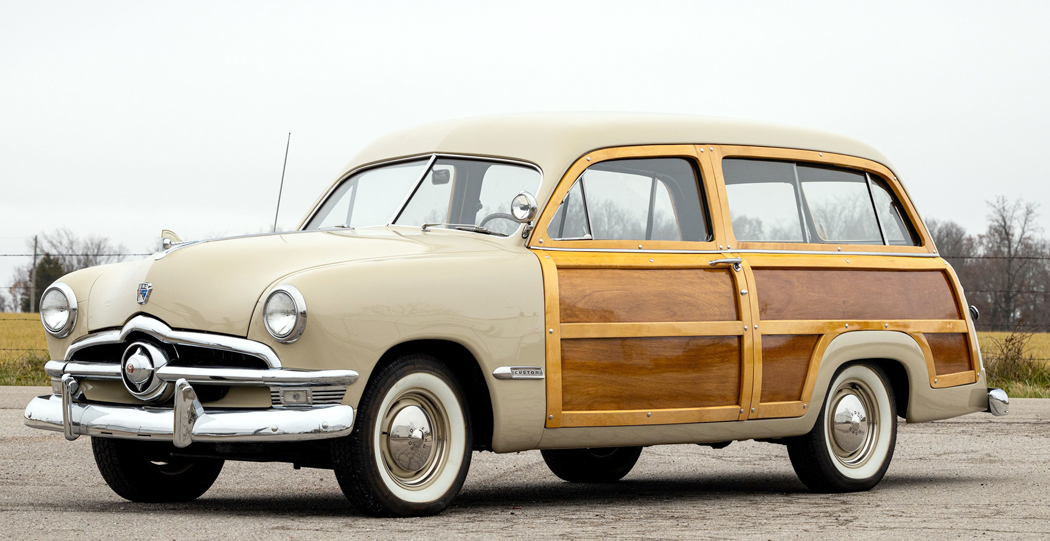
1950 Ford station wagon

And on July 4 that year, when I was three-and-a-half years old, the family drove down the hill to watch the fireworks over the Hackensack River. There was a crowd gathered. The gravel parking lot was full, with people lining the banks of the river to catch the display. I sat on the hood of Dad’s black 1950 Chevrolet and not much liking the noise. Two of my uncles were there, too, with their families. And Dad decided to show me off. And so, with uncles in tow, and a few of their friends, too, we trooped up and down the lot with me announcing the names of every car we passed, all to the astonishment of the grown-ups. Hudsons, Studebakers, Packards, to say nothing of the Fords, Oldsmobiles, Buicks, and Nashes. I felt so proud showing off. I don’t know if Dad actually took wagers or not, but he clearly enjoyed bragging on his son. 
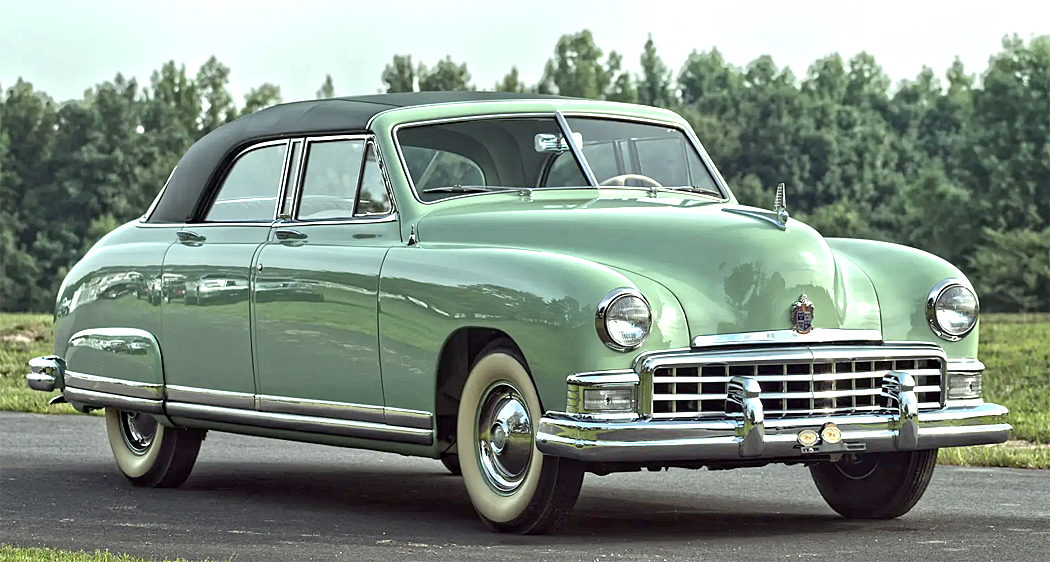
1950 Frazer

Through the 1960s, cars designs remained distinct, especially with the absurdly growing tail fins — or the Edsel, described as “a Ford sucking a lemon.” The also grew to be great barges of the road, rolling with wobbly suspensions (which you can’t help notice on old TV reruns when those leviathans turn corners). But cars have since been growing more generic. 
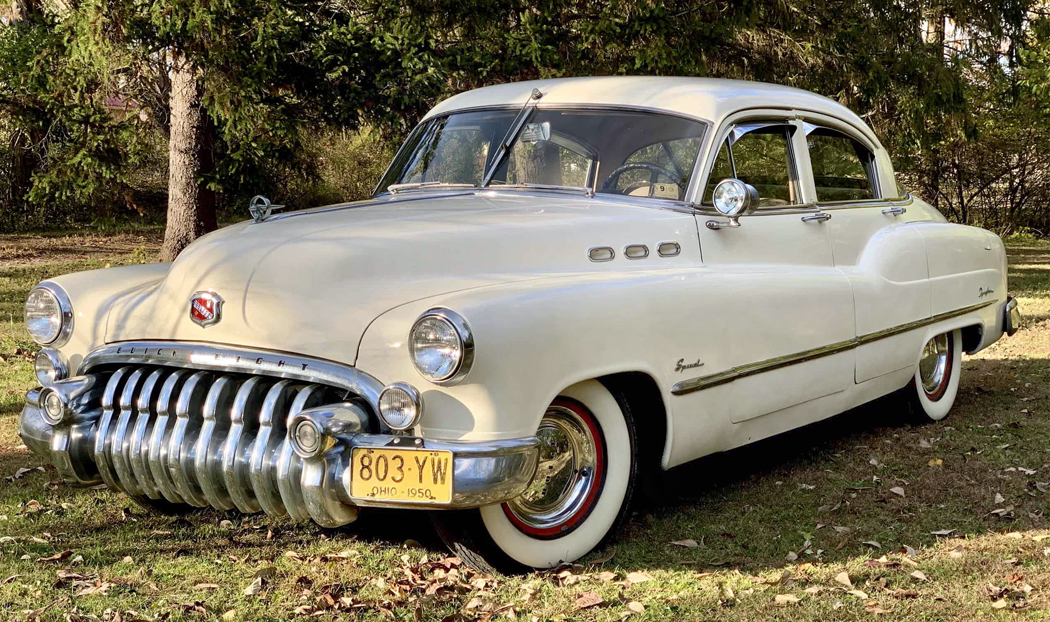
1950 Buick Special Deluxe Jumbo

Oddly, as I became a teenager, when most of my buddies were swooning over 400 horsepower behemoths and zero-to-sixty ratings, I had no real interest in car culture. I have always loved driving, but never much cared which car I was driving in. But something of that original car-naming from my preschool days survived. 
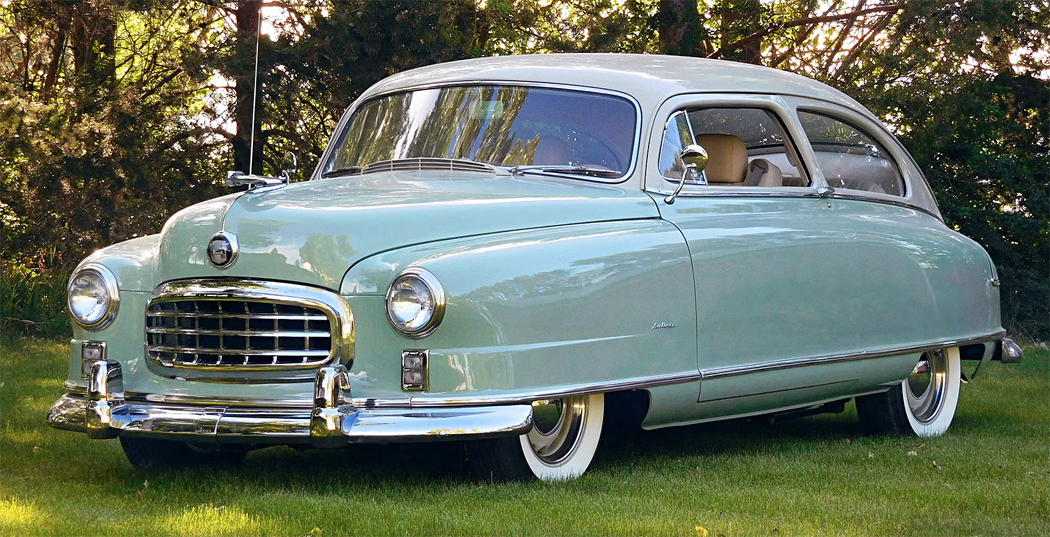
1950 Nash Airflyte

As I grew up and went to school, the habit of learning and naming classes of things continued. In the third grade, it was dinosaurs; in fourth grade, it was whales; fifth grade brought ships. On it went. Later, with birdwatching, or the naming of wildflowers. Most recently, I compiled a list of the names of British comedians I recognized on sight; it had 127 names on it. I guess you never get over it. It’s a form of acquisition, and all adds to the trove of knowledge and experience. A hunger for knowing. 
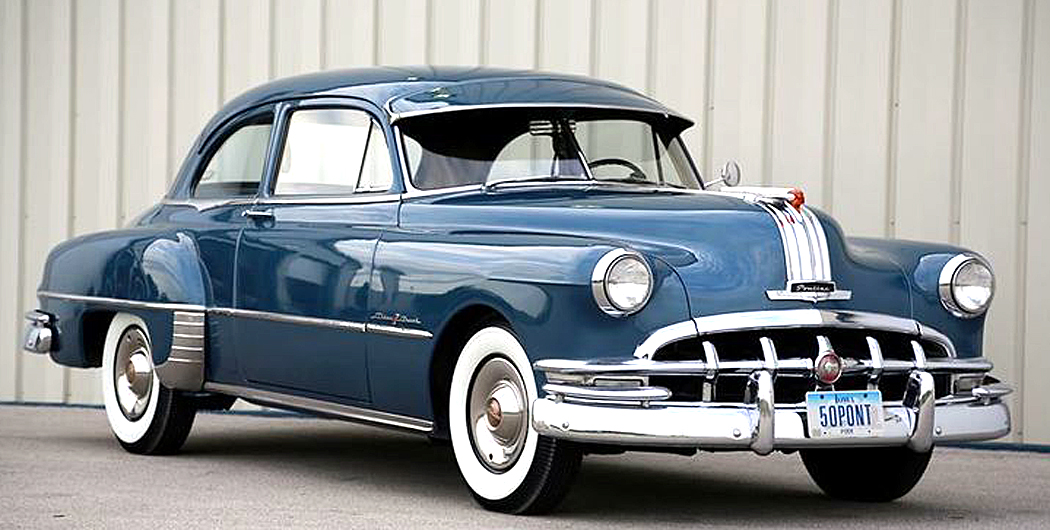
1950 Pontiac Chieftan

There is a streak that mainly boys seem have: learning and naming. I don’t remember schoolgirls having anything like the habit. Maybe they did and I just didn’t notice. To boys at that age, between the ages of maybe five and the advent of puberty, girls are, if not the enemy, at least utterly foreign. 
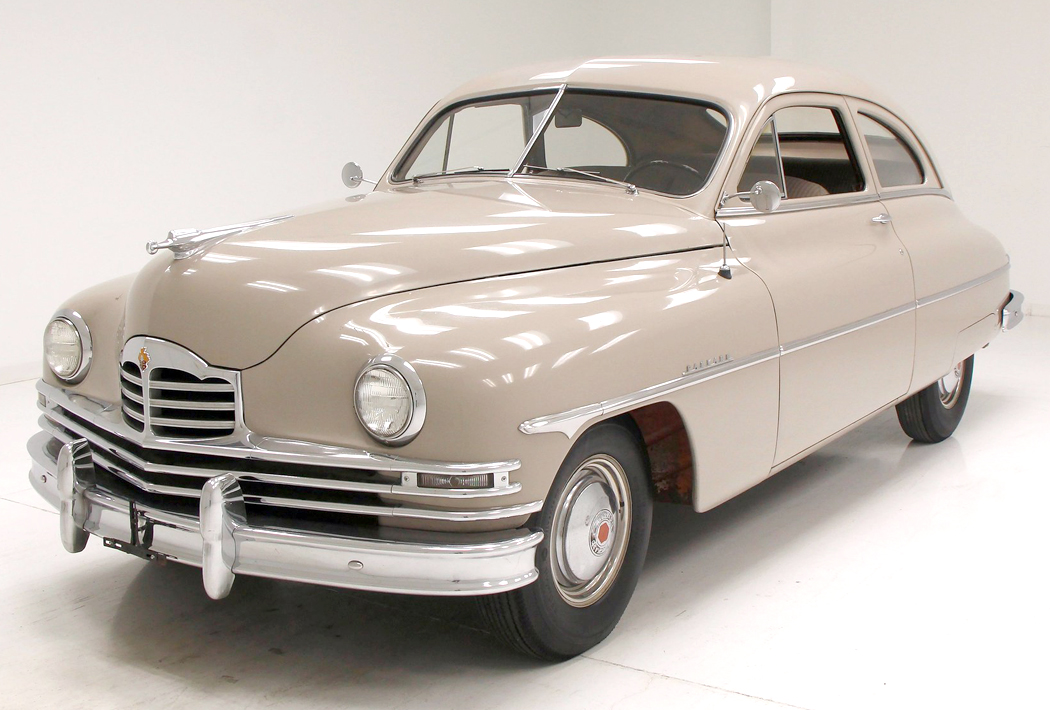
1949 Packard 23 Series club sedan

Many boys never outgrow this naming quirk. Often a concern with regalia properly sorted. When I was an art critic in Phoenix, the museum had an annual show of Cowboy Art, with lots of paintings of shoot-em-ups, horse wrangling; cow-punching and war parties. All kinds of Western movie tropes, but with the serious, almost solemn belief in “historical accuracy.” No one would picture a Montana cowboy riding the kind of saddle popular in Texas, or show a sheriff holding a gun in 1882 that wasn’t manufactured until 1893. They could be quite persnickety about such things. Women’s hair-dos, though, not so much care in that, but then, women didn’t much figure in their mythologies. When I wrote a review that made fun of such things, I wound up being hanged in effigy in a cartoon in Western Horseman magazine. 
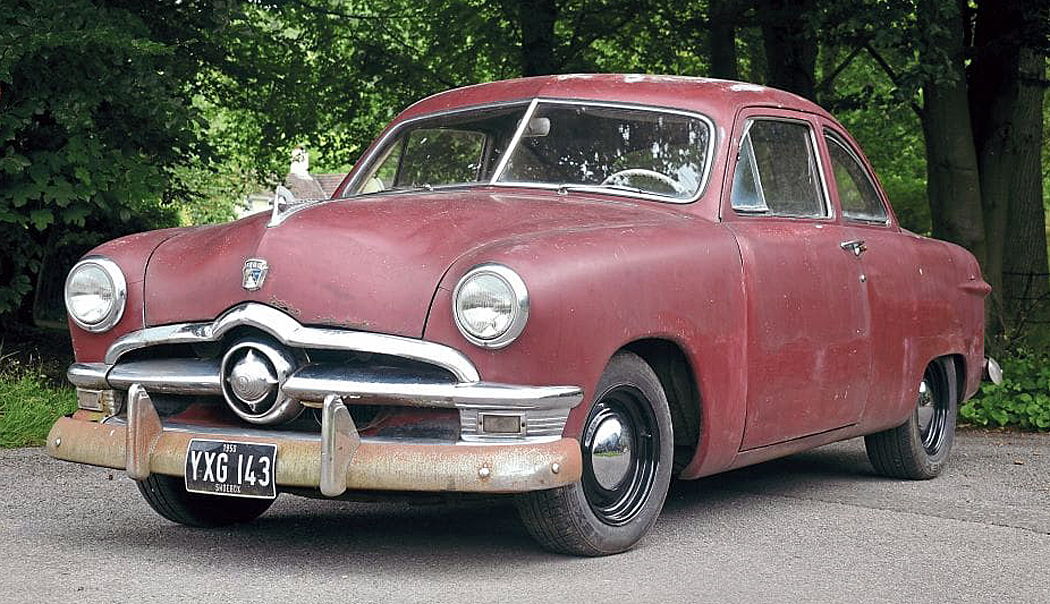
1950 Ford Custom Club coupe

All this came back to me the other day as I sat at a red light and noticed the flood of cross traffic. I could see vehicle after vehicle pour across the intersection with monotonous sameness. There is no way I could tell anymore a Honda from a Kia.  

Three seemed to be only three kinds of vehicles, each sharing a sameness with others in its class: First, the SUVs, bigger than they need to be — the bullies of the highway; second, the small sedans — they used to be derided as “European jogging shoes” — that are faceless as store mannequins; and finally, the pickup trucks. This last may be more prominent in the South, where I live, but the cars crossing in front of me seemed about equally divided into these three. The only punctuation in this repetitive tune was the public transit bus. 

The only way to discover the difference was if you could see the logo on the trunk. What was once the personalities of their manufacturers have become mere brand names, no more different than yogurt brands or actual jogging shoes. 
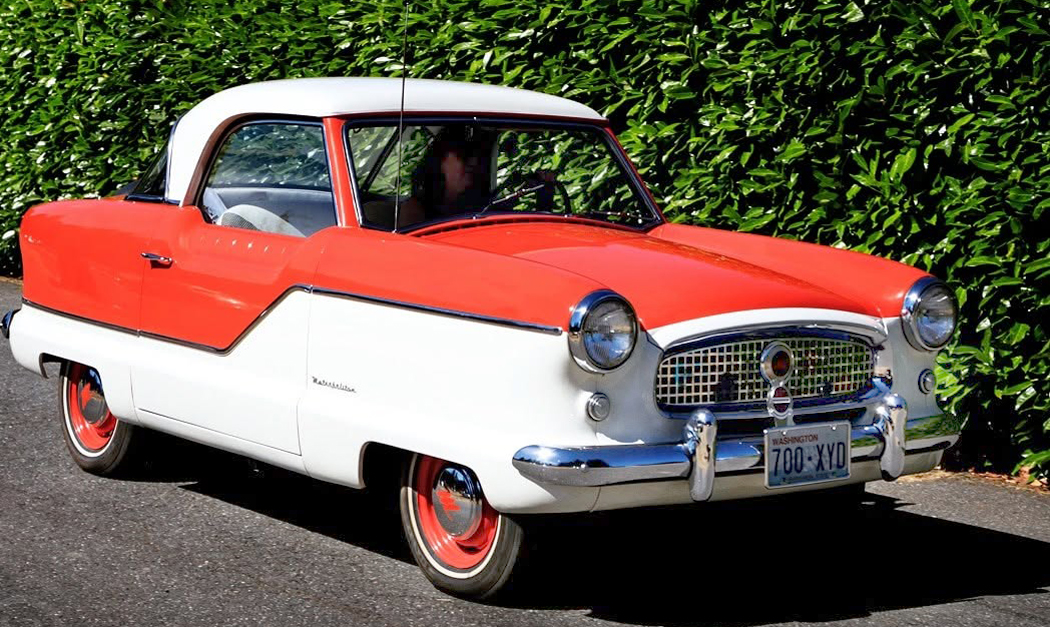
1957 Nash Rambler Metropolitan

How different from when I was three or four and naming the cars (with a certain amount of joy in their esthetics, and pride in my ability to name them). They were very distinct designs. “We had faces then,” as Gloria Swanson says in Sunset Boulevard. (actually, I looked it up and misremembered. She actually said, “We didn’t need dialog; we had faces.” But same thing, right?) Car manufacturers used their special designs to sell the cars and create identity. Hence the broad Packard and the Studebaker, with its pooched “mouth.”  

1950 Studebaker Commander

I don’t know why there is such a paucity of interesting design among cars. When I was little, they really did have faces.
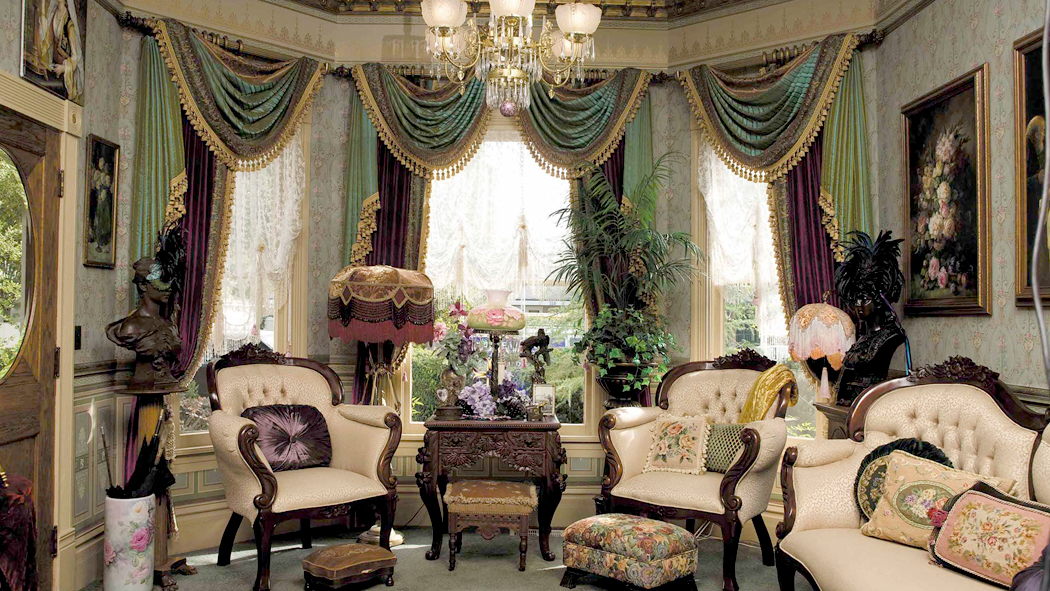
As a little boy in the 1950s, I remember visiting my great-grandmother in Jersey City. She had a darkened living room, with great stuffy chairs, a mantel clock surrounded by tchotchkes, floor-length curtains over the windows, and the back of every chair featured a lacy antimacassar. There were cut-glass bowls on the animal-claw end-tables, one of which was filled with hard candy, from which we children were offered “one.” 

It was for my tiny little brain, simply what old people lived in, so unlike the split-level suburban home where I grew up. There was the smell of oldness, the wool of oldness, the dark mahogany of oldness. Above all, everything seemed upholstered and dark. Later, when I was an adult, I recognized the style as Victorian. 

As in Norse mythology, there were three separate worlds — the world I knew, with my schoolmates; the world of my parents, with its privileges and authorities; and the distant and rarefied world of the ancients. These were not simply different houses, but completely different universes. 

Each of these reflected the “taste” of its generation. Victorian; Mid-Century Modern; now Postmodern. 

They were three different “tastes.” And taste rules so much of what we like, what we choose, and who we think we are. It is the way we groom our hair, the clothes we wear, the car we drive — we don’t choose a BMW over a Honda because it gets us to our destination any faster, but because it presents to the world the person we think we are — or want to be. The same with a Volvo or a Ford truck. Taste is a powerful driving force in our lives, whether we are aware of it or not. But sometimes, it must be transcended. 

When I made my living as an art critic, I had to put aside my individual tastes and attempt to judge art by more impersonal standards. For instance, I have never responded to what are called the Mexican muralists — the Diego Rivera, David Siqueiros, José Orozco paintings and their peasant-proletarian mythologizing. It shared too much with socialist realism and was, to me, rather drab in its muddy earth colors. Nevertheless, I had to acknowledge the importance, art historically, of their work, and to be able to distinguish between the best of Mexican muralism and the lesser, more humdrum examples. To be able to distinguish and understand was more important than my “taste.” 

This problem has cropped up again recently when a friend and former colleague posted a series of videos on YouTube cataloguing the biblical paintings of Marc Chagall, accompanied by ironic and meaningful music by Tori Amos, John Lennon, Mix Master Mike and others. He asked for my opinion. I watched all nine short videos (watch the first one here) and was impressed by his graphic and editing skills, but had a hard time otherwise. I simply don’t much like Chagall’s painting. Never have. 

I recognize his significance in art history, and there are things of his I respond to — a few paintings, such as 

I and the Village (1911); View of Paris from My Window (1913); Cubist Landscape (1919)

his stained glass at Reims Cathedral; 

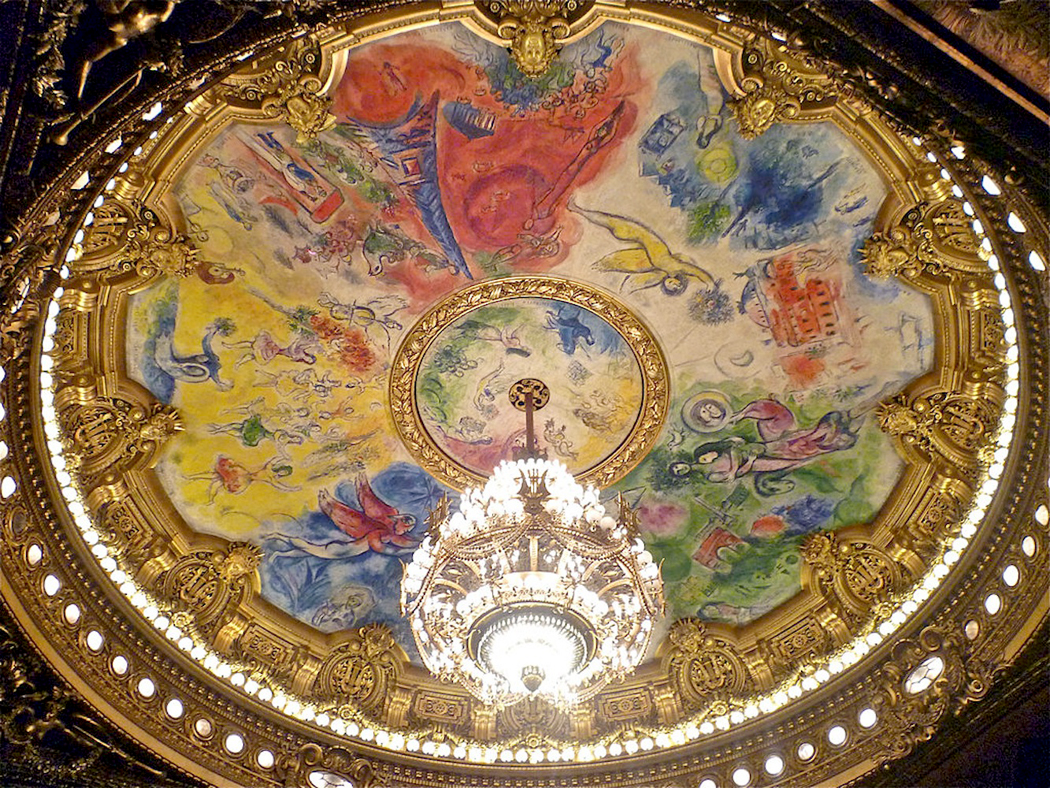
and the ceiling of the Palais Garnier in Paris. But the general run of Chagall has always struck me not as childlike, but childish. And he produced way too much with too little editing, leaving dozens and dozens of images virtually identical except for their finish — a blue coat here, turned red coat there, or left as a scribble. This was especially true of the biblical images, of which there seemed to be hundreds. 

My friend had collected them all and divided them into the familiar episodes or stories of the Bible, adding the music and sometimes his own commentary to them. I dutifully sat through all nine chapters of the video, but in the end did not come away with any higher opinion of the artist — indeed, the need for editing seemed all the more imperative. 

I don’t fault anyone for their taste. I recognize it as an individual thing. My taste is not better than anyone else’s, it is just mine. If I respond to Mahler more than I do to Max Reger, well, then, that’s me. If I would rather re-read Milton than James Dickey, so be it. Would travel across the country to see a Pollock retrospective but wouldn’t cross the street for Frank Stella, that’s just the way it is. (This may have something to do with a sense that the world is not tidy and organized, but chaotic and spontaneous. I share Pollock’s sense and not Stella’s). 

Yet…

Yet, there is that passage in Coleridge’s Biographia Literaria where he makes the distinction between gustibus and gustus. Plural and singular. We all know the Latin phrase, “de gustibus non est desputandum,” but, Coleridge says, “gustibus” is what I have been talking about so far — personal preference. We like some things more than others. Any argument is silly: “I like pickles.” “No, you’re wrong, I don’t like pickles.” 

But “gustus,” he says is different. It is the ability to differentiate between value and trash. Tastes are personal, but taste is about discernment. It is what allows us to know that Marc Chagall — no matter what I personally think about him — has value that, say, Thomas Kinkade does not. That James Dickey wrote poetry and that Rod McKuen wrote whatever you want to call it, but not really poetry. 

Gustibus allows us to enjoy even trash. It is OK to like Kinkade’s brand of nostalgic goo, but it should never confuse it with quality. 

John Waters is the master of bad taste, but he has taste. The interior of Elvis Presley’s Graceland is also in bad taste, but there is no evidence of actual taste involved. Hence the word “tasteless.” 

The distinction to be made is one of awareness. Taste comes from engagement, from paying attention. Lack of taste comes from acceptance of the conventional, of the expression of sentimentality, or the dependence on what someone else says is good. 

Much has been made of taste as a class distinction. But that is not what I am talking about here. Artist Jenny Holzer has famously said that “Money creates taste,” but it doesn’t. Money creates fashion and fashions change. Taste is a way of experiencing the world; it is not a hemline or this year’s color pairing. British aristocracy includes some of the world’s most tasteless people. 

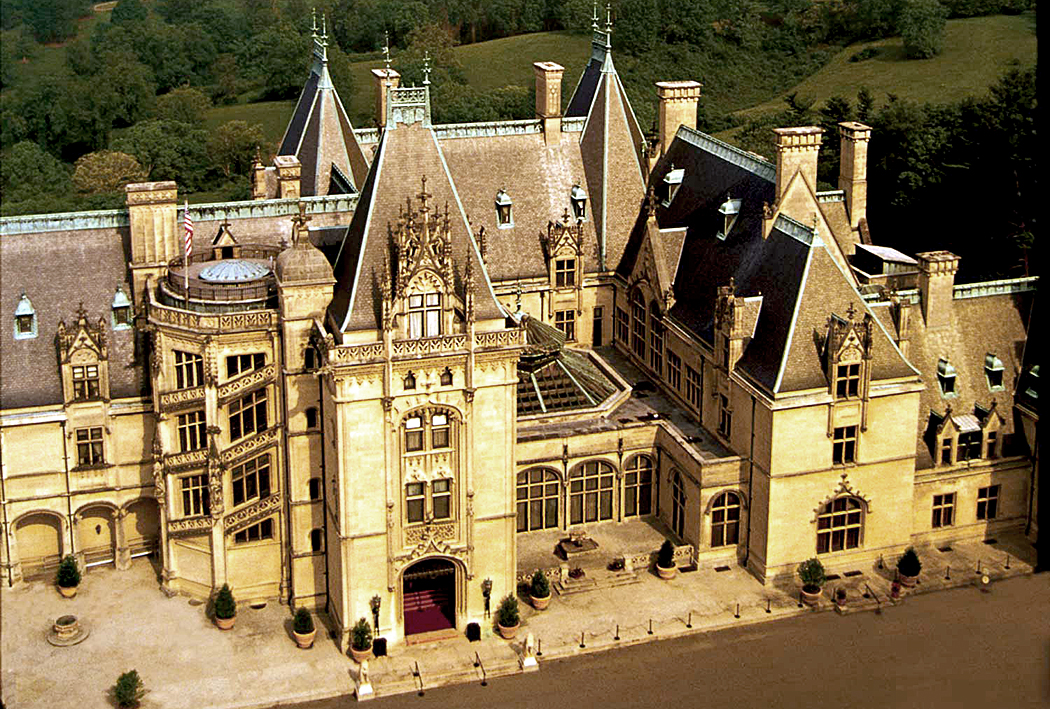
Here in Asheville, N.C., there is a mansion called the Biltmore House, which is one of the most tasteless, garish pieces of architecture I know. Money creates smugness, not taste. Think of all the money Donald Trump has. 

Taste in the sense I mean it is at its foundation an engagement with the world, with all of it. It is the attempt to see things as they are and appreciate them for their worth.  

There is a problem. It is so easy for gustibus to blind us to gustus. We easily take our tastes as taste and assume that things we like are therefore universally good. It takes some doing to divorce one from the other. We assume we like something because it is good and therefore, everyone should agree with us. I like pickles and if you don’t, you must be a Communist. 

It’s a trap we all fall into at times. Myself certainly included. But I’ve seen many things I initially didn’t appreciate later come to be favorites. Did Bruckner suddenly become better than he used to be? I wrote a whole piece about how my mind changed on the paintings of Joseph (not Frank) Stella (here). The acquisition of taste is an ongoing process and requires constant engagement and re-engagement. Make up your mind too soon and you miss a lot. 

In short, our tastes close us off, while fostering your taste opens you up. Tastes are our hidey-hole, where we burrow in and stave off the parts of the world that make us uncomfortable. Tastes are lazy; taste is adventurous. 

The cultivation of taste is a question of experience. The more we become familiar with, the better our choices will be. 

I remember when the film critic at The Arizona Republic was brand new. Bill Muller had been a political reporter, and when the previous critic left the paper, the feeling was he had been too “arty.” And so, they wanted an “ordinary Joe” to speak for the ordinary moviegoer. Muller seemed the perfect choice. He knew nothing about film (which he readily admitted to. Muller was a very smart guy and honest). 

And so, for his first year as a critic, he loved movies where things “blowed up real good.” He was the demotic critic the company hoped for. The problem was, once you’ve seen 20 or 30 movies where “things blowed up real good,” you begin to be able to distinguish between those films done well and those done poorly. And so, Muller began to give negative reviews to sloppy and cliched movies. His taste grew. 

When he was first hired, Muller often shuffled off art and foreign films to me to review. It was a great gift to me. I loved those films. But as Muller’s taste grew, he began to appreciate the finer points of filmmaking and — as I said, he was a hugely intelligent man — he began to keep the art films for himself. He became a cultured critic. He never lost his common touch and became an Andrew Sarris, for instance, but I watched him with great interest as his taste level rose with his exposure. 

I don’t mean that Muller became a stodgy old pedant like me. He still loved popular movies — if they were good — but popular wasn’t enough. It had to be popular and good. His tastes were always different from mine, but his taste became more and more discerning. 

Taste requires exposure and it grows unbidden. There are no rules for it, as Susan Sontag wrote, “Taste has no system and no proofs.” But you miss it when it’s absent.

In addition to this blog, which I have been writing since 2012, I have written a monthly essay for the Spirit of the Senses salon group in Phoenix, Ariz., since 2015. I was, at various times, a presenter for the salon, which arranges six to 10 or so lectures or performances each month for its subscribers. Among the other presenters are authors, Nobel Prize-winning scientists, musicians, lawyers and businessmen, each with a topic of interest to those with curious minds. I recently felt that perhaps some of those essays might find a wider audience if I republished them on my own blog. Here is one, from Dec 31, 2016 slightly updated and rewritten.

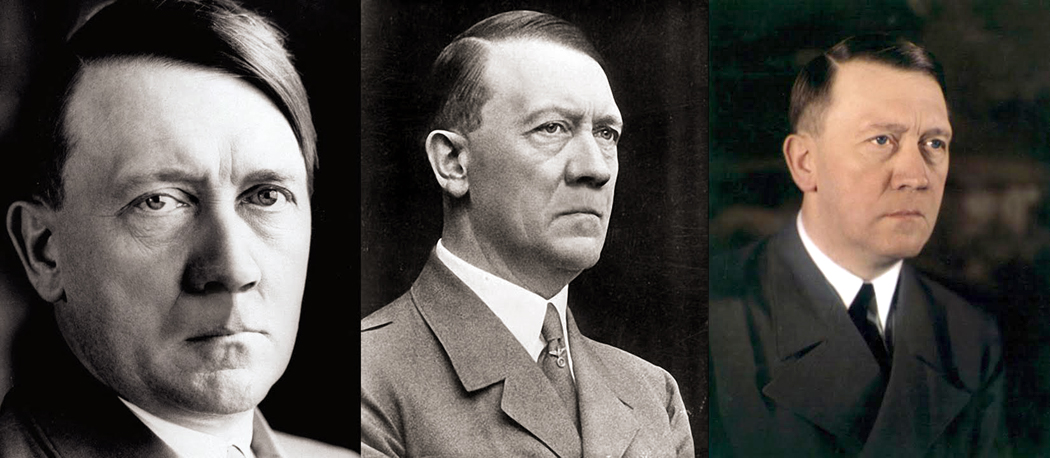
Who is this man?

This is arguably the most recognizable face of the 20th century; you may recognize him without his most iconic feature. But probably not. Without it, he looks like any anonymous businessman or bourgeois politician of his time. Yet, give him back that one little caterpillar curling under the shade of his nostrils and you can recognize him instantly.

In fact, you don’t really need the rest of the face. Even an abstract diagram can be given its name without much puzzling. That mustache defines the face of the single most evil person of the previous century (nominations are now open for the current era). Before the middle of the last century, there were many who bore a similar fungus on their lip, but since then the so-called “toothbrush mustache” has gone understandably out of fashion, save for a few copycat dictators and a comedian or two attempting irony.

Yet, before its demonization, the lip tonsure was famous for defining the Little Tramp of Charlie Chaplin. It was also worn by Oliver Hardy (“Here’s another nice mess you’ve gotten me into.”) One would be hard pressed to understand the thing in any way but comical, until it occupied the philtrum of the Great Dictator. It’s hard now to realize that it could grace the passport photo of Eric Blair on his way to Burma to shoot an elephant, later to write about it as George Orwell.

Then, there is precedent for the little fuzz as popular with strongman rulers. Generalissimo Francisco Franco, before he was still dead, bore the little bristle. So did pre-war Japanese Prime Minister Fumimaro Konoe. And, of course, Peter Parker’s boss in the Spider-Man comic books is J. Jonah Jameson. The scant inch-of-hair has a long pedigree.

Even now, there are those willing to sport the growth. Former Ecuadoran president, Abdala Bucaram, known to his voters as “El Loco,” sported it before he was impeached. Zimbabwe “president for life,” (now deposed and buried) Robert Mugabe wears one so tight and slender, it barely fills the space between his two nostrils.

Michael Jordan tried one on for a series of ads he made for Hanes underwear. It won him the title of “Herr Jordan.” His friend, Charles Barkley admitted, “I don’t know what the hell he was thinking and I don’t know what Hanes was thinking. I mean, it is just stupid. It is just bad, plain and simple.”

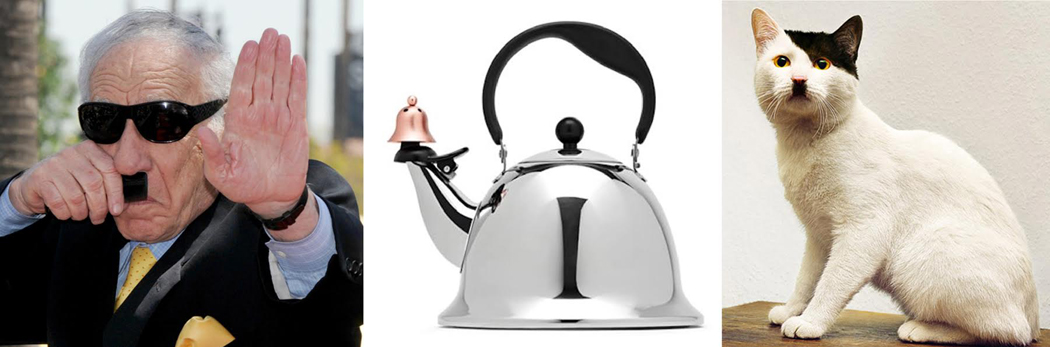
It has fallen on hard times, this innocent little bushlet. Irony is its constant companion. It is a meme on the internet; it is a joke in a Mel Brooks movie; it is even a phantom that bedevils Michael Grave’s teapot design for J.C. Penney (now off the market after too many people saw the evil one’s face in its handle and lid ball, with the spout as a Nazi salute).

But, where did this odd thing come from? And how did it make its way onto the facial undercarriage of der Führer?

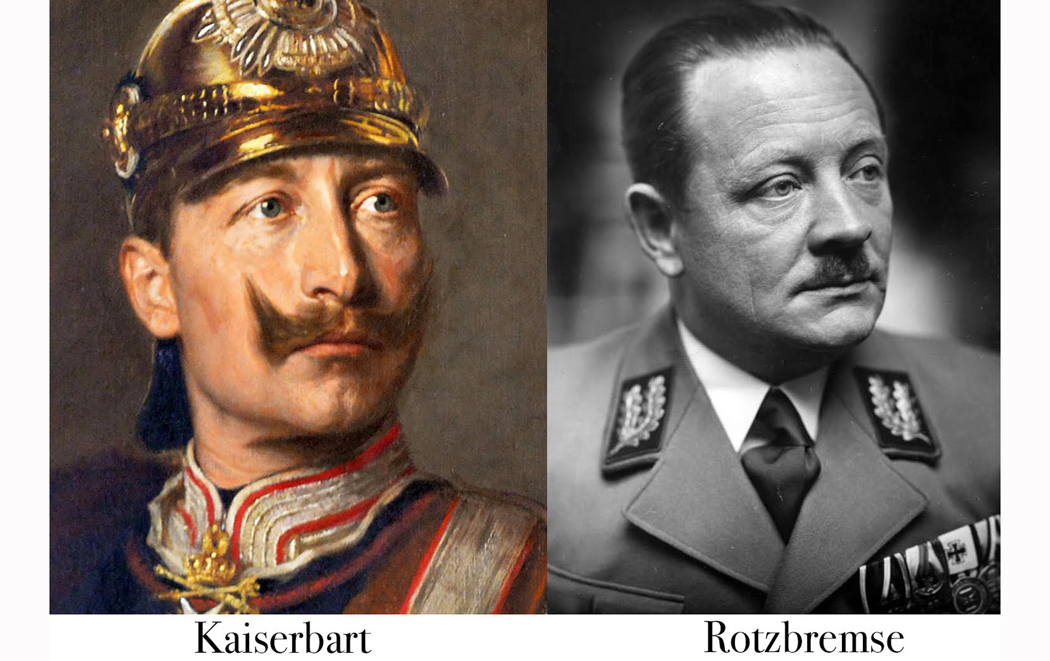
The first surprise is that early commentators tell us the style was originally American. It was American tourists who brought it with them to Germany, where, in the early years of the past century, it spoke of Modernism and efficiency. Back then, the style, especially among military officers was the broad, spreading eagle of the “Kaiserbart,” or Kaiser mustache. All the most Erich von Stroheim cavalry men sported them. It was described in a New York Times article on Oct. 10, 1907 as something like a handlebar mustache, with its tips “elevated upward and the rest fashioned something after the form of the wings of the Prussian eagle which one sees on National standards and postage stamps. It is more or less popular all over Europe, particularly in military circles.”

The piece goes on to say, “The ‘toothbrush’ mustache, which is  considered an American importation, is a bristling appendage claimed by its possessors to have the advantage of being hygienic and convenient — virtues which should make a particular appeal to the Germans.

“That it did make such an appeal is revealed by the fact that many German swells have of late applied the scissors to their ‘Kaiserbart’ and discarded the use of the ‘frixe mustache.’ The substitution, however has met with widespread resentment on the part of the fair sex. One German lady writes to the Berliner Tageblatt that she will no longer recognize her male acquaintances who wear ‘a toothbrush on their upper lips.’

“ ‘Man is naturally very ugly,’ writes another. ‘The only natural adornment he ever had was his mustache, and that he is now ruthlessly mutilating. Instead of the peaceful hirsute ornament of the past he is marring his face with a lot of bristles.’ ”

The fashion was certainly helped along by celebrity. A year before the New York Times story about the “American mustache” that had become all the rage, the newspaper chronicled the heroics of a young German military officer who won the “New York to Paris” round-the-world automobile race (he was later disqualified for cheating). Hans Koeppen was described as “31-years-old and unmarried. Six feet in height, slim and athletic, with a toothbrush mustache characteristic of his class, he looks the ideal type of the young Prussian guardsman.”

The ‘stache acquired nicknames. It was called the Rotzbremse, or “snot brake.” It was called the Fliege (fly),Zwiefinger (two-finger), and Chaplinbart, after its most famous wearer before it gained infamy on the lip of the Führer.

This was before the start of the War to End All Wars. When the war changed everything, it seemed to have changed the upper lip of a certain German corporal along with it.

It would be understatement to say that the nose-blot mustache has lost its appeal, except to would-be dictators, but the aversion can extend beyond the actual bush above the bouche. Amazon-dot-com had to change its phone app icon because some people read into the design a spectre from history. 

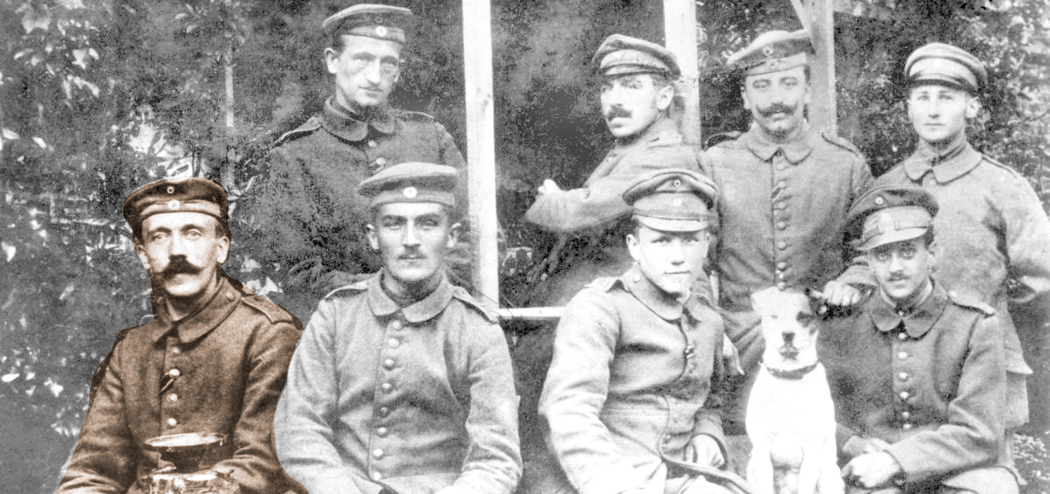
There is no certain documentation as to when Adolf Hitler first adopted the wooly-worm balanced above his lip. There are several stories, none of which is certain.  The most common is that his broad-winged Kaiserbart could not fit efficiently into the gas mask he was required to don in the trenches of the Western Front, and so he was forced to snip it down to something that could squeeze in. There are several photographs of the corporal with a wide snifflebuster across his face. Post-war, it is gone.

In her suspect autobiography, Hitler’s sister-in-law Bridget Hitler claimed that she couldn’t stand his spreading Kaiserbart whiskers and, in 1912, made him snip off its ends. But in doing so, she wrote, He went — as he did in most things — “too far.” The problem with this version is that photographs show him after 1912 with the handlebars on his cheeks.

In all likelihood, he just picked the mustache because it was fashionable. He, too, could look “the ideal type of the young Prussian guardsman.”

Not that everyone liked it. In 1923 fellow Nazi party member Ernst Hanfstaengl claimed “the ridiculous little smudge … made him look as if he had not cleaned his nose.” He attempted to persuade Hitler to change it, telling him the style was by then unfashionable. Hitler’s answer: “If it is not the fashion now, it will be later,” he said, “because I wear it.” Boy, did he get that wrong.