Archive

Tag Archives: fiction

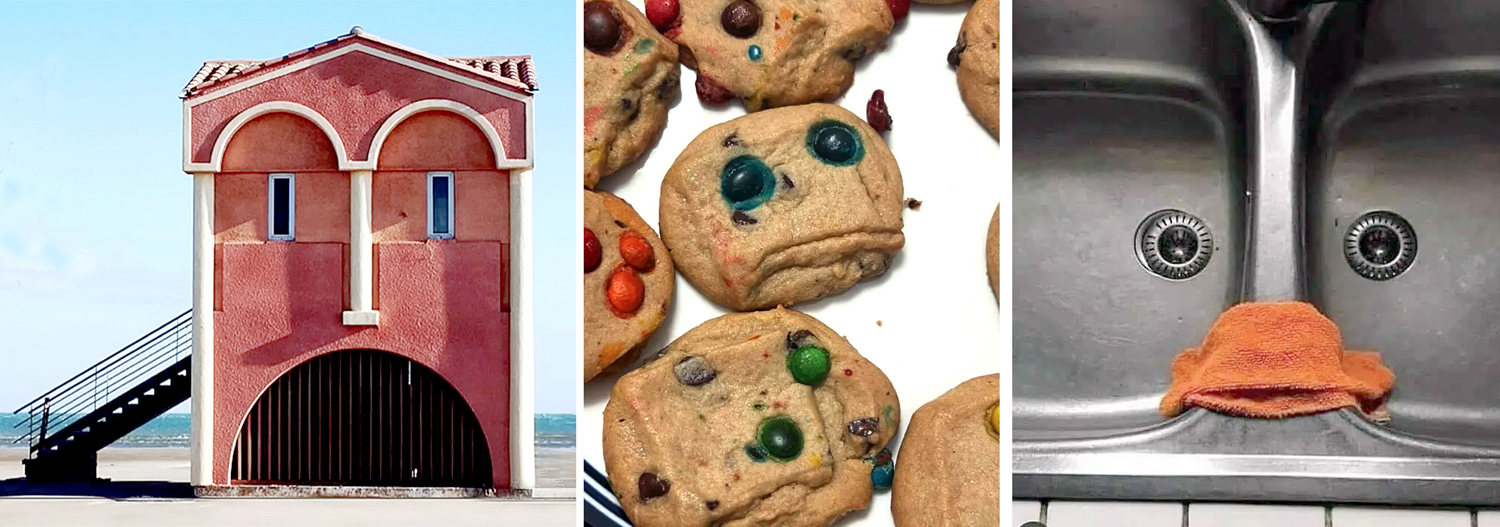
Deep in your brain, at the back of your skull, lie two small bits of matter, each about the size of a pencil eraser, buried roughly equally in each of the two hemispheres of your brain. Their job is to recognize faces. Called the fusiform face area, it is such a hard-working little department, it will sometimes see faces where there are none. 
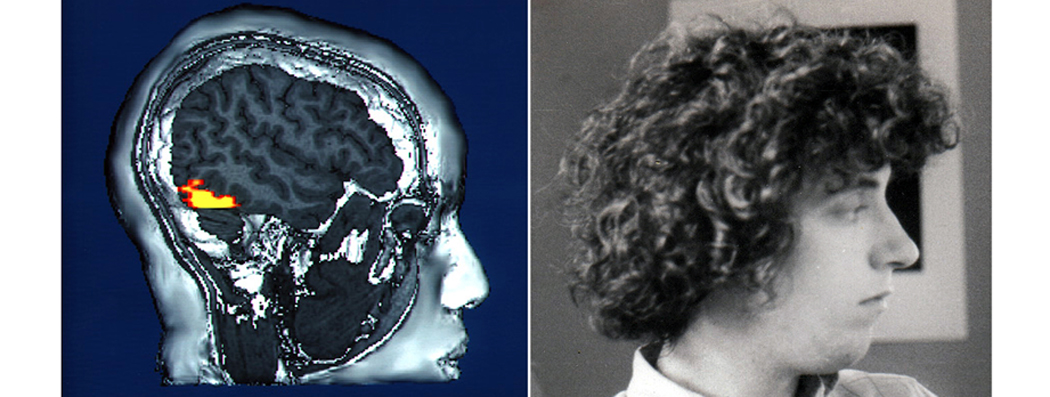
Faces are so important for the survival of the species, that as soon as a newborn can focus — not even focus, but begin to do so — it can make out faces from other shapes, and by three days old, it can recognize its mother’s face. 

And through life, the human face remains one of the most engaging visual forms we know. And it is why it is the most frequent subject for art. It covers everything from family snapshots to emojis to political cartoons to the formal portrait. And the portrait has settled in to be one of the conventional genres of art, along with landscape, still life, nude, and abstraction. 
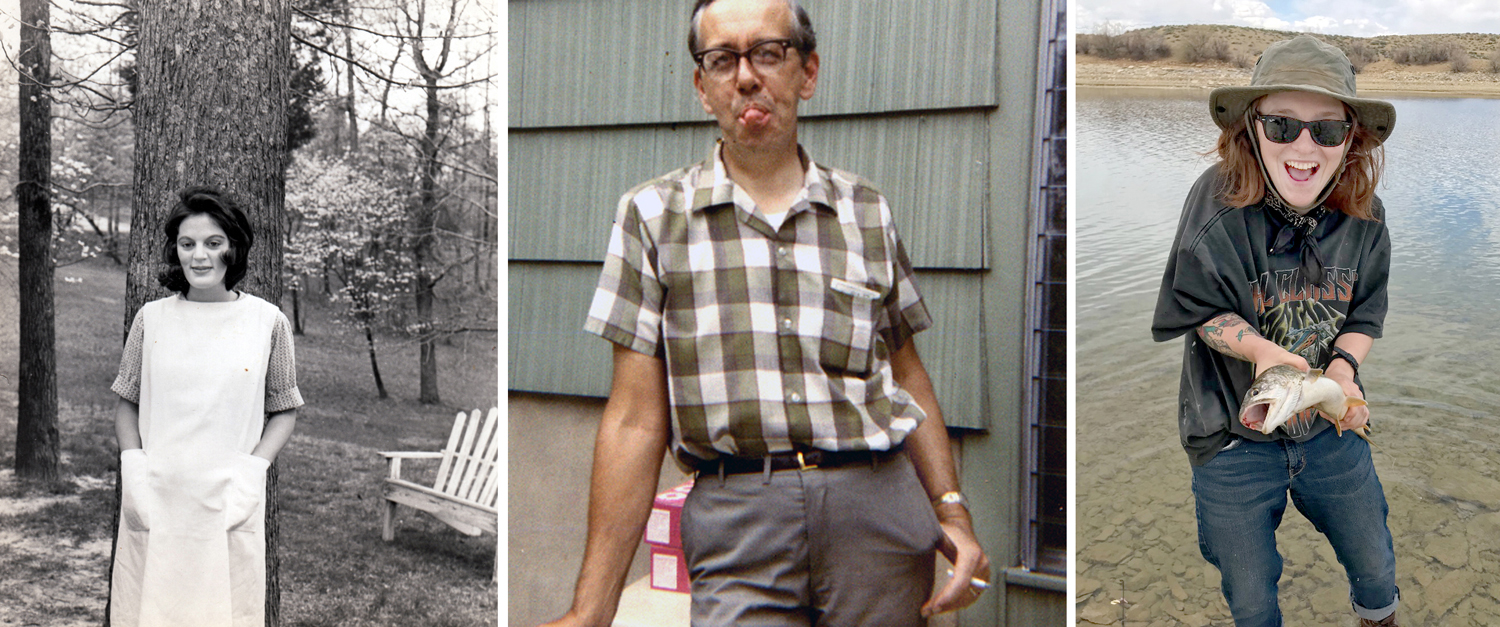
But not all images are the same, or made with the same intent. There are, by my calculation, four overarching categories of pictures of people. The family snaps are the most common. Most of us have a shoebox filled with old pictures, some going back as far as the late 19th century. 
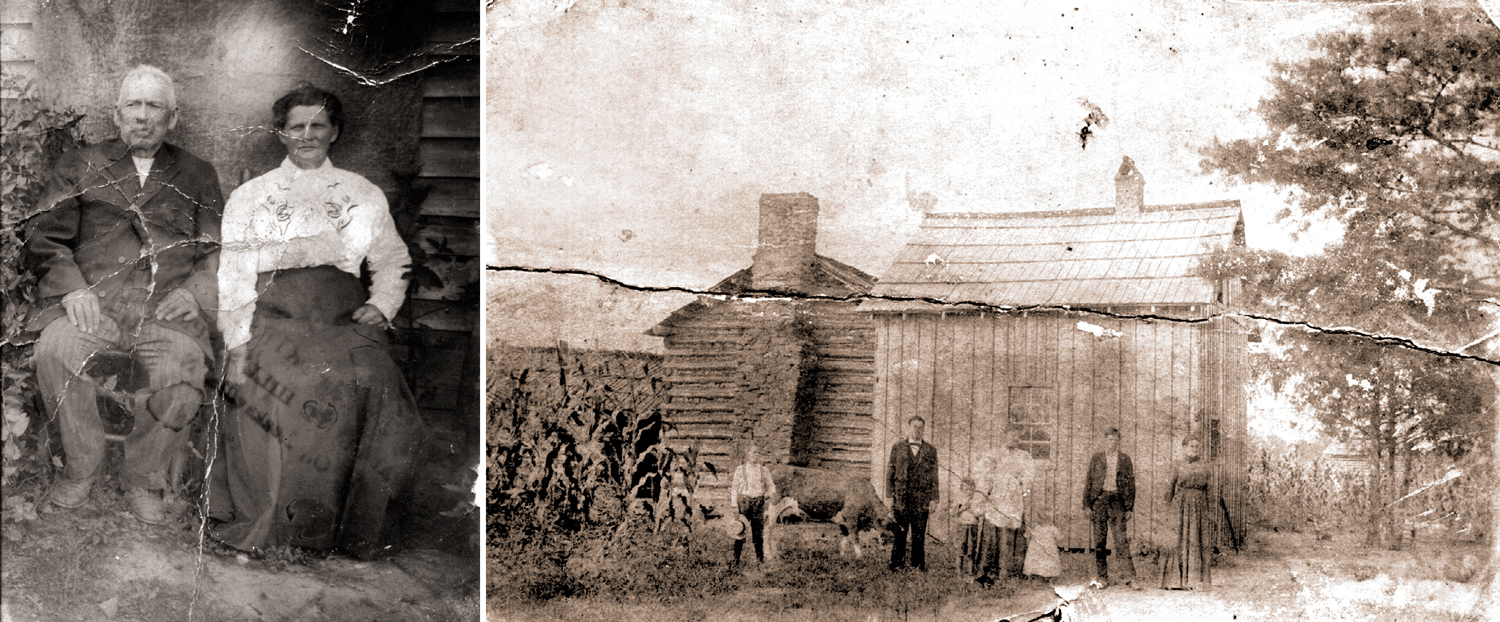
Rowan Steele and family, Sandy Ridge, N.C. ca. 1890

Nowadays, most family pictures exchange the shoebox for the cellphone and cloud. But still, a ton of pictures, most of little significance to anyone but family. 

The second group are the more formal photos, like school pictures, wedding photos, or those grinning Olan Mills family shots, as stiff as plywood and just as expressive. Those, usually in Sunday best, with billboard smiles, is how you would prefer people to see you. 

Jennifer Lopez by Annie Leibovitz

Then, there are the celebrity portraits, by the likes of Annie Leibovitz or Harry Borden. These are made when an actor or author has some new project to sell, and they need a clever image for the cover of Rolling Stone magazine or Vanity Fair. Or the cover of a band’s new CD. In a sense, these are not pictures of people but rather portraits of brands. They are selling us something. 

I don’t want to demean these pictures. The photographers who make such images can be tremendously talented, and their work is often memorable. But they are not usually true portraits, but rather, a form of marketing. 
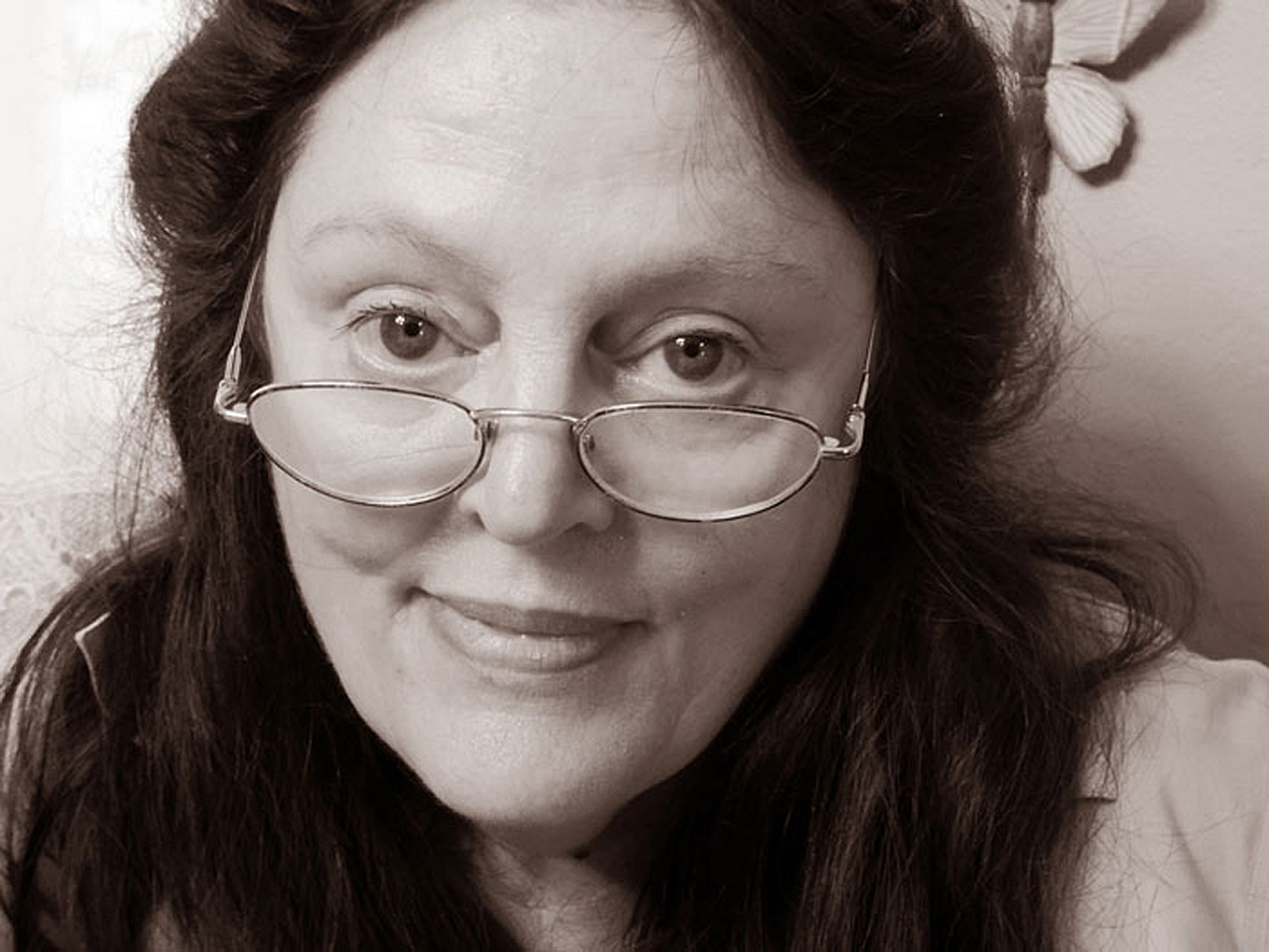
Carole Steele

Finally, there are the portraits I am writing about, images that attempt to capture something genuine about the sitter. To tell you something about the actual person. It is in their eyes; their ancient glittering eyes. 
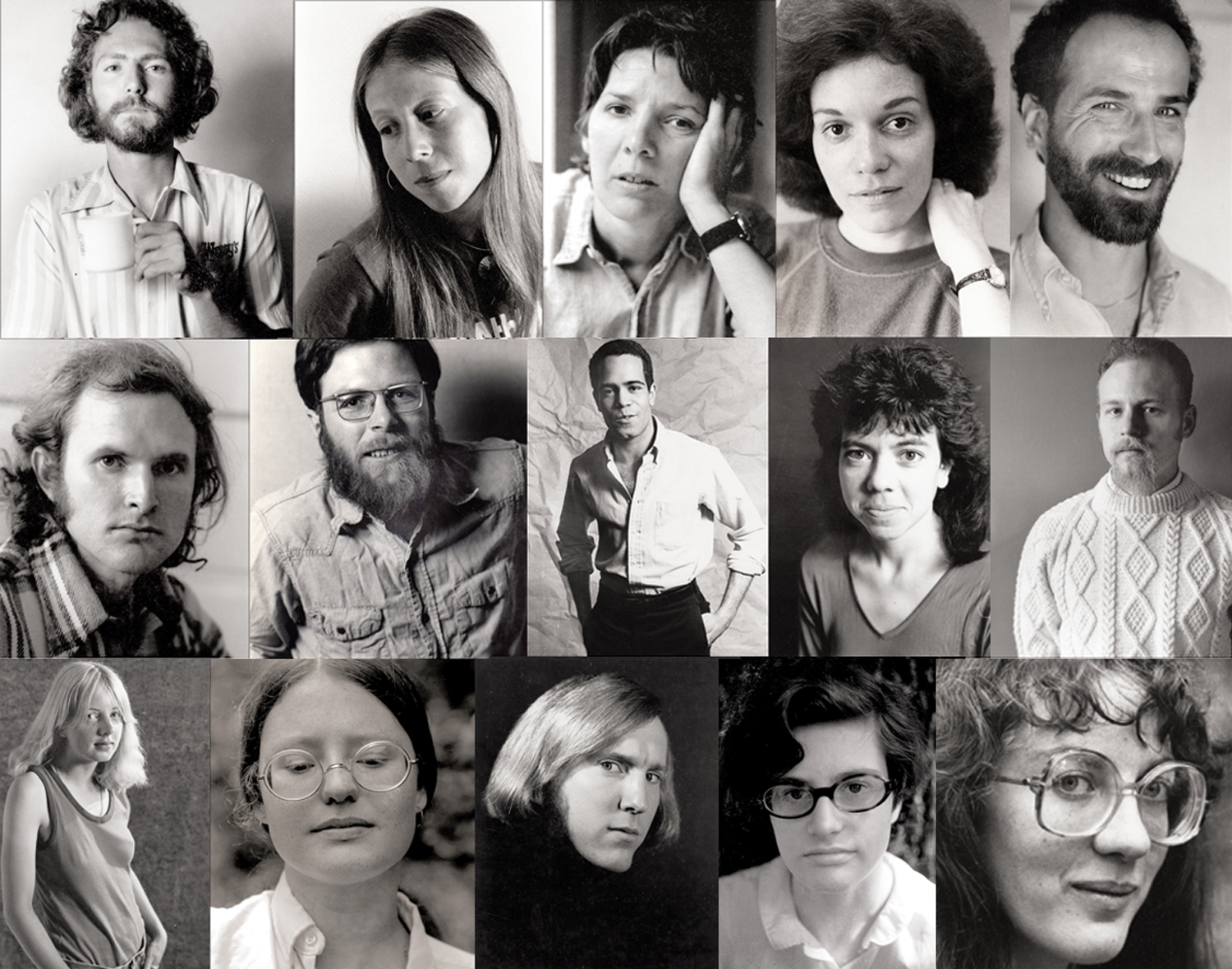
I have been making such pictures for more than 50 years, beginning back in the 1970s, when I worked at a camera store in Greensboro, N.C. I photographed like a demon, making records of friends, family and colleagues. At our home, I had one wall of the dining room covered with something like 30 or 40 photographs, held to the wall with small bits of masking tape on their backs. Some of these may have simply been snapshots of friends, but most were attempts at capturing something real or genuine about those subjects. 
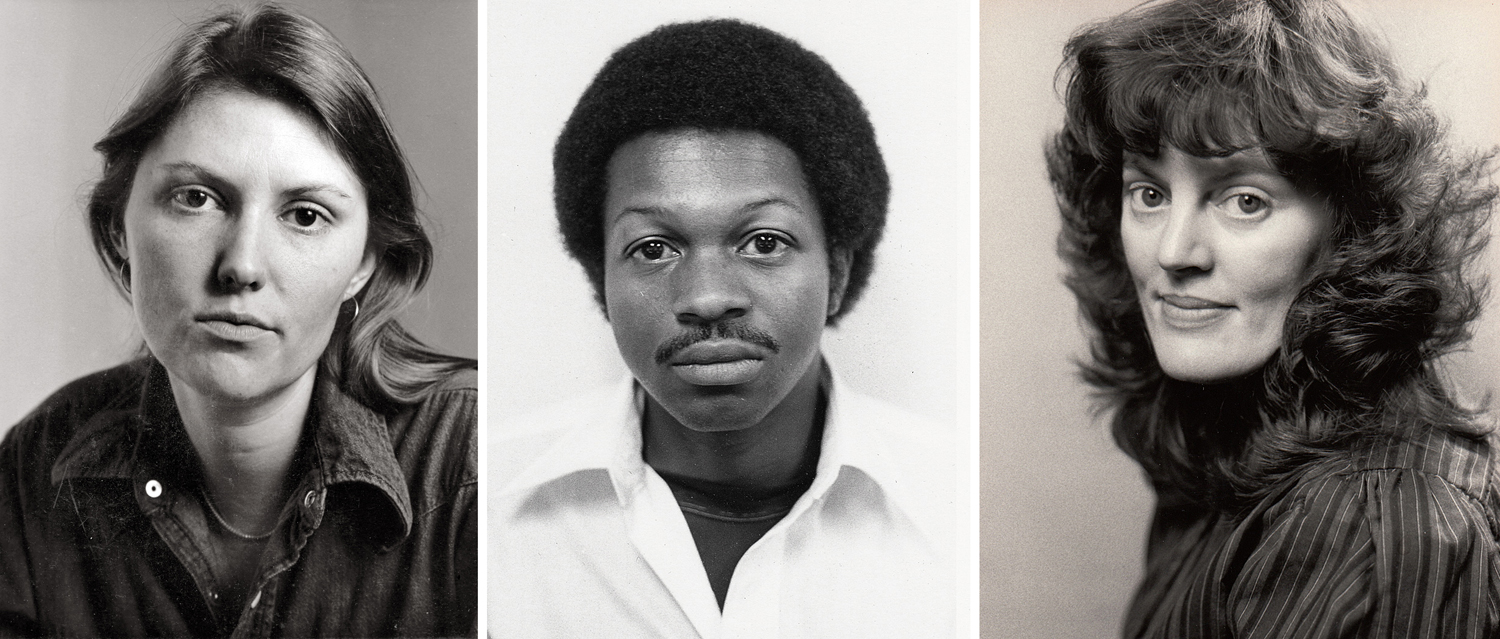
Judy Crawford; Ron Pierce; Carole Steele

What most of the images shared were their eyes. I usually tried to get my subjects to look directly into the camera, forcing the viewer to make eye contact and creating a psychological bond with the sitter. Judy Crawford had eyes that were pools of infinite sadness. As Cicero wrote, “The face is a picture of the mind with the eyes as its interpreter.” There is intelligence shining from some, caring and feeling in some, suspicion or cynicism in others. The eyes have it. 

I am now too long in the tooth to mount any more gallery shows, or attempt to publish a book, but I thought I might use this blog to present a sampling of the portraits I have made over the years. Indulge me. 
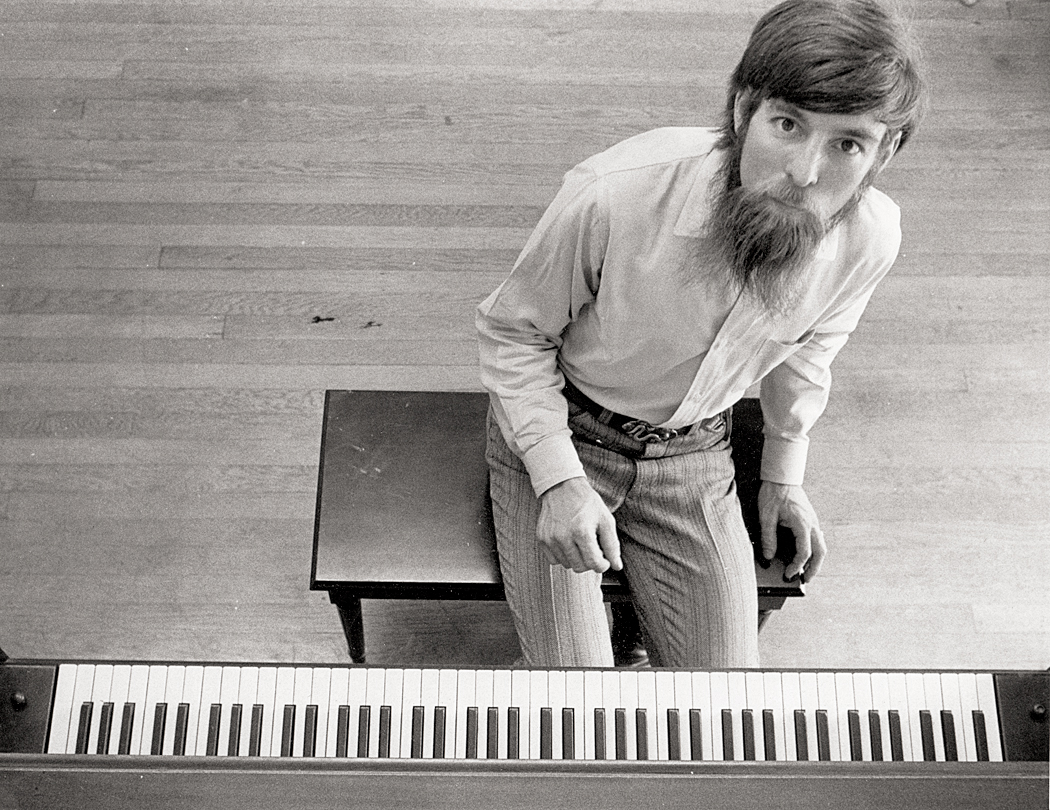
Aimee Groulx

One of the first portraits I still show is of artist Aimee Groulx, who ran the Groulx School of Art in Greensboro, N.C. Actually, his wife, Adele, ran it. Aimee was the kind of free spirit who could not likely run a bath, let alone a business. I taught at the school briefly. Aimee always dotted the “X” at the end of his name when signing anything. “To prevent forgeries,” he said. 
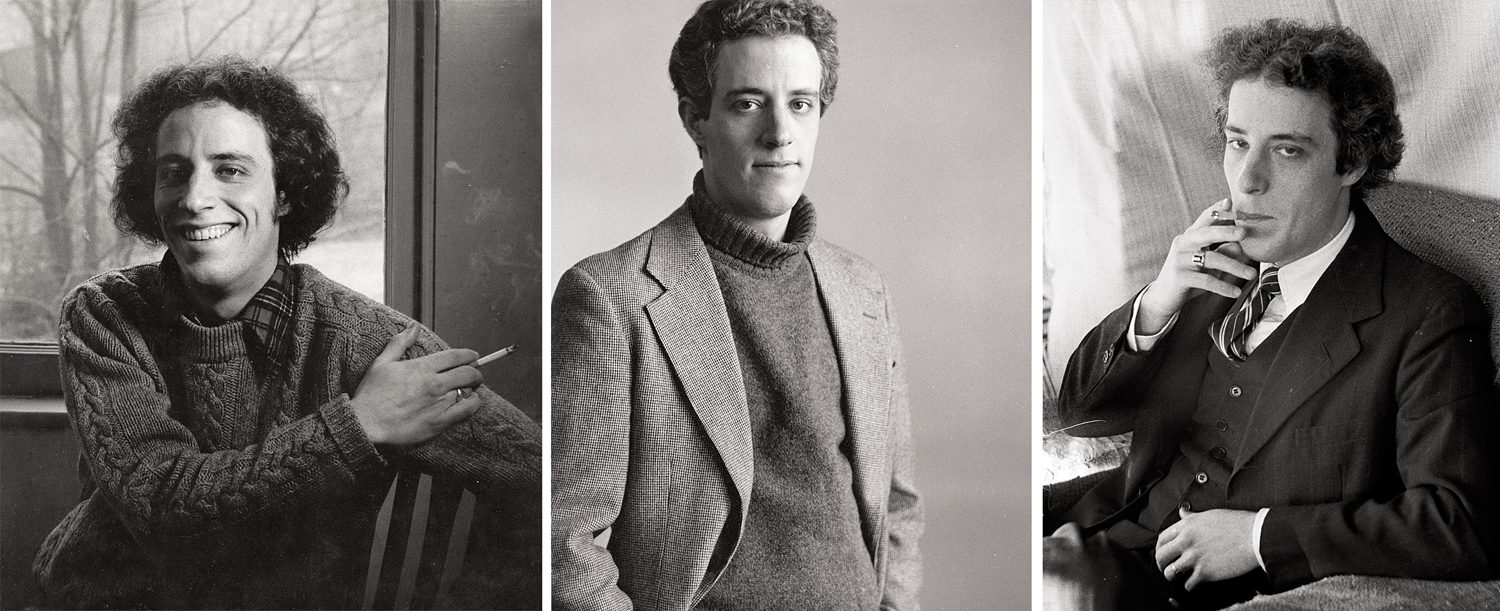
Hank Hackett

Henry Parrish Lippincott Hackett was born to a mainline Philadelphia Quaker family and was great grandnephew to artist Maxfield Parrish. He was one of my closest friends from college. He was a frequent toker, and once I worried he might be doing too much weed. He assured me he had cut way down. “Only four or five joints a day,” he said. Once, he came to our home, a little bleary, and sat on the floor and said with complete earnestness, “Y’know, I feel more like I do now than I did when I came in.” 
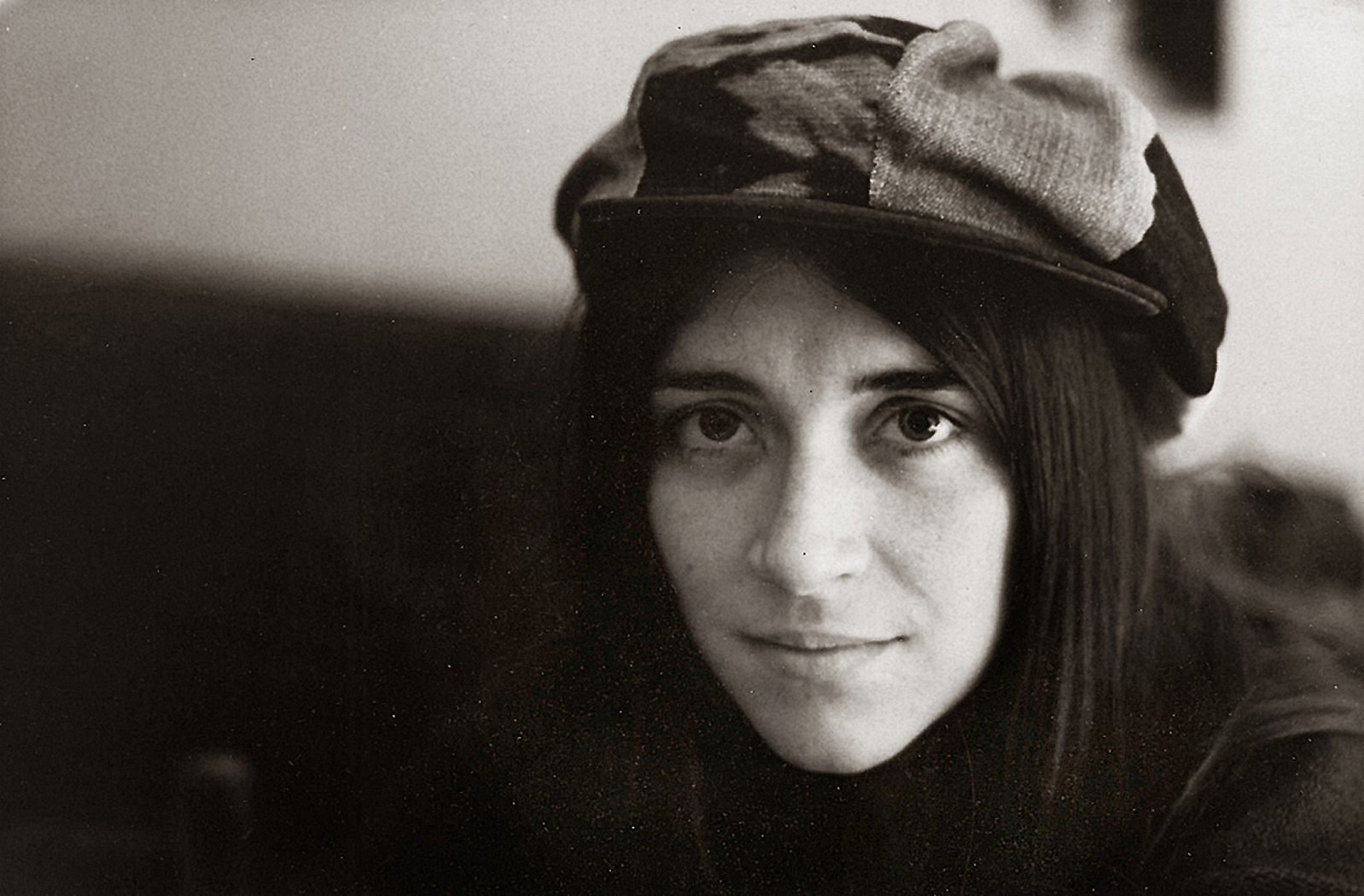
Kacey Lamb

Kacey Lamb always refused to be photographed. By anyone. Maybe she was shy, or maybe she just thought it made her seem more mysterious. One day, when her husband, Larry, was out of town, she took revenge for being left alone by letting me take her picture. “Only one,” she insisted. One click of the shutter, one negative. 
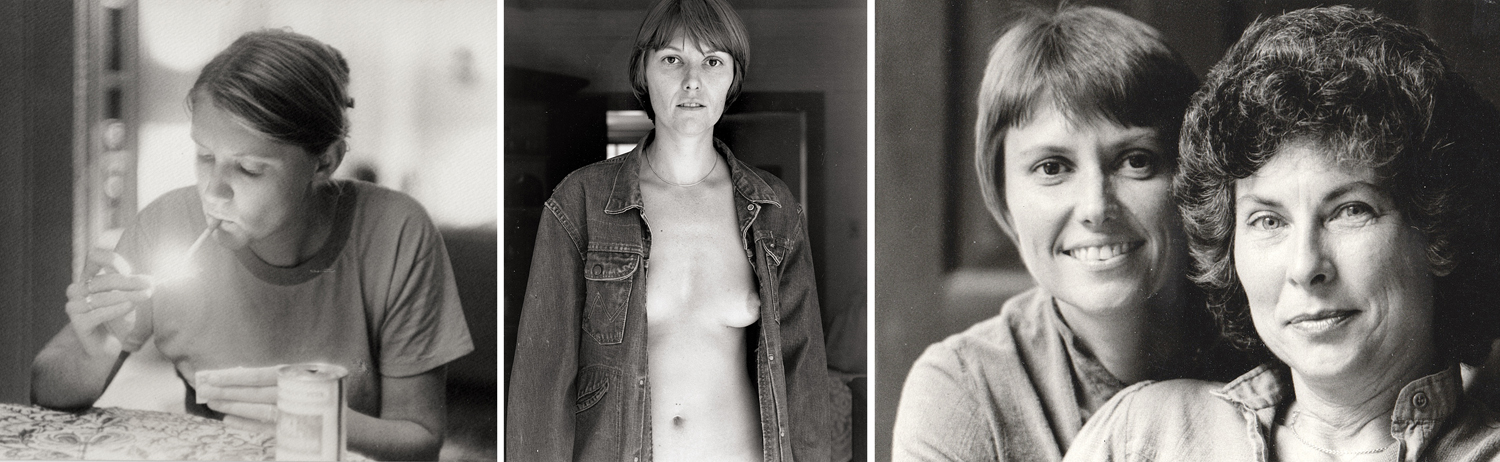
Judy Crawford; Judy with her friend, Minnie

Judy Bryson Crawford was one of the most beautiful beings ever, both outside and inside, and spoke with an engaging drawl from the Blue Ridge Mountains. I first met her in the early 1970s when she lived on Cedar Street in Greensboro, N.C. with Junie Norfleet and Dara Llewellyn. Together they were known as “The Girls,” and their house was a meeting place for many of the more creative-minded young people of the city. She later moved back to her home near Balsam, N.C., just under the shadow of Waterrock Knob.

In 2003, in Phoenix, working at my newspaper, I scrolled the Associated Press wires and accidentally came across her obituary. It was one of the saddest days of my life. She was 56. 
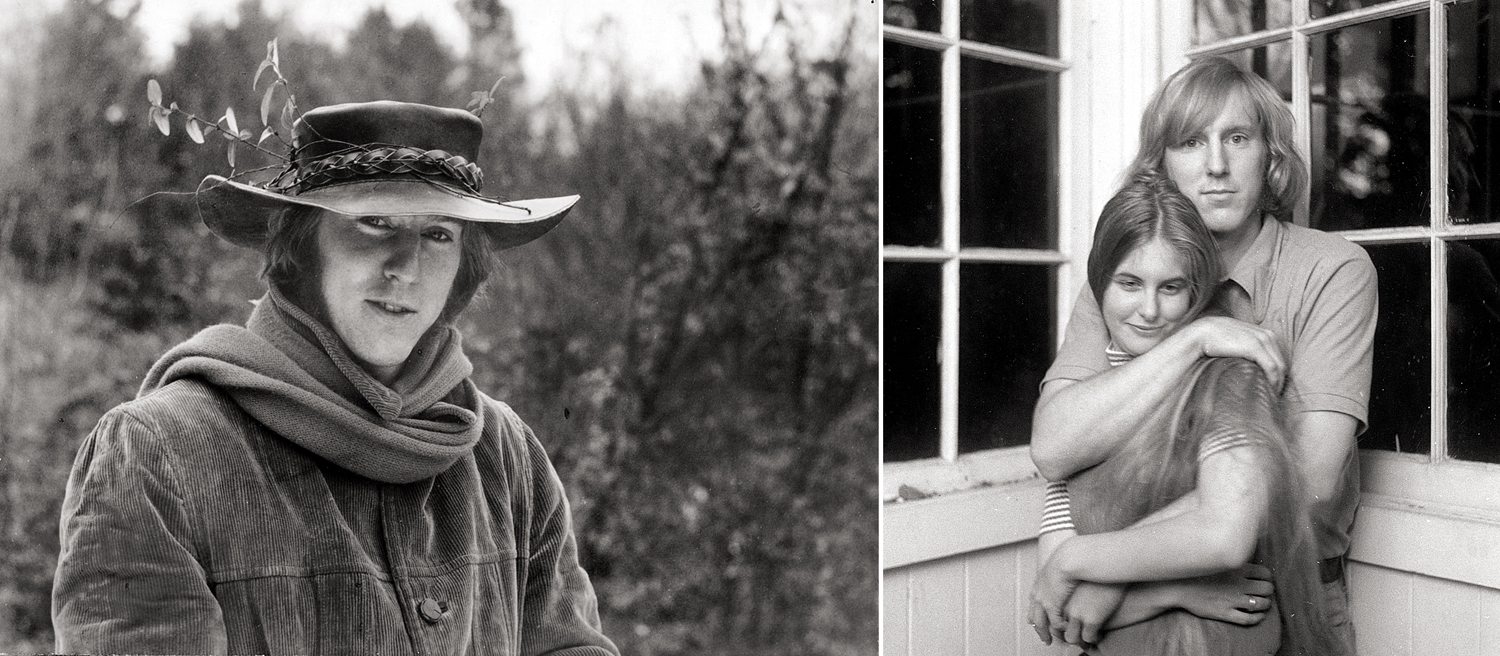
Alexander and Mary Lou Barker

When I was a freshman in college, a rangy young man knocked on my dorm door, hearing that I was listening to a Beethoven quartet on my portable phonograph. We shared a passion for classical music and became lifelong best friends. About once a year Sandro and I drove to the Outer Banks to camp, usually in the winter, when the beaches weren’t crowded. He later married another Guilford alum, Mary Lou Hinton, and eventually moved to the Maine coast. There, always athletically inclined, he took up crosscountry skiing and especially loved skiing uphill.
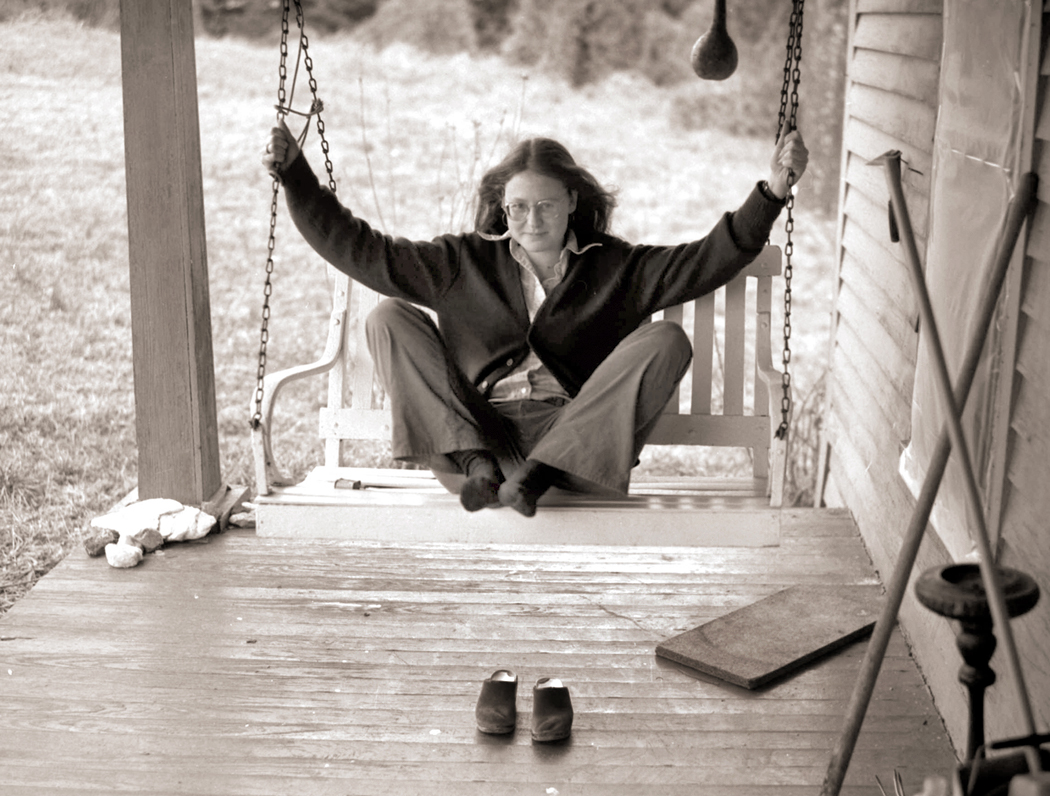
Sharon Vernon

Sharon Vernon was my unofficial wife for seven years in the 1970s. She had red hair that shone the sun like copper. We saved money for a year so that we could take the next year off work to hike the Appalachian Trail to Maine. We got as far as northern Virginia when she sat down beside the trail and announced, “I’m not taking another step.” We were worn out, and destination hiking can be more tedious than it promises, always looking for the next trail marker and the next lean-to to spend the night. Little time to soak in the glories of nature. So, instead, we spent the rest of the year traveling around the Northeast by car. 
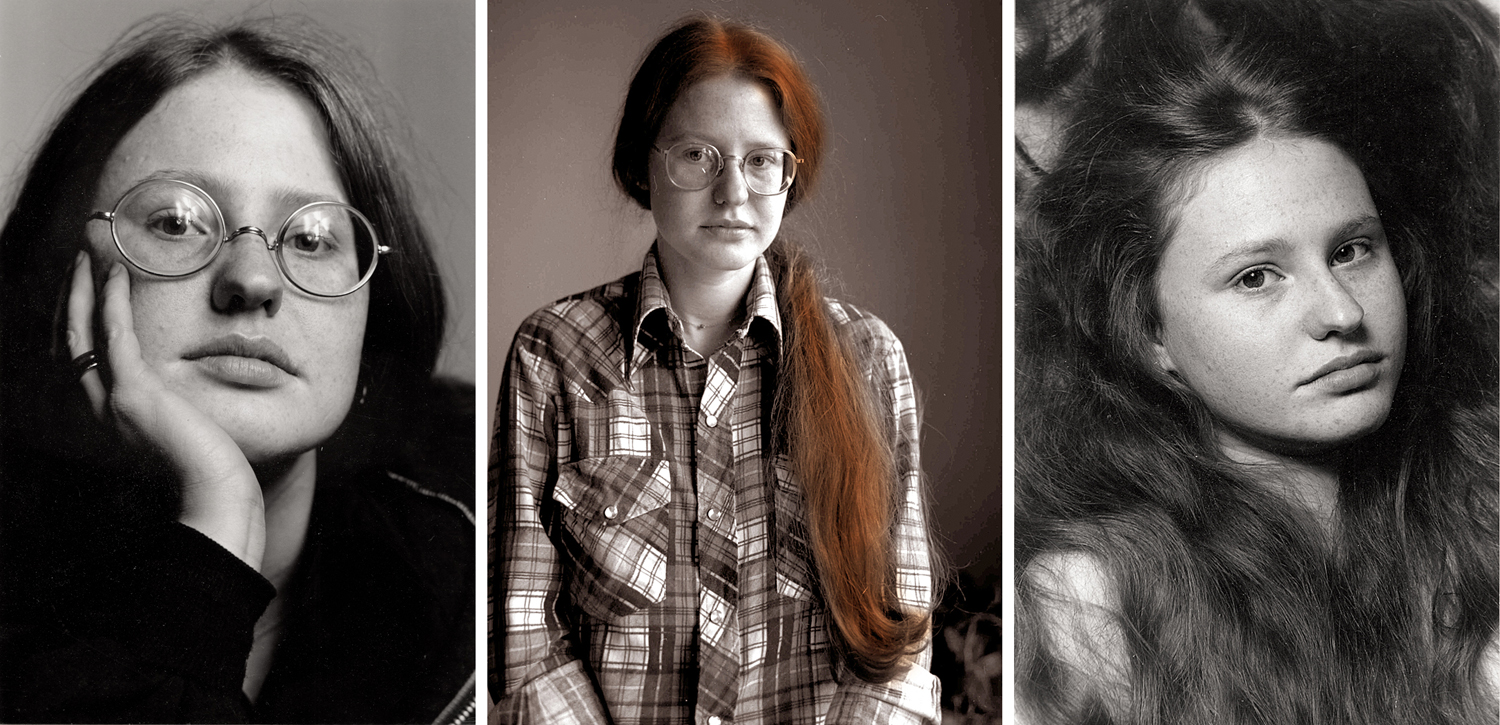
I intended to spend the rest of my life with her, but she decided otherwise, and we split in 1978. I took the train across the country to Seattle. 
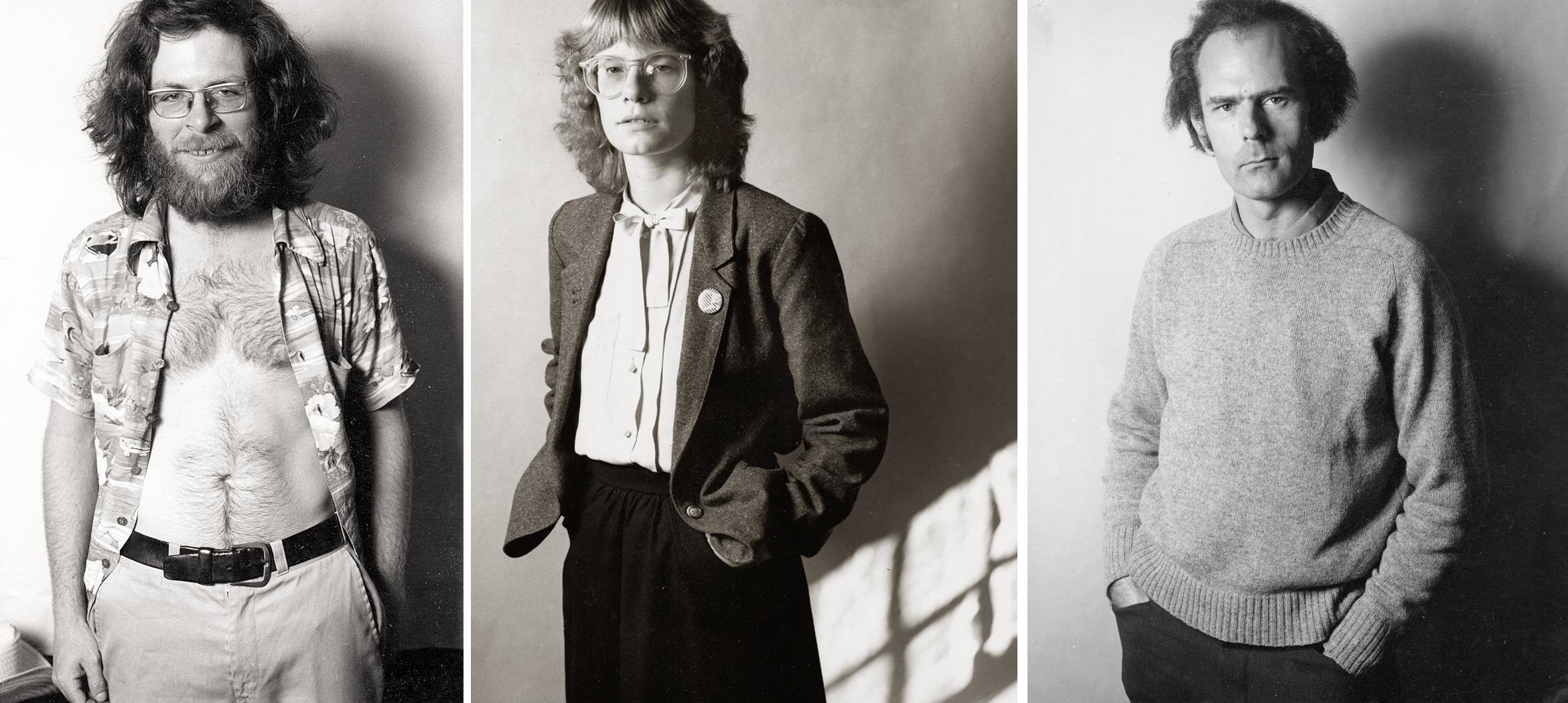
Doug Nufer; Linda Olson; Ken Baker

In Seattle, I moved into a house with “The World’s Most Obscene Man,” Doug Nufer, and two lesbian doctors known as Cam and Clink. The house sat across the street from the Woodland Park Zoo, where I wound up working. 

He was a Bucky, which meant he was a bicycle delivery guy, taking mostly legal papers from law firm to law firm, pedaling roughly 50 miles a day up and down the hills of the Emerald City. His Bucky handle was Banana. 

He had previously been writing porno novels (Sixty-Nine In-Laws was his magnum opus), but now writes avant-garde novels, including one that never uses any word more than once. Unreadable, but that never seemed the point. It is often that way with the avant-garde. 

Linda Olson was my girlfriend’s roommate and a deltiologist, or collector of vintage post cards. For years after I left Seattle, we would mail each other tacky post cards we found. Ken Baker was a zookeeper, one of many I got to know there. When zoo management sent out a memo requiring keepers to wash their hands after visiting the bathroom, he got miffed. “Do they even know what zookeepers do? I wash my hands before going.” 
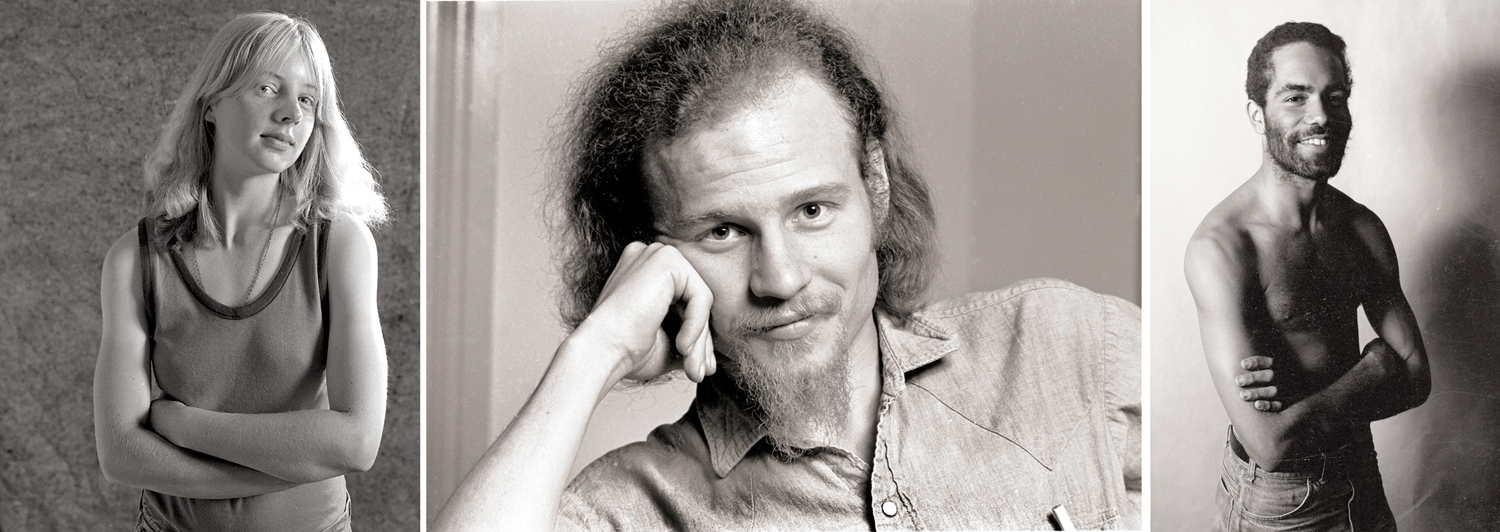
Alice Gilliam; Bill Marshak; Colin Murray

Before I had a straight girlfriend in Seattle, I dated gay Alice, a Bucky like Doug, and we went out together often, and to symphony concerts. She had once been a violinist in a touring Christian orchestra. Marshak was a grad student in Chinese studies, and it was always fun to go to a Chinese restaurant with him and order off-menu, while he chatted with the waiter. Colin (pronounced like Colin Powell) was briefly a housemate and wanted to be a male model, asking me to make some audition shots for him. He never seemed to grasp the irony that his boyfriend’s name was Dick.
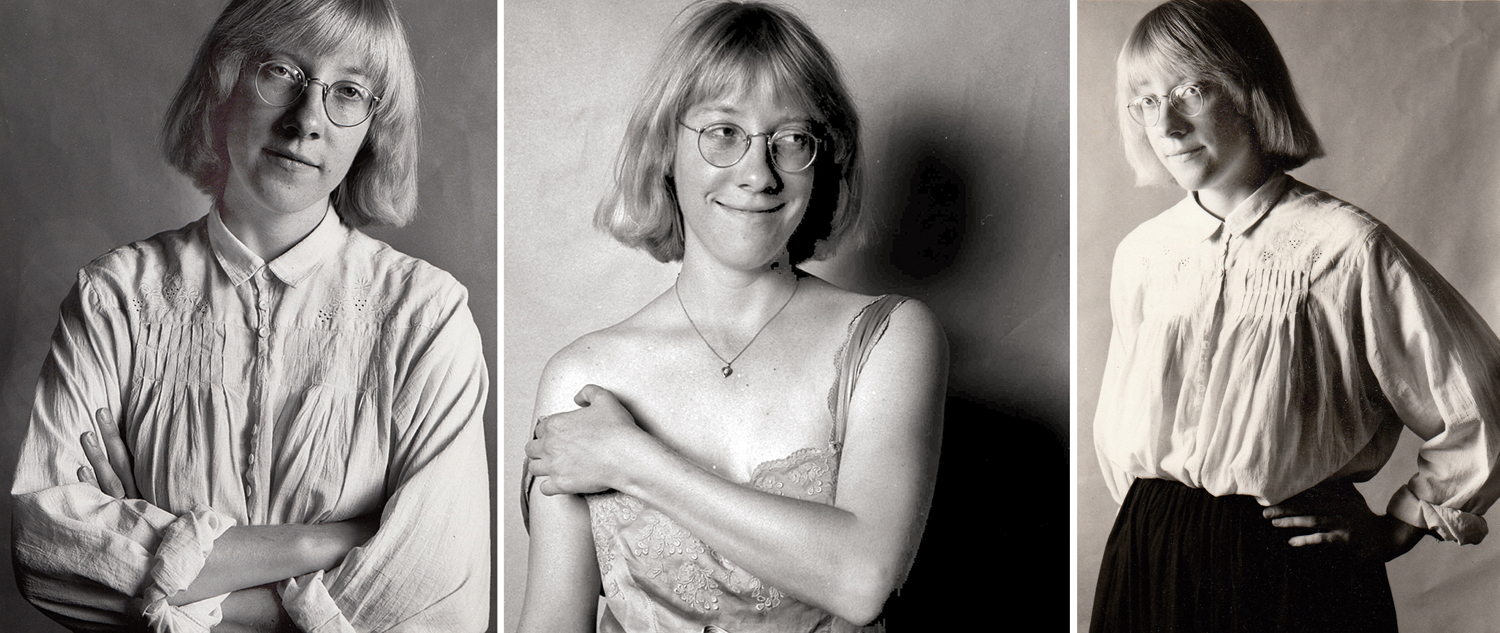
Robin Reid

Robin Reid was a zookeeper in the Childrens’ Zoo at Woodland Park. Her hair was blonder than the sun. I fell wildly crazy about her. She was bright and lively, and had been a professional swing dancer at a local hotel. I was hooked, but I found out months later that she was not. “It’s all just hormones,” she said. When she dumped me, I was heartsick and decided to move back East. 
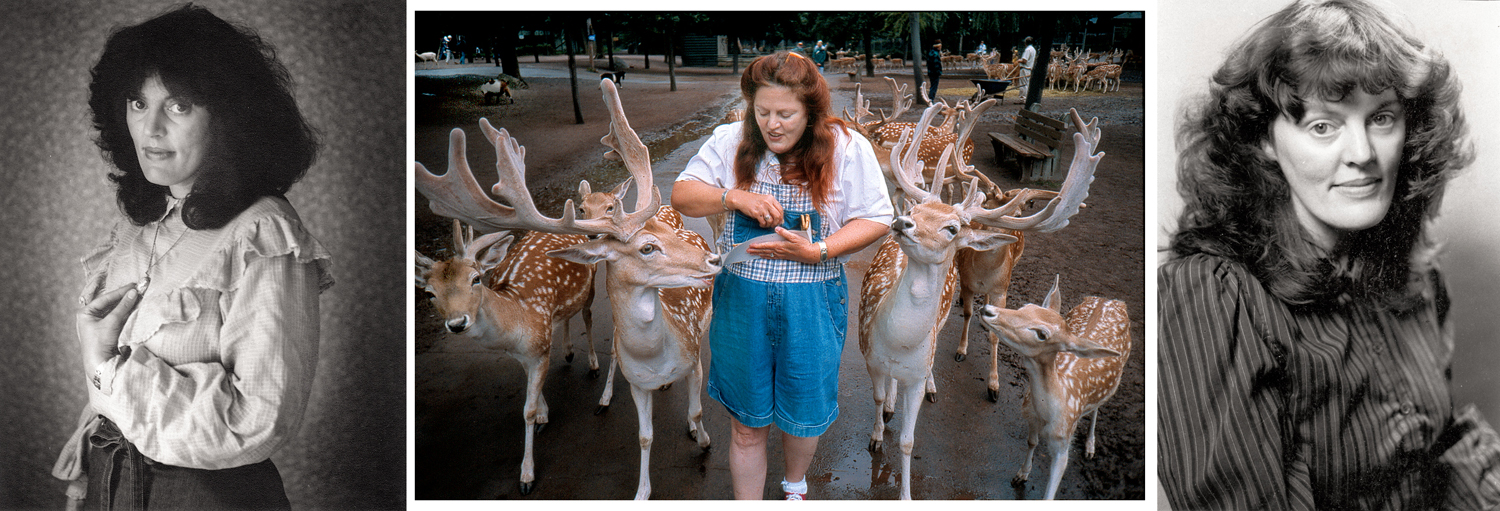
Carole Steele

After a few years of sulking, I was invited by the ex-wife of an old friend to visit her in the North Carolina mountains. We soon married and lived together for 35 years, until her death nine years ago. There has been a hole in the universe since then. Carole was the warmest person I ever knew, and also the smartest. She did not think outside the box; for Carole, there was no box. Widely known to friends as “Queen of the Universe,” she prompted me to everything that made me better. 
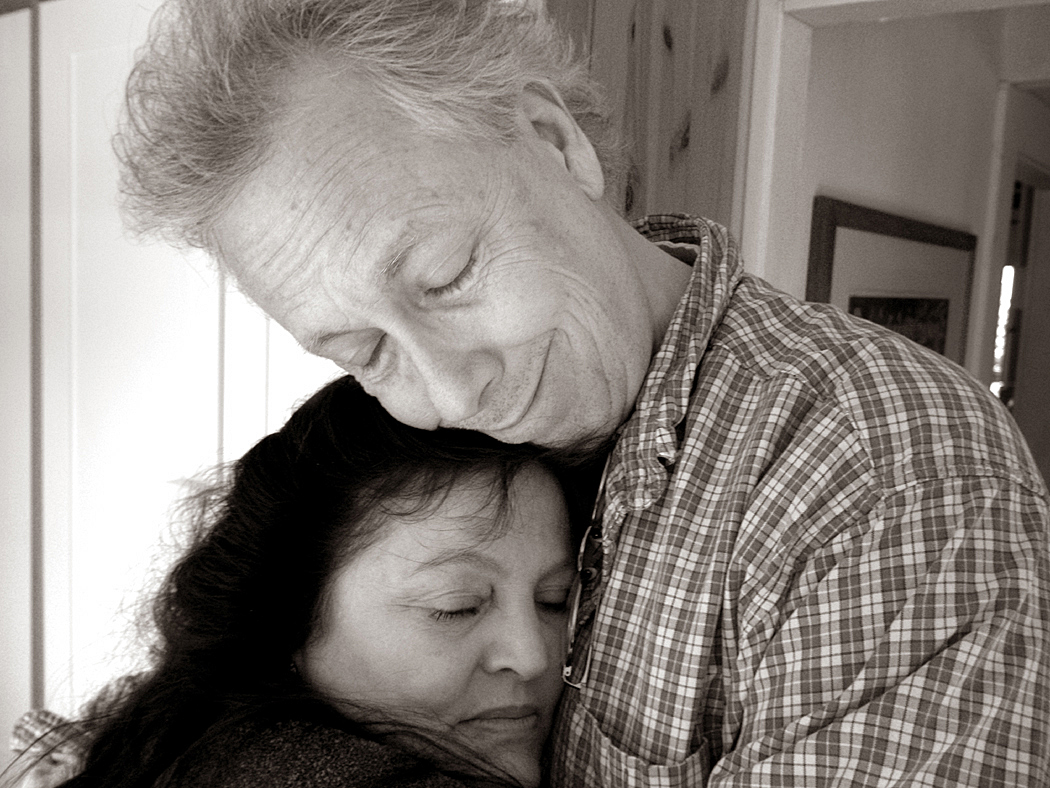
Craig and Carole

Eventually, I found some work as adjunct faculty at the same school where my brother, Craig, taught, in Virginia Beach, Va. Carole became an art teacher with the Norfolk school system. I have boxes of 5X7 prints of demonstration prints I made during my six years teaching, many of them from portrait class. 
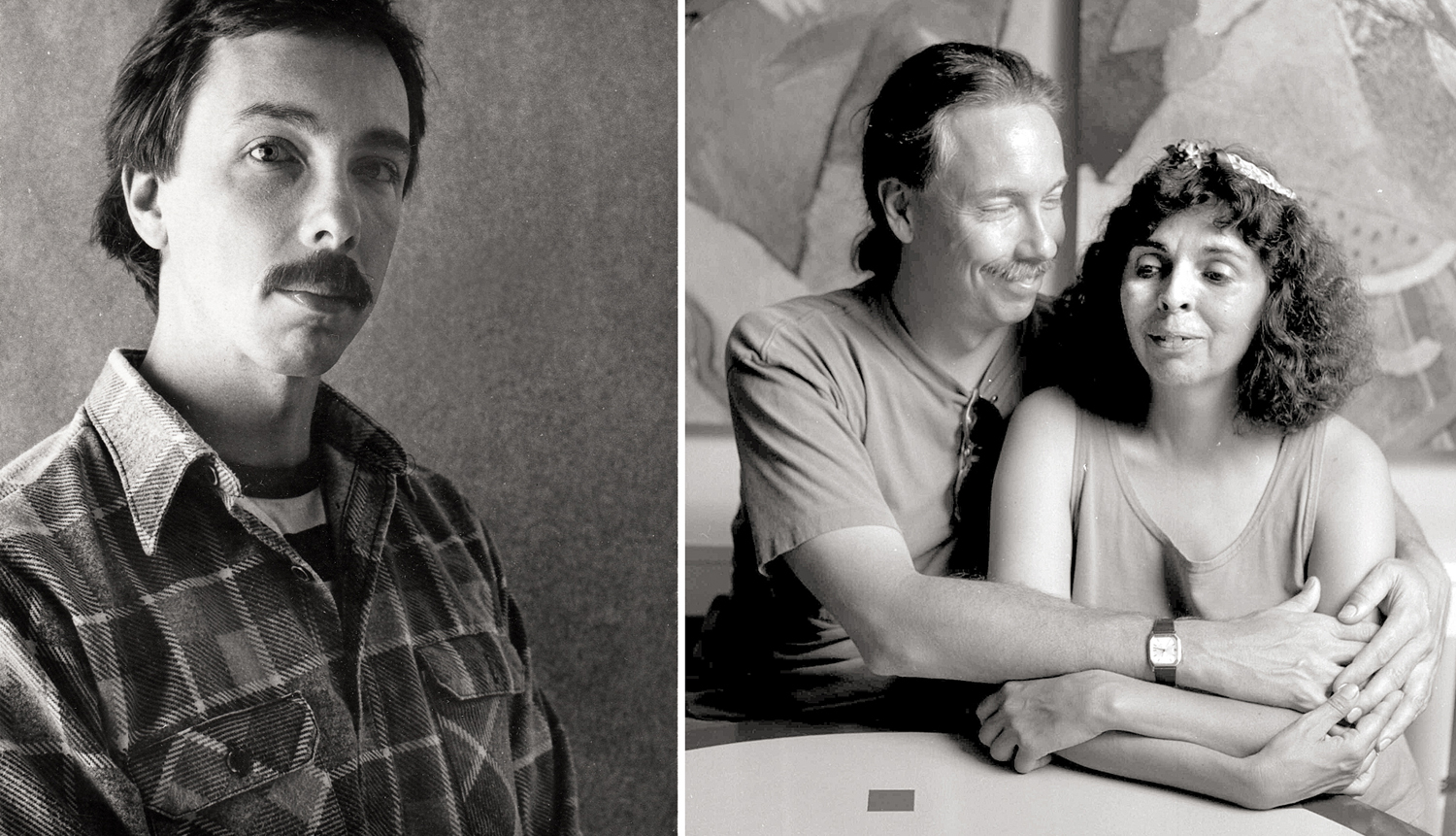
Craig Nilsen and his wife, Terry

Craig is my brother, and the human being I am closest to. He is an artist, painter and printmaker, and taught full-time at the same school. He got me my job. He is now retired in the Virginia mountains with his wife, Terry. Brothers, like sisters, can have an almost mystical bond that can’t be explained. Perhaps it is shared DNA, or shared experience. 
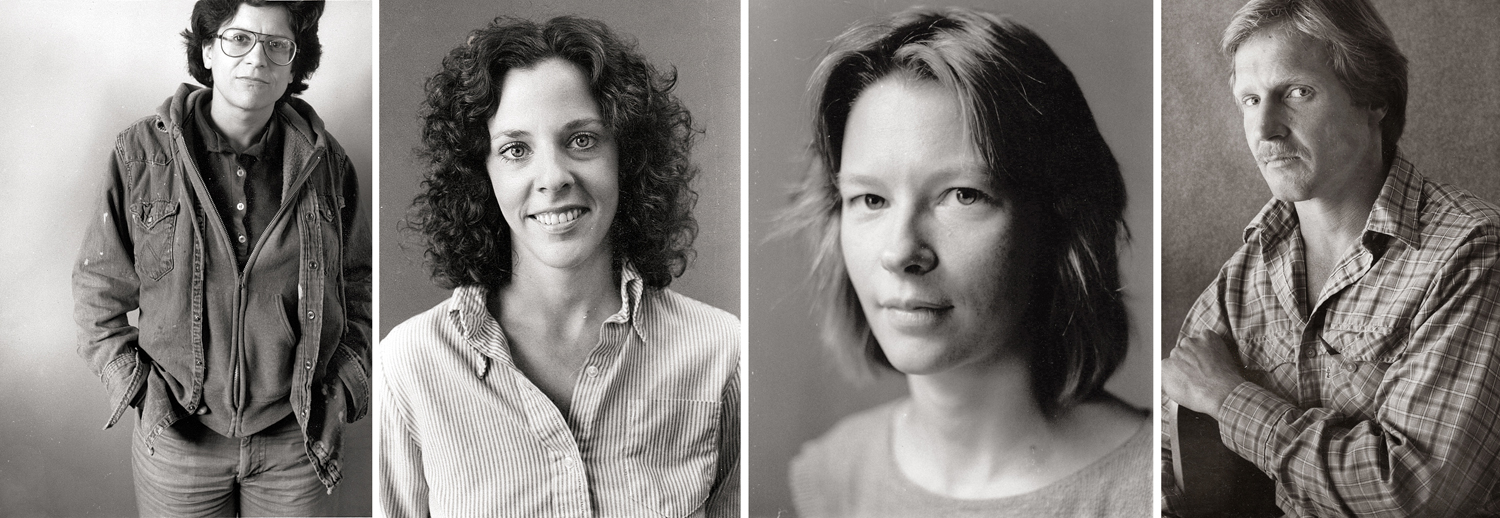
Anne Iott; Pam Lassiter; Eva Dixon; Steve Wolf

Anne Iott was department head at the school, and bent rules to hire me, and allowed me to teach more hours of class than was technically legal. Her support was enormous, and she arranged for me to begin writing art criticism of the local Norfolk daily newspaper. She and the art staff, including Craig, and painting teacher Steve Wolf, would often have potluck dinners together. Those gatherings could get boisterous. Steve was a body builder and could consume huge amounts of food at a sitting, and once got thrown out of an all-you-can-eat seafood restaurant. Pam Lassiter was ceramics teacher. Eva Dixon was briefly Craig’s amour. She told him she had always wanted to ride an elephant, and so he entered and won a contest when the Barnum and Bailey circus came to town, and gave her his seat on the beast for the parade. 
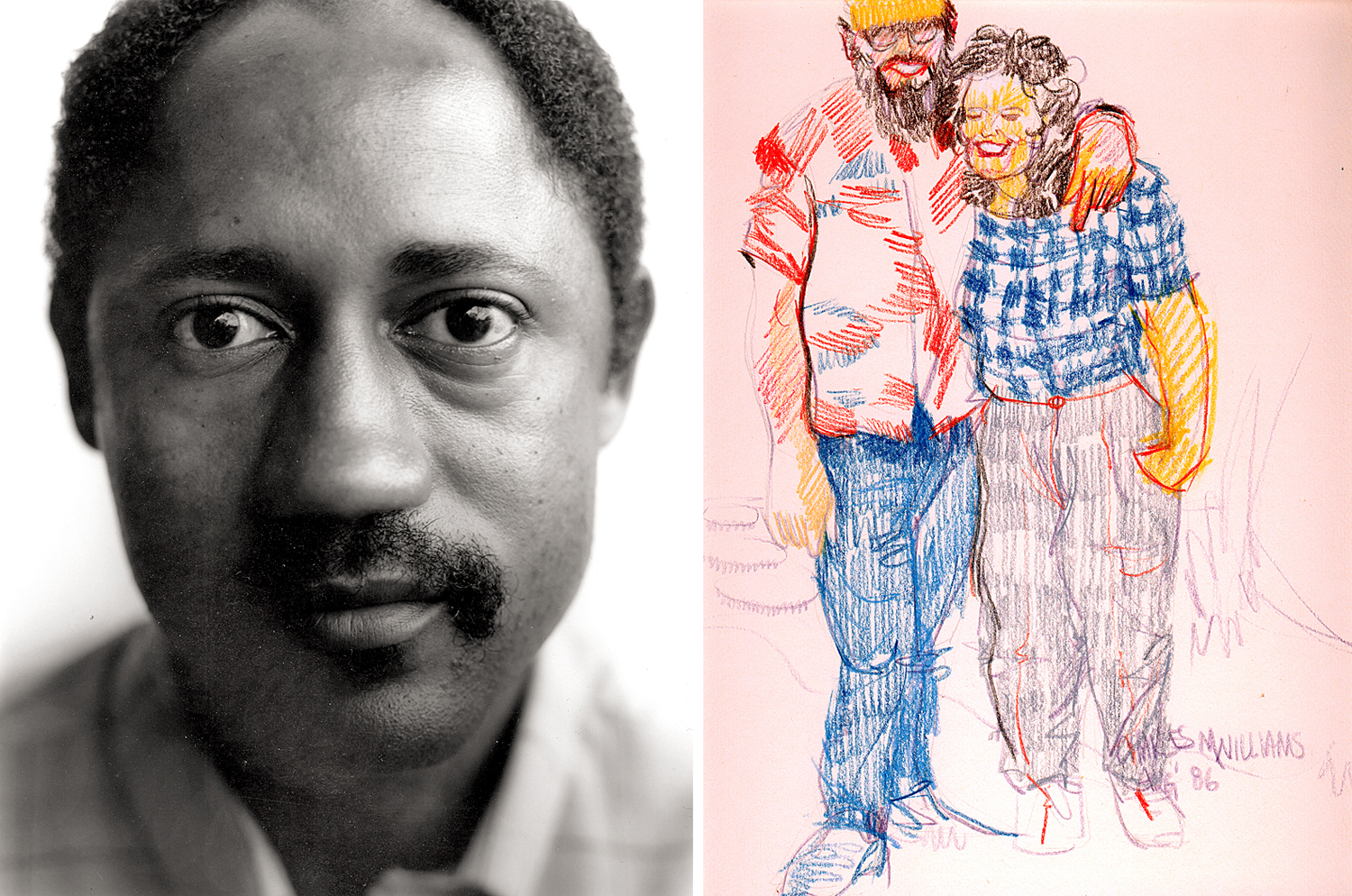
Charles Williams; and his sketch of Carole and me

Carole’s boss in the Norfolk school system was dating artist Charles Williams, and we became friends. I photographed him, trying to get as close as I could, framing just his face and eyes. He, in turn, made a quick sketch of Carole and me. 
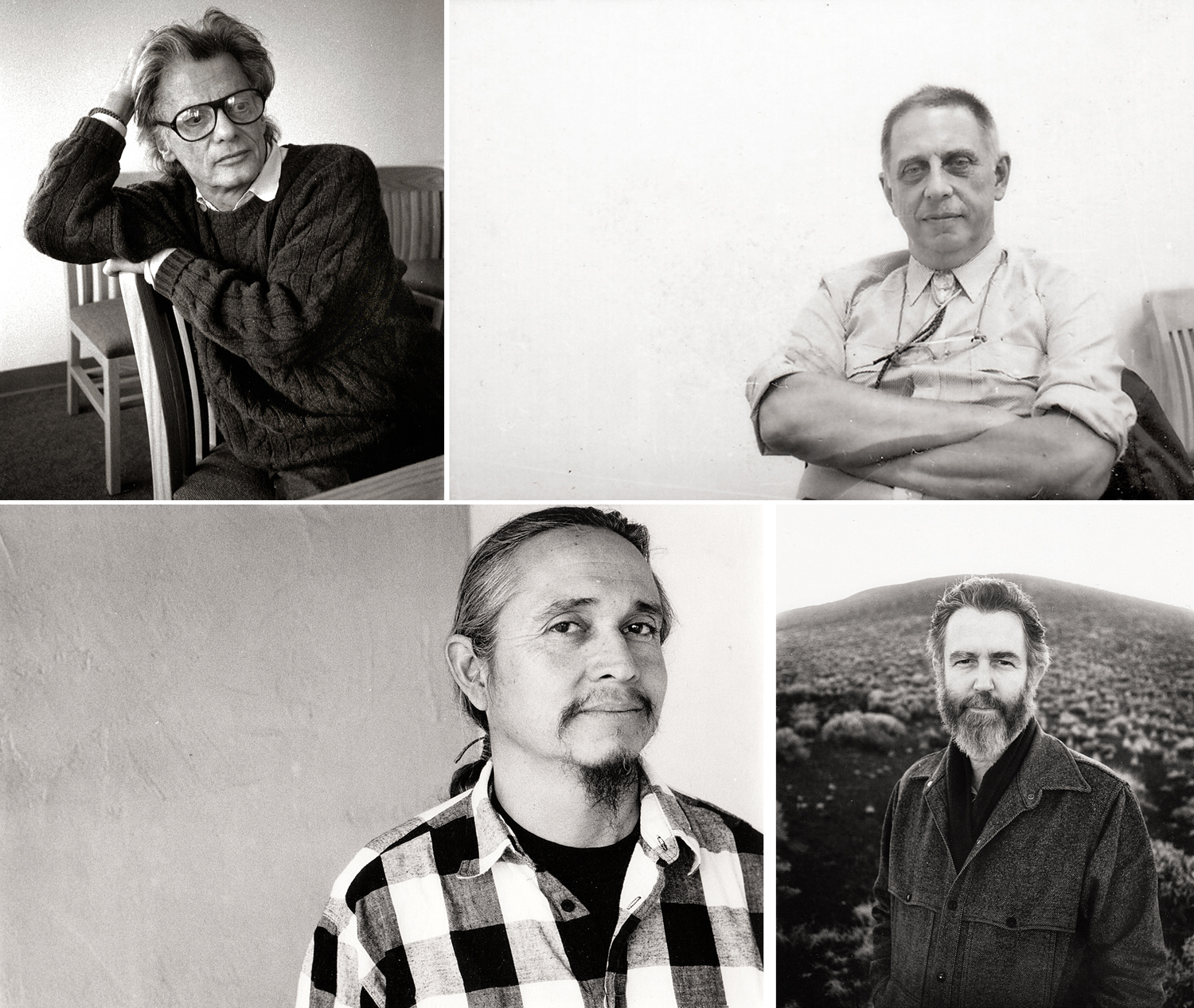
Richard Avedon; Lee Friedlander; Bob Haozous; James Turrell

Carole’s boss moved to Arizona and offered Carole a job there, and so in 1987, we moved to Phoenix, where I got a job writing for The Arizona Republic, mostly as art critic. I have made fewer photographs since then, but I did make my own photos for most of my interviews. I talked to a lot of artists, famous and not. Lee Friedlander was as matter of fact as his pictures. Bob Haozous, son of famous Apache artist Allan Houser, seemed suspicious of whitey critic; James Turrell took me up to the top of the volcano he was modifying outside Flagstaff. I once spent 24 hours in one of his skyspaces to watch it change with the light. There were many others I met and interviewed. 

When I reviewed Richard Avedon’s retrospective at the Whitney in New York, he sent me a note of thanks.  “Not all the New York critics were so kind,” he wrote. And when he came to Phoenix in 1994 to photograph boxer Oscar de la Hoya for The New Yorker, we went out to lunch. Sitting across the table, enjoying the Salvadoran food, he said, “In a sense, I am writing my autobiography through other people’s faces.” 

I suppose that is my excuse for this blog entry. 
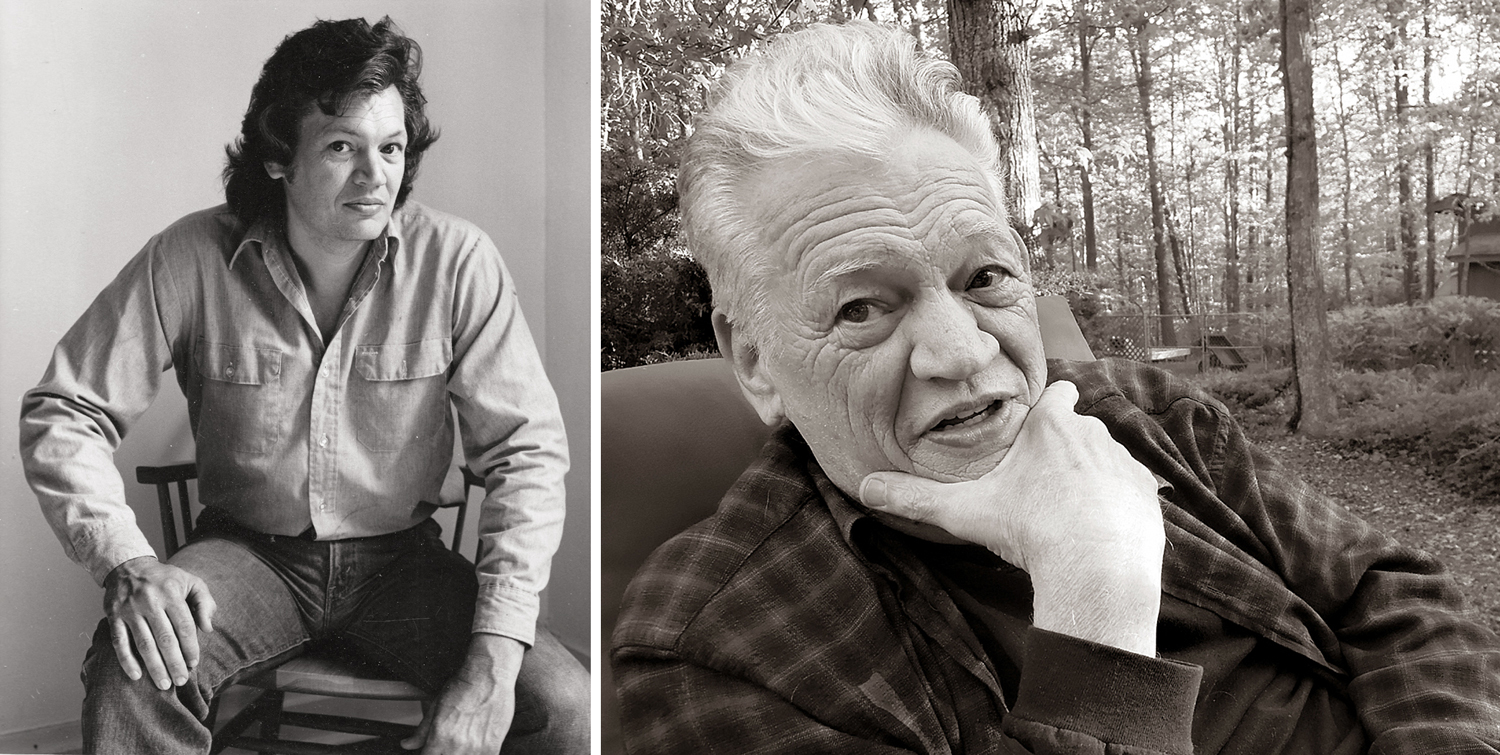
Mel Steele

Over the years, my style has changed. Less formal, more relaxed. I photographed my brother-in-law Mel Steele in the 1980s, when he was a motorcyle-racing, gun-shooting, goat-raising artist, whose work sold in the thousands as prints. He grew older; I grew older. His country-nostalgia rural scenes became serious abstract paintings — among my favorite in the world — and my goal of being the next Avedon or Penn dwindled down to trying just to be honest and real. Mel turns 87 in October. He has slowed down, no longer rides motorbikes, and I have slowed down, writing less and making fewer images. 

And the effect on my being part of an inseparable bond with Carole, led me to pay way more attention to the interactions between people, and the number of dual portraits increased. 
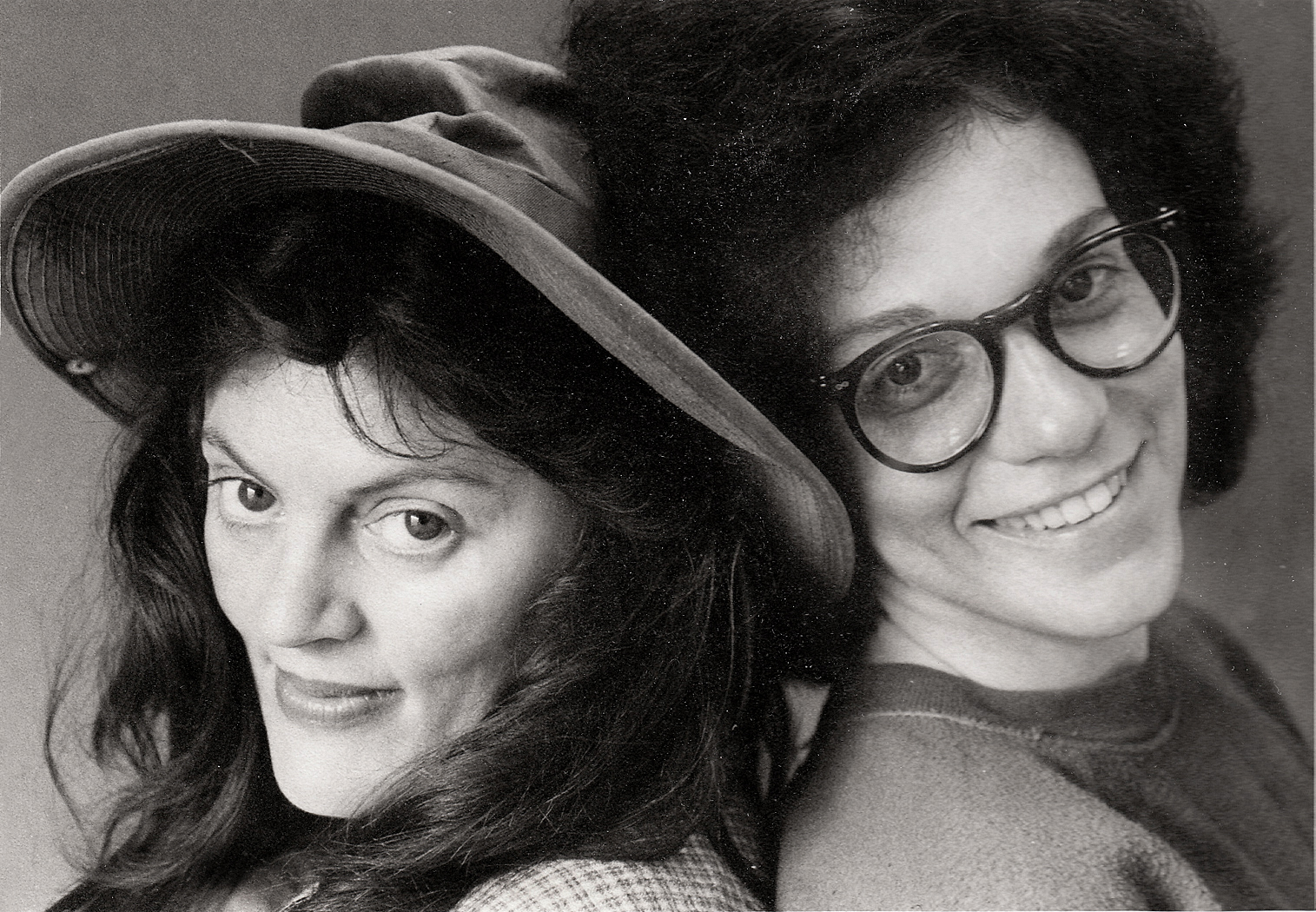
Carole and Julie Ross 

The interaction between people is the essential valence of existence. It breaks the dam of isolation and opens the world up. Carole broke me open. 
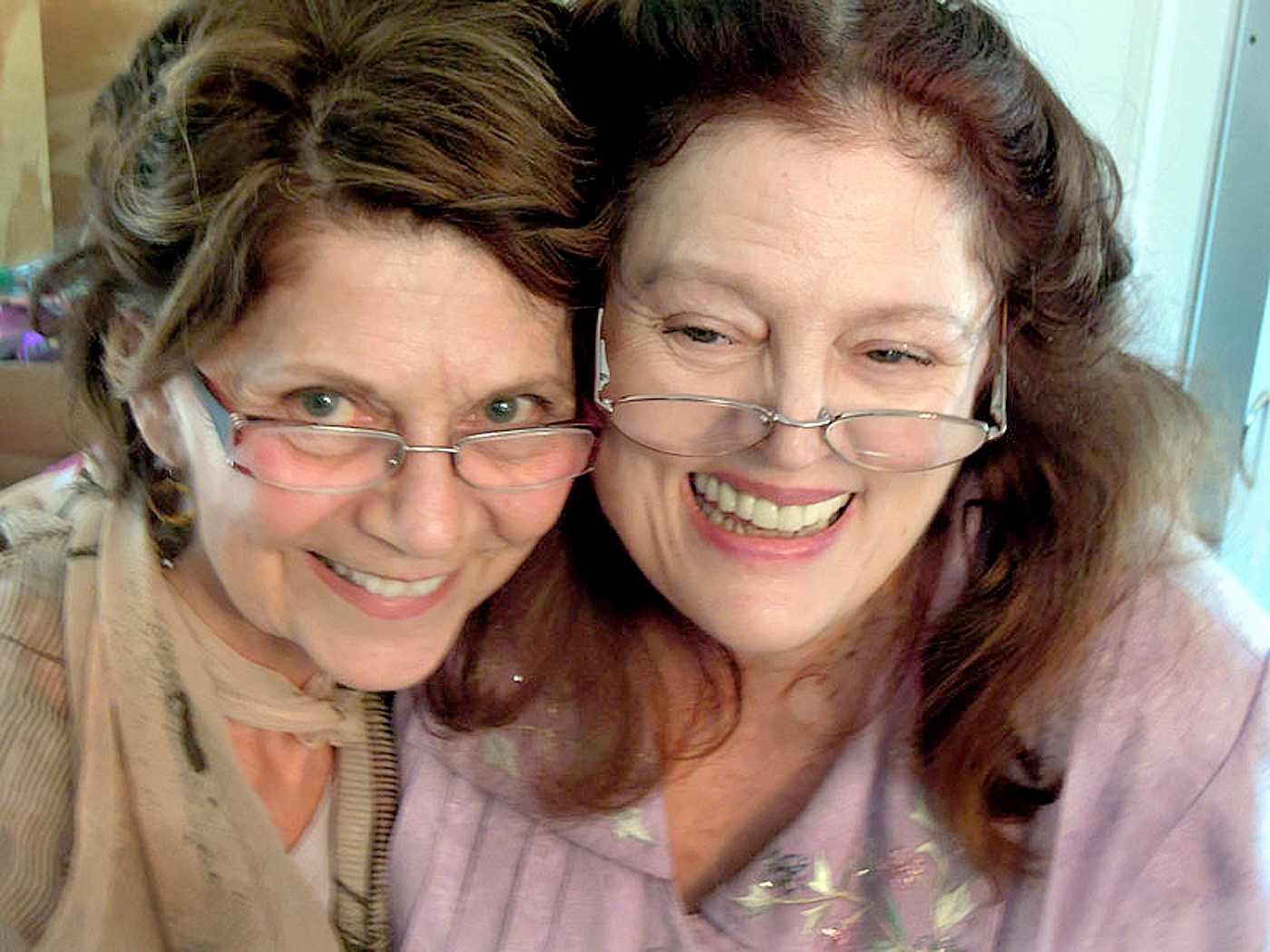
Carole and Ruth Haggerty

When Carole was a little girl, Ruth was her best friend, living across the street. They lost touch for most of their lives, but became reacquainted something like 60 years later. But you can see in their eyes the connection had never fully been lost. 
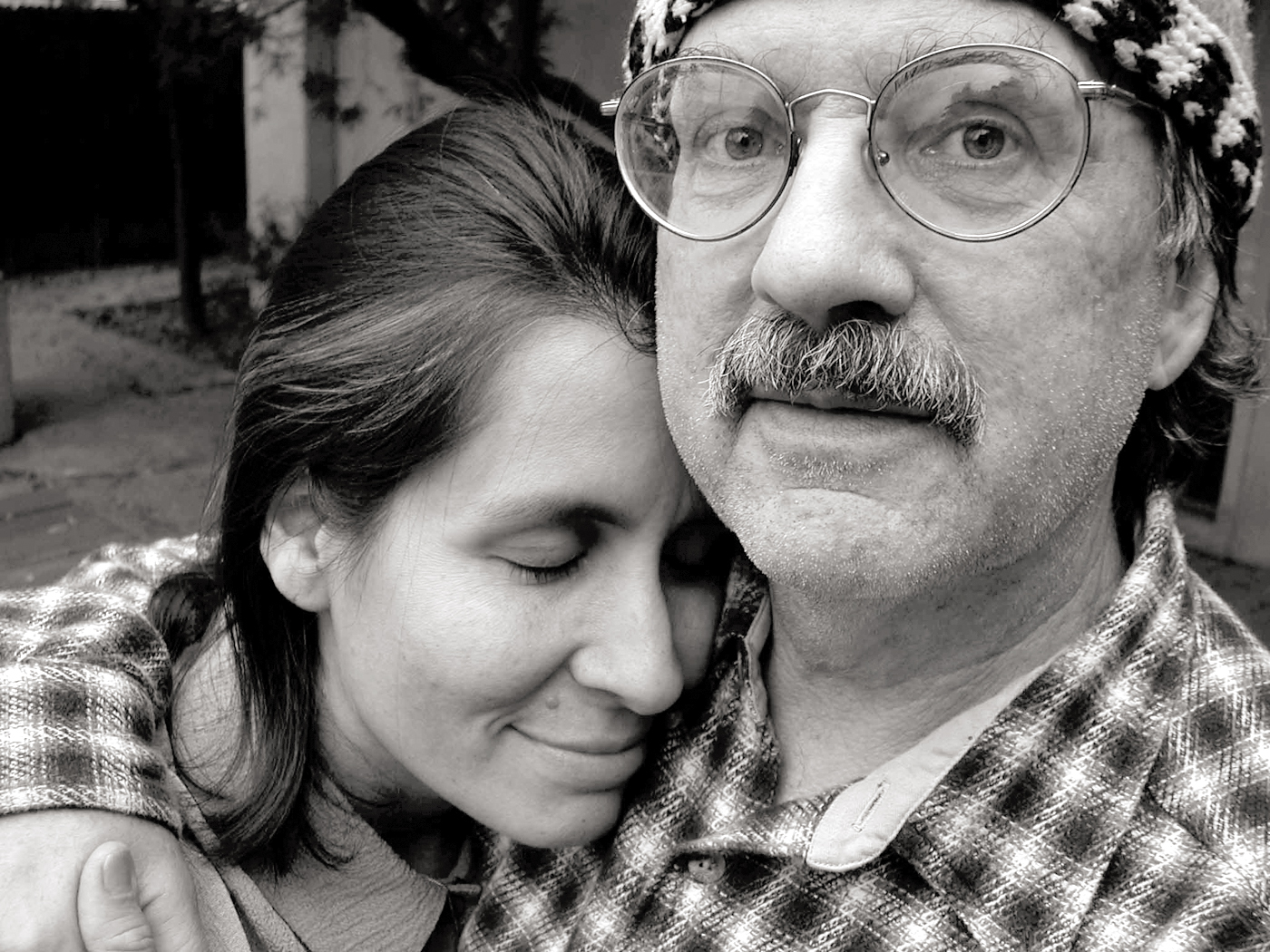
Curtis Beckman and Isabel Fierros

I saw that warmth and connection in our friends Curtis and Isabel. I believe, but can’t prove, that my own age, my own intense partnership with Carole, softened me, made me more open, aware of others and their richness and complexity. 
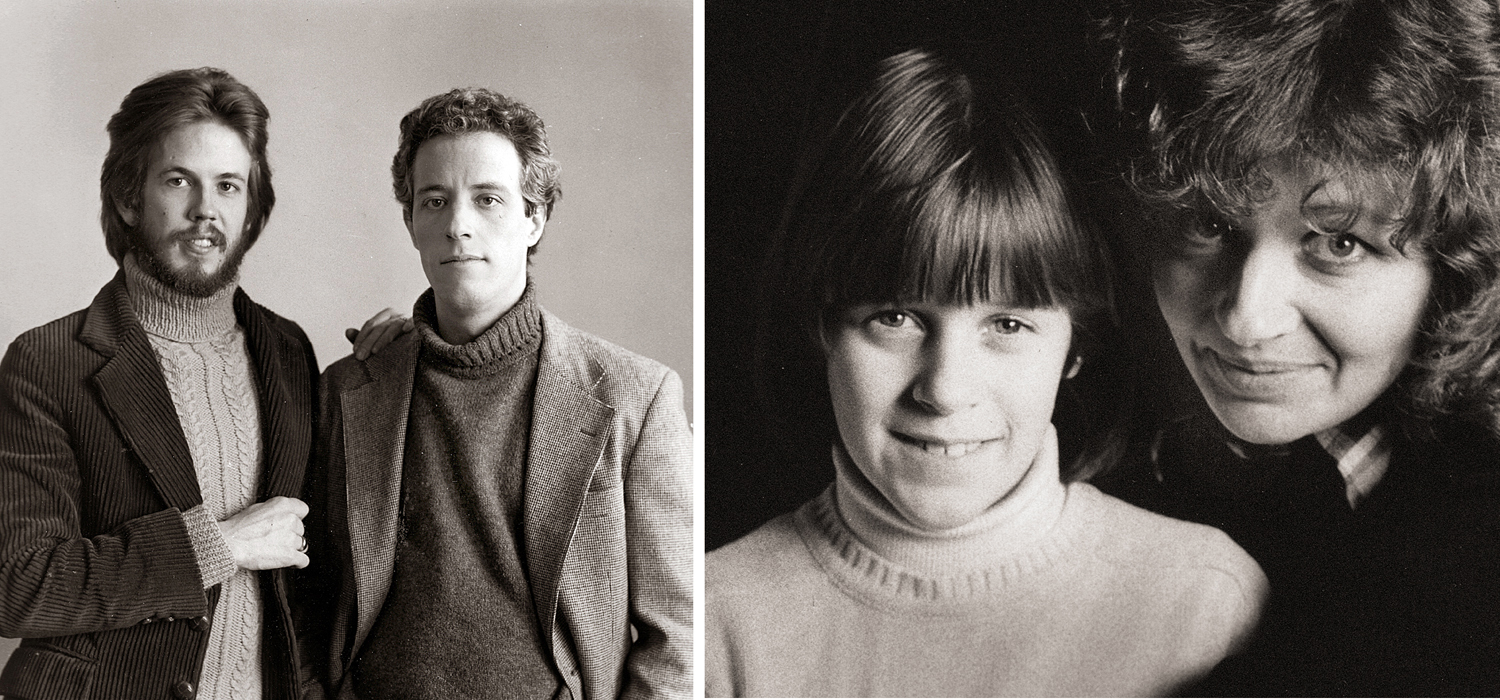
Rob Lehman and Hank Hackett; Ursula McLaughlin and her daughter, Mia

As I look back through this sampling of portraits over 50 years, I see that those pairs have always been there. Hank and Rob from the ’70s; Ursula and her daughter from the ’80s. 
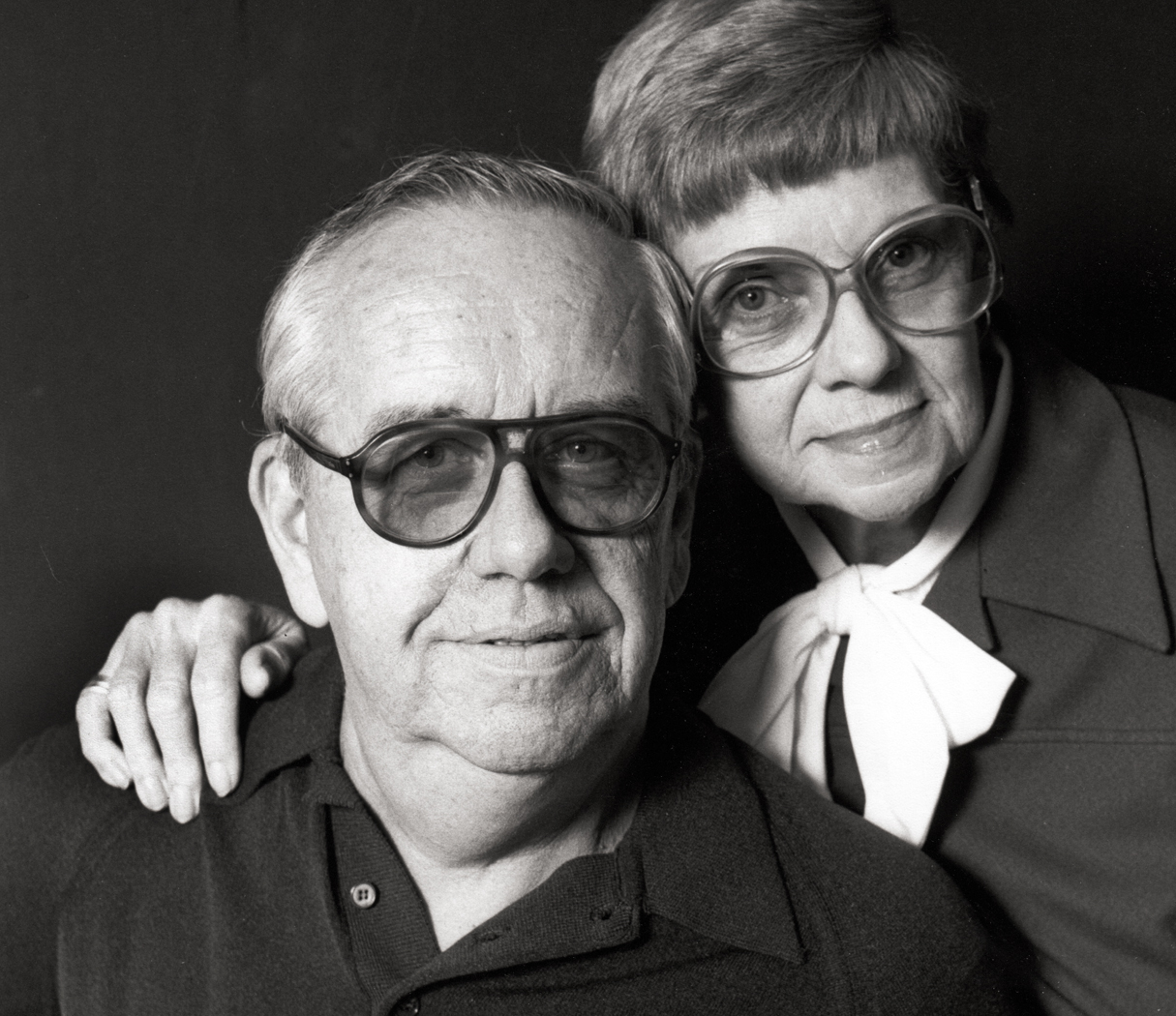
John and Alice Nilsen

And when I revisited a photograph I made many decades ago of my parents, John and Alice, I recognized something I didn’t see when I first took the photo. It’s in their eyes.

Click on any image to enlarge

In Genesis 18, when Jehovah was still on speaking terms with humans, He negotiated with Abraham over the fate of the city of Sodom. Jehovah had decided to destroy the place, and all its wicked inhabitants, but Abraham said, “Whoa, there,” and asked, but what if there are 50 righteous men in the city (women apparently didn’t count), will you destroy the righteous along with the wicked? Jehovah paused, perhaps stroking His whiskers. “OK, then, if there are 50 righteous men…” 

“But what if there are only 45?” asked Abe. Jehovah pondered. “What if only 30? Or only 10?” The Almighty allowed, most likely in a voice of pique, since He was not accustomed to pushback: “I will not destroy it for the sake of 10.” 

(Let the record show that in Genesis 19, Jehovah rained down His fire and brimstone anyway and flattened the cities of the plain, saving only Abraham’s brother, Lot, and Lot’s family. Not quite 10 of them.)

I thought about this haggling between the patriarch and his boss, and I realized that whole thing might apply to YouTube as well. What a sewer of AI slop, ignorant ranting, political bloviating, fanboy nonsense and religious sophistry. 

Should we destroy the whole shebang? But what if there are 50 sites that have value? What if only 45? Or 30, or 10? 

I have enjoyed YouTube for years, but I have to avoid almost everything offered by my new Almighty Deity: the Algorithm. Most of what It thinks I might find interesting is pointless, useless, misleading, stupid and downright wrong. 

But there are a few sites that I go to frequently, either because I learn things from them, or I like the presenter, or they are genuinely entertaining. I thought I’d discuss a few of them and recommend them to likeminded individuals, pace the Algorithm. 

THE GREEN BOYS

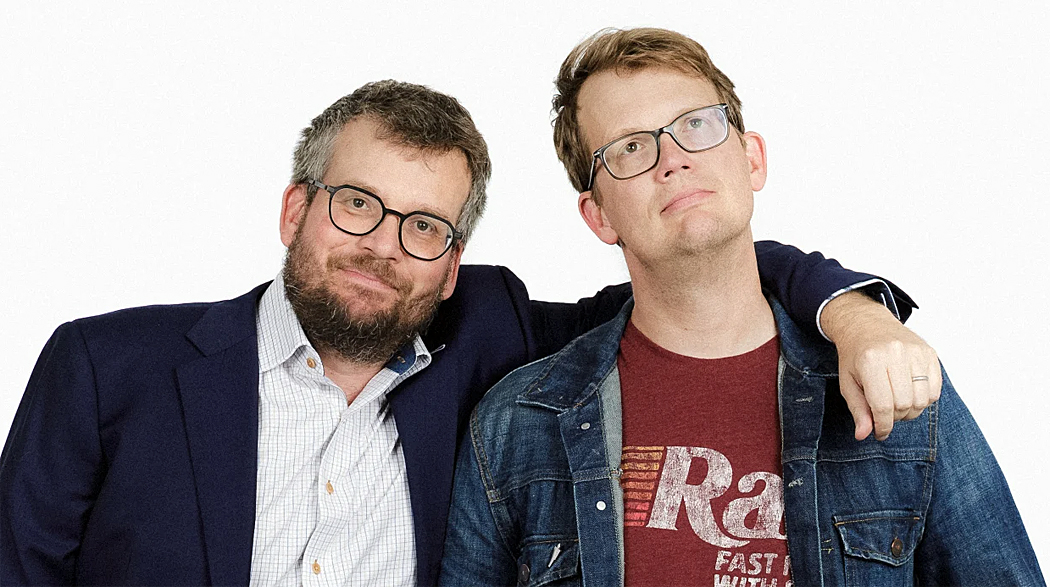
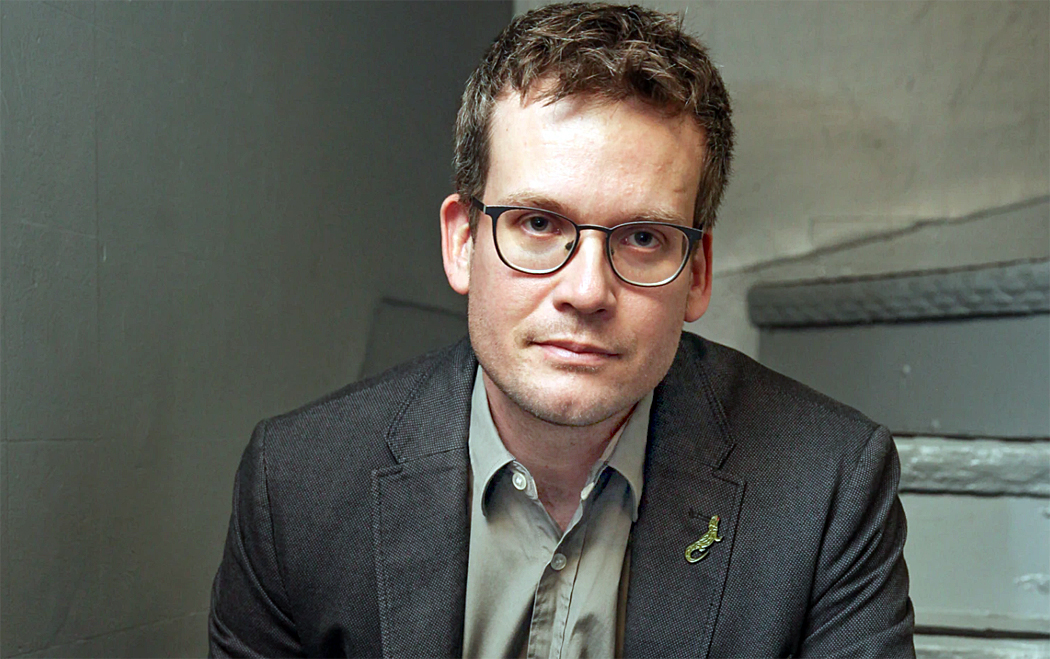
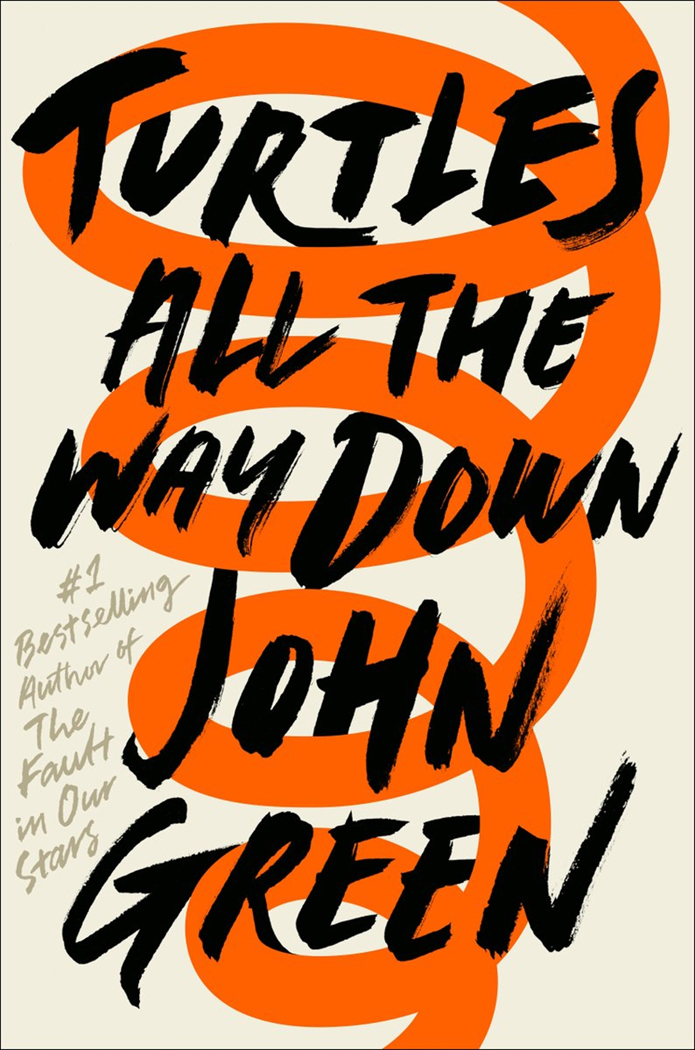
The brothers Green, elder John and younger Hank, can be said to have justified the existence of YouTube all by their lonesomes. They have contributed to the “reduction in world suck” more than most can have dreamed of. 

In 2007, they began posting videos on YouTube as “letters” back and forth, from one brother to the other, mostly twice a week, one from John, in Indiana, to Hank, in Montana, and another from Hank to John. That took off as the Vlog Brothers, and became not just a family news catch-up, but each brother talking about whatever interesting thing had caught their fancy. And they were a very thoughtful pair. 

John was an enormously successful author of Young Adult Fiction, and Hank was a budding science explainer. More than that, Hank shot out ideas like a Roman candle, and soon, they started up a host of other YouTube sites. They developed a devoted online following for their endeavors, informally called “nerdfighters.” 

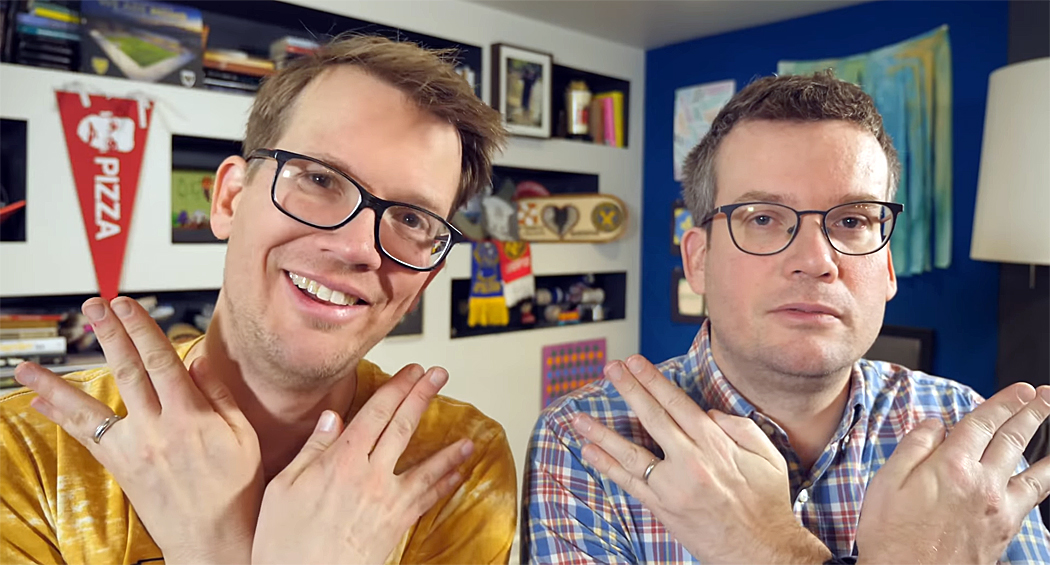
Hank and John with the Nerdfighter hand gesture

Nerdfighteria was largely made up of young idealistic people, wanting to make and inhabit a better world. In the Brothers Green, they found two young men who could be non-ironic and sincere without ever becoming sentimental or mawkish (the concomitant sins of earnestness). 

They have since become an industry, pumping out scads of entertaining and educational content, and managing to do practical good in the world. 

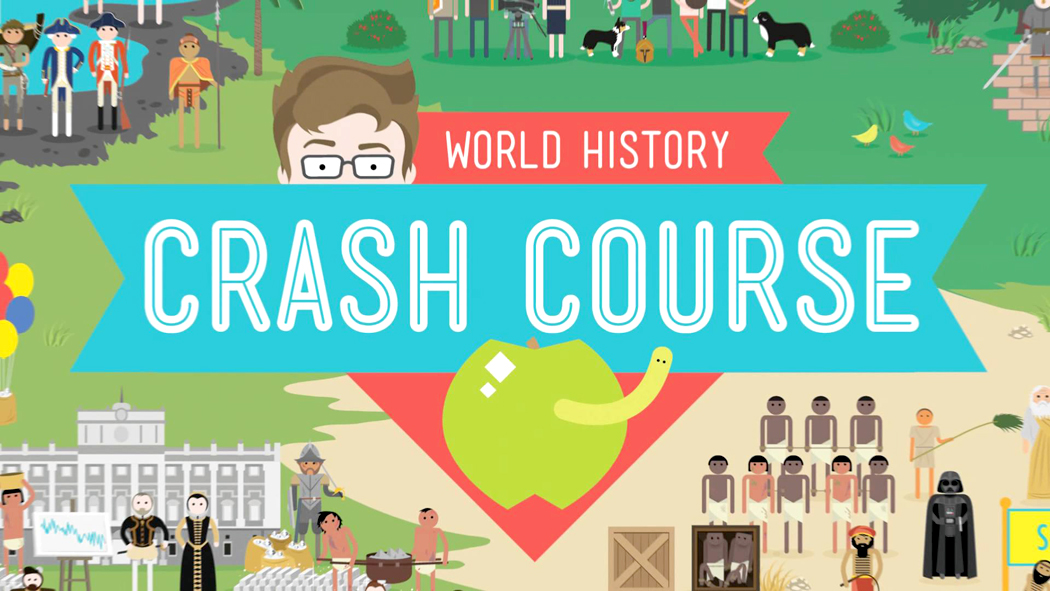
Together, in 2012, they developed Crash Course, a series of educational videos, meant primarily for high school students, that explained episodes of world history, and concepts of biology. Crash Course was eventually picked up by PBS and expanded to series on English literature, U.S. history, chemistry, psychology, anatomy, physiology, astronomy, government and politics, economics, and philosophy. Each series used animation and cleverly written explanations and video to make the major points of the discipline clear and entertaining. Eventually, there were some 50 Crash Course series made. They are commonly used in classrooms across the world. 

Parallel to Crash Course came SciShow, a group of series more specifically aimed at science education. There was also The Brain Scoop, with Emily Graslie, which looked at the practical side of science and research; Sexplanations, with Lindsey Doe, about human sexuality; Crash Course Kids, for younger viewers; PBS Eons, a history of life on earth; The Art Assignment, with Sarah Urist Green (John’s museum curator wife); and my favorite, Journey to the Microcosmos, in which Hank Green narrates microphotographic video footage of protozoan life, one of the most hauntingly beautiful and hypnotic series on YouTube. 

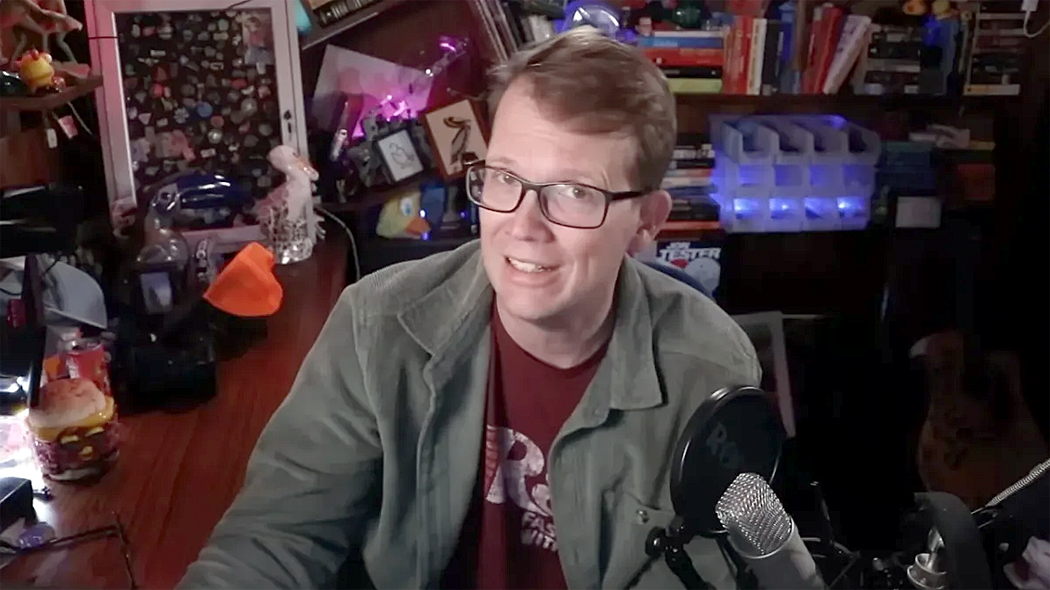
(It should be mentioned that Hank Green has also performed and recorded five albums of his own music, written two science fiction novels, performed a stand-up comedy show, and created Focus Friend, an app designed to temporarily block other apps, to allow easily distracted people to focus on the task at hand — an app named “App of the Year” in 2025. He has also devised a series of fund-raising not-for-profit businesses, selling everything from designer socks to artisanal coffees. The man is a dynamo.)

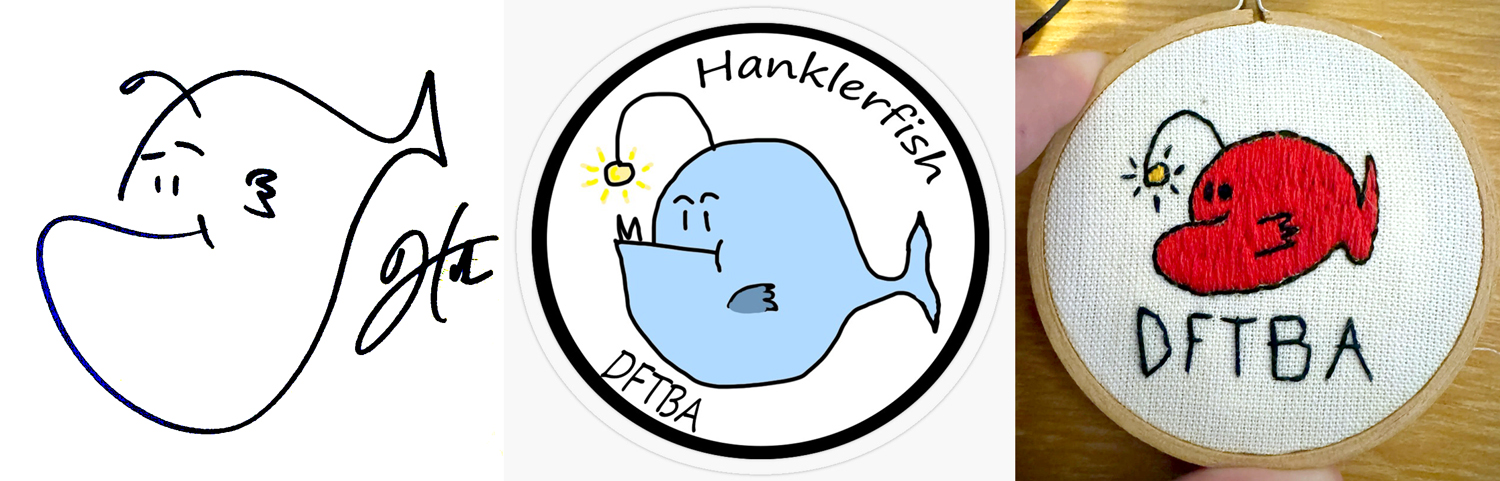
Hank Green’s “Hanklerfish” logo — “Don’t Forget To Be Awesome”

The brothers set up a not-for-profit company, called Complexly, to oversee all their projects, including over 10,000 videos and has built a substantial audience on YouTube, with more than 32 million subscribers and 55 million views per month. It collaborates with institutions and organizations such as PBS, Arizona State University, the National Science Foundation, and The Poetry Foundation to expand its reach and, according to industry sources, as of July, 2026, Complexly employs 134 people. 

Meanwhile, directed by the brothers, Nerdfighteria has raised millions for philanthropic causes, including some $50 million toward the construction of the first maternity hospital in Sierra Leone, which opened earlier this year. That country had the highest infant mortality rate in the world, but that rate has now been halved. 

There are other fundraising and charitable organizations the Green boys have created, including the annual Project for Awesome event, that has, since 2010, raised more than $30 million for various charities, under its parent organization, The Foundation to Decrease World Suck. 

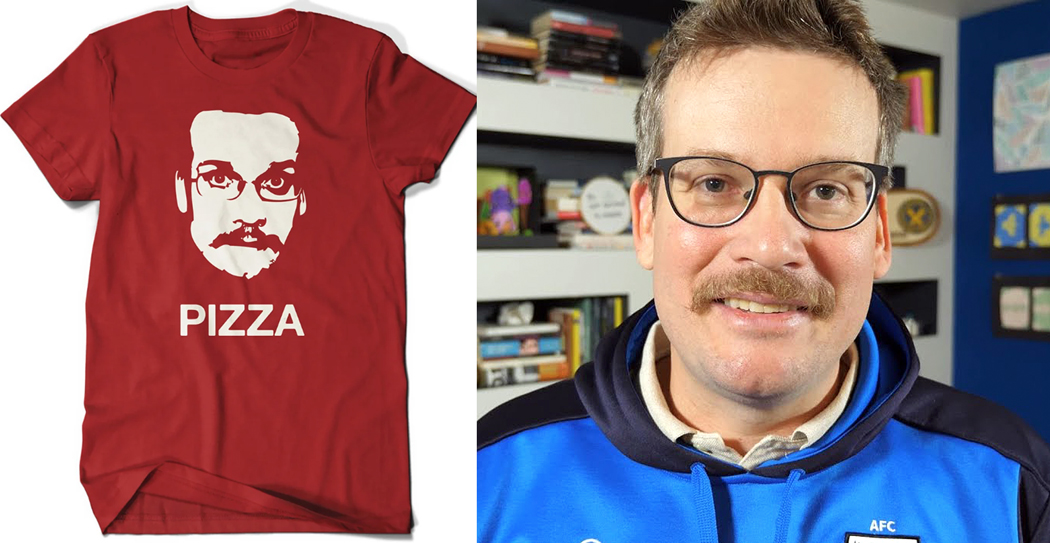
And there’s Pizzamas, a two week event each September when Nerdfighter merch is sold and the receipts given to various charities. (The insignia for Pizzamas is a shirt with the image of John with his ill-advised — and temporary — mustache.)

John also led a Nerdfighter campaign to persuade pharmaceutical company Johnson & Johnson to allow generic versions of the tuberculosis drug bedaquiline to be produced, for sale in countries with high TB rates, making it cheaper for poor countries. (He also wrote a best-selling book, Everything is Tuberculosis, about the history and epidemiology of the disease. A best-seller — did I mention that?)

When they started online, their target viewership was ages 13 to 30, but both brothers are now in their 40s, and perhaps their fans have aged along with them, but younger audiences have continued to sign on. Their attitude and vocabulary skews young, but I’m 78, and I’m hooked. 

I’ve only skirted the bounds of Nerdfighteria. There are also the podcasts, and the books (and the films made from John’s books). When I say they are an industry, I am not exaggerating. 

Journey to the Microcosmos

BUT WAIT — THERE’S MORE

There is no end to YouTube videos. Most are of limited interest, at least to me. But there are a bunch I regularly check out when they post new entries. These are not all of them, but a recommended sample.

DAVID HURWITZ

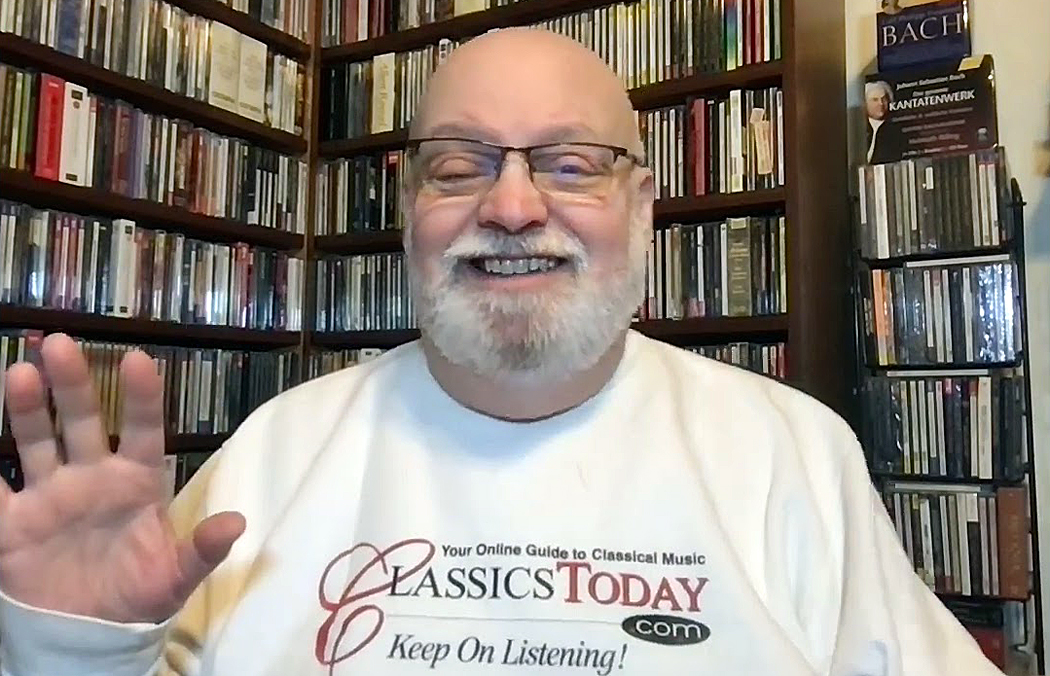
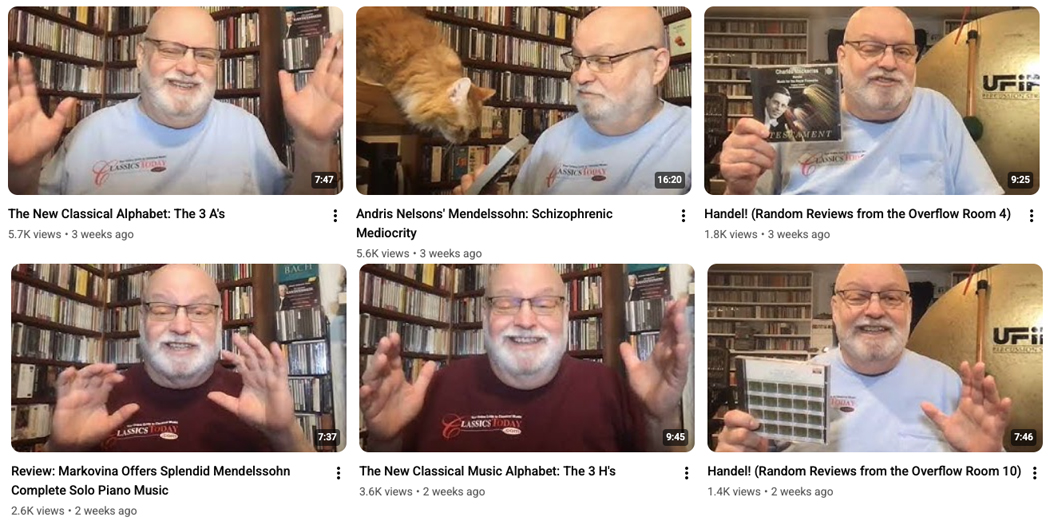
The Green brothers are frighteningly prolific, but David Hurwitz is no slouch, producing an average of three new videos every day. He is a classical music critic and editor of the online magazine Classics Today

His videos are uniformly produced, as he sits at his desk in front of shelves and shelves of CDs, occasionally interrupted by his cats, and he talks about classical music recordings, both historical and current. He is lively and engaged. I have thousands of CDs on my shelves, but his must number in the hundreds of thousands, and he seems to have instant recall for all of them. 

I find myself simpatico with most of his taste, although he has a few blind spots and undeserving enthusiasms. He can’t mention Lalo’s Symphonie Espagnole without making a retching noise, and it seems anything conductor Charles Mackerras records is perfection personified. And he will tell you, for every performance, whether the tam-tam has been featured properly. At times his uninflected enthusiasms remind me of the old radio host DeKoven. (How many are old enough to remember him?) 

Classical music may be a niche subject for most Americans, but for those of us who have been listening to our Beethoven and Bartok for 60 years, Hurwitz is a joy. I watch him daily on the iPad while eating my breakfast. 

MAP MEN

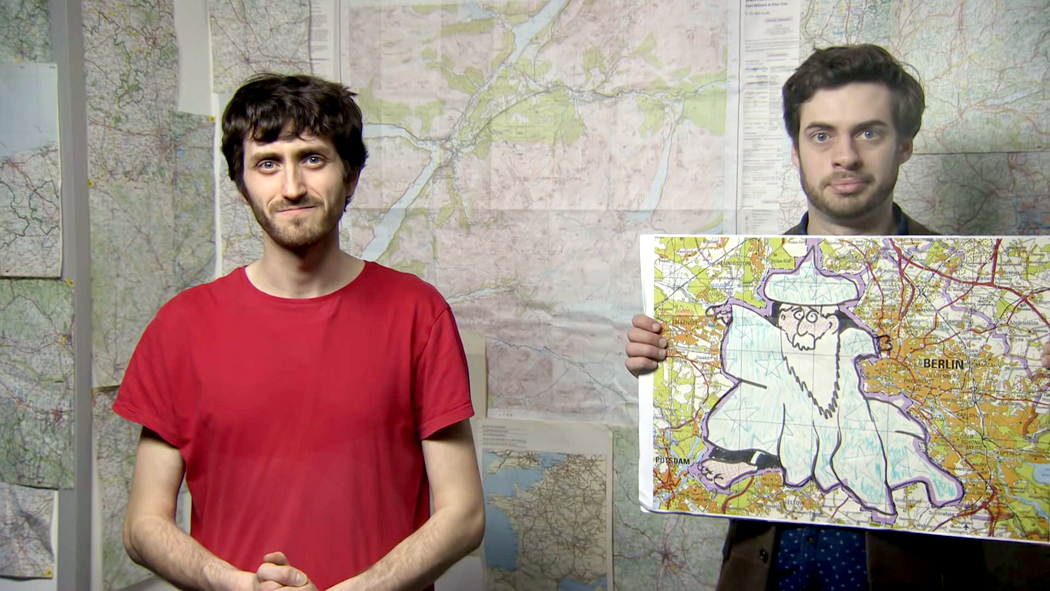
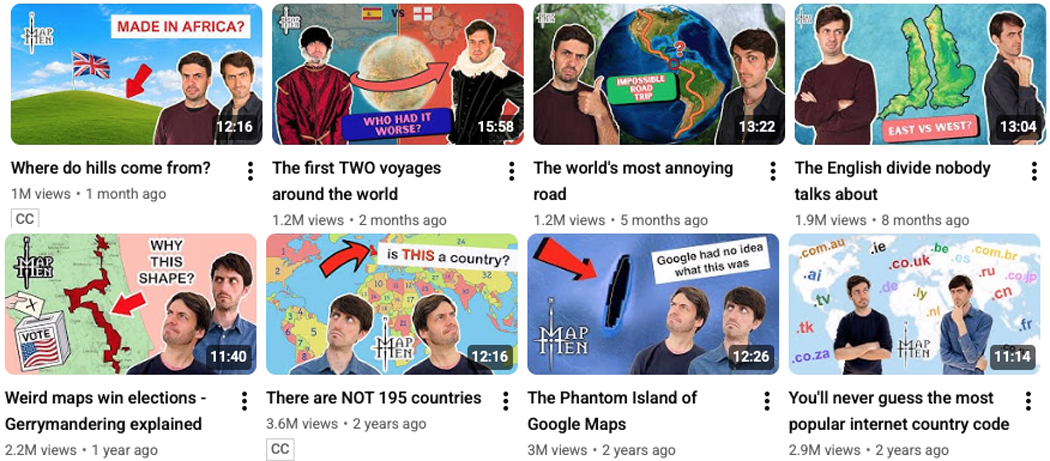
The Map Men is a British video channel and is either an educational channel that is comic, or a pair of comedians talking about geography. And it is very funny. I mean laugh-out-loud funny. 

In it Jay Foreman and Mark Cooper-Jones dress up in costumes, add animations, write songs, and generally act out their themes with one-liners, sight gags, puns, and the ear-worm theme song: “Map Men Map Men Map Map Map Men Men.” 

They take on such subjects as how many countries are there in the world (it is not an easy answer); why is north at the top of the maps; why the Netherlands is 17 percent fake; what makes a city versus a town in England. 

Many YouTube sites are sponsored, and their makers interrupt their bits to sell you Incogni or Skillshare, but Jay and Mark make their ads just as entertaining as their regular content, so you never are tempted to fast forward through them. 

Their most recent video is from March this year and talks about the first geological map of England and the madman who created it and published it in 1799. 

ROB WATTS

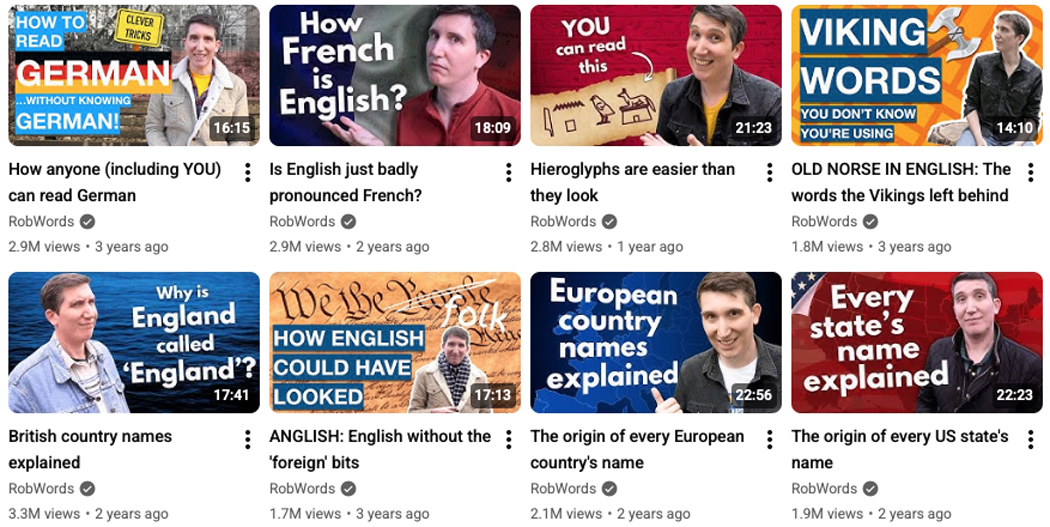
There are a host of language channels on YouTube. I tend to watch them all, but Robwords is probably my favorite. Rob Watts is described by his book publisher, Penguin, as creator of “the world’s most-followed channel for the dissemination on intriguing if vaguely pointless facts about the English language.” 

Born English, he now lives in Germany and is a newsreader for Deutsche Welle, but he makes this YouTube channel about etymology, alphabets, language culture, and the odd bits of speech and print. Watts is personable, good humored without entering into stand-up territory, and well researched. 

He also takes part in a second YT channel, Words Unravelled, with an American counterpart Jess Zafarris, but I can’t bear watching it, as they are both too awfully bubbly and giddy, and Jess has an annoying vocal fry. 

I also frequently watch Taylor Jones, whose Language Jones site sometimes gets too polemical for my bland taste, and Geoff Lindsey, at drgeofflindsey, which is more academic and often quite technical. But I learn a lot. 

J.J. McCULLOUGH

McCullough was originally a political columnist, a Canadian conservative, but way too outlandish for any stateside version of that. With his towering hair and his weaving and bouncy body language, his primary concern on his videos is popular culture, of which he is a voracious consumer and thoughtful analyst. 

His videos are fast, energetically edited, with lots of quick cuts to referenced material. Occasionally, he talks about Canadian politics, which are opaque to his southern neighbors, but mostly it is American pop culture — not just movies and TV, but toys, comics, advertising, packaging, fashion, architecture and design. He has wide interests and has insightful things to say. 

Some may find his vocal delivery annoying, as he pauses and speeds up in a kind of herky-jerky speech rhythm as his head bobs to and fro. But, he is just fun to watch. 

BEKAH HARDING

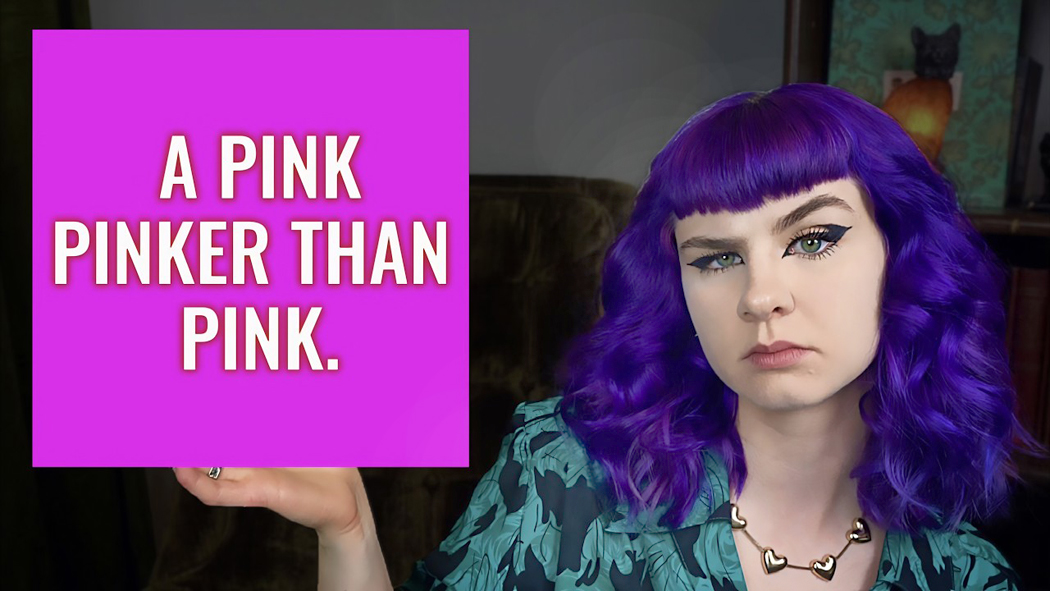
A Brush with Bekah is a YouTube channel where (usually) purple-haired Bekah explores rare, historically forgotten, often toxic, sometimes radioactive pigments, and finds sources for them, and makes her own paints from them. She also discusses art history, and sometimes just has a political rant she needs to get off her chest. 

One such is titled “I Hate Picasso and You Should Too.” But most run toward “Making paint from Bugs,” “The dark history of mummy brown,” and “Science is changing the color of dinosaurs.” 

Sometimes she shows up as blond, sometimes a redhead, most often when not purple, her hair is black. And she wears punk or emo eye makeup. But she is clearly very smart, her research is thorough, and she has taught me a lot, not just about color, but more importantly, about pigment. 

MYSTERY

Whoever is behind the Moviewise site wants to remain anonymous. I can’t find him anywhere. But he produces some of the best, most insightful videos about the technical side of movies that I’ve come across. His narrative accent sounds very like that of Ernie Kovacs, but he has been cagey about where his roots are. Perhaps his family was also Hungarian? I dunno. Perhaps they just share the same adenoids. 

But if you want to see clips explaining the secrets of cinematic blocking, or expressive lighting or camera movement, he will have them to show, and take you through them almost frame by frame. 

He says, “I defend that, regardless of artistic intent or personal interpretation or cultural influence, there are objective aspects in stories and visuals that make movies succeed or fail, and by examining shots and screenplays we can find out what they are.”

I wait, champing at the bit, for each new installment. This is not a site about the great humanistic side of film history, but about how those films were constructed. 

Geoff Lindsey videos

WHAT ELSE

What any one person watches is a microscopic mote of dust in the forgotten corner of the room, compared with what is proffered. According to Wikipedia, even in 2019, videos were being uploaded to the platform at an inconceivable rate — 500 hours every minute, and estimates of the total number on the platform range from 15 billion to 40 billion. 

And so much of that is unwatchable — I don’t mean you can’t find them if you look, but such bad quality you can’t bring yourself to do it. Bad sound, bad editing, bad camerawork. And add into that all the political huff and chuff, and all the misinformation, all the conspiracy theories, all the fanboy rot, and cat videos, you could be excused for giving up. 

So, we rely on the newest deity, the Algorithm, to choose for us. And there are some worthy spots that leak through. These have been some for me. 

Captain Steeeve

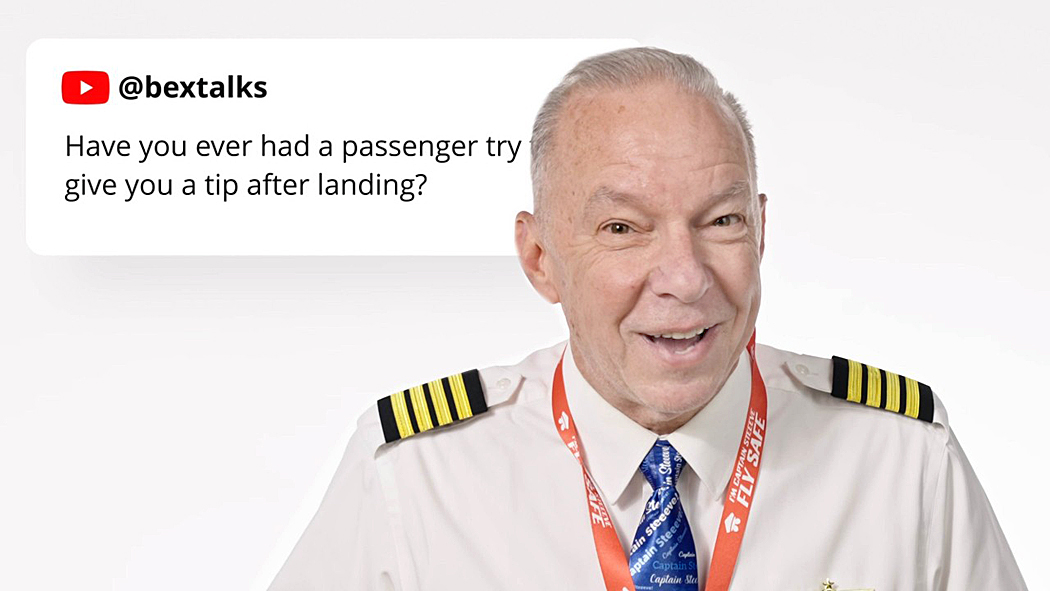
Dan McClellan deals with biblical matters in a scholarly way, and debunks quite a bit of blather. Retired commercial pilot Steve Scheibner talks about aviation on the Captain Steeeve site (somehow, although he is 15 years younger than me, he still sounds more like my father than anyone — including the dad jokes). 

Rick Beato

Rick Beato is mainly about pop music, but has genuinely intelligent things to say about the notes and their structure, and not just, as most pop music critics do, the lyrics. Simon Whistler hosts a variety of videos on various channels. He’s more script-reader than writer, and some people are put off by what seems like a streak of careerism in him, but there is a lot to learn from the videos he hosts. 

Tom Scott

And one of the oldest continuous contributors has to be Tom Scott, who has been posting informative videos on odd topics since 2004, and on YouTube since 2014. He has a ranging curiosity, and his videos look to find answers to questions of geography, history, science, language, technology. 

He has created more than 900 videos and has 6.5 million subscribers with over 1.7 views. In 2024, he decided he was exhausted and stopped making videos, but now, he’s back again and at it once more. His genial way and genuine engagement always make him worth watching. 

I’ve mentioned a few sites that I have enjoyed. They cover things I am interested in. But there are worthy sites for other interests, whether astronomy, railroads, antiques, literature, insects, pick-a-subject. But you have to plod through the weeds to find them. 

So, perhaps we won’t rain down fire and brimstone upon YouTube, but we are still better off avoiding the dreck. 

Click any image to enlarge
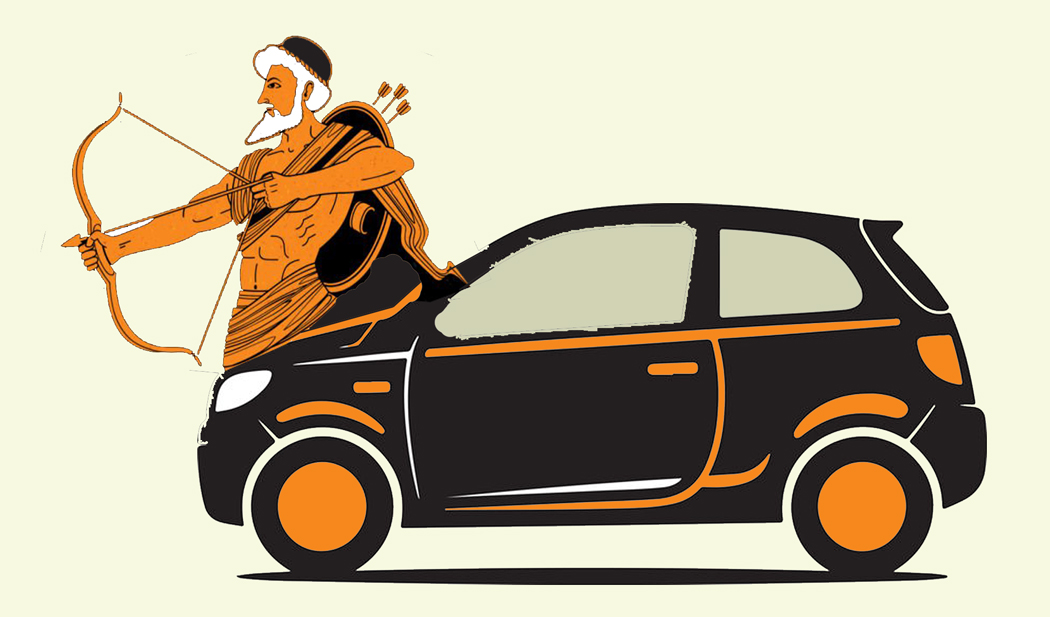
I am a centaur. Well, not technically — but I know what it feels like to be one. Sorta. 

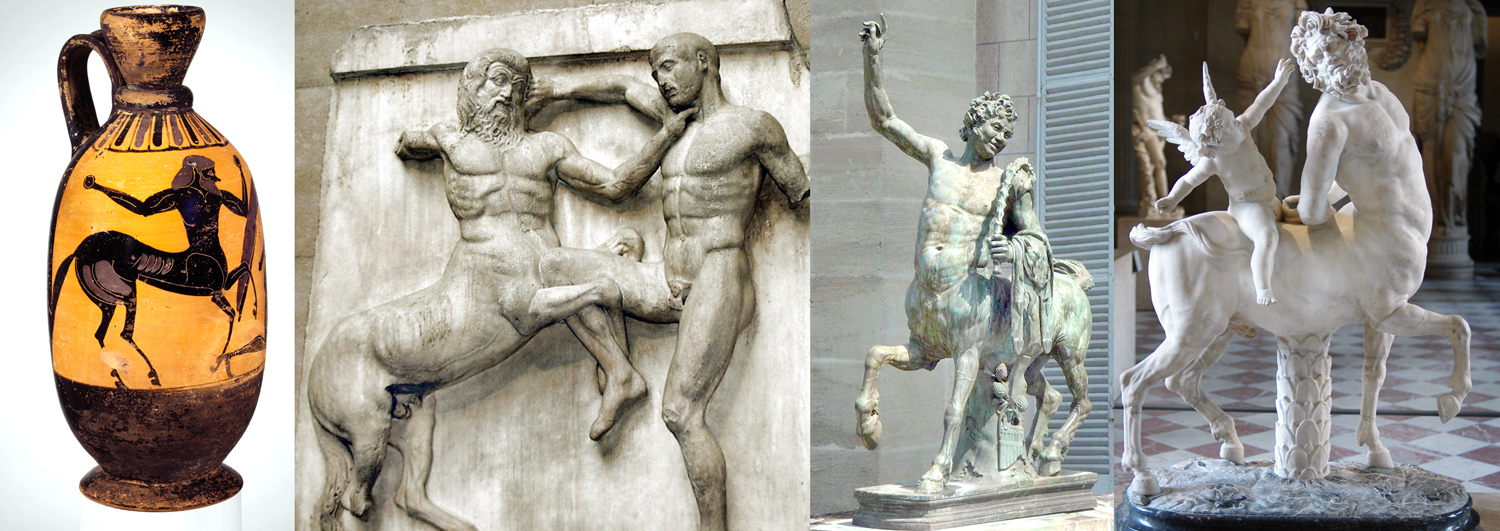
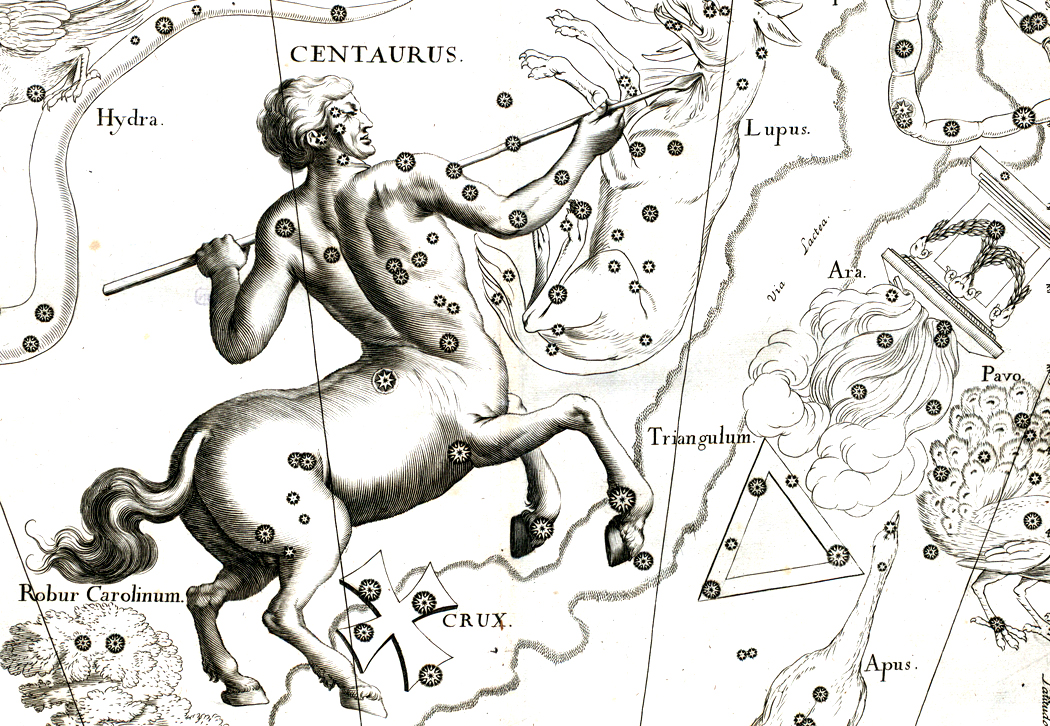
A centaur is a familiar mythological creature, half man, half horse — although more like one-third man with two arms, and two-thirds horse with four legs (although there is a second version that is half man, with two arms and two human legs in the front, and the rear half of a horse abutted  to the backside). In either case, with six appendages, the beast might well be classified as an insect. 

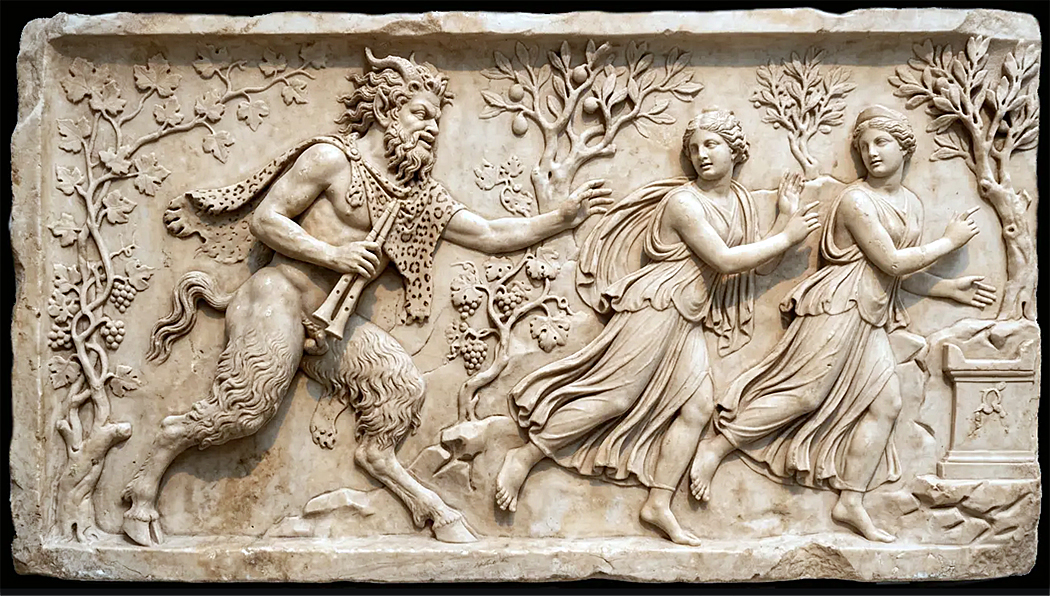
Mythology is well populated with the hybrid offspring of human and animal, from the Minotaur through the sphinxes and down to the half-man, half goat satyrs. They all seem to be metaphors for the animal side of human nature. 

Like most Greek myths, there are multiple versions of the story, but in the most common form, Ixion lusted after Hera (Zeus’s wife), so the Big Guy formed a false image of Hera from a cloud, named Nephele, and Ixion had his way with the cloud, which subsequently gave birth to a son, named Kentauros (Κένταυρος or Centaurus), who, in turn mated with the Magnesian mares of Thessaly, who then engendered the race of horse-men called Centauridae, or centaurs. In his anger at Ixion (remember Ixion?Several generations back?) Zeus struck him with a thunderbolt and bound him to a burning, spinning wheel that careened through the heavens forever. The wheel is central here. 

Hence, the centaurs are the grandchildren of wheel-bound Ixion, which brings us  back to me as a centaur. It is often thought that the idea of the centaur was evolved from first seeing men riding horses — who knew they could do that? The man and horse must be the same being. Merger of Homo and Equus into a single being, one mind, one corpus. 

We don’t much ride horses anymore, at least not on city streets. We drive cars. And it is possible to merge with the machine just as it was thought to merge with beast. When I drive, the car and I become a single being. I am not just a person getting into a car, strapping on a seatbelt, plugging in an ignition key and revving up the engine. I become one with my automobile. It has been this way for me since I first got my driver license. 

As a sidenote, I have tried riding a horse. Did not go well. It was a docile animal, but it turns out that the round belly of the horse and the desire of my knees to remain straight conflicted painfully. Knees bend front to back, horses pull them sideways. The wrenching pain was somatic dissonance. I got back in my car. 

I’ve been a car person ever since I was two or three years old. We had a black 1950 Chevrolet, and in those years before children’s car seats, I rode in the back, standing on the seat so I could look out the window. I loved riding and watching the New Jersey scenery go by. 

My younger brother, on the other hand, has always had a different response to car travel. I rode with my nose pressed to the glass so I wouldn’t miss anything. He said that car travel, for him, was much like an elevator ride. You got in, waited till you got to your destination, and the door opened and you got out. Basically, it was lost time. 

From my earliest years, I was hooked on driving and riding in cars, but I never transferred that interest to the cars, themselves. 

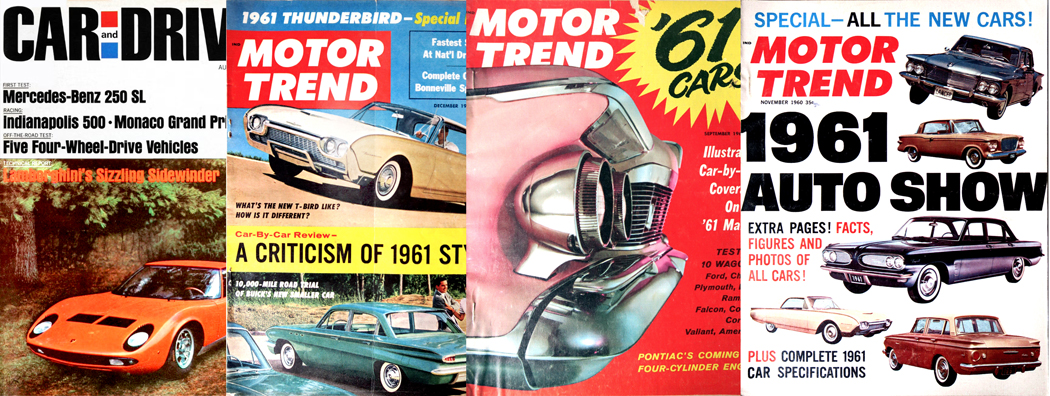
When I became a teenager, cars were important to all the boys I knew. They swore by Motor Trend magazine, and looked forward each fall to the unveiling of the latest model cars, with their tail fins and chrome trim. Which new car could go from zero to sixty the fastest. In contrast, I didn’t much worry about racing through city streets. Zero to sixty was a meaningless metric. For me, they were a means of going. 

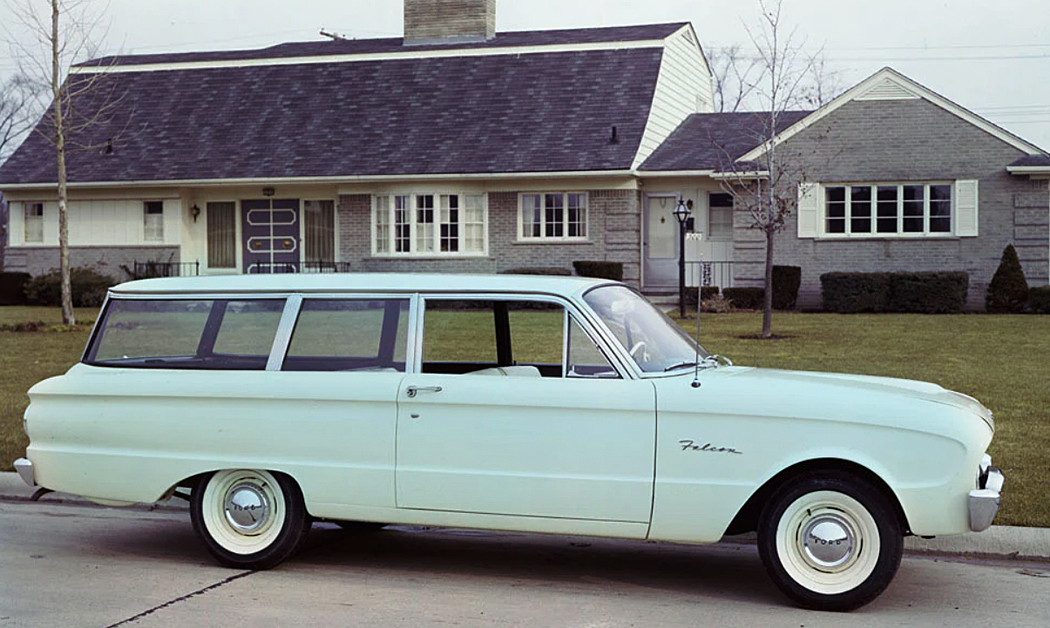
My first car was a powder-blue 1960 Ford Falcon station wagon, which had a mattress in the back and loosey-goosey steering, which led to my first car wreck. The second car was a red Chevy, twice the size of the Ford. For some reason, we kept a bunch of plastic grapes hanging in the rear side-window, and so we named the vehicle, Vanessa Redgrape. (The naming of cars, at a certain age, seems important. They all had names. My friend, Hank, had a green VW beetle he called Gigi, or “G.G.” for “Green Gonad.”)

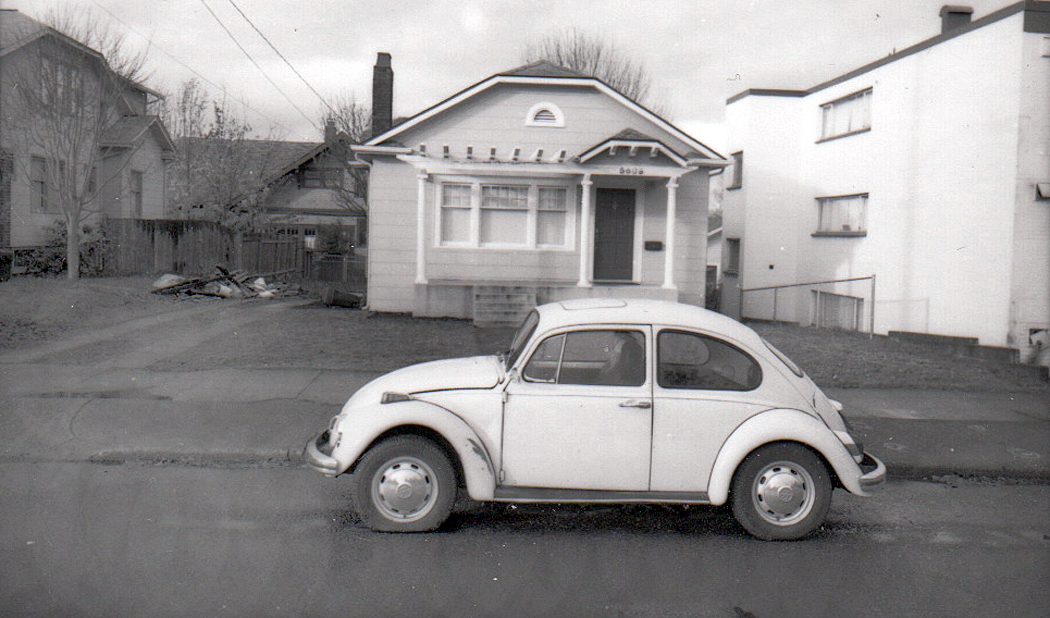
I also owned a succession of Veedubs, which I loved, in part because I could always repair them with just a hammer and a screwdriver. They were simple. Cars have gotten so much more sophisticated technically, so that now, mechanics generally effect engine repair not by fixing, but by replacing. It was the age, back then, of hippies and Whole Earth Catalogs, and I pined to own a VW Minibus, and eventually I found one I could afford, and it promptly broke down on the way home from the car lot. I couldn’t afford to fix it. 

Many of us have had dogs we treasured, but they eventually die on us, and we sometimes find a replacement, but usually keep in our hearts the ones we loved most. Like the Navy blue Ford Falcon passed on to me when I was down on my luck by my friends Alexander and Mary Lou. It was falling apart, with no heater, no windshield wipers, and a rusted hole in the floor under the brake pedal that let me watch the asphalt pass by below my feet. It was the car I drove up the Blue Ridge to meet the woman who became my wife. It was snowing that day, and I had to drive with my window rolled down and my head stuck out like a locomotive engineer (or a happy dog) because I couldn’t see anything out the windshield. I loved that sorry car. 

Mostly, since then, I have had modest cars with generic names, various Datsuns, Hondas, or Toyotas. Although one very particular exception was the Chevy Citation that came into the family when I married Carole. Citations had a reputation as a break-down special. They were badly designed. But for some glitch in the universe, her car was the opposite of a lemon. Never had a whisper of a problem with it and drove it past 200,000 miles, then gave it to my brother, who continued with it for some time. 

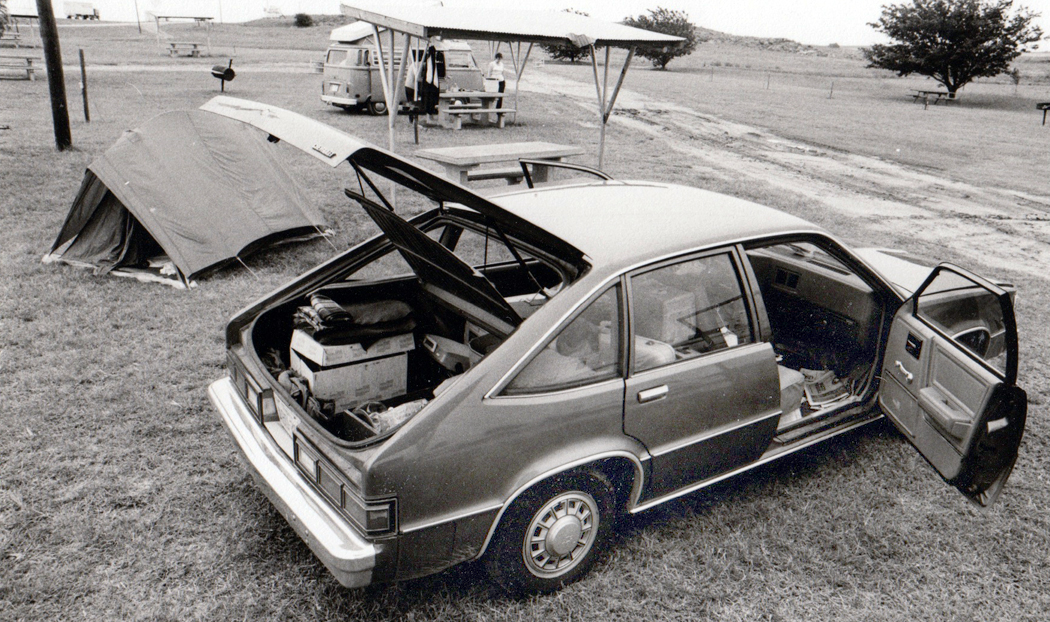
In that car, Carole and I began our many peregrinating years. She was a teacher, and I was also, and so, we had our summers free. In 1981, we put 10,000 miles on the Citation as we drove across the U.S., up and down and back and forth. 

Each year after that, we chose a region and explored it in depth; by the third summer we had visited all 48 contiguous states, and most multiple times. 

When we lived in Phoenix, I’d drive a hundred miles south to watch an opera in Tucson and drive home the same night. I could not tote up the number of miles I’ve sat behind the wheel over my life, but I’m sure I could have gotten to the moon and back, if there had been motels along the way. 

And even now, when I am old and falling apart at the seems, so that even walking is a chore, with knees that need a serious relining, I have no trouble getting in the car and driving. I am most comfortable behind the wheel.

And it is because I have become a centaur. In a car, I am the ghost in the machine. We merge to become one single entity — a car-centaur. I extend my sense of self from bumper to bumper. Proprioception is the sense we have of our bodies and their shape and location in the world. I can feel where my feet end, where the top of my head is. I can twiddle my thumbs with my eyes closed. I have a clear sense of where my body extends. 

In the driver’s seat, that sense expands to encompass a larger whole: The car is as much a part of me as my knees or my fingertips. We have  become mechano-organic. My foot on the clutch and my hand on the gearshift is like breathing, natural and fluid. 

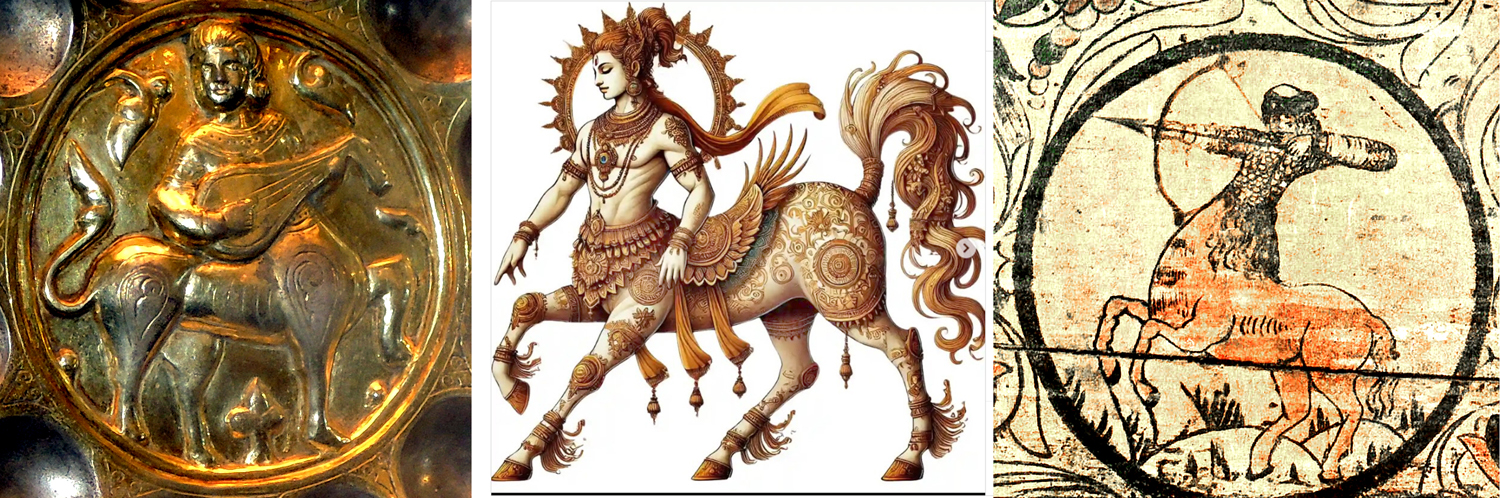
Byzantine gold cup; Indian Kinnara; Russian Polkan

Each culture and every epoch has its hybrid mythiforms, and there are horse-men from the Hindu Kinnara written about in the Mahabharata to the Russian Polkan and the troubadour centaurs of the Byzantine Middle Ages. It seems natural that we should adopt the modern in-car-nation. 

I have been a reader for about three quarters of a century. It began so long ago, I don’t remember exactly when I started — probably in kindergarten when I discovered words. But once I began, I couldn’t get enough. 

I read anything I could get my mitts on, from the backs of cereal boxes to the funny pages in the newspaper to road signs when the family was out driving. I’m sure I drove my parents nuts by pointing out stop signs and mileage markers. 

This is not to claim any sort of prodigy. I believe most kids latch on to text as soon as they learned to decipher it. 

But lately, I’ve been thinking about how my reading habits have changed over the years, and how those changes parallel life experience, and the needs I sought to satisfy as I grew up. Shakespeare wrote about the seven ages of life, and I think about the stages of reading. 

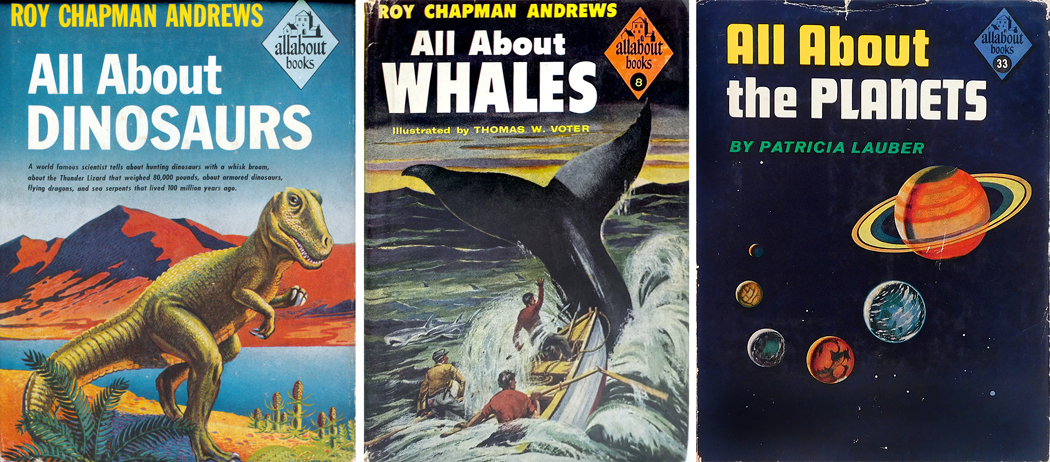
My early reading is chronicled by years. In third grade, I was fascinated with dinosaurs and read all the books I could find in my elementary school library (which was also the town library). There was Roy Chapman Andrews and his All About Dinosaurs, part of a series of “All About” books written for kids. 

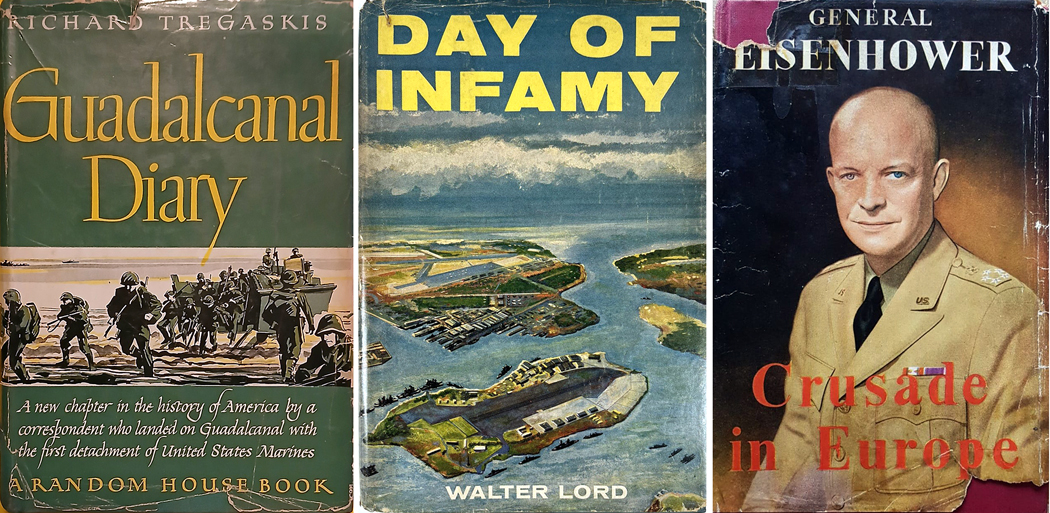
By the fourth grade, I had moved on to whales, and spent the school year absorbing everything I could about cetaceans. And so it progressed through astronomy, airplanes, and, by the seventh grade, I was into World War II. By then I had left behind the books written for young readers and took on the history books and memoirs. Guadalcanal Diary by Richard Tregaskis; Day of Infamy by Walter Lord; Crusade in Europe by Dwight Eisenhower. 

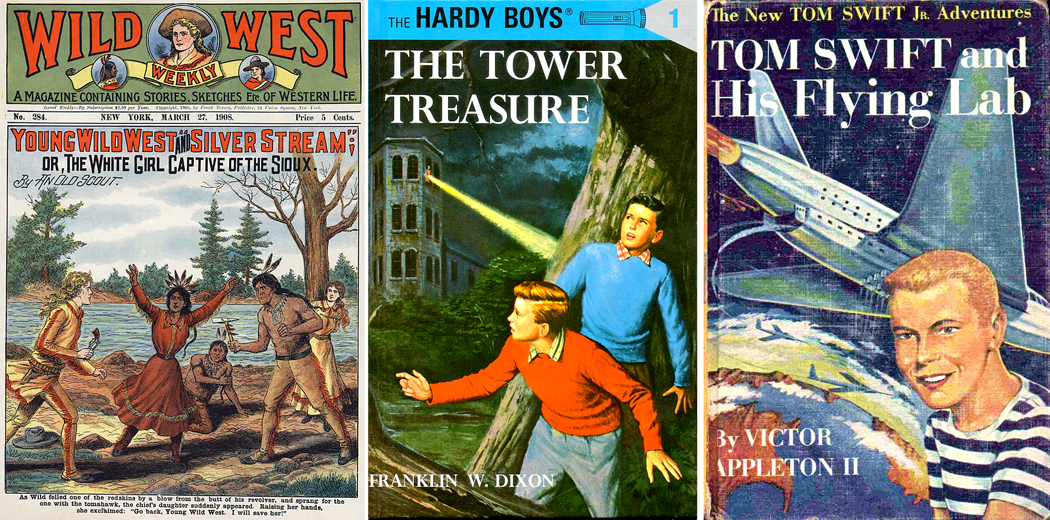
Other boys my age were reading Hardy Boys books and maybe Sherlock Holmes, but I was single-minded in reading non-fiction. I wanted to learn everything. I was a compendious fact basket. Dump it all in.

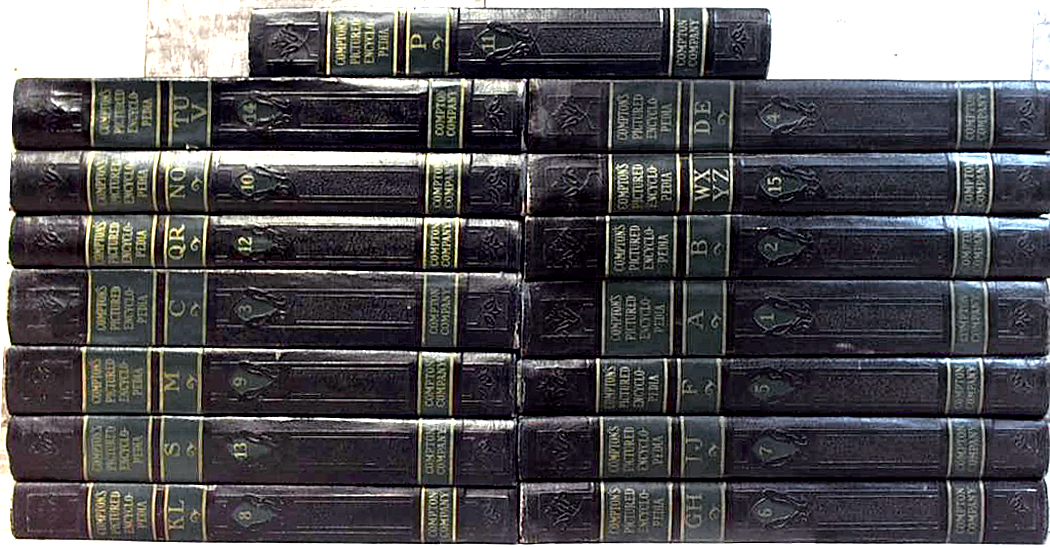
We were given a 1930s copy of the Compton’s Illustrated Encyclopedia and I read through it constantly. It might have been out of date, but it had lovely drawings of autogiros and streamlined trains and  learned about everything from Angkor Wat to frog-egg fertilization and The Great War. 

My parents, who had just high school educations and had lived through the Great Depression, were eager to educate their children to guarantee them good jobs in life. There was never any doubt they would  send their three sons to college. And so, they encouraged this reading. 

They thought they would help by buying books for me, including a copy of some young adult fiction. I sneered at it. Fiction? “I don’t want to read anything that isn’t true,” I said. 

This first phase was the fact-gathering stage. I wanted to learn as much as possible and reading was the funnel that poured it all into my hungry brain. You have to fill the pepper grinder before you can grind pepper. 

And so, it poured in and stuck: 44 B.C.; A.D. 1066; 1215; 1588; 1776; 1914 — and Aug. 6, 1945, a date that hangs over anyone my age like a threatening sky. 

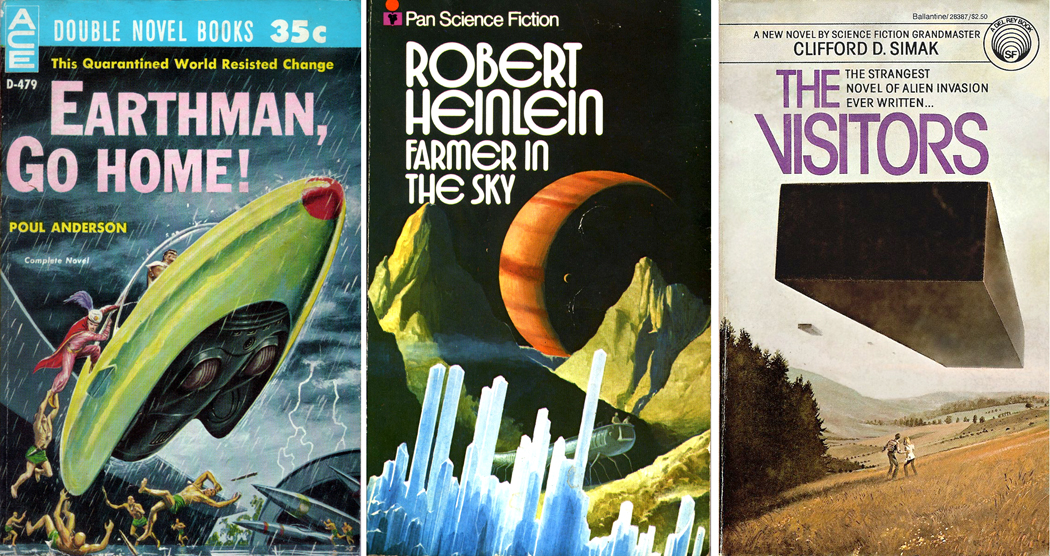
I stayed away from fiction until, I was, perhaps, 12 or 13 years old, when I discovered science fiction. I gobbled it up like candy. All the mid-level sci-fi writers that were popular in the late ’50s and early ’60s: Poul Anderson: Lester del Rey; Robert Heinlein; Frederick Pohl; and, of course, Ray Bradbury. I must have burned out on it, because I cannot read any fantasy or sci-fi anymore. Lord of the Rings? God help me. No, never. 

But there were the Fu Manchu books of Sax Rohmer, with their Yellow Peril and archly Victorian prose. All pure pulp, but they opened the world of fiction to me and transitioned me into the second phase of readership, which is perhaps the most embarrassing phase. 

 By high school, I wanted to prove I was a grown-up, and what is more, an intellectual grown up. I subscribed to Evergreen Review and Paul Krassner’s Realist. I was hip, in my tight jeans, pointy shoes and hair slicked with Wildroot Cream Oil. 

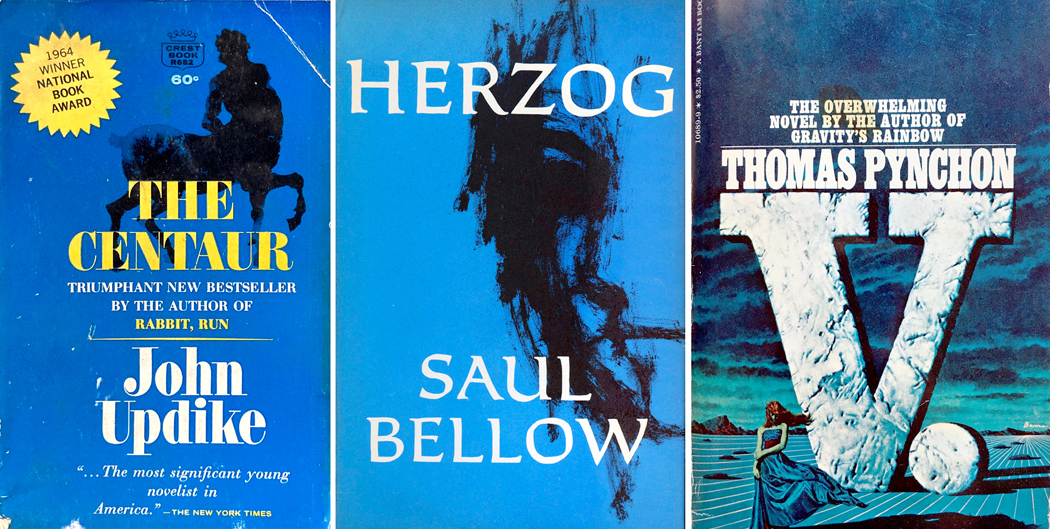
And I began reading important fiction of the time: Saul Bellow; John Updike; Norman Mailer; Thomas Pynchon. Of course, I didn’t understand any of them. I was a pimply-faced high-school kid. What did I know? But I looked oh, so sophisticated carrying around Herzog under my arm. It was only when I read it again a few years ago that I fully realized how funny the book is. I didn’t know it was a comedy when I first read it. There is nothing more earnest than a teenager. 

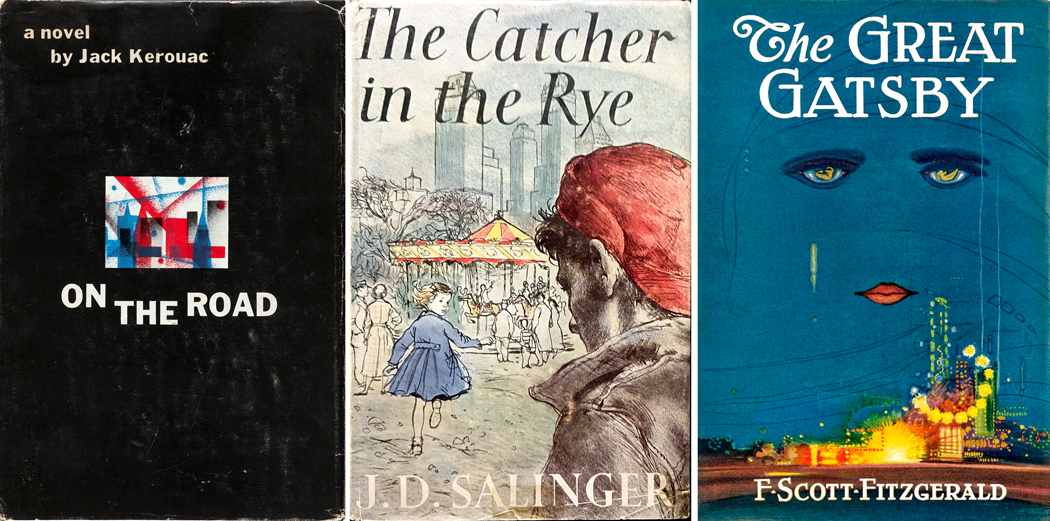
I did manage to pick up and understand On the Road and other Kerouac books, and J.D. Salinger spoke directly to my adolescent soul. On the Road held up on re-reading years later; not Catcher in the Rye, which is now close to unreadable. I couldn’t even finish a re-read. 

The problem with adolescence is you have almost no life experience. It’s all just literature to you. You get caught up in “symbolism,” and what a book “means.” As if it were written in code to be deciphered. A 16-year-old is in no position to know what was going on in those books. It wasn’t much different from when we were assigned The Scarlet Letter or The Great Gatsby in eighth grade. I could understand the words, but not understand what was said between the lines. 

A teenager thinks the world is simple. It is the tragedy of youth. 

The following stage was college reading. There was, of course, a lot of it. But I loved it, especially the Classics courses I took, reading Greek and Roman authors, the English Romantic poets, and Chaucer. I took to Chaucer immediately. I still read him for the pleasure of his language. There was a course on Milton and another on William Blake. I ate the stuff up. I still do. 

And I was then old enough that I actually understood much of what I was reading. I was beginning to have a life and feel the complexity of the world. 

College only lasted four years and after that came marriage and divorce and unemployment and — just as bad — employment. I still read, but mostly I just tried to keep it all together, and not always successfully. (Unemployment gave me a lot of reading time and for months, I managed a book a day.) 

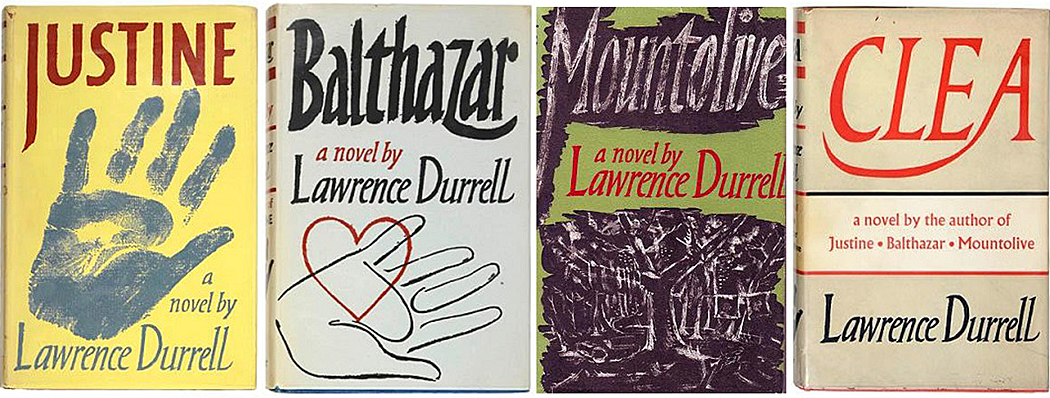
The fourth great phase of reading came after divorce and other traumatic events, when I had what might now be called a break down. It didn’t stop me reading, and actually it led to a fever of it. I read all of Henry Miller (or as much as was available, not counting his privately printed short works); all of Melville, or pretty near; piles of D.H. Lawrence; and basket-loads of Twain, Hemingway and Faulkner — and Lawrence Durrell’s Alexandria Quartet, which seemed to sum up my situation — and that marked a change in my relationship to books. 

This was a turning point that not everyone seems to experience. Until this point, I measured my life against what I read. Was I like Nick Carraway or Sal Paradise? I wanted to be “important” like them and thought literature was there to show me the way. 

After that point, instead of measuring my life against the books, I measured them against my life. Did they seem true to what I had experienced? When I was young, the books were real and my life a simulacrum; as I grew, it became clear my life was the real thing and the literature was only a reflection. Not “did I measure up,” but “did the books measure up?”

Books, as a percentage of time spent, varies quite a bit over the course of a life. I find the more I am engaged with doing something, like work or socializing, the less time I spend reading. And the fifth phase began when I started teaching in Virginia. It wasn’t that I stopped reading, but that I did less of it, and that the books I did read tended more toward histories,  biographies, memoirs and essays. 

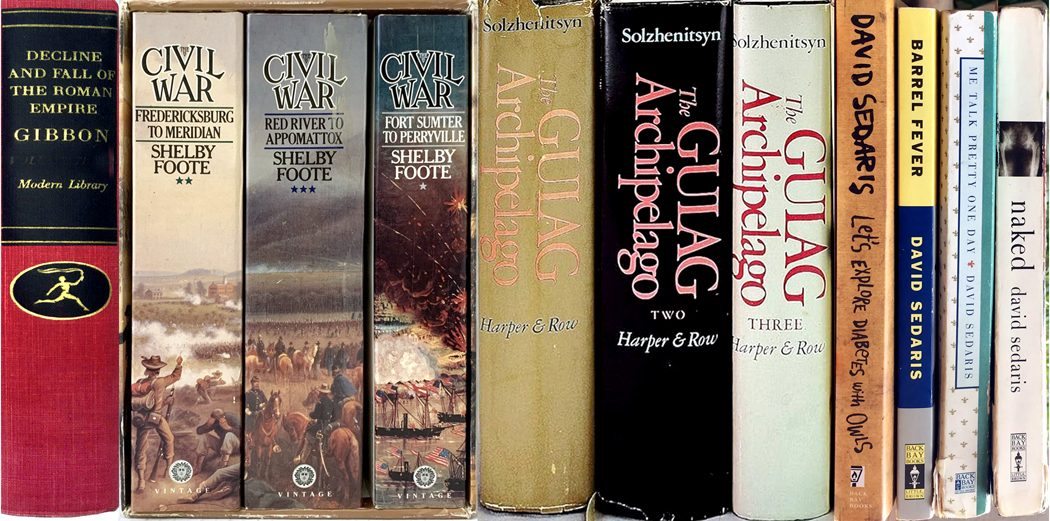
I tore through Shelby Foote’s three-volume history of the Civil War; a one-volume selection from Edward Gibbon’s Decline and Fall of the Roman Empire; tons of H.L. Mencken, including all his Prejudices; Solzhenitsyn’s Gulag Archipelago; and as antidote, all the David Sedaris I could find. 

This phase continued through 25 years working for The Arizona Republic, in Phoenix, where I was, among other things, the art critic. I read a lot for work — including background on things I was writing about. 

The relationship with books had changed, but so had my relationship with words altogether. When I was young, I was eager for knowledge and read by the boatload in search of ways to fill my insides. But somewhere along the line the well was full and the words spent less time piling in and more gushing out: I became a professional writer and all that back-pressure of words, information and experience burst out. I wrote like a hose spraying water. I couldn’t fill the buckets fast enough. 

Even on vacations, driving around this country or others, I spent part of every day writing down notes that later turned into stories for the paper. 

So, there were those two major shifts in life: first when I began measuring the books against my life; and second when instead of just adding more words to the pile, all the millions of words dammed up behind my cranium began pouring out. 

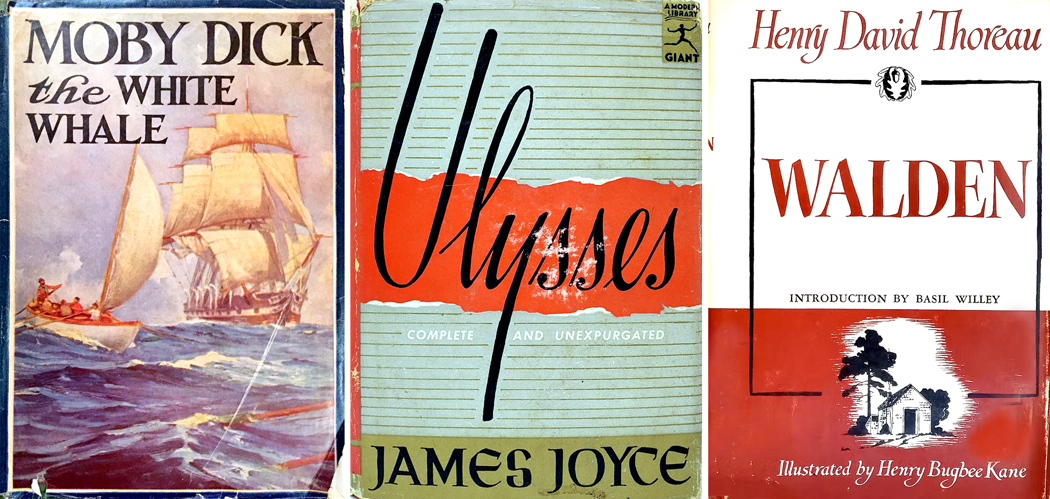
Through all of these phases, but increasingly over the years, I found myself re-reading as much as reading. My favorite books I tackled again and again. I cannot number the times I have read Moby Dick or Paradise Lost or James Joyce’s Ulysses — all dived into time after time for pure pleasure. There are others: Thoreau’s Walden; Hemingway’s Sun Also Rises; Gatsby, of course, now that I know what’s going on in it. 

I try to re-read the Iliad once a year, usually with a different translation each time. I sometimes change pace and do the Odyssey. I tried Dante, and can gobble up Inferno any time, but admit I find Purgatorio and Paradiso quite a slog. I’ll stick with Hell, thank you. 

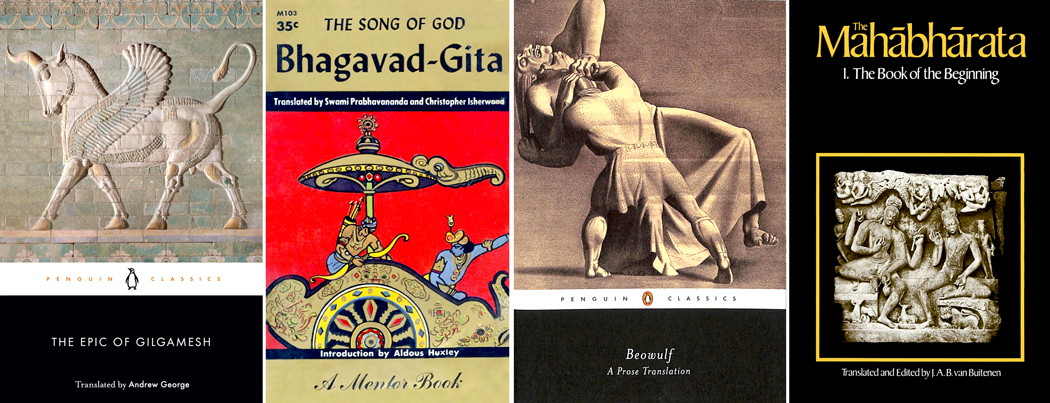
The books I’ve mentioned so far indicate a fairly parochial taste for Western culture, and I have to admit to that. But I’ve soaked up a fair amount of early and non-Western writings to try to keep some balance. I’ve read and re-read the Epic of Gilgamesh, the Mahabharata, Lao-Tze, Beowulf, and Basho’s Narrow Road to the Deep North, among others. I’ve read large swaths of the Vedas and Upanishads, and even a bit of various versions of the Book of the Dead. There is Sufi poetry and the Popol Vuh. I have tried to soften the boundaries of my cultural walls. 
There is a sixth phase, where I am now — retired. Although, as I’ve said many times, a writer never really retires. He just stops getting paid for it. I now write this blog, for which I’ve written more than 800 entries with another hundred more for other online venues, all of which total a million and a half words, all since 2012 when I left the madding crowd behind. 

I have slowed down some, but I still read. Now, I read a good deal of poetry. I find it satisfies my love not just of meaning but of the words themselves, the taste and mouth-feel of them. It is a connection with the world, and with the netting of language that holds that world up before my mind. 

It is said in some cultures, after a life of striving and ambition, that there comes a time of quiet and reflection, a time to spend on weighing the life and figuring out where it falls in the larger picture of time and the universe.

I certainly feel that. But it hasn’t reduced my need to recharge that well from which I draw my words. My Amazon account proves that. I keep getting new books and find that I simply don’t have any more space on my bookshelves, and so, they pile up on top of other books and in dangerous stacks on the floor. 

Every once in a while, there is a book-avalanche and under the chaos I rediscover some book I had forgot and sit down and open it up again. I’ll deal with the mess later.

Delmarva Peninsula

When I was a kid, most things in the world just were. Everything was normal, even if it wasn’t. People lived in houses, roads were paved, families had a mom and dad. And, for a kid, parents were just parents; I never gave much thought to why they did what they did. It wasn’t even that if they did something, they must have had a reason. They just did things. They were Mom and Dad, and as children, me and my brothers just followed along. As a child, the world is a given. 

It’s hard to recall that state of affairs, when things happened because they happened. That they might have done things for the abstract good of their children never dawned on me. Of course, now that I am old, I look back and realize how much they did for us, things they didn’t have to do, or things they probably would have preferred to do some other way, including some other things they might have wanted to do with their sparse vacation time. 

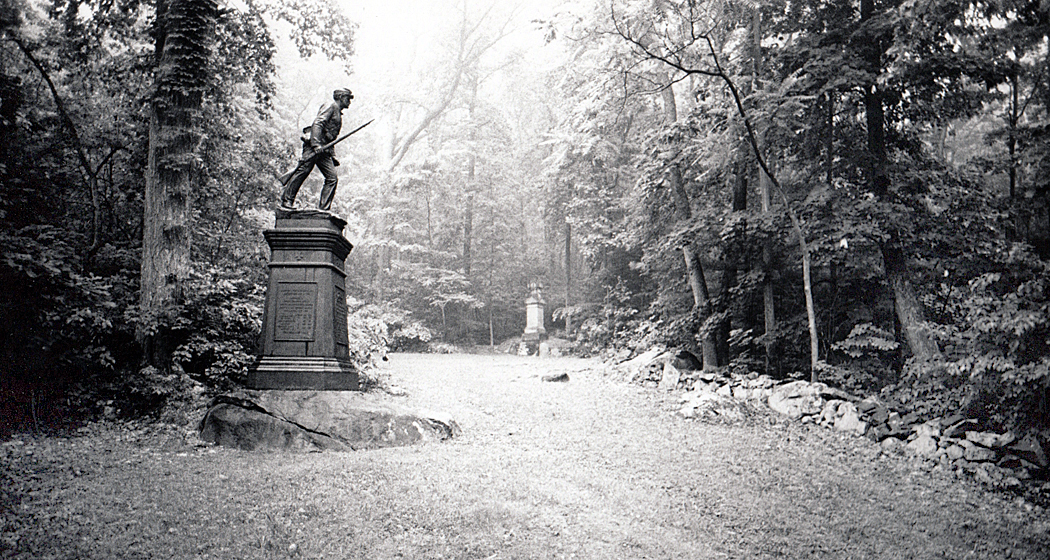
Gettysburg, Pennsylvania

But one of the things they did for us was travel. When we had our summer school vacations, Mom would pore over various brochures, magazine articles, and roadmaps and carefully plan routes to drive and sites to take in, and then, when it came time, we would load up the car and take off. We went to Washington D.C., to Niagara Falls, to Fort Ticonderoga, to Gettysburg — and many spots in between. Only later did I come to understand there was a purpose to these vacation trips. they chose these things to expose their children to history, geography, politics and to let us see what was possible outside suburban New Jersey. Travel was part of our education. 

Back when they were children, they didn’t get to travel. They both grew up in northern New Jersey and neither had more than a high school education. Dad’s family was heavily religious and didn’t approve of having fun, and Mom had to raise her two younger siblings after her father died when she was still in grade school and her mother had to find work in New York City. And so, the worlds they grew up in were limited.

German gun, Omaha Beach, Normandy, France

But when my father was drafted in 1940, he was sent to Camp Wheeler in segregated Georgia. He didn’t talk much about his army life, but he did express shock at discovering the pervasiveness of racial discrimination. And then he was sent overseas after D-Day to France, Czechoslovakia and Germany and found that other peoples had various ways of making a decent life. His horizons were involuntarily expanded. 

When they got married, shortly after the war, they felt it was important to broaden their children’s horizons, too, and to make sure we got the best educations. There was never any question that their kids would go to college. (I was told that when I entered second grade, I asked if that meant I could go to college “next year?”) Education was Priority One. Travel was a component of that. 

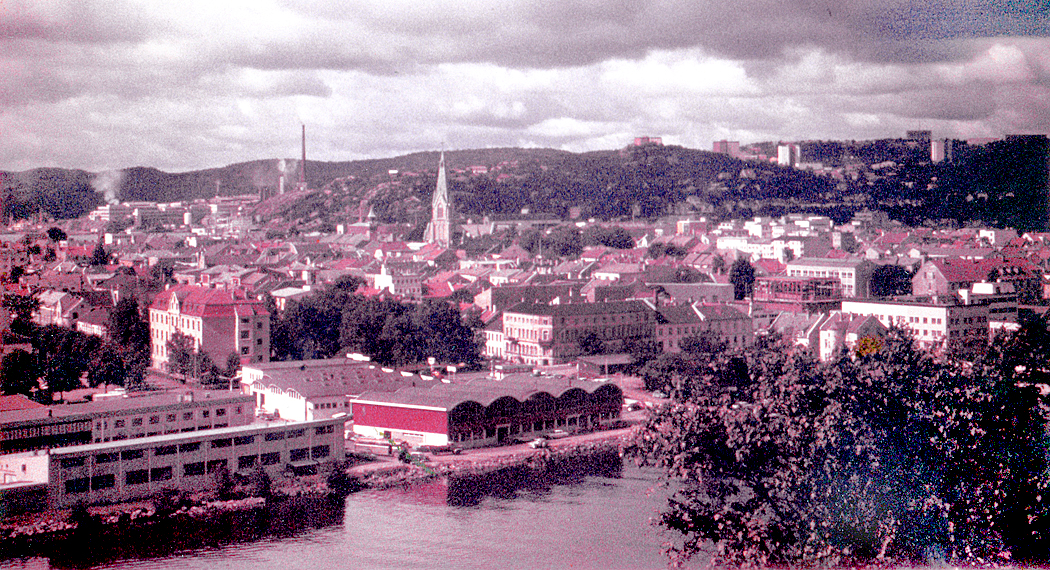
Kristiansand, Norway

Later, when I was in high school, they made it possible for me to go to Europe, accompanying my immigrant grandmother to her birthplace in Norway, and to take a bus tour through France, Germany, the Netherlands, Belgium and Luxembourg. A few years later, my younger brother, Craig, was sent off on a similar trip. 

Mark Twain famously said that “Travel is fatal to prejudice, bigotry, and narrow-mindedness, and many of our people need it sorely on these accounts. Broad, wholesome, charitable views of men and things cannot be acquired by vegetating in one little corner of the earth all one’s lifetime.” 

The vast bulk of the MAGA world, it seems to me, is made up of those who have never ventured far from their birthplace. If they had seen how others live, they would not accept the lies. 

Cairo, Illinois

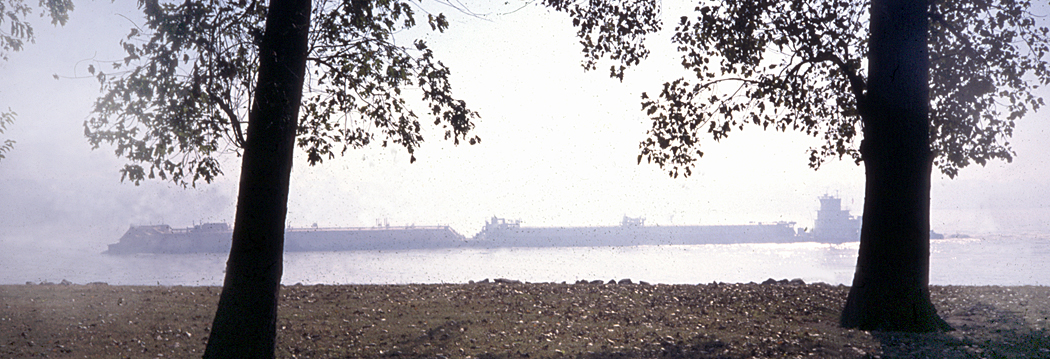
Travel, then, has pretty much always been an essential part of my life, and having become an adult — at least as quantified in years accrued on the planet — I have continued the habit instilled by my parents. Education wasn’t only in books; I read Huckleberry Finn, of course, but I’ve also been to Mark Twain’s childhood hometown of Hannibal, Mo., and to what remains of Cairo, Ill. I’ve driven along the entire length of the Mississippi River, from Lake Itasca, Minn., to the Venice Marina where the road ends in Louisiana. 

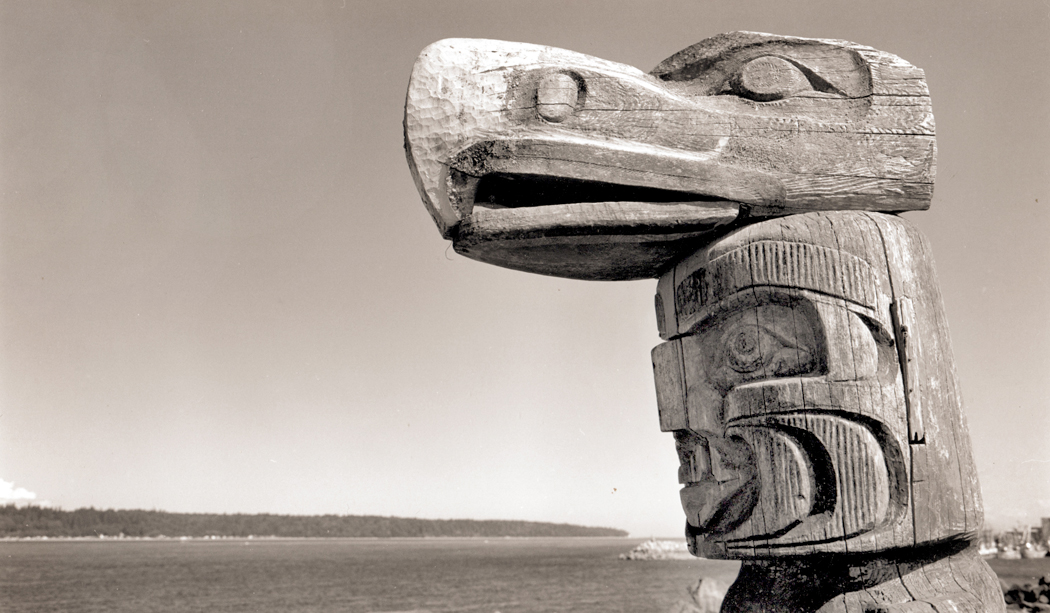
Vancouver Island, British Columbia

It is rare to mention a place I haven’t been in the continental United States or provincial Canada. Big Sur; Mt. Katahdin; the Everglades; El Paso;, the Union Pacific Bailey Train Yard in North Platte, Neb.; Hudson Bay; Halifax, Nova Scotia; the Tehachapi Loop in California; the Sturgis Rally in South Dakota; even Glacier Bay in Alaska.

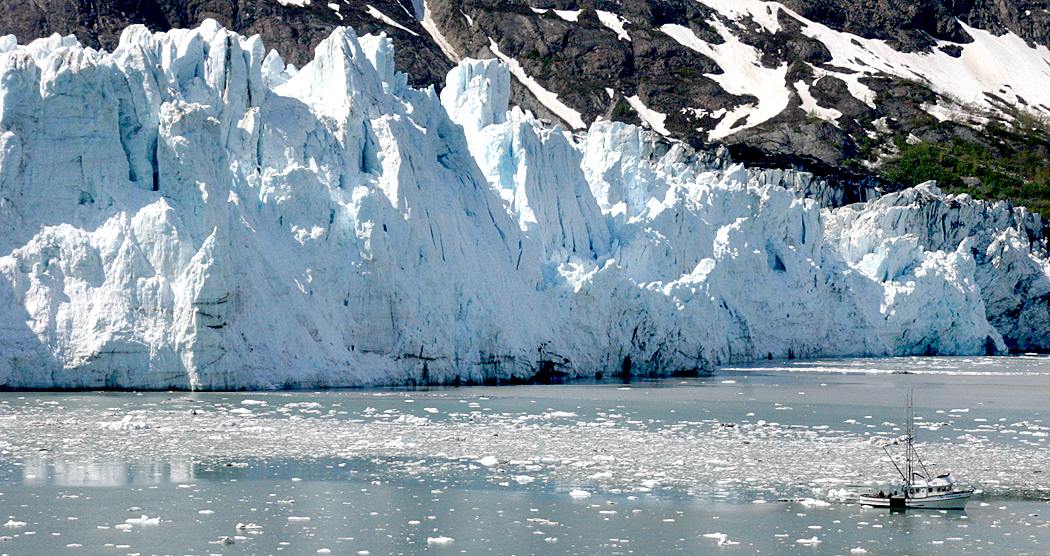
Glacier Bay, Alaska

Believe me, I can be quite irritating, when someone mentions some far-off place and I chime in, “Oh, yeah, I’ve been there. Had a great Po Boy sandwich in a little shack along the road in Pecan Island.” Which is a tiny community along the southernmost road in Louisiana. Or “Abiquiú? Yes, we visited Georgia O’Keeffe’s place there.” I am slowly learning to keep my yap shut. 

Red Mesa, Navajo Reservation, Arizona

I’ve been to every state except Hawaii, and most of them many times, and every province in Canada, save only Prince Edward Island and Newfoundland. I’ve lived in four corners of the continental states, growing up in the Northeast, moving to the American South, then to Seattle in the Northwest, and spending 25 years as a writer in the Southwest. Each move gave me a chance to explore all the territory nearby, often in some detail (There’s hardly a square meter of Arizona that I haven’t been to. Go ahead, name something obscure: Ajo? Red Mesa? Tumacacori? Freedonia? Gadsden? Quartzsite? Check, check, check, check, check and check.)

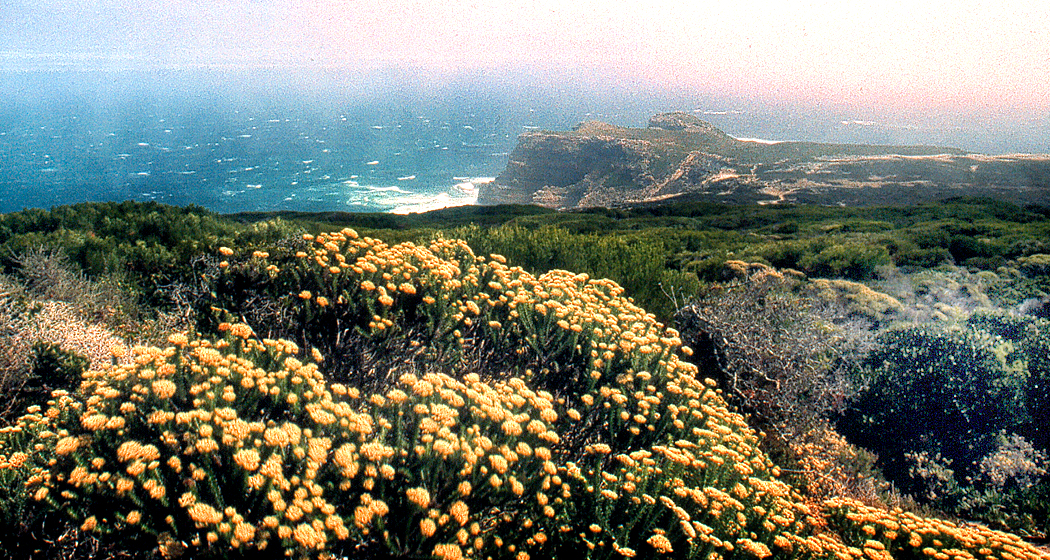
Cape of Good Hope, South Africa

I’ve been to the Cape of Good Hope in South Africa and to Marylebone Road in London; I’ve been to the Chartres Cathedral, and to the bull ring in Arles, in Provence. My late wife and I went back to France many times, and drove to all six corners of “The Hexagon.” 

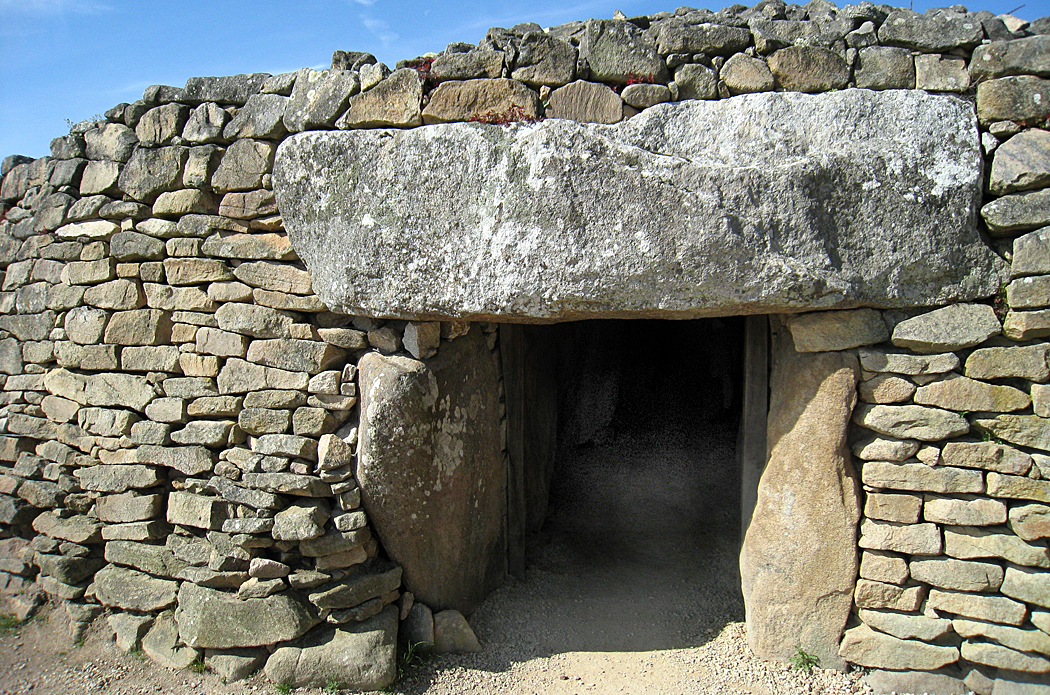
And so, yes, I’ve been to the D-Day beaches at Normandy and to the bomb craters still evident in Verdun, to the cave art along the Vézère Valley, to the paleolithic menhirs and dolmens near Locmariaquer. 

Dolmen, Locmariaquer, Brittany, France

I’ve visited the Museum of Questionable Medical Devices, the Museum of Jurassic Technology and the Hammer Museum of Haines, Alaska. 

And it has all been an education. I certainly learned that the omelet I get at Denny’s is a pale mutilation of the rich, creamy offering you can find at any neighborhood cafe in Paris. 

O’Keeffe Country, New Mexico

Of course, I’ve also learned how little of the world I’ve actually seen. I have so much of the non-European inflected planet yet to see, although, at my age, it’s almost certain I will never get to Japan or the Seychelles or Samoa. Just as, no matter how many books I’ve read, there is always a hundred times more books I will never get to read, and not enough time left even to put a dent in that list. I keep trying. 

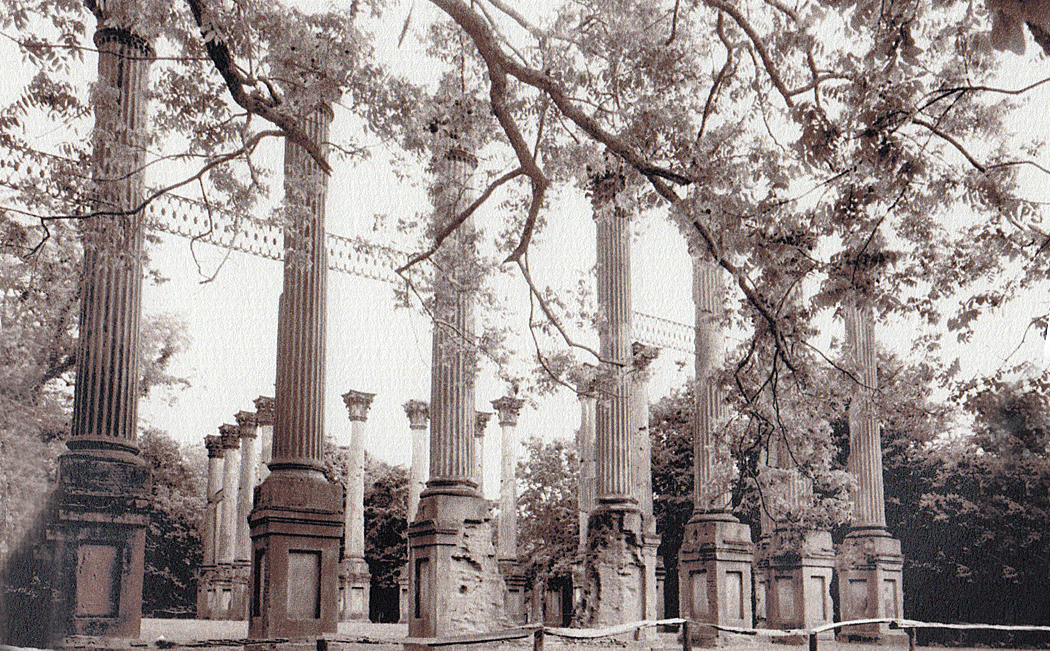
Windsor Ruins, Mississippi

And so, in addition to bragging about all the places I’ve been, I am shamed by all those places I have not gone to, just as all the art I haven’t seen, all the books I haven’t read, all the music I have never heard. But I think that it is only because of all I have read, seen, and heard, that I know enough to feel the gaping holes in my education.

I have infinite respect for school teachers. My late wife was one. I was one myself, for six years earlier in my career. Teachers work harder and for less pay that pretty much anyone else I can think of. And more than anyone else, the best teachers I had made me what I became in life. 

But. 

There was something about the teachers I had in public schools — grade school and high school — that mystifies me to this day. It was “required reading.” Nothing against the idea of having students read, but the problem was the books they had us read. 

They were “great books,” unquestionably, and among the best of literature in the English language. But what, I ask, what can a 13 year old possibly make out of The Scarlet Letter? It is written in a rather formal  early 19th century style, about a culture long faded in America, and involving minute shades of thought and feeling, with, like an iceberg, more beneath the surface than above. I was required to read it in eighth grade and was bored silly by it, mostly because I could not possibly understand it. 

I remember one of the test questions on the book. “What is the significance of Hester naming her daughter ‘Pearl?’” Uh — I dunno. I was 13 years old and I had a hard time telling the difference between Arthur Dimmesdale and Roger Chillingworth. Perhaps I wasn’t paying close enough attention. Most likely the book was way over my head. Way over the head of any 13 year old. Which is my point. Why was it assigned? 

My teachers wanted to expose me to the best in literature, I’m sure. And Scarlet Letter is certainly a great novel. I’ve read it as an adult and was amazed at how different it was from the same book I read in eighth grade. Deep and true, and subtle. All of which was lost on a boy with not enough life experience to be able to absorb what I was reading. 

For most kids at that age, a novel was its plot. If I could keep the story clear in my head, that was what I took from the book. So, there were a few assigned books that I read and enjoyed. Oddly, one of them was Ben-Hur: A Tale of the Christ, by Lew Wallace. It was assigned in seventh grade, and it was, at the time, the longest book I had ever read. 

It was no doubt assigned because of the 1959 movie, but I had not yet seen the film, and so I never had to compare the book with Charlton Heston. It was fresh to my eyes. 

But it was a story told without excessive subtlety. If I followed the plot, I got out of the book pretty much all that was put into it by its author. I was 12 and at the time, fascinated by history. Lots of that in Ben-Hur.

It should be pointed out that I had nothing against reading books. I read them all the time. I was an avid reader, but pretty much every book I picked up was non-fiction. (I once complained about novels, “Why would I want to read anything that wasn’t true?” Little did I understand.) I read tons of books about World War II. I was obsessed with the war my father had fought in. 

And so, Ben-Hur was right up my alley. A story clearly told and with little hidden between the lines.  

Another great choice for a young person was To Kill a Mockingbird. As a pubescent teen, I was deeply moved by the injustice and the countering righteousness of Atticus Finch. I read it at a time of the Civil Rights Movement in the U.S., and it seemed instantly relevant to my life. The fact that it was told through the eyes of 8-year-old Scout, and the moral issues seemed so clear only made it easier to digest at my tender age. 

The novel is still taught in many schools, and is perhaps the perfect book for required reading, although at the age I was asked to read it, I had no clue as to the the fact that its author also addresses issues of class, courage, compassion, and gender roles in the Deep South.

All the subtleties and complexities in the book were irrelevant to my reading it at the perfect age to encounter it. But then, as Flannery O’Connor said, “It’s interesting that all the folks that are buying it don’t know they’re reading a child’s book. Somebody ought to say what it is.”

In contrast, we also were assigned The Great Gatsby. On the surface, it is not difficult to understand. The language, unlike that in Scarlet Letter, was reasonably modern. But the book relies almost entirely on what is between the lines, which is exactly the part that a 14-year-old cannot perceive. When I first read it, in eighth grade, I thought it was a story about Nick Carroway. After all, he narrates it. This Gatsby guy seemed entirely peripheral and I couldn’t understand why the book had his name on it. And what the heck were those giant eyeglasses about? And that green light? No clue. 

Oh, I followed the plot well enough, I thought. But boy, I had not the first inkling of what the book was actually about. 

And how could I have. One has to have a decent fill of life’s vicissitudes, disappointments, misunderstandings, loves, longings, sex, ulterior motives — to say nothing of complex, multiple motives — before one can take in all that is going on in Fitzgerald’s book. 

Or any book written for grown-ups. We were assigned The Grapes of Wrath, and I enjoyed most of it, but on the test, we were asked why Chapter Three talks about a turtle crossing a highway. A chapter that fits what Steinbeck calls “hooptedoodle.” In Sweet Thursday, a character says, “Sometimes I want a book to break loose with a bunch of hooptedoodle. … Spin up some pretty words maybe or sing a little song with language. That’s nice. But I wish it was set aside so I don’t have to read it. I don’t want hooptedoodle to get mixed up with the story.”

And so, Chapter Three seems to have nothing to do with the story. Or does it? At an age before hair began growing in unfamiliar places, I had no clue. 

Worse, the end of the book just seemed like a vaguely smutty joke to make a teen laugh like Beavis and Butthead. Now, as an adult, it makes me weep. 

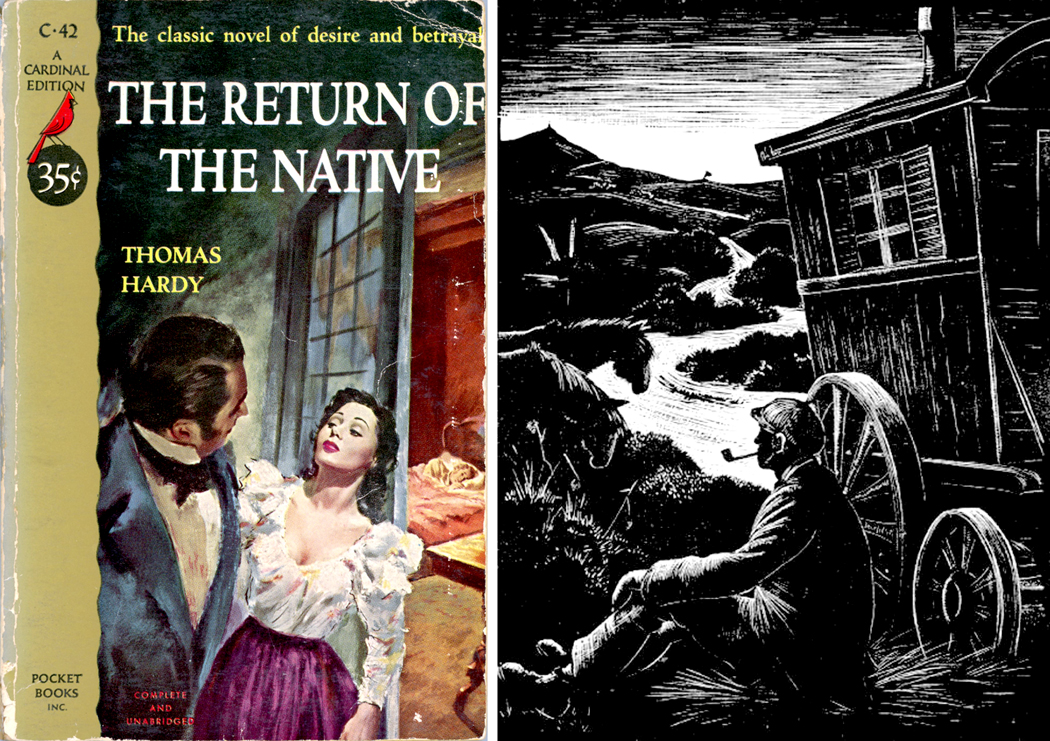
There were other books assigned that my yet-vacant mind could not get around: Emma, The Return of the Native, Oliver Twist. Why were such books put into the hands of a boy who had not yet outgrown Cocoa Puffs? 

I could barely make it through Emma, and couldn’t for the life of me understand why such a self-involved cupcake should be worthy of my attention (I said to my utterly self-involved teen self). At that age, irony is an unfathomable concept. No one my age at the time should be forced to read Jane Austen. Way above my pay grade at the time. 

And worse, Thomas Hardy. I had no notion of what a reddleman might be, nor furze, nor a heath. Reading the prose was like chewing dry straw. Why, why, O why was this book handed to a pre-teen American boy, who never cut a wisp of furze in his life? 

Last year, I found a used copy of the paperback book I was given back then, so many decades ago, and I began reading it to see if it was as bad as I remembered it, and surprise: I found some of the most resonant, deeply felt writing I’ve ever read. As twilight settles, on the first page of the book: “Looking upwards, a furze-cutter would have been inclined to continue work; looking down, he would have decided to finish his faggot and go home.” That image rings so instantly true. I’ve been there. When I was a kid, not so much. 

There were other books assigned that memory has happily wiped from my mind. 

But worst of all, and for this I hold Miss Irene Scheider completely guilty, was my lifelong inability to read Charles Dickens. She was otherwise a fine teacher of my eighth grade class, but she decided she would assign each student his own book, chosen by her as the perfect match for his taste and personality. And for me, she chose Oliver Twist

I cannot tell you how much I hated, hated, hated that book. I found it turgid, boring, endlessly prolix, and completely unrelatable. I trudged through it dutifully, But I found it the absolute opposite  of anything my taste and personality would have fancied. “Please sir, I want less.” 

No blame should be ascribed to Dickens for this failure. I believe the enthusiasm so many intelligent readers feel for his books. But my experience with Oliver Twist in the eighth grade has ruined Dickens for me for the rest of my life. I cannot even pick up another of his books. My muscles twitch and my eye develops a tick. “Oh keep the Dog far hence, that’s friend to men, Or with his nails he’ll dig it up again!”

I understand the impulse of grade school teachers to introduce great lit-rich-your to young minds. But forcing a teenager to read works they are not equipped to comprehend can only deter them from ever wanting to read books they haven’t been assigned. 

I was lucky. I loved reading too much to be thrown off by boring books. I had my own direction. Before high school, most of what I read was non-fiction. I always had a book or two going. Some I read so avidly, I finished them in a day. You could not have stopped me from reading. But I only came to fiction and an appreciation for what it had to afford, after my brain had become fully formed, in my twenties. Then, I attacked all those classics I had dreaded when I was younger. Ulysses, yay! “Madame’s Ovaries,” whoopee! “Lady Loverly’s Chatter,” sign me up! 

I am pretty sure that if you want to instill a love of reading into young minds, you have to let them read what they choose for themselves. Don’t worry if it’s not great literature. Don’t worry even if it’s trash. Or even if it’s comic books. If they enjoy it, they will keep reading. And if they keep reading, they will grow out of the junk and seek the real deal. 

There are books that speak directly to eager minds. The Catcher in the Rye is only possible to read when you are young. Believe me, I tried to re-read it a few years ago and nearly upchucked. It’s not for adults. And there is a huge market for YAF (an acronym that makes me hiccup: Young Adult Fiction) that is surprisingly well written and tackles subject meaningful to their audience. Encourage that. Don’t, my god, hand them Brothers Karamazov

So, let them soak up Harry Potter if they want. It’s OK. Better than never being able to read Charles Dickens again. 

I read the Iliad once a year, and every time I do, Hector dies at the end and Achilles in an act of compassion gives the Trojan hero’s body to his grieving father. 

And every time I read Moby Dick, Ahab dies tangled in rope to the whale, and the beast sinks the Pequod. Likewise, the Maltese Falcon always turns out to be lead, and Dorothy always returns to Kansas.

These are stories and they have beginnings, middles and ends. We may know that Achilles is destined for an early death, even though it is not in the Iliad, and we may wonder if Ishmael ever gets on another boat or Brigid O’Shaughnessy hangs by that pretty neck of hers or spends 20 years in Tehachapi, or if Dorothy ever gets a Ph.D. or lives to bear children to a dunce. But all this is outside the knowledge of these stories. 

There is self-containment in a story, even one with sequels, in which each sequel is its own story, with its own beginning, middle and end. There is a front cover to the book, and a back cover, and when we close it over, we put the book back on the shelf. 

This seems to work for books about history, too. We know that Cornwallis will surrender at Yorktown and that Lee will surrender at Appomattox. When we read about Abraham Lincoln, we know his story ends at Ford’s Theater. 

Napoleon ends in Moscow, at Waterloo, or St. Helena, depending on the focus of the history book. Hitler will lose the war and the Berlin Wall will come down. No matter how many times we turn the pages, the end is always the same. We know it even before we start. 

So history seems to be constructed of discrete bits, sewn together. Each with a beginning, middle and end. Alexander will die in the palace of Nebuchadnezzar and the Middle Ages will come to an end in the Renaissance. 

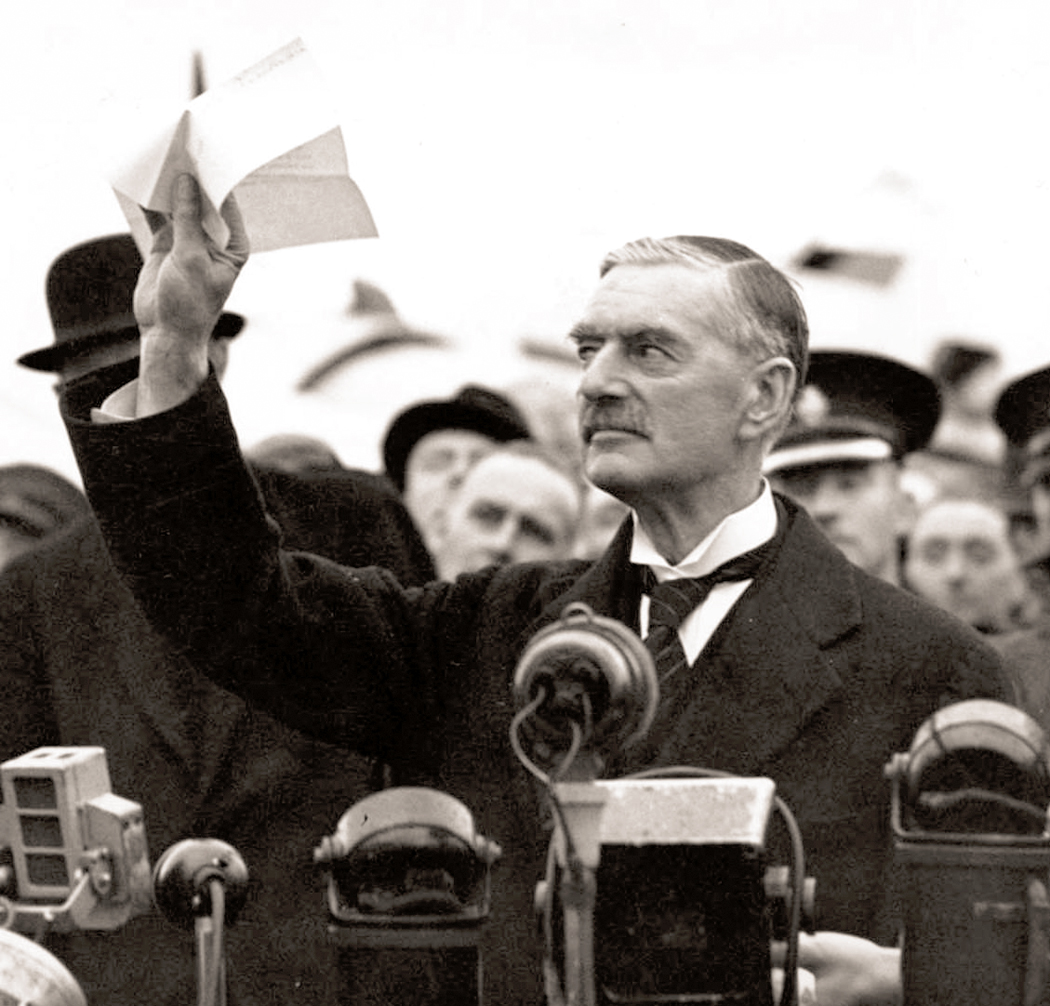
So, when we read about Neville Chamberlain, we know he was a failure because we know what happened after Munich. We know in advance that Communism fails and that computers didn’t go all cattywampus after Jan. 1, 2000. 

It is seldom we acknowledge, even if it is obvious, that Washington didn’t know that he would win the battle, that Lincoln didn’t know he wouldn’t return from Our American Cousin, or that anyone living in AD 800 didn’t know they were living in the Middle Ages. Middle of what? They were modern at the time.

We get a false sense of the world when we look at history as a story. One thing follows another in consequence and bingo, Napoleon comes to the end we always knew he would come to. 

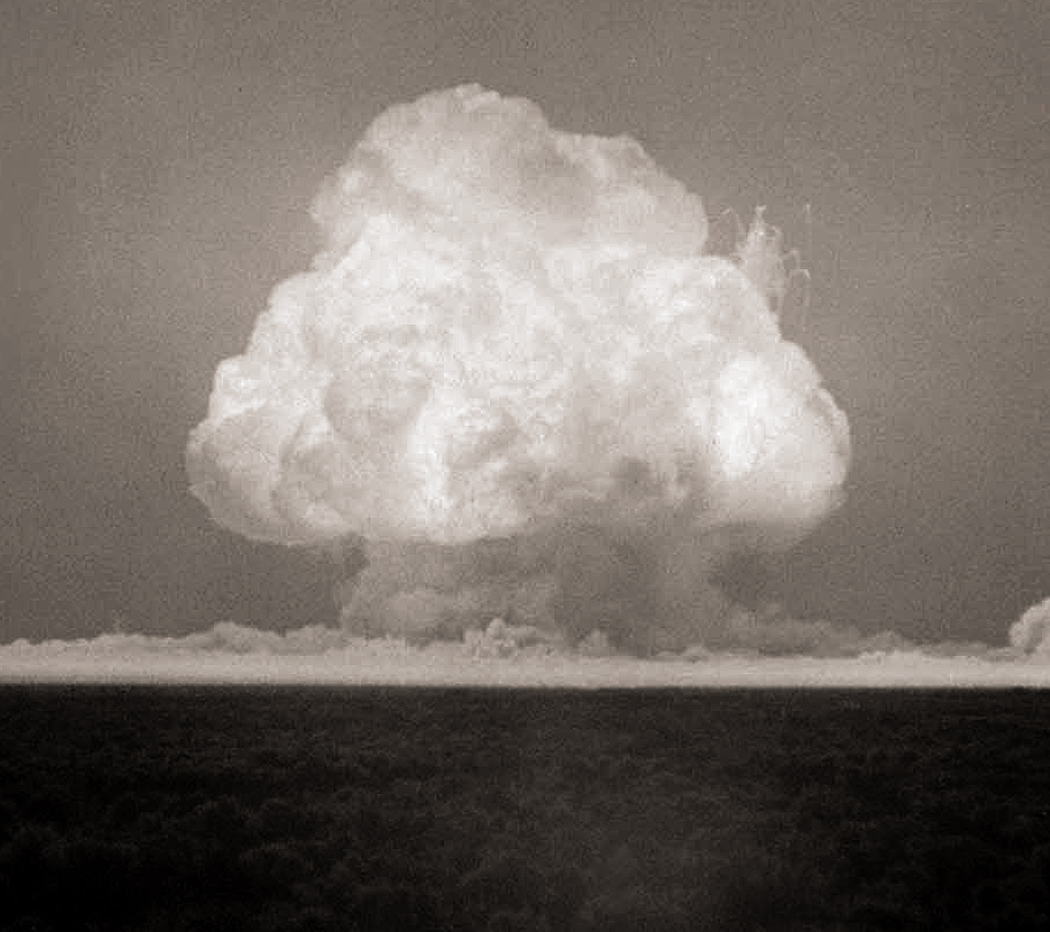
History as it happens isn’t history. It is simply the now of back then. Its participants are just as ignorant of the outcome as we are of what will happen in Syria or North Korea. Or the legacy of Trumpism. Eisenhower didn’t know that D-Day would work; Oppenheimer didn’t know if the plutonium bomb would actually explode; Neil Armstrong didn’t know if he would ever get back from the moon. It is all contingent. 

History is not a story. It is a flowing chaos, a million-billion strands floating out into the ether and gathering in unanticipated knots. You might as well stand at the banks of a river and ask, “Where did that water start, where does it end.” 

So, we don’t know where our future is going, where those knots will form. Only afterwards do we go back, pick out the bits that make sense to us at the moment and weave a story out of them, creating coherence where there never was any. Doughboys never called their fight World War I. They had no idea that their suffering was only prelude to a sequel. World War II was the “Good War.” World War I was “the War to End All Wars.” These are tales we tell to ourselves as if we were our own children. 

A story is a pattern. We may call it plot, or timeline, but in essence, a story is designed to fulfill our innate desire for pattern. In fiction, that pattern is engineered from the episodes the author invents. In history, it is created by simplifying the complexity so that we can impose the same sort of pattern we are used to in a story. 

Different eras find different patterns in the evidence, and so history is constantly rewritten to the specifications of a certain time and place. The old guard cries foul and calls this re-organization of data “revisionism,” but history will always be pushed and pulled like clay, into whatever form is needed for the day. 

So, Napoleon was a great man, a monster, an exemplum, or, like Tolstoy claims, an irrelevance. Which was the real Bonaparte? They are each a story fabricated from bits, like a Frankenstein reanimation. 

Reality offers an infinity of possibility and for mere comprehension, we cut and prune to make the whole digestible. To make it a story. 

For years I was a journalist, and I cringed at the idea that what I was writing were newspaper “stories.” Reporters are trained to make the news comprehensible by making them stories: beginning, middle, end. The truth is always muddier, always messier. 

There seems to be a biological need for stories, or why would we keep writing them, writing fictions we know are not literally true, but reinforce the patterns we know. A story is a theater of shadow puppets. 

The pre-Socratic philosopher Heraclitus wrote, “Panta Horein:” Everything changes, or everything flows, depending on your translation. A story petrifies that flow into a single unmoving image, which always distorts the cascading reality. 

The committee of gods met once again. They decided to make something.

“It’s been a long time,” they said.

It’s something they do every once in a while, or every once in an aeon. Sometimes it works, sometimes it doesn’t. They began again.

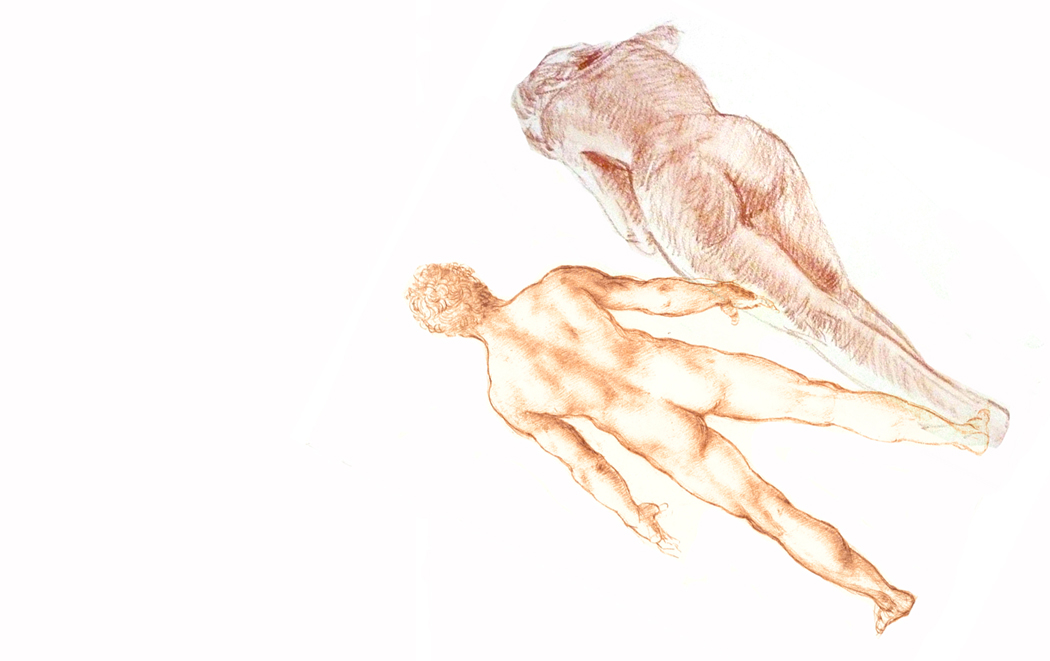
They made a person, two arms, two legs, hands and feet, and as an afterthought, a head.

But something wasn’t satisfying about this new thing they made. Or rather, the new thing wasn’t satisfied. It sat in the middle of nothing, nowhere to put its feet. Nowhere to look, nothing to hear. Nothing to eat.

Then they decided this thing was not enough, so teased the creation into two, pulling here and there until there were separate beings. The pulling distorted their bodies here and there, making one with wider hips, and leaving something pulled long and dangly between the other’s legs.

Half of them thought this was just fine; the other half recognized that even that now there were two things, they had no context. They just sort of floated there.

So, the committee decided they would have to work harder. They built a cube for the beings, with four walls, ceiling and floor, so they had somewhere to put their feet, and something to look at. There was a window in one wall, and a door in the wall opposite.

But, still, there was nothing outside the window to see, and nothing to eat. The room just floated in space, no up, no down, no sideways.

The gods hardly noticed this detail, but they did decide to provide something to look at out the window, So, the committee approved a motion to make some animals and some plants. This seemed to work well, so they made more and more of both.

The problem seemed to be that although the plants and beasts gave the people something outside the window to look at, and, if they had figured out how, something to eat, there was still something inchoate about this new creation.

“The last one didn’t work out quite right,” the committee agreed, “so we need to think this one out more thoroughly.” A motion for further study was passed and a subcommittee formed.

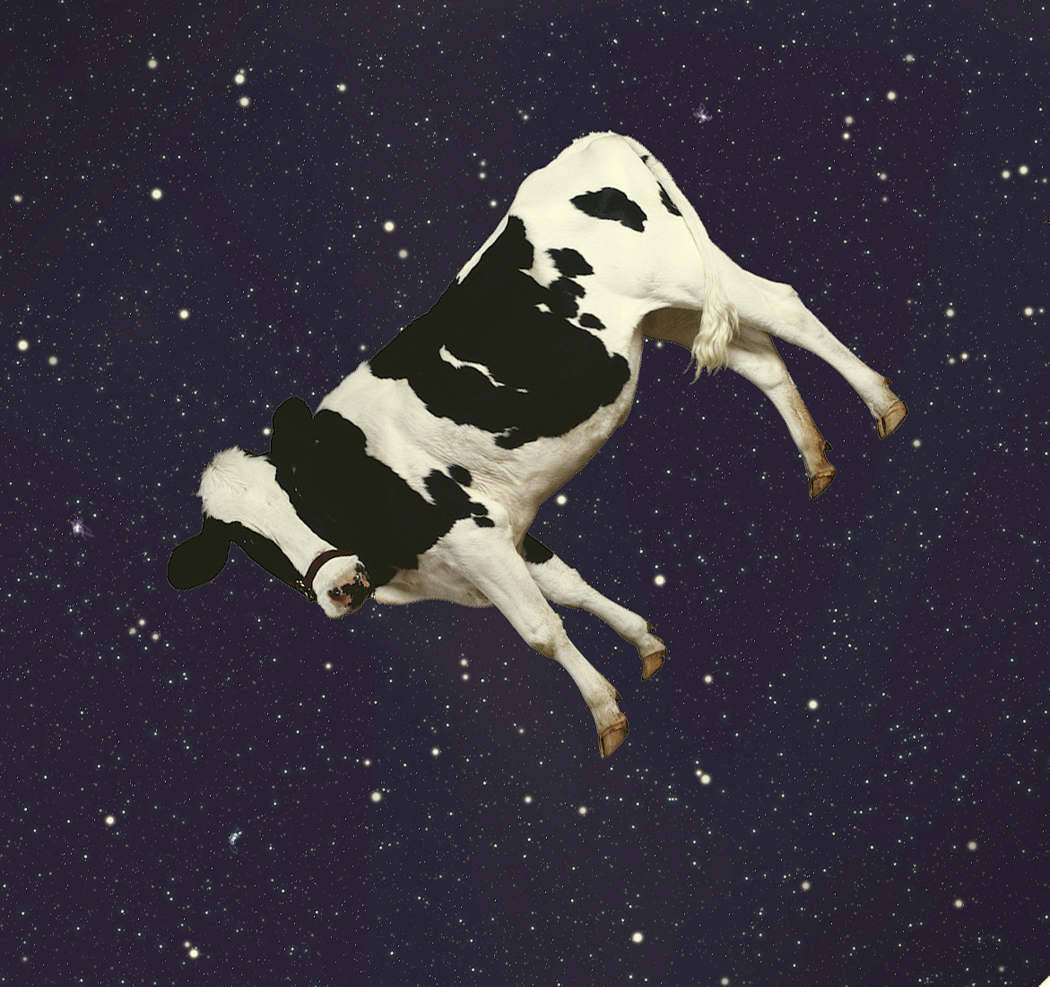
Having the beasts float aimlessly through nothingness gave them nothing to stand on, and while a floating cow might pass some floating grass and grab a bite, it was hardly working out efficiently.

“I think they need somewhere to stand,” said the chairman.

“I second the motion,” said the CEO (actually, in heavenly terms, the DEO), who was the first goddess hired for the post.

And so, they decided to make a world. It seems obvious to us, but when it’s all brand new, you don’t always spot the simplest things. So, they made a world.

There were problems, however. The first world was flat, which made a large plain for the animals to graze upon, but also meant that, without something to support the flat earth, it could easily tilt and dump its cargo back into the emptiness. So, they rested the disc of the earth on the back of an elephant. But with only one as a pivot in the center, the world still wobbled. So, they made four elephants, one at each 90 degrees of the clock-circle of the disc. Oh, the problems — the elephants were then given a very large turtle to stand upon. You know the metaphysical problem here, and yes, it was turtles all the way down.
Next, the committee decided to separate the dry land from the waters. This led to a cock-up, because with the earth being flat and all, the water just poured off the edges, leaving the earth with nothing to drink.

“Perhaps if we put a ring around the edge,” said one.

“Like a dike or a dam,” said the CEO.

So they took some of the dry earth and built a circular berm around the perimeter of the thing they had made. They refilled the seas and took a long look at what they had made. It looked good, so far. Good for a day’s work.

“We’ll convene again tomorrow.”

The next day, they looked at what they had made.

“But, it is all rather dark, isn’t it?” So they put a light up above the earth. They didn’t quite think this one through, though. The center of the earth was closer to the light than the edges, like a chandelier over a table, and so, the center began to whither and burn up.

“We’ve got the geometry all wrong,” said the DEO.

“Wait, I know,” said the gruff head of the Board, shifting a cigar in his mouth, “We’ve got the geometry all wrong.”

“That’s what I said. Oh, never mind.”

So, they took the earth and balled it up like a tablecloth headed for the laundry, and created a globe. To keep everything from falling off, they put a great graviton at its center, and made everything cling to the surface of the ball.

“That seems to be working,” they said. “But what do we do with this lamp? And how do we keep it from burning the part of the earth closest to it?”

“I know. Let’s make the ball spin, so no part is always facing the light.”

“Brilliant!”

But someone accidentally bumped the ball and sent it rolling away.

“Put some of that gravity in the light, too.” And so the rolling, spinning ball started to revolve around the light. It made a pretty sort of machine that delighted the board members.

The problem now was, that the man and woman, in the room on the planet buzzing around the sun sat in the middle of nowhere, a simple toy for the gods, like the giant pecking bird that dipped its beak into the water they made some aeons ago, or the hanging steel balls that knocked each other back and forth. That was Vulcan’s idea, and they ultimately decided it was utterly useless.

So, they began to pack the emptiness. If one ball was good, a handful of others must be better. Toss in some smaller rocks, like chocolate sprinkles, and let them wander around the big light.

They saw it was good and knocked off for the day. The next two days were the weekend, so the office was dark.

But come Monday, they began to dot the emptiness with more lights, enough to make a galaxy. That was fun, so they made more galaxies, making sure to load them all up with the magic gravity. This was exhausting, so they took the next day off, too.

Come Wednesday, it began to dawn on them that the operational manual for this new cosmos they had built was getting rather long, like a Congressional budget bill. There were rather a lot of rules governing how everything functioned. While it seemed to be running like a top, they worried that if anything went wrong, they might not be able to fix it.

“I remember when I had a VW,” said Phaethon. “I could fix anything wrong with a hammer and a screwdriver. This is all getting out of hand. I miss the good old days.”

Well, things did start going wrong. The first man developed an enlarged prostate; the woman eventually had to have a hysterectomy. The gods had to admit, they had rather botched the design of the human nether parts.

One of the planets they made sideswiped the earth and ripped off a chunk.

“Hey, we’ve got a moon. Why didn’t we think of that ourselves?”

Gravity got out of hand, too. Chunks began falling into each other, sometimes so much detritus that it all collapsed into a dark hole.

“Hey, we’ve created black,” said one of the gods.

“We had that before we started,” reminded the DEO.

“Oh, yeah.”

The whole thing began wobbling, like an elephant on a beach ball that had lost its balance and next thing you know, it seized up. No amount of grease could get it unstuck. Then, it began collapsing, faster and faster, until it shrunk into a singularity — an infinitesimal dot, like the one you used to see when you turned off the TV. Then, boink, it was gone.

“Damn it,” said the god at the far end of the conference table. “Why can’t we ever get this right?”

“I blame the Titans,” said Jupiter. “The previous administration should have addressed these issues more forthrightly.”

“The shareholders will not be happy,” said Neptune. “I believe we need a change at the top. I move that the DEO resign.”

She resisted this suggestion, saying it was all a design flaw.

“We started at the wrong end,” she said. “We went about it all backwards.”

“I have an idea,” offered a nervous intern, afraid to speak up in such august company. “Perhaps next time, in the beginning, we should start by creating the heavens and the earth. The rest should fall into place.”

The gods looked at each other, gave a passing thought and in one voice responded, “Nah.”

robert

lobstersDo lobsters have personalities? Sure, some of them are bigger, some greener, some more overgrown with algae. But are they individuals? Do they see each other as individuals? And if you discovered depictions of them in some newly found underwater cave, would you think of them as people? Or would they be like so many crustaceans crawling over themselves in the tank of a lobby of a seafood restaurant?

This, in essence, was the question facing the aliens who finally managed to land on the planet Earth, some undetermined time in the far future, when the human beings who invented calendars were long gone in some cataclysm also undetermined, and the world inherited by some evolutionary development of insects, now turned warm blooded, and with some convergent evolutionary change that gave them something very like feathers and who communicated on very high levels with each other by the deposition of various foul- or fair-smelling gels on the substrate upon which they traveled, left there for the next to sense with antennae turned prehensile.

For these aliens found the ruins of our cities, overgrown with vines, with trees buckling the crumble of ancient paved streets where these feathered insects scrambled. Among the detritus, they also found statues and paintings of some unknown species of biped. We would know them as Titians and Caravaggios, Donatellos and Berninis, for the aliens landed in the region just north of the Apennines in the boot-shaped peninsula where their earlier robotic spacecraft had told them was a good spot to land, with flat surfaces and interesting geology nearby. And when they scraped away the encrustations that had built up on the paintings, and stared on them blankly, for certain they looked upon these creatures depicted as some form of lobster. Do these pasty, white morphs have personalities? They crawl over each other in a Rubens painting like so many crabs in a bucket. What are these aliens to make of this extinct species?

rubens

And did Goya or Vermeer foresee their work outlasting humankind to be discovered by uncomprehending eyes who paw over them like so many cobbles on a stony beach? What immortality did those painters think they were gaining, when the work remains, but the meaning has evaporated?

When we uncover the buildings of Pompeii, we recognize that they were constructed by people like us, with the same interests and drives, commercial, erotic, ambitious and civic. Through all of hominid history, back to the first tool-making pre-humans, we recognize mon frere, mon semblable.

But these aliens, coming upon the ruins of architecture do not see them as picturesque, like the paintings of a Hubert Robert, but rather like the bleached coral of a reef killed off in acidic seas. The buildings might as well be ant-hills left by a colony of pismires. The roads they find, broken by vines and weeds, are mere cobwebs. The square rooms under tumbled down roofs no different from the hexagonal cells of a honeybee comb. They look, presuming the aliens have something analogous to eyes, and they see design, they see intention, but they do not see us.

We might break out in some kind of premonitory indignation, thinking of how misunderstood we shall be in the future that shoves out beyond us, beyond where we will not exist. Instead, these aliens want to know if these feathery insects that crawl over the ruins are edible.


mackerel sky   PART FIVE: THEORY OF RELATIVITY

1.

It was Thanksgiving and Stuart and Genevieve were fixing a big dinner.

Outside, it was a Maine November, dry and crisp but not yet cold. The fallen maple leaves textured the ground at the base of the trees. There was a mackerel sky.

Bernard was there with his wife. Stuart’s younger brother was there, too. Mitch came in from New Jersey with his new lady friend. Bernard’s two children had come, also. Both now grown and Liz had her own children. She came with her best friend, Dell. Jason came with his girlfriend. They all drove in from Allentown. Stuart’s father sat in the corner; he barely moved all day, taking in the scene — probably. It’s hard to know. Bernard and Ellen had picked him up on the way.

It was full house. Mia hadn’t shown up yet.

Bernard: “So, little brother, how’s life treating you?”

Mitch: “Just fine.”

In Stuart’s family, this counted as an extended conversation.

Liz: “Dell, can you take the brussels sprouts off the burner? I have to mix the Jell-O.”

Dell: “Which are the brussels sprouts? I’ve never had brussels sprouts.”

Pots were steaming, with rutabagas, potatoes, brussels sprouts and green beans. In the oven were the turkey and two pans of oyster stuffing. The gravy was yet to be made. That was Stuart’s job. He was the gravy man.

Mitch: “Hey, you’ve got Coltrane here.”coltrane

He was flipping through the CD collection.

Mitch: “A Love Supreme. Geez, what music.”

Stuart: “Put it on if you want.”

Thanksgiving was the only holiday Stuart enjoyed. The others seemed like obligations, but Thanksgiving seemed like a warm, humid, cozy indoors played against a cold, dry outdoors: You could feel it when you touched the window.

There was a brief discussion, as Bernie wanted to watch the game, but Mitch wanted to play Coltrane. They compromised and watched silent football with a jazz soundtrack.

Stuart: “Now that’s what I love about Thanksgiving.”

Meanwhile the grandkids were pinging and buzzing their Gameboys. The women gravitated to the kitchen. Mitch’s girl, Jerri, came in to help.

Jerri: “Pie!”

Liz: “Pumpkin”

Dell: “Cherry.”

In the living room, Mitch and Jason had taken to comparing political theory. Uncle Mitch was a Democrat; Jason was a Republican. It is one of the anomalies of history that as the millennium winds down, it should be the younger generation who turn conservative. It is as if time were out of joint.

Mitch: “Yeah? What do you know? You’re just a kid.”

Jason: “Well, I know Bush is going to trounce Gore.”reagan-bonzo-in-bed-time-for-bonzo

Mitch: “God help us. We’ll have gone from Reagan to Bonzo.”

Politics brings out the analytic elegance in people.

The doorbell rang and Stuart opened the door. Mia came from the bright blue sunny outdoors to the dark, warm inside, thick with the scent of turkey, dressing and nutmeg and cloves. With her came Michael. Yes, they were still together, 10 years later.

Mia: “Everyone, this is Michael.” Mia went around the room introducing everyone and they all shook hands.

Dinner was a feast; everyone ate till their bellies hurt. Conversation was warm, funny, by turns nostalgic.

To Mia, this was family, even if she wasn’t related by blood to any of them. She knew many of them well — Stuart and Genevieve might as well have been family; Bernie and Ellen; even Mitch, although she had never met Jerri. Others were more peripheral, but Mia knew which was which, for the most part. It was hard, though, to tell the twins apart at that age.

With the meal packed solidly in their collective guts, like sausages stuffed into their casings, the evening wore on. The women put up the leftovers. Stuart told them to leave the pots and dishes; he would get them in the morning. The men sat on the sofa; Mitch’s head was cocked back and a slow stertorous snore echoed in his gullet. Stuart began to talk about ancient Egypt.

“Not now,” Genevieve said, heading him off. It was not bossy, but teasing. He stopped.

After dessert and coffee, when the evening wore down, Bernie and family, along with dear old dad, left for the motel. A pile of others found a place in the guest room or on the sofa, wrapped in a down comforter.

2

Mia and Stuart stayed up late.

“Gen is great,” she said. “But you realize, don’t you, that you have been with her for more than a decade. You are breaking precedent.”

“Well, yes. But I have gotten old. It isn’t as easy to wander aimlessly. And we get to travel a lot, as she gets gigs all over. Spent most of the summer up in Hancock for the Monteux Festival. She got to play the Shostakovich sonata. It was great.”

“She’s a steady presence,” Mia said. “I can’t tell whether Michael is a steady presence for me, or if I’m the steady presence for him.”

“Does it matter?”

“Maybe not.”Dirty dishes

They stood over the kitchen sink, piled with dishes. Stuart had his arms up to the elbows in suds.

“Let me tell you about my first official marriage. Before I married your mother.

“I was unfaithful to my first ex-wife before we were married. I loved Ruth, although she drove me nuts. She was always worried about things like window curtains and insurance. She wanted kids; I wanted to continue being able to sleep late for the next 18 years and I knew that her plan would have made that impossible.

“But Ruth was really a great woman. She was beautiful. Had great eyes. And she was smart as hell. Maybe a little skinny. But there was this conventional side to her. In my lovesickness for Ruth, I pretended I didn’t see that, or at least pretended that it didn’t matter. She insisted we wait till marriage. I was so smitten, I didn’t even question that.

“Oh, but there was Helen. This was a different Helen. She wrote poetry. It wasn’t bad poetry, considering we were all just sophomores in college. Helen was not a beginner at love. In fact, she was the ‘college widow,’ as Groucho Marx might call it. A completely free spirit. I fell hard; Helen admitted me to the inner circle — so’s to speak — inner circle: I’ve never heard it called that before —  as one of many admirers.

“You should have seen me. I panted like a puppydog, waiting to be patted on the head. Helen and I hitchhiked one week to the coast and spent the nights sleeping in the sand. We made love in the dunes, in full sight of anyone. A fisherman in a passing boat waved to us.

“We left love stains all over campus. Our favorite was a practice room in the music building, and boy, we got lots of practice.”

“Yes, I remember you told me about the Organ Room on campus.”

“At night, it was unlocked for some reason, and we snuck in.

“Oh, but there was Ruth. And I loved Ruth, too. I didn’t know what I wanted. Sensible Ruth or crazy, passionate Helen? Should I go with the sensible choice or should I go with my gonads? Thrill or stability?

“I knew I was not terribly stable, that I was not really a fully mature human being, that I was flamboyant in my irresponsibility, and so I finally decided that I needed Ruth for balance. I did the sensible thing; we got married. I learned my lesson: Never do the sensible thing again.

“I made life miserable for her and without trying, she made it miserable for me. Years later, friends told me they knew it wouldn’t last and I wanted to slap them — Why didn’t you say anything then? But I also knew it wouldn’t have made any difference if they did.”

Mia looked confused.

“Wait a minute,” she said. “Isn’t this what you’re doing right now, with Gen? Aren’t you making the ‘sensible’ choice all over again?”

“Of course,” Stuart admitted. “Of course, I’m doing the same thing all over again. I’m a lot older now, so it’s different.”

“Different?”

“Well, maybe it’s not different. As you get older it isn’t so much you get wiser in the sense that you make better choices, but that you get wiser in that you recognize the fact that you’re never going to get any smarter and you’ll always do the same stupid thing.”

“That’s wisdom?”

“I dunno. Maybe.”

“That’s depressing.”

“No, not really. It’s liberating. That’s the thing about getting older. All the stuff that used to drive you nuts, you let go of. It no longer matters.”

“So, it’s OK to be comfortable in a relationship? Without fireworks?”

“Violas seldom break out in fireworks,” he said. “But I’m happy.”

“But you said it was a mistake.”

“Did I?”

3.

I’m coming out of my duck blind for the last time. I just turned 40; I got tenure. I published a book last year — a new translation — or retelling, really — of Ovid for children. I’ve been living with Michael for about as long as Stuart has lived with Genevieve. I’m not sure it’s a good idea to compare my life with his, but there is no one I’ve known as long or as closely as I’ve known Stuart. He is the only touchstone I have.

This has been a strangely skewed memoir — I have left out so much: my career at the university, several relationships that went nowhere, the whole world of Greek and Roman letters that are so central to my life — because I wanted to focus on this single aspect of my life that has been so muddled. Family. What is it, why is it, does it need to be?

When my dad died, it hit me in a way I didn’t foresee. I always thought of Stuart as my father; he’s the one who was there when I was a little girl, and he has remained there through my life in a way Dan never did. Yet, I felt so odd when I went to visit Dan in the hospital. I saw something in him — gesture, voice — that caught me unawares: They were mine, too. Dan had tried to tell me about it, but I didn’t have ears to hear, or to pay attention. He was dying, after all. Other things seemed more important.

It was the day after that Thanksgiving, when I talked with Stuart’s brother, Bernie, that he brought it all together for me. Stuart and Ellen went to the kitchen to finish cleaning up what we hadn’t washed the night before, and Gen was in her study practicing. The dulcet tones of the viola filled the house like dinner had the night before. Bernie and I sat in the front room and talked.

4.

“What do you think about family? Why is it important? Stuart always says his friends are his family — except for you, he says. You are more friend than family, he says.”

Bernie had bad knees, and sat on the sofa. His hair was mostly gone and his mouth had settled, the way they do as you get older: Younger mouths show off the upper teeth; aged mouths show the lowers.

“I take your point,” he said. “Families can be quite a burden. We have to take care of dear old dad, for instance. He’s barely there anymore. But I have the example of my wife.

“You’ve been with her a long time.”

“Thirty years …”

“Can’t fathom that. Mind you, Ellen’s great. You hit the lottery, as it were.”

“Ellen has a take on family I’d never really considered,” he said. “Family is something different for her. For her, it is where she came from.”

“You mean, like genealogy?”

“Sort of, but she isn’t so much into the family tree as such, or into whether or not she has a coat-of-arms, but rather, that she is made up of the hand-me-downs, genetically, of the ancestors, the piling up of character — of meaning — that has concentrated in her. Her family is her roots, deep in the ground, and she is connected to them as literally as the tree is to the root ball, all of a piece.Great grandmother

“She sees her hair in her grandmother’s hair, her jawline in her father’s, her love of nature — and, I might add, her stubbornness — in her grandfather. She grew up with her great-grandmother in the house, who was a Civil-War widow, and sees history not in paragraphs on a page in a book, but in her wrinkly skin. She wants to know how her great grandfather came to live in North Carolina, whether he is Scots-Irish, why they eat collards or sing certain hymns as opposed to others. Obviously, this is not all genetic. A good deal is cultural, but I don’t think Ellen makes that much distinction: It is all roots, all the long line of ancestors, which, for her, go back — and I’m not kidding — to Adam and Eve, or whoever you want to pick as the ur-progenitors. Her interest in cave men is part of the same thing. She calls it ‘the long man,’ the person drawn from one generation to the next the same way a plant goes to flower, a flower to seed, a seed to seedling, to plant, to flower, to seed and so on in a continuous recreation of the same life — the same DNA shuffled around — of which she is merely the latest flowering. Or the antepenultimate: She has now sprouted a daughter, and that daughter twin granddaughters. So now Ellen  can see she isn’t the end of a long line of ancestry, but only one link in a continuity.

“Thus, family for her isn’t simply the people who she shares Thanksgiving dinner with, as if they were all discrete entities, but rather as if they were the acorns hanging on the same oak tree, in a sense, a single person with multiple incarnations. At Thanksgiving, even if she is alone, she is having dinner with all of them.”

“Well, that is Ellen, through and through, isn’t it?”

“Yes, and it has made me think differently about family. I share your sense of relatives as something you’d rather not have to spend time with. I have chosen my own ‘family’ of friends, who mean a great deal to me. But I also have come to see the ‘mystic bonds’ of family — again, not as a question of whether I want to spend time with them. I don’t, really. But rather as a continuation of a process.

“Looked at another way, I am a bit of my parents planted in the future to grow, and to plant my children there in the future that extends beyond my harvesting.

“I had the oddest experience a few years ago. Did I ever tell you about it? You know, before Ellen, I was married and divorced. We had a son. When we split up, she took our son and I didn’t see him for something like 30 years.”

“I didn’t know.”

Mia was surprised. Bernie always seemed so rock solid. How could he have not seen his son for so long?

“I was young and a prat,” he explained. “So I moved on without much thought of it. Most men are prats when they are young; I was no exception.

“But a few years ago, I got a phone call and on the other end a voice said, “Are you my father?” It was my son. I had not seen or had any contact with him for 30 years.

“Well, Ellen and I went to Austin, Texas, where he was living and we met him and the shock was palpable: He looked exactly like I did when I was his age. Not just in physiognomy, but he wore the same kind of thick-rimmed glasses, the same plaid shirts, the same long hair I had back then. It was uncanny. He was living with a woman who came from the same county in North Carolina that Ellen came from. His house was a mess of books and CDs and DVDs. He worked, at the time, in a used bookstore and was in charge of the classics section and the poetry section. His favorite literature was the classics. The resemblance was uncanny.
“I had always assumed that in the ‘Nature vs. Nurture’ controversy, that nurture was by far the more important. We were raised at a time when we thought, ‘It’s all cultural.’ But here was evidence in front of me that perhaps it wasn’t all cultural. Perhaps DNA ruled not only the shape of our noses, but the preference we might have for Manhattan or New England clam chowder.globe

“The real clincher came when we walked through his office at the back of his house and there, on the top of a bookshelf, he had a world globe with the ball taken off, turned upside down with Antarctica now at the top, and replaced. I laughed. Back home, on top of my bookshelf in my office was a world globe that I had reversed to put Antarctica on the top. It was almost scary. How many people have done that with their globes? What are the chances that father and son, with no interaction for three decades, would each do the same peculiar thing?”

“So, you’re saying then, that as opposed to the question of whether you choose family or friends, that the question is basically irrelevant: That family is who you are, that ancestry defines your nature and you have family to thank or blame for it.”

“I remember having this discussion many years ago with a colleague. We had both grown up in New Jersey in the 1950s and ‘60s. We shared a good deal of nurture and could understand many of the same cultural references. But he was from an Italian family and I was from a Norwegian family. Despite how much we shared, he had a preference for Fellini films and I had a preference for Bergman.

“Not that I couldn’t appreciate Fellini — I do — but that deep in my bones, I knew the Bergman world; it was my interior world. While the Fellini was tremendous, but exterior to me. There is something in my genes that responds in a family way to the world of Bergman that Fellini doesn’t hit. But it was the reverse for my colleague. Italian genes felt at home in Fellini.

“In the old days, I would have chalked it all up to culture: He grew up in an Italian family and so the folk ways would have felt familiar. But now, I think — it’s only tentative, of course — but I think perhaps it may be something genetic. This may be the collective unconscious that Jung wrote about. The pile of chromosomal tendencies, tastes, judgments, behaviors, that have been reinforced over the generations by the distillation and concentration of DNA.

“I’m sure that upbringing and culture plays a part, no doubt, but I now think that there may be something inherent, that if I had been adopted by an Italian family, I would still feel more at home in Bergman. Not provable in my case, perhaps, but I think plausible.”

“So, I think you are saying, that you are inevitable in terms of family as you are in terms of history, that you may not like the times in which you are born, but you simply have no choice in the matter, and that all those relatives who bore you on holidays are just the titrations of chromosomes and you are thus embedded in your family like raisins in a muffin. No choice. Just is.”

“Yes.”

“Still don’t want them over for dinner.”