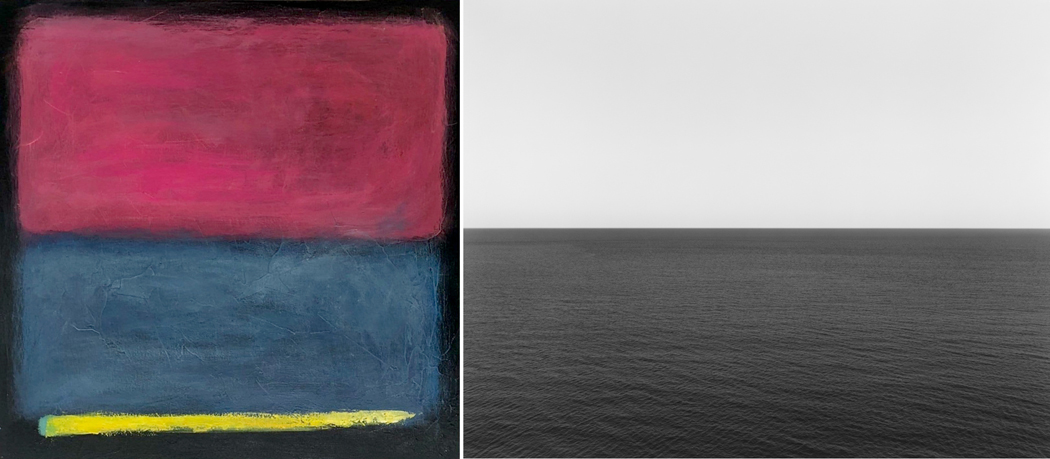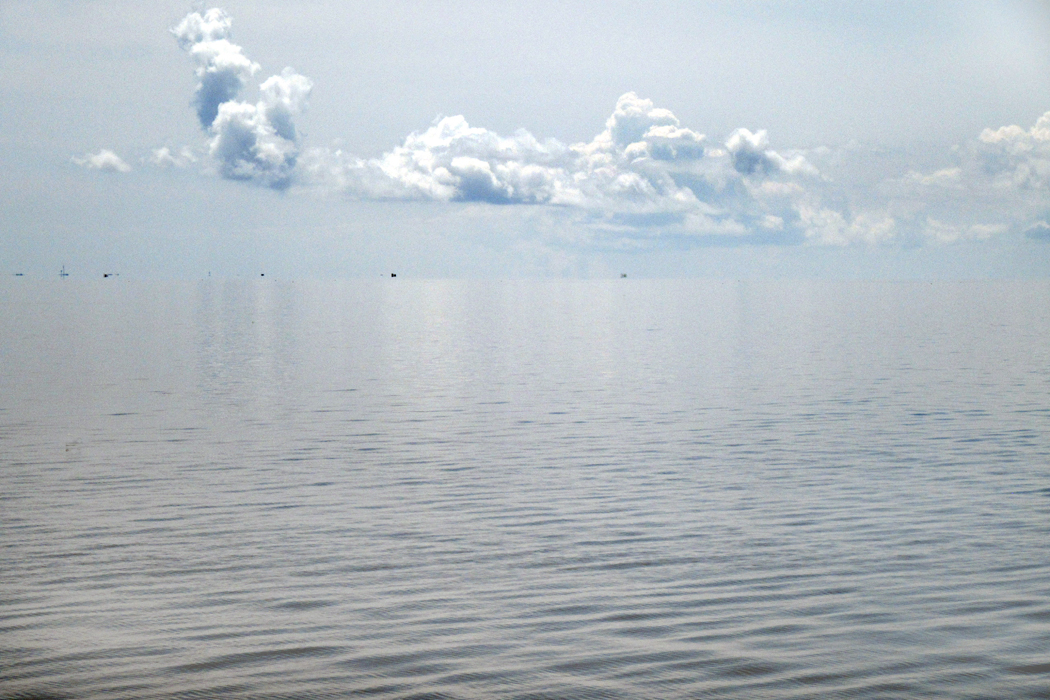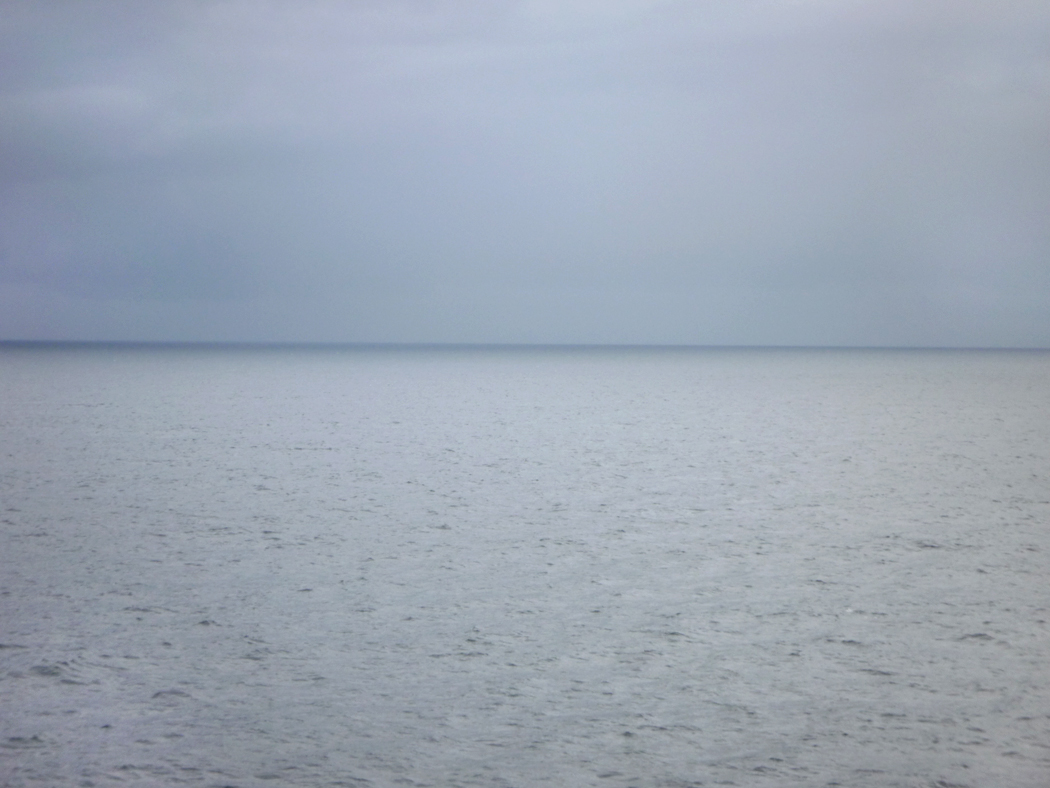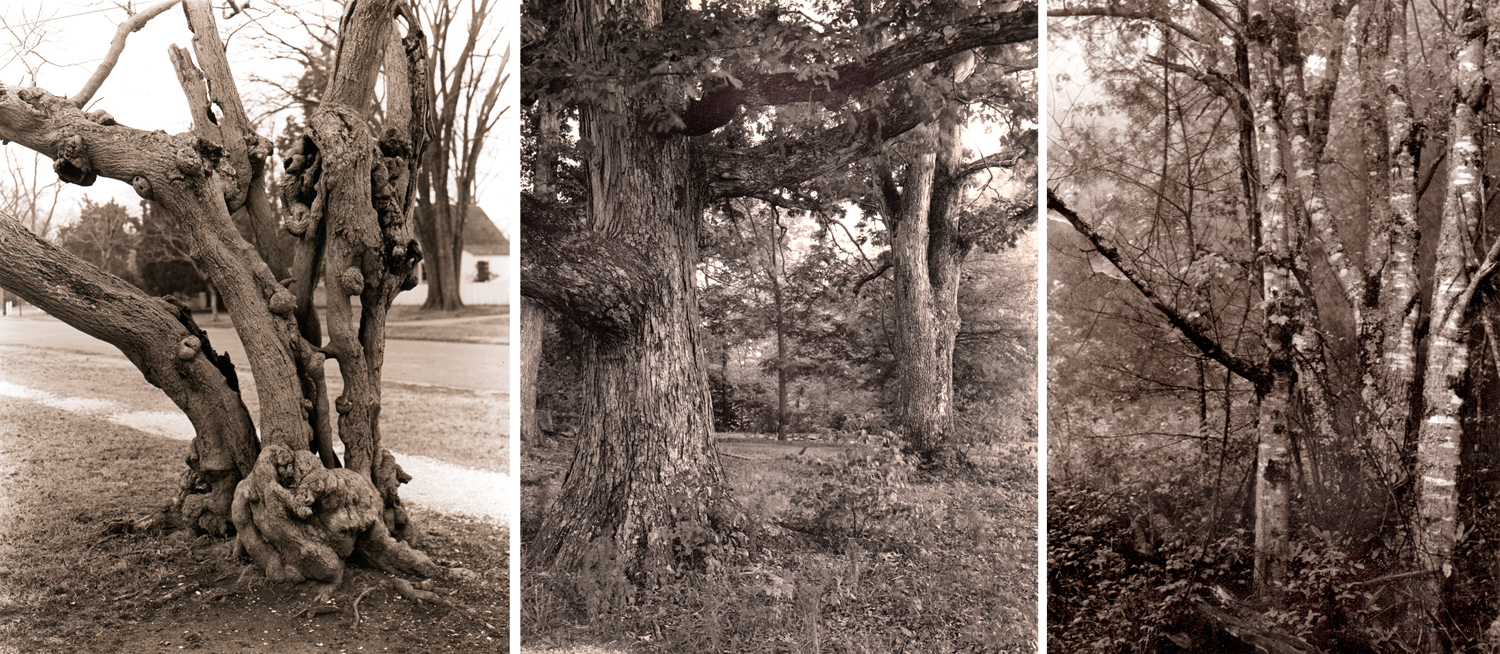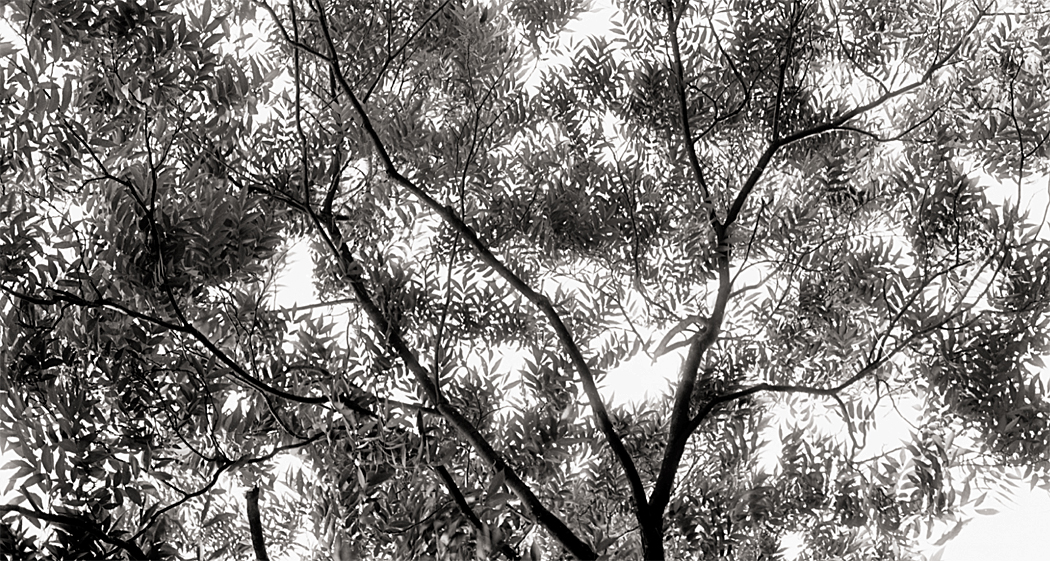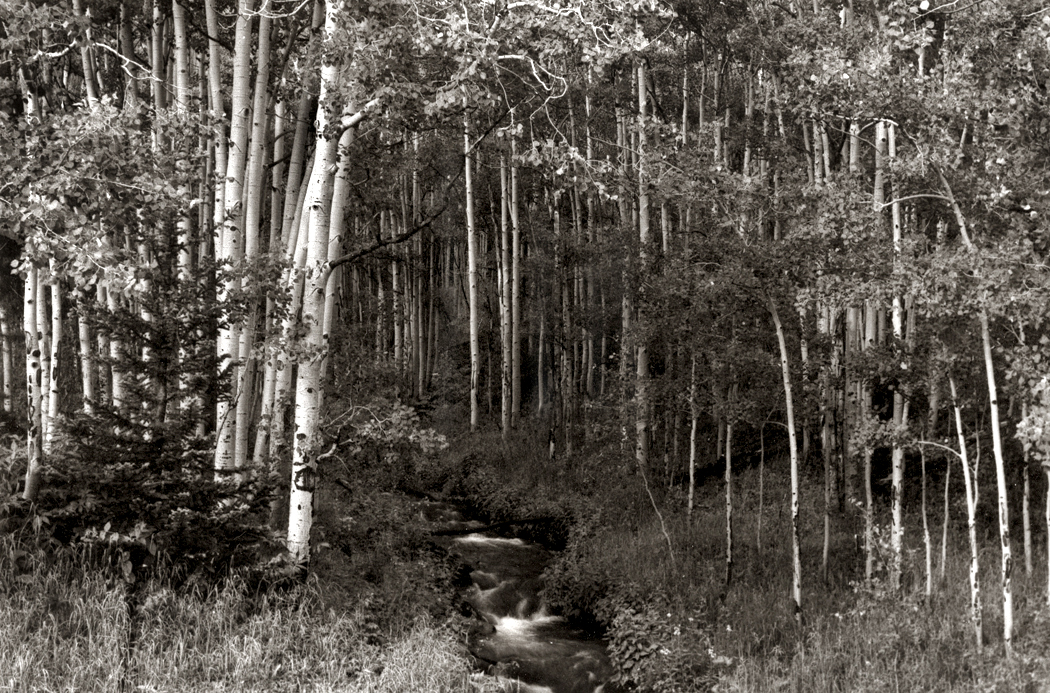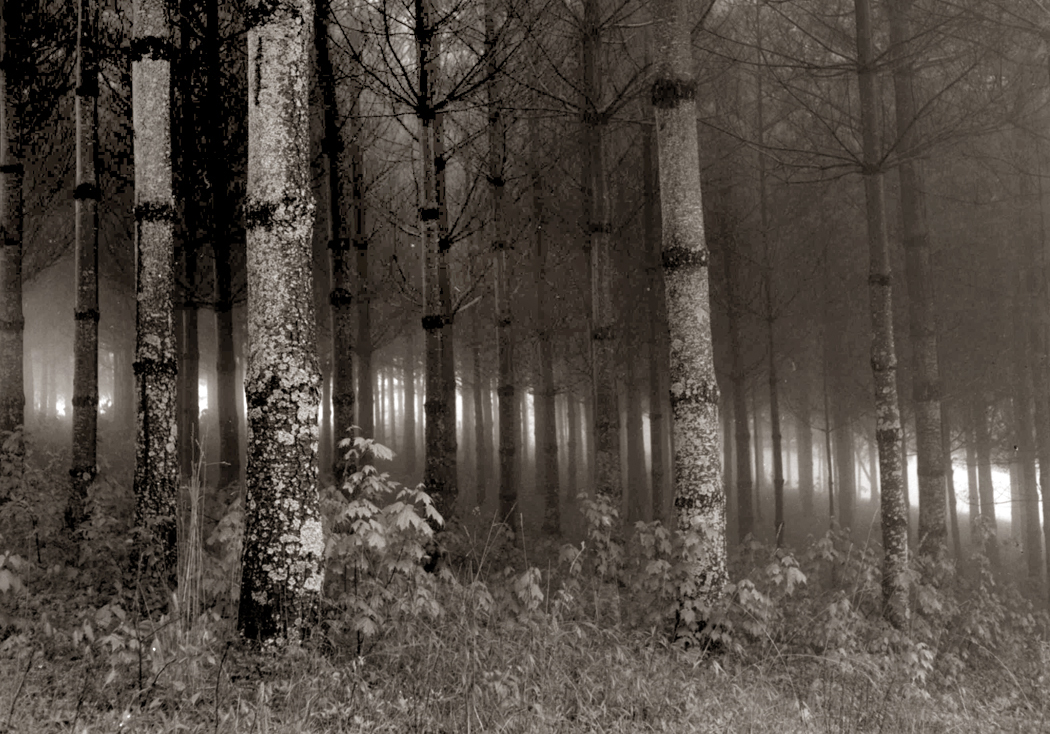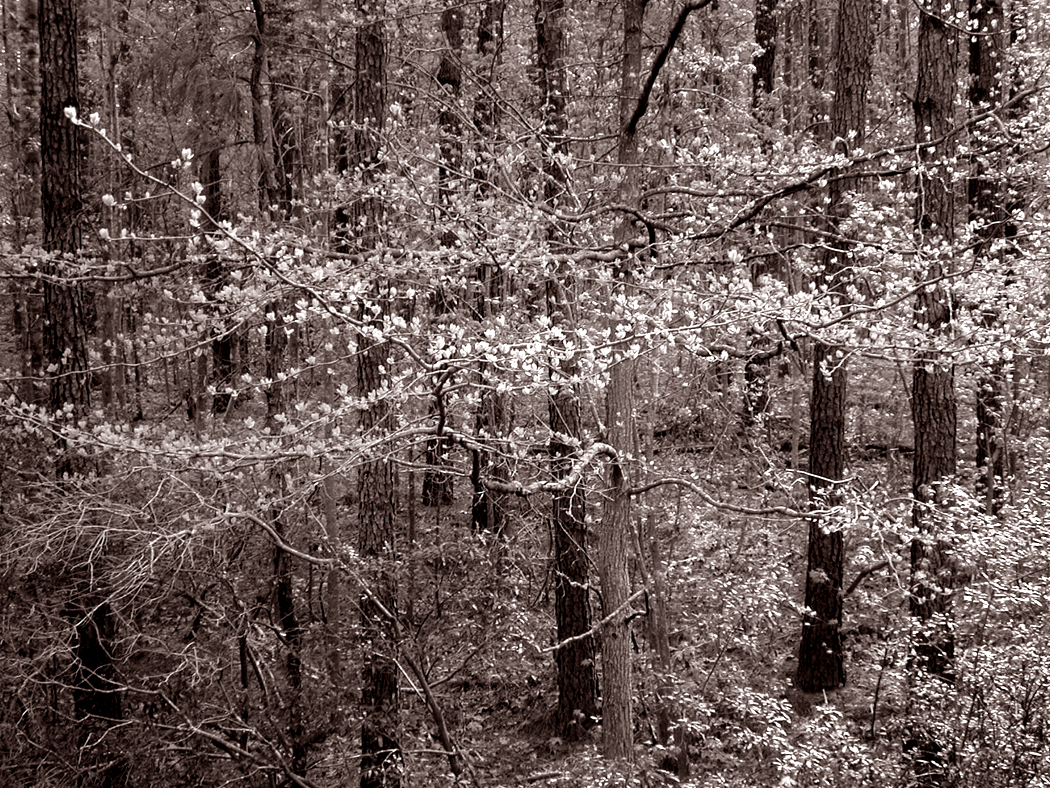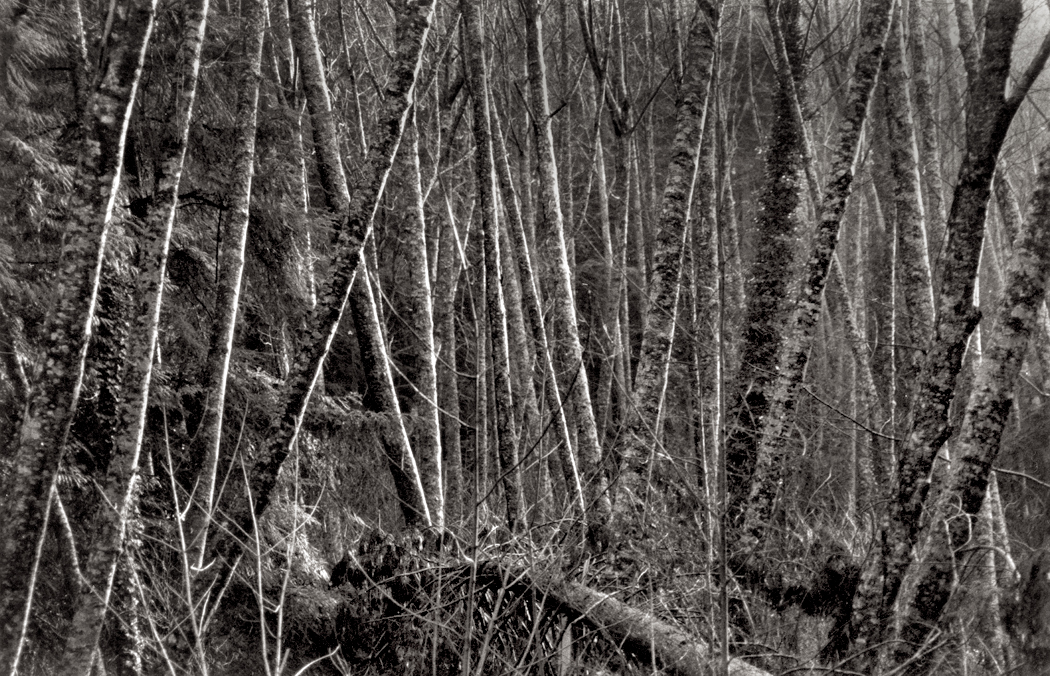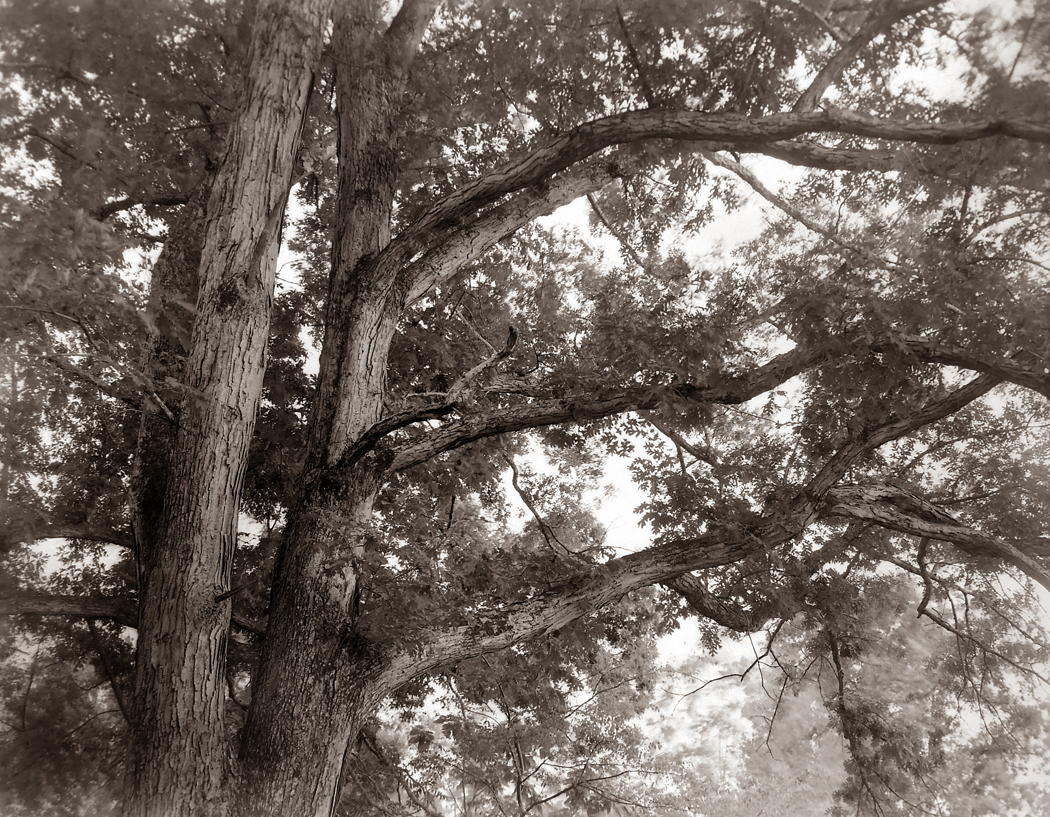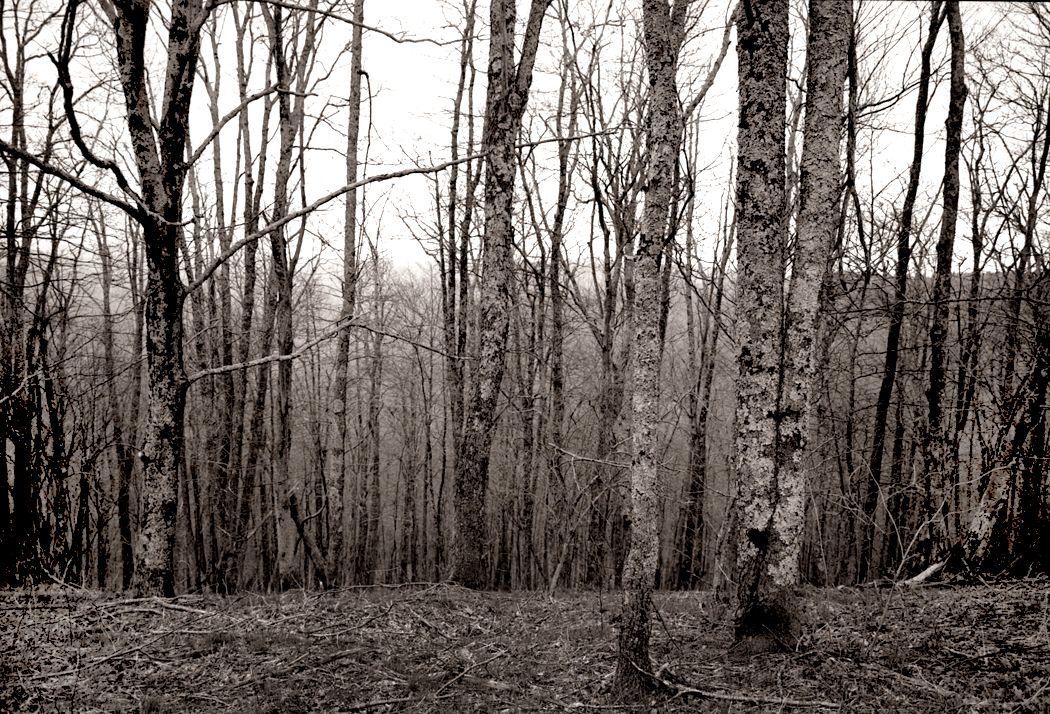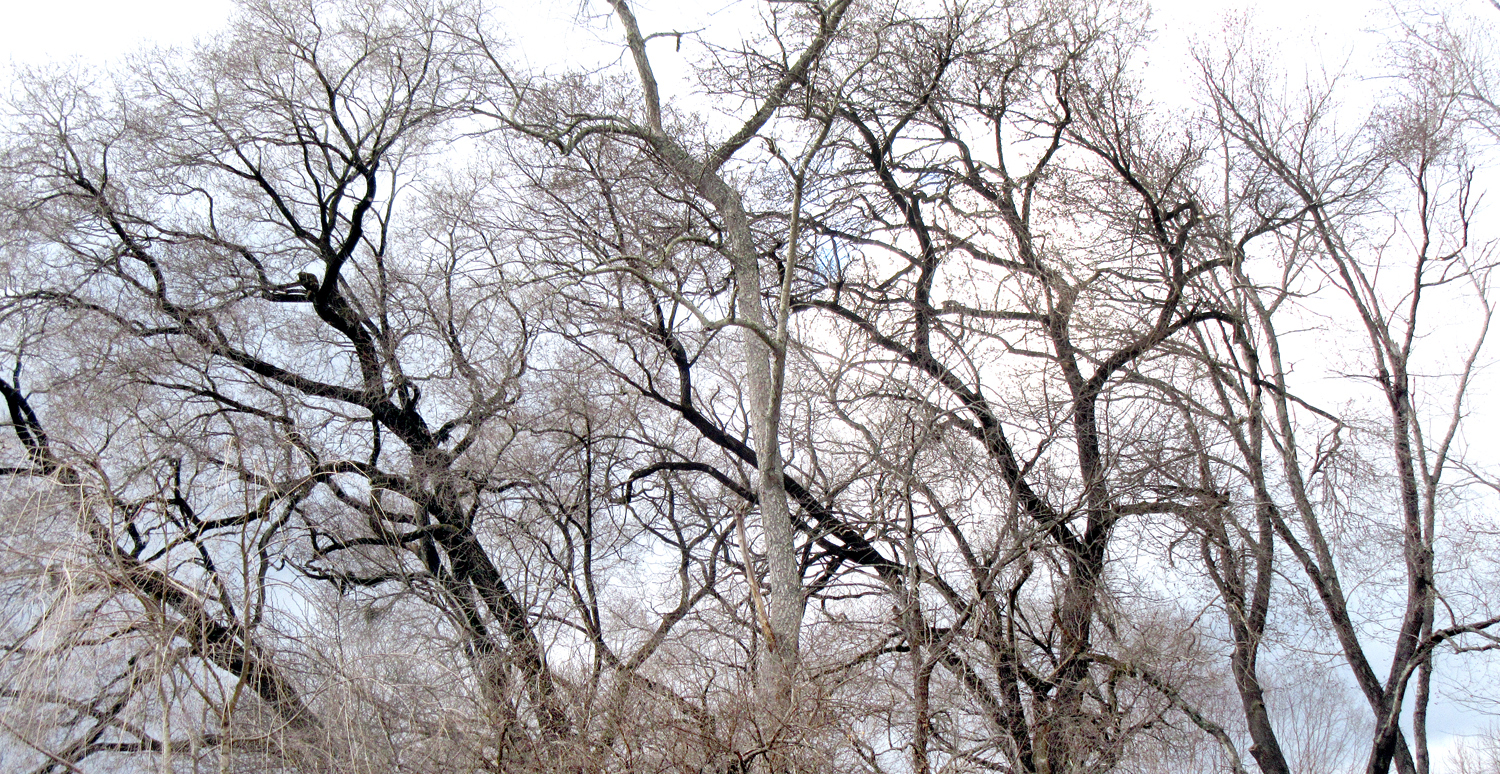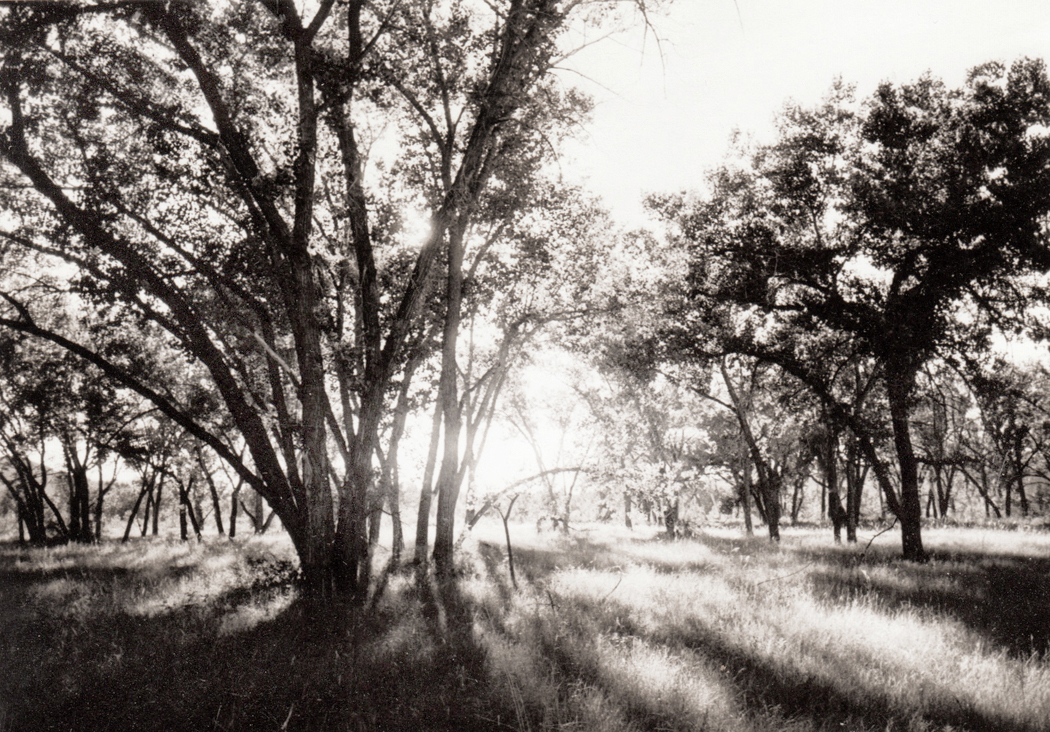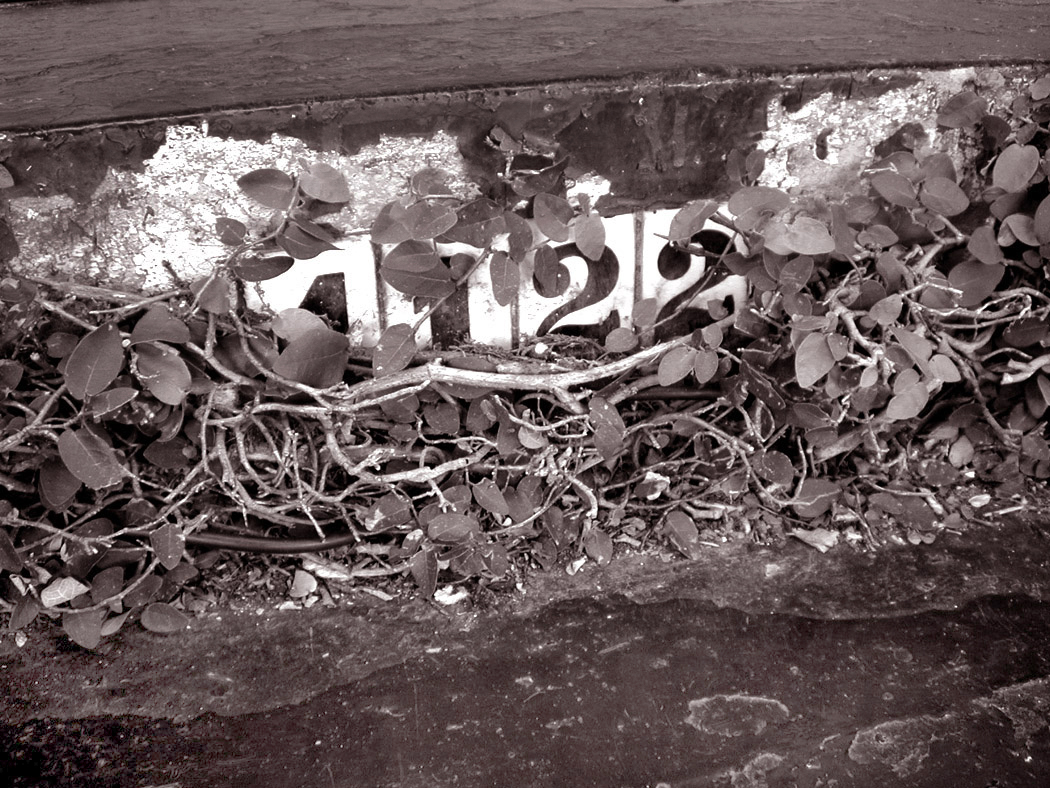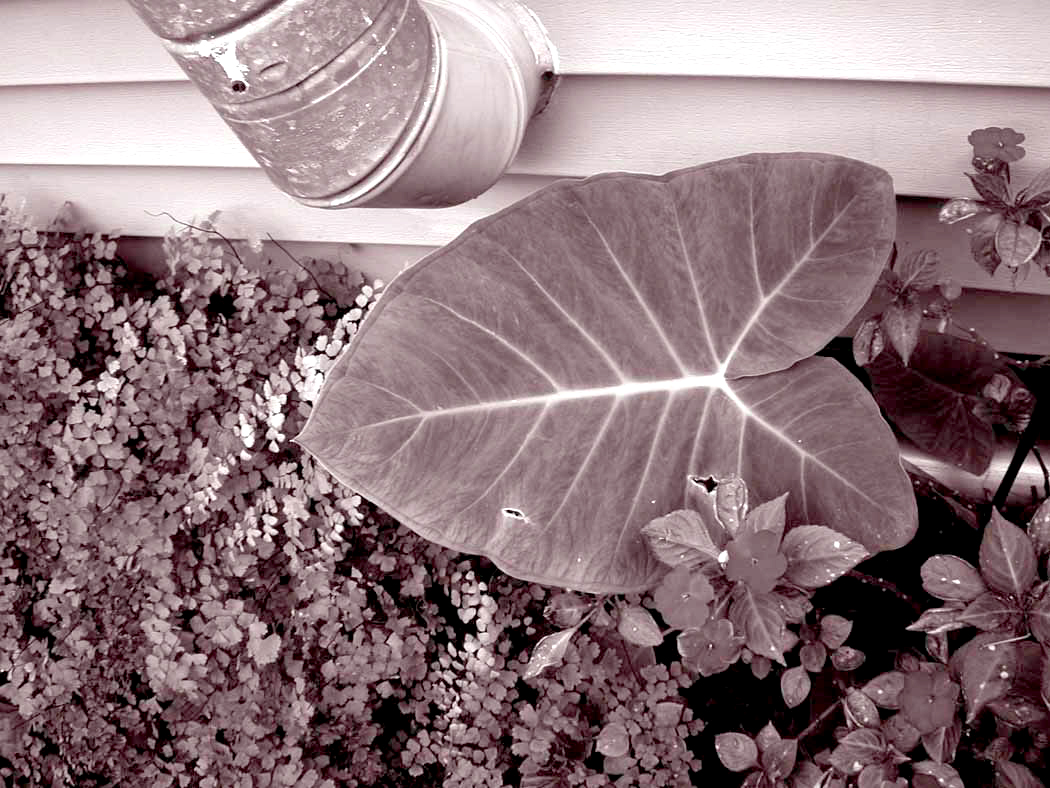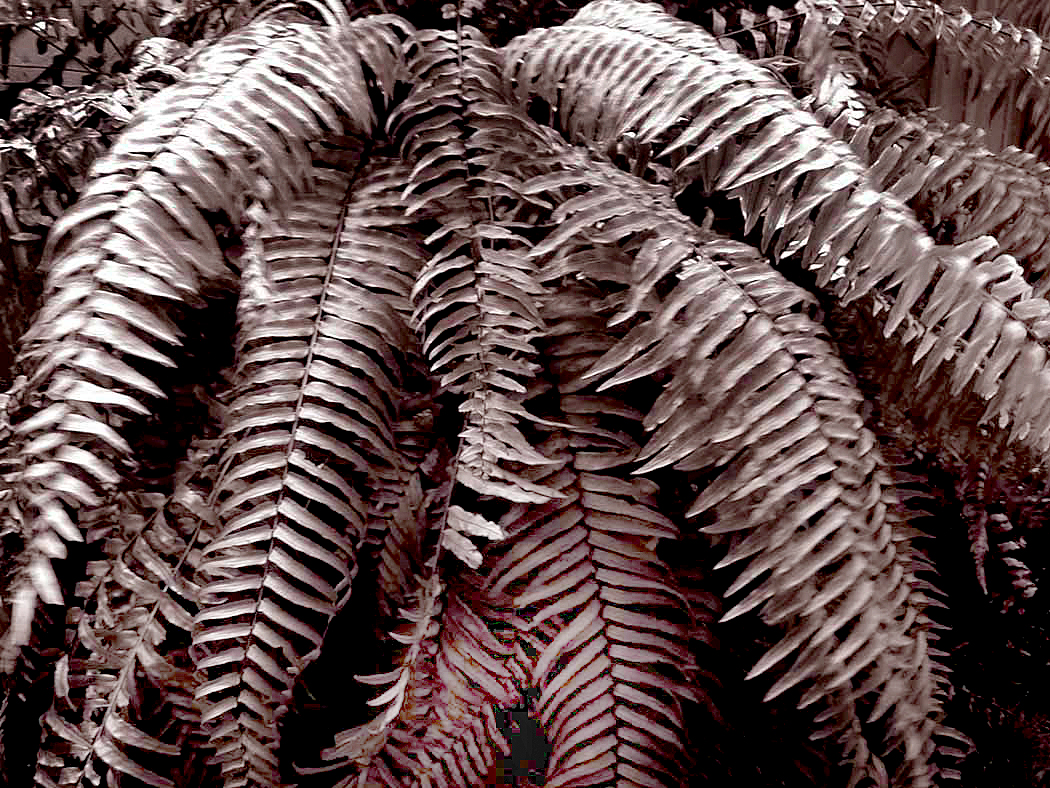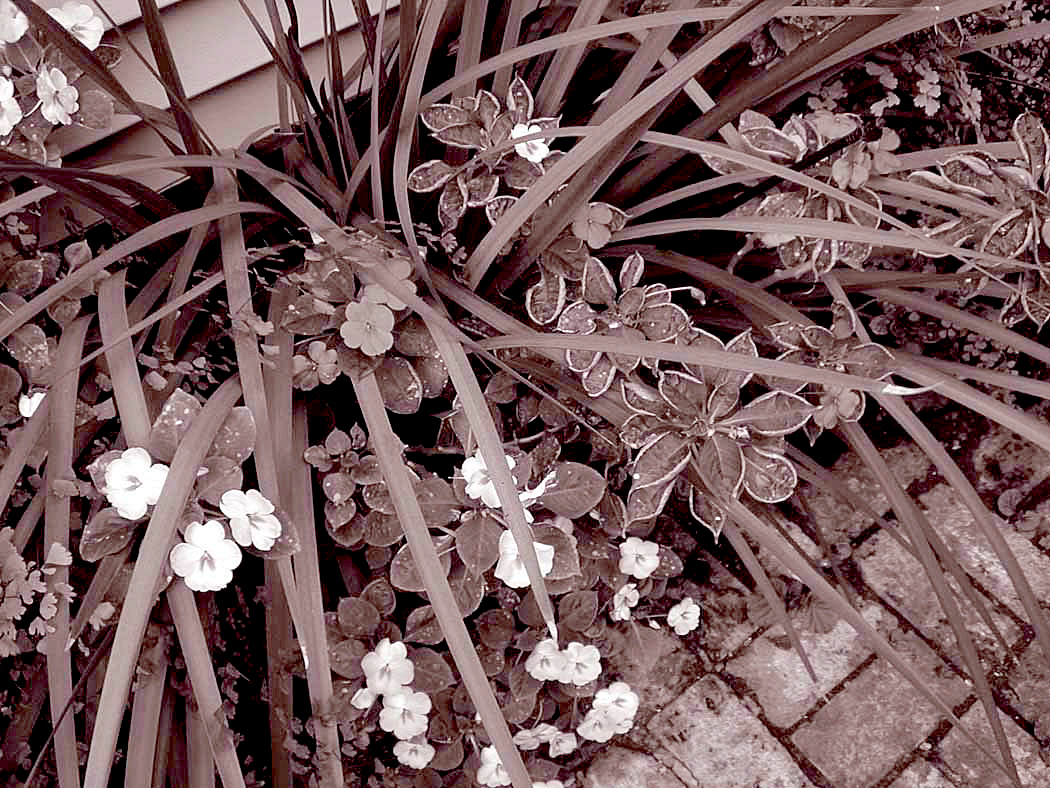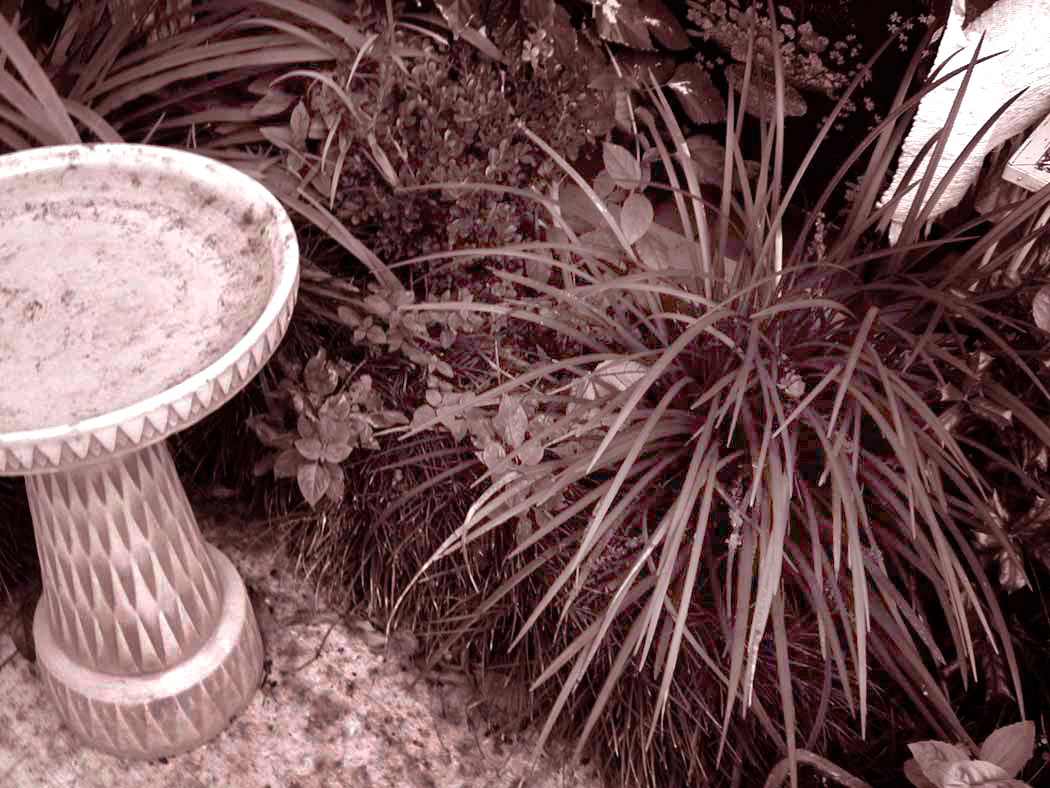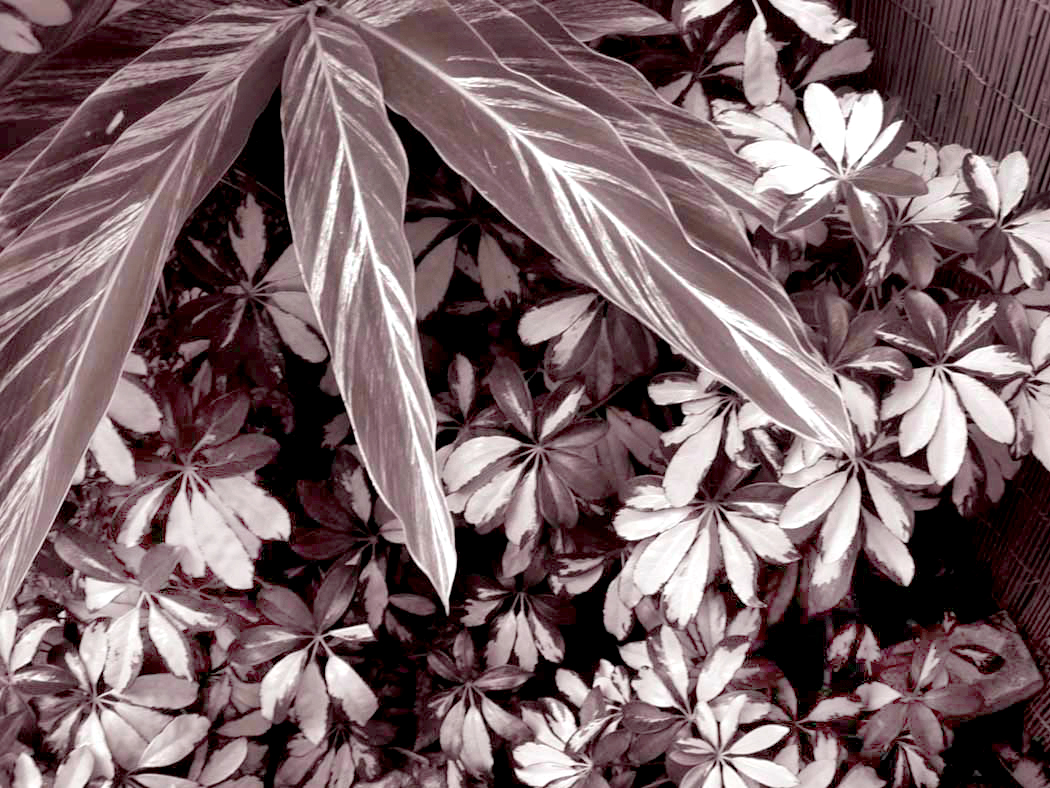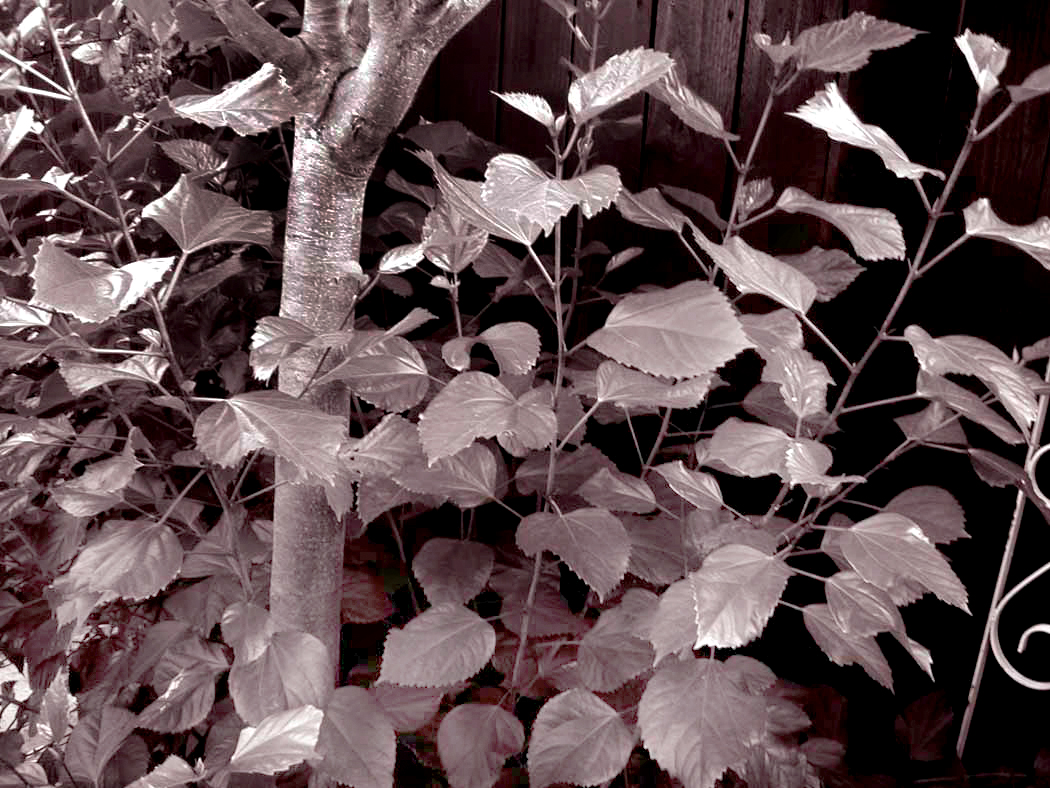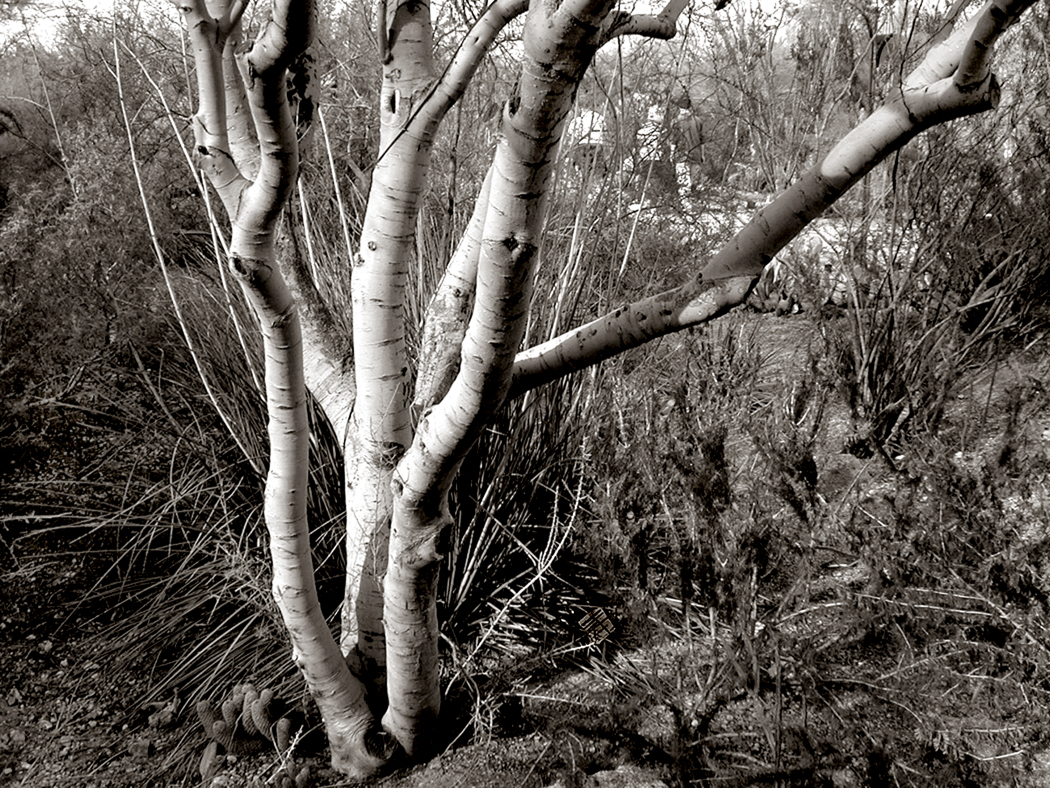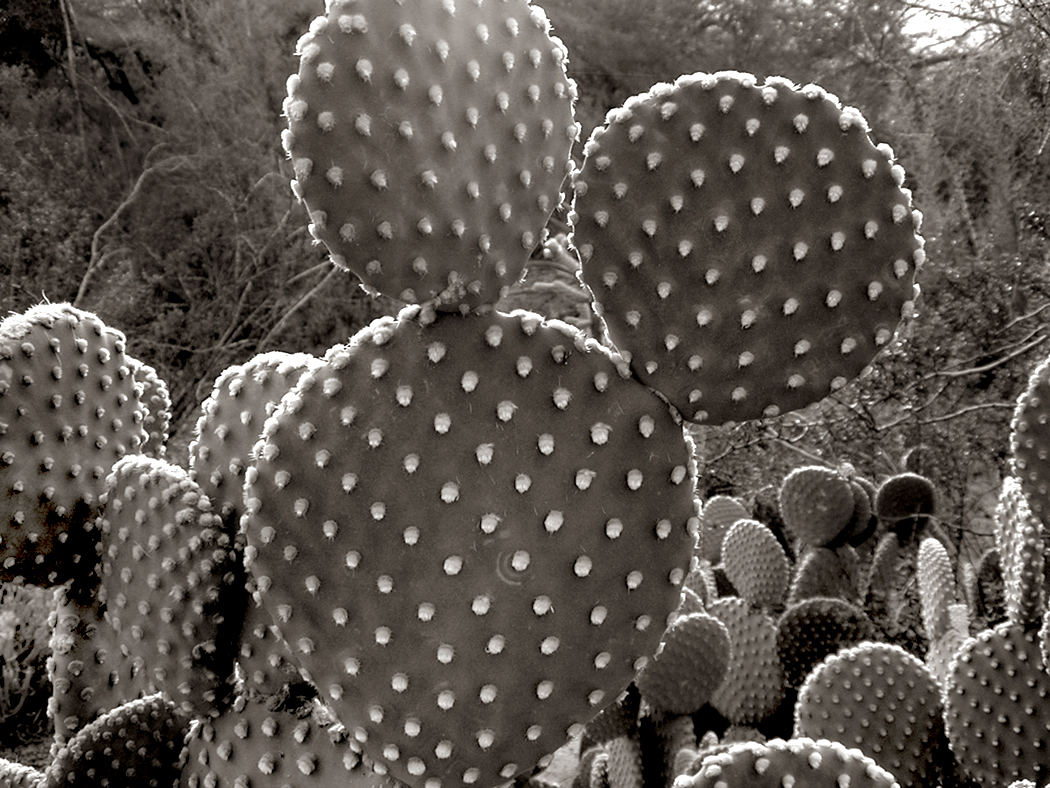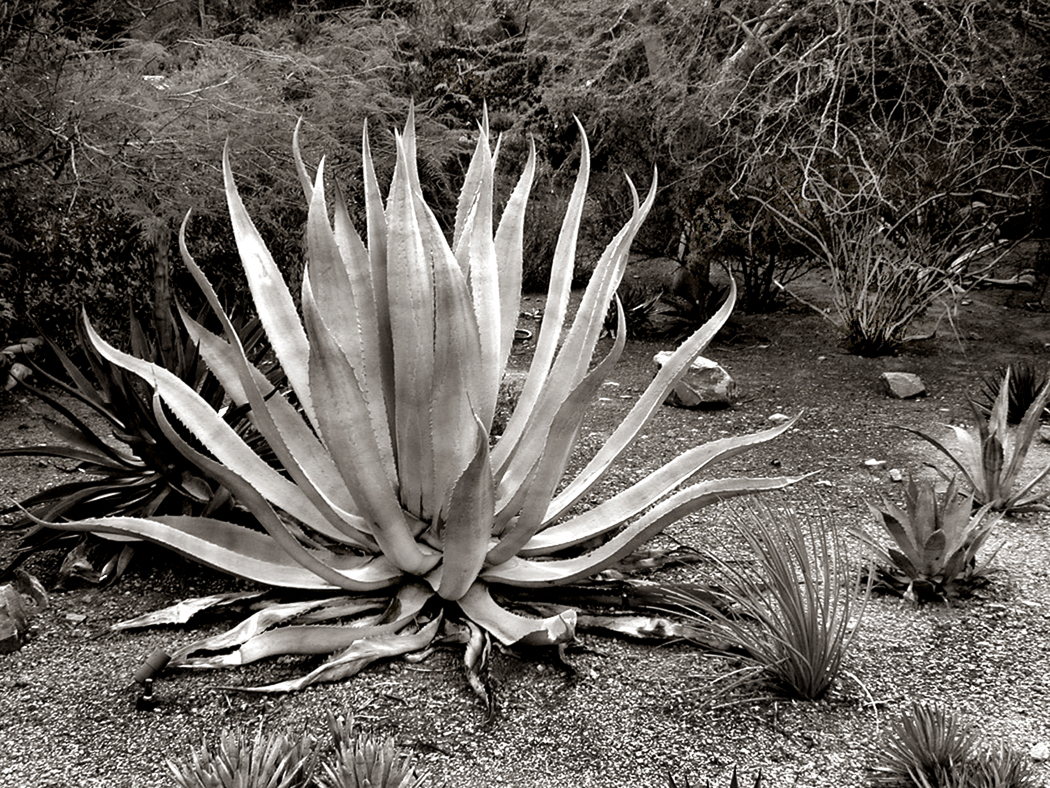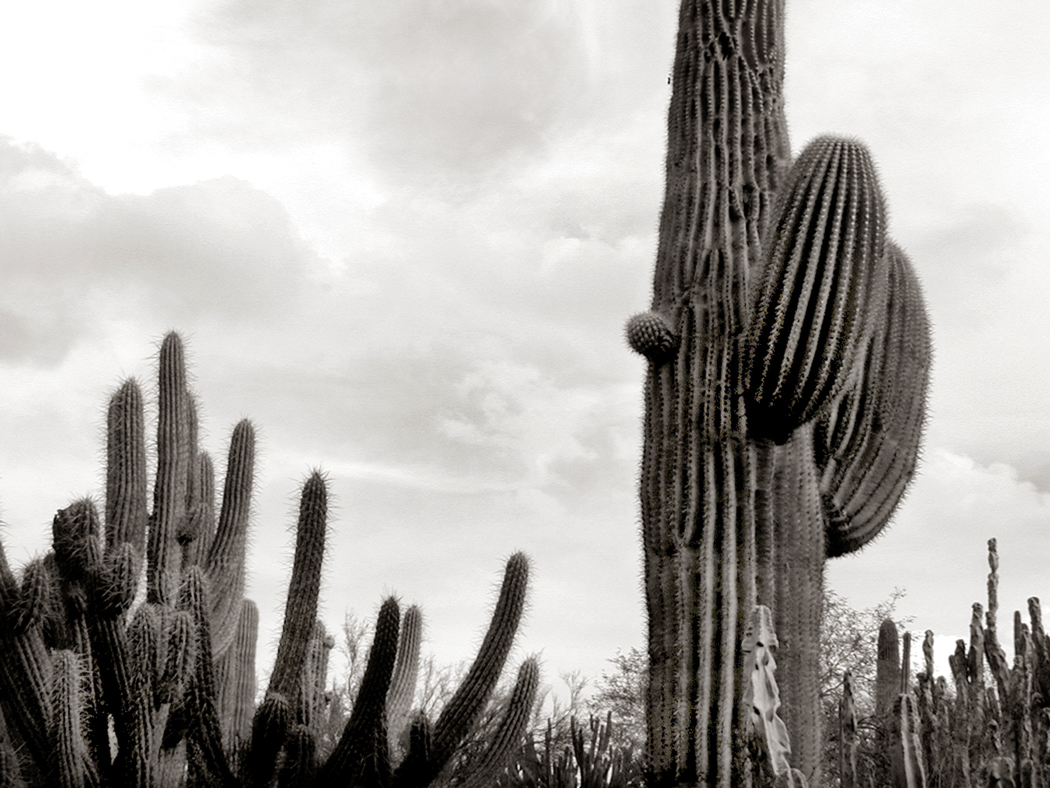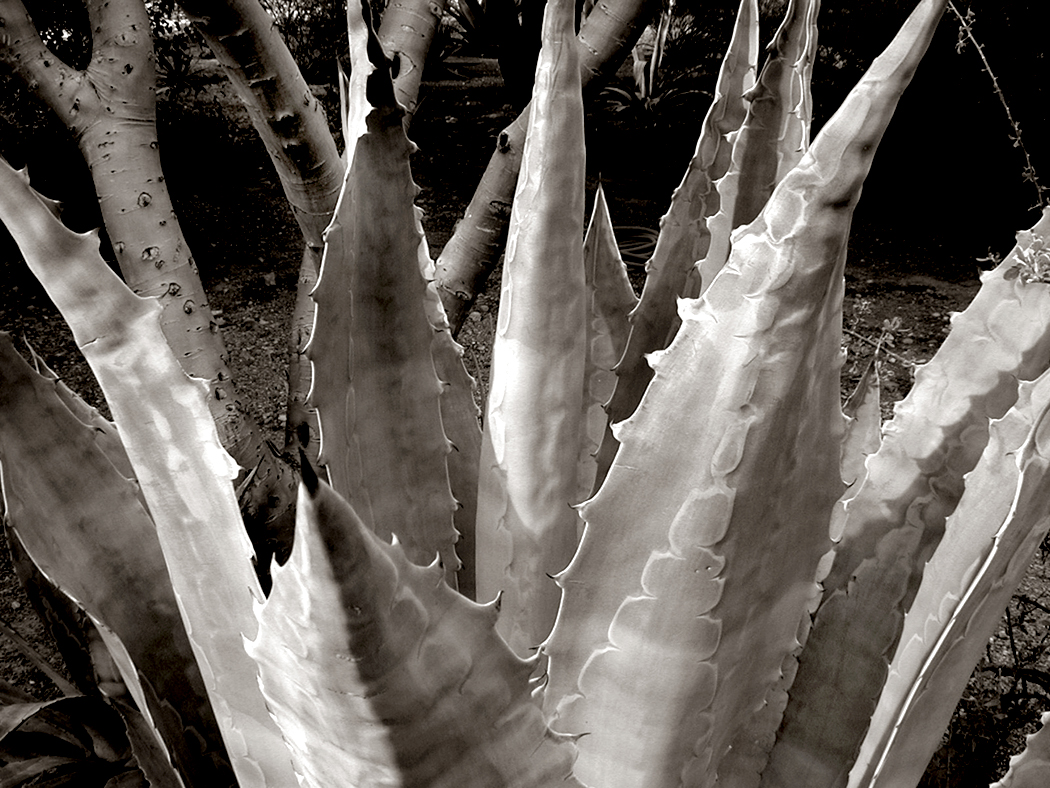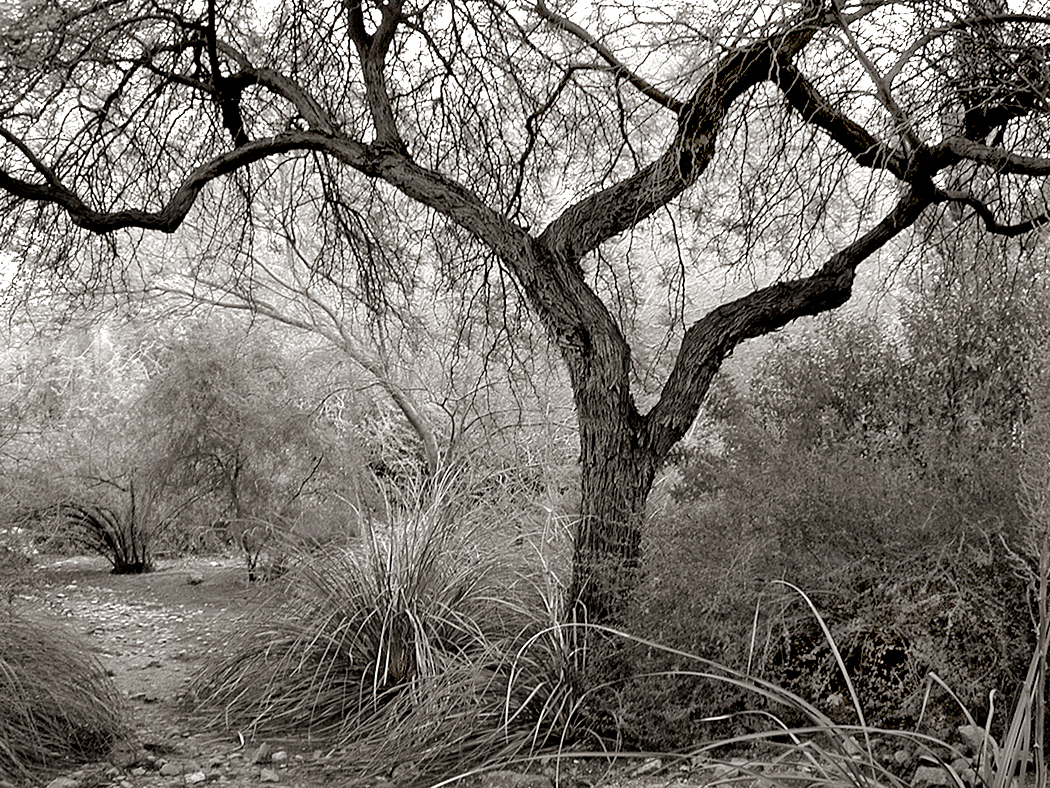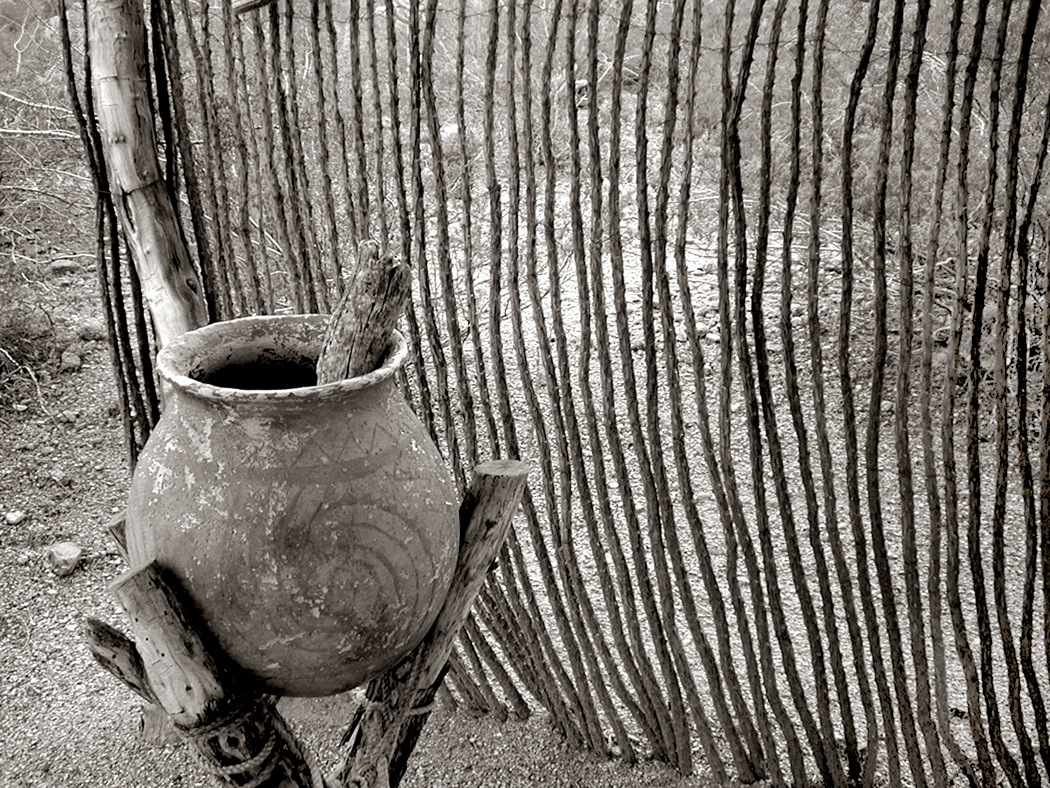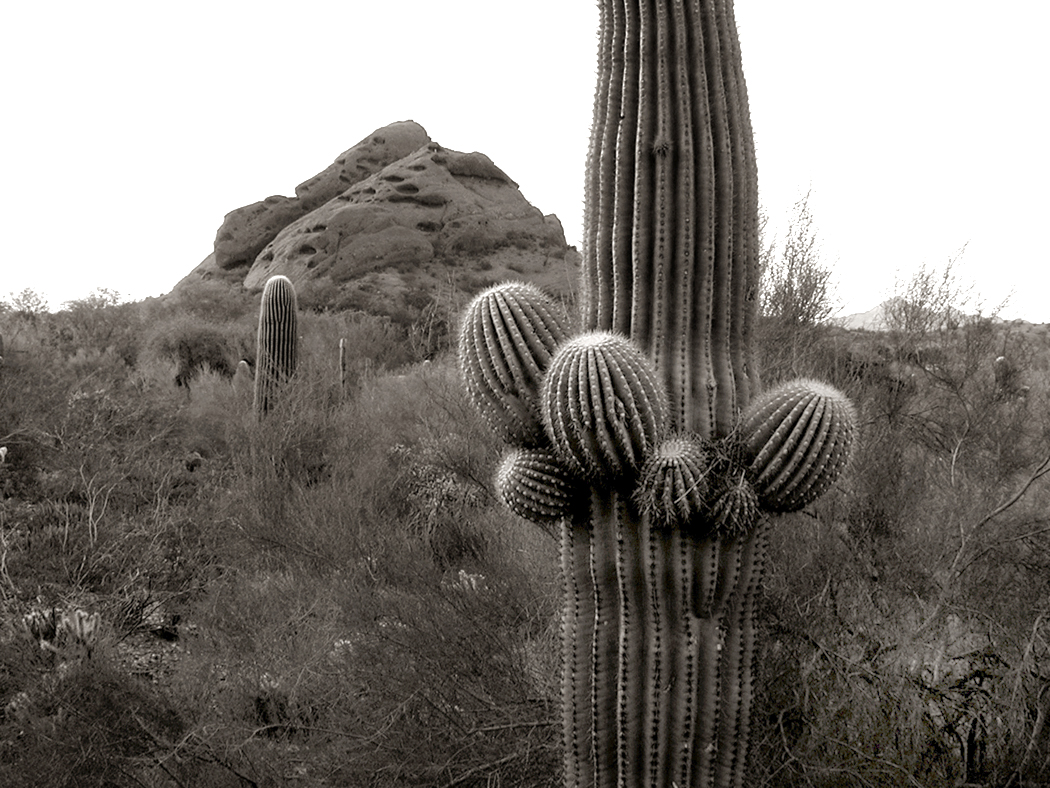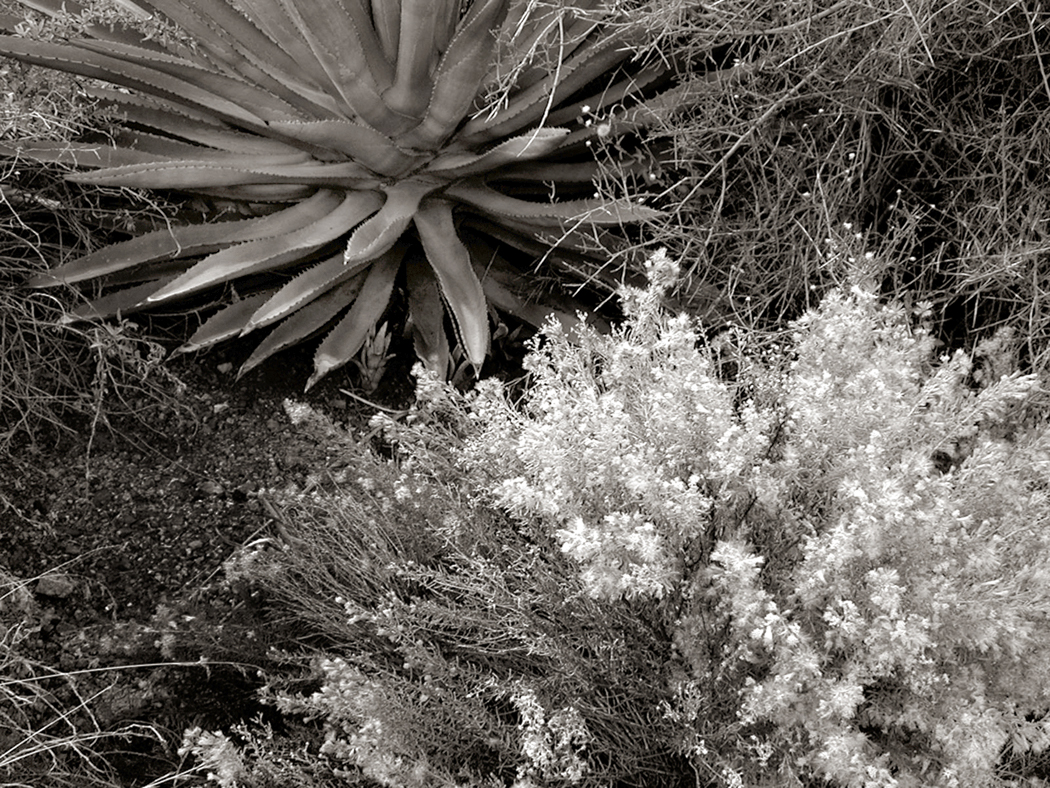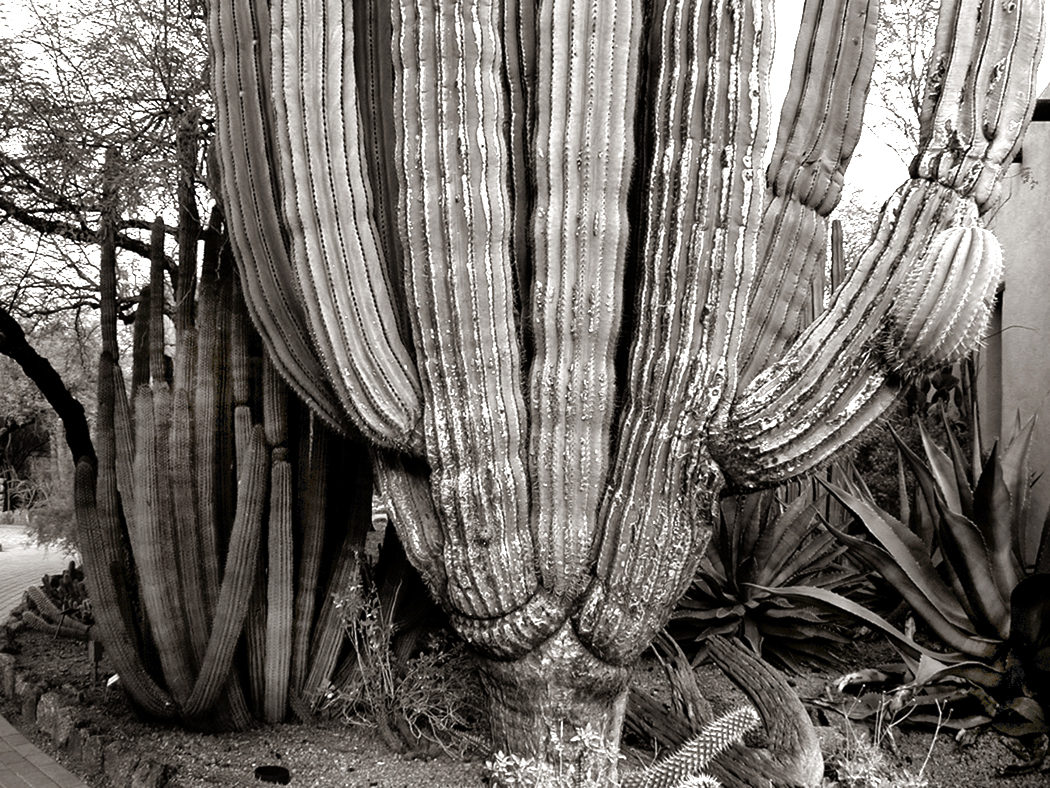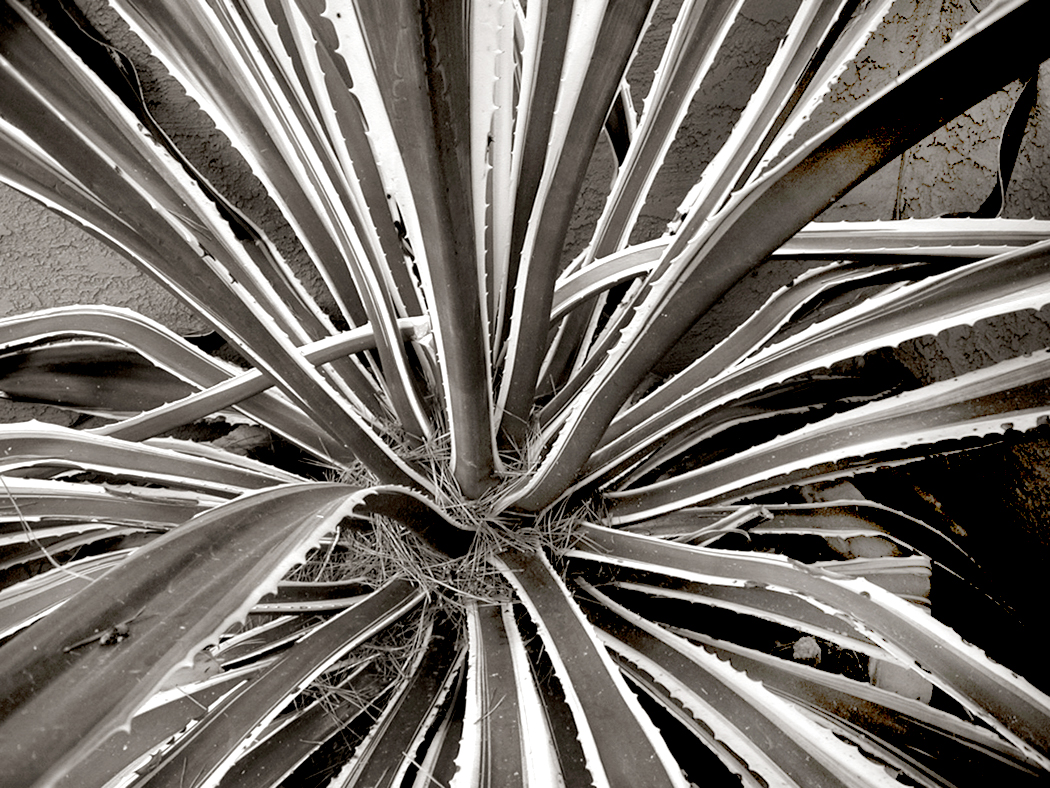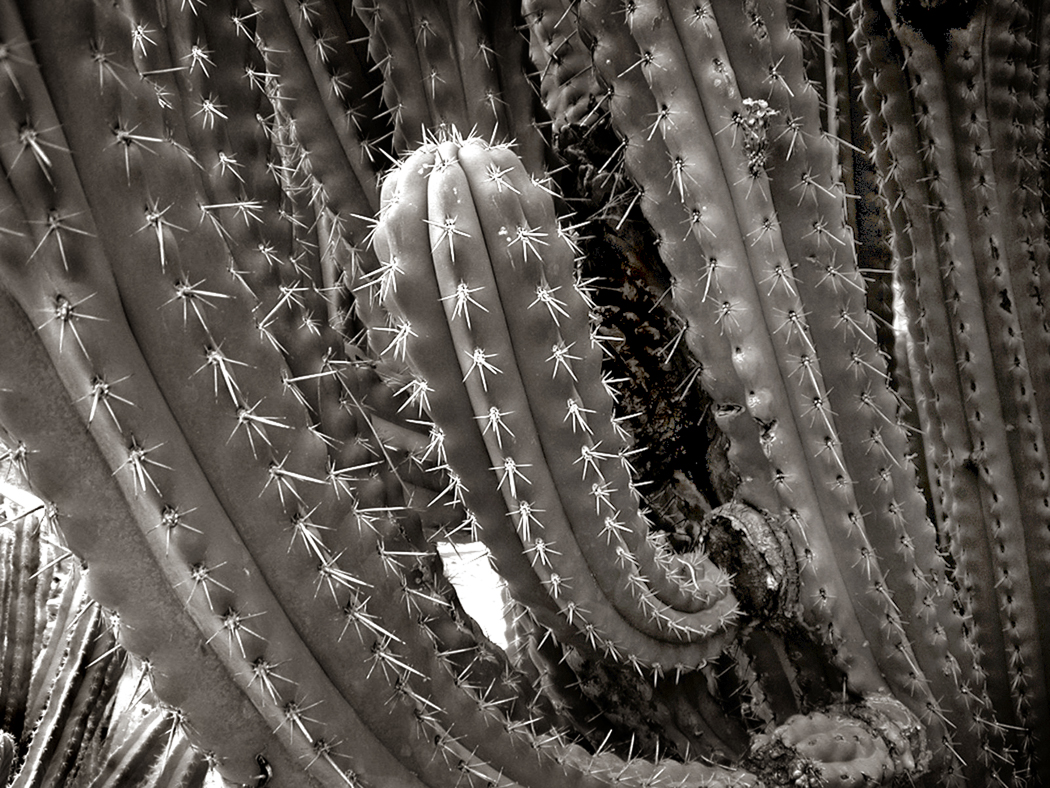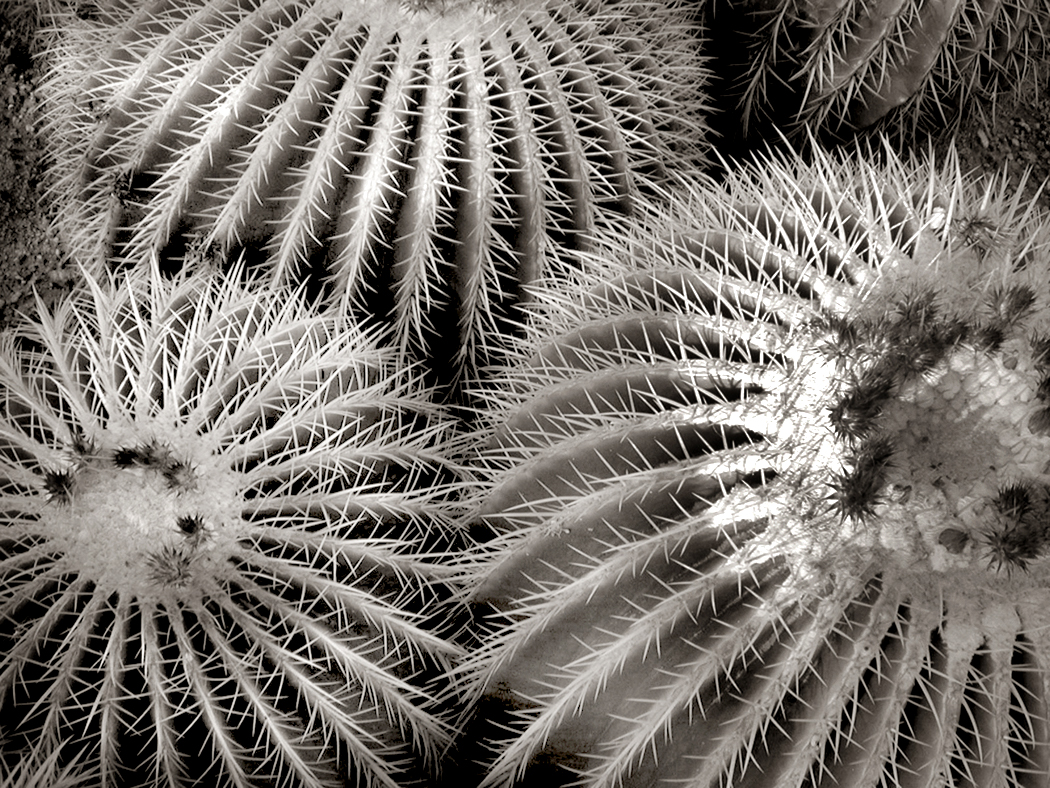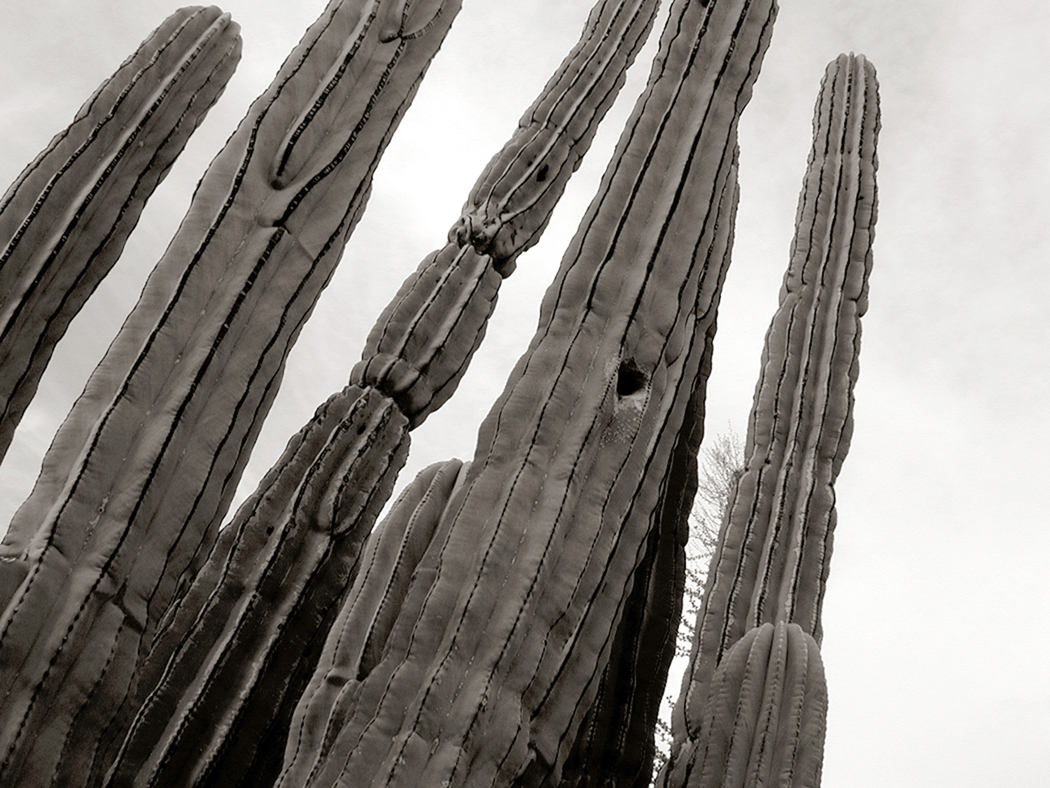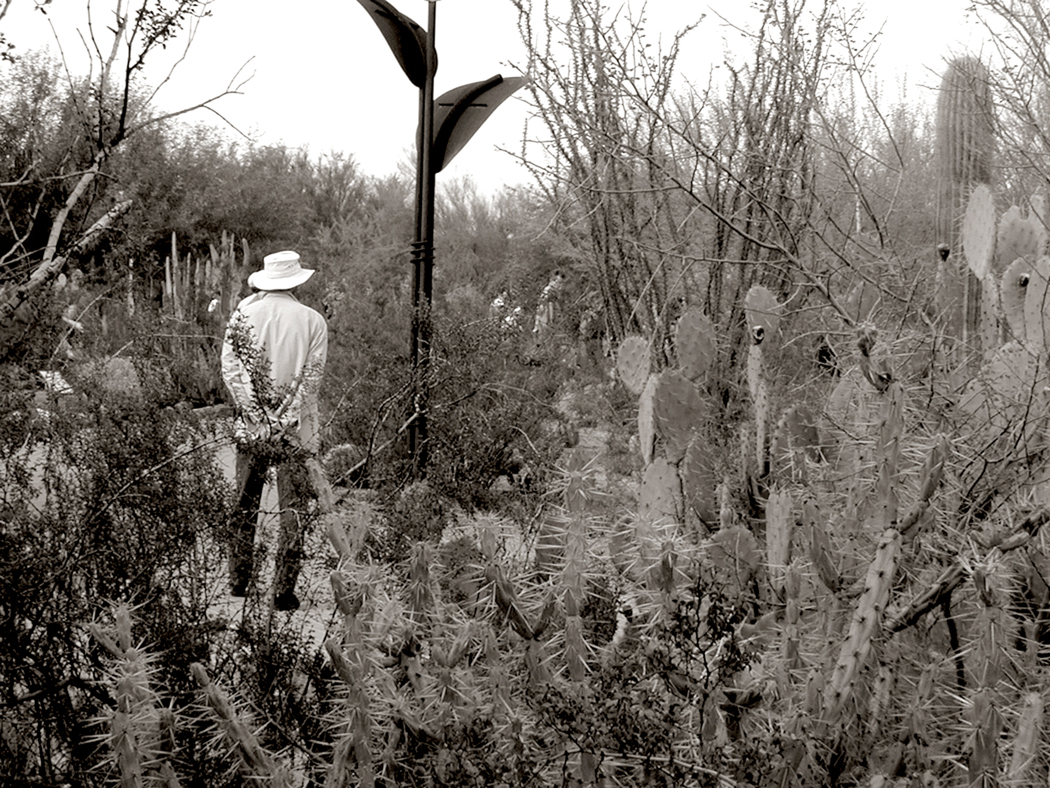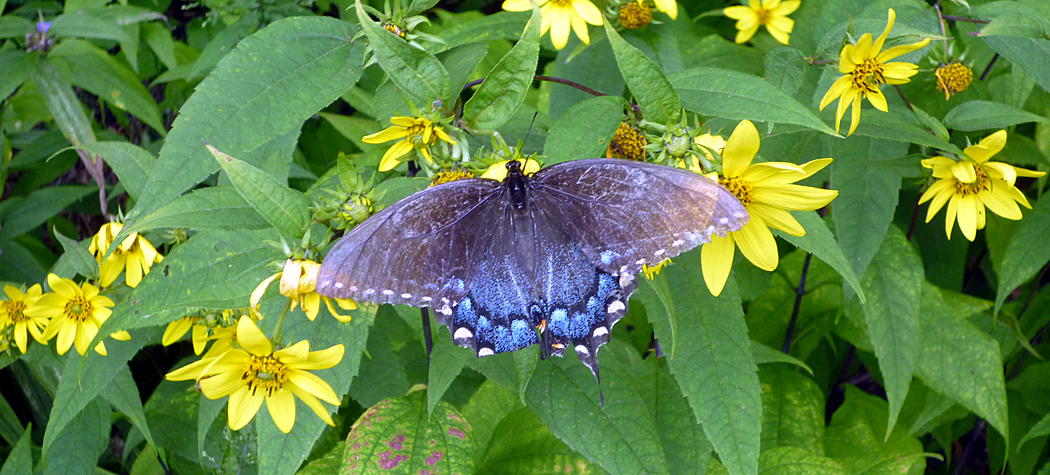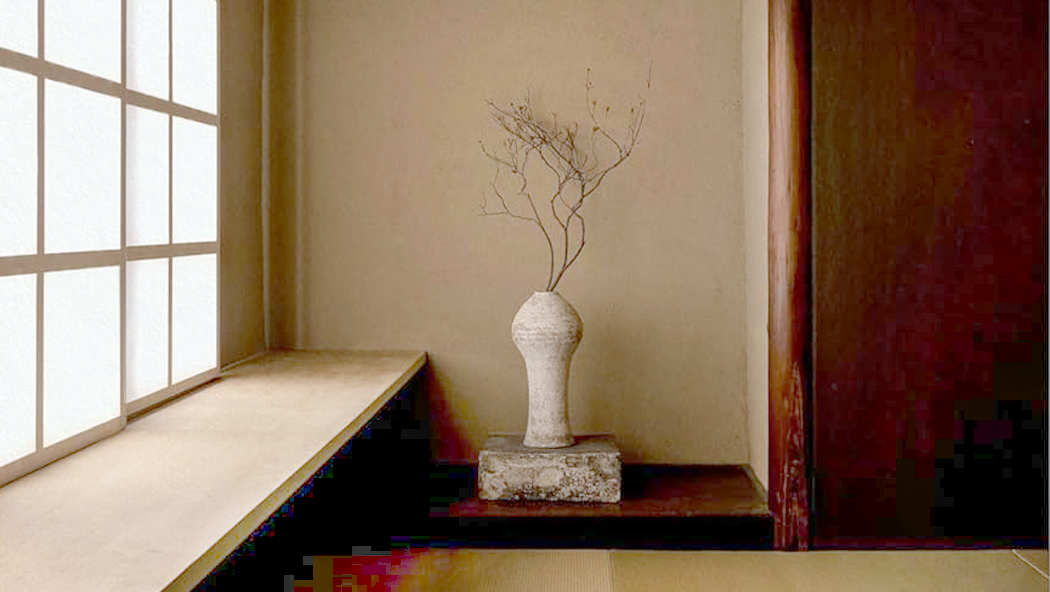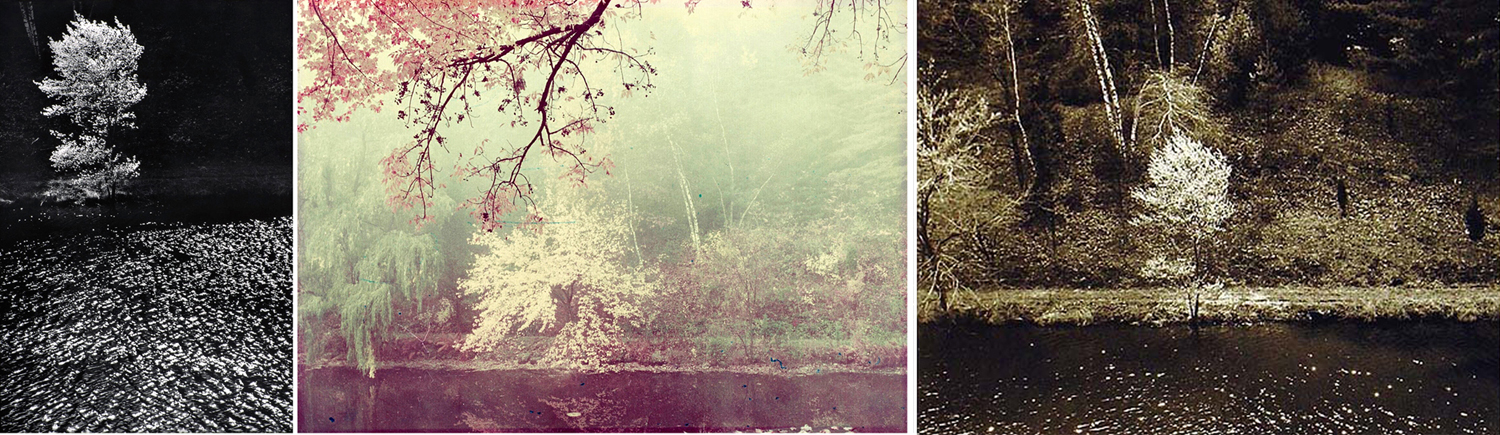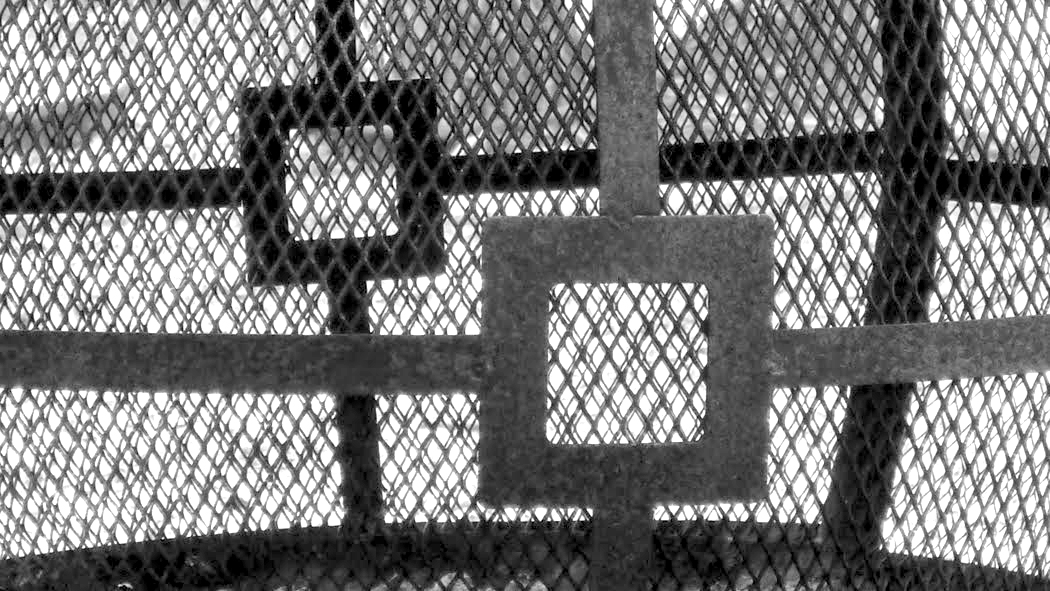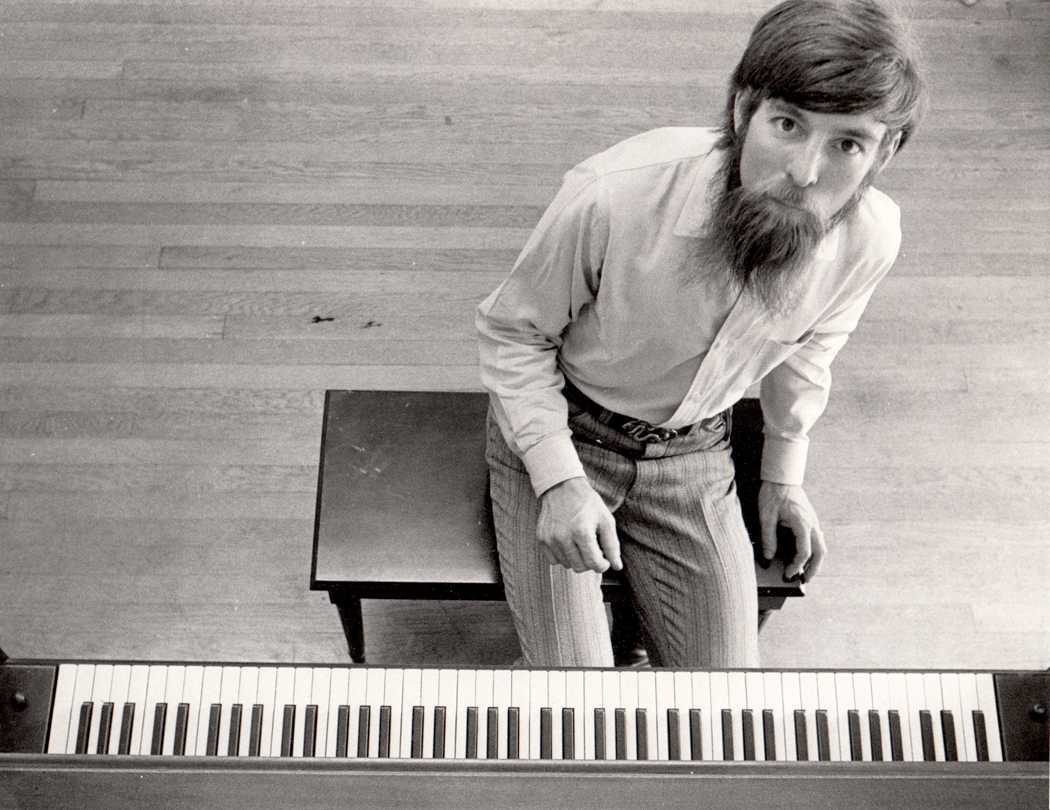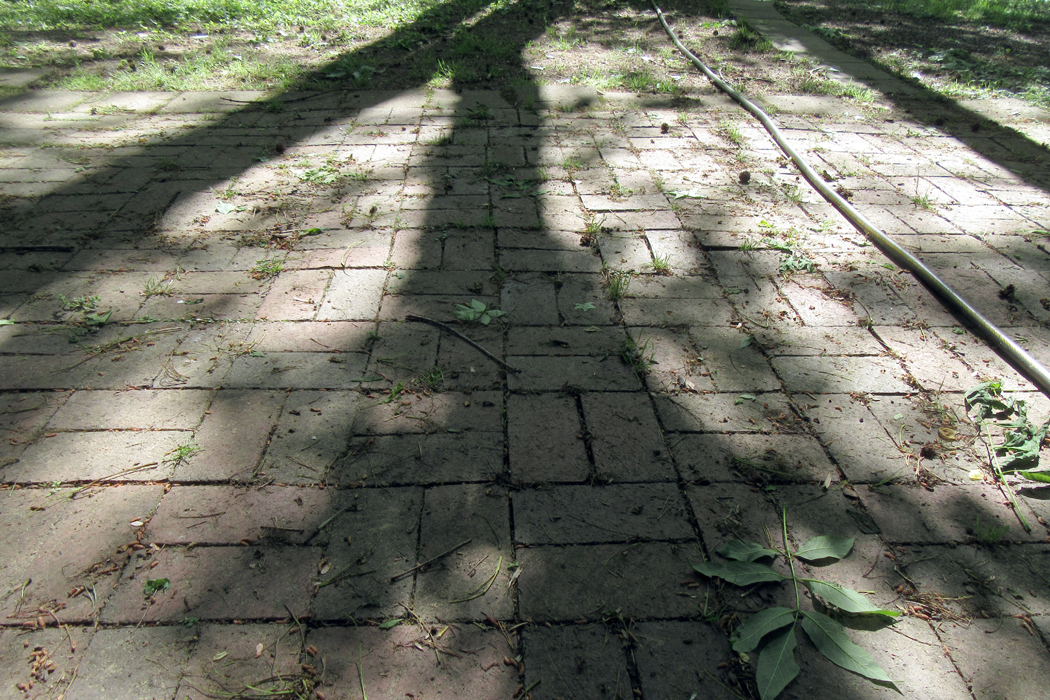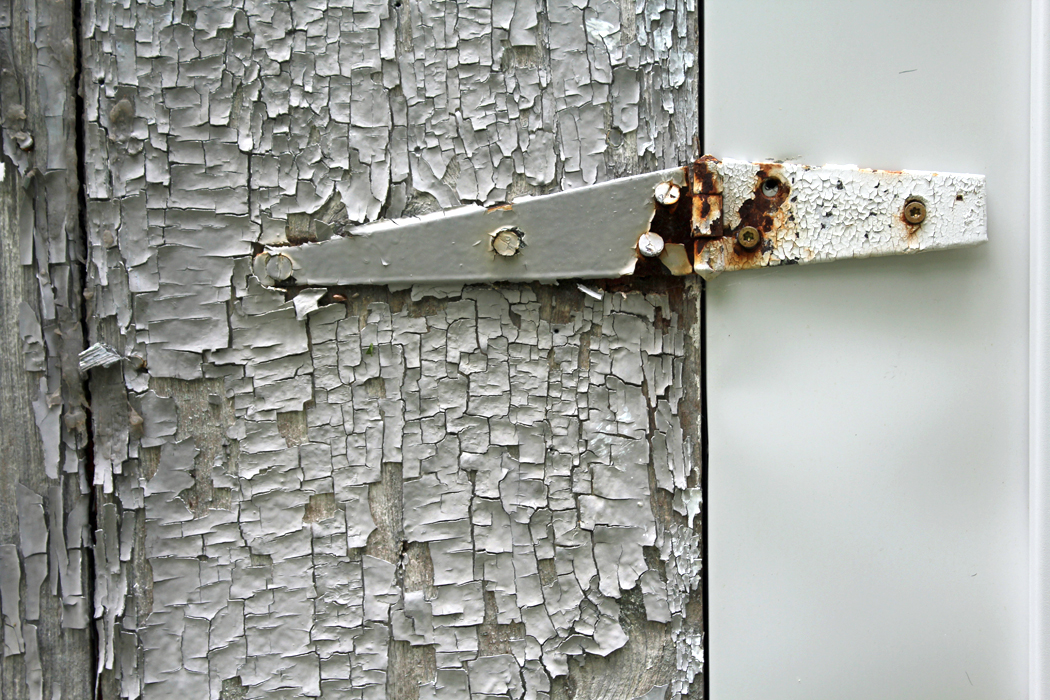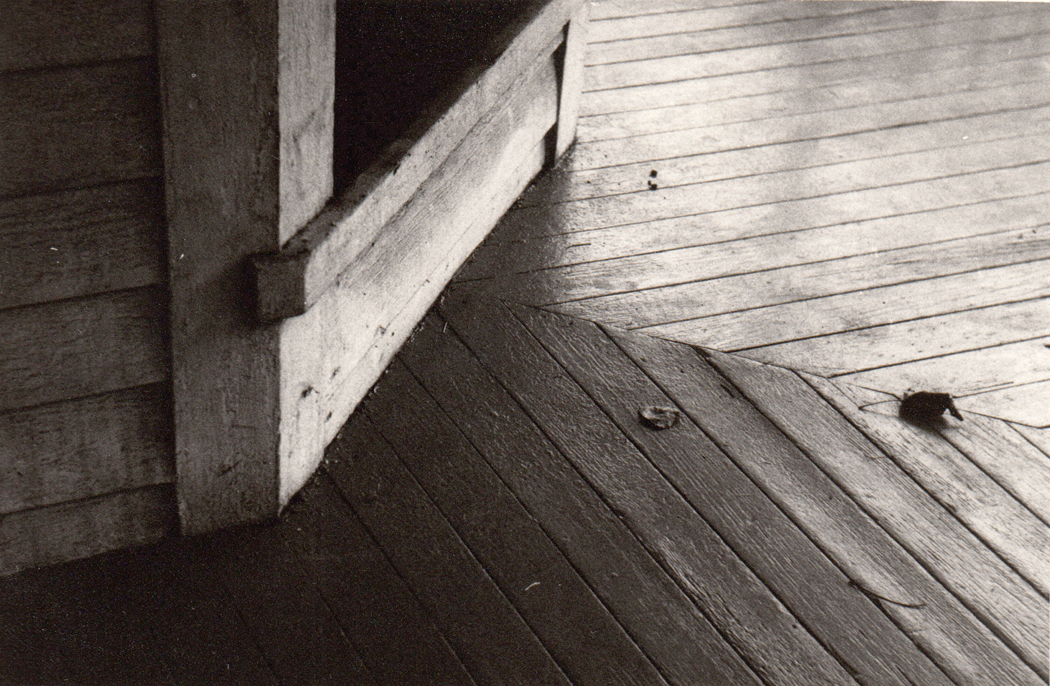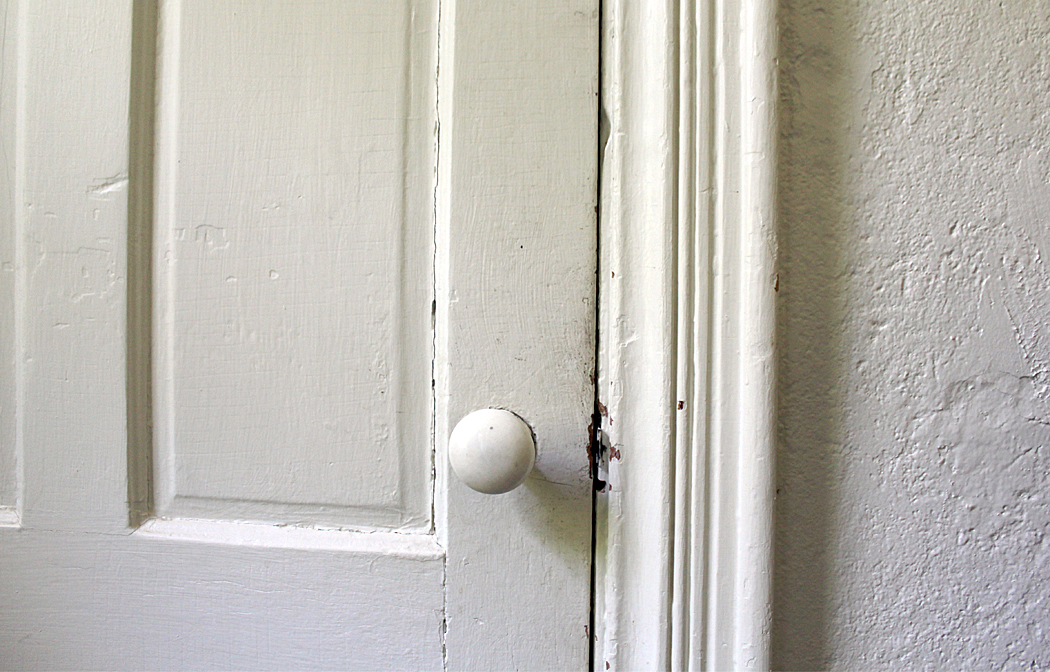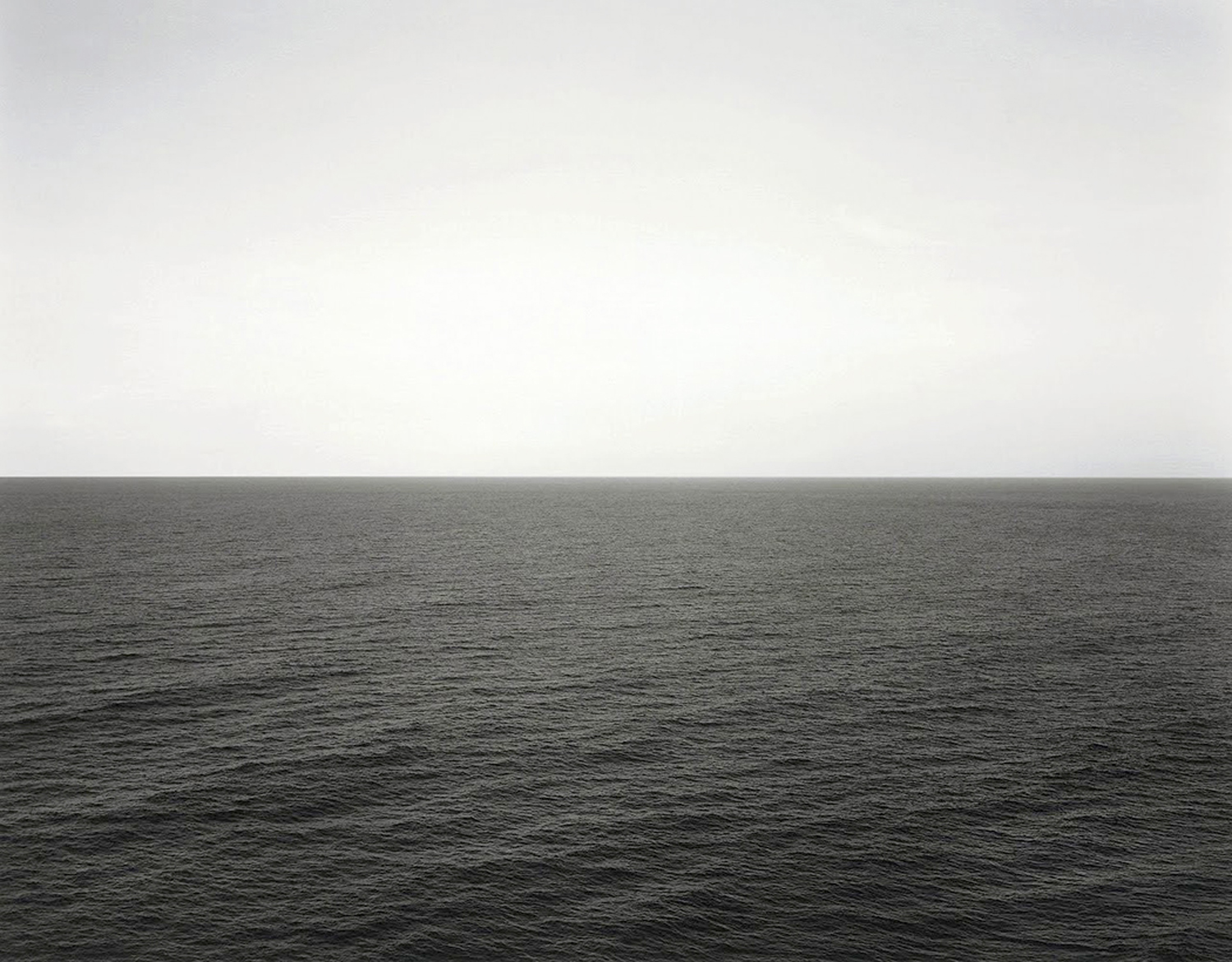
During the 1980s and ’90s, I made a series of photographs of gardens. Mostly the gardens of friends, and a few public gardens. And not photographs, but rather, photographs in series — groups of 10 or 20 meant to be seen as a single unit, much like a music suite: various movements making a single titled presentation.
There was a moment back then when “sequences” were fashionable. Duane Michaels made a living off them. But those were meant to be read like panels of a comic strip, telling a single story. Frames from a film.
But what I was thinking of was a series not a sequence. They were meant to be shifting moods or patterns, understood the way multi-movement music was heard. A suite of images: Allemande, Courante, Sarabande, Minuet, and Gigue, for instance. And intended to be understood as a single thing rather than merely a collection.
Whether I was successful or not, it was what I was thinking.
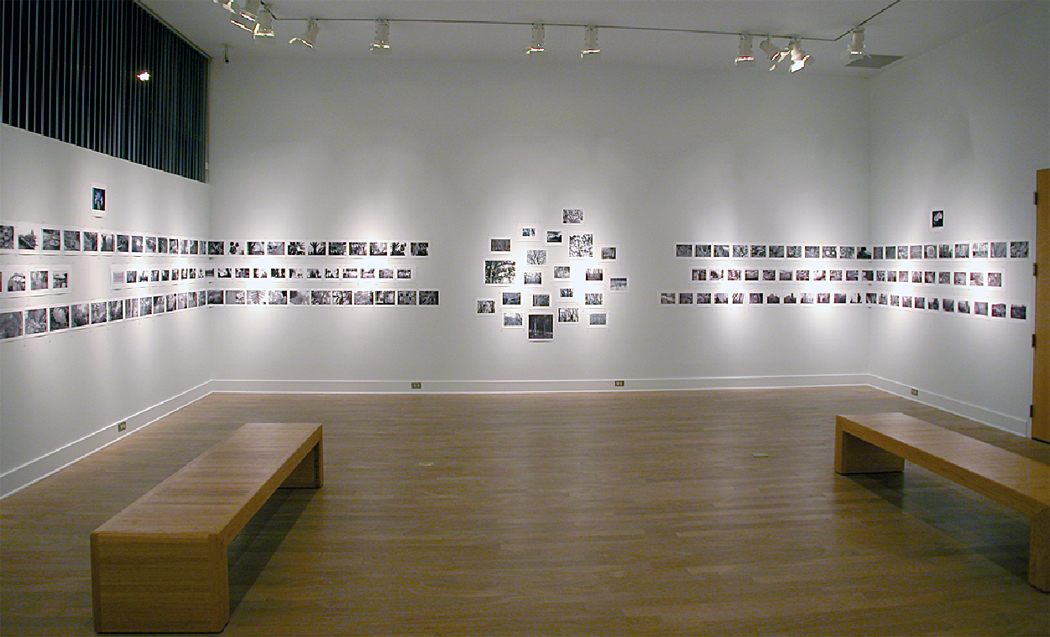
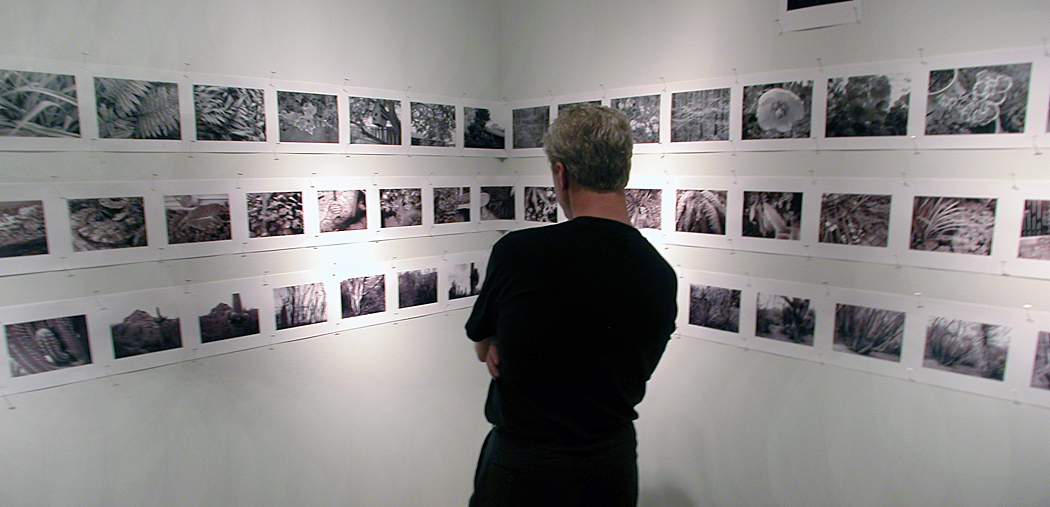
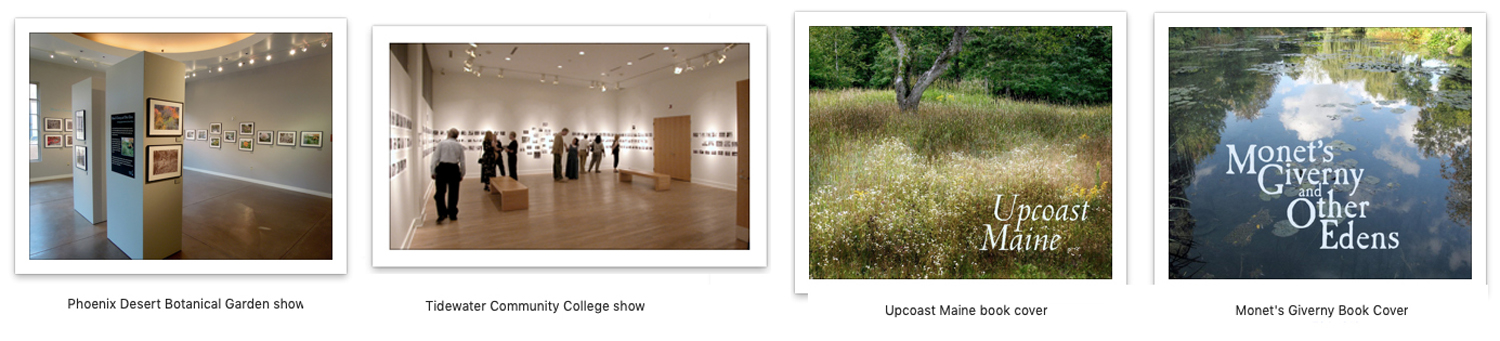
I created perhaps a dozen or so of these series, each boxed up and ordered, with a title card and with individual photographs shown in an order, and all taken during a single day as a single experience. I still work that way, although less formally. I had a show at Tidewater Community College in Virginia Beach, Va., where I had taught in the mid-1980s, and included 12 of these series on the walls. There were more than a hundred prints, lined up and organized by book.
I’ve continued to work in series, but it was gardens I focused on back then. The photos seemed personal without being intrusive. They were metaphors of their creators. I thought I might share a couple of them.
One of the first was made on a visit to New Orleans while staying with friends and former colleagues Judy and Dave Walker. Judy had been the food editor of The Arizona Republic and Dave, aka “Cap’n Dave,” had been our TV writer. They both left Arizona to work for the Times Picayune.
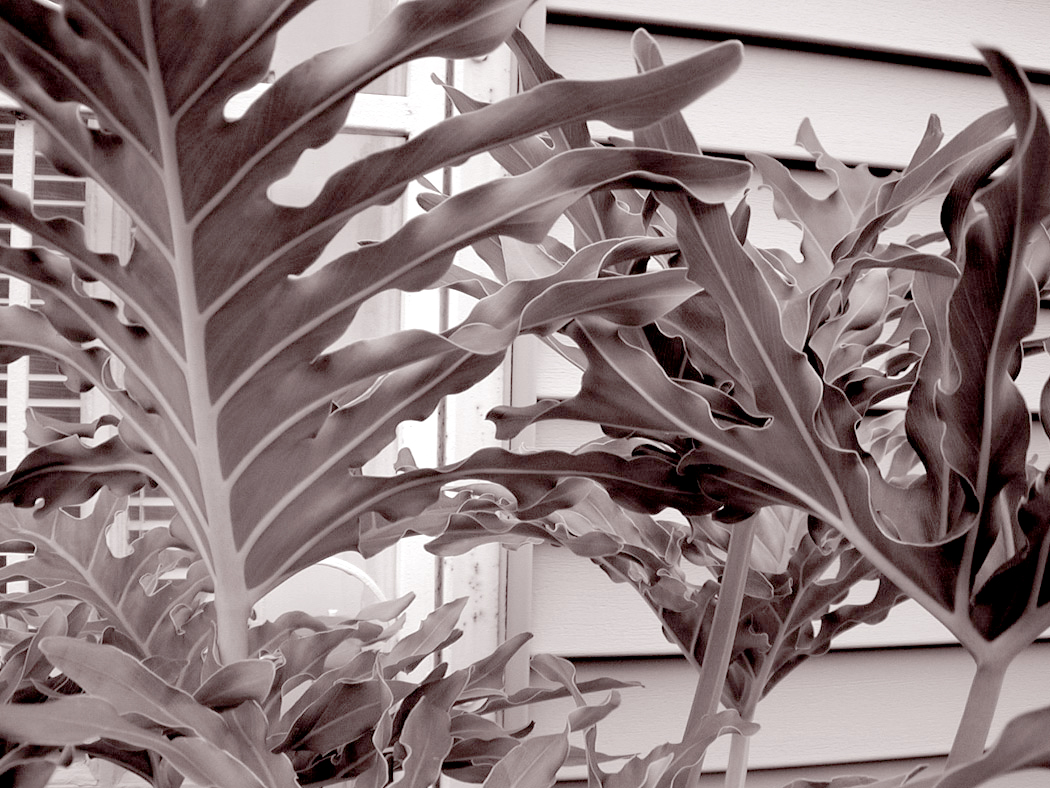
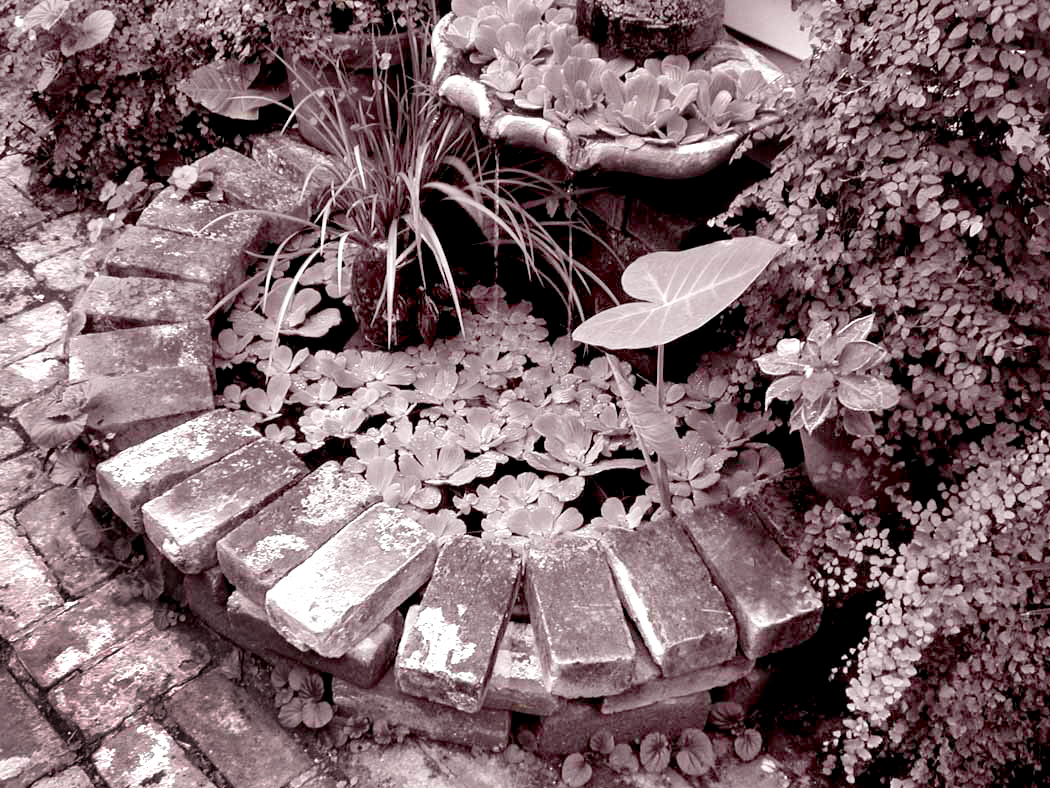
Judy was one of the most gracious and kind people I have ever known. She was one of those people everyone felt comfortable with and at home in any social situation. It was her garden that I thought mirrored her personality.
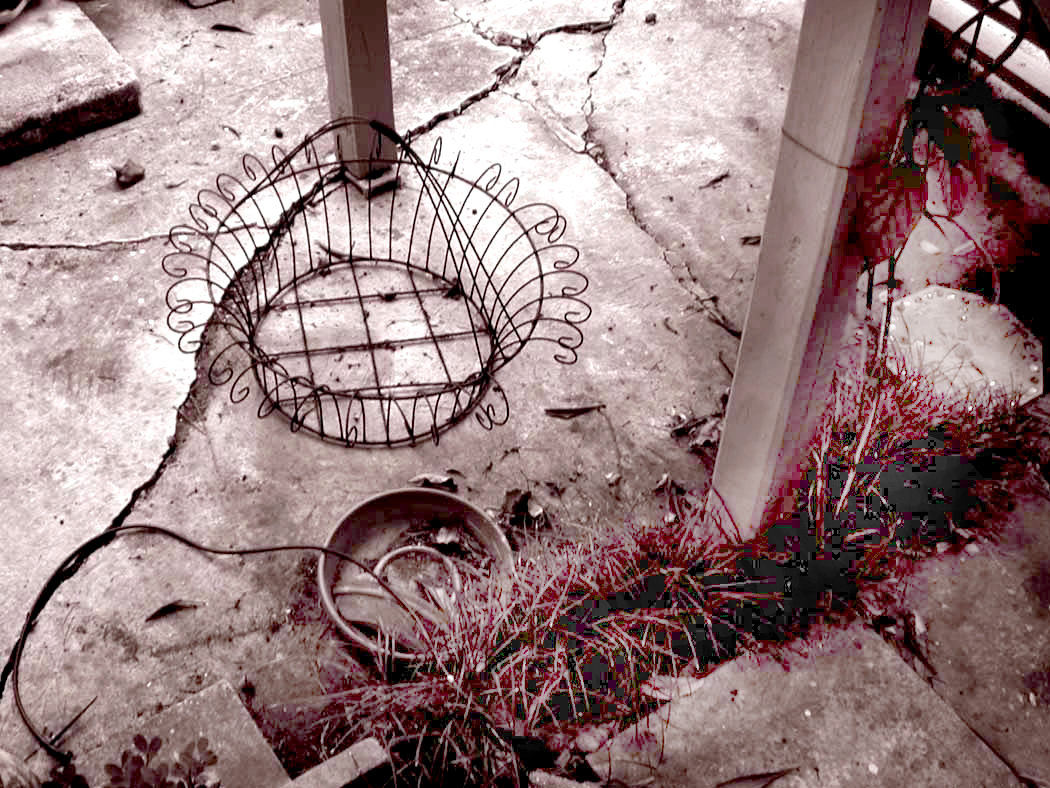
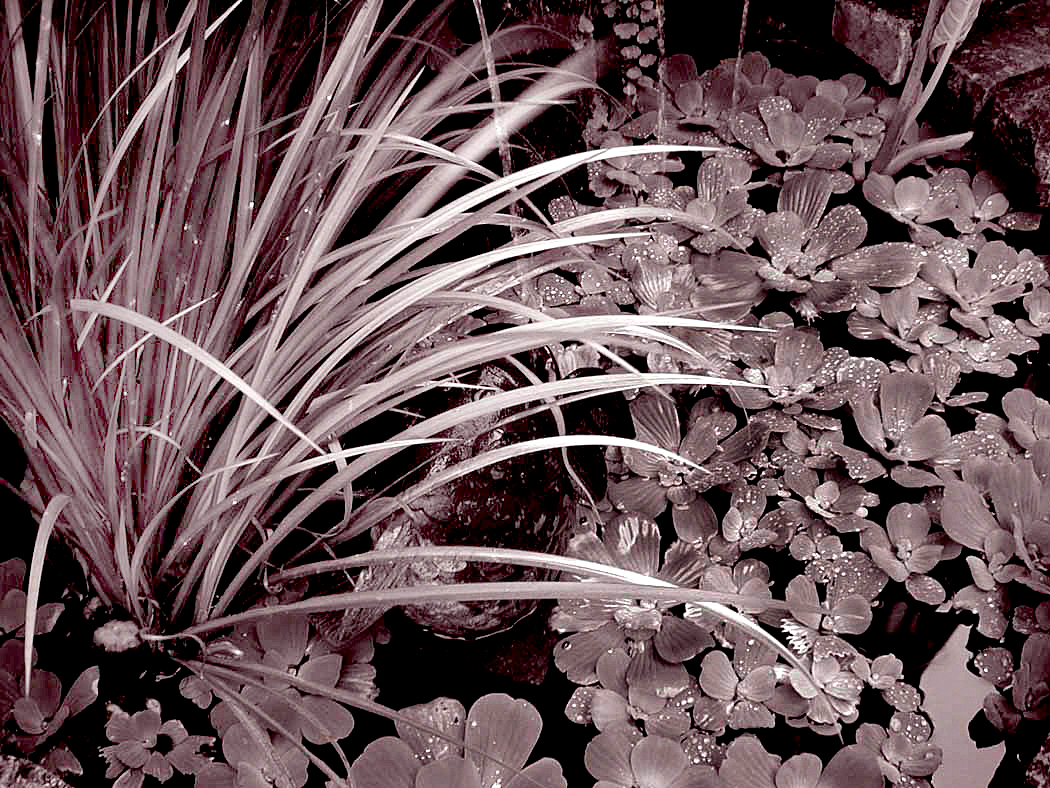
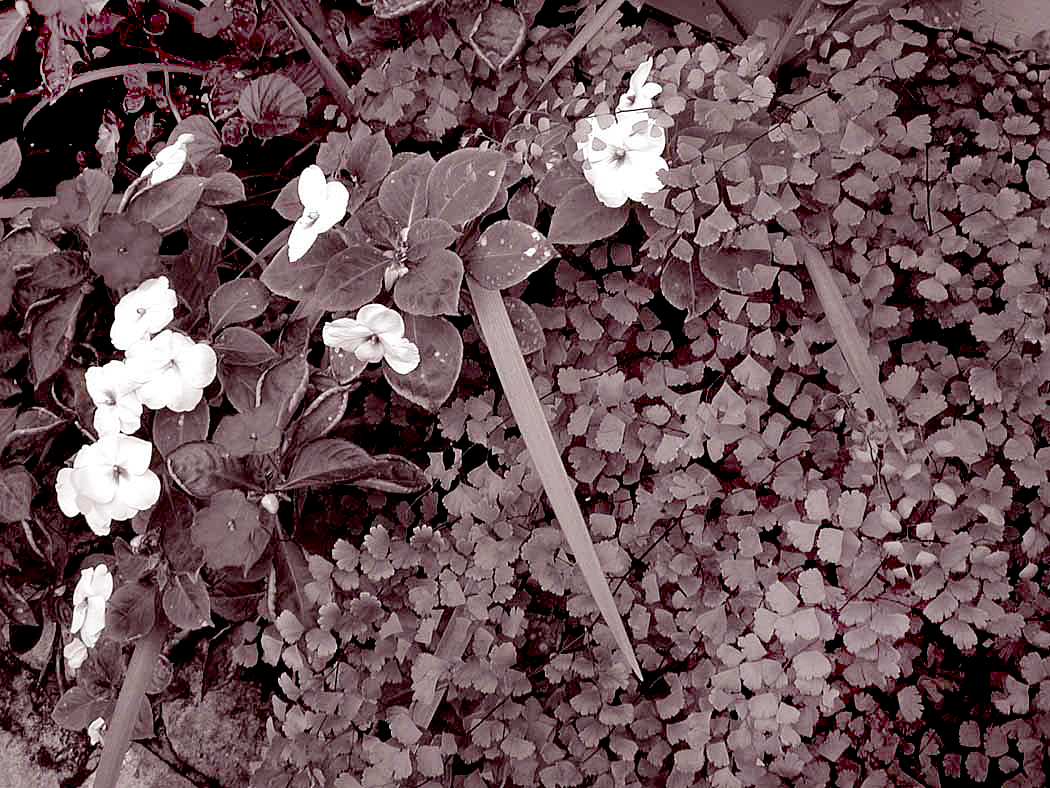
Here is that set, in order:
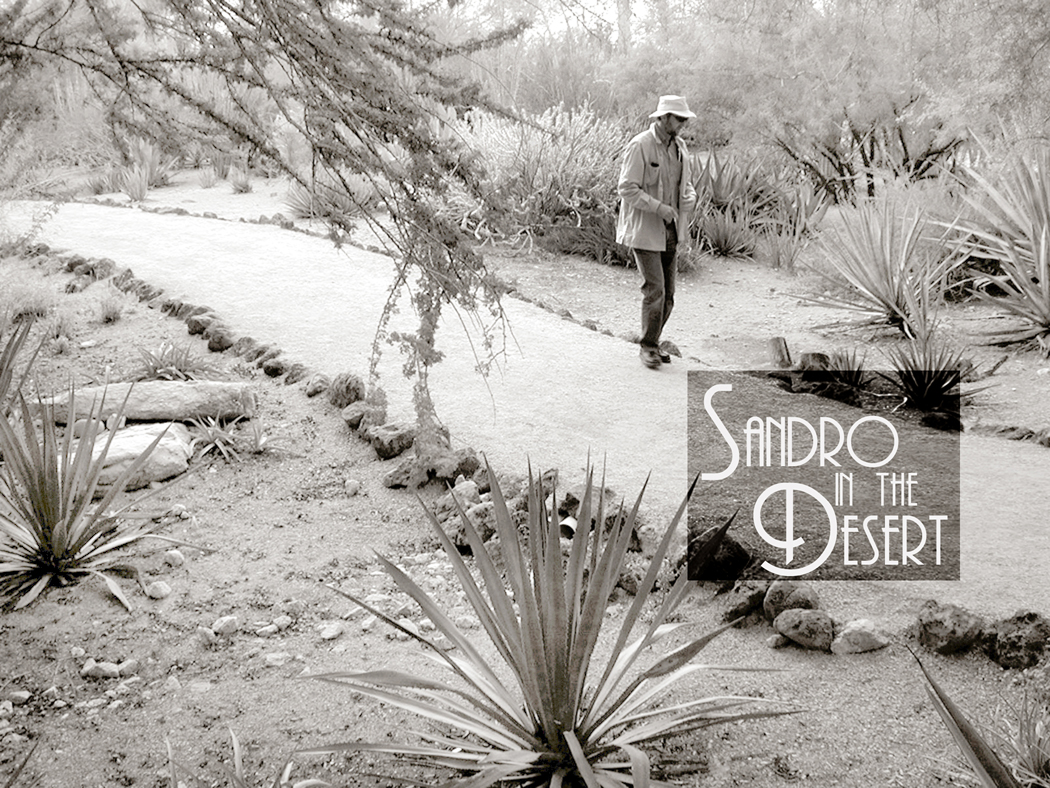
Another kind of series was of the public garden, in this case the Desert Botanical Garden in Phoenix. I had visited many times, walking the sunny paths through cactus, cholla, agave and boojum trees.
One winter, my friend Alexander came to visit us in the desert and I took him to the Botanical Gardens and we walked around all day. It was his first time visiting the West and I got to see it all again for the first time through his eyes.
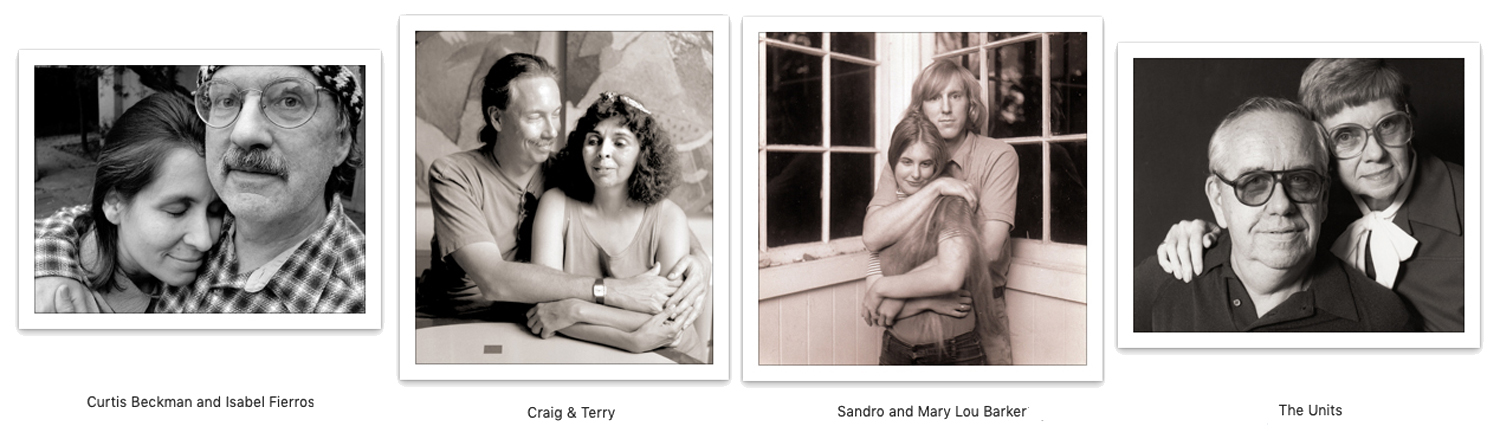
I first met Sandro — for that is what we call him — my sophomore year at college. He was nuts about classical music and we spent many hours in each others’ dorm rooms spinning vinyl on our portable stereos. We became lifelong friends and spent many camping trips to the Outer Banks. And later, when I was going through a rough patch in life, Sandro and his wife, Mary Lou, took me in and gave me a place to live, fed me and took care of me. I am forever grateful to the two of them.
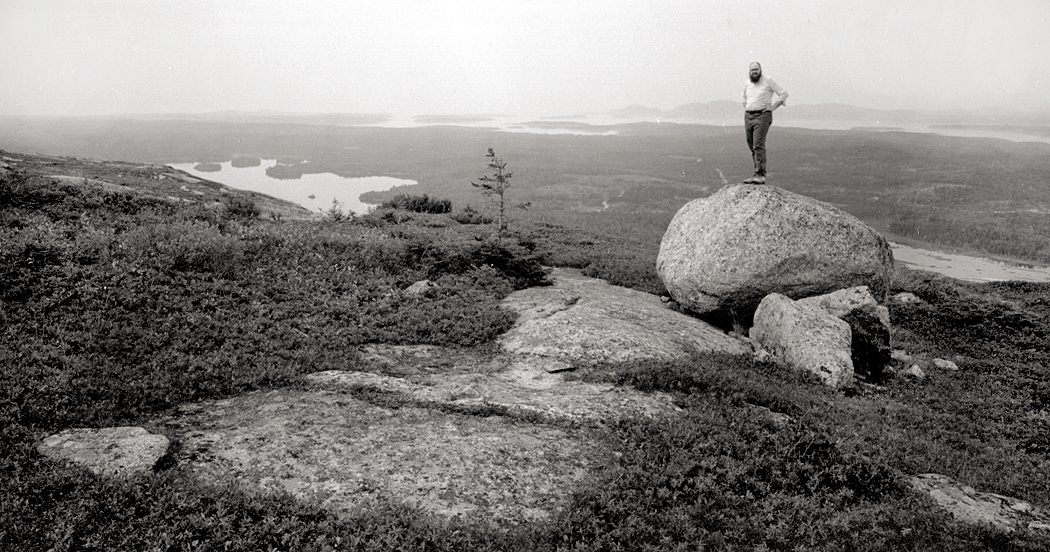
They later moved to Maine and live in an old farmhouse in Sullivan and I have visited them many times, although it has gotten more difficult now that I am old, and both driving and flying have become a problem.
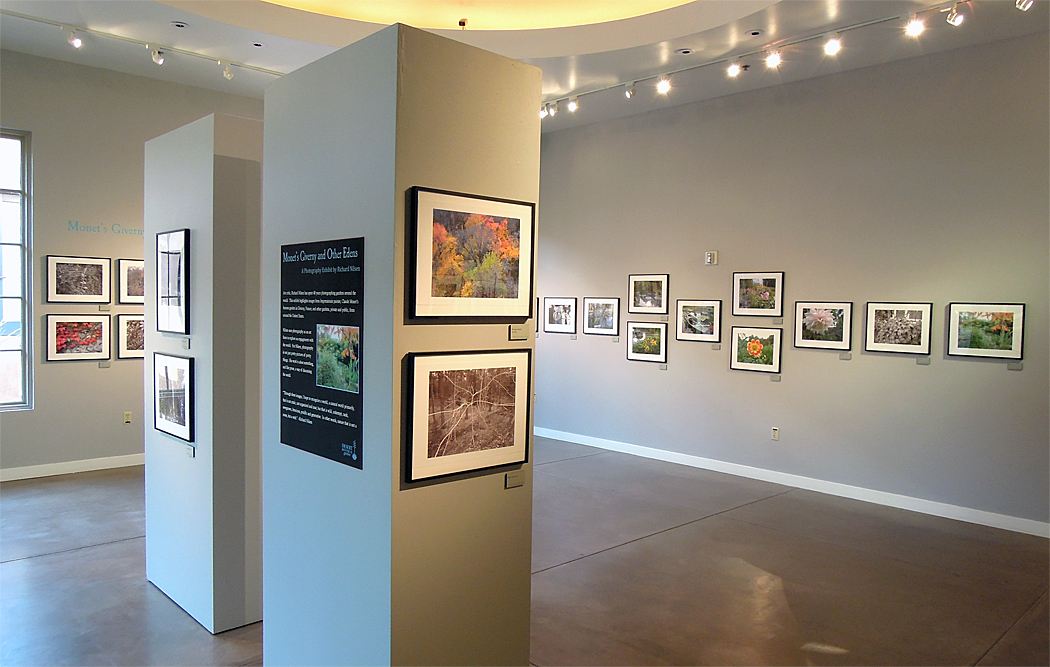
Later, just before I retired, I had a show of my garden photographs at the same Desert Botanical Garden, although this time, it was individual images from the series. The bulk of the images were of Monet’s garden in Giverny, but images from the earlier books were mixed in, in a show titled “Giverny and Other Edens.”
I now photograph my back yard and watch it through its seasons, and my own as well.
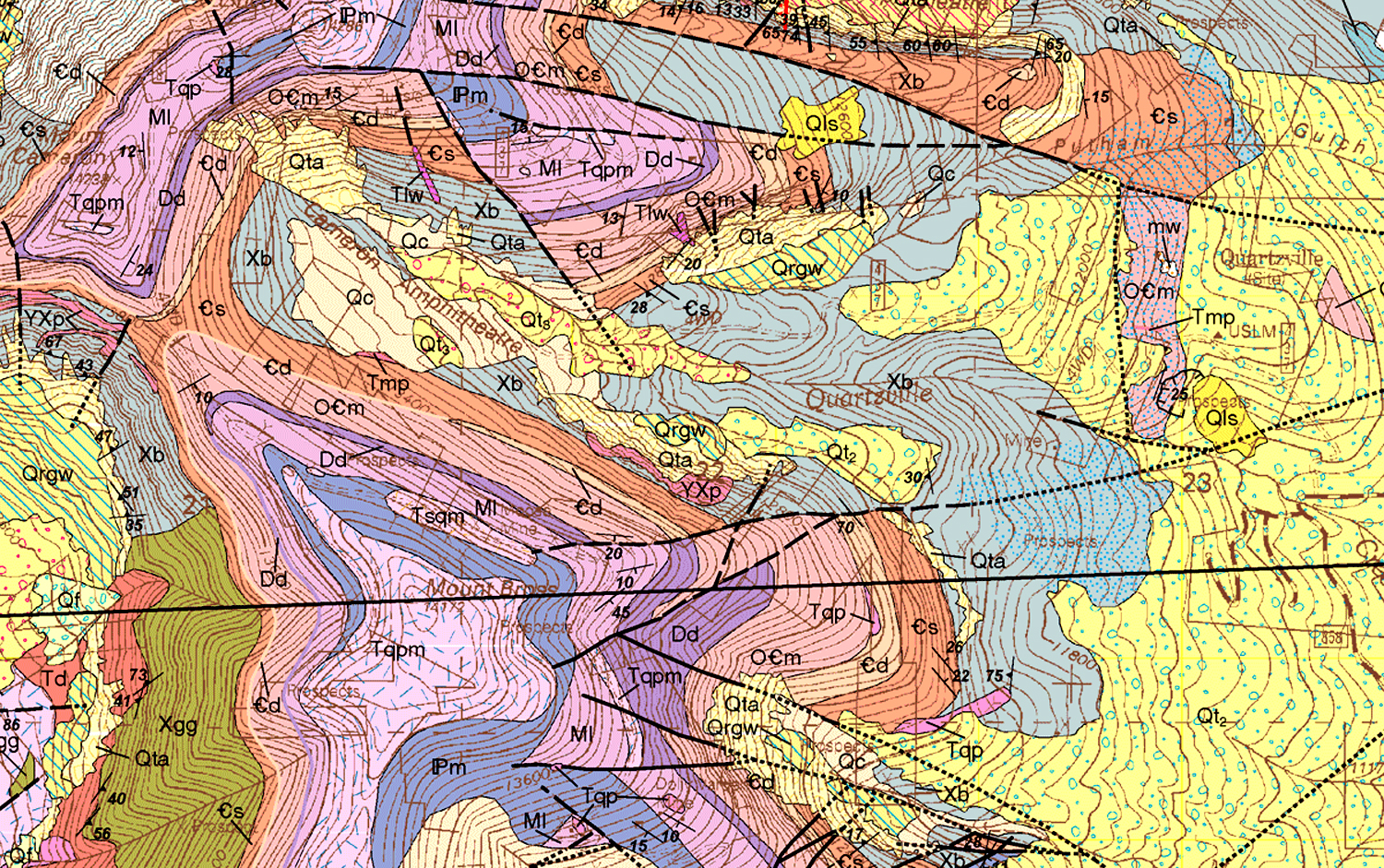
In the TV show, Big Bang Theory, physicist Sheldon Cooper claims that geology “isn’t a real science.” He’s quite a snob about it. But if you unfold any standard geological map — one that outlines the underlying bedrock of any state or county — you will see something so mindbogglingly complex and incomprehensible, that it couldn’t be anything but science.
A geologist is someone who can tell the difference between diorite and andesite, and can measure the schistosity of mica, and explain how seashell fossils came to be found on the top of Mt. Everest. Geologists find petroleum and metals under the earth, and tell us the Earth is 4.6 billion years old. And a good deal of what is written in the field is — much as with quantum physics — well beyond the ken and vocabulary of mere mortals.
They write things such as: “Mass transport deposits (MTDs) occur as intercalations within turbiditic sequences above the ophiolites. They represent syncontractional submarine slides that occurred on frontal accretionary prism slopes during the Late Cretaceous–Paleocene closure of the LPOB.” That, by the way is “Ligurian-Piedmont Ocean Basin,” in case you were confused.
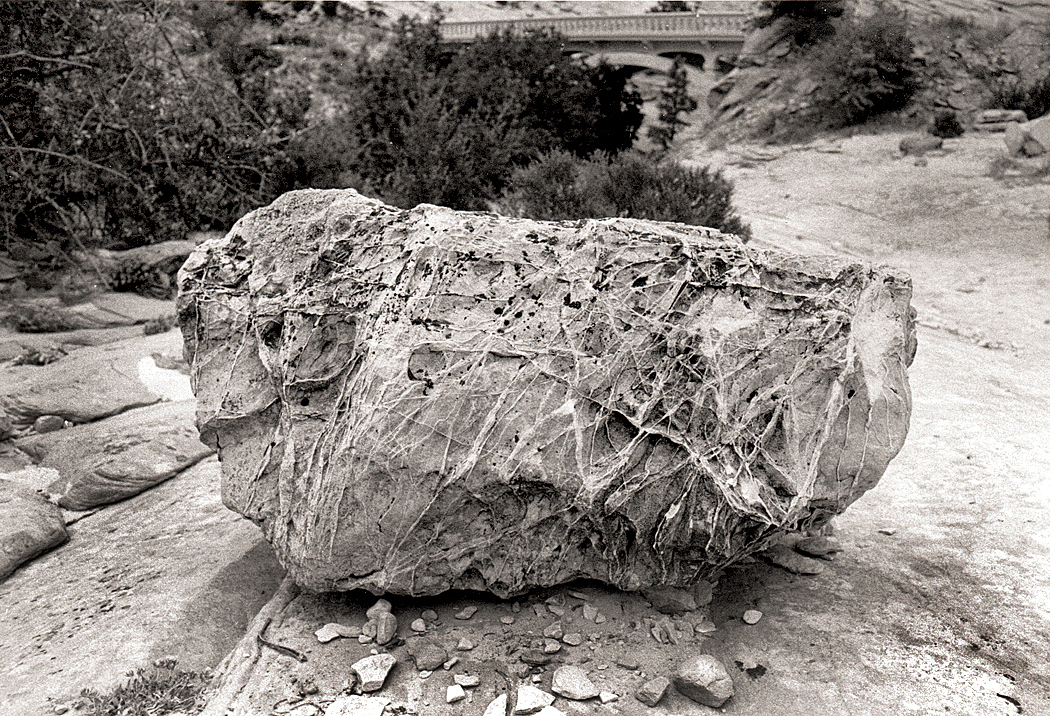
Southern Utah
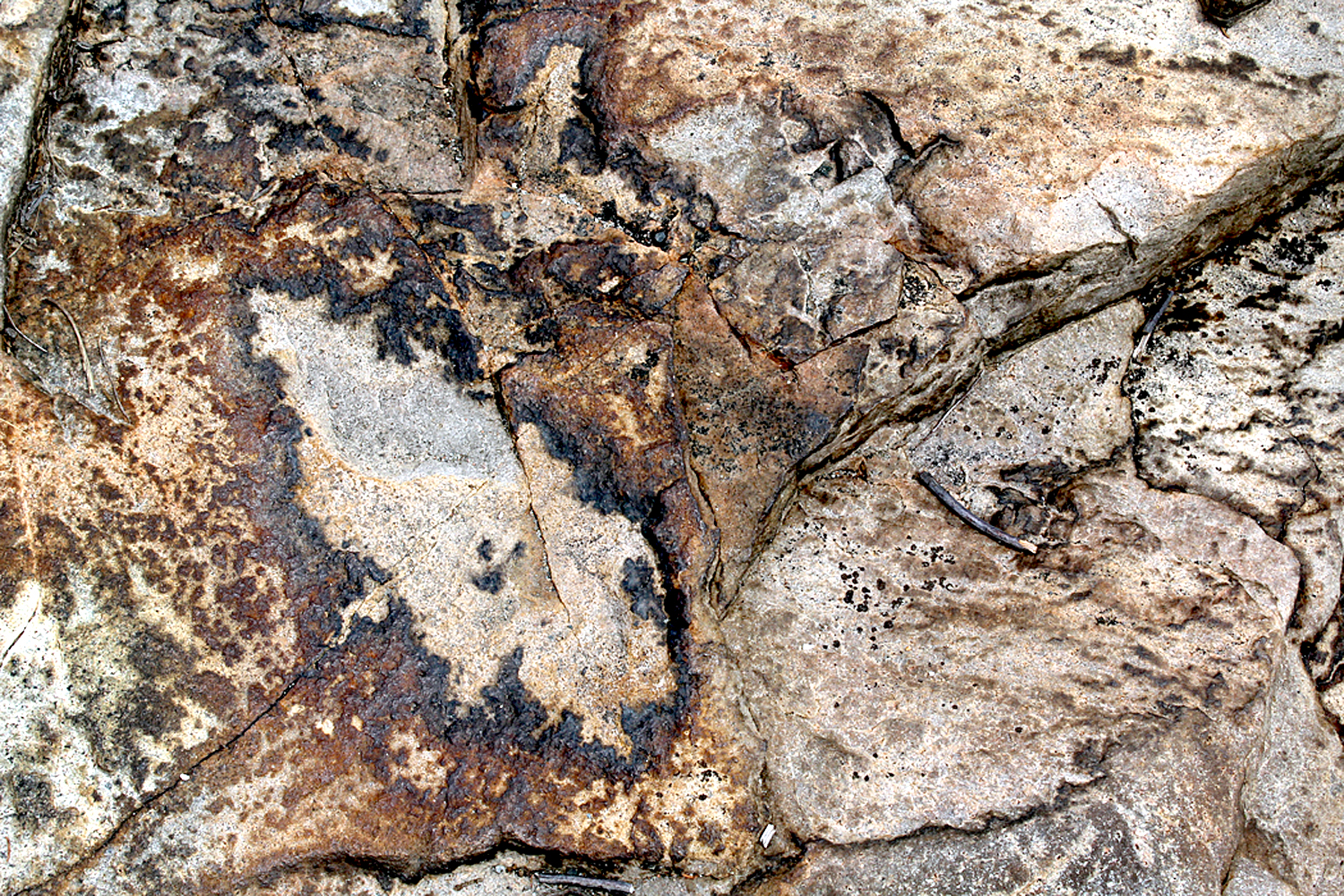
So, yes, they are scientists. And it’s fun to learn as much as you can, and collect interesting rocks and minerals. But geology is also for poets, artists and cooks. And it is the humanistic aspects of geology that have fascinated me since first studying geology in college.
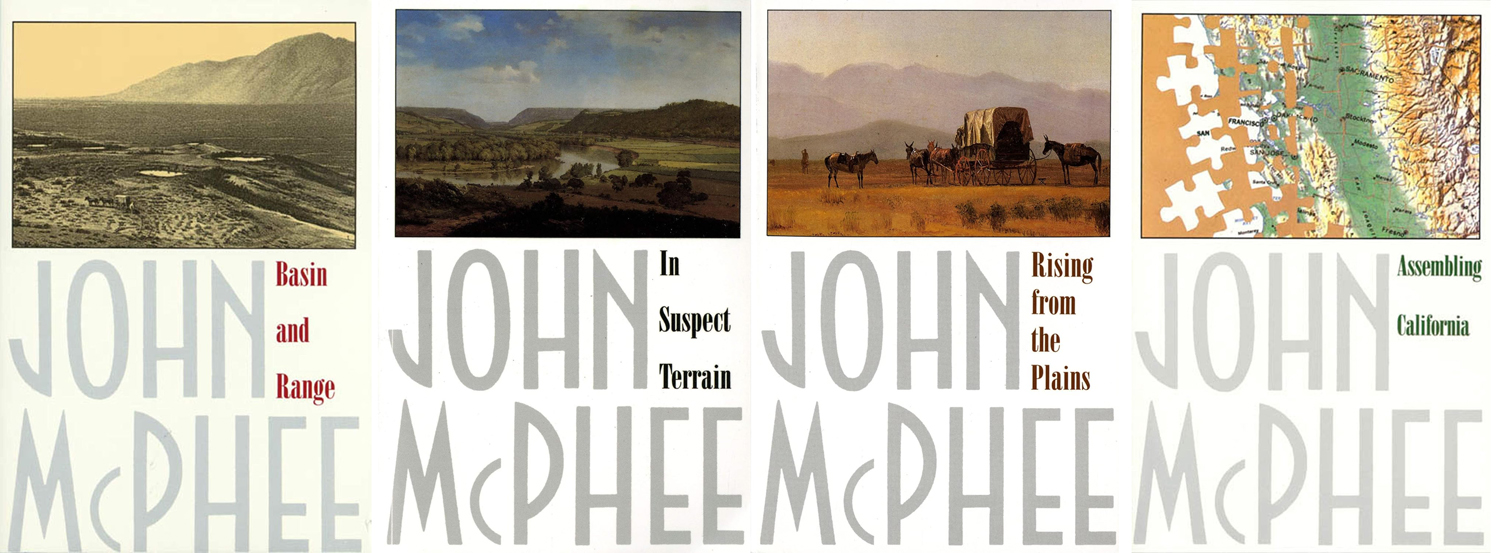
I read a good deal about geology, including the four books written by John McPhee in the 1980s — although they are about geologists as much as about the rocks they study. They are at the comprehensible boundary between general and specialist knowledge. And you’ll never drive through an interstate highway roadcut the same way again.
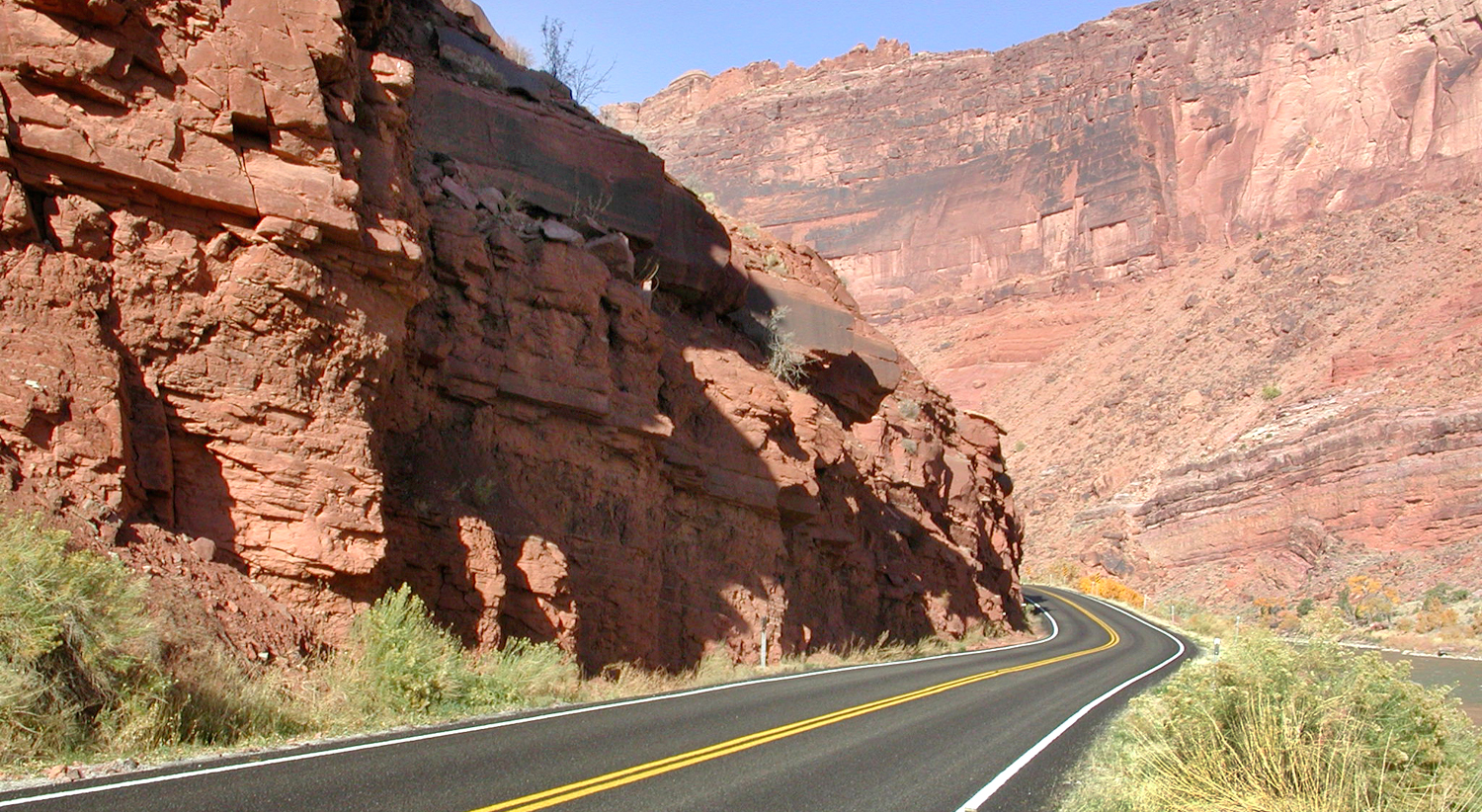
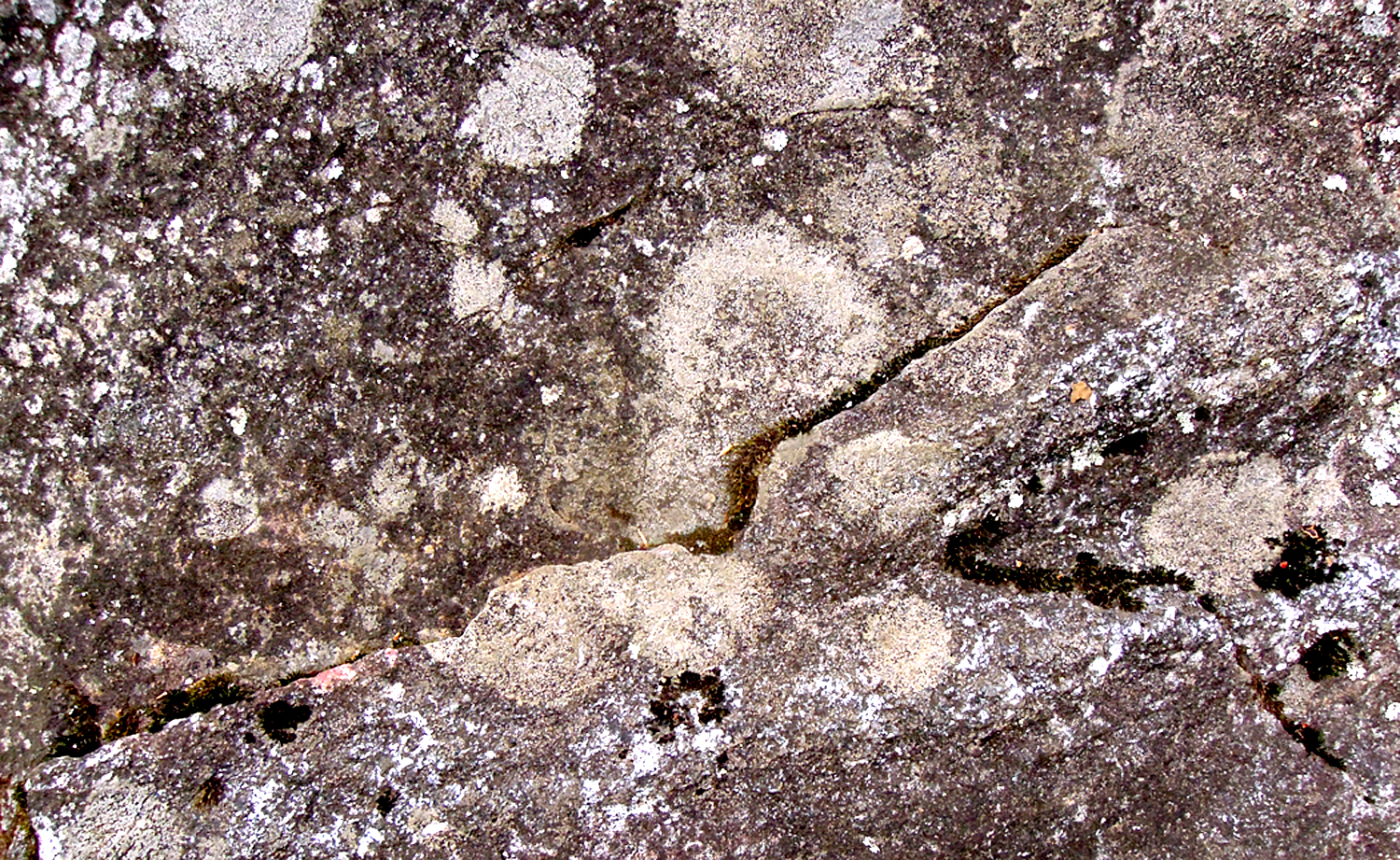
Along the Colorado River, Utah
Geology is just everywhere and affects all of our lives not only daily, but even hourly. Think of your car. Every bit of it, save only the rubber in its tires and the fabric or leather of its upholstery, came originally out of the ground. Whether it is the steel of its engine, the platinum in its catalytic converter, the glass in its windshield or the plastic of its dashboard — all dug out of the ground before being polished up and installed on your Hyundai.
And even your tires, these days, are only partially rubber. The rest of it was dug up, too.
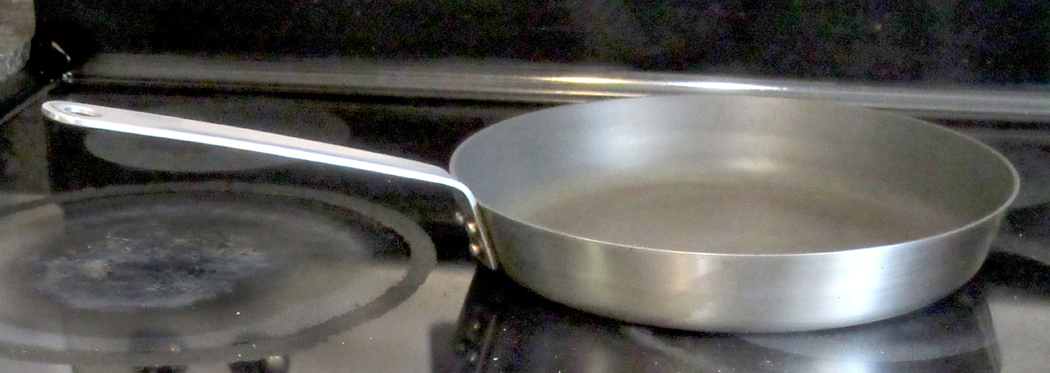
The skillet in your kitchen is just a rock that has been processed. The knives, too, and the potato peeler. All just carefully refined stones. In many ways, we still live in the Stone Age; we’re just more sophisticated about it than those guys banging rocks together in the Paleolithic caves.
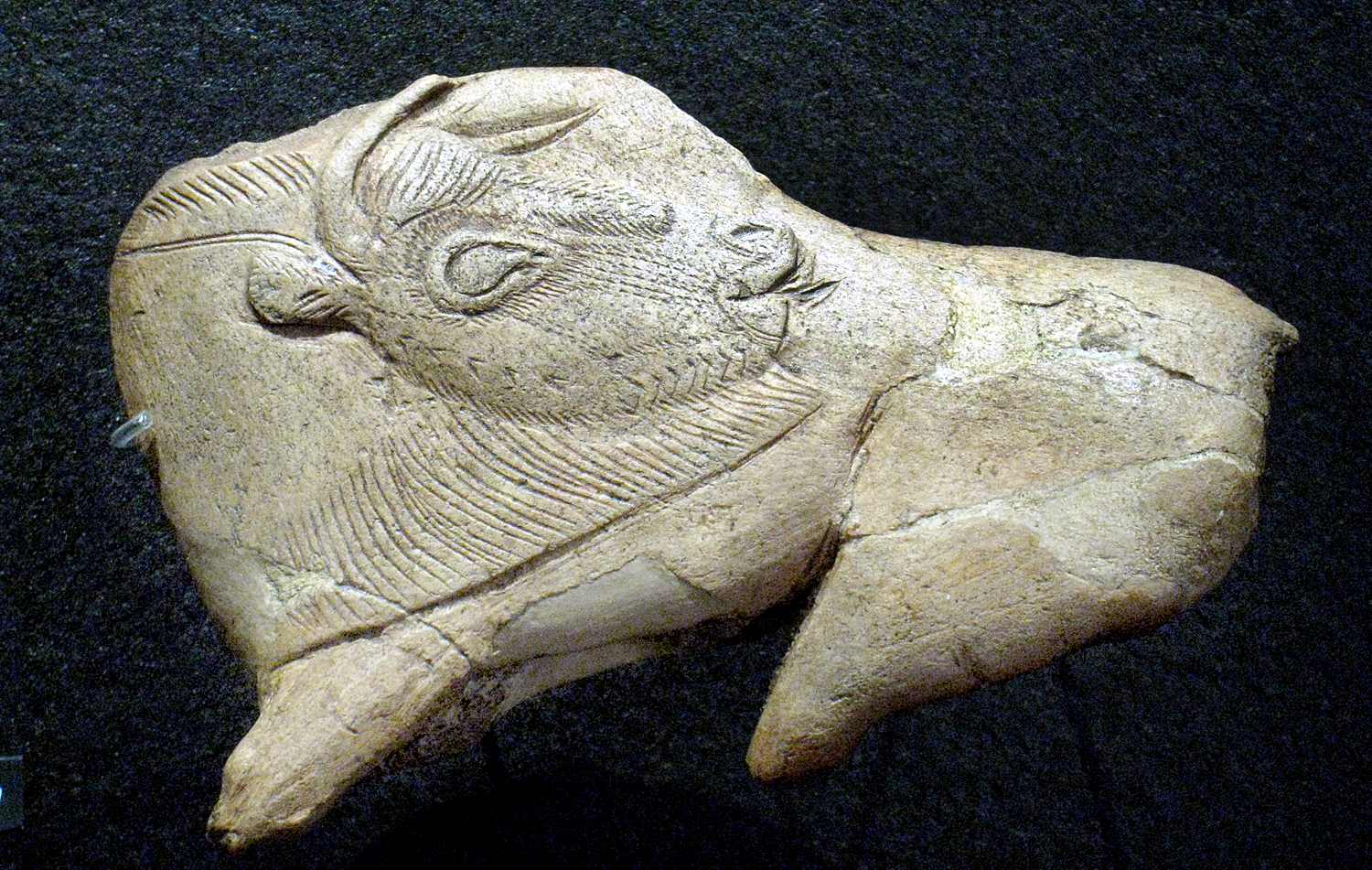
Paleolithic bison carving
Our human prehistory has been divided into the Paleolithic, Mesolithic and Neolithic. I suggest we now live in the Metalithic Age. (Everything now seems to be “meta.”) We do amazing things with the ore we dredge out of the ground and the petroleum we pump, but the foundation of our civilization is still geology.
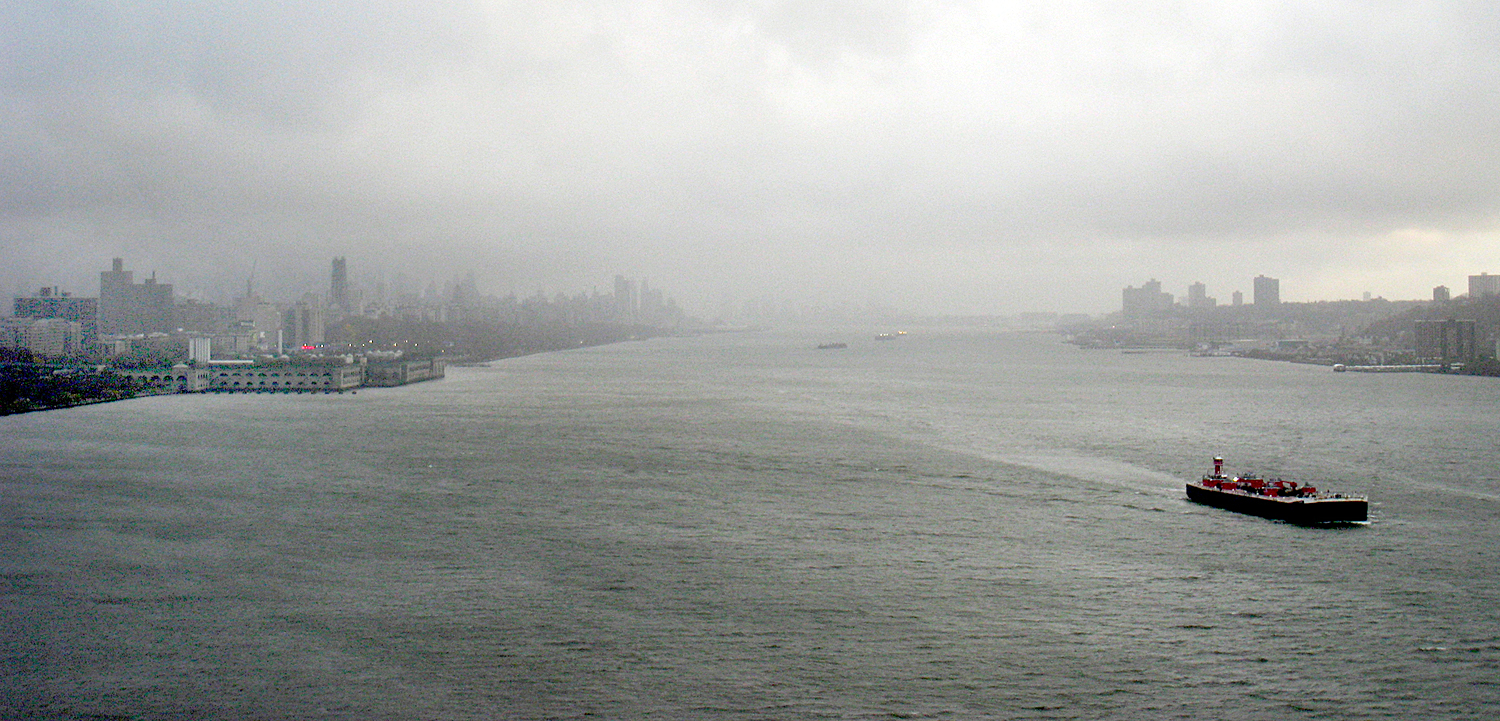
New York on the Hudson River
Cities are the index of civilization and most of the world’s great cities are built on harbors or rivers. The Indus, the Euphrates, the Nile, the Huang Ho. That’s geology. The cities are built with steel and concrete. Geology. Their streets are paved with either concrete or tar and gravel. More geology.
Our food grows in dirt, or grazes on the grasses that sprout from the soil — a soil derived from the bedrock underneath. What are vitamins and minerals but the residue of those same rocks?
Blue Hill, Maine
Geology drives history, too. For instance, because Norway and Greece are so rocky and ungenerous for agriculture, their peoples took to the sea and the Greeks colonized everywhere from Spain to the Black Sea, and the Vikings from Constantinople and Sicily to England and Iceland. Geology kept the Old World and the New from interacting significantly until 1492. It blocked the westward expansion of the British colonies in North America for a century. It is the reason that Afghanistan is the “graveyard of empires.” Plate tectonics — “continental drift” — and the formation of Eurasia as a single east-west landmass has been hypothesized as the cause for European and Asian historical dominance.
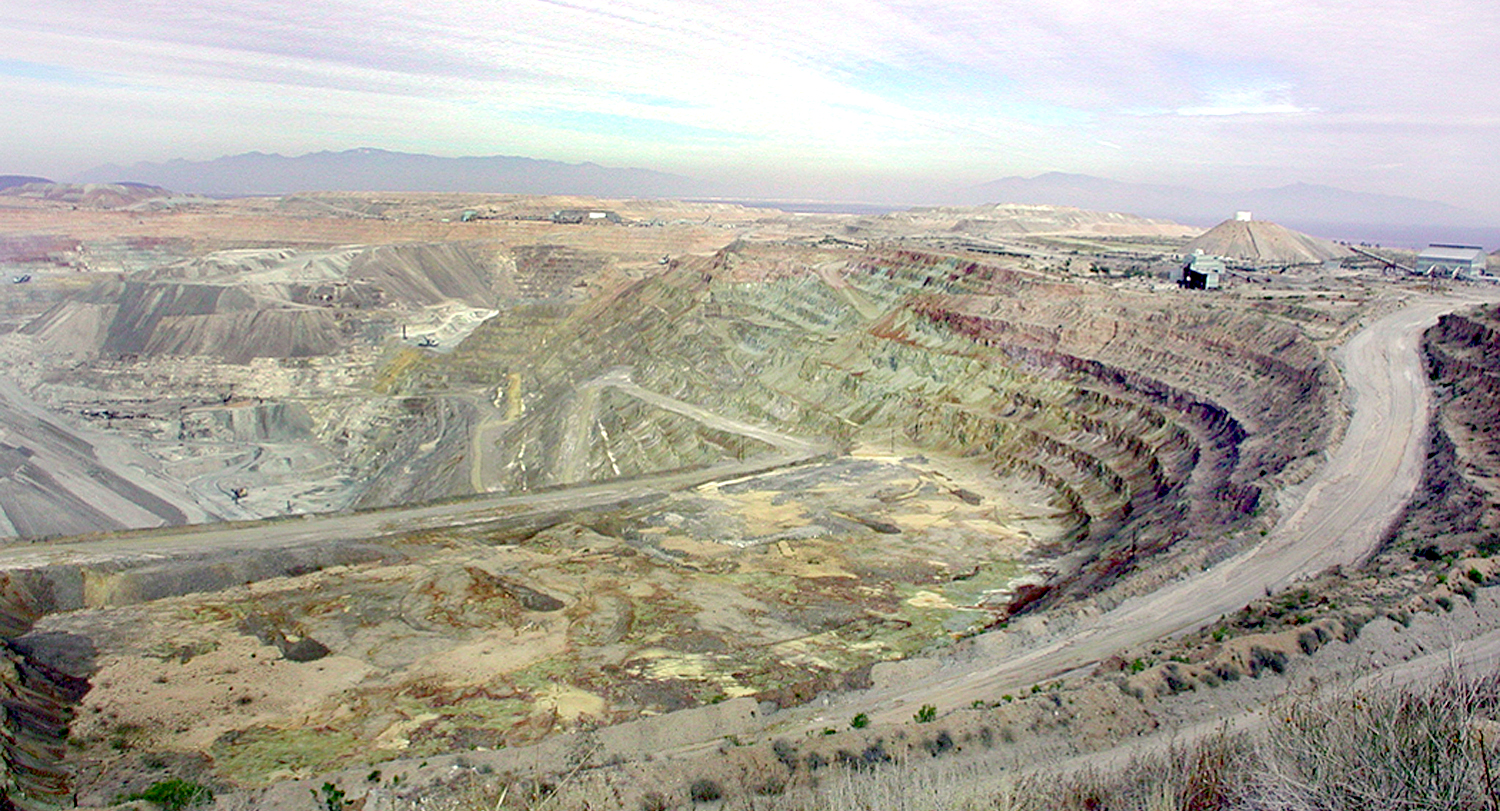
Asarco pit mine, Arizona
And geology, in the form of coal mining and petroleum extraction, is the cause of catastrophic climate change and global warming.
Geologist Donald Beaumont wrote, “Geology will, unfortunately, remain an under-recognized, ‘phantom,’ science in that its role in explaining the foundations for human society may never be fully appreciated.”
I’m not making the case that geology explains everything, nor that it is the only thing that made us what we are, but I am saying that it helps explain it, and that you can see the same forces acting out elsewhere in the world.
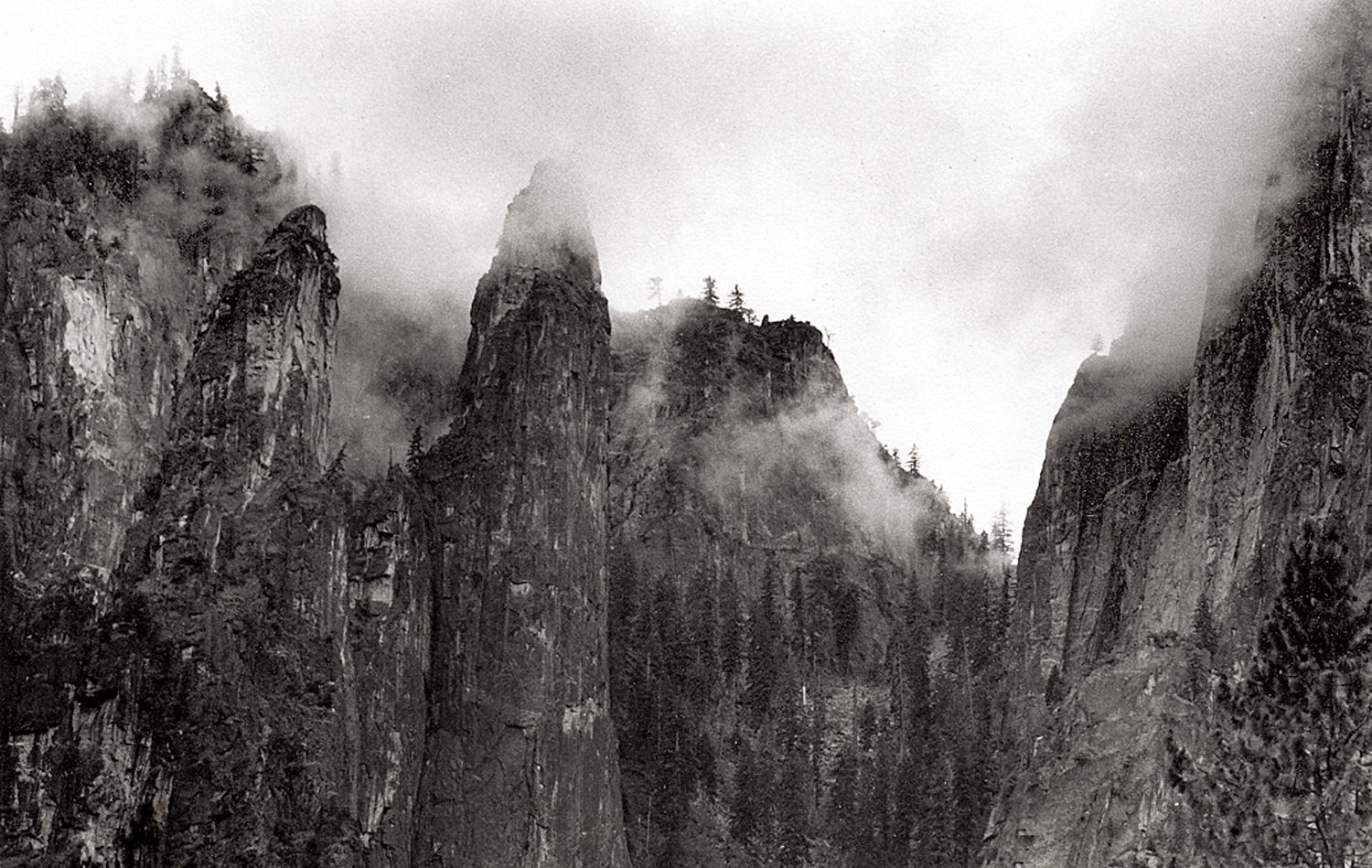
Olympic Mountains, Washington
It isn’t only physical, it is psychological also. Geology creates emotions. And so artists and poets have used geology to elicit in their audiences certain emotional states — rocky metaphors.
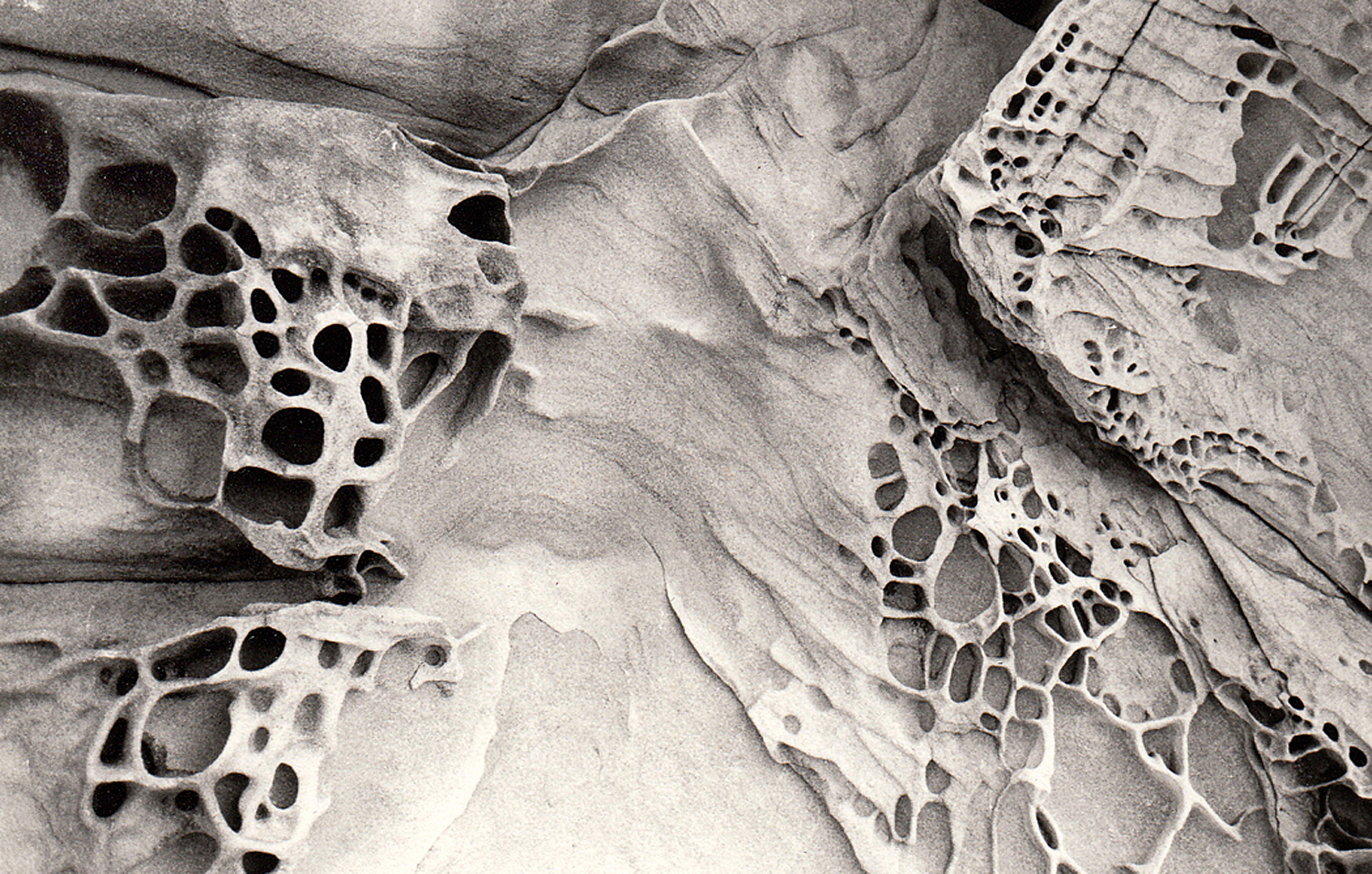
Pleasant Cove, Chuckanut, Wash.
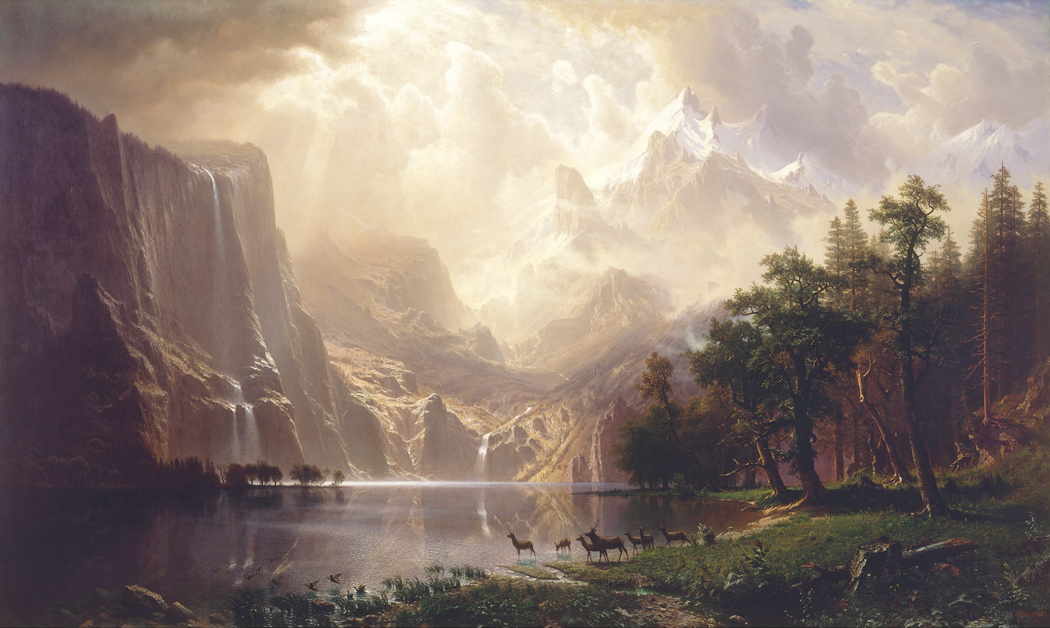
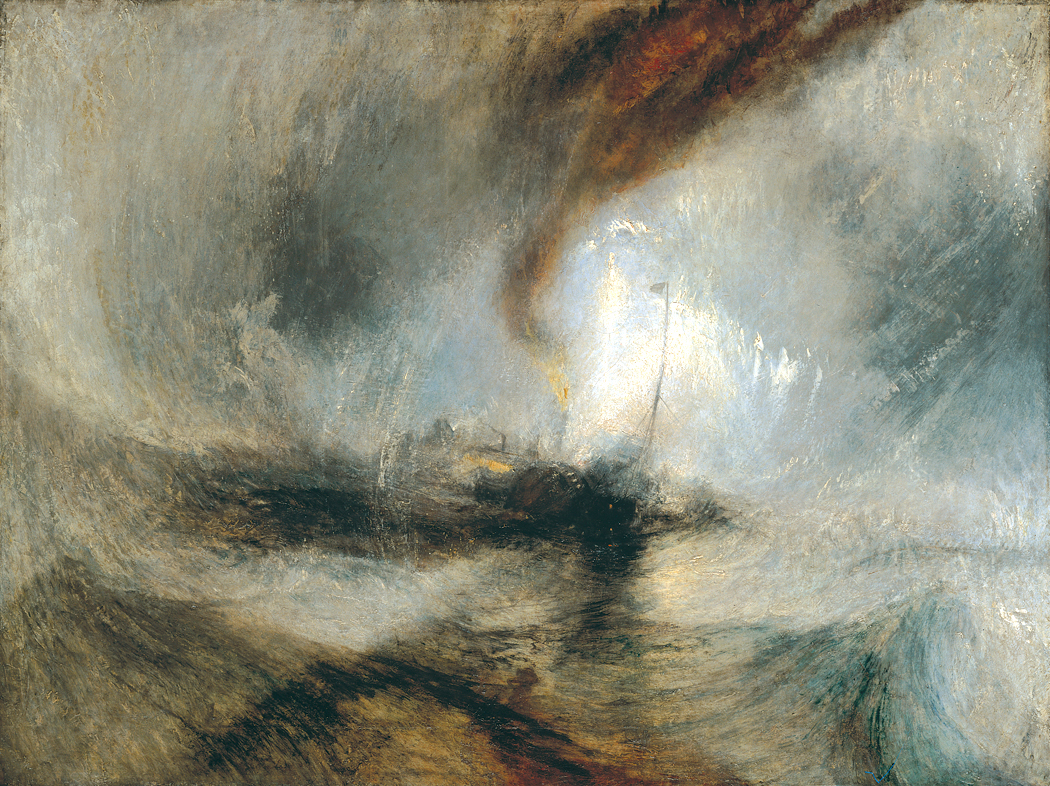
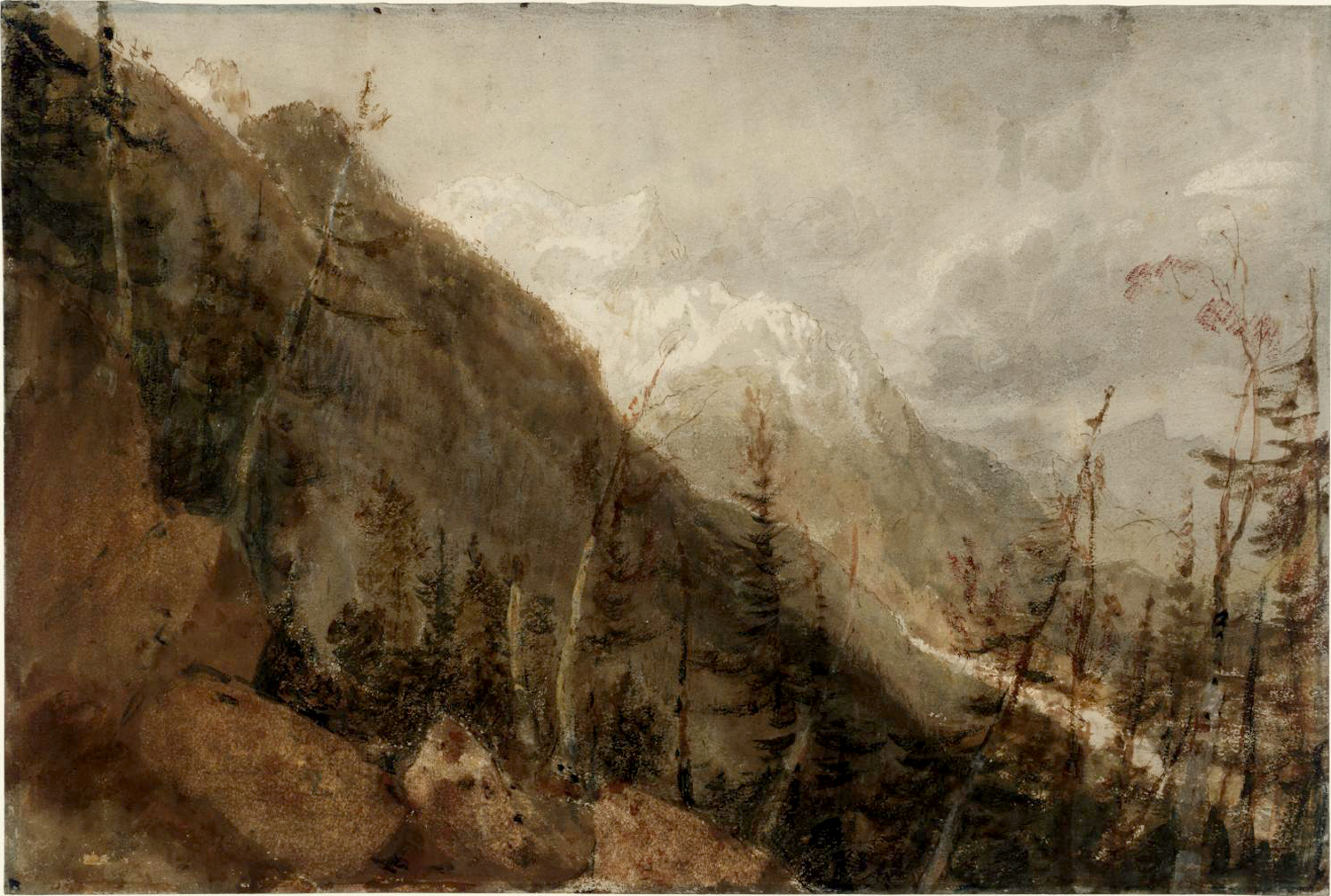
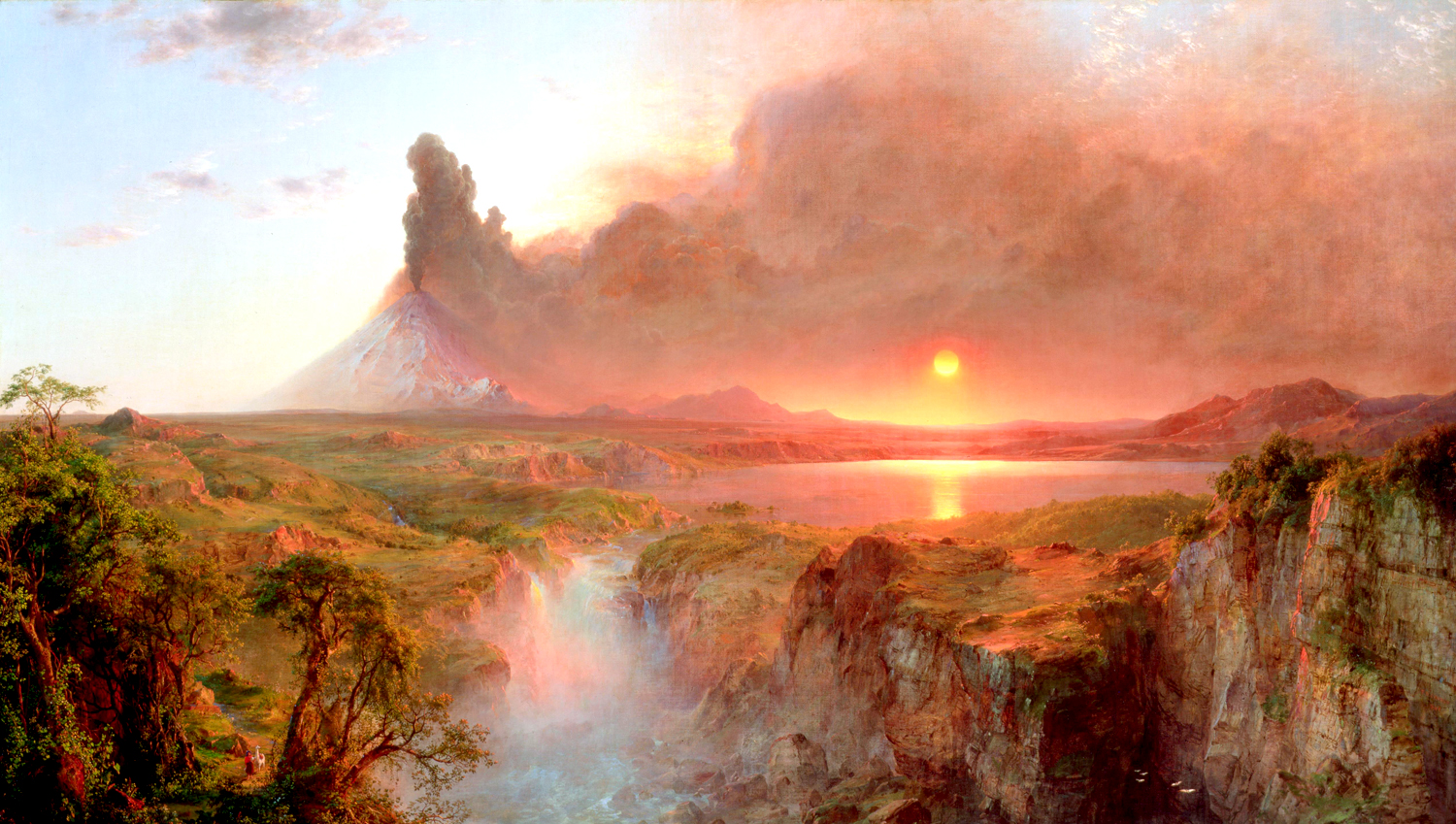
It is to seek this power that great landscape artists — whether painters or photographers — make their pictures. It is not to make a postcard of a pretty piece of scenery, but to find in the land a metaphor for thought, emotion or state of mind — or even a political philosophy.
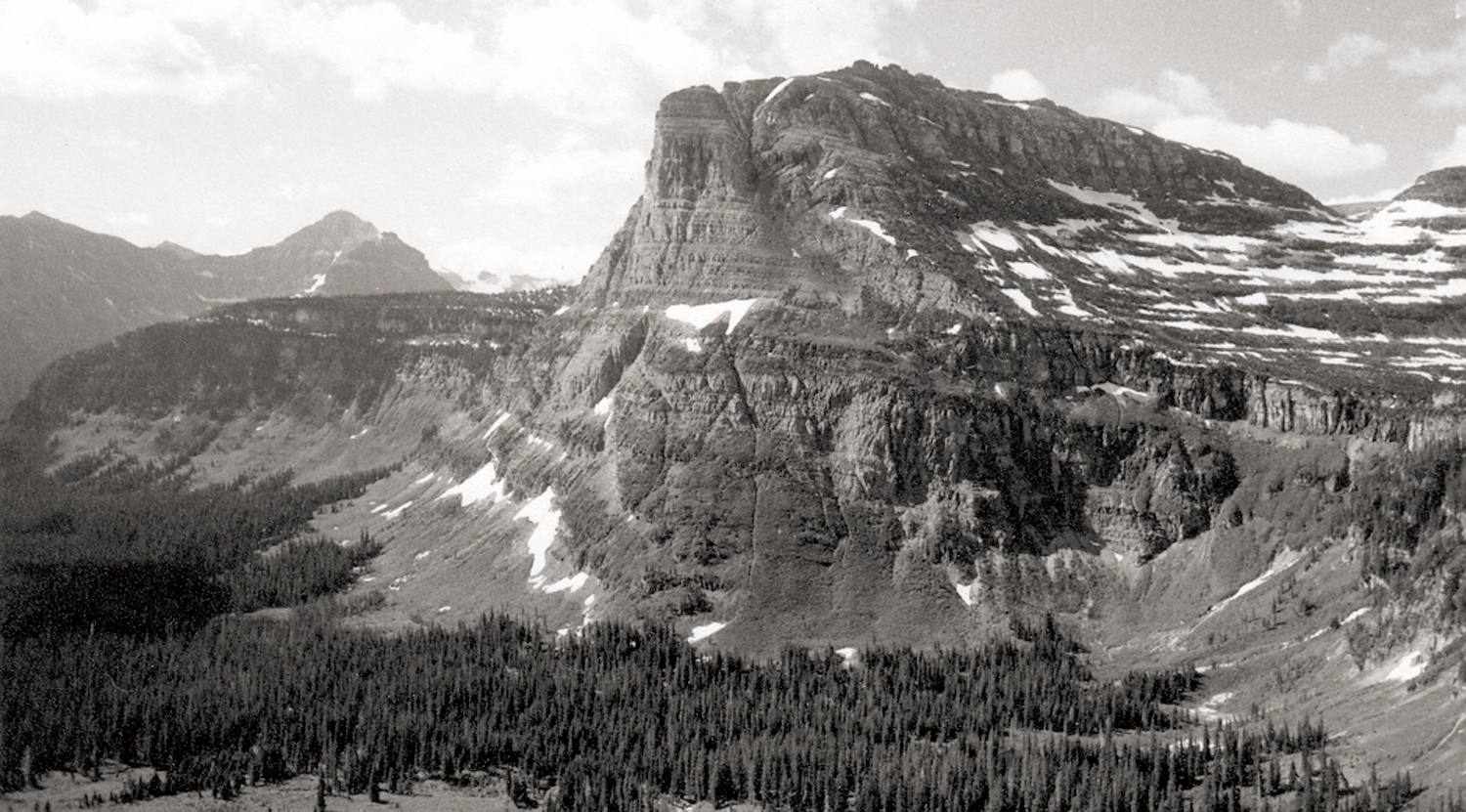
Canadian Rockies, Alberta
That mythic force is why we feel the rise in our throats when we sing of “amber waves of grain,” and “purple mountains majesty above the fruited plain.” Rocks and terrain serve as metaphors for internal states.
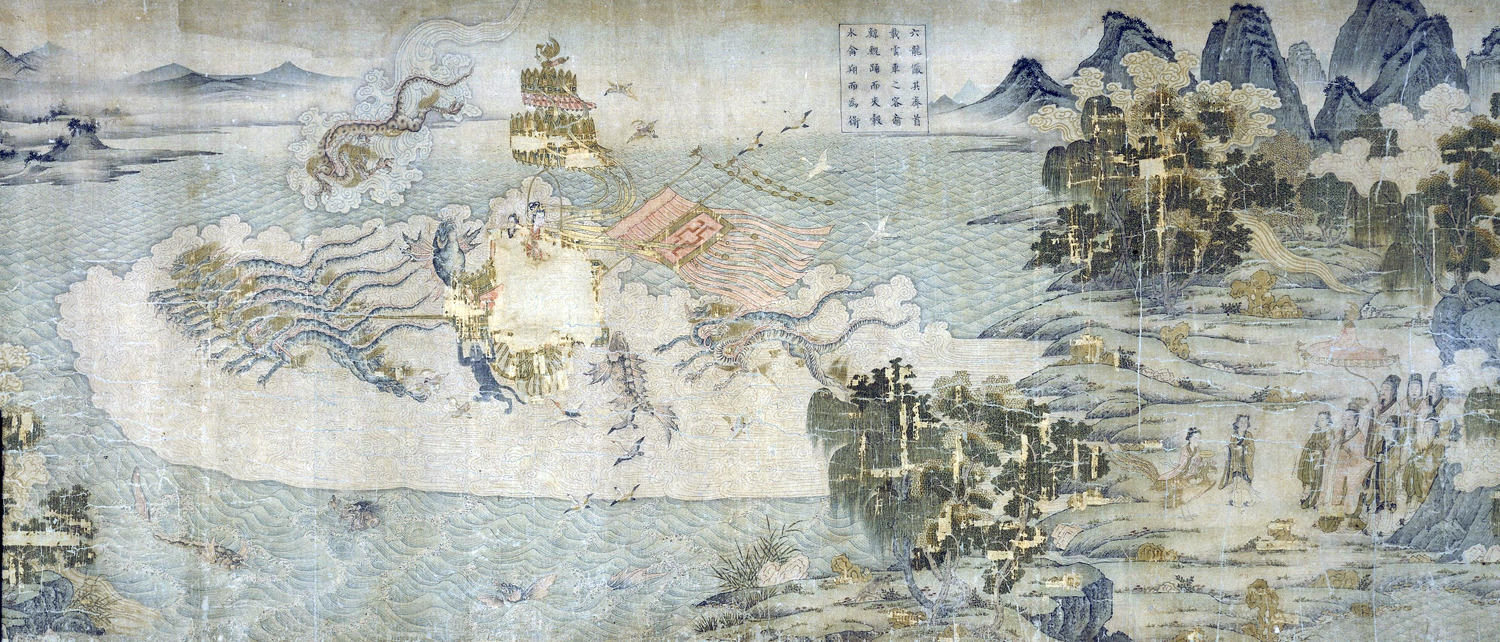
“The Nymphs of the Luo River,” by Gu Kaizhi
European artists have used that metaphor since the Middle Ages, Asian artists since the Jin Dynasty.
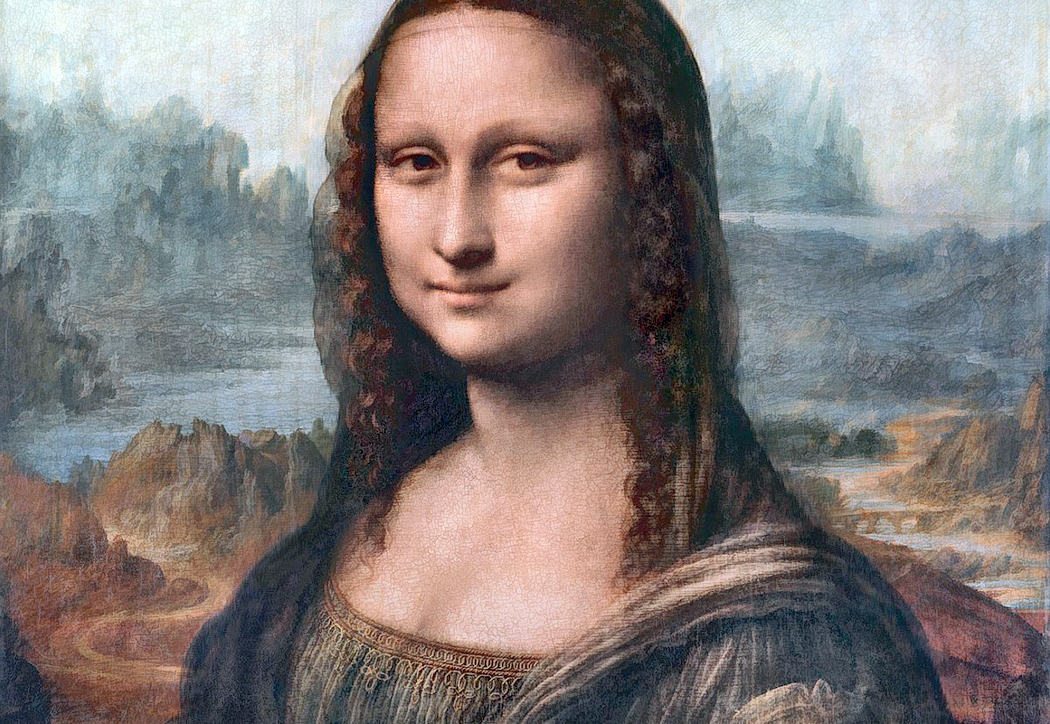
“La Gioconda” detail
Consider the Mona Lisa. Yes, it is a portrait, but behind the smiling lady is a rocky landscape. It is not like anything actually found in Italy, but rather it is a metaphorical landscape — a mountainous desert. Renaissance artists often used such stony views as a reminder that life on earth is a kind of spiritual desert (and the afterlife is where true fulfillment is to be found). As Geoffrey Chaucer wrote: “Here nis noon hoom, here is but wildernesse.”
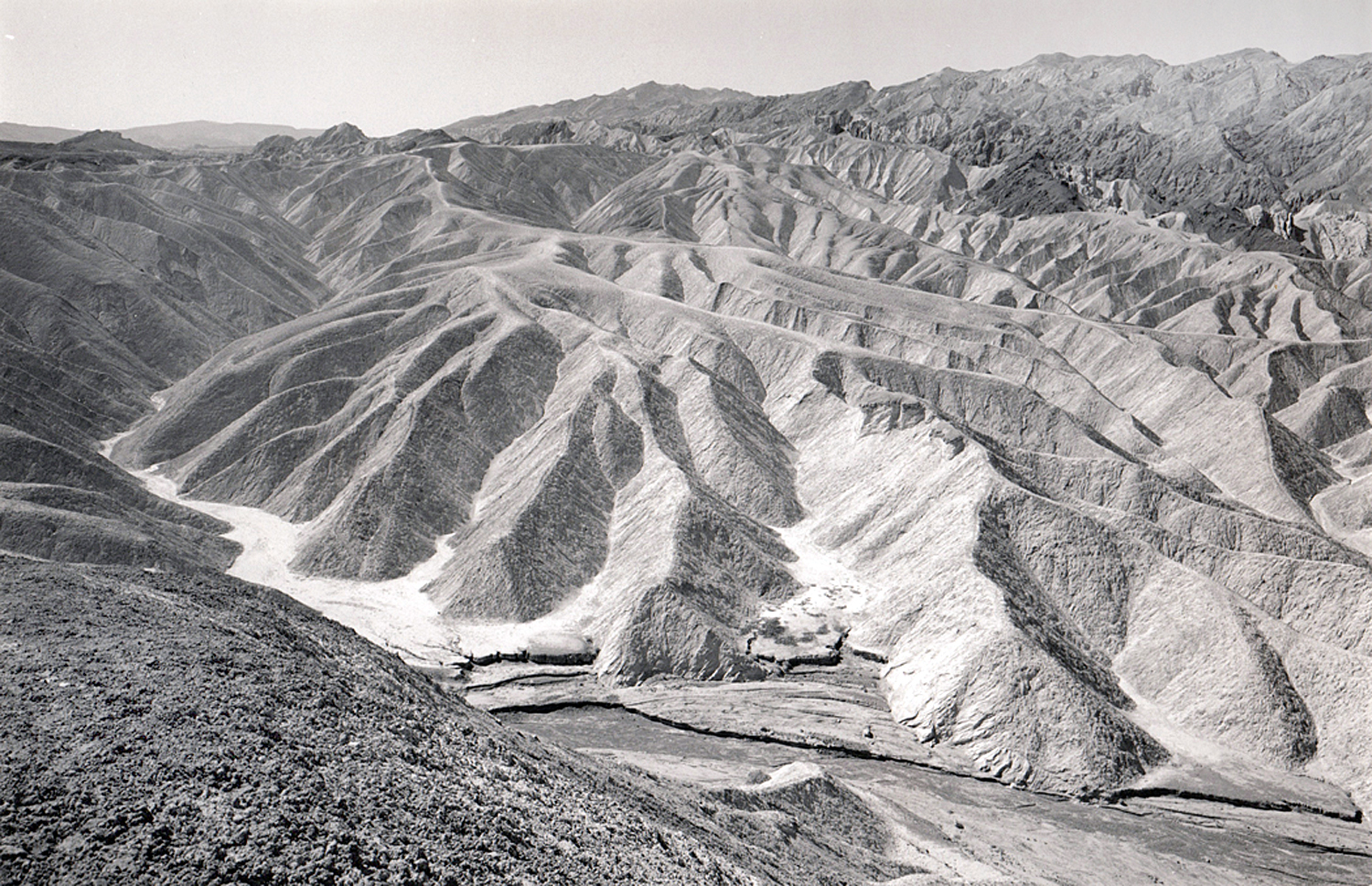
Zabriskie Point, Death Valley, Calif.
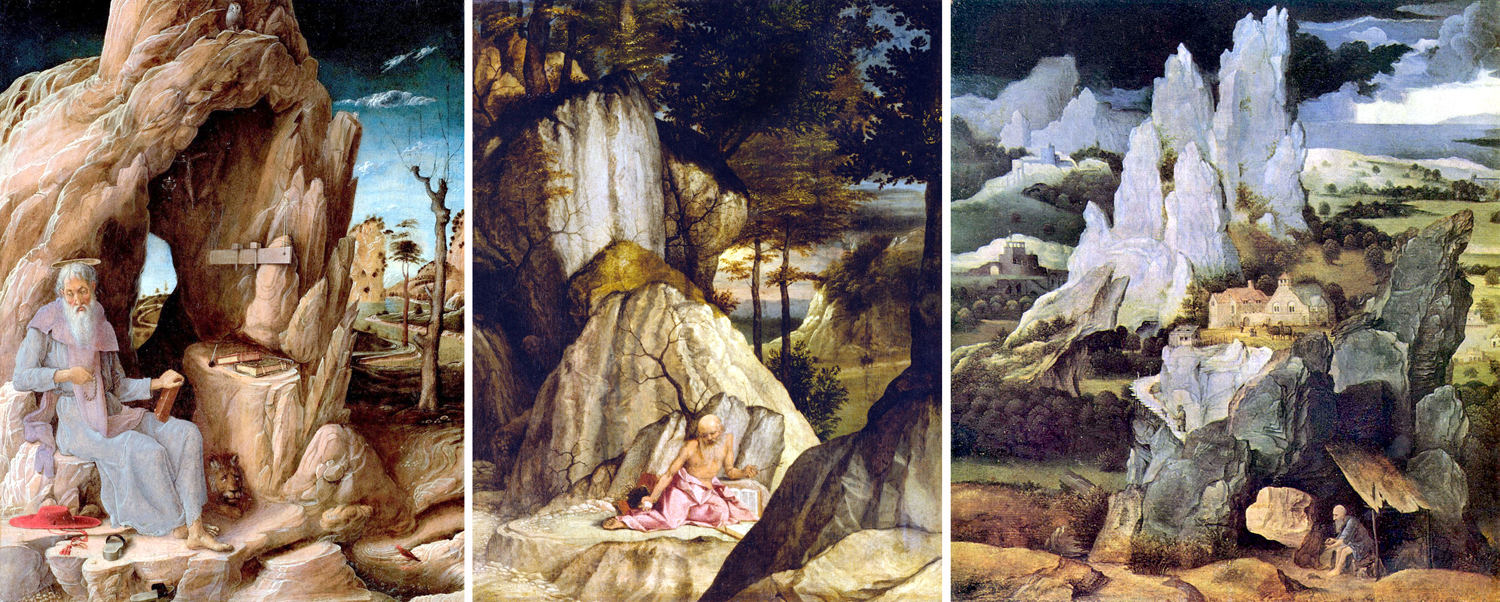
St. Jerome lived in a cave, and painters used the story to show the geology of spiritual isolation. Here are only three of many Renaissance paintings of the saint, by Andrea Mantegna, Lorenzo Lotto, and Joachim Patenier, all from the early 1500s.
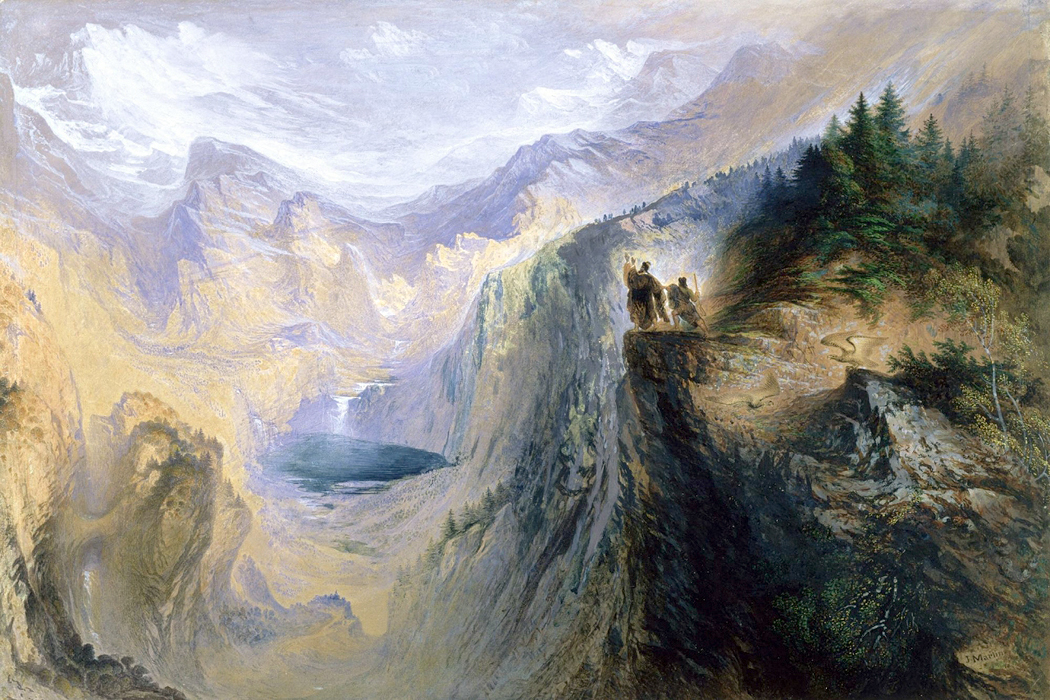
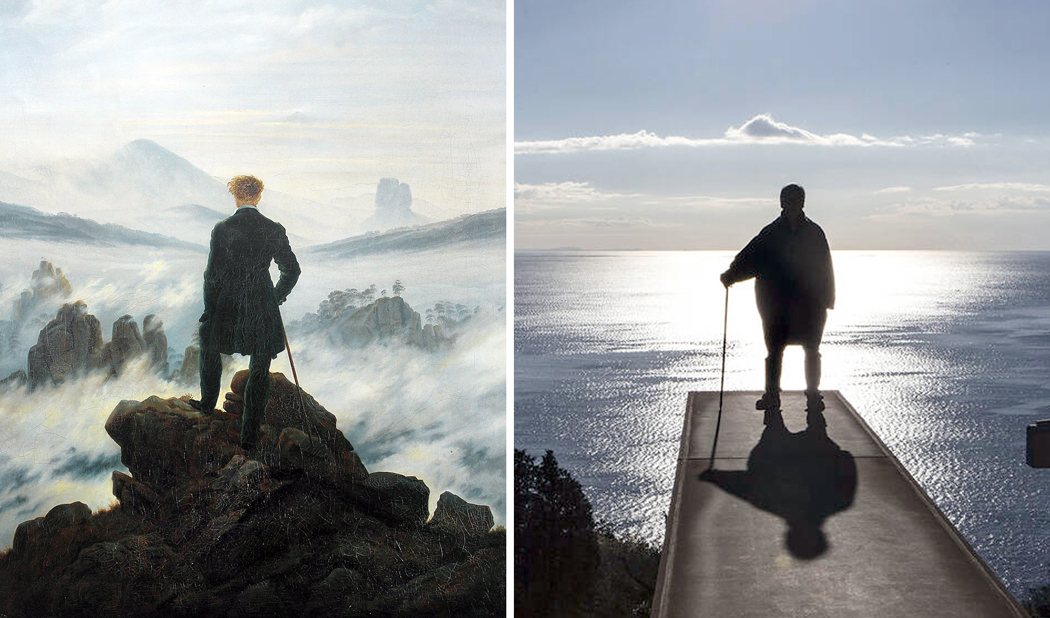
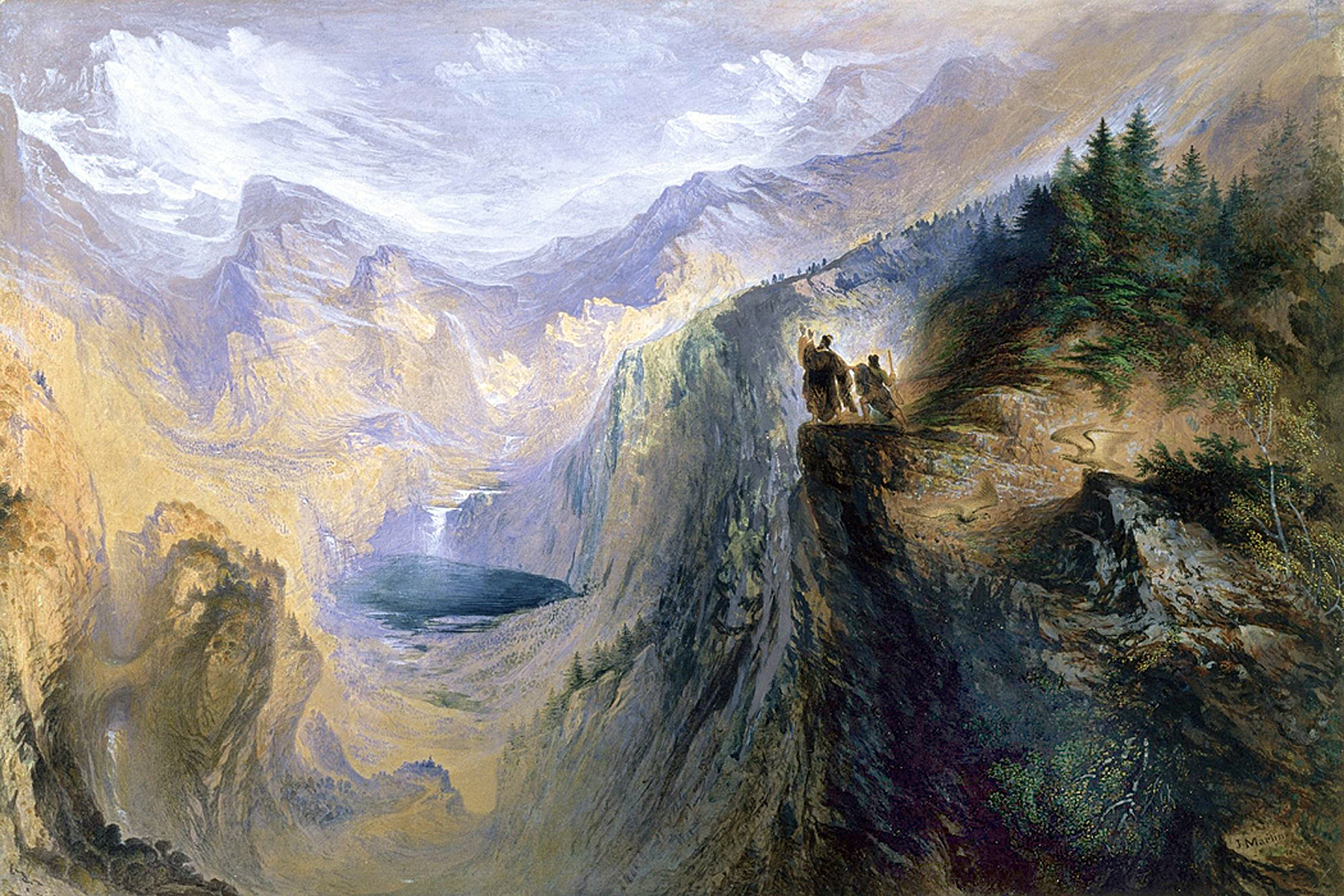
Romantic painters in the 19th century used the vast Alps as a reminder that the cosmos is infinitely larger and more impersonal than we like to believe. Geology becomes an image of The Sublime.
“Manfred on the Jungfrau” by John Martin
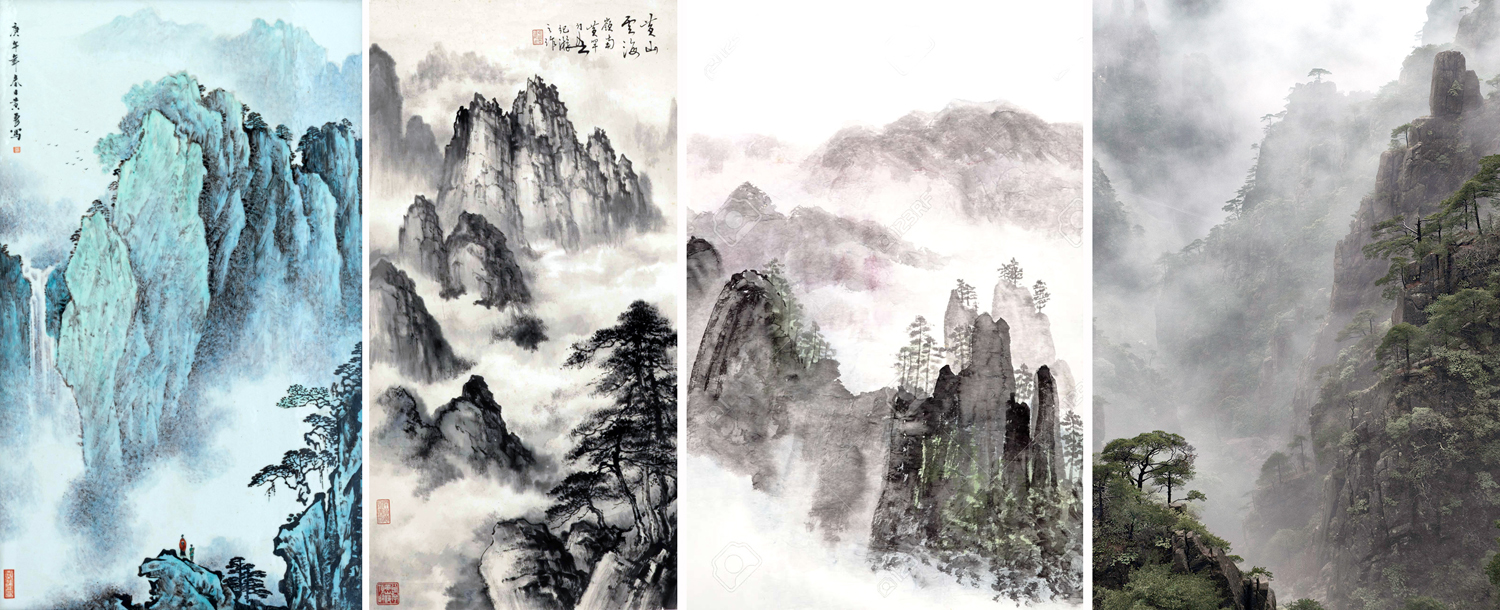
Chinese landscape painting features some amazing mountains. I used to believe these scenes were pure fantasy, but no, these mountains actually exist. On porcelain, by Huang Huanwu, a traditional painting — and a photograph, to prove they’re real.
Three paintings and a photo
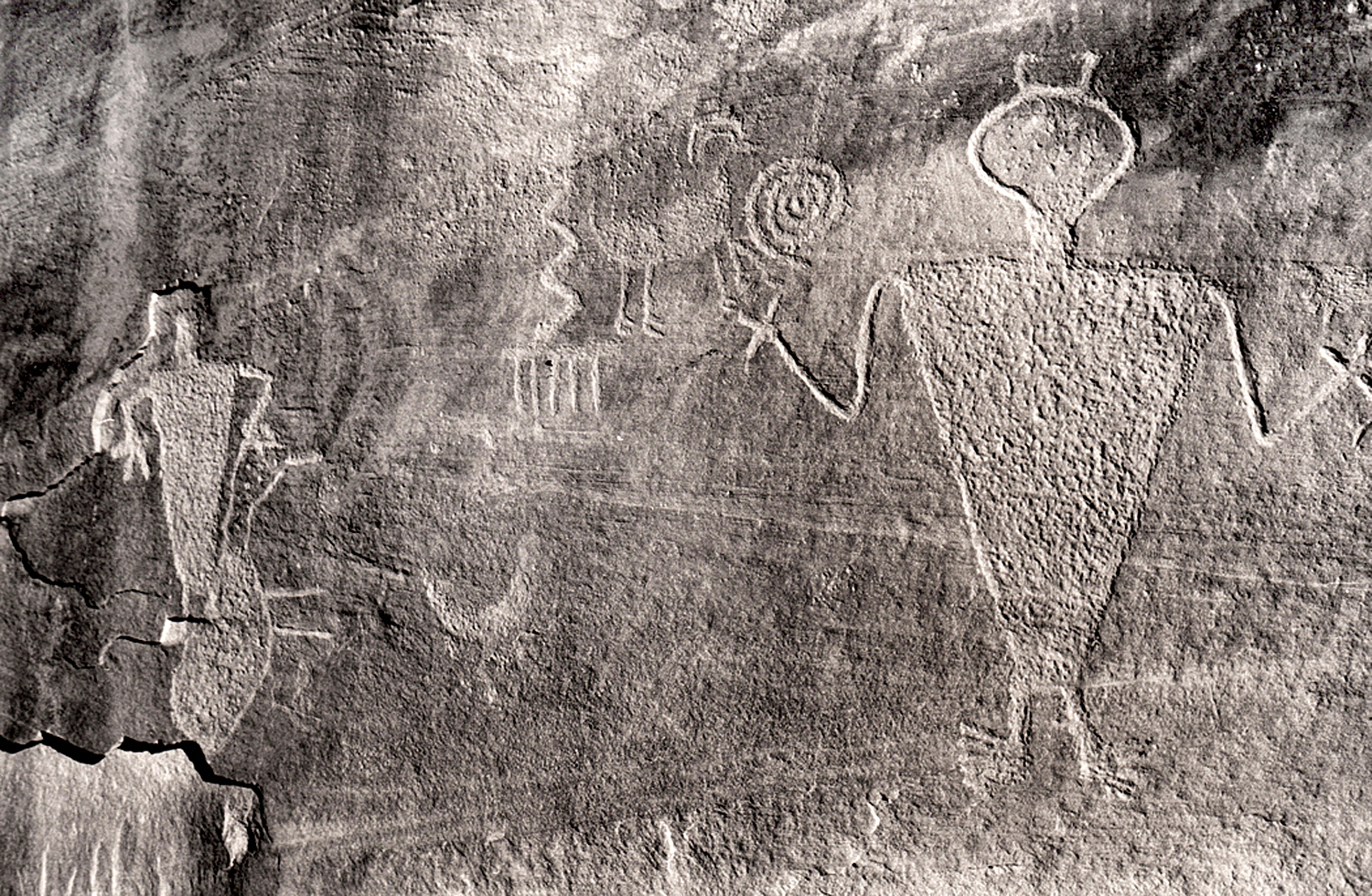
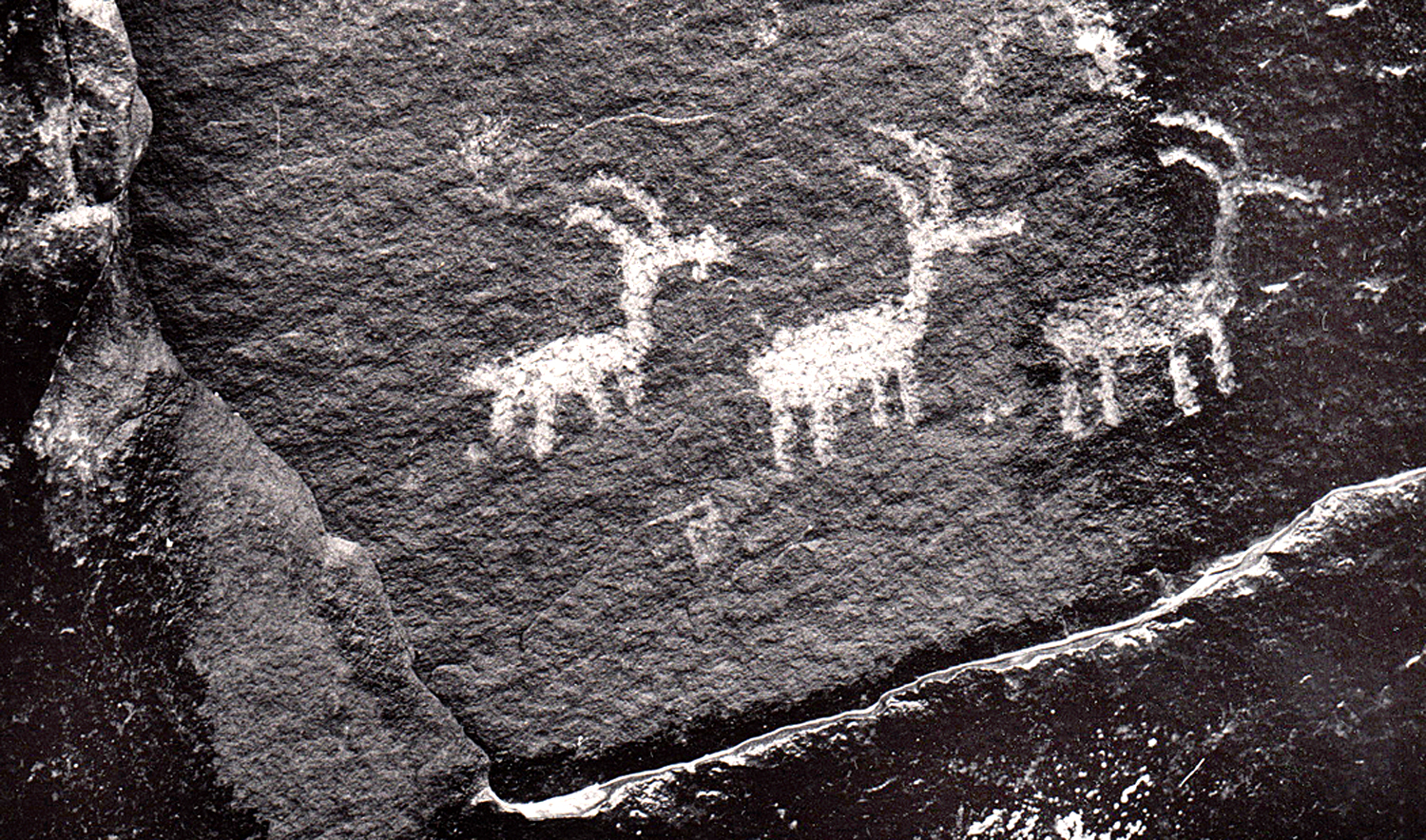
Prehistoric peoples used the rocks for their art, too.
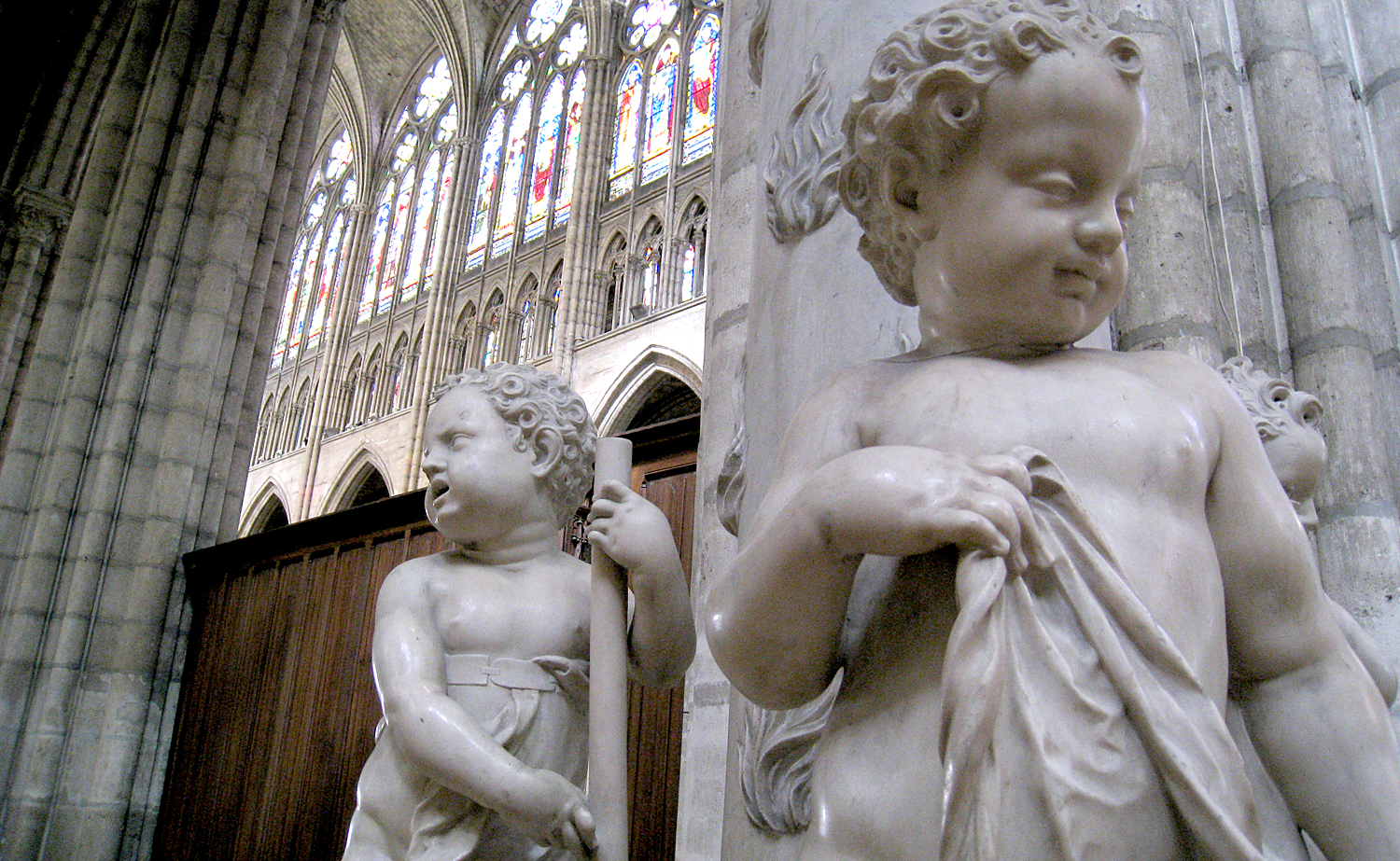
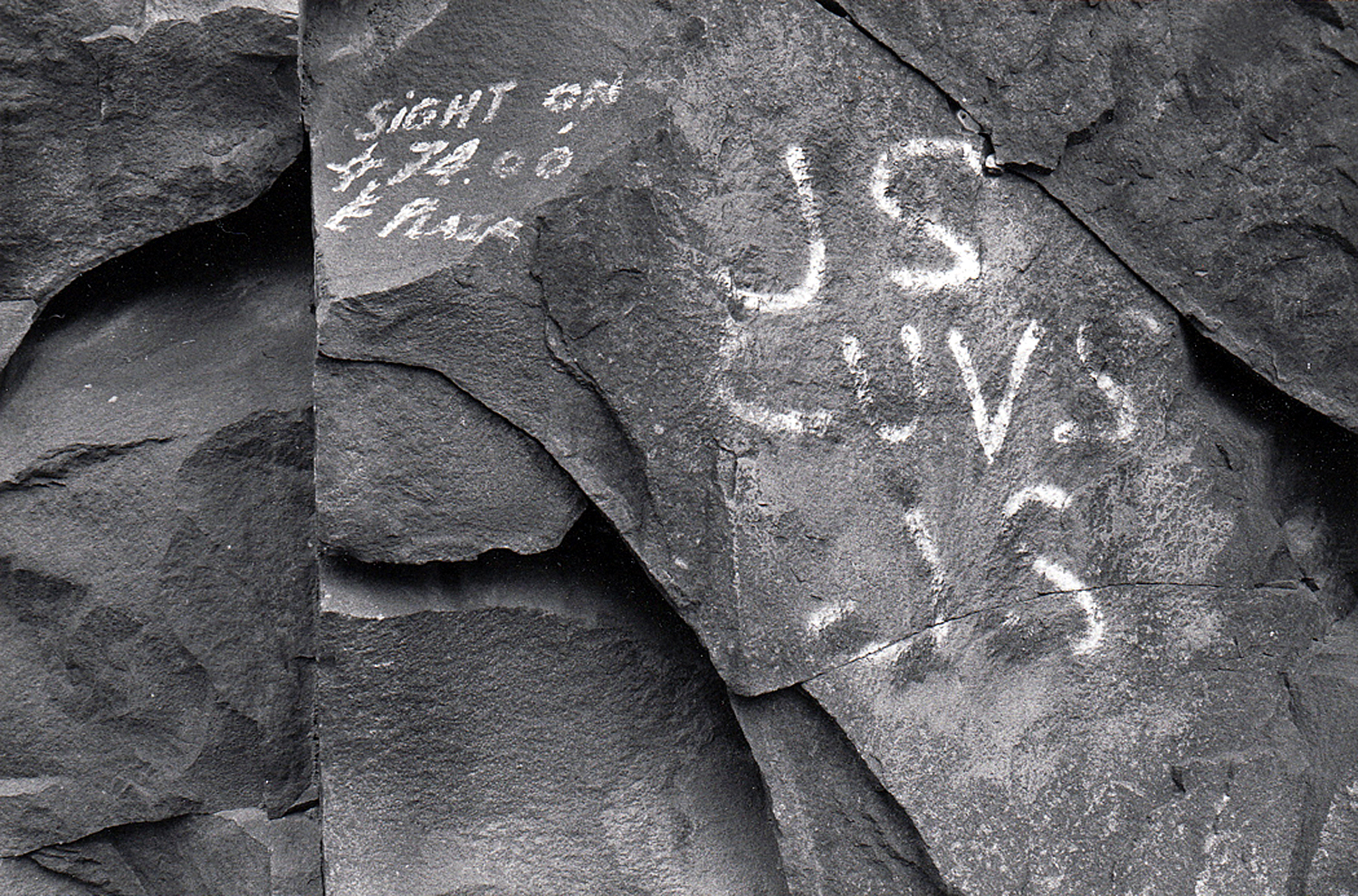
We use stone for permanence. Consider all the marble statuary and granite architecture.
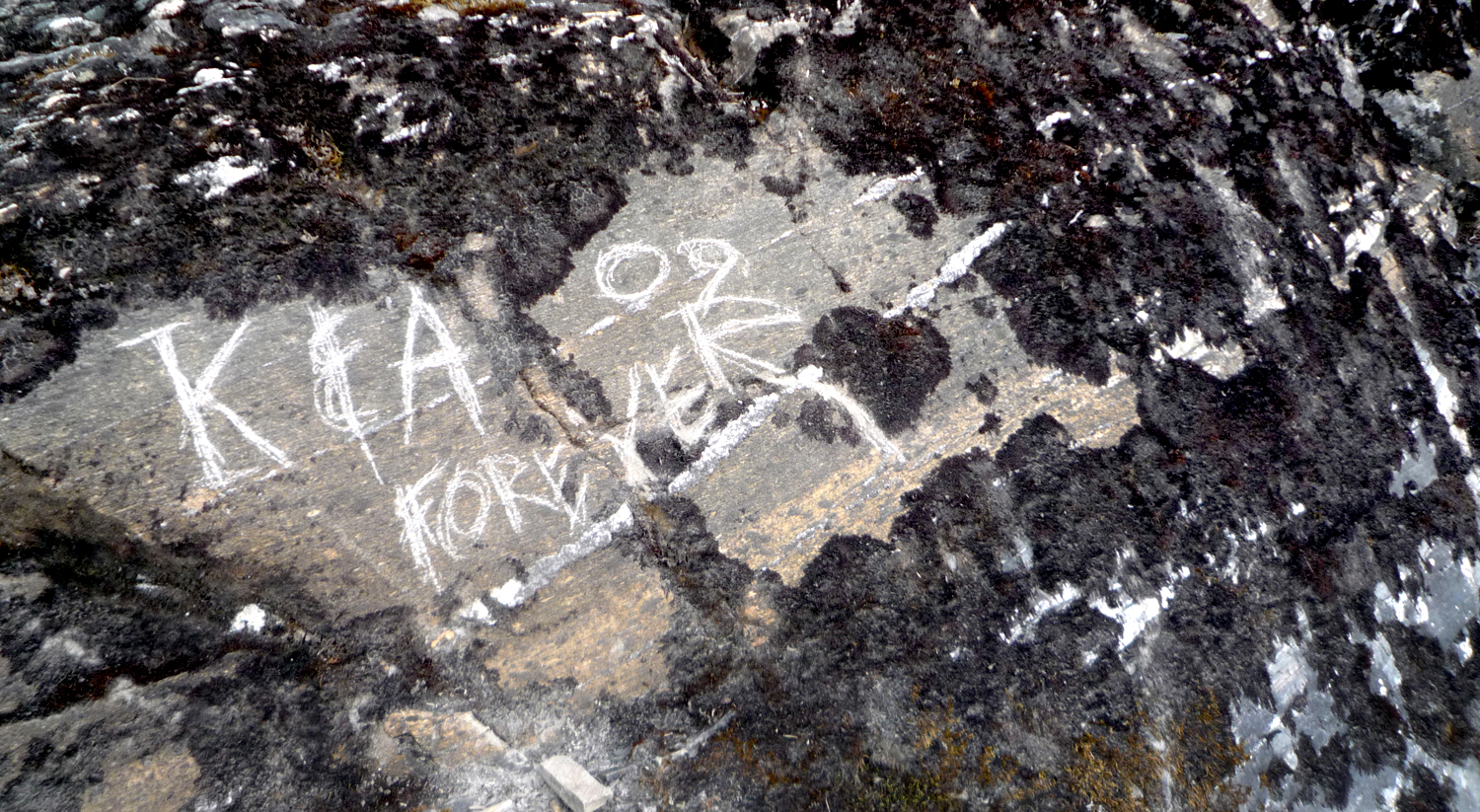
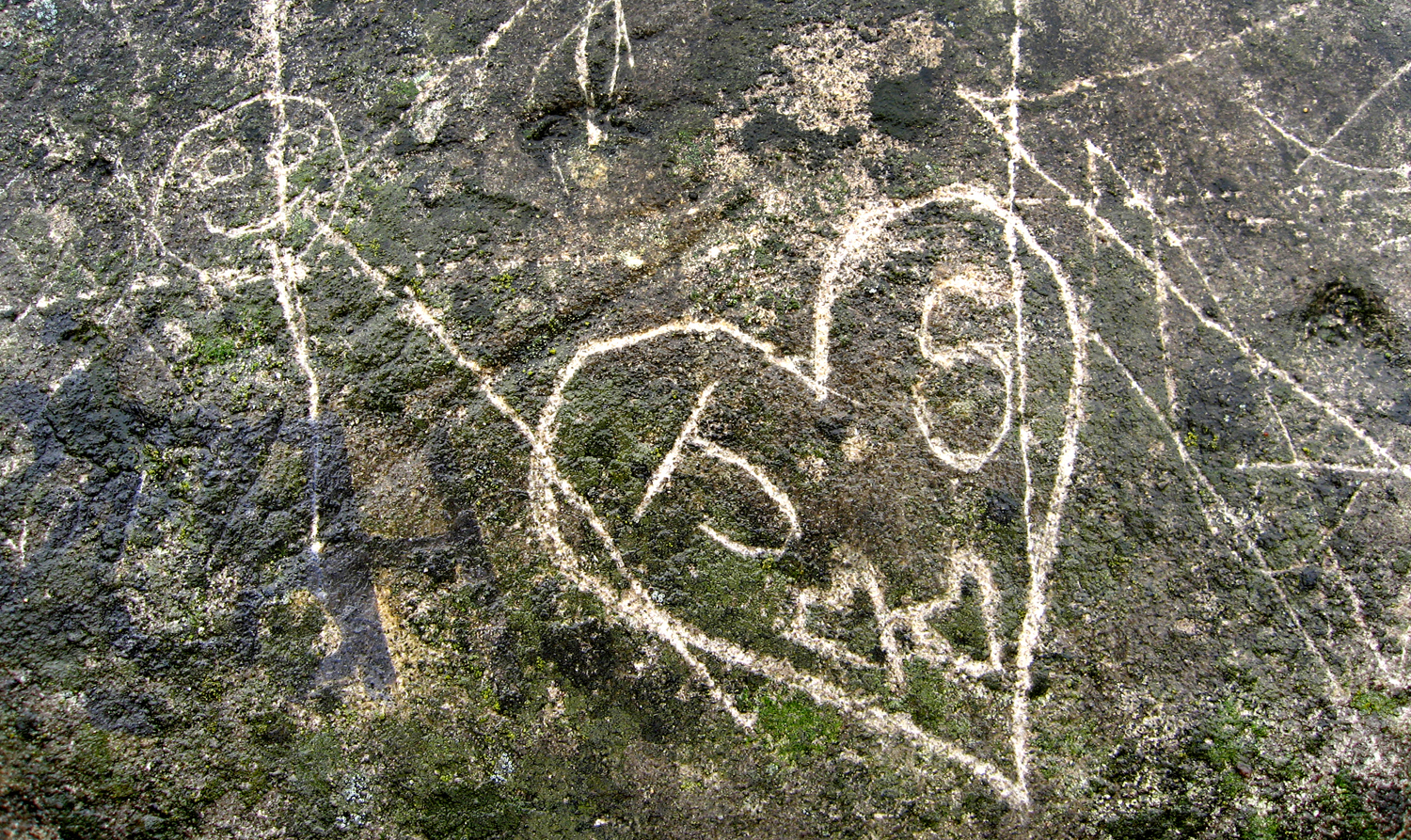
And the way we scrawl our names on rock faces. “K and A Forever.”
The stone is certainly more permanent than the relationship.
Hudson River Palisades, N.J.
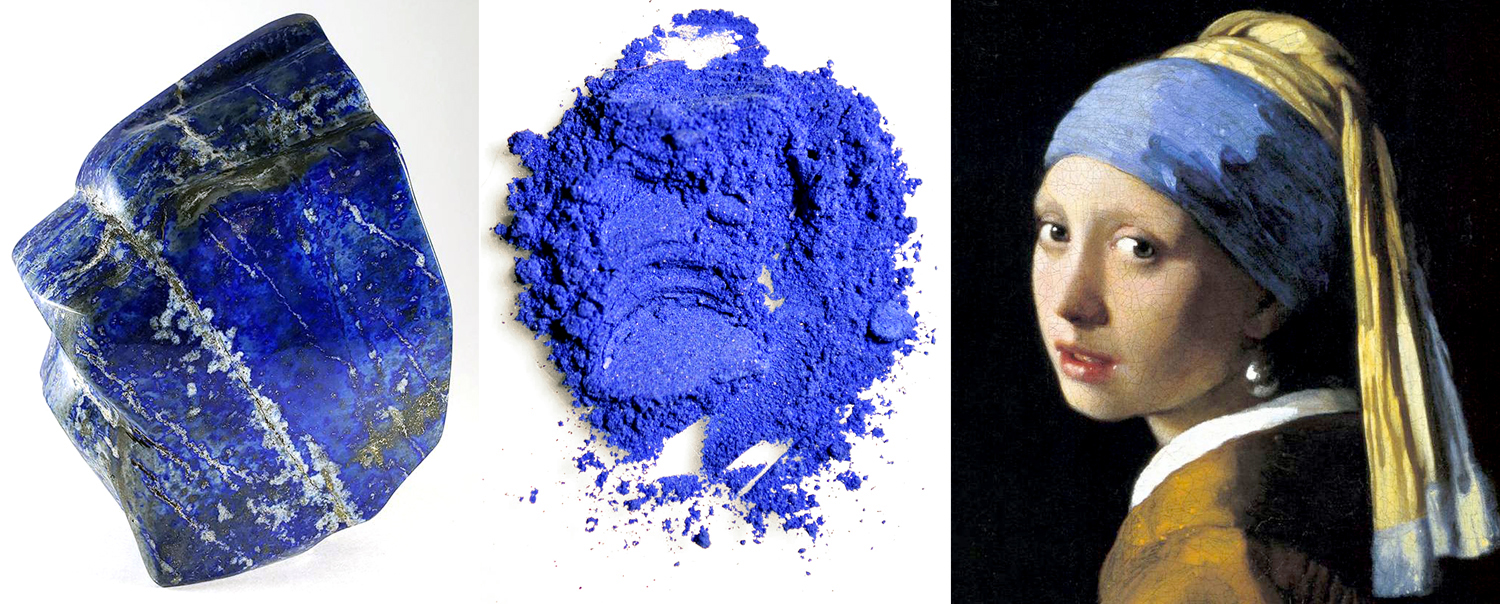
Even the pigments that artists use comes from the ground. In the past, it was actually rocks that were ground up and processed. Now, there are pigments also made from petroleum.
Lapis Lazuli
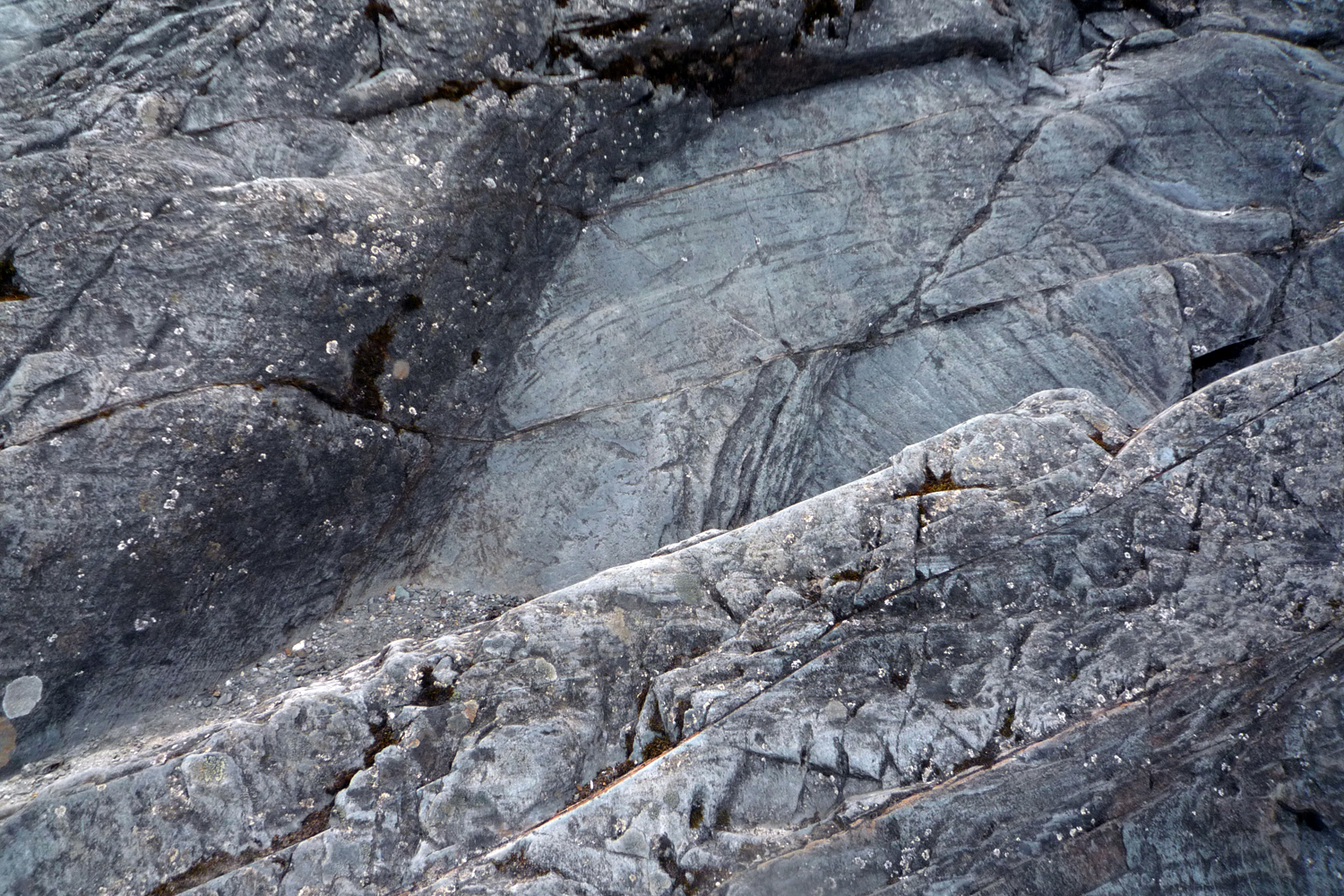
Different rocks, with their colors and textures, evoke different emotions. Think of a brilliant diamond or ruby; think of a cinder. Different emotions.
Mendenhall Glacier, Alaska
We use geology in our language, although often the words mutually exclusive import.
“You must have been stoned when you thought that up.” “No, I was stone cold sober.” “Well, the theory is either a bit rocky or it is rock-solid.” He answered with a stony silence.
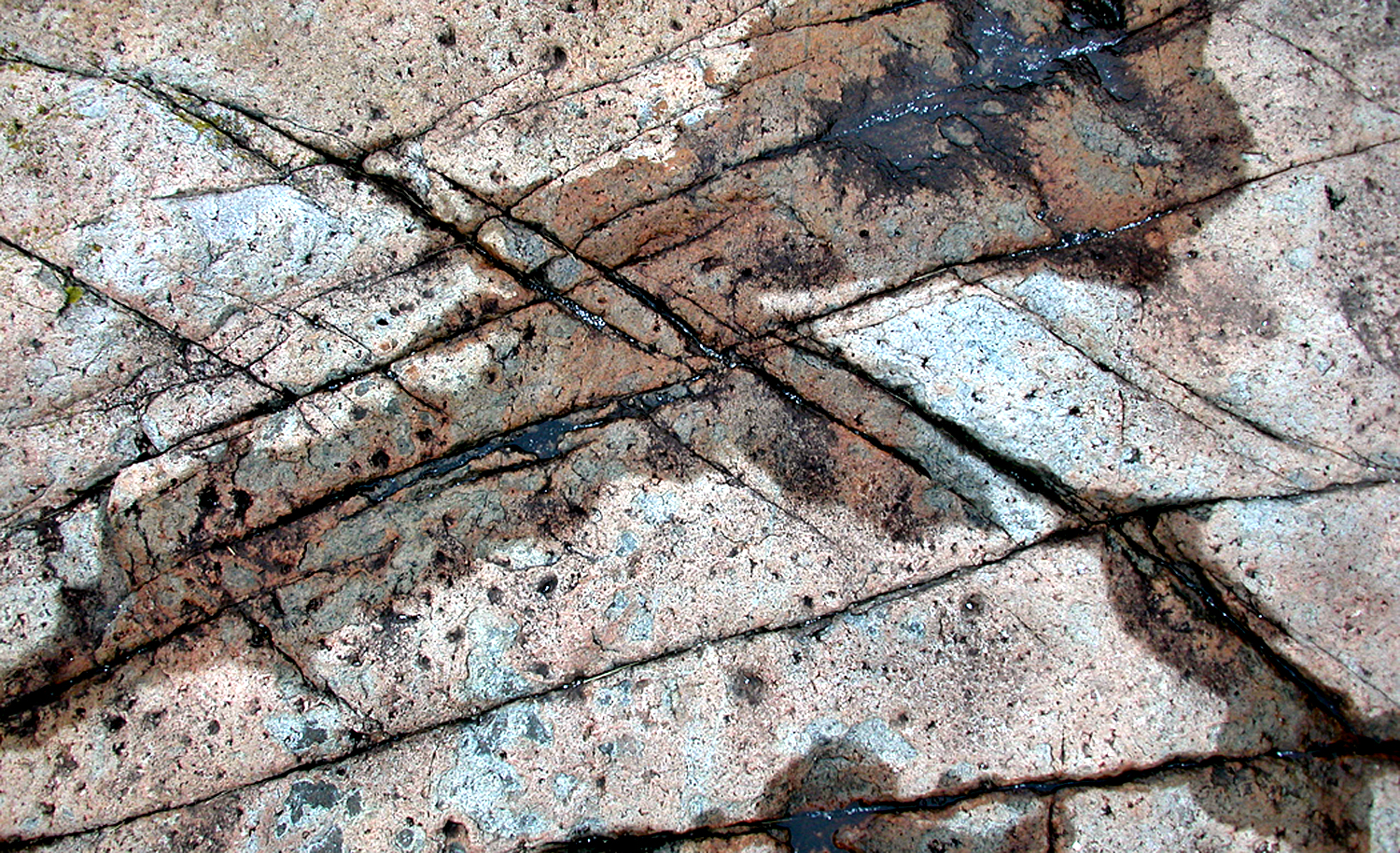
Schoodic Point, Maine
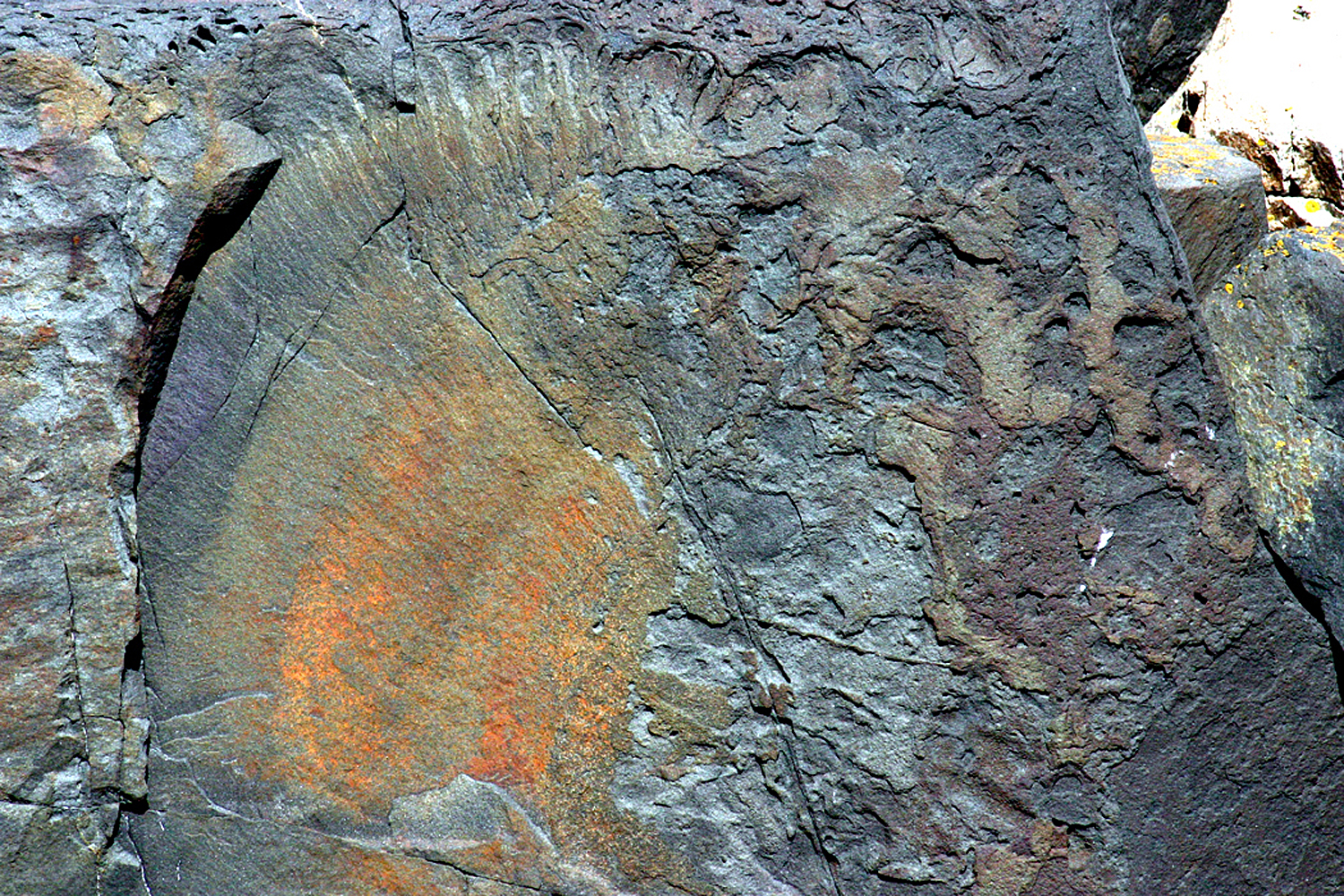
The colors, textures and the grain all impart meaning.
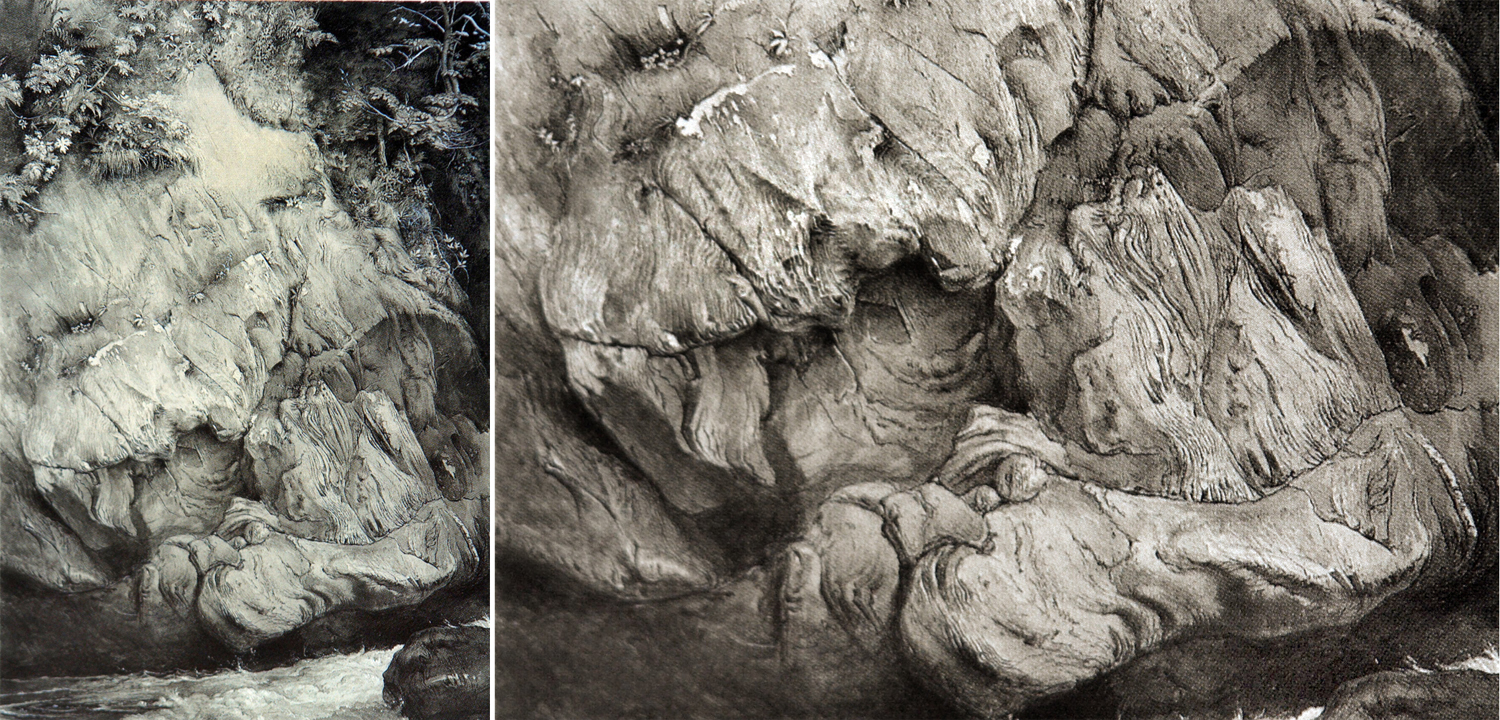
By John Ruskin
I began seriously considering the art elements of geology after seeing a splendid drawing of gneiss by English artist and critic John Ruskin. He made it over several days while visiting Scotland in 1853. The drawing had everything I respond to: texture, detail, close observation and an attention to the world as it is, that is as close to love as is possible to hold for the inanimate world. Ruskin was an astonishing draftsman.
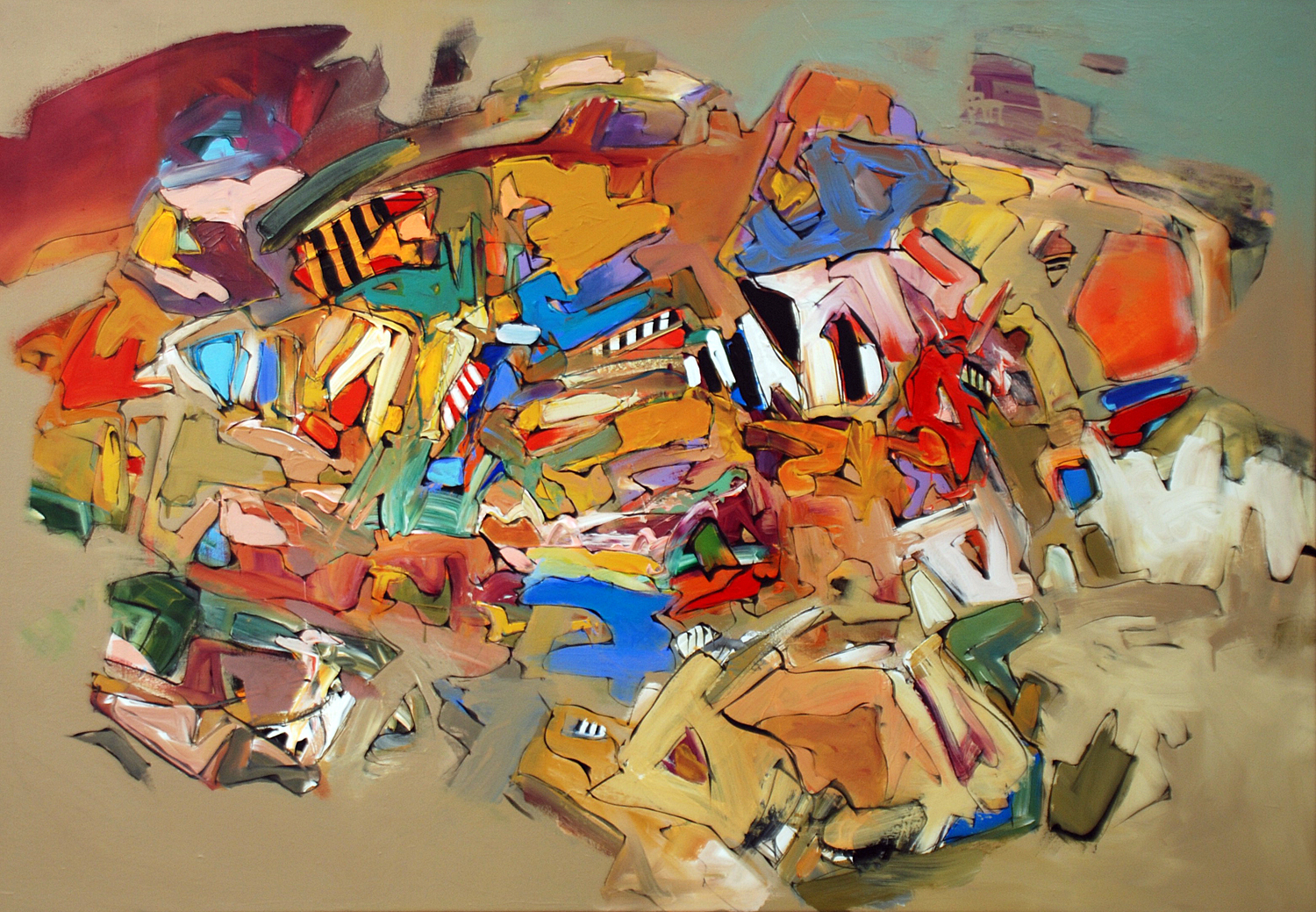
By Mel Steele
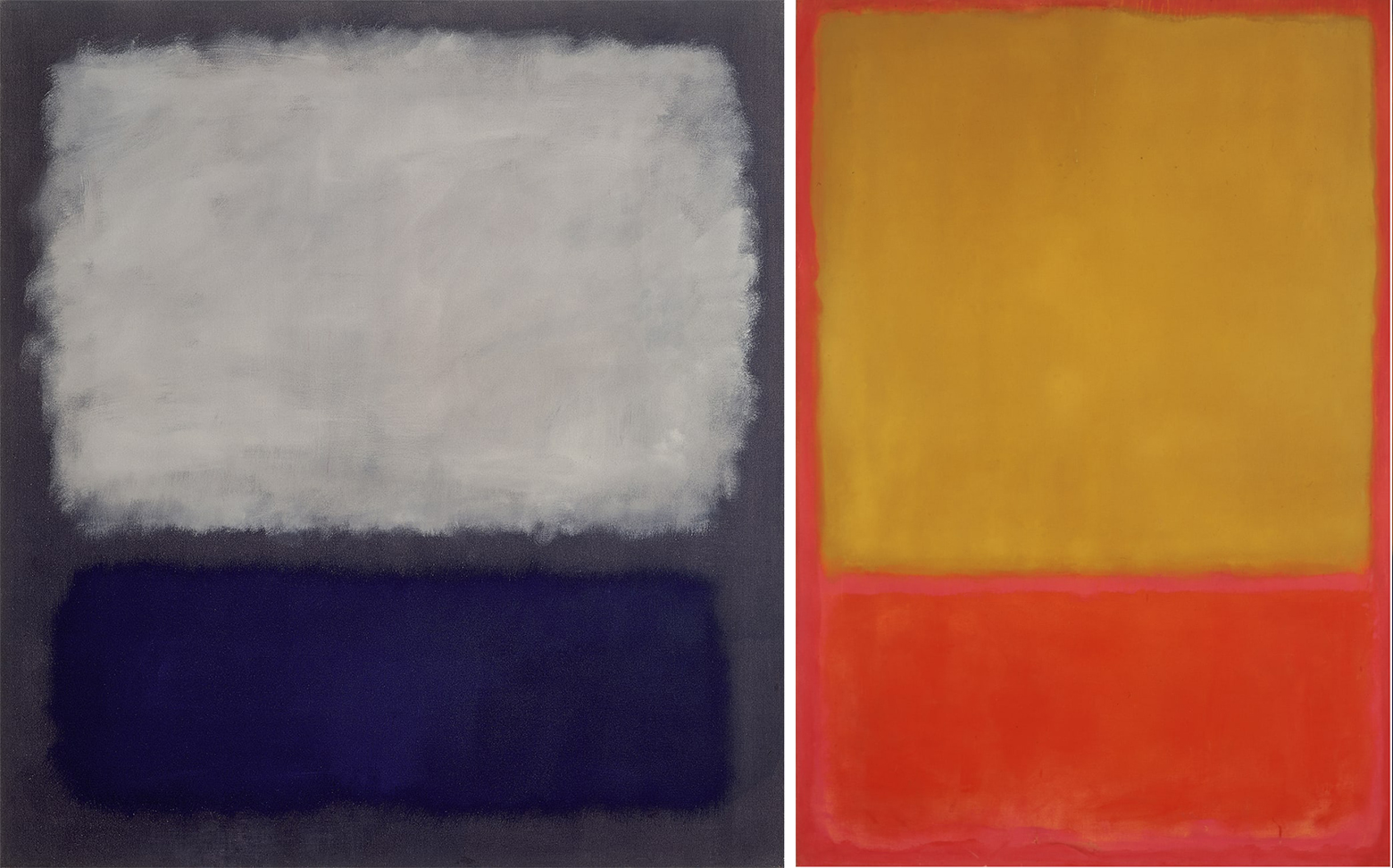
It has been one of the lessons of the 20th century and Modernism that meaning in art can transcend anecdote and be more than a story told in a still scene and can impart meaning purely through shape, color, texture, line and scale. Emotions can be evoked by all of them. We have had well more than a hundred years of abstract art.
Even realistic painting depends on the medium it is made from. It isn’t just the face or the scene, but the color and texture of that face and scene.
Craggy Gardens, N.C.
And a camera pointed at the shapes of geology can create meaning in the same manner as the abstract painting we lionize.
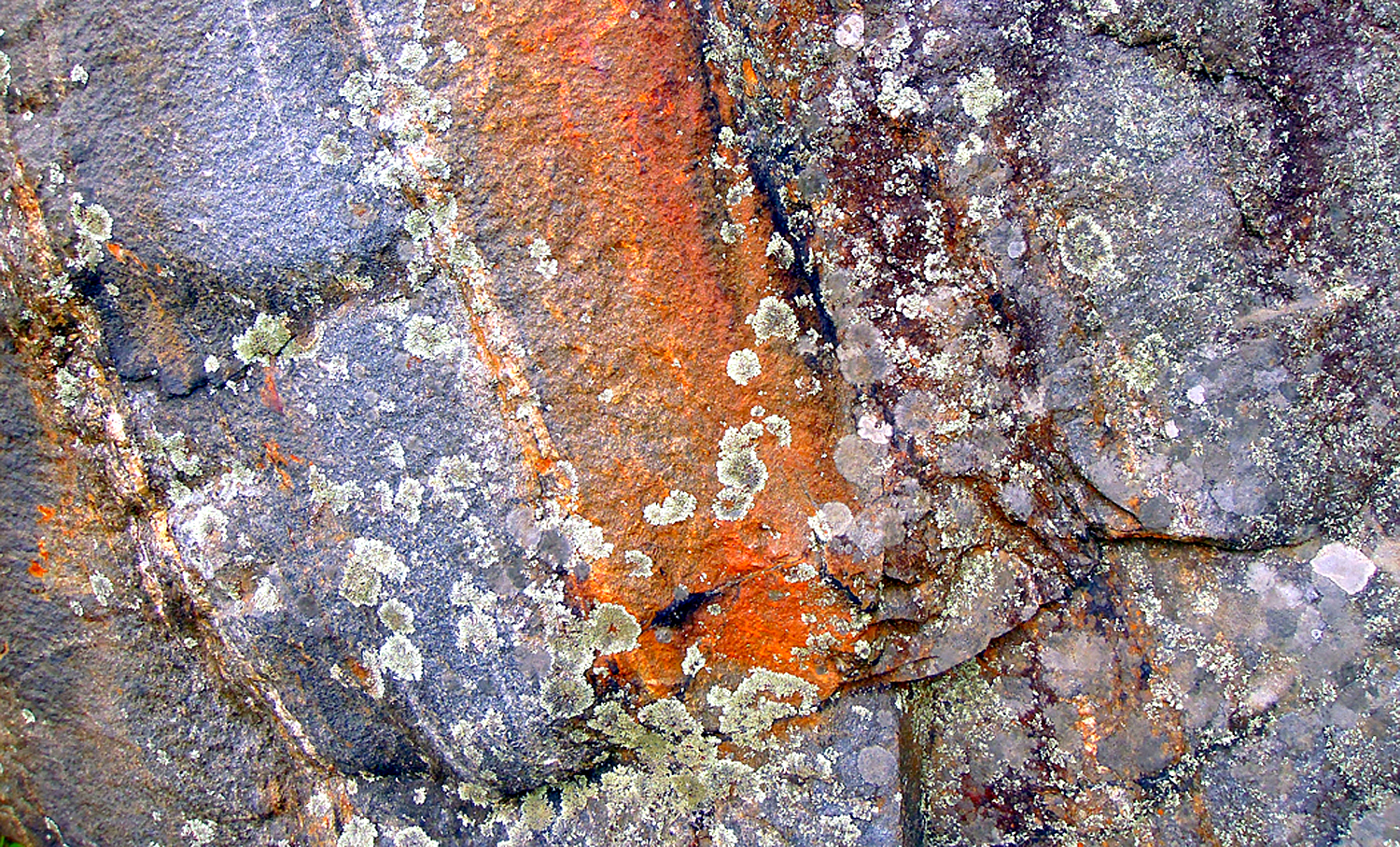
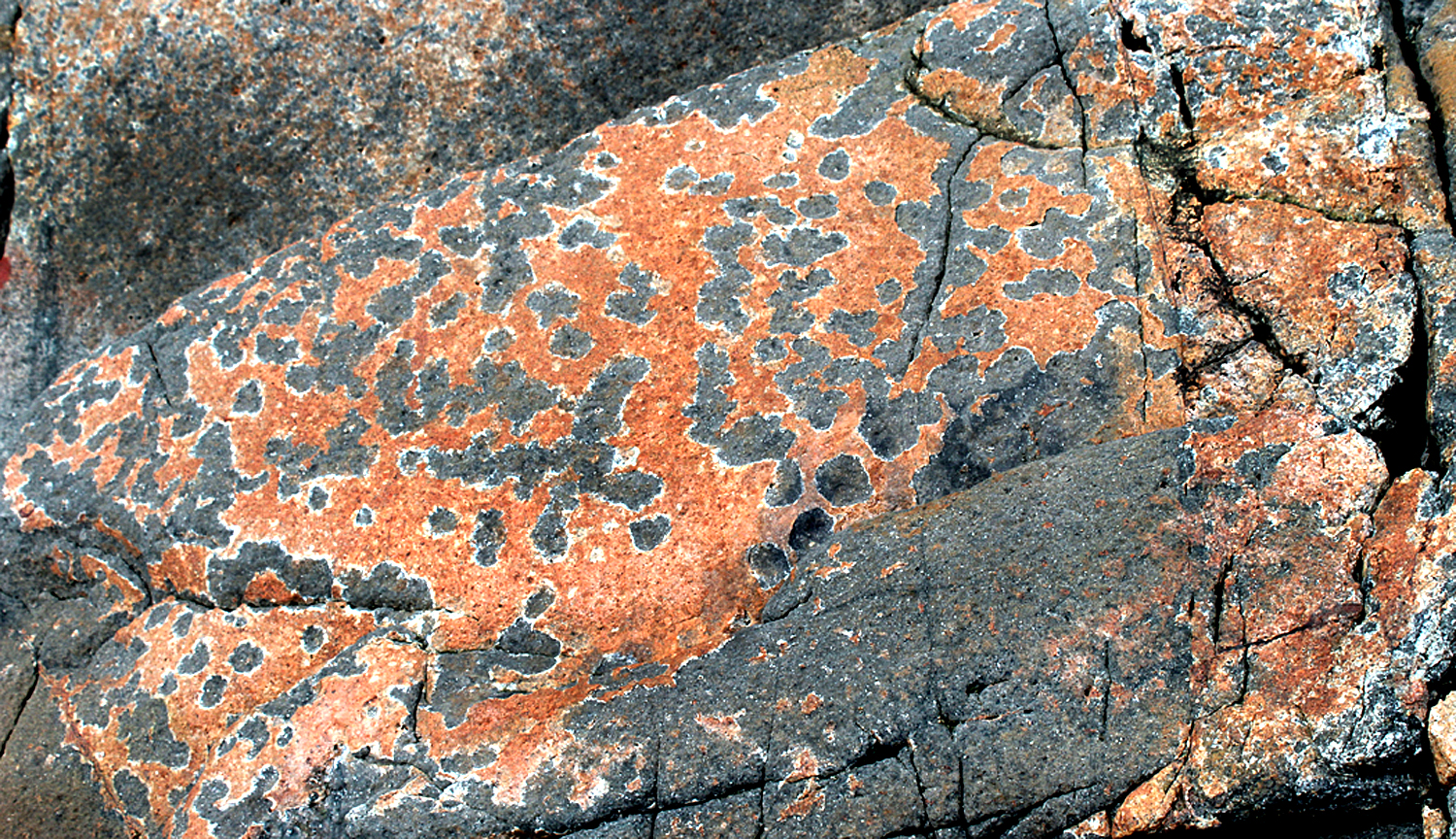
I have since found many rocks, with their esthetic pleasures. There is bright color
Blue Ridge Parkway, N.C.
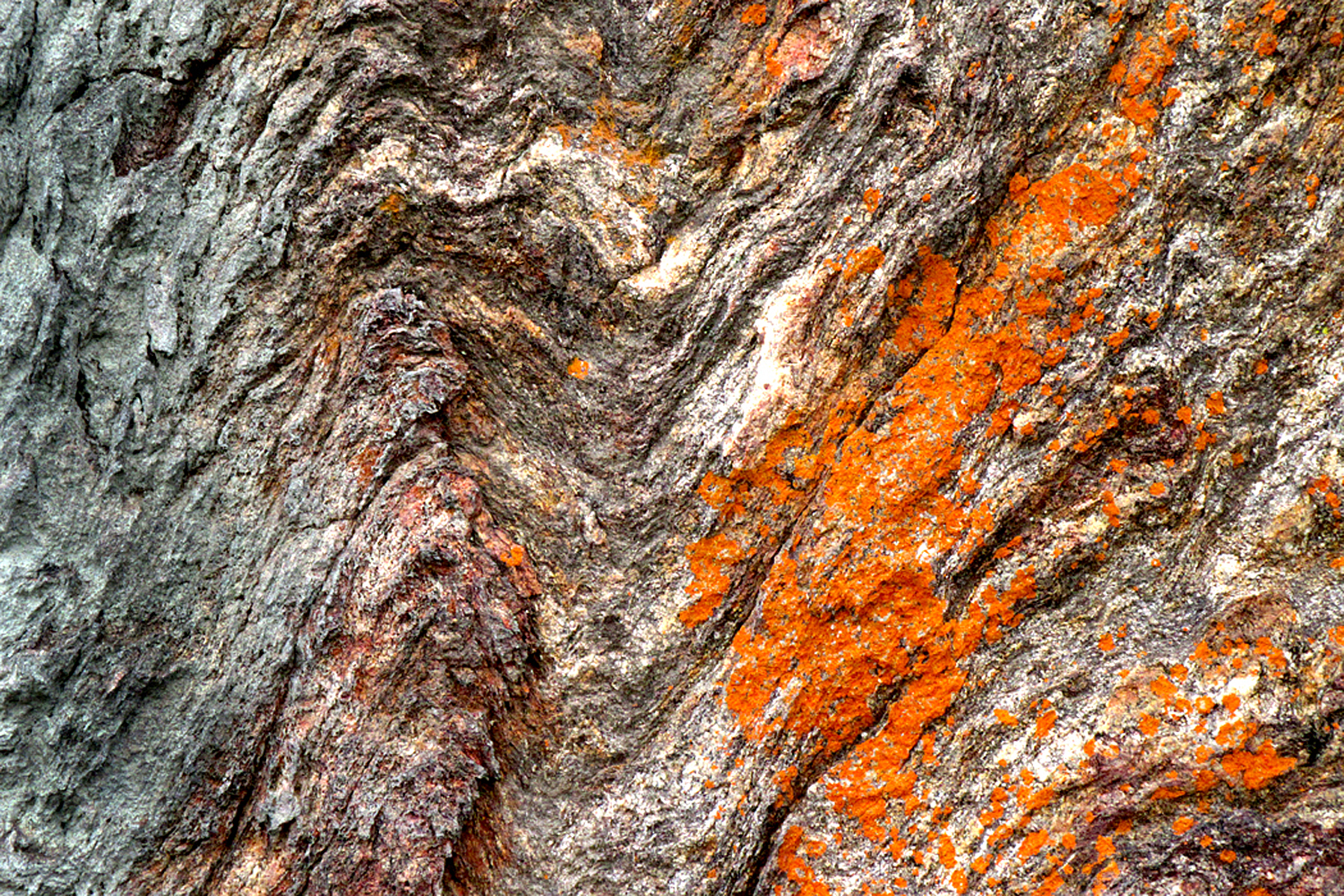
There is gnarly texture
Blue Ridge Parkway, N.C.
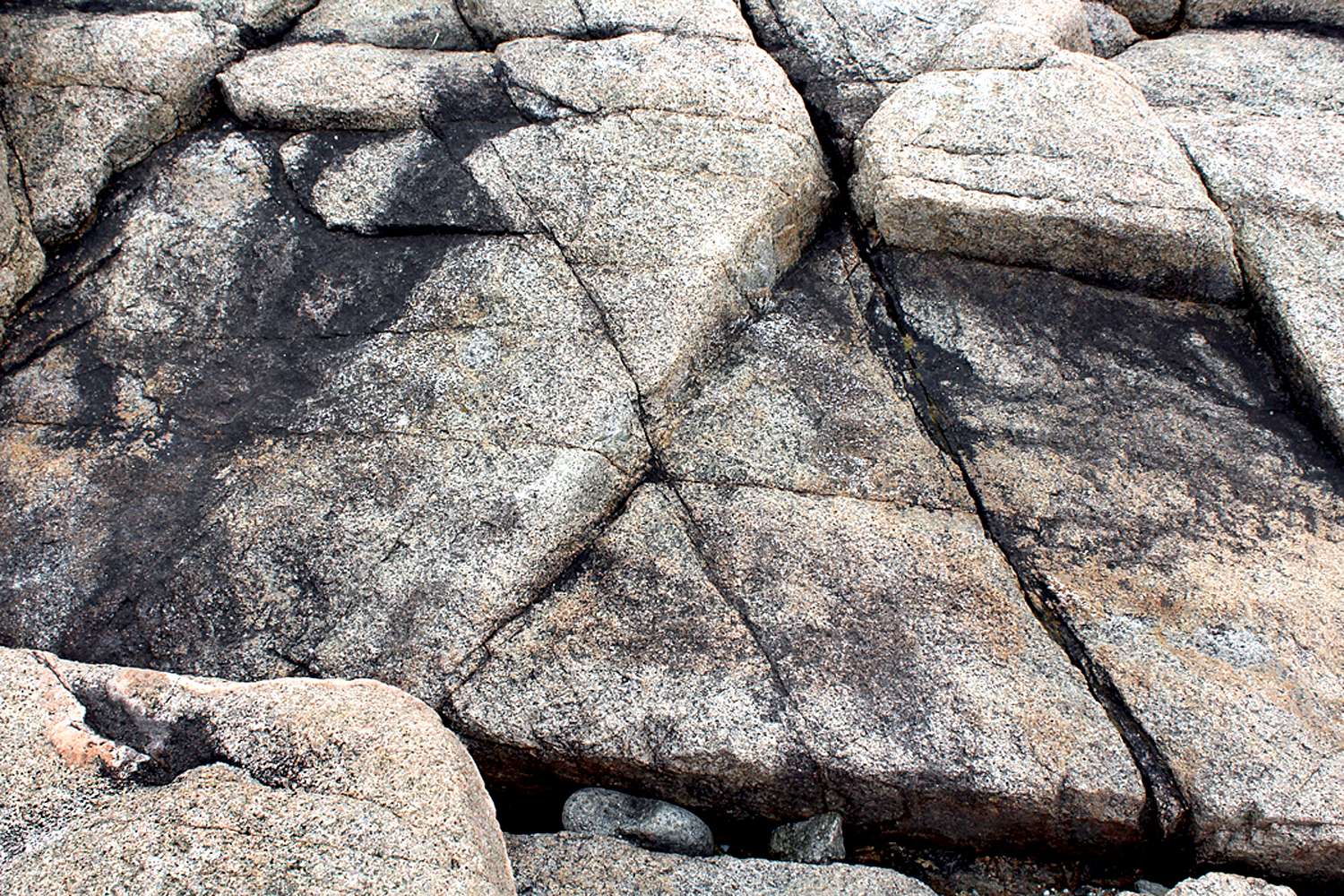
There are planes of surface
Schoodic Point, Maine
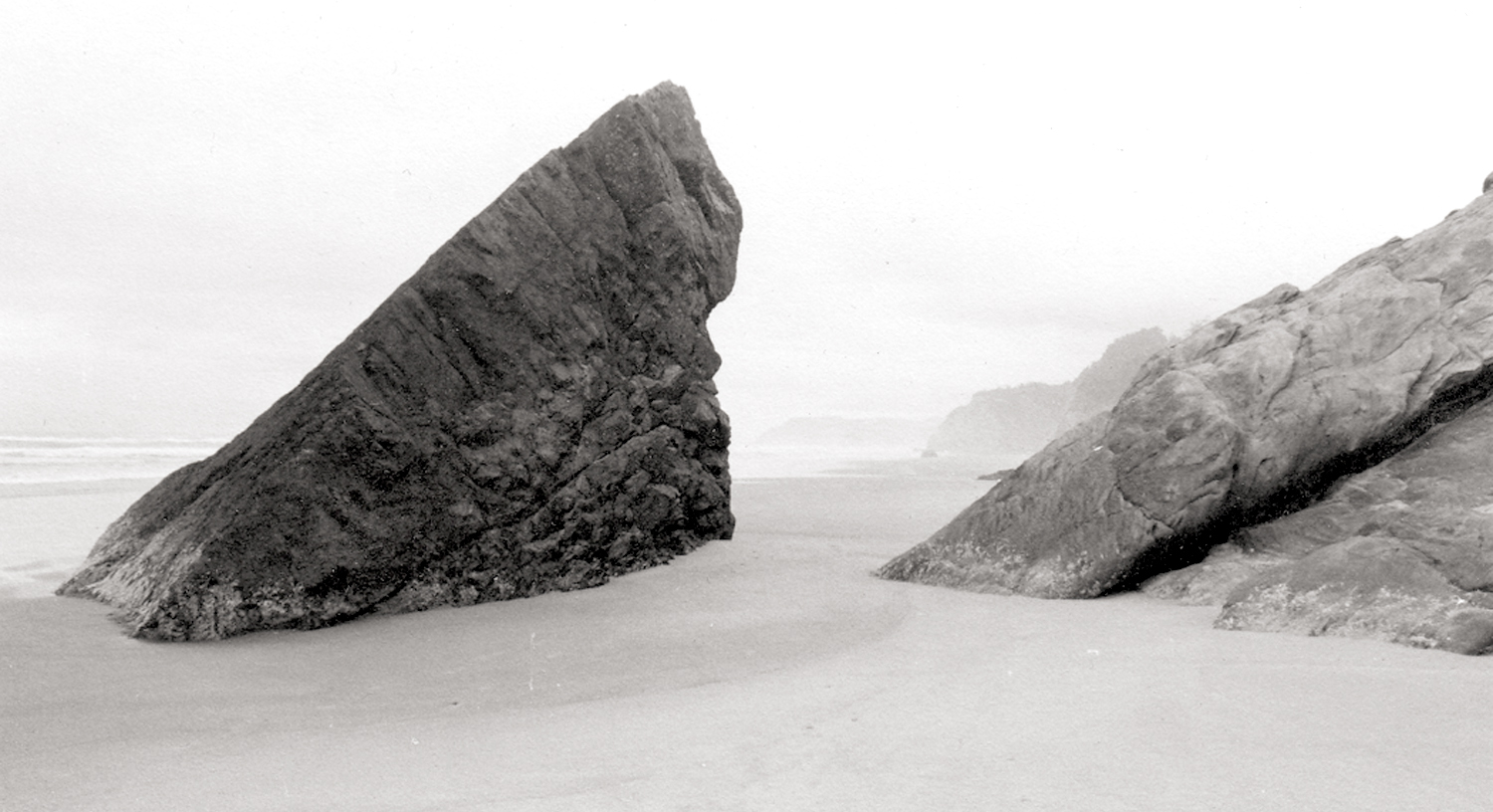
Repetition of shapes
Hug Point, Arch Cape, Ore.
Complexity of image
Schoodic Point, Maine
And a starry night
Pisgah National Forest, NC
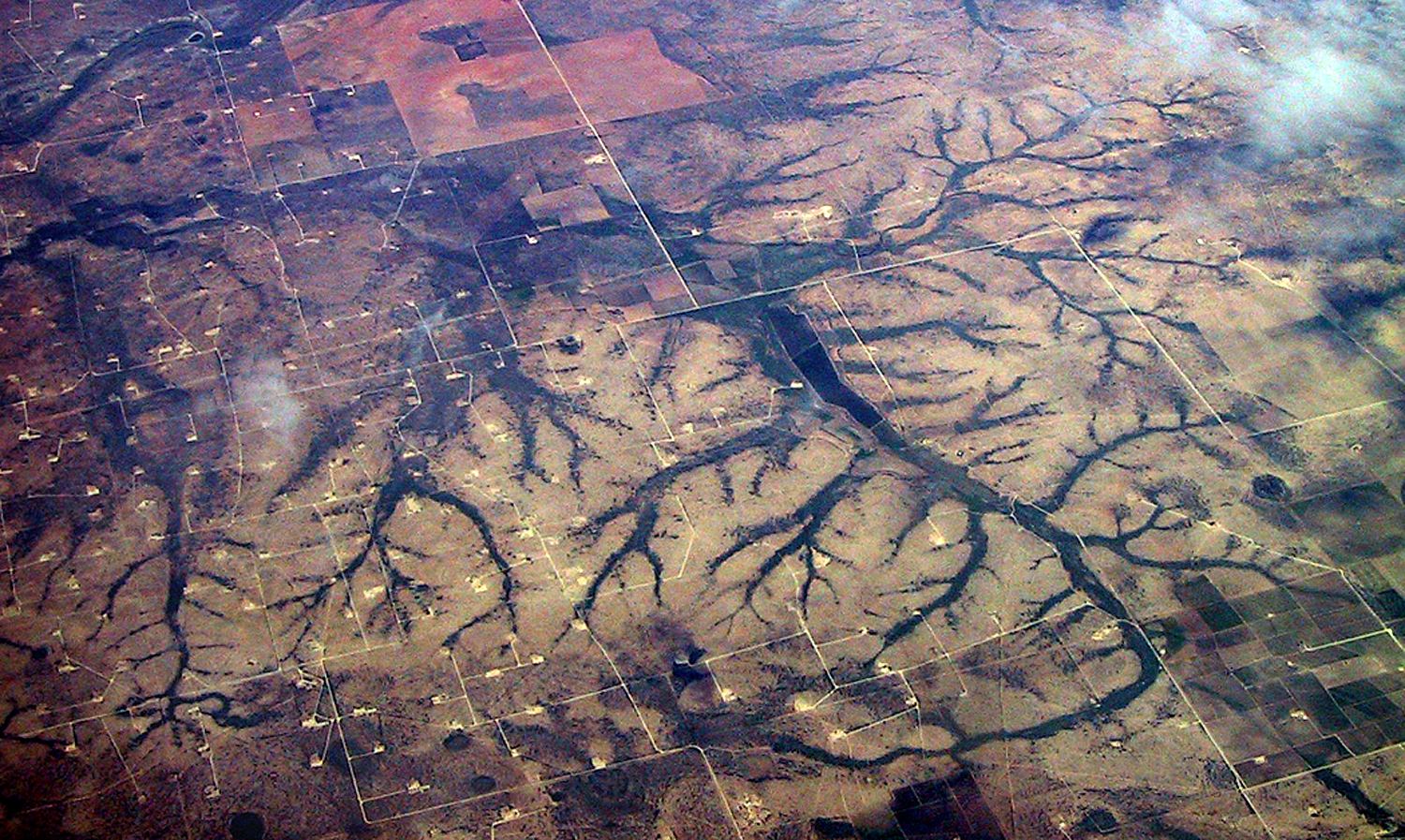
Or flying over the continent and looking down at erosion
Over Colorado
One of the primary functions of art is to make us pay attention. It is an interaction with the world and a response to it.
Rio Puerco Ruins, N.M.
The most important lesson I was ever taught was by a college professor who would not accept glib work. Like many bright students, I was adept at giving a teacher what he or she wanted — basically repeating back what was said in class. But when I did that in my English Romantic Poetry class, he gave me a D for a paper that was otherwise correct in every aspect except one. “Don’t give me back what I’ve said,” he told me. “Engage with the material.” Real engagement cannot be faked.
What was real were the words written, not the words written about the words. Dive directly into the poetry. Don’t waste time learning “about” the poetry.
Try to take the material under study seriously and be real about it. If what you find contradicts what the teacher said, all the better. You’ve learned something.
Engage with the material — something you should do with friends, family, society, even the air and the rocks. Engage. Don’t gloss.
I am within days of turning 78 and I feel my age, slowing down and dealing with new aches daily. I seem to be in reasonably good health, considering. But I don’t know how long I have left, and the length of string in front is clearly shorter than the length trailing behind. I am increasingly aware of mortality.
And I have been considering all the things I have made and written over those piled decades and sometimes wonder why. Nothing will happen to any of it after I’m gone: It will eventually find some landfill somewhere. And part of me is perfectly alright with my life’s effort in words or images being utterly forgotten. Most of what anyone has produced over the millennia is long forgotten, and it’s fine. But I did a few things moderately well, and I can look at it all and note it.
Over the past weeks, I have been spending time trying to consolidate a definitive version of some of the work from over the years. One has a tendency to take the long look and attempt some sort of codification of the evidence of a life lived. And so, I’ve been editing and winnowing.
It is related to the unavoidable sadness one feels, having spent that life learning a huge trove, not merely of facts, but of useful experience — things we never understood as arrogant youths, full of ourselves and dead certain we were smarter than all those benighted generations that gave us birth — and knowing there is no way to impart that accrued experience to the children and grandchildren we love, that they will have to go through all of it again, on their own, and in turn come to rue that they will not be able to keep their own children and grandchildren from the same pains, mistakes and ignorances.
And it will be the same for the physical evidence of that experience — the art and writing. So, I look over a lifetime of production and question to what end?
Even I am astonished at the amount of work put in, a constant chugging away at the production machine, pictures and paragraphs. In 25 years at the newspaper, I wrote more than two-and-a-half million words, and since retiring, I have written another million-and-a-half on this blog — with another 100 essays written for the Spirit of the Senses website in Phoenix, having also given at least a score of well-researched lectures for that salon group. There are also an uncounted number of letters penned, and also both fiction and poetry.
To say nothing of the tens — maybe hundreds — of thousands of photographs I have made.
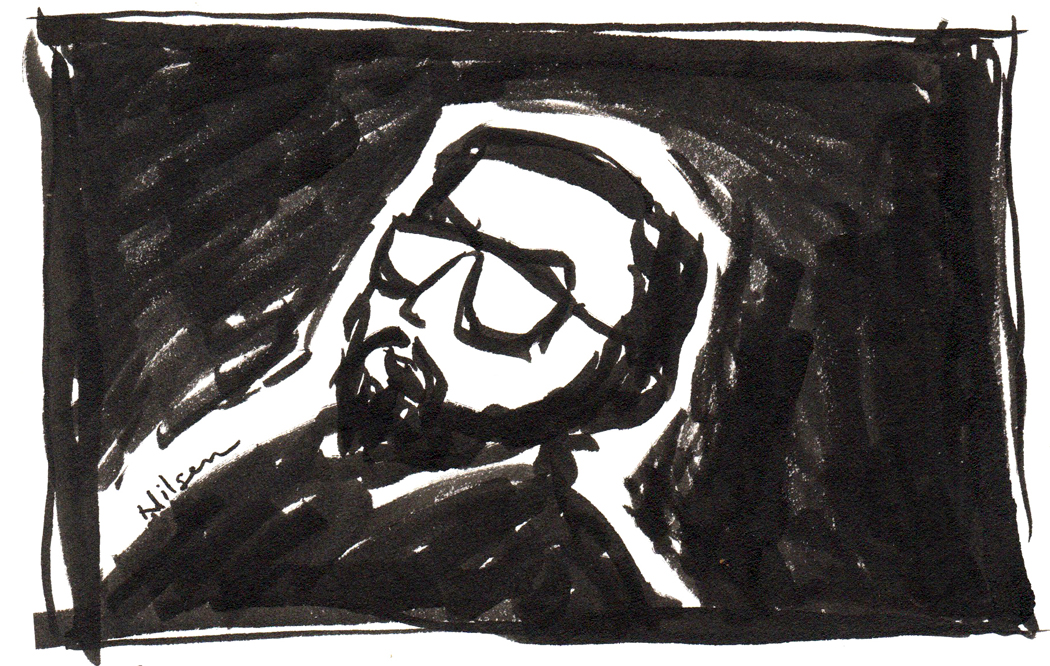
I have always been this way. I didn’t think about it when I was a boy, but even before first grade, my idea of fun was a pile of paper and a pencil or crayon and I would spend hours drawing. Most kids do that, but most slowly lose the need as they grow up. In high school, I was given access to the darkroom and began making photographs, while also writing for the school newspaper. Always scribble, scribble, scribble. Eh, Mr. Nilsen?
After college, I found work writing, editing and making photos for a Black weekly newspaper, where I pumped out a weekly cooking column and the “Dear Carol” advice to the lovelorn column, in addition to writing the editorials and coming up with the headlines. (My favorite: When the iconic Greensboro, N.C., nightclub closed, I wrote in giant 128 point type, “Cosmos Folds!” Thought it a grand joke.)
In the single month of March of 1980, I wrote 500 pages of letters to friends, on a tiny plastic aqua-colored portable typewriter on a tree-stump “desk” in the back yard. When I finally began work at the daily paper in Phoenix, I averaged about three stories a week. I thought I was being lazy, but apparently I was producing more than most. (At least, that’s what my editors told me).
I would use the word “creating,” but that seems too important for what I was doing. I was producing.
Los, with his forging hammer, by William Blake
There is a character in poet William Blake’s obsessive mythology called Los, and he is one of the four main “gods” of human psychology, and Los spends eternity forging an endless chain. Why he does so is irrelevant: It is what he does. He is defined by it. He produces. It is what I have done: produce.
Many jobs in life call more for other talents. Nurses and doctors, for instance, or office workers who keep the paperwork flowing, or in selling or organizing. The actual creation of something new is not for them the goal. But in my life, like that of Los, all that matters is production. Make. Make. Make. I cannot imagine spending my life without making stuff.
And so, I am going over the thousands of files stored on computer and CD-ROMs and winnowing down what I think has been the better examples, and working on them to create the best or final versions “for posterity,” by which I mean, so I can look at them and contemplate what I have spent my life doing.
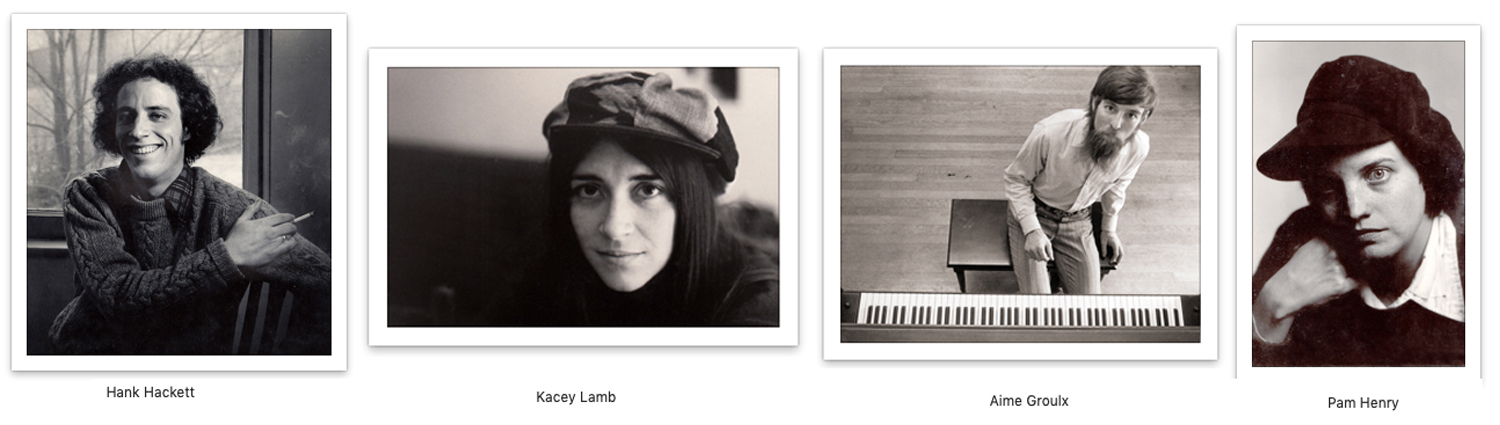
I just finished editing the bulk of the portraits I have made, cleaned them up, re-framed some, improved contrast and tone, and come up with a final version. If I were to present a portfolio, these images are what I would offer. I have about 200 such images in the file.
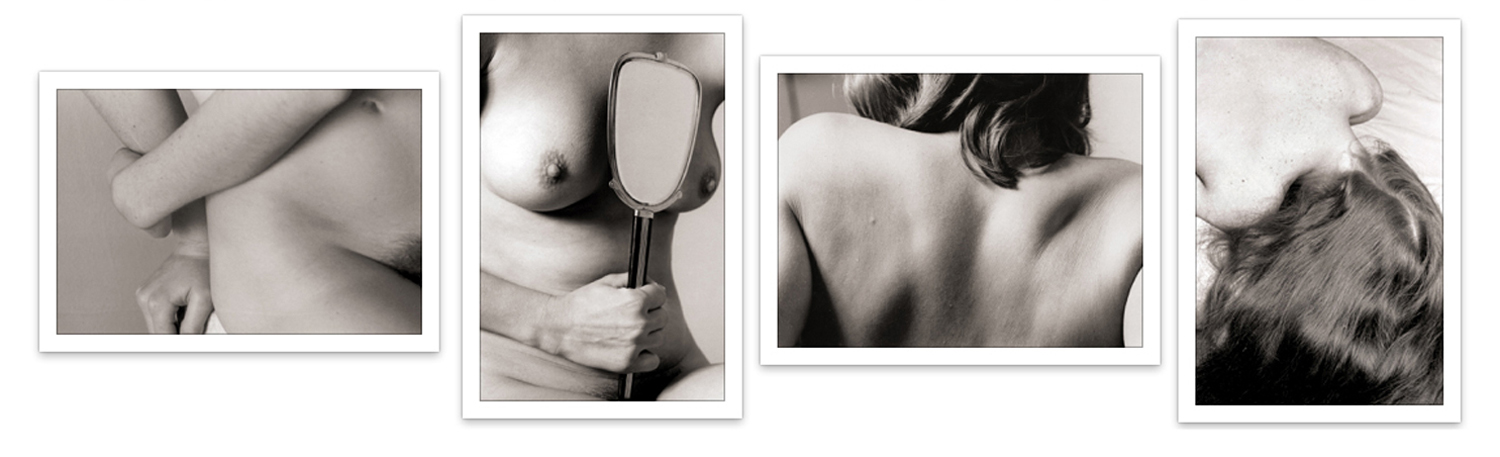
I previously did the same thing for the nudes I took over the years; there were fewer of them and even fewer of those were worth saving.
There have been uncounted thousands, probably tens of thousands, of landscapes I have pointed my camera at. Most are just snapshots — memories of travel — but there are hundreds saved intended as works of art, and shown in gallery exhibits and printed in books
The earlier ones are more clearly derivative, but gave me lots of practice printing in the darkroom, so that I became an excellent printer of silver images. The longer I kept working, the more individual my landscapes became.
Most of my photographic work has been in clear genres, such as portrait, nude, landscape and still life.
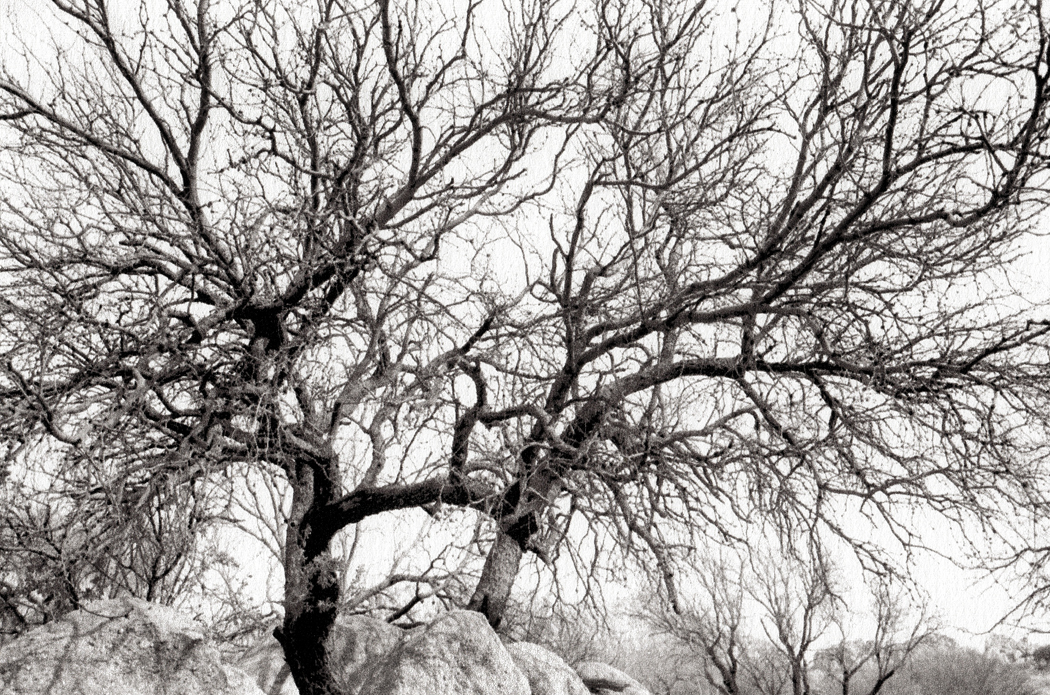
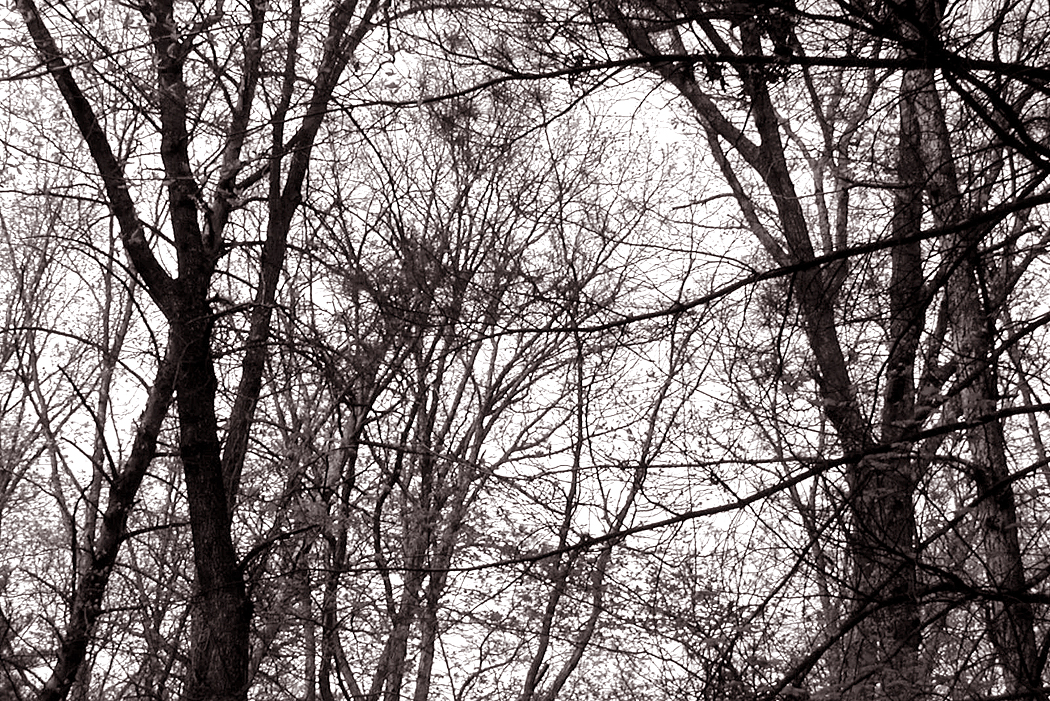
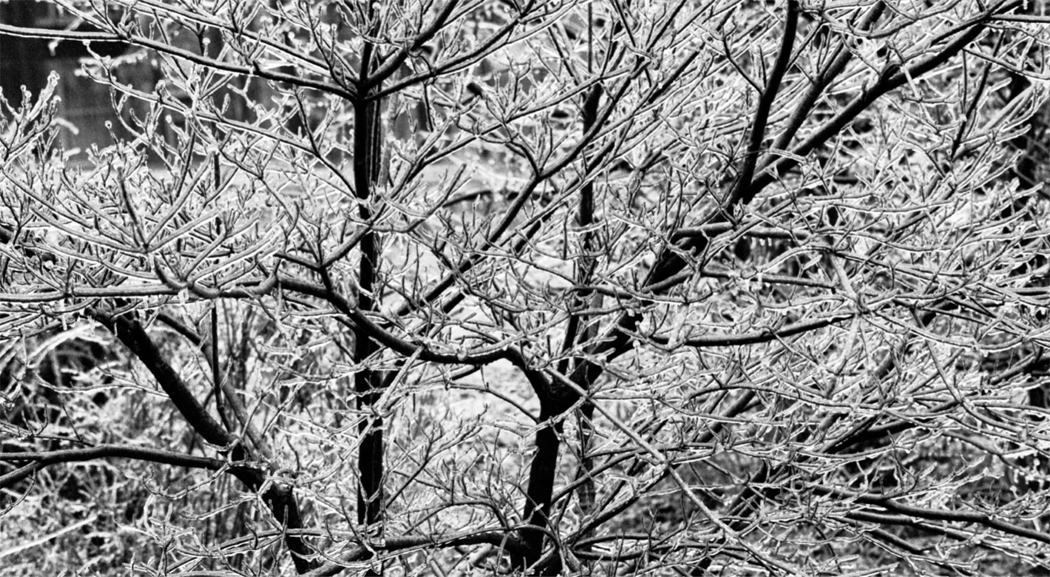
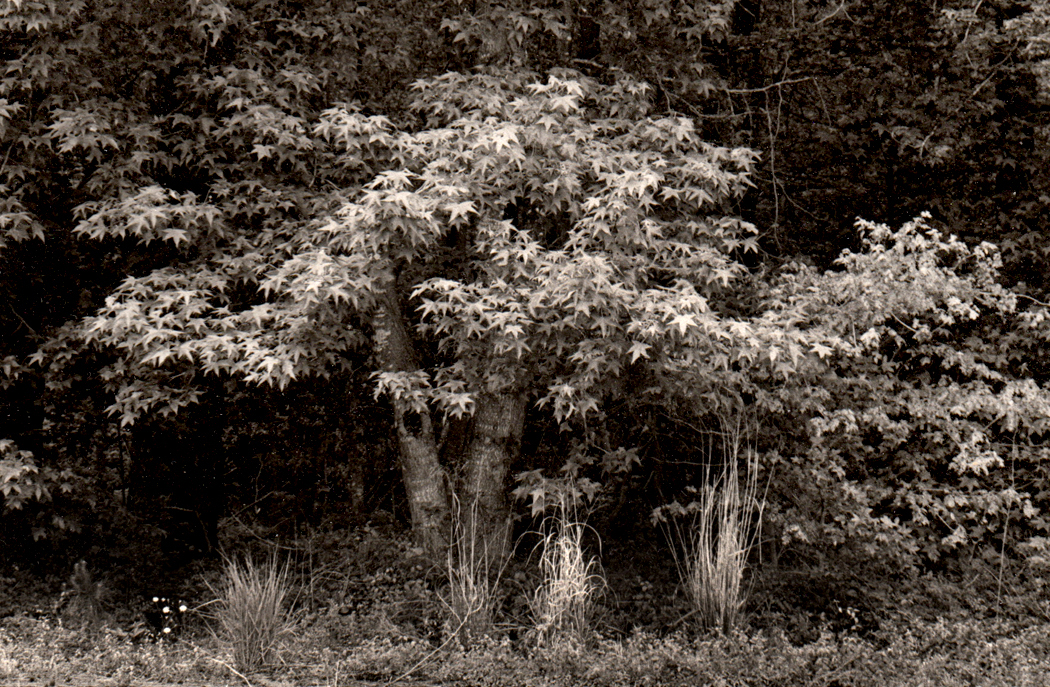
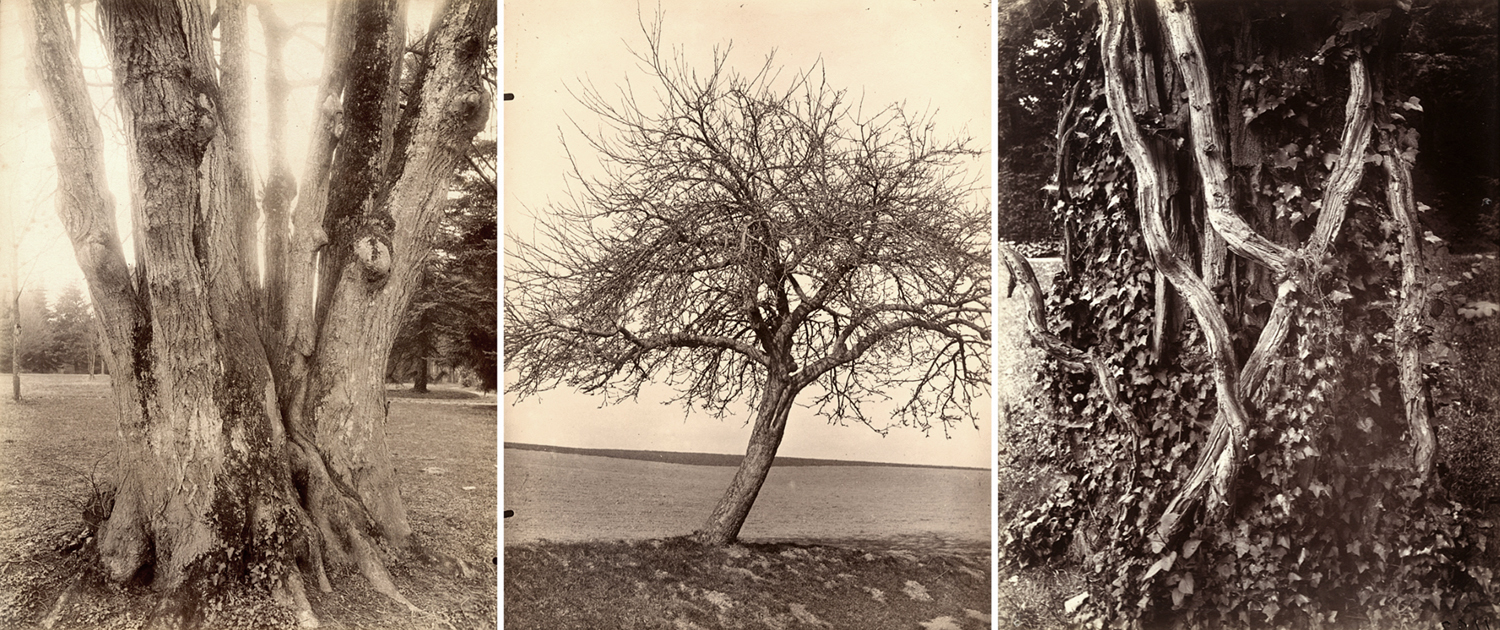
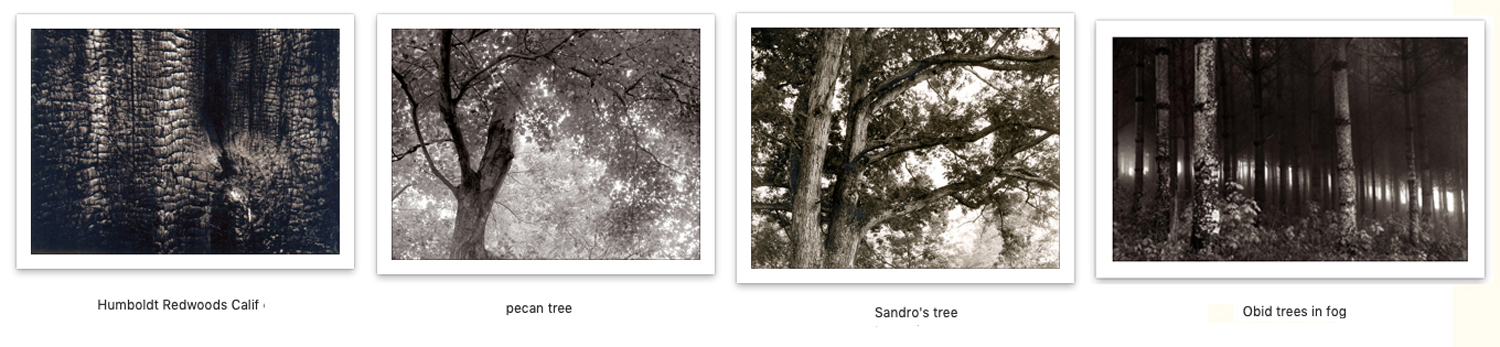
One subject that has remained as a visual source of amazement over 50 years of making images are trees. I have thousands of prints of various trees in various seasons and weathers.
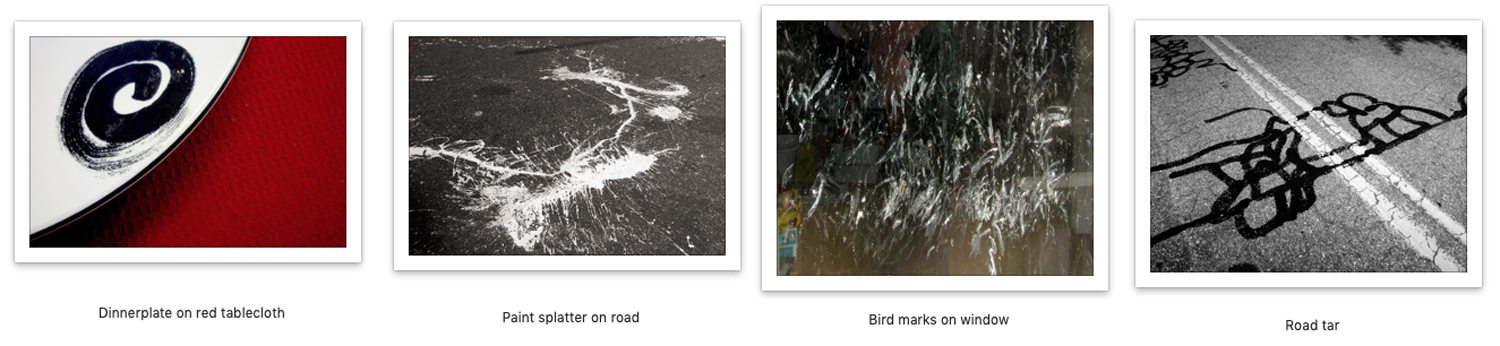
And, because of when I grew up — in an era when Abstract Expressionism was king of the hill — I add to those genres a search for abstractions.
And even, non-camera work, where I played with the chemicals and papers to make my abstractions directly in the darkroom.
About 25 years ago, I began making photographs in series — collected in portfolios of between 10 and 20 prints each — made in various gardens, including public gardens and the back yards of friends and family. I must have made scores of these boxes, each with its title, and meant to be understood not as individual images, but as a kind of suite to be taken whole.
And with images made over the course of a few hours, tapping the shutter at whatever caught my eye as deserving its attention.
I expanded the series idea into images I found outside my airliner when flying around the country, a series I titled Window Seat.
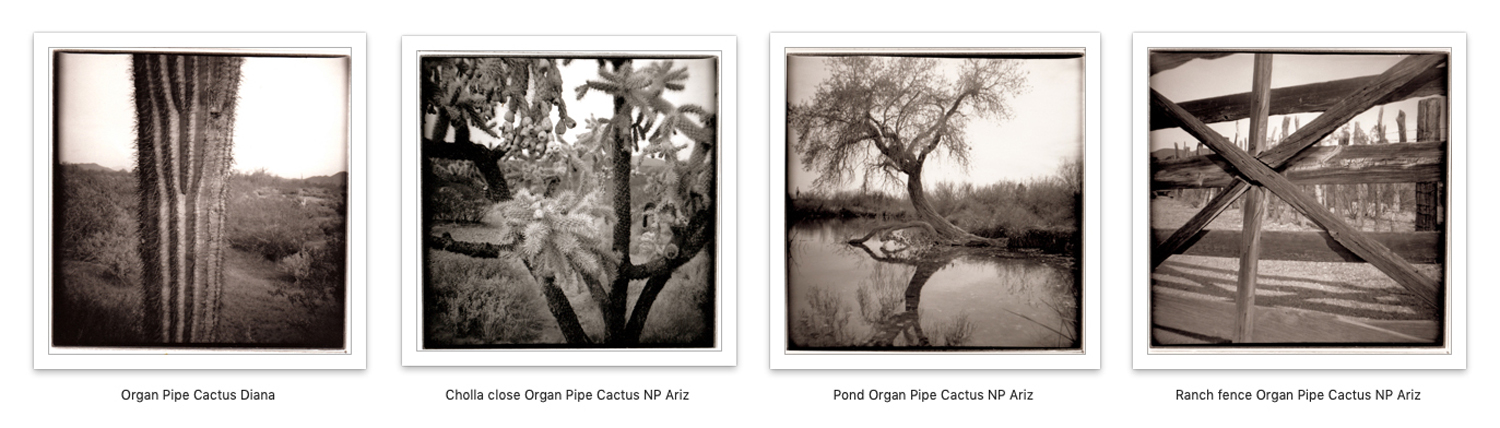
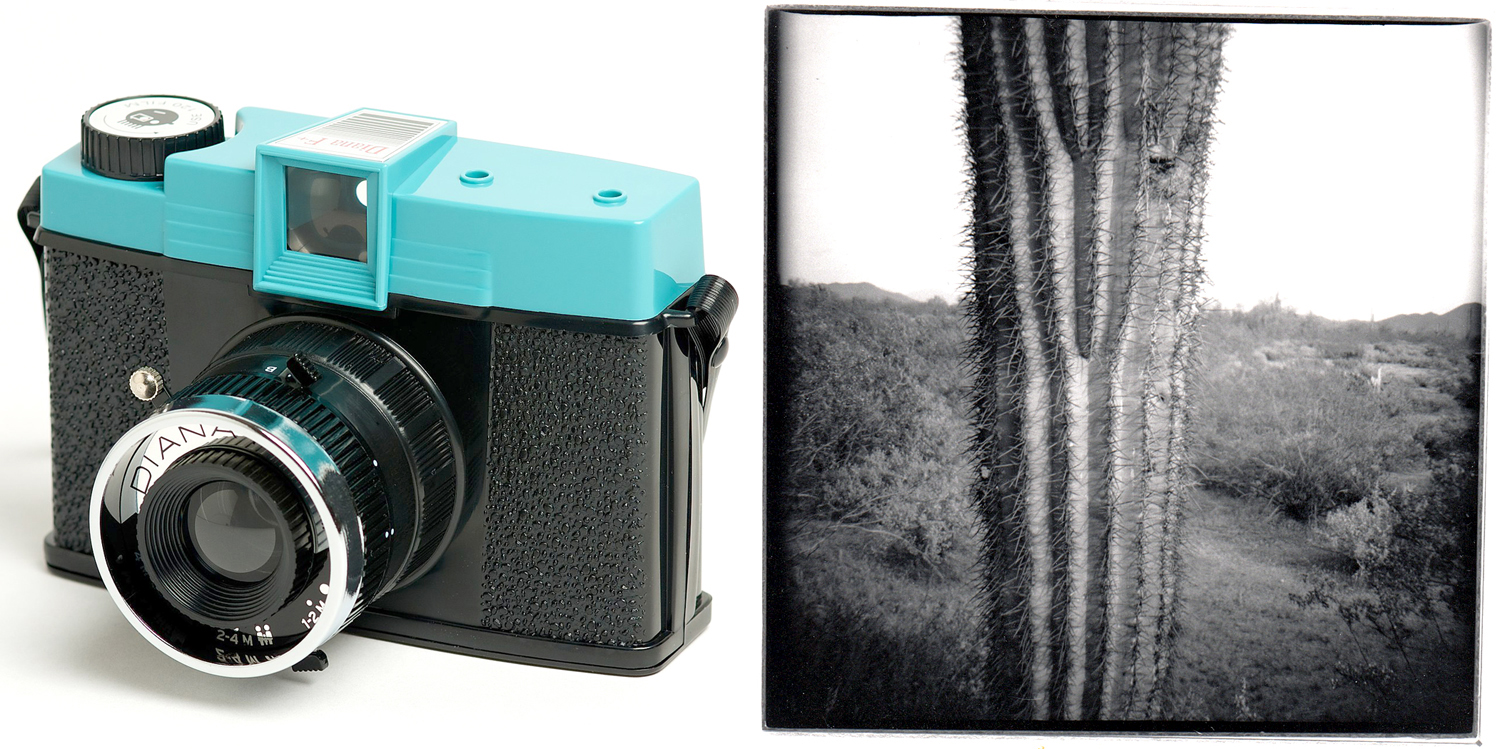
And another using a cheap toy camera (a $2.98 Diana) at Organ Pipe Cactus National Monument in southern Arizona.
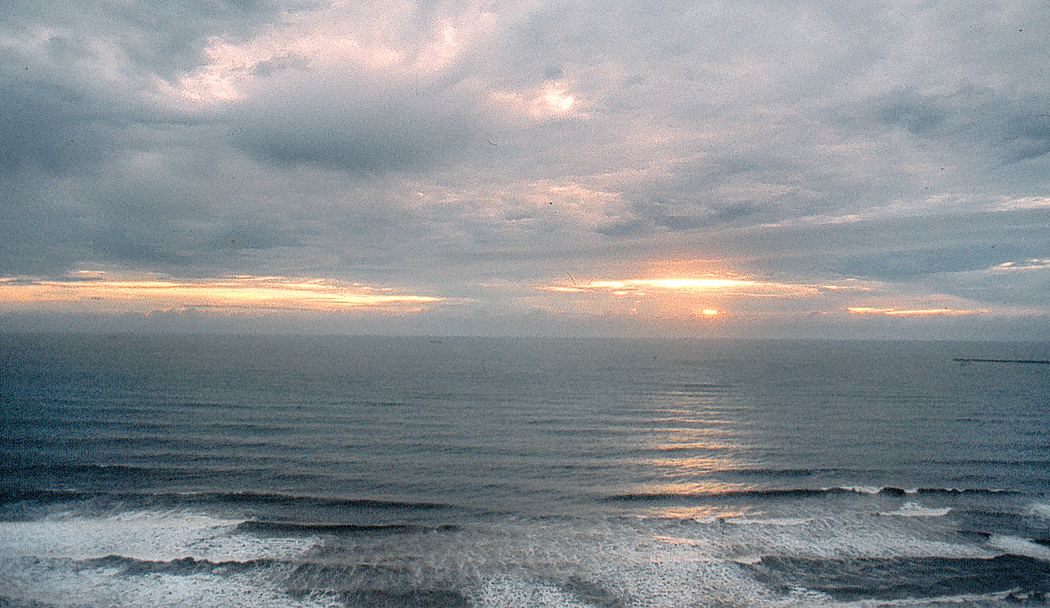
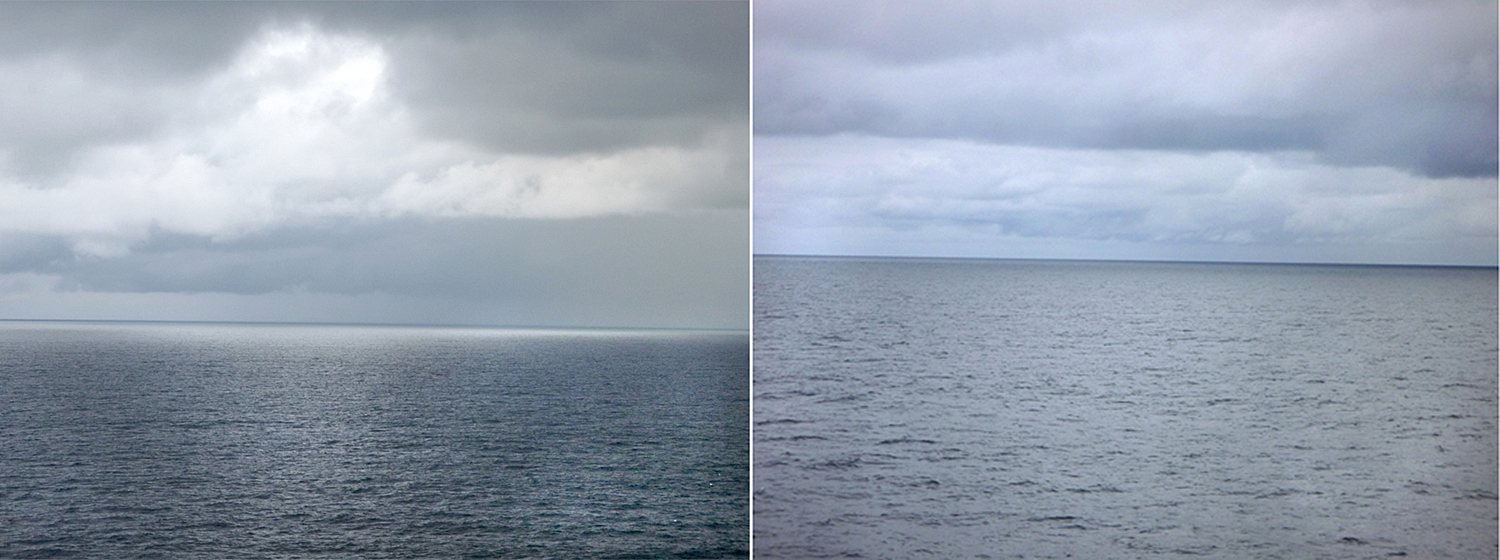
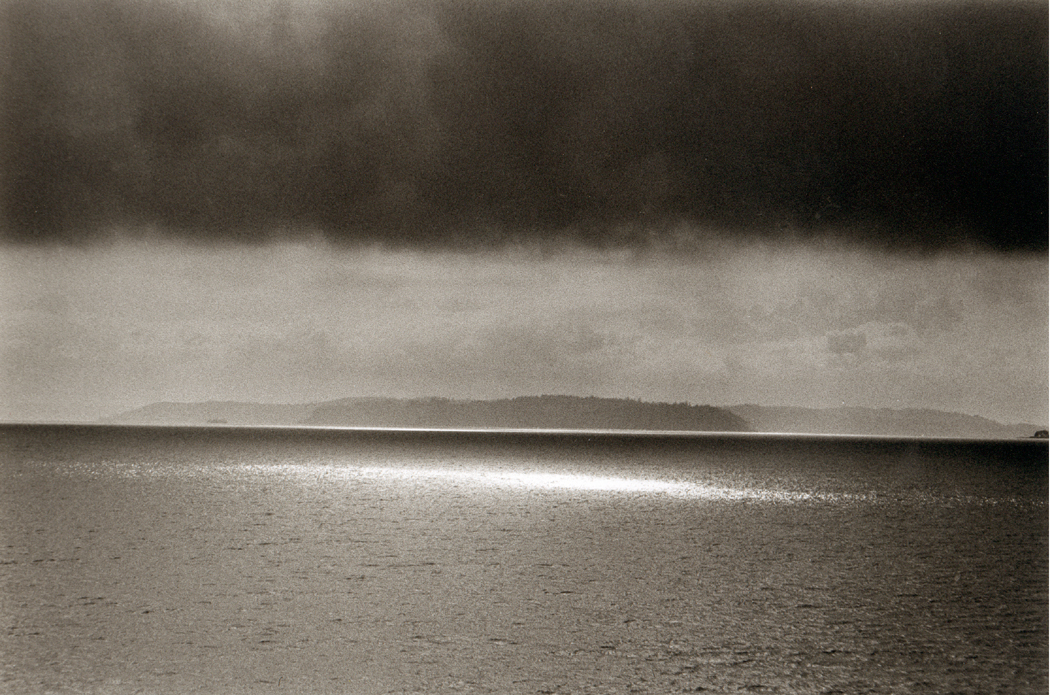
And another made from clouds on one particularly stormy afternoon from my back yard in Phoenix, collected in a book titled Monsoon.
Where does all this need to keep creating, keep producing come from? It is just my nature. I can’t help it: It keeps mind and hands busy, engaged, interested, alive.
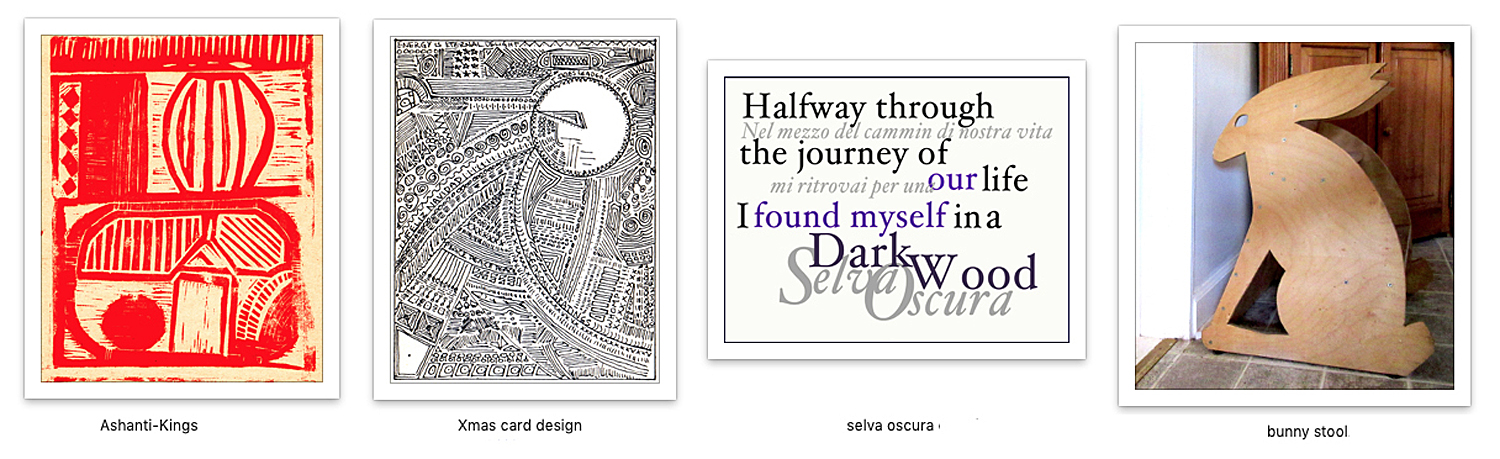
I’ve made linocuts, drawn with pen and ink, played with graphic design, and even, when my wife needed a step-stool for the kitchen, I built one from birch wood in the shape of a jack rabbit.
None of this means I feel especially talented or important, but just that putting things into this world that hadn’t existed before I made them seems as if it is whatever purpose my life has been made for.
When I was newly minted and 20 years old, I thought I would be an artist or poet. It was a goal. But it didn’t take long to give up such an idea. Instead, I began writing and making images. The focus was no longer on my identity, who I thought I was, and more on engaging with the world. Looking outward rather than being stuck with self.
I’ve known plenty of genuine artists; I don’t count myself among them. But I am doing something analogous.
I didn’t care if I was an artist. I was more interested in understanding the world, either visually or conceptually. And not so much understanding as simply experiencing it. I can’t say that self evaporated — I have always had a strong sense of self, as anyone who knows me will admit under muffled giggles. But that it didn’t matter.
And so, a lifetime of making things was not spent in any ambitious attempt at public recognition. I certainly could have written books or sought more gallery shows, but, as comic Steven Wright once put it, “I have ambition, but without the drive.” But I have been driven to use my words and my camera to see better, to connect better, to make objective documents recording what I have seen or learned. Making pictures forces my attention.
So, when I question having spent my life making and producing, and what it was worth, the obvious answer is not in the rewards of having made, but in the immediate doing. The meaning is in the act.
I was sitting on the backyard patio this morning, soaking up sunlight, when a squirrel skittered across the lawn, back and forth like a pinball. Eventually, he came to within 10 feet of me. I sat stock still, and he stared, twitching his nose, standing on hind legs like a deacon. After about a minute — which can feel like quite a long time — I must have blinked, because he jumped, startled, and took off running away.
I often sit in the back yard, to hear the birds and watch the clouds. It feels like an unmediated soak in existence. I sit trying to notice everything, the birds singing, the clouds moving, the wind making the trees wiggle in random motion, and until recently, the incessant noise of the cicadas, sounding like the A Train rushing through the 81st Street subway station. I felt the breeze in my hair, saw the bluish greens of the iris plants and the yellower green of the grass, I enjoyed the warm concrete on the soles of my bare feet and the incipient sunburn on the backs of my hands.
Bill Moyers once asked Joseph Campbell about the search for meaning, but Campbell switched focus: “People say that what we’re all seeking is a meaning for life. I don’t think that’s what we’re really seeking. I think that what we’re seeking is an experience of being alive, so that our life experiences on the purely physical plane will have resonances with our own innermost being and reality, so that we actually feel the rapture of being alive.”
And so, I sit watching my back yard, the trees that line it and the sky above it. I can feel myself breathing, wiggling my toes and being alive, and what is more, recognizing the world being alive around me. For a moment, there is no boundary between my existence and the sea of being in which I swim.
A wren flits down and sits on the steps to the shed and moves from one position to another with no apparent intervening motion, as if it were a jump-cut in a movie. A really bossy mockingbird runs through his repertoire of bird calls, claiming this patch as his own. A cardinal flies from my left to land on a bush to the right. A white butterfly bounces on the air waves to disappear behind the bushes.
I’ve seen so much life in this tiny patch of ground, it sometimes astounds me. I cannot count the birds. Crows, even a raven. Way up in the sky, I’ve seen up to a dozen buzzards at a time circle as they catch the updraft coming from the river and up the bluff to this house.
There have been cottontails and many squirrels. Two years ago, coming home from a trip to Maine, as I pulled into the driveway, two bear cubs were climbing up a tree at the back of the property. We watched them having their fun, and then mama bear climbed up behind them to encourage them to come back down. A dog barked aggressively from somewhere down the neighborhood and the bears all dropped to the ground and ran off. I’ve seen bears waddling through the streets here, and long ago learned not to put the trash out until garbage delivery day.
A groundhog has crossed the back yard so often, he has left a permanent trace in the lawn. I have seen him multiple times harrumphing his way along. If he spots me sitting, he will take a moment to stare and consider his next move, but then run faster than you think he can move, back where he came from.
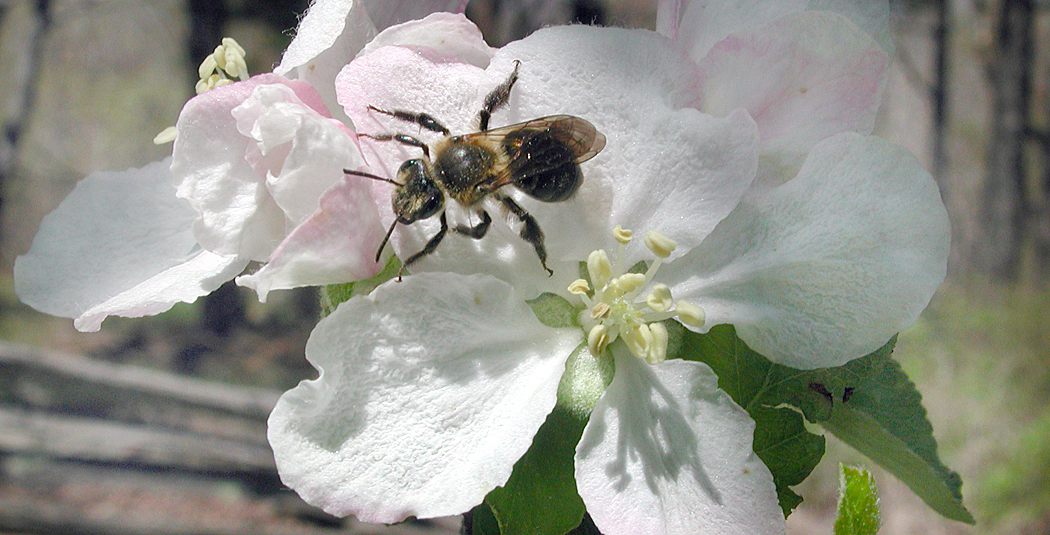
Then, there are the bumble bees, the honey bees, the wasps and the ant lions — their little sandy funnels in the dirt of the front garden. Big black butterflies, and their yellow and orange doubles light on the hedges and weeds. Ants build their nests in the cracks of the driveway, leaving tiny ridges of dirt where they have dug down.
Yesterday, as I was headed out the back door to have my daily sit-down on the patio, before opening the door, I saw the groundhog plopped down right by my chair, butt-flat on the concrete and motionless as a garden gnome, while an angry mockingbird jumped in a half-circle around him aiming “Cht-Cht — Cht Cht” at him. They continued this performance for a good two minutes until I must have made a noise and the great, heaving woodchuck became disturbed, turned its head my way and waddled off to hide under the shed and the bird, having had its way, flew up to a tree and quieted down.
When I was little and visited the Bronx Zoo, I was impatient to see the animals, who sometimes hid in the shade at the back of their enclosure, or sat behind some rocks, and if I did not have my interest piqued in the first five seconds, I moved on to the next animal. But my father told me to wait. Just watch. Eventually something would happen. I didn’t understand that then; I do now. I find myself in my yard patiently waiting for the next miracle.
(Many years later, I worked at the Woodland Park Zoo in Seattle, and saw crowds of impatient kids moving from exhibit to exhibit. And it is only worse now, in an era of cell phones and digital immediacy.)
Writing in the Fourth Century, the Christian poet Prudentius identified in his Psychomachia (“Battle of the Souls”) his version of the Seven Deadly Sins, and the corresponding Seven Virtues, at war with those sins, and among the virtues was Patience.
I don’t know if I learned it from my father, or inherited it from his DNA, but, like him, I have become rather patient. Or maybe I’m just sluggish. But, I believe it served both of us well. The old man was slow to judge, slow to anger, and would never think to get outraged at traffic. Being raised that way, I, too, am willing to wait, when waiting seems either inevitable or purposeful. In fact, I can sit quietly in a chair neither talking or thinking for ages at a time. When I’m being philosophical about it, I call it meditation.
In the 1950s, the aging photographer Edward Steichen rarely left his home in West Redding, Connecticut, and began photographing a serviceberry tree (he called it a shadblow tree) through his window. He watched the seasons shift across the face of the pond and the tree and pictured them in all seasons and hours of the day, under varied weather, and made a case you could spend an infinite amount of time in a single place with a single subject and discover everything. As Yogi Berra once famously said, “You can observe a lot by just watching.”
And it is the little things, carefully watched, that won’t happen again. The flow of the world is that it won’t happen again, all in constant forward motion and I sit to watch it move past me, and take me with it.
I just want to sit and soak, to sense the universe around me without thinking. We tend to glorify rationality, and the power of our brains to think meaningful thoughts, and we diminish the value of pure sensation, the sensuous awareness of colors, shapes, earthforms, clouds, birds, song, rhythm, touch, smells, and tastes. But these things are primal and exist before thought. Sensation is primary; making sense is an afterthought.
And so I sit, trying to lose myself in the larger pattern.
But, damn it, I can’t help being a writer and so I need to belittle what I enjoy, turning it all into words, into capsules of meaning that when read by others will be turned into ideas about sensations. Words not experience. And so, I can’t stop myself from writing this, hoping you share some of that delight when you step outdoors on the right day, with the right breeze, and the right mockingbird and crow squawking, and can see the trees dancing and the sun moving slowly across the sky blotted with whatever variety of cloud you have that moment.
I recently misplaced my camera on a trip. I don’t know where; I’ve checked and rechecked several places. So, it’s gone. These things happen.
Luckily, I have some older cameras stuck in a drawer and I pulled them out, went through an orgy of recharging all their batteries, and now have six working cameras, of various types and talents. Mostly, though, I was shocked to realize how many cameras I have bought and used over the years. Indeed, with all the newly recharged and working ones, the drawer also contained even older cameras that no longer can function at all — outdated technology. And all these were only the digital cameras. My history with the medium goes way back.
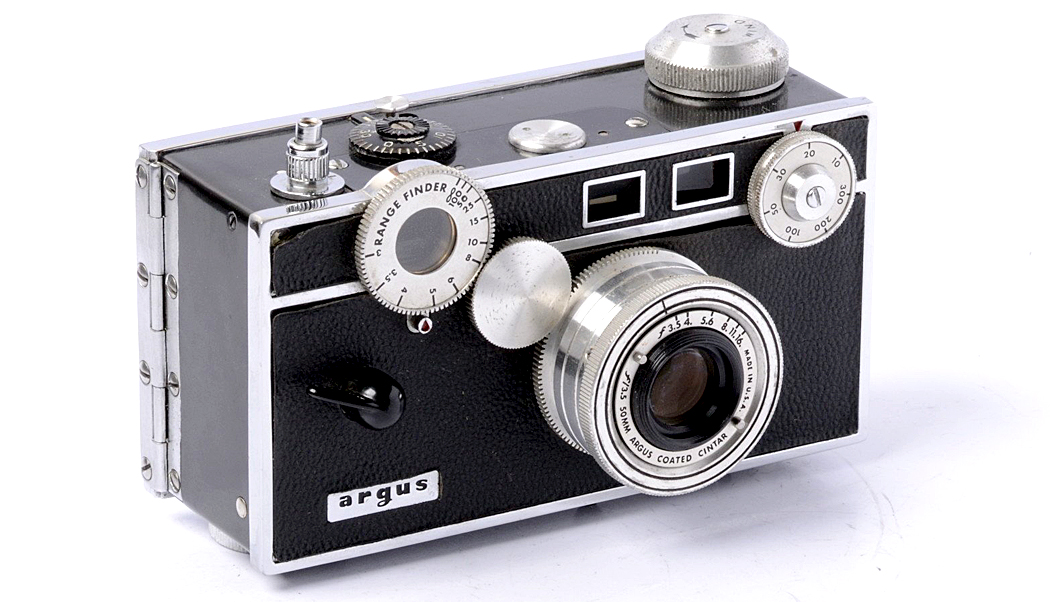
I have gone through scores of cameras over the years, including a bunch I had simply for the sake of collecting, including an old Kodak Medalist, the Super Ikonta B, and the Exa 1. I have bought at least a half-dozen Argus C3s — a camera built like a brick with a lens plonked on — that I habitually gave out to friends so they could make pictures for themselves.
But all that is just akin to collecting antiques. More immediately, it set me to thinking about a chronic disease I have suffered from through most of my life — a psychological problem. I have been a lifelong collector of cameras. But not just for the sake of collecting. It has been a lifetime of trading in what I had been using for what I believed would be a better tool. Of course, on the rational level, one knows perfectly well that the tool is only as good as the workman, and that a fancier camera isn’t going to make better photographs for me. Still, I constantly drooled over whatever was higher up on the photographic food chain.
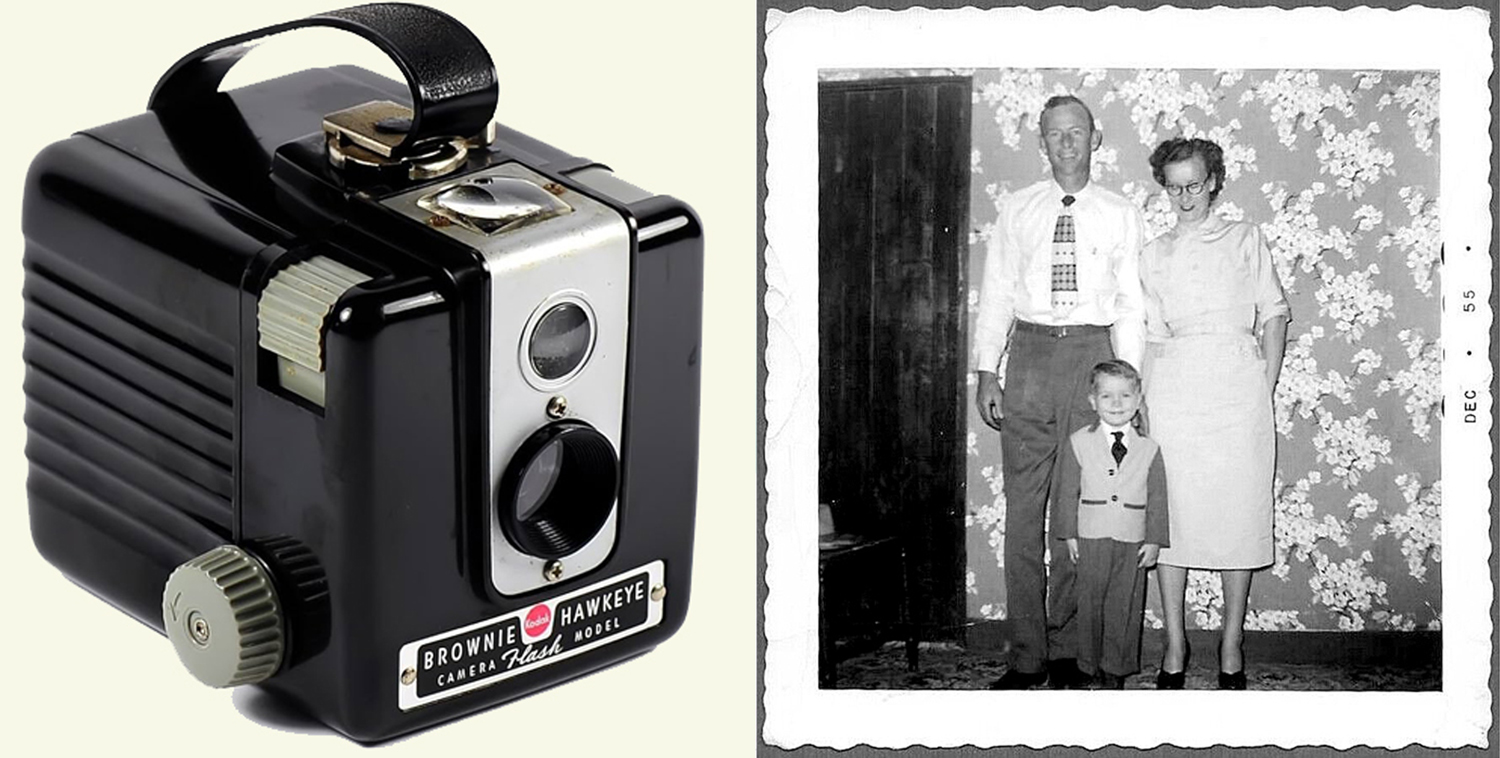
And I started pretty low: When I was 10, I got a Kodak Hawkeye Brownie camera, a little plastic box with a tiny fixed lens. It used roll film and when I had shot my 12 pictures, I took the roll to the drugstore to have it developed and printed. What I got back were three-and-a-half inch, deckle-edged prints of fuzzy images with a tiny date printed in the margin. These were the standard family snapshots of the era — the late ’50s and early ’60s.
Then, over summer school vacation in 1965, I accompanied my grandmother on a trip across the Atlantic to visit her birth town in Norway, and I wanted a more “professional” kind of camera to take with me. This was truly the start of my neurosis. I visited the local camera store where the clerk — a doughy old smoker of smelly cigarettes — found me a used Praktica 35mm single lens reflex camera. This was the kind of camera with a flipping mirror behind the lens that popped up as you snapped the shutter button and exposed the film. Even then, most SLRs had a prism affixed so you could look through it to focus and frame. But my Praktica was of an older vintage. You had to hold the camera at chest level and look down into the ground glass viewfinder — a viewfinder exactly an inch by an inch-and-a-half, for a very tiny preview of what you were photographing. As you turned the knob to the next exposure, you also re-lowered your mirror.
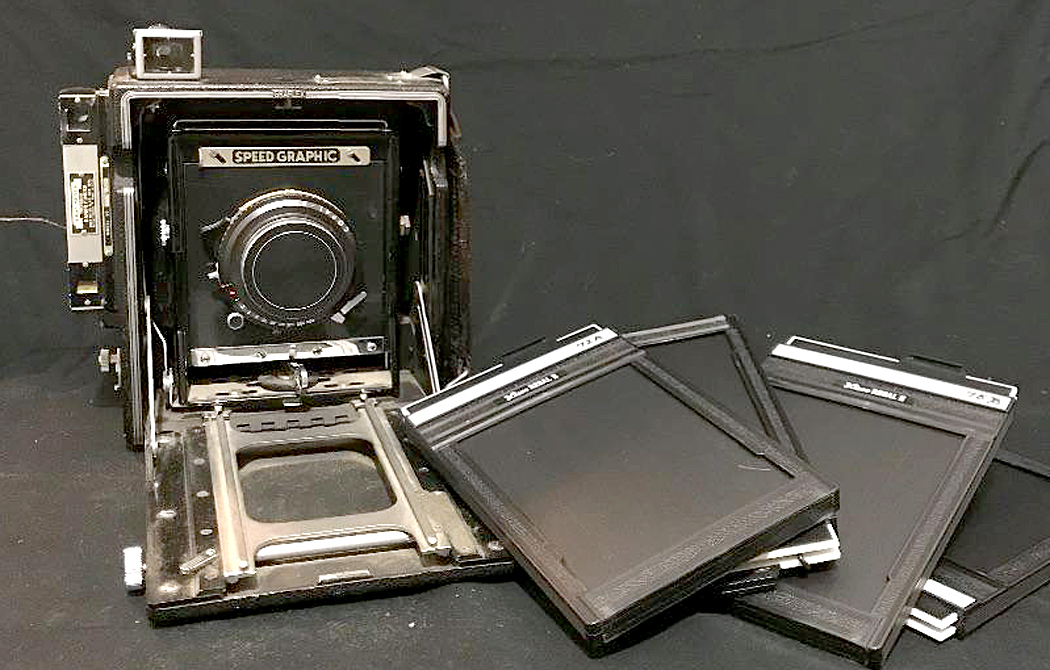
In high school, I was a nerdy sort, and one of the AV team that set up projectors in classrooms for the teachers, or operated the reel-to-reel tape recorders. And I had a special job as the photographer for the school newspaper, and for that I had the school’s Crown Graphic — an old Graflex camera with the 4- by-5-inch plate holders. And I had access to the school darkroom, where I processed the giant negatives and made prints for the paper.
So, I knew I wanted a better camera for myself. My best friend had his own 35mm SLR, and it was a Miranda D. Oh, how I wanted one of my own, with its pentaprism on top, and a lever to advance the film instead of the windy-knob. I never got one. I couldn’t save up enough money.
But, with a trade-in of the old Praktica and some saved allowance cash, I could get a used Pentax Spotmatic, of the old, screw-mount lens variety. It got me through college. But there was always in the back of my mind this nagging need to have the best — the Nikon F, the top of the line in Single Lens Reflex technology. But they cost so much. I pined.
(I always seem to have had Pentaxes as a fallback. I’ve owned maybe a half dozen of them over the years and it was a Pentax that I took with me on our first trip through the West in 1981. A solid workmanlike camera.)
After I graduated, I got a job as a clerk in a camera store, working alongside a wizened old pro, who smoked (more accurately, chewed on) truly nasty cigars. And with my earnings, I was able to trade my Pentax in for the Nikon (used). You’d think that was enough. The prize with the Nikon came with the 55mm macro lens and the gorgeous 85mm long focus lens. Had to have those.
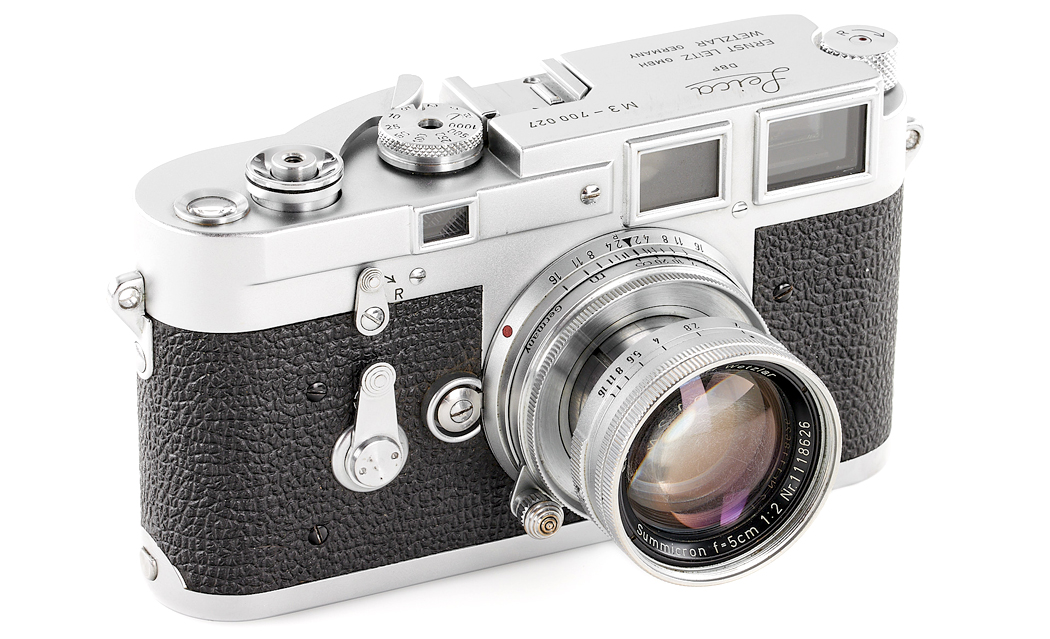
But I knew my photographic heroes worked with Leicas, and so, my heart was set on an ever-higher rung and I wanted, somehow to own a Leica. I magically came across an ancient Leica D, vintage 1937, being sold for a ridiculously cheap price (something like $50. The latest price for one on Ebay runs about $1500.) Mine came with the famed f/3.5 Elmar lens, and was an all-black model. I felt I had hit the jackpot.
The problem was such an old camera was missing some regular amenities, like a flash connection. And then one of our customers, a wealthy businessman who was a collector of Leicas, offered me a more modern Leica IIIf (“red dial,” ca. 1956) in an even trade for my old thing. It was chrome, not black, and had more shutter speeds and a flash connection. I took the deal.
The problem was that the then-current Leica was a bigger, better M3 Leica and I knew I had to have that. I also began collecting Leica accessories for my IIIf — telephoto and wide angle lenses, a light meter, a leather camera case — and I would have to give all them up for the upgrade.
And so, I upgraded. Then there was the M4, which was even better. Imagine how good my photos would be if only I had the Leica M4.
I had a new problem, however. The kind of photographs I wanted to make were highly detailed, sharply focused images, like those of Ansel Adams or Edward Weston, and the small, grainier 35 millimeter film I was using would never, ever achieve that look. I had to have a bigger negative.
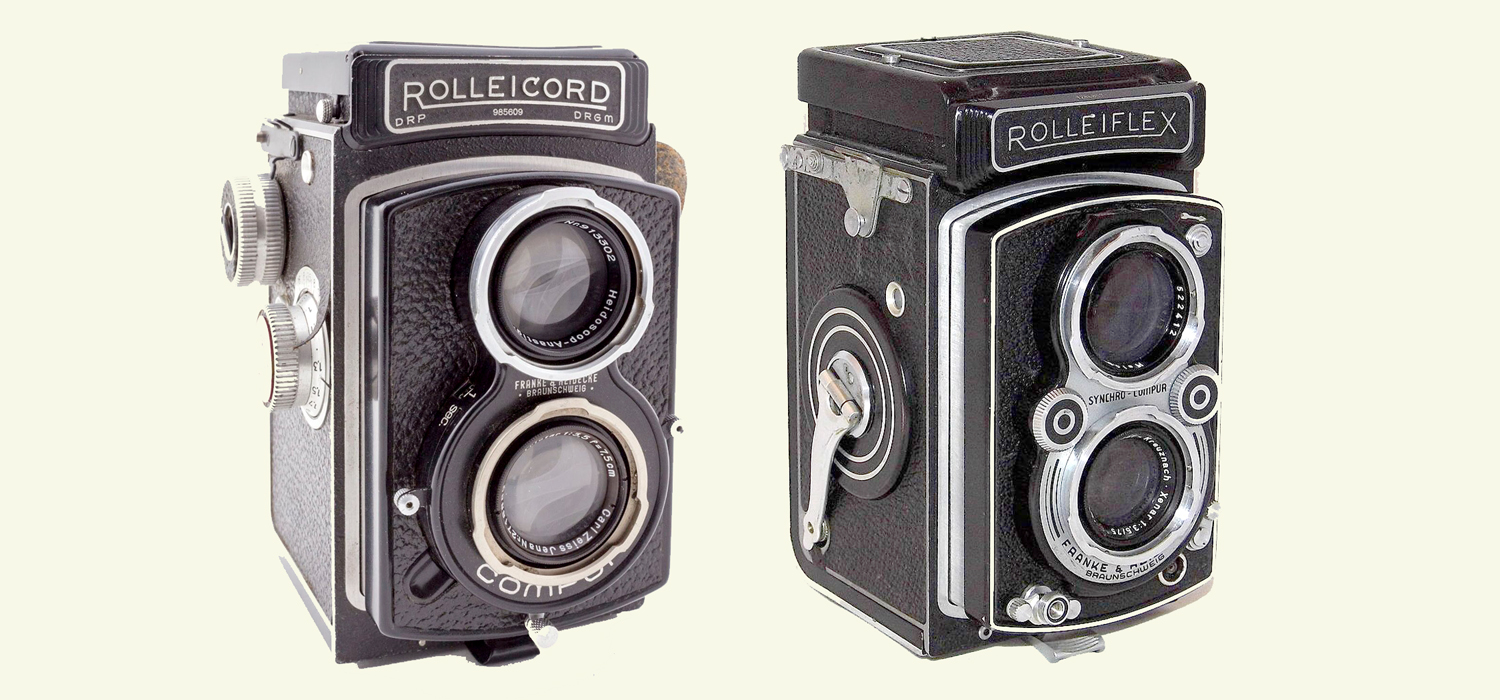
And so began the climb up to the 120 film size with its two-and-a-quarter-inch square negatives. I got a Rolleicord, which was a highly respected twin-lens reflex camera (one lens above the other; one to focus with, one to make the image on the film). But, of course, the Rolliecord was the lower-price version of the even-better Rolleiflex. Huff and puff. More trading and I got the Rolleiflex with the f/2.8 lens. But while I got the bigger negatives, I had regressed to looking down to my waist into the ground glass on the top of the camera, where the mirror sent the image.
And so, the next insanity was to lust for the medium format SLR, and the top of the heap was the camera we all considered the BMW of cameras: The Hasselblad. This Swedish camera was what the Big Boys used. Avedon; Penn.
But by this time, I was no longer working at the camera store, and the Hasselblad cost as much as a Volkswagen (or it seemed like it). Eventually, I found a used one and felt I had reached the pinnacle. I owned a Hasselblad.
Unfortunately, just at that point, I went through the equivalent of a divorce, moved from North Carolina to Seattle, went unemployed for a bit and had to sell my Hasselblad. I went through some hard times, had to sell my darkroom equipment and was left with a series of Pentax cameras (newer vintage, with click-mounted lenses). My life was saved by meeting my second official wife (married for 35 years until her death seven years ago), moved to Phoenix and got my dream job writing for the daily newspaper and taking my own photos for my stories.
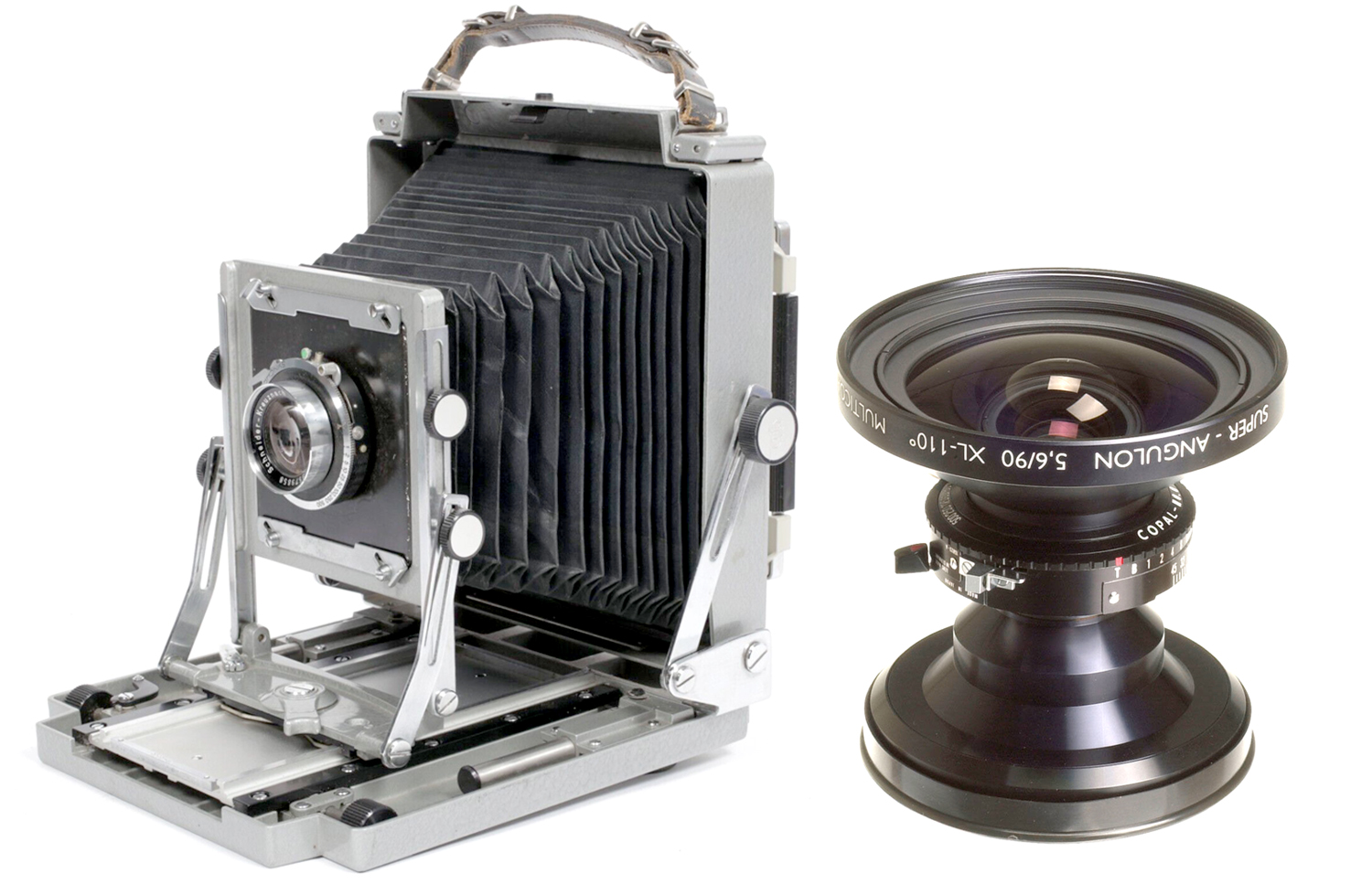
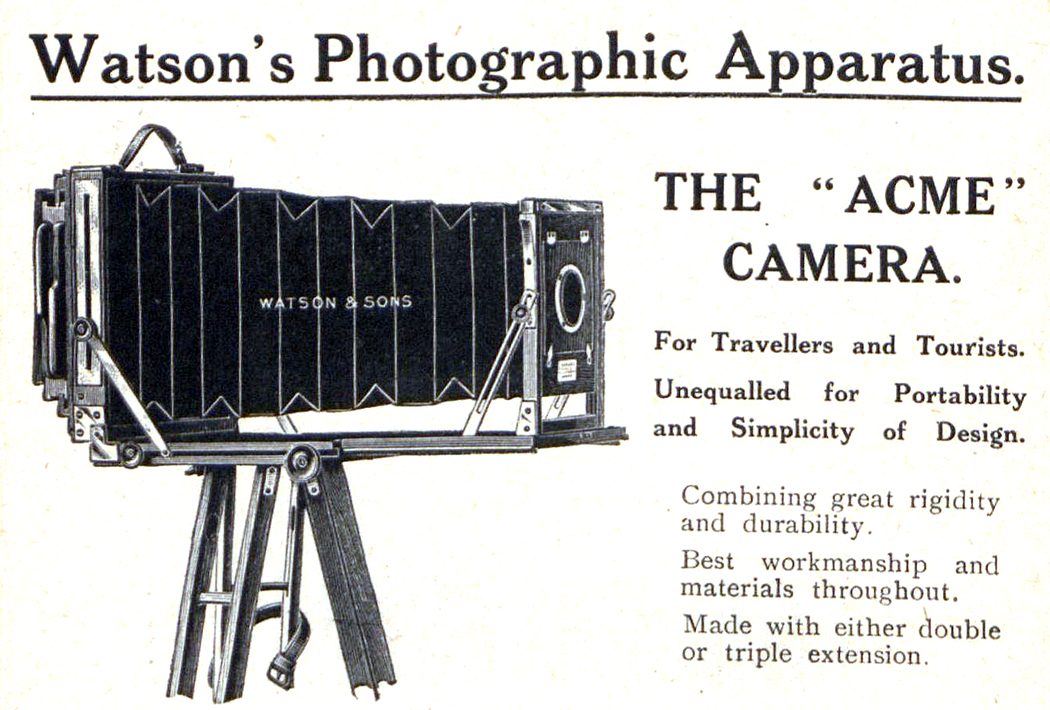
You would think that would be the end. But ye of little faith (or too much). The small 35mm camera was fine for my newspaper work, but for my personal photography, I began to think about large format cameras. Since using the 4X5 Graflex in high school, I had in mind to finally acquire a large-format field camera, and got a really nice Toyo, with the Super-Angulon lens that was my perfect idea of the perfect lens for the perfect camera. I dragged it around the desert to make landscapes.
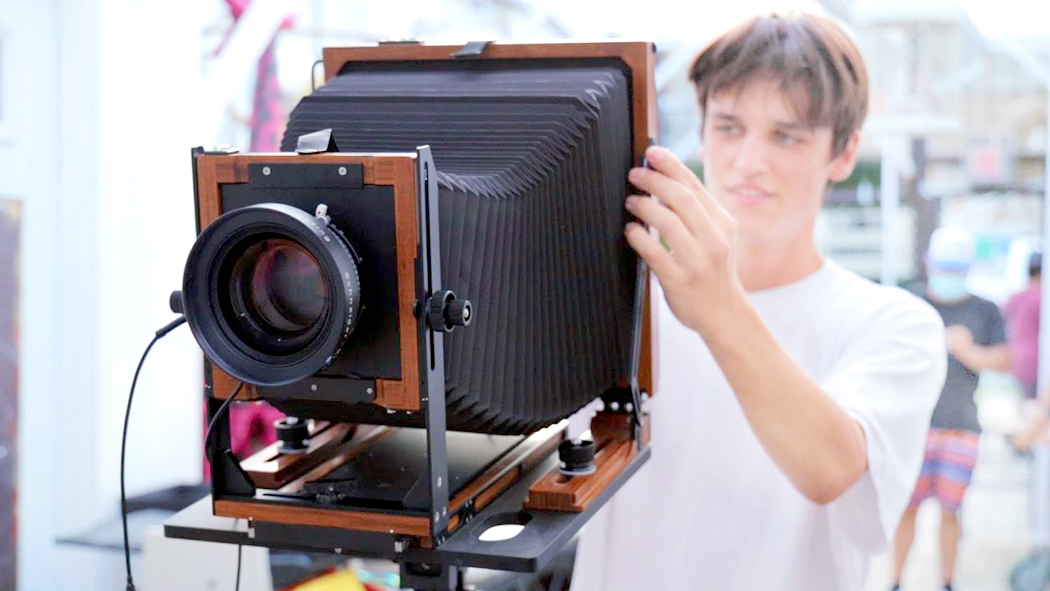
But — you knew this was inevitable — Edward Weston used an even bigger camera, one using 8-by-10 inch film. This was truly a camera the size of a Volvo. It weighed as much as a set of barbells. I found an old, beat-up Deardorff with an uncoated lens and three film holders.
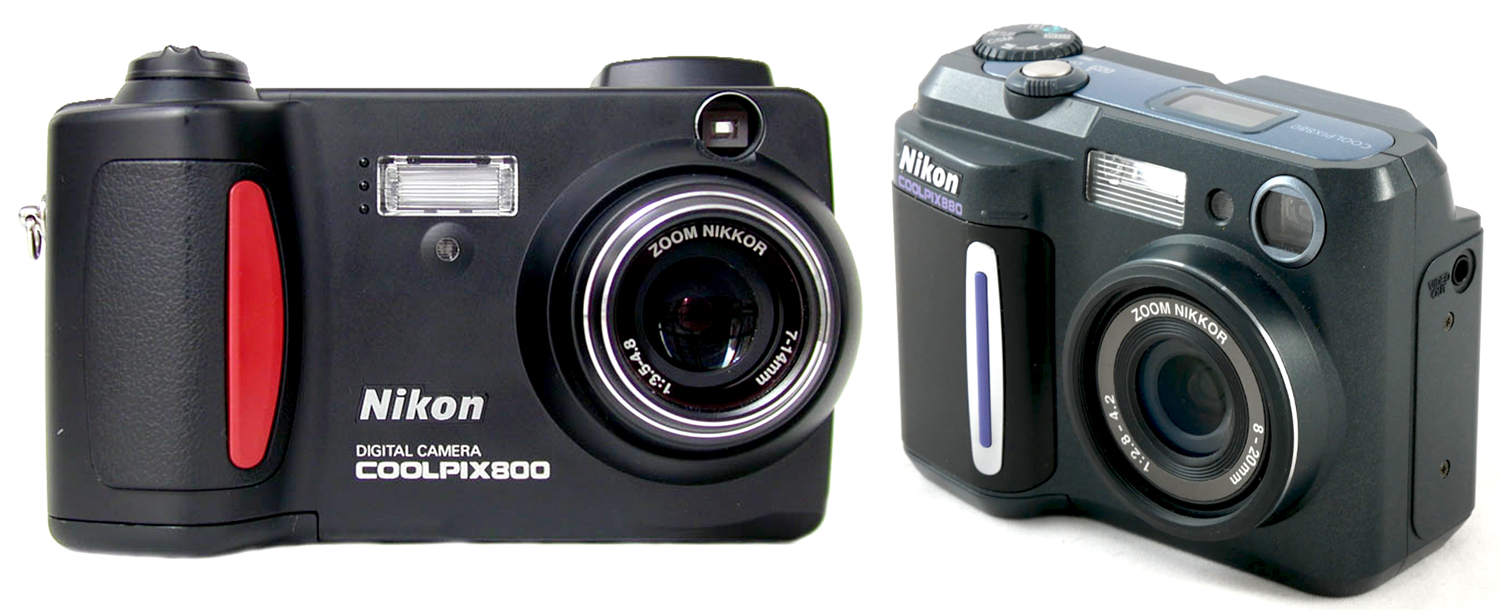
Of course, that is exactly when the photographic world went digital. And the whole stupid thing started all over again. I bought a 2-megapixel Nikon Coolpix 800. Which led to a 3.5-megapixel Coolpix 880, a Canon ELF (the size of a cigarette pack), and on it went. Manufacturers kept upping the megapixelage for sharper images at larger sizes, and I kept up with them.
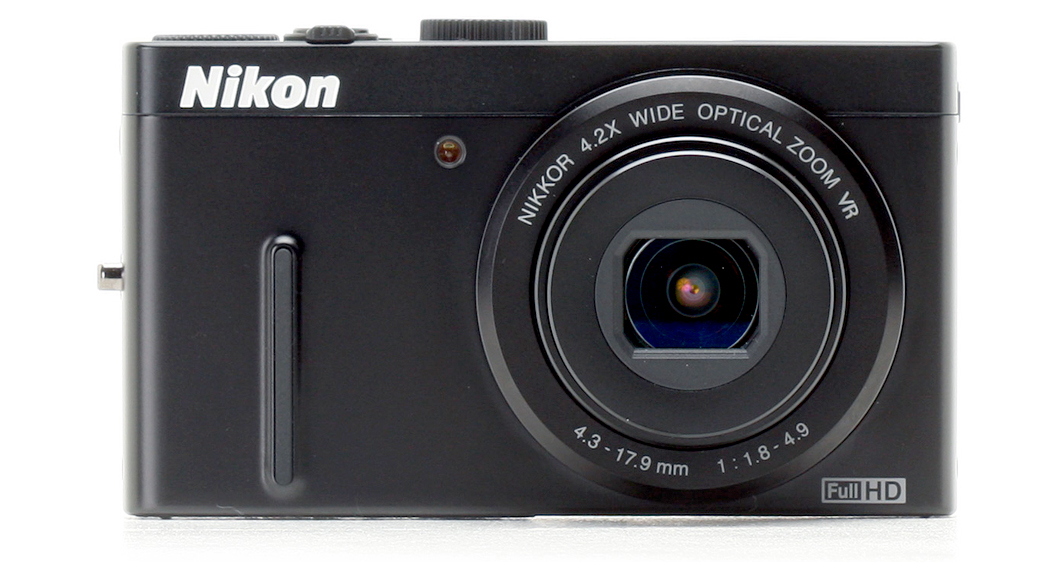
I found what felt was the perfect camera, the Nikon Coolpix P300, with its 12.2 megapixels and a high-contrast black-and-white mode available, along with the ability to make panoramic images. I thought it was my final camera.
And it would have been, I believe, except that after several years, it stopped working. I needed to replace it but by then, it was no longer being made. I had to find something else. What I found was the Panasonic Lumix DMC-FV35 which was the smallest, flattest pocket-size camera I knew. It had an exceptionally wide lens and had a 10 megapixel sensor. I loved that camera. But then, for some reason, it developed a dark spot in the image, like a dust speck on the lens. But no matter how much I cleaned the lens, it wouldn’t go away. I bought the newer 12-megapixel Lumix DMC-FX 48, which was otherwise identical to its predecessor. It eventually got the spot, too.
I was taken by the idea that a larger sensor might improve the image (larger physically, not just in number of pixels), and bought the Olympus Pen E-PL1, a 12.2 megapixel box with interchangeable lenses. I also bought an Olympus fe 5020 point-and-shoot for my wife (also 12 megapixels, but about one-fifth the size).
I also needed a full-size SLR, and my old Canon EOS Rebel was quite outdated, and since my wife and I were taking a trip to Alaska, I decided to replace it with an improved model, with extra wide-angle and extra telephoto lenses to go along with it, and got the Canon T5, with its 18 megapixels. It is still my go-to camera for most important things.
And there it would have ended but for the my need for something smaller than the T5 or the Olympus Pen, something I could slide into my pocket. And so, I ended up with the Canon PowerShot SX610 HS (The names for camera models is just as insane as those for proprietary drugs). It was 20 megapixels. I say “was,” because that is the camera I lost. I hope that it will turn up some day.
When I was young, I thought that each time I upgraded my camera, my pictures would get better. And, you know, over the years, from 1965 to 2024, it was true that my pictures got better. Strangely, though, I now recognize that any improvement wasn’t because I got better cameras, but because, after tens of thousands of images, I became a better photographer, merely through practice. It never was the camera. (I’ve made some of my favorite images with a $10 Diana toy camera).
In fact, the fancier new model digital cameras get, the more bells and whistles, the less I want. If only I could find a point-and-shoot small enough for my pocket with a wide-angle lens (no zoom needed), and no extra “filters,” no face recognition, no video mode — just a very basic still camera — I would be very happy. I think.
Addendum: I know at least a couple of retired newspaper photographers who may recognize this pattern in themselves. I believe it is largely a male thing and extends well beyond merely photographic equipment. I know of men who start out with a Schwinn, have graduated to a VW Beetle, eventually to get a Ford Falcon station wagon (with a mattress in the back), to a Chevy, to a Honda, and on to a BMW and finally to owning two Porsches (one in the back yard for parts to keep the other one running.)
But it could be anything, from knives or guns, to audiophile stereo systems and expensive speakers. Since I do the cooking in the house, I have gone through something like it with cookware, finally owning top-of-the line skillets and mixing bowls.
Women may show a similar climb as they move on from husband No. 1, each time getting a better, more mature, responsible and thoughtful model, finally achieving what is usually called a “keeper.”
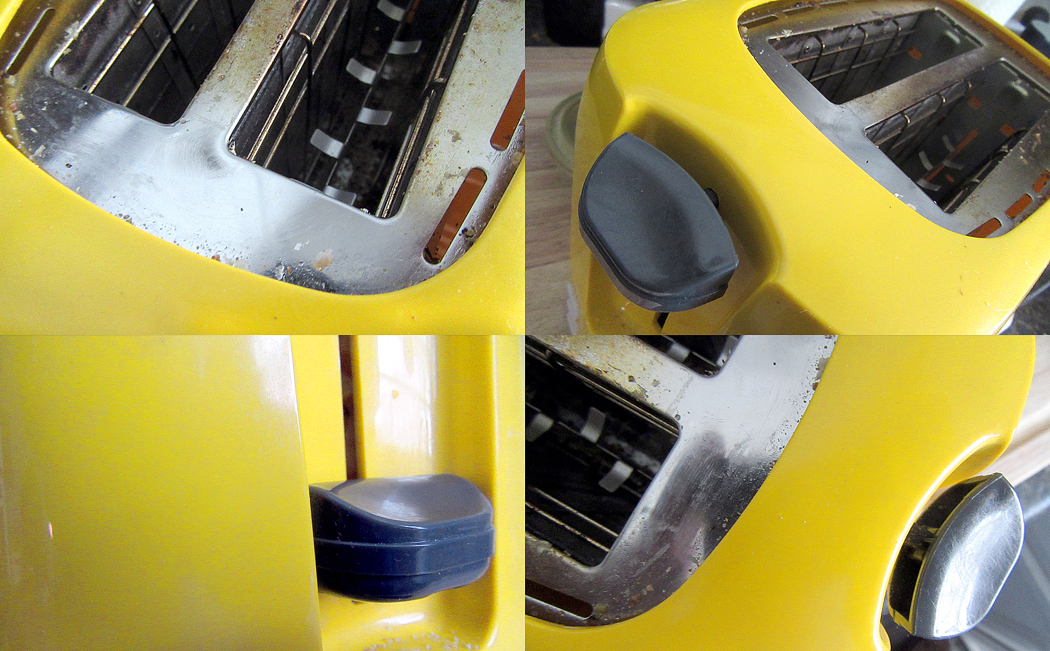
This is a toaster. Something so banal that in our ordinary lives, we hardly notice or look at it. Actually this is a picture of a toaster, which is a remove from the real thing. But then, so is the word “toaster,” which is also not the real thing, but a remove from the reality.
For most of us, most of the time, seeing something — like the toaster — means being able to name it and move on to something more interesting or more immediately useful. The image in the picture functions as a pictogram, or a different “spelling” of the word. We read the image as if it were the word.
Pictogram to “read” as teapot; teapot image as “seen”
It is how we respond to most images that bombard our daily lives. We name the item seen. It has been categorized, filed and forgotten. Our lives are too busy to spend any time remarking that the toaster is yellow, or made of plastic, or has rounded corners. These details are of no particular use when fixing our morning bagel, and so, they might as well be invisible.
Of course, being able to recognize things quickly is a survival skill, and humans have survived these hundreds of thousands of years precisely because they could point quickly and yell, “Tiger!” So, I’m not pooh-poohing that ability categorically.
But life is about more than just survival. The things of this world are bursting with sense data that gets ignored by reading rather than seeing the visible world. The toaster was designed to have an esthetic impact; the yellow was chosen to be pleasing to the eye; the curves were worked in to make the shape more inviting than it would be if it were all pointy edges.
We are embedded in a universe of things — a material world — and all of those things have physical and sensuous properties. They have shape, color, heft, texture, volume, solidity or softness, shine or roughness. And all of these properties make up the elements of art, and one of the jobs art does is to remind us of these delights we normally pay no attention to. Art reminds us we are alive.
Any life can be enriched simply by paying attention. To notice the yellow, the curve, the size and shape. In fact, to those awake to the world, it is all art — and the emotional richness that the awareness brings.
It is one of the things artists were doing at the beginning of the last century when they began making abstract art: art about the color, shape, texture, without a nameable subject.
Of course, artists have always paid attention to these visual qualities. Just because a painting is of a still life, and we can name the objects, doesn’t mean that the artist wasn’t obsessed with the sensuous truth.
And so, it is a worthwhile exercise to occasionally attempt to forget what you know and see the things of your life freshly, as if you didn’t know the names, but saw only the qualities.
Humanity is varied in its ability to see beyond the names. It takes an imagination — a way of turning off your rational mind to see only the vital facts and not their meaning or use. Some people have the hardest time: I remember one woman who was asked to close her eyes and describe what she could see in her mind’s eye, and her answer was “With my eyes closed, I see only black.”
But attempting to see past the names of things is deeply rewarding. The pleasure of colors, shapes, designs, apprehended primally enriches our lives immeasurably.
Certainly the natural world invites us with color and beauty. But it isn’t just the flowers and trees, the birds and the clouds. Everyday items can be appreciated for their roundness, plumpness, hardness, color, shape, even the feel under your fingertips.
Many eons ago, when I was teaching photography at a two-year college, one of the assignments I gave my students was to photograph something in such a way I could not tell what it was. I made sure they understood that I didn’t mean just out-of-focus, or so badly lit it was murk. But to see something from a different angle, or to find a meaningful detail and separate it out.
The purpose was to help them see without depending on what they already knew things looked like. To see directly.
For example, here’s something most people see almost every day.
Did you spot what it is? It is a view of your driver’s side rear view mirror as you approach the door to open it. A great big globular shape.
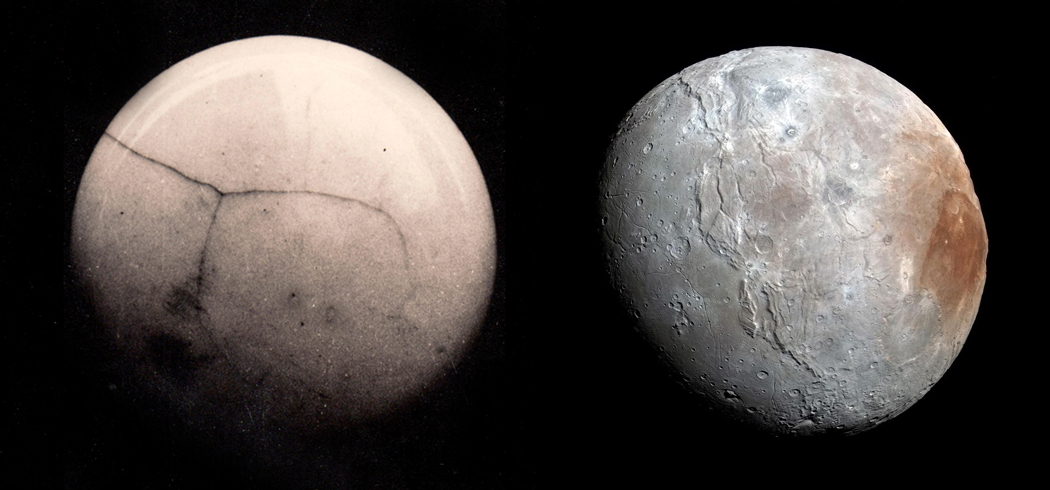
One of my favorite images is one taken by Voyager II in 1983 as it passed the (then) planet Pluto and snapped this image of its moon, Charon. And compare with the more recent, and clearer image taken by NASA’s New Horizons space probe on its flyby in 2015.
Actually, that’s a lie. The image on the left is a doorknob.
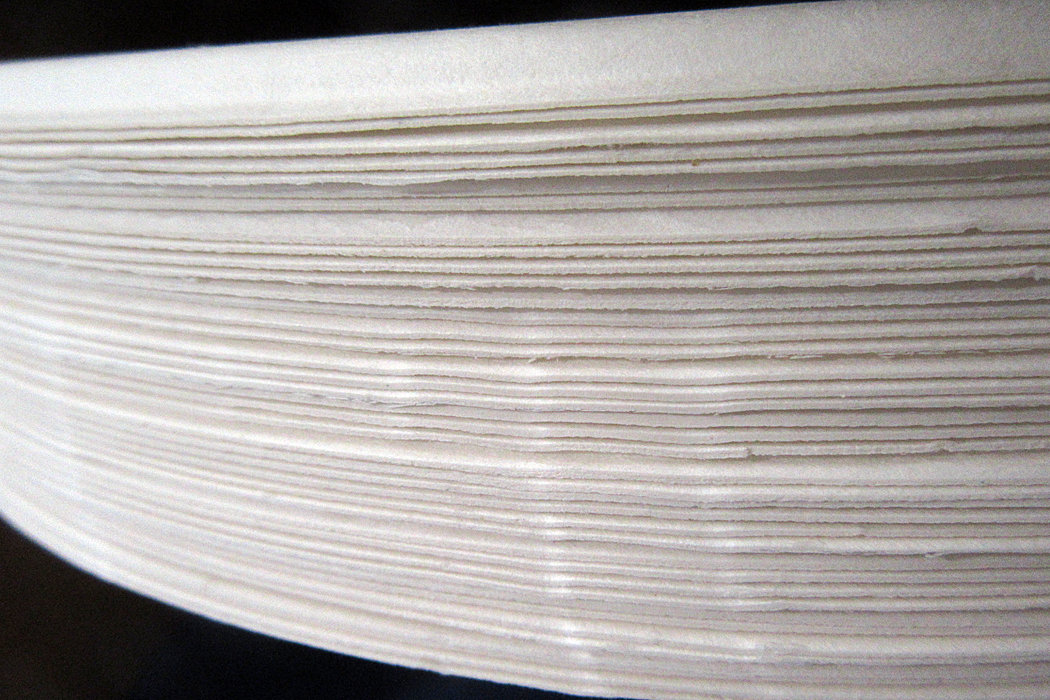
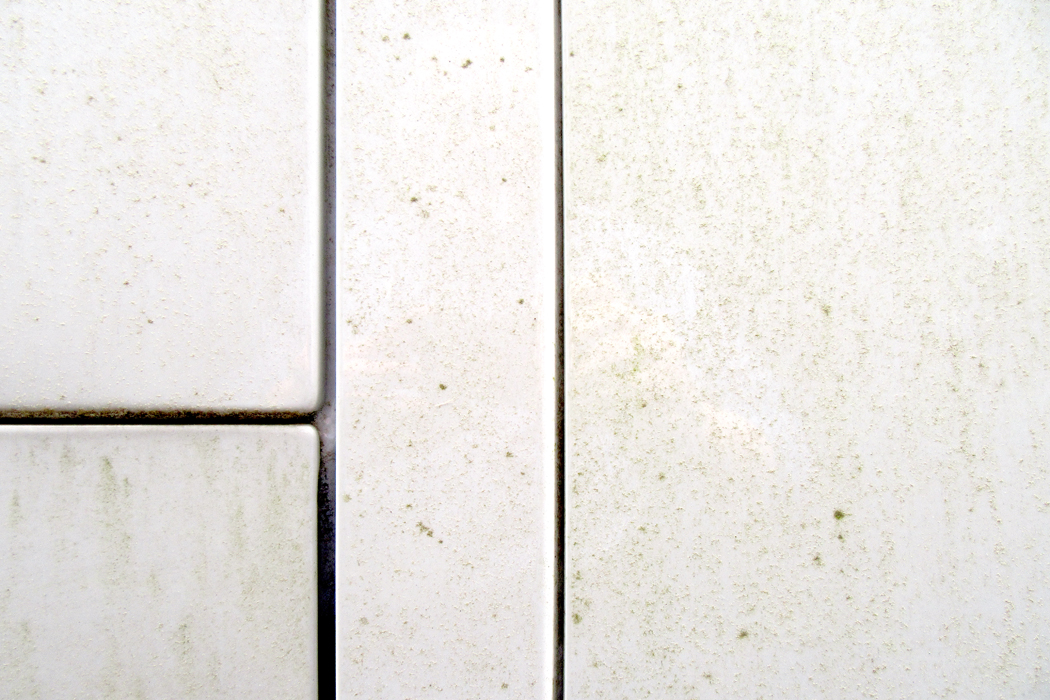
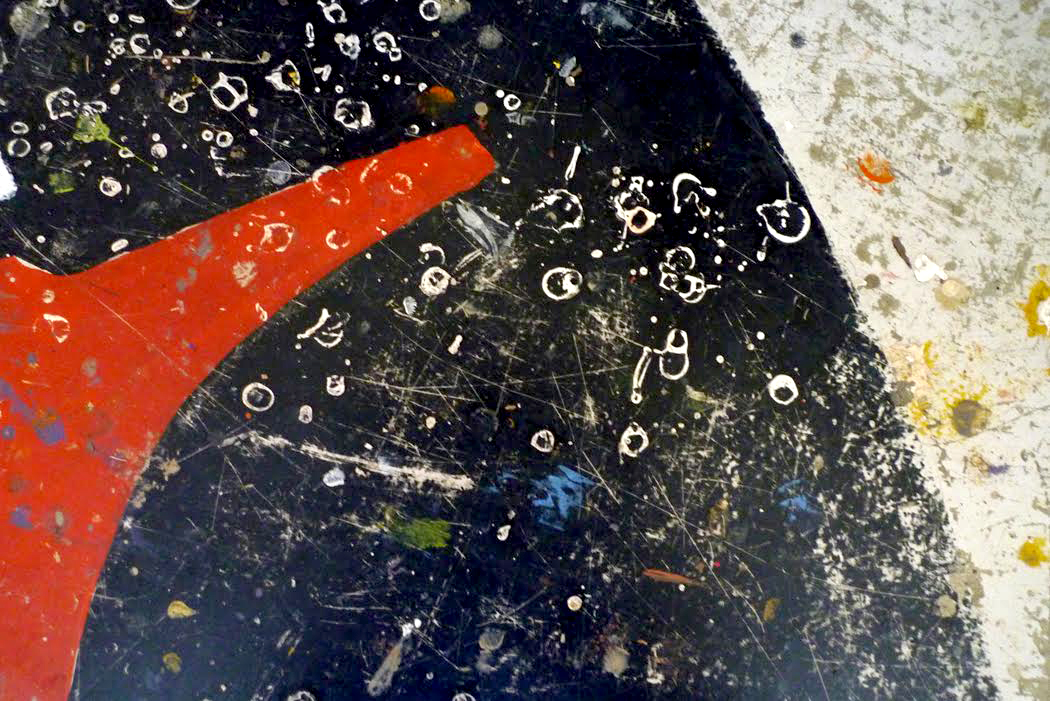
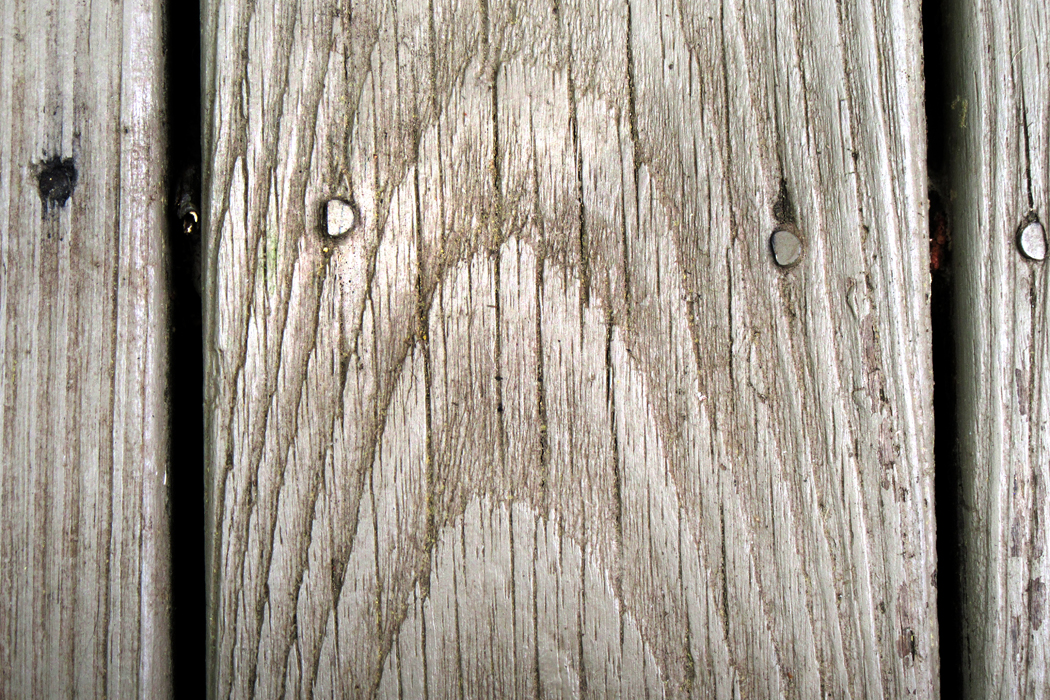
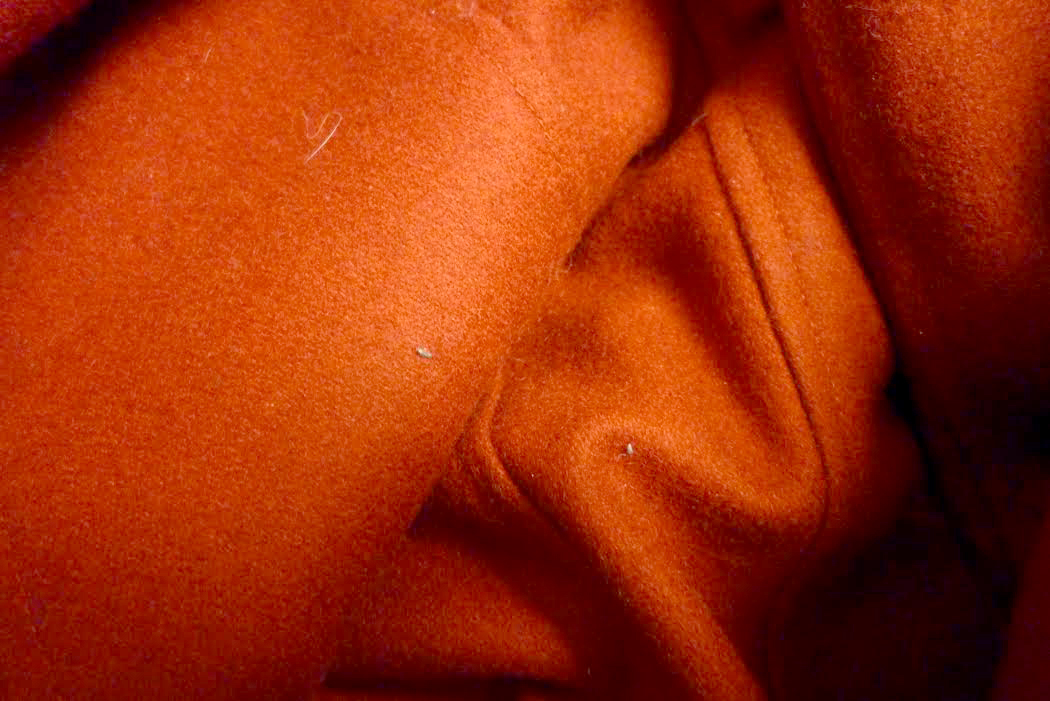
And so, here’s a little quiz. These photographs were taken to illustrate the shapes, colors and textures of ordinary objects, but seen in fresh ways. But they are still recognizable, if you can spot them. Can you tell what they are? The answers are at the end of the column.
1
2
3
4
5
6
7
8
9
10
Even when you are not trying to be tricky, it is good to pay attention to the physical properties of the things of the world. Those shapes make images more memorable. And there are shapes all around.
A doorway turned into a check-mark
A paper tissue half out of a box
A kitchen strainer
We are alive on this planet for such a short time, and there is so much to take in. With our five senses we are privy to such delight and can never exhaust the riches around us. But we must be open to them, aware of them, awake to them.
Learning to see is a part of art education. To see a picture of a giraffe and point, like a first-grader, and say, “Giraffe,” is not seeing. But take up a pencil and attempt to capture what you see on paper will teach you what things really look like. Paying attention is the great secret of life.
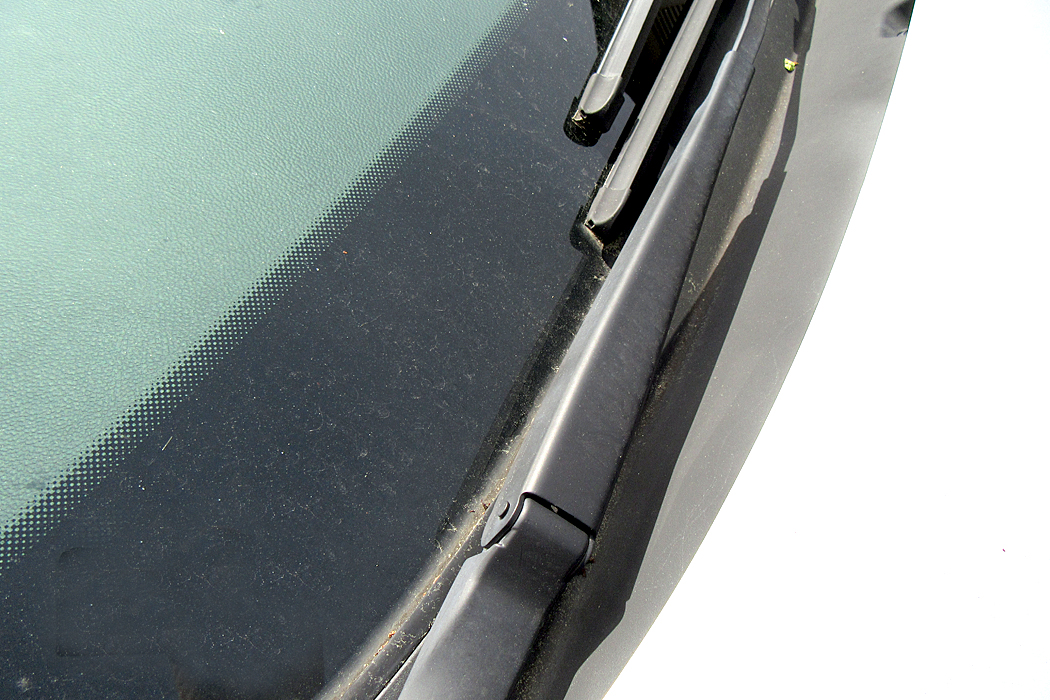
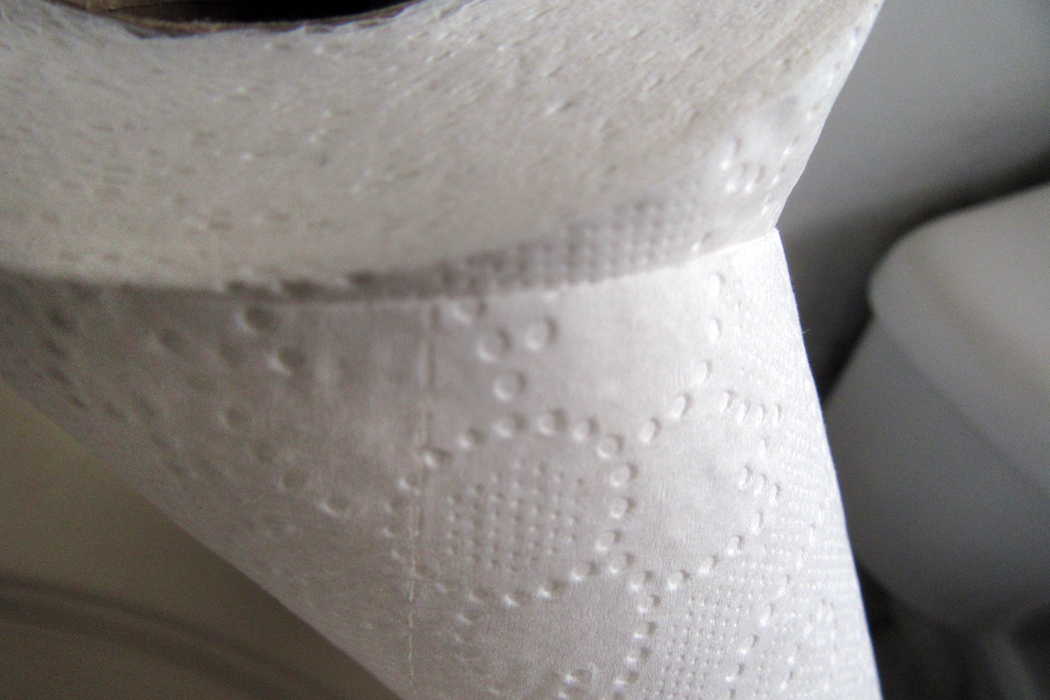
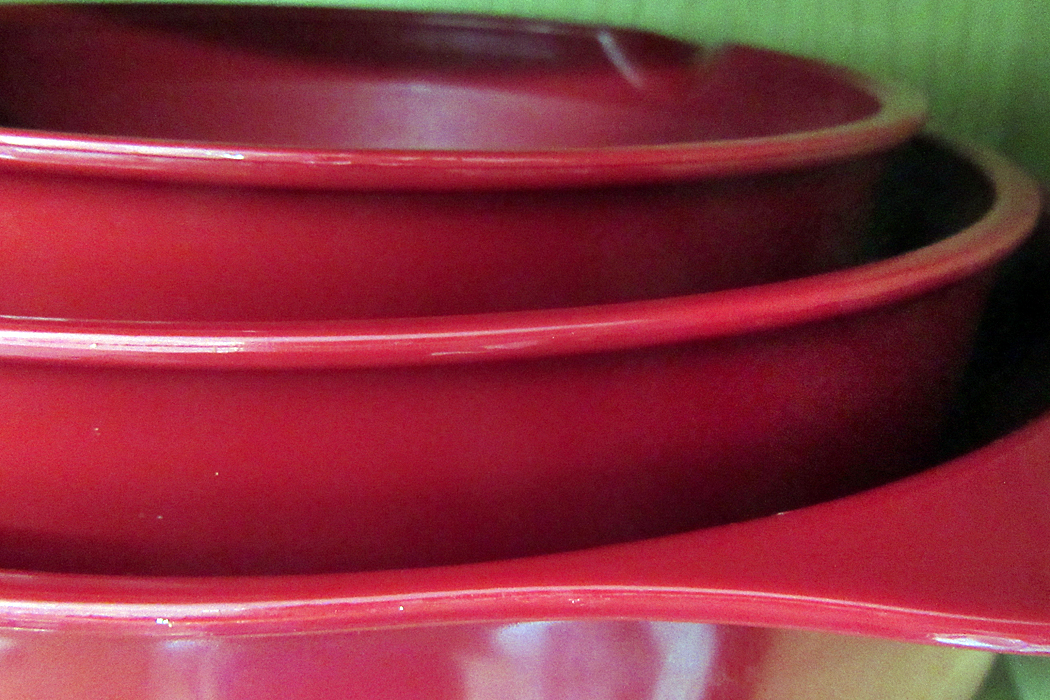
Quiz answers: 1. Paper plates; 2. Work glove; 3. Windshield wiper; 4. Measuring spoons and ceramic duck head towel hook; 5. Old Oxford cloth shirt; 6. Toilet paper; 7. Plastic mixing bowls; 8. Pop-open gas-cap cover for Buick; 9. Ceiling fan lamp fixture; 10. Assorted shopping bags.
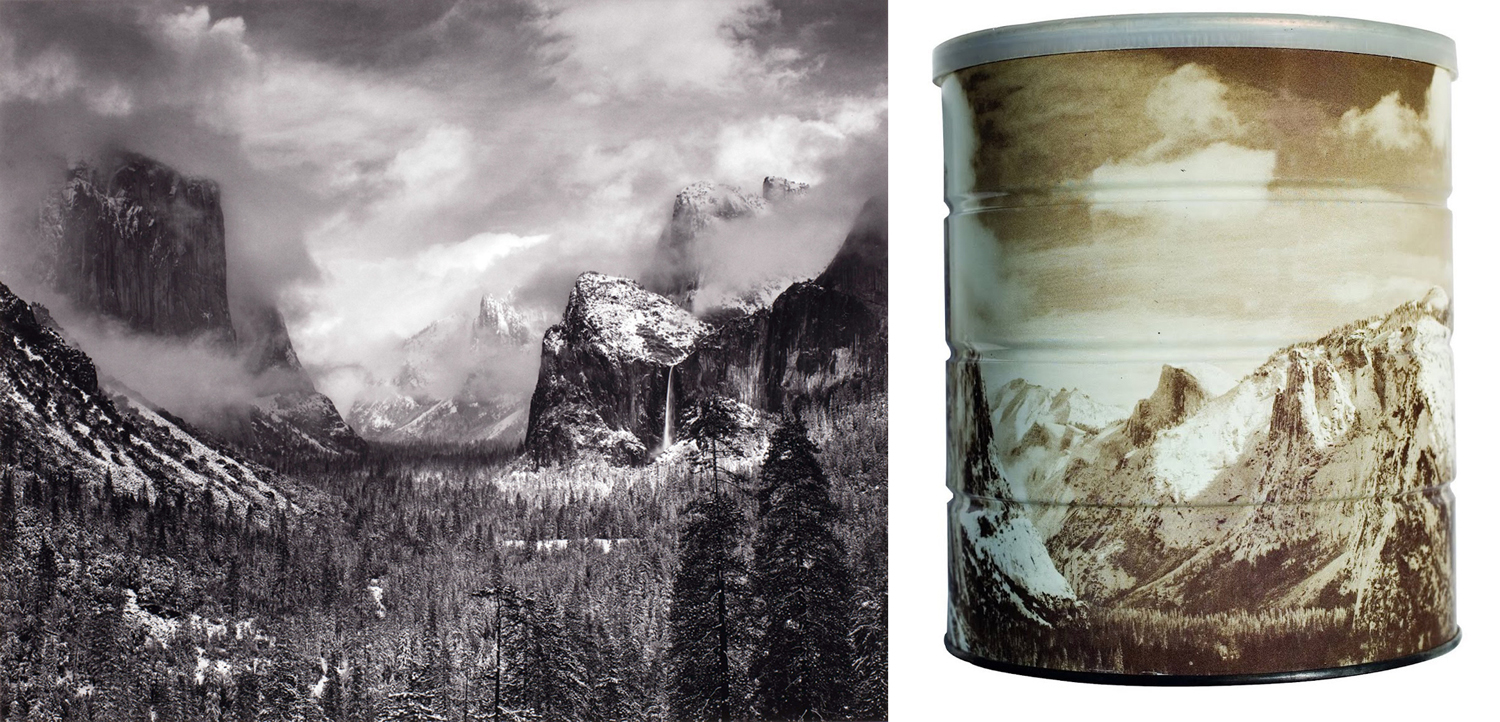
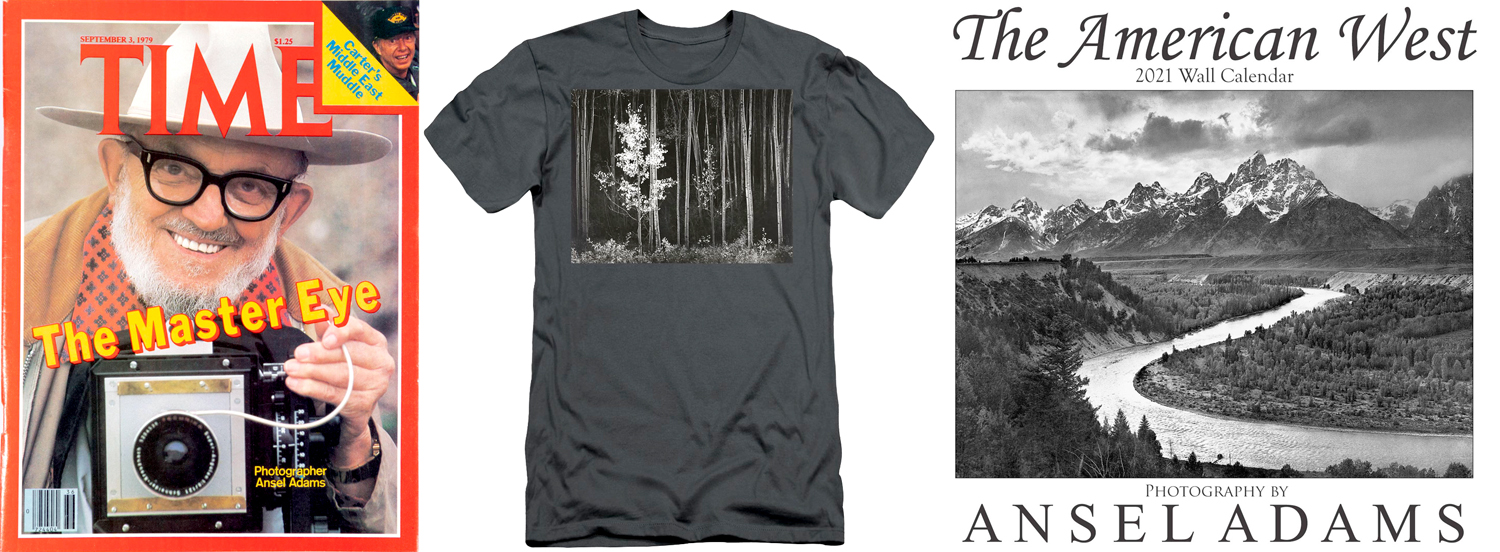
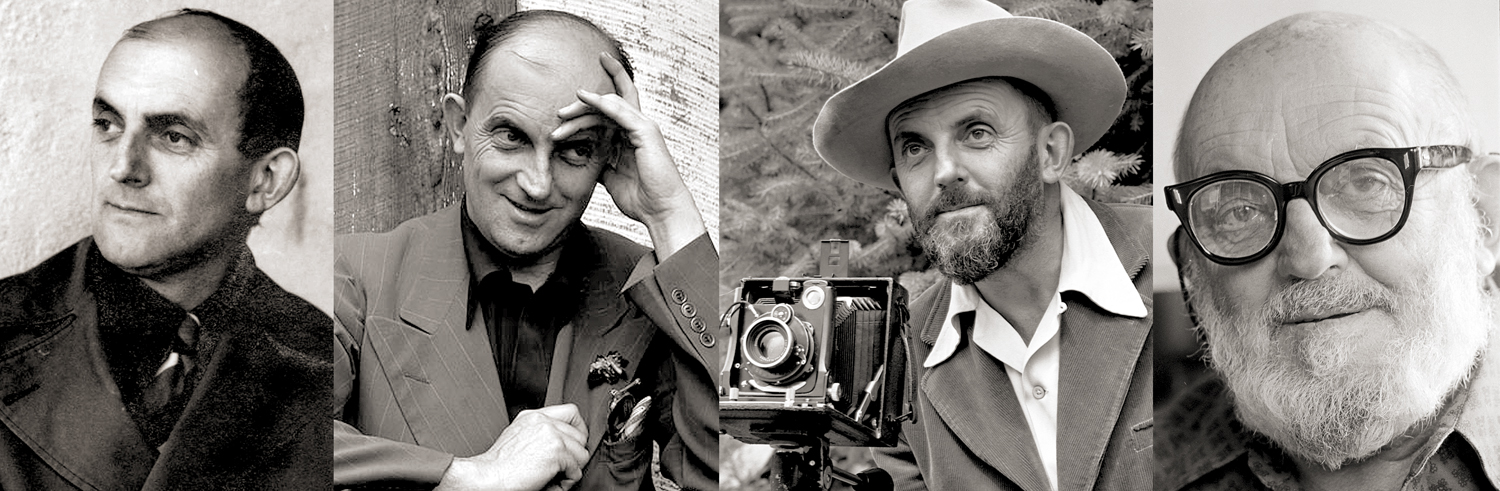
No photographer has had a higher profile in mass culture than Ansel Adams. He was the popular idea of the photographer as artist, and, I’m sure, the only one to have his images printed on beer cans with his name attached.
His pictures graced not only Coors beer, but books, posters, calendars, aprons, hats and coffee mugs. He was the subject of a Playboy interview, and had his face on the cover of Time magazine.
He had a mountain was named for him in California’s Sierra Nevada. That honor came to him less for his photographs and more for his constant advocacy for nature and the environment.
His earliest photographs were made when Adams was still a teenager with a love for back-country hiking in Yosemite National Park, made with a snapshot camera and drugstore prints. Even those early images show a flair for the dramatic and the careful placement of darks and lights to make a balanced photograph.
Ansel Easton Adams was born in 1902 to a well-off family from San Francisco. As a child, he broke his nose when the 1906 San Francisco earthquake threw him against a garden wall. That bent nose became a trademark of sorts: It leaned left, and the man did, too. He joined the Sierra Club at 17 and was a board member from 1934 on. In later life, he railed against the environmental policies of Ronald Reagan.
His family vacationed in Yosemite Valley; he met his wife there and they ran a visitor center and gift shop, now called the Ansel Adams Gallery.
Early in life, he had planned to be a concert pianist, but eventually gave up keyboard for lens. But his ambition was still artistic: He wanted to be more than a recorder of vacation memories. This at a moment in art history when a number of like-minded photographers were arguing for photography as art when museums, galleries and collectors believed photography was a merely mechanical reproduction system.
You can see that aesthetic vision in Adams’ early art prints, in platinum or other early processes, slightly fuzzy, with the popular Impressionistic love of sunlight and shadow.
But in the 1930s, he converted to a Modernist vision of photography, with sharply focused images printed on glossy paper. His friends included other leading photographers, including Alfred Stieglitz and Edward Weston, all of whom were proving that a photographic print had earned a place on the gallery wall.
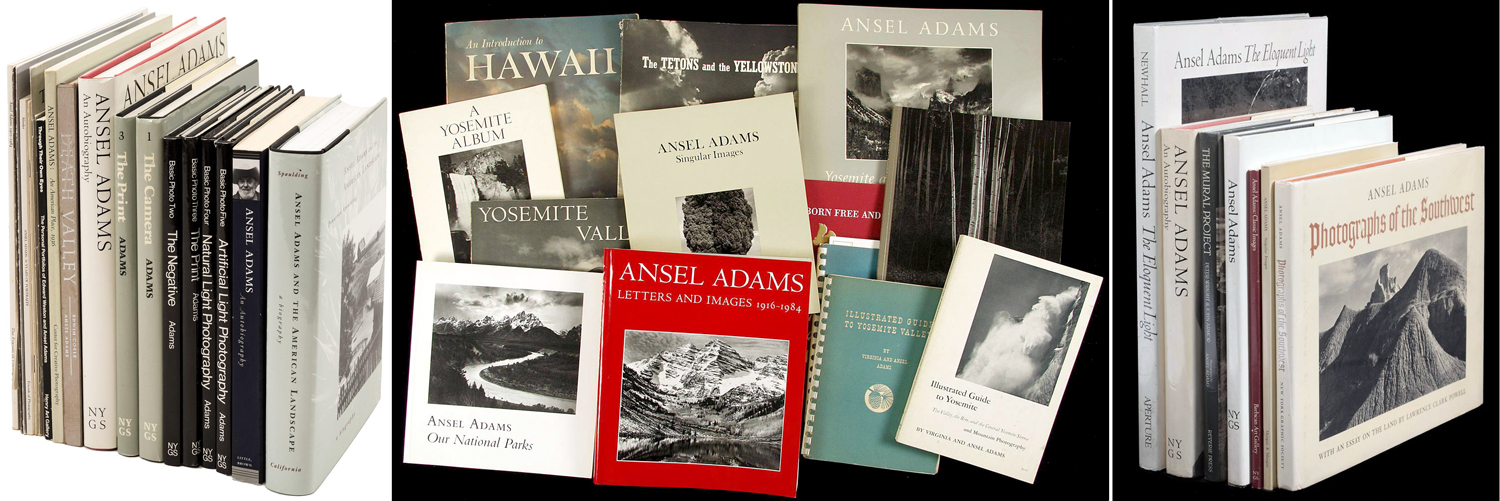
But while these other artists worked in many genres, in the 1940s, Adams turned ever more to the kind of Great American Landscape we know him for: the images of national parks and American wilderness. Publishing books of his photographs has become an industry.
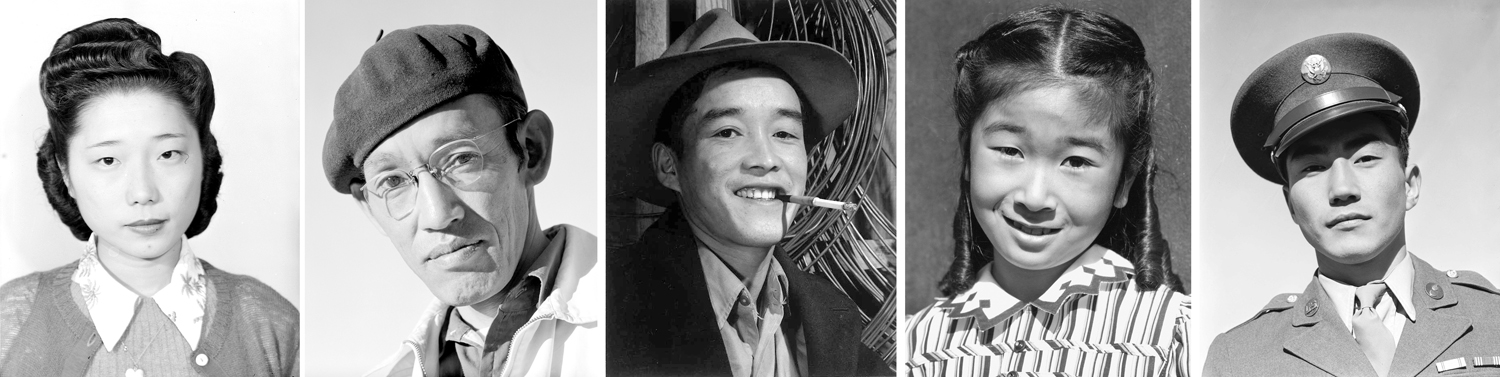
When he ventured beyond his strength, sometimes the results were stiff and uncomfortable, like his portraits, which made their subjects as granitic as the cliffs of Yosemite. The lighting is perfect, the focus is sharp, the detail is precise, and yet, they are completely lifeless. His presidential portrait of Jimmy Carter may be the worst presidential portrait ever.
On the other hand, when his purpose was to document the injustice to interned Japanese citizens at the Manzanar camp, his people could be warm and human.
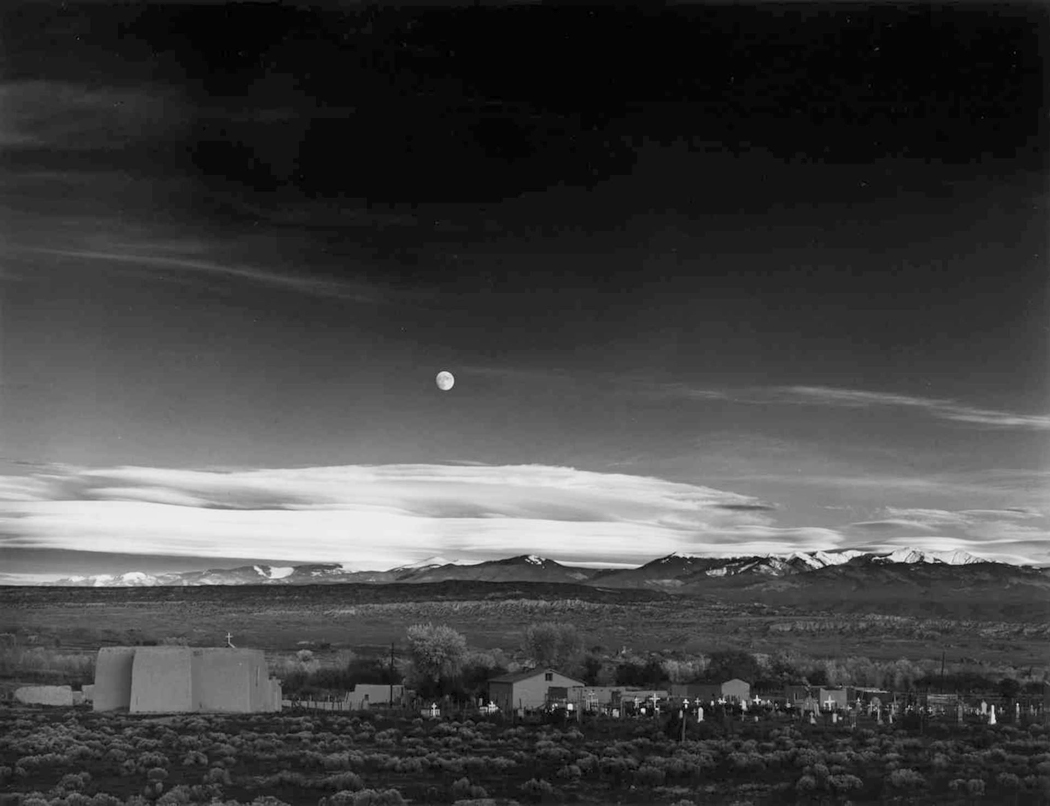
And so, it is the landscapes we remember, and they have become iconic.
His 1942 image, Moonrise over Hernandez, N.M., sold at Sotheby’s in 2006 for $685,500.
____________________________________
“You don’t take a photograph, you make it.”
– Ansel Adams
____________________________________
For its first century and a half, photography meant loading light-sensitive film into your camera, calculating focus, f/stop and shutter speed, making an exposure, processing the film in a series of chemical baths to make a negative and then re-exposing that negative onto light-sensitive paper and running it through a series of chemical baths to create a positive image of the subject. It was an intensely physical process, as anyone who remembers the smell of sodium thiosulphate on their fingers will know.
Now, it means holding up your smart phone and clicking an image and then swiping left or right to go through the results, and maybe sending it out via Instagram or Twitter so others can share it. And the image exists only in virtual form on a screen of pixels, never becoming anything physical — or requiring any specialist knowledge.
Not that there’s anything wrong with that. But it does mean that the subject of a photo has been separated from the object of the photo itself. For most people, looking at their family snapshots, it has never been otherwise, but for professional photographers and those making photos ostensibly as art, the physicality of photographs and their making is central.
Before digital, a photograph was two things: The image and the substrate on which the image appears. Most of us, looking at the snapshots of our families, see the people in the image, but pay little attention to the paper or the layer of silver that makes up the image. But in photography looked at as art, a good deal of attention is paid to the process and technique. In fact, often so much care is paid to the technique that the subject can become ancillary. Who cares if it’s a still life or a portrait, if the gum bichromate print is gorgeous. The subject was just an excuse for the virtuosity of the technique.
I remember, in the 1970s, long before digital photography, when the technique was actually fetishized: If you didn’t process archivally and make your mattes of acid-free board, you couldn’t be taken seriously as a photographer. It gave rise to a certain preciosity.
That was for black-and-white. Color photography hardly counted. It wasn’t accepted, for the most part, because of the impermanence of the image (you’ve all seen old snapshots turned funny colors with age). The only color permitted was the dye-transfer print — an expensive and cumbersome process. In the 1920s, museums were unwilling to collect any photography because, they reasoned, it wasn’t really art; it was mechanical. Before the 1970s, few museums collected color photography. Black and white was for the serious artist. All this has changed.
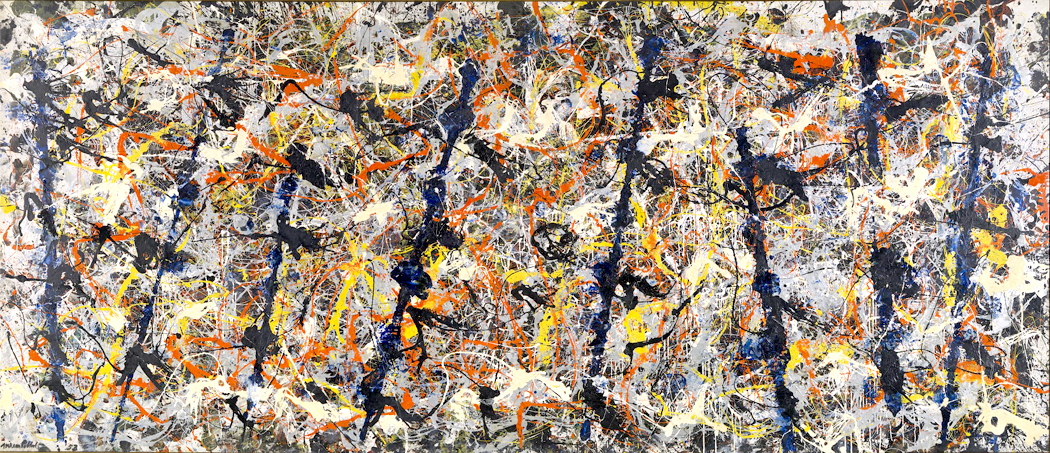
The middle years of the 20th century — roughly from World War I till the advent of Pop Art in the 1970s, give or take — were ruled by Modernism, which proclaimed that the medium was the message, that the paint mattered more than the image. Abstract paintings — with no subject matter at all — was king. When someone was confused by the jumble of scribble in one of Jackson Pollock’s works, he naively asked the artist what it was he was supposed to see on the canvass. Pollock answered curtly: “A painting.”
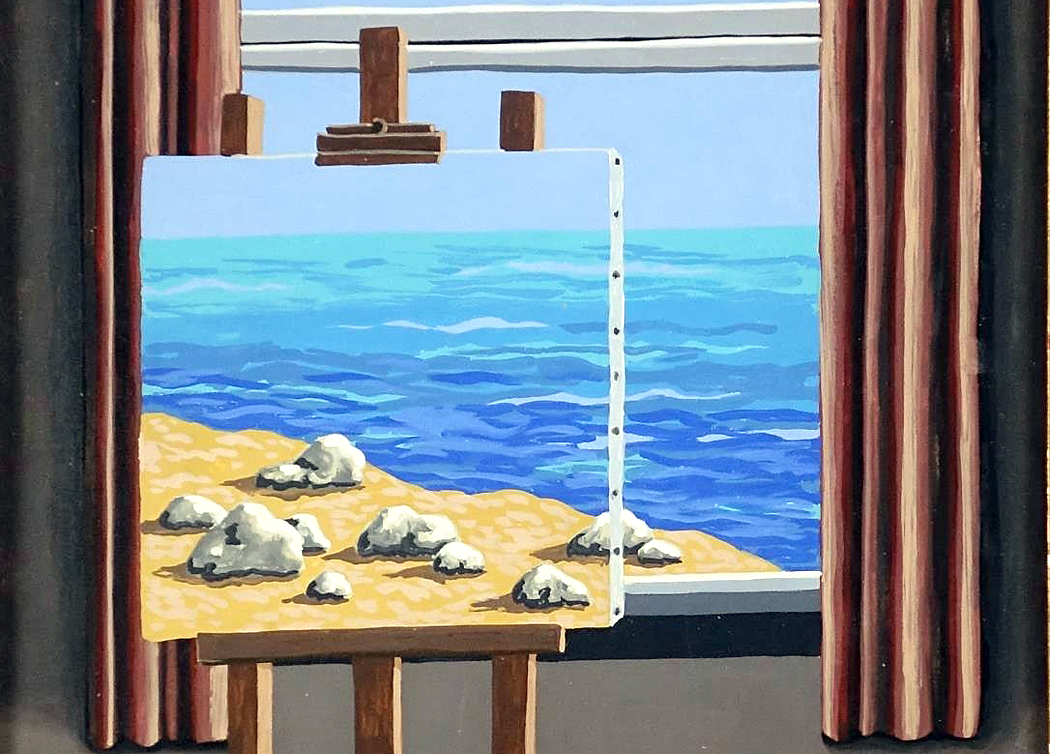
From the Renaissance to the middle of the 19th century, art was expected to picture reality. Looking at a picture frame mimicked looking through a window. Yes, there might be unreal things seen there: saints and angels. But portraits and landscapes were conventionally realistic, at least until the Impressionist revolution in the 1860s — and the invention and popularization of photography.
When French painter Paul Delaroche saw his first daguerreotype, he famously proclaimed, “From today, painting is dead!” Of course painting didn’t roll over and expire; it went on to do other, newer things, and gave up the obligation to render visual reality the way a camera can. Because, although it wasn’t historically seen as such — at least by the masses — painting already was something different from simply an image of the world; it was a thing — an object, an artifact, a physical presence made of pigment and canvas.
With the Impressionists, and later and more thoroughly with abstract painting, the thingness was the point. And when a few amateur photographers thought to elevate their camera imagery to the level of “art,” they at first imitated paintings, and especially Impressionist paintings. A whole movement of artist-photographers geared up with something they called Pictorialism — fuzzy imitations of fuzzy paintings.
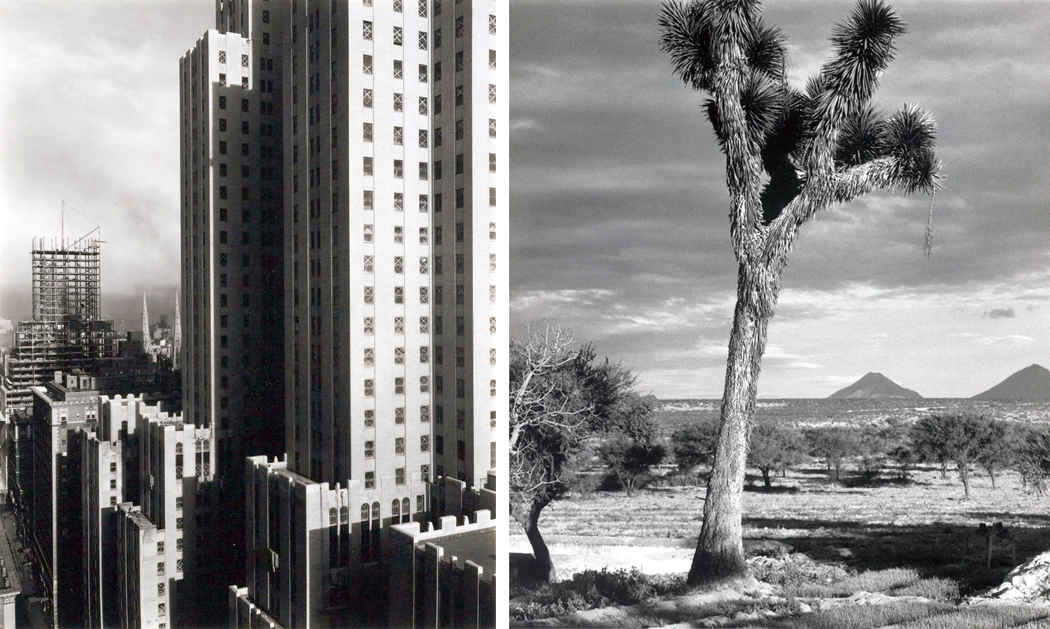
Then, in the 1920s, roughly, a group of exceptional photographers decided that photographs should not imitate paintings, but should look like photographs, and that photography had its own qualities and virtues. When American photographer Edward Weston was about to publish his first book of images, his publisher wanted to title it “Edward Weston: Artist,” but Weston objected and changed it to Edward Weston: Photographer. He was proud of his status as just that.
In Europe, Modernist photography tended to be more political, but in the U.S., it became more interested in examining the physicality of the the visual world, which meant above all, landscape. The American tradition in painting had long featured landscape, and now, photographers thought they could make landscapes photographic rather than painterly. (They also produced a great number of exceptional portraits, and still lifes, but it is landscape that I’m concerned with here). And the landscapes they chose tended to be either industrial and urban, or the natural unpopulated sections of the American West.
But while Edward Weston, Alfred Stieglitz, Paul Strand, Charles Scheeler, Edward Steichen — and Ansel Adams — were well aware of their prints being art objects, framed and hanging on gallery walls, the wider public, with their brownie cameras had a less sophisticated understanding of the medium: For them, the camera captured their reality, preserved their memories and became souvenirs of the past. For them, the photograph froze reality for them and held it still.
Even today, there are many people who believe photographs pin down the visual truth of their world, not being aware of how a lens can distort things, what different types of film — or now, different microchips — can alter the final image. Lighting, focal length, depth-of-field, contrast, color temperature and a hundred different technical aspects of photography can govern the final image. For a professional photographer, all of these things are brought to bear on the final created image. For ordinary people a camera simply registers what they saw, or at least the part of what they saw that was important to them (not seeing, for instance, the tree in the background visually growing out of someone’s head).
The person who most attempted to regularize the variables of photography was Ansel Adams. He wrote a series of five books (later recast as three) teaching the finer points of making photographs — how the lighting, focal length, depth of field, contrast, etc. affected the final picture.
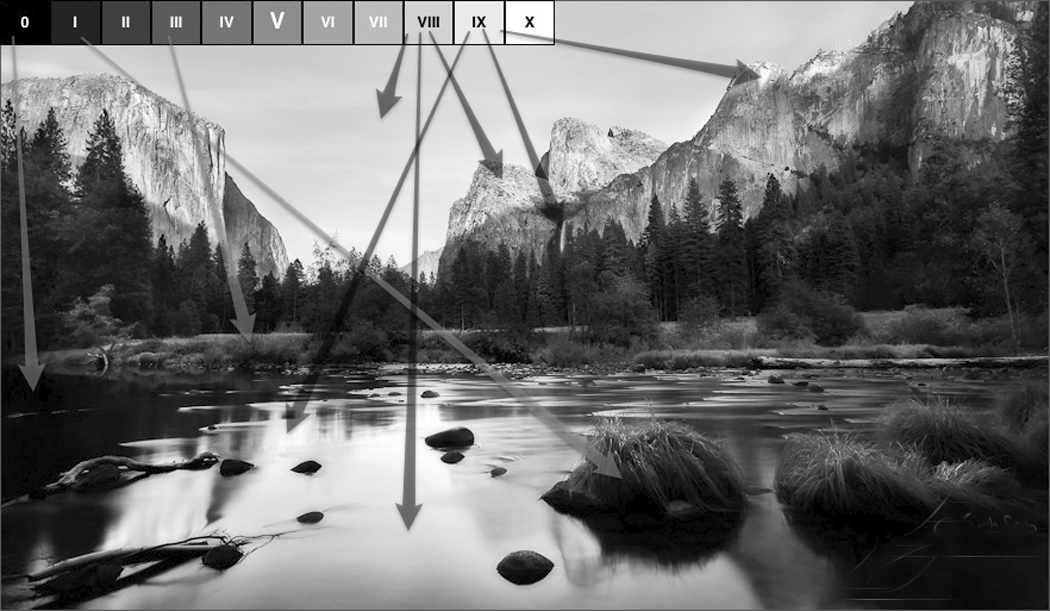
He perfected what he called the “Zone System” of exposure and processing to control the contrast and dynamic range of the final photographic print. Simplified, the problem faced was that black ink on white paper has a limited range: The white, under normal lighting conditions, is usually no more than 30 or, at best, 40 times brighter than the black. But when you look at the sunlit scene you want to photograph, the brightest part may be a thousand times brighter than the shadow. How do you squeeze all that into your 30:1 ratio?
Most photographers and snapshooters just pick what they want to show up best and let the shadows go to solid black, or the highlights to bleach out in detailless white. Adams, instead, attempted to divide a scene into 10 (or 11, depending how you count) “zones” of brightness, from solid black to solid white, and then control your camera negative’s exposure to match your previsualized zones, knowing that you can alter the contrast in the developing process, to increase or decrease contrast to fit, Procrustes-style, the whole into the available printing surface.
(A simplified version of this is the old photographers’ dictum: “Expose for the shadows, develop for the highlights.” Adams’ version is more precise.)
For the ordinary amateur, you point a camera and click the shutter to capture the image and you satisfy yourself with what you get. Adams and his fellow artists are hyper-aware of the end product. Adams preached what he called “previsualization,” in which you attempted to imagine what the final print should look like before you ever pressed the shutter button. The scene being photographed is just raw material for the final presentation.
“In my mind’s eye, I visualize how a particular … sight and feeling will appear on a print. If it excites me, there is a good chance it will make a good photograph. It is an intuitive sense, an ability that comes from a lot of practice,” Adams said.
The result is a photographic negative, used to make the final print.
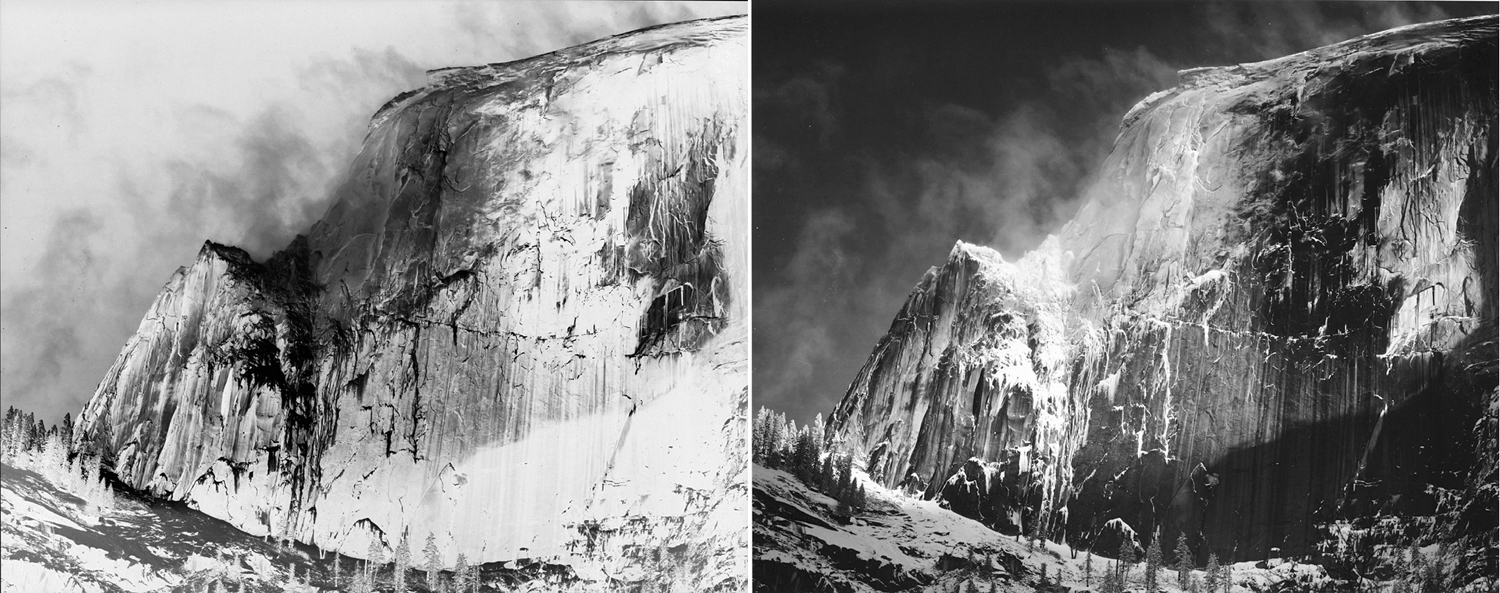
“The negative is comparable to the composer’s score and the print to its performance. Each performance differs in subtle ways.” Anyone who has followed Adams’ career knows that an earlier print may differ considerably from a later one, just as a young pianist’s performance may mellow and change as the pianist ages. In other words, there is not a “single” true print, but, like a musical performance, a range of them.
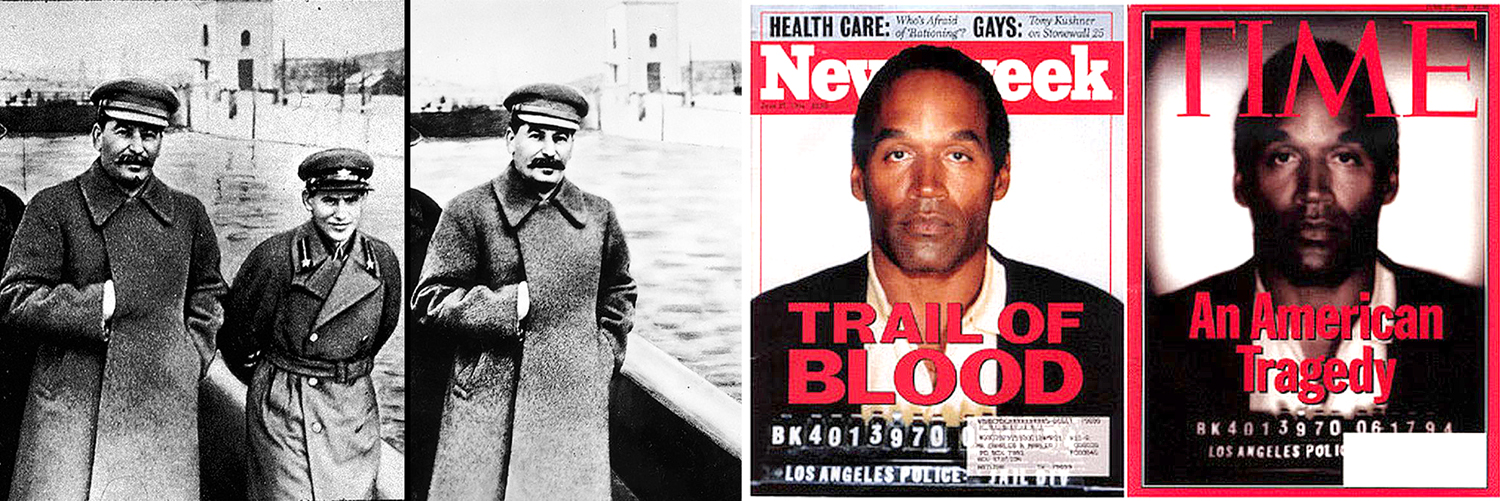
The belief in the veracity of photographs is persistent, even in the face of computer-generated imagery, digital manipulation and fakery. Indeed, that faith has often caused trouble for, say, photojournalists, when a literal-minded editor insists that a photo be printed “unmanipulated.” I have known a photostaff that was forbidden even to alter the contrast of a digital photo in the credulous belief that the image first recorded in the camera is more “truthful” than the finished one. (That dictum didn’t last; it couldn’t). The digital file created in a digital camera is like the negative in silver-image photography and is only a first step in the process. To disallow the photographer to finish the process in some mistaken belief that the unmanipulated version is “truer,” is hooey.
Certainly a photographer in bad faith can use the editing process to distort the end result, but this was true in silver-image photography as well. Digital may make it easier, but no more possible. You depend on the integrity of the photojournalist not to lie, at least not on purpose.
As for art photography, since the final product is what is sought rather than a record of something else, there can be no lying, just as there is no lying in fiction. You want a journalist to be truthful, but a novelist is allowed to make it all up.
In the end, you wind up with an artifact, a thing in itself — a photographic print, a range of black and white, or of colors, making a flat version of a three-dimensional world. The unconsidered understanding of a photograph is that it “captures reality,” but a more sophisticated view is that there are conventional distortions we choose to ignore (a photograph doesn’t move, reality does; a photograph is flat, reality is rounded; a photograph doesn’t make sound, reality won’t keep quiet; a person in a photograph is two inches tall, in reality is six feet — and so on, all mere conventions).
And so, the artist accepts what he has made as a physical object on its own, with its own expectations and reality. Adams may make images of the Tetons or Yosemite, but, in his best work, it is the print itself that engenders awe.
I sit across the table from my brother at the seafood restaurant in Virginia and he doodles on a napkin with a Sharpie.
My brother is an artist — primarily a printmaker, but more recently a painter. And while he isn’t terribly prolific, he is constantly drawing. His mind is always coming up with visual ideas and he jots them down. Most never go anywhere, but he just cannot stop himself from playing. It is his way of processing experience: What he sees he transforms.
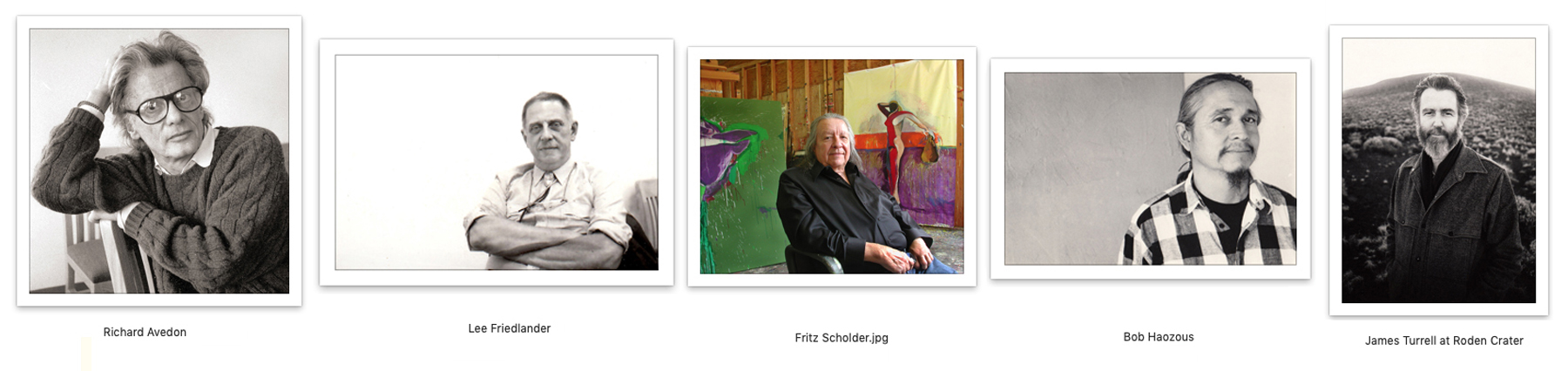
Lee Friedlander
It reminds me of the photographer Lee Friedlander, who describes his addiction to making photographs as “pecking.” Like a hen darting at cracked corn on the ground, he clicks his camera — peck, peck, peck. Some of the results of his pecking turn into finished photographs he displays in galleries and publishes in books. But there is an improvisatory quality to his work that comes — like a jazz musician woodshedding — from constantly working his instrument.
Among the images caught by pecking, Friedlander will periodically find something he hadn’t considered before, and thus his body of work takes a new direction, constantly refreshing his art.
In part, the importance of this kind of sketching is that it is not art — or rather, not meant as art. It is more the flexing of an esthetic muscle. One can become intellectually paralyzed if all you aim at is writing deathless prose, or painting the museum masterpiece, or composing the next Eroica. Not everything needs to be The Brothers Karamazov. There is great value in just pecking. It keeps your senses alive.
Mel Steele
I periodically visit my brother-in-law, Mel Steele, who is also an artist, a very accomplished artist who regularly sells his paintings to clients both private and corporate.
I often spend a portion of my time doodling — pecking — with my tiny point-and-shoot digital camera. We would sit on their patio talking about the things one yammers on about with one’s relations — old times, where former acquaintances have gone, the horror of recent politics, the joys of fishing — and I would distractedly point my camera around me at the things one seldom notices.
I wasn’t thinking of making art. I barely paid attention to what I was doing with the camera, but I pecked. The result is a kind of notebook of the things we lived among, seen in some different way, so as to lift them from their context, to suck them out of the everydayness they languish in.
It reminded me of an assignment I used to give my photography students, some 35 years ago, when I taught the subject at the same school where my brother also taught. “Make a photograph of something so I cannot tell what it is.” I made sure they understood I didn’t mean to make it out of focus or poorly run through the darkroom, but to find something we see everyday, but pay so little attention to, that when faced with its presence, we might be baffled until that moment when, the proud student, having fooled us all, tells us what we’re looking at and we all let out a gasp of breath and say, “Of course, now I see it.”
Try it:
Quiz photo No. 1 (Answers at the end of story)
These pecked pictures are mostly details.
Quiz photo No. 2
They are not the grand view or the concatenated whole, but the tiny bits out of which the larger scene is built.
Quiz photo No. 3
Most of us pay attention only to the whole, when we pay attention at all; for most Americans — maybe most humans anywhere — only use their eyes for useful things. They see the road they drive on, the cloud that tells them it will rain, the house, the car, closet. But every house has a door, and every door a door-handle; every car has tires and every tire a tread and each tread is made up of an intricate series of rubber squiggles and dents. Attention must be paid.
Aime Groulx
Many years before, when I taught photography at a private art school in Greensboro, N.C., the artist Aime Groulx, who ran the school, made a photograph he called Doorknob to the Doors of Perception. I still have my copy. It was his version of “pecking.”
Doorknob to the Doors of Perception
Paying attention to the details means being able to see the whole more acutely, more vividly. The generalized view is the unconsidered view. When you see a house, you are seeing an “it.” When you notice the details, they provide the character of the house and it warms, has personality and becomes a Buberesque “thou.” The “thou” is a different way of addressing the world and one that makes not only the world more alive, but the seer also.
(It doesn’t hurt that isolating detail makes it more necessary to create a design. You can make a photo of a house and just plop it in the middle of the frame and we can all say, “Yes, that’s a house,” and let the naming of it be the end-all. But if you find the tiny bits, they have to organize them in the frame to make something interesting enough to warrant looking at.)
Side panels of a pickup truck
Sectioning out a detail not only makes you look more closely, but forces your viewer to look more closely, too. Puzzling out what he sees without the plethora of context makes him hone in on its shape, color, and texture. It is a forced look, not a casual one.
So, when I gave my students that assignment, it wasn’t just to be clever, but to make them pay attention to the minutiae that are the bricks of the visual world they inhabit. And paying attention is a form of reverence.
The mental view of the world is telescopic. It zooms from the blue watery globe in the blackness of space, down to the map of the U.S., to your state, to your city — each step focusing on closer detail — and then to your street, to your house, to the room you are sitting in to the armrest you are tapping your fingers on, to the hairs on your knuckles. Always more detail.
Turn from the tapping hand to the floor and see the woodgrain in the flooring, or the ceiling and see the cobweb you had not noticed before. The clothes you are wearing has a texture and a color. The wrinkles in the shirt of blouse are replications of the drapery in Greek sculpture.
Each of these details is a microcosm, worth looking at — it is your world, after all. What did William Blake write? “To see the world in a blade of grass. And heaven in a wild flower. To hold infinity in the palm of your hand. And eternity in an hour.”
Or, as he scribbled in annotation to the pages of Joshua Reynolds’ Discourses, “To generalize is to be an idiot. To particularize is alone the distinction of merit.”
The general is the world of politicians and businessmen, of carnival barkers and evangelists. Dogma, ideology, commercial advertisement, are founded on generalizations, while what genuinely matters in our lives is the particular. It is generalizations that permit the destruction of Bamiyan Buddha statues, the bombing of synagogues, mosques and Sikh temples. The stoning of homosexuals. It is generalizations that lurk behind the Shoah. It was generalization that justified the enslavement of a race of people.
To know any individual is to know the stereotype is a lie. The world, and its peoples, are infinitely complex and varied. So much so, that no broad statement can ever be anything but a lie. And so, there is actually a moral level to this paying of attention to detail, to the minutiae, to the individual.
And so, you peck. Finding this bit or that bit, that shape, that texture, that precise color. This is the context of your life.
You can focus your attention on color. How much yellow is in your field of view at this moment. Look around. Single it out. Or blue. How many different blues can you spot right now? Paying attention is being alive; paying attention is reverence. Attention must be paid.
Duck eggs
Your life is not made up of the broad swathes, but of the minute details, and when we pay too much attention to the big picture, we are likely to miss the particles that give that picture its character.
And when you come to make your art, write your novel, dance your dance, that detail means there is a truth to what you do, a reality behind the fantasy that gives it depth and meaning.
Exercise makes your muscles strong. Pecking keeps your senses alive and alert. Peck Peck Peck
Click on any image to enlarge
Answers to quiz: No. 1 — the twill of denim jeans; No. 2 — dried coffee stains on a white table top; No. 3 — garden hose on patio tiles.
The best gift a writer can get is proof that his words are being read, and not just read, but understood. (When I was writing for the newspaper, too often I heard from readers who complained about what they thought I wrote and not what I actually wrote. Every writer has had this experience.)
The other day, I received such a gift, a small one, not meant to be anything important, but it was completely meaningful to me. This gift was from an old and dear friend who I only see once or twice a year, and to our lunchdate, she brought a 3-by-5 notecard on which she had scribbled with every color green she could extract from her colored pencil set. I doubt she knew how much that meant to me.
It was a gloss on my most recent blog essay, in which I had mentioned how many greens I saw in the foliage in the woods and garden I was visiting, and also how many greens Paul Cezanne had managed to generate in his paintings. The card she plopped down on the table was meant to be a casual joke, but to me, it was very much more than that. We don’t always know the significance of what we do.
But it set me to thinking about those greens — blue-green, yellow-green, sea-green, leaf-green (not enough words for the varieties of hue) — and made me take my camera out to the garden again to gather my own set of greens. Nature gushes with them.
There are three qualities that make an image: shape, color and texture. (Leaving aside the question of what you name the subject of a picture: “That’s a house;” “That’s a car;” “That’s my Aunt Philomela at the beach house in Boca.”) Shape can be defined by outline. Color and texture fill those outlines in and what is more, if you are making an image in black and white, texture (stippling, crosshatching, scribbling) can substitute for color. Each of these elements can be as much a delight to the eye as harmony is to the ear or flavor to the palate.
And so, I walked through the yard drinking in the greens and pointing my camera to arrange the patterns of shape, color and texture to try to make a kind of visual mixed salad for the eye.
In the afternoon, I drove out into the countryside and stopped near the Mayo River — barely a river — that I had once canoed down maybe 50-plus years ago, hitting white water on the way (if the canoe had capsized, I doubt the water would have gotten higher than my knees). Along the banks were further salad greens. I gathered them all in my lens.
The pleasure later that evening was editing the photographs, collating those shapes and textures and those luscious greens. “No white nor red was ever seen/ So am’rous as this lovely green.”
Many years ago, the professor I studied under commented offhandedly that nature never made a bad color combination. Any two colors found in nature, he said, could be placed side by side for a satisfying esthetic treat. Salmon red and pea green. The blue and yellow of a spiderwort flower. The orange and black of a monarch butterfly.
Humans are quite capable of jarring our eyes with garish mismatches — gaze down any “Miracle Mile” for its signage — but nature, he said, is always right. Of course, our pleasure in the color-matches of nature should probably be laid at the feet of natural selection: We have evolved to love those colors and perhaps we shouldn’t be too glib about assuming that nature had us in mind when she plopped the buttercups next to the violets along the highways.
The riot of greens I saw and photographed played off against each other, making color combinations as rich in greens as the roadside flowers made of whites and yellows.
And the various textures of leaf surface made their own contrasts.
And the lights and darks, as shadow and light hit the foliage, gave them visual depth.
Deep in one image, the bright green leaves nearer the surface hid the shadowed poison ivy, almost hidden in a cavern of green.
Leaves come in varieties of all of them. And when you layer one next to another, the contrast can keep the eye interested.
In the process, I found myself drinking in not just the colors, but the varied shapes, creating patterns and textures that delighted my eye.
Shape against shape, color against color, texture against texture: the analog of variety in the world, a variety that means we can never grasp it all — there is too much.
One gets to know the plants in the woods near where you live, perhaps even name them: Duchesnia, Tradescantia, Helianthus, Ranunculus. They are part of what makes your home territory comfortable and familiar. Clovers, mosses, ferns, plantains, dandelions.
And there is excitement when you enter a new biome and come across new greens, like the gray-green greasewood of the Sonoran Desert or the euphorbias of South Africa, each with its idiosyncratic shades and tints.
Before the photographs from space showed us the dominant blue of our world, the Earth was traditionally called a “green planet.” It is green that makes life possible. Without it, the planet would be bare rock surrounded by the blue sea.
Each time I visit this part of the state, I can’t help but set myself a task — a kind of art project, to try to organize a different way of seeing. A few days ago, my task was to look straight down at the ground to see what it looked like. I made more than a hundred photographs I could use. After I wrote that blog entry, and after my friend gave me her gift, I began a second project, to see how many greens I could find, how many leaf shapes and contrasts I could photograph.
These that I’m presenting here are just a small sample. But I hope they are worth looking at, at least as a tasting menu of delicious green.
According to European-Western tradition, there are four cardinal directions: north, south, east and west; and we mark them on a map by making the sign of a cross: north, south, east and west. Dominus Vobiscum. But Western culture tends to value a map rather more than the ground under your feet. If we take a larger view of it all, we should acknowledge two more cardinal directions: up and down. We live in three dimensions, not two. A map is only a diagram. Et cum spiritu tuo.
And when we make images — photographs, drawings, paintings — we tend to look along the flat plane of our cardinal directions, which means also, the plane of our standing vision. And if we photograph flowers, we tend to make our images like the identification photos in a nature guidebook. We look at them as if they were as tall as us, or we as ground-hugging as them.
The bias is to ignore the sky above, the mud below. I spent some hours yesterday attempting to break my own tendencies and see if a shift in perspective might give me a fresher look at the garden. And so, I made a series of photographs pointing the camera straight down at the flowers from the top.
The first image I made, when I put it up on my screen, reminded me of something. It took a moment, but then I had it: the Pleiades — the Seven Sisters in the night sky in the constellation Taurus. Here are the flowers:
Here are the Pleiades:
Looking down in the day was a mirror of looking up at night. Bunches of flowers, especially roadside wildflowers, often remind us of stars in the night sky. It’s why we name them cosmos, stellas and asters.
Certainly the flower that has meant the most to me, emotionally, through my life is the aster, named for the stars. I remember a day, some 40 years ago, driving with my then-soulmate (is there a sadder hyphenated word in the language?) near Port Jervis, N.Y., and coming across an abandoned field, maybe a couple of football fields in extent, that was crammed with asters, thistles and ironweed, so thick on the ground there was barely any green showing through. It was hysterical with blue, and I thought it was the most beautiful sight I had ever seen. Since then, I have sought any semblance of that abundance. I’m not sure a single life affords more than one of those moments.
And so, I am walking through my sister-in-law’s garden in North Carolina and holding my camera flat parallel to the ground to see what these flower-stars look like from an angle we don’t normally see — or at least, think of them.
Over and over the star analogy shown through. Constellations of yellow or white against a sky of green.
Even the leaves themselves can be stars:
Patterns made: line-ups, triangles, squares, quincunx, spatters and grids.
There is a Medieval trope that everything in Heaven finds its analog in the sublunary world (much like the Renaissance idea that everything in the world is mirrored internally in the mind). And I certainly felt that correspondence strongly while finding my floral models to photograph.
It was the looking down that made the connection, the opposite of the looking upwards at the night sky. But looking down — straight down, if I could avoid my own clumsy feet — gave me more than that. I found that I was photographing more than calyx and petal, but discovering just how many distinct greens nature blares forth.
Historically, painters had a limited number of pigments to use when painting leaves and trees. They could modulate those hues with the admixture of others, but there was a limit. The trees of Claude or Titian are mostly monophonic rather than stereo. The artist who freed green from those confines was Paul Cezanne, whose paintings contain more greens and more blues than any artist before or since. His eye for tint and shade was phenomenal. I remember when I first came to appreciate the work of Cezanne. I had seen his paintings only in reproduction and always thought of them as rather dull, even muddy. But visiting the National Gallery in Washington, D.C., I found a wall of the still lifes and was knocked out by the glowing depth of color: color I had never experienced except under the influence of herbs. But those chemical-induced colors were vaporous compared with the earthiness of Cezanne’s greens, blues and yellows.
And so, there I was, camera in hand, looking earthward and seeing the exuberance of May in Piedmont, North Carolina, and the blistering variety of green that sprouts from the ground.
I walked around the property, head held downward, and finding such a joyous variety under my feet, that I wound up, in the space of under an hour, taking at least 100 usable photographs — images I would be proud or eager to share with the enthusiasm of a convert. The greens made patterns; the blossoms made patterns; the leaves were shapes to pleasure in; the colors were delicious.
The esthetic sense, however, awakens an awareness of yet a seventh cardinal direction, which we might call “center.” It is the inward direction that is privy to the other six and gives them meaning and purpose. North, south, east, west, up, down, and in. Each in some way a reflection of all the others.
I have traveled much in each of the cardinal directions, north to the Canadian arctic, south to the Cape of Good Hope, eastward to Europe and finally, the Pacific coast. I have gone up in aeroplanes and cathedral bell towers, and down in chthonic mine shafts and vast caverns, but most of all, I have gone inside of myself. The experience of nature — but also the making and partaking of art — expand the inner world, adding continents to the mental globe, possibilities of understanding, and depths of compassion.
Looking down at the humble soil and its profuse variety keeps one from becoming tired of life. Paying attention is, in some ways, coequal with life itself.
Next — perhaps in tomorrow’s rain — I will extend my interior travels by looking straight up to see what is there.