Archive

Tag Archives: books

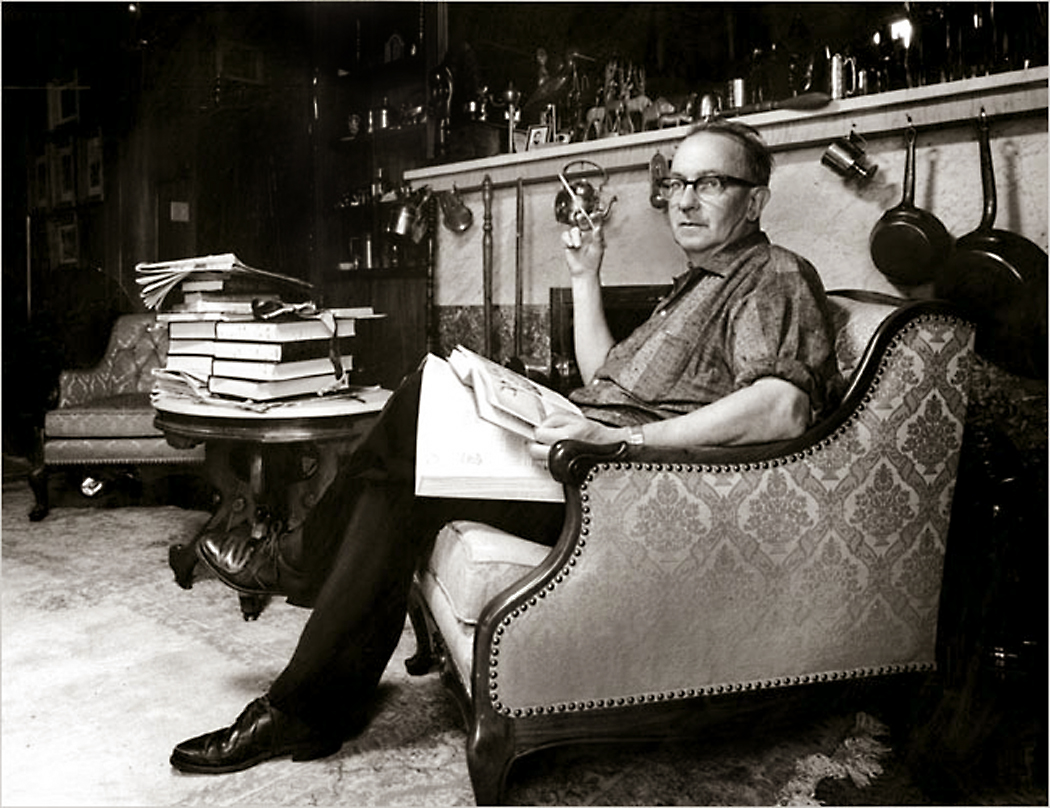
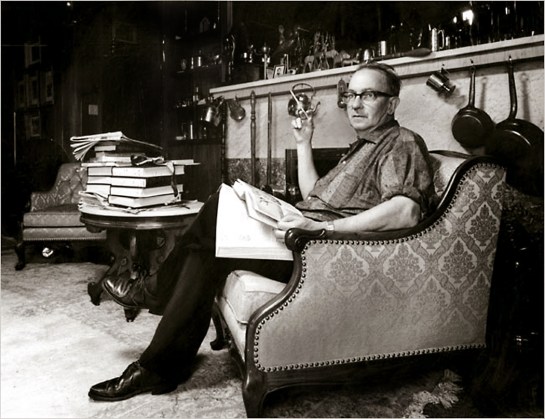
George Leonard Herter

George Leonard Herter

The British have their eccentrics, but America has crackpots.

There is something quaint about the Englishman wearing a cutaway and top hat in the Sahara sun, or refusing to read any book unless its author’s name begins with the letter “A”. But the American version of this tendency usually comes out in something more oracular: Americans create new religions and build temples out of bottlecaps. And they are obsessed with peculiar certainty that nobody has got history correctly except themselves. herters catalog

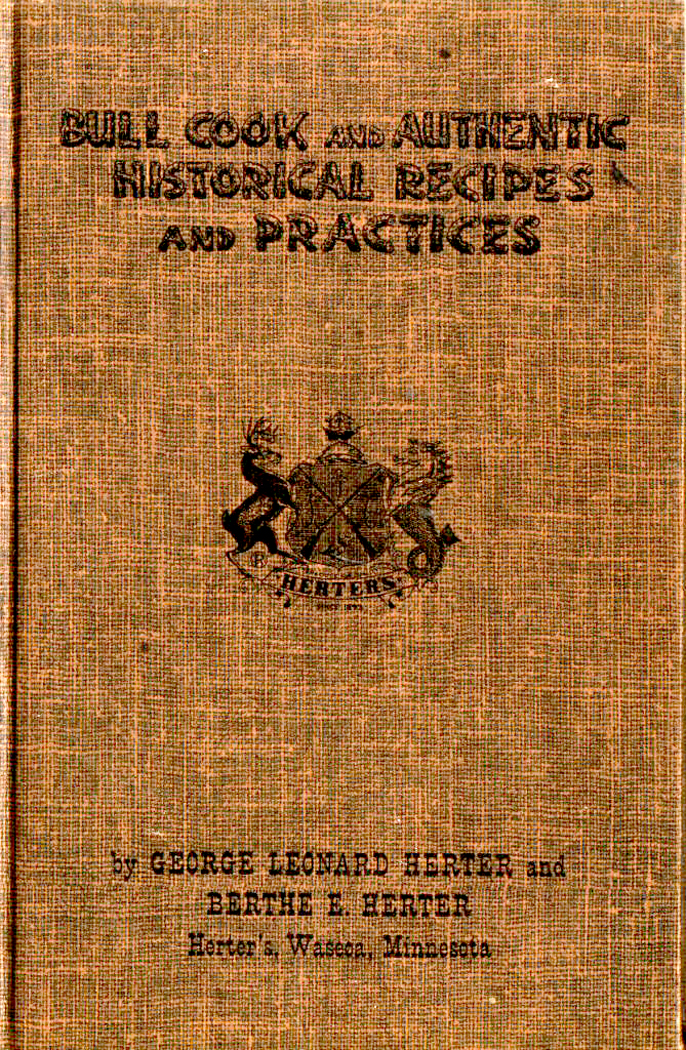
One of the great American crackpots wrote cookbooks. George Leonard Herter built one of the nation’s great outfitting businesses, in Waseca, Minn. His fortune was founded on shotgun cartridges and duck calls. But his lasting place in history comes from the books he wrote, most notably, the Bull Cook and Authentic Historical Recipes and Practices, and it is not for the faint of heart.

In what other cookbook would you find the claim: ”The Virgin Mary, Mother of Christ, was very fond of spinach”?

Herter goes on to say, ”This is as well a known fact in Nazareth today as it was 19 centuries ago. Her favorite music was that of the crude bagpipes of that time, and this is a well-known fact.” bull cook cover
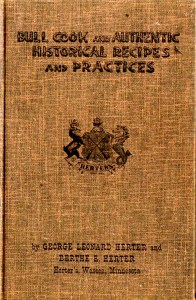
He then proceeds to give us her recipe for spinach, which, he says, was the only thing she ate in the stable where Jesus was born.

No, this is not a religious book. Other ”historical” claims include, ”Sauerbraten was invented by Charlemagne,” and that St. Thomas Aquinas was so fat, ”He simply sawed out a half circle in his eating table so that his stomach could fit comfortably into the sawed out section.”

He tells us that Johannes Kepler’s work on astronomy has long since been forgotten, ”but his creating liverwurst will never be forgotten.”

He has Bat Masterson’s recipe for prairie dog, Marie Antoinette’s recipe, not for cake, but for trout. He says Joan of Arc was responsible for the invention of pate de foie gras.

His standard recipe runs something like this: ”No one knows how to bake a potato anymore. I’ll tell you how to bake a potato.”

It is clear from the presentation that Herter is not trying to be funny. He is dead serious. As when he opens the book with this: how to live with a bitch
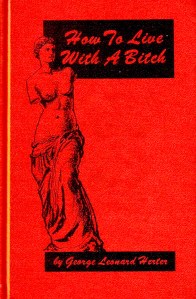
”For your convenience, I will start with meats, fish, eggs, soups and sauces, sandwiches, vegetables, the art of French frying, desserts, how to dress game, how to properly sharpen a knife, how to make wines and beer, how to make French soap, what to do in case of hydrogen or cobalt bomb attack. Keeping as much in alphabetical order as possible.”

Of course, the index is not in alphabetical order.

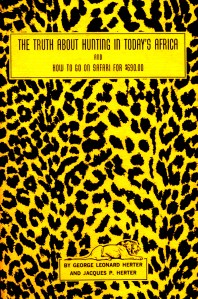
Herter wrote a number of books; among the more notable were How to Live With a Bitch and The Truth About Hunting in Today’s Africa and How to Go on a Safari for $690.00 (“Baboons are simply too small for leopard bait”).

I can’t vouch for any Bull Cook recipes. Most seem to involve a “well-buttered slice of bread” and some ground beef fried in even more butter. But I can say that Herter seems to have two entertaining obsessions that make up the bulk of the book, and its sequels, volumes 2 and 3. truth about hunting
He expresses the absolute certainty of the crackpot when he tells us his version of history:

“Napoleon Bonaparte always remained a great mama’s boy.”

“Napoleon not only liked green beans very well, but believed that they helped to produce more sperm in male humans. As he was always a man who played the ladies frequently, this was just as important to him as winning wars.”

Napoleon shows up frequently in the book. So does Cleopatra. Let Herter explain ancient Roman Egypt for you.

According to Herter’s version of ancient history, Cleopatra tired of Marc Anthony and tricked him into killing himself.

“Cleopatra went over to where Mark Anthony lay and made sure that he was dead. She then sent a messenger to Octavian telling the good news and asking him to come over for the weekend. Octavian did come over to visit her as he well remembered her charms when she lived in Rome. She did her best to charm him in every way possible and he was willing. Cleopatra was now thirty-nine and had produced five children. They did not have girdles in those days, nor uplift brassieres. She had widened out and her famous bosom had sagged considerably. The old charm simply was not there. Octavian decided that the younger models were more to his liking and told her she better get out of Egypt and he did not want to see her in Italy either. Octavian made Egypt a part of the Roman Empire. The Roman Legion, now that the fighting was over, had a well-earned vacation putting Italian blood into Egypt. It is still very much there today. They actually changed the appearance of the Egyptians to a very Italian look which they still have today. Cleopatra was just in the way. Octavian had one of his men pay a servant to poison her. Her record proved she was not the type to kill herself for anything or anyone. Besides, there were no asps anywhere near the town she was in. If she did have an asp and let it bite in one of her breasts as the fable goes, it would not have killed her anyway. A woman’s breast is mostly fat and it is one of the places where the bite of any poisonous snake has little effect.”

There follows a recipe for “Watermelon Pickles Cleopatra.”

He is a fountain of prejudices, and has no doubts about his opinions.

“Henry the VIII actually never amounted to anything and would not have made a good ditchdigger. The only thing that he ever did to to his credit was to highly endorse the kidneys made by Elizabeth Grant, one of his many cooks.”

He knows with dead certainty how Genghis Kahn liked his steaks prepared and how Gregor Mendel cooked his eggs. And according to Herter, it is not his banditry or gunslinging for which Billy the Kid will be remembered by posterity, but for his recipe for cornmeal pancakes.

“Here is his own recipe which will long outlive Billy’s memory.”

Herter’s other obsession is sex, and most specifically, women’s breasts. The second volume of the Bull Cook is full of bad black-and-white reproductions of famous paintings of the nude, and his historical commentary often features descriptions of famous cleavages of the past.

He tells us that Cleopatra “was said to have the longest, most pointed breasts in all the world. The movie actresses that have tried to play Cleopatra from time to time never qualified on this point.”

“Greek women have always been known for their unusually well-developed breasts. They have always felt that bare breasts gave them more grace and beauty and that exposing breasts was not at all immodest.”

“In those days, if you didn’t have breasts worth showing, you were really in trouble. A flat chested pendulent breasted woman just did not have a chance in life.

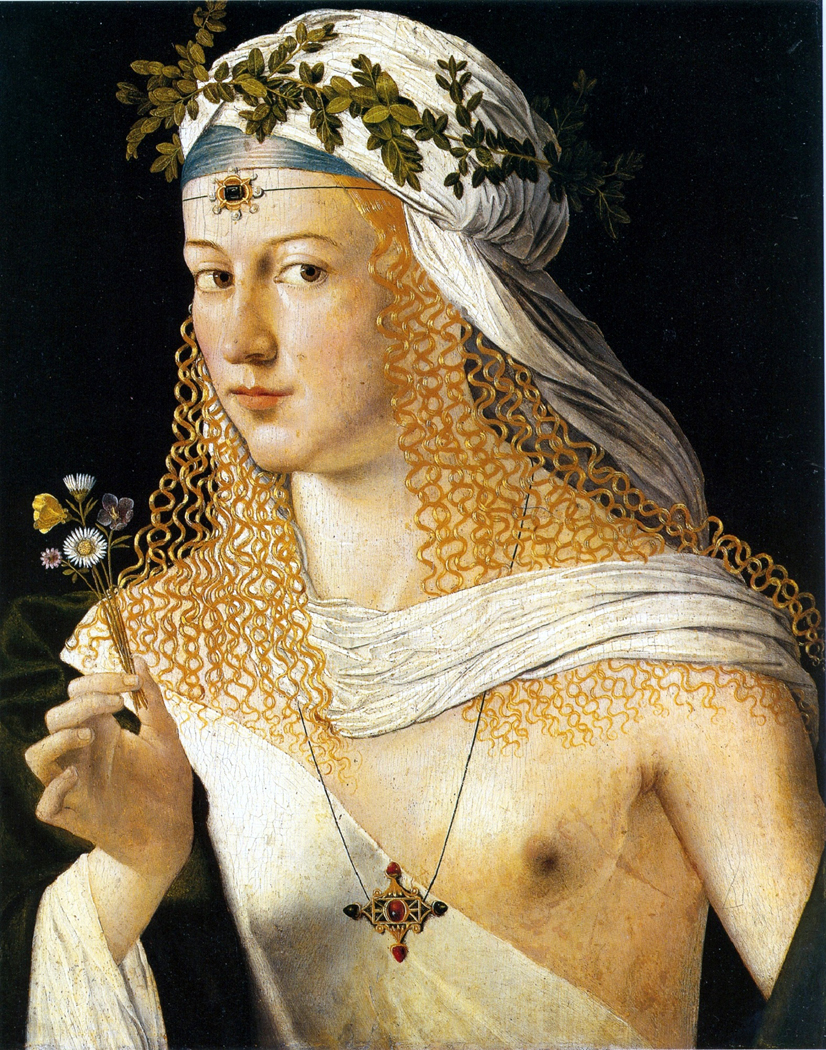
Lucrezia Borgia by Bartolomeo Veneto

Lucrezia Borgia by Bartolomeo Veneto

In another place, he reprints a portrait by Bartolomeo Veneto (and misattributing it as he does so) and tell us:

“Lucrezia Borgia, well-known poisoner, painted by Veneziano in 1520. By this time, it was popular to wear dresses with one breast exposed and the breast nicely rouged. As you can well see, this style did nothing for Lucrezia as she had nothing special to show.”

He has a chapter titled: “Bare Breasts and Food In the United States.” In it and passim, he describes various topless establishments, comparing those in Paris with those in Las Vegas. Vegas wins, by his reckoning.

“For my part I enjoy eating very much. I do not like to look at female breasts while I am eating as I like to concentrate on my food. There is a time and place for everything and I prefer exposed female breasts in a bedroom, a tepee or a clean cave.”

It isn’t only breasts, though.

“Michelangelo learned to paint and sculpture sexual organs probably better than anyone that ever lived. He never learned to use his own properly, however, and was a homosexual.”

And he has a way of combining his questionable grasp on history with his prurience:

“Charles the II of England was born in 1630 and died Feb. 6 in 1685. He married the beautiful Portuguese woman, Catherine of Braganza who brought Bombay, India and Tangier to England as part of her dowry. Those were the days when getting married could really get you something. He never had any legitimate children as Catherine was just plain scared of pushing out a child through so small a space. She became an early expert and exponent on birth control.”

There is more than an undercurrent of bigotry in him. While he exults American Indians (not always reliably: “Pizza pies were of course, unknown as these too are of American Indian origin.”), and recounts many instances where white America has raped and pillaged the Indians, he holds many questionable ideas about women and other races.

In that section on Michelangelo, for instance, he says: “Michelangelo’s statue of David shows what can be done with a piece of marble. As far as showing what David might have looked like, it is a masterpiece of errors. David was a  Jew and undoubtedly had the high cheekbones and nose of a Jew. This figure is strictly Anglo-Saxon in appearance, not even Roman.”
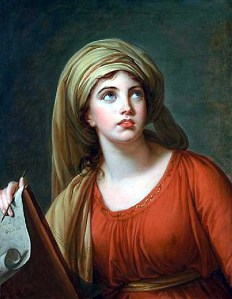
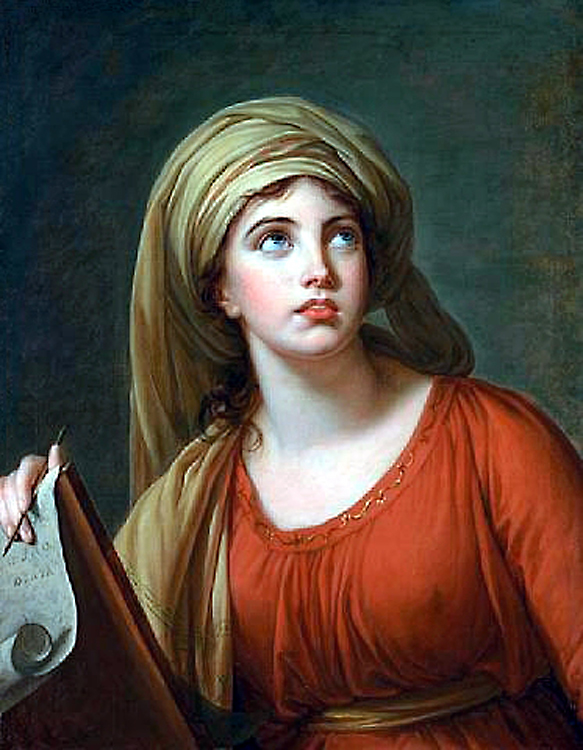
Lady Hamilton as the Cumean Sibyl by Vigee-Lebrun

Lady Hamilton as the Cumean Sibyl by Vigee-Lebrun

On a section (see below) spent with Horatio Nelson and his mistress Lady Hamilton, he includes a portrait of the woman, misspelling the name of the artist (Elizabeth Vigee-Lebrun) and in his caption tells us something about his opinion of women.

“The portrait was painted by Madam Vigee-Ledrun , one of the few good women artists the world has ever known. Women because of the effect of menstruation upon them, rarely can become even fair painters.”

Not to mention his take on Joan of Arc: “Never underestimate the strength and courage of a woman that is really mad at you.”

Among his other obsessions are nuclear war and art.

“Red pepper good for radiation and upset stomachs”

“We always have the money to buy good soap in this country and women folk look down on such menial tasks as making soap these days. An H bomb strike in this country would change the whole picture.”

“I never have  been an admirer of the paintings of Matisse but I always thought his cooking was excellent.” What follows is a recipe for “Beans Matisse.”

I could go on all day giving you quotes from the Bull Cook.

“Joshua 10:13 in about 1451 years before Christ says that the sun stood still in heaven and did not go down for the space of one day. This caused Indian Mexico to become dark.”

Or:

“Mozart was a man that believed just putting a lady on her back was not at all enough. Seducing an actress was a game with him that had to be done properly or not at all. He wined and dined his amours very well before getting down to any serious romancing. His dessert I like far better than his music and his orange wine is a classic. Here are his original recipes.”

Not to mention:

Eggs “are best eaten in a well ventilated room.”

Or:

“Never drink coffee right after eating peppered fried eggs or soft-boiled eggs.”

The combination of sex and history, scrambled, fried and soft-boiled can be enjoyed in his version of the life and appetites of Lord Horatio Nelson:

“Horatio Nelson was a fragile, very sensitive man nearly always in poor health. He was not at all good looking and women shunned him.”

“In the West Indies, on March 11, 1787, he made the greatest blunder of his life. He was more or less trapped into marrying Frances Nesbit, the widow of a doctor Nevis. Nelson had simply spent too many years on the seas with only men to look at and the prospect of having any nude woman looked like a catch to him.”

“Emma Lyon was born on May 12, 1765 … She grew up to be a lively, robust, big-breasted beauty that attracted any normal man.”

“Emma had a way with men, which consisted mainly of taking off her clothes. During Nelson’s battle of the Nile she obtained valuable information for Nelson. When Nelson returned from the campaign of the Nile to Naples, Emma arranged to meet him in her bedroom with nothing on but a string of pearls. Nelson’s wife had turned out to be a cold unenthusiastic bed partner and Emma, the vivacious, warm, bubbling prostitute was a welcome change.”

“I have always admired Horatio Nelson. He was not much physically or mentally, but he was an honest, hard-working man. He never cared what anyone thought or said about him. He liked Emma because she was a good bed partner and a light-hearted, depression chaser around the house.

“Horatio Nelson was not much of an eater as he had a bad stomach. His favorite food was a sandwich which he ate both on ship and shore. Here is his original recipe.”

It is a kind of onion sandwich on well-buttered bread. “Eat with a bottle of strong beer,” Herter recommends.

“This is a truly great sandwich befitting a truly great man and besides, it burps beautifully.”

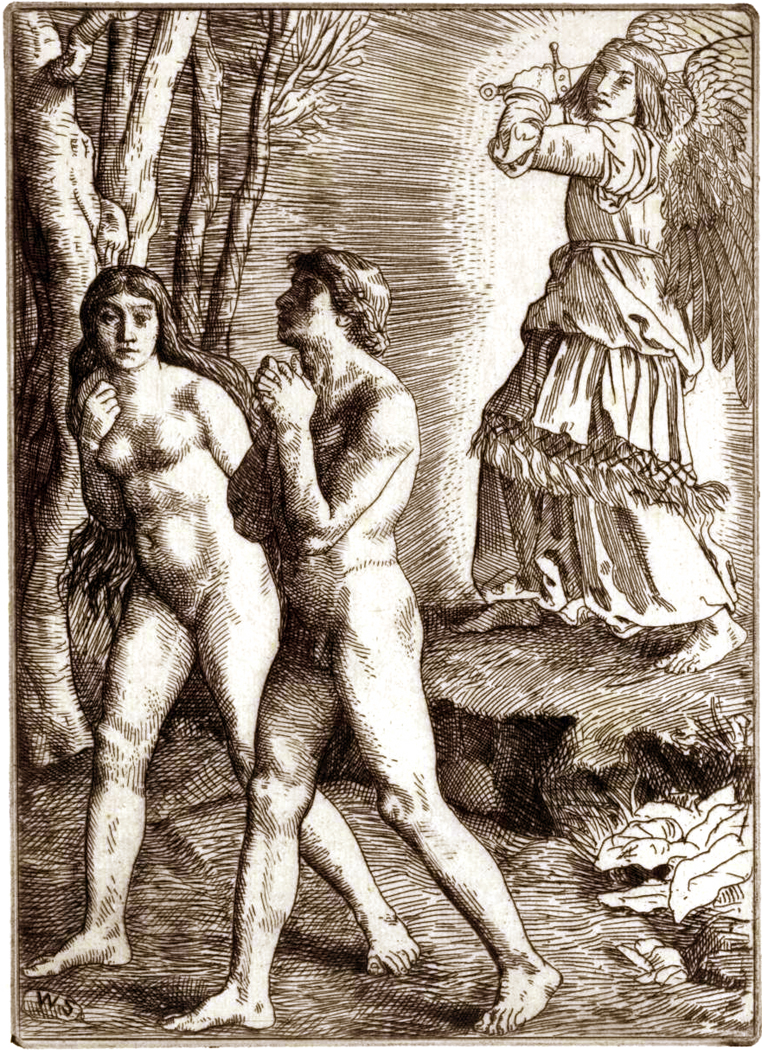
adam and eve

OK, so then what is the “canon,” with which we should all be familiar?

There are scores of lists, put forth by scores of people, ranging from insightful critics to close-minded boobs (Yes, Bill Bennett, I’m talking about you). Such lists usually share the usual suspects: Here’s Hamlet, there’s War and Peace, and over there is the Recherche of Marcel Proust. All of them worthy of your deepest attention and capable of inciting the most delightful pleasure.

But as I’ve written before, the purpose of engaging with the canon of Western culture is to understand who your grandparents were, whose cultural DNA you were born to — the common inheritance of all of us in the modern world, our Adams and Eves.

Through most of my youth and into my adult life, my version of the list has grown and grown. I have, after all, at least 50 films on my Top Ten list. I could not do without hundreds of books I have read, paintings I have seen in the flesh, music I know by heart.

But, as I have grown old, I have jettisoned more and more baggage. “Simplify, simplify,” Thoreau said. I’ve given away books, CDs, DVDs. I’m tempted to dump even more. Those that were important, I have internalized; those I want to keep are those I reread and reread.

Under even those, however, is a foundation level, the cultural footings on which I have built my intellectual life, and that the civilization I have inherited was founded upon, almost as its Constitution.

So, I am proposing a canon. A very short one, but an essential one.

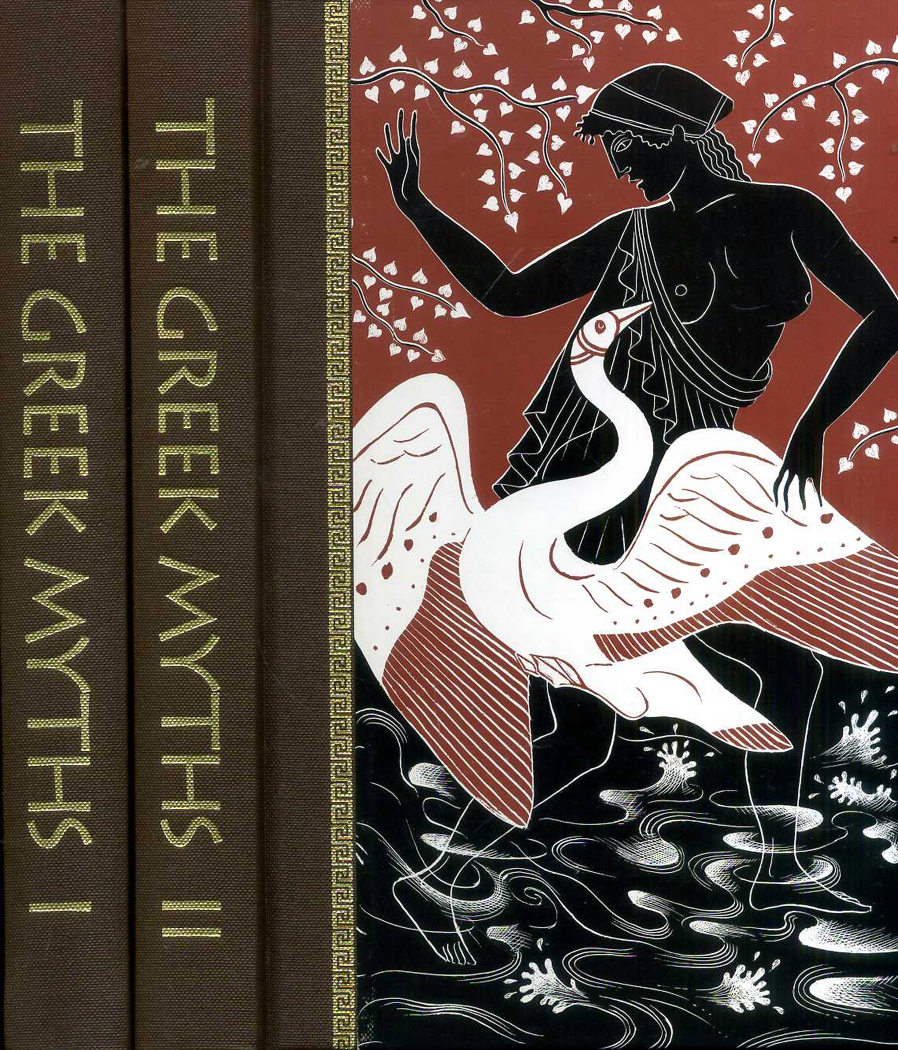
First, there is Homer. Everyone should have read the Iliad, at least. The Odyssey is initially more fun — or at least the chapters that chronicle the wanderings of Odysseus — but the Iliad is one of the founding documents of Western civilization and provides a necessary backdrop for everything that has come since.

I reread the Iliad about once a year. I try different translations, because any bit of ancient Greek I used to study has evaporated. The newest translations are usually the best, not because they are more literary, but because they speak the language I use. Older translations sniff of their age, smelling of linsey-woolsey or gaberdeen. I can sense the antimacassar oil on the Lang-Leaf-Myers translation. I sense the Cold War in the Lattimore.

So, the Robert Fagles translation is my standard, although the most recent re-read was in the even newer Stephen Mitchell version.

In Homer, you find the myths that have been re-used and re-energized in all the books written since, that outline the archetypes, give us the parameters of story and narration. The scope of Homer is the widest: from the bee’s tongue to the planet’s motions among the stars.

This is all beside the wonderful enjoyment gotten from reading it, 2500 years after he (or she) set it down.

The second book in my canon is the Bible. Not for any religious reason; I’m completely an atheist and have no use for religion. But the Bible is, like Homer, one of the founding documents and underlies all that has followed. I may wish otherwise, and may often wonder if the Bible wasn’t really authored by a group of people who have spent too long out under the desert sun. It may have been written by white bearded patriarchs under the influence of sunstroke, but they are our grizzled patriarchs.

There are two important considerations when approaching the Bible.

The first is the translation. The King James version is the primary one, and it is the organ-pipe tones of the KJV that underpin our own ideas of language, of majesty, of ritual and solemnity. It is the KJV you hear behind the sentences of Melville and Thoreau, behind the speeches of Martin Luther King.

But the King James is also miserably out-of-date, with usages that are no longer current and oftentimes either misleading or downright incomprehensible. So, a more modern translation may make the stories of the Bible easier to assimilate.

Even so, I prefer mixing the King James and a modern translation with an interlinnear word-for-word translation that demonstrates how much any translation of the Bible is de facto an interpretation. I have valued greatly the Everett Fox version of The Five Books of Moses from the Schocken Bible. Any version of the Hebrew and Christian Bibles is a moving target.

The second thing is that you should read the whole Bible, not just the familiar parts. Some of it is heavy slogging, but you should have read the whole thing. It’s one of the best ways to counteract the baleful influence of all those fundamentalists that would have you believe only their way. You see how they pick and choose only the parts they want and that reinforce their prejudices. You will be astonished at how many things are held to be “an abomination.” You will scratch your head over most of them.

The Bible stories are the Semitic balance to the Hellenic myths and between the two, they are the parents of all that followed.

Finally, in my canon, are the plays and sonnets of William Shakespeare. Ideally, one should see them on stage, in an excellent production (since a mediocre production can be the kiss of death for someone whose language is a florid and baroque as Shakespeare’s), but the fact is that it is as text on a page that Shakespeare has most influenced the course of Western Civ. We read Hamlet, Lear, Othello, and their words continue to astonish the attentive reader with their fire, their brilliance, their wit, and their expansiveness. The “sirrahs” and “prithees” may certainly feel dated, but everything else is bursting with life.

It was after a long-ago divorce that I first decided that if I was going off into exile, I needed to pack only three books: The Iliad, the Bible and a complete Shakespeare, and that somehow, if the world were destroyed all around me, I could resurrect an entire civilization with just these three.

And we would see everything that followed.

hisitory mosaic

History is endlessly fascinating.

If I were restricted to one class of reading, history would be it. I am not alone. Whenever politicians are asked for their favorite books, they seem to be history and biography (even as you suspect that the list was actually compiled by an aide), and the busiest corners of used bookstores seem to be the history sections.

When I was a boy, devouring the school library, I avoided fiction. “I don’t want to read anything that isn’t true,” I told my parents — misunderstanding the nature of truth, as one is likely to do in the second grade.

History provides at least four important things for the growing brain. In order of ascending importance, they are:

Entertainment — A well-written history is fun to read. When you are reading Barbara Tuchman or Edward Gibbons, you are reading a page-turner. As one history lover has written on his Web page: “It’s not the facts or dates we want. We want, for a time, to be the person who rode out of Paris to go on a Crusade, and rode past serfs tilling the land, dressed in browns and blacks because they were forbidden to wear bright colors by law. We want to feel the pride of being French, thinking that we could defeat the German army because, we are French! But alas, the Germans crush us anyway. What did we feel then? Tuchman tells history as a story, and makes us feel the wonder of the connection we have with all the myriad, strange, and beautiful humans who have lived and died to bring us to where we are today.”
Guidance — Reading history shows you what other people have done when faced with situations similar to those you may find yourself facing. You can benefit by their mistakes as well as their successes. It is also useful to know history to recognize the prospects for current policy choices made for us by government. Should we get into this war?

Before entering Syria, we might want to re-read our Herodotus. We wish to god George W. Bush had read it before going into Iraq.

But you don’t have to go all the way back to the Persian Wars. You have a different view of it if you know the history of the division of the Mideast into mandates after World War I. If you want to really understand the recent presidential elections, you must know the organization of the Roman imperial and republican governments and the sway they held over this nation’s founding fathers. The roots are that deep.

The saddest truth of all — after Jean Renoir’s quote from Rules of the Game: “The awful thing about life is this: Everyone has his reasons” — is that, pace Santayana, it is not those who don’t learn from history who are condemned to repeat it; those who have learned their history are the ones who see it repeated endlessly. To those who know nothing of history, it’s brand spanking new each time it happens.

Humility — More important than reading popular histories, though, is attempting to do some actual history, yourself. Few people ever give much thought to what a historian does. I suppose if you asked the man on the street, he would say a historian reads a lot of books and then writes his own. But history is altogether more difficult and tenuous. For what is history? (I know Gibbon himself gives one answer: “little more than the register of the crimes, follies, and misfortunes of mankind.”) No, history is the tentative answer to the puzzle of missing parts. history tondo

A historian sifts through the extant records of a time long extinguished and attempts to piece them together in a way that makes convincing sense. He reads letters, court records, newspaper accounts, bank statements, weather records, church chronicles and royal edicts; he attempts to put them in chronological order and reconcile the inconsistencies; he has to weigh which records to trust and which to doubt; he has to be familiar with the biases of the times, to know what “code words” mean — and each age has its code words.

You can do some genuine history for yourself: Attempt to write the story of your grandparents, for instance, using your parents’ recollections, old family Bibles, family snapshots, birth and marriage certificates. You will be astonished at two things: how difficult it is to make it all coherent, and how fascinating it is to make the attempt. And that leads to the fourth and most important thing history can bring us.

Respect — If there is a single sin that is most widely committed by the public, it is that of presentism — the belief that people in the past thought and acted just as we would, only without the benefits of modern technology.

In fact, those in the past not only thought differently, they lived in a world differently defined: Things which were manifest to them are ignored by us; things we find self-evident, they never gave a thought to. What we learn is a different kind of humility. Not just the humility of the historian knowing what effort it takes to recreate the past, but the humility of knowing that there are other ways to organize and value the world than those we currently take for granted.

We wander into church in shorts and shirts; our grandparents wouldn’t have dared. They lived in a more formal world, in which the formality expressed respect. We live in a culture that values independence and individuality. Other cultures valued group cooperation more highly.

History shows us that we aren’t always “right” and the past isn’t always “wrong,” but that at all times, we are seeking to know and do what is real and just, but are blinded or frustrated by the biases of the day.

I’m not talking about excusing our slave-owning founding fathers but understanding how they believed the world to be organized by the divinity they believed in. Understanding is different from judging. If we recognize the sincerity of Thomas Jefferson, and not just the hypocrisy, we may allow the possibility that we, living now, may be just as guilty of another sin, which we ourselves cannot see clearly.

History makes us less self-righteous. And the less smug, the less likely we are to make evil on our fellow human beings. This is why the last aspect of reading history is the most important.

Books

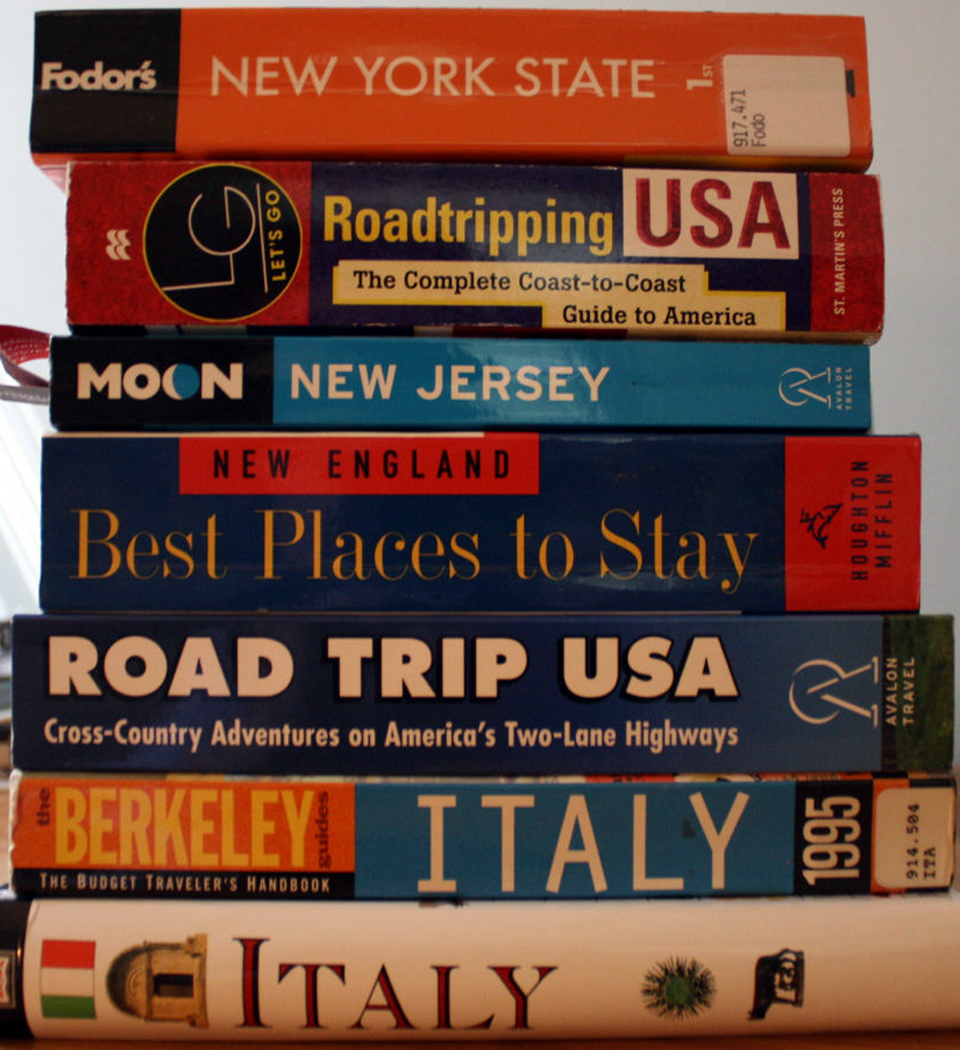
I love travel, and next to that, reading about it. But most of what I read leaves me flat; most travel writers upholster their pages with supposedly useful bits of information meant to lead me to a favorite hotel or a great nude beach where I can buy the killer margarita.

Most travel writing is in essence consumer news, and consumerism is both shallow and boring. That is not what I seek when I open up a book. I want to be transported to the place the author writes about; if I cannot afford the airfare, I want the words on the page to vanish, leaving me underneath the palm trees or on the mountain crest. I want to feel the moist tropical breeze on my cheek.

The best writing is not about four-star restaurants, but about the experience of the place, whether hotel or Irish bog. I have found that happens most often not in the works of so-called travel writers, but in the works of those who are writers first, travelers only by happenstance.

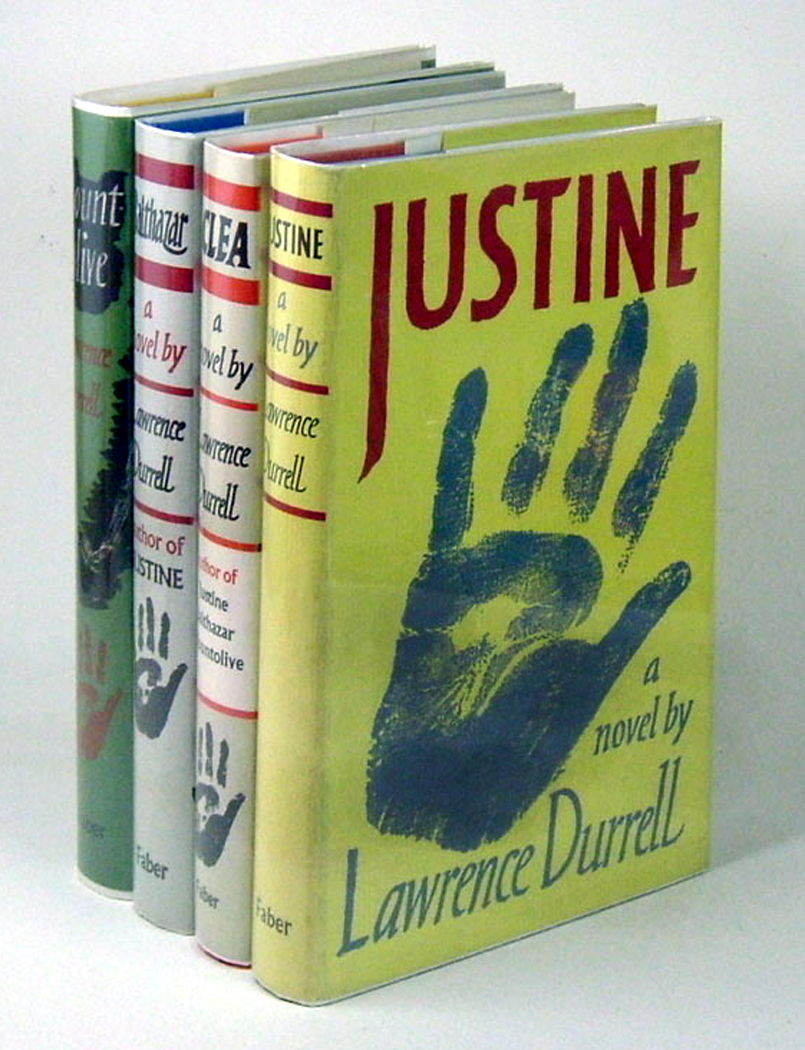
Lawrence

Lawrence

That is because, ultimately, the travel experience happens not on the ground, but in the head. It is the digestive sensibility of a great writer that can suck the marrow out of an experience and present it to us for our own understanding and enjoyment.

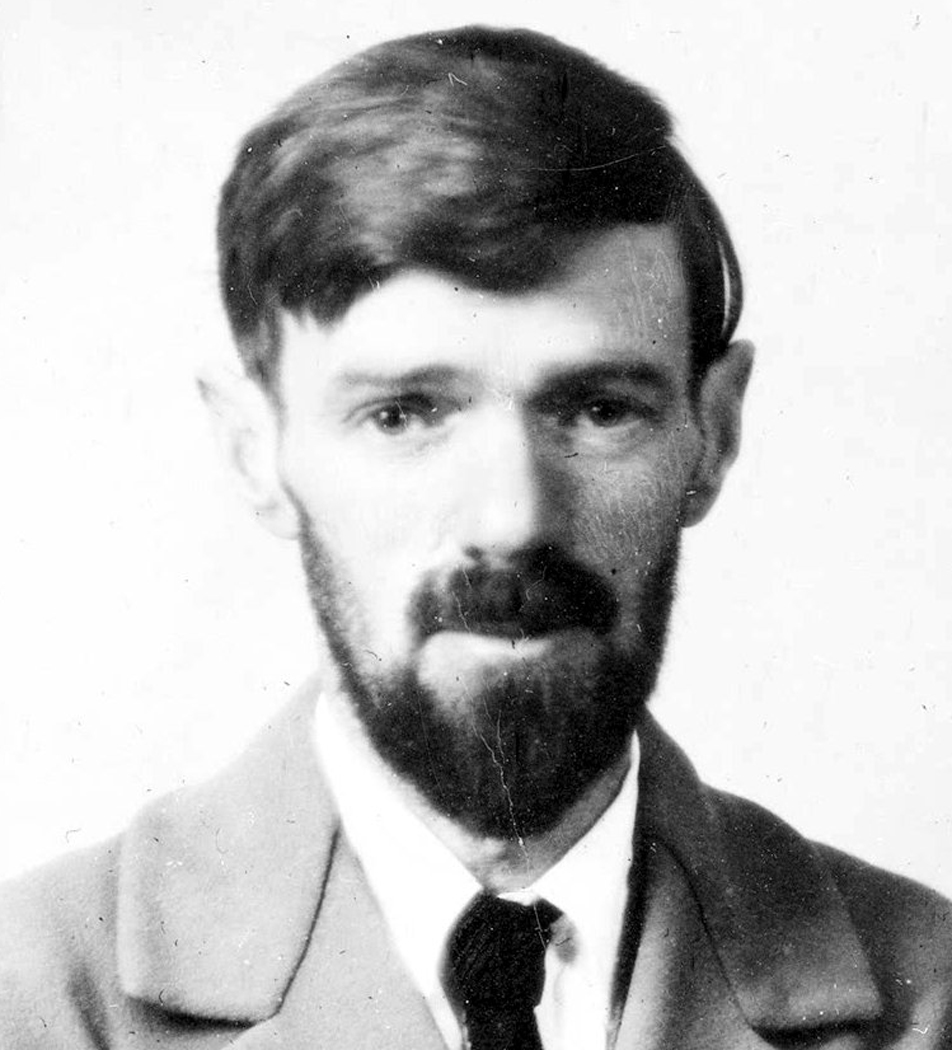
”One says Mexico: One means, after all, one little town away south in the Republic,” wrote D.H. Lawrence in Corasmin and the Parrots. ”And in this little town, one rather crumbly adobe house built round two sides of a garden patio; and of this house, one spot on the deep shady veranda facing inwards to the trees, where there are an onyx table and three rocking-chairs and one little wooden chair, a pot with carnations, and a person with a pen.”
Now that puts you in a place. And a very particular place, seen through very particular eyes.

Miller

Miller

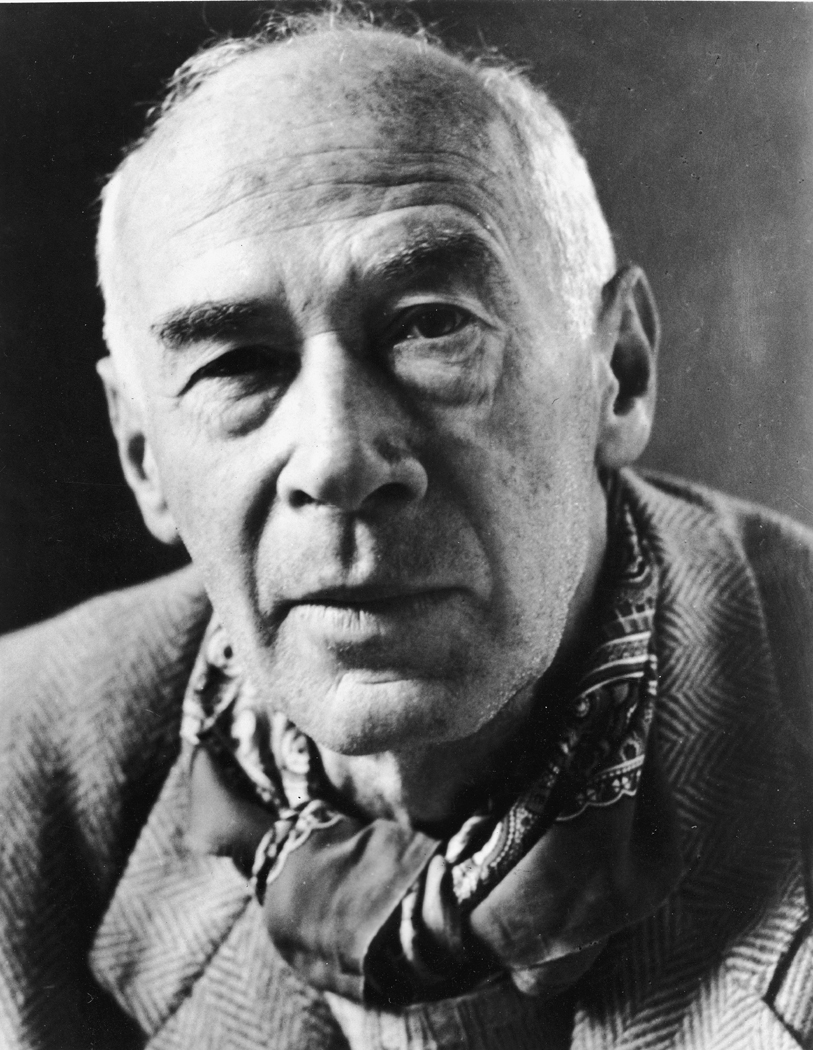
Henry Miller opens up his wonderful travel book, The Colossus of Maroussi, saying, ”I would never have gone to Greece had it not been for a girl named Betty Ryan who lived in the same house with me in Paris. One evening, over a glass of white wine, she began to talk of her experiences in roaming about the world. I always listened to her with great attention, not only because her experiences were strange, but because when she talked about her wanderings, she seemed to paint them: Everything she described remained in my head like finished canvases by a master. It was a peculiar conversation that evening: We began by talking about China and the Chinese language, which she had begun to study. Soon we were in North Africa, in the desert among people I had never heard of before. And then suddenly she was all alone, walking beside a river, and the light was intense and I was following her as best I could in the blinding sun, but she got lost and I found myself wandering about in a strange land listening to a language I had never heard before. She is not exactly a story teller, this girl, but she is an artist of some sort, because nobody has ever given me the ambience of a place so thoroughly as she did that of Greece.”

Miller then turns that favor over to us in his book. It is not just about a place, but about how a particular and intelligent sensibility interacts with a place.

Sometimes that happens in a novel, such as Jack Kerouac’s On the Road or Herman Melville’s Typee. These give us such a strong sense of being there that the plot sometimes seems little more than an excuse to travel to a new place to feel unfamiliar weather and sunlight.

But it is on their books specifically about travel that I mean to write. I’m sure you have your favorites, just as I have mine. Try some of these out next time you can’t afford two weeks in Tahiti:

1. Sea and Sardinia, by D.H. Lawrence. ”Comes over one an absolute necessity to move. And what is more, to move in some particular direction.” His other travel books are just as direct, just as full of the feeling of life and energy, populated with odd and compelling personalities. Mornings in Mexico, Twilight in Italy, Etruscan Places — if I were to name the single best travel writer, it would be Lawrence. colossus cover

2. The Colossus of Maroussi, by Henry Miller. Forget the four-letter Miller of the Paris gutter. His vision of Greece, uncorrupted by pious Classicism, is all about location, location, location. His American travel books, The Air-Conditioned Nightmare and Remember to Remember, are more episodic, but still among his best work.

3. The Encantadas, by Herman Melville. ”Take five-and-twenty heaps of cinders dumped here and there in an outside city lot; imagine some of them magnified into mountains, and the vacant lot the sea; and you will have a fit idea of the general aspect of the Encantadas, or Enchanted Isles.” Melville takes us to the Galapagos Islands and gives us all we know of them outside of Darwin.

4. The Narrow Road to the Deep North, by Matsuo Basho. The greatest writer of Japanese Haiku takes us on a walking tour of the northern portions of Edo-period Japan. ”Days and months are travelers of eternity. So are the years that pass by. Those who steer a boat across the sea, or drive a horse over the earth till they succumb to the weight of years, spend every minute of their lives traveling.”

5. The Desert, by John C. Van Dyke. One of the most peculiar books ever written, it is the love letter of an obsessed stalker to his beloved Southwest deserts. Written in 1901, it is full of the most effulgent language ever put to paper. And it would be pure breathless kitsch if every word weren’t the most truthful and accurate observation of the land.

”The reds are always salmon-colored, terra-cotta or Indian red; the greens are olive-hued, plum-colored, sage-green; the yellows are as pallid as the leaves of yellow roses. Fresh breaks in the wall of rock may show brighter colors that have not yet been weather-worn, or they may reveal the oxidation of various minerals. Often long strata and beds, and even whole mountain tops show blue and green with copper, or orange with iron, or purple with slates, or white with quartz. But the tones soon become subdued. A mountain wall may be dark red within, but it is weather-stained and lichen-covered without; long-reaching shafts of granite that loom upward from a peak may be yellow at heart but they are silver-gray on the surface. The colors have undergone years of ‘toning down’ until they blend and run together like the faded tints of an Eastern rug.”

Bartram

Bartram

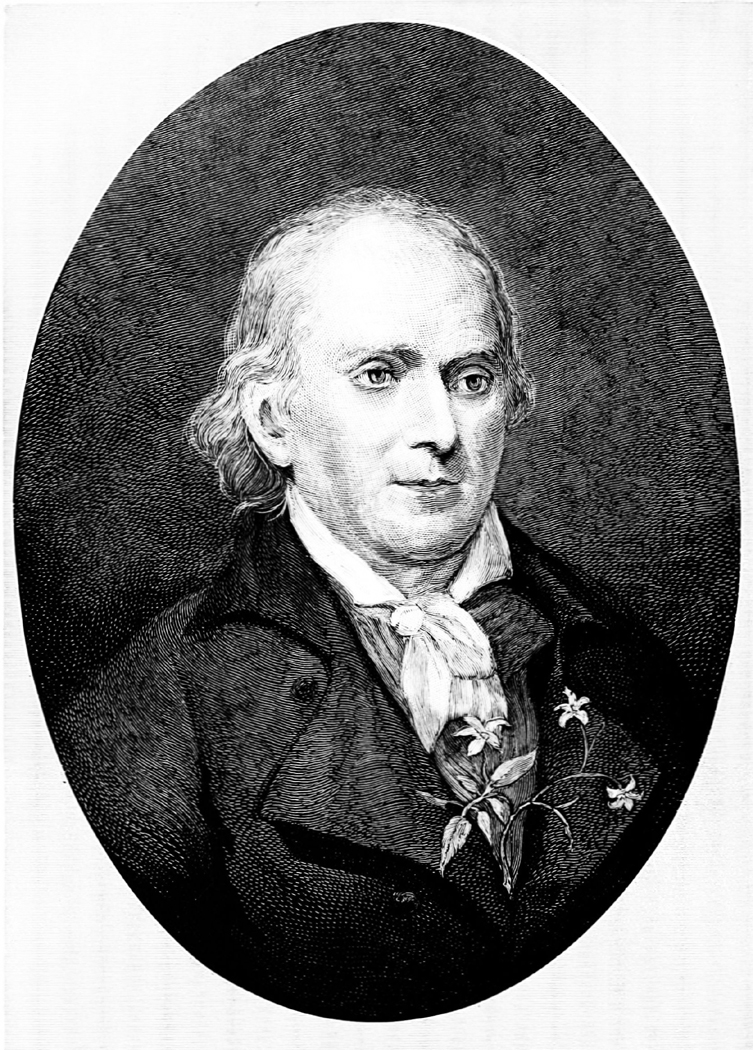
6. Travels, by William Bartram. The full title gives us the wonderful 18th-century flavor of the book: Travels through North and South Carolina, Georgia, East and West Florida, the Cherokee Country, the Extensive Territories of the Muscogulges, or the Creek Confederacy, and the Country of the Chactaws; Containing An Account of the Soil and Natural Productions of Those Regions, Together With Observations on the Manners of the Indians, Published in Philadelphia, 1791.

It is my favorite of any number of similar books that follow the author through what was at the time unknown and miraculous new territories. Jonathan Carver’s Travels through North America, from 1778, or William Dampier’s A New Voyage Around the World, from 1697, are full of ”travelers’ tales.”

Later, the journals of Lewis and Clark and of John James Audubon are full of the same sense of being there.

7. Life on the Mississippi, by Mark Twain. Such a classic, it hardly needs touting, but there is no more completely compelling vision of a river and the life that survives because of it.

8. California and the West, by Charis Wilson Weston. The reason most people pick up this book is for the historic photographs by Edward Weston. But the stories his wife, Charis, tells about their travels while making the photographs are a complete delight and present a picture of America between the wars with dusty roads, bad food and cheesy tourist traps.

9. Italian Journey, by Johann Wolfgang von Goethe. The great German writer and natural philosopher managed to get into the spirit of Europe’s sunny south by meeting a bunch of Germans in Rome and rhapsodizing about Classical civilization. It is a funny, moving and infectious memoir, and I can’t put it down.

Thoreau

Thoreau


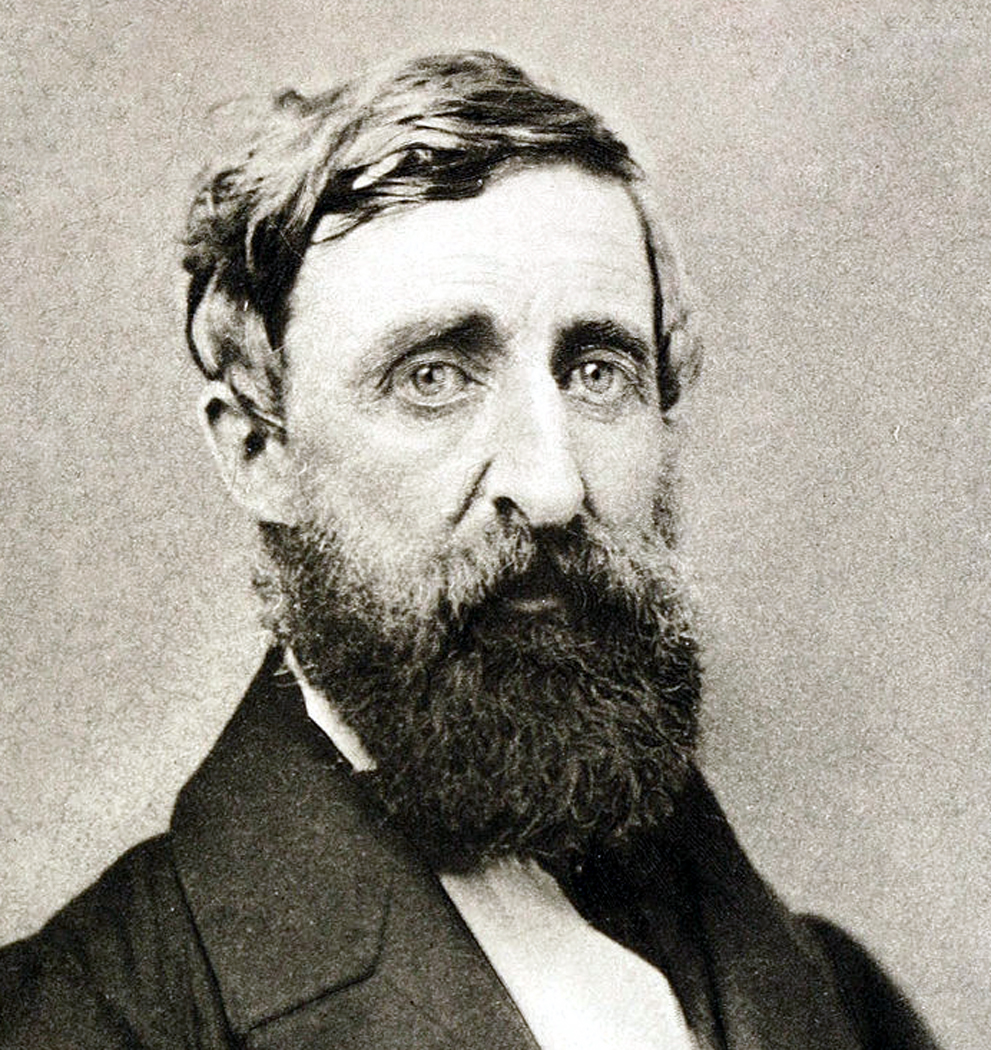
10. A Week on the Concord and Merrimack Rivers, by Henry David Thoreau. This is only one of several quirky and idiosyncratic travel books by the Transcendentalist author. You could as well choose The Maine Woods, Cape Cod or A Yankee in Canada. How idiosyncratic? ”I fear I have not got much to say about Canada, not having seen much; what I got by going to Canada was a cold,” he writes. He also lies. He has got much to write about Canada.

Apollo

Apollo

The older I get, the less reading I do, and the more re-reading. It’s a common symptom of age. There are many things that change as you leave behind the enthusiasms of youth.

I remember the complaints about conductor Arturo Toscanini that his repertoire was small and repetitive: How many times can you play the Beethoven and Brahms symphonies, and why don’t you play more contemporary music?

Toscanini 2First, you have to remember that when Toscanini was young, he gave world premiere performances of many new works, including Puccini’s La Boheme and Sam Barber’s Adagio for Strings. He gave world premieres of at least 25 operas. When he was young, the music of Richard Strauss and Claude Debussy were brand new, not the concert stalwarts they later became. He gave the American premiere of Shostakovich’s Seventh Symphony. He programmed all of George Gershwin’s major pieces, even if his Italian soul never quite beat to the jazz rhythm. 

But it is true that after he came to the NBC Symphony, he concentrated on the war horses. His repertoire did narrow as he got old. The problem is that we know Toscanini mainly these days for his RCA Victor recordings, made near the end of his life, and so we have a skewed vision of his career.

That narrowing is not uncommon in artists, who generally — if they get to live long enough — develop a streamlined “late style,” which eschews much of the complexity they favored as young Turks, and gets straight to the point, as if the knew they didn’t have time for all the hoopla and somersaults. 

And so, as his hair whitened, Toscanini focused on those works he knew he could never exhaust: things like the Beethoven symphonies. They provide endless riches, endless possibilities, and endless satisfactions. 

I say I recognize this because as I’ve aged, I, too, have narrowed my focus. As a young art critic, I kept up with all the newest trends in contemporary art. I loved the buzz and fizz: Who’s up, who’s out. What’s the latest and greatest. I even went so far as to disparage much of what is found in our art museums as “relics” of the art process, and therefore not really art — real art is what is coming out of the studios today. Or even better, tomorrow.

And, as a music critic, I felt the same way. Give me something to shock my ears and lord keep me from having to hear another Beethoven’s Fifth! 

But there is a great change in one’s approach to art as one matures. Maturity isn’t just a slowing down and tightening up: It is the weight of experience. When we are young, we know so little, yet we think we know so much. We have the answers, and why don’t the fogeys understand that?

Life, however, burdens you with the accumulation of experience and what was clear as an adolescent is infinitely muddy as a grandfather. 

When we are striplings and in love with art, we tend to idolize it, and its makers. We test ourselves against our heroes, and against the art they made. Are we up to it? Can we maintain in ourselves the vibrancy and aliveness of the art we adore? Aren’t we “special,” too? Of course, we are! The world in art seems so much more brilliant and colorful, so much more emotionally intense. 

But, after a few marriages, a few divorces, a few illnesses, a few disappointments and the deaths of too many of those we loved, after seeing the politics of our time repeat themselves endlessly and stupidly, after seeing more genocides in the world, and hearing the idiocies of dogma and doctrine, the evils of ideologies and the fears of unknowing engender the hatreds of tribes and nations, after all that and the heavy weight of more, we — if we have been lucky — have earned a portion of wisdom. What we once valued from books, we know know more directly from life. And now, instead of measuring ourselves against the art we love to see if we measure up, instead we measure the art against our lives and experience to see whether the art measures up. And very often, it doesn’t. 

So, in our dotage, we fall back on a few trusted worthies, those poems, books, paintings, symphonies, choreographies that we have tested against our experience and which hold up and continue to give pleasure, consolation, understanding and — I hesitate to use the word — what we have come to regard as truth. 

It is what I find in those books and in that music that I re-read and re-listen to — that give me sustenance, that feeds my inner life and tells me that I am not alone but share something with those writers, those composers, those painters and sculptors who have gone through enough life to have developed enough emotional complexity to make art that says something real, and doesn’t just tickle my need for novelty, or — as in my youth — my self-announced grandiosity. glenn gould

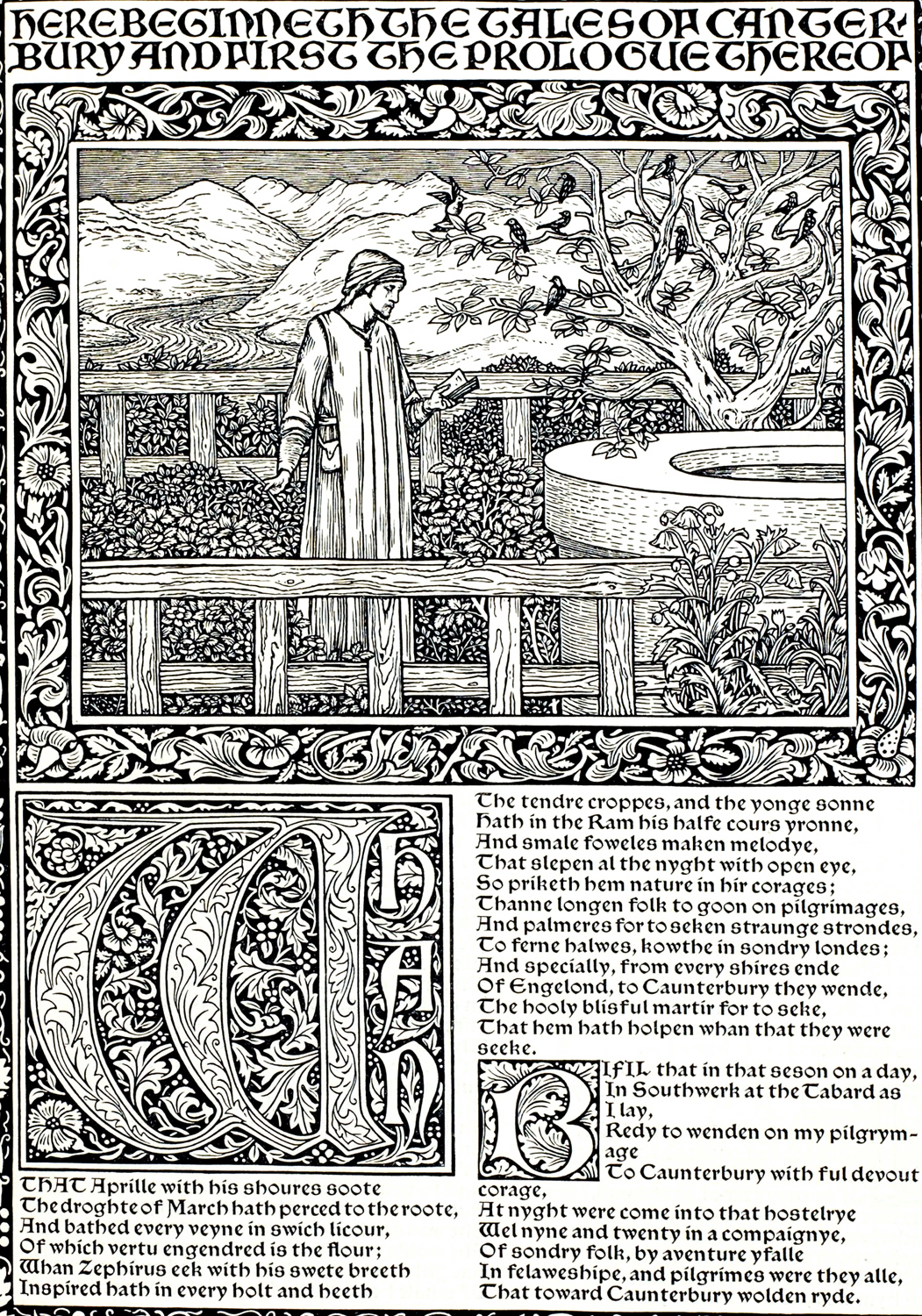
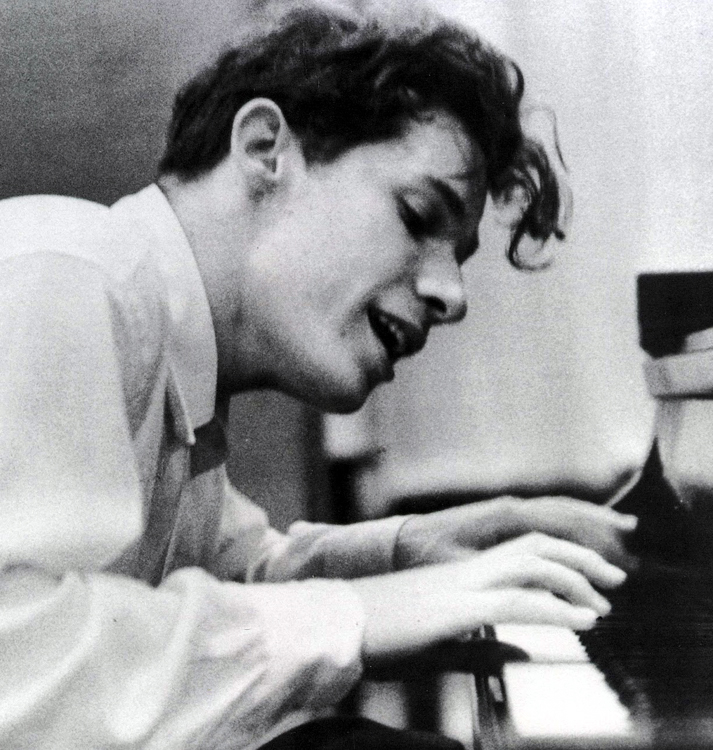
So, I re-read The Iliad at least once a year, and re-read Ovid’s Metamorphoses, Melville’s Moby Dick, Shakespeare’s Hamlet and Goethe’s Faust. I just finished again Dante’s Commedia, and expect to take on Chaucer next. I listen to Glenn Gould playing the Goldberg Variations, or to the Budapest Quartet and the late Beethovens. I weep every time I see Balanchine’s Apollo or his Prodigal Son. I cannot get all the way through Wordsworth’s Intimations Ode without sobbing quietly. 

And Toscanini doing Brahms’ Fourth. I don’t know how many times he conducted that piece, and I certainly cannot count how many times I’ve listened to that recording. I can hear it all the way through now purely in my mind; I don’t even need the score. 

These things — and many more — seem rock-solid and true. 

I expect you have or will have your own list of works that do it for you. They shouldn’t be the same ones; after all, you have lived your own life and collected your own list of wounds and sorenesses, giving you your own sense of what life must be, despite all our best efforts.