Archive

Tag Archives: video

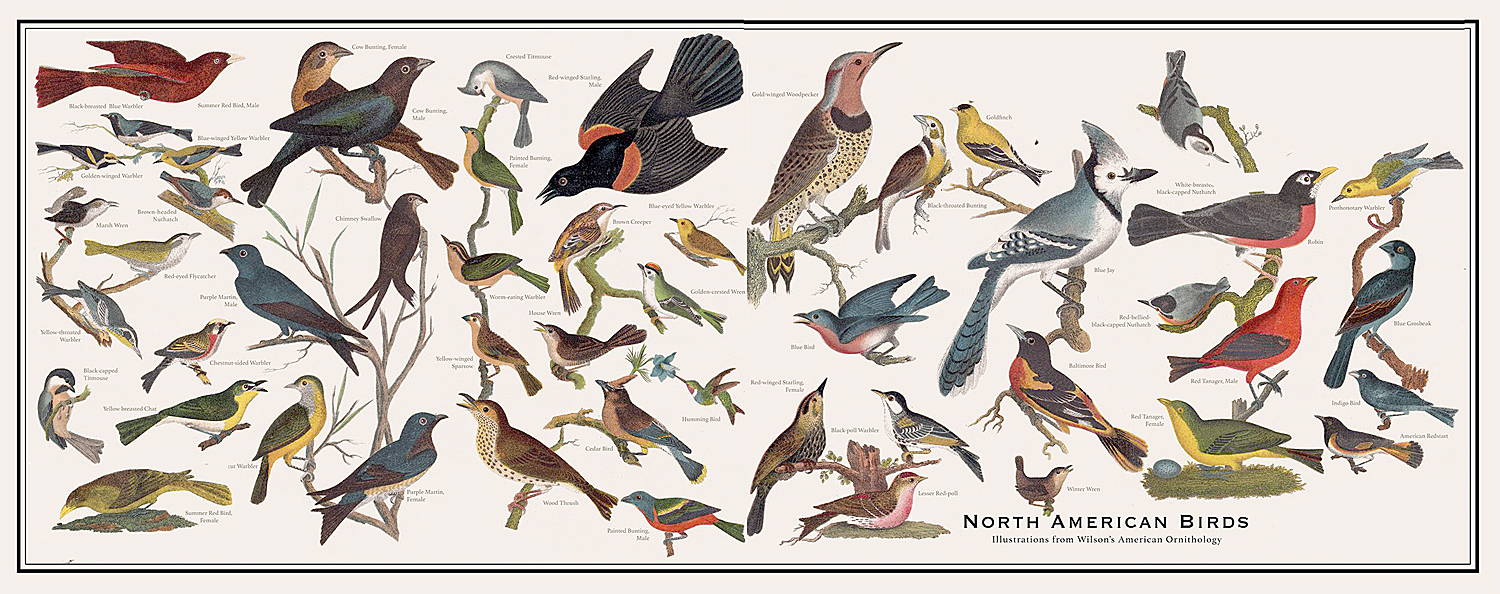
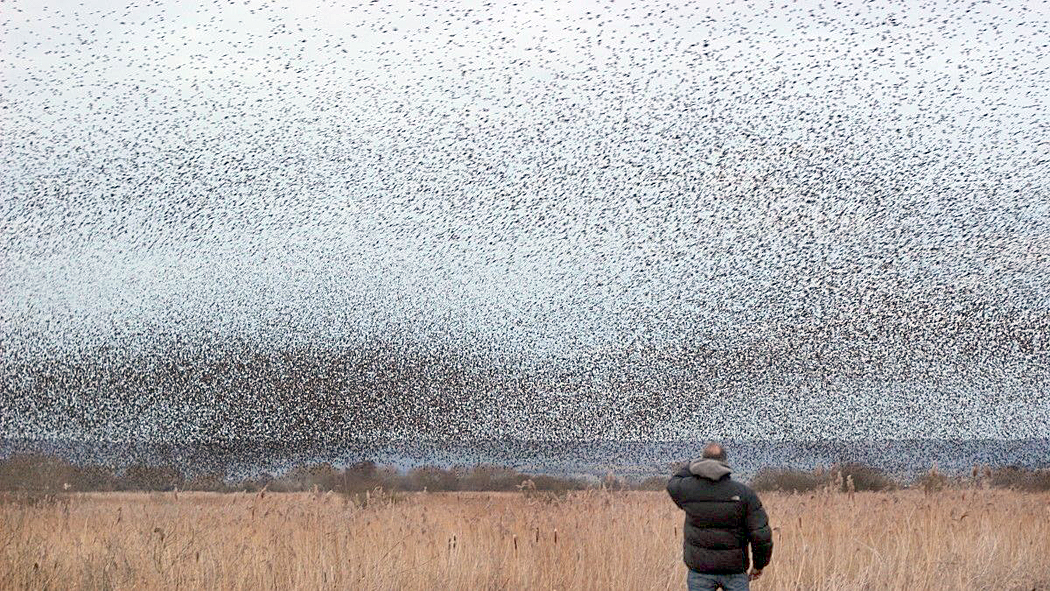
There was a time, many years ago, when I was an active birder and kept a life list. On one trip to the beach in South Carolina, I added 27 new species to my list. I was pretty chuffed about it. I don’t remember how many my list totaled by the time my interest shifted to something else, but it was in the hundreds. The checklist published in BirdLife magazine’s Handbook of Birds of the World catalogs 11,524 species of bird in the world, so my list is hardly detectible in the murmuration of life lists by serious bird watchers. 
I had done the same for wildflowers before that. Many of them, I even had learned the scientific name for, which drove my wife nuts to the point she teased me about calling them all, “Know-atia dudiflorum.” Naming and cataloguing have been among the main preoccupations of humankind at least since Adam.

Mine has been a lifetime of learning — trying to learn everything. A quixotic quest at best. 

In third grade, I learned — or seemed to learn — the names of all the popular dinosaurs. In fourth grade, I did all the whales. There seemed to be an endless supply of things to learn about. And that is the problem. 

There is too much of everything. No one can grasp it all. Not even all of a limited subgroup, or sub-subgroup. Pigeons of Southeast Asia or sharks of the South Atlantic. You can find books about most of such things. 

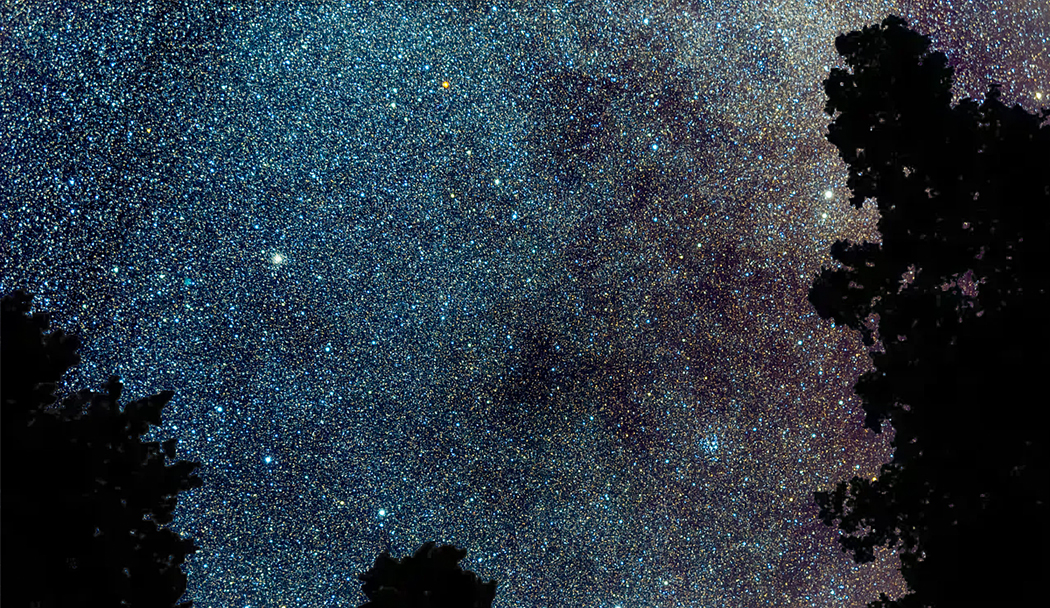
By most standard rankings, I am a reasonably well-read man. But I have looked up at the night sky in the desert wilderness, 50 miles from the nearest paved road, and seen millions of stars and the Milky Way, and thought, “That’s how many books I have not read.” 
It may once have been possible to read almost everything ever published. After getting his Masters degree from Cambridge University in 1635, poet John Milton took six years off, reputedly to read everything available in English, Latin, Greek, Hebrew, French, German, Spanish, Italian, Old English and Dutch. As impressive as that is, he did not read Chinese, Japanese, Sanskrit, Arabic, Aramaic, Turkish, or any other written Asian tongue. That is a lot left out of his erudition. 

Over the years, I have collected thousands of books, and know that, like the birds or beasts, there are so many more out there that I have not even known existed. The sum total of human publication I doubt anyone has ever fully tallied. It would not be possible, even for a single language. 
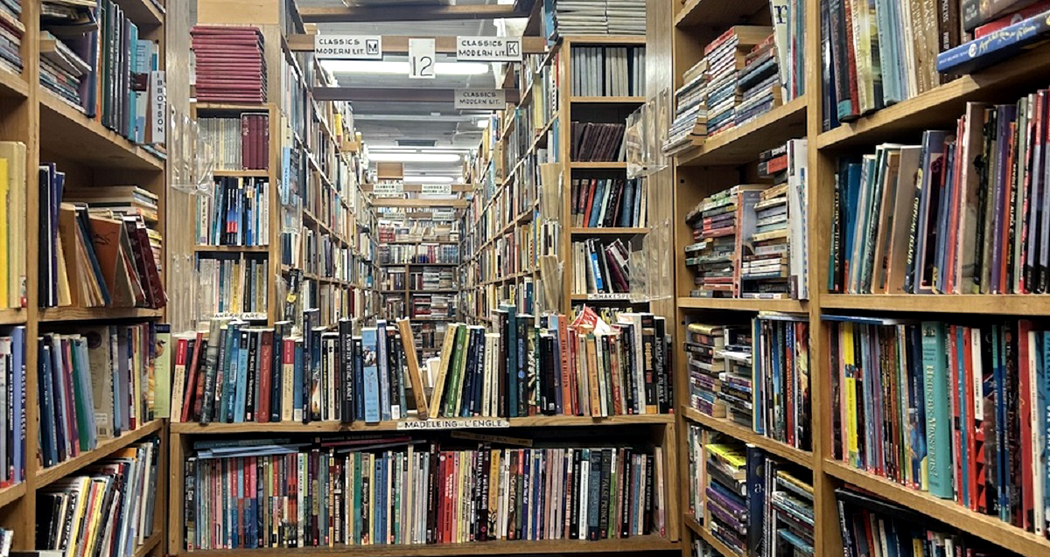
It is that way with almost anything. Too much. Even a post-doctoral scientist, who may know more than any other person about the subject at hand, will not have been able to read everything in that field. There is too much. Even the experts are mere dabblers, given the immensity of the task. 

Take movies. I have seen more than most people. I spent part of my career for my newspaper as a back-up and later, temporary film critic (until a new full-time critic could be hired after the previous one left). My experience is with film from all over the world, not just Hollywood. But it is estimated that American film studios have produced more than 25,000 movies since they were invented. In 1940 alone, 1,973 films are listed. And that is just the U.S. Overall, the count is nearer 500,000 films worldwide. In fact, more films are listed as lost than I have seen — by far. It is estimated that half the films made before 1950 have been lost. Early Hollywood never carefully archived what it produced. 
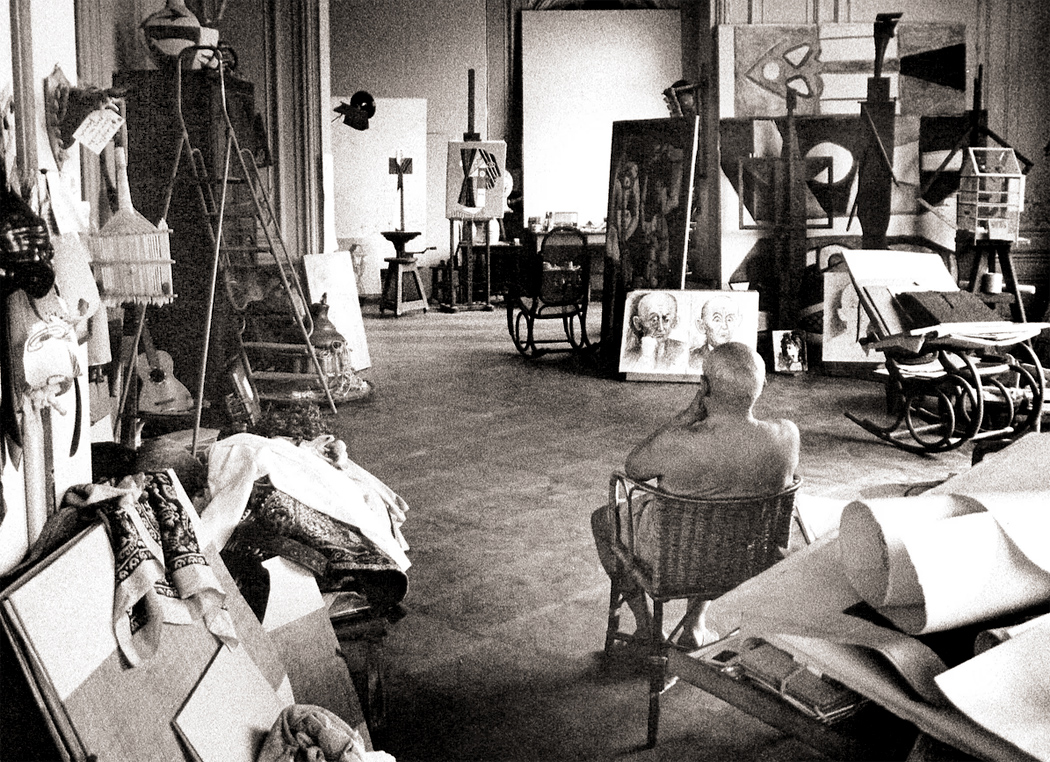
What about painting? Pablo Picasso produced more than 13,000 paintings over his 78 year life, to say nothing of the estimated 100,000 prints, 34,000 illustrations, 1,200 sculptures and thousands of ceramics. Admittedly, he was preposterously prolific, but he was just one artist. Consider all the paintings in all the galleries, museums, and private collections around the world. How many has any one person seen? What minuscule percentage? How can anyone claim to be an expert based on knowing such a small sample? 

I have been going to concerts since I was 16. I can’t count them. I have a huge collection of recordings — thousands of them — but I know that I cannot ever reach the end of classical music. Yes, there’s Mozart and Stravinsky, and all the familiar gang, but what about Joseph Martin Krauss (the “Swedish Mozart”), Mieczysław Karłowicz (who was killed in an avalanche), or Johann Georg Pisendel (friend of Vivaldi). To say nothing about all those Italian Baroque composers: Corelli, Tortelli, Tartini, Martini, Spumoni (well, maybe not that last one). Wikipedia lists 406 Italian Baroque composers. Not even Naxos has recorded music by more than a fraction of them. 

There are even more German Baroque composers, most with three names, beyond Johann Sebastian Bach. There were Johann Philipp Krieger, Johann Jeremias du Grain, Johan Gottfried Walther, Johann Heinrich Buttstett, Johan Paul von Westhoff, Johann Jacob Löwe, Johann Gottlieb Janitsch… And that’s not even leaving the “Johann” list.
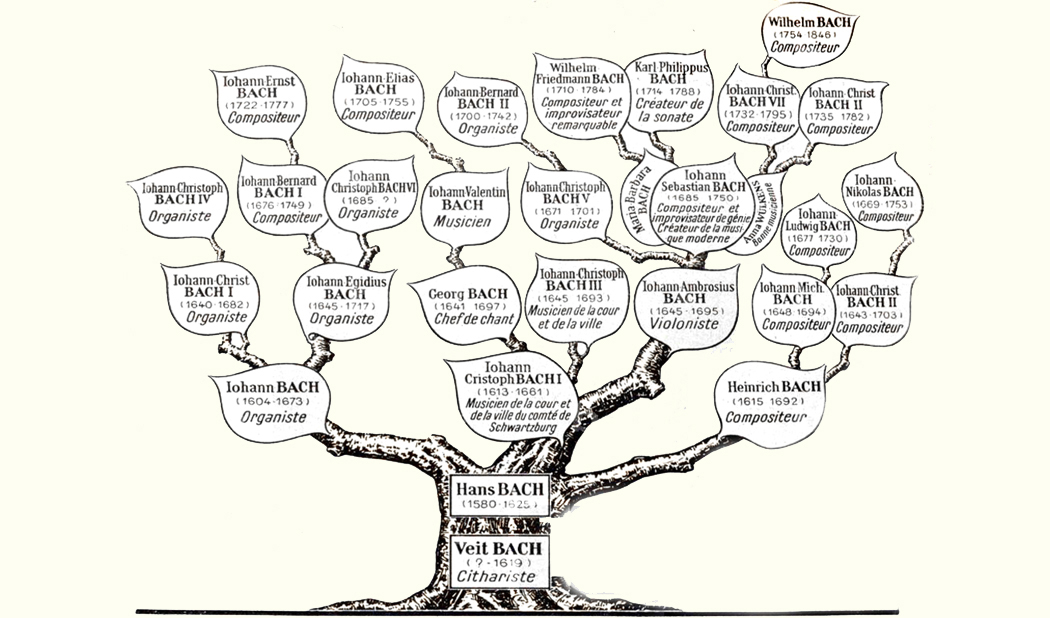
Bach alone counted among his ancestors and descendants more than 50 musicians and composers (one list counts 77), beginning with Veit Bach, born about 1555. In parts of central Germany at the time, the name “Bach” was a synonym for “musician.” 

And all that is merely a subset of European composers. I am humbled. 

Even if we look at popular music, it’s the same thing. Irving Berlin, alone, wrote an estimated 1,250 songs (even he had no accurate count). Yes, everyone knows God Bless America, and probably Blue Skies and Alexander’s Ragtime Band, but what about Alexander and his Clarinet, The Blue Devils of France, or Everything in America is Ragtime? 

No one can count the number of songwriters who wrote for the publishers on Tin Pan Alley: Harold Arlen; Irving Berlin; George M. Cohan; George Gershwin; Dorothy Fields; Scott Joplin; Fats Waller. And uncounted more. The 19th century gave us Stephen Foster, Philip Bliss, Joseph Skelly, Eva Carter Buckner … There really is no need to list them all, even if I could. And these are just Americans. Songs were being written everywhere, and continue to be.
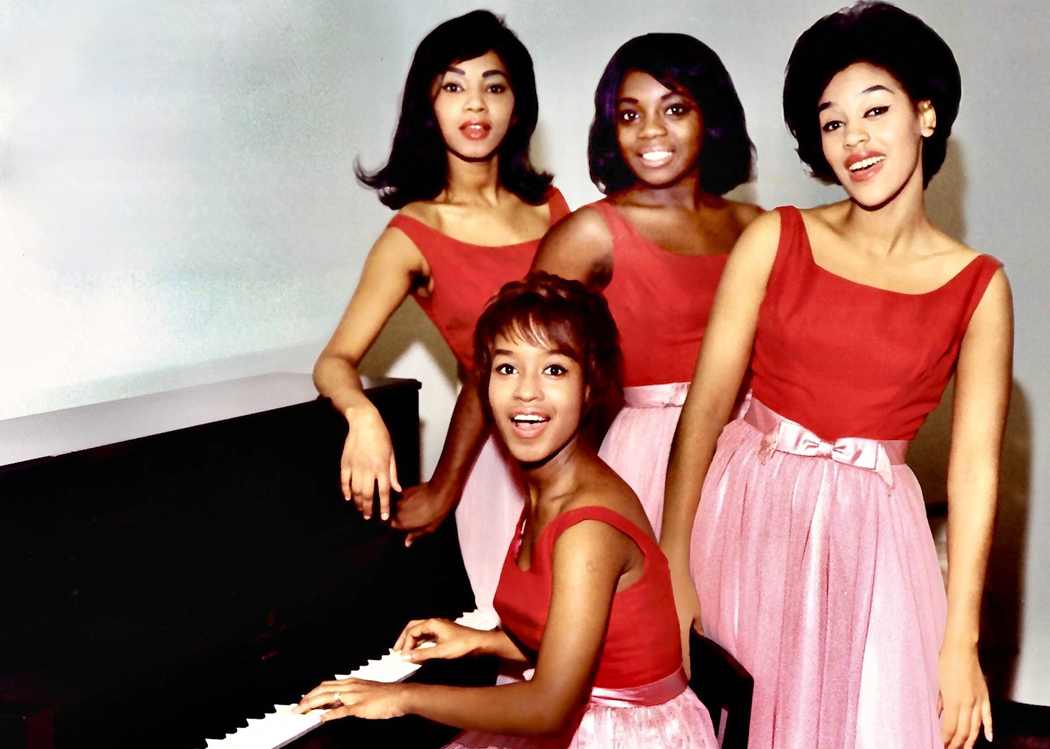
Shirley Gunter and the Queens

Try to tally up all the rock and pop bands, beginning in the 1950s and ’60s. For every Bill Haley and the Comets, there are a hundred Bill Black Combos and Shirley Gunter and the Queens (Oop Shoop). For every Beatles or Stones, there are a thousand Jive Fives and Dyke & The Blazers. A few pop up infrequently on Golden Oldie radio stations, but most are buried under the avalanche of whatever followed, only for those to be buried in their turn. 

There are more than 7,000 languages in the world, not counting languages long extinct. I’m proud of being able to manage the simple vocabulary of a French newspaper. Milton could read 10 languages. Pikers, all of us. There is so much more. 
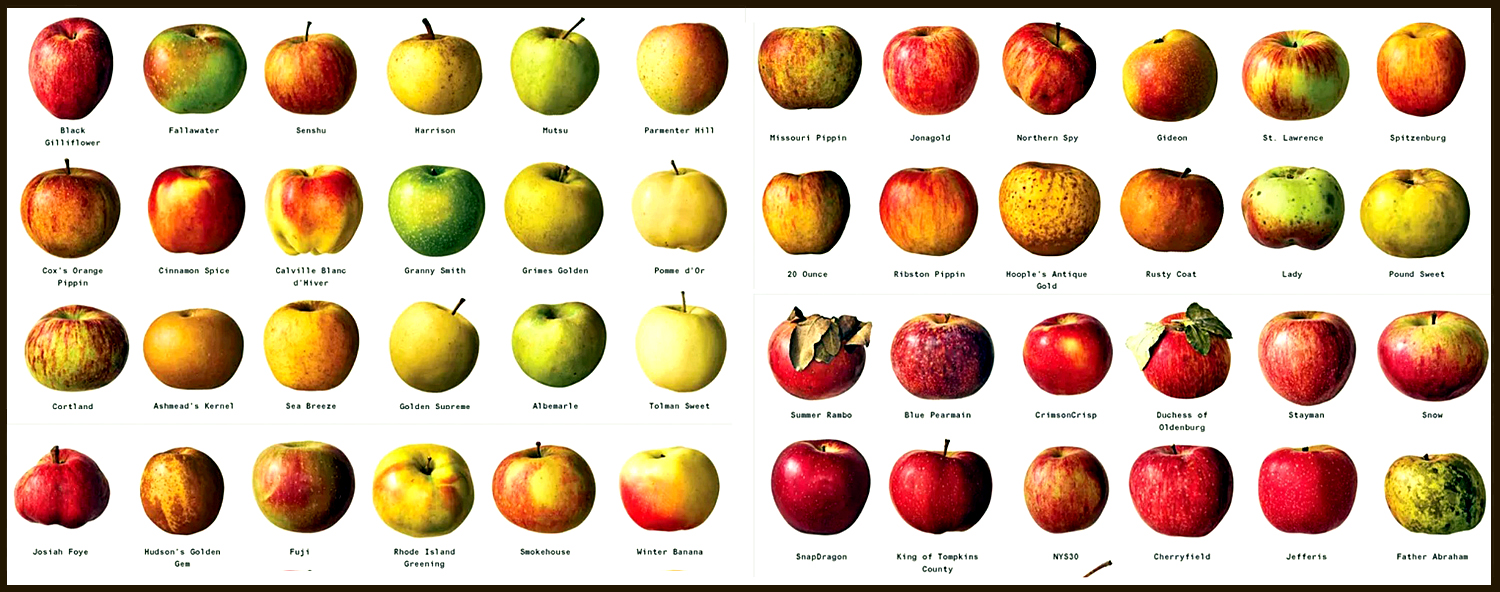
How many types of apples are there? How many breeds of pig? There are 7,500 cultivars of apple in the world, 2,500 grown in the U.S. No one knows how many wild strains have not been catalogued. As for hogs, according to a study by Chinese universities, around 600 breeds of pig have been created by farmers around the world, mainly in Europe and Asia. 

The same could be asked of sheep, goats, kine, cats, dogs, and, I’m sure, even for fleas.

A million insect species have been formally described, but scientists estimate the true total is closer to 5.5 million. There are approximately 17,500 to 20,000 known species of butterflies worldwide. They are found on every continent except Antarctica, with roughly 750 species found in the United States and Canada. 

There are eight billion people in the world. How many of them do you know? That’s a million of them eight thousand times over. If they were a parade and it moved past you at one soul per second, it would take 250 years to reach the end, but by then, the first billions would have died of old age, and billions more born to join the queue — so you would never reach the end. 
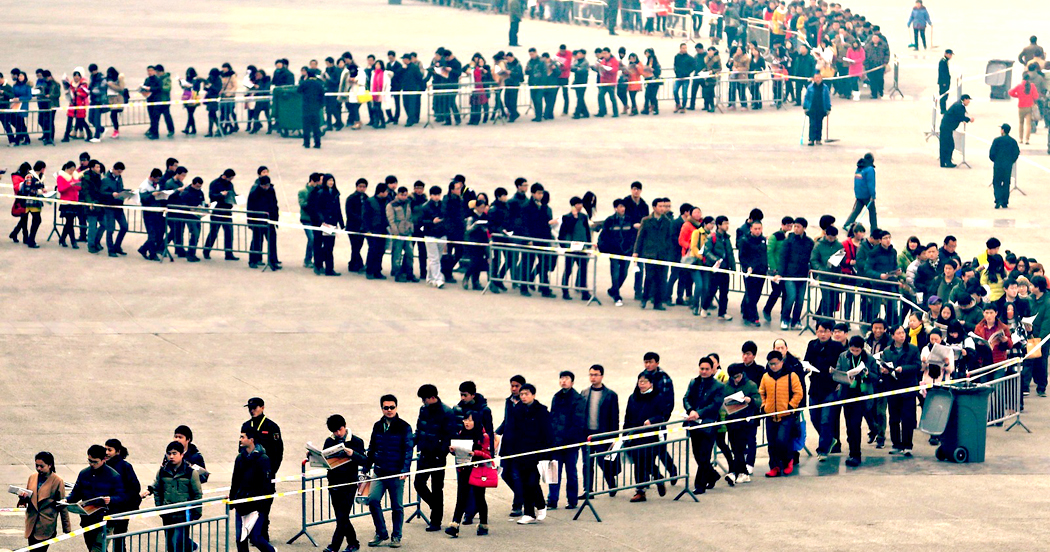
This is all not to disparage expertise. We need people willing to learn as much as possible about as many things as possible. Ignorance is never a helpful contribution. But it is meant to foster a healthy humility about what we do know and what we even can know. Each of us is limited; the world is too vast, varied, and ever changing for any of us to claim much. There are as many recipes for cassoulet as there are families who prepare the dish.

I always remember what my wife told me. She was a primary school teacher and one day a third grader complained about how much they were expected to memorize. 

“My mama told me the human brain can only hold so much or it will explode,” he said. He was serious.
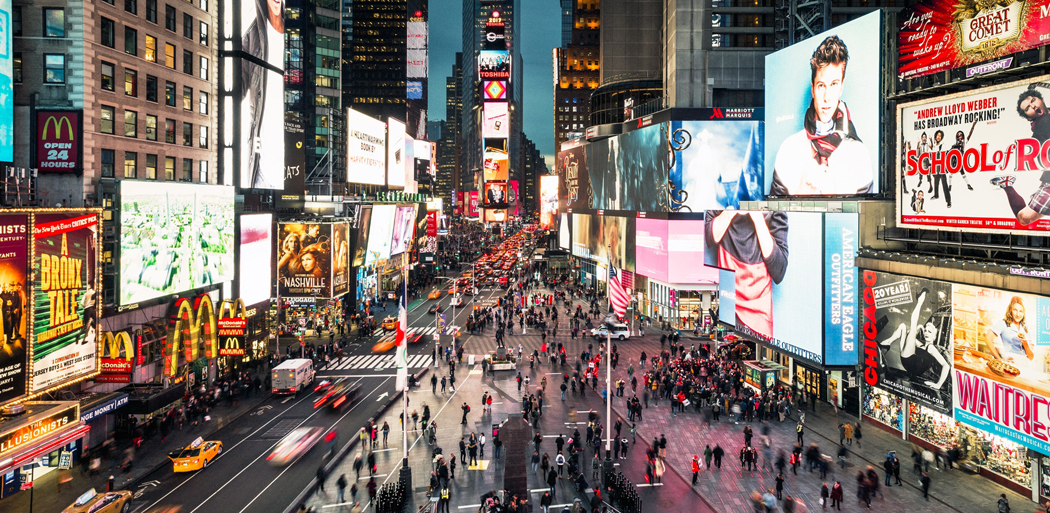
I’m tired of hearing that we live in a visual culture. The fact is, we are generally very bad at seeing. I am constantly reminded of this by bad signage, bad book design, bad photographs, and bad TV. To say nothing of the horror that is TikTok. 

It may be true that we like to use images instead of text whenever we can, but we also tend to treat the images as if they were text: That is, we turn them into the equivalent of hieroglyphs or rebuses. Hence the popularity of emojis. 

But seeing a picture of a house and thinking “house,” is really just turning a picture into a word. Yes, no alphabetic letters need be used, but the information conveyed is basically the same. That is not seeing; it is translating. 

I am reminded of this because of a frequent problem I find on some back-channel TV stations when they broadcast a program in the wrong aspect ratio. It is a visual goof that bothers me no end, and yet, so many people, when I point it out, simply don’t notice it. Faces can be squeezed thin or stretched fat and the visual-verbal translation isn’t affected, and therefore, not noticed. 


Believe me, I’ve been laughed at for fussing over aspect ratio. But how can people not SEE? The visual information is distorted even if the verbal information is left unbothered. 

Aspect ratio is simply the ratio of the width of an image compared with its height. A square is the same in both measurements, and hence, its ratio — its aspect ratio — is one-to-one — 1:1. 

If a rectangle is twice as wide as it is tall, its aspect ratio is 2:1. 

When photographs are made, or films or TV is shot, they are created in a particular aspect ratio. For instance, for decades, the standard aspect ratio for Hollywood films was 1.375:1, which was adopted in 1932 for the entire industry. Before that, silent films were mostly shot in a 1.33:1 ratio, which can also be stated as a 4:3 ratio, which corresponded to four sprocket-holes on standard 35mm film. But when sound was added as an extra track alongside the image on the film, the picture had to be made a wee bit smaller to accommodate, and hence, the 1.375:1 ratio. 

That all sounds very technical and who cares? Well, what happens, then, when you display an old film on a new TV, which are now standardize at an aspect ratio of 16:9, a “widescreen” ratio? When done right, you get a “letterboxed” image, with black bars on either side of the picture. When done wrong, the squarer image is stretched out to fill the wider screen and you get a lot of fat people. 

This used to be a big problem in the early days of digital television, when many stations heard complaints about those letterboxed images. The response was to crop the movies down to fit the screen, losing a good bit of visual information in the process (a process dubbed “pan and scan”), or — too often — just stretch it all out to fit. To anyone sensitive to visuals, this was a nightmare. But again, many people — especially at the TV stations mutilating the images — just didn’t seem to think it important. 

The reverse also happens when a real widescreen movie (some films are made in aspect ratios wider than 16:9, such as the 2.4:1 of the most widely used widescreen movies. Then, shown on a standard TV screen, you get everything squished down. 

Many of these widescreen movies were shot with anamorphic lenses, which allowed for a wider image to fit onto a narrower piece of film. In essence, they squeezed the picture thin on purpose, and then when it was projected in a theater, a reverse anamorphic projection lens would spread the image back out to its natural dimensions. Tons of films were made (and are made) this way. 

The problem shows up with DVDs, too. Some are produced in a natural aspect ratio, usually 16:9, but others, mostly older ones, were created anamorphically, and so you may need to use your remote to find the proper aspect ratio (or “screen size”) for the disc. If not, you watch squeezed people. 

I remember when my college film series showed a version of Bad Day at Black Rock but didn’t correct the anamorphic images. We watched the whole movie distorted into a squished frame. It was nauseating, at least to me. The projectionist, when this was pointed out, said he didn’t see what I was talking about. (The same projectionist showed Birth of a Nation with the music track turned off because “it’s a silent film.” There is no accounting for how these people get in charge of things.) 

Most all of us have something like this, which bothers us no end. For some it is bad spelling or incorrect grammar. For others, it is making too much noise when eating soup. Others still cannot bear canned laughter on sitcoms, or the superfluous chyrons streaming across the bottoms of cable newscasts, telling us exactly what the speaker is saying. We can hear them, you know. You don’t need to spell it out. 

Anyway, one of those irritations that just drives me nuts is the inability of so many to actually notice when the picture has gone bad on their TV. The wider the original, the squishier the mistake. I remember seeing an early broadcast of The Good, The Bad and The Ugly scrunched into an old cathode-ray TV screen, like a closed accordion, and I thought, “How can poor Clint Eastwood even breathe?”

The aspect ratio problem, though, is really just a symptom of a wider issue: that too many of us are just bad at seeing, of not paying attention to what our eyes are telling us. It is the translation problem: We don’t see to see, we see to extract only so much information as we feel we need. If we can follow the plot with skinny people, then good enough. 

But seeing isn’t just about keeping track of the story. It is about being alive in the world, of noticing everything around you, of taking in what existence gifts you with. The green of a tree, the roundness of a tire, the texture of denim. To notice is to be alive; failure to notice is deadening. 

Art, and I include even popular art, is there to remind us of, and to interpret, the world we live in and the lives we lead. The best art slaps us awake, the way the slap of the doctor makes the newborn take its first breath. We can see what we had taken for granted, we can reinterpret what had become habitual. Failure to use your eyes is to refuse a gift being offered by existence. 

Click any image to enlarge

yellowstone panorama

I bought a video camera to take on our summer vacation.

It was a simple camera, with a modest zoom lens and absolutely no extra gadgets: a stripped down version, the cheapest I could find on the market. With it, I bought an adapter that would let me plug the thing into the car’s cigarette lighter.

We shot several hours worth of tape as we drove up the Rocky Mountains and back. And the single greatest boon the purchase returned on its investment was totally unexpected.

It was not the “moving snapshot” aspect that turned out the most important. Sure there are lots of shots of scenery, and of my wife standing in front of Yellowstone Falls.

And a few times when Carole took the picture of me instead, and decided she wanted a vertical frame, so turned the camera sideways.

Or some pictures when we forgot to turn the camera off.

No, the most important thing to find out is that a video camera captures the wind.

It is there in almost every shot: the hiss and blow of air moving across the internal microphone of the videocam. The sound of the breeze made us notice the moving seedheads of the grass, the dancing aspen leaves, the rising of the ends of Carole’s hair as she stood in front of the falls.

Without the intervention of “art,” the wind becomes part of the unnoticed background noise we filter out in our daily lives as we pay more attention to such important things as the mowing of grass or the seventh inning of the Braves’ game. Unless there is a full blow tearing through town, and shingles switch roofs from one house to the neighbor’s, we don’t much pay attention to the moving air.

But out in the countryside, and seen through the eye of the video lens, the air is never still, and within the air, nothing that can move doesn’t.

The entire world is constantly in motion, wiggling and twitching.

My wife, who has studied such things, tells me that certain Plains Indian tribes understood the wind to be evidence of the Great Spirit, “Taku-scan-scan” in Lakota. Anything that moves in nature is evidence of the Great Spirit: wind, water, breath, the frosty snort of a buffalo in winter.

“For them, the world is animated by the spirit, and the wind is the sign of the spirit,” she tells me.

That is the purpose of the “peace pipe,” which sends a curl of smoke up into the air so that we may see the motion of the spirit around us through the play of the smoke. The ritual smoke was meant to cleanse the mind and make it receptive, to calm the human heart in recognition of the sacred.

I have often felt something of the same when smoking a cigar. I would never use the Native American vocabulary to express it — I am too much the European-American — but most cigar-smokers, I think, will tell you something of the same: There is something relaxing and reassuring in the play of smoke as you blow it into the air and watch it ascend and disperse.

Even on a still day, the cigar smoke will twist this way or that, giving away micromovements in the air.

If the breath is life, the smoke lets it be seen.

Lupines

And so does the video camera, as it captures the lupine bouncing in the field, the bottoms of the white poplar leaves turning upward, the current running through the grasses, the sideways tilt of the mockingbird’s tail as it takes off in a crosswind.

You can see something of this each weekend on CBS, as they end their Sunday Morning with a five-minute bit of video tape taken somewhere in America’s nature. “We leave you this morning,” says Charles Osgood, “in Martha’s Vineyard,” or “in the hills of the Dakotas,” and then we watch as the camera shows us a flock of Canada geese or the hive of some buzzing bees.

And always, each week, there is the gentle blow of wind in the microphone, reminding us that all of nature is animated.

This recognition is the purpose of all travel, at least for me. When I come to the point of unnoticed boredom with everyday life, to the point that things have lost their edge and become so familiar I no longer see them, there are two things that remind me just how awake the rest of the world can be.

The first is art, whose job it is to elbow me awake and make me notice what I hadn’t paid attention to before.

And the second is travel, which, by putting me in contact with things unfamiliar, acts as a kind of mirror for my ordinary daily life, showing its face and alert eyes.

The vacation videotape combines the two: In every frame, it seems, something is moving, twitching, turning, blown, agile, bouncing.

My wife tells me about when her dying father was mostly blind from a stroke. He called to her from the back steps one day, where he sat looking out toward the river and woods.

“Catbird, come here and let me show you something,” he said.

“The whole woods is moving.”

He couldn’t see the leaves, or even individual trees, only the whole mass of forest moving, dancing, swaying.

And he had a terrific grin on his face.