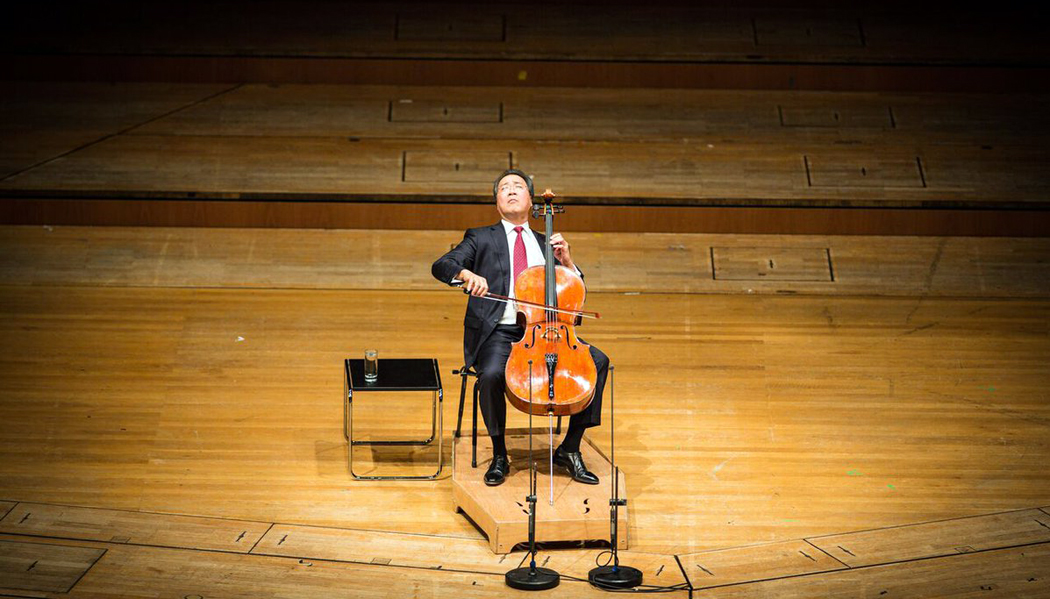
Yo-Yo Ma is god. I don’t know anyone with an informed opinion who would disagree with the assessment, even atheists. There are some excellent cellists out there today, and who I would give good money to hear, but Yo-Yo is in a class by himself.

But even a god has his gods, and Yo-Yo Ma has now recorded the words of his own god three times; the first in 1983, when he was 28, and said himself at the time that he was too young; the second in 1998, when he was 43; and finally (he says) in a new version released this week, when he is 63. That music is Johann Sebastian Bach’s, six Suites for Unaccompanied Cello, which are the words god might speak to you in a still small voice inside your soul. 
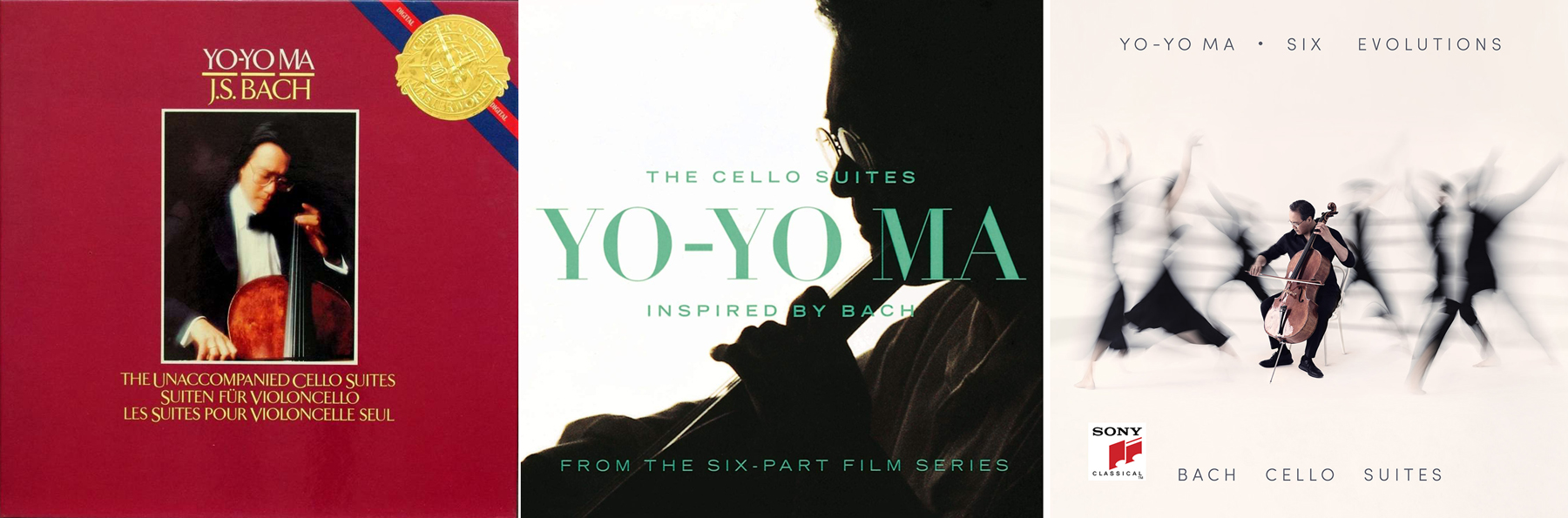
I have spent the past four days listening to his performances, and have gone through the newest set three times, and individual pieces more than that. No current cellist has such a personal take on the music as Yo-Yo Ma.

(I’m going to continue with his full name. The Associated Press stylebook says that on second reference, I should just call him “Ma,” but that seems too perfunctory; “Mr. Ma,” as The New York Times would use it, sounds too much like a Bond villain, and “Yo-Yo” is out of the question, being too familiar — would a Christian call Jehovah “Joe?”)

There is something that sometimes happens with a master artist, who has so mastered his craft, that he feels free to take his work into new and personal spaces. Anne-Sophie Mutter recorded the Beethoven Violin Concerto in 1980 with the Berlin Phil and Herbert von Karajan, when she was 17; and again in 2002 with the New York Phil and Kurt Masur, when she was nearly 40. The first is a nearly pitch-perfect mainstream performance — the standard recording for anyone — and has seldom been done as well, not to say bettered. The second is so idiosyncratic that it almost seems like a different concerto. The second is deeply personal.

So, when Yo-Yo Ma made his first attempt at the Bach Unaccompanieds (I don’t mind using the nickname for the music) he seemed to want to make sure he dotted all the eyes and crossed all the tees. It is a note-perfect recording that would be a fine set for anyone who only wanted or needed one, but to me, it is oddly unsatisfying. It lacks personality. What can I say? He was young. 

I have heard Yo-Yo Ma play all six live in concert twice, and both times, the concert is deeply remembered as one of the pinnacles of my concert-going career. Live, Yo-Yo Ma earns his godhead. No one I have ever heard has come close to the depth and interiority of his interpretations. The audience sat rapt for two-and-a-half hours hearing the music, not as entertainment, but as their very personal insides brought out to see and hear. 

I have heard him live on other occasions where he would play one of the Bach Suites as an encore. Each time, they brought the house to a reverent stand-still.
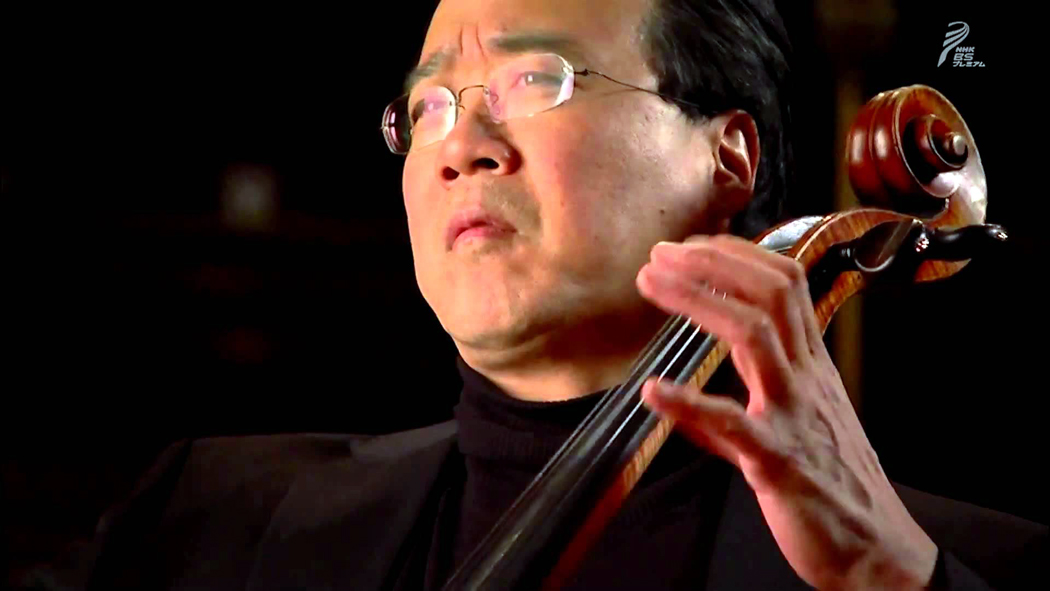
Alex Ross — former music critic for The New Yorker — wrote this about a 2017 performance by Yo-Yo Ma of all six Suites at the Hollywood Bowl — a venue not known for the attention spans of its patrons: “Almost no one made a sound. Almost no one moved. When a large audience is listening intently, it creates an atmosphere that cannot be measured or recorded, only remembered. Here, it was as if music had stilled the world … he was following his natural musical rhythms, to the point that it felt less like a performance than like an interior monologue … [The audience] was under the spell of a solitary searcher in the dark.”

That is the Yo-Yo Ma I know from hearing him in person. 
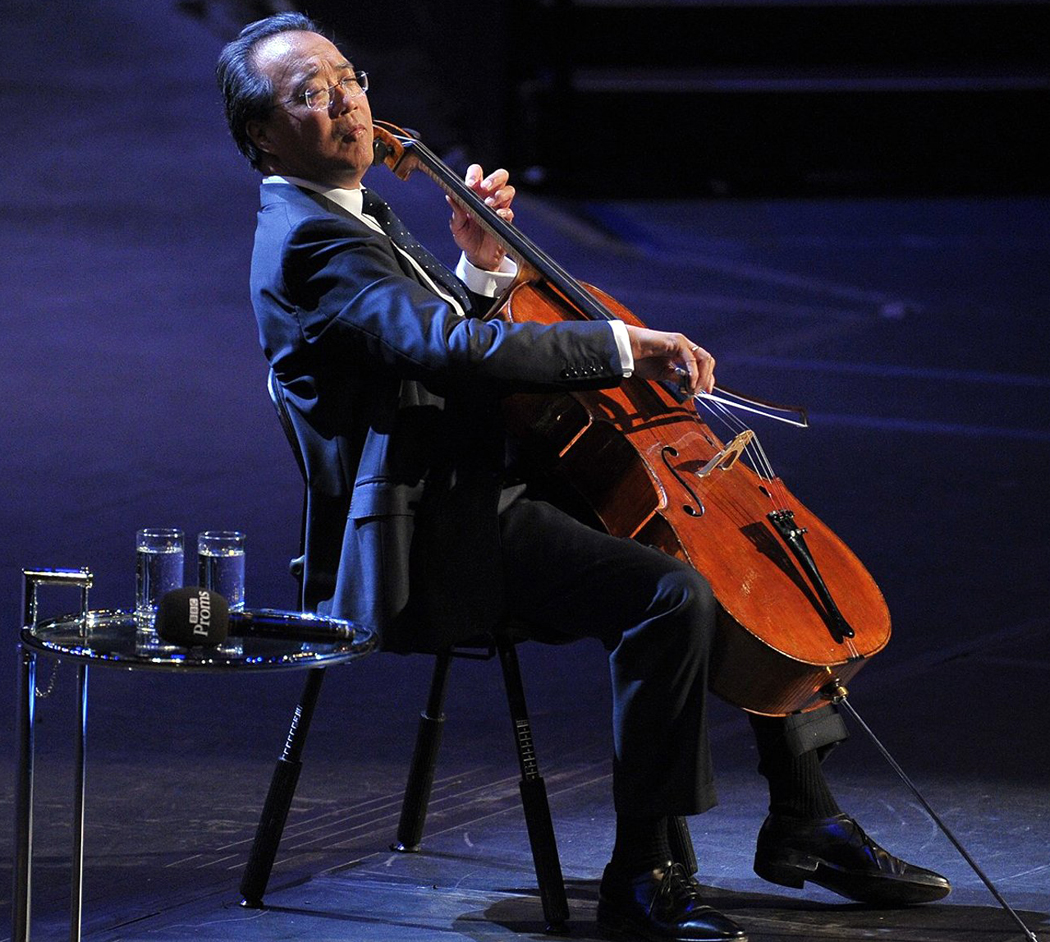
(An aside: Yo-Yo Ma in person and on recording are very different. This happens sometimes. In the studio, he seems to want to be note-perfect and thought-out. His studio recordings are models of propriety and elegance, but they lack the electric presence and risk-taking of his live performances. I remember hearing him play the Dvorak concerto in Phoenix in the 1990s, and the performance nearly destroyed me, it was so deeply emotional. His studio recording is tremendous, but cannot bring me to the same tears. Yo-Yo Ma is not alone in this. For years I thought of conductor Bernard Haitink as a mere Kappelmeister, plodding along competently. I had only heard recordings. But when I heard him do the Eroica with the London Symphony Orchestra at the Salle Pleyel in Paris, he blew me away with the most powerful Eroica I ever heard live. And Kurt Masur had something of the same reputation. On CD, his performances can be competent but routine. But I heard him live with the New York Philharmonic at Avery Fisher Hall in the Verklaerte Nacht and Beethoven’s Eighth that were soul-searing. Sometimes the recording is a miserable liar.)

But what about this new recording. It is not the one for a beginner: It is too idiosyncratic. But for anyone familiar with the music, the latest version provides almost constant new insight into the music — and not only into the music, but into human existence; into the cosmos. 

One aspect of the recording merits special mention: its engineering. One reviewer said it sounds as if we are hearing the music from inside the cello. There is a presence to the sound that is closer to having the performance in the room, live with you, than any recording I have come across before. You can feel the buzz of the low notes in your very sternum. It is body-feel as well as ear-sound. 

There are details to mention. In the Prelude of the first suite, about two-thirds of the way through, the music climbs the scale up to a fermata — a held note — which is usually played as the top of a crescendo. It is the climax of the movement. Here, Yo-Yo Ma gives us instead a diminuendo, so the final held note is a hush. In the Courente of the second suite, he takes off like a house on fire, twice the speed I’m used to. He brings a sense of spontaneity to his performance that can only come from having played the music since he was four years old (yes, he began, taught by his father, from before he even began school). 

No music I know is more interior than these suites, and the older Yo-Yo Ma gets, the more Innigkeit his performance. 

His second two sets each has a gimmick. In 1989, it was a series of six short videos made in collaboration with six different film directors and various other collaborators. In some, the suites are not even heard in their entirety. (The CD release is complete, however). 
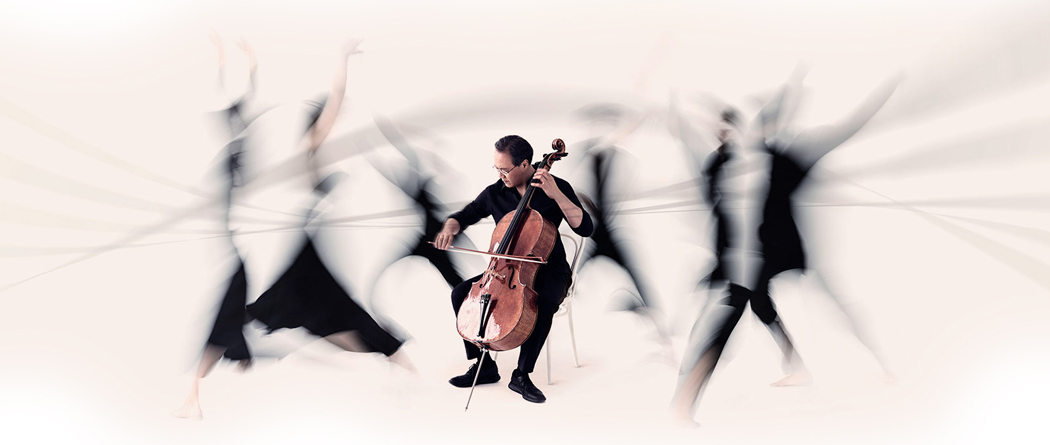
In this new set, Yo-Yo Ma makes the case for understanding the six suites as a single artistic entity, a kind of through-composed drama, over two-and-a-half hours. There’s playfulness in the first suite, grief in the second, celebration in the third, contemplation in the fourth, the weight of the world in the fifth, and in the sixth, written in a higher tessitura (originally for a smaller, five-string instrument) what can only be called transcendence. Over those two-and-a-half hours, we are given not a potpourri or melange, but a psychic and emotional journey. 

The crux of this journey is the Sarabande of the fifth suite. Only 20 bars long, it is the bearer of all the weight, the moment the tenor of the music changes. Cellist Paul Tortelier called it “an extension of silence.” Yo-Yo Ma played this movement on September 11, 2002 at the site of the World Trade Center, while the first of the names of the dead were read in remembrance on the first anniversary of the attack. 

After its depths, everything to come is a dawning of light. That Sarabande is a single line of melody, arpeggiated  and coming to rest after every phrase in a note dropped deep into a well of sadness. It is a movement that requires the uttermost from a musician. It is so simple that underplaying it will let all the power out of it, but overplaying it can sound mawkish. Yo-Yo Ma invests it with such mournful simplicity, varying his tempo by minute amounts, hardly measurable, but carrying all the expressivity. I dare you to hear this movement without weighing your life in the balance and weeping. 
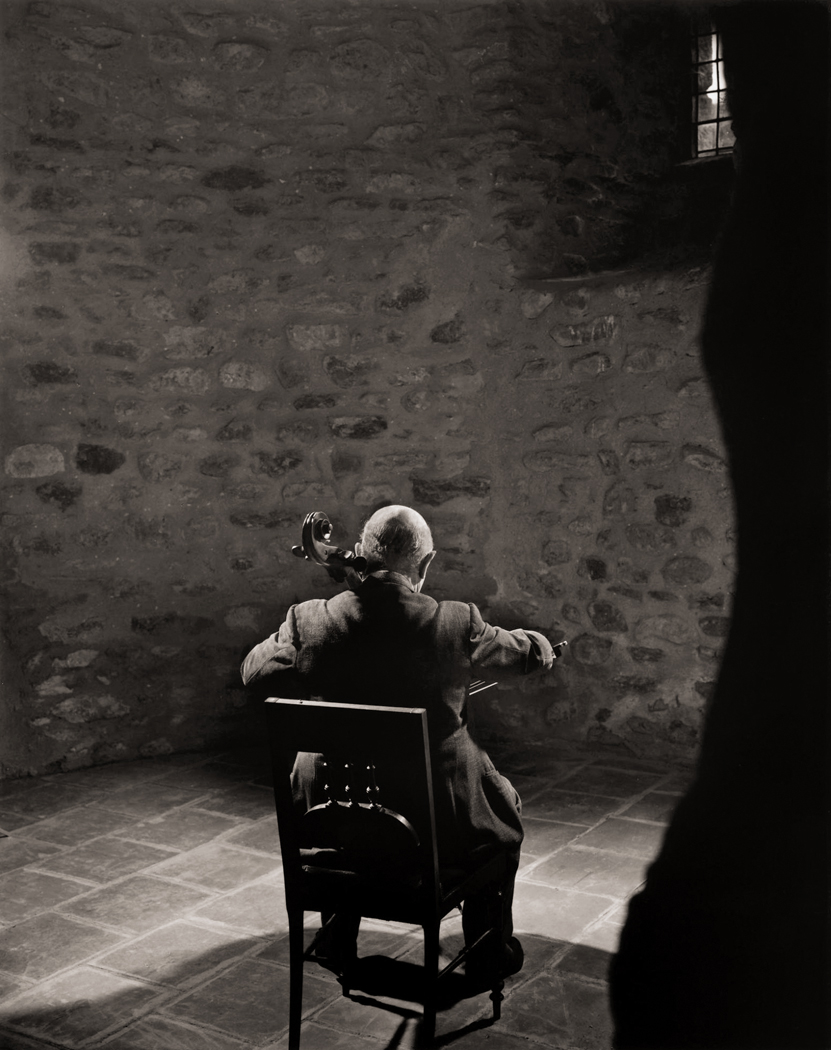
His only competition for this is the man who resurrected the suites after finding a copy in a junk shop in Barcelona in 1890. Pablo Casals made the suites the core of cello repertoire; they had been before that considered mere practice etudes. Casals recorded all six between 1936 and 1939 and set the mark rather high, expressively. For me, they have never been bested, not even by Yo-Yo Ma. They are old, scratchy recordings and allowances have to be made, not only for the engineering shortcomings, but also for Casals’ technique; it was the best, even brilliant for its time, but decades of cellists working out fingerings and bowings have made later performances more natural under the fingers. But for profundity and emotion, Casals has never been bested.

Yo-Yo Ma, live, plays them in such a way that they break any separation between musician and audience. The thoughts expressed in the music are the not so much conveyed to the listener as momently co-experienced by performer and audience. It is something they discover deep in themselves, and for the moment, there is no difference between audience, cellist and Bach himself. They are at one.

When Casals plays, however, it is as if he is playing for God alone. He is alone in the room with the paraclete, discussing the Cosmos. 
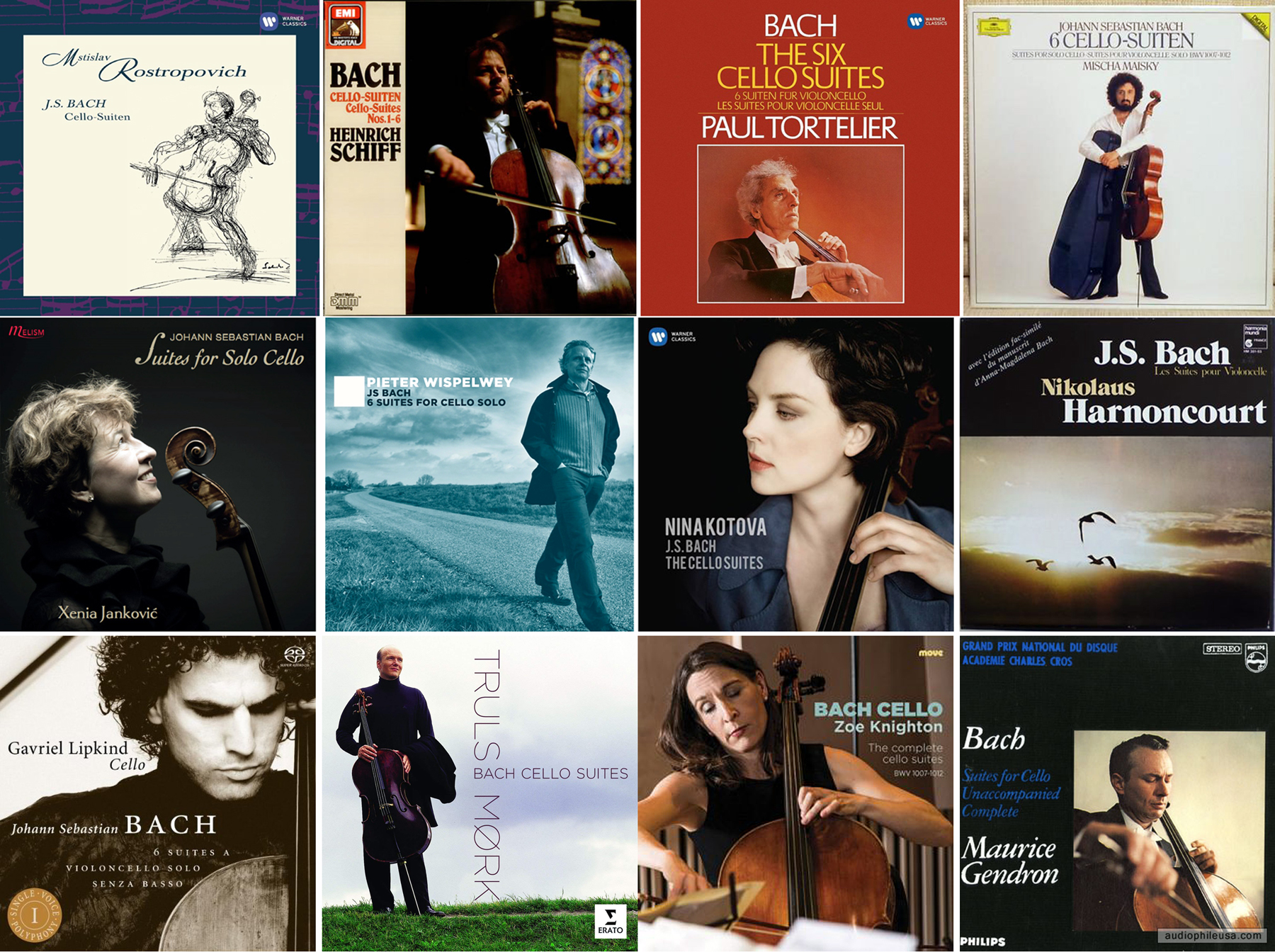
Surely no real music lover can live with only one set of performances. I have Casals, all three Yo-Yo Mas, Pierre Fournier, Anner Bylsma, Janos Starker, Mstislav Rostropovich, and Jaap ter Linden. There are also many performances on YouTube, including a video of Yo-Yo Ma playing all six at the Proms in London in 2015 (link here). 

For those for whom one version is sufficient, I recommend Yo-Yo Ma’s second set. They are deep but not idiosyncratic. If you want to dive deeper, get Casals (remastered by Ward Marston on Naxos) and Yo-Yo Ma’s newest set. You cannot go wrong with Fournier or Rostropovich. There are almost no bad recordings. 

But excuse me now, I’m going back into my fourth listening to the new set. I don’t think it is possible to get tired of this music. To paraphrase Dr. Johnson, to do so would be to tire of life. 

I am a retired writer, although a writer never really retires, he just stops getting paid for it. 

In the six years since I left The Arizona Republic in Phoenix, Ariz., I have written 532 blog posts and another 35 monthly essays for the Spirit of the Senses salon group there (link here). That works out to just under two blog entries per week since I stopped getting paid. That is not many fewer than my weekly average while working. 

I have also taken and published countless photographs, usually in series, mostly in my blog. (One advantage of writing for the Web instead of for print, is that I can run as many images as I need. At the paper, I was frequently frustrated by the lack of space for photos along with my writing. Unlike most reporters, I usually took my own photographs.)

In 25 years in Phoenix, I wrote more than two-and-a-half million words and had four exhibitions of my photographs (catalog of the most recent: Link here) and produced 14 self-published books of my photographs (link here).  

I just can’t seem to stop working. Huff, puff. 

Yet, I have always had one nagging fear: that I am lazy. That I am just not doing enough. I have proof that I have been productive, but underneath, it always feels as if I’m slacking. I blame the PWE — the Protestant Work Ethic. It is something I don’t believe in, but it is so deeply buried in there, that it simply doesn’t matter if I believe in it or not. 

It is a disease, like an STD or PTSD; the dreaded PWE. It makes it a moral failing if I don’t match my self-imposed quota of productivity. Even a vacation is just another opportunity to create new stuff.

I am reminded of William Blake’s mythical deity, Los. Blake’s poetic universe is filled with mythic beings, each a projection of some psychological state. Los is a blacksmith (among other things — Blake is hardly consistent) and he is pictured as eternally forging a chain, one link after another. It is not clear there is any reason for the chain, but that doesn’t stop Los. It is his metaphorical job to produce. It is creativity unlinked to any other purpose. Make, make, make. 

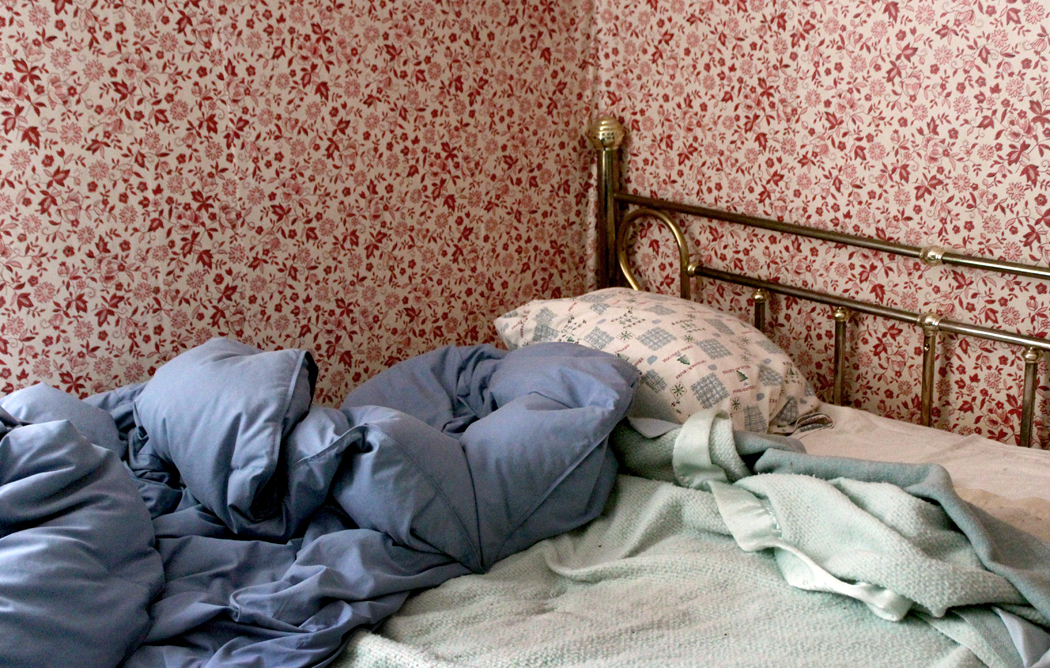
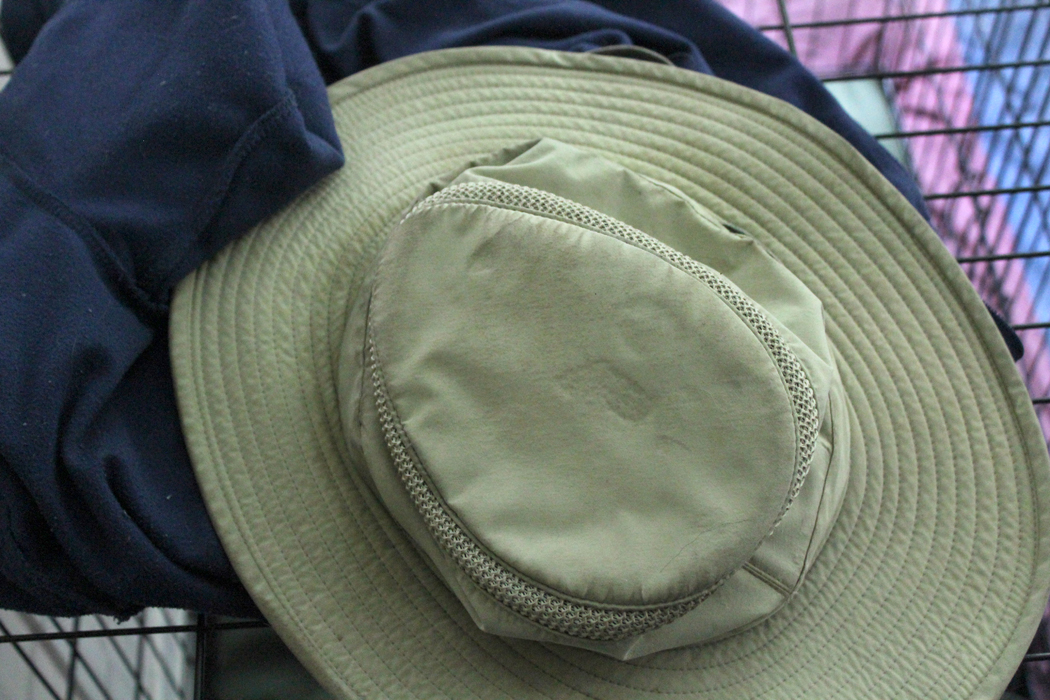
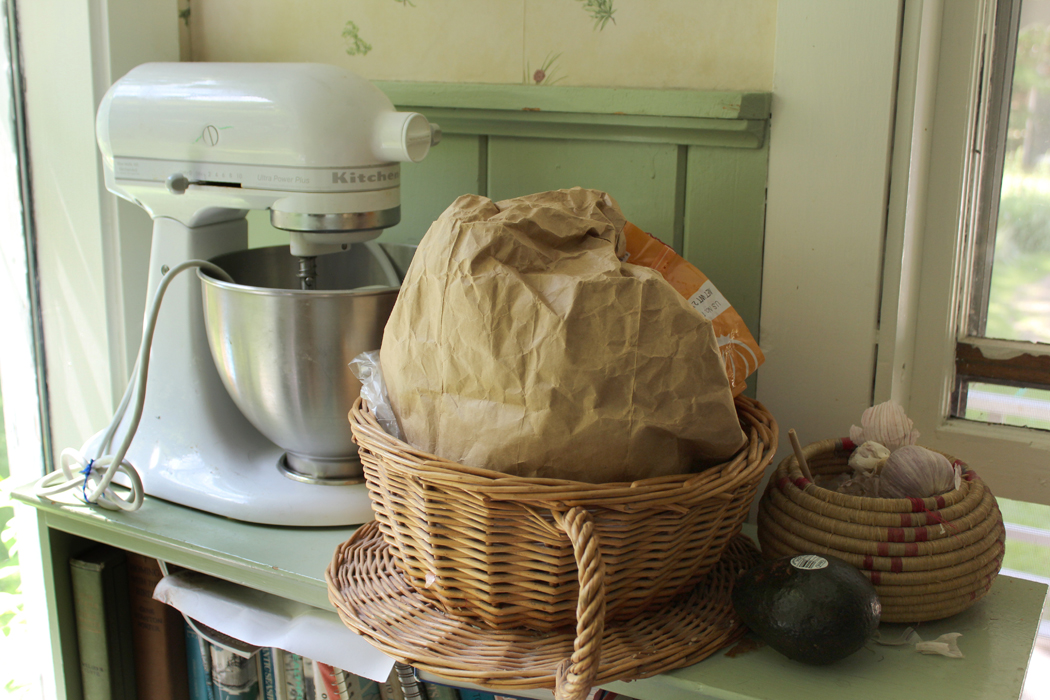
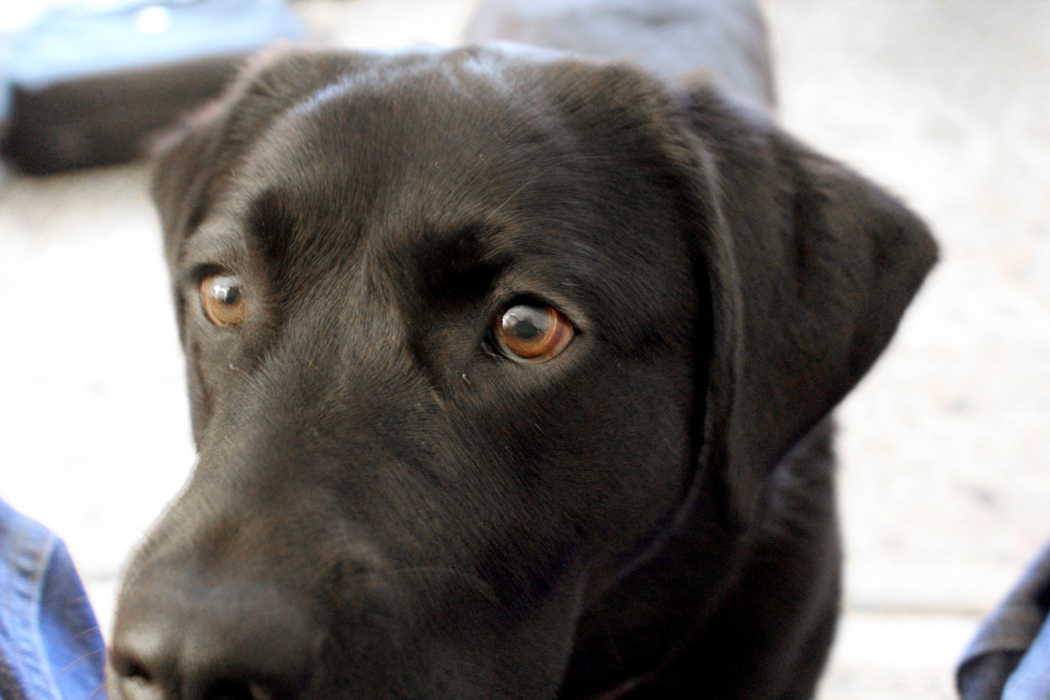
So it is, during a time of Hurricane Florence, I was visiting my brother- and sister-in-law in Reidsville, in central North Carolina, and made yet another series of photographs. These.

I usually work in series. I cannot count the number of them I have made; I often think of them as “books,” that is, a group of photographs that work together as a single statement. I have photographed dozens of gardens, public and private, that way, with anywhere from a dozen to 40 images intended to be seen together. 

These are not meant to be seen as records of places I have been, but for their own esthetic pleasure. I have done clouds above Phoenix (link here), the interior of a house in Maine (link here), and the view from an airplane window seat (link here). On an earlier visit to Reidsville, I found a trove of abstract patterns in little things (link here). 

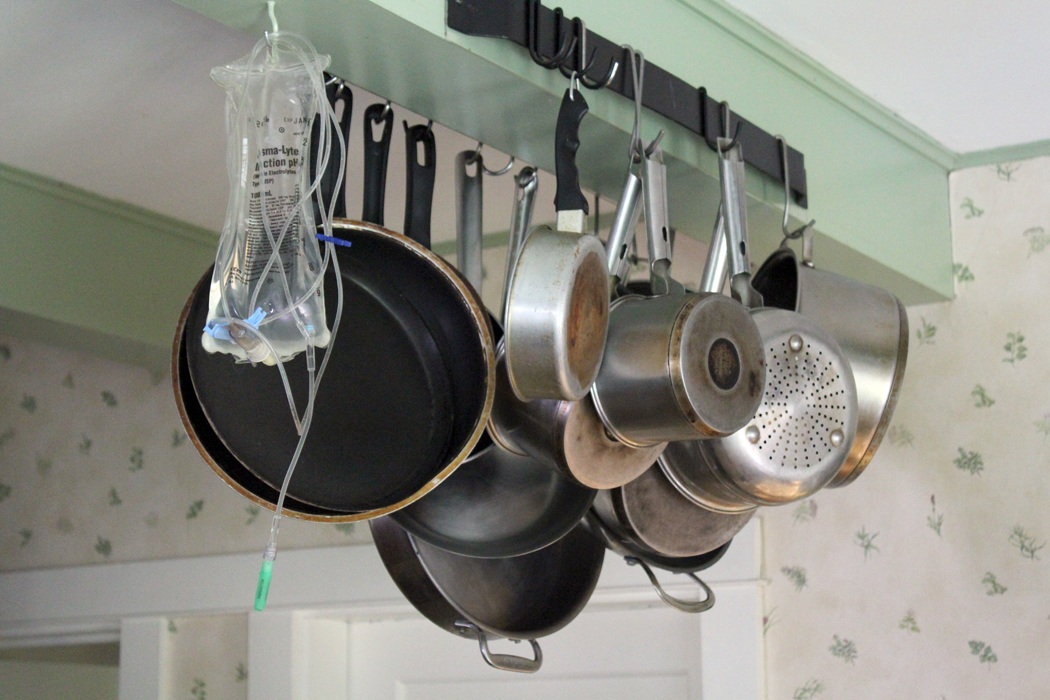
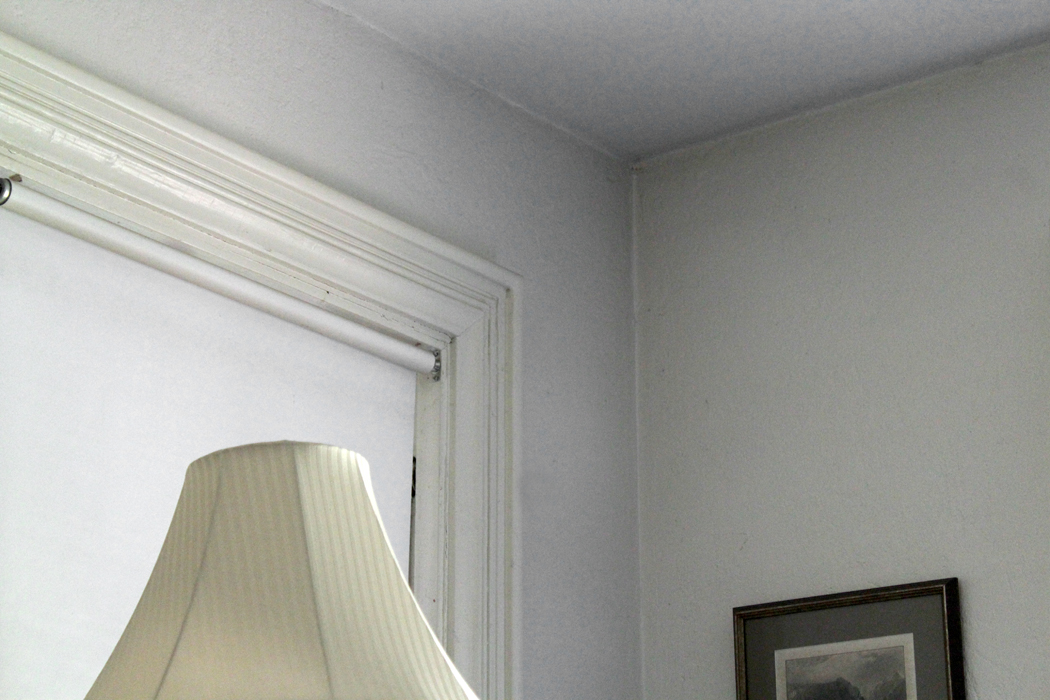
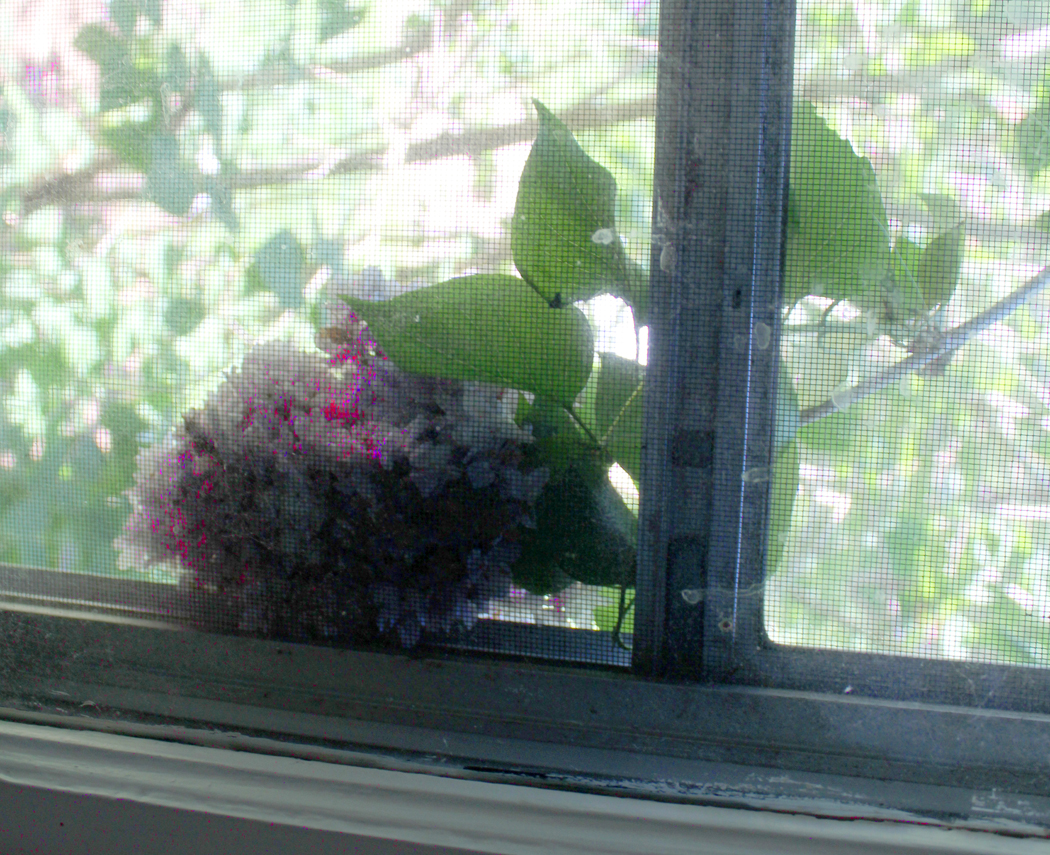
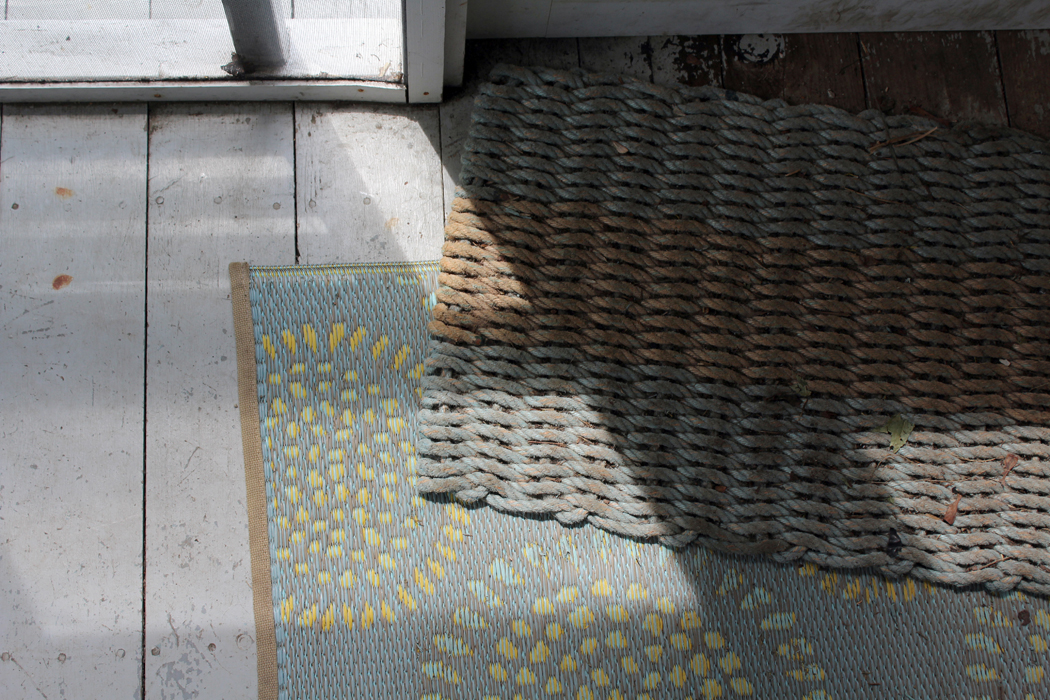
This time, I looked at the ceiling, and then, the floor. Humble subjects, without much intrinsic interest, but with shapes, shadows and subtle colors in which I found a visual tickle. 

Make no mistake, I do not present these with any pretense that they are important, or even that they might count as art. They are more like simple exercises in seeing. I believe they are of sufficient interest to award a quick gaze. 

But I didn’t make them because I wanted to add to my “ouevre” — my “corpus” — but because if I am sitting around not doing anything, I feel I am being insufficiently productive. That damned PWE infection that I can’t seem to shake. 

That is also why I keep making these blogs. Please accept my apologies. 

Click on any image to enlarge

“Which way to Millinocket?”

“Don’tcha move a goddamn inch.” 

Maine jokes — an acquired taste, perhaps. So many of them are built on city slickers asking for directions. “You can’t get there from here.” (Say it with the accent: “You cahn’t get they-ah from hee-ah.”) Lost travelers always seem to find farmers willing to guide them: “First, you drive up a mile, mile-and-a-half maybe, and turn left where the old church used to be.” 

“Used to be.” It is a familiar refrain in the more rural and forgotten areas of the state, and along the coast north of Acadia National Park, where few out-of-staters are likely to venture — an area known as “Down East.” 

There is much that “used to be” in Sullivan, Maine, a small community on Taunton Bay about 15 miles beyond where the tourists turn off U.S. 1 to Mt. Desert Island and Acadia. With a population of about 1200 spread over half a dozen townlets between Hancock and Gouldsboro, it has been home to my best friends from college for about 30 years. Over that time I have visited them often. 

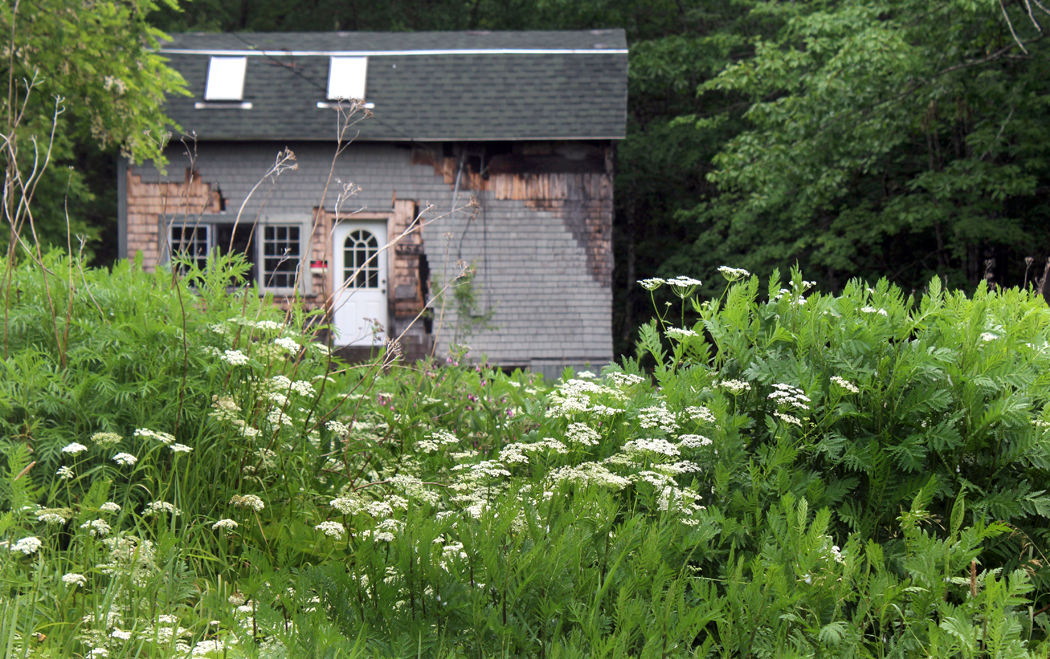
They have an old farmhouse (I call it a farmhouse, although there is no farm) in North Sullivan along the road that parallels Taunton and Hog bays. Like much in the town, it is weathered and steeped in character. 

Sullivan has changed over those decades, although you might not notice it if it were your first visit. It still looks quaint, as if it were some Down-East Brigadoon. But there are many things that “used to be.” 

The Singing Bridge

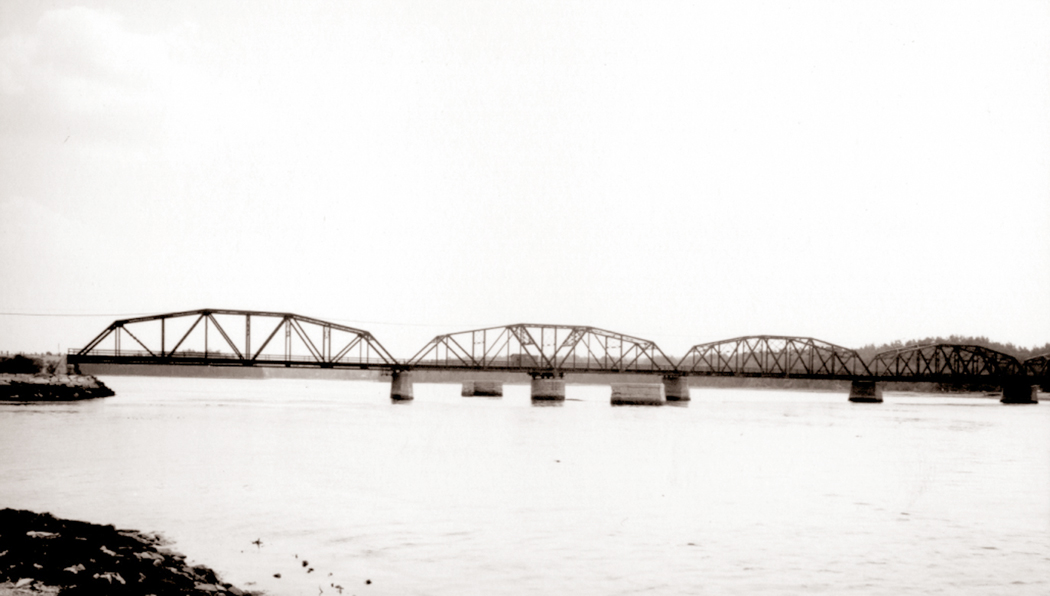
For me, the most notable is the loss of the singing bridge from Hancock to Sullivan over the narrows between Frenchman’s and Taunton bays. The old bridge had a steel mesh roadway and every time a car ran over it, it roared like a banshee. That steel-truss bridge was replaced in 1999 by the “silent bridge,” made from prosaic concrete. 

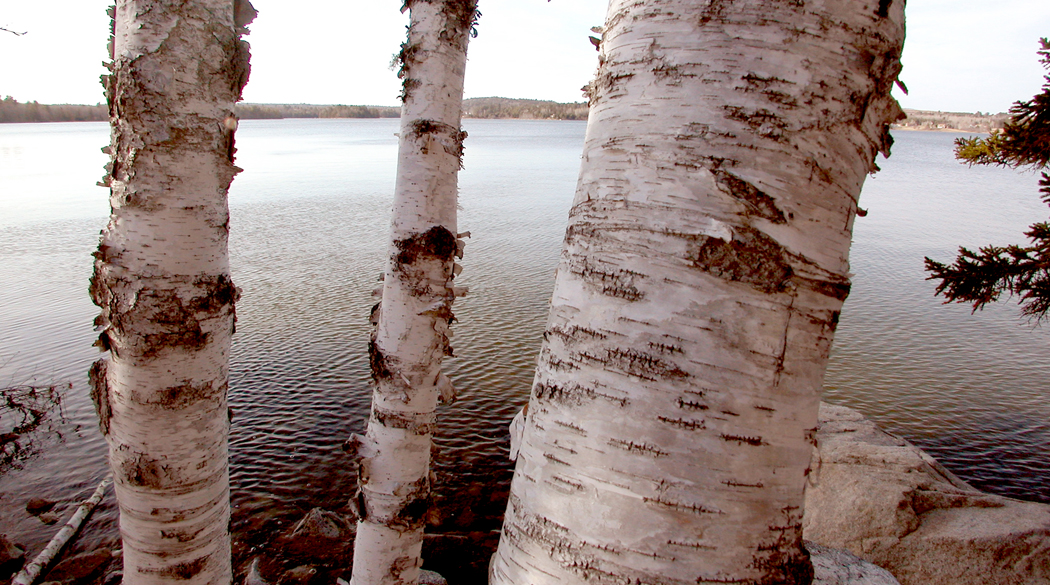
Taunton Bay

The singing bridge was opened in 1926, replacing, after many years, the original wooden toll bridge that was washed away by winter ice a few years after it opened in the 1820s. Between bridges, a ferry ran from south shore to north — a flat boat that held one carriage at a time and charged a dime for a crossing. The Waukeag Ferry went out of business when the singing bridge opened. 

Stuffy

You get attached to something and then, it’s gone. When we first started going up to Sullivan, there was, just across the bridge, a small, wooden roadside ice cream stand called “Stuffy’s,” which also sold lobster rolls and the best lobster bisque I ever ate. We went back there for lunch many times. Of course, it is now gone. 

Abandoned quarry

So are the granite quarries that used to support the town, and so are the silver mines that made the town viable in the first place. 

According to A Gazetteer of the State of Maine, published in 1886, “There are now eleven incorporated companies owning mines in the town, most or all of them being operated. Work has been done also in five or more unincorporated mines. There has been completed in the vicinity a concentrating mill and smelting works for reducing silver ore.

“On the various streams there are two saw-mills, two stave mills, one shingle-mill, and one grist-mill. … A steamboat touches at Sullivan Falls three times a week.”

All gone. 

The Native American name for the area was Waukeag. It was first settled by the French in the early 1700s, but was given to English-speaking settlers by the colonial government of Massachusetts in 1761, when it was called New Bristol. It was incorporated in 1789 under the name of Sullivan, one of the original settlers. At the time of the Revolutionary War, there were just 20 families in town. By 1870, the population was 796. In 1880 it was 1,023. It is not much bigger than that now. 

Schoodic Mountain

As you drive north on U.S. 1 through Sullivan, you can often spot Frenchman’s Bay to your right, a vast tidal flat at low tide, a lake at full. In the distance to the south you can see Cadillac Mountain and Mt. Desert Island. Just north of the highway is Schoodic Mountain, 1,069 feet high, and Tunk Lake, where Rear Admiral Richard Byrd used to have a vacation home. 

On the peninsula just south is Sorrento, a resort town a bit more upscale than Sullivan. 

Reversing Falls

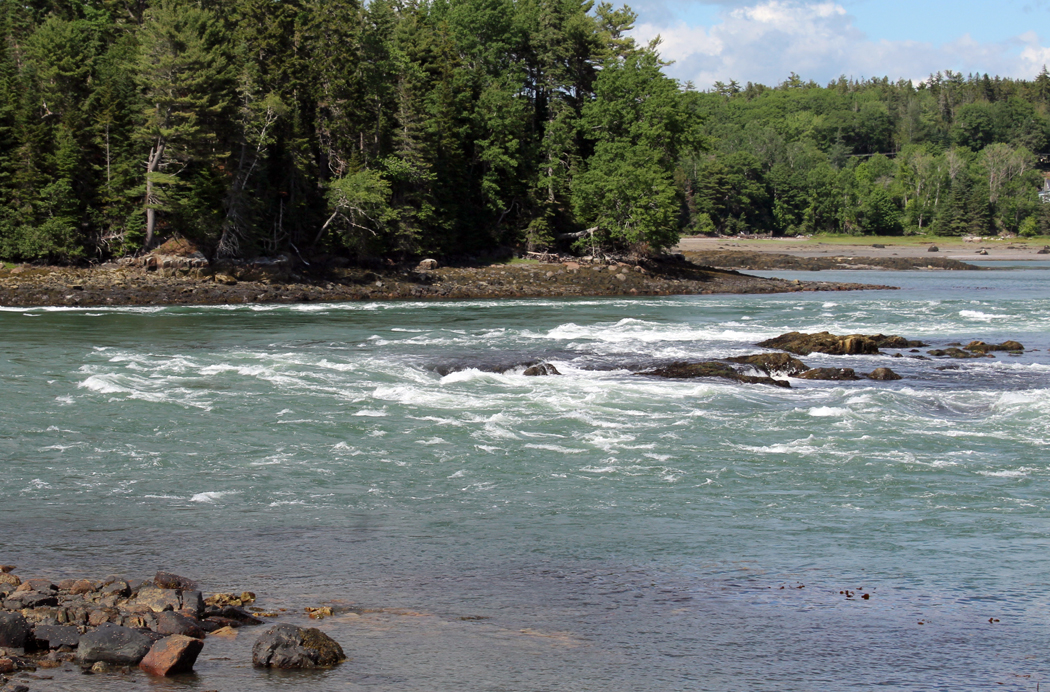
And at the mouth of the inlet, where Taunton Bay dwindles to the narrows that used to be called Sullivan River and opens onto Frenchman’s Bay, the tide creates what is known as a “reversing falls,” where the rising tide creates a dangerous rapids heading into Taunton Bay, and with a falling tide, creates the same rapids in the opposite direction. The current is fierce, up to 13 knots. 

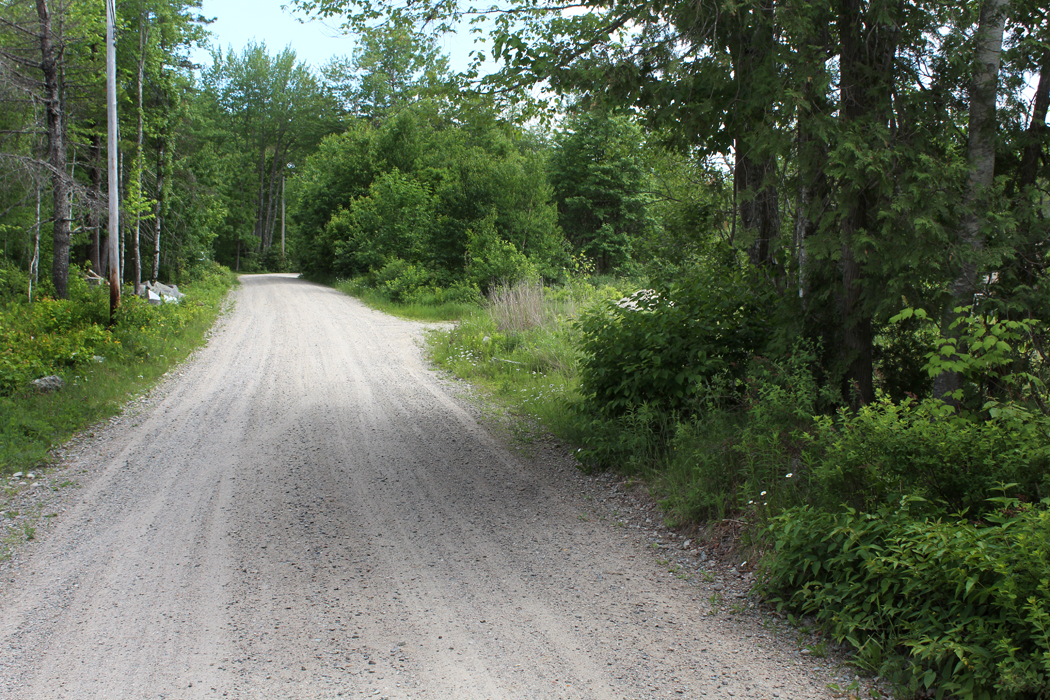
But it is Taunton Bay Road that is what I am most interested in. Just after the silent bridge, there is a left turn that takes you through West and North Sullivan along the eastern shore of Taunton Bay. It continues out of town along Hog Bay and into Franklin. The road is beaded with old homes, usually clapboard with front porches and foundations or stoops made from granite once quarried locally. 

Across the water, Taunton Bay opens up into Egypt Bay and the town of Egypt, made famous — or notorious — by Carolyn Chute’s 1994  book, The Beans of Egypt, Maine. 

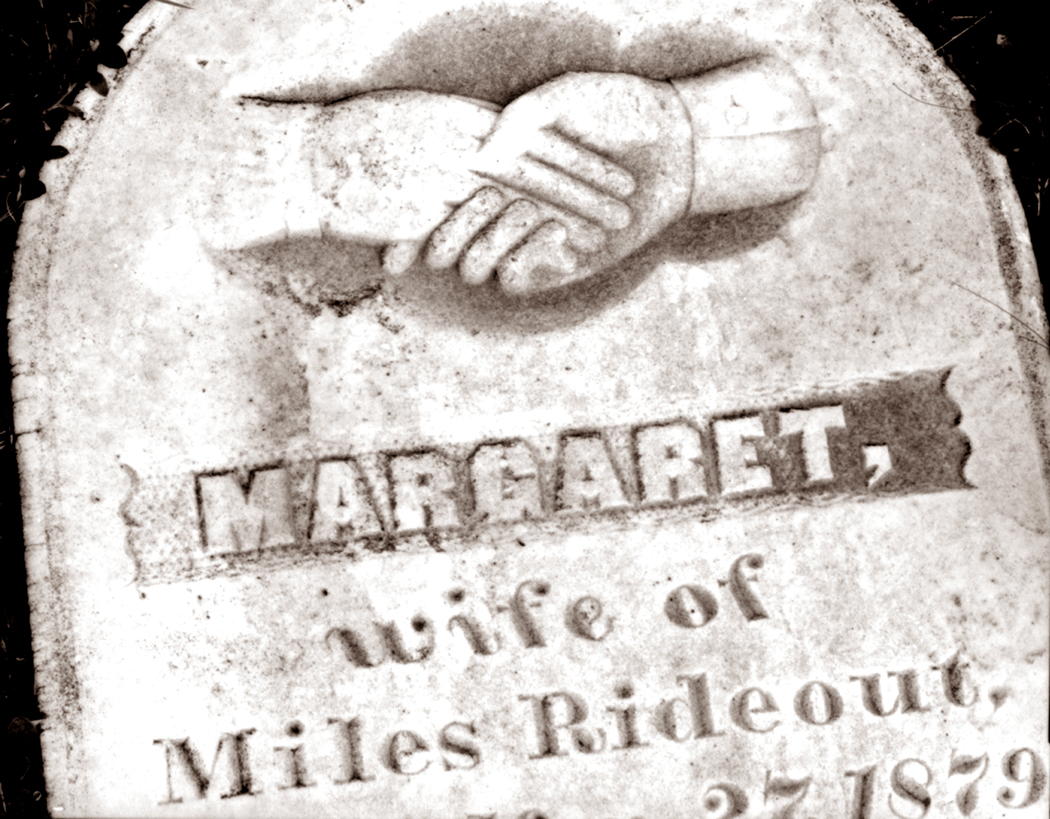
Among other losses in Sullivan are Jerry’s Hardware and, while Gordon’s Wharf is still extant, the busy fishing business is gone. There are a few family cemeteries, an art studio where stone sculpture is made, and a ceramic studio. 


This last time I visited, I attempted to make a “portrait” of this end of Sullivan, the way Alfred Stieglitz made a portrait of Georgia O’Keeffe — hundreds of photos that I hoped would, in aggregate, give a sense of the place. I can only share a tiny fraction here. You can find a more detailed portrait of a single house at (link here). 

There are three reasons to photograph something you care about. First, simply to capture it so as to possess it, for the sake of memory, the way you keep old snapshots of family birthdays and vacations. Second is to create art, that is, to make an image out of shapes and colors in a design that has graphic interest. But third is to see.

We look over so much at every minute of every day, but seldom see it. Looking closely, paying attention to details, absorbing character, seeing relationships — these things come with seeing with purpose. Seeing is engaging. Engaging is being alive. 

Wandering through Sullivan, I wanted to gather albumblätter  for my scrapbook; I also wanted to make something that might be, in its tiny way, considered art; but most of all, I wanted to use my camera as a way of focusing my sometimes wayward attention on something I want to know more deeply.  It is a way of expressing affection. Photographing, done this way, is a means of caring.

To collect snaps, or to frame art are fine in themselves, but using the lens to focus the mind and heart is infinitely more rewarding. It creates meaning.

Click on any image to enlarge

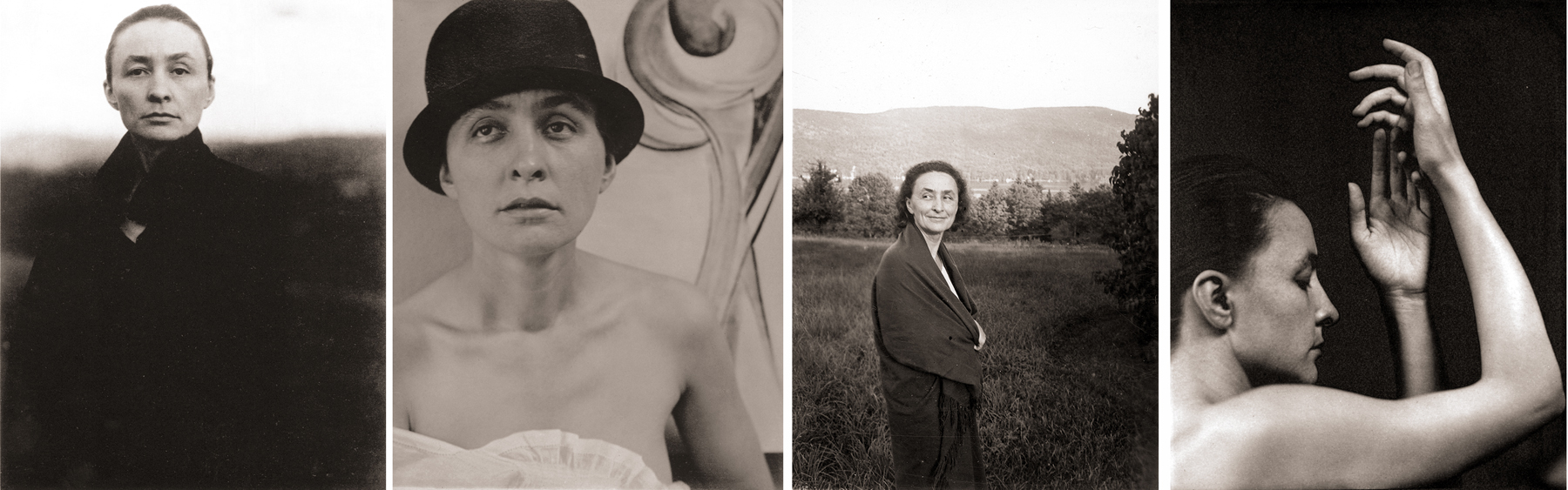
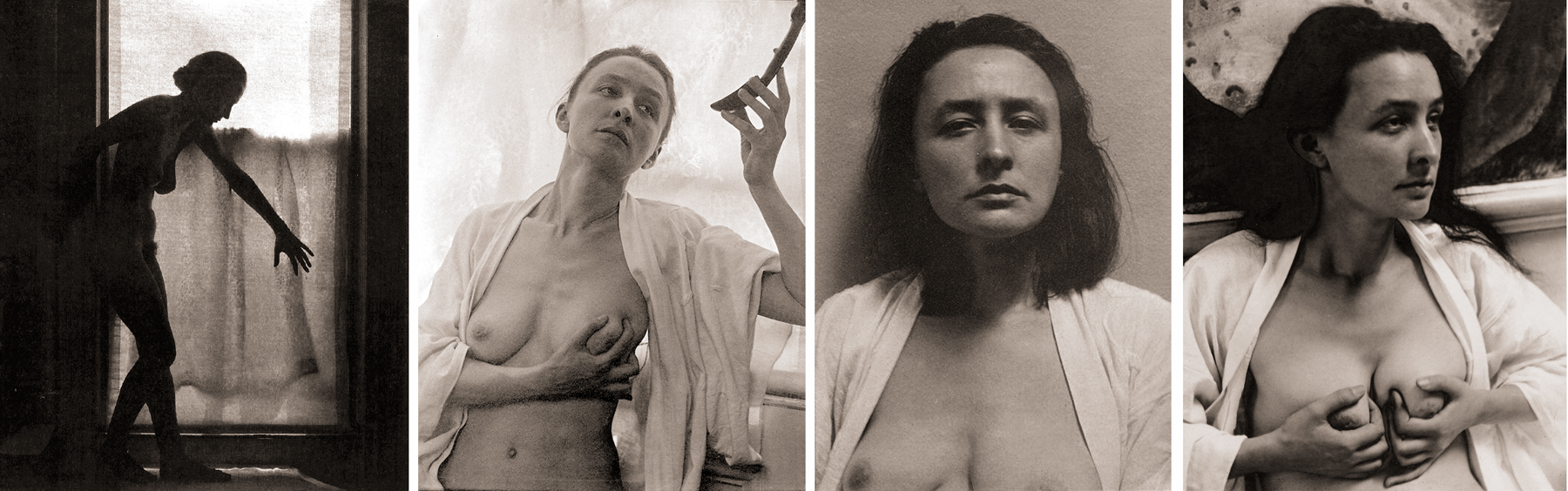
How many is enough? Beginning in 1917, photographer Alfred Stieglitz began making portraits of his new squeeze, Georgia O’Keeffe. But he soon developed the idea that a single image could not adequately express the essence of a person. Over the next 20 years, he photographed the artist some 350 times, making what to Stieglitz counted a single, all-encompassing portrait of O’Keeffe. 

“To demand the portrait that will be a complete portrait of any person,” he claimed, “is as futile as to demand that a motion picture be condensed into a single still.”

As he took up the camera once more after several years of editing his magazine, he wrote: “I am at last photographing again. … It is straight. No tricks of any kind. — No humbug. — No sentimentalism. — Not old nor new. — It is so sharp that you can see the [pores] in a face — & yet it is abstract. … It is a series of about 100 pictures of one person — heads & ears  — toes — hands — torsos — It is the doing of something I had in mind for very many years.”

The series went well past the hundred pictures he mentioned, and became one of the signature events in the progress of American art photography. The photographs were shown in galleries and museums and a selection of them were published in a book issued by the Metropolitan Museum of Art. 

He photographed O’Keeffe nude, surly, playful, artsy and in snapshot mode. He seems to have had a thing for hands. There are a boatload of hands, all very arty. Certainly, they are expressive, but they are also a bit arch. And do they actually tell us anything about O’Keeffe, the woman who kept her privacy like a recluse, so that even when she seems to be opening up to us, she is really just assuming a simulacrum of candor? She simply doesn’t want us to presume we might know her. 

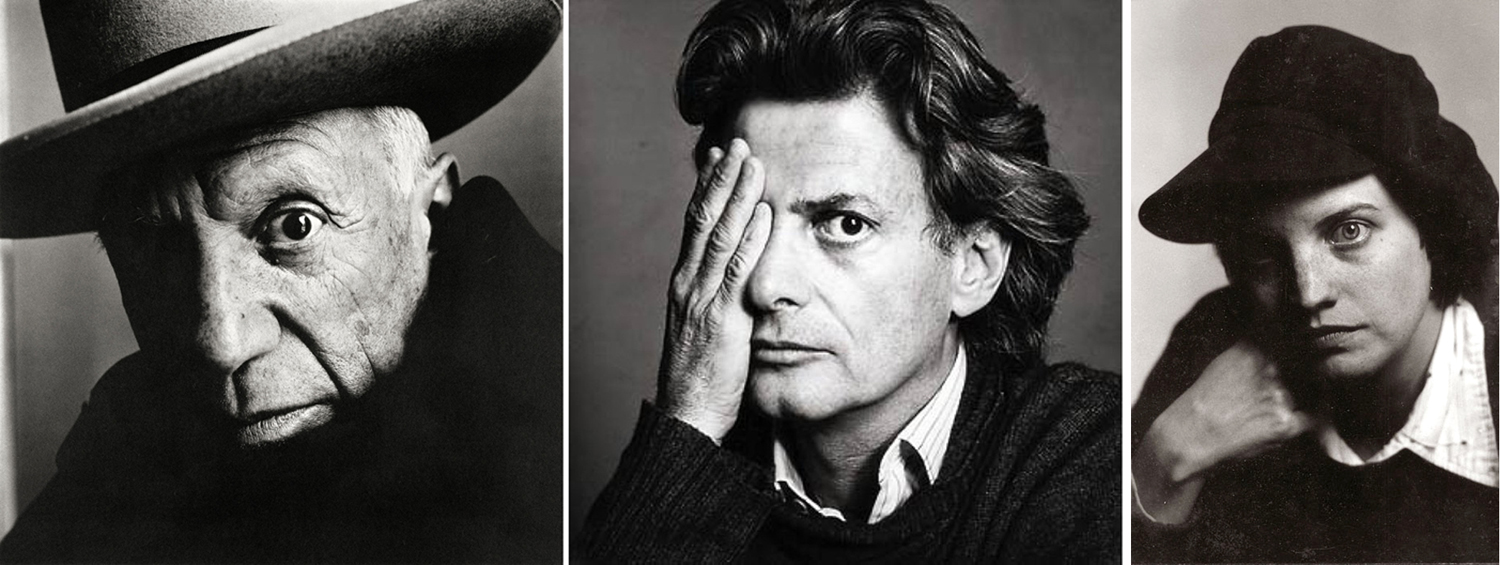
But despite his intent, it is obvious that while 350 images may be more varied than a single portrait, it is no more complete. To achieve his goal, Stieglitz would have had to film every second of O’Keeffe’s life from birth to death and show it unedited. Attempting to capture a personality in any finite number of moments requires that some editing and interpreting will be necessary. Is Irving Penn’s portrait of Carson McCullers any less an accurate version of the author than Stieglitz’s O’Keeffe? 

In fact, I might say that O’Keeffe, even photographed by her husband 300 times, is more reserved, and lets less of herself out into the frame of the picture than McCullers does in one single instant. There is infinite sadness in those eyes. 

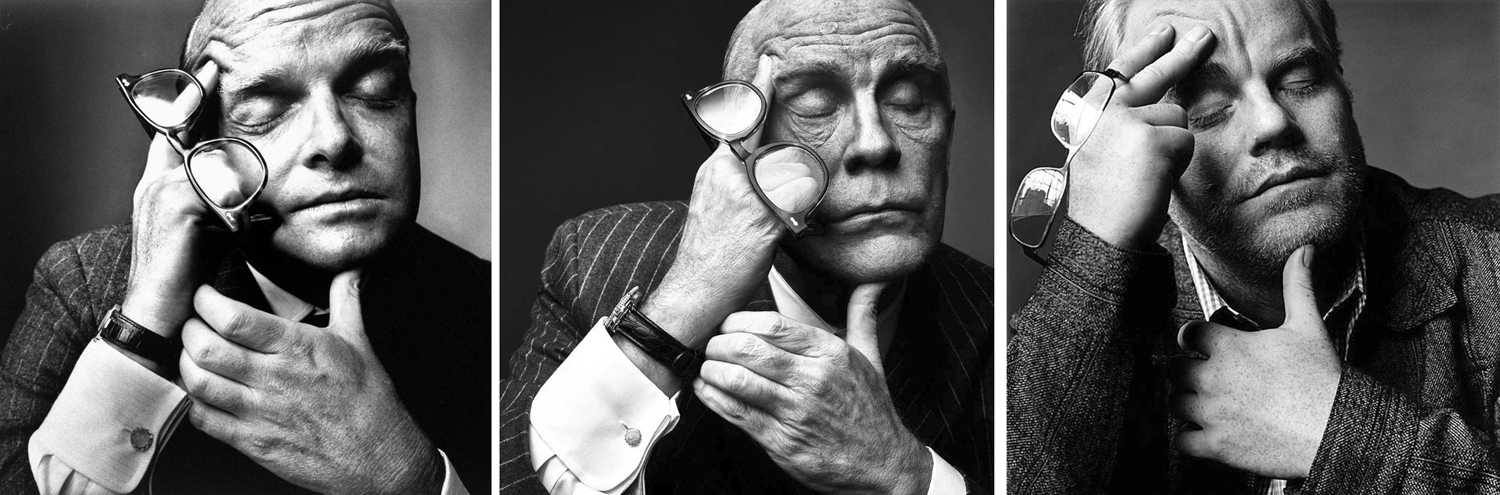
As a “control group,” we might include the three versions of Truman Capote made by Penn over time: First in 1948, then in 1965 and 1985. Does the grouping tell us much more than any of the single images? Only that Capote got old. We knew that. 

There is some kind of naive innocence in Stieglitz’s attempt, that there is a possibility of “capturing” a person in an image. 

The problem is that an image has a reality of its own, a separate reality, which may or may not partake of the person photographed. Irving Penn’s famous image of Picasso becomes a piercing eye, but then, so does the eye of Richard Avedon, also photographed by Penn. Or, for that matter, a portrait of Pam Henry I made in the 1970s. 

The image carries meaning in and of itself. Consider that 1968 image of Capote, eyes closed, glasses carried lightly between his fingers. Both John Malkovich and Philip Seymour Hoffman have sat for publicity photos mimicking the Penn photo. The pose trumps the person.

Or take Malkovich trying on the 1948 Capote. Again, the image is instantly recognized, and if you were turning the page quickly in a magazine spread, you might just well assume you had looked at the writer rather than the actor. 

Malkovich seems to have had fun doing this. He has mimicked many overly familiar images, from Hemingway to the migrant mother photographed by Dorothea Lange in 1936. 

Avedon often said that all photographic portraits — including and especially his — are really portraits of the photographer. It is the version of the subject transmuted by the picture-taker, and made into a vision of how the photographer understands the world. You look at that lineup of Malkovich parodies and you can as easily — or more easily — name the photographer as the name of the sitter. Top row: Irving Penn, Yousef Karsh, Philippe Halsman, Arthur Sasse; bottom row: David Bailey, Alberto Korda, Dorothea Lange, Diane Arbus. Each a distinct style; each a distinct image. 

Surely many a celebrity has felt defined and constrained by the immutable image that has usurped the actual life. Could Norma Jean live up to the image of Marilyn? Either the Bert Stern, the Avedon, the Eve Arnold or the Cecil Beaton version (l. to r.)? 
We run into the same problem we have with language. It cannot bear a one-to-one relationship with reality; it is rather a parallel universe, which can imitate our perceptions but never fully embody them. The image exists in another reality; we can name what we see, but the name is not the thing. The photo is not the person. Stieglitz’s attempts are heroic but doomed to failure. None of those 350 pictures of O’Keeffe is O’Keeffe, and the whole together is no closer to being her. 

We are left to enjoy them, then, as works of art. The eyes of Carson McCullers are not her eyes, but the sadness in the photo speaks to us clearly. That has to be enough. 

Click on any image to enlarge

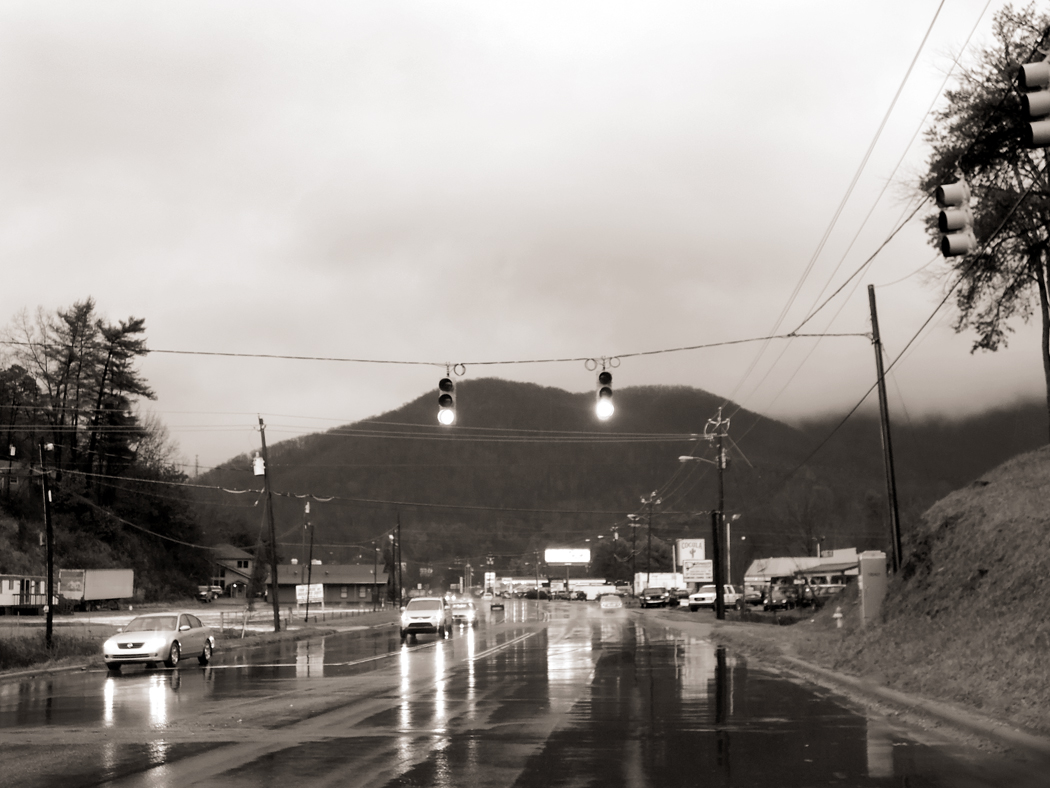
It is an hour or less before the setting of the sun, a shadowless moment already greyed out, with an evenness of tone across the landscape, and it has begun raining, a heavy downpour, a late summer evening drenching. I first hear it, and drawn to the door, I look out and watch.

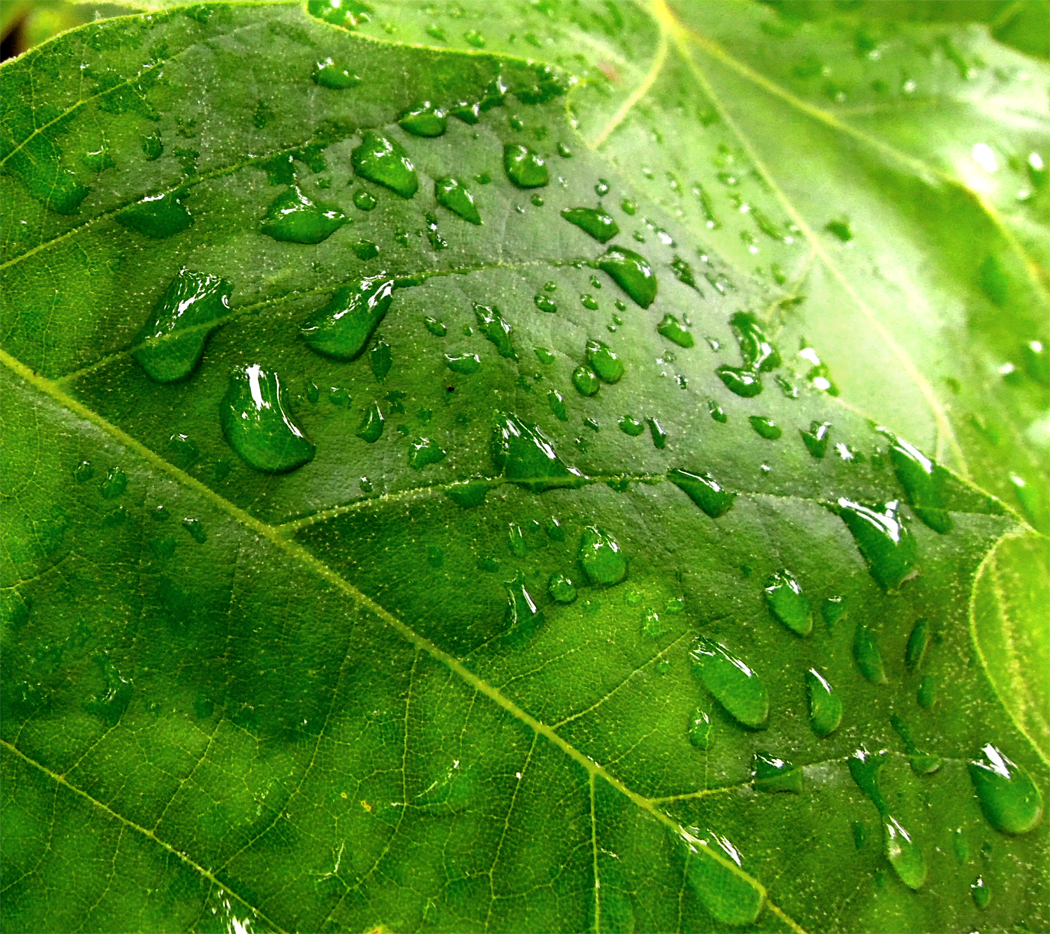
It is not just the rain, coming down in parallel lines across the trees, but the sudden humidity, a thickness in the air, and a kind of cool warmth — the air being cooler than the daytime, but the mugginess felt as summer heat. The drops splatter on the pavement outside the house and bounce up as they explode, making a kind of haze above the ground. 

It is a multi-sensory event: the hiss of the rain, the sight of the shower diagonal against the trees, the feel on the skin and the damp in the nostrils. As the weather develops, there is distant thunder. It rolls rather than claps. 

And the presence at my door cannot help but expand beyond this afternoon and its downpour. I am 70, and there are seven decades of familiarity to the rain. This moment and the emotion I feel watching is a palimpsest of all those years — each time it has rained, overlapped one on the other to make not a single day’s weather, but a book of pages, each another storm, bound in morocco to make a life. 
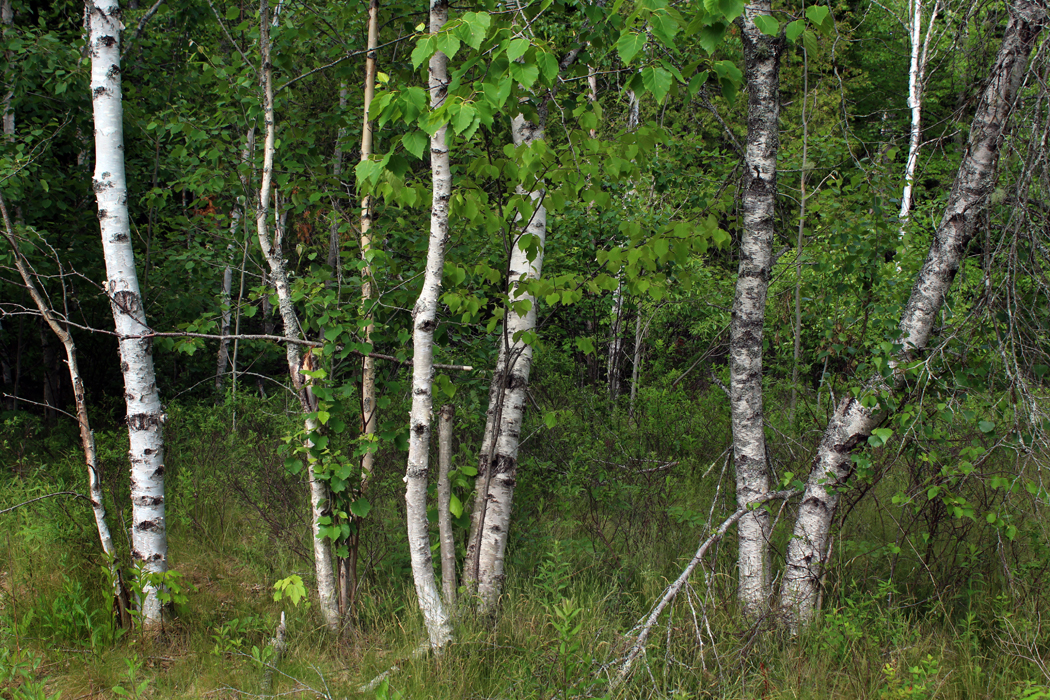
As a boy, growing up in what was then rural New Jersey, a brook ran through our yard and when it rained, it would flood, rushing down its channel the color of chocolate milk.

As a Boy Scout, there were camping trips in tents made from heavy oiled canvas duck, with no floors, and in the rain, the heavy drops would splatter through the weave and spray us as we tried to sleep with a mist. 

Later, in summer camp and living in large tents on wooden platforms, the rain would make a sizzle on the canvas that was pleasantly soporific. 

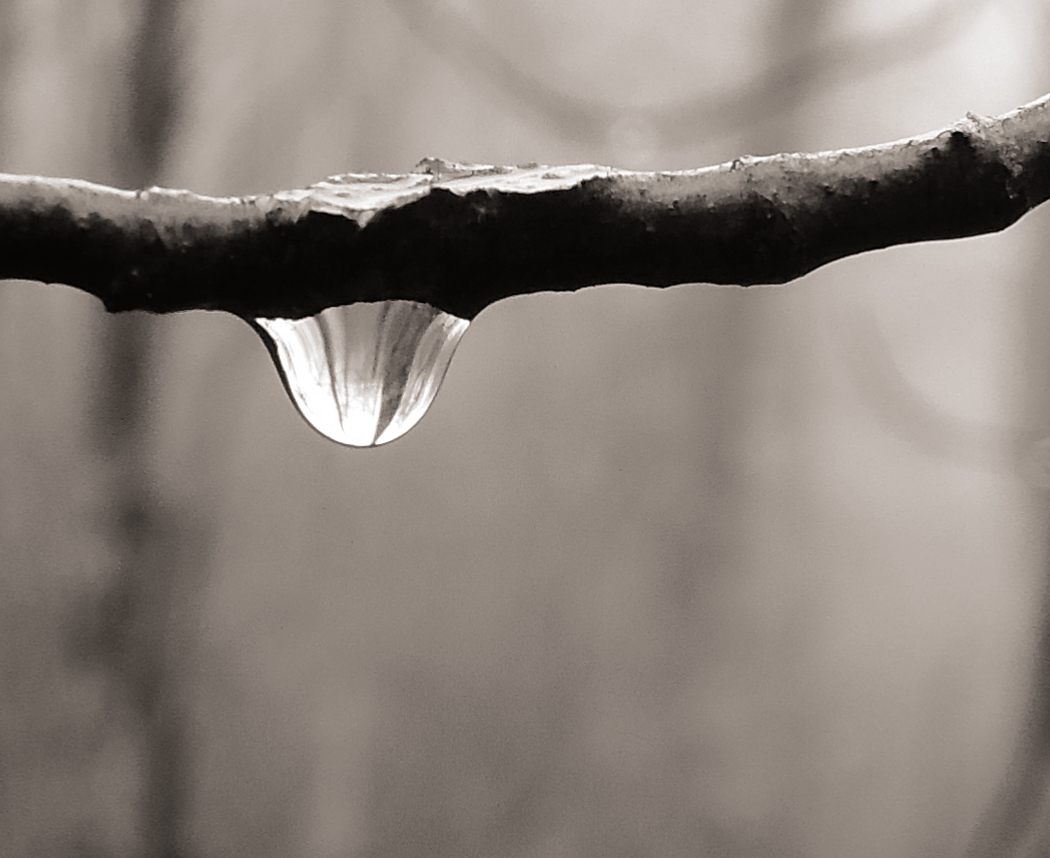
In my 20s, trying to hike the length of the Appalachian Trail, rain would sometimes keep us sheltered in a lean-to to wait out the weather, and after a night of downfall, we would wake up to a glazed world with leaves dripping, wet and clean, into the earth below and the long curved stamens of the rhodora flower weighted with a single bead on each tip. 

In Oslo, Norway, it rained every day in the summer at 4 p.m. You could almost set your clock by it. The downpour lasted perhaps 15 minutes and then it stopped, leaving streets running and the sound dampened by the humidity.

Eshowe

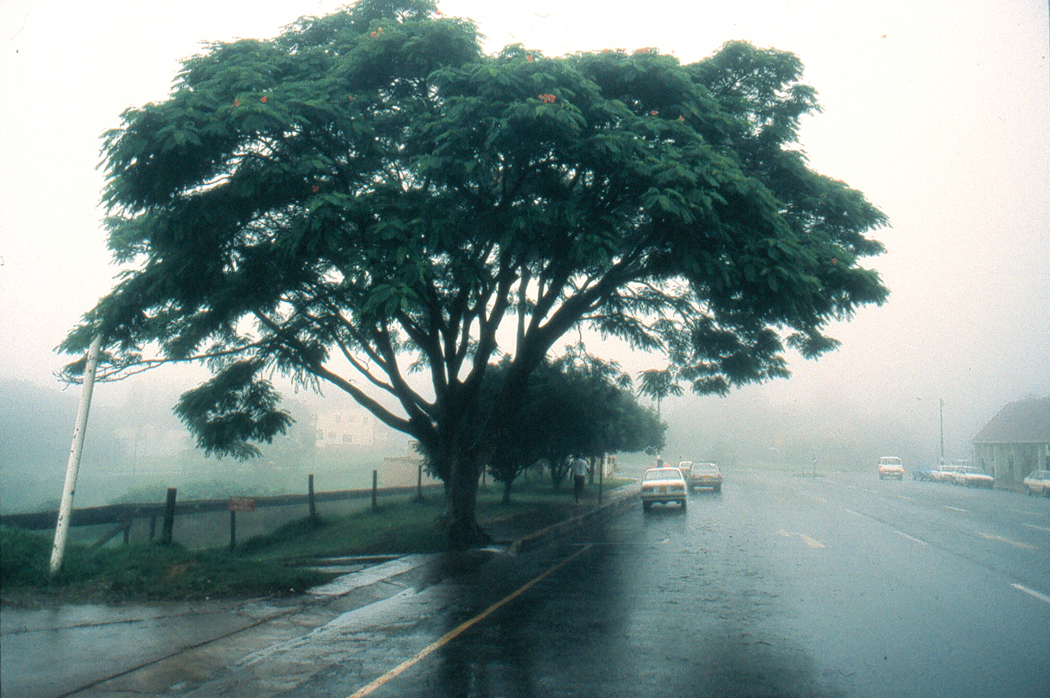
In South Africa, we were almost stranded on our way to Eshowe in Natal Province in 1987, when heavy rains washed out the John Ross bridge over the Tugela River. Eventually, our bus crossed the river on a railway bridge a few miles north. 

And, of course, I lived in Seattle for a while. The city is famous for its rain, but unless it was a gully-washer, no one even noticed. The constant winter mizzle was considered by most of the populace as fair weather. Or fair enough, anyway. 

Once, traveling across the continent, my wife and I were camping in Shamrock, Texas. In the middle of the night, a storm and tornado struck. First, our tent began floating as the drainwater created a flash flood, and then, when we abandoned the tent to find more secure shelter, the wind grabbed the tent like a kite, and I stood there, lit by the lightning, holding onto the airborne canvas trying to keep it from blowing off to the next county. I managed to get it caught under the tin roof of a picnic table and was able to dismantle it in the torrent. 

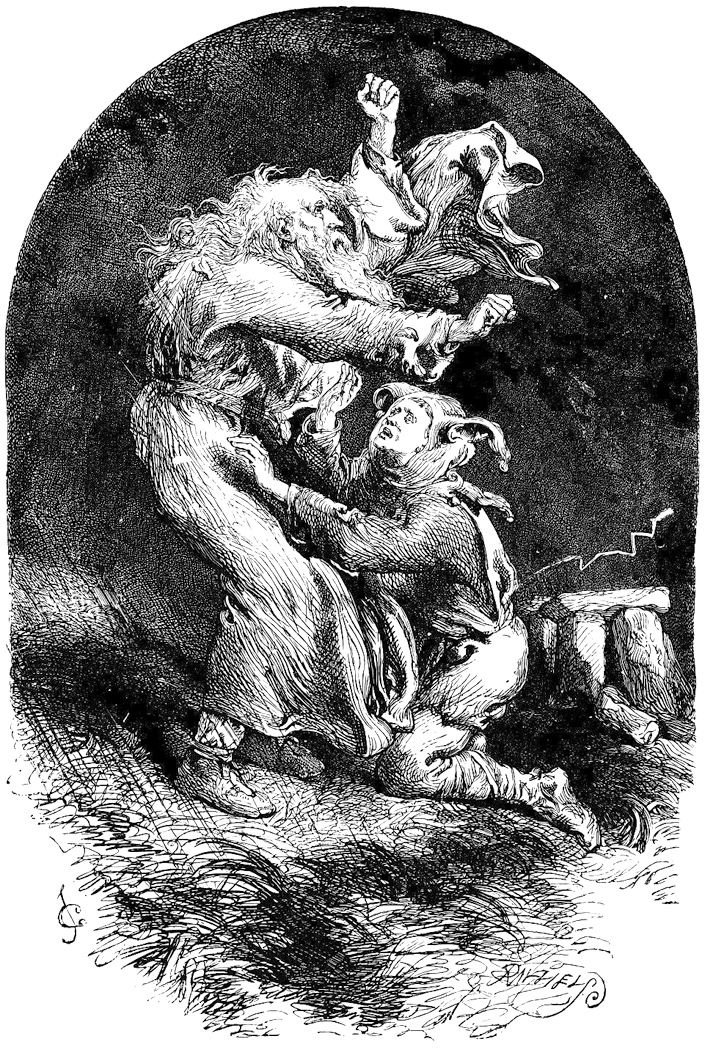
These and a thousand other pages in my morocco bound memory come to mind. But it isn’t merely the personal that maintains this resonance. Rain animates some of our best and most beautiful art, from Chaucer’s “shoures soote” to Lear’s “Blow winds, crack  your cheeks! Rage, blow! You cataracts and hurricanoes.” (When I watch Lear in the theater, I cannot help thinking of Shamrock, Texas). “Hey, Ho, for the wind and the rain. … For the rain, it raineth every day.”
There’s the thunderstorm in Beethoven’s Pastoral Symphony, the wind machine in Strauss’s Alpine Symphony, and Chopin’s “Raindrop” prelude. 

There’s the downpour that begins Kurosawa’s Rashomon and the hurricane in John Huston’s Key Largo. The shower in The Big Sleep, when Humphrey Bogart ducks out of the rain into the bookstore with Dorothy Malone — when I first saw the film on television as an adolescent, the scene counted as pretty racy stuff. 

Looking out my door now, the trees across the road are a grey mass, not a boring cardboard grey, but a rich, charcoal and velvet grey, a grey made up not of a lack of color, but of all the colors veiled over each other. 

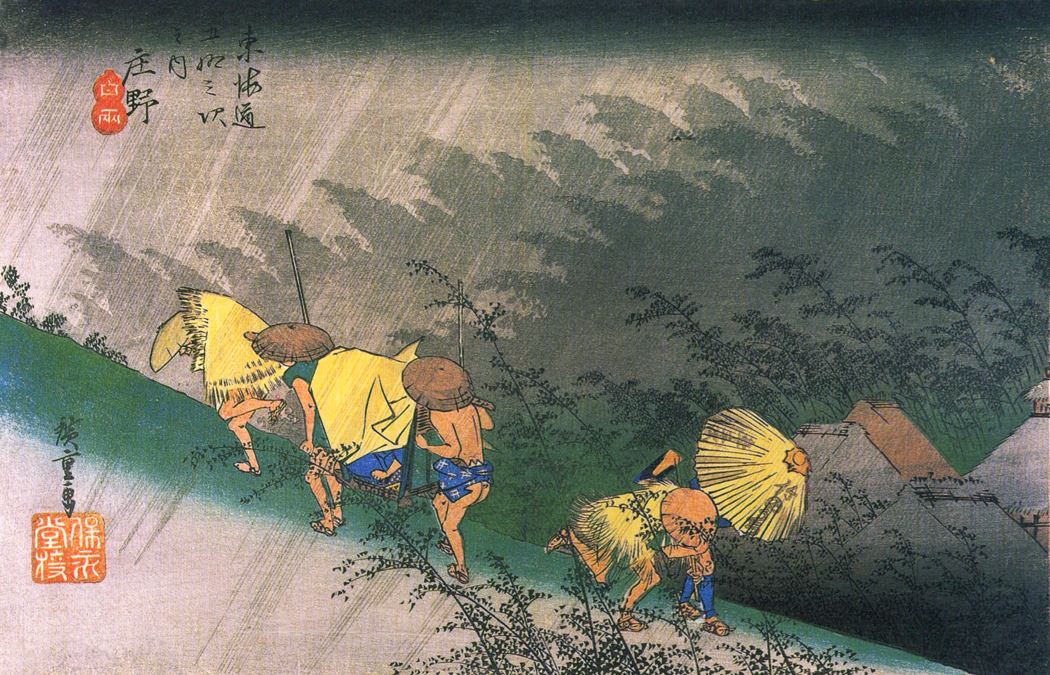
The visual poet of such rich greys in the rain is the Japanese woodblock artist, Ando Hiroshige. In so many of his Ukiyo-e images, the rain has dulled the contrast of the trees, leaving them a blank wash of charcoal or slate. It is what I see across the road — the overlapping of ever lighter greys as the landscape recedes. 

In 20 minutes, it is over. The street is flowing with runoff, more leaves have blown from the trees and collect in the wash along the curb. Fall is not too far off. The sky is barely brighter than the silhouetted trees; night will be here in another 10 minutes. 

Aprill with his shoures soote cannot match the end of summer and its late afternoon drenches. Trees all leafed out are ready to give up and let go. A certain exhaustion can be felt in the air; we have pushed so hard into the growth and flowering, and in seed time, we recognize our day is over. 

I close the door; the rain is forgot. I am remembering it now — emotion recollected in tranquility. I recall to mind the humidity on my skin, the sound in my ear, the riot of greys and the street wash. 

I love the rain; it is infinitely more beautiful than sunshine, which blares and obscures in shadow. The forms of things are revealed in sunless weather that are obliterated by sunlight. You see the world the way it truly is, not split into a manichean dichotomy of bright and dark — of Ahriman and Ormazd. 

It is the middle of August. I write this with some trepidation, remembering a warning by Sylvia Plath, who wrote: “It is hot, steamy and wet. It is raining. I am tempted to write a poem. But I remember what it said on one rejection slip: ‘After a heavy rainfall, poems titled Rain pour in from across the nation.’ ” 

I make no claim of wisdom. In fact, the older I get, the less wise I feel. But I can claim, at the age of 70, to have amassed a life of experience. I have been through a lot, from the turmoil of the 1960s, divorce, near homelessness, the death both of a brother and of my late espoused saint. I have been both unemployed and had a successful career and traveled three continents. Finally, I have grandchildren and see with trepidation into the 21st century, beyond my time here. 

And it is that last that gives me pause. If there is one regret that haunts my senescence, it is that all the experience I have lived through can never be transmitted to the twin granddaughters that I love. Sure, I can tell them things, and perhaps some of what I tell them helps. More is surely ignored — I know I ignored the importunings of my elders when I was their age. It cannot be otherwise. When I was young, I knew so much; now that I am old, I know so little. They certainly see that in me, now that they are 18, headed off to college and know so very much. 

But it isn’t advice I am talking about. I am talking about the impossibility of transferring experience. From my brain, from my heart, to theirs, of for that matter, to anyone. A whole life of accrued sensation and false step, of battering and acceptance, of the shiftings of love and the devastation of failure, the afflatus of joy and the satisfaction of doing good work, remains bottled up inside me — and inside everyone. 

I am reminded in this of the soldier back from the war, with the thousand-yard stare, who can say in words what he has been through, but can never actually share the reality of it. The horror, the horror. So many, like my own father, a veteran of World War II in Europe, never talked about it. When he was old, I tried to tease it out of him. I asked questions about his war experience, but he always deflected. I know at one point near the end of the war, that 11 German soldiers walked out of the woods to surrender to him. But as far as he was concerned, he had no part in that. It was just something that happened while he was there. He avoided ever talking about the war and when pressed, made light of it, in a way that made it clear there was little lightness about it at all. 

Things of the magnitude of war and destruction cannot be adequately talked about. You had to be there. And having been there, you never wanted to be there again, even in recollection. 

I had a similar experience when my wife died. There is no way to express the enormity of the loss, or the singularity of the experience. There were many who expressed sympathy, and I greatly appreciated those words intended to comfort. But they cannot know what it was like. Is like. In no way. The only people I could truly commune with were those who had also lost a mate. They had been through it, too. They understood. It is a kind of brotherhood. 

The actual complexity and depth, the horror and devastation of it cannot be conveyed in mere words. The experience of it is different from language. It is the biggest event in my life, and remains so a year and half later. 

In the same way, all the years that have been poured into and out of my body and my psyche can not be expressed in words that begin to touch the heart of it. Language is a parallel universe, a train out of whose windows you may watch the world pass without having the need to experience it. The real thing is bigger, inexplicable, devastating, body-filling, rich, dense, multifarious and always connected, piece to piece in a larger and larger construction, which is me. Or you. 

It is the final frustration of life that all that history buried in my mind is stuck there, doomed to die when I do. In a way, all that learning I have amassed is ultimately pointless; poof, gone. 

I am aware of the irony: I made my living as a writer, and words are my only useful tools. But no matter, I have always felt the inadequacy of those ink squiggles on the paper. 

I am reminded again of those lines in Andrew Marvell’s poem, The Garden: “The mind, that ocean where each kind/ Does straight its own resemblance find,/ Yet it creates, transcending these,/ Far other worlds, and other seas…” 

The idea being that inside us is a world actually bigger than the outer one. It takes it all in and creates even further, making connections not obvious, building from imagination “far other worlds and other seas.”

“Annihilating all that’s made/ To a green thought in a green shade.”

And it’s the “annihilating” part that digs at me. I have no fear of death — after all, I was not afraid before I was born; non-existence is a neutral state (of course, like Woody Allen, I don’t want to be there when it happens). Like Herman Melville told Nathaniel Hawthorne, “I have pretty well made up my mind to be annihilated.” But all that life, all that experience of which my cup overfloweth, will ultimately count for nil. That is the part that vexes me. 

I want to make the twins’ lives easier, happier, with less of the pain and frustration that comes to all of us. I want to impart to them the equanimity that age confers, but I cannot. No one can. All that experience is ultimately wasted in me, moiling about inside with no escape. No purpose, no benefit. It is life’s greatest frustration. And I feel it intensely.

Some years ago, when we were looking for a new cello for our daughter, we visited a luthier who took the time to answer our questions about the differences among all the instruments he had. 

What exactly is the advantage of the $40,000 violoncello over the $1500 student piece? The luthier picked up a beginner model and played a few notes. It sounded good; clear pitch and nice tone.

“But notice this,” he said, drawing the bow back over the C-string. The tone began, clear but muted. In a moment, the instrument seemed to wake up and the tone became richer, louder and more resonant. 

He then picked up a better instrument. The bow drew over the same string and immediately, the tone popped. 

A third cello was the high-end he had on hand, a French instrument from the mid-19th century. One touch of the bow and the thing sang like a Pavarotti, clear, bright, loud, rich as foie gras. It almost seemed to vibrate before he moved the bow. It was electric, alive. It was as if the cello was paying as close attention to him as he was to the cello. 

The difference is resonance. Resonance is when one vibrating body causes another, usually larger body, to vibrate sympathetically, which often amplifies the effect — in this case, sound. 

Resonance may be vibrating air, or, as in the cello, the interior and back panel of the instrument. If you bow a naked string, you get a puny sound that cannot project. But let that string’s vibration be carried down through a bridge into the body of the cello through soundposts and it causes the back of the cello to vibrate sympathetically and become, essentially, a speaker, to let the music fill a concert hall. The French cello we heard had a more subtly planed and constructed back panel, of graded thickness, which allowed it to resonate throughout the range of pitches playable on the cello.

Resonance isn’t just for music, though. It is one of the means by which art and literature amplify their meanings. The words say one thing, but behind them, larger and peeking through, are the ghosts of all literary history. 

One of the most famous example is the opening of T.S. Eliot’s The Wasteland. “April is the cruelest month … stirring dull roots with spring rain.” The poem ironically borrows its resonance from Chaucer: “Whan that Aprille with his shoures soote, the droghte of March hath perced to the roote …” 

When I was a sophomore — like most sophomores — I believed that the “trick” was to spot the allusions intellectually, as if they were footnotes (Eliot did not help by including footnotes with the poem). As if being clever were the point of poetry. 

But that is not it at all, that is not what is meant at all.

Poetry such as Eliot’s assumes a familiarity with a wide variety of literature of the past, but not as a sort of Jeopardy quiz — rather, if you have a chest stuffed with the rags and bones of your culture, the meaning rather vibrates sympathetically. You feel it rather than think it, more like weather than like a weather report.

Consider, say, Lincoln’s Gettysburg Address. “Fourscore and seven years ago…” He could have said, simply, “Eighty-seven years ago…” But his audience was a Bible-familiar one, who would have heard in that cadence an echo of the King James version of Psalm 90: “The days of our years are threescore and ten.” Listeners to the speech would not have smiled and told themselves, “How clever, he’s referencing the Bible,” but rather, the organ-tones of the Authorized Version would have resonated in their limbic system, adding heft to the president’s words. 

Lincoln also frequently couched his rhetoric in the words of birth and death, which would resonate deeply with his audience at the dedication of a cemetery, when death had undone so many. Few Americans, North or South, escaped losing family members in that conflagration. 

So, when he continues: “brought forth,” “conceived,” “created,” “conceived” again, “endure,” “gave their lives,” “that the nation might live,” “new birth of freedom,” and “shall not perish,” that personally shared sense of accouchement and mortality pushes up from underneath the words, giving the republic blood and veins, nerves and bones. 

This is not a policy speech, filled with abstractions and empty words, but rather, a text resonant with the power of birth and death. That and the biblical tone give it its solemnity and power. 

In English, how much more resonant is the title of Proust’s Remembrance of Things Past — an echo of Shakespeare’s Sonnet 30 — than a simple English translation of Proust’s À la recherche du temps perdu (“in search of lost time” — which sounds more like someone trying to catch a missed train). 

In the English-speaking world, the sounding board of so much resonance comes from Shakespeare (Brave New World; Band of Brothers; Pomp and Circumstance; The Winter of our Discontent; Slings and Arrows), the King James Bible (Absalom, Absalom!; The Children of Men; Clouds of Witness; East of Eden), and the Book of Common Prayer (The World, the Flesh and the Devil; Ashes to Ashes; Till Death Us Do Part; Peace in Our Time.)

Resonance overflows in culture, usually passing unremarked, but obvious — at least to those who have absorbed their history, their literature and art, even popular art.

Consider King Kong, captured and shackled with “chains of chrome steel” in New York. The curtain rises and there is our ape, crucified. Kong is not simply a nightmare monster ravaging a city, but a sympathetic sufferer. 

Or take Jeff Koons porcelain sculpture of Michael Jackson and his pet chimp, Bubbles. Behind that monument to banality is the historical power of the Elgin Marbles and the East Pediment of the Parthenon. 

The resonance can also work in reverse, as a pop culture image can enlarge a high culture image: That wide-shoulder, spindly-leg Richard III of Olivier was built from the image of Disney’s Big Bad Wolf. Olivier has remarked on this several times. 

In music, there are quotes from previous music, such as Rachmaninoff’s constant use of the Dies Irae of plainchant. But such a quote is meant to be recognized immediately for what it is. 

More to the point of resonance is the half-hour finale to Gustav Mahler’s enormous Third Symphony, a deeply moving adagio that can bring a sergeant-major to weeping. Hidden in its main theme is the slow movement of Beethoven’s final string quartet — the one with the epigraph: “Muss es sein? Es muss sein!” (Must it be? It must be!) When Mahler says his symphony must contain the whole world, this is the resonance behind it. We might not recognize the tune until it is pointed out — when it becomes obvious — but it works its weight upon us in the audience anyway: a faint remembrance of things past that makes the present music glow from inside. 

The problem with all this is that it posits a cultured audience, one reasonably familiar with the art, poetry, literature, music and theater of at least 2,500 years of European culture, something increasingly rare. In the past, those who read poetry or collected art had also read the Bible and Homer. Now it is rare to find even a professed Christian who has actually read the whole Bible, or remembers stories from it that a hundred years ago were common heritage: David and Jonathan; Ruth and Naomi; Balshazzar’s feast; Shadrach, Meshach and Abednego; Balaam’s ass. So now, when reading Melville, the name Ahab or Ishmael require footnotes when, in the past, they carried a rich resonance on first reading. 

Of course, no one can have such a complete familiarity of English and European literature and art to catch all of the baited hooks that authors and artists drop down. And some writers (I’m talking about you, Ezra Pound) are so obscure that you would have to be Ezra himself to understand all the buried treasure he has left in his Cantos. This is overkill. Hang it all, Ezra, there can be but one Cantos, and thank god for that. 

But, in the past, even a reasonably well-read audience felt the presence of the pulse underneath the skin of what they were reading. So long as men can breathe, or eyes can see, So long lives this, and this gives life to what we read and see.


Why do I do this?

The year I was born, the New York School of painters was coalescing. When I was an adolescent, they were ascendant. They were my boys: Jackson, Willem, Franz, Barney and Mark. 

(And they were boys. It was years before Helen and Lee were fully recognized.) 

During those years, the boys were flying high, but they still needed to be argued for. The mass of people continued to make fun of them. “My three-year-old could do that.” 

But to me, their power and meaning was manifest. During my teenage years, I spent many hours at the Museum of Modern Art, soaking in those great works. I spent way more of my time at MoMA than I did at the MET. 

They were called “Abstract Expressionists,” but at the time, for most people, abstract meant distorted. Picasso was the most famous artist in the world — the most famous abstract painter, and his subjects were still recognizable as bulls and guitars.

But for the New York School, it would be hard to name a subject. When Jackson Pollock was quizzed about what was his audience looking at, he said, “A painting.” 

There came to be a distinction made between abstract art and what was called “Non-Objective.” My boys were the latter. They weren’t imitating the world, but creating a new one. 

Yet, while I can honestly say I spent 10 hours at MoMA for every one I spent at the Metropolitan, the museum that became my spiritual home was the American Museum of Natural History. I didn’t just enjoy it; I loved it. I still do. 

At AMNH, I met the wonders of the natural world, from the giant blue whale hanging from the ceiling to the “Soil Profiles of New York State.” There were dinosaur bones and the colossal Olmec head. Rooms filled with rock collections and the great, illuminated theater of dioramas with their dramatis personae of stuffed bears and lions. 

I had the luck of growing up in rural New Jersey. While it was only a short bus ride to the George Washington Bridge and civilization, it was also a land of woods and streams — one ran through our property. Red fox and white-tailed deer would occasionally pass through our lawn. Tract housing and mini-malls had not yet taken over. 

So, I had these two very polar influences pulling me: On one hand, there was the manifesto of the art world that painting should be painting, and not an image of the world; on the other, I was in love with nature and the world of seasons, leaves, birds and geology. 

This tension still thrives in me. In 1998, I got to see the huge Pollock retrospective at MoMA and the painter’s 1952 masterpiece, Blue Poles, which was on loan from its home in Australia. The 16-foot-wide painting was intensely beautiful; I stood in awe — and that is not too strong a word, despite its current depreciation among the cell-phone generation, for whom even a cheese doodle can be “awesome.” 

Yet, on the same trip, I also went back to the Natural History Museum. Entering its dark and marble halls was an act of love — and that is not too strong a word. 

Since then, the art world has walked through several new rooms: Pop, Conceptual, Postmodern. And each of them seems to step further back from the physical sensation of the the natural world. 

Pop wants us to recognize cultural artifacts as worthy subjects for consideration — and they certainly are. 

Conceptual art removes us from even that, into a world of pure idea, and those ideas are often so removed from our everyday experience as to be unintelligible for the mass of people. And often kind of silly. Often the art would be better expressed in words. Write an essay. 

Postmodernism seems to tell us that there is nothing but rehash of old imagery, and what is more, even those are really about power relationships and keeping the little guy down, especially if he is a she or is melanin-enhanced. 

Certainly, there is among these isms, much art of value and meaning. And I often agree with the political ideas expressed. But I have always missed in them a sense of love for the things of this world — the smells, textures, colors, shapes of the things we use and inhabit. 

I have never given up on that. 

In some ways, this dichotomy is the difference between reason and empiricism. Conceptual and Postmodern art think their way through the world. What I value is experiencing my way through it. Seeing, hearing, touching, smelling, tasting. 

But I still have this memory lodged in my psyche of Pollock and Kline and Rothko and de Kooning. 

So, I have at times attempted a synthesis. I love nature. Rocks and trees and birds and bees. The ocean and lakes; the canyons and grasslands; the swamps and forests.

Ah, but even as I read that, I know those are words. It isn’t rocks and trees, really. It is the hardness and grain of a particular granite, the different bark of birch and yew. It is the spot upon which I stand at any given moment and what I feel as breeze on my skin, what sun glare I shade my eyes from. 

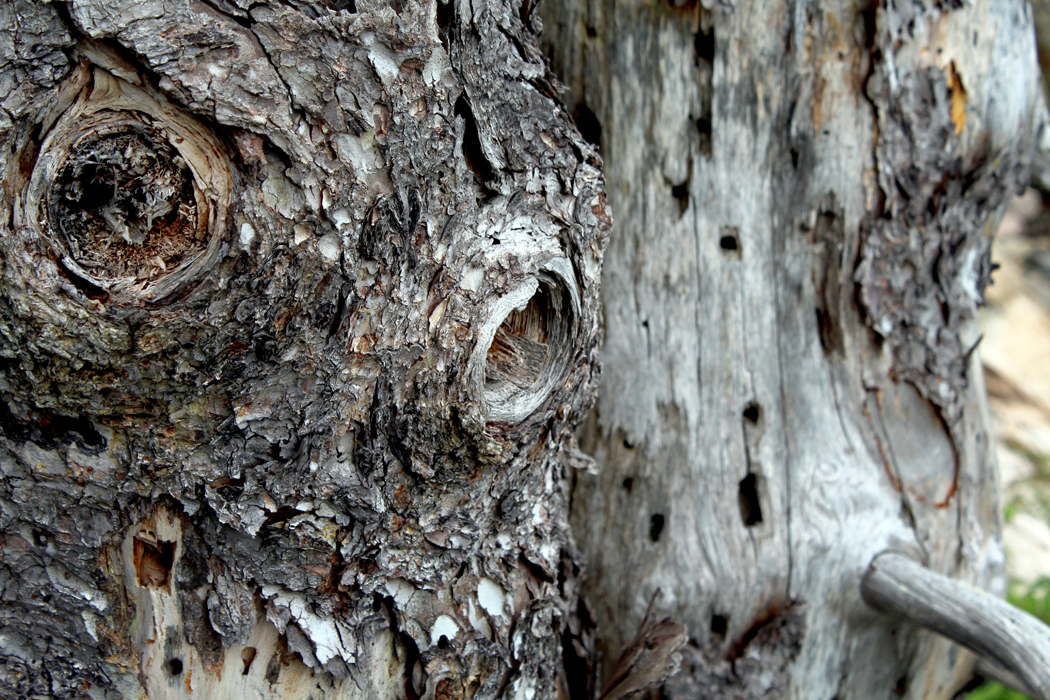
And in that granite or in that tree bark, there are shapes, textures, colors. I touch them. I see them.

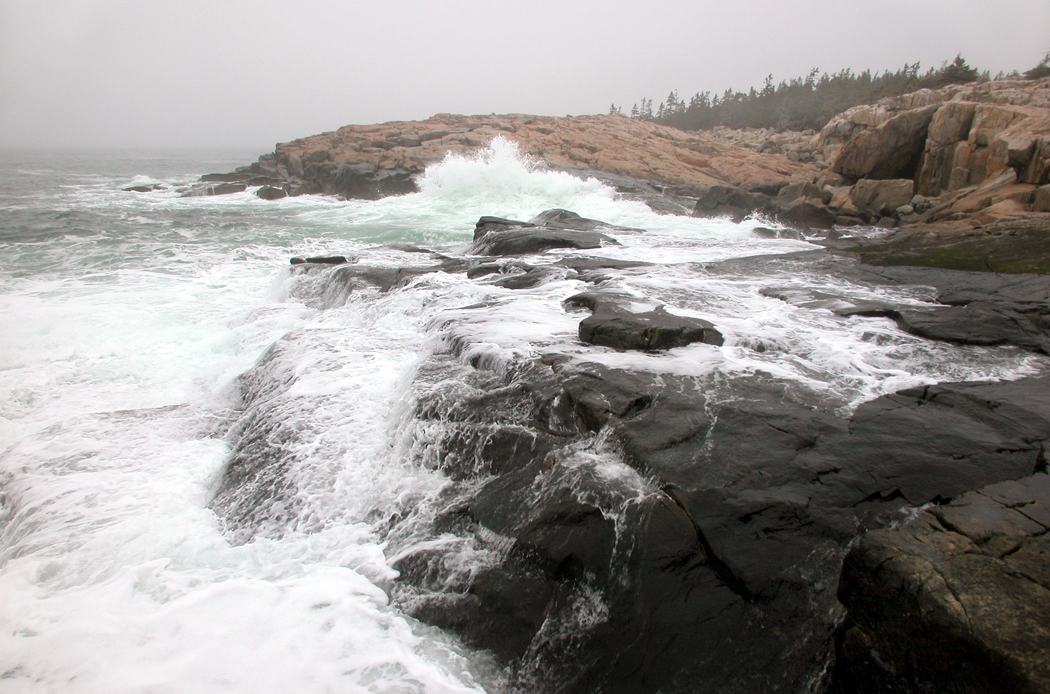
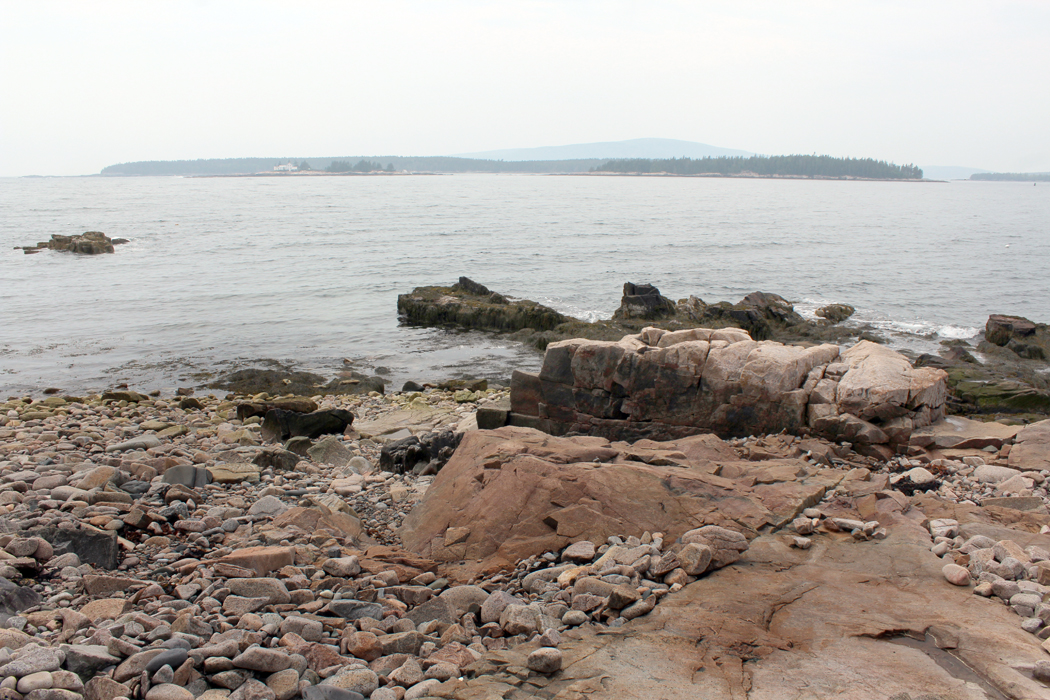
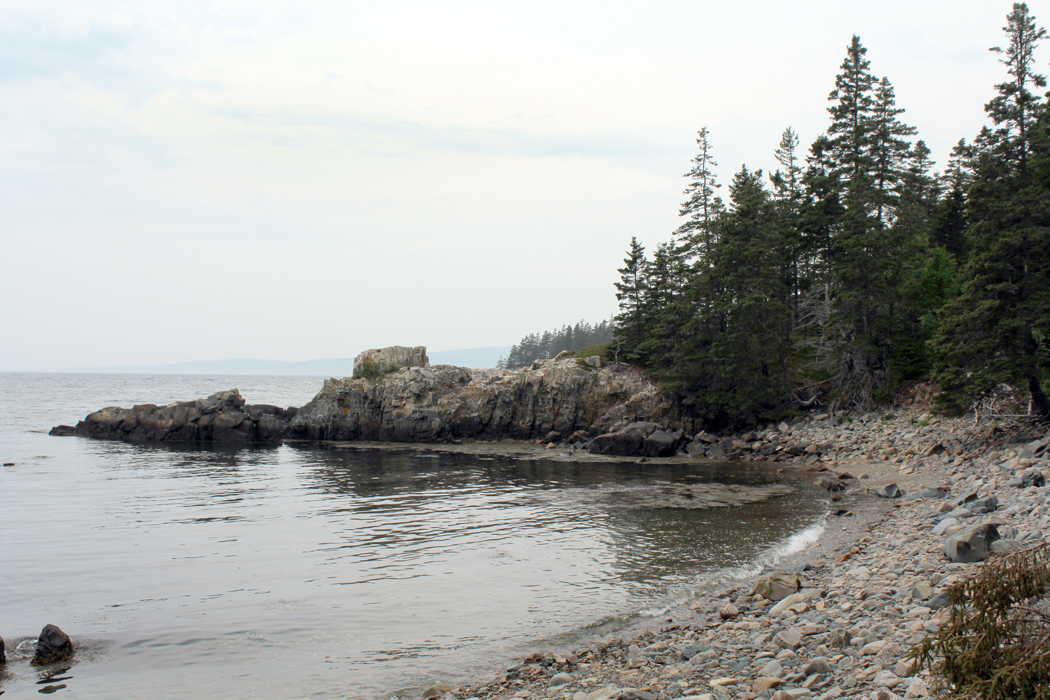
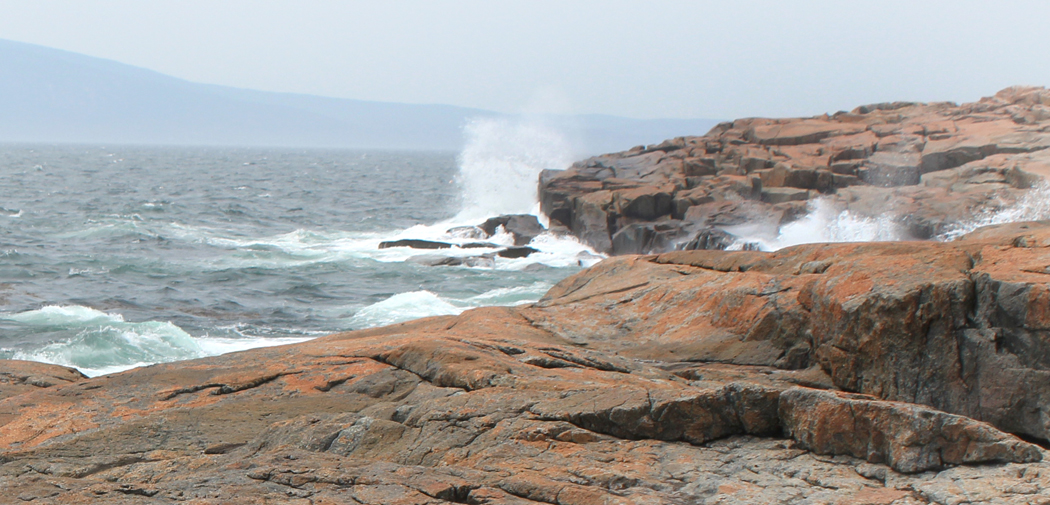
There is a place I have visited many times in Maine. It is Schoodic Point, which is a part of Acadia National Park. The main park on Mt. Desert Island, is crowded and developed, but some 40 miles northeast, by road, there is the Schoodic Peninsula, jutting out into the ocean. At its tip, it is bare, hard rock and spume and surf. The wind is usually raw and comparatively few visitors come there, especially in the fall and winter. 

(The double-O in the middle of Schoodic is pronounced like the double-O in “good.”)

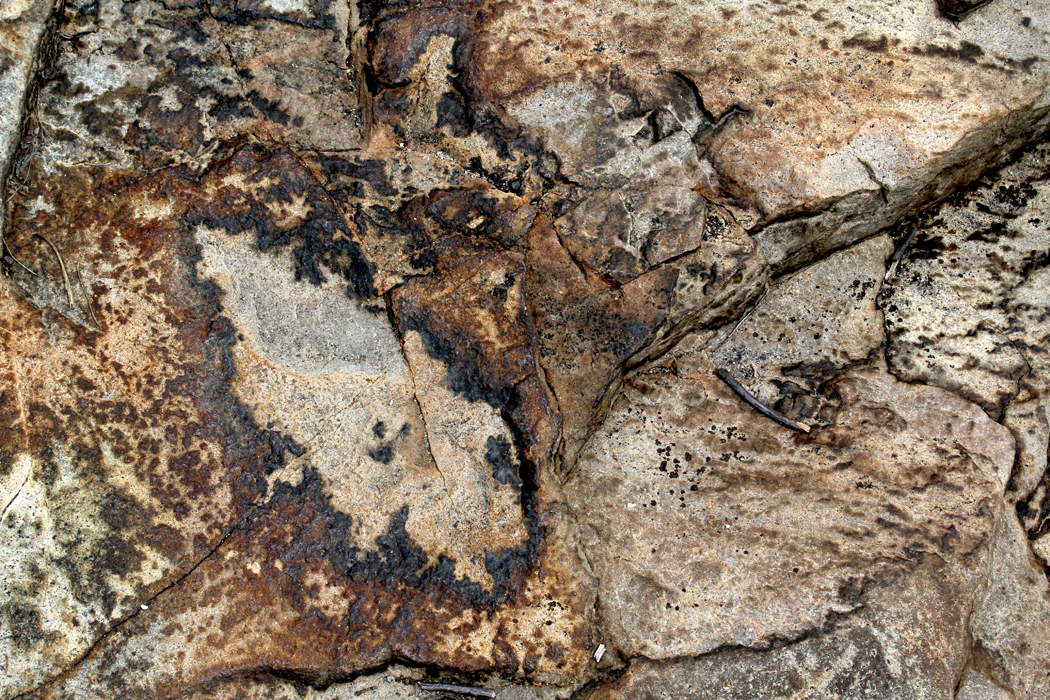
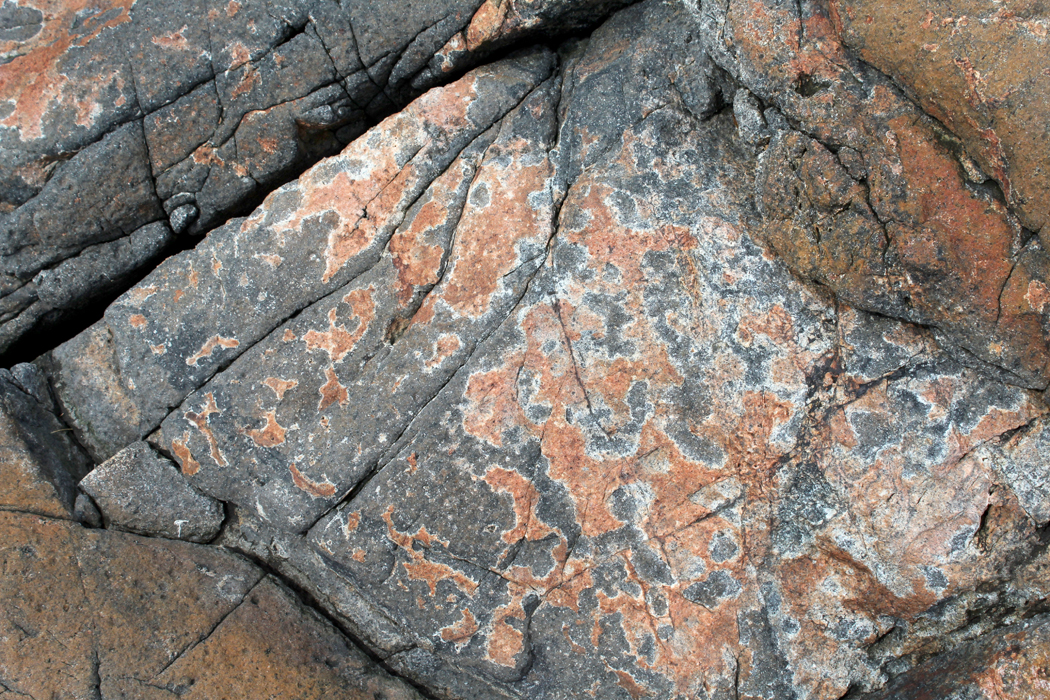
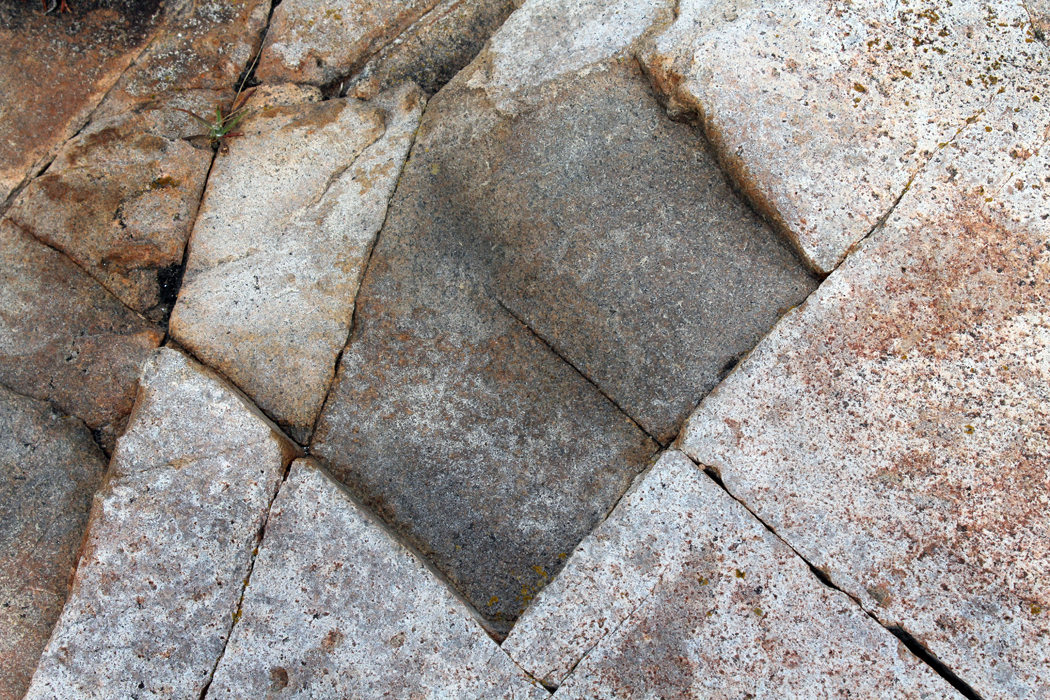
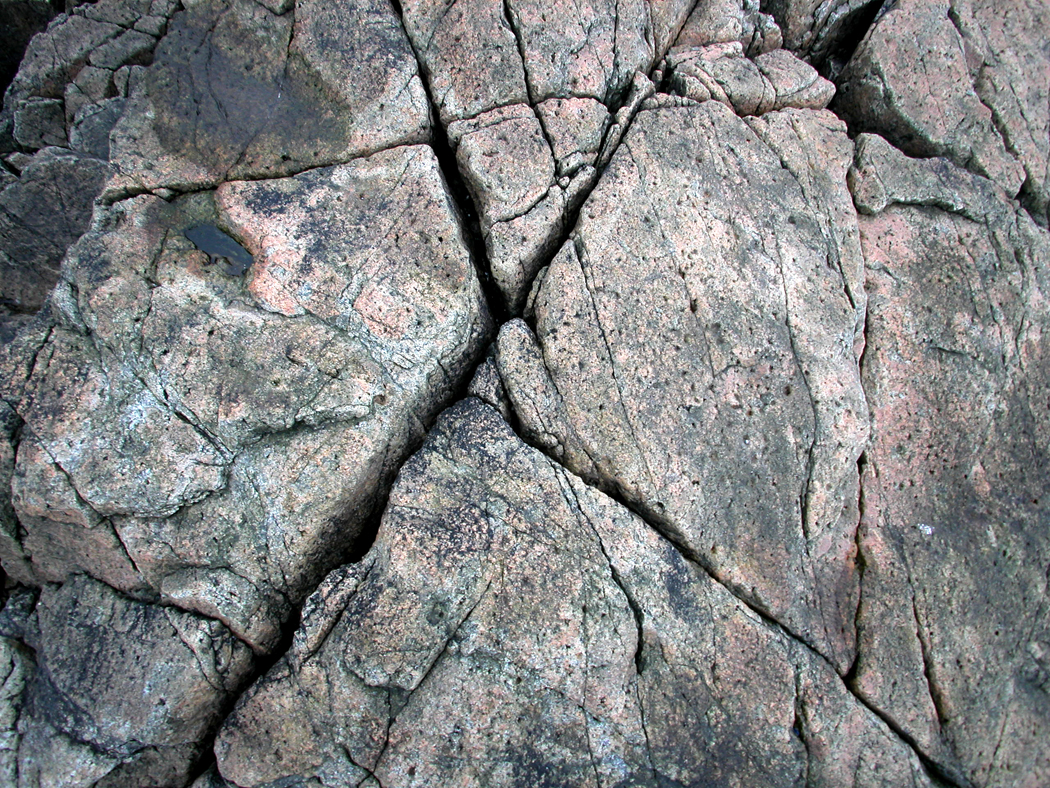
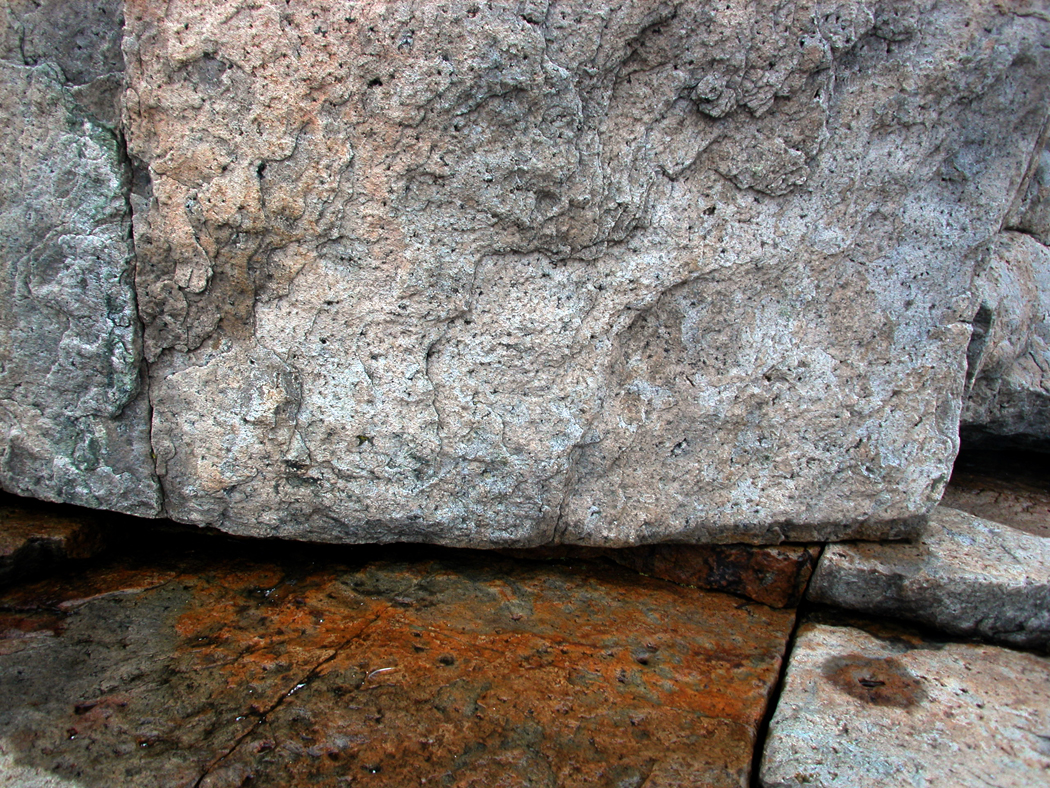
There, I can use my camera to record the abstract expressionist details that combine the emphasis on form and texture with an engagement with the natural world. It is a chance to reconcile those conflicting parts of my being. 

There is in some religions and mystical philosophies a contemptus mundi that I cannot share. The world is beautiful — not pretty, but beautiful; even its ugliness is beautiful. 

In 1928, the German photographer Albert Renger-Patzsch published a book in which his images of the world, both natural and industrial, found pattern and form in details excerpted from context. It was named, Die Welt ist schoen. 

That has become a watchword for me: When you engage with it as deeply as you can — and we are each different in this respect — when you so engage with it, you discover that Moses was not exceptional; every bush is the burning bush.

That is what makes those cypresses of Van Gogh so penetrating, the haywain of Constable, the waterlilies of Monet, the peppers of Edward Weston, the simple crockery of Chardin, the rabbit of Durer. Die Welt ist schoen. 

So, I cannot worry if my humble images are important art or not, or whether it is art at all. Muche wele stant in litel besinesse. 

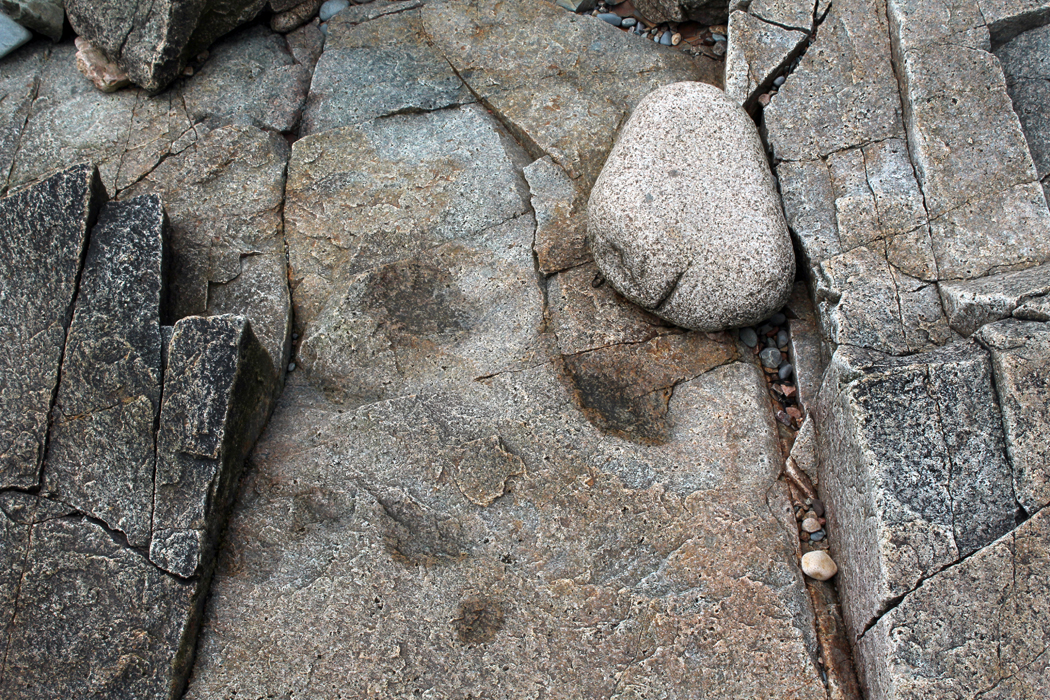
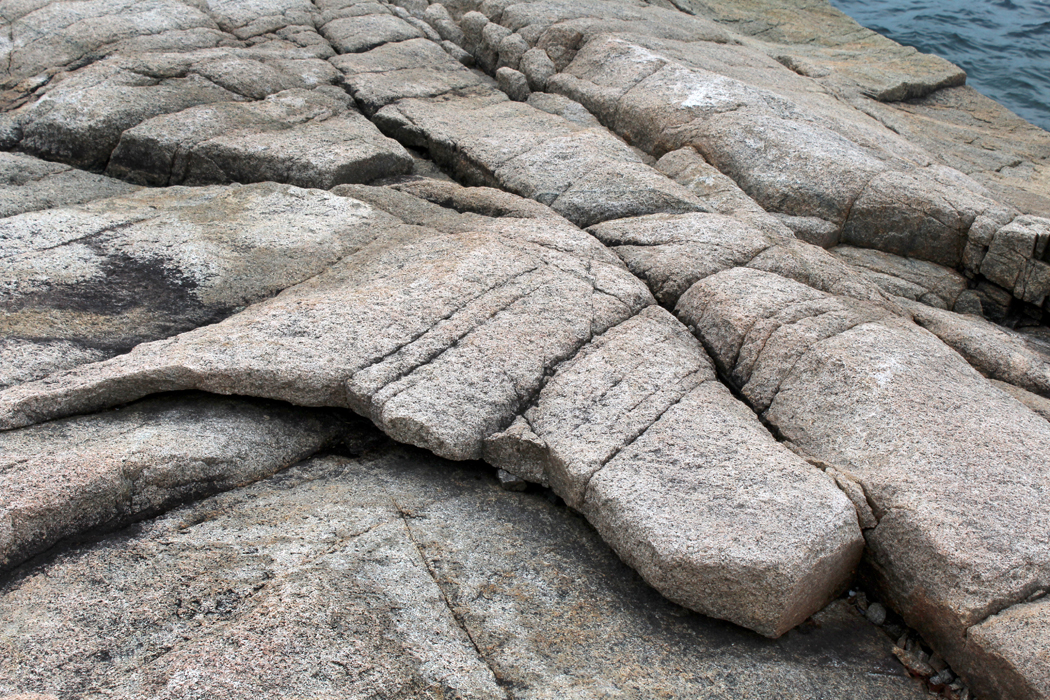
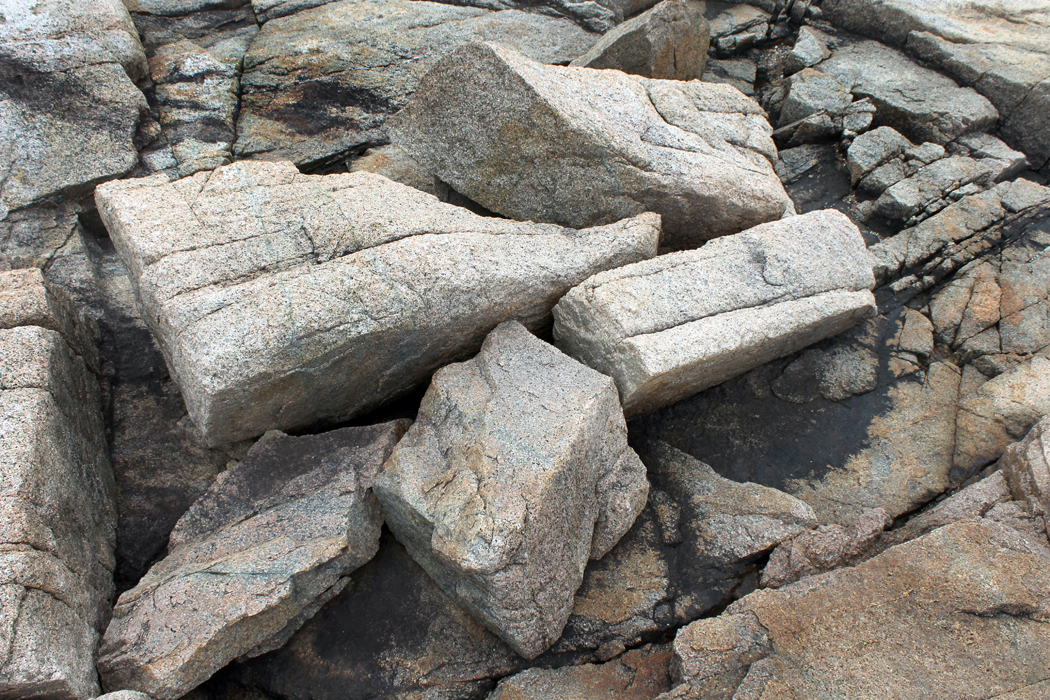
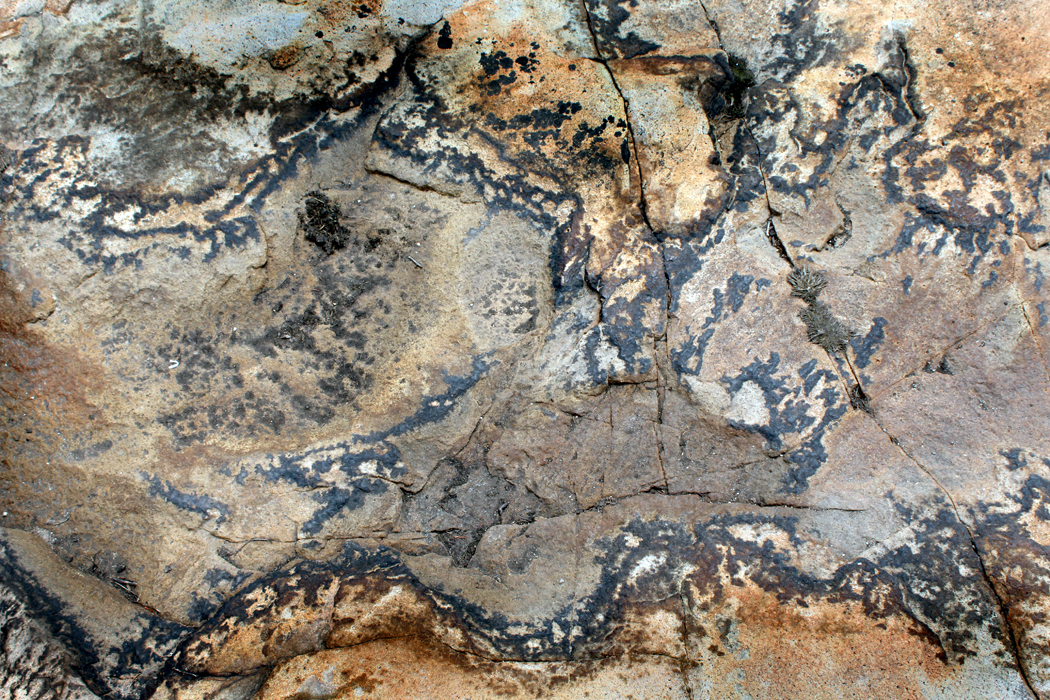
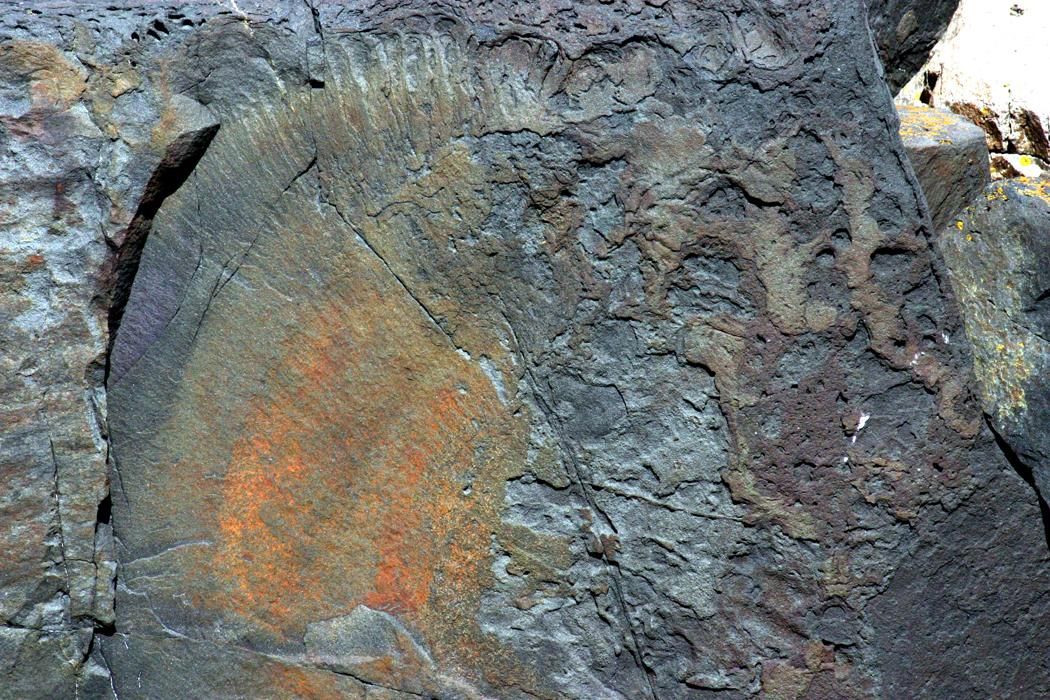
This is my tiny translation of Schoodic into image, the finding of the same elements Pollock sublimated into his canvasses, but here extracted from the hard edge of stone.

Click on any image to enlarge


Many years ago, I attended a photo staff meeting at my newspaper and the photo editor was complaining about a picture that a very talented staffer had made. For him, it was too arty.

“This is a newspaper,” he said. “Our photographs must be clear. We cannot have any ambiguity in them. If it is a picture of a house, I want it in the center of the frame, and I want the whole house. Like a real estate photo. We are not making images for a gallery; we are showing readers what the story is about.”

I remember cringing, but I said nothing. I was not on the staff, but just a travel writer who made my own photographs for my stories. I was in the meeting by default. 

The idea that a photograph was merely an illustration to back up words bothered me then, and it bothers me now. Instead of a supplement, I thought of them as amplification. 

Some things can be said better visually than verbally. The photo might very well be able to stand on its own. 

But, in a culture of verbal people — as a newspaper tends to be — a picture is a stand-in for words. You should be able to point to something in the photograph and name it: “House.” The name then, takes over, and any visual information is immediately rendered moot. Very like when you head to a rest room at a McDonald’s and the pictures on the doors tells which one to open. The image becomes a pictogram. 

This is the way many people regard photographs. They look and they name. “Aunt Julia.” “The house I used to live in.” “Niagara Falls.” Then they turn the page in the album. “Here is me at my prom.” 

Much of the visual information in the picture is passed over, not registering. Was that a blue tux at the prom? Did those horn-rim glasses make you look dorky? Were the shoes cropped out of the picture? Can you remember, then, what shoes you wore? 

Details matter. When you name the image rather than see it, you miss the majority of what is pictured; you miss all the pleasures you could enjoy — the colors, shapes, textures — and all the information that is there to mine. I am reminded of those impatient people I have seen in art museums running from painting to painting and reading the tags next to them. “This is a Renoir. Oh, this one is a Picasso.” 

Naming things often gets in the way of seeing them. Naming is a very low form of intellectual activity, but one it is too easy to become proud of. It does not actually indicate your intelligence if you can name ever painting in the gallery, or the make and model of every car you spot on the highway. It just means you can memorize. 

When, before I was a writer, I was a teacher, I would sometimes draw two shapes on the blackboard and ask, “Which of these shapes can you draw more accurately?” Most students would pick the square. It had a name and they could see the square, translate what they saw to a word, and then retranslate that word onto the paper with their pen. In the process, details of the original are obliterated.

Notice that the square here is not a perfect square. It has some sketchy lines and it is not completely closed up, and, in fact, it isn’t even a square, but a low-aspect-ratio rectangle. All of that visual information is expunged when you replace it with the name, “square.” The amorphous shape, on the other hand, would require you to look at it and attempt to follow its contours with your pen, forcing you to pay attention visually. 


Your blob would be drawn more accurately than your square. 

In his groundbreaking book, Principles of Art History (1915), Heinrich Wölfflin described the differences between Renaissance and Baroque art with a series of oppositions. Among these is the contrast between art which emphasizes the unity of the whole, which may suppress detail to the benefit of the overall design; and art which revels in a multiplicity of detail, even if it confuses the overall design. 

It isn’t that the classic art doesn’t pay attention to detail. In fact, it often takes pains to make everything equally easy to recognize, well lit, well placed in the frame. But the whole is more important than the parts. 

Balancing that is art that may even obscure some detail to make others more prominent. 

This dichotomy occurs repeatedly in art history — from Classic Greek art to Hellenistic Art, from Renaissance to Baroque, from Neoclassic to Romantic, from Modernism to Postmodernism. In Nietzschean terms, classic and romantic, Apollonian and Dionysian. 

The 20th Century, which we are most recently heir to, unity was valued as supreme. Artists, writer and poets who filled their work with profusion of detail were denigrated. The most concise poets were held superior. Painters who reduced their subject to basic forms were extolled. Musicians who subdued florid detail in order to render the overall form of the music more clear were applauded. They had a “grasp of the structure.” 

The complaint lodged against pianist Vladimir Horowitz, for instance, was that he never fully expressed the form of longer pieces of music, such as sonatas, getting lost in multifarious musical volutes and whorls. Of course, when you listen to the ancient recordings of the great pianists of the early 20th century — an era of romantic piano playing — all of the pianists focused on details. It is where the fun was to be found, the flavor of the ingredients rather than the melange of the whole.  

Romanticism in general relishes the detail, and can often get lost in it. That’s what makes it Romanticism. (Well, one of the things). Detail is where we find the pith, the essential oils, the meat. 

Classic painter Joshua Reynolds taut the “grand style,” and recommended choosing the general over the particular: a stylized tree over the quirky oak in the back yard. Romantic artist William Blake read Reynold’s book and wrote in the margin: “To generalize is to be an idiot. To particularize is the alone distinction of merit.” You can also imagine him chasing kids off his lawn. 

But his point is that the world is made up of details, and meaning is found in them. The collection of details fills out the impression we get from the quick overview. It is the detail that we know the whole. 

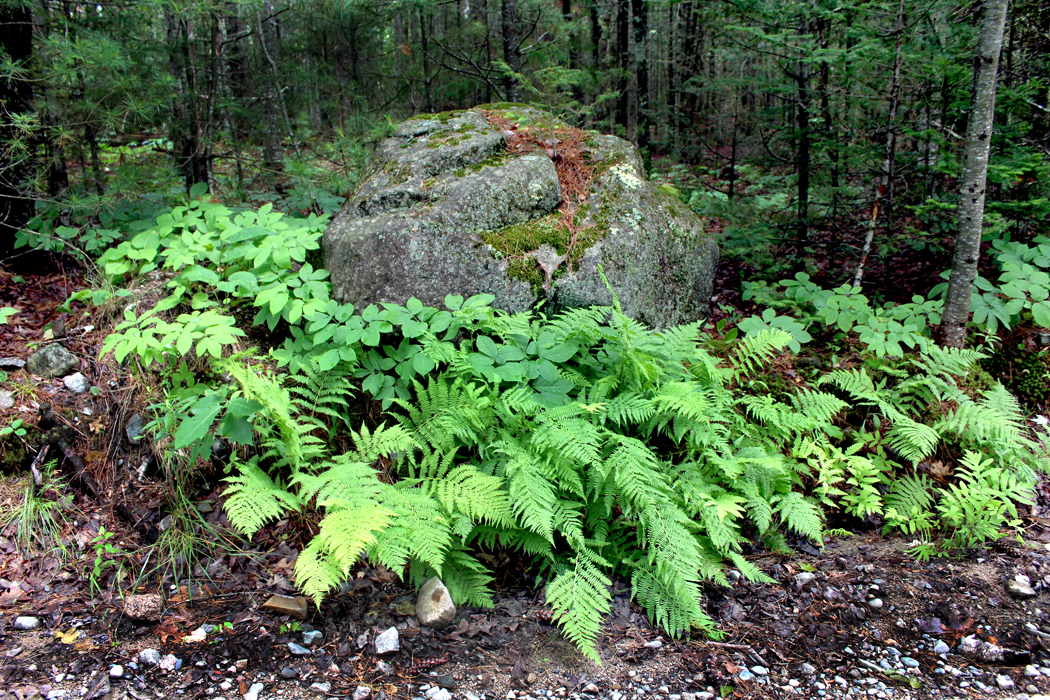
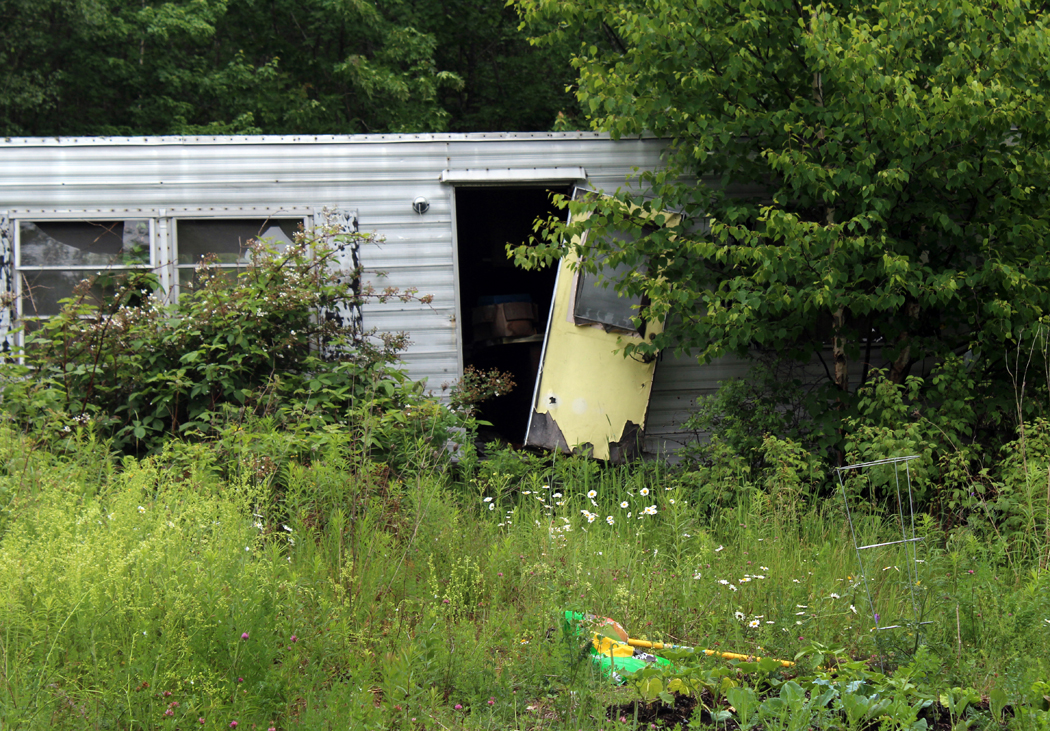
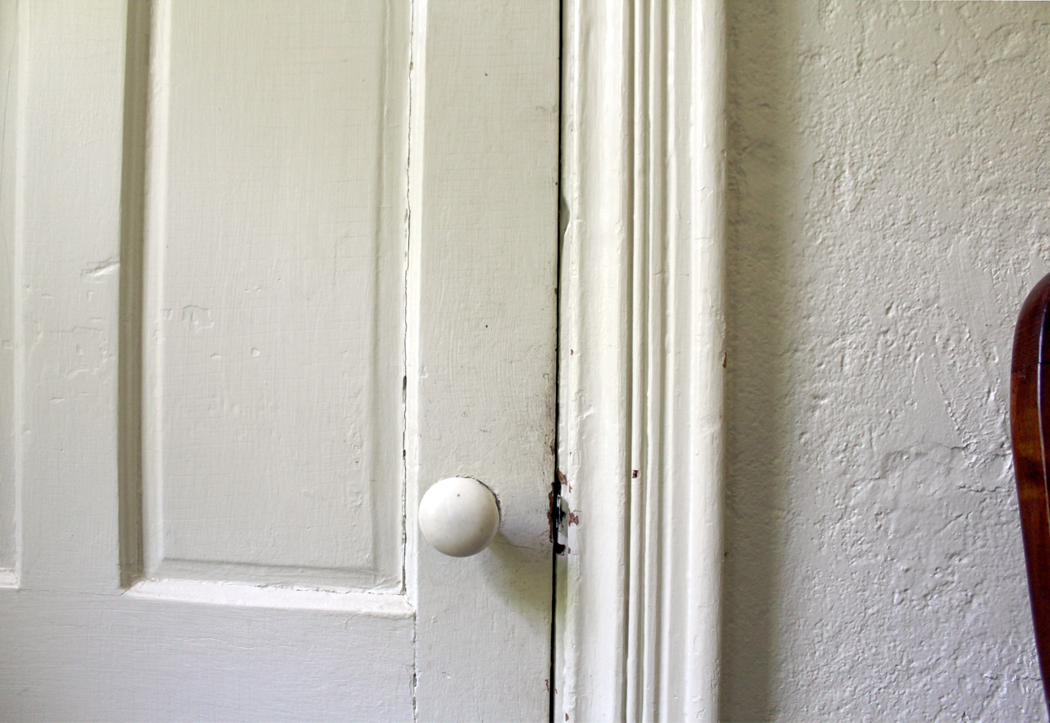
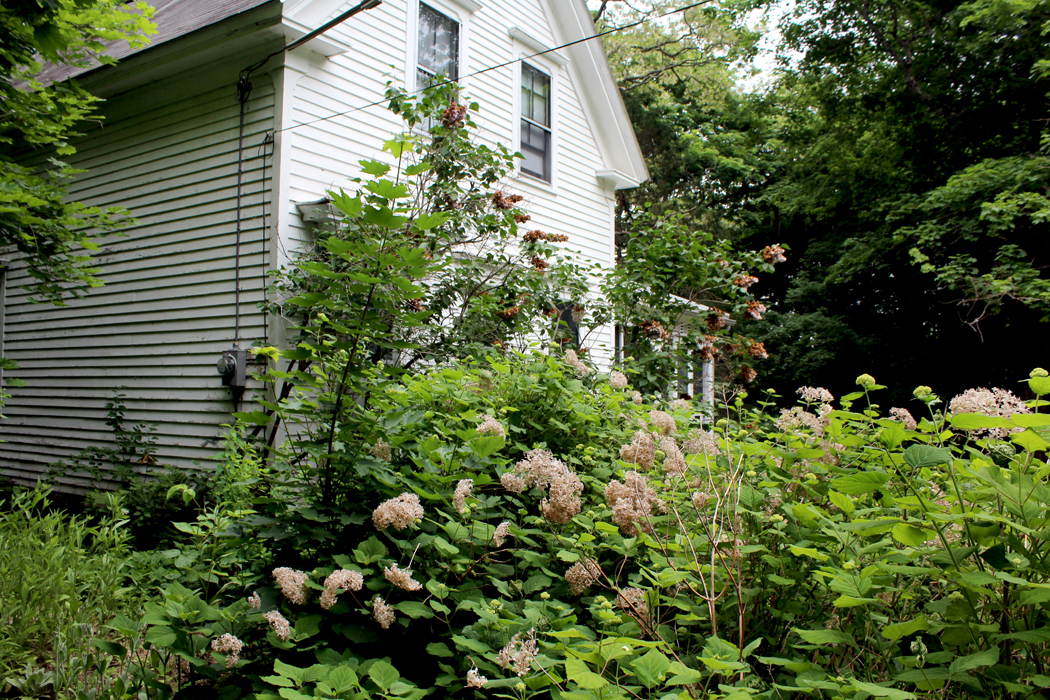
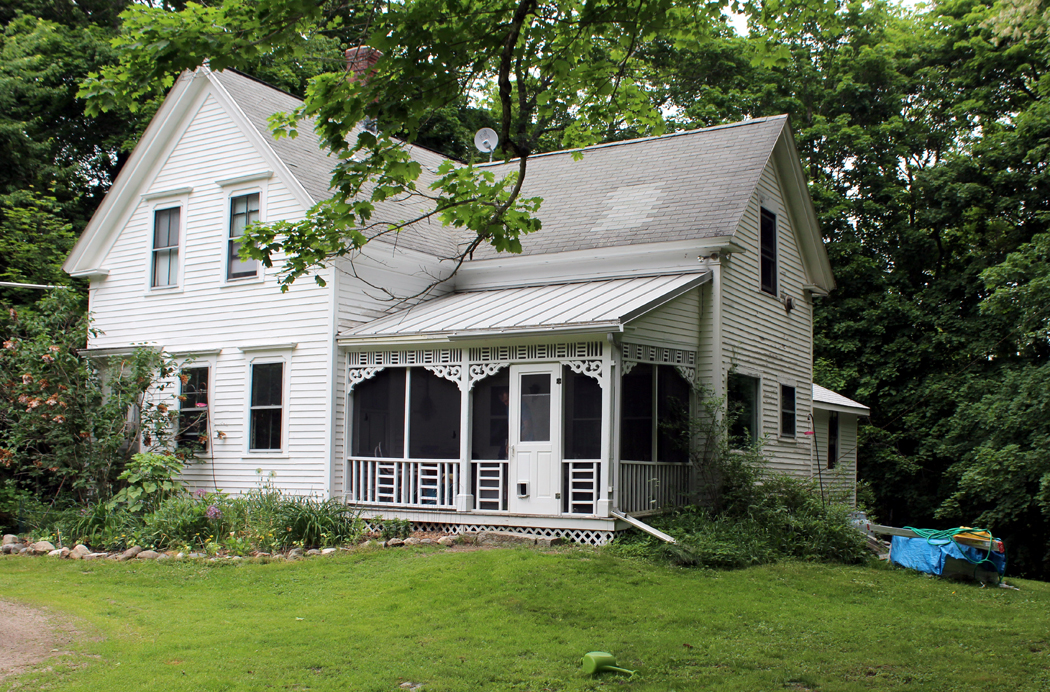
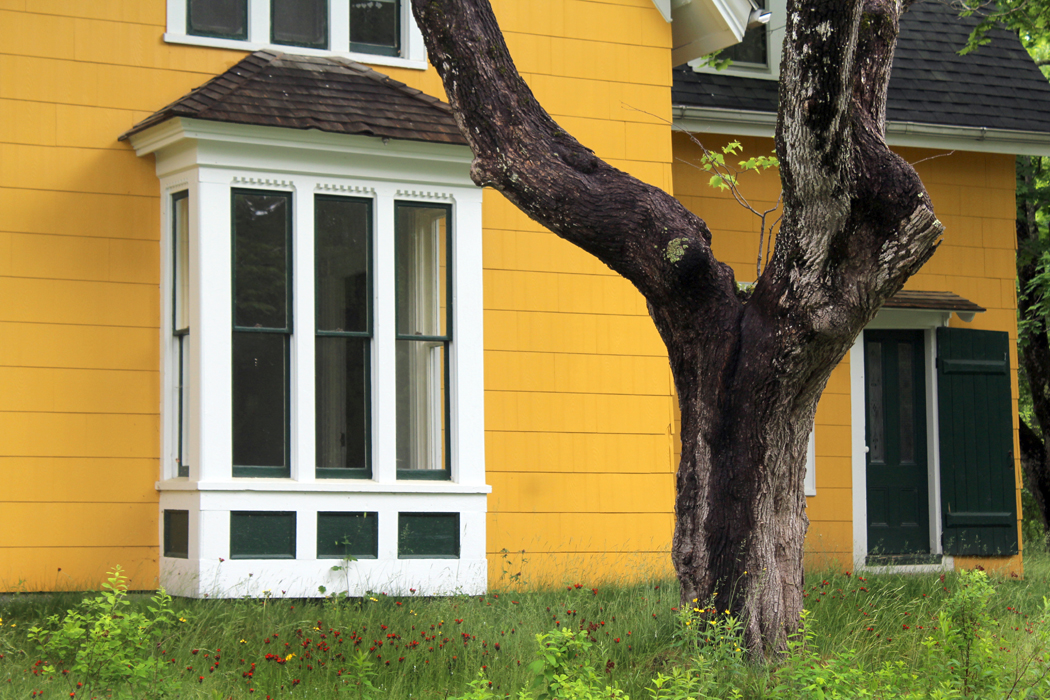
Through this essay, I have sprinkled photographs of the details of a house in Maine. It is one I know and love very well. 

If you look closely at them and absorb all the tasty detail, you can have a much fuller understanding, not only of the house, but of the style of Down East Maine, its economy, its culture, the nature that grows green in profusion everywhere. 

Crumbs to make a cake. 

Where is home? I don’t mean where is your house, where do you sleep most nights, what is your address. But rather, where do you belong? 

For many of us, home is illusive. For most of my adult life, I have not lived in the same house for more than seven years at a time. I have lived in four corners of the nation, splitting my time from the Northeast, where I grew up; to the Southeast, where I went to school, got married and divorced; to the Northwest, where I went to recuperate; back to the South, where I got married again; to the Southwest, where I worked for 25 years; and now, back to the Southeast in retirement. But I cannot say, despite repeatedly returning, that I feel the South is home. 

It is where I feel comfortable, where I recognize the landscape on my skin, where I have found family. But there remains something alien about it. Something I can never be fully a part of. 

Certainly, part of this is political: The red state conditions are sometimes depressing. There is nativism, clannishness, religion, suspicion of outsiders, lingering racial division. There is a satisfaction of being Southern that can seem provincial. 

Yet, there is also a friendliness and helpfulness that I never found in any other corner of the U.S. When my wife, before we were married, was snowed in in the mountains of Ashe County, N.C., a neighbor she barely knew, walked a mile and a half through the knee-high accumulation to knock on her door and check on her, to make sure she had enough firewood to last out the imposed isolation, and to bring her a basket of food. Not in New Jersey. Not in Seattle. Not in Phoenix — although snow in Phoenix would be pretty much out of the question anyway. 

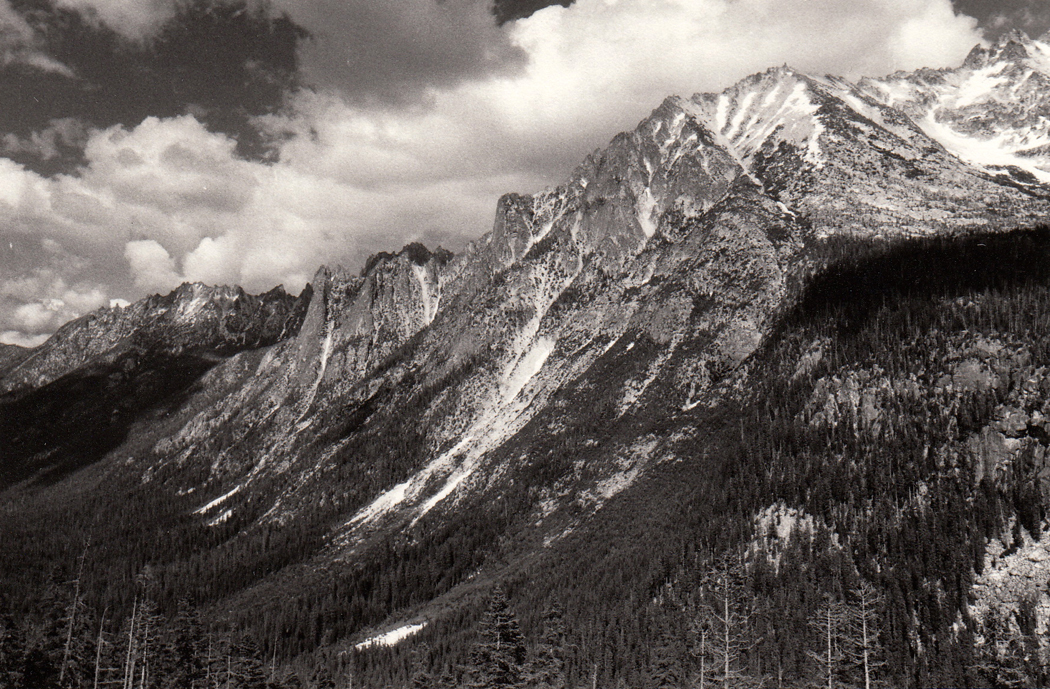
North Cascades

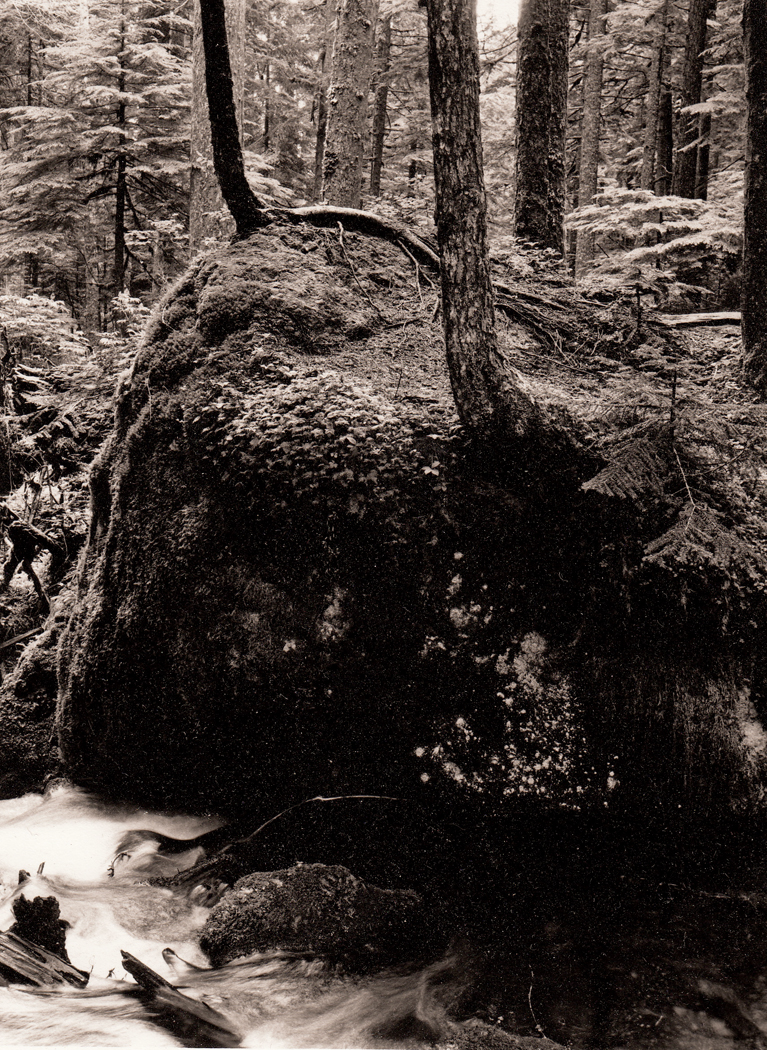
When I moved to Seattle, in 1978, before all the Starbucks and California immigration, I was agog over the Olympic Mountains I could see over Puget Sound to the West, and the towering Cascades to the east. When I went out hiking, it was through rain forests of Douglas fir and western red cedar. The ground was spongy underfoot and emerald green moss grew on decaying logs and stumps. Floating on the waters of the sound were goldeneye and cormorant. The air was soft with cool humidity. 

I certainly had planned to make Seattle my home, and I mean that —  not just a place to sleep at night, but I never felt like more than a traveler spending time in an exotic locale to soak up the ambience along with the rain.

And, compared with the East coast I grew up in, the nature was almost monotonous. When I lived in North Carolina, on the land around my house in Greensboro, I counted a hundred different species of tree and plant. I came to love them all. But there on Phinney Ridge in Seattle, there were two species of tree. Two. They were everywhere and they were prodigious and impressive. But two. I longed to return to the East. And so I did. 

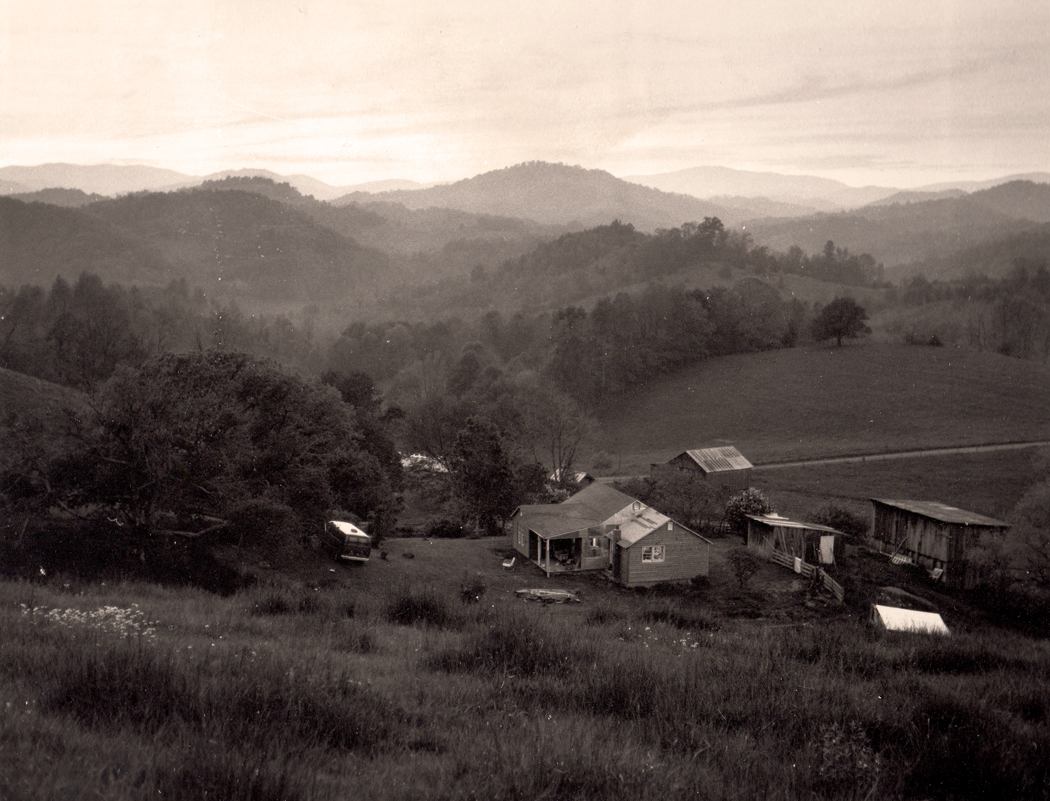
Meat Camp, NC

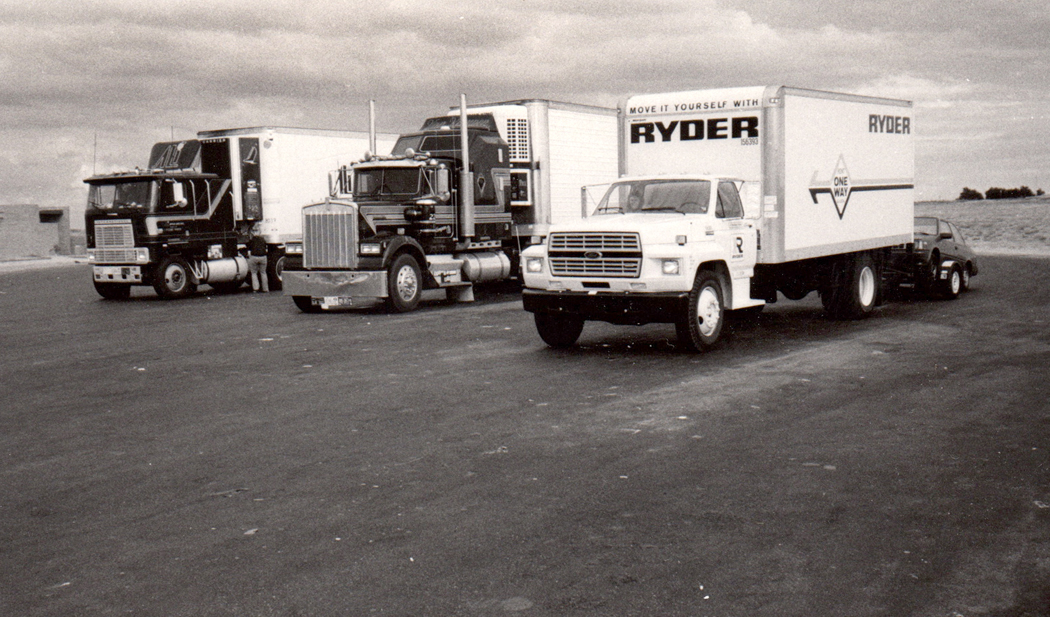
But even then, I moved from Summerfield north of Greensboro, to Obids in the mountains, to Meat Camp just north of Boone — all in the space of two years. And then, to Virginia Beach, Va., to take up a job teaching. After six years there, when my wife was offered a teaching position in Arizona, we packed everything up into a Ryder truck and drove across the continent, without even having a house lined up where to unload the truck. We thought it would be fun to stay in the desert for a couple of years. It turned into a quarter of a century. 

I came to love the desert, but truth be told, I did not live in the desert, I lived in Phoenix, which is Cleveland in the desert, a characterless city of endless suburbs and strip malls in the valley of the Salt River — a river with no water in it. 

(The famous joke about Arizonans is they go to visit New York City and when they came back they were asked about it. “It was wonderful, huge skyscrapers, millions of people, and traffic like you wouldn’t believe.” “What about the Empire State Building?” “Yep, we went up to the top and you could see for miles around from river to river.” “The Hudson?” “Yep.” “What was the Hudson River like?” “Couldn’t tell, it was covered in water.”)

I loved my job, writing for the newspaper, and I loved my colleagues: I came to respect and value the really hard and dedicated work that journalists do. Over those 25 years, we moved four times. None of the houses was home. They were our quarters, but there were no roots. 

North Carolina called back after retirement, and I now live in Asheville, in the Blue Ridge Mountains, a blue city in a red state. And I have gotten old here, but it is not home. It is a residence. 

I don’t know if it is my New Jersey birth that has given me this sense of rootlessness. I spent the first 17 years of my life there, but I couldn’t wait to escape. Going off to college was liberation. New Jersey was banal, suburban, bourgeoise, dull, conventional, oppressive. I never felt I belonged. 

River Street, Madison, NC, in Rockingham County

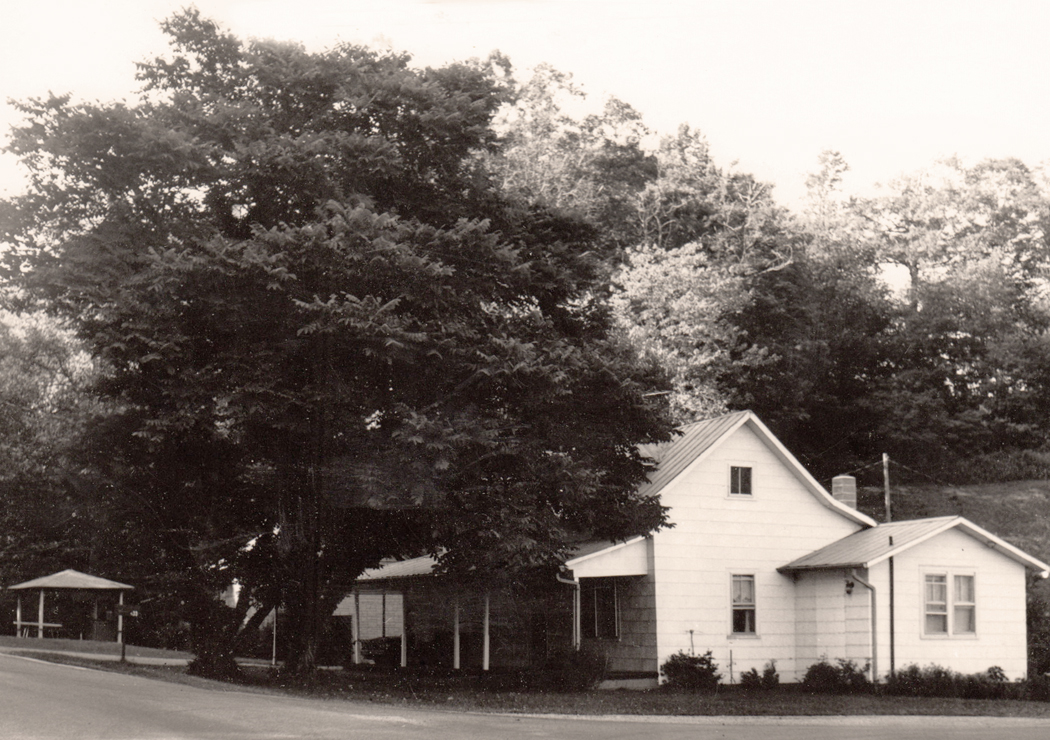
I know from my wife and her family, that there is usually a deep sense of belonging that Southerners feel. A genuine love of the patch of ground where they grew up, a love like you feel for a parent. It is a love of where you were born that may not extend beyond the town or county and maybe the state. But for my wife, Rockingham County was where her father and grandfather were buried. That fact alone meant there was an unseverable umbilical connection to that omphalos, that tiny patch of piedmont, those trees, those creeks and rivers, those very weeds that crept over the edges of the crumbling pavement on the back roads. It is the feel of the red clay between your fingers, the blackbirds roosting by the hundreds in the oak tree. Home. 

I don’t know how widespread is this feeling I have, how many people share it, whether it is a symptom of the late 20th century, or whether it is confined to just me and my personal makeup. I believe I am not alone. 

I suspect many from my generation, growing up with the very real threat of nuclear annihilation and living through an adolescence and young adulthood of assassination, riots and revolutions, felt chucked out of Eden quite unceremoniously. 

If you come from Armenia or Poland or Vietnam or Tibet, you have a clear sense of identity, and an unbreakable bond with the land that gave you suckle. Certainly, most Southerners I have come to know have that feeling about their soil of origin. But there are many others, certainly from my generation, who share my sense of rootlessness, the sense that I can never be so comfortable in a place that I would long to be buried there. 

Perhaps it is because I have moved so often that I cannot share that sense of home. I have a residence on the earth, but not a home. 

I express all of this not so you should feel sorry for me. In fact, this homelessness has its advantages. I have had, in recompense, an ease and comfort anywhere in the world I find myself. I have been to three continents, and 14 countries, three oceans and the Mediterranean Sea, and never have I felt anything but at ease wherever I have gone. Being in a country where English is not spoken is as comfortable as being in a place where people eat mopane worms off the grill. 

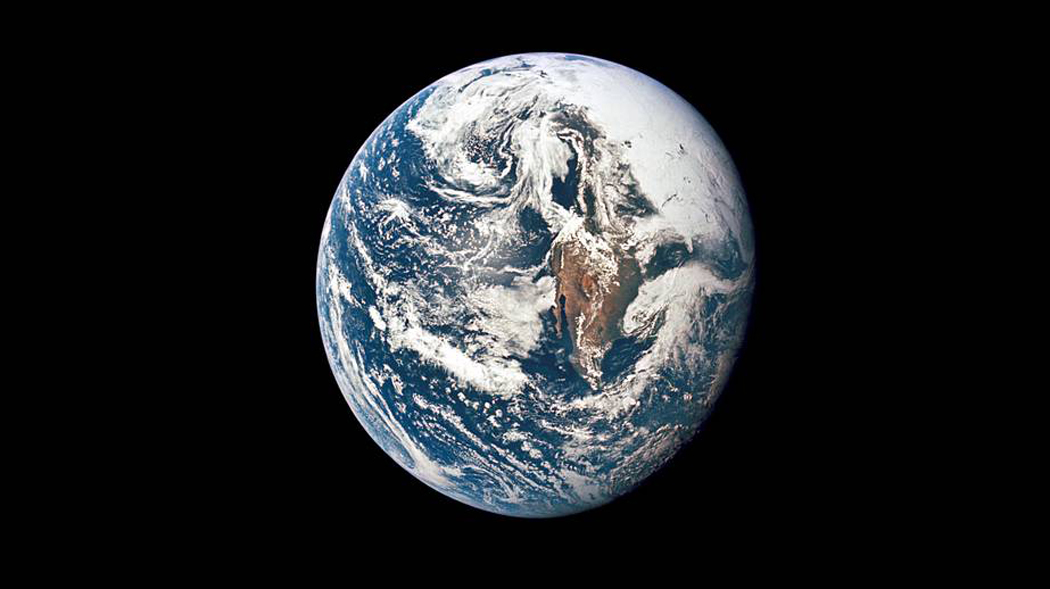
Travel has felt such a part of my self-identity, that while others might feel distressed having to move to another state or country, torn roots and all from the soil they call home, I, in contrast, feel most myself when seeing some new terrain, hearing new accents or languages, eating new food, driving on different pavements and finding out about the sun-orbiting globe that, more than any single spot, feels like home to me.