Archive

Tag Archives: art

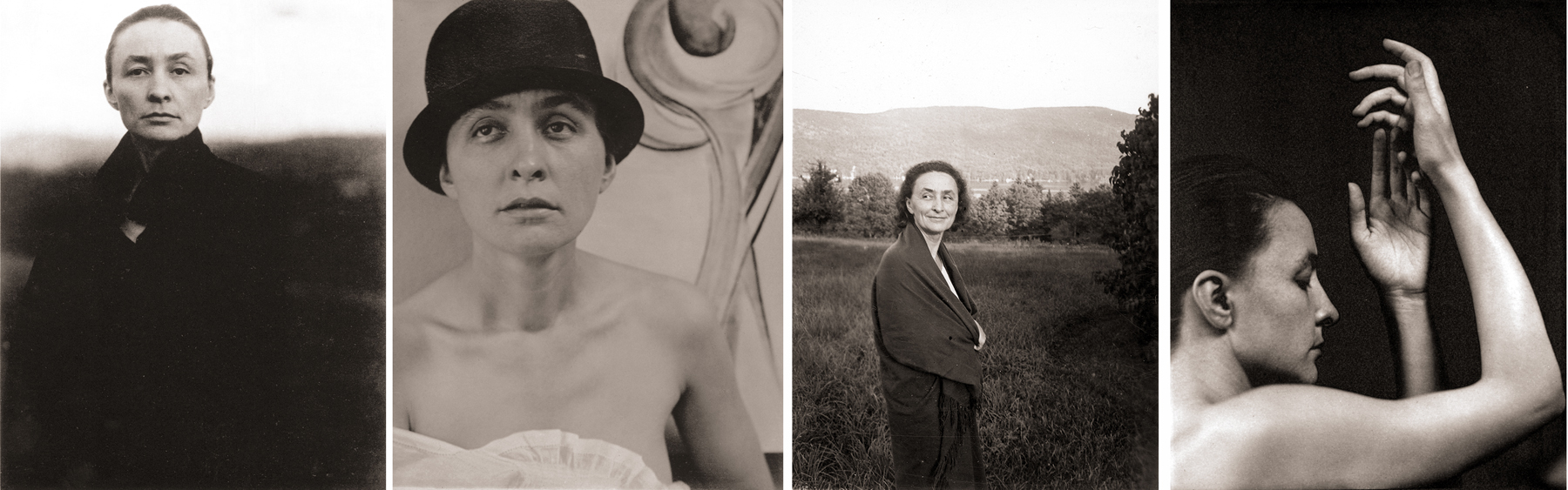
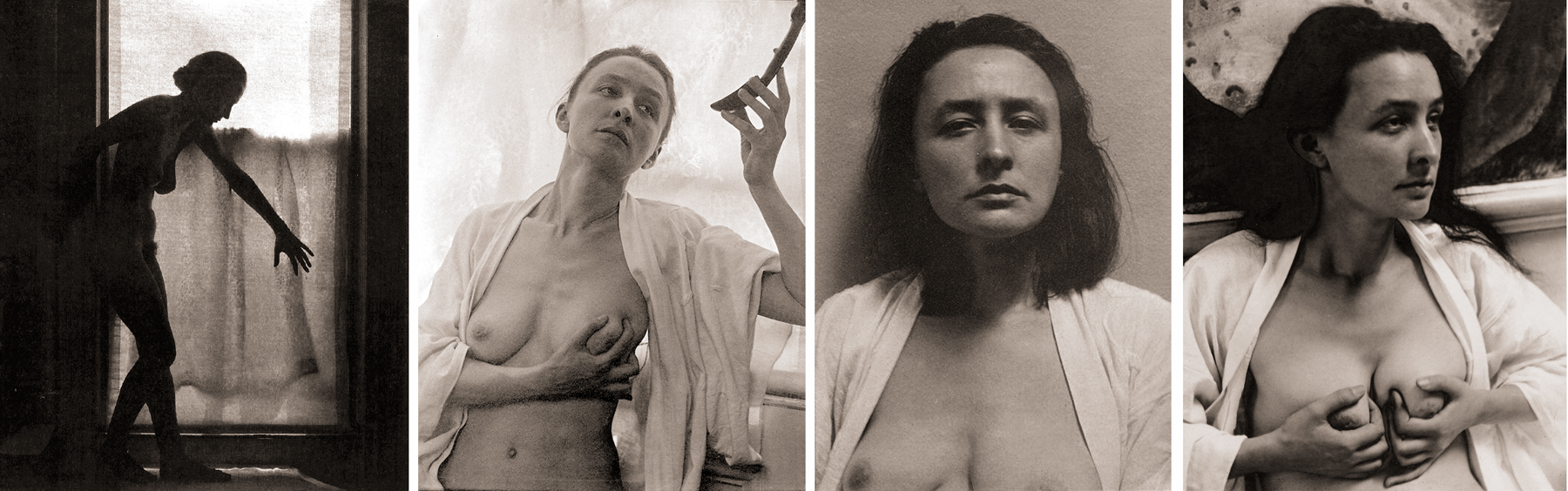
How many is enough? Beginning in 1917, photographer Alfred Stieglitz began making portraits of his new squeeze, Georgia O’Keeffe. But he soon developed the idea that a single image could not adequately express the essence of a person. Over the next 20 years, he photographed the artist some 350 times, making what to Stieglitz counted a single, all-encompassing portrait of O’Keeffe. 

“To demand the portrait that will be a complete portrait of any person,” he claimed, “is as futile as to demand that a motion picture be condensed into a single still.”

As he took up the camera once more after several years of editing his magazine, he wrote: “I am at last photographing again. … It is straight. No tricks of any kind. — No humbug. — No sentimentalism. — Not old nor new. — It is so sharp that you can see the [pores] in a face — & yet it is abstract. … It is a series of about 100 pictures of one person — heads & ears  — toes — hands — torsos — It is the doing of something I had in mind for very many years.”

The series went well past the hundred pictures he mentioned, and became one of the signature events in the progress of American art photography. The photographs were shown in galleries and museums and a selection of them were published in a book issued by the Metropolitan Museum of Art. 

He photographed O’Keeffe nude, surly, playful, artsy and in snapshot mode. He seems to have had a thing for hands. There are a boatload of hands, all very arty. Certainly, they are expressive, but they are also a bit arch. And do they actually tell us anything about O’Keeffe, the woman who kept her privacy like a recluse, so that even when she seems to be opening up to us, she is really just assuming a simulacrum of candor? She simply doesn’t want us to presume we might know her. 

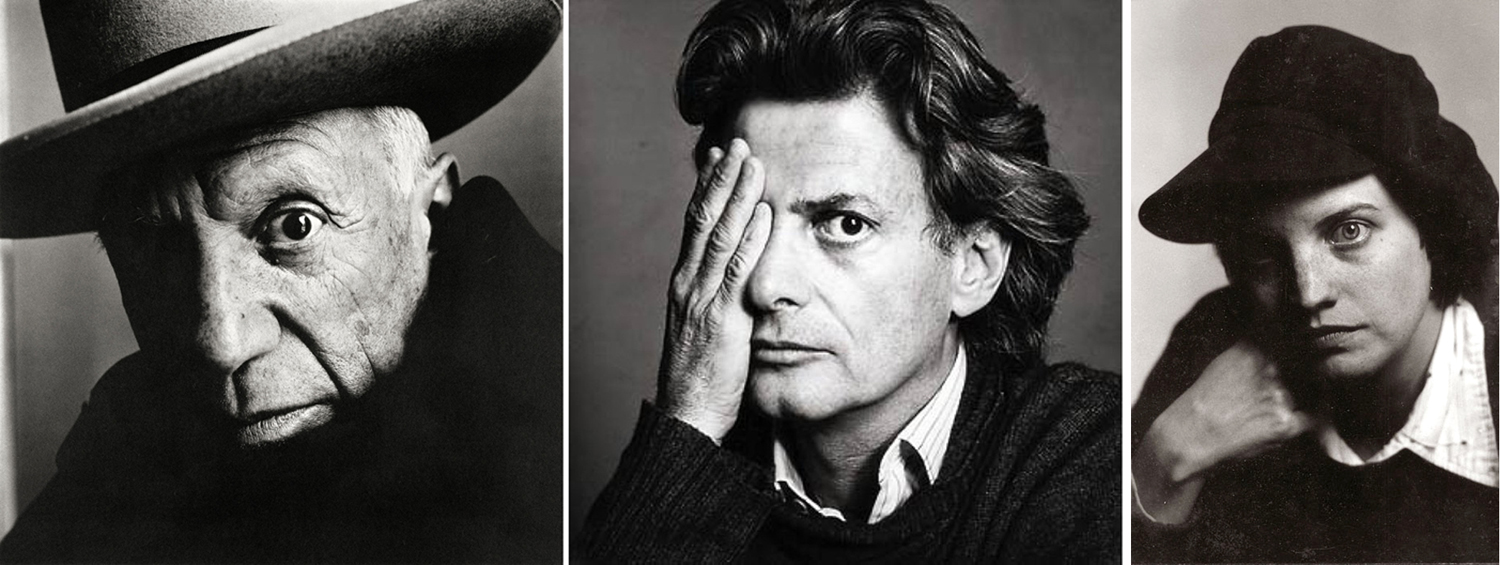
But despite his intent, it is obvious that while 350 images may be more varied than a single portrait, it is no more complete. To achieve his goal, Stieglitz would have had to film every second of O’Keeffe’s life from birth to death and show it unedited. Attempting to capture a personality in any finite number of moments requires that some editing and interpreting will be necessary. Is Irving Penn’s portrait of Carson McCullers any less an accurate version of the author than Stieglitz’s O’Keeffe? 

In fact, I might say that O’Keeffe, even photographed by her husband 300 times, is more reserved, and lets less of herself out into the frame of the picture than McCullers does in one single instant. There is infinite sadness in those eyes. 

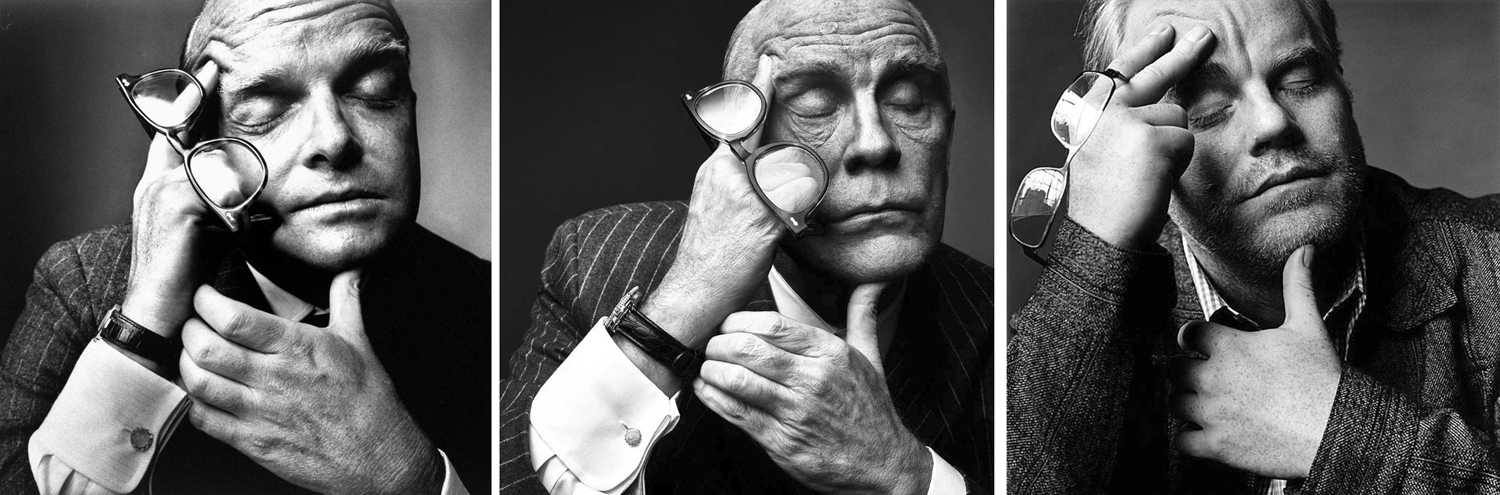
As a “control group,” we might include the three versions of Truman Capote made by Penn over time: First in 1948, then in 1965 and 1985. Does the grouping tell us much more than any of the single images? Only that Capote got old. We knew that. 

There is some kind of naive innocence in Stieglitz’s attempt, that there is a possibility of “capturing” a person in an image. 

The problem is that an image has a reality of its own, a separate reality, which may or may not partake of the person photographed. Irving Penn’s famous image of Picasso becomes a piercing eye, but then, so does the eye of Richard Avedon, also photographed by Penn. Or, for that matter, a portrait of Pam Henry I made in the 1970s. 

The image carries meaning in and of itself. Consider that 1968 image of Capote, eyes closed, glasses carried lightly between his fingers. Both John Malkovich and Philip Seymour Hoffman have sat for publicity photos mimicking the Penn photo. The pose trumps the person.

Or take Malkovich trying on the 1948 Capote. Again, the image is instantly recognized, and if you were turning the page quickly in a magazine spread, you might just well assume you had looked at the writer rather than the actor. 

Malkovich seems to have had fun doing this. He has mimicked many overly familiar images, from Hemingway to the migrant mother photographed by Dorothea Lange in 1936. 

Avedon often said that all photographic portraits — including and especially his — are really portraits of the photographer. It is the version of the subject transmuted by the picture-taker, and made into a vision of how the photographer understands the world. You look at that lineup of Malkovich parodies and you can as easily — or more easily — name the photographer as the name of the sitter. Top row: Irving Penn, Yousef Karsh, Philippe Halsman, Arthur Sasse; bottom row: David Bailey, Alberto Korda, Dorothea Lange, Diane Arbus. Each a distinct style; each a distinct image. 

Surely many a celebrity has felt defined and constrained by the immutable image that has usurped the actual life. Could Norma Jean live up to the image of Marilyn? Either the Bert Stern, the Avedon, the Eve Arnold or the Cecil Beaton version (l. to r.)? 

We run into the same problem we have with language. It cannot bear a one-to-one relationship with reality; it is rather a parallel universe, which can imitate our perceptions but never fully embody them. The image exists in another reality; we can name what we see, but the name is not the thing. The photo is not the person. Stieglitz’s attempts are heroic but doomed to failure. None of those 350 pictures of O’Keeffe is O’Keeffe, and the whole together is no closer to being her. 

We are left to enjoy them, then, as works of art. The eyes of Carson McCullers are not her eyes, but the sadness in the photo speaks to us clearly. That has to be enough. 

Click on any image to enlarge

Some years ago, when we were looking for a new cello for our daughter, we visited a luthier who took the time to answer our questions about the differences among all the instruments he had. 

What exactly is the advantage of the $40,000 violoncello over the $1500 student piece? The luthier picked up a beginner model and played a few notes. It sounded good; clear pitch and nice tone.

“But notice this,” he said, drawing the bow back over the C-string. The tone began, clear but muted. In a moment, the instrument seemed to wake up and the tone became richer, louder and more resonant. 

He then picked up a better instrument. The bow drew over the same string and immediately, the tone popped. 

A third cello was the high-end he had on hand, a French instrument from the mid-19th century. One touch of the bow and the thing sang like a Pavarotti, clear, bright, loud, rich as foie gras. It almost seemed to vibrate before he moved the bow. It was electric, alive. It was as if the cello was paying as close attention to him as he was to the cello. 

The difference is resonance. Resonance is when one vibrating body causes another, usually larger body, to vibrate sympathetically, which often amplifies the effect — in this case, sound. 

Resonance may be vibrating air, or, as in the cello, the interior and back panel of the instrument. If you bow a naked string, you get a puny sound that cannot project. But let that string’s vibration be carried down through a bridge into the body of the cello through soundposts and it causes the back of the cello to vibrate sympathetically and become, essentially, a speaker, to let the music fill a concert hall. The French cello we heard had a more subtly planed and constructed back panel, of graded thickness, which allowed it to resonate throughout the range of pitches playable on the cello.

Resonance isn’t just for music, though. It is one of the means by which art and literature amplify their meanings. The words say one thing, but behind them, larger and peeking through, are the ghosts of all literary history. 

One of the most famous example is the opening of T.S. Eliot’s The Wasteland. “April is the cruelest month … stirring dull roots with spring rain.” The poem ironically borrows its resonance from Chaucer: “Whan that Aprille with his shoures soote, the droghte of March hath perced to the roote …” 

When I was a sophomore — like most sophomores — I believed that the “trick” was to spot the allusions intellectually, as if they were footnotes (Eliot did not help by including footnotes with the poem). As if being clever were the point of poetry. 

But that is not it at all, that is not what is meant at all.

Poetry such as Eliot’s assumes a familiarity with a wide variety of literature of the past, but not as a sort of Jeopardy quiz — rather, if you have a chest stuffed with the rags and bones of your culture, the meaning rather vibrates sympathetically. You feel it rather than think it, more like weather than like a weather report.

Consider, say, Lincoln’s Gettysburg Address. “Fourscore and seven years ago…” He could have said, simply, “Eighty-seven years ago…” But his audience was a Bible-familiar one, who would have heard in that cadence an echo of the King James version of Psalm 90: “The days of our years are threescore and ten.” Listeners to the speech would not have smiled and told themselves, “How clever, he’s referencing the Bible,” but rather, the organ-tones of the Authorized Version would have resonated in their limbic system, adding heft to the president’s words. 

Lincoln also frequently couched his rhetoric in the words of birth and death, which would resonate deeply with his audience at the dedication of a cemetery, when death had undone so many. Few Americans, North or South, escaped losing family members in that conflagration. 

So, when he continues: “brought forth,” “conceived,” “created,” “conceived” again, “endure,” “gave their lives,” “that the nation might live,” “new birth of freedom,” and “shall not perish,” that personally shared sense of accouchement and mortality pushes up from underneath the words, giving the republic blood and veins, nerves and bones. 

This is not a policy speech, filled with abstractions and empty words, but rather, a text resonant with the power of birth and death. That and the biblical tone give it its solemnity and power. 

In English, how much more resonant is the title of Proust’s Remembrance of Things Past — an echo of Shakespeare’s Sonnet 30 — than a simple English translation of Proust’s À la recherche du temps perdu (“in search of lost time” — which sounds more like someone trying to catch a missed train). 

In the English-speaking world, the sounding board of so much resonance comes from Shakespeare (Brave New World; Band of Brothers; Pomp and Circumstance; The Winter of our Discontent; Slings and Arrows), the King James Bible (Absalom, Absalom!; The Children of Men; Clouds of Witness; East of Eden), and the Book of Common Prayer (The World, the Flesh and the Devil; Ashes to Ashes; Till Death Us Do Part; Peace in Our Time.)

Resonance overflows in culture, usually passing unremarked, but obvious — at least to those who have absorbed their history, their literature and art, even popular art.

Consider King Kong, captured and shackled with “chains of chrome steel” in New York. The curtain rises and there is our ape, crucified. Kong is not simply a nightmare monster ravaging a city, but a sympathetic sufferer. 

Or take Jeff Koons porcelain sculpture of Michael Jackson and his pet chimp, Bubbles. Behind that monument to banality is the historical power of the Elgin Marbles and the East Pediment of the Parthenon. 

The resonance can also work in reverse, as a pop culture image can enlarge a high culture image: That wide-shoulder, spindly-leg Richard III of Olivier was built from the image of Disney’s Big Bad Wolf. Olivier has remarked on this several times. 

In music, there are quotes from previous music, such as Rachmaninoff’s constant use of the Dies Irae of plainchant. But such a quote is meant to be recognized immediately for what it is. 

More to the point of resonance is the half-hour finale to Gustav Mahler’s enormous Third Symphony, a deeply moving adagio that can bring a sergeant-major to weeping. Hidden in its main theme is the slow movement of Beethoven’s final string quartet — the one with the epigraph: “Muss es sein? Es muss sein!” (Must it be? It must be!) When Mahler says his symphony must contain the whole world, this is the resonance behind it. We might not recognize the tune until it is pointed out — when it becomes obvious — but it works its weight upon us in the audience anyway: a faint remembrance of things past that makes the present music glow from inside. 

The problem with all this is that it posits a cultured audience, one reasonably familiar with the art, poetry, literature, music and theater of at least 2,500 years of European culture, something increasingly rare. In the past, those who read poetry or collected art had also read the Bible and Homer. Now it is rare to find even a professed Christian who has actually read the whole Bible, or remembers stories from it that a hundred years ago were common heritage: David and Jonathan; Ruth and Naomi; Balshazzar’s feast; Shadrach, Meshach and Abednego; Balaam’s ass. So now, when reading Melville, the name Ahab or Ishmael require footnotes when, in the past, they carried a rich resonance on first reading. 

Of course, no one can have such a complete familiarity of English and European literature and art to catch all of the baited hooks that authors and artists drop down. And some writers (I’m talking about you, Ezra Pound) are so obscure that you would have to be Ezra himself to understand all the buried treasure he has left in his Cantos. This is overkill. Hang it all, Ezra, there can be but one Cantos, and thank god for that. 

But, in the past, even a reasonably well-read audience felt the presence of the pulse underneath the skin of what they were reading. So long as men can breathe, or eyes can see, So long lives this, and this gives life to what we read and see.


Why do I do this?

The year I was born, the New York School of painters was coalescing. When I was an adolescent, they were ascendant. They were my boys: Jackson, Willem, Franz, Barney and Mark. 

(And they were boys. It was years before Helen and Lee were fully recognized.) 

During those years, the boys were flying high, but they still needed to be argued for. The mass of people continued to make fun of them. “My three-year-old could do that.” 

But to me, their power and meaning was manifest. During my teenage years, I spent many hours at the Museum of Modern Art, soaking in those great works. I spent way more of my time at MoMA than I did at the MET. 

They were called “Abstract Expressionists,” but at the time, for most people, abstract meant distorted. Picasso was the most famous artist in the world — the most famous abstract painter, and his subjects were still recognizable as bulls and guitars.

But for the New York School, it would be hard to name a subject. When Jackson Pollock was quizzed about what was his audience looking at, he said, “A painting.” 

There came to be a distinction made between abstract art and what was called “Non-Objective.” My boys were the latter. They weren’t imitating the world, but creating a new one. 

Yet, while I can honestly say I spent 10 hours at MoMA for every one I spent at the Metropolitan, the museum that became my spiritual home was the American Museum of Natural History. I didn’t just enjoy it; I loved it. I still do. 

At AMNH, I met the wonders of the natural world, from the giant blue whale hanging from the ceiling to the “Soil Profiles of New York State.” There were dinosaur bones and the colossal Olmec head. Rooms filled with rock collections and the great, illuminated theater of dioramas with their dramatis personae of stuffed bears and lions. 

I had the luck of growing up in rural New Jersey. While it was only a short bus ride to the George Washington Bridge and civilization, it was also a land of woods and streams — one ran through our property. Red fox and white-tailed deer would occasionally pass through our lawn. Tract housing and mini-malls had not yet taken over. 

So, I had these two very polar influences pulling me: On one hand, there was the manifesto of the art world that painting should be painting, and not an image of the world; on the other, I was in love with nature and the world of seasons, leaves, birds and geology. 

This tension still thrives in me. In 1998, I got to see the huge Pollock retrospective at MoMA and the painter’s 1952 masterpiece, Blue Poles, which was on loan from its home in Australia. The 16-foot-wide painting was intensely beautiful; I stood in awe — and that is not too strong a word, despite its current depreciation among the cell-phone generation, for whom even a cheese doodle can be “awesome.” 

Yet, on the same trip, I also went back to the Natural History Museum. Entering its dark and marble halls was an act of love — and that is not too strong a word. 

Since then, the art world has walked through several new rooms: Pop, Conceptual, Postmodern. And each of them seems to step further back from the physical sensation of the the natural world. 

Pop wants us to recognize cultural artifacts as worthy subjects for consideration — and they certainly are. 

Conceptual art removes us from even that, into a world of pure idea, and those ideas are often so removed from our everyday experience as to be unintelligible for the mass of people. And often kind of silly. Often the art would be better expressed in words. Write an essay. 

Postmodernism seems to tell us that there is nothing but rehash of old imagery, and what is more, even those are really about power relationships and keeping the little guy down, especially if he is a she or is melanin-enhanced. 

Certainly, there is among these isms, much art of value and meaning. And I often agree with the political ideas expressed. But I have always missed in them a sense of love for the things of this world — the smells, textures, colors, shapes of the things we use and inhabit. 

I have never given up on that. 

In some ways, this dichotomy is the difference between reason and empiricism. Conceptual and Postmodern art think their way through the world. What I value is experiencing my way through it. Seeing, hearing, touching, smelling, tasting. 

But I still have this memory lodged in my psyche of Pollock and Kline and Rothko and de Kooning. 

So, I have at times attempted a synthesis. I love nature. Rocks and trees and birds and bees. The ocean and lakes; the canyons and grasslands; the swamps and forests.

Ah, but even as I read that, I know those are words. It isn’t rocks and trees, really. It is the hardness and grain of a particular granite, the different bark of birch and yew. It is the spot upon which I stand at any given moment and what I feel as breeze on my skin, what sun glare I shade my eyes from. 

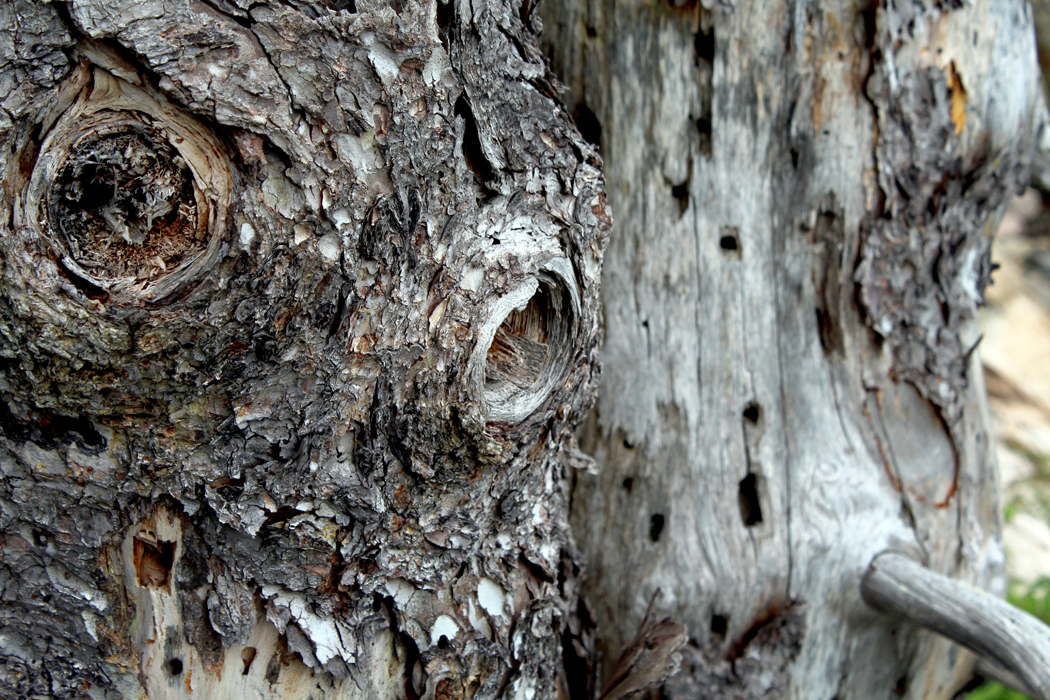
And in that granite or in that tree bark, there are shapes, textures, colors. I touch them. I see them.

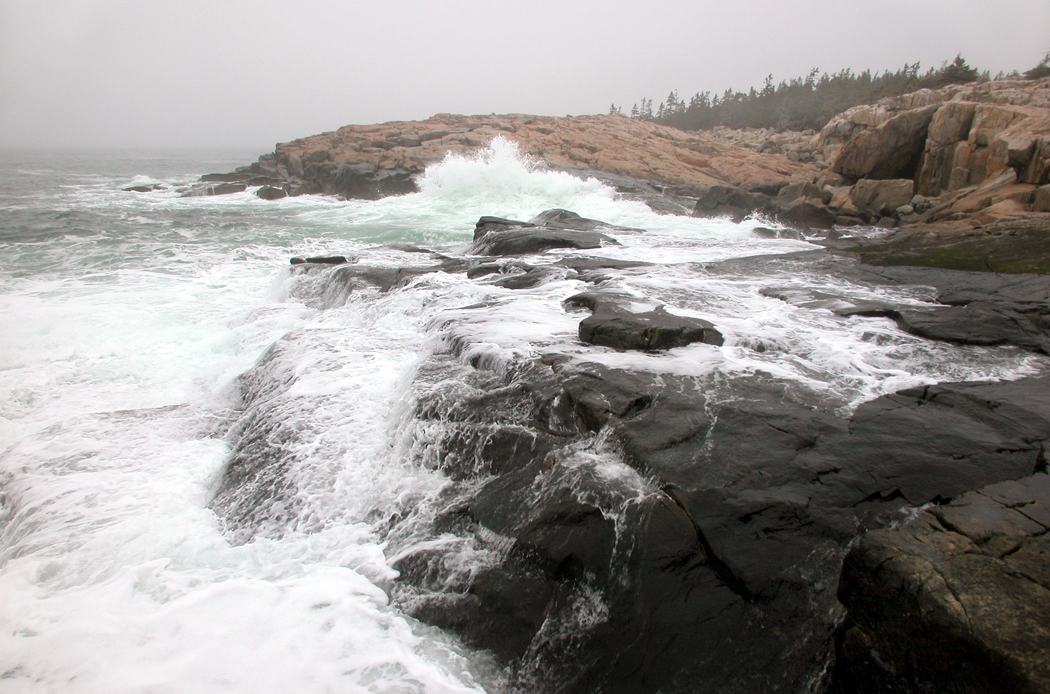
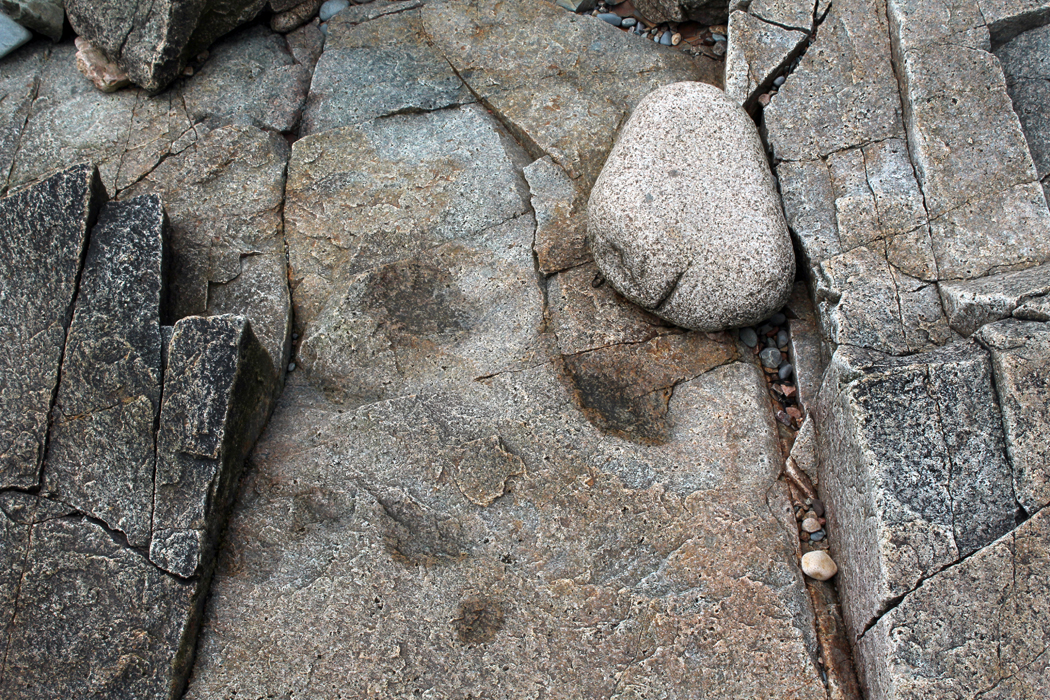
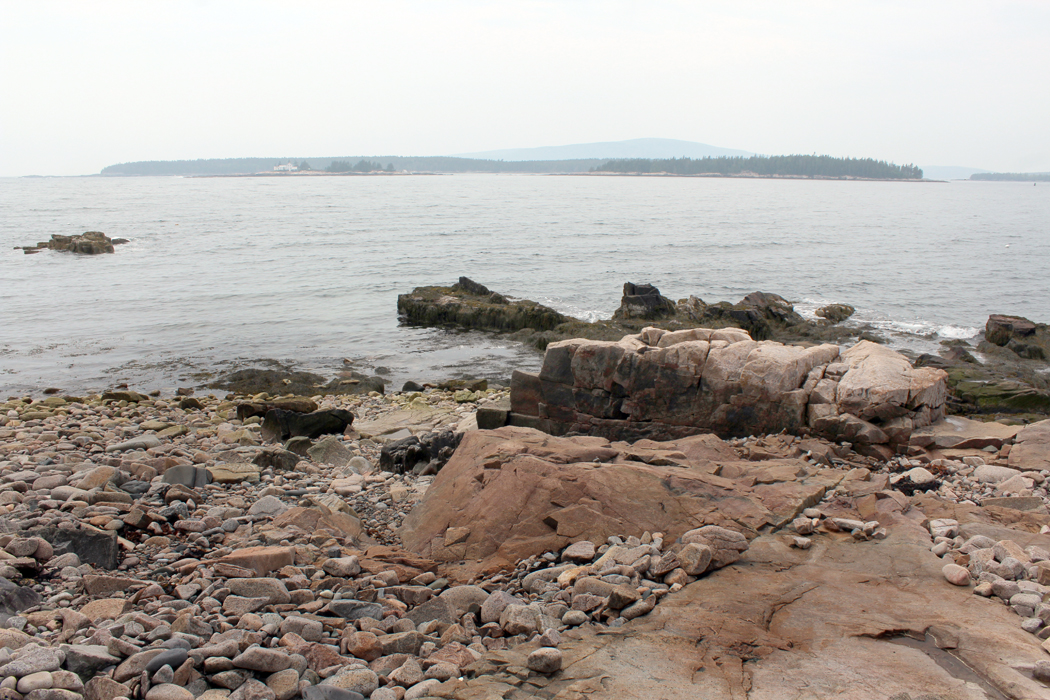
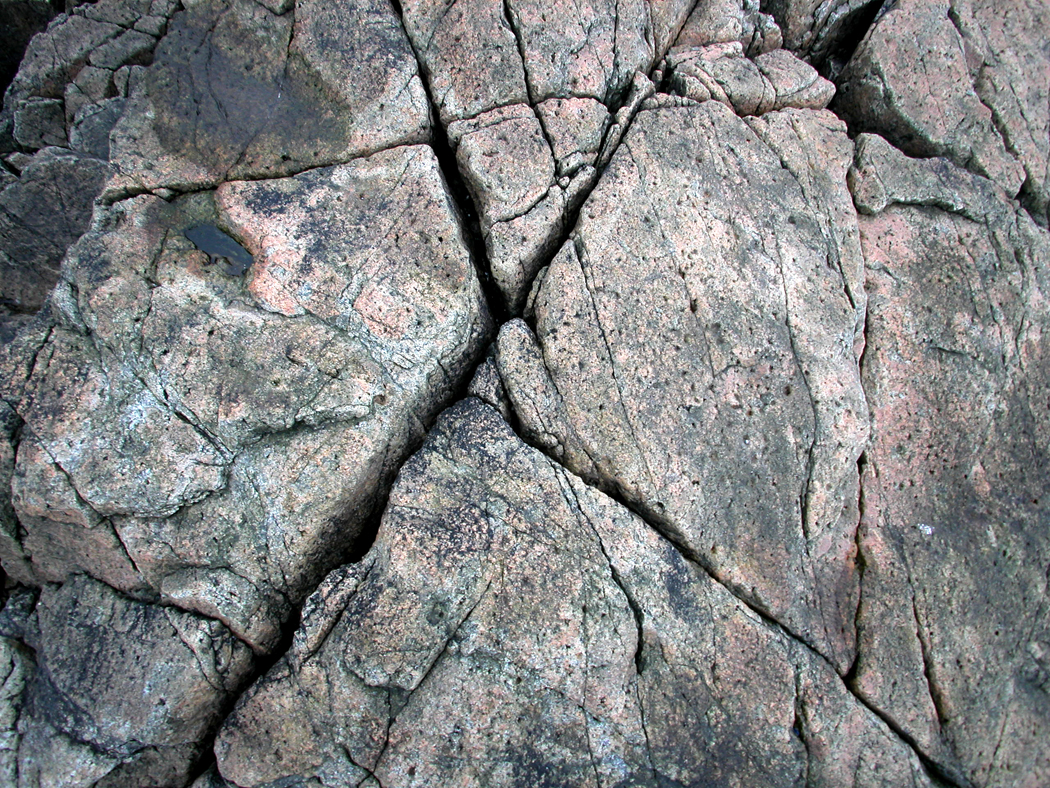
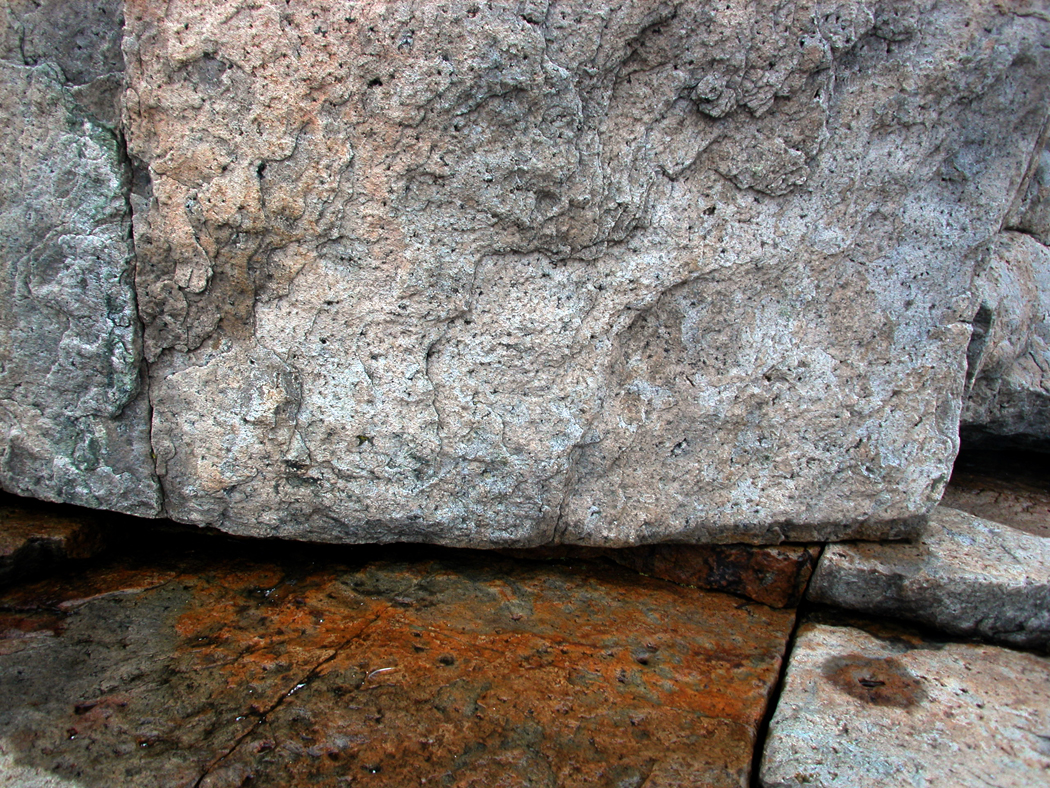
There is a place I have visited many times in Maine. It is Schoodic Point, which is a part of Acadia National Park. The main park on Mt. Desert Island, is crowded and developed, but some 40 miles northeast, by road, there is the Schoodic Peninsula, jutting out into the ocean. At its tip, it is bare, hard rock and spume and surf. The wind is usually raw and comparatively few visitors come there, especially in the fall and winter. 

(The double-O in the middle of Schoodic is pronounced like the double-O in “good.”)

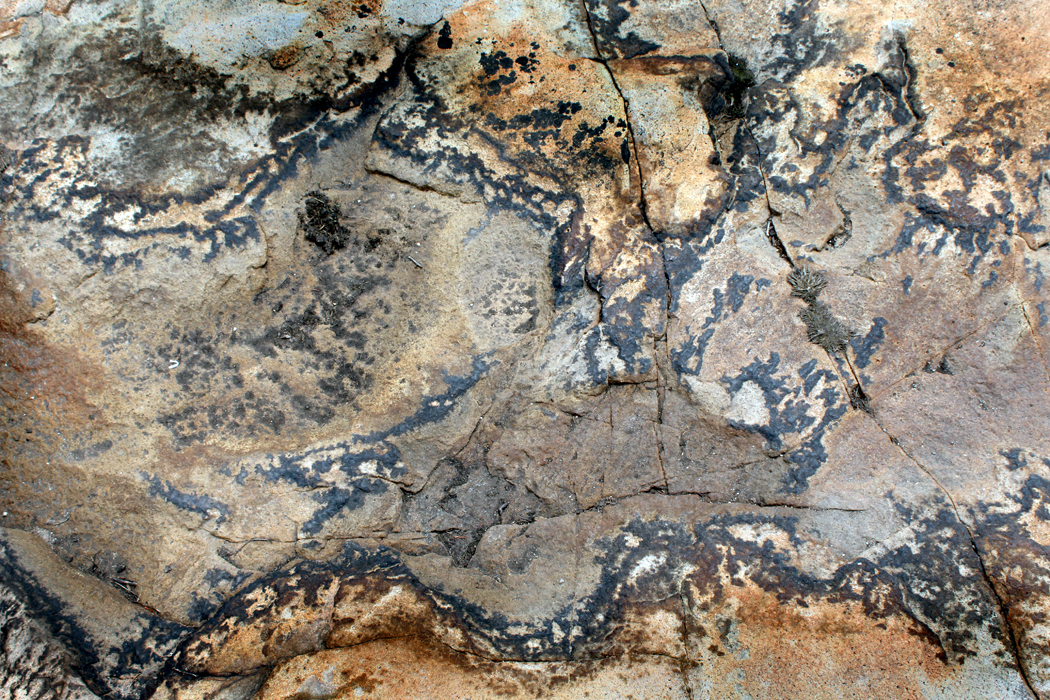
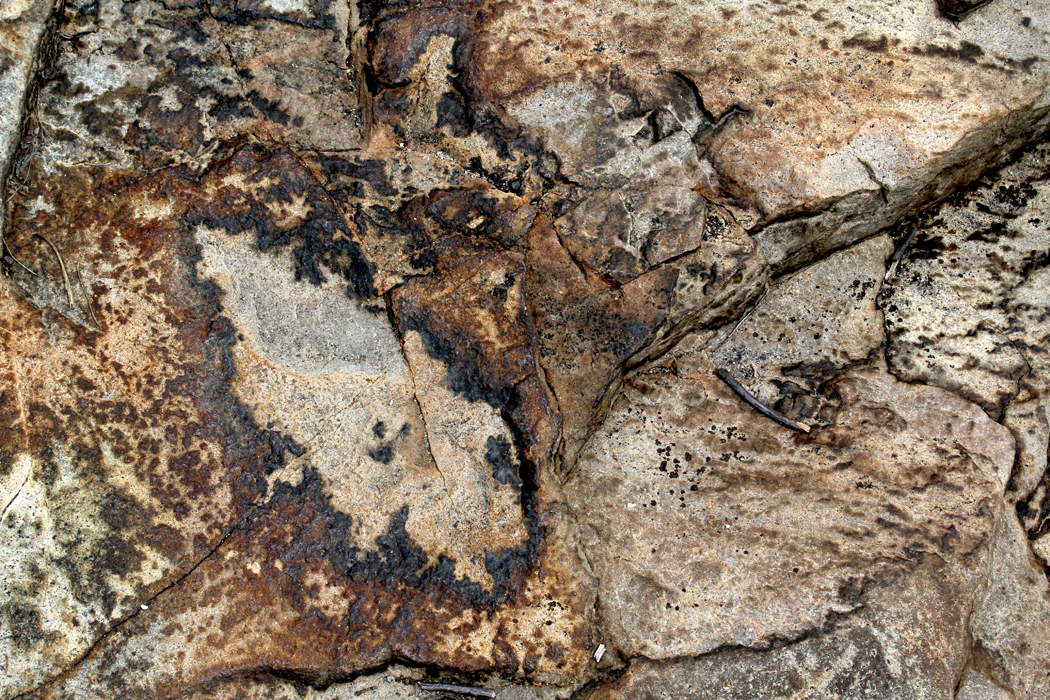
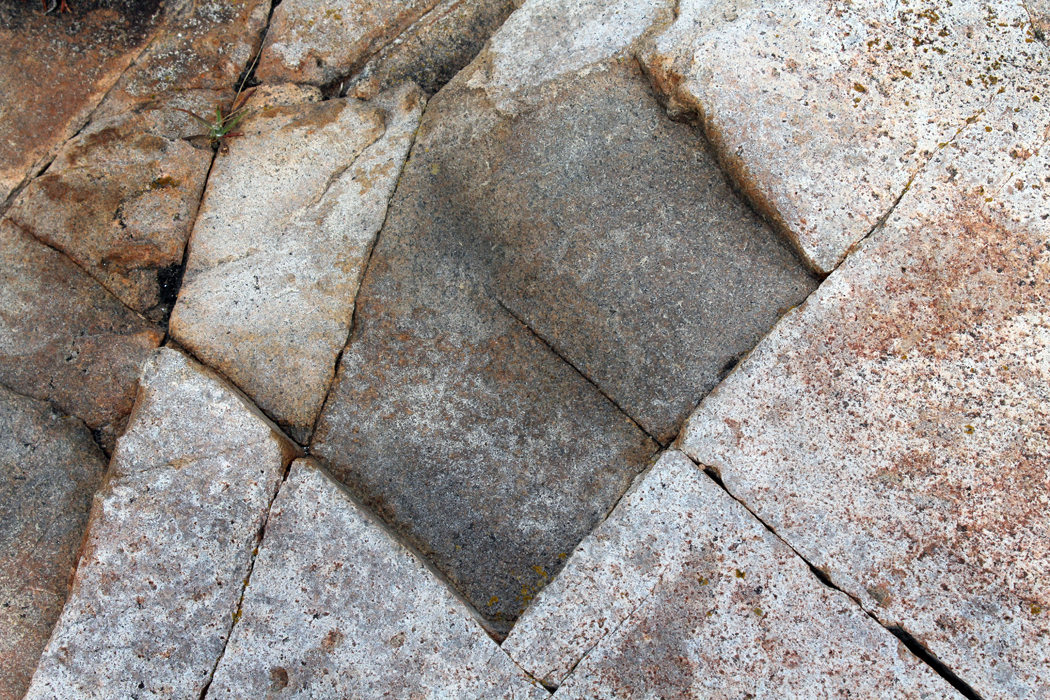
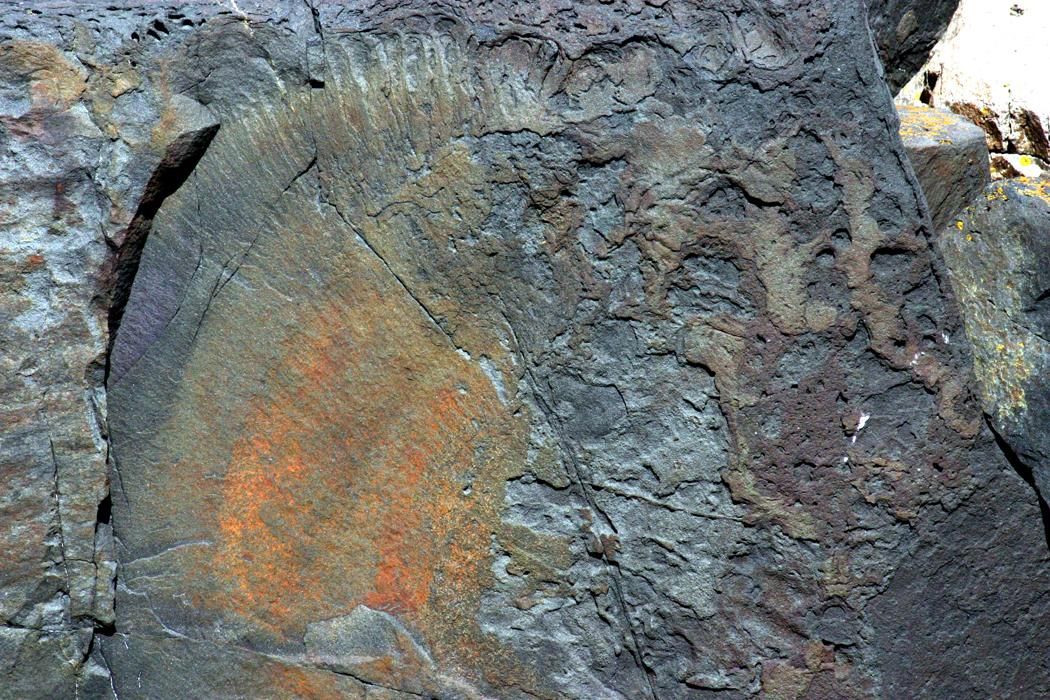
There, I can use my camera to record the abstract expressionist details that combine the emphasis on form and texture with an engagement with the natural world. It is a chance to reconcile those conflicting parts of my being. 

There is in some religions and mystical philosophies a contemptus mundi that I cannot share. The world is beautiful — not pretty, but beautiful; even its ugliness is beautiful. 

In 1928, the German photographer Albert Renger-Patzsch published a book in which his images of the world, both natural and industrial, found pattern and form in details excerpted from context. It was named, Die Welt ist schoen. 

That has become a watchword for me: When you engage with it as deeply as you can — and we are each different in this respect — when you so engage with it, you discover that Moses was not exceptional; every bush is the burning bush.

That is what makes those cypresses of Van Gogh so penetrating, the haywain of Constable, the waterlilies of Monet, the peppers of Edward Weston, the simple crockery of Chardin, the rabbit of Durer. Die Welt ist schoen. 

So, I cannot worry if my humble images are important art or not, or whether it is art at all. Muche wele stant in litel besinesse. 

This is my tiny translation of Schoodic into image, the finding of the same elements Pollock sublimated into his canvasses, but here extracted from the hard edge of stone.

Click on any image to enlarge


Many years ago, I attended a photo staff meeting at my newspaper and the photo editor was complaining about a picture that a very talented staffer had made. For him, it was too arty.

“This is a newspaper,” he said. “Our photographs must be clear. We cannot have any ambiguity in them. If it is a picture of a house, I want it in the center of the frame, and I want the whole house. Like a real estate photo. We are not making images for a gallery; we are showing readers what the story is about.”

I remember cringing, but I said nothing. I was not on the staff, but just a travel writer who made my own photographs for my stories. I was in the meeting by default. 

The idea that a photograph was merely an illustration to back up words bothered me then, and it bothers me now. Instead of a supplement, I thought of them as amplification. 

Some things can be said better visually than verbally. The photo might very well be able to stand on its own. 

But, in a culture of verbal people — as a newspaper tends to be — a picture is a stand-in for words. You should be able to point to something in the photograph and name it: “House.” The name then, takes over, and any visual information is immediately rendered moot. Very like when you head to a rest room at a McDonald’s and the pictures on the doors tells which one to open. The image becomes a pictogram. 

This is the way many people regard photographs. They look and they name. “Aunt Julia.” “The house I used to live in.” “Niagara Falls.” Then they turn the page in the album. “Here is me at my prom.” 

Much of the visual information in the picture is passed over, not registering. Was that a blue tux at the prom? Did those horn-rim glasses make you look dorky? Were the shoes cropped out of the picture? Can you remember, then, what shoes you wore? 

Details matter. When you name the image rather than see it, you miss the majority of what is pictured; you miss all the pleasures you could enjoy — the colors, shapes, textures — and all the information that is there to mine. I am reminded of those impatient people I have seen in art museums running from painting to painting and reading the tags next to them. “This is a Renoir. Oh, this one is a Picasso.” 

Naming things often gets in the way of seeing them. Naming is a very low form of intellectual activity, but one it is too easy to become proud of. It does not actually indicate your intelligence if you can name ever painting in the gallery, or the make and model of every car you spot on the highway. It just means you can memorize. 

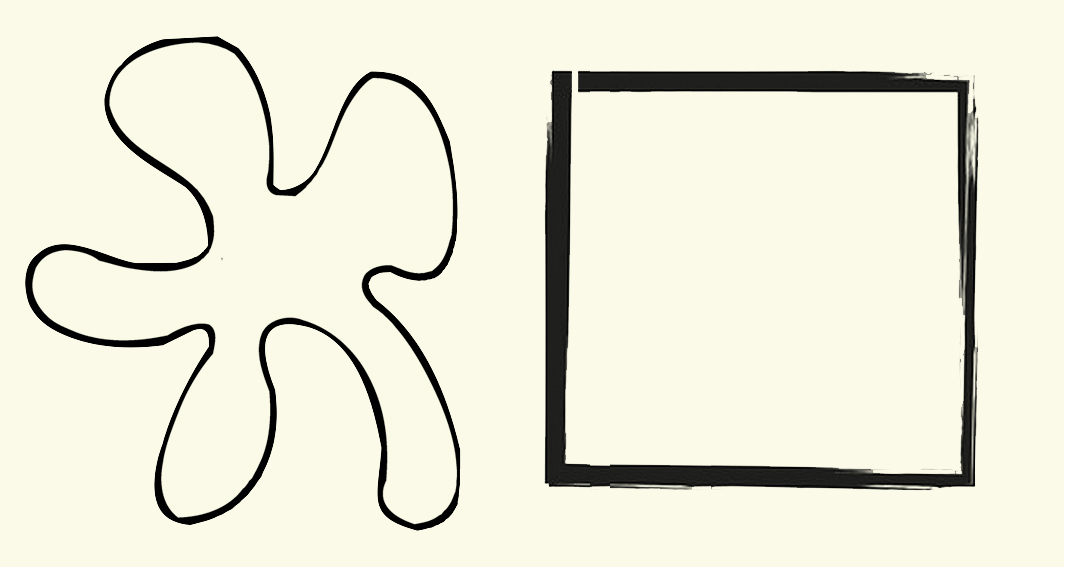
When, before I was a writer, I was a teacher, I would sometimes draw two shapes on the blackboard and ask, “Which of these shapes can you draw more accurately?” Most students would pick the square. It had a name and they could see the square, translate what they saw to a word, and then retranslate that word onto the paper with their pen. In the process, details of the original are obliterated.

Notice that the square here is not a perfect square. It has some sketchy lines and it is not completely closed up, and, in fact, it isn’t even a square, but a low-aspect-ratio rectangle. All of that visual information is expunged when you replace it with the name, “square.” The amorphous shape, on the other hand, would require you to look at it and attempt to follow its contours with your pen, forcing you to pay attention visually. 


Your blob would be drawn more accurately than your square. 

In his groundbreaking book, Principles of Art History (1915), Heinrich Wölfflin described the differences between Renaissance and Baroque art with a series of oppositions. Among these is the contrast between art which emphasizes the unity of the whole, which may suppress detail to the benefit of the overall design; and art which revels in a multiplicity of detail, even if it confuses the overall design. 

It isn’t that the classic art doesn’t pay attention to detail. In fact, it often takes pains to make everything equally easy to recognize, well lit, well placed in the frame. But the whole is more important than the parts. 

Balancing that is art that may even obscure some detail to make others more prominent. 

This dichotomy occurs repeatedly in art history — from Classic Greek art to Hellenistic Art, from Renaissance to Baroque, from Neoclassic to Romantic, from Modernism to Postmodernism. In Nietzschean terms, classic and romantic, Apollonian and Dionysian. 

The 20th Century, which we are most recently heir to, unity was valued as supreme. Artists, writer and poets who filled their work with profusion of detail were denigrated. The most concise poets were held superior. Painters who reduced their subject to basic forms were extolled. Musicians who subdued florid detail in order to render the overall form of the music more clear were applauded. They had a “grasp of the structure.” 

The complaint lodged against pianist Vladimir Horowitz, for instance, was that he never fully expressed the form of longer pieces of music, such as sonatas, getting lost in multifarious musical volutes and whorls. Of course, when you listen to the ancient recordings of the great pianists of the early 20th century — an era of romantic piano playing — all of the pianists focused on details. It is where the fun was to be found, the flavor of the ingredients rather than the melange of the whole.  

Romanticism in general relishes the detail, and can often get lost in it. That’s what makes it Romanticism. (Well, one of the things). Detail is where we find the pith, the essential oils, the meat. 

Classic painter Joshua Reynolds taut the “grand style,” and recommended choosing the general over the particular: a stylized tree over the quirky oak in the back yard. Romantic artist William Blake read Reynold’s book and wrote in the margin: “To generalize is to be an idiot. To particularize is the alone distinction of merit.” You can also imagine him chasing kids off his lawn. 

But his point is that the world is made up of details, and meaning is found in them. The collection of details fills out the impression we get from the quick overview. It is the detail that we know the whole. 

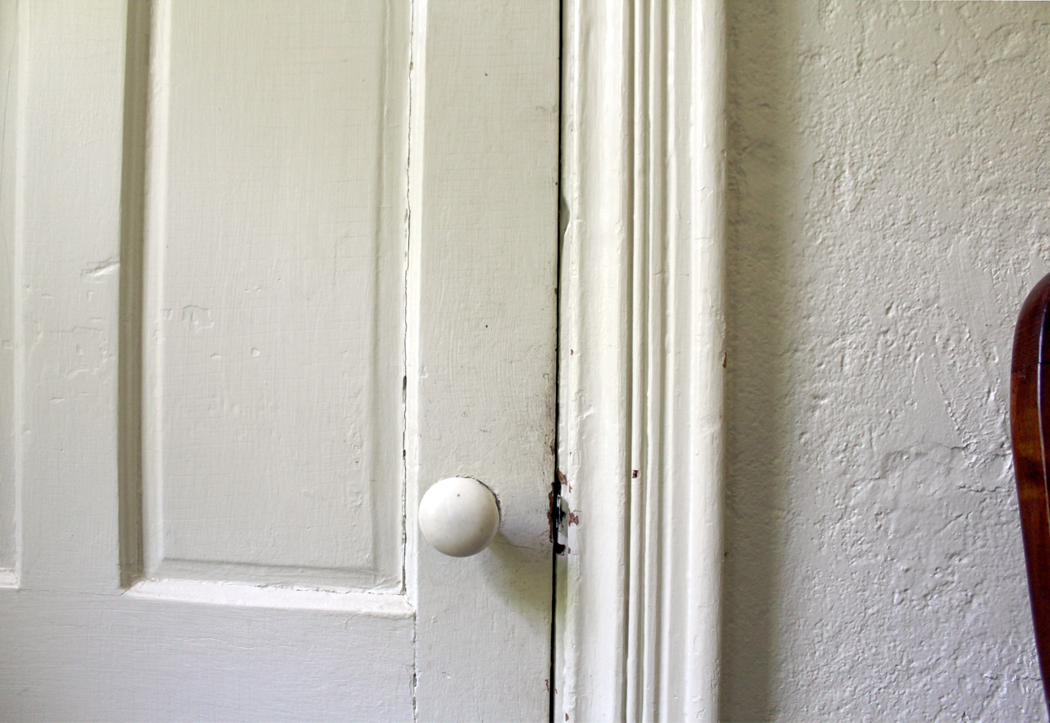
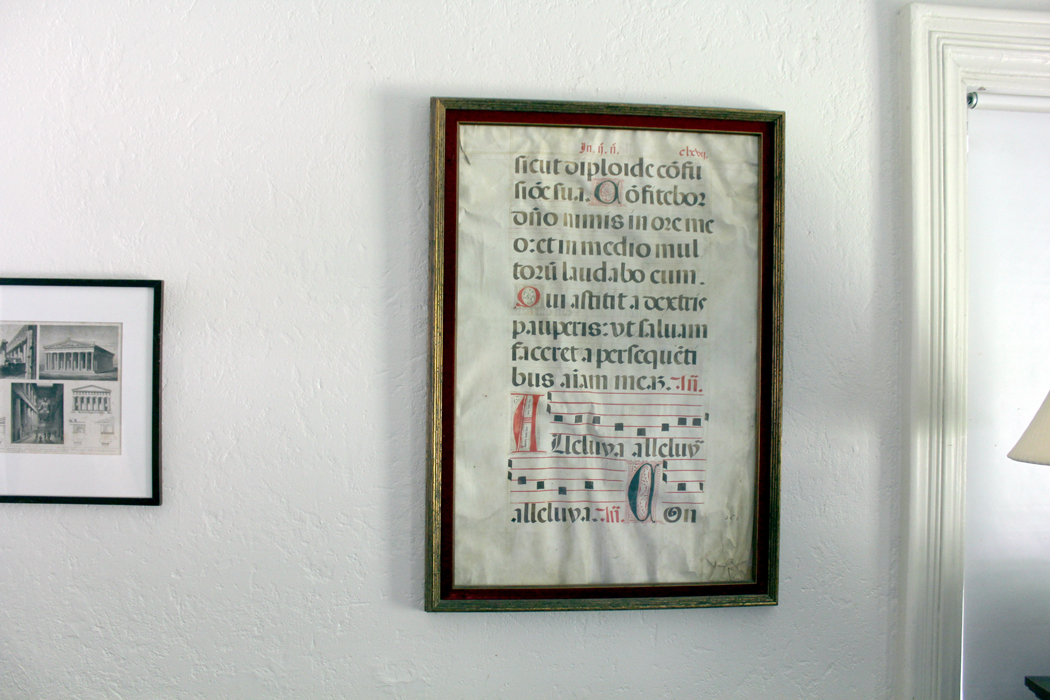
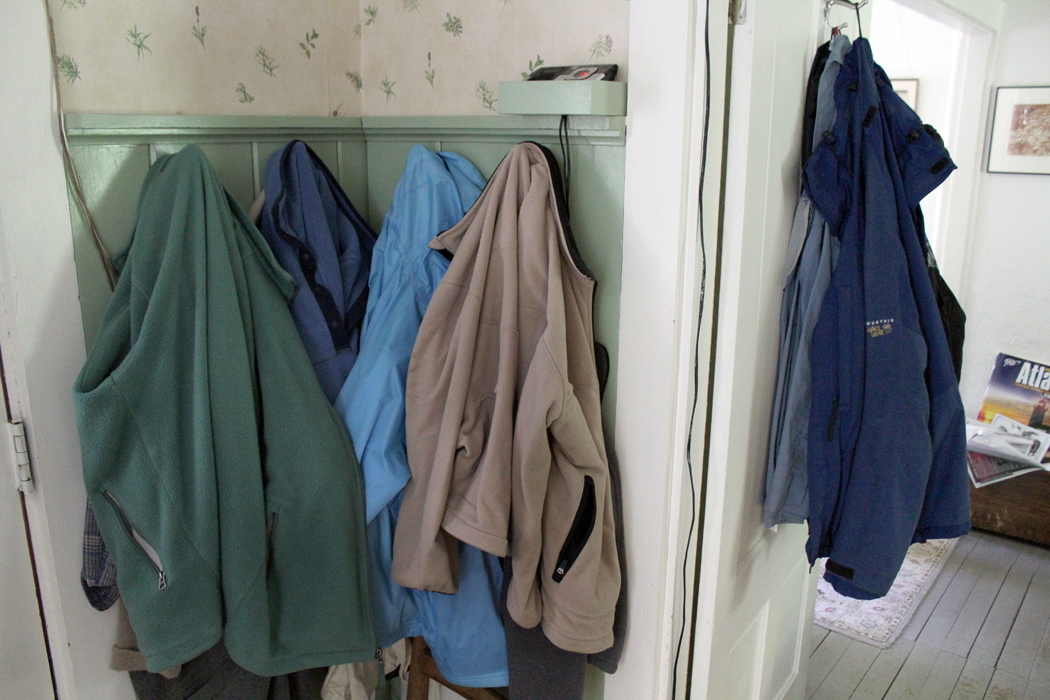
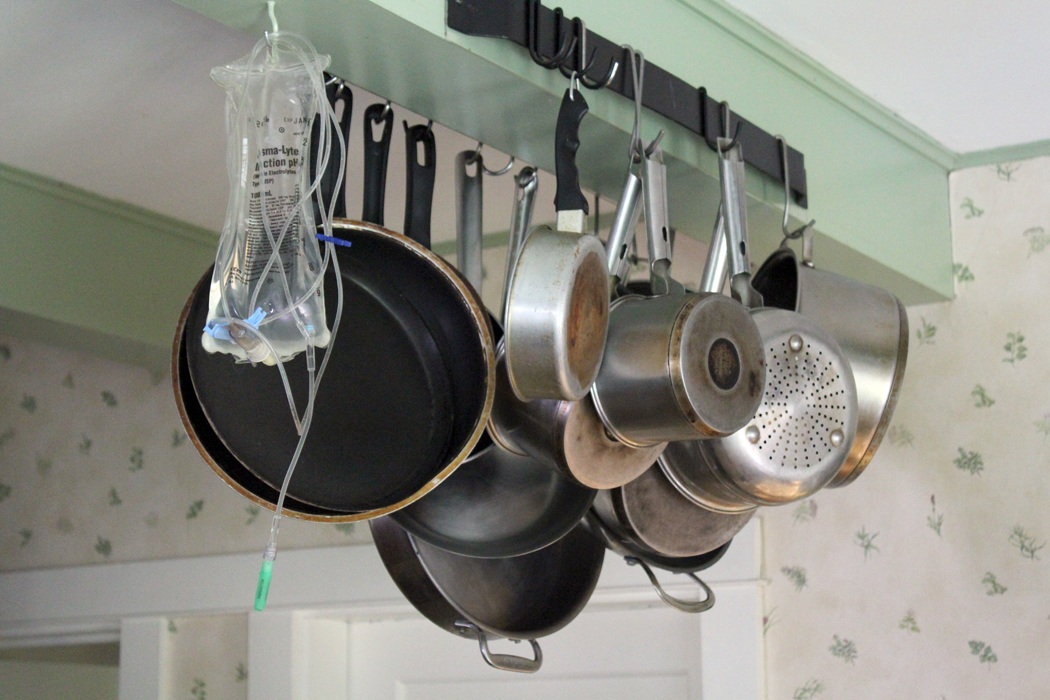
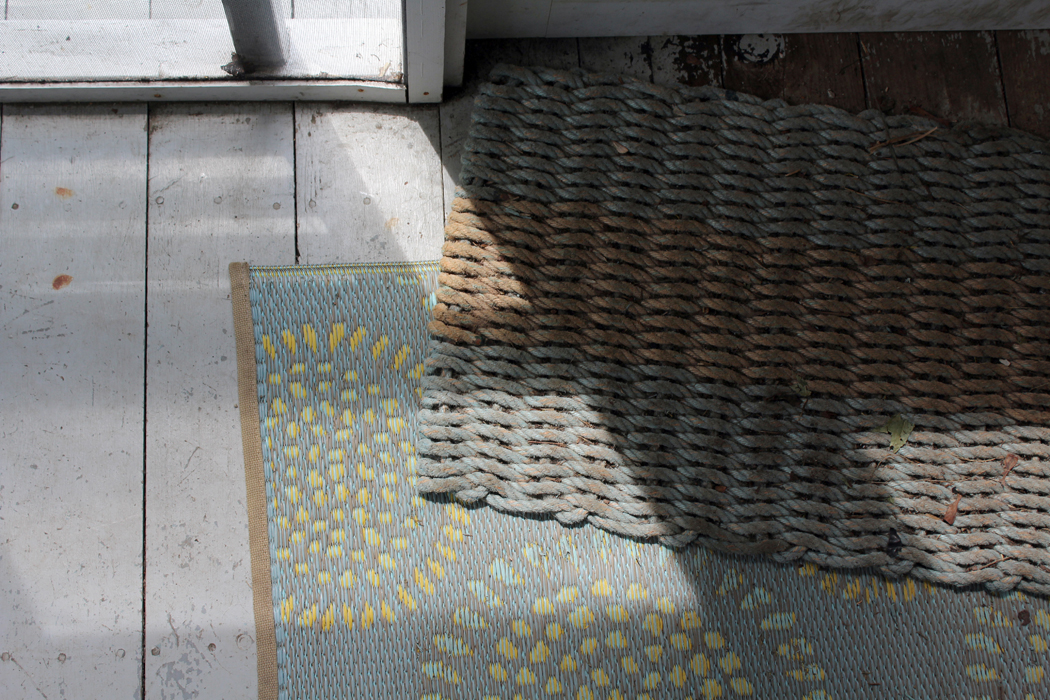
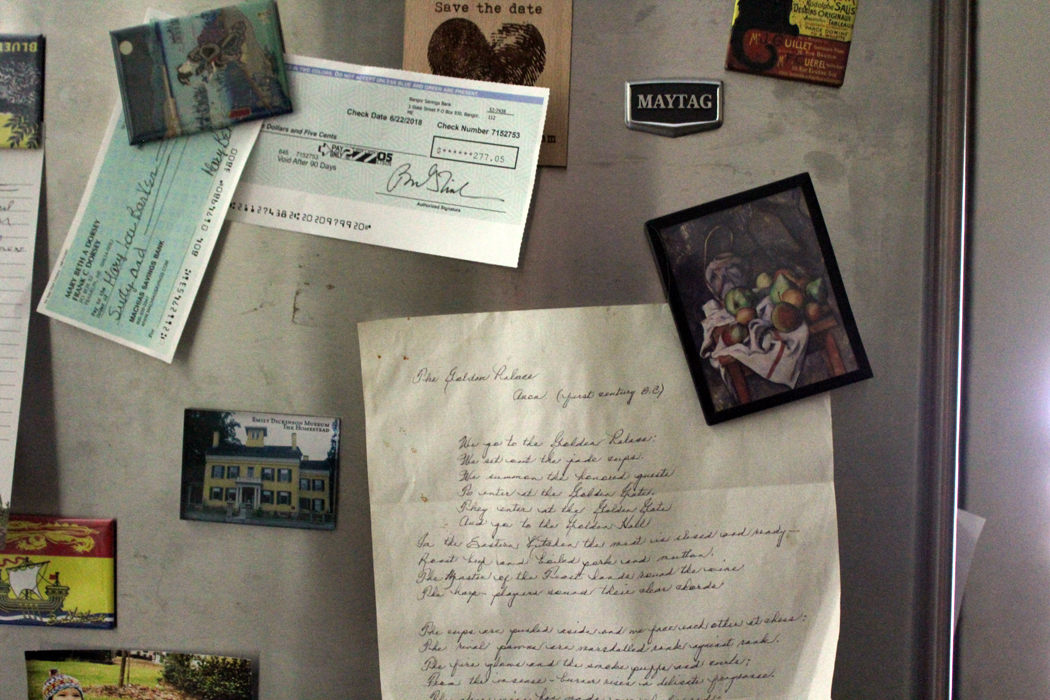
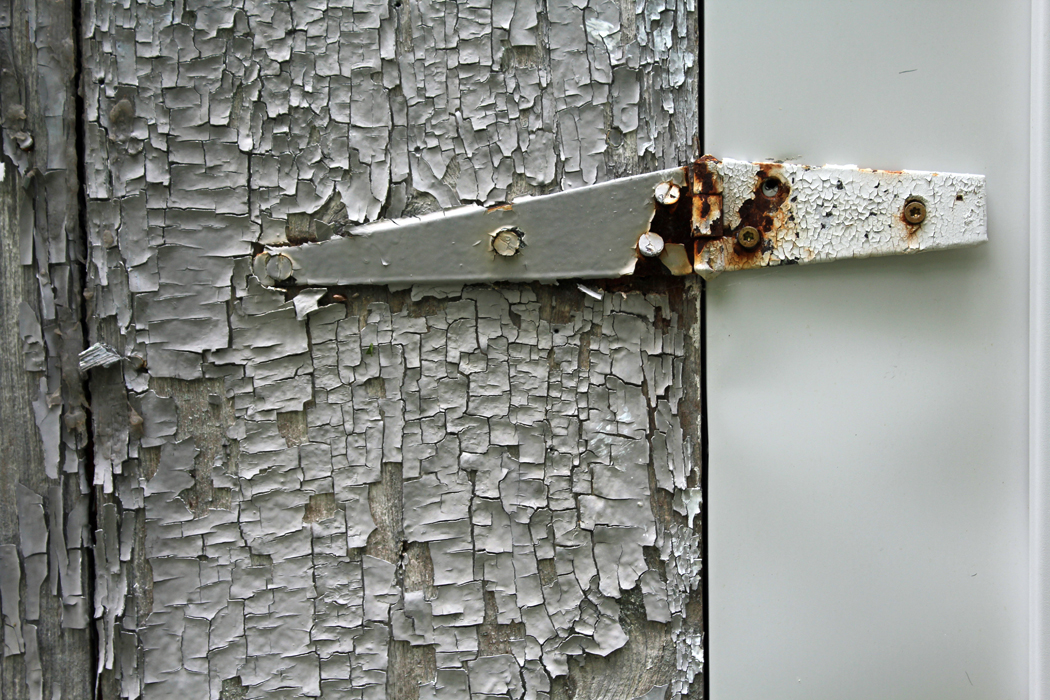
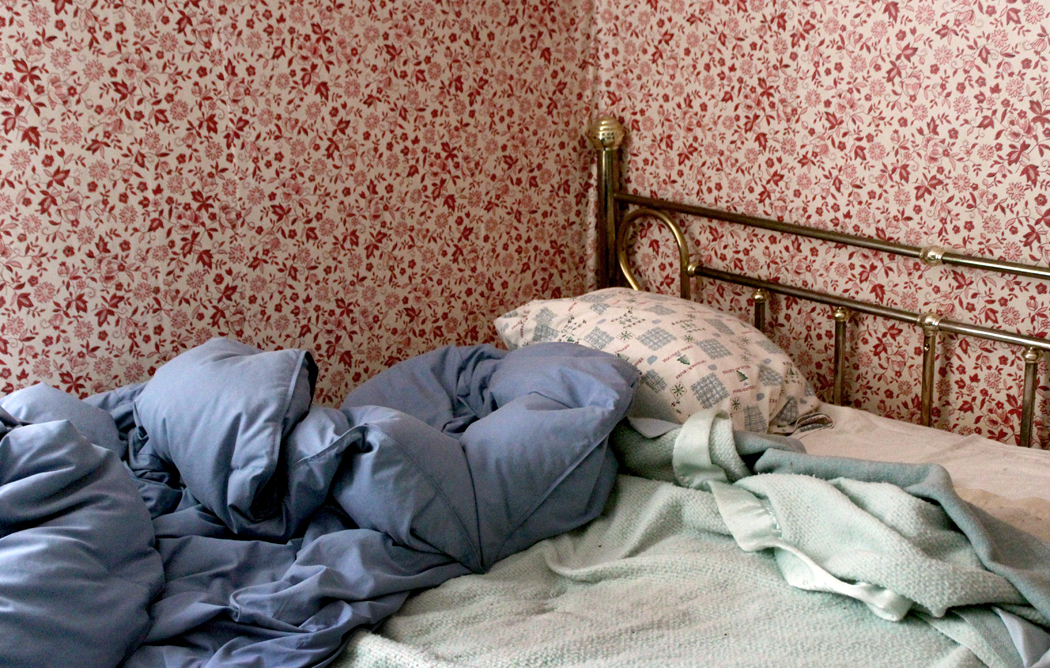
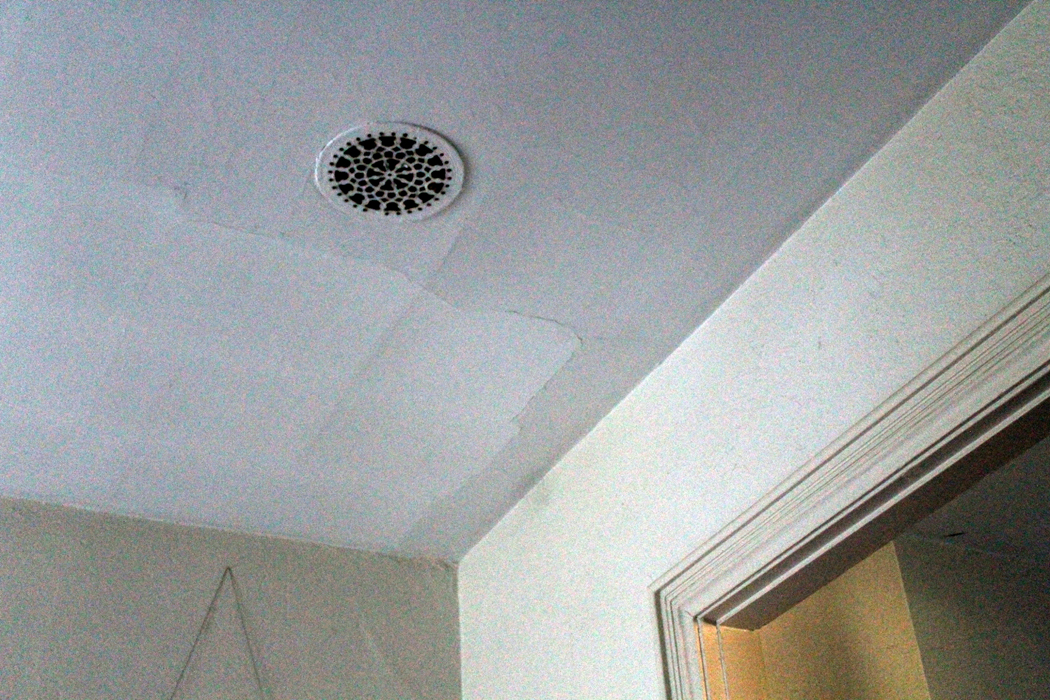
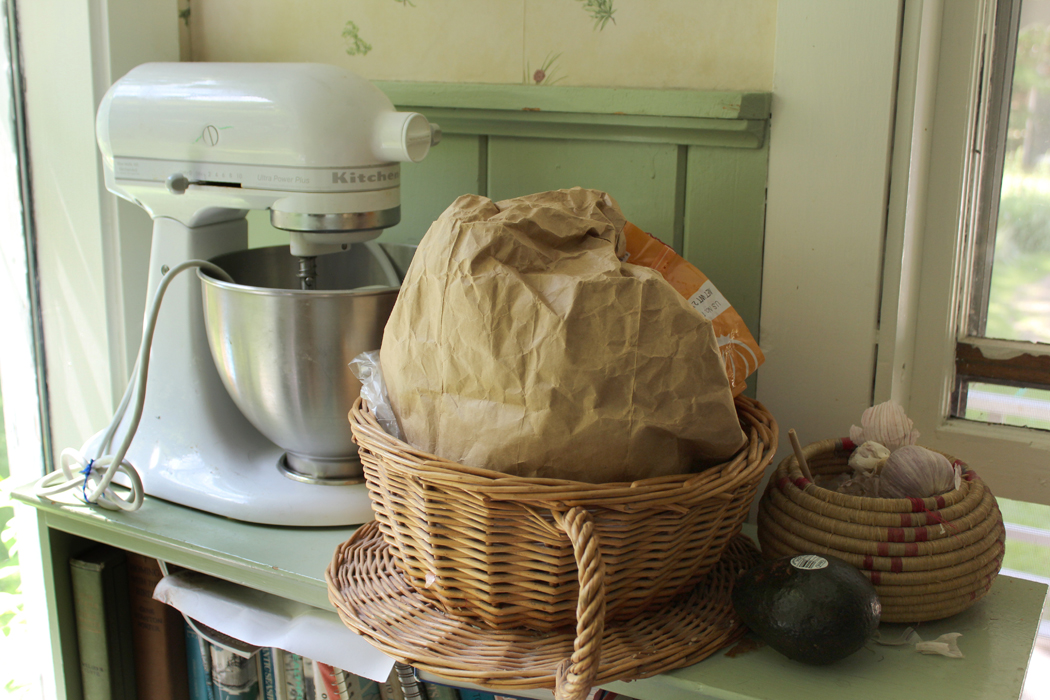
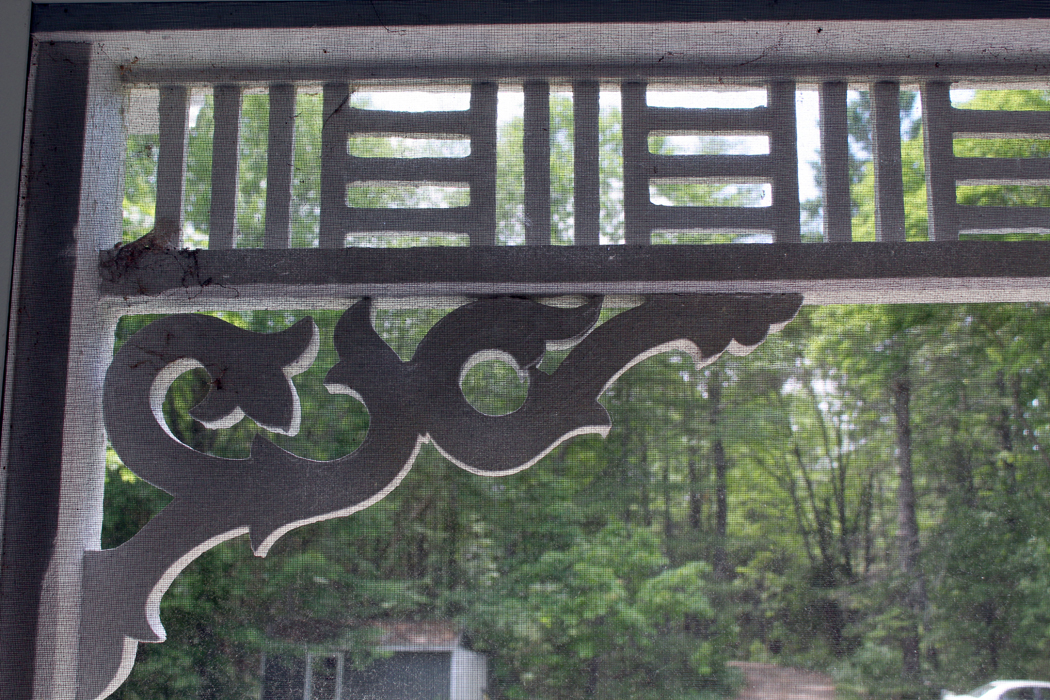
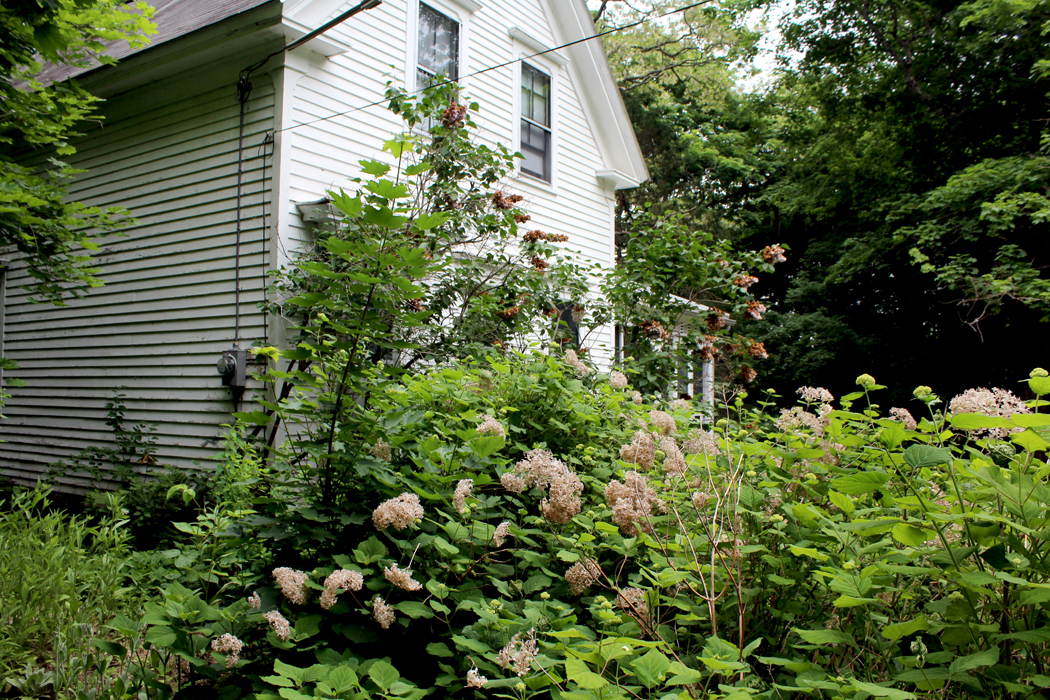
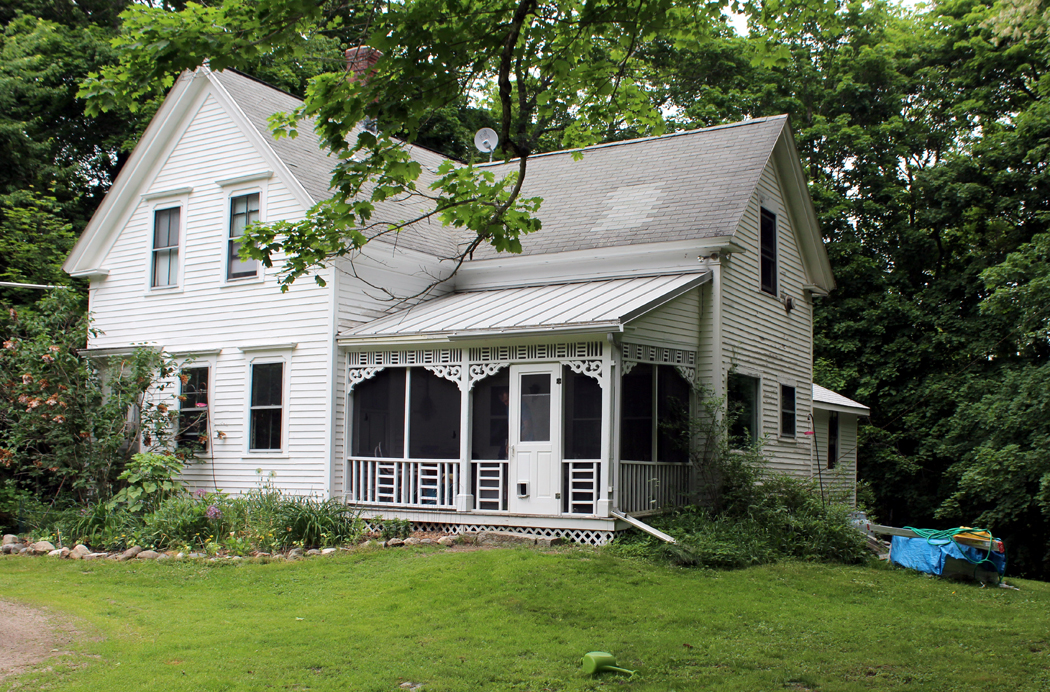
Through this essay, I have sprinkled photographs of the details of a house in Maine. It is one I know and love very well. 

If you look closely at them and absorb all the tasty detail, you can have a much fuller understanding, not only of the house, but of the style of Down East Maine, its economy, its culture, the nature that grows green in profusion everywhere. 

Crumbs to make a cake. 

Boulevard de l’Hôpital

In the past post, I put together a group of pairings of the photographs of Eugène Atget and some of my own, noting the coincidental similarities (link here). I certainly didn’t want to make too much of it. It was just some fun.

Paris

But I had a surfeit of examples and I had to leave a bunch behind. So, I figure, why not post them, too. If I am taking up too much of your time by this surplus, you can always leave the page and find something more profitable. But even if you don’t care to enjoy the joke of this unintended mimicry, you might still enjoy the travelogue. 

Jardin des Plantes, Paris

My late espouséd saint and I spent weeks at at time driving around France, and exploring Paris. We never went to the Eiffel Tower or the Moulin Rouge, but instead found rooms in less frequented quarters of the city and tried to discover what it would be like to live there. We ate in local bistros and cafes and shopped in local stores. We got to know the people in our neighborhoods and enjoyed their friendliness (the celebrated French rudeness is something we have encountered no evidence of). 

Chartres

France is often called by the French the “Hexagon,” because roughly speaking, that is the shape of the nation on the map. We have been to all the corners and came to love them all, although, to be fair, Normandy and Brittany have stood out in our affection. 

Fontenay

These photos cover most of those corners. I could easily post a hundred, two hundred photographs, each distinct, but I have narrowed it all down to a mere 30 of them. 

Confessional, Rouen

As I said, you can look at them as a kind of travelogue — a black-and-white slide show of our vacations — or as a presumptuous comment on the work of Atget. 

Paris

I don’t present them as a serious labor of art, but as a kind of game: seeing parallels in my own visual record of la belle France to the city and countryside of a hundred years ago lodged on film by a man who also claimed no great esthetic achievement in the taking those photos. 

Vezelay

Atget was proved wrong; now his work is taken as art. I have no expectation that the same will happen for mine. It is enough that I had a good time making these images in the first place, and jiggering them around to mimic that of my progenitor. 

Notre Dame de Paris, Easter

Here they be. 

Montluçon

click any image to enlarge

WWI shell craters, Verdun


Musée national de la Moyen Âge, Paris


Concarneau


Apples, Hambye


Jardin des Plantes, Paris


Locmariaquer


Notre Dame de Paris


Paris


Angoulême


Noyon


The gods, Palais Garnier, Paris


Rue Mouffetard, Paris


Paris


Musee national de la Moyen Âge, Paris


Tuileries, Paris


5th Arrondissement, Paris


Les Eyzies


Rouen


Paris Opera


Bayeux


Paris


Tuileries, Paris


FIN


I didn’t do it on purpose. 

In my previous post, I wrote about the effect on me of an exhibit of the photographs of Eugene Atget I saw nearly 50 years ago. Looking at those images at the Museum of Modern Art in New York all those years ago eventually led me to loosen up my own approach to making pictures. 

Where I had been a disciple of Modernism in photography, from Stieglitz to Strand to Weston to Adams, I realized, looking at the Frenchman’s photos, that a looser, more direct approach to the art might be more productive. 

And, in fact, I gave up attempting to make precious jewel-like prints matted in perfect ivory mattes and framed in black aluminum section frames. 

But I had no intention of mimicking Atget’s pictures. Please believe me, I didn’t do this on purpose. 

As I look through the many images I have taken in Paris and in France, I find that there are so many parallels to the pictures of Atget. 

I found myself making records of so many curious and interesting corners of the city, so many details, so many textures and lines, so many storefronts and alleyways, that I could hardly help myself. 

Because I have come to find more interest in reacting to the world around me than in creating what receives the imprimatur of art. 

Being awake and aware of my milieu is what drives me, makes me happy, gives me esthetic fulfillment. 

So, here I have taken some of my photos and edited them, making them black and white and toning them sepia. 

I do not mean for you to believe I am trying to make art here, merely to play a little game, matching up images. 

Many others have taken their cameras around the city of light and consciously mimicked Atget’s work in an exercise of “rephotography,” a Postmodern trope. I am intending no such thing. 

I merely enjoy the little joke of finding in my work these unconscious rhymes with the work of a photographer I have loved for all these years, but haven’t given a whole lot of thought to in decades. 

Such is influence, I guess. You don’t always know it’s there. And you don’t consciously attempt to counterfeit your model. 

But somehow, it has worked its way into your bones, into the way you approach the world, the way you understand it. 

So, here are a group of parallel images. Those on the left are by Eugène Atget, those on the right are mine, albeit gussied up to amplify their similarity to my progenitor. 

I hope you find a twinkle of pleasure in this game. And it is just a game. 

Click to enlarge any image 


FIN


Not every life-changing event happens on the road to Damascus: a blinding light, knocked to the ground, twitching galvanically. The death, the religious conversion, the falling in love. But there are smaller turnings also, often dozens of them in a life, perhaps passed unnoticed at the time, but nudging our lives on a slightly new heading. “As the twig is bent, so is the tree inclined.” The butterfly in Brazil. These are also life-changing. 

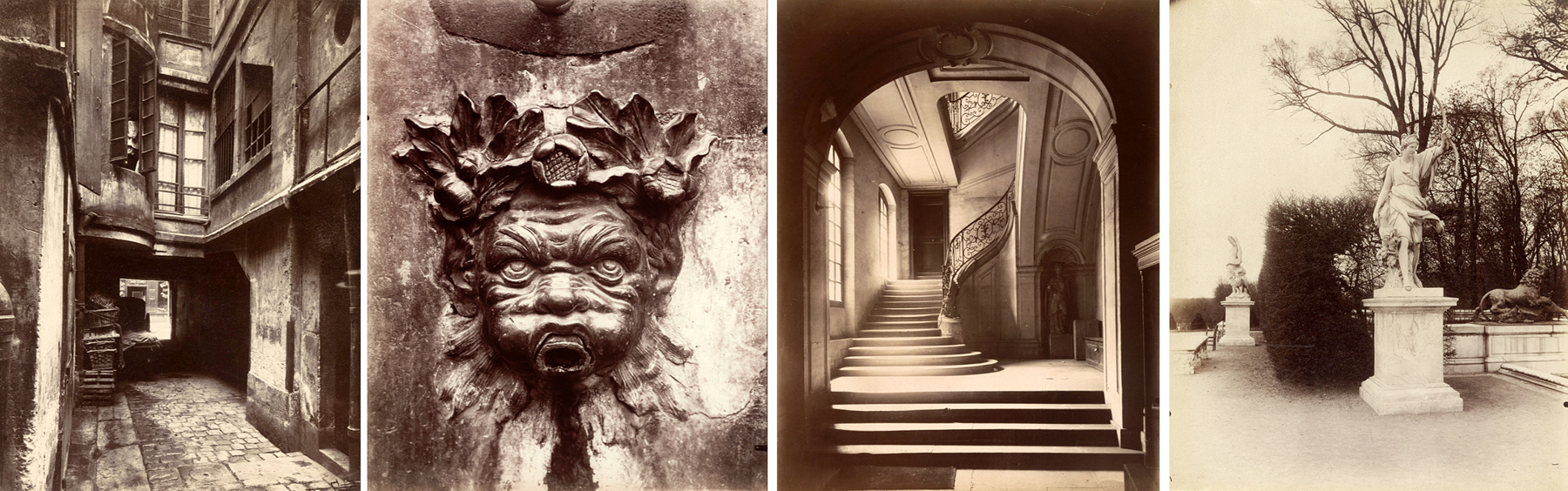
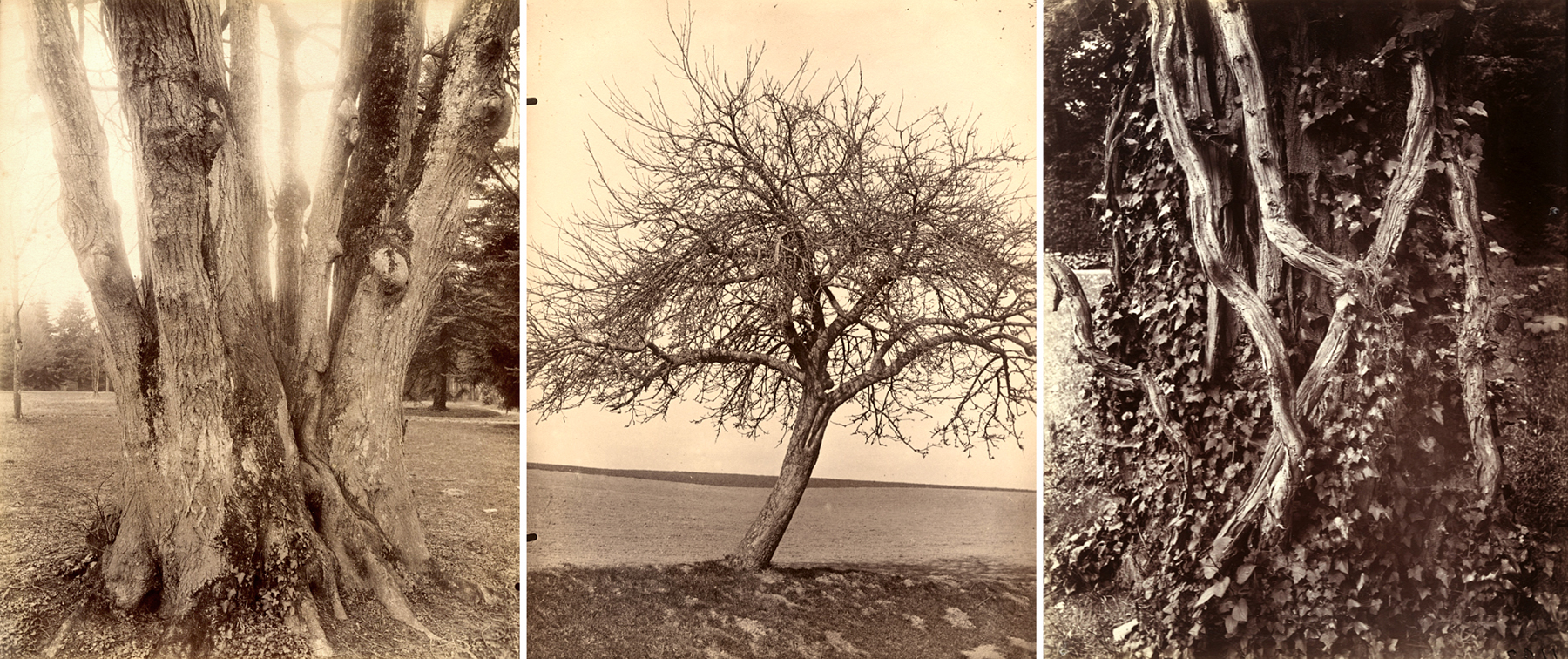
In the summer of 1972, the Museum of Modern Art in New York mounted a small exhibition in its downstairs gallery, behind glass doors. “Atget’s Trees” put together 50 photographs by the French artist Jean-Eugène-Auguste Atget (1857-1927). Lined up on the wall in a darkened space, with brilliant track lighting that made each photograph gleam like a jewel, the photographs made my heart jump and my eyes happy. (That kind of lighting is now largely verboten in museums, as they adhere to a strict limit of only so much illumination to protect sensitive materials from light damage. Silver-image black and white photographs are largely immune to such light damage, so the restriction on lighting seems shortsighted and misguided; it dulls the brilliance.)

Atget (At-zhay) was an odd little man who taught himself photography in order to document art, architecture and decor that was disappearing as Paris and France entered the modern world. Originally, beginning in 1890, his work was meant for painters, architects and stage designers to provide models for their work, and he sold his pictures to them. But he seems to have become more and more interested in the details of his city for their own sake. He took thousands, maybe tens of thousands of negatives. Many were sold to various institutions interested in historic preservation, such as the Bibliothèque Historique de la Ville de Paris. 

In 1925, he met American photographer Berenice Abbott, who began buying his photographs and collecting negatives. In 1968, she sold her collection to MOMA, from which the “Atget: Trees” show was developed. 

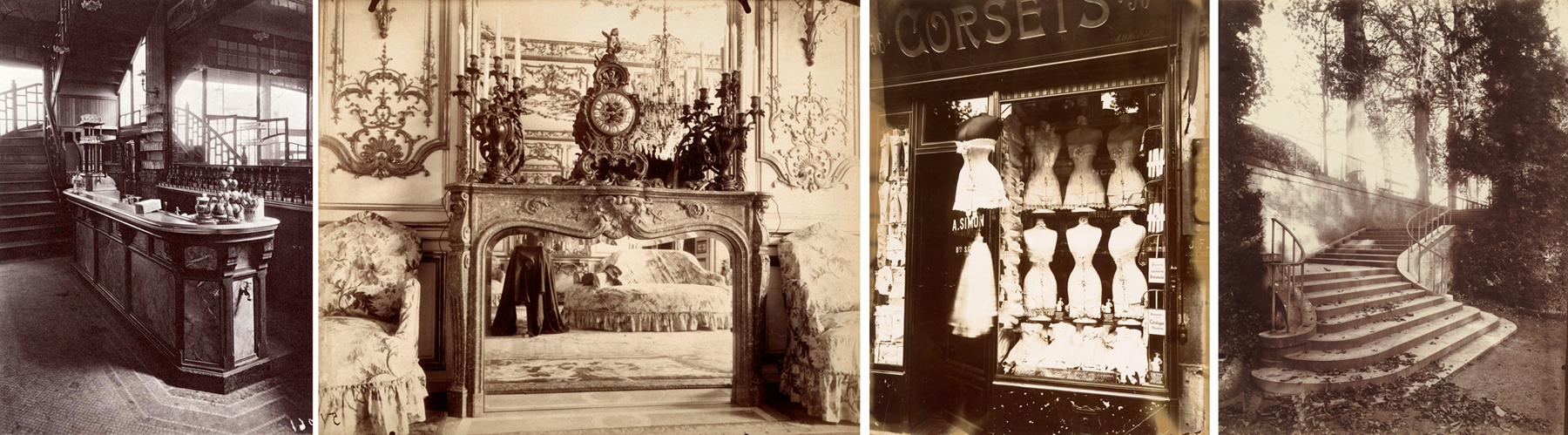
The majority of Atget’s subjects were buildings, statues, door knockers, gardens and street scenes. No detail was too humble for his attention. There are photographs of doors, photos of stairways, photos of balconies and railings, of fireplaces, of courtyards and alleyways. His curiosity was omnivorous and ravenous. 

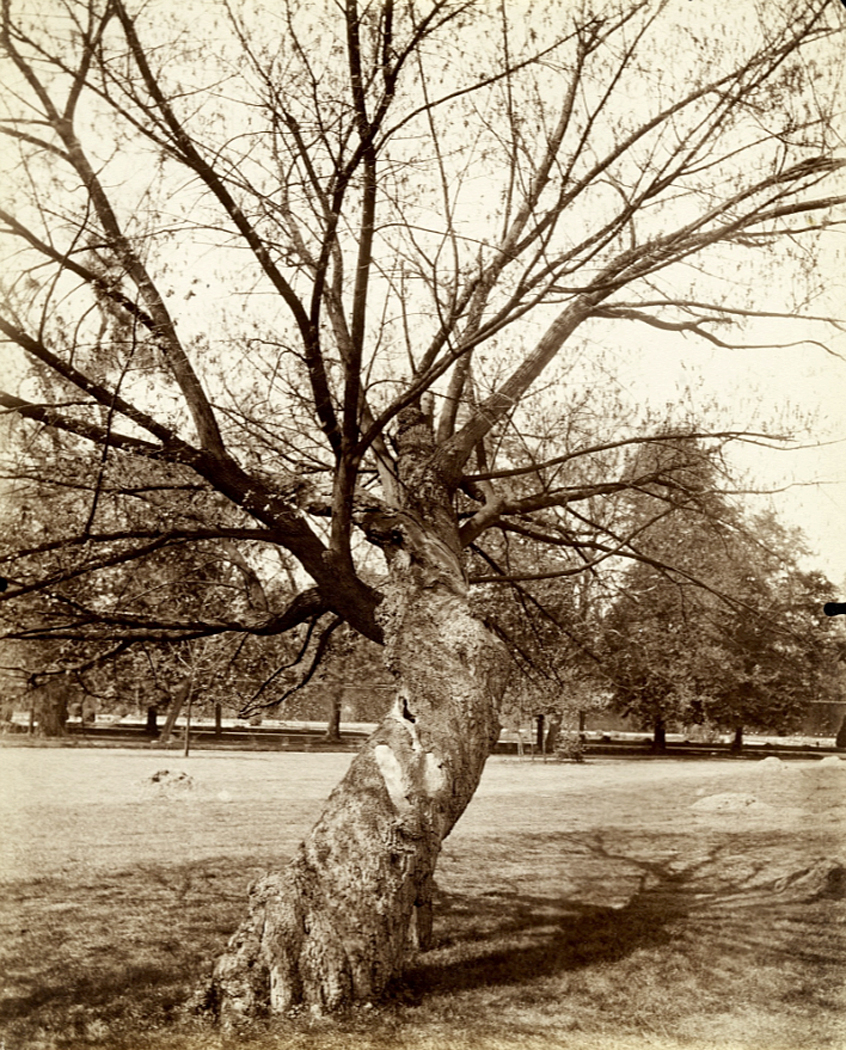
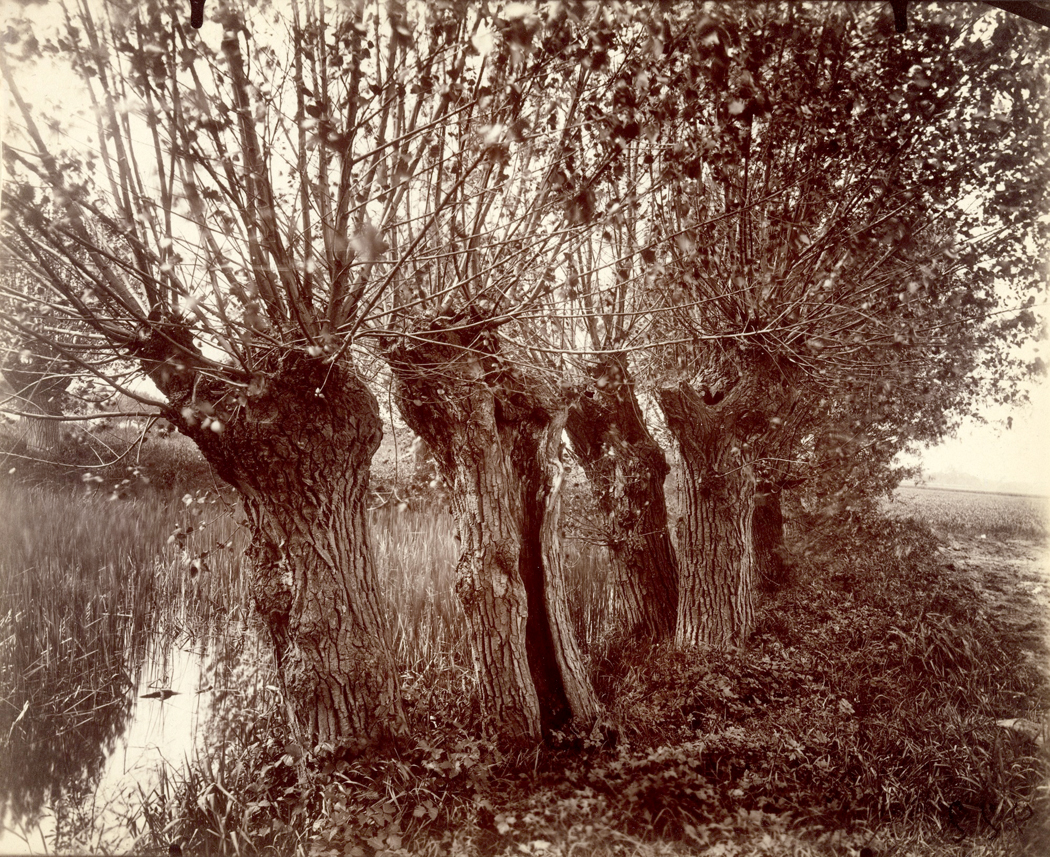
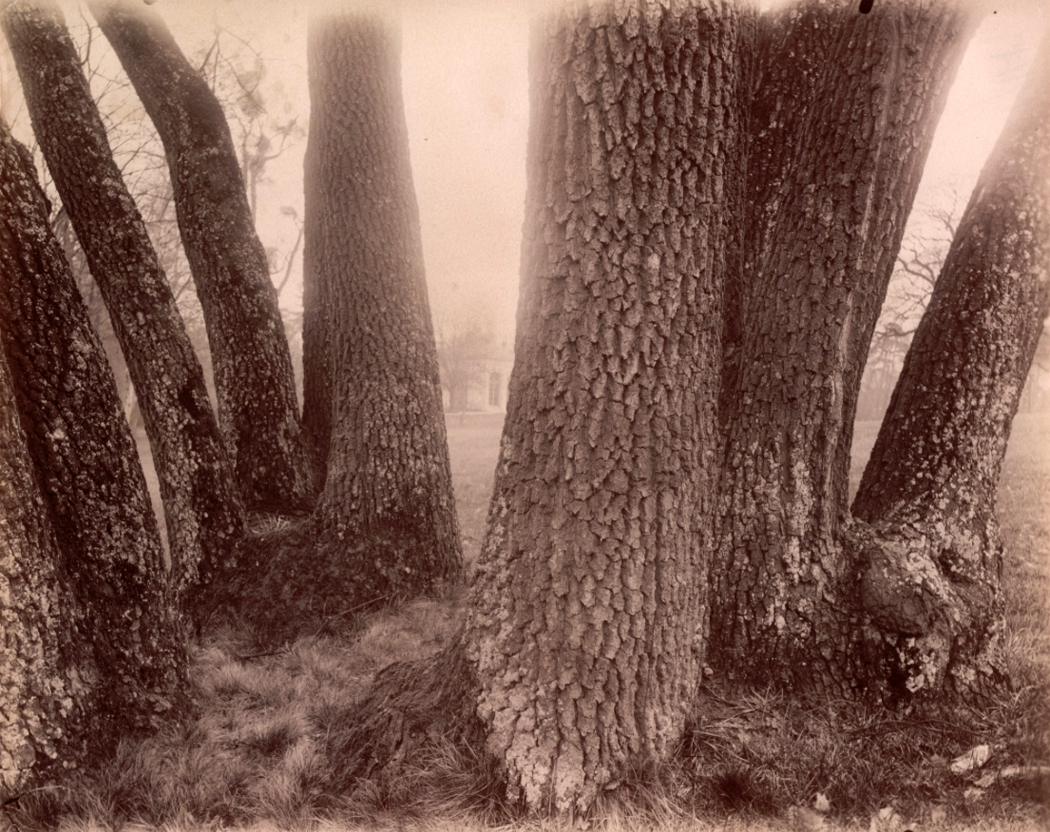
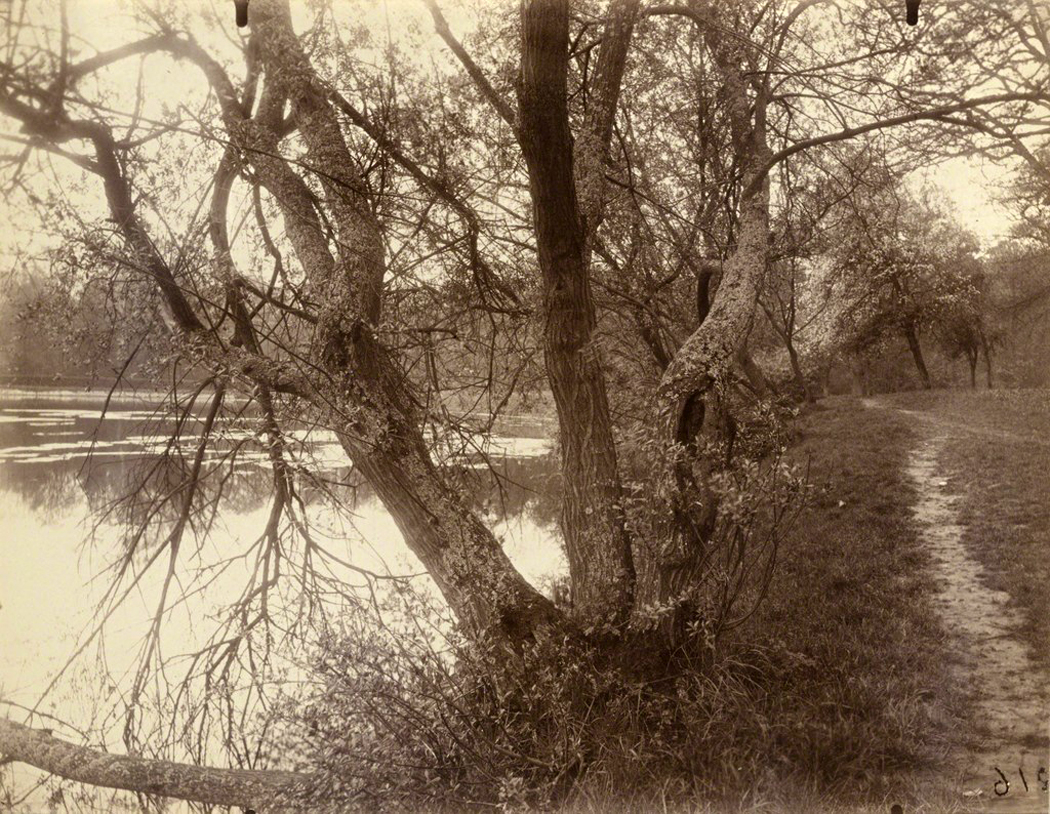
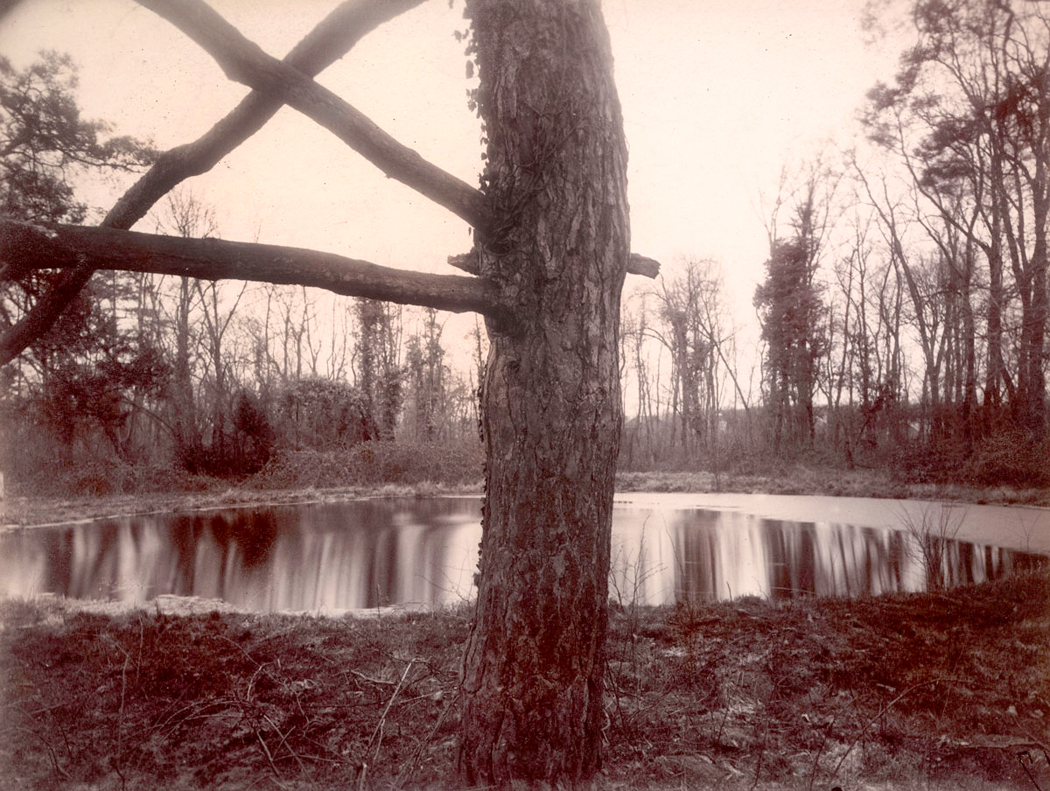
But through all, there was one subject he came back to over and over: trees. Most were in parks, like Saint-Cloud or Sceaux; some were at Versailles; others simply out in the countryside. He seems especially taken with ragged bark and gnarly roots. Often, he has photographed the same tree over and over, from very slightly different angles, or in different seasons. There is something sensuous in the growth and surface of trees that excited his artistic libido. 

Atget’s equipment and technique were already antique when he began, using an old bellows camera and large negatives, printing them on albumen paper and toning them with gold chloride. This gave his images a sheen (from the egg white) and rich, chocolatey tone (from the gold) that, in the right light, makes them jump from the frame with gem-like luster. 

And there I was, in 1972, ripe for the message they were giving me. 

You have to remember that 50 years ago, the art world — and especially the world of photography — was deeply buried in a type of snooty puritanism. We were taught you never “crop” your images, but framed them precisely in the viewfinder. Anything else was “sloppy” and perverted the natural uses of the camera. You must used archival paper and processing. Frames must be neutral, matting must be white or ivory.

And most of all, you were made aware that a photograph was all about photography. Art about art. Subject matter hardly mattered; it merely provided an armature on which to make your statement about the nature of photography and art. 

This was the art world the late Tom Wolfe railed against in his book, The Painted Word, where the deacons of art criticism slapped their hands down on a kind of outstretched bible of certainty: A painting must be flat, it must not mix genres, it must investigate the possibilities of paint and never, ever “illustrate” a story or event. Hellfire and brimstone of a different sect.  

This was the heyday of Ansel Adams and his Zone System of photographic exposure and development, to carefully control the results, which were by necessity “previsualized,” i.e., you were to know before you snapped the shutter, exactly what the end result would be, including its printed size and what sort of paper you would print it on. God, it was constricting. What a constipated way of approaching art. 

And here was Atget before my eyes, messy, uncoordinated, obsessive and obviously fascinated with the things of this world. 

Not that it made a dent in the attitude of exhibit curator John Szarkowski, one of the deacons of that puritan orthodoxy. Szarkowski was Director of Photography at MOMA from 1962 to 1991, and one of the most influential voices of the time. He performed many miracles for photography as an art at a time when the status of photos was still doubted in some corners of the art establishment. But he also issued some very dubious edicts. 

About the “Atget: Trees” exhibit, he wrote in a wall label for the show, “On the basis of a small and heterogeneous collection, the quality of effortless poise that identifies Atget’s work might easily be read as naivete. A study of his repeated investigation of the same or similar subjects, on the other hand, suggests a conscious and sophisticated concern with the ultimately formal problems of picture making. 

“Atget was acutely aware of the literally infinite number of images that are potential in a given ‘subject,’ and he knew also that none of them was true, in the sense that it shared a privileged identity with the object photographed. The subtle variations in framing included here among the six plates of the Beech Tree, St. Cloud, for example, make it clear that Atget did not confuse the subject with the object. He understood that the true subject is defined by (and is identical with) the picture.” 

That is art gobbledy-gook for, “Don’t think Atget was a bumpkin. No, he knew that the real subject of a photograph is the photograph itself, and the finished print, given to us, is the only actual goal of taking the thing in the first place.” (I especially note the condescending quotation marks around “subject.”)

And that, my friends, is a complete misreading of Atget and his art. 

What I came to realize, adoring those luscious trees on the wall of 53rd Street, was that what mattered was not the print, but the attention that Atget gave the world he loved. That, in fact, the subject does matter, and the photographer’s engagement with it was the photograph’s raison d’etre. The photo was merely a lasting and sharable byproduct of the artist’s attention. 

Atget was an indifferent craftsman. His photographs are often poorly exposed, a bit out of focus, show effects of lens flare from an uncoated lens; the prints are sometimes poorly processed and some are fading, or picking up spots and stains. In a Postmodern world, all these things might have been consciously introduced to make us aware of process in privilege over subject matter. But Atget was no such. The power of his work, and its attractiveness is in its naivete — or rather, its directness. Art theory cannot touch it, cannot sully it or soil it. 

Soaking in the MOMA show, I fell in love with Atget’s art, but even more, I learned to mistrust the vox auctoritate. Just because a respected and learned expert speaks ex cathedra does not mean he is right. After all, a scholar is shooting in the dark, just as we all are. Just as Atget engaged with the things he loved, I tried my best to engage with his photographs and not be led into believing orthodoxies that had little to do with what I actually saw. 

And this visit to 53rd Street also freed me to loosen my own approach to the camera and use it to engage with the things I love.

I have had many such life-changing encounters, small but meaningful. This was just one of them. 

Click any image to enlarge

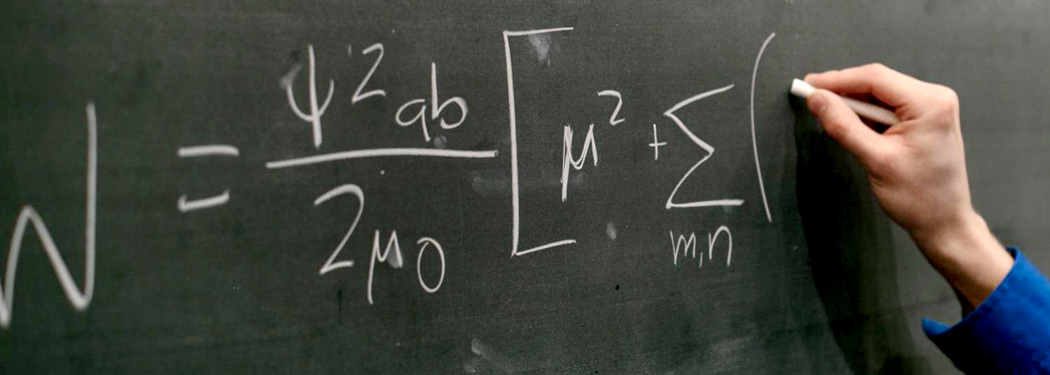
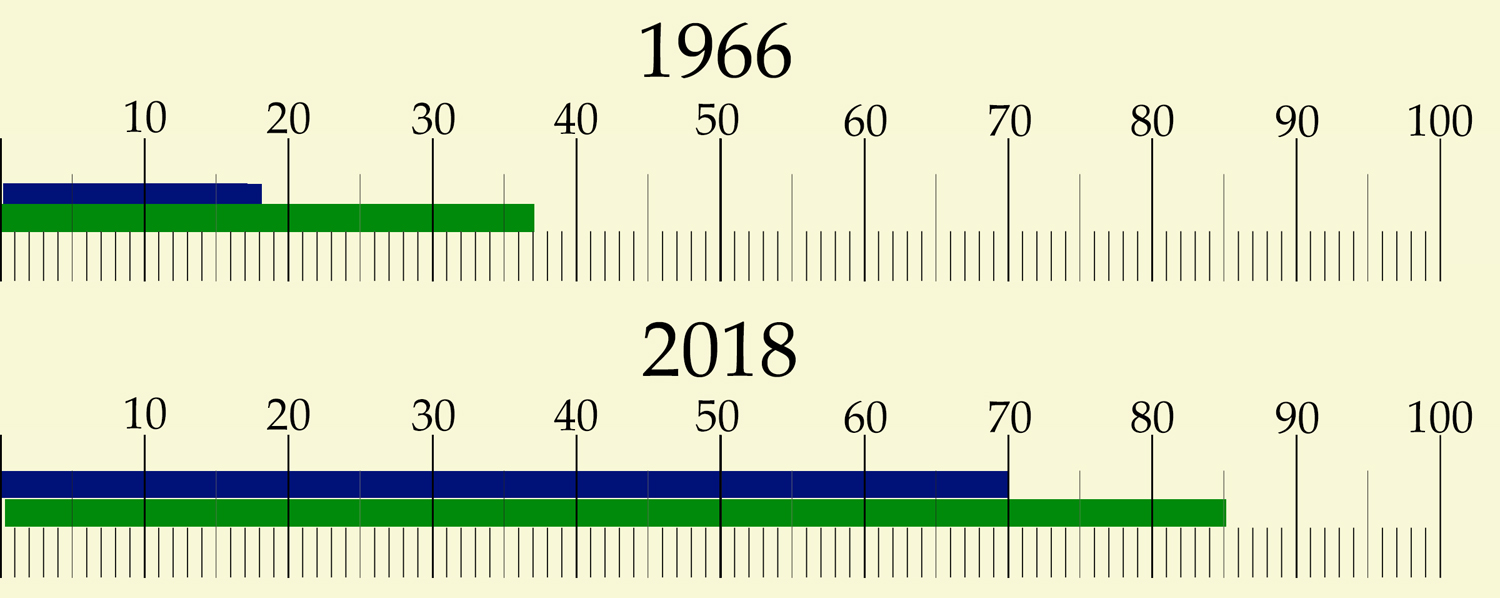
Mathematics. We all have our personal sums and divisions. I was once 20; I am now 70. The years have added up, and what is left is now a fraction. 

When I entered college in 1966, I was just over half the age of the professor who had the most influence on me. He is now 85 and have become exactly 14/17ths his age. I am catching up. The ratio has narrowed. 

(If we both live long enough, I calculate by my birthday in 2025, I will be older than him by seven months.) 

There was once a great difference in our ages and in our wisdom; now we are roughly equal. The piling of years does that; the gathering of experience. 

I have spent my life learning. It is the basic drive, like women for Don Giovanni, or gathering corporate acquisitions for Warren Buffett. But more math: Every time I increase what I know by 2 percent, I double what I don’t know. I learn arithmetically, I become ignorant exponentially. It is as if I am splashing in an inflatable wading pool on the beach next to the ocean.

When I was young, I was a complete idiot, and my ambition in life was to know everything. Seriously: everything. I suppose underneath the surface, I understood that was impossible. But you have to have some kind of aspiration. 

But back then, being an idiot, I still thought being intelligent meant knowing a lot of stuff. And I knew a lot of stuff. Piles of facts and factoids. I could explain the Defenestration of Prague in 1618: the shifting taxonomy of lions from Felis leo to Panthera leo to Leo leo; the use of the Neopolitan sixth chord as the subdominant in a minor key. And perhaps I showed off a bit too much. But now I understand that knowing stuff is mere accumulation. Nothing to take credit for: These things stuck in my mind because my brain is gummy. 

Besides, the more you learn, the more you discover that what you once took to be fact has either been superseded by later research, or been misunderstood, or turned out to be canard and cant. I.e., Cliff Clavinism. 

I have a pile of books and music scores that keep me going, and I add to that all the things of the real, the physical world, that I observe — the seasons changing on the trees, the birds chirping, the clouds ranging over the skies.

I am hungry to take it all in. 

But there is another delusion: that being intelligent somehow means being rapid of apprehension. Quick. Sharp. Fast on the uptake. While it is true that a fast comprehension comes with intelligence, it is, as they say, necessary but not sufficient. 

People who know they are smart tend to sort things very quickly into their silos, eager like tennis pros, to volley the next shot back. C’mon, you can bring’em faster than that! But sorting isn’t intelligence. Quickness of wit is fine; it is fun, it is exhilarating, but it doesn’t get us to the core of things. 

This is something I have come to understand over many years. Two people, more than any others, more than any book or class, taught me what to value in whatever mote of intelligence I possessed. 

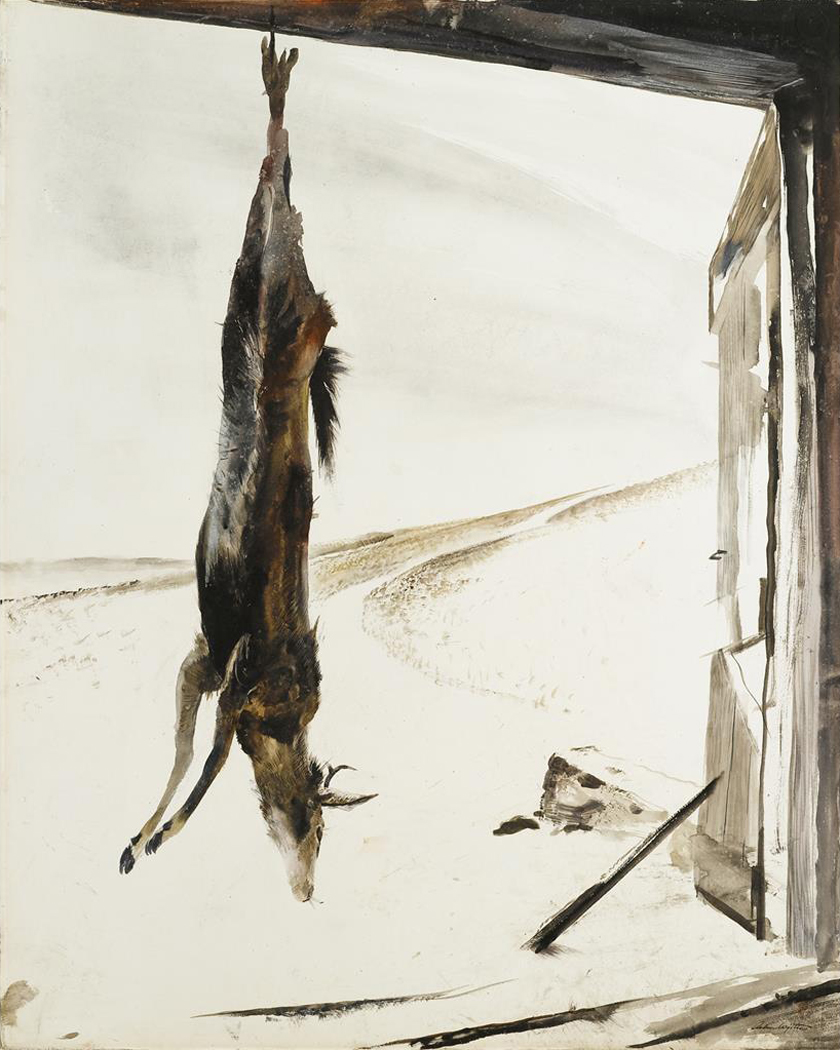
The first was my wife. She was the most intelligent person I ever knew, although, on first hearing her, you might be confused over that issue. She could say the most surprising things: “Andrew Wyeth is more abstract than Jackson Pollock” or “You can fall into blue.” (We once argued over that last one for three full days and nights, before I capitulated. I always gave in. She was always right, although you had to think sideways or give up long-held unreflected prejudices. Wyeth is abstract in the sense that he abstracts a visual essence from the world and flattens it into an image made of blurts and squiggles, while a Pollock painting is no abstraction: It is palpably and solely a painting; it is what it is and nothing else. As for blue, I have been drowning in it since that fight.)

What she had was complete and utter openness to input. A failure to plop input into those silos. She didn’t so much think outside the box, but was unaware there was a box. I marveled at her insight, which she was basically oblivious to. It just was. 

It led me to my doctrine of volitional ignorance. That is, to approach any subject from the point of view of complete innocence. Forget what you think you know and just take in the new experience. 

The second person, and earlier lesson came from that professor, now frail and failing, who forced me to engage with the material. 

When I first got to college, I knew I was bright, and I responded to classes by doing what I had always done: giving the teacher what he or she wanted. I was good at that. But in my class of English Romantic Poetry, I handed in my first paper, saying exactly what I knew my professor wanted me to say and he gave me back my paper with a big, red “D” on it. (Technically, it was a D-plus). I was dumbfounded. There was nothing in the paper that didn’t repeat what he had said in his lectures. It couldn’t have been that far wrong.

But what he wanted from me was not what I thought he wanted. He wanted me to engage with the material. To know something, not to know about something. There is a difference, not just in magnitude, but in kind between knowing about and knowing. 

That is where engagement comes in. Paying attention. Not sorting to be done with, but holding something between your thumb and fingers, twirling it around, seeing it from all sides, squeezing it to see how hard it is, cutting it open to see what’s inside. 

You must start from the simplest things. Looking at a painting, do not decide what the subject is or means, but first look. Long and hard. Describe everything you see, however slight. Don’t forget the corners, what is hidden in the shadows, describe the exact color of the blank parts of the background, what the fingers of the subjects left hand is doing. Get all the bits in first. Take time. I once spent seven hours in front of a single painting. It takes time and commitment. It takes engagement.

Only when you have spent all the time you need should you then essay to understand what the art might be about. Ingest it first, digest it second. 

Fifty years ago, my professor forced me to engage with the material. I wasn’t there to learn facts about Shelley, but to engage with the work and see what it might teach me. I have been attempting that ever since. It is a hard practice to keep up: so much easier to categorize and dispense and move on to the next. More efficient. Gets things done. 

But if you really want to partake in this life, be embedded in the world into which you have been dropped, it is essential to pay attention, to know in your bones how little you truly understand.  

 For the world is infinitely complex and can obey no schema you toss over it. Engage with it on any level and extract whatever you can. Savor it.  

It is the literary equivalent of “Da-da-da-Dum” from Beethoven’s Fifth Symphony. “2B or not 2B.” Everyone knows it, whether they have seen Hamlet or not. It would be hard to find another phrase as often quoted or as immediately recognized by a wide public. “Call me Ishmael.” “It was the best of times; it was the worst of times.” “In the beginning was the word.” Even these lag behind the opening of Hamlet’s soliloquy as cultural roughage. 

Because it is so deeply buried in the culture, it is hard to even hear it anymore. It glides by not as information, but as a kind of tune, hummed thoughtlessly while sanding a table top or cutting carrots in the kitchen. 

But that soliloquy, just as the play it sits in the middle of, can be performed many different ways, with very different meanings. There are Hamlets that are Oedipal, Hamlets that are schizophrenic, Hamlets that are hot-blooded, those that are indecisive, those that are crafty — and at least one Hamlet played as a stand-up comedian. Take the words the playwright wrote and you can construe them myriad ways. In Ulysses, James Joyce has his character Stephen Daedalus prove that Hamlet is his own father. Sort of. 

Likewise, the “to be or not to be” speech can be spoken theatrically, like Master Thespian — this is too often the case — or emotionally, or enunciated with clinical precision. It can be spoken to the audience, breaking the fourth wall, or whispered under the breath. It can be done as a voice-over, as if we are hearing Hamlet’s thoughts. 

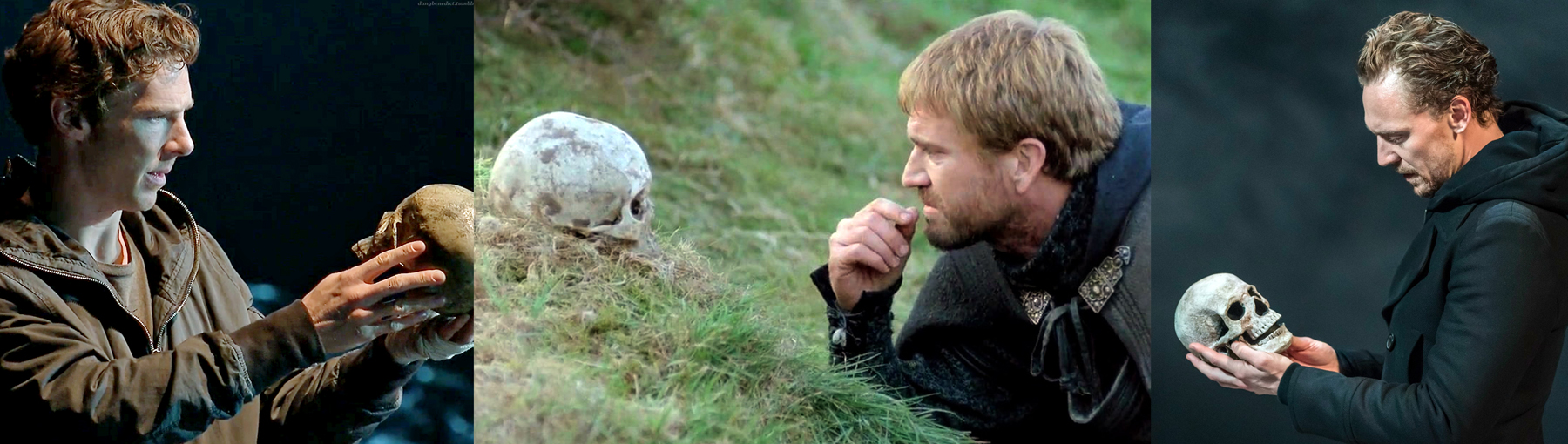
Benedict Cumberbatch; Mel Gibson; Thomas Hiddleston

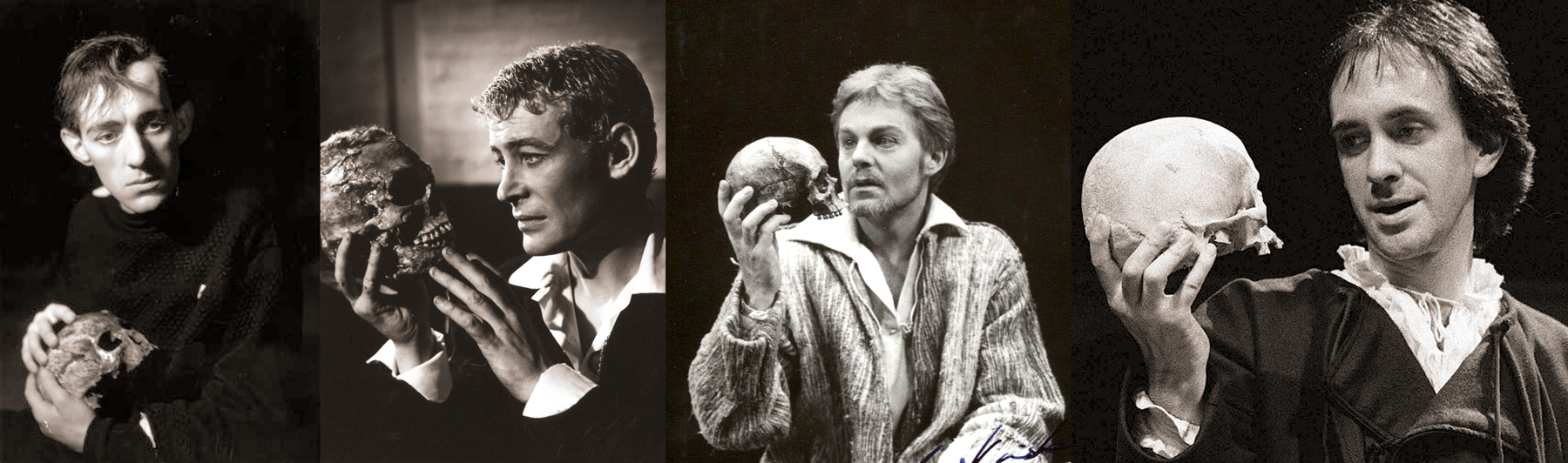
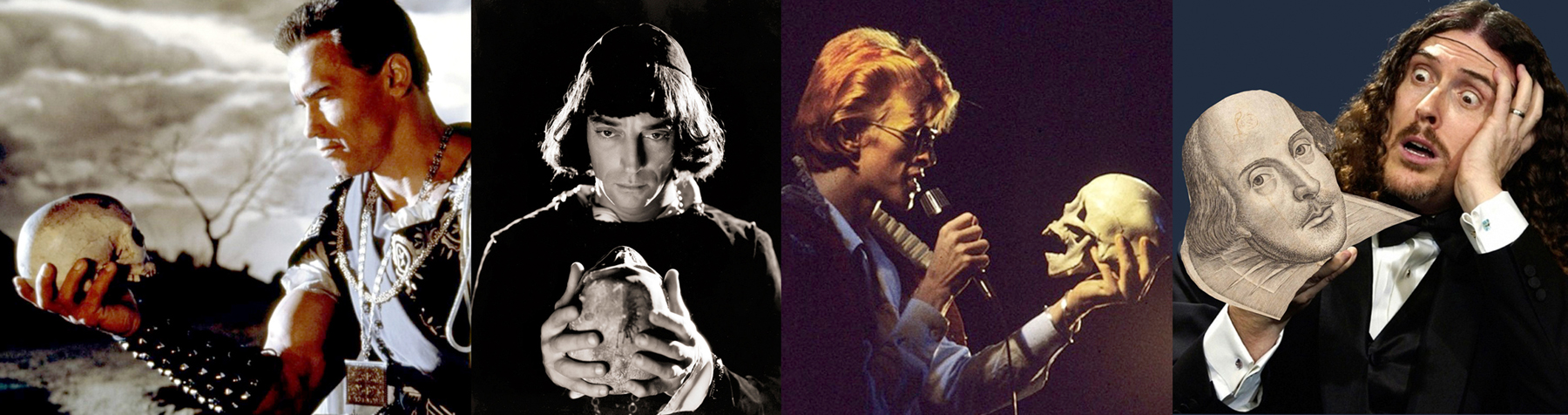
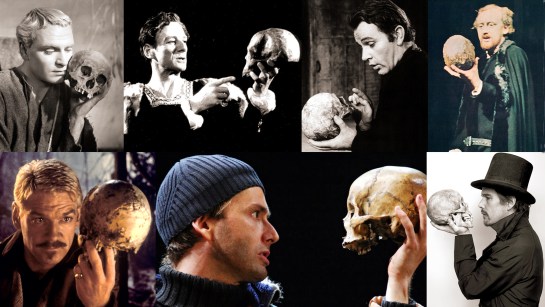
(The one thing that seldom changes is Hamlet holding up poor Yorick’s skull in Act 5. Everyone has to do it, and what is more, be photographed doing it. Even publicity photos for provincial productions have to feature the Dane and his moldy jester.)

Hamlet is perhaps Shakespeare’s greatest play. It certainly has his wittiest hero: Hamlet, the Dane, is in fact too smart for his own good. In part, that’s what the play is about. 

In it, Claudius has killed his brother, the king — Hamlet’s father — and usurped the throne and queen. 

When the dead king’s ghost tells Hamlet to revenge him, Hamlet enters a storm of uncertainty: How, when, why and if to kill Claudius. In the process, Hamlet alienates most of the people he knows, even killing several. 

When Claudius contrives to murder Hamlet before the young prince can kill him, the whole Danish court is thrown into violence and death. 

You can just keep turning this play around and the light will keep catching a new facet. The more you look at it, the more you see. An actor has to decide: At any moment, is what is driving the character? 

Hamlet is the single most complex, multilayered and confusing character in any play. Is he insane? Is he pretending to be insane? Is he sane at some moments and mad at others? Is he obsessed with his mother? Is his inability to act caused by fearfulness, thoughtfulness, indecision or a desire to kill Claudius only when murder will do the most harm to Claudius’ eternal soul? 

None of these versions is ruled out by the text, but none is sufficient of itself. 

“As an actor,” one Hamlet said, “I’m going to try to illuminate as many facets as I can. But you can’t do it all, or you’ll lose focus. I feel sometimes I’m trying to cover myself with too little blanket: If I cover my head and shoulders, my feet stick out.” 

Critics have argued for 400 years about Hamlet’s inaction. But the reason the character refuses to go away is that he is at least as complex as we are in the audience: Hamlet is real. 

Hamlet has a line, when he’s talking to Rosencrantz and Guildenstern, “You would seem to pluck out the heart of my mystery,” and that is what most scholars and critics try to do.

Not only actors, but whole ages have their takes. In the 19th century, Hamlet was often played as effeminate, or at least as one easily in touch with his feminine side. 

Edwin Booth brother of Lincoln’s assassin, and considered the greatest American actor of the 19th century, himself wrote in 1882, ”I have always endeavored to make prominent the femininity of Hamlet’s character and therein lies the secret of my success — I think. I doubt if ever a robust and masculine treatment of the character will be accepted so generally as the more womanly and refined interpretation. I know that frequently I fall into effeminacy, but we can’t always hit the proper keynote.’’
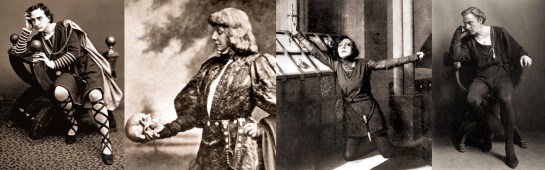
Edwin Booth; Sarah Bernhardt; Asti Nielsen; John Barrymore

In fact, there were many notable actresses who took on the role then, most famously, Sarah Bernhardt, who said, ”I cannot see Hamlet as a man. The things he says, his impulses, his actions, entirely indicate to me that he was a woman.’’

The practice actually goes back further. In 1775, Hamlet was played by the young Sarah Siddons to great acclaim (she continued to play the role until she was 47). Two decades later, the role went to Elizabeth Powell in London’s Drury Lane theater. 

These women achieved great praise. The stuffy Dr. Samuel Johnson saw Kitty Clive in the play and compared her performance with that of the famous actor David Garrick. “Mrs. Clive was the best player I ever saw,” he noted. “What Clive did best, she did better than Garrick.” 
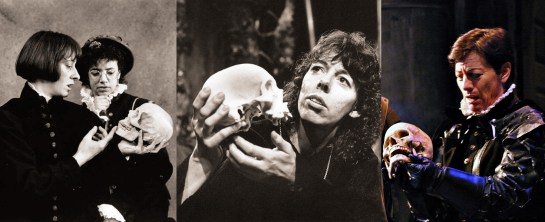
Ruth Mitchell; Frances de la Tour; Lisa Wolpe

In 1822, Julia Glover played Hamlet in London and fellow actor Walter Donaldson said, “Her noble figure, handsome and expressive face, rich and powerful voice, all contributed to rivet the attention of the elite assembled on this occasion; while continued bursts of applause greeted her finished elocution.” The greatest actor of his age, Edmund Kean, came backstage to congratulate her: “Excellent. Excellent,” he said. 

In 1820, the first American female Hamlet was Sarah Bartley, in New York. At mid-century, Charlotte Cushman took on the role in New York and Boston, wearing the costume Edwin Booth had lent her. 

The sentiment was not unanimous, however. The New York Mirror disapproved of Nellie Holbrook’s Hamlet in 1880. “This absolutely masculine character is not capable of proper presentation by a woman, however great or talented,” the reviewer wrote. “We are, however, free to say that Miss Holbrook’s Hamlet is eminently respectable.”

That is better than the patronizing review of critic William Winter in 1911. “It is difficult to understand why Hamlet should be considered feminine, seeing that he is supereminently distinguished by a characteristic rarely, if ever, discerned in women: namely that of considering consequences, of thinking too precisely on the event.” 

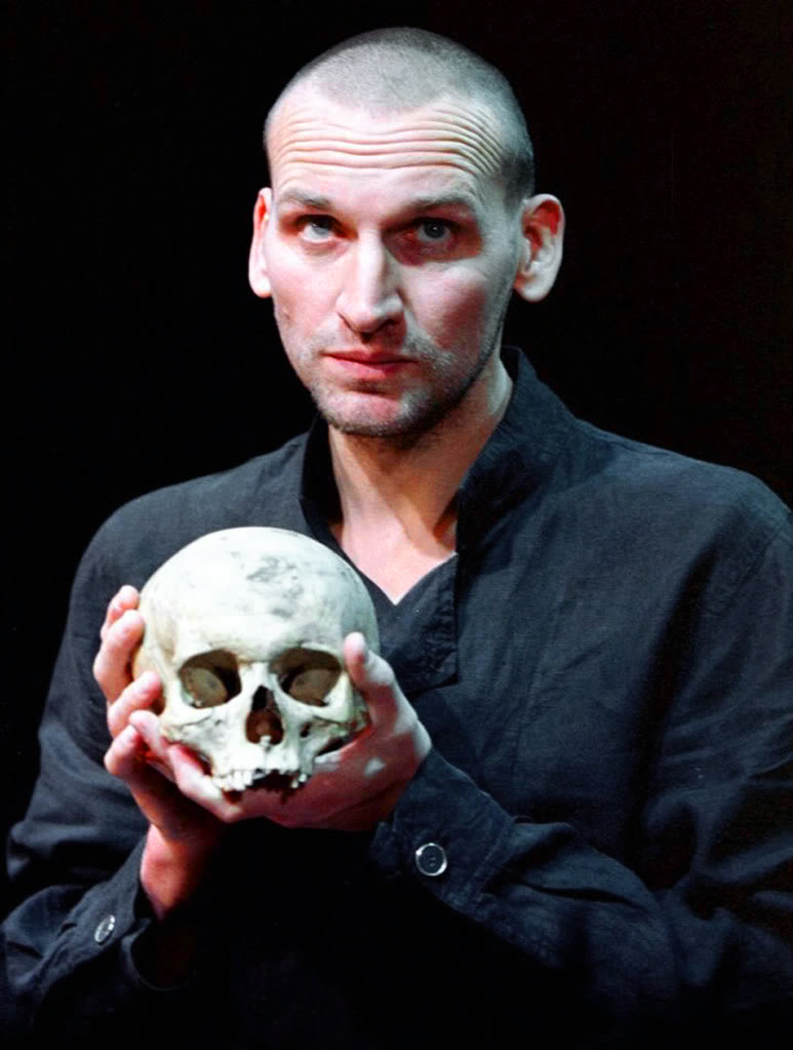
Christopher Eccleston

In the 20th century, Hamlet took a decidedly macho turn (say it like the British: “Match-oh”). He becomes a swashbuckler or a sadist, by turns. Olivier, Mel Gibson, Christopher Eccleston, who makes him look like a soccer hoodlum. 

Yet, there have been actresses who took the role. Maxine Peakes is available on DVD. Frances de la Tour, Ruth Mitchell and Lisa Wolpe played the Dane. In 1982, Joseph Papp produced a Hamlet with Diane Venora. 

“There are men who have played Hamlet very effeminate and there are those who played it macho; the male spectrum goes from the very tough to the effete and very delicate,” Papp said. “Most English Hamlets from the 19th century on were quite delicate, while American Hamlets were much tougher — like Barrymore. Diane is a strong Hamlet, but not a macho Hamlet; vulnerable, but not hysterical.

“For years I have wanted to do a female Hamlet,” Papp said. “I have always felt that there is a strong female side to Hamlet — not feminine so much as female. To me that has to do with an easier capacity to express emotion. The person playing Hamlet should be able to weep unabashedly and unashamedly. There are men who can do that, but they should be young; Hamlet is a very young person, an adolescent, a student.”

In 1937, it was Eva LeGallienne, who said, “I think psychologically one feels Hamlet was a youth … He’s still going to Wittenberg, to college, you know. He can’t be a mature man. The whole thing points to a very young youth, and therefore because a boy of that age might not be technically equipped to play the role, this is why many women in their thirties who can look like a youth, and had the technical skills to play this great role, have played it.”

Top row: Campbell Scott; Alan Mahon; Danforth Comins; Jonathan Douglas; Bottom row: Nathan Darrow; Rory Kenner; Tobias Fonsmark; Holder Bulow; Michael Benz

But, of course, Hamlet can be played all of these ways. The part is supremely plastic — you can stretch it this way and that and it still makes theatrical sense. 

But this divigation has gone on too long. Back to the soliloquy. To be or not. To be? That is the question. Nothing can stale its infinite variety. Let’s take a few different versions. Olivier, in his 1959 film, does it mostly as a voice-over, set on a precipice overlooking roiling surf. It is Hamlet on the edge of a breakdown. (Link here).

Gielgud was an enunciator. The clarity of his delivery overtakes the overt emotionalism that Olivier brought. (Link here).

Kevin Kline gives it the Master Thespian touch, emphasizing every word as if it were the most important. It becomes monotonous. But, soft, he doth drop a tear. (Link here). 

In the entire opposite direction, Benedict Cumberbatch speaks the lines as if they were spoken off the cuff. This is the way real people speak. I especially love the way he makes sense of the line: “to sleep. No more.” He makes it into “death is to sleep, no more than that.” His is my current favorite version. (Link here). 

One last version. John Barrymore was the great Hamlet of the early part of the 20th century. The bulk of his career was before sound film, so it was only in his decline that he filmed the speech — or part of it — in a silly comedy starring Kay Kyser as a hick bandleader attempting to learn to be an actor. He hires Barrymore, playing a parody version of himself, to be his mentor. At one point, the comedy stops and Barrymore gives his bit of the soliloquy and you can see the majesty of his talent peek through the alcoholic puffiness. The take is almost ruined by his uncontrollable eyebrows, looking like two marmots fighting over a cheese. But the words, the words, the words. (Link here). 

Papa Essiedu, Simon Russell Beale, Paul Giamatti, Grantham Coleman

As for the words, they can be difficult for modern listeners. What the hell is a fardel? Would you bear fardels with a bare bodkin? Sometimes you wonder what Shakespeare meant, although the problem isn’t as apparent when the words are spoken on stage, as when you read them in text. An actor can make the meaning clear in context. When Hamlet says, “with a bare bodkin,” he draws his dagger and the audience understands. 

But language has changed in the past 400 years and even words that are still in current usage often had different meanings then. A careful reading of Shakespeare’s work demands an attention to lexicographical detail, if we are to avoid confusion. 

And even when we know what the words mean, we are still faced with the fact that the Bard often uses the words metaphorically, as when he has Hamlet talk of “taking his quietus,” which doesn’t literally mean to kill himself, but rather means, having finished an enterprise, or having paid off a longstanding debt. Such is life, he implies.

The most famous soliloquy in Hamlet is a profound meditation on death and suicide — the question Albert Camus said is the only philosophical question that really matters. But what do the words mean?

To be, or not to be: That is the question:/ Whether ‘tis nobler in the mind to suffer/ The slings and arrows of outrageous fortune,/ Or to take arms against a sea of troubles,/ And by opposing end them? To die: to sleep;/ No more; and by a sleep to say we end/ The heartache and the thousand natural shocks/ That flesh is heir to, ‘tis a consummation/ Devoutly to be wish’d. To die, to sleep:/ To sleep: perchance to dream: ay, there’s the rub;/ For in that sleep of death what dreams may come/ When we have shuffled off this mortal coil,/ Must give us pause: There’s the respect/ That makes calamity of so long life;/ For who would bear the whips and scorns of time,/ The Oppressor’s wrong, the proud man’s contumely,/ The pangs of despised loved, the law’s delay,/ The insolence of office and the spurns/ That patient merit of the unworthy takes,/ When he himself might his quietus make/ With a bare bodkin? Who would fardels bear,/ To grunt and sweat under a weary life,/ But that the dread of something after death,/ The undiscover’d country from whose bourn/ No traveler returns, puzzles the will/ And makes us rather bear those ills we have/ Than fly to others that we know not of?/ Thus conscience does make cowards of us all;/ And thus the native hue of resolution/ Is sicklied o’er with the pale cast of thought,/ And enterprises of great pitch and moment With this regard their currents turn awry,/ And lose the name of action.

Alec Guinness, Peter O’Toole, Derek Jacobi, Jonathan Pryce

A quick glossary: 

Rub – actually, an obstacle on a lawn bowling green.

Shuffled – cast off, like a snake skin

Coil – Turmoil

Respect – consideration or regard

Of so long life – long lived.

Time – The world as we know it.

Contumely – Contemptuous insults

Despised – Rejected.

Office – Office-holders; bureaucrats.

Spurns – Insults.

Quietus – the paying off of a debt; the resolution of an enterprise.

Bare – used here, “bare” may mean “mere.”

Bodkin – a sharp object, sometimes a hatpin, but here a dagger.

Fardels – Burdens, as a bindle or an army’s dunnage.

Bourn – Region; boundary.

Conscience – Used in an older sense of consciousness; thought.

Native hue – Natural color.

Cast – shade of color.

Pitch – The height of a soaring falcon’s flight; before falling on its prey. 

Moment – Importance.

Regard – Consideration.

It is poetry, in iambic pentameter, with rhythm and melody. But we can translate the whole into modern American tapwater. And so, if we take the poetry out of this soliloquy, what we are left with is the bare-bones meaning:

The only question that counts is suicide: Should one put up with the suffering of life or do something about it and end it all? Death is like sleep: And if as in sleep, the troubles go away, that would be wonderful. But when we sleep, we also dream. And if we dream after death, the way we do in sleep, well, that’d make you stop and think wouldn’t it? That’s why this disaster we call life goes on: For who would put up with life’s crap if he could end them all through suicide? Who would bear the burdens of life but that the threat of something much worse after death makes us hesitate and makes us put up with the troubles we have rather than fly to others we don’t know anything about? And so, thinking makes us cowards; And the will to action is weakened by thinking, And what mighty deeds we would perform come to exactly zip.

And that is why Shakespeare is Shakespeare. 

The Arnold, Buster Keaton, David Bowie, Weird Al Yankovich

Photo at top: Top row, L-R — Lawrence Olivier, John Gielgud, Richard Burton, Nicole Williamson; bottom row — Kenneth Branagh, David Tenant, Ethan Hawke

Click on any picture to enlarge


My brother-in-law likes to listen to something he calls “ugly music.”

This is music with angles, asymmetries and dissonance. I first established my bona fides with him by recognizing a piece of music by its very first note, although it took at least a full second — maybe a second and a half — for the name to gather on my vocal chords and make the passage out past my teeth: “Bartok’s fifth quartet.” I think I shocked him.

Of course, I knew the piece well. For I, too, listen to and enjoy ugly music. And I own and read the score to the Bartok Fifth. Also to many other pieces of music that might be considered by fans of more consonant sounds as “ugly.”

But, I am a firm believer in the observation made by Tom Robbins in his novel, Even Cowgirls Get the Blues, that “The ugly may be beautiful; the pretty, never.”

The “pretty” is conventional; it is bland. It requires no thought or consideration: It just lies there, accepted with lip service paid, but with little active engagement. It is a postcard sunset, a Montovani recording, a symmetrical-faced actress indistinguishable from other symmetrical-faced actresses.

But beauty is an active engagement. You have to actually look or hear. You have to notice. It takes effort on your part. Pretty soothes you into complaisance, beauty wakes you up.

There is a French concept, the jolie-laide, or beautiful ugly. It is most often applied to women whose features are not traditionally good looking, but in concert add up to striking beauty and attractiveness. Think of Cate Blanchett, with that slash of a mouth, squinty eyes and broad nose. Each odd by itself. Blanchett is no cornfed cheerleader. But together the features make up a stunning beauty.

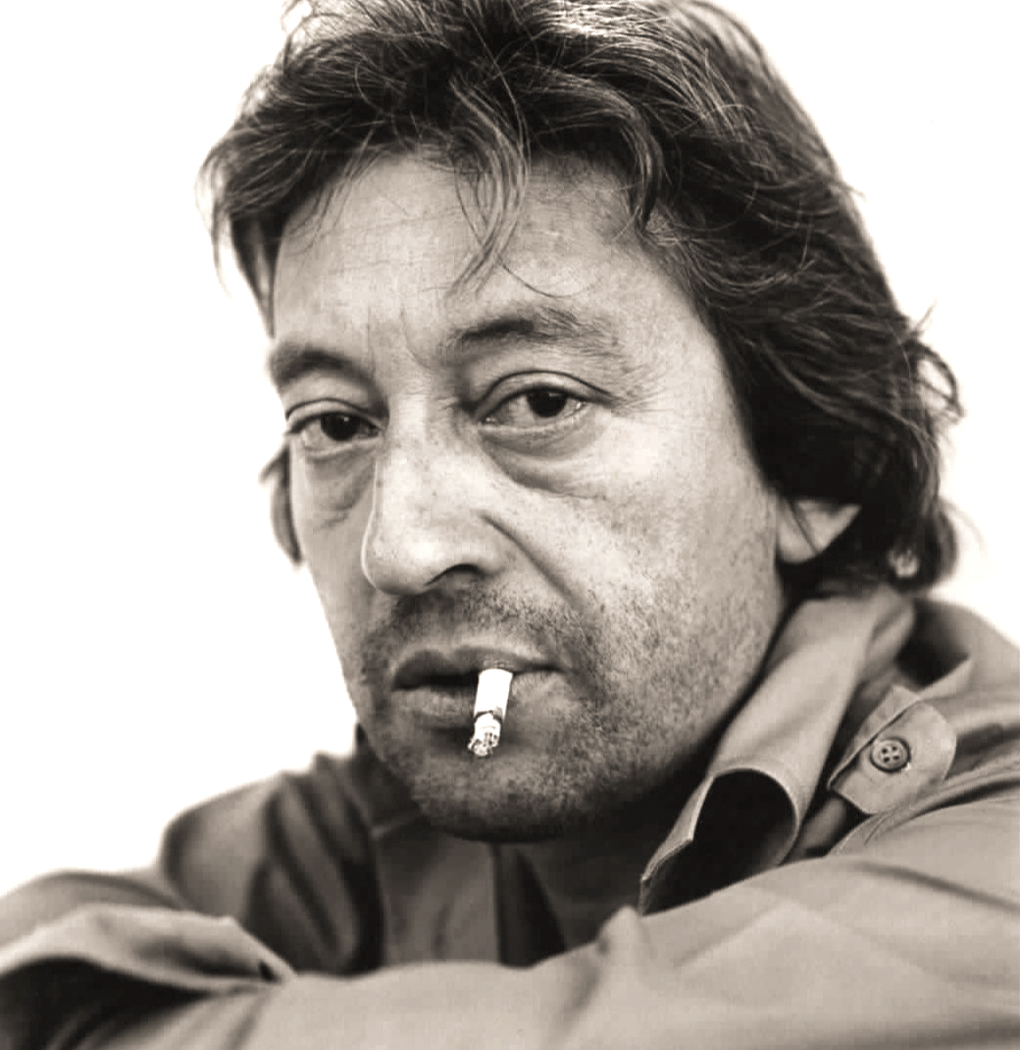
The French have almost a corner on the jolie-laide. Consider Jeanne Moreau. Or Isabelle Huppert. Or Charlotte Gainsbourg. It was her father, Serge Gainsbourg (say “gaze-boor”) who wrote a song about the “Laide jolie laide.” He was no icon of handsomeness himself, although I think many found him irresistibly attractive.

But, I’m not talking simply about feminine pulchritude or masculine formonsutude, but about esthetic beauty, about art.

Consider one of the ugliest paintings ever made, and how unbearably beautiful it is. I’m talking of Matthias Grunewald’s crucifixion from the Isenheim Altarpiece in Colmar, France. The Christ is writhing in pain; his skin is brown and gray, covered in sores; his hands are twisted, his head hung low and grimacing, his ribcage pulled up from his sagging gut, stretching him out, racked; his feet twisted and distorted. Even the cross bows downward from the weight, not just of the body, but of the suffering.

Around him are the mourners, also pulled and distorted, all crying and gnashing their teeth. The landscape behind is dark and barren. There is not a single note of grace in the frame, not a single square centimeter of prettiness. Yet, the painting is unutterably moving. You can hardly bear looking at it, yet, seeing it makes you recognize your own humanity in a profoundly deeper way.

Don’t misunderstand me. I am not saying that only ugliness can be beautiful, but rather, making the case that it can be.

Like that ugly music. Brother-in-law listens to Schoenberg with pleasure. One of the first pieces that turned him on to classical music was Beethoven’s Grosse Fuge — surely one of the hardest pieces to listen to in all the repertoire, but also one of the most sublime.

And it’s not just classical music. He listens to jazz, also, with an ear for the more abstruse and difficult bop. Or free jazz. Let’s face it, Cecil Taylor is not a cocktail lounge pianist. Or Thelonius Monk. That is music proud of its own awkwardness, and uses it for expressive purpose.

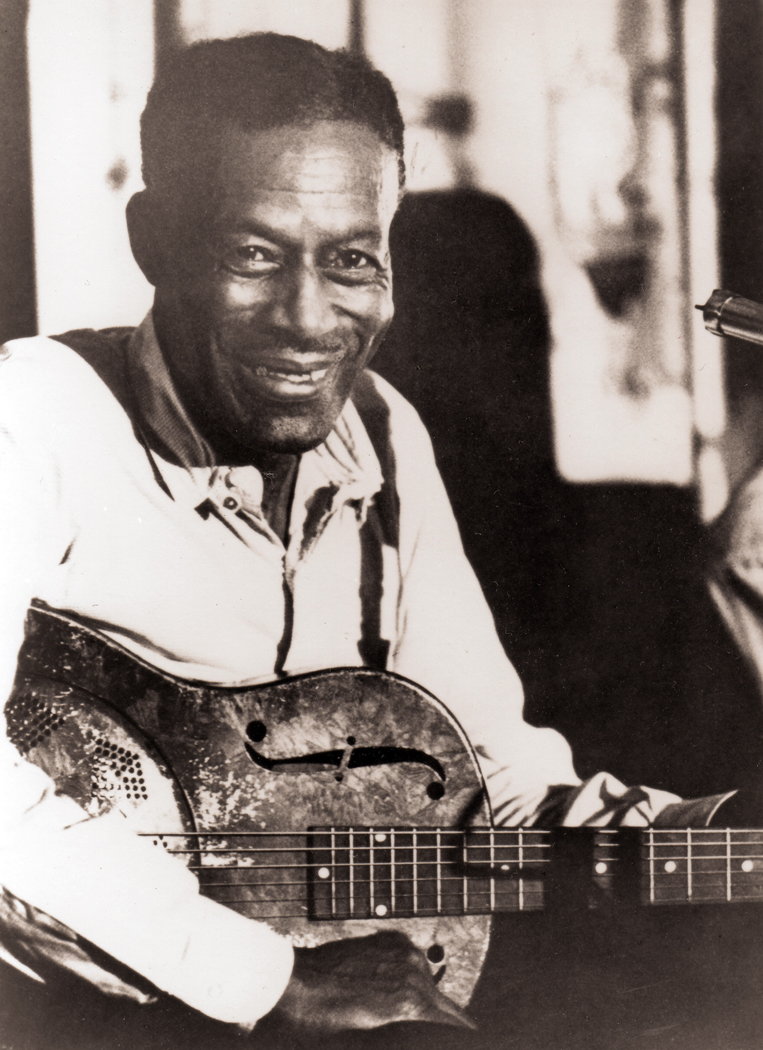
One might compare Son House with Montovani. The one is pretty, the other is raw, ugly, powerful. House gets to the gut with the sharpness of a surgeon’s blade. Montovani, no matter how glossy and smooth, is a soporific.

Other ugly music: Tom Waits, grating in voice and peculiar in instrumentation, yet, more satisfying than, say, John Denver. I know, that’s not fair. Sorry. But you know what I mean.

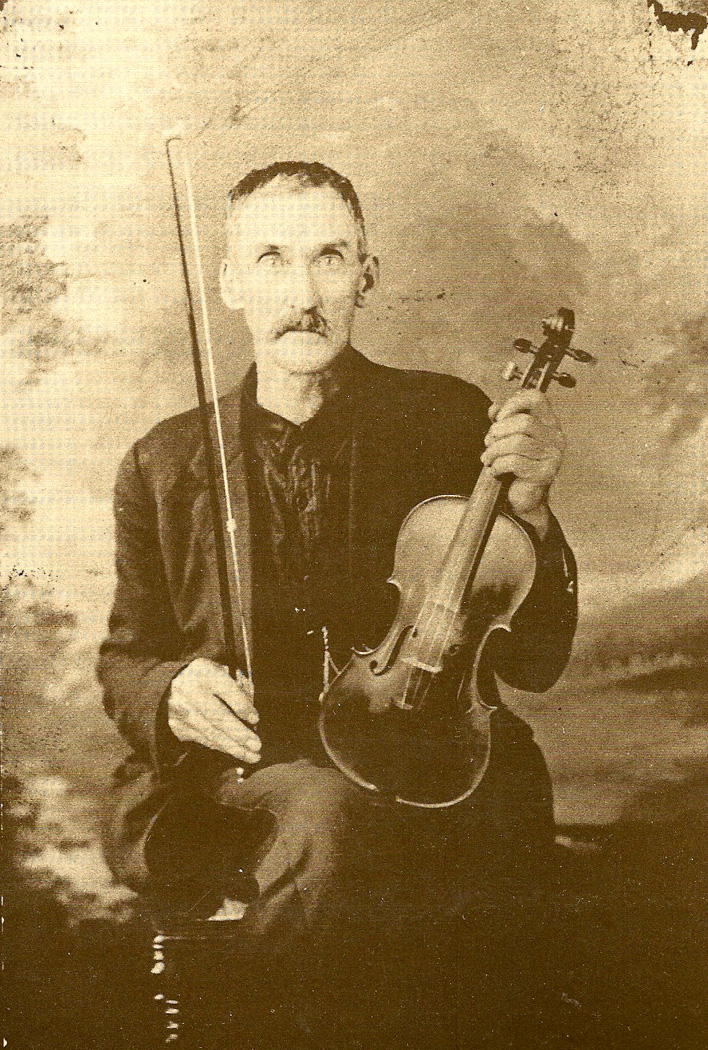
I have a long history with ugly music of all kinds. Appalachia is weighted with ugly music that is beautiful. Consider those mountain Baptist family choirs, singing vibrato-less and consistently just a hair flat, making the most mournful keening. Or the scratchy mountain fiddling of Emmett Lundy. I treasure his few recordings.

Many years ago, I had an LP of field recordings of amateur Spanish brass bands playing for religious festivals, marching down village streets. Sour, scratchy, blaring, they were so intensely beautiful in their ugly way, I came to love them. Alas, the LP is long gone and I’ve never found a digital replacement.

When I was a teacher of photography, one assignment I gave my students was to make a bad photograph. I required that it not be a technical botch, but a bad photograph from conception in the viewfinder. What my students — or at least my good students — discovered, and I already knew, was that if you are paying attention to what you are doing, it is very, very difficult to make a bad photo, because the fact of your attention rules out anything not paid attention to — i.e., the ugly.

It is often said that beauty lies in the eyes (or ears) of the beholder, but I think this saying is basically misunderstood. It is taken to mean something like “To each his own,” or “de gustibus non desputandum est,” but I take it to mean quite differently, and more to the point, that beauty is found in the engagement of mind and senses with the object of perception. In other words, when you pay attention with the focus of someone defusing a bomb, you discover layers of depth and meaning — and therefore beauty — that you might not have suspected. And so, the stains on a concrete sidewalk, layered with fallen leaves and maybe a gum wrapper, will, when observed attentively and with the full engagement of your sensibility, may very well strike you as heartbreakingly beautiful.

This is not just something for pointy-headed esthetes. I have known a farmer who can squeeze a handful of spring soil in his hand and find its loamy odor beautiful enough to bring tears to his eyes. For most of us, it’s just dirt. But to someone who attends to it, it is the essence of existence.

It is the engagement that creates beauty, not the beauty that creates engagement.

And so, when you listen to the Schoenberg Piano Concerto with this sort of eager absorption, you discover a beauty in it that those listening passively, perhaps with the radio on while doing their taxes, can never enjoy, hearing instead only a jumble of disconnected noise. It is not disconnected; it is not noise. It is a carefully created esthetic whole and a thing of beauty and a joy forever.

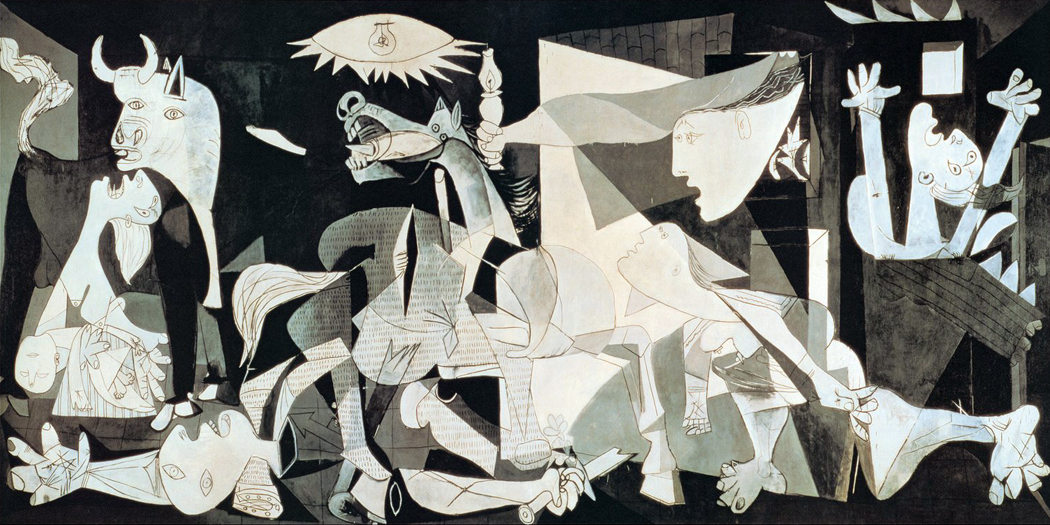
When I was in high school in New Jersey, I spent as much time as I could in Manhattan, visiting galleries, museums, bookstores and concert halls. And I came to love the Museum of Modern Art. I’d get out of the elevator on the gallery floor and to my right would be Jackson Pollock, Van Gogh’s Starry Night, Pavel Tchelitchew’s Hide and Seek (a painting that primarily appeals to an adolescent, which I was at the time), and beyond those, the the farthest gallery was Picasso’s Guernica, 25-feet wide and 11-feet high.

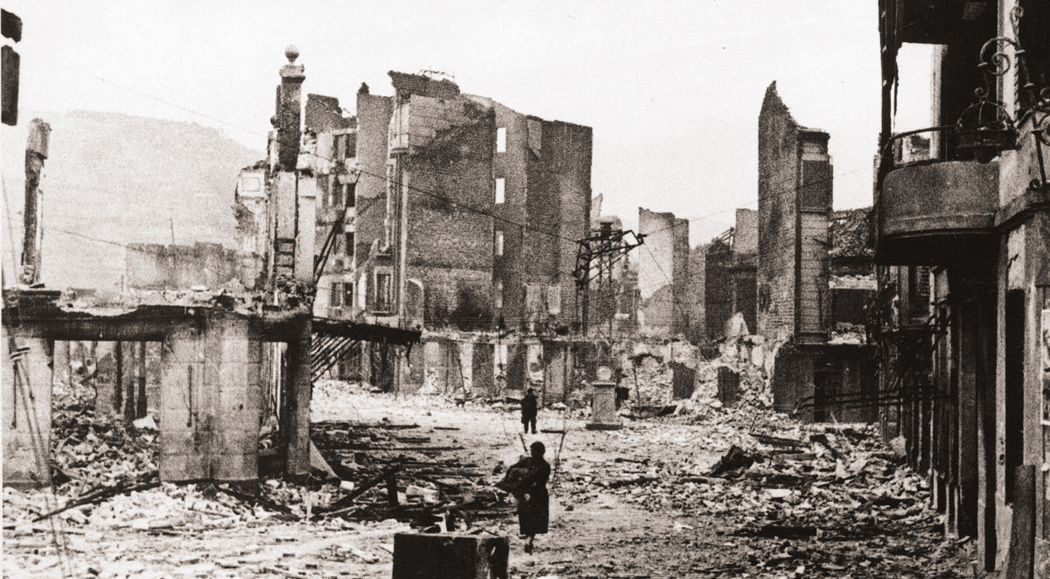
It is a painting of utter ugliness, not only in subject matter (the Nazi bombing of the Basque city of Guernica in 1937) but also in the angular, distorted and abstracted shapes that make up its design. If one has a shred of humanity, the painting cannot be seen without a welling up in your gorge. It is the prime example in the 20th century of a political painting that is actually an esthetic success. It is Picasso’s shay-doov, and the one piece of art, if we had to choose a single one to represent that century, would be the consensus choice.

It is also profoundly beautiful. While I am pleased that the painting has finally been returned to a democratic Spain, I mourn its absence from New York, from my life. I treasured its palpable presence and its emotional power.

The ugly may be beautiful, the pretty, never.