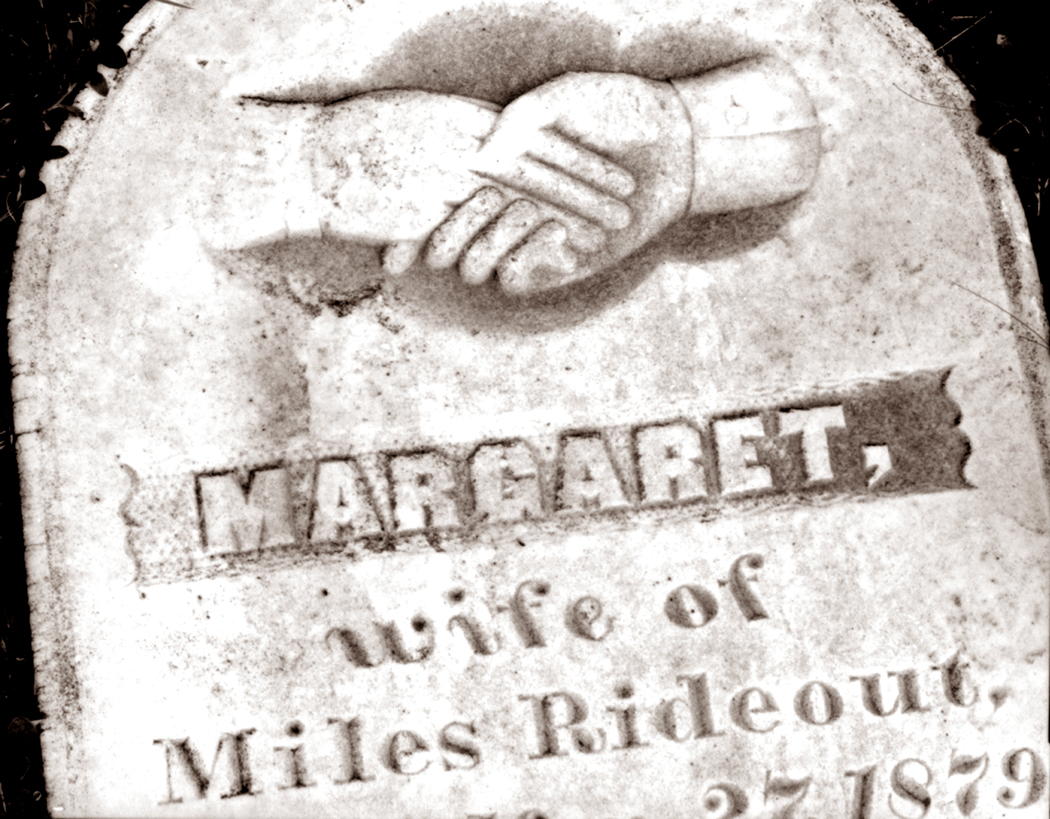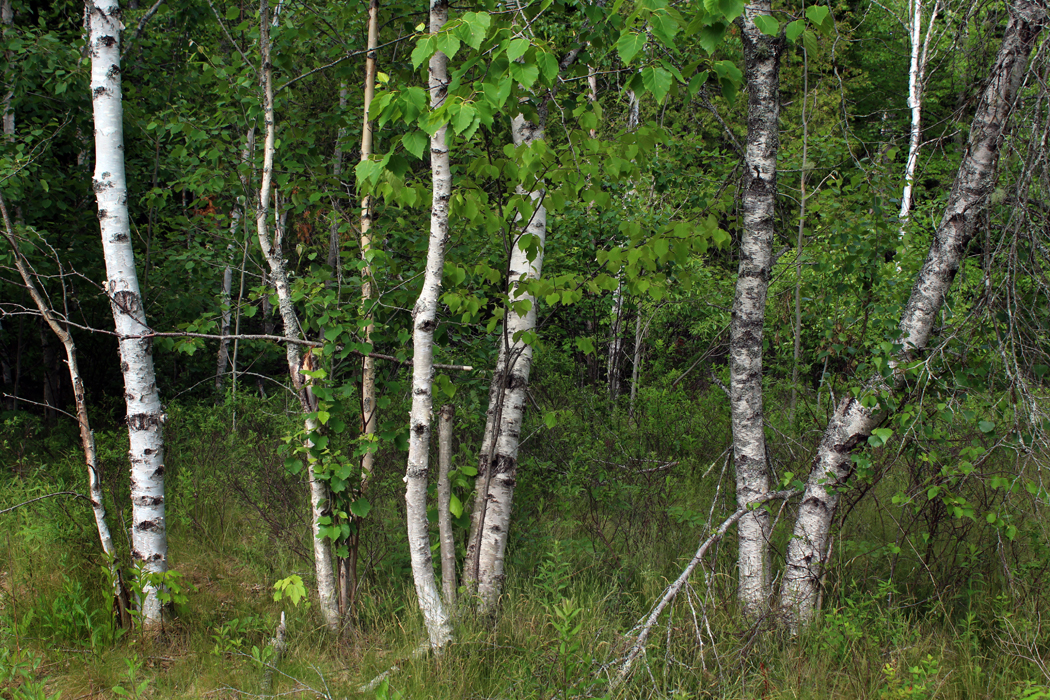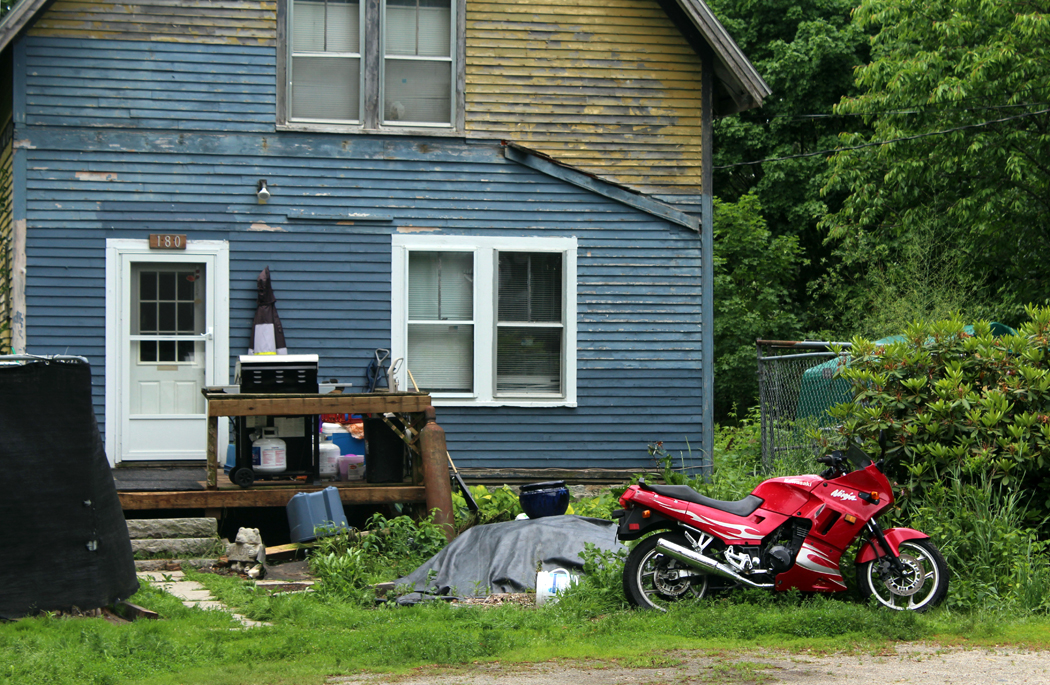
Archive

Tag Archives: photography

“Which way to Millinocket?”

“Don’tcha move a goddamn inch.” 

Maine jokes — an acquired taste, perhaps. So many of them are built on city slickers asking for directions. “You can’t get there from here.” (Say it with the accent: “You cahn’t get they-ah from hee-ah.”) Lost travelers always seem to find farmers willing to guide them: “First, you drive up a mile, mile-and-a-half maybe, and turn left where the old church used to be.” 

“Used to be.” It is a familiar refrain in the more rural and forgotten areas of the state, and along the coast north of Acadia National Park, where few out-of-staters are likely to venture — an area known as “Down East.” 

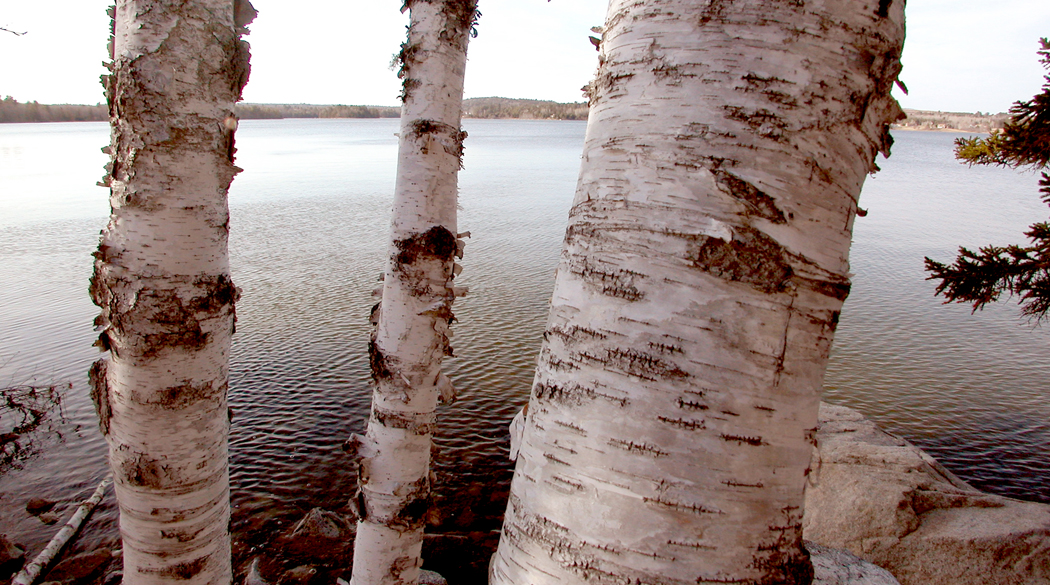
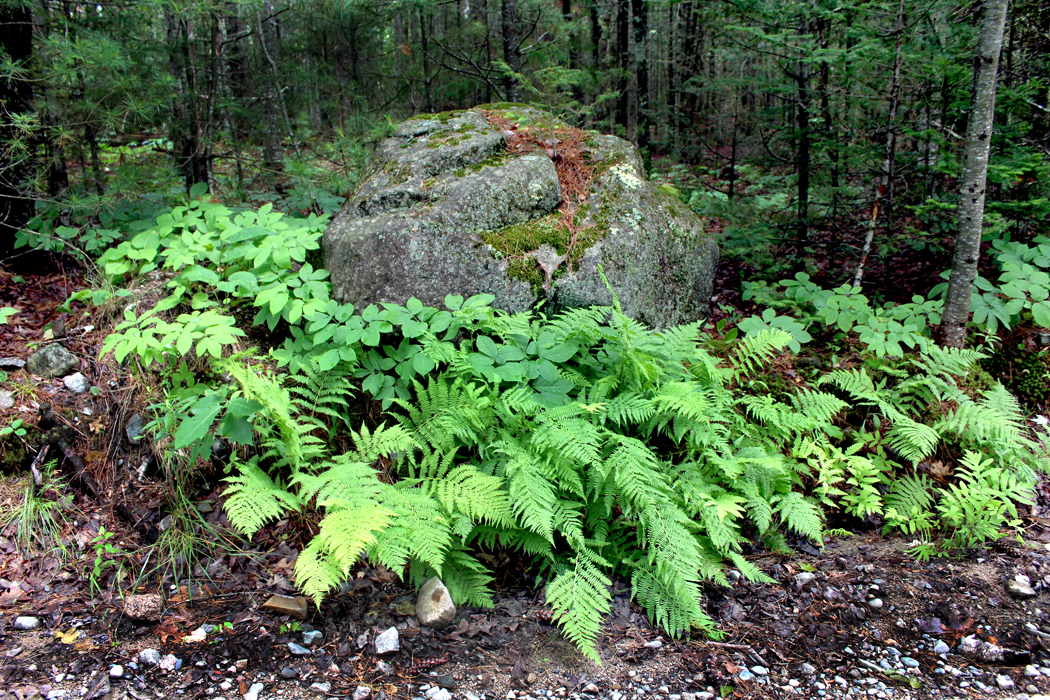
There is much that “used to be” in Sullivan, Maine, a small community on Taunton Bay about 15 miles beyond where the tourists turn off U.S. 1 to Mt. Desert Island and Acadia. With a population of about 1200 spread over half a dozen townlets between Hancock and Gouldsboro, it has been home to my best friends from college for about 30 years. Over that time I have visited them often. 

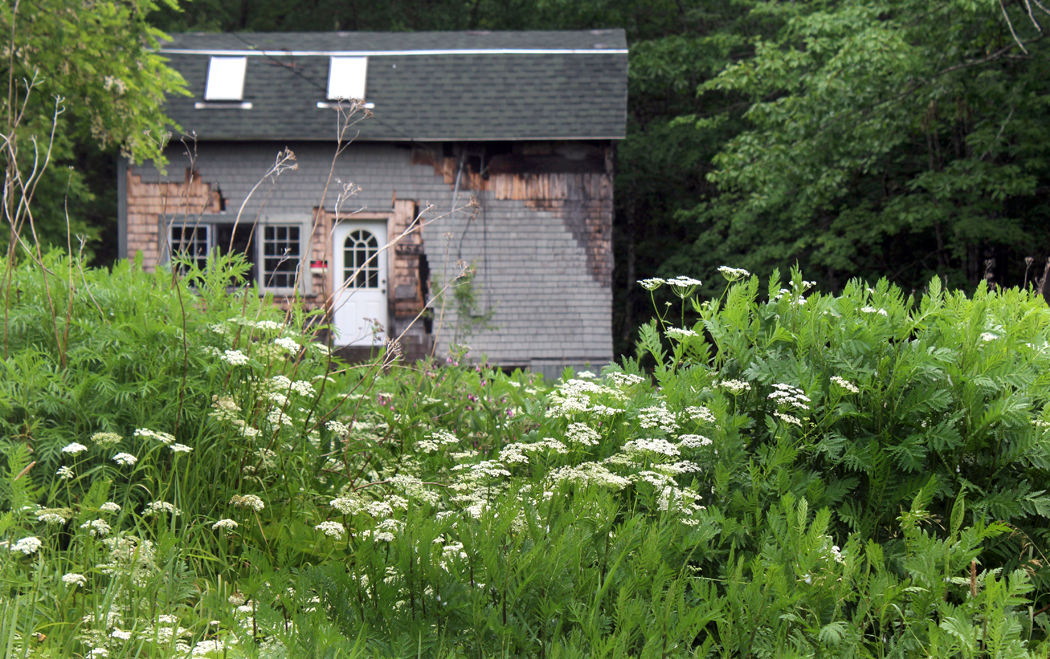
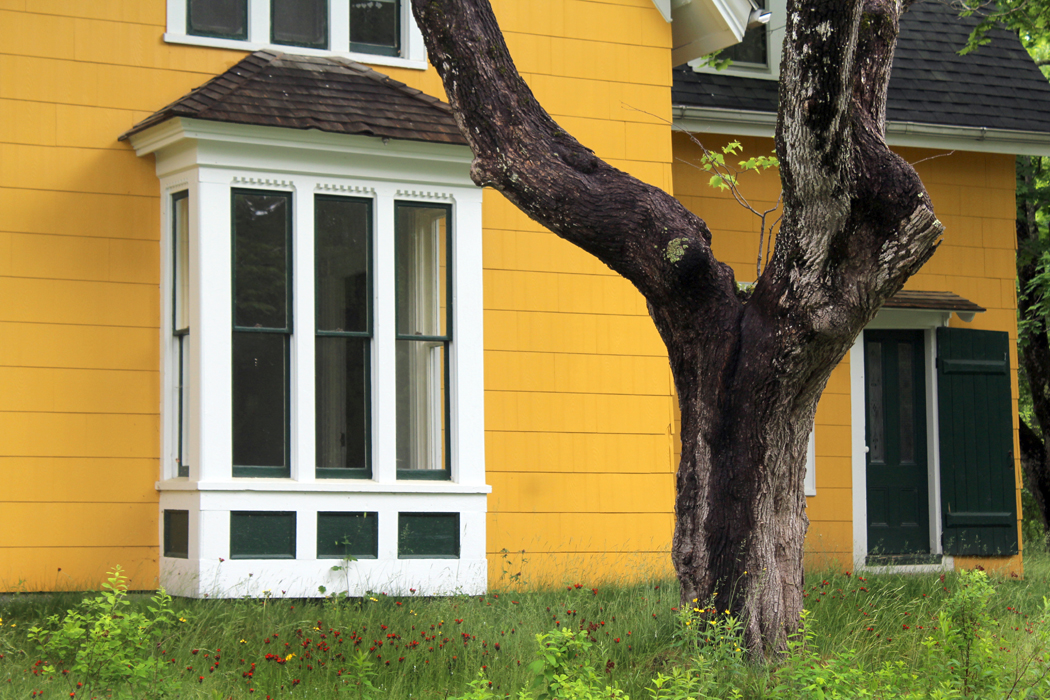
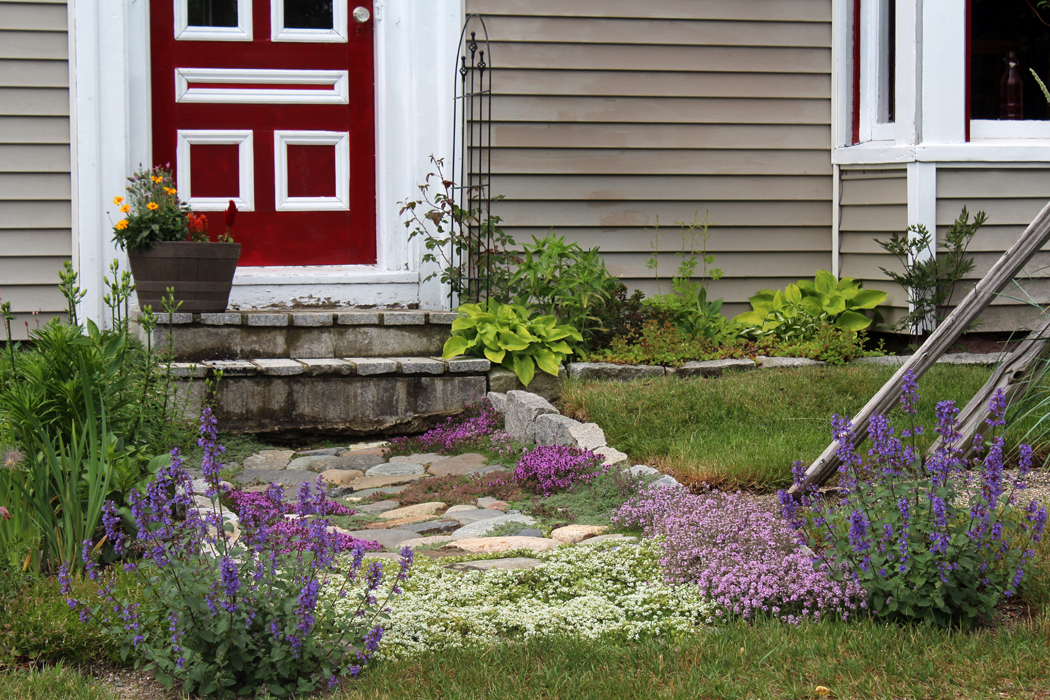
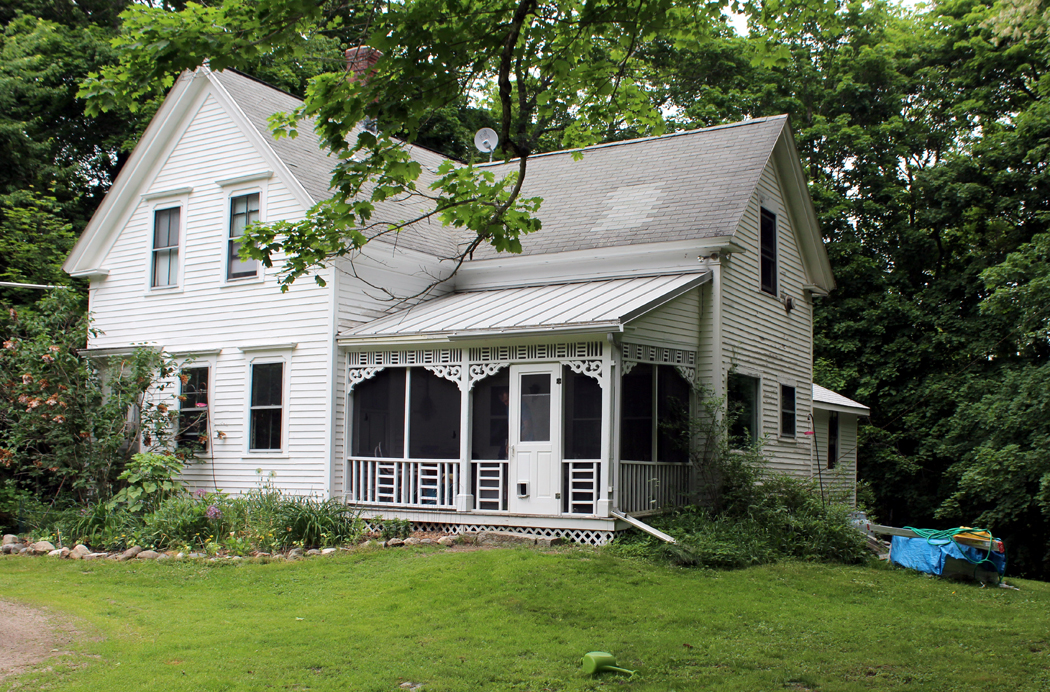
They have an old farmhouse (I call it a farmhouse, although there is no farm) in North Sullivan along the road that parallels Taunton and Hog bays. Like much in the town, it is weathered and steeped in character. 

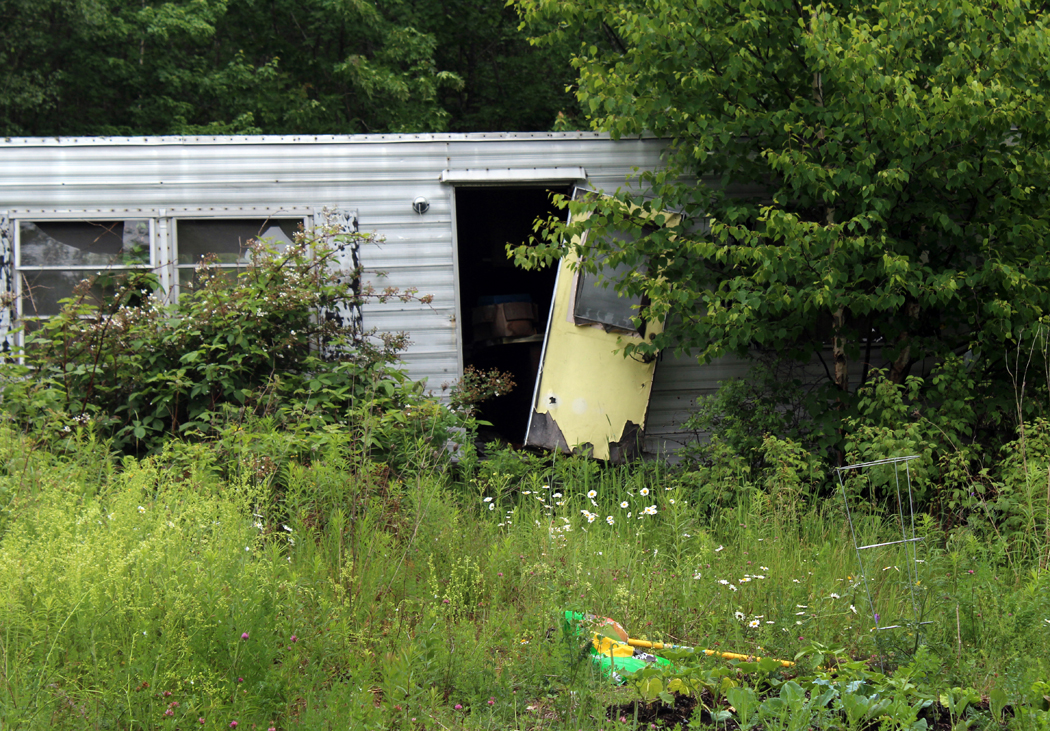
Sullivan has changed over those decades, although you might not notice it if it were your first visit. It still looks quaint, as if it were some Down-East Brigadoon. But there are many things that “used to be.” 

The Singing Bridge

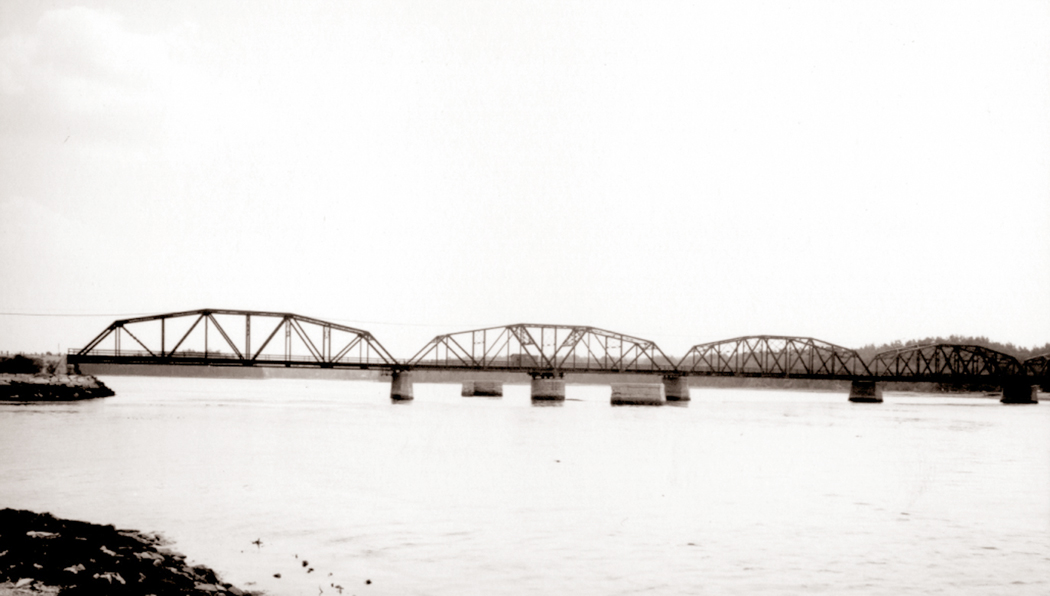
For me, the most notable is the loss of the singing bridge from Hancock to Sullivan over the narrows between Frenchman’s and Taunton bays. The old bridge had a steel mesh roadway and every time a car ran over it, it roared like a banshee. That steel-truss bridge was replaced in 1999 by the “silent bridge,” made from prosaic concrete. 

Taunton Bay

The singing bridge was opened in 1926, replacing, after many years, the original wooden toll bridge that was washed away by winter ice a few years after it opened in the 1820s. Between bridges, a ferry ran from south shore to north — a flat boat that held one carriage at a time and charged a dime for a crossing. The Waukeag Ferry went out of business when the singing bridge opened. 

Stuffy

You get attached to something and then, it’s gone. When we first started going up to Sullivan, there was, just across the bridge, a small, wooden roadside ice cream stand called “Stuffy’s,” which also sold lobster rolls and the best lobster bisque I ever ate. We went back there for lunch many times. Of course, it is now gone. 

Abandoned quarry

So are the granite quarries that used to support the town, and so are the silver mines that made the town viable in the first place. 

According to A Gazetteer of the State of Maine, published in 1886, “There are now eleven incorporated companies owning mines in the town, most or all of them being operated. Work has been done also in five or more unincorporated mines. There has been completed in the vicinity a concentrating mill and smelting works for reducing silver ore.

“On the various streams there are two saw-mills, two stave mills, one shingle-mill, and one grist-mill. … A steamboat touches at Sullivan Falls three times a week.”

All gone. 

The Native American name for the area was Waukeag. It was first settled by the French in the early 1700s, but was given to English-speaking settlers by the colonial government of Massachusetts in 1761, when it was called New Bristol. It was incorporated in 1789 under the name of Sullivan, one of the original settlers. At the time of the Revolutionary War, there were just 20 families in town. By 1870, the population was 796. In 1880 it was 1,023. It is not much bigger than that now. 

Schoodic Mountain

As you drive north on U.S. 1 through Sullivan, you can often spot Frenchman’s Bay to your right, a vast tidal flat at low tide, a lake at full. In the distance to the south you can see Cadillac Mountain and Mt. Desert Island. Just north of the highway is Schoodic Mountain, 1,069 feet high, and Tunk Lake, where Rear Admiral Richard Byrd used to have a vacation home. 

On the peninsula just south is Sorrento, a resort town a bit more upscale than Sullivan. 

Reversing Falls

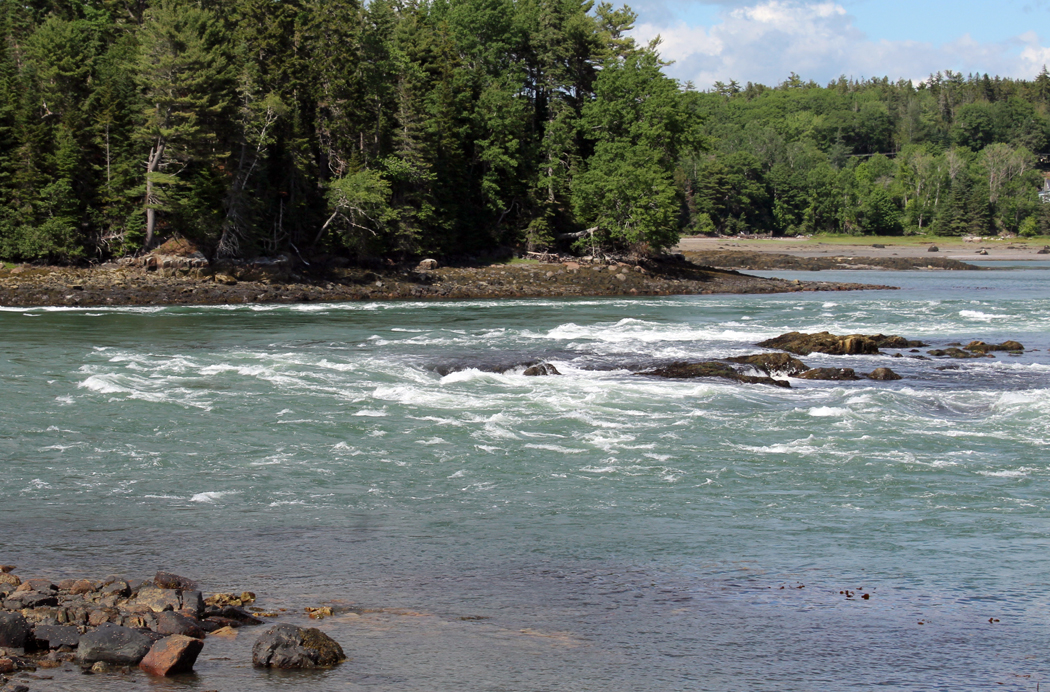
And at the mouth of the inlet, where Taunton Bay dwindles to the narrows that used to be called Sullivan River and opens onto Frenchman’s Bay, the tide creates what is known as a “reversing falls,” where the rising tide creates a dangerous rapids heading into Taunton Bay, and with a falling tide, creates the same rapids in the opposite direction. The current is fierce, up to 13 knots. 

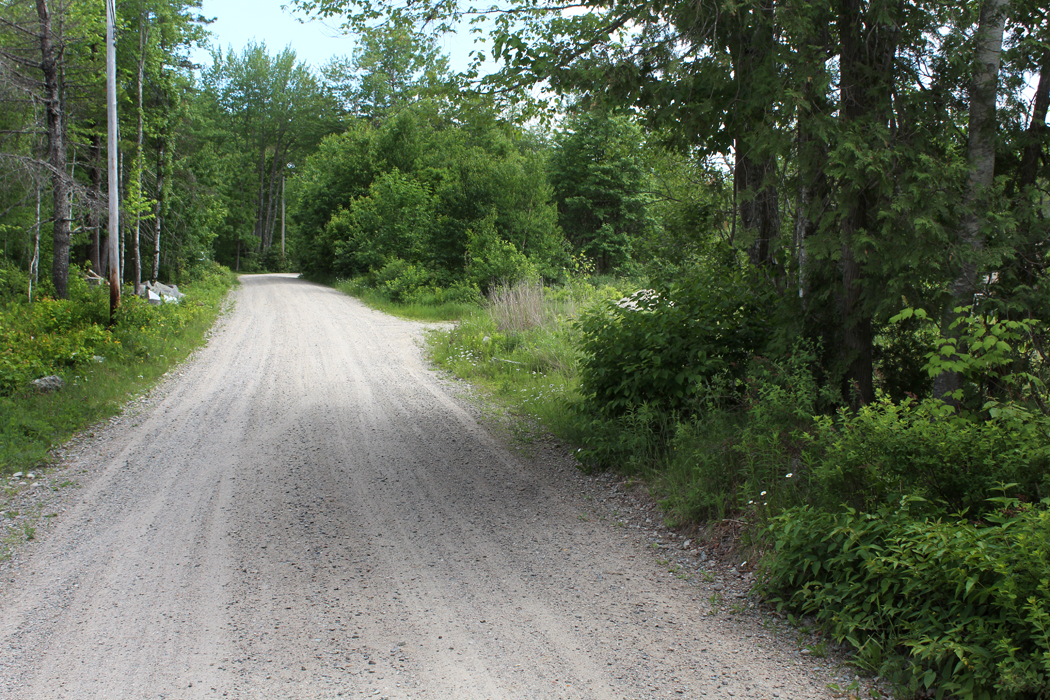
But it is Taunton Bay Road that is what I am most interested in. Just after the silent bridge, there is a left turn that takes you through West and North Sullivan along the eastern shore of Taunton Bay. It continues out of town along Hog Bay and into Franklin. The road is beaded with old homes, usually clapboard with front porches and foundations or stoops made from granite once quarried locally. 

Across the water, Taunton Bay opens up into Egypt Bay and the town of Egypt, made famous — or notorious — by Carolyn Chute’s 1994  book, The Beans of Egypt, Maine. 

Among other losses in Sullivan are Jerry’s Hardware and, while Gordon’s Wharf is still extant, the busy fishing business is gone. There are a few family cemeteries, an art studio where stone sculpture is made, and a ceramic studio. 


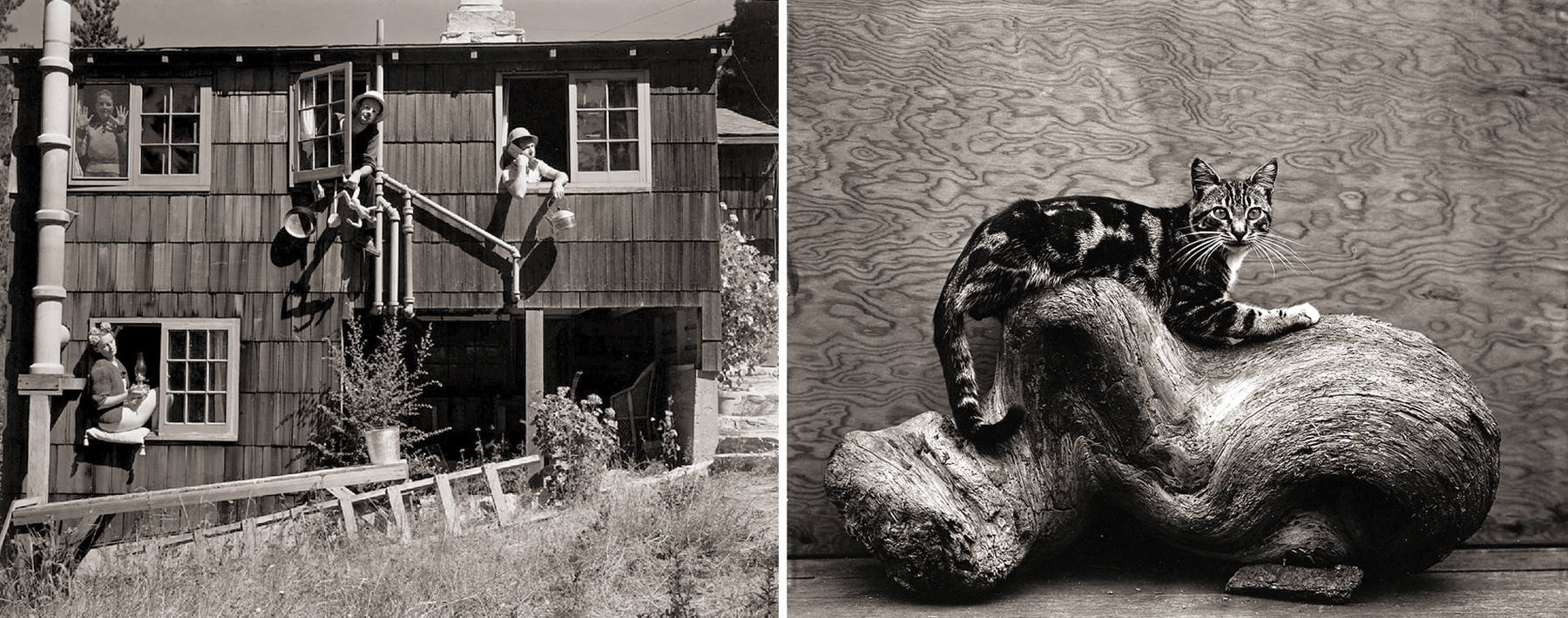
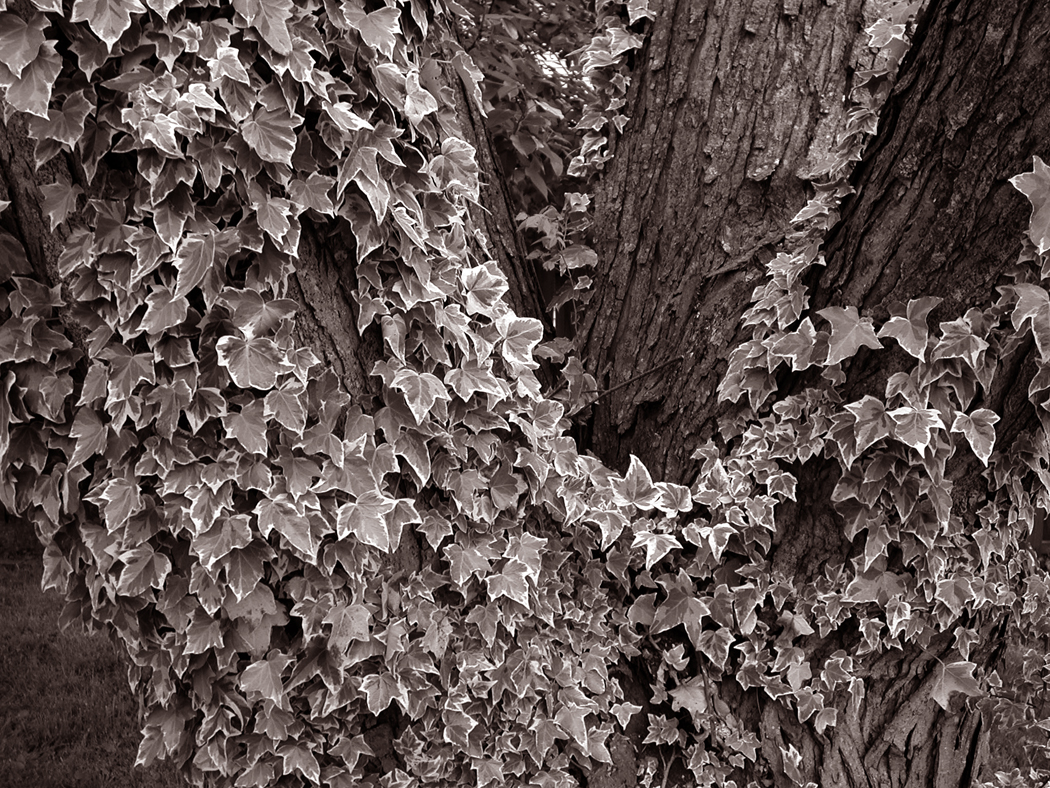
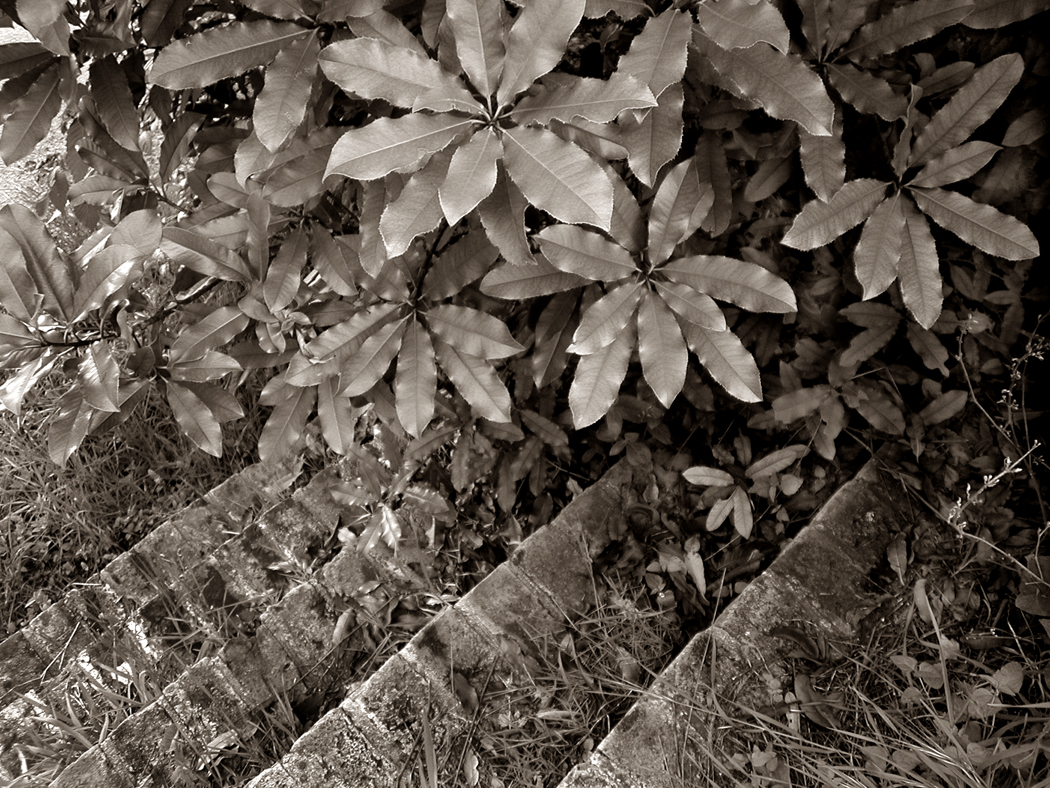
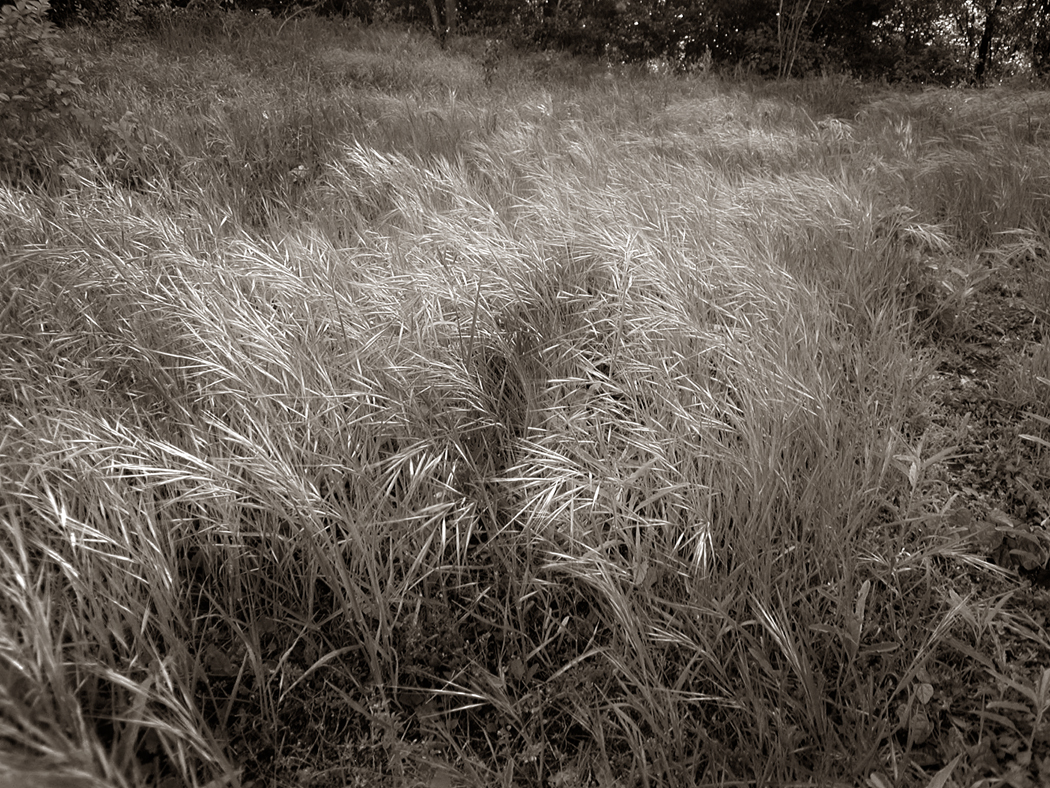
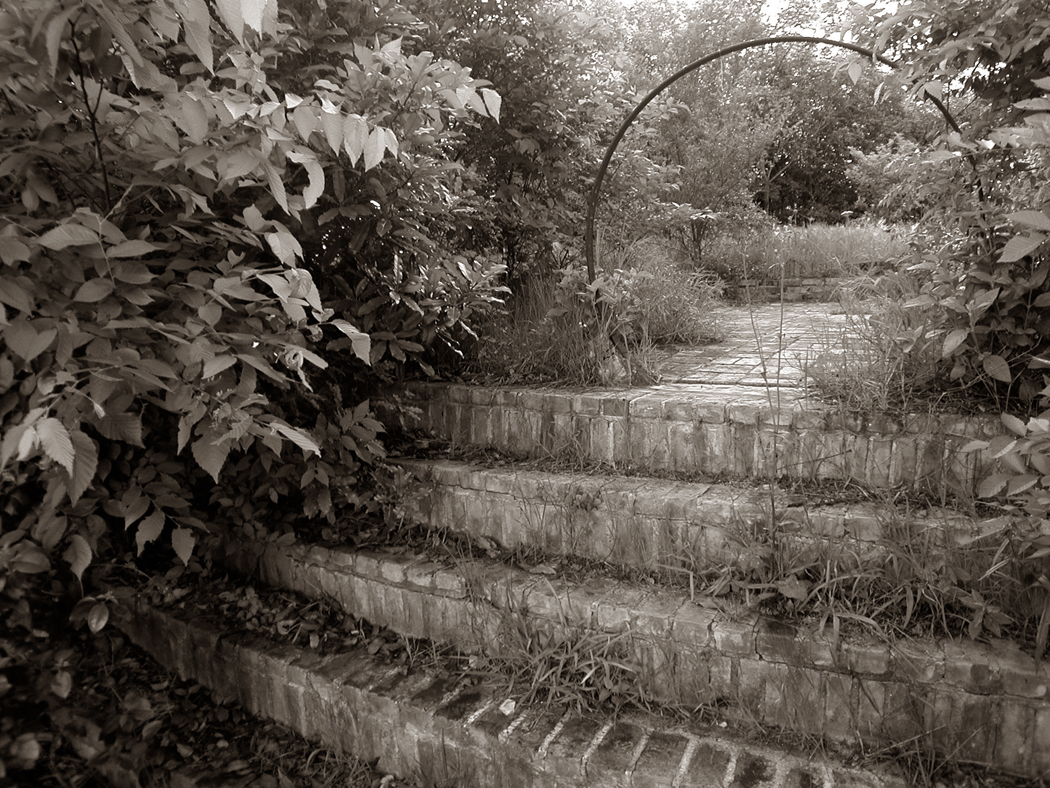
This last time I visited, I attempted to make a “portrait” of this end of Sullivan, the way Alfred Stieglitz made a portrait of Georgia O’Keeffe — hundreds of photos that I hoped would, in aggregate, give a sense of the place. I can only share a tiny fraction here. You can find a more detailed portrait of a single house at (link here). 

There are three reasons to photograph something you care about. First, simply to capture it so as to possess it, for the sake of memory, the way you keep old snapshots of family birthdays and vacations. Second is to create art, that is, to make an image out of shapes and colors in a design that has graphic interest. But third is to see.

We look over so much at every minute of every day, but seldom see it. Looking closely, paying attention to details, absorbing character, seeing relationships — these things come with seeing with purpose. Seeing is engaging. Engaging is being alive. 

Wandering through Sullivan, I wanted to gather albumblätter  for my scrapbook; I also wanted to make something that might be, in its tiny way, considered art; but most of all, I wanted to use my camera as a way of focusing my sometimes wayward attention on something I want to know more deeply.  It is a way of expressing affection. Photographing, done this way, is a means of caring.

To collect snaps, or to frame art are fine in themselves, but using the lens to focus the mind and heart is infinitely more rewarding. It creates meaning.

Click on any image to enlarge

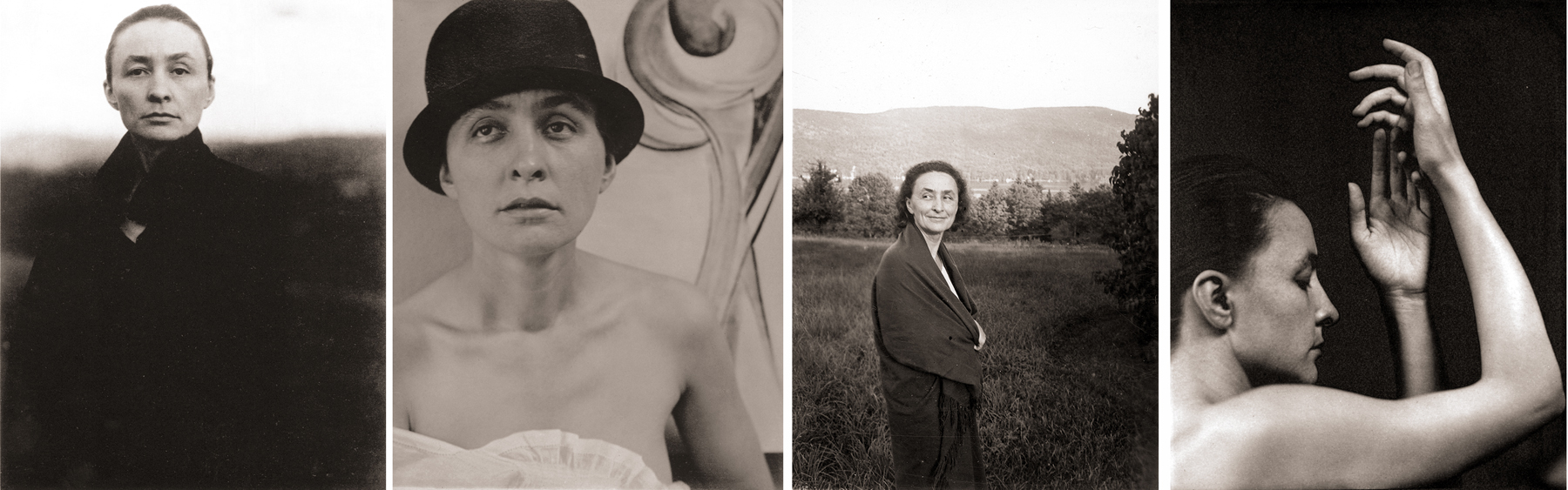
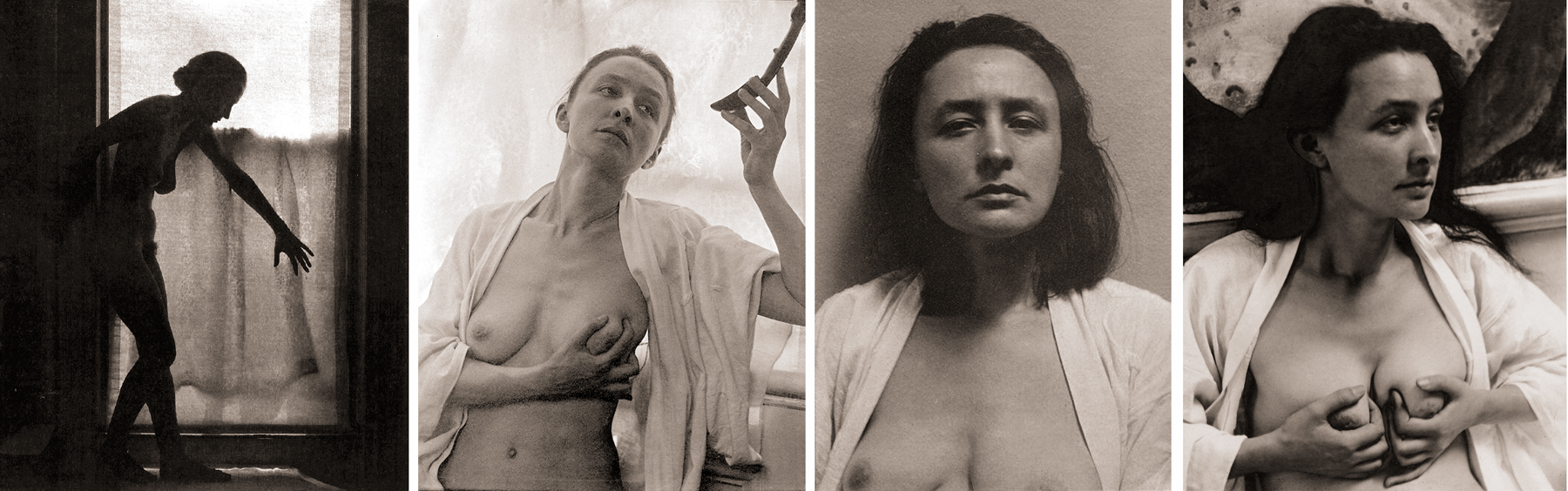
How many is enough? Beginning in 1917, photographer Alfred Stieglitz began making portraits of his new squeeze, Georgia O’Keeffe. But he soon developed the idea that a single image could not adequately express the essence of a person. Over the next 20 years, he photographed the artist some 350 times, making what to Stieglitz counted a single, all-encompassing portrait of O’Keeffe. 

“To demand the portrait that will be a complete portrait of any person,” he claimed, “is as futile as to demand that a motion picture be condensed into a single still.”

As he took up the camera once more after several years of editing his magazine, he wrote: “I am at last photographing again. … It is straight. No tricks of any kind. — No humbug. — No sentimentalism. — Not old nor new. — It is so sharp that you can see the [pores] in a face — & yet it is abstract. … It is a series of about 100 pictures of one person — heads & ears  — toes — hands — torsos — It is the doing of something I had in mind for very many years.”

The series went well past the hundred pictures he mentioned, and became one of the signature events in the progress of American art photography. The photographs were shown in galleries and museums and a selection of them were published in a book issued by the Metropolitan Museum of Art. 

He photographed O’Keeffe nude, surly, playful, artsy and in snapshot mode. He seems to have had a thing for hands. There are a boatload of hands, all very arty. Certainly, they are expressive, but they are also a bit arch. And do they actually tell us anything about O’Keeffe, the woman who kept her privacy like a recluse, so that even when she seems to be opening up to us, she is really just assuming a simulacrum of candor? She simply doesn’t want us to presume we might know her. 

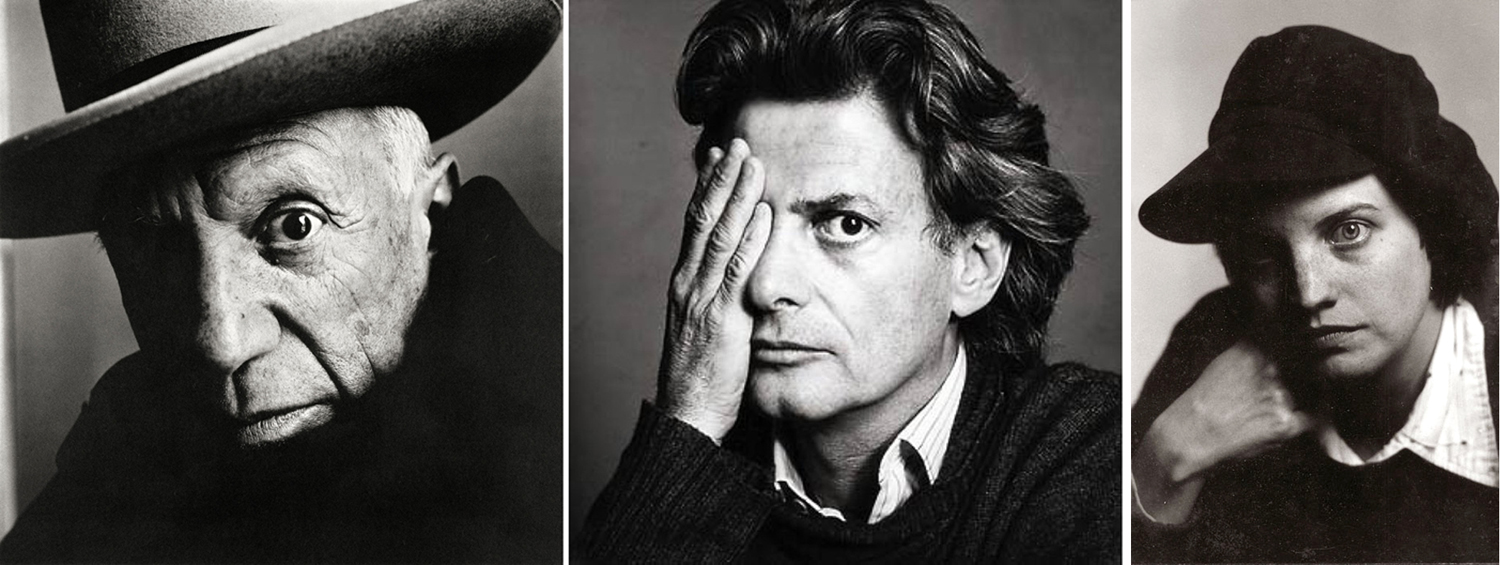
But despite his intent, it is obvious that while 350 images may be more varied than a single portrait, it is no more complete. To achieve his goal, Stieglitz would have had to film every second of O’Keeffe’s life from birth to death and show it unedited. Attempting to capture a personality in any finite number of moments requires that some editing and interpreting will be necessary. Is Irving Penn’s portrait of Carson McCullers any less an accurate version of the author than Stieglitz’s O’Keeffe? 

In fact, I might say that O’Keeffe, even photographed by her husband 300 times, is more reserved, and lets less of herself out into the frame of the picture than McCullers does in one single instant. There is infinite sadness in those eyes. 

As a “control group,” we might include the three versions of Truman Capote made by Penn over time: First in 1948, then in 1965 and 1985. Does the grouping tell us much more than any of the single images? Only that Capote got old. We knew that. 

There is some kind of naive innocence in Stieglitz’s attempt, that there is a possibility of “capturing” a person in an image. 

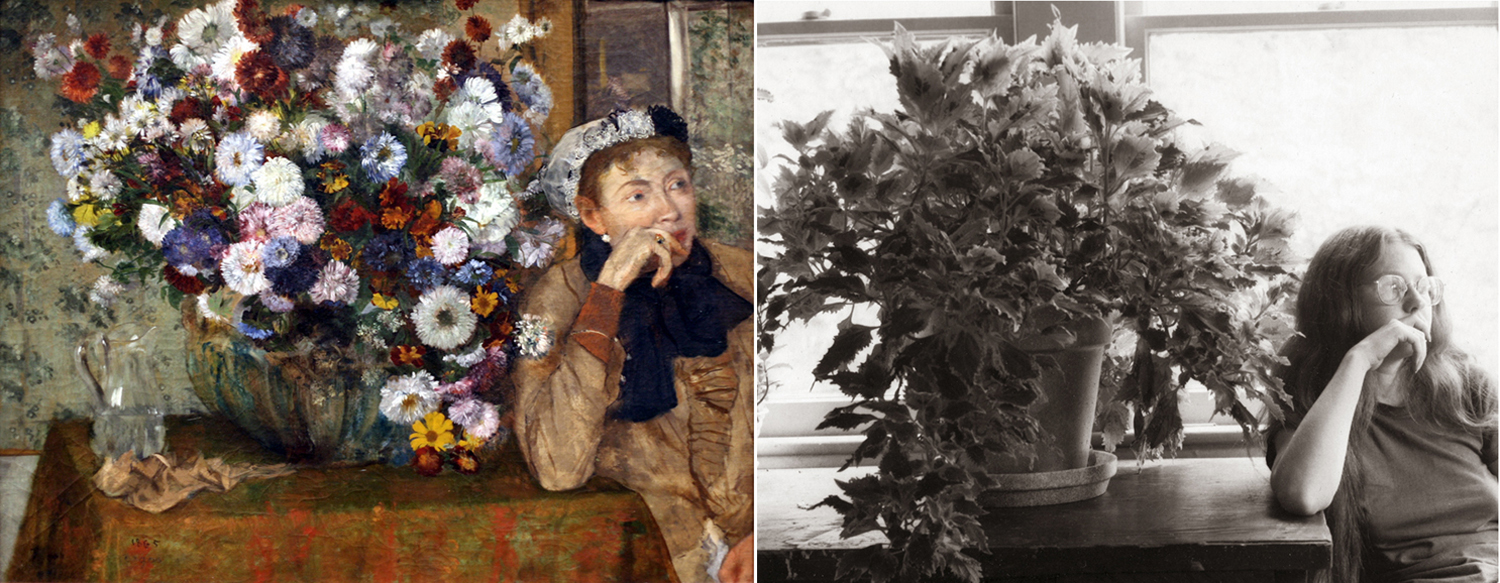
The problem is that an image has a reality of its own, a separate reality, which may or may not partake of the person photographed. Irving Penn’s famous image of Picasso becomes a piercing eye, but then, so does the eye of Richard Avedon, also photographed by Penn. Or, for that matter, a portrait of Pam Henry I made in the 1970s. 

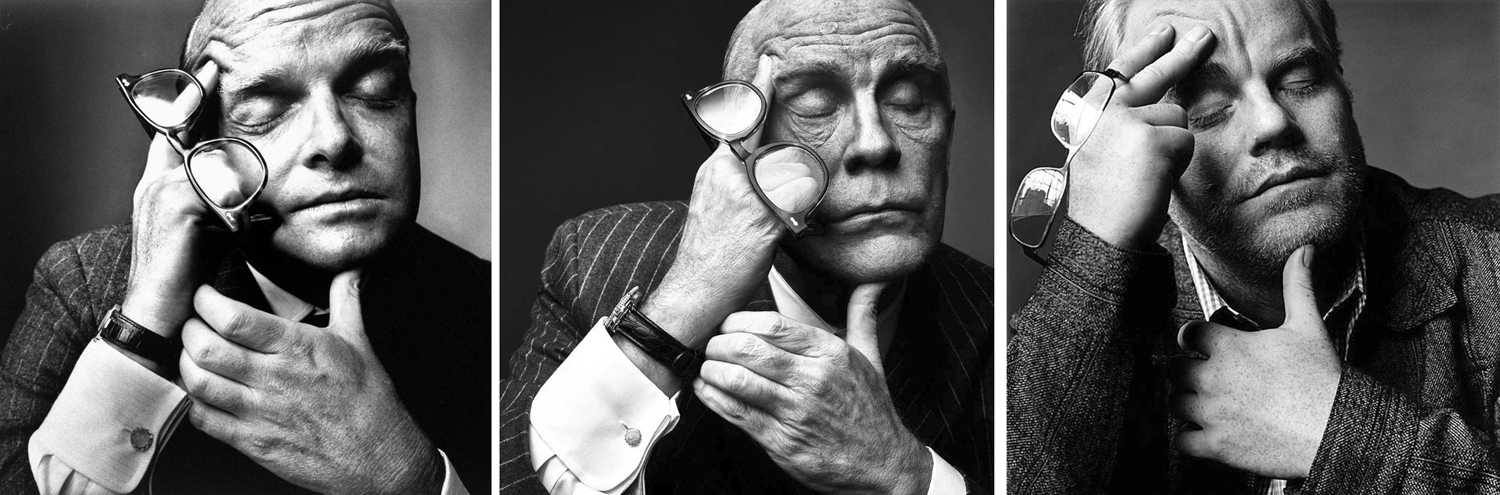
The image carries meaning in and of itself. Consider that 1968 image of Capote, eyes closed, glasses carried lightly between his fingers. Both John Malkovich and Philip Seymour Hoffman have sat for publicity photos mimicking the Penn photo. The pose trumps the person.

Or take Malkovich trying on the 1948 Capote. Again, the image is instantly recognized, and if you were turning the page quickly in a magazine spread, you might just well assume you had looked at the writer rather than the actor. 

Malkovich seems to have had fun doing this. He has mimicked many overly familiar images, from Hemingway to the migrant mother photographed by Dorothea Lange in 1936. 

Avedon often said that all photographic portraits — including and especially his — are really portraits of the photographer. It is the version of the subject transmuted by the picture-taker, and made into a vision of how the photographer understands the world. You look at that lineup of Malkovich parodies and you can as easily — or more easily — name the photographer as the name of the sitter. Top row: Irving Penn, Yousef Karsh, Philippe Halsman, Arthur Sasse; bottom row: David Bailey, Alberto Korda, Dorothea Lange, Diane Arbus. Each a distinct style; each a distinct image. 

Surely many a celebrity has felt defined and constrained by the immutable image that has usurped the actual life. Could Norma Jean live up to the image of Marilyn? Either the Bert Stern, the Avedon, the Eve Arnold or the Cecil Beaton version (l. to r.)? 

We run into the same problem we have with language. It cannot bear a one-to-one relationship with reality; it is rather a parallel universe, which can imitate our perceptions but never fully embody them. The image exists in another reality; we can name what we see, but the name is not the thing. The photo is not the person. Stieglitz’s attempts are heroic but doomed to failure. None of those 350 pictures of O’Keeffe is O’Keeffe, and the whole together is no closer to being her. 

We are left to enjoy them, then, as works of art. The eyes of Carson McCullers are not her eyes, but the sadness in the photo speaks to us clearly. That has to be enough. 

Click on any image to enlarge


Why do I do this?

The year I was born, the New York School of painters was coalescing. When I was an adolescent, they were ascendant. They were my boys: Jackson, Willem, Franz, Barney and Mark. 

(And they were boys. It was years before Helen and Lee were fully recognized.) 

During those years, the boys were flying high, but they still needed to be argued for. The mass of people continued to make fun of them. “My three-year-old could do that.” 

But to me, their power and meaning was manifest. During my teenage years, I spent many hours at the Museum of Modern Art, soaking in those great works. I spent way more of my time at MoMA than I did at the MET. 

They were called “Abstract Expressionists,” but at the time, for most people, abstract meant distorted. Picasso was the most famous artist in the world — the most famous abstract painter, and his subjects were still recognizable as bulls and guitars.

But for the New York School, it would be hard to name a subject. When Jackson Pollock was quizzed about what was his audience looking at, he said, “A painting.” 

There came to be a distinction made between abstract art and what was called “Non-Objective.” My boys were the latter. They weren’t imitating the world, but creating a new one. 

Yet, while I can honestly say I spent 10 hours at MoMA for every one I spent at the Metropolitan, the museum that became my spiritual home was the American Museum of Natural History. I didn’t just enjoy it; I loved it. I still do. 

At AMNH, I met the wonders of the natural world, from the giant blue whale hanging from the ceiling to the “Soil Profiles of New York State.” There were dinosaur bones and the colossal Olmec head. Rooms filled with rock collections and the great, illuminated theater of dioramas with their dramatis personae of stuffed bears and lions. 

I had the luck of growing up in rural New Jersey. While it was only a short bus ride to the George Washington Bridge and civilization, it was also a land of woods and streams — one ran through our property. Red fox and white-tailed deer would occasionally pass through our lawn. Tract housing and mini-malls had not yet taken over. 

So, I had these two very polar influences pulling me: On one hand, there was the manifesto of the art world that painting should be painting, and not an image of the world; on the other, I was in love with nature and the world of seasons, leaves, birds and geology. 

This tension still thrives in me. In 1998, I got to see the huge Pollock retrospective at MoMA and the painter’s 1952 masterpiece, Blue Poles, which was on loan from its home in Australia. The 16-foot-wide painting was intensely beautiful; I stood in awe — and that is not too strong a word, despite its current depreciation among the cell-phone generation, for whom even a cheese doodle can be “awesome.” 

Yet, on the same trip, I also went back to the Natural History Museum. Entering its dark and marble halls was an act of love — and that is not too strong a word. 

Since then, the art world has walked through several new rooms: Pop, Conceptual, Postmodern. And each of them seems to step further back from the physical sensation of the the natural world. 

Pop wants us to recognize cultural artifacts as worthy subjects for consideration — and they certainly are. 

Conceptual art removes us from even that, into a world of pure idea, and those ideas are often so removed from our everyday experience as to be unintelligible for the mass of people. And often kind of silly. Often the art would be better expressed in words. Write an essay. 

Postmodernism seems to tell us that there is nothing but rehash of old imagery, and what is more, even those are really about power relationships and keeping the little guy down, especially if he is a she or is melanin-enhanced. 

Certainly, there is among these isms, much art of value and meaning. And I often agree with the political ideas expressed. But I have always missed in them a sense of love for the things of this world — the smells, textures, colors, shapes of the things we use and inhabit. 

I have never given up on that. 

In some ways, this dichotomy is the difference between reason and empiricism. Conceptual and Postmodern art think their way through the world. What I value is experiencing my way through it. Seeing, hearing, touching, smelling, tasting. 

But I still have this memory lodged in my psyche of Pollock and Kline and Rothko and de Kooning. 

So, I have at times attempted a synthesis. I love nature. Rocks and trees and birds and bees. The ocean and lakes; the canyons and grasslands; the swamps and forests.

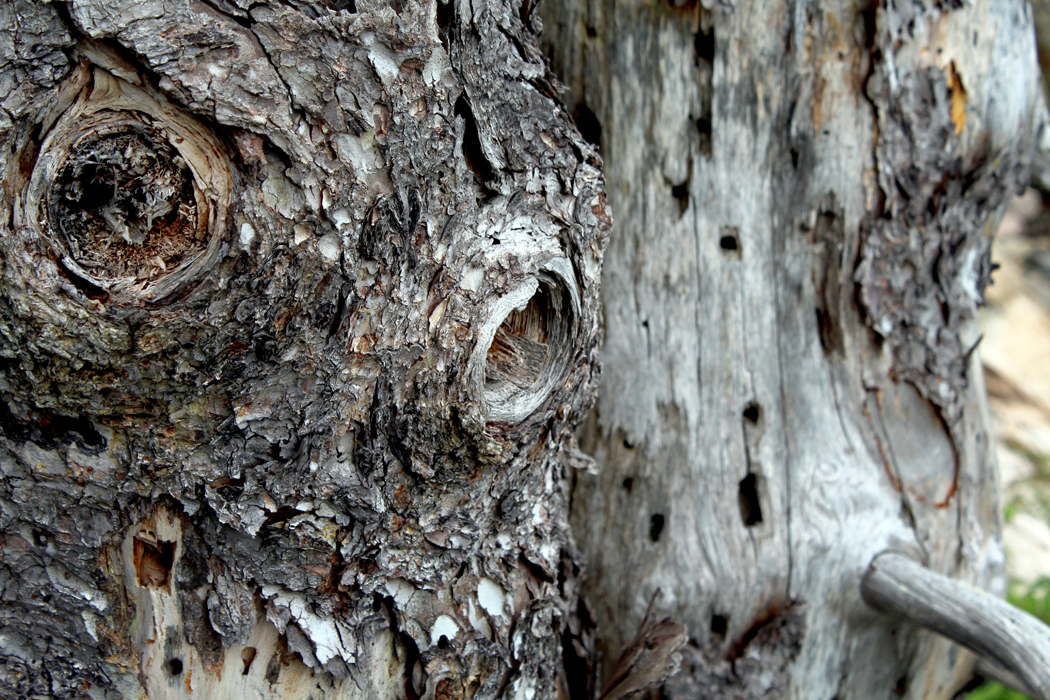
Ah, but even as I read that, I know those are words. It isn’t rocks and trees, really. It is the hardness and grain of a particular granite, the different bark of birch and yew. It is the spot upon which I stand at any given moment and what I feel as breeze on my skin, what sun glare I shade my eyes from. 

And in that granite or in that tree bark, there are shapes, textures, colors. I touch them. I see them.

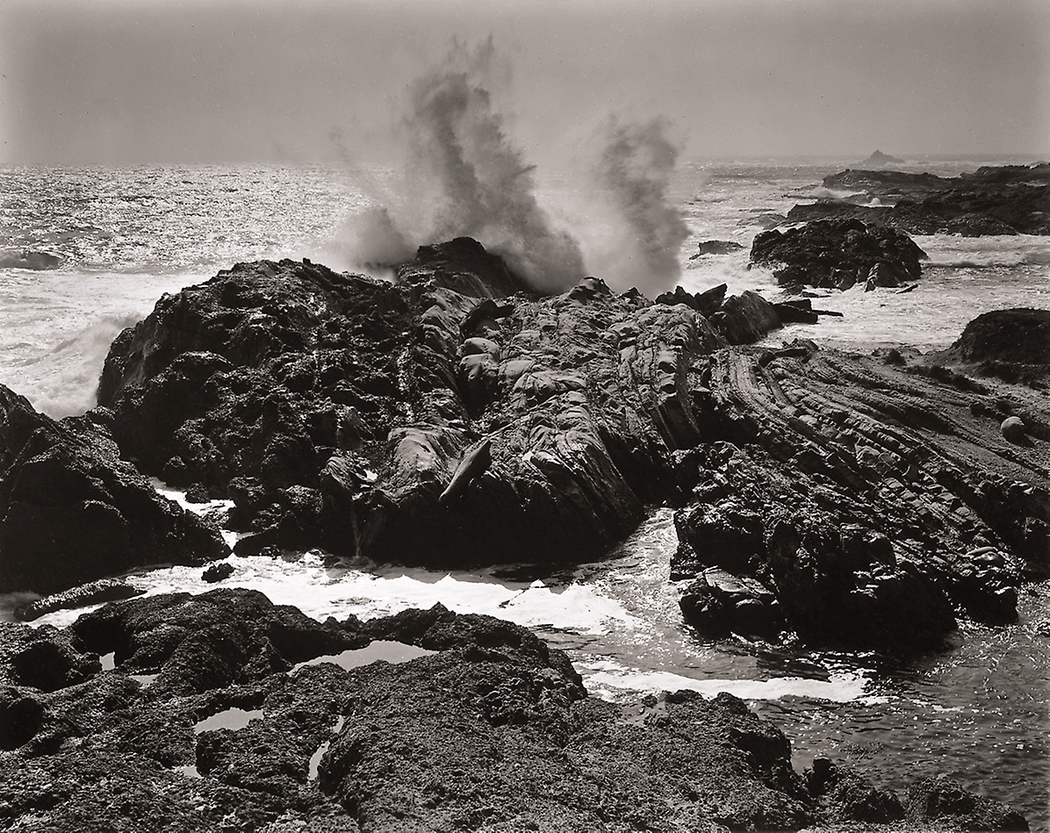
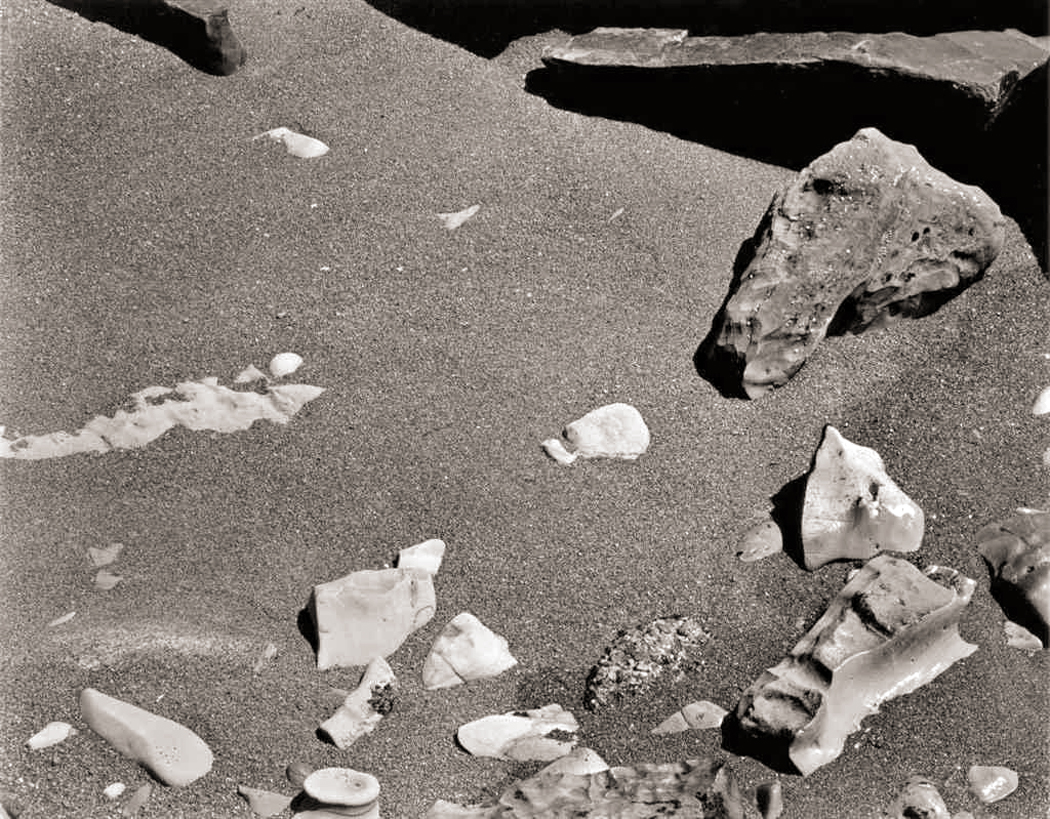
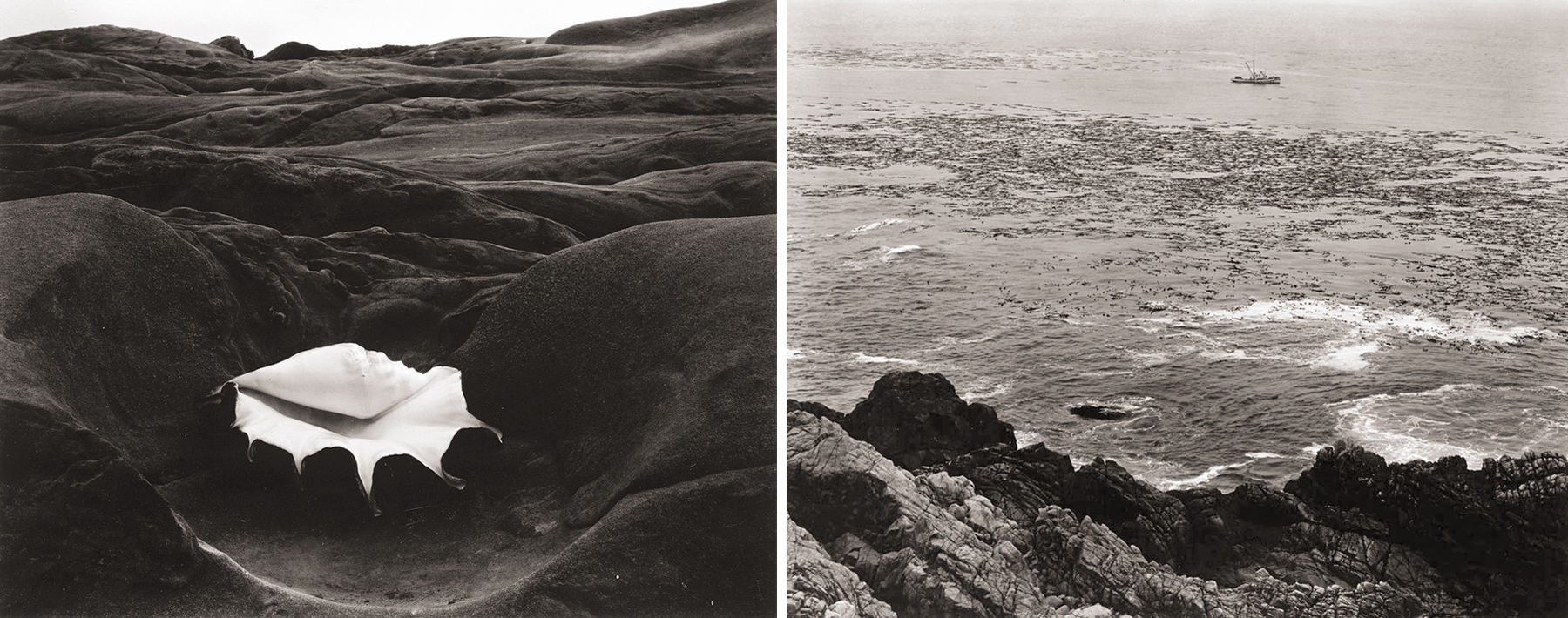
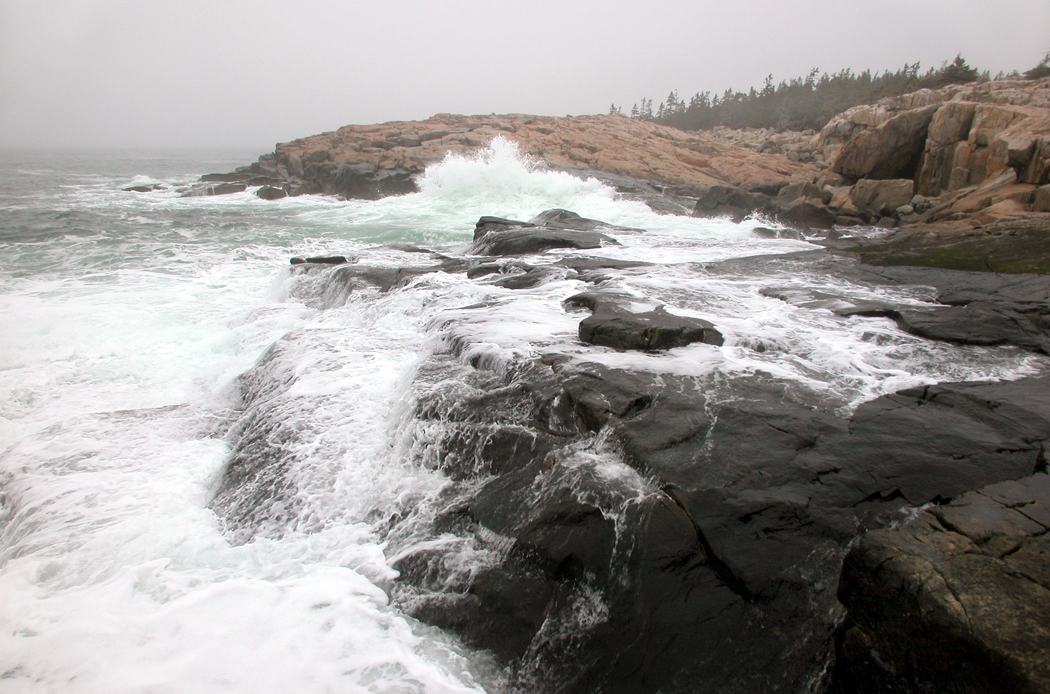
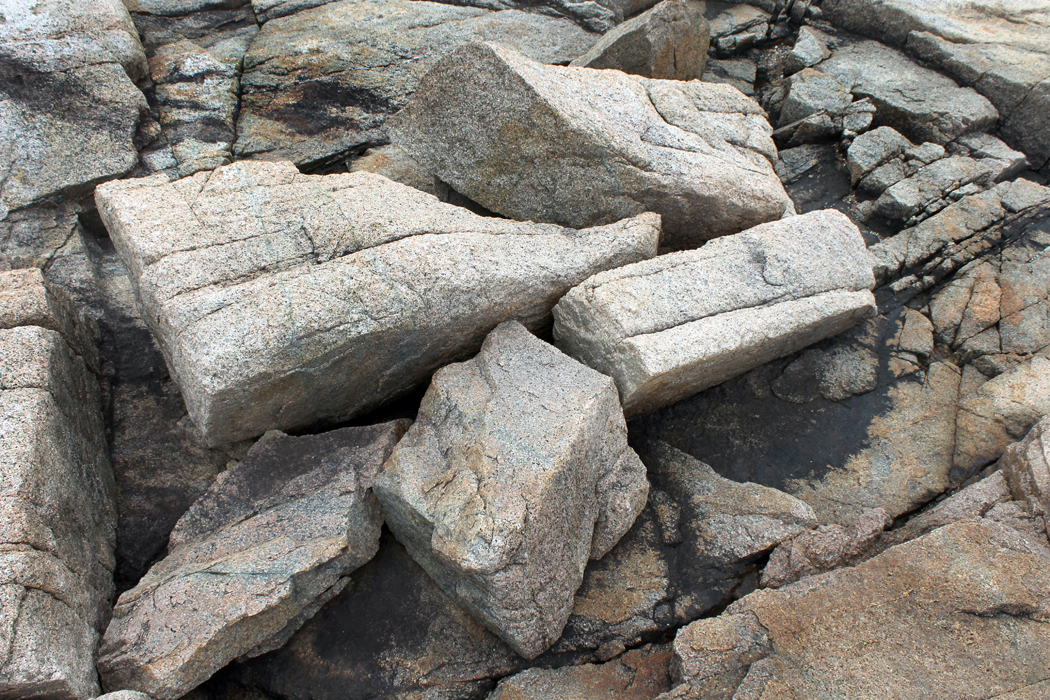
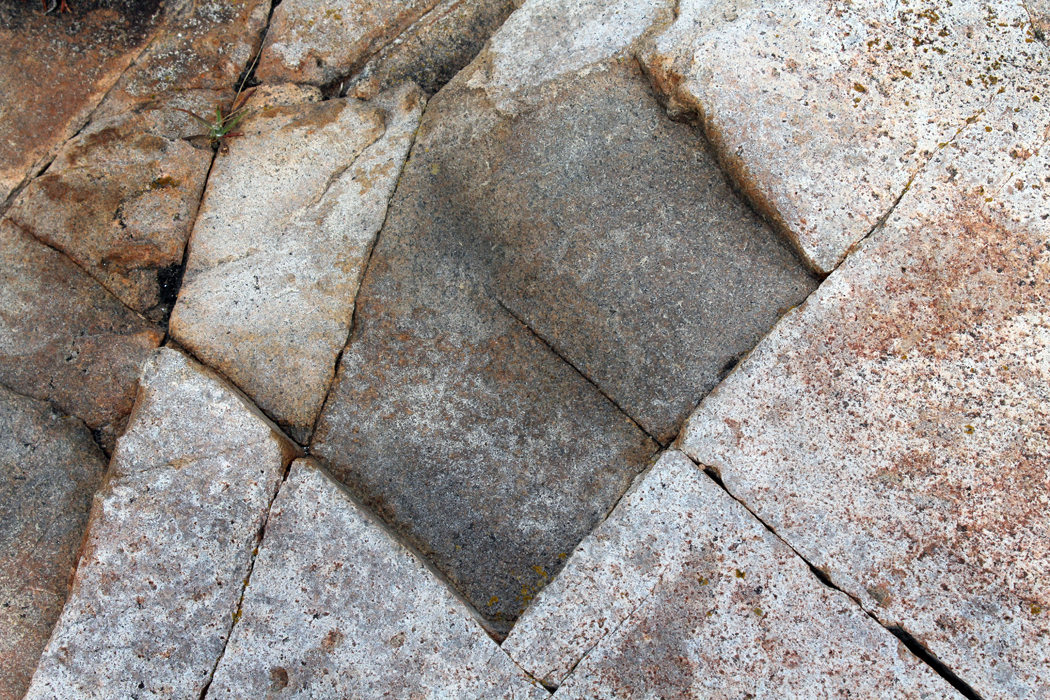
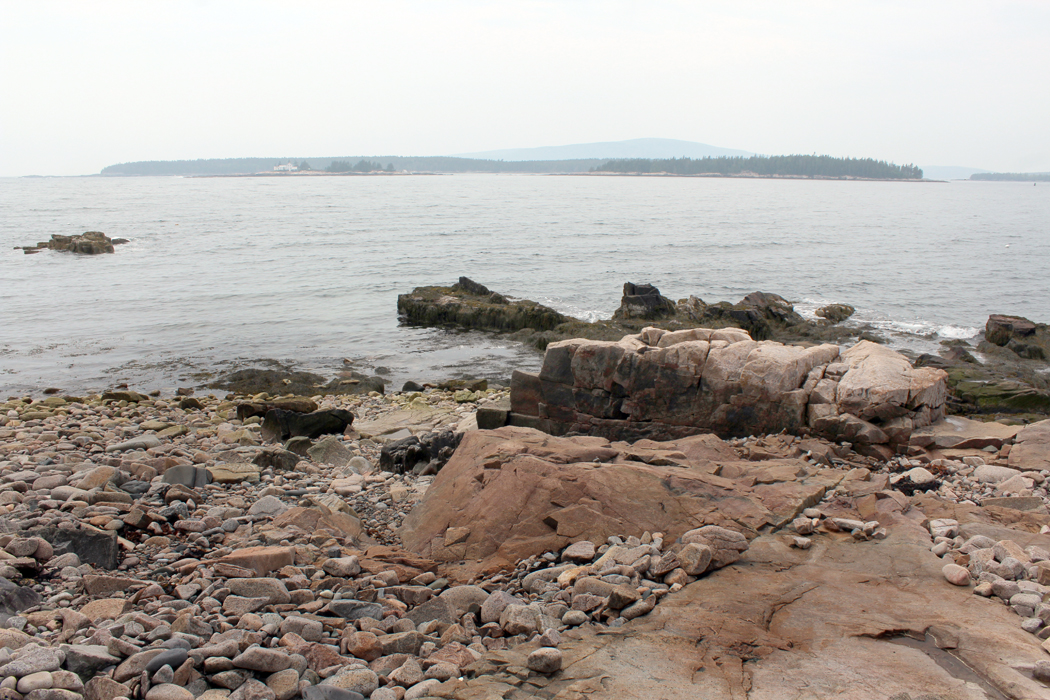
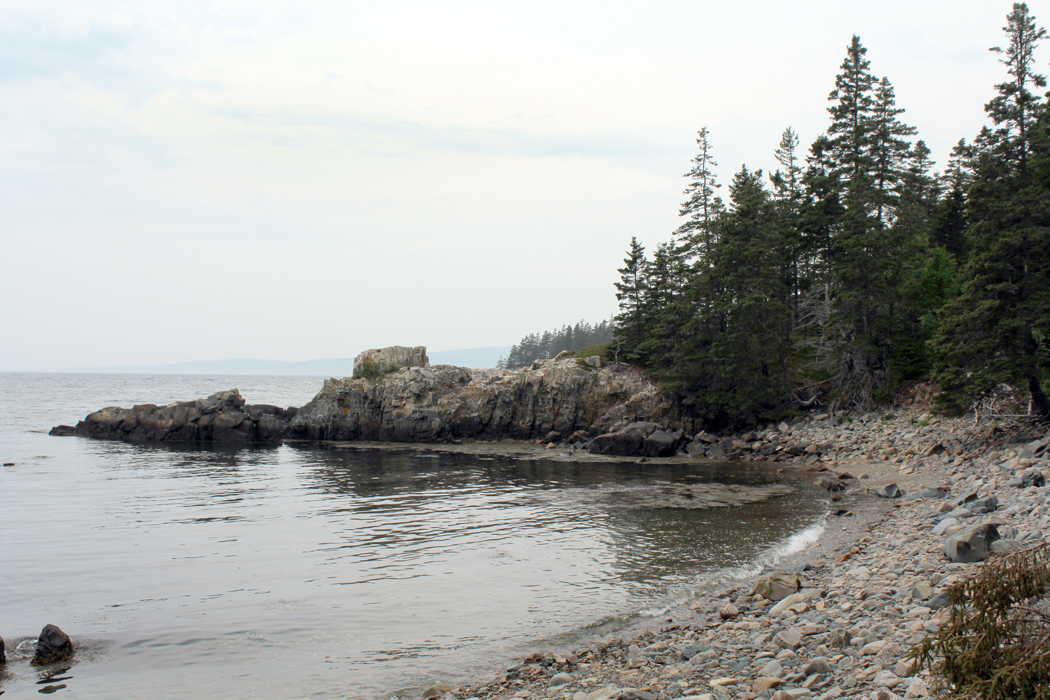
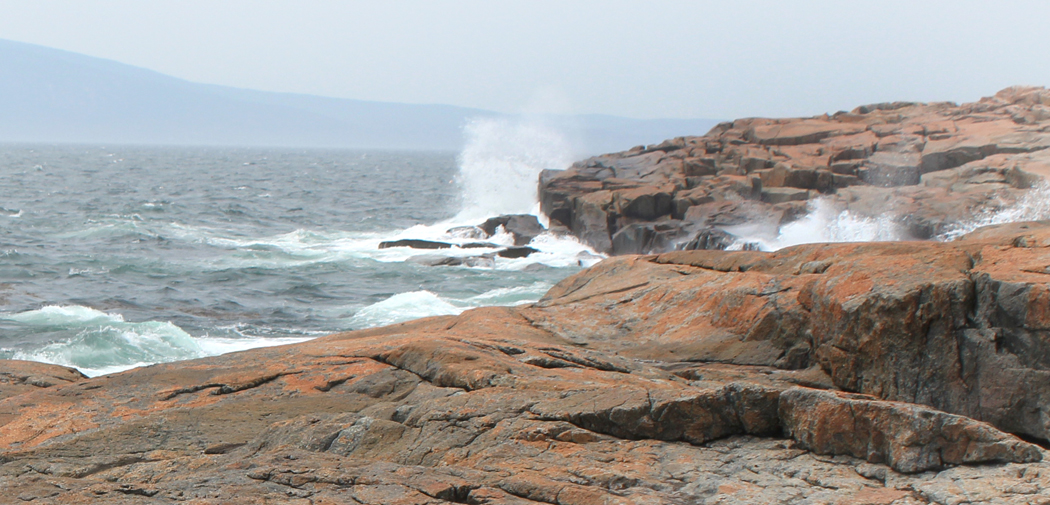
There is a place I have visited many times in Maine. It is Schoodic Point, which is a part of Acadia National Park. The main park on Mt. Desert Island, is crowded and developed, but some 40 miles northeast, by road, there is the Schoodic Peninsula, jutting out into the ocean. At its tip, it is bare, hard rock and spume and surf. The wind is usually raw and comparatively few visitors come there, especially in the fall and winter. 

(The double-O in the middle of Schoodic is pronounced like the double-O in “good.”)

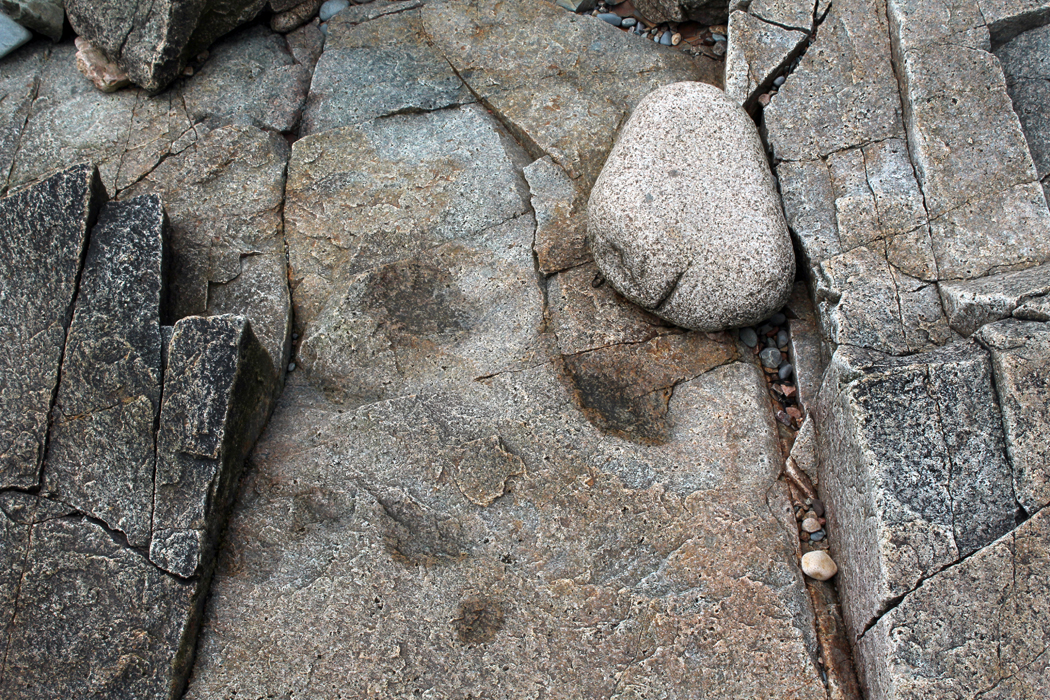
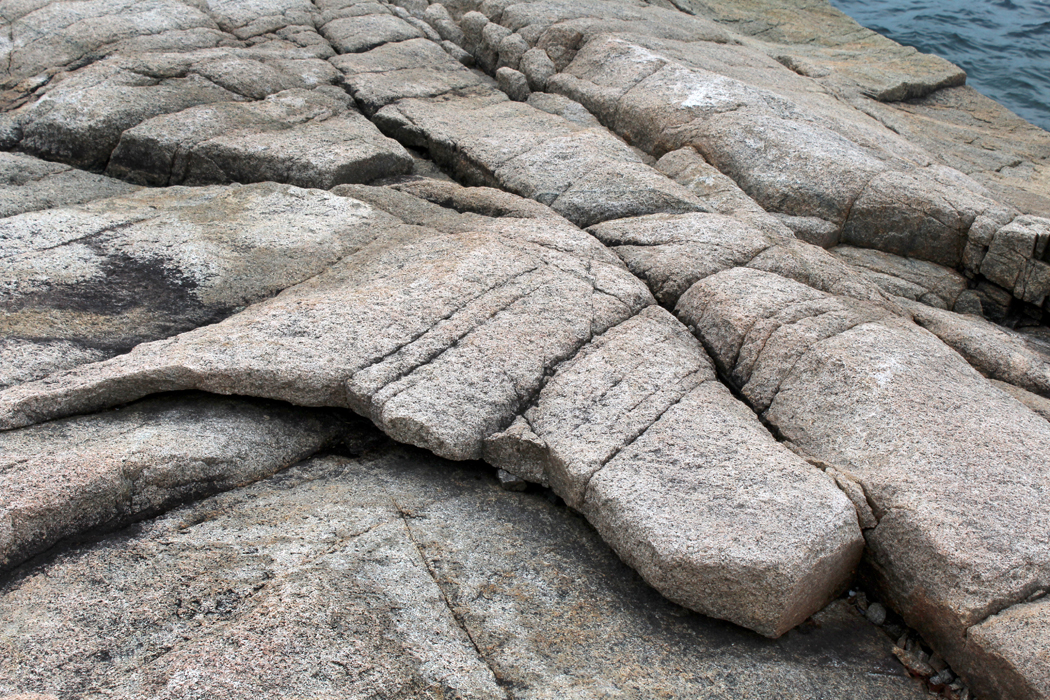
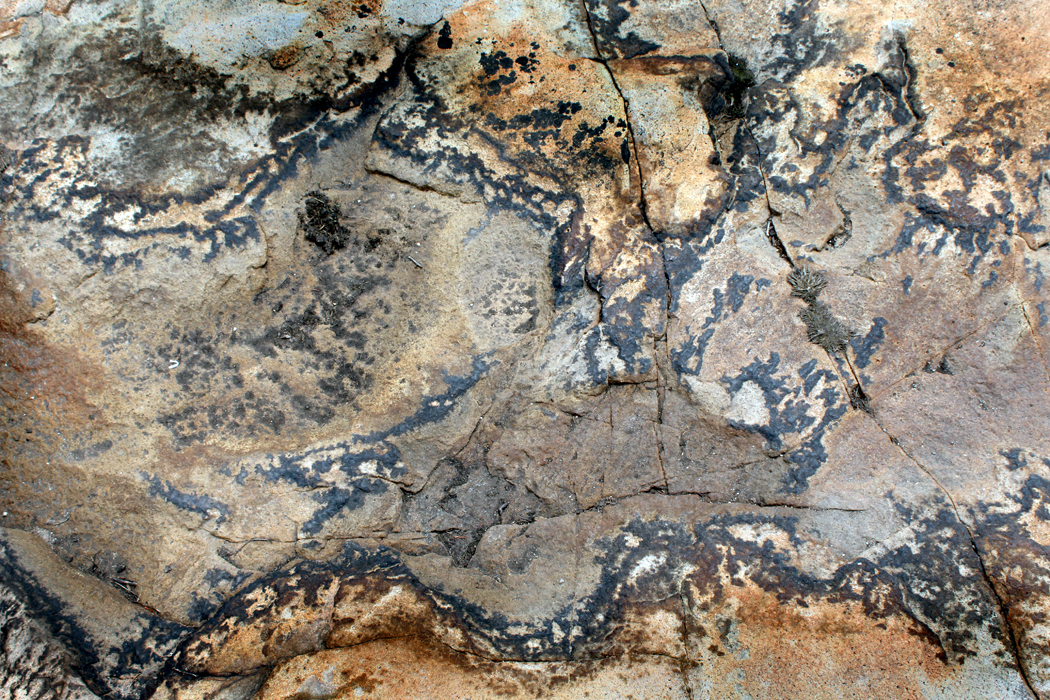
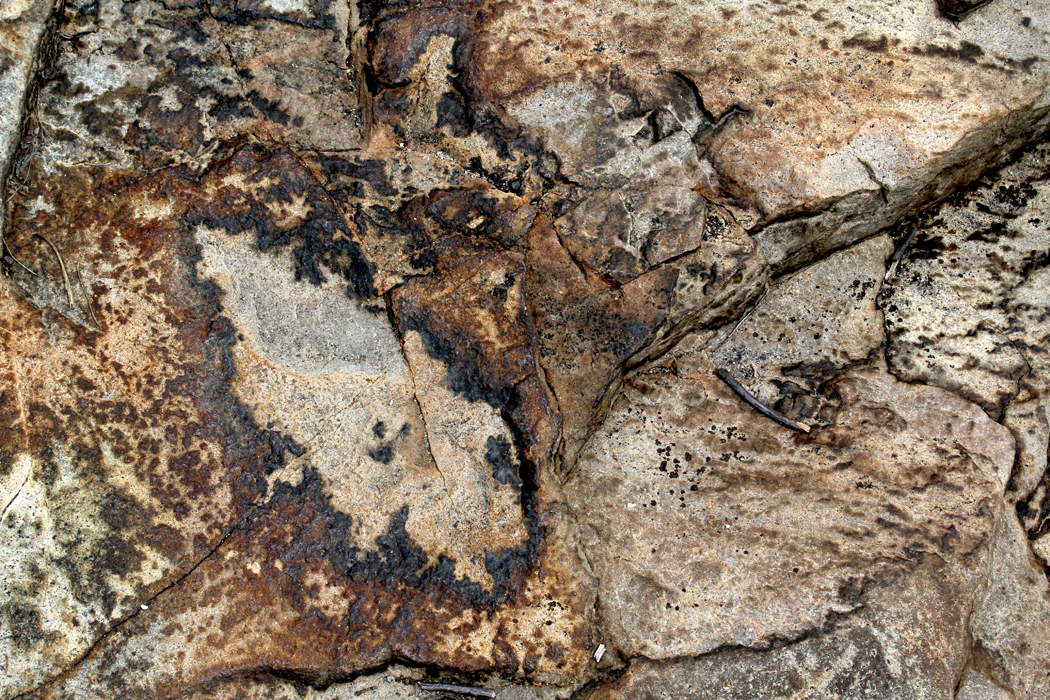
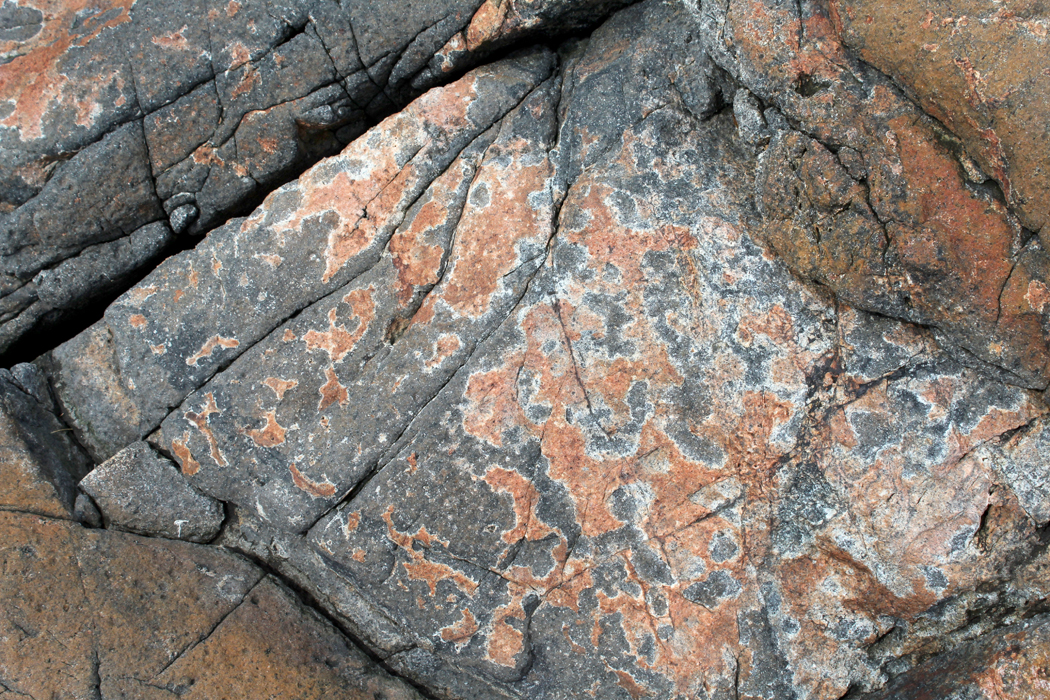
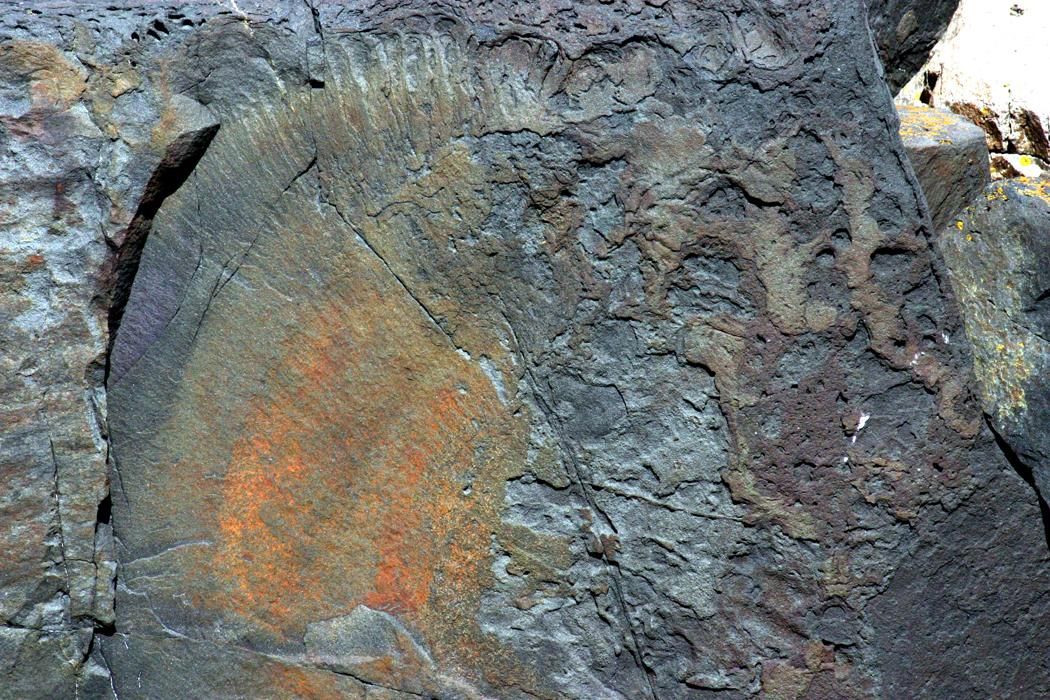
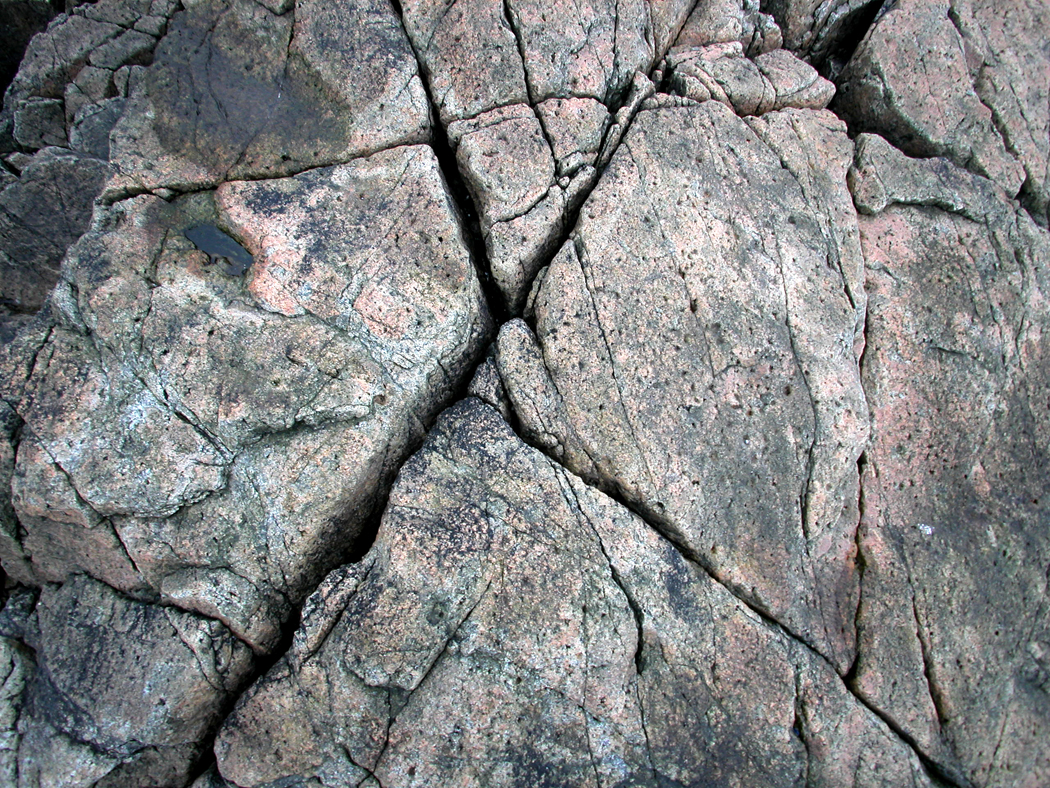
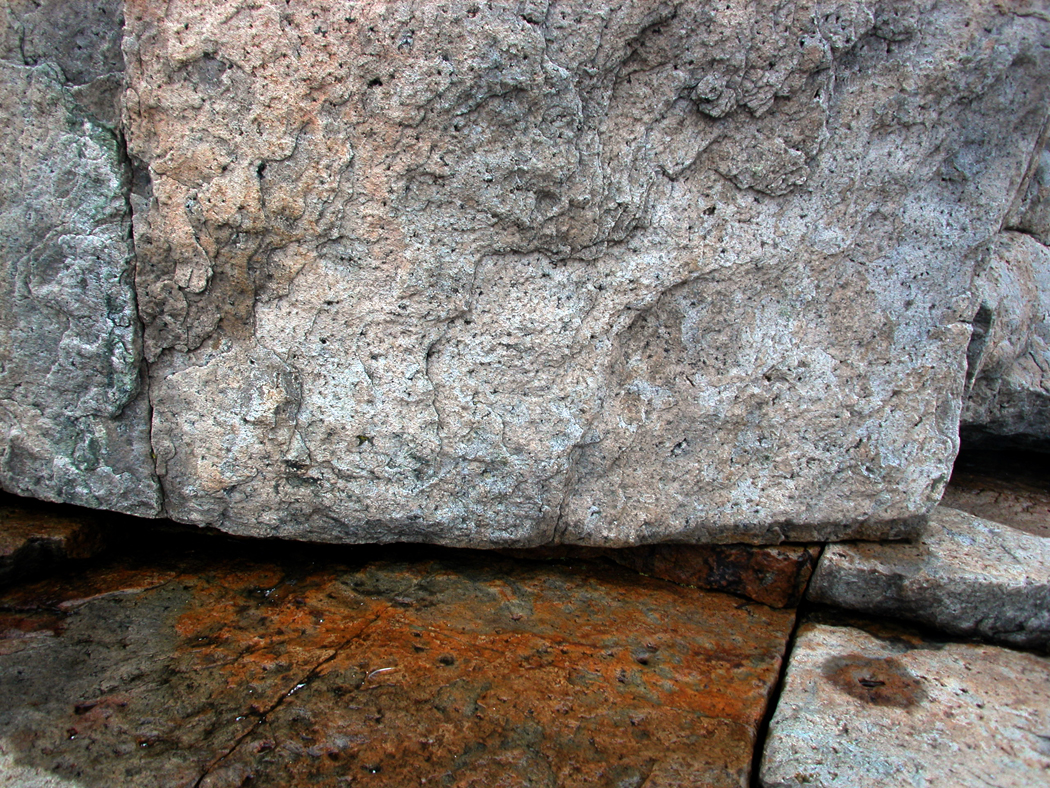
There, I can use my camera to record the abstract expressionist details that combine the emphasis on form and texture with an engagement with the natural world. It is a chance to reconcile those conflicting parts of my being. 

There is in some religions and mystical philosophies a contemptus mundi that I cannot share. The world is beautiful — not pretty, but beautiful; even its ugliness is beautiful. 

In 1928, the German photographer Albert Renger-Patzsch published a book in which his images of the world, both natural and industrial, found pattern and form in details excerpted from context. It was named, Die Welt ist schoen. 

That has become a watchword for me: When you engage with it as deeply as you can — and we are each different in this respect — when you so engage with it, you discover that Moses was not exceptional; every bush is the burning bush.

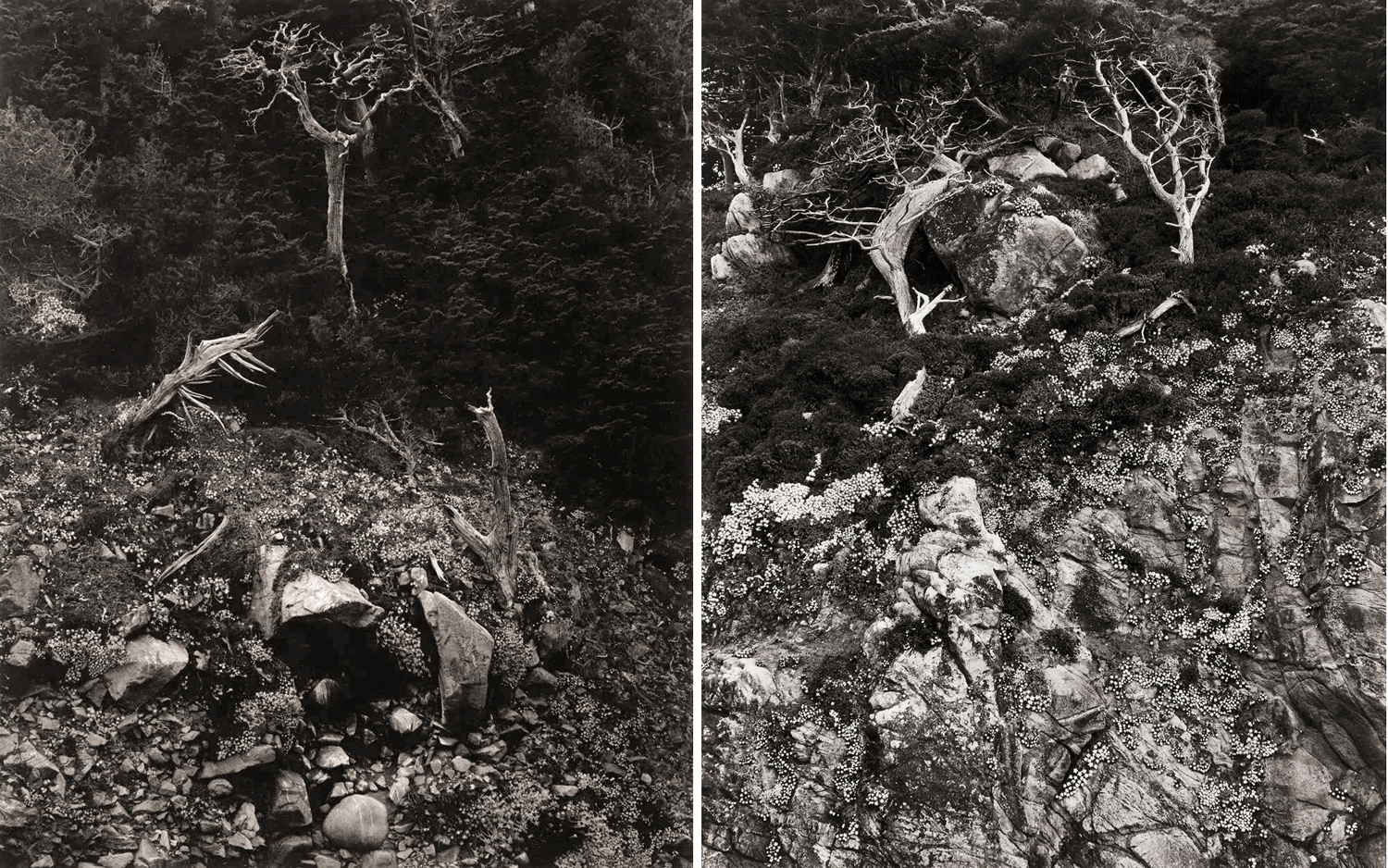
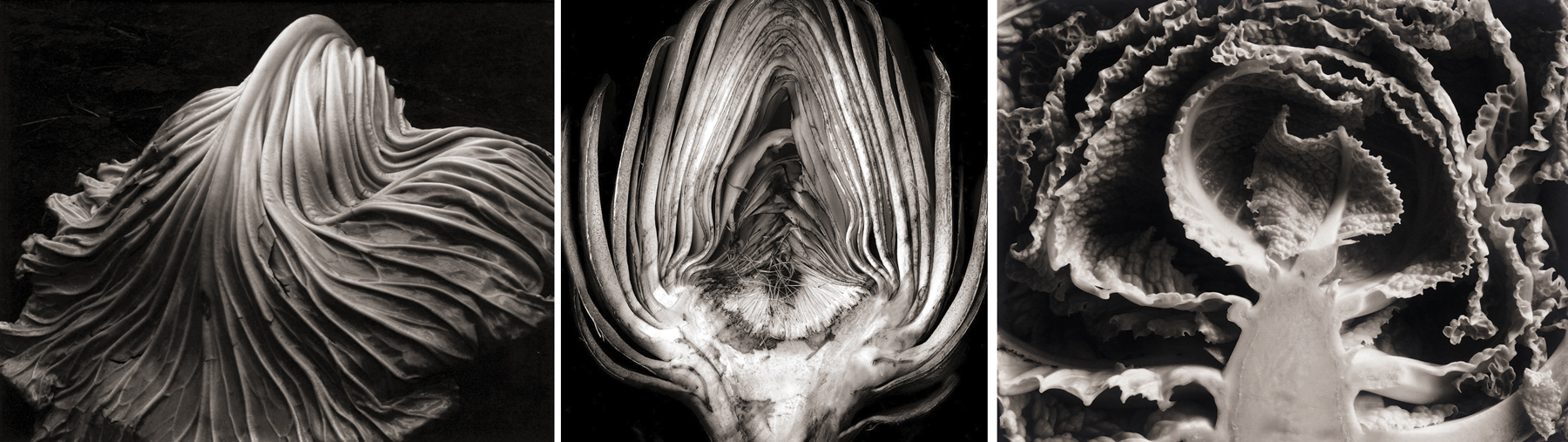
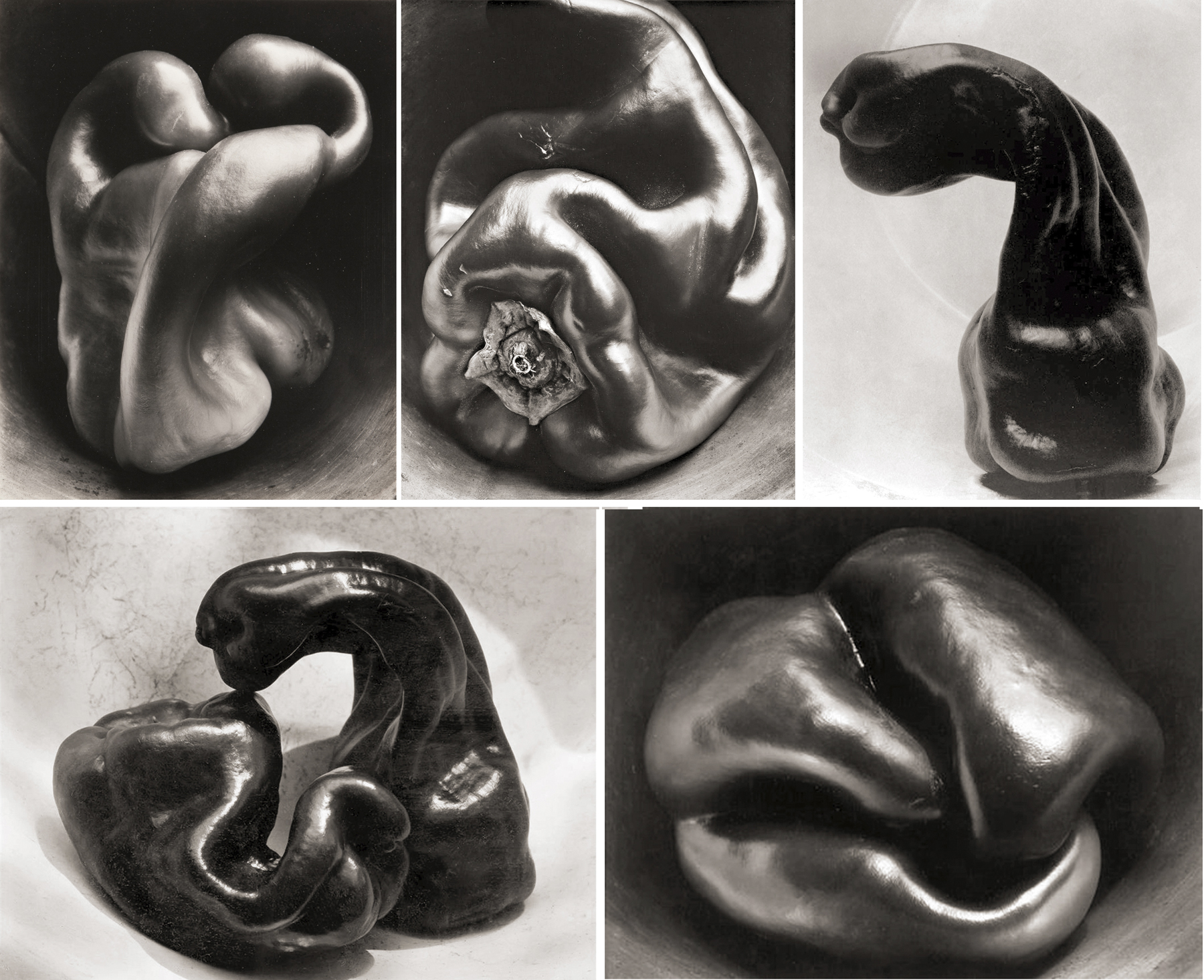
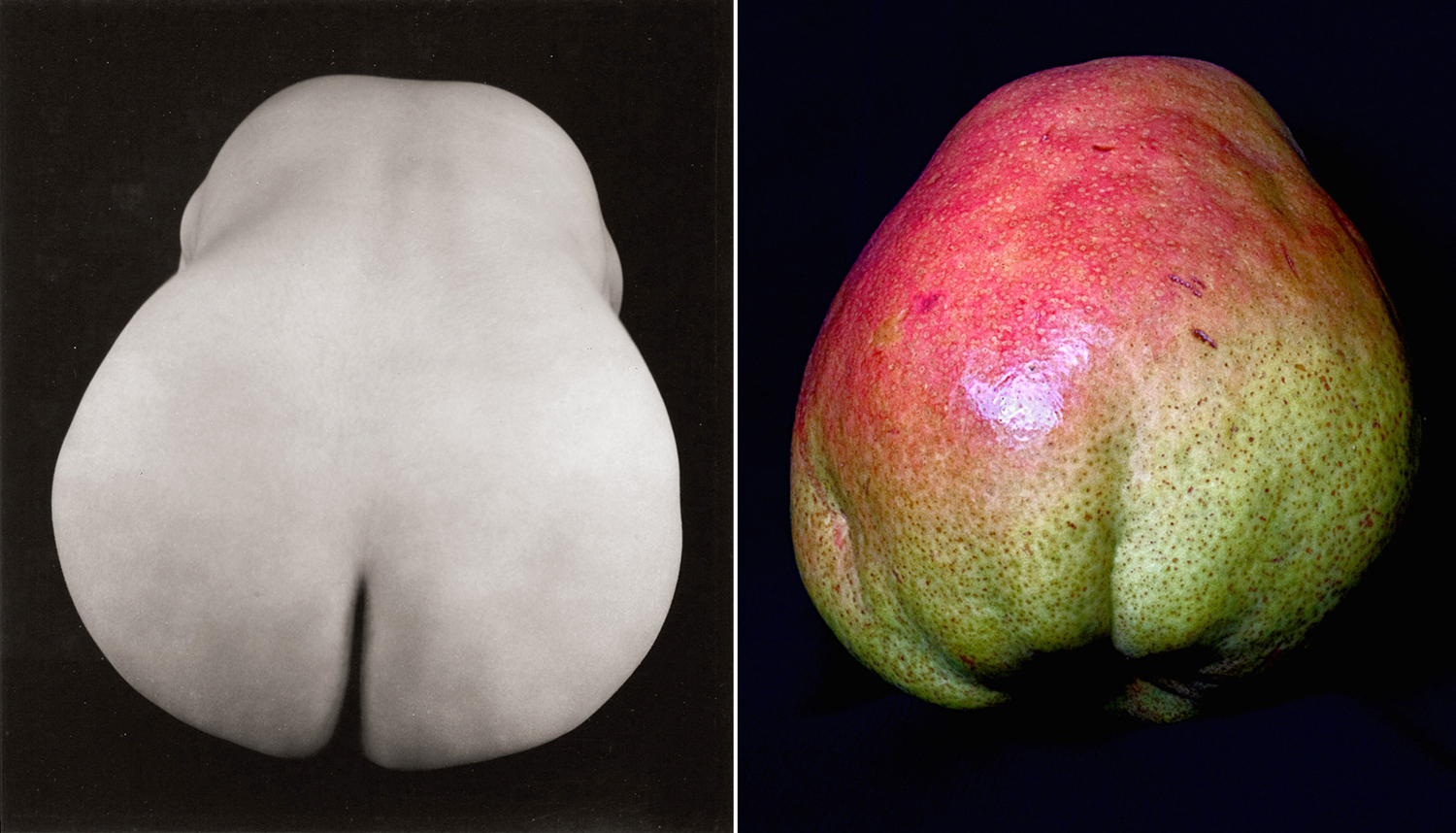
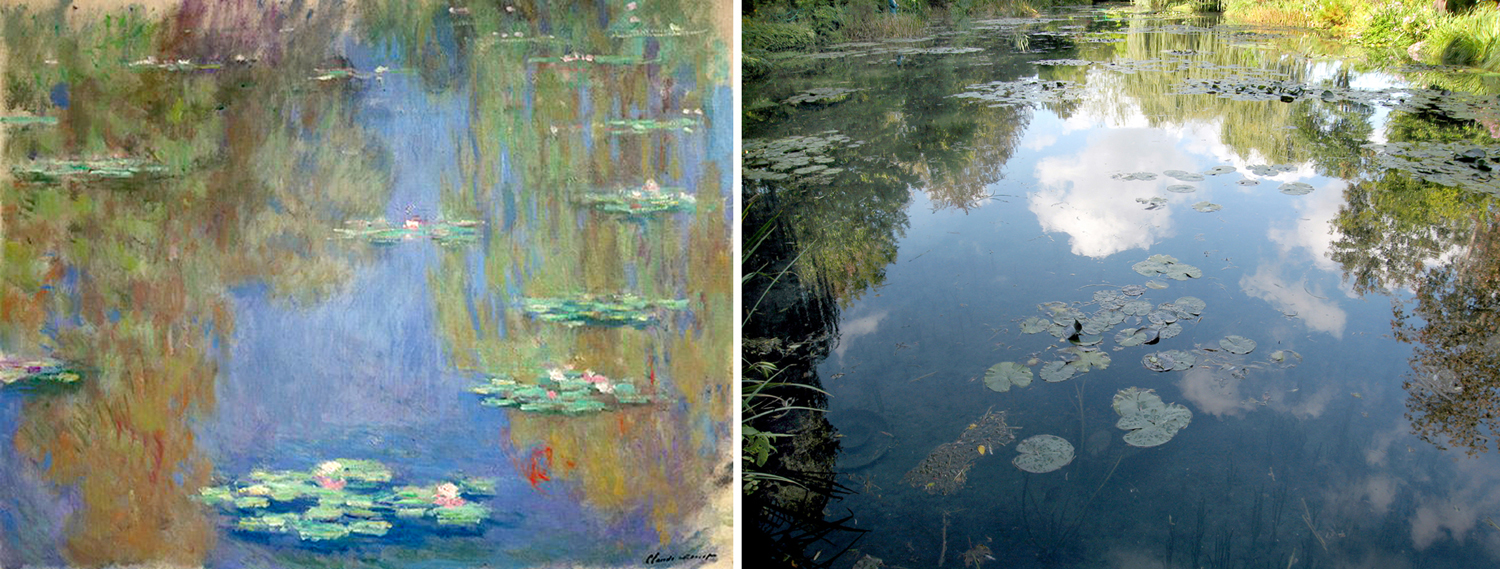
That is what makes those cypresses of Van Gogh so penetrating, the haywain of Constable, the waterlilies of Monet, the peppers of Edward Weston, the simple crockery of Chardin, the rabbit of Durer. Die Welt ist schoen. 

So, I cannot worry if my humble images are important art or not, or whether it is art at all. Muche wele stant in litel besinesse. 

This is my tiny translation of Schoodic into image, the finding of the same elements Pollock sublimated into his canvasses, but here extracted from the hard edge of stone.

Click on any image to enlarge


Many years ago, I attended a photo staff meeting at my newspaper and the photo editor was complaining about a picture that a very talented staffer had made. For him, it was too arty.

“This is a newspaper,” he said. “Our photographs must be clear. We cannot have any ambiguity in them. If it is a picture of a house, I want it in the center of the frame, and I want the whole house. Like a real estate photo. We are not making images for a gallery; we are showing readers what the story is about.”

I remember cringing, but I said nothing. I was not on the staff, but just a travel writer who made my own photographs for my stories. I was in the meeting by default. 

The idea that a photograph was merely an illustration to back up words bothered me then, and it bothers me now. Instead of a supplement, I thought of them as amplification. 

Some things can be said better visually than verbally. The photo might very well be able to stand on its own. 

But, in a culture of verbal people — as a newspaper tends to be — a picture is a stand-in for words. You should be able to point to something in the photograph and name it: “House.” The name then, takes over, and any visual information is immediately rendered moot. Very like when you head to a rest room at a McDonald’s and the pictures on the doors tells which one to open. The image becomes a pictogram. 

This is the way many people regard photographs. They look and they name. “Aunt Julia.” “The house I used to live in.” “Niagara Falls.” Then they turn the page in the album. “Here is me at my prom.” 

Much of the visual information in the picture is passed over, not registering. Was that a blue tux at the prom? Did those horn-rim glasses make you look dorky? Were the shoes cropped out of the picture? Can you remember, then, what shoes you wore? 

Details matter. When you name the image rather than see it, you miss the majority of what is pictured; you miss all the pleasures you could enjoy — the colors, shapes, textures — and all the information that is there to mine. I am reminded of those impatient people I have seen in art museums running from painting to painting and reading the tags next to them. “This is a Renoir. Oh, this one is a Picasso.” 

Naming things often gets in the way of seeing them. Naming is a very low form of intellectual activity, but one it is too easy to become proud of. It does not actually indicate your intelligence if you can name ever painting in the gallery, or the make and model of every car you spot on the highway. It just means you can memorize. 

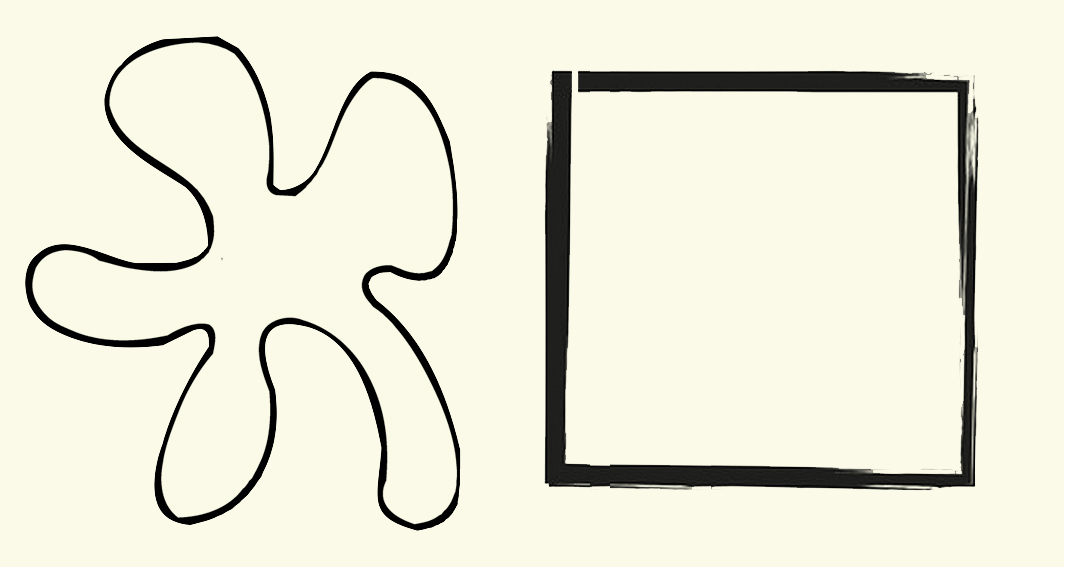
When, before I was a writer, I was a teacher, I would sometimes draw two shapes on the blackboard and ask, “Which of these shapes can you draw more accurately?” Most students would pick the square. It had a name and they could see the square, translate what they saw to a word, and then retranslate that word onto the paper with their pen. In the process, details of the original are obliterated.

Notice that the square here is not a perfect square. It has some sketchy lines and it is not completely closed up, and, in fact, it isn’t even a square, but a low-aspect-ratio rectangle. All of that visual information is expunged when you replace it with the name, “square.” The amorphous shape, on the other hand, would require you to look at it and attempt to follow its contours with your pen, forcing you to pay attention visually. 


Your blob would be drawn more accurately than your square. 

In his groundbreaking book, Principles of Art History (1915), Heinrich Wölfflin described the differences between Renaissance and Baroque art with a series of oppositions. Among these is the contrast between art which emphasizes the unity of the whole, which may suppress detail to the benefit of the overall design; and art which revels in a multiplicity of detail, even if it confuses the overall design. 

It isn’t that the classic art doesn’t pay attention to detail. In fact, it often takes pains to make everything equally easy to recognize, well lit, well placed in the frame. But the whole is more important than the parts. 

Balancing that is art that may even obscure some detail to make others more prominent. 

This dichotomy occurs repeatedly in art history — from Classic Greek art to Hellenistic Art, from Renaissance to Baroque, from Neoclassic to Romantic, from Modernism to Postmodernism. In Nietzschean terms, classic and romantic, Apollonian and Dionysian. 

The 20th Century, which we are most recently heir to, unity was valued as supreme. Artists, writer and poets who filled their work with profusion of detail were denigrated. The most concise poets were held superior. Painters who reduced their subject to basic forms were extolled. Musicians who subdued florid detail in order to render the overall form of the music more clear were applauded. They had a “grasp of the structure.” 

The complaint lodged against pianist Vladimir Horowitz, for instance, was that he never fully expressed the form of longer pieces of music, such as sonatas, getting lost in multifarious musical volutes and whorls. Of course, when you listen to the ancient recordings of the great pianists of the early 20th century — an era of romantic piano playing — all of the pianists focused on details. It is where the fun was to be found, the flavor of the ingredients rather than the melange of the whole.  

Romanticism in general relishes the detail, and can often get lost in it. That’s what makes it Romanticism. (Well, one of the things). Detail is where we find the pith, the essential oils, the meat. 

Classic painter Joshua Reynolds taut the “grand style,” and recommended choosing the general over the particular: a stylized tree over the quirky oak in the back yard. Romantic artist William Blake read Reynold’s book and wrote in the margin: “To generalize is to be an idiot. To particularize is the alone distinction of merit.” You can also imagine him chasing kids off his lawn. 

But his point is that the world is made up of details, and meaning is found in them. The collection of details fills out the impression we get from the quick overview. It is the detail that we know the whole. 

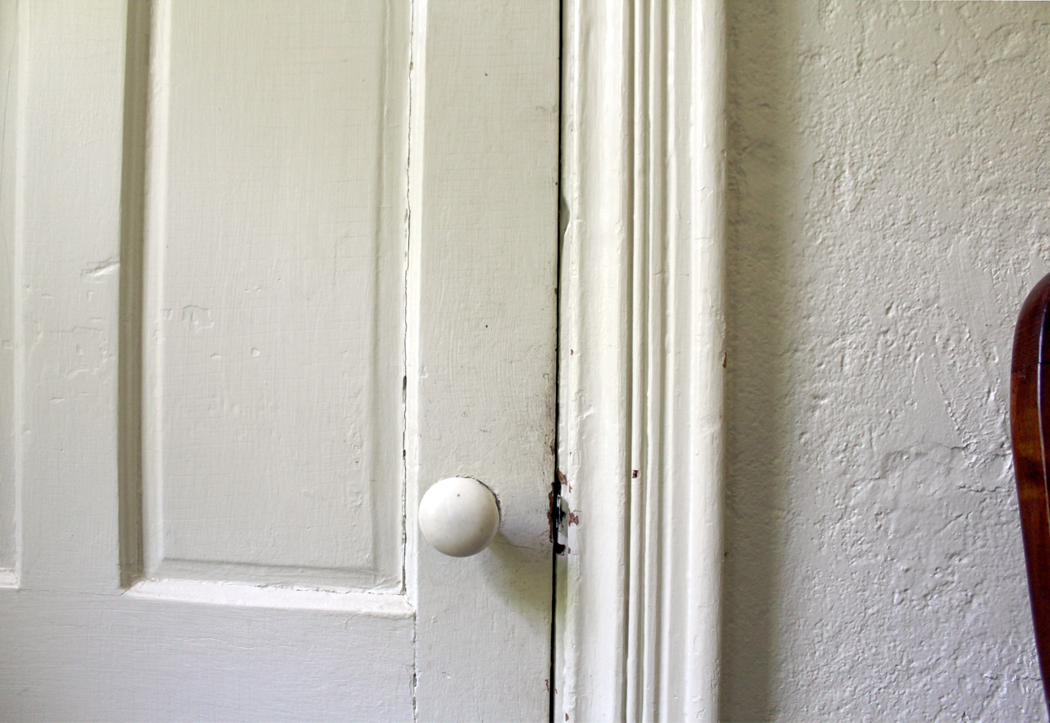
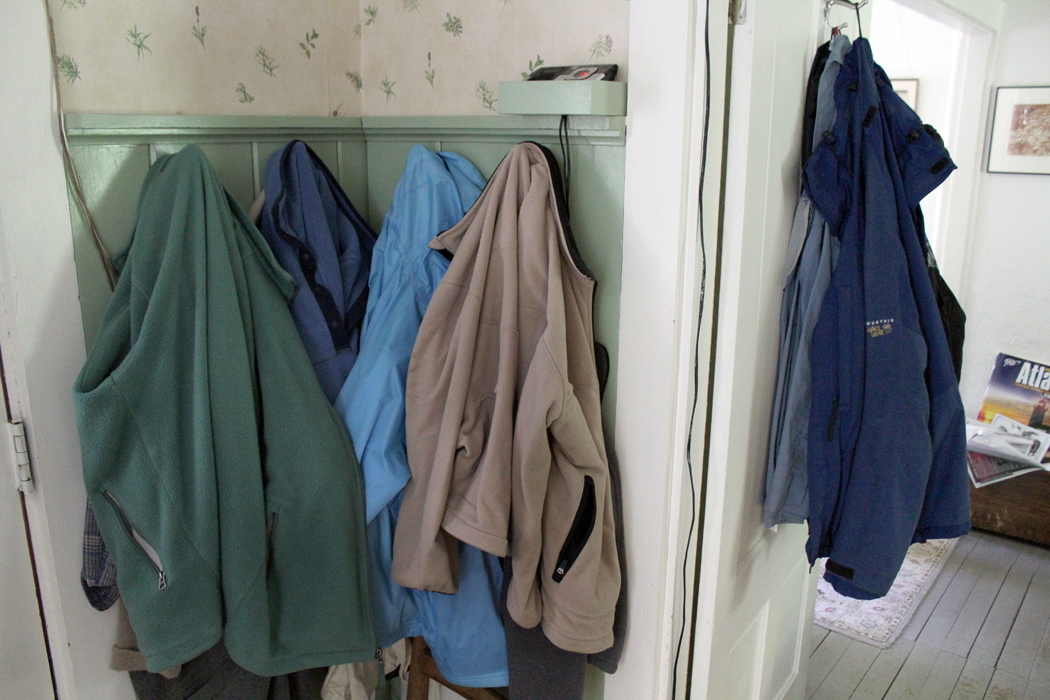
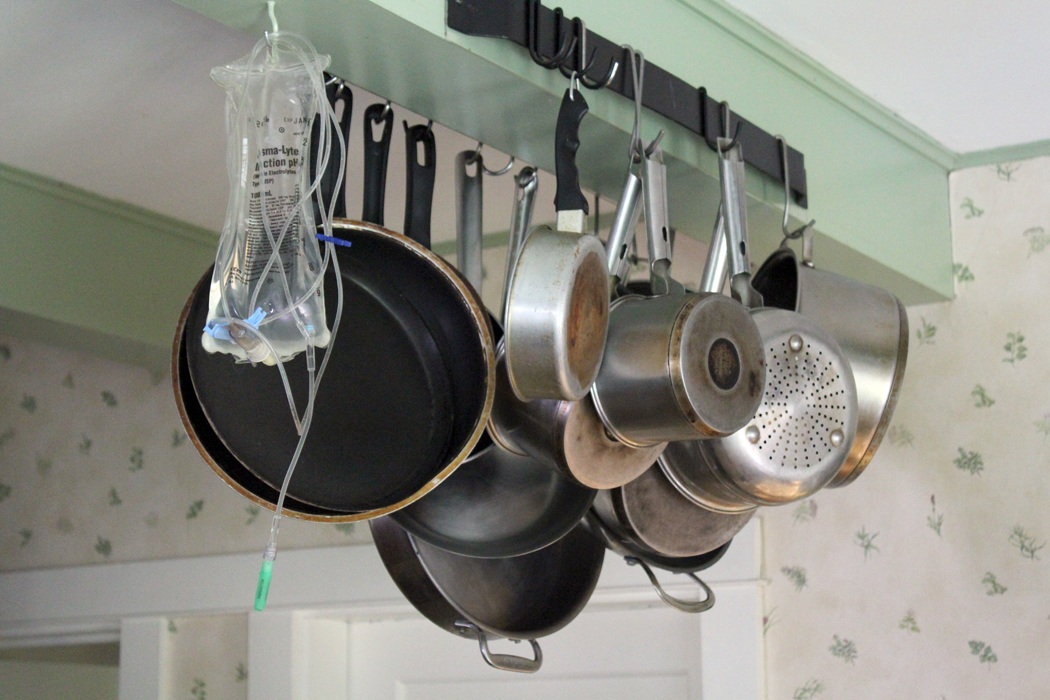
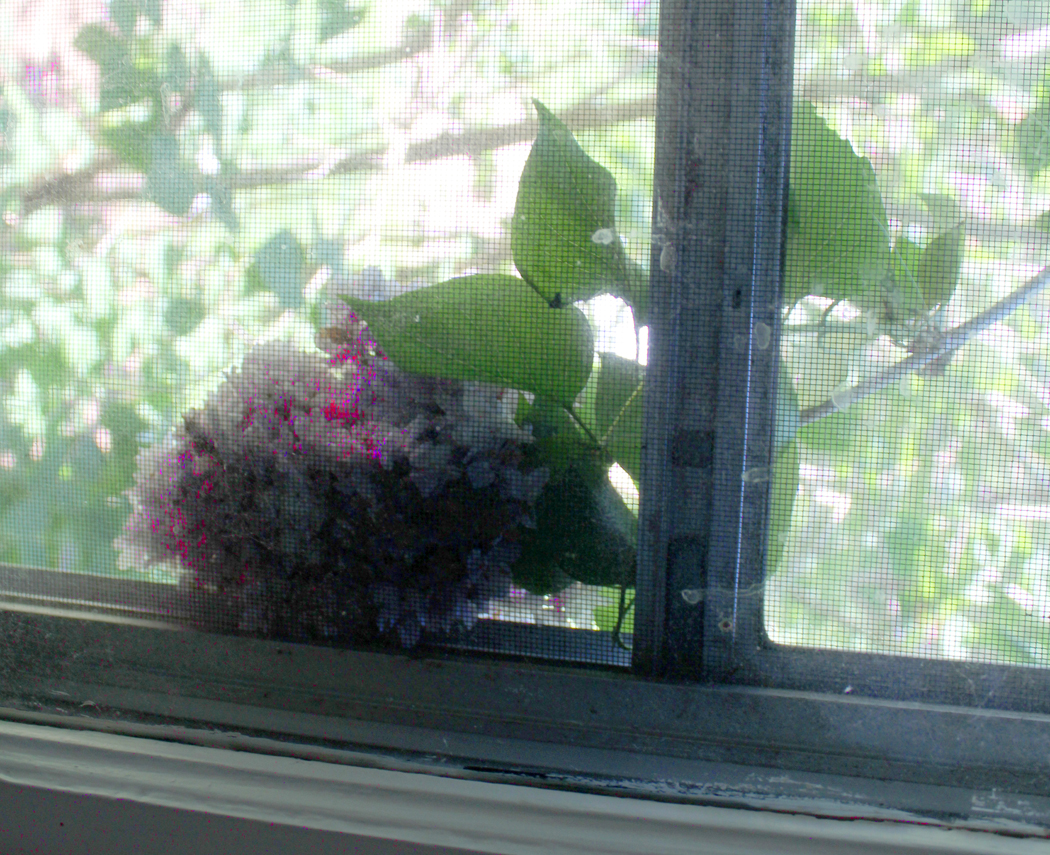
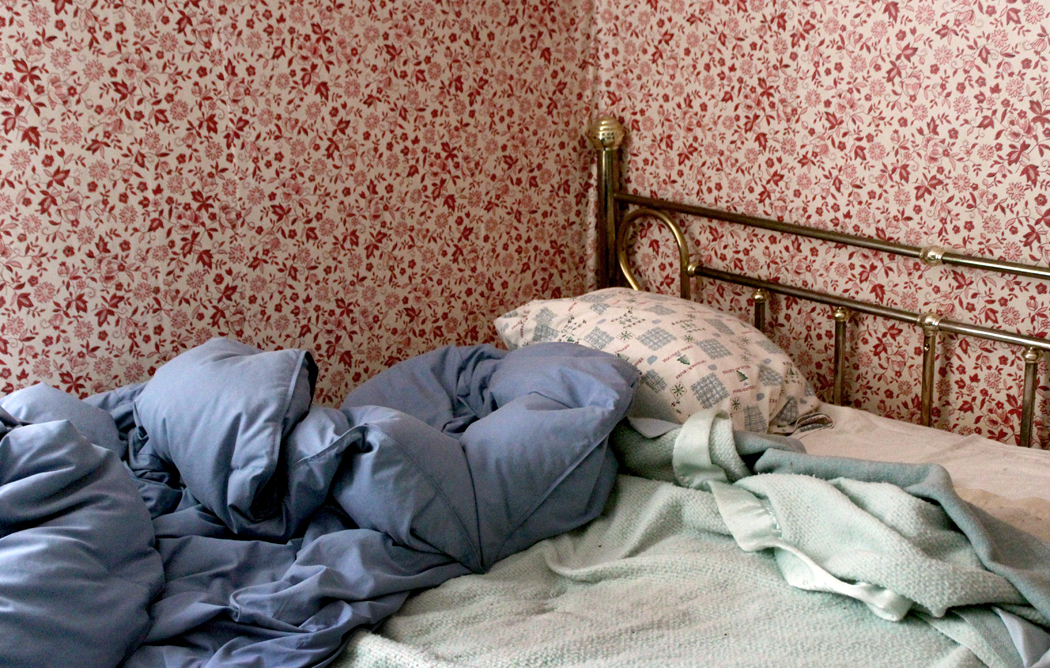
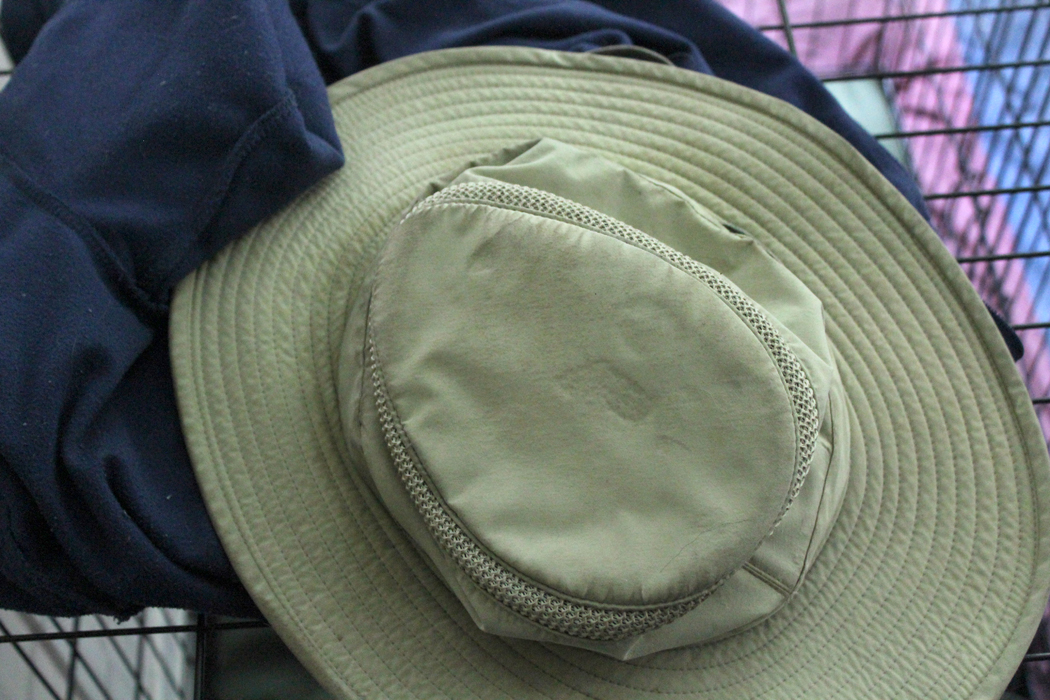
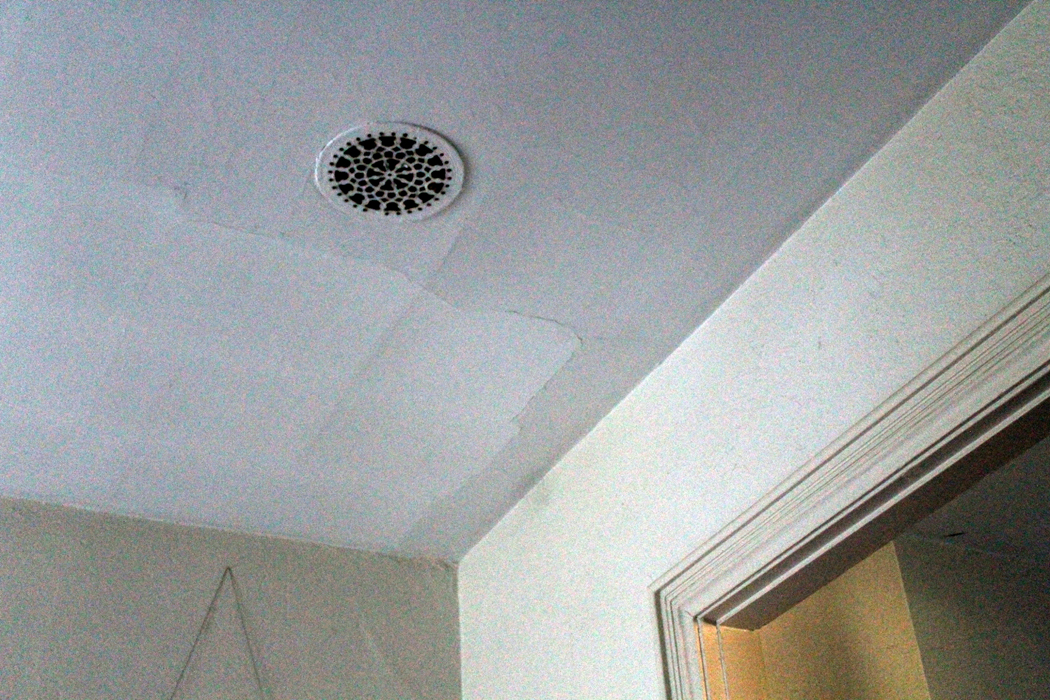
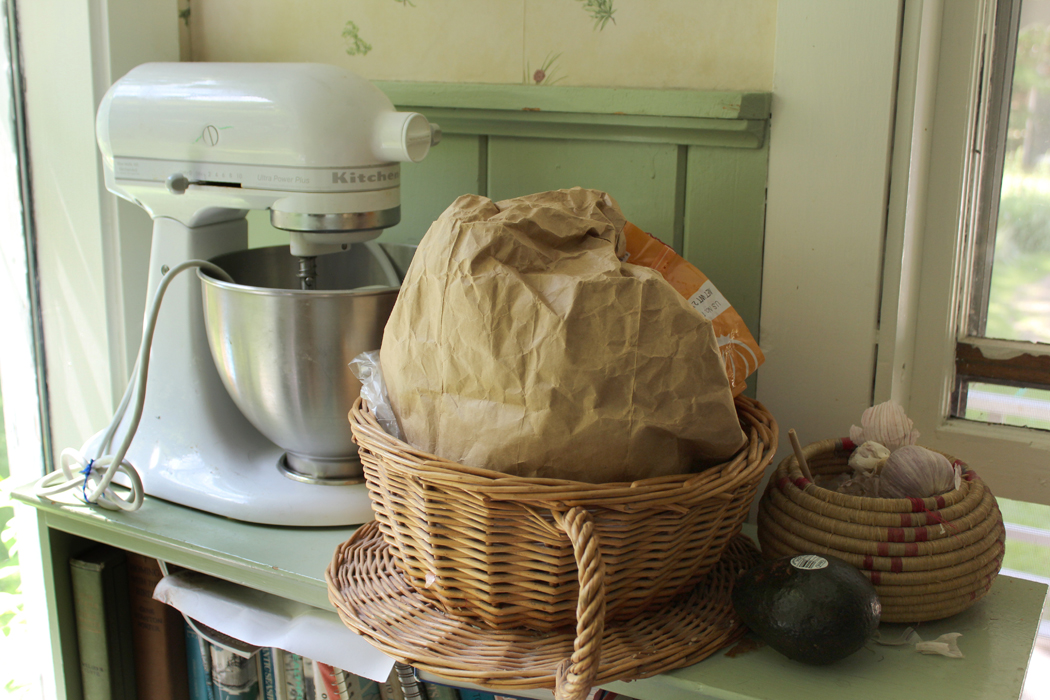
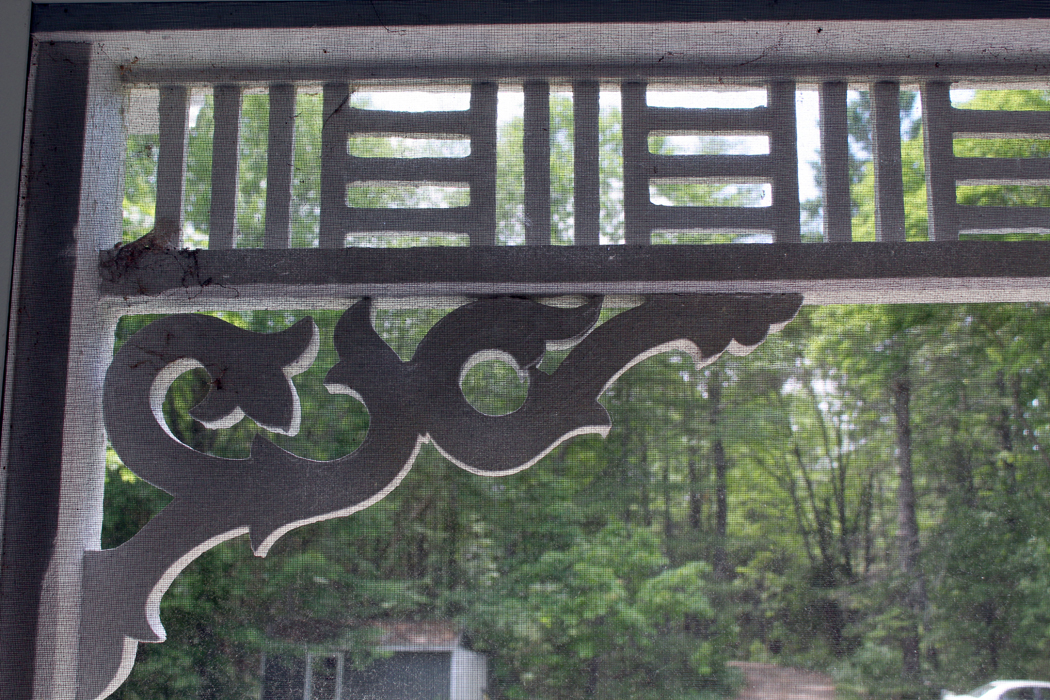
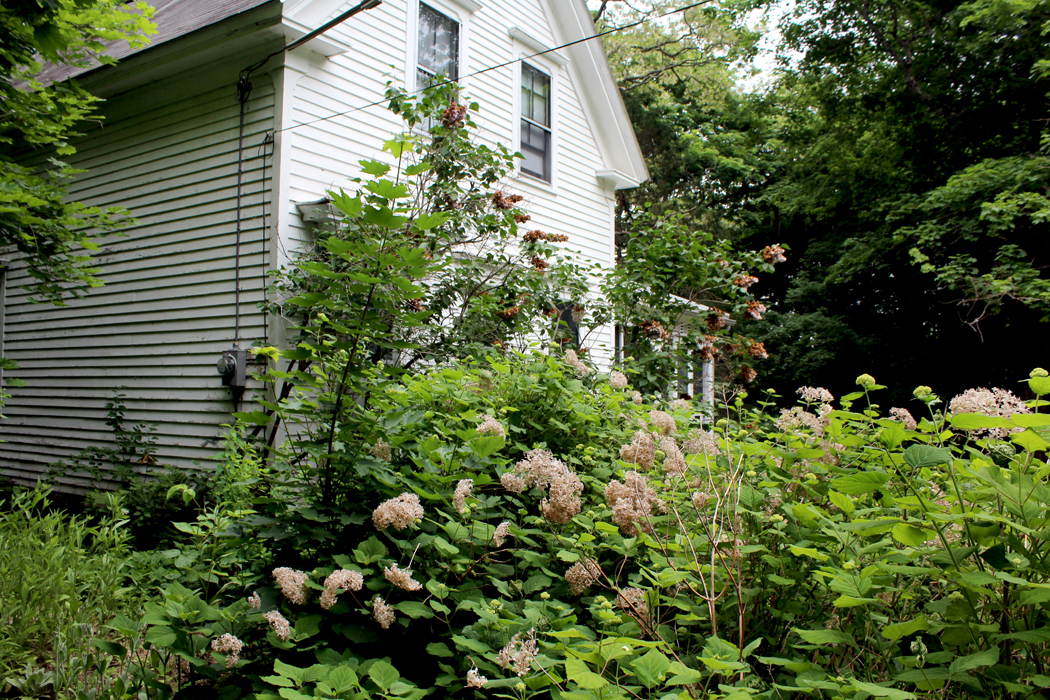
Through this essay, I have sprinkled photographs of the details of a house in Maine. It is one I know and love very well. 

If you look closely at them and absorb all the tasty detail, you can have a much fuller understanding, not only of the house, but of the style of Down East Maine, its economy, its culture, the nature that grows green in profusion everywhere. 

Crumbs to make a cake. 

Boulevard de l’Hôpital

In the past post, I put together a group of pairings of the photographs of Eugène Atget and some of my own, noting the coincidental similarities (link here). I certainly didn’t want to make too much of it. It was just some fun.

Paris

But I had a surfeit of examples and I had to leave a bunch behind. So, I figure, why not post them, too. If I am taking up too much of your time by this surplus, you can always leave the page and find something more profitable. But even if you don’t care to enjoy the joke of this unintended mimicry, you might still enjoy the travelogue. 

Jardin des Plantes, Paris

My late espouséd saint and I spent weeks at at time driving around France, and exploring Paris. We never went to the Eiffel Tower or the Moulin Rouge, but instead found rooms in less frequented quarters of the city and tried to discover what it would be like to live there. We ate in local bistros and cafes and shopped in local stores. We got to know the people in our neighborhoods and enjoyed their friendliness (the celebrated French rudeness is something we have encountered no evidence of). 

Chartres

France is often called by the French the “Hexagon,” because roughly speaking, that is the shape of the nation on the map. We have been to all the corners and came to love them all, although, to be fair, Normandy and Brittany have stood out in our affection. 

Fontenay

These photos cover most of those corners. I could easily post a hundred, two hundred photographs, each distinct, but I have narrowed it all down to a mere 30 of them. 

Confessional, Rouen

As I said, you can look at them as a kind of travelogue — a black-and-white slide show of our vacations — or as a presumptuous comment on the work of Atget. 

Paris

I don’t present them as a serious labor of art, but as a kind of game: seeing parallels in my own visual record of la belle France to the city and countryside of a hundred years ago lodged on film by a man who also claimed no great esthetic achievement in the taking those photos. 

Vezelay

Atget was proved wrong; now his work is taken as art. I have no expectation that the same will happen for mine. It is enough that I had a good time making these images in the first place, and jiggering them around to mimic that of my progenitor. 

Notre Dame de Paris, Easter

Here they be. 

Montluçon

click any image to enlarge

WWI shell craters, Verdun


Musée national de la Moyen Âge, Paris


Concarneau


Apples, Hambye


Jardin des Plantes, Paris


Locmariaquer


Notre Dame de Paris


Paris


Angoulême


Noyon


The gods, Palais Garnier, Paris


Rue Mouffetard, Paris


Paris


Musee national de la Moyen Âge, Paris


Tuileries, Paris


5th Arrondissement, Paris


Les Eyzies


Rouen


Paris Opera


Bayeux


Paris


Tuileries, Paris


FIN


I didn’t do it on purpose. 

In my previous post, I wrote about the effect on me of an exhibit of the photographs of Eugene Atget I saw nearly 50 years ago. Looking at those images at the Museum of Modern Art in New York all those years ago eventually led me to loosen up my own approach to making pictures. 

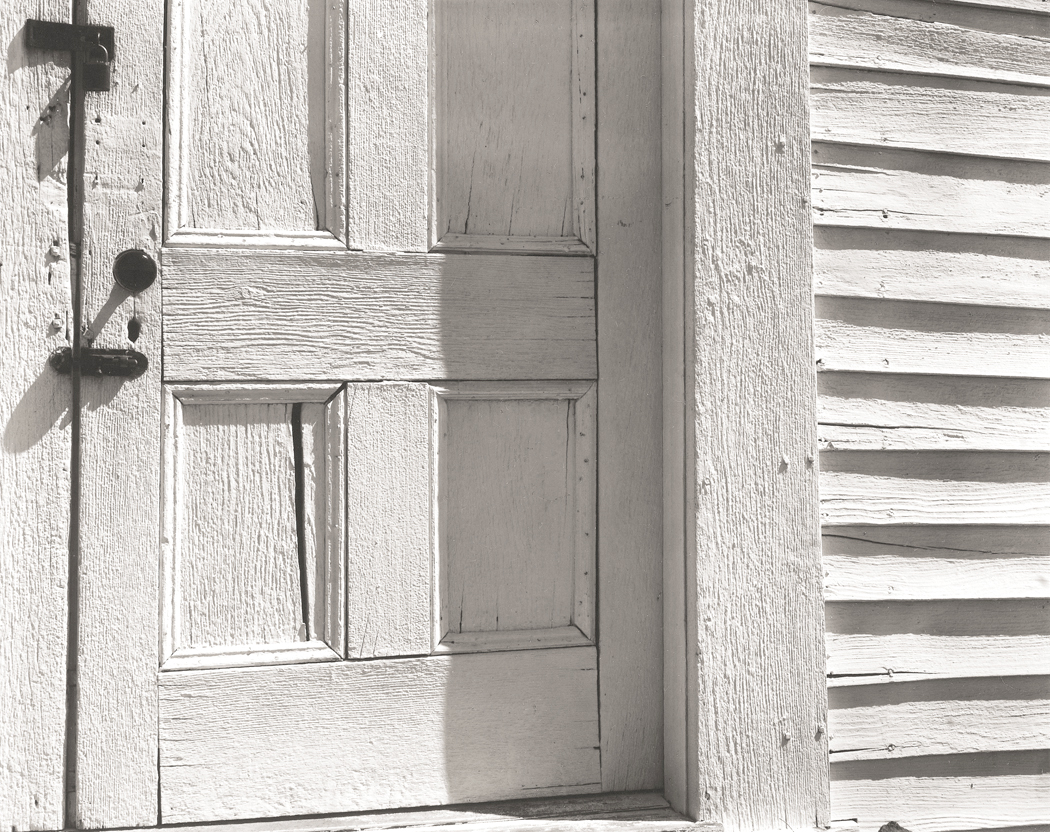
Where I had been a disciple of Modernism in photography, from Stieglitz to Strand to Weston to Adams, I realized, looking at the Frenchman’s photos, that a looser, more direct approach to the art might be more productive. 

And, in fact, I gave up attempting to make precious jewel-like prints matted in perfect ivory mattes and framed in black aluminum section frames. 

But I had no intention of mimicking Atget’s pictures. Please believe me, I didn’t do this on purpose. 

As I look through the many images I have taken in Paris and in France, I find that there are so many parallels to the pictures of Atget. 

I found myself making records of so many curious and interesting corners of the city, so many details, so many textures and lines, so many storefronts and alleyways, that I could hardly help myself. 

Because I have come to find more interest in reacting to the world around me than in creating what receives the imprimatur of art. 

Being awake and aware of my milieu is what drives me, makes me happy, gives me esthetic fulfillment. 

So, here I have taken some of my photos and edited them, making them black and white and toning them sepia. 

I do not mean for you to believe I am trying to make art here, merely to play a little game, matching up images. 

Many others have taken their cameras around the city of light and consciously mimicked Atget’s work in an exercise of “rephotography,” a Postmodern trope. I am intending no such thing. 

I merely enjoy the little joke of finding in my work these unconscious rhymes with the work of a photographer I have loved for all these years, but haven’t given a whole lot of thought to in decades. 

Such is influence, I guess. You don’t always know it’s there. And you don’t consciously attempt to counterfeit your model. 

But somehow, it has worked its way into your bones, into the way you approach the world, the way you understand it. 

So, here are a group of parallel images. Those on the left are by Eugène Atget, those on the right are mine, albeit gussied up to amplify their similarity to my progenitor. 

I hope you find a twinkle of pleasure in this game. And it is just a game. 

Click to enlarge any image 


FIN


Not every life-changing event happens on the road to Damascus: a blinding light, knocked to the ground, twitching galvanically. The death, the religious conversion, the falling in love. But there are smaller turnings also, often dozens of them in a life, perhaps passed unnoticed at the time, but nudging our lives on a slightly new heading. “As the twig is bent, so is the tree inclined.” The butterfly in Brazil. These are also life-changing. 

In the summer of 1972, the Museum of Modern Art in New York mounted a small exhibition in its downstairs gallery, behind glass doors. “Atget’s Trees” put together 50 photographs by the French artist Jean-Eugène-Auguste Atget (1857-1927). Lined up on the wall in a darkened space, with brilliant track lighting that made each photograph gleam like a jewel, the photographs made my heart jump and my eyes happy. (That kind of lighting is now largely verboten in museums, as they adhere to a strict limit of only so much illumination to protect sensitive materials from light damage. Silver-image black and white photographs are largely immune to such light damage, so the restriction on lighting seems shortsighted and misguided; it dulls the brilliance.)

Atget (At-zhay) was an odd little man who taught himself photography in order to document art, architecture and decor that was disappearing as Paris and France entered the modern world. Originally, beginning in 1890, his work was meant for painters, architects and stage designers to provide models for their work, and he sold his pictures to them. But he seems to have become more and more interested in the details of his city for their own sake. He took thousands, maybe tens of thousands of negatives. Many were sold to various institutions interested in historic preservation, such as the Bibliothèque Historique de la Ville de Paris. 

In 1925, he met American photographer Berenice Abbott, who began buying his photographs and collecting negatives. In 1968, she sold her collection to MOMA, from which the “Atget: Trees” show was developed. 

The majority of Atget’s subjects were buildings, statues, door knockers, gardens and street scenes. No detail was too humble for his attention. There are photographs of doors, photos of stairways, photos of balconies and railings, of fireplaces, of courtyards and alleyways. His curiosity was omnivorous and ravenous. 

But through all, there was one subject he came back to over and over: trees. Most were in parks, like Saint-Cloud or Sceaux; some were at Versailles; others simply out in the countryside. He seems especially taken with ragged bark and gnarly roots. Often, he has photographed the same tree over and over, from very slightly different angles, or in different seasons. There is something sensuous in the growth and surface of trees that excited his artistic libido. 

Atget’s equipment and technique were already antique when he began, using an old bellows camera and large negatives, printing them on albumen paper and toning them with gold chloride. This gave his images a sheen (from the egg white) and rich, chocolatey tone (from the gold) that, in the right light, makes them jump from the frame with gem-like luster. 

And there I was, in 1972, ripe for the message they were giving me. 

You have to remember that 50 years ago, the art world — and especially the world of photography — was deeply buried in a type of snooty puritanism. We were taught you never “crop” your images, but framed them precisely in the viewfinder. Anything else was “sloppy” and perverted the natural uses of the camera. You must used archival paper and processing. Frames must be neutral, matting must be white or ivory.

And most of all, you were made aware that a photograph was all about photography. Art about art. Subject matter hardly mattered; it merely provided an armature on which to make your statement about the nature of photography and art. 

This was the art world the late Tom Wolfe railed against in his book, The Painted Word, where the deacons of art criticism slapped their hands down on a kind of outstretched bible of certainty: A painting must be flat, it must not mix genres, it must investigate the possibilities of paint and never, ever “illustrate” a story or event. Hellfire and brimstone of a different sect.  

This was the heyday of Ansel Adams and his Zone System of photographic exposure and development, to carefully control the results, which were by necessity “previsualized,” i.e., you were to know before you snapped the shutter, exactly what the end result would be, including its printed size and what sort of paper you would print it on. God, it was constricting. What a constipated way of approaching art. 

And here was Atget before my eyes, messy, uncoordinated, obsessive and obviously fascinated with the things of this world. 

Not that it made a dent in the attitude of exhibit curator John Szarkowski, one of the deacons of that puritan orthodoxy. Szarkowski was Director of Photography at MOMA from 1962 to 1991, and one of the most influential voices of the time. He performed many miracles for photography as an art at a time when the status of photos was still doubted in some corners of the art establishment. But he also issued some very dubious edicts. 

About the “Atget: Trees” exhibit, he wrote in a wall label for the show, “On the basis of a small and heterogeneous collection, the quality of effortless poise that identifies Atget’s work might easily be read as naivete. A study of his repeated investigation of the same or similar subjects, on the other hand, suggests a conscious and sophisticated concern with the ultimately formal problems of picture making. 

“Atget was acutely aware of the literally infinite number of images that are potential in a given ‘subject,’ and he knew also that none of them was true, in the sense that it shared a privileged identity with the object photographed. The subtle variations in framing included here among the six plates of the Beech Tree, St. Cloud, for example, make it clear that Atget did not confuse the subject with the object. He understood that the true subject is defined by (and is identical with) the picture.” 

That is art gobbledy-gook for, “Don’t think Atget was a bumpkin. No, he knew that the real subject of a photograph is the photograph itself, and the finished print, given to us, is the only actual goal of taking the thing in the first place.” (I especially note the condescending quotation marks around “subject.”)

And that, my friends, is a complete misreading of Atget and his art. 

What I came to realize, adoring those luscious trees on the wall of 53rd Street, was that what mattered was not the print, but the attention that Atget gave the world he loved. That, in fact, the subject does matter, and the photographer’s engagement with it was the photograph’s raison d’etre. The photo was merely a lasting and sharable byproduct of the artist’s attention. 

Atget was an indifferent craftsman. His photographs are often poorly exposed, a bit out of focus, show effects of lens flare from an uncoated lens; the prints are sometimes poorly processed and some are fading, or picking up spots and stains. In a Postmodern world, all these things might have been consciously introduced to make us aware of process in privilege over subject matter. But Atget was no such. The power of his work, and its attractiveness is in its naivete — or rather, its directness. Art theory cannot touch it, cannot sully it or soil it. 

Soaking in the MOMA show, I fell in love with Atget’s art, but even more, I learned to mistrust the vox auctoritate. Just because a respected and learned expert speaks ex cathedra does not mean he is right. After all, a scholar is shooting in the dark, just as we all are. Just as Atget engaged with the things he loved, I tried my best to engage with his photographs and not be led into believing orthodoxies that had little to do with what I actually saw. 

And this visit to 53rd Street also freed me to loosen my own approach to the camera and use it to engage with the things I love.

I have had many such life-changing encounters, small but meaningful. This was just one of them. 

Click any image to enlarge

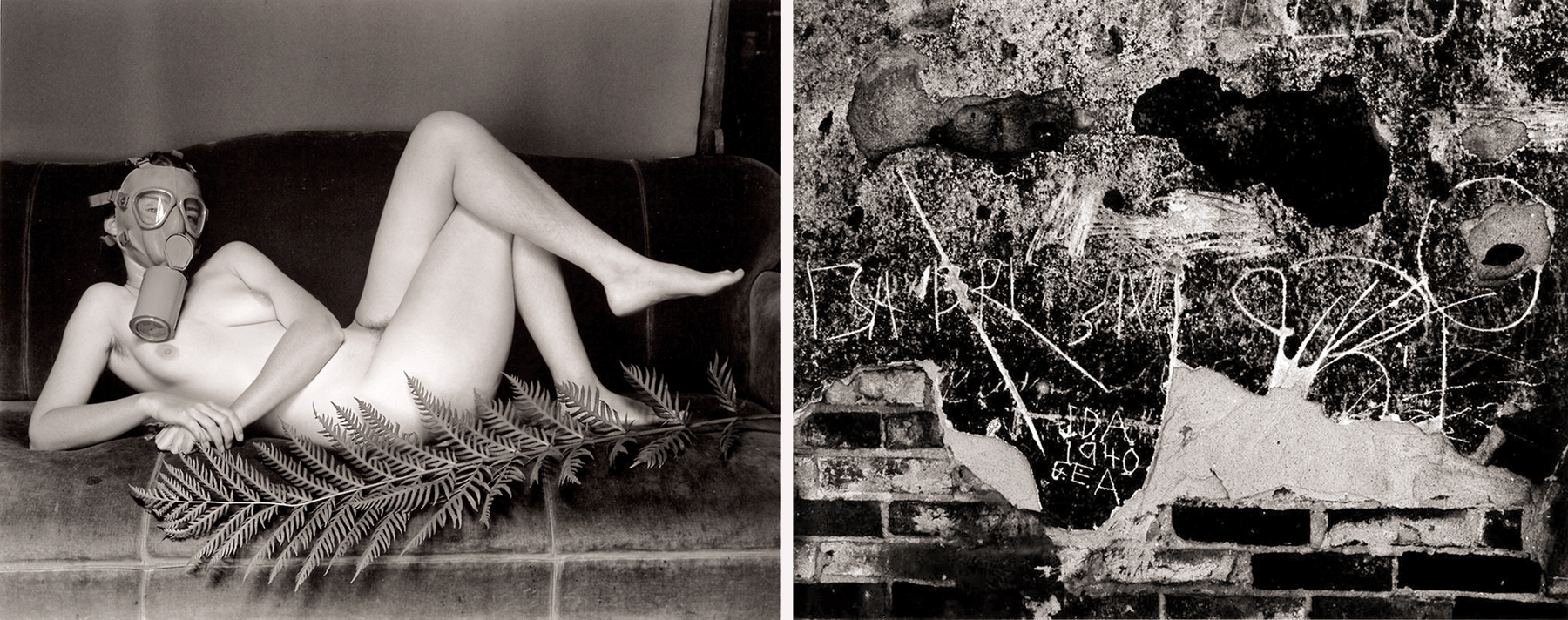
We know what photography is: You point a camera at something and take its picture. But what if you don’t use a camera? And what if there is nothing to make a picture of?

Certainly, many have used their cameras to make abstract or quasi abstract images. Sometimes you just have to get close enough to avoid any context, or take it from some extreme angle.
Many decades ago, when I was teaching photography — so long ago that the photo lab was filled with noxious chemicals and darkness visible — I played around with making abstract photographs. Most of my photographs were landscapes and portraits, but in the darkroom between classes, I had time on my hands and tried a number of things out.

But let’s take this a step at a time. First, some straight photographs.

Many years before I began teaching, I knew an artist in Greensboro, NC, named Aime Groulx (he signed his name with a dot over the “X” as if it were an “I”). He was primarily a sculptor, but he also made photographs. One he made was of a doorknob in his house that looked like nothing else but a newly discovered planet. He called it “Doorknob to the Door of Perception.” He was an indifferent printer, but I used his negative to make a good silver print, which I still have.

The image was both totally realistic — it was a doorknob — and yet, as Minor White used to say, it is “what it is, and what else it is.”

Over the years, I took this lesson to heart and made many an image that seemed to be something more than what it is. An orange can be a planet, too.

Or a sand dune can be a spiral.

Finding interesting and beautiful shapes divorced from their quotidian meaning can make us see them more sharply, make us understand something about the colors, shapes, textures, that being able simply to name the subject of a photo prevents us from acknowledging. When we recognize too easily what our photo is of, the image ceases being visual and becomes instead a word. “That’s a picture of a house;” “That’s a picture of a dog,” and by naming it, we find we have done our job and neglect to actually look and to see.

Making something abstract forces us to see those colors, shapes, textures — allows us to find new emotional meanings in the familiar, and new designs.

So, then, let’s take the camera out of the process. Once digital photography nudged out the silver, dried out the Dektol and replaced the Beseler 23C with Photoshop, there were other ways of making image files.

I began experimenting with a flatbed scanner, making extremely high-definition images of flowers. With the scanner cover left open, the background of these images became a very deep black or blue-black and only the parts of the flowers held flat on the glass platen were fully focused. The images were stunning and essentially shadowless.

I tried other things, too.

But there was still a lens involved in the scanner. So, let us return to earlier days, when chemicals still stained a photographer’s hands. I tried scratching the end-bits of developed rolls of film and printing them as if they were negatives.

Still, however, there was the lens of the enlarger focusing the negative down onto the silver paper.

I wanted to get into the image directly, with no mechanical mediation. I wanted to get my hands into the process the way a potter gets his hands into the clay.

So, I dipped my hand into the tray of sodium hyposulfite and pressed it wet onto a sheet of light-sensitive paper, then washed the hypo off the paper and doused it in the developer, which turned the image black except for where the hypo had left its imprint. It made for rather spooky gorilla hands.

I tried it in the reverse way, too, dipping my hand into the developer and then, after the blacked image appeared, finished the process in stop bath and hypo. That gave me a black hand on a white sheet.

Certainly, this gave me an image of the familiar that was decontextualized and made strange. I saw my hand very differently.

There is, however, only so much you can do with a hand. After the first hundred or so versions of my hand, I tried some other things. Like scattering salt on the paper and spraying the developer like Windex down onto the sheet, leaving a scattering of stars on the paper.

I also tried dusting the paper with dry developer granules and spraying it with water, making the black specks on the lighter background. The spray made the salt or the developer wash weakly over the paper, making mid-tones that I enjoyed.

You could make an image that vaguely resembled a portrait.

These experiments continued over the six years I taught, but when I left that job, I became a writer instead of a photographer. My camera was used primarily to illustrate stories I was writing.

I look back at some of the images I made so long ago and feel there might have been something in them. Whether there is or not, the process was worth the time; it gave me great pleasure.

Click on any image to enlarge
Pablo Picasso painting Guernica in his studio, Paris, 1937; photograph by Dora Maar

When Pablo Picasso painted Guernica, he knew he was making a monument. When Milton wrote Paradise Lost, he knew he was writing for the ages. When Bergman filmed Seventh Seal, he knew he was saying something important and not merely entertaining us with a cool story.

Art is often made with large purpose. Artists may work a whole lifetime to be able to sum things up in a major piece, or group of pieces, like  the Isenheim Altarpiece of Grünewald, or Proust’s À la recherche du temps perdu.

In these cases, the art becomes an entity in itself, a thing produced. It takes on a life beyond its maker’s; it is a milepost in cultural history. We look to it not only for beauty, but for wisdom, for inspiration, for a sense that there is something large which we all share as humans.

On the other end of the spectrum are the snapshots we take of our families, on birthdays, on vacations, on weddings. As such, the photographs are seldom seen as esthetic objects, but rather encapsulated memories — something to hold fast a fleeting moment of importance to our singular lives. They may capture something intensely human, but that is not their primary purpose.

(It is always fun to scavenge anonymous snapshots to find glimmers of the idiosyncratic or the universal, that is, to see them as if they were intended as art. But that is a piece of active curation on our parts, as if we were the artists ourselves, editing the random into a coherent message. The family photos were never meant to hang in art galleries.)

Even if a painter isn’t making a Sistine Chapel, if he is a professional, he is creating a commodity — an object that can be sold. And even if it’s not bought, the thing exists as a thing. There it is, framed and hanging on a wall, with track lighting making it glow jewel-like in the gallery.

But there is something between these two poles — between commodity and snapshot. It is the artist’s working sketch, never meant to be sold, never meant even to be seen. It is either the artist trying out ideas for a painting, or — and this is even more important — just keeping his hand in.

There is something of the throwaway in such noodling, but there is also something of value we shouldn’t underestimate.

We often forget that there is an intimate connection between art and the experience of living. It has been made easier to forget because in the last half century or so, a good deal of art has been made simply about art, about its materials, its limits, its meaning, its history. But through most of that history, art was about the world. Whether it was landscape or still life, whether portrait or history painting, it was meant to reflect something of our common experience of life.

Even when art has been about art, it has been about the experience, in life, of thinking about art. There is an unbreakable connection between experience and its image.Which takes me back to those sketches. Whether it is Picasso doodling on a napkin or Turner washing light watercolor pigment over rag paper, it is — aside from any commercial intention — an effort by the artist to make the connection with the world. To see, and see clearly.

Andreas Gursky

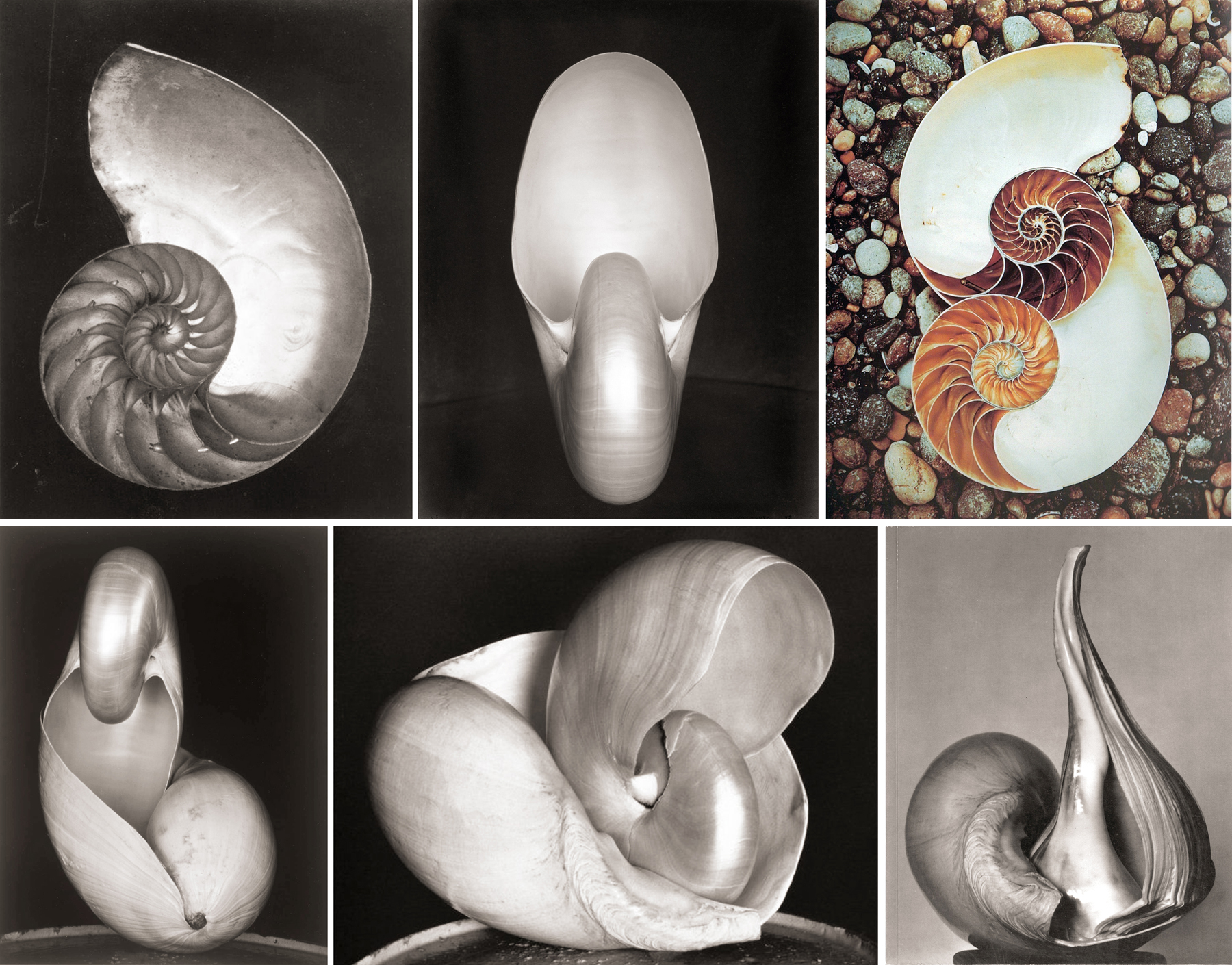
Photography, as much as painting, has its monuments, whether it is an Edward Weston pepper or Ansel Adams’ Moonrise Over Hernandez, or more recently, the giant photomurals of Thomas Struth or Andreas Gursky. They are the opposite of family photos.

But there is a middle ground in photography, also. It is the equivalent of an artist sketching. Photographer Lee Friedlander calls it “pecking.” It is the quick, improvisatory snapping of bits of the world, to see what is there.

With is 35mm rangefinder Leica camera, Friedlander says, “you don’t believe you’re in the masterpiece business. It’s enough to be able to peck at the world.”

Only afterwards, going through his accumulation, does he edit and pick a few that stand on their own to be published or to be exhibited. But the interesting part, to Friedlander, is the engagement with the world.

“I take more to the subject than to my ideas about it. I am not interested in any idea I have had, the subject is so demanding and so important,” he says. “Sometimes just the facts of the matter make it interesting.”

Friedlander is amazing in that his peckings are often so visually rich and complicated that they are nearly as Baroque as a painting by Rubens. Action seems to be in every corner of the frame.

But you don’t have to be an artist as good as Friedlander to engage with the things of this world. Making photographs is a way of seeing, similar to sketching. It is about paying attention. We can focus on the details.

For many Americans — maybe most humans anywhere — only use their eyes for useful things. They see the road they drive on, the could that tells them it will rain, the house, the car, the coat closet. When they make a snapshot for the family album, it is enough to be able to name the items in the picture — that is Uncle Vern, that is the house we used to live in, that is my first car — and beyond the naming of the subject, we don’t really pay attention to what is there. Most probably, we have framed the image so the house or the uncle stands dead center in the frame.

Frielander talks about the potency of the photograph describing what is either his experience when he was a boy with his first camera, or perhaps anyone’s similar experience: “I only wanted Uncle Vern standing by his new car (a Hudson) on a clear day. I got him and the car. I also got a bit of Aunt Mary’s laundry and Beau Jack, the dog, peeing on a fence, and a row of potted tuberous begonias on the porch and seventy-eight trees and a million pebbles in the driveway and more. It’s a generous medium, photography.”

For Friedlander, his life work became making all these disparate bits harmonious in the frame. Again, like a Rubens.

For most of us, these pecked pictures are mostly details. They are not the grand view or the concatenated whole, but the tiny bits out of which the larger scene is built. Most of us pay attention only to the whole, when we pay attention at all; for most Americans — maybe most humans anywhere — only use their eyes for useful things. They see the road they drive on, the cloud that tells them it will rain, the house, the car, closet. But every house has a door, and every door a door-handle; every car has tires and every tire a tread and each tread is made up of an intricate series of rubber squiggles and dents. Attention must be paid.

Paying attention to the details means being able to see the whole more acutely, more vividly. The generalized view is the unconsidered view. When you see a house, you are seeing an “it.” When you notice the details, they provide the character of the house and it warms, has personality and becomes a Buberesque “thou.” The “thou” is a different way of addressing the world and one that makes not only the world more alive, but the seer also.

(It doesn’t hurt that isolating detail makes it more necessary to create a design. You can make a photo of a house and just plop it in the middle of the frame and we can all say, “Yes, that’s a house,” and let the naming of it be the end-all. But if you find the tiny bits, they have to organize them in the frame to make something interesting enough to warrant looking at.)

Sectioning out a detail not only makes you look more closely, but forces your viewer to look more closely, too. Puzzling out what he sees without the plethora of context makes him hone in on its shape, color, and texture. It is a forced look, not a casual one.

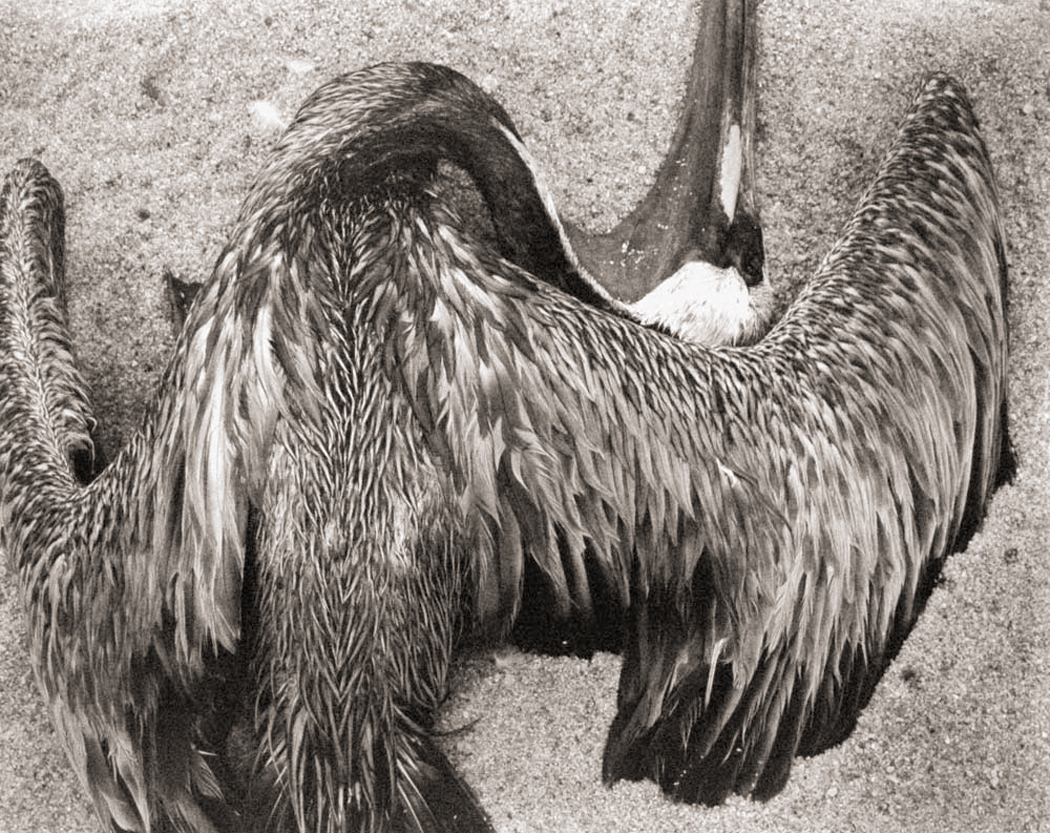
This is a rich world, profound in detail, millions of species, visual patterns in every rock and cloud. Each bit of rust on a grate is intense, when noticed. And noticing is what “pecking” is all about. With my own peckings, I am not making any argument for them as art; they will not be hanging in a gallery. I make them for myself, to force me to pay attention to the minutiae that are the bricks of the visual world they inhabit. And paying attention is a form of reverence.

Click to enlarge any image
color sky 03One grows as a human being, and the art cannot help but grow, too. When I was young, it was art that impressed me most: the forms, textures, colors, the transformation of stimuli into esthetic forms. Don’t blame me — it was the times in which I grew up; Modernism was in the ascendency and we all mouthed such platitudes as “art changes nothing,” and “Subject matter? The subject doesn’t matter, only what you make from it.” In those years, life drawing ceased to be taught in most art schools; students were asked merely to “be creative.” The divorce between life and art was complete. cloud30 The prejudice was that the subject, say in my chosen medium, photography, was only there to catch light and make for a splendid arrangement of greys and blacks printed out in rich silver on glossy paper. Anything else was pretty pictures for calendars or chamber of commerce brochures. A kind of puritanism set in. If you are old enough, I’m sure you remember it: No cropping, previsualize, etc. So, when I was younger, I concentrated on the beautiful print, in black and white, and archivally processed. Zone system, anyone? cloud 01 My life turned in a different direction. Instead of a photographer, I turned out to be a writer. And lucky for me, it was on a newspaper and not in academia. I never had to slog through the atrocious trends of literary theory then current (still current). When asked to lecture to writing classes, I always had one lesson to give: Good writing is having something to say. Writing in fancy words or jargon, clever euphues, gongorisms, or acrostics or esoteric allusion only get in the way. One can be so caught up in the allure of a classic Bugatti that you forget its purpose is to get you somewhere. Fancy writing is that shiny Bugatti sitting unused in a garage, cherished and polished but useless. cloud08 I continued to make photographs, nevertheless. And I have had gallery shows. But as I got older I came to see that the Bugatti was there to drive somewhere, not to show off. Subject matter not only counted, it was the reason for making the picture in the first place. But — and this is a big proviso — not to share the subject with your audience so you can all go “Ooh, what a beautiful sunset.” That really is a calendar photo. cloud16 No, the entire purpose of art, if it can be said to have a purpose, is to make a connection with the world. To reconnect with what habit has made invisible. To see what you normally ignore, to find the glow of liveliness in the experience of being alive. Few people need to be told that a sunset is pretty; there is no art in that.cloud25 But to find the chispas — the sparks — in the crack of a sidewalk, or the bare winter trees, or the clouds that sail over us every day — this is not so much a finding of a source for perfect prints to hang on the wall, but rather the illumination of a hidden fire. These things are all alive: Every bush is the burning bush. That is what makes Van Gogh’s landscapes so alive. They burn from within. This is not something he has applied from the outside; it is something he was able to see as the scales fell from his eyes. And so it can be for anyone willing to look, to see. It is what makes life drawing so indispensable for an artist. Drawing is not simply making an art object, drawing is learning to see, to break through the cataracts of habit. cloud26 And so, when I come back to clouds as an old man, I see in them not merely abstract shapes from which I can make suitable art. I don’t care about art. I see something that wakes me up, and I try to capture it with the snap of my shutter. For me. Not for some appreciative audience. For me. I am the one I want to keep awake, alive. Others have helped me in this; if I can pass this on to others, all to the good. But I no longer care about making art.cloud38 (Note: All but three of these photographs were taken on the same day during monsoon season from my back yard in Phoenix, Ariz.) cloud42 cloud43

color sky 01 cloud45 color sky 02 cloud07