Archive

Tag Archives: travel

In a corner of the Fifth Arrondissement, next to the Gare d’Austerlitz, is a public garden that has come to be one of our touchstones of a visit to France. We go back each time. It is not one of the tourist hotspots, like the Eiffel Tower or the Louvre, but because we found it on our own during our first trip to Paris, it has become an old friend.
The Jardin des Plantes was built in the 17th century as the king’s garden, and initially grew medicinal and kitchen herbs, but later became one of those demonstration gardens in which pioneering botanists planted samples of vegetation they had collected on voyages around the globe.
Around the periphery of the garden are a zoo and several museums of natural history. Some are so old they practically grow fungus; one has been updated to become a sight-seeing draw — at least for the thousands of school children who bus there daily on class trips.
As we visited in 2002, it seems I was caught up again in the conundrum of the opposing French tendencies to formalize and regularize nature, as in its famous gardens, and to see nature as something red in tooth and claw: the opposing tendencies of classicism and romanticism.

Again, click on any photo to enlarge.

jardin main walkway

Friday, March 29
Jardin des Plantes

The Jardin des Plantes is a collection of odds and ends — various gardens, a small zoo, a bunch of superannuated museums, some sooperwhoopie new attractions and lots of old, old trees.jardin natural history facade

At the far end is one of the true treasures of France, although I’m not sure anyone here knows it. The Galerie de paléontologie et d’anatomie comparée is one of those Beaux Arts buildings, the kind with the names of noted scientists carved around the frieze, that are so common in the old museum world.

It is a long, thin building, two stories tall. From the side, you can see in the windows that there are “wonderful things,” as Howard Carter once said: the long spiny backbone of a whale, skeletons of prehistoric mammals and birds.jardin natural history eagle

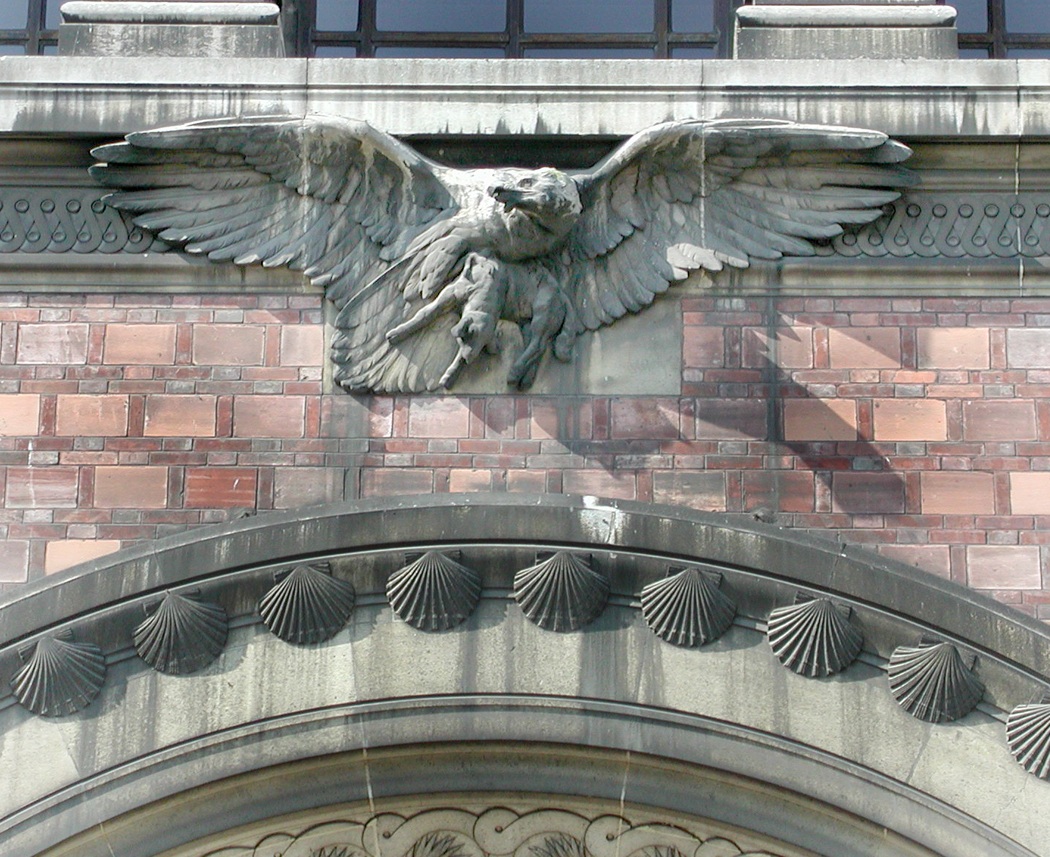
But the building itself is notable. It is decorated on all sides with the most beautiful and decorative sculpture of the natural world. As an underpinning to window sills there are lobsters, hermit crabs, birds. In panels along the side of the building are giant wolves and lions. Above the entrance is a great eagle holding a lamb. A frieze completely bands the building with alternating scallop and vollute shells. Another panel on the west side has a beaver. Yet another has a scene with a man grappling with a bear cub over the dead body of its mother. Another had two men stealing young eaglets, having killed one adult, but with a second adult attacking the men.Orang and Indian

It was a 19th Century version of the Gothic love of nature.

But there is also a clue to the essential French character. As we entered the museum, on the queue for the tickets, there was a grand marble statue of a crazed adult orangutan strangling a prostrate nude Indian. It was a horrible struggle, with the man wounded, a gaping slash in his forearm, and the ape with his long arms extended down, holding the neck and head of the man flat, with his eyes bulging.

This is a version of nature with long teeth, a vision of nature as both beautiful and vicious, a kind of sublime: awesome in its seductive danger.

There is a dichotomy in French culture. One is first made aware of it in the Gothic cathedrals. There, nature is everywhere, and not a storybook nature, but an experienced one, a familiar one. If the church preached a contemptus mundi, it failed to gain traction, at least on first go-around. You can sense the love of the natural world that invests every carving, every Gothic tapestry.jardin walkway with pollard trees

That classicism that I mentioned yesterday, that stylizes and sublimated grubby nature is the other French impulse. And I see a kind of continuous war between the love of nature and the fear of it. Classicism is on one level a kind of defanging of nature.

But the French seem always aware, underneath, of the tooth and claw. So, in the Gallery of Paleontology and Comparative Anatomy, the orang is seizing man, elsewhere, man is seizing the eaglet and bear cub. It is “man against nature, nature against man, god against man, man against god. Very funny religion.”jardin from above

Perhaps the perpetual French classicizing derives not from a separation of humankind and nature, but rather from a constant awareness — and wariness — of the natural world.

The need to create, as at the Jardin des plantes, of a “jardin systematique,” or to display, as at the Gallery of Paleontology, all those gory skeletons of Siamese twins, and cats’ brains in formaldehyde, comes from that fascination with nature that is akin to a fascination with death, violent, bloody death.

I had never before understood — or thought I understood — this classicizing impulse in French culture, but today’s visit to the natural history museum has given me a clue.

Americans think of nature as vast and sublime. For Germans, nature is a place to exercise briskly. English nature tends to be bucolic: a cottage, a few sheep and a porringer. French nature is all tentacles and talons.jardin tree

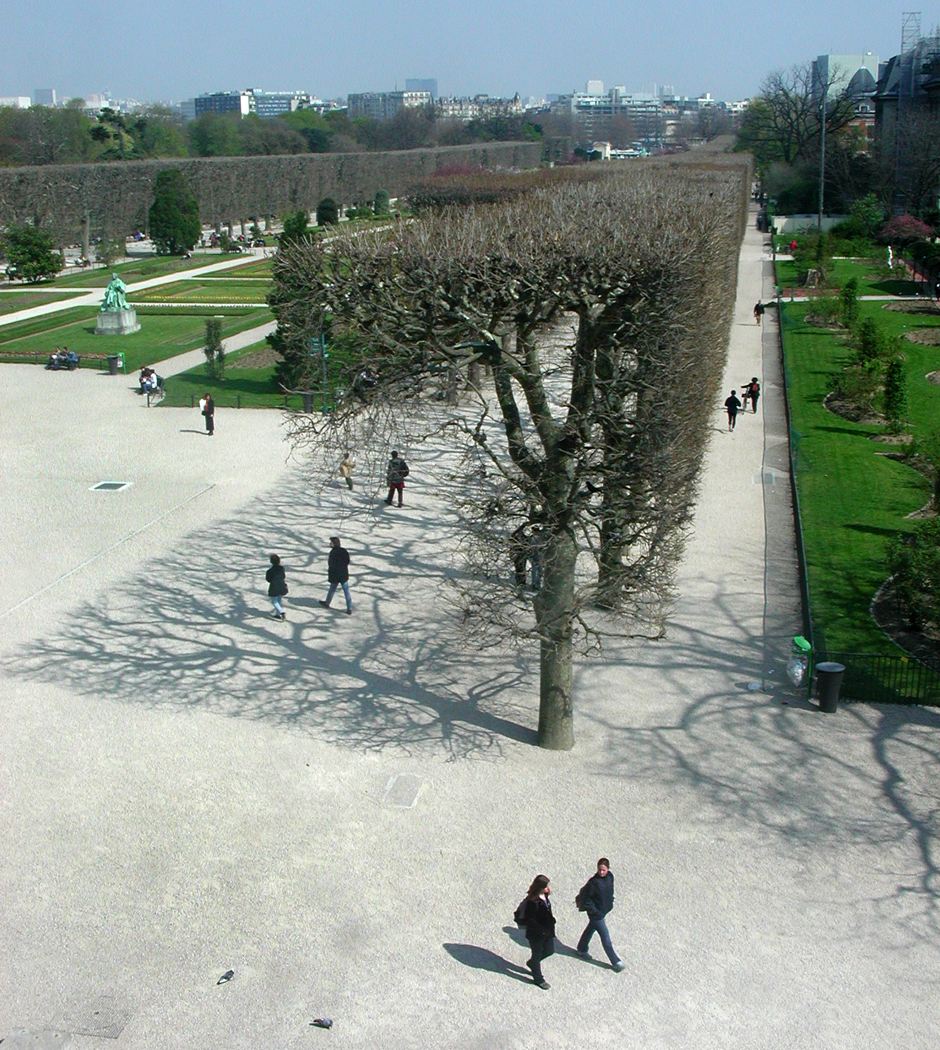
O'keeffe Lawrence TreeAside from all this theorizing, the Jardin was a wonderful place. There is a huge tree, a cedar of Lebanon, planted here in 1743. It’s feathery canopy spreads out like Yggdrasil. I made a photo of it in imitation of Georgia O’Keeffe’s “Lawrence Tree.”

The Grande Galerie de l’Évolution — also at the Jardin des plantes — is as modern as the paleontology museum is musty. A shining example of modern museology, it houses an old collection of taxidermy and gives it a new spin, assembling the old stuffed animals in new arrangements, with dramatic lighting and display.jardin interior

On four floors — although to call them floors is an injustice, for they are really a series of catwalks and mezzanines hanging over a four-story cavity, filled with glass elevator shafts. Meanwhile, a parade of animals, as if marching to Noah’s boat, weaves through the central second floor.jardin elephant

It was a great plan to modernize what was once a dusty old display of vitrines and taxidermy.

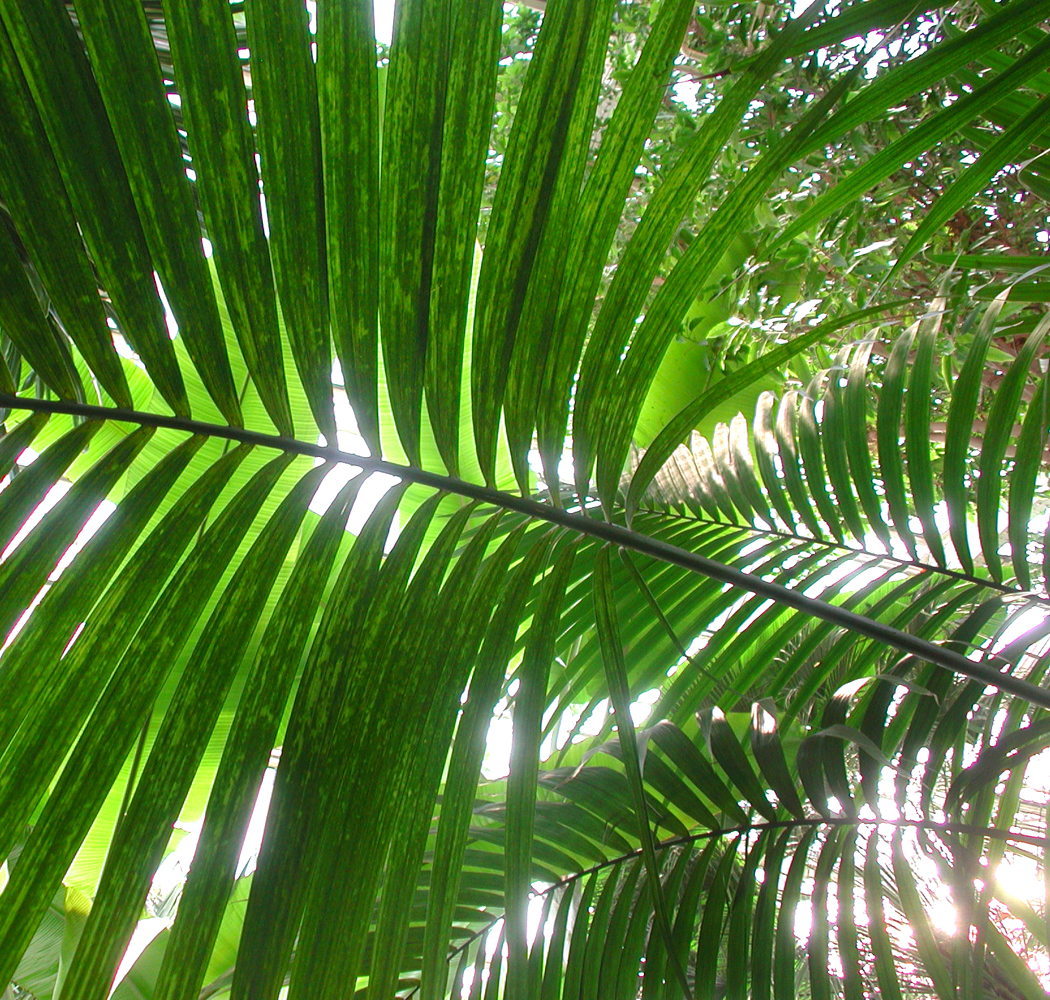
But the final highlight of the day came next door at the great 19th century greenhouse and conservatory, Les Grandes Serres. The three-story-high greenhouse, like a long loaf of glass, was filled with tropical and exotic plants, dripping with moisture. At one end of the interior, a two-story waterfall has been built of concrete, with vines hanging down, dripping water.

My eyes turned on and I began making photos, in a way it only happens when my eyes are on. Made nearly 200 pictures. Another in the series of garden photos.grand serre 1

grand serre 4grand serre banana treegrand serre displaySpent from that, we began walking home. Carole got a cassis ice cream cone, purple and sharp.jardin ice cream stand

We got back to the room and dropped off to sleep, missing dinner.

Carole’s picks of the day:

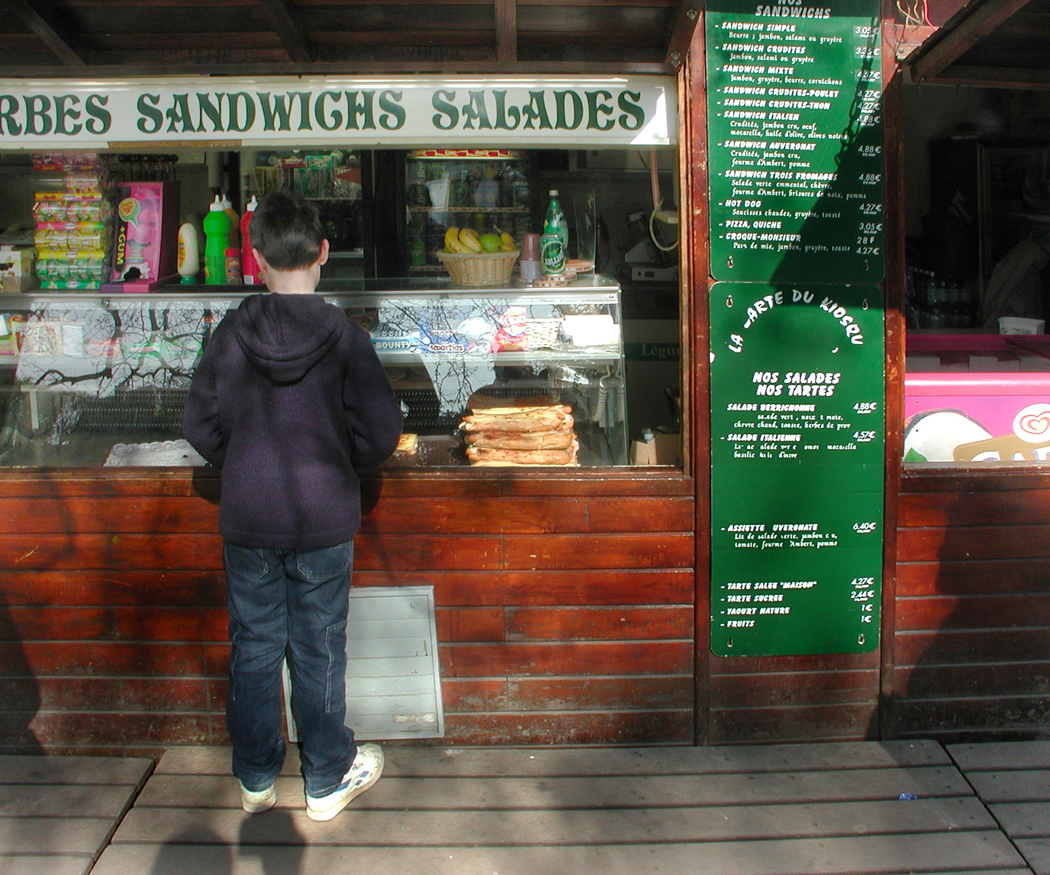
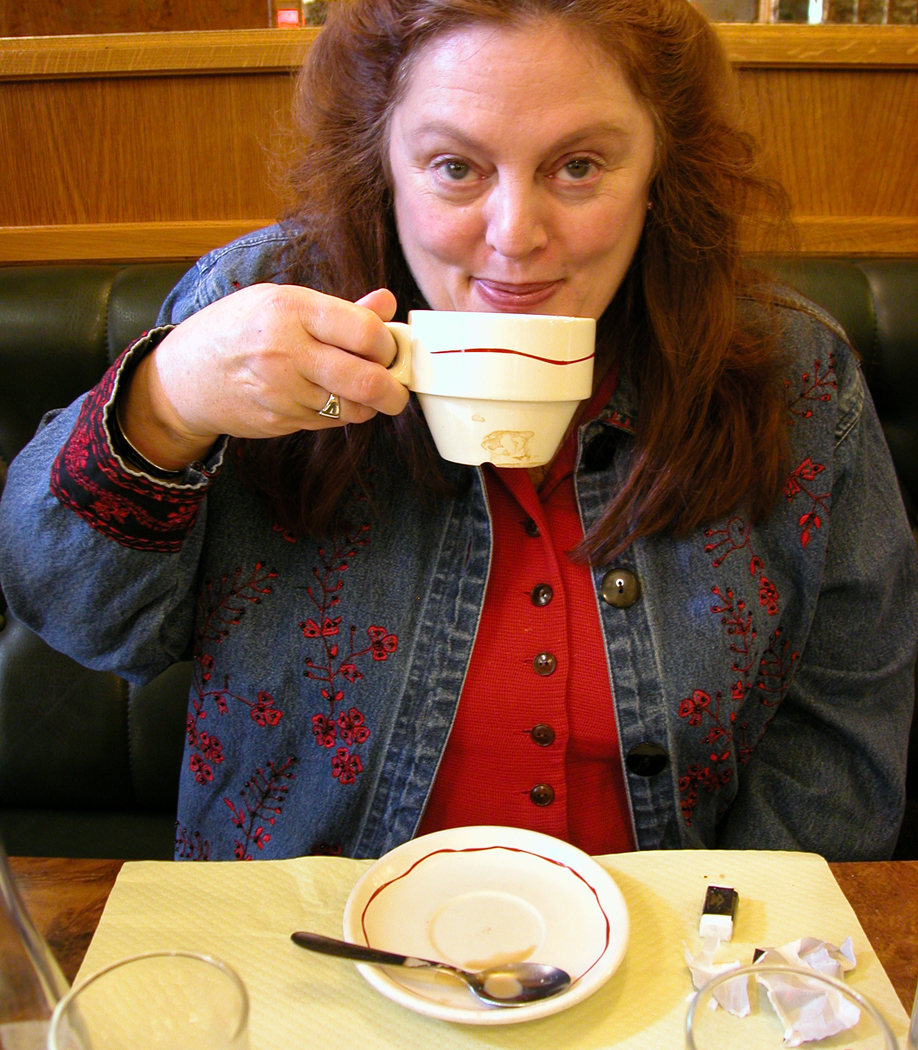
carole and coffeeThat cafe au lait and the croissant. The one I had today was even better than the one I had before. I enjoyed being able to communicate in French. The images of the images at Ste. Chapelle keep coming back to me. I loved the statue of the orangutan strangling the Indian. The parade of animals at the museum of evolution (like a Disney Noah’s ark). The plants in the garden systematique. My favorite thing was the female lions on the front of the museum of natural history. All the wonderful sculptures of animals there: lobsters on windowsills, hermit crabs. Those wonderful animals. Oh, the croque monsieur was incredible. Sliced bread with very thin ham and bechemal sauce and some kind of white cheese, then fried, perhaps dipped in egg batter first. Oh, and finding the wonderful little wooden toys for the grandbabies. Oh, and the Redoute rose and lily book. Richard looked so serious about the grandbabies. Seeing Richard’s joy in the greenhouse.

Richard’s faves:

grand serre 5The sculptural decor on the Galerie de paléontologie et d’anatomie comparée was unforgettable. All those rich animal designs crusted on the masonry. I’m sure I don’t know why they don’t sell a catalogue raisonee of the carvings. It’s a treasure. Inside, the Orang attacking the Indian was a hoot. The hoard of skeletons inside was breathtaking (photographie interdite). The Jardins des plantes in general was special, but when we entered the greenhouse, I went buggy: My eyes turned on and I went nuts with the camera. All that vegetal variety, all that green fecundity, all that sinuous vinosity and verdant threat. It was the mille fleurs and Gothic acanthus leaves come to life.

When we visited Paris for the first time in 2002, we felt like yokels: Everything was new and we gawked. Now that we have been there often enough to feel at home on its boulevards, and have visited its most familiar sites enough times that the Musee d’Orsay can feel “old hat,” these initial  notes, written at the end of each day on that trip, can still bring back that feeling, that sense of excitement at seeing the world through a different culture, and with a wholly different sense of history. These notes and photos are from that virgin trip. Click any photo to enlarge. 

Thursday March 28

ste chapelle clerestory

Sainte Chapelle

There is no denying the beauty of Sainte Chapelle, with its two floors of chapel: a lower floor for the servants and the brilliantly lit upper floor for the king. But one can see a creeping French classicism overtaking the richness of the earlier Gothic. At Notre Dame de Paris, every pier is different, every capital, every boss in the vaulting. At Ste. Chapelle, there is greater unity: only two styles of pier, alternating along the nave walls. The bosses are uniform. The fleur-de-lis motif crops up everywhere, further unifying the decor of the building.ste chapelle exterior from street

Even in the 13th century, you can see Poussin coming, and Racine. There is a fecundity to the earlier Gothic. Metaphorically, the buildings mimic the variety of nature. One senses in Notre Dame, for instance, a connection with the earth, the seasons, the stars, the animals. At Ste. Chapelle, nature has become an ensignia for royal power and wealth.

No one at Ste. Chapelle, you feel, has ever shoveled manure.

The difference, as Carole stated it, is that Notre Dame feels like a machine meant to take you somewhere, like a traveling machine for the universe, or a time machine. You know, in Notre Dame, that something is happening to you.ste chapelle interior

At Ste. Chapelle, you admire the decor, recognize the royal taste — the gout royale — and it something you observe, look at, admire, rather than participate in. That doesn’t mean it isn’t astonishingly beautiful.

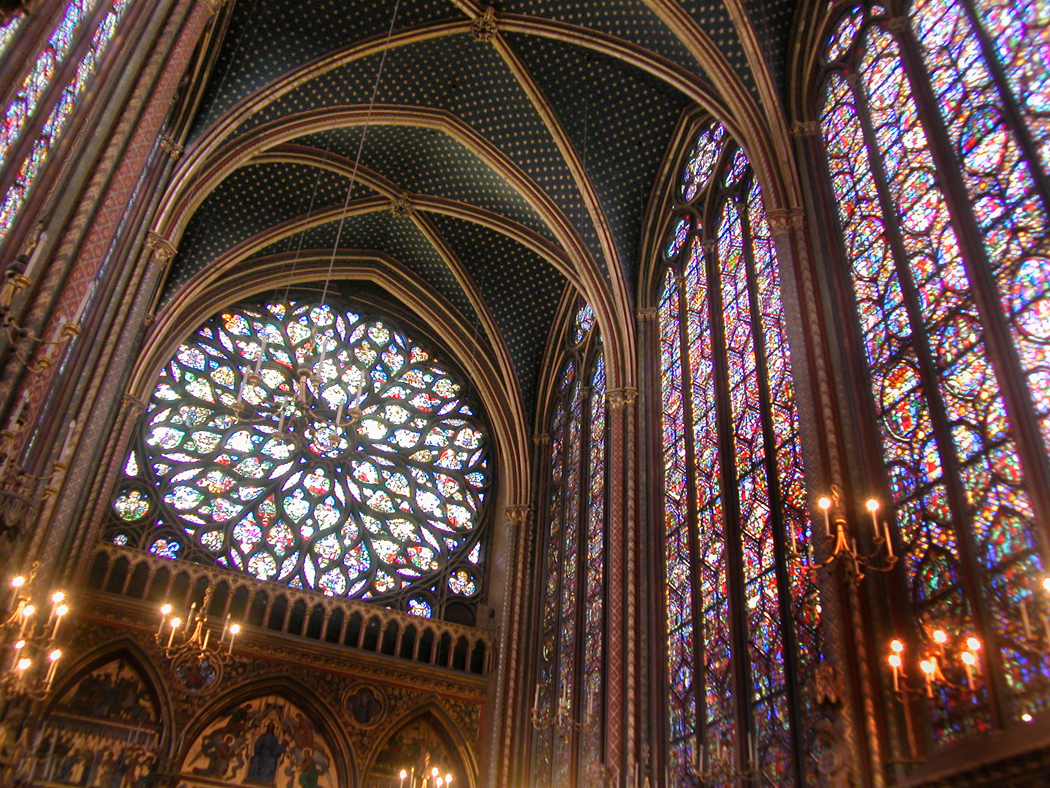
Ste. Chapelle, of course, is late Gothic, le style flamboyant, with neither aisles nor triforium. The windows hang like banners down the walls from just above head level to the top, at over 50 feet. Ste. Chapelle is filled with light in a way Notre Dame isn’t. There is nothing murky about Ste. Chapelle. It is brilliant.

There are two stories, in both senses of the word. Upstairs is reserved for royalty.

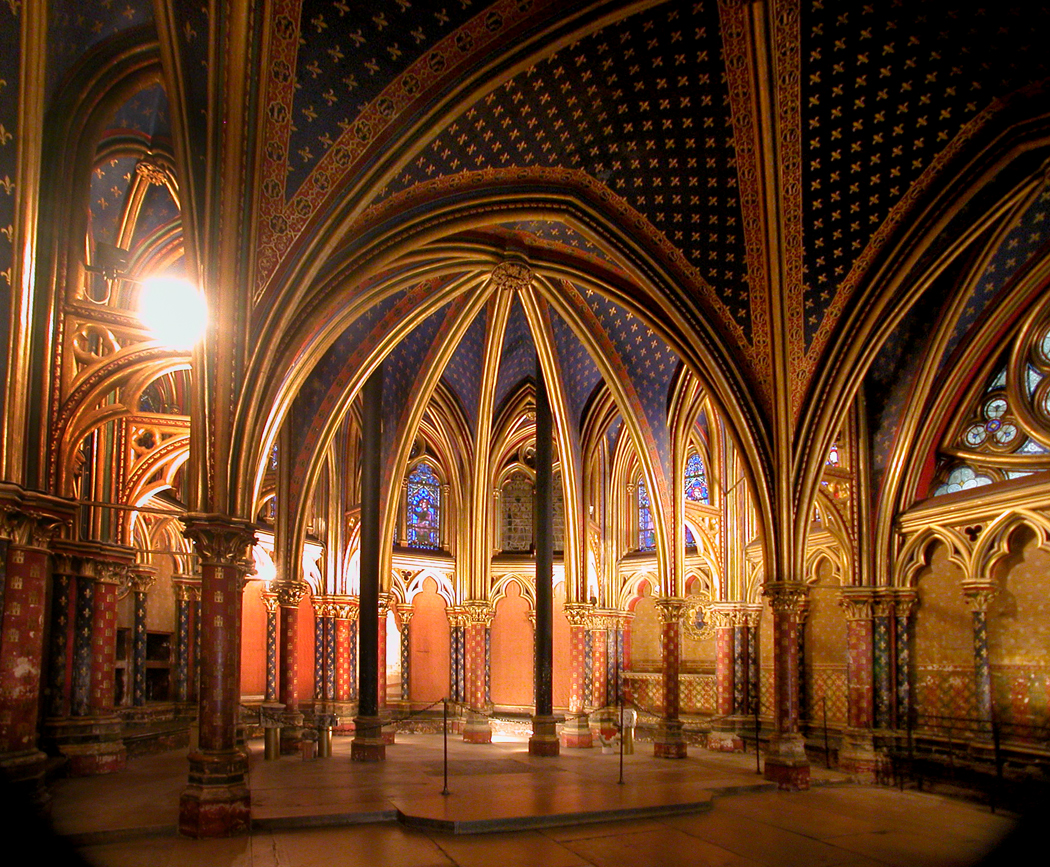
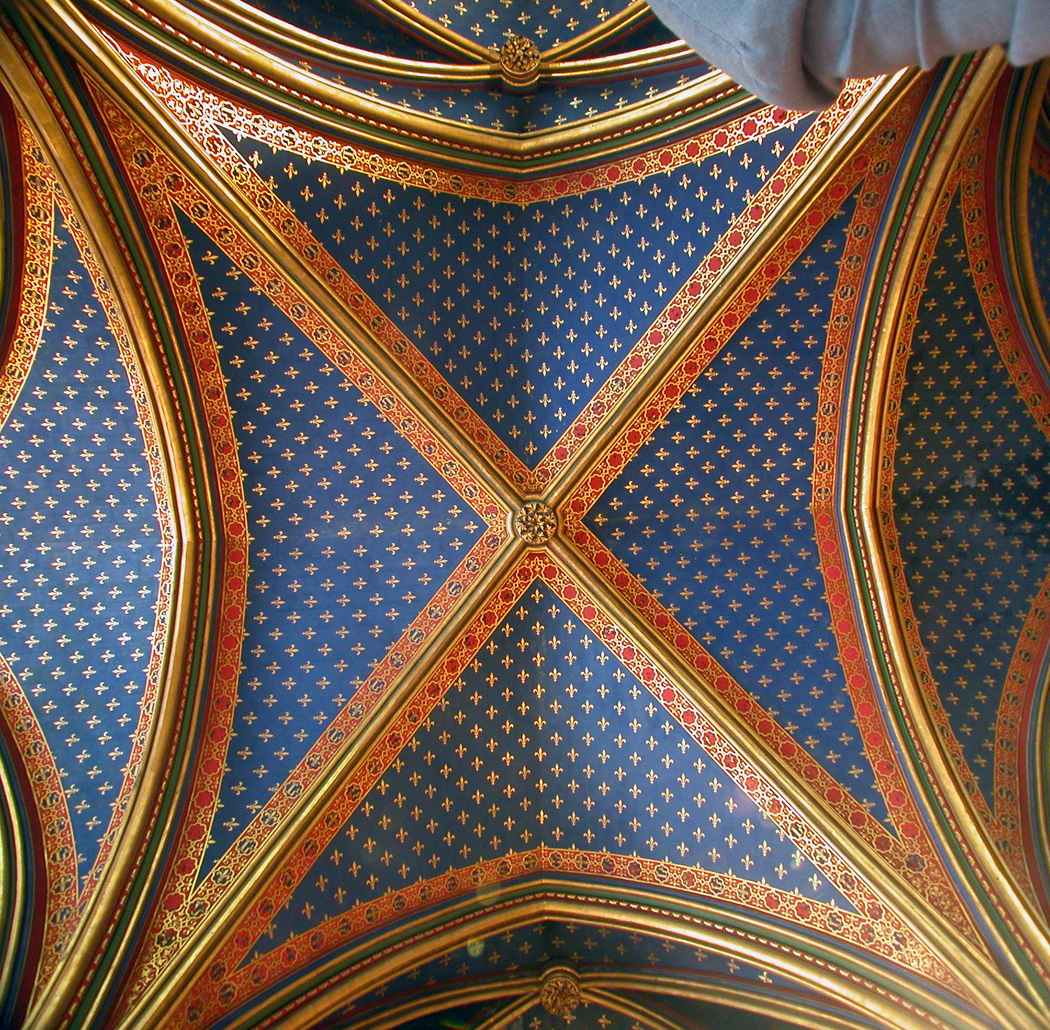
The first floor is a low chapel for servants and burgers. Its ceiling is blue and gold, and anyone using it must have felt privileged indeed, with all that gold leaf and those gilt vaults. (Granted, they are 19th century restorations and only approximate what must originally have been there.)ste chapelle downstairs

There is a tiny circular stone staircase that leads up to the main event on the second floor. Because of its two tier nature, Ste. Chapelle looks oddly gangly and tall. Because its foundation is hid from the street, the chapel looks as if it is built on a small hill, above the surrounding buildings. But there is no hill on the Ile de la Cite. The church is just jacked up a full story on its servant chapel, leaving the King’s chapel floating in the stratosphere.ste chapelle rose window, stained glass, ceiling

ste chapelle downstairs ceilingWhen the sun breaks out, as it doesn’t often do in Paris, the stained glass projects color on the floor, in blues, reds and a little yellow.

We spent a couple of hours in St. Chapelle, trying to see everything and absorb it. Every inch of the place is either gilt or painted or sculpted. There is little resting place for the eye. Perhaps that contributes to the sense that Ste. Chapelle doesn’t function as Notre Dame does.

It is something that allows Louis IX to show off, nearly 800 years after his death. He would have liked that, I’m sure.

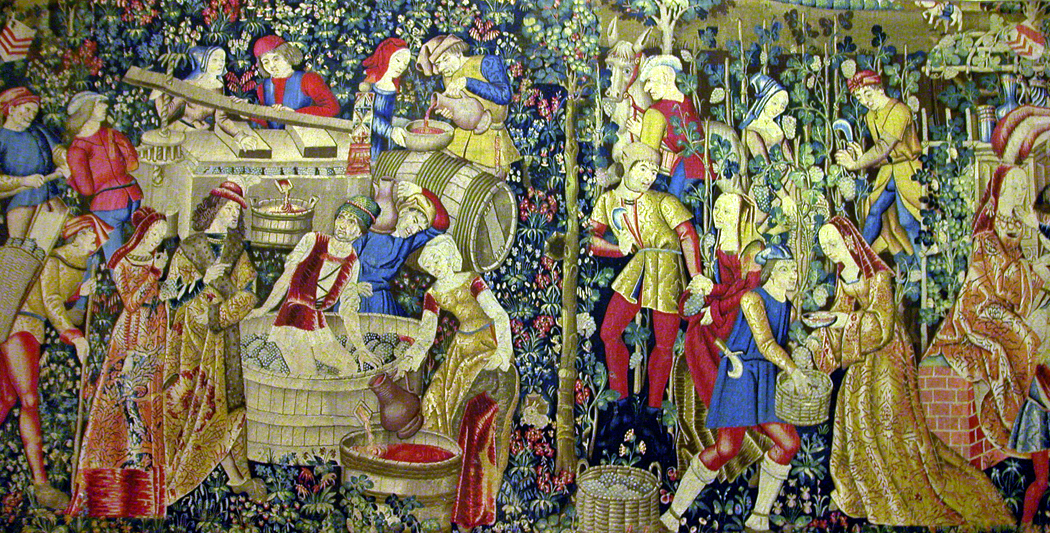
Cluny winemaking taperstry

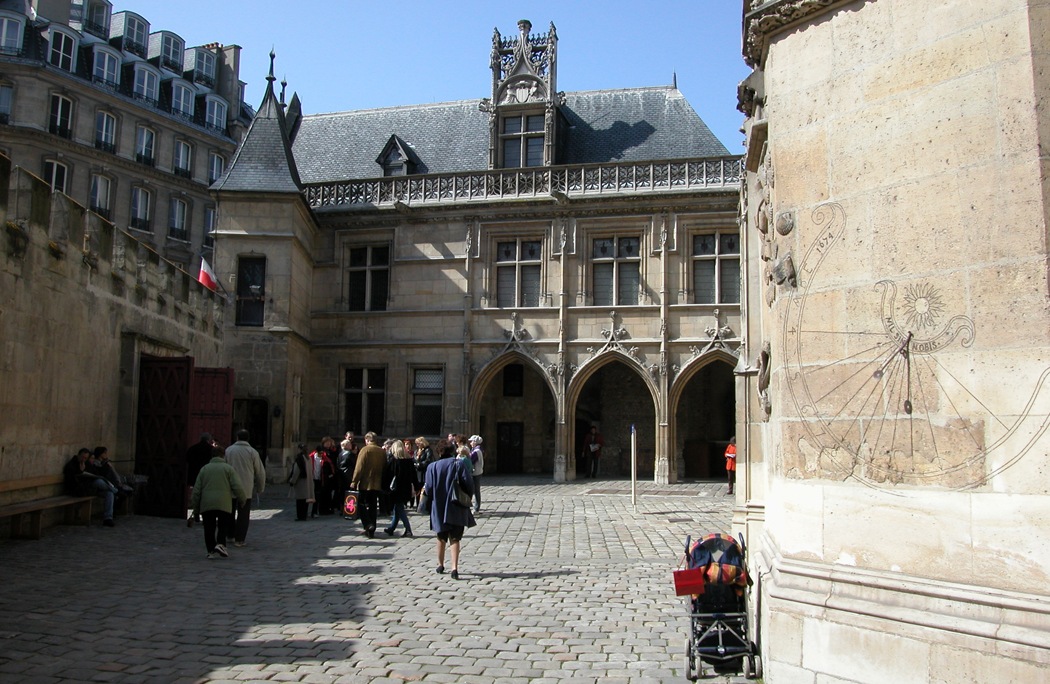
Musee de Moyen Age, Cluny

At the Musee Cluny, we began to wear down. We saw the first dozen rooms just fine, and had time to linger over the many tapestries, but eventually, our muscles and bones — to say nothing of our fried brains — made the last part of the museum a mad dash to get through. Which is a shame, because there is so much to enjoy.Musee Cluny exterior

The Middle Ages speaks to me in a deep and profound way: I am simpatico with its sense of multiplicity, and its sense of particularity.
“To generalize is to be an idiot,” said William Blake, and with that, he dismissed all of English neoclassicism.millefleur

But I feel as he does: Every flower, every tree on the mille fleur tapestries is identifiable. There is a daisy, there an iris. It might as well be a Peterson guide.

For me, the Gothic evidences a genuine love for the things of the world. The various classicisms that follow seem infatuated with ideas rather than things.

But you cannot rub an idea between your fingers, hold it to your nose and smell the camphor, as you can in an herb in a garden.Cluny column leaves

Yes, I admire the rigor of the classicisms. Poussin is no slouch: You have to respect the intellectual energy expended in regularizing the universe.

But in my heart of hearts, it seems like a kind of avoidance. The real world, with its real textures, real smells, real colors, real tactility, real sounds — seem so much more satisfying than the concepts that underlie classicism.

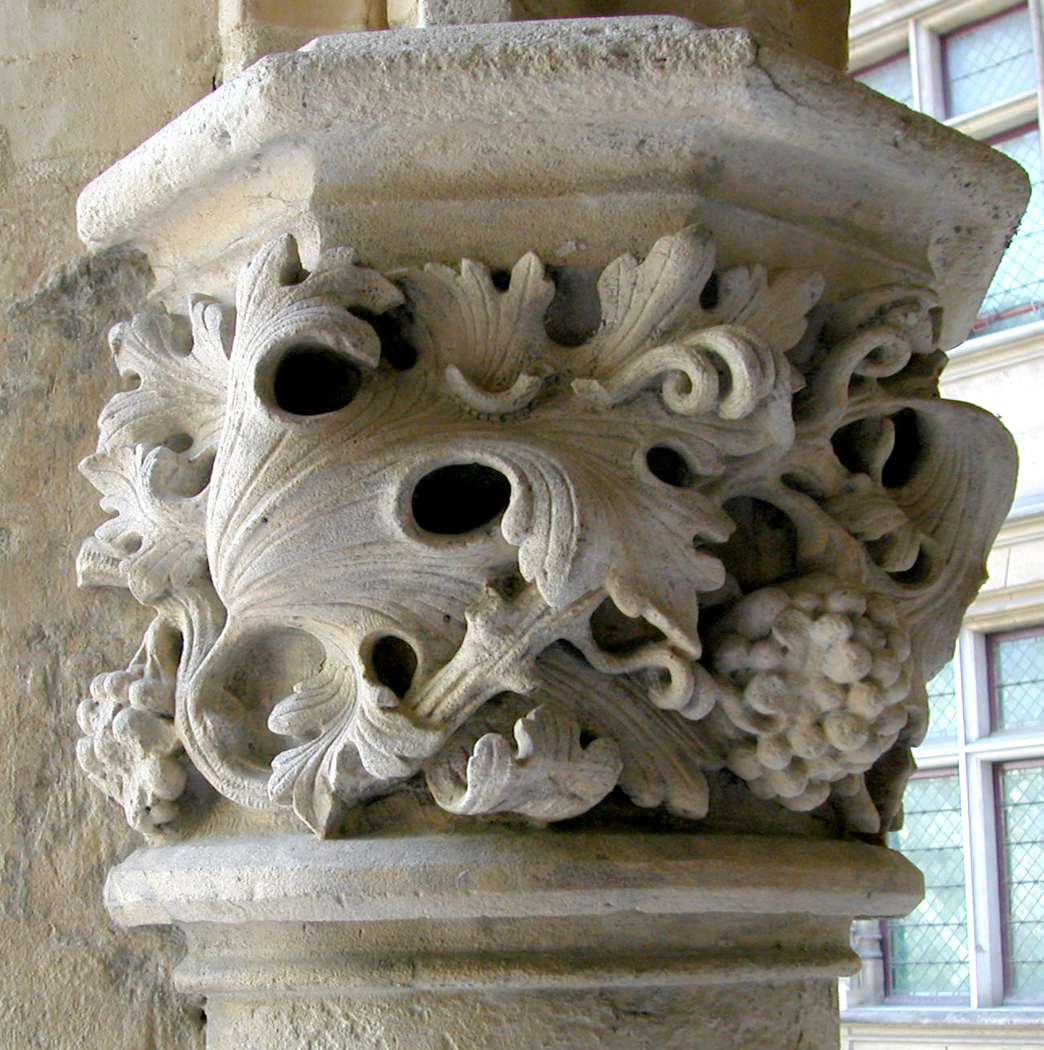
So, the Gothic world dug its arms up to the elbows in the soil, sniffing the moisture in the loam. You see it in the illuminated manuscripts, with their love of the seasons; you see it in the architecture, with its leafy pier capitals; you see it in the tapestries, with their mille fleur horror vacuii.Cluny stainded glass angel with flower tondo

The classical worlds that followed — and in France, even the Baroque is classical — it is all turned into ideas. Even French Romanticism seems wordy and literary.

So, you have to go back past the 13th century, to the early Medieval world, before you find such quiddity in French culture.

Adam Gopnik, in his book, talks about the French love of “theory.” Theory to them, is paramount: Without a solid logic in your theory, your conclusions are suspect.

But theory can be a dread evil. It is just such ideas that, twisted and mangled, turn into fascism, Stalinism, Maoism. No room for goats in such worlds.

When we finally got back to the hotel, we were destroyed. Could barely move. Slept for several hours before supper.

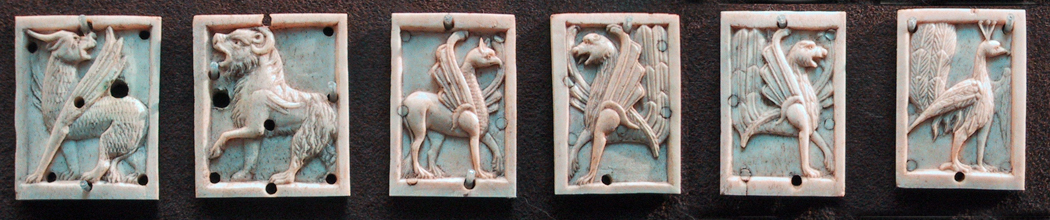
But then, we walked down the street to a little glass-fronted brasserie for some onion soup and apple tart. Quel marvelleuse!Cluny animal ivory tiles

ste chapelle floor lionsCarole’s favorites, day three:

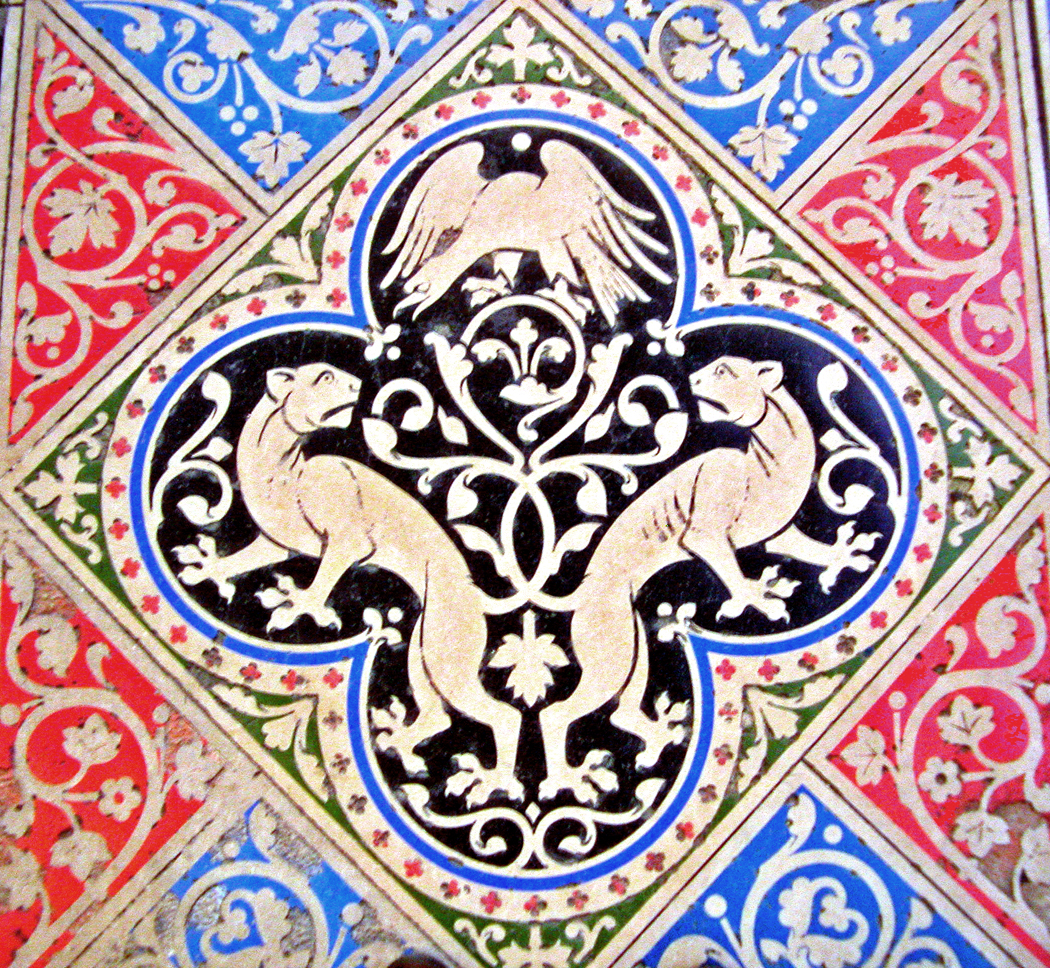
Windows at Ste. Chapelle; Cafe au lait while walking to subway, and the pain au chocolat; learning about Ste. Chapelle from Richard as my own private teacher; I liked the servants’ chapel very much. Really really enjoyed was the cut on the fold animal patterns inlaid on floor at Ste. Chapelle; there were hounds, boars, vultures, wolves; At Cluny, saw some little metal pots that were children’s play dishes; saw some little metal whistles in the form of animal heads that were children’s whistles. I thought the combs were very interesting. The second most wonderful thing, after Ste. Chapelle stained glass, was Medieval garden at Musee Cluny. Saw some blue violets blooming.

Cluny gold rose 2Richard’s favorites, day three:

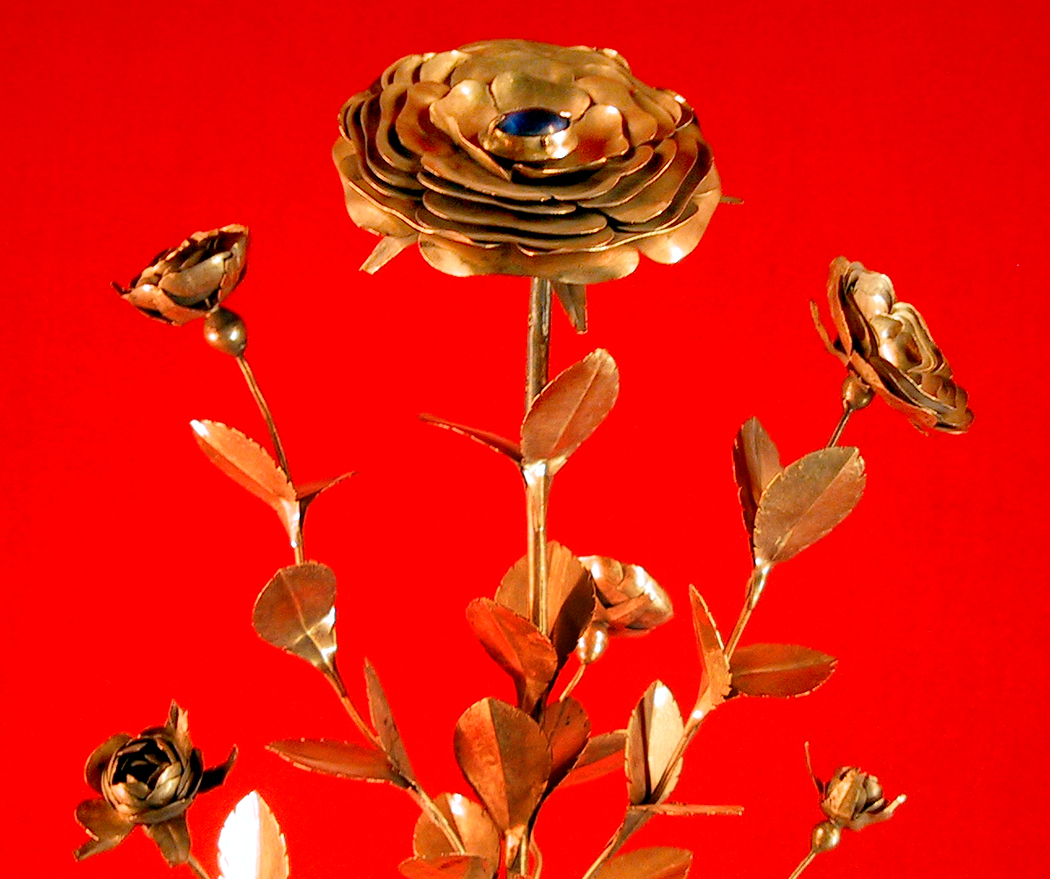
The Omelette Emental for lunch, which was heaven. The stained glass at Ste. Chapelle, although it was too overwhelming to see in detail. The fleur-de-lis stars on the vaulting of the lower level of St. Chapelle. The tapestries, in general, at Musee Cluny. There was a gold rose there, too.

PARIS 2002
Days 1-3

Along the Seine

The Flight

In the spring of 2002, my wife, Carole, and I went to Paris for the first time. Some friends had just got back from Rome and waxed effusive over the experience and they encouraged us to follow their example and travel. We thought about it but decided that the north felt more simpatico than the sunny Mediterranean, and so finally decided on France. On March 25, we flew from Phoenix to London and on to the City of Light.

We left the house in Phoenix, Ariz., at 4:15 on Monday and got to our hotel in Paris at 4 p.m. the next day. It isn’t as bad as it sounds: With the 9 hour time difference, we were only in transit 15 hours. Well, it is as bad as it sounds. The time waiting in airports, cramped on airplanes, and riding around town adds up to one great pain in the ass.

And while British Airways is much to be preferred to most American airlines, that is still faint praise. The seats were sardined, the hours tedious, and the food bland. The flight from Phoenix to London was bad enough, but the short hop from London to Paris was a nightmare. The plane loaded up with Scottish soccer fans, all dressed in kilts, with tam-o-shanters and beer guts, and they yammered and yelled for the whole flight, making it more like a school bus than a jet plane.

“Hey, laddie, when you gonna take a rest,” yelled a Scot from one end of the plane to another. “Aye, and I suppose you are, too,” said his buddy at the back. And they all laughed at the joke, which was mute to the rest of us. It was like that the whole way.

One minor note: On the short leg, they fed us only drinks and snacks, which were “Pfeiffers’s Bread Sticks with Worcester Sauce Flavour.” Truly a bizarre taste. Little pegs of dry bread, about 3/4 inch long with the sharp taste of worcestershire sauce, coated as a dry powder on the surface.

Worse: the note on the back of the pack. “Best before Sep 02 2059.”

Now that’s a shelf life.

The following notes are from the daily journal I kept of the journey, day by day, excising some of the more quotidian bits. The photographs were all taken on the day described in the journal, even if better examples might be had on revisits. Click on any photo to enlarge. Each entry ends with a short summation, one each by me and by Carole. The first three days get kind of garbled together. That’s the way it felt with the jet lag.

Hotel Vendome horiz

The Hotel
March 27, 2002

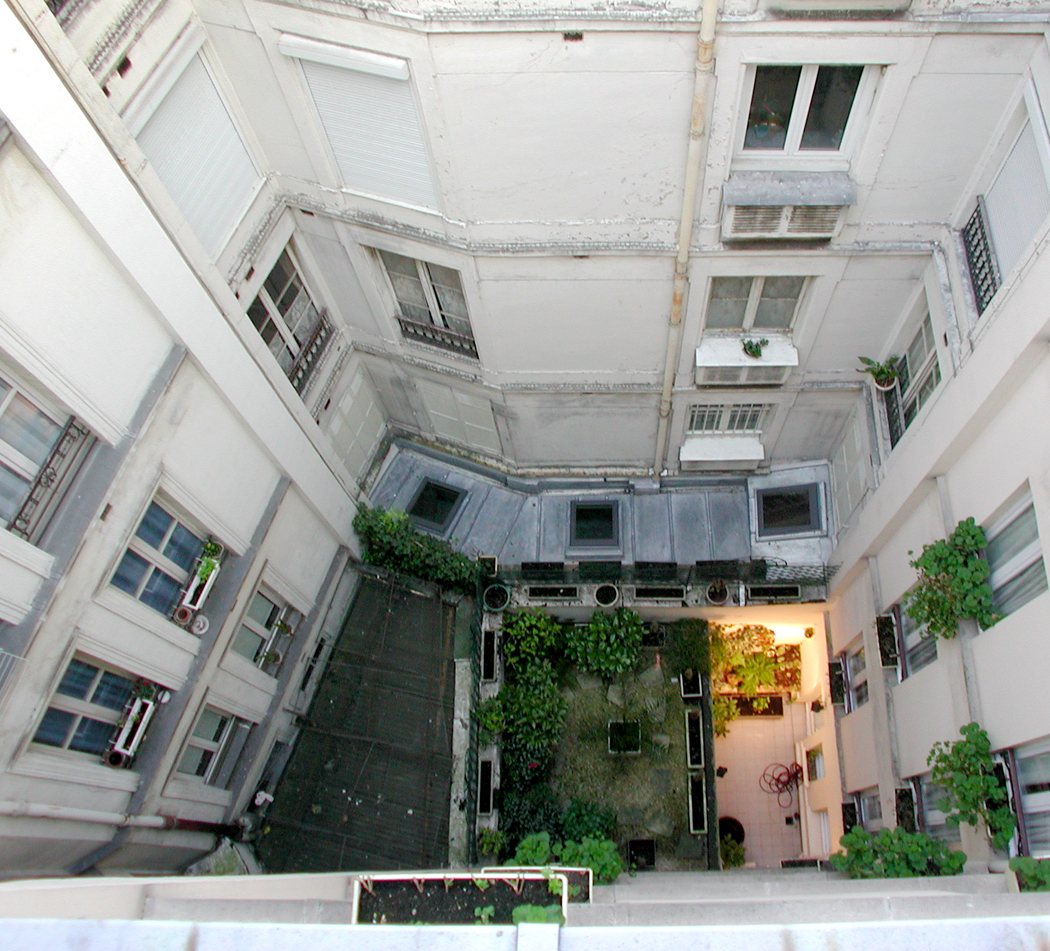
Paris airshaftWe stayed at the Hotel Vendome St. Germain, which is a hole in the wall place off the Rue Monge in the Quartier Latin. We got a room on the sixth floor, the top floor, looking into the courtyard. At the bottom, there are a few potted plants that serve as the “jardin,” of which the hotel website promises a “view.”

The hotel couldn’t be more Parisian, as far as we could tell. It is old, with peeling paint on the exterior — although the interior was nice enough.
The rooms are tiny, just room for a double bed, a small desk and closet. But it has a bathroom — even tinier — right off the room.Through window

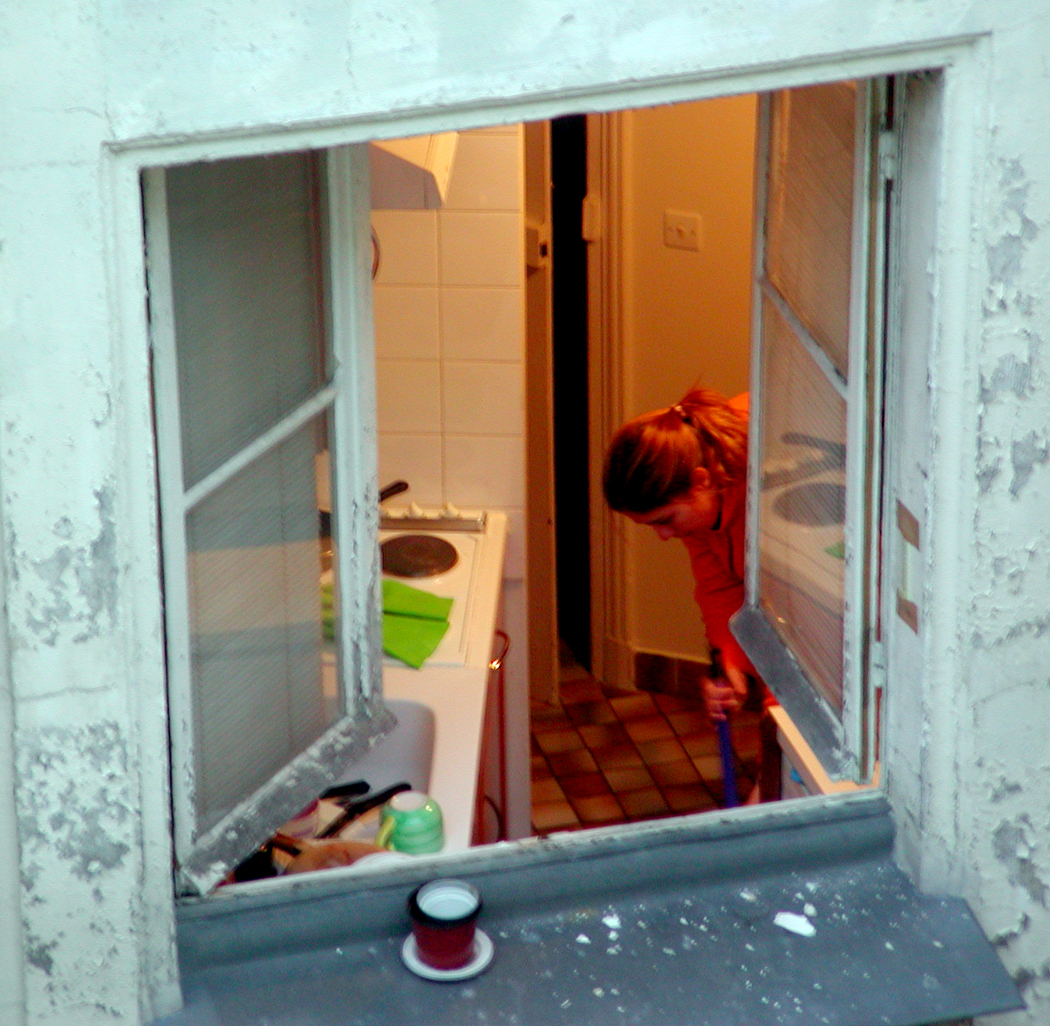
As night descended, we could see the people in the rooms across the “view,” apparently in apartments, cooking their suppers and sitting down to eat.

I could practically hear accordion music. Ou est Jacques Tati?

We were so exhausted from our flight that we collapsed in the bed without supper and fell asleep. Which sleep proved fitful at best, with both of us waking up about hourly, and trying to get back to slumberland.

By 6 a.m., we gave up trying to sleep and got up to start our first day in Paris.

Seine with tower
WEDNESDAY

Breakfast

Breakfast in the hotel cafe — really just a room in the basement where they stack up a bunch of croissants and baguettes with some rolled ham, yogurt, butter, Laughing Cow cheese and confiture (jam).

The coffee machine hissed and spumed, and the hotel maid, doing morning cafe service, brought out the cafe au lait.

To say the least, even this modest petit déjeuner was a revelation.
The croissant was flaky and buttery. But that we expected. The coffee was marvelous. But that Carole expected, too.selling strawberries

“The butter is too rich for me,” she said, after spreading a little on the croissant. I pointed out that it wasn’t butter, but cheese in a package that said, “la Vache qui Rit.”

The real butter was from Normandy: ice cold and fresh, and was as tasty a spread as you could put on a bread.

But the real champ was the baguette. Who knew bread could taste this good. With a shattering crust and a light interior, it had that kind of browned, crusty flavor you can only imagine.

I remembered growing up on Wonder Bread. American white bread. Wretched stuff. I could never understand, as a kid, why people would call bread the “staff of life.” Uncle Tony loved bread. And food writers wrote panegyrics to the stuff. But the bread I knew — and the ONLY bread I had any experience of — was banal, pasty, tasteless, or when not completely devoid of flavor, redolent of the stale air of the grocery store.

I hated bread as a kid. I hated sandwiches, which only wasted good filling between slices of inanity.

That isn’t this French bread.

Now, I’m not a complete tyro. Certainly in my adult years I got over my childish hate of bread. I make my own, which is wonderful hot out of the oven. And local bakeries make baguettes that are a pleasure to eat.

But I wasn’t prepared for the difference between even good American French-bread and plain, ordinary old French French-bread. This was bread to give you orgasms. Flavor — no, flavors — that rang from lip to pharynx with a medley of sensations, and those sensations were as physical as they were chemical. The initial crunch led to a repertoire of smaller crunches inside the closed mouth, and then the teeth broke through the crust into the heart of the bread and felt the giving elasticity of the gluten.

This was no bread to erase errant pencil lines with. This is bread to build an altar to.

Notre Dame west facade

Notre Dame de Paris

After our repast, we walked up the rue Monge toward the Seine. We could see the spire of Notre Dame at the end of the road, less than a half-mile off. Along the way, we past a billion cafes, bistros, tea bars and restaurants. In between were shops, fruit stands, book stores and churches.Notre Dame interior

A lot of churches. Anything built after 1700 is hardly worth mentioning, but there are plenty built before then, and you can enter them at any time, gaze up the nave toward the apse and see the sunlight throw color from the south clerestory onto the stone of the north triforium.

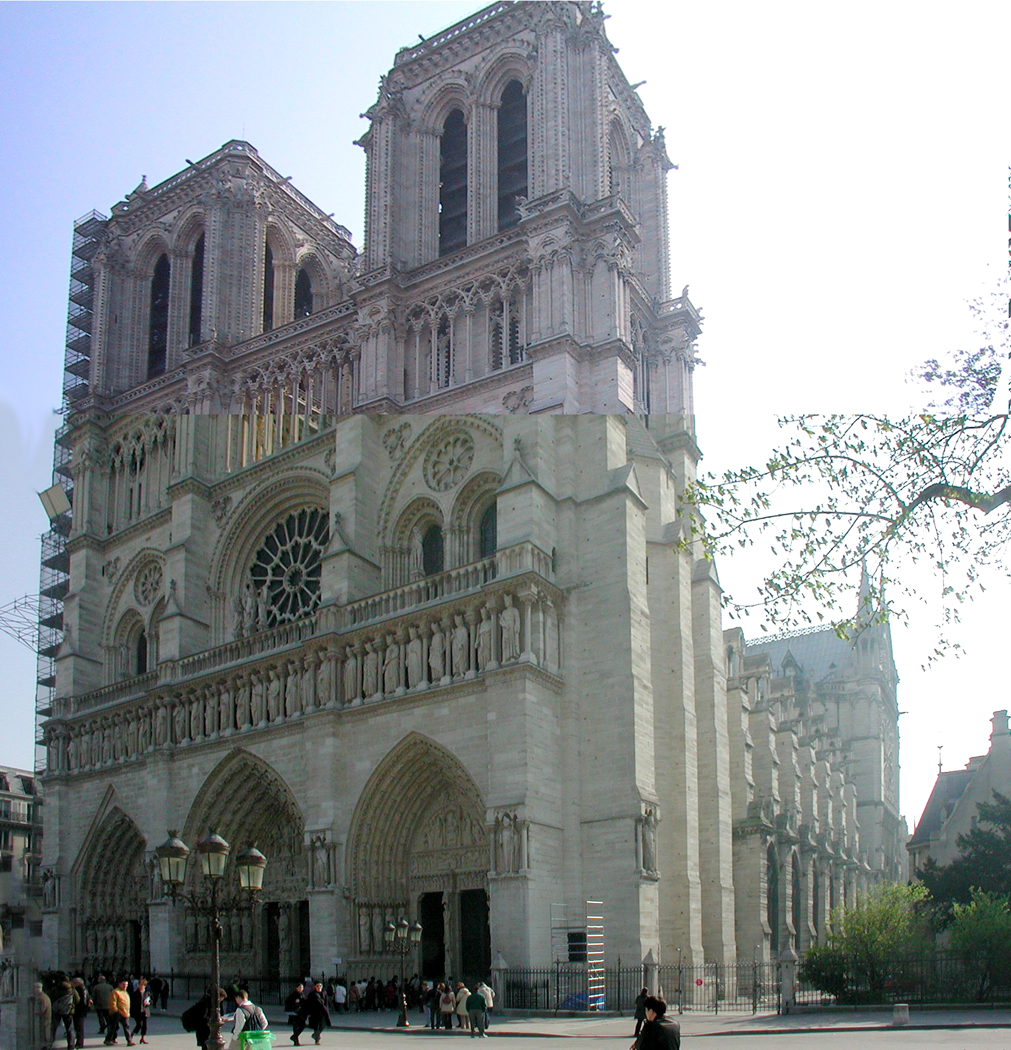
We got to Notre Dame, crossed the river to the Ile de la Cite and walked along the southern edge of the building, around the apse and along the north side, taking the exterior measure of the place.

Carole became fascinated with the scores of gargoyles. Some are truly spooky.Notre Dame exterior

The building’s age is obvious. Many of the stone blocks are so eroded they look “texturized.” The difference between the weathered old masonry from the 12th century, and the tighter, cleaner restoration of Viollet-le-Duc in the 19th century is quite apparent. And although he tried his best to match his restoration work with the original Gothic, there is still a kind of Romantic sensibility to it.

That is fits right in with the original work is another proof of the kinship between the Gothic and the 19th century Romantic.

When we came around to the West side of the cathedral, which is all a tawny white since the sandblasting of the 1960s, when they cleaned the place, and walked inside.

Notre Dame de Paris is not the biggest of the famous Gothic cathedrals. Nor is it the most beautiful, either by reputation or by the photos I have studied. And much is defaced by either restoration or careless modernization. A tres moderne altar is greatly out of place.

But none of that matters, as the building moves its visitors. Turn one way and the light breaks through the clerestory. Turn another and you can see the great rose windows. Walk past the crossing and you see the choir screen.

At every turn, there is something pure, beautiful, unconcerned with profit and loss. Something meant to awe its visitors. Something which does awe its visitors.Notre Dame north Rose Window

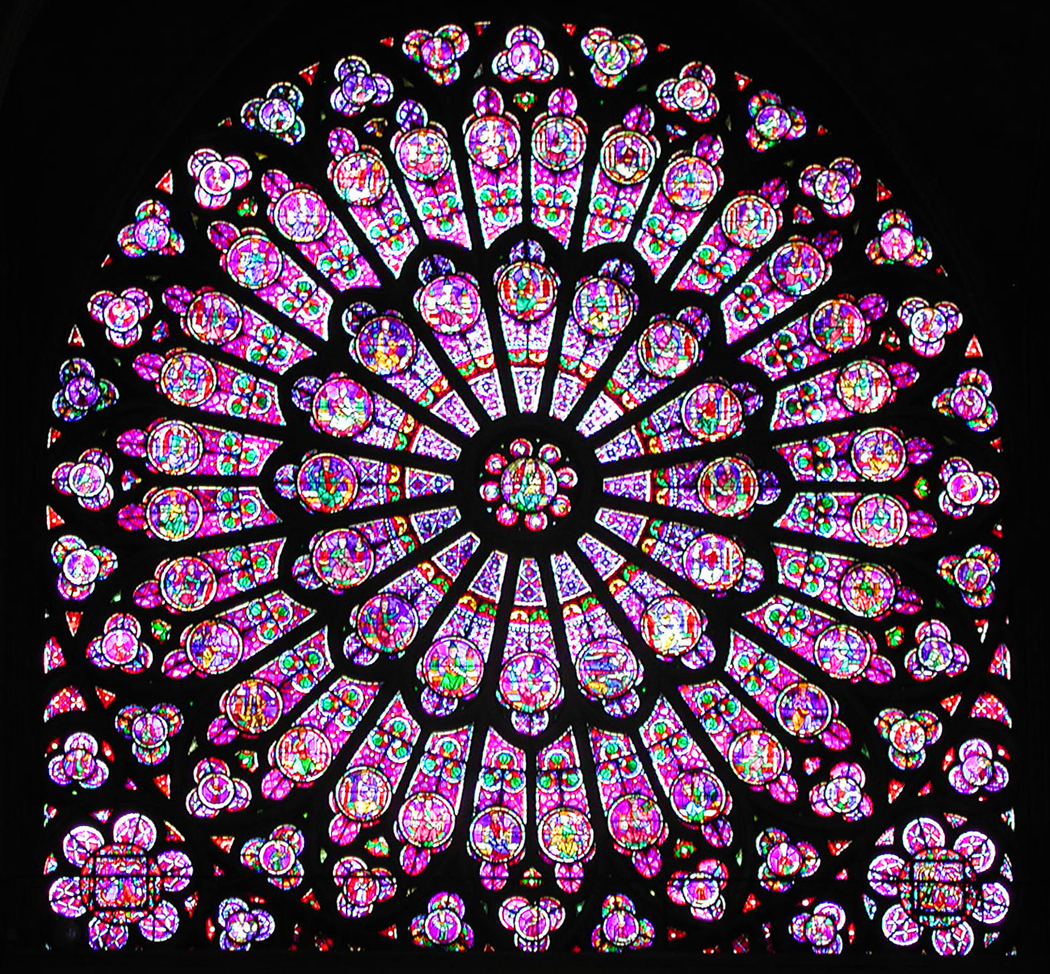
The north and south transepts are shallow, but that hardly matters, given the splendor of the two rose windows. Carole and I had the same response: being overwhelmed.

It’s one thing to see pictures in books. It’s quite another to experience the flesh. The windows are huge, colorful, intricate. They serve as metaphors for the same thing as Dante’s mystic rose at the end of the Paradiso. Radiant, radiating, they speak — no they sing — of a divine order, a shape and meaning to the universe. You can practically hear a great C-major chord sung by a Mormon Tabernacle Choir, or more apt, like the great C-major chord in Haydn’s Creation at the moment they chorus sings, “And there was …. LIGHT!!!!!”

As a well-known atheist, I don’t believe in anything like the theology of this masonry, yet, I cannot help being moved deeply by the spiritual metaphor. Ranks of angels, rotating as they sing, like some ethereal Busby Berkeley choreography, singing in 8-part polyphony to elaborate harmonies, sliding from suspension to suspension — dissonance, resolution, all headed for that great C-major.

“When you see this,” I said to Carole, “it kind of makes you laugh when they call some pop star an ‘artist.’ “

Whoever made the great rose windows knew what real art was, and how difficult it is, and what ambition it takes, and how impossible it is to be satisfied with less.

I nearly broke out in sobs.

We will return to Notre Dame later to spend more time and do the tower tour, or “tour de la tour.”

Toupary horiz

Lunch

We walked along the Ile de la Cite, past flower stands on the north side of the island, past the horologue, the city jail, and on to Sainte  Chapelle. Unfortunately, by that time, the crowds had assembled, and the line to the church was down the street. We decided to wait until tomorrow and try to get there early, before the throngs.

We continued down the south side of the island to its very end, under the Pont Neuf. The current of the Seine is surprisingly strong, causing standing waves across its surfaced.

When we consider what makes Paris different from Phoenix — well, there are many things — but one that is not often noted is that the river, with its current, gives a kind of physical yet metaphorical pulse to the city, serving as its aorta, shooting blood and life through it. In comparison, Town Lake is a clogged artery of stagnant algae.Samaritaine

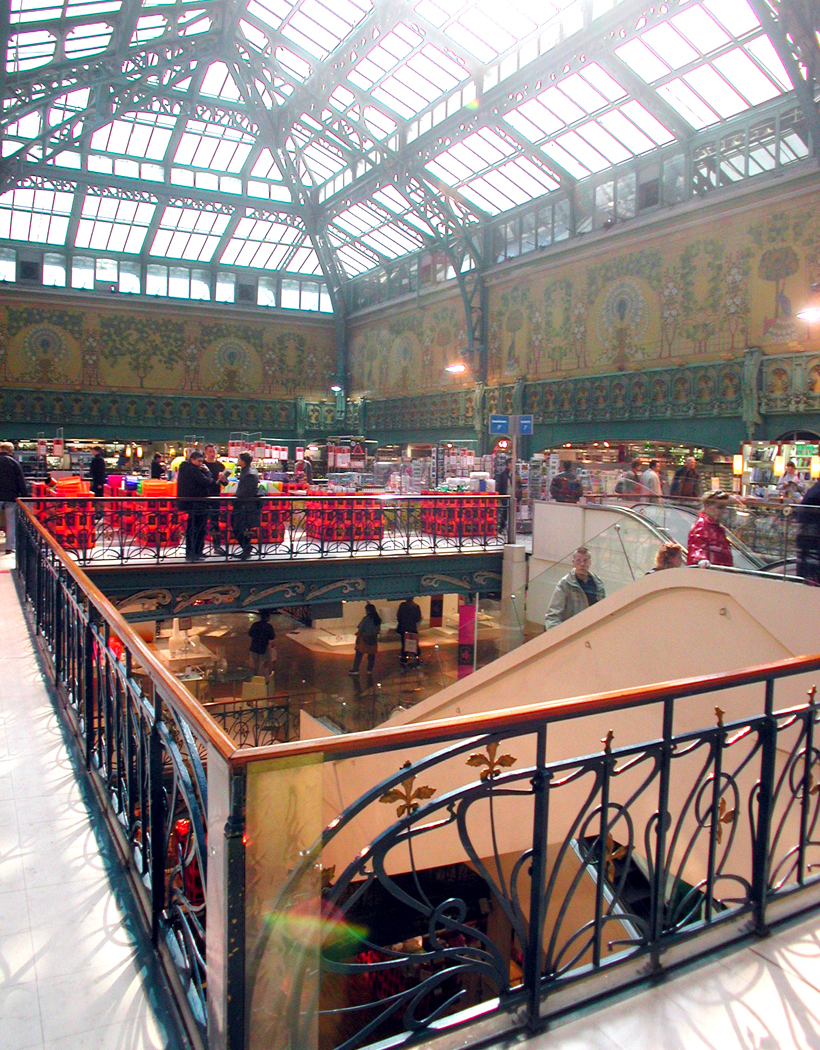
Just north of the Ile, we could see the great Samaritaine department store and I remembered that there was a restaurant at its top with a legendary view.

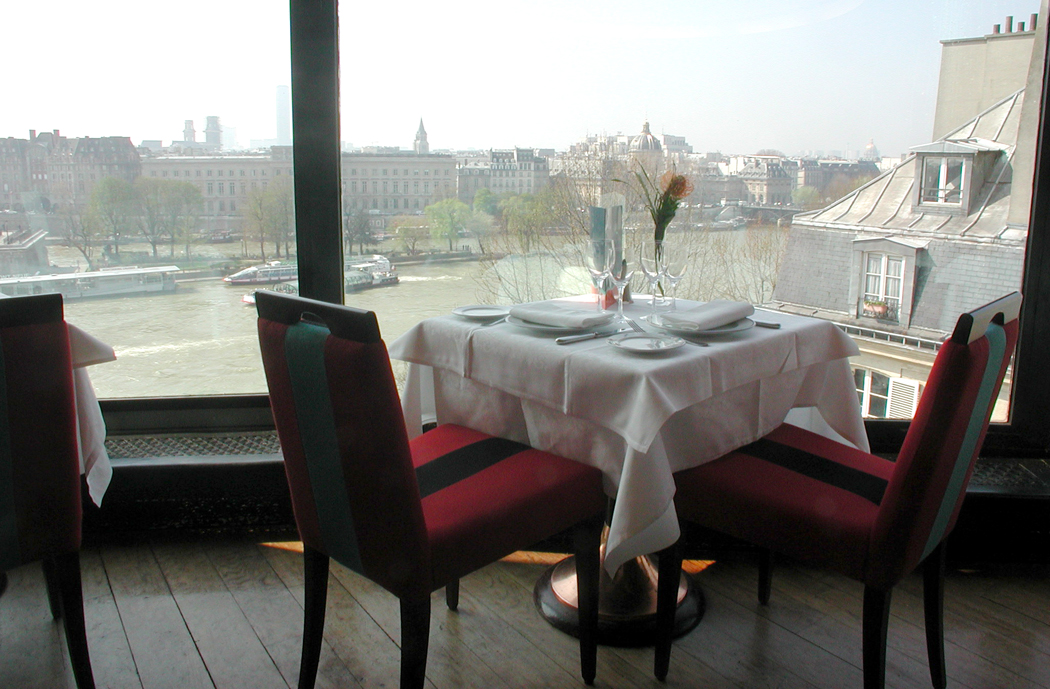
When we got there, the fifth floor restaurant, Toupary, was not yet open for lunch. It was about 11:15, and it opens at 11:45. So we toured the store first. It is stunning with its Art Nouveau details, its glass roof, five floor escalators running like a “canyon” down the center of the building, and the peacock murals across the top floor of the store.

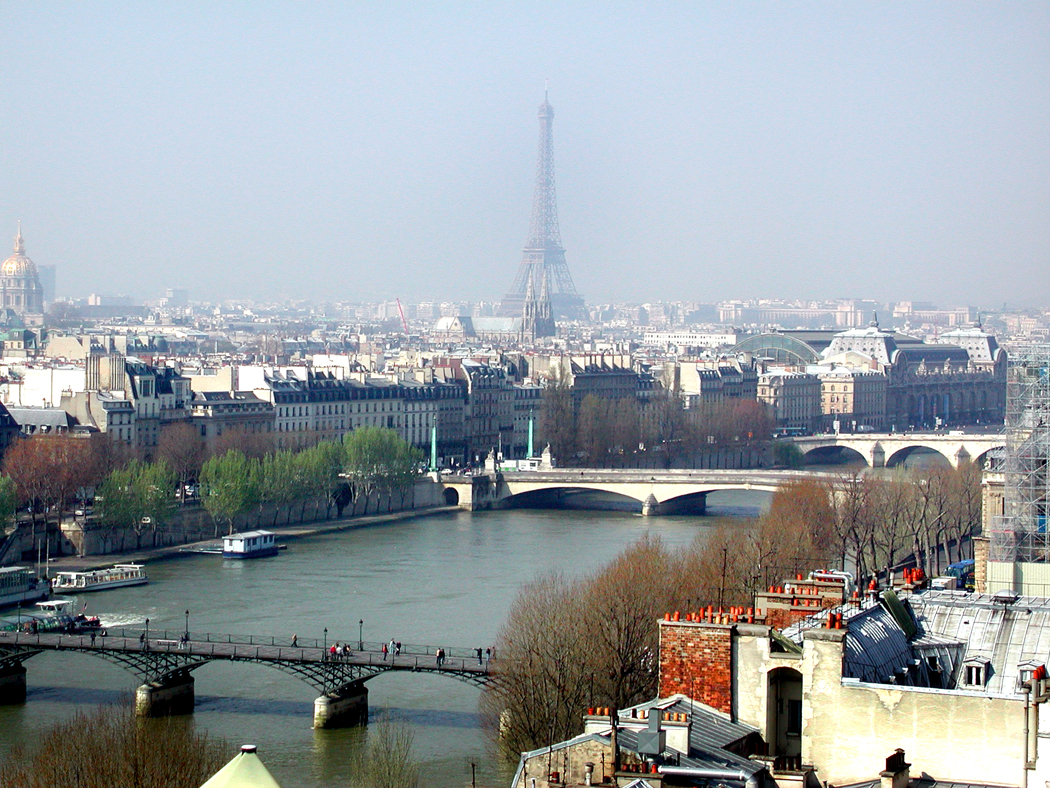
The Toupary is the kind of restaurant where they don’t look at you standing there until 11:45 sharp. You are invisible. Suddenly, as if a bell went off, the hostess suddenly has her eyesight back and asks if there are two for dejeuner. She seats us near a window out which we can see the Seine, and off in the distance, the Eiffel Tower.

There is a crisp linen tablecloth, linen napkins, plates engraved with the name of the restaurant.

A young man brings the cartes and asks us if we want wine or water. We opt for water. We order the Lambchop grille aux herbes de Provence avec pommes sautees Provencales.

When it comes, it is artistically presented on the plate, with the lambchop symmetrically cut and dropped on top of the diced potatoes and garnished with some spring greens.

I put the fork in the potatoes and raise it to my mouth and I realize we have entered heaven. With a garlic and wine sauce, but not too much of either, the potatoes are divine.

The meat and salad followed suit, and we recognized that gastronomically, Paris is already a success, a triumph, a coup de brilliance.

St Germain Aucerrois nave

Afternoon

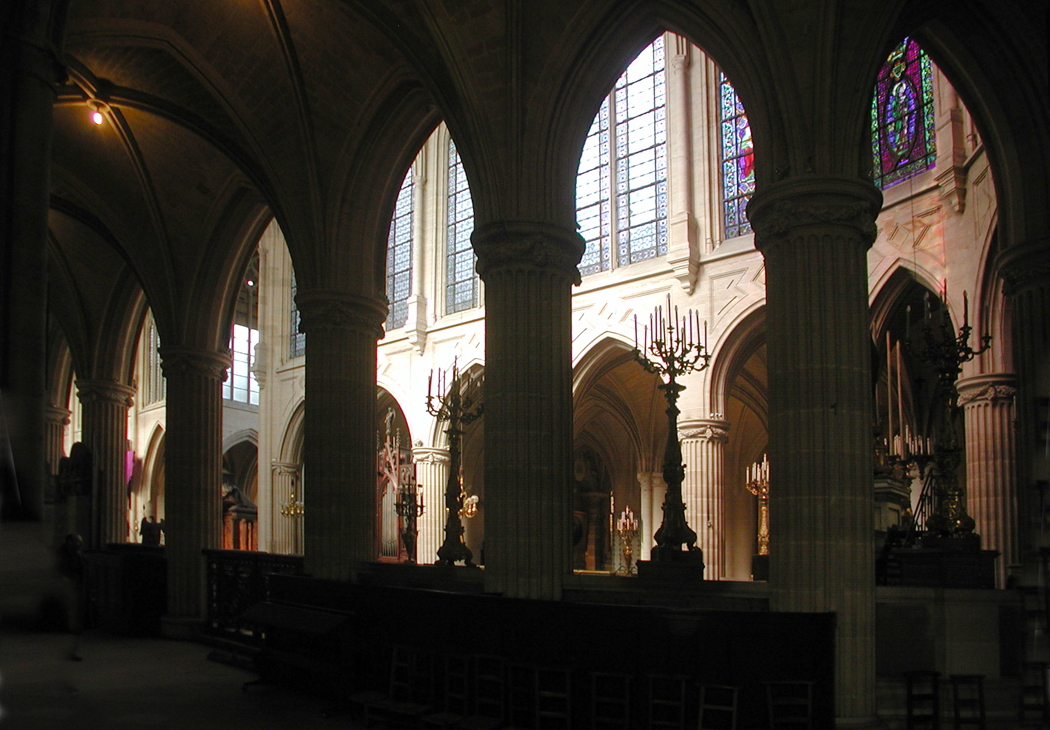
After lunch we drop into the St. Germain Auxerrois, the Gothic church next door to the department store. Miniscule compared with the cathedral, it is nevertheless beautiful.

What makes all these ancient churches so compelling is the way their history is composted on their faces, a palimpsest, a pentimento, with each age remaking a part of the past in its image, so that a 17th century door gets spliced onto a 14th century transept, or a 19th century stained glass replaces a missing earlier scene.St Severin 1

A Neoclassic church cannot stand this tampering: the effect is ruined. But the Gothic style screams out for such fecundity. It is a style rooted in the variety and richness of the world, and its strength is in that stylistic midden. It also makes us all the more aware of the age of the edifice.

We stopped also at St. Severin to see the sunlight on the nave walls.

We walked back toward the hotel by a different route, through the worst of the tourist section of the Latin Quarter, past endless little restaurants and souvenir stands, although there were also all those book stalls along the river.

And Carole found a place that sells crepes, and bought a chocolate one. It was a tiny storefront, with a shelf along the street lined with colored decanters, presumably flavoring agents. Through the door and inside, Carole ordered a crepe de chocolate.

The young woman, who seemed to be an apprentice, dropped a load of batter on a large round hotplate, using a special device somewhat like a flour sifter, but with a funnel shape that dropped the batter out the small end. She then took a squeegee and dragged the batter out on the hot surface to cook. Before it was completely done, she turned part of it over with a long metal spatula onto itself, then turned the whole thing over to finish cooking, ladled some chocolate sauce on the upraised surface, smoothing it out with the ladle bottom.

Then she very neatly folded half of the crepe back on itself, forming a line in the middle, then folded the other side, making a seam in the middle.

Then, wrapping the whole thing in wax paper, she handed it to Carole, who joined the angels for a polka around the divinity.

Carole said it reminded her of the Hopis making piki.

We passed by some exceptional architecture on the way. Paris is an oddly layered city, with the newest on the bottom and the oldest above. Almost every building houses some modern shop on the ground floor, with neon lights, plate glass and corporate logo. While from the second floor upwards, you see the old wrought iron balconies to the small casement windows, peeling paint, rotting plaster or concrete, and surmounted by a gaggle of chimneys, each with a half dozen flues poking out the top.

How they got those modern shops underneath the old apartments, I don’t know. It looks like they jacked the buildings up and constructed a shopping mall underneath.

We got back to the hotel about 3 p.m. and rested a bit.

About 7 p.m. we went out for dinner, wandered around the neighborhood looking at all the bistros and Turkish restaurants. We finally decided on a Afghan restaurant, called Kootchi, and had a grand saebzi chalow.

Carole’s highlights of the day:

Mary standing on a demon, the roots on the wall at Notre Dame, the rose window. The chocolate crepe, the cafe au lait in the morning. All the pink jasmine I saw for sale on the sidewalk. The tree just budding with the sparrows mating in it under the Pont Neuf. And all the bridges over the Seine. The gargoyle with the human face. Learning about Notre Dame from Richard while standing in it. Oh, and finding out that I can communicate a little bit in French.St Germaine light on floor

There is some gray area when deciding whether the biggest event of the day was Notre Dame de Paris or the chocolate crepe.

Richard’s highlights of the day:

The baguettes at breakfast. The rose windows of the north and south transepts at Notre Dame. The current of the Seine. The smaller churches of St. Germain Auxerrois and St. Severin, and most particularly, the colored sunlight filtered through the stained glass at St. Germain Auxerrois and hitting the wall of the chapel of the apse, and spreading across the checkered floor.

Eiffel TowerI am not watching Downton Abbey. I reached my quotient of British TV drama with Upstairs, Downstairs 40 years ago. Since then, it has been rehash on rehash, and I no longer feel any connection.

It is a widely held truism that American intelligentsia is divided between Anglophiles and Francophiles. The one portion watches Masterpiece Theatre on PBS and cannot get enough of Edwardian melodrama. They swoon over Merchant-Ivory films and generally rate Henry James as readable.Books

The other half reads Camus, loves Montaigne, adores Truffaut.

The one side grieved the death of Princess Di; the other the death of Claude Levi-Strauss.

It is a divide as solid as red-state, blue-state: In one corner, you have Sherlock Holmes, in the other, Inspector Maigret.

The English sleuth, cool, rational, friendless; the Frenchman, intuitive, patient, uxorious and with a small glass of pastis in one hand.

When the English talk of logic, you know a tweedy lecture is in the offing. When the French talk of logique, you know something as baroque as an 18-car pile-up will follow.Palais Garnier - putti

Just as psychologists can divide personalities into types: introvert vs. extrovert — so, too, can we divide Americans into those who identify with the island or the continent.

This is, of course, a divide entirely set amongst the reading, thinking public.  Outside of the library, Americans are suspicious of anything foreign, and especially anything European.

Which is why Americans so much love to despise France. It is hard to understand this, given the history of our two countries, from the time of the American Revolution onwards.

“Cheese-eating surrender monkeys,” we say. Which shows how little we Americans understand about French history. Doesn’t exactly describe Napoleon or his army. And who was it, after all, who won the American Revolution for us? Ah, yes, Admiral de Grasse. And Lafayette was no monkey of any sort.

But back to the bookish Yankee: Perhaps this divide became palpable in 1789. Many Englishman at first applauded the French Revolution, but even most of them eventually grew horrified at the excesses of the Terror.Rabbitshangingmarche

It left England with a slowly dwindling monarchy, and gave France a fresh, if confused start. It has never really comfortably settled, the current Republic being the Fifth, merely five decades old.

The English much earlier had their own paroxysm, but that one ended with the restoration of the monarchy, and an inbred conservatism that has lasted to this day, and I believe, is what so appeals to that brand of American college-educated reader who would rather watch The English Patient.

Or perhaps it is the British Protestant history vs. the lingering Catholicism of France. America is more at ease with the strict, moralistic Puritanism it inherited from its English forebears. There is something suspect about the theatrical exuberance of the Roman religion that is the cultural inheritance of even French atheists.

England says, No, or at least, Not Now. France says Yes, or at least Let’s Try. It is why English food is the butt of jokes, while French food is the world’s standard for gustation. The English do not believe they should enjoy their food.Bayeux store window

For the English, anything of which you partake should be good for you, that is, make you a better person. For the French, it is the same with this difference: Something that excites the senses is good for you and does make you a better person.

The Puritan influence in America wishes to outlaw foie gras.

Well, I love foie gras. It is the most intense flavor I can remember eating,  sunburst of umami, with the cloak of saccharine provided by the onion confiture and finally washed with an excellent fruity sauterne — not the cheap sugary drink Americans buy by that name.

Which means I fall into the camp of Francophiles. I love everything about the country, even their craziness.Rouen Lingerie shop window

I love that the French Revolution elevated reason above all other virtues, and proceeded to get all unreasonable about it. I love that they have a theory for everything, and will argue for an hour on a TV talk show, not about whether a speaker has his facts right, but whether he has his theory right. There is a kind of divine looniness in it all.

In contrast, the British can suck the life out of any proposition. While we can agree that Adam Smith was a genius, have you ever actually tried to read him? Or David Hume? Not bloody likely.

So, you can have your boiled joint and your suet pudding, I will always go for the cassoulet and the moules Normande. There is nothing better tasting than a properly prepared magret de canard. You can keep your English goose.Driving France

When I am in France, I feel at home in a way that is irrational. I do not speak the language; I can never dress as stylishly; I can barely read Le Monde or Figaro. But somehow the culture feels familiar. There is an easy fit, a comfortable tolerance, in the engineer’s sense, you have room to rattle around.

Even the landscape is home. The trees of Verdun, the mountains of the Vosges, the beaches of Normandy, the craggy peaks of the Massif Central, the caves of the Perigord, the waves of the Mediterranean, the 2,000 year history of Arles, the white hills of Aix.Forests of Verdun

And finally, and most importantly, the small, highway-ringed city of Paris, where the girl in the flower shop asks how your wife is doing when you pass in the afternoon and your wife is resting in the hotel room.

I find it all so inviting, so warm, friendly and comfortable. Paris is a city you can negotiate, where every corner — every one of its 20 arrondissements spiraling out from the Ile de la Cité — is as familiar as a classmate from school, and just as distinct.

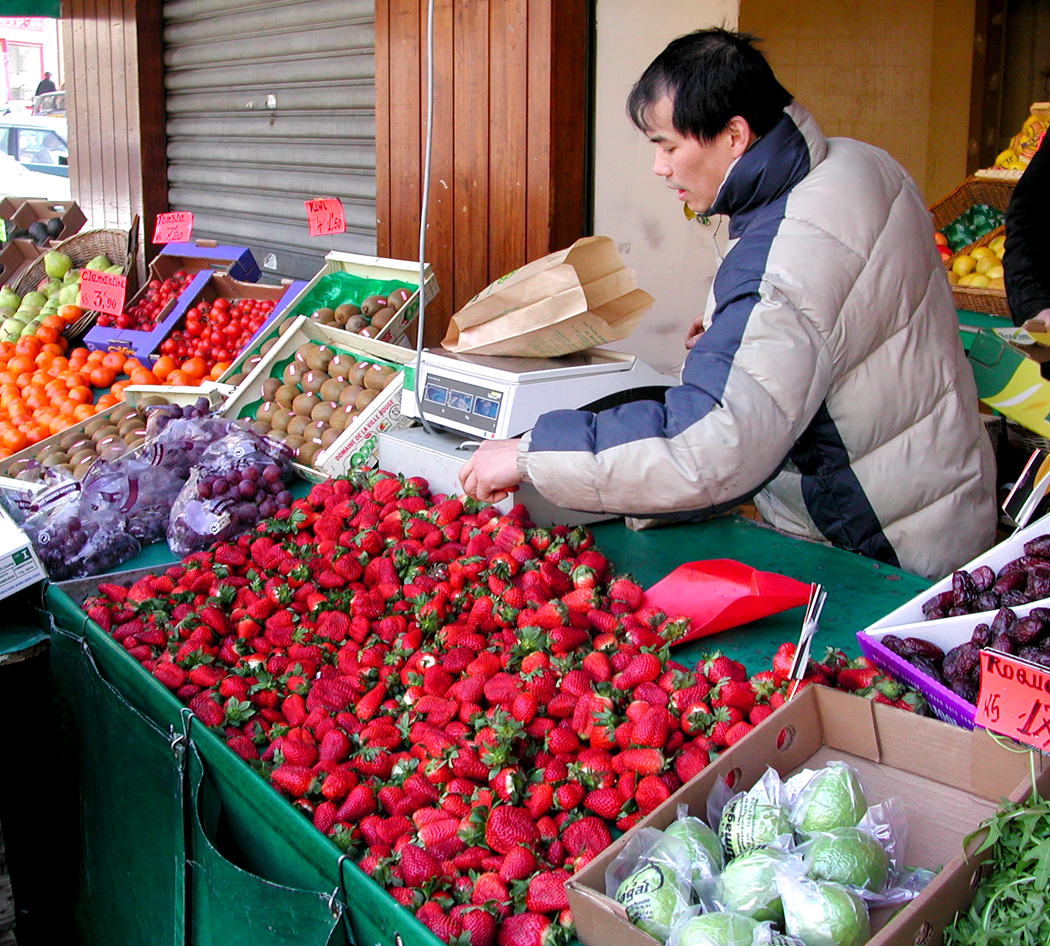
It is the Berber faces, the Jews of the Marais, the Asians running the butcher shop, the Turks selling pizza, the line each morning and evening at the boulangerie for baguettes, the sculptured heads over the doors, the fountains, the public statues, the warren of roads changing names every few blocks. The squalid suburbs, the train stations, the Bois de Vincennes, the violinist echoing through the tunnels of the Metro, the fromage blanc at the Chinese restaurant, the old men playing pétanque in the flat dust of the Tuileries.Blvd de l'Hopital

There is nothing wrong if you prefer London. If you like bad food and dirty streets, boring television and infuriating politeness.

À chacun ses goûts.

My wife and I have been to France many times and cannot wait to get back. I recently came across the diary I kept on our first trip there, in 2002 (I had visited much earlier — in 1966) and I will be sharing portions of it over the next several blog entries. I don’t know if I can persuade any of you to give up your Downton Abbey for the French version of Inspector Maigret (with Bruno Cremer), but perhaps I can suggest why we find the nation so compelling.

BBQIn this week’s New Yorker, Calvin Trillin writes about North Carolina barbecue and the efforts by the only slightly facetious Campaign for Real Barbecue to maintain the traditional standards for the iconic pork product.

He makes allowances for the Great Divide — between Lexington-style and Halifax-style barbecue, that is, between western Carolina barbecue, made with pork shoulder and seasoned with a tomato-based sauce, and eastern ‘cue, made with the whole hog and doused with vinegar and hot pepper. hog snout 2005

At the outset, I should lay my cards on the table: As a Yankee moved to the South, I came late to the game, but because my first official wife came from Scotland Neck, way out east of Raleigh and Tarboro, I first came to love the stuff the eastern way. (Tarboro, by the way, was home to Ed Weeks, famous in the 1970s for growing record-size vegetables, including a 39 lb. canteloupe and a peanut 3 ½ inches long.) When I ate at Stamey’s Barbecue in Greensboro, I was put off by the sweetish tomato sauce. And without the whole pig roasting on the hickory ash and embers, you miss a good deal of the pleasures of barbecue. I should admit that for those adherents of Lexington-style, the product is more uniform. Only the best and most succulent parts of the animal are used. And for many, that is a plus. But for those of us going whole hog, we miss the bits of gristle we must occasionally spit out; we miss the odd globules of pigfat; and most importantly, the crispy burned bits that are the prize in the Cracker Jack box. “Please ma’am, more crispy bits.”

But I am not here to talk about barbecue, but about its sidekick, the hushpuppy.  We all lament the passing of those things we remember most fondly from our childhood, and I’m afraid that hushpuppies just aren’t what they used to be. cornbread 1

I the South, there are several kinds of cornbread. There is the traditional risen cornbread, made from white cornmeal — usually a self-rising mix, like Martha White’s — made with an egg, some oil and buttermilk and poured into a black-iron fry pan heated to 450 degrees and coated with a layer of scorching bacon grease. The batter sizzles in the grease and when it cooks up, in 20 minutes or so, there is a salty brown crust around the cornbread. You cut it into wedges and butter them up for eating.

My late father-in-law’s favorite meal was cornbread crumbled into buttermilk. cornbread cakes

There are also cornbread cakes, in which the batter is fried up on a griddle, like pancakes. Those of us who prize cornbread believe this is the ultimate — more exterior crust, less interior crumb. Butter them up and eat. Great with a mess of pintos.

More humbly, there is pone. This is cornbread without the fancy leavening and seasonings. My first official mother-in-law, from Scotland Neck in Halifax County, used to make the best version, which she called “dog bread.” You have white corn meal, some salt and water to make a thick, doughy batter, dump it into a pan of hot bacon grease and bake it in the oven. I comes out with a great bacon-y crust and an interior texture that can only be compared with a fudge brownie, only savory. You cut it into squares and the luckiest person gets the corner pieces, with extra crispies. You cannot imagine the perfection of dog bread with cooked greens.

Yet, it is the hushpuppy that wins pride of place. You cannot really be said to have eaten barbecue if it isn’t accompanied by hushpuppies. These are deep-fried cornbread tubules, brown and crunchy on the outside, hot and steamy on the inside.

The problem is that tastes change with time and the humble hushpuppy I first knew when I moved to North Carolina in the late 1960s has morphed into some sort of fast food that I hardly recognize.

The original was cornmeal and salt, like dogbread, deep fried. Nowadays, you are hard pressed to find a hushpuppy not sweetened up with sugar and with diced onion added. The old flavor is now closer to a kid’s breakfast cereal.

But this is only part of the problem. Hushpuppies used to be made by gathering up some of the dough on a large cooking spoon and flicking off bits into the boiling fat with the back of a tablespoon. The result was not uniform, but each tapered puppy had ridges along its length that fried up extra crispy. Now, almost every barbecue restaurant has an “extruder” that squeezes out uniform, round-sided football shaped hushpuppies, or worse, has one of those “squirters” like a showerhead that eject a rather loose batter into the fat. You wind up with something more akin to an unformed funnel cake. hushpuppies now

One has to recognize that foods — even so-called traditional foods — evolve, just as language or shoe styles evolve. And it is the Southern taste, defined by customer preference, that has given us the sweetened, oniony, turd-shaped hushpuppy. It seems to be what the people want. But one can nevertheless lament what is lost. And I miss the old, unsweetened, humble, crusty hushpuppy that I first came to love.

It is this way with many of our foods: The barbecue we get in North Carolina — even in eastern North Carolina — is now often made from pork shoulder instead of the whole pig and often it is cooked in an electric or gass oven and not on ashes (although they might throw some soaked hickory chips in for “added flavor.”)

And this devolution isn’t only Carolina or the South. There are people in New Jersey who can countenance Pizza Hut pizza. I don’t know how or why, but they do. And even in Arizona, one can find a line at the Taco Bell. Some people choose that over the taqueria down the street where you can get a real taco de lengua.  You can find Mexican barbacoa, but most people just want chimichangas and ground beef tacos.  It is a certain uniformity and loss of regional preference that has crept into our cuisine and I lament it.

Mais ou sont les neiges d’antan?

MapI have lived in the four corners of the U.S. I was born in the Northeast, lived in the South, the Southwest and the Pacific Northwest. And yet it is somehow the vast middle of the nation that most draws me to it.

In the Northeast, there are cities and woods, the Hudson River slicing up New York State, the “bare and bended arm” of Massachusetts jutting out into the cod-waters of the cold Atlantic. There are the great curved ridges of the Alleghenies forcing highways into what look like Golgi bodies on the gas-station maps. This is the land of salt-rust on the undercarriage of family cars; Of hillside cemeteries bordered by brick apartment buildings. Warehouse districts and tract housing; turnpikes and wharves; glacial till and the stone walls the till makes both possible and necessary — and the fallen ruins of those walls making forgotten property boundaries in second- and third-growth forests. Swimming holes from abandoned quarries and the ever-present nose dust of bus fumes.New York 3

I look back on these things and a wave of nostalgia warms me. Manhattan in the winter, with the Con-Ed grates pouring steam into the air; the periodic burst of warm air blowing up from the sidewalk as the subway train rumbles in the Stygian underground. People in vast tides walking with purpose up Fifth Avenue. The smell of coffee and pie at the Horn and Hardart.

But I left the Northeast at just about the same time as the Horn and Hardart began fading away. I moved to the South, where I became accustomed to slower talking, slower walking and human interactions that were not based on efficiency and gain. It was a land of pine trees grown for paper pulp, a coastline of sea oats and dunes on barrier islands, cities of fewer restaurants, and what there were served meatloaf and fried chicken. When I moved there, the single Chinese restaurant in Greensboro, N.C. pretty much restricted its menu to chop suey and egg foo yung with pot roast gravy.red maple

I have lived in the South now longer than I have lived anywhere else, although I have not been faithful, and have moved elsewhere, yet I seem always to return. There are pinxter flowers dripping with rain along the Appalachian Trail; there are bass-filled man-made lakes where small towns used to be; there are old lawyers in worn suits who meet every morning in the coffee shop to talk about the day’s events while sipping hot coffee cooled by pouring it out into its saucer slurp by slurp. When I moved to the South, the Klan was still common — in both senses of the word — and otherwise perfectly decent white folk made a sincere case for not changing things too precipitously. Every town had its black community, usually on the other side of the railroad tracks that had once provided the reason for the town’s existence and formed the terminator as clearly as if there were the lit and dark sides of the moon.

There were cotton warehouses and tobacco barns; men actually used spitoons — and if they didn’t have one, they might have an empty tin can into which to spit the brown excess saliva from their chaw. I know of one old reprobate who actually died when he passed out drunk and rolled off his couch, cutting his throat on the jagged edge of his spit can.

If, in the North, people had little time for each other, always in a rush to get somewhere and do something, in the South, everything revolved around relationships, around talking and with that talk establishing social rank and responsibility and anyone you knew, you also knew who their daddy was. People talked endlessly, about weather, business, politics, gossip, taxes, planting, hunting, dogs and church meetings. Even now, so many decades later, when I made my first visit to the local barber, one of the things he asked, making small talk, was what church did I go to. He wasn’t being nosy nor was he proselytizing, he was merely establishing a relationship.nc church jesus saves

A good deal has changed in the South since I first got there four decades ago. Accents that used to define hierarchy have begun flattening out: You can walk through whole blocks of Atlanta and hear the same language you might hear in Allentown, Pennsylvania. Fine dining is now possible if your city or town is now large enough. Your mayor has at least a 50-50 chance of being African-American. When I got there, every white Southerner was a Democrat; now, they are all Republicans.barista

I moved to Seattle in the late ’70s, before half of California swept north, and before every streetcorner had baristas pouring white swirls into the foam of a latte. The railroad switchers shunted cars from dock to dock along Alaskan Way where homeless men in dirty coats and black watchcaps clutched brown paper bags while sleeping in industrial doorways. The ferry moved out of its pier in the morning light to make its way to Winslow on Bainbridge Island or to Bremerton. Although it rained most days during the three non-summer seasons, it was mostly a drizzle and few people even thought it counted as rain and no one I saw ever carried an umbrella.

From my house on Phinney Ridge, across from the Woodland Park Zoo, you could see the snow-capped Olympic Mountains to the west and the snow-capped Cascade Mountains to the east. To the south was the biggest permanent, unmoving white cloud you ever saw — on those days you could actually see it for the weather — and it was called Mt. Rainier, which was pronounced, unlike the sovereign of Monaco, as if it described the precipitation in the Puget Sound: rainier. Certainly rainier than Arizona, where I moved later.Seattle docks

There was Olympia beer and Rainier beer, and I could hardly believe it to see pedestrians stop at the “don’t walk” lights, even at 2 in the morning when there were no cars on the road. No New Yorker would do that; I had friends who otherwise had a cavalier attitude toward authority who would stop me from jaywalking, as if the Stasi were keeping files.

When I got out of the city, the forests were populated with douglas fir and western redcedar. Nothing else. Endless miles of the stuff, climbing up the sides of mountain ranges and with downed logs greened over with moss, and the path a spongy loam under your feet.Hurricane Ridge, Olympic NP, Wash

I think that is what finally drove me to move back to the South: The sense of homesickness for a forest with scores, even hundreds of varieties of tree. The sameness of the Northwestern forest seemed unnatural to me, as if I shouldn’t be there.

There is much I loved in the Northwest. The moist air, the cool summer, the planked salmon and Ivar’s Acres of Clams. I knew a bunch of bicycle messengers, known as “Buckies,” and enjoyed the friendship they provided. There was a political progressiveness that was nearly universal; one could shop at the co-op grocery, the Public Market at Pike Place. Stop off at a bar and have a beer like a real person.Badger Creek Ariz

Finally, there is the American Southwest, as dry as Seattle was moist. One can see for 20 miles at a glance, taking in a meaningful quadrant of the earth circumference. The Southwest mean space. At least outside the city of Phoenix, where we settled — and we got out of the city as often as we could — the desert was intense, sharp and beautiful. Before a rain, the humidity made the creosote bushes smell like spicy cologne. The saguaro cactus stood vertical above the thorny undergrowth. Jack rabbits, roadrunners, the occasional javalina or rattlesnake darted in and out of view. The air was dry; sweat evaporated before you even knew it had escaped your pores. The sun bleached the landscape and radiated heat like an open oven door.

There were three different experiences of Arizona. The most common one was the urban experience of Phoenix.

My wife and I moved there because we had traveled summers across the country and thought it might be pleasant to live in the West for a few short years. I’m sure we were thinking of Flagstaff or Santa Fe. We wound up in Phoenix. We were thinking of having a little adobe house with a white picket fence and perhaps a butte in the background and a few pinto horses grazing in the pasture.  We wound up on Seventh Street, the busiest thoroughfare in the city, with traffic noise like endless surf crashing outside the house, and exhaust soot collecting in the cooling ducts of the house.

The street grid was punctuated by Circle Ks and 7-Elevens. The right-angle network of streets were broken in places by the eruption of mountains: Camelback, Squaw Peak, South Mountain. Enthusiasts climbed them to get a view of the city below, which spread out like a plaid tablecloth, divided into square patches. You could hardly get lost in this checkerboard of roads; you were either driving north-south or east-west, and the city’s mountains provided easy landmarks. You always knew where you were.camelback mountainSaguaro NP Ariz

Outside the city, the land was split between northern and southern Arizona. To the south, there were greasewood flats, saguaro cactus and stony mountains catching the sun late in the day to demarcate the rosy lit areas from the bluish shadows. Dry lake beds hovered in the distance, white salt pans, and the taller mountains caught snow in the winter.

To the north was the Colorado Plateau, Flagstaff, the Navajo and Hopi reservations and the Grand Canyon. The air was noticeably thinner and cleaner — no Phoenix, no Tucson to fill the valleys up with yellow smog. Roads unrolled in long ribbon streams ahead of you heading to the horizon bounded by mesas and buttes. The landscape painted tawny, ruddy, sooty, whitish and blue by streaks, the sky larger than you have seen it anywhere, and most likely uniform blue, only darker toward the zenith.

At First Mesa on the Hopi reservation, you can hardly tell the blocks of stone making up the hillside from the stone houses built atop. You drive endless miles across grassy plains to the next habitation. Streams are marked by slight empty depressions that only fill up in the rare rains that come, mainly in late summer as thunderstorms and mid-winter as constant frontal drizzles. They can become roiling mud rivers almost instantly. Cars will be washed away in the flow. You can always tell the newbies in the desert; they think they can drive through the flooded washes. They fill the nightly news and we see the cars floating downstream, their owners on the roof waiting for rescue.

We spent one Christmas day with friends in Walpi. We brought apples and oranges, coffee and sugar. They gave us cookies they were baking. It snowed on First Mesa; the fire in the stove heated the low stone house.

What you are never quite prepared for is the sense that the canyons are not, like mountains, something that rise from the level, but rather are gigantic holes in the ground you don’t see until you are right on top of them. The stratigraphy is a geological story that is told, part by part, as you move from one part of the state to another. The same layers, in the same order hundred of miles apart, although they might be covered by yet more layers in one place, and rest on the surface elsewhere. You could, like a good geologist, anthologize the landscape to tell a continuous saga.

When we left Arizona, we immediately became homesick for the Plateau and the desert. I cannot say, however, that we missed the city. I used to call it “Cleveland in the desert.” I loved my job there, and my colleagues and friends, and my wife loved her job and her colleagues and friends, but the city itself is rather charmless. The South called us back.

And so, we returned — for me it was my third homecoming. Now we live in the Blue Ridge Mountains of North Carolina and I am constantly amazed, as a Yankee, at just how open and friendly the people are — so much so, it sometimes creeps me out.

But as I was saying at the head of this periplus, I have lived and absorbed the people and land in the four corners of the country, but somehow, there is a gravitational pull to the middle I have always felt, to the place I have never managed to live, the vast gut of the continent.Chicago, Ill

For me, there are two emotionally resonant attractions to the middle. First, there is the rustbelt city, the factories, the immigrant populations, the train yards and highway junctions that all spoke of the industrious rise of the nation from the late 19th century through the Second World War. It is where so many of our great writers came from. It is the home of pirogis and deep fried ravioli, sausages and red cabbage. I have loved taking the train across the lower shores of the Great Lakes past Cleveland and Toledo to Chicago. There is a Midwest that is populated. What is not industry is farm. And there is corn and wheat, silos and tractors. The land tends to lie flat. You could play billiards on the ground in places in western Indiana.Joes Colo haystacks

But there is the second middle of the country that calls to me even more insistently: It is further west than the prairies; it is the Great Plains. Driving through North Dakota or Nebraska, eastern Colorado or eastern Montana — there you feel more than anyplace else in the 48 states that you live on a planet. On the coasts, it used to be proof of the roundness of the earth that you could see the ships and their masts slowly dip below the horizon; on the plains, you see the next grain elevator rise from the same horizon in front of you as you drive and later drop again behind you. You are always on the high point of a dome; the earth falls away from you in all directions. And on this dome, the grasses curl like whitecaps on the ocean.

It is this sense that Melville captures so well in his late story and poem (or is it poem and prose prologue) John Marr. “Blank stillness would for hours reign unbroken on this prairie. ‘It is the bed of a dried-up sea,’ said the companionless sailor — no geologist — to himself, musing at twilight upon the fixed undulations of that immense alluvial expanse bounded only by the horizon, and missing there the stir that, to alert eyes and ears, animates at all times the apparent solitudes of the deep.” The landscape between the Mississippi River and the Rocky Mountains  was “hooped round by a level rim, the prairie was to John Marr a reminder of ocean.”

There is little in this expanse that can count as a city. Much that seems uninhabited. Moving across the Dakotas and into Montana, you find that neighbors count their separation not by fences but by miles. The land rises and falls like sea swell, and from the top of any ridge, you can see the land spread off in grassy waves.

Why this landscape should call to me so seductively is a mystery, even to me. I have wondered if it is some atavistic genetic memory of the Indo-European origins in the Caucasus, the Trans-Oxiana, where the grass continues unabated for a thousand miles, that Scythian homeland of my peoples, or at least of my language.Pawnee Buttes 5

Or perhaps, even further back, it is the imprinted memory of the African savannah where even before the global diaspora, we hairless monkeys were born. Why should I feel a homesickness for the grasslands that I have never actually lived in, unless there be some tick in my chromosomes that was molded there?

Whatever the cause, I feel it strongly. I feel it also in Manitoba and Saskatchewan, and eastern Alberta. The grasses swirl in the breeze, like animated hair whorls on an infant’s head; you can see the breeze moving through the grass in waves, the way a man in a sailboat sees the fretting of the lake surface as the gust approaches.

I am old now, and it is unlikely that I will dot the center of a quincunx of habitations by finally moving to the continental center. I will stay fixed in the North Carolina mountains. The Northeast, Southeast, Southwest and Northwest are part of my past. The spindle around which they all turn will remain a psychic locus, not an actual one for me. And the gust that frets the water a hundred yards off is the final one.

goode mapWhen I was growing up — in the Antediluvian Age when everyone smoked Lucky Strikes and cars all had clutches and carburetors — the maps in my grade school rooms had 48 states on them.

Those classroom roll-down maps were beautiful to my young eyes — all that green, yellow and ruddy brown in wood engraving density. They are maps that have never been equalled, and I knew, looking at the map, pulled down in front of the black chalkboard, that I wanted to go to every one of those states and see if Colorado were really the color of chestnuts, if Florida were really Kelly green. It seemed so lush.

Over the years, I’ve gone to — and written about — all 48 contiguous United States, seven Canadian provinces, a couple of edgings into Mexico and a few places in Europe and Africa.

In each of the places I’ve been, there is a top sight to see, like the Grand Canyon in Arizona or Yellowstone in Wyoming. And I’ve loved them all.

But there are also smaller, less well-known places that have quietly become some of my favorites. I’m sure everyone has the same: places where something special happened, or that sum up the qualities of a state or region, or that just seem so relaxed and beautiful that they draw you back over and over.

For me, such places are often remote from normal tourism attractions. I am a sucker for unspoiled grasslands in the Great Plains, for alligator-filled swampland in the South, for backcountry roads in the Appalachians. Others may look for happy crowds to join, for music and dancing or roller coasters. My favorites, however, tend to be empty of people, silent and to provide long views over a significant arc of the planet.

So, here are a few of those places, listed state by state.
edmund pettus bridge

Alabama

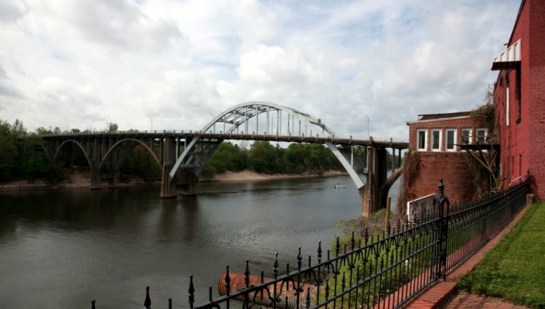
If you want to learn about the Deep South and how much it has changed, you should visit Selma. It is where the great Civil Rights march of 1965 began, crossing the Edmund Pettus Bridge and heading on to the state capitol at Montgomery. If you think the battle is over, you should visit Selma and see, despite how far we have come, how distant is the horizon.
Badger Springs Road 1Arizona

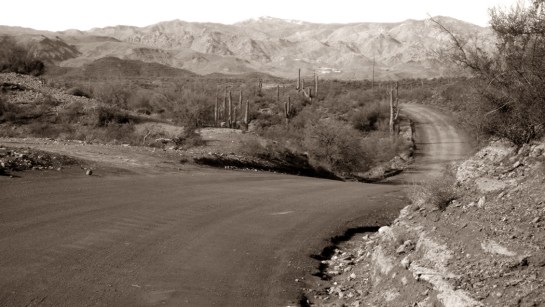
Of course, the Grand Canyon is on our license plates, but almost any other square foot of the state is nearly as wonderful, from Hoover Dam to Douglas, from Four Corners to Yuma. But I have a special place in my heart for an obscure exit ramp from I-17 north of Phoenix. Badger Springs Road is a bit of largely undisturbed desert, with trails and cactus, and I can always pull off the highway and find a bit of peace and quiet.

Arkansas


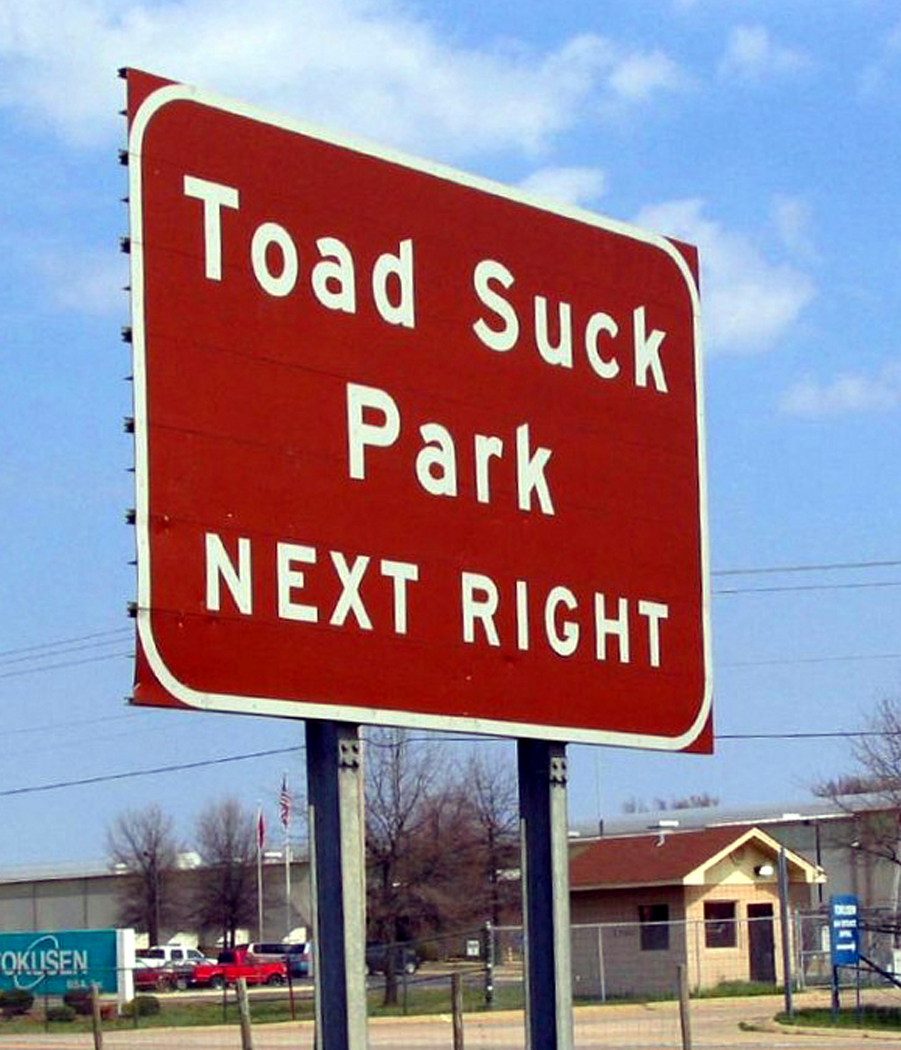
The state is rich in rural areas, craggy in the north, flat and muddy in the east through the Mississippi flood plain, steamy with hot springs toward the south. But the little town of Toad Suck in the center of the state seems even a little quieter, a little more remote than most, and is graced with a state park as well, along the Arkansas River. No hotels, but friendly people.

manzanar

Northern California

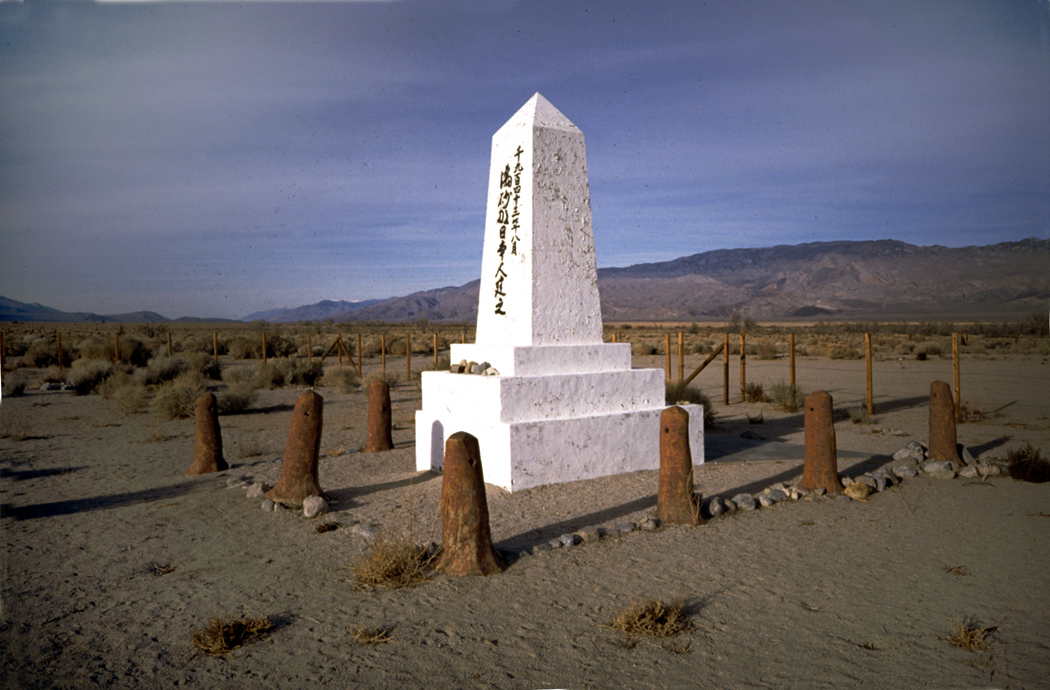
California is too rich; I have to split it in two. Even then, I could name a dozen places in each half: In the north — Tule Lake National Wildlife Reserve, Mono Lake on the eastern side of the Sierras, Lassen National Park, the Humboldt Redwoods, the tule marshes along the Sacramento River. But I keep coming back to Owens Valley, just below Mt. Whitney. From the soda-flat Owens Lake north to the ruins of the Manzanar Relocation Center — where Japanese-Americans were interned during World War II — the valley is both picturesque — the Alabama Hills where so many Western films were shot among the wonderland of rocks — and historic — in addition to the concentration camp, there is the sorry and violent tale of how a thirsty Los Angeles stole the valley’s water earlier in the century.

Southern California

East of San Diego is one of California’s most pristine deserts. It is called Anza-Borrego Desert State Park and it is the primordial home of all those Washington palm trees that line the streets of Phoenix. Borrego Springs is a surprisingly kempt little town in the middle of it, but the rest of the park usually seems as empty as a college campus during spring break.
Pawnee Buttes 5 copy

Colorado

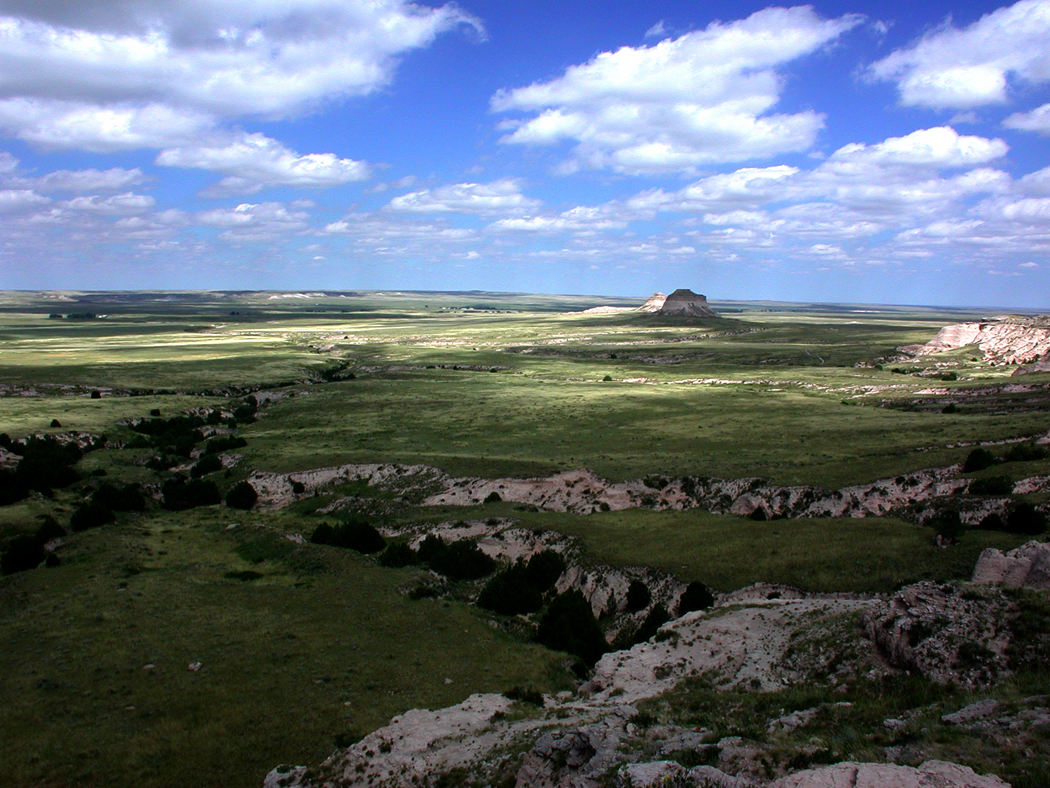
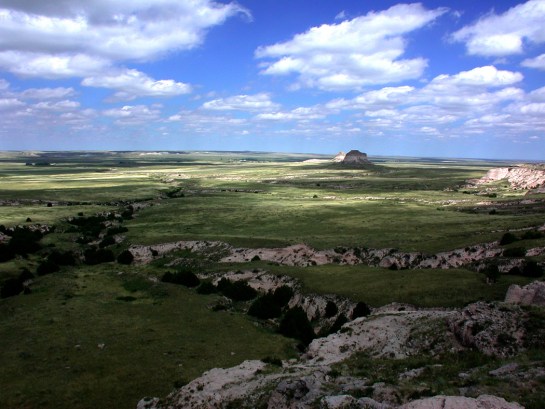
For most people, the state probably brings to mind skiing or expansion baseball, or an over-hyped beer, and certainly Colorado is best remembered for post-card mountains — all those “fourteeners” — but I love the Pawnee National Grasslands, one of the best places to get a sense of what the West was really about, what the Great American Desert was — not desert, but the Great Plains, vast, sweeping and grassy.

Connecticut

There is no more peaceful a river valley in the nation than the Housatonic north of New Milford. The Appalachian Trail winds along a portion of its banks. There are covered bridges, meadows and not too far away, near Cornwall, there is a large stand of virgin white pine, called the Cathedral Pines. U.S. 7 parallels the river most of the way.

Delaware

Delaware is a tiny state, and most people notice it, if at all, for the chemical plants and refineries that stick their bellowing smokestacks into the air, and the highways that pass through it on their way elsewhere, up over the twin Delaware Memorial Bridge. But there are the “Hooks” — Prime Hook and Bombay Hook national wildlife refuges, swampy and woodsy on the broad mouth of Delaware Bay.

Florida

If you cannot get enough of the Everglades, or if the national park is too crowded, head north off U.S. 41 on any of a dozen gravel roads into Big Cypress National Preserve. Or take the loop road to the south, through incredible cypress wetlands, with sagging Spanish moss and blackwater swamps.

Okefenokee

Georgia

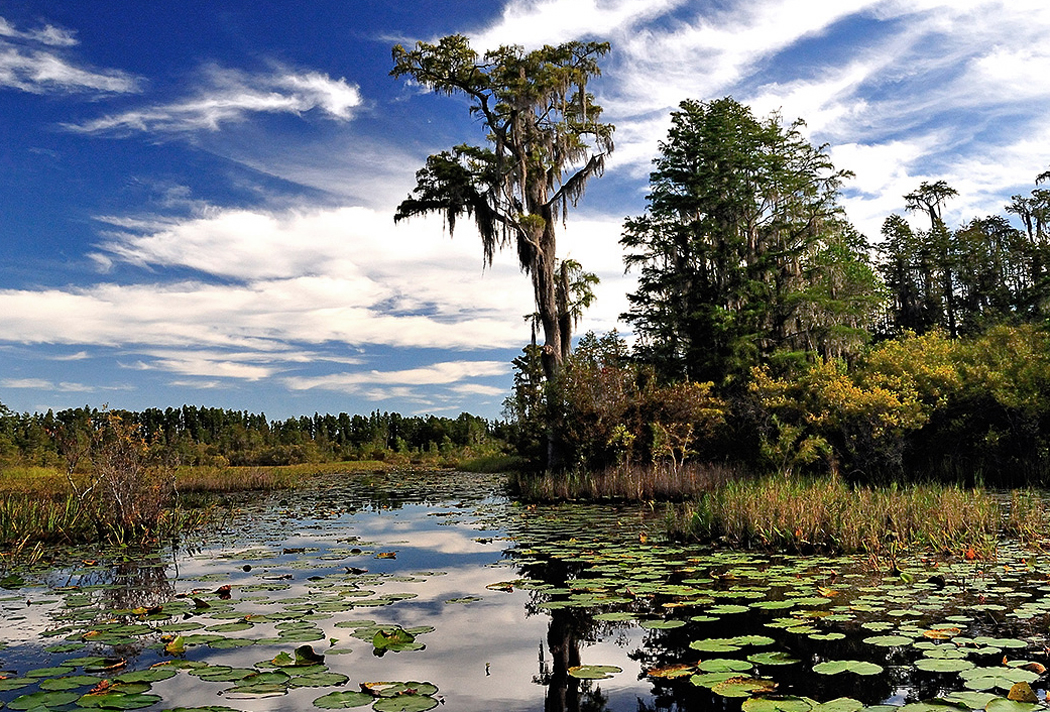
The Okefenokee is my favorite swamp. That’s saying a lot. I’ve seen more wildlife in it than in any other. Drive up Georgia 177 from Edith into the Stephen C. Foster State Park and rent a canoe. Paddle within inches of swimming alligators. Look into the trees for the snake birds — anhingas — with their darting necks and their wings spread out in the sun to dry.

Idaho

With its camas prairies, steep mountains and gaping canyons, the Nez Perce Indian Reservation is one of the most beautiful parts of this beautiful state. You can see the valley where Chief Joseph began his tragic 1,500-mile unsuccessful flight to freedom for his people in 1877.
Mississippi barge

Illinois

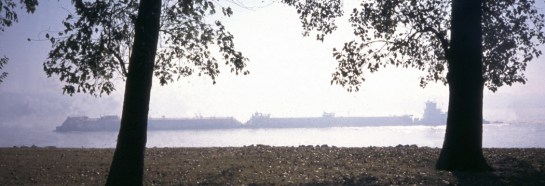
Chicago has big shoulders in the north, but down at the very bottom are the forlorn toes of Cairo, one of the most memorable of Mississippi River towns. It is aging, with peeling paint and boarded up storefronts, but you can feel in the humid air the history behind it. And you can see the conjoining of the muddy Mississippi water with the clearer, faster moving Ohio River. Boats and barges move past in the misty mornings like iron dreams.

Indiana

If you want to find the prototype of Disney’s “Main Street U.S.A.,” you couldn’t do better than to see Paoli, in the southern part of the state. No more perfect quiet little Middle-American village can be found. There are no tourists and nothing to do, but imagine what it must be like to live there, under the spreading chestnut trees just off the town square.

Iowa

Iowa is sometimes surreal: At the bottom of the bluffs of the Mississippi are cities filled with Victorian architecture. There are trees and vines. On top of the bluffs, there are endless rolling farms, with silos instead of trees, like some Grant Wood painting. The best of the cities is Dubuque, one of the greatest surprises of my travels. It is one of America’s most beautiful cities.

Kansas

If you want to get away from civilization, you can hardly do better than the middle of Kansas. Just north of Lebanon is the “Geographical Center of the Conterminous U.S.,” which is a highly qualified title to be proud of. But    you stand there, looking out over the grass and wonder, if they dropped the Big One here, would anyone hear it?

harlan county ky

Kentucky

   The state is mud in the west, limestone in the center and coal in the east. Among the stumpy, round-bumped mountains of coal-mining Harlan County and neighboring Letcher County, are some of the poorest homes and interesting people of the country.
atchafalaya thicket

Louisiana

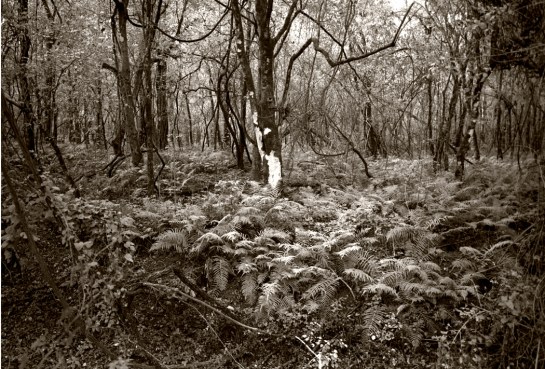
It surprises even me, but one of my favorite places is along the Interstate. For 20 miles, I-10 rises on piers over the Atchafalaya Swamp. Take an exit into the dark woods and drive along the river into old, mossy river towns, built where the terra is not so firma. Even the pavement seems squishy beneath your feet.
Schoodicwaves2x

Maine

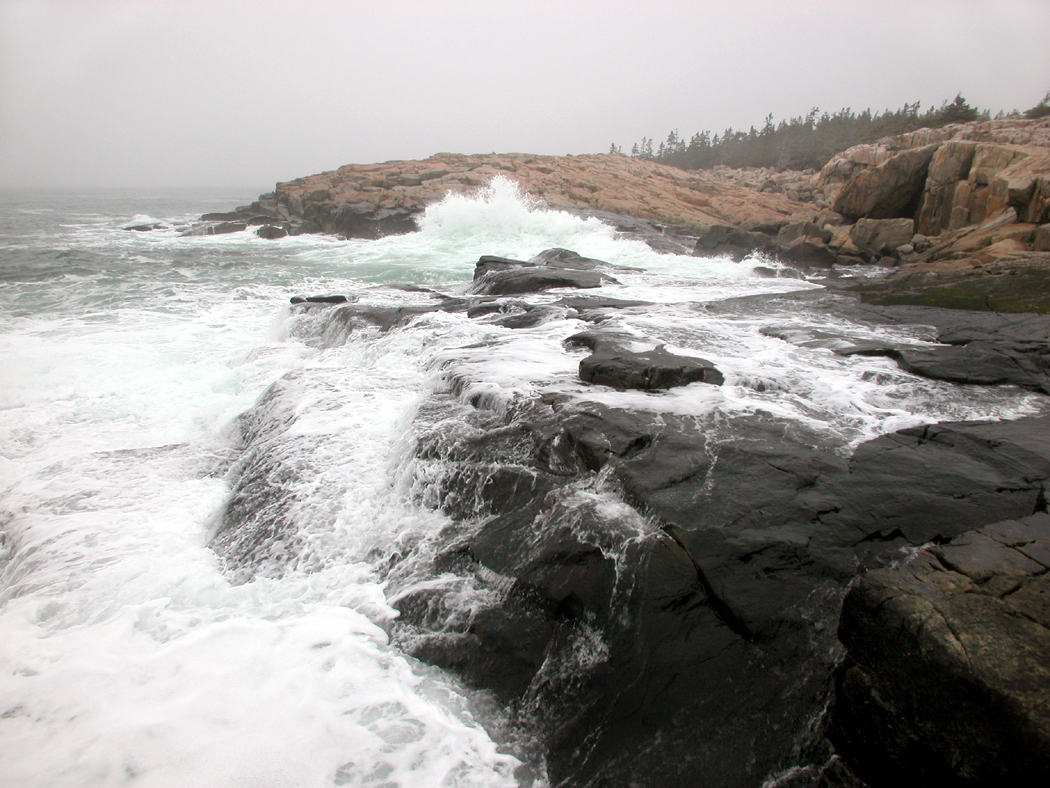
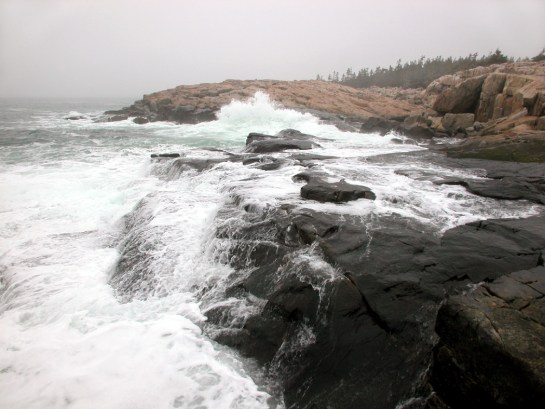
Everybody heads to Bar Harbor, where the T-shirt shops and frozen yogurt stores are chock-a-block. Pass on that and head to Schoodic Point further north. Also part of Acadia National Park, it is one of the ruggedest, rockiest parts of the rocky Maine coast.

Maryland

Antietam National Battlefield, near Sharpsburg, is the most emotional Civil War site I have visited. Every aspect of the fight, and all the blood and bullet-holes, seem spread out graphically, and the spirits of the dead and suffering seem almost palpable at the sunken road called Bloody Lane.

Greylock Mt from Melville home Mass

Massachusetts

Arrowhead is the one-time home of Herman Melville in Pittsfield. The house is actually a character in many of his stories, and you can look out the second-floor window of his study, where he wrote Moby Dick, and see the saddle-back peak of Mt. Greylock to the north, “Charlemagne among his peers.”

Michigan

The Upper Peninsula is a big place, but everywhere you turn, there are forests, lakes and rivers, including Papa Hemingway’s Big Two-Hearted River. It’s hard to pick a single place, but there is always the drive on U.S. 2 along the southern shore of the peninsula along Lake Michigan.

Minnesota

A river doesn’t really start from a single source, but the agreed fiction is that the Mississippi begins at Lake Itasca, southwest of Bemidji. The lake is not that large, by Minnesota standards, and seems quite placid. The “father of waters” begins at a reedy little outlet that you can step across and brag you crossed the Mississippi on foot.

Mississippi

The blues began in the Mississippi Delta, and they are still played in the shabby juke joints of Clarksdale, one of those old, cracked-concrete, grass-in-the-railroad-ties, dying-downtown Deep South county seats. Everybody you see, sitting on their porch fronts, seems more human, more profound. Maybe it’s the blues.

Missouri

The Ozark Mountains can be beautiful, with lichen-covered limestone and rivers that disappear underground. Like at Big Spring State Park on the Current River, where the river comes gushing back out of the rock like a fountain.

bear paw surrender site

Montana

Chief Joseph began his three-and-a-half month trek in 1877 in Idaho, he ended it on the flat, grassy, empty plains of northern Montana, at a place called the Chief Joseph Battlefield near the Bears Paw Mountains, only 40 miles from the safety his Nez Perce Indians sought in Canada. He was captured by the U.S. Army, and promised “From where the sun now stands, I will fight no more forever.”

bailey yard nebraska

Nebraska

People look at me funny when I tell them that Nebraska is probably my favorite state to visit. The sand hills, the puny “national forest,” the Platte River and Scotts Bluff — they all seem unbearably windblown and lonesome. I love them all, but in North Platte, you cannot feel alone at the biggest railroad freight yard in the country. You can watch trains all day.

Nevada

If Nebraska is my favorite state, Nevada is probably my least favorite. It is empty, true, but its emptiness seems hard and thoughtless, like a biker at a roadside bar and casino. But I cannot deny the beauty of such places as Big Smoke Valley, between the Toiyabe and Toquima mountains, and the wide sagebrush plains where you don’t see a car for hours, but maybe a dozen dusty pickups.

New Hampshire

The Kancamagus Highway is one of the most beautiful drives in the country, winding through the White Mountains along the Swift River. It goes from Lincoln to Passaconaway and passes some stunning stony waterfalls.

pulaski skyway copy

New Jersey

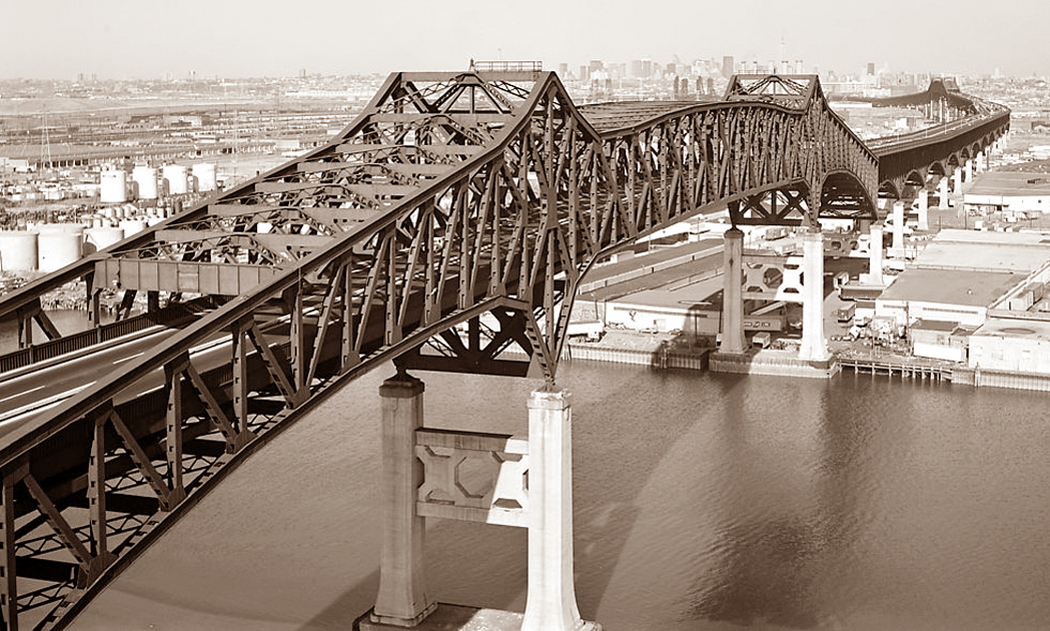
This is the state where I grew up. I came to despise the suburban banality of most of the state, but I loved two things: the northwest corner, with its minuscule mountains and bucolic forests; and most of all, the industrial corridor of the Jersey Turnpike, with its refineries, chemical plants and the always-beautiful Pulaski Skyway.

New Mexico

At the top of the Sacramento Mountains, in the Lincoln National Forest is a place called Cloudcroft. There is great camping, wild animals and — usually — clean air that is so clear, it could cut diamonds.
Bear Mtn Bridge

New York

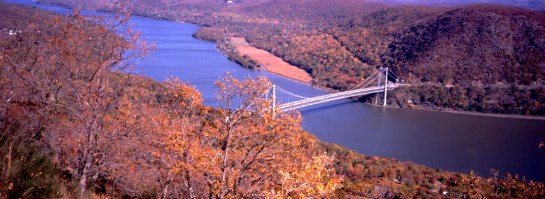
New York offers more than any other single state except California. There are dozens of favorite sites, from Montauk Point to Niagara Falls. But I will always have a special affection for Harriman State Park, along the Hudson River, and Bear Mountain, that looks down at the gorge, just south of West Point and its military academy. Seven Lakes Drive, through the park, is what nature in the East is all about.

Ashe County road, creek &dogwoo

North Carolina

No question here: Ashe County, tucked up in the northwest part of the state, above the Blue Ridge, is away from the normal tourist loop, but more beautiful than any other place north of the Smoky Mountains. Any gravelly back road will take you to something surprising and there is the New River to canoe down.

Sunflowers Zap North Dakota

North Dakota

It hardly counts for anything, and there is no real reason to visit, but I cannot get enough of Zap, a tiny crossroads, where the roads don’t go anywhere. Between Beulah and Golden Valley, Zap sits among the rising and dropping swell of the grasslands, with the occasional pond for cattle to drink from.

Virginia Kendall SP, Ohio 3 copy

Ohio

Just south of Cleveland, there is a small bit of woods and rock called Virginia Kendall Park. It is right next to the larger Cuyahoga Valley National Recreation Area, and benefits from more people going there than here. There is a rocky bluff in the middle of the park and echoing voices in the forest among the leaf litter.

Oklahoma

One of the worst massacres of the so-called Indian Wars took place just outside of Cheyenne, along the Washita River. The site is now nothing but grass, a line of trees along the water, and some outcroppings of rock. But the surrounding Black Kettle National Grasslands can give you a real sense of what the land looked like 121 years ago.

Columbia River Gorge Oregon-Washington

Oregon

The Columbia River Gorge is one of the scenic wonders of America, and one of the most scenic drives is along the old, outmoded Columbia River Gorge Scenic Highway, which rises up the mountainside above the interstate highway, and takes you through more waterfalls than any comparable stretch of road outside Hawaii.

falling water

Pennsylvania

The second most famous house in America — after the White House — is probably Frank Lloyd Wright’s Fallingwater, a vacation home he designed for Pittsburgh’s wealthy Kaufman family beginning in 1934. It is also one of the most beautiful buildings in the country, sitting literally atop a waterfall and jutting out over the small forest glen.

Rhode Island

If you’re on the A-list, you’ll naturally gravitate to Newport and its extravagant mansions. I’m not on that list; I prefer the more humble Conanicut Island, where real people live. It sits in the middle of Narragansett Bay and gives you a good sense of what life on the bay is like.

South Carolina

Myrtle Beach gets all the traffic and spring-breakers, but Huntington Beach, 10 miles further south along Murrell’s Inlet, is the better place to be. With Huntington Gardens just across the street, with all those animal sculptures of Anna Hyatt Huntington, and a fresh-water alligator pond next to the salt marsh, Huntington Beach is a great — a great — place for seeing birds.

pine ridge rez

South Dakota

The Pine Ridge Indian Reservation may be poor, but it is beautiful. And as with many places noted for its poverty, it is very real. The people take the time to talk to you and there is history at every turn in the road — not all of it very comfortable for an Anglo to remember.

Tennessee

Most of the crowds at Great Smoky Mountains National Park gather along U.S. 441 across the crest of the range, or in Cades Cove in the southwest of the park. But one of the great drives, and less crowded, is up the Little River Road through the back side of the park. It follows the cascading Little River most of the way, and finds its way back to the visitors center at Sugarlands.
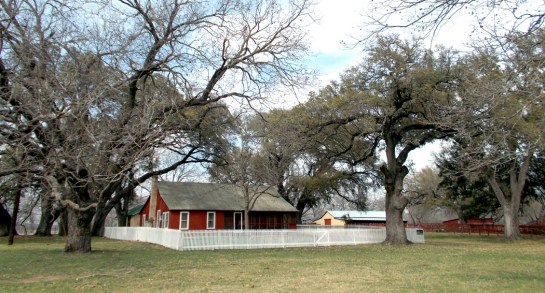
lbj ranch grandparentshouse

Texas

Even Texans will tell you the center of their state is the best part: The Texas Hill Country is an oasis in the middle of a state that sometimes seems like nothing more than the world’s largest vacant lot. And the best part of the Hill Country is found at the LBJ Ranch near Johnson City. It is no wonder that our 36th president loved his ranch so much. It is a jewel in a perfect setting.

Utah

Is there a square inch of the state that doesn’t deserve to be a national park? I haven’t found it. But one of the most overlooked gems is the ride along Utah 128 from Moab to Cisco. Through most of its route, the road seems to be the one you would imagine at the bottom of the Grand Canyon. Well, perhaps that exaggerates it a wee bit. But it is special.
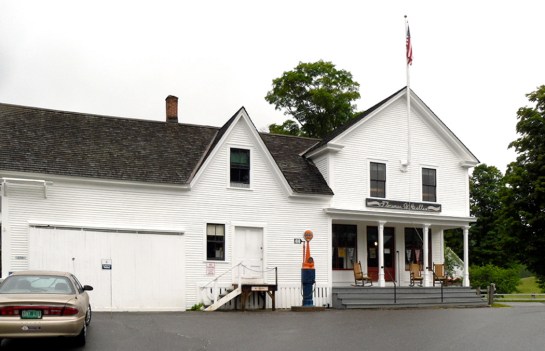
coolidge plymouth

Vermont

Near Plymouth is the birthplace and homestead of Calvin Coolidge, who has recently lost his title as the president we made the most jokes about. In fact, Silent Cal was a smart cookie and not at all the buffoon stand-up comics make him out to be. He was raised in a tiny Yankee village that is preserved as a state park.

Monticello Entrance Hall copy

Virginia

Virginia is another state that seems to have more than its fair share of special places. Perhaps it’s history, perhaps geography, but almost anywhere you turn, there is something that will draw you back over and over. Still, there is something special about Thomas Jefferson’s mountaintop home, Monticello, a monument to just how profoundly beautiful a little nuttiness can be. The Age of Reason meets Henry Thoreau.

Washington

Eastern Washington is largely a blank spot in America’s consciousness. Seattle, the Olympics, the Cascades, Mt. Rainier — they are all in the west. But there is hardly an odder or more peculiar and spooky landscape on Earth than what is called the Channeled Scablands east of the Cascades. The Grand Coulee Dam blocks the Columbia River there, where a prehistoric flood scraped the earth clean for hundreds of miles.

West Virginia

The Hawks Nest, on U.S. 60 between Gauley Bridge and Ansted, looks out over the deep declivity of the New River Gorge and is one of the great scenic views of the eastern U.S.

Frosty dawn Wisconsin

Wisconsin

Southern Wisconsin has many treasures, including the Mustard Museum in Mt. Horeb, and the world’s largest six-pack of beer at La Crosse, but nothing can beat the genuine zaniness of the Dickeyville Grotto, a religious site in Dickeyville created out of broken bottles, seashells, stones and broken crockery. It is one of the great “outsider art” sites, and don’t miss the tribute to Columbus.

Wyoming

What’s the highest, most alpine road in America that actually goes somewhere? Undoubtedly, it is the Bear Tooth Highway, U.S. 212 from Red Lodge, Mont., to Yellowstone National Park. It climbs up over Bear Tooth Pass at 10,940 feet and provides more long Rocky Mountain views than any other road. Look out for the marmots.


BW01
Call me Wordsworth.

When I was in my 20s, strapping and idealistic — i.e., an idiot — I lusted after this landscape. I knew it only in the photos in the Sierra Club coffeetable books, thinking how grand it would be to live in an alpine meadow in the Cascades, Sierras or in Alaska, with distant lightning-zag waterfalls dropping in a pencil-line a thousand feet down the face of a granite escarpment. I could feel the bracing air in my imagination. nuggetfallsb&w copy

The attraction was part a Longinian yearning for the sublime, for the vastness of the landscape; part of the attraction was its isolation, away from the ordinariness of daily life with all its people, some of whom might well be my boss. There was no TV in this idealized world; only bear and moose.
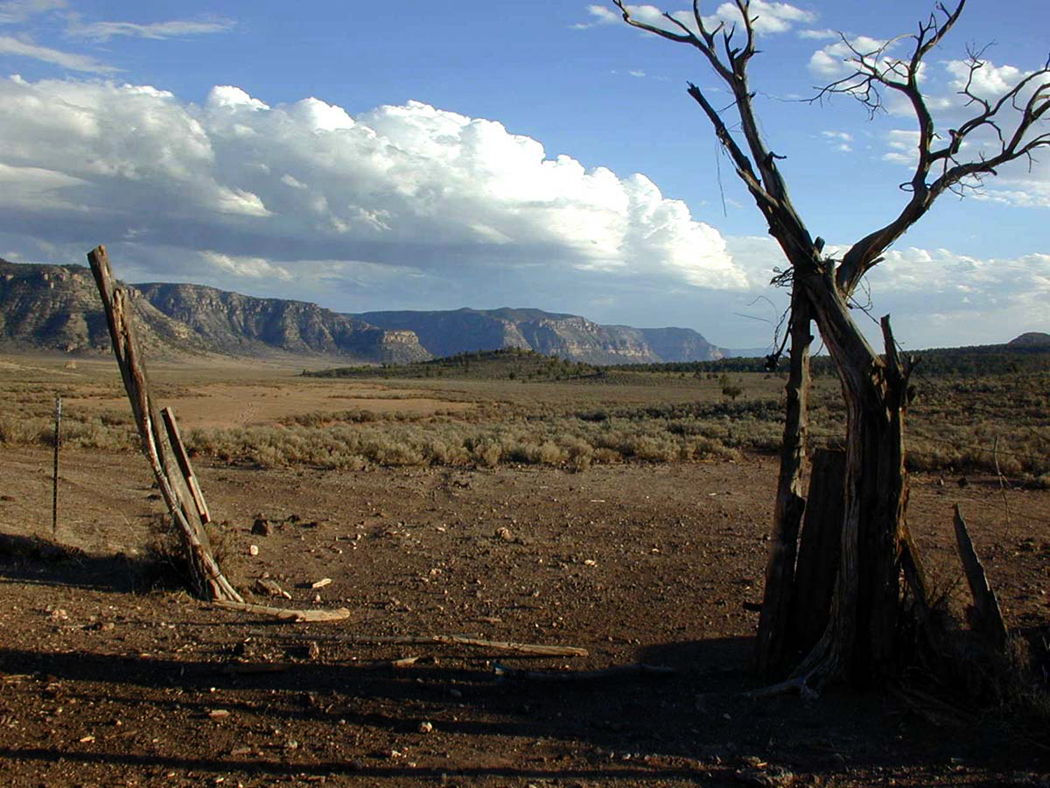
I am older now, still an idiot, and I can no longer feel that fervid longing, at least not directly, but I remembered it keenly visiting the mountains and glaciers of Alaska. They are vast, the air is ice on the skin and the vistas are the kind John Martin might paint.peaks2 copy
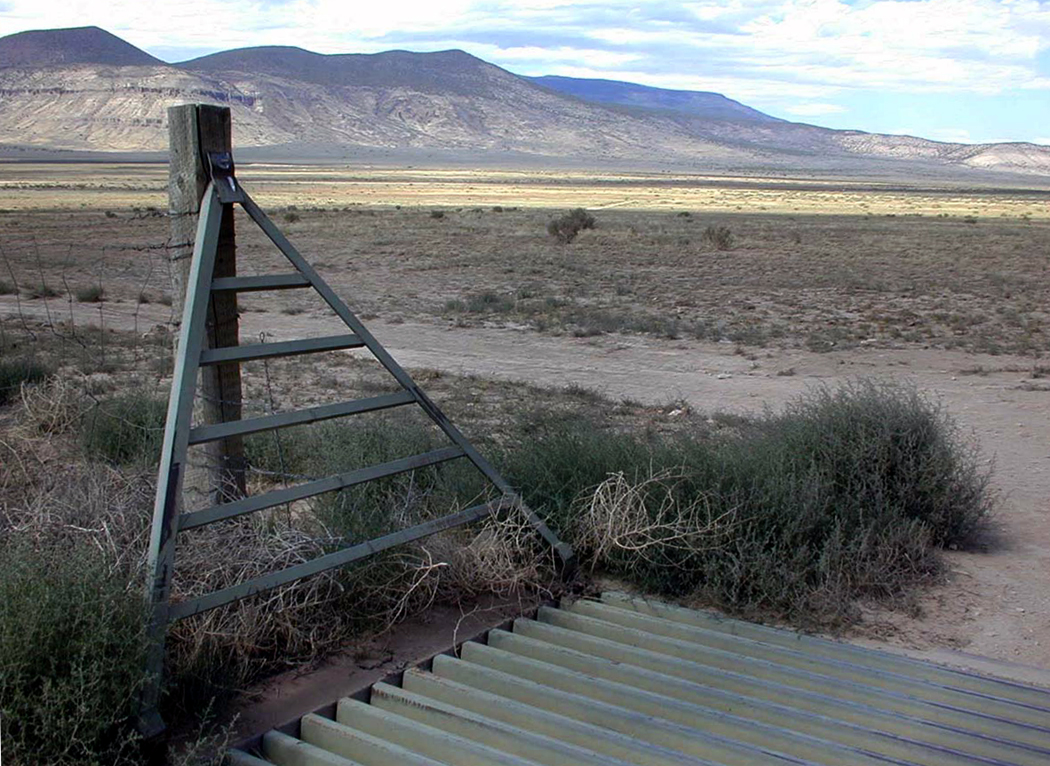
The pianist Glenn Gould once made a radio show for Canadian listeners called “The Idea of North.”

For those of us south of his border, the idea of north is Alaska. Endless forests, grizzly bears, rock-cobbled rivers, salmon, snow and rime.

Alaska is an inaccessible place, where no interstates lead, and even its state capital cannot be reached except by air or sea. For most of us, Alaska is important precisely because we cannot get there; it is proof that there is still a moment on the planet that is not yet filled with highways, billboards, Nike ads and grinning tourists. For most of Alaska, to be seen is to be explored; it takes dedication, muscle and energy, just as it did for the Gold Rush prospectors who hiked over the Chilkoot Trail.snow and trees copy

We think of Robert Service poetry or Jack London novels. Perhaps our idea of the frozen north comes from Robert Flaherty’s “Nanook of the North,” or Mary Shelley’s “Frankenstein.” In any case, it is a north that is still dangerous. A landscape that carries with it the final sense of the sublime: beauty that can kill us. And even if we survive, it is beauty on such a scale that our human minuteness shrivels our ambitions and makes us harbor cosmic thoughts.creek copy

Two hundred years ago, European art and literature was chockablock with the frozen Arctic. From paintings by Caspar David Friedrich to “Frankenstein,” it was icebergs and glaciers that told of the vastness and sublimity of nature. Make that Nature, with a Capital N.

The dark, stormy North was inaccessible and remote; humans were pismires in its vastness; danger lurked everywhere. Ice froze on the ship’s rigging and mariners had to chop it away with axes. margerieboat copy

“We are still surrounded by mountains of ice, still in imminent danger of being crushed by their conflict.” — “Frankenstein”

Or, from “The Ricome of the Ancient Mariner”:

“And now there came both mist and snow,/ And it grew wondrous cold:/ And ice, mast-high, came floating by,/As green as emerald. … / It cracked and growled, and roared and howled,/ Like noises in a swound!”gullclose copy

As green as emerald? Rather, as blue as sapphire.

In College Fjord, the glacial ice is blackened at the margins with sooty dirt and rocks, but the central part — the “filet,” as you might call it — is pure and clean. It is there, in places where deep fissures in the ice let you see into the glacier, that the ice shows bright, clear blue. The color is brighter when the sun briefly shines on it. It is Tarheel blue, as bright as a new paint block in a watercolor set. Blue ice

One of the vertical slices of the glacier has been worn through, leaving an icy natural bridge. In its donut hole, the blue is intense. Ice, it turns out is blue. It is not the mere reflection of the sky that makes it so — if proof be needed, there is no blue sky most of this day — but rather that the ice is not clear. Turns out, water is not clear, either. octopus fingers mask copyIt really is blue, although so thinly colored that a glass of it looks transparent. Put enough of it together and the blue is apparent enough. And the ice made in this giant Frigidaire is also blue where it is pure enough, although much of the surface is roughed up with layers of snow, to make them white and glistening.

Crack and boom, and some more ice falls off the front of the glacial wall. Most of the calving involves an avalanche of small ice cubes and snow balls rather than the giant heaving chunks we see on the nature TV shows. The center of the glacier’s face is where most of the action is happening; a certain section is concave and its upper surface, overhanging its lower, keeps dropping bits like plaster falling off a wet ceiling. It crashes into the water in big ice slides and sends up waves that circle off toward the boat. They peter out into wide ripples before they reach us, so we can hardly notice them as they pass.BW09

When a bigger chunk falls off, it drops below the surface and immediately pops back up, like a whale breeching. Sometimes, as it reappears, it also turns over on its back, like a restless sleeper, before settling back down into the water. Seabirds rush to the spot to seek food.ketchikan totem 2 copy

It was the north that attracted Amundsen, Nansen, Peary. Parkas of animal fur made their heads three times normal size and they walked about in a stiff-leg shuffle in the ice and snow. The sky was always gray and the air always frigid. Snow blew sideways.

It was the ice and isolation that drew Byron’s Manfred, Jack London’s White Fang, Robert Service’s Dan McGrew. In Finland, it is the snow and ice of Sibelius’s “Finlandia,” the thin, remote trombones of his Seventh Symphony.

The problem is, that for most Americans who venture to Alaska now, they do so on a cruise ship, eating rib roasts and sherry triffle, looking off the taffrail for the spout of a friendly whale, or the antics of a sea otter. The cruise industry has turned the sublime into Disney ride. Whee!

It can take some concentrated effort, but for anyone who wants to invest the psychic and emotional energy to do so, the Alaska of vast spaces and endless emptiness is still there. But unlike the days when leathery men packed mules to go across the passes, we have to make that journey more in our heads than on our feet. It is an act of imaginative will to see the skull beneath the skin, the rocky sublimity under the coating of easy tourism.cruise ship in the fjord juneau copy

I went to Alaska to find the wilderness I fantasized about when I was 20. It was the allure of the Sierra Club coffeetable books, with their glossy photos of deep glacial valleys and snow-capped sierras. I imagined living on some Cascadian mountainside with mountain goats and bear grass.

Which brings us all back to Wordsworth and the “Intimations Ode.”peaksb&w copy

We gain a good deal as we accumulate experience like barnacles. We are stronger, less easily angered or driven to political excesses, and we certainly have learned something about love that we could never have guessed when our hearts merely wanted. But, we have lost a good deal, too.

“I know, where’er I go,/ That there hath pass’d away a glory from the earth.”lowsun copy

Now that I am past 60, it is no longer a life I want, but one can never cease wishing to be 20 and longing for the heart’s desire.

toroweap 6I’ve been to the Grand Canyon enough times that I couldn’t accurately count.

But sometimes familiarity makes us lose the magic. If I’ve been to Mather Point once, I’ve been a dozen times, at all hours of the day. And while it is still beautiful, still breathtaking, there is something missing — that virgin sense of seeing it for the first time.arizona highways magazine cover

This is replaced by the proxy pleasure of watching someone else see it for the first time, but now I’ve had even that vicarious fun often enough that I know what to expect.

But there are other places to see the canyon besides the official viewpoints of the National Park Service.

One of my first images of the Grand Canyon came when I was a child in the Christmas edition of Arizona Highways magazine, which was once a year available on the magazine racks in New Jersey. One of the pictures in it was a stunning photograph of the Canyon from Toroweap Overlook. I never forgot that name, it seemed so odd — although I don’t know why an Indian name should seem exotic to a Jersey boy living between Hackensack and Ho-Ho-Kus.toroweap 15

Nevertheless, I always wanted to go to Toroweap, to see that vertical panorama, the 3,000-foot drop to the river.

The overlook is reached by 61 miles of dirt road. And those miles start from a point 9 miles west of Fredonia, Arizona, which is already as remote as it is possible to be in the state. On the Arizona Strip between the Canyon and Utah, Fredonia is a little town you pass through on the way to Kanab, which is no Chicago either.

Fredonia is 120 miles from the nearest Arizona town of any significance, Flagstaff, through the Navajo Indian Reservation and across the northern margin of the state skirting the Vermilion Cliffs. It is so remote that when you pass the turn off for the Grand Canyon North Rim, you still have to press on into the wilderness to get to Fredonia.toroweap 9

How remote is it? Well, it is technically considered frontier. Any place with fewer than two people per square mile is officially called frontier, said the ranger at Pipe Spring National Monument, which is also in this neck of the woods.

The Arizona Strip easily qualifies. Arizona, for instance, has a population density of about 50 people per square mile. When you subtract the population center of Fredonia, with its 2100 people, the rest of the Strip checks in with .014 people per square mile. That’s fewer than 3 people per 20 square miles.

That is the official definition of empty.toroweap 7

toroweap 17Well, a little past the sign that reads “Six Mile Village, 3 miles” you find a dirt-road turn off with a sign to Toroweap Overlook. It says, “Toroweap Overlook, 61 miles.”

At first, you feel rather confident. Anyone who regularly drives the dirt and gravel back roads in this state will be lulled into a false sense of security.

The first 20 miles or so are pretty flat, pretty well kept up and surprisingly civilized. You can do a comfortable 50 miles an hour if you don’t mind kicking up a few stones and hearing them clatter against your undercarriage.toroweap 10

But then, after crossing the Antelope Valley, you have to climb the first small plateau and the road begins to wind and narrow. Patches of sand appear in the hollows of the land and you have to slow down or risk losing control of your car.

Yes, I said car. Every guide book I checked out said the trip can be made in a passenger car. And since I am an intrepid risker of my car, I thought that this sounds like a piece of cake. I have driven my car through mountainside cow pastures, through North Carolina woods with no roads, twisting between the trees like a Daniel Boone in a Chevy. I have taken my car on the 30 miles of washboard someone jokingly called a road on the far side of Death Valley from the highway.

I can go anywhere.toroweap 8

But the road to Toroweap became hinkier. About 45 miles in, just after the turn-off for the road to Mt. Trumbull, the road gets questionable. And I mean, like I question that it deserves the name road at all.

Since I was two-thirds of the way to my longed for magic dream, I pushed on.

After all, I am the man who drove my car across Thompson Wash to the north of Canyonlands National Park in Utah. I am the man who keeps an entrenching tool and a Hudson Bay ax in the trunk at all times in case I need to dig out of the sand and chop down brush to thrust under the tires for some purchase.toroweap 13

There were some sand pans along the way, where your tires no longer go where you point them and your careen through the powder like a raft going downstream. The steering wheel becomes a tiller and you just try to keep pointed forward. But if you get up a head of steam going into the sand, you can more or less bull your way through.toroweap 14

But after the Tuweep Ranger Station, where you enter the national park lands, it started getting tricky. I had had some touchy moments in the sand, but nothing I didn’t think I could handle in my Pontiac Grand Am. But in the final eight miles from there to the overlook, the road gets positively grim. The sand — I call it sand, but it is really a fine, pulverized powder that sits axle-deep in the roadway — had previously been in recognizable pans, small patches of up to 100 feet in extent. But along the Toroweap Valley, there is a stretch of about a quarter mile of unrelieved sand.toroweap 4

As I was driving along — careening, really — I came upon the ranger in a road grader smoothing the roadbed. He should have saved his effort. The grader was smoothing off the top of the sand, but that didn’t make it any easier to plow through. In fact, the ruts provided better traction for the tires, as long as the high sand in between didn’t contain any large rocks waiting to score the bottom metal of the car.

With the sand passed, the road got narrower and rockier. The rocks were bumpy and you had to take them slowly, especially around the tight curves up and down the canyon, but they were negotiable. The final three miles slowed me down to a pace of between 5 and 10 mph, but I didn’t mind so much, since at least I knew the road wouldn’t swallow my tires.

At the end, Toroweap Overlook was a small rocky parking lot with a port-o-let to one side and a giant hole in the ground to the other.toroweap 2

They view was spectacular and the rawness of the experience made the South Rim look positively urban. There are no guard rails, no interpretive signs, no ranger walks, just an edge of rock with a vertical drop down to the river of three-fifths of a mile. The canyon at Toroweap is very narrow — it is about a mile to the southern rim across the gorge, and directly below, you can hear the roar of the rapids.toroweap 11

Two German couples were there looking down the hole and taking pictures of each other on the ledge. One of the men, seeing my once-bright red sedan now a uniform dun of dust — and comparing it with their two high-water SUVs, came over to me and asked me which route I had taken. When I told him, the looked at me like I was crazy, laughed and said, “In that car? How did you do it?”toroweap 3

And, you know, I’m not completely sure myself. But I knew that ahead of my was another 61 miles of the same thing just to get out again.toroweap 1

So, this is a warning to you. Don’t believe everything you read in a guidebook.

Yes, it is possible to get to Toroweap in your car, if you have the gumption.

But don’t expect any yellow brick road.toroweap 16


01 Cholla Organ Pipe Cactus NP Ariz
I miss the desert.

02 Ocotillo Organ Pipe Cactus NP ArizThe gravel, the dust, the prickles, the skin-shriveling heat, the raking shadows, the beige mountains turned pinkish in the afternoon, the buzzards hanging overhead, the greasewood smelling like aftershave in the rain.03 Organ Pipe Cactus Diana pair 3

When I lived in Arizona, I lived in the city; I don’t miss the city. I used to call Phoenix “Cleveland in the desert,” but aside from the scorch and desiccation, the desert doesn’t make itself much known in the cities of Arizona. For that, you have to leave the gridlock of reticulated and decussated streets and get out to where the dust devils spin and the owls burrow. 04 Cholla close Organ Pipe Cactus NP Ariz

Many years ago, I took a toy camera out to Organ Pipe Cactus National Monument, south of Why, and drove the loop road past Bates Well and Quitobaquito Spring. 07 Pond Organ Pipe Cactus NP ArizThere was no sight of another anthropoid anywhere. The only hint of human occupation was an abandoned ranch, the gravel roads and an occasional descanso commemorating someone’s unfortunate death under the oven dome. The horno cósmico13 nicho trio

Click to enlarge

The Diana camera cost something like $1.99 and had a plastic lens and used old roll film. It had the solid polystyrene worksmanship you might expect from Mattel or Ron Popeil.05 Butte Organ Pipe Cactus NP Ariz After a lifetime of Nikons, Canons and Hasselblads, and having moved up to a 4X5 camera with a Super-Angulon lens, it was a kind of mortification of the flesh to bust out the Diana. A means to get away from the high-resolution, Zone-System rut. 06 Saguaro Organ Pipe Cactus NP Ariz

And now, looking at the results 20 years later, the fuzz and blur of the photos seems more like the nostalgia I feel: less like being there, more like remembering, even half-remembering.16 Organ Pipe Cactus Diana pair 4

08 dark vista Organ Pipe Cactus NP Ariz12 Wire fence Organ Pipe Cactus NP Ariz

10 Ranch fence Organ Pipe Cactus NP Ariz

 
 17 Carole as Flora in the desertCarole as Flora