I made my living as a writer, spending my career primarily as an art critic and travel writer with The Arizona Republic in Phoenix. But it didn’t start out that way. Originally, I planned to be a photographer. I spent years working with my cameras and hoping to become the next Ansel Adams.

Yosemite Falls
I got my first camera when I was about 12, a Brownie Hawkeye, which I took on family vacations. I got my first SLR in 1965 — a rather primitive Praktica, which I took to Europe with me. Only a few pictures remain from those early efforts, including this image of Kristiansand in Norway. I was 17.
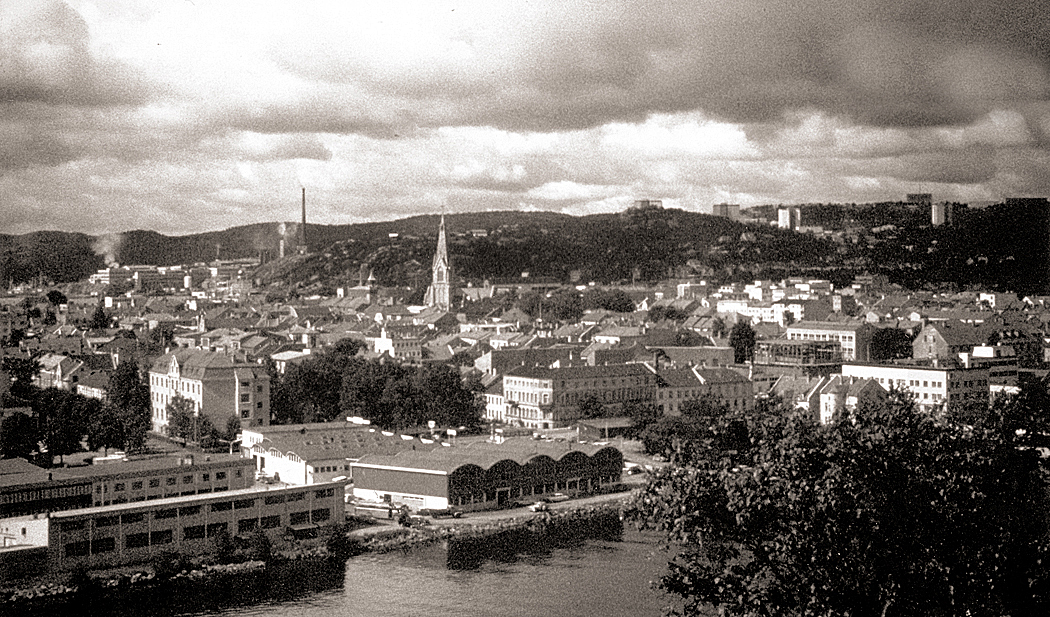
Kristiansand, Norway
College came next and I took very few photographs, but after graduation, I began a very serious addiction to acquiring ever newer and greater cameras, marching up through Nikons and Leicas, hoping for a Hasselblad, and eventually getting a 4X5 field camera with a Super Angulon lens (don’t worry if these names are Greek to you; they don’t mean anything anyway. They are hardly more than shibboleths for photo geeks.)
I got job in a camera store, and for the next several years, acquired a full darkroom setup, used my employee discounts to experiment with various films, chemicals and printing papers, until I became an accomplished darkroom technician. I got deep blacks and whites that never blanked out.
Then, in the ’70s, I was hired as a photographer for the Carolina Peacemaker, a Black weekly newspaper in Greensboro, N.C. But when the editor quit, I got his job, and became factotum, writing editorials, a food column and I became “Dear Carol,” the advice columnist, along with taking photos. It did seem, at the time, a bit peculiar for a white guy to be the editor, but then, the other reporter was also white. (At the time, talented Black writers were being head-hunted for the previously all-white daily paper, bypassing the usual route to the African-American press).
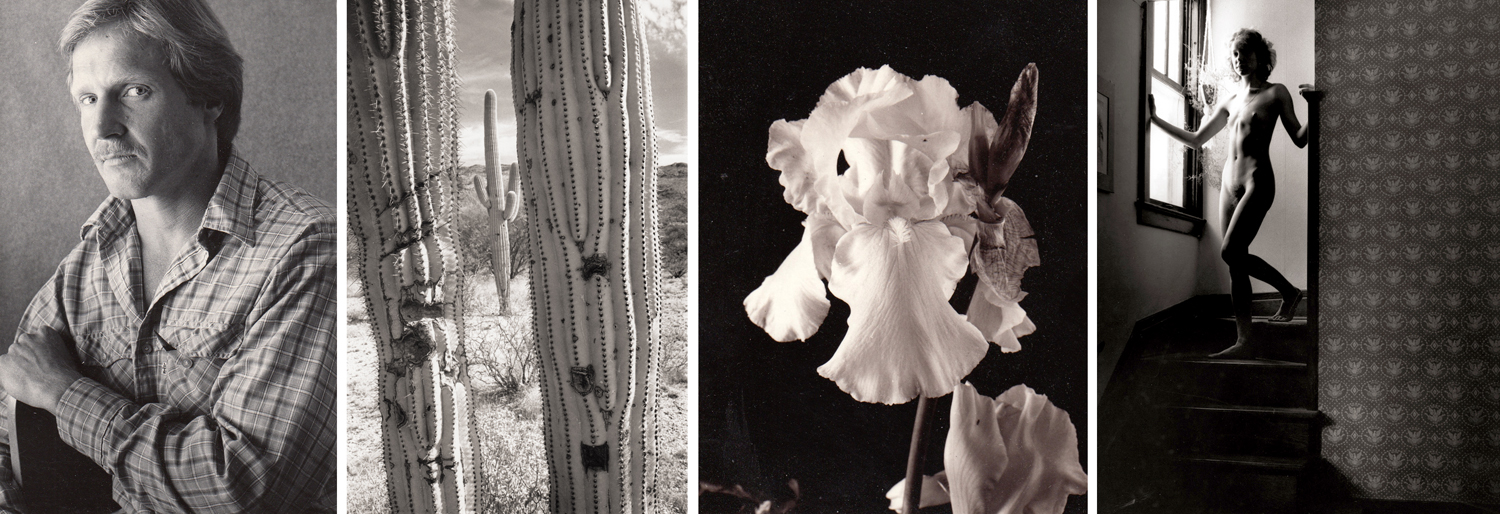
The writing came by default, but I still considered myself a photographer. And not a jobbing photojournalist, but one with my aim being art galleries and photo books. And all my personal work tended to be in traditional genres: portraits, landscapes, still lifes, nudes, architecture. For some reason, street photography never much interested me.
In the mid-1980s, my wife and I moved to Virginia, where I spent six years teaching photography at a two-year college. Back then, we taught black-and-white photography. Color was left to jobbing professionals, and digital photography was unheard of. (It’s odd to remember, but back then color photography was not widely accepted as art. It was looked down on as fit only for glossy magazines, advertising, and Sunday lifestyle sections in newspapers. The medium was thought to lack permanence — dyes faded — and most museums didn’t collect color). The school built a darkroom with a dozen enlargers and all the sinks and equipment needed, and I had all the students I could handle.
I loved teaching — or perhaps I just loved having an audience. But I continued with my own work, again, in all the usual genres.
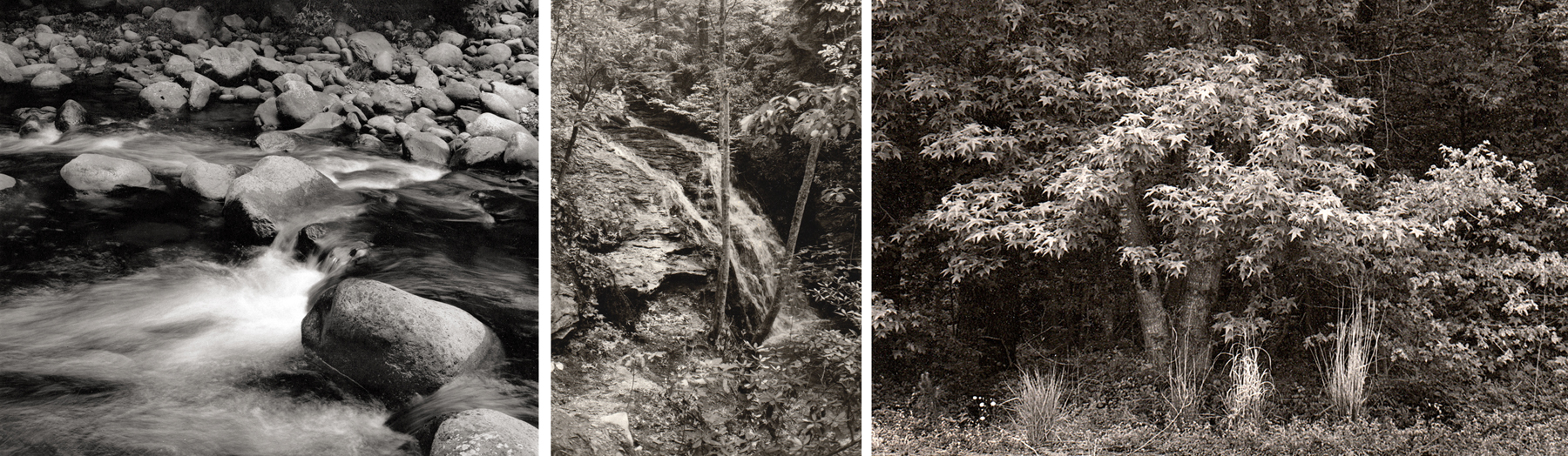
Because we were both teachers, we had summers free to travel, which gave me a chance to visit all 48 contiguous states, and most many times. I vacuumed up landscapes and have a collection of what must number into the tens of thousands of landscape photos.
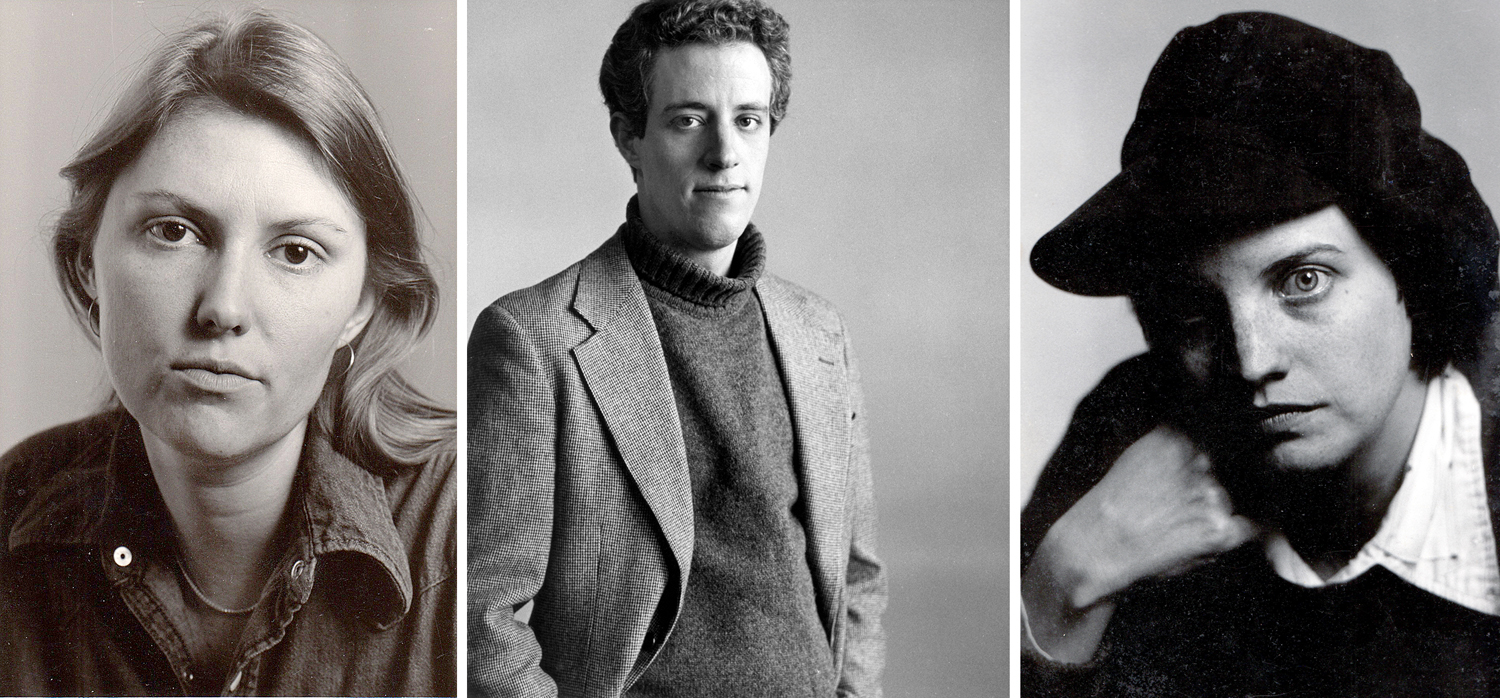
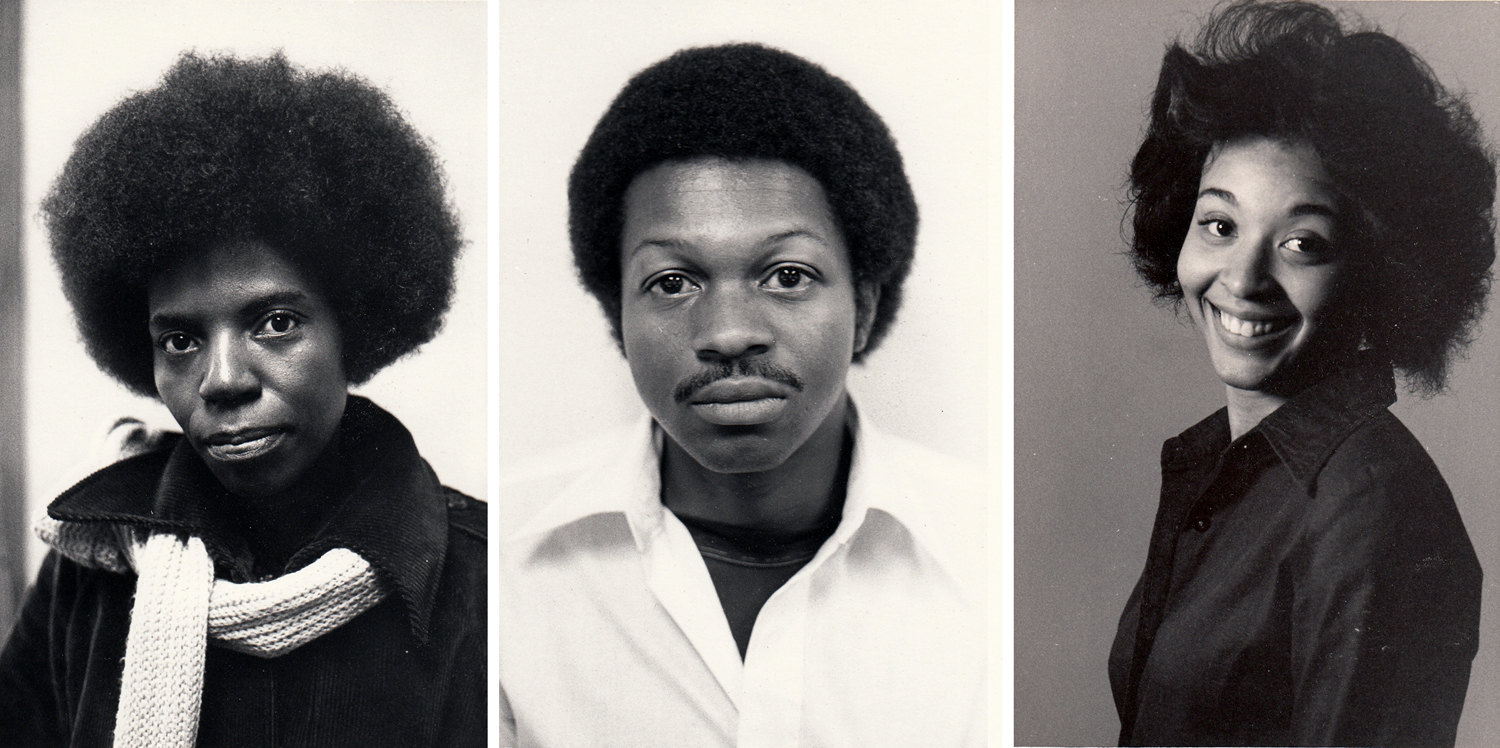
Judy Crawford; Hank Hackett; Pam Henry
I had always photographed friends and colleagues, and taught a yearly course in portrait photography. My models were formal rather than candid. I loved the work of Irving Penn and Richard Avedon, and it shows, I’m afraid.
My method went against the trend. Most photographers preferred a longer lens for portraits, like and 85mm or 105mm lens. I felt that such a lens kept the photographer too far away from his subject. I wanted to insist on a kind of intimacy, that the subject should be kept a bit on edge and alert. So I taught using a wide-angle lens for portraits, and getting up close.
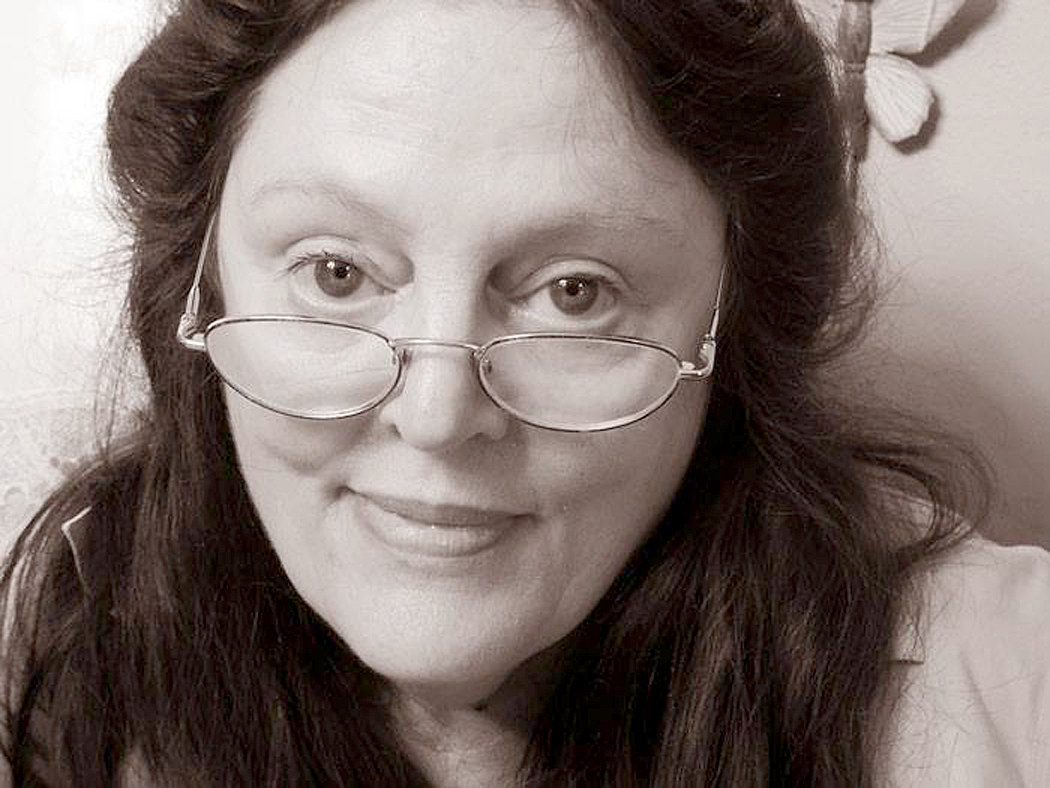
Carole Steele
I also insisted that the subject look directly into the lens, giving the pictures both a confrontational aspect, and also a peek into the “window of the soul.”
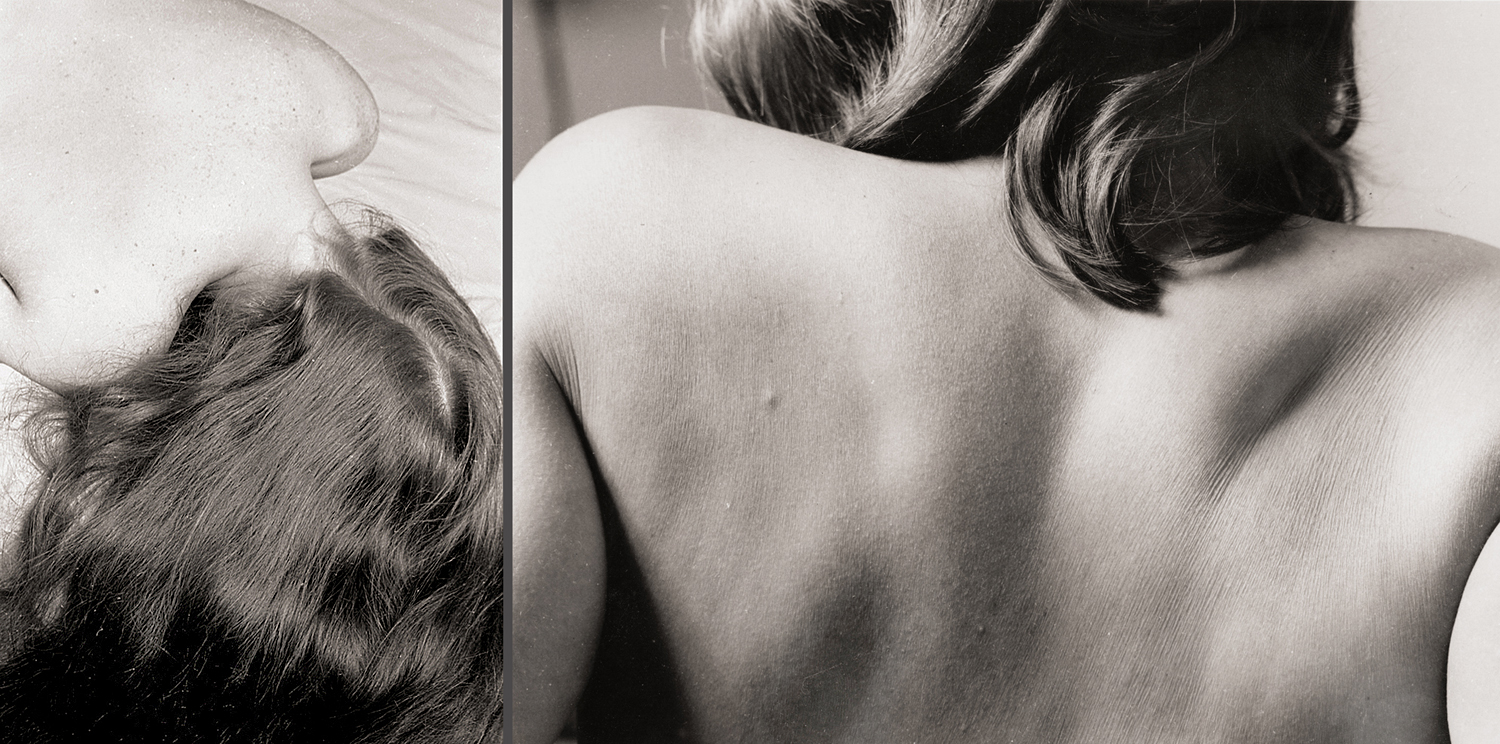
I have made a trove of nudes, too, both studio and outdoors. Over the years I have had a series of models. Only one person I asked declined the request. I believe I have avoided anything too exploitive and always, I hope, looked for the human being wearing the skin.
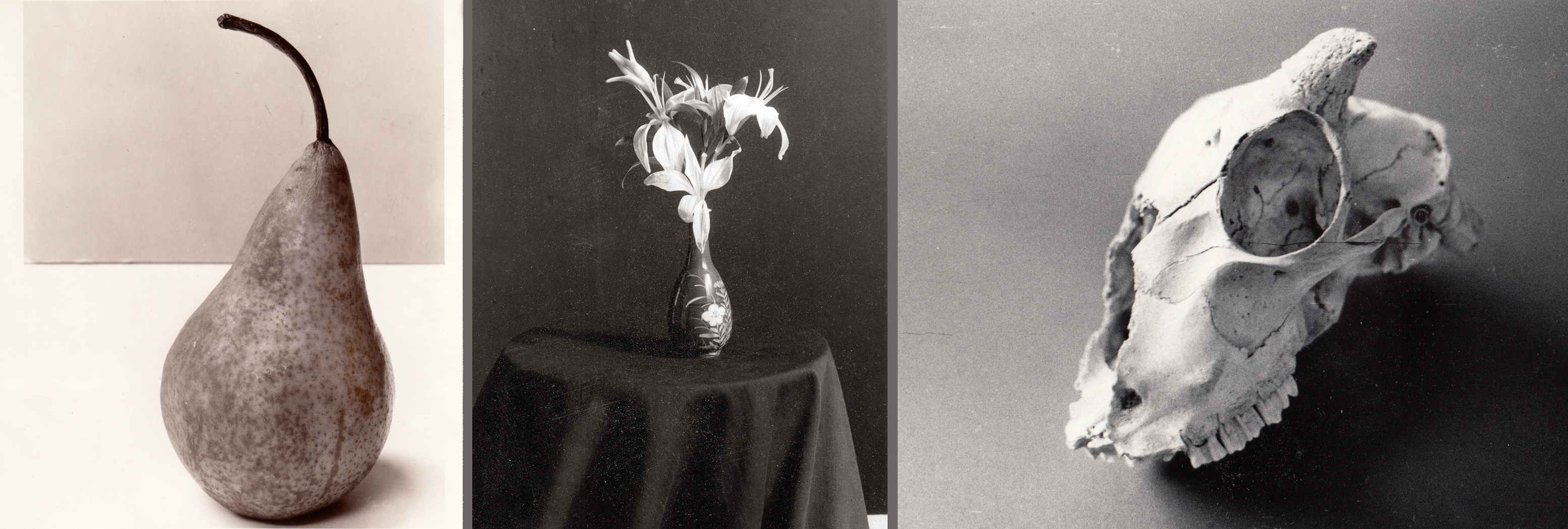
Still lifes are often pictures of flowers in vases, and I confess to having taken a barge-load of such pictures. But the percentage of blossoms has dwindled over the years, and other things have taken the focus.
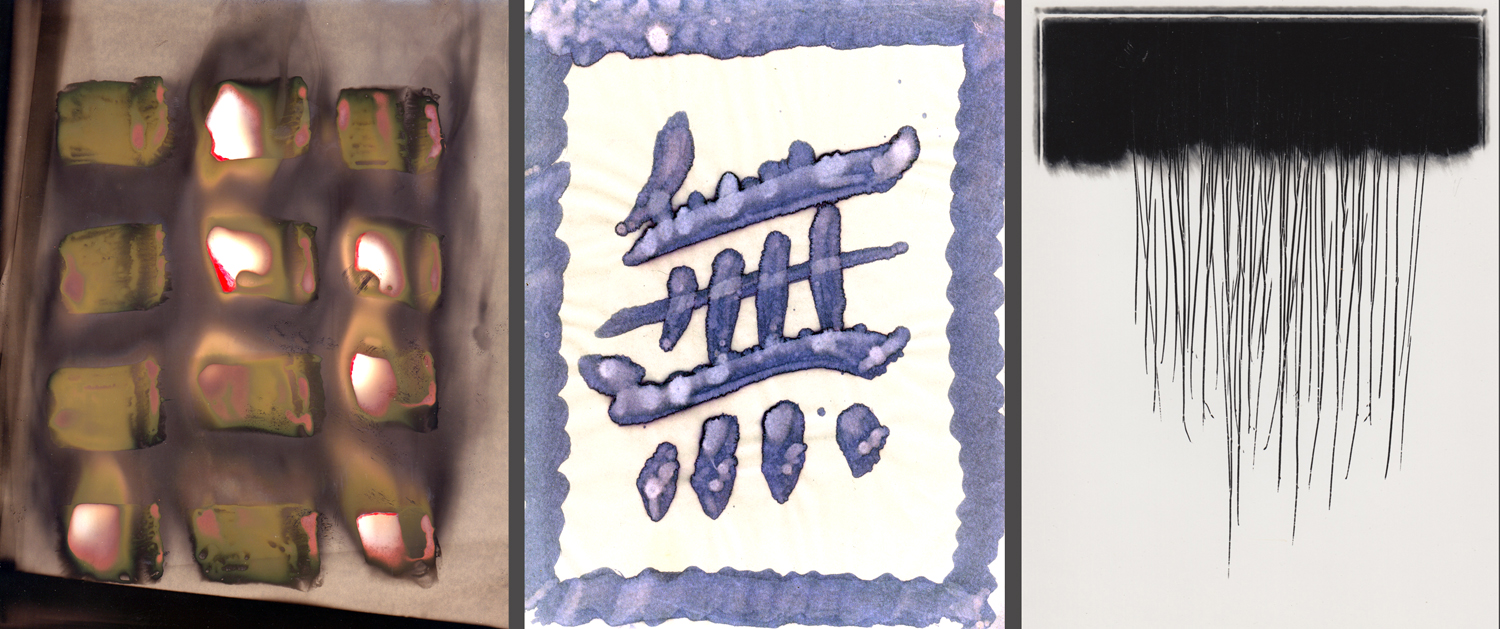
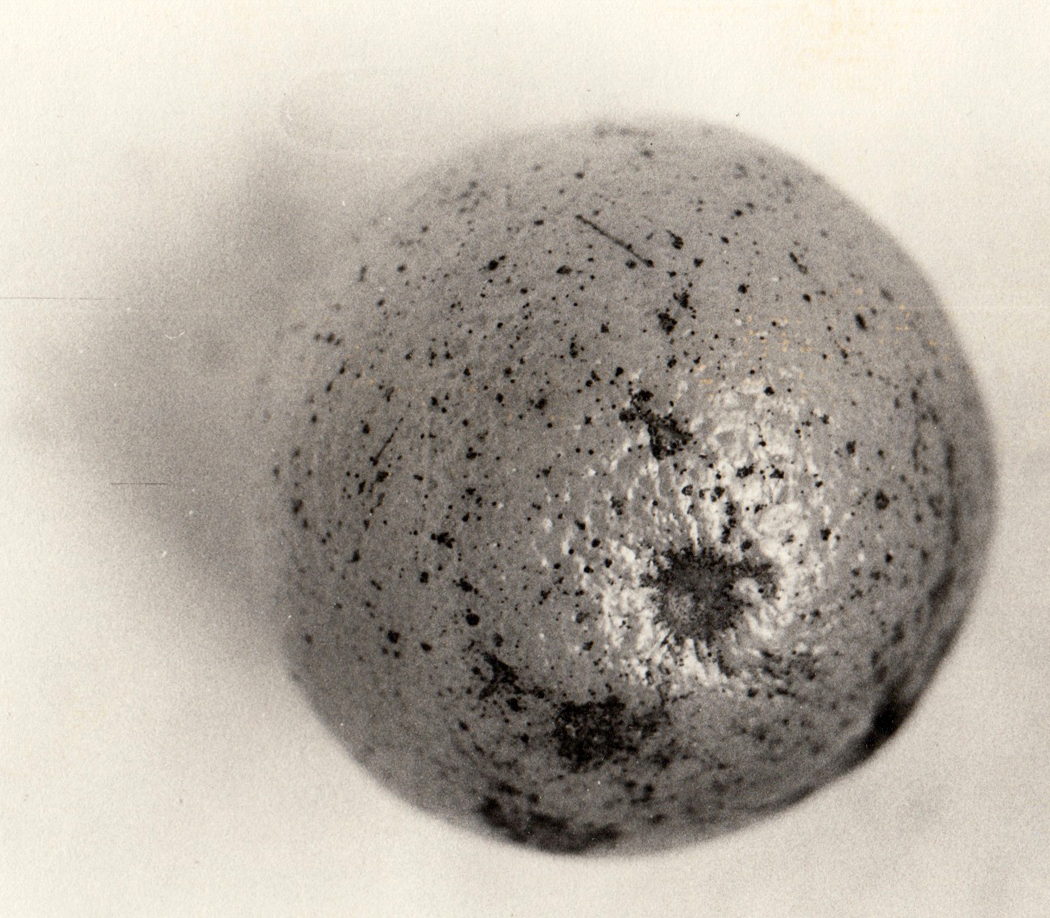
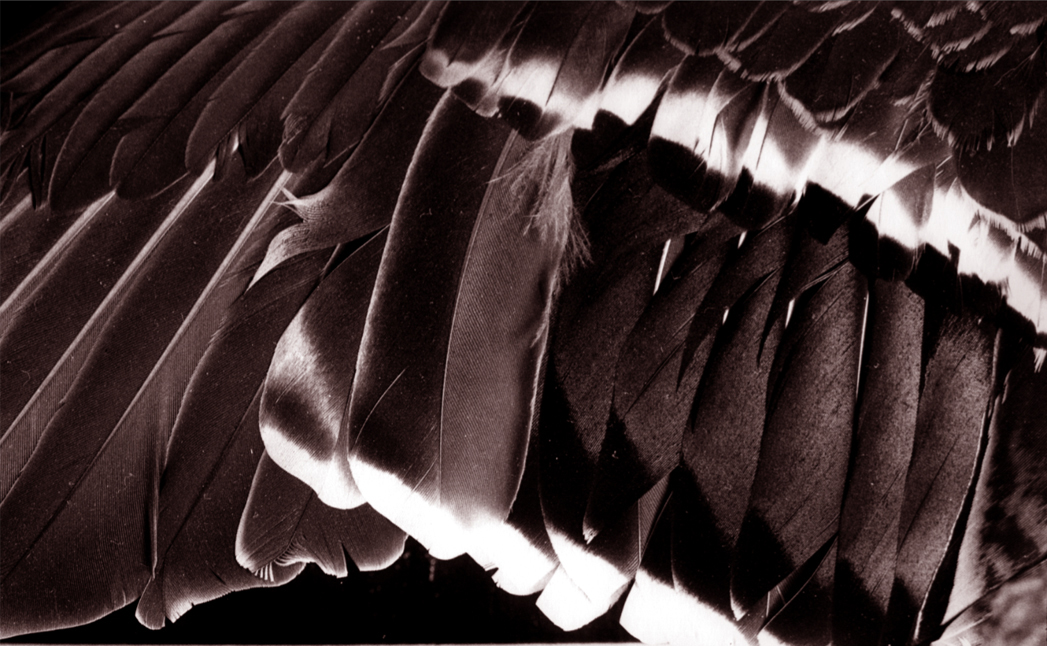
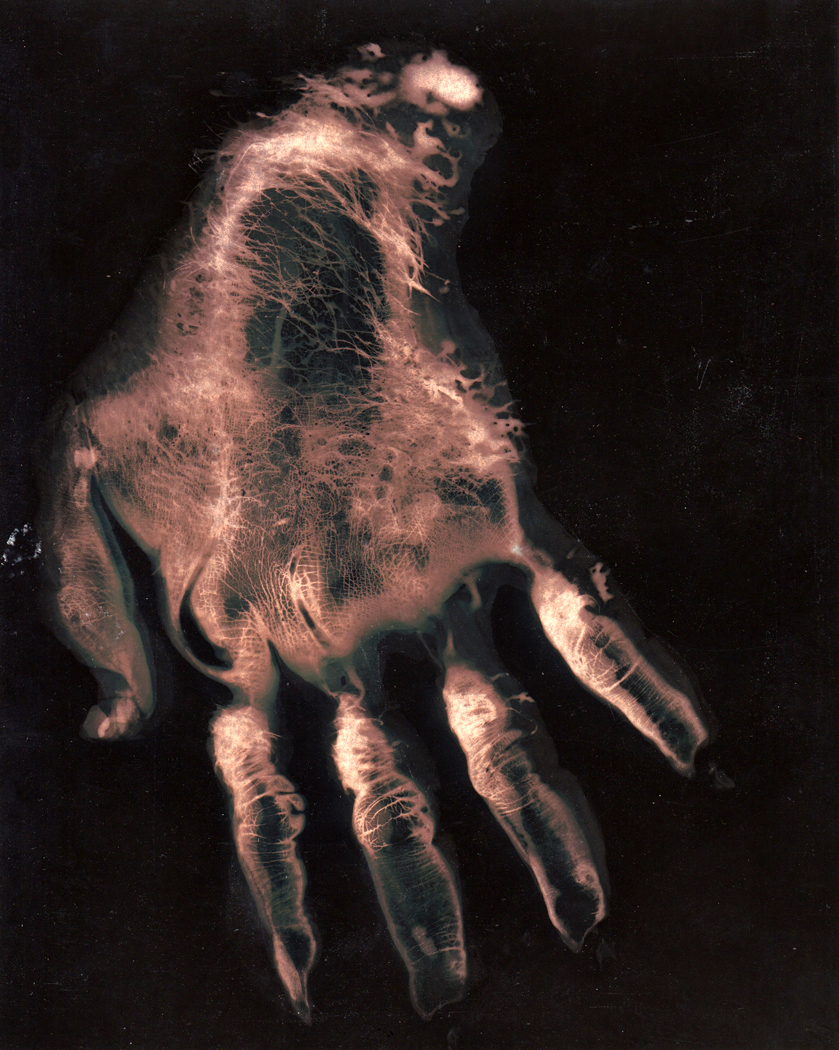
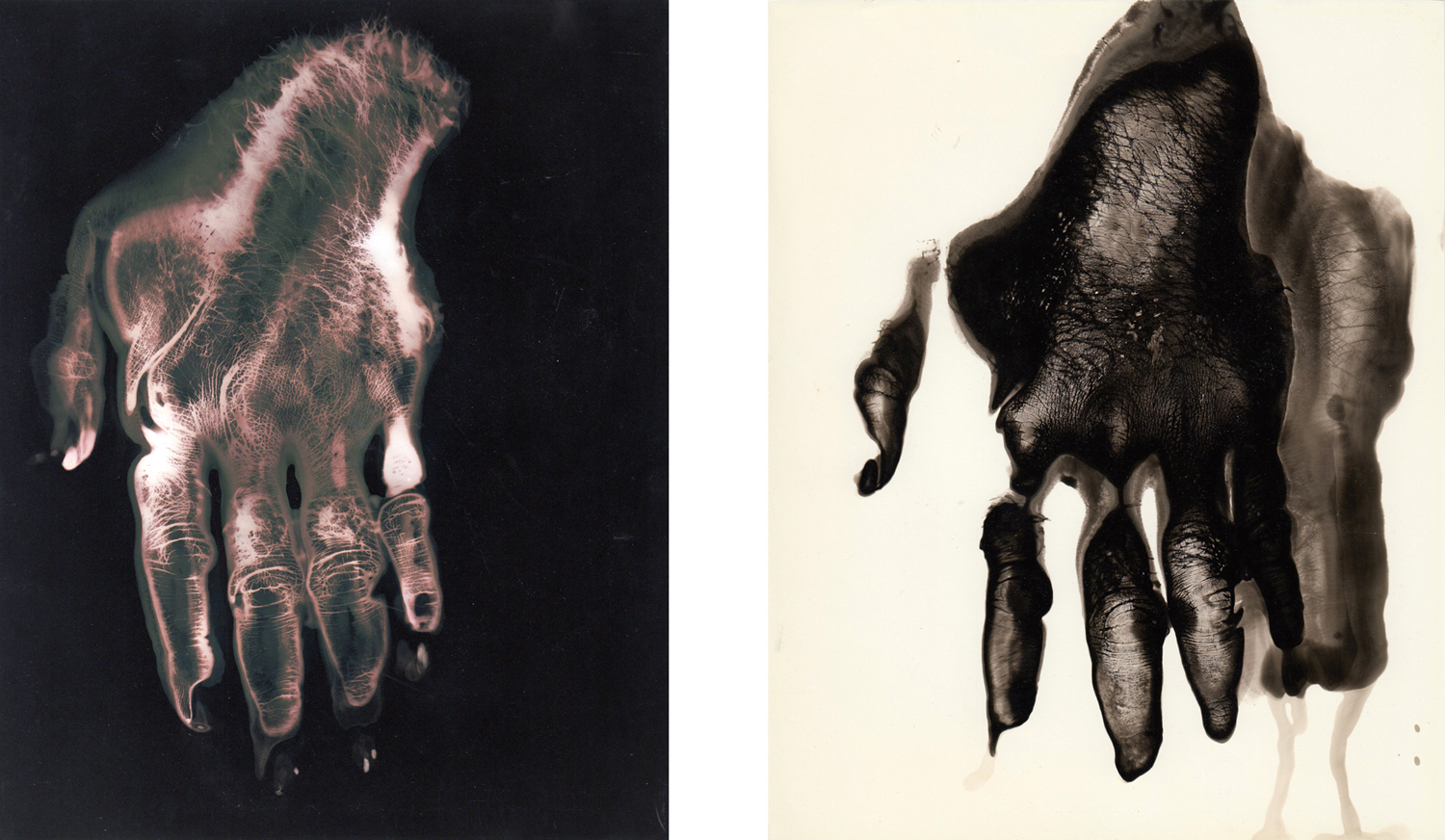
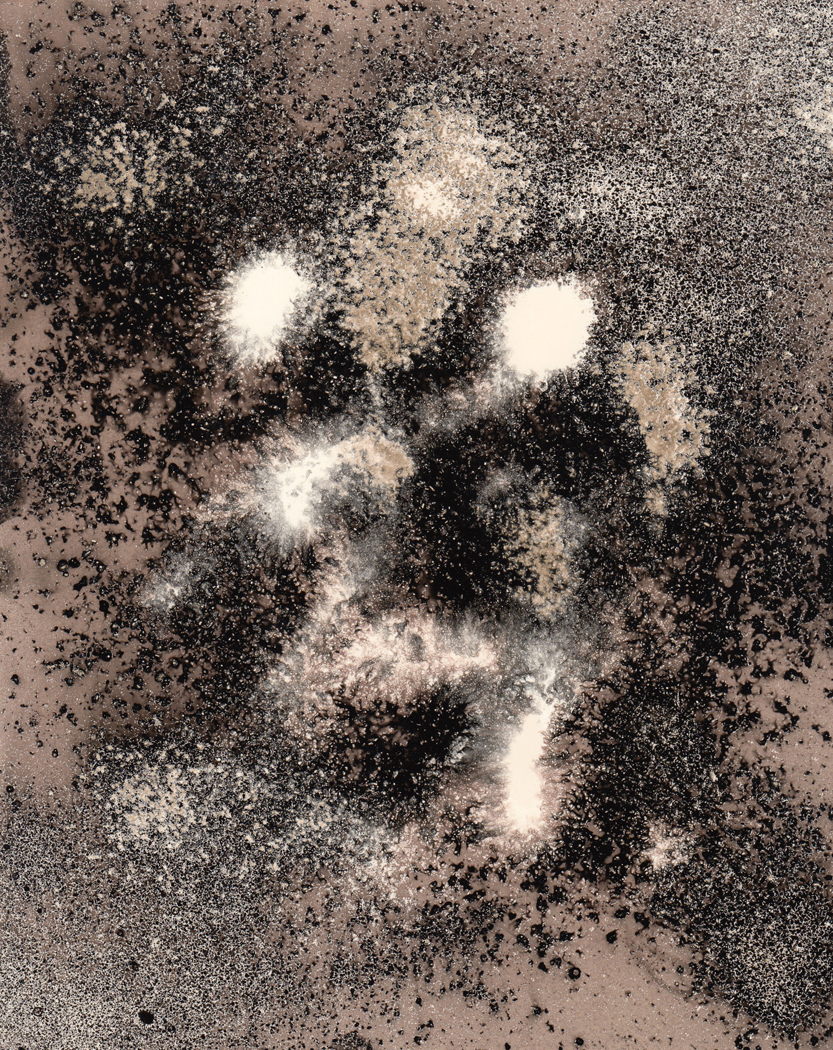
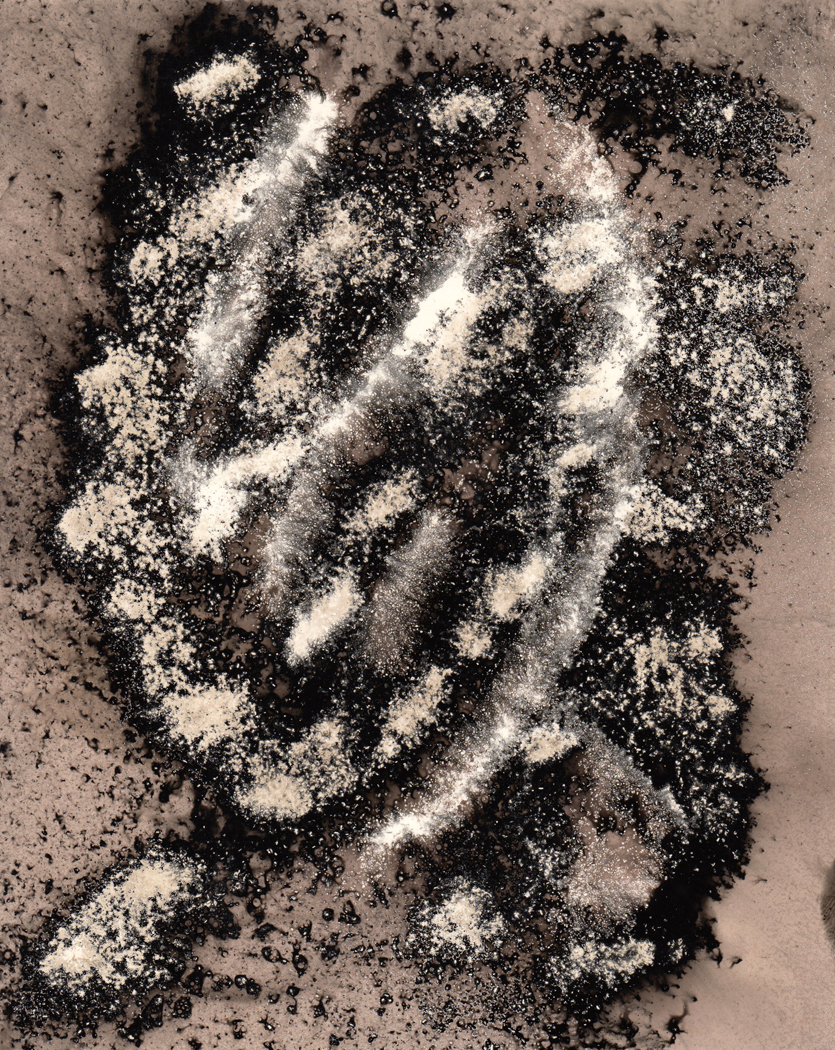
And I tried many experiments, with chemicals and printing papers, seeing ways to make something like abstract art.
Yet, even while teaching photography, I wrote out instructional sheets for my students, and tried to be at least a bit amusing in them. My four main rules for better photography were: “Get close; make sure your lens cap is off; hold the camera steady; get closer.” Just these rules will improve the beginner’s pictures by a proven 800 percent.
All this takes me to the late 1980s, and a major change. My department head at the school saw the handouts I had written for my students, and decided I had some talent for putting words together. She knew the Norfolk newspaper was looking for a freelance art critic, and suggested I write some sample art reviews of local shows. I wrote one about a new Edward Hopper painting bought by the Chrysler Museum and The Virginian-Pilot printed it and signed me up. For a year or so, I wrote a review for each Sunday edition. The extra income helped.
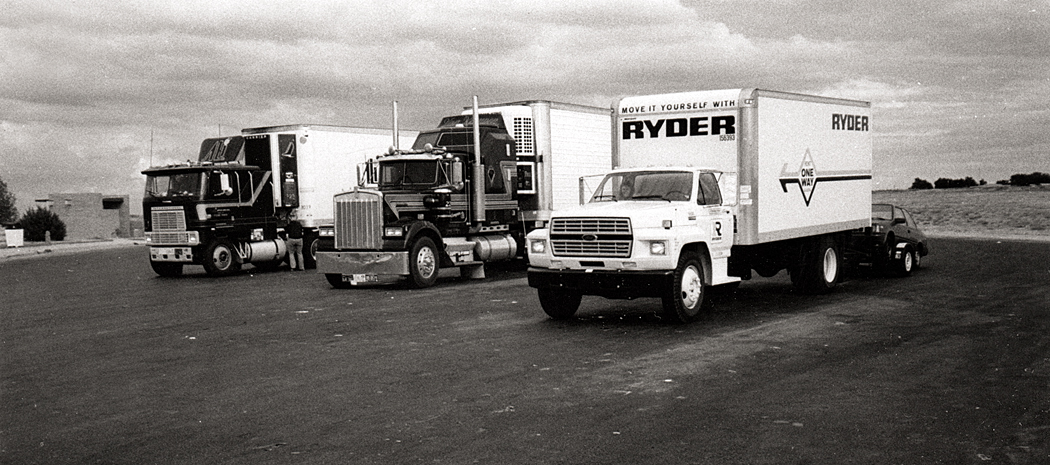
Truck stop in Texas
In the mid-’80s, my wife got a job offer in Arizona and we piled everything we owned into a Ryder truck and crossed the country, towing our car and keeping a cat in the cab the whole way. I applied for a job at The Arizona Republic, based on my experience with the Norfolk paper. To my great surprise, they hired me. I became a writer.
For the next 25 years, I functioned as an art critic, a travel writer, an editor, and, eventually a critic writing about classical music, ballet, architecture, theater, and movies. For many of the pieces I wrote, especially interviewing artists, I took my own pictures.
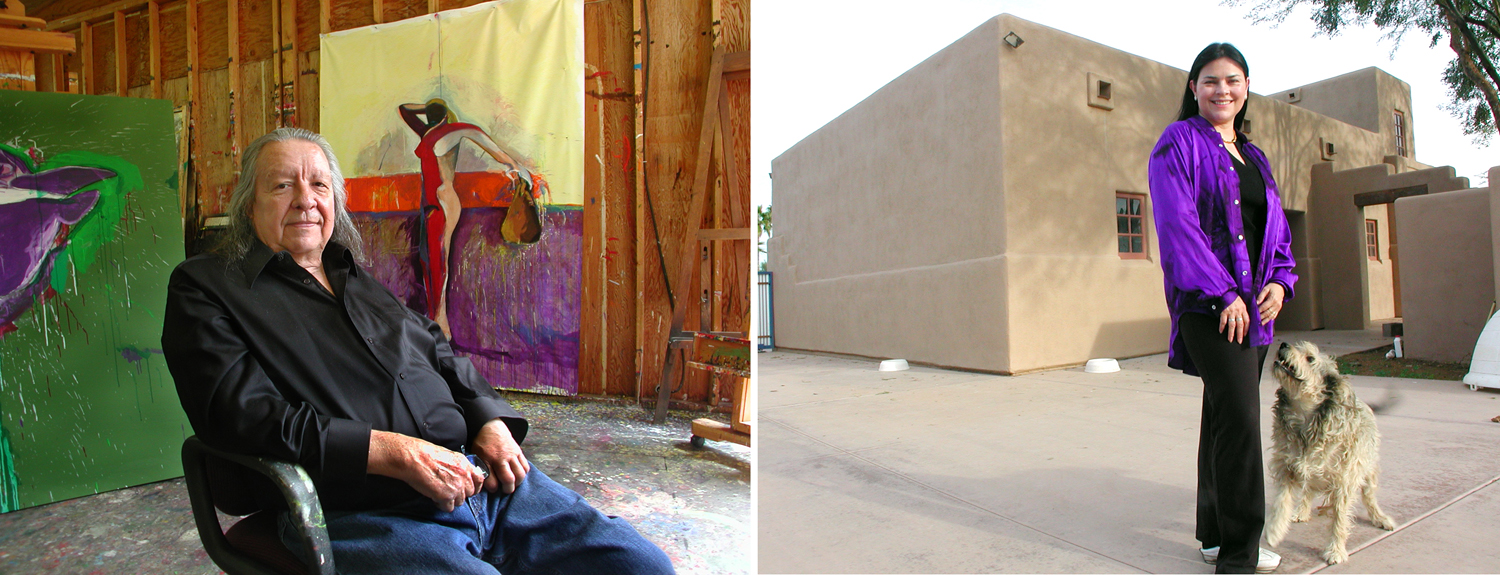
Artist Fritz Scholder and novelist Diana Gabaldon
The Republic was generous in sending me off on travel for stories, including a trip to South Africa, and I used my vacations as source for many of my other travel pieces.
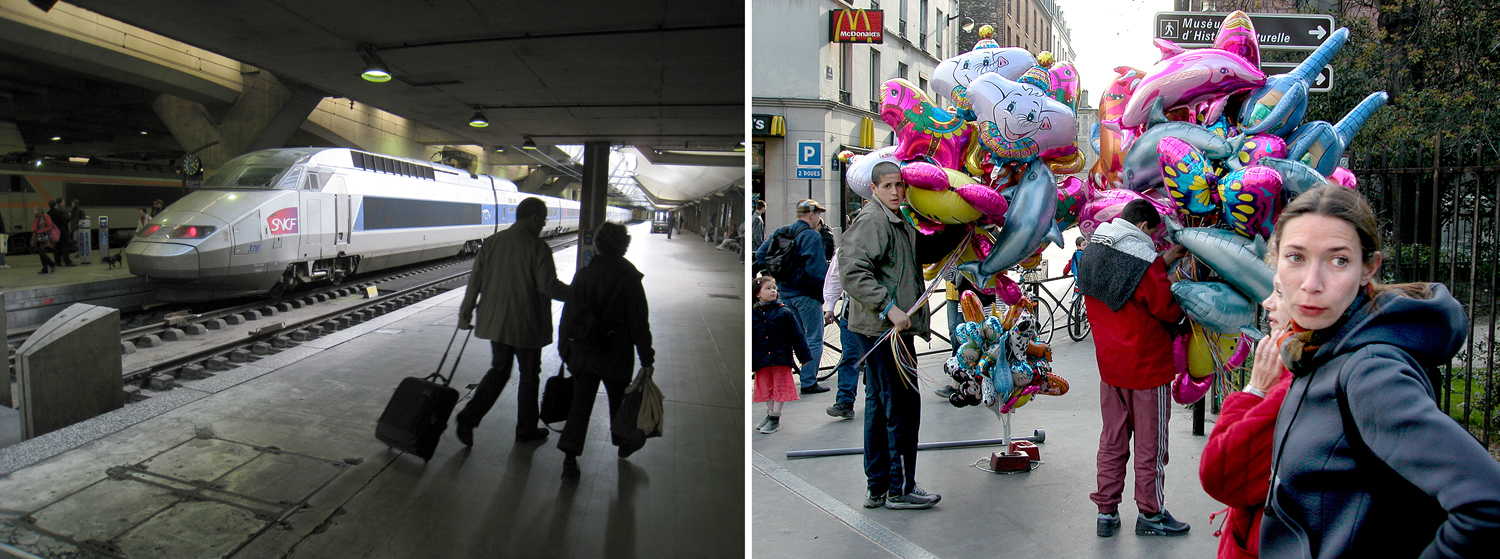
Paris
Such photographs were journalism (not that there’s anything wrong with that). But I never stopped making my own work. But there was a growing difference. The formality of my past work had loosened up. I was no longer concerned with the silly strictures that had been so important to the art photography movement from the ’50s through the ’80s, when cropping was thought a sin, the Zone System was the magic elixir, and documentary fidelity was a jealous god. It all began to seem quite beside the point.
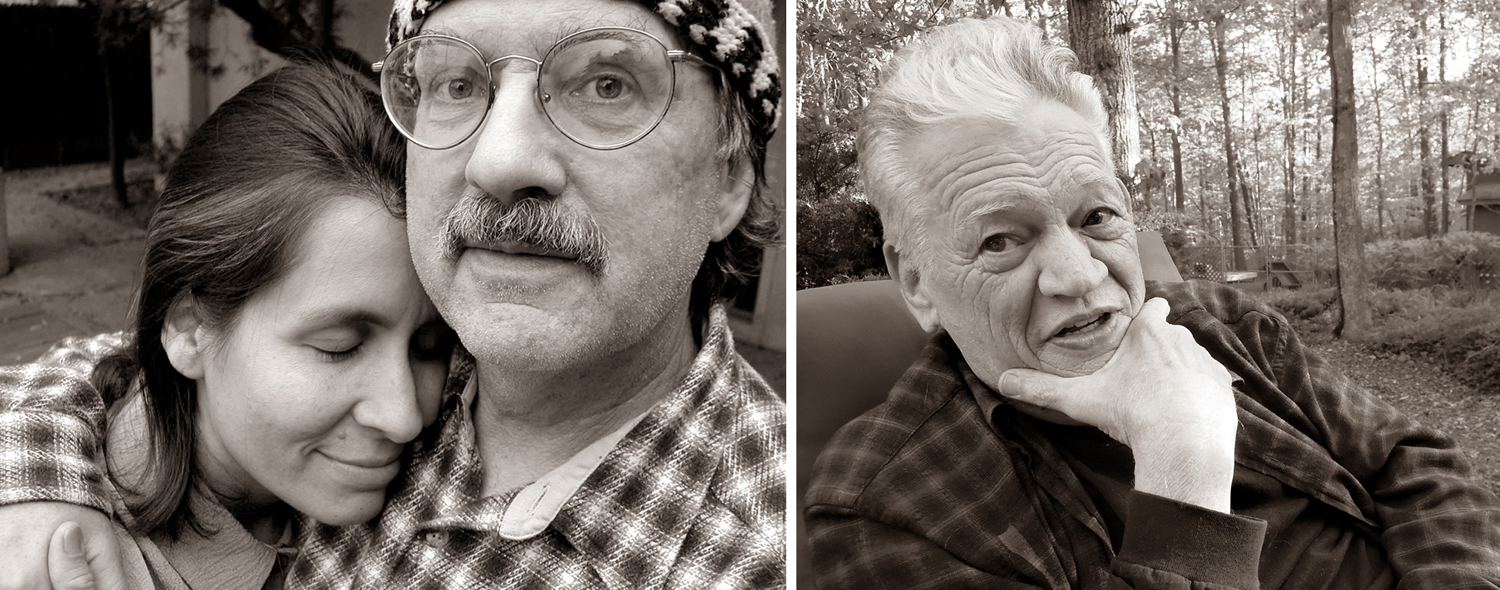
Curtis Beckman and Isabel Fierros; Mel Steele
My portraits became warmer, more human.
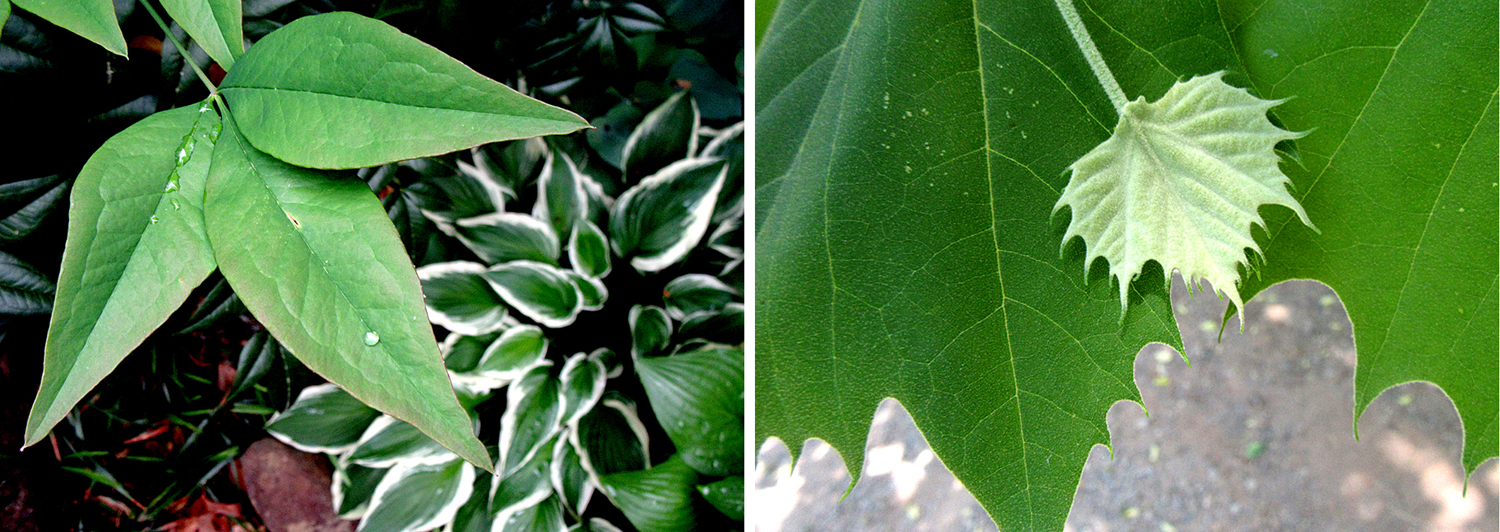
Landscapes tended to shrink down into details. In fact, the whole change in my approach was less a concern with art and all its concern with composition and metaphor, and more a means of focusing my attention. Paying attention to the world became the aim. The image was merely the by-product. I mean, how many greens are there? Pointing a camera can make you notice such things. They are important.
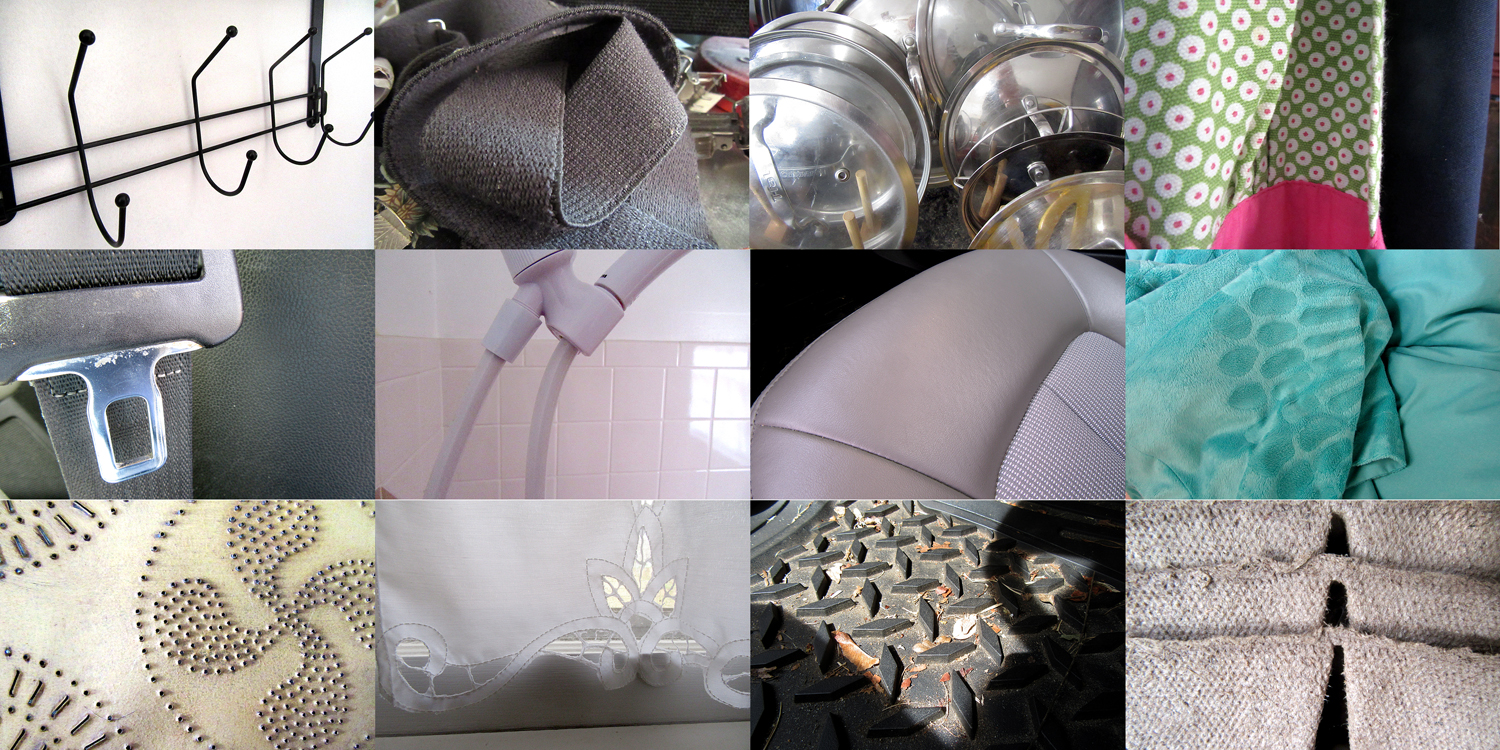
And so, I found myself “pecking,” in the word that Lee Friedlander uses. I would see some detail and try to make it work as a design. They were often random things in the house or car.
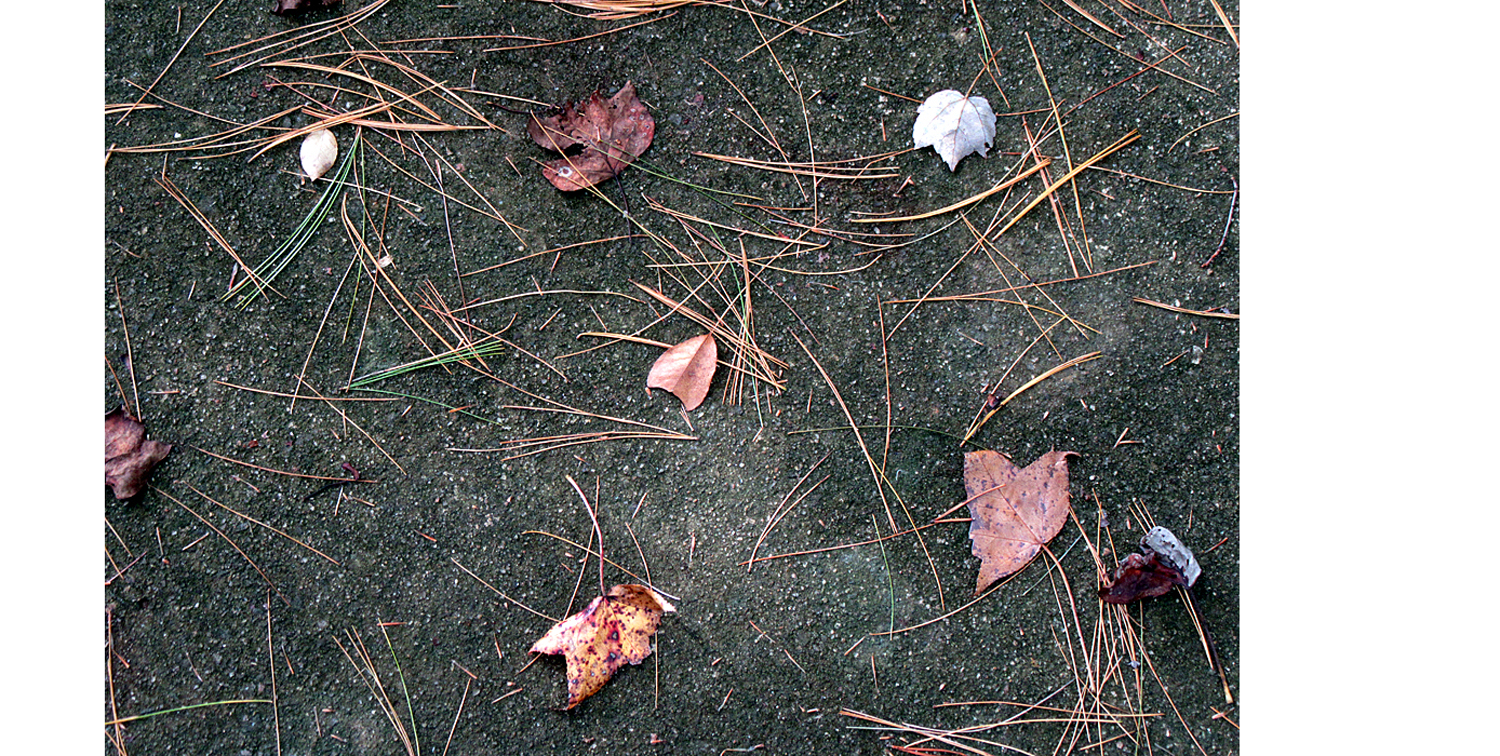
The natural world was infinitely various, and seeing the bits that made up the whole drew my attention.
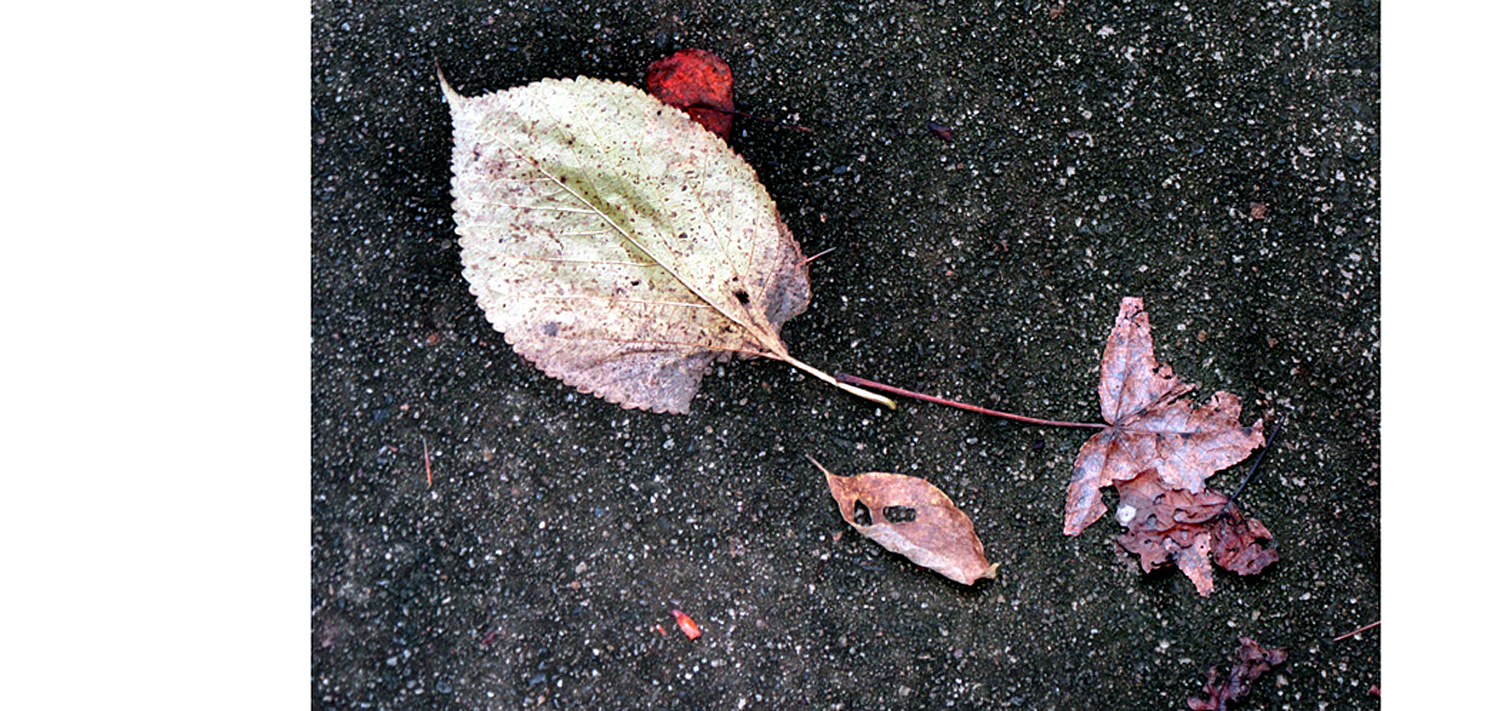
There was texture, rhythm and physical presence in these minor, normally unnoticed micro-worlds.
I also found the images worked better in groups, and so I began making sequences, mean to be seen almost as a visual story. Individual images became less the point, and relationships from one to the next took over.
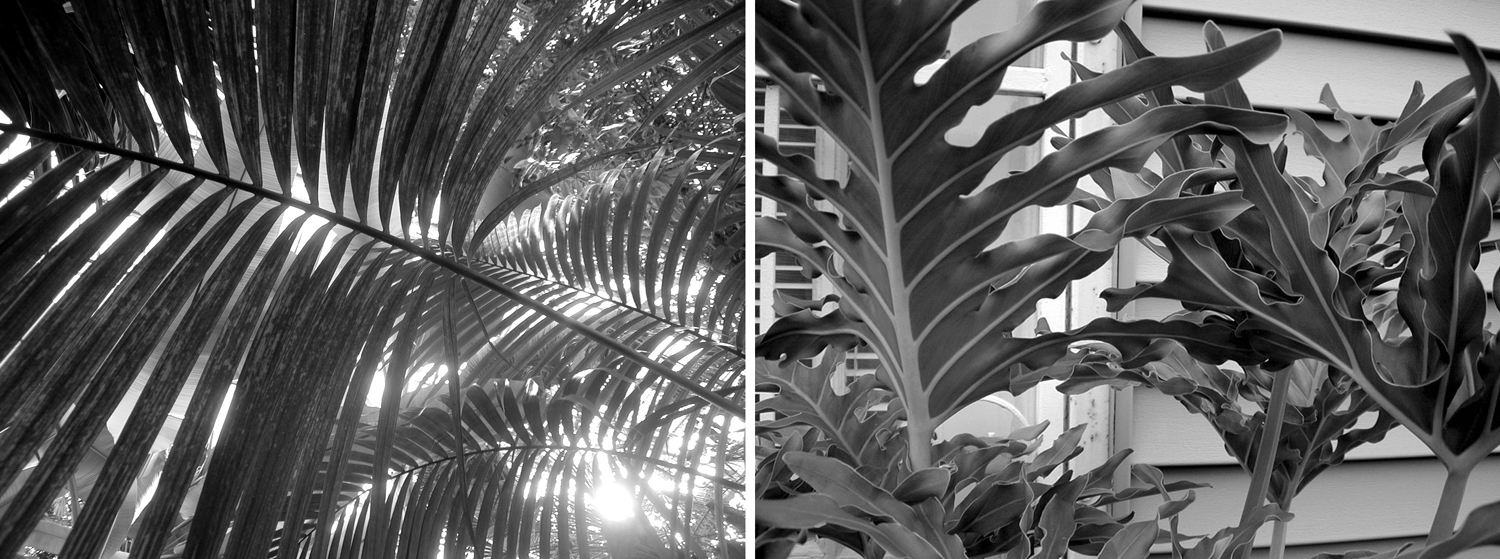
Jardin des Plantes, Paris; Judy’s garden, New Orleans
With my interest in natural details and vegetative profusion, I started a series of garden sequences, each group containing from 10 to 20 related images. I made series in friends’ back yards, public gardens, anywhere plants defined space.
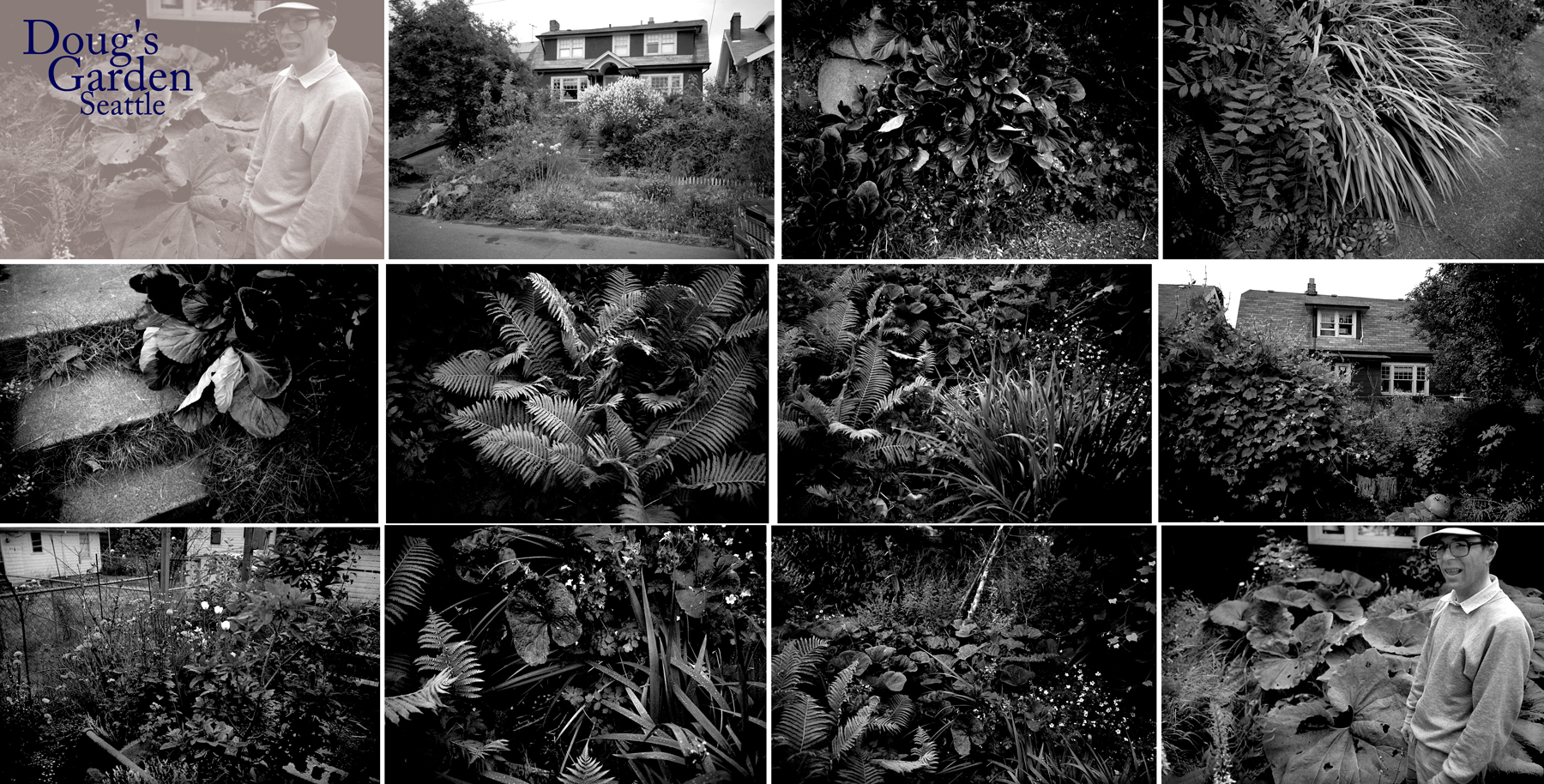
Doug’s garden, Seattle
I love gardens, but I love weeds, too, and trees. There just seems such a rich variety in nature. But, again, I wasn’t no longer thinking of the work as art, although I don’t know what else you could call it.
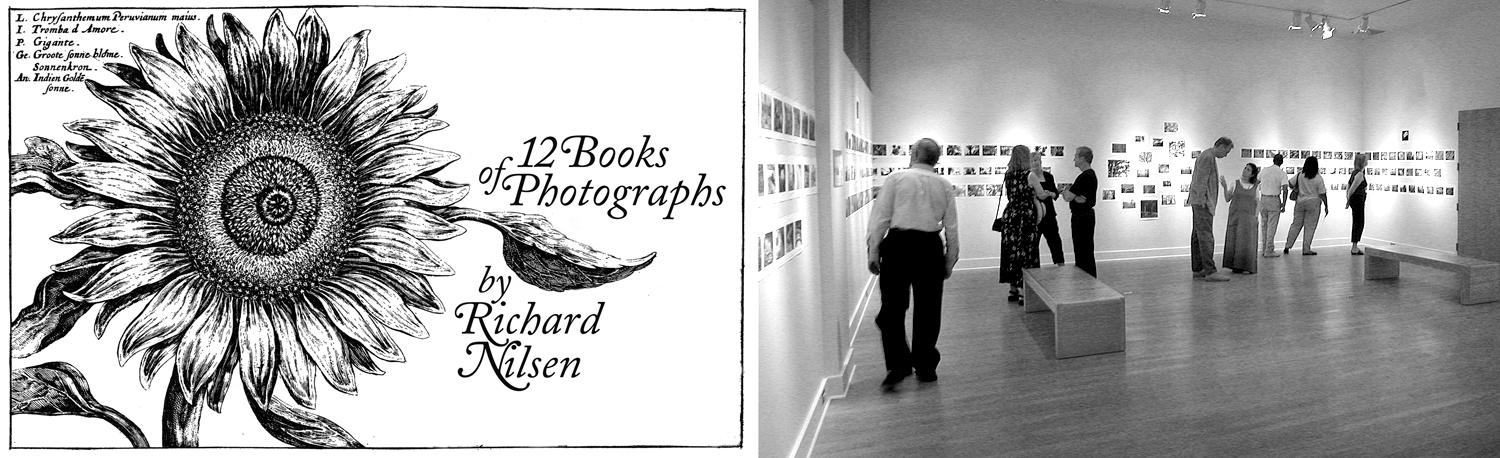
Title sign and opening at Tidewater Community College, Portsmouth, Va.
At one point, I gathered about a hundred images, organized in 12 “books” and was invited to mount a show at my old Virginia school.
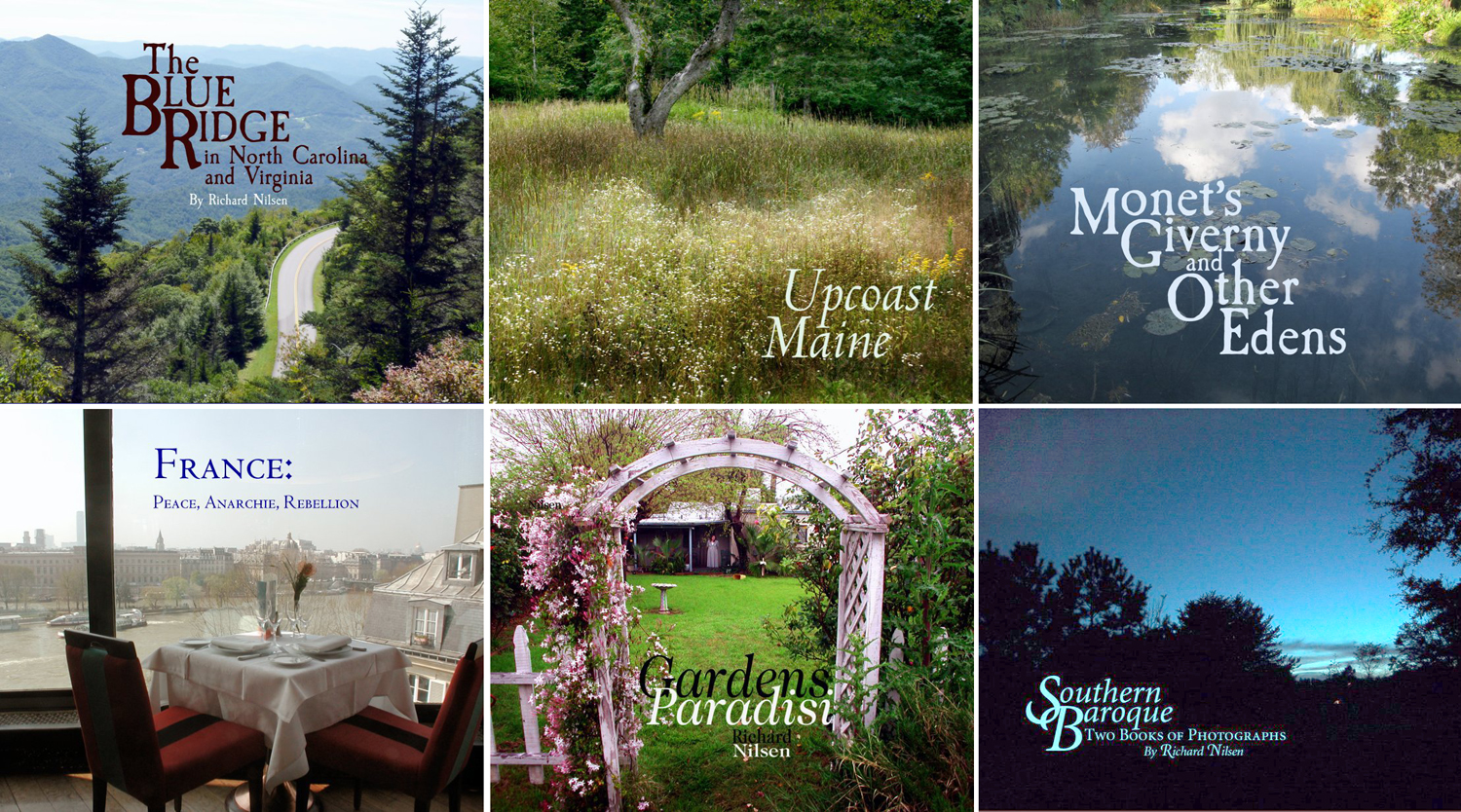
To make these series more palpable, I began making a series of bound books, using the Blurb app, and have now assembled 14 volumes. They look good on my bookshelf, and I’ve given away many copies, but they are, after all, just vanity projects. But, boy, they do look good.
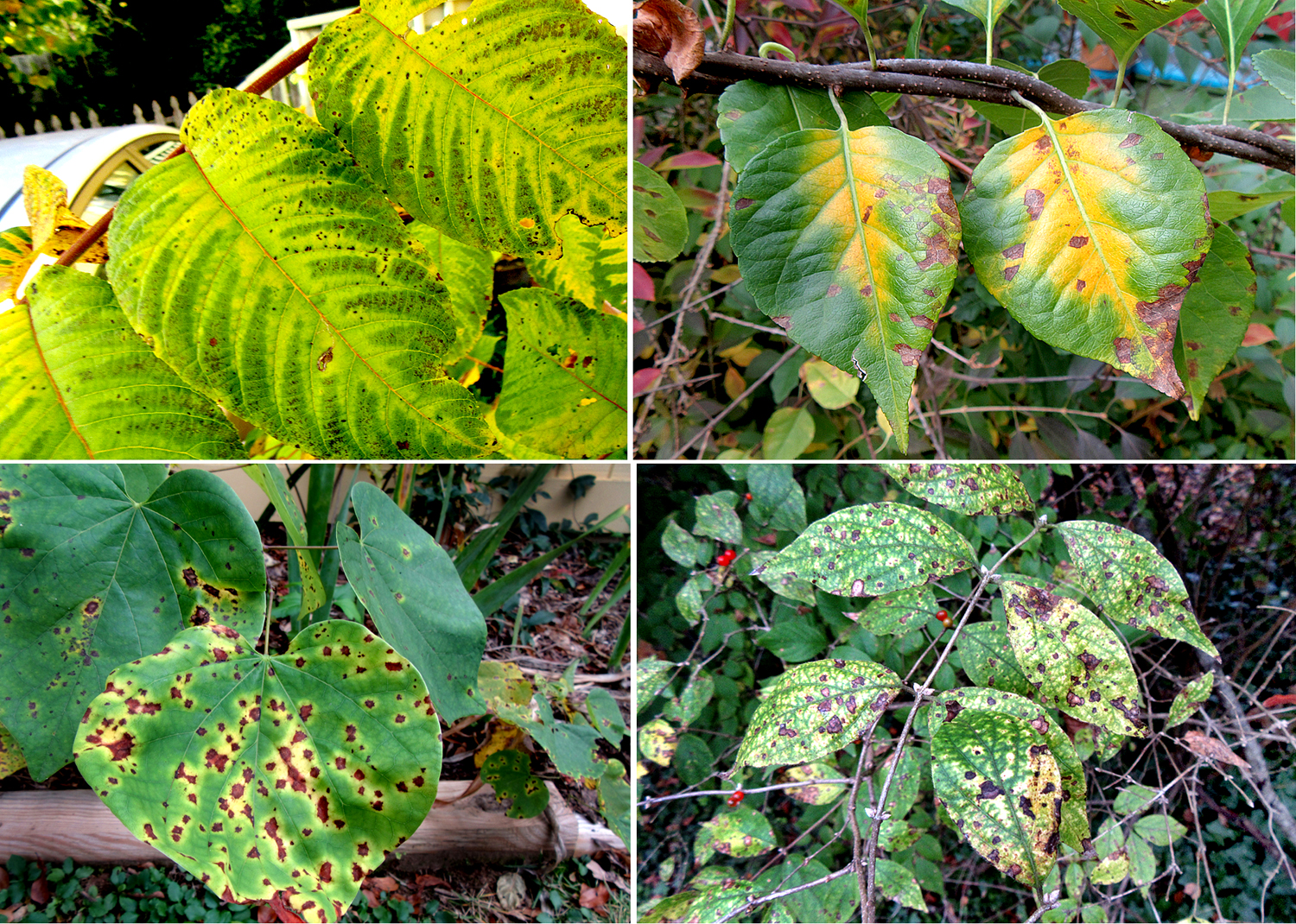
When I was younger, I tried to make art; now, I don’t care about that: I concern myself with looking, paying attention, becoming immersed in the world I inhabit. Photography is just the means I have to focus my awareness. Being more aware is being more human.
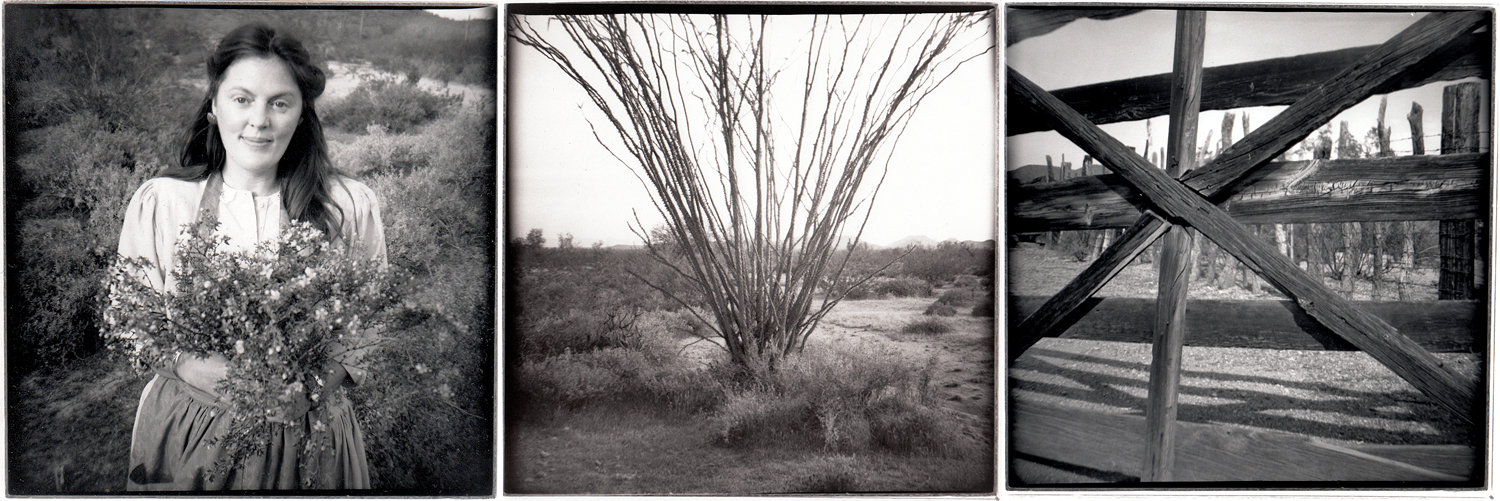
This freeing up of my intention also let me play around more. I bought a $1.98 Diana camera and took it to Organ Pipe Cactus National Monument.
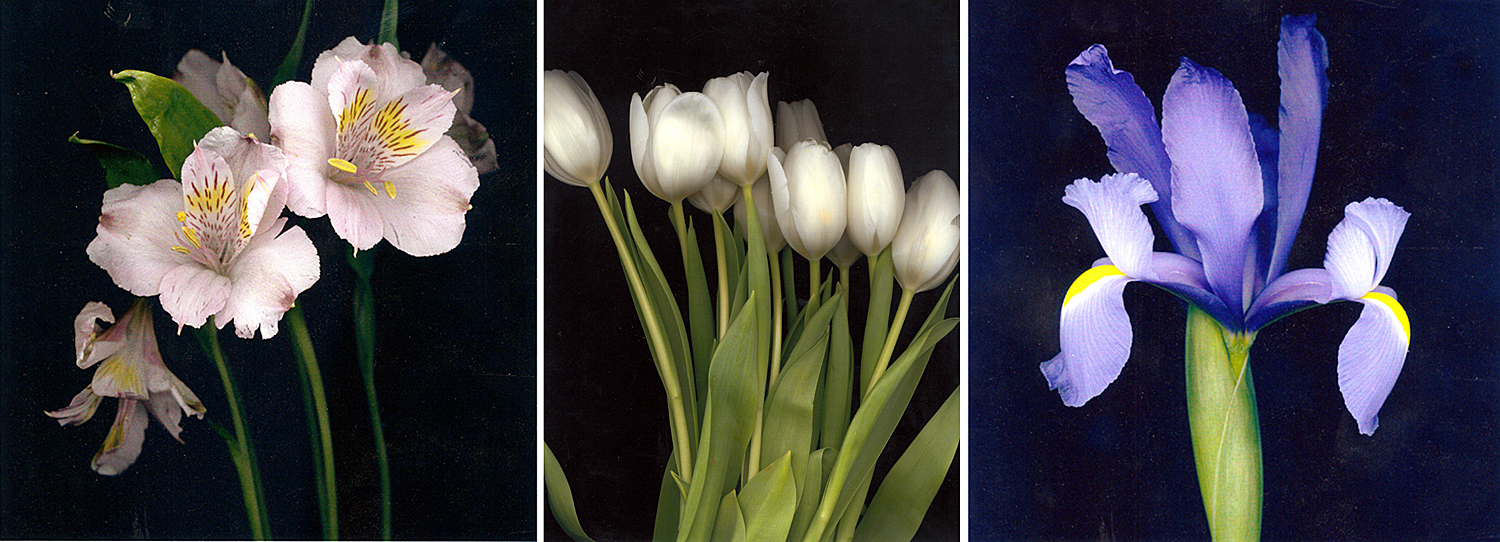
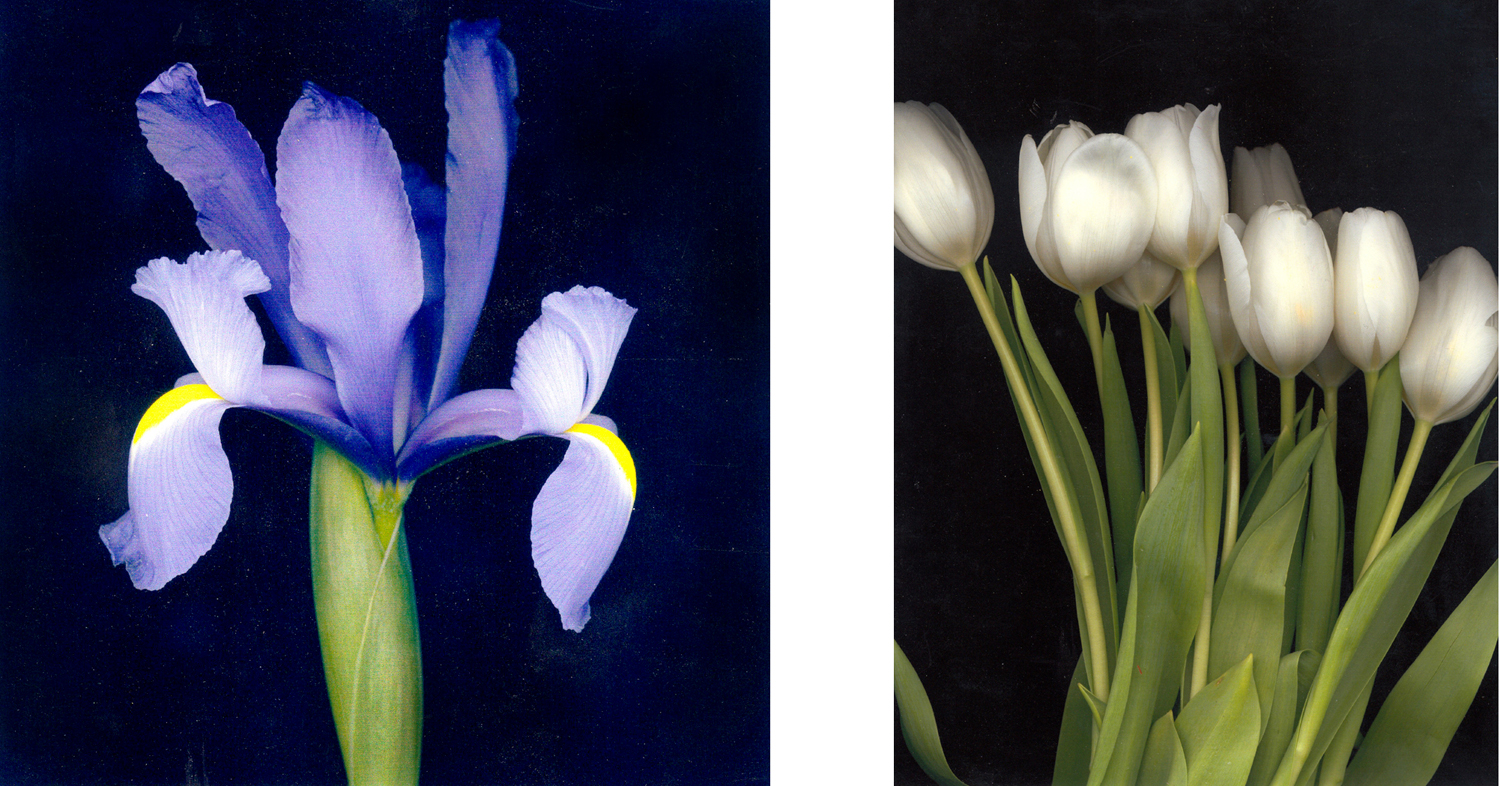
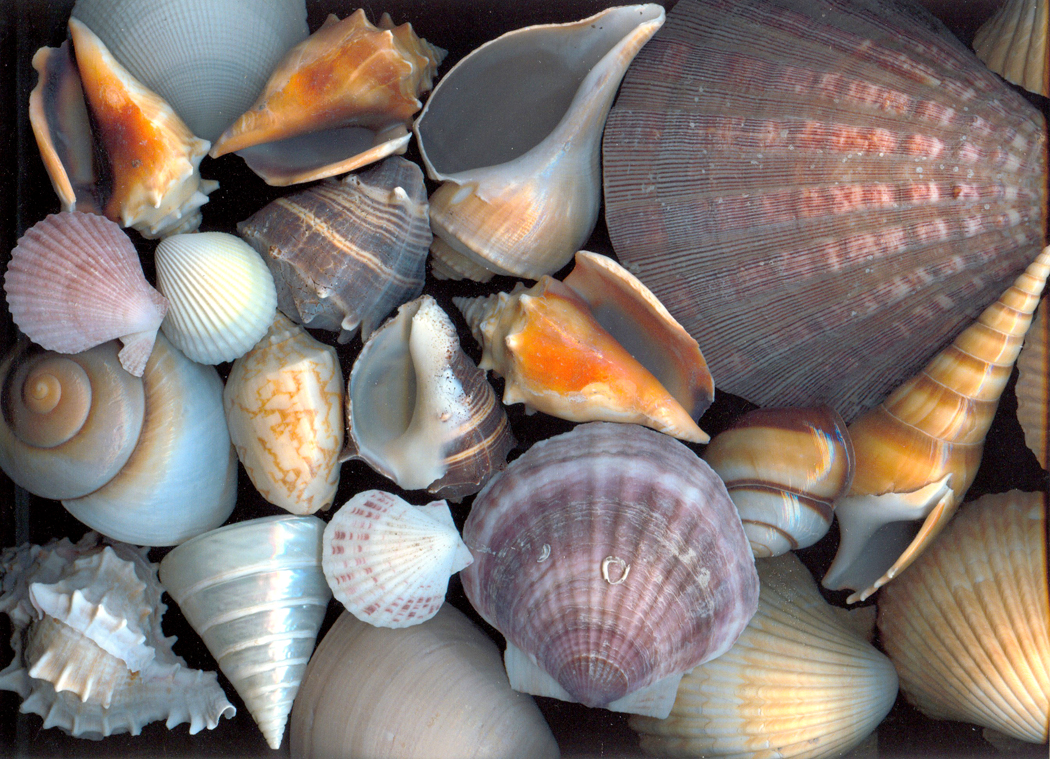
I made a series of flower prints by scanning them on a flatbed scanner instead of using a camera.
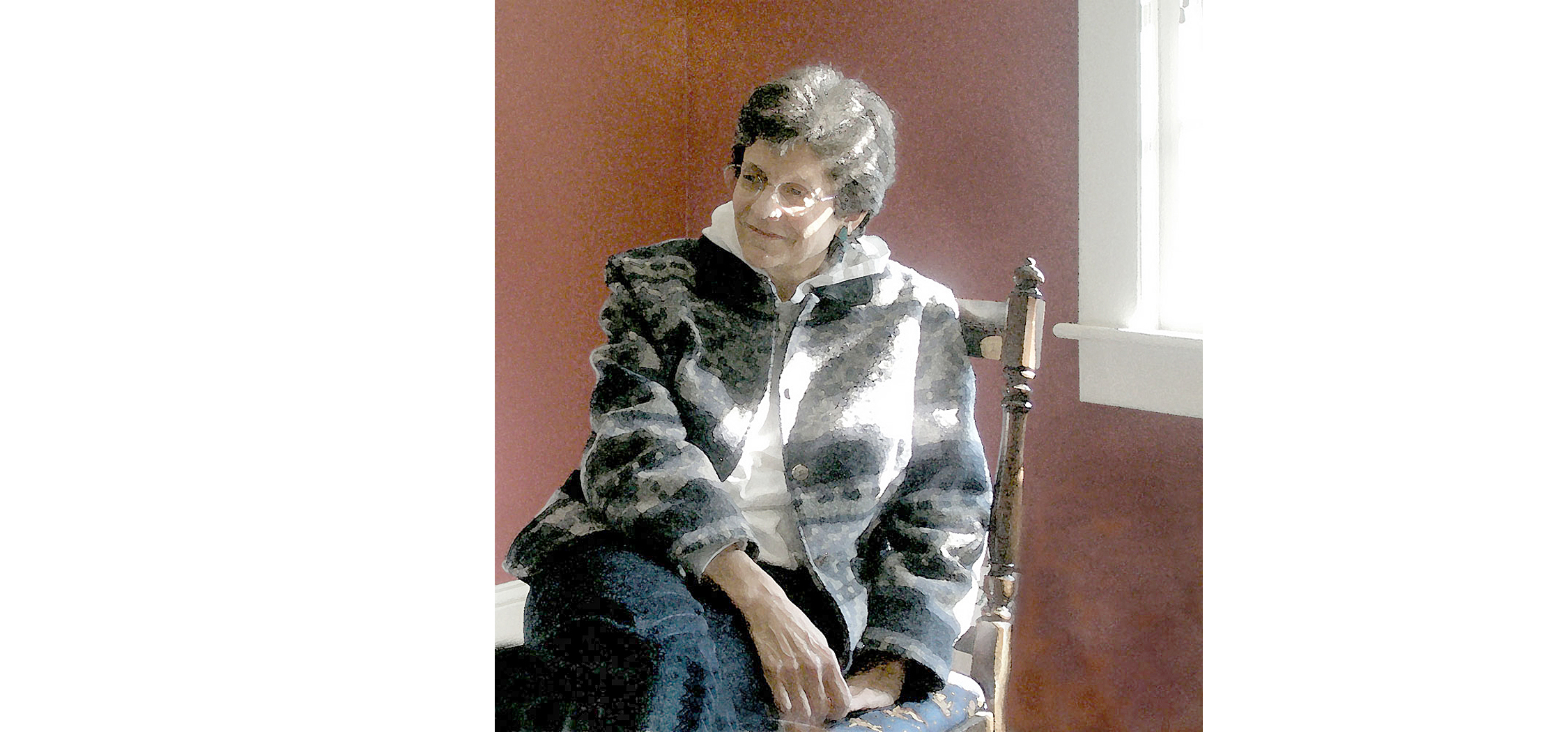
Anne Iott
Playing with the options of Photoshop, I made a faux watercolor from a photo of my college department head.
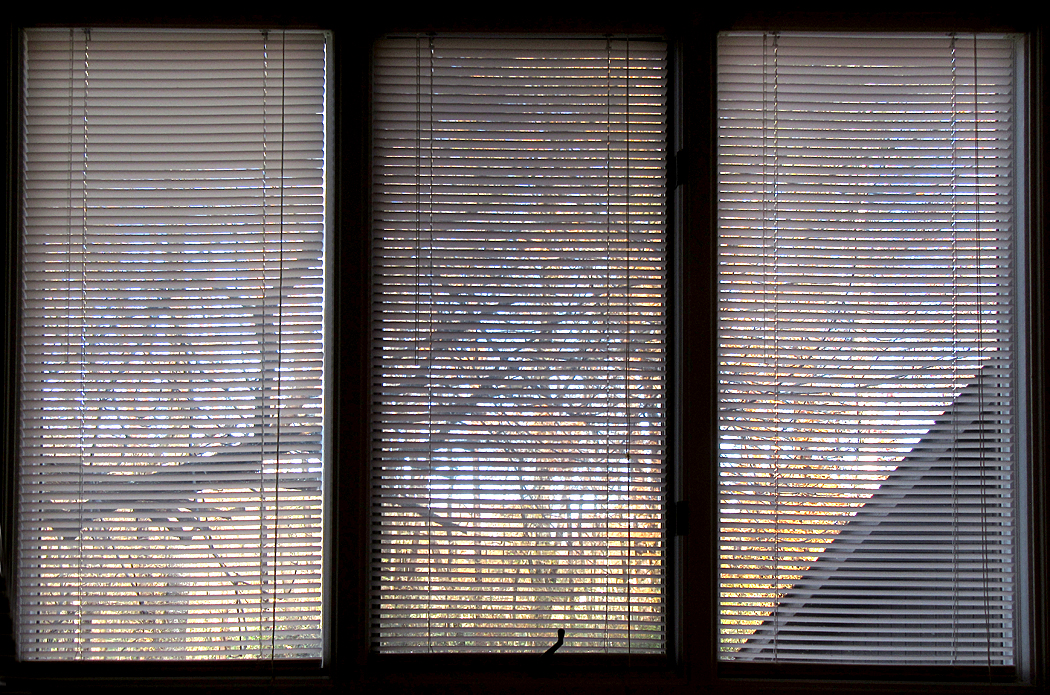
I woke up one day and noticed that sunlit trees outside my windows looked rather like images on a Japanese shoji screen.
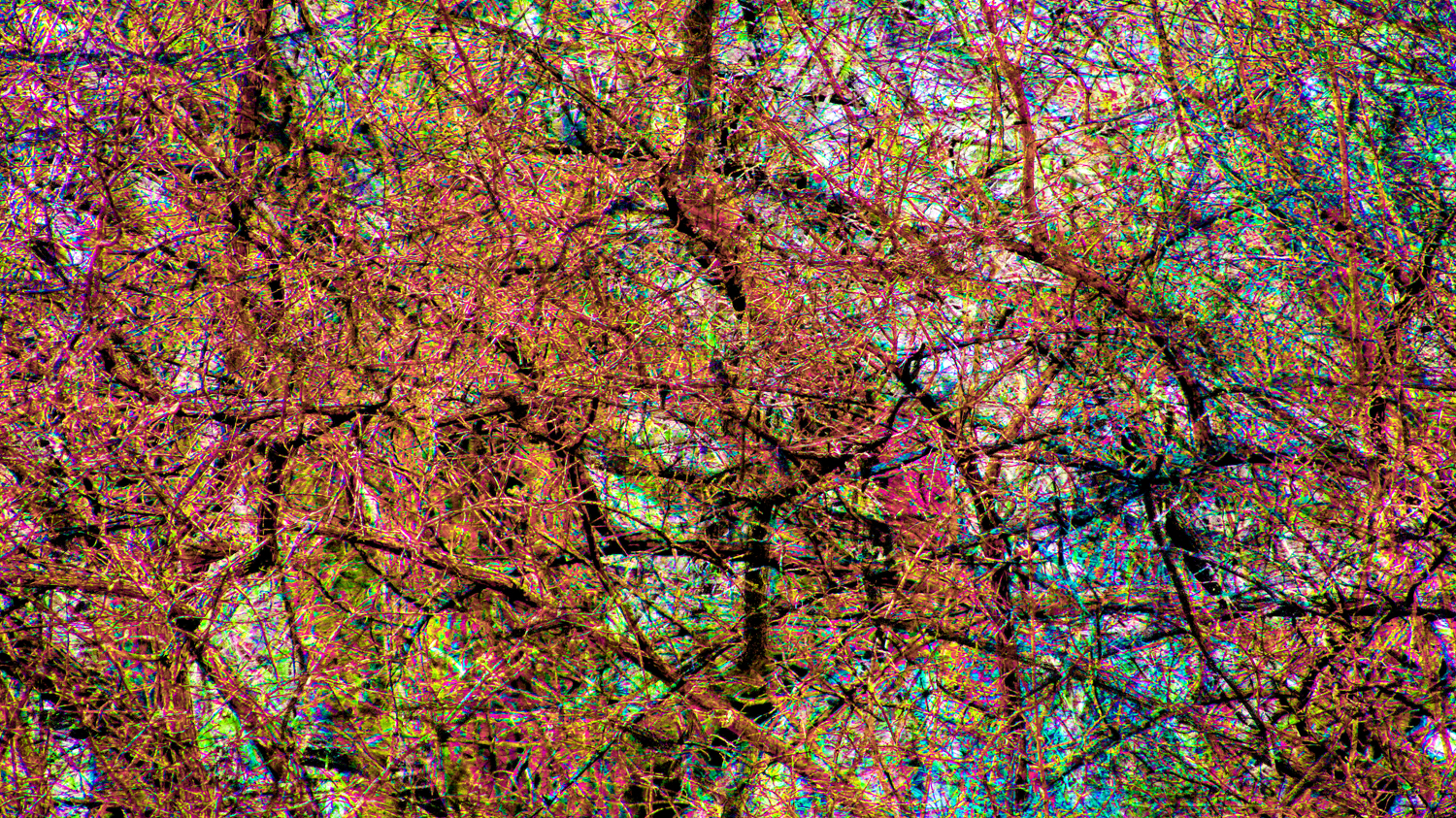
I used multiple images of crossed tree branches, overprinted them to make an abstract image, looking rather like a Jackson Pollock.
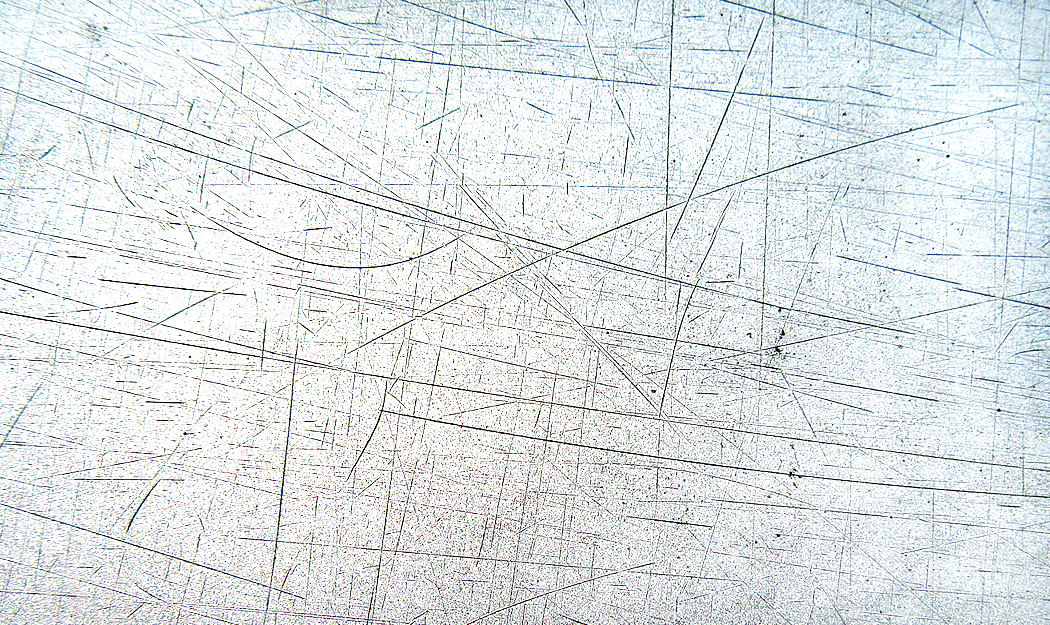
I found abstractions everywhere, including these micro-scratches in the silver paint of our old Buick, and looking rather like something from a Wilson cloud chamber, or perhaps a Cy Twombly.
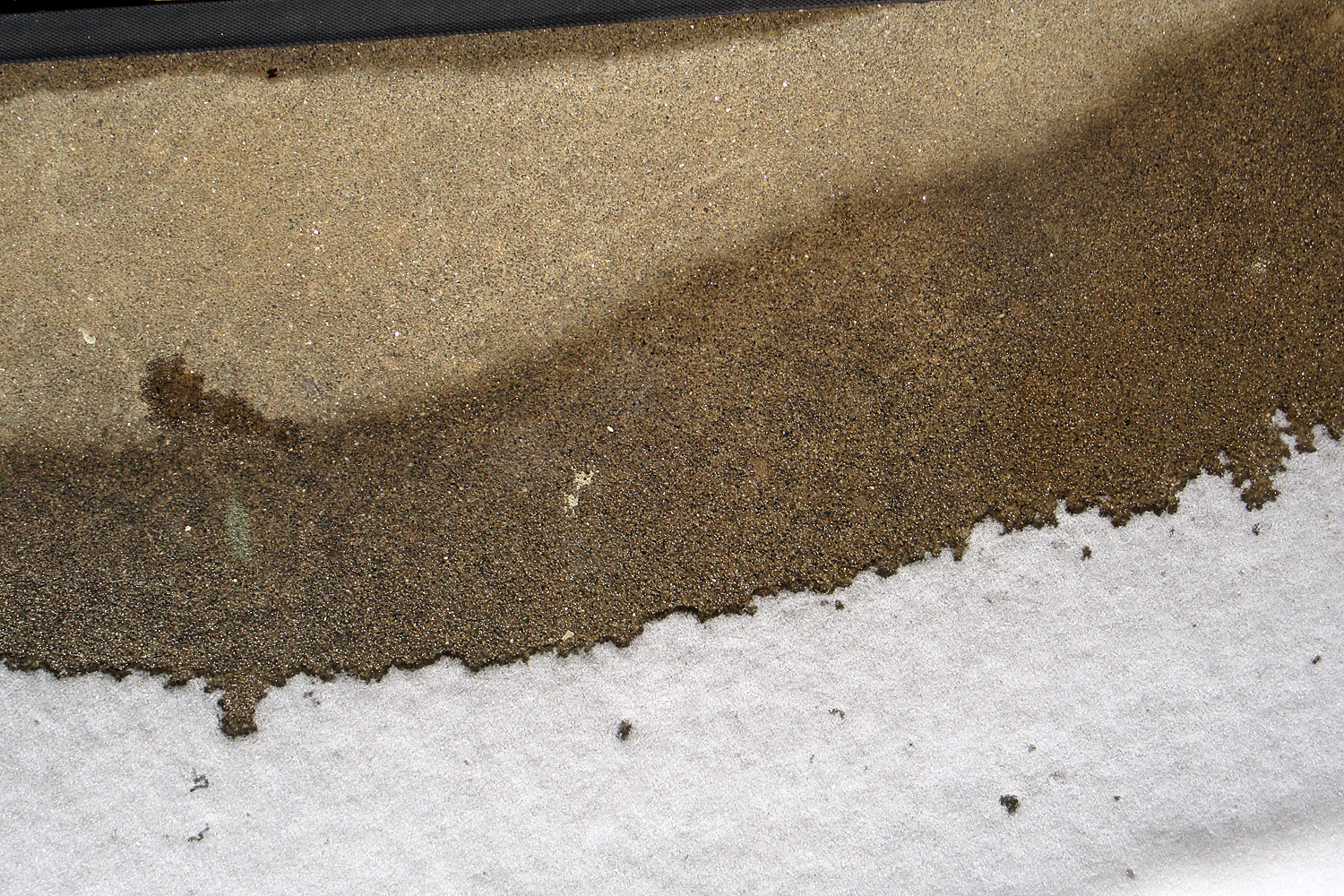
Snow melt on front stoop
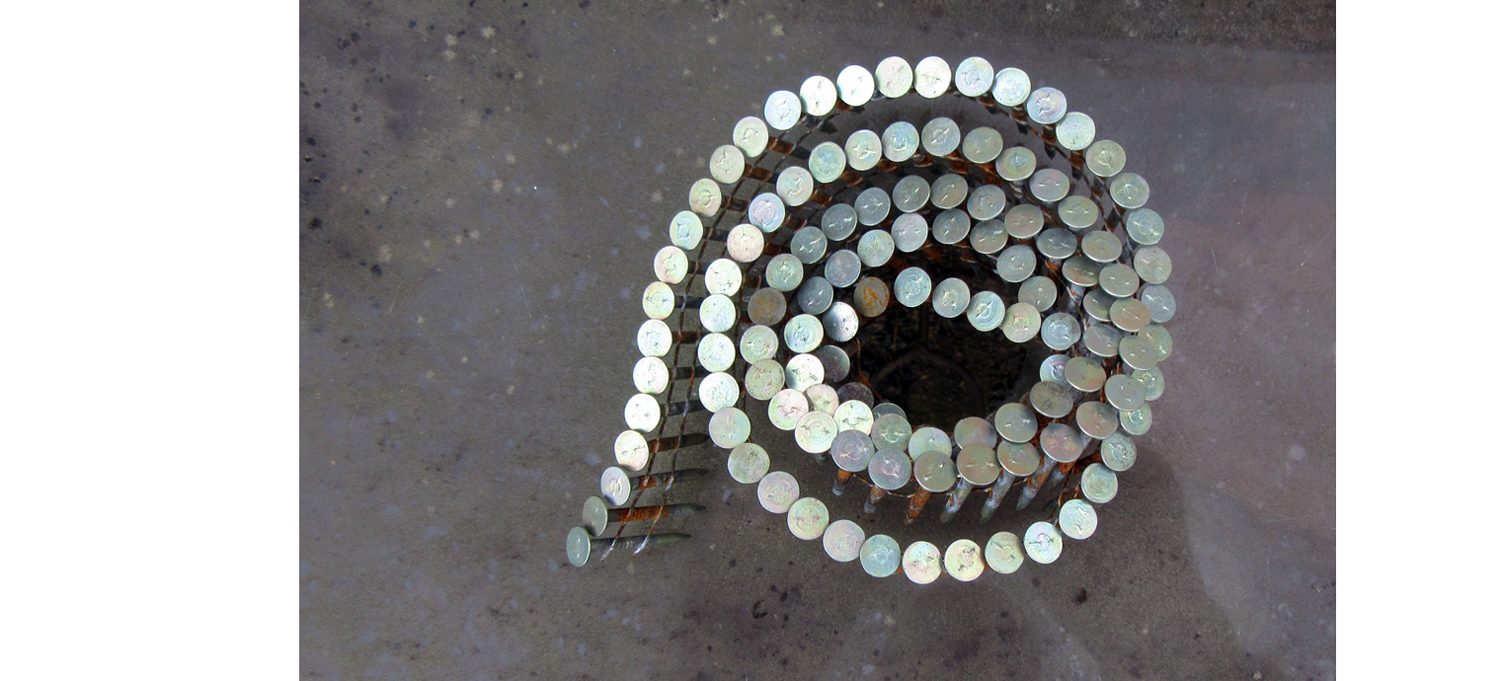
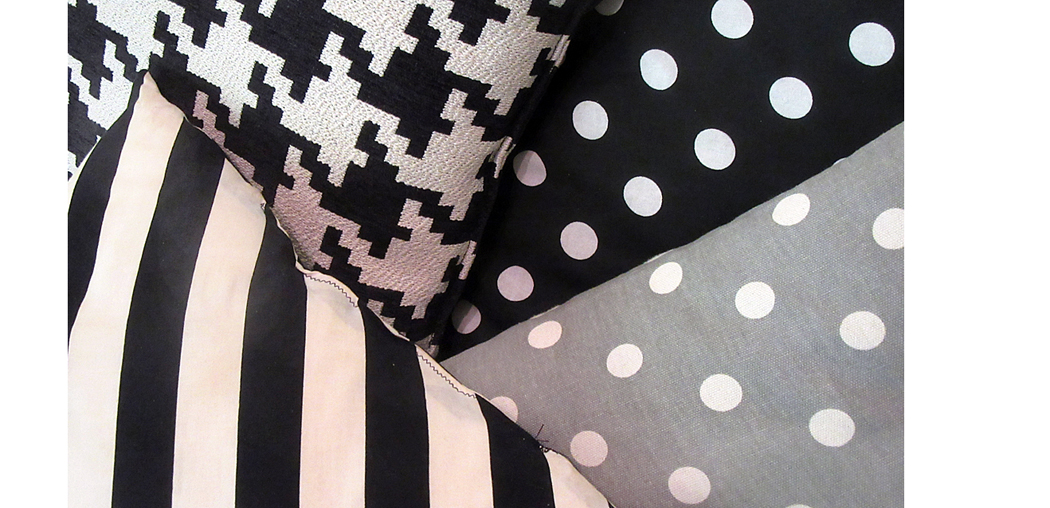
The more I looked, the more I found, turned into patterns rather than things you might name.
When I was a young man, I desired an audience. Having gallery shows or publishing books seemed to have a point. Now, I find I make images simply for myself. It has turned out true for my writing, as well.
For a quarter of a century, I wrote for my reading audience. If no one read what I wrote, I wouldn’t have been paid for it. And it was gratifying, I admit, to be recognized in the supermarket, or to have Richard Avedon write to me after having read one of my reviews. But it has now been 14 years since I retired, and have written almost as much on this blog as I did then, and for no pay. I just cannot stop writing. And it is still pleasant to get comments from readers, but I write for myself, to clarify my thoughts, to express my feelings. Anything beyond is gravy.

Rest stop on I-40, east of Asheville, N.C.
And it is the same with my camera. It is my response to the world. I make these images to interact with that world, to force my gaze, to pay attention.
The most important lesson I ever got from college was from the professor who forced me to “engage with the text.” That simply re-uttering what he had said in class was not enough. I had to find my own way in the subject, bring something to it, rather than just memorize. Engage. Pay attention. It’s real, not just some hoop to jump through to get a degree. There is genuine reward, intellectually and emotionally, for involving your best self with what the cosmos has to offer. You will be more alive.
Click on any image to enlarge