Explaining opera
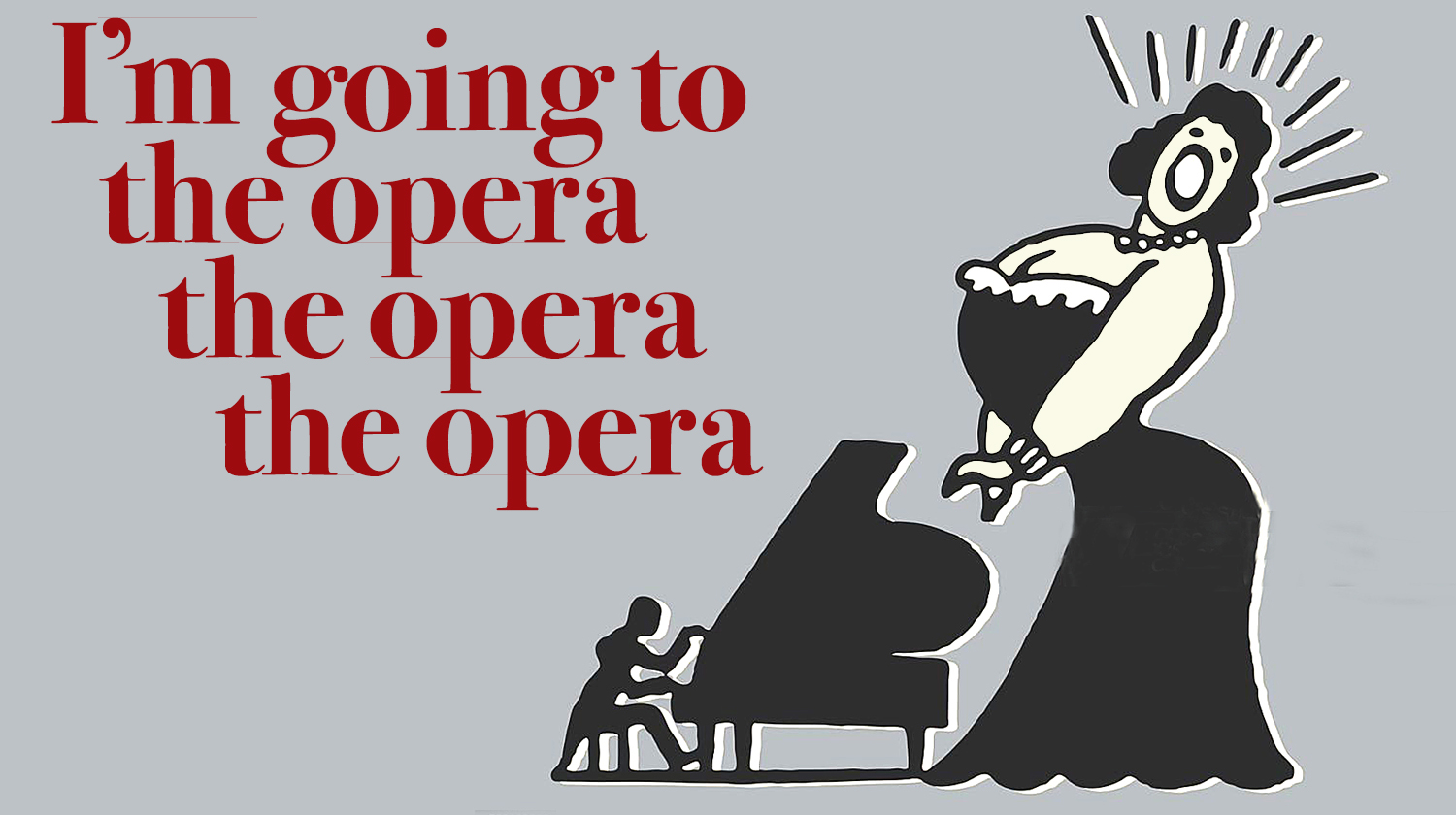
It’s hard not to make fun of opera.
The 300-pound soprano stands onstage and sings of her love for the 110-pound tenor while proving that nothing can sustain a louder note longer outside of an air-raid siren.
In this art form, when someone is fatally stabbed it can take him 20 minutes to fall over, because he has his big aria to sing. The audience applauds; he expires.
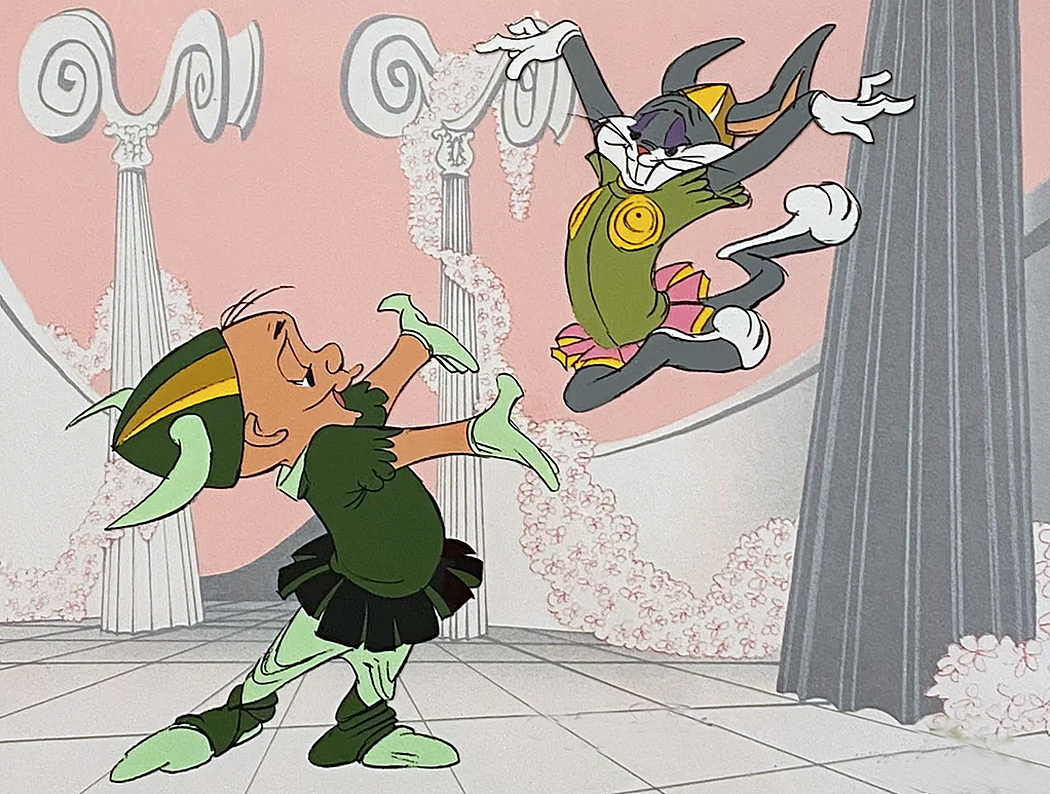
Bugs Bunny, after all, doesn’t spend much time lampooning novelists or painters. No, he saves his best digs for the opera. There is much to laugh at. Opera is a highly artificial artform, with so many traditions and habits.
But it is one that many people love deeply. Some would rather give up food. And that is because opera goes straight to the heart, even as it gives the brain conniptions. It is all about emotions.
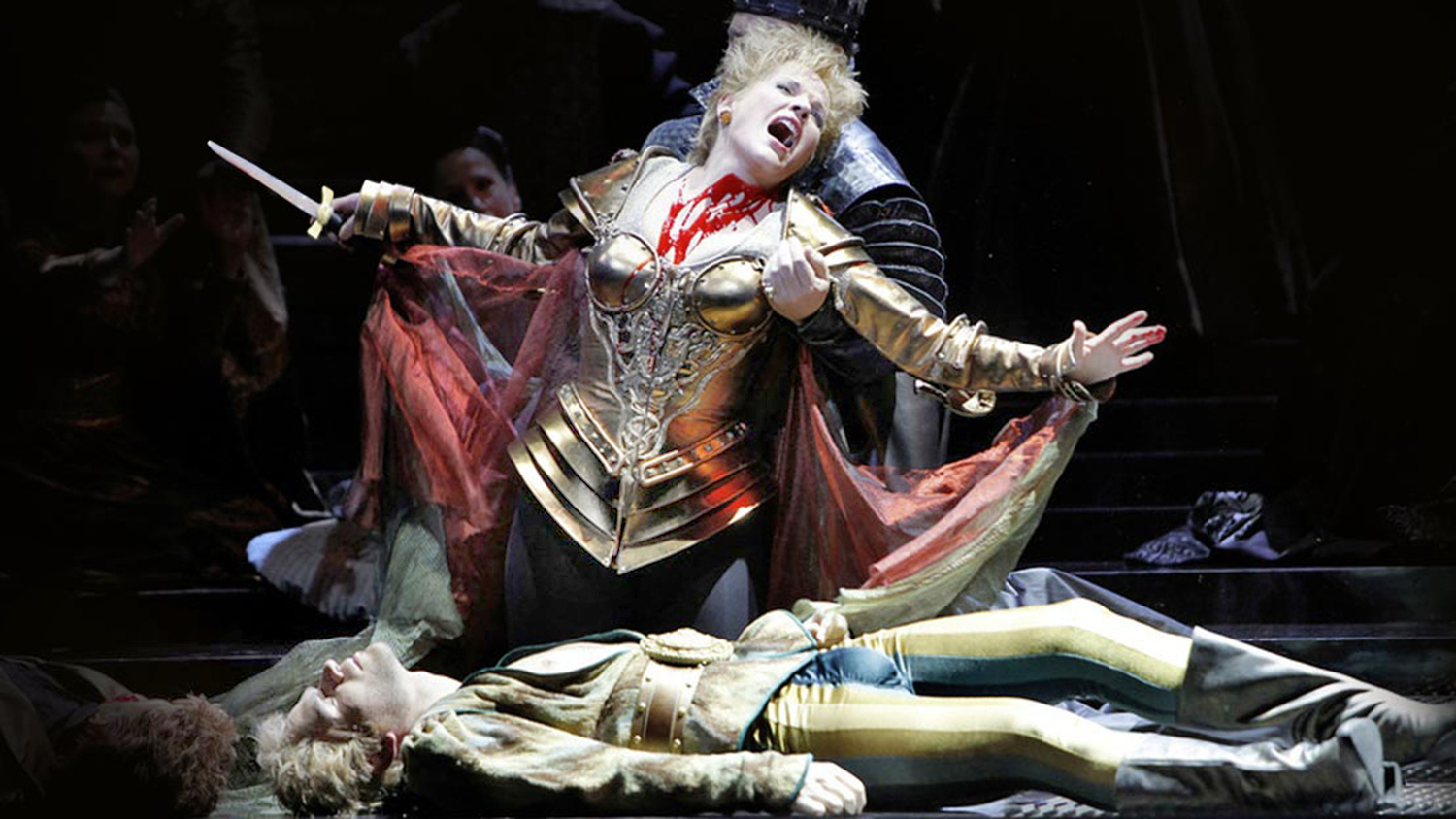
We make a mistake when we think that opera is just drama with singing. Unlike most theater, opera isn’t really about the story or about characters caught in a plot. One reason some people feel estranged from opera is that they expect a naturalistic story and they get what seems to them a truckload of silliness. Lots of overwrought screaming about murder, incest, adultery and death.
But opera isn’t about the characters or the story, at least not in the way that The Odd Couple is about Oscar and Felix, or Streetcar Named Desire is about Blanche and Stanley.
No, opera is about raw emotion personified onstage, and the music characterizes those emotions much more successfully than the singers who act out the parts. This is opera’s great power.
There is a wonderful scene from Woody Allen’s Stardust Memories, where his character’s hostility has escaped and terrorizes Central Park, pursued by police and tracker dogs. Like some sort of shaggy Bigfoot, it wanders through the scene killing and maiming; it is a monster on the loose.
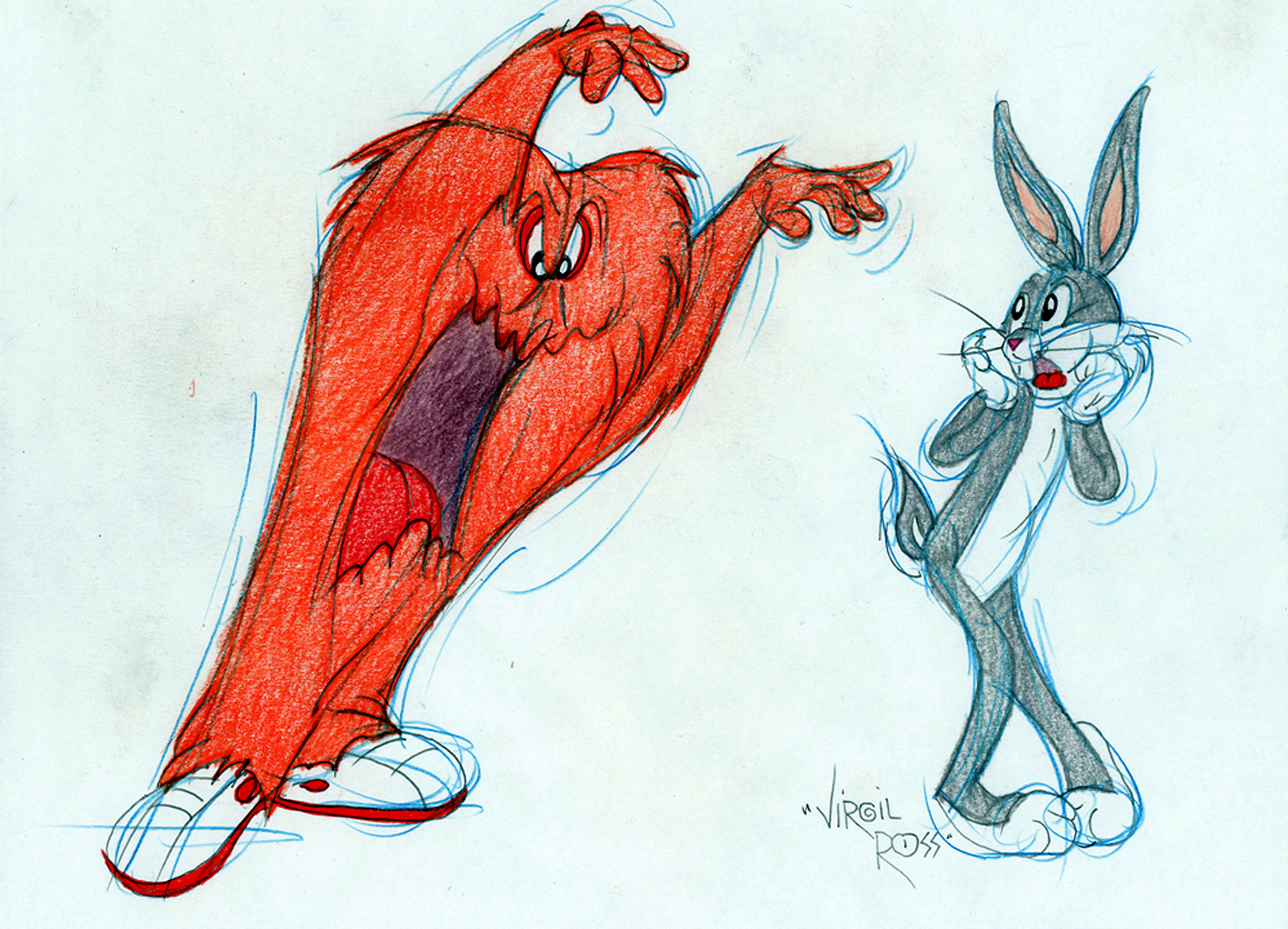
Now imagine that instead of his hostility, it is the character’s passion, or his jealousy or ambition, that has escaped. Put that passion onstage in a costume and let it sing its heart out: That’s opera.
The music is a direct conduit to the heart. Mere words only get in the way. Music can convey emotions beyond words. Libretti can sometimes be banal, but the music underneath is very deep and powerful.
Opera, like all the high arts, recognizes that inside each of us, these large things exist, and not only do they exist, but they are the most real parts of us.
Yes, we drive to work each day. Yes, we give the spouse a peck on the cheek when we leave. Yes, we look forward to the ballgame over the weekend.
But even the dullest accountant or shoe salesman has in his or her past or future the great love, the deaths of dear ones, the lost love, the fear for children’s ruin, the sense of growing older and facing the imminence of death, the sense of sharing the good marriage, or of the isolation of a bad one: These emotional states are so much larger than our 9-to-5 jobs, so much more real. They are our true selves, though we orphan them through habit.
Opera reacquaints us with that true self. It reminds us that as humans, we are more than our next promotion, more than our membership in the Kiwanis Club. That is opera’s job; that is its glory.
That is your experience of erotic passion up there singing to Don Jose in Carmen. That is your heroic inner self killing the dragon in Siegfried. With opera, you are asked to recognize yourself.
Listening to opera, you fall into a trancelike state and all the boring parts of life drop away, and you experience only the marrow of it all: The things that, when you come to your deathbed, you regret not having had more time for.
PART 2: A SAMPLING
Here are a dozen operas, over the centuries of the form, that all capture the essence of what opera offers. These are all in the repertoire of most opera companies, and those that you cannot see live, are all available of DVD or on streaming services.
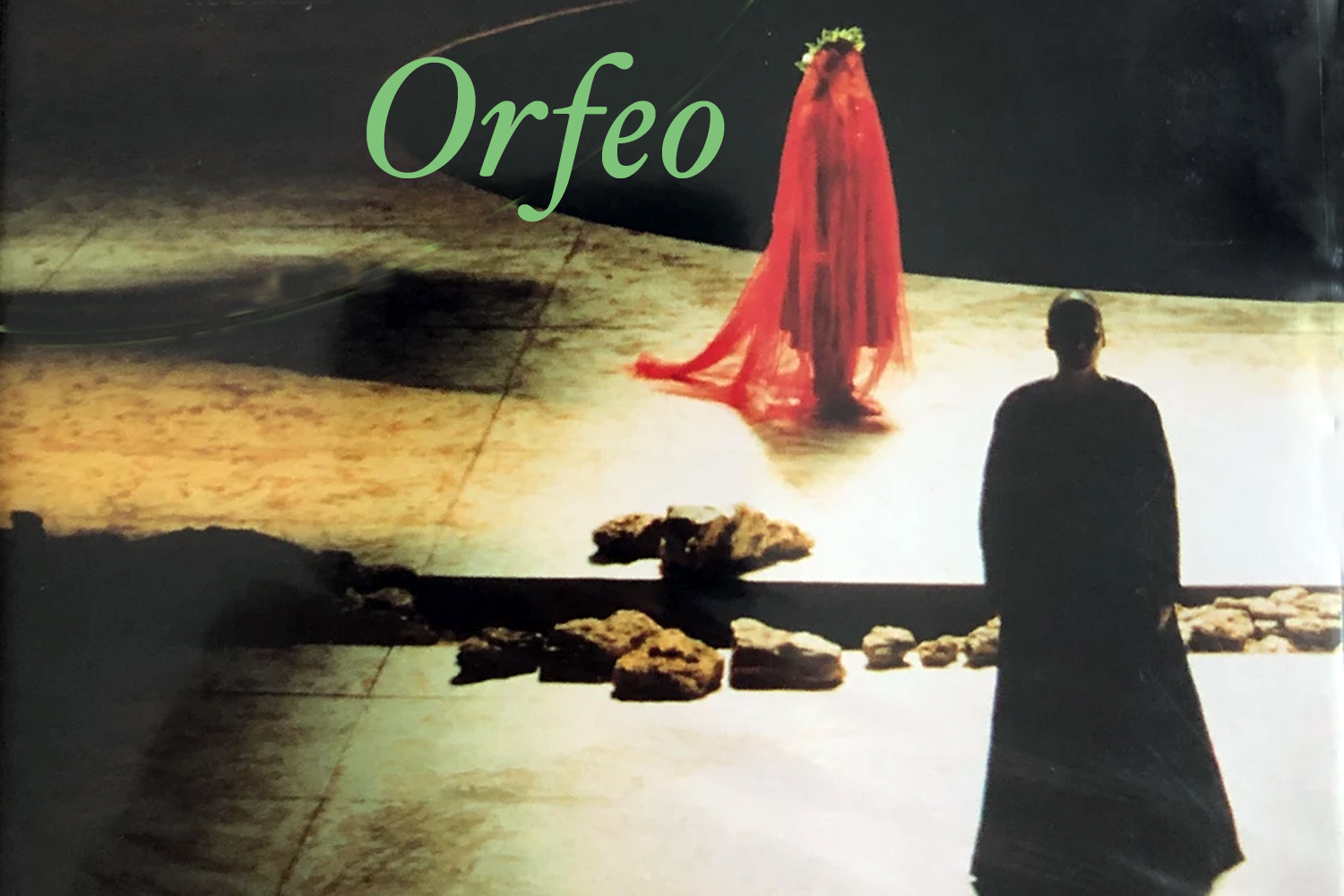
The oldest opera that still gets regular performances, Claudio Monteverdi’s La Favola d’Orfeo was performed at the Mantua court in 1607 and tells the story of Orpheus and his trip to the Underworld to rescue his dead wife, Eurydice, and his failure, and eventual transmogrification to Heaven by the God Apollo. Back then, all the female roles were played in drag by castrato men singing in high register. Today, sopranos and mezzos get the job back.
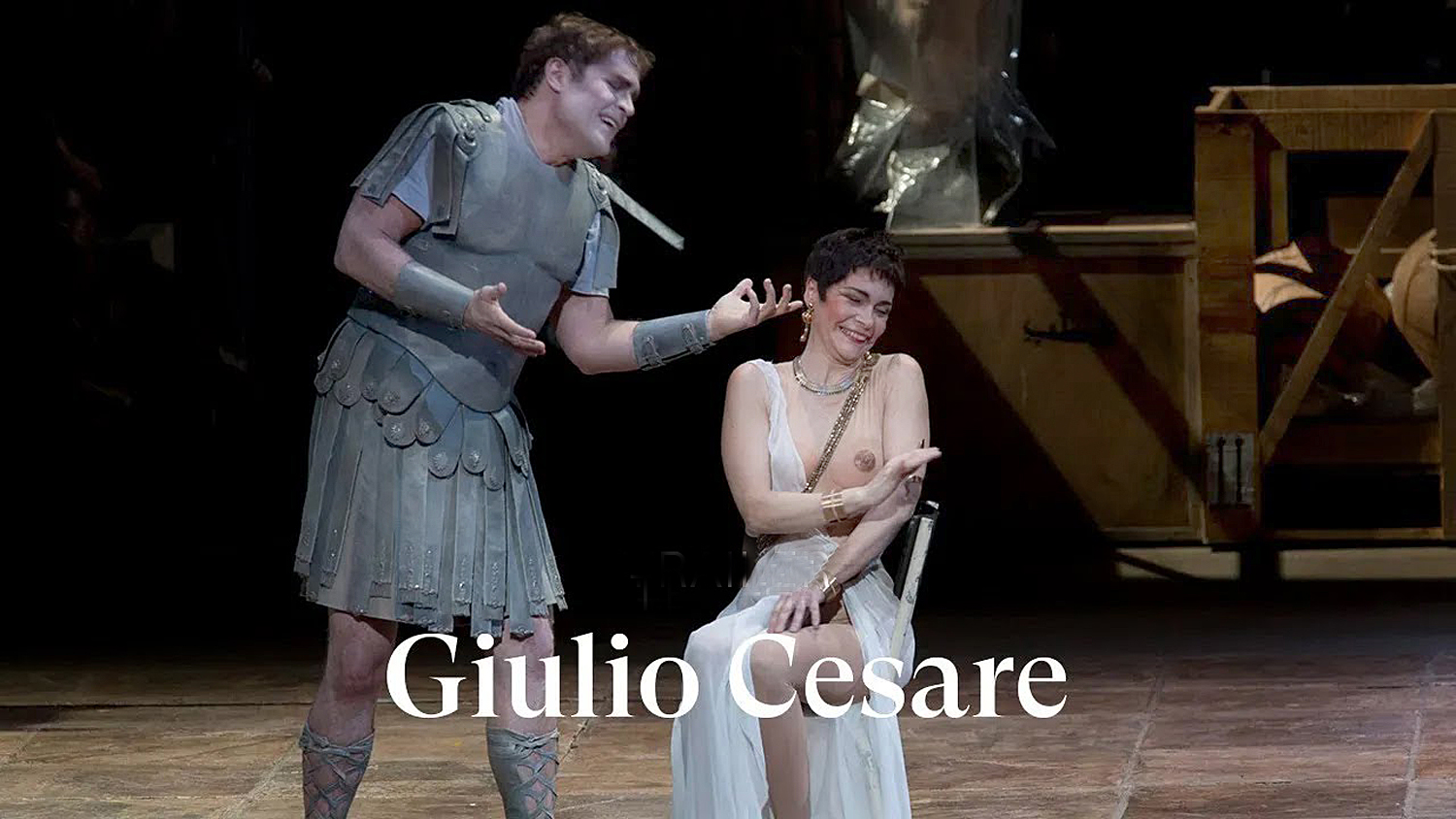
George Frideric Handel wrote 43 operas and another 27 oratorios, some of which have been staged as operas. Giulio Cesare in Egitto (“Julius Caesar in Egypt”) was premiered in 1724 in London and was a big hit. It tells the story of Cleopatra’s rise to the throne of Egypt with Caesar’s help in killing her brother, the villain Tolomeo. There is a love story and 30 arias over three acts (and three-and-a-half hours), with many choruses, duets and ariosos added. And three castrato parts, including that of Caesar.
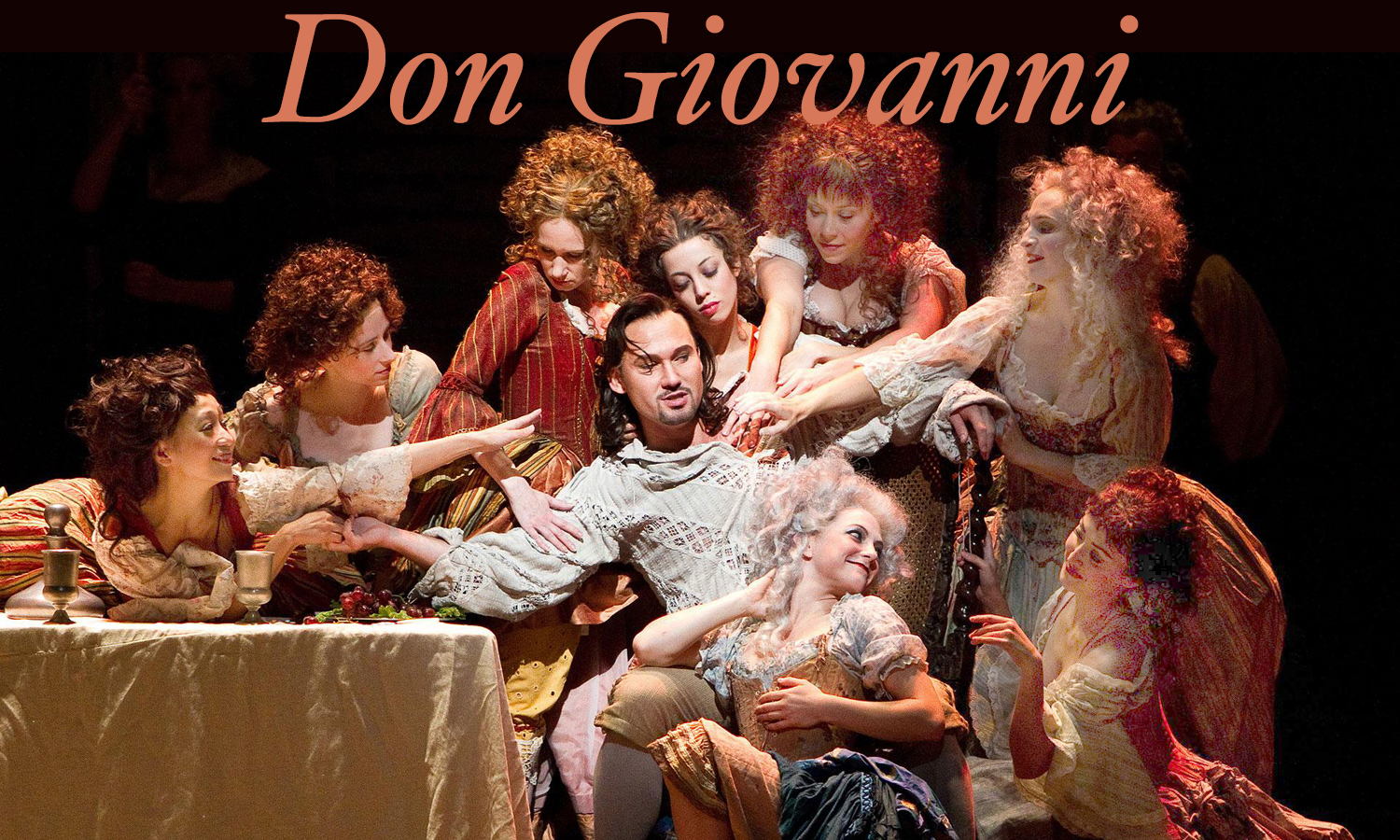
Wolfgang Mozart wrote some of the most popular operas ever, including Il dissoluto punito, ossia il Don Giovanni (“The Rake Punished, or Don Giovanni”), which premiered in Prague in 1787 to rapturous applause. The villain is the seducer, Don Giovanni (Don Juan in Italian), but also the hero, whose irrepressible life force means that as he is dragged down to hell by demons, he still refuses to repent.
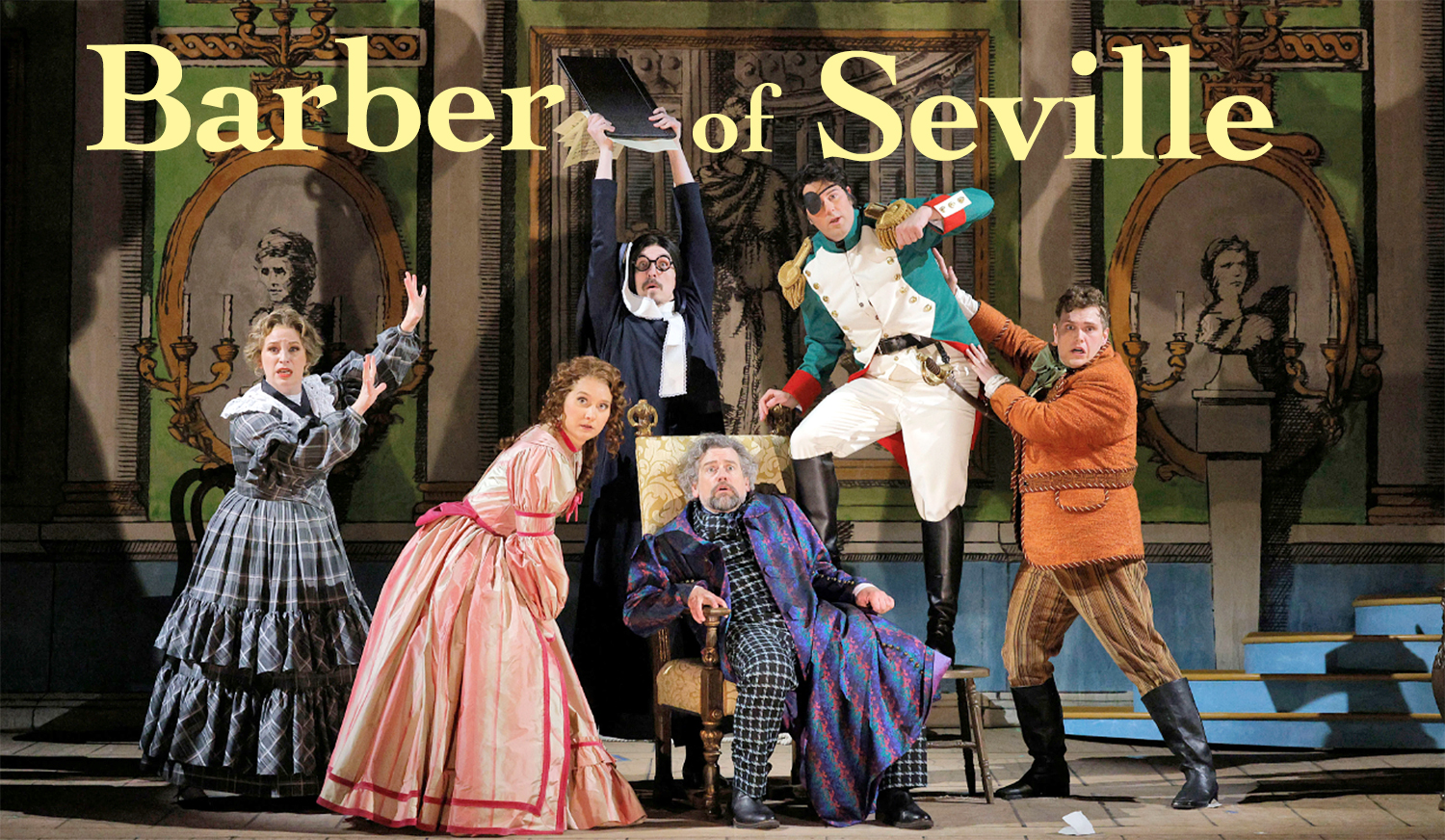
Gioacchino Rossini wrote two operas a year for 19 years and then gave up in exhaustion at the age of 30, spending the rest of retirement living the good life. He wrote Il barbiere di Siviglia, ossia L’inutile precauzione (“The Barber of Seville, or The Useless Precaution”) over three weeks in 1816. In it, the barber, Figaro, plays matchmaker to Count Almaviva and young Rosina. Lots of comic miscalculations and tunes you can’t get out of your head.
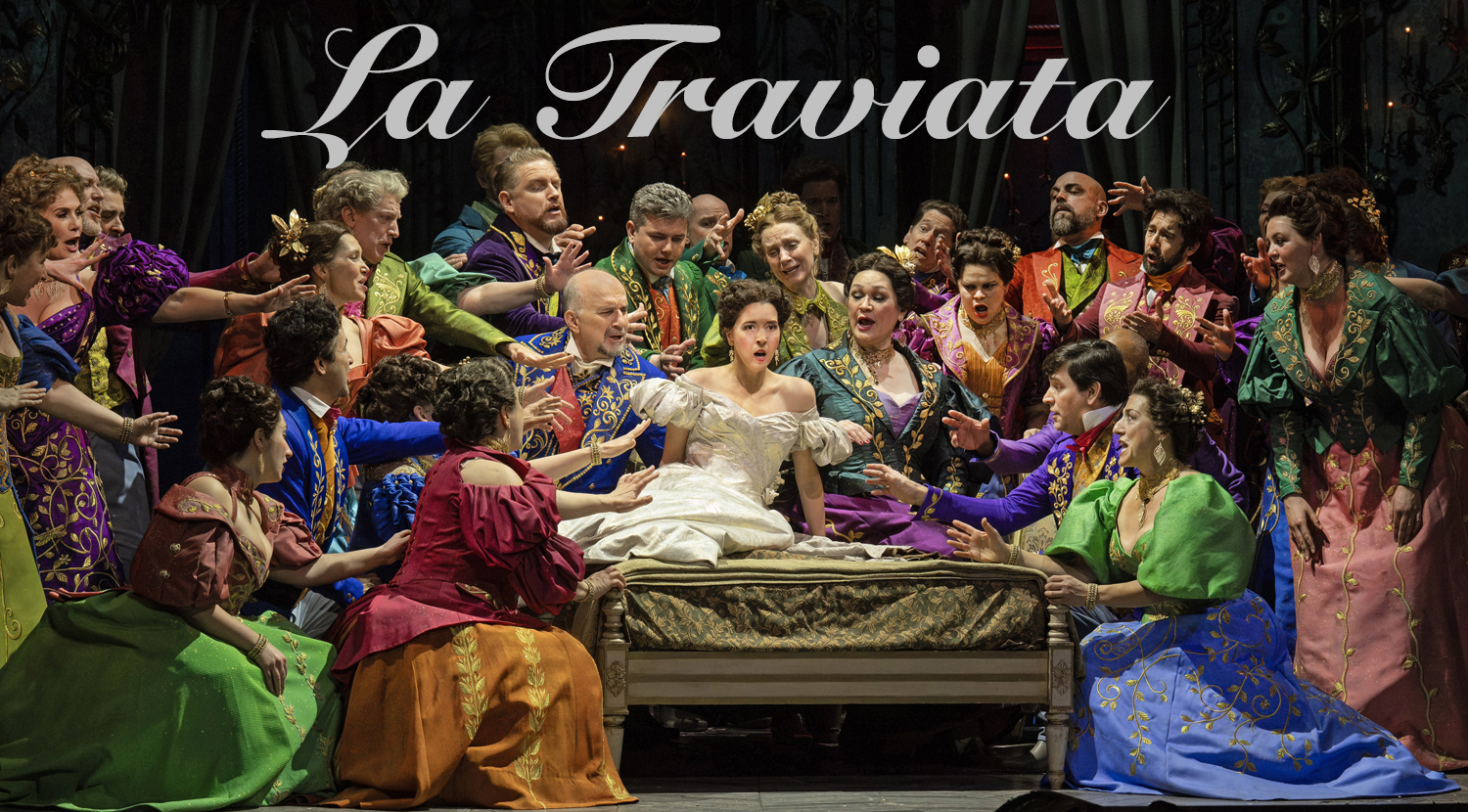
Giuseppe Verdi was the king of 19th century Italian opera. He wrote 37 operas, counting re-write and recastings, including some of the most popular and most familiar. In 1853, he wrote La Traviata (“The Trollop”), which follows Violetta, the mistress of Alfredo over the objections of his father. She coughs. She agrees to give up her love. She dies. Well, it’s a little more complicated than that, but that’s the gist.
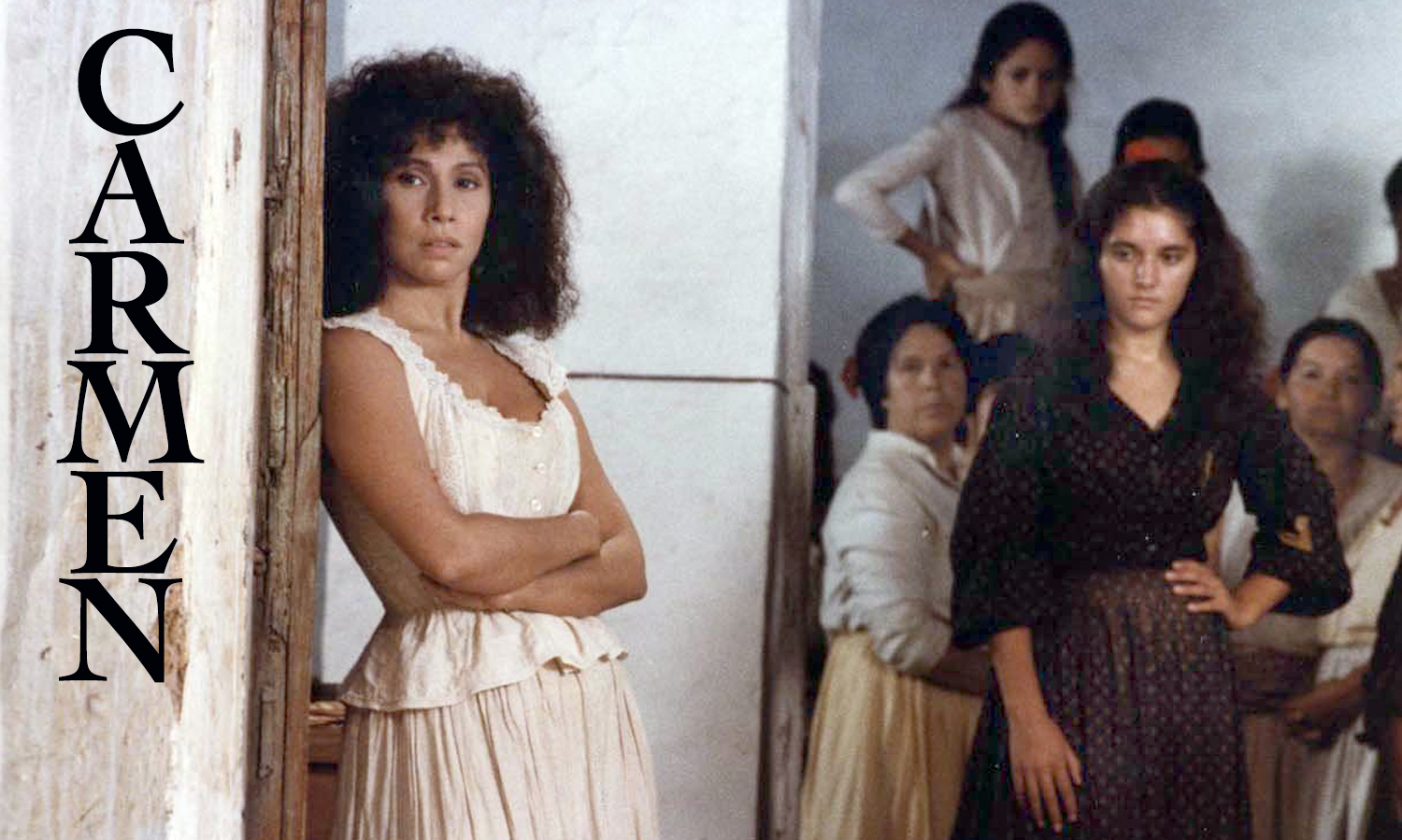
The soldier Don Jose falls for the sultry Gypsy, Carmen. She throws him over for the handsome matador. Don Jose kills Carmen. Simple enough, but what melodies. Georges Bizet wrote it in 1875 and died soon after, never knowing it would become one of the three or four most popular operas ever (the famous “Big Three ABCs” being Aida, Boheme, and Carmen).
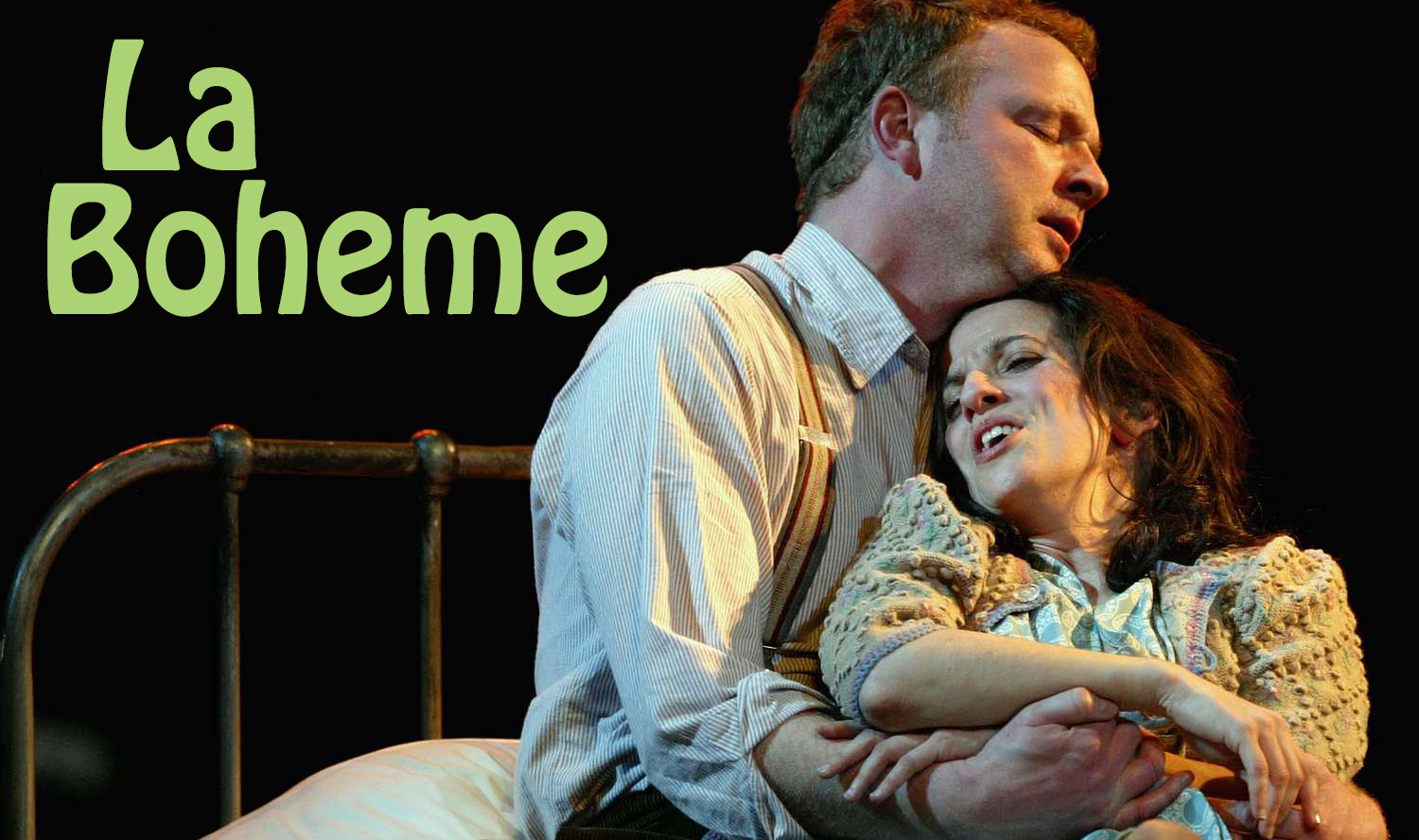
One of the great tearjerkers of all time, La Bohème (“The Bohemian Life”) by Giacomo Puccini, from 1896, follows four impoverished Parisian artists living in a garret, and how one of them falls in love with a sweet young doxie living upstairs, named Mimi. They sing, they party, they fall apart, they lament and then she dies of consumption. This is an opera that even people who hate opera love. How can you not?
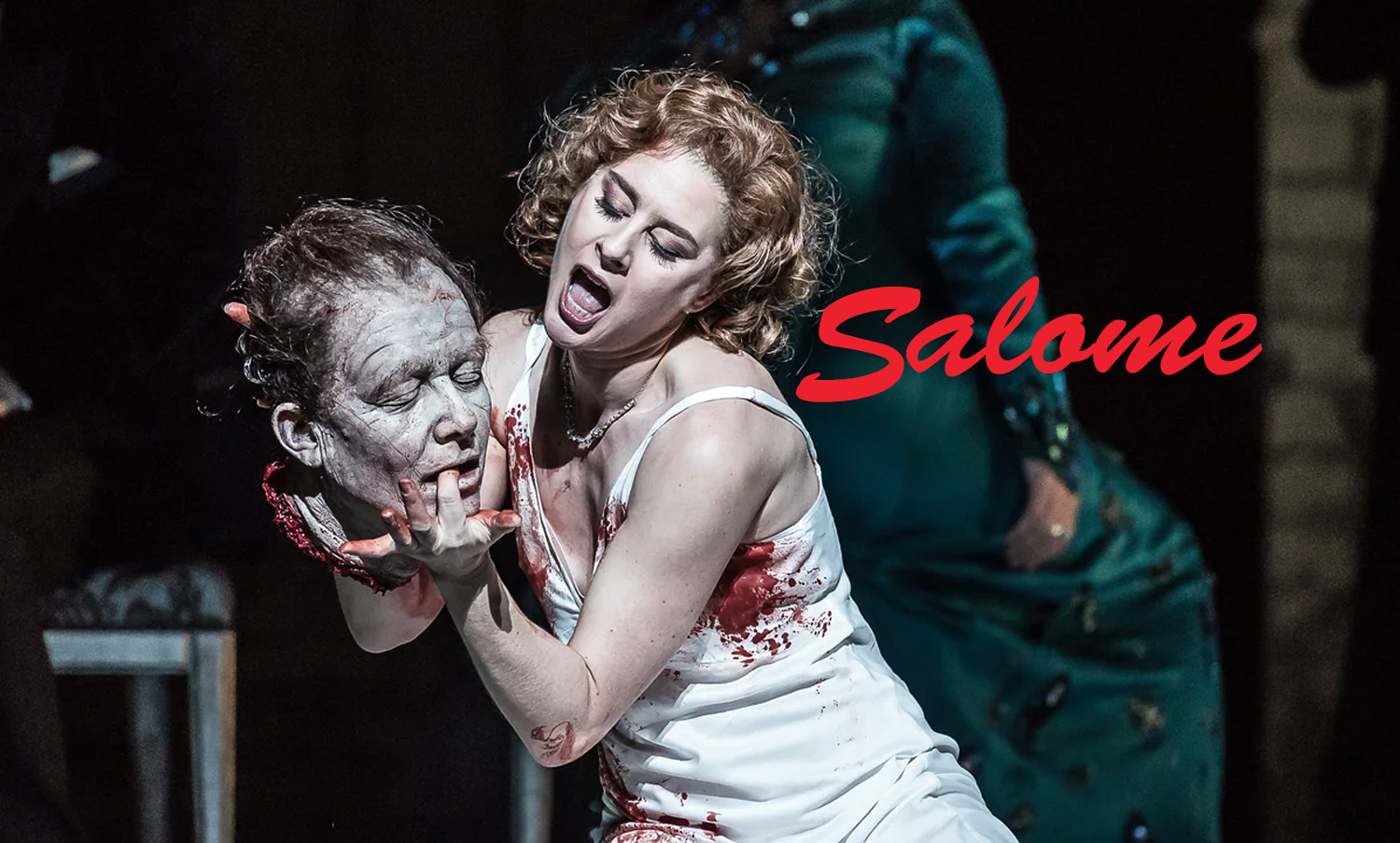
The 20th century took a darker turn. In 1905 Richard Strauss premiered his opera about a dysfunctional family and the prophet John the Baptist, in which the king’s daughter does a kinky strip tease for her father and winds up kissing the decapitated head of the prophet. The opera was banned in many countries, for both blasphemy and obscenity, but it is now always guaranteed to fill seats.
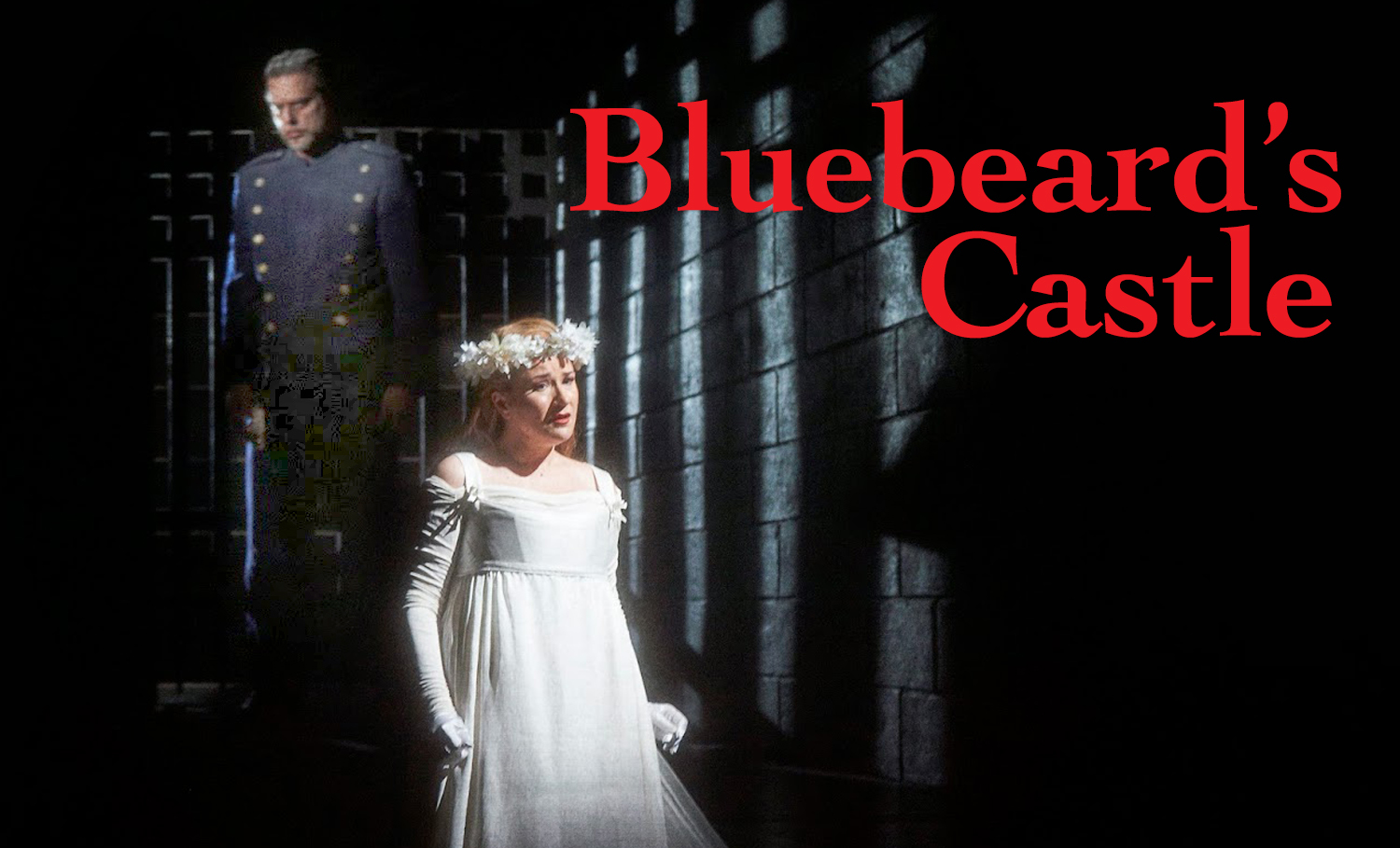
This short, one-act, two-singer Symbolist opera by Bela Bartok was written in 1911. The Duke Bluebeard takes his new wife to his gloomy castle and forbids her to open seven doors, which, as any wife would, she proceeds to open, one by one, discovering dangerous hidden secrets of her spouse. The work was slow to catch on — it’s Austrian premiere wasn’t until 1978 — but it now has over 30 recordings. Beautiful and creepily atmospheric.
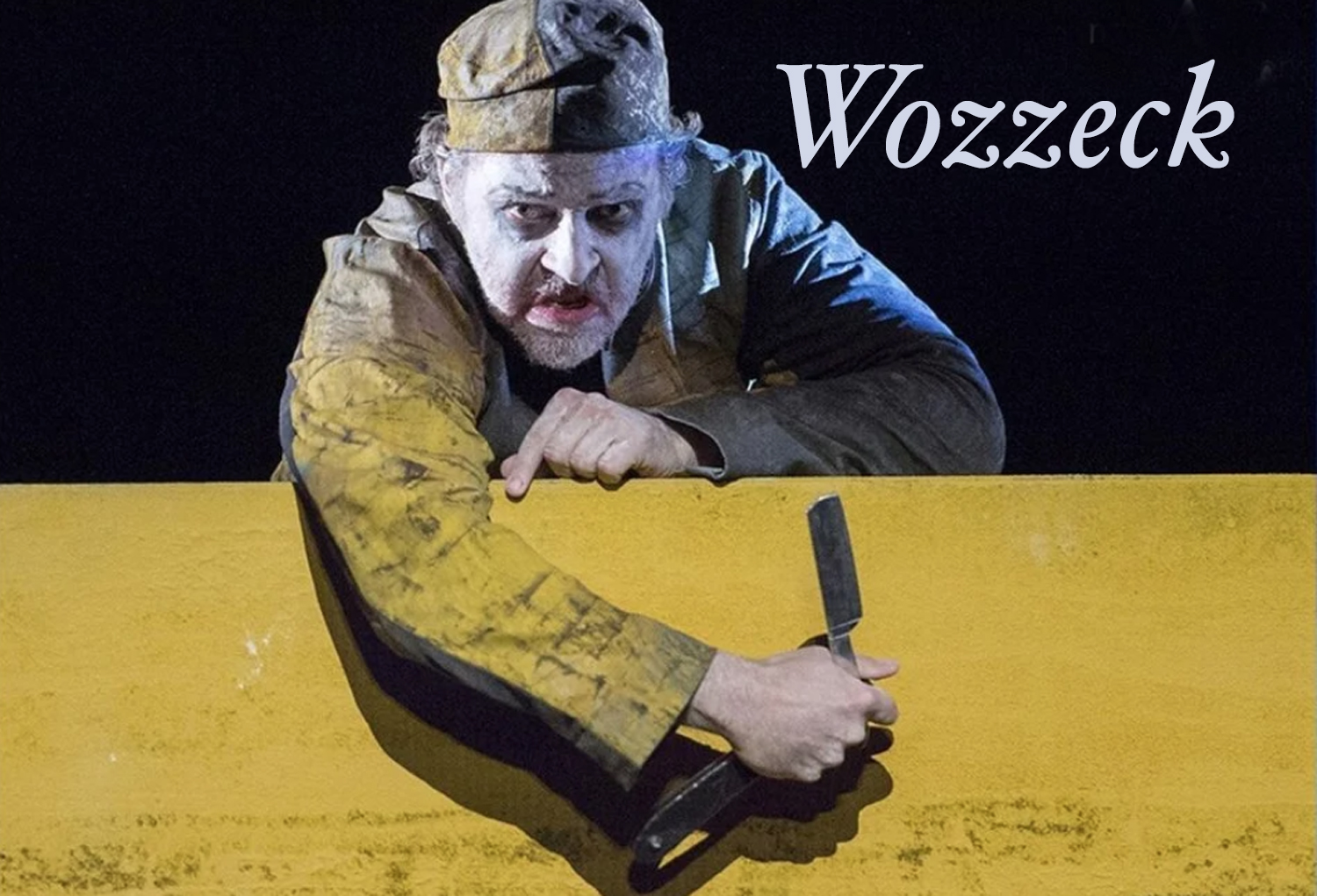
There are few “perfect” operas. Most have a few dull moments, or plots that make no sense, but the deeply disturbing Expressionist Wozzeck is as close to perfect as possible. Alban Berg’s complex work, premiered in 1925, tells a story of a miserable German soldier and his unfaithful wife, and the murders that result. The music matches the story perfectly, and if the final scene — what might be called “pressurized empathy” — doesn’t leave you in horrified tears, you haven’t been paying attention.
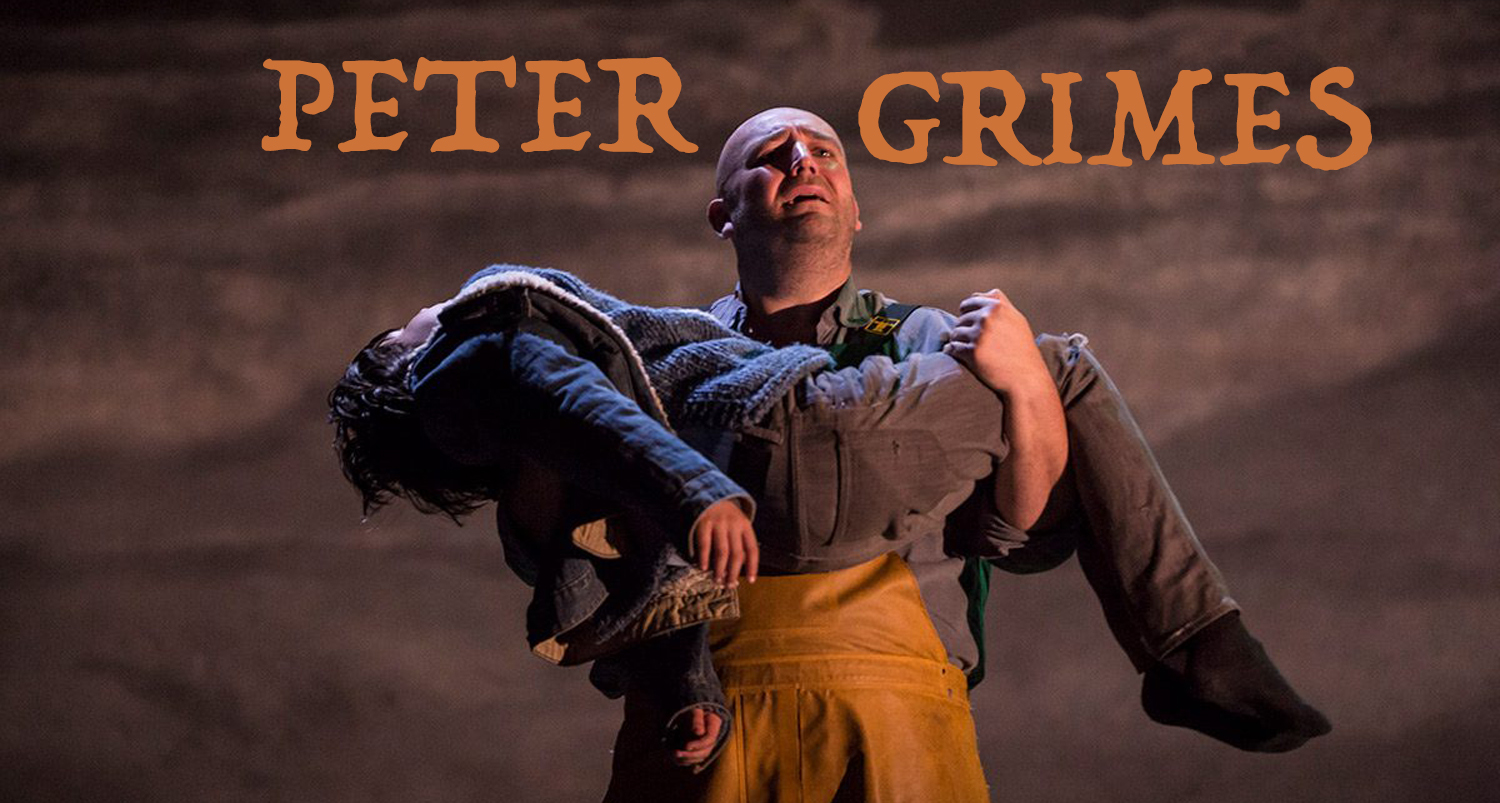
Peter Grimes is an unpleasant English fisherman whose apprentice has died. Many in the village believe Grimes has murdered him. When a second apprentice also dies, apparently by accident in Act Two, Grimes, who has never had a sure grasp of his mind, is hounded by the villagers to his death at sea. Or not. It is implied but not shown. This is an opera of implication and innuendo, of outsider and mob. Different productions take different sides, and so do audiences. In some productions, he is actually a murderer, in others the audience sympathy is all toward the unlucky outsider. The opera, by Benjamin Britten, was premiered in 1945.
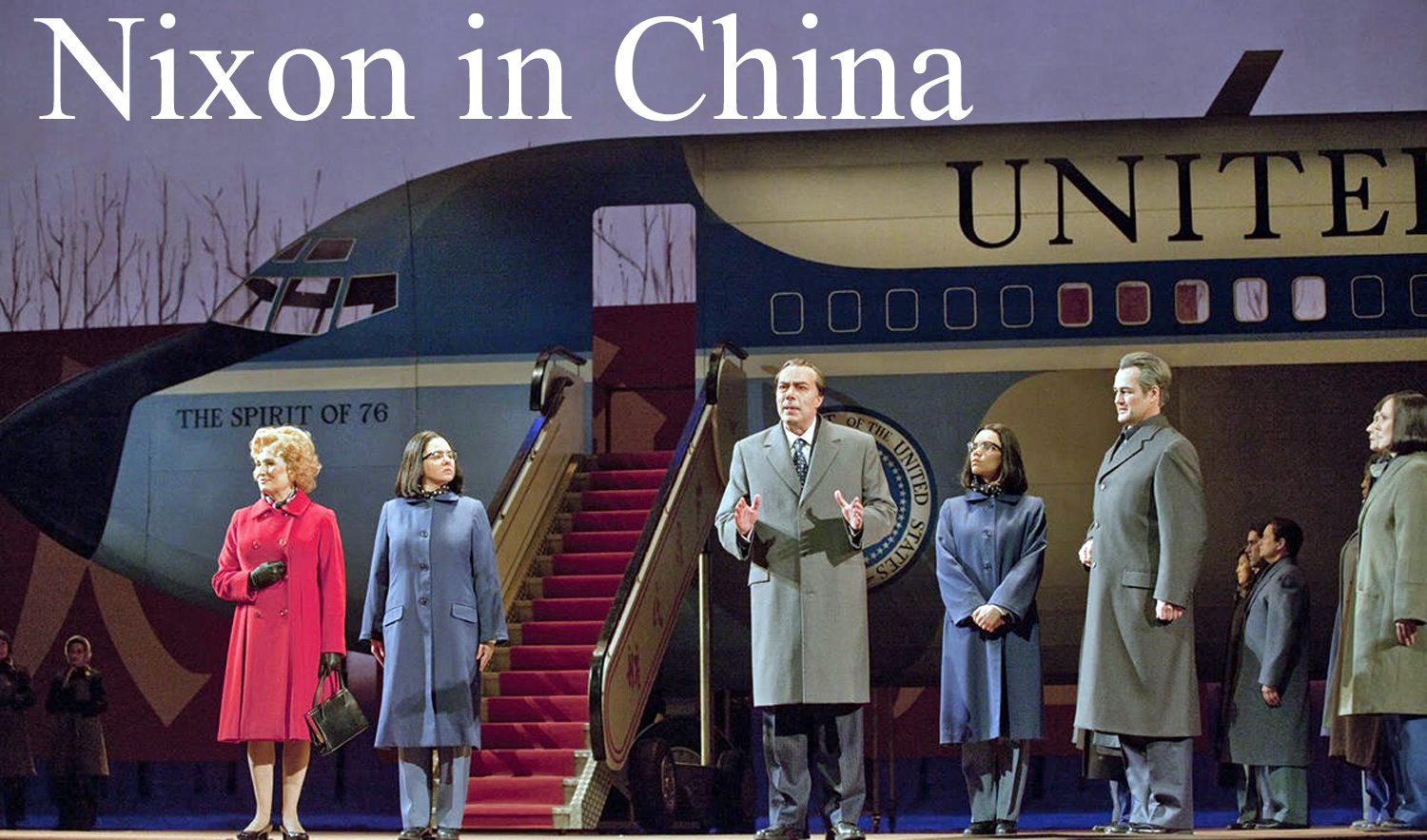
Whatever else you think of Richard Nixon, he is the only recent historical figure that could warrant a Shakespeare play. What he does get is John Adams’ 1987 opera Nixon in China, about the president’s 1972 visit to Beijing. Nixon, his wife, Pat, Chou En-Lai, Mao Zedong, and Madame Mao all have moments that illuminate their inner thoughts, and then there is a Chinese ballet in the second act and a lot of pageantry, and a surprising number of truly memorable arias.
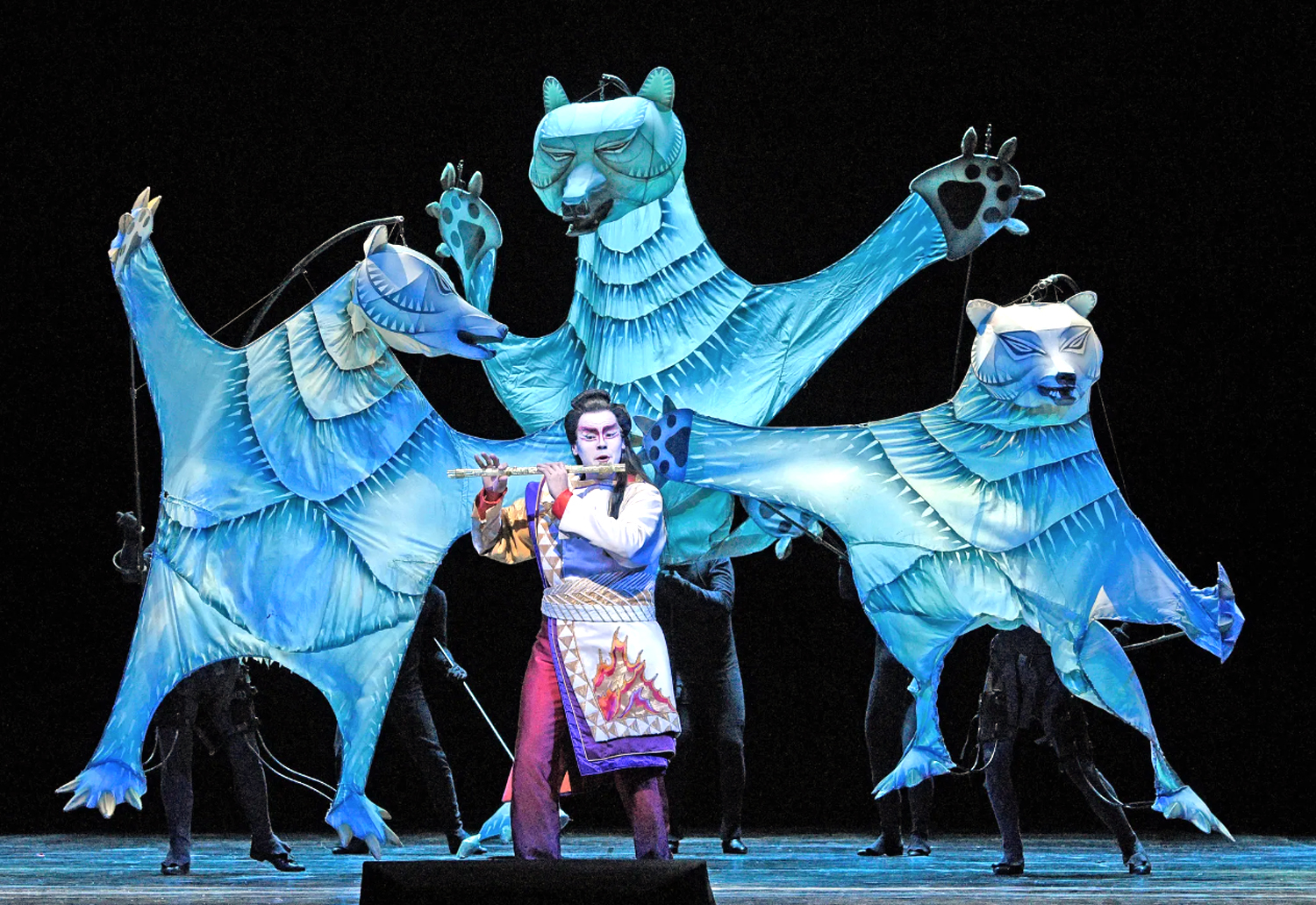
I want to make a special pleading for the Metropolitan Opera’s production of the Julie Taymor Magic Flute. It is a shortened version of Mozart’s most popular opera, with all the stage magic and glitter an opera can offer, and aimed especially at younger audiences. Nobody doesn’t like Taymor’s Magic Flute.
PART 3: OPERA WORDS
A glossary of opera terms
Aria: An opera singer’s solo — a song on steroids.
Baritone: The second lowest male voice, usually a villain.
Basso: The lowest male voice, when not a villain is usually a king. Sometimes both.
Bel Canto: Italian for “showing off.” A type of Italian opera with especially florid vocal writing.
Buffa: Comic.
Castrato: A male soprano, made so by the once popular practice of castrating teenage boys before their voices cracked. A practice now generally frowned upon.
Chamber operas: Works with a small cast and a small orchestra.
Chest voice: The deepest and strongest register of a voice.
Coloratura: A singer specializing in vocal acrobatics.
Comprimario: Sidekick.
Contralto: The lowest female voice, often used for earthier, sexier parts, rather than the “good-girl” parts the soprano gets stuck with.
Counter-tenor: When not enough boys volunteered to be castratos, they settled for tenors who sang falsetto.
Da Capo: (“from the top” in Italian) – a term used to describe an aria in two parts that circles back to the first part before it finishes.
Diva: A celebrated female singer, aka pain in the neck.
Fach: Pronounced as if you are clearing your throat; it is the term for the subcategory of voice types: a light soprano or dramatic soprano; a spinto tenor or a heldentenor (heroic tenor).
Gesamtkunstwerk: Richard Wagner’s word for the “complete art work”; an opera in which the words, music, staging and choreography are all created by the same monomaniac.
Grand Opera
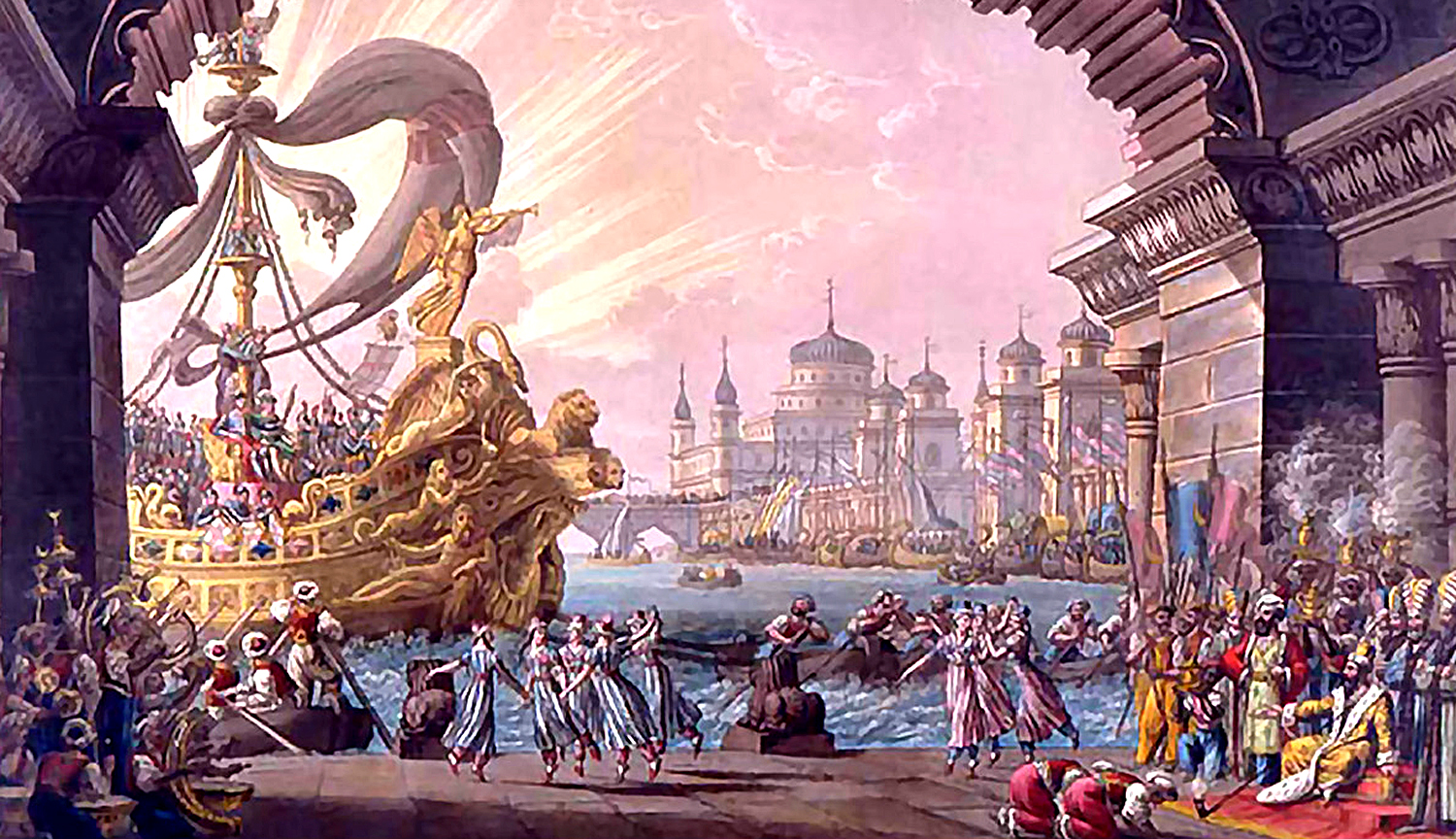
Grand Opéra: Opera with elephants, or lacking that, large ships, and with elaborate scenery and costumes, telling an epic or historic story, with added ballet. Once popular in France.
Habanera: A type of Cuban dance in a swinging rhythm made famous by Carmen.
Head voice: The highest, emptiest register of the human voice. The singer’s ability to switch from chest to head tones without anyone noticing is especially prized by opera connoisseurs. Whole reviews are based on whether this occurs in a performance or not.
Leitmotiv: A tune that keeps coming back, like cucumbers. It signals a character or event. If you know Darth Vader’s tune from Star Wars, you know how a leitmotiv works.
Libretto: The words.
Mezzo-soprano: The midrange of the female voice. Mezzos often play either the heavy or the “trouser role,” i.e., a cross-gender part in which they pretend to be young males. Kin-ky. Hence the saying that mezzos play “witches, bitches and boys.” Carmen is a mezzo. She is not a boy.
Minimalism: a compositional style from the late 20th and early 21st centuries, with a lot of repetitive note patterns, and note patterns that are repeated, and patterns of notes that are repeated, and slightly changed.
Number opera: An opera with discrete arias and ensembles, each of which is numbered in the score.
Opera: One syllable or two? Opp-ruh, or Opp-uh-ruh?
Opera Seria: (“serious opera” in Italian) – an opera based on a serious subject, often historical or mythological, sung in Italian. Someone usually dies.
Opera Buffa: (“funny opera” in Italian) – an Italian opera that tells a humorous story, with roots in early-18th century Naples. Usually, no one dies.
Opéra Comique: (“comic opera” in French) – a style of French opera, often with serious stories, despite its name.
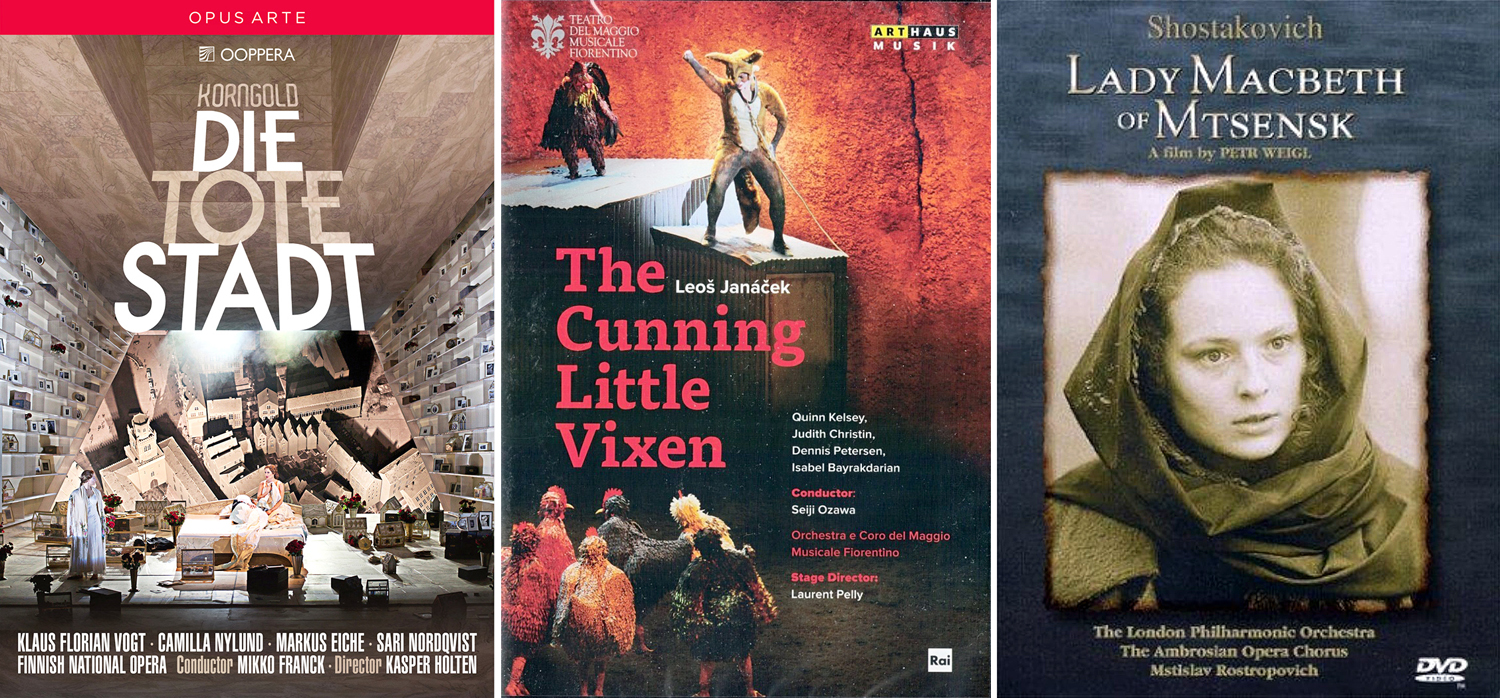
Overture: The music the orchestra plays while the audience reads its programs.
Prima donna: The star.
Recitative: Pronounced “retch-ta-teev” and for a reason. The parts that would be spoken in a musical, but are sung in a quasi-singsong fashion in opera.
Regie oper: Literally, “Director’s opera.” A recent trend where the person in charge of the production places his ego center stage and leaves the music taking a back seat. It tends to mean placing Figaro in a subway station or Tosca on the moon. It is a fad; it will pass.
Rescue Opera: TV sitcoms are not the only art form with familiar plots reworked to death. Usually the hero rescues the fair maid.
Singspiel: A kind of German opera in which audiences don’t have to endure recitative.
Soprano: The highest female voice, reserved for heroines, because the high voice is best for expressing distress.
Sprechstimme: An early form of rap, when the singer half-sings, half-speaks the words. Especially popular in German Expressionist operas.
Tenor: The high male voice, usually the hero and usually half the size of the heroine.
Verismo: An Italian style of opera that tells stories about regular (i.e. poor) people and their jealousies and betrayals. Usually ends in a murder.
As always, click on any image to enlarge

