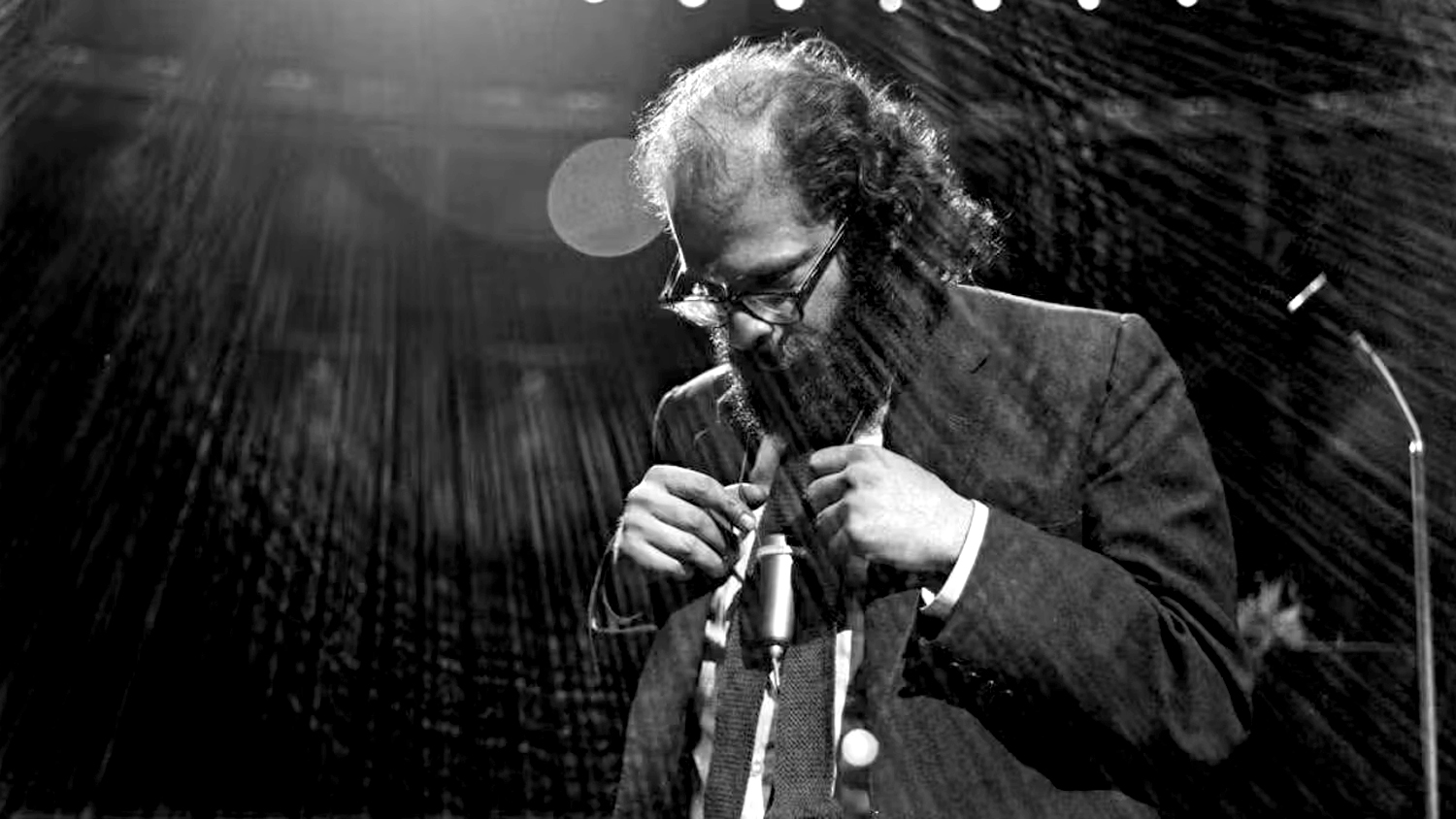
I heard Allen Ginsberg say one of the stupidest things I’ve ever heard. He had come to town to talk about a work he had collaborated on with Philip Glass, Hydrogen Jukebox. It was a powerful piece, which I first heard live, performed in Tucson.
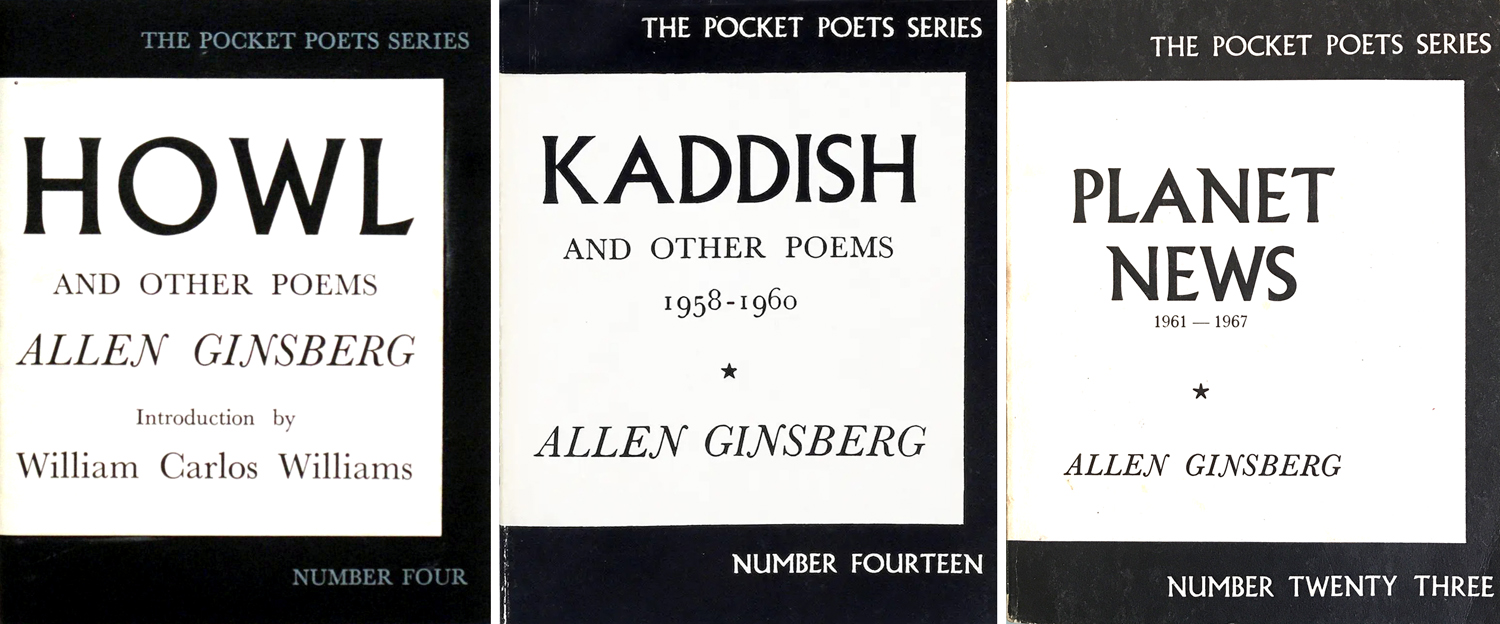
I have always loved Ginsberg’s poetry, from the first, when I read Howl in that tiny, squarish paperback published by City Lights Books. It is one of the great poems of the 20th century. I eventually collected his later books, including Kaddish, Planet News, Reality Sandwiches, although it was clear that not all his writing was up to the level of Howl. He was a very spotty writer, and the older he got, the less interesting the spots.
He sat on the stage that evening, in Scottsdale, talking about his work and making a case for his then-motto: “First thought, best thought.” How the version an idea comes to you spontaneously will always be better than it will be if you fuss over it and refashion it. Revision always dilutes the inspiration, he said. “First thought, best thought.
As a writer myself, my first best thought was: “Bullshit.” The man has deluded himself with his own bunkum. Most writers will tell you, honestly, that the first draft is always improved by reshaping, clarifying, expansion or excision. Writing is rewriting.
That doesn’t mean that the initial idea is worthless, but it needs refining, and especially, it needs to have the really dumb parts taken out.
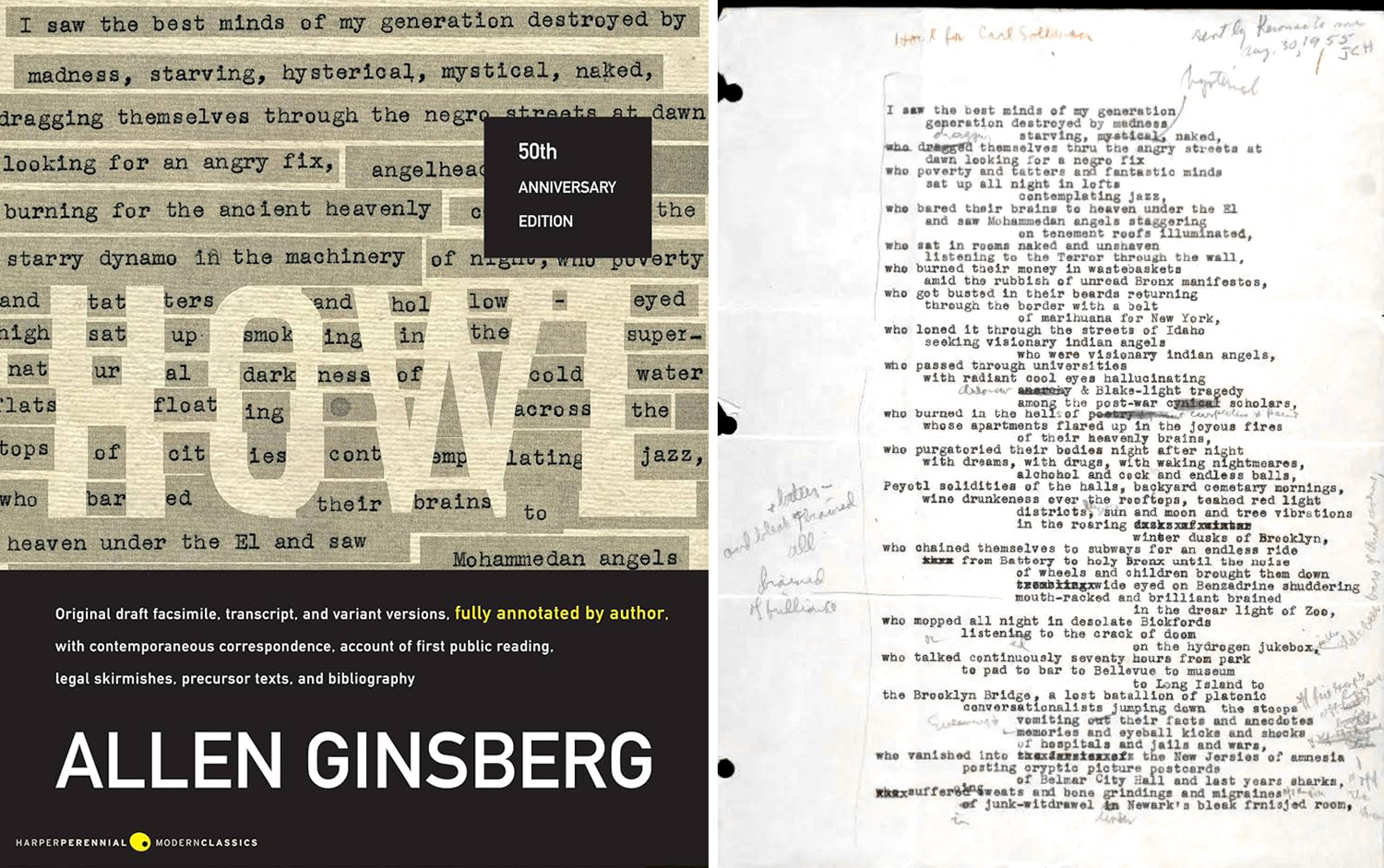
The proof of this comes from Ginsberg himself, to be seen in Harper Perennial’s 50th anniversary edition of Howl, the original draft facsimile. His best poem, considered such by almost anyone’s account, was heavily reworked and refined, honed to a sparkle.
First thought: “I saw the best mind angel-headed hipsters damned./ What consciousness in oblivion, Joan?” Written in August, 1955. A week later, in the original draft of Howl, it became: “I saw the best minds of my generation destroyed by madness, starving mystical naked,/ who dragged themselves through the angry streets at dawn looking for a negro fix,/who poverty and tatters and fantastic minds sat up all night in lofts contemplating jazz”
Doesn’t have quite the inevitable ring and resonance of the published version: “I saw the best minds of my generation destroyed by madness, starving hysterical naked,/ dragging themselves through the negro streets at dawn looking for an angry fix,/ Angel-headed hipsters burning for the ancient heavenly connection/ to the starry dynamo in the machinery of night”
That’s quite an upgrade, from “poverty and tatters” and “fantastic minds” to “starry dynamo in the machinery of night.” Prose to poetry.
Do I think Ginsberg was a hypocrite for his espoused faith of “first thought, best thought”? I think less hypocrite and more that he was drinking his own Kool-Aid. He and his fellow writers — the Beat writers — became fascinated with Buddhism and stories of Zen spontaneity, of Haiku masters whipping up an instant 17 syllables of enigmatic profundity. Most likely, these tales of Basho and Buson are legends and myths, conjured years later. I rather imagine them counting syllables on their fingertips and honing the verse in their minds before committing them to their mouths. Careful craftsmanship.
The Beat version of Buddhism, and the accouterments of Chinese and Japanese culture are a fantasy. In a way, it might be hinted, this was the Beat version of what Edward Said called “orientalism,” and the hypnotic attraction of exoticism.
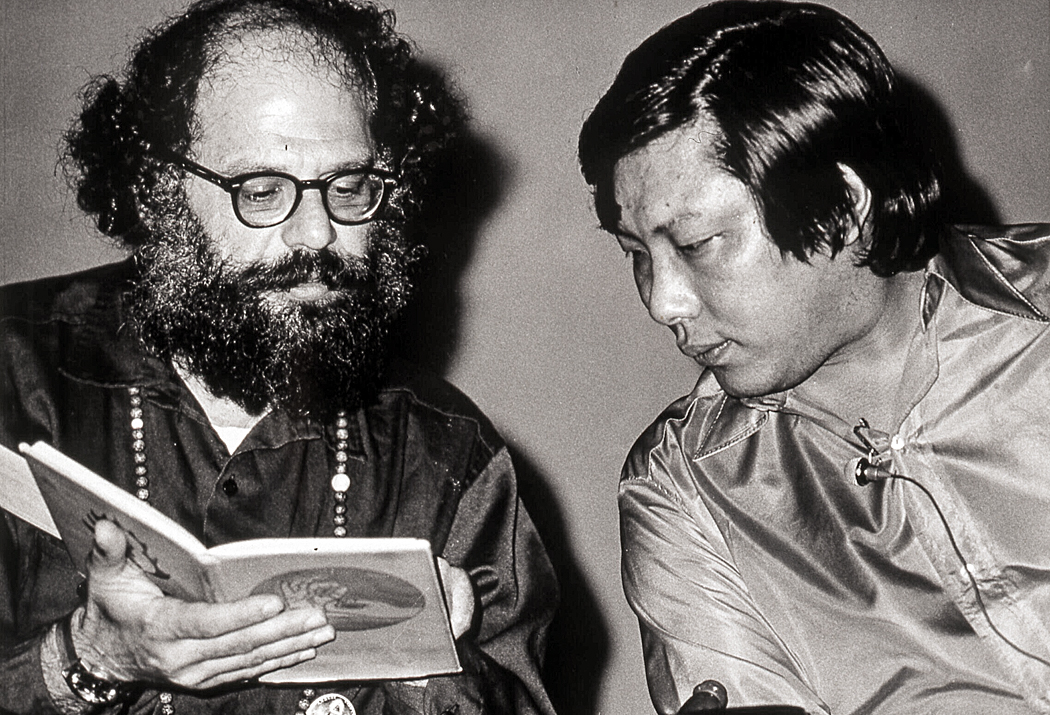
I remember visiting the Naropa Institute in Boulder, Colo., to visit an old college buddy, who had joined the group. As we wandered through the campus, we passed a classroom, where Ginsberg was teaching. The students were chanting, along with the poet, a monotonous phrase in Tibetan — “Om mani padme hung” — over and over, so the noise coming through the open door sounded more like the insect buzz of a summer evening.
This was part of the Jack Kerouac School of Disembodied Poetics, which Ginsberg had co-founded. And I have no doubt that chanting the mantra may have helped some students focus their minds. I practice a form of meditation, myself, although I don’t call it that — mostly I call it sitting on the back patio looking at the trees and clouds and trying to think no thoughts at all. So, I am not making fun of them. I don’t doubt their sincerity. But I do worry that importing portions of an exotic culture, without having grown up immersed in it, may be charged with being a version of cultural tourism. Yellow robes do not a Buddhist make.
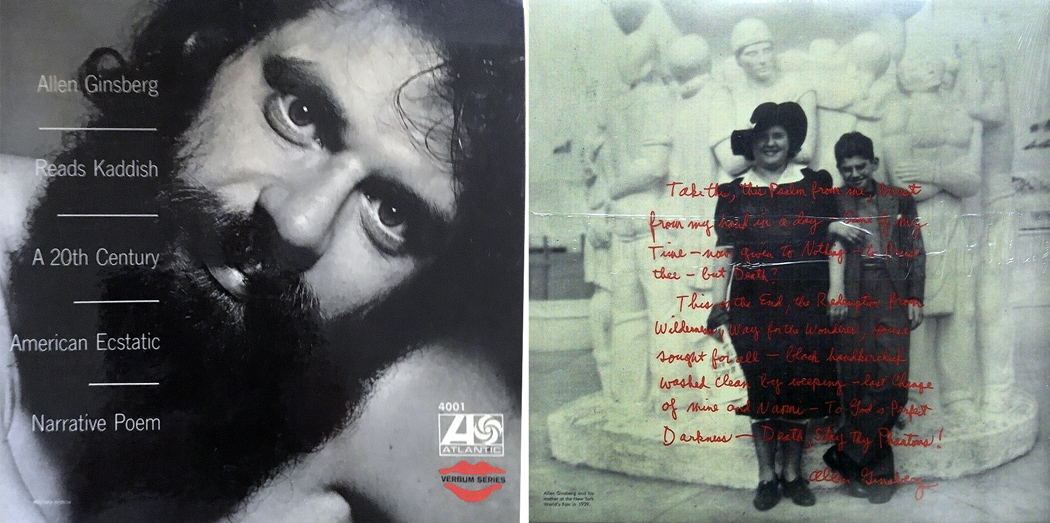
But Ginsberg has enriched our trove of poetry. In addition to Howl, there is Kaddish (especially moving in the audio version with the poet reciting his own words), and shorter poems such as Kral Majales. You learn to separate the wheat from the chaff.
I reread Howl periodically. It gives me great pleasure, the way certain poems do, for me, such as Wordsworth’s “Intimations Ode,” Whitman’s Out of the Cradle Endlessly Rocking, Arnold’s Dover Beach, Conrad Aiken’s Tetélestai, or Dylan Thomas’ Fern Hill. Poems that dig deep and remain buried in the psyche. They refresh my sense of language and of being alive.
It is also true, as with Ginsberg, that a good portion of Wordsworth is banal and prosaic, a boatload of Whitman is blather, most of Arnold’s poetry is forgettable, and, let’s face it, Aiken doesn’t make most anthologies of the best American verse. But each has been capable of magic, and I read these poems over and over, the way you listen to favorite tunes.
In his best work, Ginsberg fussed and reworked and licked the bear-whelp into something infinitely quotable and meaningful. If he had stuck to his first thought, no one would still be reading it.

