Archive

Tag Archives: poem

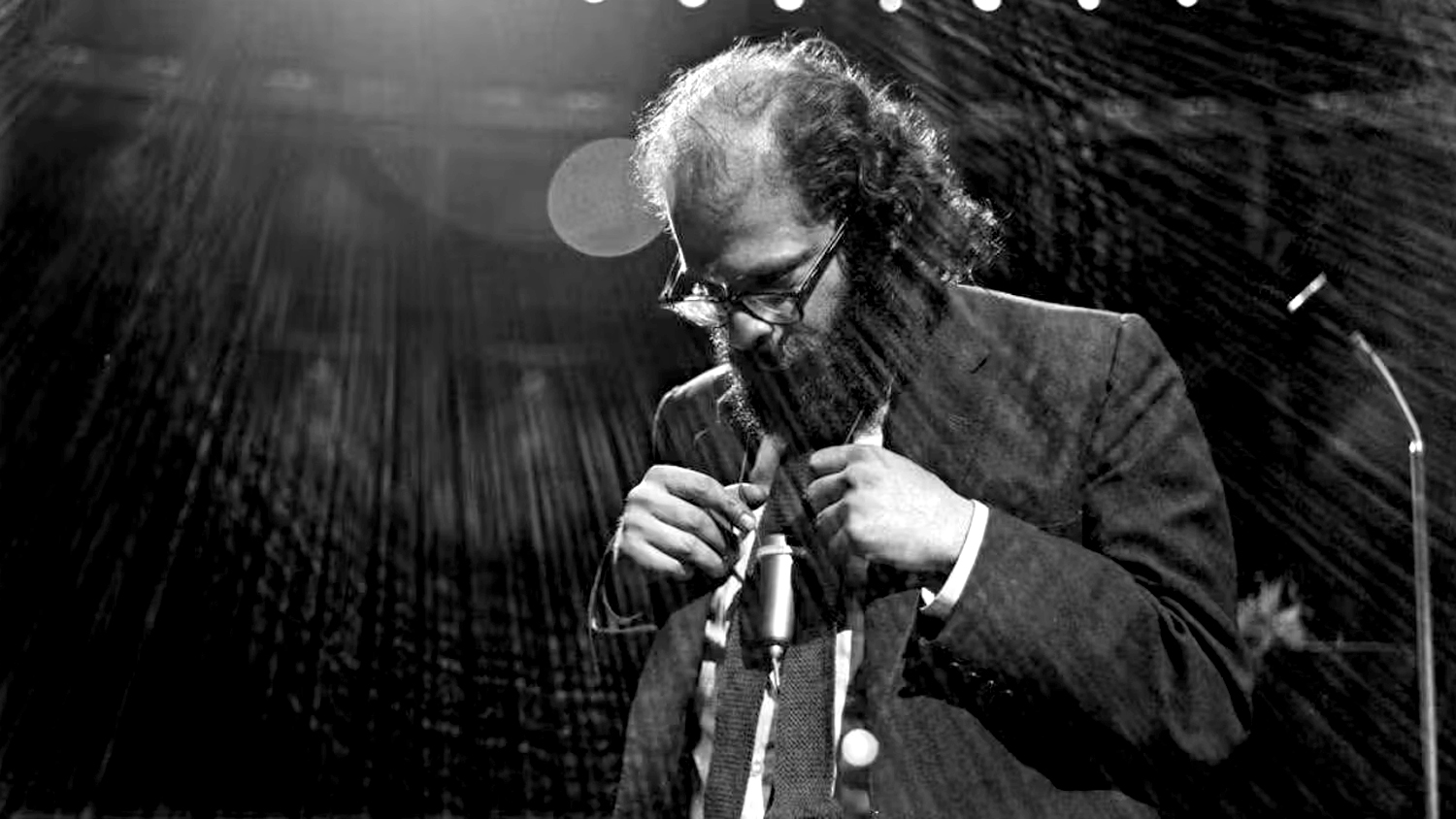
I heard Allen Ginsberg say one of the stupidest things I’ve ever heard. He had come to town to talk about a work he had collaborated on with Philip Glass, Hydrogen Jukebox. It was a powerful piece, which I first heard live, performed in Tucson. 

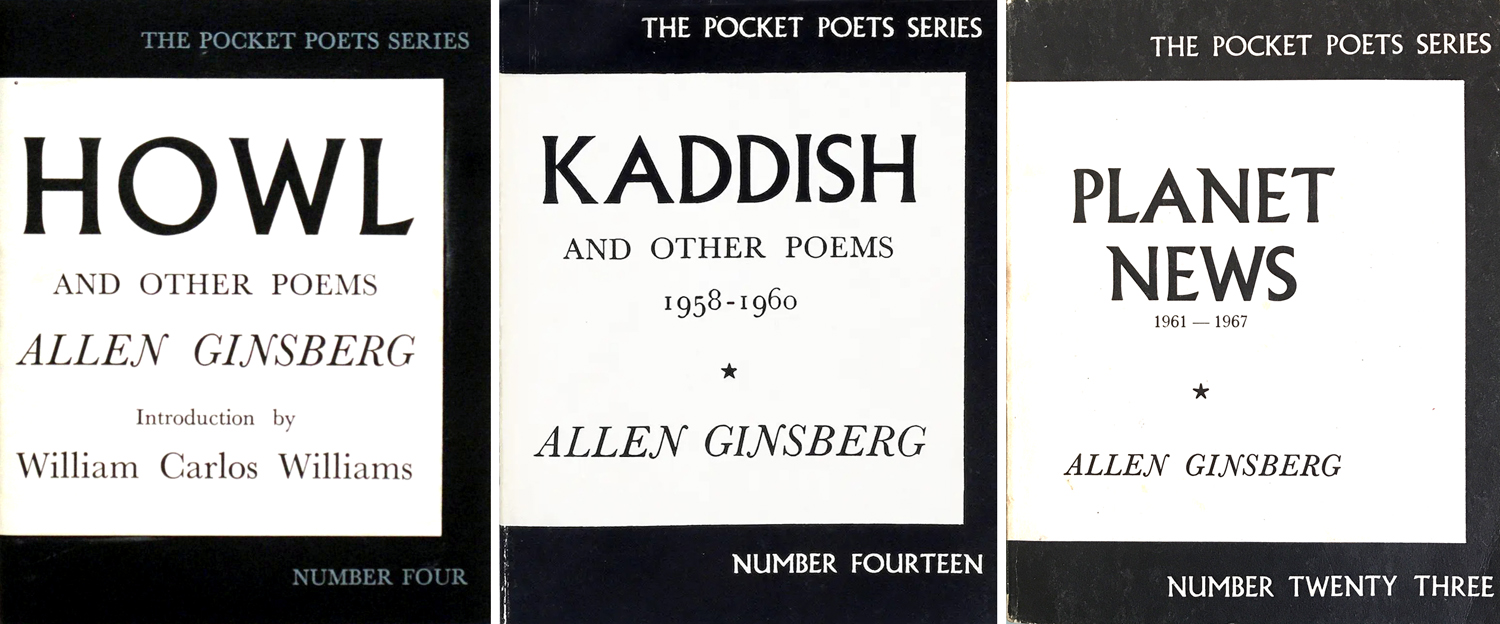
I have always loved Ginsberg’s poetry, from the first, when I read Howl in that tiny, squarish paperback published by City Lights Books. It is one of the great poems of the 20th century. I eventually collected his later books, including Kaddish, Planet News, Reality Sandwiches, although it was clear that not all his writing was up to the level of Howl. He was a very spotty writer, and the older he got, the less interesting the spots. 
He sat on the stage that evening, in Scottsdale, talking about his work and making a case for his then-motto: “First thought, best thought.” How the version an idea comes to you spontaneously will always be better than it will be if you fuss over it and refashion it. Revision always dilutes the inspiration, he said. “First thought, best thought.

As a writer myself, my first best thought was: “Bullshit.” The man has deluded himself with his own bunkum. Most writers will tell you, honestly, that the first draft is always improved by reshaping, clarifying, expansion or excision. Writing is rewriting. 

That doesn’t mean that the initial idea is worthless, but it needs refining, and especially, it needs to have the really dumb parts taken out. 
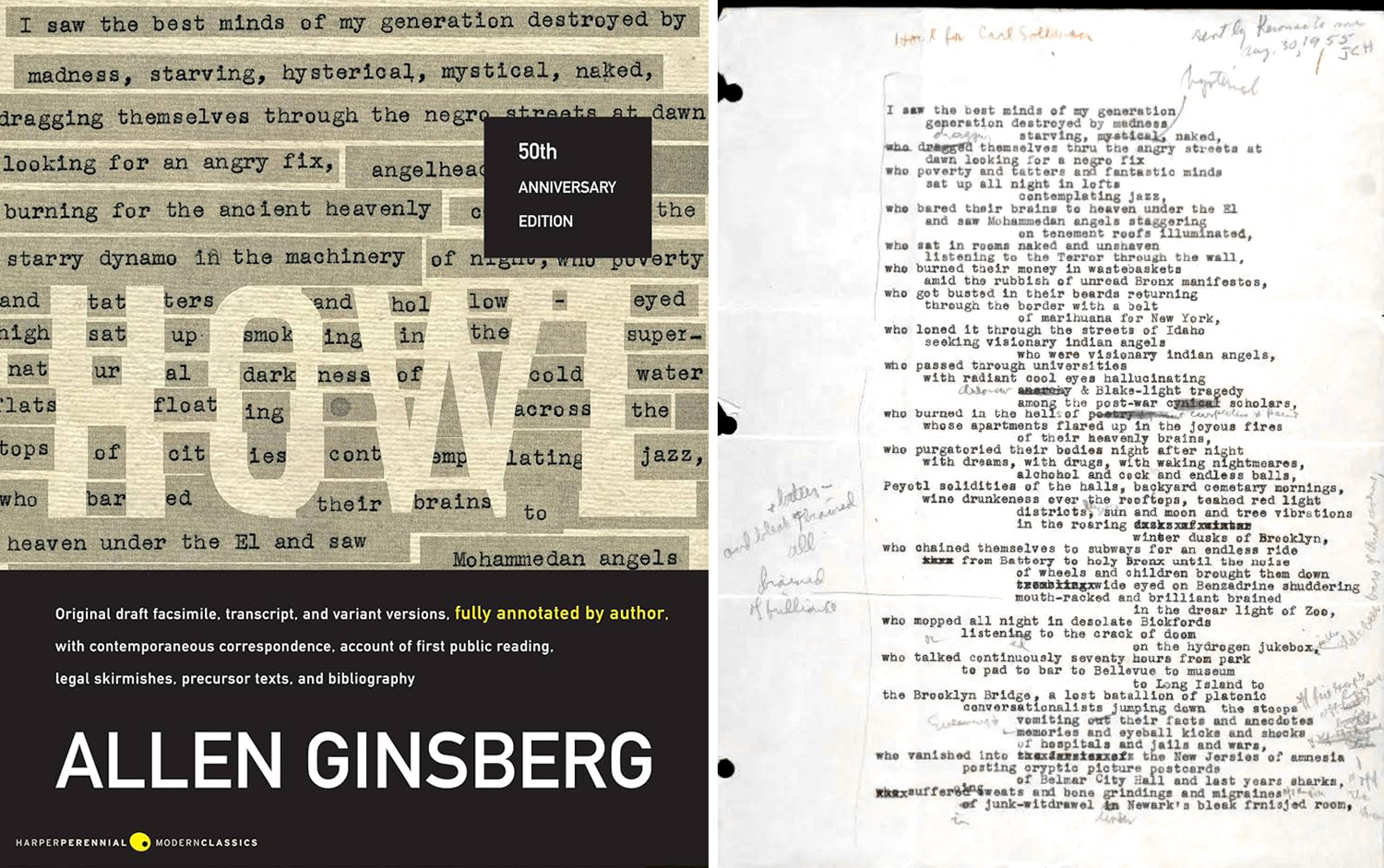
The proof of this comes from Ginsberg himself, to be seen in Harper Perennial’s 50th anniversary edition of Howl, the original draft facsimile. His best poem, considered such by almost anyone’s account, was heavily reworked and refined, honed to a sparkle. 

First thought: “I saw the best mind angel-headed hipsters damned./ What consciousness in oblivion, Joan?” Written in August, 1955. A week later, in the original draft of Howl, it became: “I saw the best minds of my generation destroyed by madness, starving mystical naked,/ who dragged themselves through the angry streets at dawn looking for a negro fix,/who poverty and tatters and fantastic minds sat up all night in lofts contemplating jazz”

Doesn’t have quite the inevitable ring and resonance of the published version: “I saw the best minds of my generation destroyed by madness, starving hysterical naked,/ dragging themselves through the negro streets at dawn looking for an angry fix,/ Angel-headed hipsters burning for the ancient heavenly connection/ to the starry dynamo in the machinery of night” 

That’s quite an upgrade, from “poverty and tatters” and “fantastic minds” to “starry dynamo in the machinery of night.” Prose to poetry. 

Do I think Ginsberg was a hypocrite for his espoused faith of “first thought, best thought”? I think less hypocrite and more that he was drinking his own Kool-Aid. He and his fellow writers — the Beat writers — became fascinated with Buddhism and stories of Zen spontaneity, of Haiku masters whipping up an instant 17 syllables of enigmatic profundity. Most likely, these tales of Basho and Buson are legends and myths, conjured years later. I rather imagine them counting syllables on their fingertips and honing the verse in their minds before committing them to their mouths. Careful craftsmanship. 

The Beat version of Buddhism, and the accouterments of Chinese and Japanese culture are a fantasy. In a way, it might be hinted, this was the Beat version of what Edward Said called “orientalism,” and the hypnotic attraction of exoticism. 
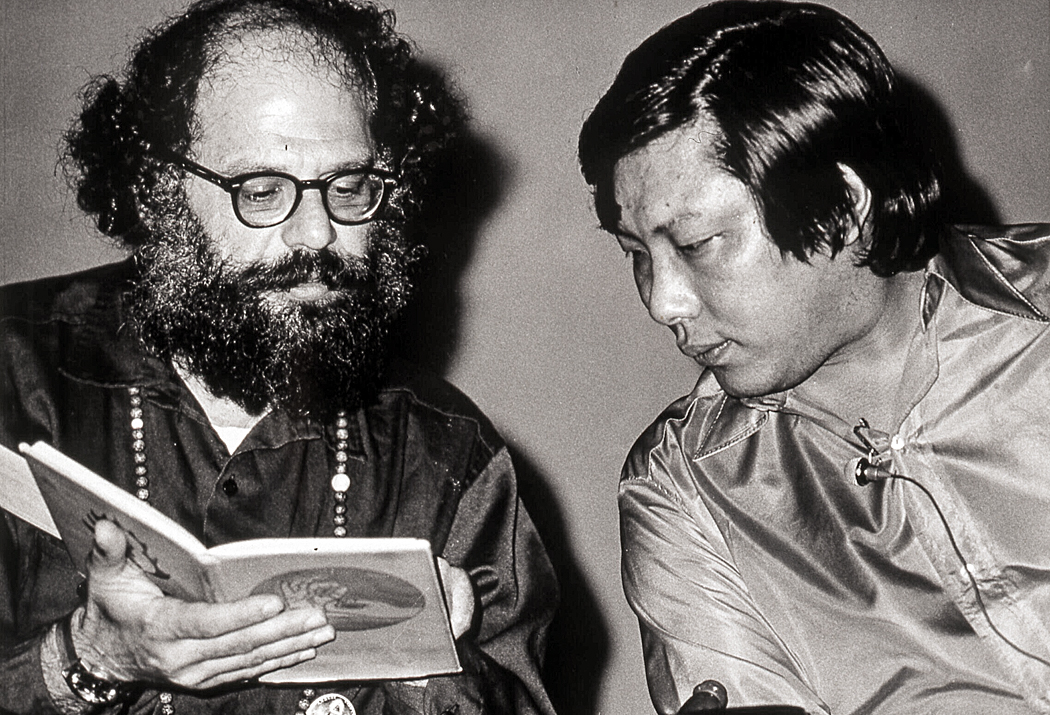
I remember visiting the Naropa Institute in Boulder, Colo., to visit an old college buddy, who had joined the group. As we wandered through the campus, we passed a classroom, where Ginsberg was teaching. The students were chanting, along with the poet, a monotonous phrase in Tibetan — “Om mani padme hung” — over and over, so the noise coming through the open door sounded more like the insect buzz of a summer evening. 

This was part of the Jack Kerouac School of Disembodied Poetics, which Ginsberg had co-founded. And I have no doubt that chanting the mantra may have helped some students focus their minds. I practice a form of meditation, myself, although I don’t call it that — mostly I call it sitting on the back patio looking at the trees and clouds and trying to think no thoughts at all. So, I am not making fun of them. I don’t doubt their sincerity. But I do worry that importing portions of an exotic culture, without having grown up immersed in it, may be charged with being a version of cultural tourism. Yellow robes do not a Buddhist make. 
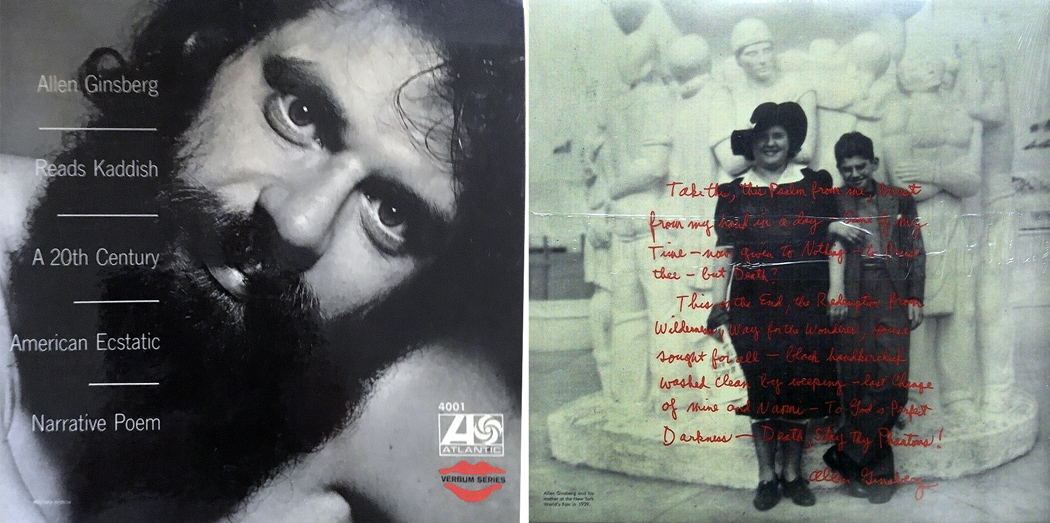
But Ginsberg has enriched our trove of poetry. In addition to Howl, there is Kaddish (especially moving in the audio version with the poet reciting his own words), and shorter poems such as Kral Majales. You learn to separate the wheat from the chaff. 

I reread Howl periodically. It gives me great pleasure, the way certain poems do, for me, such as Wordsworth’s “Intimations Ode,” Whitman’s Out of the Cradle Endlessly Rocking, Arnold’s Dover Beach, Conrad Aiken’s Tetélestai, or Dylan Thomas’ Fern Hill. Poems that dig deep and remain buried in the psyche. They refresh my sense of language and of being alive. 

It is also true, as with Ginsberg, that a good portion of Wordsworth is banal and prosaic, a boatload of Whitman is blather, most of Arnold’s poetry is forgettable, and, let’s face it, Aiken doesn’t make most anthologies of the best American verse. But each has been capable of magic, and I read these poems over and over, the way you listen to favorite tunes.

In his best work, Ginsberg fussed and reworked and licked the bear-whelp into something infinitely quotable and meaningful. If he had stuck to his first thought, no one would still be reading it. 

Translation is a funky thing. You can try to be literal and lose all the flavor, or you can try to find equivalent idiomatic expressions, or you can recast the whole thing, as if you were writing an original from a similar inspiration — your own words for a similar thought. 

And unless you are brought up bilingual so that you are completely comfortable in both languages, you will always be working from a disadvantage. You can work from crib notes, or take a literal translation and recast it. Many writers these days do something of the sort. Ezra Pound did not read Chinese, but that didn’t stop him from translating Chinese poetry. Scholars may quibble with the results (or laugh outright), but the versions Pound printed are good poetry, whether or not they are good translations. 

Would I rather read a poet’s regeneration or a scholar’s word-for-word? The answer is both. When it comes to poetry in languages I do not read, I’d rather have multiple versions to absorb and take in all the angles to arrive at something triangulated. 

There are languages I have some familiarity with and so, I can usually read Pablo Neruda straight from the trough. And in French or German, I have some dealings with the originals, although I do not speak the languages with anything like fluency. I can read a French newspaper, but cannot always make out the spoken version. (Luckily, when in France, I have learned you don’t really need the fineries of grammar. You can speak French pretty usefully even with no verbs at all. You go to the patisserie and when it is your turn, you just say, “Deux croissants, s’il vous plait,” and you get what you want. No one before you on line has used a verb, either.)

And so, I have come to translate some poetry for myself, from German, from French or Spanish (even an occasional Latin poem), and mostly in self-defense. 

I say “self-defense” because most of the translations I’ve been subjected to sound like musty old Victorian twaddle. The translators seem to love archaic word forms and odd word orders — as if written by Yoda they were. 

Such things offend my ear. 

It’s not that I want them to be prose, but the secret of poetry is in the metaphor and the clever turn of phrase, not in the conventional language of old poetry forms. Take the first two lines of Nietzsche’s Zarathustra’s Rundgesang. In German:

O Mensch! Gib acht! Was spricht die tiefe Mitternacht?

Which could be translated, word for word, as:

“O men! Give attention! What says the deep midnight?”

Traditional translations usually go something like:

“O Man! Take heed! What saith deep midnight’s voice indeed?”

or:

“O Man! Attend! What does deep midnight’s voice contend?”

There is the problem with the original. “O Man!” is poetic cliche. It has to go. I suppose you could turn it into idiomatic English as “Hey, y’all, listen up,” but that would be a crime in a different direction. 

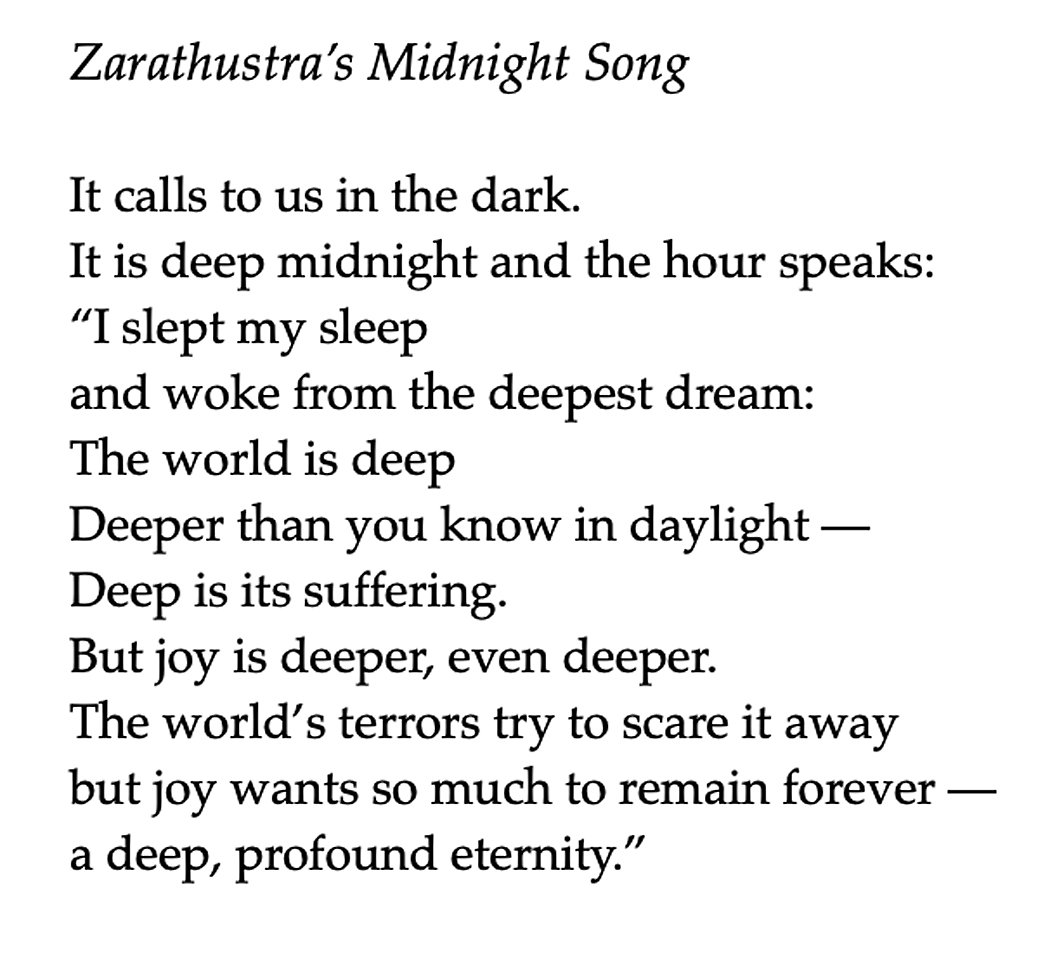
If I were to translate this bit, I would just leave off the unnecessary parts and rewrite it as: “It calls to us in the dark. It is deep midnight and the hour speaks:” This sets up a light/dark dichotomy that pays off later in the piece. 

Too many translations, especially of classic Greek or Latin literature are written in this fusty, worn out poeticized and conventional twaddle. It’s amazing anyone waded through the Iliad in the 19th century. Homer’s actual style was immediate and direct. 

Imagine if Robert Frost had written: “Two paths in twain divided were; traverse we may but one.” Who would now bother with it? It is Circe turning men into pigs. 

In other words, I have no issue with completely recasting the originals to make modern, idiomatic sense in a language that I hope remains poetic but without the equipage of outworn convention. 

A stunning example of this approach is Ted Hughes’ Tales from Ovid, beautiful translations of several bits from The Metamorphoses. In Hughes’ style the stories move quickly and smartly and you turn the pages as in a best-seller. One only wishes Hughes had completed the whole thing, instead of mere sniglets. 

In this way, I have translated (or rewritten, if you hesitate) a good bit of German lieder. So much of it is hyperventilated Romantic sludge, which speaks to the early 19th Century of a generation that was weaned on Young Werther, and undoubtedly expressed the genuine feelings of those who lived through it, but now seem unrealistic and kitschy. 

Yet, there are real things being said and expressed in the poetry of Müller, Hölderlein or Eichendorff. It comes through like a buzz saw in the music of Schubert or Schumann, where the music has an authenticity that the verse sometimes lacks. 

I have tackled whole swaths of lieder verse, including a translation of all of the Winterreise. I found I could be a bit more faithful near the beginning of the cycle, but the deeper in, the more I had to rethink the verse. 

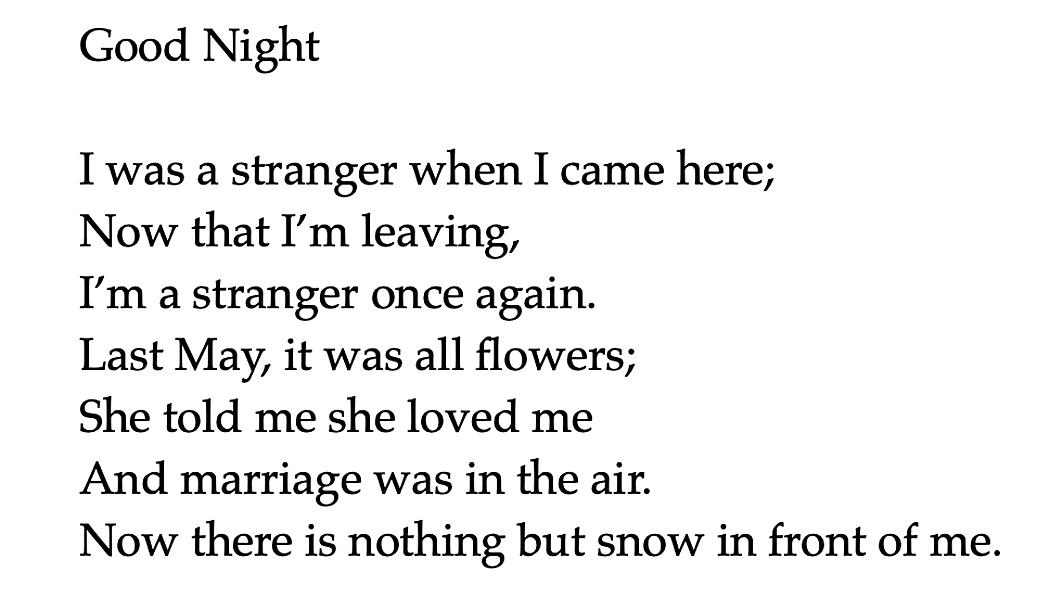
Take the first song, Gute Nacht. The text takes care of itself. A simple translation of the first stanza would be:

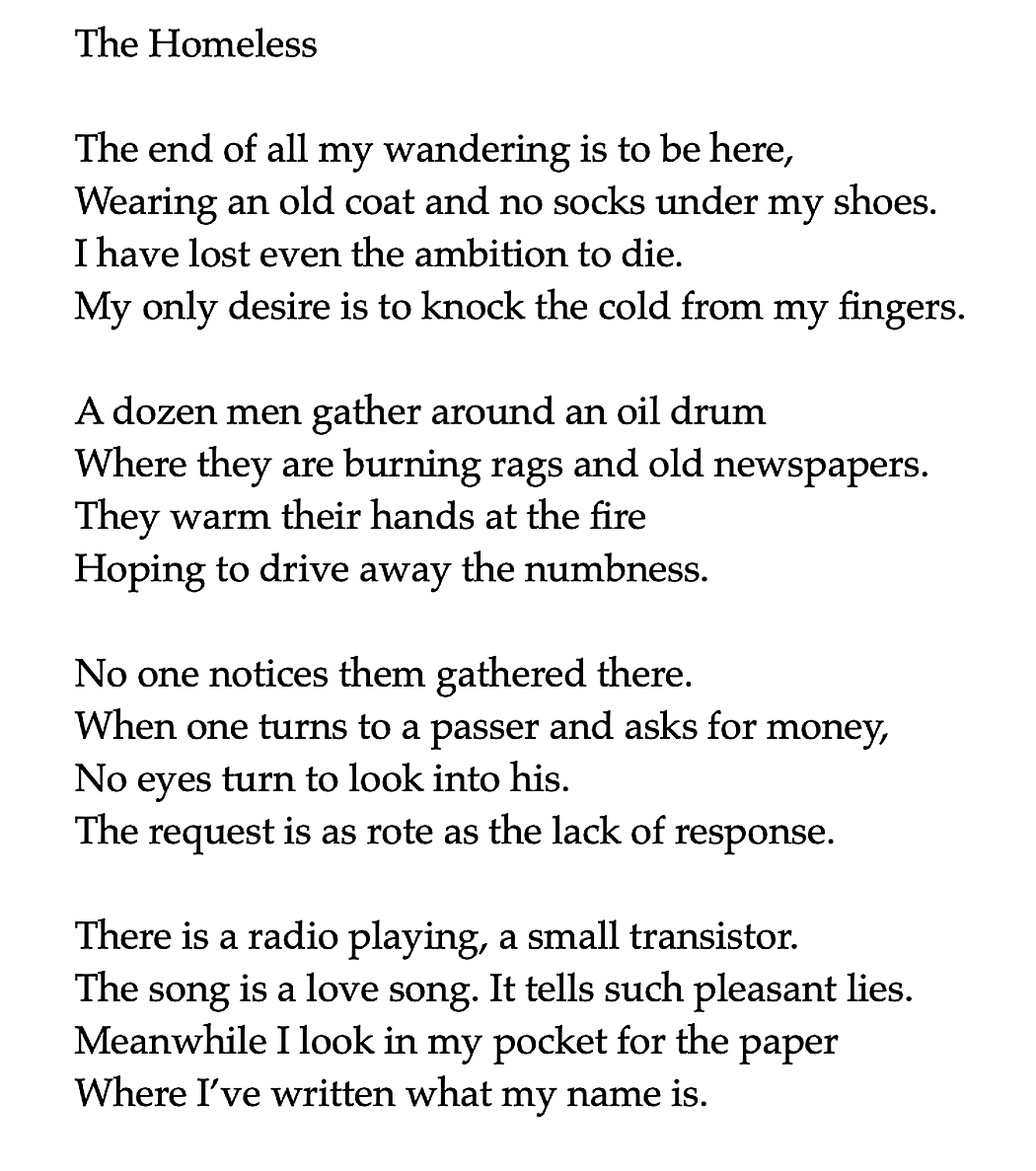
But, 24 songs later, the text of Der Leiermann, about a hurdy-gurdy man, is too bland without the devastating music Schubert provides (one of the most desolate and despairing bits of music ever penned), and so I’ve written my variation on it, to stand without the music:

Just this week, I started another project, translating four of the texts that Gustav Mahler set. I have arranged them into a set that belongs together, in four “movements,” rather like a symphony, meant to be taken as a single whole. 

I am offering them here as my apology for the type of translation I most appreciate — at least when others my better do it. 

The main benefit of doing such work (since I have no plans or hope ever to publish my translations — they are simply for the pleasure and knowledge I get from them — is that they force me to pay attention to the poetry and to the words. 

We can read through poetry much as we may distractedly hum a favorite tune. But good poetry offers much more, and forcing yourself to go through it word by word, can help you uncover much more. Translating forces concentration. 

And so, I read the German for its sound, parse individual words for their various meanings (for no word in any language has but one simple meaning), read various translations to compare how others have understood the words, reassemble them in my own English and then revise, over and over, until I get something that sounds good to me and — more importantly — makes sense. 

I have to admit that I generally like my own translations better than the ones packaged with the CD as the libretti or lyrics. But that is likely because they match my own particular esthetic — they are tailor made for my ear. Your ear may resonate to a different frequency. 

And so, the first “movement” of my Mahler word-symphony comes from the second of Mahler’s Songs of a Wayfarer, words originally written by the composer himself. The main melody of the song became the first theme of his Symphony No. 1. 

The second movement is Mahler’s own crib of Zarathustra’s Rundgesang, or “Zarathustra’s Midnight Song,” as the composer has it. All four of the texts I have translated focus on the twin but opposite facts that life is suffering but also it is joy. 

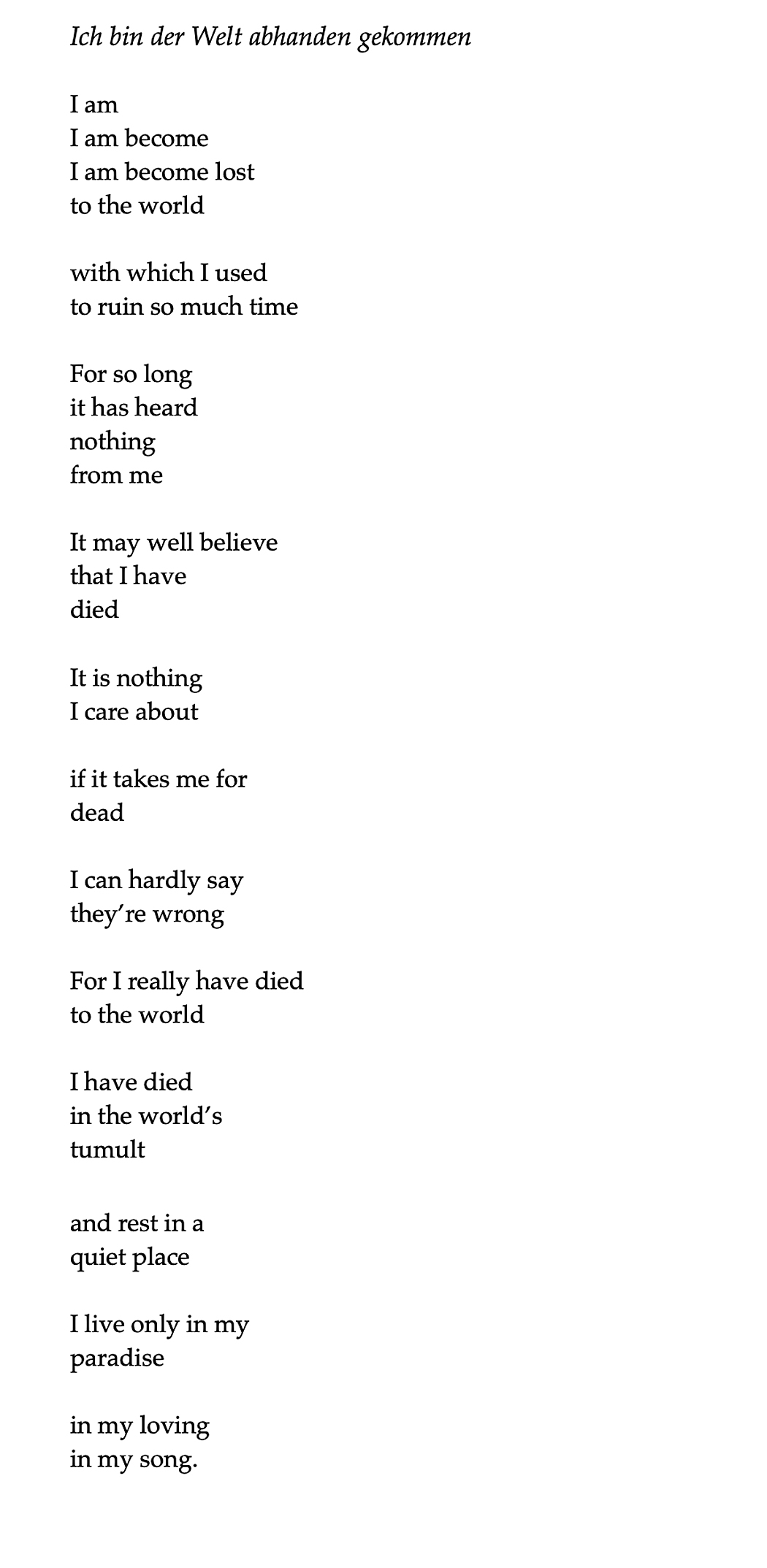
Third, there is heartbreaking and rueful song by Friedrich Rückert, Ich bin der Welt abhanden gekommen, set by Mahler first for voice and piano, but later orchestrated and part of his Sieben Lieder aus letzter Zeit (“Seven songs of Latter Days”). It is surely one of his greatest songs, and can hardly be heard or sung without feeling it was written directly with you in mind. 

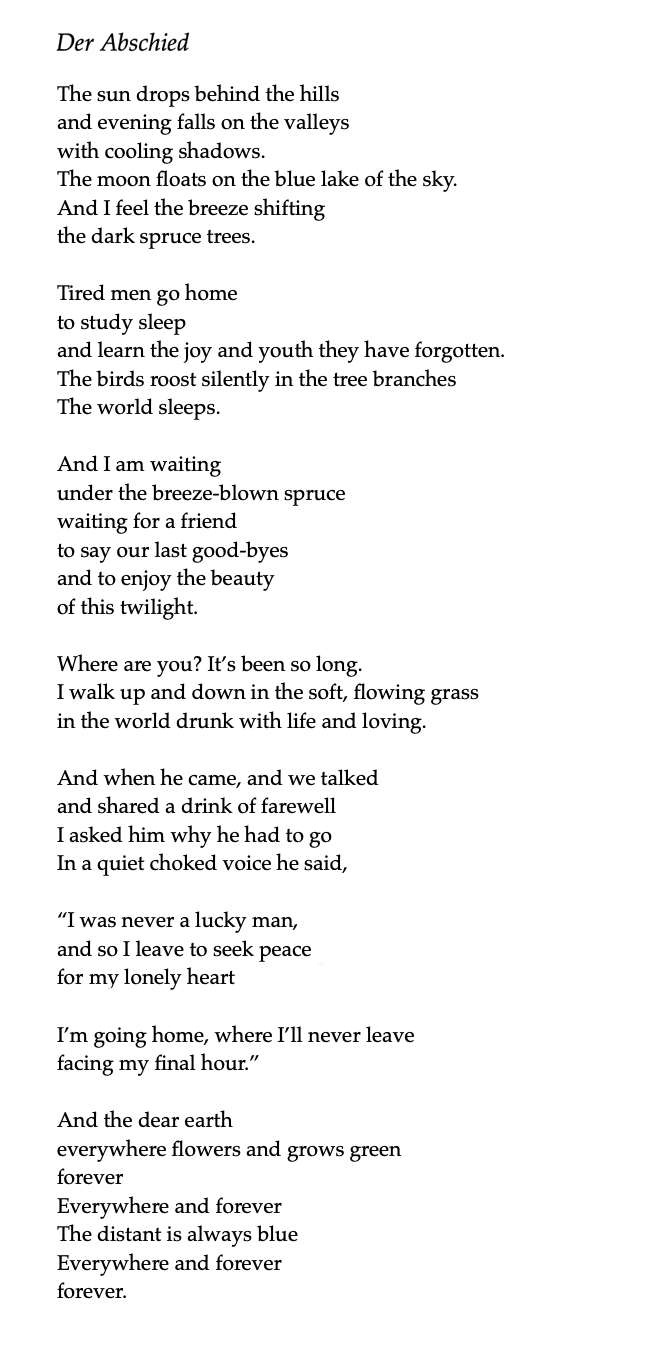
Finally, there is Der Abschied (“The Farewell”), the final movement of Mahler’s Das Lied von der Erde (“Songs of the Earth”). In it, Mahler has pieced together two Chinese poems of dubious provenance (themselves translated or rewritten, or perhaps invented in French and German) purportedly by Tang Dynasty poets Meng Haoran and Wang Wei, with three lines added at the end, written by Mahler himself. Der Abschied is Mahler’s summa, and at 30 minutes, is as long as the previous five movements combined. And it ends with the quiet reiteration, over and over, in dying voice, “Ewig… ewig…” (“forever… forever…”) finally so in performance you can never quite tell when it ends, the final “Ewig” as quiet as the silence that follows. 

In the end, I recommend to everyone that they attempt to translate a poem from a different language. Take a Baudelaire, for instance, or a Neruda (avoid Rilke like the plague, unless you wish to end in an asylum), and parse it through, word by word. Read it out loud in the original language to hear the music of it (yes, your French may not be as liquid as the original) and read various translations to see how differently the words are construed. Then arrange a version of your own.

In the end, you will have internalized the poetry and it will never again be a stranger to you.