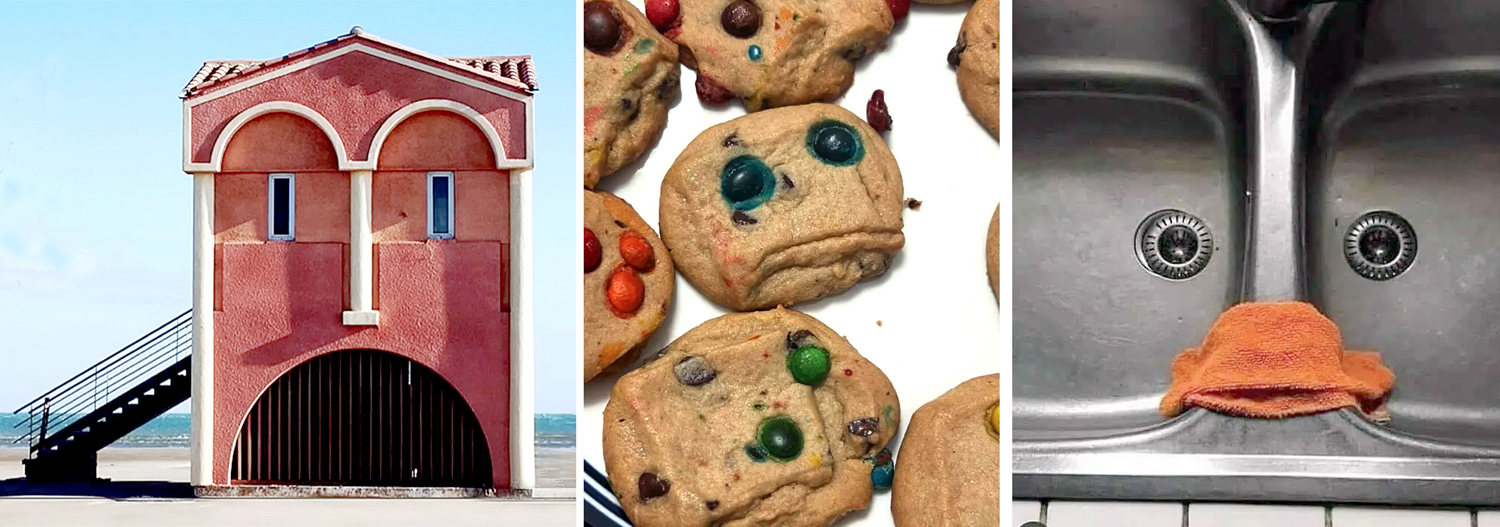
Deep in your brain, at the back of your skull, lie two small bits of matter, each about the size of a pencil eraser, buried roughly equally in each of the two hemispheres of your brain. Their job is to recognize faces. Called the fusiform face area, it is such a hard-working little department, it will sometimes see faces where there are none.
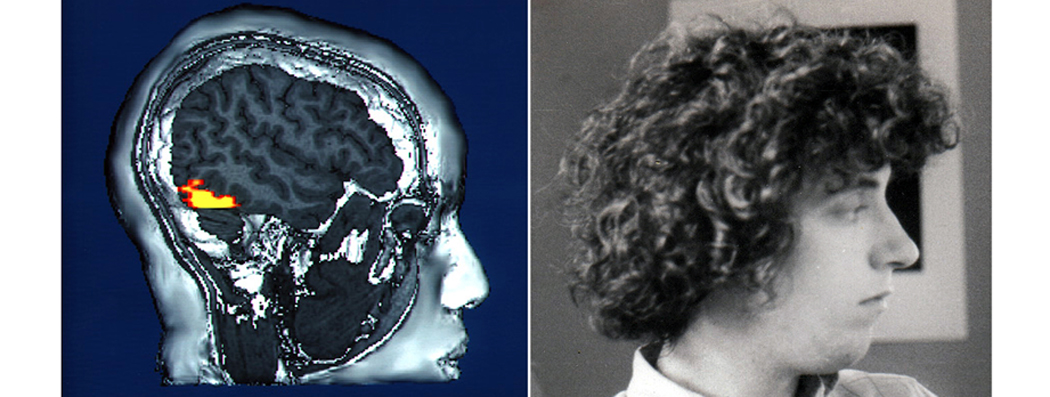
Faces are so important for the survival of the species, that as soon as a newborn can focus — not even focus, but begin to do so — it can make out faces from other shapes, and by three days old, it can recognize its mother’s face.

And through life, the human face remains one of the most engaging visual forms we know. And it is why it is the most frequent subject for art. It covers everything from family snapshots to emojis to political cartoons to the formal portrait. And the portrait has settled in to be one of the conventional genres of art, along with landscape, still life, nude, and abstraction.
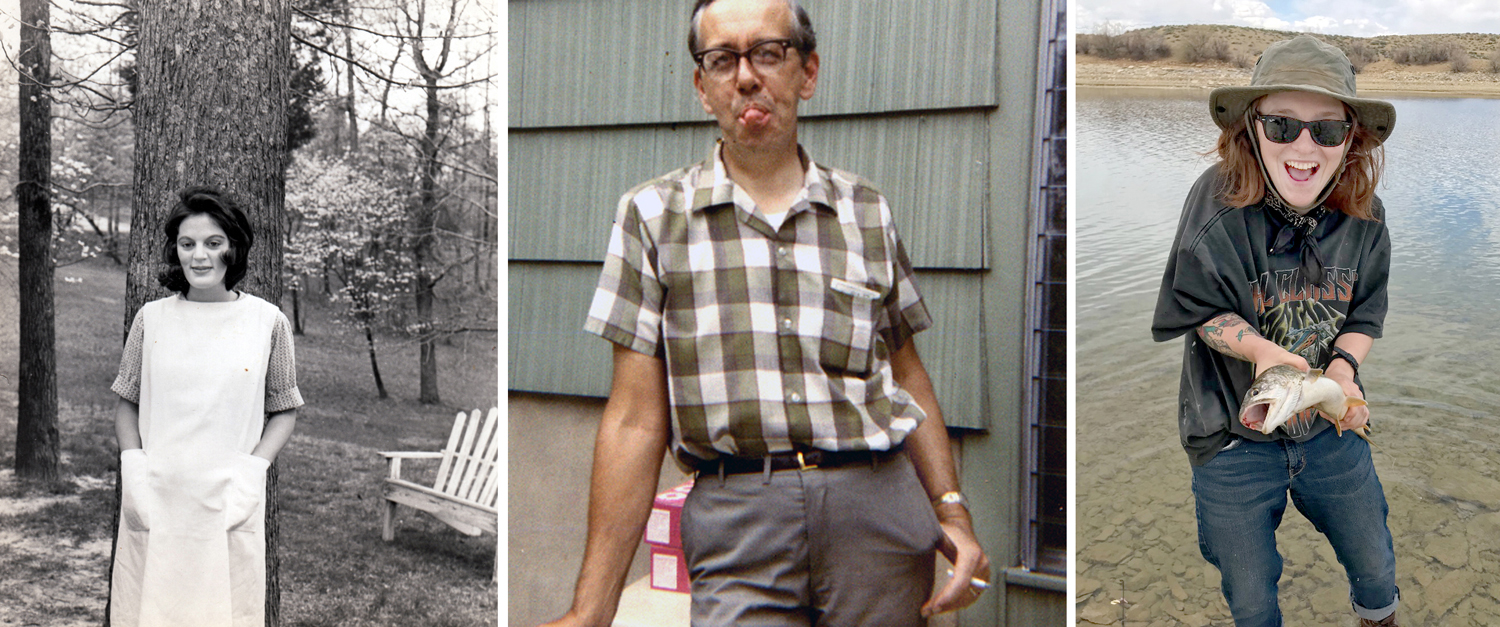
But not all images are the same, or made with the same intent. There are, by my calculation, four overarching categories of pictures of people. The family snaps are the most common. Most of us have a shoebox filled with old pictures, some going back as far as the late 19th century.
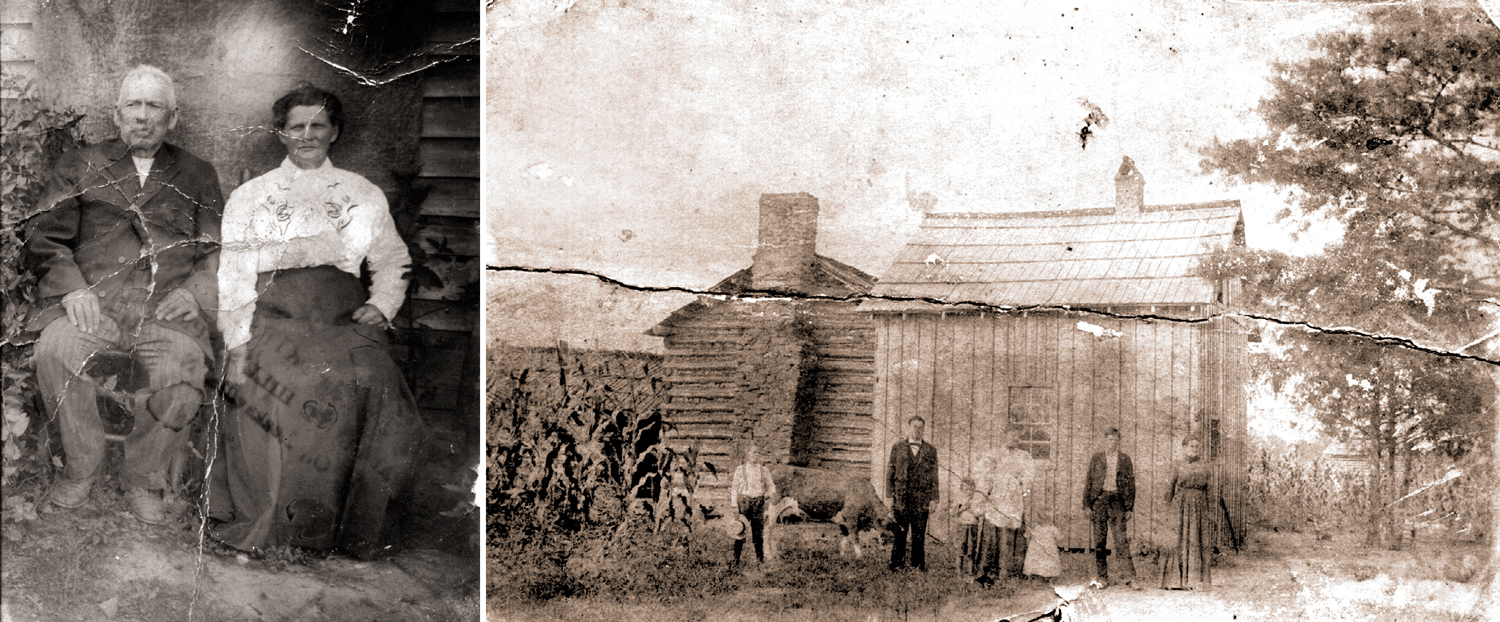
Rowan Steele and family, Sandy Ridge, N.C. ca. 1890
Nowadays, most family pictures exchange the shoebox for the cellphone and cloud. But still, a ton of pictures, most of little significance to anyone but family.

The second group are the more formal photos, like school pictures, wedding photos, or those grinning Olan Mills family shots, as stiff as plywood and just as expressive. Those, usually in Sunday best, with billboard smiles, is how you would prefer people to see you.
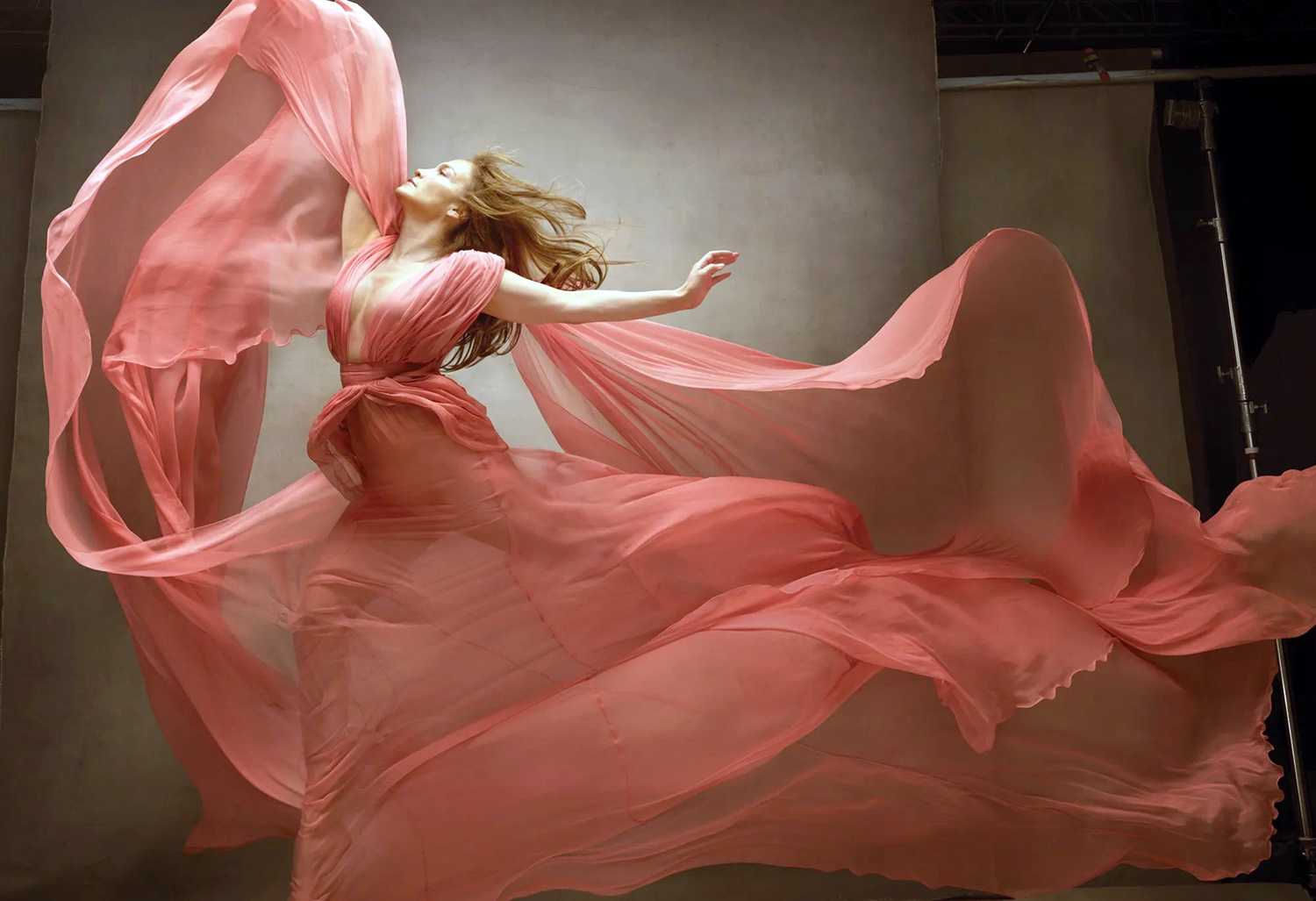
Jennifer Lopez by Annie Leibovitz
Then, there are the celebrity portraits, by the likes of Annie Leibovitz or Harry Borden. These are made when an actor or author has some new project to sell, and they need a clever image for the cover of Rolling Stone magazine or Vanity Fair. Or the cover of a band’s new CD. In a sense, these are not pictures of people but rather portraits of brands. They are selling us something.
I don’t want to demean these pictures. The photographers who make such images can be tremendously talented, and their work is often memorable. But they are not usually true portraits, but rather, a form of marketing.
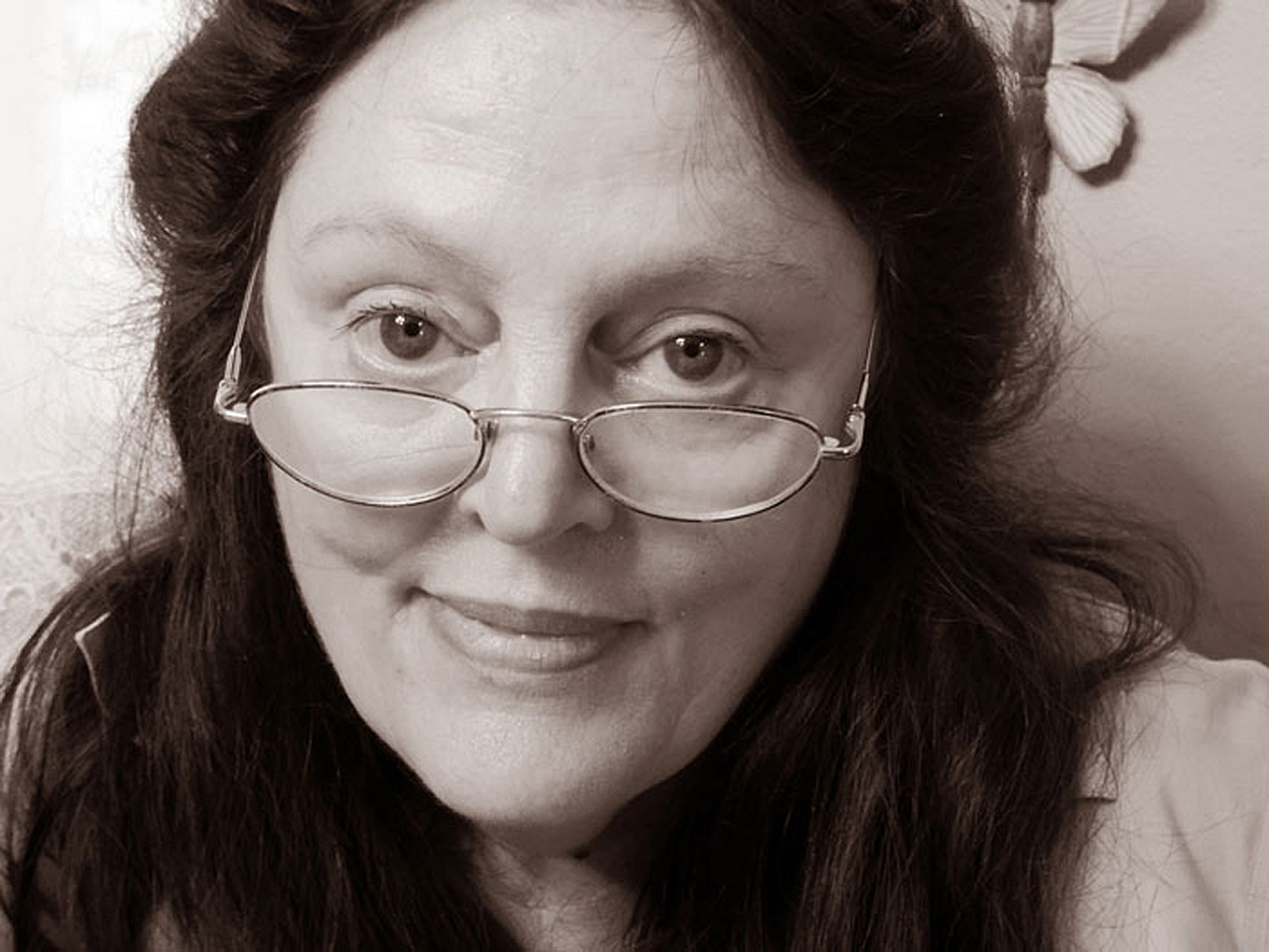
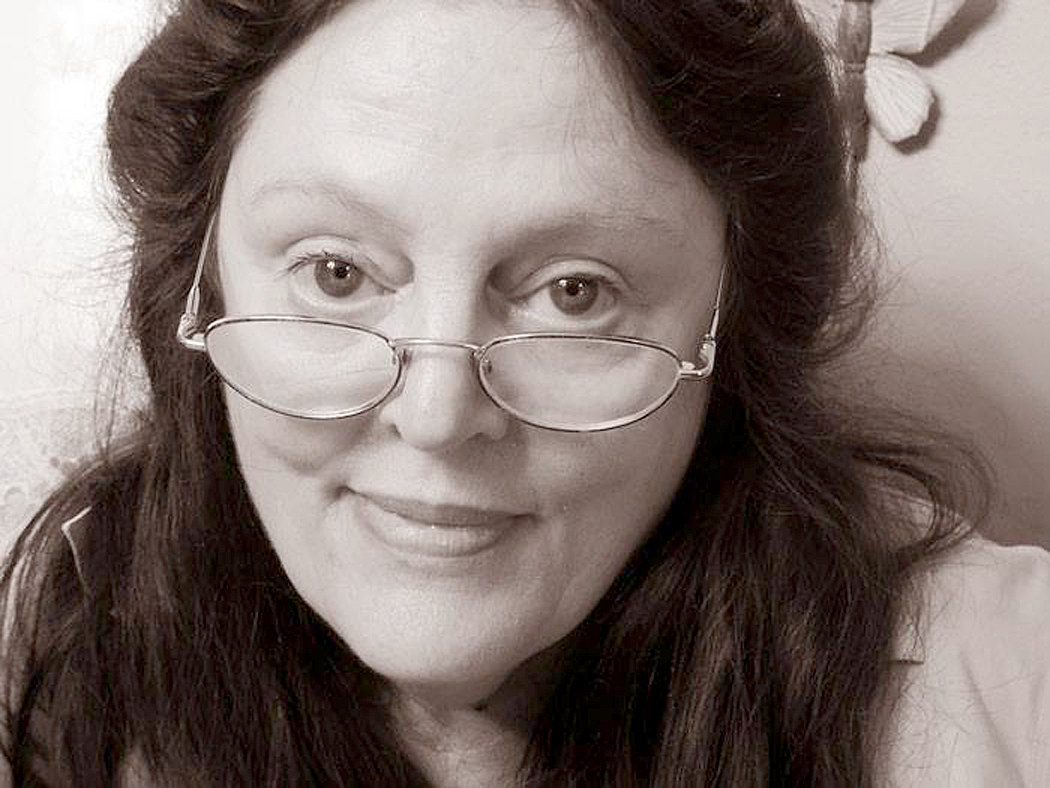
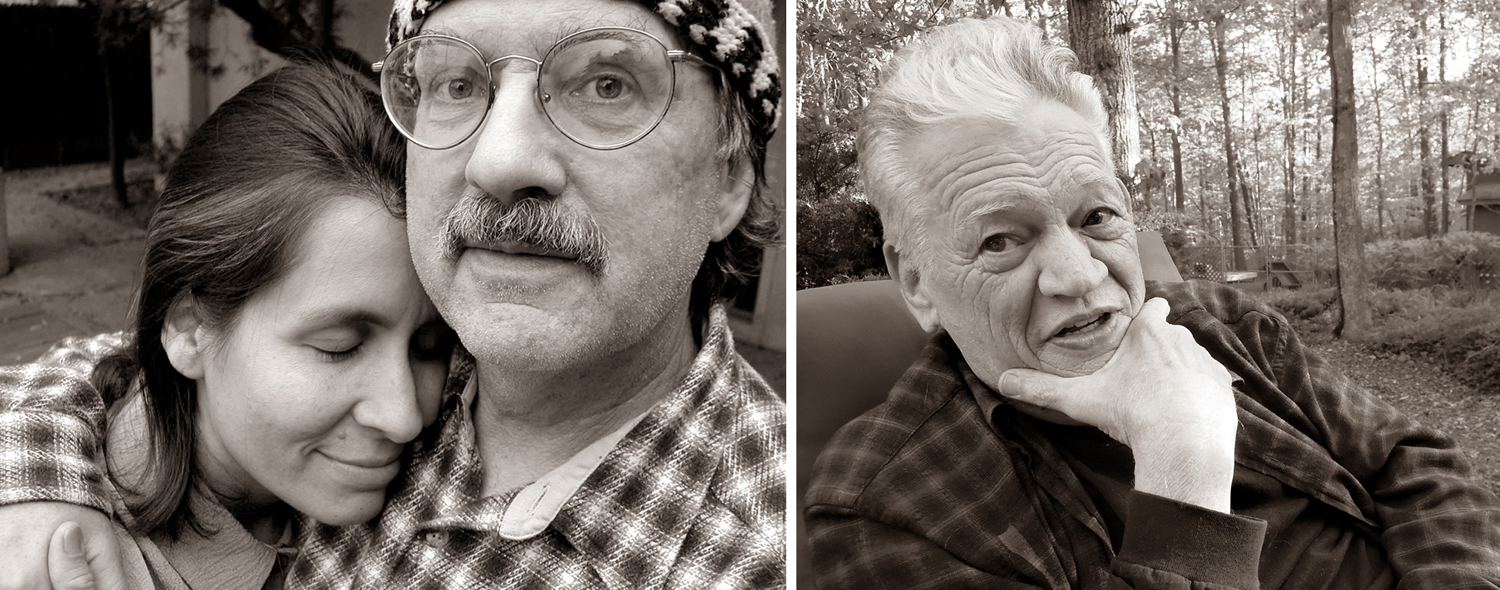
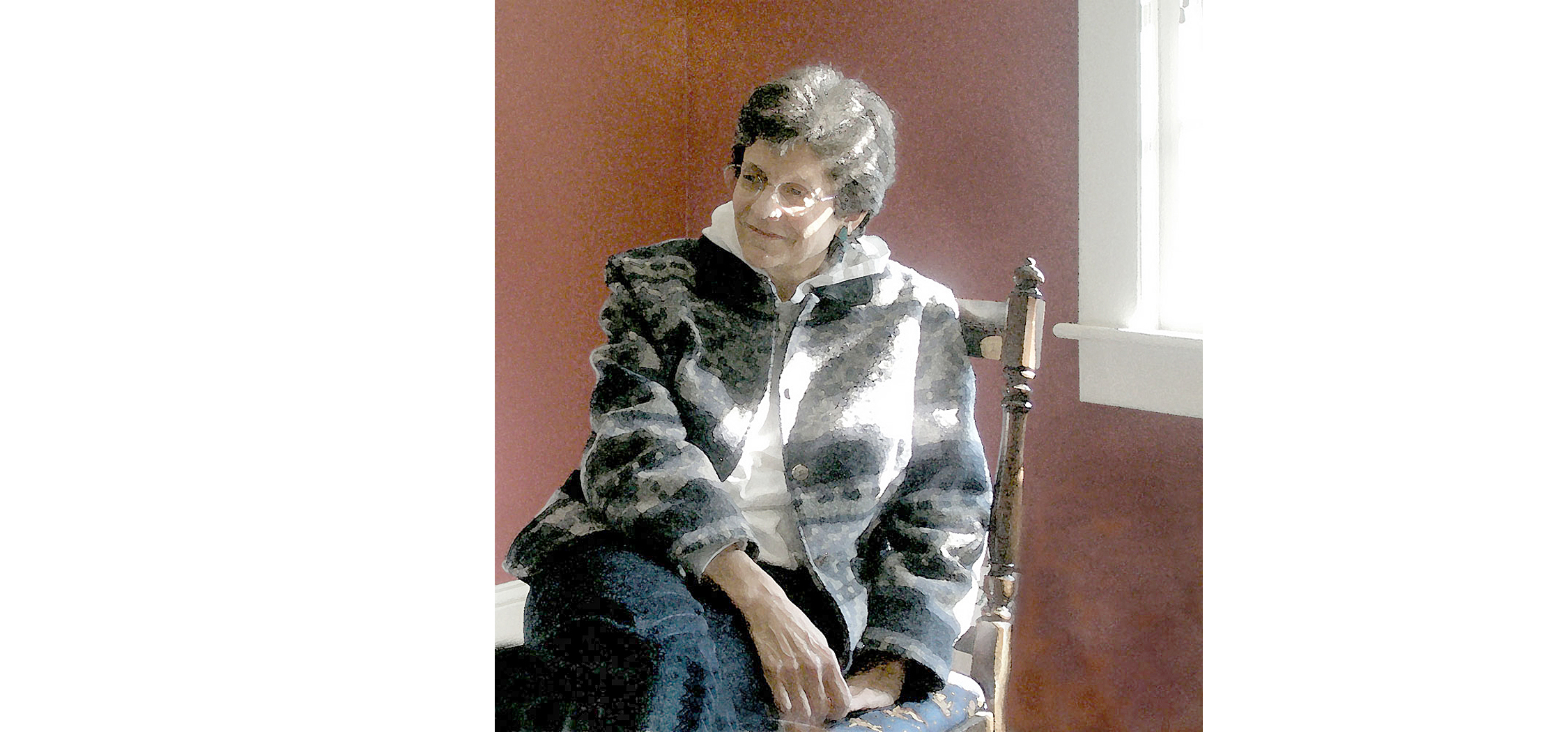
Carole Steele
Finally, there are the portraits I am writing about, images that attempt to capture something genuine about the sitter. To tell you something about the actual person. It is in their eyes; their ancient glittering eyes.
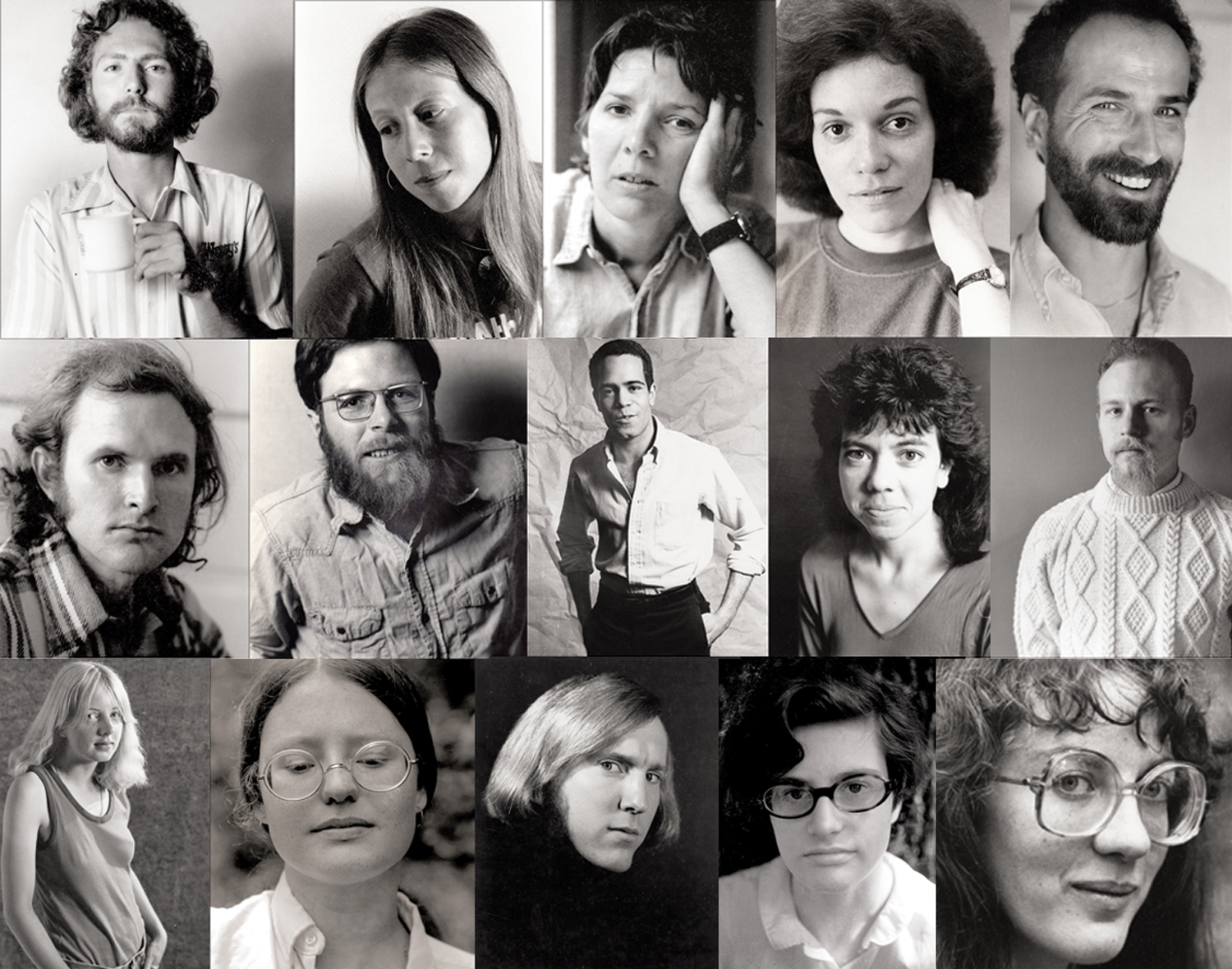
I have been making such pictures for more than 50 years, beginning back in the 1970s, when I worked at a camera store in Greensboro, N.C. I photographed like a demon, making records of friends, family and colleagues. At our home, I had one wall of the dining room covered with something like 30 or 40 photographs, held to the wall with small bits of masking tape on their backs. Some of these may have simply been snapshots of friends, but most were attempts at capturing something real or genuine about those subjects.
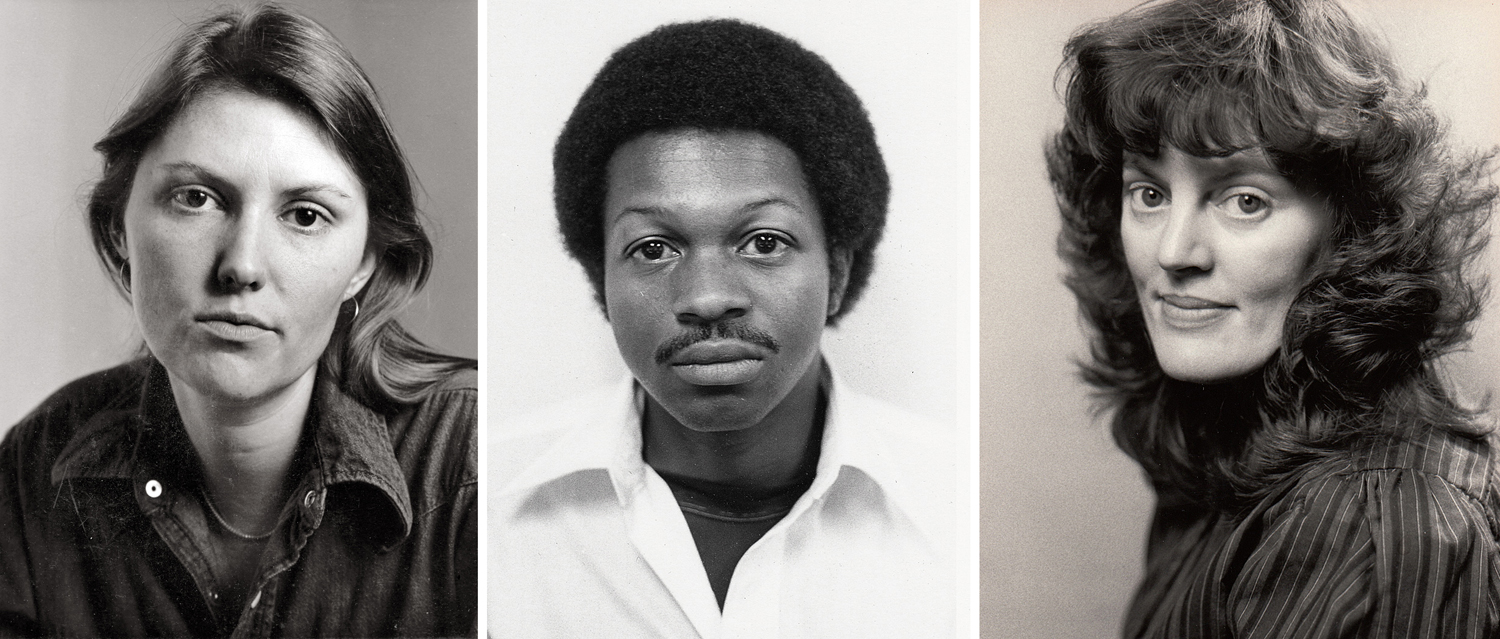
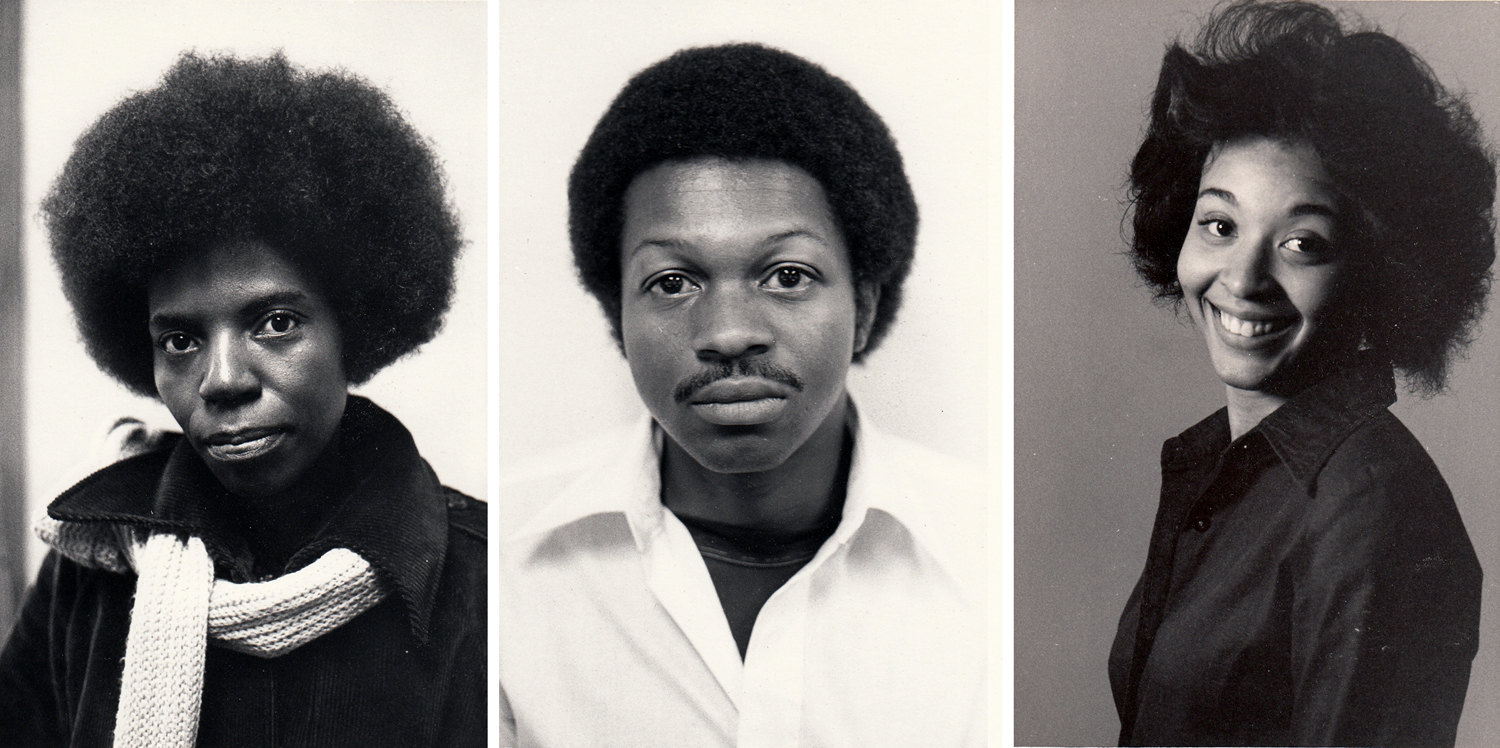
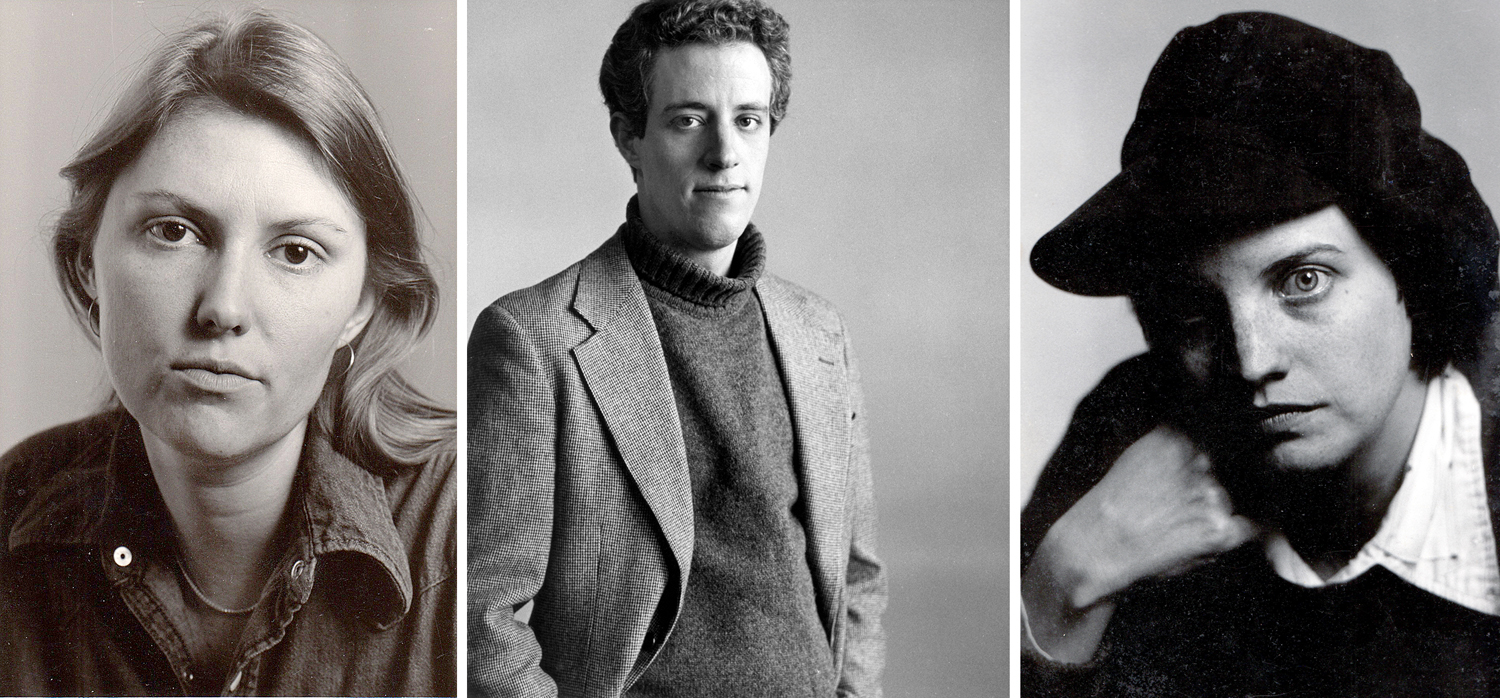
Judy Crawford; Ron Pierce; Carole Steele
What most of the images shared were their eyes. I usually tried to get my subjects to look directly into the camera, forcing the viewer to make eye contact and creating a psychological bond with the sitter. Judy Crawford had eyes that were pools of infinite sadness. As Cicero wrote, “The face is a picture of the mind with the eyes as its interpreter.” There is intelligence shining from some, caring and feeling in some, suspicion or cynicism in others. The eyes have it.
I am now too long in the tooth to mount any more gallery shows, or attempt to publish a book, but I thought I might use this blog to present a sampling of the portraits I have made over the years. Indulge me.
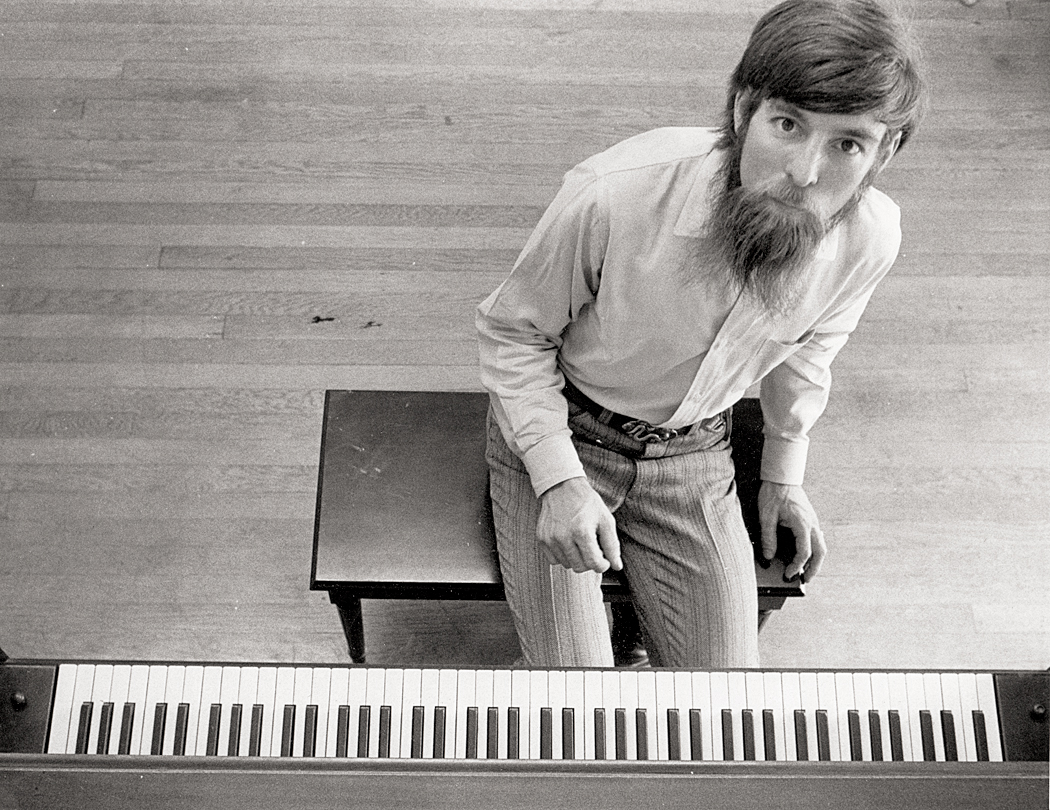
Aimee Groulx
One of the first portraits I still show is of artist Aimee Groulx, who ran the Groulx School of Art in Greensboro, N.C. Actually, his wife, Adele, ran it. Aimee was the kind of free spirit who could not likely run a bath, let alone a business. I taught at the school briefly. Aimee always dotted the “X” at the end of his name when signing anything. “To prevent forgeries,” he said.
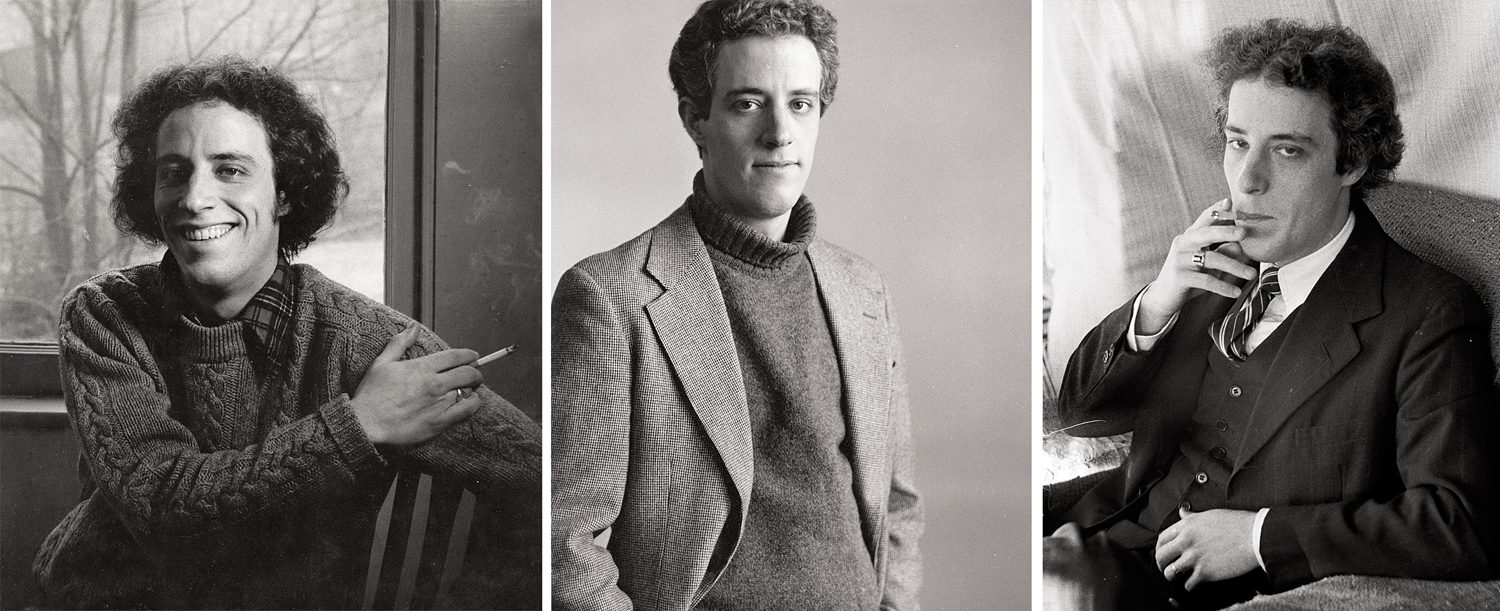
Hank Hackett
Henry Parrish Lippincott Hackett was born to a mainline Philadelphia Quaker family and was great grandnephew to artist Maxfield Parrish. He was one of my closest friends from college. He was a frequent toker, and once I worried he might be doing too much weed. He assured me he had cut way down. “Only four or five joints a day,” he said. Once, he came to our home, a little bleary, and sat on the floor and said with complete earnestness, “Y’know, I feel more like I do now than I did when I came in.”
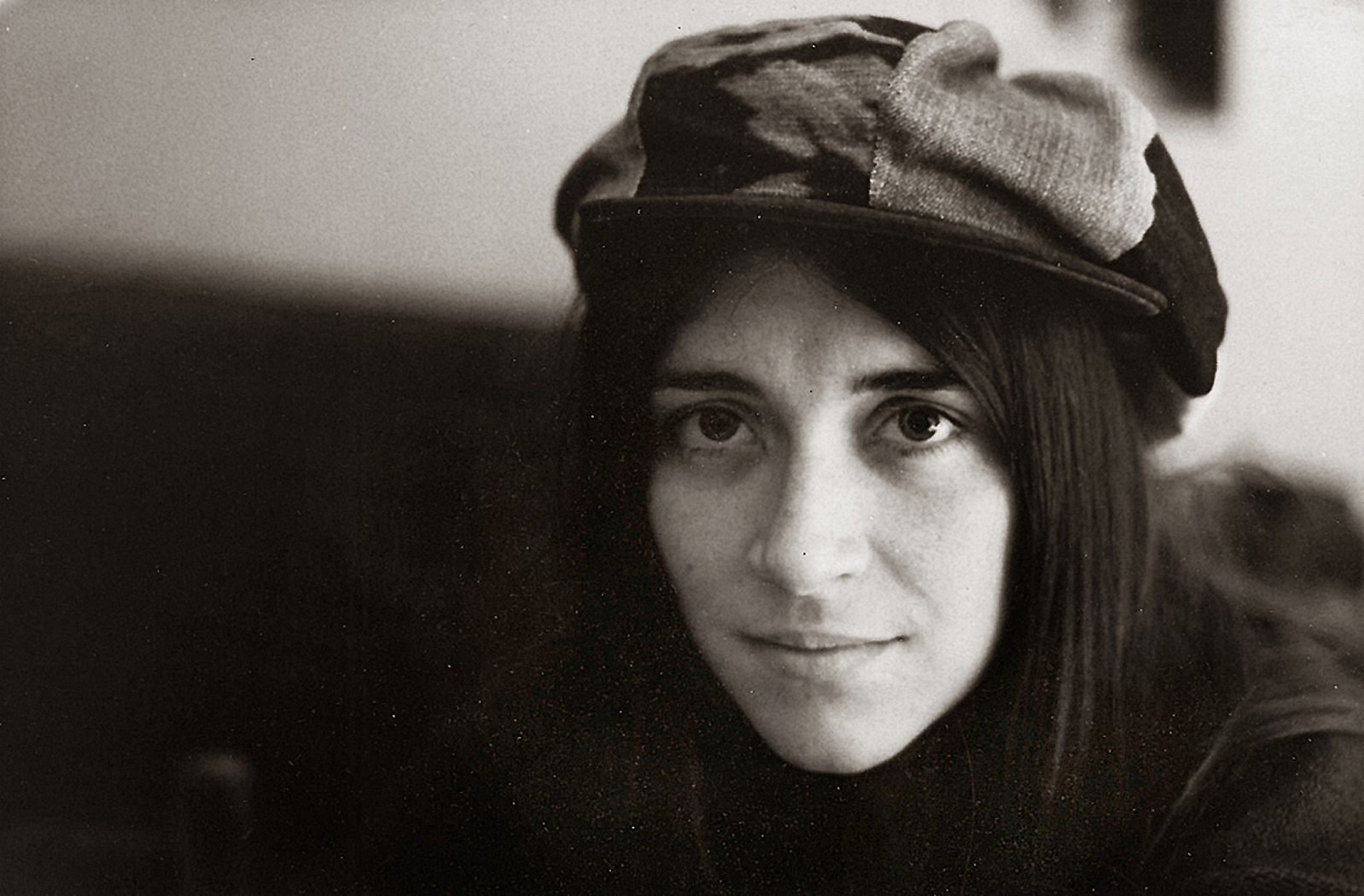
Kacey Lamb
Kacey Lamb always refused to be photographed. By anyone. Maybe she was shy, or maybe she just thought it made her seem more mysterious. One day, when her husband, Larry, was out of town, she took revenge for being left alone by letting me take her picture. “Only one,” she insisted. One click of the shutter, one negative.
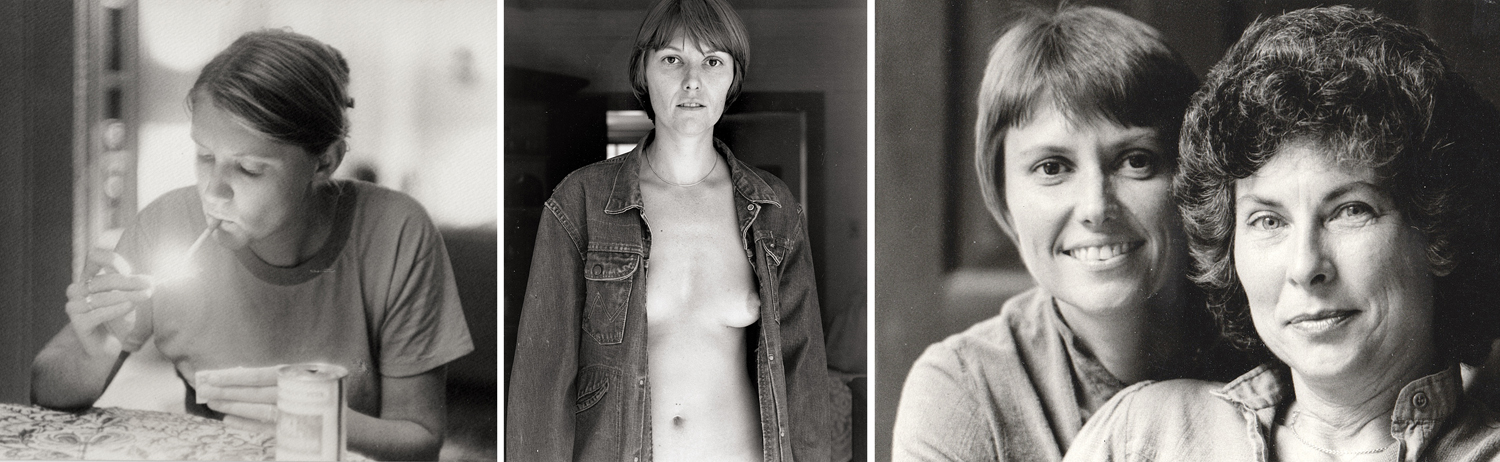
Judy Crawford; Judy with her friend, Minnie
Judy Bryson Crawford was one of the most beautiful beings ever, both outside and inside, and spoke with an engaging drawl from the Blue Ridge Mountains. I first met her in the early 1970s when she lived on Cedar Street in Greensboro, N.C. with Junie Norfleet and Dara Llewellyn. Together they were known as “The Girls,” and their house was a meeting place for many of the more creative-minded young people of the city. She later moved back to her home near Balsam, N.C., just under the shadow of Waterrock Knob.
In 2003, in Phoenix, working at my newspaper, I scrolled the Associated Press wires and accidentally came across her obituary. It was one of the saddest days of my life. She was 56.
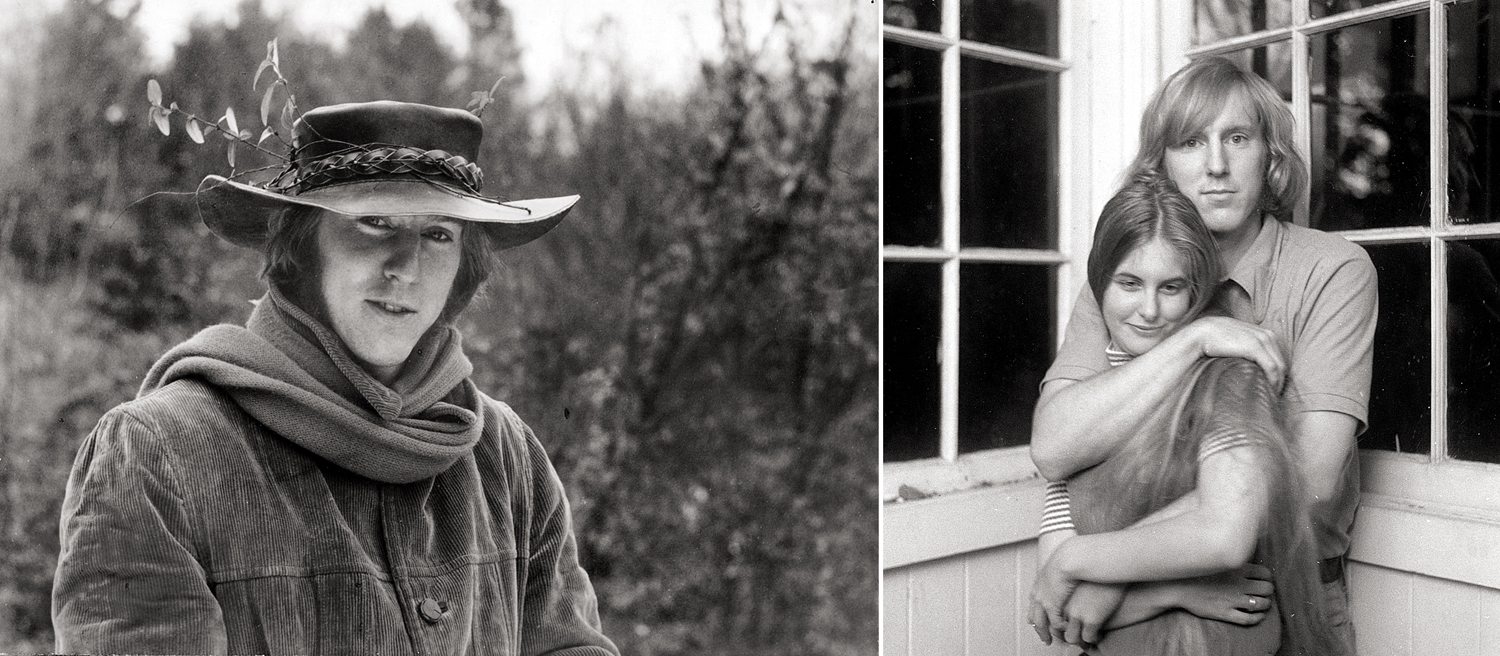
Alexander and Mary Lou Barker
When I was a freshman in college, a rangy young man knocked on my dorm door, hearing that I was listening to a Beethoven quartet on my portable phonograph. We shared a passion for classical music and became lifelong best friends. About once a year Sandro and I drove to the Outer Banks to camp, usually in the winter, when the beaches weren’t crowded. He later married another Guilford alum, Mary Lou Hinton, and eventually moved to the Maine coast. There, always athletically inclined, he took up crosscountry skiing and especially loved skiing uphill.
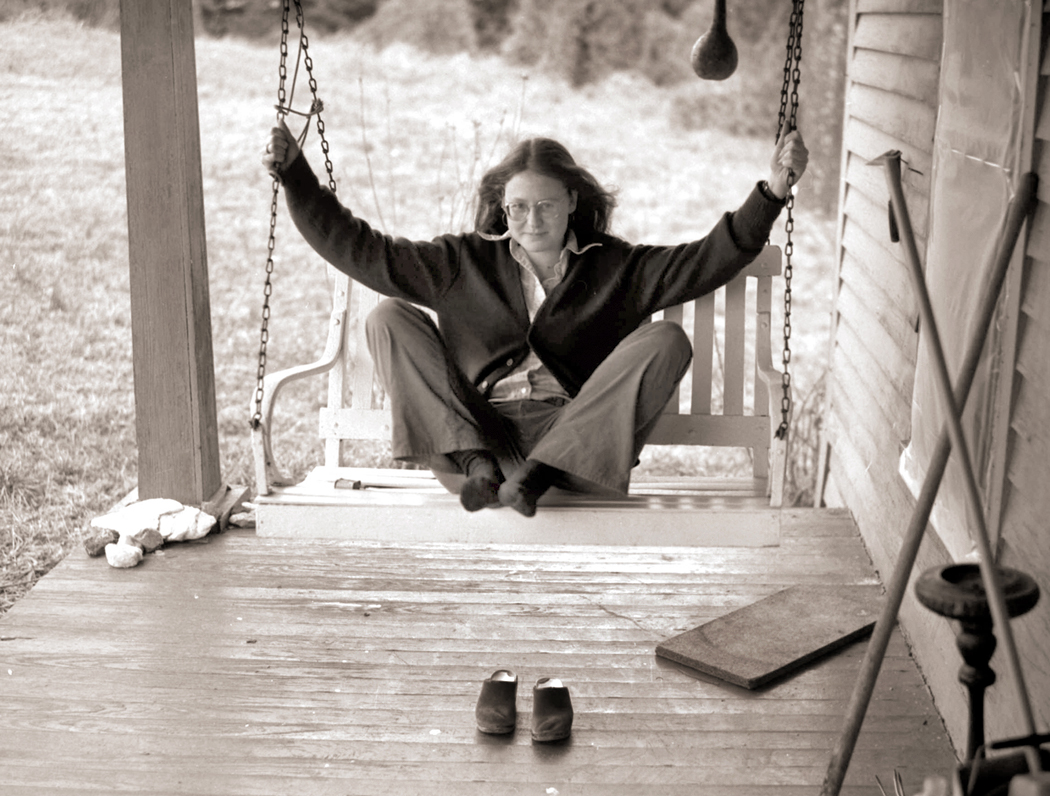
Sharon Vernon
Sharon Vernon was my unofficial wife for seven years in the 1970s. She had red hair that shone the sun like copper. We saved money for a year so that we could take the next year off work to hike the Appalachian Trail to Maine. We got as far as northern Virginia when she sat down beside the trail and announced, “I’m not taking another step.” We were worn out, and destination hiking can be more tedious than it promises, always looking for the next trail marker and the next lean-to to spend the night. Little time to soak in the glories of nature. So, instead, we spent the rest of the year traveling around the Northeast by car.
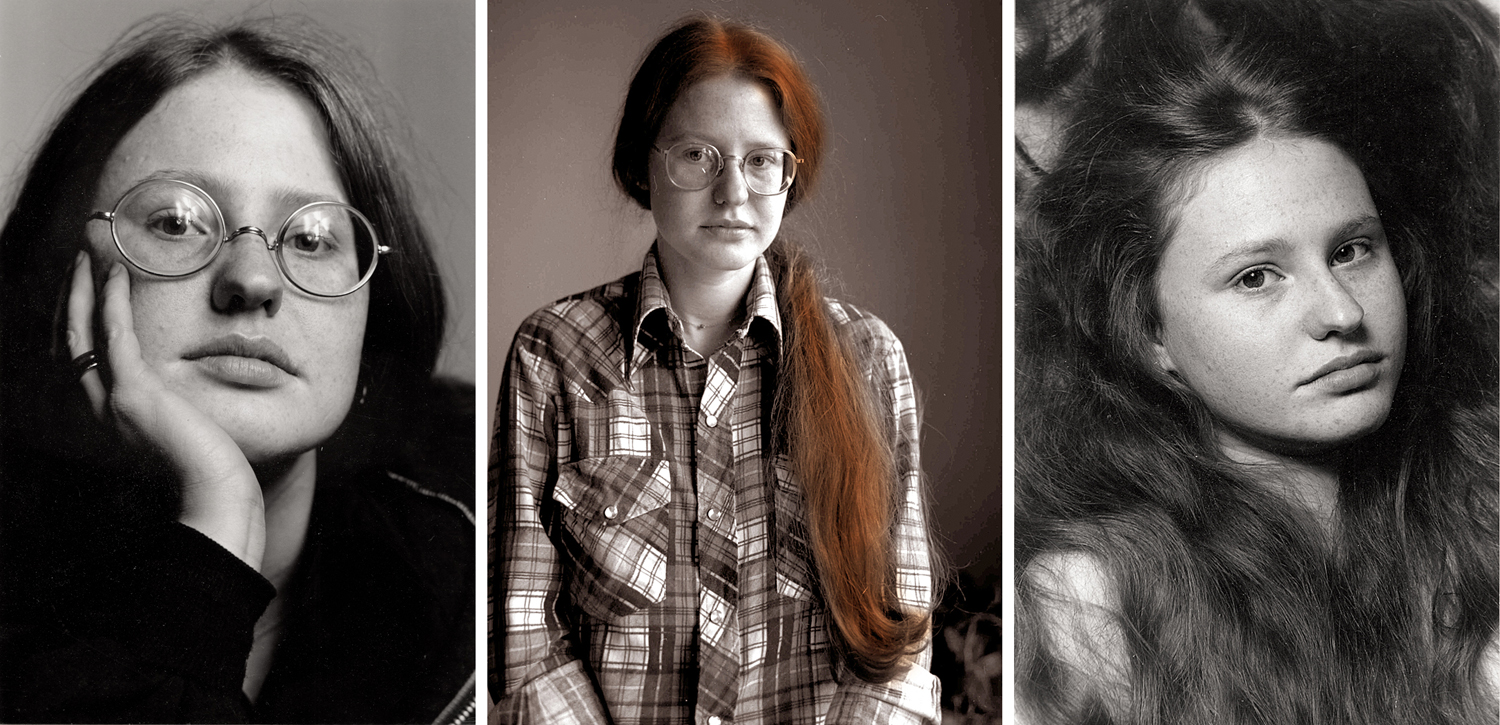
I intended to spend the rest of my life with her, but she decided otherwise, and we split in 1978. I took the train across the country to Seattle.
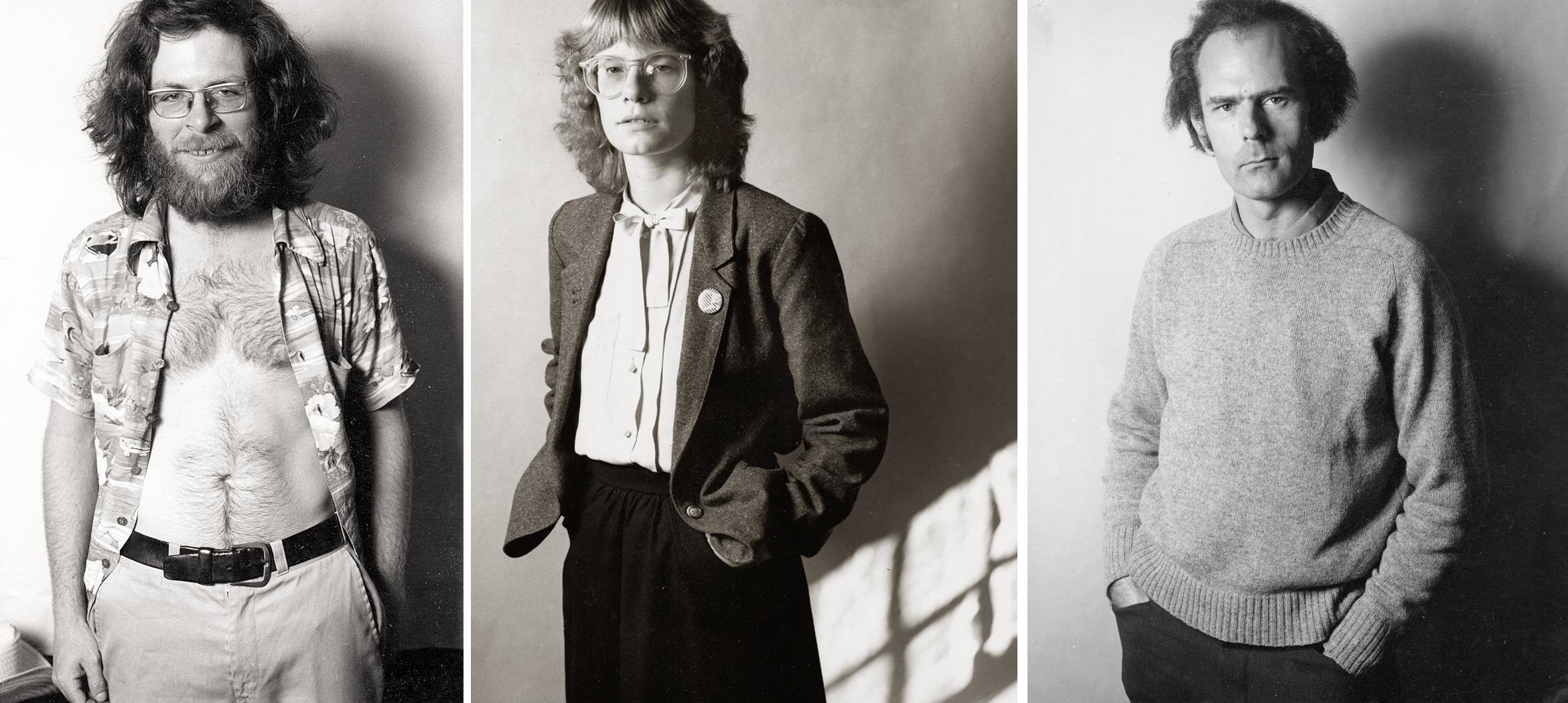
Doug Nufer; Linda Olson; Ken Baker
In Seattle, I moved into a house with “The World’s Most Obscene Man,” Doug Nufer, and two lesbian doctors known as Cam and Clink. The house sat across the street from the Woodland Park Zoo, where I wound up working.
He was a Bucky, which meant he was a bicycle delivery guy, taking mostly legal papers from law firm to law firm, pedaling roughly 50 miles a day up and down the hills of the Emerald City. His Bucky handle was Banana.
He had previously been writing porno novels (Sixty-Nine In-Laws was his magnum opus), but now writes avant-garde novels, including one that never uses any word more than once. Unreadable, but that never seemed the point. It is often that way with the avant-garde.
Linda Olson was my girlfriend’s roommate and a deltiologist, or collector of vintage post cards. For years after I left Seattle, we would mail each other tacky post cards we found. Ken Baker was a zookeeper, one of many I got to know there. When zoo management sent out a memo requiring keepers to wash their hands after visiting the bathroom, he got miffed. “Do they even know what zookeepers do? I wash my hands before going.”
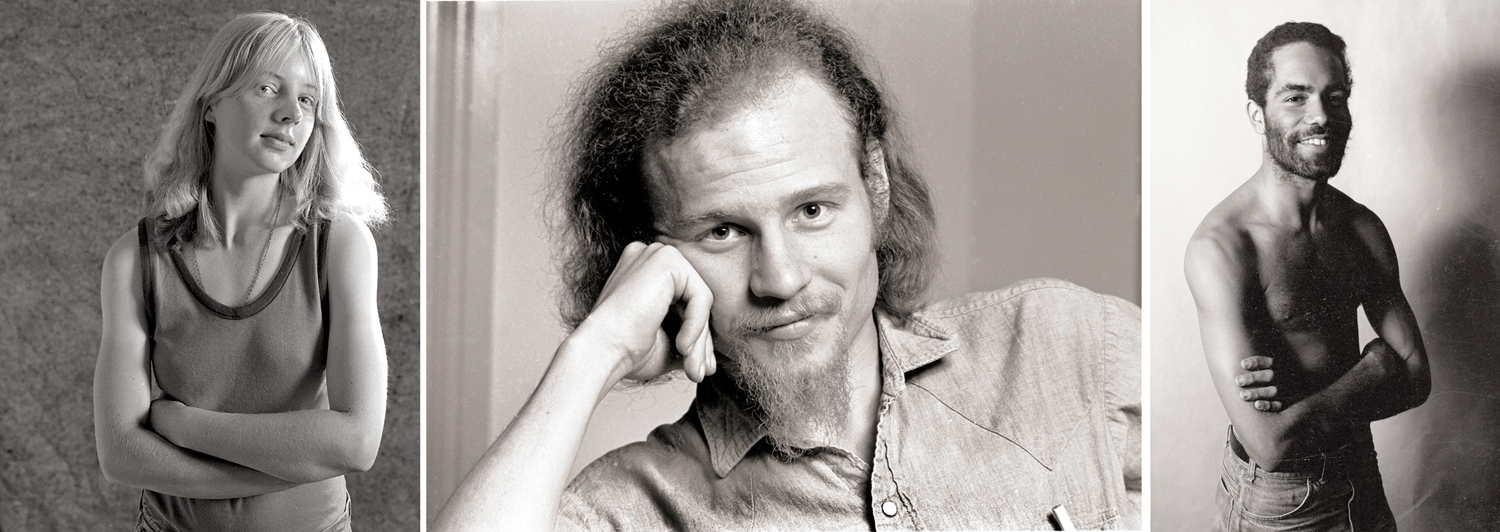
Alice Gilliam; Bill Marshak; Colin Murray
Before I had a straight girlfriend in Seattle, I dated gay Alice, a Bucky like Doug, and we went out together often, and to symphony concerts. She had once been a violinist in a touring Christian orchestra. Marshak was a grad student in Chinese studies, and it was always fun to go to a Chinese restaurant with him and order off-menu, while he chatted with the waiter. Colin (pronounced like Colin Powell) was briefly a housemate and wanted to be a male model, asking me to make some audition shots for him. He never seemed to grasp the irony that his boyfriend’s name was Dick.
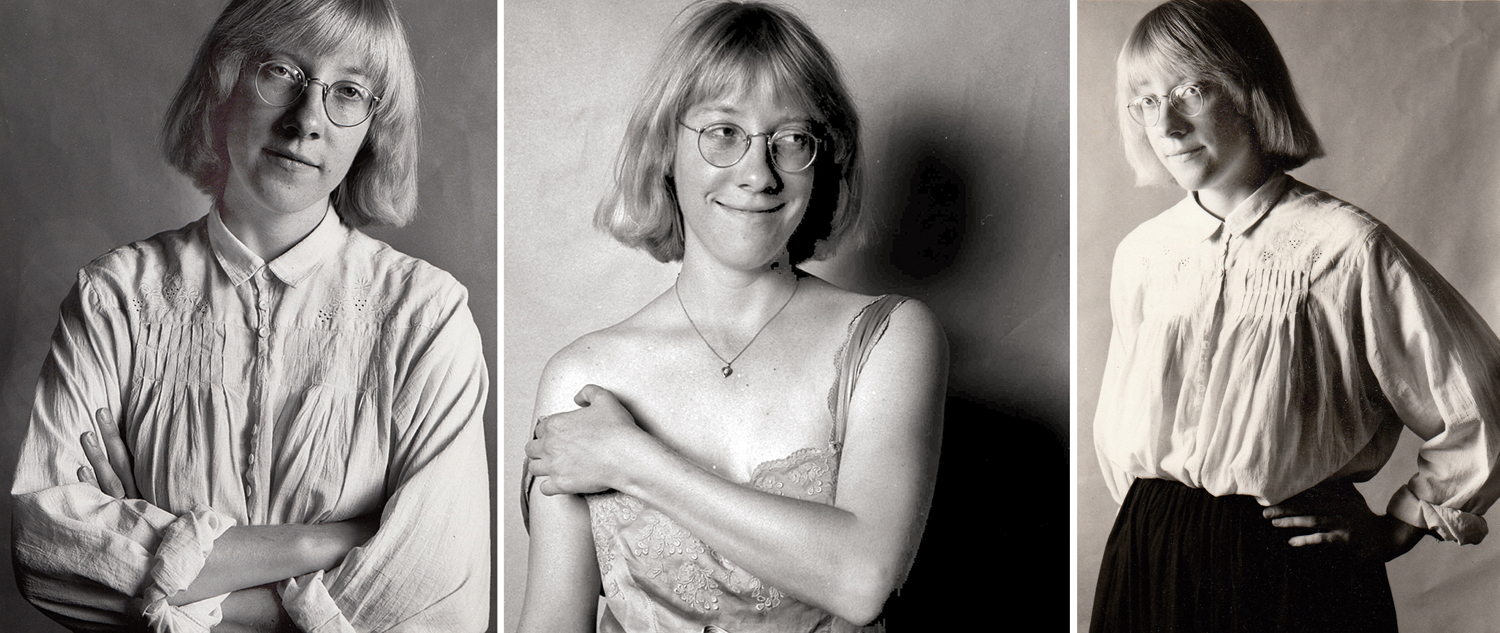
Robin Reid
Robin Reid was a zookeeper in the Childrens’ Zoo at Woodland Park. Her hair was blonder than the sun. I fell wildly crazy about her. She was bright and lively, and had been a professional swing dancer at a local hotel. I was hooked, but I found out months later that she was not. “It’s all just hormones,” she said. When she dumped me, I was heartsick and decided to move back East.
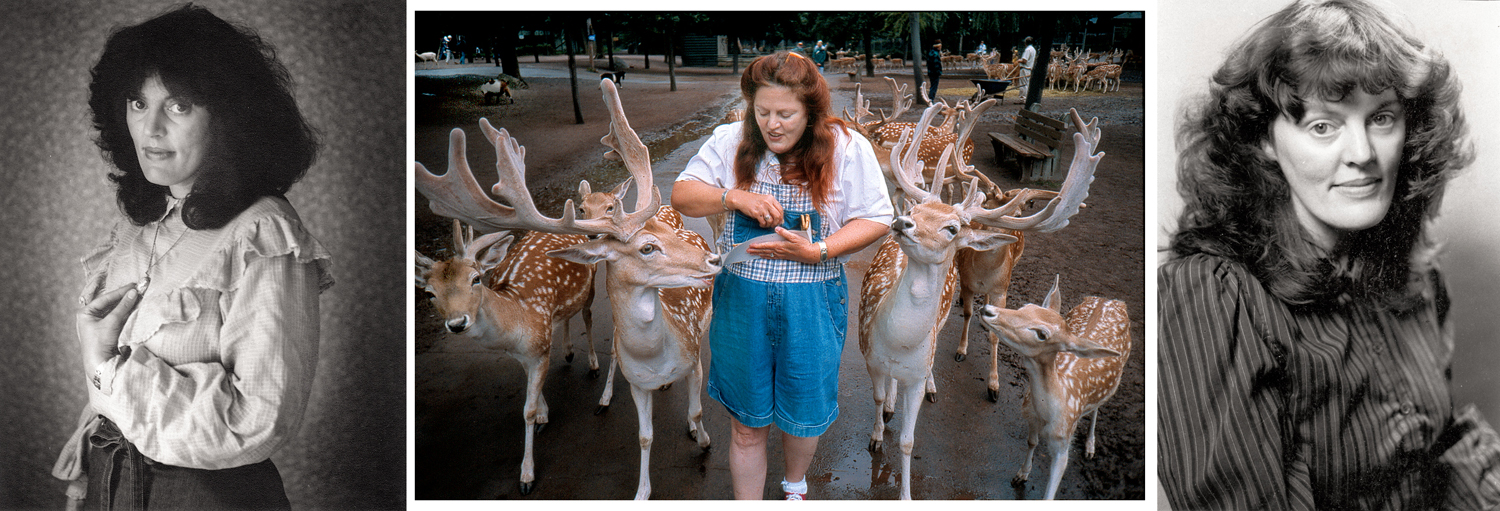
Carole Steele
After a few years of sulking, I was invited by the ex-wife of an old friend to visit her in the North Carolina mountains. We soon married and lived together for 35 years, until her death nine years ago. There has been a hole in the universe since then. Carole was the warmest person I ever knew, and also the smartest. She did not think outside the box; for Carole, there was no box. Widely known to friends as “Queen of the Universe,” she prompted me to everything that made me better.
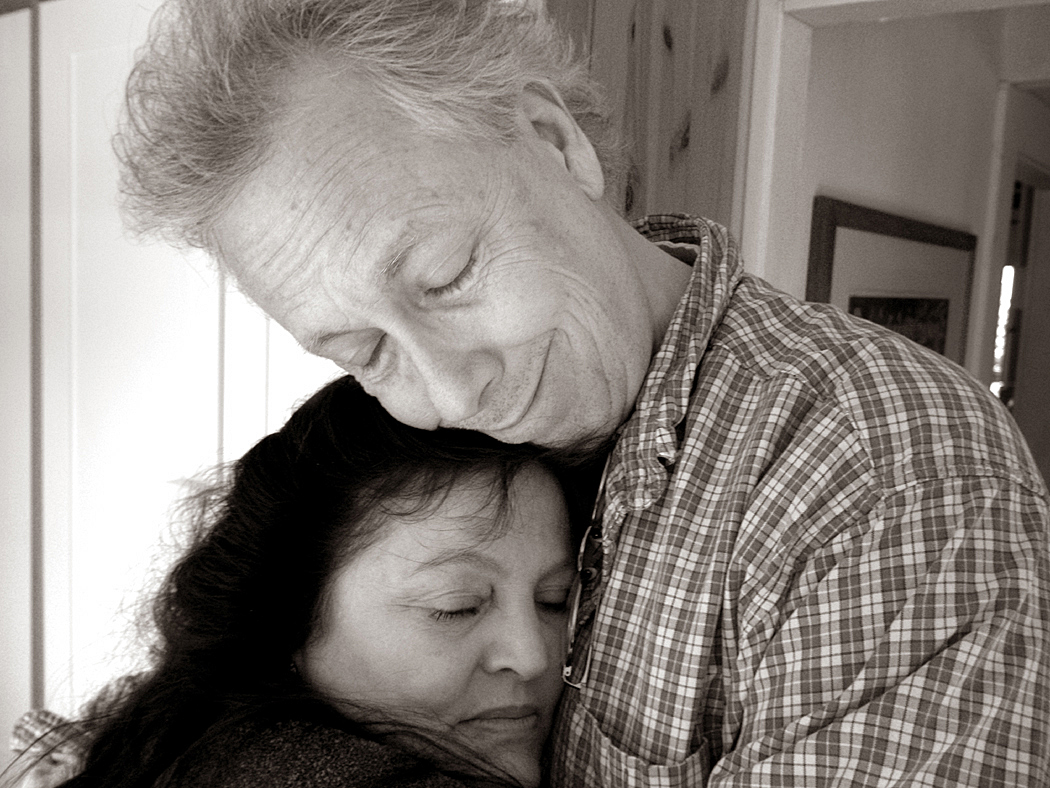
Craig and Carole
Eventually, I found some work as adjunct faculty at the same school where my brother, Craig, taught, in Virginia Beach, Va. Carole became an art teacher with the Norfolk school system. I have boxes of 5X7 prints of demonstration prints I made during my six years teaching, many of them from portrait class.
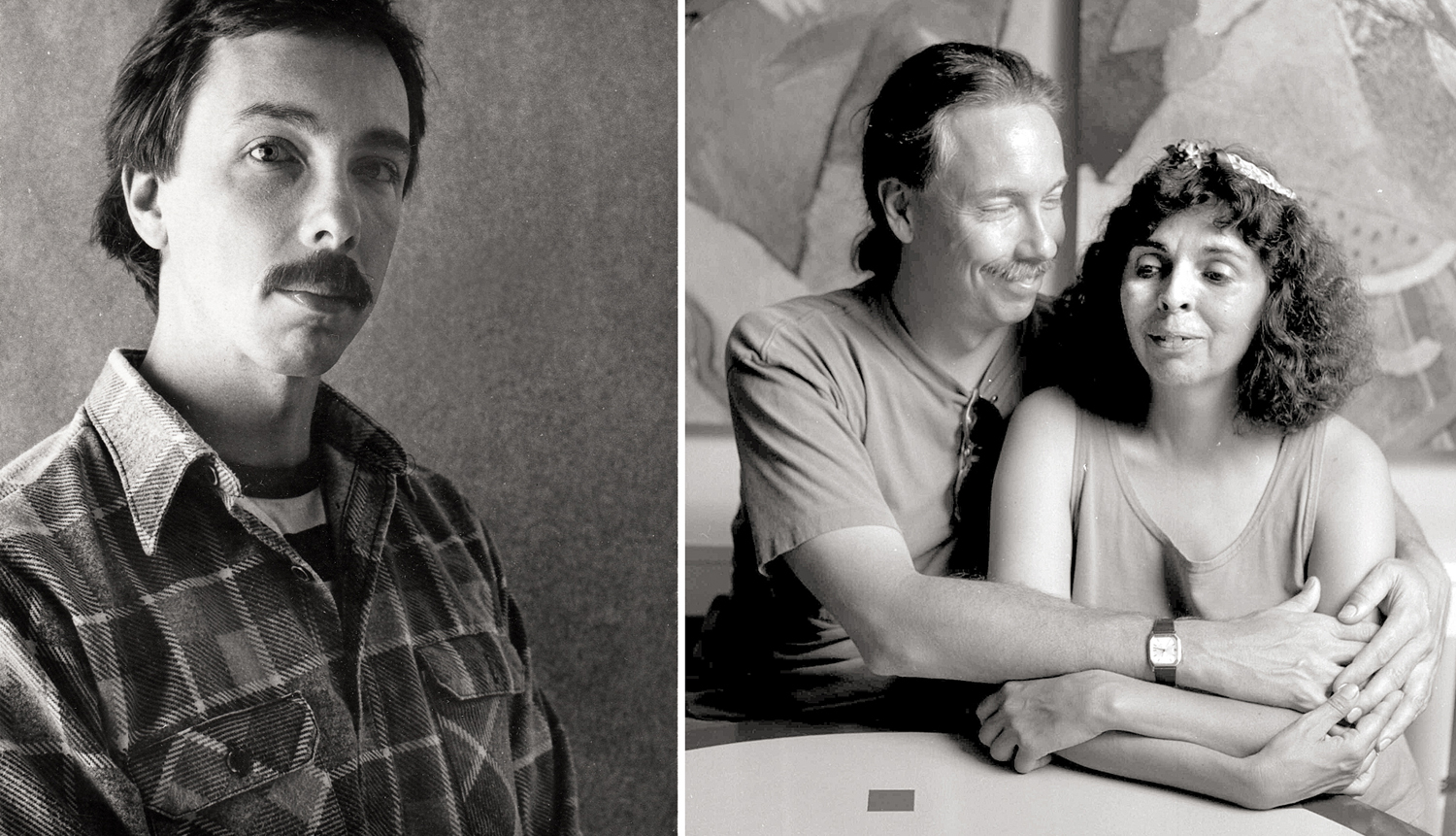
Craig Nilsen and his wife, Terry
Craig is my brother, and the human being I am closest to. He is an artist, painter and printmaker, and taught full-time at the same school. He got me my job. He is now retired in the Virginia mountains with his wife, Terry. Brothers, like sisters, can have an almost mystical bond that can’t be explained. Perhaps it is shared DNA, or shared experience.
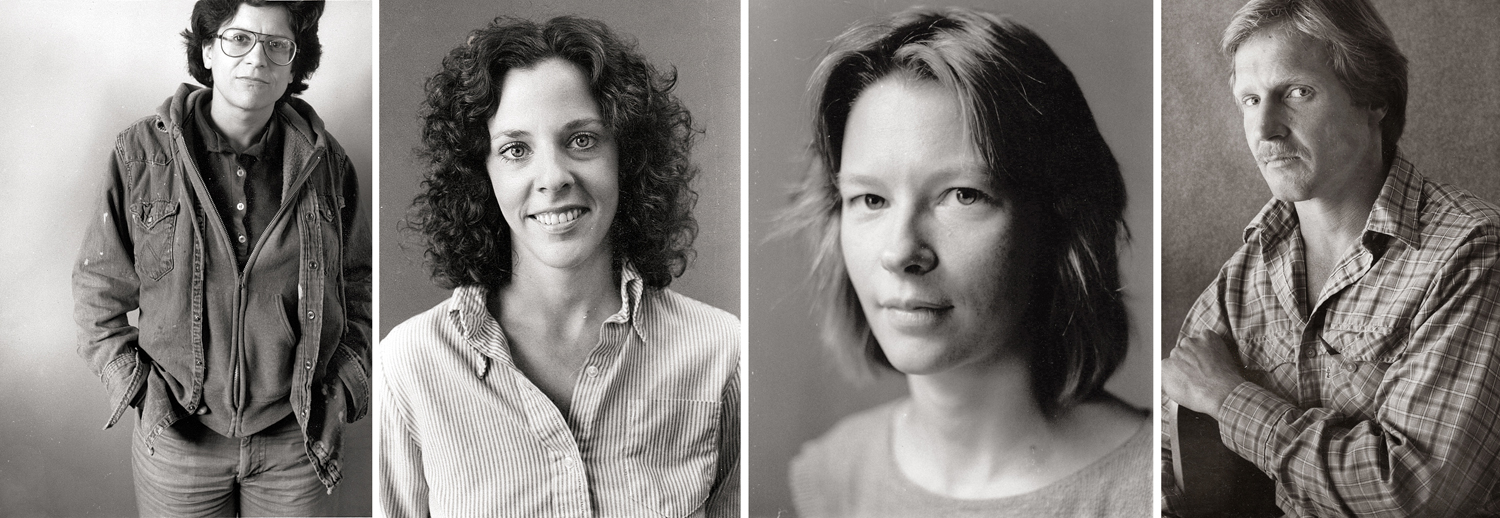
Anne Iott; Pam Lassiter; Eva Dixon; Steve Wolf
Anne Iott was department head at the school, and bent rules to hire me, and allowed me to teach more hours of class than was technically legal. Her support was enormous, and she arranged for me to begin writing art criticism of the local Norfolk daily newspaper. She and the art staff, including Craig, and painting teacher Steve Wolf, would often have potluck dinners together. Those gatherings could get boisterous. Steve was a body builder and could consume huge amounts of food at a sitting, and once got thrown out of an all-you-can-eat seafood restaurant. Pam Lassiter was ceramics teacher. Eva Dixon was briefly Craig’s amour. She told him she had always wanted to ride an elephant, and so he entered and won a contest when the Barnum and Bailey circus came to town, and gave her his seat on the beast for the parade.
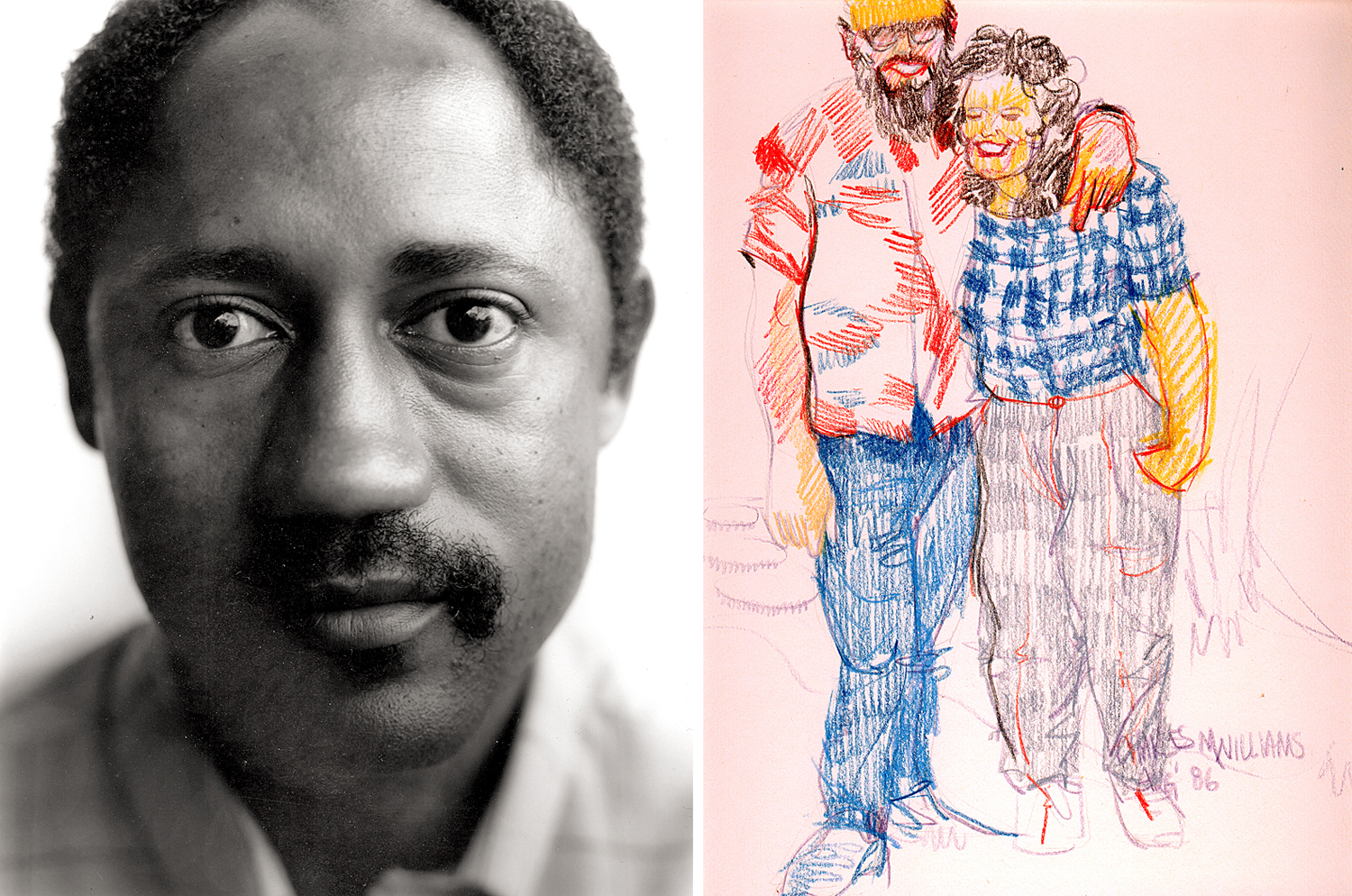
Charles Williams; and his sketch of Carole and me
Carole’s boss in the Norfolk school system was dating artist Charles Williams, and we became friends. I photographed him, trying to get as close as I could, framing just his face and eyes. He, in turn, made a quick sketch of Carole and me.
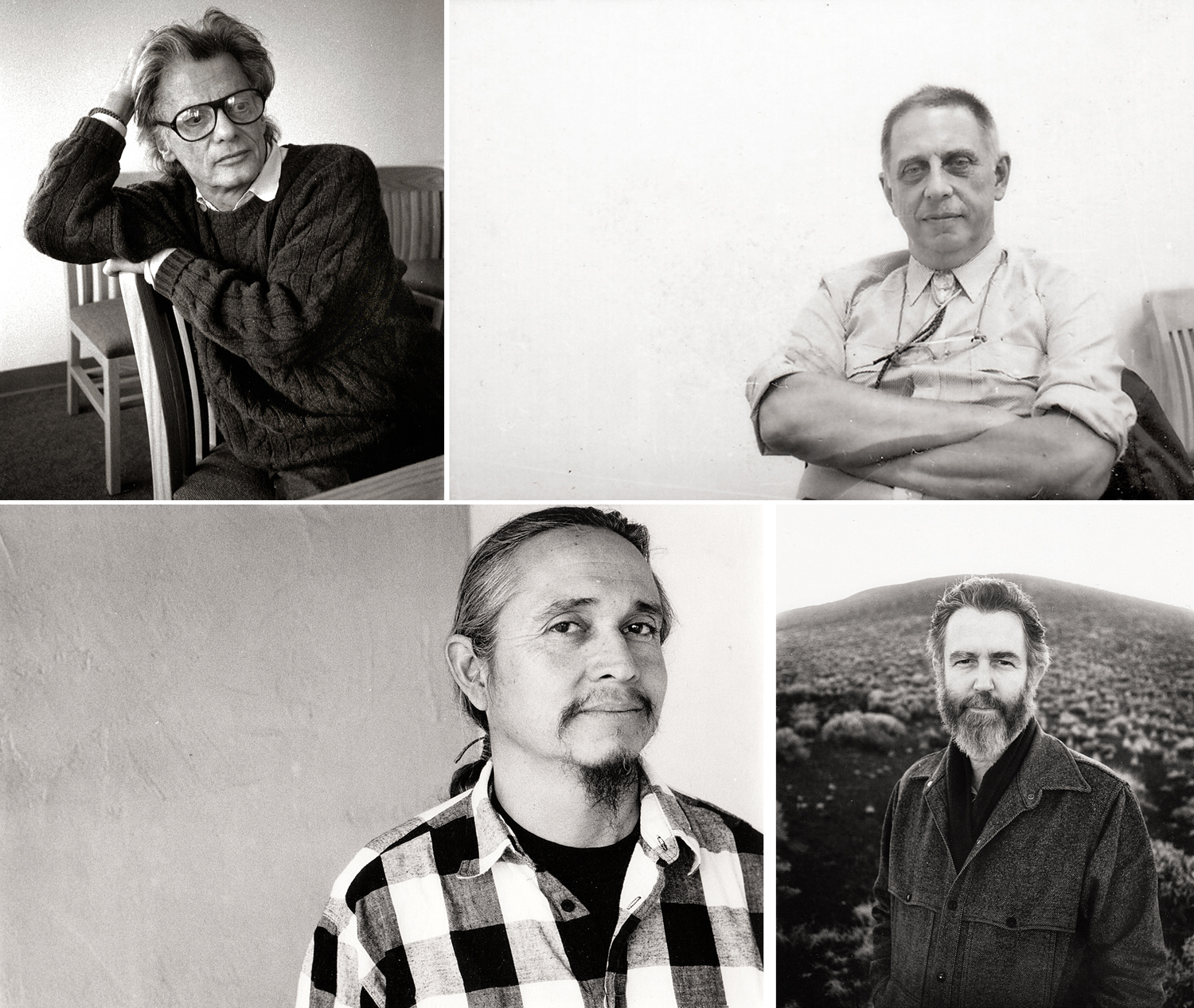
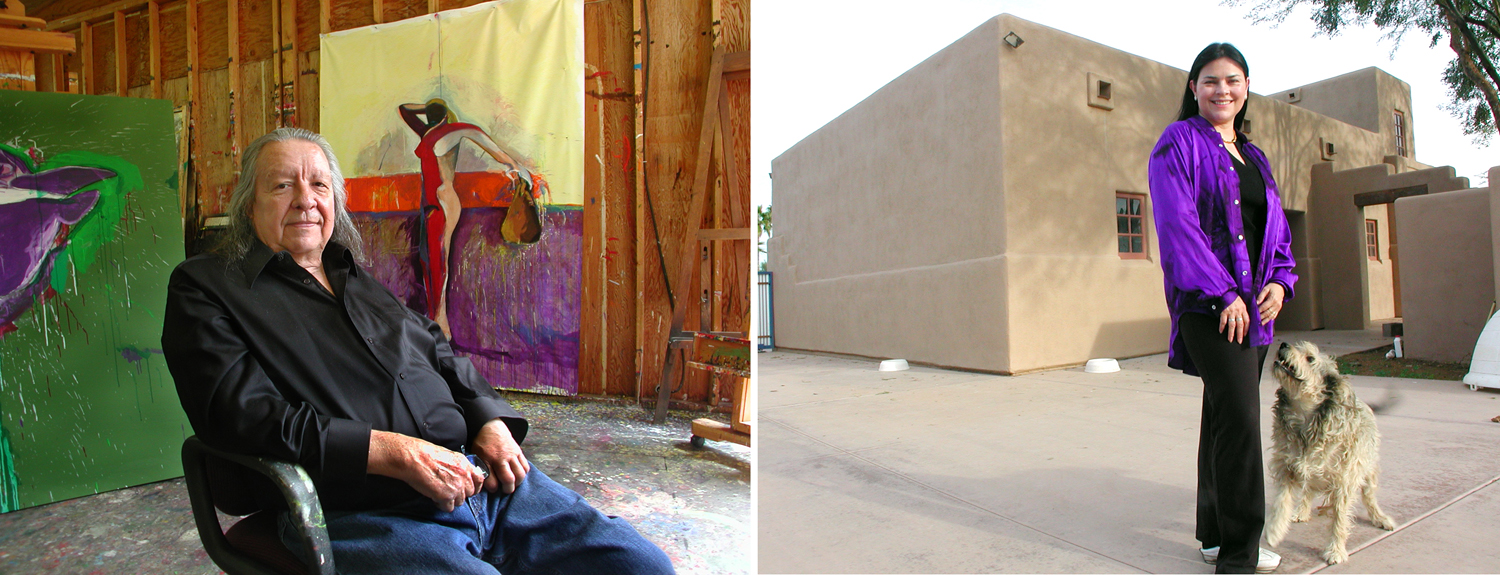
Richard Avedon; Lee Friedlander; Bob Haozous; James Turrell
Carole’s boss moved to Arizona and offered Carole a job there, and so in 1987, we moved to Phoenix, where I got a job writing for The Arizona Republic, mostly as art critic. I have made fewer photographs since then, but I did make my own photos for most of my interviews. I talked to a lot of artists, famous and not. Lee Friedlander was as matter of fact as his pictures. Bob Haozous, son of famous Apache artist Allan Houser, seemed suspicious of whitey critic; James Turrell took me up to the top of the volcano he was modifying outside Flagstaff. I once spent 24 hours in one of his skyspaces to watch it change with the light. There were many others I met and interviewed.
When I reviewed Richard Avedon’s retrospective at the Whitney in New York, he sent me a note of thanks. “Not all the New York critics were so kind,” he wrote. And when he came to Phoenix in 1994 to photograph boxer Oscar de la Hoya for The New Yorker, we went out to lunch. Sitting across the table, enjoying the Salvadoran food, he said, “In a sense, I am writing my autobiography through other people’s faces.”
I suppose that is my excuse for this blog entry.
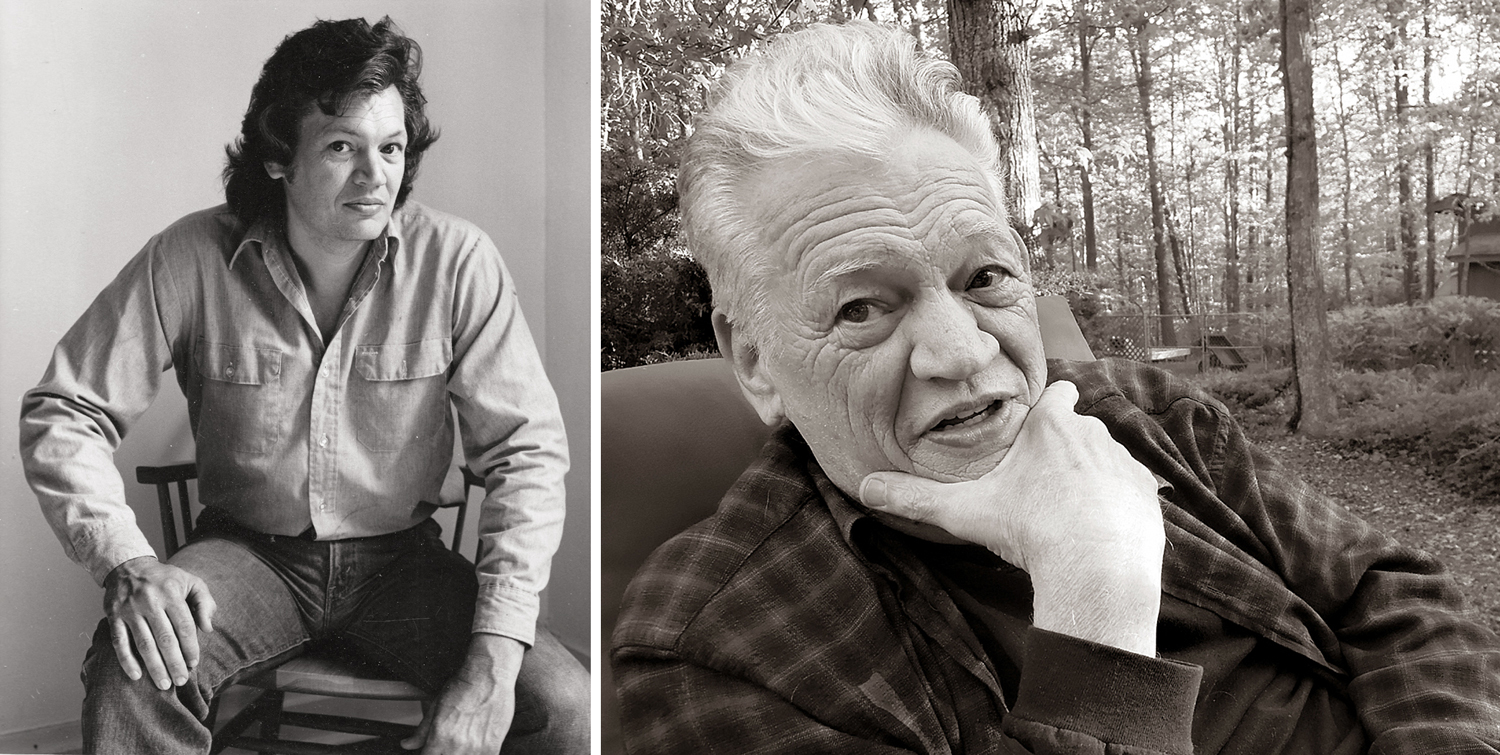
Mel Steele
Over the years, my style has changed. Less formal, more relaxed. I photographed my brother-in-law Mel Steele in the 1980s, when he was a motorcyle-racing, gun-shooting, goat-raising artist, whose work sold in the thousands as prints. He grew older; I grew older. His country-nostalgia rural scenes became serious abstract paintings — among my favorite in the world — and my goal of being the next Avedon or Penn dwindled down to trying just to be honest and real. Mel turns 87 in October. He has slowed down, no longer rides motorbikes, and I have slowed down, writing less and making fewer images.
And the effect on my being part of an inseparable bond with Carole, led me to pay way more attention to the interactions between people, and the number of dual portraits increased.
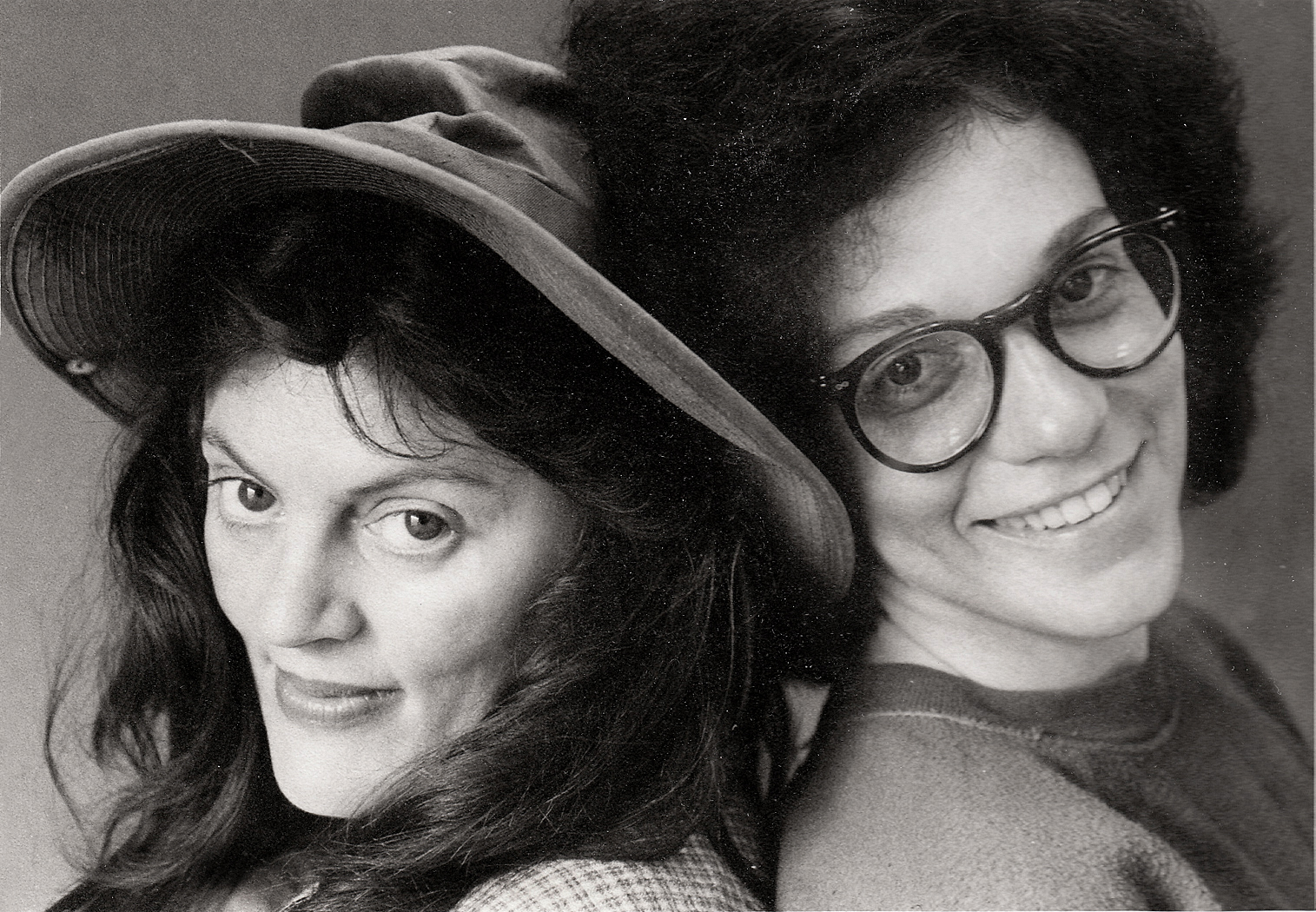
Carole and Julie Ross
The interaction between people is the essential valence of existence. It breaks the dam of isolation and opens the world up. Carole broke me open.
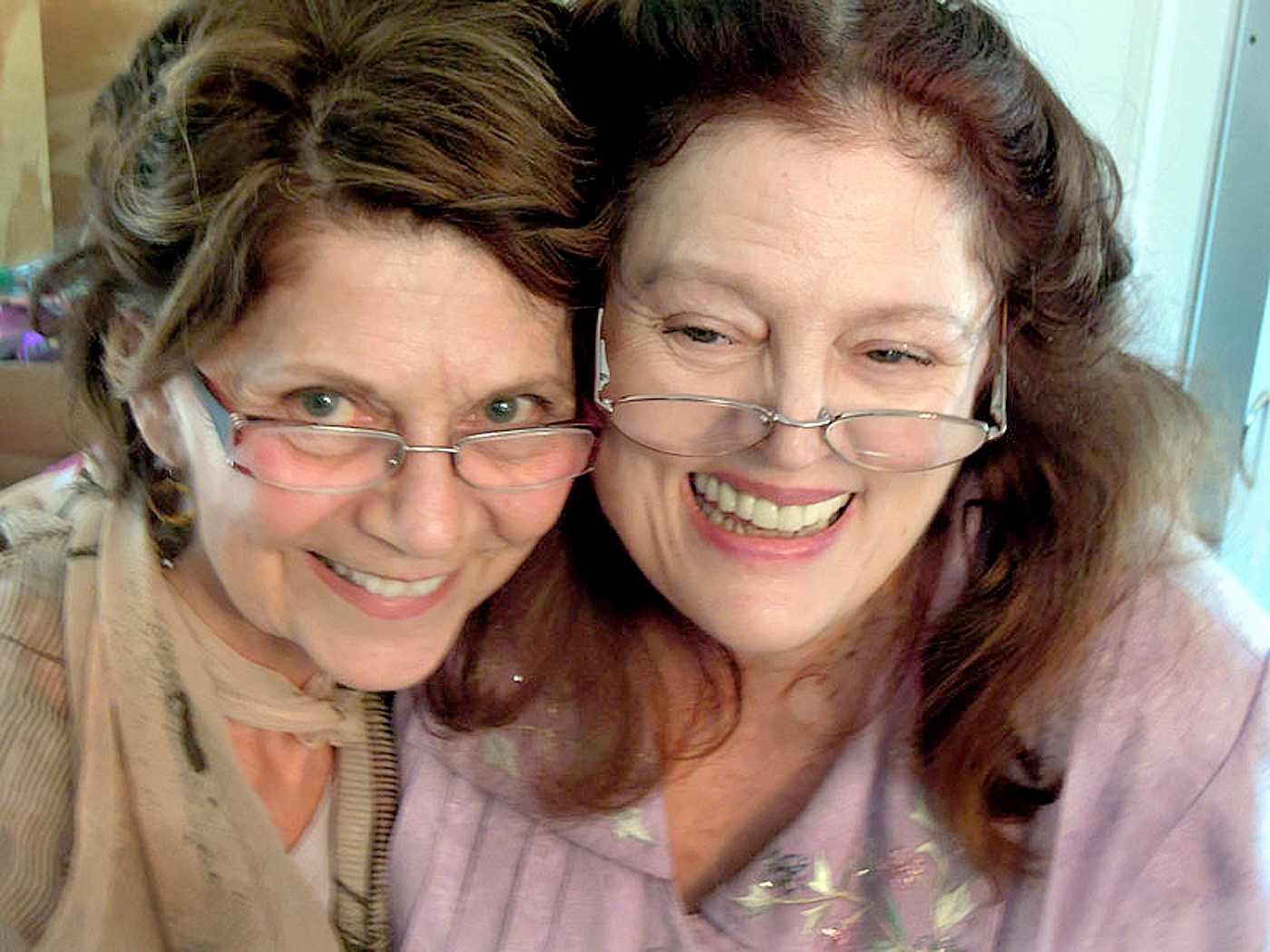
Carole and Ruth Haggerty
When Carole was a little girl, Ruth was her best friend, living across the street. They lost touch for most of their lives, but became reacquainted something like 60 years later. But you can see in their eyes the connection had never fully been lost.
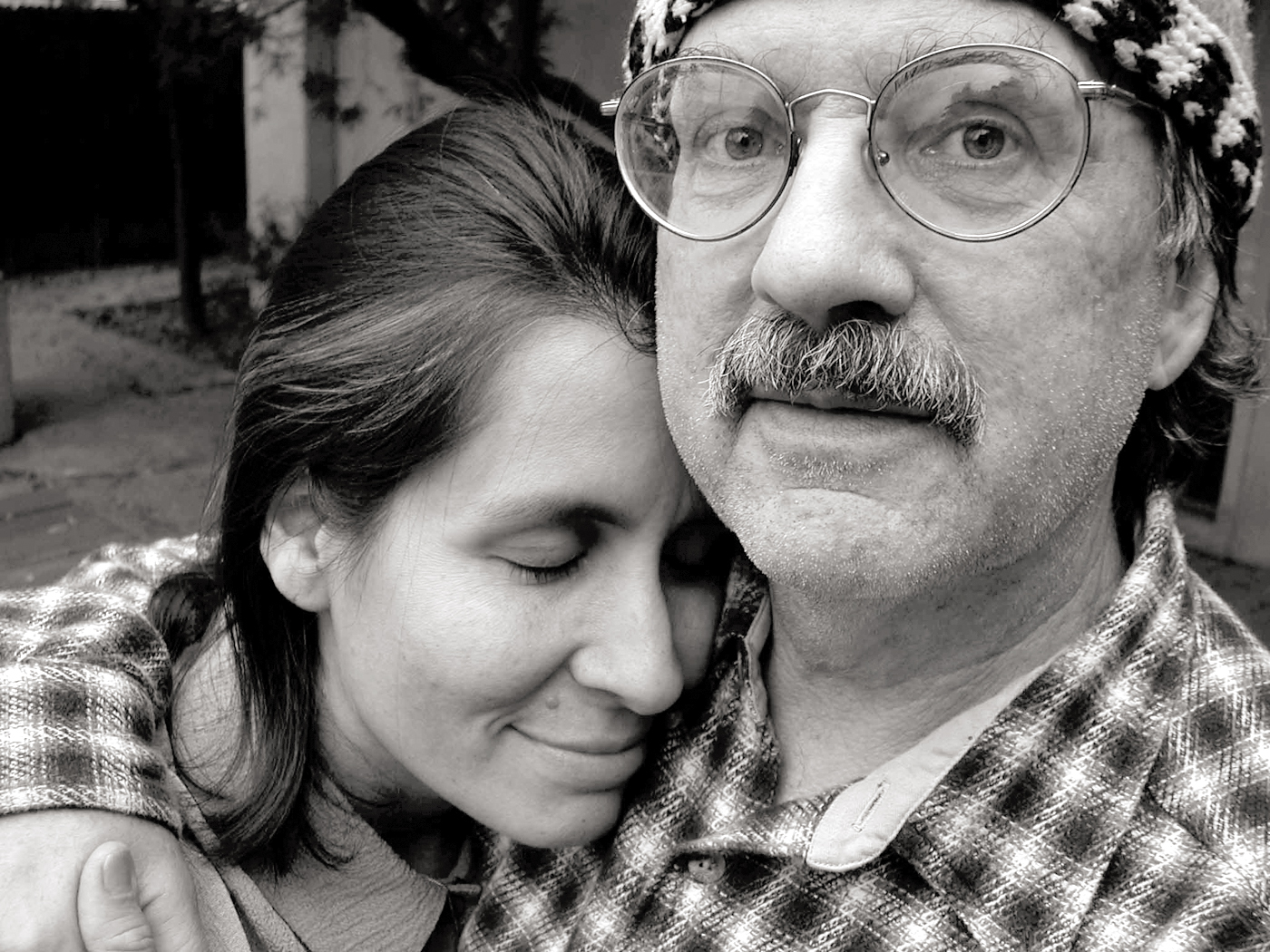
Curtis Beckman and Isabel Fierros
I saw that warmth and connection in our friends Curtis and Isabel. I believe, but can’t prove, that my own age, my own intense partnership with Carole, softened me, made me more open, aware of others and their richness and complexity.
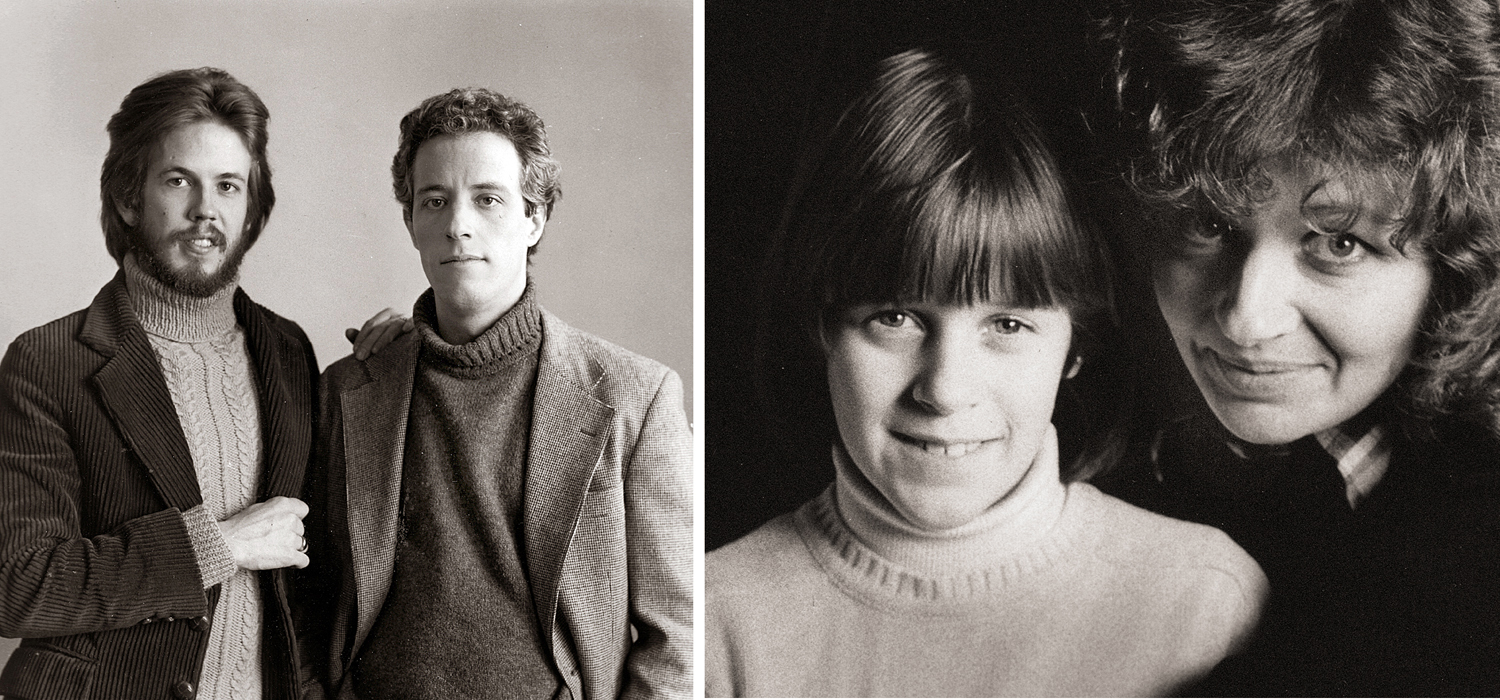
Rob Lehman and Hank Hackett; Ursula McLaughlin and her daughter, Mia
As I look back through this sampling of portraits over 50 years, I see that those pairs have always been there. Hank and Rob from the ’70s; Ursula and her daughter from the ’80s.
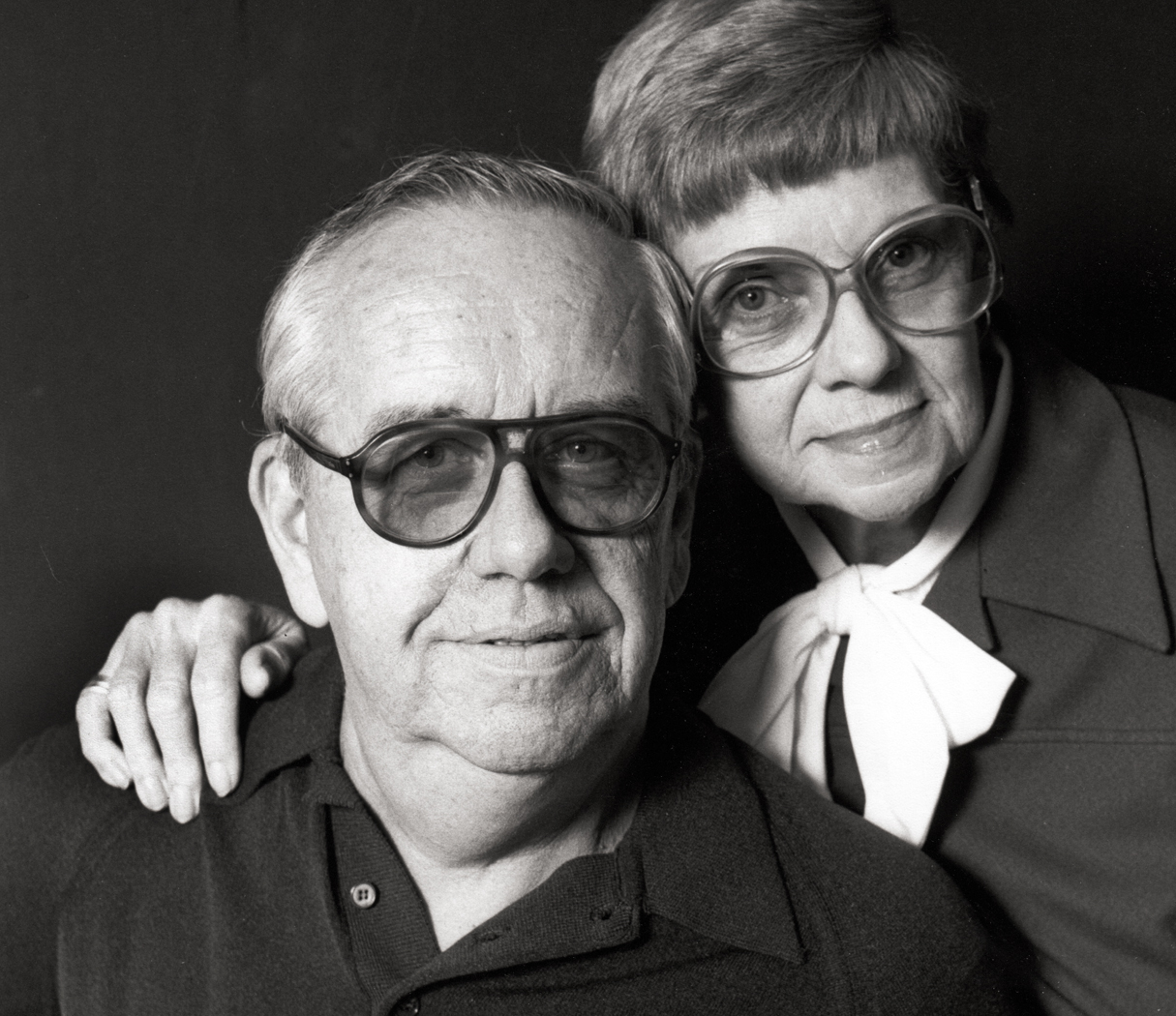
John and Alice Nilsen
And when I revisited a photograph I made many decades ago of my parents, John and Alice, I recognized something I didn’t see when I first took the photo. It’s in their eyes.
Click on any image to enlarge