Archive

Tag Archives: portrait

I made my living as a writer, spending my career primarily as an art critic and travel writer with The Arizona Republic in Phoenix. But it didn’t start out that way. Originally, I planned to be a photographer. I spent years working with my cameras and hoping to become the next Ansel Adams. 

Yosemite Falls

I got my first camera when I was about 12, a Brownie Hawkeye, which I took on family vacations. I got my first SLR in 1965 — a rather primitive Praktica, which I took to Europe with me. Only a few pictures remain from those early efforts, including this image of Kristiansand in Norway. I was 17. 
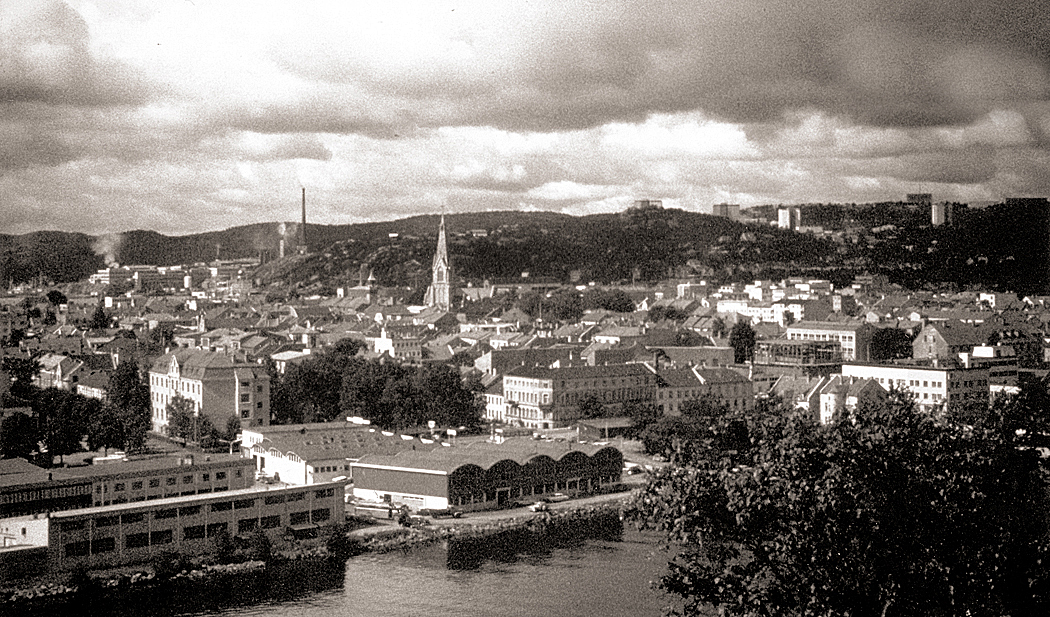
Kristiansand, Norway

College came next and I took very few photographs, but after graduation, I began a very serious addiction to acquiring ever newer and greater cameras, marching up through Nikons and Leicas, hoping for a Hasselblad, and eventually getting a 4X5 field camera with a Super Angulon lens (don’t worry if these names are Greek to you; they don’t mean anything anyway. They are hardly more than shibboleths for photo geeks.)

I got job in a camera store, and for the next several years, acquired a full darkroom setup, used my employee discounts to experiment with various films, chemicals and printing papers, until I became an accomplished darkroom technician. I got deep blacks and whites that never blanked out. 
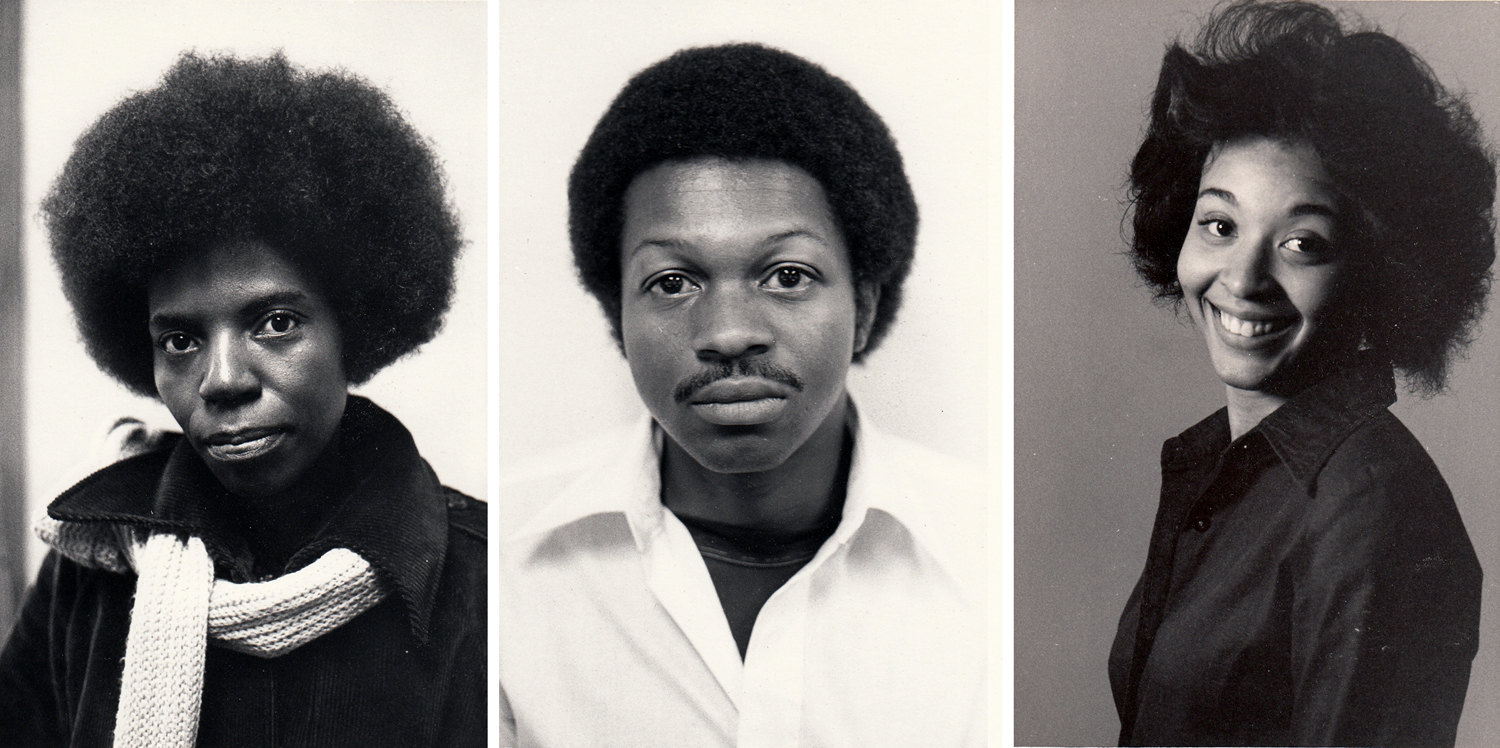
Then, in the ’70s, I was hired as a photographer for the Carolina Peacemaker, a Black weekly newspaper in Greensboro, N.C. But when the editor quit, I got his job, and became factotum, writing editorials, a food column and I became “Dear Carol,” the advice columnist, along with taking photos. It did seem, at the time, a bit peculiar for a white guy to be the editor, but then, the other reporter was also white. (At the time, talented Black writers were being head-hunted for the previously all-white daily paper, bypassing the usual route to the African-American press). 

The writing came by default, but I still considered myself a photographer. And not a jobbing photojournalist, but one with my aim being art galleries and photo books. And all my personal work tended to be in traditional genres: portraits, landscapes, still lifes, nudes, architecture. For some reason, street photography never much interested me. 
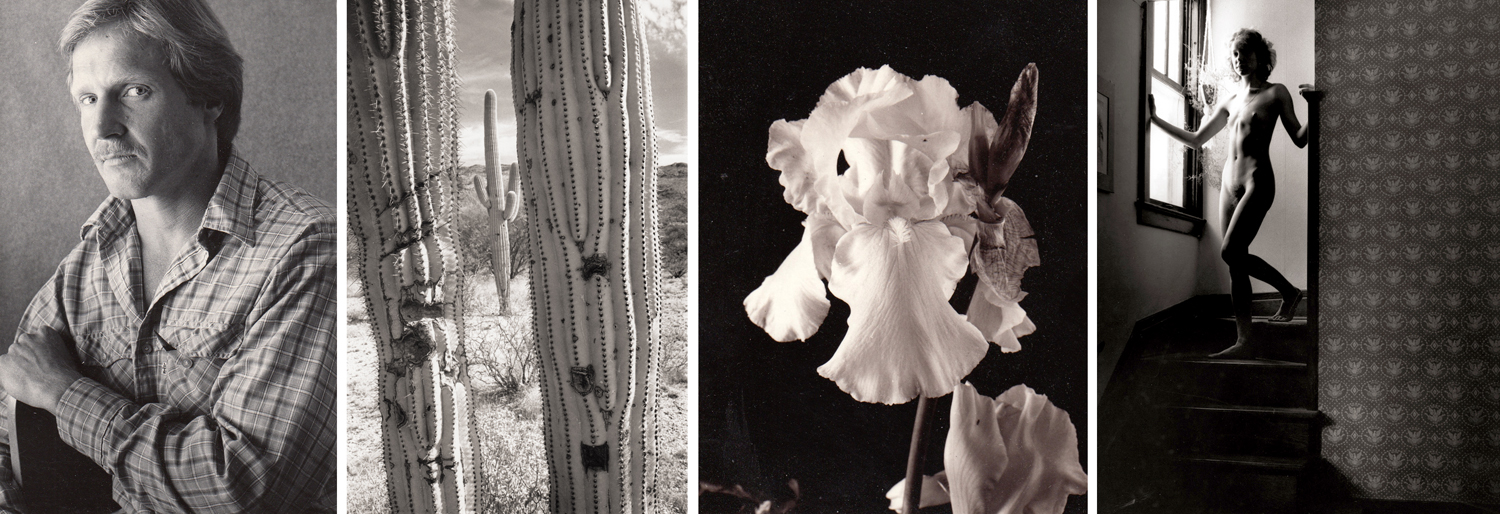
In the mid-1980s, my wife and I moved to Virginia, where I spent six years teaching photography at a two-year college. Back then, we taught black-and-white photography. Color was left to jobbing professionals, and digital photography was unheard of. (It’s odd to remember, but back then color photography was not widely accepted as art. It was looked down on as fit only for glossy magazines, advertising, and Sunday lifestyle sections in newspapers. The medium was thought to lack permanence — dyes faded — and most museums didn’t collect color). The school built a darkroom with a dozen enlargers and all the sinks and equipment needed, and I had all the students I could handle. 

I loved teaching — or perhaps I just loved having an audience. But I continued with my own work, again, in all the usual genres. 
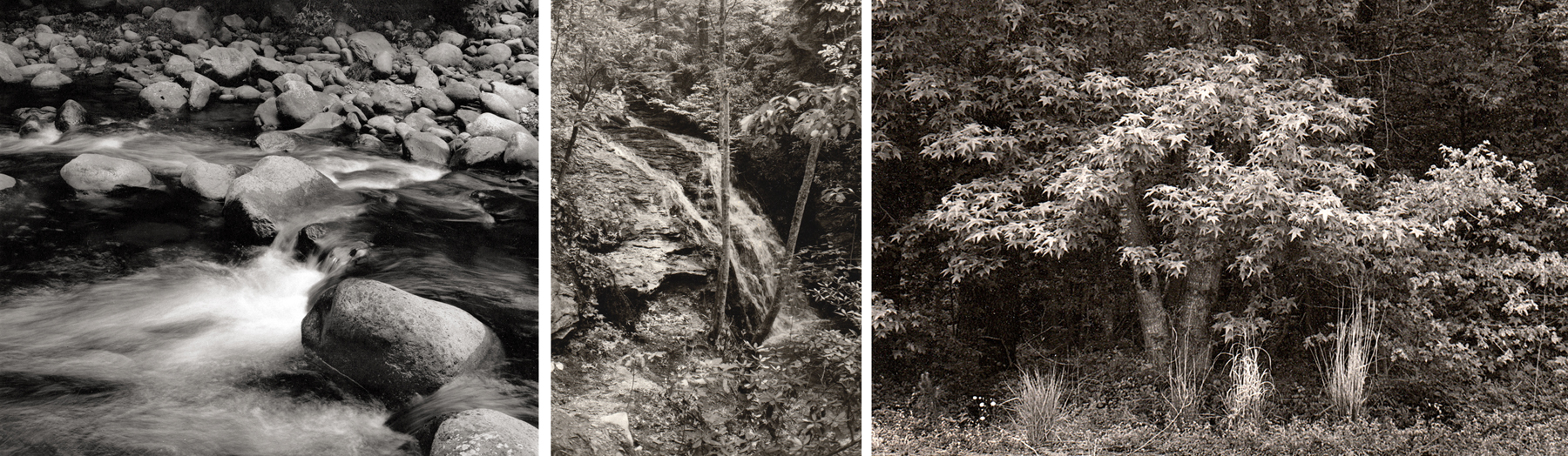
Because we were both teachers, we had summers free to travel, which gave me a chance to visit all 48 contiguous states, and most many times. I vacuumed up landscapes and have a collection of what must number into the tens of thousands of landscape photos. 
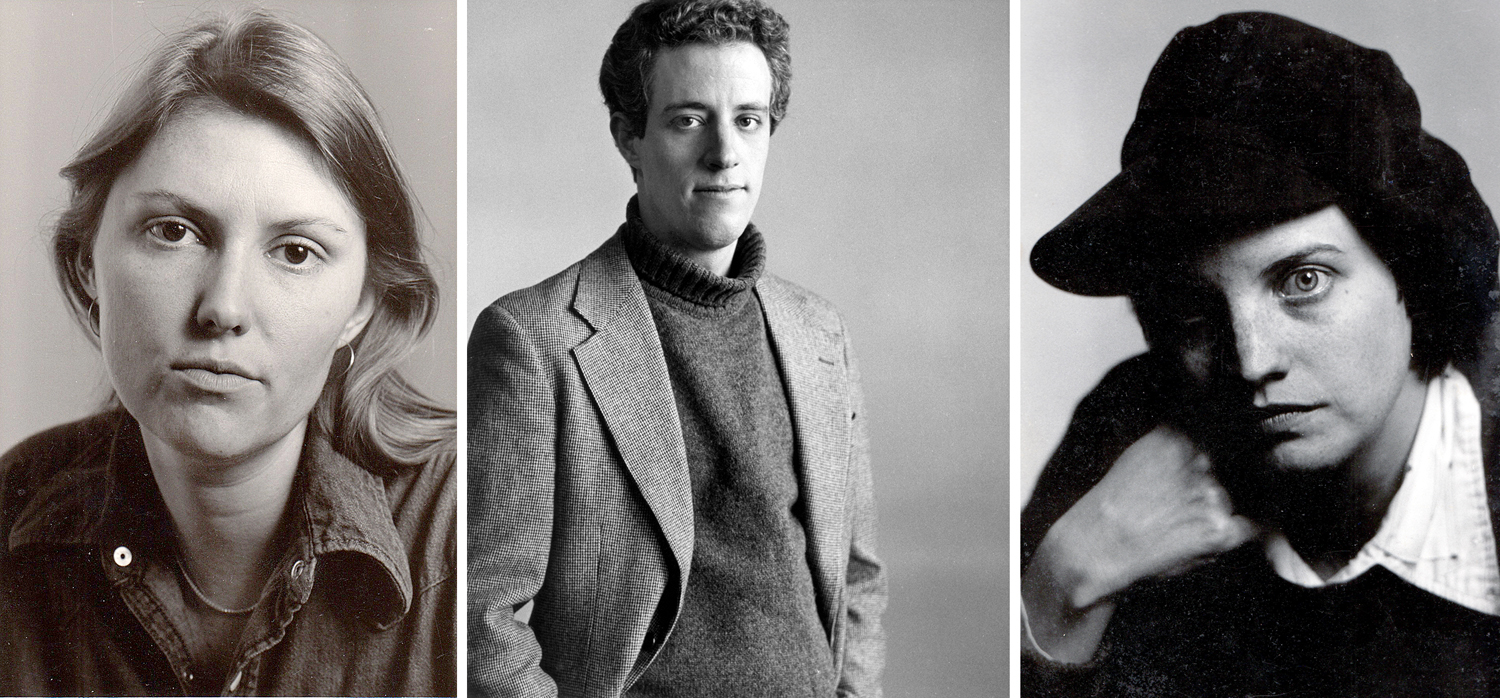
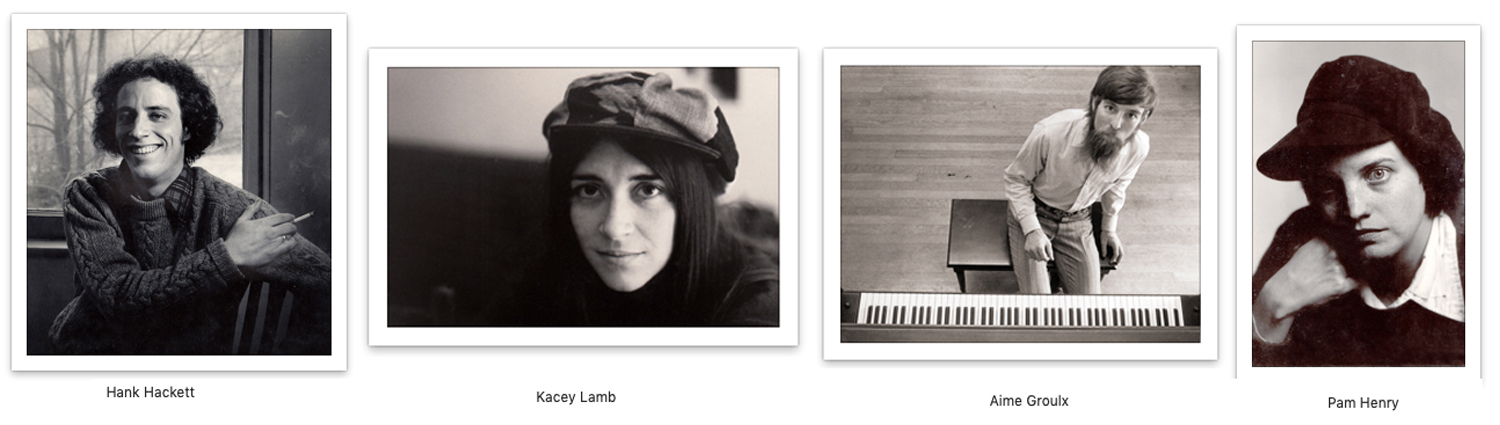
Judy Crawford; Hank Hackett; Pam Henry

I had always photographed friends and colleagues, and taught a yearly course in portrait photography. My models were formal rather than candid. I loved the work of Irving Penn and Richard Avedon, and it shows, I’m afraid. 

My method went against the trend. Most photographers preferred a longer lens for portraits, like and 85mm or 105mm lens. I felt that such a lens kept the photographer too far away from his subject. I wanted to insist on a kind of intimacy, that the subject should be kept a bit on edge and alert. So I taught using a wide-angle lens for portraits, and getting up close. 
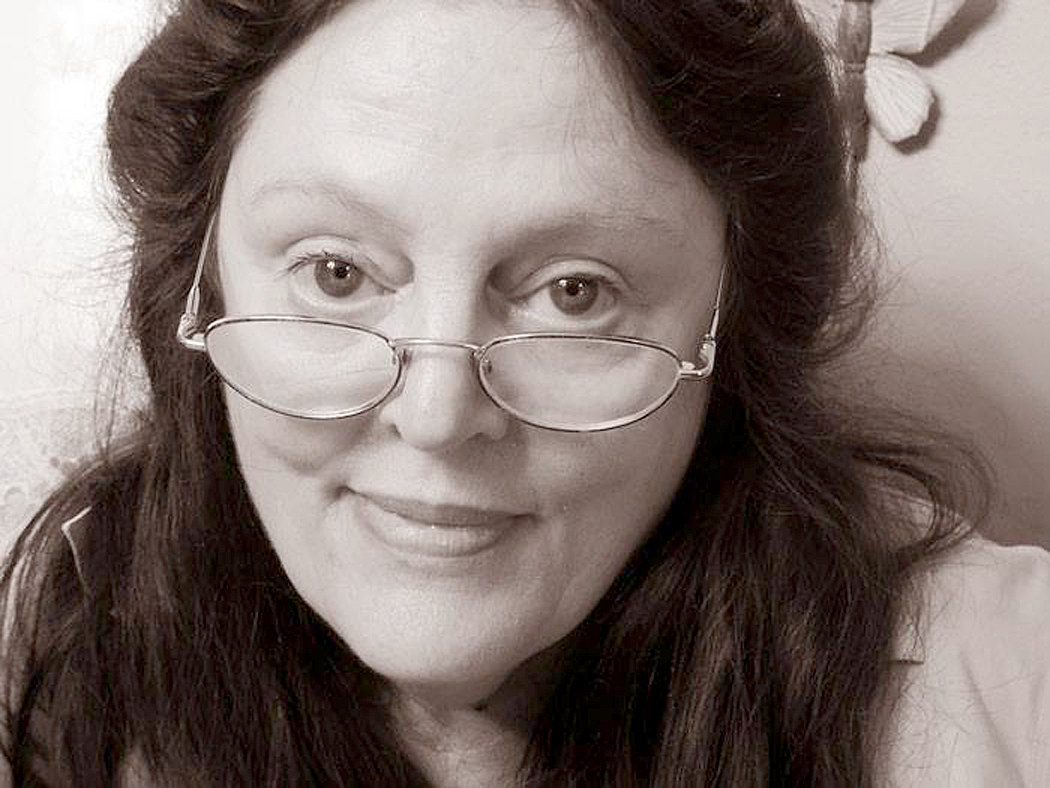
Carole Steele

I also insisted that the subject look directly into the lens, giving the pictures both a confrontational aspect, and also a peek into the “window of the soul.” 
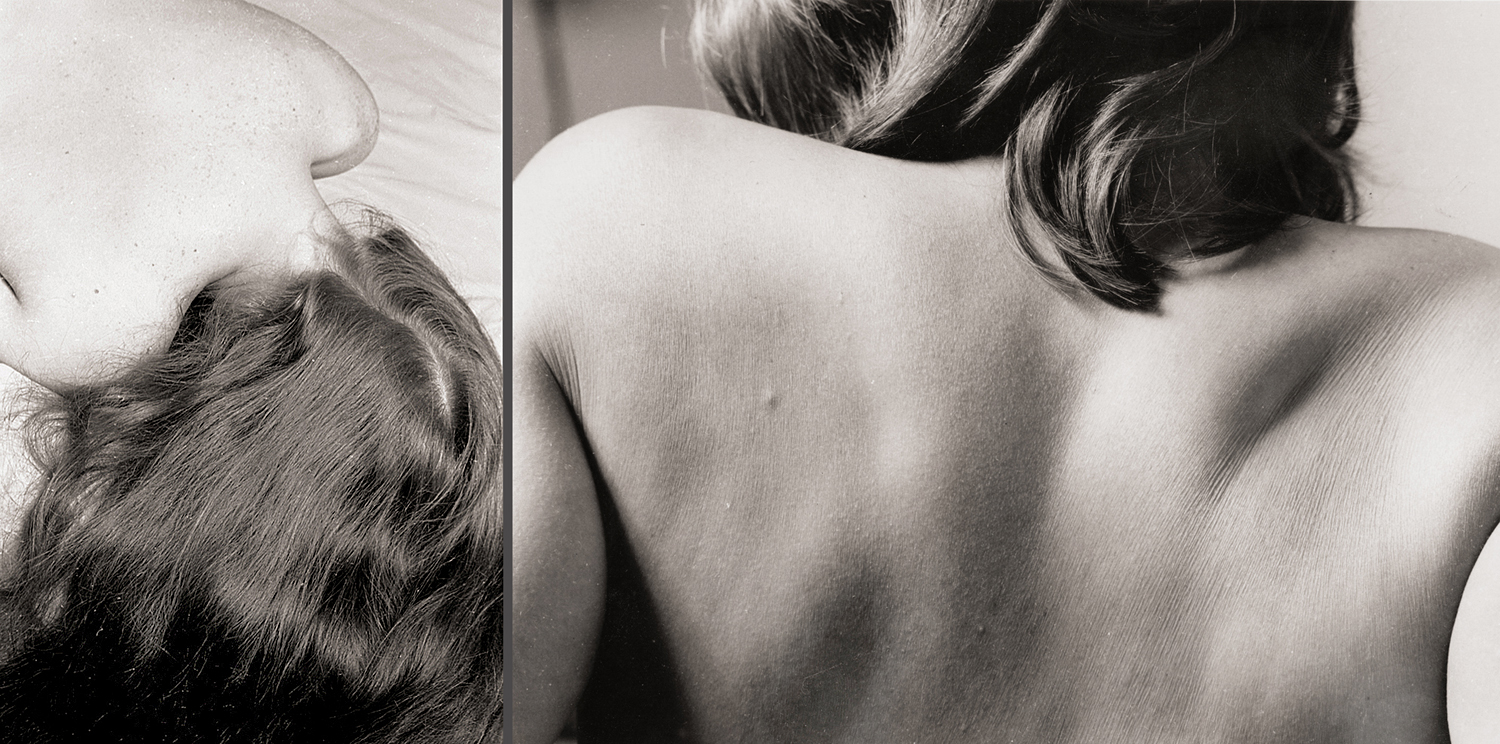
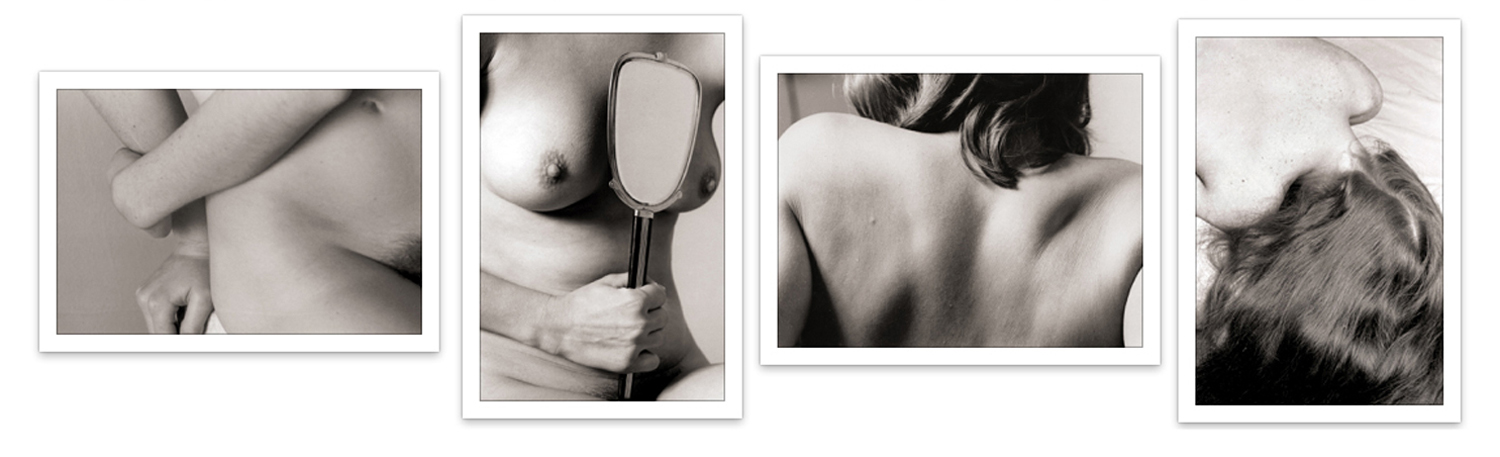
I have made a trove of nudes, too, both studio and outdoors. Over the years I have had a series of models. Only one person I asked declined the request. I believe I have avoided anything too exploitive and always, I hope, looked for the human being wearing the skin. 
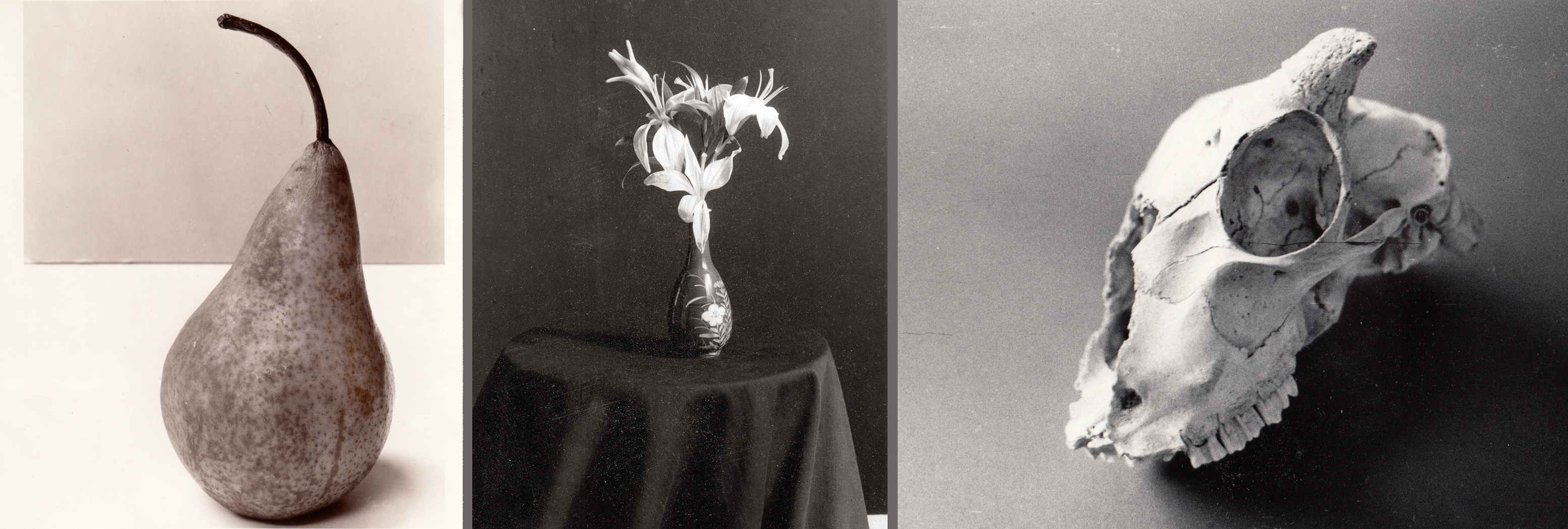
Still lifes are often pictures of flowers in vases, and I confess to having taken a barge-load of such pictures. But the percentage of blossoms has dwindled over the years, and other things have taken the focus. 
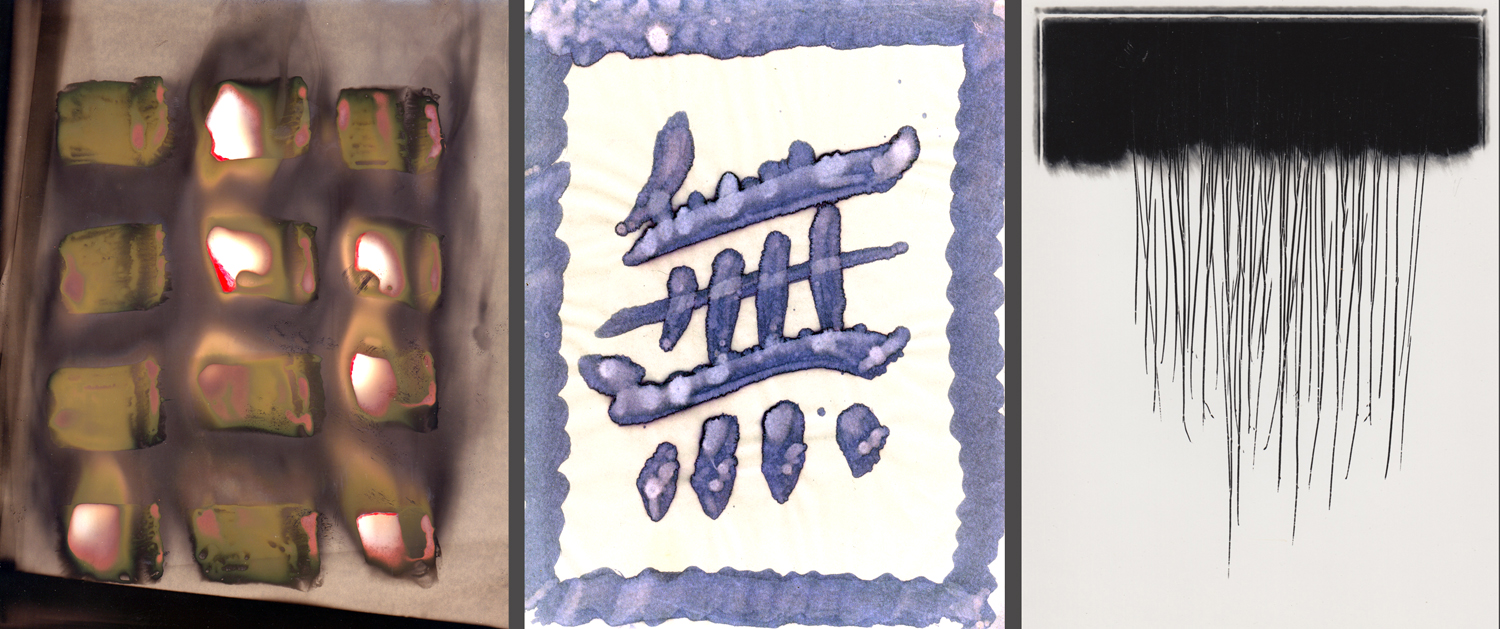
And I tried many experiments, with chemicals and printing papers, seeing ways to make something like abstract art. 

Yet, even while teaching photography, I wrote out instructional sheets for my students, and tried to be at least a bit amusing in them. My four main rules for better photography were: “Get close; make sure your lens cap is off; hold the camera steady; get closer.” Just these rules will improve the beginner’s pictures by a proven 800 percent. 

All this takes me to the late 1980s, and a major change. My department head at the school saw the handouts I had written for my students, and decided I had some talent for putting words together. She knew the Norfolk newspaper was looking for a freelance art critic, and suggested I write some sample art reviews of local shows. I wrote one about a new Edward Hopper painting bought by the Chrysler Museum and The Virginian-Pilot printed it and signed me up. For a year or so, I wrote a review for each Sunday edition. The extra income helped. 
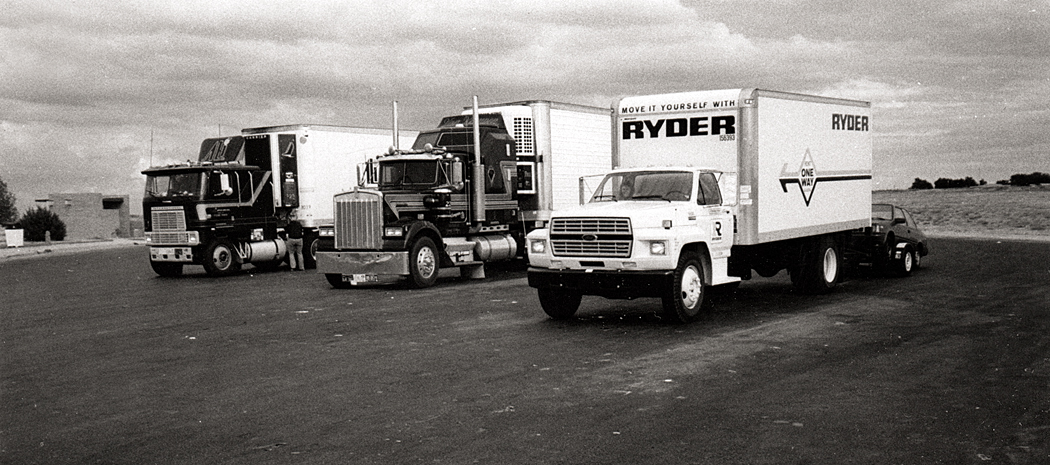
Truck stop in Texas

In the mid-’80s, my wife got a job offer in Arizona and we piled everything we owned into a Ryder truck and crossed the country, towing our car and keeping a cat in the cab the whole way. I applied for a job at The Arizona Republic, based on my experience with the Norfolk paper. To my great surprise, they hired me. I became a writer.

For the next 25 years, I functioned as an art critic, a travel writer, an editor, and, eventually a critic writing about classical music, ballet, architecture, theater, and movies. For many of the pieces I wrote, especially interviewing artists, I took my own pictures.
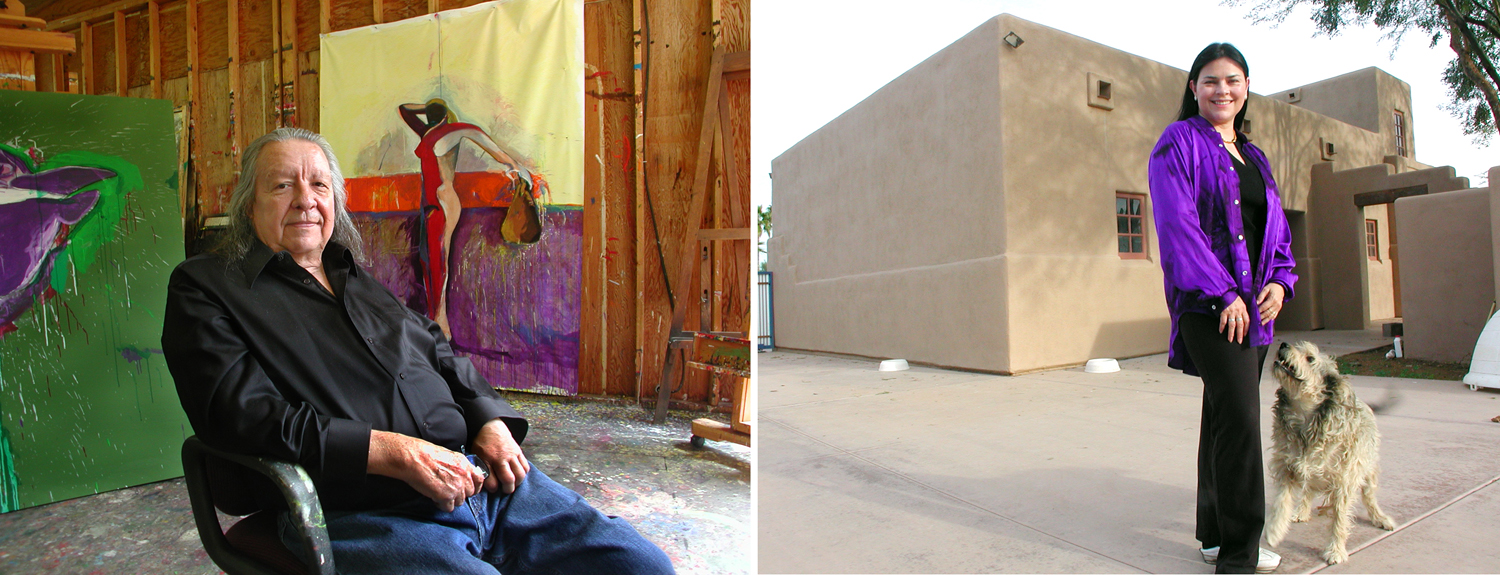
Artist Fritz Scholder and novelist Diana Gabaldon

The Republic was generous in sending me off on travel for stories, including a trip to South Africa, and I used my vacations as source for many of my other travel pieces. 
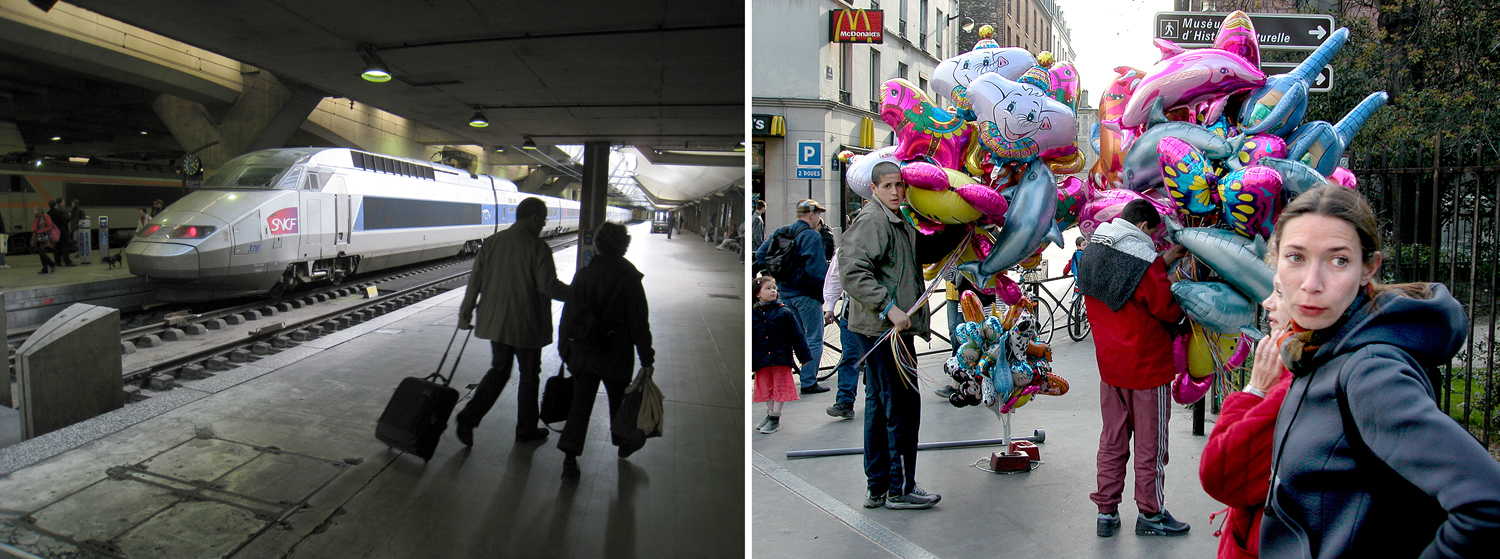
Paris

Such photographs were journalism (not that there’s anything wrong with that). But I never stopped making my own work. But there was a growing difference. The formality of my past work had loosened up. I was no longer concerned with the silly strictures that had been so important to the art photography movement from the ’50s through the ’80s, when cropping was thought a sin, the Zone System was the magic elixir, and documentary fidelity was a jealous god. It all began to seem quite beside the point. 
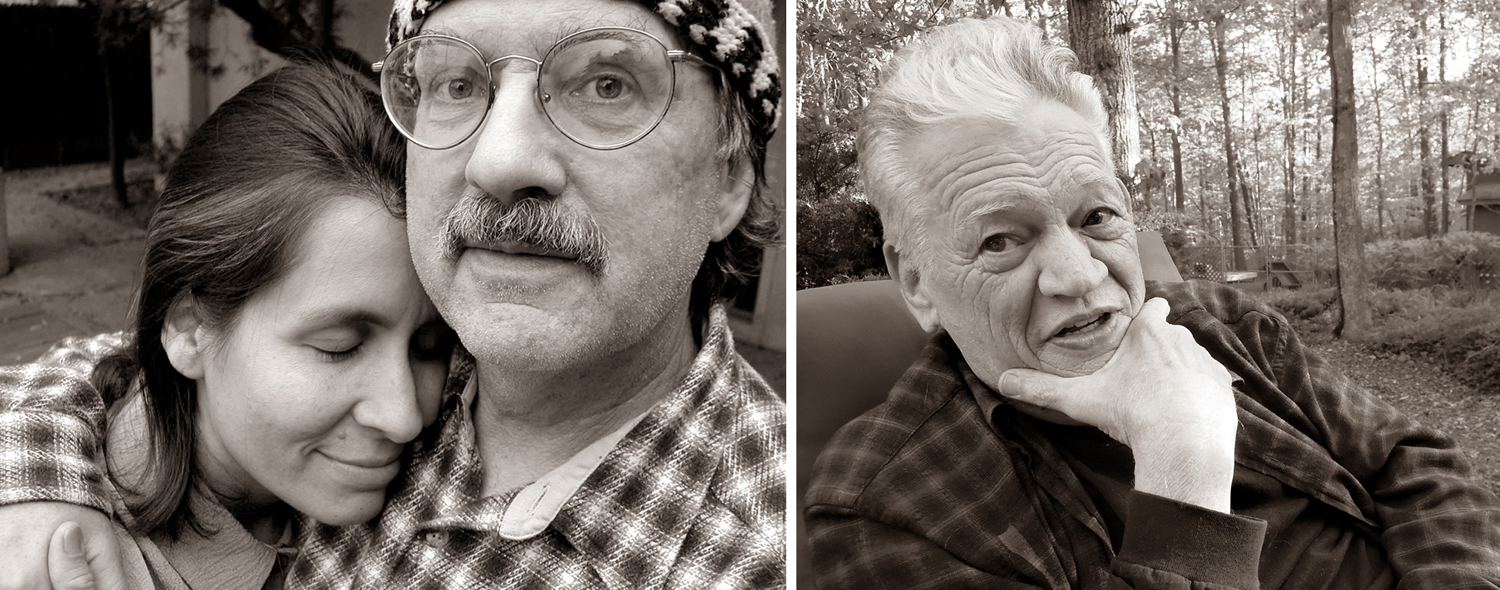
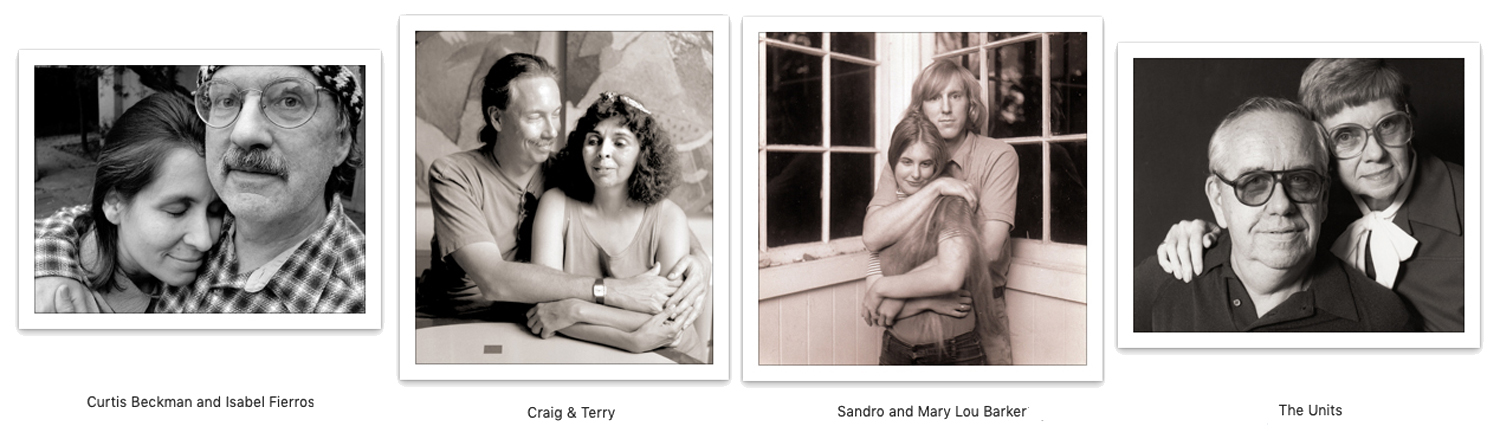
Curtis Beckman and Isabel Fierros; Mel Steele

My portraits became warmer, more human. 
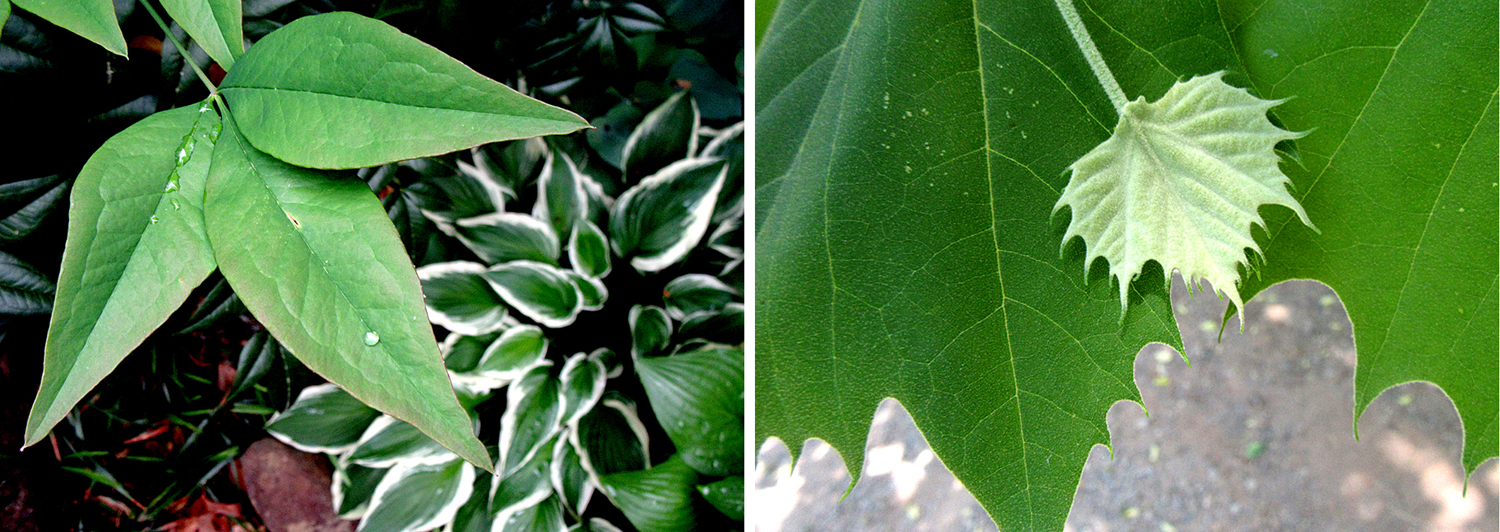
Landscapes tended to shrink down into details. In fact, the whole change in my approach was less a concern with art and all its concern with composition and metaphor, and more a means of focusing my attention. Paying attention to the world became the aim. The image was merely the by-product. I mean, how many greens are there? Pointing a camera can make you notice such things. They are important. 
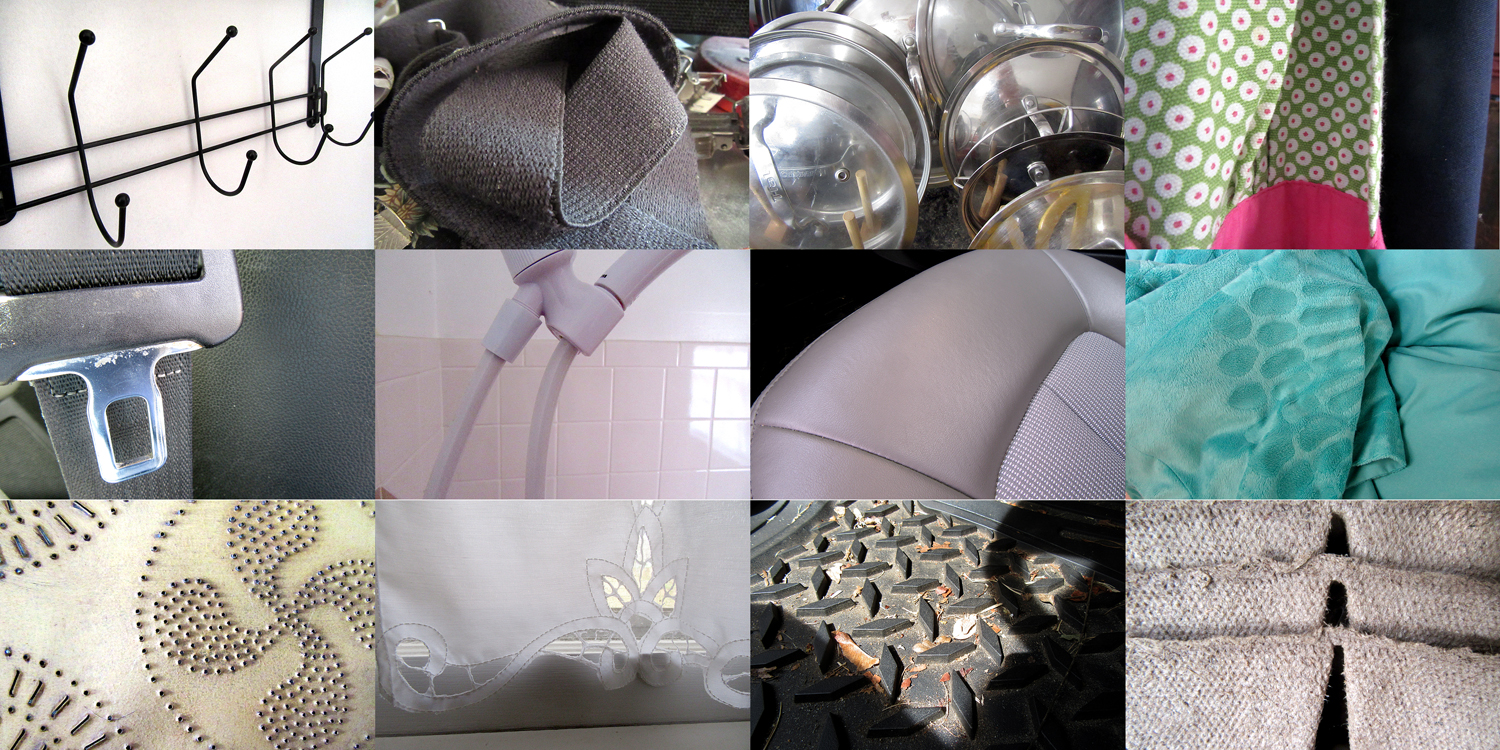
And so, I found myself “pecking,” in the word that Lee Friedlander uses. I would see some detail and try to make it work as a design. They were often random things in the house or car. 
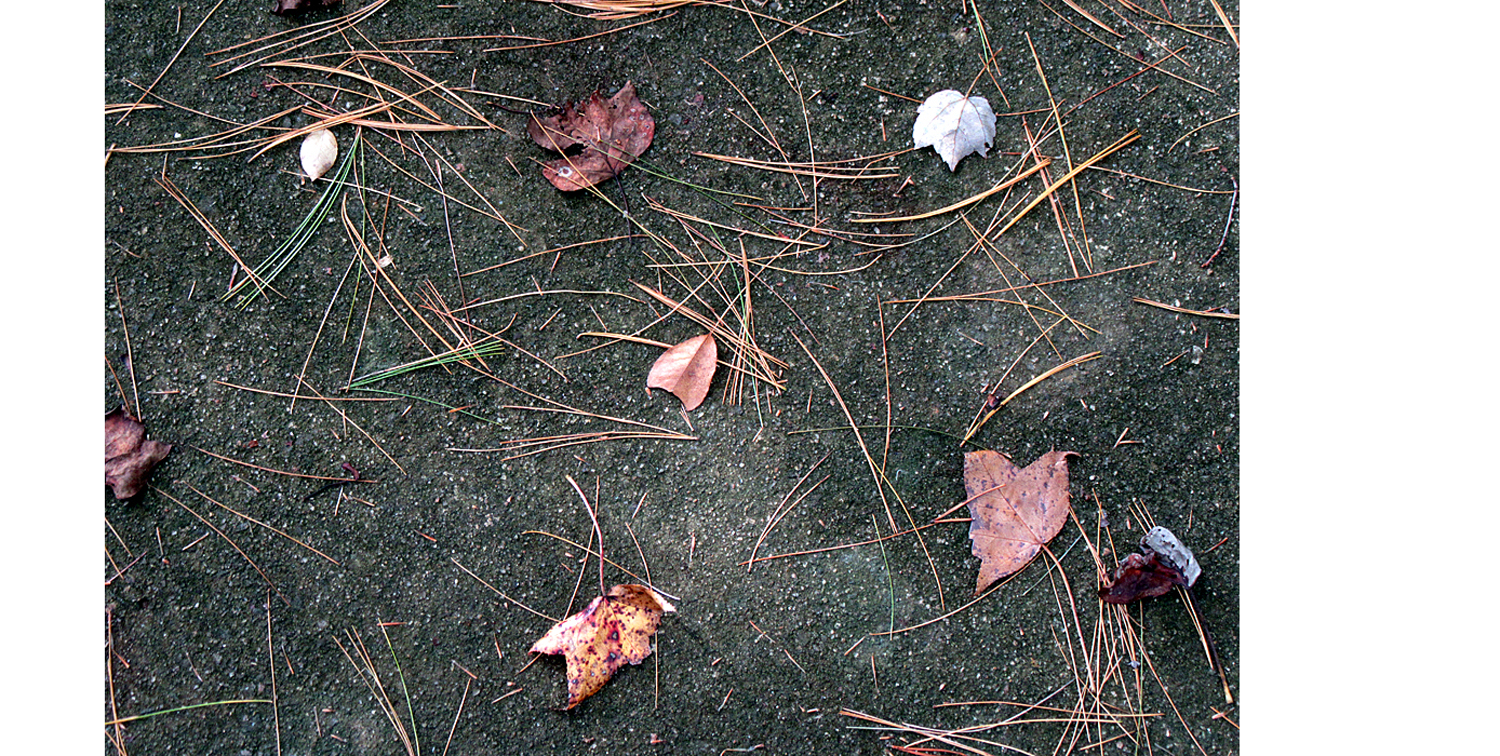
The natural world was infinitely various, and seeing the bits that made up the whole drew my attention. 
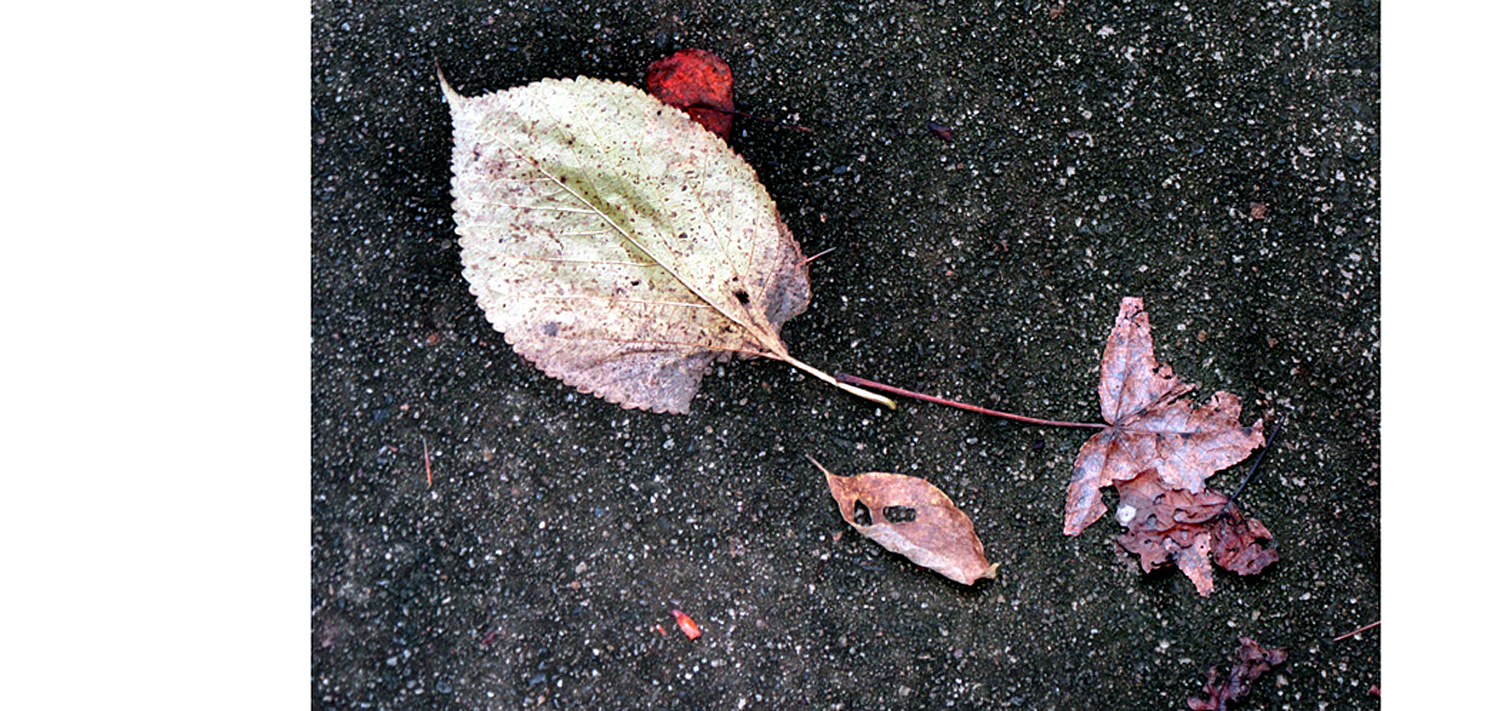
There was texture, rhythm and physical presence in these minor, normally unnoticed micro-worlds. 

I also found the images worked better in groups, and so I began making sequences, mean to be seen almost as a visual story. Individual images became less the point, and relationships from one to the next took over. 
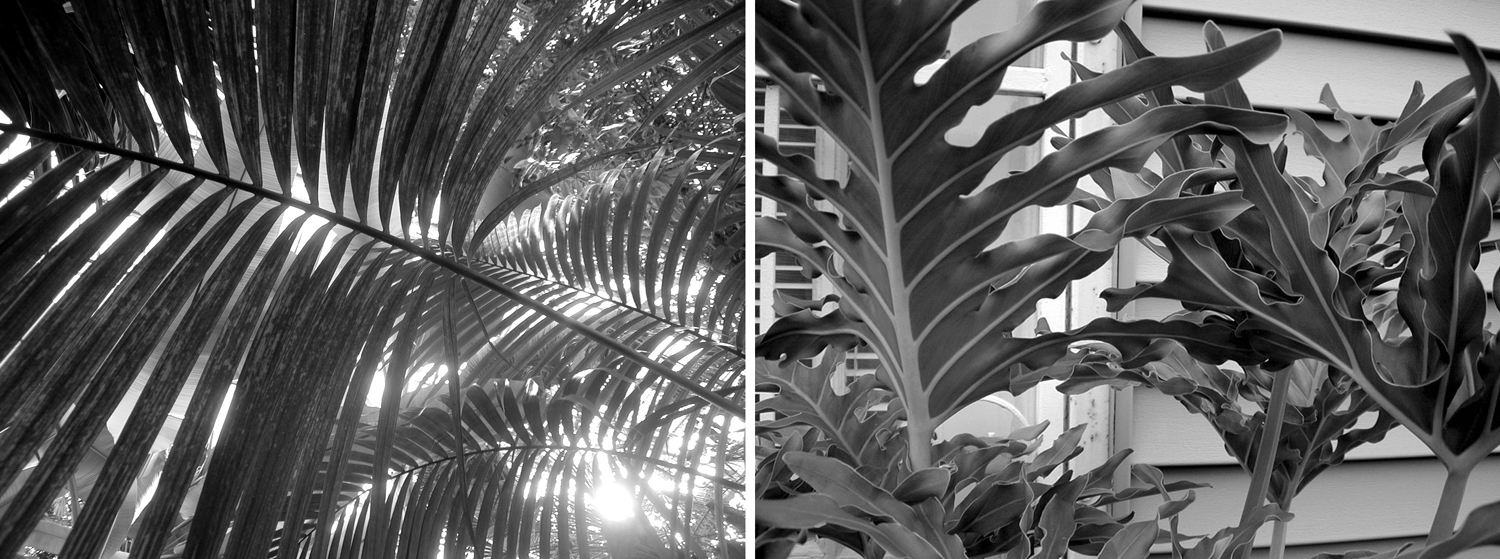
Jardin des Plantes, Paris; Judy’s garden, New Orleans

With my interest in natural details and vegetative profusion, I started a series of garden sequences, each group containing from 10 to 20 related images. I made series in friends’ back yards, public gardens, anywhere plants defined space. 
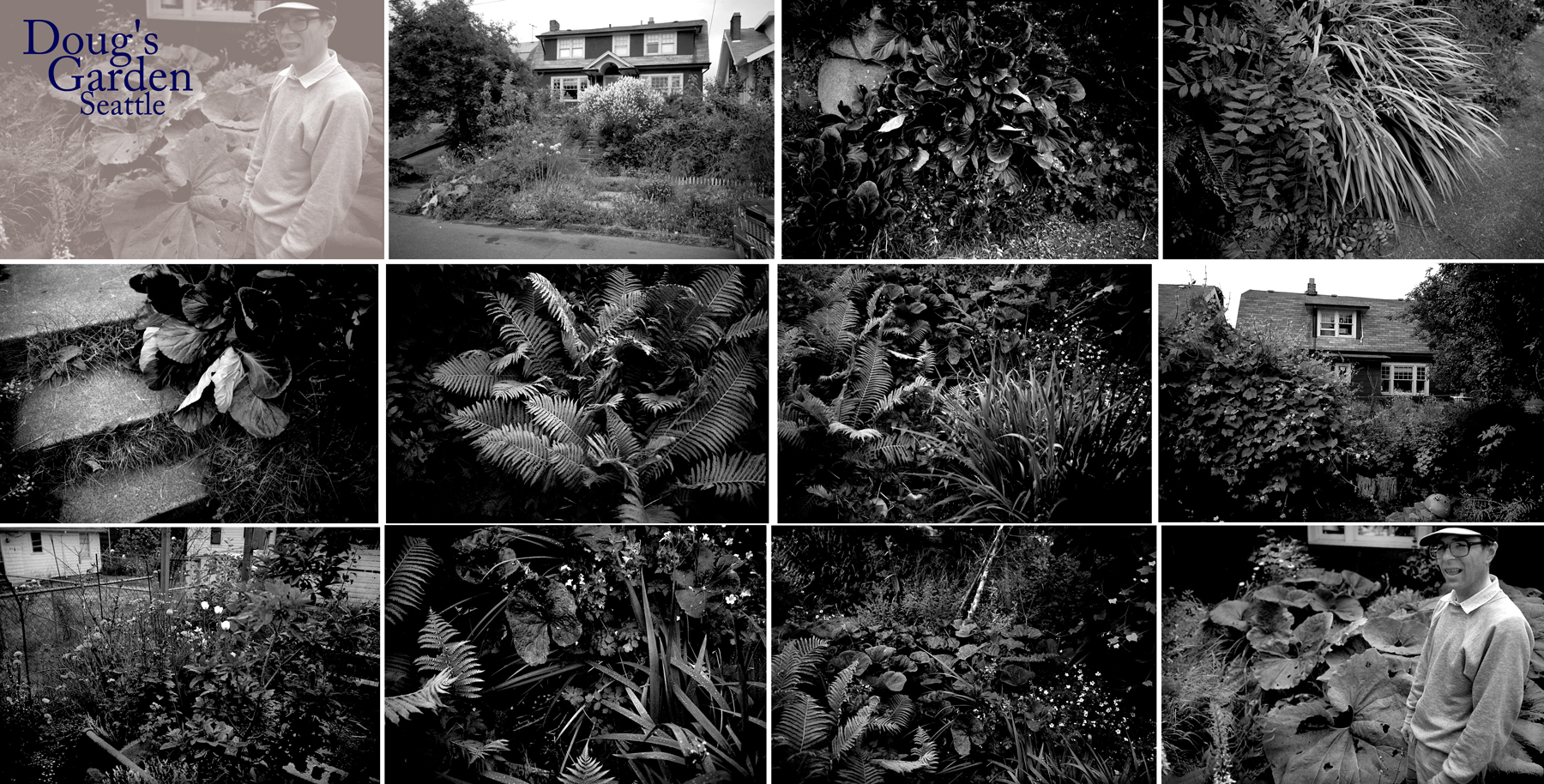
Doug’s garden, Seattle

I love gardens, but I love weeds, too, and trees. There just seems such a rich variety in nature. But, again, I wasn’t no longer thinking of the work as art, although I don’t know what else you could call it.
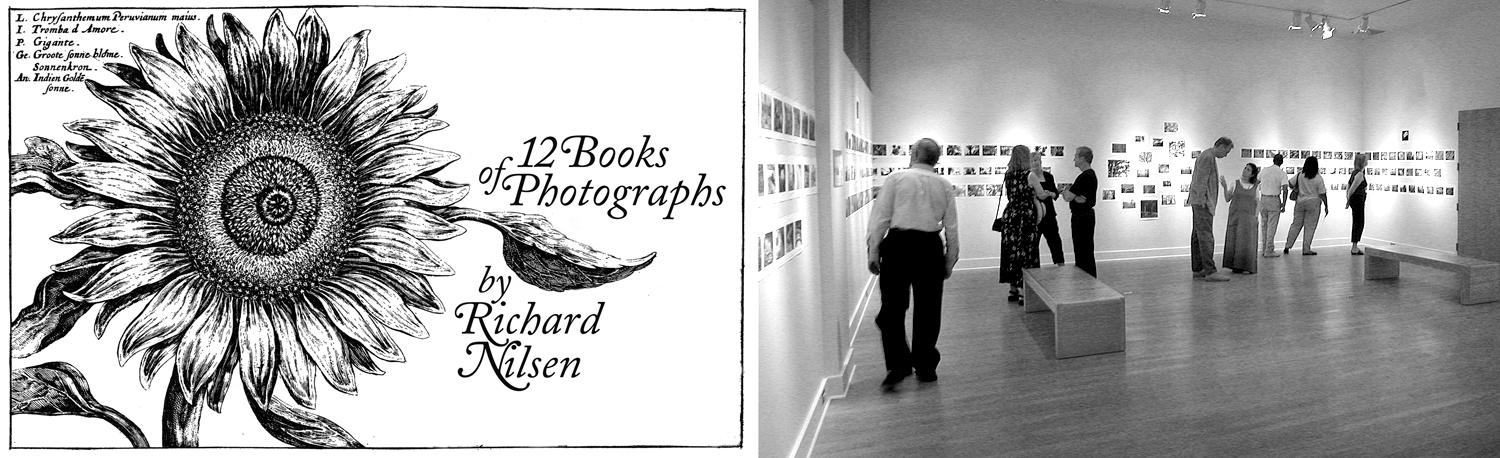
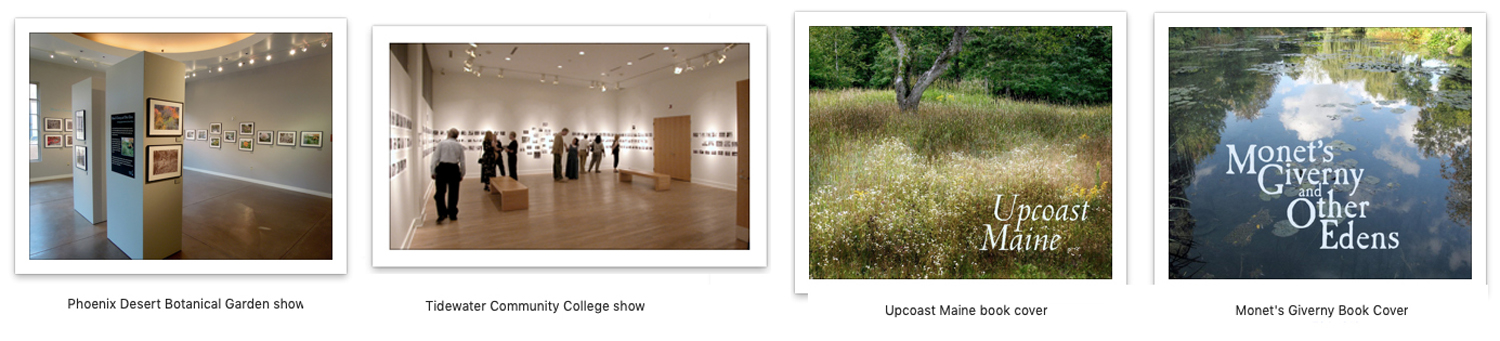
Title sign and opening at Tidewater Community College, Portsmouth, Va. 

At one point, I gathered about a hundred images, organized in 12 “books” and was invited to mount a show at my old Virginia school. 
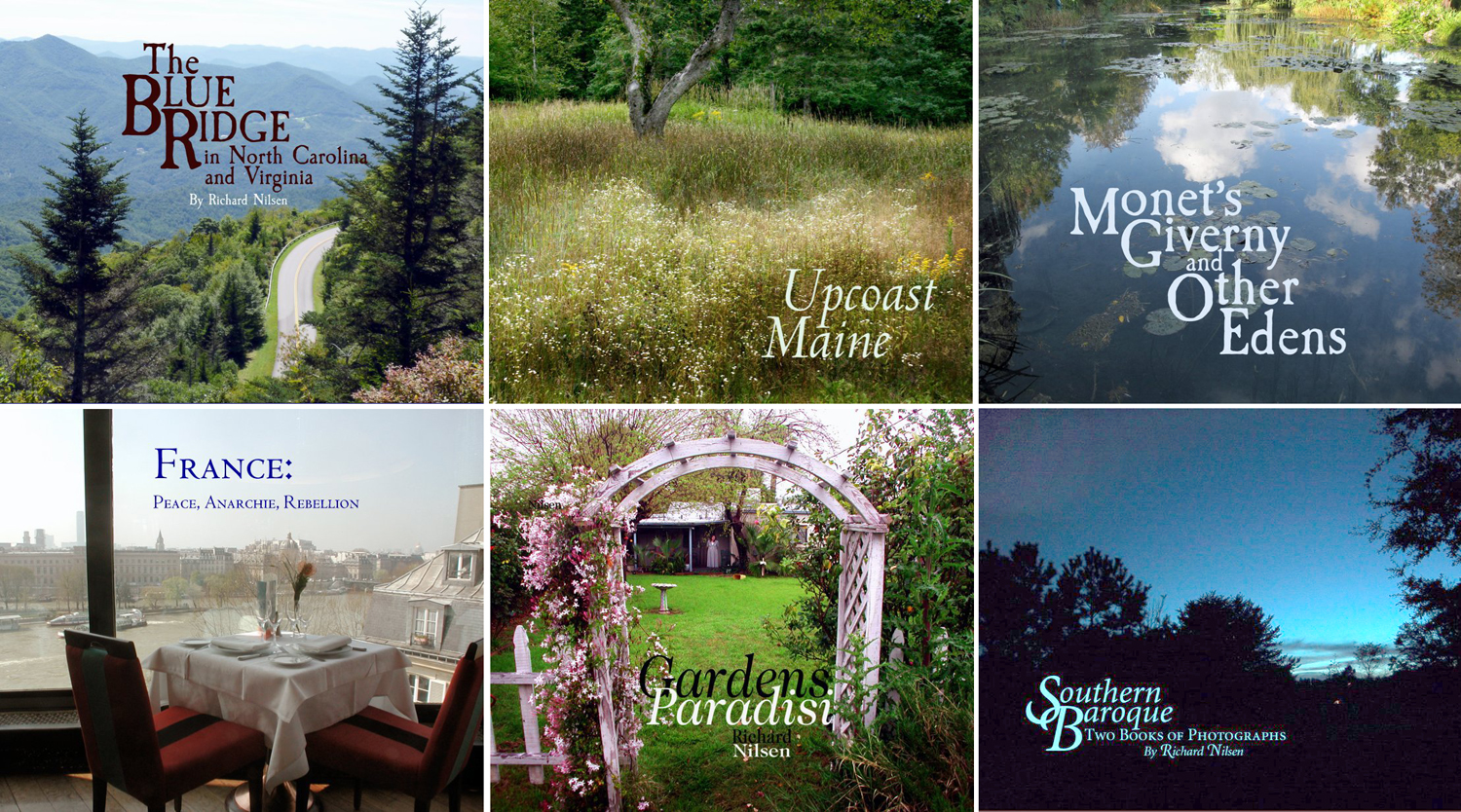
To make these series more palpable, I began making a series of bound books, using the Blurb app, and have now assembled 14 volumes. They look good on my bookshelf, and I’ve given away many copies, but they are, after all, just vanity projects. But, boy, they do look good. 
When I was younger, I tried to make art; now, I don’t care about that: I concern myself with looking, paying attention, becoming immersed in the world I inhabit. Photography is just the means I have to focus my awareness. Being more aware is being more human. 
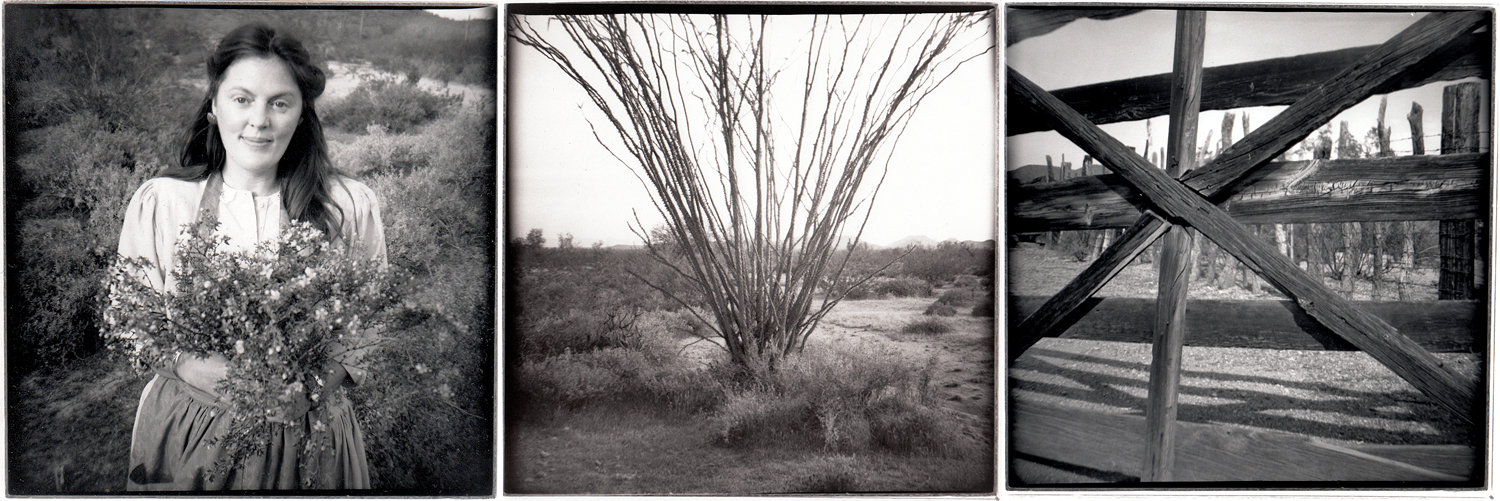
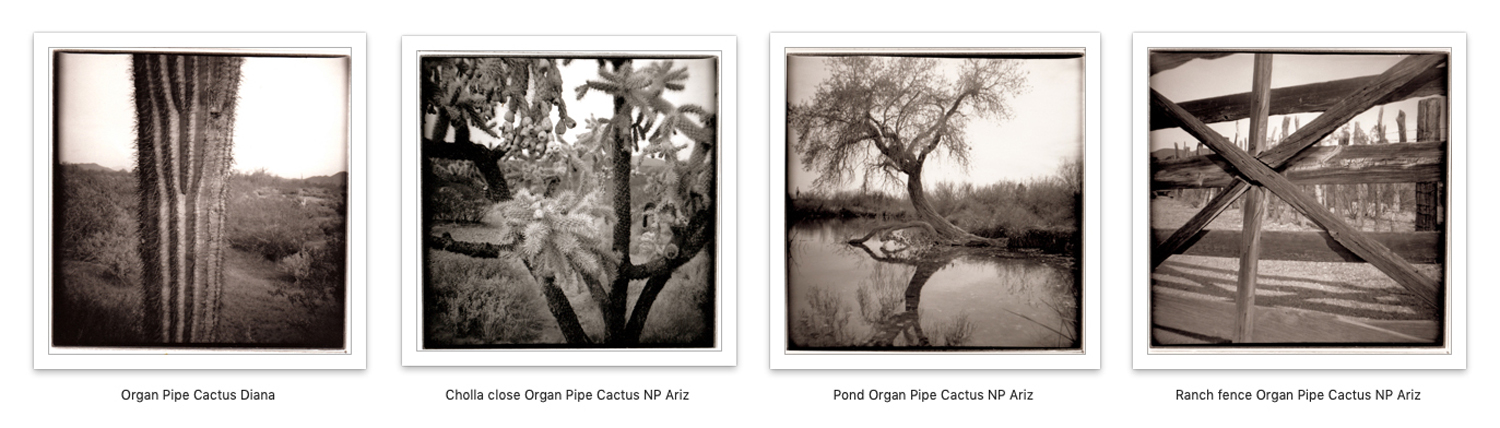
This freeing up of my intention also let me play around more. I bought a $1.98 Diana camera and took it to Organ Pipe Cactus National Monument. 
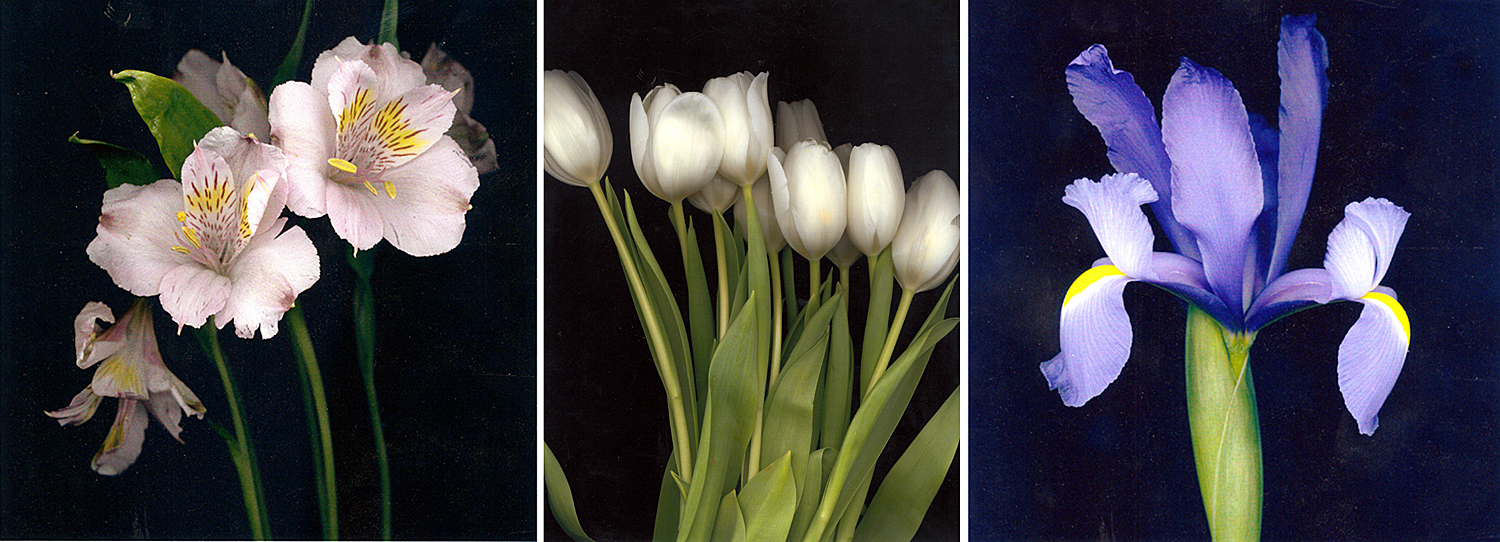
I made a series of flower prints by scanning them on a flatbed scanner instead of using a camera.
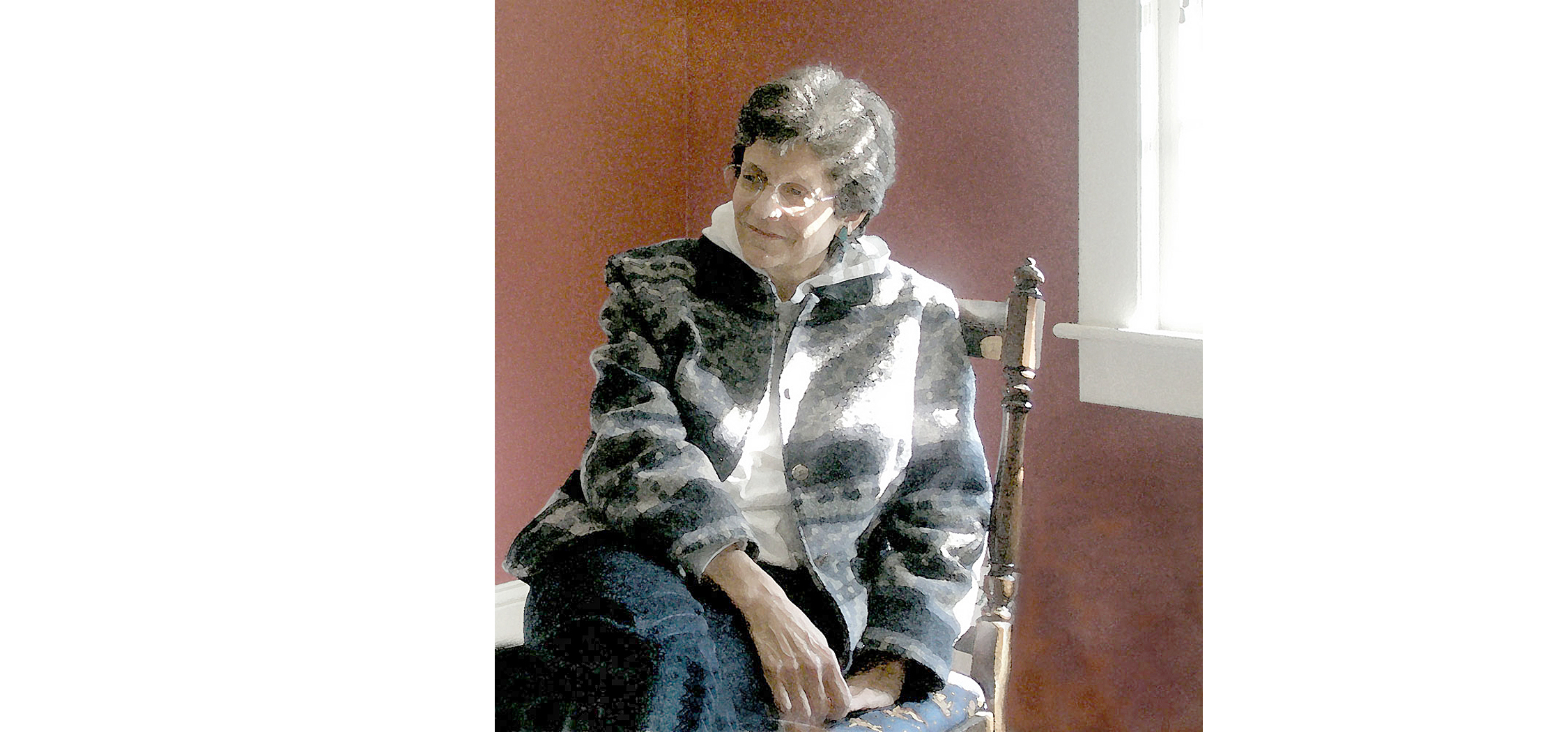
Anne Iott

Playing with the options of Photoshop, I made a faux watercolor from a photo of my college department head. 
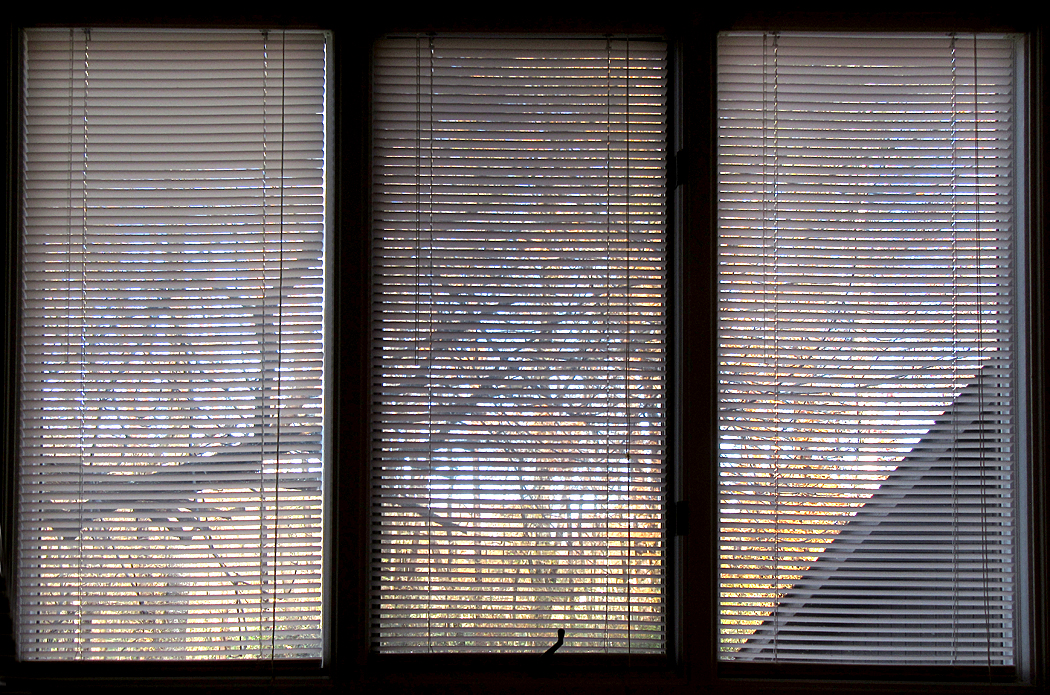
I woke up one day and noticed that sunlit trees outside my windows looked rather like images on a Japanese shoji screen. 
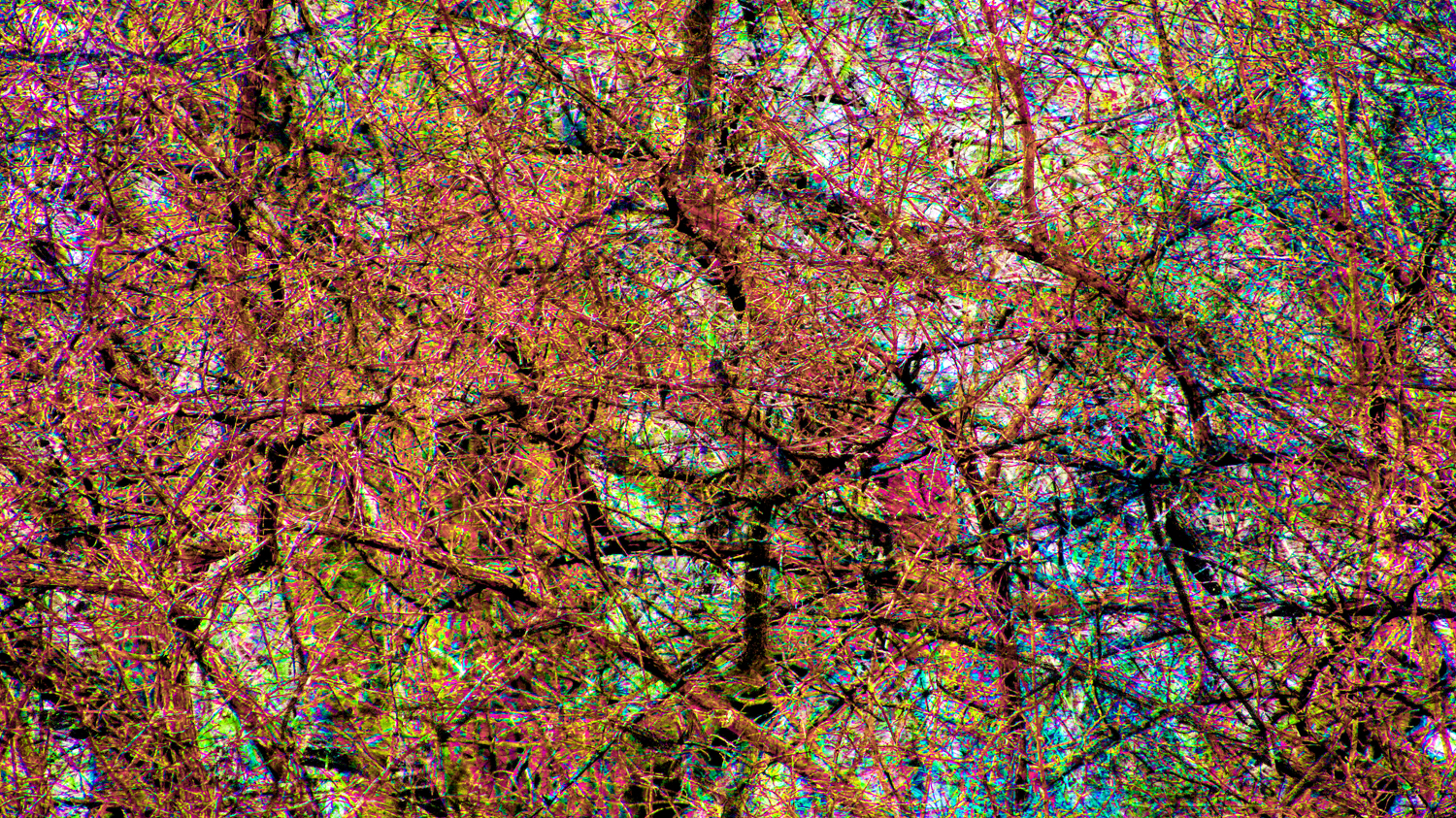
I used multiple images of crossed tree branches, overprinted them to make an abstract image, looking rather like a Jackson Pollock.
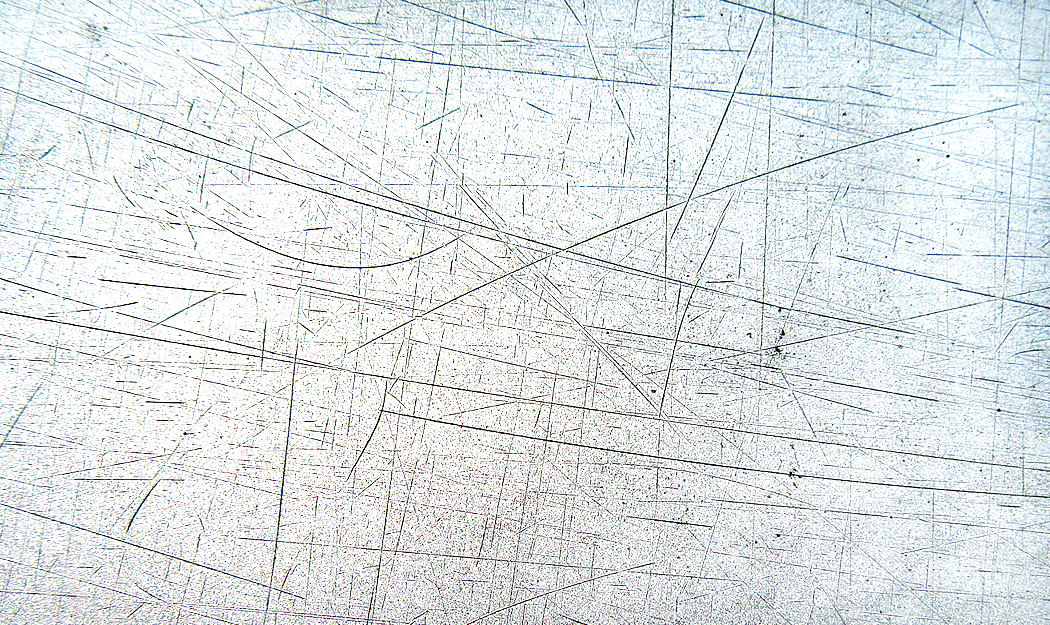
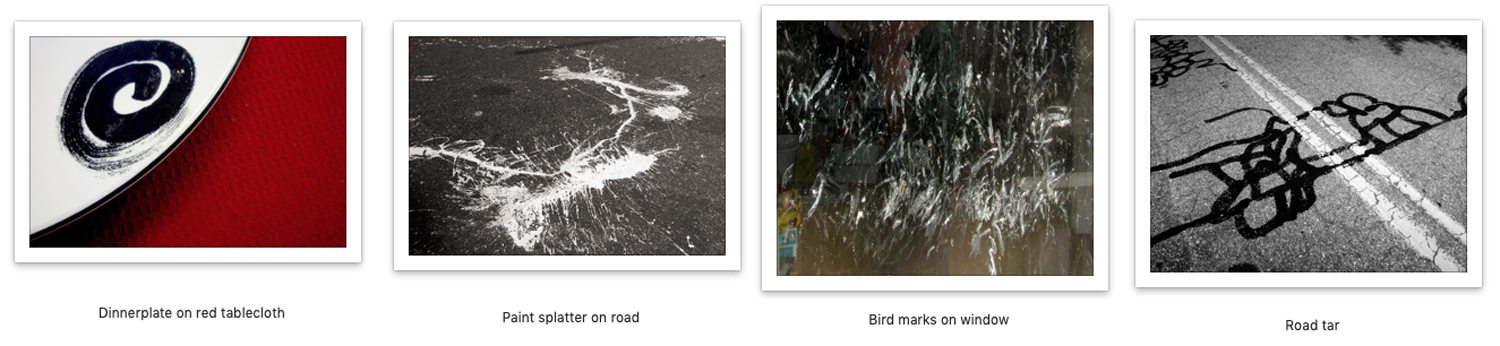
I found abstractions everywhere, including these micro-scratches in the silver paint of our old Buick, and looking rather like something from a Wilson cloud chamber, or perhaps a Cy Twombly. 
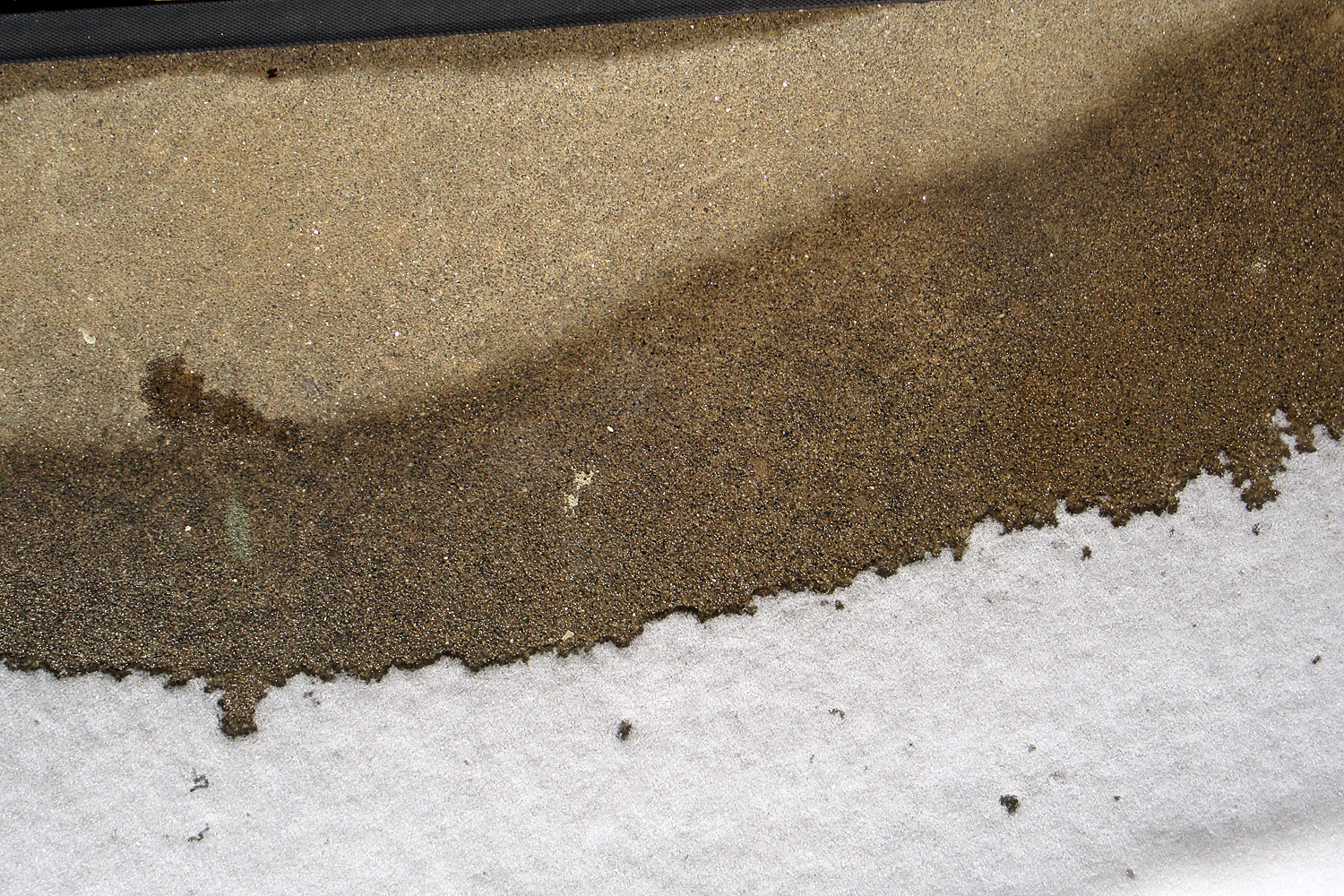
Snow melt on front stoop

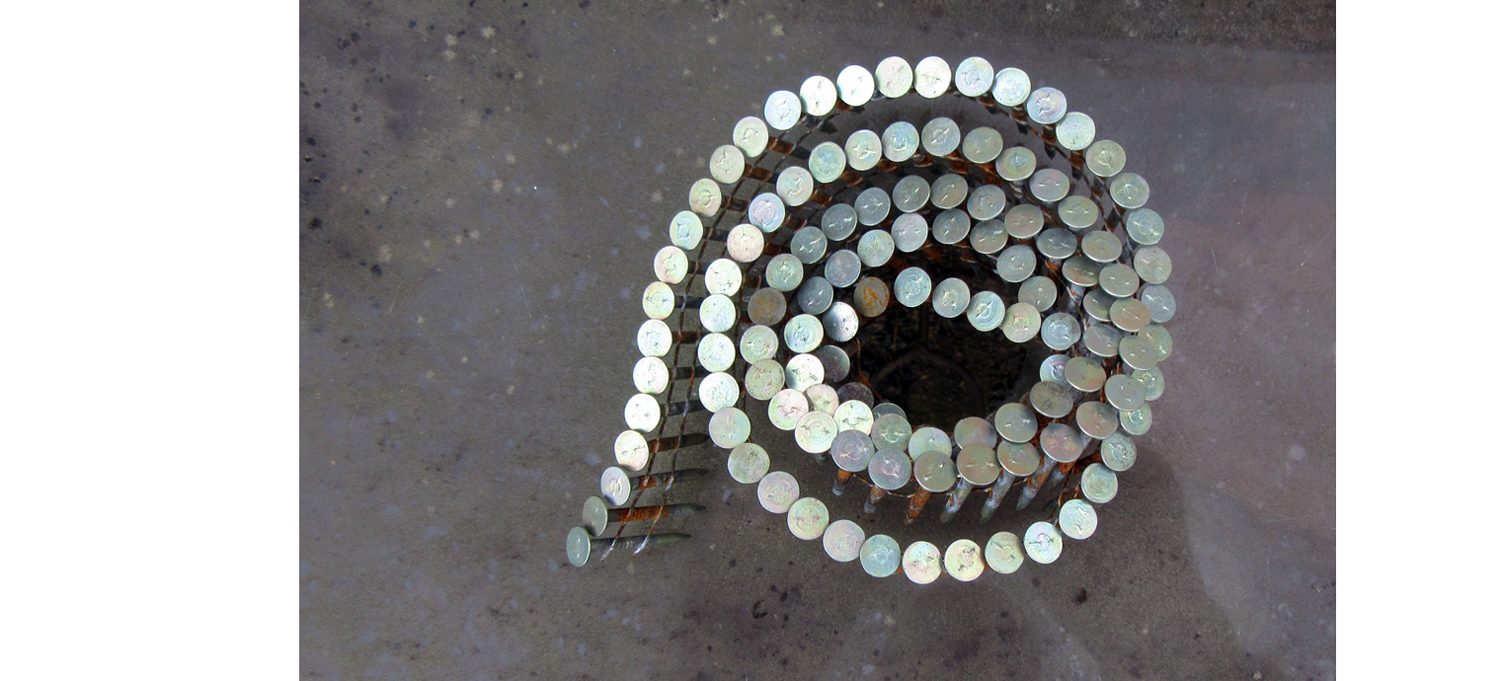
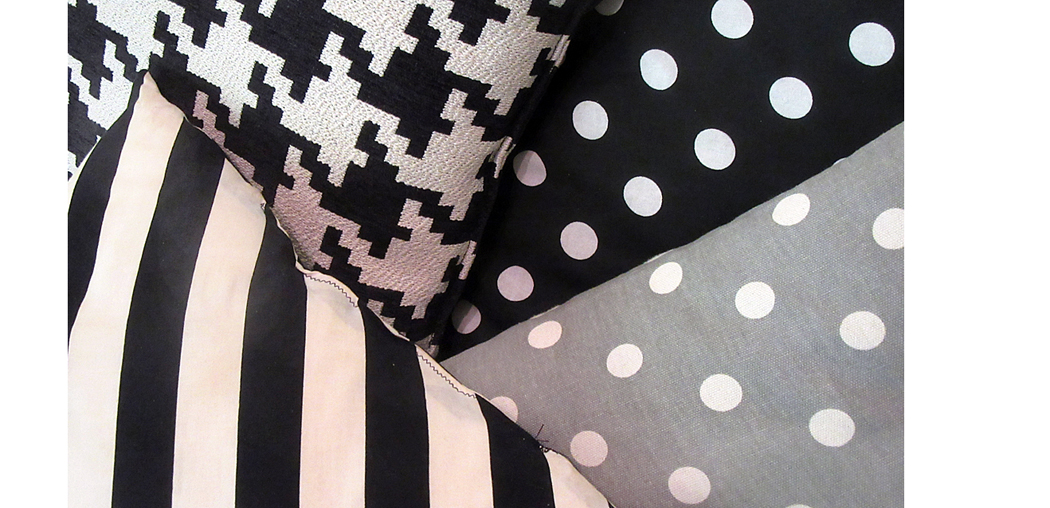
The more I looked, the more I found, turned into patterns rather than things you might name. 
When I was a young man, I desired an audience. Having gallery shows or publishing books seemed to have a point. Now, I find I make images simply for myself. It has turned out true for my writing, as well. 
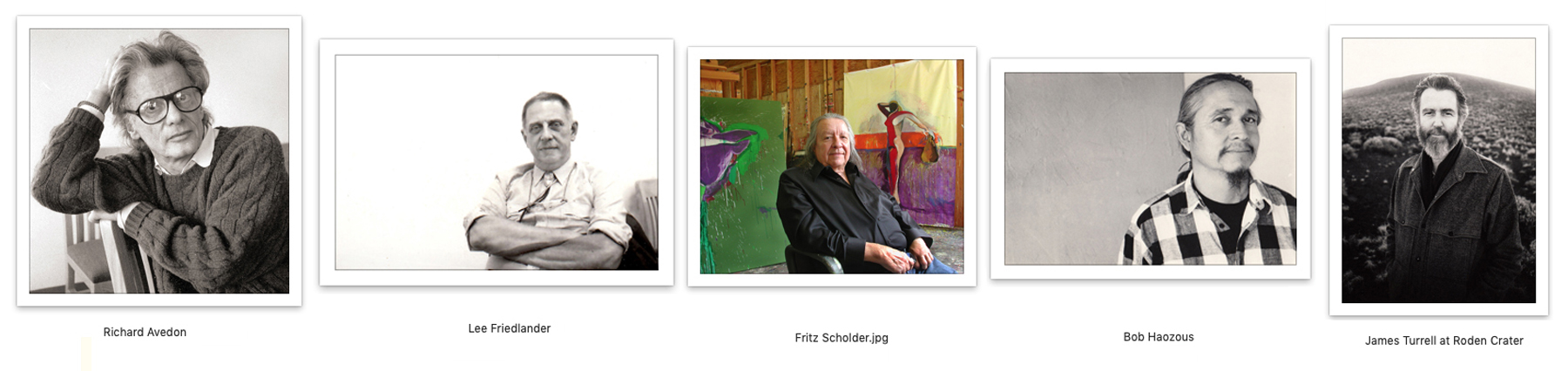
For a quarter of a century, I wrote for my reading audience. If no one read what I wrote, I wouldn’t have been paid for it. And it was gratifying, I admit, to be recognized in the supermarket, or to have Richard Avedon write to me after having read one of my reviews. But it has now been 14 years since I retired, and have written almost as much on this blog as I did then, and for no pay. I just cannot stop writing. And it is still pleasant to get comments from readers, but I write for myself, to clarify my thoughts, to express my feelings. Anything beyond is gravy. 

Rest stop on I-40, east of Asheville, N.C.

And it is the same with my camera. It is my response to the world. I make these images to interact with that world, to force my gaze, to pay attention. 

The most important lesson I ever got from college was from the professor who forced me to “engage with the text.” That simply re-uttering what he had said in class was not enough. I had to find my own way in the subject, bring something to it, rather than just memorize. Engage. Pay attention. It’s real, not just some hoop to jump through to get a degree. There is genuine reward, intellectually and emotionally, for involving your best self with what the cosmos has to offer. You will be more alive. 

Click on any image to enlarge
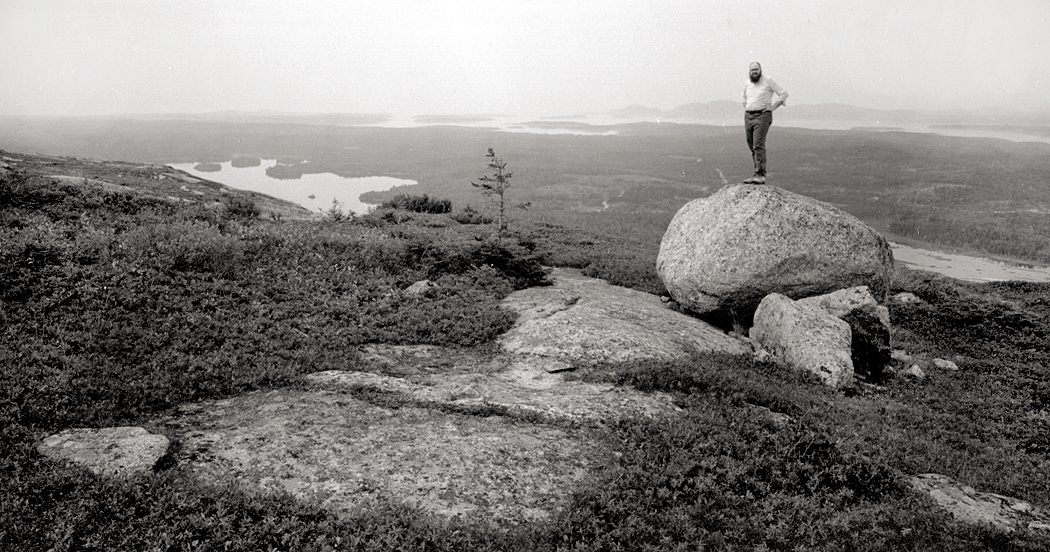
On Schoodic Mountain, Maine

I am within days of turning 78 and I feel my age, slowing down and dealing with new aches daily. I seem to be in reasonably good health, considering. But I don’t know how long I have left, and the length of string in front is clearly shorter than the length trailing behind. I am increasingly aware of mortality. 

And I have been considering all the things I have made and written over those piled decades and sometimes wonder why. Nothing will happen to any of it after I’m gone: It will eventually find some landfill somewhere. And part of me is perfectly alright with my life’s effort in words or images being utterly forgotten. Most of what anyone has produced over the millennia is long forgotten, and it’s fine. But I did a few things moderately well, and I can look at it all and note it. 

Over the past weeks, I have been spending time trying to consolidate a definitive version of some of the work from over the years. One has a tendency to take the long look and attempt some sort of codification of the evidence of a life lived. And so, I’ve been editing and winnowing. 

It is related to the unavoidable sadness one feels, having spent that life learning a huge trove, not merely of facts, but of useful experience — things we never understood as arrogant youths, full of ourselves and dead certain we were smarter than all those benighted generations that gave us birth — and knowing there is no way to impart that accrued experience to the children and grandchildren we love, that they will have to go through all of it again, on their own, and in turn come to rue that they will not be able to keep their own children and grandchildren from the same pains, mistakes and ignorances. 

And it will be the same for the physical evidence of that experience — the art and writing. So, I look over a lifetime of production and question to what end? 

Even I am astonished at the amount of work put in, a constant chugging away at the production machine, pictures and paragraphs. In 25 years at the newspaper, I wrote more than two-and-a-half million words, and since retiring, I have written another million-and-a-half on this blog — with another 100 essays written for the Spirit of the Senses website in Phoenix, having also given at least a score of well-researched lectures for that salon group. There are also an uncounted number of letters penned, and also both fiction and poetry. 

To say nothing of the tens — maybe hundreds — of thousands of photographs I have made.

I have always been this way. I didn’t think about it when I was a boy, but even before first grade, my idea of fun was a pile of paper and a pencil or crayon and I would spend hours drawing. Most kids do that, but most slowly lose the need as they grow up. In high school, I was given access to the darkroom and began making photographs, while also writing for the school newspaper. Always scribble, scribble, scribble. Eh, Mr. Nilsen? 

After college, I found work writing, editing and making photos for a Black weekly newspaper, where I pumped out a weekly cooking column and the “Dear Carol” advice to the lovelorn column, in addition to writing the editorials and coming up with the headlines. (My favorite: When the iconic Greensboro, N.C., nightclub closed, I wrote in giant 128 point type, “Cosmos Folds!” Thought it a grand joke.) 

In the single month of March of 1980, I wrote 500 pages of letters to friends, on a tiny plastic aqua-colored portable typewriter on a tree-stump “desk” in the back yard. When I finally began work at the daily paper in Phoenix, I averaged about three stories a week. I thought I was being lazy, but apparently I was producing more than most. (At least, that’s what my editors told me). 

I would use the word “creating,” but that seems too important for what I was doing. I was producing. 

Los, with his forging hammer, by William Blake

There is a character in poet William Blake’s obsessive mythology called Los, and he is one of the four main “gods” of human psychology, and Los spends eternity forging an endless chain. Why he does so is irrelevant: It is what he does. He is defined by it. He produces. It is what I have done: produce. 

Many jobs in life call more for other talents. Nurses and doctors, for instance, or office workers who keep the paperwork flowing, or in selling or organizing. The actual creation of something new is not for them the goal. But in my life, like that of Los, all that matters is production. Make. Make. Make. I cannot imagine spending my life without making stuff.

And so, I am going over the thousands of files stored on computer and CD-ROMs and winnowing down what I think has been the better examples, and working on them to create the best or final versions “for posterity,” by which I mean, so I can look at them and contemplate what I have spent my life doing. 

I just finished editing the bulk of the portraits I have made, cleaned them up, re-framed some, improved contrast and tone, and come up with a final version. If I were to present a portfolio, these images are what I would offer. I have about 200 such images in the file.

I previously did the same thing for the nudes I took over the years; there were fewer of them and even fewer of those were worth saving. 

There have been uncounted thousands, probably tens of thousands, of landscapes I have pointed my camera at. Most are just snapshots — memories of travel — but there are hundreds saved intended as works of art, and shown in gallery exhibits and printed in books

The earlier ones are more clearly derivative, but gave me lots of practice printing in the darkroom, so that I became an excellent printer of silver images. The longer I kept working, the more individual my landscapes became. 

Most of my photographic work has been in clear genres, such as portrait, nude, landscape and still life. 

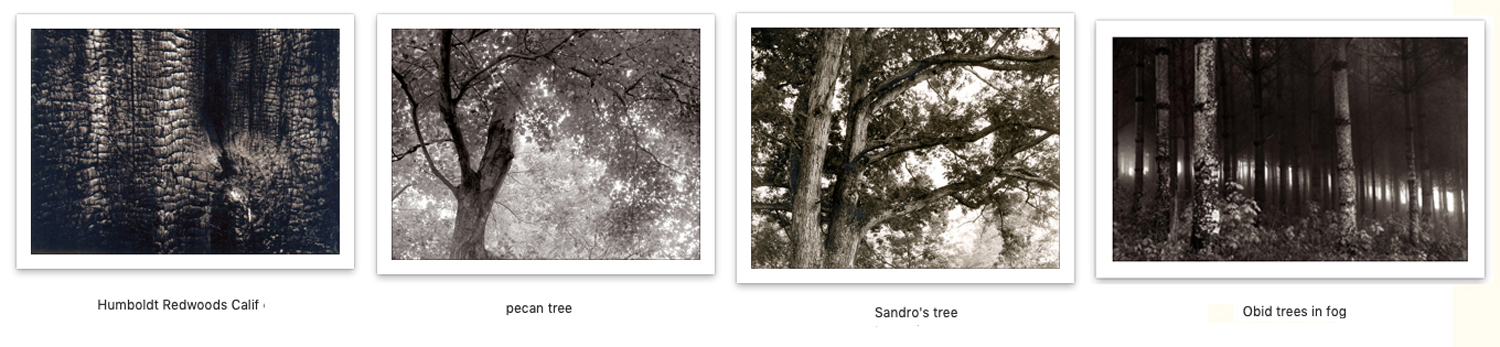
One subject that has remained as a visual source of amazement over 50 years of making images are trees. I have thousands of prints of various trees in various seasons and weathers. 

And, because of when I grew up — in an era when Abstract Expressionism was king of the hill — I add to those genres a search for abstractions.

And even, non-camera work, where I played with the chemicals and papers to make my abstractions directly in the darkroom.

About 25 years ago, I began making photographs in series — collected in portfolios of between 10 and 20 prints each — made in various gardens, including public gardens and the back yards of friends and family. I must have made scores of these boxes, each with its title, and meant to be understood not as individual images, but as a kind of suite to be taken whole.

And with images made over the course of a few hours, tapping the shutter at whatever caught my eye as deserving its attention.

I expanded the series idea into images I found outside my airliner when flying around the country, a series I titled Window Seat

And another using a cheap toy camera (a $2.98 Diana) at Organ Pipe Cactus National Monument in southern Arizona.

And another made from clouds on one particularly stormy afternoon from my back yard in Phoenix, collected in a book titled Monsoon

Where does all this need to keep creating, keep producing come from? It is just my nature. I can’t help it: It keeps mind and hands busy, engaged, interested, alive.

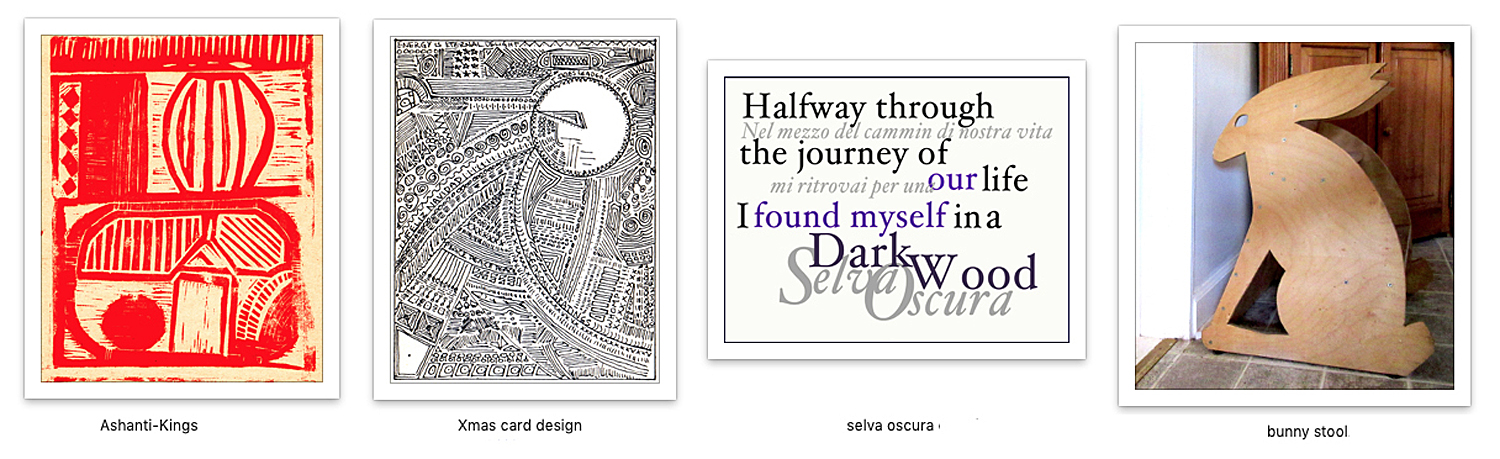
I’ve made linocuts, drawn with pen and ink, played with graphic design, and even, when my wife needed a step-stool for the kitchen, I built one from birch wood in the shape of a jack rabbit. 

None of this means I feel especially talented or important, but just that putting things into this world that hadn’t existed before I made them seems as if it is whatever purpose my life has been made for. 

When I was newly minted and 20 years old, I thought I would be an artist or poet. It was a goal. But it didn’t take long to give up such an idea. Instead, I began writing and making images. The focus was no longer on my identity, who I thought I was, and more on engaging with the world. Looking outward rather than being stuck with self. 

I’ve known plenty of genuine artists; I don’t count myself among them. But I am doing something analogous. 

I didn’t care if I was an artist. I was more interested in understanding the world, either visually or conceptually. And not so much understanding as simply experiencing it. I can’t say that self evaporated — I have always had a strong sense of self, as anyone who knows me will admit under muffled giggles. But that it didn’t matter. 

And so, a lifetime of making things was not spent in any ambitious attempt at public recognition. I certainly could have written books or sought more gallery shows, but, as comic Steven Wright once put it, “I have  ambition, but without the drive.” But I have been driven to use my words and my camera to see better, to connect better, to make objective documents recording what I have seen or learned. Making pictures forces my attention. 

So, when I question having spent my life making and producing, and what it was worth, the obvious answer is not in the rewards of having made, but in the immediate doing. The meaning is in the act. 

I will stop when I no longer breathe. 

Click on any image to enlarge

curtis and isabel
Portrait photographs come in basically two varieties: the formal and the candid. These days, with selfies monopolizing the social media, almost all portraits are informal. And when asked, most people say they prefer the candid picture, perhaps because the formal portrait has fossilized into the Olan Mills mall photo, in garish color against phony backgrounds. It would be hard to make an esthetic case for these assembly-line excrescences, with their banal smiles and enforced familial geniality.olan mills family

karsh sibeliusThen, there is a prejudice against artifice: Many people prefer the snapshots because they seem more natural, more spontaneous. If you look at one of those highly massaged portraits by Yousef Karsh, there would seem nothing less spontaneous. Every light, every specular reflection in an eye, seems calculated, even marmoreal, like his portrait of composer Jean Sibelius. If we’re a “rock and roll” nation, we are one that values the brash, the riff, the off-the-cuff: Indeed, we trust it to be more “truthful” than the rhetoric of the planned, controlled and considered. As Allen Ginsberg mendaciously preached: “First thought, best thought.” (Despite the fact that his best poems, such as Howl, were thoroughly revised and rewritten; we have the typescript for evidence, with all its emendations.)karsh churchill

Yet, some of our most iconic images — the ones we remember, the ones that fix in our minds some large truth about their subjects, are exactly the careful, posed and arranged portraits, such as Karsh’s take on Winston Churchill — a photo that might have won the war all by itself.

The idea of the formal portrait survives, even in the gaudy, awful Olan Mills photos: The idea that the subject wants to be seen in his Sunday best, with his best teeth put forward for posterity: “This is how I want to be remembered.” Even though the actual life may be more squalid or confused, or complex– certainly infinitely richer. But “this version is the one with the barnacles scraped off.”

olan mills family portThe photographer Richard Avedon said, “What ends up in your scrapbook? The pictures where you look like a good guy and a good family man, and the children look adorable — and they’re screaming the next minute. I’ve never seen a family album of screaming people.”

But when done well, it isn’t the vanity of the subject that is portrayed, but the insight of the photographer. A good portrait should tell us something about the subject that the subject doesn’t want us to know, or is not aware of, or is somehow larger than the public face intended.

A photographic portrait also tells us something about the artist who makes it. This is something that Avedon always stressed.

“My portraits are always more about me than they are about the people I’ve photographed,” he said. You can spot an Avedon immediately: It’s style is uniquely his. The same can be said for Irving Penn, or for Arnold Newman, or Yousef Karsh — any of those who made a name as portraitists. An Avedon portrait — or a Penn — is a world view, consistent from image to image. avedon eisenhower

And it is in this sense that the portrait rises from vanity icon to art. The picture tells us not merely, what does this person look like, but rather the larger message: This is what being human is.

It is in the eyes, most often, that the humanity is tethered. You can see the light behind them. Nothing is worse than a picture of someone who is bored with the process of being photographed: The eyes turn into ball bearings, lifeless and extinct. A good portrait is a picture, instead, of being alive, of being in the moment, even if that moment is for posterity, or for eternity.

I bring all this up, because in the age before I became a writer, I thought I would be a photographer. It was in the days of chemicals and dim amber lights, and I became a proficient darkroom worker: My prints, I say with some pride, were as good as anyone’s. Crawford 1977 copy

And I took many portraits, working my way through the learning and development that any artist goes through: Imitation, innovation and finally, something personal that emerges.

Most of these portraits were friends or more. I went through cameras, always seeking the right one, never actually finding it: Nikons, Rolleis, Hasselblads. I went through lighting schemes, through backdrops.

And I went through the history of portraiture, from Holbein to Raphael to Rembrandt to Gainsborough to Chuck Close. The model I felt closest to was the Renaissance portrait, such as Raphael’s portrait of Baldassare Castiglione. Here was a face to look at: Eyes that had seen a good deal of the best and worst of the world: It registers. raphael castiglione portThere is also a sense of moment; this is for posterity. The figure makes a pyramid in the frame, giving it foundation and security. The background is broken into interesting shapes — the so-called negative space, not ignored, but make essential to the impact of the image.

I saw something of the same in the photographs of Avedon: formality, interesting negative space, and the centrality of eyes.

There is one major difference between these great images and the Olan Mills smile-o-thons: So many of them have equivocal expressions on their faces. They aren’t genial and smiling; indeed, it’s hard to quite know what they are expressing. There is a neutrality to their faces; not slack, as if thoughtless, but rather as if thoughts were unresolved.Henry Parrish Lippincott Hackett

In other words, the faces were not billboards flashing their message, but rather something denser, meant to be read and fathomed. Not the momentary but the monumental.

This is a portrait of Henry Parrish Lippincott Hackett, I made it in about 1973. It is a model of what I was trying to get in those years.

Of course, they were also shapes in a frame, and the graphic quality of the images counted for a lot, such as the eye of Picasso in Penn’s version, or the indistinct edge of Eisenhower’s head in Avedon’s portrait.

I used the eye in a photo I made of Pam Henry, in the mid-1970s. double picasso pam

Other imitations, conscious or otherwise can be found in other portraits I made from 1970 to about 1986, when I gave up teaching photography and became a writer at The Arizona Republic.

 My Degas:double chrysanthemums

Not a conscious imitation, but clearly a resonance of Ingres in a portrait of artist Mel Steele.double ingres mel


This is Doug Nufer in 1978, when he was officially dubbed “The World’s Most Obscene Man,” against Avedon’s portrait of Willem de Kooning. Nufer has since gone on to become one of the avant-garde literary lights of Seattle. Made from work print, 9/25/06, 12:15 PM, 16C, 5364x6131 (1182+1975), 125%, Hennessey 0823,  1/15 s, R38.2, G21.9, B47.9

double MK Elks and VenusOr, Botticelli’s Venus in a picture of Kathy Elks.

But it wasn’t all imitation. It was an education, and a slow development of what I was trying to find in portraiture. I wanted it to be formal; I wanted it to be graphic; I wanted it to be more than a snapshot reminder of who my friends were. When I was teaching photography, I ran a course on portraiture and I was not so much concerned with the usual lighting schemes or lens choices, but with engaging with the sitter, finding something human there. And while book after book told us that we should use a long lens for more natural perspective, I found that a normal lens, or even a wide angle lens brought the photographer and the sitter closer together, making interaction unavoidable: The photographer could not be aloof from the sitter, as though the sitter were a mere object, and the sitter could not be indifferent to the photographer invading his private space. The interaction was forced. Always use a short lens, I taught. Get in their faces.

Here is artist and friend, Charles Williams, who returned the favor by making a drawing of my wife and me. Charles Williams

Second lesson: Always have the sitter look into the lens, so that in the photograph, he gazes out of the picture into the eyes of the person looking at the image. This makes the portrait not a neutral event, but it forces the viewer to have a relationship with the subject. In other words, the photographer confronts the sitter; the photograph confronts the viewer. This makes for a more active work of art.

These are three photos I took for The Carolina Peacemaker, when I worked for that weekly black newspaper in Greensboro, N.C. I was looking for that directness, rather than the mere animation that most photo editors want.triple peacemaker ports

Third, no smiles. Unless they are genuine and are more than a tightened muscle at the mouth corner. There is a story about Greta Garbo, when an observer at a studio shoot said afterwards, “I couldn’t see her doing anything,” and the film director said, “But it will show up on film, just wait and see.” And of course, when the dailies were screened, every emotion ran riot across her face — primarily because she didn’t underline each one melodramatically. The film sees things you don’t. Let it do its job.double iott wolf

There were many other points in the course, but these three were most important, even if they ran counter to what is usually taught. After all, I told my students at the beginning of every class that I considered it my job as a teacher in the art department, not to train them for careers, but to make them unemployable. I wanted them to dig deeper than the stereotype. Many of them did. It was a great class.double robin reid linda olson

When I moved to Arizona and started work at the newspaper, I stopped taking as many photographs. I spent my time writing the two-and-a-half million words I pumped out in 25 years. There were photos meant to illustrate stories, but my emphasis had shifted.

Now, I still make the occasional photograph, and I still use the shorter lens, the in-your-face, and the attention to eyes.Mel BW

And I’ve gotten older, and so have my friends. You saw my Ingres-photo of brother-in-law Mel Steele. Here he is a couple of months ago, more informal — almost a snapshot, but with the lessons I learned from years of looking.