Archive

Tag Archives: vienna

Those of us who pay attention to the various arts usually have certain works or artists that appeal to us more than others, that grok on the particular wavelength we resonate to. 

For me, when it comes to music, it is the work of Franz Josef Haydn. I enjoy pretty much all of classical music, from Josquin to Golijov, depending on my mood. But I know I can always sit back and enjoy a Haydn quartet or symphony. His music is endlessly surprising and inventive, always seems to have a point, and is both witty and playful, but can also be deeply expressive and emotional. 
When I worked in Phoenix, my commute to the office was about 20 minutes long, which was just about the perfect length to take on one of his symphonies. One on the way to work, and another on the way home. And when I got through all 104 of them, I started again back with the first. I reckon I tore through all of them at least five times on that drive. Haydn wrote tons of music, and I’ve listened to tons, starting with an anonymous 78 rpm recording of his Symphony No. 99 when I was in high school. 

Haydn’s music isn’t just tunes. It is a narrative. The music of the Classical era has a clear musical“story” laid out in each composition, that I find compelling. And Haydn does this better than anyone. 
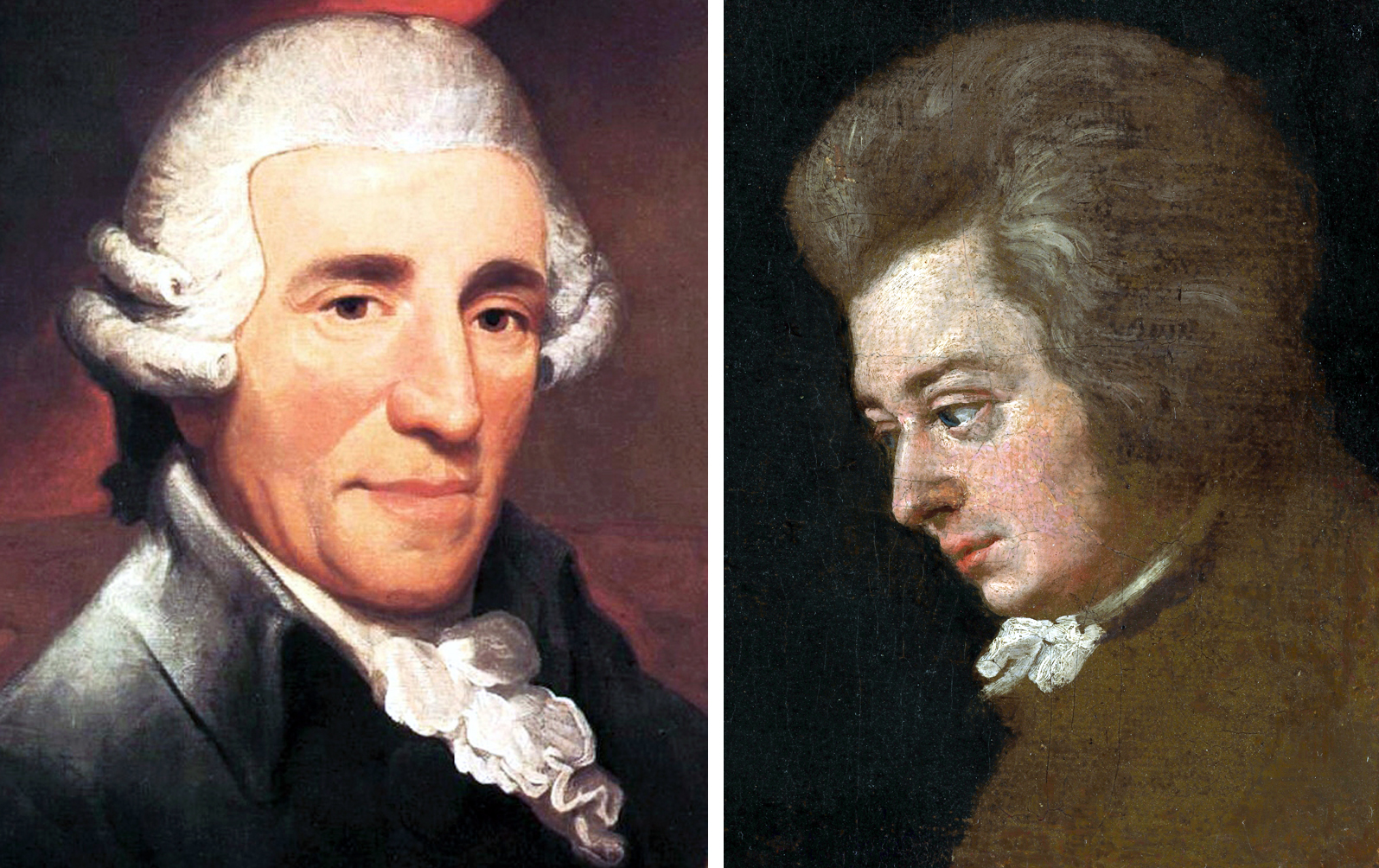
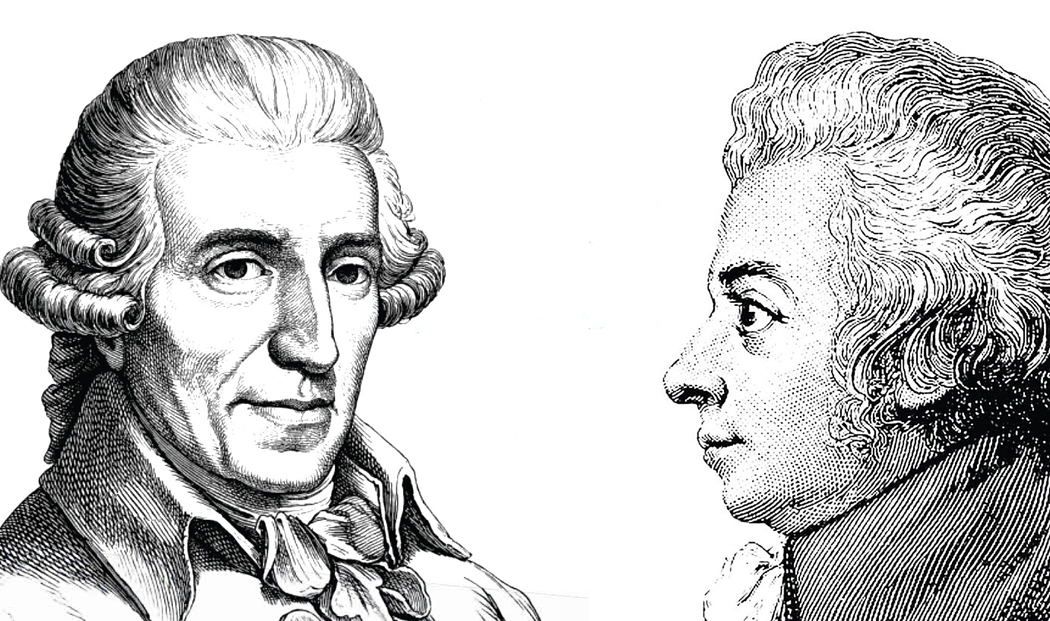
Haydn and Mozart

We usually say that Haydn and Mozart wrote music in the Classical style. But that’s not really quite right. It wasn’t a style they adopted, but one they invented. Mozart and Haydn created the Classical style. 

What we call, in the larger term classical music is habitually divided up into historical periods: Baroque; Classical; Romantic; Post-Romantic; Modern; etc. It’s all classical music, of course, but within the time frame from roughly 1750 to about 1825, is the subset we give the Capital “C” Classical name. And the most prominent names from that subset are Haydn and Mozart. (And later, Beethoven and Schubert, but they were both already heading toward the new age of Romanticism). 

Baroque music reached its peak of Baroque-osity with Johann Sebastian Bach, whose music is contrapuntally so elaborate that it takes spreadsheet to parse it. By the time he died in 1750, his music was out of date and tastes had begun to look for something simpler, more homophonic, and with tunes you might hum or whistle. Bach’s sons, famous composers in their own time, all wrote in this newer, lighter popular style. Other famous composers of the mid- and late 18th century also adopted this simplified orchestral style, including the Mannheim School, and the whole Stamitz family. (I am simplifying, myself, here, but overall, this is the direction). 
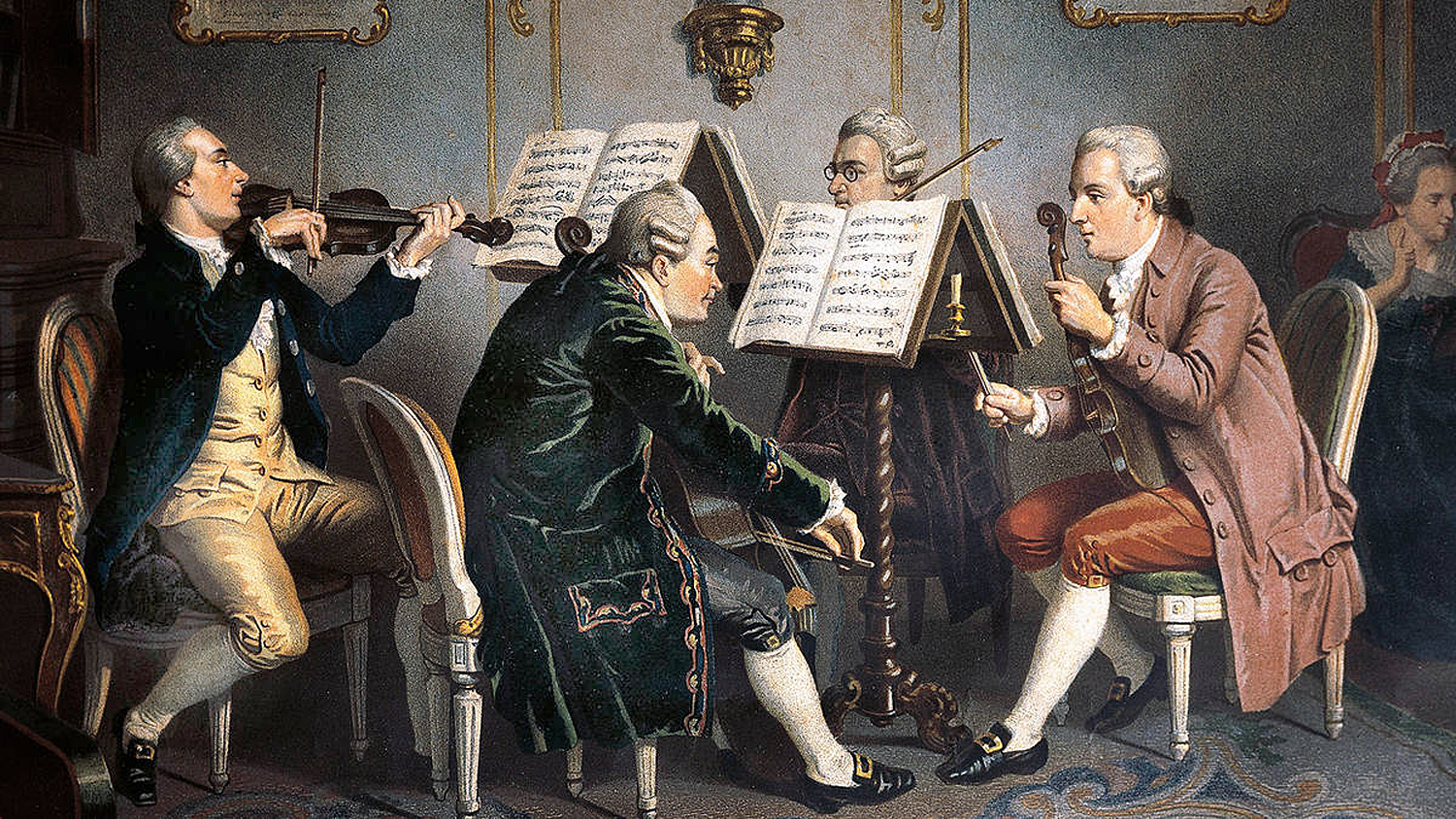
In Germany, this style was called Empfindsamkeit, or the “sentimental style,” and sought to express “true and natural feelings.” And early in their careers, both Mozart and Haydn composed in this style. But each left it behind soon enough. Their minds vibrated to more complex textures. 

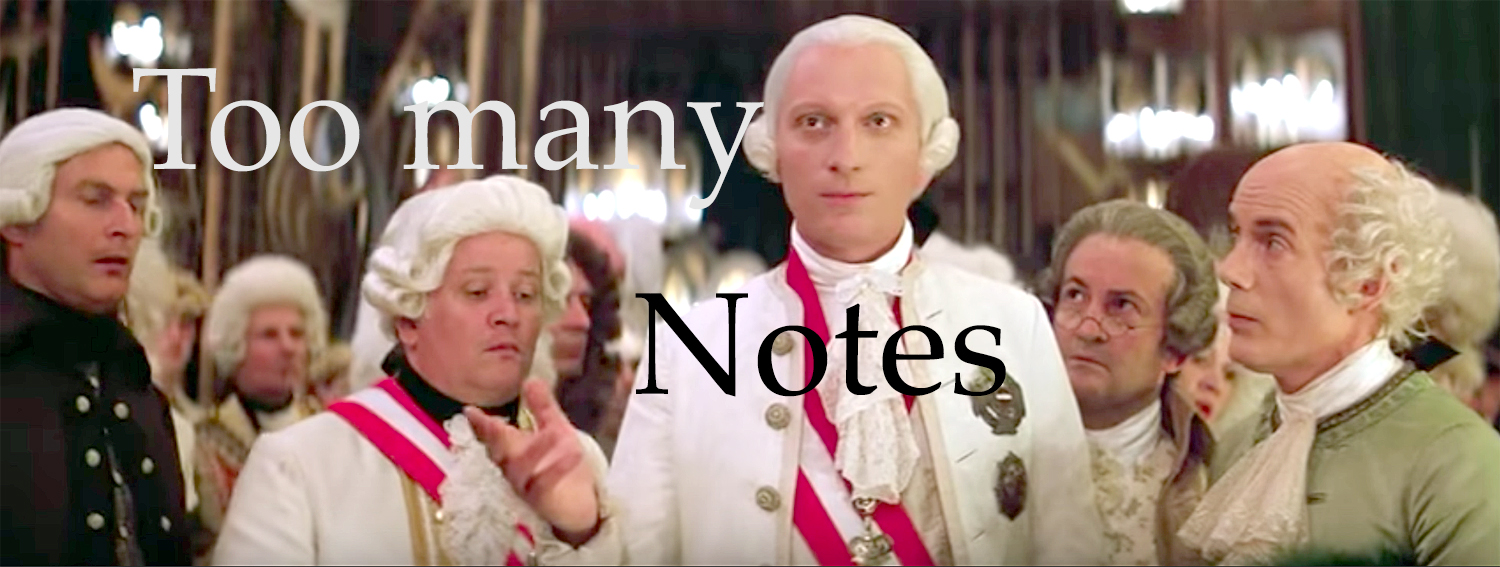
Each built increasingly complex and sophisticated edifices on the simple tune-and-accompaniment idea, with richer harmonies, fugal writing, longer works of interconnected ideas. When Emperor Joseph II  complained to Mozart that his music had “zu viele Noten”— “too many notes” — this is what he was referring to. Haydn got there first, as he was the elder, found new ways to expand the structure of the music, indeed to make the very structure part of its expressivity. You don’t just listen to tunes, but follow how they change over the course of a movement, and those developments are what the music is “about.” 
The joy of listening to Haydn’s music is following his telling of the “story.” I don’t mean story in the sense of fiction, but rather how a group of musical ideas transform through the course of a movement: They start in one place and go somewhere else. If you are used to letting music wash over you like a warm bath, you won’t gather the primary gifts Franz Josef is offering. 

This kind of storytelling can be spotted easily in something like Beethoven’s Fifth Symphony, which begins in an angry, agitated C-minor and ends, three movements later, in a triumphant C-major, all trumpets and glory. Classical music isn’t a static bath of pretty sounds, but is always going somewhere. Listening to it requires attentiveness. You need to follow the story.

This directionality is the heart of sonata form, that armature upon which so much of classical music, both small “c” and capital “C,” is built. For Haydn, and for Mozart, the basic metaphor is one of establishing order (the exposition of the basic tunes), the interruption by chaos (the development section, where the tunes go through key changes, breaking in to pieces, and loss of identity), and finally, the re-establishment of order (the recapitulation, which retells the original tunes in the original key). Order, whether artistic, philosophical, political, religious, cultural, is the key question dominating the 18th century. You find it everywhere. 
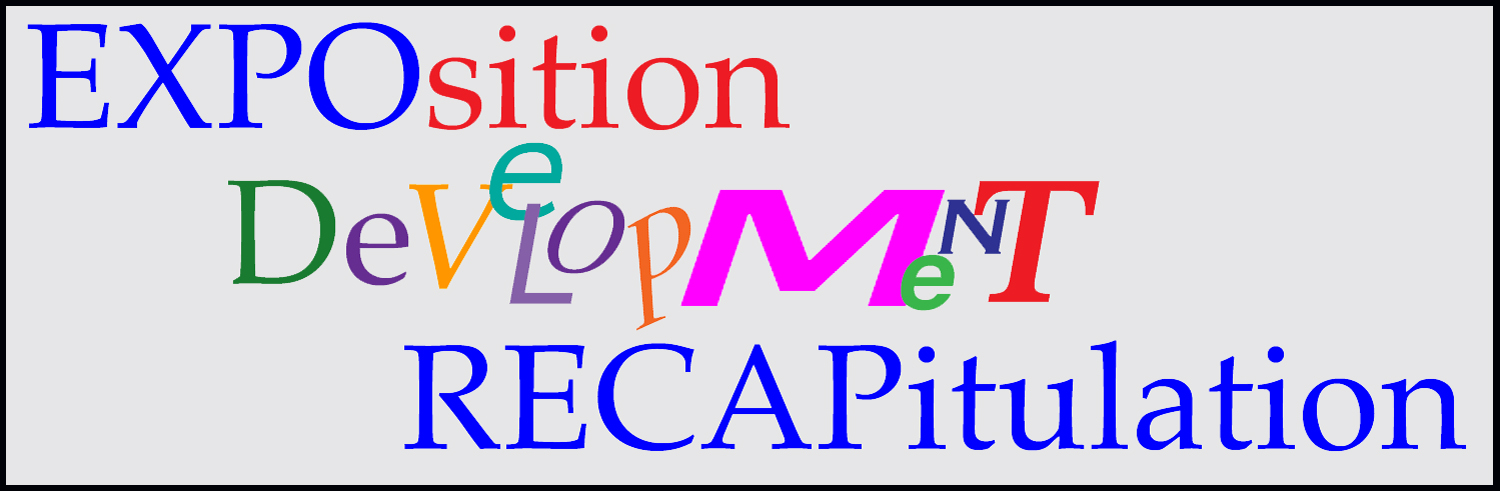
The sonata form has many parents, but the main one I want to mention here is the two-part song form, simply speaking, a first part with the tunes, which is repeated, then the second part which complicates what we’ve heard in the first part. The second part is usually repeated, also. The 555 keyboard sonatas of Domenico Scarlatti all follow this pattern. He liked to wander off into strange dissonances and foreign keys, eventually to hit hard at some point on the original key. Musicologist Ralph Kirkpatrick named this point the “crux.” It could come anywhere in the piece, but when it hit, you knew you were back in comfortable territory. I could happen as late as the final chords, or halfway through the second half. 

Haydn took this common two-part form and turned it into a three-part form, regularized it, and then, through the rest of his career, played with the form, always surprising his attentive listener by messing with expectations. 

In later music, sonata form became a pat formula, but for Haydn, it was something to play with, to alter and surprise with. Sometimes he started a “false recap” only to dive back into the chaos; sometimes he used only one theme instead of the usual two or three; sometimes he played them back in the wrong order. Constantly pulling the rug out. If you know the outline, you enjoy being pleasantly fooled. 
But it wasn’t only sonata form. Haydn’s century was obsessed with order. This need to return to the status quo ante underlies most Classical music forms. Second movements are often in theme and variations, in which a tune is varied several times, usually with a climax in a minor key, followed by something like a return to the original, usually amplified by bigger orchestration. Third movements are minuets and trios, where a dance tune is followed by a contrasting trio section and then a return to the minuet. Finales are often in sonata form, but often in rondo form, where a tune is played, a second tune follows and then the first tune returns, a third tune follows and the original tune is repeated. It’s a whole lot of returning tunes, a whole lot of re-establishing the order. 

Mozart picked up the form from Haydn, and used it rather more as a mold for filling with memorable tunes. He was less concerned with surprising his listeners and more with pleasing them. The grammar is similar, the semantics quite different. 

It used to be a joke: How can you tell Haydn from Mozart, since their music appeared to use the same style. One of my professors had an answer: “If you can remember the tunes when it is over, it was Mozart.” But really, that is calumny, because Haydn could write memorable themes, when it suited his purposes, and Mozart could disassemble his expositions with the best of them. 

There are other differences. Mozart was the greatest ever at blending woodwinds into a beautiful harmonious whole, while Haydn tended to keep is winds distinct and separate. Mozart wrote longer-lined, almost vocal, singable melodies while Haydn often chose shorter, punchier rhythmic or pitch patterns that lent themselves to constant transformation. 
Another difference between the two: Haydn is his most characteristic writing for groups of instruments or voices; Mozart his most characteristic writing for one voice against an accompaniment. Hence Mozart’s concertos were revolutionary and his operas the best, while Haydn’s best are his symphonies and string quartets. His concertos — outside of a famous trumpet concerto and a couple for cello — are mostly forgotten. Haydn’s operas are full of good arias, but he lacked the theatrical genius of the younger man. His libretti were never as good as his music. 

Haydn became a musical revolutionary by unusual means. His boss provided an orchestra and moved him out of the city into the boondocks and then asked him to provide almost nightly entertainment. Left to his own devices in the provincial estate of Esterhazy, Haydn wrote symphonies, divertimenti, trios, ballets and operas. He also devised puppet shows, and served as impresario to various traveling theater groups putting on plays. 
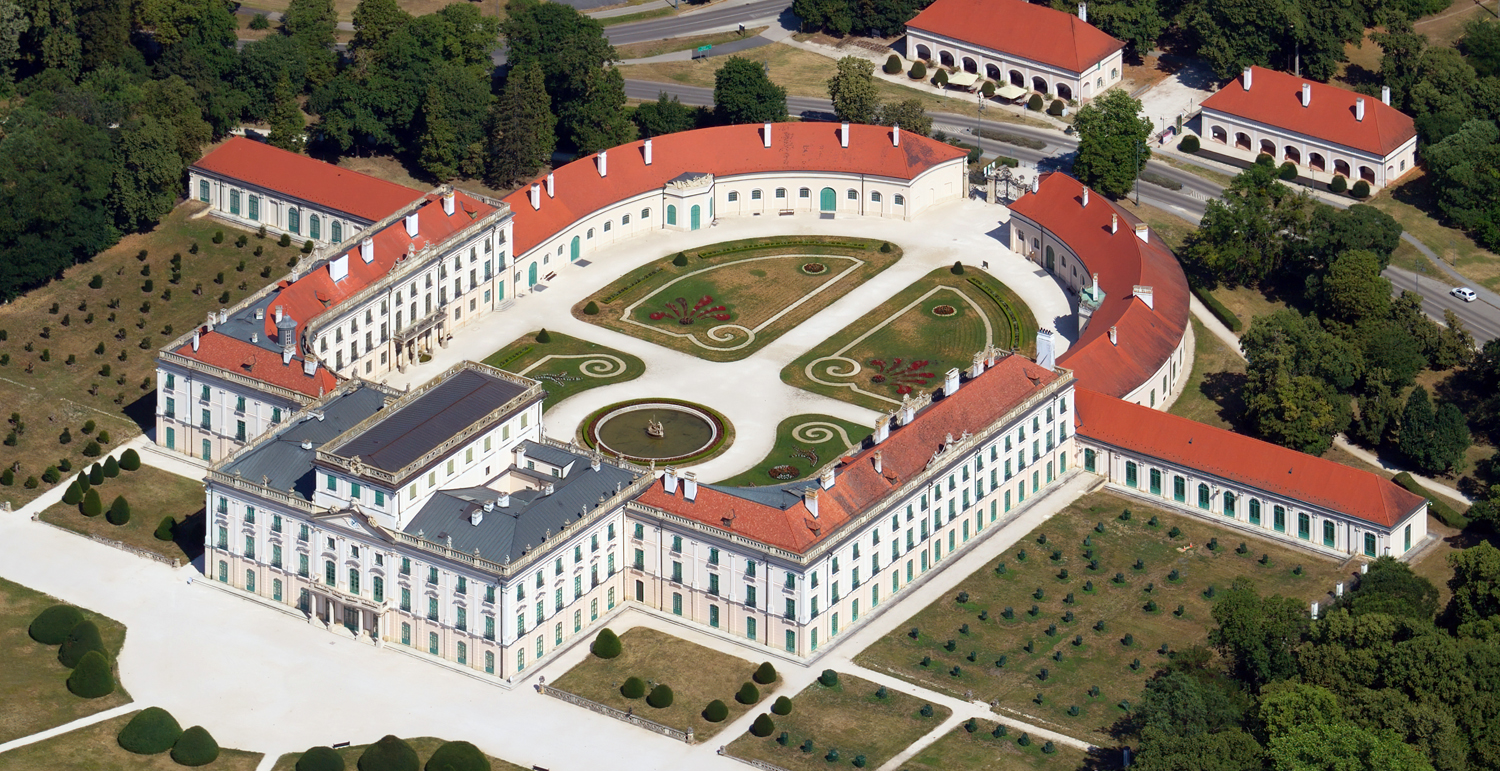
Esterhazy Palace, Fertöd, Hungary

The estate was the summer home of Count Nikolaus Esterhazy, 65 miles from Vienna and in what is now Hungary. Vienna was where art and society were; Esterhazy is where Haydn was. During those years, he had an audience in the Count’s court well practiced in following his music, and the particular ways he used structural surprises to keep that audience amused. All his symphonies had jokes in them, or at least wit — those left turns to expectation that kept his listeners attentive. 

He later wrote, “I was set apart from the world … and so I had to become original.” He was lucky his boss was not only a music lover, but knowledgable and receptive. Over the nearly 40 seasons he spent with the Esterhazy family, he had an appreciative audience, who the composer trained to follow his music and be able to recognize the surprises Haydn was building in to his musical structures. 
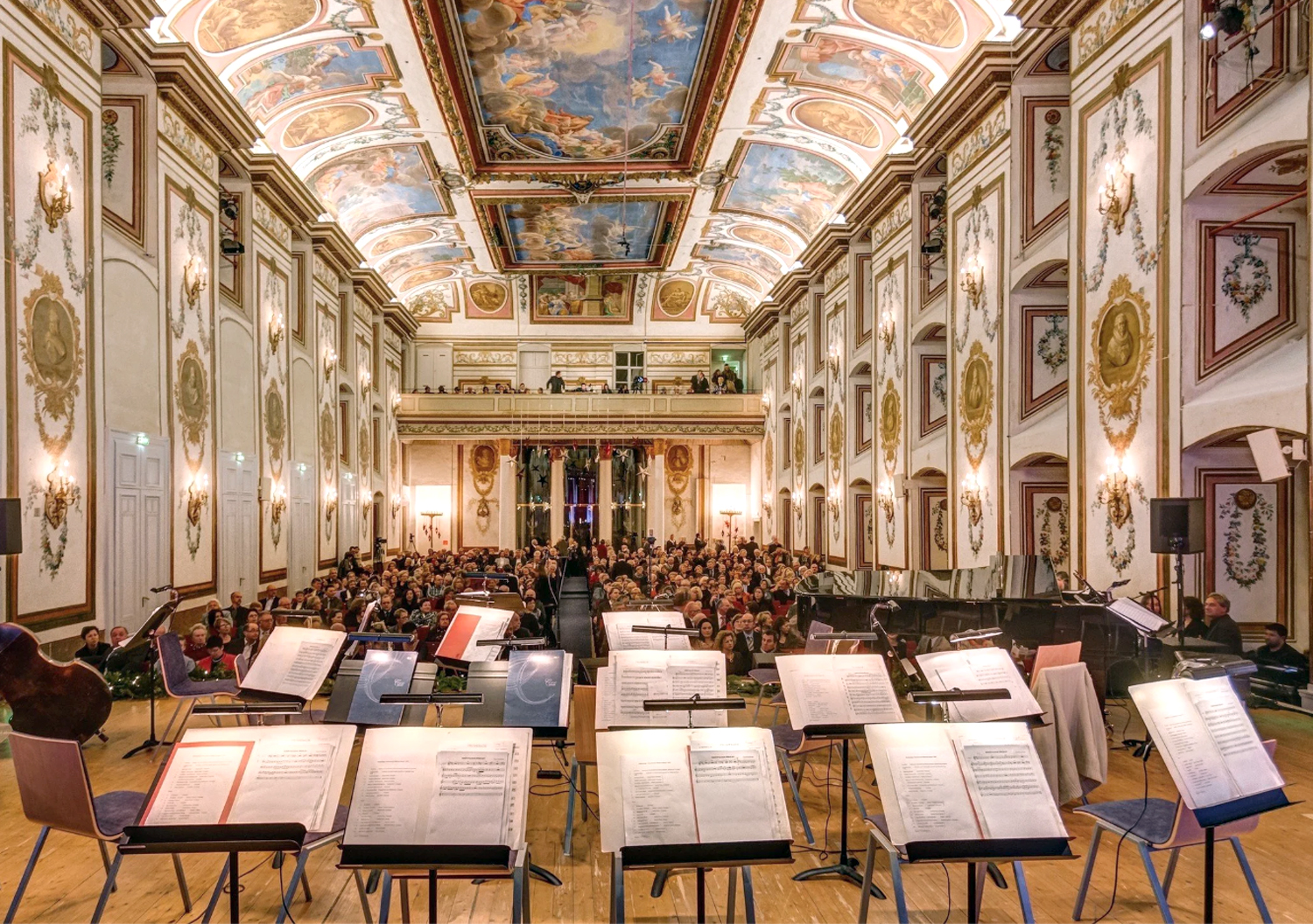
Haydnsaal, Esterhazy

When Nikolaus died, his successor kept Haydn on salary, but was less interested in the arts and music, which freed the composer up to travel, publish his works, and become, essentially, the most famous musician in Europe. He wrote at least 106 symphonies (104 of them numbered); close to 80 string quartets (exact count is squishy since publishers would sometimes sell scores under Haydn’s name written by lesser composers); some 40 piano trios; about 60 piano sonatas (the numbering varies); two of the most popular oratorios in the repertoire (The Creation and The Seasons); a dozen masses; 13 operas; close to a thousand songs and lieder; and even 32 pieces for mechanical clock. The boy was kept busy. 

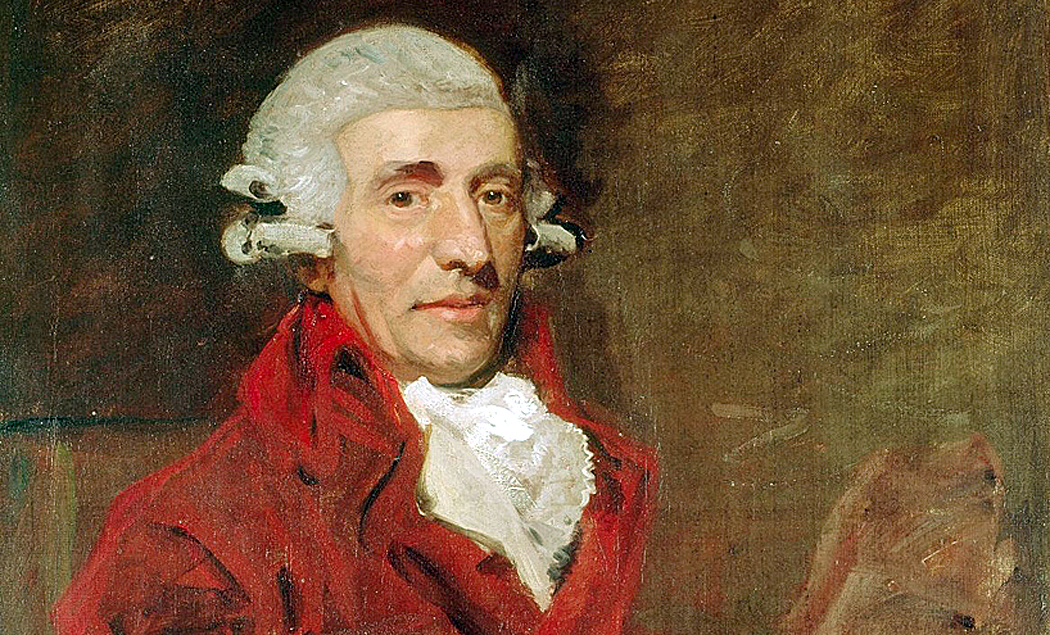
When he died, in 1809 at the age of 77, he was the most famous composer in Europe (Beethoven was just getting started and considered perhaps a touch too wild and hairy; his Fifth Symphony premiered just month’s before Haydn’s death). Haydn’s reputation since then has had its ups and downs. The 19th century generally put him in powdered wigs and knee britches and saw him as old fashioned and tame. They called him “Papa” Haydn and admitted he was father of the symphony, but never seemed to notice how revolutionary his music had been. 
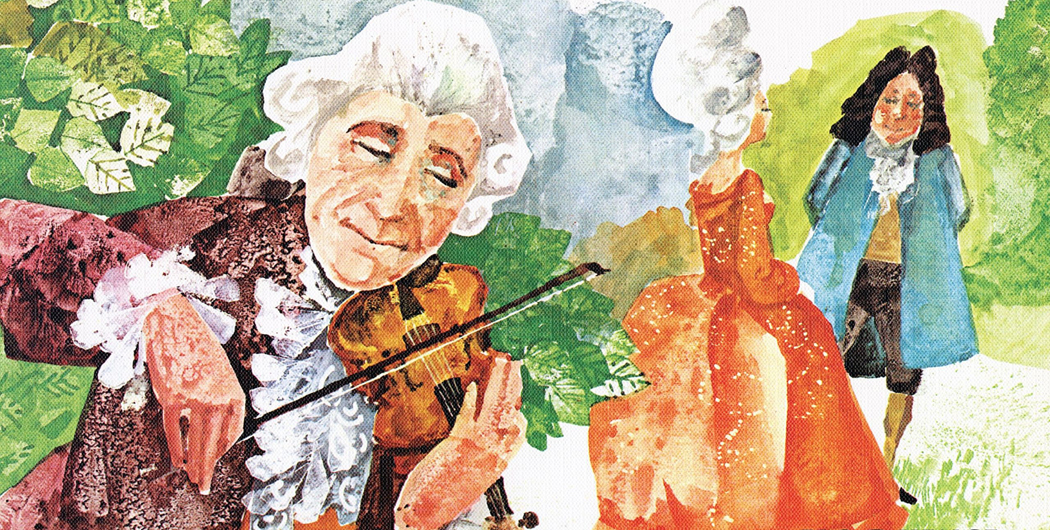
That dusty and toothless version continued into the 20th century, but by halfway through those years, some conductors took especially to Haydn’s symphonies. There are mid-century recordings that are vigorous and beautifully performed, but Haydn remained a concert opener, leaving the bulk of the concert to more serious concertos by Rachmaninov and roof-raising symphonies by Brahms. 
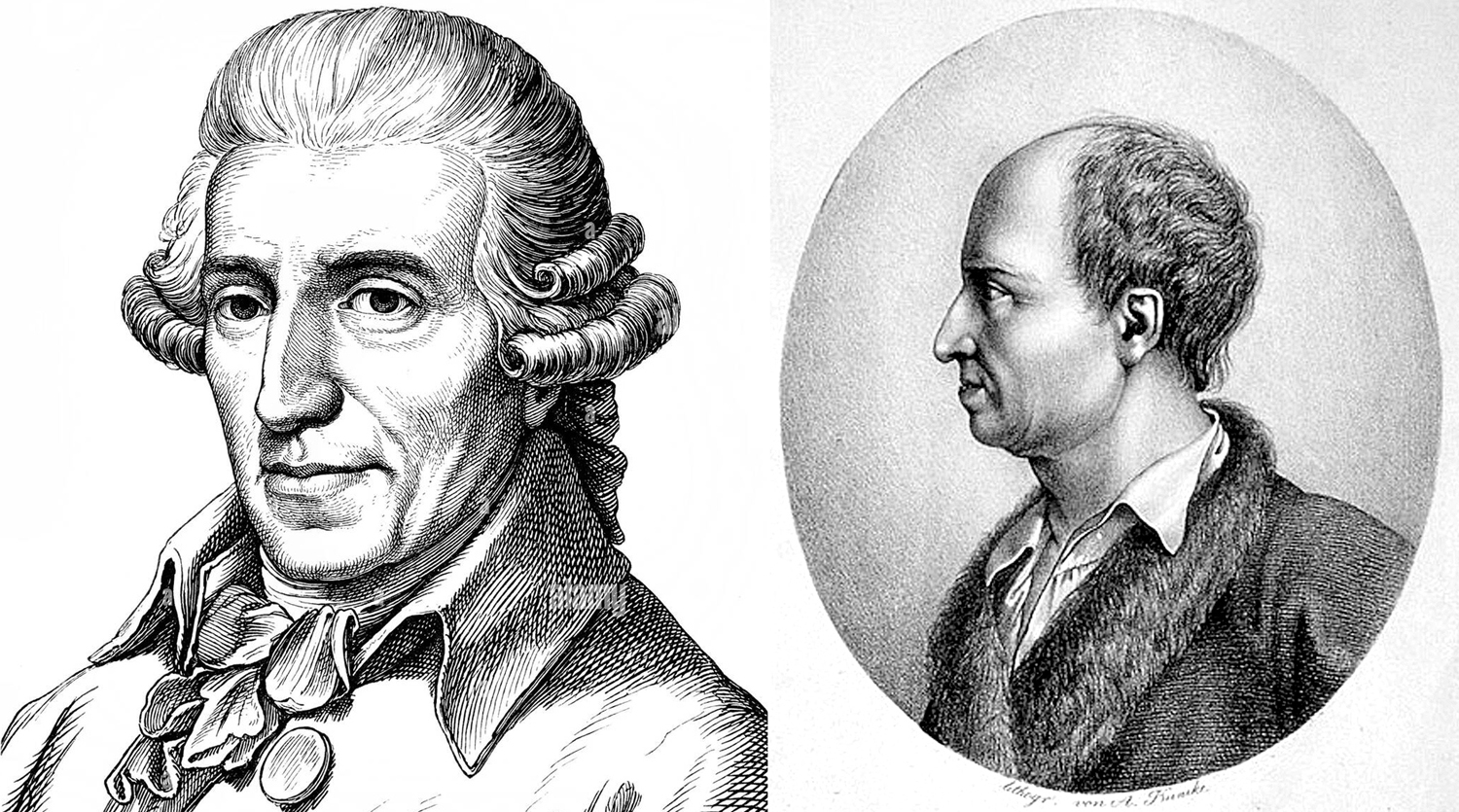
Haydn with and without his wig

More recently, the historical performance mafia have reshaped the attitude toward Papa Haydn, with smaller orchestras, faster tempos, scratchier fiddle tones, and dogmatic ideas. Haydn, himself, is largely left out of the equation. He always asked for larger orchestras and better string playing. His Creation was first performed with an orchestra of over 100 musicians. In England, his symphonies usually had between 80 and 100 players. The tiny orchestra was a constraint he suffered with at Esterhazy, not his ideal performance style. So, when you hear some trendy conductor claim he is hewing closer to Haydn’s intentions with eight fiddles and a single cello, know that he is blowing smoke. 

Because I love Haydn’s music so much, I have listened to recordings of it made as far back as the 1930 and continuing to the newest releases, and have a wider background in it than most classical music fans. And so, I feel qualified to make certain recommendations. 
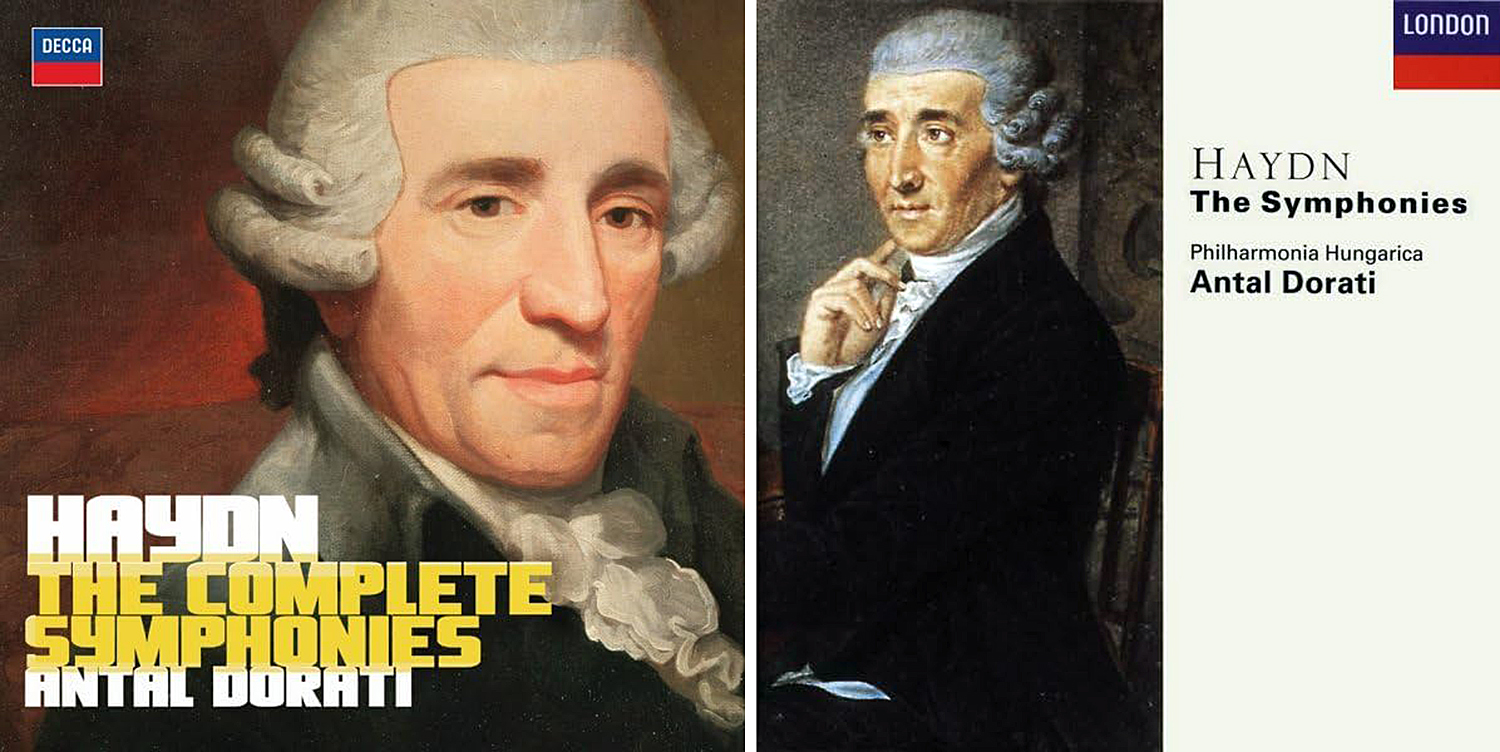
The first complete set of Haydn symphonies was made in the 1970s by conductor Antal Dorati and the Philharmonia Hungarica, an emigre band of musicians fleeing Communist oppression. I have recently relistened to them, and while they were good for their time — and the only option for years — they are a little run-of-the-mill nowadays, and sound to me like they were rehearsed and recorded quickly to fill out a project. They are not bad, but they certainly don’t capture the wit and effervescence of the scores. And the sound engineering isn’t up to today’s best standard. Still, if you have only this set, you would be fine. 
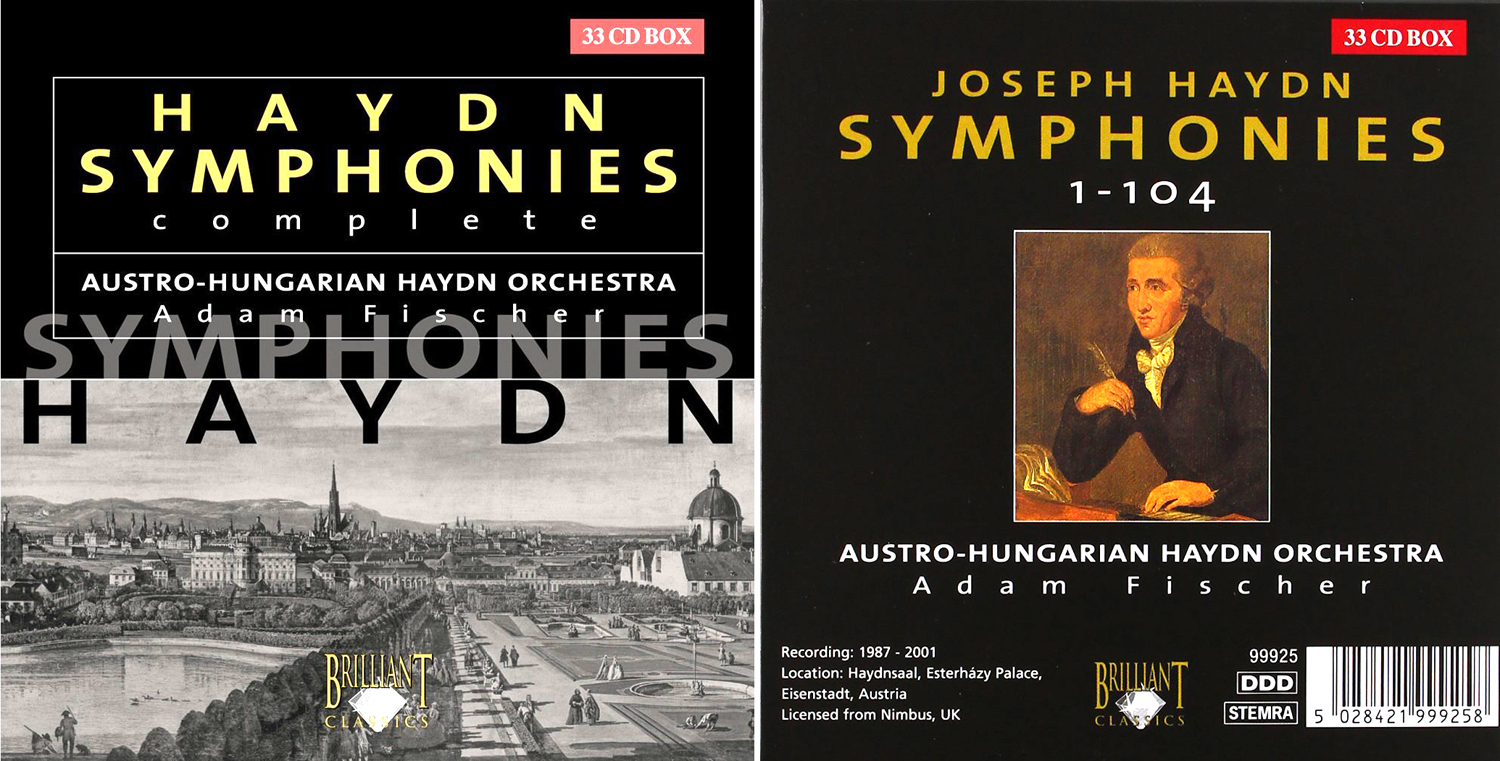
The best current choice is Adam Fischer and the Austro-Hungarian Haydn Orchestra, recorded individually in the 1990s, and released as a complete set in 2002. It sounds better than the Dorati version, and Fischer has a surer grasp of the wit. There is a craft to telling jokes. Too flat and they aren’t jokes, but turn them into slapstick, and they are just embarrassing. Fischer lets you know he knows, and trusts his listeners that they know, too. There are better performances of some of these works individually, but as a set, it hasn’t been beat. 
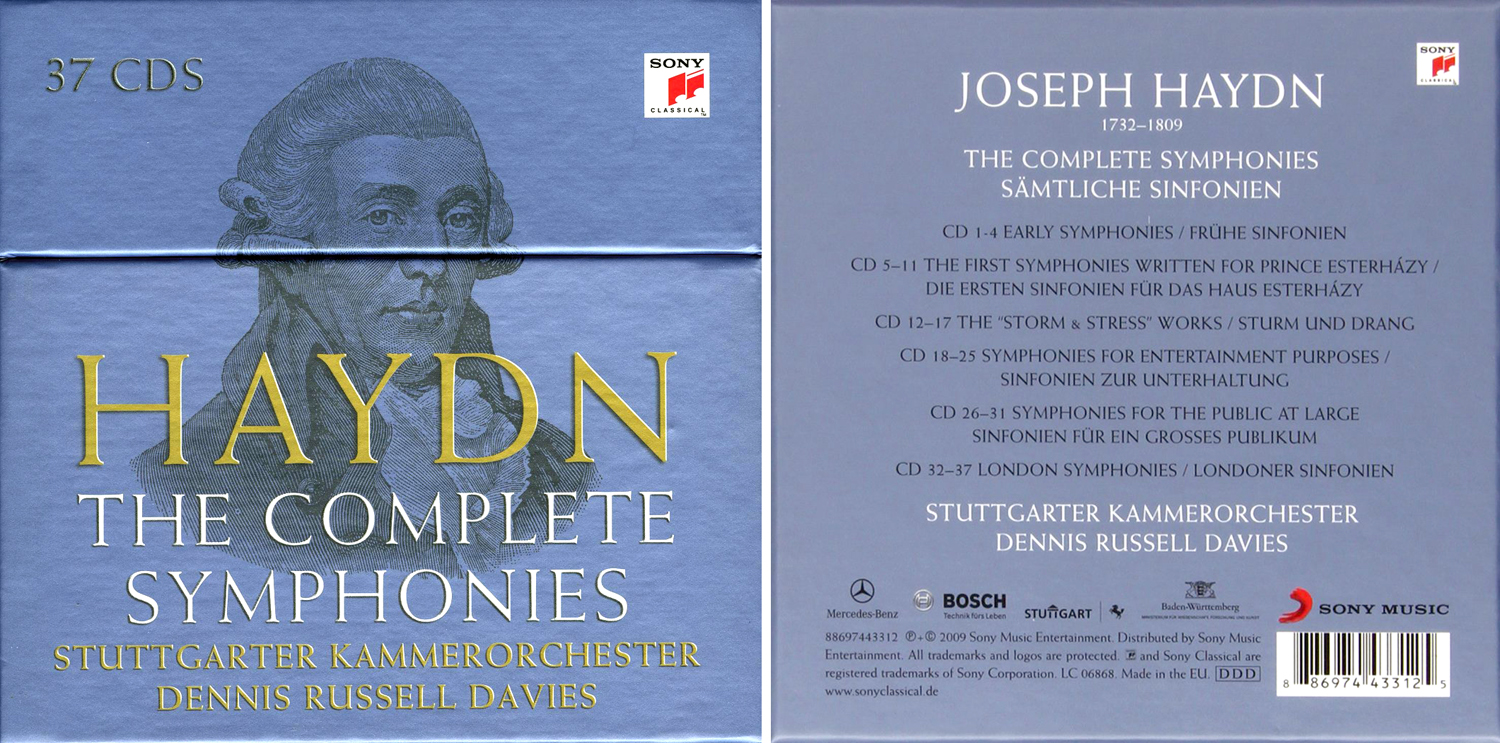
A more recent set by Dennis Russell Davies with the Stuttgarter Kammerorchester is a non-starter. Flat, dull, and seemingly unaware that there are any jokes to be had, it came and went in 2010. Just the notes, ma’am. Worse, he uses harpsichord accompaniment with all of them, which is ugly and intrusive. I gave away my set. I already had a doorstop. 
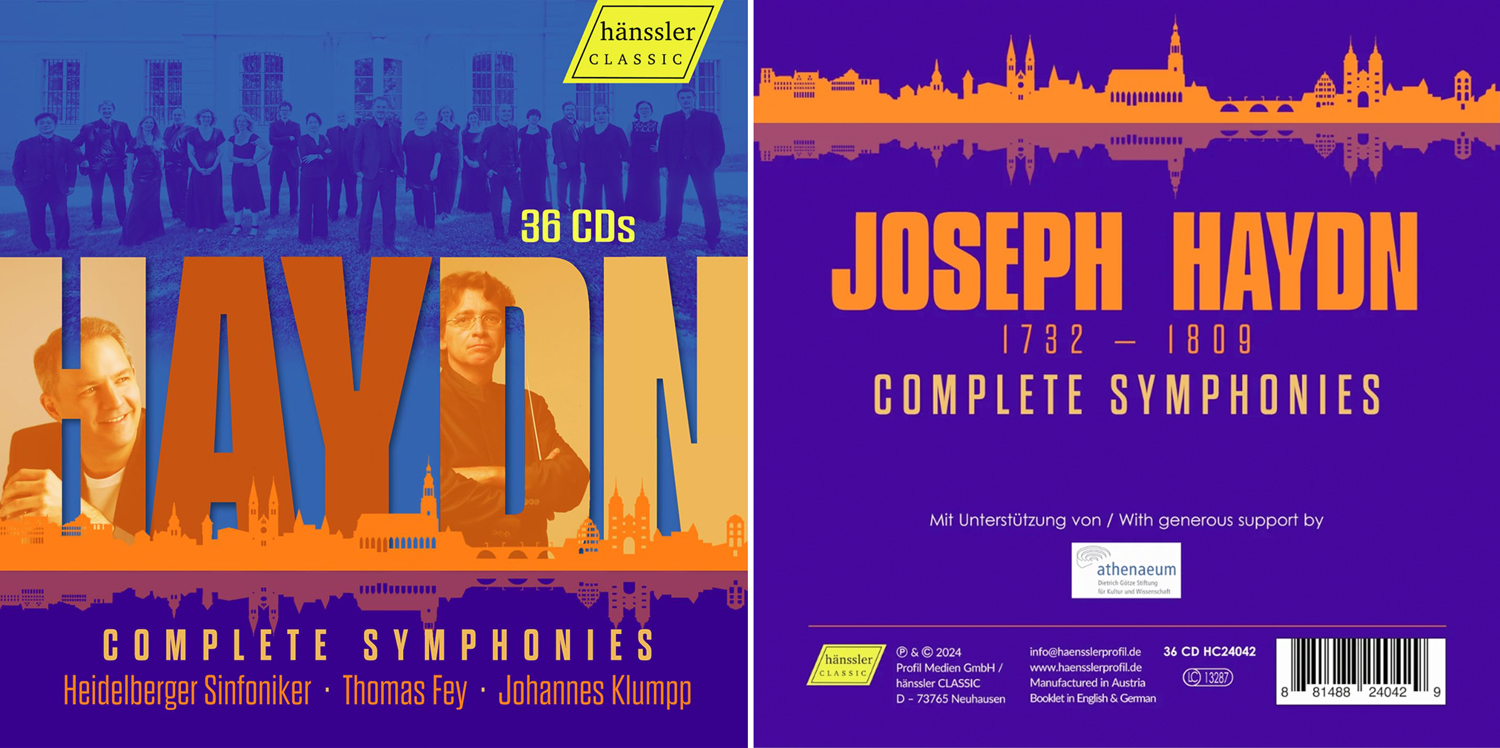
Earlier this year, a compilation of all the releases by Thomas Fey and the Heidelberger Sinphoniker was released. This was a stunner. Unfortunately, Fey died before he could finish the set, and the remainder of the symphonies were conducted by Johannes Klumpp in the same spirit as Fey. Most of the major symphonies are with Fey, so the loss is minimal. These have all the vigor and energy one expects from the historical practice people, but with modern instruments, and a sense of musicality often missing from that benighted group. Yes, Fey understands the jokes. 

What too many recent recordings of Haydn and Mozart lack is a sense of phrasing, the long line. In their quest for just the notes ma’am, they are like actors who play Shakespeare with no expression, no emphases, no pausing for breath, or speeding up for excitement, as if the words on the page need no interpretation. All pump-pump-pump, hit the barlines heavy and meaning be damned. Which is why so many older recordings seem so much more humane, warm, real. 
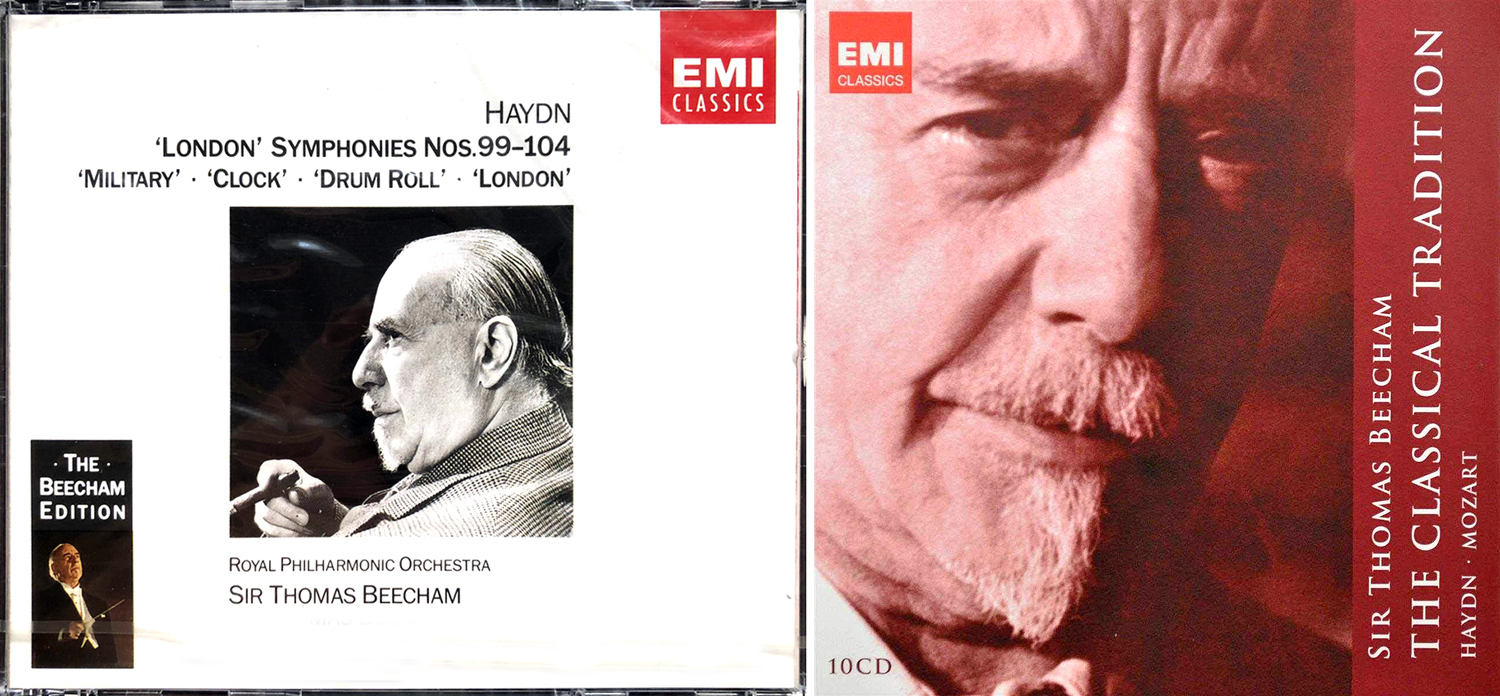
Certainly the most humane, warmest, most musical and spirit-enlivening Haydn came with Thomas Beecham and the Royal Philharmonic in the 1950s. He only recorded the final 12 symphonies, but they are utter and complete delight. This is what Haydn should be. He doesn’t take first-movement repeats, but that is the only complaint that could be lodged. If you only have one set of Haydn symphonies, it should be Beecham’s London Symphonies. 
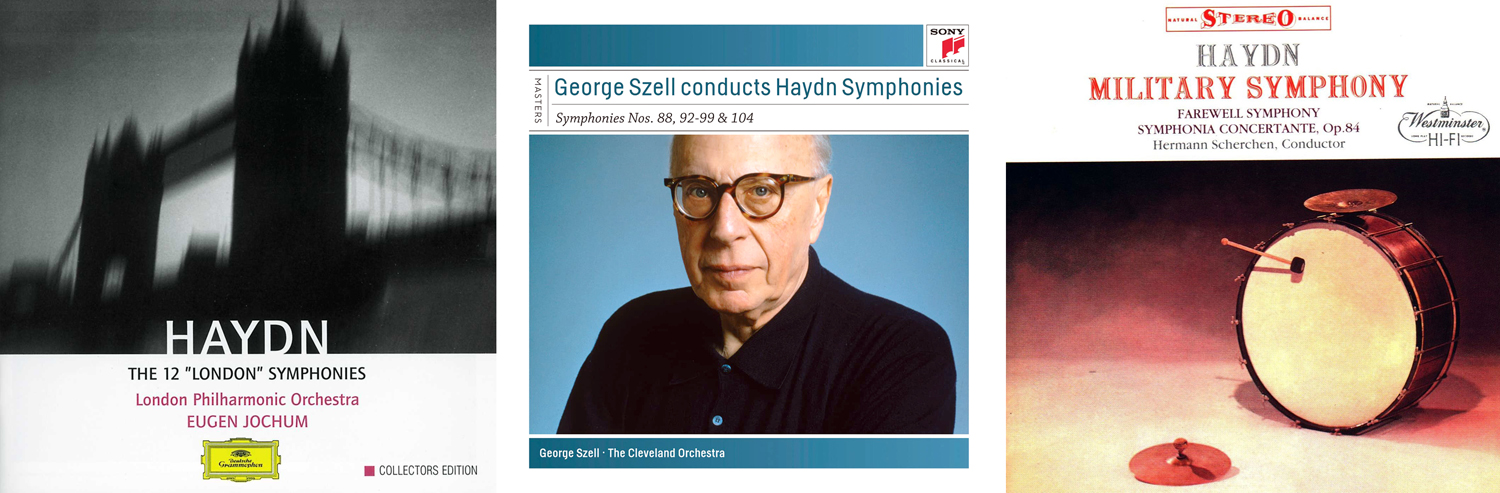
The Londons have been recorded more than any others. There’s the Surprise Symphony, the Clock Symphony, the Drumroll Symphony, but even those without familiar nicknames are brilliant. The first, Symphony No. 93, has the greatest fart joke. No. 98 has a surprise piano solo just before the final chords. If you want something in more modern sound and in stereo, you can always get the set with Eugen Jochum and the London Philharmonic. They are the “reference set” for most critics. George Szell also recorded the first six London Symphonies. I don’t know why he never got to finish the rest, but the precision and flair he brought to them is exceptional; and the absolute best fart in No. 93. And prize for the most bonkers recording of the “Military” symphony goes to Hermann Scherchen and the Vienna State Opera Orchestra. Scherchen was just nuts, but fun. 
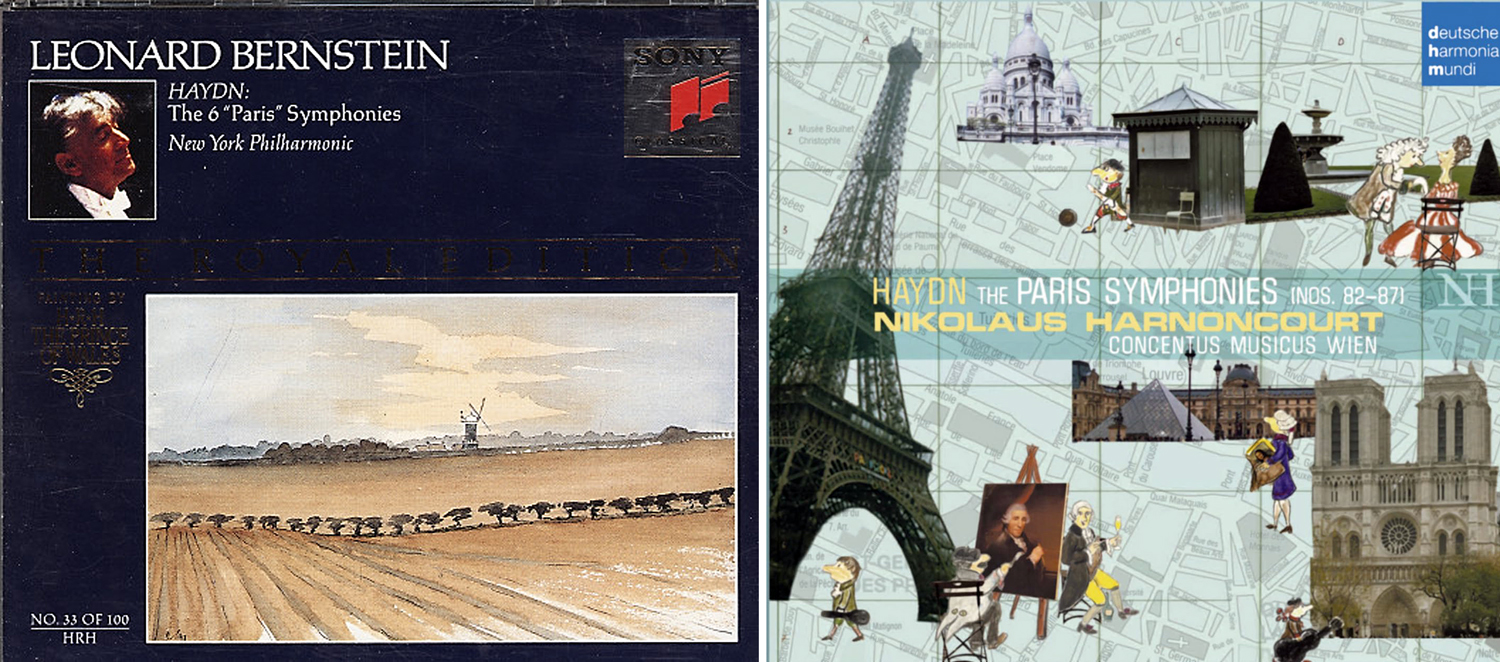
The other set of Haydn symphonies are those he wrote for Paris, Nos. 82-87, including The Bear and The Hen. They were the first group written for performance outside his Esterhazy audience, and were a big hit when first performed in 1786. When the historical practice people talk about playing Haydn with 20 musicians, it should be recalled that the Paris symphonies had 40 violins alone, and 10 double basses. 

There is general consensus that the Paris Symphonies to hear are those recorded by Leonard Bernstein and the New York Philharmonic. They buzz with wit and excitement. A surprising second place goes to Nikolaus Harnoncourt and the Concentus Musicus Wien. Harnoncourt was known for doing weird things, but not so here. Just brilliant playing, almost as much fun as Bernstein, and that’s saying something. 
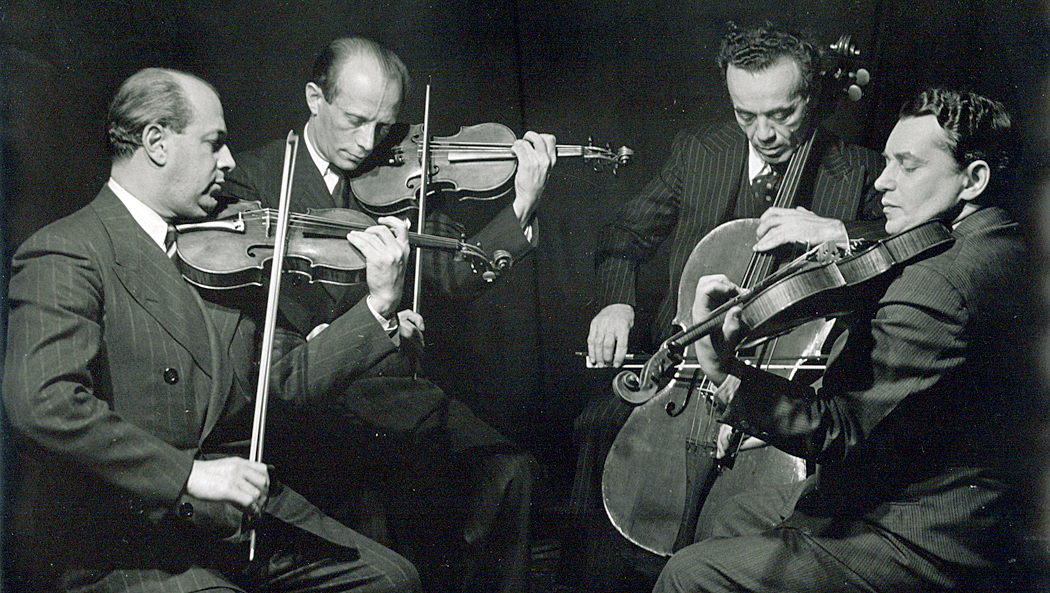
But Haydn isn’t only symphonies. He, for all practical purposes, invented the string quartet. When he started, the quartet was a violin soloist accompanied by three “helpers.” Not really what the quartet became. Haydn turned them into four equals (or mostly equals — first violin is prima inter pares) having a music conversation. Everyone gets his moments. But finding recordings of the whole corpus is difficult. There are a number of recent sets, but mostly by historical practice ensembles, who love scratchy fiddle tones, hyperbolic tempos, and the same attitude toward vibrato that some people have for gluten. There are those who prefer such desiccated things. Older complete recordings are spotty. A number of quartet groups started to record complete sets, but never finished. Usually money ran out. 
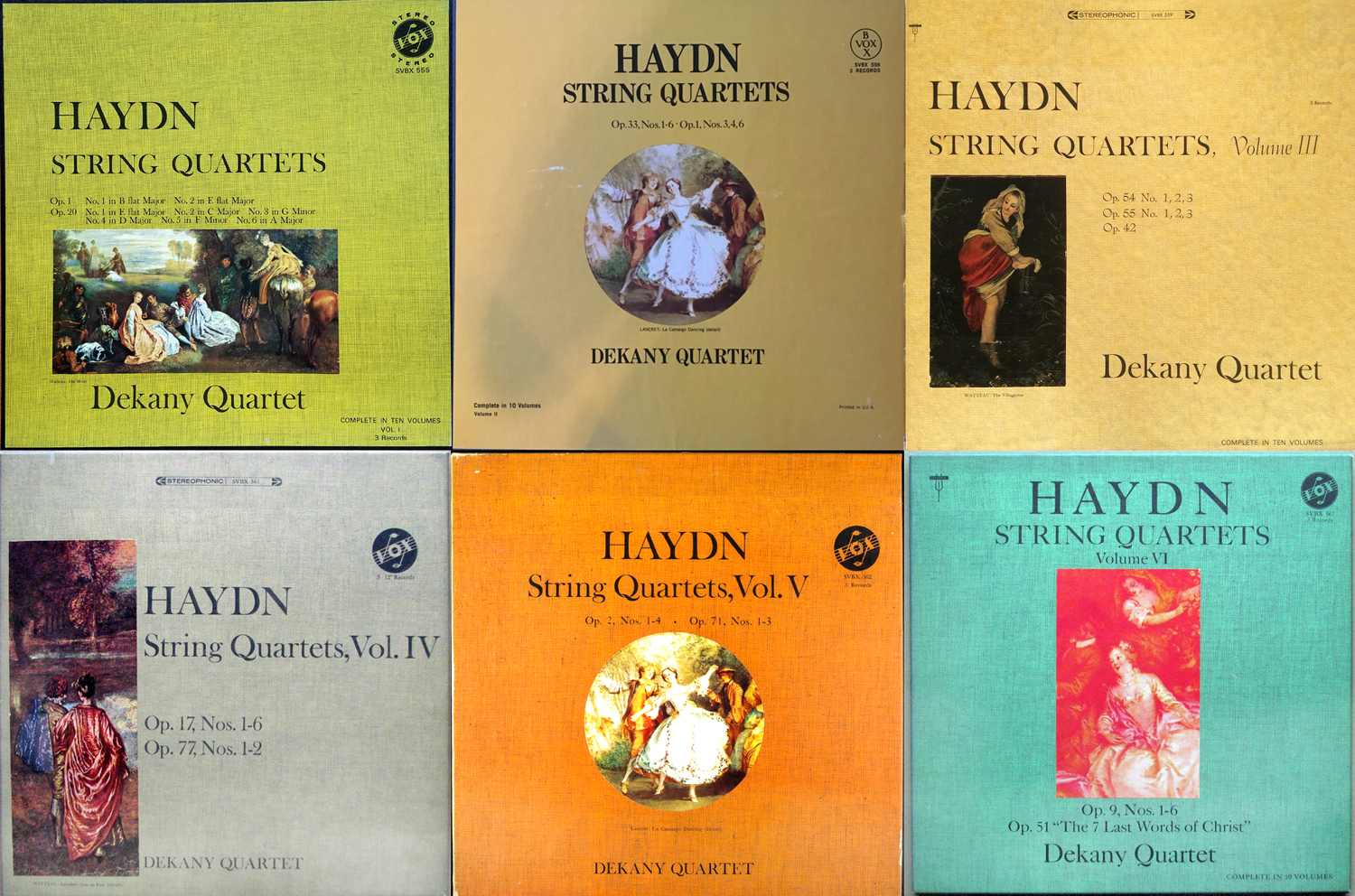
Among the complete sets, I used to own the Kodaly Quartet cycle on Naxos. They were good, but sometimes less than fully inspired. I packed them away. My current cycle is the ancient set by the Dekany Quartet, originally recorded in Vox Boxes in the 1960s. 
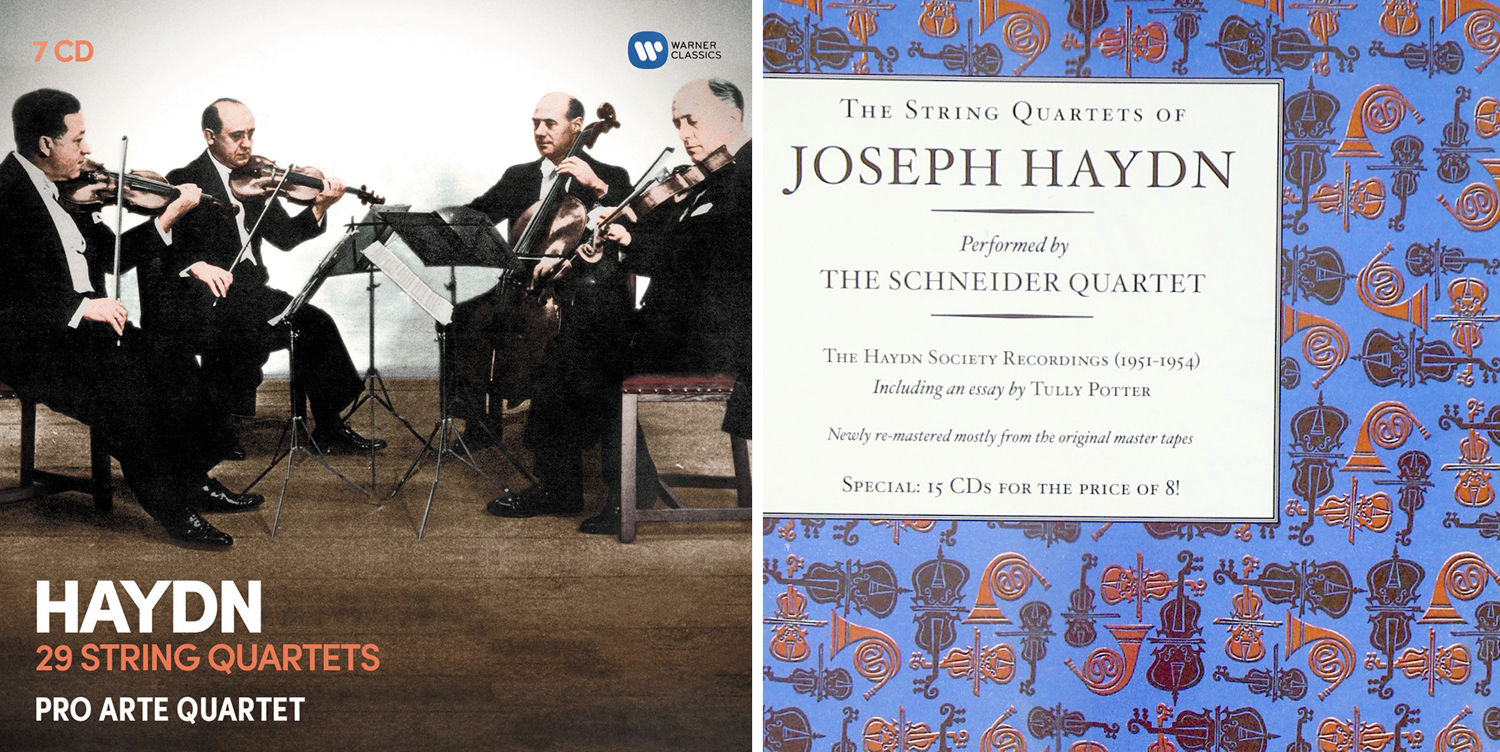
But my two incomplete sets that are truly my go-to are the even older box on Warner of the Pro Arte Quartet, recorded in surprising good sound, in the 1930s. This is how a Haydn quartet is supposed to sound. More modern, by a whisker, is the set recorded by the Alexander Schneider Quartet. I love these, and wish they could have finished all of them. Schneider was the musician I cut my teeth on in the 1960s at his concerts at the New School and Carnegie Hall in New York. Intensity and musicianship out the wazoo. 
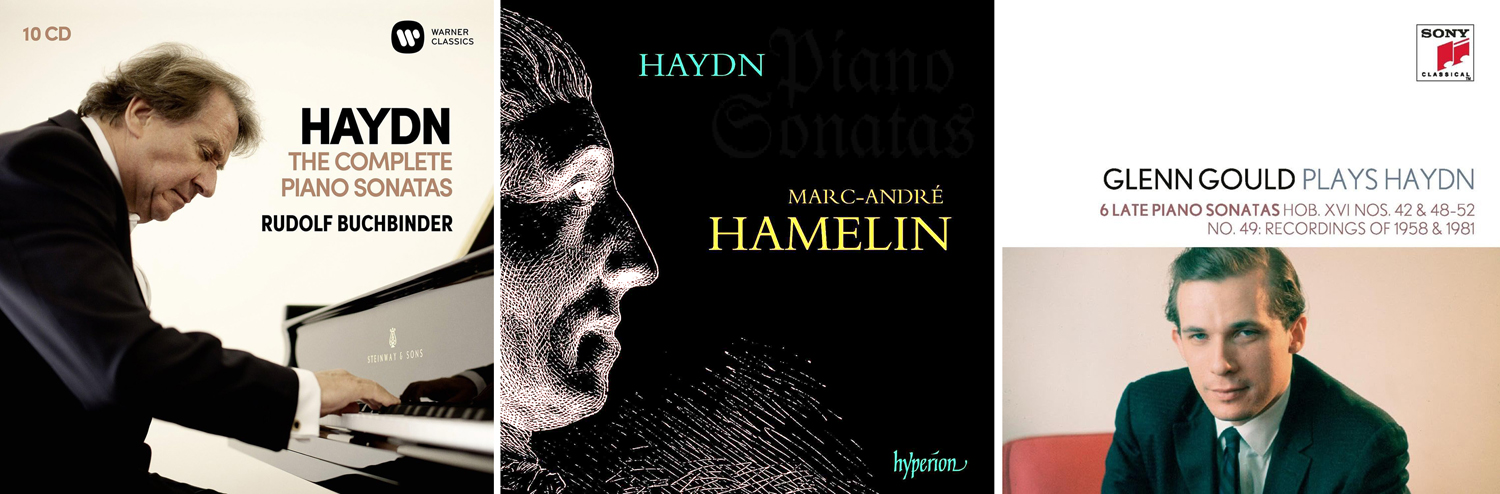
Then, there are the piano sonatas, largely ignored until quite recently. My set is by Rudolf Buchbinder. There are sets on fortepiano, but I have never come to terms with the clangy sound of the old instruments. Just a few years ago, super-virtuoso Marc-Andre Hamelin put out a set. I enjoy them, too, but Haydn doesn’t really require a show-off technique. I guess Hamelin was slumming. But he is good, if sometimes faster than the music supports. And who knew? That after Glenn Gould did his best to prove that Mozart was an incompetent composer, that he would do such a wonderful job with Haydn’s late sonatas? But he does. 

But there is so much more with Haydn’s name on it. Piano Trios, for instance (listen to the Beaux Arts Trio), every one a delight. He even wrote some 200 works for the obsolete instrument called the baryton, which his boss had learned to play. And there are various divertimenti, and songs. 
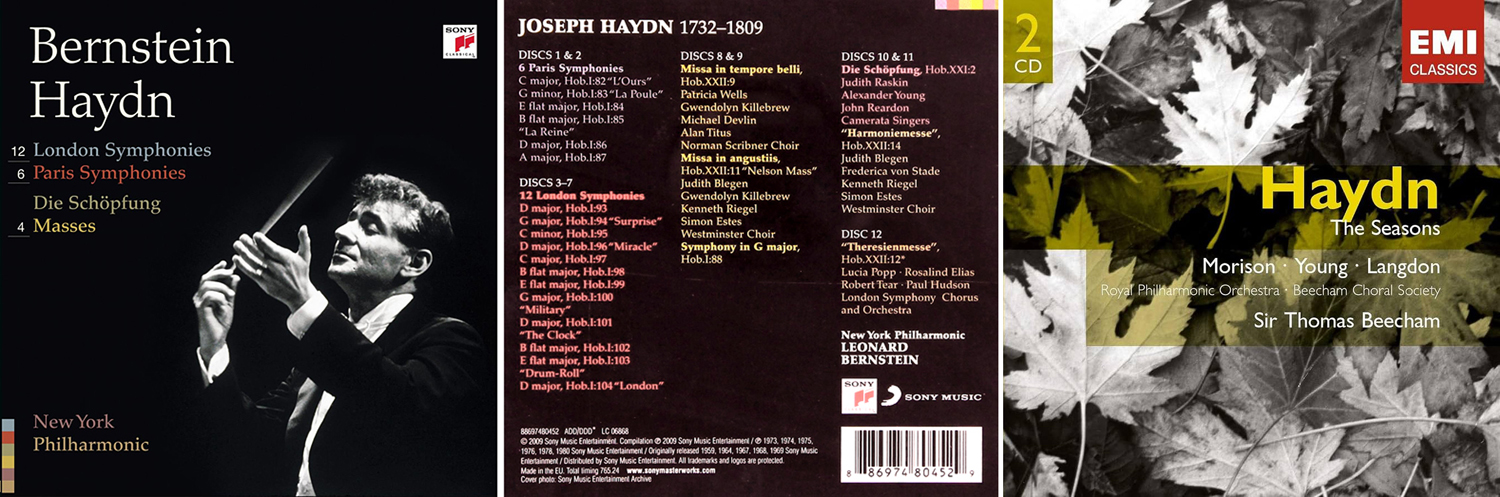
And his major works for chorus and voice, which are among his best. The Creation has been in the repertoire since it was first performed in 1798. There are many recordings, including two by Leonard Bernstein. The earlier, with the New York Phil, can be had in a box with all the Paris and London symphonies, and four of the final six great Masses. The second was from 1986 on Deutsche Grammophon with the Bavarian Radio Orchestra and five great soloists. The Masses are among Haydn’s greatest works, so don’t overlook them. Haydn’s other great oratorio, The Seasons, is sung in English with Thomas Beecham and the Royal Philharmonic, which, like his London Symphonies, just cannot be beat. 
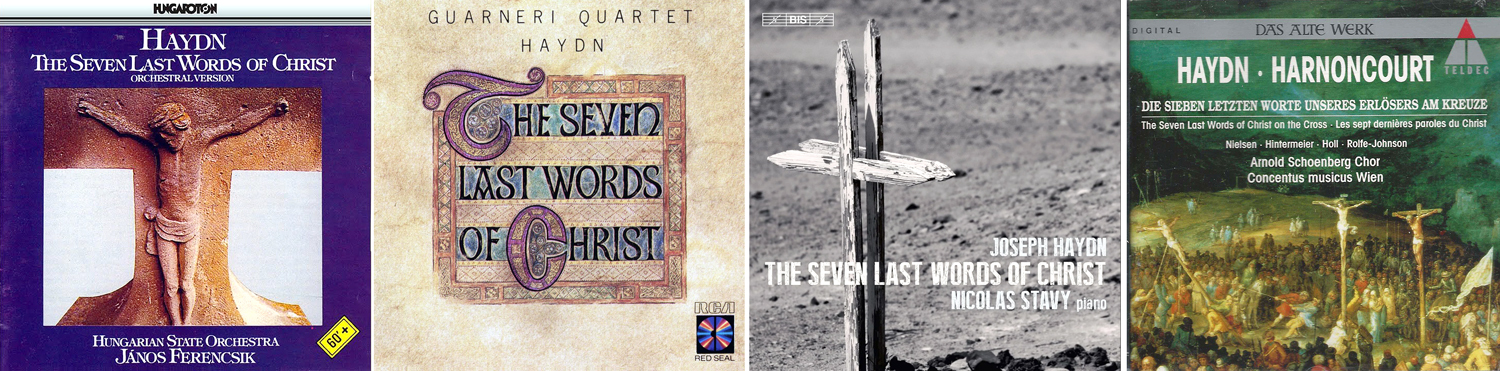
Finally, I want to mention The Last Seven Words Spoken by Our Savior on the Cross, which comprises eight consecutive slow movements followed by an earthquake. He wrote it in 1786 for a Good Friday service in Cadiz, Spain, with a sermon between each movement. It was performed several times during Haydn’s life, was adapted for string quartet in 1787, and for solo piano the same year, and finally in 1796 in a version for orchestra and chorus. The quartet version has been recorded most often. It’s astonishing how the composer can link eight adagios together and each still feels distinct and riveting. 

Haydn has been called the Mahler of the 18th century for the inventive ways he has with his orchestra, making new sounds with combinations, and with the always fresh ways of dealing with form. He gets dismissed too often as just another periwig in a dull century, but he was never that. Pay attention to what he does and you will discover an entire cosmos of music. 

Click on any image to enlarge
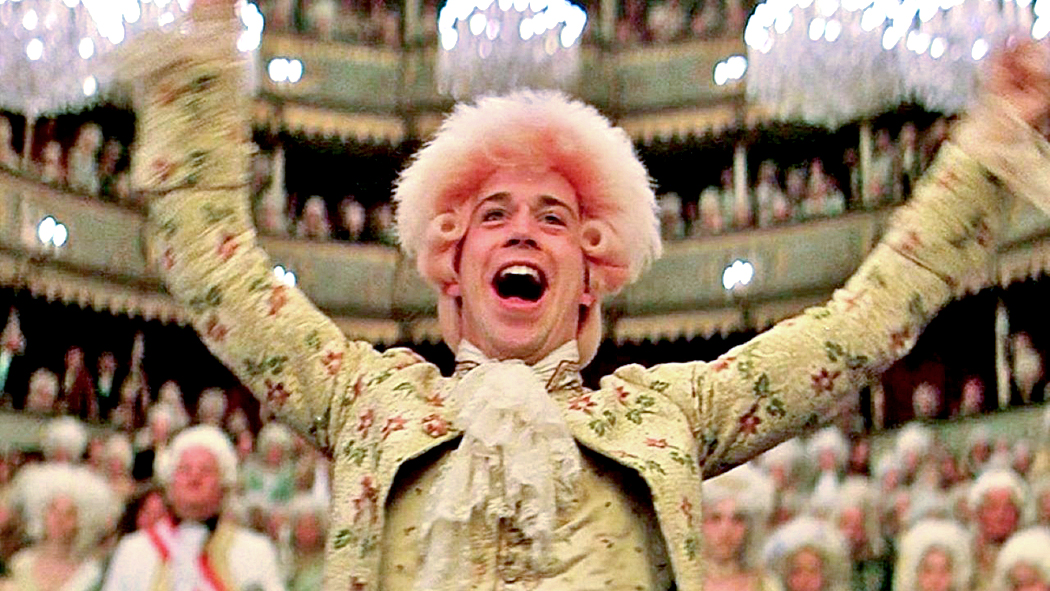
Intro: What We Get Wrong

The 1984 movie, Amadeus, won eight Oscars and has been seen by millions of people. It was an excellent film, but it lied through its teeth. Mozart was not an arrested-development adolescent potty mouth. And Antonio Salieri never tried to kill him. 

Poor Mozart, he has had his life twisted over the centuries to illustrate cultural trends, and those trends have changed over those years. 

The 19th century first saw him as old fashioned, then he became a proto-Romantic, with his life deeply mythologized. The 20th century first saw him as a kind of porcelain doll, and after WWII, saw him as a polite precursor to Beethoven. In the 21st century, he has been the victim of countless historical-performance strictures that leave his music in a kind of inexpressive jog-trot strait-jacket. 

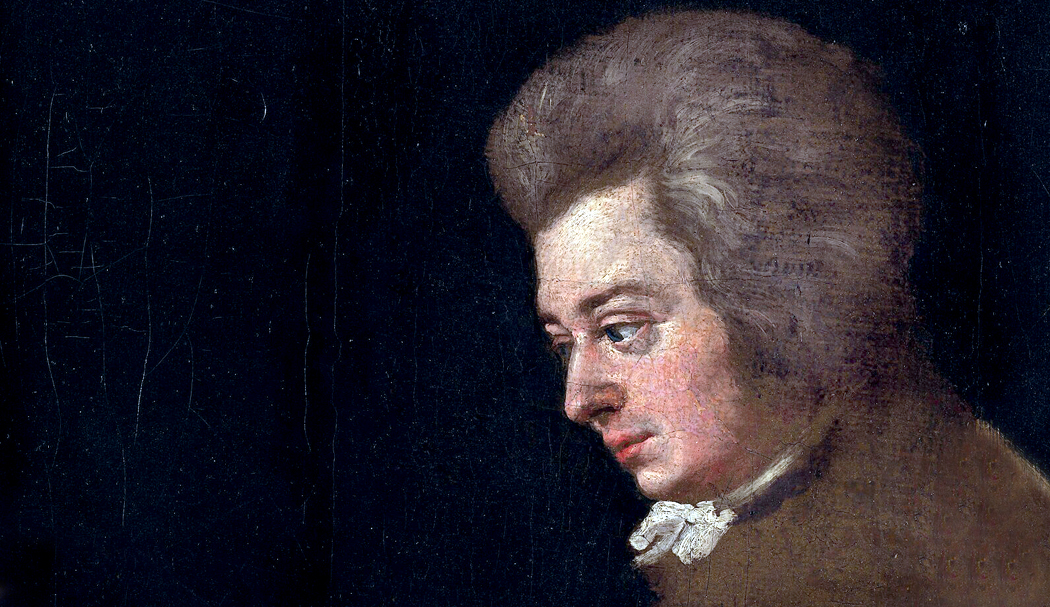
The man sometimes considered the greatest composer of all time has been so mauled over by his biographers, fans and later writers and filmmakers that the legend has taken over from the fact.

So, the plot of Amadeus is only one of a myriad of distortions, legends, myths and factifications. The truth, as usual, is more interesting.

What are some of the worst Mozart myths?

— Mozart began writing masterpieces before he turned 10.

* Yes, he wrote music beginning before he turned six. But some of that music was arrangements of other composers’ work, some may have been outlined by his father for the boy to complete, and none of them are masterpieces, or noteworthy, other than for them to have been jotted down by one so young. The early works are generic. They get played, when they are played at all, simply because they have Mozart’s name attached. 

— Mozart was buried in a pauper’s grave.

* Although it’s often said he died so poor he was buried in a pauper’s grave, the fact is Viennese law required anyone other than an aristocrat to be buried in a common grave, after a funeral service at the church. It was a reaction to recent outbreaks of plague in the country. And Mozart wasn’t poor. He lived quite well, although, working in what we would now call a “gig economy,” he had his income ups and down. 

But, over his last year, he earned 10,000 florins when an average laborer averaged 25 florins a year. It put him in the top 5 percent of the population of Vienna, according to H.C. Robbins Landon, author of 1791: Mozart’s Last Year. The man was no pauper, and his music was hugely popular, not only in Vienna, but across Europe. And when he died, he had a hit on his hands: The Magic Flute. He left his widow reasonably comfortable. 

— Mozart wrote his music spontaneously, without effort.

* Mozart’s facility with music was remarkable, but there are plenty of sketches and studies for his music. The pieces without such preliminary work most likely had them at one time, but they don’t survive. His widow, Constanze, burned most of the sketches, not thinking that fragments had any value. Mozart even writes to his father about doing such preliminary work. 

In 1787, he told the conductor of his opera, Don Giovanni, “It is a mistake to think that the practice of my art has become easy to me. I assure you, dear friend, no one has given so much care to the study of composition as I.”

— His middle name was Amadeus.

* He was baptized as Joannes Chrysostomus Wolfgangus Theophilus Mozart but his parents called him Wolfgang Gottlieb (Gottlieb being German for Theophilus). He usually signed his name Wolfgang Amadé. It was only after his death that people began regularly calling him Wolfgang Amadeus, which is a Latinized form of Gottlieb.

— His music is simple, direct, easy to listen to, easy to perform.

* And at the time of his death in 1791, at a mere 35 years old, his music was considered difficult to play and demanded careful listening. Mozart asked a lot. When the progressive Emperor Joseph II famously told Mozart his music had “too many notes, my dear Mozart. Too many notes.” he wasn’t being an ignoramus; he was reflecting the general taste of his times. To understand this, we need to place him in context. 

Some Context: The Classical Era

Something else we get wrong: It is usually said that Mozart and his contemporary Joseph Haydn wrote in the classical style, as if such a thing existed, and all they did was follow the rules. That’s got it completely backasswards. They didn’t write in the classical style; they invented the classical style. They were making it up as they went along.

Music history is taught as consisting of succeeding eras. The Renaissance gave way to the Baroque, which led to the Classical era and on to the Romantic, to Modernism and currently, Postmodernism. As if they were clearly defined and separate. And it is true that after about 1740 or so the heavily contrapuntal Baroque lost its hold on the ears of its listeners. They wanted something simpler, clearer, more charming and that wouldn’t be so serious. All those fugues and counterpoint of what was called “the learned style” gave way to homophony — that is, tuneful melodies and supporting harmonies. Something you could hum along with: Simpler and more direct. 

This is sometimes called the Style Galant; it followed the Baroque the way Rococo followed in the visual arts. Composers such as J.C. Bach, Johann Joachim Quantz, Johann Stamitz, or Domenico Alberti published torrents of light, catchy three-movement sinfonias and bright concertos, to say nothing of keyboard music to be played after dinner by the daughters of aspiring middle-class burghers. I’m grossly simplifying this, but the outlines are true. 

This is the kind of music both Mozart and his older contemporary Haydn produced in their younger days. Mozart wrote more than 20 symphonies in this popular style before the age of 17 and if they still get played it is because, again, they have Mozart’s name on them, and also, because they are full of great tunes. Mozart always wrote great tunes. 

Haydn had his own orchestra, paid for by his boss, Prince Nikolaus Esterhaza, a ridiculously wealthy Hungarian nobleman, who loved music. Hidden away at the prince’s countryside palace in Esterhazy for some 30 years, Haydn developed on his own, inventing new ways to delight and surprise an educated audience who learned and grew along with the composer. The palace was far from Vienna. Haydn said, “I was cut off from the world. There was no one to confuse or torment me, and I was forced to become original.” 

He basically invented the modern form of the symphony and the string quartet. 

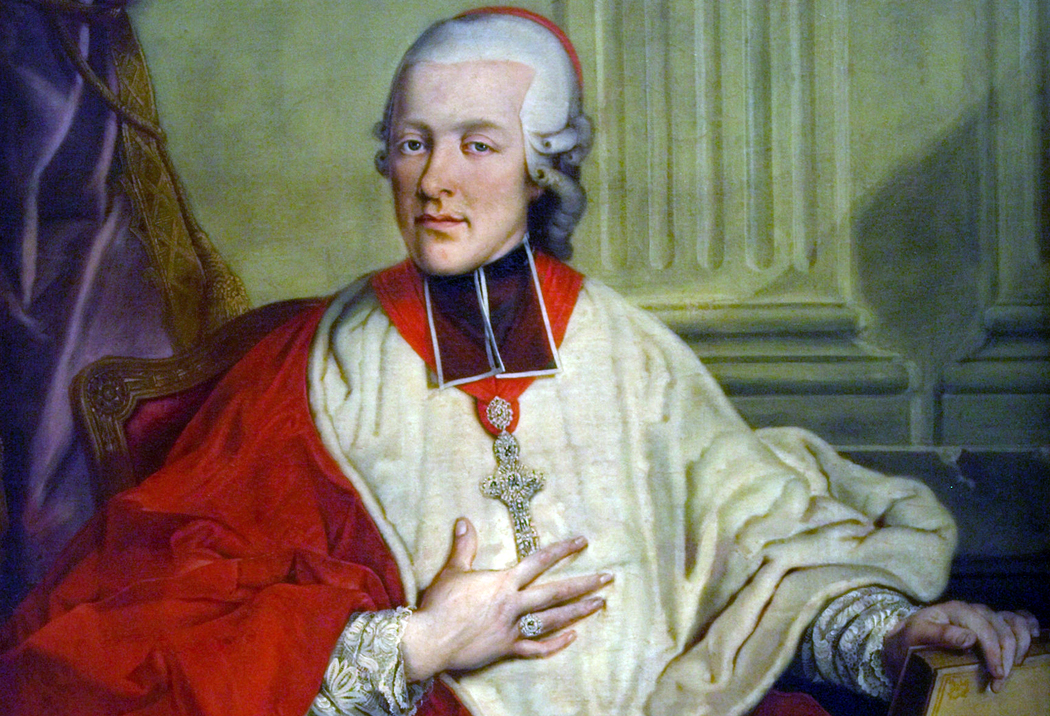
Prince-Archbishop Colloredo

Mozart, however, was truly cosmopolitan and after freeing himself from the employment of Salzburg’s prince-archbishop Colloredo, earned his crust as a freelancer in what was becoming a “gig” economy, living from commission to commission, and from concert to concert and opera to opera. 

He learned a lot from Haydn, and joined him in making his music increasingly more complex than the usual run of gallantries. They added back counterpoint to their works, increased chromatic and harmonic subtleties. Mozart’s music, for instance, is always more complex than it sounds.

Mozart asked his musicians to do more than did other composers: to play higher, lower, more quickly; to play notes unfamiliar to their instruments or voices; to attempt unusual phrasings and colorations.

At the end of Act I in Don Giovanni, three bands play onstage at the same time, performing different music in three different rhythms, but entwining their harmonies so they mesh perfectly in a tour de force of compositional cleverness.

His music sounds simple and perfect and symmetrical, but you look at the phrase structure and it’s highly irregular. Normally, you expect 4- and 8-bar phrases, but you take a look at one of Mozart’s late scores and you see phrases of 4, 5, 3, 7, 8, 6 — but you would never guess it was so irregular just from hearing it. It always sounds smooth.

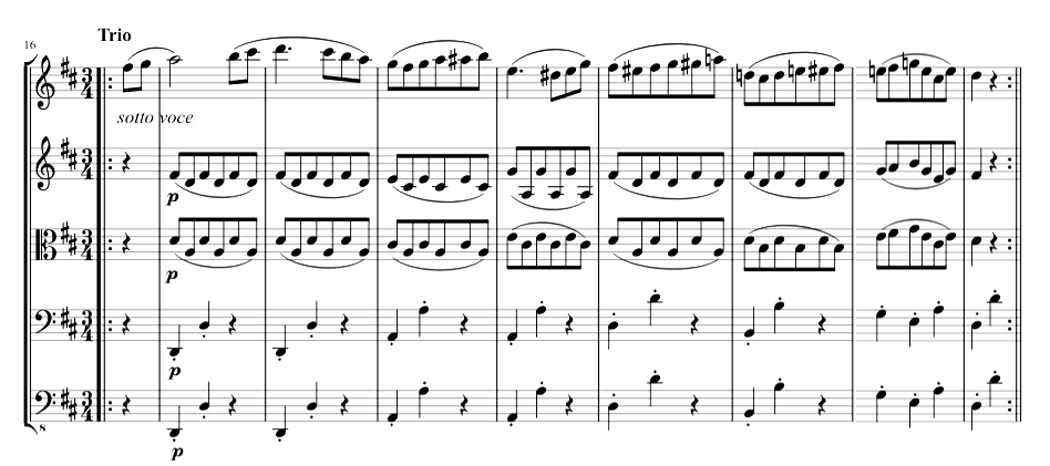
And although the surface of the music is always velvety and seductive, it’s frequently chromatic, introducing notes that shouldn’t belong. Even so graceful and simple a tune as the trio from the minuet in the popular Eine kleine nachtmusik manages to use 11 of the 12 notes in the chromatic scale. It verges on Schoenberg, though it sounds as simple as a nursery rhyme.

While Haydn’s metier was primarily instrumental music, Mozart shone in vocal music, and especially opera, where he brought psychological complexity to what is sung. 

Mozart as Shakespeare

Mozart was the Shakespeare of music. No composer ever displayed a wider sympathy for the human condition or a greater breadth of musical style. At the bottom of his music is a profound humanism, which is all the more obvious in his best operas — The Marriage of Figaro, Così fan tutte, The Magic Flute and Don Giovanni.

Of all the great composers, Mozart also is the easiest to love. Bach may be more sublime, Haydn wittier, Beethoven more in-your-face and Schubert one of the few who could write melody to equal Mozart, but Mozart remains the most accessible. He speaks directly to us, because he is the most humane.

That quality underlies all his major operas: His plots are filled with three-dimensional people, not the stock characters of most other operas. No hero is flawless, no villain unredeemable.

The miracle is that it isn’t just the libretti that convey this complexity, but the music itself. It gives us the subtle psychological undertow.

Mozart understood all of his characters well. None of them is tossed off as inconsequential. He imbues each character with definitive musical qualities.

So that Don Giovanni’s ebullient life force is expressed in his headlong “Champagne Aria,” with barely a moment to inhale. Or the Queen of Night’s rage in Magic Flute, when she launches into Baroque arabesques and arpeggios in her showpiece “The vengeance of hell boils in my heart.”

Even in Figaro: Has adolescent horniness ever been better expressed than the “amorous butterfly” take the hero sings about the love-struck Cherubino?

All these characterizations are built on the composer’s willingness to accept without judgment everything that is human. Perhaps that’s why nobody ever wrote forgiveness better than Mozart.

Each of his major operas has a scene of forgiveness in it, and it’s usually the turning point of the action, when a character recognizes the frailty of human nature. Such forgiveness is not bestowed from a feeling of superiority but from shared compassion.

It’s not that we believe the Count in Figaro will now be faithful to the wife who forgave him, but that we know she will always forgive him, because this is what it means to accept the human condition.

But the particular mood Mozart raises in such moments also is carried into his purely instrumental music: The slow movement of his Piano Concerto No. 18 is the echo of such a moment in Figaro. It sighs, and we sigh with it.

Such genius, whether Shakespeare or Mozart, can’t be explained. You just accept that it is.

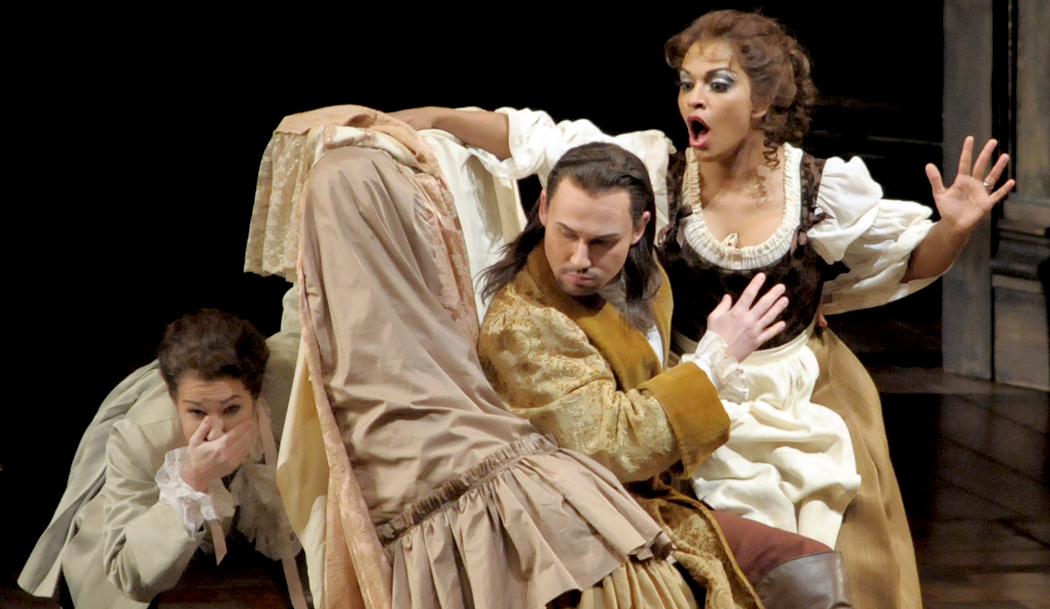
Don Giovanni

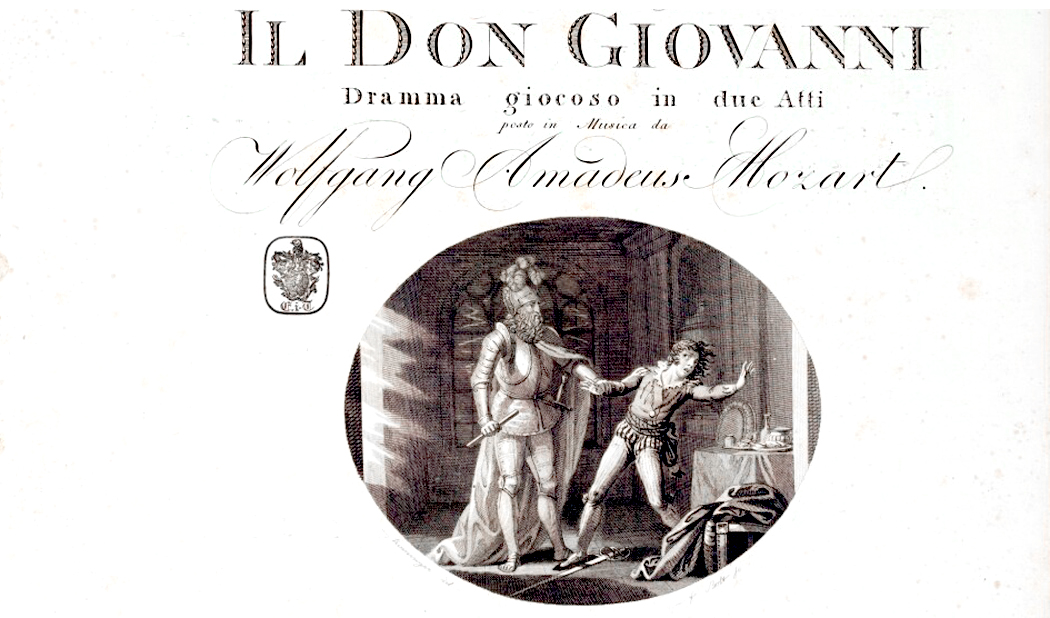
Mozart’s Don Giovanni has been called the perfect opera. It ingeniously balances comedy and drama, music and theater, the aristocracy and the peasantry, the past and the future.

It was first performed in 1787 in Prague, where the composer was a musical superstar, and told the story of the seducer Don Juan (Don Giovanni in Italian).

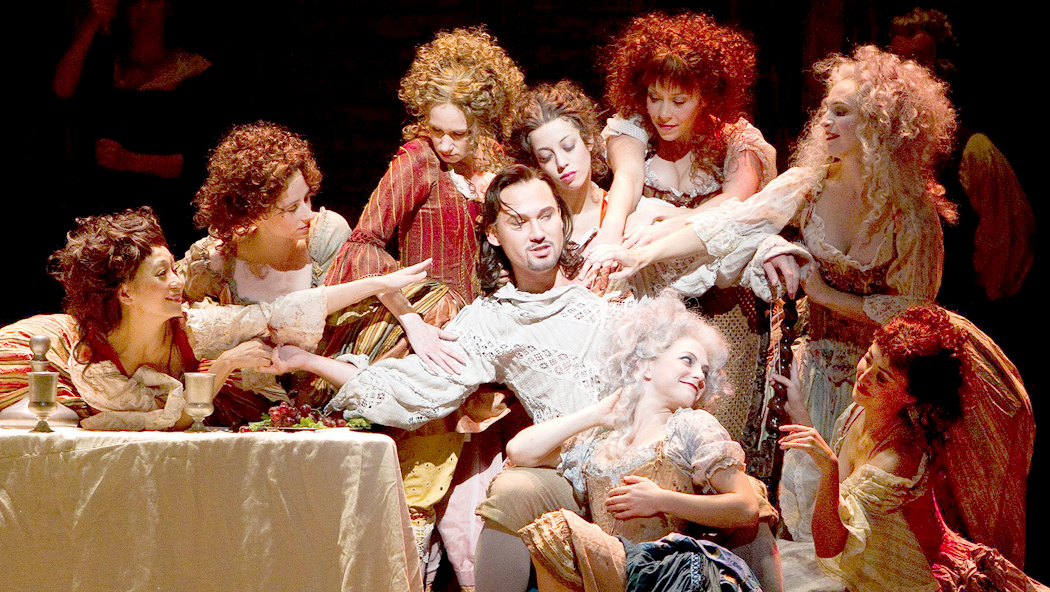
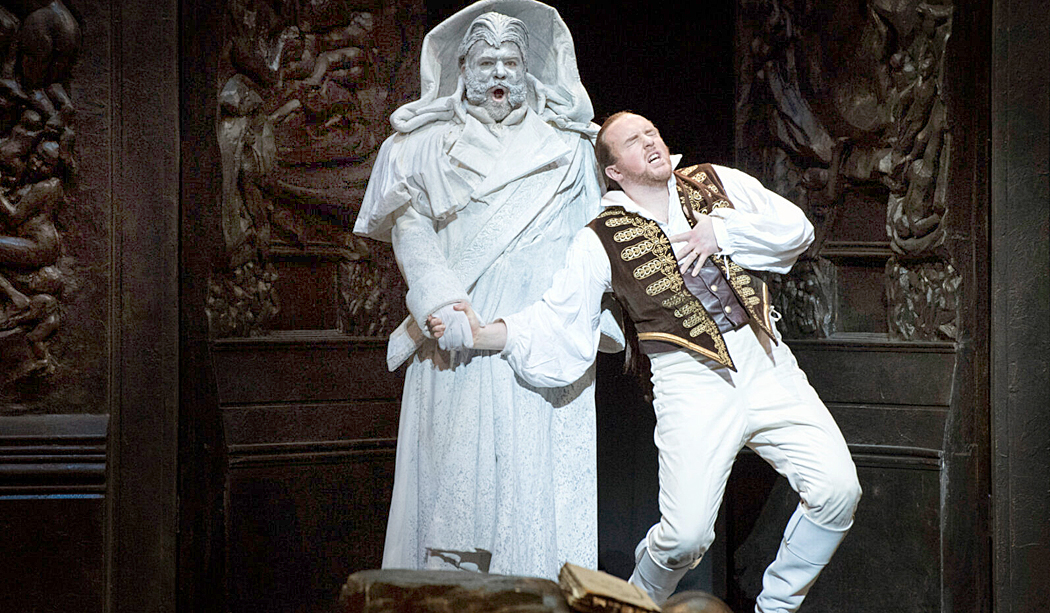
The story is simple in outline: After he kills the outraged father of one of his amorous conquests, Don Giovanni is tracked down by his victims. When he hides in a cemetery, the statue of the dead father miraculously asks him to dinner and, later, when the don shows up, the statue drags him to his judgment in hell.

But Mozart and his librettist, Lorenzo da Ponte, took what was a traditional story of sin and punishment and made it into a paean to the life force. Technically, Don Giovanni is still the villain, but Mozart and da Ponte made him such an engaging and vital presence that in the end, when he refuses to repent, despite the demons that surround him and the brimstone that burns, he actually rises to the heroic. Is he hero or villain? Or both.

This is where the Classic past meets the Romantic future: The cautionary moral tale of the past turns into the Byronic hero of the upcoming 19th century, and Mozart is in the avant-garde.

Digression I: Rake with a Quill Pen

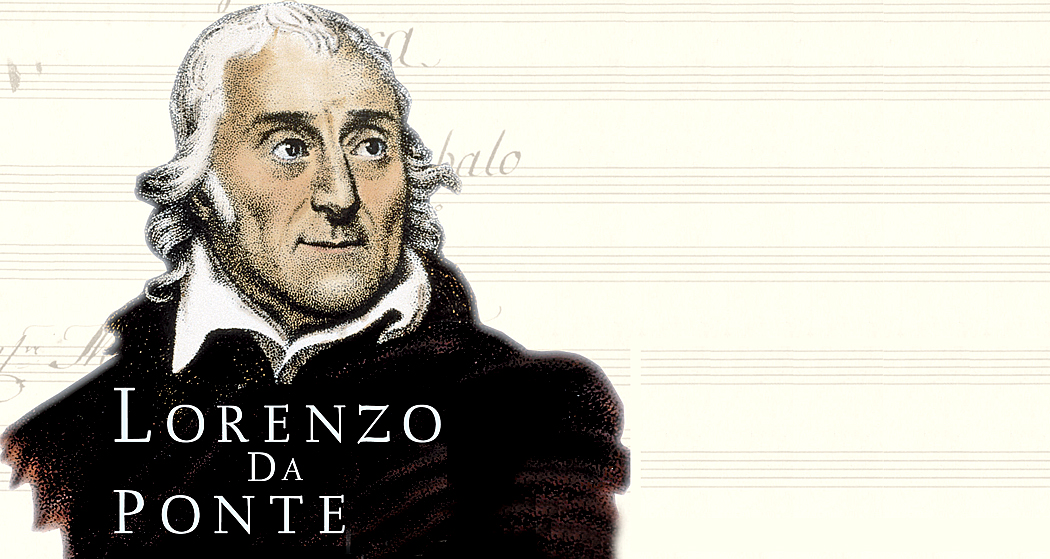
Opera is a collaborative art. Mozart’s music is great, but so was the libretto written by Lorenzo da Ponte. Da Ponte was born a Jew in Venice in 1749, was ordained a priest and opened a brothel with his mistress, where he entertained the clients by playing violin in his priest’s vestments. He was the perfect choice to write the libretto for Mozart’s dramma giocosa, Il dissoluto punito o sia Il Don Giovanni (“The Rake Punished, or Don Giovanni”).

Da Ponte was a friend of the infamous seducer Casanova and was forced to flee Venice after a trial for sedition, settling in Vienna, where he wangled a position from Joseph II, the Holy Roman Emperor. When he was asked how many plays he had written, he answered, “None, sire,” to which the emperor replied, “Good, then we’ll have a virgin muse.”

He wrote libretti for dozens of lesser operas by lesser composers, such as Antonio Salieri, before landing a job writing — or rather rewriting — Beaumarchais’ popular play The Marriage of Figaro as a libretto for Mozart. He also wrote Don Giovanni and Così fan tutte before being shown out of the city by the police.

Da Ponte’s post-Mozart life is hardly less interesting. After marrying (quite a trick for a priest), he moved to the United States, where he failed as a grocer, became friends with Clement Moore (reputed author of ’Twas the Night Before Christmas), who helped him gain a faculty post at Columbia College (now Columbia University), where he was the first faculty member to have been born a Jew.

In 1828, he became an American citizen, died 10 years later, had a grand funeral at St. Patrick’s Cathedral and is buried in Green-Wood Cemetery in Brooklyn.

The Pop Star

Mozart’s time was the late 18th century. He was born in Salzburg, Austria, in 1756 and was one of the great child prodigies of all time, picking up the violin when he was four and composing by the time he was five. His first opera was written when he was 12.

He was trooped across Europe by his father, playing for the amazed aristocracy and gathering gifts of money and jewels.

He outgrew his boyhood cuteness but grew to be one of the most prodigious composers of all time: He wrote 22 operas, 50 or so symphonies, 27 piano concertos, 23 string quartets, 17 settings of the Roman Catholic Mass. His complete works take up 170 CDs in one current set.

And he became enormously popular.

Mozart was the pop artist of the time. People wanted to play and hear that music so much, they transcribed the music for all kinds of ensembles. Every town had a wind band and they played arrangements. Every little village in Belgium or Bavaria could play arias from the latest Mozart opera, the way halftime marching bands now play show tunes.

Mozart makes fun of this phenomenon in the finale of Don Giovanni, when the don has a dinner in his castle, with a band playing the latest hits from operas, including “amorous butterfly” from Figaro.

He dismisses it: “I’ve heard this piece too much, he says. We laugh because it shows Mozart could take a joke. And that only makes him more human.

Digression II: Mozart and Haydn

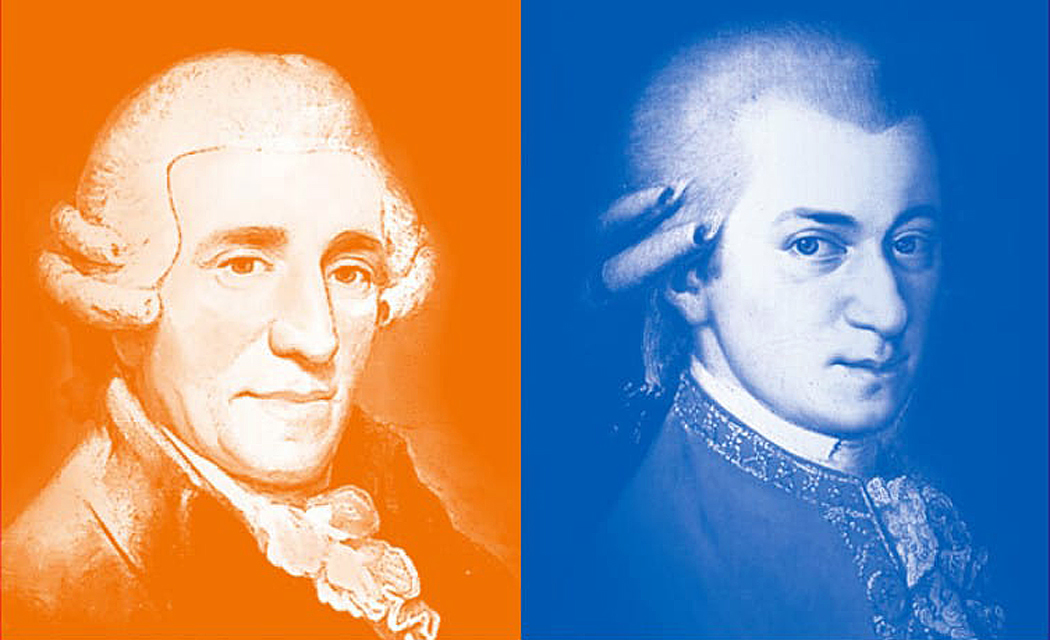
The era from about 1770 to 1810 is called “Classical.” It’s the age of music defined by two names: Joseph Haydn and Wolfgang Mozart.

They were the twin colossuses of the time: one witty and bright, the other deeper and more melodious.

But the two men were very different. Haydn brighter and more brittle sounding, with an emphasis on what the 18th century valued as wit, making in-jokes in his symphonies and working simple themes into complex textural patterns that his audience recognized with pleasure — they got the joke.

Mozart’s music is darker, more chromatic, with a more blended sound, and he focused his attention on grace and style.

If Haydn is the brain of 18th-century music, Mozart is the heart.

They valued each other above anyone else and recognized each other’s genius. Mozart learned more from Haydn than from any other source. Haydn said Mozart was the greatest composer alive.

To many, Haydn and Mozart sound alike. They are very different but shared a musical language. So, how do you tell them apart?

One wise old professor explained his simple test: “If you can remember the tune after it is over, it was Mozart.”

Reason and order

The 18th Century is called “The Age of Reason,” although sometimes I think it may be said ironically, since, after all, it was also the age of Rousseau, the French Revolution and the Reign of Terror. But the overall tenor of the era was one of rationality and balance, of a just God in his heaven keeping proportionality in everything human and cosmic. 

In German-speaking lands, it was the Aufklärung, the “clearing up,” and prompted enlightened rulers, such as Joseph II in Vienna, to downplay religious fervor, mindful of the chaos of the Thirty-Years War, and promote scientific enquiry and philosophy. Coffeehouses rose filled with debate and Freemasonry became fashionable. Mozart became a Freemason, and his final opera, The Magic Flute, was a Masonic allegory, of sorts. 

There were certainly many points of view, but the general sense was one of moderation in all things. Don’t go overboard. Keep an even keel. Music followed suit: nothing too extreme, but nothing too simple-minded, either. It was a perfect walk between opposites.

And the major musical innovation of the era was the rise of the Sonata-Allegro form. It was the primary organizing principle for Haydn and Mozart and held sway in various permutations for the next century and a half. It is usually taught in a technical way: first theme in the home key, second theme in the dominant, followed by a development section and rounded off with a recapitulation of the two primary themes, but now both in the home key. But that is not why the form became so dominant. That is like describing an angel as having wings and white robes, without ever noting it is a messenger from God. 

The point of the sonata form was to establish an order, in terms of recognizable melodies, to then disrupt the order by breaking up the tunes into bits, rearranging them, and playing those pieces in a hodge-podge of shifting key-centers, leaving the listener with no firm ground to stand upon, and then reasserting clear order once again, so the universe is set right. Order – disorder – order reaffirmed. 

Once you understand the metaphor of the sonata form, you will never again be hoodwinked by the academic palaver. The music is about the primacy of providential order. 

This is a metaphor that has provided the foundation of much of art. Shakespeare’s histories and tragedies are all about disturbed natural order that has to be set right. Opera plots are almost all about illegitimate threats to the way things are supposed to be. It is the mega “A-B-A” of countless poems and novels. 

The form made such satisfying intellectual and emotional sense that it ruled western instrumental music almost until now. Those composers who didn’t write sonata form wrote in protest to it. Take a side. It was that influential.

L’Envoi

It is nearly impossible to write words about music. One tends to write impressionistically and metaphorically about what one hears, but such language become like trying to describe color to a blind person. 

The result is that when most people talk about their favorite popular music, they talk about the lyrics. The music is barely mentioned. In fact, most popular music contains scant little actual music at all: just a few familiar chord changes under a meandering set of melodic intervals. You may mention the beat, but that, too, tends to drone on monotonously through the song. 

You could, if you wanted to, talk about the music, but it would take specialist vocabulary that would convey almost nothing to the lay reader: “The composer used the Neapolitan relationship to modulate from B-minor to A-flat major while dividing the treble from the bass line in hemiola.” There, does that mean anything to you? Two against three? 

One reads scores rather than text to understand what is going on, but even that does not really tell you what you are hearing, only how it was done. 

And so, when writing about Mozart, almost everyone falls immediately into biography. We can tell you fascinating things about his family, his sister, he relationship with his patrons or the order in which his symphonies were composed. 

But the ear can hear how, in sonata form, we hit the comfort of the home key as the recapitulation calms down the churn of the development. It is something instantly felt through the ear — if you are paying attention. But how to write about that in the Jupiter Symphony or the K. 545 piano sonata comes a cropper. Just listen. It’s obvious. 

One can say that Mozart blends his wind instruments while Haydn tends to keep his winds distinct. It is true, but you have to hear it to understand. Mozart’s recapitulations are usually a return to order, while Beethoven uses his recaps (in his mature work) to take the music to a new place, a “new normal” that means we have moved through the development from Point A to Point B. Mozart’s melodies tend to be step-wise, as a human voice might sing, while Haydn often jumps around because fingers on a keyboard can do so. 

These are swooping generalities, and there are plenty of exceptions, but they are attempts to write about the music rather than the historiography. 

The only recommendation is to listen to more music, lots of it, and absorb what you can, so you can distinguish the difference between a sonata form and a rondo, between an English horn and a bassoon in its upper register. Hear it and pile it into your trove of experience. It is the sounds that are made that is the music. Words get in the way. 

And pay attention. Music isn’t a warm bath you slide comfortably into, but a conversation the composer is having with you.

Mahler conducting

There are rainstorms, and then there are hurricanes.

There are symphonies, and then there is Gustav Mahler.

The Austrian composer is like nothing else in classical music, and his unique brand of emotional fury inspires a cultish following. You may love Mozart or Chopin, but if you’re a Mahler fan, you are in love. Devoted. An acolyte; it’s akin to religious conversion.

“I love all composers,” said the late music critic Dimitri Drobatschewsky, “but the composer for whom I will make the greatest effort, or spend the most money, is Mahler. There is nothing in life that can replace what Mahler’s music does to and for me.”

It is almost an addiction.

The music hits closer to the experience of being alive than almost any other: deeper, more emotional, more direct. The Mahler addict measures a performance not so much by whether he leaves the hall whistling the tunes, as whether he has lost control of his lacrimal glands and has to hide his face as he leaves, so as not to show himself weeping in public. Mahler’s music is personal; it batters your heart. Zasche Theo Gustav Mahler 1906

He asks you the questions you think about only at the most extreme moments of your life: Why are we here? What is death? Love? How has the child become the man? It isn’t the intellectual answers he seeks, but the emotional landscape of the questions themselves.

There is nothing moderate in music or performance. Leonard Bernstein, often credited with starting the modern Mahler revival, was a particularly passionate exponent of the music.

“People are always saying that I exaggerate Mahler, which is so stupid,” he said, “because you cannot exaggerate Mahler enough! To play a Mahler symphony, you have to give it your whole heart and body and soul and everything.”

As William Blake said, “Enough or Too Much! Less than all cannot satisfy.”

‘3 times an outsider’

Gustav Mahler was born in 1860, one year before the American Civil War began, to a Jewish family in what now is the Czech Republic. He rose to prominence as a conductor in Vienna, where he was alternately lionized and vilified. By all accounts, he was one of the greatest conductors of his time, but a vicious element of anti-Semitism conspired against him, despite his careerist conversion to Roman Catholicism.Gustav Mahler Emil Orlik 1902

“I am three times an outsider,” he famously said, “as a Bohemian in Austria, as an Austrian among Germans and as a Jew throughout the world.”

He finished his first symphony in 1889, and he put into it much of his life up to that time. Every Mahler symphony is in some way autobiographical. It’s not just abstract music; the symphonies are his life.

Even in the First, the opening section depicts recollections of his childhood, of taking walks in the woods in Moravia with his father. So those high harmonics in the violins depict the wind blowing through the pine needles, and the clarinet depicts cuckoo calls, and then an offstage trumpet plays a fanfare because, in the woods they used to walk, there was a distant army barracks.

Mahler himself said, “A symphony must be like the world. It must embrace everything.”

It must be made the musical version of D.H. Lawrence’s “bright book of life.”

A challenge

Mahler presents an initial challenge to the newcomer, who is used to attending a concert for the purpose of hearing the great abstract artform left to us by Mozart, Beethoven, Brahms, Stravinsky, Copland, Prokofiev. But nothing in Mahler is merely abstract: It is all personal. All life. All extreme. The composer asks his audience not to enjoy his melodies, but to use the music to search their own lives for the return of serve he rockets into your court.

The Fourth Symphony is the best entry point for the neophyte: Mahler’s shortest symphony, filled with all the things that make the composer so compelling. There are great tunes, inspired orchestration, a vocal part and many of the deeper themes that pervade all his symphonies: Nature, nostalgia, tragedy, death and innocence.Mahlercartoon 1907

From there, you can move on to his more intense symphonies, where he feels compelled to throw at you everything he knows, everything he’s ever felt.

For him, that meant adding to his already huge orchestra such things as sleigh bells (which open the Fourth Symphony), cowbells, mandolins and — in his tragic Sixth Symphony, hammer blows that “fell a man like an ax cutting a tree.” The First Symphony has everything from klezmer bands to military marches.

He was trying to make a world, and that world is as much marching bands, elegant waltzes and earthy landlers as it is soaring, breathless melodies.

There is Mahler counterpoint, too: layers of tunes and snippets of tunes, less like the long line of a Bach fugue, and more like a Picasso collage, with torn fragments overlapped.

That mixture of high and low is both the hallmark of Mahler’s world view and our own Postmodern world. Perhaps that is why Mahler feels so contemporary to us. For Mahler’s contemporaries, his symphonies too often seemed to be infected by the worst sort of vulgarity. They had come to hear hochste deutsche Kunst — high German art — and got tin whistles and banjos thrown in in the bargain.

The “unmedicated” Mahler

If Mahler is about anything, it is about these extremes: sublimity and camp, aspiration and despair, irony and sentimentality.

In his famous essay about the composer, Bernstein wrote: “Think of it, Mahler the creator vs. Mahler the performer; the Jew vs. the Christian; the believer vs. the doubter; the naif vs. the sophisticate; the provincial Bohemian vs. the Viennese homme du monde; the Faustian philosopher vs. the Oriental mystic; the operatic symphonist who never wrote an opera.”mahler caricature 4

Mahler can whip you around these opposites, turning his music on a dime, snapping your emotions back and forth like a pennant in a Wrigley Field bluster. Not only between movements, but he can be ecstatic for three bars, and, suddenly, you’re in the deepest depression for six, only to snap to attention with 12 bars so alert that they seem electrified.

If he were alive today, he’d probably be on medication.

The slow movement of the Fourth Symphony is that way: It is a theme and variations on two themes, one elevated and serene, the other devilish and taunting. The two themes merge in variations, finally both stopping as the orchestra bellows a loud cry — for some, it is the gates of heaven opening. Time, and the music’s forward motion, stop dead in glory.

All that is followed in the finale by a song sung by a soprano, directed to sing in a childlike, innocent way, about the wonders of that heaven, imagined by a child, where “the angels bake the bread.” From the sublime to the ridiculous in one easy step.

Exhausting pinnacle of art

You can leave a concert humming Mozart’s tunes or inspired by Beethoven’s nobility, but after Mahler, you are simply spent. You’ve been “rode hard and put up wet.” He has dragged you from pillar to emotional post, pounded your deepest fears, pointed with your most fervent hopes. Mahler exhausts.mahler caricature 2

For those who are up to it, it is the pinnacle of art. For those who ask for something less exaggerated from their music, Mahler can be interminable and exasperating.

The symphonies are long — some single movements are longer than whole Beethoven symphonies. Mahler is an acquired taste.

Yet, while they are sonically splendorous, they are spiritually deep, and if music is an expression of the human spirit, Mahler is exploring its deepest depths.

For Drobatschewsky, it is summed up in the Mahler Ninth that he heard conducted by Claudio Abbado in Amsterdam.

“I am not a religious man, but what other people get out of religion, I get out of Mahler: solace, joy, every feeling that’s known to man.

“All out of Mahler’s music.”

NAG NAG NAG: An ADDENDUM

Gustav Mahler was a control freak.

Look at most music scores and you see not only notes but some basic instruction: tempo markings, how loud to play, whether to speed up or not.Mahler silhouette Otto Böhler

Look at a Mahler symphony score and you see enough writing to fill a book. He was a micromanager.

The Dover miniature score for his Fifth Symphony, for instance, has four pages of small-print glossary to translate Mahler’s German instructions. Hardly a bar goes by without some nudge by the composer.

In the first four bars alone of Mahler’s Fourth Symphony, he asks the orchestra to play “Moderately, not rushed,” and with “Grace notes very short,” “staccato” and “piano” (“quietly”), followed by “sempre piano” (“always quiet”), followed immediately by a diminuendo (“get quieter) — which would seem to contradict the sempre piano by asking the orchestra to change. Meanwhile, he asks that the music be played “grazioso” (gracefully), while also asking for a “poco ritardando” (“slow down a little”).

That’s in three bars. In the fourth, he asks for a return to the original tempo, but it should also now be “comfortable.” Meanwhile, he throws in a reminder: “Expressively.”

That’s only four bars out of an hourlong symphony.

You have to give yourself over to Mahler’s intentions, perhaps more than for any other composer, due to the sheer volume of specific instructions he has left us.

The markings can be difficult to interpret, however. The very first instruction Mahler gives for his “Songs of a Wayfarer,” before he says anything else, is “Faster.” Faster than what? That is followed by “Slower” and, two bars later, “Faster,” and back and forth until he gets to “Smoothly agitated.”

Most conductors mark up their scores with little notes to themselves to remember this or that detail in the music. Mahler was a conductor, too, and has given the performer the benefit of his own marking up.

Basically, Mahler was a backseat driver.