Archive

Tag Archives: personality

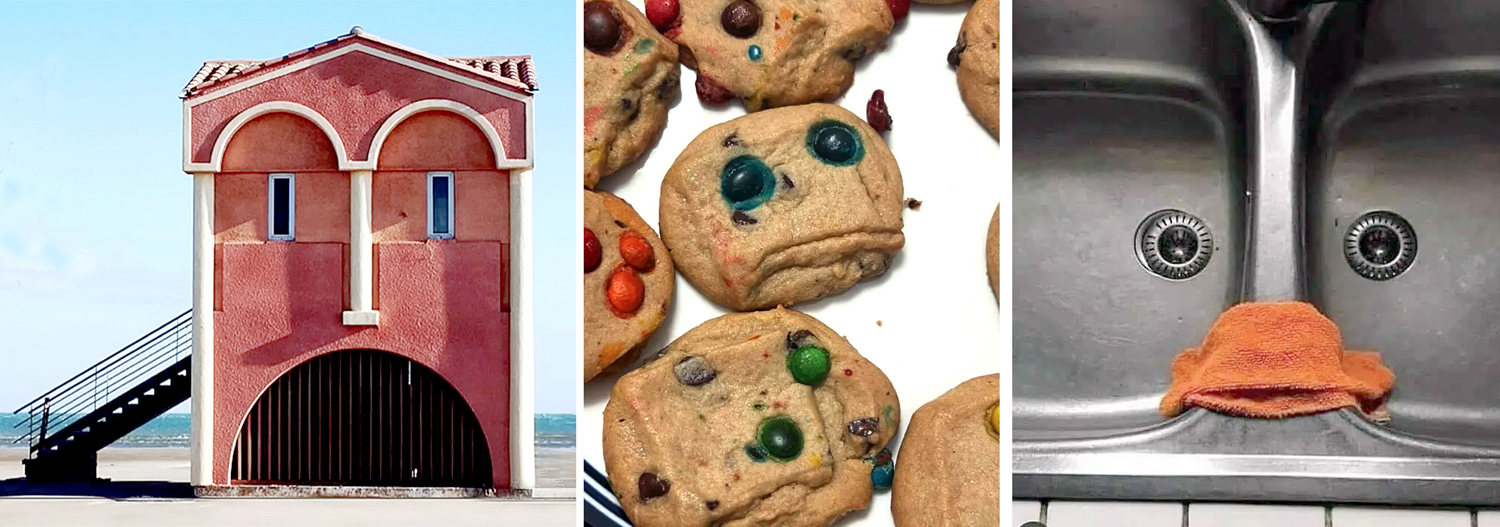
Deep in your brain, at the back of your skull, lie two small bits of matter, each about the size of a pencil eraser, buried roughly equally in each of the two hemispheres of your brain. Their job is to recognize faces. Called the fusiform face area, it is such a hard-working little department, it will sometimes see faces where there are none. 
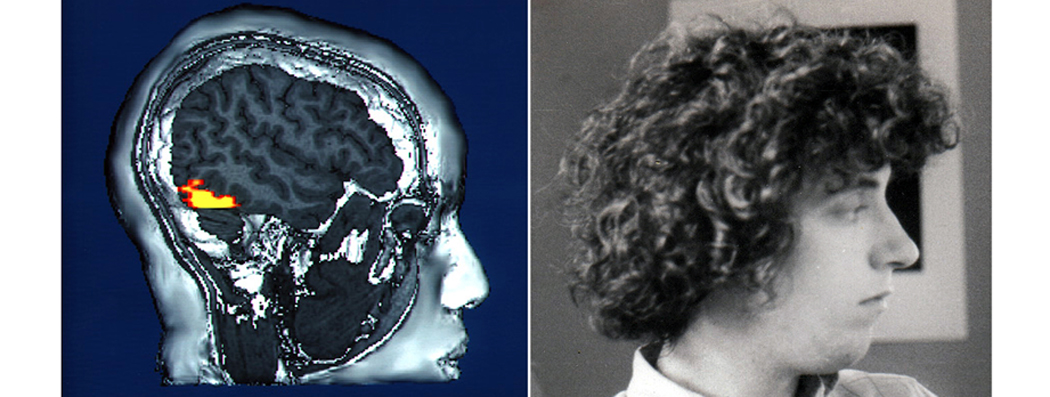
Faces are so important for the survival of the species, that as soon as a newborn can focus — not even focus, but begin to do so — it can make out faces from other shapes, and by three days old, it can recognize its mother’s face. 

And through life, the human face remains one of the most engaging visual forms we know. And it is why it is the most frequent subject for art. It covers everything from family snapshots to emojis to political cartoons to the formal portrait. And the portrait has settled in to be one of the conventional genres of art, along with landscape, still life, nude, and abstraction. 
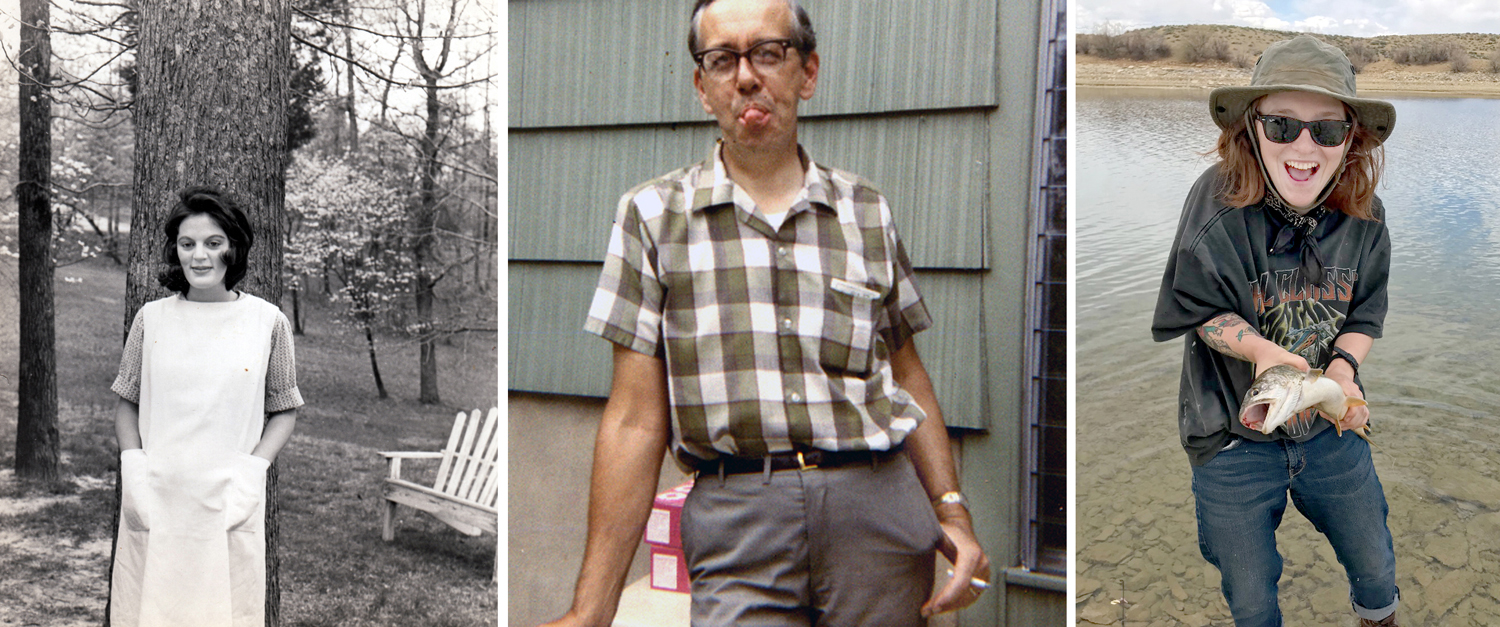
But not all images are the same, or made with the same intent. There are, by my calculation, four overarching categories of pictures of people. The family snaps are the most common. Most of us have a shoebox filled with old pictures, some going back as far as the late 19th century. 
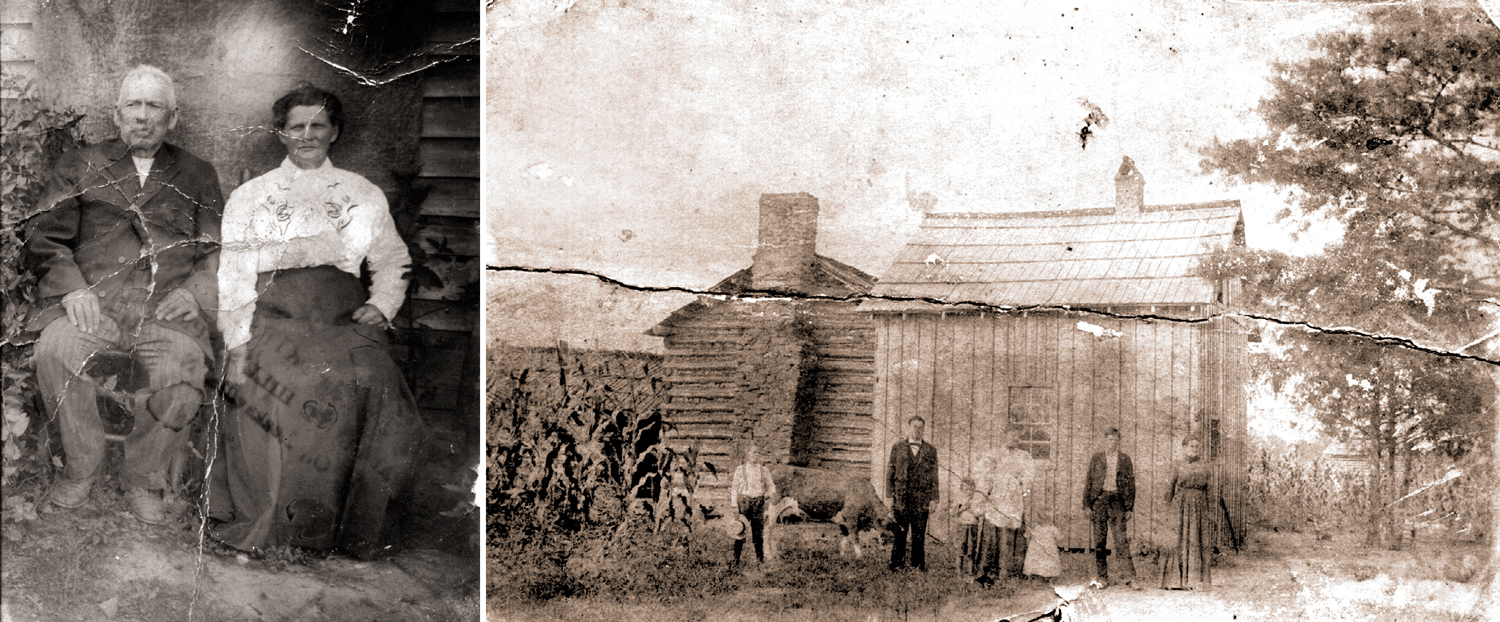
Rowan Steele and family, Sandy Ridge, N.C. ca. 1890

Nowadays, most family pictures exchange the shoebox for the cellphone and cloud. But still, a ton of pictures, most of little significance to anyone but family. 

The second group are the more formal photos, like school pictures, wedding photos, or those grinning Olan Mills family shots, as stiff as plywood and just as expressive. Those, usually in Sunday best, with billboard smiles, is how you would prefer people to see you. 

Jennifer Lopez by Annie Leibovitz

Then, there are the celebrity portraits, by the likes of Annie Leibovitz or Harry Borden. These are made when an actor or author has some new project to sell, and they need a clever image for the cover of Rolling Stone magazine or Vanity Fair. Or the cover of a band’s new CD. In a sense, these are not pictures of people but rather portraits of brands. They are selling us something. 

I don’t want to demean these pictures. The photographers who make such images can be tremendously talented, and their work is often memorable. But they are not usually true portraits, but rather, a form of marketing. 
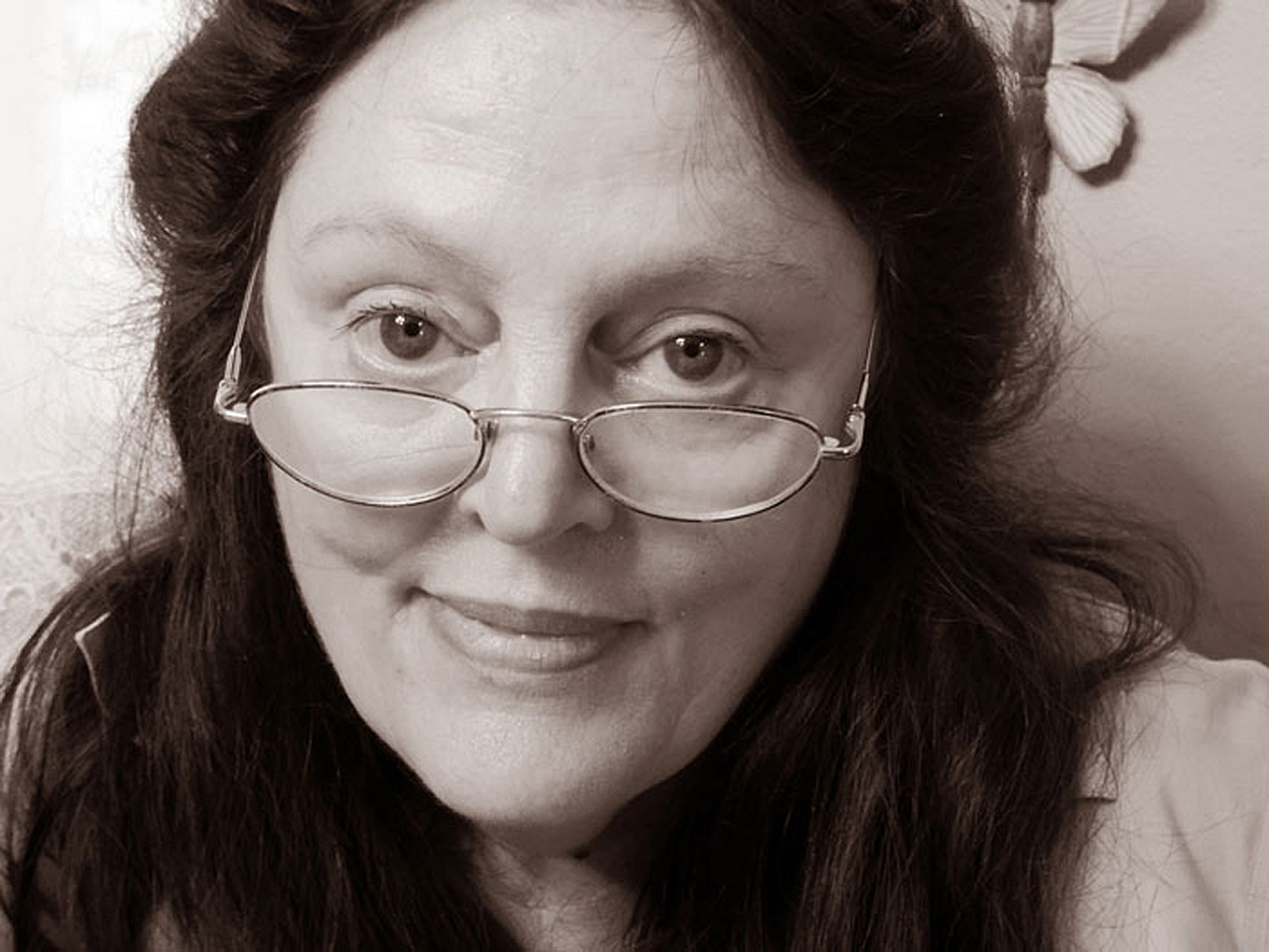
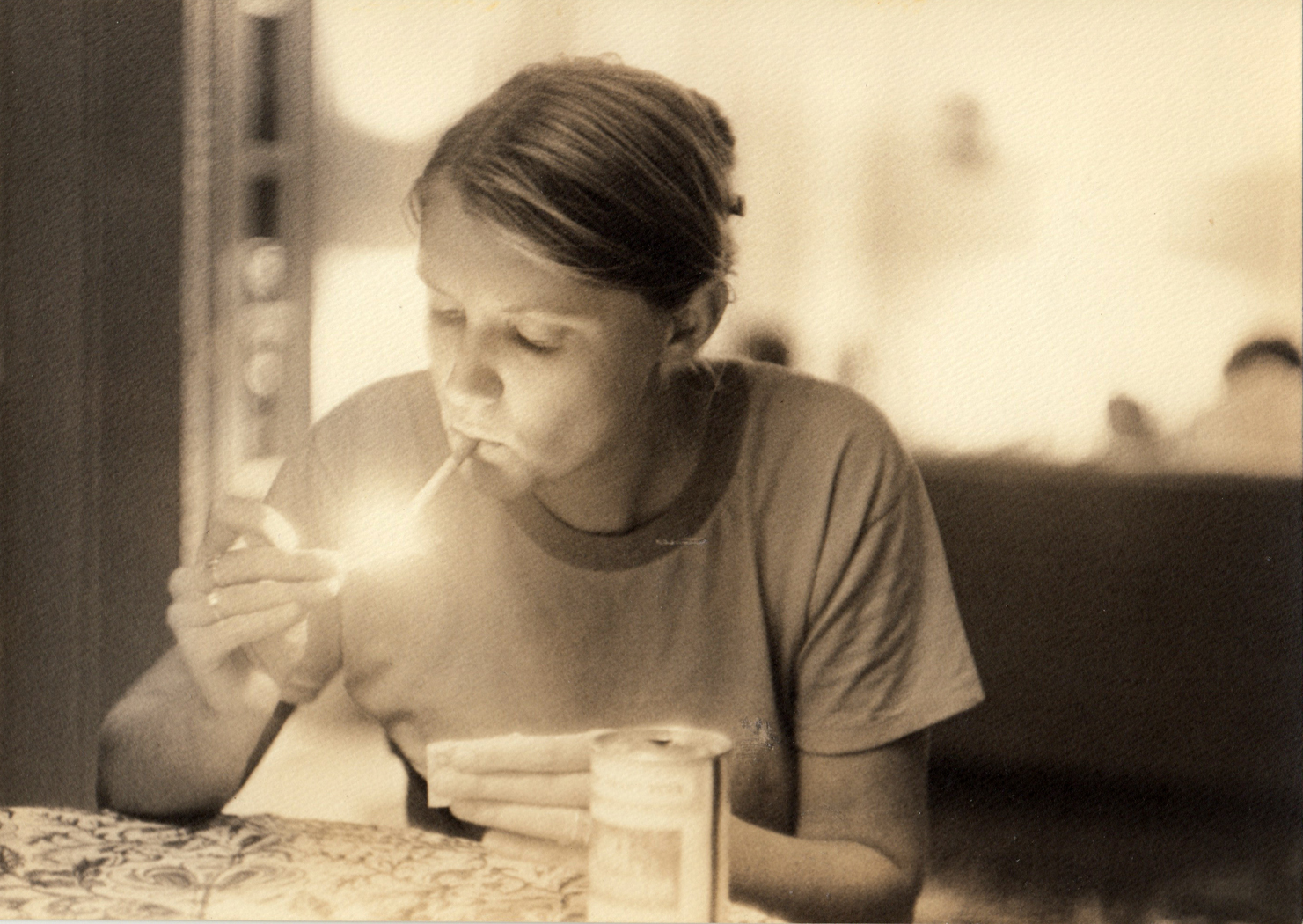
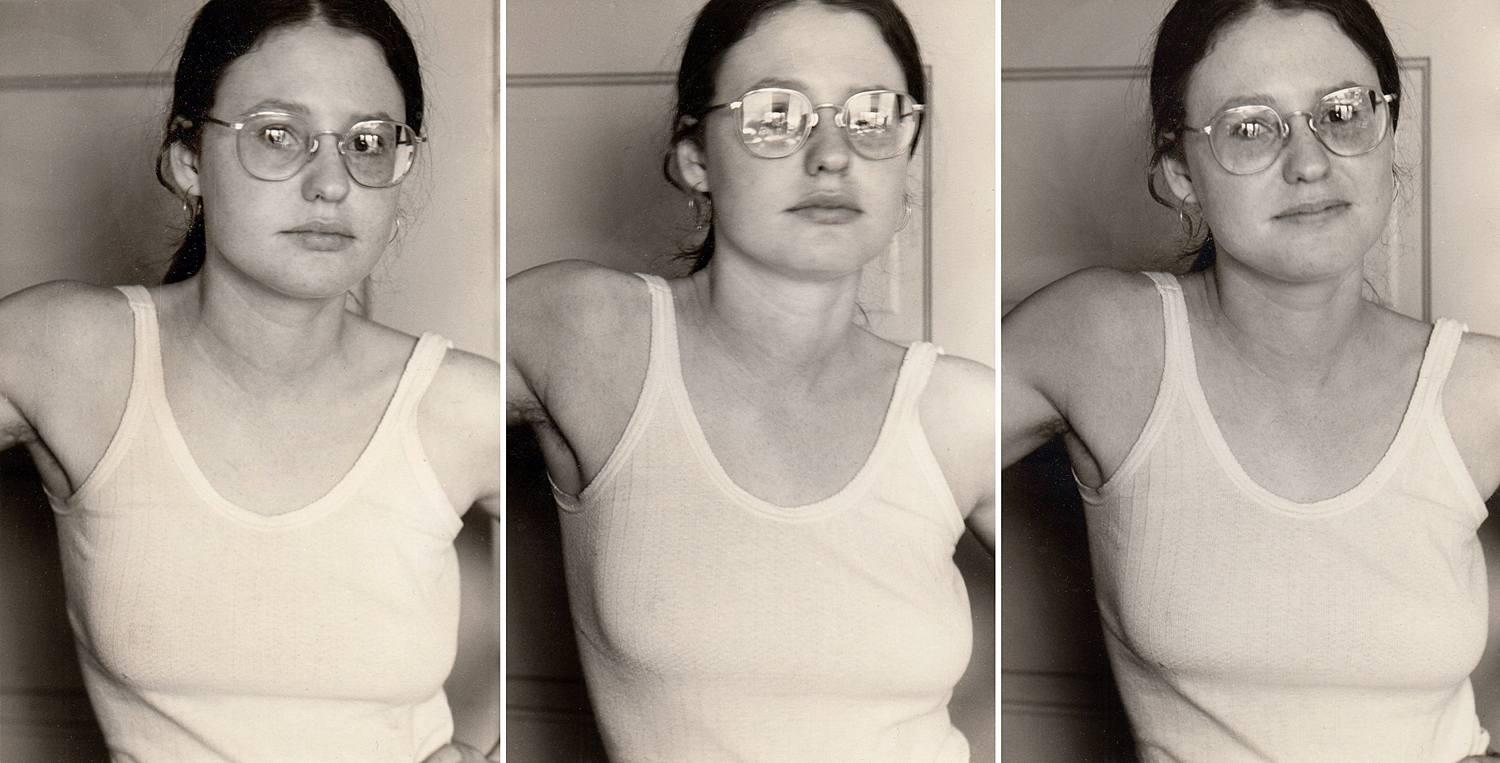
Carole Steele

Finally, there are the portraits I am writing about, images that attempt to capture something genuine about the sitter. To tell you something about the actual person. It is in their eyes; their ancient glittering eyes. 
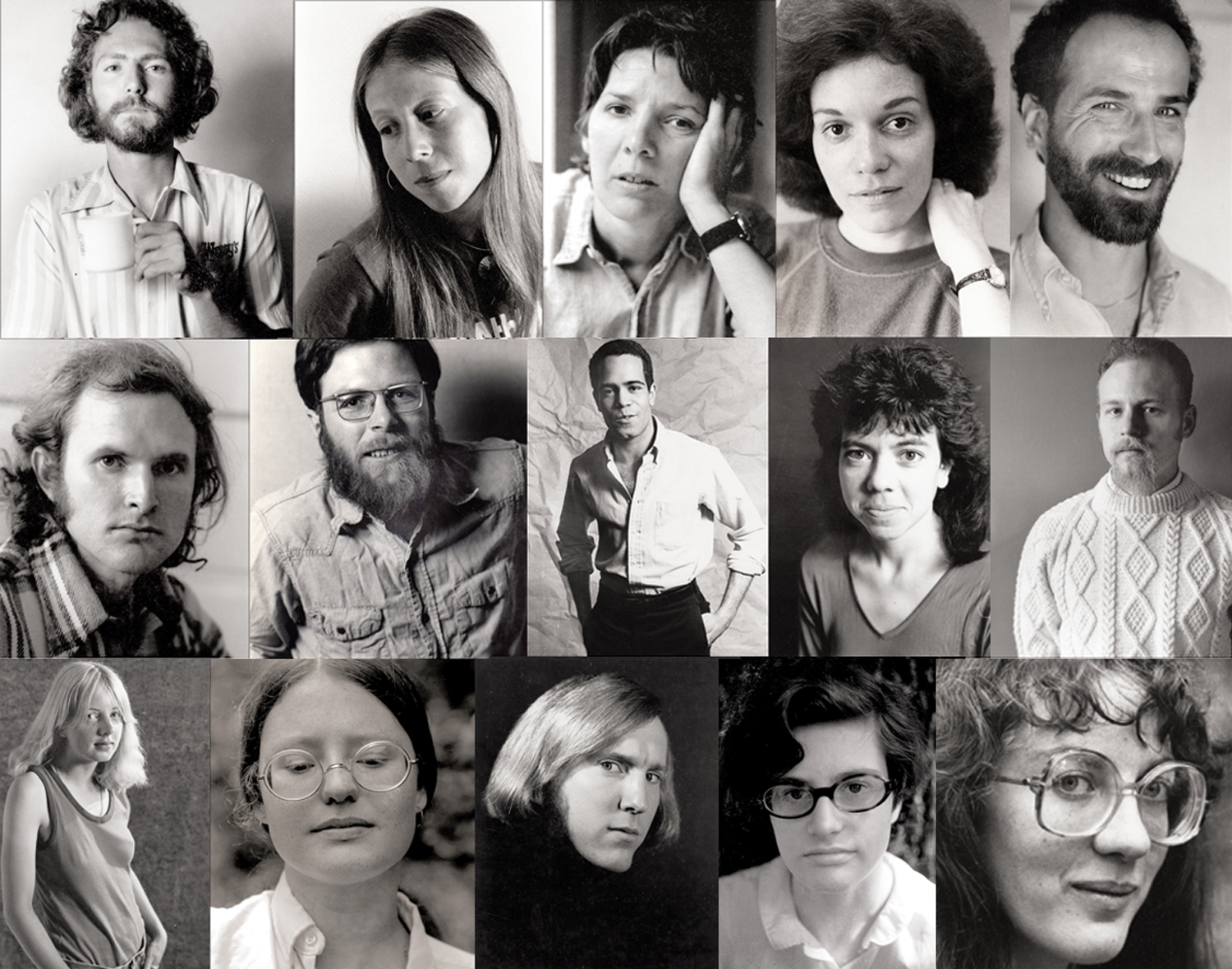
I have been making such pictures for more than 50 years, beginning back in the 1970s, when I worked at a camera store in Greensboro, N.C. I photographed like a demon, making records of friends, family and colleagues. At our home, I had one wall of the dining room covered with something like 30 or 40 photographs, held to the wall with small bits of masking tape on their backs. Some of these may have simply been snapshots of friends, but most were attempts at capturing something real or genuine about those subjects. 
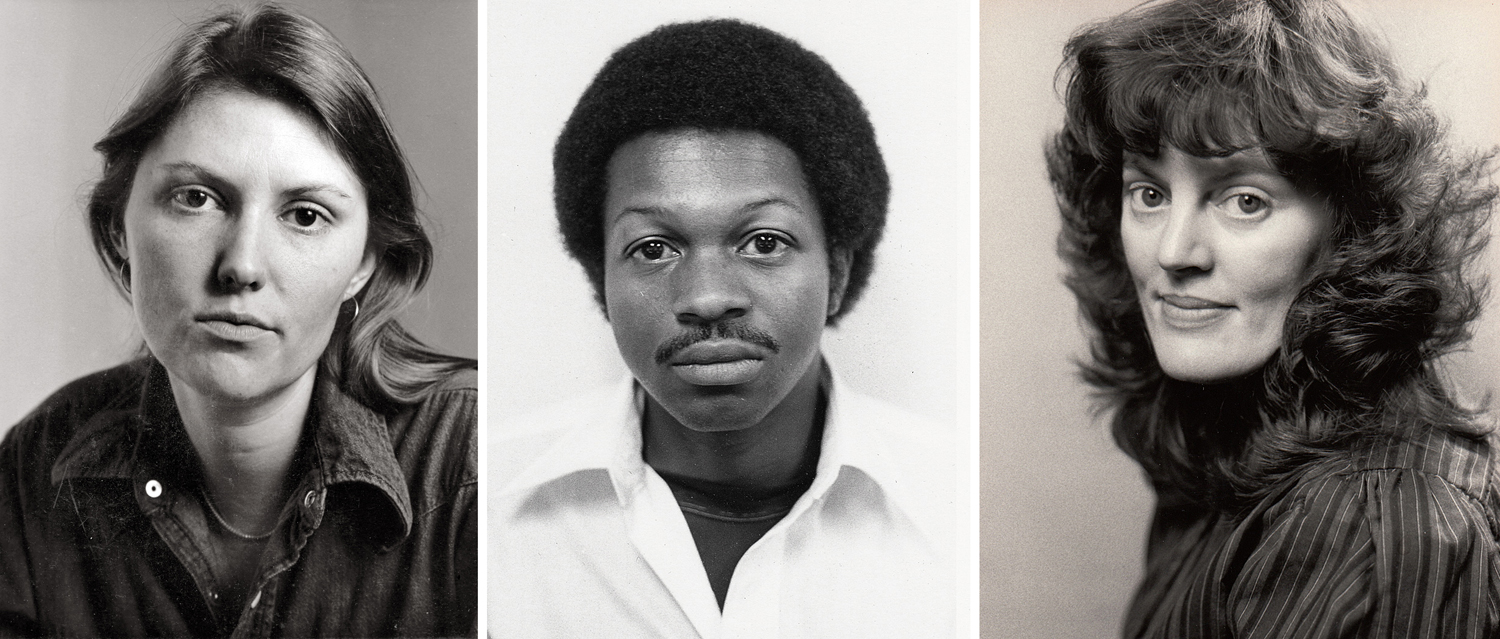
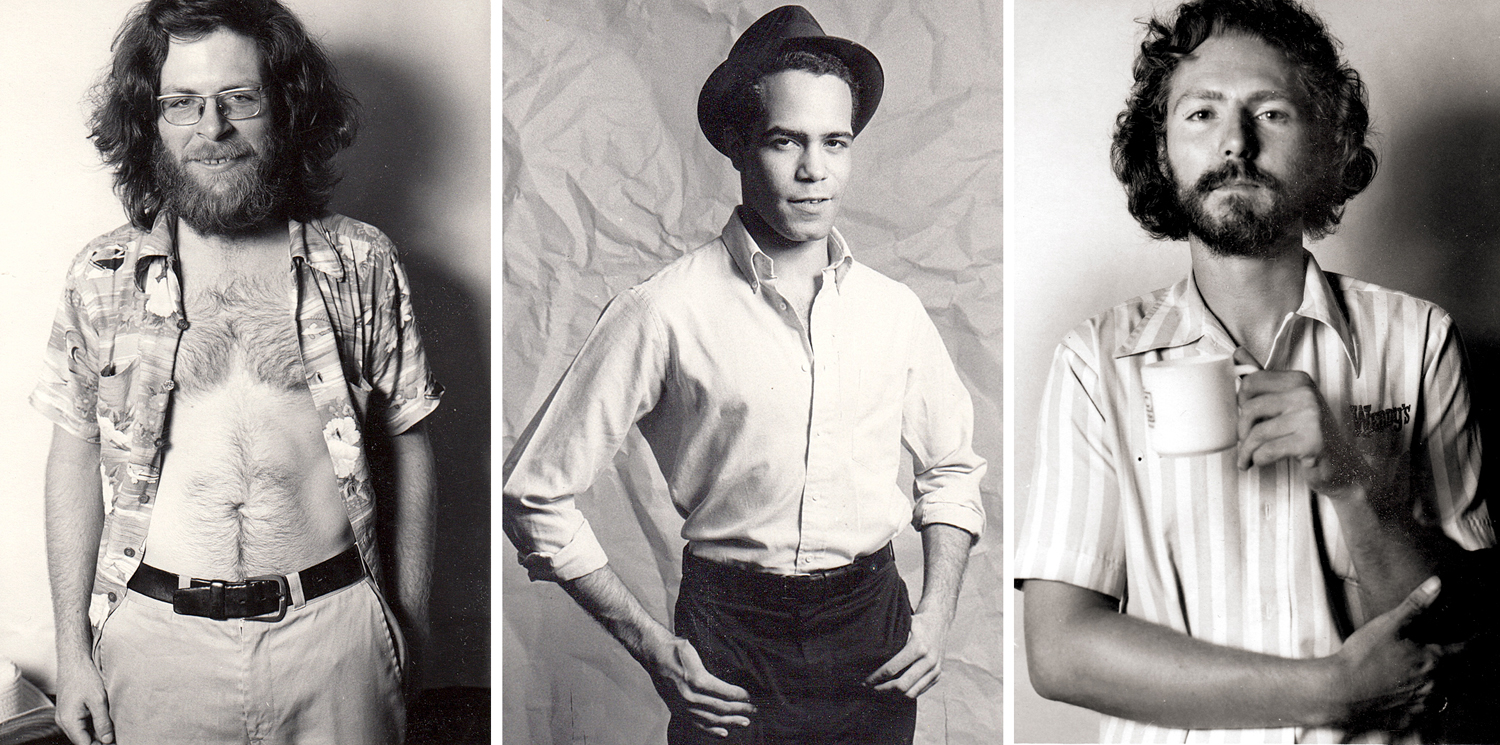
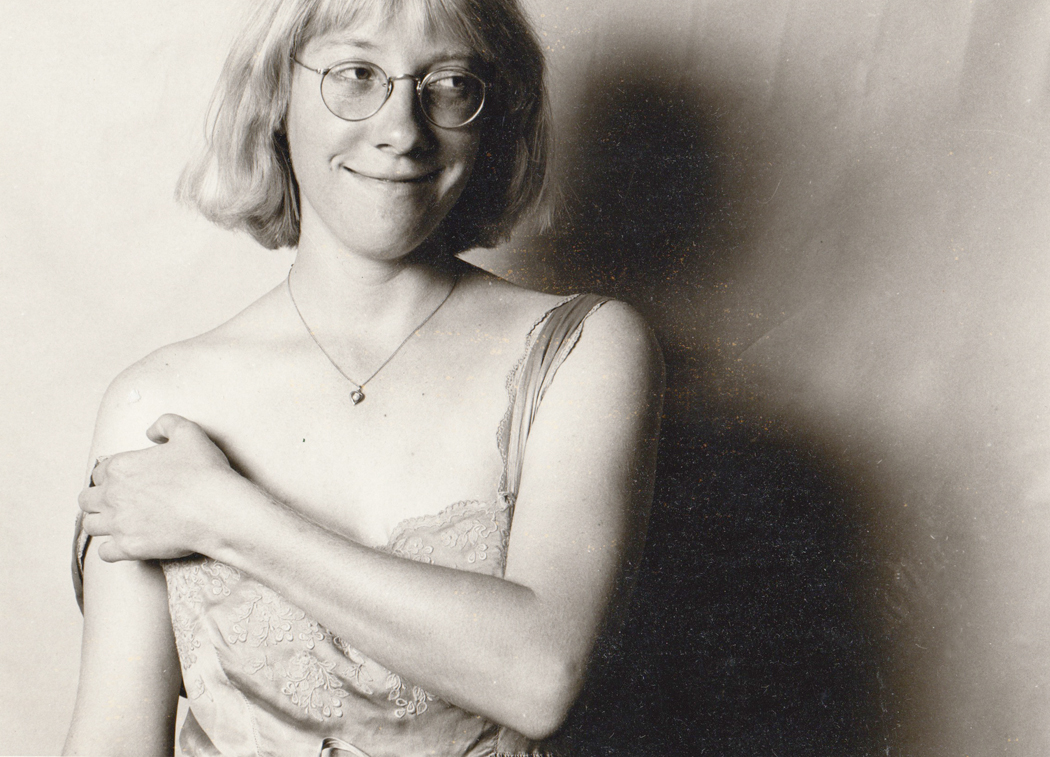
Judy Crawford; Ron Pierce; Carole Steele

What most of the images shared were their eyes. I usually tried to get my subjects to look directly into the camera, forcing the viewer to make eye contact and creating a psychological bond with the sitter. Judy Crawford had eyes that were pools of infinite sadness. As Cicero wrote, “The face is a picture of the mind with the eyes as its interpreter.” There is intelligence shining from some, caring and feeling in some, suspicion or cynicism in others. The eyes have it. 

I am now too long in the tooth to mount any more gallery shows, or attempt to publish a book, but I thought I might use this blog to present a sampling of the portraits I have made over the years. Indulge me. 
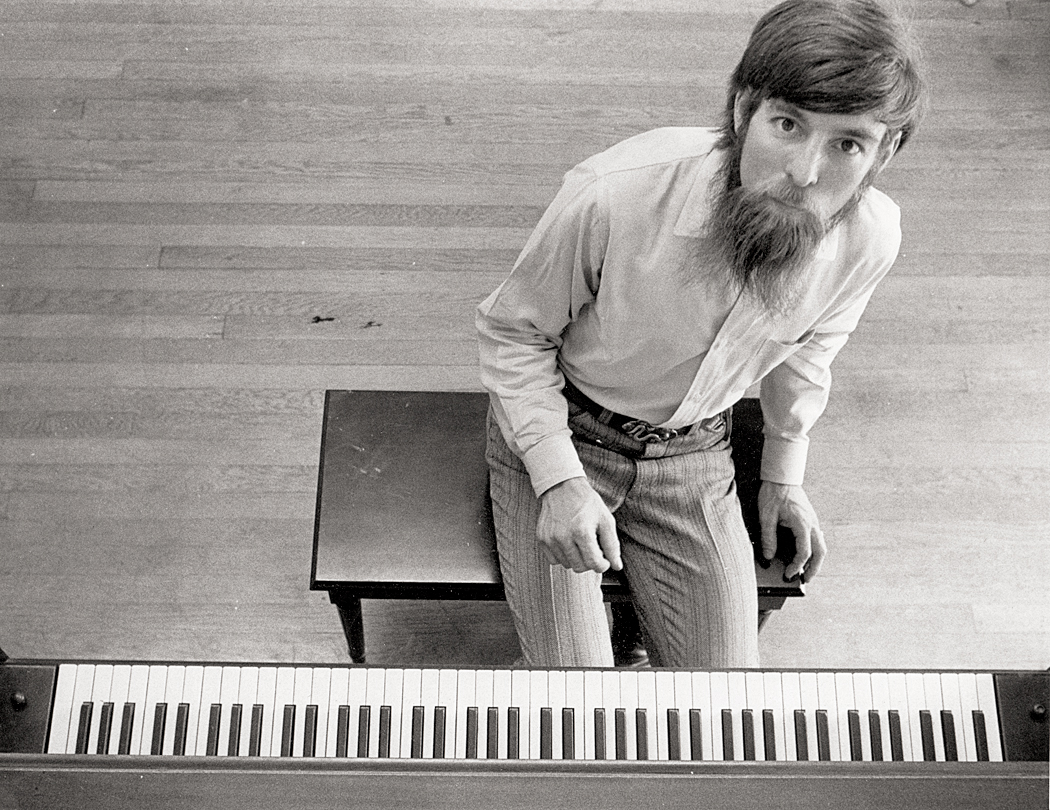
Aimee Groulx

One of the first portraits I still show is of artist Aimee Groulx, who ran the Groulx School of Art in Greensboro, N.C. Actually, his wife, Adele, ran it. Aimee was the kind of free spirit who could not likely run a bath, let alone a business. I taught at the school briefly. Aimee always dotted the “X” at the end of his name when signing anything. “To prevent forgeries,” he said. 
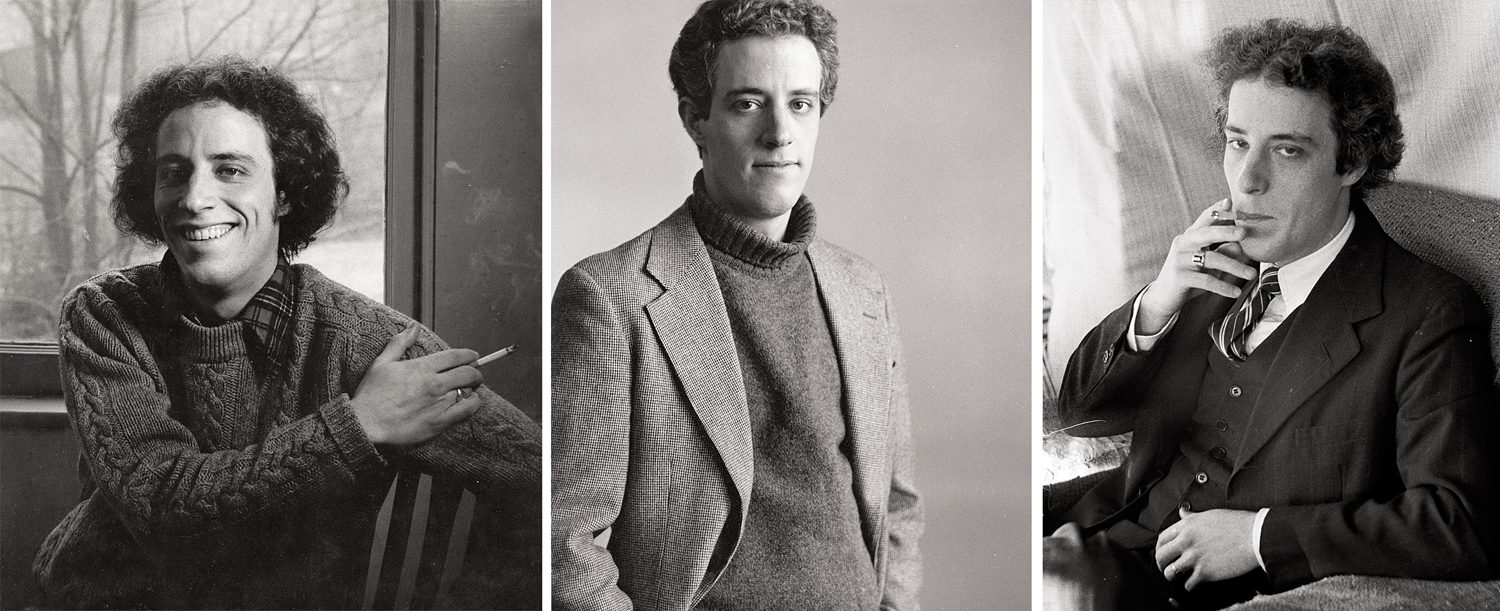
Hank Hackett

Henry Parrish Lippincott Hackett was born to a mainline Philadelphia Quaker family and was great grandnephew to artist Maxfield Parrish. He was one of my closest friends from college. He was a frequent toker, and once I worried he might be doing too much weed. He assured me he had cut way down. “Only four or five joints a day,” he said. Once, he came to our home, a little bleary, and sat on the floor and said with complete earnestness, “Y’know, I feel more like I do now than I did when I came in.” 
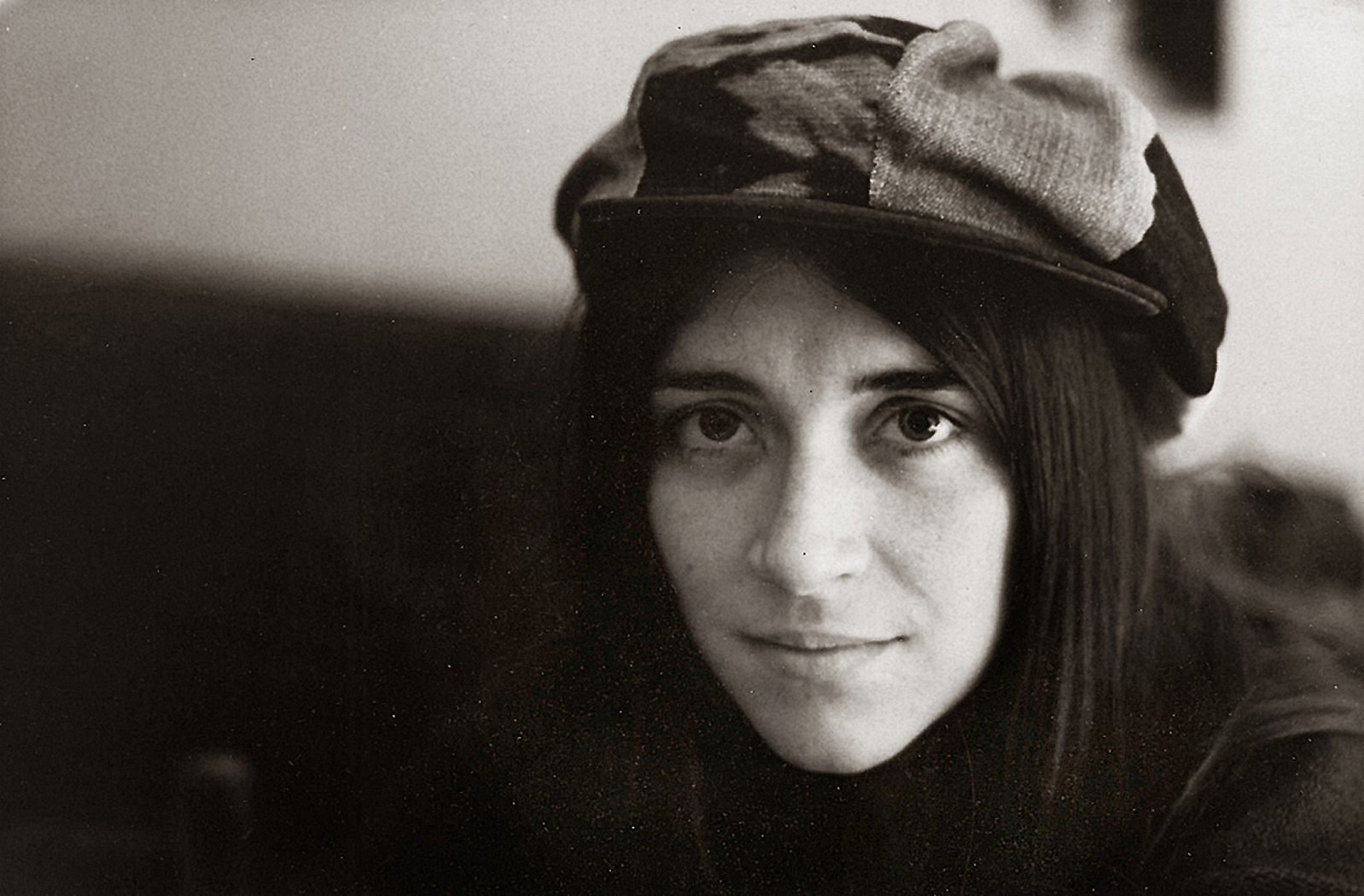
Kacey Lamb

Kacey Lamb always refused to be photographed. By anyone. Maybe she was shy, or maybe she just thought it made her seem more mysterious. One day, when her husband, Larry, was out of town, she took revenge for being left alone by letting me take her picture. “Only one,” she insisted. One click of the shutter, one negative. 
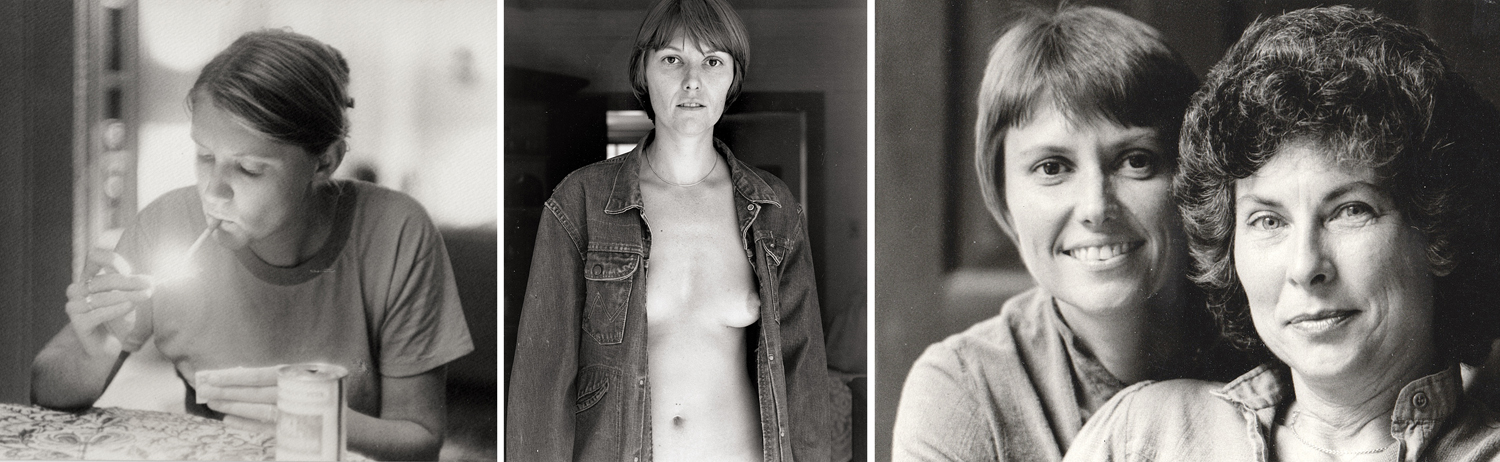
Judy Crawford; Judy with her friend, Minnie

Judy Bryson Crawford was one of the most beautiful beings ever, both outside and inside, and spoke with an engaging drawl from the Blue Ridge Mountains. I first met her in the early 1970s when she lived on Cedar Street in Greensboro, N.C. with Junie Norfleet and Dara Llewellyn. Together they were known as “The Girls,” and their house was a meeting place for many of the more creative-minded young people of the city. She later moved back to her home near Balsam, N.C., just under the shadow of Waterrock Knob.

In 2003, in Phoenix, working at my newspaper, I scrolled the Associated Press wires and accidentally came across her obituary. It was one of the saddest days of my life. She was 56. 
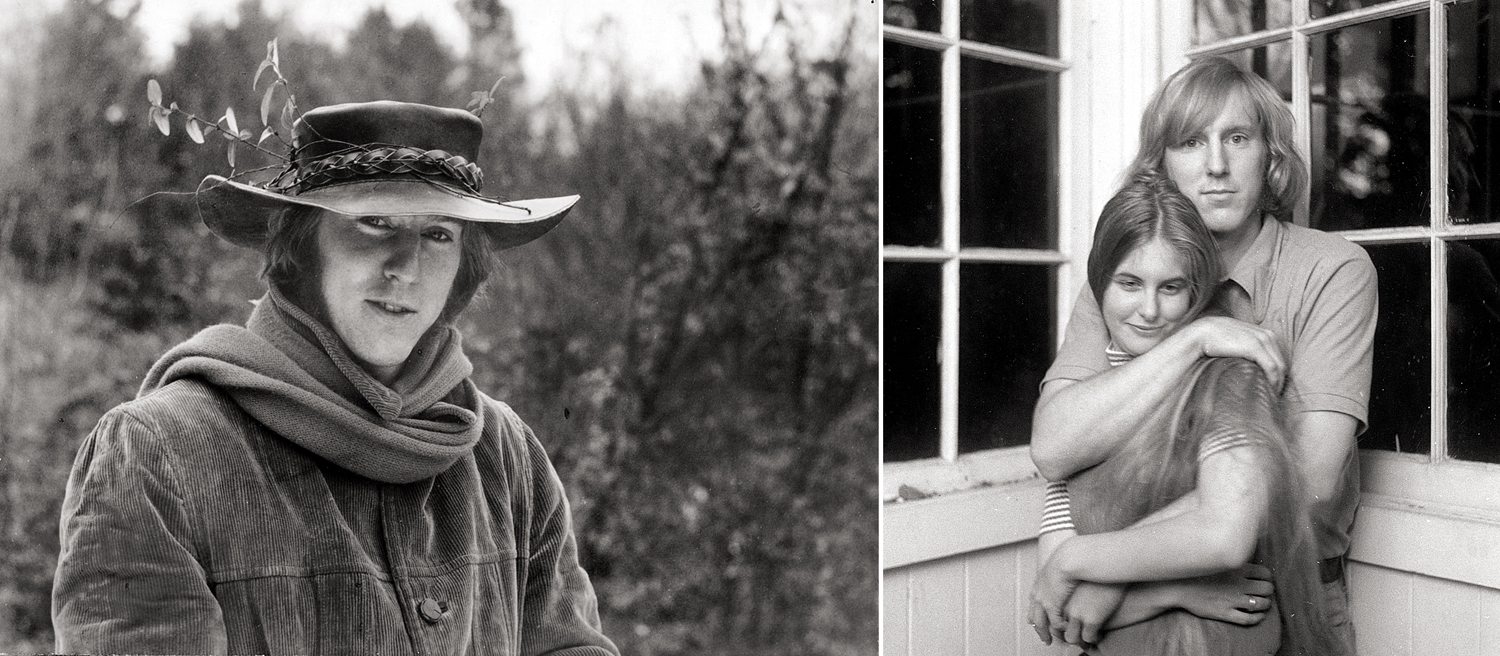
Alexander and Mary Lou Barker

When I was a freshman in college, a rangy young man knocked on my dorm door, hearing that I was listening to a Beethoven quartet on my portable phonograph. We shared a passion for classical music and became lifelong best friends. About once a year Sandro and I drove to the Outer Banks to camp, usually in the winter, when the beaches weren’t crowded. He later married another Guilford alum, Mary Lou Hinton, and eventually moved to the Maine coast. There, always athletically inclined, he took up crosscountry skiing and especially loved skiing uphill.
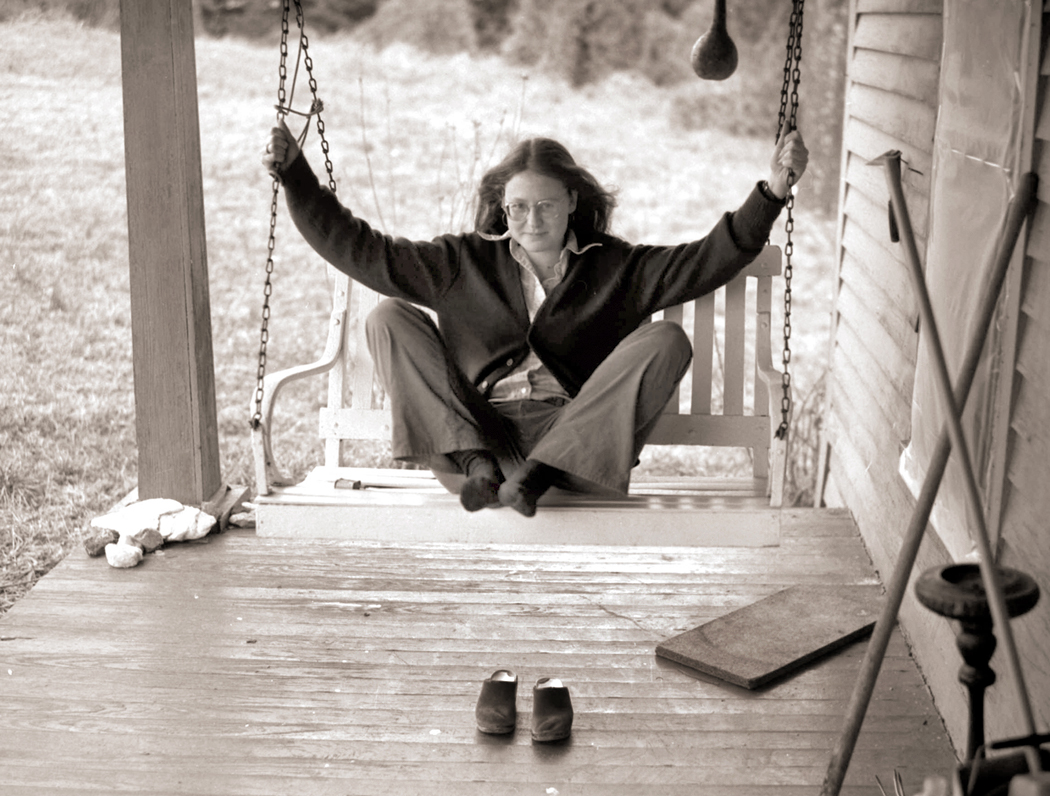
Sharon Vernon

Sharon Vernon was my unofficial wife for seven years in the 1970s. She had red hair that shone the sun like copper. We saved money for a year so that we could take the next year off work to hike the Appalachian Trail to Maine. We got as far as northern Virginia when she sat down beside the trail and announced, “I’m not taking another step.” We were worn out, and destination hiking can be more tedious than it promises, always looking for the next trail marker and the next lean-to to spend the night. Little time to soak in the glories of nature. So, instead, we spent the rest of the year traveling around the Northeast by car. 
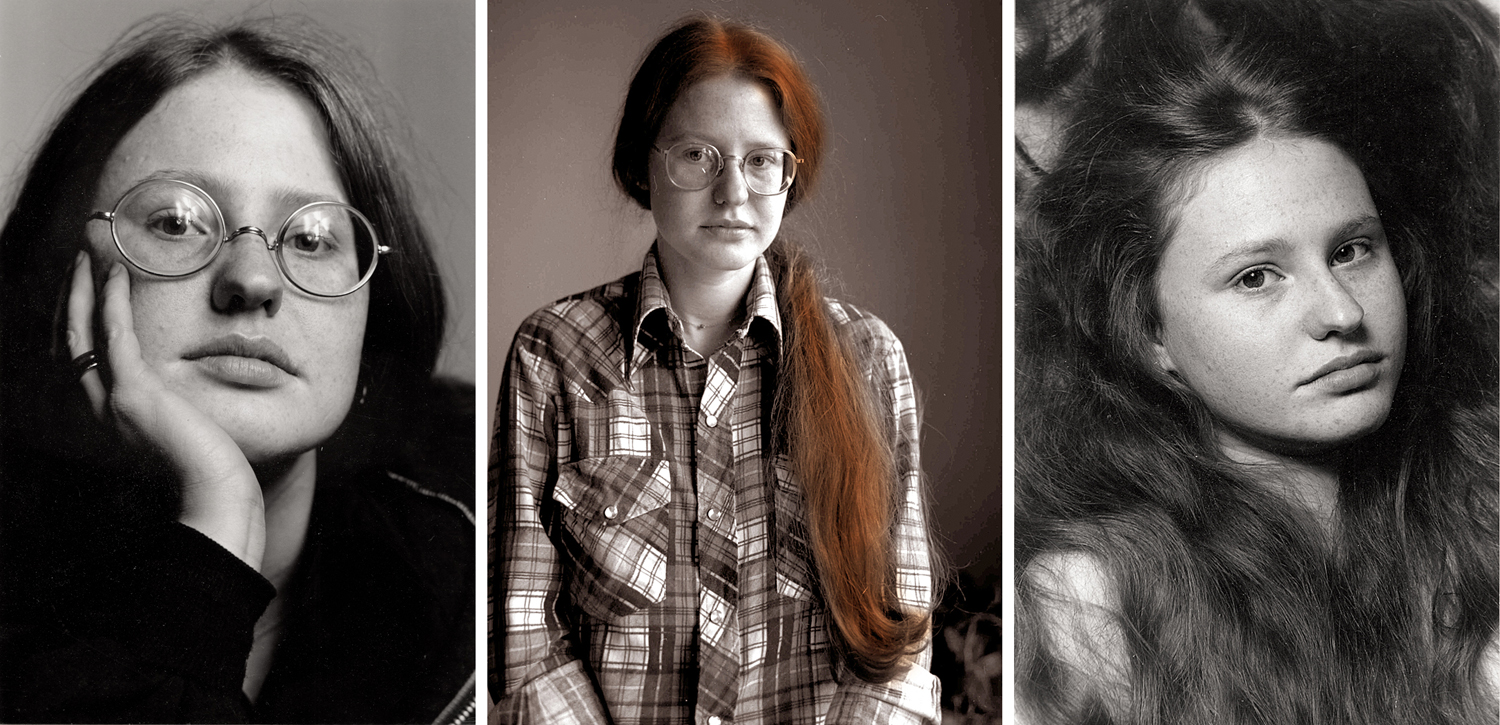
I intended to spend the rest of my life with her, but she decided otherwise, and we split in 1978. I took the train across the country to Seattle. 
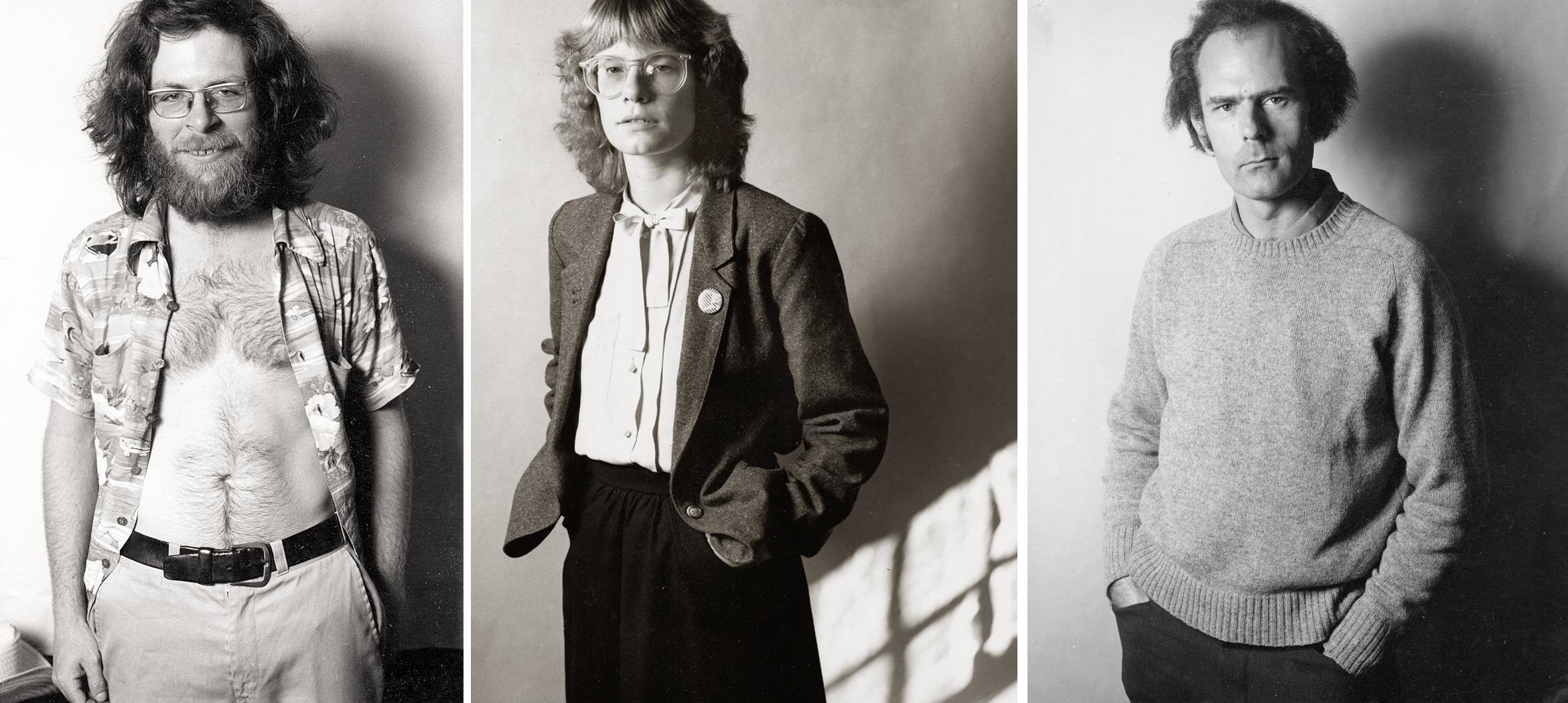
Doug Nufer; Linda Olson; Ken Baker

In Seattle, I moved into a house with “The World’s Most Obscene Man,” Doug Nufer, and two lesbian doctors known as Cam and Clink. The house sat across the street from the Woodland Park Zoo, where I wound up working. 

He was a Bucky, which meant he was a bicycle delivery guy, taking mostly legal papers from law firm to law firm, pedaling roughly 50 miles a day up and down the hills of the Emerald City. His Bucky handle was Banana. 

He had previously been writing porno novels (Sixty-Nine In-Laws was his magnum opus), but now writes avant-garde novels, including one that never uses any word more than once. Unreadable, but that never seemed the point. It is often that way with the avant-garde. 

Linda Olson was my girlfriend’s roommate and a deltiologist, or collector of vintage post cards. For years after I left Seattle, we would mail each other tacky post cards we found. Ken Baker was a zookeeper, one of many I got to know there. When zoo management sent out a memo requiring keepers to wash their hands after visiting the bathroom, he got miffed. “Do they even know what zookeepers do? I wash my hands before going.” 
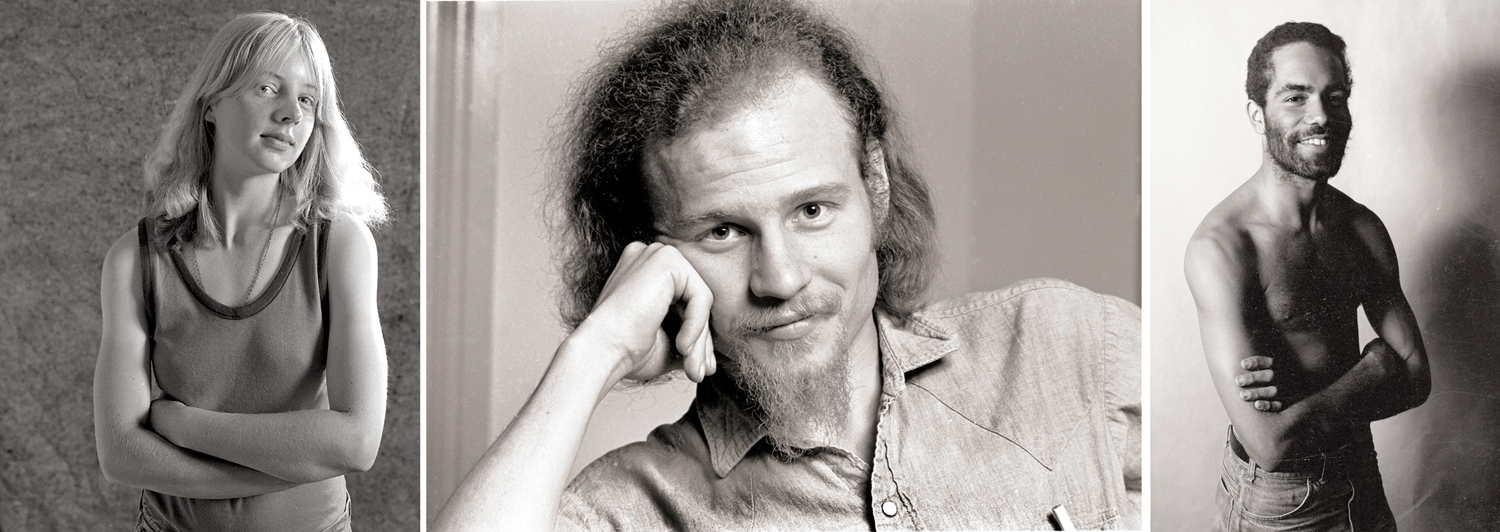
Alice Gilliam; Bill Marshak; Colin Murray

Before I had a straight girlfriend in Seattle, I dated gay Alice, a Bucky like Doug, and we went out together often, and to symphony concerts. She had once been a violinist in a touring Christian orchestra. Marshak was a grad student in Chinese studies, and it was always fun to go to a Chinese restaurant with him and order off-menu, while he chatted with the waiter. Colin (pronounced like Colin Powell) was briefly a housemate and wanted to be a male model, asking me to make some audition shots for him. He never seemed to grasp the irony that his boyfriend’s name was Dick.
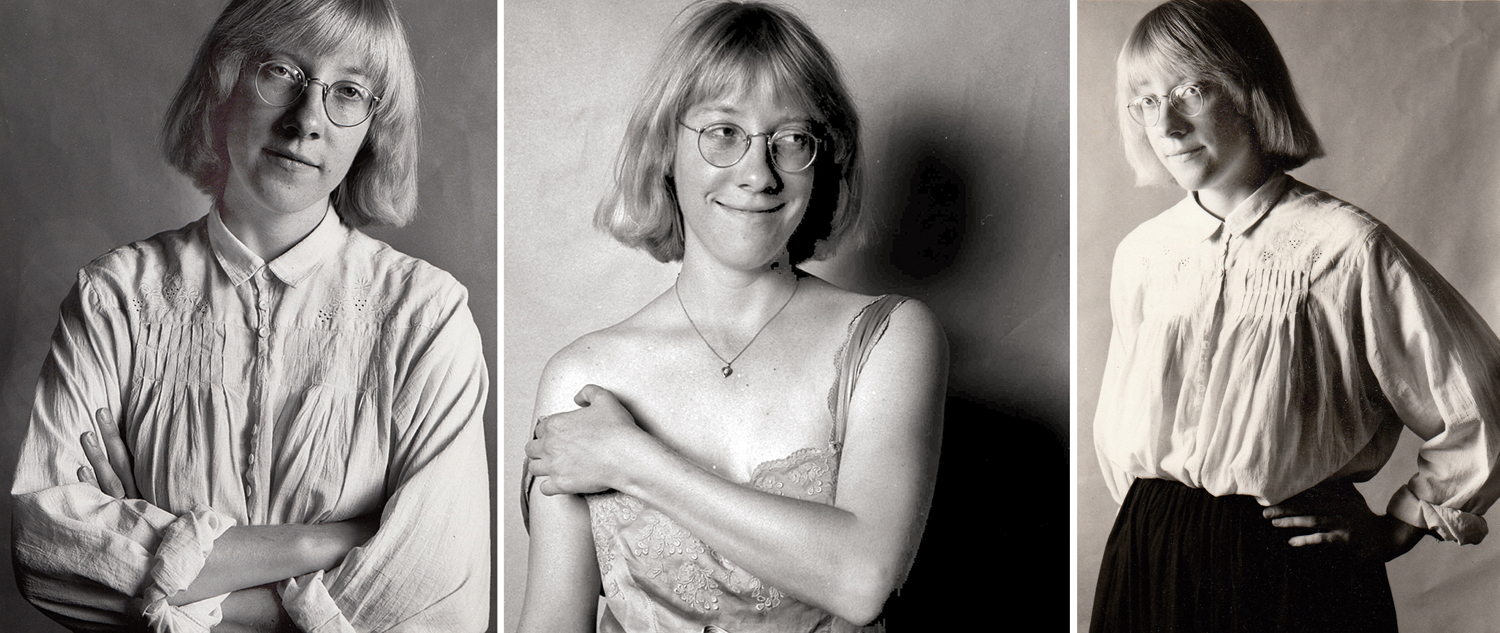
Robin Reid

Robin Reid was a zookeeper in the Childrens’ Zoo at Woodland Park. Her hair was blonder than the sun. I fell wildly crazy about her. She was bright and lively, and had been a professional swing dancer at a local hotel. I was hooked, but I found out months later that she was not. “It’s all just hormones,” she said. When she dumped me, I was heartsick and decided to move back East. 
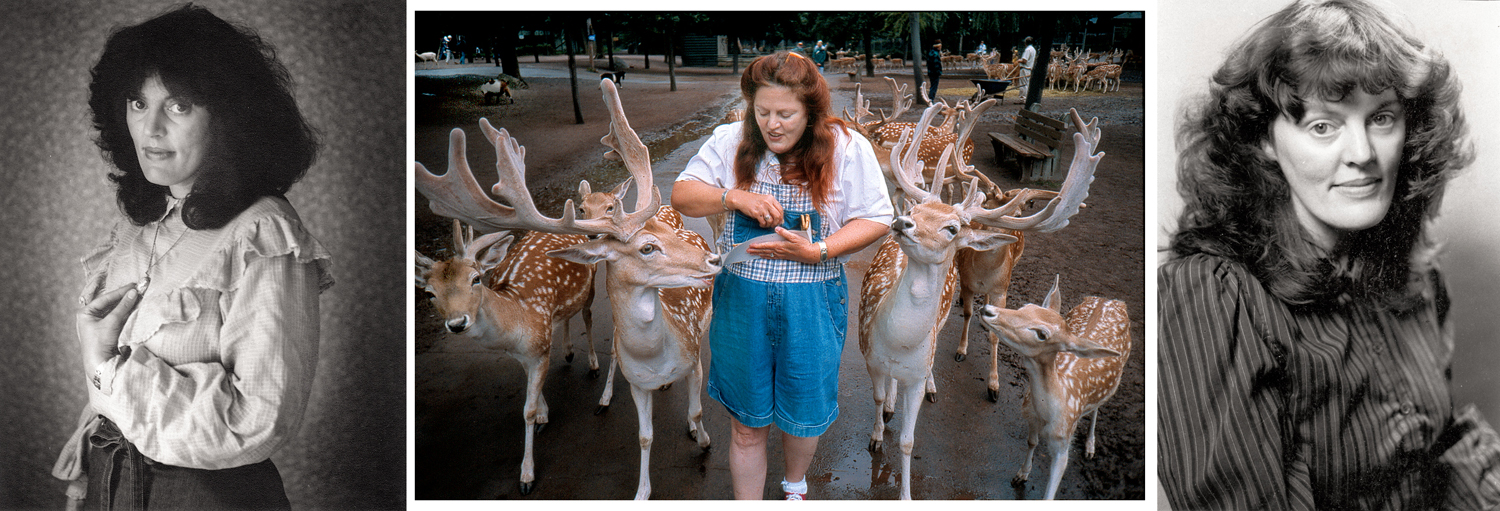
Carole Steele

After a few years of sulking, I was invited by the ex-wife of an old friend to visit her in the North Carolina mountains. We soon married and lived together for 35 years, until her death nine years ago. There has been a hole in the universe since then. Carole was the warmest person I ever knew, and also the smartest. She did not think outside the box; for Carole, there was no box. Widely known to friends as “Queen of the Universe,” she prompted me to everything that made me better. 
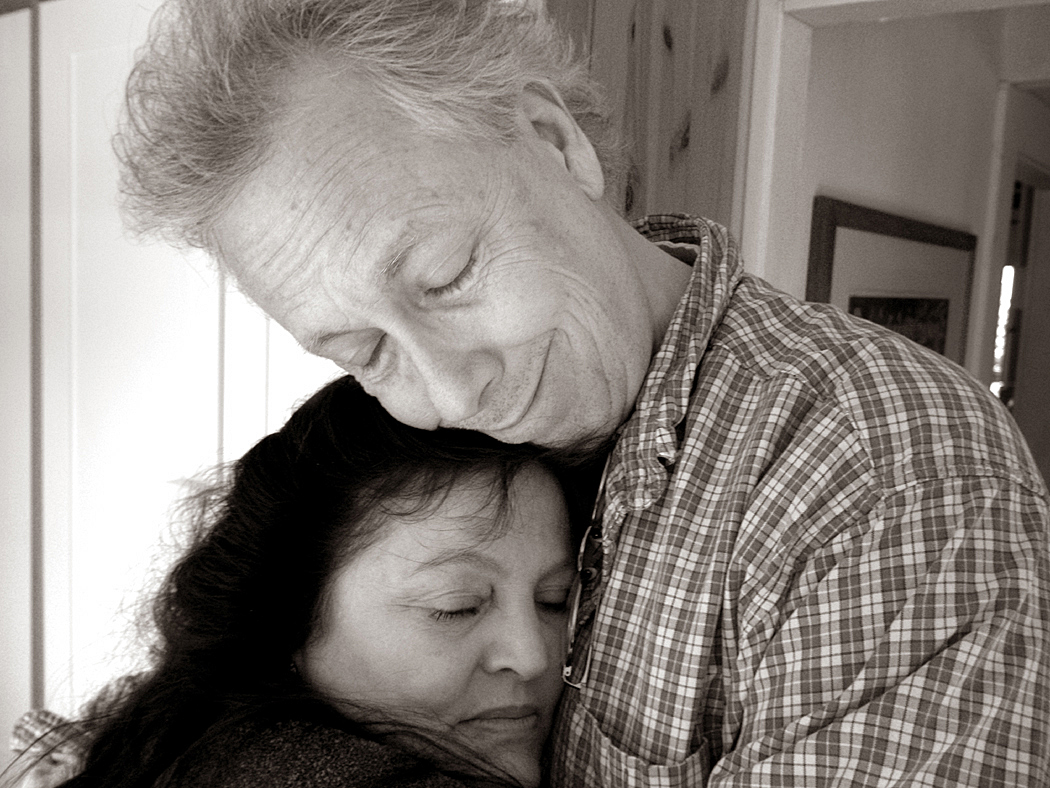
Craig and Carole

Eventually, I found some work as adjunct faculty at the same school where my brother, Craig, taught, in Virginia Beach, Va. Carole became an art teacher with the Norfolk school system. I have boxes of 5X7 prints of demonstration prints I made during my six years teaching, many of them from portrait class. 
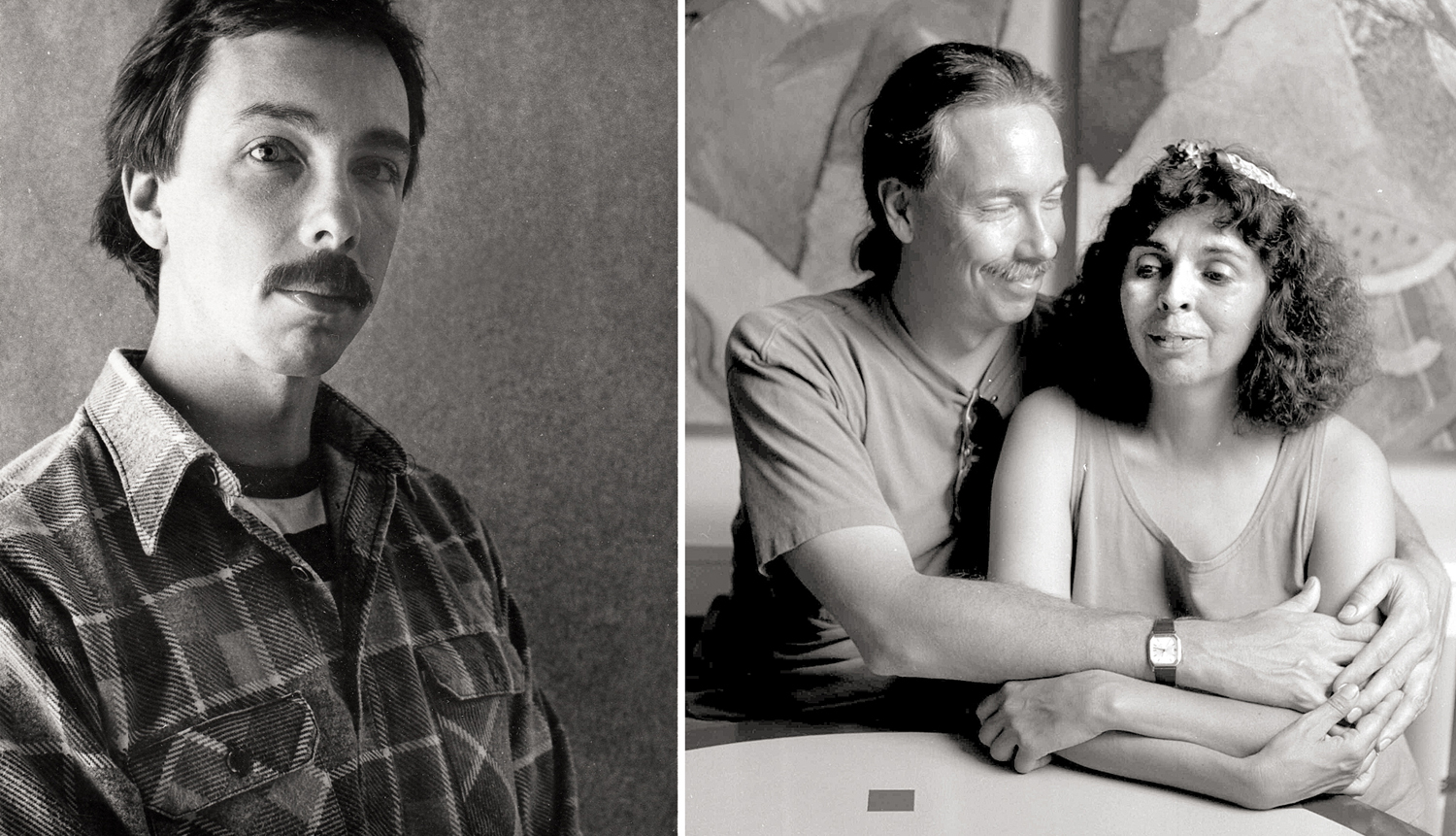
Craig Nilsen and his wife, Terry

Craig is my brother, and the human being I am closest to. He is an artist, painter and printmaker, and taught full-time at the same school. He got me my job. He is now retired in the Virginia mountains with his wife, Terry. Brothers, like sisters, can have an almost mystical bond that can’t be explained. Perhaps it is shared DNA, or shared experience. 
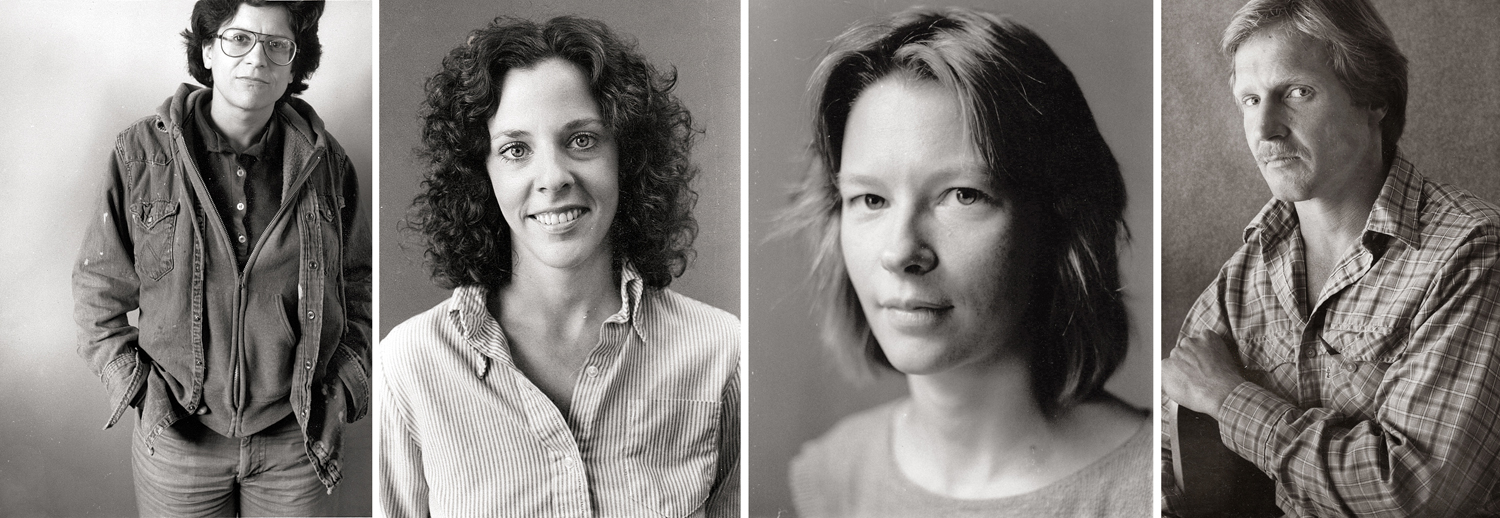
Anne Iott; Pam Lassiter; Eva Dixon; Steve Wolf

Anne Iott was department head at the school, and bent rules to hire me, and allowed me to teach more hours of class than was technically legal. Her support was enormous, and she arranged for me to begin writing art criticism of the local Norfolk daily newspaper. She and the art staff, including Craig, and painting teacher Steve Wolf, would often have potluck dinners together. Those gatherings could get boisterous. Steve was a body builder and could consume huge amounts of food at a sitting, and once got thrown out of an all-you-can-eat seafood restaurant. Pam Lassiter was ceramics teacher. Eva Dixon was briefly Craig’s amour. She told him she had always wanted to ride an elephant, and so he entered and won a contest when the Barnum and Bailey circus came to town, and gave her his seat on the beast for the parade. 
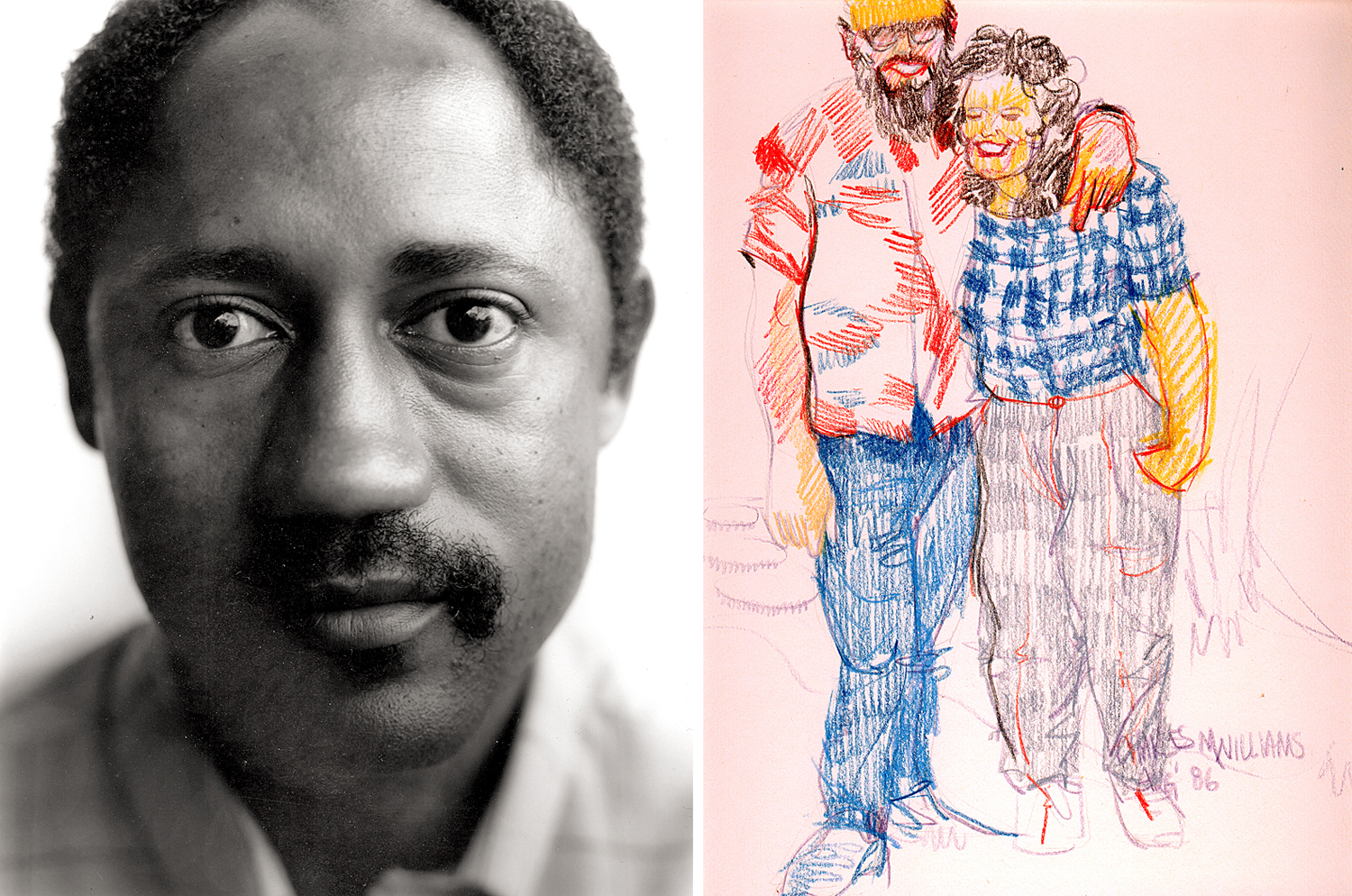
Charles Williams; and his sketch of Carole and me

Carole’s boss in the Norfolk school system was dating artist Charles Williams, and we became friends. I photographed him, trying to get as close as I could, framing just his face and eyes. He, in turn, made a quick sketch of Carole and me. 
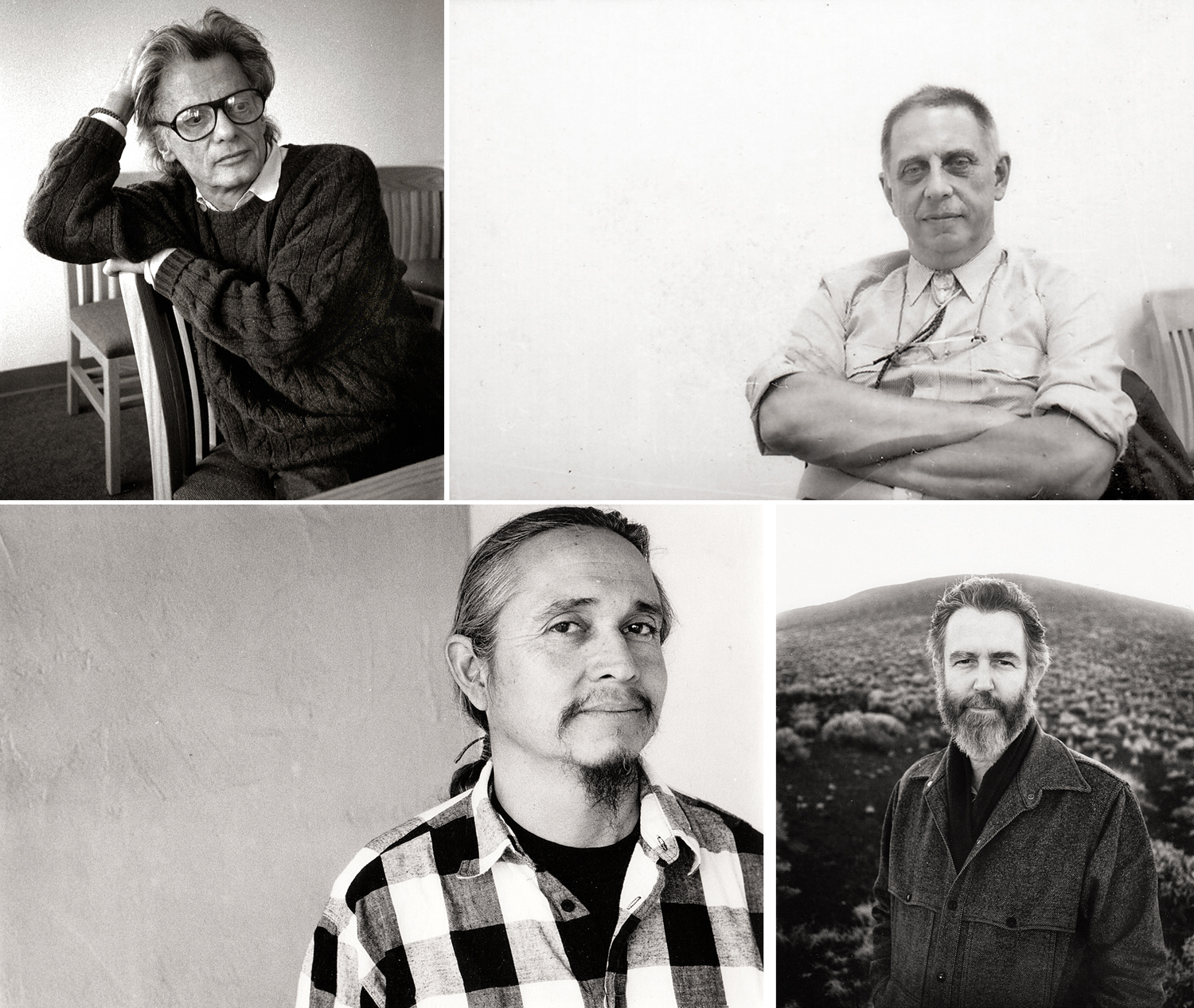
Richard Avedon; Lee Friedlander; Bob Haozous; James Turrell

Carole’s boss moved to Arizona and offered Carole a job there, and so in 1987, we moved to Phoenix, where I got a job writing for The Arizona Republic, mostly as art critic. I have made fewer photographs since then, but I did make my own photos for most of my interviews. I talked to a lot of artists, famous and not. Lee Friedlander was as matter of fact as his pictures. Bob Haozous, son of famous Apache artist Allan Houser, seemed suspicious of whitey critic; James Turrell took me up to the top of the volcano he was modifying outside Flagstaff. I once spent 24 hours in one of his skyspaces to watch it change with the light. There were many others I met and interviewed. 

When I reviewed Richard Avedon’s retrospective at the Whitney in New York, he sent me a note of thanks.  “Not all the New York critics were so kind,” he wrote. And when he came to Phoenix in 1994 to photograph boxer Oscar de la Hoya for The New Yorker, we went out to lunch. Sitting across the table, enjoying the Salvadoran food, he said, “In a sense, I am writing my autobiography through other people’s faces.” 

I suppose that is my excuse for this blog entry. 
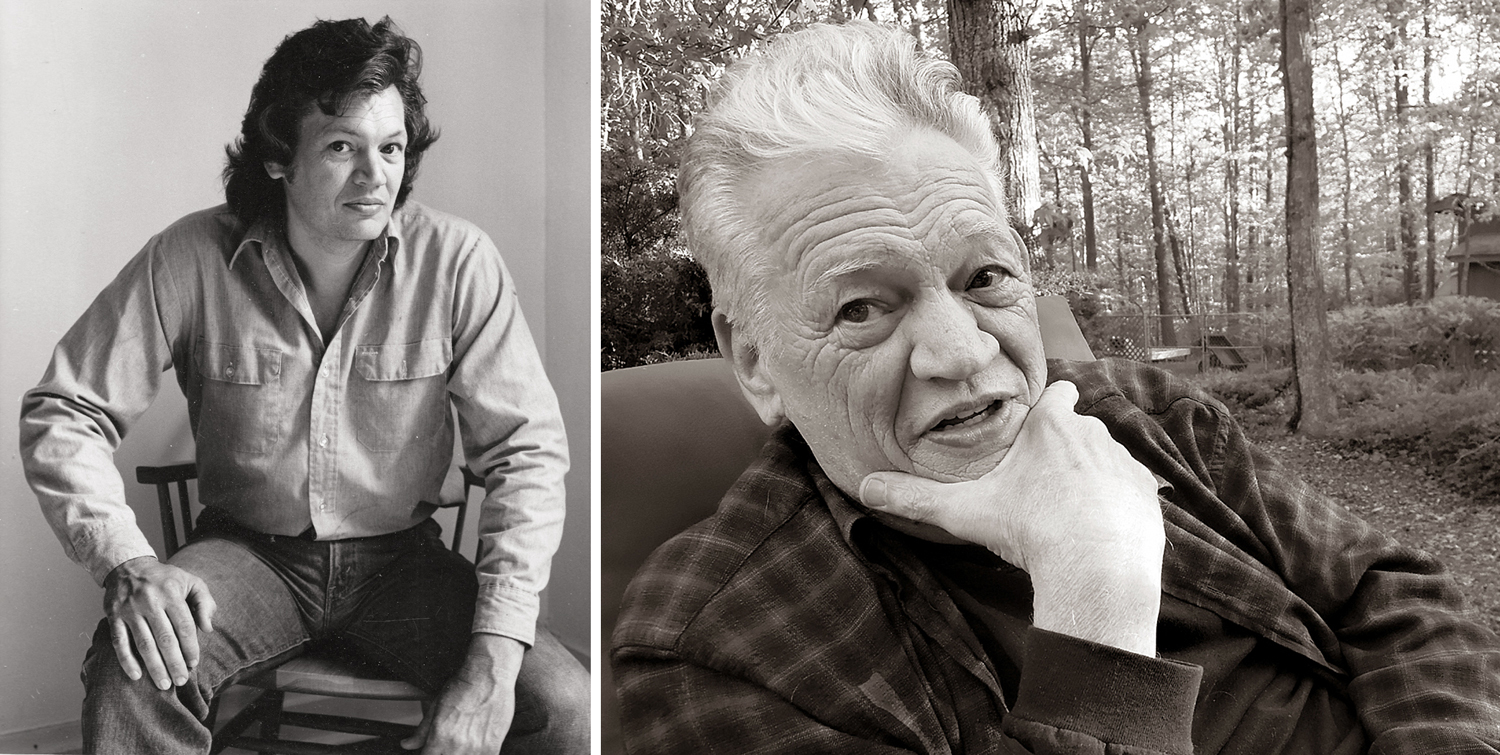
Mel Steele

Over the years, my style has changed. Less formal, more relaxed. I photographed my brother-in-law Mel Steele in the 1980s, when he was a motorcyle-racing, gun-shooting, goat-raising artist, whose work sold in the thousands as prints. He grew older; I grew older. His country-nostalgia rural scenes became serious abstract paintings — among my favorite in the world — and my goal of being the next Avedon or Penn dwindled down to trying just to be honest and real. Mel turns 87 in October. He has slowed down, no longer rides motorbikes, and I have slowed down, writing less and making fewer images. 

And the effect on my being part of an inseparable bond with Carole, led me to pay way more attention to the interactions between people, and the number of dual portraits increased. 
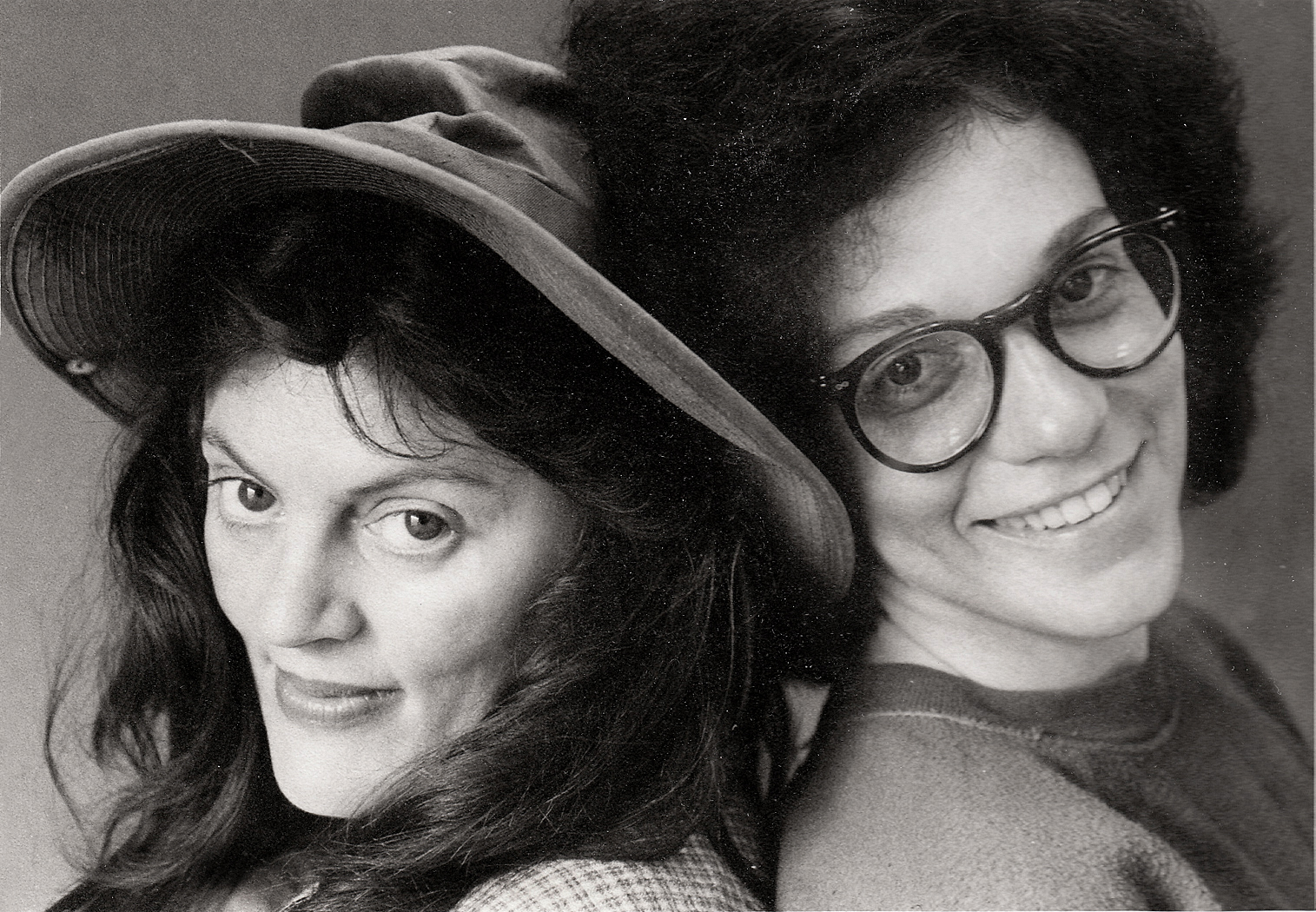
Carole and Julie Ross 

The interaction between people is the essential valence of existence. It breaks the dam of isolation and opens the world up. Carole broke me open. 
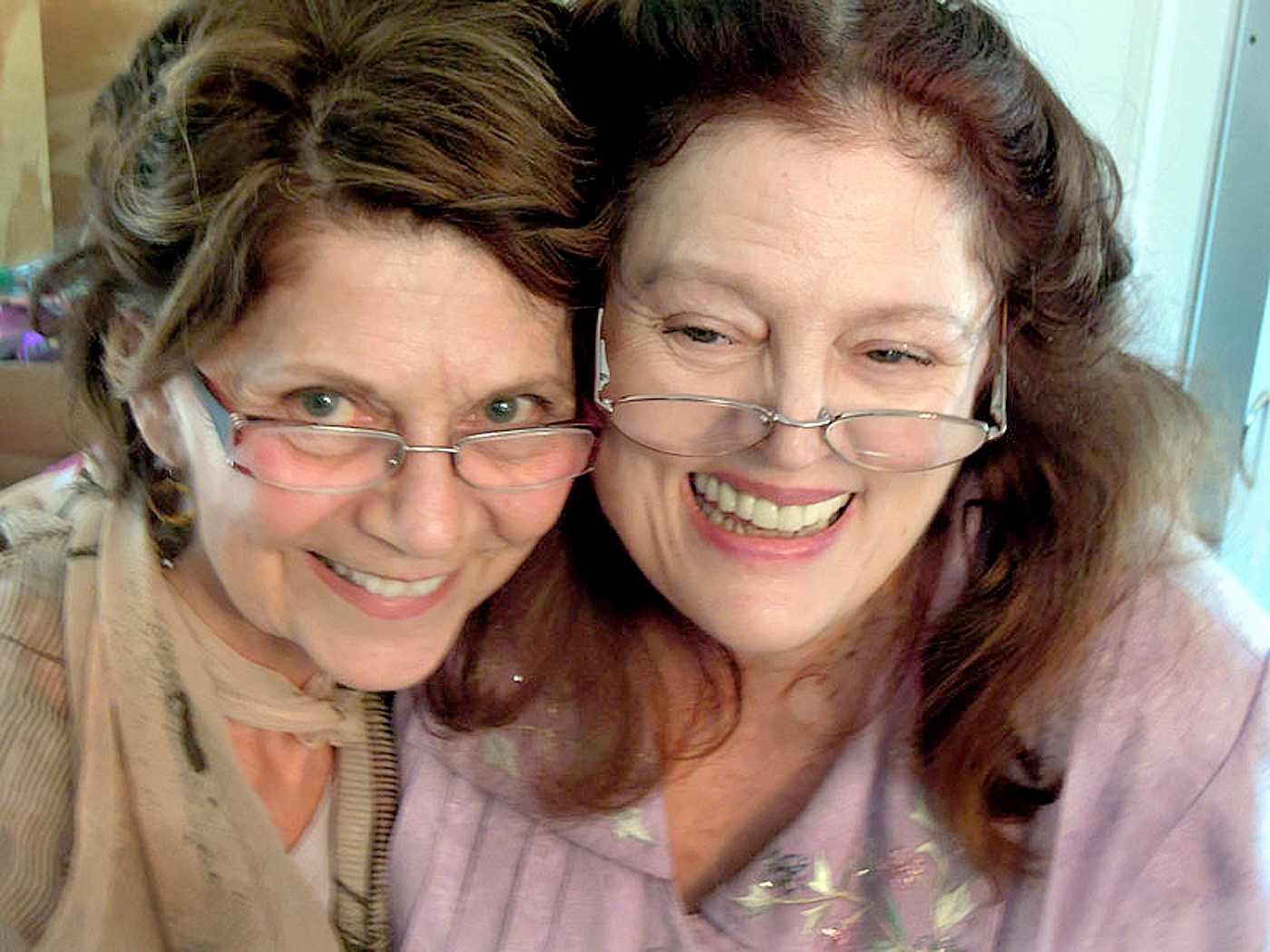
Carole and Ruth Haggerty

When Carole was a little girl, Ruth was her best friend, living across the street. They lost touch for most of their lives, but became reacquainted something like 60 years later. But you can see in their eyes the connection had never fully been lost. 
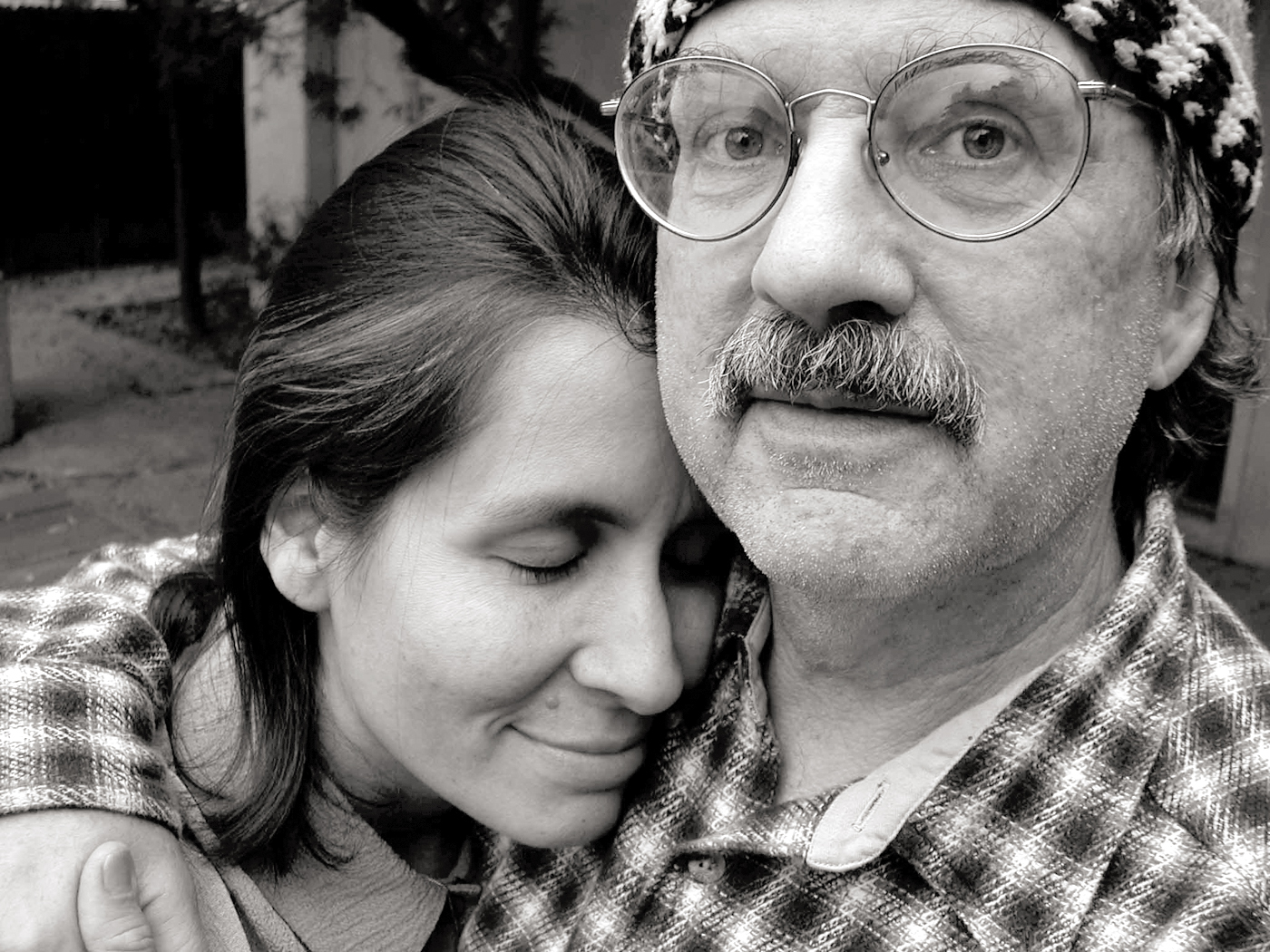
Curtis Beckman and Isabel Fierros

I saw that warmth and connection in our friends Curtis and Isabel. I believe, but can’t prove, that my own age, my own intense partnership with Carole, softened me, made me more open, aware of others and their richness and complexity. 
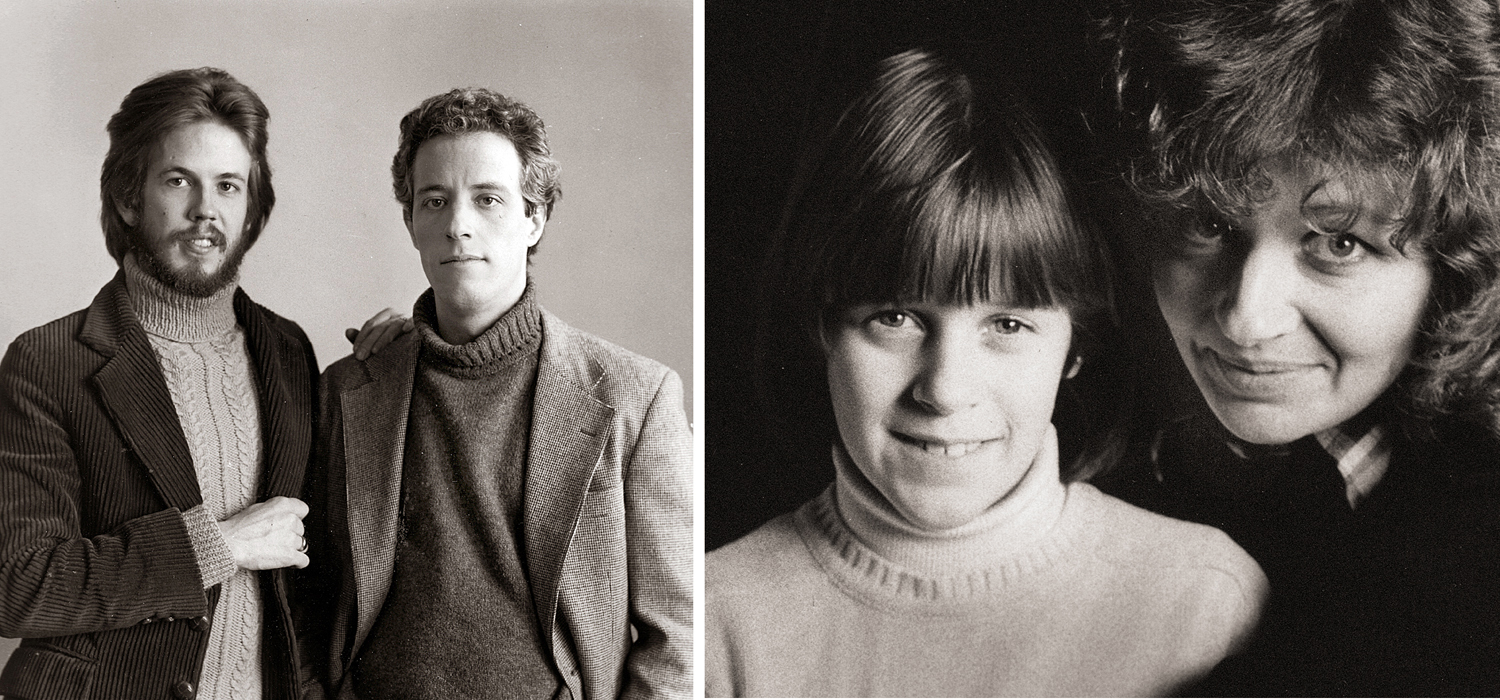
Rob Lehman and Hank Hackett; Ursula McLaughlin and her daughter, Mia

As I look back through this sampling of portraits over 50 years, I see that those pairs have always been there. Hank and Rob from the ’70s; Ursula and her daughter from the ’80s. 
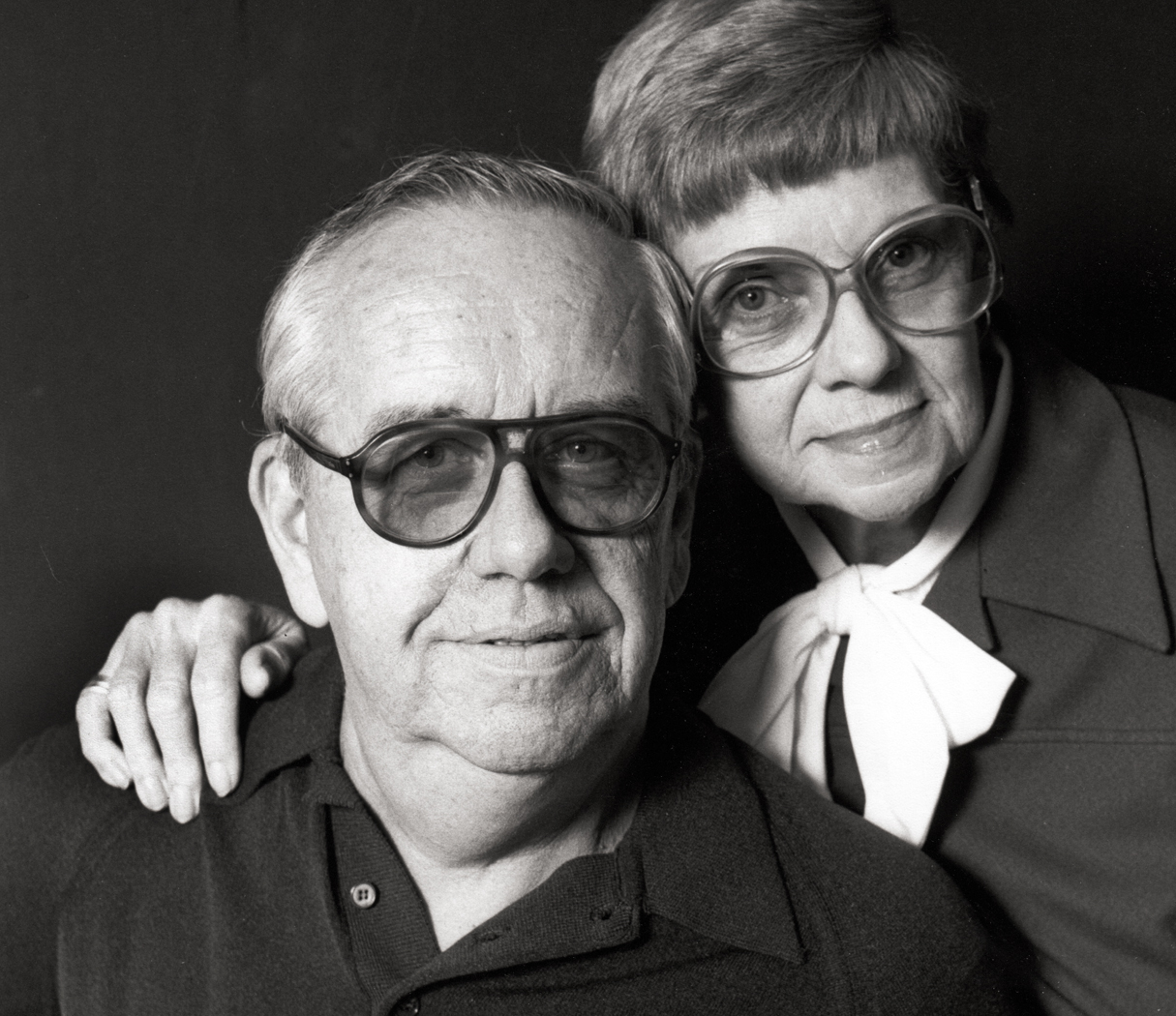
John and Alice Nilsen

And when I revisited a photograph I made many decades ago of my parents, John and Alice, I recognized something I didn’t see when I first took the photo. It’s in their eyes.

Click on any image to enlarge

When I see photographs of myself in my 20s, I am deeply embarrassed. I seemed to be play-acting in some fictional version of the life I believed I was living, or wanted desperately to be living. I clearly thought I was ripe for la vie de Bohème

I am probably not alone in this. From the onset of adolescence, most of us, I believe, are trying to figure out who we are, and believe — quite wrongly as it turns out — that we have some choice in this. 

For me, as for quite a few in my generation, coming of age in the Eisenhower years, the banal middle-class life was something we wanted to escape. The world of art and artists — or poetry and poets — seemed so much more vital, so much more real. 

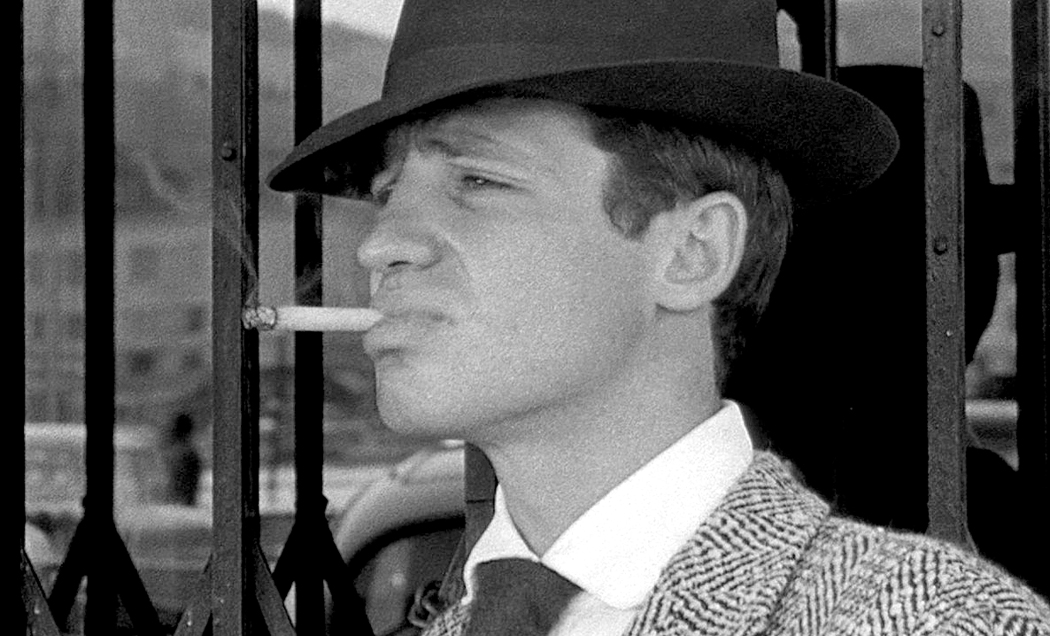
It was in the air. Breathless, with Jean-Paul Belmondo, came out in 1960, when I was 12 years old. Jack Kerouac’s On the Road was released in 1957. In the same year, Alan Watts produced his Way of Zen. All of these things presented a way of life that seemed to this unformed New Jersey boy so much more real — so much more important — than buying annual new school clothes at the Paramus mall. 

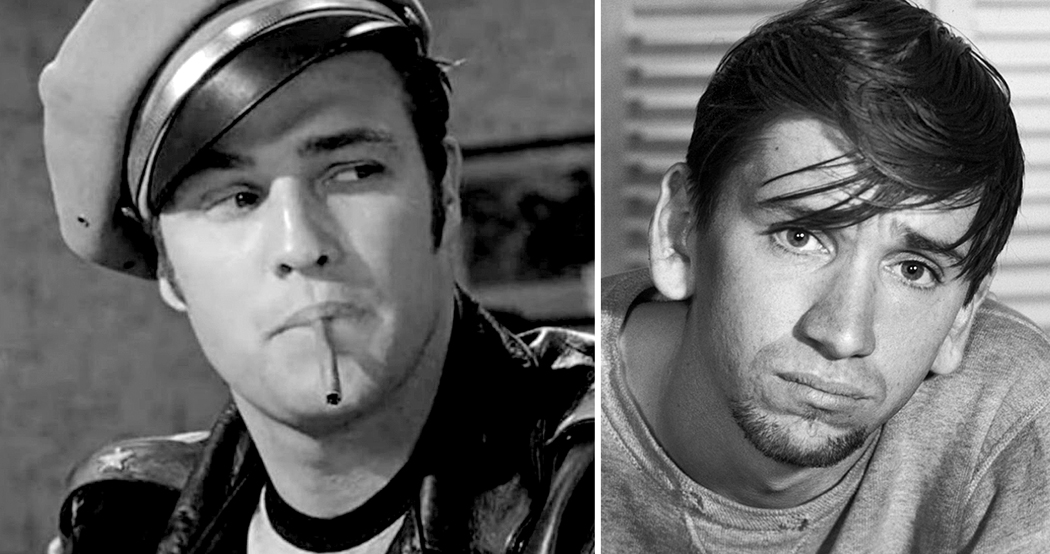
“What are you rebelling against?” “Whatya got?” Maynard G. Krebs

My parents were reasonably intelligent, but they were not college educated and they were not readers. I thought at the time they were intolerably boring. I read everything I could get my fingers on, including books that were way above my puny ability at that age to comprehend. I thought bourgeois respectability was the enemy, and in a fit of juvenile delinquency, I would stuff paperbacks from the book rack in the local drug store into my pocket and make off with them. I thought I was so daring, so rebellious. By real-life standards, it was pathetic; the real thugs in my town were Mafia kids and all the books I took were literary: 

John Updike’s The Centaur; Malcolm by James Purdy; John Knowles’ A Separate Peace; The Sot-Weed Factor by John Barth; A Death in the Family by James Agee — you get the picture. As I look back on it now, I’m pretty sure that Everett, the pharmacist, knew what I was doing, but recognized that they were likely books that would never sell anyway in suburban New Jersey and that I would benefit from reading those books more than he would from keeping them dusty on his book rack.

I bought a subscription to Evergreen Review and another to Paul Krassner’s The Realist. And just to go the extra length of high-school pretentiousness, I also got a subscription to Les Temps Moderne, although I knew no French. But, it was Jean-Paul Sartre’s magazine and I knew he was important. I was desperate to join the grown-up world of truly important things — not like the pep rallies and gym classes of high school. 

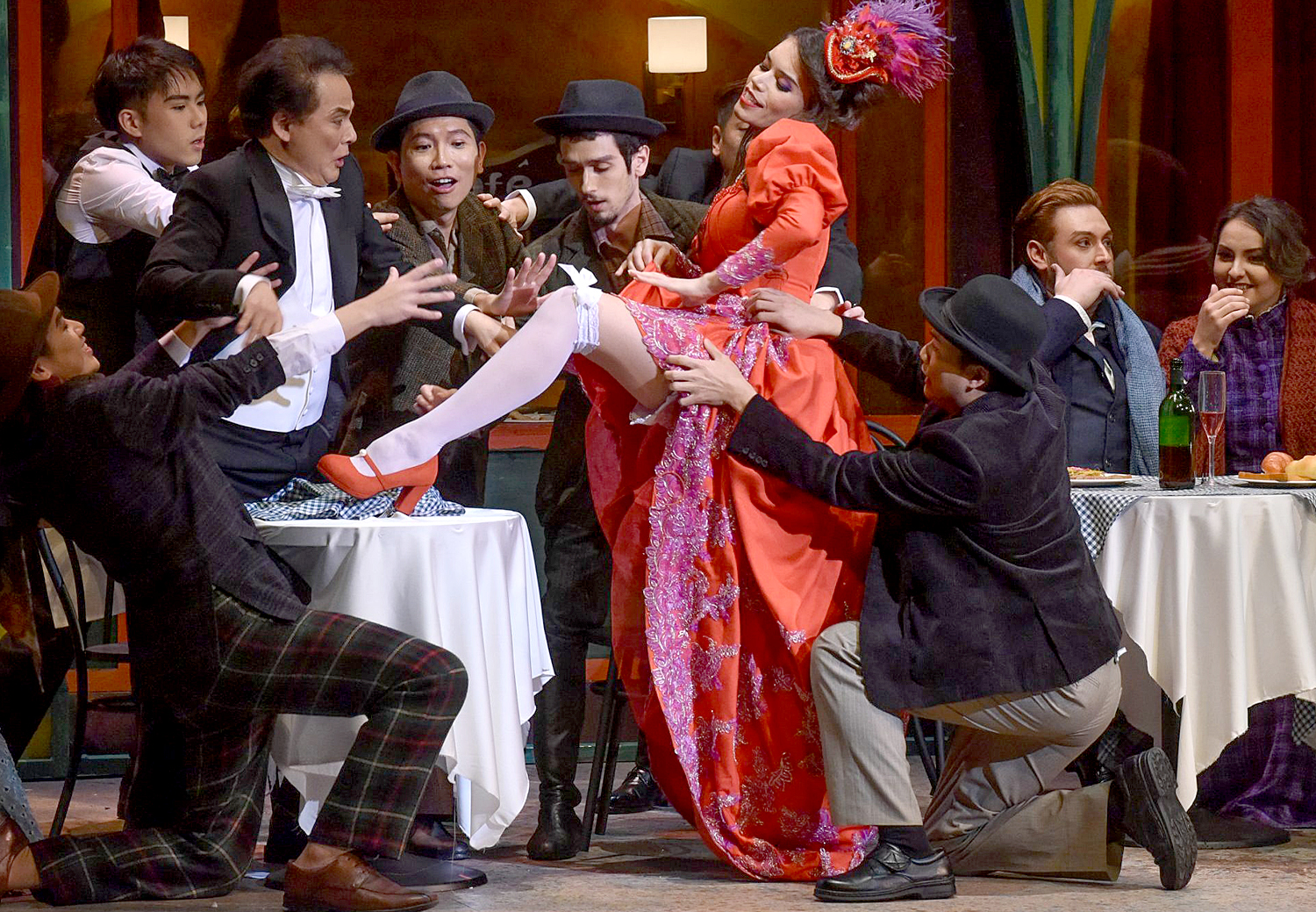
The attraction of the bohemian life were all too apparent to me then, and all through my college years and into my 20s. It was a fantasy enriched by exposure to literature; actual bohemians were sparse on the ground in Bergen County. The tradition of poor scholars, thumbing their noses at conformity is long, and goes back at least to the Roman poet Catullus. I found a used copy of Francois Villon’s Testament and then, there was Goethe’s Faust and Puccini’s opera, La Bohème

As I headed off to college, I imagined myself as one of those louche students, full of sex and alcohol, but also drunk on great books and music and art. Of course, there were others there who shared that vision and we became friends, like Rodolfo, Marcello, Shaunard, Colline, Mimi and Musetta. 

Or so we imagined ourselves. I was filled with an exaggerated sense of art and literature, but lagged in classwork. I’m sure I read more than my curriculum required, but rather less of those texts assigned in class. After all, textbooks were dull and Dostoevsky was not. 

We knew we were “special,” and that we would become, if not famous, at least important. My best friend and I self-published a slim volume of our poetry and titled the thing 1798, after the year Wordsworth and Coleridge published their Lyrical Ballads. Their poetry changed the climate for literature for the next hundred years; we expected ours would do the same. Being important was important to our yet unformed selves. 

Rae, Aime and Alex

After graduation, with a first wife, I lived that sort of poverty, in a cheap rental apartment on the second floor of an old house, entered from stairs rising up the outside, and heated with a single kerosene stove in the living room and we ate from a book titled Dinner for Two on a Dollar a Day. I had a job paying minimum wage as a clerk in a camera store, and I found living on no money intoxicating. My first wife found it less so. A punctuation mark in the bio. Full stop. 

Sandro and Mu; me and S; Cap’n Billy and Tiggy

Later, and with the succeeding unofficial wife, we lived in a duplex. I still worked in the camera store, and she was a cashier in a supermarket. We managed to save enough money to buy gear to hike the Appalachian Trail. We quit our jobs and took off for the woods. When we discovered that goal-oriented hiking (making the required miles per day to reach the next lean-to) was less glamorous than we thought, we gave up in northern Virginia and returned to Greensboro. 

After that came some time on unemployment benefits and meeting up with fellow bohos in local bars, betting quarters on air hockey. Being poor was never a problem: It was exotic. We were still sleeping on a mattress on the floor, and having friends over for feasts, and at least once a year, with friends, renting a venue and holding a masked ball where we waltzed into the wee hours of the next day. 

Ursus, Colin, and Spider in Seattle

But then, she left to get married and I was pole-axed. I hadn’t known. I gave up everything (well, except my books), and moved from North Carolina to Seattle, where I lived with my old chum, Ursus, who was then a bicycle messenger in the city. I was offered a spot in the coal bin in the basement, and lived more vie bohème on a mattress on the concrete floor. Being jobless gave me time for a lot of reading. 

I eventually got a job at the zoo, and became crazy about a zookeeper I fell for, but depression wore me down. 

And so, I moved back to the South and lived with my 1798 co-author and his wife. They gave me a room in their old farmhouse, with its only heat being a wood stove in the kitchen. I did the cooking and maintenance work while they went to work. A few daylong pick-up jobs and I earned a total of $900 for the entire year. It seemed sufficient. This was truly la vie de bohème

My second official wife invited me to visit in the Blue Ridge and eventually, I moved in with her and her teenage daughter. Still no job, still poor as a midge and happy as a clam. But I was now over 30 years old and never had a real job. It was beginning to wear thin. 

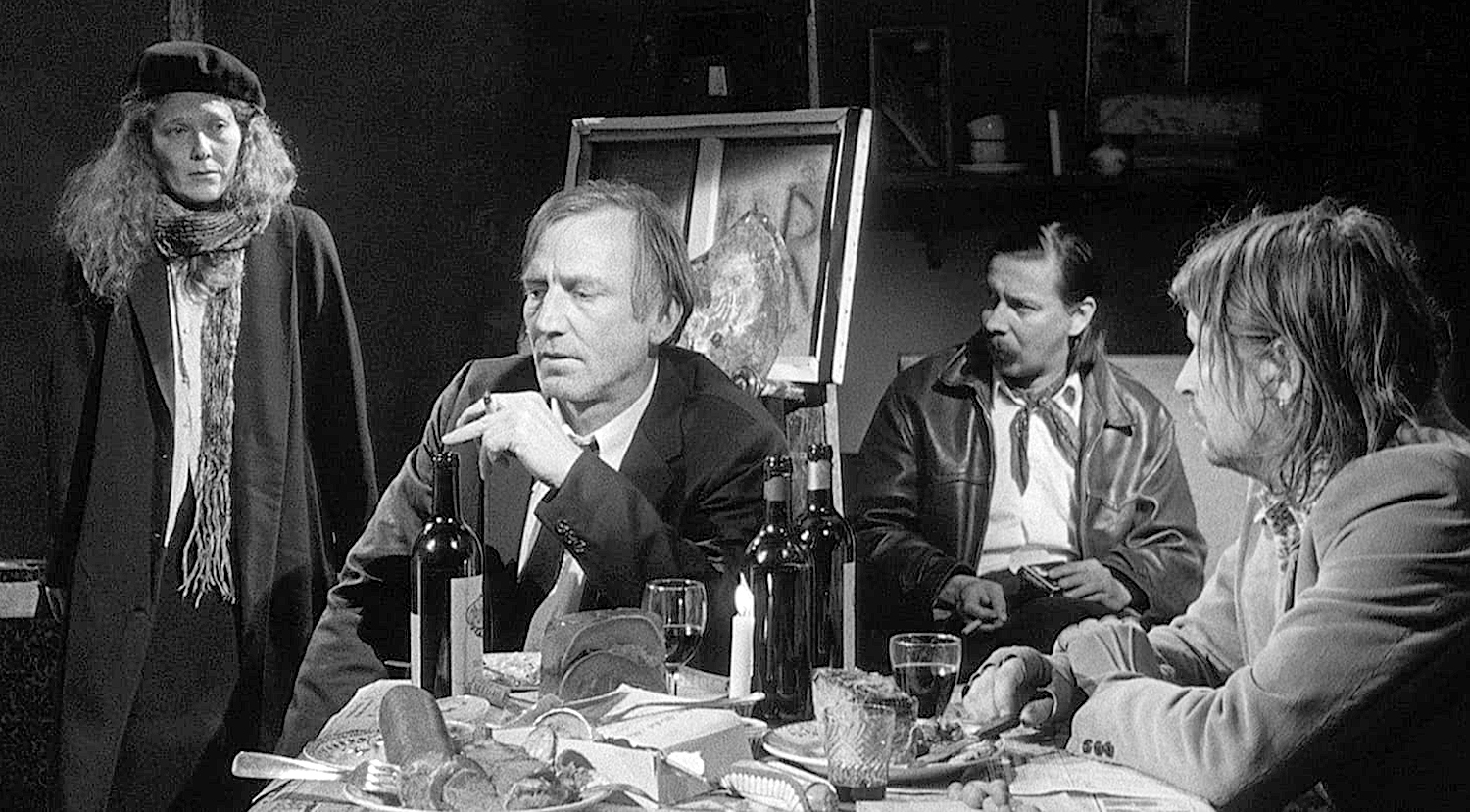
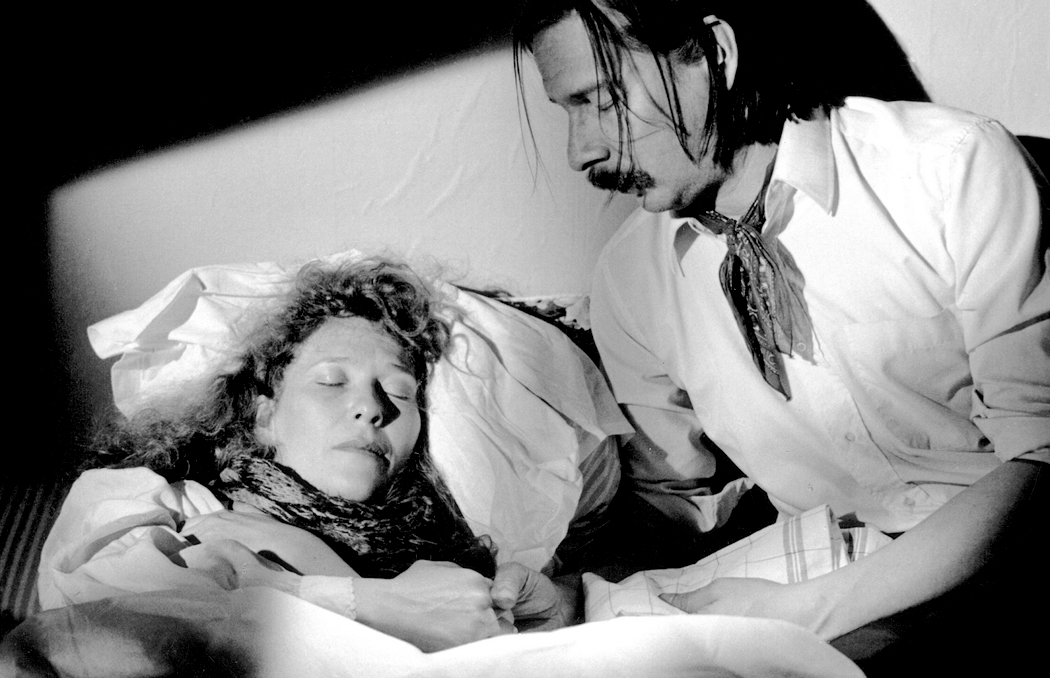
I mention all of this because I recently watched a 1992 film by Finnish moviemaker Aki Kaurismäki called La Vie de Bohème and based on the 1851 novel Scènes de la vie de bohème by French author Henri Murger, which, in turn, was the source for Puccini’s opera. 

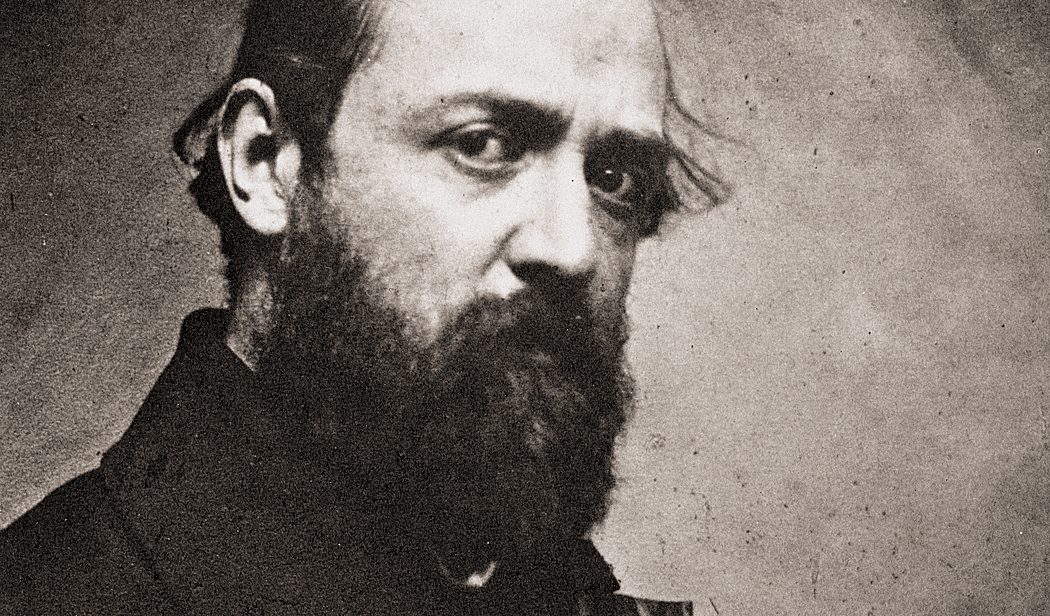
Henri Murger by Nadar, 1857

It is in many ways a brutal and heartbreaking film, mainly because, unlike the opera with its young heroes, flush with romantic enthusiasms, the movie shows us a more realistic vision of bohemians, now in their 40s, and looking pretty sad. It’s fine for 20-somethings to live their fantasies; but given greying hair, paunches and ratty clothes, at 40 living such a life seems like utter failure. Not only in career, but more important, as persons. They have not found who they really are, but have worn holes in the soles of who they try to be. 

These are people who had grand ambitions when young. They were going to be writers, thinkers, painters. And they each now do piecework on commission for a few dollars and do their best to avoid creditors and landlords. When our writer falls in love with a worn-looking 43-year-old Mimi, he finds himself deported to his native Albania. When he sneaks back much later, he finds Mimi is dying. It’s all much as in the opera, only everyone is at least 20 years older. 

But the love between Mimi and her man is so much more real and touching, because it is adults who need each other rather than youths living out some romantic fantasy, and Mimi’s death, in the hospital, is an actual death rather than a dramatic set-piece. Life has stomped on the youthful delusion. 

 For me, it was my second marriage, which lasted 35 years, until my wife’s death, that turned me into who I was rather than who I played at being. It can be a long process to something approaching reality.

I don’t know if any of us can ever know who we really are, but we all know who we think we are. Most of us, as we get older, grow closer and closer to who we truly are; when we are young and full of ourselves, we live a mythologized sense of ourselves. A much more important sense of ourselves. We are going to change the world. In truth we are ordinary. 

As one grows older, the graph plotting the importance of one’s internal sense of self, the mythology of autobiography begins to tail off, dropping down the chart, while the realization of who we truly are begins to climb, and there comes a point — for me, it was in my mid-30s — when the two lines cross. For some it marks the “mid-like crisis” and one can choose to attempt to grasp after the myth and buy a sportscar, or one recognizes that the actuality is more solid, more real, and more meaningful than the fantasy. 

The young sense of self is a choice — a mask you wear or a role you play — and maybe you try to live up to it, but it is always a pose. The longer you hold on to it, the more you feel like an imposter. Who you are is not a choice: It is a given, and it can slowly reveal itself over time as you give up the pose. Maybe you give up the pose out of exhaustion, maybe out of a seeking of self-knowledge. Either way, it is why older people often feel so much more comfortable with themselves, so much less worried over what “others think.” 

And for me, I have given up rebelling against the bourgeoisie. I have never joined in. I have too many books. But let them be who they are and let me be me. 

Mrs Semendinger's second grade 2
I recently came across a photograph of my second grade class and something odd happened.

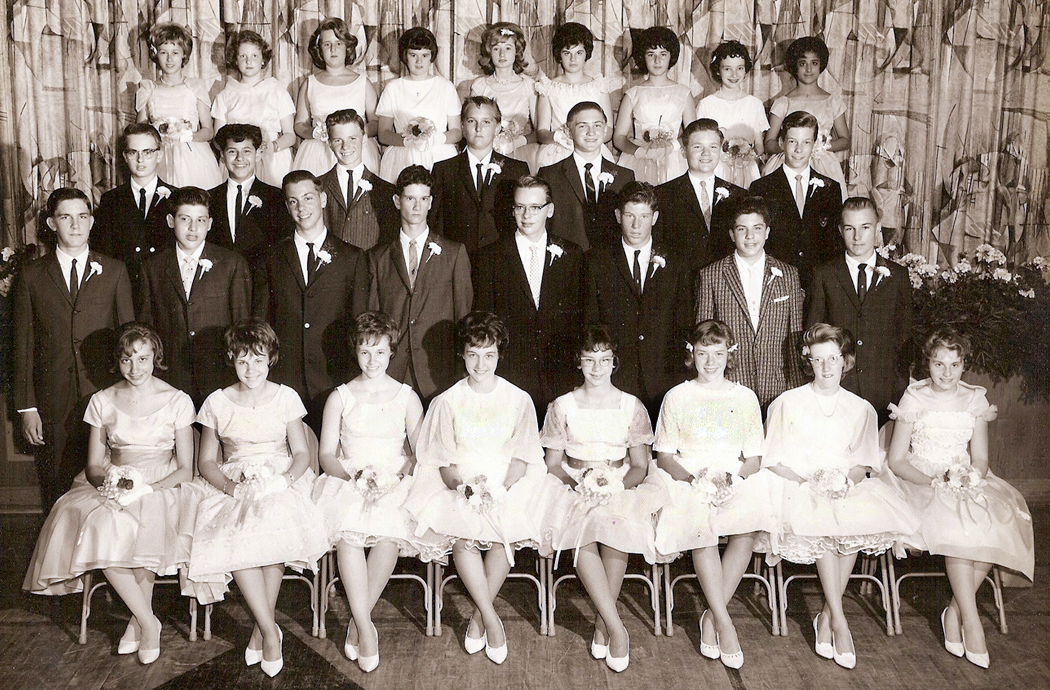
I hadn’t thought of these young faces in more than 50 years. Yet, as I looked into their faces, their names popped into my brain. Where those names and faces had been stored, I have no idea: some forgotten warehouse in my mind, like the scene at the end of “Lost Raiders.” These were faces from nearly 60 years ago, and in their fresh-faced innocence, they barely show the traces that would line them even in their eighth grade graduation photo. 8th grade class 1961

I left behind my life in New Jersey four years after that second photo, going off to college and what seemed to me to be “real life.” I wanted to forget New Jersey — more exactly the banality I saw in the suburban stultification of my home state — and dive into the deep end of art, music and poetry.

But now, a half-century later, I saw the faces in that picture and names I have not uttered in 50 years reappeared magically, jogged out of the synapses of my brain like dust between the floorboards.

What connects, ourobouros-like, our lives now with our lives then? The disconnect seems immense: There is so little of then that survives into my now; yet, the person — the sensibility I am — is a continuous existence, a line drawn without the pencil once being lifted off the page.

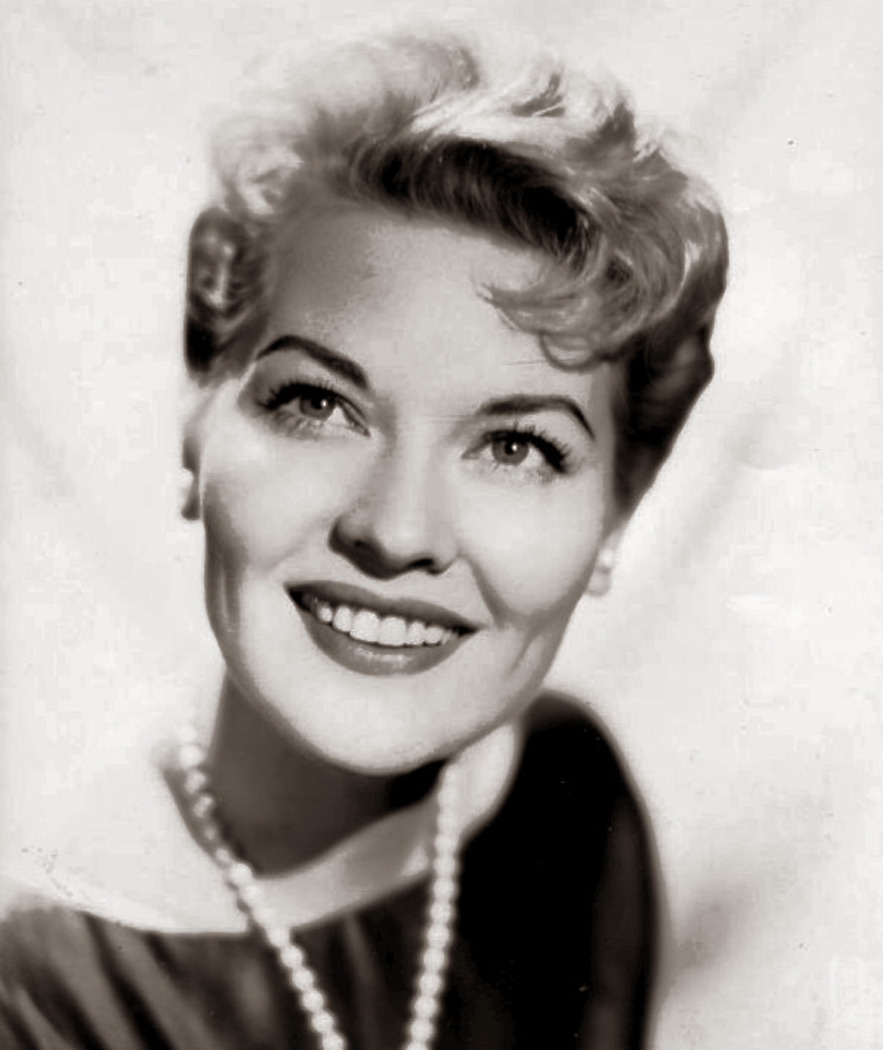
There is a danger, when looking back, to fall into the miasma of nostalgia. You see it all over the internet: “Share if you remember when the milkman delivered milk to your door?” and “Remember when cars had running boards?” Rotary phones? Party lines? As the American population has aged, PBS stations ask for money to a soundtrack no longer of septuagenarians playing Glenn Miller standards, but now to septuagenarians singing doo-wop music and recalling, with a wistful gaze on their faces “the music of our times,” as if this shared experience created an us-vs.-them world in which we remain the good guys, who really knew the score, and they are the johnny-come-latelies who have ruined it all. Patti Page

So, it is easy to make fun of the elderly, watching reruns of Lawrence Welk and wishing music still had melody, like the tunes of Patti Page and Perry Como. Or the Beatles and Barry Manilow. Or, sometime in the future, of Nirvana and Coldplay.

Nostalgia is a trap we should avoid. The past was not better than the present; it was different. I, for one, would not wish to retreat to a time when segregation was enforced by police, when women had to wear girdles, and when everyone, everywhere, at every hour of the day, sucked cigarettes.

What interests me in that second-grade photograph is not a warm, fuzzy nostalgia, but a hard, difficult and confusing problem: How much of that is me, is still me? How complete is the link between that little boy and this old, bearded senex? What is the mechanism of selfhood? How come a flash glance at an old picture can fire off a neuron after a half century and cough up the name of a Linda Muth or a Lenny D’Angelo. Why do those names persist in the neurobiology of a 67-year-old writer, who has left them all behind? And what else is buried under a lifetime of experience, ready to be excavated by a chance trigger?

A few years ago, my wife and I were visiting her hometown in North Carolina. We stopped at a gas station to refill the car and she got out to go into the quickie-mart. Inside, while standing at the cash register, a voice called out behind her, “Carole Steele, do you remember me?” She turned around and saw an old man, cue-ball hairless, nearly toothless, with a vast beer belly and dressed in denim overalls — clearly an old farmer. “Thomas Bullins,” she said, in instant recognition. “What happened to your red hair and your freckles? And how did you recognize me?” Carole was now 70 years old. “Your hair,” he said. When they were in the first grade, little Tommy Bullins used to steal the ribbons from Carole’s pigtails.

He smiled that toothless smile, and Carole reached up and kissed him on the mouth. Some vast and unnamed chasm had been spanned in an instant.

What traces of the six-year-old Tommy Bullins remained on the wrinkled, pudgy, puffy, weathered face that Carole could see so immediately? “There is an X on the faces of all the Bullinses,” she says, “that I saw in the gas station.” Not an actual X, but a lineup of features that suggested an X there, that signaled that this was Tom Bullins.

I don’t know the mechanism for memory. I’m not sure anyone does. But I know its persistence, and I know that somehow that persistence is necessary for the development of a self — that sense that the boy is truly father to the man, that the me in New Jersey 60 years ago is the same me in the mountains of North Carolina now, despite all the midden of experience that has piled on in the intervening years. Would my mother recognize the little boy in me now? I know that Carole recognizes the little girl in her 50-year-old daughter; in fact, she hardly recognizes that Susie is all grown up.

We push through time like snow plows, leaving a cleared path behind us. That wake is our selfhood. Longfellow School Teaneck back

Through Facebook, I recently reconnected with a boy (now man) I first met in kindergarten at the Henry Wadsworth Longfellow Elementary School in Teaneck, N.J. He now lives on the other side of the continent. When my family moved from Teaneck to Old Tappan and I began the second grade at Charles De Wolf Elementary School in Old Tappan, he was there, too, his family having also moved. This makes him the person outside of family that I have known the longest.

The contact brought up a welter of memory, of playing in a rhythm band in kindergarten, of taking those daily naps on the classroom floor, of seeing him and other classmates singing “Sailing, sailing, over the bounding main,” and of walking every day — at five years old — the half mile from home to school, and later, walking back. The entire geography of my tiny life was back before me: the A&P I passed on the way, the firehouse on Morningside Drive, the ballfield outside Longfellow school, the deli, the stationery store, the old grocery with its sawdust floor, the Italian pushcart merchant that wandered up Farrant Terrace calling out his wares, the two collies that lived down the street that scared my younger brother, who thought they were lions — the inside of the closet in my home, with its lathe-and-plaster walls. A whole world wells up. Where has it been sitting? Why is it all buried in there?

A few years ago, I began an autobiography, not for publication, but to share with my brothers in a group project: They would write theirs, too, and we would get to know each other better — what they had done after leaving home for college, and we lost daily contact.

The thing that most astonished me about the writing was that every memory I retrieved was a room with three other doors, and behind each of those doors was another room with three more doors, on and on, like some Borges story. I was dumbfounded at the amount of information that was still there to be recovered. Many were not anecdotal stories, but rather, sense memories, bits of things and locations that fell back into place when recalled.

It must be the same for everyone. I know that when I ask my wife to tell me about her childhood, she can go on for an hour and we have to stop, but the next day, we can start again and there is an endless stream, an bottomless well of material. In her case, it sounds all like a Faulkner novel and I have tried to write it all down. A fool’s errand: There can be no “all,” because it never seems to end. I write it into my laptop as fast as she can speak it, but I’ll never have the time to go back and edit the notes, because the next time, there are all-new stories, and another cast of characters.

I want to save as much as possible, not for publication, but for the sake of our grandchildren, so they can have some sense of their grandmother. If her stories can become part of their memories, then their interior lives can retreat five generations, back to Carole’s grandparents, who were so central to her life.

In the end, this has given me a powerful sense of the onflow of life, of the piling on of detail, of the continuity, not merely of selfhood, but of family, of history: a line that Carole calls “the long man,” which reaches back past Eve and Adam, past Homo habilis, back to our reptilian life, back to our eukaryotid beginnings, all a wholeness. Ontogeny recapitulates phylogeny. The author, age 20 months

I see the scrubbed face of my old picture, holding my favorite ball, and I see myself now, aged and worn, and there is an odd reversal: The baby photograph is now six decades old and the ancient me is brand new. And in some inexplicable way, they are the same.